M-Turn Valve Turner with ONE-KEYTM OPERATORS MANUAL
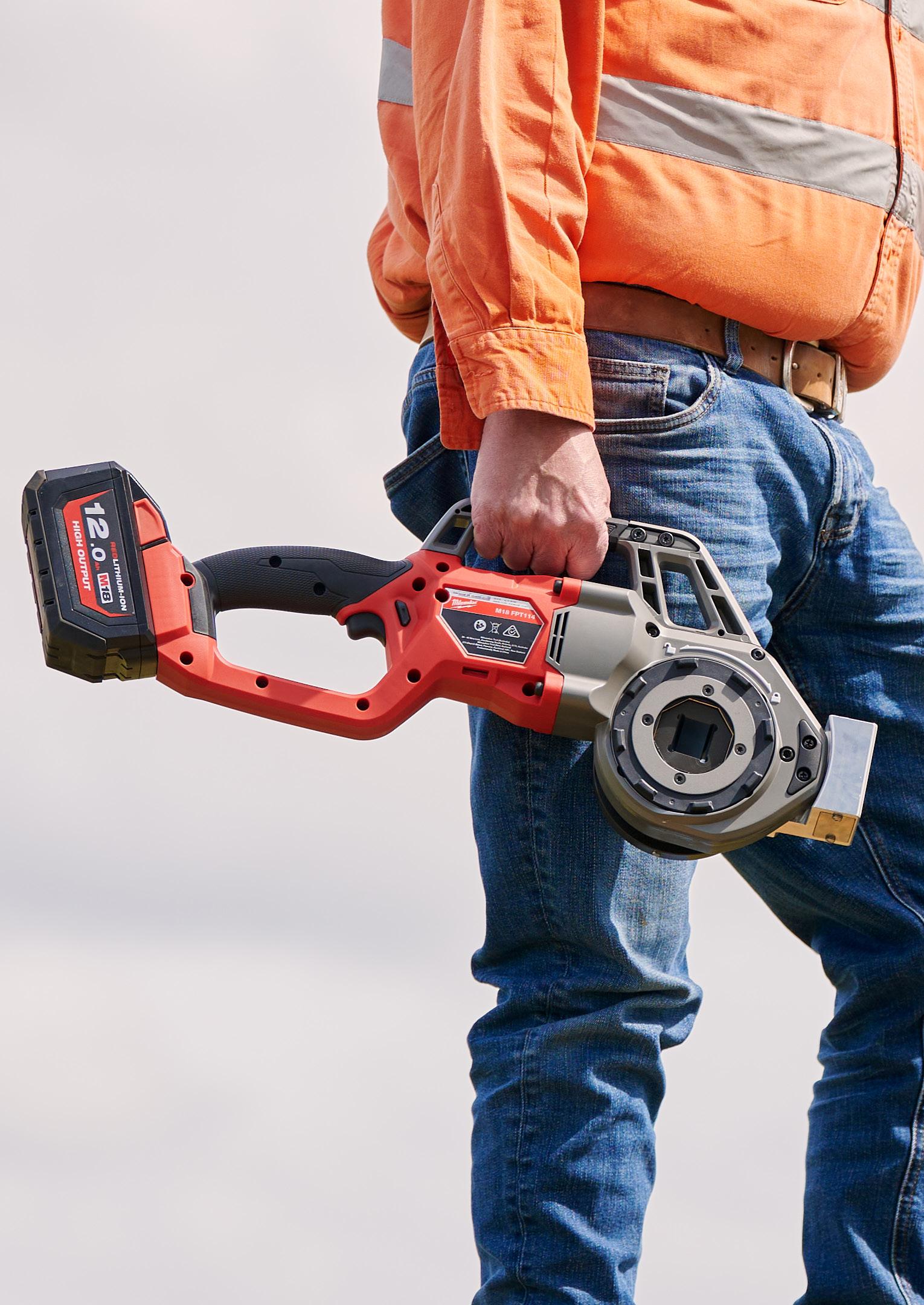
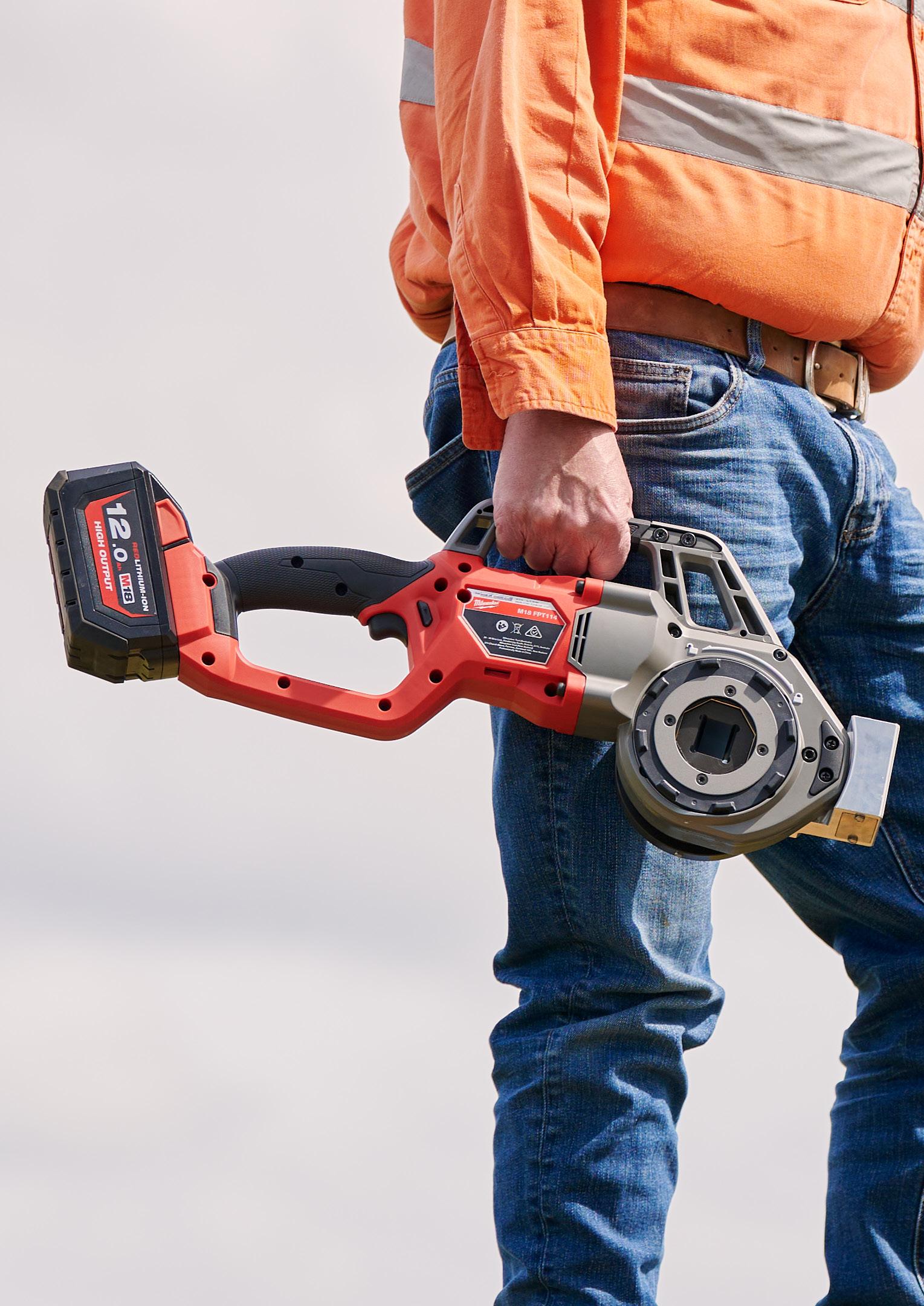
M-Turn Valve Turner with ONE-KEYTM OPERATORS MANUAL
Read all safety warnings, instructions, illustrations and specifications provided with this power tool. Failure to follow all instructions listed below may result in electric shock, fire and/or serious injury. Save all warnings and instructions for future reference. The term “power tool” in the warnings refers to your mains-operated (corded) power tool or battery-operated (cordless) power tool.
• Keep work area clean and well lit. Cluttered or dark areas invite accidents.
• Do not operate power tools in explosive atmo-liquids, gases or dust. Power tools create sparks which may ignite the dust or fumes.
• Keep children and bystanders away while operating a power tool. Distractions can cause you to lose control.
• Power tool plugs must match the outlet. Never modify the plug in any way. Do not use any adapter plugs with earthed (grounded) power tools. Unmodified plugs and matching outlets will reduce risk of electric shock.
• Avoid body contact with earthed or grounded surfaces, such as pipes, radiators, ranges and refrigerators. There is an increased risk of electric shock if your body is earthed or grounded.
• Do not expose power tools to rain or wet conditions. Water entering a power tool will increase the risk of electric shock.
• Do not abuse the cord. Never use the cord for carrying, pulling or unplugging the power tool. Keep cord away from heat, oil, sharp edges or moving parts. Damaged or entangled cords increase the risk of electric shock.
• When operating a power tool outdoors, use an extension cord suitable for outdoor use. Using a cord suitable for outdoor use reduces the risk of electric shock.
• If operating a power tool in a damp location is unavoidable, use a residual current device (RCD) protected supply. Use of a RCD reduces the risk of electric shock.
• Stay alert, watch what you are doing and use common sense when operating a power tool. Do not use a power tool while you are tired or under the influence of drugs, alcohol or medication. A moment of inattention while operating power tools may result in serious personal injury.
• Use personal protective equipment. Always wear eye protection. Protective equipment such as a dust mask, non-skid safety shoes, hard hat or hearing protection used for appropriate conditions will reduce personal injuries.
• Prevent unintentional starting. Ensure the switch source and/or battery pack, picking up or carrying the tool. The switch or energising power tools that have the switch on invites accidents.
• Remove any adjusting key or wrench before turning the power tool on. A wrench or a key left attached to a rotating part of the power tool may result in personal injury.
• Do not overreach. Keep proper footing and balance at all times. This enables better control of the power tool in unexpected situations.
• Dress properly. Do not wear loose clothing or jewellery. Keep your hair and clothing away from moving parts. Loose clothes, jewellery, or long hair can be caught in moving parts.
• If devices are provided for the connection of dust extraction and collection facilities, ensure these are connected and properly used. Use of dust collection can reduce dust-related hazards.
• Do not let familiarity gained from frequent use of tools allow you to become complacent and ignore tool safety principles. A careless action can cause severe injury within a fraction of a second.
• Do not force the power tool. Use the correct power tool for your application. The correct power tool will do the job better and safer at the rate for which it was designed.
• Do not use the power tool if the switch does not turn on and off. Any power tool that cannot be controlled with the switch is dangerous and must be repaired.
• Disconnect the plug from the power source and/or remove the battery pack, if detachable, from the power tool before making any adjustments, changing accessories, or storing power tools. Such preventive safety measures reduce the risk of starting the power tool accidentally.
• Store idle power tools out of the reach of children and do not allow persons unfamiliar with the power tool, or these instructions, to operate the power tool. Power tools are dangerous in the hands of untrained users.
• Maintain power tools and accessories. Check for misalignment or binding of moving parts, breakage of parts and any other condition that have the power tool repaired before use. Many accidents are caused by poorly maintained power tools.
• Keep cutting tools sharp and clean. Properly maintained cutting tools with sharp cutting edges are less likely to bind and are easier to control.
• Use the power tool, accessories and tool bits etc. in accordance with these instructions, taking into account the working conditions and the work to be performed. Use of the power tool result in a hazardous situation.
• Keep handles and grasping surfaces dry, clean and free from oil and grease. Slippery handles and grasping surfaces do not allow for safe
• Have your power tool serviced by a qualified repair person using only identical replacement parts. This will ensure that the safety of the power tool is maintained.
• Never service damaged battery packs. Service of battery packs should only be performed by the manufacturer or authorised service
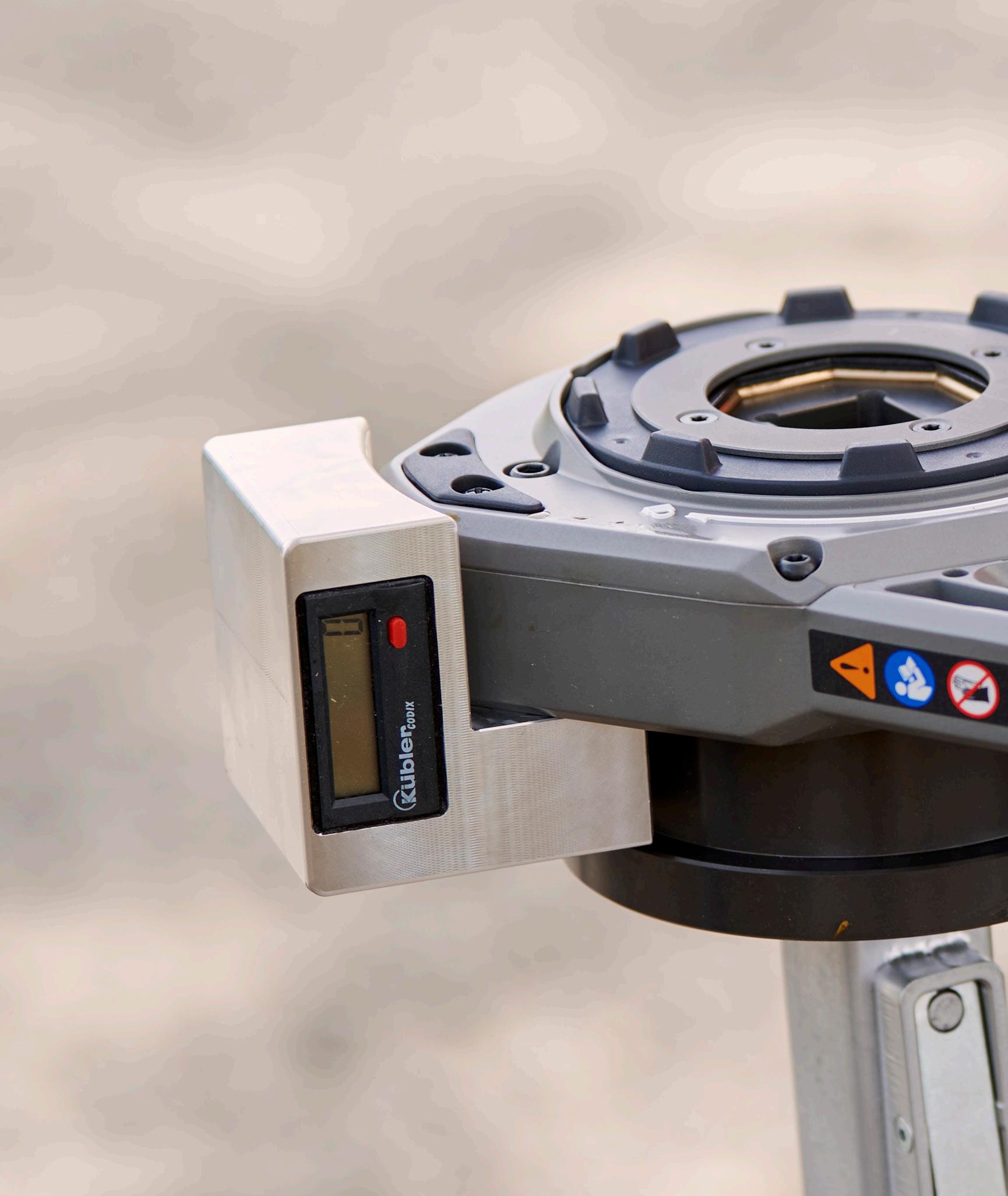
• Maintain labels and nameplates. These carry important information. If unreadable or missing, contact a MILWAUKEE® service facility for a replacement.
• Recharge only with the charger specified by the manufacturer. A charger that is suitable for one type of battery pack may create a risk of fire when used with anoither battery pack
• Use power tools only with specifically designated battery packs. Use of any other battery packs may create a risk of injury and fire.
• When battery pack is not in use, keep it away from other metal objects, like paper clips, coins, keys, nails, screws or other small metal objects, that can make a connection from one terminal to another. Shorting the battery terminals together may cause burns or a fire.
• Under abusive conditions, liquid may be ejected from the battery; avoid contact. If contact accidentally occurs, flush with water. If liquid contacts eyes, additionally seek medical help. Liquid ejected from the battery may cause irritation or burns.
• Do not use a battery pack or tool that is damaged or modified. Damaged or modified batteries may exhibit unpredictable behaviour resulting in fire, explosion or risk of injury.
• Do not expose a battery pack or tool to fire or excessive temperature. Exposure to fire or temperature above 130°C (265°F) may cause explosion.
• Follow all charging instructions and do not charge the battery pack or tool outside the temperature range specified in the instructions. Charging improperly or at temperatures outside the specified range may damage the battery and increase the risk of fire.
Some dusts created by power sanding, sawing, grinding, drilling, and other construction activities contains chemicals known to cause cancer, birth defects or other reproductive harm. Some examples of these chemicals are:
• Lead from lead-based paint.
• Crystalline silica from bricks and cement and other masonry products.
• Arsenic and chromium from chemically-treated lumber. Your risk from these exposures varies, depending on how often you do this type of work. To reduce your exposure to these chemicals: work in a well ventilated area, and work with approved safety equipment, such as dust masks that are specially designated to filter out microscopic
WARNING
To reduce the risk of fire, personal injury and prodcut damage due to a short circuit, never immerse your tool, battery pack or charger in fluid or allow a fluid to flow inside them. Corrosive or conductive fluids, such as seawater, certain industrial chemicals, and bleach or bleach-containing products, etc, can cause a short circuit.
WARNING
Do not charge non-rechargable batteries.
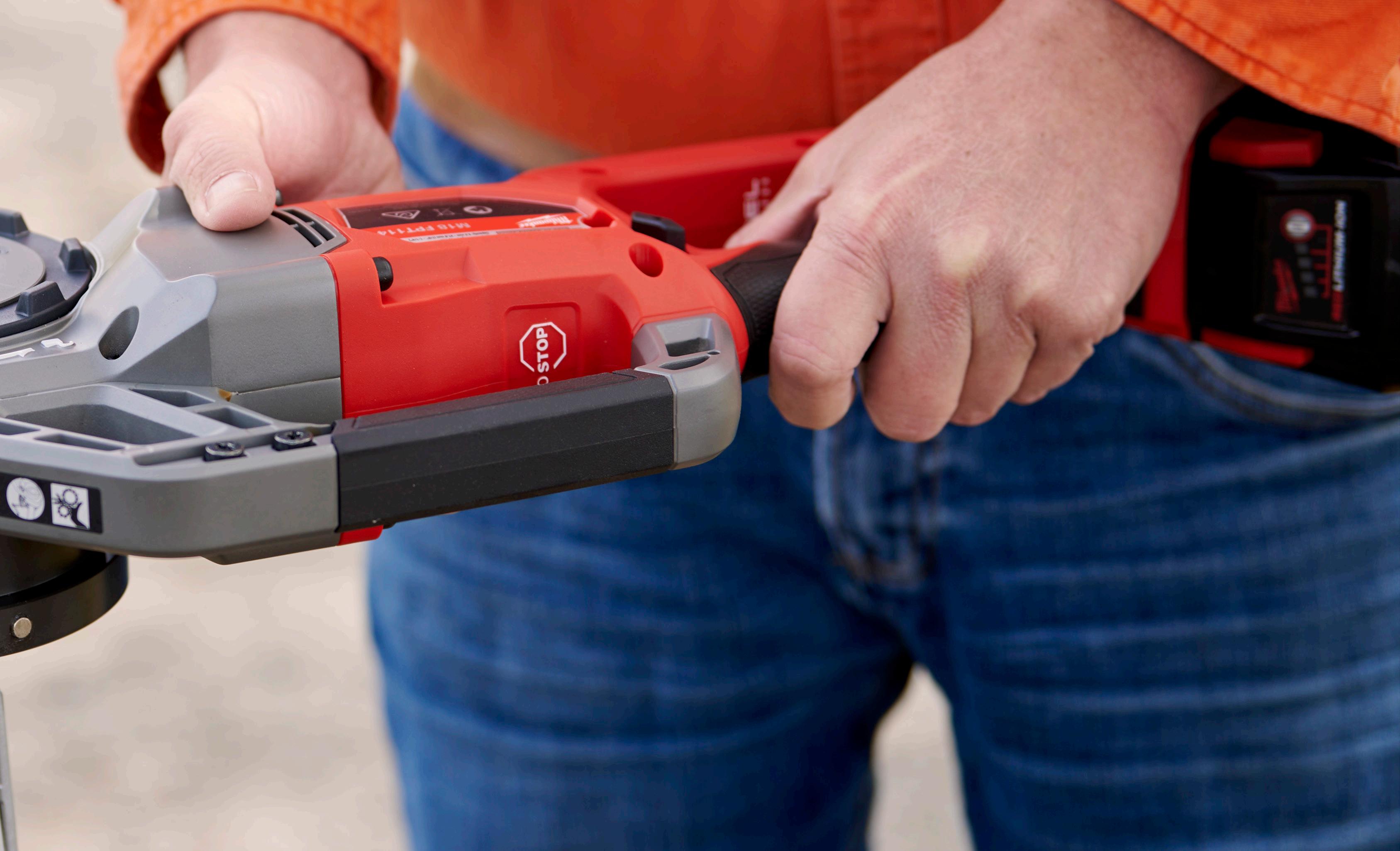
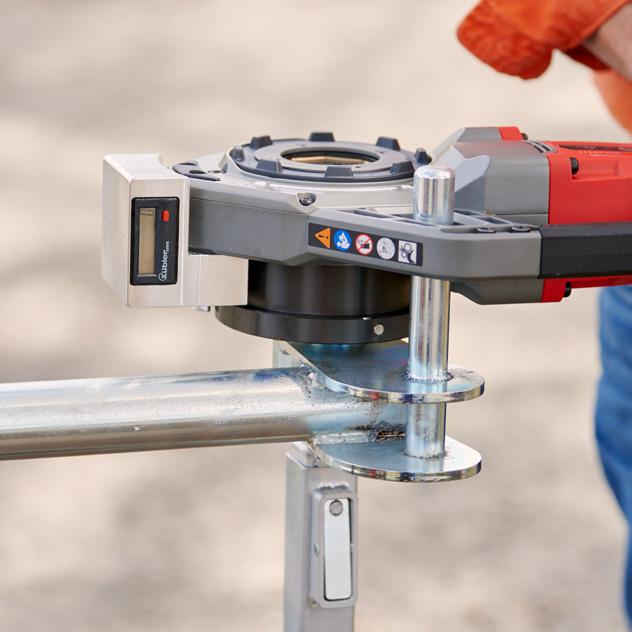
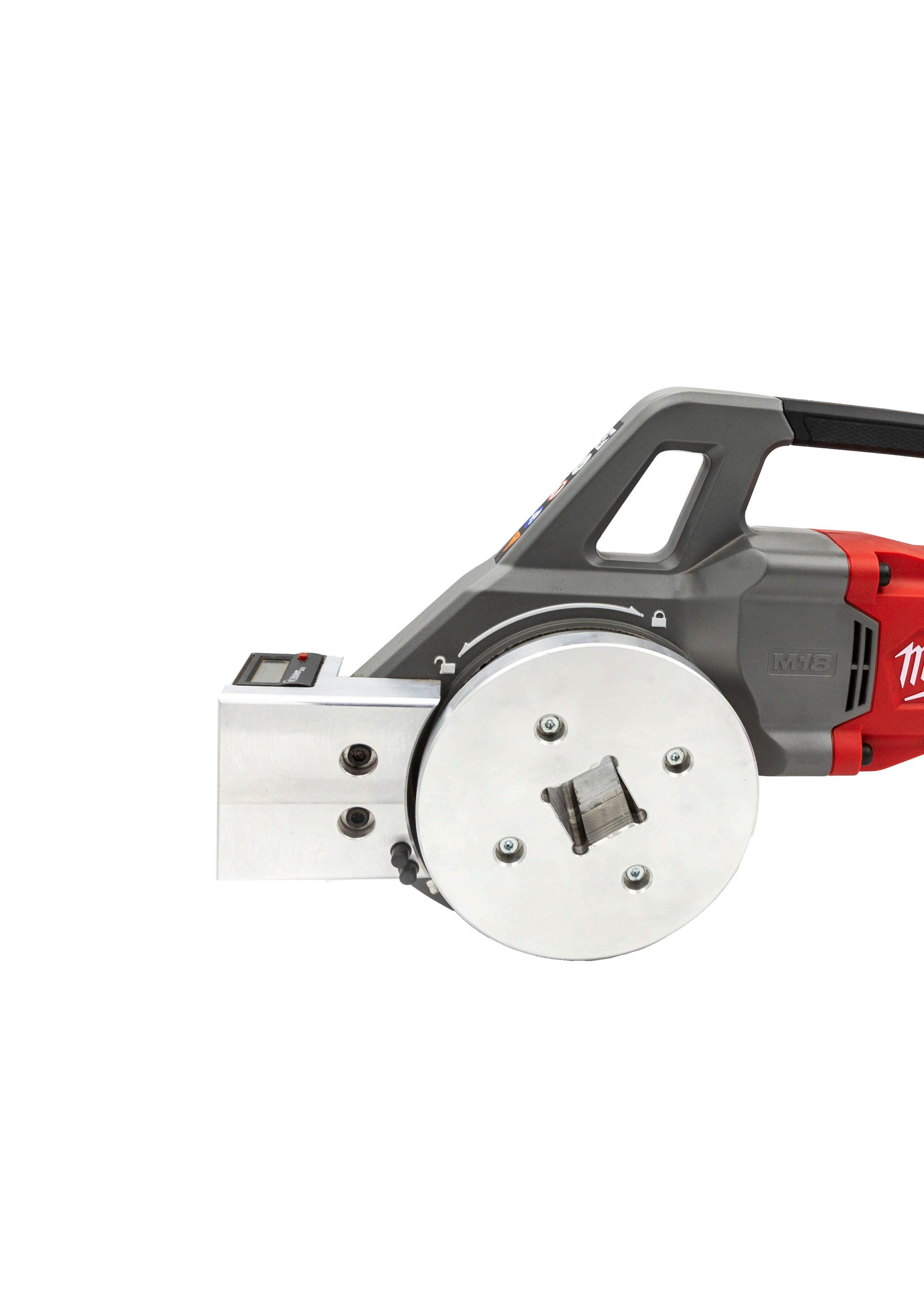
Allows the operator to hold or to stabilize the M turn from the side, in addition to the main handle, for better control when torque is applied.
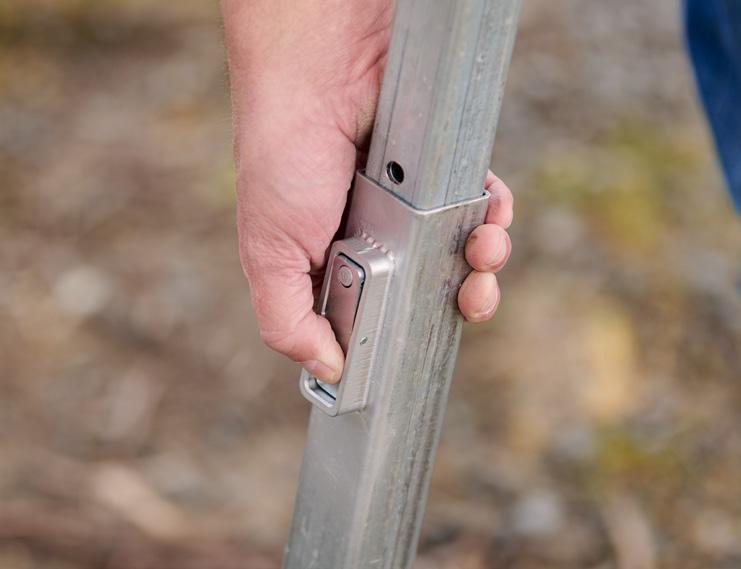
A locking ring mechanism engineered to lock and secure the telescoping key.
Inserting the support arm through the bracing point allows for extra stability when operating the M-Turn.
A robust handle integrated into the body of the M-Turn designed for carrying and transporting the M-turn when it’s not in use. In addition to the ‘Side Grip’, the carry handle also stabilise’s the M turn for better control when torque is applied.
Solid blue - wireless mode is active and ready to be configured via the ONE-KEYTM
Blinking Blue - Tool is actively communicating with the ONE-KEYTM app.
Blinking Red- Tool is in secruity lockout and can be unlocked by the owner via the ONE-KEYTM app.
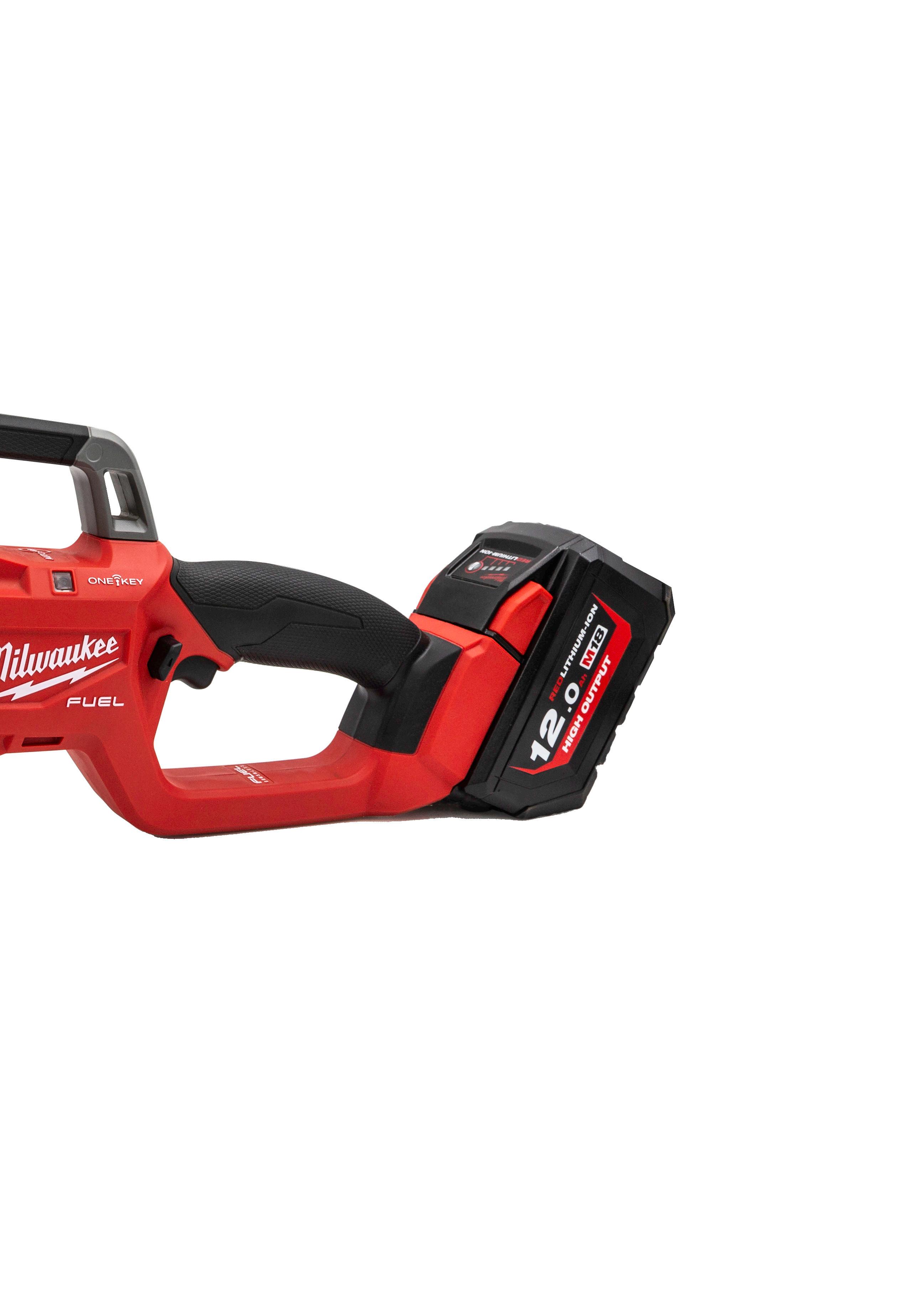
5 ONE-KEYTM INDICATOR
ONE-KEY™ wirelessly connects to a smartphone to track the tool’s location, manage it in inventory, and lock the tool out for added security. 6 INTERNAL BATTERY
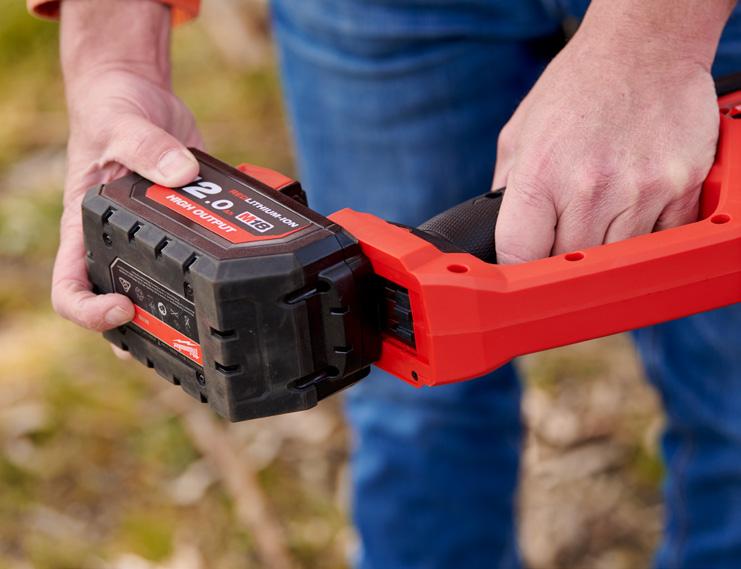
Powered by an 18V battery, eliminating the need for tethering to power cords or external power supplies, making it much more versatile in the
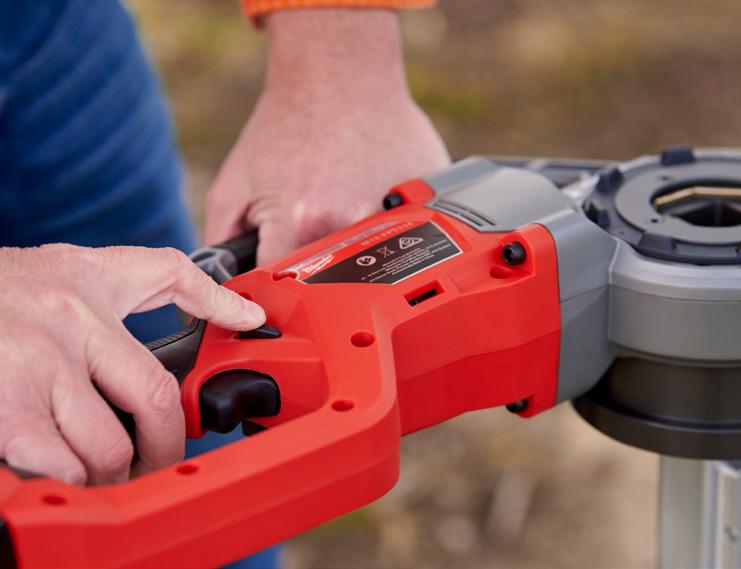
The trigger activates the M-Turn responding instantly. Releaseing the trigger deactivates the M-Turn and reduces risk if the operator needs to abort
Easily change direction of the telescoping key with the flick of a switch.
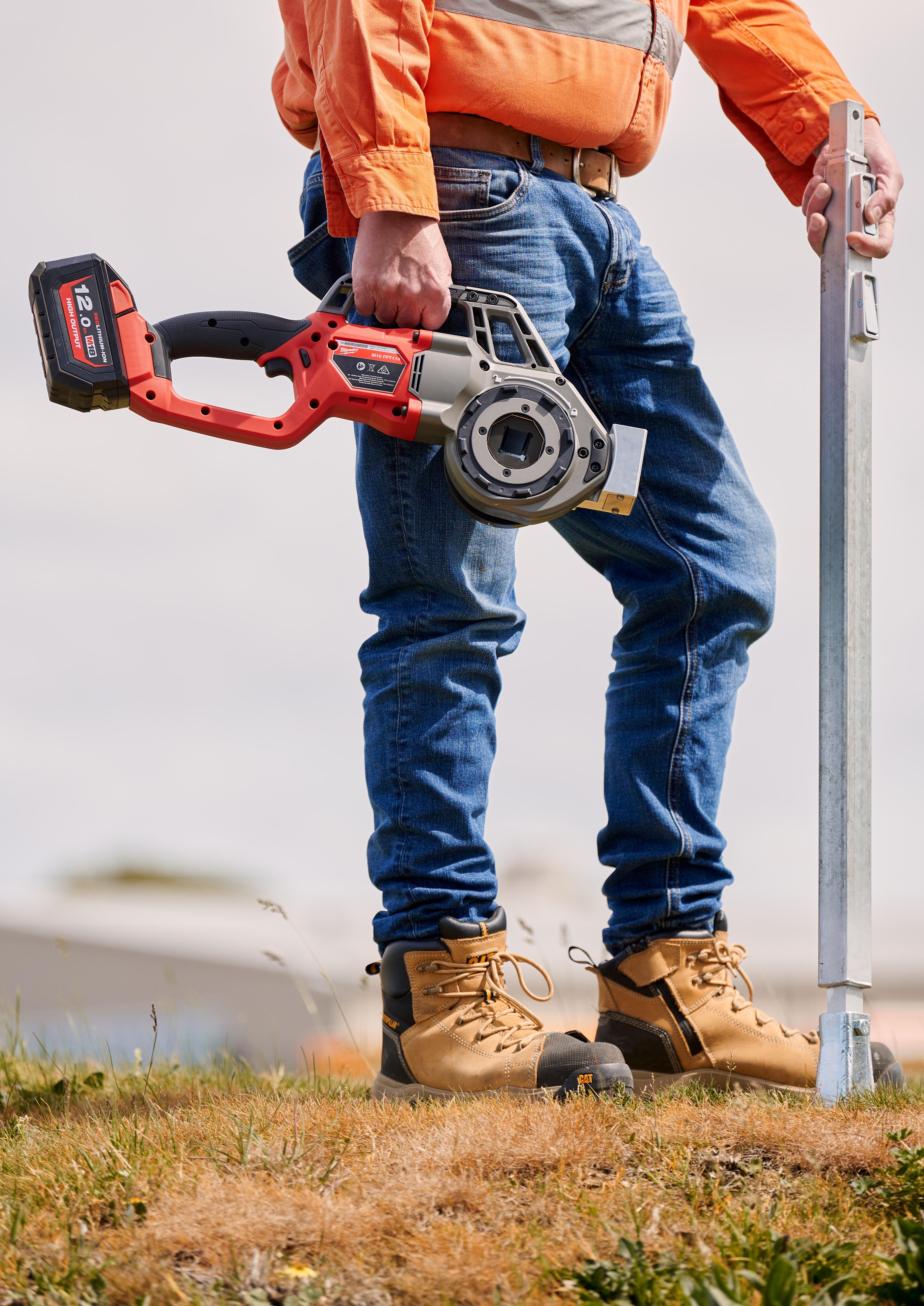

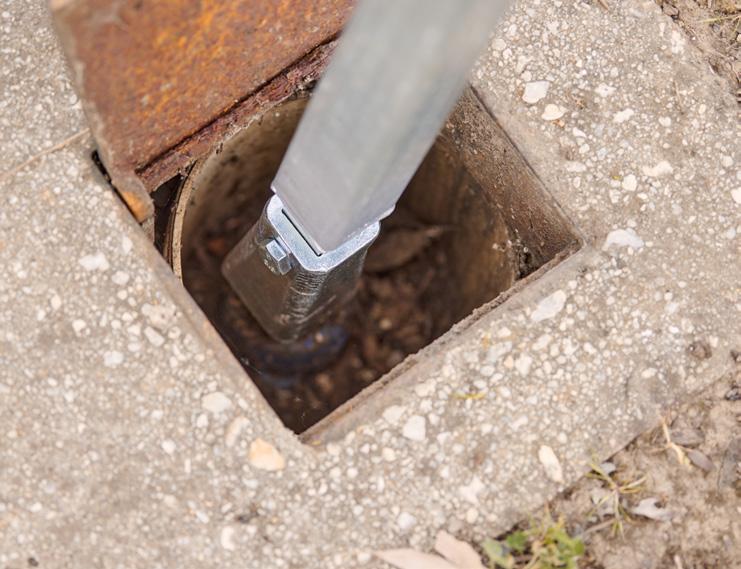
Locate and insert the Telescoping Key onto the valve.
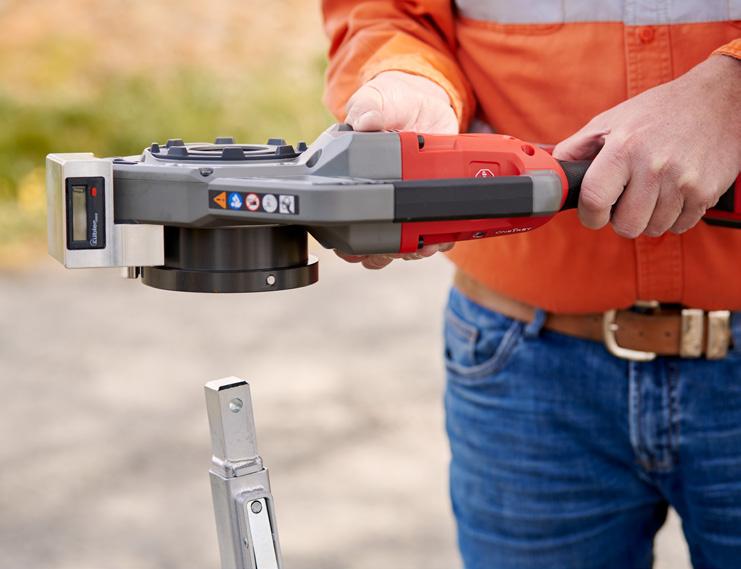
Place the M-Turn onto the Telescoping valve Key.
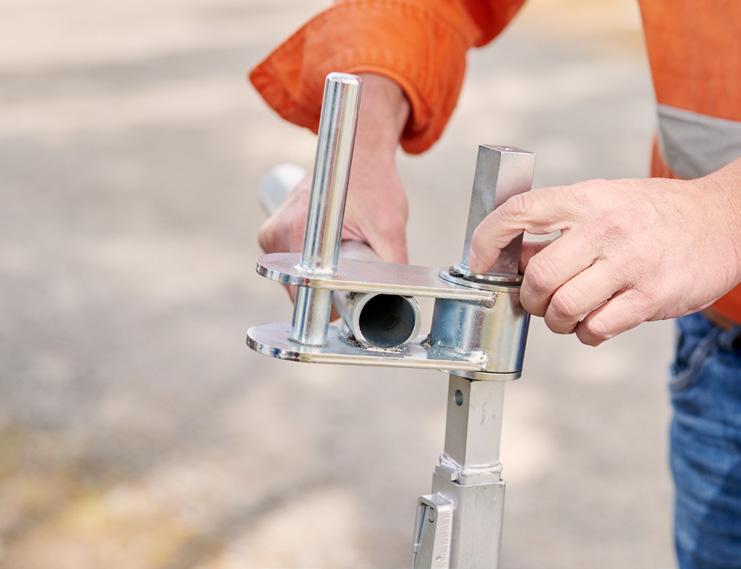
Insert the support arm on top of the telescoping valve key.
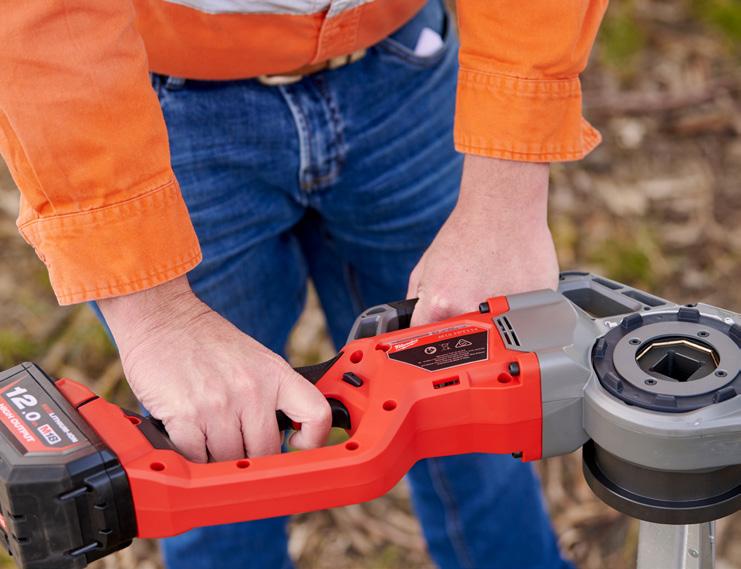
Firmly grasp onto the handle and hold the trigger down to activate the M-Turn.
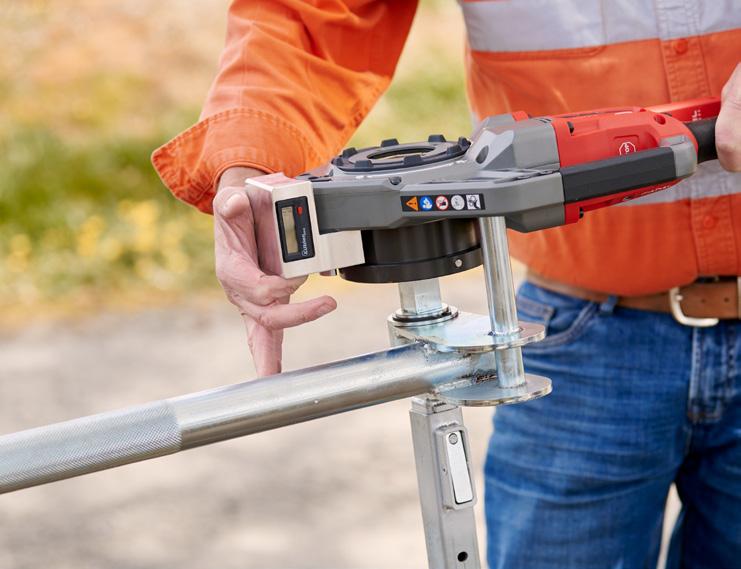
Place the M-Turn on top of the support arm and insert the support arm through the bracing point.
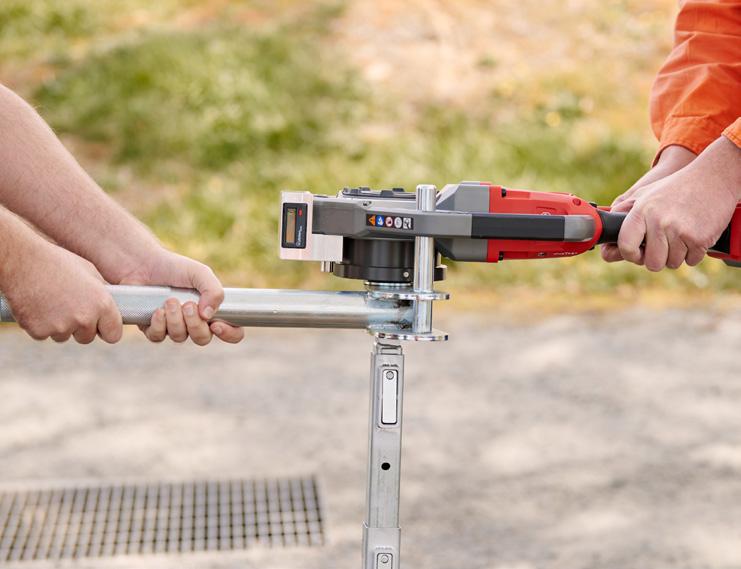
Firmly grasp with both hands. Assistance may be required to help stabilise the support arm.
Valvemax Australia
501 - 503 Dowling Street
T 1800 672 000
E sales@valvemax.com.au
W valvemax.com.au