Friday 5 December 2025, 7.30pm
Barbican Hall




Thank you for joining us on tonight’s journey of discove
the beauty, nostalgia and emotional depth of Puccini’s
Henry Little Bill Chandler

Friday 5 December 2025, 7.30pm
Barbican Hall
Thank you for joining us on tonight’s journey of discove
the beauty, nostalgia and emotional depth of Puccini’s
Henry Little Bill Chandler
Thursday 23 April | 7PM
Bechstein Hall Marylebone
Soraya Mafi soprano
Robert Lewis tenor
Anna Tilbrook piano
Thursday 26 February | 7PM
Bechstein Hall Marylebone
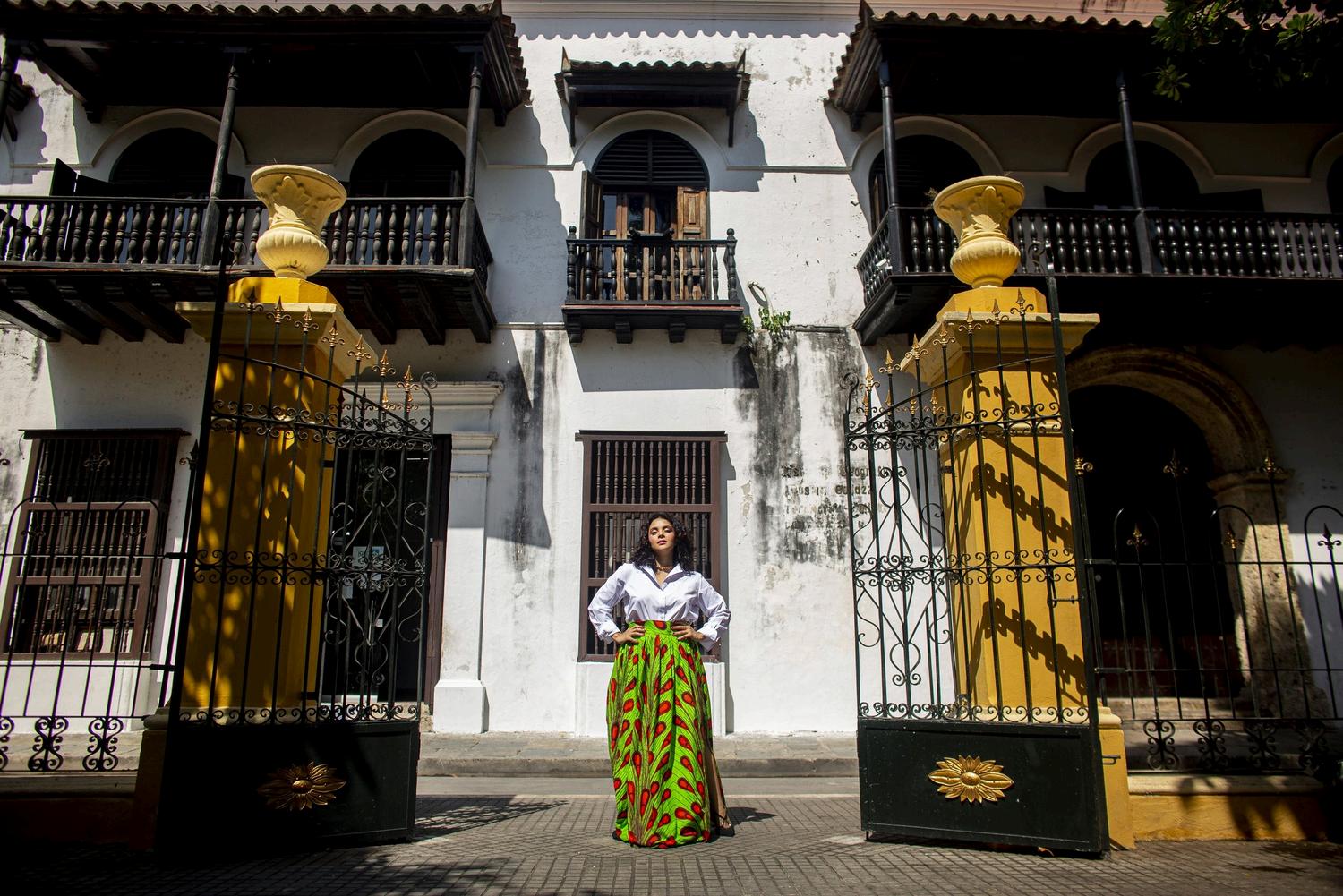
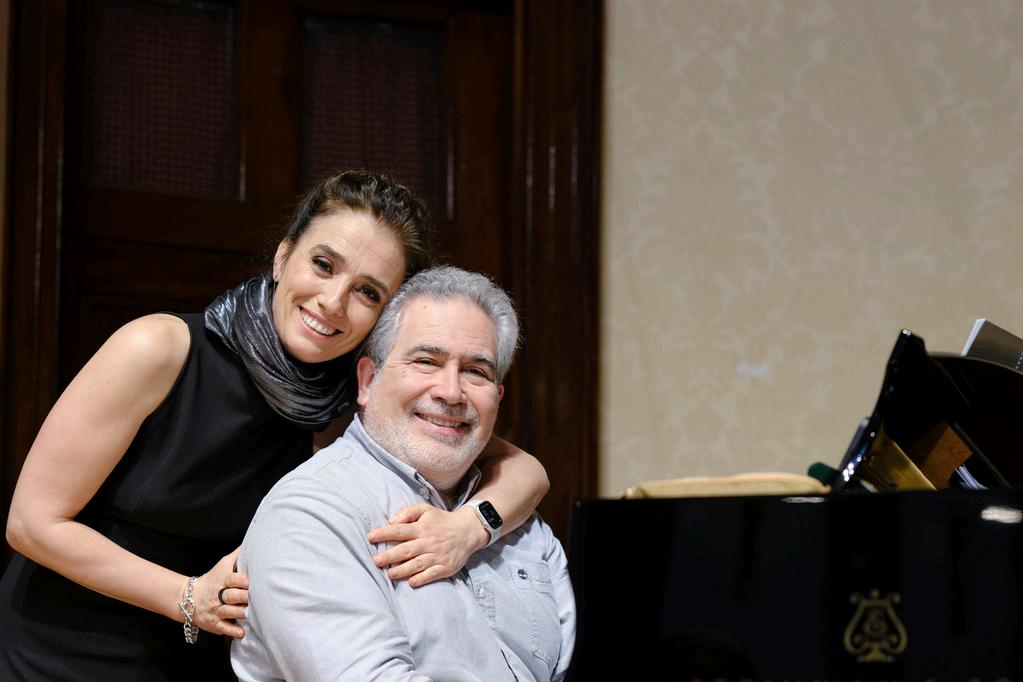
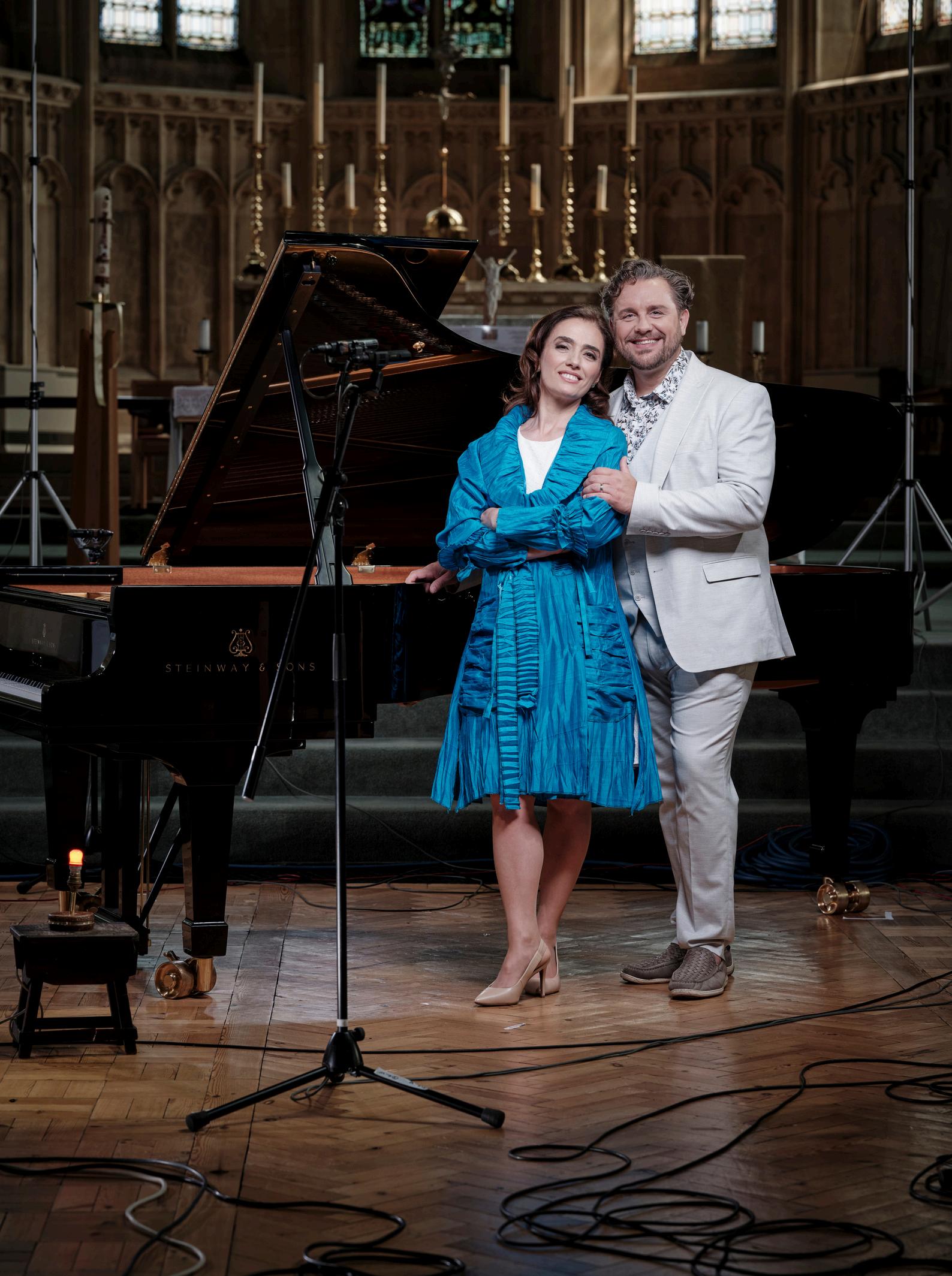
Julieth Lozano Rolong soprano Anna Tilbrook piano
Join Opera Rara at Bechstein Hall for the second
Salon Series recital of its 55th season We welcome back pianist Anna Tilbrook, who will
accompany Colombian soprano Julieth Lozano Rolong in an evening of rare songs that explore the many shades of feminine expression romantic love, maternal devotion, and self-love
through music that spans both traditional
European and rarely-heard Latin American
repertoire From longing and loss to honesty and resilience, it reveals how our shared emotions
transcend borders and connect us all through
song. Tickets: £35
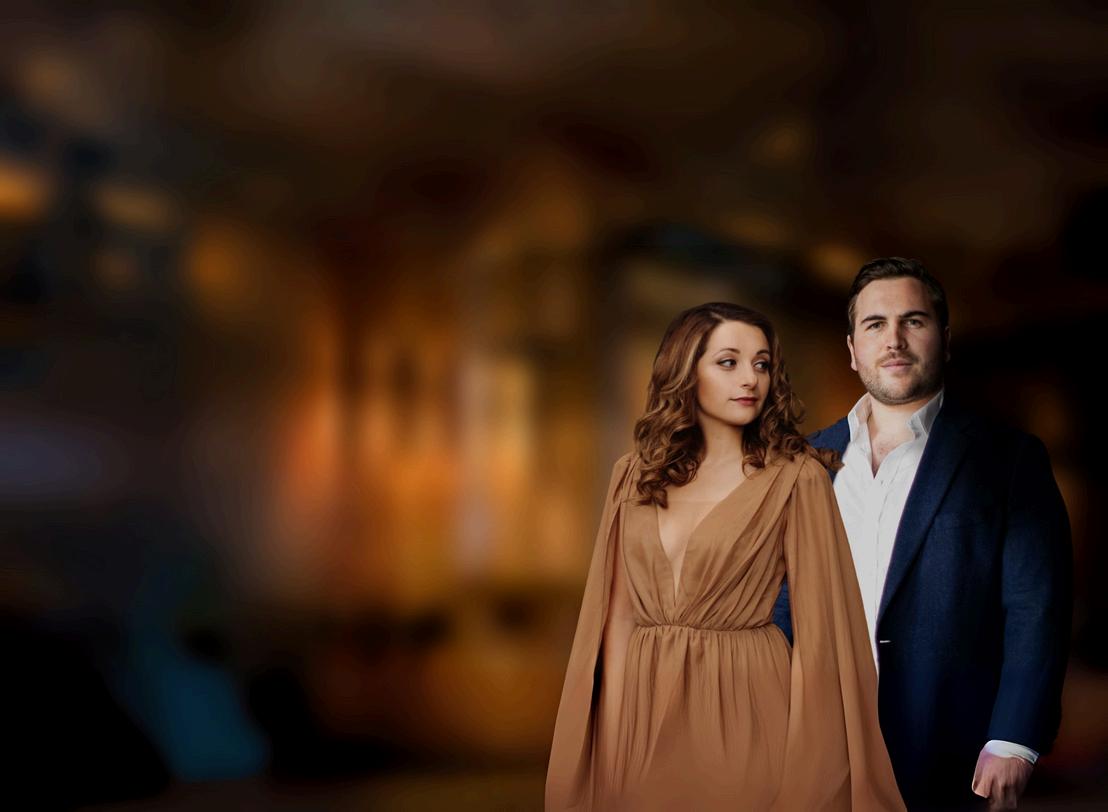
Opera Rara’s final Salon Series recital of its
55th season sees British tenor Robert Lewis
join forces with British-Iranian soprano Soraya
Mafi They will be accompanied once again by the series’ featured collaborator and pianist Anna Tilbrook in a programme of bel canto bliss
Exploring more of the nearly 200 recently discovered songs by Gaetano Donizetti, the programme will also include duets by Donizetti that have not been heard for nearly 200 years
Join us at Bechstein Hall for this rare chance to hear recently discovered music by one of opera’s greatest composers Tickets: £35 O P E R A - R A R A . C O M / E V E N T S

Friday 5 December 2025
7.30pm | Barbican Hall

to theleft, agardenat thebackandabalcony. Members of t oneanother, anddemanddrinks; Ruggero sits shyly inacorn
approachedby Georgette, Gabriella, Loletteandother grise andattracts theinterest ofagroup of students; she pretend
tomoveaway from them, andapproaches Ruggero Heask
company and tells her she reminds himof themodest girls in
dance together andbecomelost in thecrowd (‘Nelladolcec
Prunier andLisettearrive; heis praisedby thecrowdas the p
Georgette, GabriellaandLolette pursuehim (‘Deh! scendida andRuggeroorder drinks, revivingMagda’s memories ofhe
his loves but Ruggero sharply declares that ifheloved, it wou
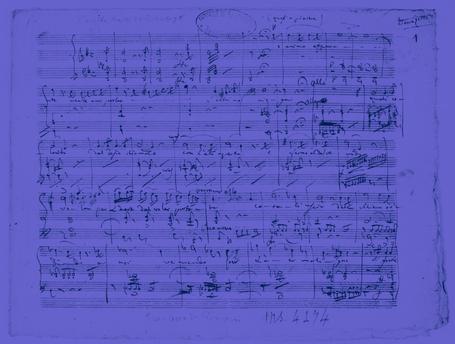
Three months later The action takes place on the pavilion of
Côte d’Azur, in the late afternoon Magda pours tea and she
one another, reflecting on their happiness in this new life. Sud
interrupted by Fleury, Mariette and Rorò, fashionable salesw
latest clothes Magda and Ruggero tell them they are too po
laughing Ruggero consoles Magda and tells her their financ
over: he has asked his family for permission to marry Magda
seguirmi alla mia casa’) She is shocked, but he reminds her t
he wishes to bring her home and raise a family. Ruggero leav tormented by his ignorance of her past She enters the pavili Prunier arrive, arguing: Prunier tried to launch a singing caree the public mocked her The butler greets them and announc surprised; she tells Prunier she is completely happy but he re suited to this modest life. Lisette offers to return as Magda’s that Magda will also return to her old ways; Rambaldo has as message Lisette and Prunier leave together, now reconciled (‘Che volete da me?’) He tells Magda that the swallow will ev nest and he leaves a small wallet, asking for Magda’s forgive in distress and holding a letter; Rambaldo exits quickly Magd revealing the truth about her past in Paris; Ruggero violently He sees the wallet on the table and the couple fight over it; R money in Magda’s face and pushes her to the ground She p forgiveness, crawling on the floor (‘Non maledire, ascolta’); bu leaves forever Lisette arrives and comforts the heartbroken women walk off into the distance together as the evening be

Cond

Generously supported by
Opera Rara Artist Benefactor
Philip Eisenbeiss
Opera Rara’s Artist Ambassador,
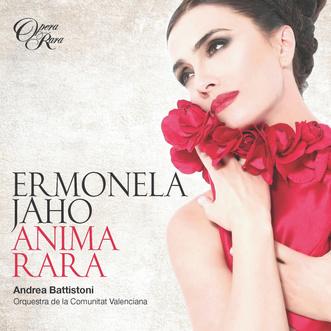
Ermonela Jaho, is internationally recognized as today’s foremost
celebrated operatic singing-actresses, who performs regularly at the most
important opera houses around the
world. She was recently titled
"Chevalier de l'Ordre des Arts et des
Lettres" for significant contributions to
the arts and culture in France and around the world, Artist of the Year at
the 2023 International Classical Music
Awards, The Best Female singer of
Germany’s OPER Awards 2024 and Spain’s Opera XXI Best Foreign Artist
2024 She is the winner of ICMA Vocal

Ruggero Lastouc
Generously supported by
Opera Rara Artist Benefactors
Islée Oliva Salinas & Michael Buckley
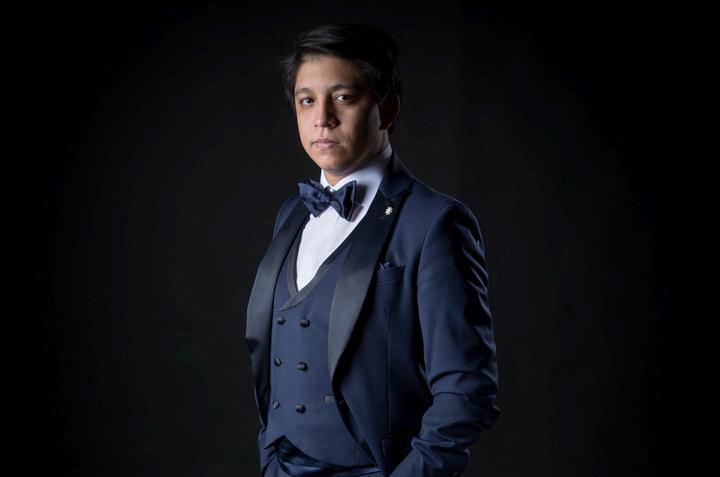
Iván Ayón-Rivas was born in 1993 in Peru. He studied opera under Maria
Eloisa Aguirre Gonzalez, Juan Diego
Flórez, Ernesto Palacio, Vincenzo
Scalera, Maurizio Colacicchi and Luigi
Alva He is currently studying in Italy with the baritone Roberto Servile.
In 2013 he won second prize at the
Peruvian National Competition for
Opera Singers, and in 2014 he sang in many solo recitals in Peru In November
2015, he won the third edition of the
Concorso Internazionale di Canto
‘Premio Etta e Paolo Limiti’ He sang in Mercadante’s Francesca da Rimini at the Festival della Valle d’Itria in Martina
Franca, conducted by Fabio Luisi, and he returned the following year in Un giorno di regno.
Among his recent and future engagements: La traviata in Venice, Rimini, Florence and Rome, Falstaff in Turin, L’arlesiana in Berlin, Il corsaro in Piacenza, I Capuleti e i Montecchi in Rome and at the Puccini Festival in Torre del Lago, L’elisir d’amore in Las Palmas and Bari, Rigoletto in Florence under the baton of Fabio Luisi, and in Turin and Palermo directed by John Turturro, and in Rome, Venice, Tokyo and Liège under Daniele Gatti, Don Pasquale and Gianni Schicchi at the Liceu in Barcelona, Eugene Onegin and Otello at the Wiener Staatsoper, Faust in Venice, Les contes d’Hoffmann in Sydney and Venice and his debut with Macbeth at La Scala
He won First Prize in the Don Placido Domingo Ferrer Prize of Zarzuela and the Rolex Audience Prize at the Operalia Competition 2021
Iván made his recording debut with Opera Rara in 2022 in the International Opera
Awards winning recording of Mercadante’s Il proscritto He returned last year to record Verdi’s 1857 version of Simon Boccanegra, which was released earlier this year to critical acclaim, being nominated for both an International Opera Award and a Gramophone Award.

Rambaldo Fernandez
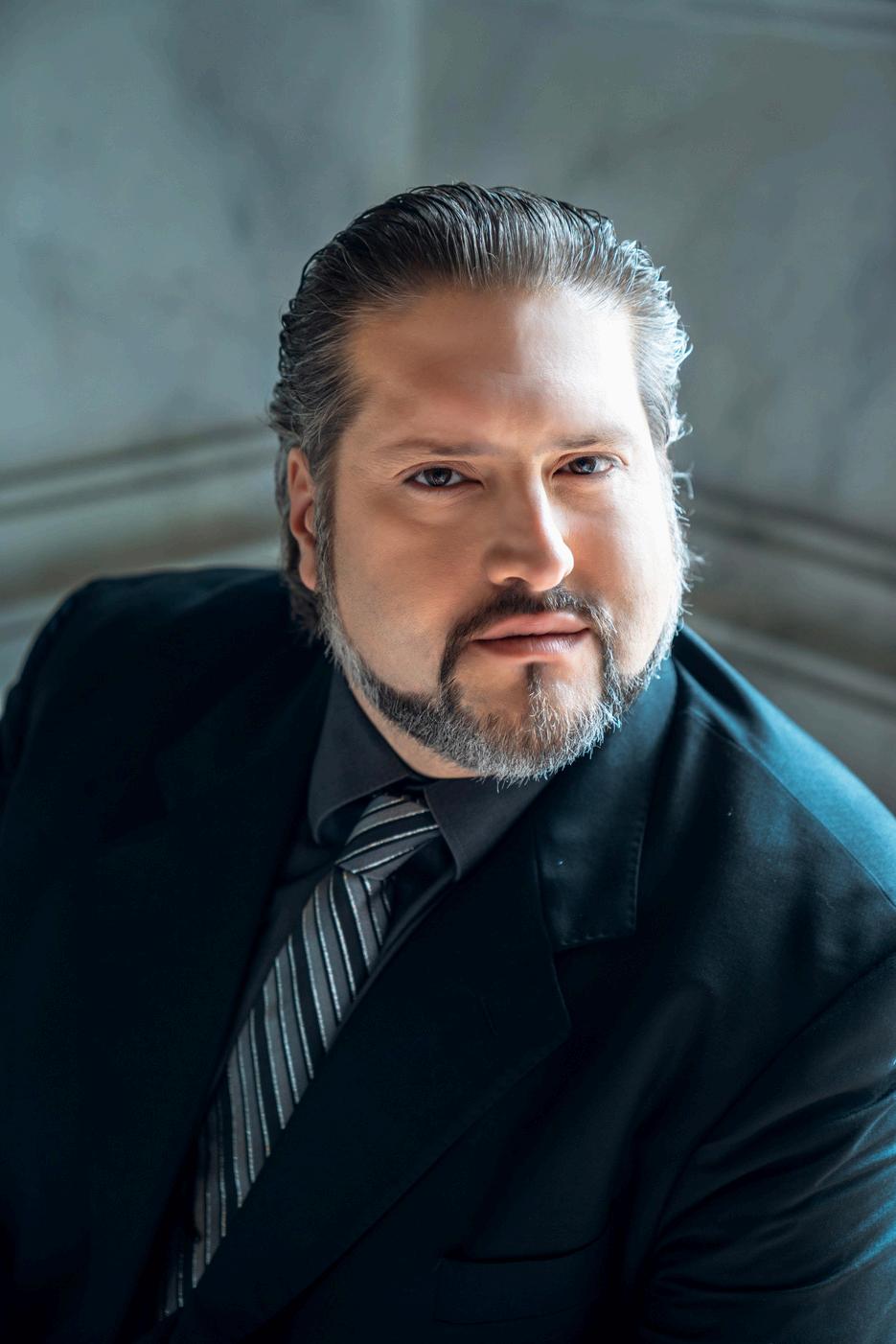
Winner of the 2016 Premio Abbiati
Prize, Nicola Alaimo performs
regularly in prestigious theatres and festivals around the world, including Metropolitan Opera, La Scala in Milan, Teatro Regio in Turin, Arena di Verona, San Carlo in Naples, Salzburg Festival, La Monnaie in Brussels, Concertgebouw in Amsterdam, Opéra de Monte-Carlo, Opéra national de Paris, Opera di Roma, Royal Opera
House, Covent Garden, Teatro Real in Madrid, Deutsche Oper Berlin,
Opernhaus Zürich and at the Rossini
Opera Festival.


Generously supported by
Opera Rara Artist Benefactor
Jenny Hodgson Lisette
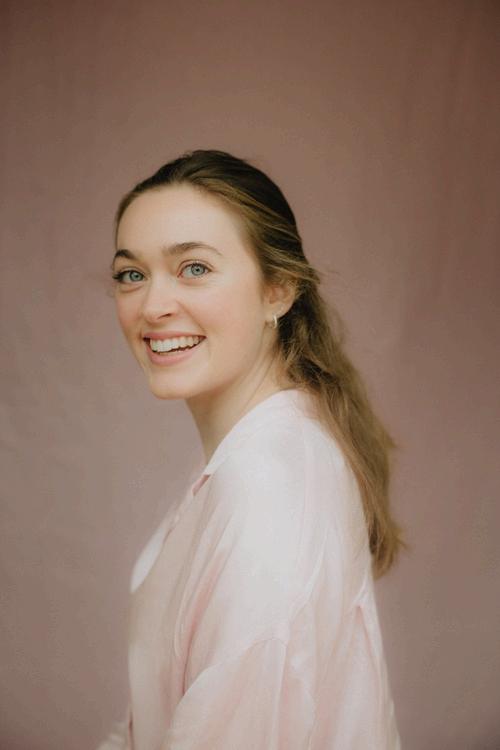
Ellie Neate graduated from the
Guildhall School of Music and Drama
opera course in 2022
She has performed Five Eliot
Landscapes by Thomas Adès at
Oxford Lieder Festival, was
broadcast live from the Wigmore
Hall for the BBC, sang the soprano
solo in Carmina Burana with the
London Symphony Chorus at
Barbican Hall, performed ‘Zero
Gravity’ for English National Opera in
Liverpool for ENO Does Eurovision, and recorded the soundtrack for the
Disney+ television series Rivals
Opera roles include cover Tytania A Midsummer Night’s Dream and Papagena
The Magic Flute Lite for Opera North, Ellie in The Man in the Moon for the Royal
Opera House’s Family Sunday programme, cover Mabel The Pirates of
Penzance, Celia Iolanthe, First Daughter Akhnaten, and cover Elsie Maynard The Yeomen of the Guard (all at ENO), Elisa Il Re Pastore, Lisa La Sonnambula, and Cleopatra Marc’ Antonio e Cleopatra by Hasse (all Buxton International Festival), Galatea Acis and Galatea, Milica Svadba by Ana Sokolović, and Maria Bertram Mansfield Park (all Waterperry Opera), Cunegonde Candide (Blackheath Halls Opera), and Gretel Hansel and Gretel (British Youth Opera) for which she won the
Basil A Turner Award
Recent projects include Sylviane in The Merry Widow for Scottish Opera and Opera Holland Park and Zerlina in Don Giovanni for Waterperry Opera
This is her recording debut with Opera Rara

Prunier
Generously supported by
Opera Rara Artist Benefactors
Islée Oliva Salinas & Michael Buckley
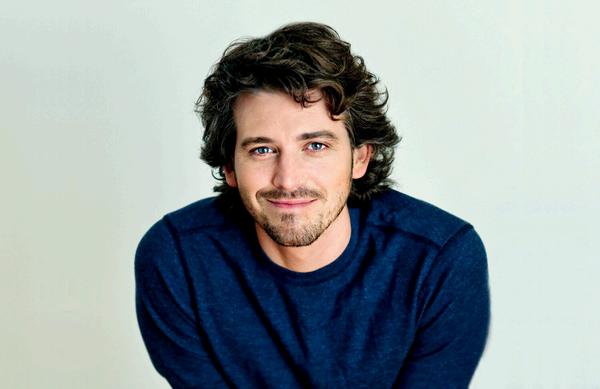
Acclaimed as one of the most
interesting tenors among his generation, Argentinian Juan Francisco Gatell’s voice has been called luminous, seductive, elegant, and agile, his acting dramatic and sensitive He has appeared on opera and concert stages throughout Europe, and in North and South America
Francisco appeared on opera and concert stages throughout the world, including Teatro alla Scala, Teatro la
Fenice, Teatro Regio di Torino, Teatro dell’Opera di Roma, Théâtre des
Champs Élysées, Wiener Staatsoper,

Yvette / Georgette / Fleury
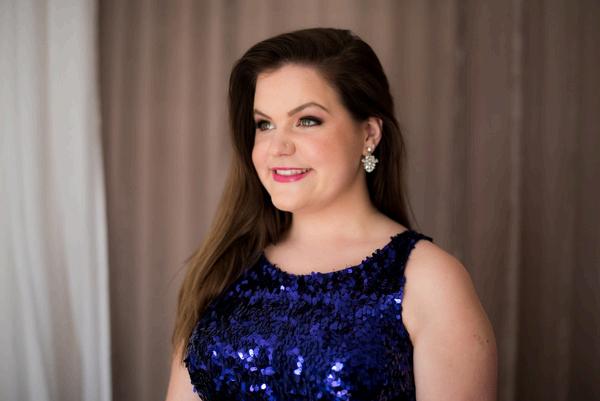
Welsh soprano Jessica Robinson represented Wales in the BBC Cardiff Singer of the World Competition in 2023 and won the Welsh Singers Competition in 2022 She is a recent graduate from the Royal Welsh College of Music and Drama. As an oratorio and concert soloist, Jessica regularly
performs across the UK, including performing for HRH The Prince of Wales and guests at Buckingham
Palace. Internationally, she has performed in New York, China, Switzerland and Italy This is her recording debut with Opera Rara.
Bianca / Gabriella / Mariette

Generously supported by
Opera Rara Artist Benefactor
Sara Naudi
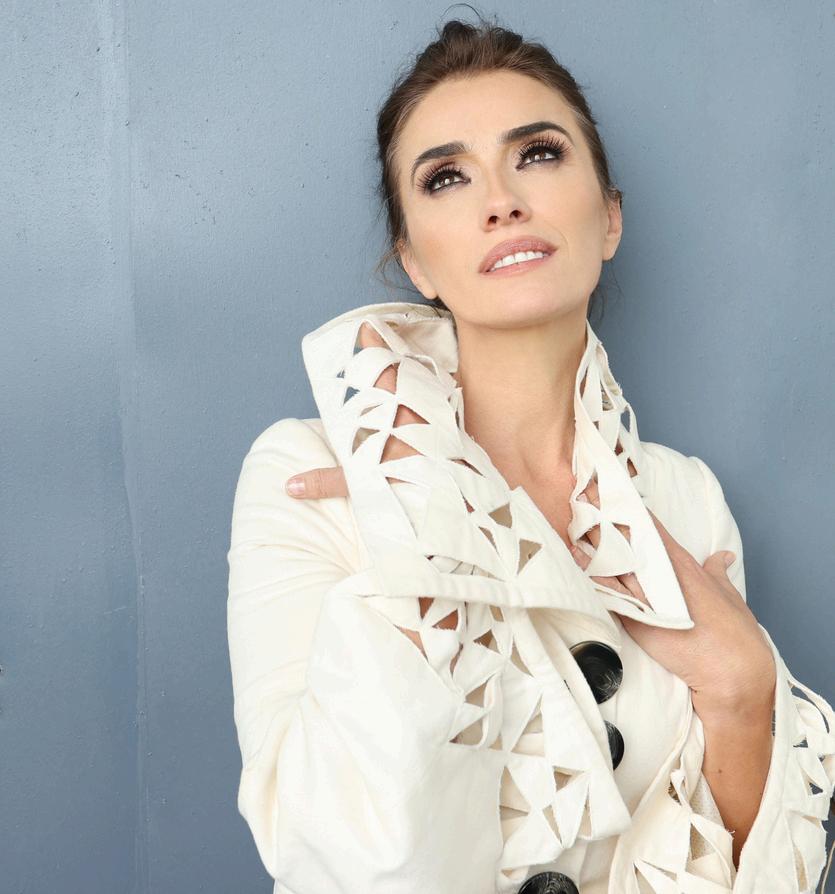
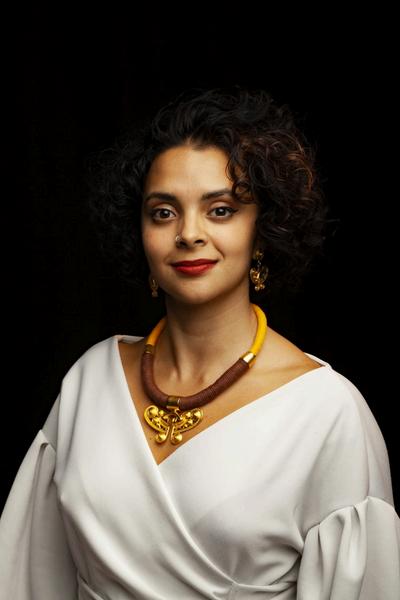
Julieth Lozano Rolong was the 2023
winner of the Dame Kiri te Kanawa
audience prize in Cardiff Singer of the World and 2018 recipient of the
President’s award given by HM The King. The Colombian soprano graduated
with a Masters in Vocal Performance and an Artist Diploma in Opera from the
RCM Julieth has performed with WNO, ENO, Scottish Opera, Grand Theatre of Geneva, Estonian Opera, Cairo Opera,
Teatro Mayor and Teatro Colón in Bogotá among others 2024 Cultural
Changemaker award winner, Julieth is a
passionate social ambassador for young
talent and her culture. This is her debut
with Opera Rara
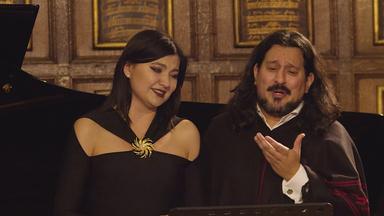
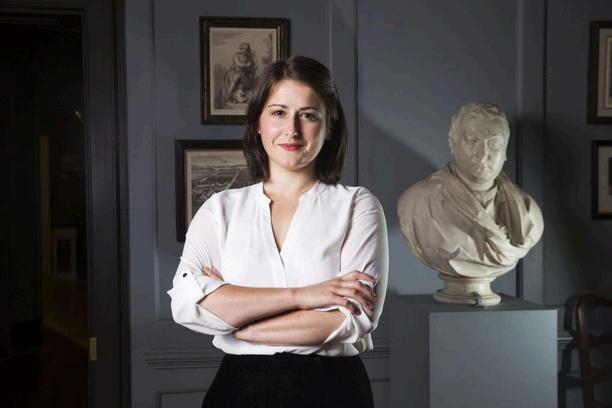
Returning to Opera Rara, mezzo-soprano Joanna Harries has been praised for her “stylish” singing (Opera Magazine) and the “emotional force” (The Times) of her performances Joanna enjoys a varied career in opera, concert and recital Born in New Zealand and raised in Wales, she recently finished as a young artist at the National Opera Studio in London and made her debuts with the Royal Philharmonic Orchestra at Cadogan Hall as mezzo soloist for Mozart’s Requiem, and with the London Symphony Orchestra at the Barbican as mezzo soloist in Paul Rissmann’s Through the Looking Glass suite
Gobin
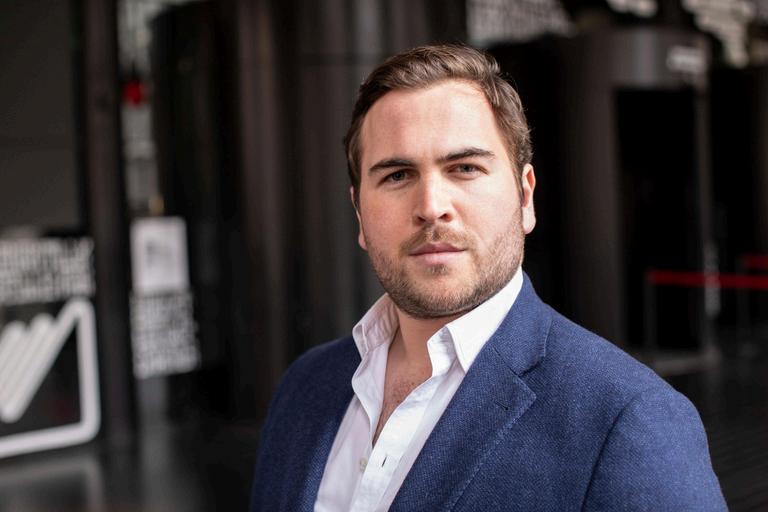
Making his Opera Rara debut, Welsh tenor Robert Lewis was a member of the Opéra National de Lyon Studio from 2022-2024 He is a recent graduate of the Guildhall School of Music & Drama During the 2024/25 season, Robert’s roles include Andres (Wozzeck) and L'abbé (Andrea Chénier) at Opéra National de Lyon, Scaramuccio and Ein Offizier (Ariadne auf Naxos) at Opéra de Rouen, Alfred (Die Fledermaus) in Barcelona and Seville with Les Musiciens du Louvre, Lensky (Eugene Onegin) at
Opéra National de Lorraine, Der Bucklige (Die Frau ohne Schatten) at Nationale
Opera and Ballet, Amsterdam and War
Requiem performances in Japan
Périchaud
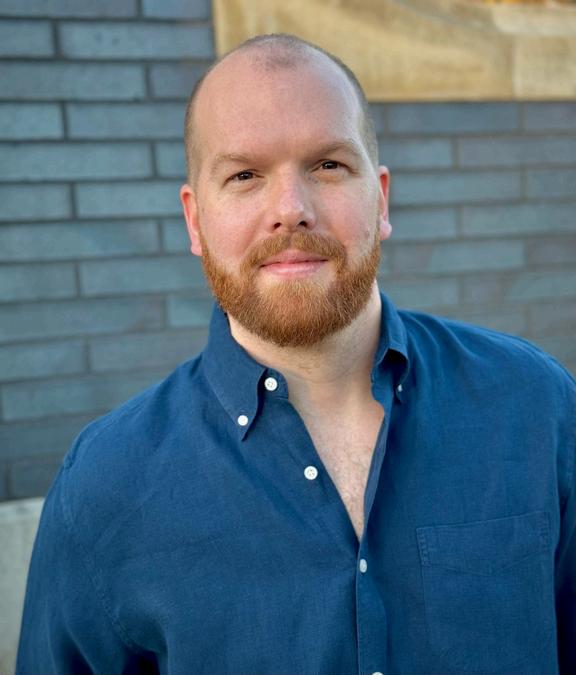
Crébillon / Il maggiordomo
Returning to Opera Rara, British bass
David Shipley is a graduate of the Jette
Parker Young Artists Programme at the
Royal Opera House. Highlights of the
2025-26 season see David make his
house debut with the Opéra Orchestre
National Montpellier as Pistola in Falstaff, a
further house and role debut at English
National Opera as Alaska Wolf Joe in
Jamie Manton’s new production of Rise &
Fall of the City of Mahagonny along with a
return to Grange Park Opera as Fafner in
Das Rheingold David made his Opera
Rara debut last year as Pietro in Verdi’s
1857 version of Simon Boccanegra.
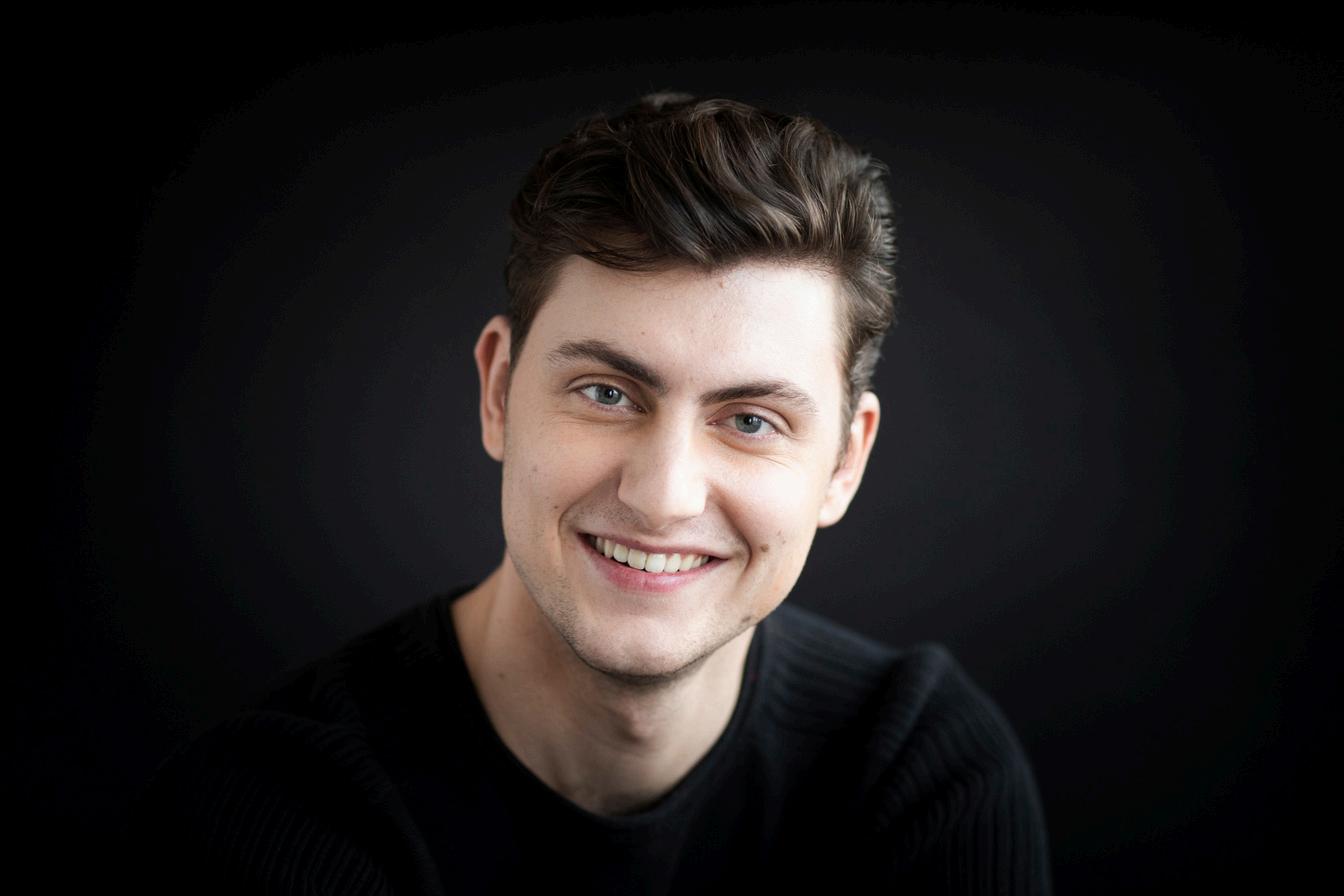
British bass William Thomas is fast making a name for himself as one of today’s most
promising young singers. His operatic roles in
the 2025/26 season include Hebrew in
Samson et Dalila for the Royal Ballet and Opera, Mr Flint in Billy Budd for the Glyndebourne Festival and Ormonte in Partenope for the English National Opera. On the concert stage, appearances include with the Symphonieorchester des Bayerischen Rundfunks, at Palau de les Arts Reina Sofia in Valencia, a tour with Il Pomo d’Oro, performances with the Monteverdi Choir and Orchestra, and a concert with the London Symphony Orchestra William made his Opera Rara debut as Fiesco in the recording of Verdi’s 1857 Simon Boccanegra

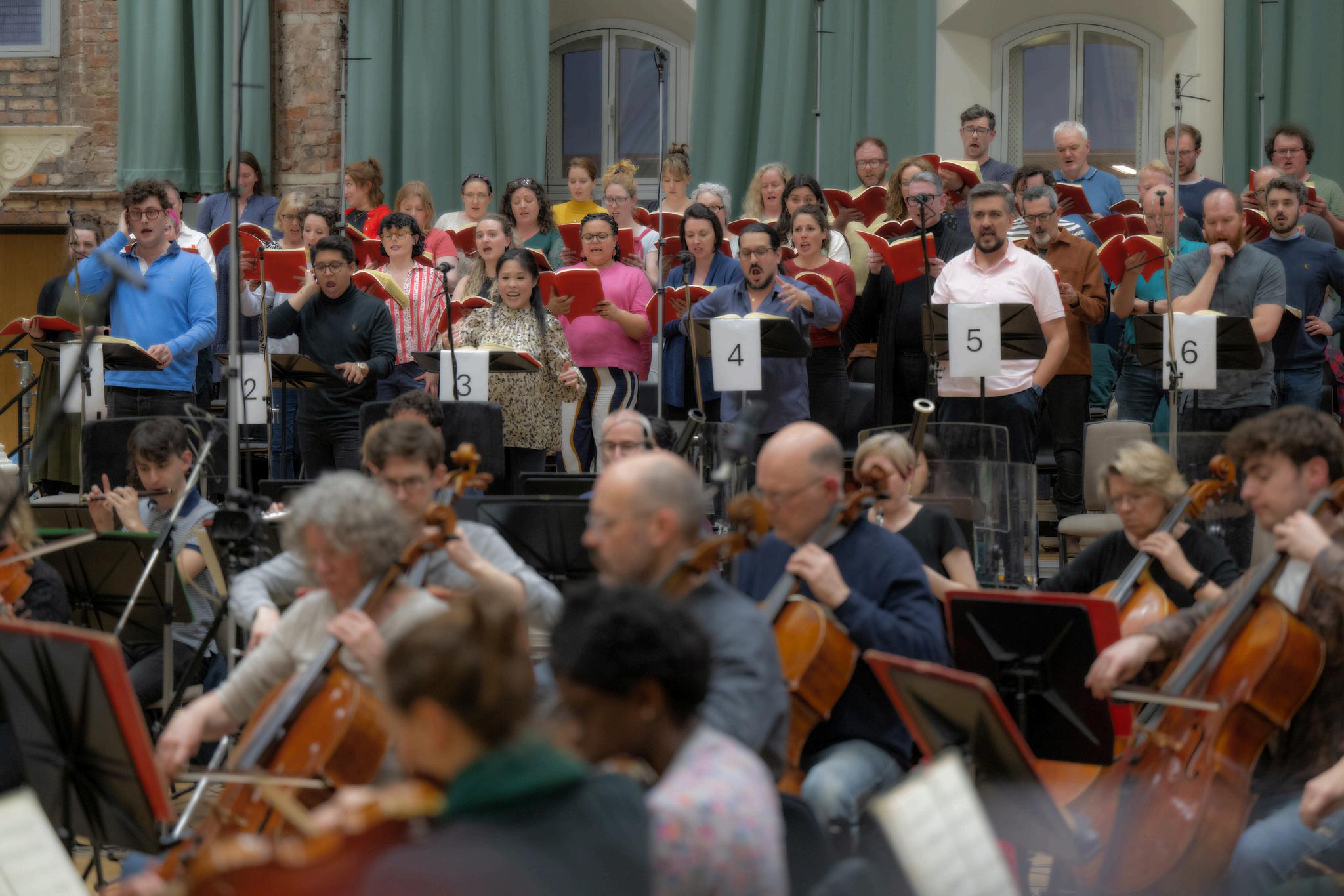
Thisnewrecordingis onanotherlevel entirely,witha compellingcast,an orchestrainfullglory andachorusaliveto everydramatic moment…

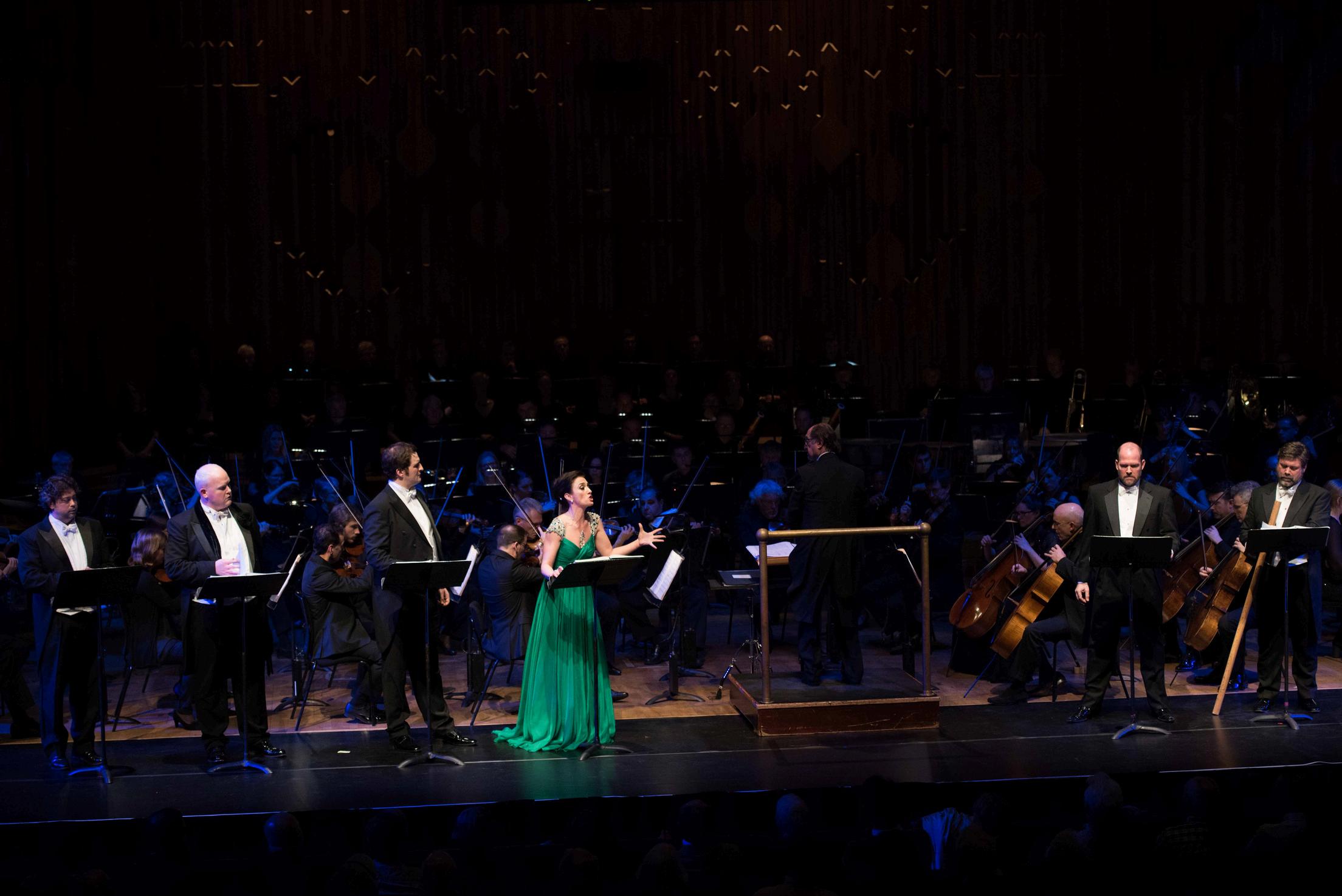


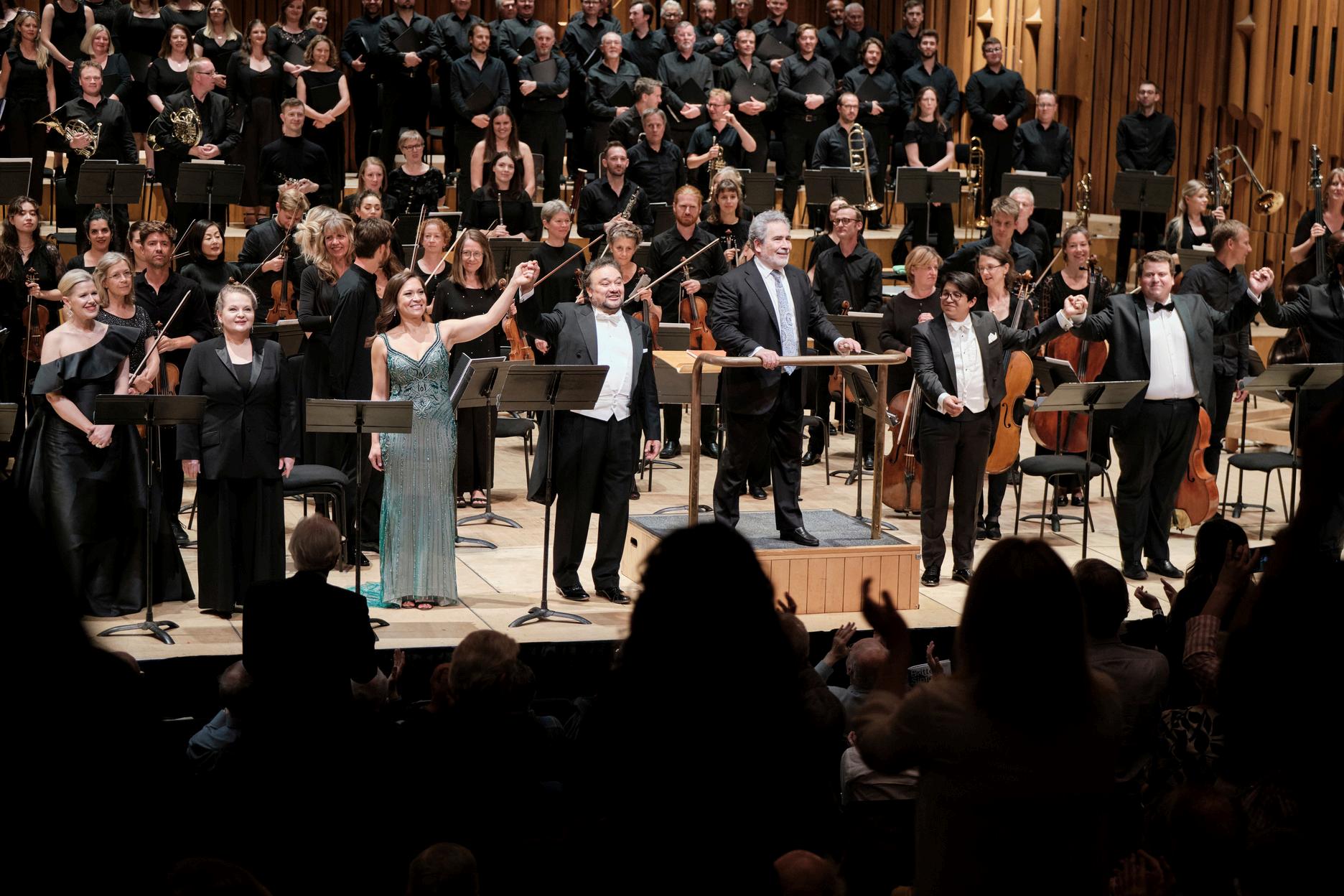
“Rarelyheardinrecentdecades,Zazàwasripeforreassessment, andOperaRaradoesitjustice…TheBBCSymphonyOrchestratransforms itselfintoaverismoensemble…Thisisanothergratifyingsuccess forOperaRara...”

By remembering Opera Rara in your will.

“Destinyhasadoubleface... asmile,ananguishedsob?Amystery!”


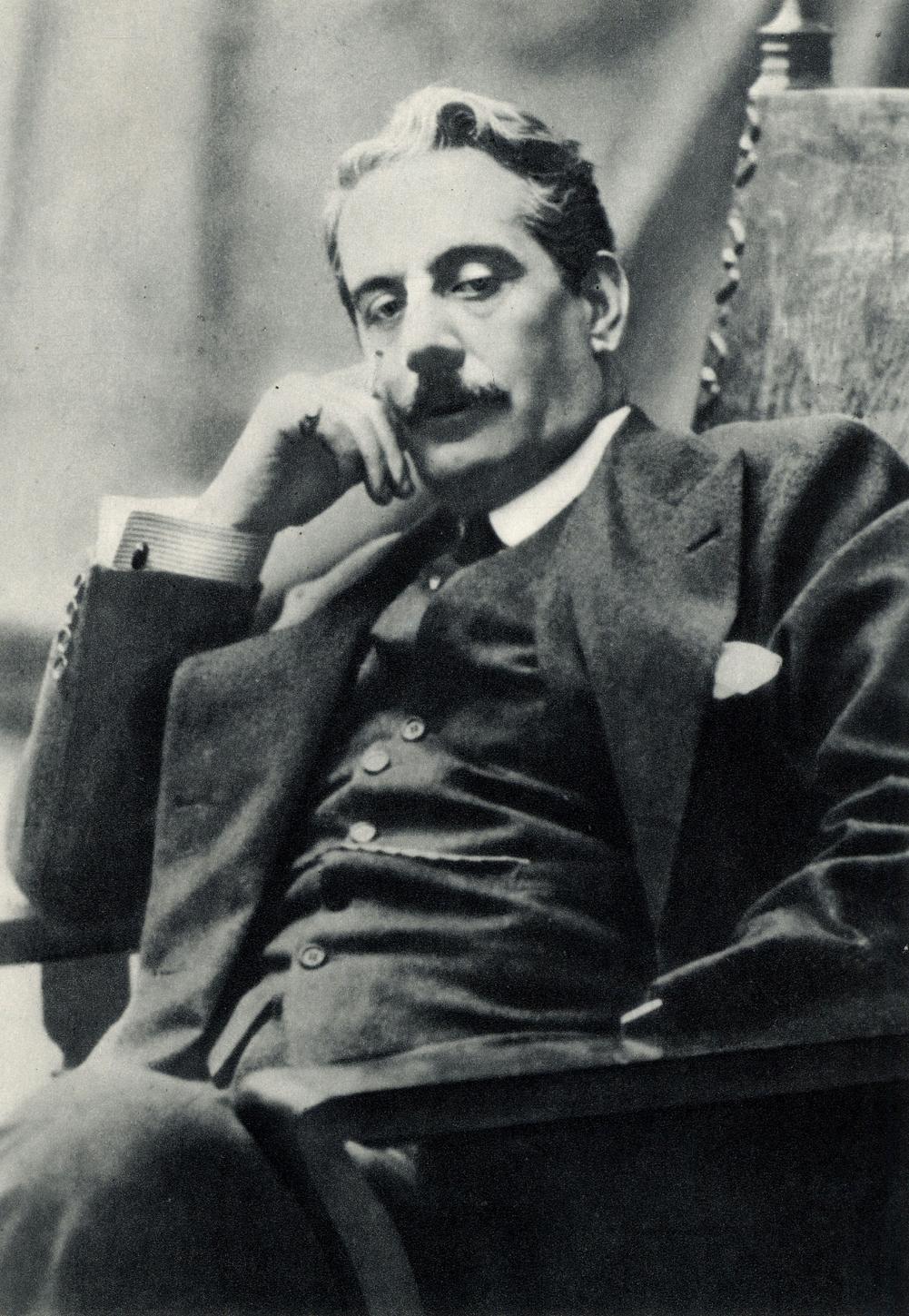

November 1921, while describing the third act of this new third version as a ‘marvel’ to his colleague Riccardo Schnabl.
For the rest of his life, Puccini remained committed to the third version, which offered a total reimagination of what was heard at the 1917 premiere. But efforts to promote it were met with resistance, perhaps particularly given the opera’s chequered performance history. Erich Korngold expressed interest in premiering it in Hamburg, but the first performances would in fact not take place until April 1924 at the Teatro Verdi in Fiume: the small city in present-day Croatia that had recently become part of Italy under Mussolini. Soprano Linda Cannetti took the lead under conductor Umberto Berrettoni, with London’s Musical Digest declaring it a ‘magnificent success in the new version prepared by the author’ The minimal Italian press coverage failed to secure it a future, however Puccini had been booked to oversee the production, but he was eventually unable to attend or promote the premiere (in part owing to symptoms of the throat cancer that would claim his life later that year), thus weakening this version’s chances of wider recognition
The third version was later revived with great success in Kiel in 1927, but then its full score and orchestral parts were destroyed in the Allied bombing of Milan in 1943 Today only a vocal score survives For a production in Turin in 1994, Act Three was performed in a reorchestration by Lorenzo Ferrero, alongside Acts One and Two of the 1917 version; but a reconstruction of the entire 1921 version has, until now, never been attempted As a result, Puccini’s final thoughts on La rondine have been overlooked in favour of his earliest efforts – this in stark contrast to Madama Butterfly, where the final revision has become the repertory staple. It is only through careful restoration – including Martin Fitzpatrick’s reorchestration of sections of Acts One and Three on the basis of the surviving vocal score and sketches – that it is now possible, for the first time in a century, to hear what could be regarded as the definitive La rondine
In one important sense, though, the 1921 La rondine marks a return to the origins of the opera’s creation The plot in 1921 in fact restores the very earliest idea of Magda’s story. When Puccini received the outline for the opera from librettists Heinz Reichert and Alfred Willner in early 1914, the final act, set on the Côte d’Azur, concluded with Ruggero’s brutal rejection of Magda after discovering her past with Rambaldo Intriguingly, the plot in this original outline was also explicitly contemporary in setting, with abundant references to cars, telephones and other modern gadgets, a fact that partly explains the wealth of modern dance forms (such as the foxtrot and tango) that give the opera its distinctive feel in all three versions

Working together with Italian librettist and translator Giuseppe Adami – who was given considerable licence in light of the peculiar genesis of the opera – Puccini gradually moved away from this violent denouement, also resetting the story in the Second Empire Writing to Adami in late 1914, the composer dismissed Ruggero’s shock at discovering Magda’s past, asking ‘where did he find this woman, in a convent perhaps?’ The final scene was changed in 1917 to make Magda and Ruggero’s separation a decision taken by Magda after his proposal of marriage, giving the opera a bittersweet ending as Magda leaves the weeping Ruggero
The idea of returning to the original scenario for the 1921 revision came at least in part from Willner He complained to Puccini in a letter of 1919 that the 1917 ending turned Ruggero into a feeble character, and that Act Three as a whole lacked intensity Puccini did not take up this suggestion immediately; but a seed had been planted What is more, his eventual revisions for 1921 were not simply limited to the plot – even if the Second Empire period was retained in all three versions. When Puccini began work again in late 1920, he initially returned to the Monte Carlo version, restoring Prunier as a tenor rather than a baritone Yet he also maintained several of the adjustments to the vocal parts made for the second version, while further reworking the solo and chorus parts in Act Two These revisions gave Prunier greater prominence throughout, including a new choral passage praising him as the ‘poet of love’ and comical attempts by several of the grisettes to seduce him Puccini also extended the duet between Prunier and Lisette at the end of Act One, adding greater virtuosity to this charming moment of repose. In the climactic Act Two quartet, the chorus parts were also substantially revised to create the most opulent and sophisticated version of the ensemble
Most radically, however, Puccini also reworked the entire musical structure of Act Three, albeit drawing extensively on the existing music of the 1917 version. The opening duet between Magda and Ruggero was partly transformed into an orchestral prelude, depicting the idyll of their life by the sea and echoing similar orchestral experiments in Manon Lescaut and Madama Butterfly. Magda and Ruggero embrace ecstatically in the now extended conclusion of their duet, but
are interrupted by three saleswomen who arrive with luxury goods These women are a satirical musical reminder of Magda’s previous life in Paris: a past that gradually, across the final act, presses in on her dreamlike new existence
After Prunier and Lisette’s arrival at Magda’s hotel – a visit that in this version is directly instigated by Magda’s patron Rambaldo – a newly composed duet between Magda and Rambaldo unfolds. This set piece offers Rambaldo some of the lyrical intensity his character had earlier shunned, as he tries to lure Magda back to Paris by evoking imagery of the swallow’s migration At the same time, however, the number gives a new symmetry to the opera; all five principal characters appear in this final act, and there are several musical reminiscences of Act One

The duet that follows between Magda and Ruggero again reworks existing music, but with an ending very different from that of the 1917 version. Ruggero discovers
Magda’s former life via a letter and throws in her face some money Rambaldo had left This violent humiliation recalls the gambling scene that concludes the second act of La traviata (1853), much as the letter that Magda leaves Ruggero at the end of the second version echoes Violetta’s farewell to Alfredo earlier in the same act Yet there is no protective pater familias to defend Magda here. Her humiliation is shocking and total: she is thrown to the floor and crawls begging for Ruggero’s understanding Lisette eventually comes to comfort her mistress, revealing greater tenderness to their relationship and reminding Magda that time can bring healing as well as loss But an uncertain future still awaits Magda despite Rambaldo’s pleas for forgiveness
Magda’s decision to leave Ruggero in the 1917 La rondine has appealed to recent scholars and directors precisely because her agency seems to distinguish her from more victimised heroines such as Manon Lescaut or Butterfly There is no painful rejection for the 1917 Magda: instead, she makes a considered decision to leave a broken idyll that she believes would satisfy nobody (including perhaps
Magda herself, the Parisian sophisticate now contemplating a sedate life in Montauban) At the same time, this less tragic ending has for some seemed a more appropriate conclusion to a work that in every version offers an unusual mixture: on the one hand, of light-heartedness and character types drawn from operetta; on the other an emotional intensity and orchestral sophistication typical of Puccini’s serious works Compared to this, the 1921 La rondine can seem conservative: a return to a type of female heroine who populated the nineteenth-century stage –one whose fate is decided by men, and who clings to romantic love even in the face of physical abuse
Why, then, Puccini’s decisive return to the original Viennese plot? Why the commitment to tragedy? At one level, the 1921 finale brings Magda strangely closer to Liù in Turandot, the opera Puccini began composing in early 1921. The later opera offers an even more extreme example of a character clinging obsessively to the ideal of romantic love: Liù’s self-sacrifice and devotion are directly contrasted with the princess Turandot. Perhaps, one might speculate, the postwar context made this deep commitment to older ideals newly appealing as a theatrical idea 750,000 Italian lives had been lost in the conflict, and Italy’s theatrical industry was battered by economic challenges Romantic idealism may now have seemed more compelling as a dramatic theme – especially when juxtaposed with the materialistic values of Magda’s Parisian social circle.
And yet, compared to Liù, Magda is still unmistakably an experienced woman of the world: after all, she made a deeply pragmatic decision about her limited choices in pursuing financial security with Rambaldo As becomes clear in her Act One aria,

‘Ore dolci e divine’ , however, she is now aware of the passing of time and yearns to experience the romantic intensity of her youth – even if a distant voice warned her as a poor grisette not to succumb to fantasies (a detail directly echoed at the end of Act Two)
Rather than a naïve victim, then, Magda understands perfectly well the dangers of her decisions. She also knows first-hand the social codes that she has chosen to reject: from the irony and cynicism of Prunier and company; to the bourgeois morality embodied by Ruggero, which ultimately leaves no room for a compromised woman such as herself. No pure happiness, perhaps, can be found for a woman who has understood this existential bind And yet, for three months at least, the fiction is sustained until reality inevitably breaks through La rondine in this final version thus has a theatrical symmetry lacking in the 1917 version, but moves more decisively from comedy to tragedy, from operetta to opera, across its three acts. Rather than a prelude to Magda’s return, the comic elements in Act Three here become echoes of a world Magda is determined to leave ‘Destiny has a double face’ , Prunier declares in Act One when he reads Magda’s palm; ‘a smile, an anguished sob? A mystery!’ The different versions of La rondine offer different answers to this question, giving audiences today a choice about Discover
Listen to Opera Rara’s latest podcast on your favourite platform.

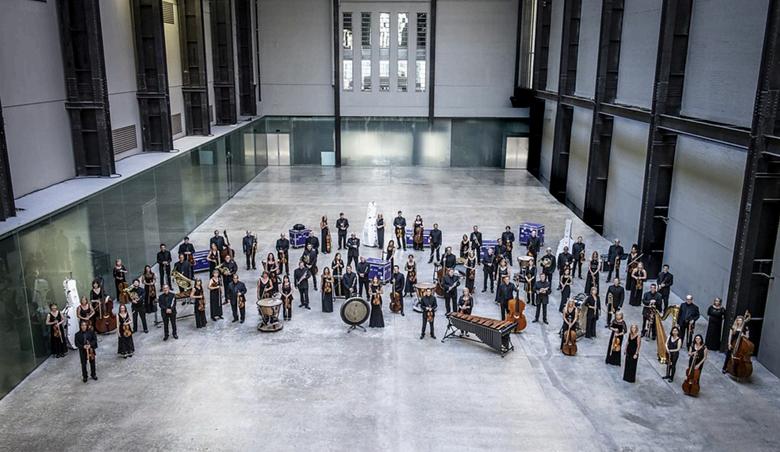
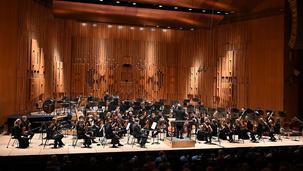
For over 90 years, the BBC
Symphony Orchestra has been
a driving force in the British
musical landscape, championing
contemporary works and highlighting neglected composers
as well as performing well-loved
works at the heart of classical
music A key presence at the BBC
Proms, the BBC SO performs
regularly throughout each season, including the First and Last Nights.

Heather Hohmann
Ray Liu
Rose Hinton
Vanessa Hughes
Danny Fajardo
Lucy Curnow
Tammy Se
Caroline Cooper
Victoria Hodgson
Nihat Agdach
Iona Allen
Kate Cole


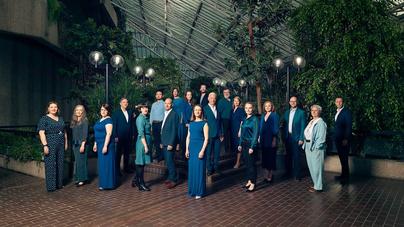






Opera Rara’s work is only made possible by the generosity of our supporters, who believe in our mission to restore, record, perform and promote the forgotten operatic heritage of the nineteenth and early twentieth centuries. We would like to take this opportunity to thank those individuals and foundations who have made a gift to our Annual Fund* Your continued support is vital to our success
A full list of Opera Rara’s current Annual Fund supporters can be found at: www opera-rara com/list-of-supporters





Take tonight’s magic home. Stream Opera Rara’s recordings anytime, anywhere.

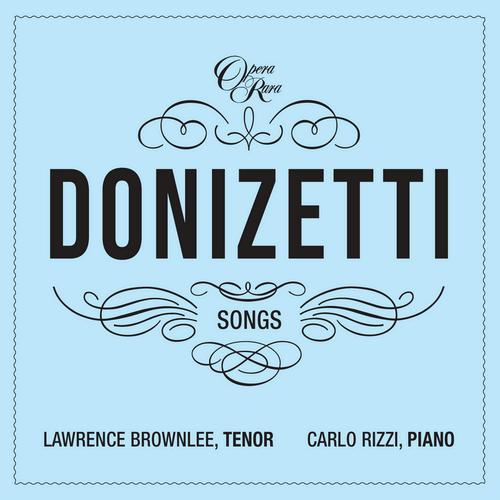
This June, hear new songs by Donizetti at Wigmore Hall.
Praised internationally for his commanding stage presence and vocal artistry, Italian bass-baritone
Nicola Alaimo makes a welcome appearance at Wigmore Hall in a programme that brings together the wit, elegance and lyricism of early 19th-century Italian song
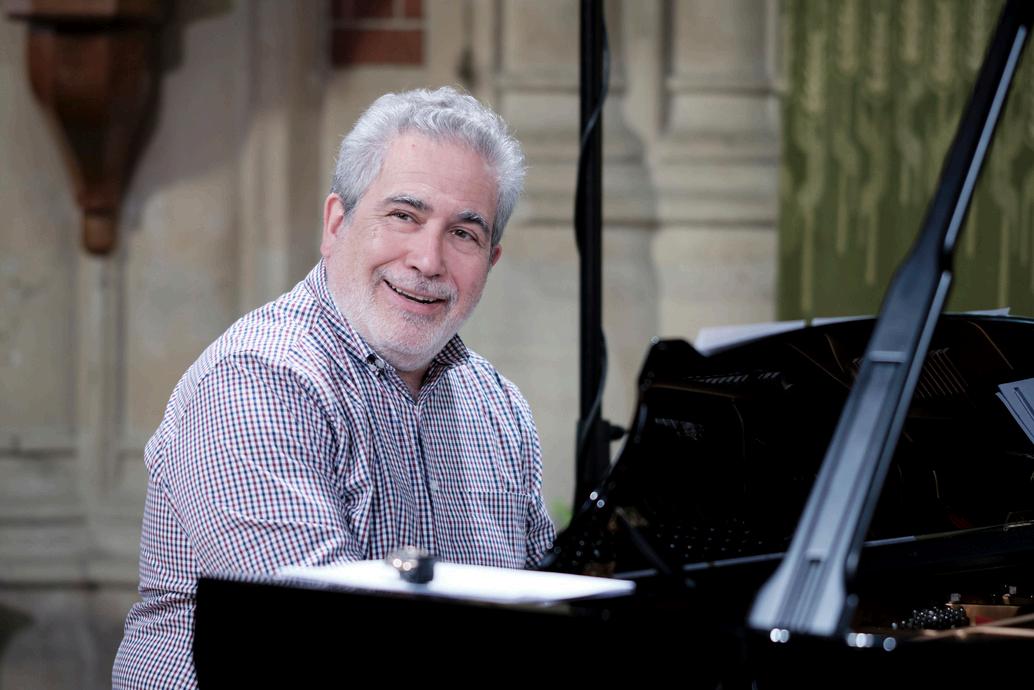
Joined by pianist and Opera Rara’s Artistic Director Carlo Rizzi, with appearances by cellist Hetty Snell, Alaimo explores the rarely heard world of Donizetti’s solo songs alongside works by Rossini, Bellini, and Mercadante The recital highlights the ingenuity and invention of composers best known for their operatic triumphs, yet whose songs are often neglected
Tuesday 16 June | 1.00PM
Nicola Alaimo bass-baritone Carlo Rizzi piano with Hetty Snell cello Save the date and learn more at