
PRELIMINARY DRAIN TILE ASSESSMENT
Crossroads Solar Grazing Center
Morrow County, OH
Prepared For:
Crossroads Solar I, LLC
1105 Navasota Street Austin, Texas 78702
Prepared By:
Verdantas LLC
6397 Emerald Parkway, Suite 200
Dublin, Ohio 43016
Verdantas Project No: 17078
July 2025


1.0 Introduction
1.1 Project Description and Purpose
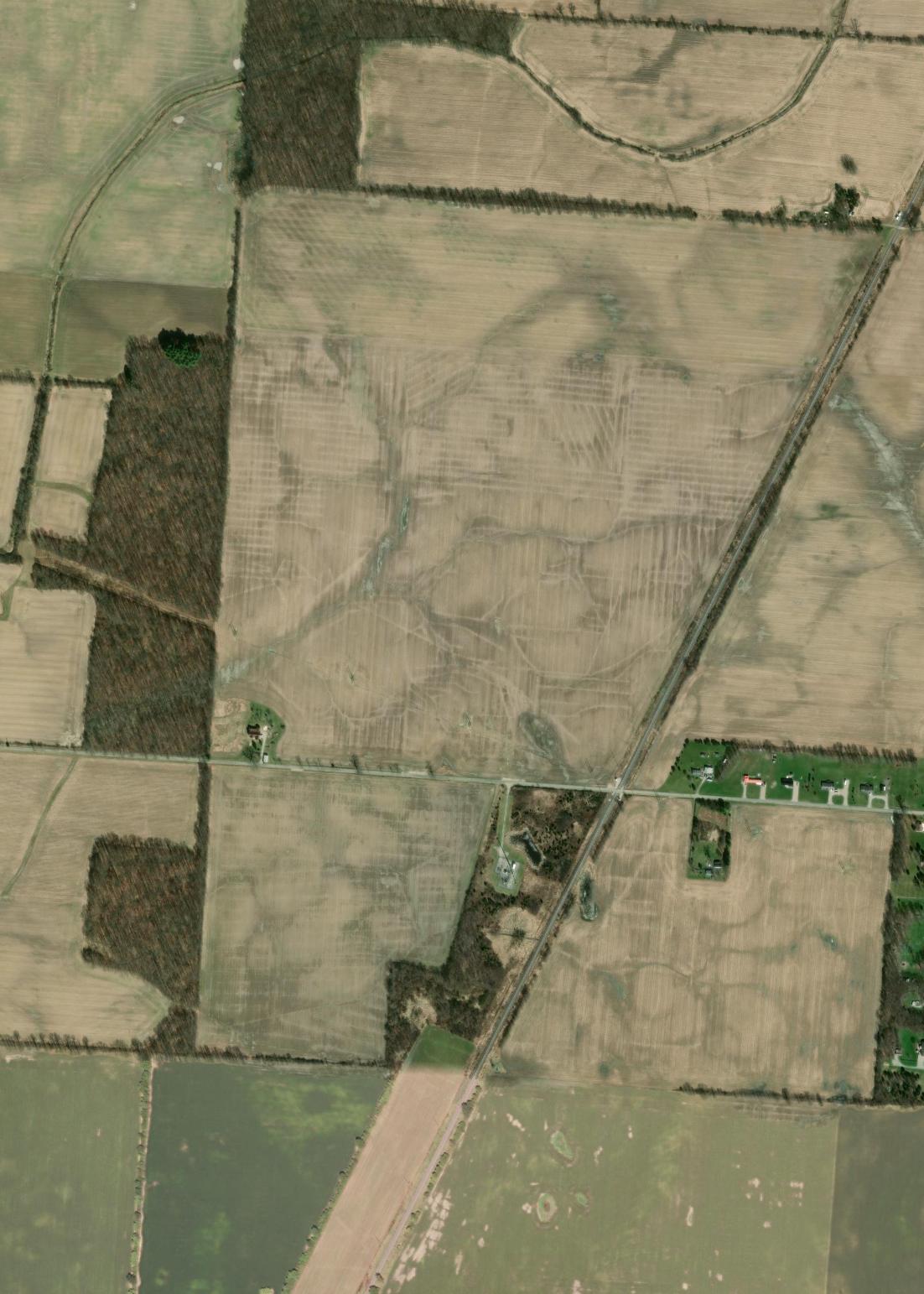
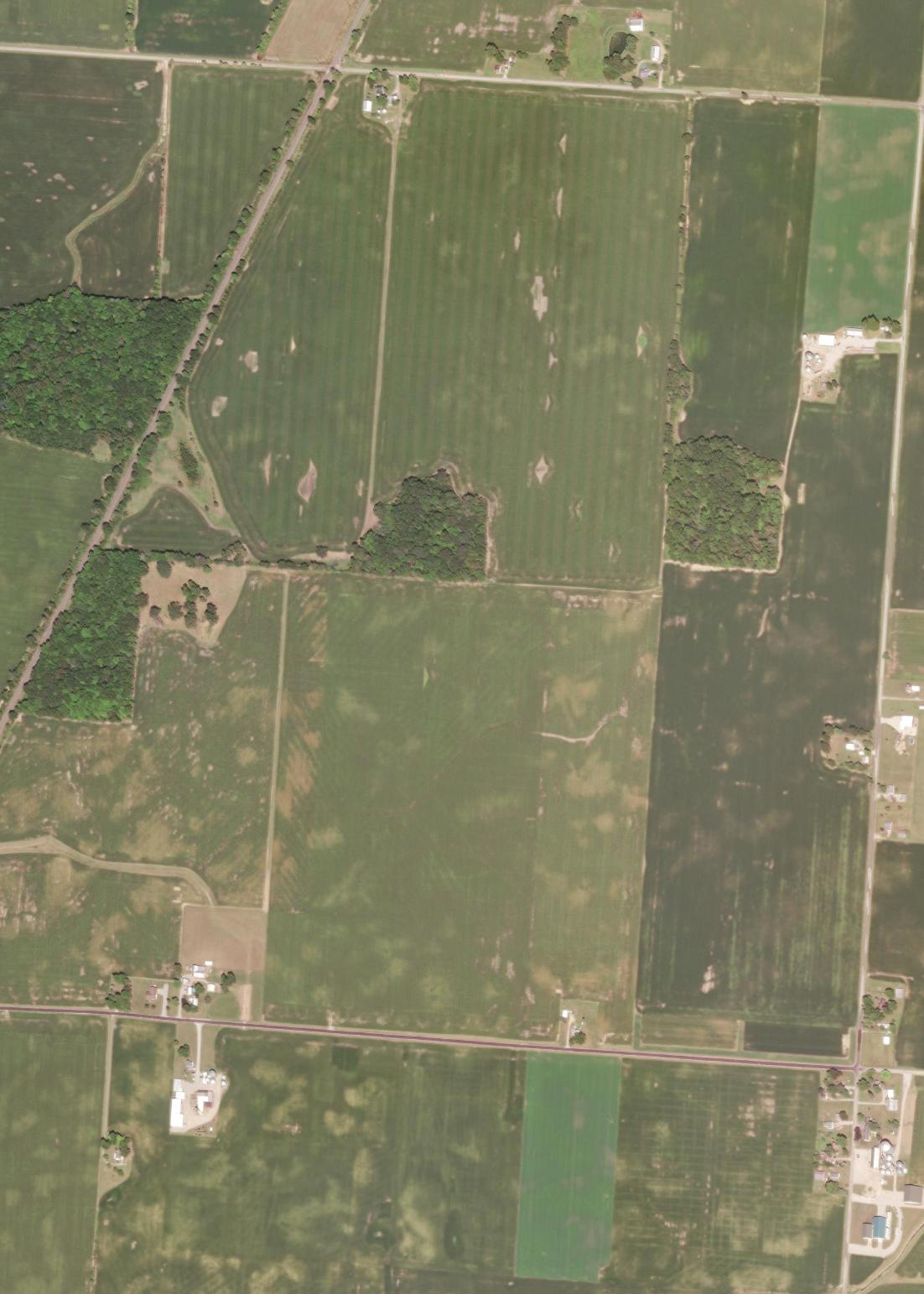
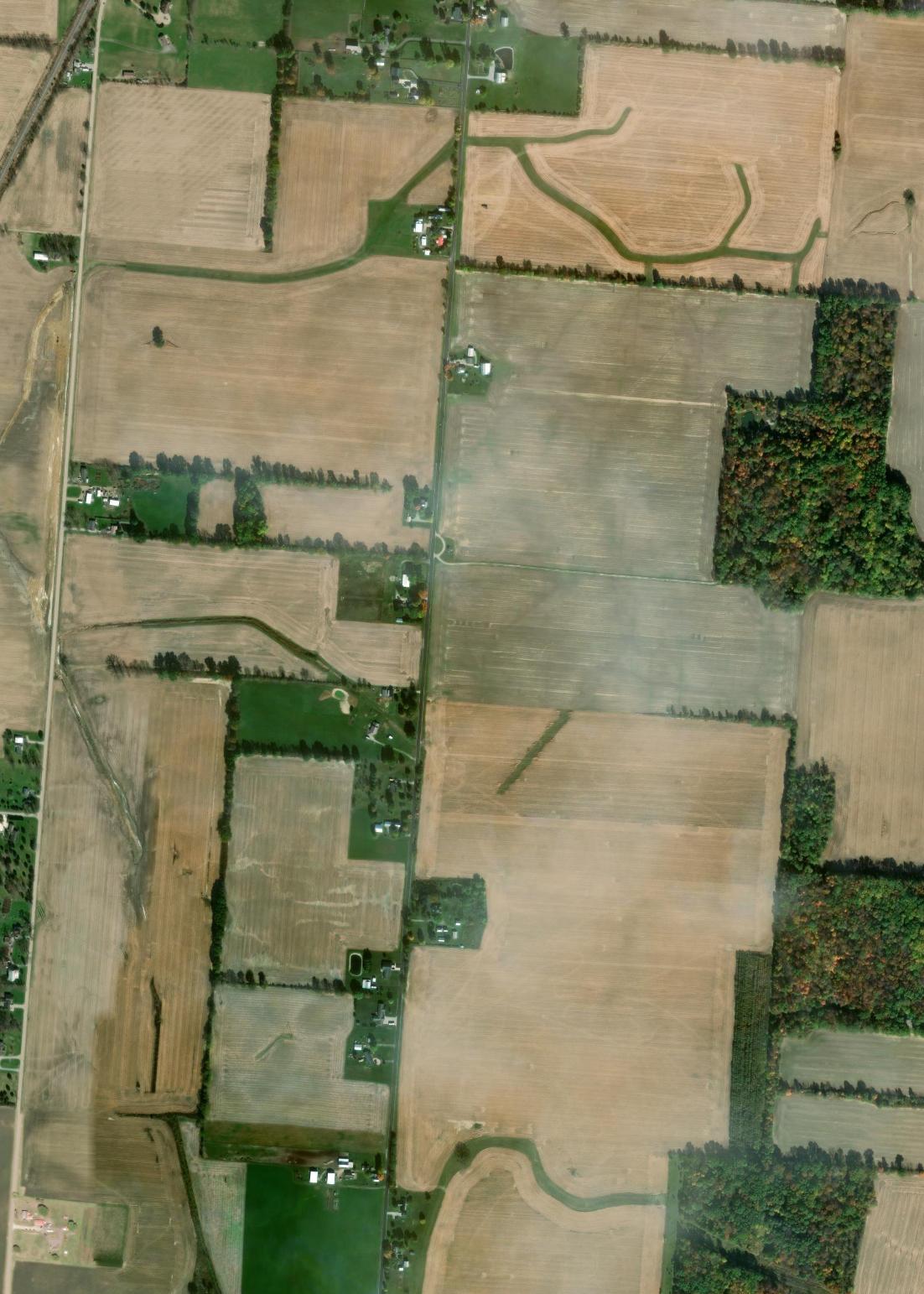
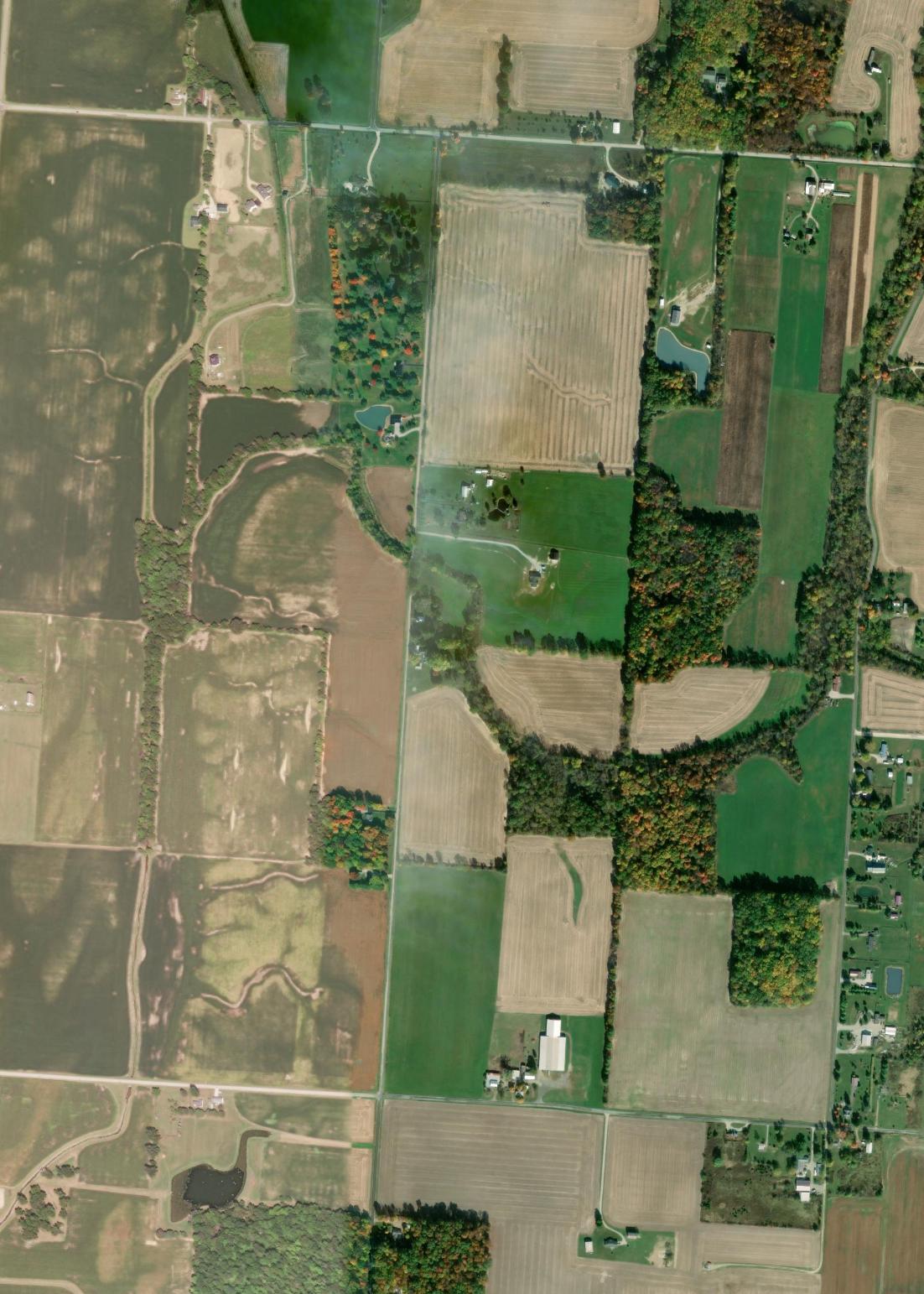
This Preliminary Drain Tile Assessment has been prepared for the Crossroads Solar Grazing Center (“Crossroads”). Crossroads is proposing to construct a combined utility-scale solar energy and sheep grazing facility in Cardington, Lincoln, and Westfield Townships in Morrow County, Ohio (the “Project” or the “Facility”). The Project will use rows of groundmounted solar panels to supply up to 94 megawatts AC (MWac) of wholesale power to the existing electric grid while also providing pasture for livestock. All of the Project’s above-ground infrastructure will be located within agricultural-style fences, which also will confine the livestock and protect them from predators. The fenced area will be up to 559 acres (the “Solar & Grazing Area”) of an area totaling approximately 726 acres (the “Project Area”). A map of the Study Area showing probable drain tile locations is included as Figure 1.
The objective of this assessment is to identify, to the extent practicable, the location (or probable location) of existing agricultural drain tile so that it can be avoided or modified when designing and constructing a ground-mounted solar photovoltaic array.
Agricultural drain tile is a piped underground utility used to remove excess subsurface water from agricultural fields in order to promote optimum moisture conditions in the soil. Drain tile is typically a perforated plastic, concrete, or clay pipe designed to allow subsurface water to infiltrate the pipe and drain via gravity to natural or manmade outlet points (i.e., ditch, swale, pond, etc.). Drain tiles are often constructed as a network made up of smaller lateral pipes combining into larger drain tile mains. Drain tile networks can cross property lines and serve multiple landowners. Of particular importance and focus of this effort is the identification of drain tile mains located within the project parcels as well as drain tile systems that may be connected on non-participating parcels.
2.0 Methodology
Methods of identifying the location and routing of agricultural drain tile when the location is not known include mapping, visual indicators, and physical exploration. This assessment was limited to mapping and visual indicator techniques. Verdantas also completed a visual reconnaissance of any drain tile outfalls within the delineated streams in the Study Area.
Additional methods to identify existing drain tile, such as physical exploration could be used for final design prior to and during construction if necessary and are discussed in Section 2.3, below.
2.1 Mapping
Landowner Input
If available, landowners participating in the Project provided mapping of the drain tile as provided by the installation contractor. If no such mapping was available, each participating landowner was provided with a map of their property so they could sketch, to the best of their knowledge, the location and type of any drain tiles. Each map contained an aerial image, Project Area outline, county drain tile lines, and topographic contours. Using these maps as a guide, landowners were asked to provide as much information regarding the location of existing drain tile as possible. They were asked to differentiate between drain tile mains and laterals (or pattern tile) wherever possible. At this time, most landowners have provided knowledge of the drain tile systems on their properties. Landowner communication and mapping is ongoing, and the dataset will be updated if additional data becomes available during final design and prior to construction.
County Located Drain Tile
Verdantas also contacted the Morrow County Engineer’s Office and Crossroads representatives contacted Morrow County Soil and Water Conservation District. The Morrow County Soil and Water Conservation District indicated that they do not have drain tile information for private land in Morrow County As of 5/1/2025, Verdantas has not received any additional information on drain tile from The Morrow County Engineer’s Office
Aerial Images
To identify drain tile locations, aerial imagery was acquired from multiple sources including the following:
• The Ohio Geographically Referenced Imagery Program (2020)
• Esri (2016 – 2020)
• Google Earth (2004 – 2022)
The imagery noted above was analyzed for the following indicators:
1. An aerial image taken at the right time of year can provide a visual indicator of the presence of drain tile. Dark colored soil dries out faster
above drain tile resulting in a lighter color. A review of available aerial images can produce approximate locations of existing tile.
2. Grassed swales through fields may also have drain tile along their alignment. Aerial images can be used to map grassed swales which can then be verified as containing drain tile through other physical identification methods.
Drainage Contractor/Consultant
Jeffry Billenstein, with Ag Land Drain Tile LLC, a drainage contractor and consultant, is working with Crossroads to review the information prepared from the above sources and visit the Study Area to review conditions at the site and consult with several landowners.
2.2 Visual Indicators
Inlets/Outlets
Some drain tiles have inlets that are marked by the presence of a brightly colored riser, field marker, or protective grate at the inlet. Drain tile outlets can be identified by visually locating the pipe in a drainage swale or stream.
Soil Subsidence
As runoff infiltrates into the perforated drain tile, it can carry a small amount of soil with it. Over time, when enough soil has been transported into the pipe, small subsidence pockets become visible at the surface. If a drain tile is suspected in a location, visually locating these subsidence pockets over the suspected route can verify the presence of the tile.
Topography
Drain tile (in particular, a drain tile main) is typically located in low areas or follows existing drainage paths. Evaluating existing topography provides some insight into the likely location of drain tile by identifying low, poorly drained areas and natural flow paths that would provide the easiest route for a drain tile. Topography is also used to identify which adjacent properties would be “upstream” of the Project Area and therefore, the most likely to be affected by changes in the drain tile system within the Project Area.
2.3 Physical Exploration
Physical exploration methods, like those described below, are typically completed during a facility’s final design stage and during construction. Once the probable drain tile locations or routes are identified using the methods above, the following methods could be used to physically locate the drain tile which allows the location to be marked and surveyed so that it can be added to a map as an accurate representation of drain tile routing.
Test Pits
Using an excavator or other small piece of equipment, trenches can be excavated perpendicular to the suspected drain tile route until the pipe is exposed.
Probe
Using a T-handled steel rod during soft soil conditions, the steel rod can be pressed vertically down into the soil where the drain tile is suspected to be located. When the rod hits a tile, the spot is marked and surveyed.
Maverick Tile Finder
A flexible rod can be inserted into the drain tile at a known location. A copper wire is embedded in the rod that sends a signal to a locator on the surface. The locator can traverse the approximate drain tile route on the surface and when a positive signal is encountered, the location can be marked and surveyed.
3.0 Standard of Care
Verdantas has performed its services using that degree of care and skill ordinarily exercised under similar conditions by reputable members of its profession practicing in the same or similar locality at the time of service. No other warranty, expressed or implied, is made or intended by our proposal or by our oral or written reports. The work does not attempt to evaluate past or present compliance with federal, state, or local environmental or land use laws or regulations. Conclusions presented by Verdantas regarding the area within the Study Area are consistent with the Scope of Work, level of effort specified, and investigative techniques employed. Reports, opinions, letters, and other documents do not evaluate the presence or absence of any condition not specifically analyzed and reported. Verdantas makes no guarantees regarding the completeness or accuracy of any information obtained from public or private files or information provided by subcontractors.