
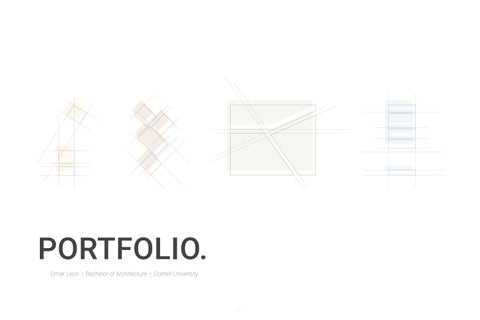
Omar Leon | Bachelor of Architecture | Cornell University
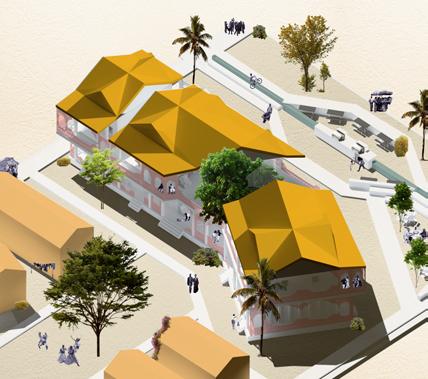
The work in this portfolio aims to use architecture and urban design as deliberate tools to connect vulnerable communities to the systems that structure urban life. It is rooted in informal growth, infrastructural inequity, and contested land, engaging conditions where access to water, housing, mobility, and public space is uneven or unstable.
Operating across territorial, neighborhood, and architectural scales, the projects link spatial systems rather than isolate buildings. Field research and mapping guide precise interven
tions that strengthen existing social and economic networks instead of replacing them. Infrastructure is treated as an active spatial and political medium capable of supporting equitable growth within rapidly changing cities
Fall 2025: Cornell University, B.Arch Thesis Advisors: Katharina
Kral, Catherine Chen
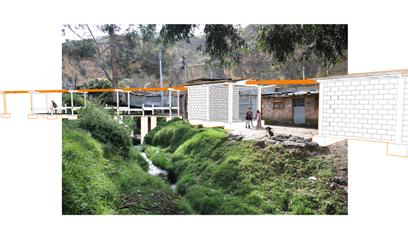
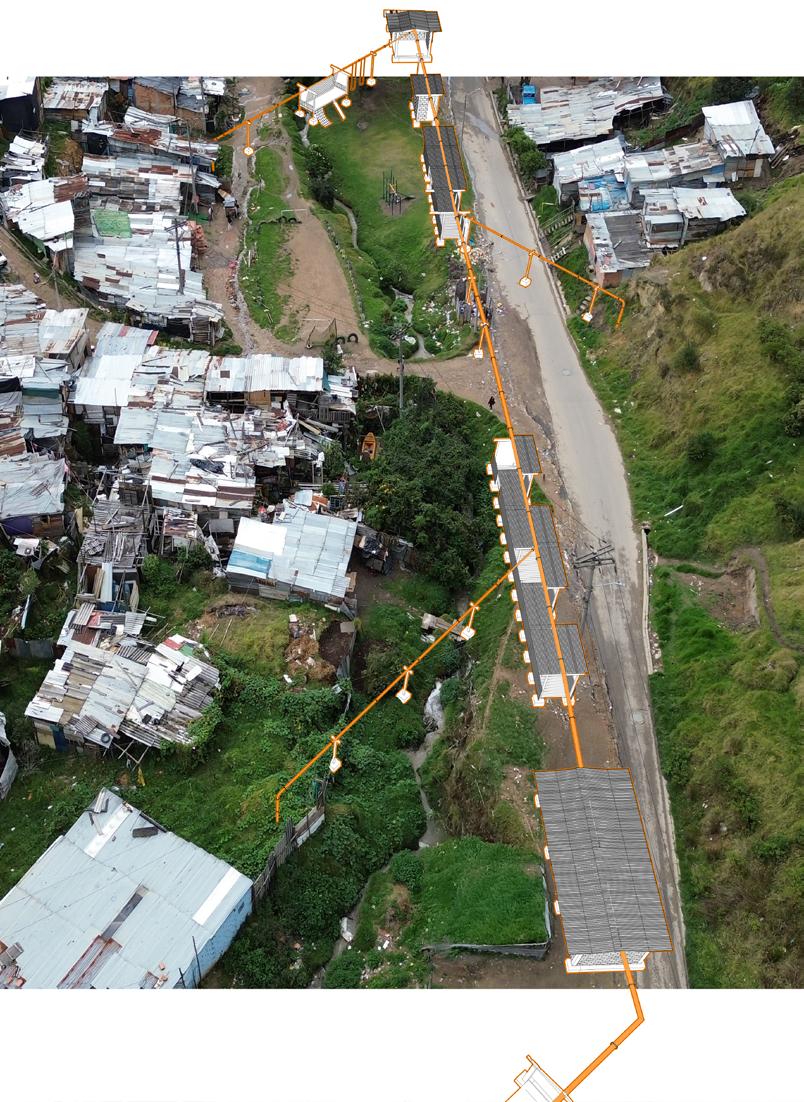
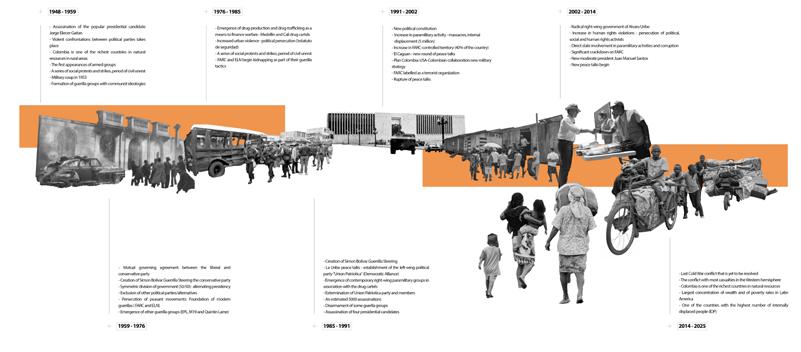
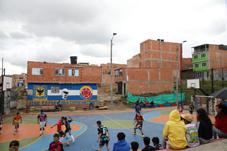
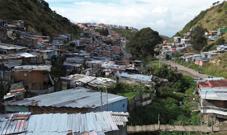
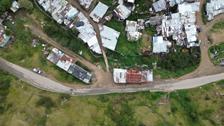
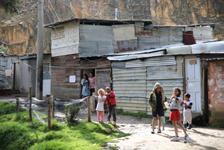
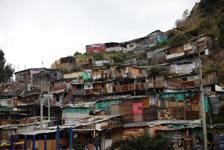
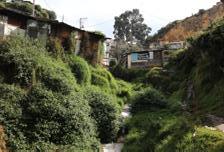
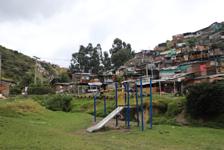
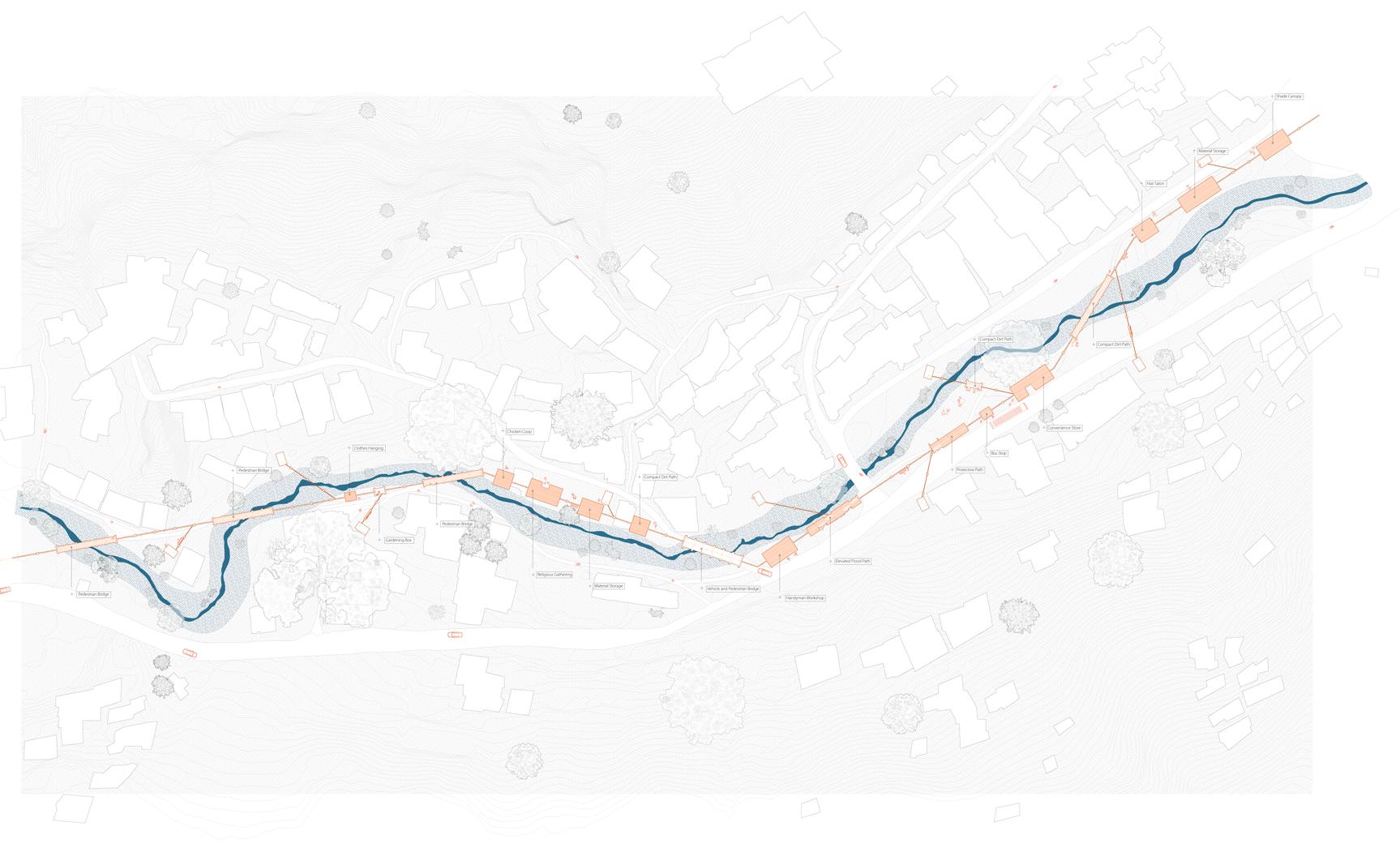
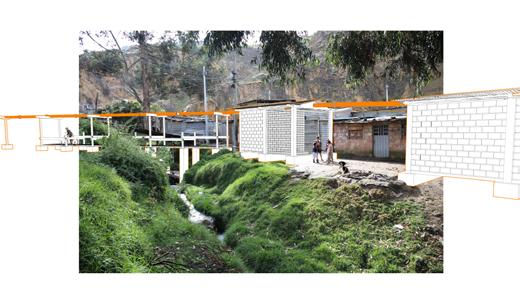
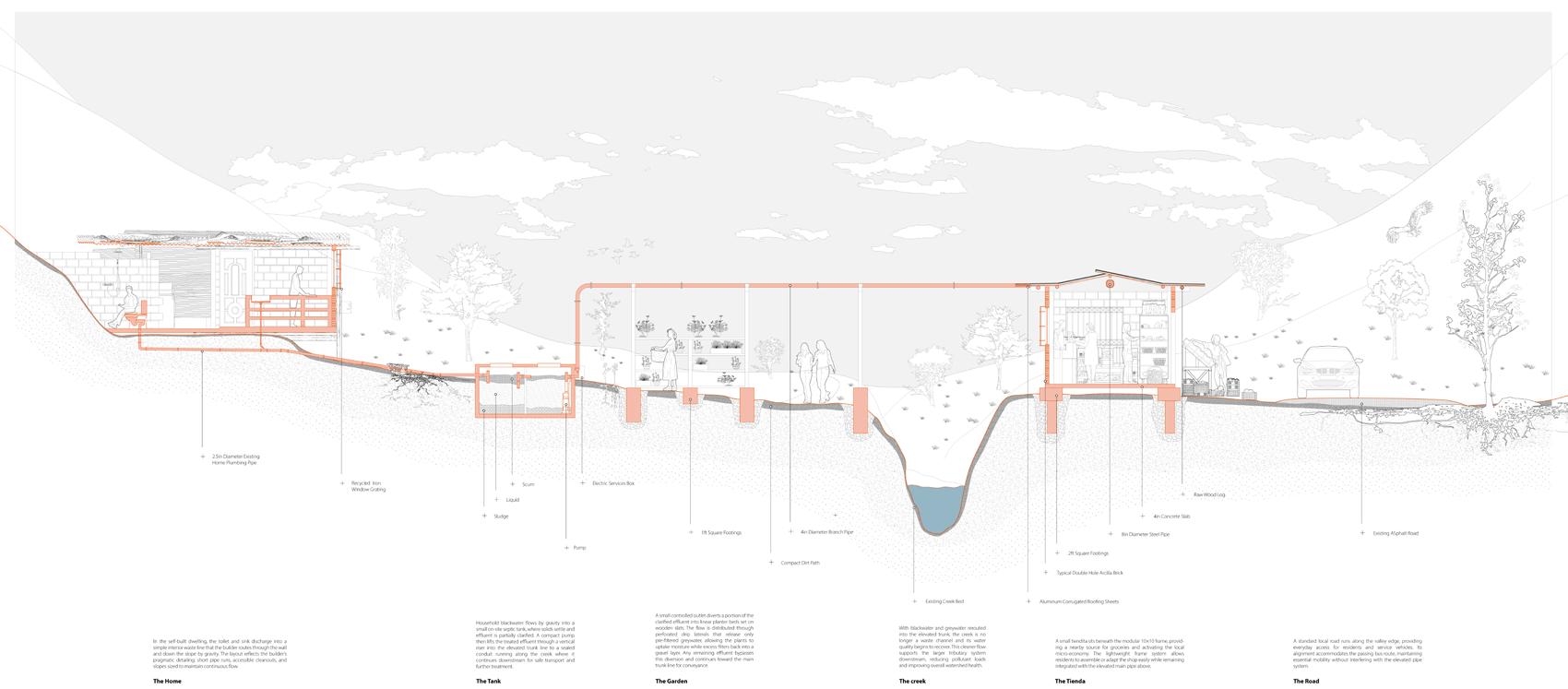
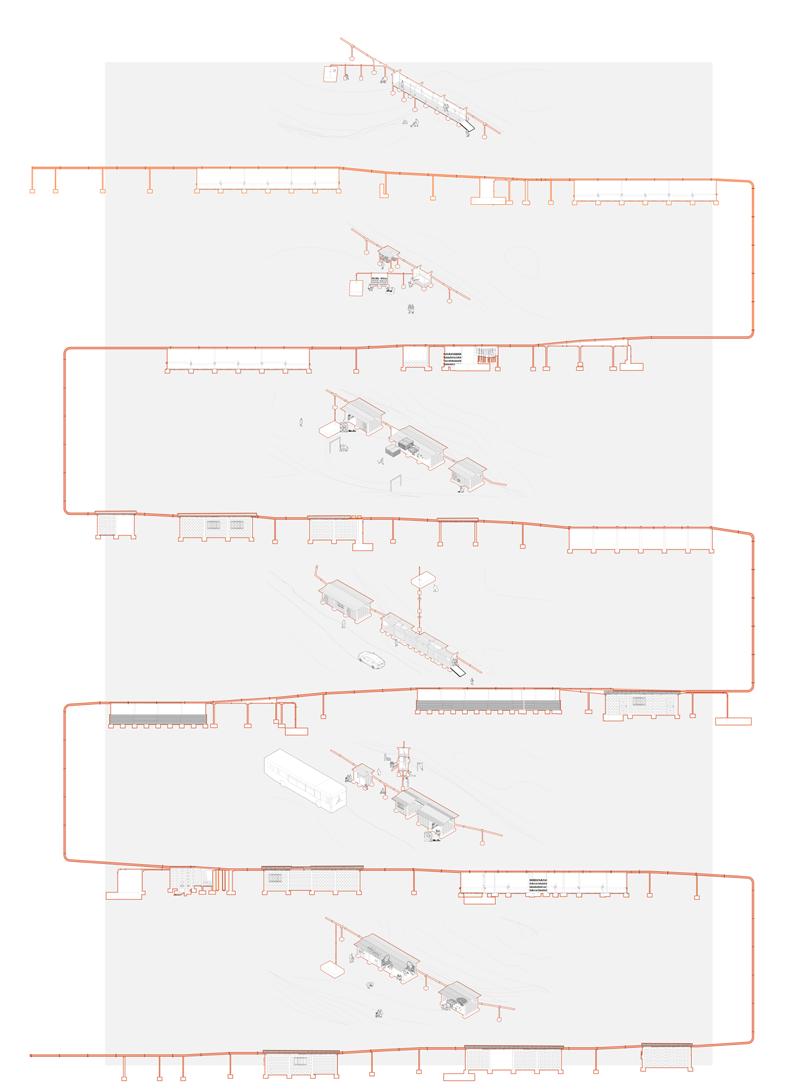
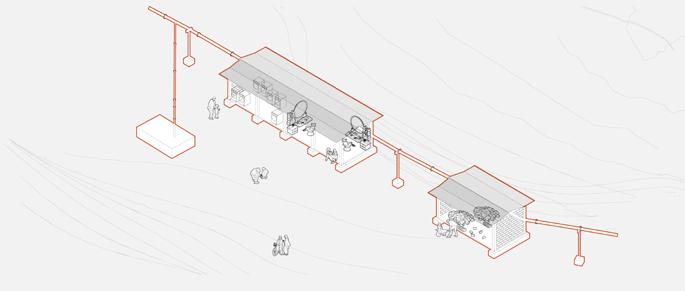
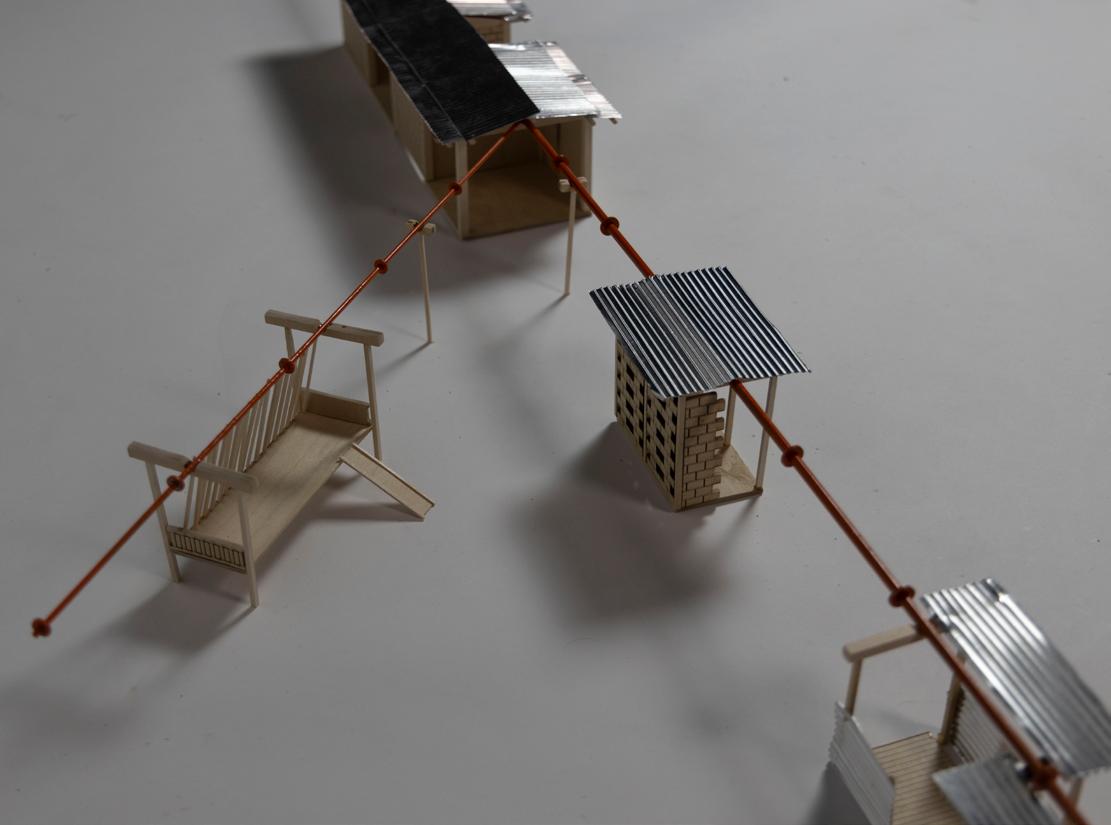
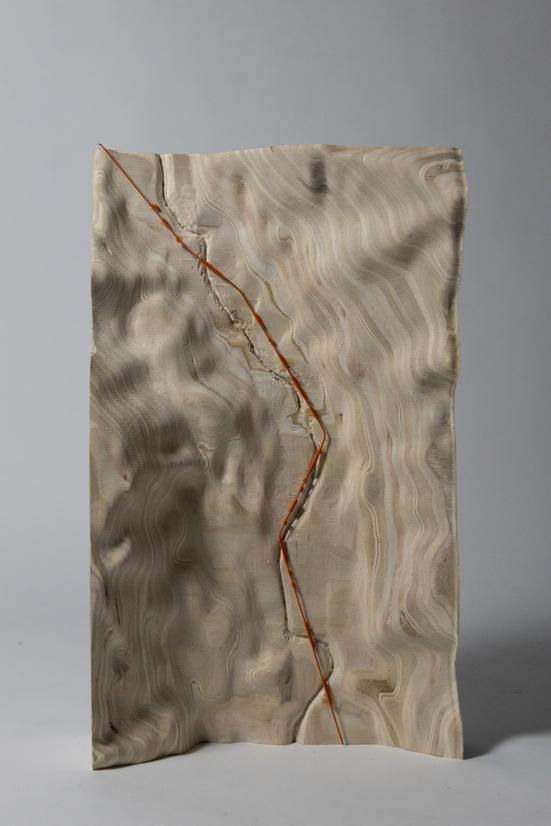
This thesis examines informal urbanization as a set of spatial and infrastructural practices rather than as a condition of deficiency. Through on-site observation, documentation, and sectional analysis, the work reads the informal city as an active system that organizes itself through experience, repetition, and environmental knowledge. Housing, infrastructure, and landscape are understood as interdependent, shaped by ongoing negotiation rather than singular interventions.
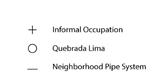
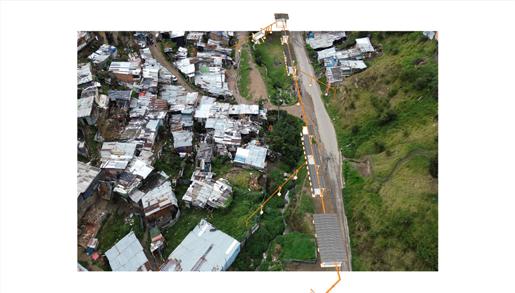
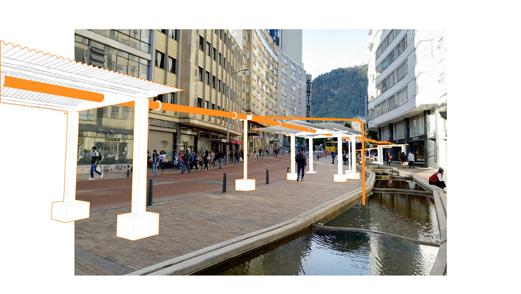
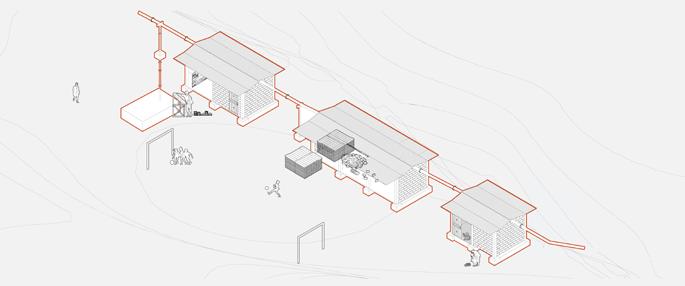
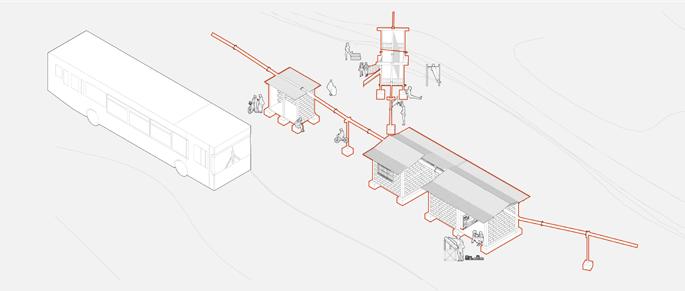
Focusing on the Quebrada Lima corridor, the project analyzes how water infrastructure can be reconfigured to address environmental risk while supporting everyday life at the household and neighborhood scale. By tracing the movement of wastewater, circulation, and material across the slope, the thesis situates architectural intervention within existing practices of construction and maintenance. Rather than proposing a finished solution, the work operates as a framework for incremental change, engaging informality as a productive and adaptive mode of urbanization.
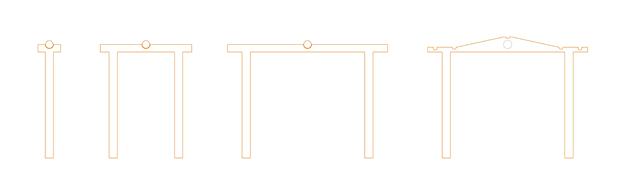
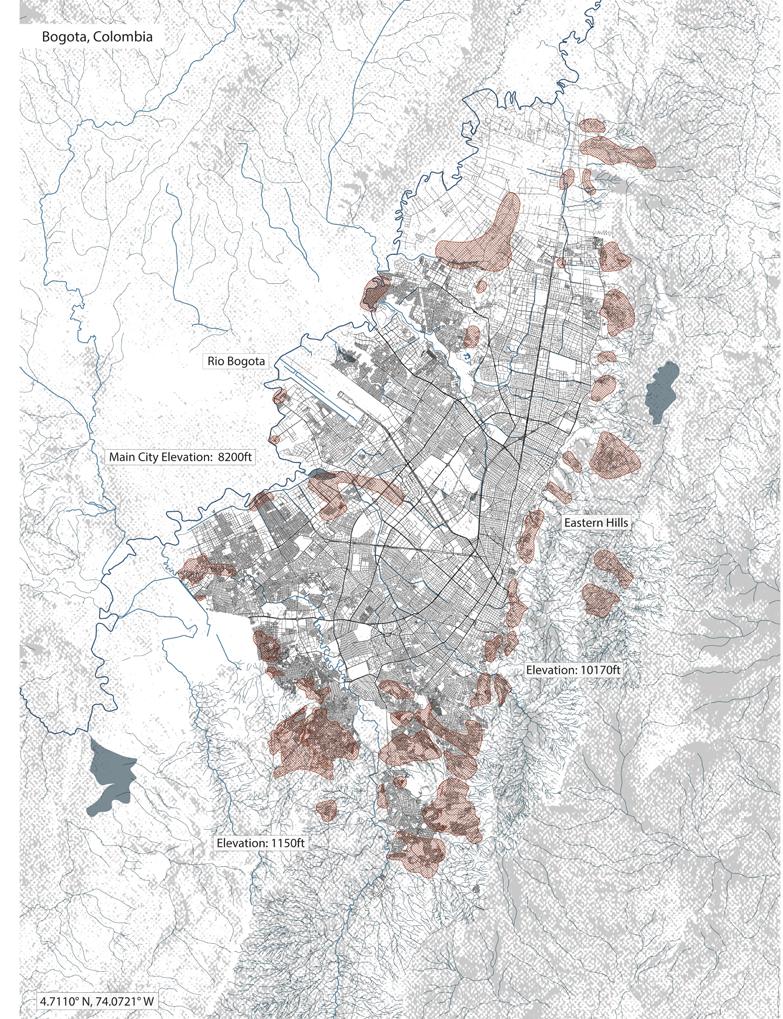
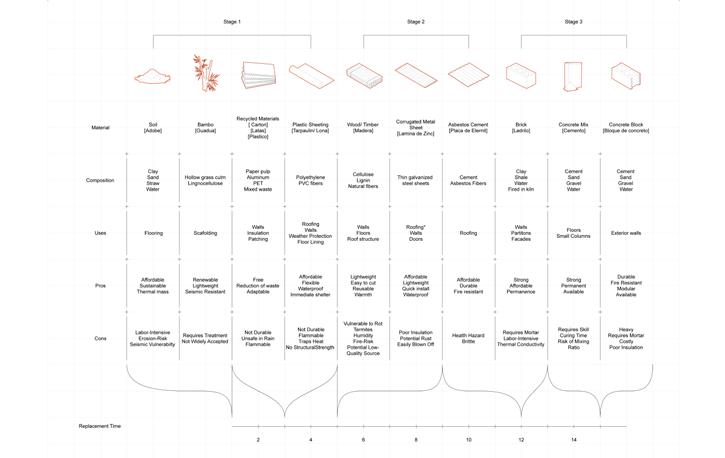
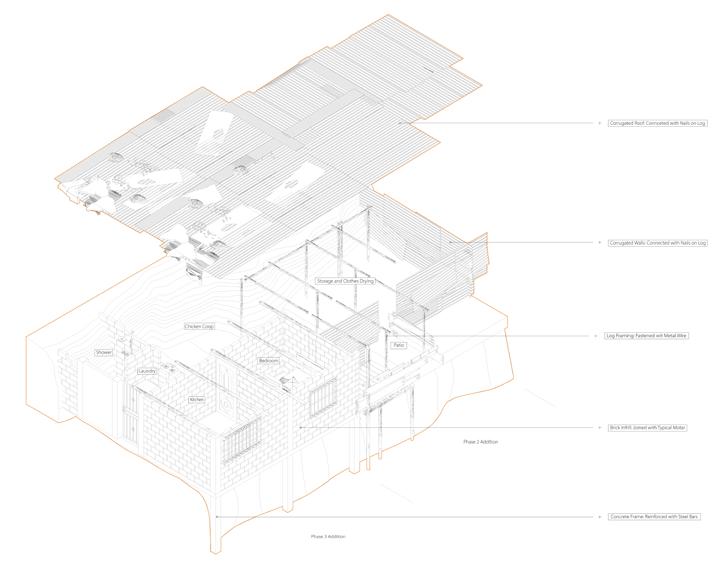
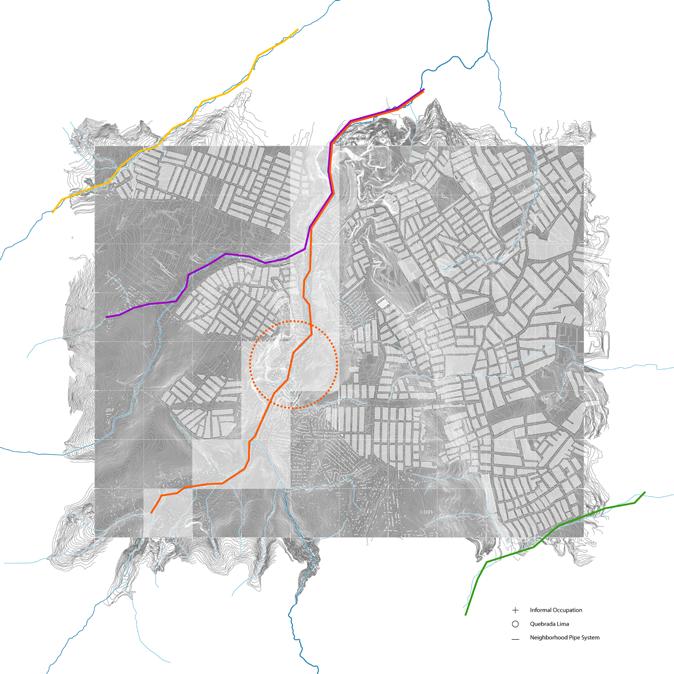

Fall 2023: Cornell University, B.Arch Option Studio
Instructor: Gary Bates
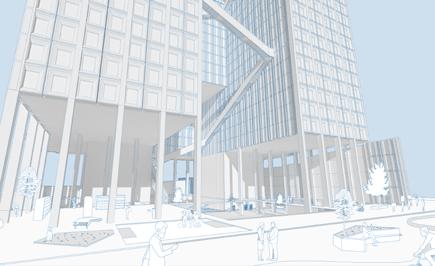
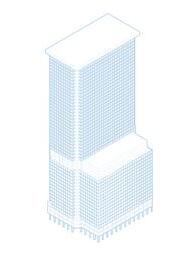
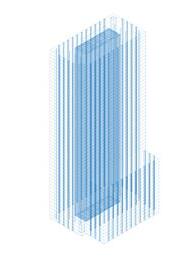
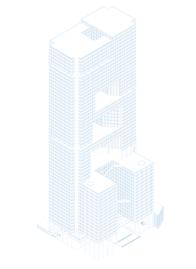
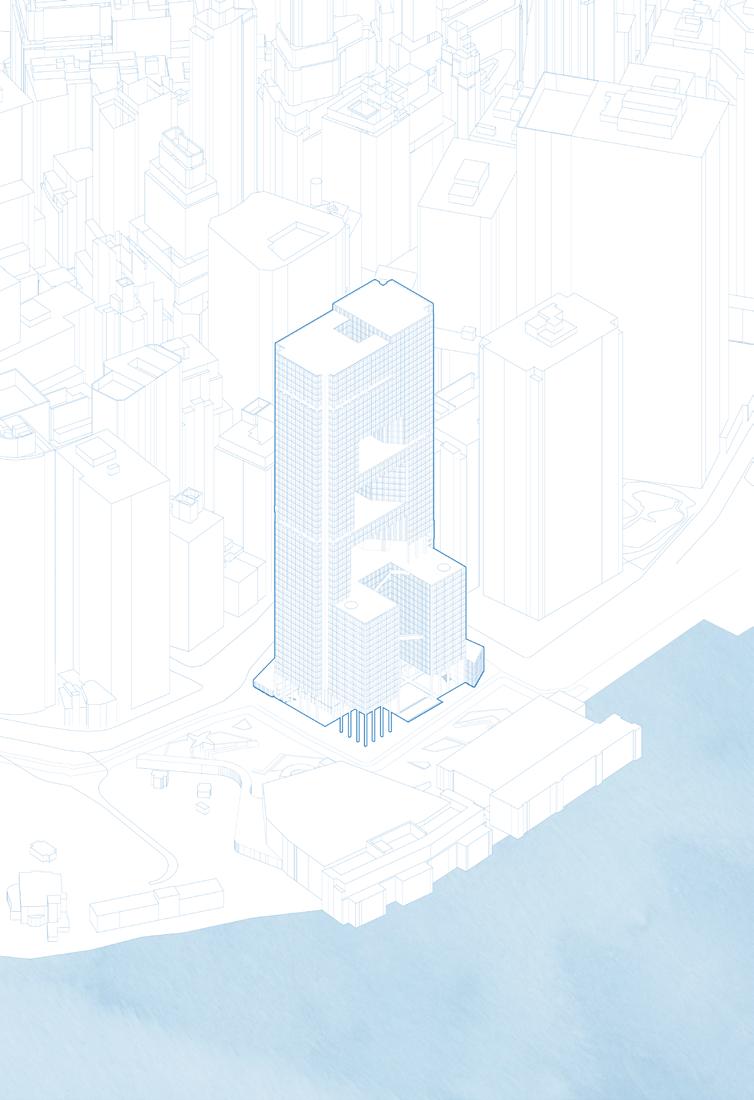
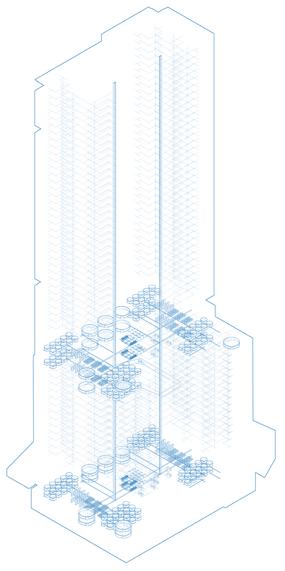
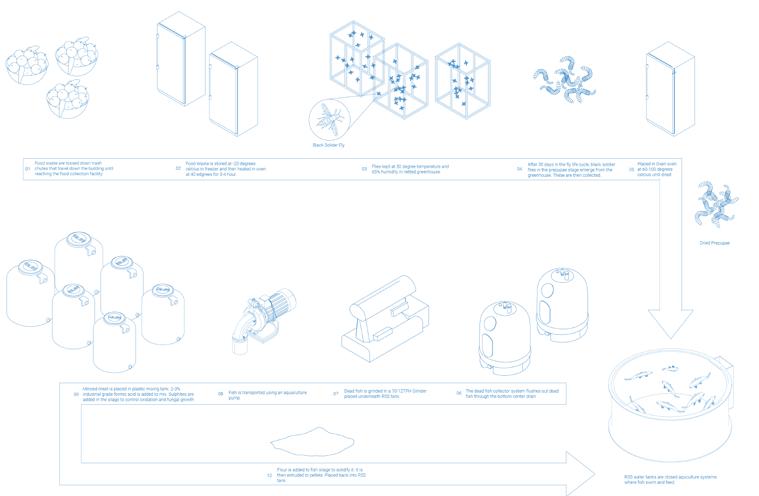
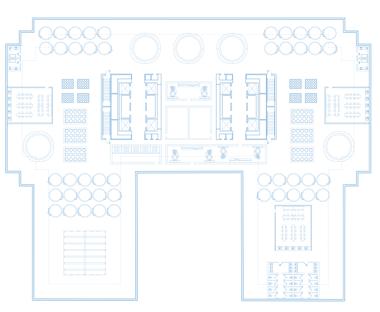
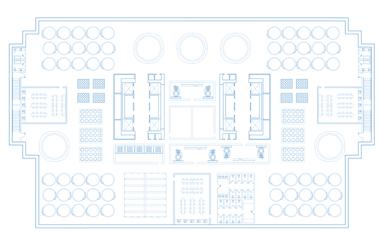
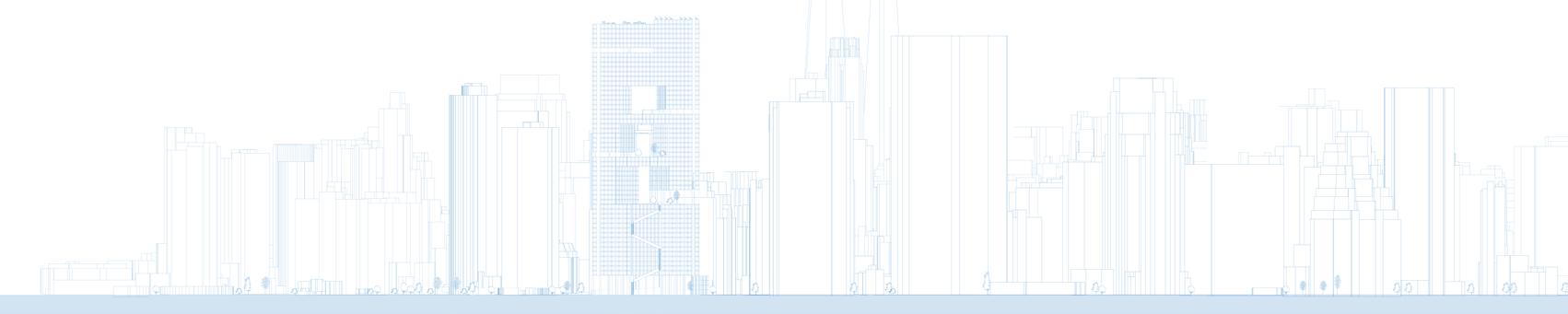
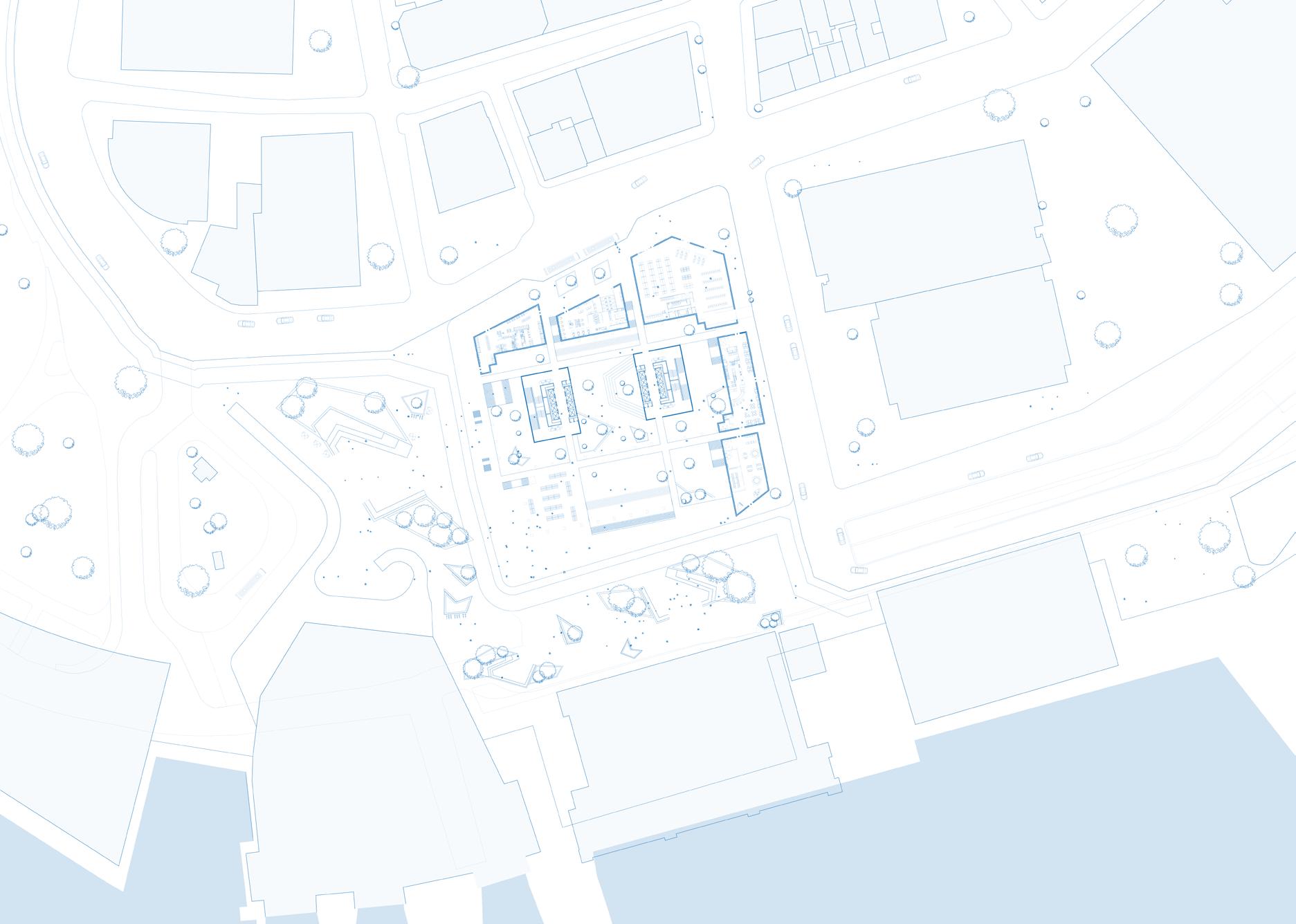
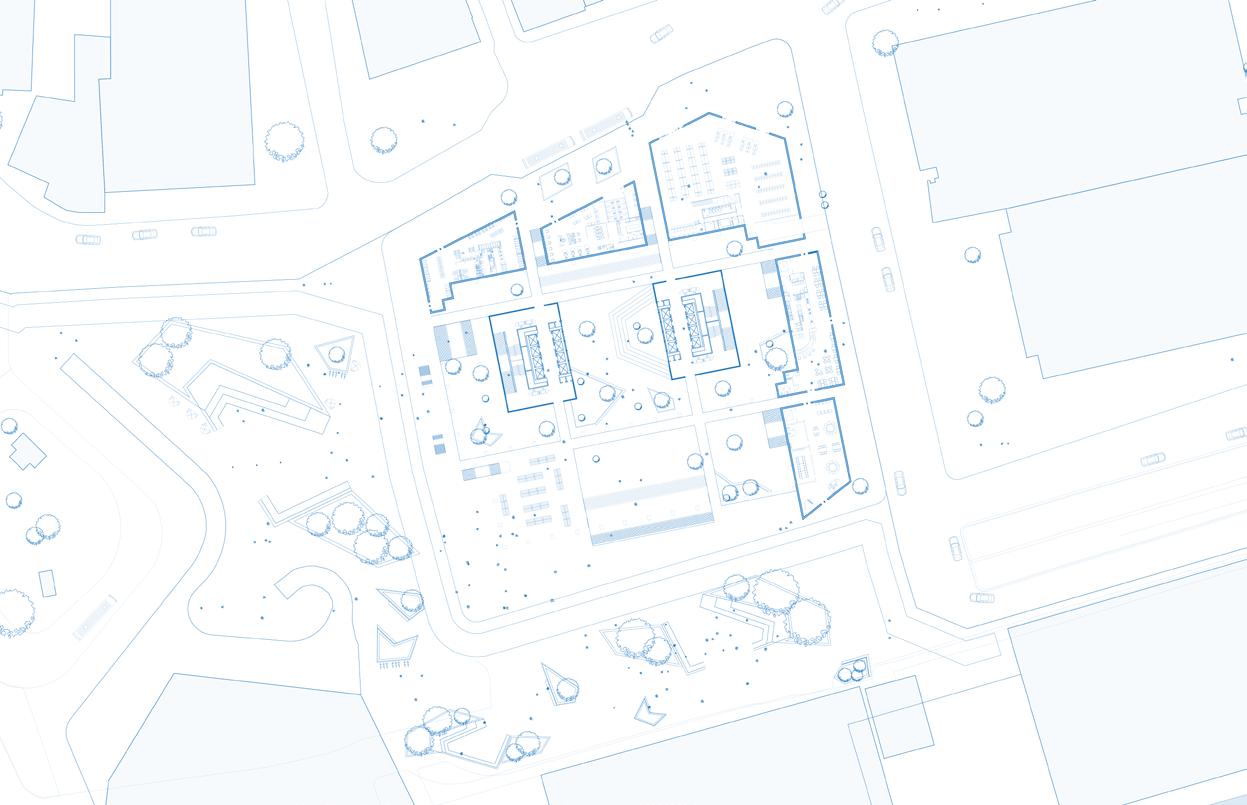
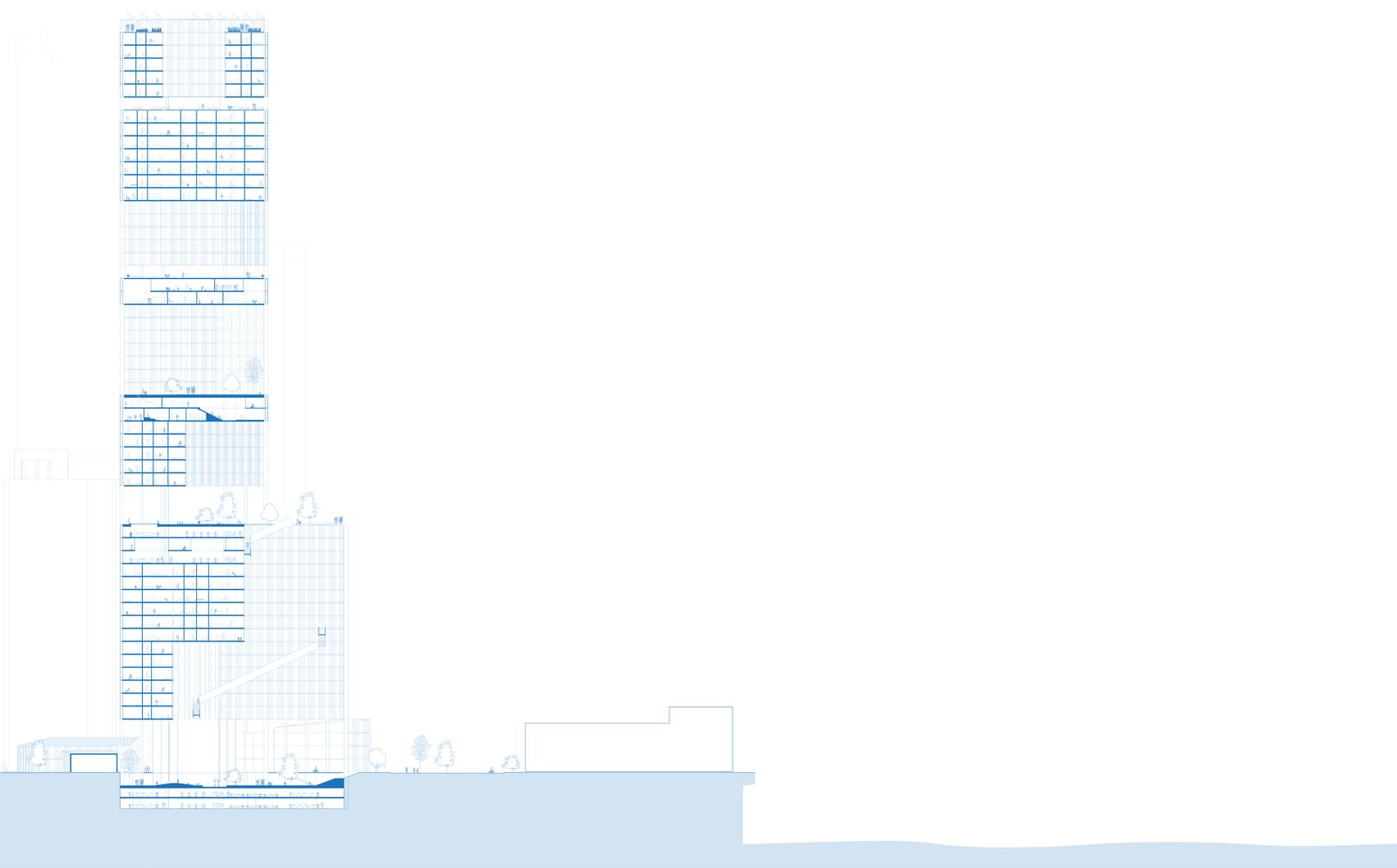
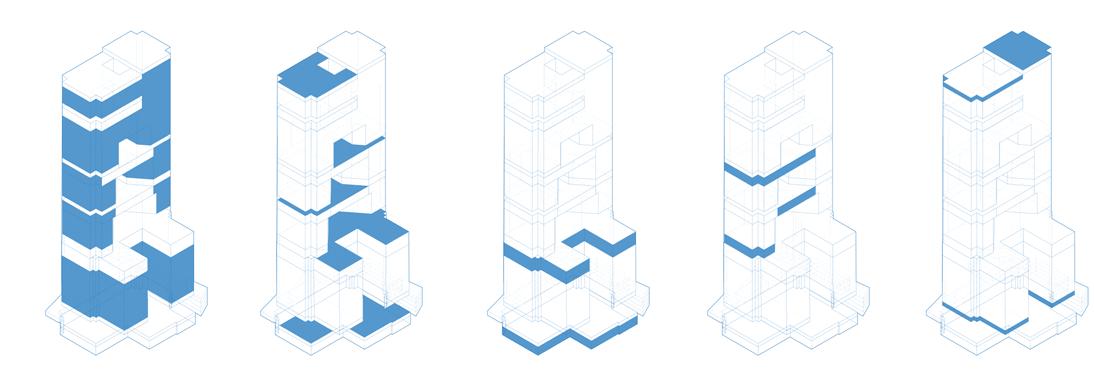
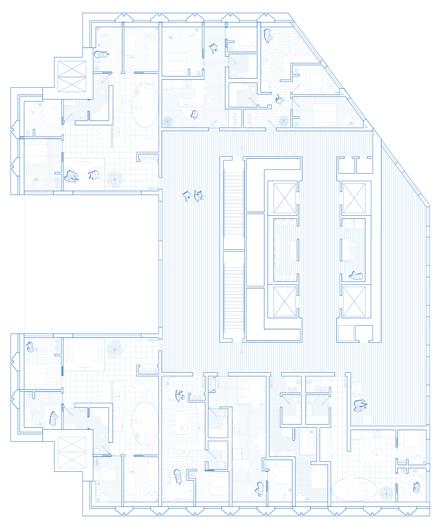
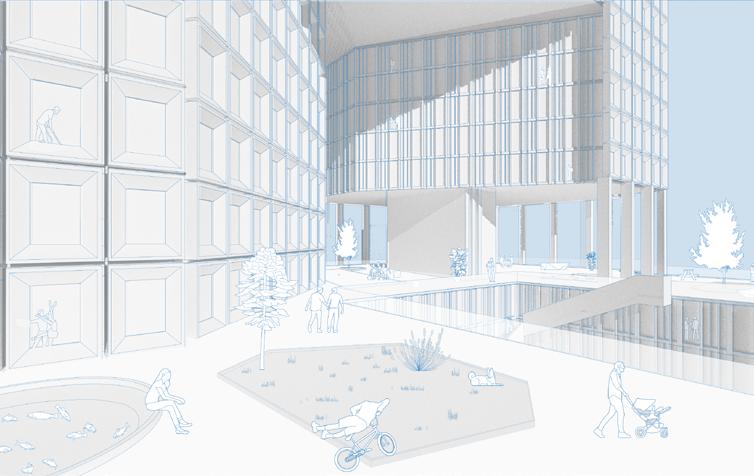
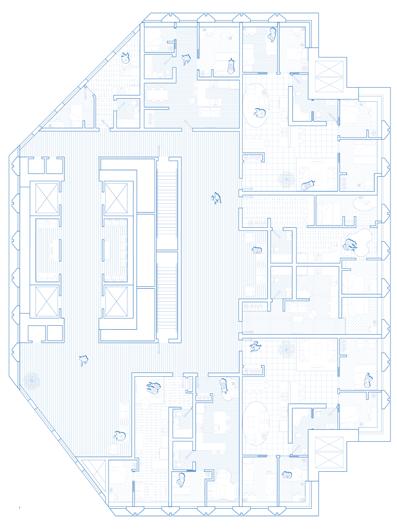
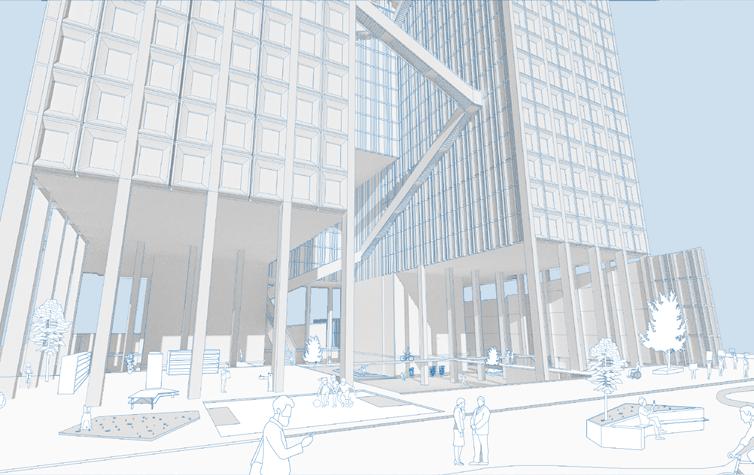
This office to residential conversion at the heart of New York’s Financial District aims to use water as an element of change and rethink how we should inhabit skyscrapers. The ground floor embraces the flood as a resiliency tactic by creating a public space for water collection and a park when the flood is not present. Community activities are dispersed in the terraces and invite the public to explore the city vertically. The public housing units are subsidized through an aquaculture research system that utilizes the building’s plumbing and waste to generate fish. The redesign respects the iconography of the existing building and uses voids to suggest a possible future for skyscrapers and their responsibility to the larger urban context.
Fall 2023: Cornell University NOMAS Student Design Competition Project Team Role: Design Co-Leader, Visual Representation Leader
[ All work shown is executed solely or in part by Omar Leon Competition Team Members: Omar Leon, Alejandra Siguenza, Valentina Sanz, Victoria Lee, Jeff Li, Jesus Mayen, Rhoda Ayele Advisor: Imani Day
2023 NOMA Barbara G. Laurie National Student Design Competition 1st Prize
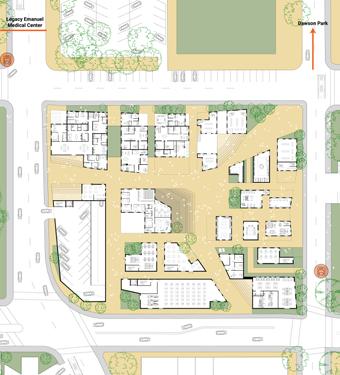
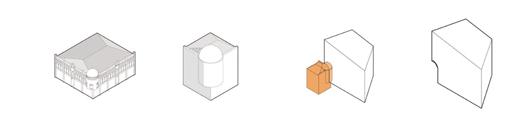
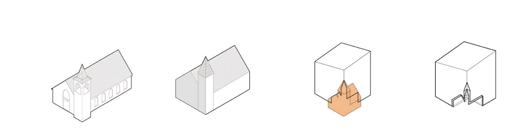
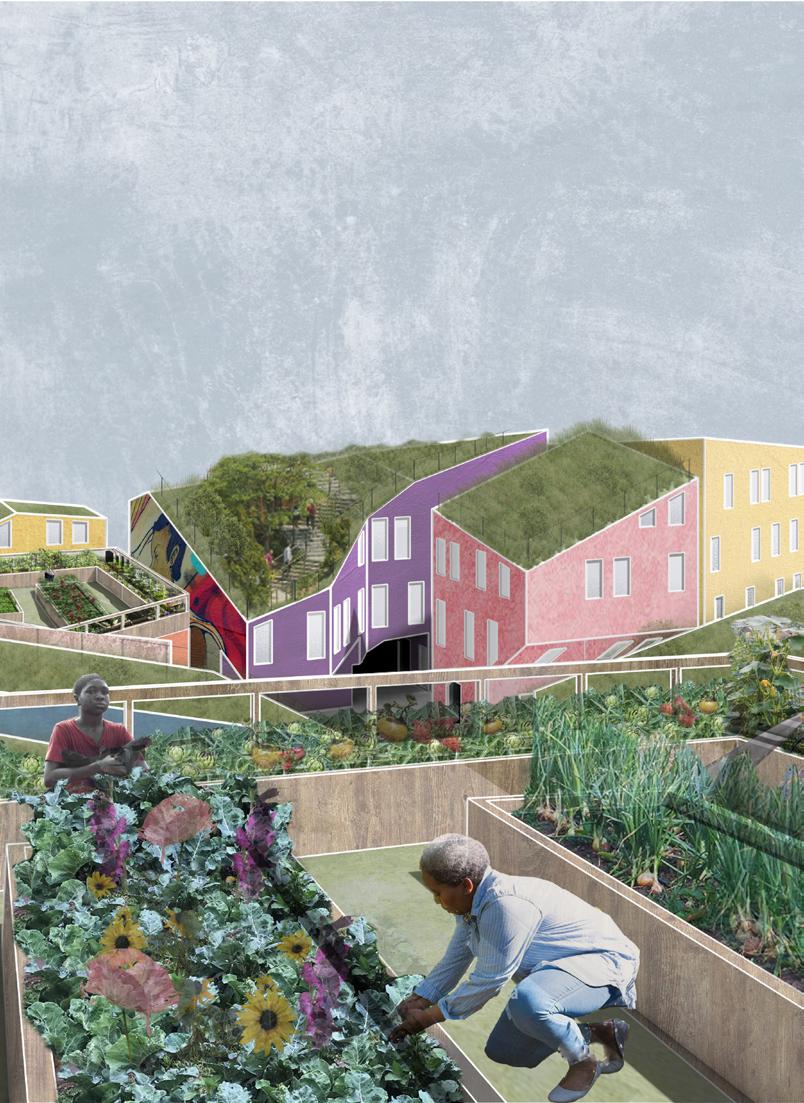
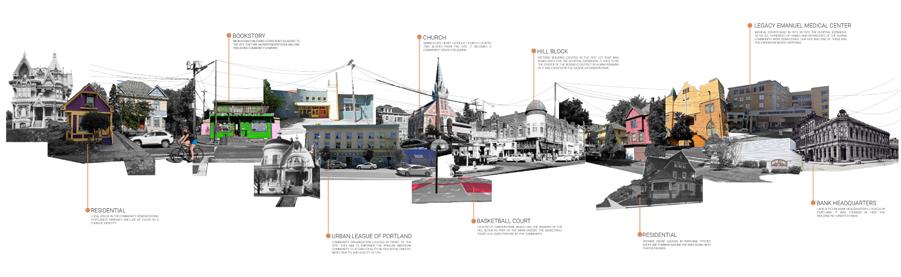
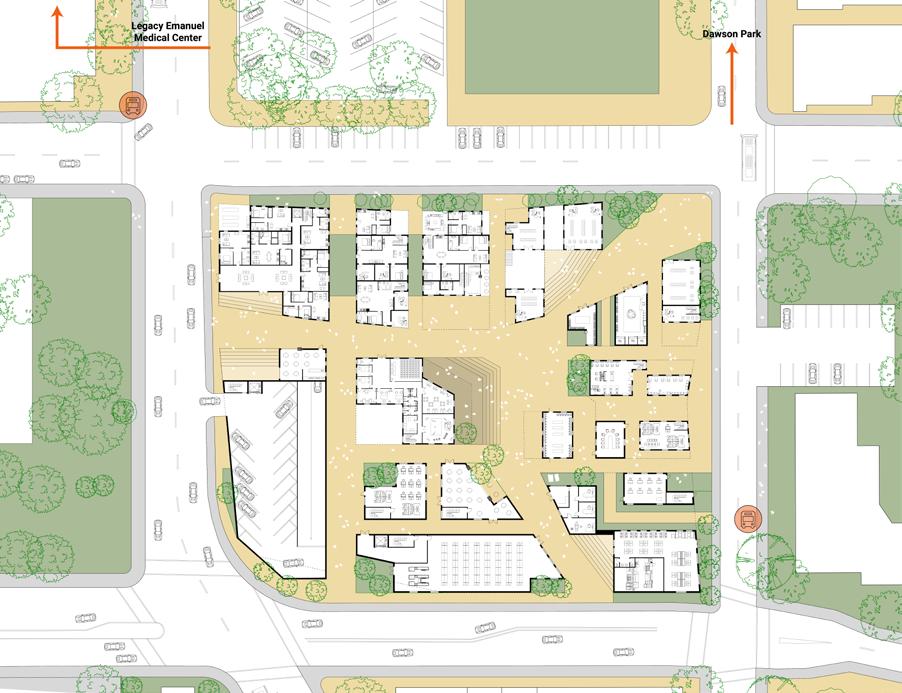
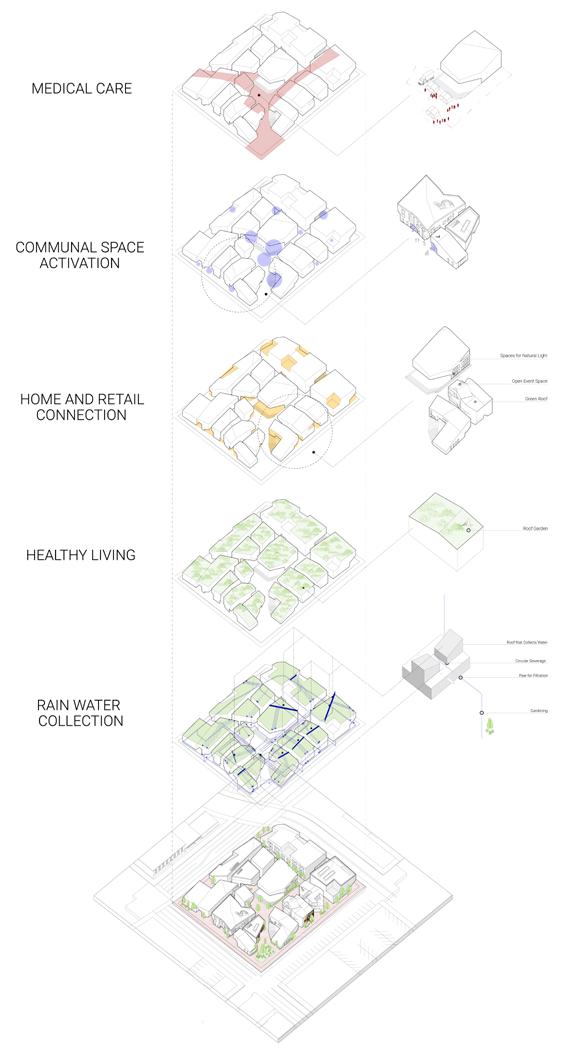
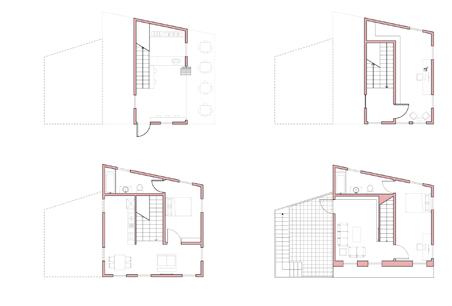
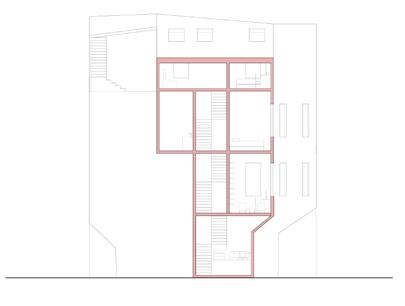
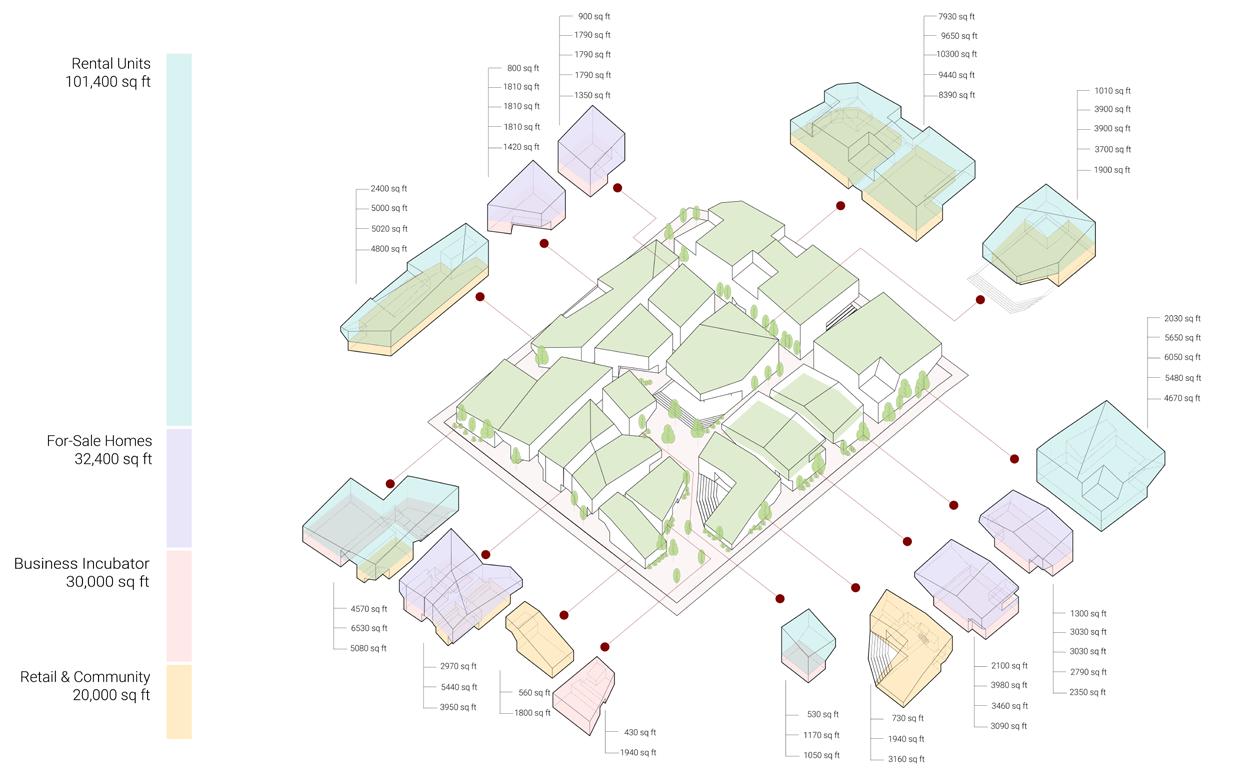
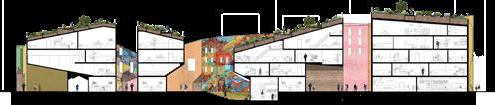
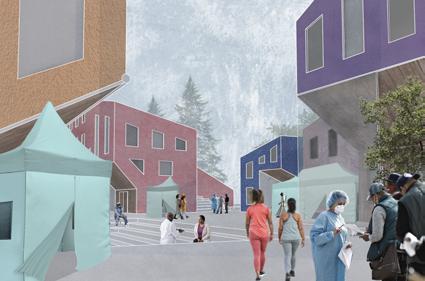
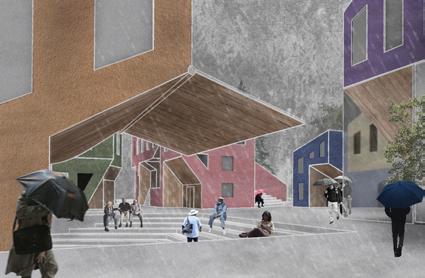
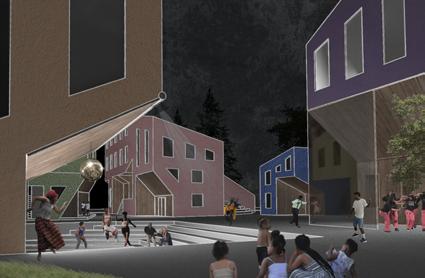
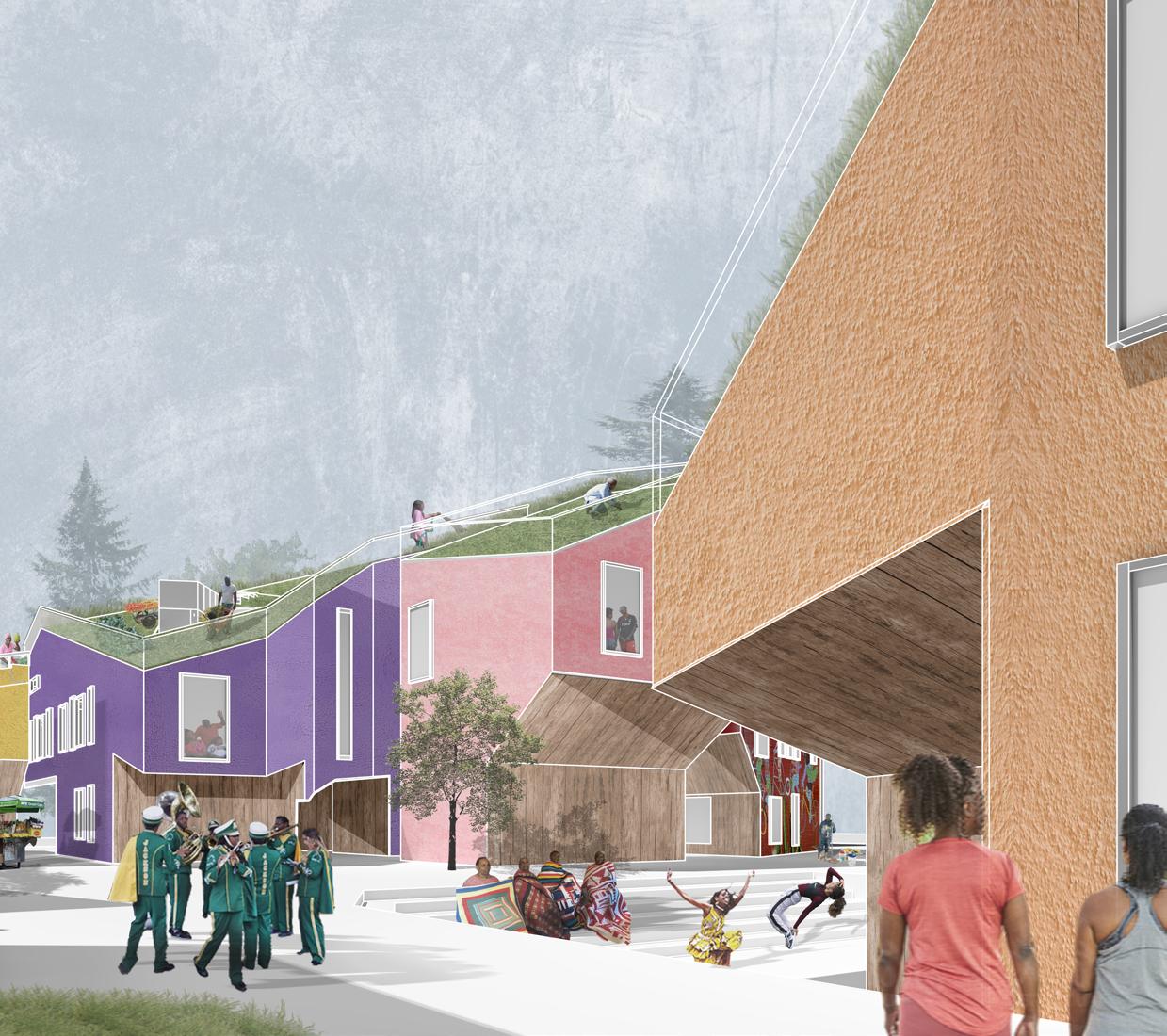
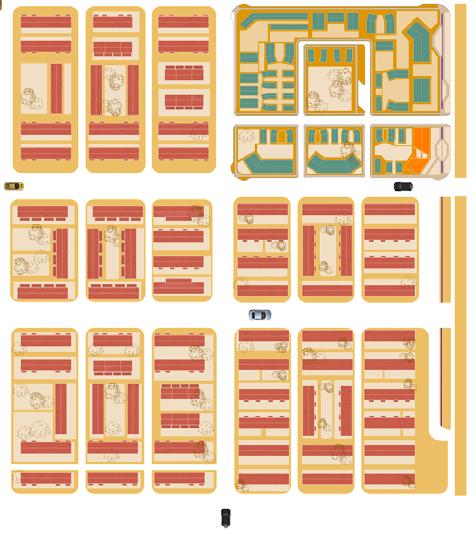
In order to heal Albina’s fractured history, the mixed used block weaves a new tapestry into the landscape. Five healing pillars serve as the foundation of the design: medical health emerges in community spaces and building facades, healthy lifestyles are promoted through green roofs, resilient environmental systems can be seen through angled roofs for rainwater collection, and vibrant residences engage with businesses.
Spring 2025: Cornell B.Arch Option Studio
Instructor: Stephanie Lee
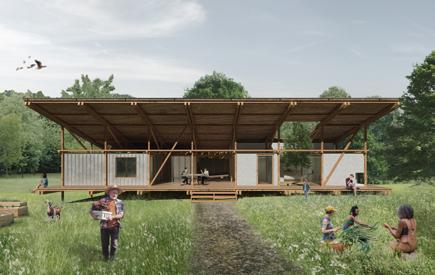
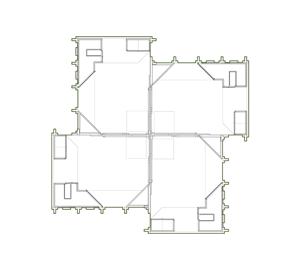
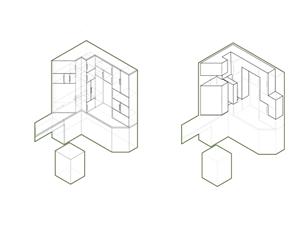
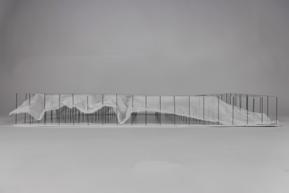
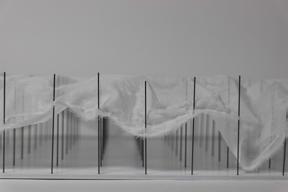
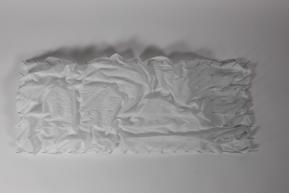
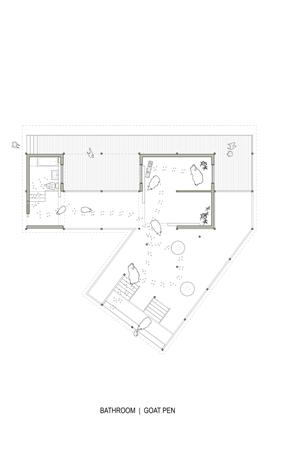
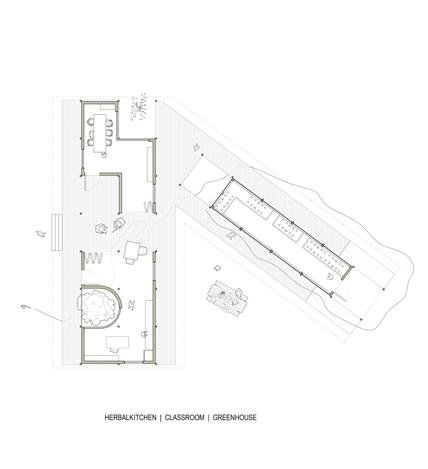
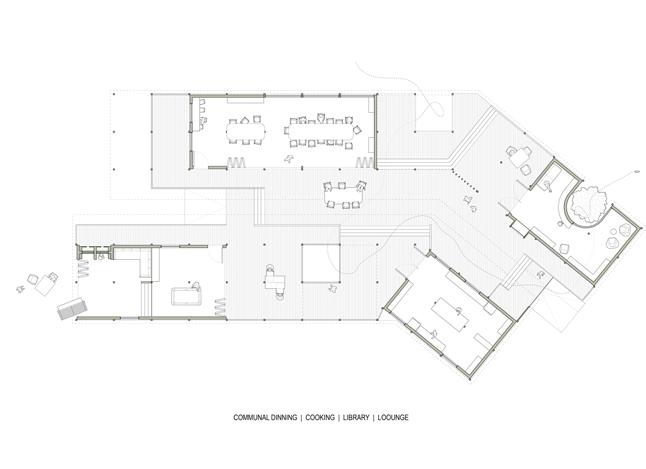
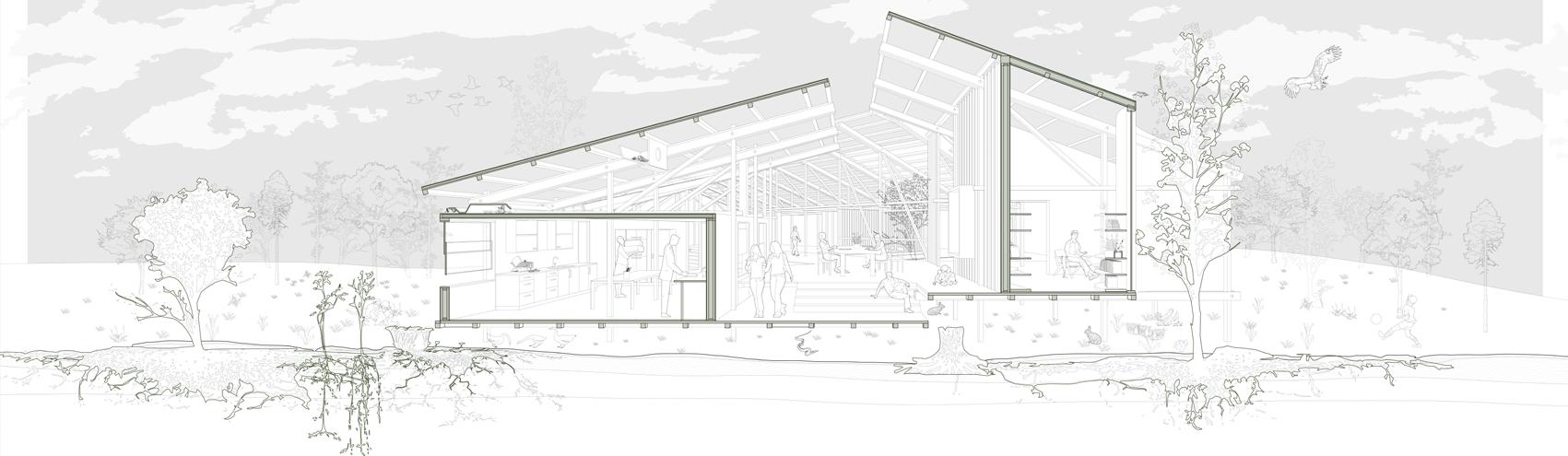
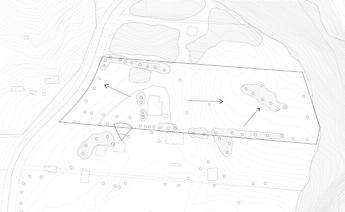
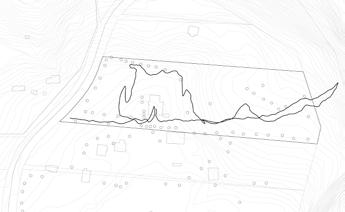
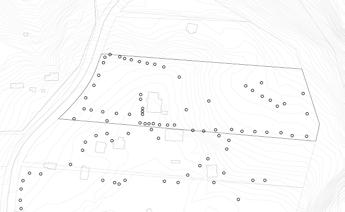
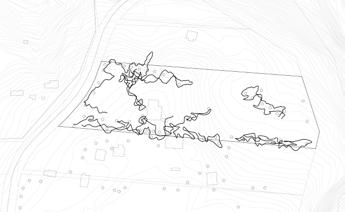
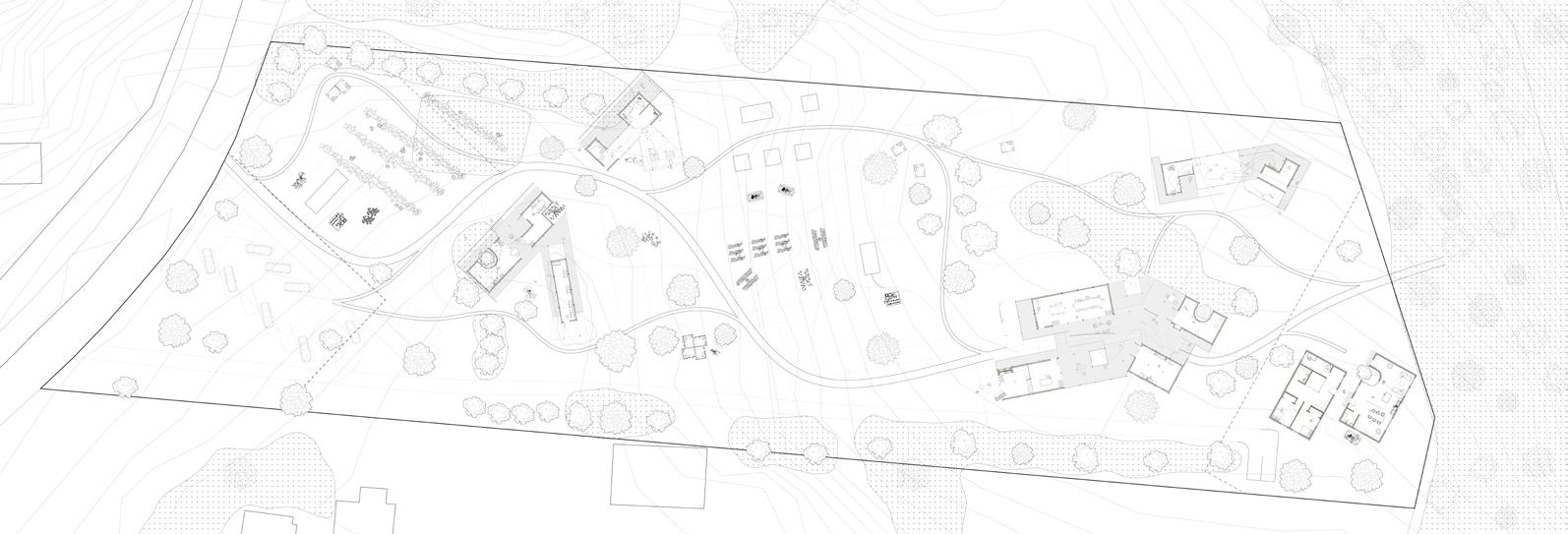
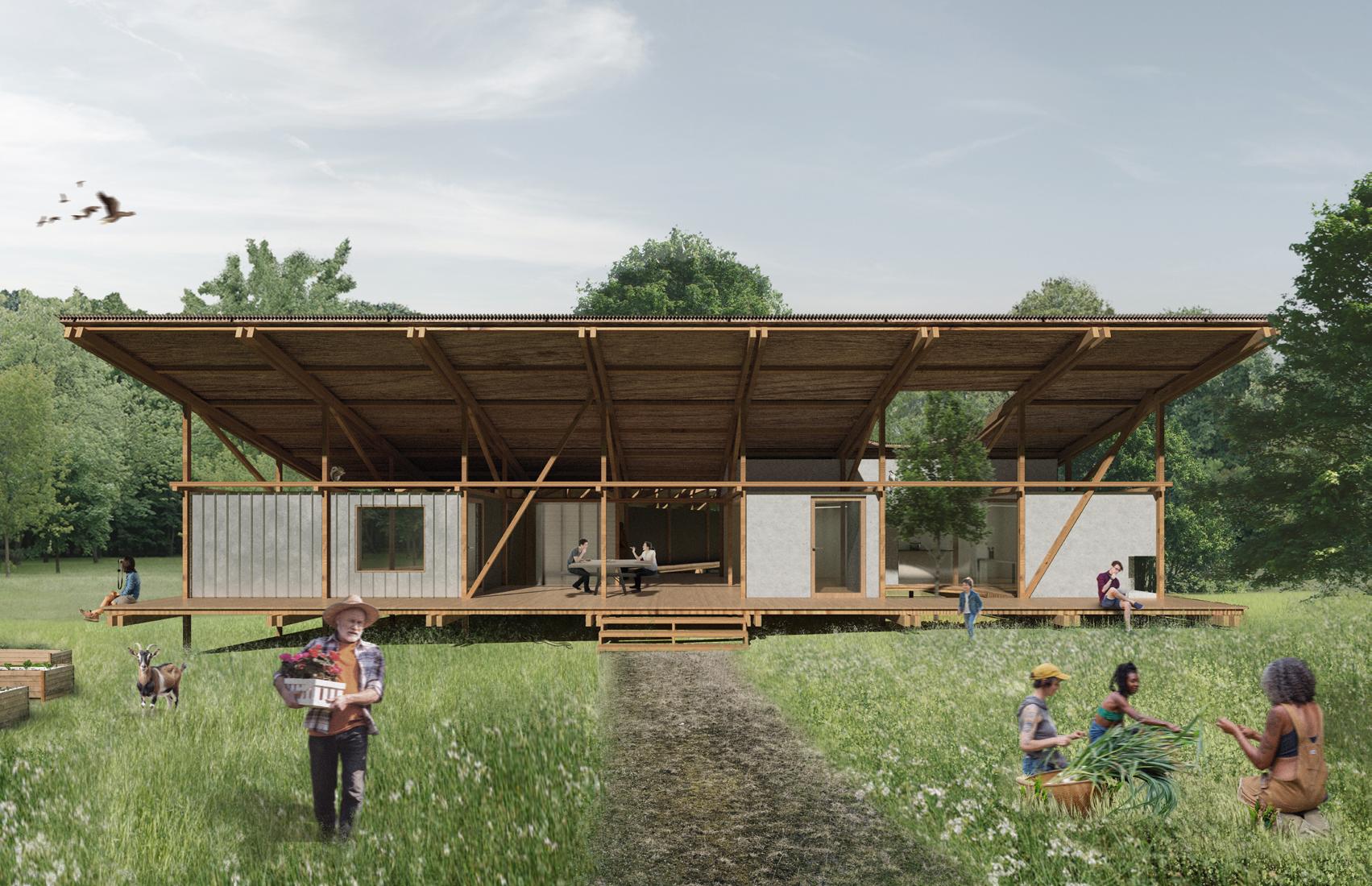
This proposal explores the design of a learning farm in Ithaca for Amanda David of Rootwork Herbals, conceived as a site for reimagining the relationship between land, labor, and multispecies coexistence. Through the lens of people’s movements that advocate for communal land care and collective labor, the project interrogates how architecture can act as a facilitator of mutual care between humans, animals, and the land itself. Sound and physical proximity become tools for fostering coexistence, with spatial strategies that prioritize sensory awareness and non-extractive occupation of the land.
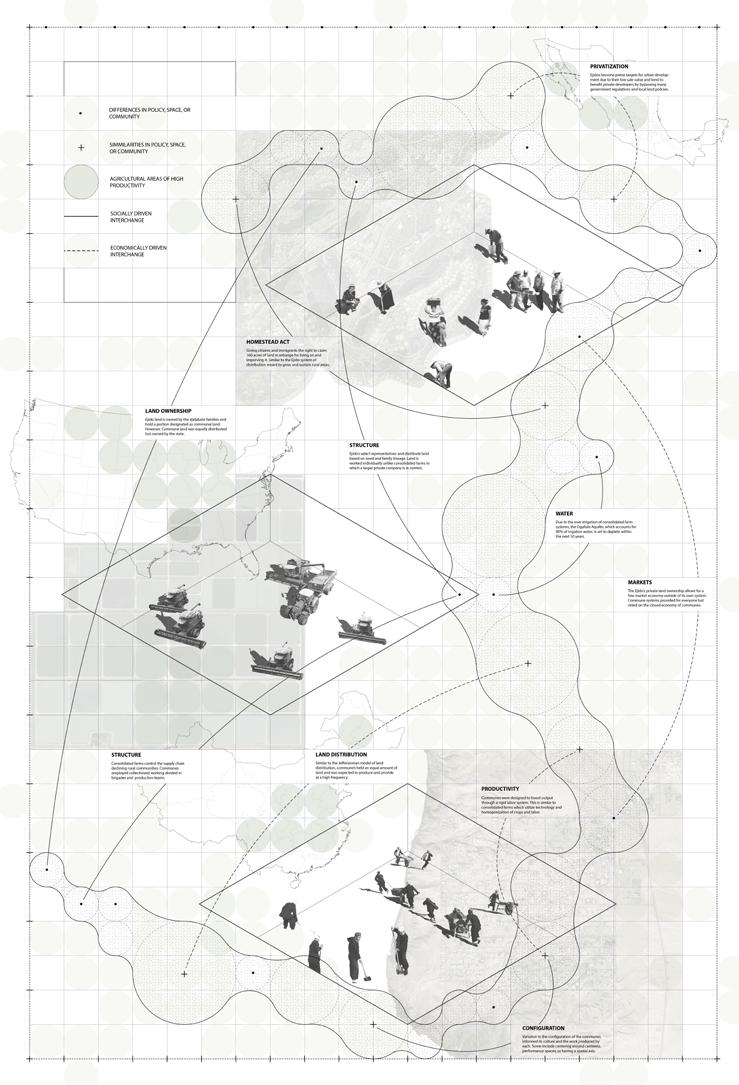
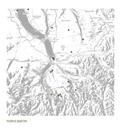
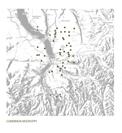
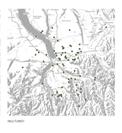
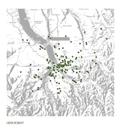
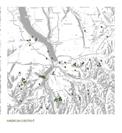
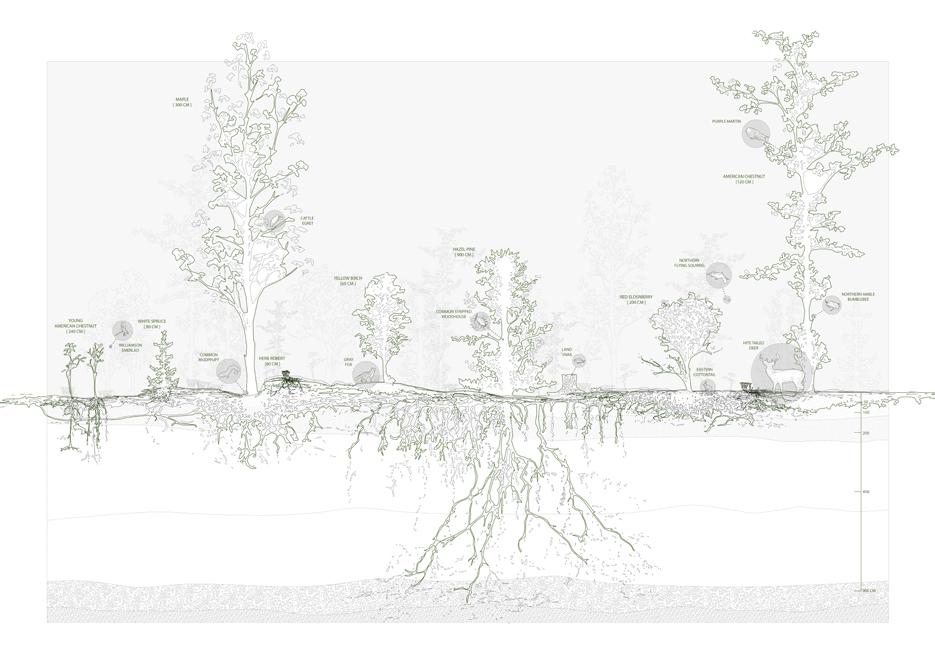
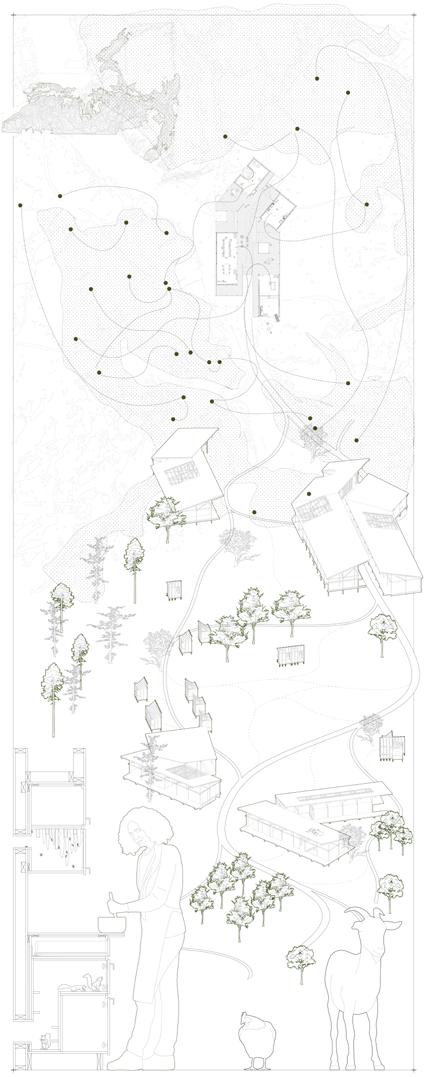
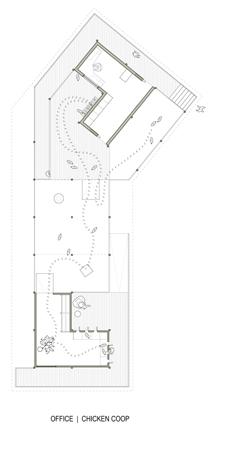
Multispecies Plans: Mixed Interactions

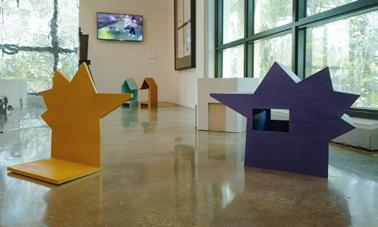
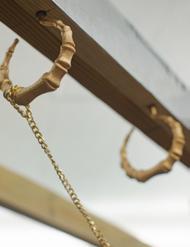
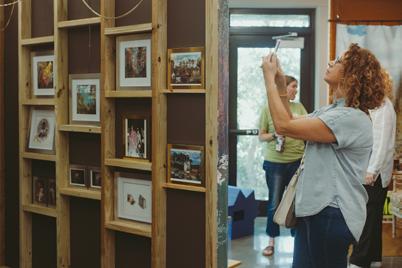
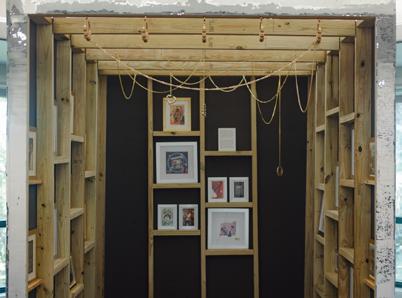
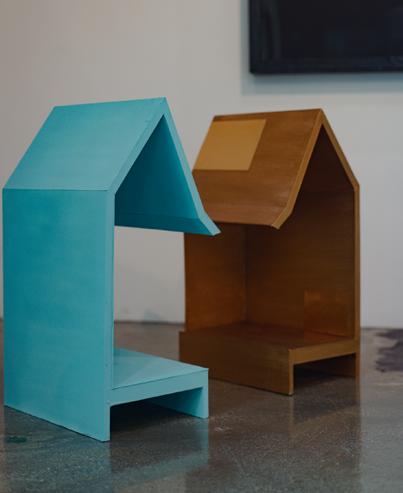
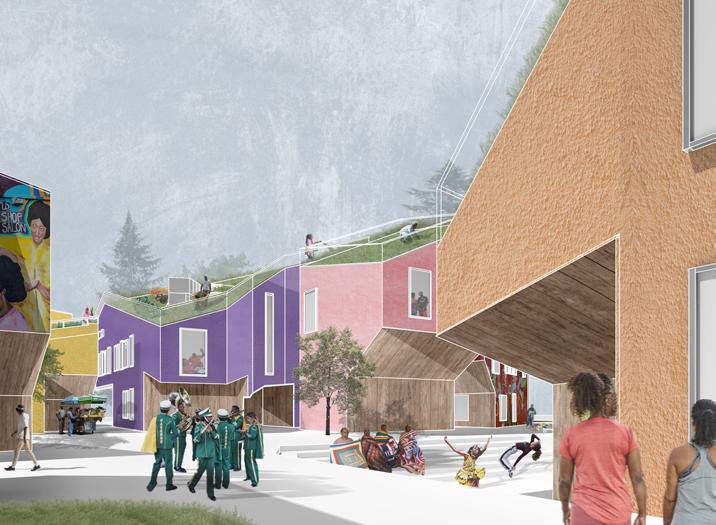
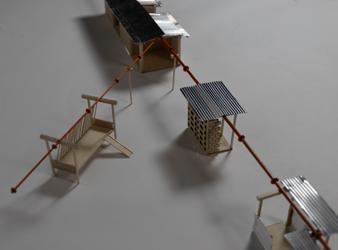
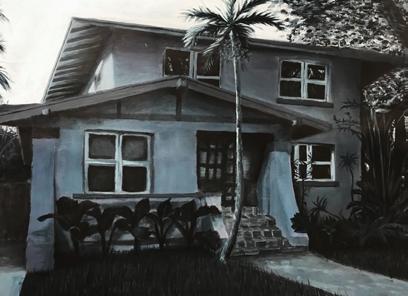
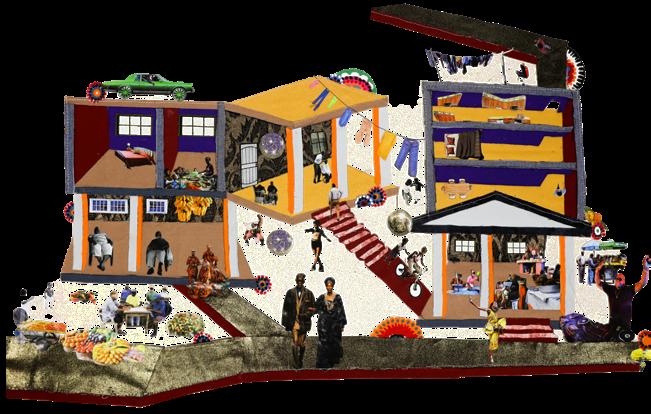
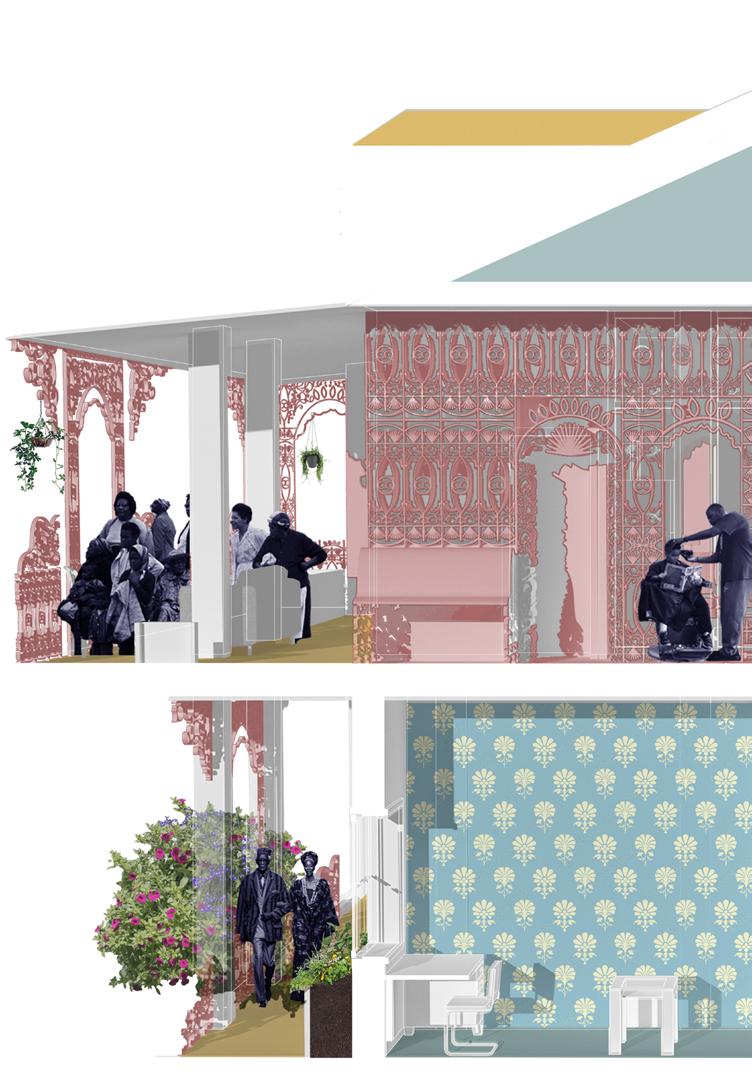
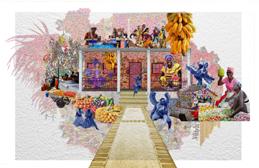
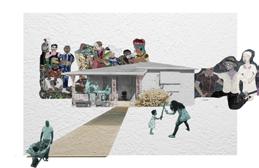
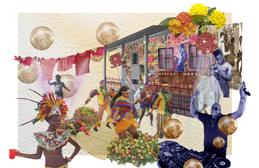
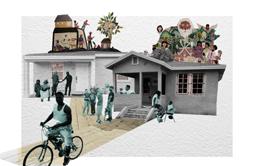
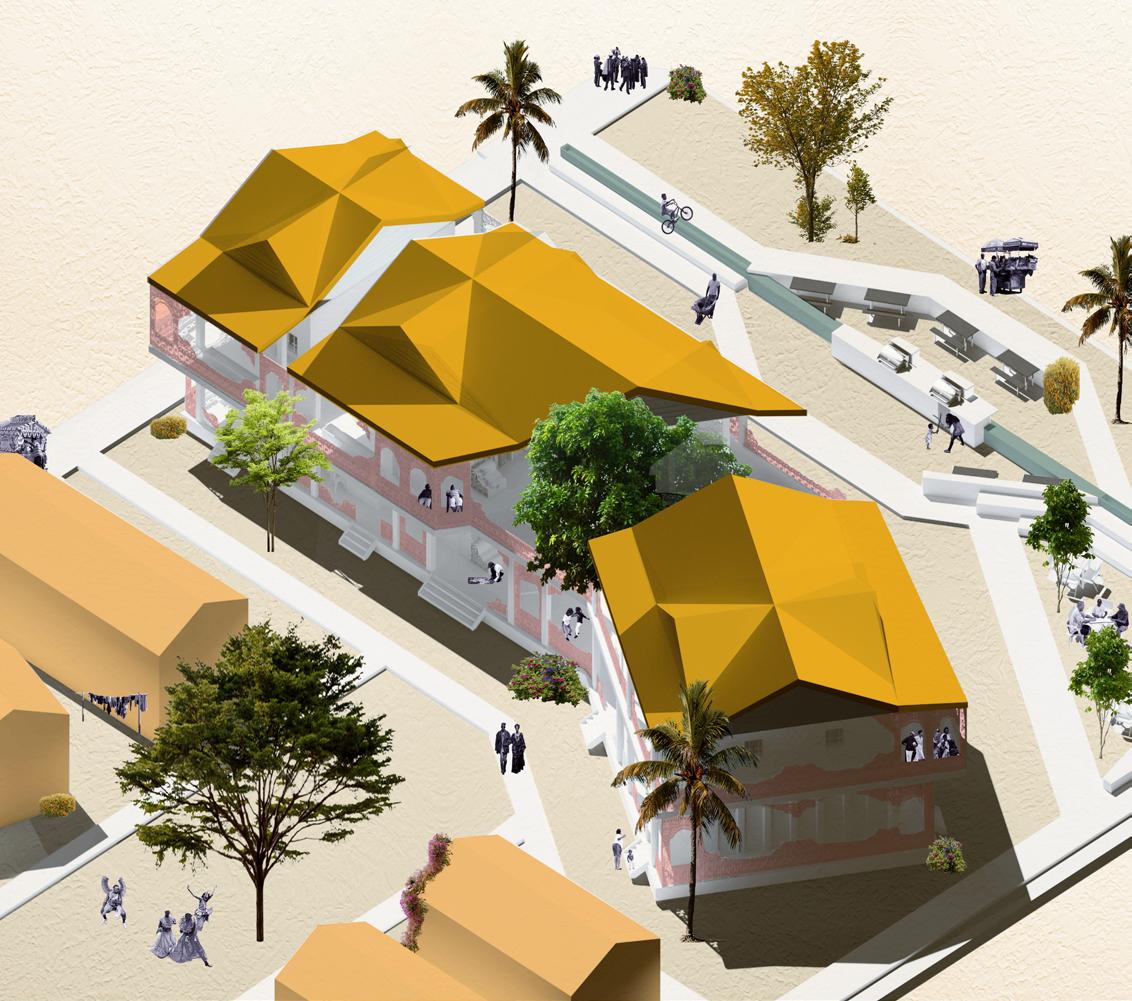
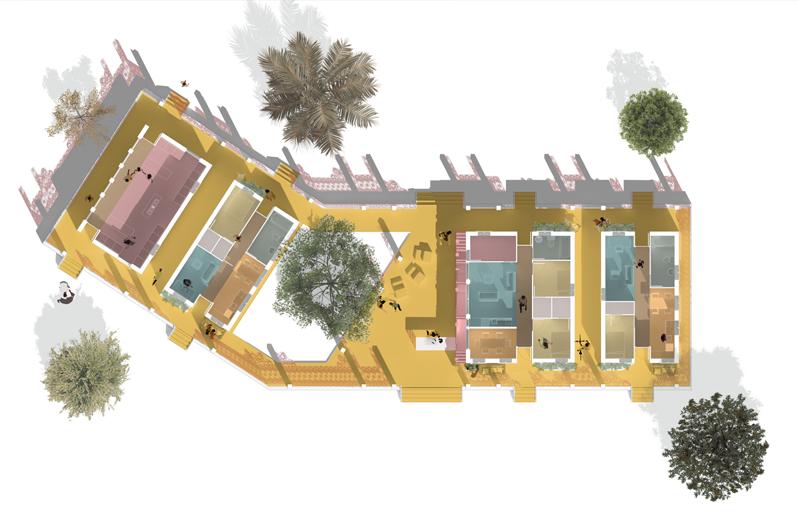
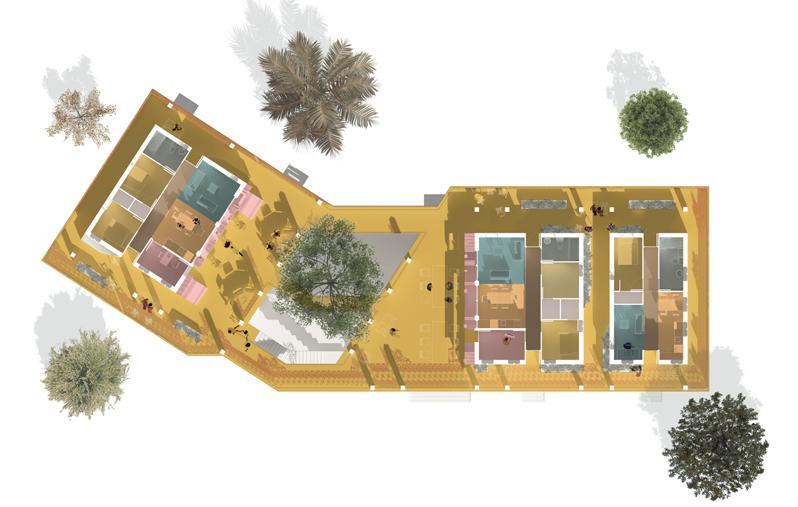
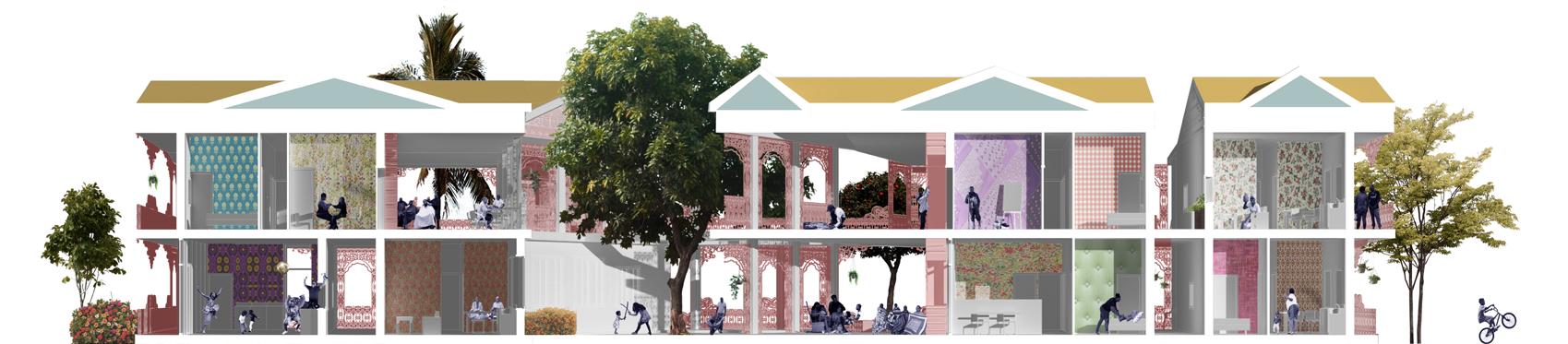
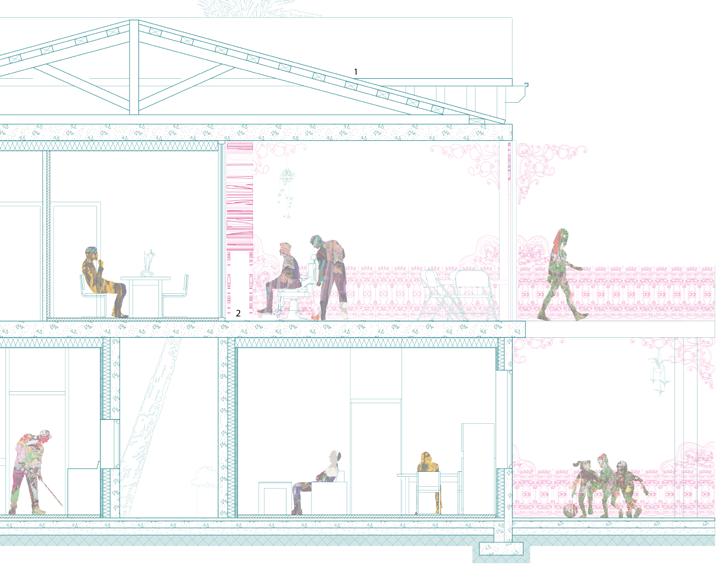
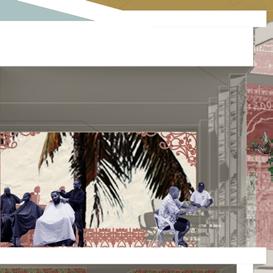
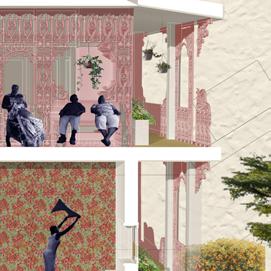
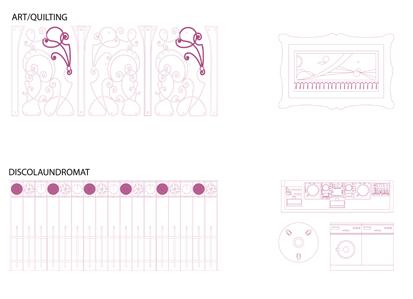
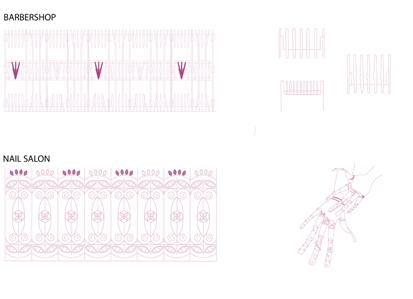
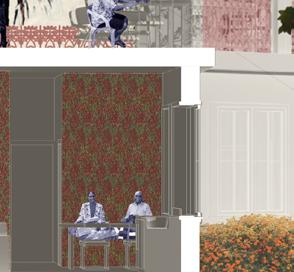
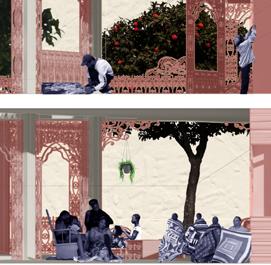
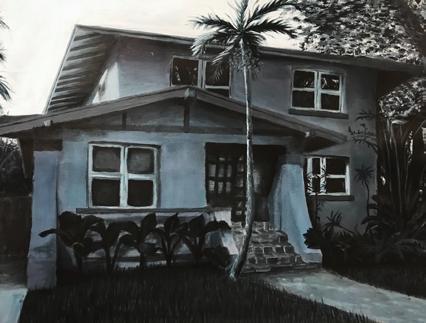
This public housing proposal focuses on the duality of domestic life in Liberty City, Miami by emphasizing the existing rituals of black and bohemian culture within the neighborhood and those activities held in the porch.Through the re-imagining and reconfiguration of existing housing units and the iron work that accompanies them, the design aims to re appropriate what is overlooked such as iron work and utilize it as a bridge between the body and the activities embedded in the community. The iron work and the units both adhere to the needs of its users and becomes the threshold between private and public spaces by stitching these existing activities and quilting them together into one community.

Location: Miami, Florida
Designer: Sydney Maubert
Contribution: Large Scale Models
Materials: Wood, 3D Fillament, Matboard, Spray Paint, Plastic
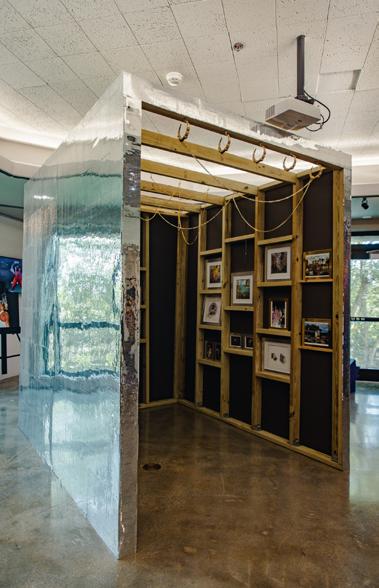
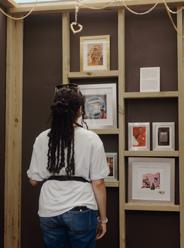
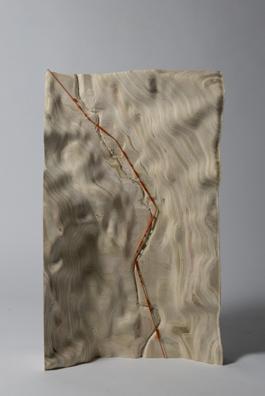
This Exhibit is an acknowledgment of Miami’s Bahamian history and its vital ties to a larger cultural geography of Southern and Indigenous aesthetics. It draws upon Miami’s history of Bahamian laborers’ construction of Miami’s infrastructure on porous rock, and their present descendants’ influence on Miami Bass culture. In many ways, Miami’s Black and Indigenous communities are the instigators of Miami’s original architecture, infrastructure, and present culture. This work is interested in identifying a Miami architectural vernacular and uses its aesthetics as a possible solution to our swampland’s troubled reputation as being uninhabitable. It experiments with aesthetics of impropriety as a solution.