CONTENTS
INTRODUCTION
• CONTENTS
LANDSCAPE ARCHITECTURE
• STUDIO PROJECT | ELECTRIC BATTERY BUS FLEET
• STUDIO PROJECT | CROSSROADS
SOFTWARE RENDERS
• 3D PROGRAMS | EXPLORATION + EXPERIMENTING DIFFERENT SCALES OF PROJECTS
GRAPHIC DESIGN
• STORYBOARDING | POSTERS + ILLUSTRATIONS + PROTOTYPING
ILLUSTRATIONS
• DESIGN LANGUAGE | COMMUNICATION SKILLS + DRAWINGS + ANNOTATED DESIGN
DRAFTING BUILDS
• DOCUMENT DRAFTING | DETAIL DRAWINGS + SOFTWARE KNOWLEDGE
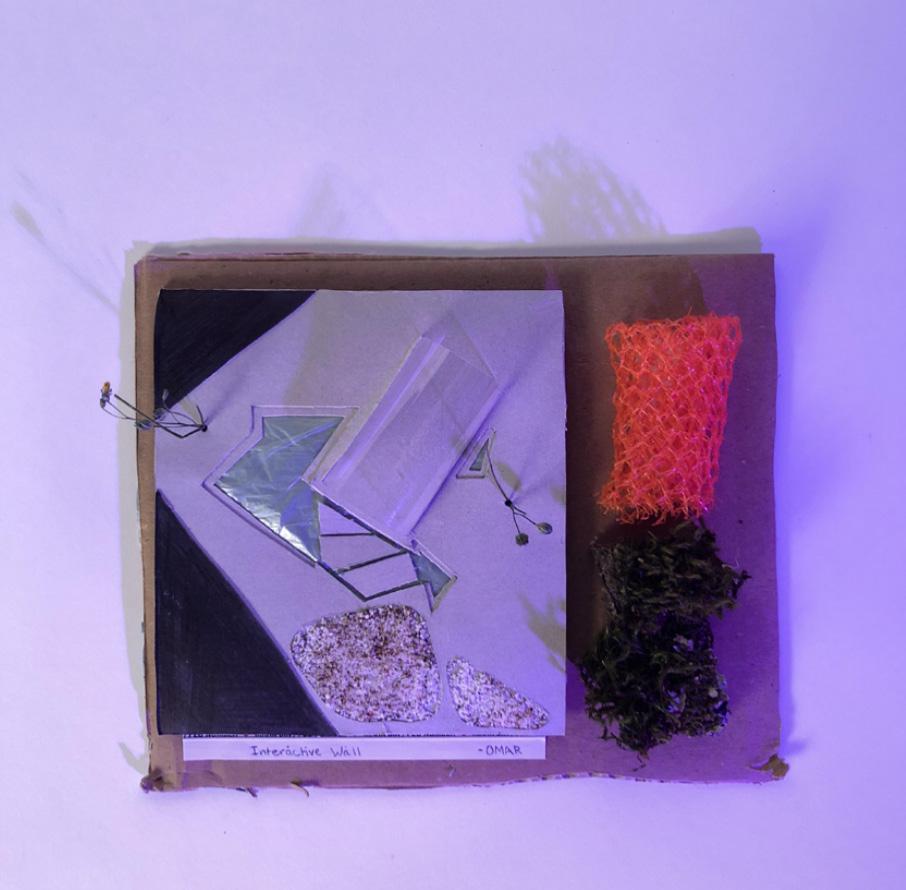
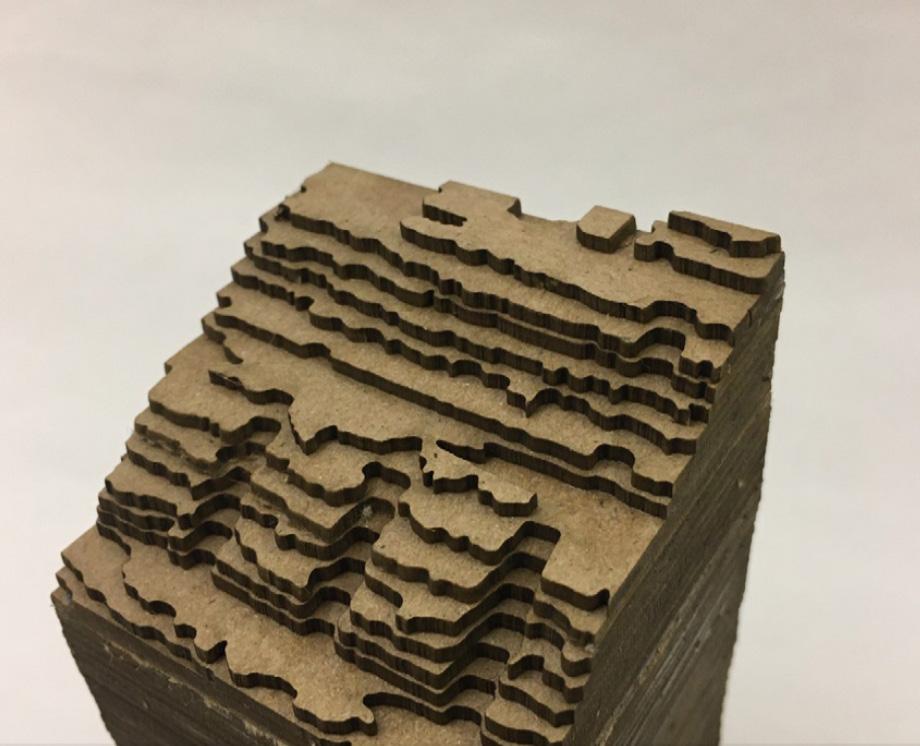
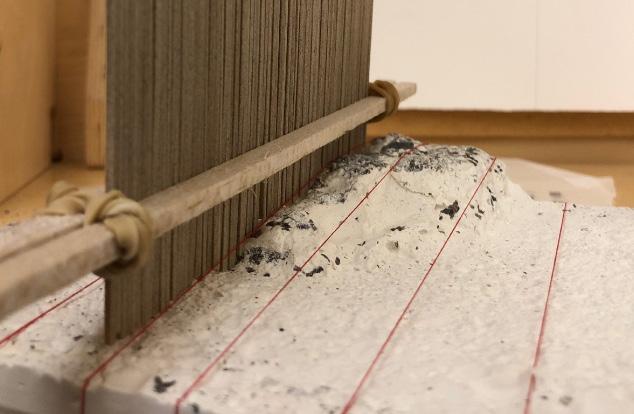
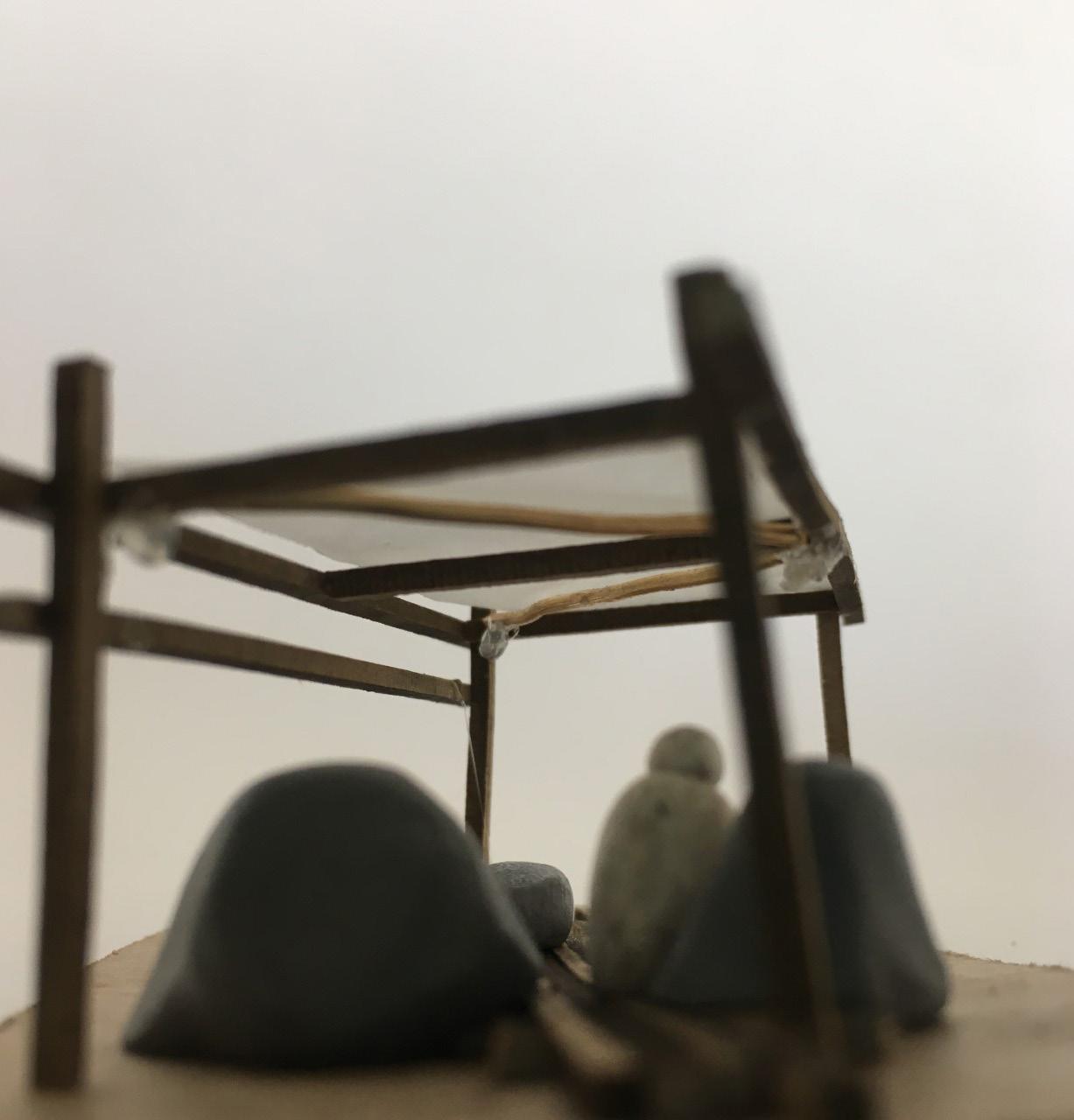
• MODELS | HANDS ON SKILLS + MATERIAL EXPLORATION AND PROTOTYPING
LANDSCAPE ARCHITECTURE
electric battery bus fleet.
Location:
TIme:
Design Type:
Preperation for Electric Vehicles
Site Analysis | Exploration of plans in action
Scope of work: “South” Seattle, WA 98101 2020
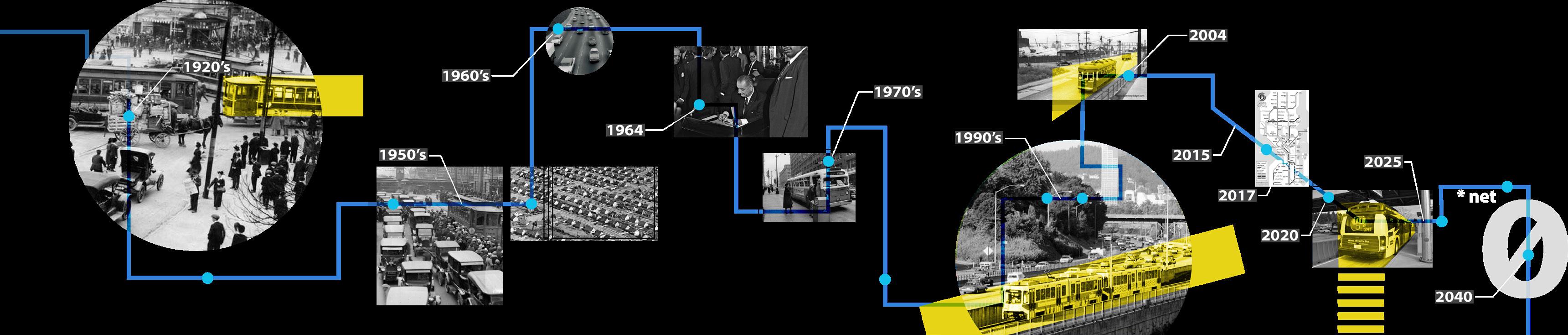
Diagramming | History of Site
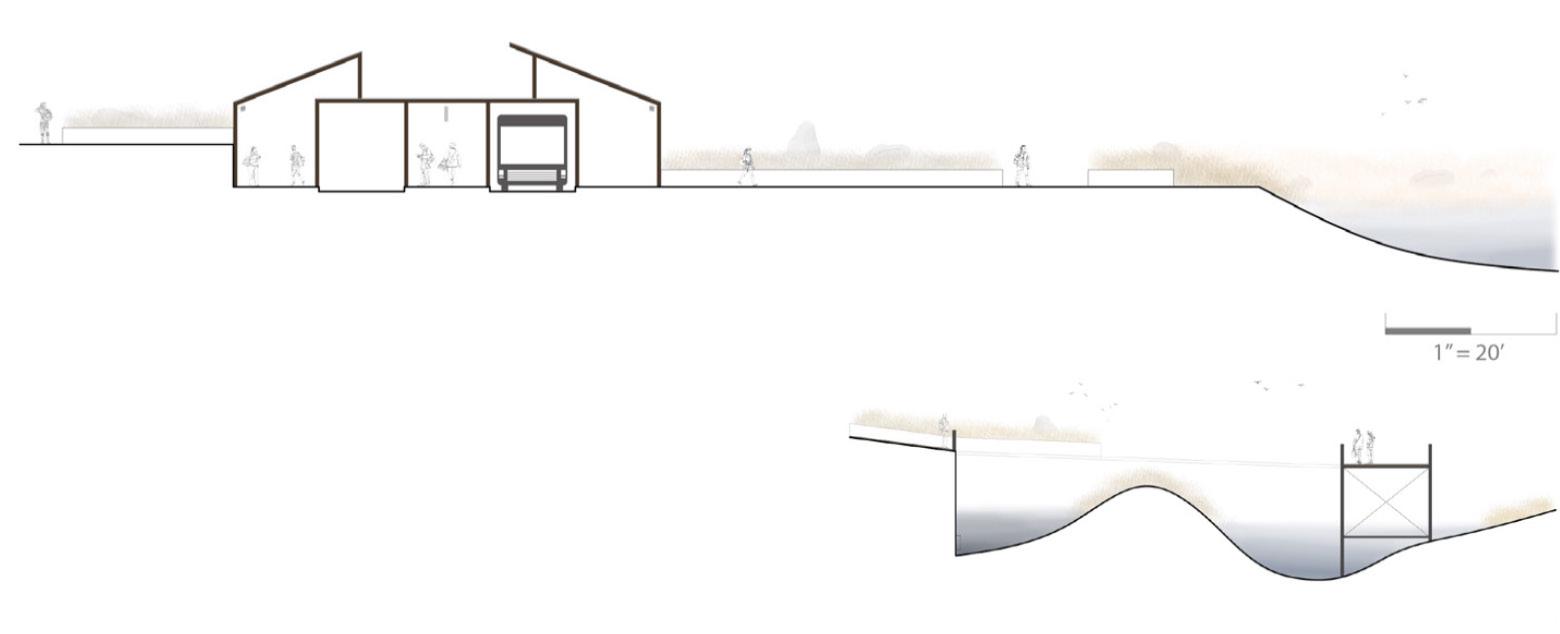
The focus for this team project: Focus on building out and developing a multiphase expansion plan on some the transit networks currently in Seattle. In the studio we were tackling ideas dealing with developing longterm plans for climate problems and exploring sustainable + new adaptive strategies. We used mutliple mediums like propoganda posters | films | team working tools like miro since school was online at this point.
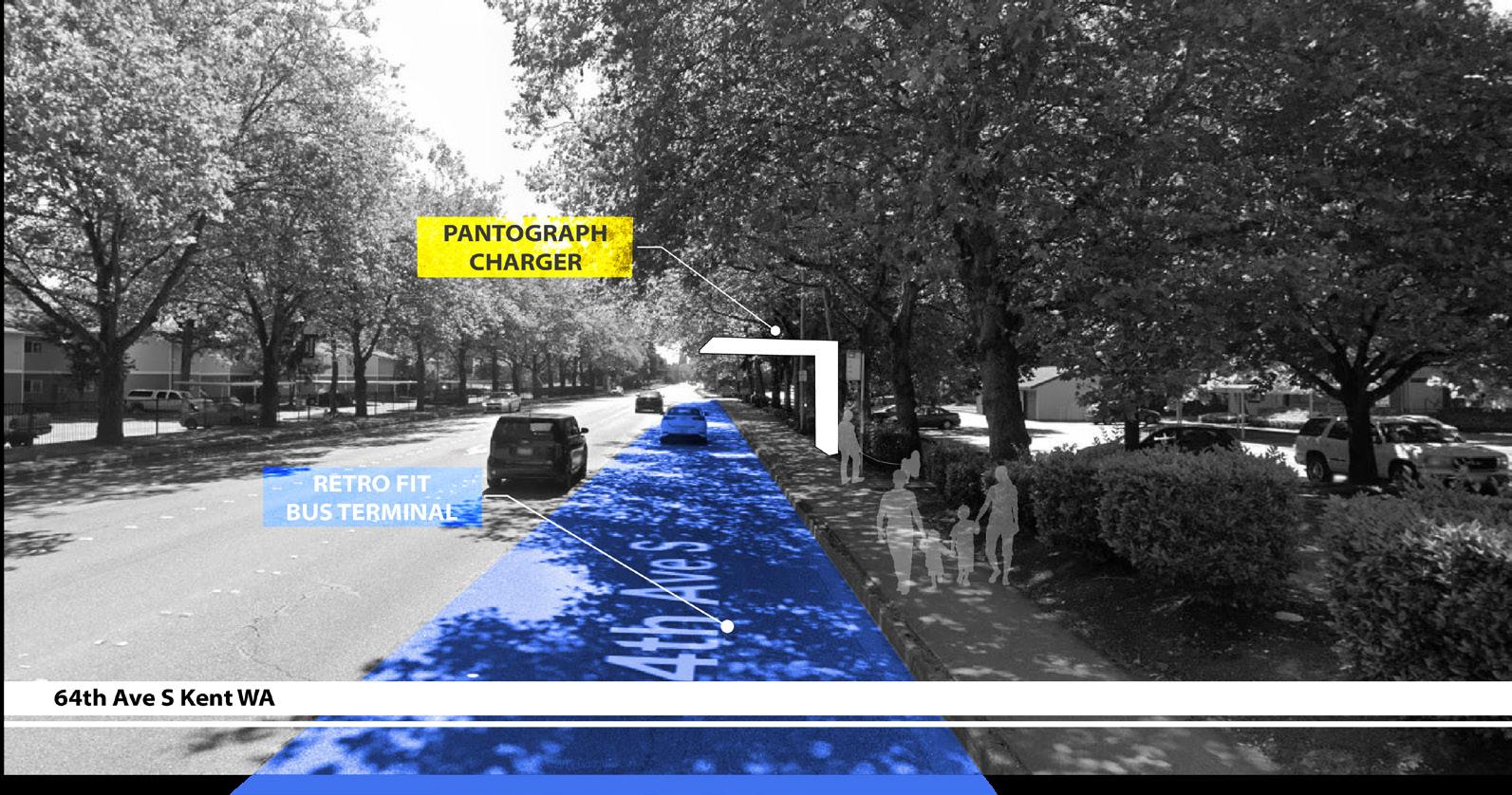
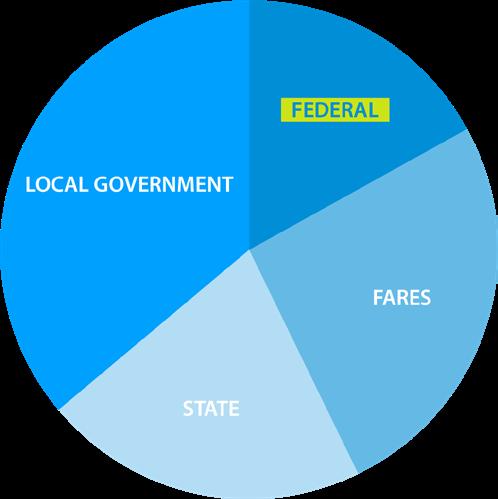
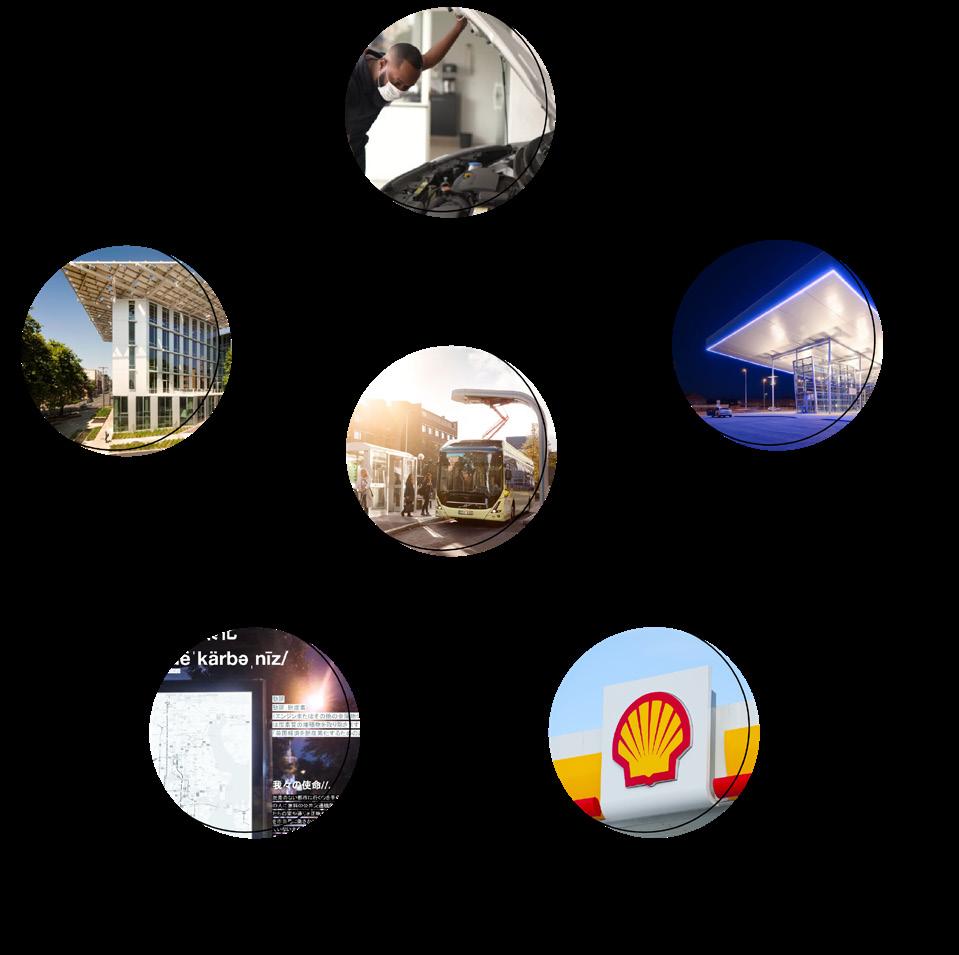
My vision for my side of the project/presentation was to keep exploring the conversation on introducing the electric vehicle into public tranportation. I focused my reasearch on learning how electric vehicles worked at that larger scale. I incorporated how much infrastructure Seattle had invested in public transit since the 1920’s and where money was being pulled from. I did my best to diagram out ideas of public spaces that could be retro fitted to fit different types of battery charging strategies. I used the current infrastructure that has been planned and developed in Seattle to insipre doors to keep pushing out and networking the city grid. Also a big part of the conversation that I noticed more during my presentation was why we shouldn’t be punishing gas companies and what we should do with existing gas stations or places that would need rehabilation. I thought this was one of my best projects that inspired conversationa and engagement from different backgrounds to really look at how we can work together not blame each other and never resolve or be abe to afford resolutions.
crossroads. O2
Location:
TIme:
Design Type:
Scope of work: Rainier Ave S & S Forest St, Seattle, WA 98144 2020
Programming a Transit HUB
Conceptual design | Site Analysis | Exploration of design tools | Architectual Models | History of Site
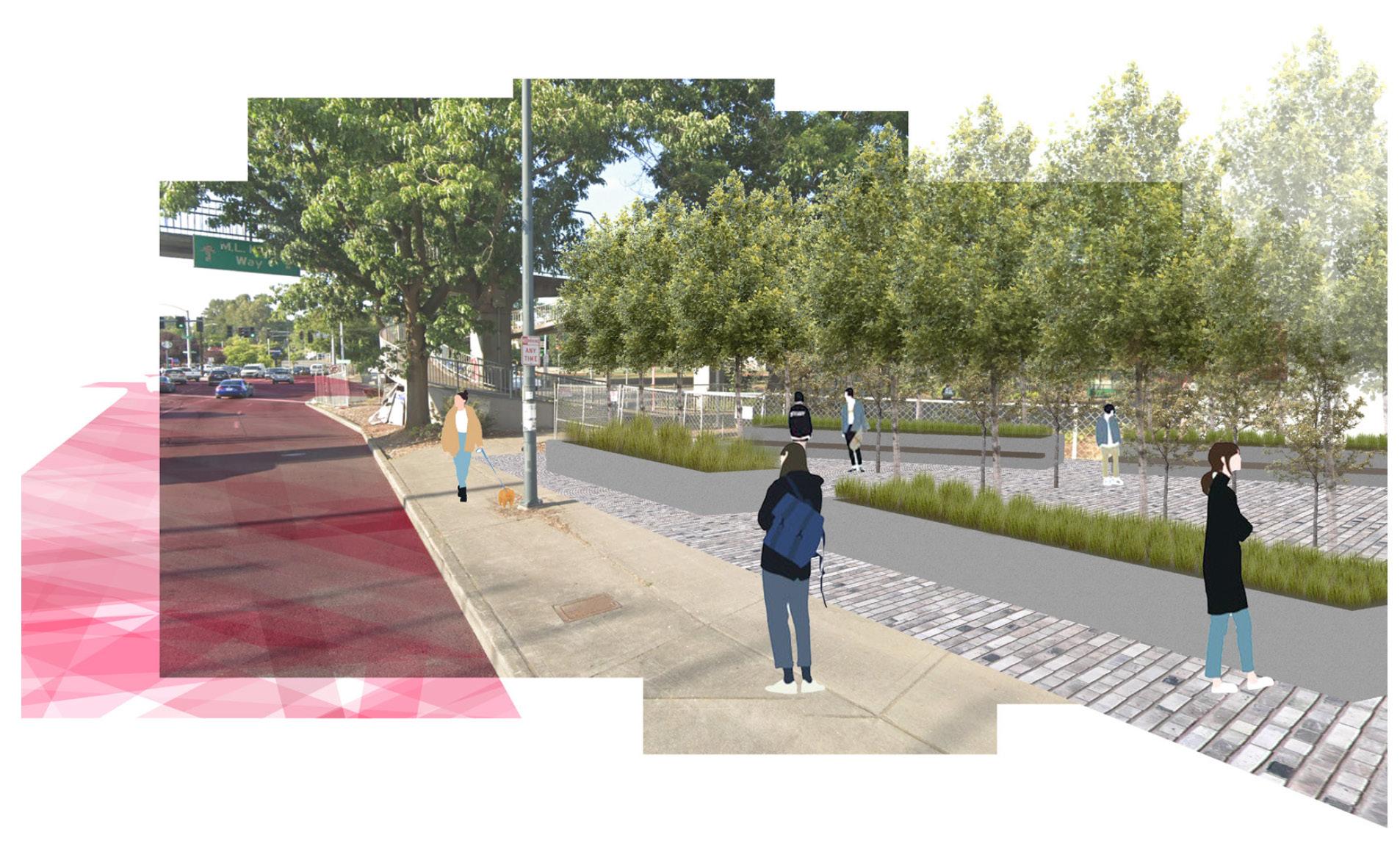
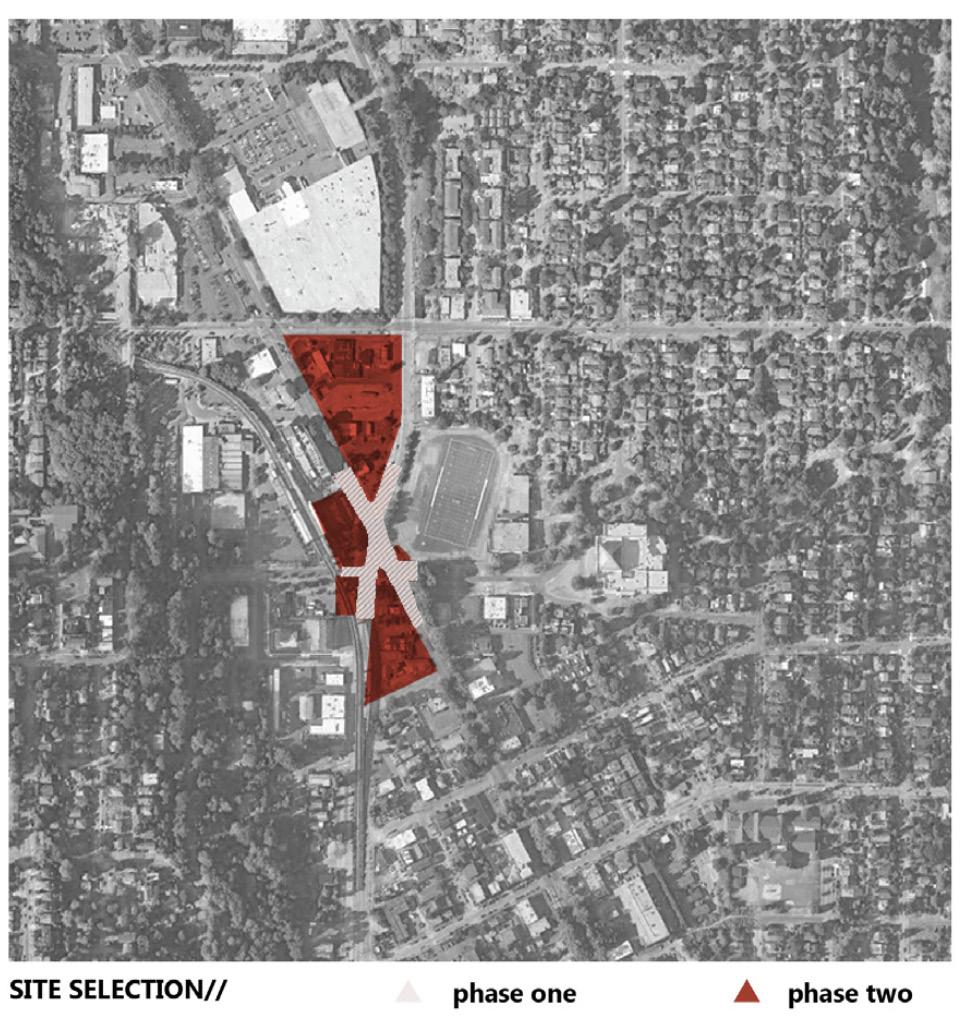
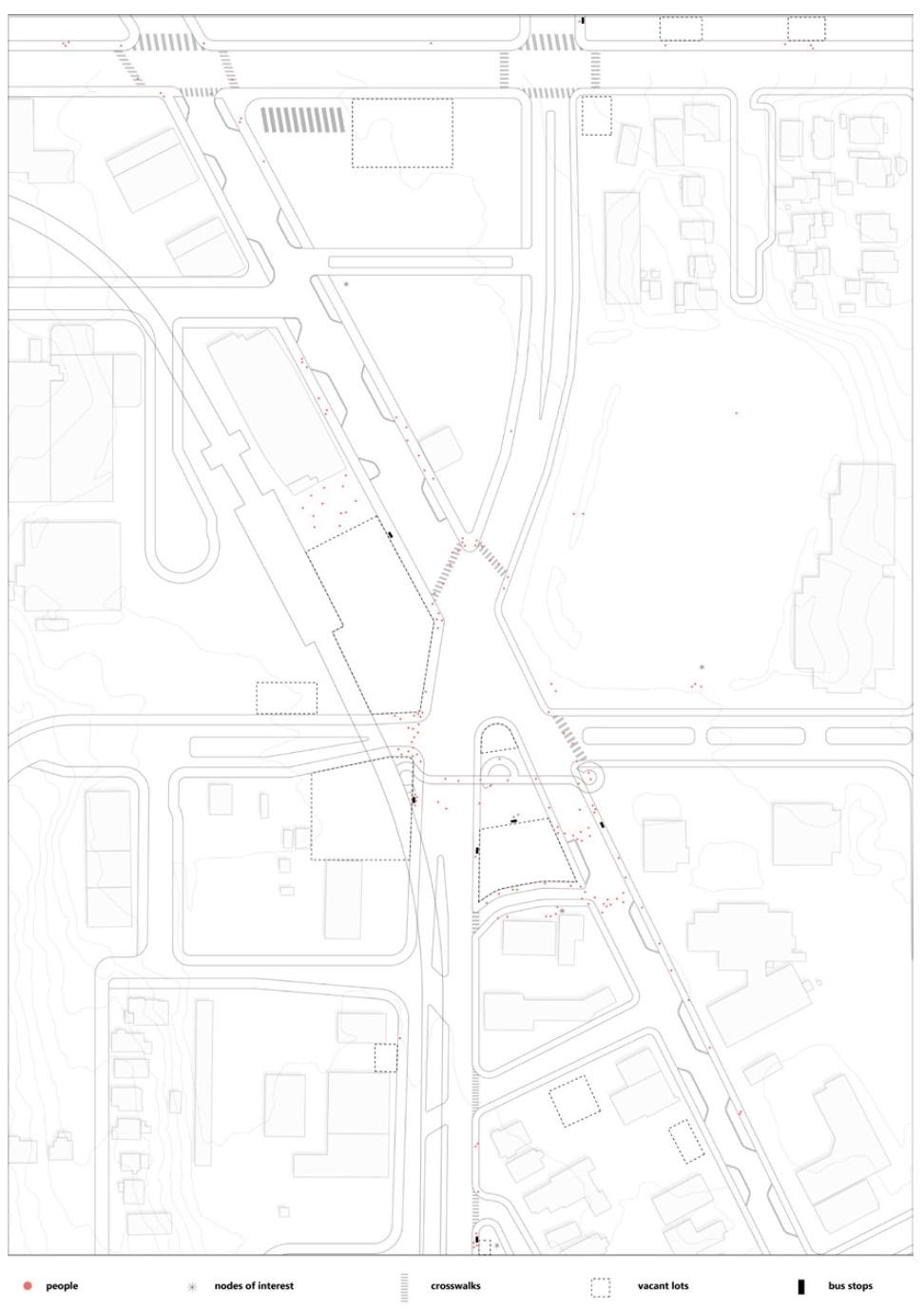
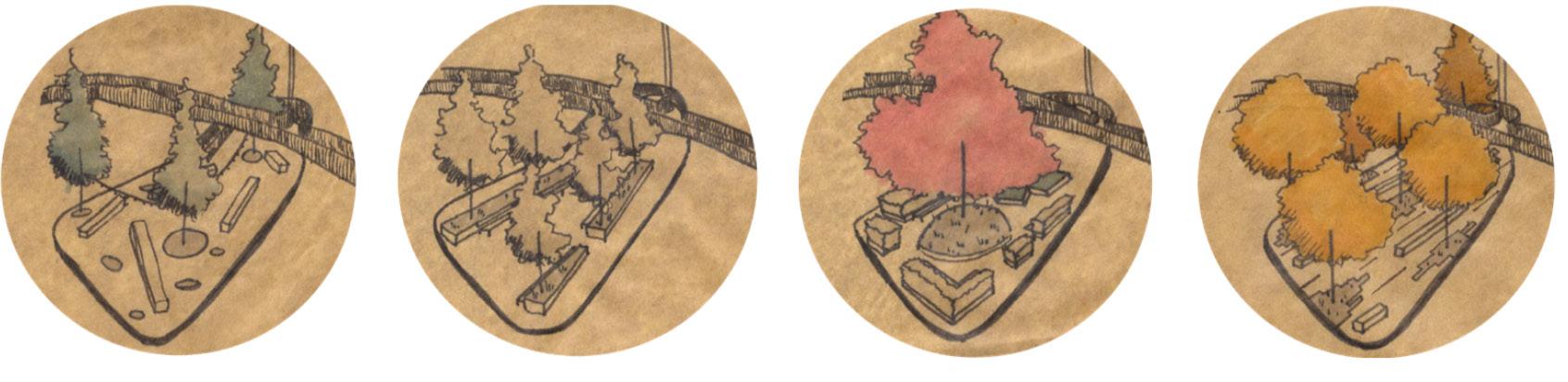
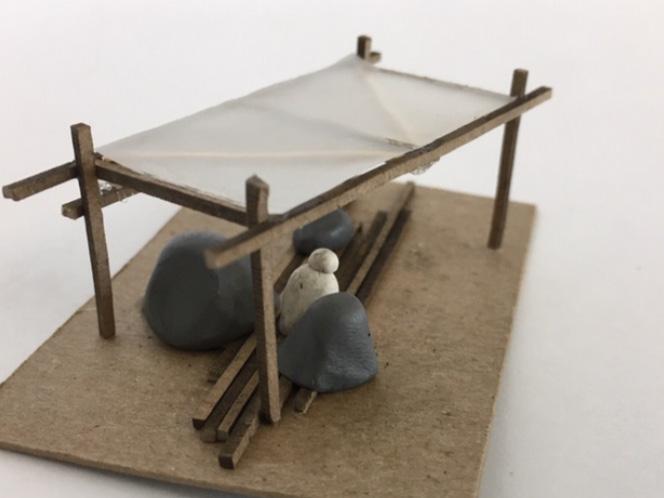
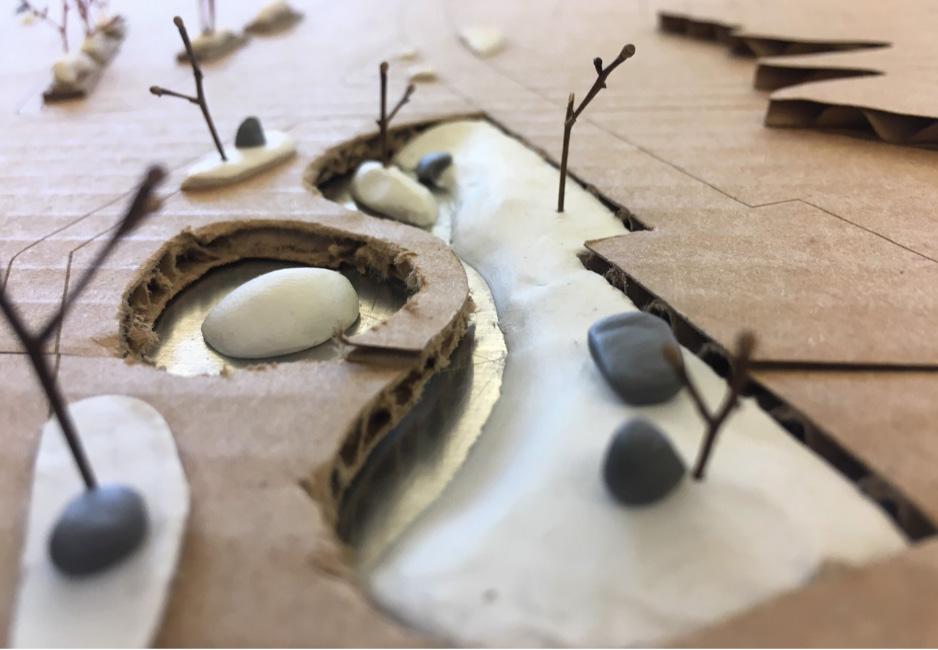
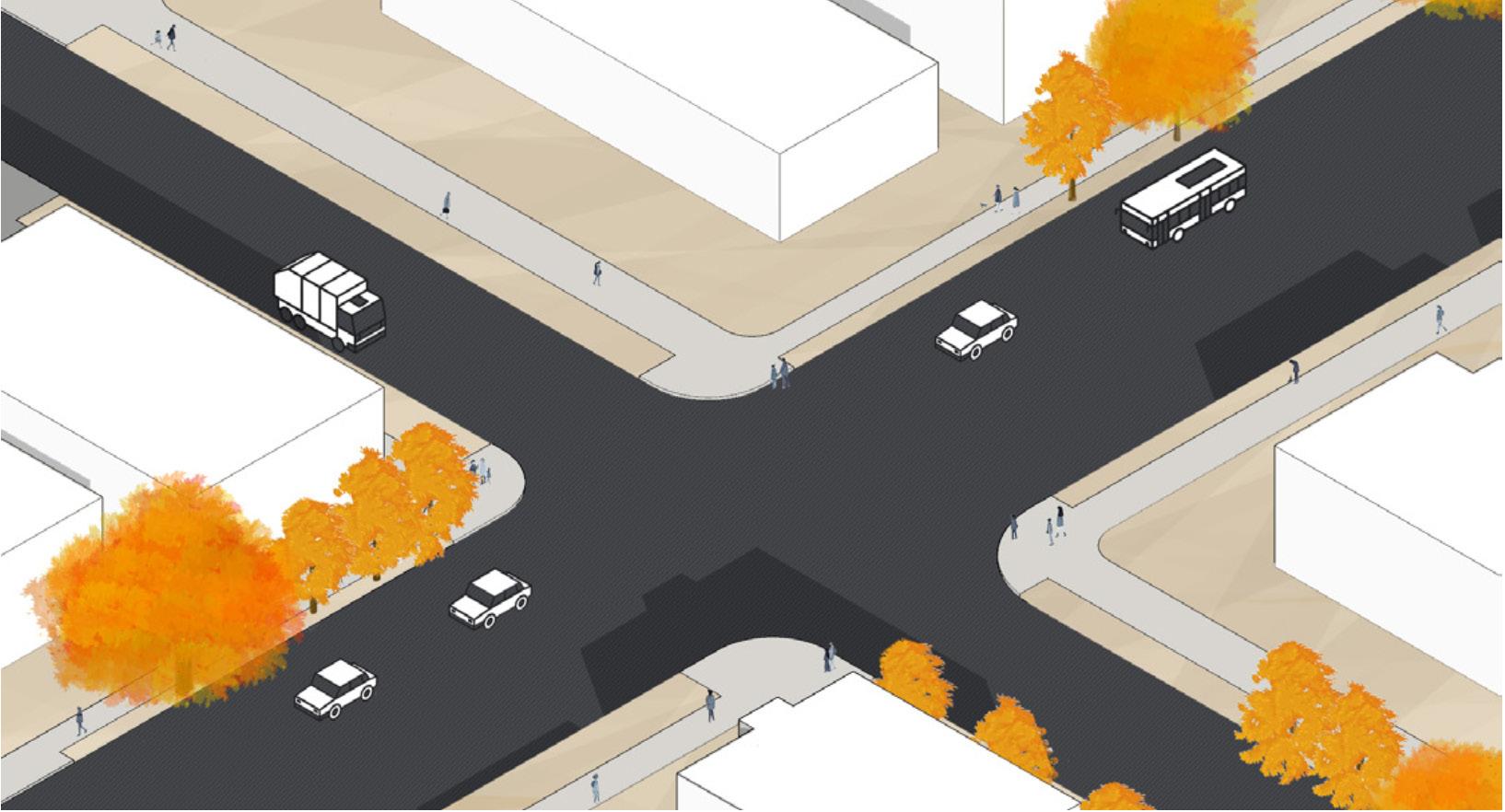
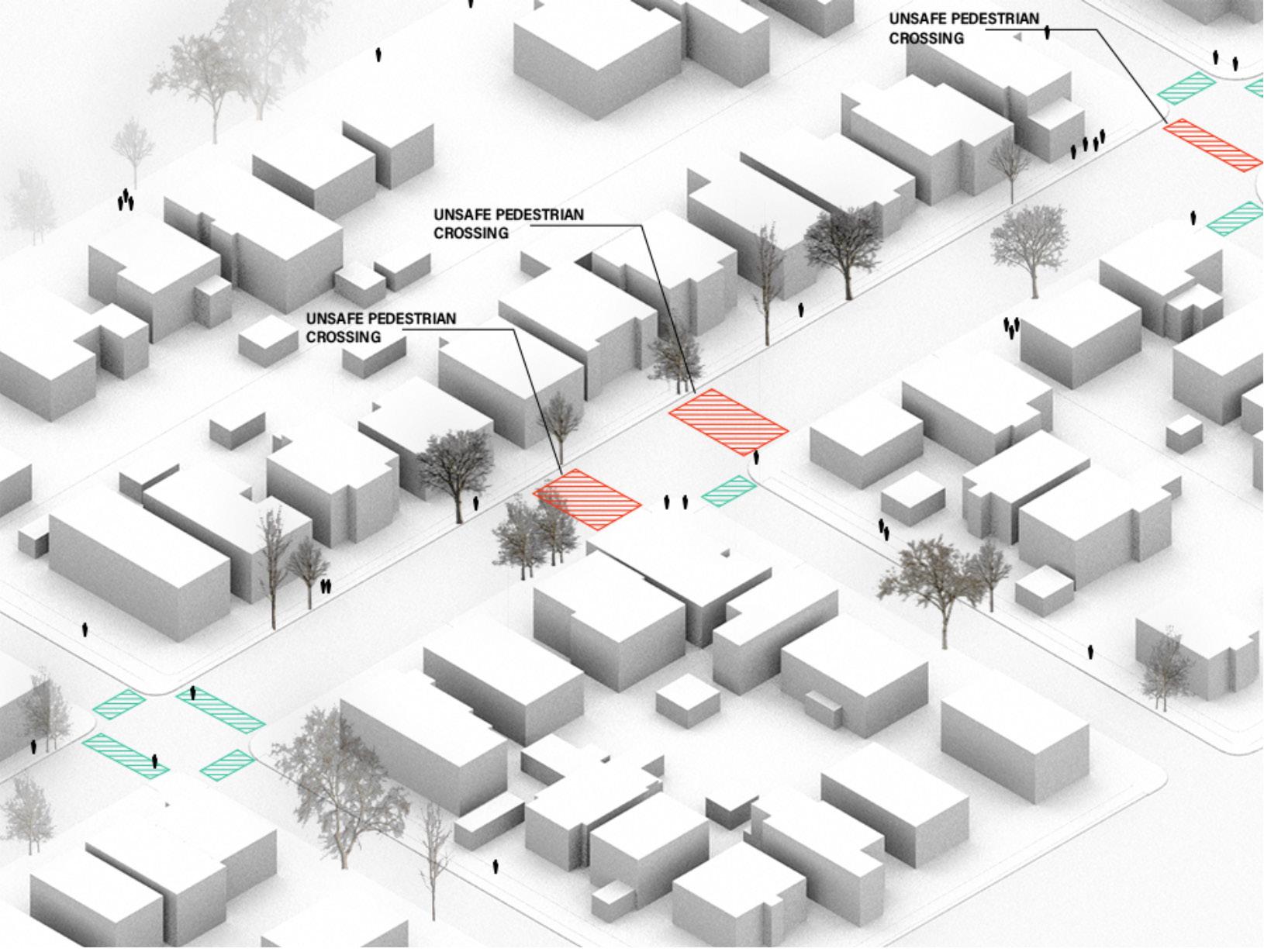
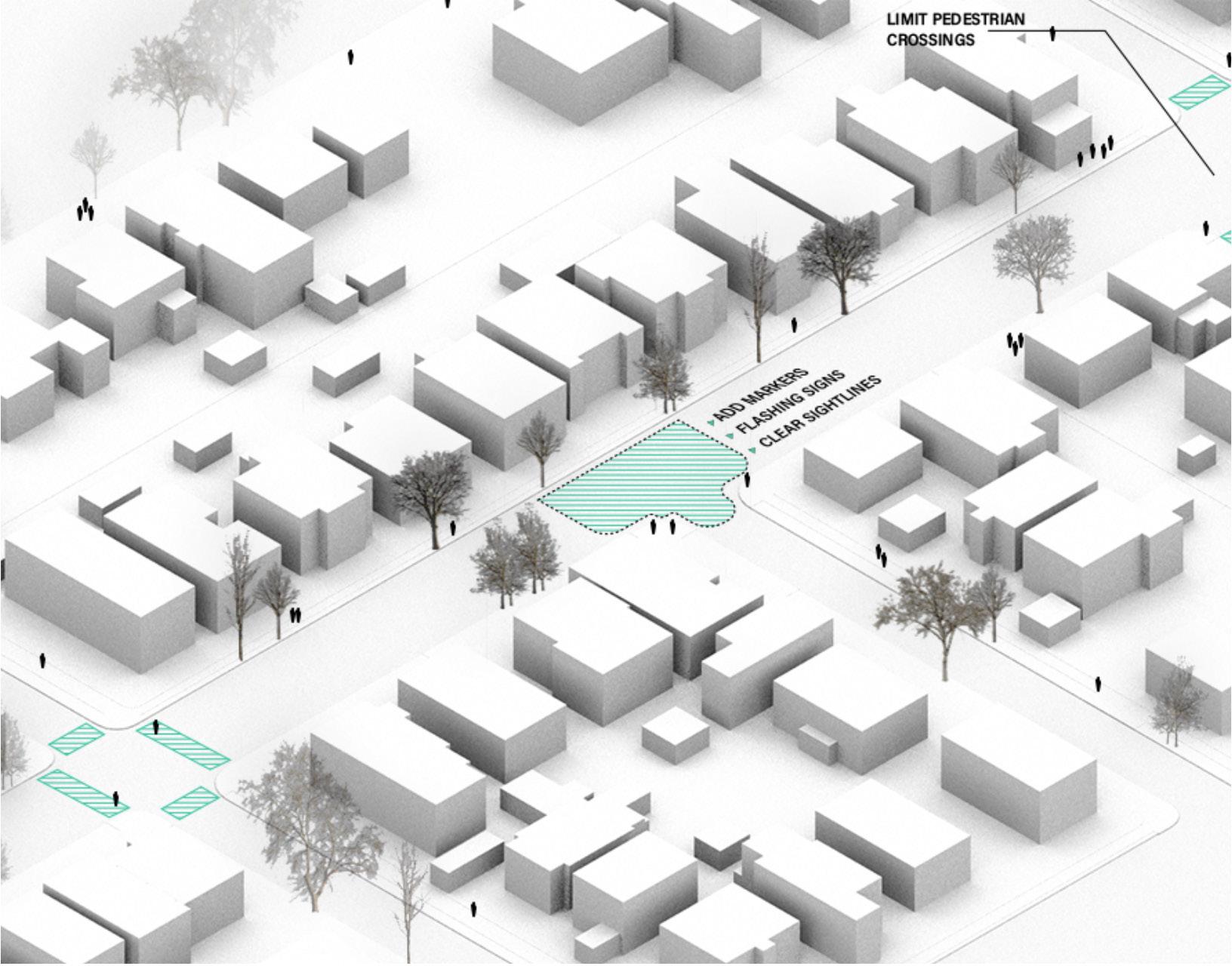
Question for the focus of the project: What could a transit hub in the Mount Baker neighborhood look like, and how would it interact with the existing neighborhood. The studio had us going out to the site and building out our own site analysis and stuides for the neighborhood. We would be encouraged to use multiple design tools and site focused interventions to help build out a master plan.
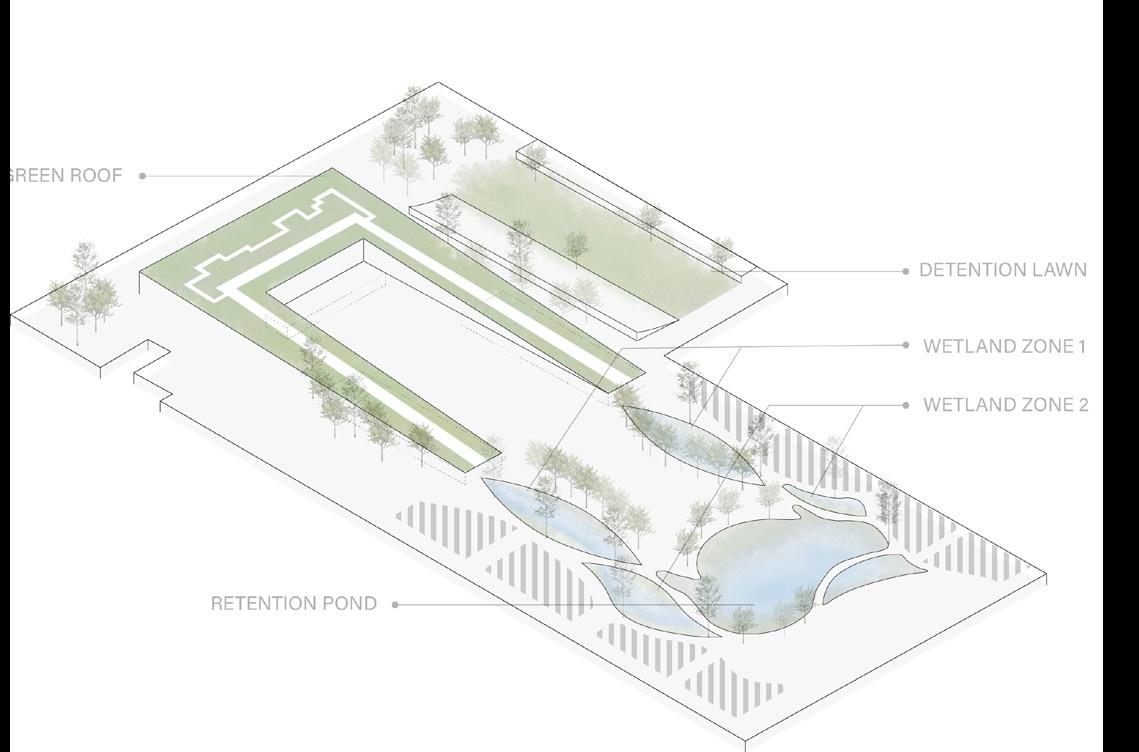
My vision for the site was that I wanted to help create a public space that brought safe open plazas for the public to enjoy and slow down in. I wanted to have public safety and the potential for activity spaces to be introduced in the future. The site was close to the lightrail station and Franklin High School, so it has a lot of commuters and different timeframes for usage throughout the day. Walkability was something that I noticed would be nice to improve on in the area since the time frame from getting from one side of the road to the other and the amount crosswalks/undesired paths people would risk to take. I drew insperation from site visits I had done in the Belltown neighbrohood of Seattle, WA to improve on walkability and safety. I also knew going into this project I would have to plan out the concept in phases and introduce remedy sites to deal with onsite stormwater managment tactics for all the hard surface spaces and site analysis I had done. I used inspiration from projects like the Thornton Creek in the northgate neighborhood of Seattle, WA and Cheonggyecheon in Seoul, South Korea.
3d programs. O3
Location:
TIme:
Design Type:
Scope of work:
University of Washington Seattle Campus 2018-2021
Course Assignments + Explorations
Conceptual design Exploration of design tools | Architectual Models
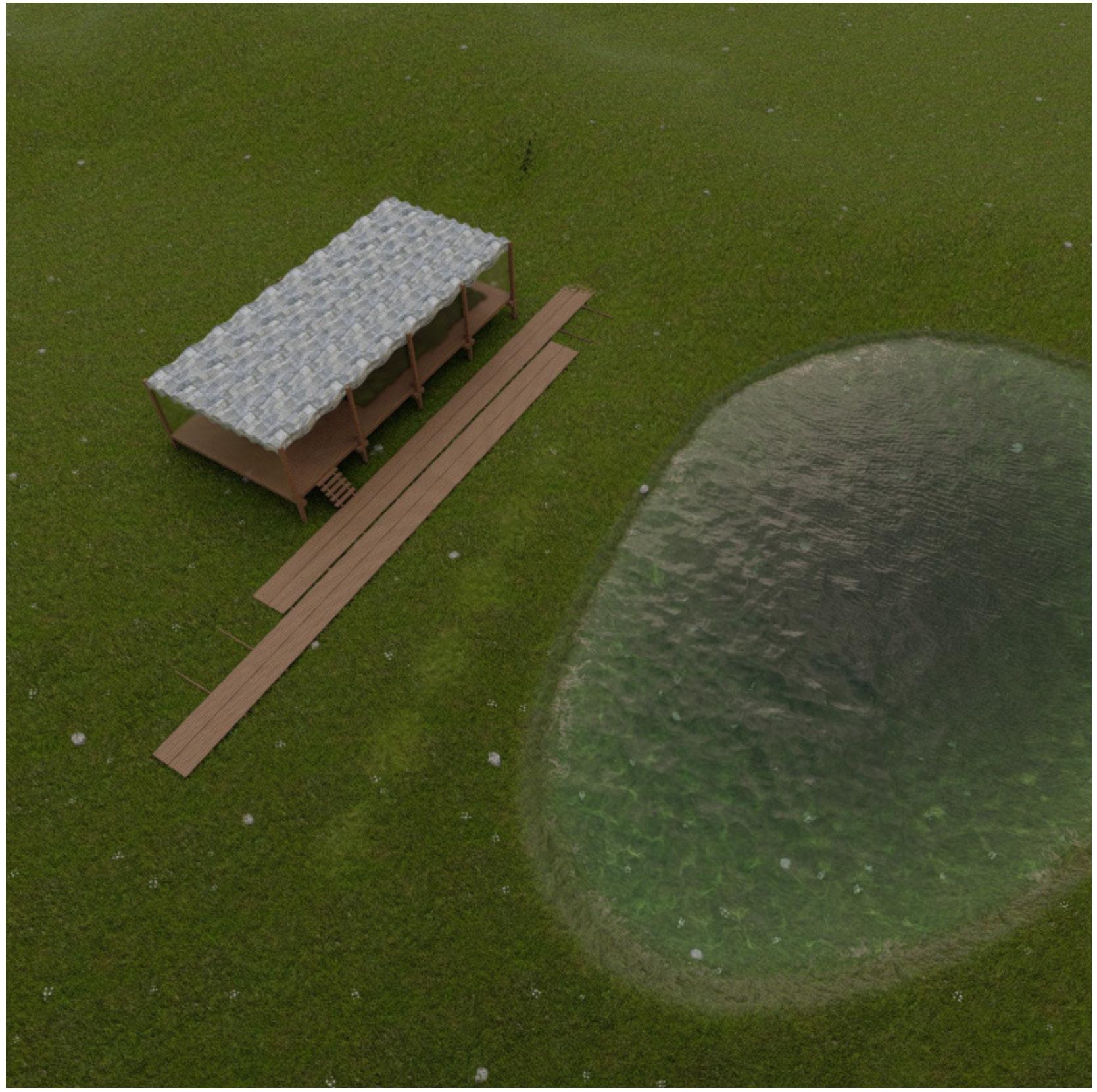
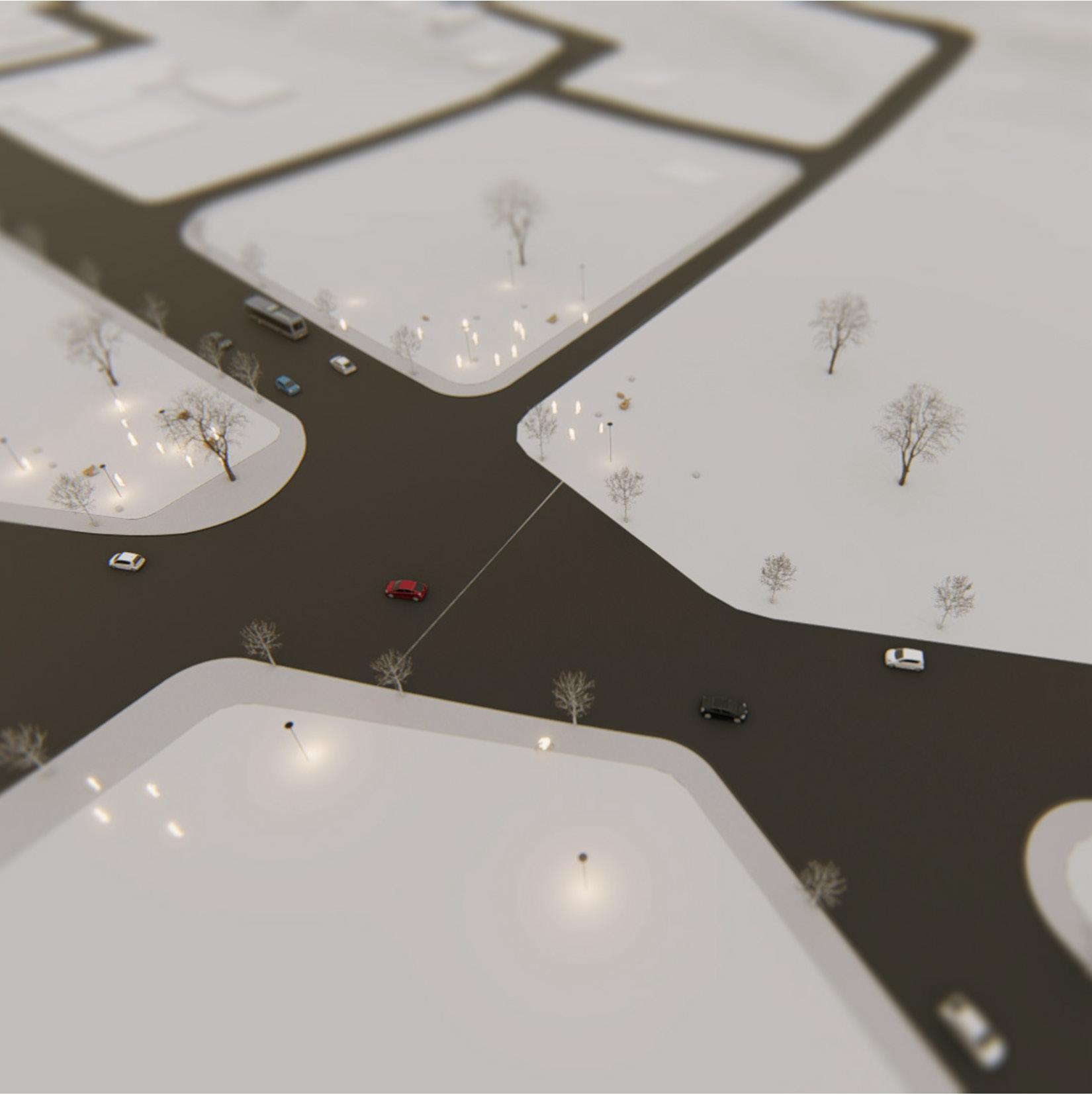
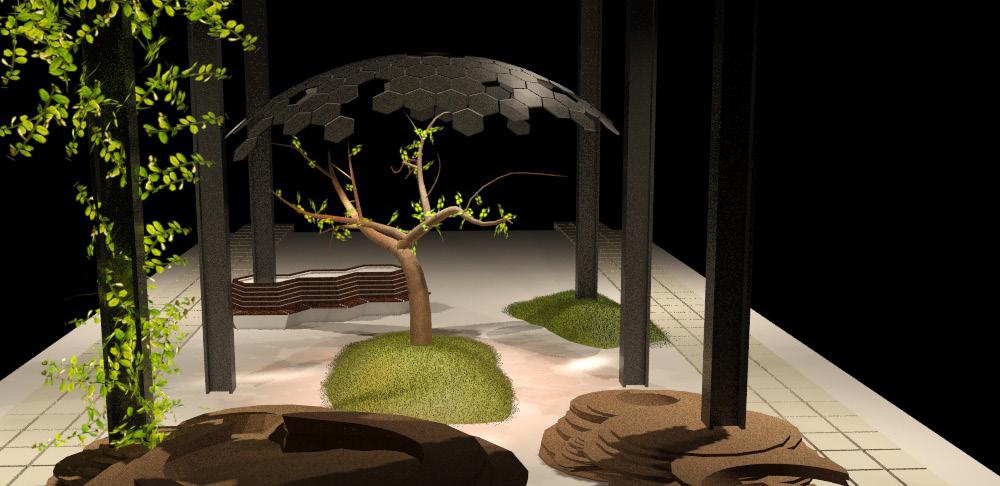
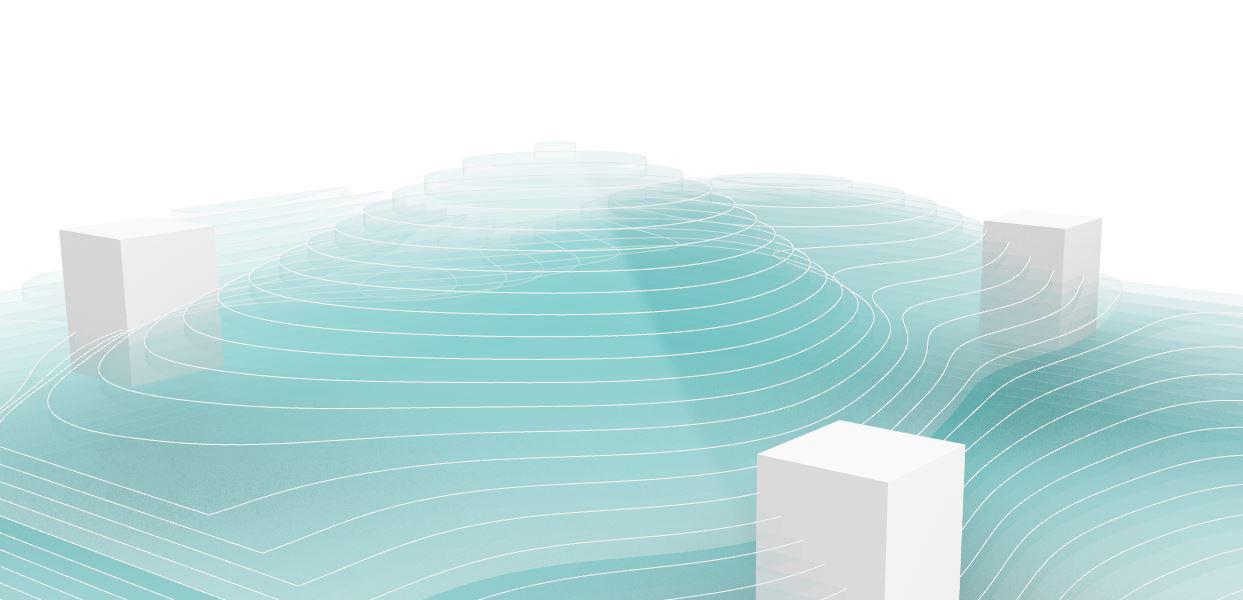
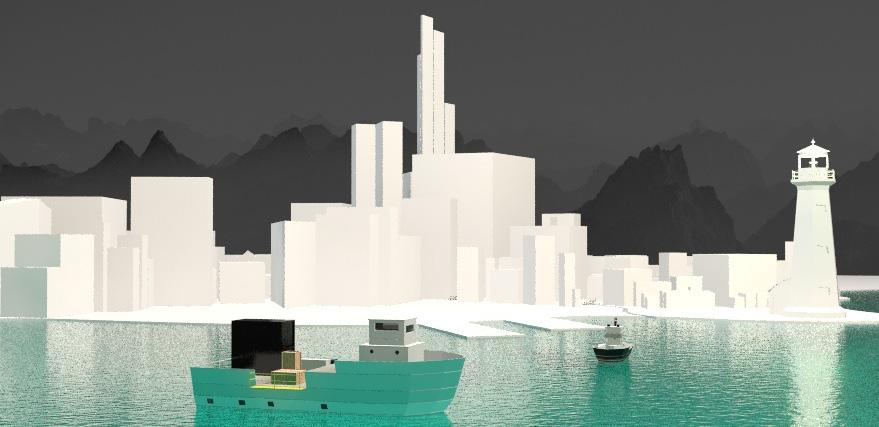
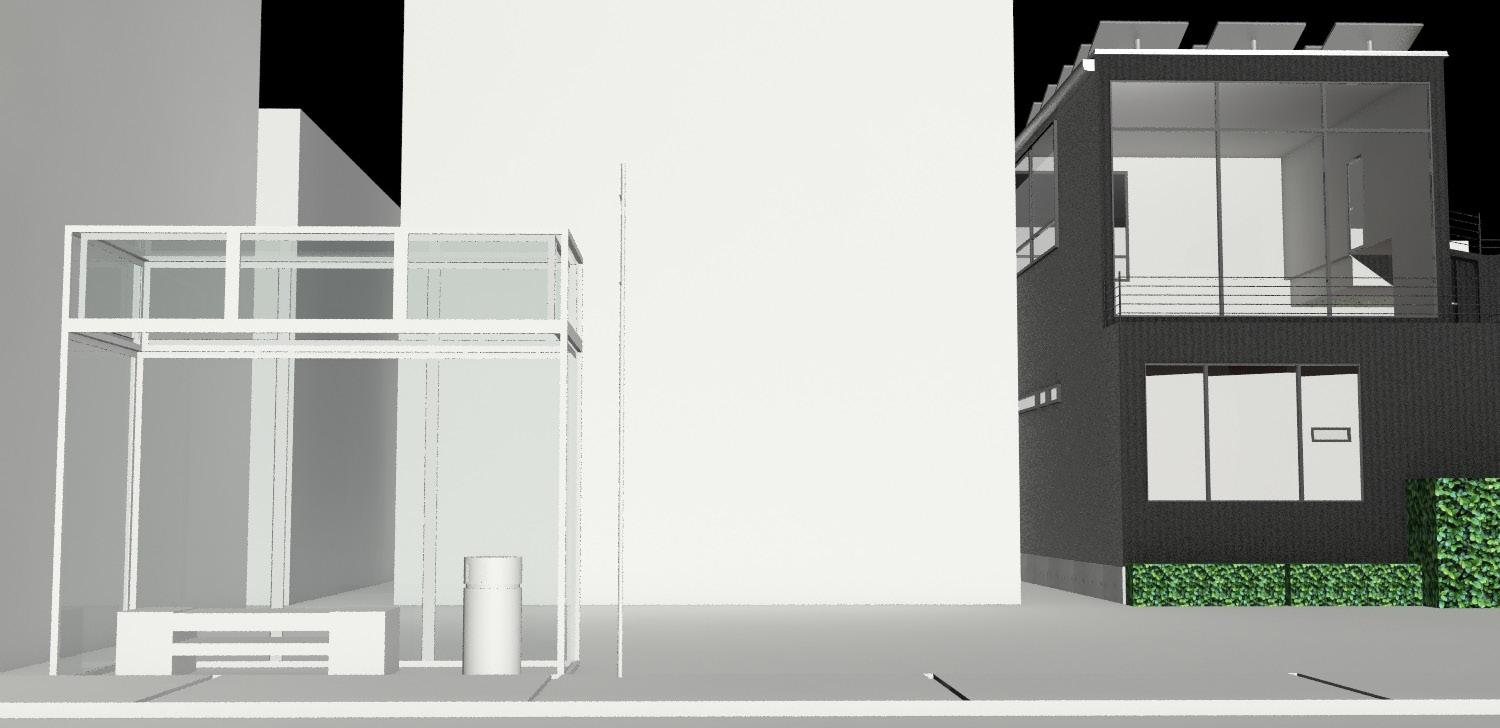
Oddly enough the only times I’ve gotten the chance to work on programs on the computer have been through using free trials or when I’ve been in school. That being said I’ve tried my best to leave no stone unturned. Im passionate about developing a multidisciplinary design background and using different communication skills ive learned through different projects to build out an engaging story for a design.
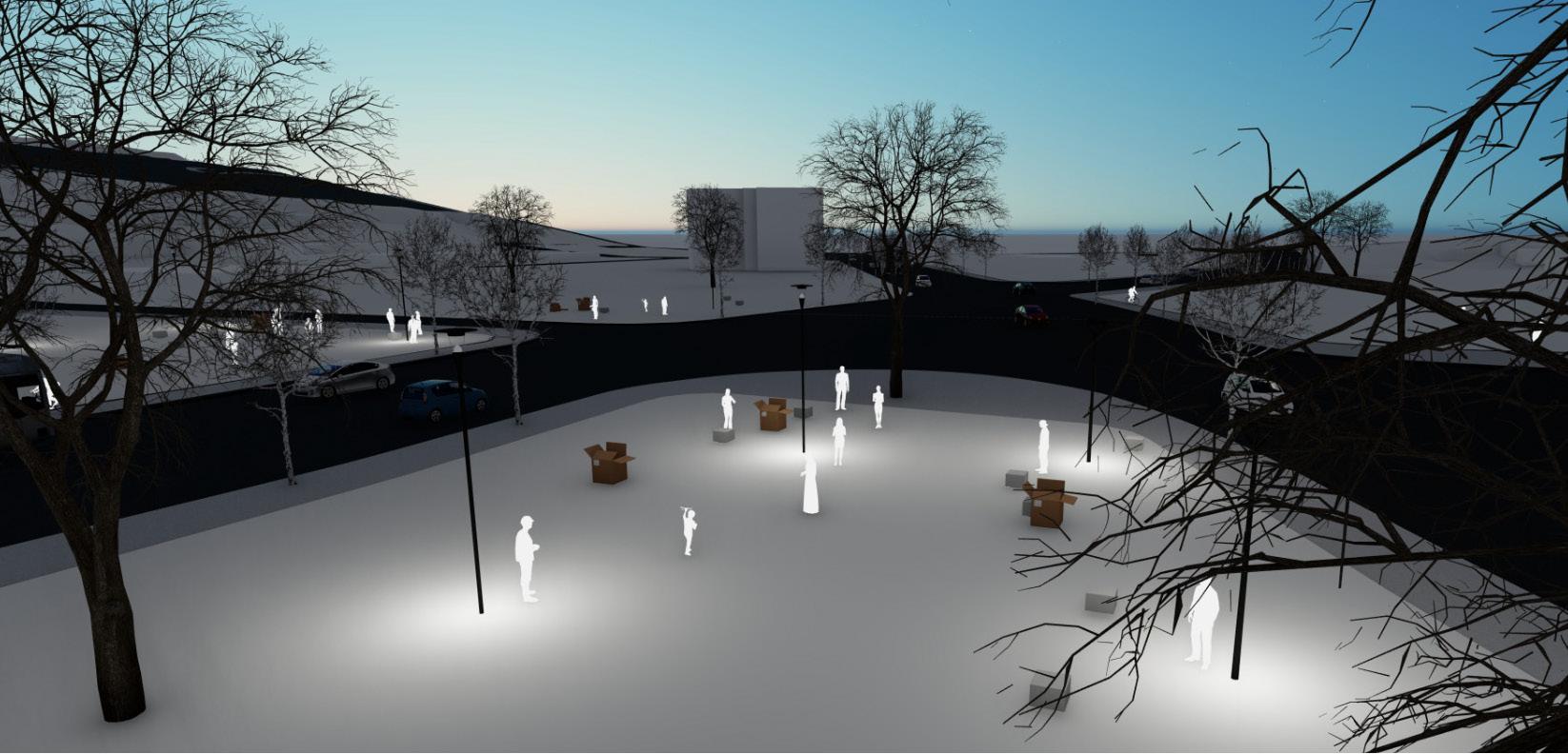
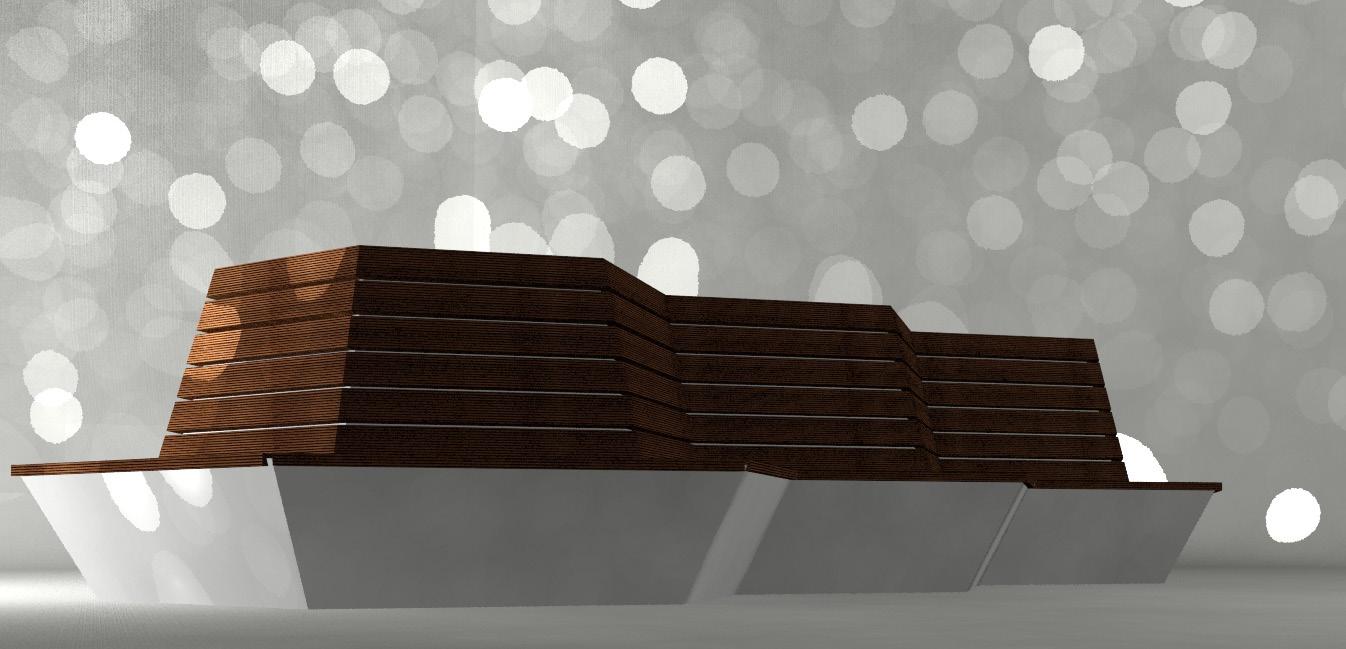
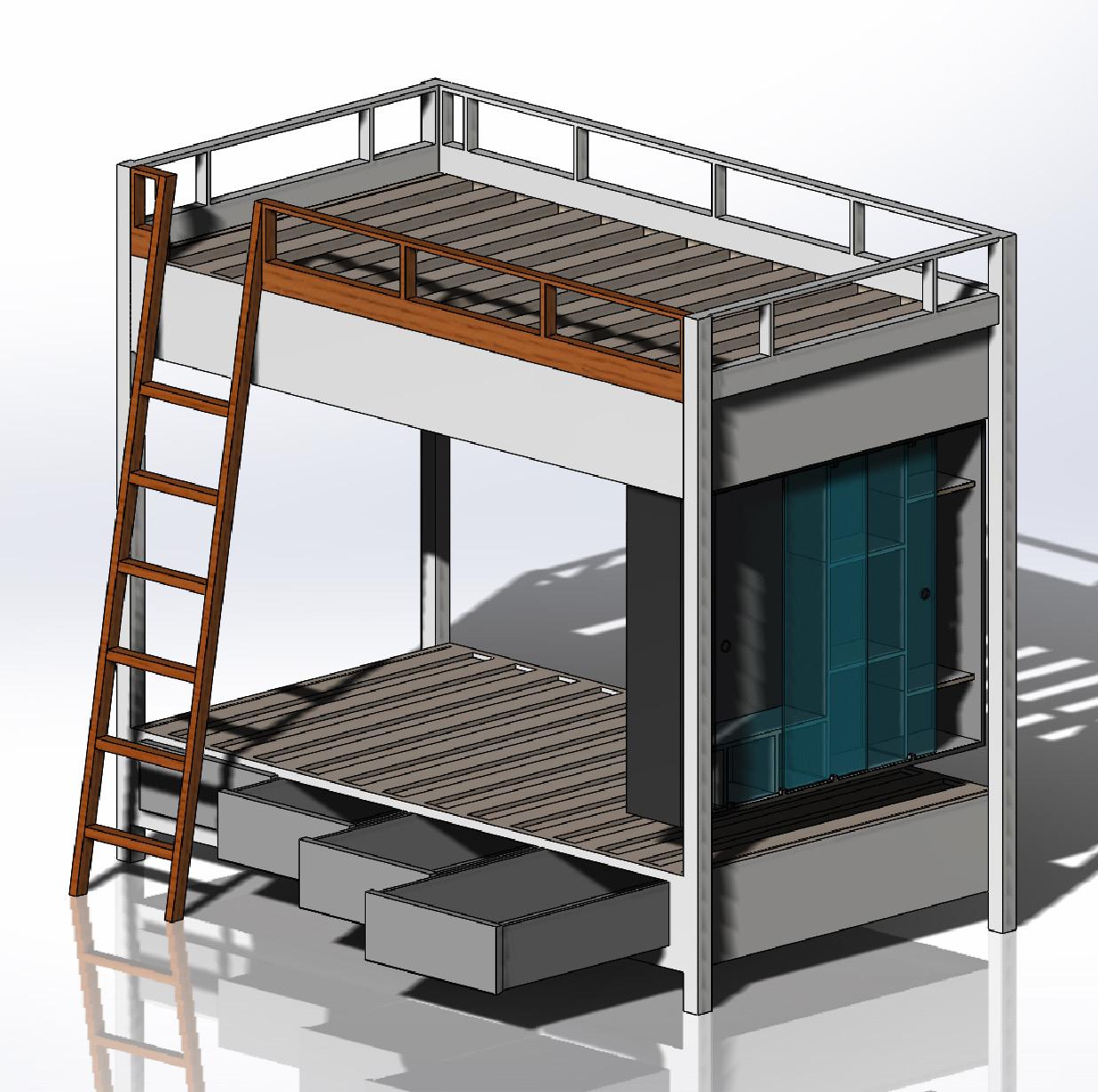
These renders com from a broad range of programs: 3d’s max | lumion | sketch up | solid works | auto cad. The different steps it takes to produce a render from a sketch or build out rough ideas take different amounts of focus or time, each program also allowed me to see a glimpse of what it could build out more rapidly vs what could make something aesthetically pleasing but no real sense of scale. Using different programs would also leave me feeling like I would have to shift between working creativly vs working with development in mind.
Location:
TIme:
Design Type:
Course Assignments + Explorations
Propeganda | Music Posters | Book Covers
Scope of work: Washington 2016-2021
Industrial design | Magazines | Fund raising Posters
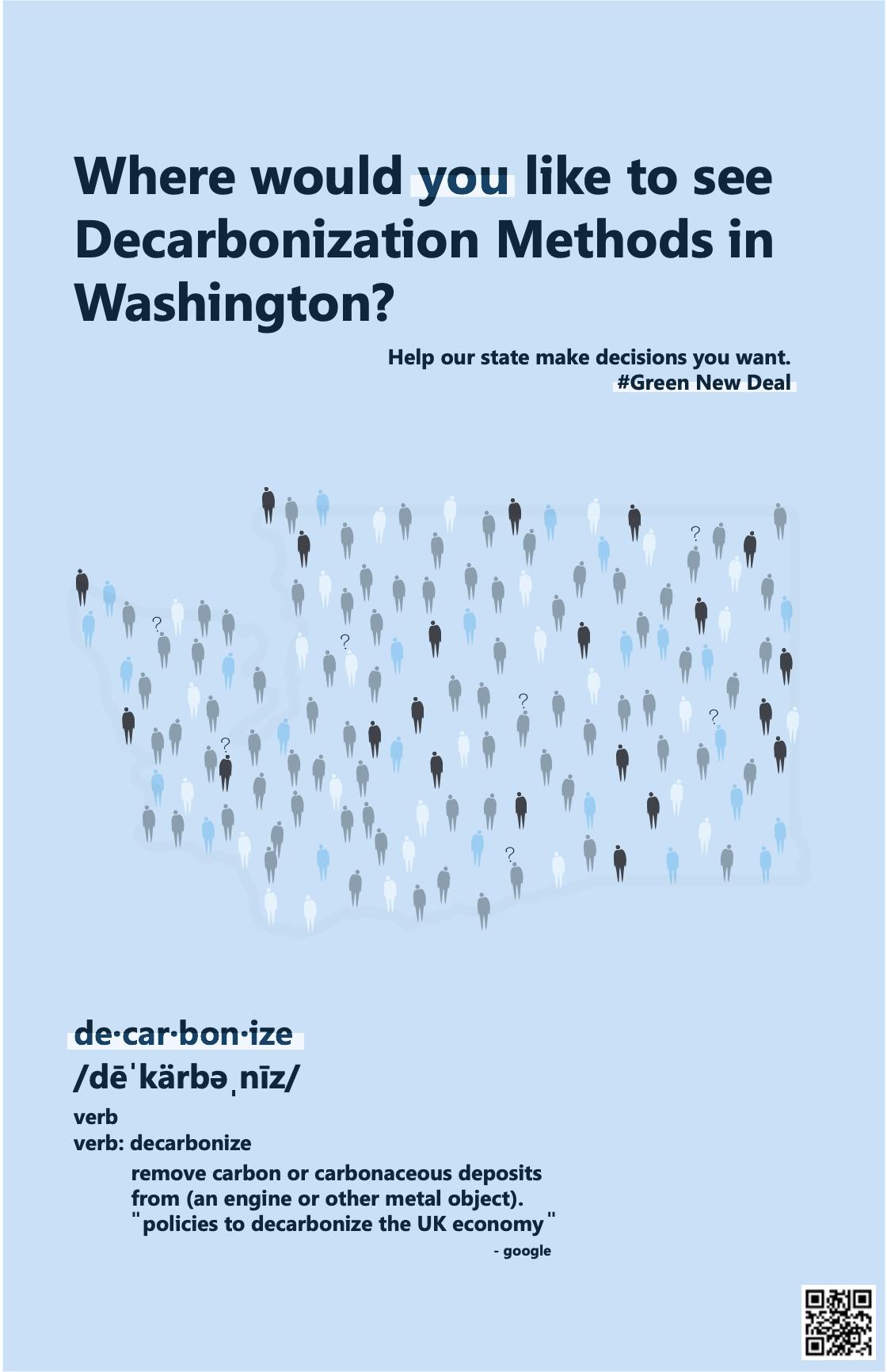
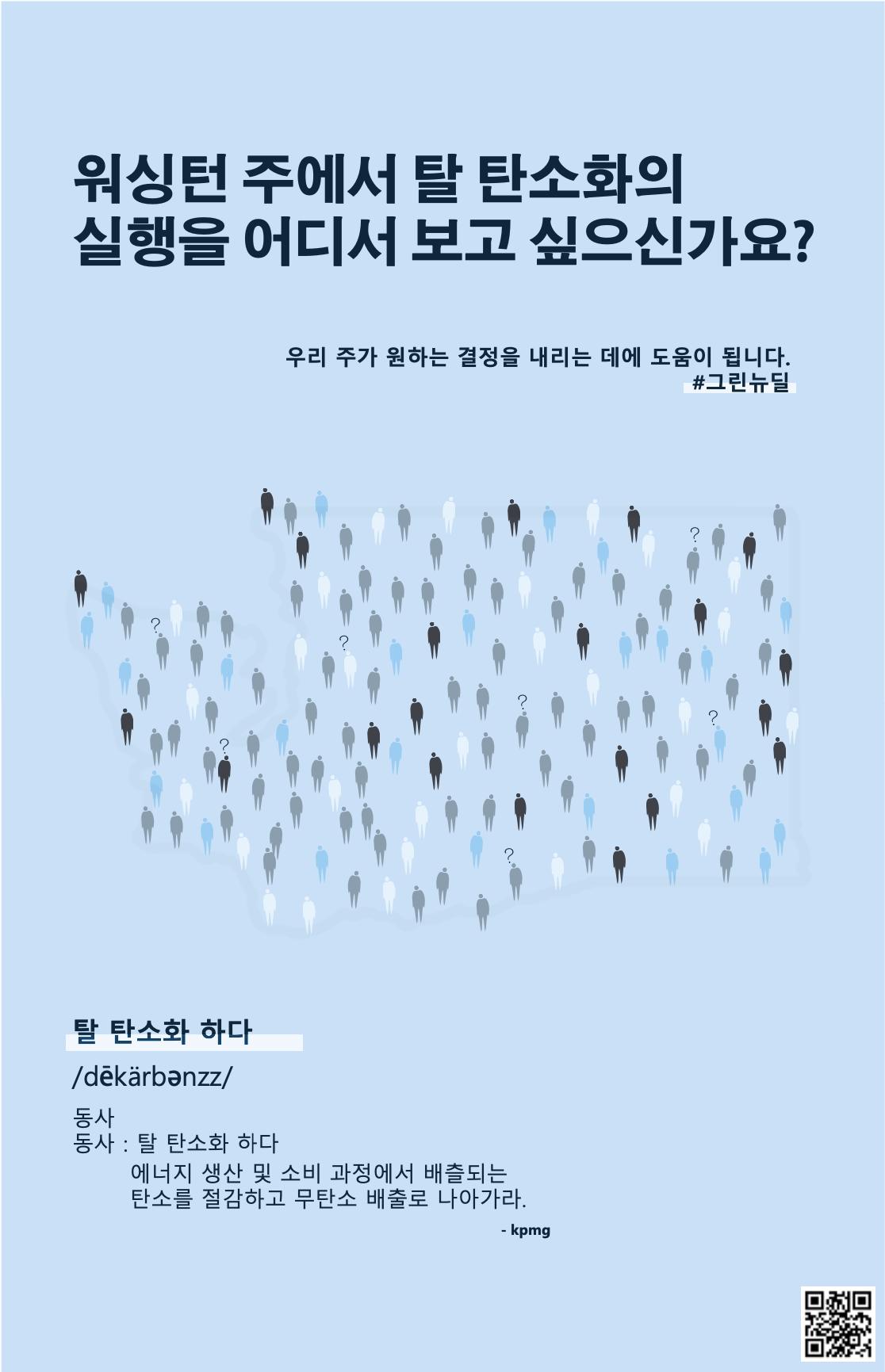
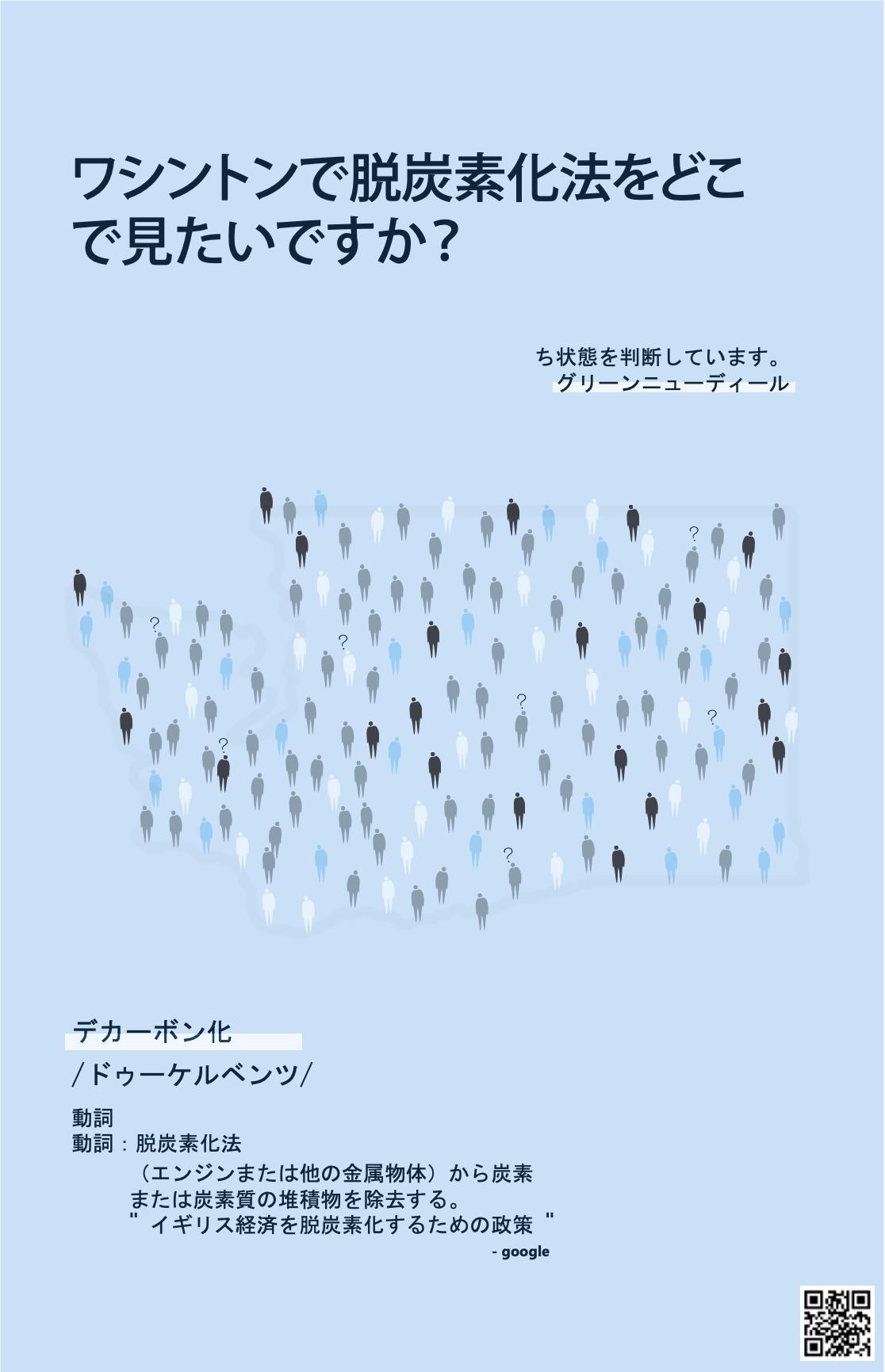
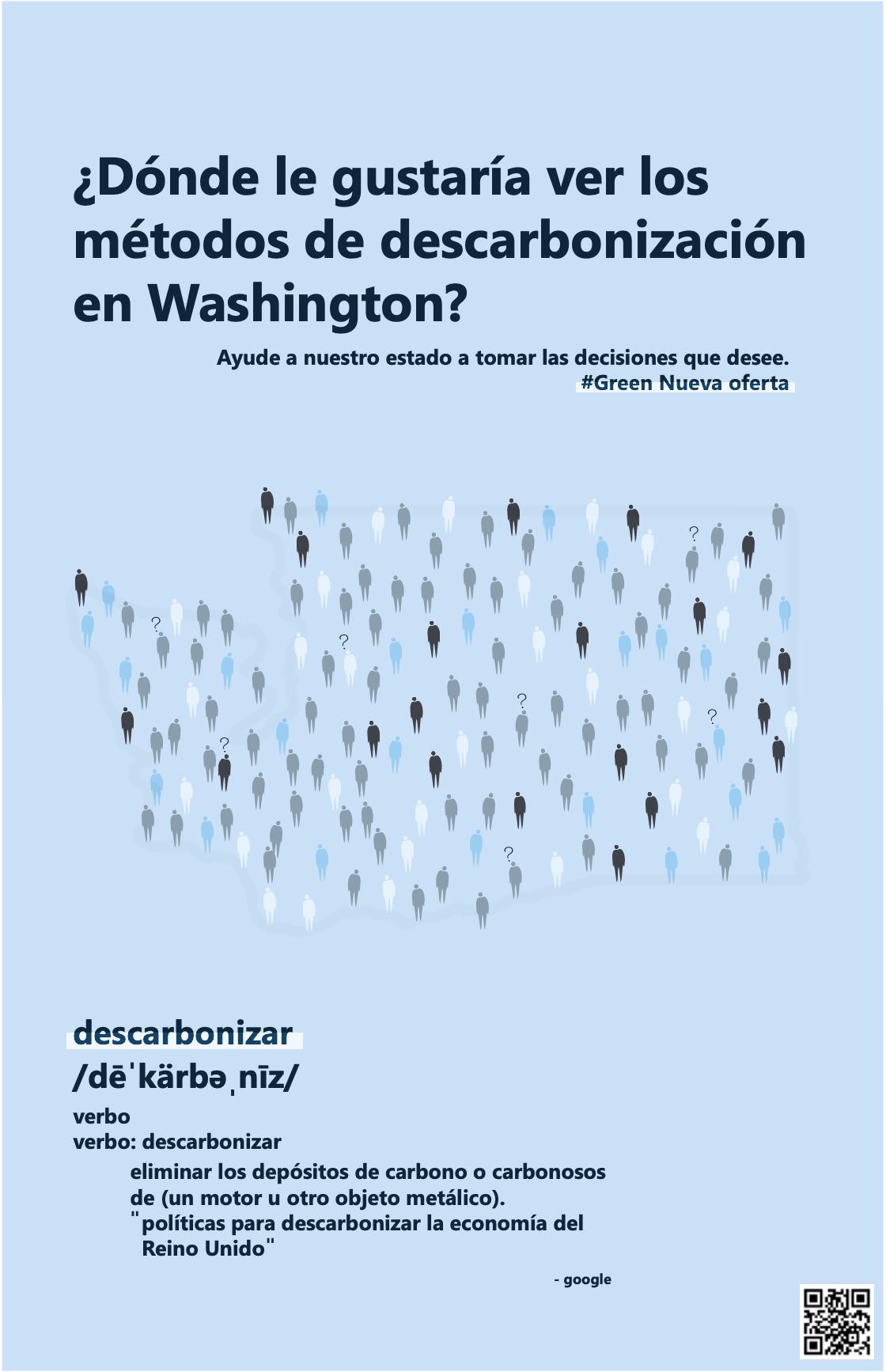
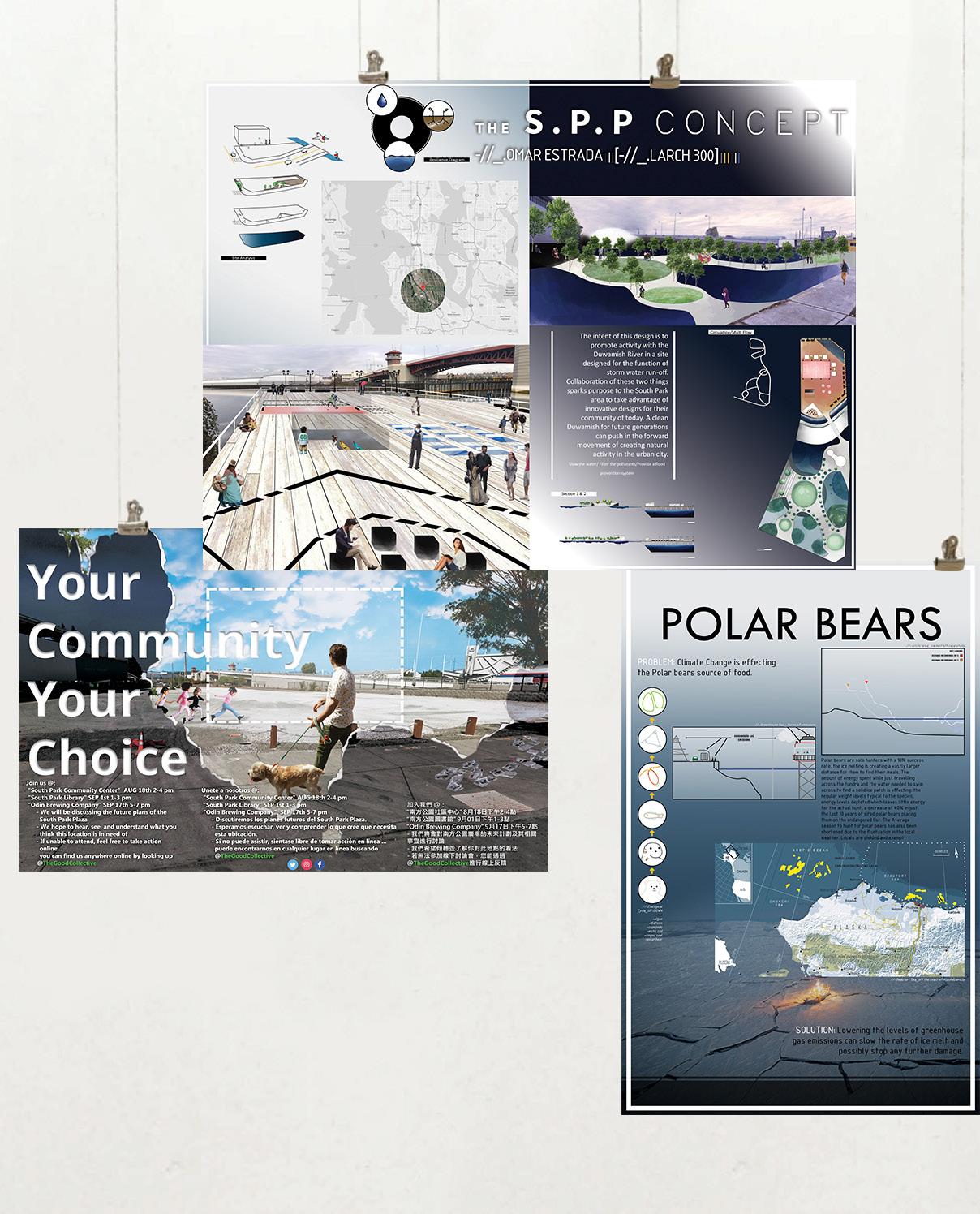
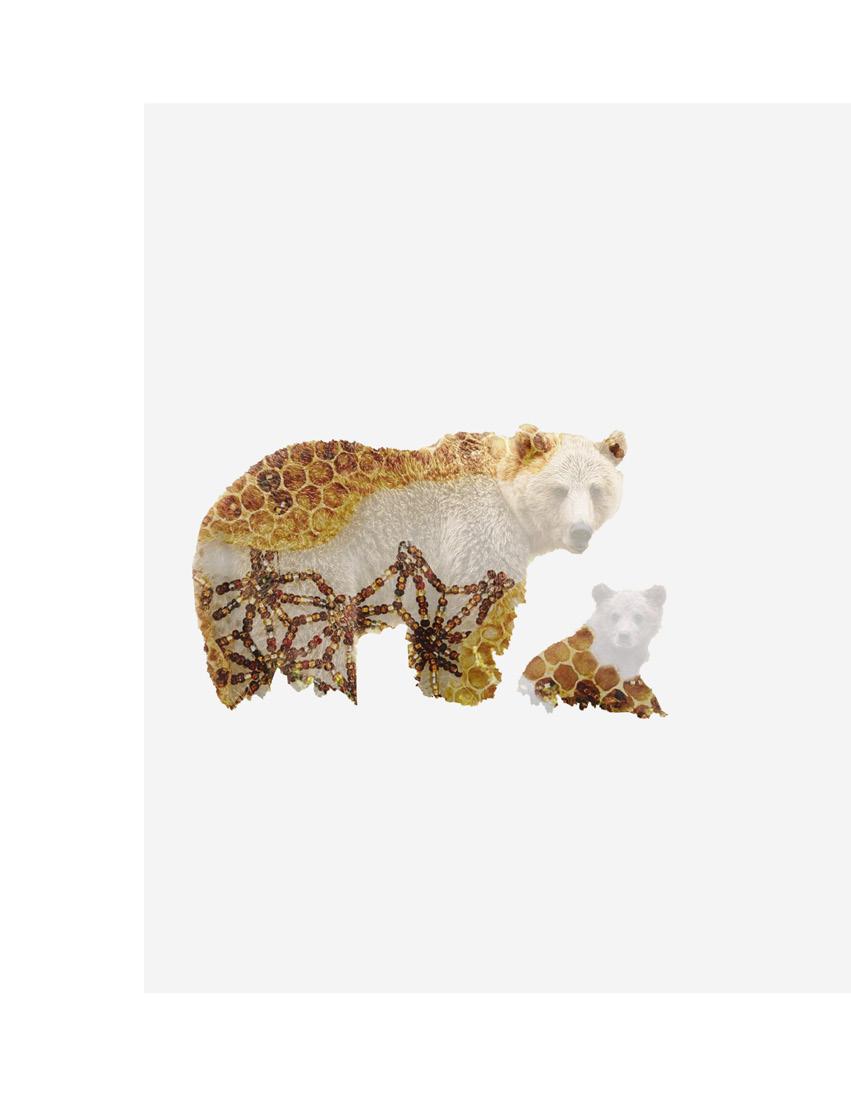
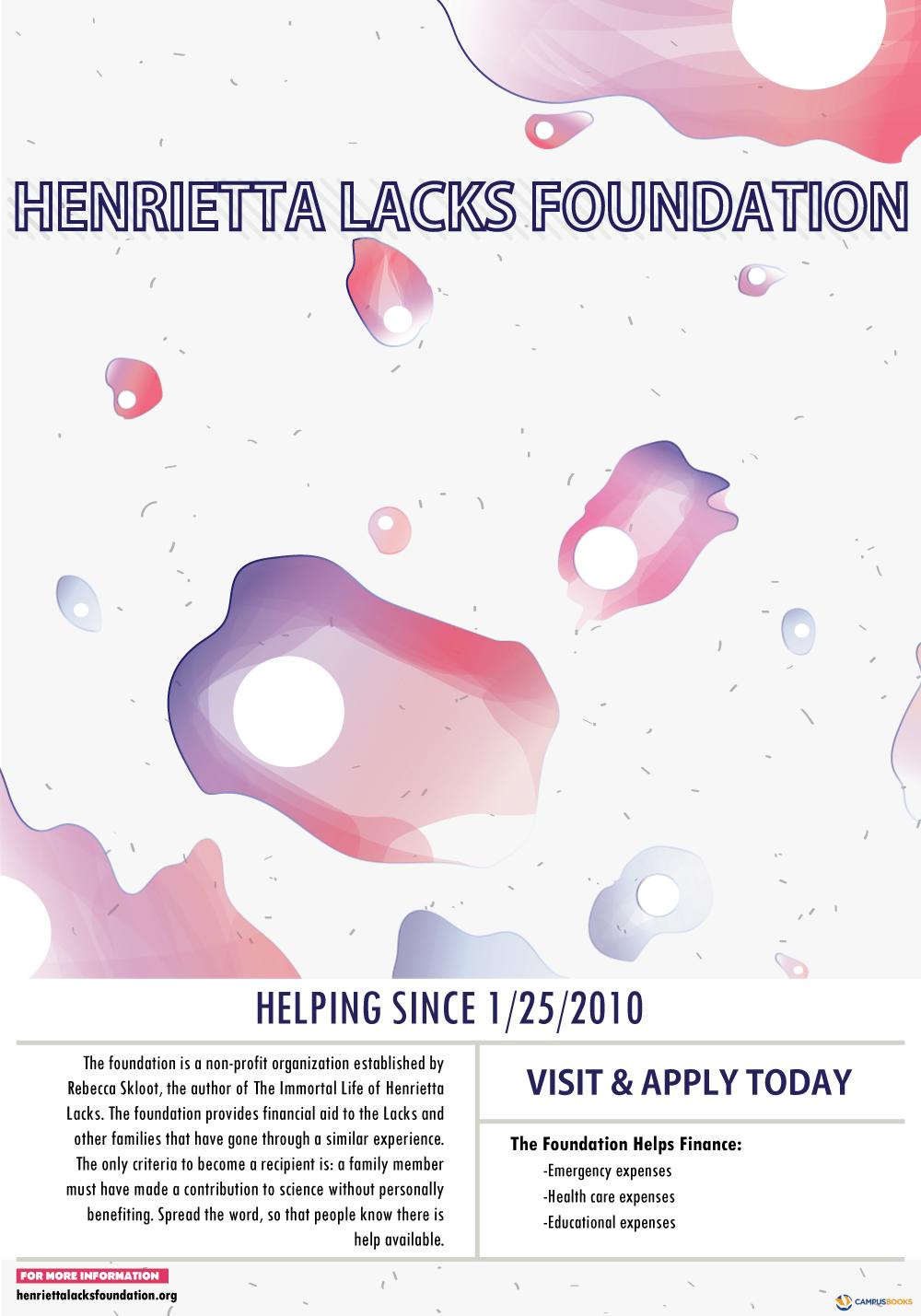
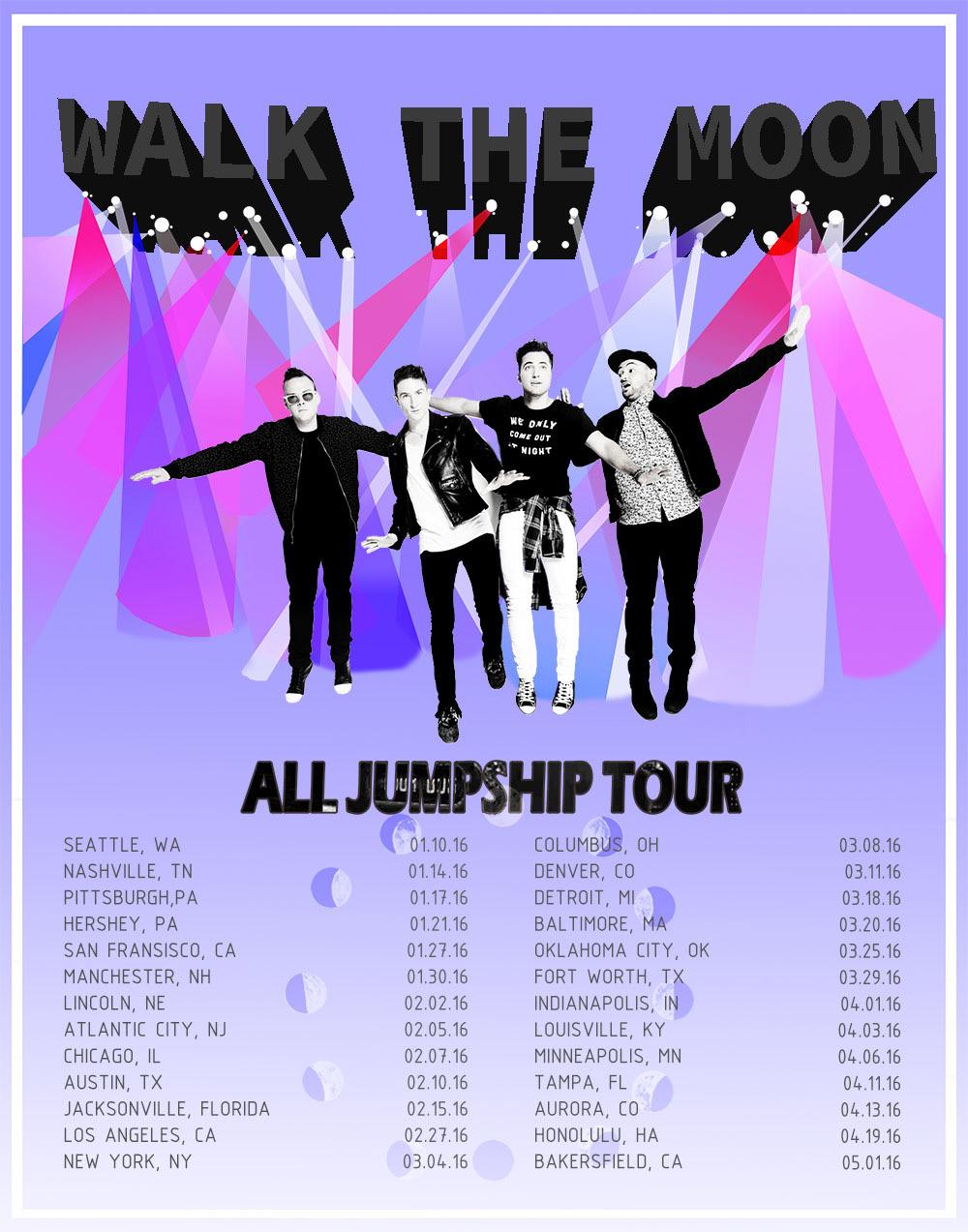
Most of my education in my transfer degree focused on digital graphic tools like the Adobe suite and Autodesk programs. The material I covered was focused on understanding color schemes, layout, and using the digital tools to produce some kind of render that communicates a story. Across different departments the key items involved in producing work was; focus on concept, renderings for marketing, developing networks of interactions, and general graphic design skills for presentation.
The process for my work can be summarized into these steps. I establish where my launching point is starting off from. This helps me visualize the routes for exploring inspiration, how the work could be interacted with in the future, and what features are important for the publisher as well as the audience member consuming the material. It also helps me analyze what is necessary and how it can be adapted into new forms of consumption like a video or advertisement on social media. Throughout the process I’m researching and revisiting what goes into the creation of the material. I’m consistently editing and making different versions, as well as trying to organize the material to be worked upon by a teammate or partner. Following this is edits most of the time. I like to end off the project with questioning the material and visuals of the project, almost that of revisiting the goals set up at the start to see if I met them or how I can work to adapt the work in future iterations or when revisited for revisions.
O5
design langauge.
Location:
TIme:
Course Assignments + Explorations
Character design | Furniture | Diagramming
Design Type: Scope of work: Washington 2016-2021
| Industrial design | Larch + Arch + Interior design + URBN
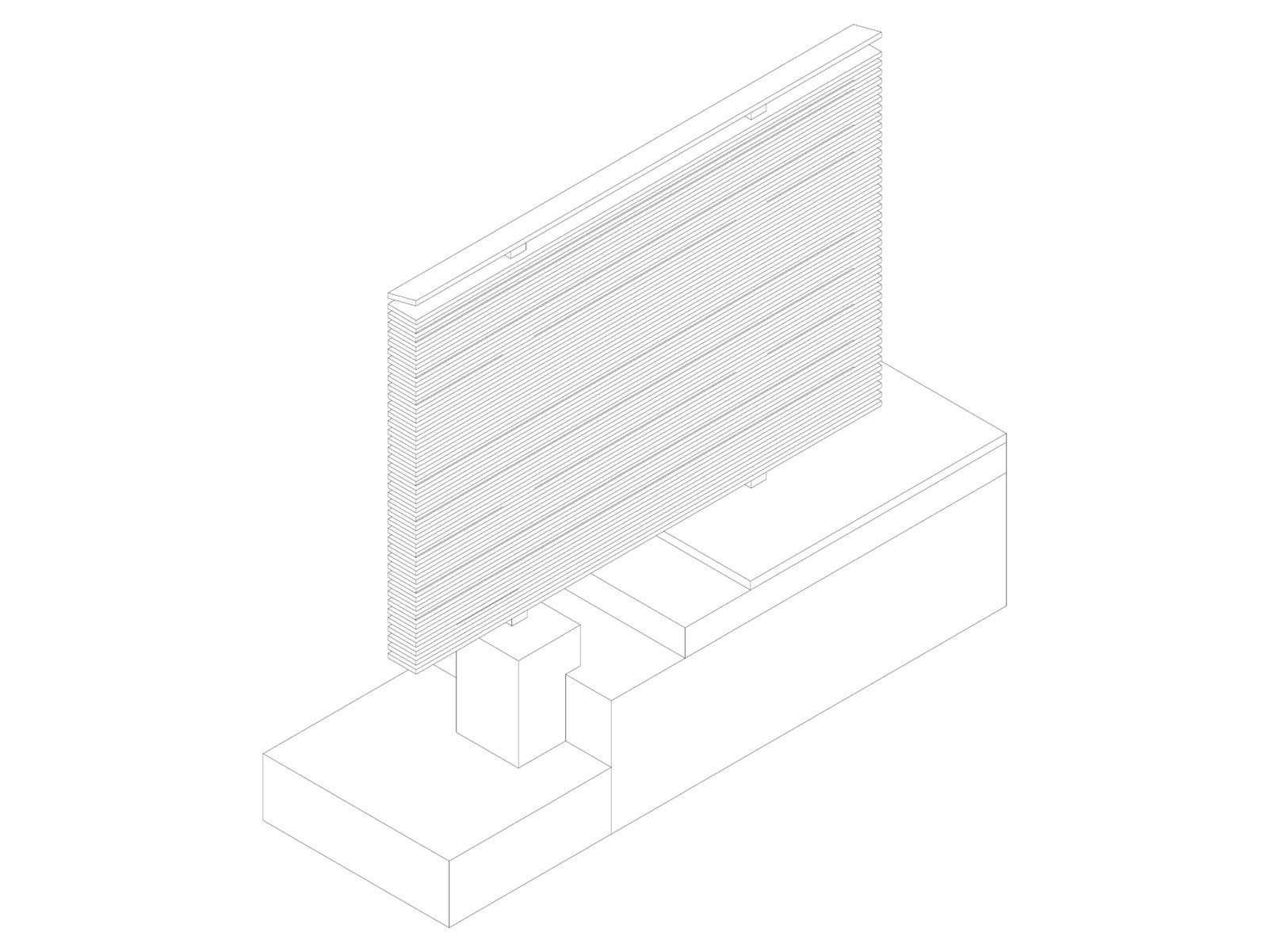
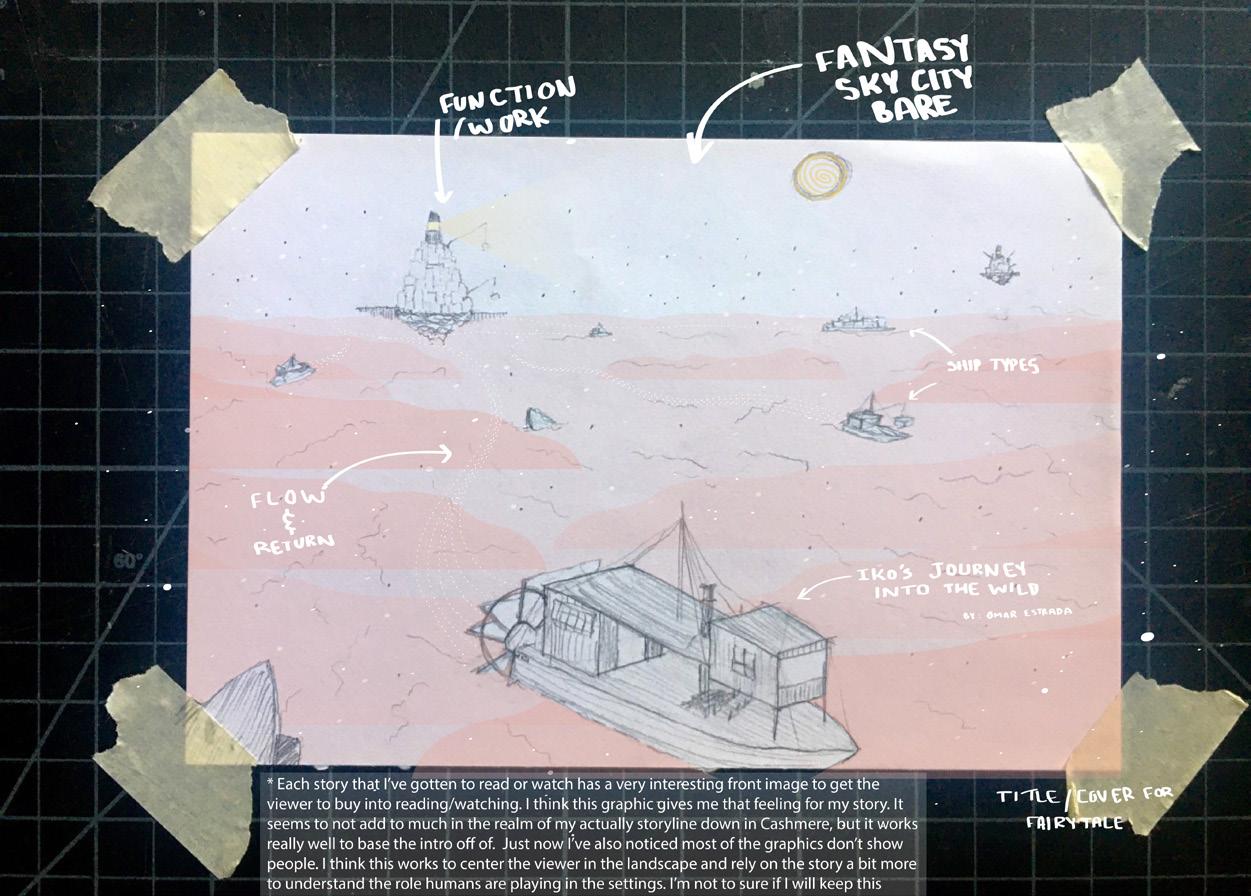
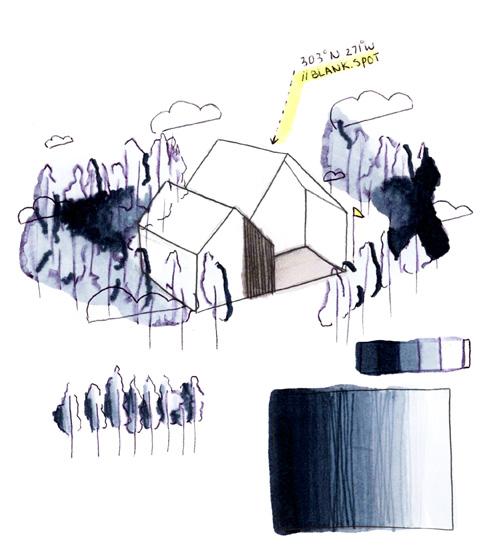
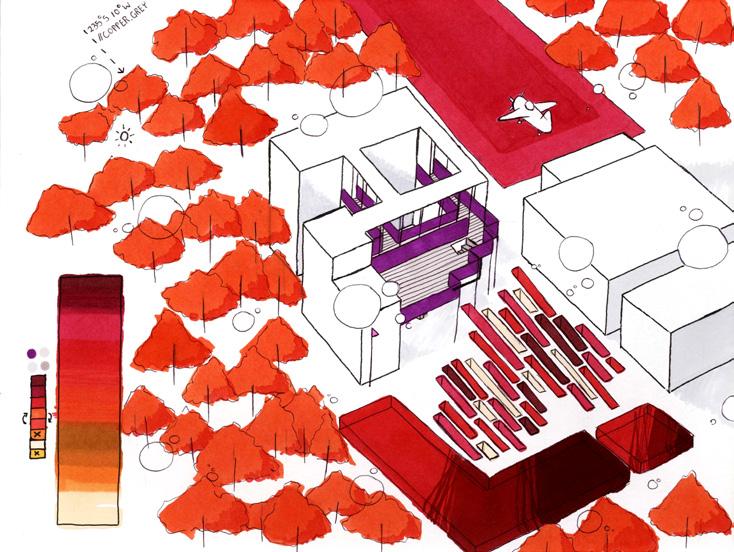
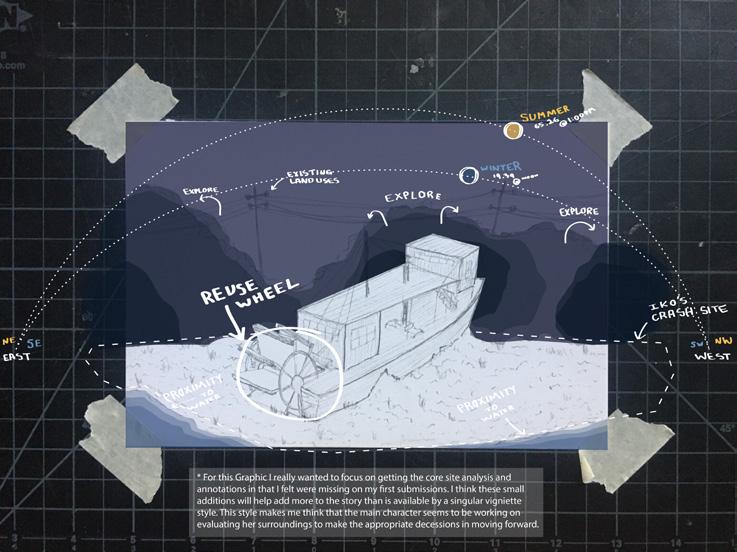
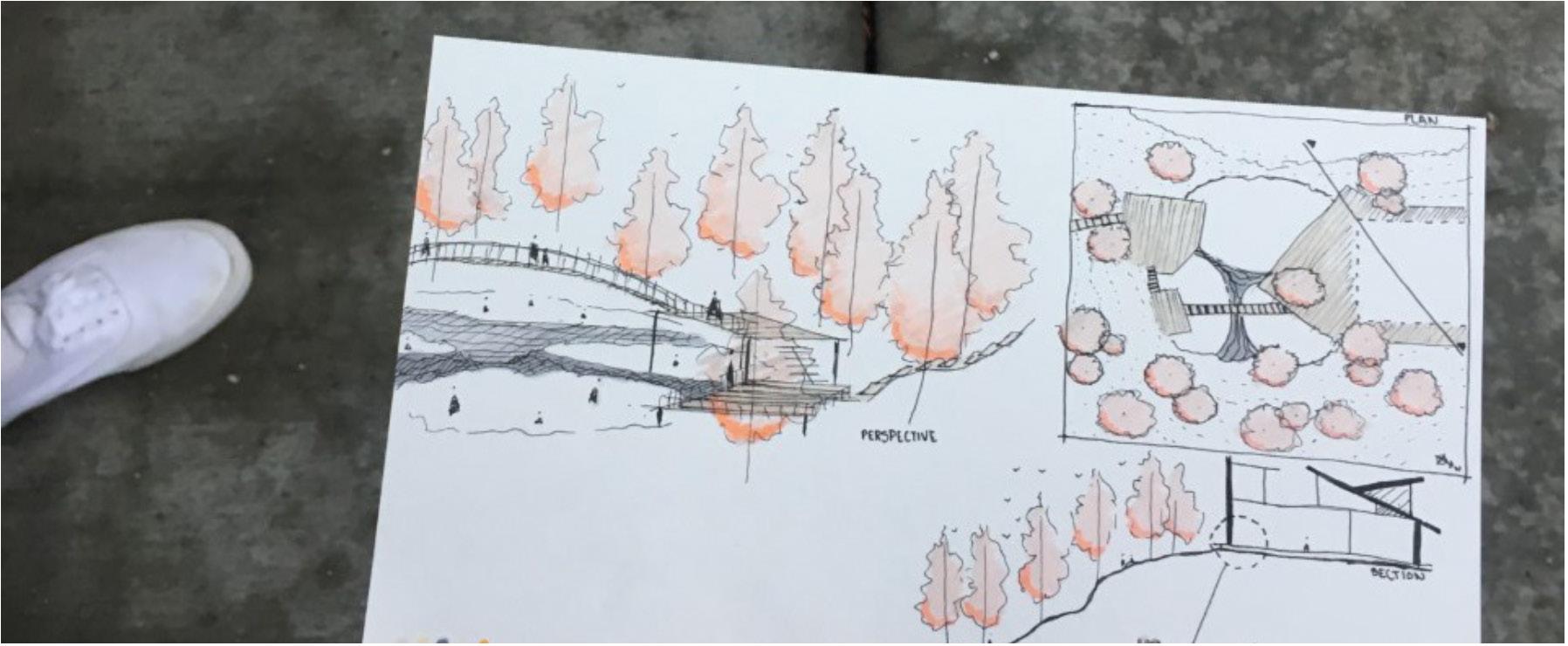
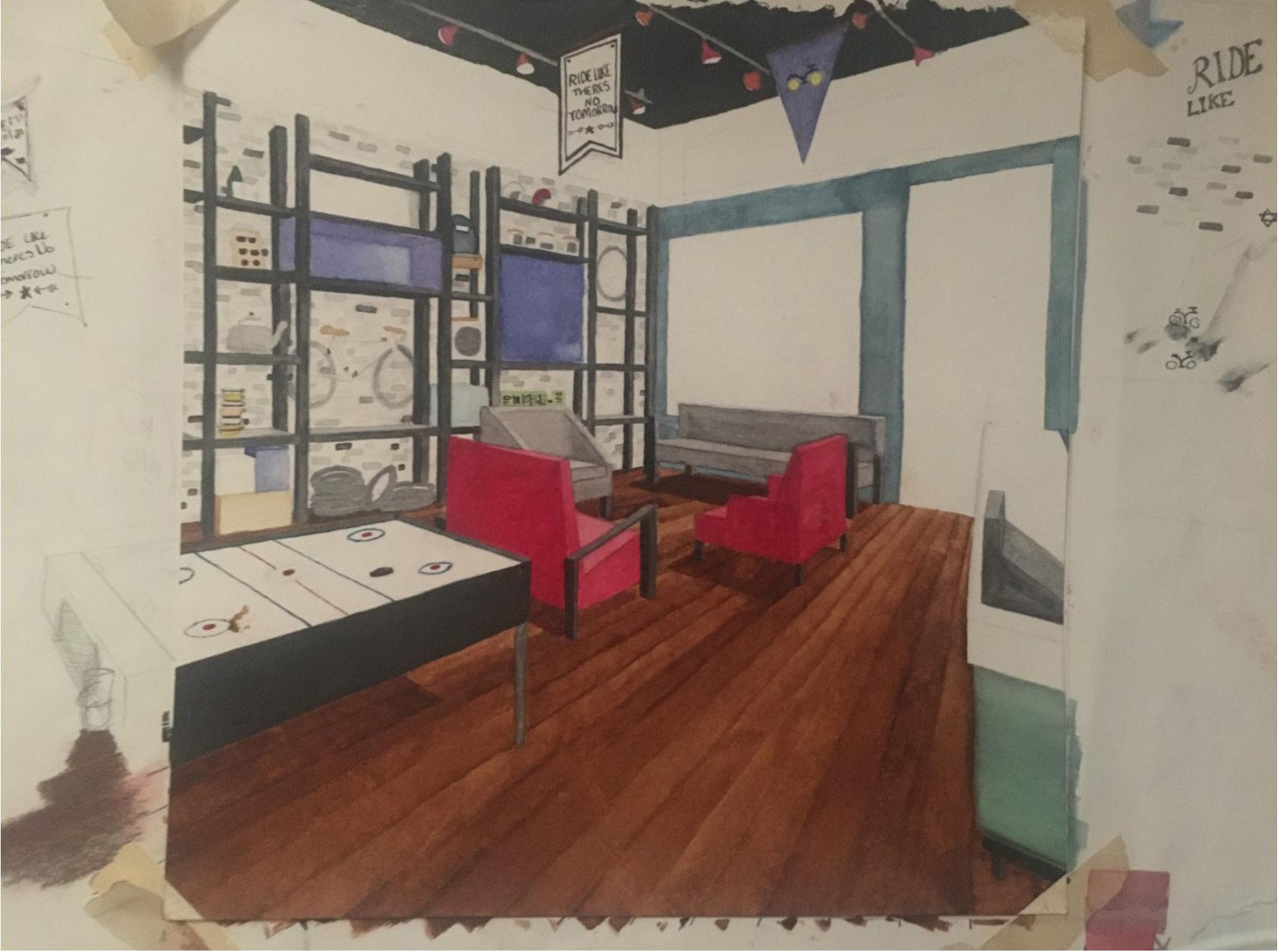
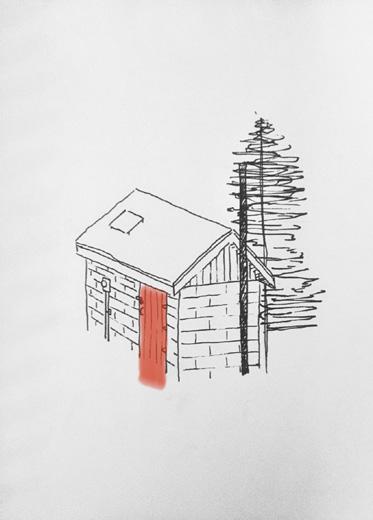
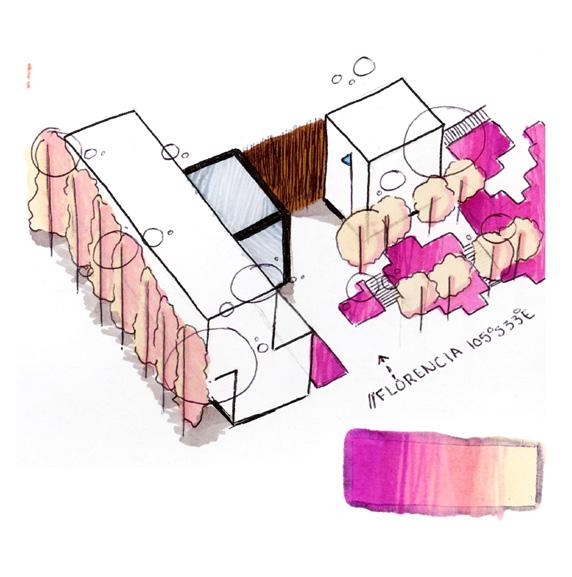
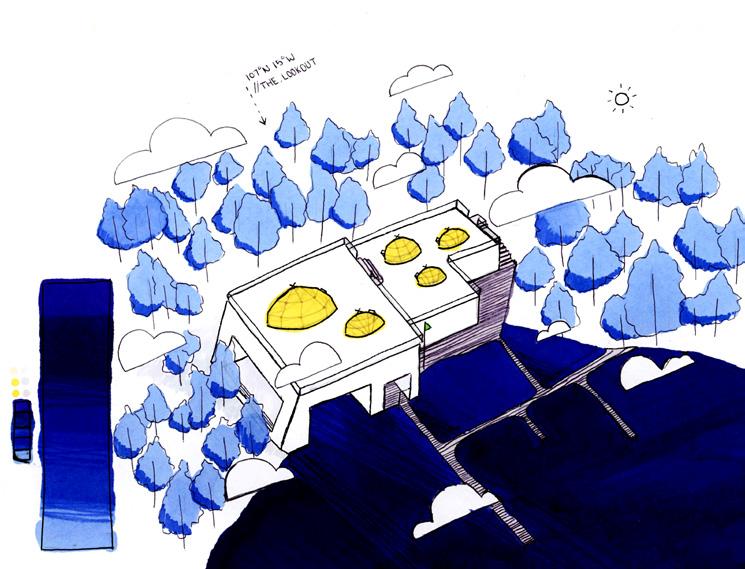
A core moment of my learning was practicing the basics. Engaging in the fundamental skills of designing to explain and tell a story to any member in the audience was a concept that would consistently reappear in my education and real life. The basic tools of using pen and paper to illustrate and draft ideas rapidly would help me stay engaged on a project and speed up the itteration process on teams.
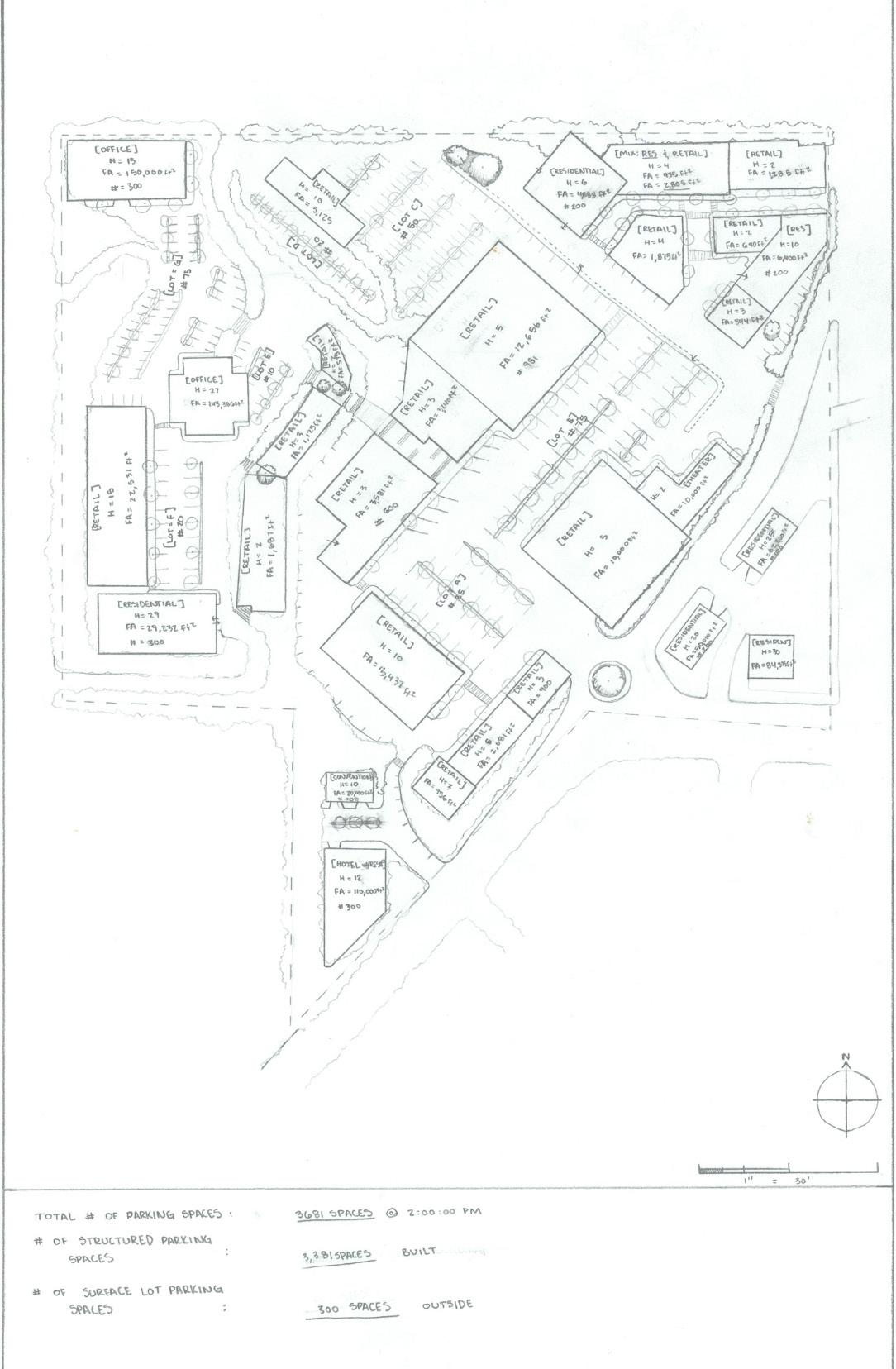
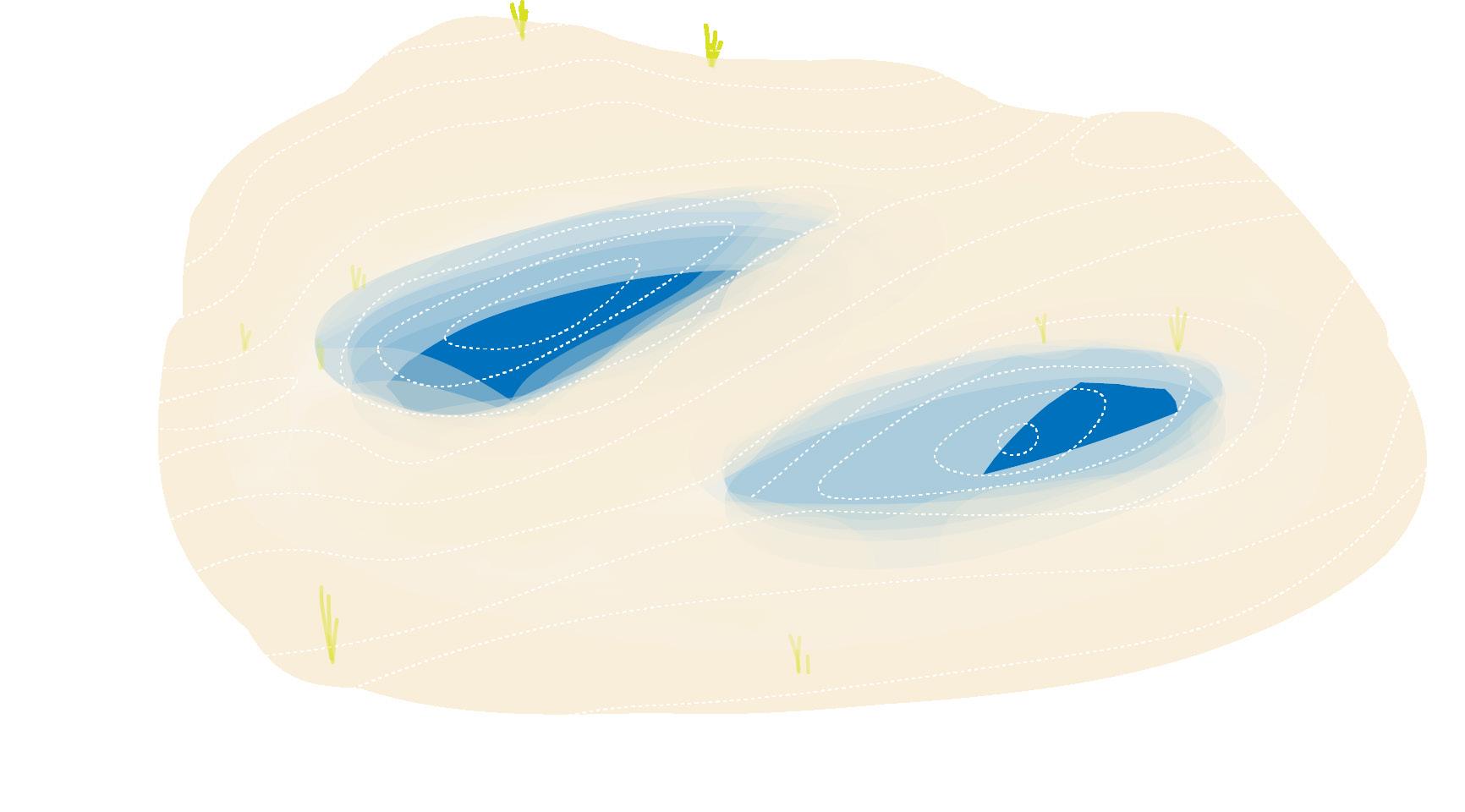
Using skills like annotations and organization also allowed for the project to flow smoothly between teammates and moments to step away from the project and return to a project easily. Practicing simplicity, white space, and color theory to help promote design elements also gave me the core skills to build up a consistent design language. Used budgeting + GIS skills in my Urban Planning course to consider the effects the hand drawn plan would effect the site due to certain uses | surface area permeable material.




Location:
TIme:
Design Type:
Scope of work: Washington 2016-2021
Course Assignments + Explorations
Product design | Larch + Arch + Interior design + URBN
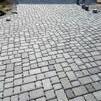
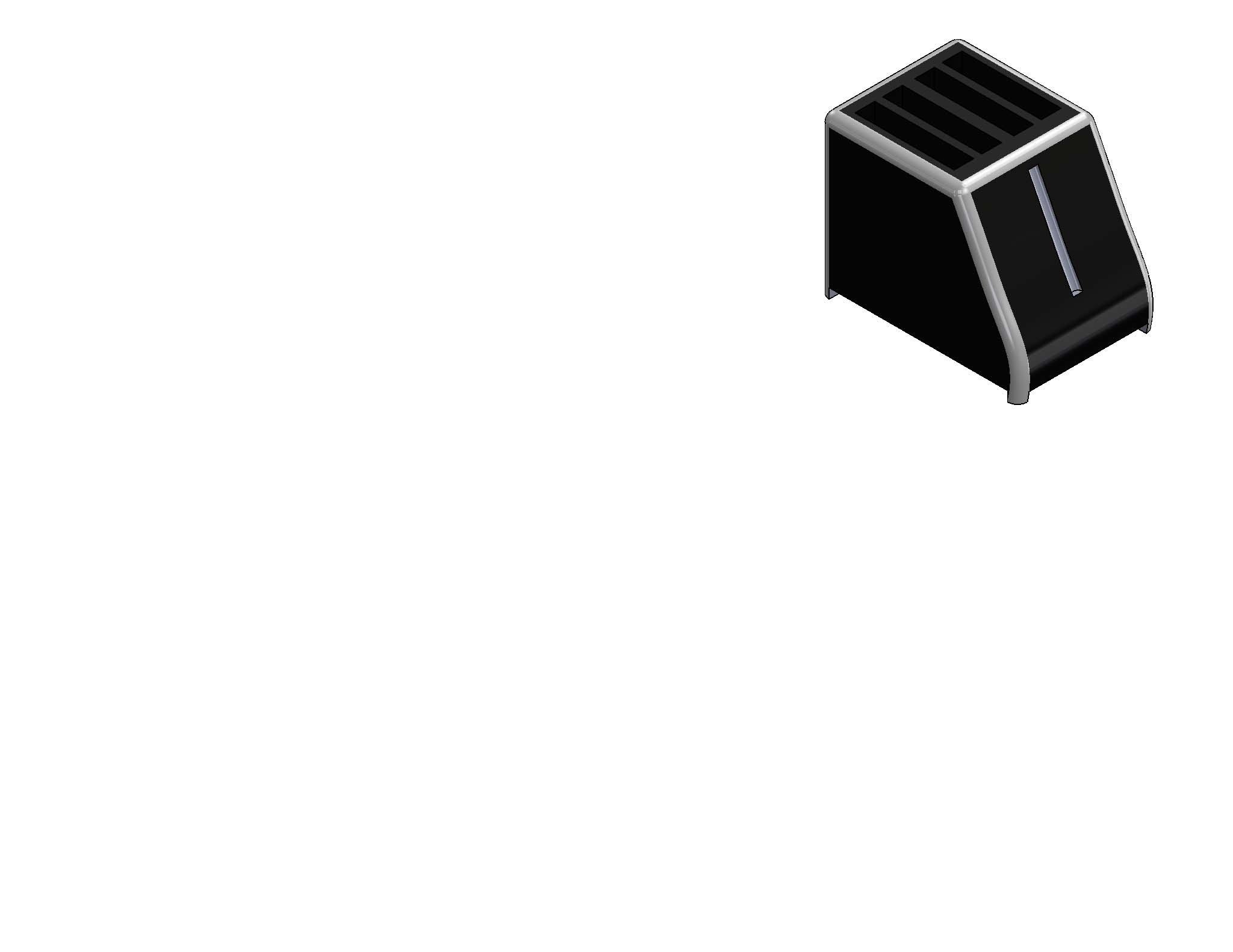
The building blocks of what it means to take the steps from design on paper to plans for a real project build. I’ve pursued maintaining organization and pushing different scales for the work I produce. University allowed me to engage and develope a multidisciplinary background in a variety of tools available in the current market. My interest in learning from peers and different backgrounds or jobs gave me a broader sense for what I could use these skills for.
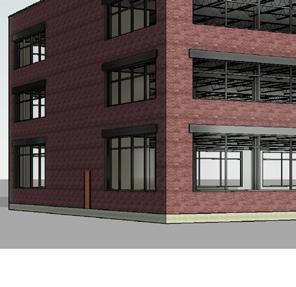
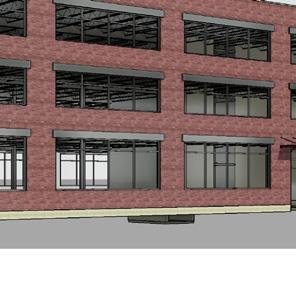
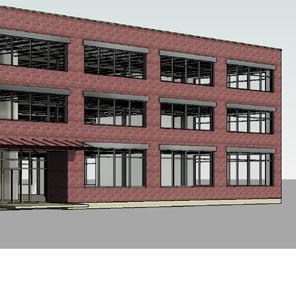
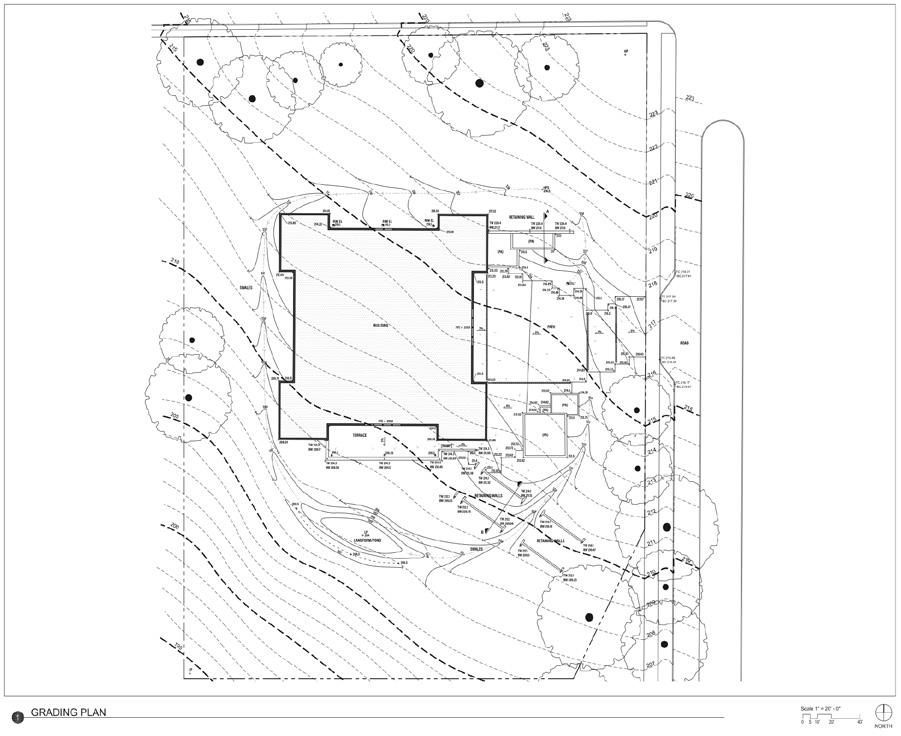
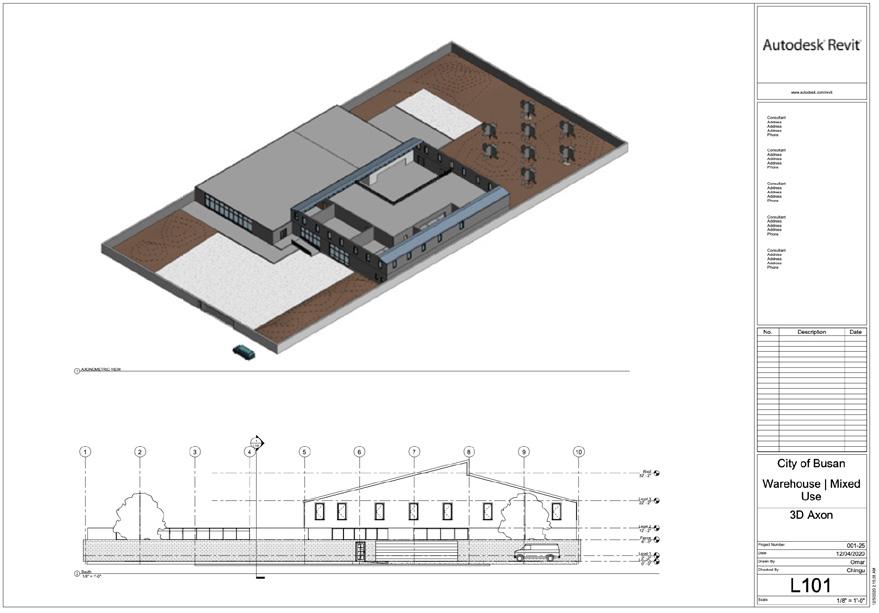
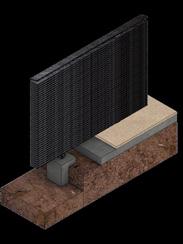
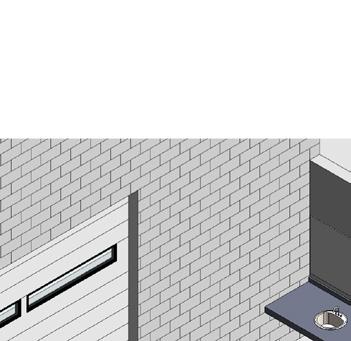
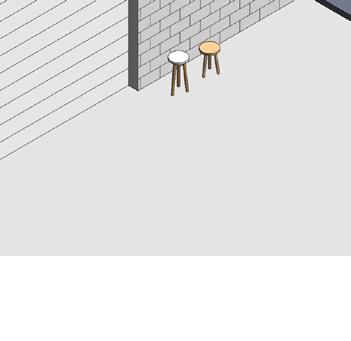
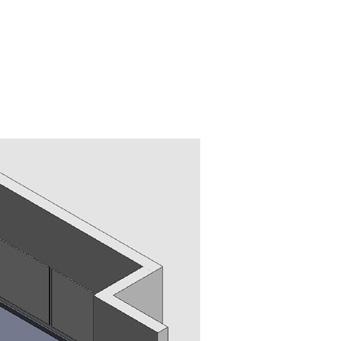
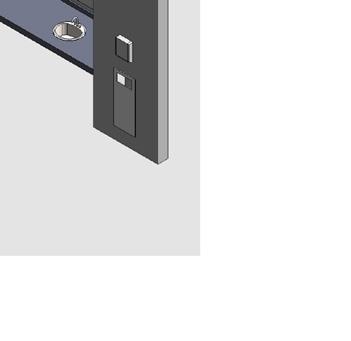
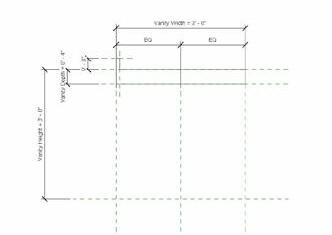
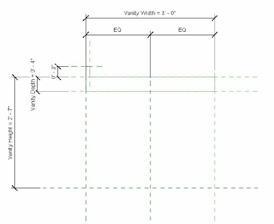
Courses informed me on the process of researching and deveoping budgets and architectural documents for a project. Landscape specific courses focused on teaching us grading and plant | material schedules. In teams we would learn concepts for reading topography, red lining each others work, and learning from one anothers project organization. Courses on revit specifically engaged a full course long project on building out a fire station from the ground; following a guide to developing spec drawings and building out our own schedule for finishes | doors | floor plans.








Location:
TIme:
Design Type:
Scope of work: Washington 2016-2021
Course Assignments + Explorations
Furniture | Models | Conceptual | Real Construction | Landscape projects | Mock up products
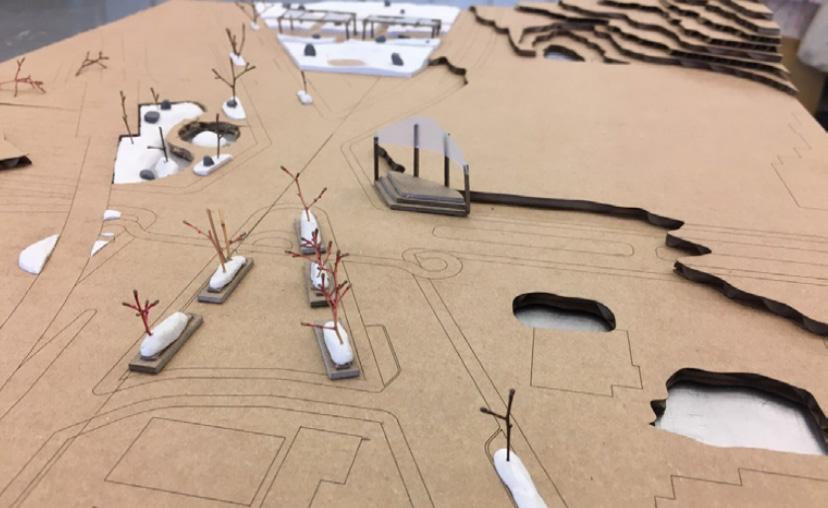
One interesting thing about working with your hands is that you get a sense craftsmanship in the work you make. I personally connect it to the previous jobs I’ve had in construction as well some of the volunteering and design + build work in my education. Physically making something keeps me; adaptable in my ideation, helps me practice my problem solving skills, and pushes me to research methods used in real practice. I value having the lens to look at different people involved in a specific project. Also I want to note the space left to explore in making something physical or interactive is open field that goes past just one job title. models.
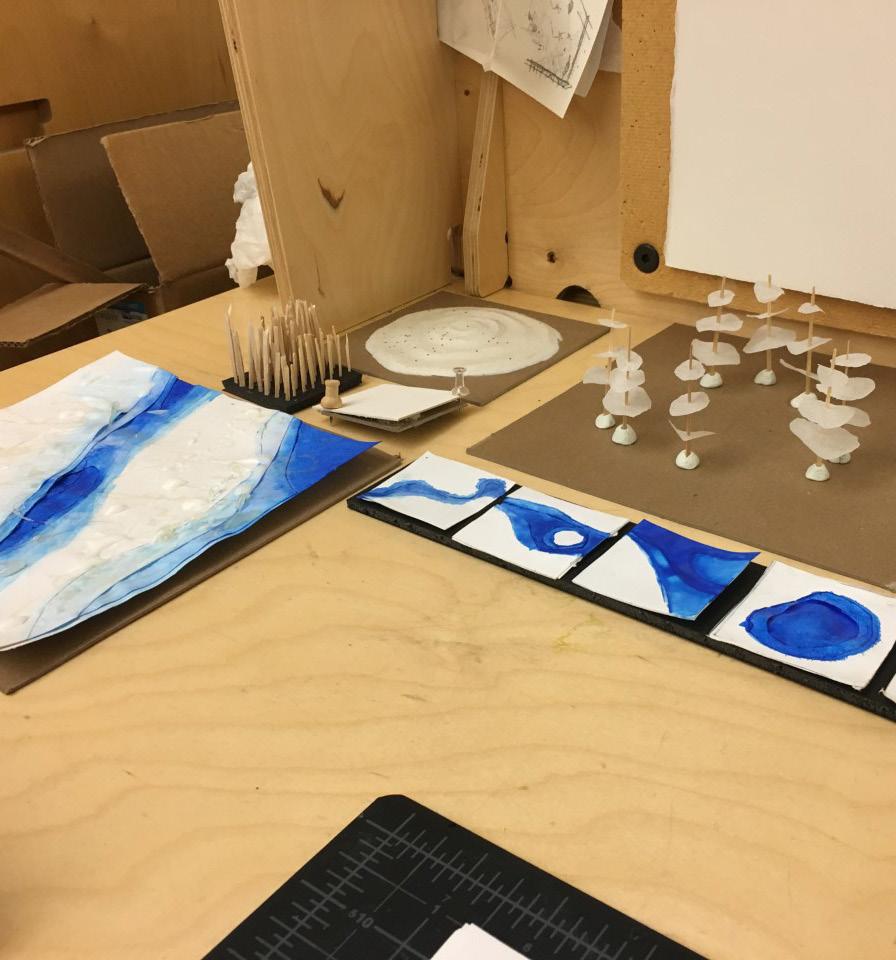
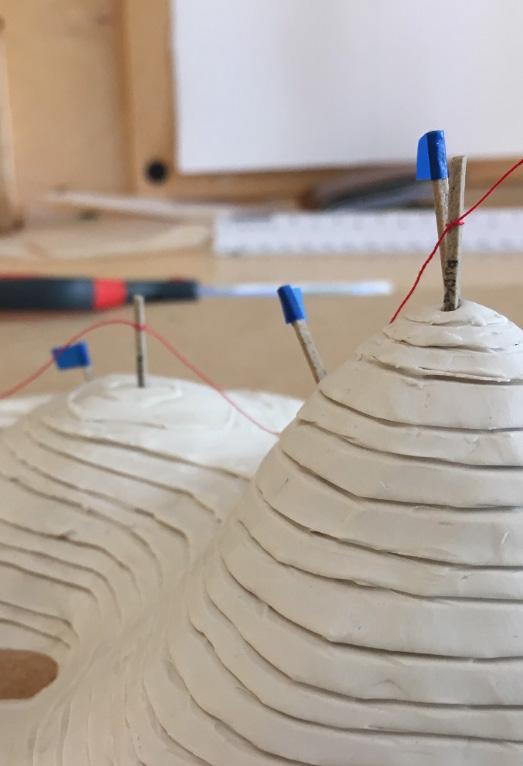
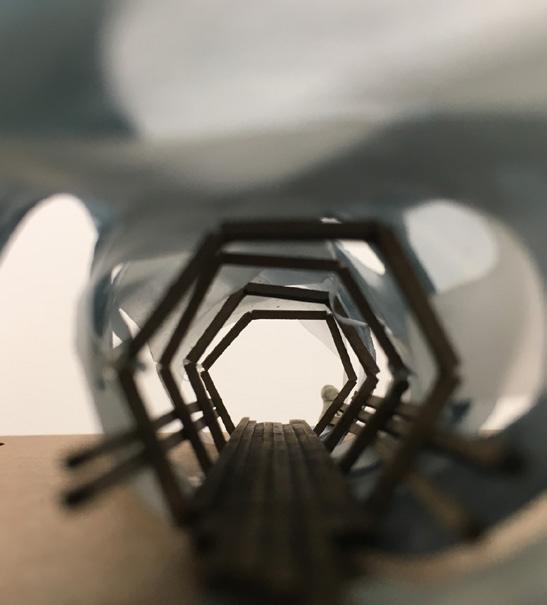
Some of the most interesting explorations I’ve had, have been in working with materials to represent ideas more than just in a 2D form. I’ve used scraps and recycled materials to mock up concepts like a pedestrian bridge, topography, plaza spaces, bus stops, and more large scale features in the landscapes I’m designing. I’ve also spent time working on different contraptions and tools to give the models a desired look or feel. Working to represent textures and colors in this 3D range has me scouting out different items and paying close attention to what can be re-purposed to look as aesthetically clean as a final project.