NORTH OMAHA FIRST
A HYPER-LOCAL COMMUNITY EXPERIENCE
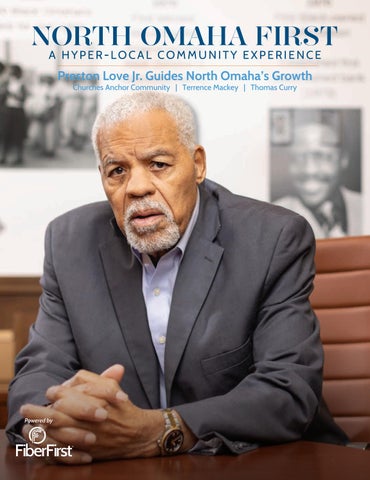
Preston Love Jr. Guides North Omaha’s Growth
Churches Anchor Community | Terrence Mackey | Thomas Curry



North Omaha Business Spotlight
FiberFirst is proud to support small- and medium- sized local businesses with free ad space in North Omaha First.
Want to promote your business in our next edition? Scan the QR code to submit your application!


Rooted in Faith
The People and Leaders Serving North Omaha
Here at North Omaha First, we don’t usually build an issue around a theme. But while reporting this issue, we kept noticing how often churches and community leaders were working side by side on the same efforts.
Our main feature looks at that directly. We spent time with five pastors whose congregations serve neighborhoods across the area. Each one brought a different perspective, but their core message was the same. No church can do it alone. Real impact comes when congregations work together.
In North Omaha, that collaboration is already happening. Congregations partner on food drives, clothing giveaways, youth programs, health clinics, and neighborhood gatherings. The work extends well beyond Sunday mornings. When churches share resources and relationships, they are better positioned to meet the real needs of the community.
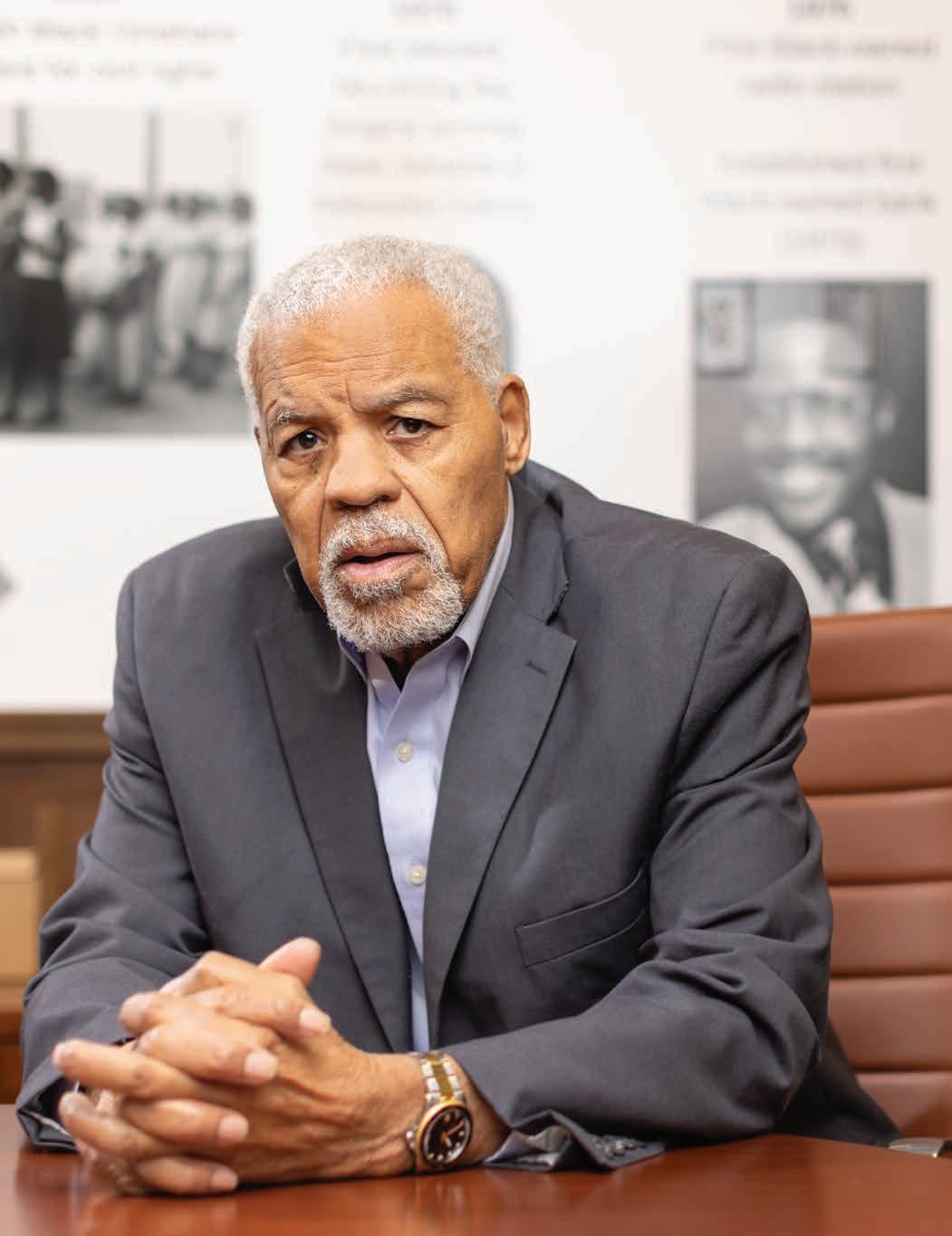
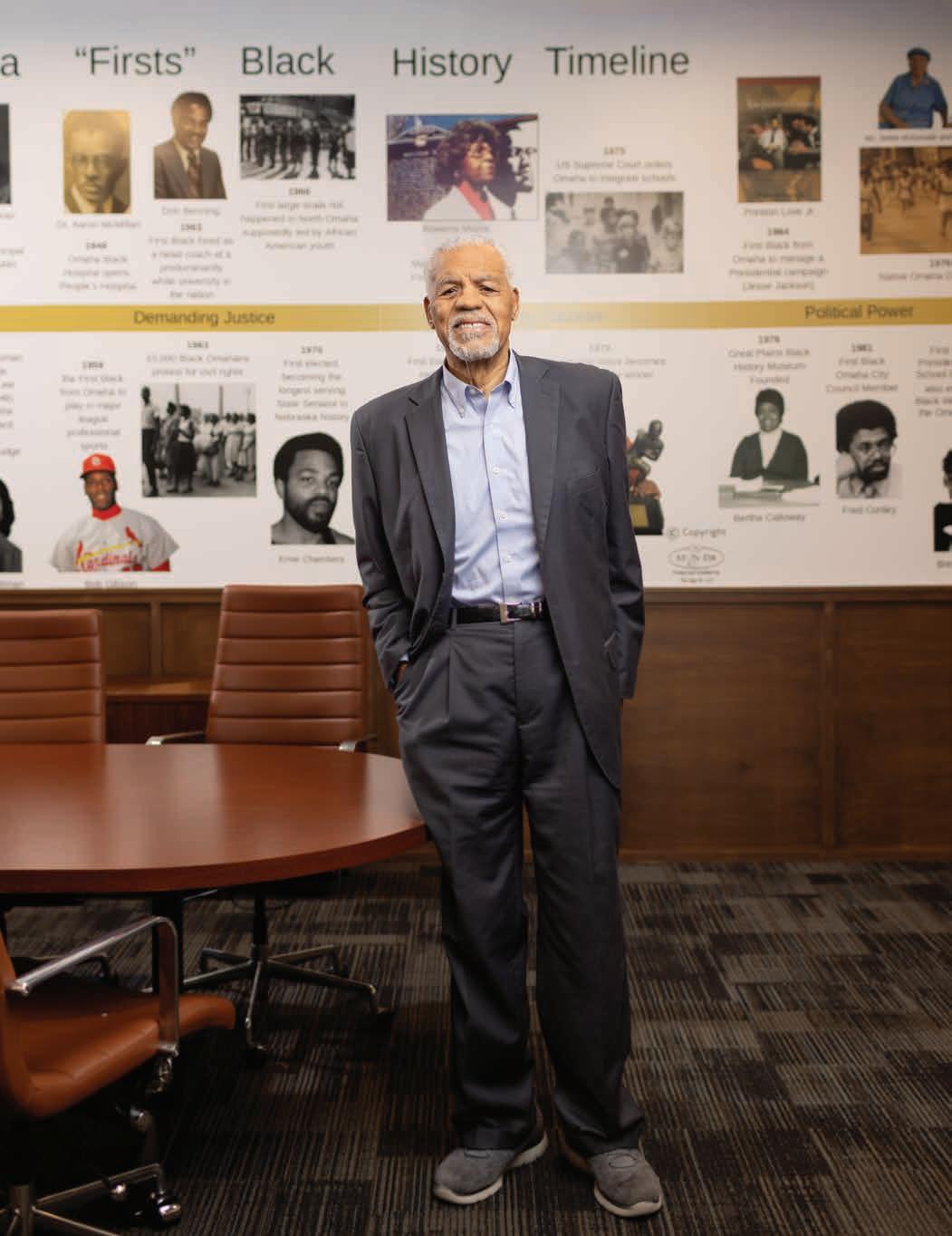
You’ll see that spirit of community show up in other stories throughout the issue as well. At 83, Preston Love Jr. remains one of the central figures in North Omaha’s resurgence. When I sat down with him, his phone rang repeatedly with calls from community leaders looking for advice, and people stopped by the long conference table inside the new North Omaha Visitors Center where he often works. Love helped lead the effort to bring the center to Omaha, which opened in December 2025.
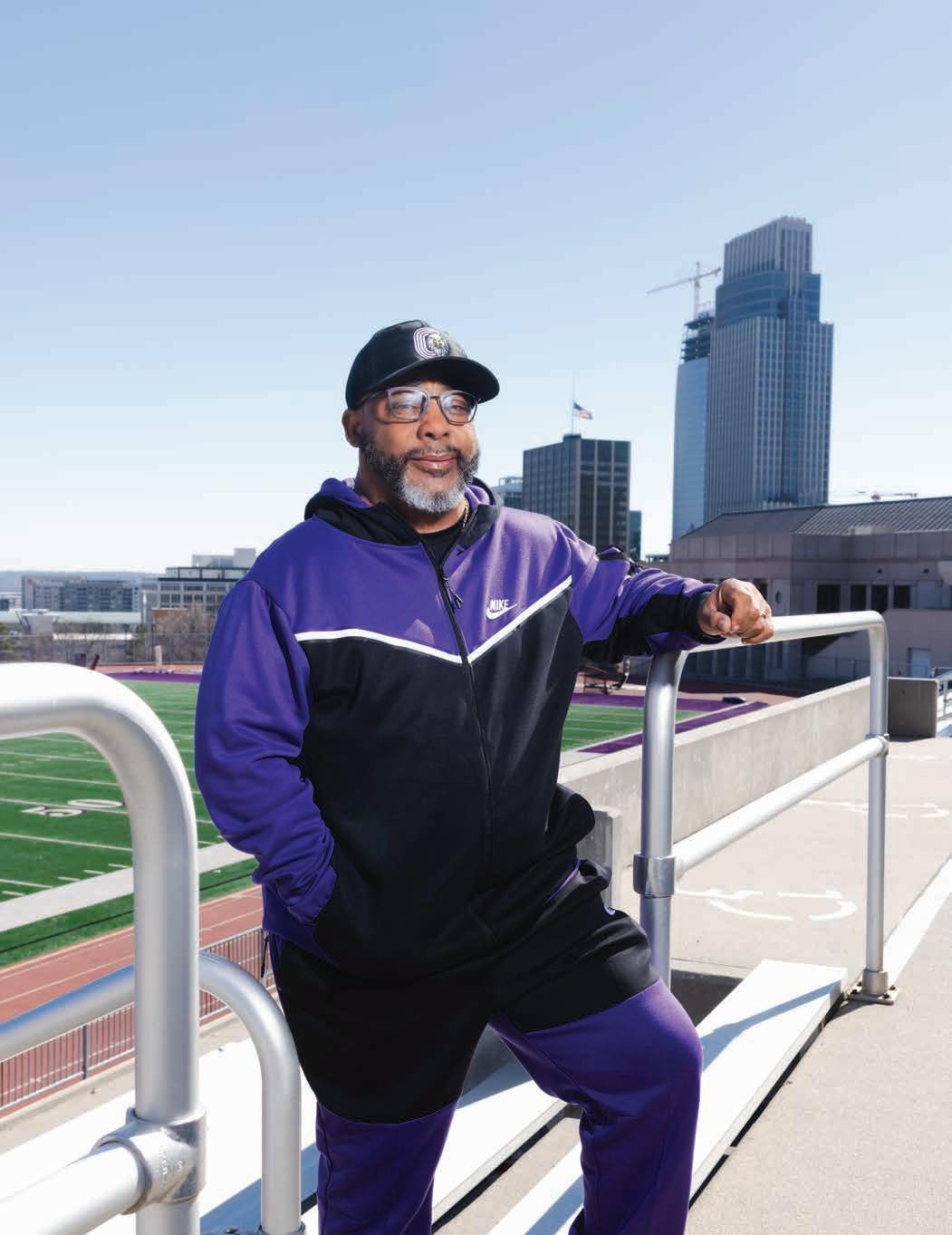
You’ll also meet Terrence Mackey, the head football coach at Omaha Central and a youth and family engagement specialist with the Omaha Police Department. Mackey spends much of his time working with young people in the community. He has attended Salem Baptist his entire life and says he is always willing to take players to church if they are interested or sit down for breakfast and talk.
Stories like these are just a few examples of the kind of leadership happening across North Omaha every day. Welcome to the spring issue of North Omaha First.
Isaac Nielsen Managing Editor North Omaha First
COMMUNITY
FUN
LEADERS FIRST Preston Love Jr.
Mackey
FOOD FIRST Sweet Meatz Desserts
About the Cover
At 83, community leader Preston Love Jr. remains at the center of North Omaha’s resurgence, guiding projects and people from his unofficial office inside the new North Omaha Visitors Center. Full story on page 8.
EXECUTIVE
Executive Publisher
Todd Lemke
Associate Publisher
Bill Sitzmann
SALES
Sales Coordinator
Sandi McCormack
Branding & Digital Specialist
Tim McCormack
OPERATIONS
Business Manager
Kyle Fisher
Distribution Manager
Carson Kruse
Ad Traffic Manager
Dave Trouba
ART
Chief Photographer
Sarah Lemke
Graphic Designer
Joey Winton
EDITORIAL
Managing Editor
Isaac Nielsen
Senior Editor
Natalie Veloso
Assistant Editor
Naomi Heu
FIBERFIRST TEAM
Omaha Community Brand Manager
Rachel Larson
Senior Manager, Marketing Communications
Keith Miller
Senior Community Brand Manager
Christian Stovall

We would like to hear from you! Please use this QR code to give us feedback about North Omaha First, or visit https://pages.fiberfirst.com/54727/
FAITH IN ACTION
How North Omaha’s Churches Anchor Their Community
very Sunday in North Omaha, church parking lots around the region fill up early. People file into sanctuaries that range from tiny brick buildings to larger campuses with fellowship halls and gyms. Inside their walls, the service may last an hour or two. But for many congregations, what happens the rest of the week is just as important.
North Omaha is home to dozens of churches, and their congregations vary widely in size, from a few dozen worshippers to a couple hundred on a typical Sunday. What they all have in common is a role that stretches well beyond worship.
For more than a century, churches in North Omaha have functioned as community anchors. They provide spiritual guidance, but also food, mentorship, social services, and gathering spaces. In many cases, pastors are among the most visible leaders in the neighborhood, guiding institutions that serve people in ways few other organizations do.
“The church does not end with the benediction,” said the Rev. Jarvis Ellis Sr. , the newly installed pastor at Salem Baptist Church . “The Word was never meant to stay in the pew. It is meant to shape how we live on Monday.”
Salem Baptist has served North Omaha for 104 years. Ellis said that history matters. Churches like Salem endured through segregation, economic changes, and shifting neighborhoods, often serving as some of the most stable institutions in the community. “If the Word does not work in real life, we are just reading stories,” Ellis said. “But we believe the Word still works.”
That practical focus is visible in the work churches do outside their sanctuaries. At Cathedral of Praise Ministries, Pastor LeKeith Richardson said the congregation regularly organizes outreach events for people in need. Every third Sunday, volunteers prepare meals and distribute them to people experiencing homelessness and others in the neighborhood. In January, Richardson said, about 400 people were served. At Thanksgiving, the church distributes baskets to families who might otherwise struggle to provide a holiday meal.
“We are a small congregation in size, but we have some willing workers who have bought into the mission,” Richardson said. “The church is not the four walls. Our job is to go out beyond these four walls and show the work of Christ.”
Richardson and Cathedral of Praise also run a youth athletics program called SAINTS Sports. The program fields basketball, football, cheer, track, and baseball teams. Richardson said it currently includes nine basketball teams, and each one comes with an expectation that players stay on top of schoolwork. “We mentor those individuals,” he said. “We concern ourselves with homework and the well-being of the athletes. We try to teach them how to be good, law-abiding young men and women.”
years. Page left briefly to lead another congregation in 2015, but returned to Pleasant Green in 2017.
For him, the church’s broader role in the community reflects a long tradition. “The Black church growing up was a hub,” he said. “You could go there and get everything that you need.”
That tradition is not unique to one denomination or building. Across North Omaha, churches operate food drives, clothing giveaways, youth programs, tax assistance clinics, and neighborhood events.
Clair Memorial United Methodist Church has been part of the community since 1913 and now serves as what the Rev. Portia Cavitt calls a hub for a wide range of services. The church hosts a food pantry on the third Saturday of each month. It also maintains a 44-plot community garden and orchard. Throughout the year, it organizes health fairs, pop-up medical clinics, and telehealth access.
The Word was never meant to stay in the pew. It is meant to shape how we live on Monday.
– The Rev. Jarvis Ellis Sr.
Other churches run similar programs focused on meeting everyday needs. Pleasant Green Baptist Church , which traces its roots to 1917, holds an annual back-to-school shoe drive. Last year, Pastor Brian Page said the church gave away more than 1,100 pairs of new shoes to children in the community. The church also organizes food pantries and community health fairs throughout the year.
“Our mission is to be a Christ-centered ministry and minister to all of God’s people,” Page said. “Whatever it is—financial, prayers, resources. If we can’t do it, we’ll collaborate with others.”
Page has deep ties to the congregation. He was born into the church, and his mother has now been a member for 70
Other programs include free tax preparation through AARP Tax-Aide, a computer lab, family cooking classes, and a summer leadership academy.
“The Black church is the oldest institution that served as a safe haven and social center for African Americans over the years,” Cavitt said. Her church’s mission, she said, is to be “a cultural, educational, physical, social, and spiritual hub of God’s love to humanity for the transformation of the world.”
For pastors across the area, that sense of responsibility shapes how they think about their role. Page said churches often serve as connectors, bringing people together with resources or partners who can help address problems. “If North Omaha is going to grow, it’s going to take churches working together,” he said.
He leads the Baptist Pastors and Ministers Conference of Omaha, an organization that includes about 100 pastors and preachers. The group shares information and collaborates on initiatives that benefit the broader community.
Richardson agreed that cooperation among churches is essential because the challenges facing residents are too large for any one congregation to handle alone. “There are a lot of needs that need to be addressed,” he said, pointing to issues like housing instability, substance abuse, and mental health. “One church cannot do everything. But if we band together and work together as a community, we can solve some of those issues.”
At the same time, pastors say churches are navigating changes that affect how people engage with faith. Pastor Jon Lucas of New Rising Star Baptist Church said technology and the pandemic altered many habits. Services are now streamed online, and members can participate or even donate digitally. “Years ago, the entire city would stop for church,” Lucas said. “Everything closed at 5 p.m. Sunday evenings.”
Those days are gone, he said. Churches now compete with a wider range of activities for people’s time, and younger generations often come to church with less experience in religious communities. “Many young people did not have the privilege of growing up in church like many of us,” Lucas said. “For them, it’s their first time encountering a unique spiritual community.”
That shift has forced churches to rethink how they connect with younger members. Ellis said younger generations are not necessarily rejecting faith, but they want authenticity and purpose.
“They value authenticity over programming and belonging over performance,” he said. “They are not rejecting God. They are searching for purpose.”
Many churches are responding by creating mentorship programs, leadership opportunities, and service projects that allow younger members to take active roles. Richardson said young people often respond when they see their work making a difference.
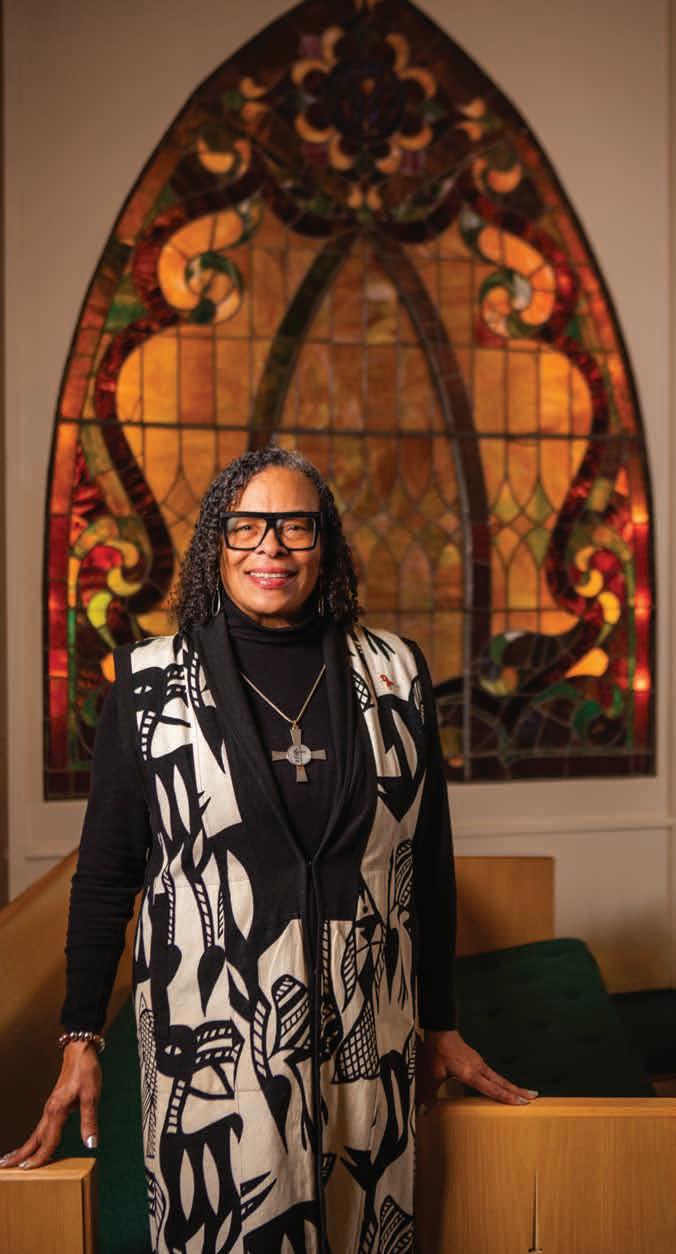
Rev. Portia Cavitt // Clair Memorial United Methodist
“Our young people are excited to go out and feed the homeless,” he said. “They’re excited to go out and help individuals.”
Page said Pleasant Green has also placed younger members in leadership positions to help them feel invested in the church’s future. “The young people, they love Jesus,” he said. “We just have to make sure we receive them and have something for them when they come.”
Even as congregations adapt, pastors say the core purpose of the church remains constant. Lucas said the mission at New Rising Star Baptist Church is to create a place where people can encounter faith and grow spiritually. He said what keeps him motivated is seeing the changes that can happen when people connect with that message. “Seeing real transformation,” Lucas said. “Marriages saved, alcoholics becoming sober, families learning to forgive each other.”
Those kinds of changes are often invisible outside the church walls, but pastors say they shape the broader community. Ellis believes churches still provide something that is increasingly rare: a place where people of different ages gather regularly and form lasting relationships.
“In North Omaha, that means mentorship for young men, support for single mothers, partnerships with schools, and prayer for families in crisis,” he said. “We are not just a sanctuary. We are a support system.”
For Page, that collective effort is what defines the role of the church in North Omaha. “No one church is everything,” he said. “But when churches are doing their part, the community benefits.”
Across the region, that work happens each week. Meals are served, shoes are distributed, youth teams practice in church gyms, and neighbors stop by for help with taxes or groceries.
The services on Sunday may be the most visible part of church life. But the influence of those institutions often shows up the rest of the week, in small ways that ripple through the community.
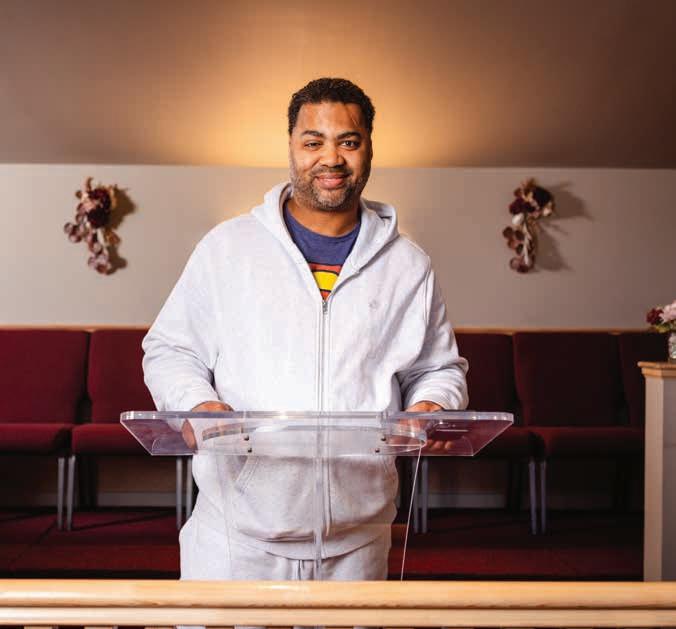
Rev. Jon Lucas // New Rising Star Baptist
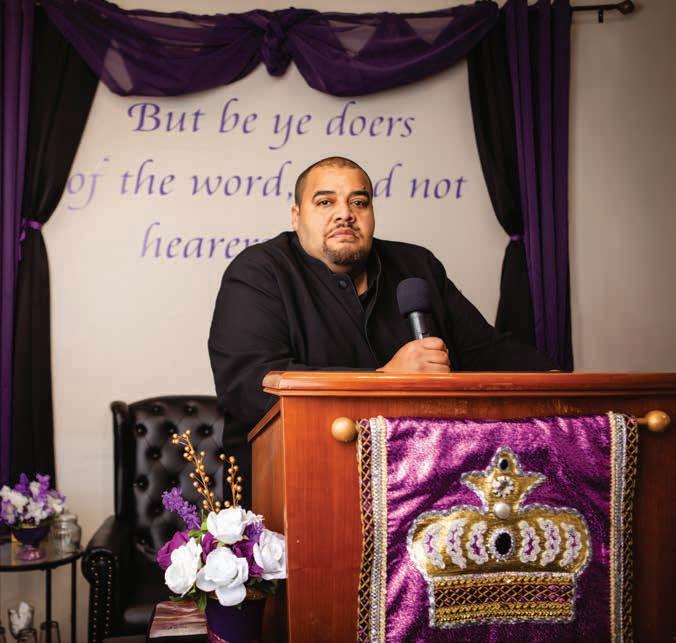
Rev. LeKeith Richardson // Cathedral of Praise Ministries
FUN FIRST: ACTIVITIES / EVENTS AROUND NORTH OMAHA
Event information is correct as of presstime. Details are subject to change, please check the official websites as provided.
BENSON FILM FESTIVAL
April 24-26
Benson Theatre, 6054 Maple St.
Benson Film Festival highlights local, national, and international artists and filmmakers in a weekend of creativity. Join neighborhood businesses and members of the Benson community in celebration of film and art. Watch a selection of films, thoughtfully picked to align with the festival’s mission. Engage in conversations that connect these storytellers with audiences in a welcoming and immersive space. bensonfilmfest.com
APRIL
BLACK CITIZENSHIP IN THE AGE OF JIM CROW
Through May 31
Great Plains Black History Museum 2221 N. 24th St.
402.932.7077 gpblackhistorymuseum.org
EASTER IN THE VILLAGE
April 18 24th and Lake empoweromaha.com
ARTSPLAY! FAMILY WORKSHOP
April 22
The Highlander 2112 N. 30th St. Ste. 101 402.502.2770 seventyfivenorth.org
BOULEVARD OF BOLD DREAMS
April 24-May 10
The Union for Contemporary Art 2423 N. 24th St. 402.933.3161 u-ca.org
POPSICLE SKATE NIGHT
April 28
Benson Community Center 6008 Maple St. thebay.org
CASSIDY CROFT AND THE LOST TREASURE OF JESSE JAMES OR TREASURE? HARDLY KNEW HER
April 30-May 2 and May 7-9
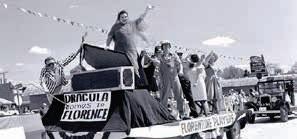
Florence Community Center 2920 Bondesson St. florentineplayers.com
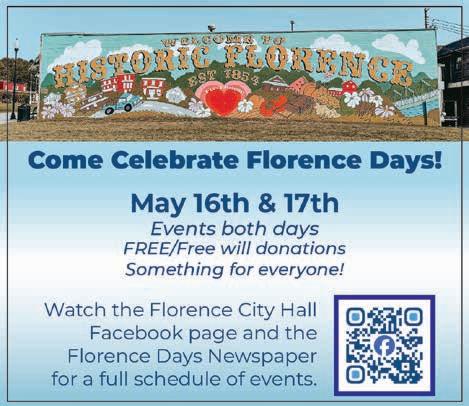
FLORENCE DAYS
May 16-17
Florence Area
As one of the most historic areas in Nebraska, Florence will be celebrating its heritage a bit differently this year. While there’s no parade, there’s still plenty of fun for the whole family to enjoy. A full weekend of activities will include a pancake breakfast, 5K run, quilt show, food trucks, speakers, a band, and more. Bring a cooler, lawn chair, and connect with the Florence community. Watch for the Florence Days Newspaper for more details.
MAY
BENSON FIRST FRIDAY
May 1
Benson Historical Downtown 2729 N. 62nd St. bffomaha.org
FLORENCE MILL SEASON OPENING
Mid-May
Florence Mill & Winter Quarters Mill Museum 9102 N. 30th St.
402.551.1233
Florence Mill on Facebook
STAR WARS DAY
May 9
Florence Branch Omaha Public Library 2920 Bondesson St. 402.444.5299 omahalibrary.org
A CHARACTER EXTRAVAGANZA
May 16
K-Love’s Adventures 5020 Grand Ave. 402.973.8275
NO COAST PUNK ROCK FLEA MARKET: BRING THE NOISE ALL AGES
May 30
The Drinkery
3012 N. 102nd St. No Coast Punk Rock Flea Market on Facebook
JUNE
BEING BLACK OUTSIDE
June 4-14
The Union for Contemporary Art 2423 N. 24th St. 402.933.3161 u-ca.org
A LEAGUE OF OUR OWN NEGRO LEAGUE BASEBALL
June 4-July 5
Great Plains Black History Museum, 2221 N. 24th St. When Major League Baseball was founded in 1920, African Americans were not allowed to participate. So, they established a League of Our Own, the Negro Baseball League. Explore the rich history of this league and other influential Black athletes in baseball throughout time, such as Alexander Cartwright, creator of the diamond-shaped field, foul lines, and three-strike rule, in this temporary exhibit at Great Plains Black History Museum. gpblackhistorymuseum.org
BENSON FIRST FRIDAY
June 5
Benson Historical Downtown 2729 N. 62nd St. bffomaha.org
FLORENCE MILL COUNTRY MARKET
Sundays starting June 7
Florence Mill 9102 N. 30th St.
402.551.1233
Florence Mill on Facebook
OMAHA FREEDOM FESTIVAL
June 13
Miller Park
2707 Redick Ave. 531.772.0842 omahafreedomfestival.com
MINNE LUSA GARAGE SALES
June 20
Participating houses in Minne Lusa Minne Lusa Neighborhood Miller Park Minne Lusa Neighborhood Association on Facebook
BLACK VOTES MATTER TOUR
June 21-28
Significant cities throughout the U.S. 402.812.3324 4urban.org
SUPPER CLUB SERIES
June 27
No More Empty Pots Rooftop Garden 8501 N. 30th St. 402.502.1642 nmepomaha.org
Photos Provided
Sitzmann
THE LEADER OF NORTH OMAHA’S COMEBACK
Preston Love Jr. Drives Change in his Community
nside the new North Omaha Visitors Center, the long conference table has become Preston Love Jr.’s unofficial office. By mid-afternoon, he’s still there, papers spread out and his phone within reach, as a steady stream of people stop by the table—some for scheduled meetings, others looking to run an idea past him or ask for advice. Over the course of an hour, the phone rings four times with calls from community leaders, and several visitors stop by for his input. “I didn’t set this up,” he insists, revealing that it’s just another day at the office. At 83, Love is still firmly in the middle of North Omaha’s civic life.
The building itself stays busy, with meetings rotating through the conference room and visitors moving through “exhibits” that tell the story of the neighborhood. The center opened in December 2025 with the goal of giving North Omaha a place to share its history and welcome newcomers. Yet the rhythm of the place often seems to settle around the table where Love sits.
The scene makes sense when placed alongside the path that brought him here. Love’s career has included football, business, politics, and decades of organizing in North Omaha. He played for the Nebraska Cornhuskers, was drafted by the Detroit Lions, and spent time in professional football before moving into the corporate world with IBM. He later opened the first retail computer store in Atlanta. In 1984, he served as Jesse Jackson’s campaign manager during the Democratic presidential primary. In recent years, he ran for the U.S. Senate, becoming the first Black Nebraskan to receive the backing of a major party for that office.
For Love, those different chapters follow the same lesson. “Nothing comes free or gratuitously. It comes from work and dedication and blessings from God,” he said. Talent matters, but the person willing to work harder often ends up ahead, he explained. For Love, that was true in football and in business.
Faith continues to shape much of his life. “I am surely a man of God,” Love said. He teaches Sunday school and stays active with his wife at Holy Ghost Temple. He sees his work in the community as tied to that commitment.
This particular day at the Visitors Center was as busy as many others. Earlier in the day, Love met with seven people planning an upcoming Martin Luther King Jr. march. Another group stopped by to talk about honoring Brenda Council, the former Nebraska state senator and the first Black woman elected to the Omaha City Council. A separate meeting focused on recognizing the “Rhythm Boys,” the first all-Black starting lineup in Omaha Central High School basketball history, a team Love said encountered racism during a state championship run. Another group wanted to talk about using the facility for its own event.
Love gestured toward the lobby as people moved through the building. “There is a constant flow here,” he said. “It says that there was a void we’re filling.”
The Visitors Center now operates as the center of the umbrella of the Institute for Urban Development, the nonprofit Love founded to carry out community projects in North Omaha. The Institute grew from Love’s original operation, Black Votes Matter, which was started in 2015 before taking on its current shape. The organization now puts together tours and hosts meetings for groups working on neighborhood initiatives. A summer program called the Black Votes Matter Tour will run June 21 to 28 and will bring participants through sites around the country tied to Black history and civic life.
“We are somewhat of a hub for North Omaha, and we point to all the things that are happening,” Love said. Visitors who stop by the center are often directed to other places across the community, from arts spaces to development projects.
Financing the project took time. “The opportunities to finance this project were just not there,” Love said. When federal recovery legislation passed during the Biden administration, Nebraska received funding that state senators pushed to direct toward projects in North and South Omaha. The Visitors Center was funded through that process. But the challenge now is making sure the center lasts. “What we are hoping to be able to do is not have a wonderful short-term visitor center,” he said. “Our challenge is to be viable with enough revenue from our gift shop, our coffee shop, our tour, our charters, and our meeting room rentals to continue to do this over the long term.”
We are somewhat of a hub for North Omaha, and we point to all the things that are happening.
–Preston Love Jr.
Education and youth programs remain part of the institute’s work. For years, Love has organized trips that take Omaha students to cities central to Black history, including Memphis, Birmingham, Tuskegee, Montgomery, Selma, and Atlanta. More than 350 students have participated. “We need to nourish their knowledge and interest in their history, nationally and locally,” he said. “My mantra for them for 10 years has been that they need to learn it, respect it, and then go out and make it.”
Love said he primarily wants the Visitors Center to be a key agent in the economic impact coming to North Omaha, and extends an open invitation for the city to be completely immersed in what the area has to offer. “Come not to see, but to enjoy, to participate,” he said. “This community is growing economically almost exponentially, and if we do that, it’ll help the whole city.” He noted the collaborations across local organizations and initiatives, emphasizing the rare sense of unity in the region. “What’s unique about what’s happening in North Omaha is that this community is working together. I’m the old man, I’m the elder, and I’ve never seen us working together like this.”
Even at 83, Love remains at the center of it all, fully engaged and moving forward with the work that has defined his life.

ONE LIFE AT A TIME
How Terrence Mackey Shapes North Omaha’s Youth
he best way to understand Terrence Mackey’s role in North Omaha is by following his weekly schedule.
On Monday, that schedule begins at King Science and Technology Magnet Center, where Mackey meets with young men through a Boys and Girls Club mentoring program. Tuesday takes him to King Elementary, the same school he went to as a child. On Wednesday, he splits his time between Fontenelle Elementary in the morning and Hale Middle School later in the day. Thursday means time at the Boys and Girls Club. Friday finds him inside the Omaha Correctional Center, where he talks with young men between 18 and 23 years old.
“Just talking to them about life, not judging them,” Mackey said. “Just giving them a shoulder to lean on and talk.”
“I always tell kids, ‘Don’t quit anything. Stick it out, because when you quit something, it becomes a habit, and that’s a hard habit to break.’”
–Terrence Mackey
That rhythm has guided more than 30 years of his life. Born and raised in North Omaha, Mackey has built his career around staying connected to the same neighborhoods he was raised in. He now works as a youth and family engagement specialist in North Omaha with the Omaha Police Department, focusing on building relationships with youth and families rather than enforcement. Alongside that work, he serves as the head football coach at Omaha Central High School, where many of his players already know him well. “If you’re in their life, they trust you,” Mackey said. “If you’re just in and out, they don’t.”
Before either of those roles, Mackey was a volunteer at the Boys and Girls Clubs
of the Midlands. He later spent 15 years working with the Douglas County Youth Center’s HOME Program, which allows youth to remain out of secure detention while being electronically monitored. Even after retiring from the center, he still stops by when he can. “I go back to try to keep an eye on the youngsters,” he said.
Much of his work is because he feels many of the young people he works with, as well as his community as a whole, are often misunderstood. “Sometimes, people think of North Omaha as having problems,” Mackey said. “But we don’t always have problems. We have good things coming out of North Omaha, too. So we want to make sure that we’re known for that. These kids need some structure, so I try to give them that and make sure they know that if there’s a problem, they can come talk to me.”
Football is one way Mackey connects with young people, but he is clear that the game is not the point. He played football from the time he was 9 years old and later at the University of Nebraska–Omaha. The lesson that stayed with him most came when he quit playing. “I got tired and I quit,” Mackey said. “I always tell kids, ‘Don’t quit anything. Stick it out, because when you quit something, it becomes a habit, and that’s a hard habit to break.’”
Coaching quickly became a way to stay involved while helping young men avoid mistakes that could follow them long after high school. “Football’s not always going to be around,” he said. “Make sure that you get an education, because education is something that can’t be taken from you.”
Faith is part of that guidance. If they express interest, Mackey says he has no issue taking players to church on Sundays or sitting down with them for breakfast afterward. “I treat them like they’re my own kids,” he said. “I wouldn’t do anything for my kids that I wouldn’t do for the kids that play for me. It’s tough love sometimes, but I’m on you because I want you to do better.”
Over the years, he has seen changes in student-athletes, both encouraging and challenging. “They have a lot more experience and are more dedicated,” he said. “But they can have a lot of problems, too. Just attitudes, the way they act, the re-
spect level. You have to demand respect. If you respect me, I’m respecting you.”
Sometimes the impact shows up years later. Mackey still talks about Brandin Bryant, whom he coached in little league before Bryant went on to play in the NFL. One year, in a preseason opportunity for Bryant to honor a coach, he chose Mackey. “I wasn’t his high school coach or his college coach,” Mackey said. “But he honored me for being his little league coach. That was mind-blowing.”
In his role with OPD, Mackey is often asked about youth violence and gang involvement. He says those conversations need more listening and fewer assumptions. “Every child is not a gang member,” he said. “They have reasons to be upset sometimes, and we have to listen to them and give them a chance.”
In one case, Mackey said he helped convince a young man to turn himself in after police were searching for him in connection with a murder. Mackey stayed involved afterward, visiting him and checking in. “I didn’t want anything bad to happen to him,” he said. “I tried to talk to him to make sure that everything was all right when he turned himself in.”
Representation is another piece Mackey returns to often. He believes it matters for young people to see leaders who come from the same neighborhoods they do. He points to Terrence Crawford as an example. “They can say, ‘That can be me,’” Mackey said. “We need more people like him.”
He is especially focused on younger students. “In the elementary schools, we need to see more African American men in the building,” he said. “You don’t have to be an athlete to be successful.” Throughout all of his work, Mackey remains true to his mantra: “If you change one life, you’ve done your job.”
On Sunday, after a week spent moving from schools to gyms to offices and jail visiting rooms, Mackey returns to Salem Baptist Church, where he has attended his entire life. He’ll try to squeeze in a few minutes of rest. By Monday morning, he is back out in the community, doing what he has always done, one conversation at a time.
SCRATCH-MADE SUCCESS
Rhea Vinson’s Sweet Meatz Desserts
eople in North Omaha started talking about Sweet Meatz Desserts before there was much to point to. Baking was something Rhea Vinson already had a passion for, and requests just kept coming. Without a storefront or a posted schedule, the business relied on consistency and word of mouth.
That was enough for Vinson to know she was onto something. Sweet Meatz began operating as a cottage bakery in late 2023, starting where many food businesses do: baking for friends and family, or the occasional neighborhood birthday party.
“We didn’t really have scratch-made bakeries in North Omaha,” she said. “People wanted to rely on more scratch-made baked goods.”
Demand outgrew her home kitchen faster than expected. Vinson officially formed her LLC in February 2024 and began laying a foundation through the RISE Business Academy, a local program supporting emerging entrepreneurs. The cohort helped her sharpen operations and navigate licensing.
“Networking was so huge,” she said. “Being a small bakery that was primarily based online and from home, it seemed more like a hobby than a formal business.” Catering helped change that perception. Dessert tables became a core Sweet Meatz service, and RISE was among her first consistent catering clients.
Vinson still volunteers regularly with RISE as a program graduate, serving as an administrator for the program’s peer mentoring group. She hosts monthly meetings for other graduates, offering guidance while helping connect them with mentors and outside resources. “Without their support, I would not have grown so fast and became so popular so quickly,” she said.
Sweet Meatz still operates as a solo venture—at least for now. “I don’t have a team just yet, but this year, we are excited to finally be able to hire our first staff member,” Vinson said. Along with custom orders, the business sells desserts through the North Omaha Visitor Center and through wholesale partnerships with
A bakery is a place people come to for comfort food, but also to feel they’re part of a community. I let all of my customers know they’re an essential part of the ecosystem that keeps us alive. I want them to know this business belongs to them, too.
–Rhea Vinson
local retailers. “Without having brick and mortar, it’s hard to constantly have on-demand desserts without having a ton of waste,” Vinson said. Online ordering remains central to operational success, as do pop-ups and vendor events.
Pies, both sweet and savory, remain her specialty. Her pies fill a gap that was left behind in North Omaha, she explained. “There’s nowhere around here that offers pies since the Village Inn left the area.” Cinnamon rolls, cookies, banana bread, and cakes are among her most popular offerings year-round.
Sweet Meatz extends even further than dessert sales to reach the community directly. Vinson offers free monthly baking classes through the Sweet Start Initiative, the company’s nonprofit effort offering skill-building opportunities to the community.
“We’re really big on food security and baking from scratch, and it teaches a new skill,” she said. Her classes focus on repurposing common food bank staple ingredients into accessible baked goods that families can recreate at home. “People discard a lot of that food because it requires them to cook it from scratch and they don’t know how,” Vinson said. The baking class waitlists have been consistently full, most being fully booked months ahead of time. Vinson is actively weighing how to sustain the program long-term. Paid corporate baking sessions help offset some of those costs, she said, with proceeds routed back into the free classes.
Sweet Meatz has been largely self-funded. Vinson has taken on delivery side gigs and applied selectively for grants.
An early NSBAA grant covered kitchen rent and equipment, and more recently, a $10,000 North Omaha Turnback Tax grant gave her the ability to plan for staffing.
Vinson is laying the groundwork for even bigger moves as the business celebrates its two-year anniversary. This year, Vinson plans to become a vendor at the Omaha Old Market Farmers Market. The schedule appeals to her as much as the exposure. “Customers would know that I’m there every Saturday,” she said.
All required permits and equipment are already in place, she added. Hiring her first employee is the final hurdle to allow her to meet demand. “A year or two from now, I hope to have a staff of three to five individuals,” she said. “Finding the right team members is a big task, but having people who want to grow with the company would be a dream.”
Long-term goals include nationwide cookie shipping, plans already backed by permits and FDA-approved labeling, and eventually a mobile bakery. A new website is in development to support that next phase.
“A bakery is a place people come to for comfort food, but also to feel like they’re part of a community,” Vinson said. “I let all of my customers know they’re an essential part of the ecosystem that keeps us alive. I want them to know this business belongs to them, too.”
For more information or to place an online order, visit bakesy.shop/b/sweet-meatz-desserts. Follow Sweet Meatz Desserts on Facebook for pop-up information and other updates.
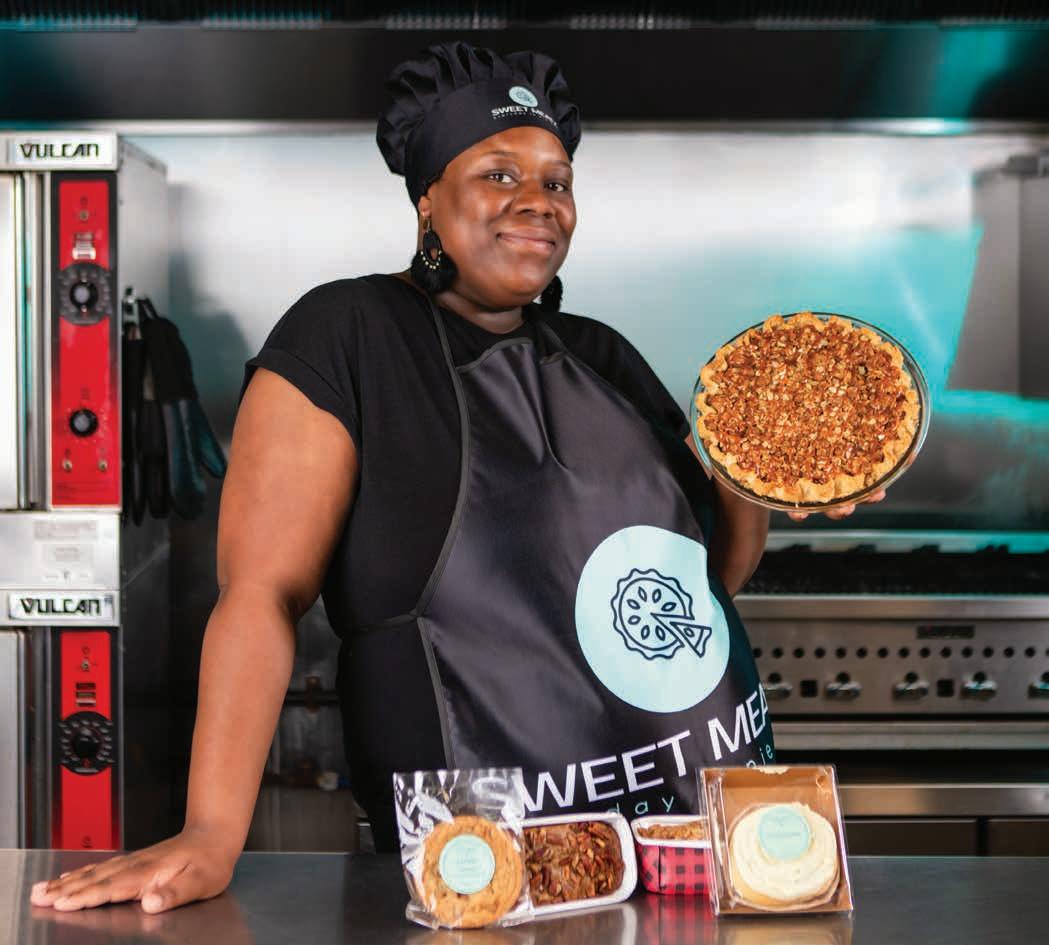
A SWEET MEATZ STAPLE: HOME-STYLE BANANA BREAD || Sweet Meatz Desserts’ banana bread began as a way to turn something simple into something special. For founder Rhea Vinson, banana bread is a reminder of resourcefulness and the belief that madefrom-scratch food can feel like a warm hug.
PREP TIME: 10 MINUTES || BAKE TIME: 18-25 MINUTES
INGREDIENTS
• 2-3 ripe bananas, mashed • 2 large eggs, room temperature • 1 tsp vanilla extract • 1 pinch of salt • 1/2 tsp baking soda
• 1/2 tsp baking powder • 1-2 tsp ground cinnamon (to taste) • Several dashes instant coffee/espresso powder (optional)
• Approx. 2 cups all-purpose flour • 1/2 cup butter, softened • 1/2 cup white sugar • 1/2 cup brown sugar
• 1/4 cup milk • splash of neutral oil (such as vegetable oil)
DIRECTIONS
1) Preheat oven to 350˚F and prepare a loaf pan with parchment paper or light greasing. 2) Cream together butter and sugars until blended. 3) Mix in eggs and vanilla, followed by mashed bananas. 4) In a separate bowl, whisk flour, salt, baking soda/powder, cinnamon, and instant coffee (if using). 5) Gradually combine dry ingredients with wet ingredients, alternating with milk and oil, mixing just until incorporated. 6) Gently fold in pudding mix to enhance moisture. Pour batter into prepared pan and smooth the top. 7) Bake until golden and a toothpick inserted near the center comes out mostly clean. Allow to cool before slicing.

Scan here to visit Sweet Meatz bakery, Facebook page, and to view a downloadable version of the recipe
FOREVER FRAMED
Photographer Thomas Curry’s Legacy Honored at The Union
hile The Union for Contemporary Art’s mission is to encourage social change through the arts, they also strongly support artists in their creative journeys and help them to become stronger advocates of change.
That is exactly what they did for North Omaha native Thomas Curry, who had become an influential member within The Union and North Omaha community after being the first artist to pass through the pilot program, Emerging Artist, last summer. His choice of medium was digital photography, and most of his work revolved around Omaha’s community and culture.
This program provides professional development for local artists. With oneon-one mentorship, artists experience professional opportunities for growth and have their work on exhibit at The Union. Other programs at The Union include the Inside/Outside Fellowship for Omaha-Council Bluffs area artists combining studio art time and community engagement, youth programs like summer camps and workshops, and performing arts productions.
Curry unexpectedly passed away on Nov. 28 at age 43, leaving behind a strong legacy of connection and storytelling through photography. With such an impact, The Union dedicated two spaces to honor his name on Feb. 18 in a dedication and ribbon-cutting ceremony. The Blue Room gallery has since been renamed to Cancur Gallery, after his trademark name which combines his father’s last name, Cannon, and his mother’s last name, Curry. The corner of 24th and Lake, where steps lead up to the Cancur Gallery, is now officially named Curry Corner.
“Every time I would pull up to The Union, he would be sitting on the steps of the corner,” said Lakesha Green, executive director of The Union. “He would always say, ‘This is my corner,’ and I would say ‘Yeah, might as well just name the corner after you, because you’re always here.’”
From his spot on the corner, Curry would often welcome people into The Union’s space, and eventually it became
His light not only shined, but it was as bright as I’ve ever seen it. He felt that his voice was being heard, and that he had somebody who truly saw his vision. –Karen Curry
a place where many would gather and hang out. He would engage in conversations with people about topics like art and family, and he would encourage them to enter The Union and experience it, Green said.
Curry’s mother, Karen Curry, said he didn’t get into photography until his late 20s. “He started out taking pictures of flowers, bees, a big caterpillar—anything interesting he could find,” she said. “It excited him.”
He was able to get more involved in photography when his boss at the time noticed his interest and offered him a higher quality camera.
In the pilot program, Thomas’ work, Urban Omaha, was on exhibit from July 26 to Aug. 23 in the now-named Cancur Gallery. His work from this exhibit is now on display in the hallway leading to the gallery. In his artist statement on The Union’s website, he said, “My work celebrates Omaha’s unique spirit, complexity, and beauty, leaving a lasting visual legacy that reflects the heart of the community.”
He stood out in the pilot program not only because he was the first, but because of who he was as a person. He was extremely dedicated to his art and wanted to grow and learn as much as he could, Green said.
Before his passing, Thomas was preparing to enroll at Metro Community College to take classes in film photography. He was self-taught and only had experience with digital photography.
The Union was a gateway for Thomas to really dive into his love of art and grow his artistic skills. During his time in the program, he was able to embrace this creative side of him. “His light not only shined, but it was as bright as I’ve ever seen it,” Karen Curry said. “He felt that
his voice was being heard, and that he had somebody who truly saw his vision.”
Thomas had a deep love for Omaha and his community. “It didn’t matter who he was talking to, he made you love Omaha too,” Green said. “Even if you don’t love it, you’re gonna love it after talking to him.”
He was at every big community event, like Native Omaha Days or Christmas in the Village, camera in hand and snapping away. But he also photographed the ordinary and simple life of every day in Omaha. “With Thomas, he was going to capture the authentic culture no matter what room, space, or place he’s in,” Green said.
With this dedication, The Union hopes to inspire artists to grow and continue their journey or to inspire other artists to begin theirs. They also hope to connect more with the community and provide more accessibility. “We are here to serve you,” Green said. “That’s the door that Thomas opened.”
He had close relationships with many staff members of The Union and was always friendly and open. “It’s an ongoing joke that he’s the only person that can interrupt my Zoom meetings—which he did several times,” Green said. And he would happily greet the people on her Zoom as well.
He was a community advocate and never shied away from giving truthful feedback to The Union, Green said.
Thomas’ impact on The Union will be felt for many years to come. He inspired others, fostered welcoming environments, and always strived for more.
“Time is always of the essence,” Green said. “Don’t put off what you could do today. Just do it.”
For more information, visit u-ca.org.
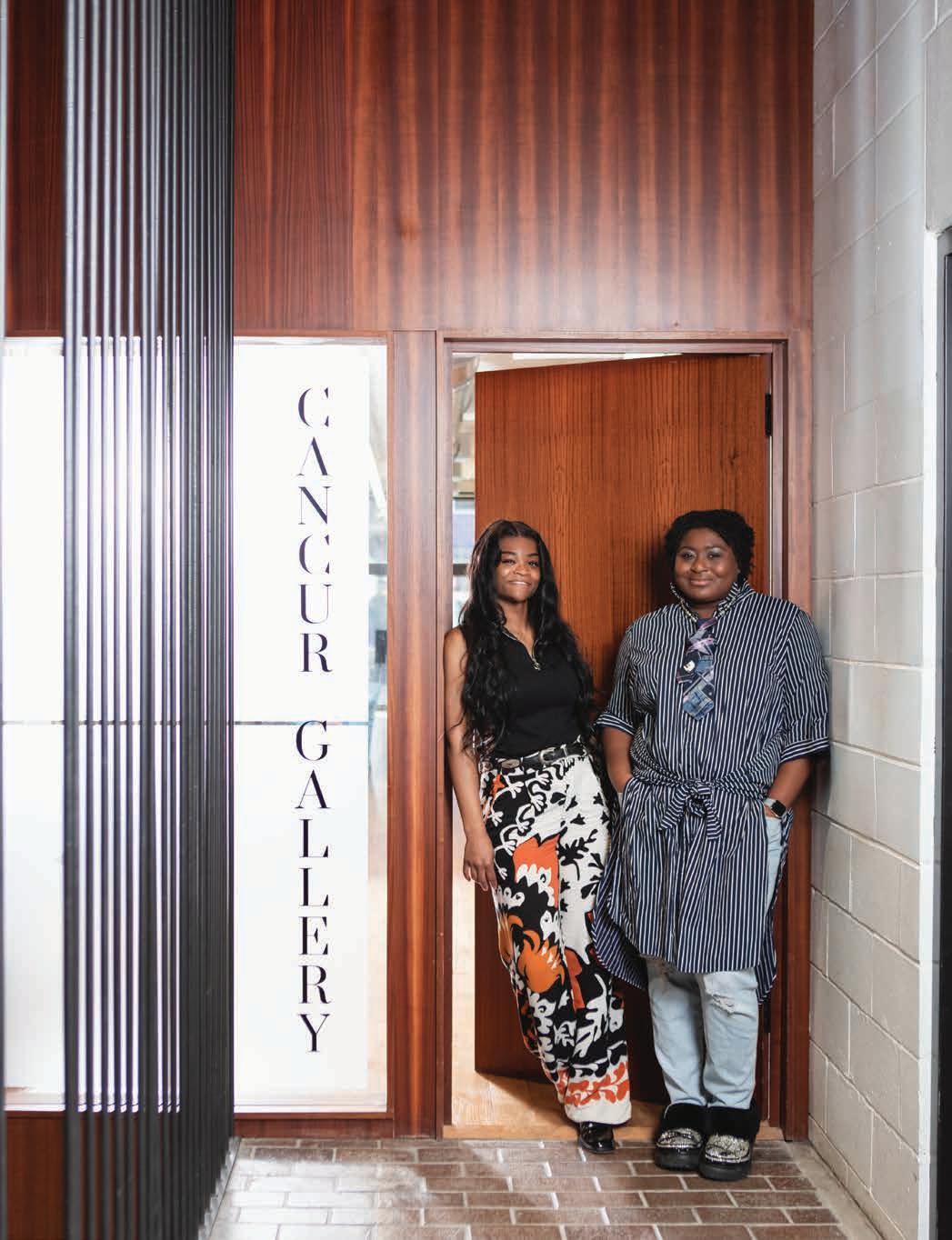

From left: Lily Stennis-Vinson, UCA Exhibition and Residencies Manager; Lakesha Green, UCA Executive Director


-Betty D.