SMART FARM Impact Report 2025
Olds College of Agriculture & Technology is a technical institution offering industry demand-driven programming with an intensive focus on agriculture and technology.
In addition to high-tech, hands-on agriculture education, Olds College is known for its innovative applied research that lays the foundation for solving real-world problems in farming, food and land — and is one of Canada's Top 20 Research Colleges.
As technology continues to influence the way we live, work and farm, smart farms and technology development have a critical role to play in the global grand challenge of feeding a growing population with fewer resources while reducing the environmental impact.
The Olds College Smart Agriculture Ecosystem is accelerating the progress and innovation needed to grow Canada’s agriculture industry — and the Olds College Smart Farm is at the heart

Olds College of Agriculture & Technology is a place of learning at its core — rooted in handson education, applied research and a relentless drive to innovate. Education is our purpose, and applied research is our engine — driving real solutions that shape industries, communities and lives. At Olds College, education and innovation are deeply embedded in agriculture. The Smart Farm and applied research are a core focus in our 2025-28 Strategic Plan: Deep Roots, Bold Futures.
In addition to supporting agriculture innovation, the Smart Farm serves as a 3,300-acre living environment where Olds College students gain high-tech, hands-on experience — ensuring the next generation of innovators and technology users are prepared to lead with confidence. Collaboration has always been our way forward — whether with farmers and producers, researchers and scientists, or business and industry. Together, we will continue to redefine what’s possible in agriculture, education and applied research. I’d like to take a moment to thank every donor, industry partner, producer, company and institution we have collaborated with to advance the agriculture industry together.
I proudly present the 2025 Smart Farm Impact Report to showcase our industry-driven applied research, education and training — and the positive impact we’re making in the ag industry.
Dr. Debbie Thompson President & CEO
Olds College of Agriculture & Technology
4 | Smart Farm Impact Report 2025
As we celebrate seven years of progress on the Olds College Smart Farm, I’m proud to reflect on the remarkable impact Olds College of Agriculture & Technology continues to have on the agriculture industry – along with proudly being one of Canada’s top 20 research colleges.
With the 2025 Smart Farm Impact Report, we're thrilled to showcase our industry-driven applied research and the positive impact we’re making in the global agriculture industry. By fostering collaboration among industry partners and researchers, the Smart Farm plays a pivotal role in testing and promoting sustainable practices and addressing the opportunities and challenges within agriculture.
I extend my sincere thanks to everyone who has engaged with our research team and partnered with us over the years. Your collaboration strengthens our contributions and amplifies our collective impact — reinforcing our commitment to drive innovation and meet the evolving needs of the agriculture sector.
I look forward to building on this momentum and sharing the Smart Farm’s ongoing impact. Together, we’re shaping a more sustainable, innovative and resilient future for agriculture.
Todd Ormann Vice President External Relations & Research
Olds College of Agriculture & Technology
Olds College of Agriculture & Technology was founded in 1913 to teach farming practices and support the agriculture industry in its growth and development. The agriculture industry has never stood still; early horse-powered work gave way to gas tractors, and today new technologies continue to drive the next wave of change.
Olds College Centre for Innovation (OCCI) performs in-field tests, validates and adopts new agriculture technologies and improved practices — supporting the evolution of agriculture and helping the agriculture industry be adaptable and future-ready. Additionally, the Smart Farm is integrated into programming to provide students hands-on learning on an operating farm, gearing up the next generation of industry leaders.
To compile the 2025 Smart Farm Impact Report, we use surveys, data and feedback from the partners and stakeholders we have engaged with over the past seven years. The results and feedback continue to show that the expertise, infrastructure and capacity available through the Smart Farm is accelerating the development and adoption of agricultural technologies and practices.
I want to give my utmost appreciation for the dedication of our research team, faculty and staff, and thank everyone that has engaged and partnered with us. I look forward to continuous innovation and sharing the positive impacts being tested on the Smart Farm with the agriculture industry.
David Fullerton Director of Applied Research Olds College of Agriculture & Technology
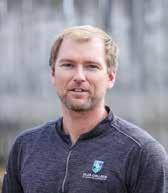
As we head into our 10th year of operations with the Technology Access Centre for Livestock Production (TACLP), I’m proud of our continued commitment to improving animal health and welfare, increasing production efficiency and enhancing environmental sustainability for beef and sheep production. Since 2016, we have expanded the research team from four to 10 fulltime employees, while supporting 18 student positions and accumulating over 21,000 hours of delivered services with student involvement.
Leveraging the funding support from the Natural Sciences and Engineering Research Council of Canada (NSERC), the TACLP provides applied research services for all aspects of the livestock value chain. The TACLP is also integrated into Olds College academics supporting knowledge transfer, in-field training and volunteer experiences for students.
We want to thank all of our industry stakeholders — livestock producers, innovators, small and medium-sized enterprises (SMEs) and academic institutions — for their support in research collaborations with the TACLP to develop, validate and showcase new practices and technologies. These activities helped progress innovations towards enhancing producer viability, industry acceptance and commercialization.
Looking ahead, we remain committed to leveraging the Smart Farm as a collaborative place for producers, industry partners, students and faculty to identify opportunities and address challenges facing an ever-changing agriculture industry.
Sean Thompson Director of TACLP & Smart Farm Operations Olds College of Agriculture & Technology
The Olds College Smart Farm is made up of more than 3,300 acres of land for crop and forage production including state-of-the-art equipment and technology, 1,000-head capacity feedlot, commercial cow/calf herd, Purebred Red Angus herd and sheep flock — as well as expertise and leadership in agriculture technology research and development. The Smart Farm also has access to greenhouses, labs, incubator space, a brewery, the National Meat Training Centre, plus additional infrastructure at Olds College.
The purpose of the Smart Farm is to implement the world's best digital agriculture technologies for crop and livestock production; improve farming operations and efficiencies through smart technologies and practices; and utilize technologies for world class education, demonstration and applied research.
New technologies for agriculture require in-field testing and validation in the setting of an operating farm to move through the innovation chain, and into the hands of farmers and producers. Since the Smart Farm is connected to a post-secondary institution, it has the space and flexibility to incorporate projects, activities and initiatives into day-to-day farming operations.
The College is implementing some of the world’s leading digital and smart agriculture technologies on the Smart Farm, including drones, soil sensors, weather stations, floating island technology, livestock management tools, animal health studies and advanced data collection systems.
The ability to develop, validate and test products using technology and applied research in real agriculture settings continues to bring new projects to the Smart Farm.
6 | Smart Farm Impact Report 2025
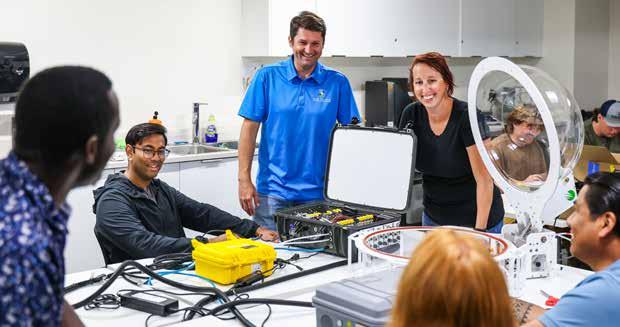
The Smart Farm creates a place for producers, industry partners, students and faculty to look at the opportunities and challenges facing the agriculture industry and investigate solutions to evolve agriculture practices.
Work-integrated learning is fundamental to the Olds College student experience. The Smart Farm is integrated into programming to provide students hands-on learning opportunities with land, livestock, technology and data.
As Canada’s Smart Agriculture College, Olds College is proud to be working to achieve its social purpose of transforming agriculture for a better world.
When Olds College launched the Smart Farm in June 2018, it began on 110 acres. Seven years later, it has expanded to 3,300 acres across five distinct locations in two provinces — all dedicated to driving the innovation and advancements needed to strengthen Canada’s agriculture sector.
Primary research areas on the Smart Farm are focused on livestock production, crop production, environmental stewardship, smart agriculture, digital agriculture and controlled environment agriculture.
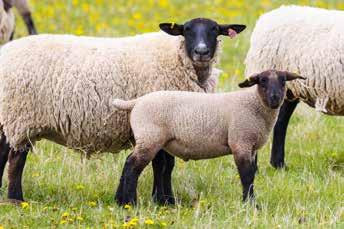
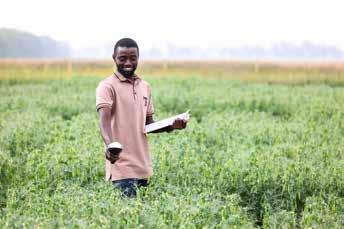
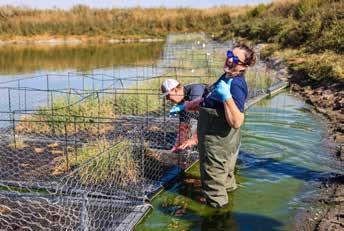
The facilities and assets of the Technology Access Centre for Livestock Production (TACLP) — including 1,000-head capacity feedlot, commercial cow/calf herd, Purebred Red Angus herd and sheep flock — demonstrates and advances the use of technology to improve animal health and welfare, increase enhance environmental sustainability and production efficiency.
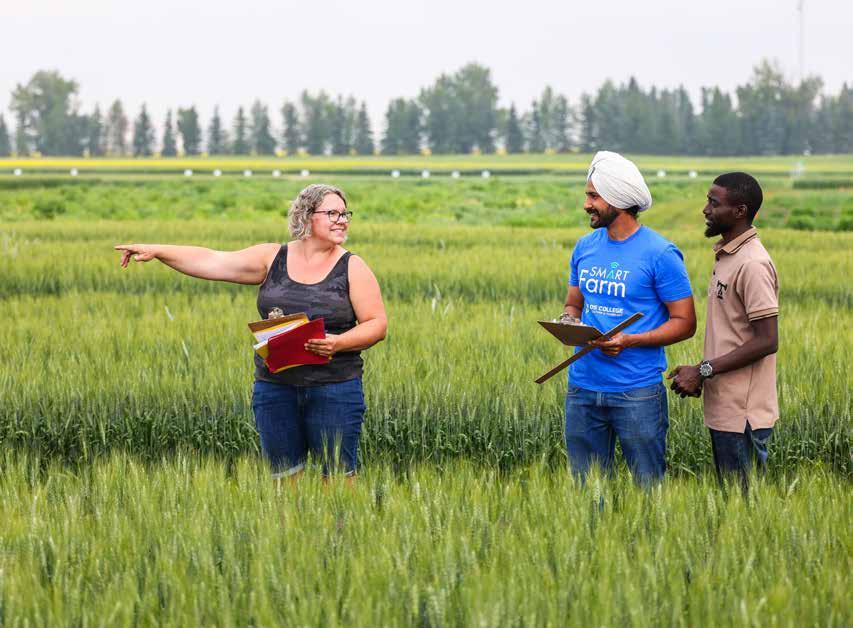
With 3,300 acres of farmland to work with, the crop research team is able to perform in-field crop research to test ways to improve agronomic practices with both small plots trials and full-field commercial scale crop production trials.
Environmental stewardship applied research focuses on five main areas of innovation which include surface water quality remediation, agricultural climate change management practices, by-product development and utilization, co-production of agricultural commodities and renewable energy, and agriculture land stewardship.
Collaborating on industry-driven smart agriculture technologies, smart agriculture applied research supports the optimization of technologies by providing manufacturers and users with information on functionality, accuracy and value — with the goals of saving producers time or money, improving efficiency and environmental sustainability.

The Smart Farm uses advanced digital technologies and tools to enable the collection of millions of data points to prioritize integration and utilization of agricultural data for evidencebased decision making.
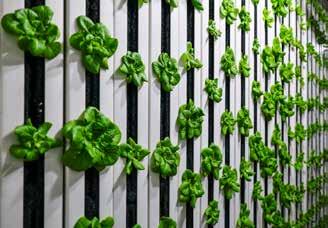
A revolutionary approach to farming is being trialed at Olds College’s vertical grow farm, using automation and cutting-edge technology to grow crops indoors without soil or sunlight and deliver fresh produce year-round in northern climates.
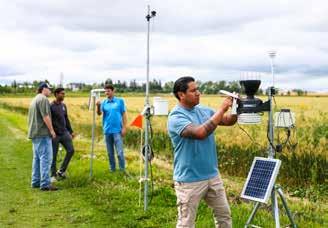
Olds College Centre for Innovation (OCCI) is the applied research division of Olds College, focusing on practical, industry-driven applied research that can be easily implemented by the agriculture industry.
Industry partners connect with OCCI for support in the development and testing of innovative products in the core areas of livestock production, crop production, environmental stewardship, smart agriculture, digital agriculture and controlled environment agriculture. These focus areas align with infrastructure at the College, available expertise and gaps identified by the agriculture sector.
The Smart Farm was built to support start-up development, validation, scaling and demonstration of smart agriculture technologies and practices. Olds College is connected with Alberta Innovates, the Central Alberta Regional Innovation Network (CARIN), SVG Thrive and UCeed with the goals of:
• Encouraging innovation, creating and sustaining a healthy economy, and solving problems within the agriculture industry.
• Supporting businesses by guiding them to the right partners through Olds College networks of businesses and organizations throughout Alberta and Canada.
• Providing training and resources to developers to help them market their products effectively.
Since 2018, OCCI has had discussions with 415 organizations looking to engage with the College — resulting in very high success rates. To date, almost 264 organizations have engaged on a project with OCCI, and a large percentage of those include small and medium-sized enterprises (SMEs). Many of these projects are Alberta-based and have significant relevance and value to local and regional producers.
OCCI also incorporates its applied research activities into work-integrated learning opportunities for Olds College students.

Olds College has been ranked 20th in Canada’s Top 50 Research Colleges according to Research Infosource Inc.
Olds College was listed as number four in research intensity ($ per researcher), sixth in the country for research income and seventh for industry research income and growth in the small tier college category. Additionally, Olds College was ranked number seven for completed research projects and number 11 for research partnerships.
“We’re honoured to be recognized as one of the best research colleges in the nation,” said Todd Ormann, Vice President, External Relations & Research. “We remain committed to building the foundation that helps address real-world challenges with farming, food and land. We’re excited to contribute to the growth of Canada’s agricultural industry in a sustainable way.”
The Alberta Technology Access Centres (TAC), which includes the Technology Access Centre for Livestock Production (TACLP) at Olds College, earned the Best Inter-Institutional Collaboration TAC Innovate Award at the Tech-Access Canada TAC Innovation Awards Soirée in Montreal in October 2024.
This award recognizes the collaborative efforts of these centres across five Alberta post-secondary institutions to enhance the success and sustainability of specialized, industry and client-focused applied research.
“We’re extremely honoured to be recognized by Tech-Access Canada,” said Sean Thompson, Director of TACLP & Smart Farm Operations. “We look forward to breaking new ground in the future as we continue to grow Canada’s livestock industry.”
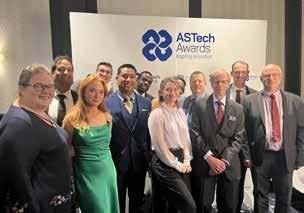
The dedicated smart agriculture applied research team of 20 people took home Researcher of the Year honours at the 2024 ASTech Awards Gala held in Edmonton in November 2024.
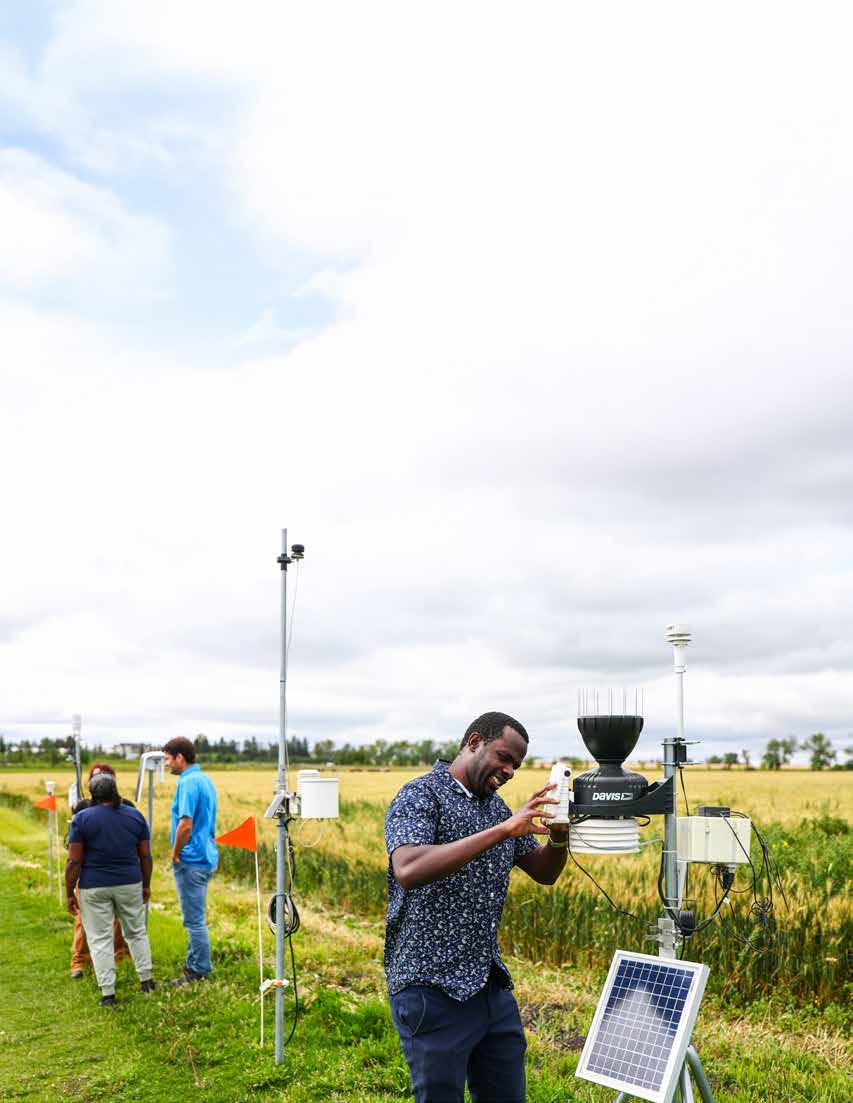
Applied research at Olds College Centre for Innovation (OCCI) focuses on practical, industry-driven applied research that can be easily implemented by the agriculture industry.
The Smart Farm supports research at OCCI by being the venue for the startup development, validation, scaling and demonstration of smart agriculture technologies and practices.
Industry partners connect with OCCI for support in the development and testing of innovative products in the core areas of research which align with infrastructure at the College, available expertise and gaps identified by the agriculture sector.
OCCI strives to share the knowledge and learnings generated on the Smart Farm with people and organizations who will continue to spur the adoption of agriculture technologies which benefit producers, innovators and industry stakeholders.
On average, OCCI works on 80 to 100 projects per year — with 84 projects happening throughout 2024 and 2025.
This research includes both public-facing projects that are promoted externally as well as confidential projects where the privacy of all work and results are protected.
Intellectual property (IP) gained throughout the duration of all projects stays with the industry partner.

Based on internal tracking for OCCI & the Smart Farm since 2018
415 companies & organizations
37 not-for-profit entities & networks
28 research collaborators
14 full-time equivalent student positions
23 full-time equivalent high qualified personnel positions
(e.g. technicians, integration specialists, data scientists, project leads, project managers)
325 private sector clients
23 funders
9 full-time equivalent positions
(e.g. farm operation service workers, administrative support)

13 SURVEYS COMPLETED BY SMALL & MEDIUM-SIZED ENTERPRISES (SMES) FROM 2024-25
Based on OCCI client feedback surveys during 2025
135 jobs created by SMEs in 2024-25
per SME during project with OCCI
360
360 estimated number of products/processes improved by extrapolating the 1.8/SME to the total number of SMEs (161) worked with to date
$76.44 million
total SME business revenue in 2024-25 1.81 per SME
10.4 per SME
5.1
average TRL at the start of a project (Level 5: Component and/or validation in a simulated environment)
7.8
average TRL at the end of project (level 8: actual technology completed and qualified through tests and demonstrations)
There are seven pillars of the Smart Agriculture Ecosystem at Olds College, and these are fundamental to the success of the Smart Farm — a true ecosystem where producers, industry partners, small and medium-sized enterprises (SMEs), students and faculty can collaborate and work towards advancing agriculture.
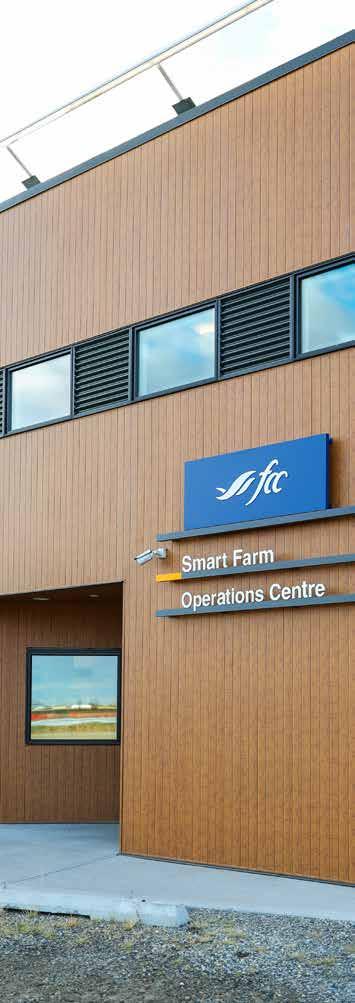
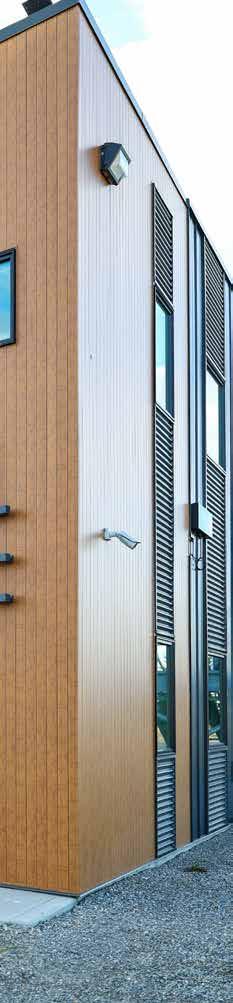
At the heart of the Smart Agriculture Ecosystem is the Smart Farm and the Smart Farm Operations Centre. This leading-edge learning environment has grown to include 3,300 acres of farmland, infrastructure and staff who are experienced in agriculture technology research and development.
Practical and industry-driven applied research is key to accelerating the development and adoption of technologies and practices. The research experts on the Smart Farm work with innovators and SMEs to move their ideas and products through the innovation chain — and into the hands of farmers and producers.
Partnerships and investors allow Olds College to build and operate the Smart Farm with the flexibility needed to support innovation and development.
Academic programming in a post-secondary institution that provides training, skills and work-integrated learning for the next generation of users and developers of agriculture technology is at the core of Olds College.
The physical infrastructure at Olds College — including a National Meat Training Centre, greenhouses, wetlands, livestock centre and more — provides endless opportunities for students and everyone in the agriculture sector to learn and grow.
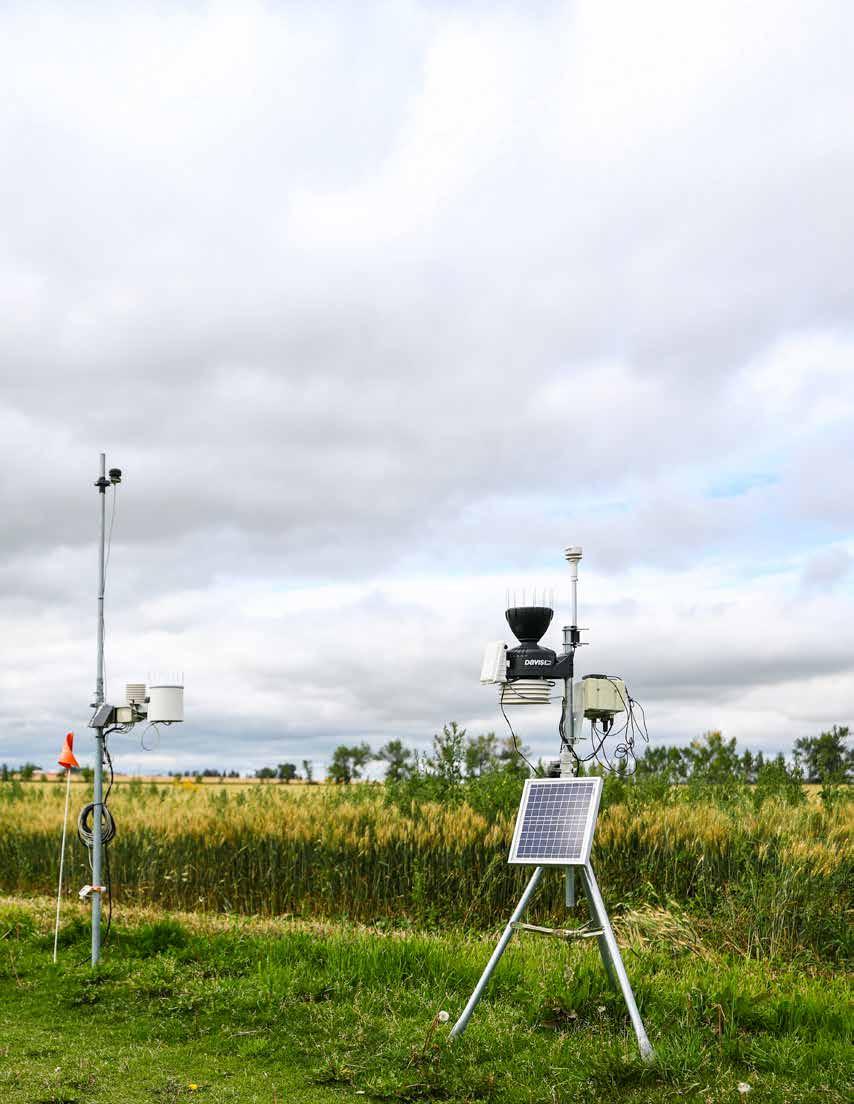
The digital agriculture infrastructure is a growing piece of the ecosystem and critical component that allows Olds College to launch and execute smart agriculture research. The world of agriculture is becoming reliant on the ‘internet of things,’ and this infrastructure is essential for the agriculture technology evolution.
The knowledge mobilization platform ensures the information generated on the Smart Farm gets into the hands of producers, researchers and industry stakeholders who can accelerate the progress and innovation needed to grow Canada’s agriculture industry.
Partnerships are truly the foundation of the work at Olds College. Whether financial, academic or experiential, these partnerships raise the bar for what can be delivered throughout the year.
The strategic intent of Olds College and the Smart Farm is to advance the agricultural industry. This happens by performing research, testing products and services, educating students, and communicating the benefits of those products and services.
The Smart Farm provides partners with a unique means of gaining boots-on-theground testing and learnings for their technologies and practices. This includes support in disseminating results to producers and other industry stakeholders through communications and events.
Providing researchers and partners with the ability to take things that are new and novel, and may still require development, the Smart Farm then applies them to a real-world environment. This gives strategic partners the opportunity to truly see their technology in action. The Smart Farm is a place that can bring everyone together to transform agriculture for a better world.
A Memorandum of Understanding (MOU) connects two organizations who agree to work together to develop a meaningful working relationship. Since 2018, Olds College signed MOUs with over 33 partners including Agriculture Financial Services Corporation, NuFarm, AGTECH ACCELERATOR, Calgary Economic Development Ltd., Nufarm Agriculture Inc., University of Saskatchewan and SaskTel.
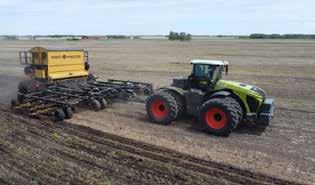
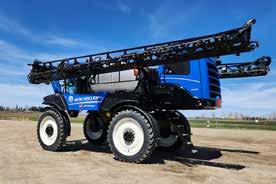
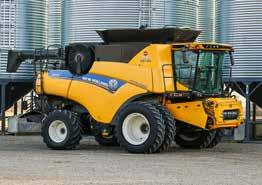
Olds College continues to partner with industry leaders in the agriculture world. In 2024, Rocky Mountain Equipment (RME) signed a three-year agreement with the Smart Farm to donate the use of a New Holland combine and New Holland sprayer each year. SeedMaster Manufacturing Ltd., aided by Alberta Ag Centre, signed a 10-year agreement in 2023 to supply advanced seeding equipment every two years for the Smart Farm.
Olds College and the Smart Farm team extend their gratitude to government, industry, partners, donors and investors for seven years of support in advancing agricultural technology. We look forward to continuing this important work together in the years ahead.
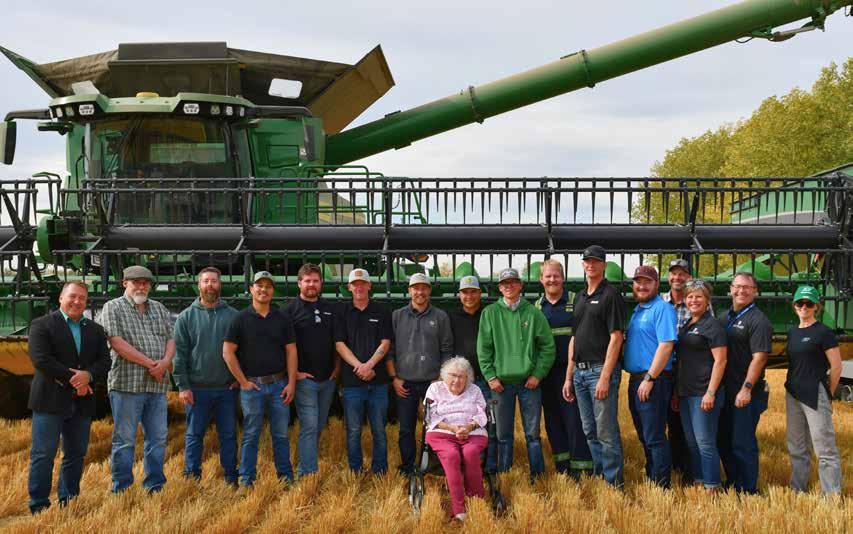
Farm Credit Canada (FCC) makes history as the first organization to receive the Olds College Partner of the Year award for a second time, having previously been recognized in 2020, with the significant impact of the long-standing partnership. The Smart Farm Operations Centre build would not have been possible without the support of FCC, and the AgExpert Data Lab remains a cornerstone of collaboration for students, instructors, industry partners and the Smart Farm team.

FCC’s partnership fuels vital research including the AgExpert Field project, the Forage Quality and Quantity on Converted Marginal Areas project, Monitoring the Transformation of Marginal Cropland into Perennial Vegetation and the Land Restoration project. Beyond research, FCC's support established the Producer Panel, a crucial initiative designed to bridge the gap between innovation, testing and adoption — ensuring that cutting-edge research aligns with practical, on-farm needs and that producers continue to shape the direction of agricultural technology.
This year, Olds College engaged with:
2,600 attendees at AgSmart per year
PLUS A LARGE AUDIENCE – IMPOSSIBLE TO MEASURE – ACROSS CANADA DUE TO EARNED MEDIA, SOCIAL MEDIA, INTERVIEWS, EXTERNAL EVENTS, FIELD DAYS, CONFERENCES & MORE
21 presentations by researchers at industry & academic events
1,100 people through Smart Farm Tours
15,000 through the Smart Farm newsletter
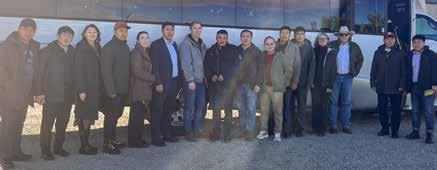
3,000 individuals from 34 countries for on-campus tours and conferences, including delegations from the United States, Philippines, Caribbean, Australia and Africa. This is beyond actively participating in external events.
Olds College is proud to collaborate on applied research with post-secondary institutions and industry partners to advance innovation and address real-world challenges in agriculture.
For more than a decade, Olds College has partnered with the University of Alberta (U of A) across a wide range of research initiatives — including recent work by the environmental stewardship team to survey more than 500 farmers and produce a comprehensive report on producer interest, perceptions and the current state of agrivoltaics in Alberta. The Technology Access Centre for Livestock Production (TACLP) has also worked closely with the U of A on livestock feed efficiency, including feeding trials and an ongoing multi-year steer study examining both feed efficiency and methane output.
A recent collaboration has been established with the University of Guelph (U of G), as the smart agriculture applied research team at Olds College is assisting on the CANN20NET project by providing a test site for research on the Smart Farm.
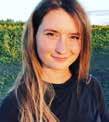
Olds College is proud to support staff pursuing doctoral studies to further their education and the agriculture industry. Currently, Sofia Bahmutsky, Data Scientist with the smart agriculture research team, is completing her PhD at the University of British Columbia (UBC) in Sustainability. She is working with colleagues at UBC on various literature reviews, reinforcing that research and innovation extend beyond the Olds College Smart Farm and across Canadian agriculture.
The Producer Panel at Olds College is a critical partnership that connects academics, research and innovation back to the farmers, ranchers and producers they are ultimately serving. Producers from crop and livestock backgrounds in Alberta and Saskatchewan began meeting in 2021 to discuss and provide feedback on the applied research being done at the Olds College Centre for Innovation (OCCI) to ensure it’s applicable and useful for producers, and to ensure academic programming is developing the skills that industry needs.
The Pan-Canadian Smart Farm Network, led by Olds College, connects Smart Farms across Canada to advance agricultural efficiency, sustainability and resilience. Funded by the Canadian Agri-Food Automation and Intelligence Network (CAAIN), it brings together researchers, producers and industry partners to collaborate on real-world testing, validation and adoption of innovative agriculture technologies. By expanding across diverse agricultural zones, the network accelerates technology development, supports knowledge exchange and helps producers reduce risk while improving farm productivity and sustainability.




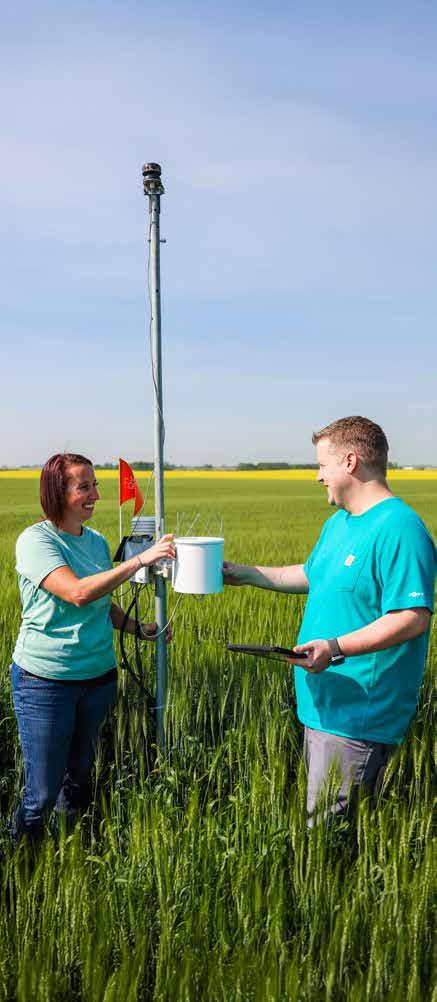
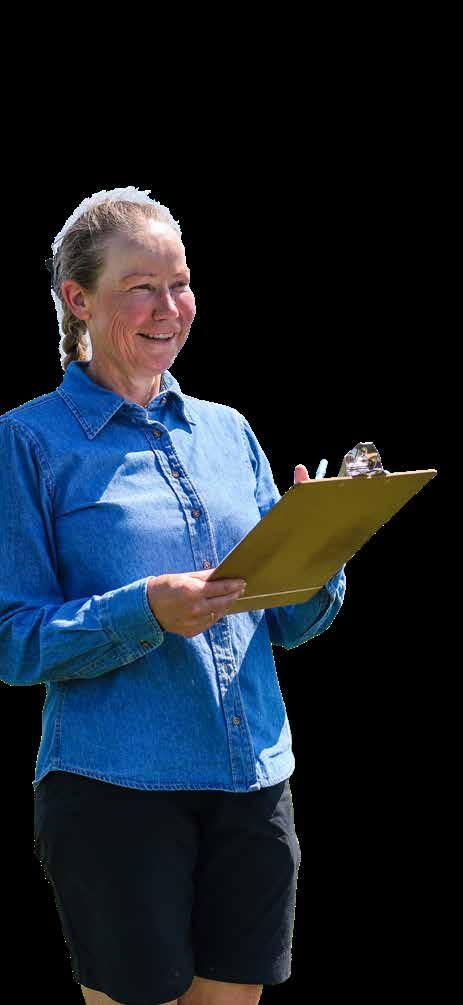
Expertise on the Smart Farm continues to grow with research team members, managers, scientists and technicians as well as students, interns and seasonal staff running the various applied research projects throughout the year. Notable designations of the professionals and experts at Olds College include:
Ph.D., M.Sc., B.Sc., Diploma, P.Ag., P.Eng., MBA, and a combined total of decades of practical science and agricultural experience.
Agricultural Engineering
Agriculture Business Management
Animal Health, Science & Welfare
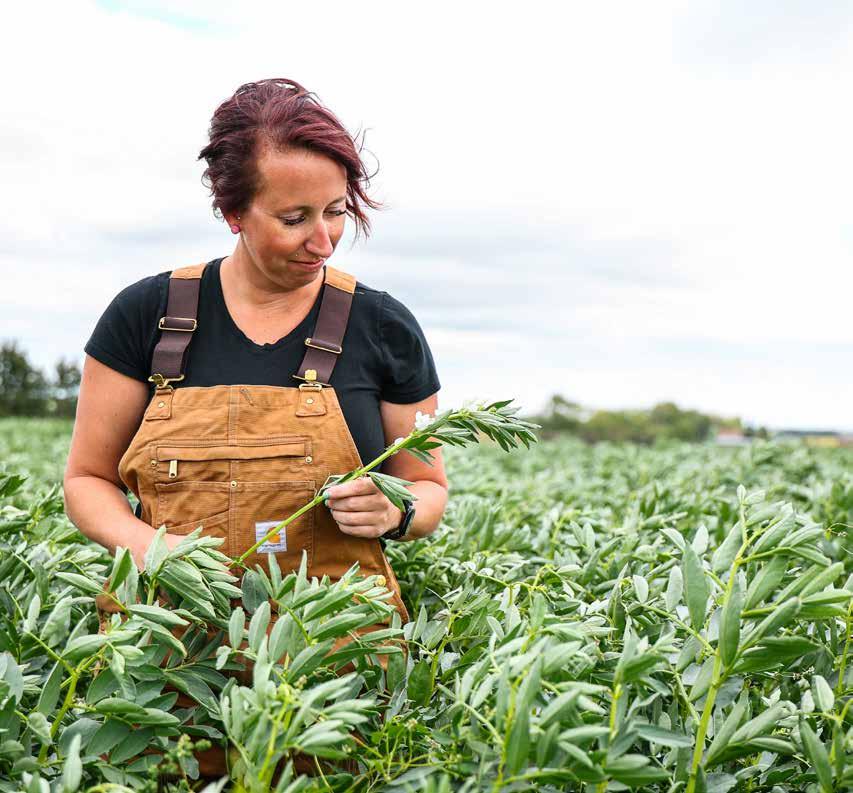
Crop Production
Data Science & Agronomy
Instrumentation
Land & Water Reclamation
Livestock — Genetics, Reproduction, Nutrition, Production & Management
Machine Automation
Molecular & Environmental Plant Science
Plant Pathology, Entomology & Nematology
Precision & Digital Agriculture
Project & Agriculture Business
Management
Rangeland Health
Remote Sensing Technology
Soil Science
Technology Development
Telematics & GIS/GPS
Olds College is incredibly proud of the research teams, instructors and staff that drive applied research on campus.
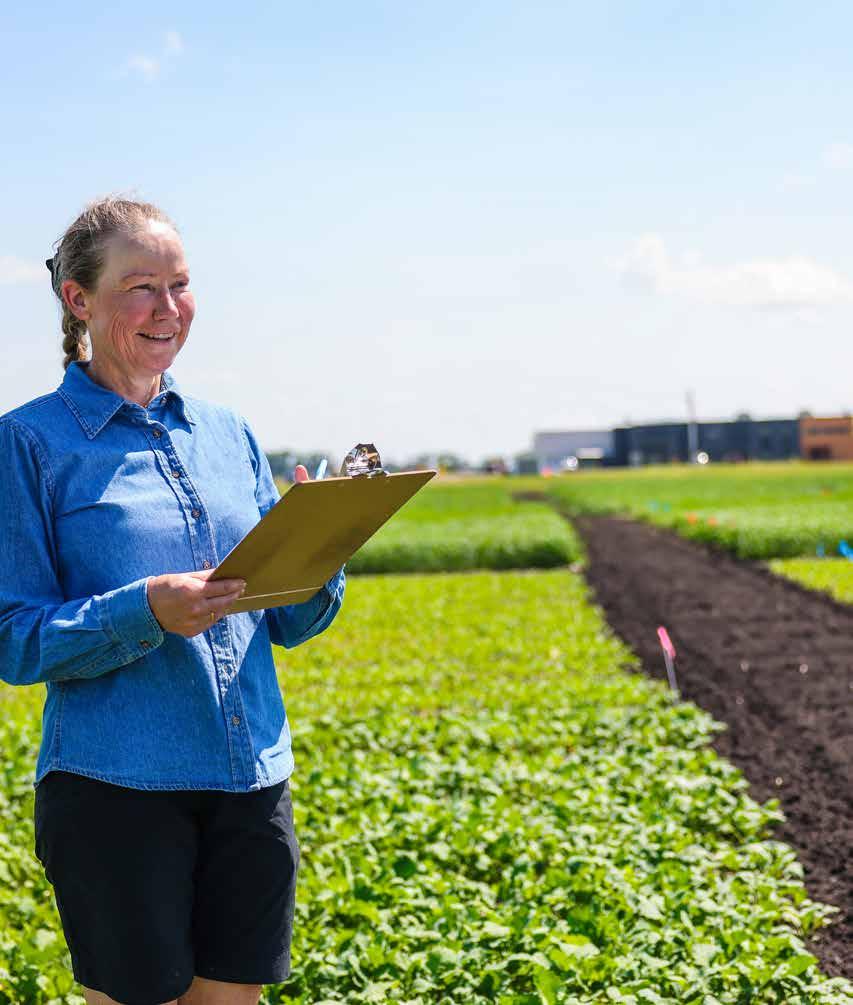

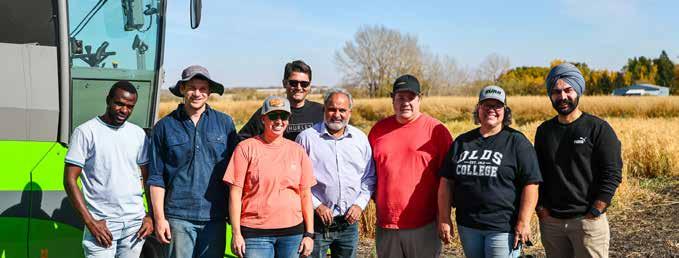
In addition to the 3,300-acre Smart Farm, Olds College has extensive assets and infrastructure to provide the testing ground and lab space for applied research, training and education. Combined with world-class talent and subject matter experts, these assets create an unparalleled opportunity for technological innovation and development. Additional assets and infrastructure at the College include:
• Technology Access Centre for Livestock Production (TACLP)
• 1,000-Head Capacity Feedlot
• Beef & Livestock Centres
• National Meat Training Centre
• Smart Farm Operations Centre & Equipment
• Brewery
• Greenhouses
• Soils, Plants & Chemistry Labs
• Incubator Space
• Equine & Rodeo Centres
• AgExpert Data Lab
• Conference Services
• Industry Training & Continuing Education Services
• Short-Term Drop Down Office Space
Olds College is always open to new projects and partnerships, and has top facilities to deliver real-world results.
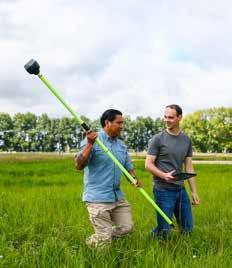
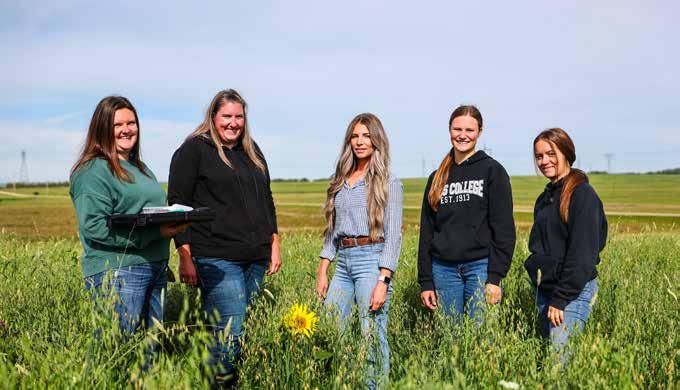
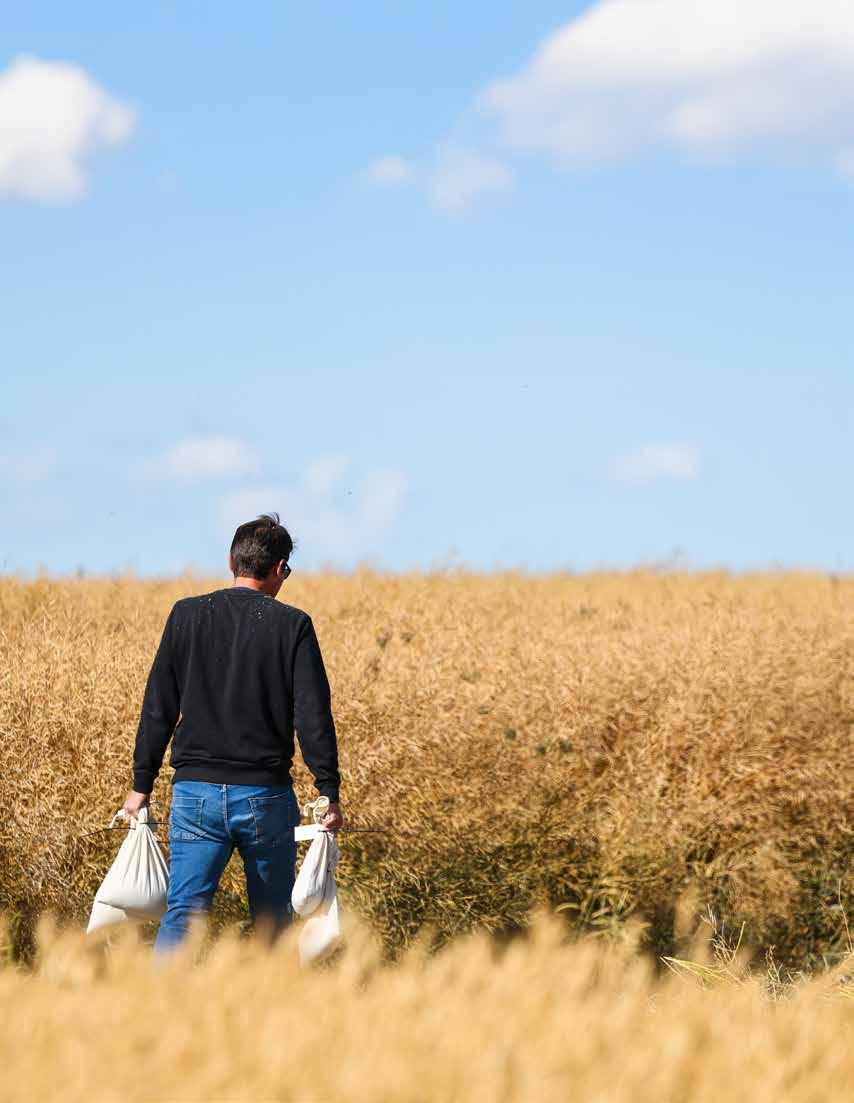
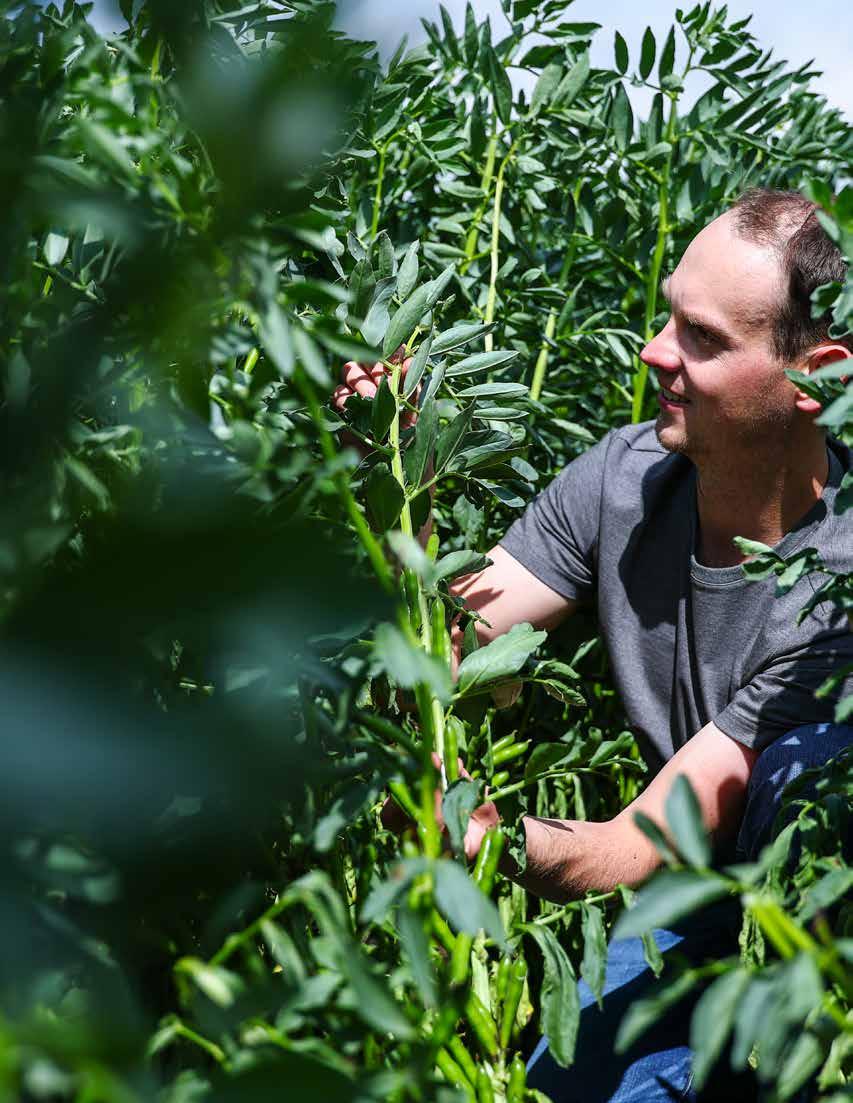
The crop research team at Olds College performs controlled environment growth chamber studies, potted greenhouse trials, as well as small plot, strip plot or full-field commercial scale crop production trials with 3,300 acres of farmland to work with.
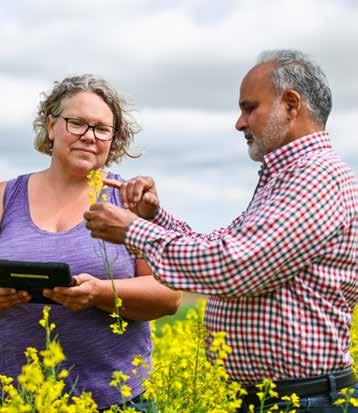
The key goals for crop research are to develop and test ways to improve agronomic practices — including nutrient application or pest management — in order to enhance crop yields while reducing resource use. Ultimately, the intent is to transition the food production sector to a climate-resilient, agricultural, circular economy. In 2024-25, the crop research team worked on approximately 40 projects to meet these goals.
Services include conducting regional variety trials (RVTs) as well as fertility, herbicide, fungicide and insecticide trials. Field, greenhouse and laboratory studies focus on:
• chemical and biological integrated pest management
• soil health
• crop rotation
• nitrogen use efficiency
• new crop evaluation
• crop variety testing programs
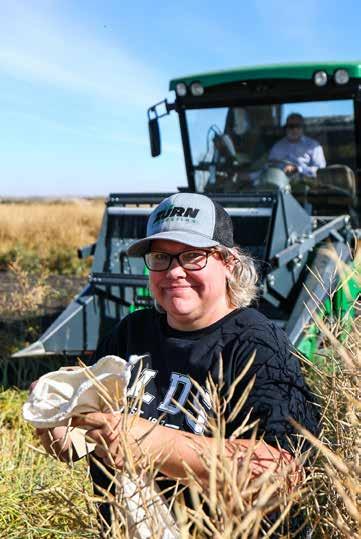
A project on the feasibility of growing teff crops under the unique growing conditions in central Alberta began in 2023. The research team looks forward to building on the research program and testing more teff cultivars suitable for our region for both forage and food quality aspects.
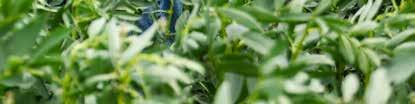
The team has also been testing winter rye with great success over the last three years — along with examining winter survivability, winter kill, disease resistance and yield. The findings are encouraging and should provide a good option for cereal growers — especially during drought-prone years.
• Testing biostimulants under greenhouse and field conditions
• Testing seaweed extracts
• Assessing pyroligneous products
• Assessing the effects of biostimulants on greenhouse gas emissions
• Agronomic performance of cereal and oilseed crops in the Canadian prairies
The crop research team delivers results that can be applied to real farms to meet the goals of efficiency, profitability and sustainability.
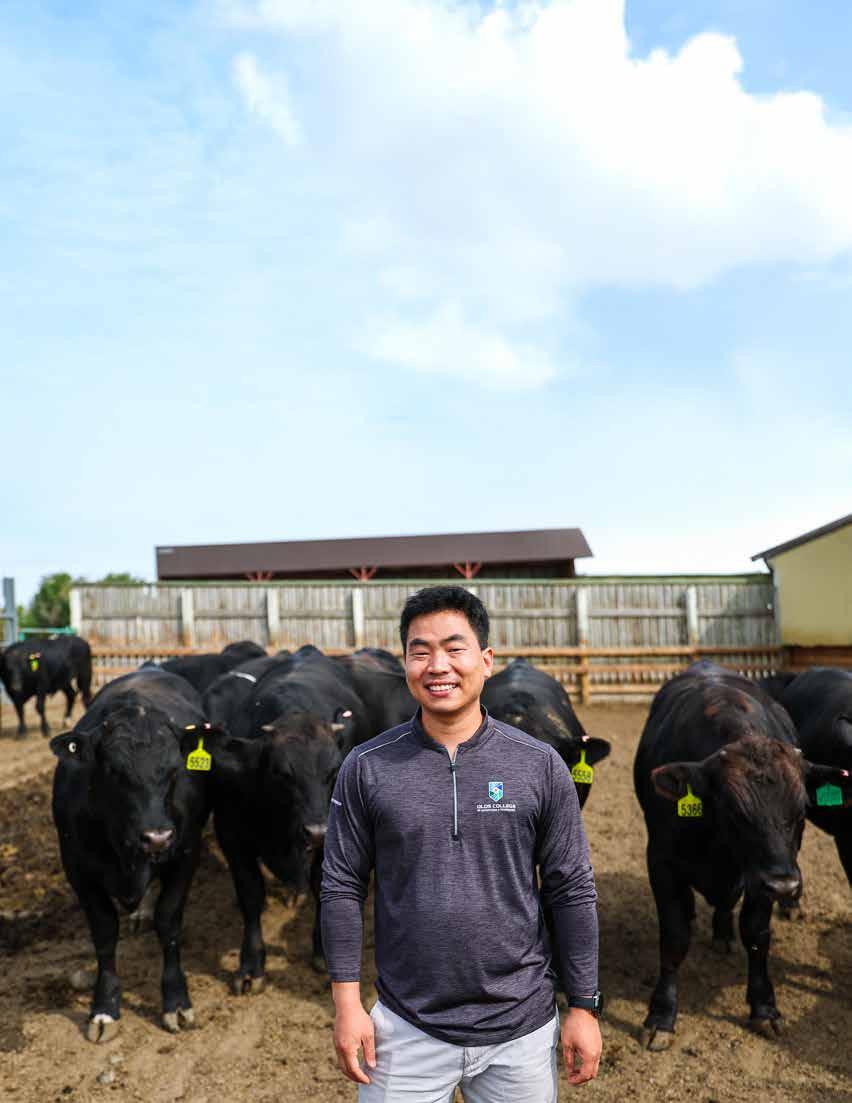
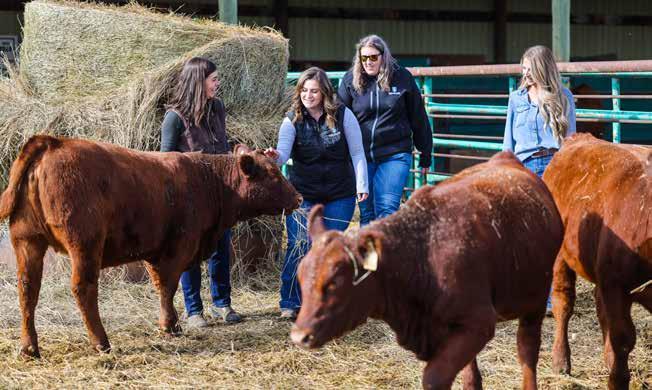
The Technology Access Centre for Livestock Production (TACLP) is a specialized division of the Olds College Centre for Innovation (OCCI) committed to applied research in beef cattle and sheep production. TACLP uses its resources — which include a 1,000-head capacity feedlot, commercial cow/calf herd, Purebred Red Angus herd, sheep flock, and broadacre native and tame pastures — to demonstrate and optimize technologies with the potential to improve animal health and welfare, increase production efficiency and enhance environmental sustainability.
Leveraging funding support from the Natural Sciences and Engineering Research Council of Canada (NSERC), TACLP provides access to every stage of the production cycle — from seedstock to feedlot. Recent projects highlight the team’s ongoing efforts to advance livestock production through innovative technologies and practices.
TACLP advanced its precision grazing research through virtual fencing projects conducted on both Olds College pastures and in partnership with commercial beef producers. By evaluating system performance, cattle learning, welfare and grazing distribution under varied conditions, the projects demonstrated strong potential for virtual fencing. Findings are informing industry partners and supporting producers in assessing the feasibility and adoption of digital fencing solutions within Western Canadian grazing systems.
FerAppease is a new beef-industry product that reduces stress in cattle by mimicking a natural maternal appeasing pheromone, helping calm animals during events like weaning, transport and handling. TACLP supplied data to assess its effects on feed intake and growth in Canadian climates. In a study using freshly weaned Olds College replacement heifers, treated animals showed improved feeding behaviour, lower stress markers, and trends toward greater final body weight and average daily gain. Olds College was the first to evaluate FerAppease’s impact on feed intake.
TACLP provided real-time measurements of total and volatile solids content to evaluate the manure value to Taurus Canada Renewable Natural Gas Corp. who plans to build a biodigester to produce renewable natural gas from feedlot manure. TACLP collected 240 manure samples from feedlots in southern Alberta in different pen types and locations. Samples were analyzed for their chemical composition and simultaneously scanned using a MicroNIR OnSite-W spectrometer — noted to be a practical, real-time tool for measuring total and volatile solid contents in feedlot manure.
Dr. Dan Karran, Instructor at Olds College, and TACLP concluded an extensive fouryear project evaluating the performance and economic viability of using floating islands to remove contaminants from cattle feedlot runoff water. Water quality was monitored in all ponds for one year prior to and two years following the installation of floating islands planted with six native wetland species — assessed for survival, growth and contaminant uptake. Potential was proven for integrated wastewater management strategies, and in small farms and environments.
Optimax-E improves fibre digestion and cattle growth performance, especially for those fed high forage diets. TACLP has completed the first of a two-year study by enrolling 106 steers grouped randomly to two dietary treatments for 120 days. Both groups were fed a barley silage, barley grain and growers supplement, with the treatment group also receiving 15 g/day of Optimax-E per head per day, resulting in similar growth performance but fewer health treatments in the supplemented cattle.
TACLP continues to be integrated into Olds College academics, supporting knowledge transfer, in-field training and volunteer experiences for students.

Environmental stewardship applied research at Olds College focuses on four main areas of innovation:
• Water Management
• Soil Management
• Land Stewardship & Management
• Renewable Energy & Agriculture
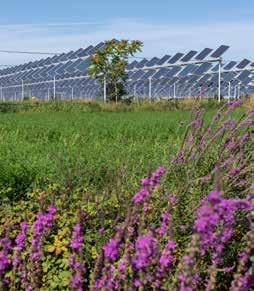
Olds College Centre for Innovation (OCCI) is focused on finding practical, cost-effective, sustainable technologies to improve water quality on the farm that is otherwise nonreuseable.
Technologies of interest include various treatment systems:
• biological approaches such as phytoremediation
• physical systems such as free water surface wetlands
• mechanical systems such as aerators
• chemical treatments such as hydrogen peroxide
Olds College has developed an in-field soil health diagnostic tool to support farmers in evaluating the health and potential productivity of their soils. This tool, called Olds College Assessment of Soil Health Scorecard, has 20 soil health indicators made up of physical, chemical, biological, plant and environmental parameters which collectively provides the health status of any given soil per time. A study is ongoing to validate this tool by correlating the results of the scorecard with laboratory soil test results before deployment to farmers for use and feedback.
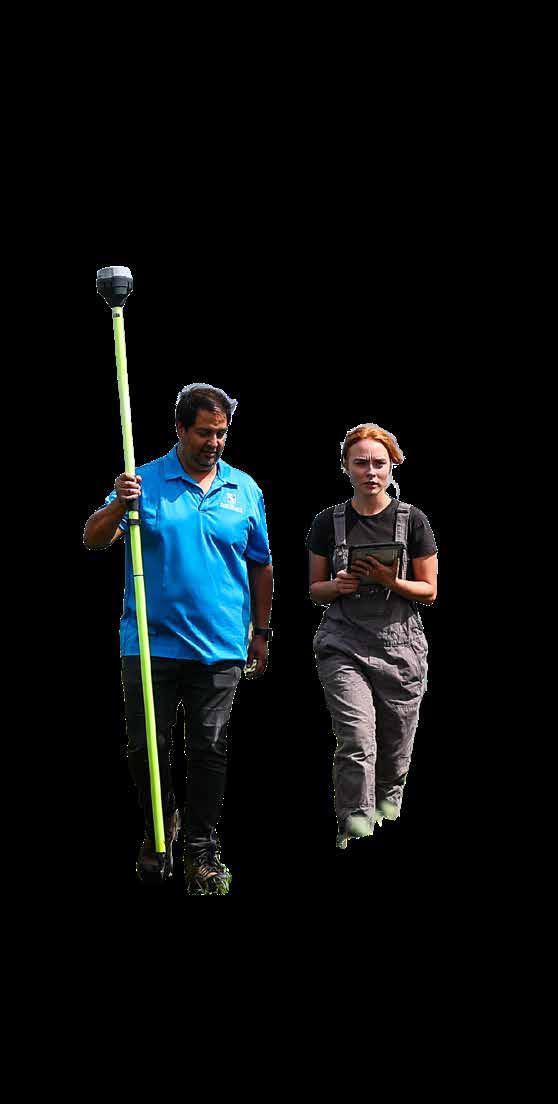
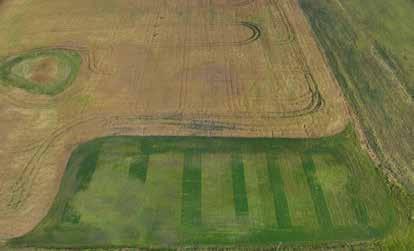
The Saskatchewan Smart Farm Marginal Land Reclamation project focuses on characterizing 800 acres of Olds College cropland near Craik, Sask., to understand baseline soil, moisture, vegetation and landscape conditions that influence productivity. In June 2025, the team completed a full field walkthrough, drone imaging, RS3 GPS mapping, vegetation surveys and preliminary soil-zone delineation to identify areas performing below expected levels.
Early findings revealed variables contributing to reduced crop productivity and a baseline to guide targeted soil sampling and future reclamation strategies to improve longterm soil health and land productivity at the Saskatchewan Smart Farm.
Olds College is currently conducting a research project in collaboration with the University of Alberta (U of A) on the potential of agrivoltaics land-use models in Alberta. The project investigates where Alberta producers stand on agrivoltaics by evaluating producer preferences for agrivoltaics configurations, especially production, economic and crop insurance factors that may impact future adoption decisions.
In addition, various agrivoltaics models are being explored to identify the most effective crop and livestock production practices for optimized dual land use, while protecting the environment and improving livelihoods in Alberta and across Canada.
( can N 2 0 net )
Olds College Centre for Innovation (OCCI) is assisting the University of Guelph for the Canadian Nitrous Oxide Network (canN2Onet) project with research efforts by providing a test site on the Smart Farm. The team’s LI-COR chambers are an asset to this project by measuring the nitrous oxide, carbon dioxide and water vapour impacts.
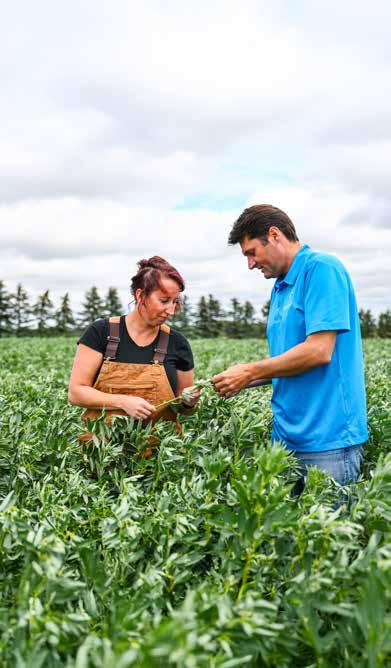
Smart agriculture applied research is focused on evaluating, demonstrating and validating agriculture technologies, tools and practices, which provides manufacturers and users with information on their functionality, accuracy and value.
Researchers collaborate on industry-driven applied research related to smart agriculture technologies with goals of saving producers time or money, and improving efficiency and environmental sustainability. These technologies include:
• prescription mapping
• trace gas analyzers
• drone and satellite imagery
• soil moisture probes
• soil nutrient sensors
• grain drying systems
• real-time variable rate sensing equipment
• disease and pest monitoring systems
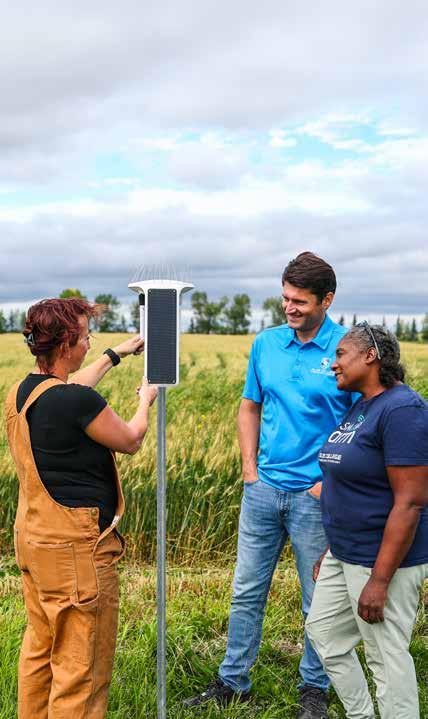
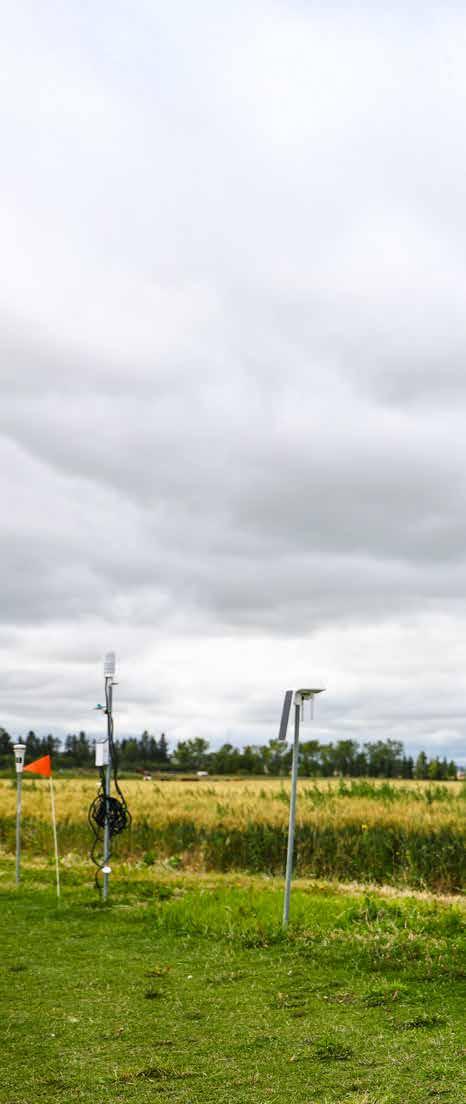
• weather stations
• in-bin monitoring
• rural connectivity solutions
• equipment data collection and processing
• harvest loss monitoring
• spot spraying equipment
The research team is also contracted by companies that need support in validating a recently developed innovative product, technology or process.
Nytro Ag Corp., Canadian distributor of Green Lightning Ag., has developed a water-based enhancement system that converts atmospheric nitrogen into plant-available nitrate without forming ionic salts. The project will evaluate the economic and agronomic performance of the treated water when applied to wheat, barley and canola in a threeyear small plot trial.
A new three-year research project with AgTek360 will evaluate how humic-based soil amendments applied in different forms influence soil health and crop performance, with the objective of improving soil health as part of their regenerative farming initiatives.
OCCI collaborated with North Star Systems to test a radar device designed to measure large inventories of bulk dry products in grain bins. The testing generated high-quality datasets that helped validate the device's accuracy and real-world performance.
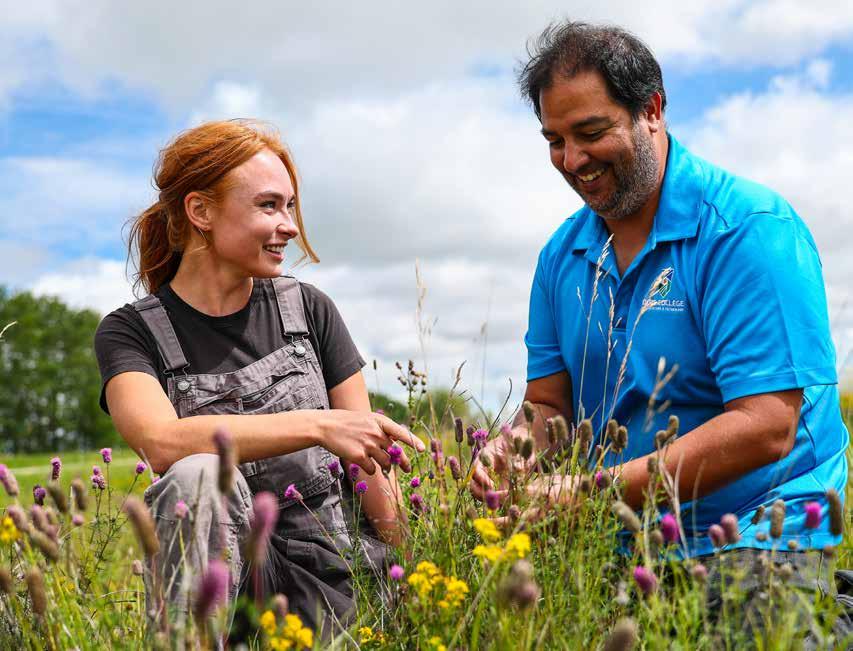
OCCI is partnering with Ducks Unlimited Canada (DUC) and Farm Credit Canada (FCC) to evaluate the quality and quantity of forage produced on areas of marginal land that have recently been converted from annual cropland to perennial grasses, flowers and legumes.
With many years of successful research, the team continues to work with Agriculture Financial Services Corporation (AFSC) to capture high-resolution drone imagery and intensive field scouting records of annual crop fields containing damage to support the development of crop adjustment processes.
• Continuing work with Agtron Enterprises Inc. on the Smart Farm to evaluate Agtron’s remote seed monitoring system.
• Providing EarthDaily Analytics with a historical dataset of several fields on the Smart Farm for AI training, followed by in-field data collection and application validation data for the purpose of developing, validating and evaluating their remote sensing technology.
• OCCI and Alberta Grains are collaborating with producer partners to introduce a new On-Farm Precision Experimentation research method in central Alberta — focusing on different wheat seed and nitrogen rates over 2024-25.
• Utilizing the FCC AgExpert Field platform to track crop inputs and yields from the 2025 growing season.
Data and information collection methods have advanced and are allowing researchers to draw informed conclusions faster to provide better guidance to the agriculture industry.
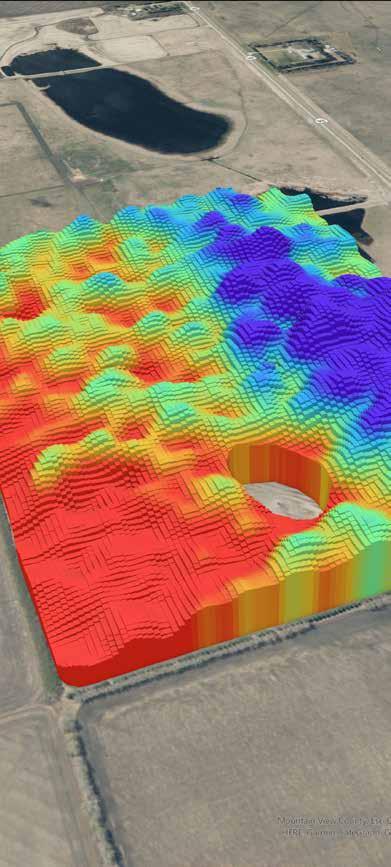
During the past few years, a massive amount of data has been collected from agricultural operations and fields on the Smart Farm.
The capture and analysis of data represents a revolution in agriculture, which allows for greater opportunities with data-based decisions. However, the digitalization of agriculture can represent a challenge due to an immense introduction of technology and data.
A producer might have questions like: How will I fix these new tools? Will I be able to operate them? How can I translate data into practical decisions?
These are very important questions — and the Smart Farm has leveraged its physical and intellectual infrastructure to develop applied research focused on answering or supporting the development of solutions.
Digital agriculture is integrated into many academic courses at Olds College, and the Smart Farm continuously supports its development. The Smart Farm provides staff and students access to the latest (and developing) technology for agriculture. This allows students to be trained and prepared to handle current and future agriculture technology tools while also being exposed and trained to interpret the millions of data entries collected annually.
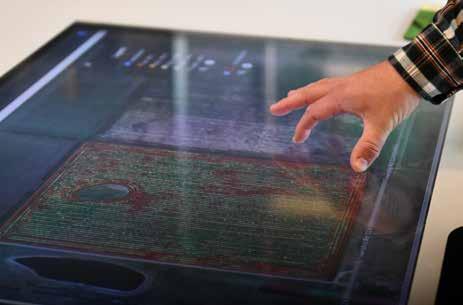
While data collection is important through the process of digitization of agriculture, there is no value to this data if producers can’t easily understand and apply it to their decision process. The HyperLayer Data Concept project has been developed with this principle as a foundation.
The HyperLayer Data Concept is an extensive and high-resolution dataset that has been generated for the Smart Farm to compile and analyze virtually every type of agricultural data, including:
• topographical data (information about the Earth’s surface on a map)
• detailed soil organic matter
• nutrient and moisture mapping
• yield data
• multispectral imagery (used to evaluate overall crop and field conditions)
• hyperspectral imagery (indicates specific crop issues like diseases or deficiencies)
Additionally, next-generation analytical algorithms were built and implemented in the project’s platform using data gathered since the establishment of the Olds College Smart Farm. Industry partners have recognized these algorithms as revolutionary in the agriculture industry — notably the plant-available nutrients algorithm that could contribute directly to agricultural decision making.
The digital agriculture team developed a database to organize and store this dataset and a web platform that makes sharing and accessing the data easy. Currently, this platform is also capable of managing and processing data. Operations that could take practitioners hours to perform can now be easily generated through the platform, a huge step towards facilitating the use of the immense dataset currently collected from the farm.
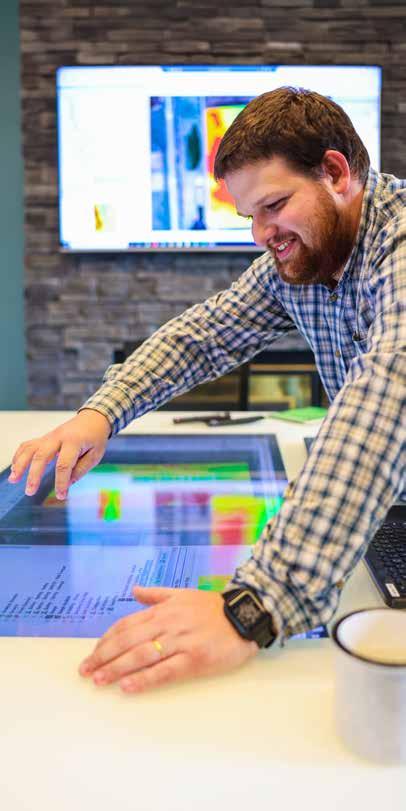
All the data and knowledge acquired through the HyperLayer Data Concept project is being used to improve the management practices of the Smart Farm, support the development of applied research projects, introduce solutions to practitioners and prepare the next generation of agricultural professionals.
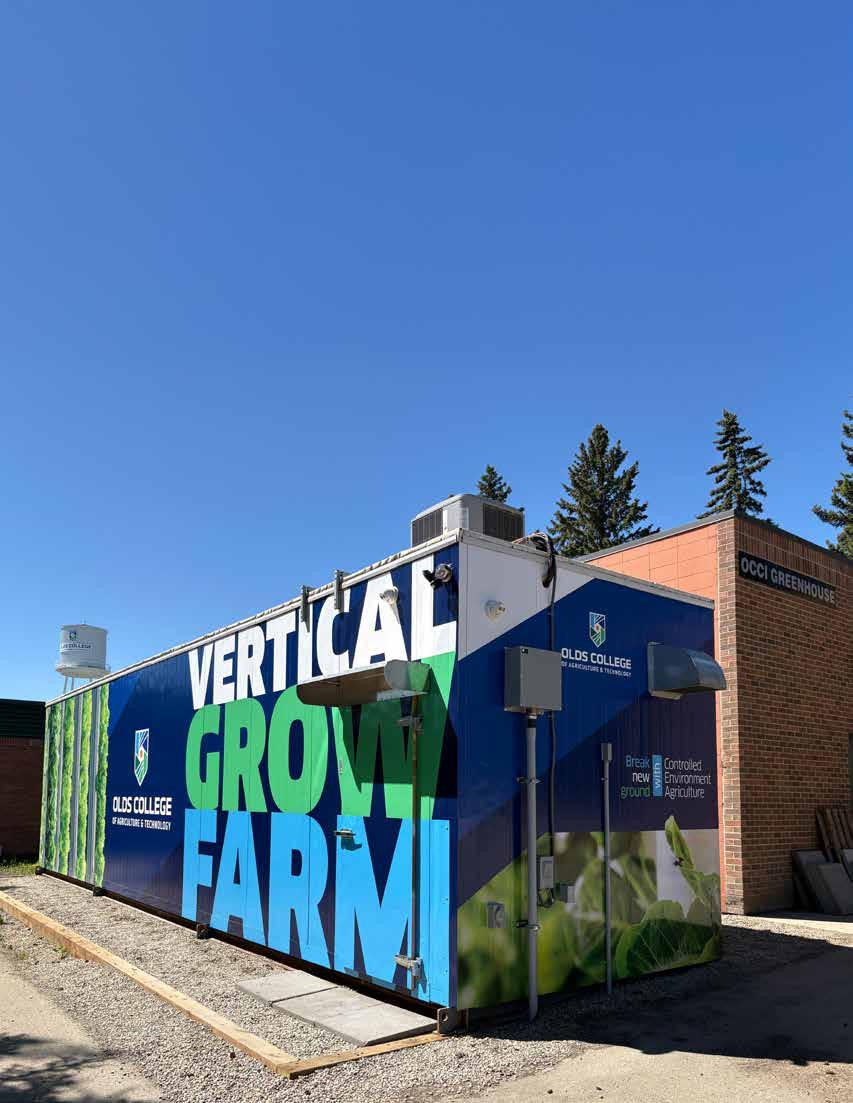
Olds College Centre for Innovation (OCCI) launched a collaboration with ZipGrow Inc. in May 2025. It marked the start of wider plans for applied research projects on campus involving controlled environment agriculture (CEA) — a revolutionary type of farming that uses automation and technology to grow crops indoors without soil or sunlight.
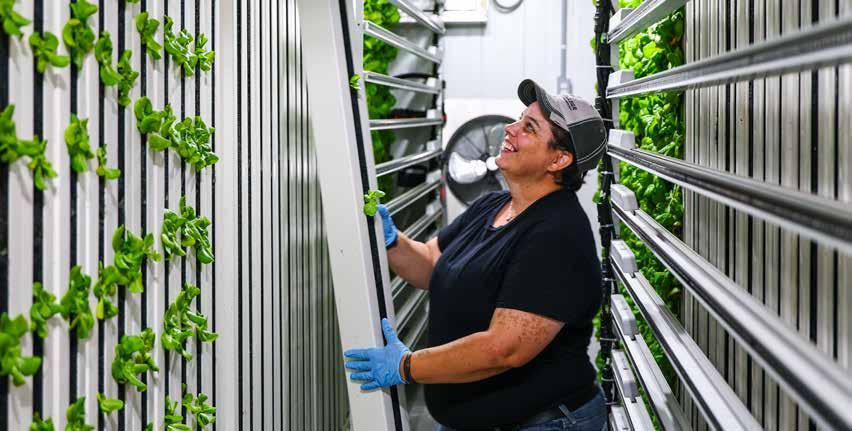
ZipGrow is a Canadian company that has a technology and vertical tray system to enable indoor farming. The control system monitors and helps optimize plant growth through changing variables like temperature, humidity and artificial lighting. This allows seasonal crops like leafy greens to be grown locally year-round, even during Canadian winters. The benefits of this emerging high-tech sector of agriculture include improving food security by offering a stable, year-round supply of fresh, high-quality produce for northern climates or remote communities by helping to reduce reliance on imported food.
The vertical hydroponic farming system uses nutrient-rich water, LED lights and a vertical tower eight feet (8’) tall to grow plants. The lights are customized and provide intercanopy illumination for specific types of growth and timed to operate off-peak energy consumption periods to maximize energy efficiency. The crop is grown in 240 eight-foot-tall, tubeshaped hydroponic towers, which can also be modified in warehouse-sized facilities and greenhouses. This closed system efficiently dispenses a nutrient-rich water mixture to over 3,800 plant sites, eliminating the need for soil and maximizing space.
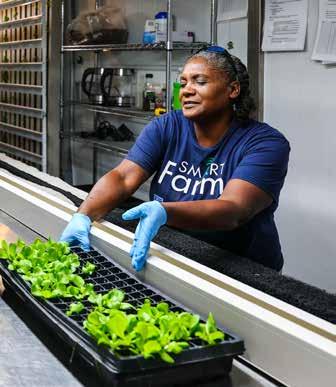
OCCI looks forward to hosting more classroom learning and research projects in the CEA container.
READ MORE ON CEA
Through applied research and workintegrated learning, Olds College provides a unique student experience with advanced learning environments where students connect with real-world opportunities and businesses.

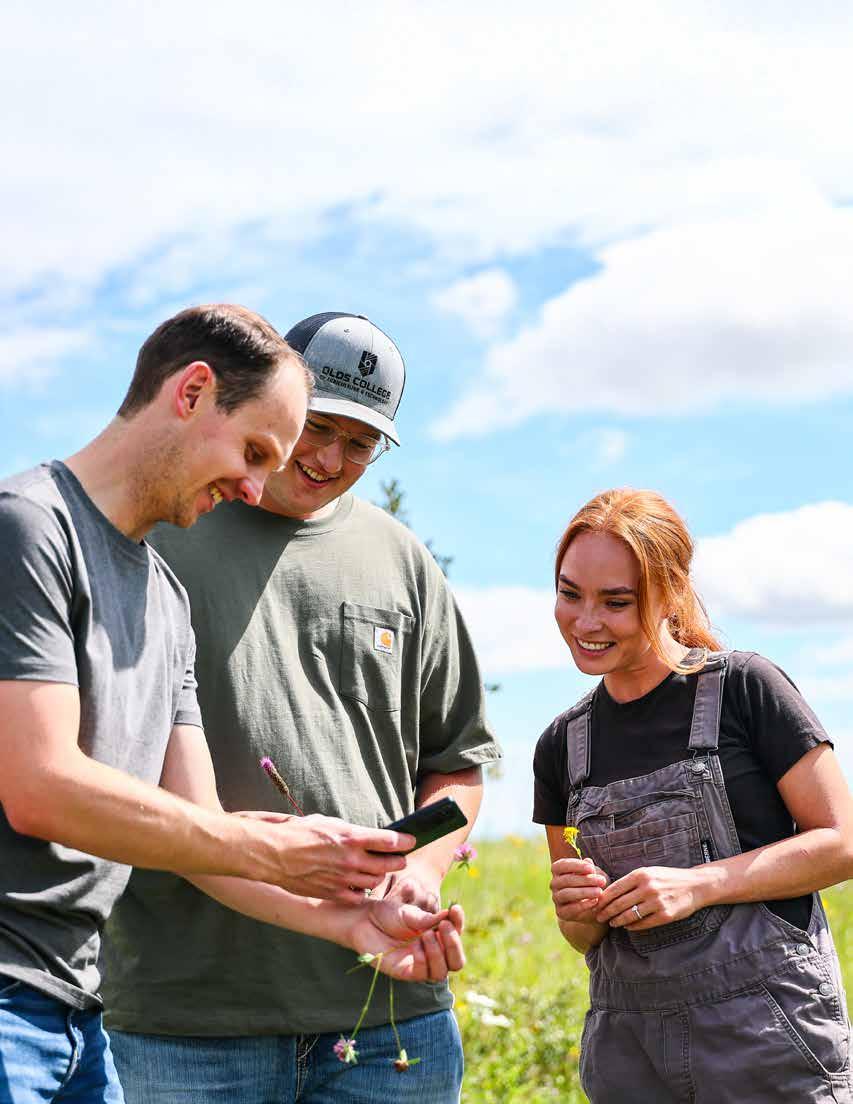
The core mandate of the Olds College Smart Farm is to provide a hands-on learning environment for lifelong learning, build the skill sets required to accelerate the development and adoption of agriculture technologies and practices, and train the next generation of agricultural leaders. Olds College students receive gamechanging learning opportunities on the Smart Farm by:
• Leveraging Smart Farm data and analysis.
• Working with Smart Farm equipment and livestock.
• Supporting land management.
• Leveraging Smart Farm tracking processes.
• Participating in Smart Farm applied research.
These opportunities help students leverage what they’ve learned in the classroom and apply it to challenges and opportunities in agriculture so they are better prepared for work in the future. Many academic courses are integrated into Smart Farm-based learning activities including agriculture, agriculture technology, horticulture, land and environment management, animal health, equine, food production, business and trades.
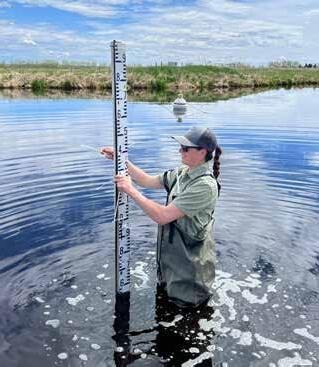
Every year, Olds College Centre for Innovation (OCCI) welcomes students working as summer research technicians and interns completing their eight-month directed field study (DFS) at the Smart Farm. These students and interns work alongside researchers who are experts in their respective fields providing them with valuable opportunities to explore career paths and specializations. They also have the chance to network and build their resumes as they prepare to enter the workforce.
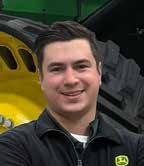
Brody Nestorvich is an alumnus of Olds College, having completed both the Agricultural Management diploma and the Agribusiness degree, graduating in 2022. During his studies, he worked as a student employee in a DFS with OCCI, primarily with the smart agriculture team, and later returned to the team after completing his degree.
“My DFS position with OCCI was the best thing I could've ever done for myself,” says Nestorvich. “I got to do something new every week for a wide variety of different research projects, so I gained lots of experience. It was also great to make industry connections within the job, and it certainly helped me get into my other agriculture industry careers.”
Following his time at OCCI, Brody travelled to Australia to work through harvest on a 13,000acre grain farm before returning to Olds to work in large agriculture sales with Brandt. He currently works with John Deere as a Small Grains Production Specialist and speaks highly of his learning and work experiences at Olds College.
Olds College Centre for Innovation (OCCI) did fast and well presented research on the technology opportunity, including integration of supplied equipment and required equipment from other supporting institutions. Thank you for a job well done. This team will work well with what is available, including connecting you throughout the Alberta ecosystem to find additional facilities and methodologies where applicable. I highly recommend working with OCCI.
Scott Bell CEO, Inversion Point Technologies Ltd.
We had a very positive experience The whole team was very accessible and easy to work with from the planning to the execution of the project. The research team is highly credible and easy to work with — a great partner for research and development, or trials.
Arthur Santos Marketing Manager, Fendt
(AGCO)
It was extremely easy to work with Daniel Stefner and the smart agriculture research team. Despite some manpower changes with this project, Daniel remained in contact at all times and executed the project as planned with only minor delays. You won't regret working with OCCI! It is always a positive and constructive experience — well worth the time and money.
Glenn Wilde Owner, Wilde Ag Ventures

The research team was very helpful and useful for trialling new technology in Canadian agriculture, particularly Christina Kaye. There was very useful data gathered during the field trials.
Lewis Collins CEO, BioScout Pty Ltd
We had a positive experience working with the research team at Olds College. OCCI provides unique opportunities to pilot new precision agriculture technologies in the field.
Callie Lissinna
Co-Founder & Account Executive, Wyvern
The team at OCCI has been very good to work with. There are a lot of good quality skills and abilities within the team.
Steven Tannas
President & Senior Ecologist, Tannas Conservation Services Ltd.


Roy Maki and Julie Cobb are fantastic to work with — very detail oriented and keen to find solutions. I would recommend working with them. You will be very happy with the results from the OCCI team.
Riley Milford
CEO, ZEET Inc.
The Smart Farm has a great research team — they are responsive and proactive. We are really happy about the results and I would encourage other people to work with OCCI.
Daniele Chiodini
Co-Founder & CTO, Taurus RNG

The Smart Farm was built to support startup development, validation, scaling and demonstration of smart agriculture technologies and practices. Olds College is connected with Alberta Innovates, the Central Alberta Regional Innovation Network (CARIN), SVG Thrive and UCeed with the goals of:
• Encouraging innovation, creating and sustaining a healthy economy, and solving problems within the agriculture industry.
• Supporting businesses by guiding them to the right partners through Olds College networks of businesses and organizations throughout Alberta and Canada.
• Providing training and resources to developers to help them market their products effectively.
BECOME A CLIENT