portfolio portfolio
olasumbo temitope olaniyi
A
selected
compilation of
creative works

A
selected
Olasumbo is a vibrant and young creative who sees life as a canvas. She believes in exploring and re-defining the context of creativity. She works as a Researcher with multidisciplinary firms; African Contemporary Institute of Design (ACID) and African Futures Institute (AFI).
At ACID she assists in training interns in areas of Development Planning and Writing. She has over the years attended series of architectural lectures, trainings and workshops in the United Kingdom, (AURA) Turkey, Ghana, Dubai, Ivory Coast, Germany and various states in Nigeria.

She is an alumna of the Graduate School of Architecture, University of Johannesburg and IHS, Institute for Housing and Urban Development Studies, Erasmus University Rotterdam . Having trained in Nigeria, South Africa and the Netherlands, Olasumbo is passionate about interstitials and in-betweens of informality, social justice and surveillance.
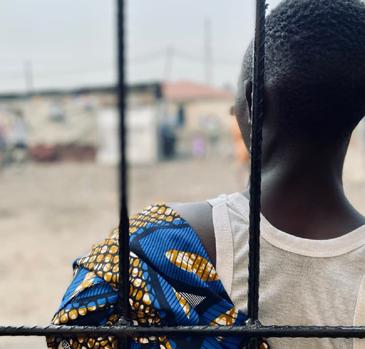
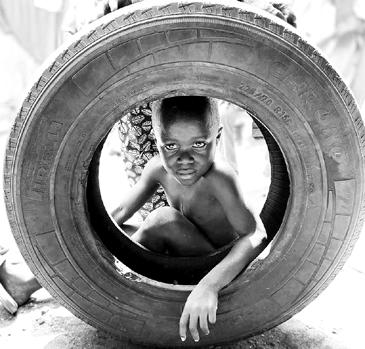
On the side, she freelances as a writer (www.agodlyarmiger.wordpress.com) and also volunteers as a Project Manager at Slum Art Foundation where she mentors children alongside other art enthusiasts between ages 6-17 using art
I hope you enjoy reading through the landscapes and works as much as I enjoyed creating them.
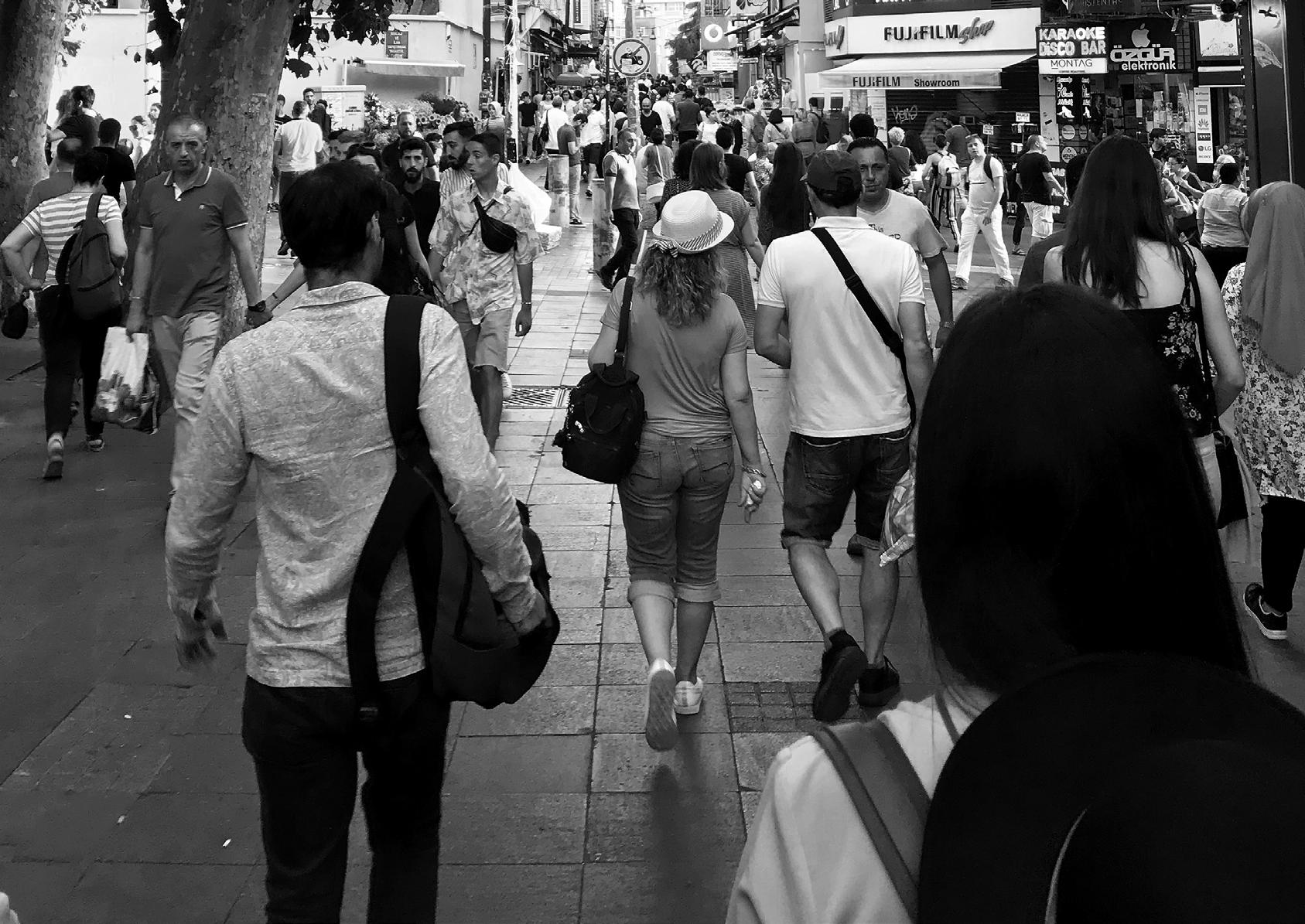
“I have come to realize that pure architecture is more about the social dynamics and constructs of space and place than it is about its physical constituents” - Olasumbo OlaniyiBesiktas, Istanbul, Turkey, 2019
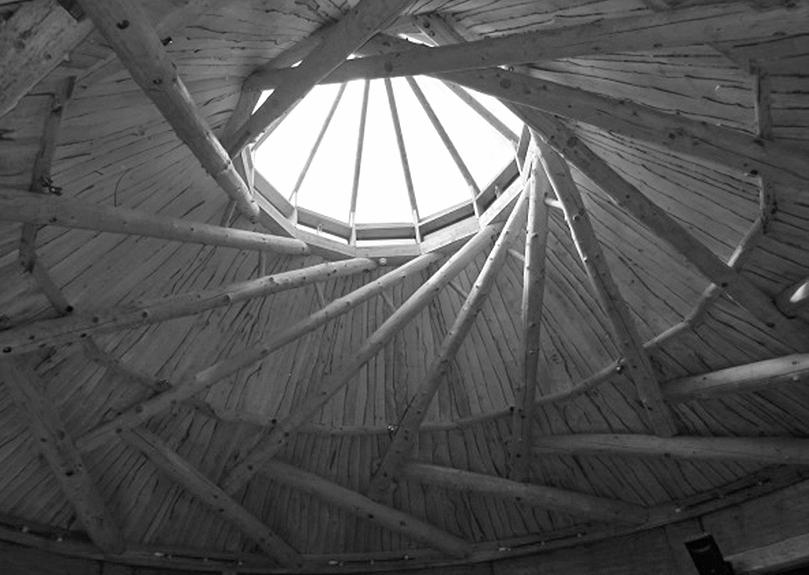
‘‘I feel however, that we architects have a special duty and mission.... (to contribute) to the sociocultural development of architecture and urban planning’’ - Kenzo TangeHill Holt Wood, United Kingdom, 2014
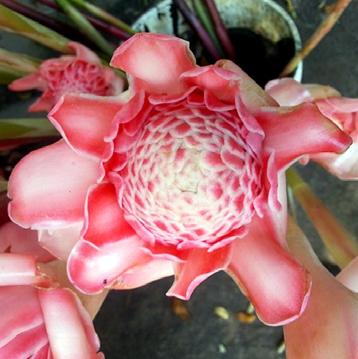
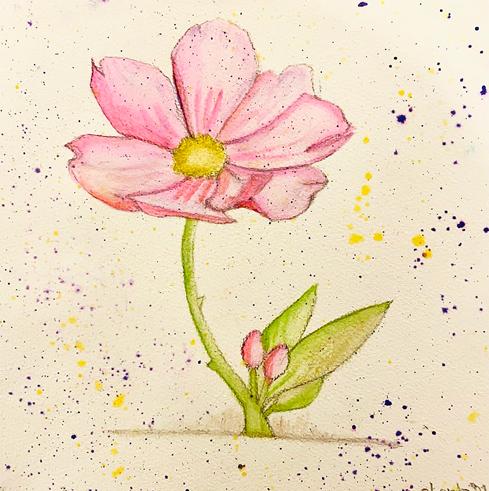
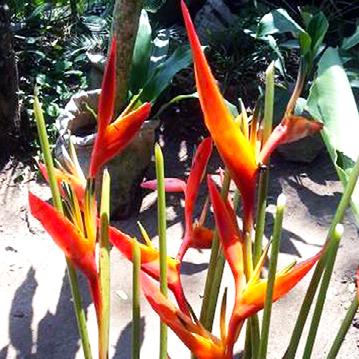
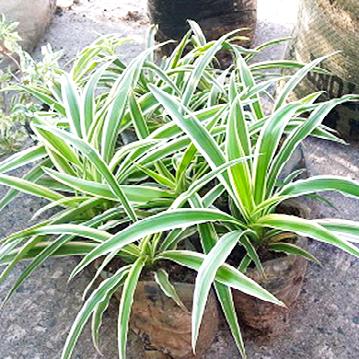
This project explores the classification of flowers and their impact on the built and natural environment. A selection of indoor and outdoor plants cultivated in Lagos Island, Nigeria is highlighted.

These plants were studied to understand their thriving habitat. Its arrangement was also studied to identify successful environmental, socialbehavioural and/or aesthetic conditions. A series of experiments were conducted to groom the plants and study the life span and growth rate. All investigated plants were displaced during the experiment.
It was identified that some plants could thrive in both environments (exterior and interior) while some barely survive or withered.
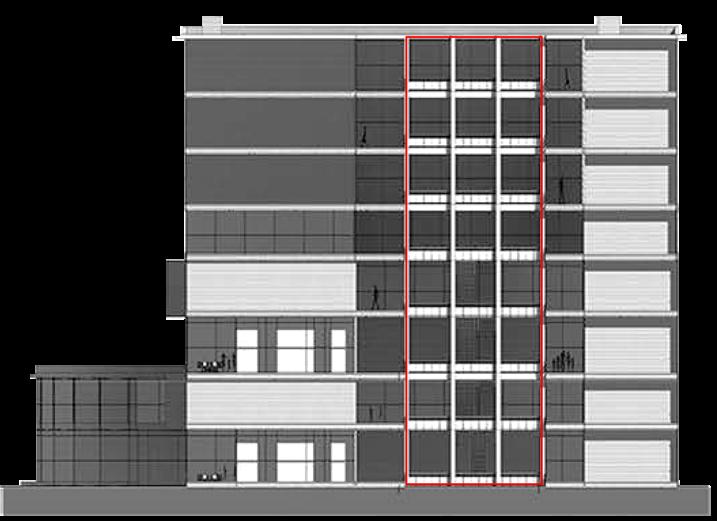
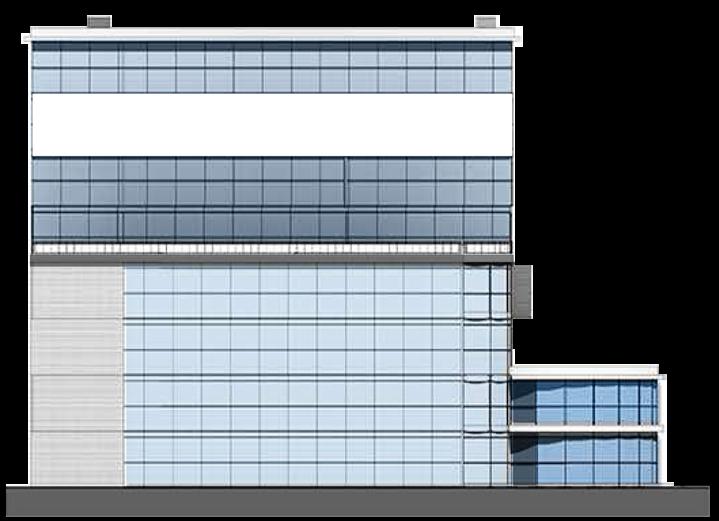
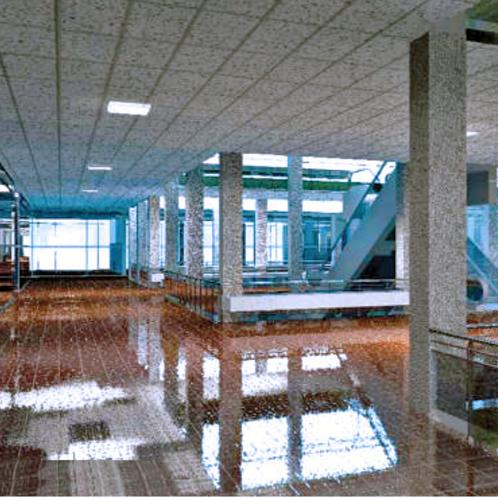
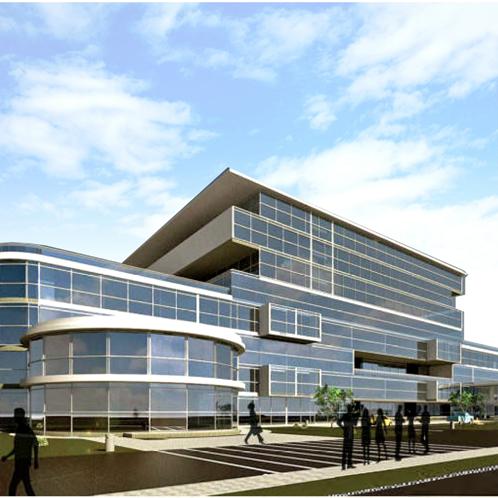
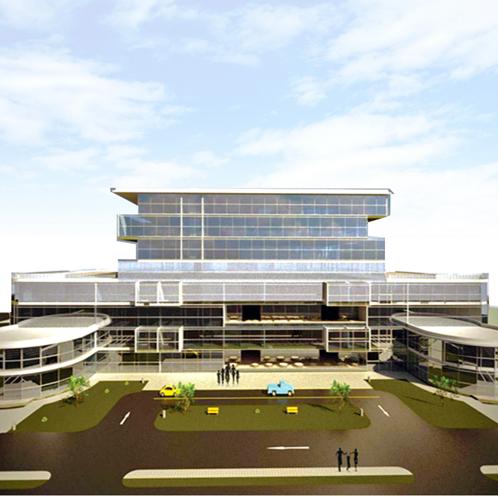
This project explores the design theory that vast possibilities lie in public buildings to function in multiple ways, as a whole and in parts. Form-wise, the building draws inspiration from the digital shopping cart.
The proposed information technology mall in Akure, Nigeria houses multi-functional spaces for all. Zones were delineated to reduce congestion and circulation challenges from the projected traffic inflow (vehicular and human).
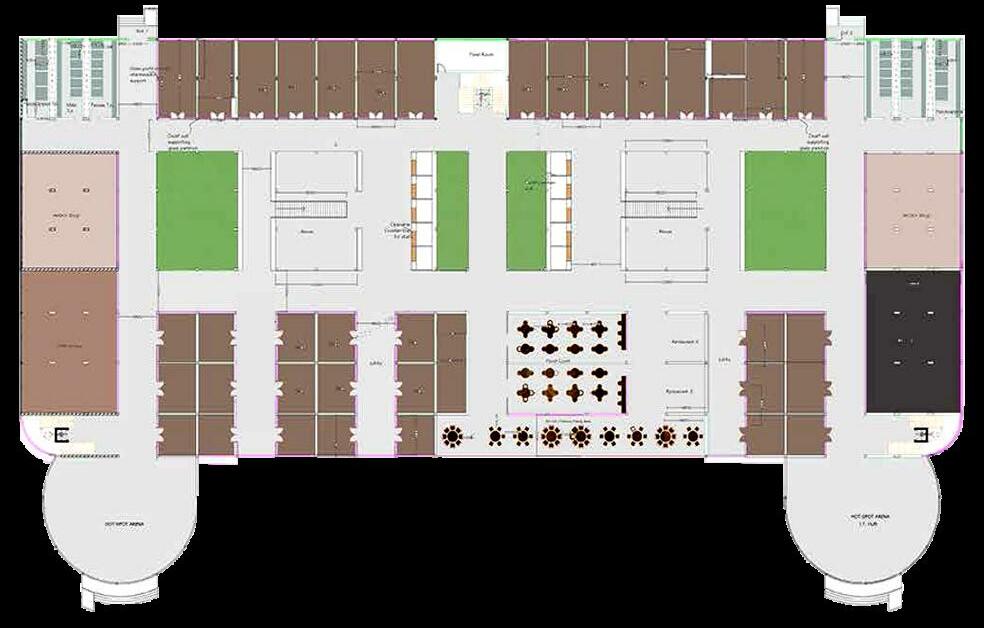
A double-glazed unitized curtain wall with a tint of blue, lined with fiber reinforced plastic (FRP) infill panels amongst other materials is recommended to improve the energy performance level of the structure.
Thus, understanding the properties and structural capacity of building materials is very essential.
is not so much a knowledge of form, but a form of knowledge’’ - Bernard Tschumi
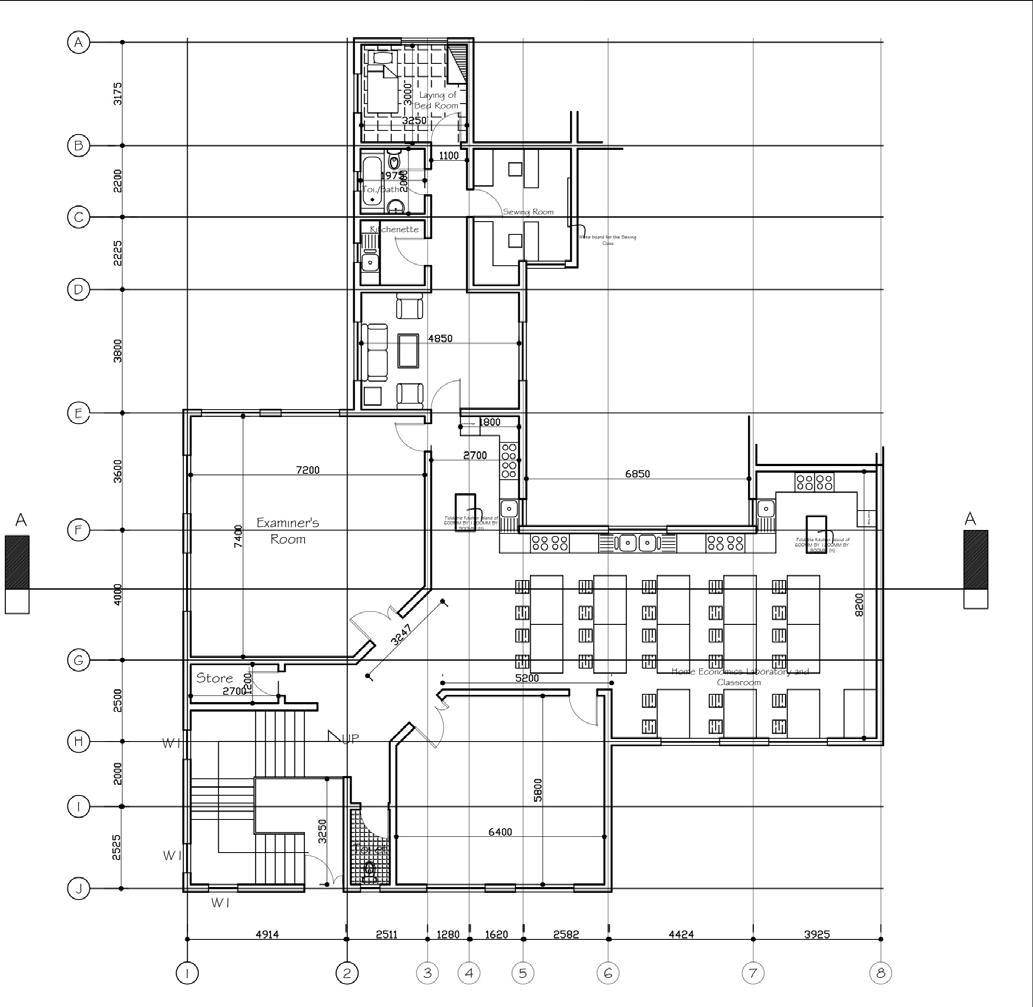
This project details the renovation of the Home Economics Laboratory of Premiere Academy.
A reconnaissance survey was carried out to ascertain the level of damage. Defects in the physical material and quality of the space were observed due to the lack of continuous maintenance since its inception in 2005.
Furthermore, a behavioral study was embarked upon; constant visits during and after sessions. Thus, highlighting the need to understand the space and user dynamics.
However, limitations concerning funding halted the execution of the renovation at the time of surveying in 2017.
The collaborative process of developing the kitchen within a proposed block of apartments in FCT, Abuja improved my understanding of movement within space. It stresses the need for designers to pay attention to detail. The kitchen must be related to other spaces to achieve harmony.
The ‘kitchen’ can be considered an essential part of the house and should serve a function that optimizes performance, fits the users and add meaning to the space it occupies.
The following factors were identified when designing as necessary: standard dimensions, modulation, materials, lighting and style.
‘‘Architecture is not based on concrete and steel, and the elements of the soil. It's based on wonder’’ - Daniel Libeskind
Objects and spaces perform specific and sometimes sublime functions. This project deals with uncovering workings and consequences, through the scrutiny of elements to produce anatomical instructions and emotive descriptions that heavily convey the fundamental ideas of psycho-geography.
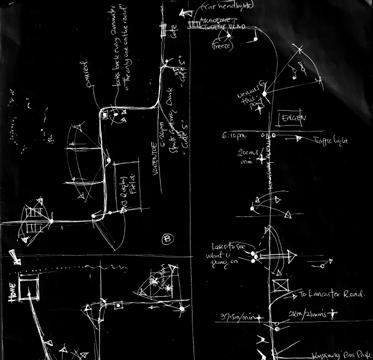
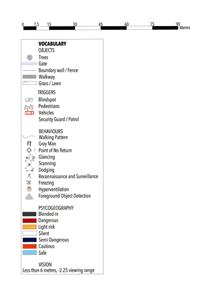
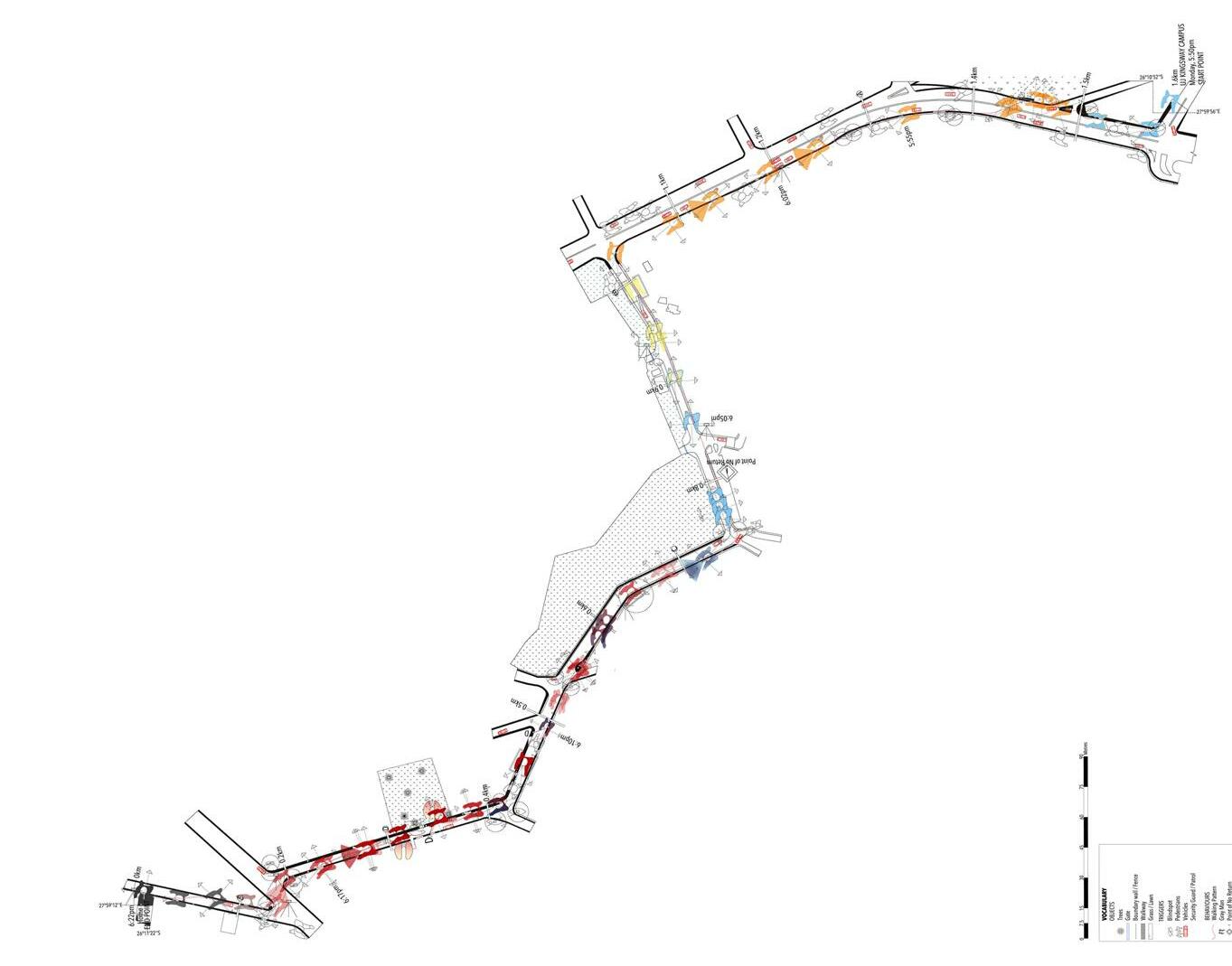
Through mapping the act of traversing through a gauntlet in South Africa in a state of solitude as a foreign woman is documented. Object, trigger(s), behavior and geography are interwoven as it combines the exploration of the psychological response. Memory, photography and time are used as distance markers and recorders of strategic points of paranoia.
This project revealed that the frequency of paranoia experienced while in space surpassed the feeling of safety despite the presence of ‘normative’ security elements, thereby emphasizing the volatile nature of spaces in the central regions of Johannesburg, South Africa.
Johannesburg can be described as a volatile space with imprints of a post-traumatic experience. It strives to create a new persona that veils remnants of its previous modus operandi.
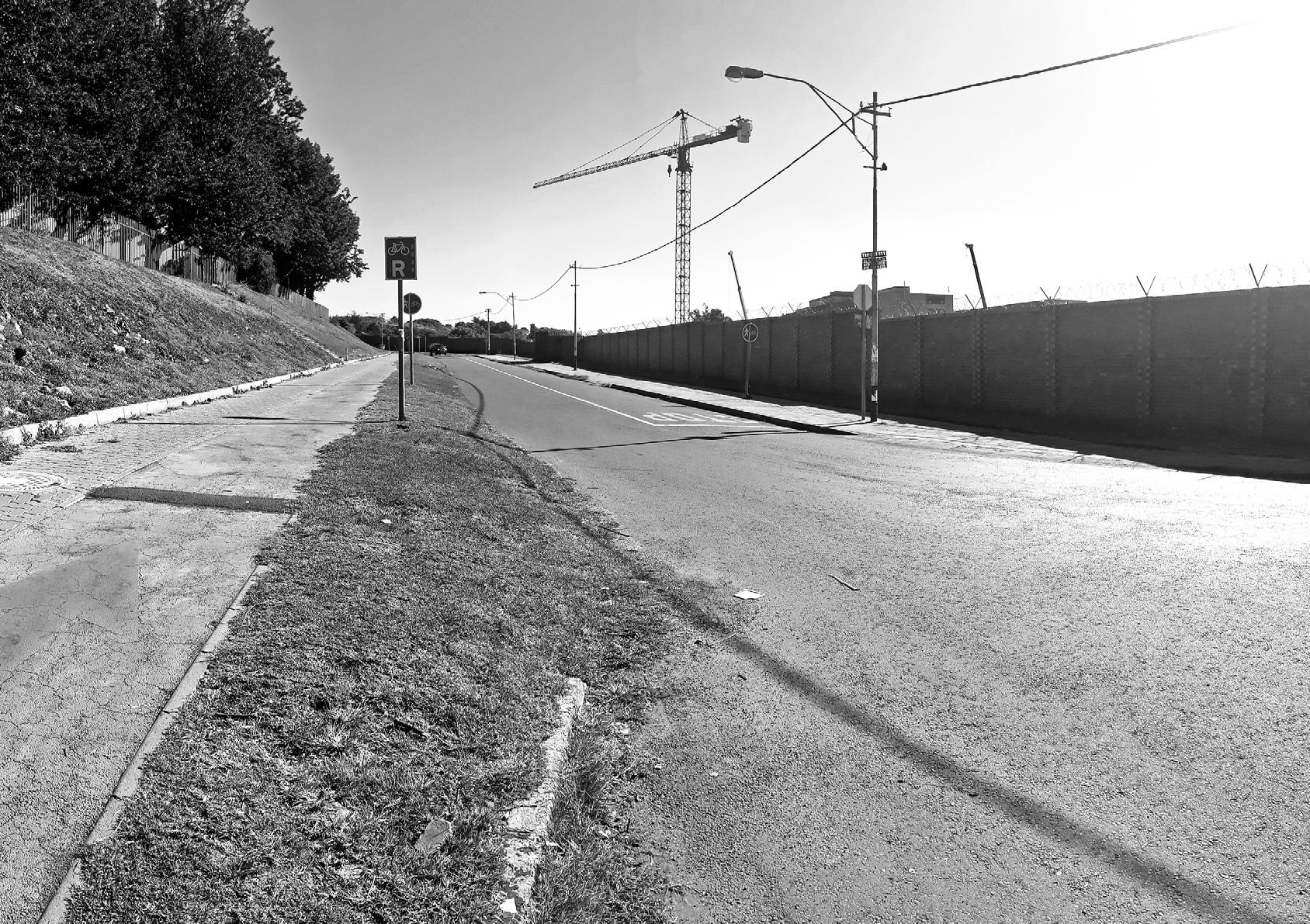
I embarked on this project to decipher the component and characters of streets in safe or dangerous locations in Johannesburg (considering crime statistics and personal experiences over time).
The locations Kliptown, Melville, and Sandton were chosen considering these indicators; their historical connotations, use in the 1900s and their ability to evolve and adapt to social transformations in Johannesburg.
What parameters define the nature of a street?
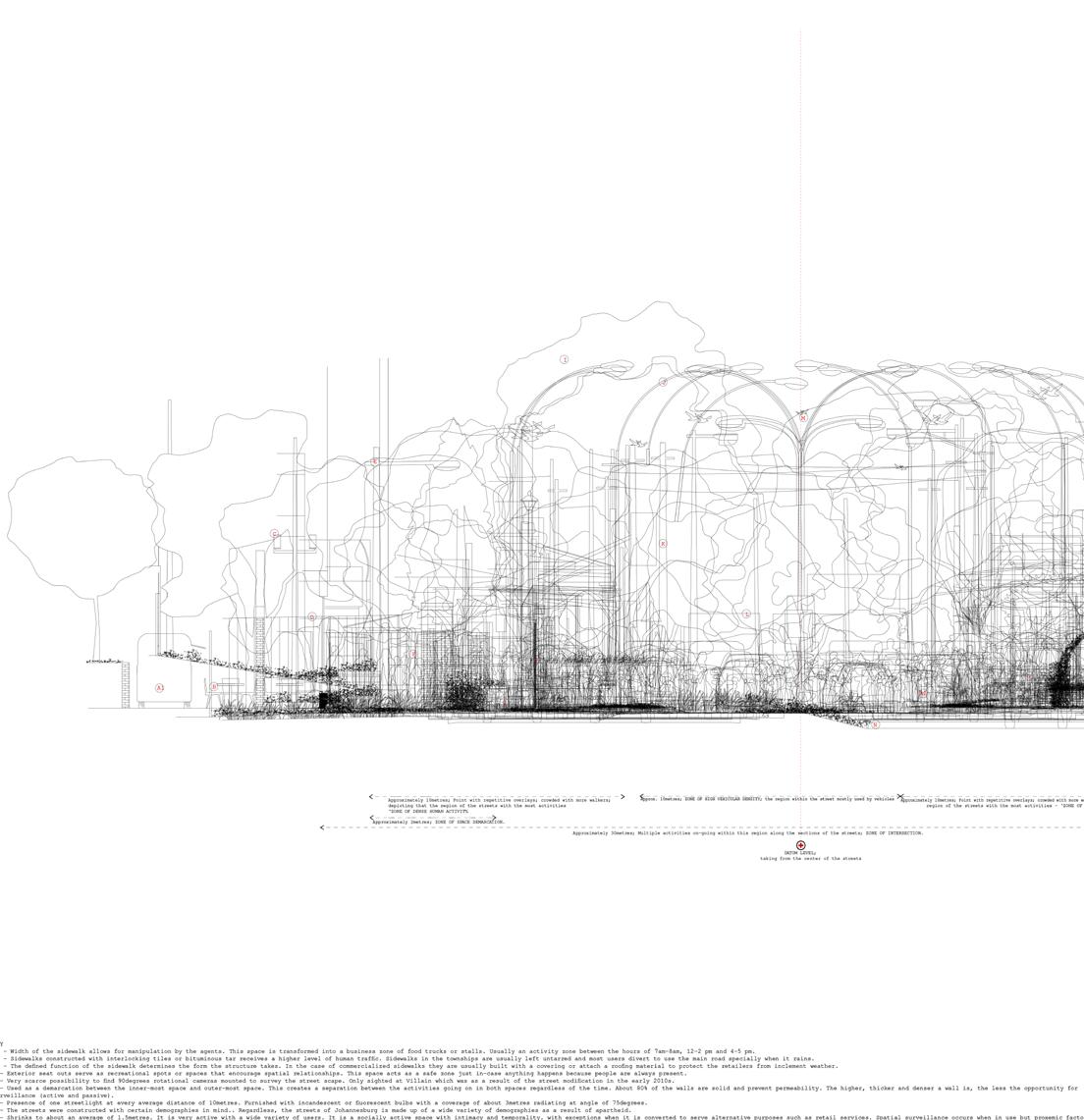
Physical elements (sidewalks, lights), materiality, ergonomics (height, width, length), furniture/ furnishing (seats, bollards), colour and activities.
It was observed that a street’s nature relies more on sociocultural factors.
homogeneity and/or difference
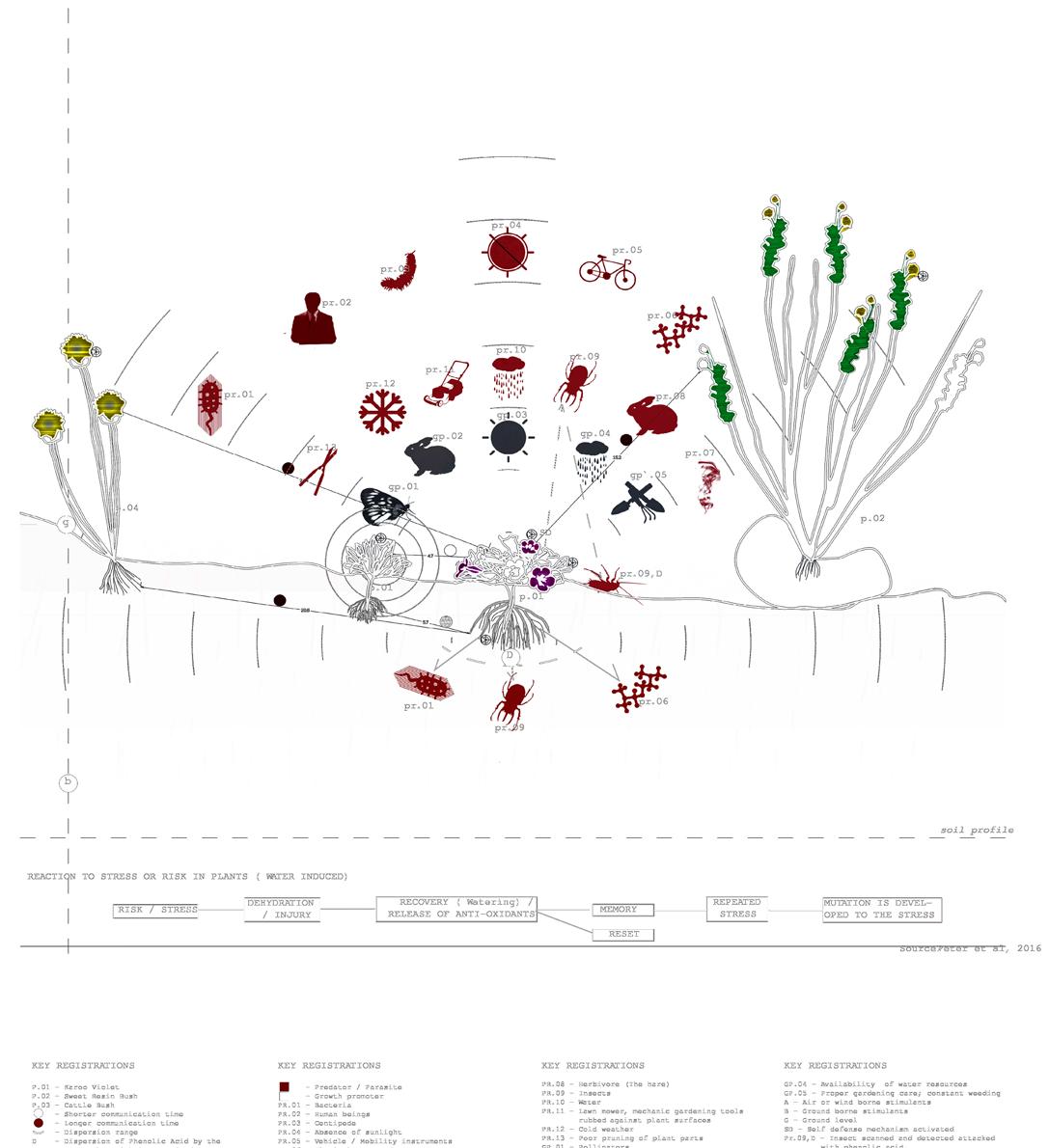
“A tree’s most important means of staying connected to other trees and very observant is a “wood wide web” of soil fungi and photoreceptors that connects vegetation in an intimate network that allows the sharing of an enormous amount of information and goods for the sake of protection in most of its instances.”
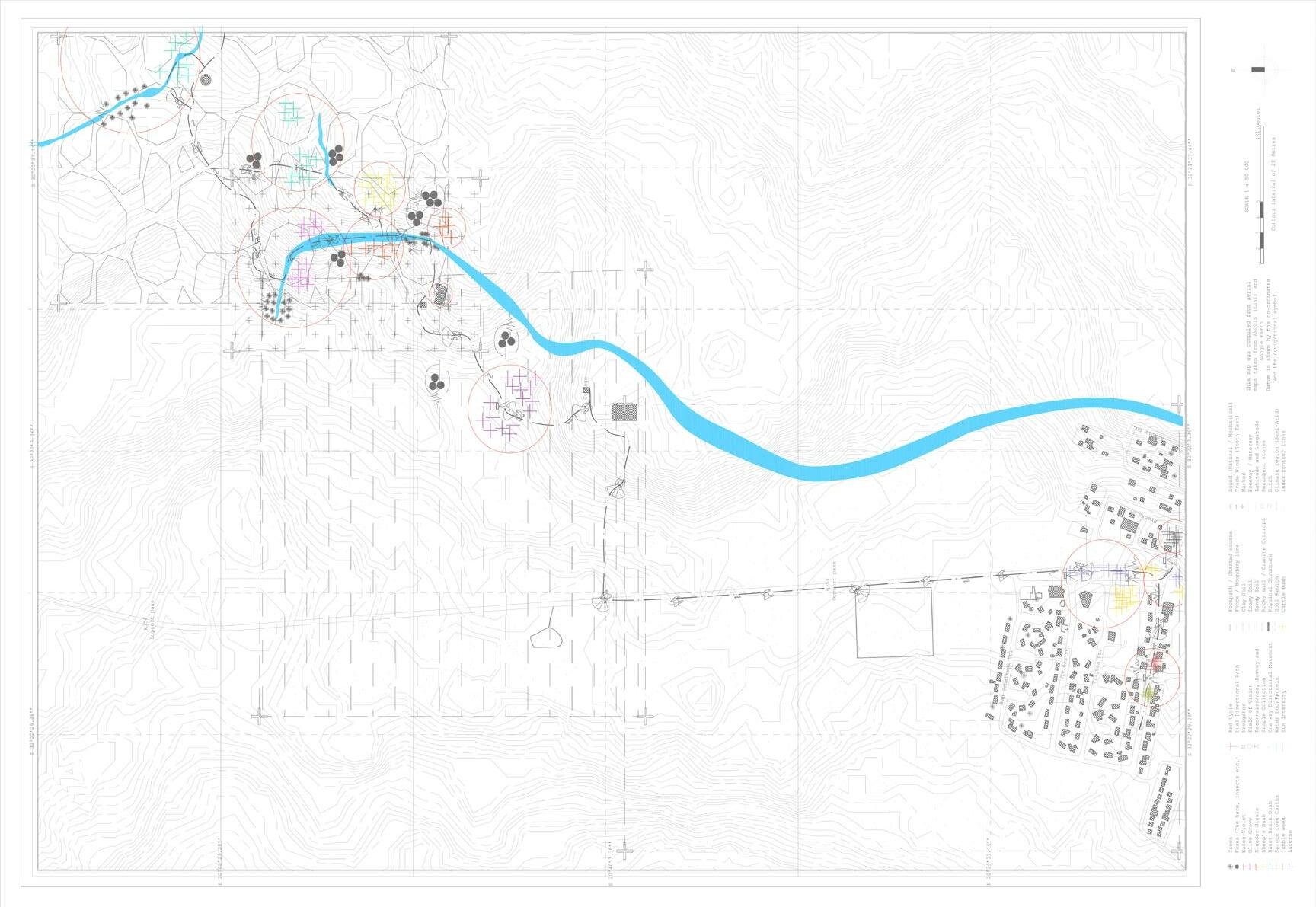
- Tim Flannery, 2014A series of investigations into indigenous Sutherland flora to understand symbiotic relationships and surveillance techniques adopted by colonies and with other plants and organisms to sustain its ecosystem. Adopting the botanical method, plants were carefully handpicked, preserved and analyzed. This revealed that plants depend on their obscure parts such as the roots and serum to communicate, form colonies; based on genetics and available resources, and develop different relationships deemed beneficial.
It can be concluded that surveillance can be organic in its mode of operation and programs depending on the context it occupies.
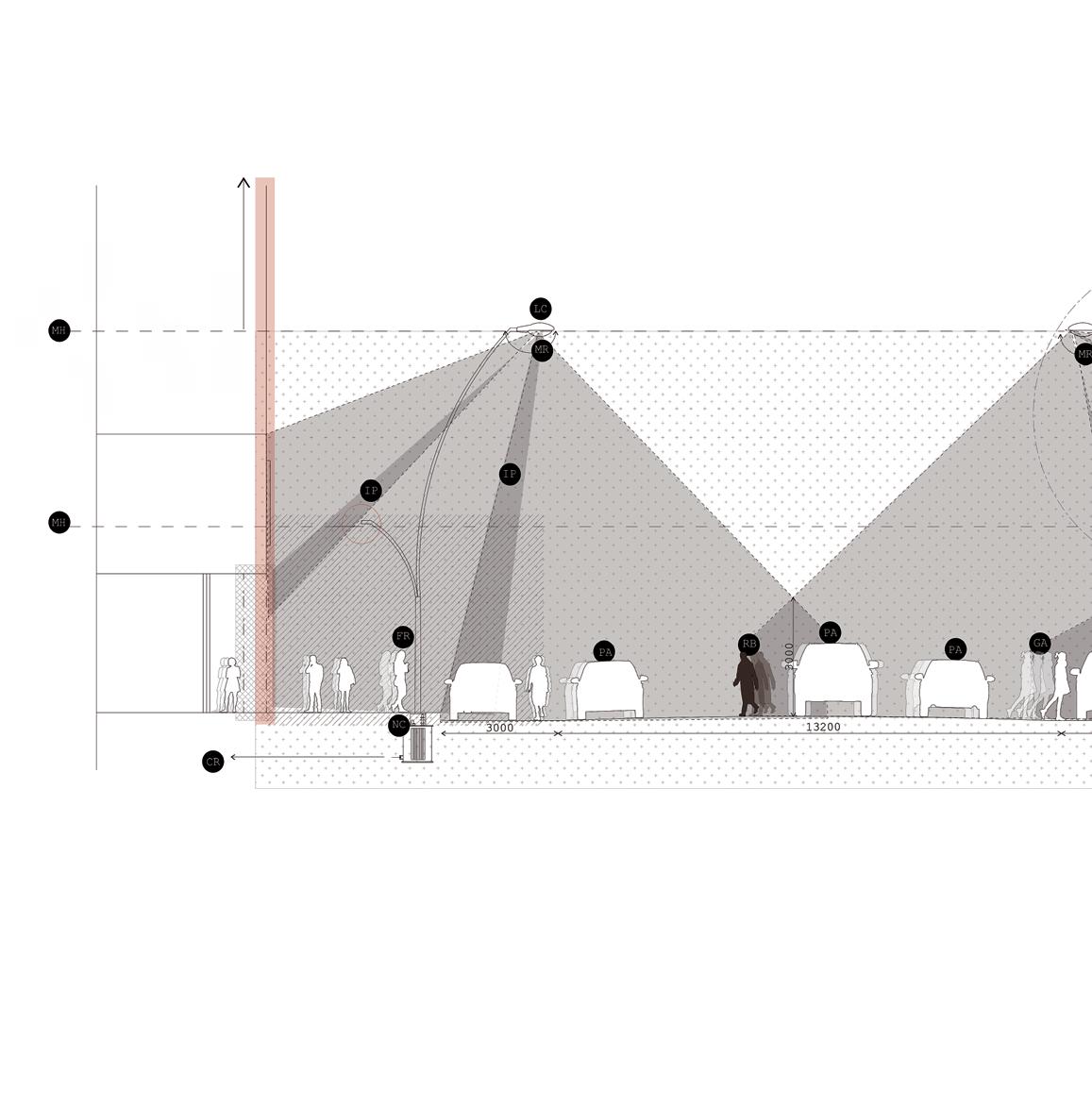
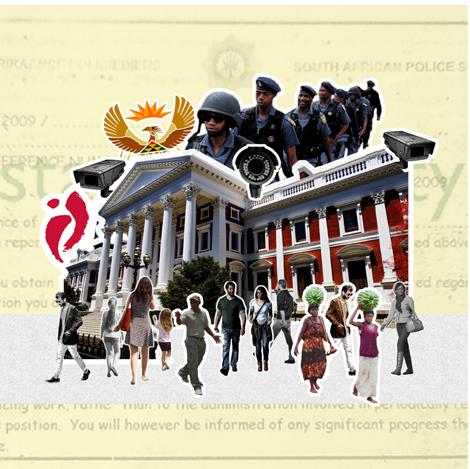
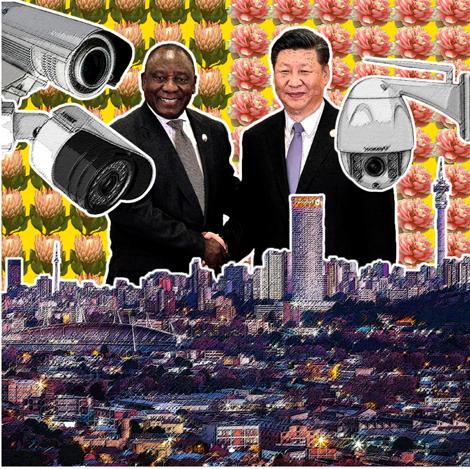
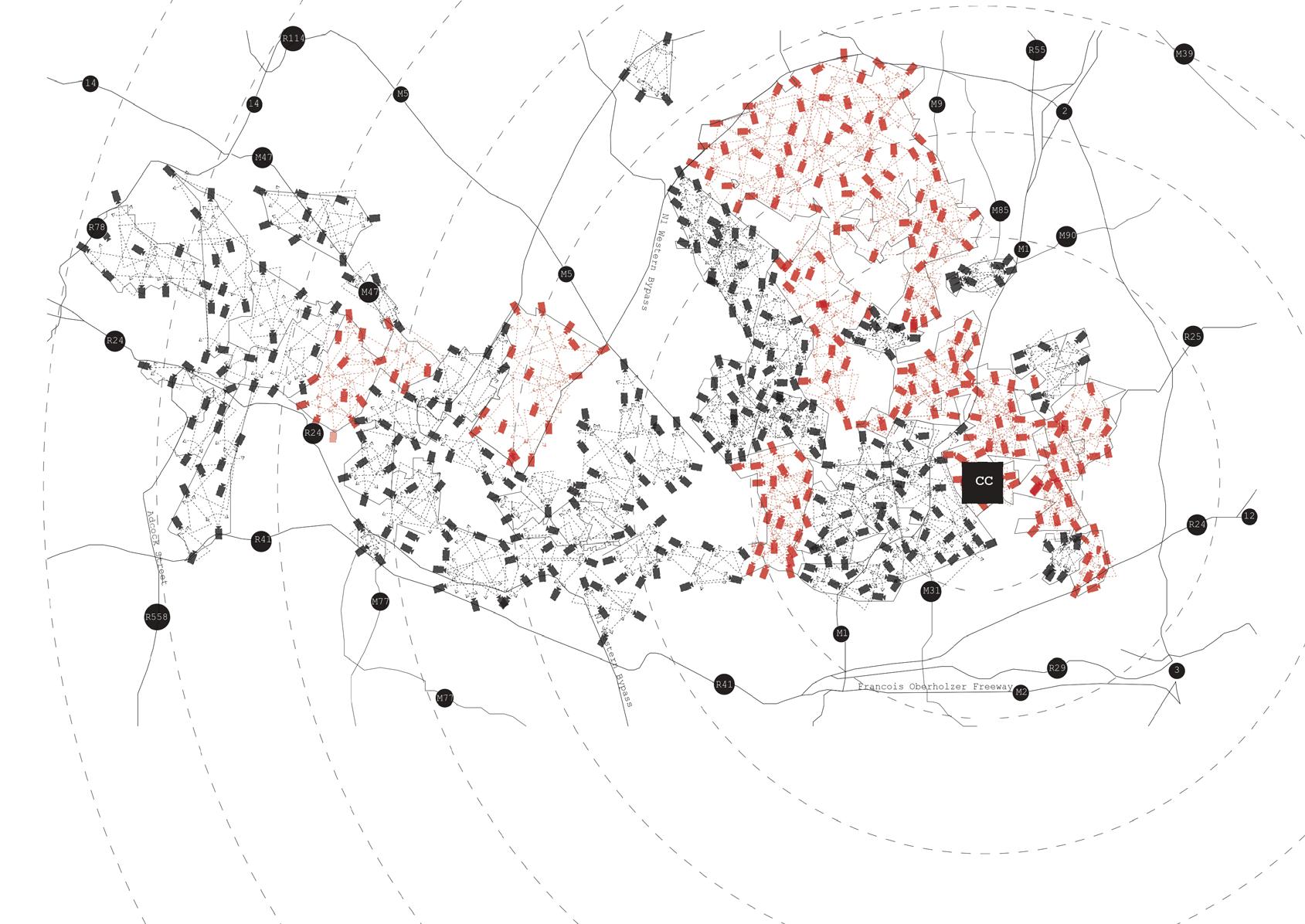
‘‘In 2019, 15,000 surveillance cameras will be connected to the Internet to monitor Johannesburg’s streets always. This is courtesy of video surveillance service provider Vumacam’’. - Heidi Swart, 2019

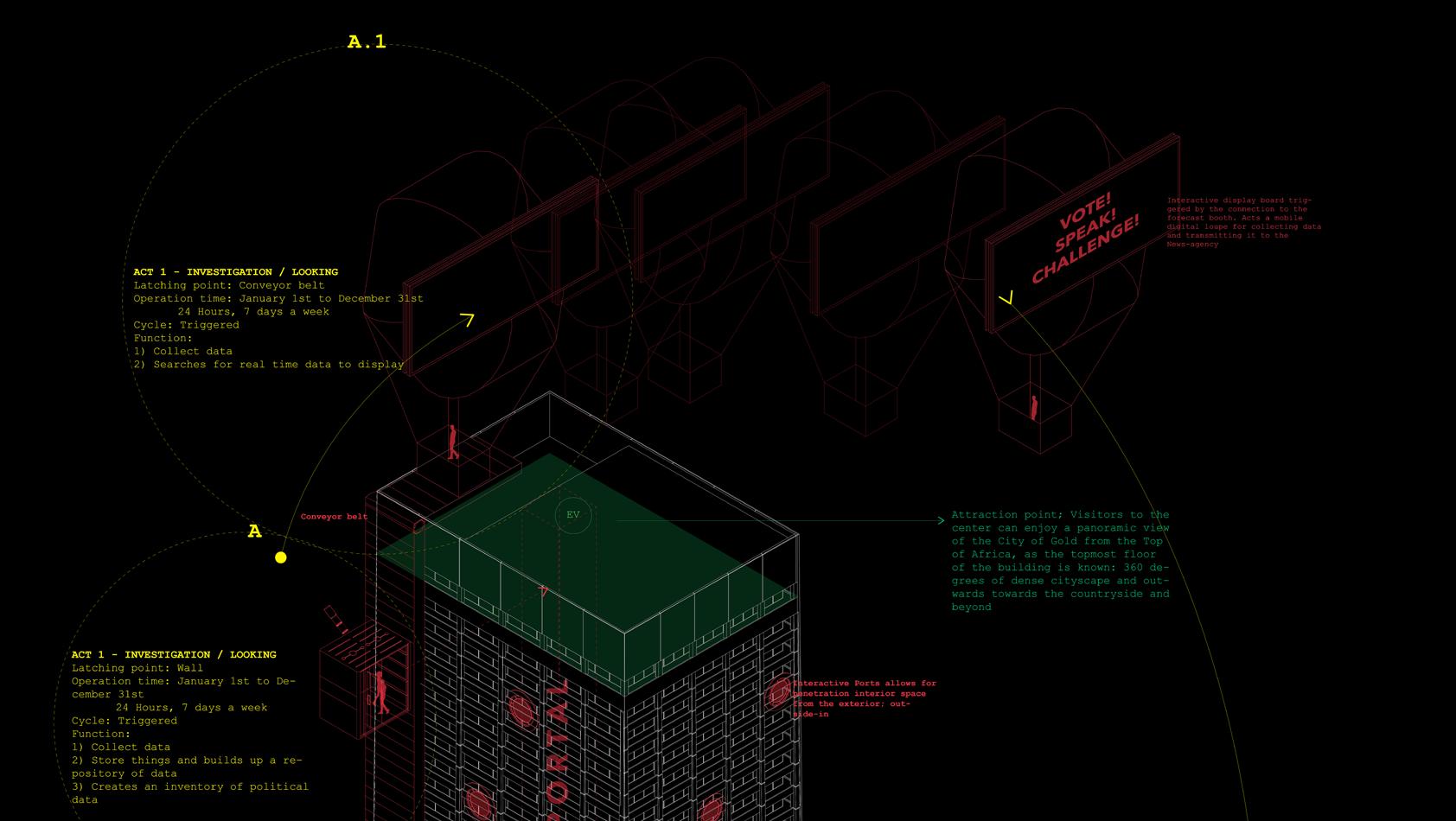
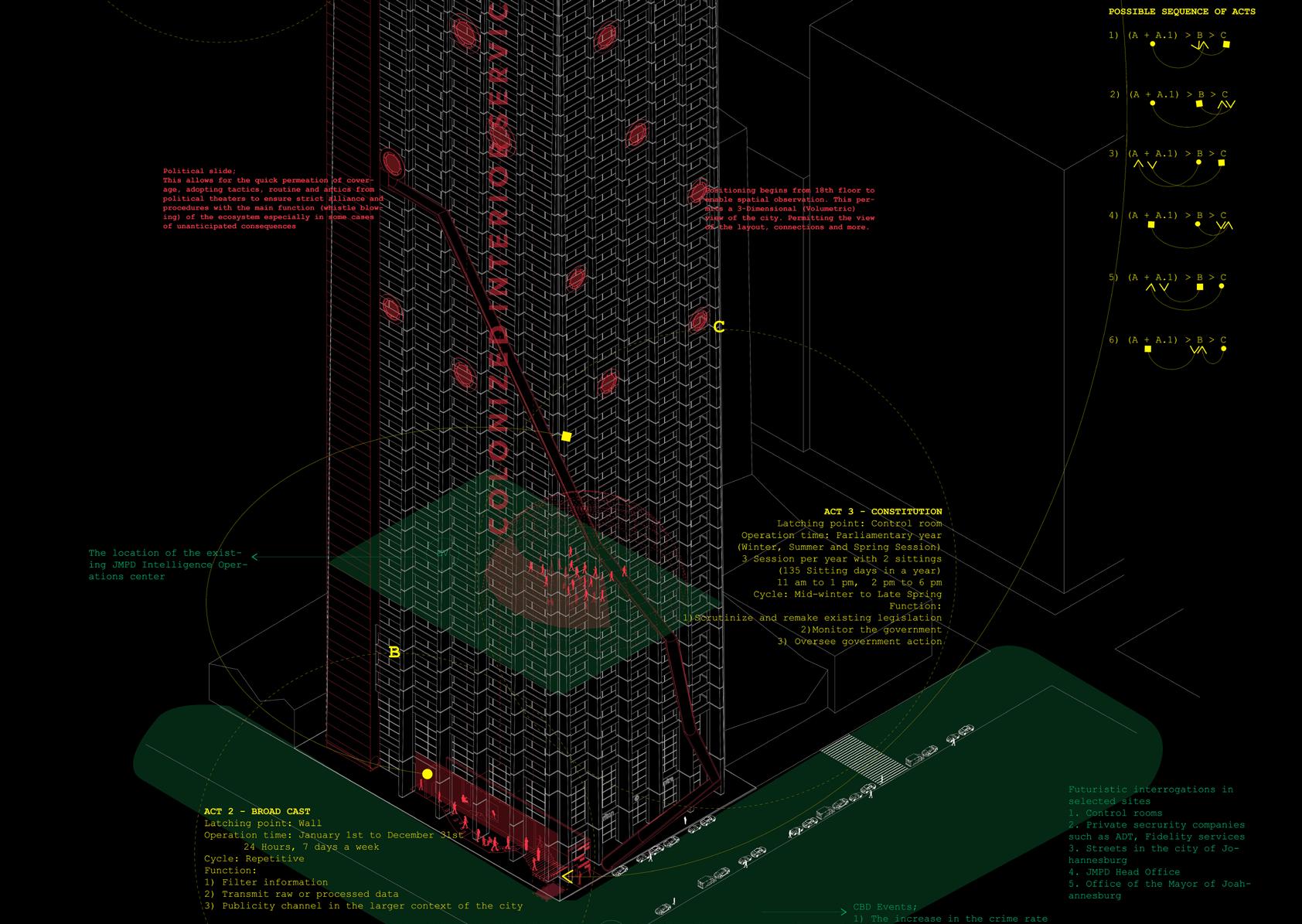
The CCTV was introduced as a tool to curb mishaps or mitigate risk. The digital gaze in Johannesburg shows how it wields great control over the population. The installed cameras mimic a kind of ‘‘blanket’’;, a system abruptly dropped, without any analysis of its implications in space, assuming one size fits all. This mapping showed the network of cameras and while most of the city appears to be under the ’’gaze’’ of surveillance, this seems to be false. Furthermore, it shows how all real-time information is transferred to a core; ‘‘Control Room’’ in Carlton Center Johannesburg.
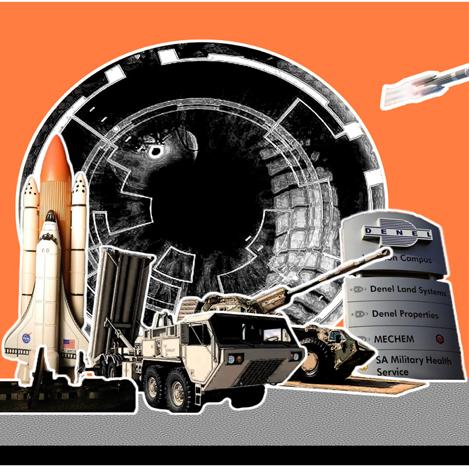
It begins to question adopted control measures, privatization levels, and external political influence such as BRICS (Brazil, Russia, India, China and South Africa).

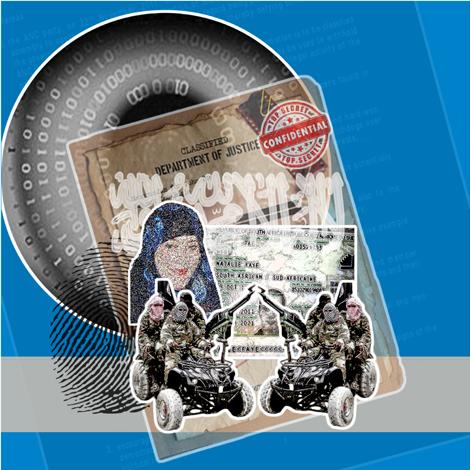

This project attempts to disrupt the digital pan-opticon as a form of counter-surveillance. This creates an that is automatically triggered system that feeds back into itself. Becoming the intersection where the surveillance gaze is transformed into the sequential political margin between power and control.
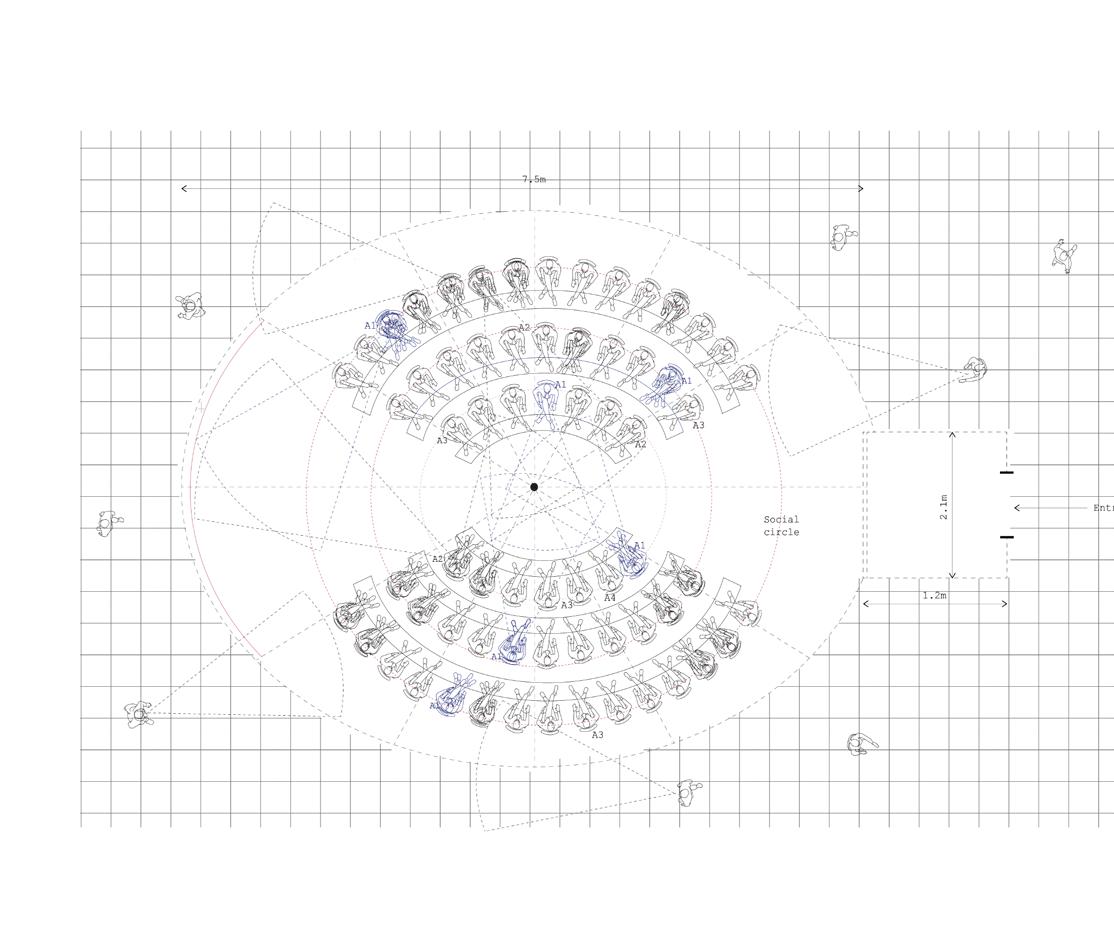
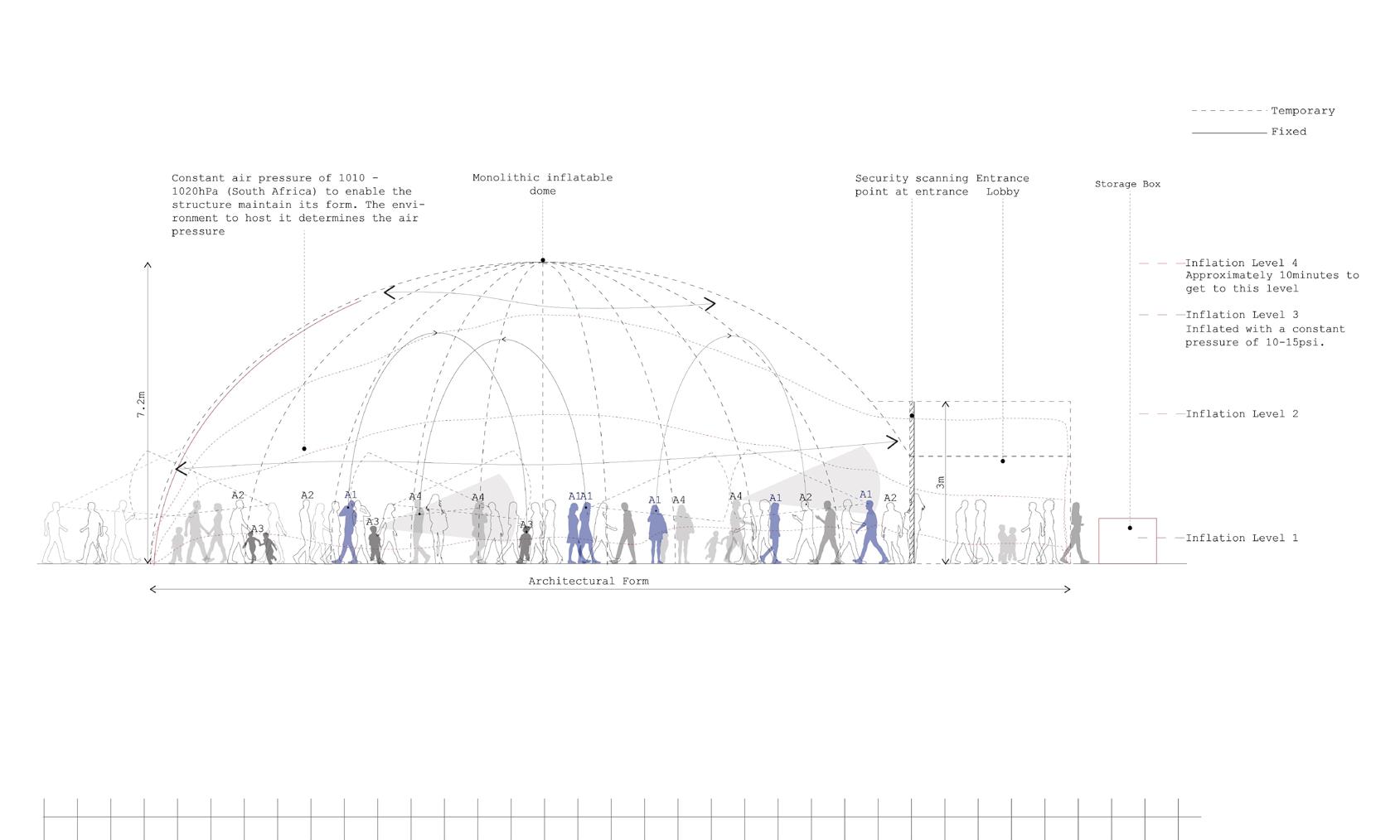
It becomes a political tool to disrupt the modus operandi of pan-opticism, revealing governmental dealings to the populace by operating as “malware”. Thus, replicating and adjusting to changes its host encounters. This becomes transient microcosms (removed and reassembled as a democratic box travelling in and out of the city) of politically flexible obligatory control room taking on different shapes, sizes and programs.
The microcosms of architecture are conceptualized in the following forms;
1. The Inflatable – The Pop-up eye
2. The Divisible – The Seeing place
3. The Elevatable – ‘’Now we see you’’
4. The Movable – Mobile lens
The inflatable; an ambush typology that can be reconfigured based on its host program and location in site to counter surveillance’’
Pop-up
“Architecture is to make us know and remember who we are.”
has been time in saddled physiology all design of the proposed as adopted is the small space. multiplicity of architecture needs of its highlighted: and the for the subject to
professions cannot be relegated to digital space and this would require that physical space (reordered by referencing social dogmas) is reconstructed.
In the case of a workspace, diversity is prominent. This is considered to be ideal and defined as programs for creating a culture for inclusion, safety and sanity.
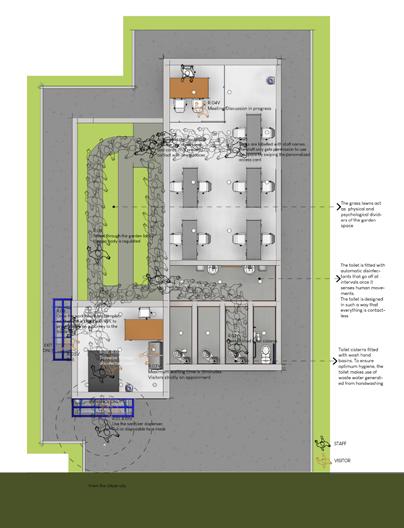
The ideal workspace in the context of the exploration is constrained by physical proportions but not constrained socially. The workspace is defined in way that its operation and programs run on an automated shift basis with a maximum of 8hours per worker to coordinate coherence in behavior for the benefit of capitalist expansion.
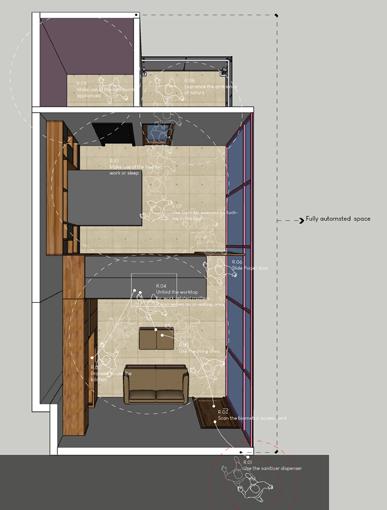
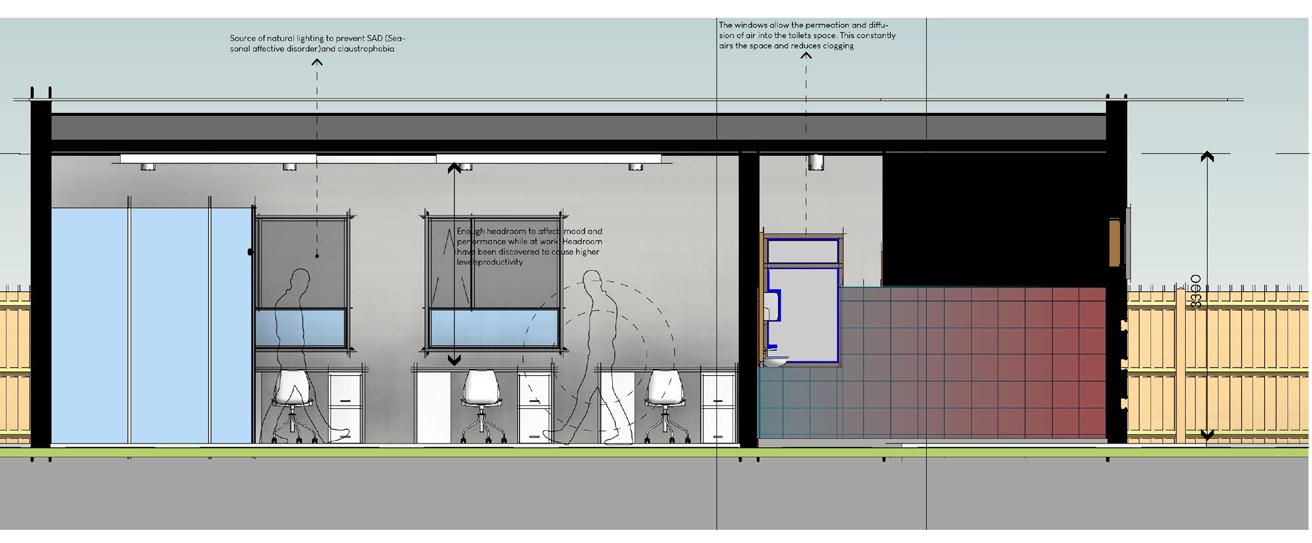
The principle of utility and metamorphosis is integrated into the varying scales; from the building to the individual. Interior pieces are designed to serve multiple functions with the goal to improve health, performance and mitigate the risk of spreading viruses.
*competition submission; 3 young freelance architects
This project was an attempt to (re)imagine work and living spaces post COVID19-pandemic.
Work and living spaces as microcosms of a larger system. Traversing through space, the user embarks on a series of journeys which impacts one’s lifestyle negatively and positively.
02. The Ritual of the speculative user in the House. N.B: The ritual could vary but the lexibility of the parameters are constant
02. The Ritual of the users (Personnel / Visitor) in the Workspace 2 02a. The ritual of the speculative user in the Work space (Inside Two)
04. Longitudinal sectional snapshot of the new house - In static mode 1 01a. The ritual of the speculative user in the House (Inside one)
As architects, we understand that about 80% of our time is spent in spaces. With the emergence of the COVID-19 virus, it was discovered that time spent indoors has drastically increased.
Knowing this, we propose multi-functional and unfolding psychologies related to the user to improve health, flexibility and sustainability.
Watch the animation video here
05. The Workspace with a roster to regulate and ensure certain point in time follow the new laws of proximity02b. Longitudinal section of the Workspace showing the unfolding psychologies for the user
Longitudinal section of the new workspace - Unfolding the psychologies of the space.




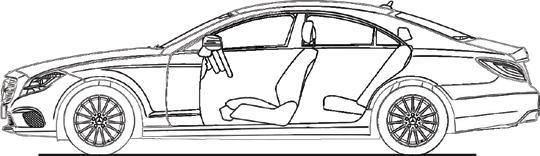

In recent times, research highlights that the meaning of a border has metamorphosed (Nail: 2016). Nail argues that borders are beyond the physical or static. It is ephemeral, mobile, multiple and (re)made due to imminent nuances.





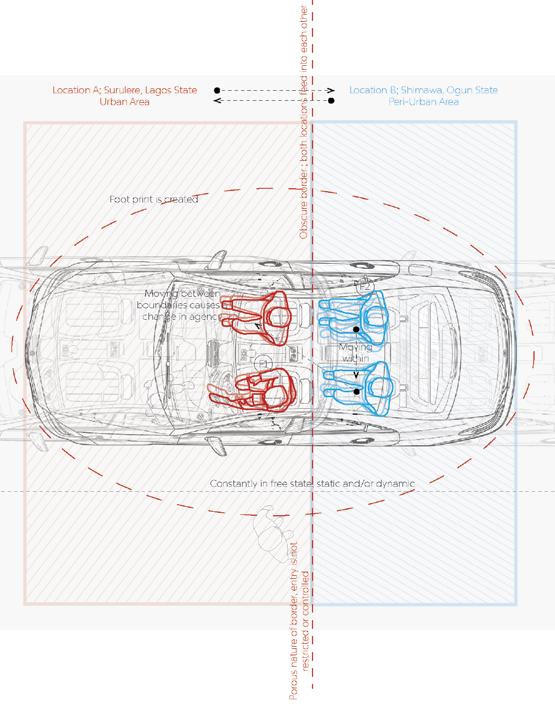
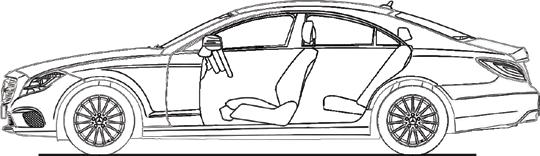
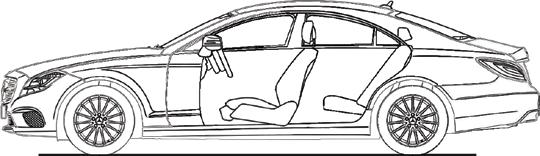
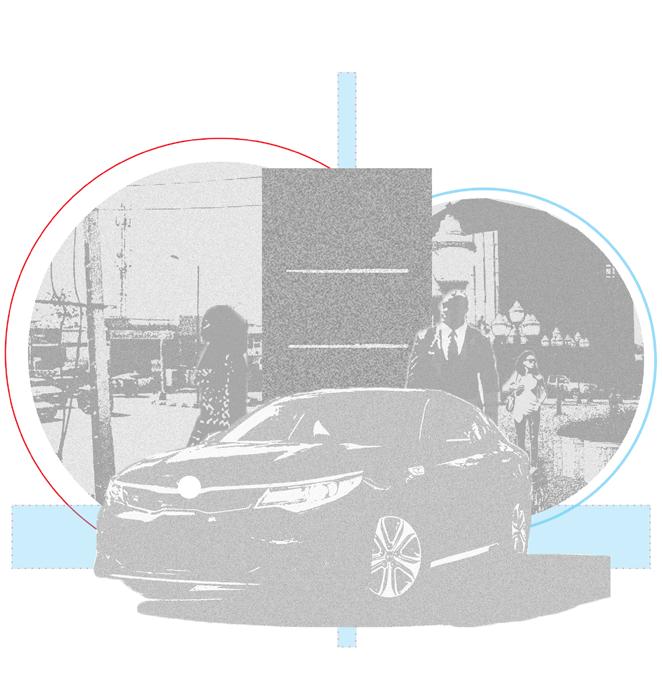
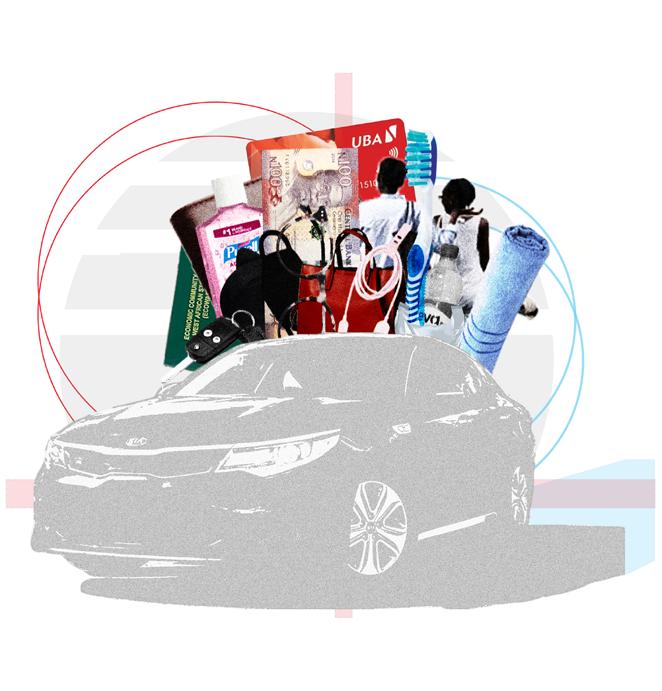
In a fast-paced city like Lagos, where an everyday journey of traversing borders supports social networks and the unending search and demand for basic human living needs, ‘The car’ becomes an architectural archetype used to investigate its implications and meaning. It explores obscure boundaries, political dynamics, practical complexities, and agents that influence movement; from Surulere, Lagos to Shimawa, Ogun.
This study reinforces that the border is static and dynamic, and neither static nor variable, regarding its site, makeup, size, operation and form. Thus, informs how architects think of (re)making and (re) conditioning of space or place.

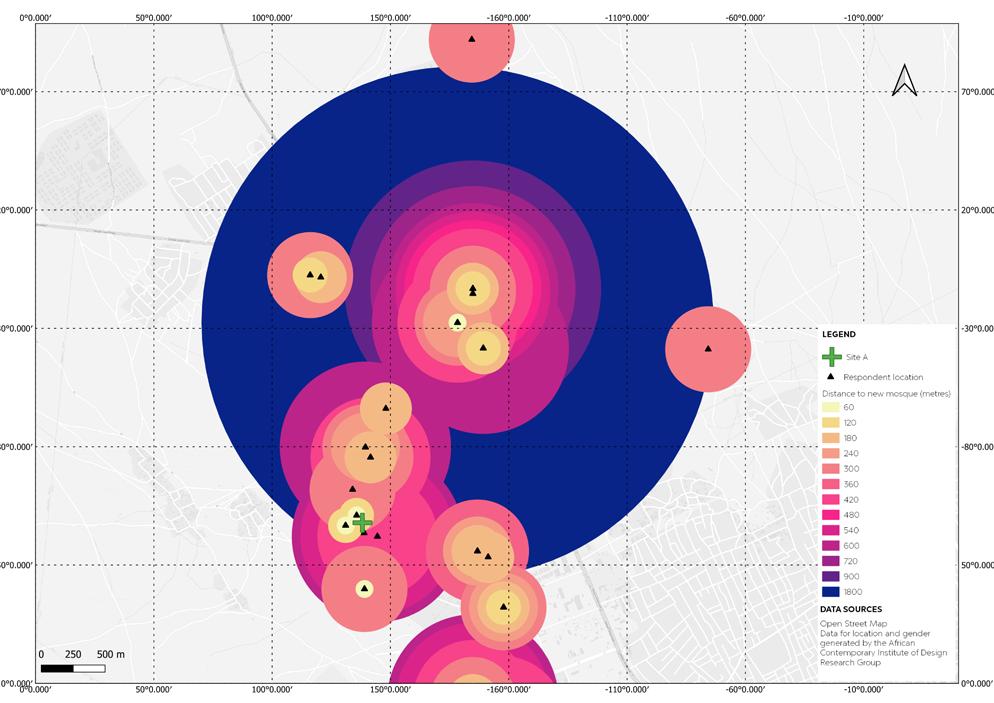
In this research project, an investigation was conducted to determine the facilities required for the Mosque to be constructed in the NorthEastern part of Nigeria.
Due to security constraints, QGIS was deployed to monitor and analyse the geo-locations of interview respondents, their activities, proximity to basic infrastructures or city systems such as water and recommendations.
This project emphasized the benefits realtime geo-location provides in the provision of pragmatic responses to environmental issues It also highlighted several facilities required by the users that complement the function and meaning of the mosque.
*voluntary work
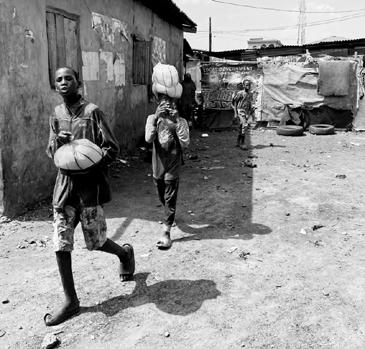
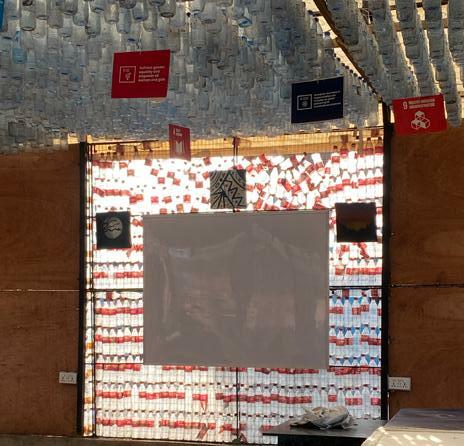
This Slum Art Foundation Pet Bottle school idea was conceived in 2018. On joining the non-profit organization in December 2020 as a volunteer to contribute to developing young underprivileged kids (6-17 years) in and around my city in Lagos using art, I was invited to join the project committee in an advisory capacity.
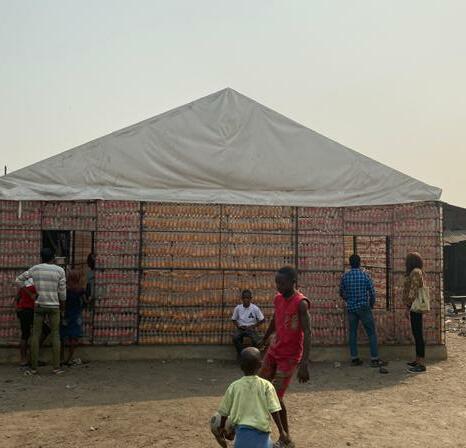
From observation, the site is rich in plastic waste. This birthed the idea of recycling. The school becomes a mock-up for subsequent constructions within the “informal settlement.”
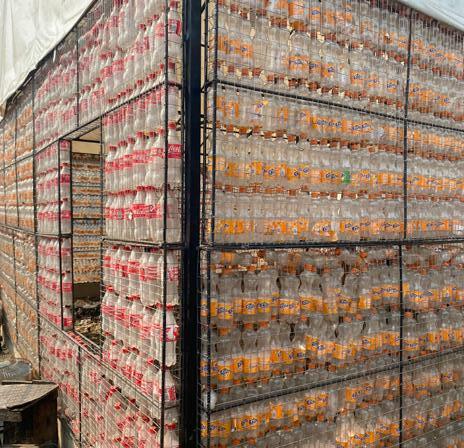
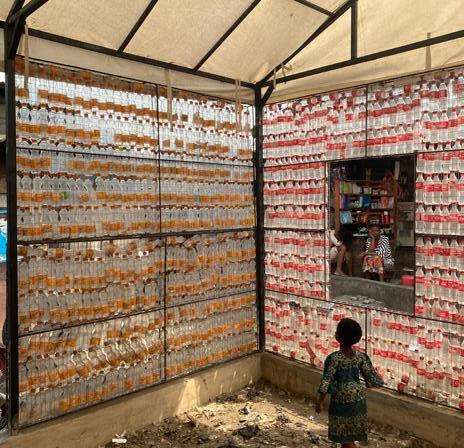
This project harnessed that architecture deals become a tool for building human relationships, behaviours and systems among others that improve lifestyle in many different ways..
Watch a short clip on my voluntary journey here