Ohio Developmental Disabilities Council Impact Report
Advancing Independence, Opportunity, and Inclusion
October 1, 2023September 30, 2025
The 2023–2025 Impact Report highlights how the Ohio Developmental Disabilities Council (the Council) worked to achieve its mission to create change that improves independence, productivity, and inclusion for people with developmental disabilities and their families in community life. The Council invested in strong partnerships and innovative projects that helped to remove barriers and strengthen systems. This report shares the progress made in areas like education, employment, housing, transportation, safety, and access to information in partnership with the developmental disabilities community.
About the Ohio DD Council
The Council is funded by the federal Developmental Disabilities Assistance and Bill of Rights Act (DD Act). The Council is made up of members who are appointed by the Governor. Sixty percent of the members are people with developmental disabilities or parents and guardians. Representatives from state agencies, partners, and service organizations are also a part of the Council. Together, they identify the most pressing needs facing Ohioans with developmental disabilities, which are captured in the Council’s Five-Year State Plan. This plan guides initiatives funded by the Council to advance systems change, independent living, and inclusive communities across Ohio. The Ohio Department of Developmental Disabilities provides support as the Council’s designated state agency.
Ohio DD Network Partners
In every state and U.S. territory, the federal DD Act supports programs that give people with developmental disabilities and their families a voice in policies that affect their lives. These programs include State Councils on Developmental Disabilities, Protection and Advocacy systems, and University Centers for Excellence in Developmental Disabilities. Together, these programs are known as a state’s DD Network.
Ohio’s DD Network includes the Ohio Developmental Disabilities Council, Disability Rights Ohio, and two University Centers for Excellence: Cincinnati Children’s Medical Center at the University of Cincinnati and the Nisonger Center at The Ohio State University.
While each program has its own role under the DD Act, they work closely together toward shared goals. Each Ohio DD Network partner has a representative who serves as a voting member of the Ohio DD Council.
Five-Year State Plan: Planning for the Future
The Council’s work is driven by its Five-Year State Plan. The plan is developed with input from people with developmental disabilities, family members, and interested stakeholders from around the state. All projects described in the plan adhere to the Council’s philosophy that people with developmental disabilities have the right to be productive, interdependent members of their communities and of society at large.
In October 2024, the Council began gathering information for its 2027-2031 plan. A survey, available in English, Spanish, and Somali, was made available to the public to provide their input on the issues that matter most to them and their community. During 2025, the Council reviewed the survey input to determine the goals, objectives, and projects that will be offered during the next Five-Year State Plan. The next step in the new fiscal year is to gather public input on the proposed projects.
1,088 surveys were submitted by:
• 192 people with disabilities
• 441 family members/guardians
• 455 professionals/stakeholders
Surveys were received from 84 of Ohio’s 88 counties
Council Project Highlights: Progress and Change
Supporting Families Through Special Education Training
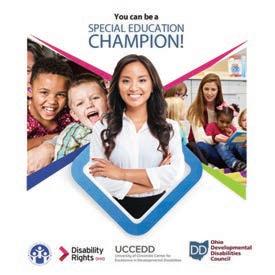
The Empowering Families project aims to strengthen the ability of parents, caregivers, and professionals to navigate the special education system and learn how to effectively advocate. Led by the Ohio Coalition for the Education of Children with Disabilities, Disability Rights Ohio, and the University of Cincinnati Center for Excellence in Developmental Disabilities, the project offers short, on-demand training sessions available in English, Spanish, and Somali. With more than 100 sessions already held across Ohio, both virtually and in person, the project continues to expand.
Giving a Voice to LGBTQ+ People with I/DD in Ohio
The National Leadership Consortium conducted a research study that showed how LGBTQ+ people with intellectual and developmental disabilities struggle to find services that understand and support them. Through surveys, interviews, and focus groups, 122 people provided feedback on their experiences. The study found that there is a need for better-trained professionals and more inclusive practices so people feel safe, respected, and connected. The results of the study were shared widely.
Mentoring Students with Disabilities for Career Success
WrightChoice Mentoring helps college students with disabilities get ready for life after graduation by connecting them with mentors, networking opportunities, and skill-building workshops. Participants say the program helped them gain confidence, try new things, and build strong connections. Many students have become mentors after graduating.
Addressing Transportation and Housing Gaps in Rural Ohio
IncludeAbility studied the challenges faced by people with developmental disabilities in rural Ohio by asking 190 people with disabilities, families, and professionals for their input. The biggest concerns reported were transportation and affordable, accessible housing. The study recommended stronger partnerships, better training for professionals, and more state and local investment in accessible housing, transportation, and inclusive services so people with disabilities can fully participate in their communities.
Bringing Inclusive Sports to Ohio Communities
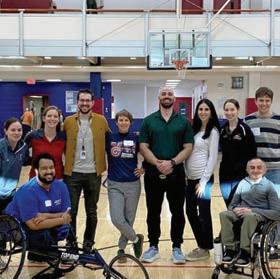
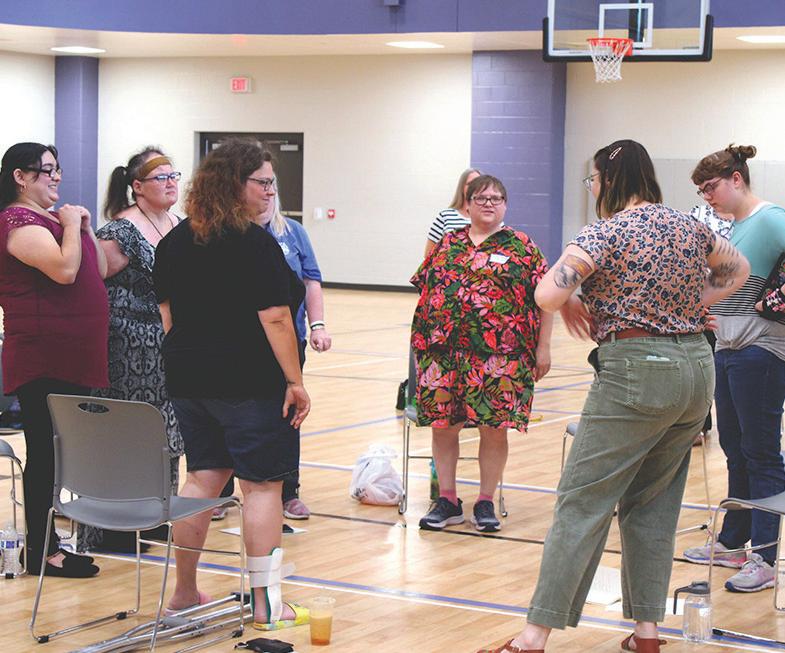
The Inclusive Sports Project empowers Ohio schools and communities to create meaningful physical activity opportunities for K-12 students with disabilities. In 2024–2025, this project piloted in-person and online training sessions in Athens, where 11 coaches gained skills and confidence to engage adaptive athletes. This led to a successful after-school sports program serving 20 rural youth, over half of whom had disabilities, fostering inclusion and health. Building on this success, the program now offers statewide training and resources to ensure all Ohio children can participate in physical fitness and sports.
Ohio’s Blue Envelope Program Builds Confidence and Safety
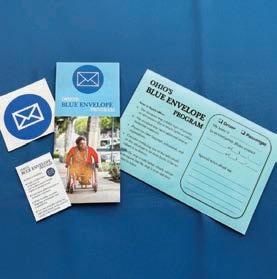
ODDC supported Ohio’s Blue Envelope Program that helps drivers with disabilities feel safer and more confident during traffic stops. Participants keep a special blue envelope in their car to store copies of their license, registration, insurance, and any notes about medical needs or accommodations. Law enforcement officials see it as a way to prevent misunderstandings, provide support, and build trust, while making traffic stops safer and more respectful for everyone.
White Paper Raises Awareness on Human Trafficking
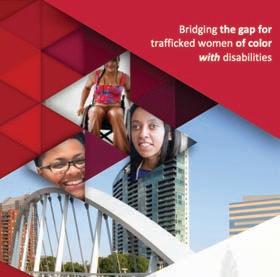
Human trafficking is a horrific form of abuse that takes away a person’s freedom and dignity. Individuals with developmental disabilities may be more likely to be used by traffickers. The Switch Network Anti-Trafficking Network wrote a white paper titled, Bridging the Gap for Trafficked Women of Color with Disabilities detailing how people with disabilities, including people of color, are being used or abused by human traffickers and how to stop this negative behavior against people with developmental disabilities.
Read Report
Legislative Staff Receive Hands-On Briefing from Deaf/Blind Community Organization
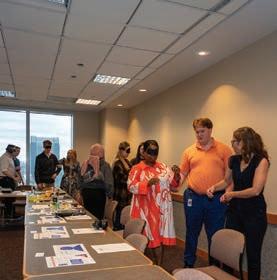
LMK Advocacy held a hands-on session for nearly two dozen legislative staff to help them better understand the challenges faced by people who are deaf or blind. Through activities simulating life without sight or hearing, staff learned how to offer support without taking over tasks. Participants also heard from deaf and deaf-blind individuals about important resources. The session was praised for its interactive approach, with staff saying it increased their awareness and understanding. This was a part of the General Assembly Briefing Session grant, which also conducted briefings on the makeup of the developmental disability system in Ohio and on employment options for people with developmental disabilities.
Empowering the DD Community to Share Their Stories
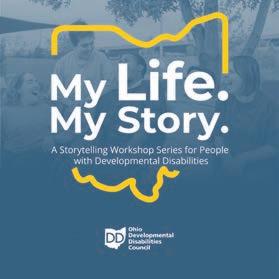
“My Life. My Story.”
Storytelling Workshop
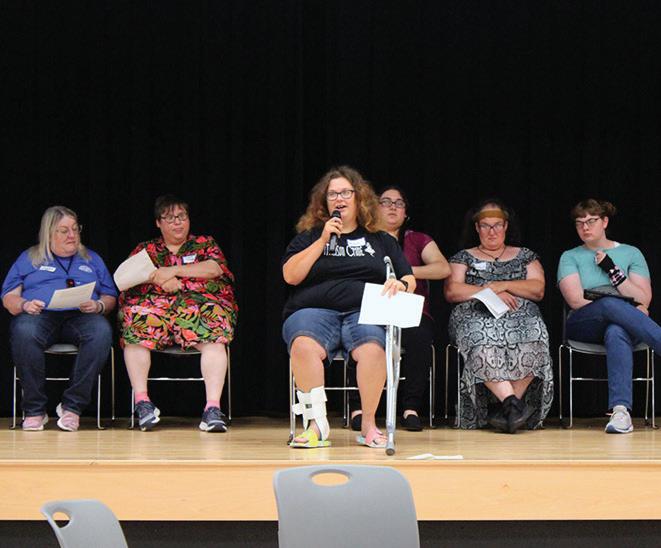
A storytelling workshop series, My Story. My Life. was held during 2024, led by Dr. Becca Monteleone, Assistant Professor of Disability Studies at the University of Toledo. Hosted by the Ohio DD Council, the workshops gave people with developmental disabilities a chance to write and share stories about their lives, advocacy, and personal growth. Each expressed themselves in many ways—including spoken word, art, and assistive technology—while building confidence, connection, and inclusion. The series concluded with live story performances.
Workshops were held in: counties: Brown, Putnam, Medina, Morgan, Morrow
Watch people tell their stories
8 Ohio Developmental Centers
1
5 Columbus Speech & Hearing Center for the DeafBlind community
Ohio DD Talks Podcast
Ohio DD Talks, hosted by Shari Cooper, is a podcast series of the Ohio DD Council. The episodes feature stories and conversations with Ohioans with developmental disabilities and others about current issues that are important to Ohio’s DD community.
Listen to the podcast on Spotify
Community Ambassador Program
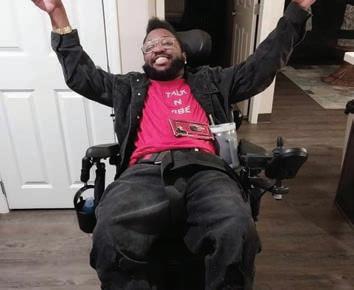
The Ohio DD Council Ambassador Program, launched in 2024, is a storytelling initiative that centers on the voices of people with developmental disabilities. Known as Community Ambassadors, self-advocates lead conversations and raise awareness around barriers and successes within their local communities. The Community Ambassadors were:
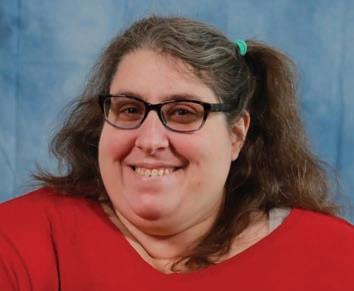
Learn more from Shari Shari Cooper (Dayton) was the first Community Ambassador to kick off this initiative. She chose two topics to cover: Montgomery County’s success in adding universal changing tables to public restrooms, and encouraging adults with DD to enjoy fun, inclusive activities in their communities.
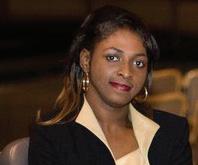
Alicia Hopkins (Cincinnati) shared her community’s stories in three ways: recording interviews with legislators, experts, and peers; writing blog posts; and creating visual art pieces. In her own words, she is “focused on communication and how access to the right tools can empower people to make their own decisions and achieve Supported Decision Making.”
Learn more from Alicia
Learn more from Raymil Raymil Norton (Ashtabula) shared information about his community and his experiences with transportation and inclusive outreach. His ambassador work was also recognized in his local Ashtabula newspaper.
Publications to Educate and Inform
The Council offers many easy-to-read publications on topics that matter to people with developmental disabilities and their families, including self-advocacy, housing, transportation, and more.
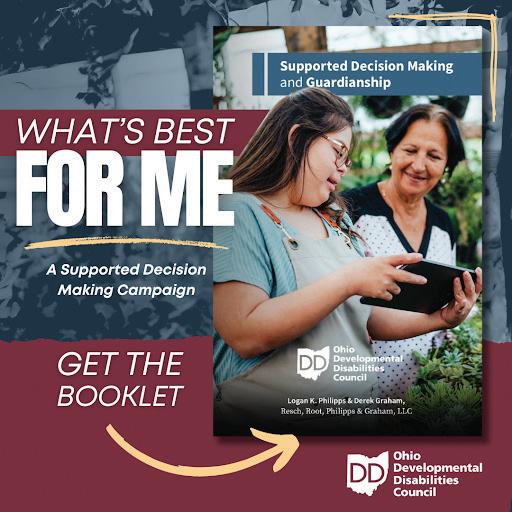
In 2023, the Council partnered with the law office of Philipps and Graham, LLC to publish Supported Decision Making and Guardianship in Ohio. This booklet, available in English and Spanish, explains supported decision-making, alternatives to guardianship, representative payees, power of attorney, and other choices. The Council also developed and shared online tip sheets through its What’s Best for Me? campaign to help people understand their rights and make informed decisions.
Frequently Requested Publications
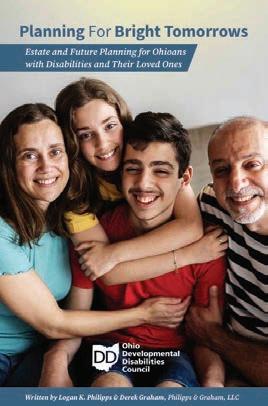
Planning for Bright Tomorrows: Estate and Future Planning for Ohioans with Disabilities and Their Loved Ones
This booklet offers a brief, non-legalistic overview of estate planning options for people with disabilities and their families in Ohio.
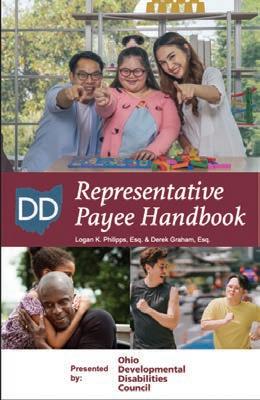
Representative Payee Handbook
This handbook provides information that is typically hard to find for beneficiaries of SSI or SSDI, or the individual assisting the beneficiary as a Representative Payee.
Media & Communications
The Ohio DD Council shares news and updates with people in Ohio’s developmental disability community through its website, emails, social media, and news stories. These numbers represent two fiscal years from October 1, 2023 through September 30, 2025.
Email Outreach
136 Emails sent
41% Open Rate
2,579 Subscribers
515 Subscribers Added
The Council is active on social media through its Facebook, Instagram, and LinkedIn pages, along with its YouTube channel, with nearly followers combined across all platforms.
Social Media 5,700
Media Coverage
438 Mentions
570.9K Reach
$2.4K Publicity Value
Members and Staff
Carolyn Knight
Executive Director
Jennifer Kucera Council Chair
Members:
Jennifer Kucera, Council Chair, Cuyahoga County
William “Bill” Ackman, Franklin County
Krystal Albright, Paulding County
Javan Brown, Franklin County
Bing Crosby, Jr., Pickaway County
Morgan Deavers, Perry County
Molly Dible, Hancock County
Essence Unique Easley, Franklin County
Isabel Ganz, Hamilton County
Pamela Green, Hamilton County
Jason Hill, Franklin County
Courtney Hineman, Butler County
Noriko Kantake, Athens County
Matthew LaFontaine, Hancock County
Monica McCain, Lucas County
Latisha Martin, Montgomery County
Lisa Morrison, Medina County
Amanda Via, Miami County
Cassandra Wilson, Lucas County
Jodi Young, Putnam County
Kellie Brown, Guernsey & Muskingum County Boards of DD
Lynne Fogel, Ohio Department of Health
Jessica Folsom, Ohio Department of Behavioral Health (term ended 2023)
Roya Hood, Opportunities for Ohioans with Disabilities
Emilia Jackson, Ohio Department of Aging
Ellie Jazi, Ohio Department of Behavioral Health
Vicki Jenkins, Ohio Department of Developmental Disabilities (term ended 2024)
Kari Jones, Ohio Department of Education and Workforce
Bobbi Krabill, Ohio Department of Health (term ended 2024)
Kellie McCain, Ohio Department of Medicaid
Nathan “Nate” Turner, Ohio Department of Developmental Disabilities
Mark Smith, Ohio Department of Education and Workforce (term ended 2025)
Staff:
Carolyn Knight - Executive Director
Rebecca Bates - Policy Analyst
Leslie Connelly - Policy Analyst
Gilbrina Dillon - Program Administrator
Donna Foster - Program Administrator
Gary Groom - Financial Program Manager
Paul Jarvis - Legislative Liaison
Robin Shipp - Senior Financial Analyst
This publication is supported by the Administration for Community Living (ACL), U.S. Department of Health and Human Services (HHS) as part of a financial assistance award totaling $2,839,934 with 96 percent funded by ACL/HHS and 4 percent funded by non-federal government source(s). The contents are those of the author(s) and do not necessarily represent the official views of, nor an endorsement, by ACL/HHS, or the U.S. Government.