FIELD DISPATCH
I
ORTThismagazinehasbeen craftedtoprovide comprehensiveupdatesto ourluxurybusinessgroup andenterprisepartners regardingbrand developments,recent acquisitionsandcapability updatesthroughoutthe year
Ourcommitmentisto keepyouinformedand empoweredintheeverevolvingworldofluxury
TABLE OF CONTENTS
Outstanding Individua of Success from Across th Dispatch Interview
Interview with Bernardino Sani, on the Monte Rosso Estate Project and the Future for Luxury Wine
How Gen Z is Quietly Rewriting the Rules of Wine
red Hospitality
ancing Brand Equity
A Spotlight on Key Developments in Brand’s Innovation and Communication Programs & Discover
brate Our Teams
Recognizing Important Milestones
THE DISPATCH INTERVIEW
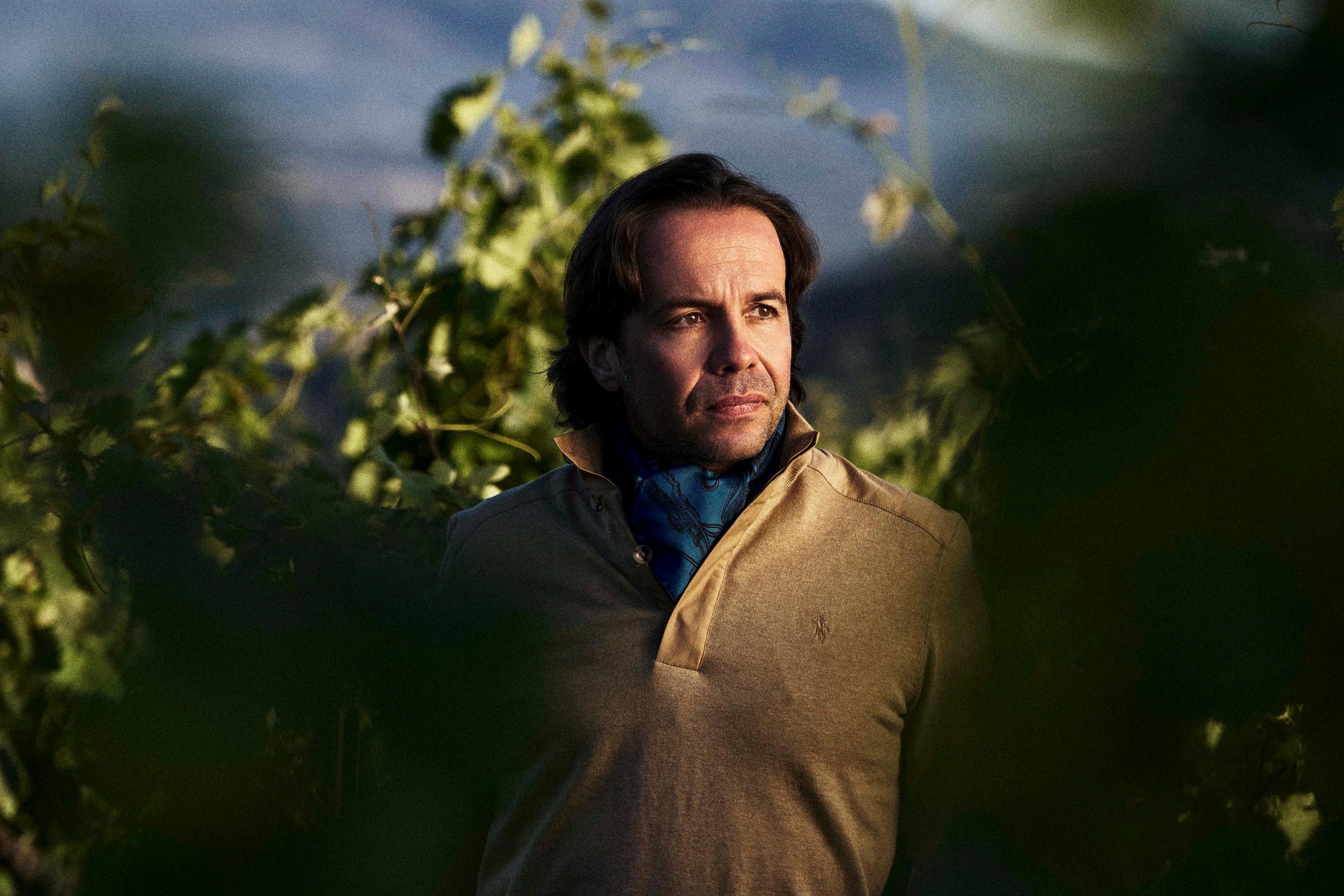
Interview Bernardino Sani
THE WINEMAKER FOR ARGIANO AND MONTE ROSSO ESTATE
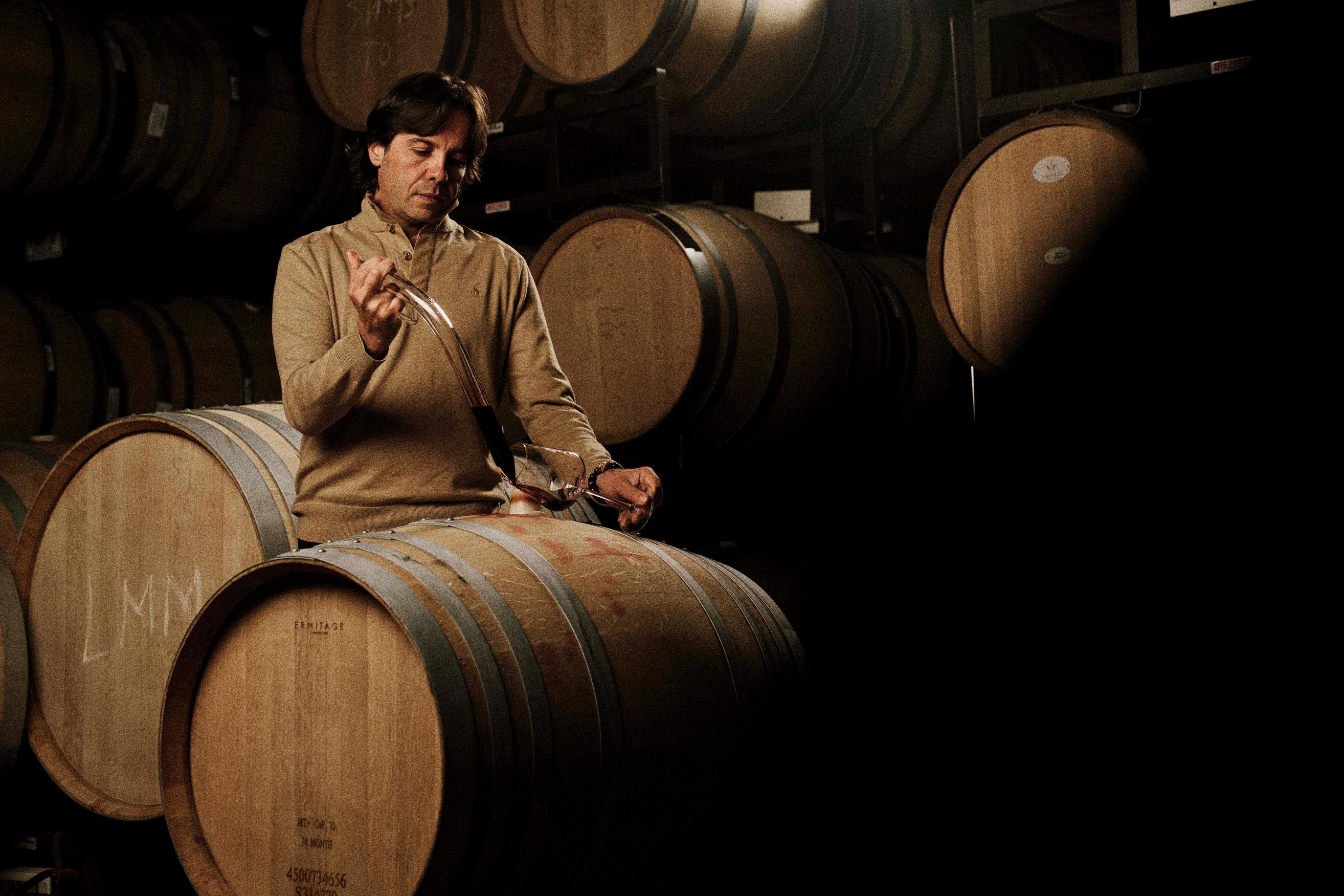
Diego: Why don't we start by speaking a little bit about where you come from, your trajectory, and how you got to be the CEO and winemaker of Argiano in Montalcino, and for Monte Rosso Estate.
Bernardino: I was born and raised in Siena, and as you know, it is a pretty famous winemaking area for Italy; it's in between Chianti Classico, Brunello di Montalcino, and Bolgheri; so many of the greatest Italian wines are made in the area. My background has always been in winemaking. I developed a great passion for wine. I studied winemaking at the University of Florence and graduated in Montpellier, France Since then, I have always been working in wineries around the area, and with a consultant winemaker, Paolo Vagaggini, that has been consulting for many of the most important wineries in the area
I had some experiences abroad I always thought that it was good to link the winemaking and technical background to a more commercial experience And so, at a certain point, I decided to work for a wine distributor across the Antillean Island, St Martin, St Barth’s, St Kitts and Nevis This commercial experience was super interesting; it allowed me to learn a little bit more about sales
Then I went back to Tuscany to start working for Argiano Due to this experience in both fields, commercial and
technical, I was hired as the CEO and the winemaker It was a great moment because that was the switch from the former owner, Countess Noemi Marone Cinzano to the new owners, the Estevez family Argiano in 2013, was in need of a huge restoration This allowed me to take care of everything, and to start a new adventure for Argiano Starting in the vineyards, followed in the cellar, and then ended with the physical restoration of the castle, an amazing property from 1580; it's so beautiful, but it was even more beautiful to participate in these huge restoration projects.
I did consult for a family who bought a couple of wineries in Piedmont, one of them is pretty important, Vietti in the Langhe I have also traveled a lot because the most prestigious wines of Italy are mostly exported The domestic market is strong but consumption is mostly in entry level wines The consumption of Barolo, Brunello, Amarone is mostly abroad, specifically in the United States, that is still on average 30% of sales for the most important prestigious wines of Italy
Diego: Very interesting. Speaking now specifically about your relationship with the US market, you started working with Maze Row back in 2017?
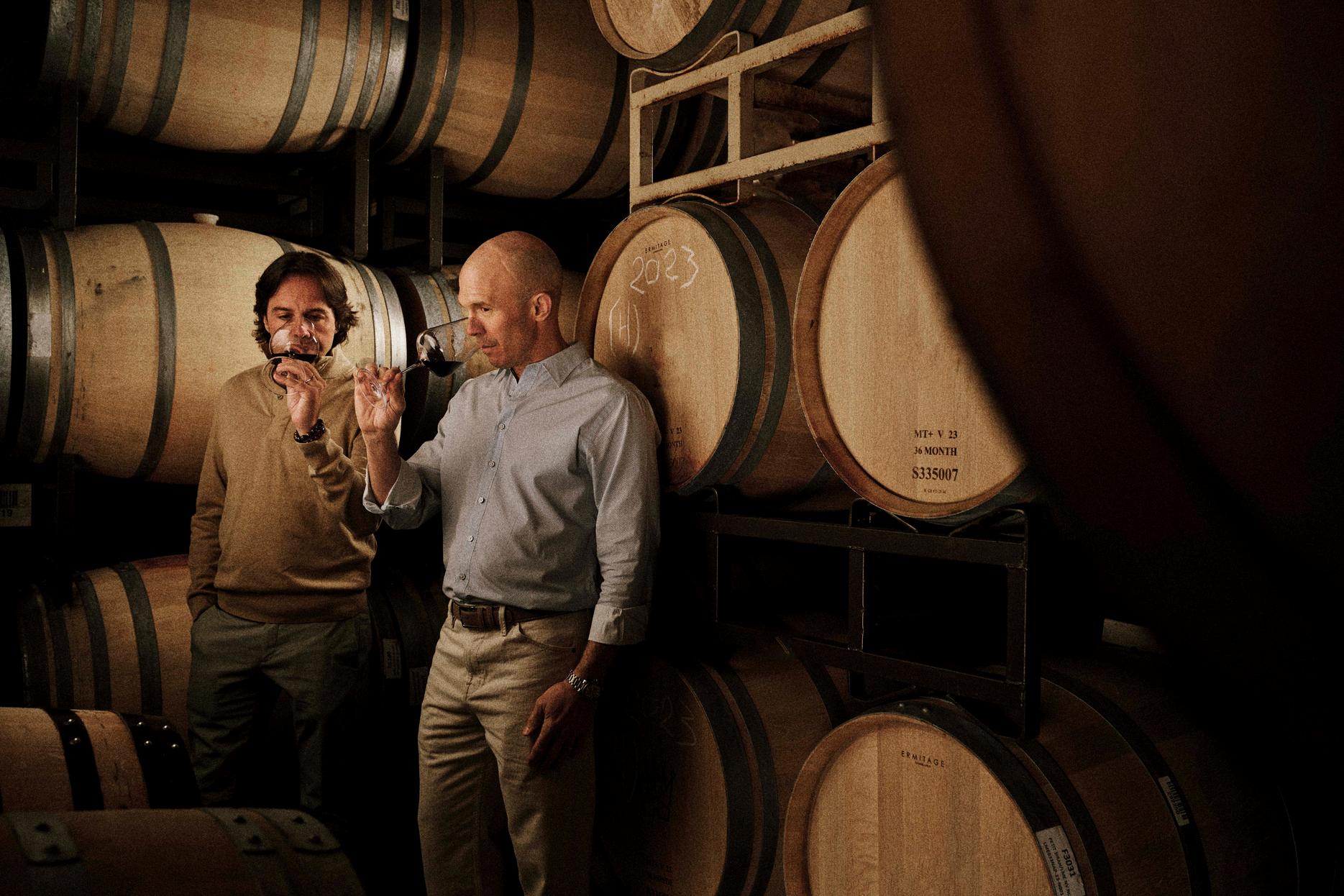
Bernardino: It was a great moment We started the restoration of Argiano from the vineyards, because in my opinion, premium wine cannot be made unless you have beautiful vineyards and beautiful sites We followed it up in winemaking, and once we were a little bit more confident about our quality, we decided to restructure the distribution model And we were looking for a partner that was 100% dedicated to what we were doing We met Joe C, and I immediately felt that was an incredible opportunity for us to have such a great partner, 100% dedicated to our winery. The uniqueness of the Maze Row project is that it is only bringing one winery for each iconic region of Italy So, there's a lot of focus and attention I have to say that it was the start of a great friendship more than a great partnership It has been a long path but it has been made from friendship
Diego: Let's fast forward to 2024 We had met a couple years before that, but we really started thinking about the Monte Rosso Estate project on one of your visits. It was Joe C who mentioned that you had an interest in working on a project in California, so he put us in touch and off we went to visit vineyards in the winter of 2024.
Bernardino: I remember one of our first time together was in William Hill, where you organized a fabulous reception for the Maze Row producers. I have always dreamed about California. It's a dream for everybody. Besides being a great winemaking place, it is one of the most beautiful places in the world, for its nature, for the quality of life, and for the people I've always dreamed of doing something there
In 2023, we reached many of the goals we had in mind for Argiano, so it was a good time to start a new project I was speaking with Joe C and saying, I would love to do something in California, maybe even the owner of Argiano could be interested Joe said, "You know what, Bernardino, Diego is working on a very niche project in California You should connect, see if there's something that interests you ” I was super happy, because the most difficult thing you may face when you work in a far and unfamiliar place is dealing with someone who doesn’t speak your same language in terms of winemaking philosophy, strategy, and ideas. And when Joe C said, “Diego,” I already knew I had a person who spoke the same language
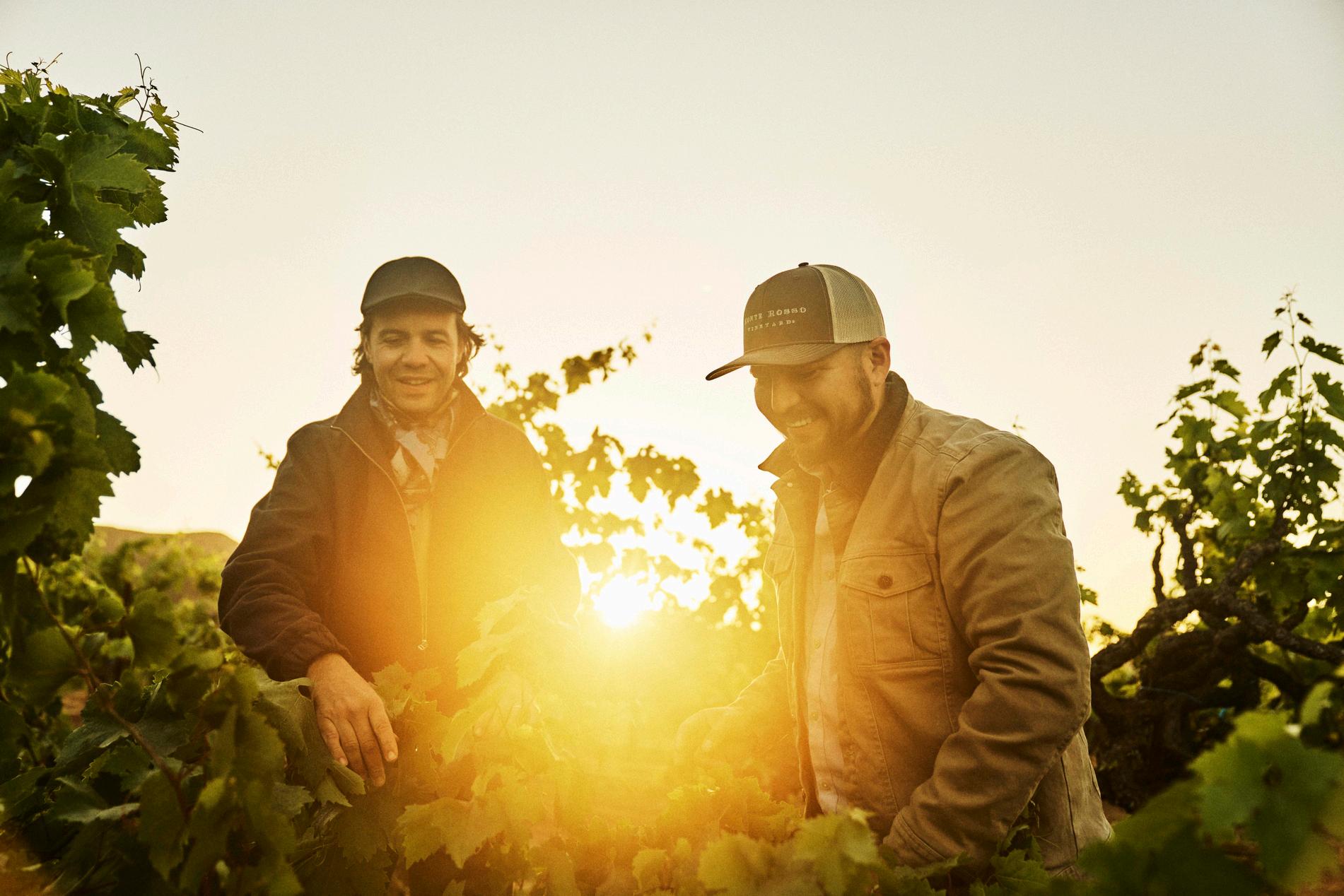
I remember we started to tour the vineyards, and reaching Monte Rosso, sincerely, was an epiphany It was a moment
Winemaker, Bernardino Sani, and Estate Director, Diego Del Pino
Bernardino pictured with Vineyard Manager, Juan Alonso
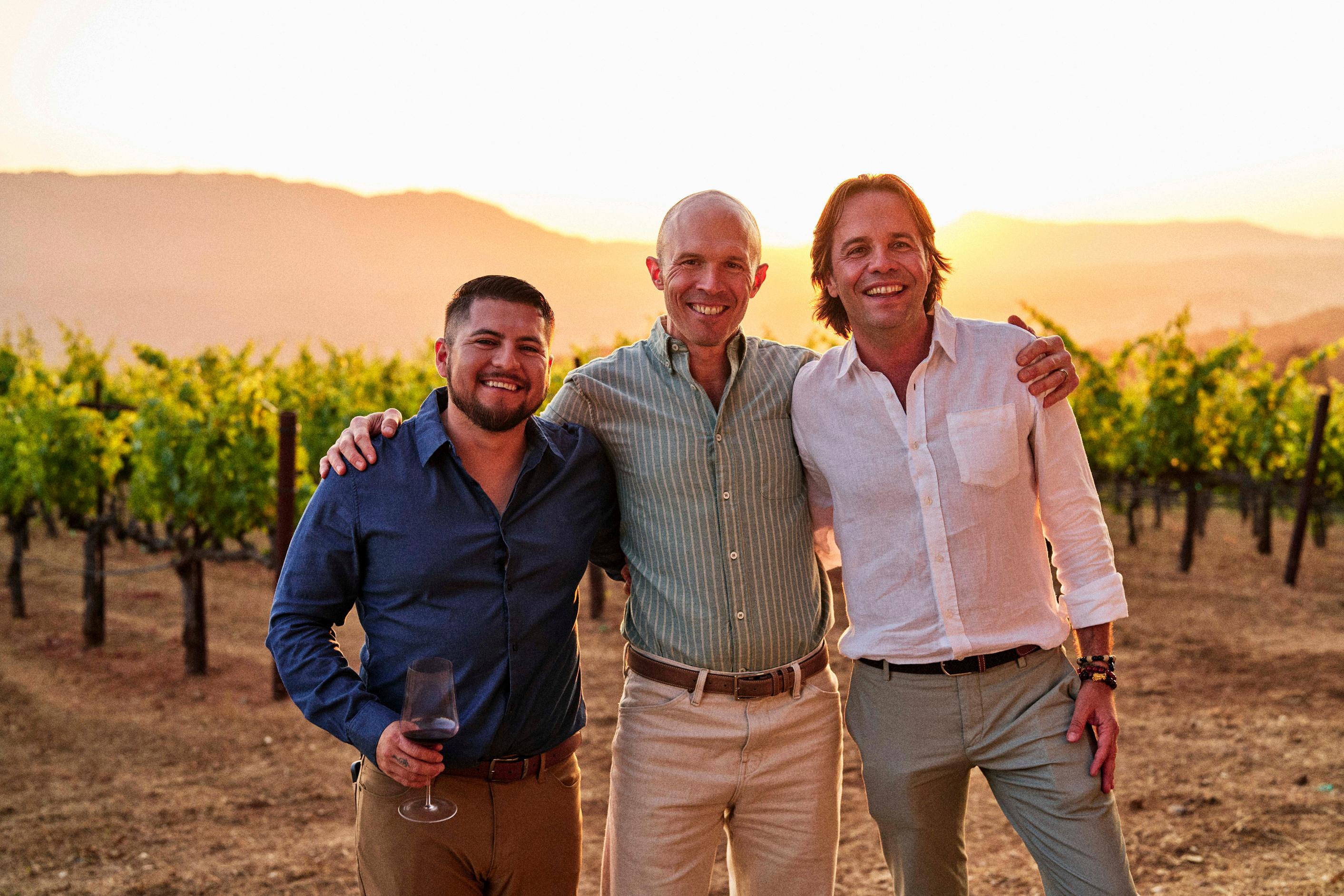
Diego: The feeling is definitely mutual I knew you were going to connect with Monte Rosso, and I was glad to see that it resonated with you the way it did because it is a very unique place, not just in Sonoma or in California, but in the world.
Let's speak more specifically now about the project we started in 2023. You joined us in 2024, and we already had some wines in tanks at that point. The important thing for me was aligning that winemaking vision. Considering that our first vintage was made by Mark Williams, a phenomenal winemaker who had understood my vision for the project. He had already vinified the first vintage in a style consistent with what we were aiming for in the future. Talk to me a little bit about your vision for this project as it relates to the wine style
Bernardino: It was a mix between the fantastic viticulture, site, and winemaking that was carried on in a fantastic way that allowed us to make fabulous wine from the very first attempt
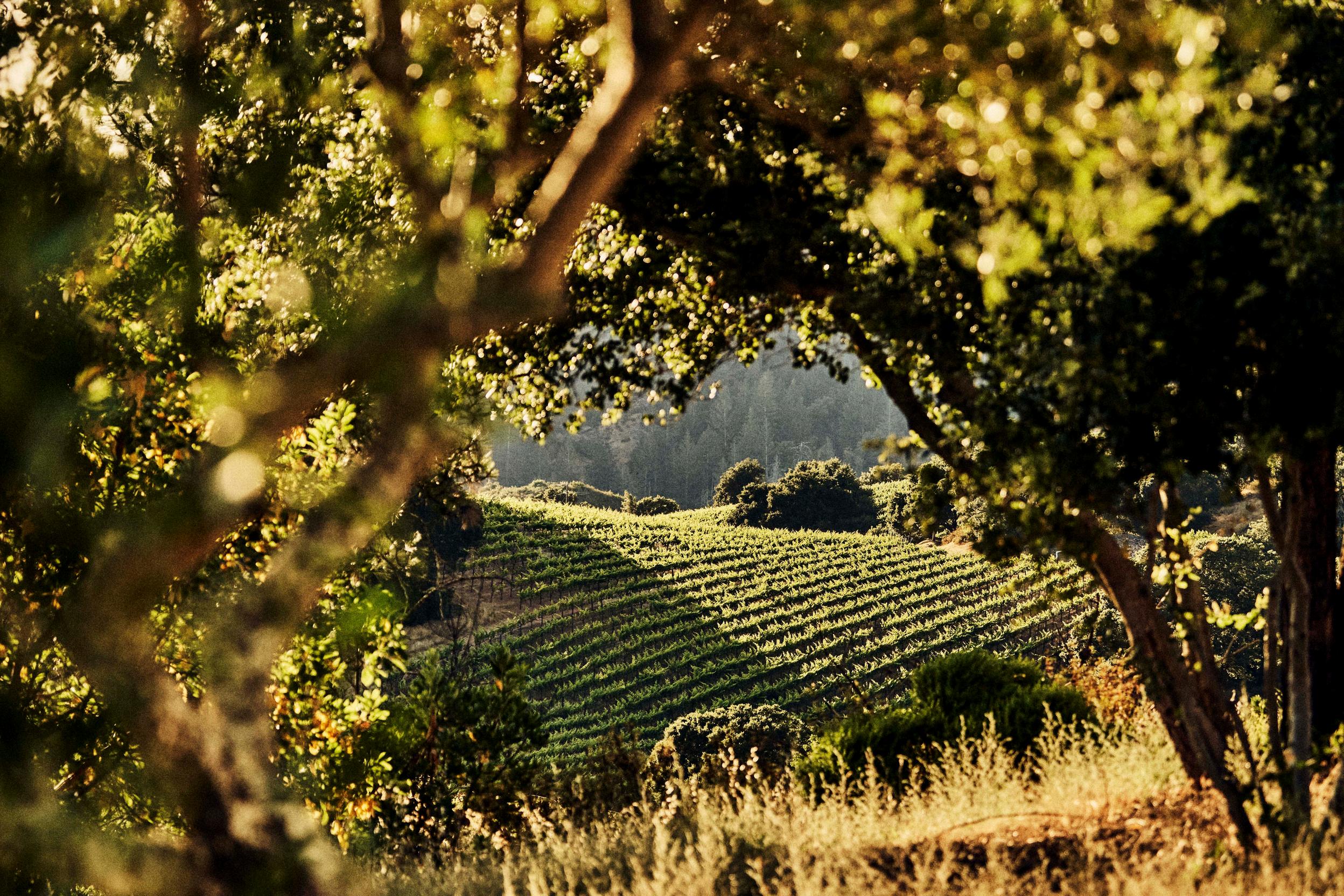
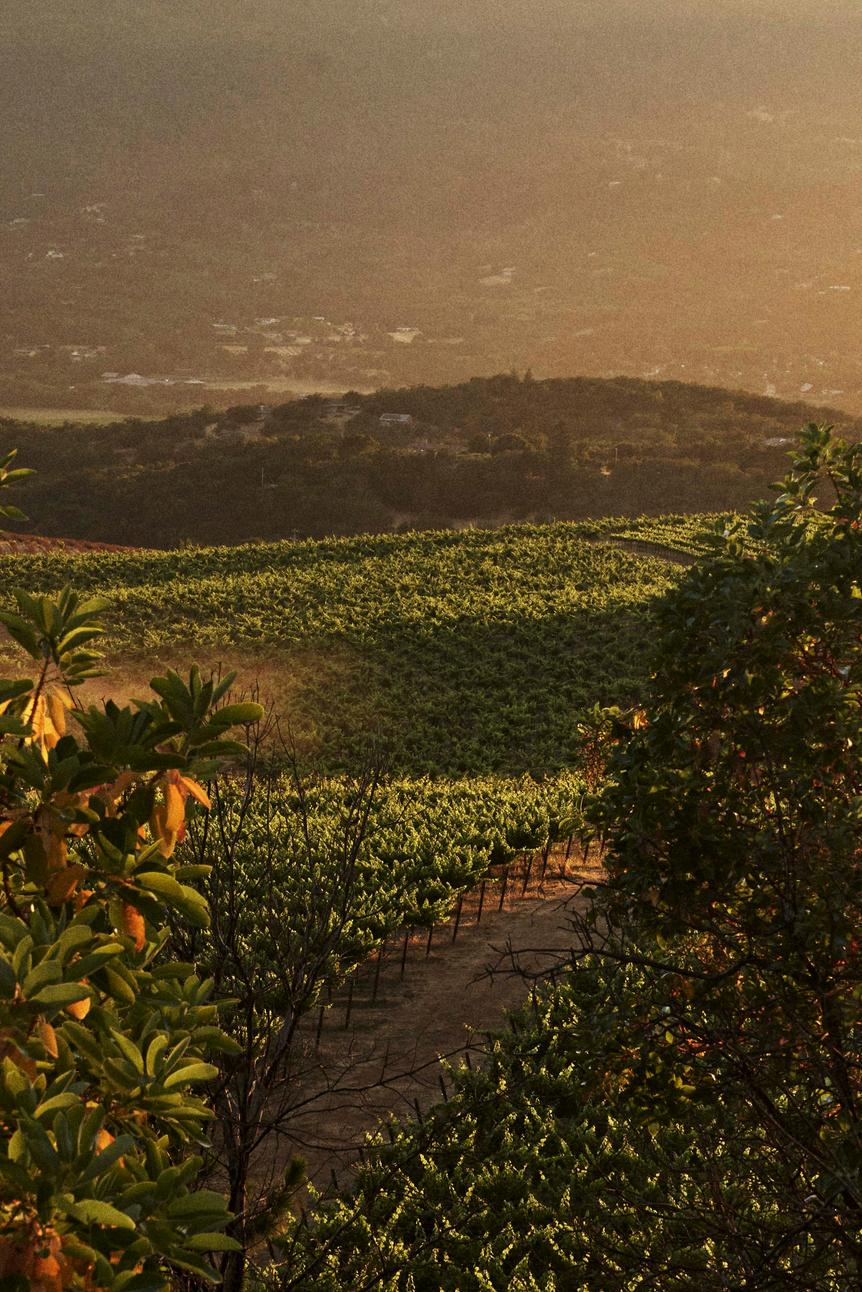
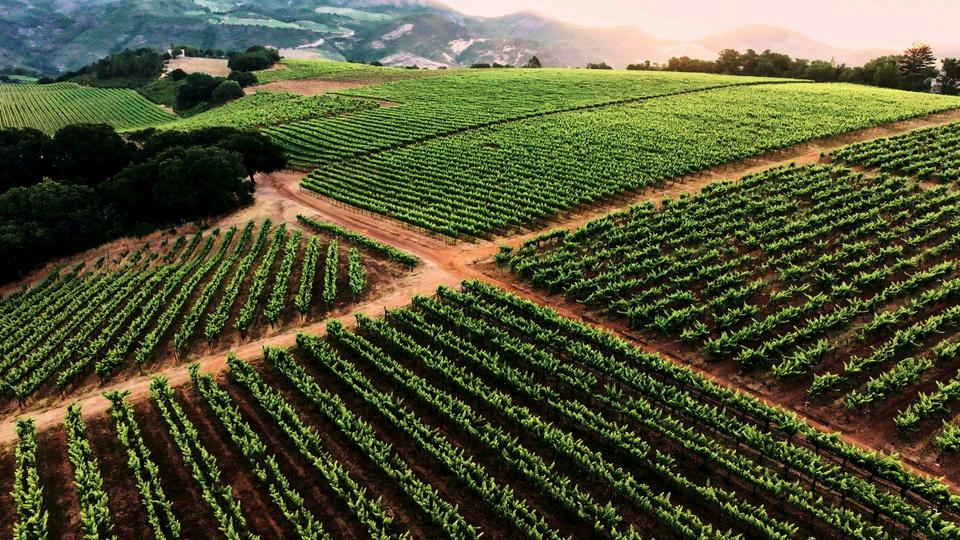
I feel that Monte Rosso is a unique place It's made of history, which is very important to me It's made from fantastic volcanic soil, and from vineyards that are, in some cases, more than 100 years old This, combined with the unique weather over the San Francisco Bay, getting a lot of humidity and cool temperature at night, makes all the ingredients to make terroir-driven wines and wines that speak about the place So, in my opinion, winemaking there has to be pretty restrained and aimed at highlighting the place's uniqueness.
This means harvesting at the right time, so as not to overripen the fruit Aging the wine in barrels that are respectful of the fruit, so as not to over-oak the wine To always prefer the balance against the big power The uniqueness of the place is the finesse; the uniqueness of the place is the elegance, because all vines on great soil, with the good weather, translate into this For example, the Cabernet Franc is outstanding, and that's something we would like to highlight Apart from that, the whole winemaking goal should be to make expressive wines that speak about the place
Diego: Agreed. Another thing I want to highlight that you mentioned is the specificity of the soil. From my perspective, the work that the viticulture team has been doing for the last five years, converting the vineyard to organic practices, is a big selling point. For this level of wine, this is table stakes, right? Everybody expects a
vineyard of this quality to be farmed organically.
Bernardino: It is Not only is being organic a strong commercial advantage, as people are more attentive to respect for nature and the uniqueness of the place, but it's also a quality aspect If you have old vines and great soil, you want your vines' roots to go deeper, and you don't want to feed them too many chemicals You want to be more respectful of the environment, and you also want your vines to be deeply connected to your soil
It's a way to avoid chemical fertilizers and be more conservative with the water you give the plant This way, you push down the roots that, in old vines, are very big and go deep, and you get more of the terroir in the wine
Diego: Let's talk for a moment about the portfolio. Can you talk about the wines we have, why we picked them, and your specific vision? You hinted at the Cabernet Franc for the wine we call The Impression, but let's start with our Semillon
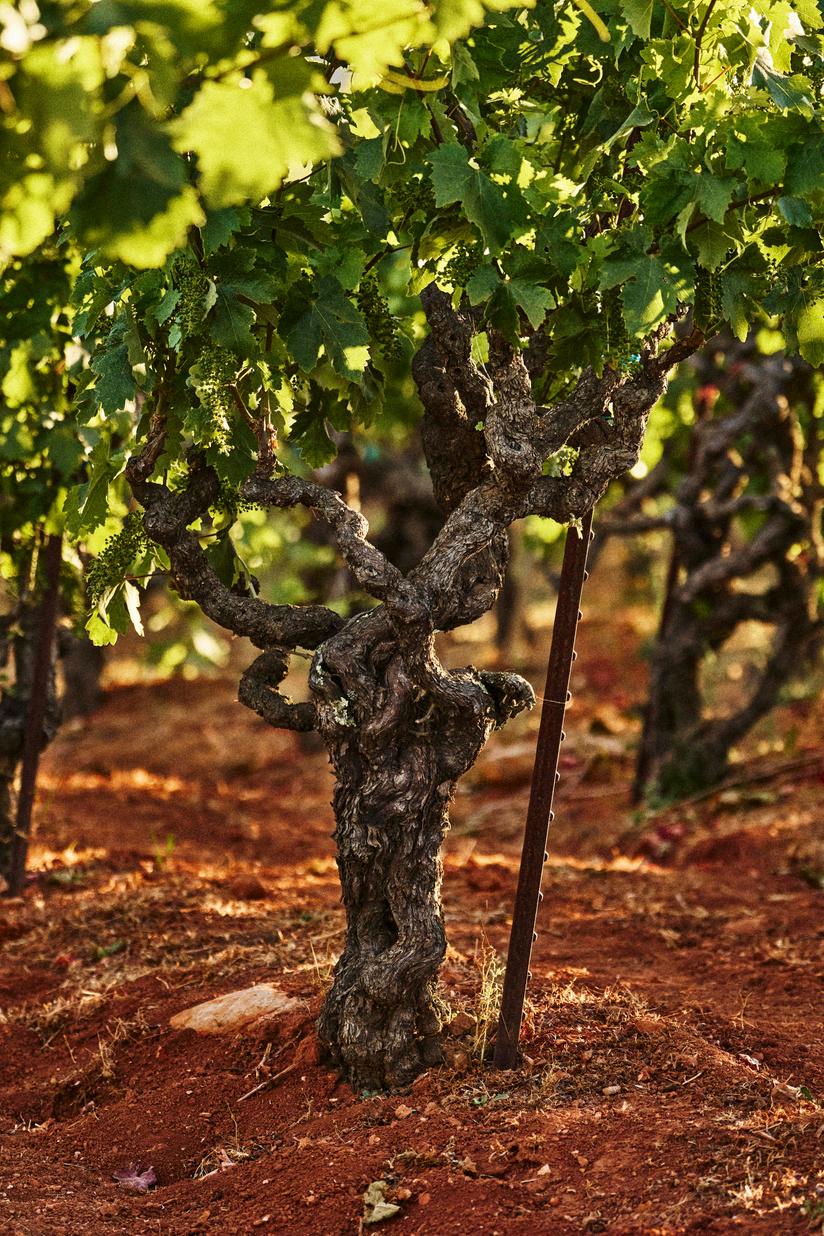
Old Zinfandel vines, originally planted in 1893
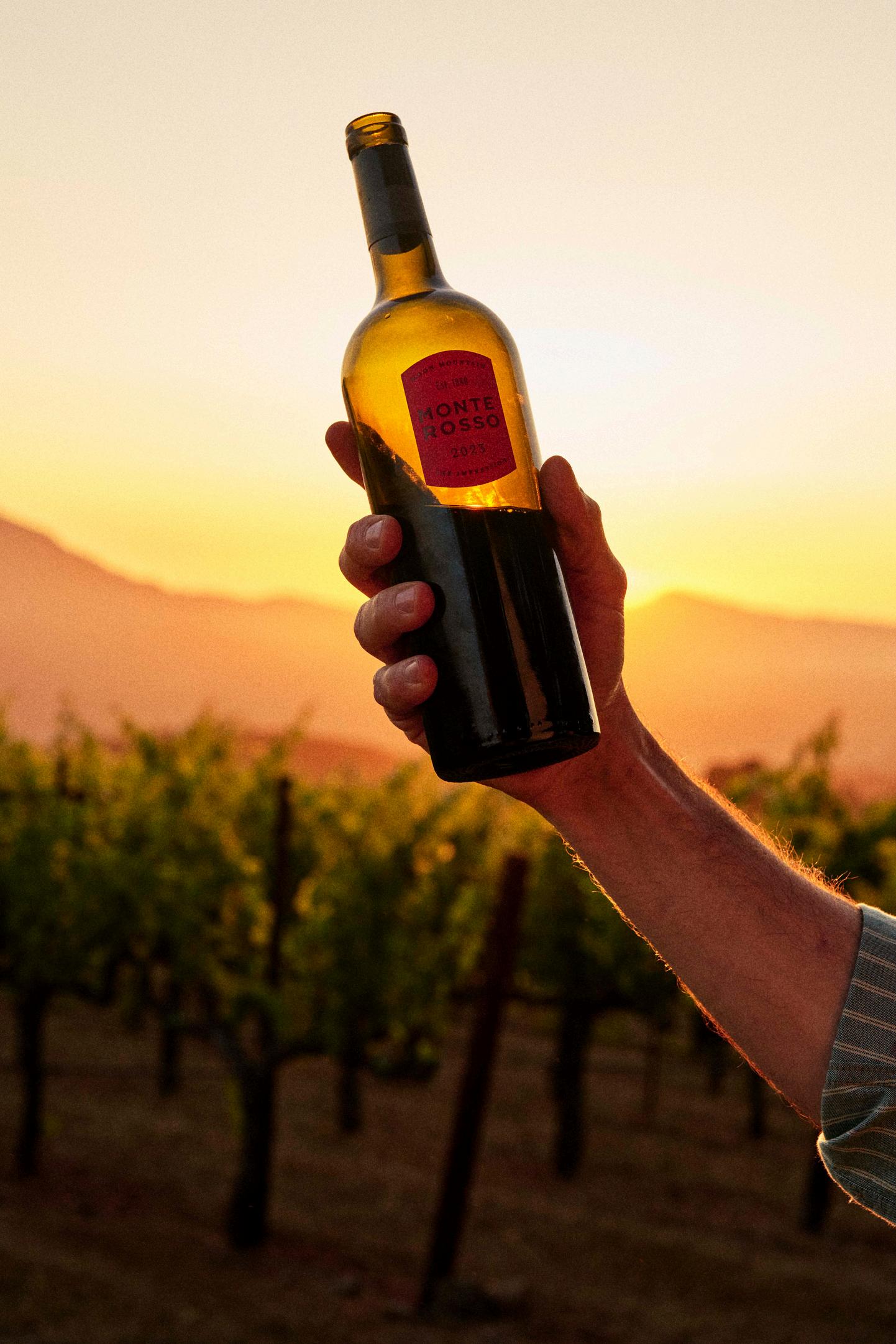
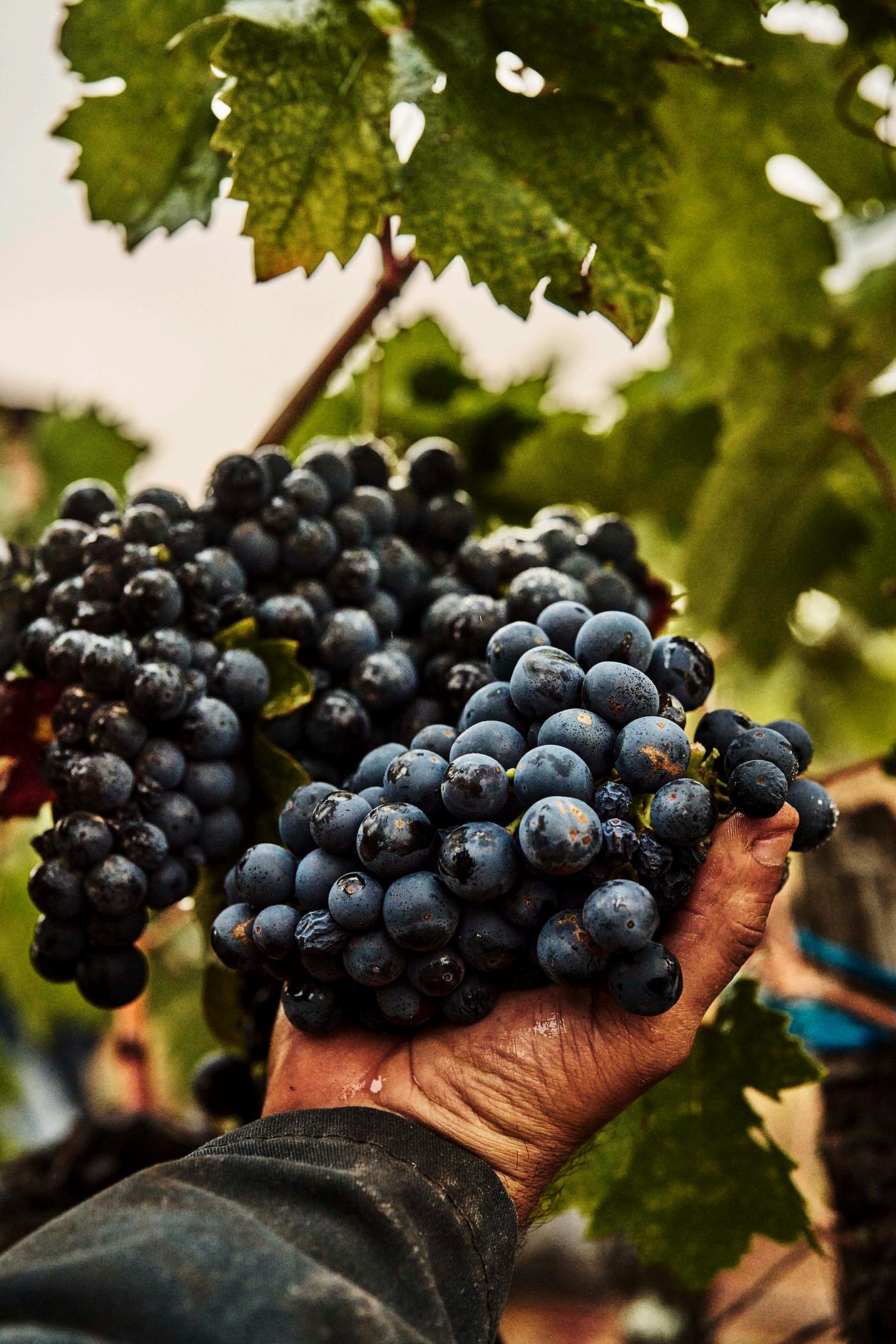
Bernardino: When touring the vineyard, there were two superstars that immediately got my attention: the Semillon and the field blend, which is the Zinfandelbased vineyard The Semillon has very old vines and has a unique position; from the vineyard, you can see the San Francisco Bay So, we get a lot of the ocean influence. Semillon is not an easy variety to make, as quality is driven by lower yields rather than overproduction It's also driven by the age of the vines The risk is to make a lot of quantity, a lot of fruit, but with very poor flavors In a good Semillon vineyard, you have old vines and volcanic soils that add some saltiness to the wine Semillon can be Haut Brion, one of the best white wines of the world, or it can be a very generic white wine Semillon from Monte Rosso has the features and the quality to do that kind of amazing, full-bodied, precise, white wine, with a salty finish, that is unique in a great Semillon They have tannins that remind me of red wine sometimes
The Essence, a fantastic name for our Zinfandel, because it is the main feature of the vineyard, truly the soul of Monte Rosso If you look at the architecture of those Zinfandel vines, you immediately feel they have a long history, yet
they’re so well preserved. The viticulture there has been carried out in a fantastic way: those vines are more than 100 years old and are still so alive and so beautiful They truly represent the essence of Monte Rosso
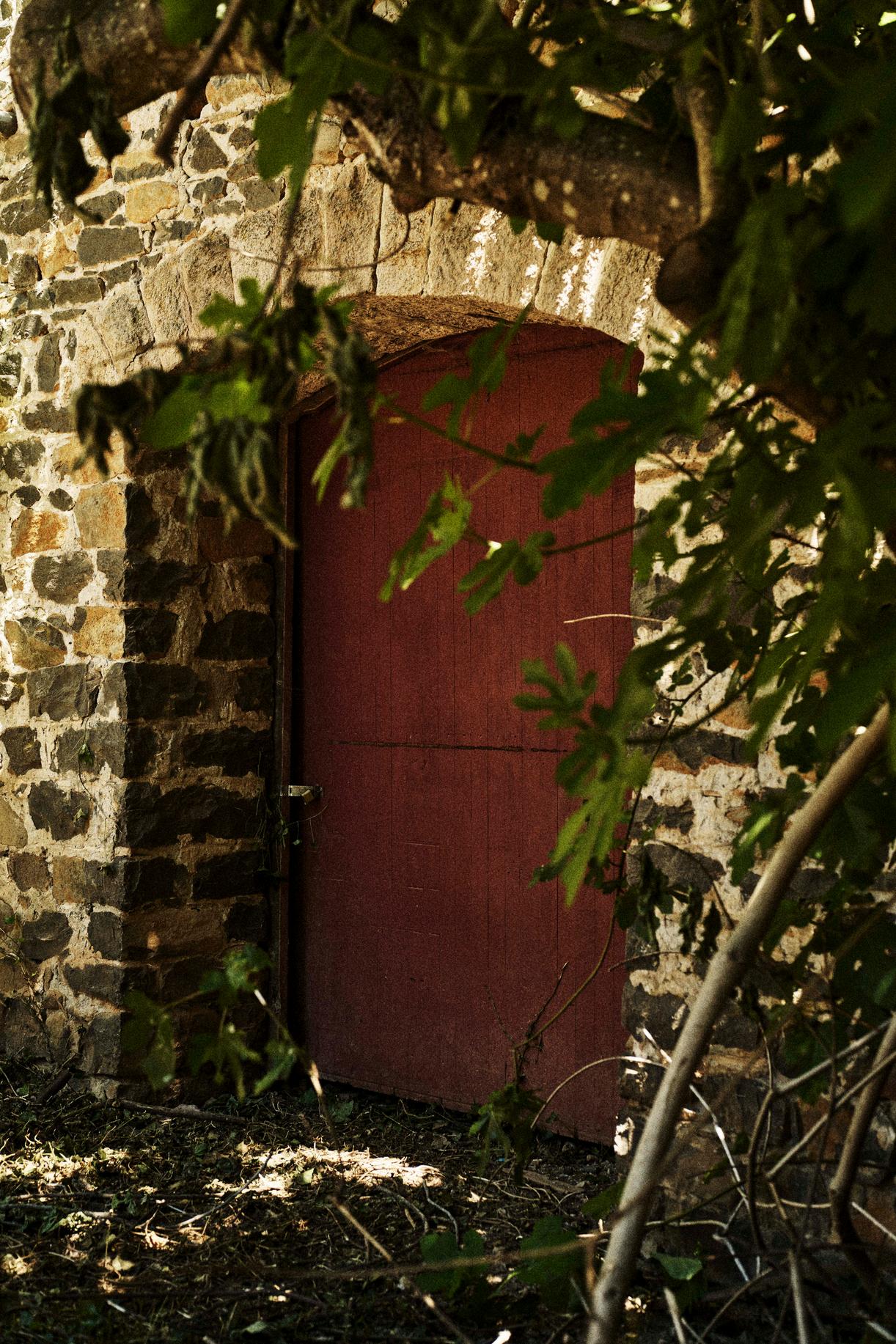
The soil there is super red, volcanic, and rich in iron The old vines are amazing, and they balance themselves in a fantastic way Zinfandel has a problem sometimes; it can get overripe very easily
It can go from not being ripe to being super ripe in a matter of days In Monte Rosso, this doesn't happen because the old vines can balance themselves across the different weather conditions you may experience from summer to summer, giving us a larger window to harvest and more options, resulting in a wine that is so rich in complexity Sometimes when you get overripe easily, you lose a lot of complexity In this vineyard, it is not the case because you can wait a little longer and still get a lot of complexity
The Zinfandel and the field blend of Monte Rosso have a super spicy nose and a mouthfeel that is never too jammy, always on the fresh side It has fantastic acidity, one of the richest in tartaric acid among our wines It has a fantastic balance between being round and digestible in terms of tannins, and it is still very fresh, very salty, and very mineral in the mouth So, straight away, I think The Essence gives you the most important features of the place that are the capacity of making elegant, long aging, complex wines that speak about the place
And then you have The Impression that is the idea of selecting some of the best fruit, to make a wine that is more the winemaker’s idea of the place and the vintage
And again, when I speak of Monte Rosso, I l of elegance, finesse, of a unique place So to very first moment of tasting the wines, there grape that stood above the other, which was Cabernet Franc Sometimes, when Cabernet an Old World style in cooler climates, it's ve maybe too much so Or perhaps it doesn't re level of complexity on the palate as it does in Sometimes you have a Cabernet Franc that i expressive on the nose but lacks a little bit o In California, in Bolgheri, on the coast of Tu hotter, more Mediterranean climate, it can s too ripe, so you lose the nose's complexity
In Monte Rosso, it's outstanding because it's found a perfect spot in between those two w the complex herbal, spicy nose, and you also powerful middle palate, with very refined ta are only a little bit on the greener side, but n exactly like we want them
So, we decided to make the Cabernet Franc
The Impression, because we felt we had som unique The result is a blend that always pla Cabernet Franc as a base, and Cabernet Sau g sometimes using a little bit of Malbec that fits perfectly in the middle palate, adding some richness We all know that California can deliver outstanding Cabernet S i C b F l i A d
Diego: Finally, the pièce de résistance, Los Niños.
Bernardino: Los Niños is incredible because it’s not only probably the oldest Cabernet Sauvignon vineyard in California, dating back to 1940, but it's also an amazing Cabernet Sauvignon It's not easy, as always happens with grand cru sites; the viticulture is crazy Between the viruses in some vines and the vineyards that are a little bit confused, it takes a lot of effort to balance the vineyard and reach ripeness
But when you taste the wine, you feel immediately that you are in front of a grand cru You feel it for two reasons: first, the wine is delicious and stands above the rest of the area's Cabernet Sauvignons Second, I have been tasting the wine now in multiple vintages
As we started in ‘ 23, then ‘ 24, and now ‘ 25 And as you say, the ‘ 23 harvest was carried out by Mark Williams and a different team Sometimes when this happens, and then when you switch to a different winemaking style, the wines change In the case of Los Niños, it doesn't, because the personality of the vineyard is so strong that it stands above the different techniques you may apply in the winemaking This is true only for grand cru sites
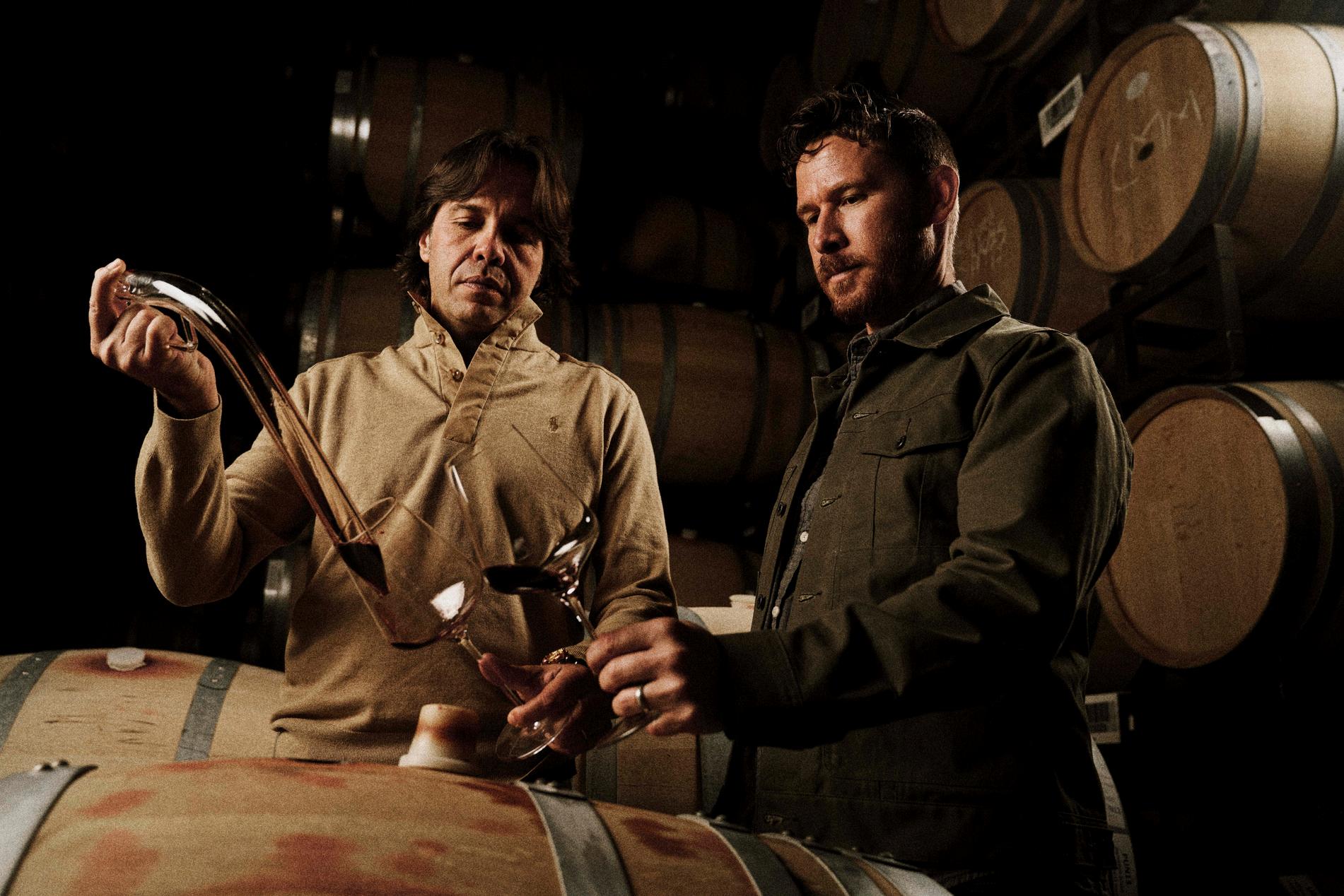
Bernardino barrel tasting with winemaker of Louis M Martini Zach Watkins
It happens in Burgundy and is also happening in some Barolo cru, because the vineyard personality is so strong that it stands above the winemaking And this is Los Niños Maybe it's not the easiest wine to drink at first, but we have to allow it some time to develop, as is always the case with great wines In the long run, it's out of this world
Diego: Last question: how do you see the future of the fine wine market? I'm zooming in on this segment due to your work with Argiano and Monte Rosso’s aim in the luxury wine arena. We're launching the brand in the US this spring and possibly in other markets. Given your travels from London to Dubai to Hong Kong and the US, how do you view the evolving fine wine consumer in these challenging times?
Bernardino: As you know, it's not an easy moment, and it's probably the first time that you've seen the same challenges all over the world It's not that the crisis is driven by one specific thing, but it's a little bit all over the world that is experiencing lower consumption of wine and more competition for the first time from the different outstanding winemaking regions of the world, because we all fight to get the same customers, as the pie is not growing enough for everybody We are switching from consumers who were more interested in drinking wines because they were suggested by the restaurant or the sommelier, or because they were highly praised by the press, or because they were famous We are switching into consumers who are more attentive to the history behind the wines So, they travel more than previous generations
They want to drink something connected to the place; they want to drink something that tells a lot about the place where the wine is made, and they want to drink something that is maybe easier to drink than what previous generations drank You can also see this in how restaurants are changing Most younger crowds don't go to the restaurant for a big, slow 3-course meal that starts with a glass of wine and ends with another They want fresher ingredients, maybe sometimes even ‘kilometer zero ’ , which is connected to the place where they are eating They may drink just one bottle of wine, a good wine, but they need a wine that is able to go with food in a good way So, the two key points for the future are: there will still be space to grow for the wine business, but it has to be connected to the place where it is produced So, telling a good story about the place And it has to be drinkable wine; wines that are easy to go with food, and they are not overcharged with too much power and body This would be very important because the bigger problem we will face in the future will be that if a wine is not able to deliver a unique sensation or to speak about a place or to speak about itself in a good way, it won't be easier than before to sell wine The importance of the press is still great, but it's declining slightly We, in the industry, also lead a moment of change and renovation, and for a little bit, we will miss some good staff to sell our wines This is another problem that I see worldwide After COVID, there has been a change in the staff, including waiters in restaurants and retail So, we miss something in comparison to some years ago And this won't be replaced by technology; it may play a part, but I strongly believe the importance of human connection will remain very important in our business in the future
SIP & DISCOVER
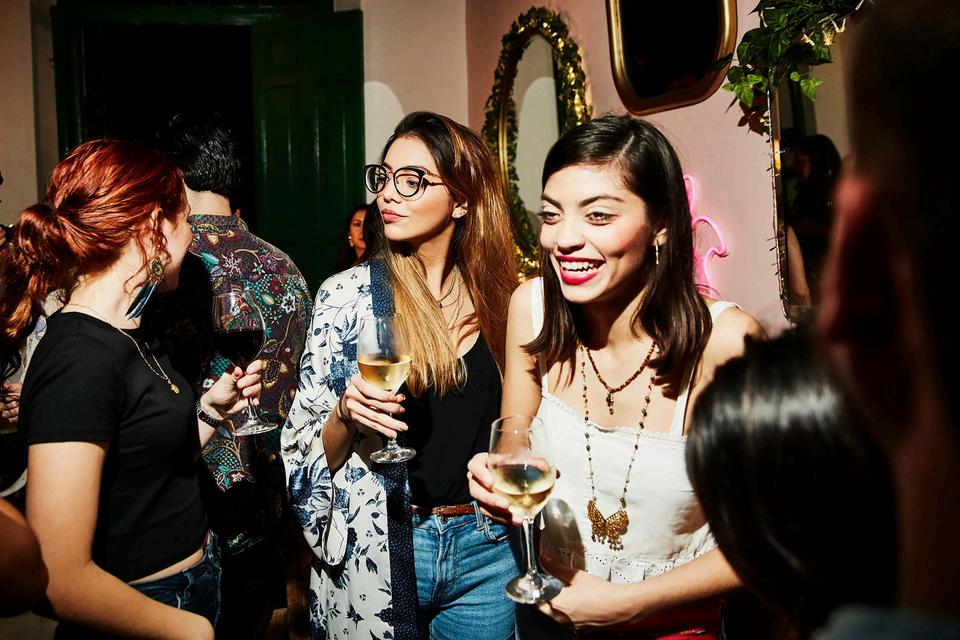
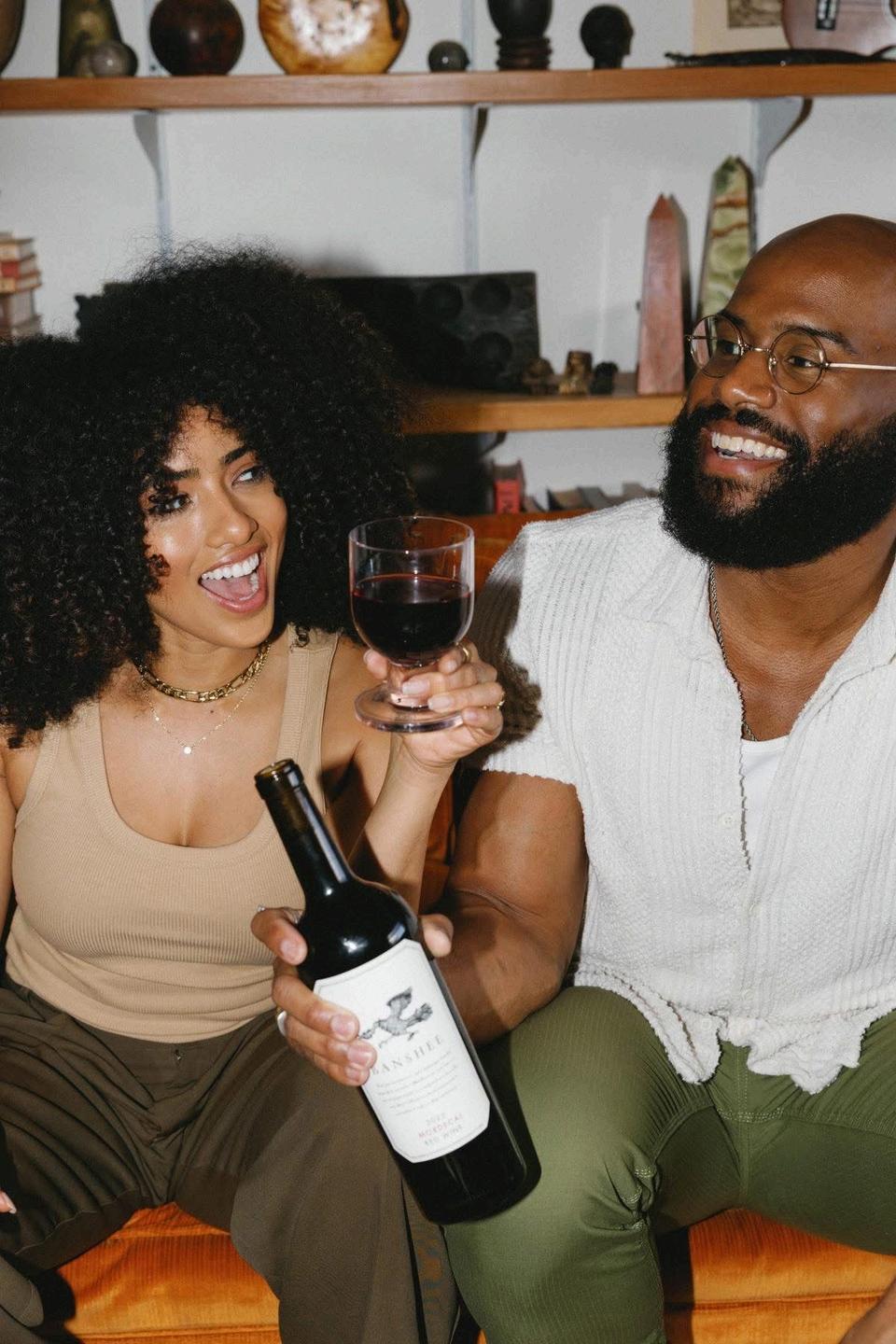
How Gen Z is Quietly Rewriting the Rules of Wine
DATA SHOWS GEN Z’S RISING ENGAGEMENT WITH WINE IS DRIVEN BY LIGHTER STYLES, VALUES-FOCUSED BUYING HABITS, AND TASTING ROOMS THAT EMPHASIZE CONNECTION AND TRANSPARENCY OVER TRADITIONAL CUES.
Gen Z's approach to alcohol has evolved over the years, influenced by new alternatives, tighter budgets, and a different sense of what drinking should be. Wine is no longer the default choice; ready-to-drink cans, spirits, and nonalcoholic options are easier to understand and purchase According to NielsenIQ’s Generations on Tap report, Gen Z accounts for just 9% of wine-buying households, and their purchases tend to be deliberate rather than habitual 56% are pre-planned, and only 30% are intended for casual home enjoyment
But participation among Gen Z has started to rebound, and lighter styles are leading the way According to the Wine Market Council's 2025 U.S. Wine Consumer Benchmark Segmentation Survey,
Gen Z's share of wine drinkers climbed from 9% to 14% in the past two years, and they are drinking wine more frequently than before. The question facing producers: How do you meet Gen Z where they are, not where wine has traditionally been?
Inside the Tasting Tooms Gen Z Actually Wants
Sparkling wine in particular is holding up According to IWSR, an authority on drinks industry data, Millennials and Gen Z have stopped waiting for weddings or promotions to pop a bottle they're enjoying Prosecco or flavored fizz with takeout on a Tuesday.
At Cho Wines in Oregon, cofounder Lois Cho is witnessing that shift firsthand "If you look at our
production, 40% is Pinot Noir, 60% is sparkling, rosé, or white," Cho said. "That itself is a really big shift in showing people what people are drinking " They build tasting flights around bubbles and ask which bottles work across a whole table rather than for a single pairing
Many guests coming into the tasting room are experiencing wine for the first time or joining a wine club for the first time, drawn to the variety and approachability of lighter styles They're also asking different questions "People are wanting to be connected to the people," Cho said. "They want to know that we hold the same values. They want to know more about who they're supporting, rather than just what they're supporting "
Ditching the Old Wine Lexicon
The shift isn't just about what younger drinkers are ordering but also about how they're encouraged to describe what they taste Traditional tasting notes are built from one taster's palate and memories, then treated as a guide for everyone else Cho shares
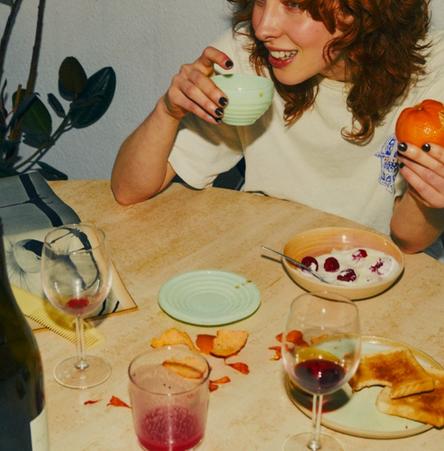
that her tasting room staff doesn't tell guests what they should be tasting "Everybody has very different flavor experiences and cultural references," Cho said. "I may not have tasted what cassis tastes like We're not going to tell you what you're going to taste, because that can feel off-putting like, 'I don't taste it, so I must not be doing this right '" "We did a disservice when wine became centered on Eurocentric descriptions," said Tiquette Bramlett, president of the non-profit Our Legacy Harvested and founder of Henderson Ave Wines "Not everybody knows what those descriptors are because they didn't grow up around them "
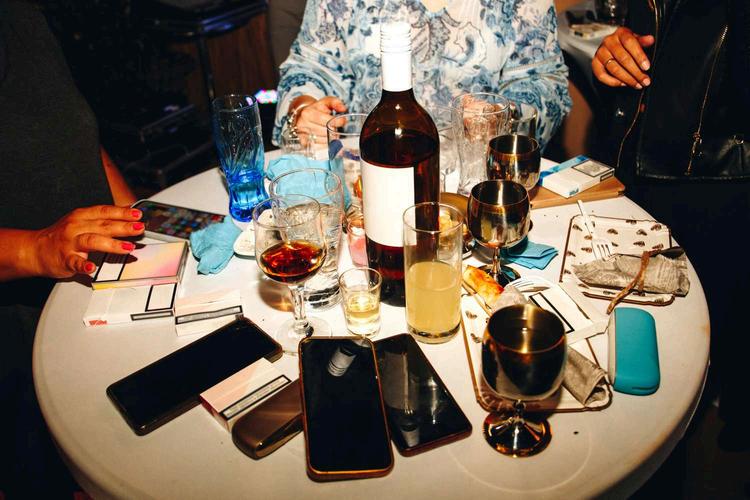
Building Wine Spaces that Feel like They Belong to Everyone
The tasting room adjustments and language shifts point to something larger: whether the industry can build spaces that resonate with the world younger drinkers are already part of Some producers aren't waiting to find out This fall, Tiquette Bramlett coorganized Tradition Reimagined, a five-day experience bringing together Oregon winemakers, chefs, and community members to address who wine spaces are built for and how the industry can meet the next generation where they are "So many tasting rooms pride themselves on
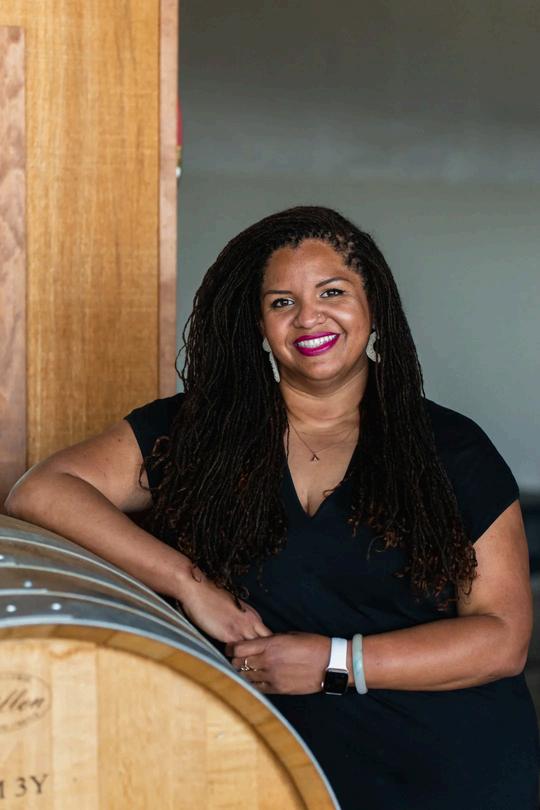
education about their wines and the land," Bramlett said. "And younger guests were like, 'No, I want to know about the people.' They want to know about the folks participating in the production But also they feel uncomfortable when they step into certain tasting rooms " Bramlett is the first Black woman appointed to oversee a winery in a major U.S. wine region. As president of Our Legacy Harvested, an organization working to ensure wine spaces better reflect the diverse community of wine drinkers, she knows that discomfort firsthand Her approach isn't framed as outreach to Gen Z but as an acknowledgment that the next generation, shaped by the pandemic and a heightened demand for transparency, decides where to spend its attention based on whether a space feels built for them "So just tell me what the tea is," Bramlett said "They want the authenticity of who you are good, bad, indifferent."
Why These Shifts Matter More than Ever
Wine is competing across more lanes than ever For Gen Z, the choice is not red versus white; it is wine versus everything else that promises clarity, value, and ease According to a Harris Poll conducted in partnership with eMarketer, wine (21%) holds its own with Gen Z restaurant orders, tracking close to beer (19%) and spirits (18%) but the competition is tight across categories
"Wine scores fall flat on the ears of the new generation," Cho said "They're not chasing prestige they're not chasing 'I drink this wine and this is my status ' It's 'I drink this wine and these are the values that I hold ' It's value-driven, rather than prestige-driven "
Price and intention shape the purchase Many Gen Z buyers consider wine a planned treat or a shared centerpiece, not a nightly habit, which changes what a good value looks like Provenance,
production details, and versatility matter as much as a number on a shelf tag. "They don't feel like they have as much power with their vote anymore," Cho said "So where their money goes is sharing what they support, what they value Their dollars are their vote " Access looks like the room itself and the language used within it The spaces that hold attention feel built for a wider audience from the start, not retrofitted later. "The gatherings she does
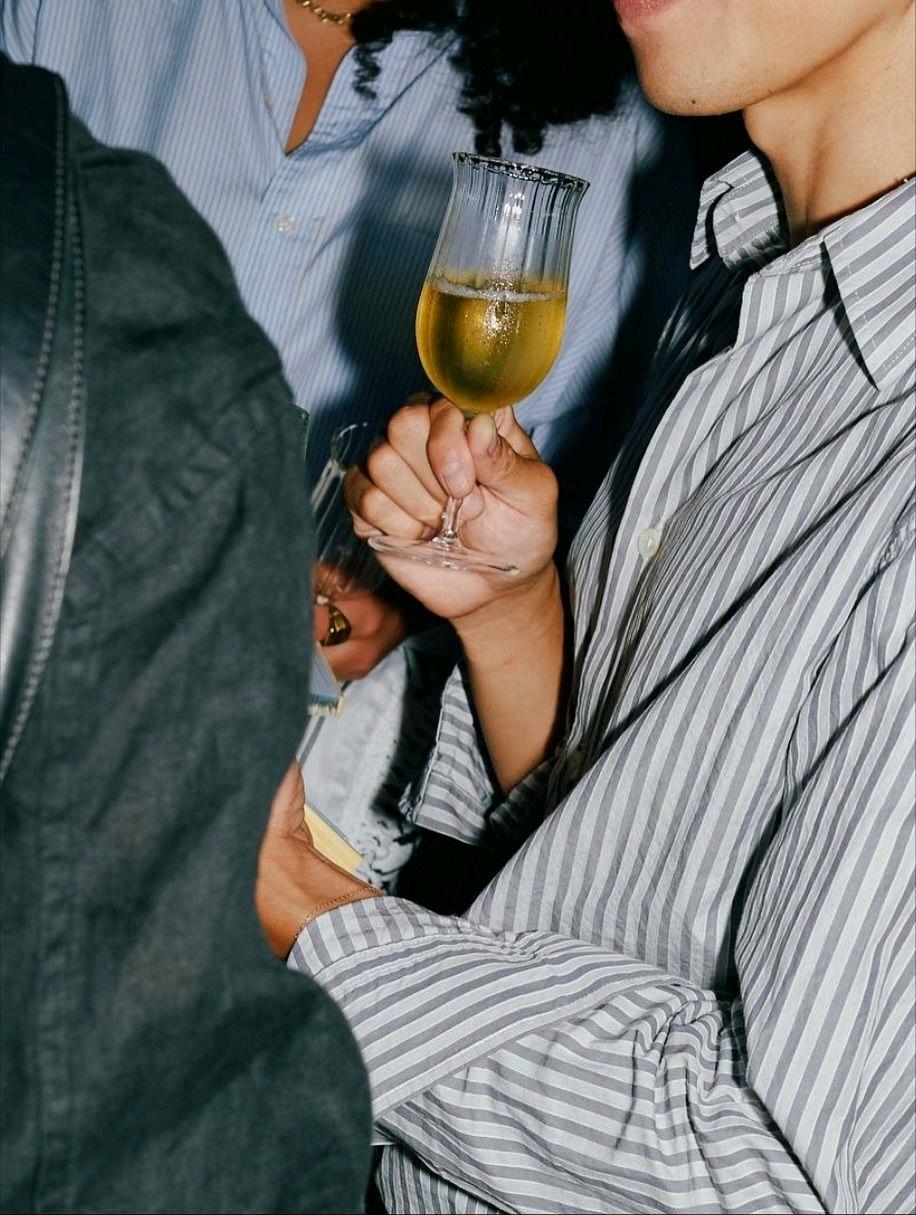
are not tastings they're gatherings," Bramlett said, describing a colleague's approach. "A tomato festival where people try wines Game nights Music in the backyard It doesn't just have to be this one note " That approach aligns with broader research on Gen Z drinking habits According to IWSR, community is paramount for Gen Z drinkers, and they are pioneering new occasions outside traditional bar and restaurant settings social gatherings in local vintage stores, late-night parties at hairdressers, or events centered around shared interests like board games or language learning Programs that combine tasting with culture and conversation give first-time
Tiquette Bramlett, the first Black woman appointed to oversee a winery in a major U S wine region
guests a reason to return, and labels that tell drinkers what a bottle is good for, not just what it is, make the category easier to choose in the moment.
Where the Industry Goes from Here
"The wine industry has got to be more experiential," Cho said. "We're going to see wine clubs where it's not just 'you get early access and a discount,' but 'we're gonna meet you doing the things that you like to do that are not wine related ' People are very multifaceted, and to acknowledge that is a huge thing "
Expect continued interest in sparkling, chillable reds, and lighter-bodied bottles that flex across a table, along with formats and events that prioritize story and inclusion The producers who make the case quickly, on the label and in the room, are the ones most likely to capture Gen Z's attention.
Across tasting rooms, community programs, and experiential events, the pattern remains consistent Gen Z isn't rejecting wine; they’re rejecting opacity When the path in is clearer, the room feels welcoming, and the bottle fits the moment they actually have, they choose it.
by Stephanie Gravalese | Published
on December 16, 2025

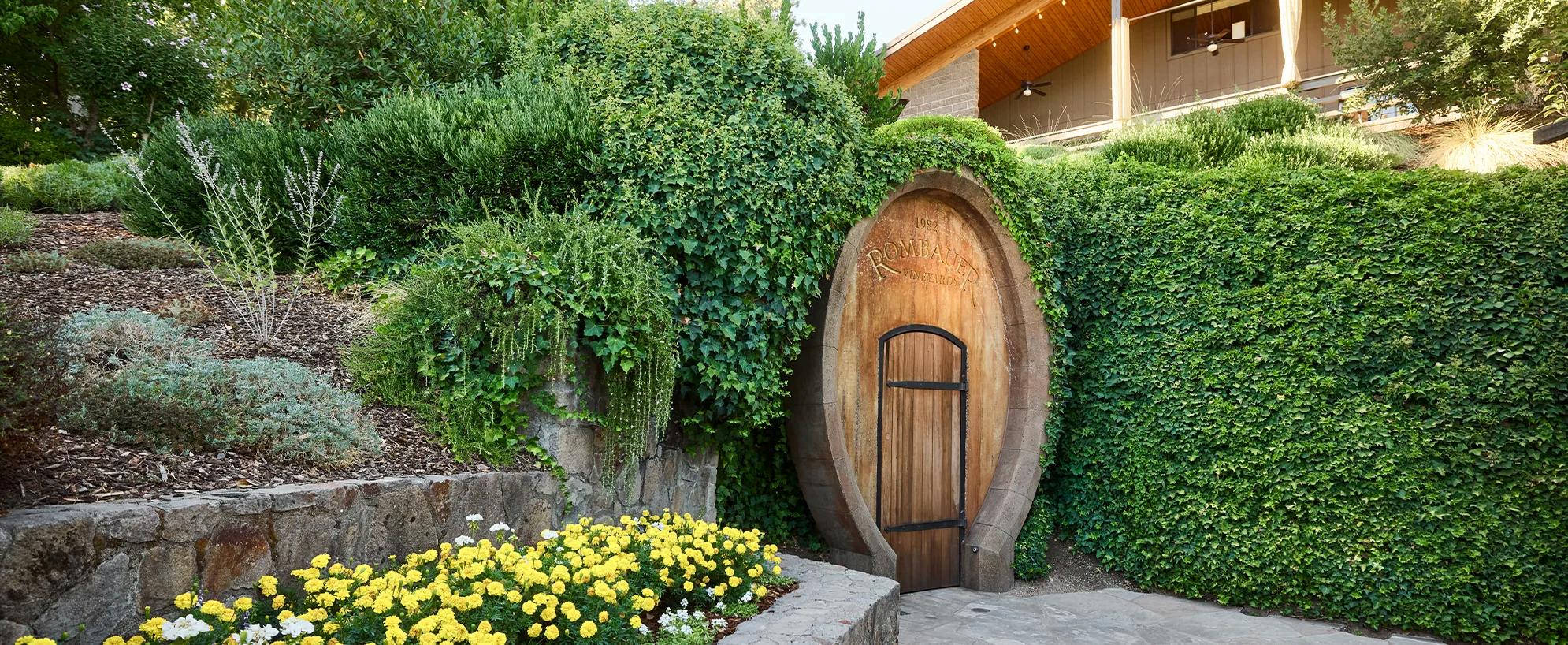
OUTSTANDING INDIVIDUALS: STORIES OF SUCCESS
LUXURY HOSPITALITY
Cheryl Riedel
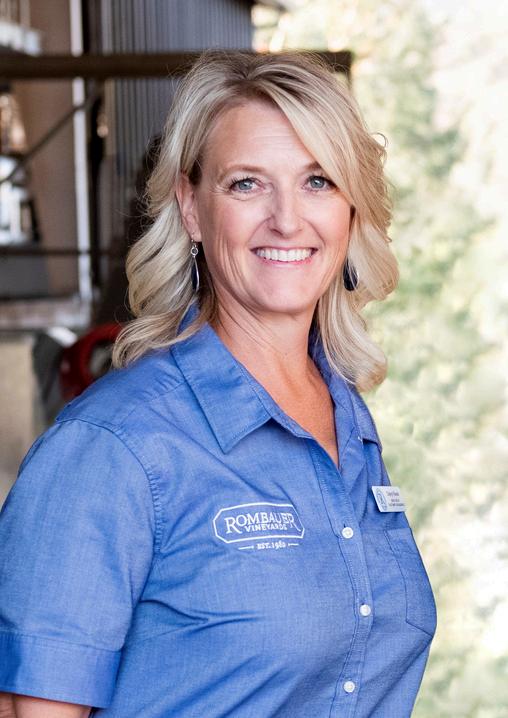
Cheryl Riedel
Senior Manager of Consumer Hospitality
Nominated by Heather McCarthy
Q: Why did you nominate Cheryl for this recognition?
A: Rombauer Vineyards nominates Cheryl Riedel as an outstanding individual for her dedication to our customers and for setting the standard for what a high-touch culture looks like in practice
For more than 30 years, Cheryl has carried forward the values established by Koerner and Joan Rombauer: making beautiful wines, offering gracious hospitality, and sharing joy with customers around the world She lives that legacy every day through how she shows up for customers and colleagues alike
Cheryl brings deep knowledge of our history, a strong understanding of our customers, and an unwavering sense of ownership of the experience we deliver. She plays a critical role in onboarding new team members and helping them understand not just what we do at Rombauer, but why we do it
Q: What makes Cheryl a standout member of your team?
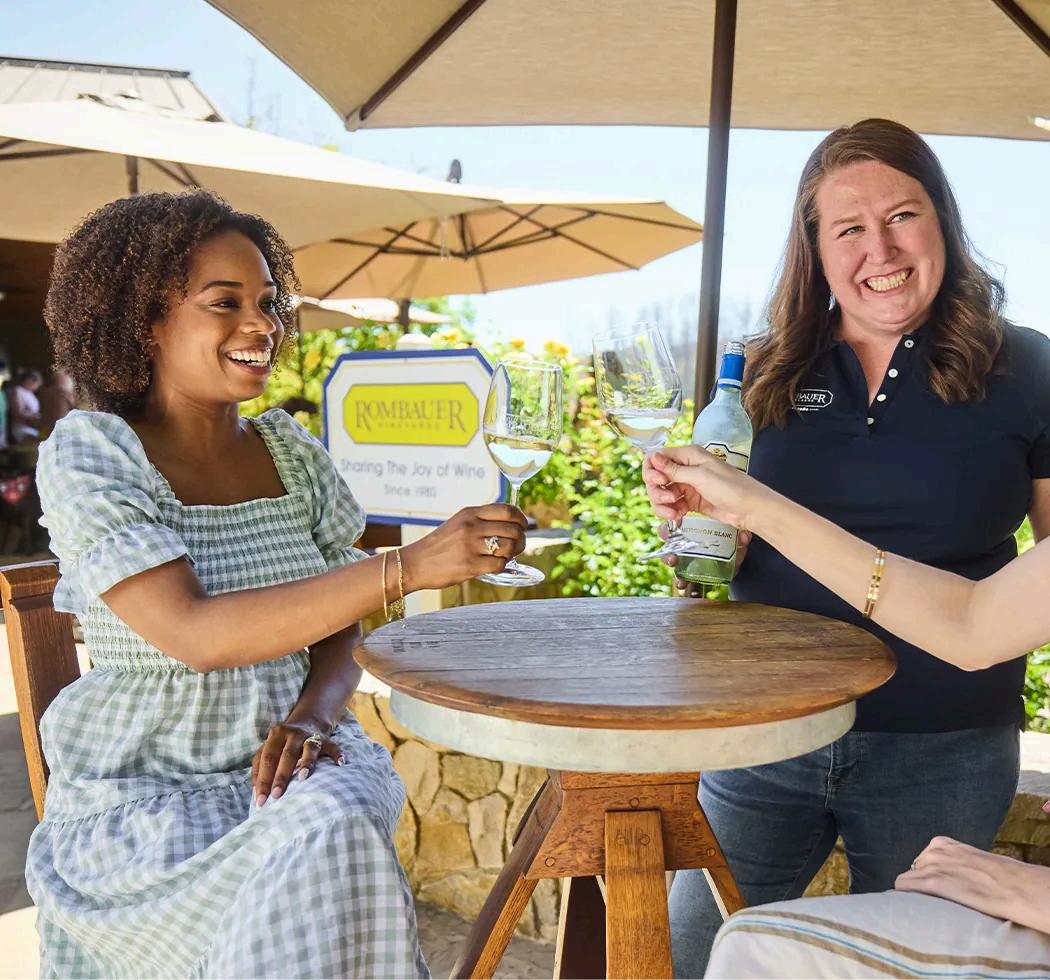
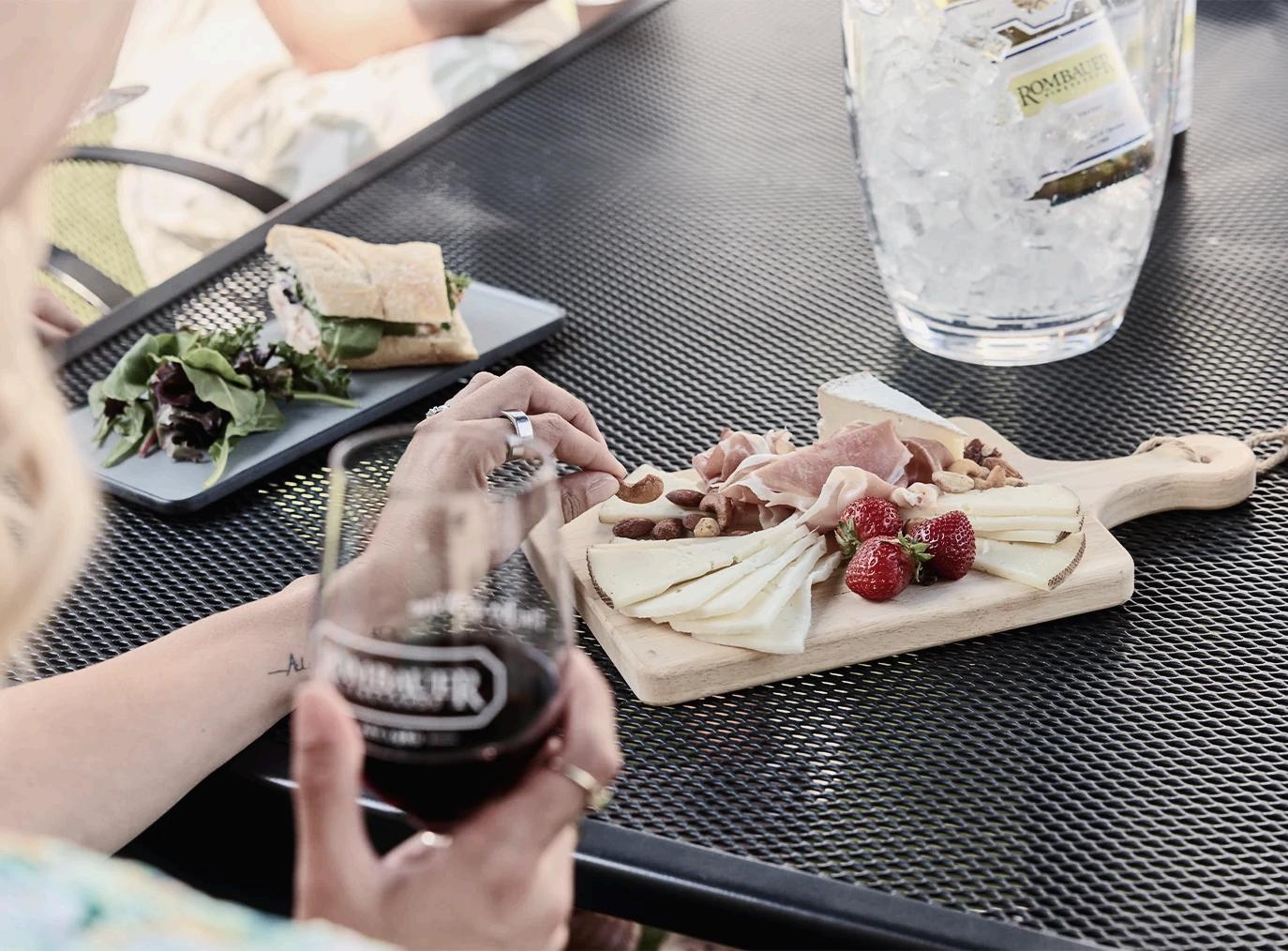
A: Cheryl meets Rombauer customers where they are, both literally and figuratively Whether hosting tastings at the winery, traveling for market work, conducting in-home tastings, leading dinners, or supporting wine club members by phone, she creates memorable experiences that feel personal and true to the brand
She is a familiar and trusted presence for our wine club members, many of whom know her by name That continuity matters, reinforcing loyalty and reflecting the care we strive to deliver at every touchpoint
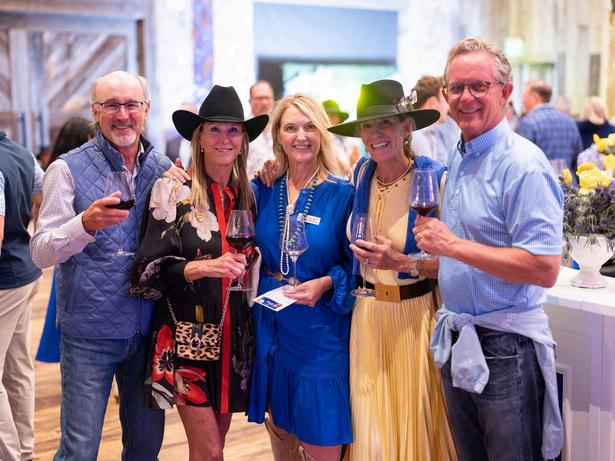
Her passion for hospitality extends to how she shows up as a co-worker She is a collaborative teammate, someone others rely on for perspective, problem-solving, and steady leadership
Q: Can you provide a specific example of when Cheryl has gone above and beyond?
A: A clear example of Cheryl's impact is her creation of Rombauer on the Road, including the launch of in-home tastings for the winery. She built this program from the ground up as a way to connect with Rombauer customers across the country and share joy in their hometowns
Many of our customers are deeply loyal but may not have the chance to visit in person. By meeting them where they live, Cheryl extended Rombauer's warmth in a way that felt personal, joyful, and true to our brand
Beyond this initiative, Cheryl's willingness to step up is constant. She covers shifts in the
tasting room, travels on short notice to support events, helps resolve operational issues, and contributes ideas to improve the customer experience
Over nearly three decades, Cheryl has worked in almost every role at the winery outside of winemaking That breadth of experience, combined with her generosity and work ethic, places her at the heart of Rombauer
Cheryl is not only a steward of our past but an active contributor to how we show up for our customers today Her presence strengthens our culture, our relationships, and our reputation –and we are all better because of her
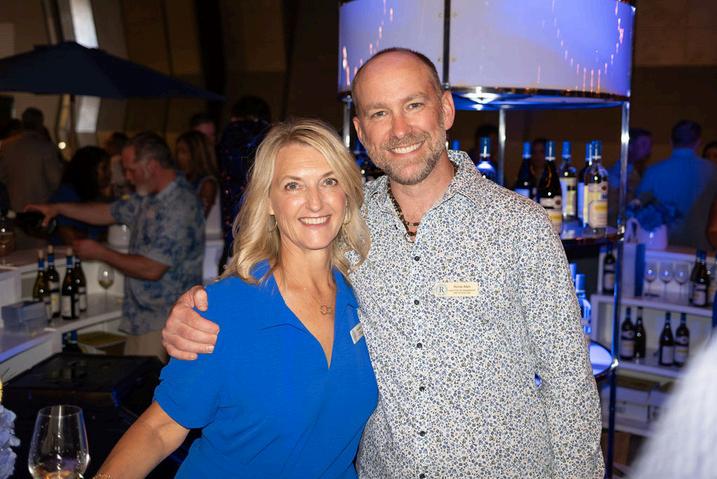
Cheryl with Rombauer Winemaker, Richie Allen
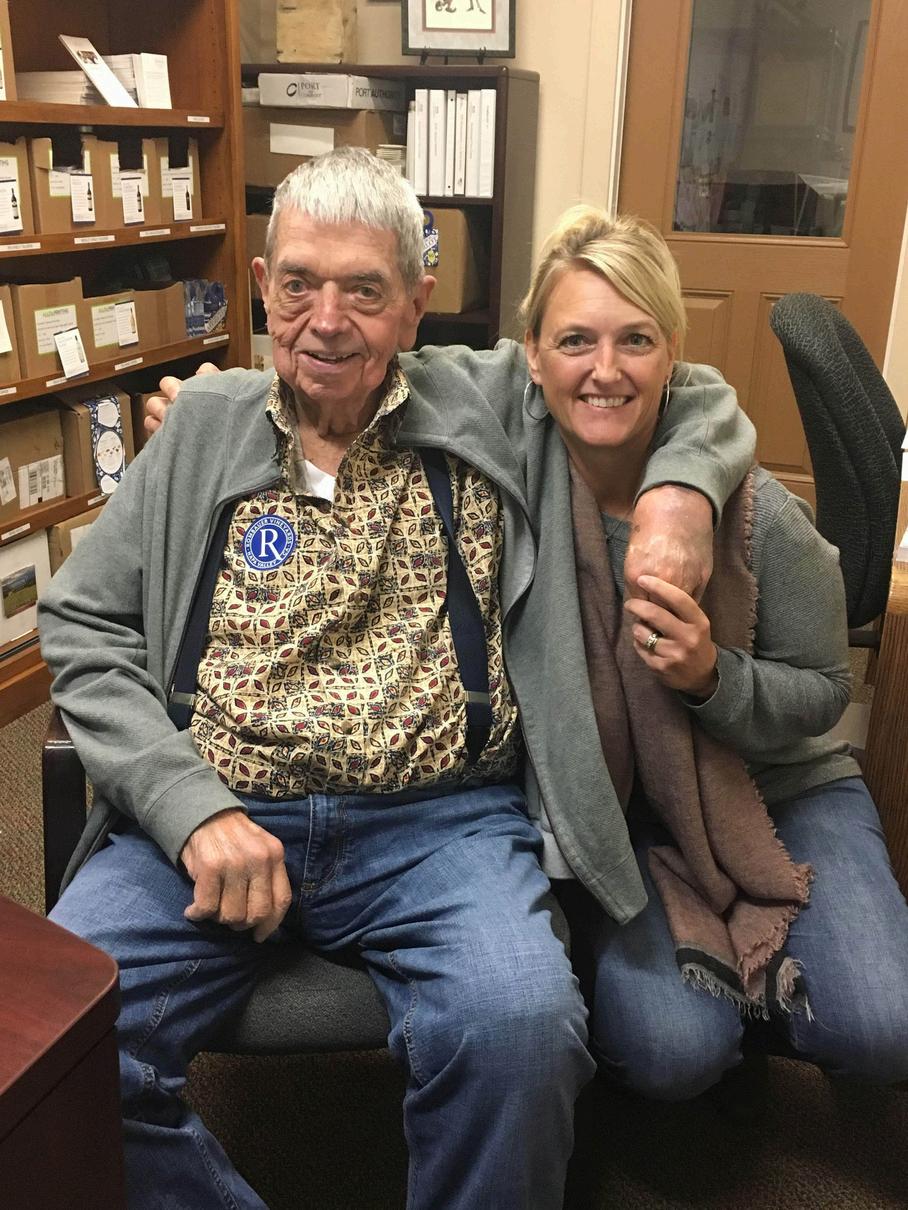
Cheryl sitting with Founder, Koerner Rombauer
BRAND UPDATES
LUXURY BUSINESS GROUP

WELCOMING
BECCA
SIEFRING TO THE OFFSCRIPT FAMILY!
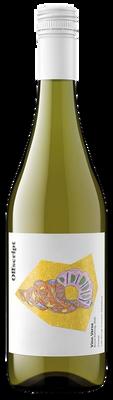
Becca’s entry is Vino.Versa, a singlevineyard Cortese from Lost Slough Vineyard in Clarksburg. Cortese is a variety better known in Piedmont, where it is usually bottled under the appellation of the commune where it is usually grown, Gavi
Her wine has all the texture, florality, and food-friendliness one can expect from this Italian variety, plus the nervy acidity that comes from learning how to work this grape from the master of Italian whites, Dan the man, Mr. Massican, whom Becca currently assists in the making of his Pinot Grigio at J Winery.
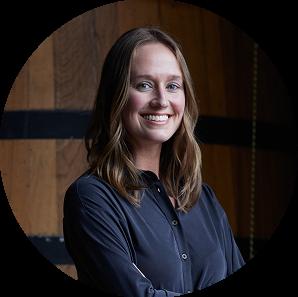
A bit more on Becca: She grew up in the Garden State, studied food science and is an avid cheesemaker. She is currently a Winemaking Associate at J Winery.
Vino Versa will be available in restaurants, fine wine shops, and on our website as well as the employee store in April. Salute!

ORIN SWIFT’S NEWEST INNOVATION: BLOODLINES
We’re excited to share more information about Orin Swift’s new Cabernet innovation, Bloodlines, hitting markets April 1st!
Bloodlines will be launching in the On-Premise, positioned as a by-theglass offering at an enticing $20 recommended BTG.
The blend, in Orin Swift fashion, consists of 79% Cabernet Sauvignon + Syrah, Malbec, Petit Verdot & Petite Sirah. We are already seeing strong excitement from the market!
Sourcing is intentional, blending is precise, and labels are perfected. Case in point - the red Orin Swift rings are more than meets the eye –founder and winemaker Dave Phinney drew they by hand over 300 times before they were right.
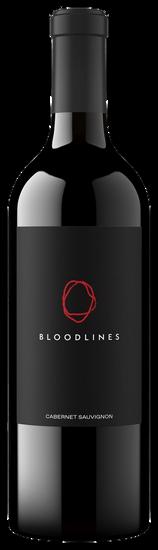
Throughout H1 2026, the Brand team will be focused on supporting the launch in our top 20 markets, offering a mix of virtual and in-person kickoffs with Dave Phinney & our brand team Bloodlines, in addition to the rest of the portfolio, will also be spotlighted at our five major ‘Red Light Parties,’ which are taking place across the country in 2026. Locations include Raleigh (2/25), a mediafocused New York event (4/15), and events in three additional key markets in Q3 2026. We will be offering our signature, edgy POS tools to help drive On-Premise theatre and Bloodlines placements, including our skate decks, wax paper bags, viewfinders with Bloodlines reel, matchbooks and more.
LUXURY BUSINESS GROUP IMPORTANT DATES
ANNIVERSARY IMPORTANT DATES
January
Nicole Hitchcock
Martin Guzman
Diego Del Pino
Donna Lucas
Cindy Miner
Nadia Nouri
Emma Morgan
Anya Irvin
Stephanie Cruz Green
Chyna Thomas
Madison Garzoli
Kelly Faulkner
Anna Payne
Ethan Whittlesey
February
Casey McCarthy
Rebecca Del Solar
Carly Cunial
Adilene Camarena
Dee Jordan
Jeffrey Sigala
Jacob Hoyt
Virginia Schratz
Deniro Keck
Giavani Chantavong
Dakota Aldredge
Lauren Blanchard
Mark Lasnik
Kevin Ramirez
Siera Huber
March
Suzanne DevanBrown
Julia Tang
Louis Ayers
Manisha Bains
Hannah Moore
Brittany Delgado
Louis Gray
Edward Maria
Juan Cerano-Ramos
Jake Morrissey
Lyndsey Arnheiter
Jose Mendoza
Jorge Torres
*Please email Emma Morgan or Diego Del Pino if you would rather not have your birthday listed