




In 2025, we made big financial moves— switching our credit line, closing a bond, and making smart decisions that stretched every dollar further for our mission. This year’s theme is a nod to the practical magic of nonprofit finance: equal parts dollars and sense. Because being mission-driven doesn’t mean we can’t be financially savvy, too.




WE ARE CERTAINLY LIVING IN “INTERESTING” TIMES. WHEN FACING LIFE’S CHALLENGES, IT’S IMPORTANT TO KNOW WHO YOU ARE AND WHAT MATTERS MOST TO YOU.
This is as true for companies as it is for individuals. One of my commanders back in my military days used to say that the thing about integrity is that it doesn’t bend – it breaks. Things tend to go a lot better if you think about lines in the sand before you approach them.
I spent much of my career in the private, for-profit sector, where there was a single measure, the dollar. Sure, at least for some of us, there was a desire to be good corporate citizens and act with a social consciousness. However, at the end of the day, the stock value and profits are what are measured, and companies tend to measure what they’ve decided really matters.
There are special considerations in the non-profit world because we have two measures, dollars and impact (i.e., our mission). I prefer to use the term “not-for-profit company” rather than “non-profit” because I think it better reflects the reality of our situation. We are not driven by the need for profits, but a company that doesn’t make a profit can’t grow or react to unforeseen events. At the end of the day, we need to be profitable so we can reinvest those profits (the excess revenue, if you prefer) into supporting our mission. So, although not driven by profit, we should nevertheless seek to obtain a profit.
Our organization exists because our mission matters — and that mission isn’t a one-time effort.

It’s ongoing, evolving, and demands consistent attention. That’s why financial health isn’t optional. If we don’t stay in business, we can’t pursue the mission or deliver the impact we aspire to.
I strongly believe that we must think of ourselves as a company, not just an organization, and approach our work with a not-for-profit mindset. That framing brings clarity, but also risk. Focus too much on staying solvent, and we may compromise the mission. Focus only on the mission, and we may run out of money — which is another way of failing the people who rely on us. Take a moment and think about this. We’ve all seen organizations that have fallen into one of these traps. Those organizations no longer exist even though the need remains, or they survive in name only, offering little impact. Neither path honors the mission.
This brings us back to the need to know who we are, why we are here, what matters to us, and how to provide sustainable impact.
IN SHORT, WE NEED TO BALANCE THE FINANCIAL REALITIES WITH THE ASPIRATIONAL GOALS OF OUR ORGANIZATIONS. TO MAXIMIZE OUR IMPACT, WE NEED TO HAVE BOTH DOLLARS AND SENSE.
Of course, none of this is easy — especially in uncertain times. But it is necessary if we believe in what we are doing. As another one of my commanders used to say, if it’s easy, it probably isn’t very important. What we do matters. People count on us.
So let’s continue to be the best stewards of that trust, balancing purpose with pragmatism, every step of the way.
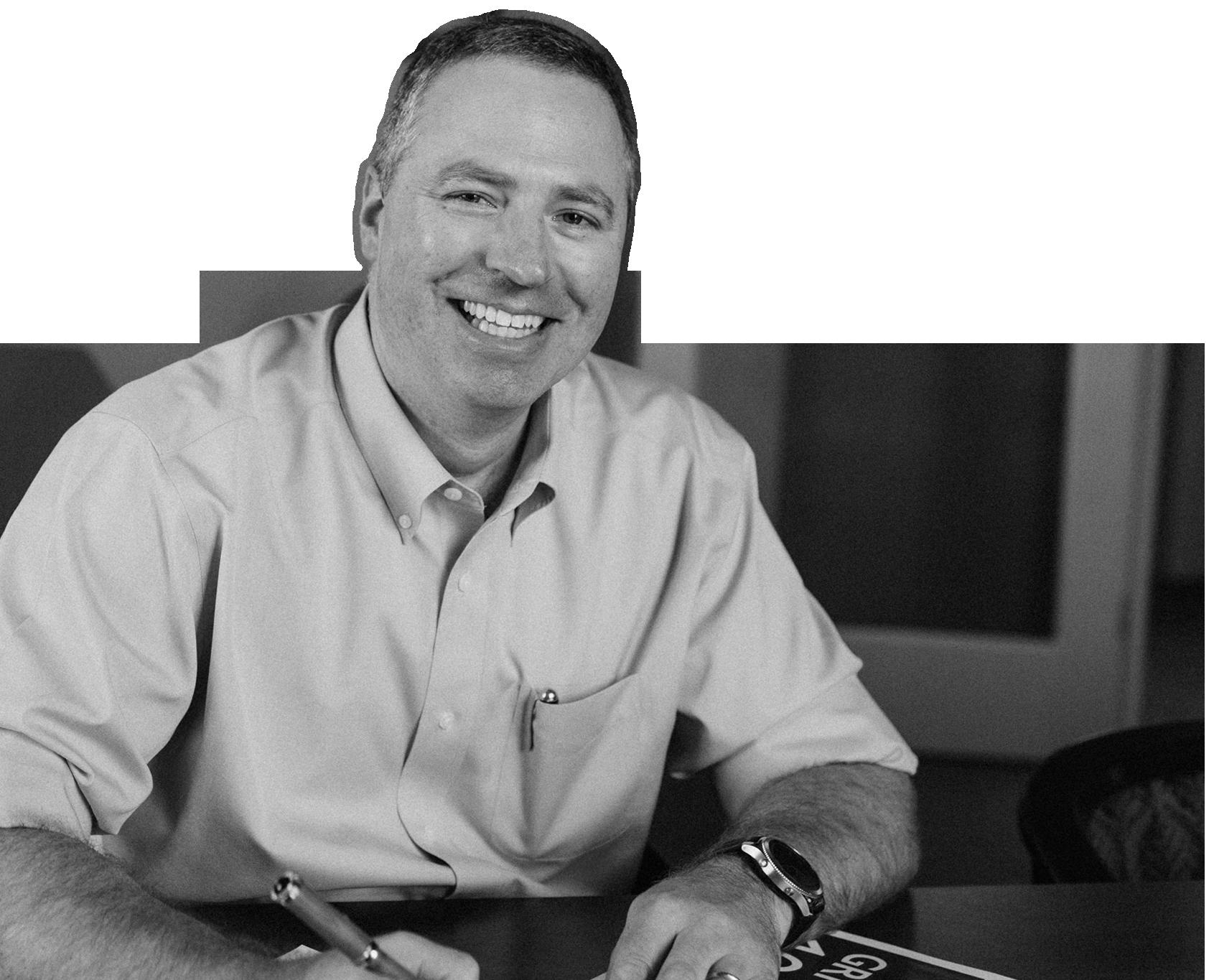
Kent M. Schwendy PRESIDENT & CEO

In April 2025, CIL secured a $45 million line of credit with KeyBank, featuring an additional $20 million incremental facility. This financing is more than a number on a balance sheet: it represents new flexibility for our reach.
For the first time, CIL can develop community-based homes anywhere in the continental United States, removing the geographic limits that once restricted our reach.
With support from KeyBank as lead lender—and the participation of Webster Bank, Westfield Bank, and Rockland Trust—CIL now has the backing of financial partners who share our vision. As CFO Maria Green explained:
“THEIR TEAM UNDERSTANDS THE COMPLEXITY AND MISSION-DRIVEN NATURE OF OUR WORK. WITH THIS PARTNERSHIP, WE HAVE THE RESOURCES AND FLEXIBILITY TO GROW WITH OUR PROVIDERS, WHEREVER THE NEED IS GREATEST.”
CIL’s credit line gives us the ability to move quickly on projects, rather than waiting for project-specific financing. For providers, this means faster timelines, fewer delays, and homes delivered when they’re needed most.
This new capacity comes at a pivotal time. Across the country, nonprofit providers face rising demand for accessible housing while navigating staffing shortages and financial pressures. Now, CIL is positioned to meet those needs head-on, in any state where our expertise can make a difference.
CIL also celebrated a major financing milestone in Massachusetts: the closing of a $20 million tax-exempt bond with Rockland Trust. This bond supports the development of 15 community-based residences for individuals with disabilities, while also introducing a new Debt Service Reserve Fund (DSRF) structure that strengthens longterm financial security.
The proceeds cover the permanent financing for every stage of development, from site acquisition, design, permitting, and construction, to soft costs like financing fees. Agencies lease the homes through predictable, fixed monthly payments. Once the bond is repaid, ownership of the homes will be donated to the agencies, ensuring a lasting asset and long-term sustainability.
This is the latest in a series of financings that have allowed CIL to scale its impact. With over $165 million in bonds supporting hundreds of homes, this model continues to provide a proven, replicable solution to expand housing opportunities for people with disabilities.
$45M New national credit line secured.
HUNDREDS Of homes developed across multiple states
How CIL’s FY ‘25 Financial Moves
Total in bonds currently 15 HOMES Supported by Rockland Trust bond financing
$165M+

45+ YEARS
CIL’s history of missiondriven housing
These milestones are more than financial achievements — they are the foundation for broader reach and deeper impact. With new tools in place, CIL can move faster, serve more communities, and strengthen partnerships. By pairing financial strength with mission focus, we are not just building homes — we are building futures. BY THE NUMBERS
Photography by J. Fiereck
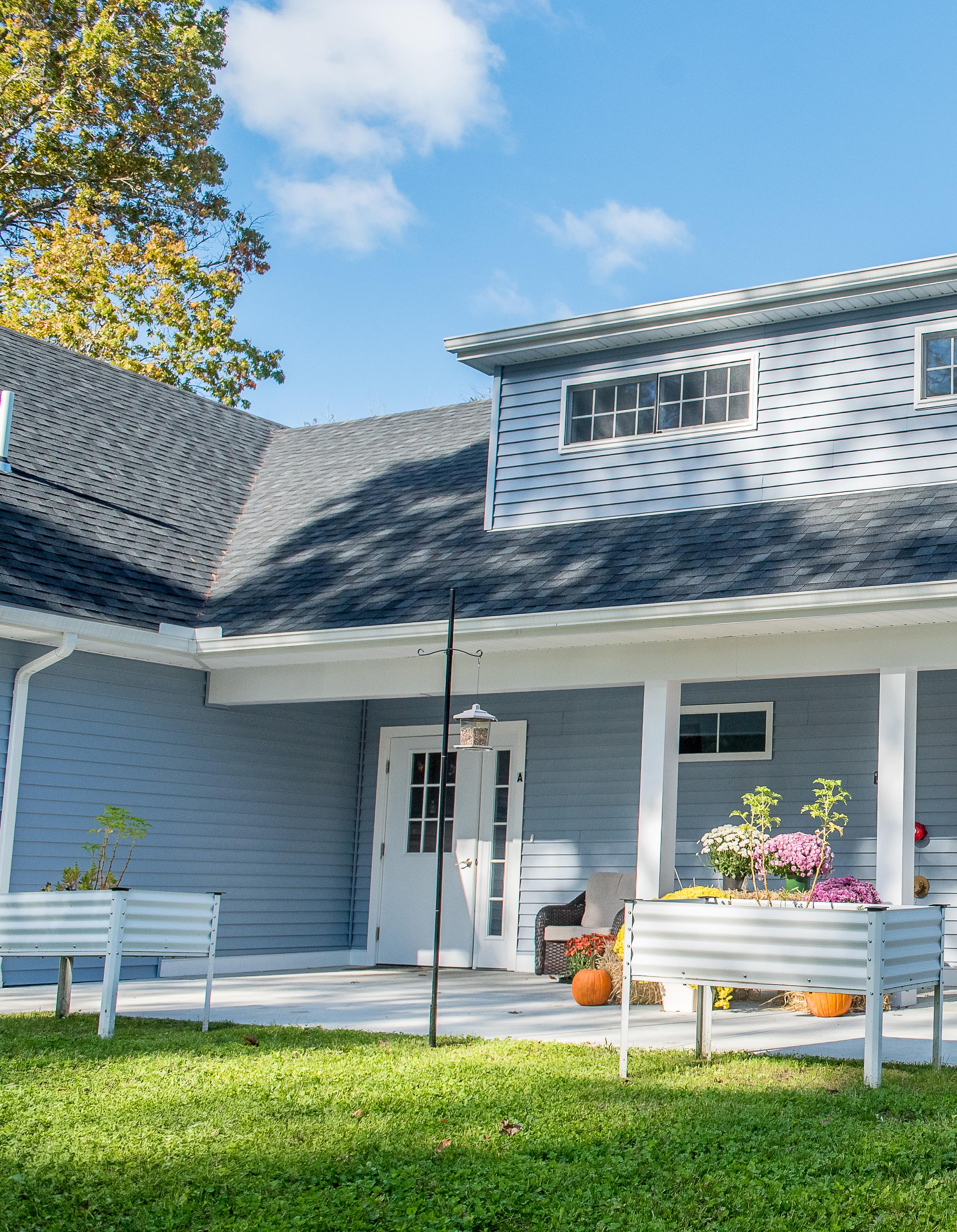

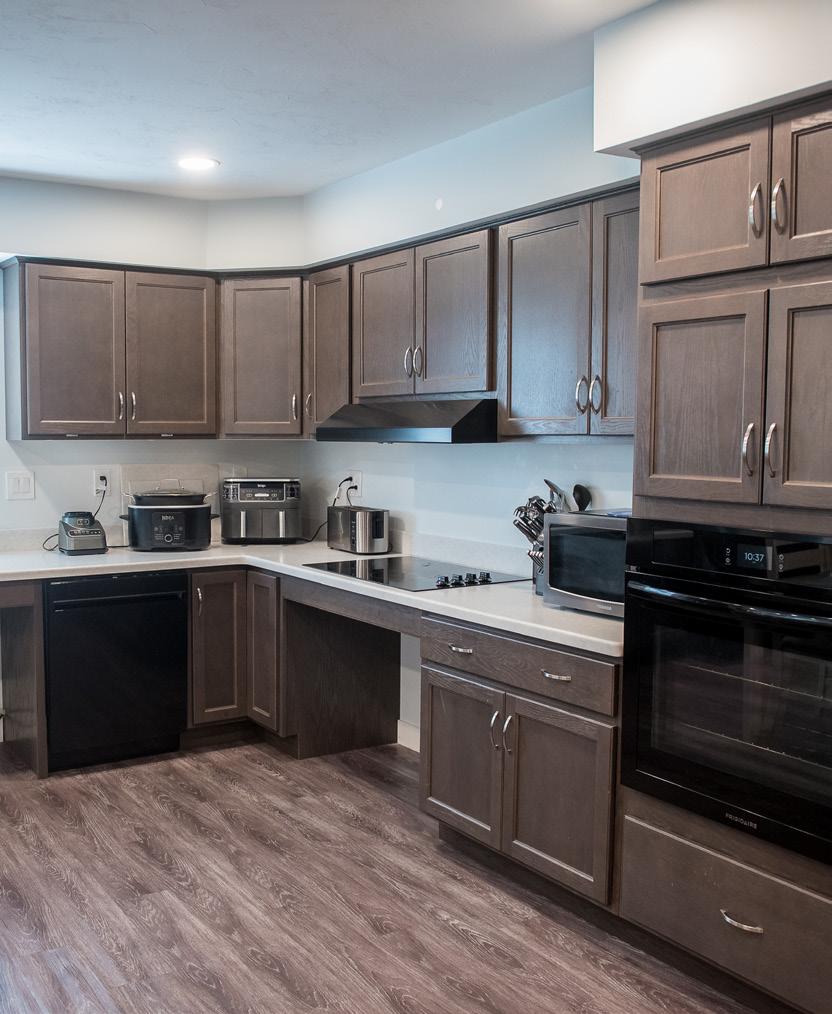
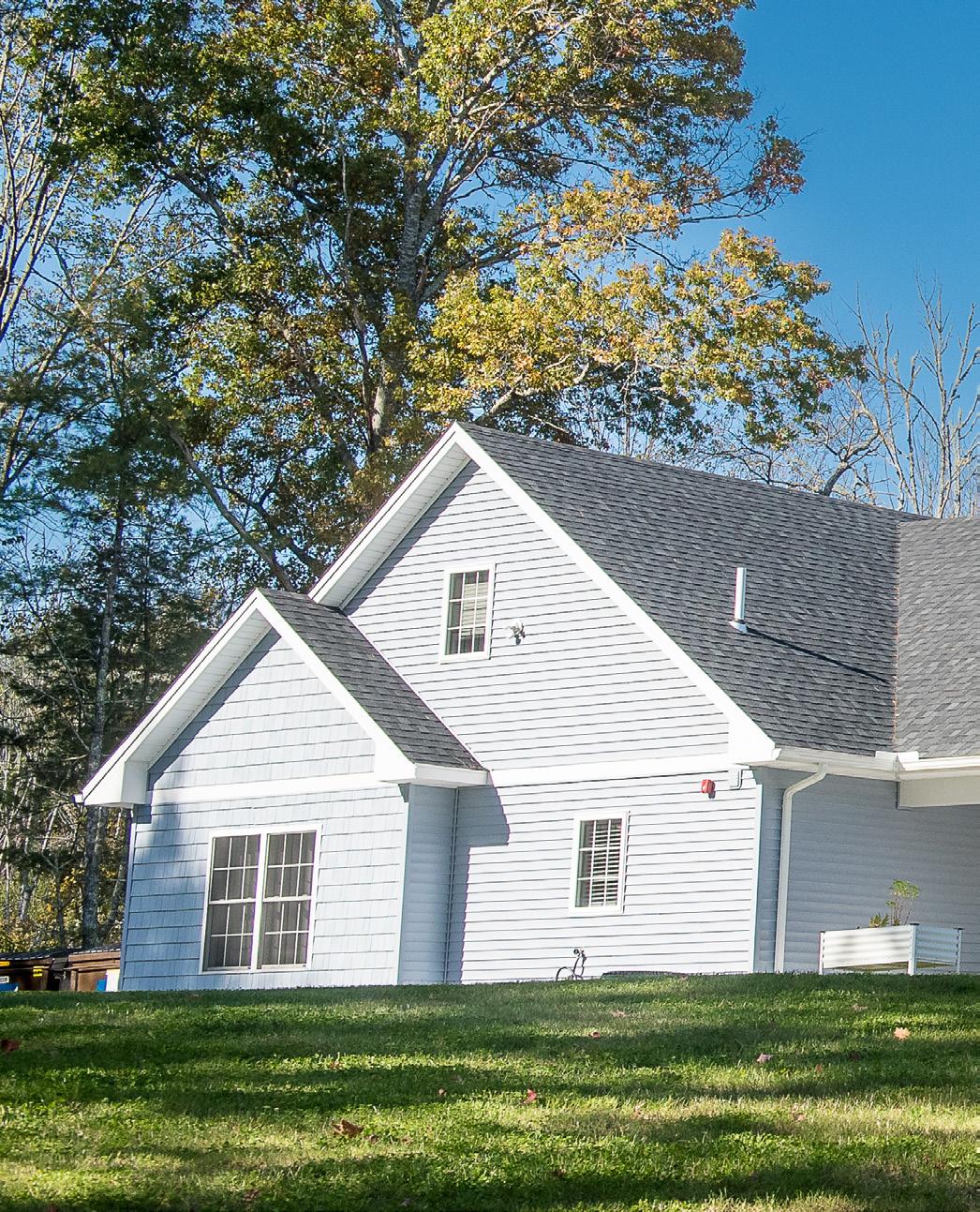
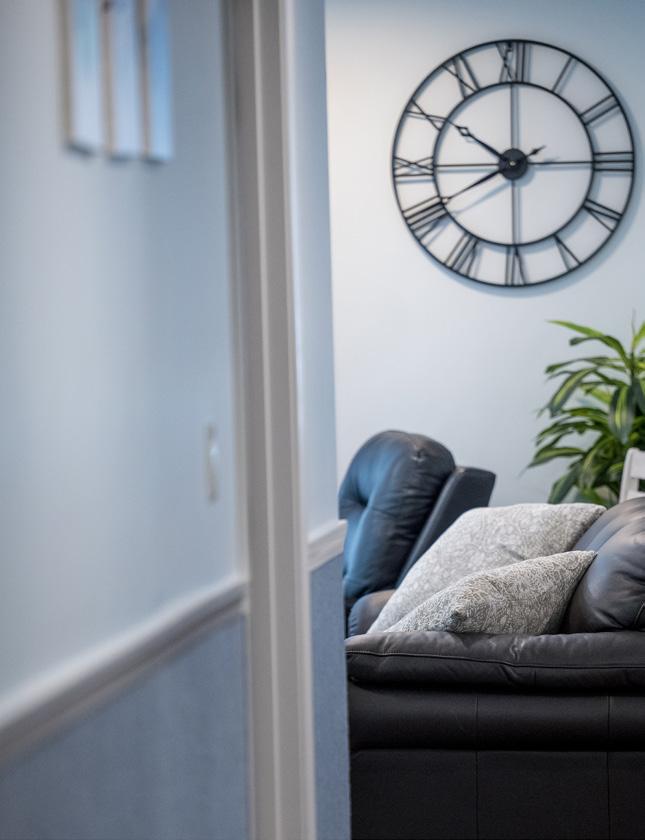
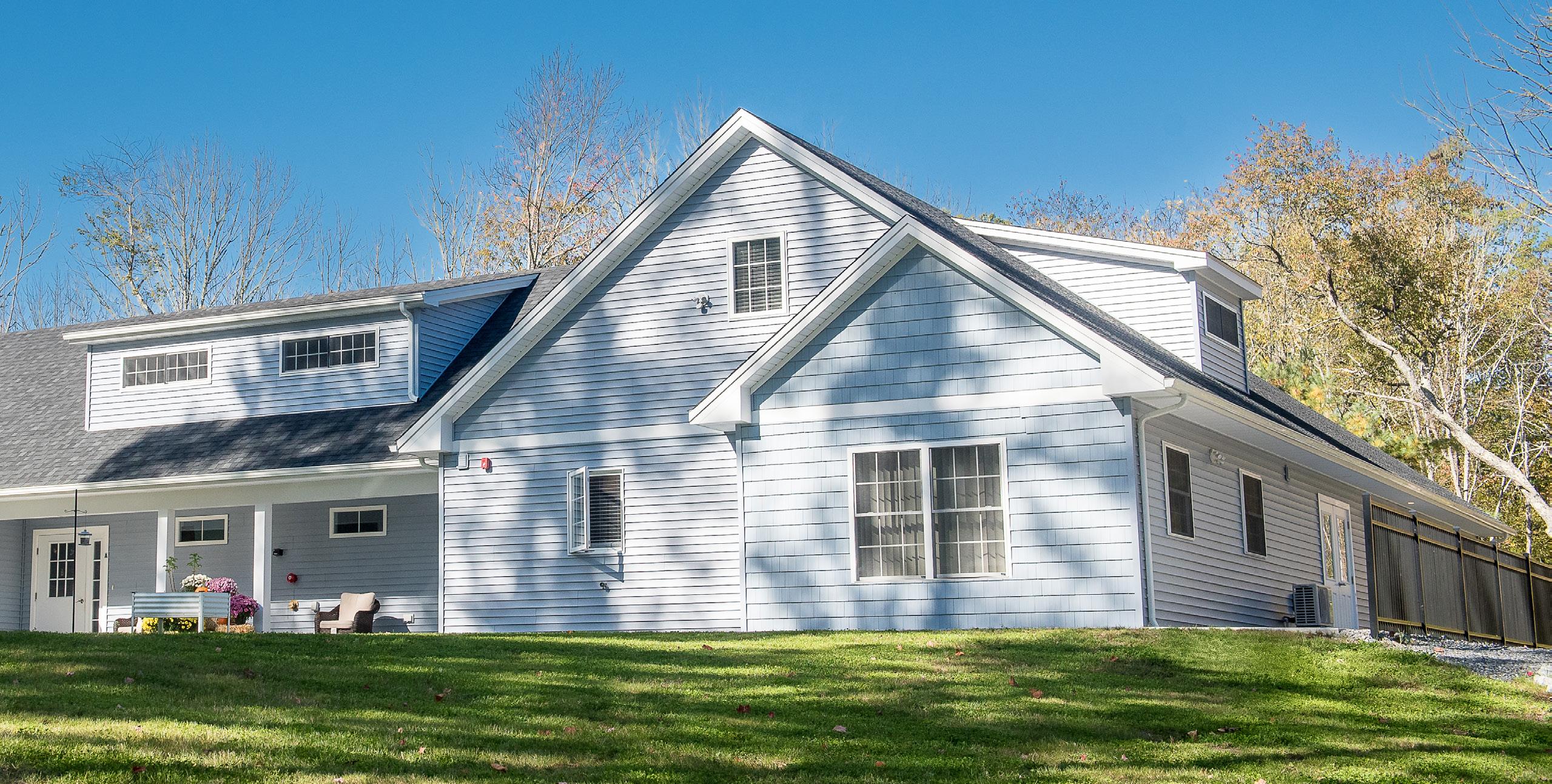
Completed in March 2025, this thoughtfully designed duplex expands safe, comfortable housing for adults with intellectual and developmental disabilities. Each side of the home welcomes up to four residents—eight in total—and features two fully accessible bathrooms per unit, roll-under sinks, and integrated ceiling lifts to support aging in place as needs evolve.
The home is leased and supported by The Arc of Greater Plymouth and Upper Cape Cod, whose team provides consistent, person-centered services while fostering independence, dignity, and daily joy.
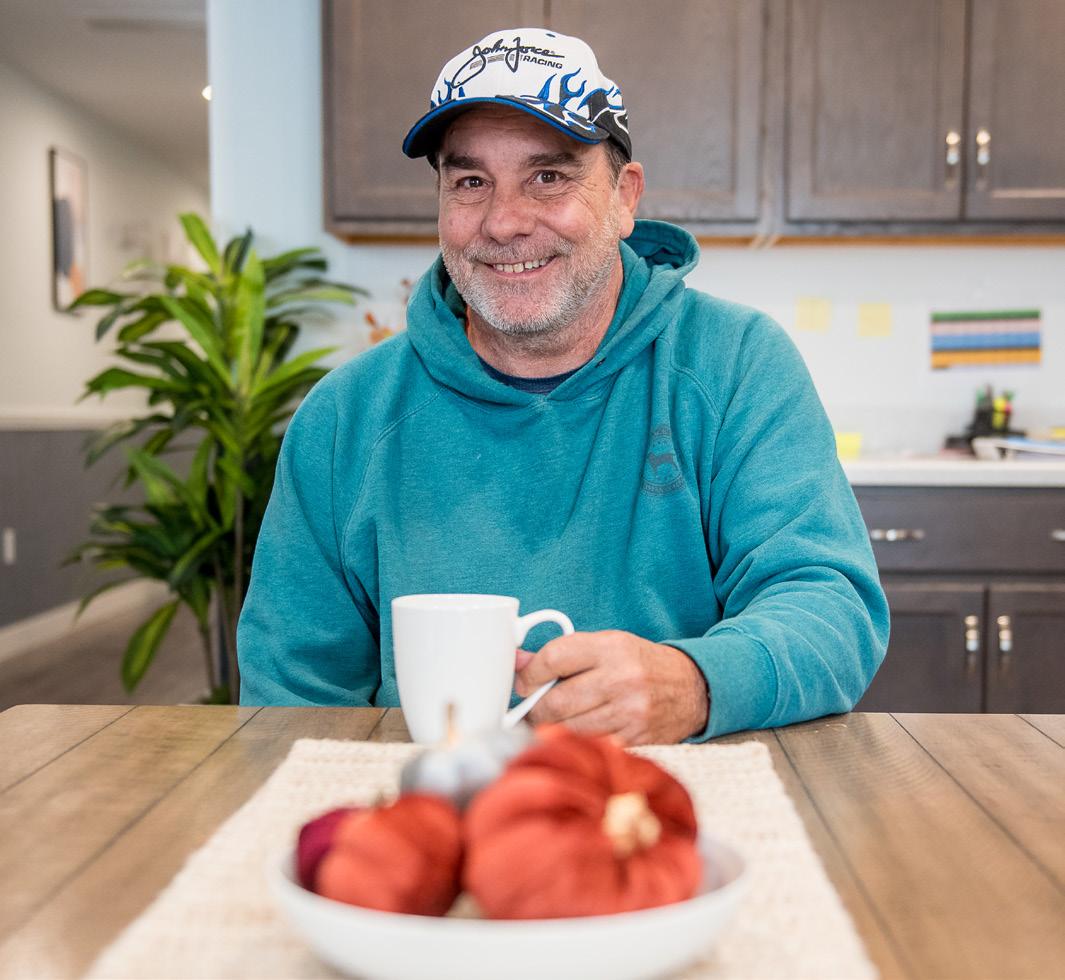
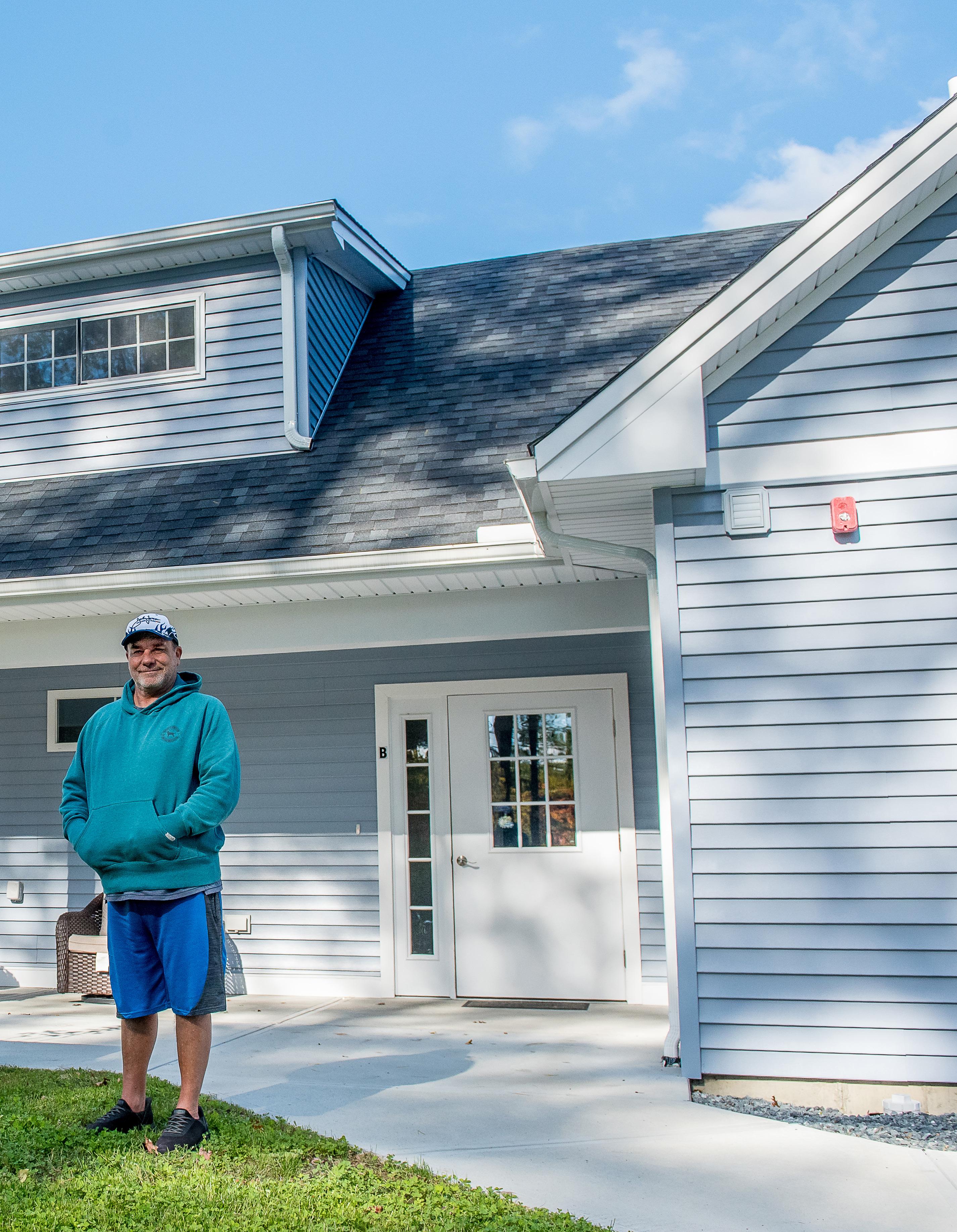
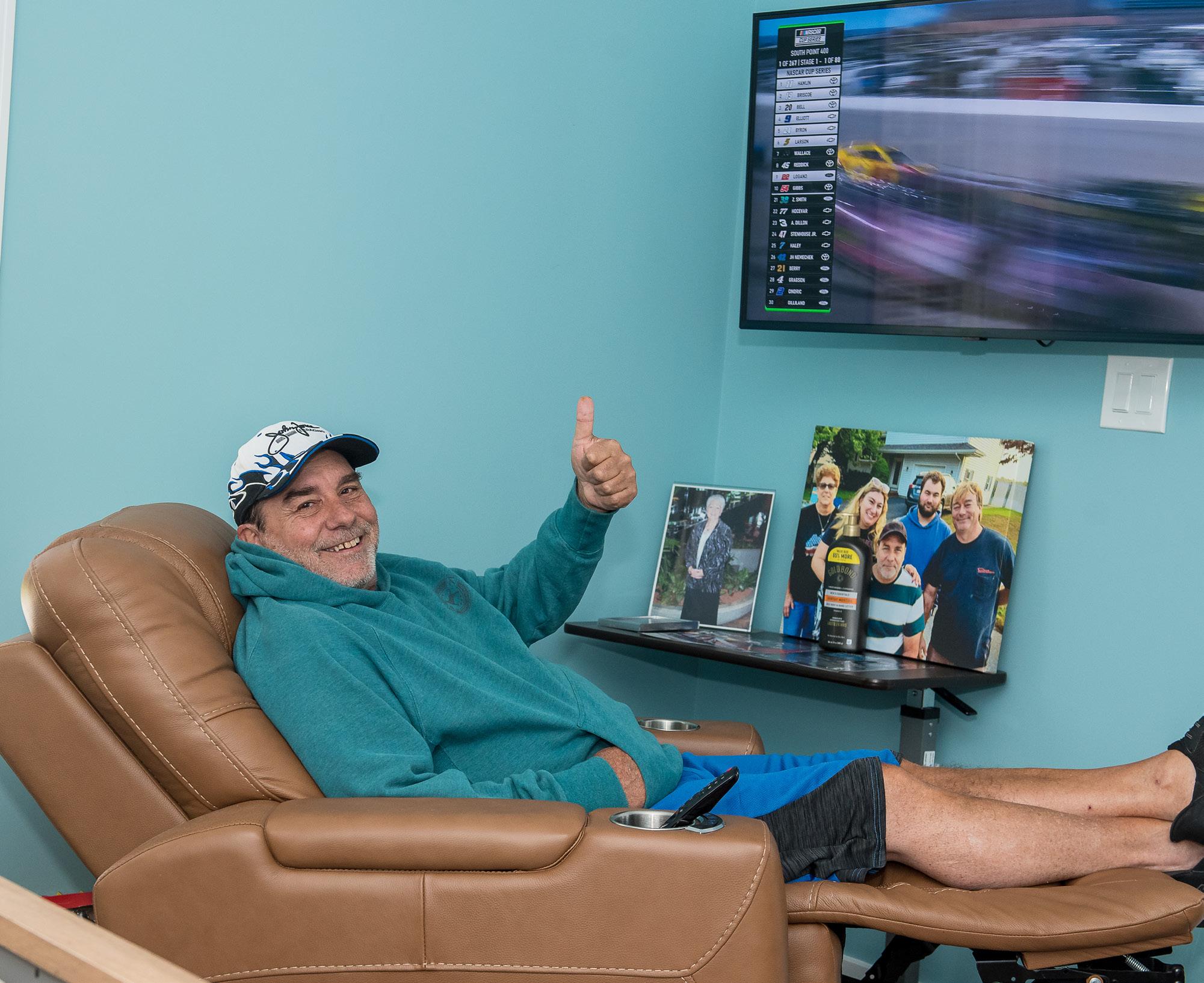
Rob W is a passionate motorsports enthusiast who follows NASCAR, NHRA, and Top Fuel Racing. A regular at Seekonk Speedway, he thrives on the roar of the engines and the thrill of the competition. When he’s not trackside, he is usually fueling up at Dunkin!
THE DUPLEX MODEL PROVIDES BENEFITS FOR RESIDENTS AND PROVIDERS: STAFF CAN FLEX BETWEEN BOTH SIDES OF THE HOME, AND RESIDENTS BUILD COMMUNITY THROUGH THE USE OF SHARED SPACES.

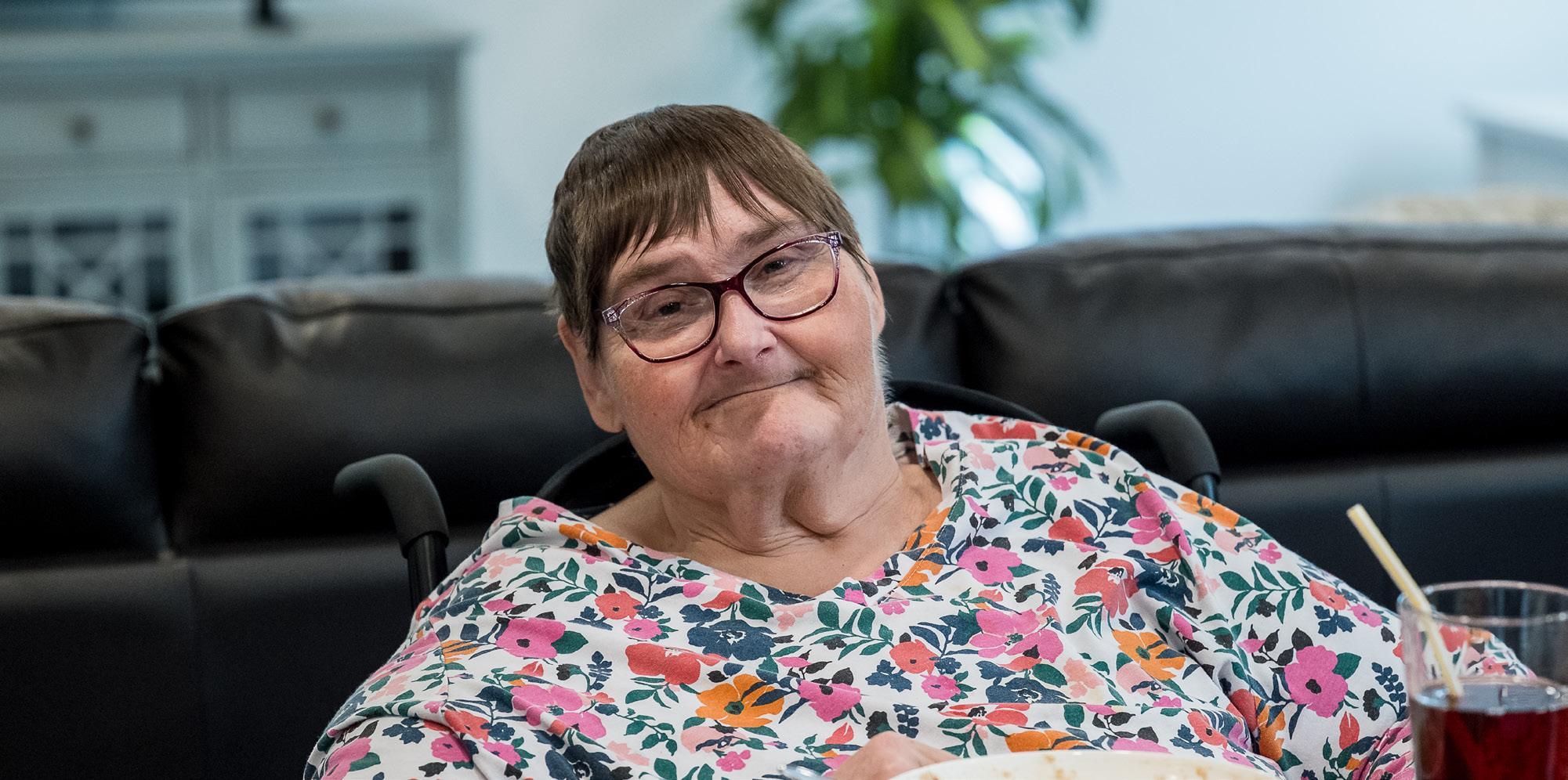
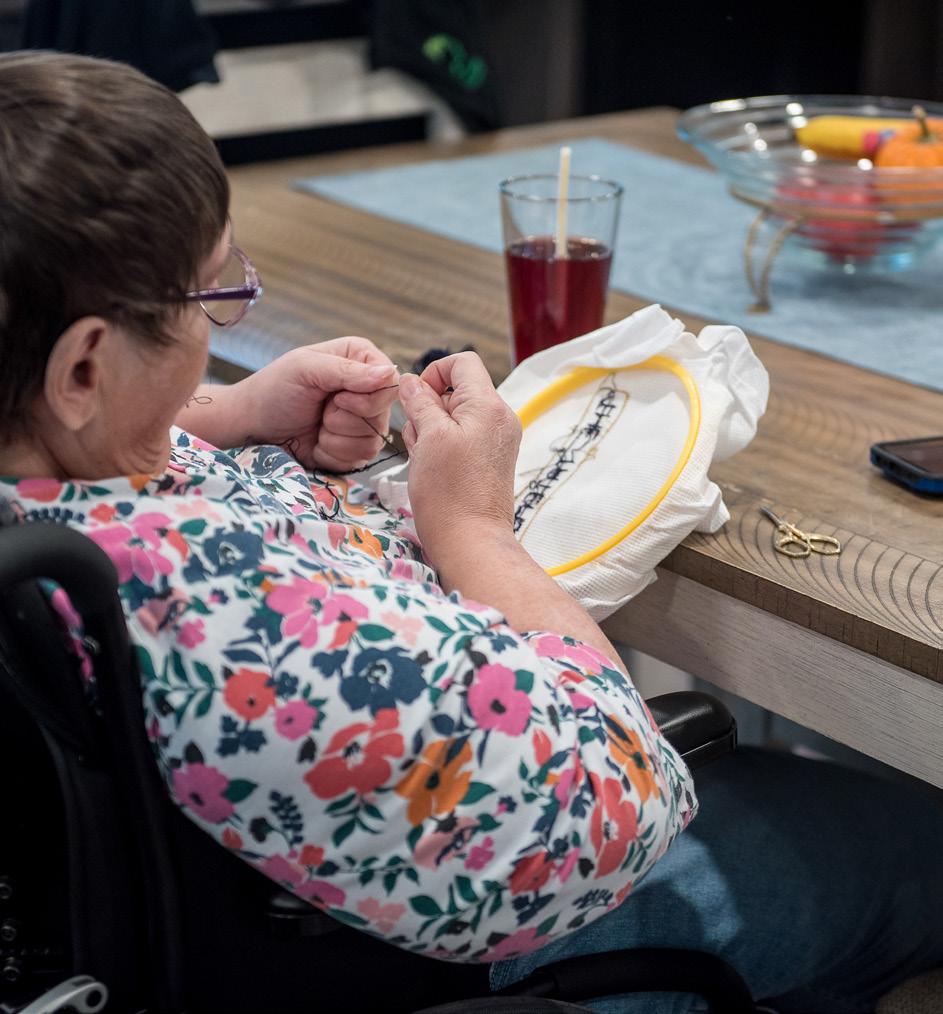
Michele T. has been happily married for two years, following a 25-year relationship with her now husband, who also lives in the duplex.
A creative spirit, she enjoys cross-stitching and often designs and hand-makes thoughtful gifts for family and friends. The project you see her working on here will feature her last name, the date she was married, and “lots of flowers.” Michelle has a growing interest in sign language and looks forward to taking classes to learn more.

THE SINCE 1979, CIL HAS INVESTED
$724,930,813
HOMES DEVELOPED PEOPLE & FAMILIES HELPED ADMINISTERED 627 GRANTS AND 142 MONEY FOLLOWS THE PERSON IN DEVELOPING COMMUNITIES

2,806 9,000 DEVELOPMENT CONSULTING PROJECTS 156



293 LICENSED MASSACHUSETTS COMMUNITY RESIDENCES

544 LICENSED CONNECTICUT COMMUNITY RESIDENCES

10 LICENSED PENNSYLVANIA COMMUNITY RESIDENCES
3 LICENSED VERMONT COMMUNITY RESIDENCES

321
13 LICENSED TENNESSEE COMMUNITY RESIDENCES MULTIFAMILY + MIXED USE UNITS

2 LICENSED DELAWARE COMMUNITY RESIDENCES

470 HOMEBUYER PROGRAMS, OFFIC SPACE, ETC.
MERGERS? ACQUISITIONS? OH MY!

Real Estate Considerations for Mergers & Acquisitions with insights from
Chris Canna, Vice President of Real Estate Development at CIL
When there’s a merger or acquisition, it can be easy to focus on programs, staffing, and financials. But one of the most significant—and most complex—pieces of the puzzle is often real estate, and overlooking it can create costly surprises or integration delays.
To avoid those surprises, organizations need to understand exactly what they’re taking on. That means asking hard questions, verifying details, and bringing in the right experts to guide the process. Here are the key considerations Chris highlights:

It may sound simple, but start by confirming ownership. “What do you own? What do you rent? It’s easy to say you own a property, but do you own all the rights associated with it?” Chris explains.
Run a full title search to uncover any liens, easements, or deed restrictions that could limit what you can do with the property. The presence of a lien or a use restriction could dramatically change its value—and its fit within your future plans.
If the agency you’re merging with leases homes or other properties, review the lease terms carefully. Are leases transferable? Do they require landlord consent upon a change in control? Are there use restrictions that would prevent you from continuing existing services?
“What you think you’re buying might not be what you’re actually allowed to use,” Chris notes. Understanding lease obligations up front can prevent costly complications down the line.
Understand the True Value and Cash Flow

A property’s booked value on the balance sheet may not match its market value—or its value to you as a community residence.
“Typical community residences in Connecticut can be different than what you could get on the open market if you just put them up for sale as single-family homes,” says Chris. “They have value as community residences, but that’s very different from what the general market will pay.”
Analyze what each property contributes financially. What rent is realistic? Are there outstanding debts attached to the property? Are operating costs in line with what you expect? Get clear on both cash flow and fair market value from a real estate perspective.
Don’t rely on assumptions about the state of the properties. Conduct capital needs assessments to evaluate the condition of roofs, mechanical systems, accessibility features, and interiors.
“We’ve seen situations where organizations are surprised by the amount of work the homes need,” Chris says. “Knowing this up front helps you plan for future capital expenditures and avoid surprises after closing.”
Finally, don’t go it alone. Engage attorneys to review title and zoning issues, environmental consultants if needed, and real estate professionals who understand the unique regulations around community residences.
“If you were buying a multifamily building, you’d run inspections and numbers before closing,” Chris says. “Mergers should be no different. You need someone who knows the steps and how to evaluate them.”
Mergers and acquisitions can be powerful opportunities to expand services and reach more people in need—but only if you know what you’re inheriting. Taking the time to evaluate it thoroughly ensures your merger starts on solid ground—literally and figuratively.
Last year, we launched a new web series called Accessible Futures: Live, an interviewbased LinkedIn Live series where we explore key topics shaping the future of accessibility, featuring expert guests who share innovative solutions and actionable strategies tailored for Home and Community-based Service Providers.
EPISODE ONE
ASSISTIVE TECHNOLOGY WITH DR. JULIE ESHLEMAN, DISABILITY & TECH ADVOCATE
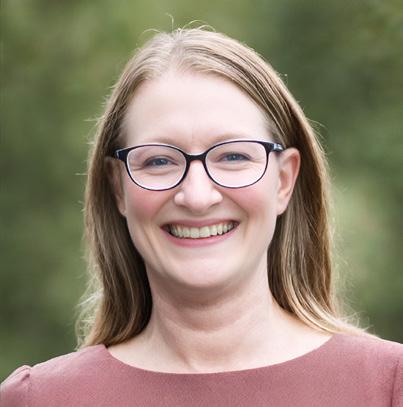
EPISODE TWO
UNIVERSAL DESIGN WITH KARRI MAY, FROM CANNONDESIGN
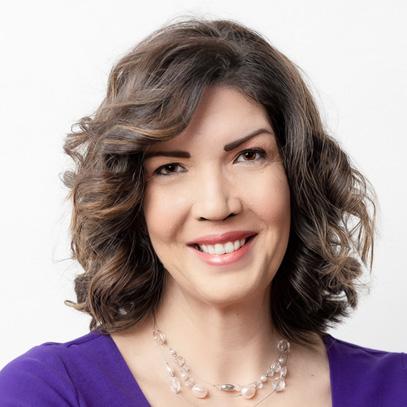
EPISODE THREE
ACCESSIBILITY PLANNING FOR PROVIDERS WITH MICHAEL BLOOM, FROM INCOMPASS HUMAN SERVICES
Freedom looks different for everyone.
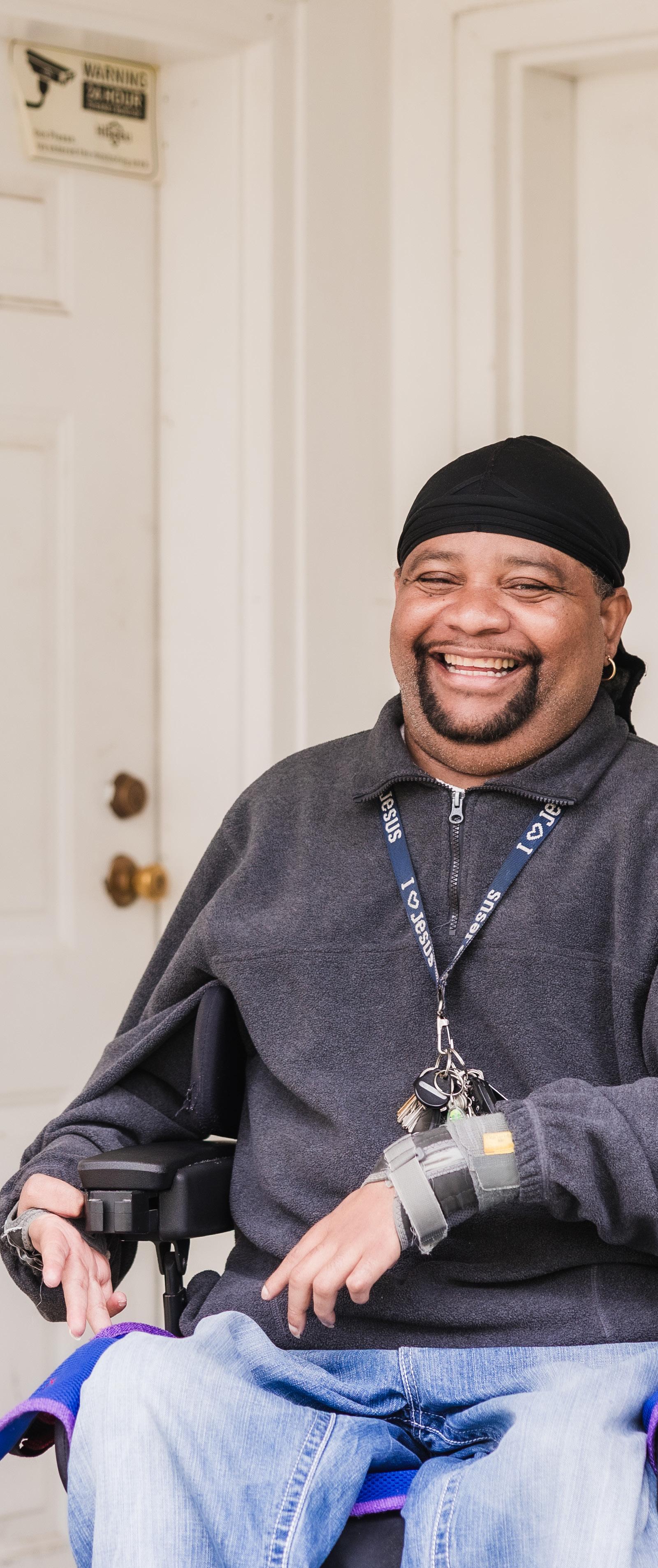
For Angel Torres, it came in the form of a front door he could open independently. Years ago, Angel received an automatic door opener— free of charge—through CIL’s AccesSolutions program. When that unit began to fail, he reached out again, hoping for help.
Thanks to the generosity of our donors, CIL was able to step in quickly to replace the equipment—restoring not just a door opener, but Angel’s freedom to come and go safely, on his own terms.
“THAT DOOR GIVES ME THE FREEDOM TO GO IN AND OUT OF MY HOUSE WHENEVER I LIKE. I DON’T NEED TO WAIT FOR ANYONE - I’M FREE”
In this video, Angel shares how a small piece of assistive technology had a profound impact on his daily life, granting him the independence, mobility, and dignity everyone deserves.
WATCH ANGEL’S STORY

5 THINGS TO KNOW BEFORE STARTING YOUR NEXT PROJECT
At CIL, we see every home as a doorway to opportunity — a space where people can live full, independent lives in the communities they love. That kind of vision takes planning. Successful development projects start long before construction begins, and thinking like a developer can make the difference between a project that struggles and one that thrives.
HERE ARE FIVE ESSENTIAL THINGS TO CONSIDER BEFORE YOU BEGIN YOUR NEXT PROJECT:
Every successful project starts with a clear understanding of who it’s for and how many people actually fit that description in the location you’re considering. Think about ages, diagnoses, and levels of support needed, but also about demand: how many people in that area would want to live there, qualify for your program or funding source, and be able to afford the expected rent? Getting specific about your target population and market size helps shape every other decision you’ll make.
Where will the rent come from and where will the capital come from? Many of the people CIL serves rely on state or federal funding streams, often through Medicaid, to cover services and sometimes housing. Understanding both your operating and capital funding sources, and how they interact, is critical. Is the rent you can realistically collect from your target market enough to cover debt service and operating costs, or will you need rental subsidies? If private debt or equity won’t yield sufficient returns, will public or philanthropic capital be needed? Clarifying these questions early helps ensure your project is financially sustainable.
Different populations have different housing needs. Are you planning a community residence, individual apartments, shared living spaces, or something else entirely? Do residents require specialized accessibility features, medical accommodations, or adaptive technology? The answers will guide your design and help you plan for the right staffing model, level of privacy, and amenities.
Thinking like a developer means seeing the whole picture — people, funding, housing type, location, and design — and understanding how each piece connects. At CIL, our role is to help care providers and advocates navigate these complexities so they can focus on what matters most: supporting people to live full, meaningful lives as part of their communities.
Location = community. Where do the people you hope to serve want to live? Are there nearby supports, transit options, and opportunities for social inclusion? The surrounding environment can impact residents’ quality of life as much as the home itself.
Selecting a location aligned with your target population’s needs and preferences sets the stage for long-term success.
Finally, think about what daily life will look like inside the home. Beyond code compliance, what design elements will support residents’ independence, dignity, and well-being? That might mean wider doorways, durable finishes, quiet spaces for sensory regulation, or communal areas that encourage connection. A thoughtful design can empower people to thrive, not just get by.
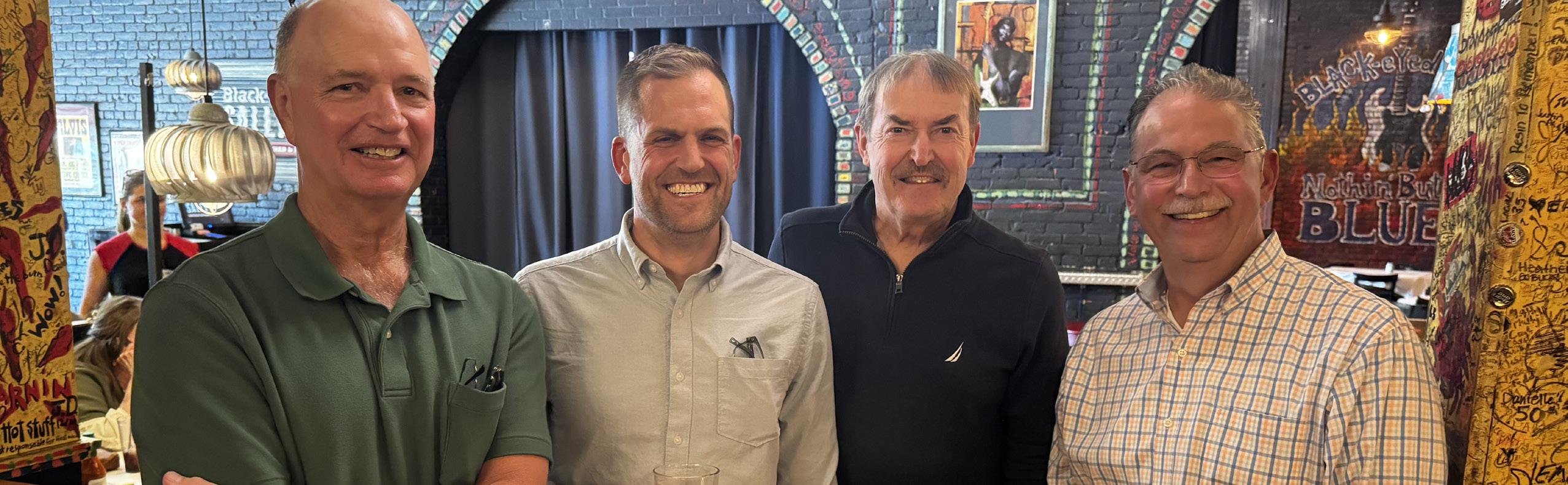
With retirement on the horizon after 24 years at CIL, Peter Benvie agreed to sit down and reflect on a working life that—remarkably—never included a commute.
“From the day I left college, I’ve never commuted,” Peter recalls. That quirk of geography carried him from the Caribbean surf to Massachusetts cul de sacs—and, for the last two decades, to CIL’s mission of building homes for people with disabilities.
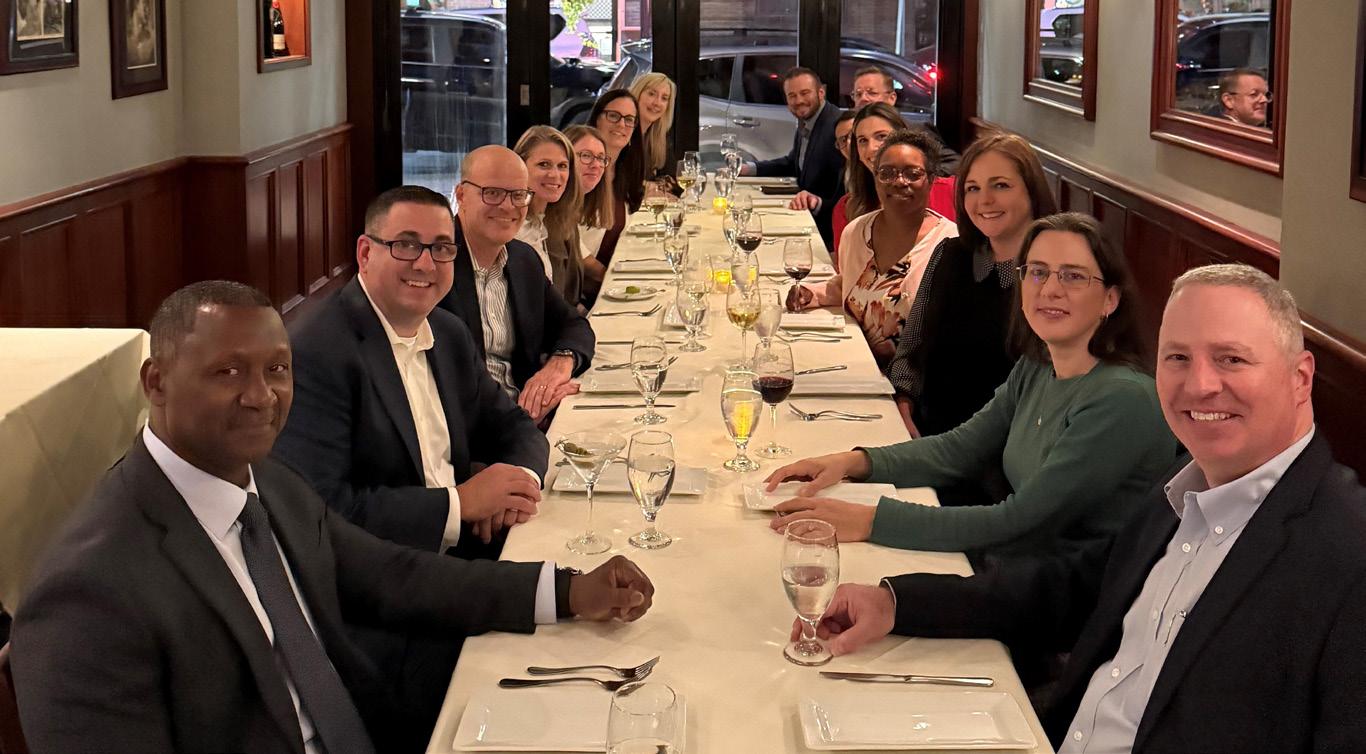
CIL celebrated Peter and his retirement with a gathering at Black Eyed Sally’s in Hartford—an evening filled with stories, laughter, and appreciation for his contributions.
From rebuilding hurricane-ravaged resorts in the Caribbean to helping create more than 120 homes for people with disabilities across Massachusetts, Peter’s impact sure has been extraordinary.
Join us in thanking Peter and wishing him all the best as he trades his home office for a beach house on Florida’s Gulf Coast.
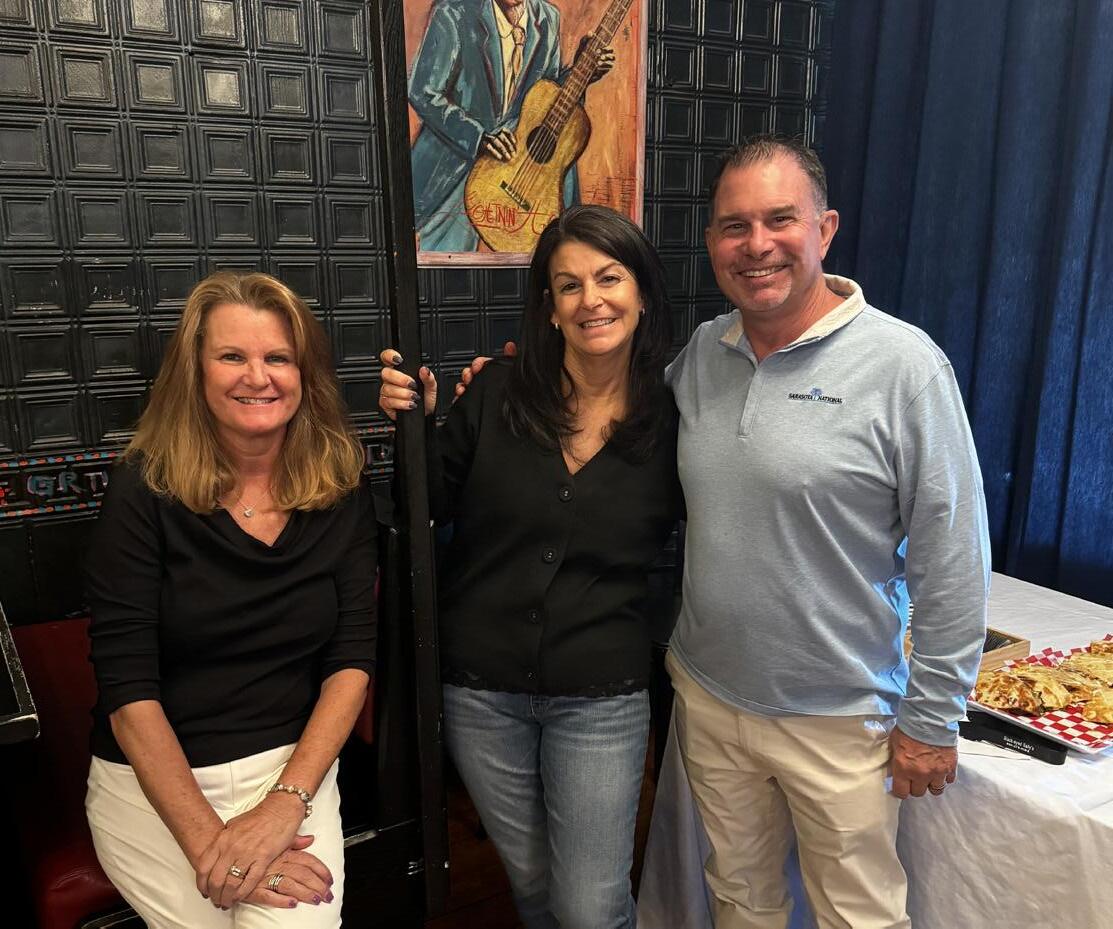
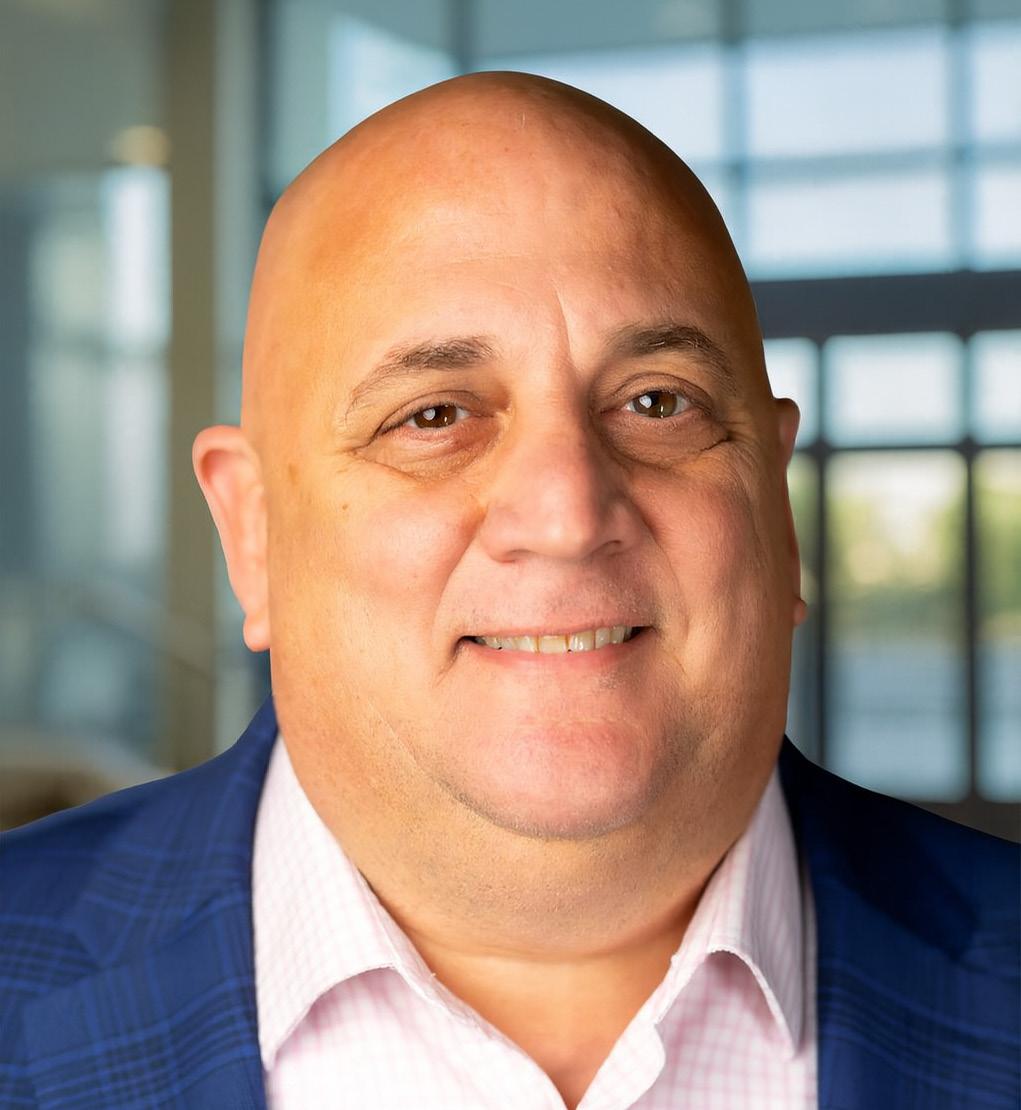
Every year at CIL brings new faces, new projects, and new energy—but 2025 came with a particularly exciting addition:
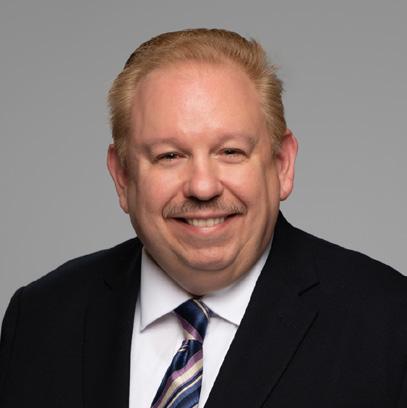
Jim Settembrino joined our team as Senior Business Developer.
Jim is already rolling up his sleeves to help us grow in the midAtlantic, with an early focus on Pennsylvania. From connecting with provider agencies to representing CIL at conferences, he’s making sure more people know about the work we do (and the impact we’re proud of).
Jim is no stranger to the disability services world. Before joining CIL, he founded Our Own Home in Pittsburgh, PA and later served as CEO of Supportive Concepts for Families, where he grew programs that supported independence and inclusion. Along the way, he forged lasting relationships and developed a knack for guiding organizations through the tough stuff— housing, services, and everything in between.

That wisdom and network now come with him to CIL, and we couldn’t be happier.
With Jim’s expertise and our shared vision, we’re ready to push our mission further, expand our reach, and continue proving that when people have the right home and supports, whole communities thrive.
KENT SCHWENDY, PRESIDENT/CEO President/CEO, CIL
JACK SOOS, CHAIR
Senior Director, Pratt and Whitney
KELLY REYNGOLD, VICE CHAIR Controller, ISO New England
GIOIA ZACK, IMMEDIATE PAST CHAIR
SVP Economic Development Services, Goman+York
RUTH BANTA, TREASURER
Retired, Executive Director, Pathlight
JOSEPH C. BLACK, ASSISTANT TREASURER
Founder & Pastor, Spirit & Truth Apostolic Church
MARIA GREEN, SECRETARY Vice President/CEO, CIL
PAUL SANFORD, DIRECTOR
Retired, Former Executive Vice President, Operations, Cigna Group
PATRICK PINNELL, DIRECTOR Owner, Patrick L. Pinnell, FAIA Architecture & Town Planning

KENT SCHWENDY, PRESIDENT/CEO President/CEO, CIL
MICHAEL GOMAN, CHAIR Principal, Goman+York
GIOIA ZACK, VICE CHAIR & TREASURER SVP Economic Development Services, Goman+York
WILLIAM FARLEY, DIRECTOR (FOUNDING CHAIR)
Retired, President, CRBE CT Region
MARIA GREEN, SECRETARY Vice President/CEO, CIL
SAMANTHA VANSCHOICK, BENEFIT OFFICER* VP of Strategic Partnerships, CIL
JOSEPH C. BLACK, DIRECTOR Founder & Pastor, Spirit & Truth Apostolic Church
PATRICK PINNELL, DIRECTOR Owner, Patrick L. Pinnell, FAIA Architecture & Town Planning
* Indicates no voting rights