


With our wide range of products from market-leading manufacturers, we offer high-quality products and support customers in their development projects to streamline procurement processes. With fast deliveries and dedicated sales representatives, we simplify procurement consolidation and contribute to streamlining the Swedish industry.

OEM Automatic is one of the leading suppliers of industrial automation components in Europe. Our extensive and diverse range, composed of products from market-leading manufacturers, provides our customers with a unique opportunity to consolidate their purchases with a single supplier.
We strive to offer all customers access to high-quality products from the industry’s most prominent manufacturers. Furthermore, we support our customers in their development projects and enable them to streamline their procurement processes. Our experienced product managers and sales representatives are dedicated to assisting customers in finding the most technically optimal solutions.
Fast deliveries, clear communication, and transparent information are fundamental to us. We aim to make it simple and efficient to have OEM Automatic as a partner. Our business is the result of a dream to create a family business and streamline the Swedish industry.
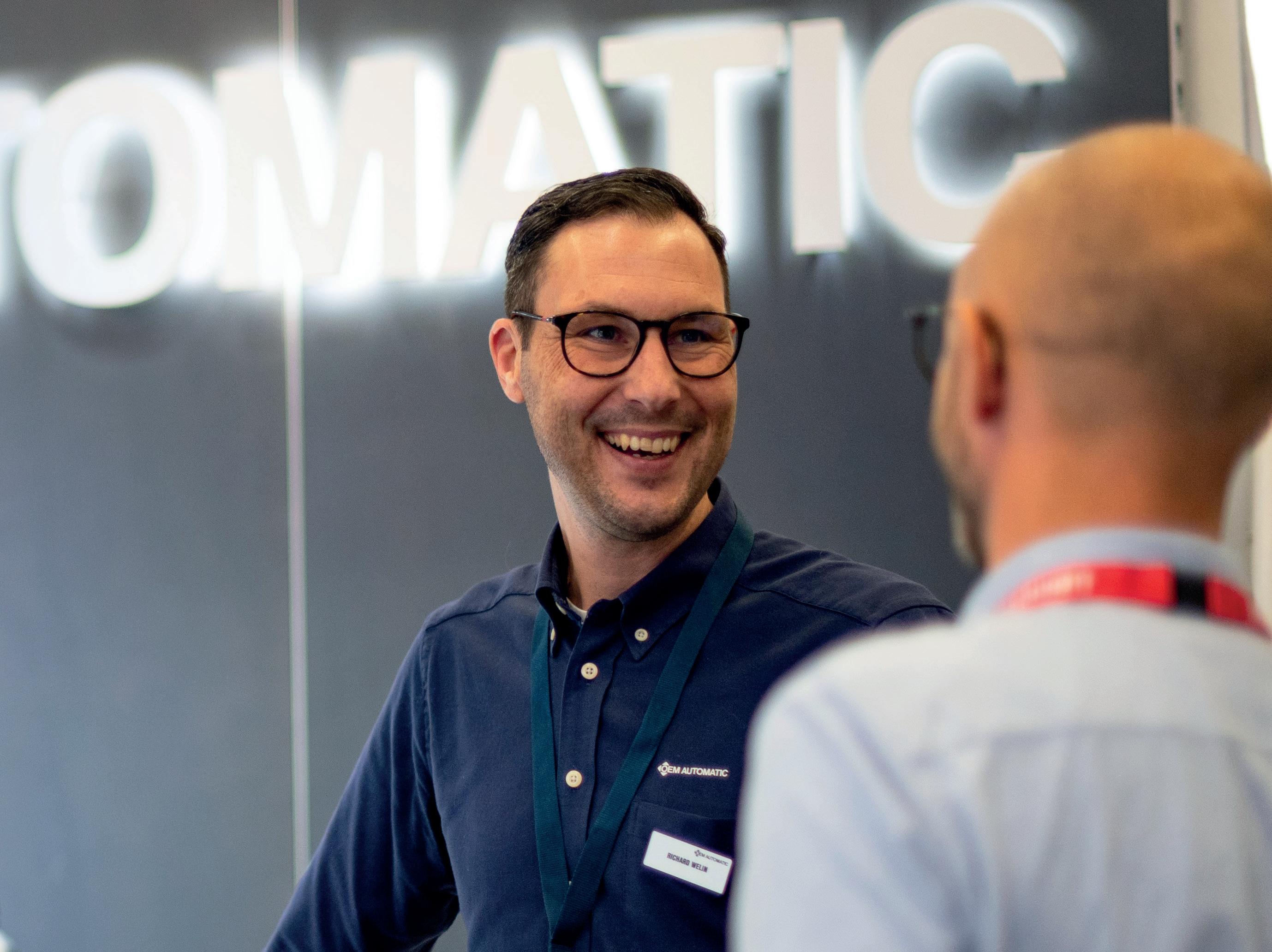
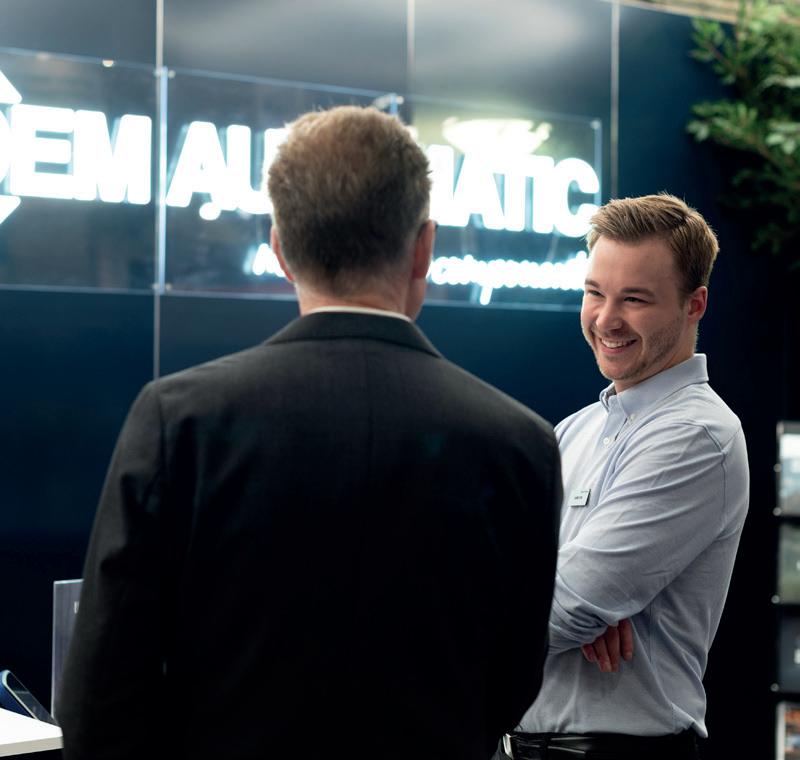
With industry-leading expertise and personalized customer contact, we deliver components and customized technical solutions to businesses. We offer a wide range of products through specialized manufacturers who are leaders in their fields. Through close collaboration between customers, manufacturers, and employees, we become the most long-term and value-creating partner in the market.
We create collaborative relationships by serving as the essential link between manufacturers and customers. Our business model revolves around our sales representatives’ understanding of unique local needs.
For manufacturers, we offer a golden opportunity to optimize their presence in local markets, while customers benefit from access to market-leading products and solutions delivered with personalized service and in-depth product knowledge through our accessible sales team.
CUSTOMER
The focus of our sustainability work is to create economic stability with profitable growth, reduce negative environmental impact, maintain high business ethics, and be an attractive and healthy workplace. To illustrate how we achieve this, we have divided our work into three focus areas – our three Ps: Product, Person and Planet. We believe that change starts from within. Therefore, we have chosen to structure our focus areas beginning with Product – the core of everything we do – followed by Person and Planet.

We work to solve our customers’ challenges through our wide product range and extensive experience. Our ambition is to use our capabilities to contribute to a more sustainable industry.
Behind every solution we provide to our customers is our fantastic team. We aim to ensure well-being and development in our workplace. We also make sure that our suppliers provide their employees with a good working environment.
Together with everyone else on this planet, we take responsibility by mapping and reducing our emissions.
1995 ISO 9001
We became certified according to ISO 9001.
2000
ISO 14001
We became certified according to ISO 14001.
We aligned our sustainability work with four of the UN Global Goals, identified through a materiality analysis.
We started measuring our CO2 emissions and offset the climate impact from business trips by car.

We aim to halve our CO2 emissions every ten years, using 2020 as the base year.
We started reporting in accordance with the CSRD.
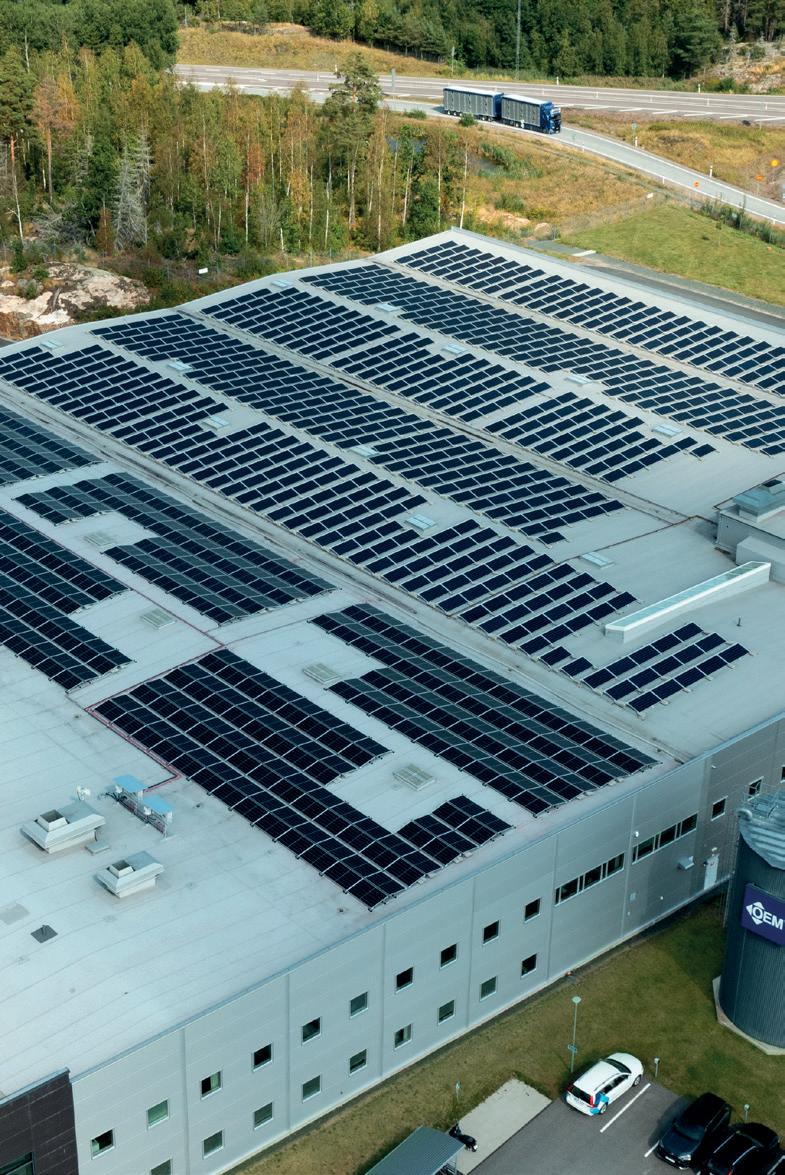
All OEM facilities in Tranås were equipped with solar panels.
We are preparing for upcoming requirements related to digital product passports for our products.
We are following the development of CS3D and working to strengthen our efforts throughout the value chain.
OEM International aims to join the Science Based Targets initiative (SBTi).
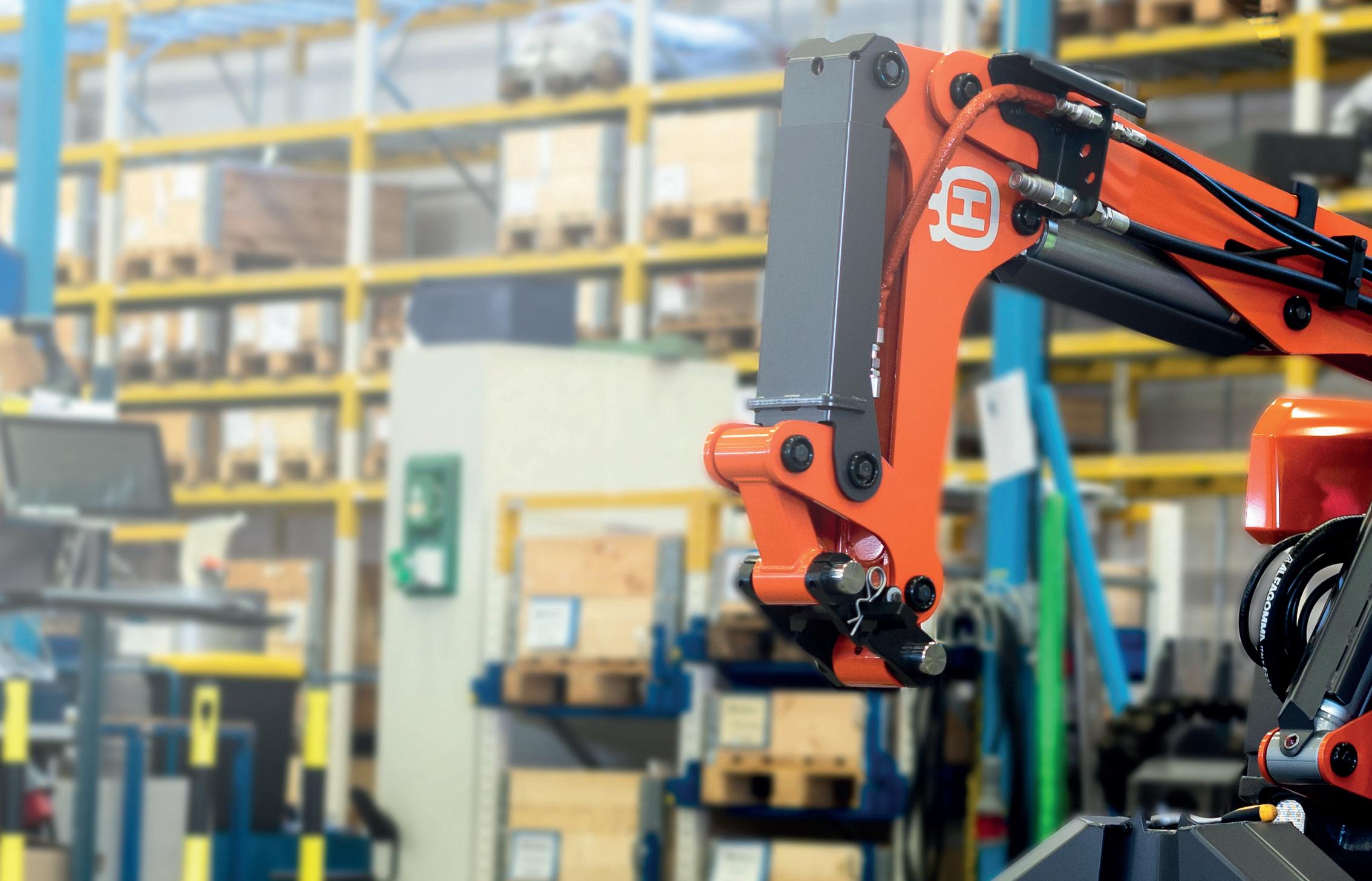
Making sustainable choices starts already in the product stage. That’s why at OEM Automatic, we actively work to develop, highlight, and promote products that contribute to reduced environmental impact and improved working conditions. By combining technical expertise with a broad product range and close collaboration with our suppliers, we aim to help our customers make smart decisions – for both their business and the planet.
S4 Consumers and end users E2-3 Targets related to pollution
E5-3 Targets for resource use and circular economy
1) At least 12 posts per year within our marketing communication should have a clear sustainability profile
To raise awareness of sustainable features and highlight them both internally and externally towards customers and suppliers.
2) We train our employees in sustainability topics
We continuously update our employees on sustainability in general. We share information on themes linked to our business model and provide specific training as needed.
3) We provide sustainability information on our products to enable customers to make more sustainable choices
We have appointed a new role to strengthen competence in product-related legislation and sustainability, and to ensure that our customers receive the information they need.
4) 100% of our strategic suppliers will have completed the supplier assessment
The supplier assessment is important for understanding our suppliers’ sustainability performance. It allows us to highlight best practices and follow up with those who need improvement. An essential part of the assessment is also to ensure compliance with our Supplier Code of Conduct.
- 100% of our strategic suppliers comply with our previous Code of Conduct, based on the UN Global Compact.
5) We work to minimize the amount of electronic waste from our operations
To conserve resources and reduce environmental impact. For us, this means reducing scrapping and exploring possibilities to reuse entire products or components.
6) 100% of purchased packaging material will be recycled
To support a circular economy for all types of packaging. Today we are above 90%, but our goal is to go even higher.
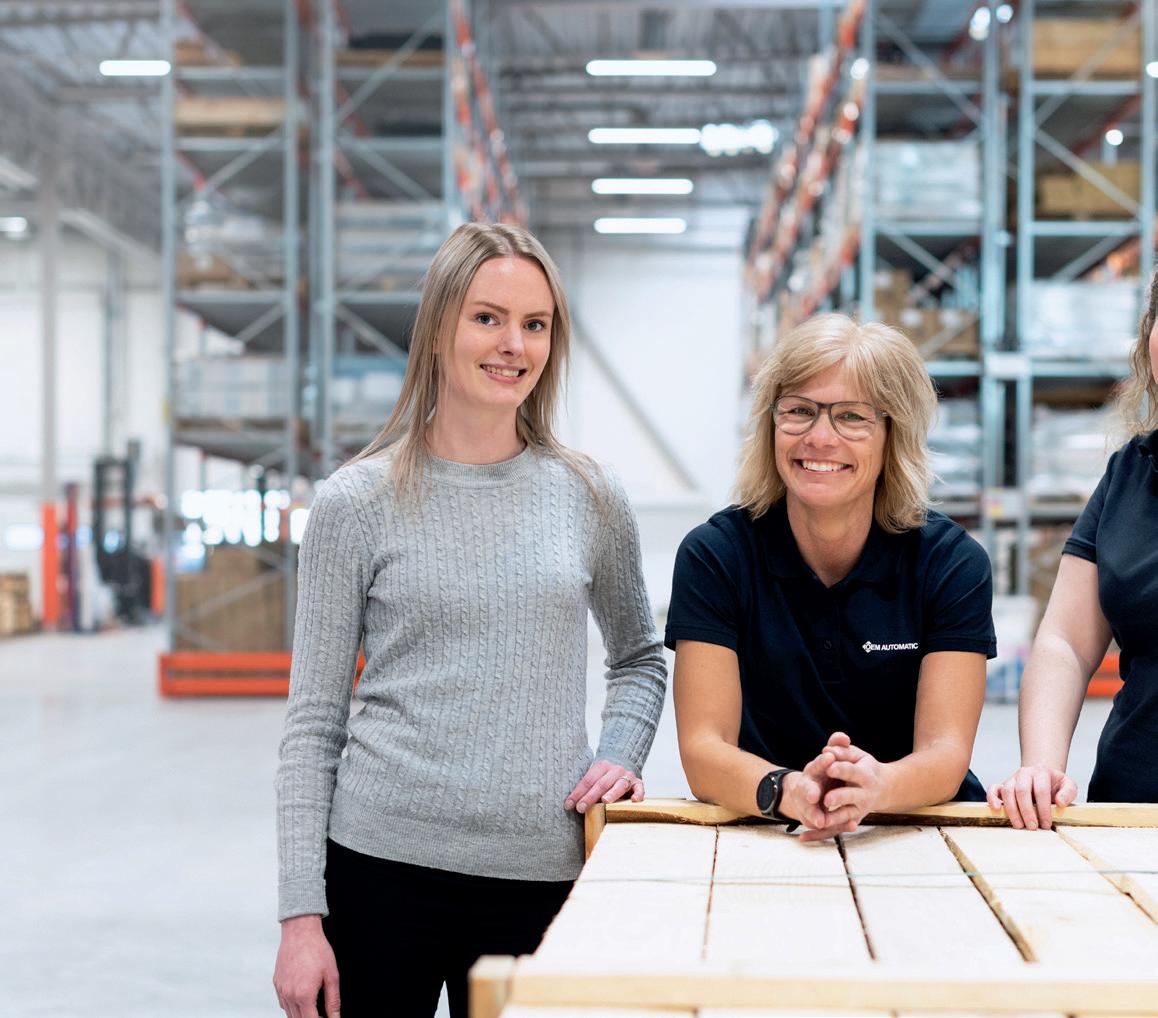
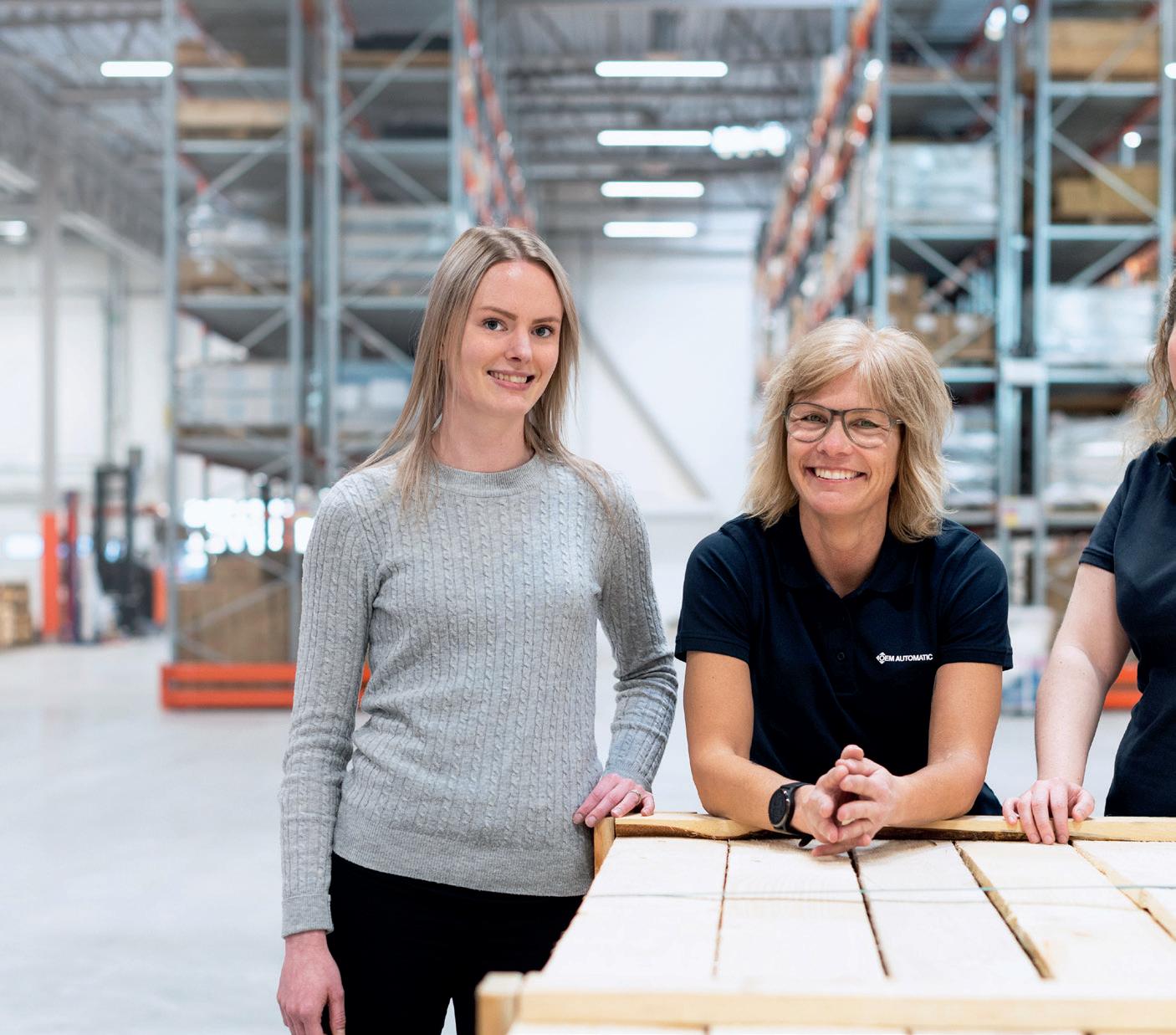
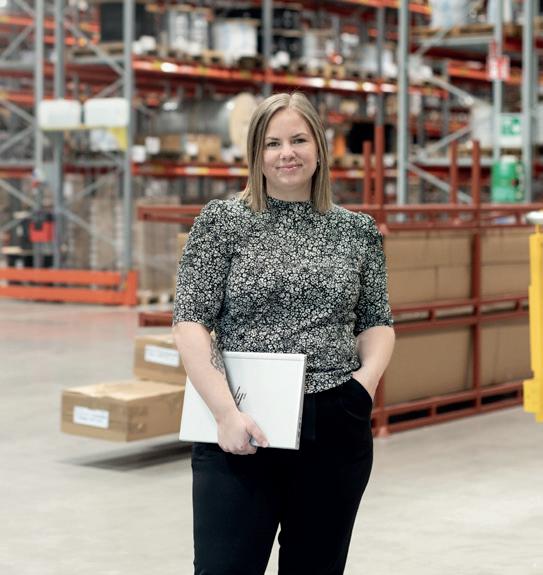
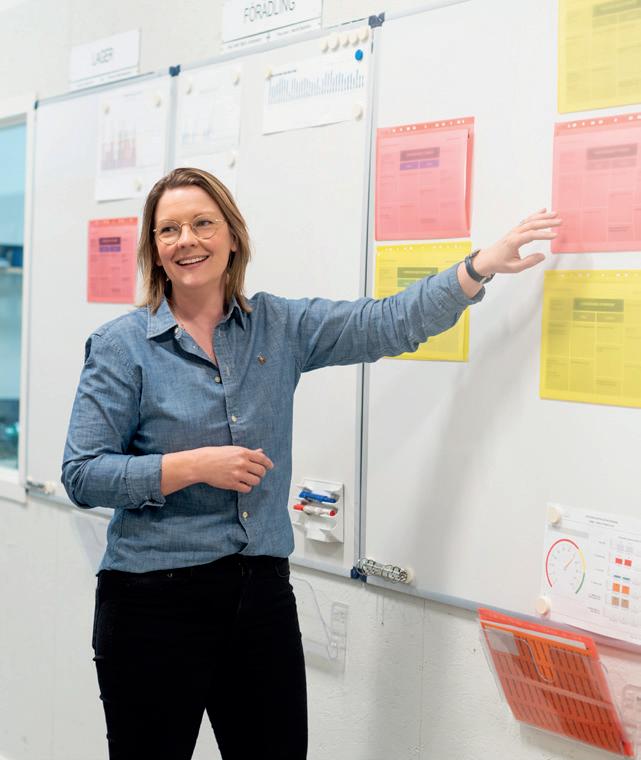
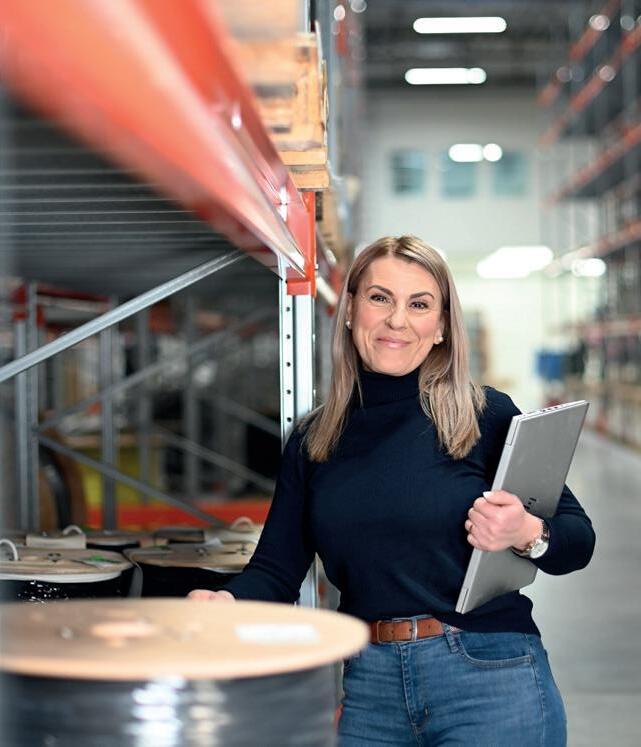
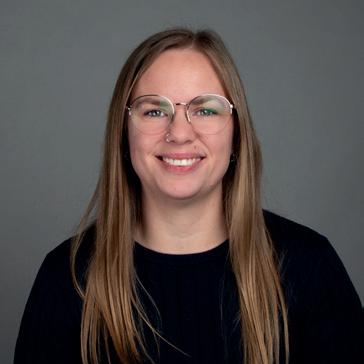
As part of our commitment to sustainability and quality, we have chosen to strengthen our Quality & Sustainability department – and with that, we welcome Emelie in a new role. With her background from the warehouse and a strong passion for sustainability, she is a valuable support to our product managers in their daily work to ensure that our products meet current legal requirements and customer expectations.
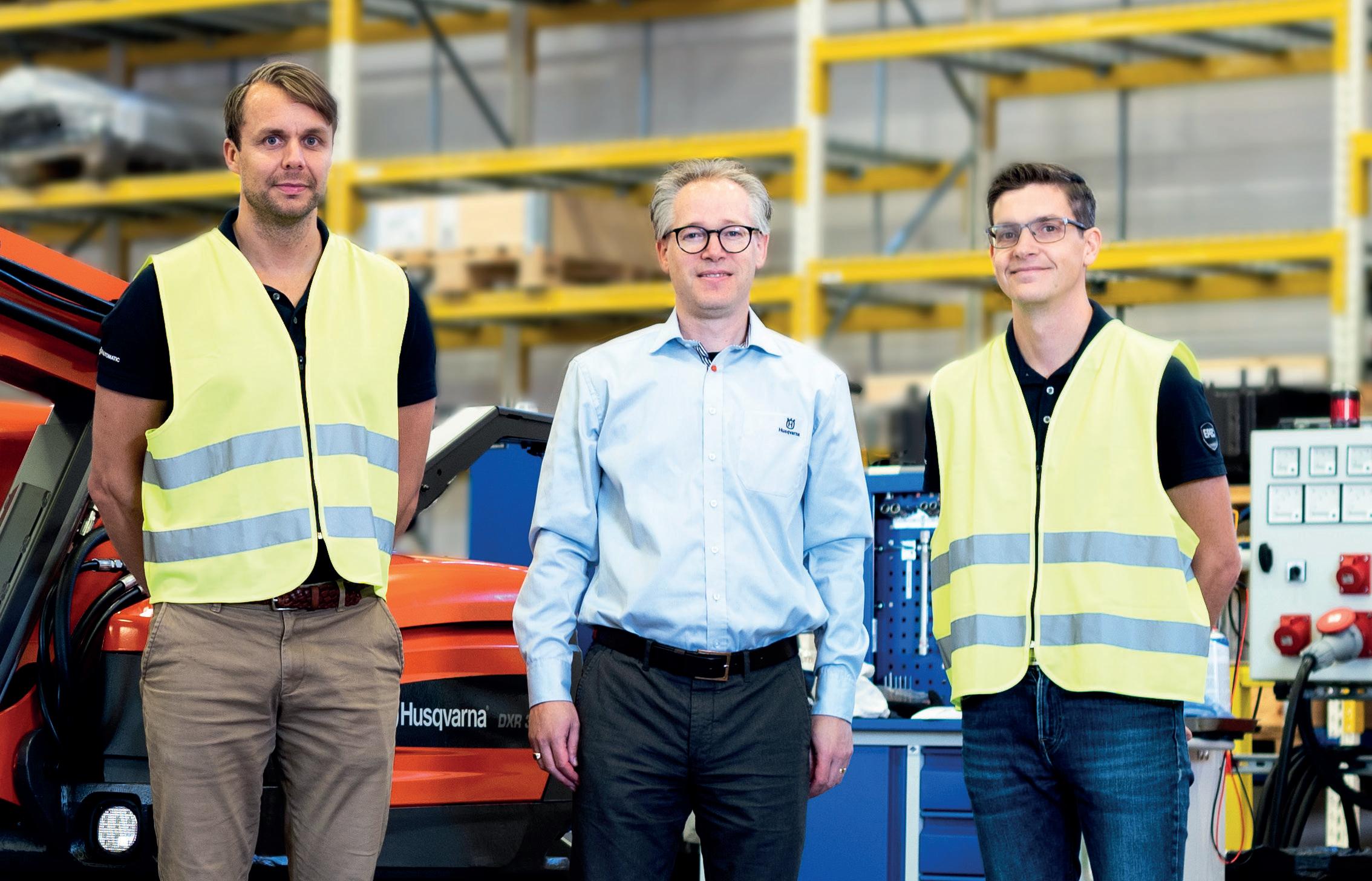

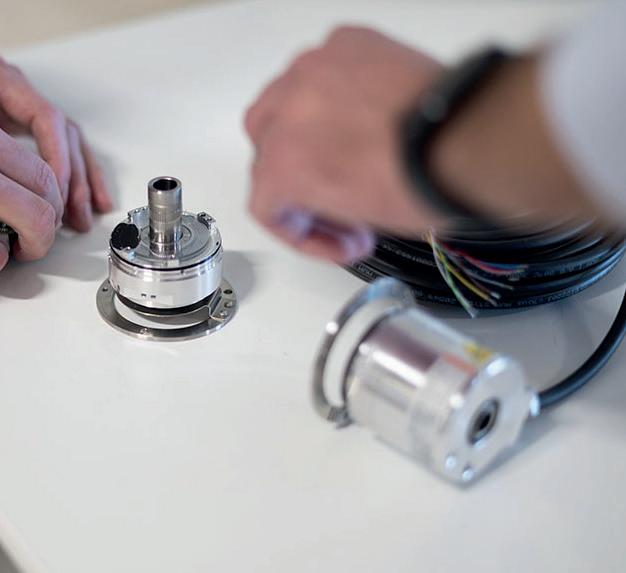
One of our customers, Manta Marine Technologies, faced the challenge of finding an encoder that could withstand the harsh offshore environment in their Wind Assisted Propulsion system. We developed a unique encoder made of V4A material – an acid-resistant stainless steel that can endure exposure to saltwater. In addition, we supplied an ATEX-certified version.
The global circular economy is shrinking, even though the need for recycling and resource efficiency has never been greater. That’s why we’re proud to present chainge – a reliable recycling platform from our manufacturer igus that makes it easier than ever to recycle technical plastics.
Through chainge, companies can easily and efficiently contribute to a sustainable future by keeping plastics in circulation and reducing waste.
During product manufacturing, there is a risk of pollution affecting air, soil, and water, as well as the release of microplastics.
We continuously monitor that our products comply primarily with European chemical legislation, where under the REACH framework, information is provided about substances of very high concern (SVHC) in products. This transparency also enables customers to make more informed choices.
The use of products can generate emissions to air and microplastics, but the extent of these emissions has not yet been measured. Water pollution is also caused by the freight transport services we purchase.
E2 Pollution of air, water, and soil, as well as substances of concern and microplastics
SBM-3 Material impacts, risks, and opportunities and their relation to strategy and business model
Sustainability in our supply chain is a key factor for the future. At OEM Automatic, we have a long tradition of collaborating with our suppliers, who are specialists and leaders in their respective fields. We work closely with them in various ways to ensure that they meet our expectations.
S2-2 Procedures for engaging with workers in the value chain regarding impacts
We ensure that new suppliers meet our requirements for quality and sustainability.
Suppliers are evaluated based on factors such as:
• Delivery accuracy
• Product defects
INTERNAL SUPPLIER EVALUATION
Evaluations are based on factors such as:
• Materials arriving on time and in the correct quantities
• Efficient handling of complaints
• Delivery of sustainability information for the product

Read about our new SUPPLIER MODULE

EXTERNAL SUPPLIER EVALUATION
Suppliers respond to questions regarding, among other things:
• Working conditions and work environment
• Environmental impact of products
• Compliance with our Supplier Code of Conduct
Since 2025, OEM has a new tool that gives us a clearer and more comprehensive view of sustainability across our supply chain. A key focus is the environmental impact of our products, enabling us to provide stronger data to support sustainable choices. We also assess working conditions, the workplace environment and governance. In addition, we follow up to ensure that our suppliers comply with our updated Supplier Code of Conduct.
AUDITS
We conduct supplier audits based on the results of other evaluations.
To ensure that our supply chain continues to better meet our requirements, we follow up on the identified actions.
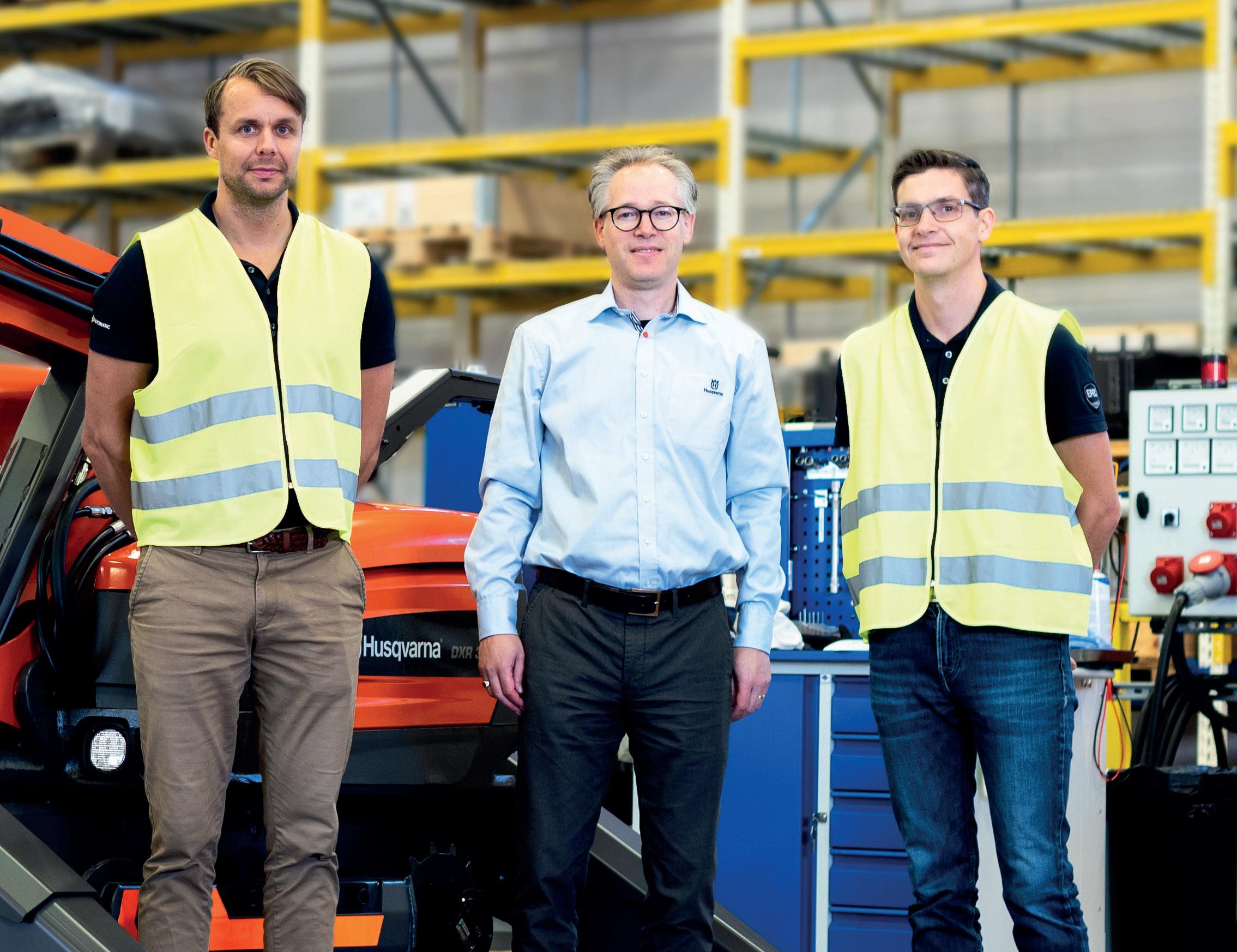
We want to inspire more sustainable solutions and contribute to development through our product knowledge and our broad product range. Working with us means having access to both the expertise and the products needed for smart solutions that support sustainability. We want to stay alert as development moves forward and support innovative solutions and projects. With the knowledge we have about our products, we can offer an overall perspective and work closely with our customers in their projects, whether large or small, and this is something that defines us as a company. We do not just want to sell products; we also want to contribute to creating greater solutions.
E5 Resource use and circular economy
S4-4 Material impacts on consumers and end- users
No product is entirely sustainable, but we can contribute to a more sustainable industry by offering products and solutions that:
Reduce energy use: energy-efficient components and solutions that help our customers save energy and resources.
Promote a circular economy: products with a long service life, made from recycled or bio-based materials, that can be repaired, reused and recycled.
Improve production efficiency: automation and smart solutions that save resources and reduce waste.
Developed with better materials and processes: products made from more sustainable materials and from suppliers who actively reduce their environmental impact through more energy-efficient processes and responsible production methods. We prioritise products that comply with the REACH Directive and are safe for both people and the environment.
Optimise transport and logistics: components that enable more resource-efficient systems and transport solutions that reduce emissions and shipments.
Improve work environment and safety: protective equipment, warning systems and ergonomic solutions that create a safer and more sustainable workplace. Our products must also comply with applicable safety standards and directives.
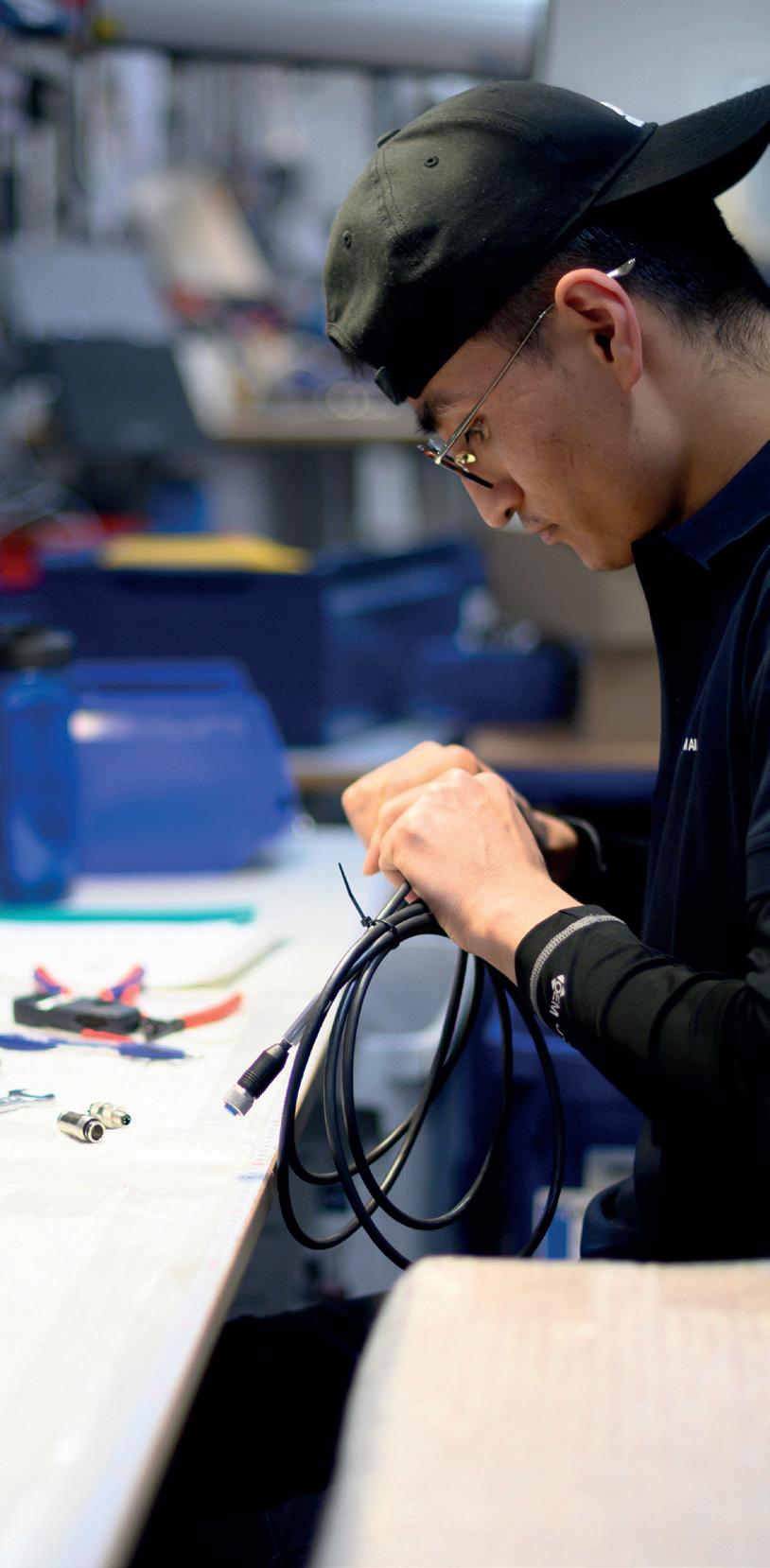
A good work environment is a prerequisite for success. We want to offer a creative workplace where employees thrive, develop and create value. We work actively to increase the proportion of women, especially in sales and product-related roles, with the goal of strengthening representation in leadership positions. We also ensure that our suppliers provide a good work environment for their employees.
S1-5 Targets related to managing material negative impacts, advancing positive impacts, and managing
risks and opportunities (own workforce)
S2-5 Targets related to managing material negative impacts, advancing positive impacts, and managing material risks and opportunities (workers in the value chain)
1) Employee satisfaction index of at least 4.0 in the employee survey
When employees enjoy their work, it creates a creative and developing environment where we can deliver the best value.
2) At least 20% women in recruitment for sales and product-related roles
To bring more women into positions where we recruit tomorrow’s leaders, we encourage gender-balanced recruitment within our business areas.
3) Zero-accident vision
A few years ago, safety mesh panels were installed on all pallet racks in our warehouse, which has significantly reduced near misses. The most common accidents for us today are minor cuts from knives or slipping with a tool.
4) External staff turnover below 10%
By offering a safe and secure workplace where employees enjoy their work and have the opportunity to grow in their roles, we can reduce staff turnover.
5) At least 96% healthy attendance
We invest in wellness allowence to encourage physical activity, and we conduct ergonomic reviews to reduce the risk of strain injuries.
6) One annual activity to highlight sustainability with our employees
A chance to enjoy time together while increasing engagement.
4.2 EMPLOYEE SATISFACTION INDEX
The ESI is used as a measure in our employee surveys. Our target is to be above 4.0. The most recent survey was conducted in 2024.
7) 100% of the purchasing volume from strategic suppliers must sign our Supplier Code of Conduct
This shows that our suppliers support fundamental requirements regarding the environment, working conditions and business ethics, and it forms an important part of our due diligence efforts.
8) We will contribute to initiatives in society — locally, regionally and internationally
Charitable giving is an important part of our work to help create a fairer, more compassionate and sustainable world. Our work is about more than components — more than words.
We have a clear work environment policy that covers safety, health and responsibility. It guides our efforts to create a safe, supportive and developing workplace, where both physical and mental health are highly prioritised. The policy describes, among other things, how we work with safety equipment, incident and accident reporting, ergonomics, chemical management, and the prevention of discrimination and harassment.
Our ambition is to exceed legal requirements and to continuously improve the work environment through preventive measures, employee engagement and cooperation with occupational health services. Swedish legislation ensures, at a fundamental level, that we maintain a living wage and regulates the shared responsibility between the company and the state in situations such as illness or parental leave.
S1-1 Policies related to own workforce
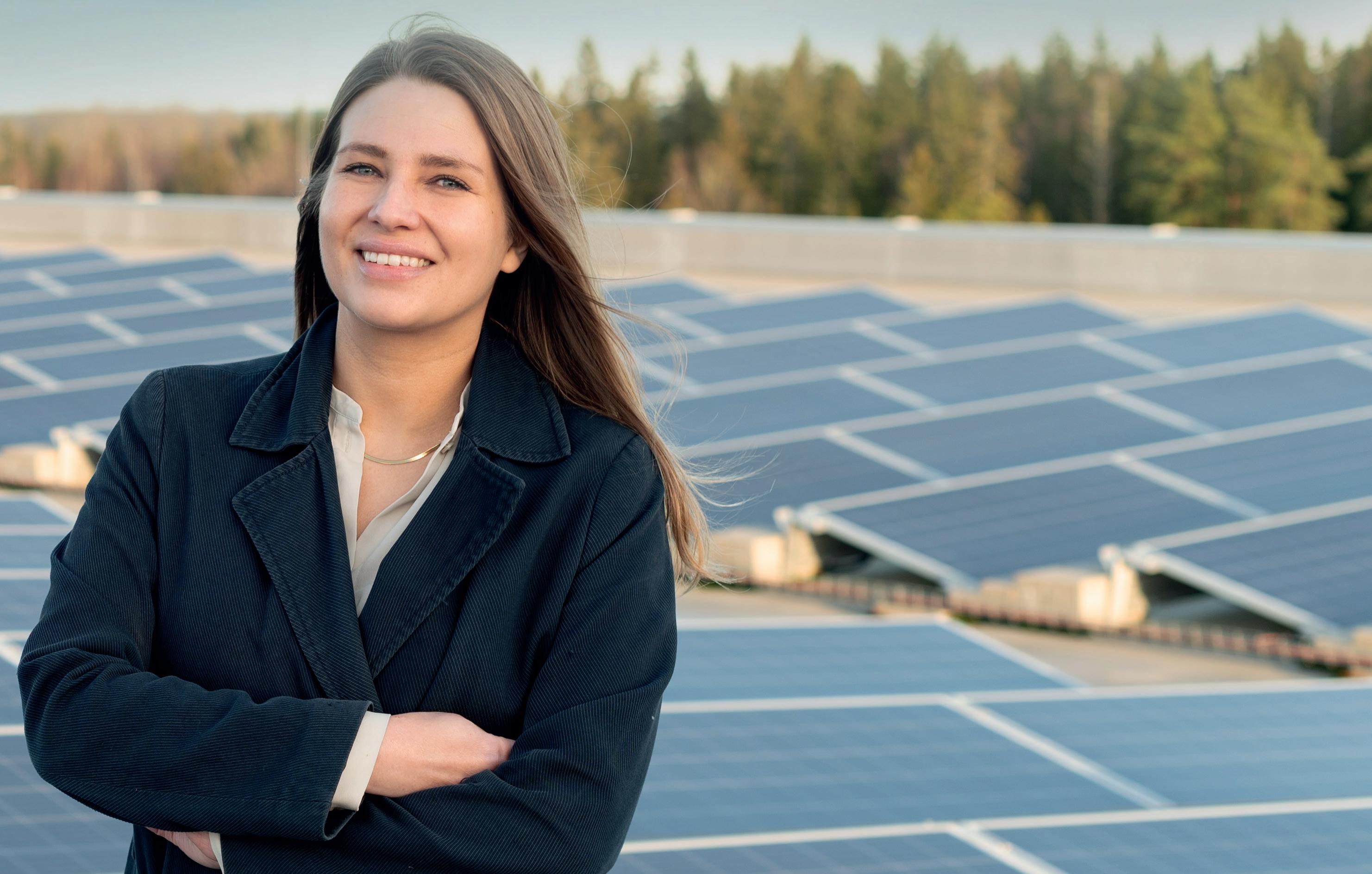
To engage our employees, we have set goals for sustainability-related activities within Person, as well as training initiatives within Product. With greater knowledge, and by talking about sustainability in a positive and constructive way, we believe we can create value both at work and in our everyday lives.
In recent years, we have organised competitions to highlight different aspects of sustainability and show simple things each of us can do in daily life. We have a sustainability communication plan that helps us address various topics both internally and externally. It includes training sessions, workshops, intranet posts and content in our external channels. We also encourage employees to take their own initiatives.
S1-2 Processes for engaging with own workforce and workers’ representatives about impacts
OEM strives for an open corporate culture and a high standard of business ethics. We want to do everything we can to detect any potential misconduct within our organisation at an early stage, and for that, it is important that we help each other.
As a first step, we encourage employees who suspect irregularities to contact their immediate manager. However, we also offer an external whistleblowing service where employees can report concerns either openly or anonymously. We have procedures in place to ensure that all cases are handled appropriately.
S2-3 Processes to remediate negative impacts and channels for value chain workers to raise concerns
With the warehouse as a workplace, safety is always a top priority, and creating a safe and secure working environment for all employees is very important to us. During 2021–2022, we made a major investment in additional safety nets, improving safety during forklift operations and contributing to positive developments in both efficiency and environmental impact.
Safety nets are grilles that protect against the risk of items falling during forklift operations. If a pallet is accidentally pushed from the front, it will not tip down. They improve safety for both people and materials, and they make forklift handling easier when lifting at higher levels. They also make it possible to use single-use pallets in the racking system. This creates both an efficiency gain, since materials do not need to be repacked upon delivery, and an environmental benefit, as we can continue using the existing pallet.
Read our Code of Conduct

Our Supplier Code of Conduct defines the minimum requirements we expect from our suppliers and is based on the principles established within the UN Global Compact. The Code addresses human rights, labour practices, environmental responsibility and anti-corruption, and is a part of our process to ensure that our entire supply chain acts in a lawful, respectful and responsible manner.
S2-1 Policies related to value chain workers
Slowing climate change is one of the greatest challenges of our time. Our most significant environmental impact comes from freight transport and business travel, as well as the use of our facilities. These areas are therefore our main focus, but we also want to encourage both our customers and our suppliers to make more conscious choices.
E1-4 Targets related to climate change mitigation and adaptation
1) 50% reduction in emissions from company cars by 2030
When replacing a company car, we choose only hybrid or electric vehicles.
2) 50% reduction in emissions from buildings by 2030
We use 100% renewable purchased energy and produce the maximum permitted amount of solar power. We have also implemented projects to reduce energy consumption.
3) 50% reduction in emissions from freight transport by 2030
We work to minimise air freight and find alternatives with lower climate impact. For example, we use sustainable marine fuel for ocean freight from Asia and evaluate rail transport through Europe.
4) 50% reduction in emissions from business travel by 2030
We can replace several trips with Teams meetings and choose travel options that are better for the climate.
5) 20% reduction in emissions from purchased products by 2030 (base year 2024)
We collect information from suppliers — including their energy use and the amount of recycled material in products — to gradually improve our measurements and identify improvement opportunities.
OEM Automatic has adopted climate targets aimed at reducing its environmental impact and aligning with the goals of the Paris Agreement. The targets are divided into different areas, each with its own action plan to ensure clarity and maximise the impact of our efforts.
Much has already been done within our own operations to reduce emissions. We are phasing out fossil fuels in our company cars through a new company car policy, and the number of electric vehicles is increasing rapidly. We have also worked extensively with energy efficiency measures in our buildings, read more about this on the right. We continue to purchase marine biofuel through the freight company GEODIS’ insetting programme.
The main focus going forward will be on the value chain, particularly by improving oversight of the manufacturing of our products and finding transport alternatives with lower emissions for freight.
E1-1 Transition plan for climate change mitigation
Managing transport is a major challenge for companies that house many products under one roof. We work both to find and test solutions with lower climate impact, and to identify the reasons why we sometimes need to use air freight so we can actively work to avoid it. The climate impact from air freight in 2024 was 253 tonnes, so even though only a very small share of our goods is shipped by air, it still accounts for 65% of all transport-related emissions.
We want to be out meeting our customers, which means we still need company cars. Therefore, our focus is on replacing our fleet with electric vehicles. The first fully electric cars were introduced at the end of 2024. Many have already been replaced, and of our 71 cars, 23 are now fully electric — that is, 33%.
We are seeing a clear reduction in emissions from 2023 to 2024, even though the number of kilometres driven remains at the same level, around 800,000 kilometres. Including all categories linked to company cars within scope 1, 2 and 3, we have reduced emissions from 200 tonnes to 130 tonnes — a reduction of 35%. We also use renewable diesel (HVO) in our pool cars.
Using bio-based marine fuel through Geodis reduces our carbon emissions and helps drive the transition towards a more sustainable future within the shipping industry, while also supporting the production of sustainable fuels. The fuel is made from waste materials, such as used cooking oil, and replaces fossil fuels. We have been purchasing this type of fuel since 2023.
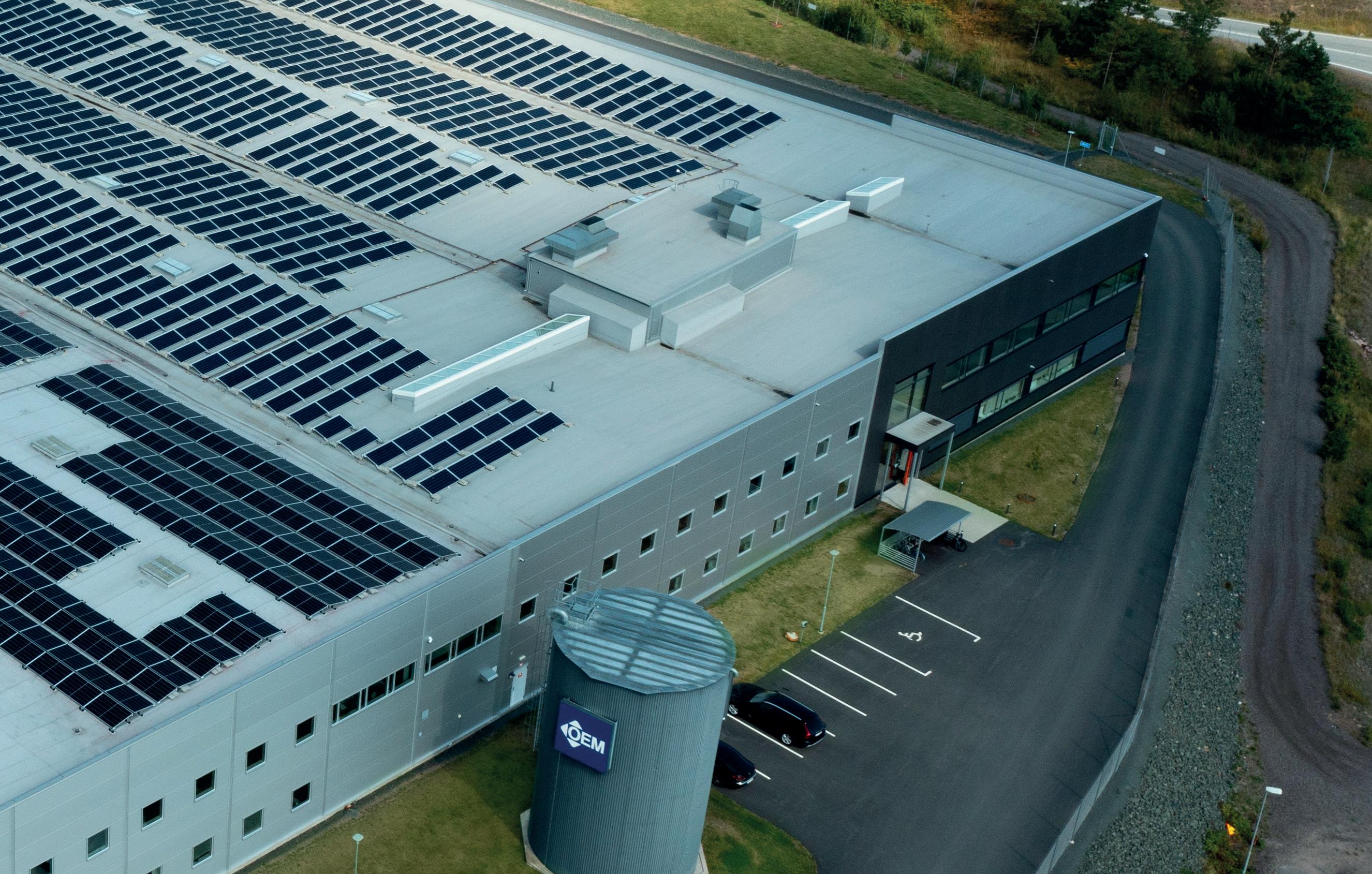
To encourage sustainable and healthy commuting, we offer our employees the option to lease benefit bicycles. This provides a climate-smart alternative to car travel, reduces emissions and also contributes to better health and well-being.
We have installed LED lighting in all office and warehouse areas. Just the most recent lighting upgrade in the older section of the warehouse at the Höganloft logistics centre results in an annual saving of 70,000 kWh.
Our new handling of cardboard waste, using a compactor, makes the work more efficient, improves fire safety and reduces energy consumption by minimising cold air loss.
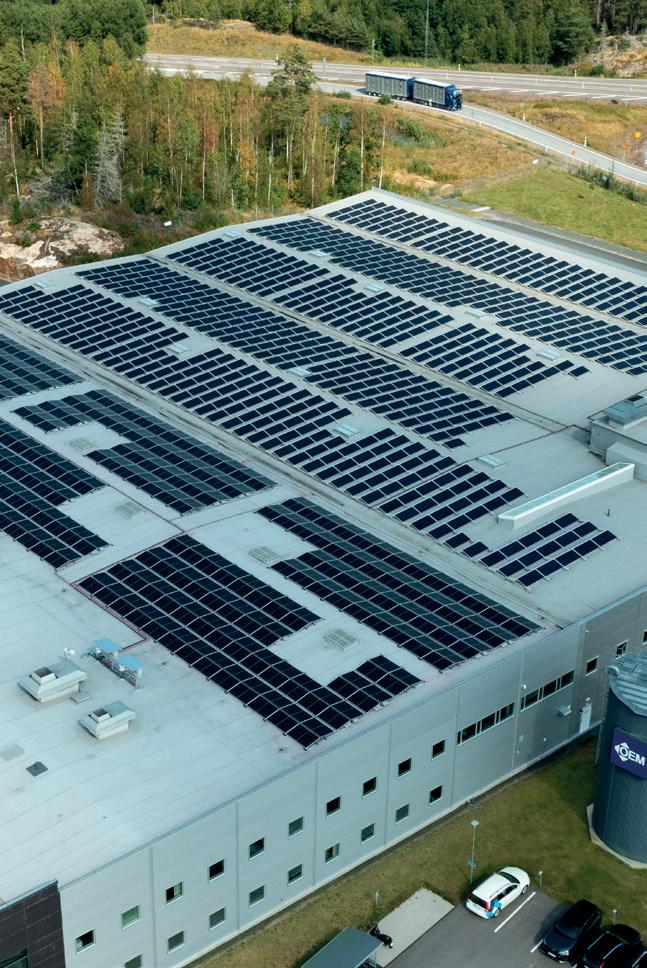
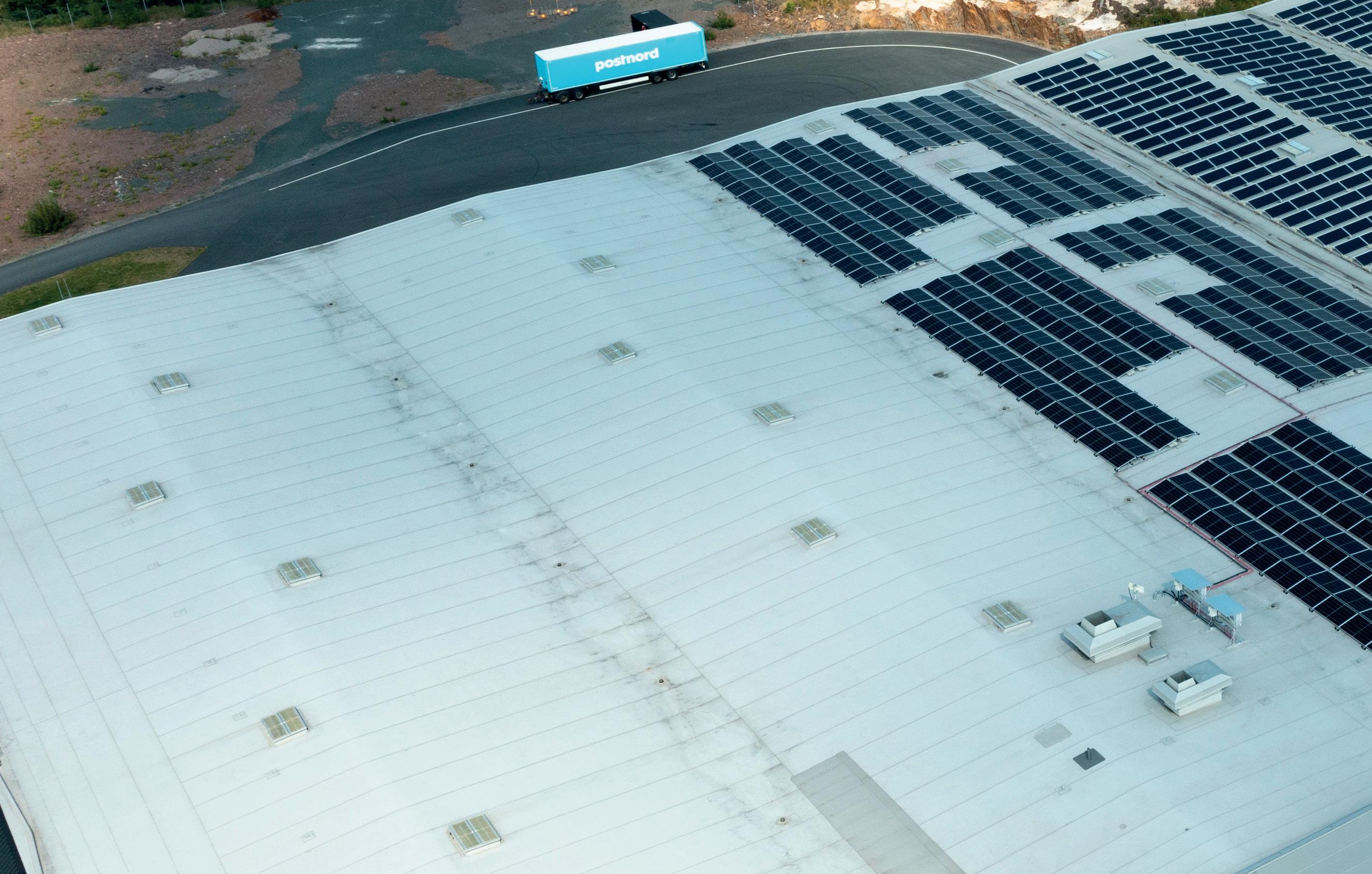
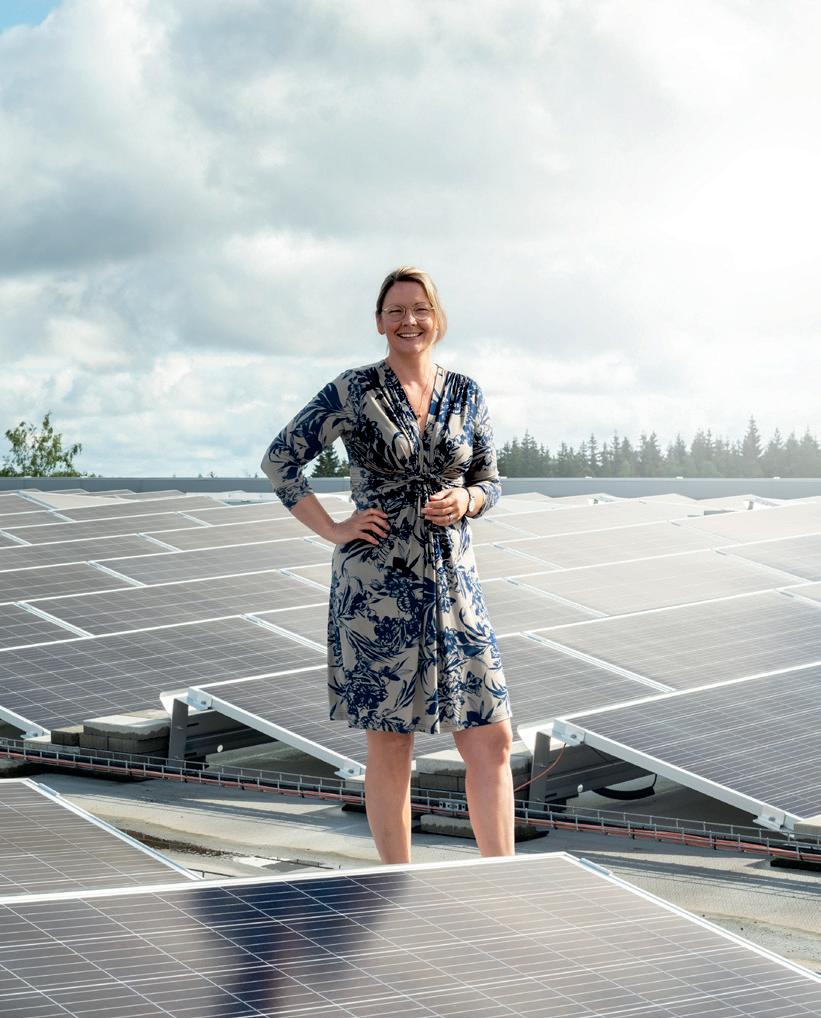
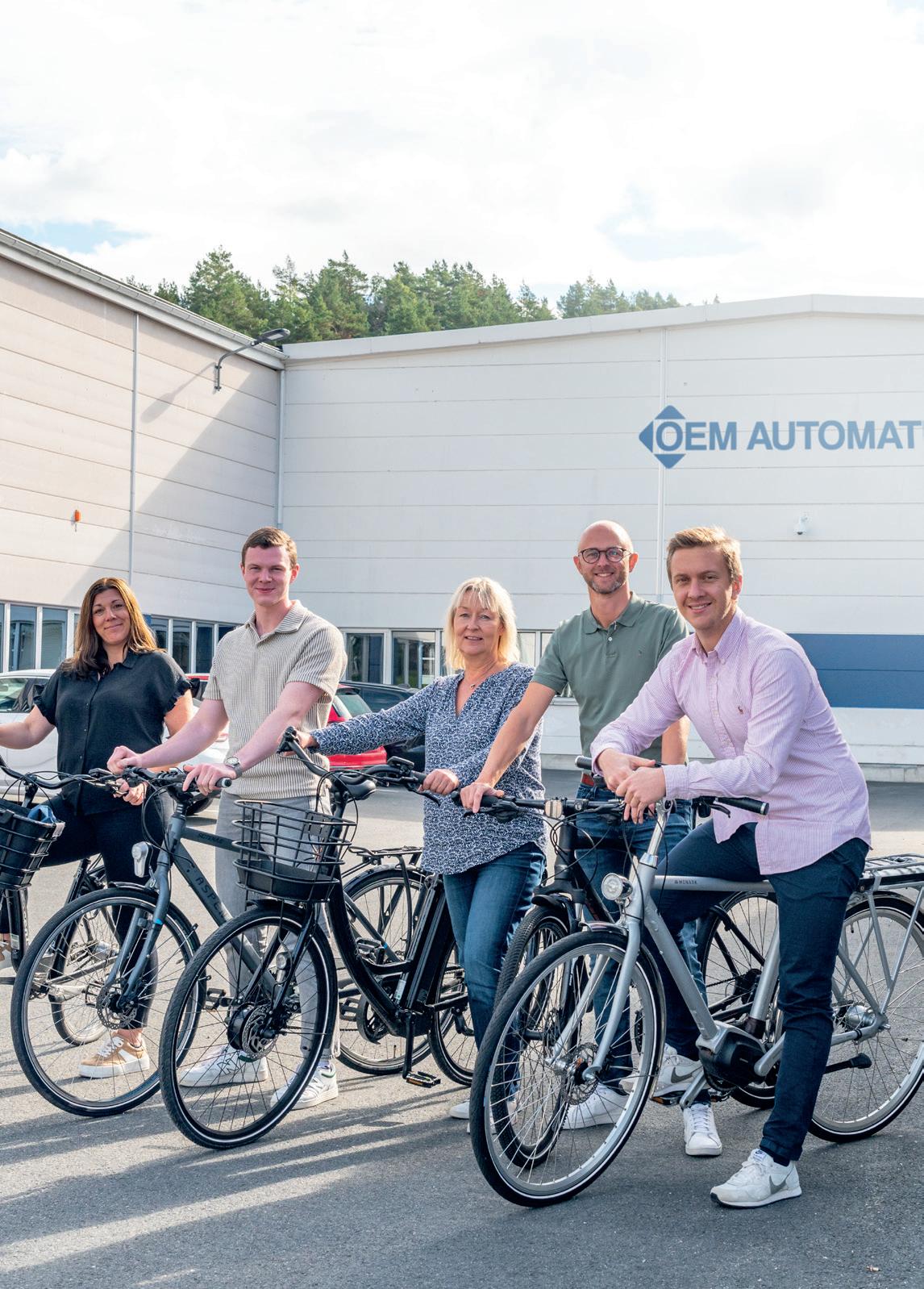
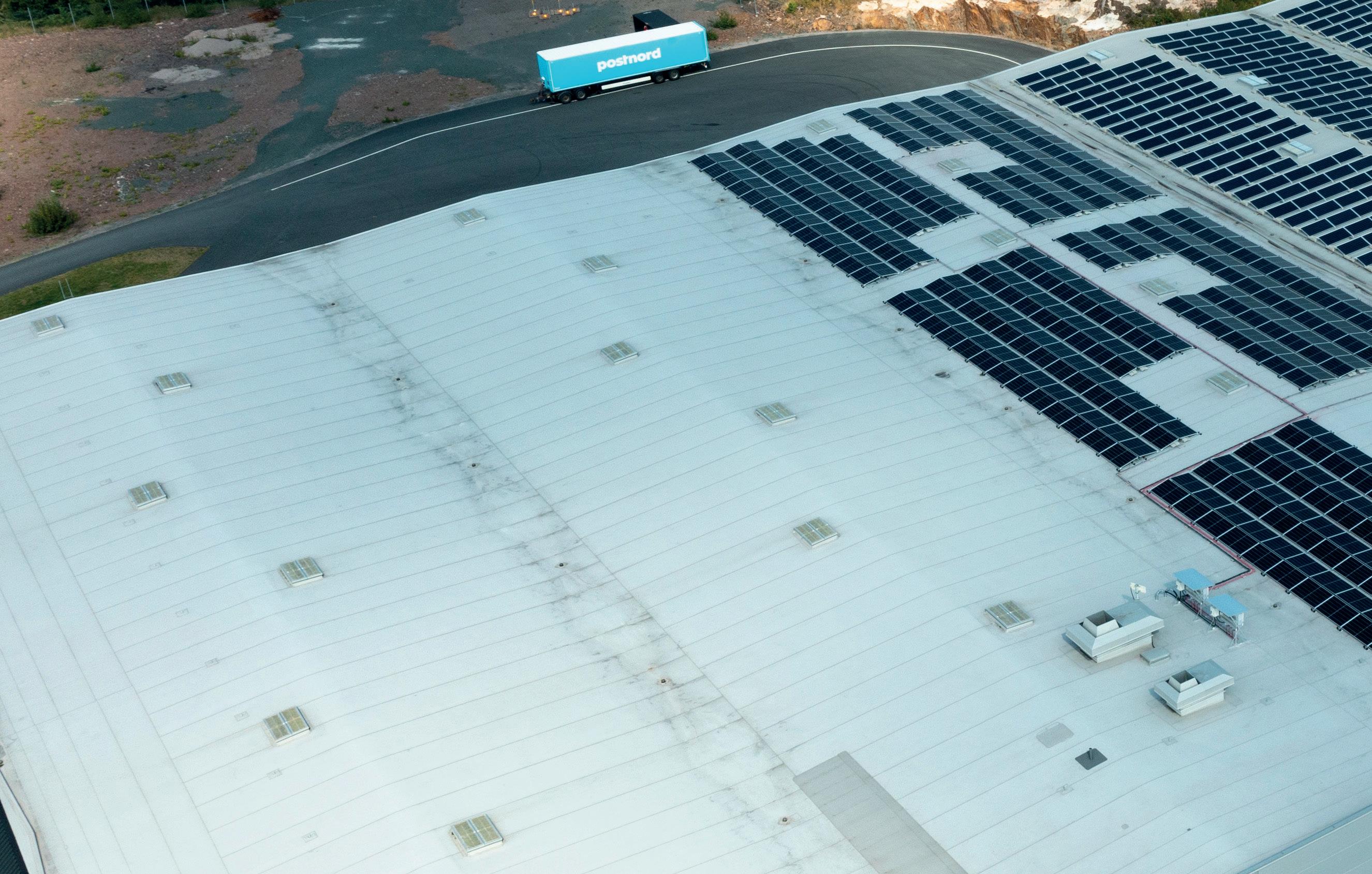
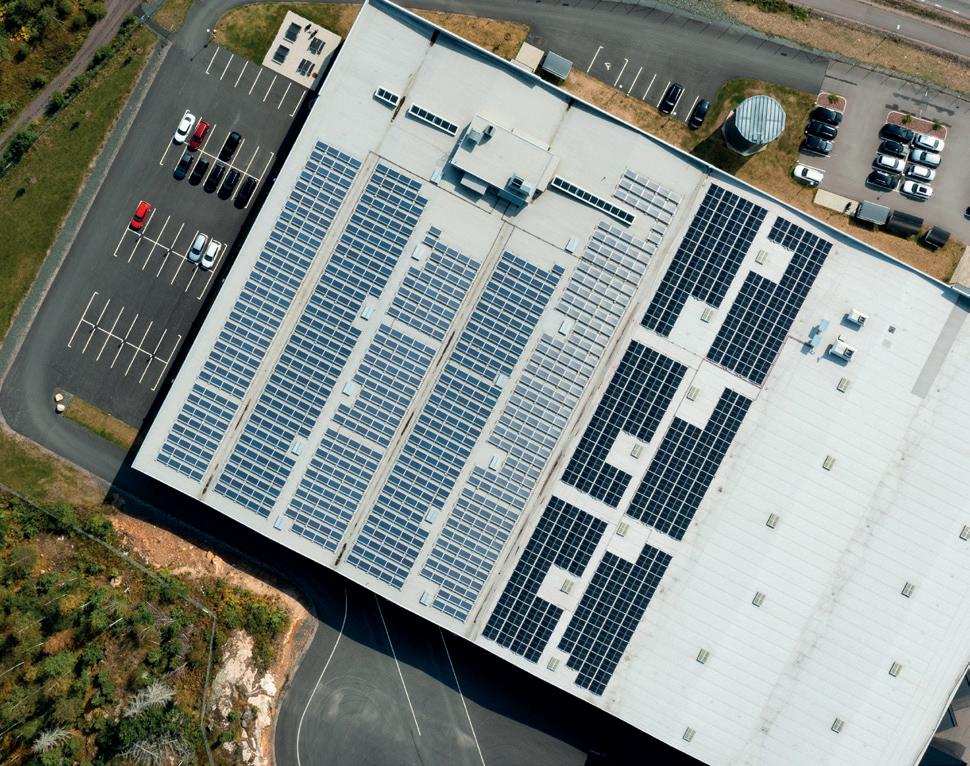
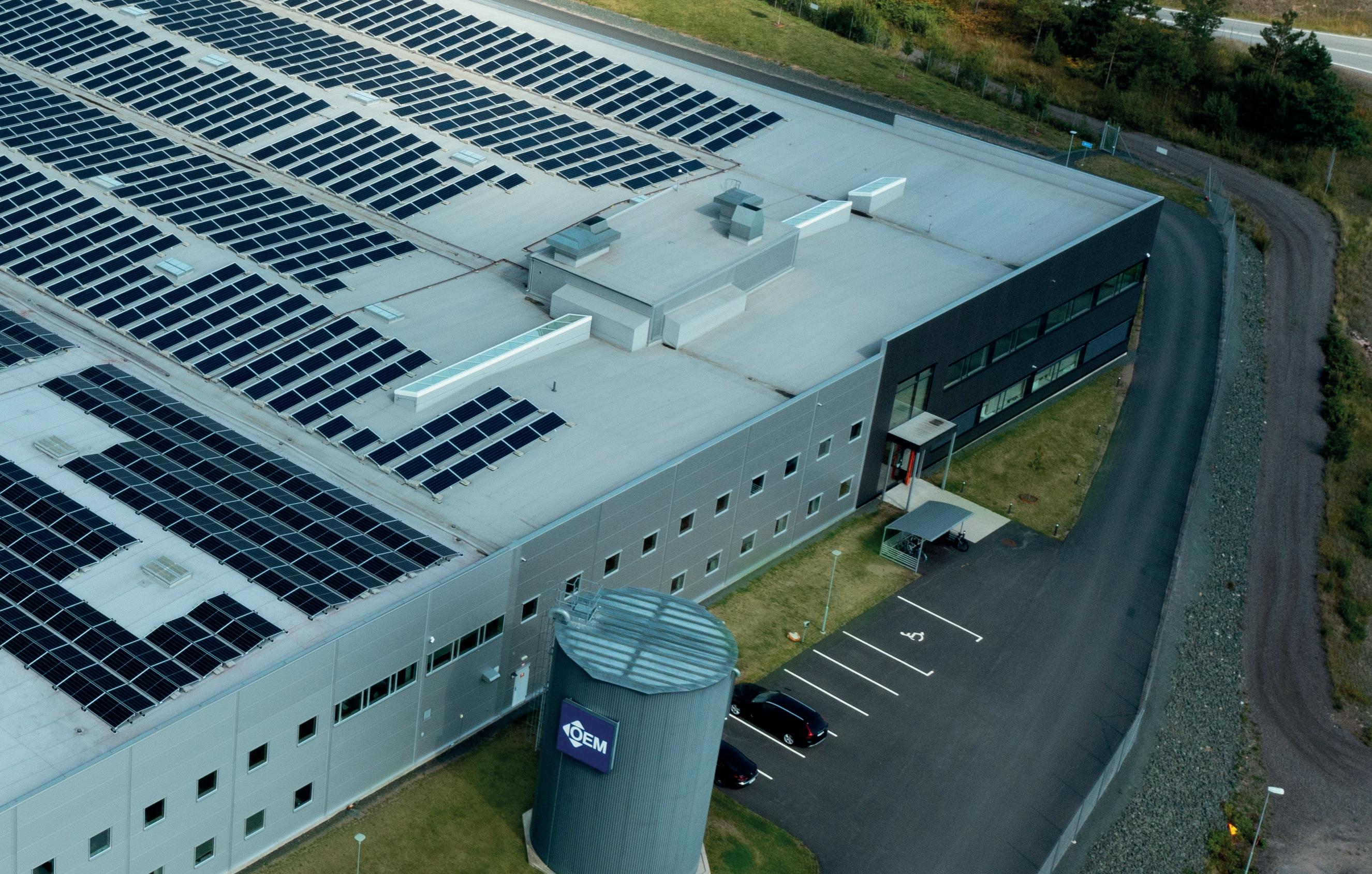
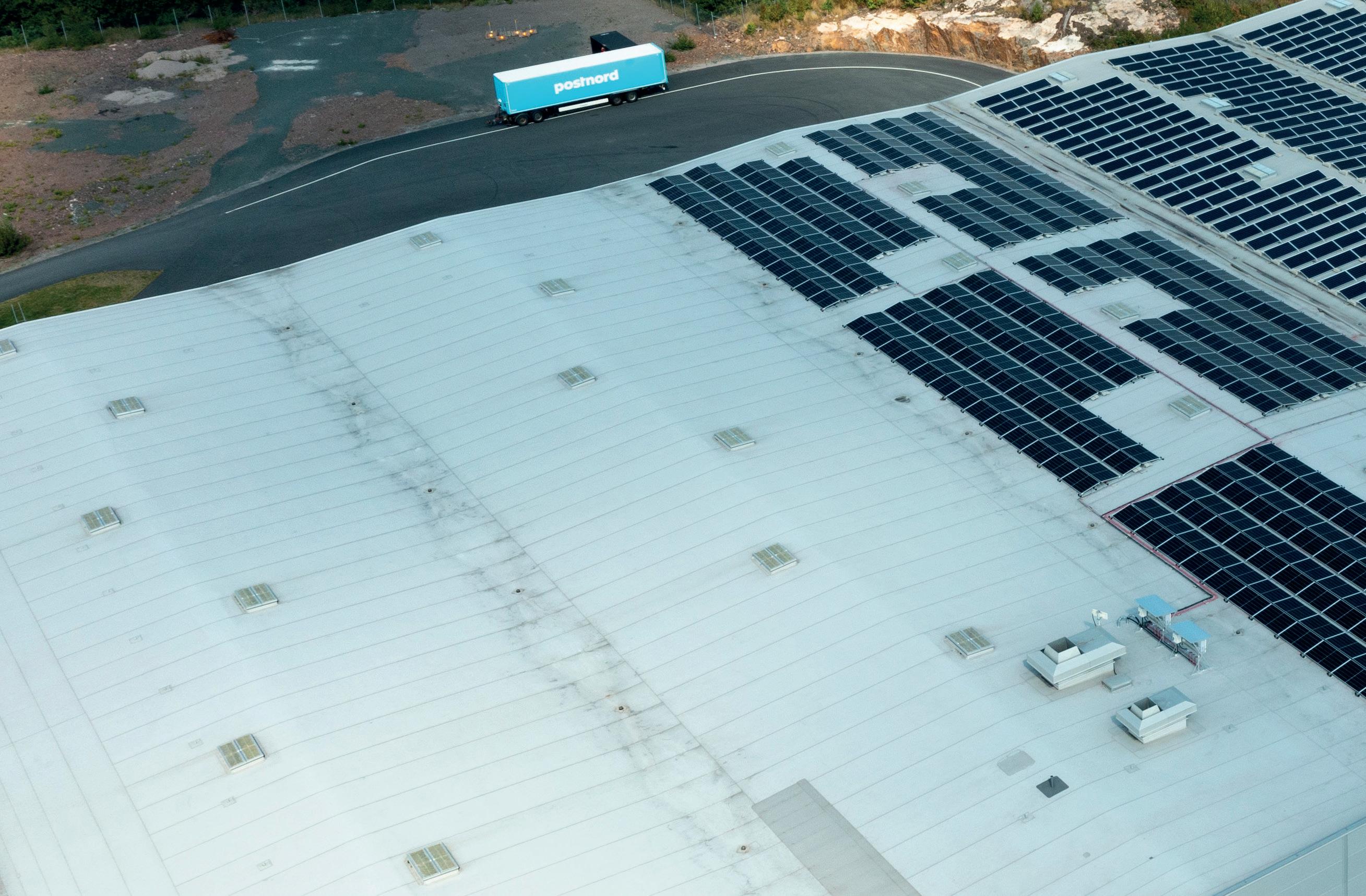
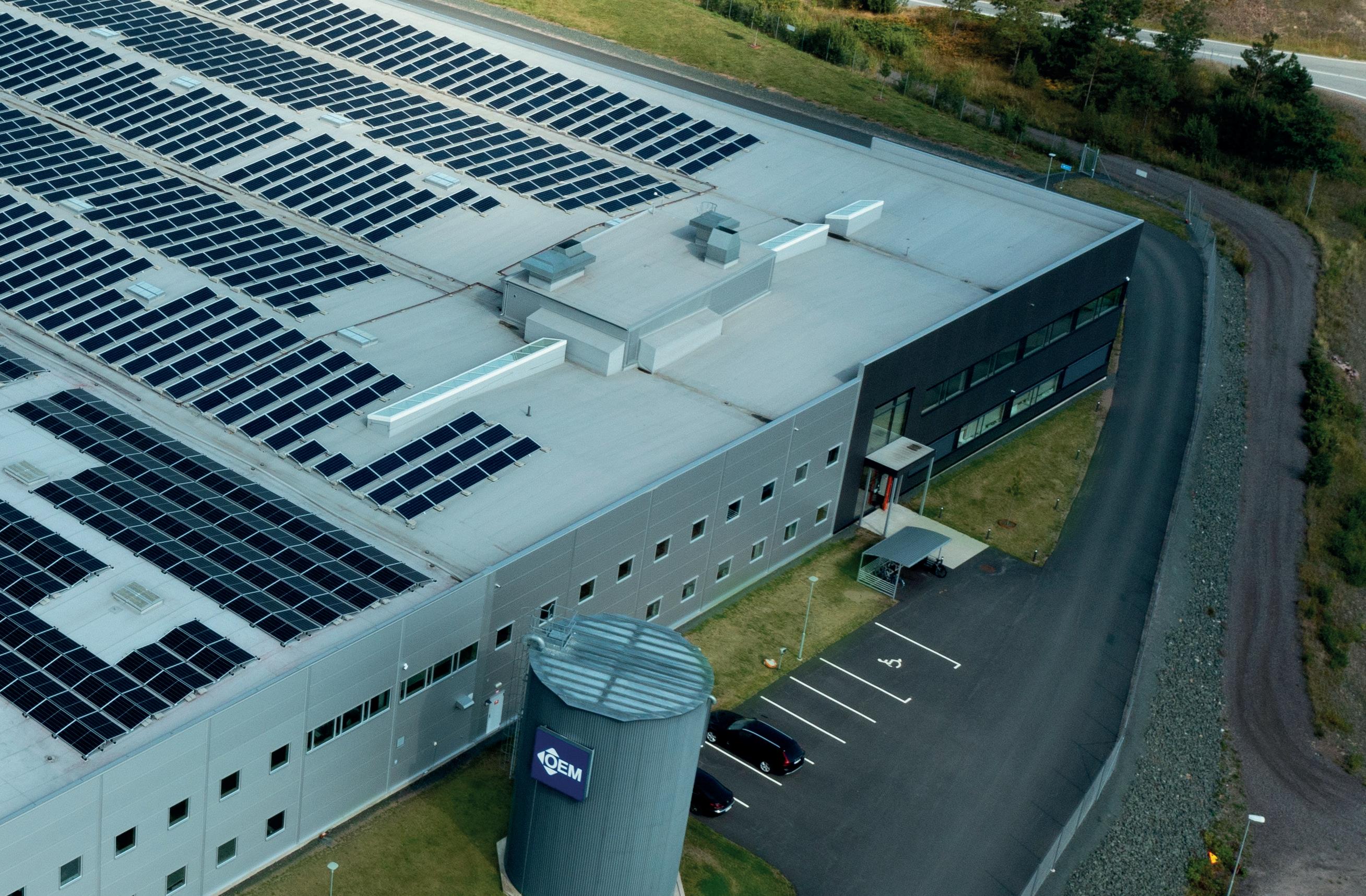
We believe it is important to contribute to the expansion of sustainable energy sources in order to reduce dependence on fossil fuels for electricity production. In 2022, we expanded our solar panel capacity on all OEM Group buildings in Tranås, enabling us to cover more than 85% of our annual electricity needs.
Our energy saving project from 2012–2021 has resulted in a 14% reduction in electricity use — despite the major extension of our logistics centre.
of our annual electricity needs at our facilitiesinTranås! We cover more than85%
The Höganloft logistics centre is equipped with a highly efficient geothermal heating system. We recently connected our sprinkler tank to the geothermal system, resulting in an annual saving of 30,000 kWh compared with direct electric heating.
We use high-speed doors for goods handling in the positions where dock shelters are not possible. They minimise the time the door is open, thereby
The electricity we do not generate ourselves is purchased locally from Tranås Energi, supporting their work with sustainable energy and fish migration pas sages at their hydropower plants. All electricity used at OEM Automatic’s op erations in Tranås is certified with Bra Miljöval (Good Environmental Choice).
Purchased products make up our largest climate impact, which also makes this the most important area of our work when it comes to reducing our emissions. This is the reason why we have invested in the supplier module mentioned under the sustainability goal Product.
In the supplier module, information from suppliers is collected, including their energy consumption and the amount of recycled material in products, to establish a baseline for future improvements. We also ask for the product’s carbon footprint. This information can be used to collaborate with suppliers toward production based on cleaner energy and products manufactured according to circular principles. An important part of this work is also being able to provide our customers with better information about the products and their climate impact, enabling them to make more informed purchasing decisions.
Read this!

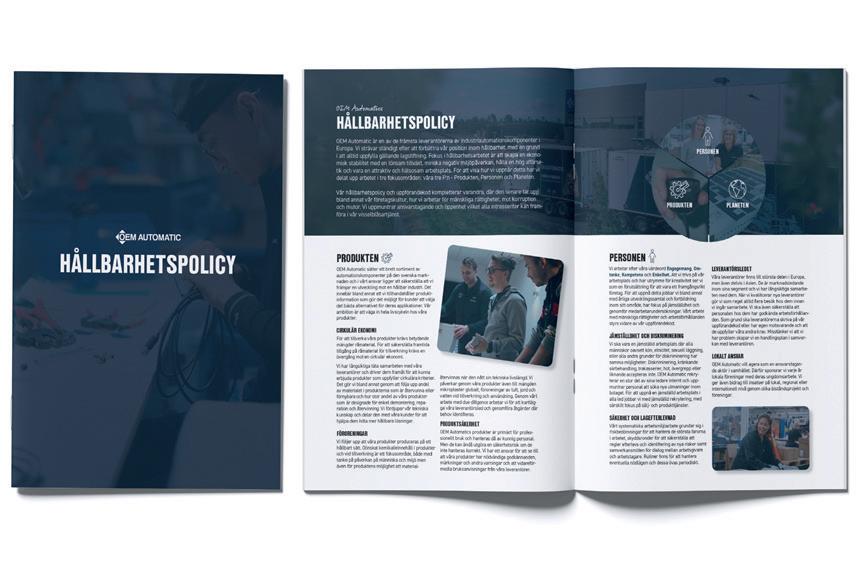
Our sustainability policy outlines our level of ambition and serves as a framework for our work within our focus areas – Product, Person and Planet. Our sustainability policy and our Code of Conduct complement each other; the latter addresses, among other things, our corporate culture, how we work to protect human rights, and how we act against corruption and bribery.
E1-2 Policies related to climate change mitigation and adaptation
E2-1 Policies related to pollution
E5-1 Policies related to resource use and circular economy
S4-1 Policies related to consumers and end-users
OEM Automatic has no direct requirement to report under CSRD (Corporate Sustainability Reporting Directive), but is part of the OEM Group, which will be covered from the 2025 reporting year. This brochure takes inspiration from the requirements for sustainability reporting according to the European Sustainability Reporting Standards (ESRS), but its main purpose is to show where we stand today and what we aim to achieve with our sustainability work. It has been developed to follow the main elements of the standard.
This brochure covers the entire value chain – upstream, downstream and OEM Automatic’s own operations. Impacts, risks and opportunities have been assessed for all areas, although to varying degrees depending on the topic. The actions and targets presented primarily relate to OEM Automatic’s own operations, but may also influence other parts of the value chain indirectly.
At OEM Automatic, we believe it is highly important to work actively with sustainability, and through this brochure we want to show the progress we have already made and the strong ambitions we have going forward.
BP-1 General basis for preparation of sustainability statements
Sustainability work at OEM Automatic affects all parts of the company, but there is a dedicated sustainability team that sets the framework for the work and formulates goals and action plans. The group consists of 3 women and 2 men. Three people from the company also participate in the Group’s sustainability council.
OEM Automatic’s management team consists of 11 people, 9% women and 91% men. The Quality and Sustainability Manager is part of this team. Under Person on page 9, we describe our gender equality goals to increase the proportion of women in leadership positions.
The Board follows up on the company’s sustainability work at least once a year. The sustainability team is responsible for the strategic planning of the work and supports the Board in sustainability-related matters.
OEM Automatic’s Board consists of 6 members, all of whom work within the OEM Group. The current gender distribution is 100% men.
GOV-1 The role of the administrative, management and supervisory bodies
GOV-2 Information provided to and sustainability matters addressed by the undertaking’s administrative, management and supervisory bodies
OEM Automatic’s continuous dialogue with our stakeholders is crucial for ensuring that we stay on the right course and remain relevant in our work. The primary contact with our customers takes place through our sales team who, together with the product organisation, ensure that our offering is well aligned with customer needs. Our marketing communication provides support through our website, e-commerce platform and participation in trade fairs.
As the sales organisation for our suppliers on the Swedish market, we work actively to provide them with the best possible position within our business areas, which requires an ongoing and close dialogue. We strive to offer our employees a safe, stimulating and creative work environment. To support this, we have established several communication channels and forums for information, education, performance reviews, employee surveys and a whistleblowing function.
SBM-2 Interests and views of stakeholders
For our customers, working with OEM Automatic means gaining access to an uniquely broad product range from world-leading manufacturers, directly from the source, supported by a strong local partner.
Our manufacturers are our most important suppliers. Working with us means gaining a strong, market-leading partner with around 5,000 purchasing customers.
Our employees should be able to realise their ambitions through development within a company that offers a safe and secure work environment.
For our owners, it is important that we act responsibly and work actively to achieve our financial goals.
Our financiers require securities and guarantees from us in order to provide financing and payment solutions.
We monitor laws and other societal requirements, but local engagement is also important through sponsorships, cooperation with schools and collaboration with business associations.
The double materiality analysis identifies which sustainability topics both affect our business and where we have the greatest impact on people and the environment, enabling us to act in areas where it truly makes a difference. Our analysis has been developed jointly within the corporate group, and the results also apply to OEM Automatic as a company.
IRO-1 Description of the processes to identify and assess material impacts, risks and opportunities
The table shows the ESRS subtopics that are material for OEM Automatic.
Climate Change Adaption
E1 Energy
Climate Change Mitigation
Pollution of air
Pollution of water
Pollution of soil
E2 Pollution of living organisms and food resources
Substances of concern
Substances of very high concern
Microplastics
E3 Water
Marine resources
Direct impact drivers of biodiversity loss
E4 Impacts on the state of species
Impacts on the extent and condition of ecosystems
Impacts and dependencies on ecosystem services
Resource inflows, including resource use
E5 Resource outflows related to products and services
Waste
S1
S2
Working conditions (Own workforce)
Equal treatment and opportunities for all (Own workforce)
Other workrelated rights (Own workforce)
Working conditions (Workers in the value chain)
Equal treatment and opportunities for all (Workers in the value chain)
Other workrelated rights (Workers in the value chain)
Communities’ economic social, and cultural rights
S3 Communities’ civil and political rights
Particular rights of indigenous communities
Information related impacts for consumers and/or end users
S4 Personal safety of consumers and or end users
Social inclusion of consumers and end users
Corporate Culture
Corruption and bribery
Protection of Whistleblowers
G1 Animal welfare
Political engagement and lobbying activities
Management of relationships with suppliers payment practices
OEM Automatic’s business ethics are based on our Code of Conduct and aligned with the UN Global Compact. We work actively to prevent bribery and corruption through clear guidelines, education and internal controls.
Our values — Commitment, Care, Competence and Simplicity — shape our culture and strengthen a work environment where well-being, involvement and creativity are seen as essential for long-term success.
To ensure transparency, we have a whistleblowing system that enables anonymous reporting of irregularities. We are aware of the reputational risks that may arise in connection with culture, policies and ethics, and we work proactively to minimise them.
G1 Business conduct policies and corporate culture
OEM Automatic is affected by global trends such as climate change, resource scarcity and increasing demands for social responsibility. Our greatest risks are linked to the supply chain — including physical risks from extreme weather, shortages of materials, human rights issues and working conditions. We also see risks related to the work environment, skills supply, and regulatory compliance connected to product responsibility and customer data.
At the same time, the transition to a more sustainable society creates significant opportunities. Growing demand for products that support the green transition, innovation in energy efficiency and circular solutions, as well as an inclusive corporate culture, all strengthen our competitiveness and long-term growth. Through close relationships with suppliers and customers, we can quickly adapt to changing conditions, meet new legal requirements and contribute to sustainable development.
SBM-3 Material impacts, risks, and opportunities and their relation to strategy and business model
The percentage of total employees covered by collective bargaining agreements
S1-8 Collective bargaining coverage and social dialogue (S1-8 60.a) 2024
percentage of total employees covered by collective bargaining agreements 26,0%
per gender
S1-6 Employee head count by gender (S1-6 AR55 Table 1)
Diversity metrics
S1-9 Gender distribution in number and percentage at top management level (S1-9 66.a)
The distribution of employees by age group
S1-9 Diversity metrics by age group (S1-9 66.b)
Rate of employee turnover
Rate of employee turnover (S1-5 50.c)
Percentage of persons with disabilities
S1-13 Persons with disabilities (S1-12 79)
with disabilities
Percentage of employees that participated in regular performance and career development reviews
S1-13 Training and skills development metrics (S1-13 83.a, AR 77.b)
Percentage of employees that participated in regular performance and career development reviews, broken down by gender
of reviews in proportion to the agreed number of reviews by the management
S1-14 Health and safety metrics (S1-14 80)
Percentage of people in own workforce who are covered by health and safety management system based on legal requirements and/or recognised standards or guidelines
Number of fatalities as a result of work-related injuries and work-related ill health
Number of cases of recordable workrelated accidents, subject to legal restrictions on the collection of data 3
Rate of recordable work-related accidents (Number of accidents divided by total number of hours worked multiplied by 1,000,000)
Number of cases of recordable workrelated ill health
Number of days lost to work-related injuries and fatalities from work-related accidents, work-related ill health and fatalities from ill health
S1-15 Work-life balance metrics (S1-15 93)
of entitled employees that took family-related leave, female
of entitled employees that took family-related leave,
All our employees are entitled to family-related leave according to Swedish law.
S1-17 Incidents, complaints and severe human rights impacts (S1-17 102, 103.a, 104) 2024
Work-related incidents of discrimination on the grounds of gender, racial or ethnic origin, nationality, religion or belief, disability, age, sexual orientation, or other relevant forms of discrimination 0
The total number of incidents of discrimination, including harassment, reported in the reporting period 1
The total amount of fines, penalties and compensation for damages for incidents 0 Number of severe human rights incidents connected to own workforce
Share of purchase volume from products containing substances of very high concern
E2-5 Total amounts of substances of very high concern (E2-5 35) 2024
Share of purchase volume of products from supplier whose range contains substances of very high concern 69%
E1-5 Energy consumption and mix (E1-5 AR 34)
See more information about our solar cells and the work to improve energy efficiency in our buildings on page 15. All electricity used in our properties is renewable.
* At the head office there are other companies in the group that share the electricity consumption ** Electricity consumption is stated in MWh
E5-5 Waste from own operations (E5-5 37)
Our waste consists mainly of wood and corrugated cardboard from warehouse handling and processing. Pallets are reused as much as possible, but if they are broken, they are crushed into chips and sent for incineration. Corrugated cardboard is recycled and made into new corrugated cardboard. The environmentally hazardous waste consists largely of discarded electronics. It is a balance between maintaining a high level of customer service and risking products becoming obsolete. In the first place, we try to sell components to customers or return them to suppliers, but where this is not possible, we ensure that the electronics are dismantled and recycled or reused to the greatest extent possible.
Meet our
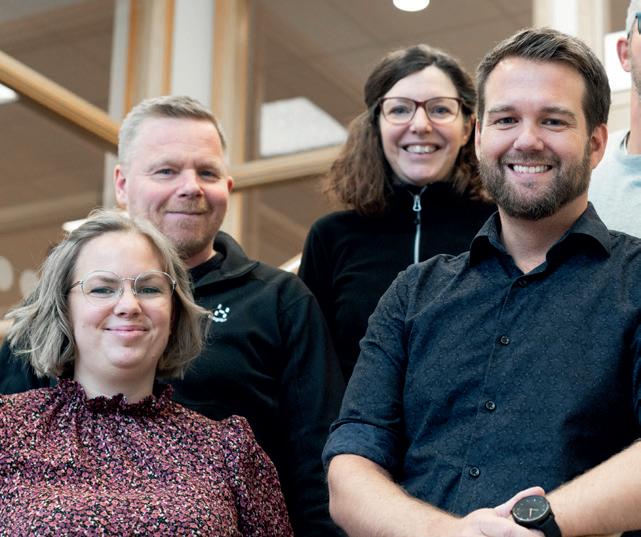
To drive our sustainability work forward, we have brought together a group with broad expertise and diverse perspectives. Naturally, we include specialist knowledge in sustainability, but also competence in product areas, communication and business perspectives. By combining these strengths, we can identify opportunities, compile and share information, and ensure that sustainability becomes an integrated part of our entire organisation.

Quality and Sustainability Manager
Elin contributes to the sustainability team with solid experience and deep knowledge in materials, quality and structure – an important key in our long-term work.

Sustainability Coordinator
Jonas coordinates quality and sustainability initiatives at OEM Automatic and our sister companies. With a passion for turning ideas into concrete results, he is a key player in translating strategies into action.

Sustainability Assistant Marketing Communicator
Emelie is committed and knowledgeable in the field of sustainability, with particular expertise in material content and product legislation.
Business Area Manager
Sensor & Machine Safety
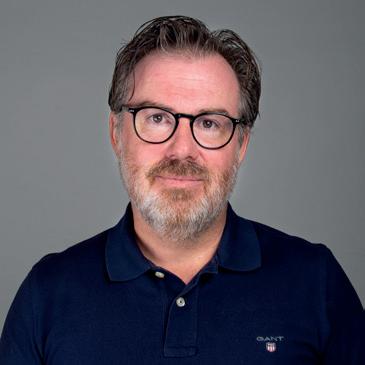
Pierre contributes with long experience in product development, safety aspects and close collaboration with both manufacturers and customers. This provides valuable perspectives on the entire product flow.
With a focus on communication and the packaging of sustainability information, Jennifer ensures that our work reaches the right audiences — both internally and externally — in a clear and engaging way.