

Country-tailored policy advice work



Strengthening Chile’s Independent Fiscal Institution analytical tools
AttherequestofChile'sAutonomousFiscalCouncil(CFA),in2020theOECDassessedthemodelsandtools usedbytheCFAtoanalyselong-termfiscalsustainability.TheprojecthelpedtheCFA,whichstartedoperating inJune 2019,identify good practices for improvingitsanalyticaltoolsto look at the sustainability of public finances,monitoringcompliancewithfiscalrules,forecastinganddevelopingpotentialoutputsestimationsas well as setting debt ceiling, limits and thresholds. The report, Assessing Chile’s analytical framework for long-term fiscal sustainability,identifiespracticalpolicyactionsthattheCFAhasbeenusingtoscaleupits analyticalcapacity.
Evaluating economic and fiscal measures to respond to the COVID-19 crisis in Luxembourg
AspartofacomprehensivereviewoftheCOVID-19responseinLuxembourg,theOECDconductedanin-depth assessment of the impact of the economic and fiscal measures put in place in Luxembourg to help the economy address the COVID-19 crisis.The assessment includesa detailed analysisof the use of the various measures by the size, sector and pre-crisis financial health of the beneficiary companies and an impact assessment analysing how the support received by businesses affected their performance. The assessment identifieskeyrecommendationsonimprovingtargeting,implementationandimpactofemergencyeconomic andfiscalpolicies.
Improving housing affordability in Latvia and Lithuania
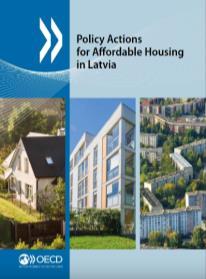
A 2020 OECD review of housing affordability in Latvia, Policy Actions for Affordable Housing in Latvia, provided a comprehensive review of housing policies in Latvia. The review includes an assessment of affordable housing needs, highlighting that 44% of Latvian households are too rich to qualify for housing benefitsorsocialhousing,yetunabletoaffordamortgage.Buildingonakeyrecommendationofthereview, the Government of Latvia has established a Housing Affordability Fund to boost investment in affordable housing.
AttherequestoftheGovernmentofLatvia,between2021and2023,theOECDsupported the authorities with the design and setting up of the Fund by developing actionable recommendations for strengthening the institutional set up, funding mechanisms and monitoring tools building on OECD practices. The report, Strengthening Latvia’s Housing Affordability Fund, presents a roadmap with detailed actions that the Governmentisusingtohelpensurethelong-termsustainabilityoftheFund.

FollowingtheOECDworkinLatvia,in2021theGovernmentofLithuaniarequestedthe OECD to conduct a review of housing policies. Between 2021 and 2023, the OECD conductedanin-depthassessmentofsocialandrenovationpoliciesaimedatfacilitatingaccesstohousingand improvingthehousingstock,whichisofparticularlypoorquality.Thereport, Policy Actions for Affordable Housing in Lithuania, includes a set of practical actions to improve housing quality and energy efficiency, better target housing support to households, improve the rental market, scale up investment in affordable housing.
Strengthening economic policies through better data and quantification in Italy
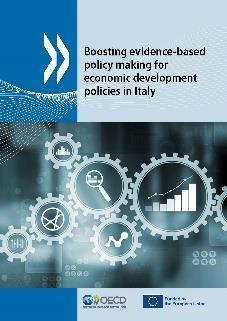
Theproject“Boosting evidence-based policy making”conductedfrom2021and2023supportedtheItalian MinistryofEnterprisesandMadeinItalyinturningitsStatisticalOfficeintoaStrategicAnalysisandEvaluation Unitandmoresystematicallyevaluateplannedandimplementedpoliciesandincentives.Theprojecthelped enhancethecapacitiesoftheEvaluationUnitthroughtechnicaltrainingondatacollectionandquantification methodologiestoevaluate economic policies.The project alsohelped designa pilot evaluationof a EUR1.3 billionincentive for investing in tangible and intangible assets.The project is expected tohelpthe Ministry evaluatetheover2,000businessincentivesunderimplementationandimprovetheeffectivenessofbusiness supportpolicies.


Enhancing the business environment in Romania
The OECD supported the Romanian authorities of a comprehensive reform aimed at improving business licensing. The project, conducted from 2019 to 2022, helped the Government develop the first business licensing inventory, identify unnecessary proceduresandoverlapsanddevelopasingleindustriallicencelawthatwillsignificantly reduce time and costs of setting up and operating industrial businesses. The recommendationspresentedinthe report andthe simplification roadmap wereused bytheGovernmenttointroduceasingleindustriallicencelawandasingleco-ordinating officeforlicensing.

Enhancing the Slovak National Productivity Board’s set-up and analytical capacity
Throughtheprojectcompletedin2022,theOECDsupportedtheSlovakNationalProductivityBoard(NPB)to strengthenits institutional set-up and analytical capacity tocollectandanalyseproductivitydata,aswellas develop policy-oriented recommendations. The project contributed to enhance the capacity of the NPB to analyse productivity trends and contribute to the development of pro-productivity policies. Through exchangesandworkingsessionswithotherNPBs,theprojectalsofacilitatedco-ordinationanddialogueacross EuropeanNPBs.
Assessing incentives to reduce traffic congestion in Israel
With the ambition of adjusting the environmental taxes to improve environmental outcomes, the Israeli GovernmentrequestedtheOECDtoassesstheincentivestoreducetrafficcongestioninTelAviv.Theproject supportedtheauthoritiestoidentifykeybottlenecksandprovidedoptionsonhowtoaddresstheminorder tocontributetothepublicdebateonhowtoaddresstrafficcongestion. The report released in 2019 includes a simulation of charging options and potential impacts and detailed recommendationsforrevenueuseandaccompanyingmeasurestofacilitatetheacceptanceofthereform.
Enhancing economic performance and well-being in key strategic sectors Chile
The Chilean Government requested OECD support to work with multiple ministries and institutions on a cross-sectoral economic development and well-being agenda between 2019 and2021.The aim wastoidentify spilloversandcross-sectorallinkagesThe OECD providedChilewithpolicyadviceonhowtoenhancetheeconomicperformanceandwellbeing in four strategic sectors of the Chilean economy: pharmaceuticals, food, ports and telecommunications Policyactionsforimplementationintheshort,mediumandlong termaddressedthefollowingareas:1)cost-effectivenessinterventionstoaddressobesity andcreate a healthier andmore efficient food market; 2)simplificationof registrationof new pharmaceutical products; 3) better deployment of telecom infrastructure and improvedgovernanceofthetelecomsector;and4)improvedports’labourconditionsand maritimelogisticstoenhancecompetitivenessandproductivity.


