This publication presents the Ovarian Cancer Research Foundation’s 2025–30 Research Impact Strategy
– informed by research, real-world insight, and sector-wide consultation.
3 Foreword from the CEO
A message of ambition and hope from the OCRF’s Chief Executive Officer.
4 Strategy at a glance
A visual snapshot of our vision, priorities, and the impact we’re working towards.
6 Why this matters
Urgent need for focused ovarian cancer research – and the inequities we must address.
7 Legacy of impact
Celebrating 25 years of building knowledge, careers, and community partnerships.
8 Lived experience insights
What matters most to the ovarian cancer community – and how we listened and learned
10 Researcher insights
Challenges, opportunities, and the vital role of OCRF in the research ecosystem.
12 Our research objectives
Three evidence-based priorities for funding: detect earlier, treat more effectively, and prevent disease.
14 OCRF programs
How we support research – from grants to knowledgesharing and advocacy.
16 Partnerships and collaboration
The people, networks, and systems driving progress together.
18 Measuring impact and vision 2030
How we track progress – and what success will look like.
20 Connect with us
Find out more, access the full strategy, and get involved.
Acknowledgement of Country
The Ovarian Cancer Research Foundation acknowledges the Traditional Owners of the lands on which we work, strive, and learn, the Wurundjeri Woi Wurrung and Bunurong Boon Wurrung peoples of the Kulin Nation. We pay our respects to Elders past and present, and extend this respect to all Aboriginal and Torres Strait Islander peoples in Australia and beyond.
Statement on the use of gendered terms in this document
Throughout this strategy, we use the term ‘women’ in recognition of the significant burden of ovarian cancer on women’s health. However, we acknowledge that ovarian cancer can affect all people with ovaries, including but not limited to transgender men, non-binary people, gender diverse, and intersex individuals.
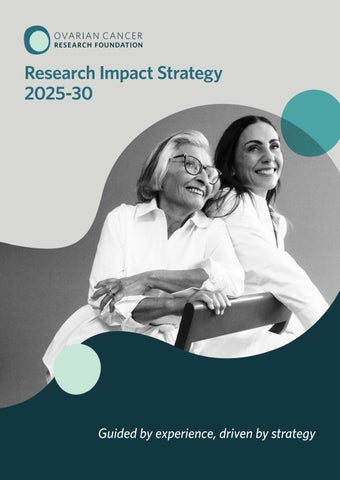
On front cover: Margie Woods of Viktoria & Woods and her mother Mona in the 2025 Witchery White Shirt campaign.
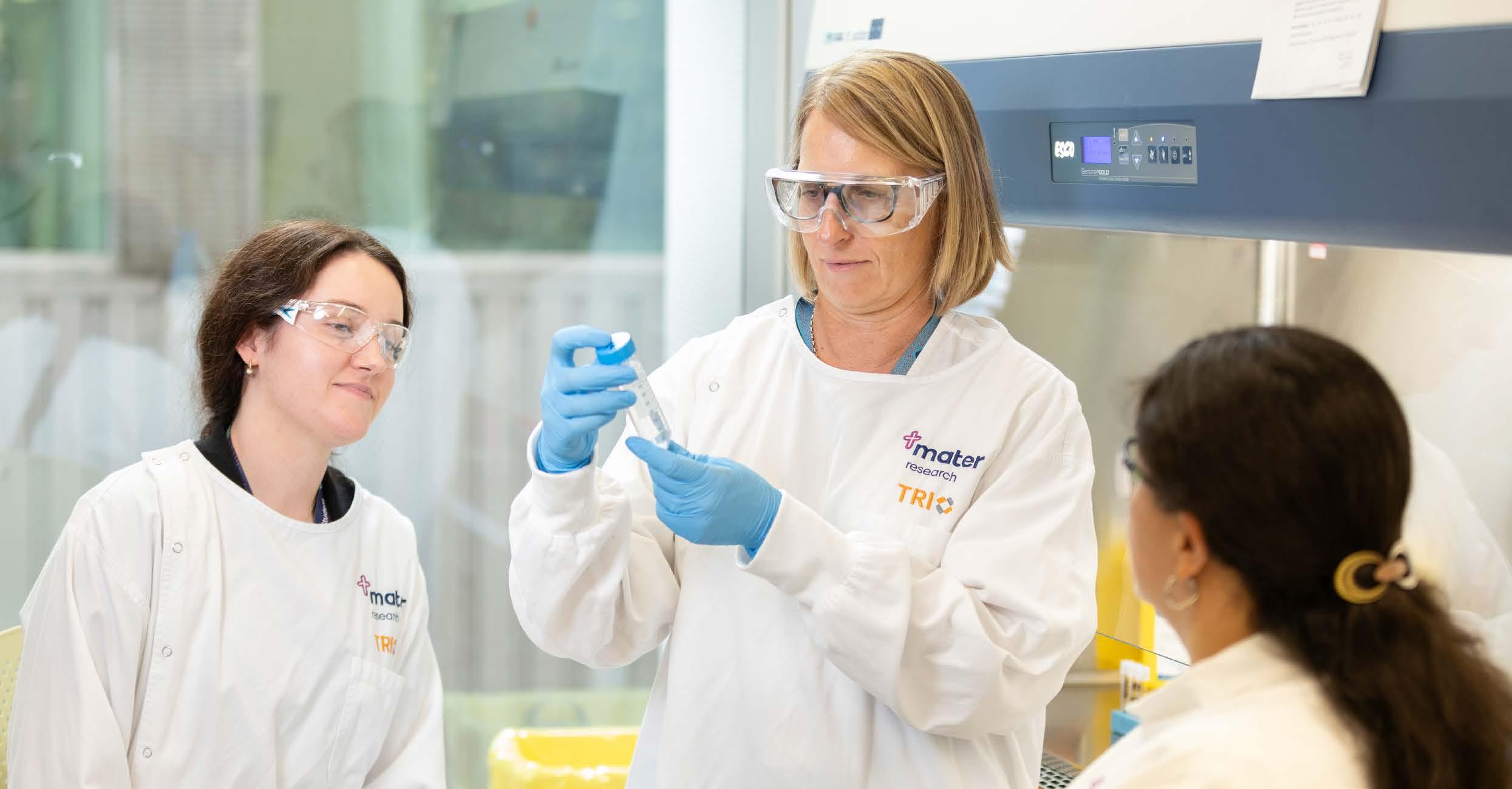
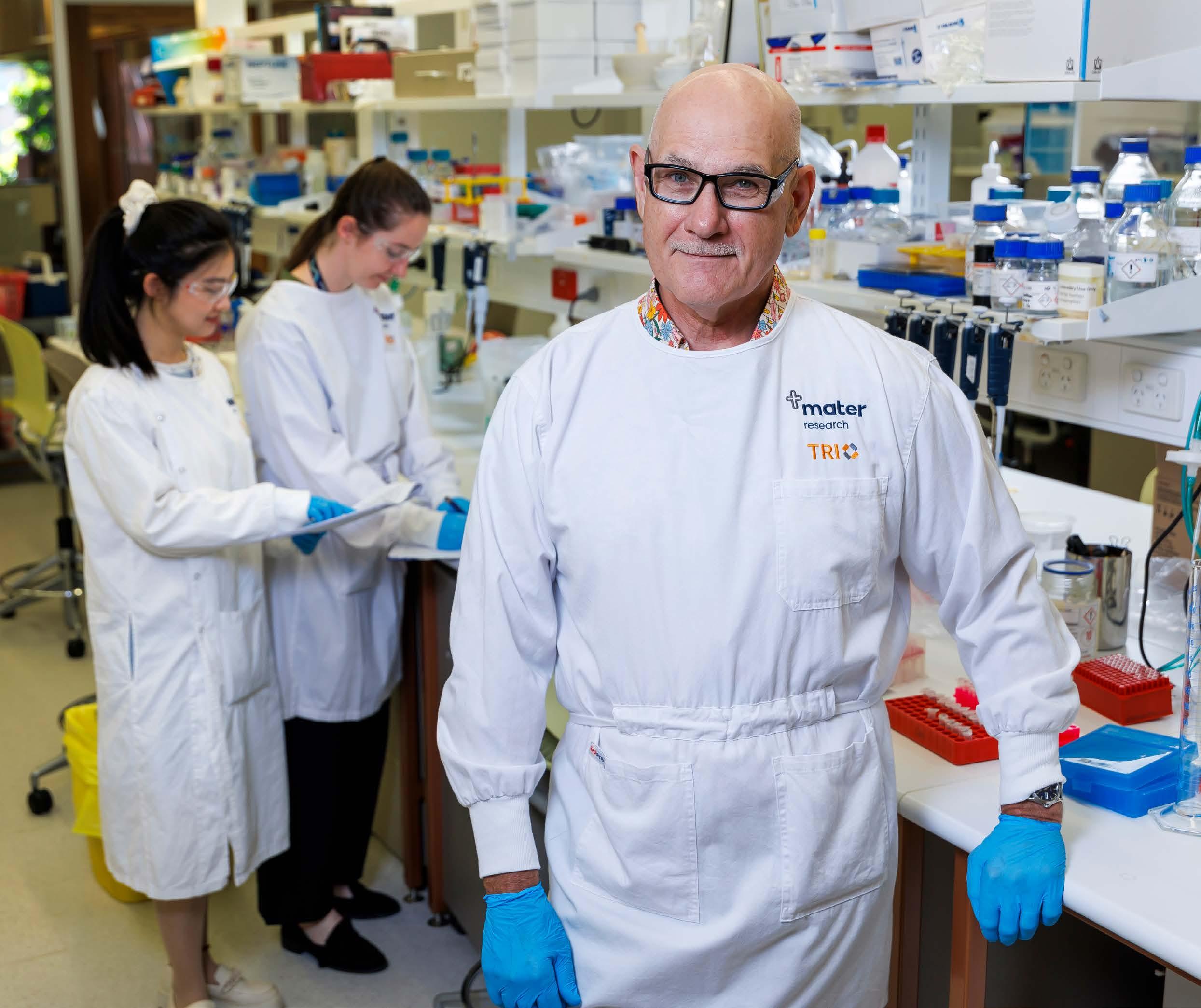
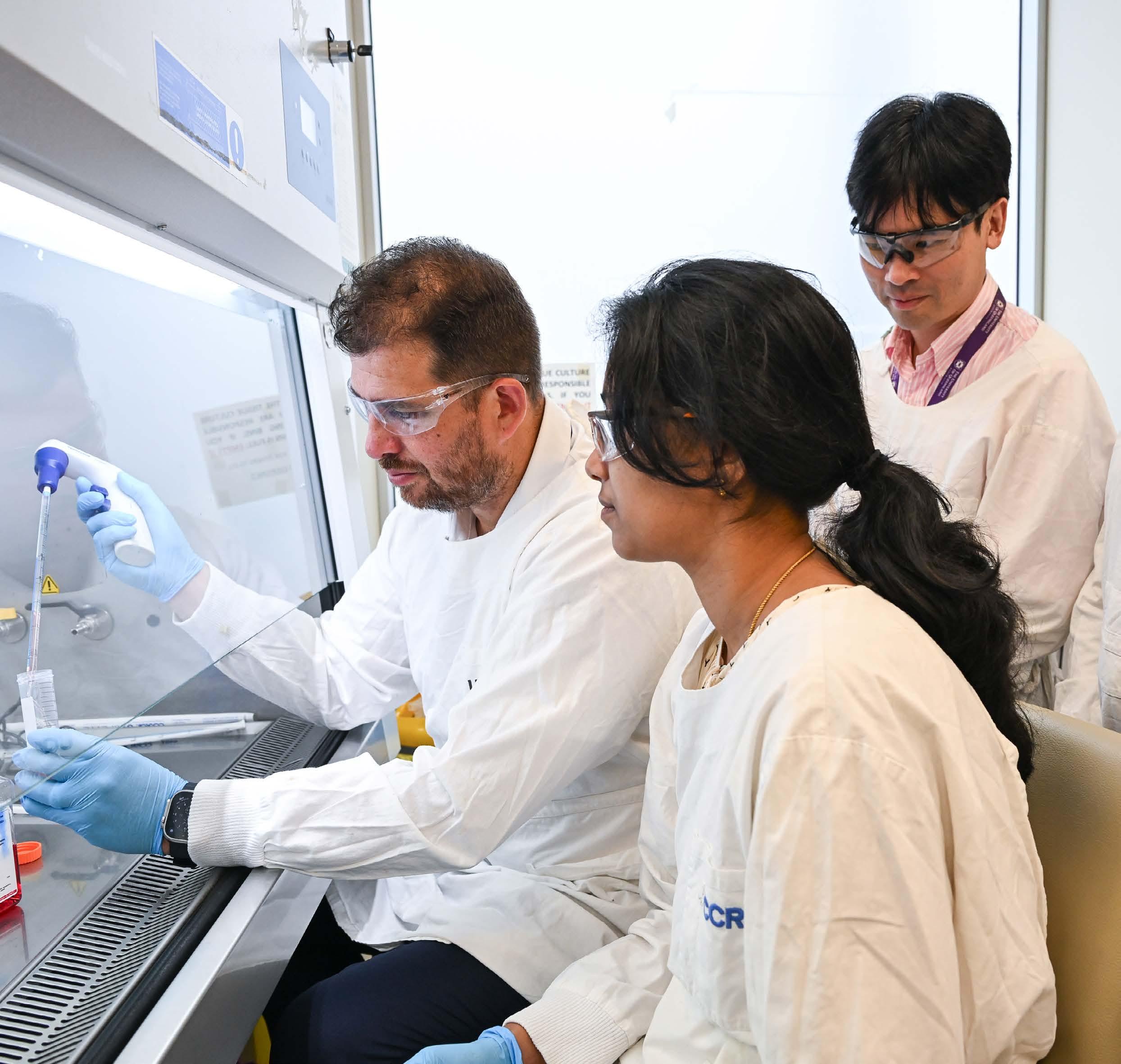
Prof. Kristen Radford and team members at Mater Research
“Put simply, historic neglect or oversight may have led us here, but it doesn’t have to keep us here. It’s time to change the way we do things.”
More. Better. Faster.
These are the words driving the Ovarian Cancer Research Foundation (OCRF) today. We want to see improvements in health outcomes for women and girls with ovarian cancer in this lifetime, and if investments and focus continue at the same rate as they have over the last decade, we simply will not get there.
How do we know this?
Ovarian cancer remains Australia’s most lethal gynaecological cancer - accounting for one-quarter of new diagnoses and half of all gynaecological cancer deaths each year. It is a complex disease with numerous rare subtypes, a significant proportion of which are resistant to current treatments. It’s likely that we will require multiple modes of detection, innovative treatment options, and increased investment in prevention approaches to improve outcomes.
How did we get here?
For too long, ovarian and other gynaecological cancers have suffered from structural underfunding and representation issues— symptomatic of broader systemic inequities within medical research and cancer care. Australia’s world-class research and healthcare system should deliver better for the 1800 women diagnosed and 1000+ women lost to ovarian cancer each year, and for the broader community and families who feel the ripple effect of every woman’s death.
Put simply, historic neglect or oversight may have led us here, but it doesn’t have to keep us here. It’s time to change the way we do things.
New vision and purpose
There is cause for optimism. Change is not just needed — it is within reach. With the launch of the OCRF Strategic Plan 2025-30, and now the release of this ambitious five-year Research Impact Strategy, the Ovarian Cancer Research Foundation marks a decisive new chapter shaped by rigorous science and powered by the expertise of survivors, families, clinicians, and researchers.
Our Research Impact Strategy 2025–30 is a blueprint for progress built on evidence, scientific excellence, genuine collaboration, and an unequivocal commitment to gender equity in research. I thank each of the 423 individuals who contributed to the national consultations that shaped it.
Leveraged investment
The new strategy outlines how OCRF will continue to fund vital research, and how we intend to leverage our community-raised funding investments through strategic collaboration, advocacy, knowledge sharing, and national and global alliances. In addition, the strategy enables us to measure and evaluate progress, to ensure meaningful and sustained change.
This strategy complements and supports the proposed Gynaecological Cancer Transformation Initiative, in which the OCRF is a leading partner, as well as key government initiatives, such as the Australian Cancer Plan and the new National Health and Medical Research Strategy. It is further strengthened by OCRF’s international collaboration with philanthropic partners in the US, UK, and Canada.
More research. Better quality of life. Faster pace of change.
Transforming outcomes for ovarian cancer will take persistence and the courage to break silences and demand better for women’s disease in Australia.
Patients, survivors, those who have passed away, and everyone impacted by ovarian cancer, deserve nothing less than our absolute commitment.
Robin Penty, CEO October 2025
The OCRF vision A healthy vital future for all those impacted by ovarian cancer.
Research Impact Strategy 2025-30
An
ambitious new plan grounded in science
and lived experience –with a clear vision for impact and accountability.
The OCRF’s new Research Impact Strategy is our most clear-sighted plan yet to change the story of ovarian cancer. Shaped by more than 420 people — including Australia’s top researchers, clinicians, policymakers, and those with lived experience — this strategy reflects what matters to them and what will make the greatest difference.
It’s built to amplify the voices of those affected and deliver real-world impact. It is also measurable, to keep us accountable to its aims.
Together, we’ve set three clear objectives: detect ovarian cancer earlier; treat it more effectively; and, where possible, prevent it from occurring.
What we’re focusing on: three objectives
1. Detect earlier
There is currently no reliable or effective method to detect or screen for ovarian cancer. It’s a complex challenge that will take time — and is the top priority of those with lived experience. So we’re backing research into new biomarkers that can identify ovarian cancer sooner to save lives.
Impact: More cancers caught early, more accurate diagnoses, better survival rates.
“Most women are diagnosed at stage 3 or 4 – we need to address early detection first.” – Lived experience workshop participant
“We need research so future generations don’t go through what we did.” – Lived-experience research participant
2. Treat more effectively
Current options can be harsh and have significant limitations. We’re supporting more targeted, tolerable, enduring, and effective treatments and management of recurrence.
Impact: Longer, healthier lives, with patients experiencing fewer side effects.
“There are not enough treatment options, so when you get diagnosed, it feels like an immediate death sentence. We need more options… many of us young women are facing this right now.” – Lived experience workshop participant
3. Prevent disease
Understanding risk helps people make informed choices. Whenever possible, we will back and promote prevention science, from genetic risk to modifiable factors.
Impact: Fewer new cases means more lives saved.
“We need research so future generations don’t go through what we did.” – Lived experience research participant
Image
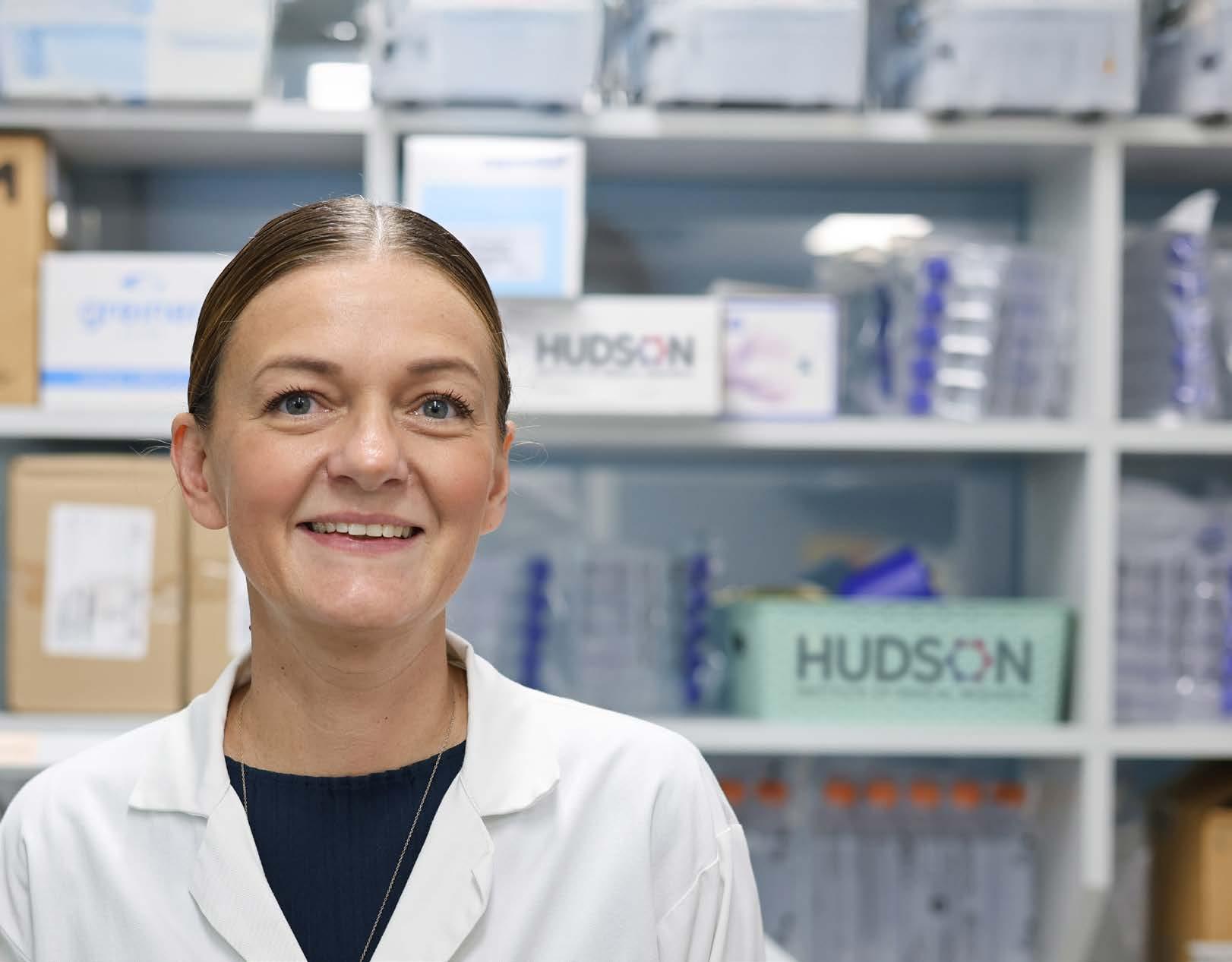
this page: Dr Maree Bilandzic, Hudson Institute
of Medical Research
Stronger together
True collaboration is essential to effectively tackling any complex disease.
We work with and learn from livedexperience leaders, research institutes, clinicians, peer organisations, and global networks to drive impact together.
We believe that philanthropy has a role to play in catalysing change, not simply funding it. This plan is therefore strategic in its aims for new partnerships and global alliances.
How we drive change
We act across three core programs – and measure impact every step of the way:
1. Funding research
Supporting bold and credible science via national research and partnership grants programs.
2. Sharing knowledge
Connecting people with evidence through hubs, networking, webinars, and digests.
3. Advocacy
Championing policy change that can transform equity and outcomes.
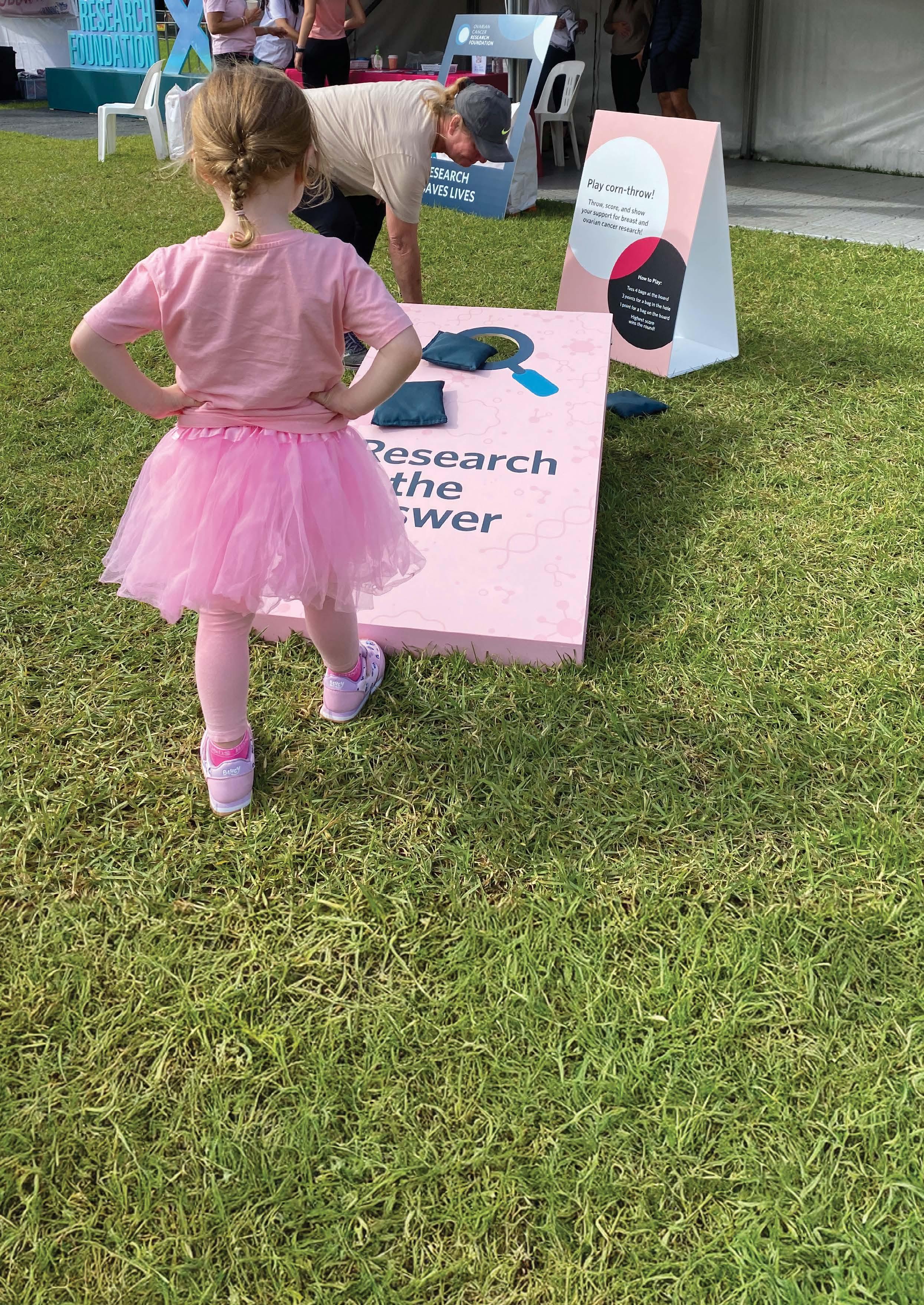
Girl at Mothers Day Classic Sydney
Why it matters
Ovarian cancer survival rates have remained largely unchanged for decades. We need more research, and we need it now.
Ovarian cancer is the most lethal gynaecological cancer in Australia. Survival rates still lag far behind many other cancer types. Every small advance has been hard won, driven by researchers determined to tackle the toughest problems in cancer science – from finding biomarkers for earlier detection, to overcoming treatment resistance.
But the pace is too slow. The field remains under-researched and under-resourced.
That’s why OCRF is working to build the scale needed to change the story. This includes: supporting improvements to care pathways in all gynaecological cancers; advocating for wraparound support and care for these cancers; and, supporting discovery and translational research initiatives where big questions in ovarian cancer are considered.
Addressing gender inequity is an urgent health priority
Evidence shows that women are more likely to have their symptoms dismissed, face delays in diagnosis, and struggle to access the care they need. These barriers are even greater for First Nations women, those living in rural and remote areas, people from culturally and linguistically diverse (CALD) communities, members of the LGBTQIA+ community, and those with limited financial or social support. In medical research, women make up a large proportion of the workforce – but just one quarter of senior roles. When leadership lacks diversity, so do research priorities. At OCRF, we push for equity at every level – from fairer funding and inclusive leadership to research that reflects the needs of everyone affected. Because equity isn’t just fair – it’s how we save lives.
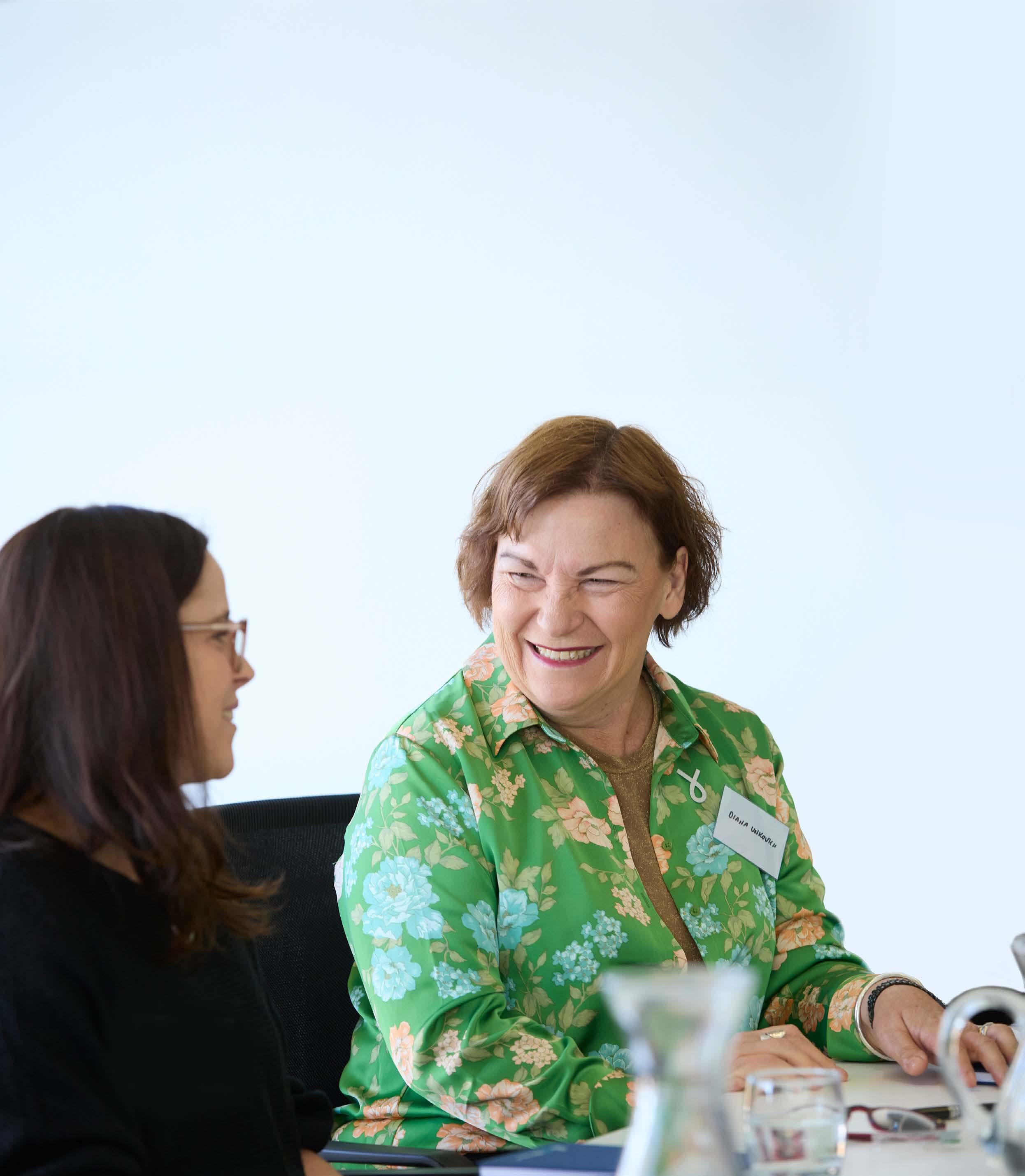
OCRF ambassadors Kristen Watson and Diana Unkovich share the voices of lived experience.
Legacy of impact
Celebrating 25 years of building knowledge, insights, careers, and community
The Ovarian Cancer Research Foundation (OCRF) was founded in 2000 to fill a critical gap: there was almost no direct funding available for ovarian cancer research.
From the outset, the OCRF set out to change this situation. Partnerships such as the White Shirt Campaign with clothing brand Witchery and the community-led Frocktober movement, have helped us raise millions and given researchers access to longterm, reliable funding. The OCRF first supported projects at Prince Henry’s Institute (now the Hudson Institute of Medical Research), which began uncovering how ovarian cancer develops and spreads, providing knowledge that underpins today’s efforts to detect it earlier and treat it more effectively.
Since then, OCRF-funded scientists have made major contributions: identifying potential biomarkers like inhibin for granulosa cell tumours and CXCL10 for epithelial ovarian cancer; drug targets including ROR1/2 proteins; leader cells as drivers of therapy resistance; and developing a multi-marker exosome panel now being validated as a tool for early detection. These advances have attracted more researchers into the field and supported many to build their careers working on ovarian cancer in Australia.
The OCRF has also strengthened the wider research ecosystem, including publishing the State of the Nation in Ovarian Cancer: Research Audit in 2020; establishing a Lived Experience Advisory Panel in 2018; and, in 2024, consulting more than 350 people affected by ovarian cancer, as well as 60 researchers, policy-makers and sector colleagues. These milestones have shaped the bold goals and inform the programs that make up the OCRF’s new 2025–30 Research Impact Strategy.
1/3
Since 2000, OCRF has:
Become the largest independent funder of ovarian cancer research in Australia
Invested more than $33 million in ovarian cancer research Supported more than 100 researchers in 22 institutions
Awarded more than 60 research grants
Forged collaborations across research, clinical, and advocacy sectors
Engaged hundreds of thousands of community donors
Seven OCRF-supported discovery research projects currently in clinical trials or validation phase
Developed a rota of more than 90 official community ambassadors
Now the leading voice for ovarian cancer research in Australia
Ovarian cancer: the facts we can’t ignore
Only one in three women with ovarian cancer will be alive in 10 years’ time 30
There are more than 30 known subtypes of ovarian cancer, making it a complex disease. 3 Three women die from ovarian cancer every day in Australia
49%
Survival rate gaps remain – 49% for ovarian cancer versus 92% for breast cancer, 84% for uterine, 96% for prostate, 94% for melanoma. These higher survival rates are the clear result of sustained research and appropriate investment.
30%
Most cases of ovarian cancer are diagnosed at an advanced stage, when treatments are less effective and the chance of survival drops below 30%
<1%
Ovarian cancer received less than 1% of Australian government medical research funding in the past 15 years – despite being the most lethal gynaecological cancer
Research that reflects, and impacts, real lives
To build the evidence for a robust, relevant, and impactful research strategy, the OCRF began by listening and learning – running a comprehensive lived experience consultation involving more than 350 participants.
In 2024, OCRF undertook a comprehensive discovery project to ask those most affected by ovarian cancer what research should focus on – and how people with lived experience want to be involved.
Building on the foundations of the 2020 State of the Nation in Ovarian Cancer: Research Audit and supported by Insight Economics, the national consultation process was part of a broader exercise for the organisation to test assumptions and strengthen our direction.
With guidance from our Lived Experience Advisory Panel, OCRF engaged a powerful cross-section of the community through a national survey and a series of in-depth workshops. These consultations captured insights from patients, survivors, carers, high-risk individuals, and supporters – and brought them into conversation with researchers.
The goal: to anchor the strategy in community concerns and priorities.
When asked to rank their top research priorities (with multiple responses allowed), early detection emerged as the clear standout – chosen by 79% of respondents. Better treatment (50%) and managing risk and prevention (42%) were also of high importance.
Active voices, passionate participants
The consultation also revealed a strong appetite for involvement by people with lived experience. While only 16% had previously taken part in research, 81% said they’d be open to it – and more than half said they’d actively like to be involved.
Most were interested in shaping research direction or sharing their lived experience. But many weren’t sure how to start, or what would be expected of them.
Participants called for:
• Clearer, more accessible pathways into research involvement
• Better coordination between organisations
• Support to build skills and confidence.
Researchers spoke of the value lived experience brings to research –grounding it in real-world insight, strengthening communication, and making the process more compassionate. They found the workshops motivating and energising, and said that lived experience input had already improved their work.
This reaffirmed a core belief at OCRF: that involving people with lived experience doesn’t just tick a box – it leads to better, more meaningful research.
These insights helped shape the strategy. And they continue to guide OCRF’s work to incentivise a more connected, inclusive research system – one that reflects and respects the voices of those it exists to serve.
matters most to our community ambassadors and survey respondents
Lived experience participation snapshot
362 survey participants from across the ovarian cancer community 16% had previously been involved in research
81% are open to getting involved in the future
46 people with lived experience joined online workshops
11 researchers took part in shared discussions
To read the full Lived Experience of Ovarian Cancer: Insights Report scan the QR code below.
OCRF Major Patron Grace Scoleri (right) and new friend at the Mother’s Day Classic 2024
Fast fact: Why biobanks matter
Biobanks are secure collections of biological samples, such as tumour tissue and blood. For ovarian cancer, they ensure that research can be translated from the lab into the real world, giving scientists the tools to develop earlier detection tests, understand recurrence, and personalise treatment.
From the frontlines of discovery
OCRF is more than a funder. It’s a connector, convener, and champion for researchers tackling the tough questions about ovarian cancer.
Australia’s ovarian cancer researchers are passionate, connected and determined – but they’re often held back by insufficient funding and structural barriers.
In consultations with more than 60 scientists, clinicians, and academics, OCRF heard a clear story. Career instability, fragmented infrastructure, and lack of access to samples and data are putting immense pressure on those working to understand, detect, and treat the disease.
For early- and mid-career researchers, short-term grants and limited career pathways make it hard to stay in the field – especially in underfunded areas like prevention, recurrence, and rare or less-common cancers, including ovarian. The result? Promising researchers choose other fields, or leave research altogether, and momentum is lost.
“There’s a huge need to support mid-career, early-career talent. Otherwise, we’re at risk of people just leaving the sector altogether or going overseas.” – Academic sector workshop participant
Researchers also pointed to practical barriers, such as the impact of changing clinical practices on the availability of tissue samples which are essential for their work.
“As clinical practice changes, it’s impacting the availability of tissue samples, especially pre-treatment tissue samples that reflect contemporary treatments, such as neoadjuvant chemotherapy.”
– Academic sector workshop participant
Against this backdrop, OCRF’s role stands out. Our salary support, seed grants, and partnerships are viewed as rare and vital – helping researchers stay afloat, take risks, and pursue innovative ideas.
“I truly believe that without the OCRF we would not have got any other funding. I would not be here. I probably would have left science, and not be working on my passion.” – Ovarian cancer researcher
But more than just a funder, OCRF is valued as a connector – linking people, ideas, and institutions.
“Through the OCRF you meet other researchers, you attend research meetings. It’s important because a lot of research achievements are only achieved if you work as a network.” – Ovarian cancer researcher
What’s holding research back?
Researchers shared, in their own words, the barriers holding the field back –insights that continue to inform our goals and priorities.
Career instability for early and mid-career researchers
“To encourage research in ovarian cancer, perhaps the critical point is in that mid-career group. The real crunch is that second grant, and I think there’s a sort of emerging tragedy in that we’re losing all that talent in Australia for lack of funding.”
Fragmented infrastructure and collaboration gaps
“Collaboration is key. Ovarian cancer is not as common as breast or colorectal cancer, and you really need to have a lot of resources at local sites. Consolidating institutional biobanking, with a focus on ovarian cancers among its priorities, is probably quite critical [to make biobanking more sustainable].”
Lack of sustained project and salary funding
“Salaries are key as there isn’t another mechanism in Australia to pay researchers, and particularly to get them to focus on ovarian cancer.”
Limited and delayed access to biobanks and clinical samples ?
“We need to explore opportunities for better coordination of biobanks.”
“[One] biobank I tried to access, we did eventually got access after a long delay with paperwork.”
Disconnect between research, community, and clinical practice
“Helping the research community to connect to consumers and other supporters is another potential role for OCRF.”
Lack of support for prevention, recurrence, and rare cancer research
“When I began my career, the OCRF was the only organisation willing to fund research into rare ovarian cancers, while major funding bodies overlooked their significance. Thankfully that’s changing, but the OCRF remains the leading champion for rare ovarian cancer research.”
Prof. Brian Gabrielli with team at Mater Research
Priorities with purpose
Our research objectives focus our efforts on where they can make the greatest impact.
Objective 1: Detect earlier
A strong research strategy needs more than good intentions – it needs focus and measurable goals. That’s why OCRF’s 2025–2030 Research Impact Strategy is built around three clear, connected objectives: detect ovarian cancer earlier; improve treatment outcomes; and, prevent it altogether.
These objectives aren’t broad themes – they’re focused, evidence-based priorities that build on OCRF’s long-standing research focus. Refined through extensive consultation, they’re designed to guide what we fund, support, and advocate for.
Each one responds to a known gap in the research landscape. And each one reflects the insights of leading scientists, clinicians, and people affected by ovarian cancer.
Together, they give us a path to progress – a way to back the right science, build the right systems, and deliver the outcomes that matter most.
The challenge
There is no method of testing or screening for ovarian cancer - yet. More than 70% of people are diagnosed with advanced-stage disease – when treatment is harder, recurrence is common, and outcomes worsen.
The opportunity
Researchers are making headway in developing new tools – from blood-based biomarkers and exosome panels, to better imaging and triage systems. But these innovations require consistent long-term investment and validation to translate into real-world care.
OCRF’s focus
We support research that makes earlier detection more accurate and accessible, and we fund the biobanking infrastructure that underpins this, as well as other types of research.
“Early detection may have allowed my mum to have had her cancer caught in stage 1 or 2 and not stage 4. While she beat the cancer off twice, it came back — so the prevention of recurrence is vital.” – Lived experience survey respondent
These objectives aren’t broad themes – they’re focused, evidence-based priorities that build on OCRF’s long-standing research focus.
Objective 2: Treat more effectively
The challenge
Ovarian cancer treatment hasn’t kept pace with progress in other cancers. Chemotherapy and surgery remain the standard, but they can be blunt and invasive tools – with harsh side effects, limited effectiveness for some ovarian cancer subtypes, and a high chance of recurrence.
The opportunity
There’s growing potential to personalise treatment – including managing recurrence – using genomics, immune-oncology, and targeted drug development. Research is also uncovering ways to repurpose existing therapies and improve quality of life.
OCRF’s focus
We fund bold, patient-centred research into more effective and less toxic treatments – and help bring promising new options closer to clinical use.
“I’m tired of having to choose between a long life and a good quality of life.” – Lived experience survey respondent
Objective 3: Prevent disease
The challenge
We still don’t fully understand what causes ovarian cancer or how to prevent it. For people with known genetic risk, preventative options are limited and invasive. Removing the fallopian tubes during other surgeries (opportunistic salpingectomy) reduces risk but doesn’t prevent all disease subtypes.
The opportunity
Research into inherited mutations, hormonal and environmental factors, and early disease development can help people make informed choices and reduce personal risk – now and into the future.
OCRF’s focus
We support prevention science – from investigating the origins and progression of ovarian cancer to identifying genetic, environmental and modifiable risk factors. This research enables personalised risk prediction and informed decision-making. Prevention isn’t a future hope – it’s an active research focus and a vital part of our strategy.
“Because I have two daughters and two granddaughters who may be at risk... prevention [research is essential]. Knowing the risks is important to me.” – Lived experience survey respondent
Lived Experience Advisory Panel
member Vali Creus with twin daughters Alexis and Kaia
Supporting research that matters
OCRF delivers targeted research programs, supporting not just the science but the systems, people, and partnerships that help research succeed.
The OCRF Research Impact Strategy outlines not just what we aim to achieve – but how we’ll get there. Over the next five years, this work will be delivered through three interconnected program streams: funding, knowledge sharing, and advocacy. These streams are supported by ongoing collaborative effort, scientific expertise, and lived experience – three strengths that enable us to connect research with action to deliver better outcomes for our beneficiaries and the wider community.
From long-standing grant funding programs to new initiatives in development, our approach is designed for measurable, lasting impact.
Funding: building momentum through strategic decisions
OCRF’s National Research Grants Program supports high-quality research across the ovarian cancer continuum – from discovery and earlier detection through to treatment and prevention. These flexible grants are open across career stages and support a diverse range of projects and approaches.
Global scientific insight
OCRF’s International Scientific Advisory Committee brings together leading ovarian cancer researchers from Australia and around the world. Their independent advice ensures our funding decisions are grounded in evidence, aligned with international best practice, and focused on the most promising opportunities for impact.
To support large-scale, multi-institutional research, we are developing a new Partnership Grants Program. This program is designed to: encourage collaboration across disciplines; connect and foster national and international expertise; and, unlock additional investment in projects aligned to our strategic objectives.
All OCRF-funded research is subject to rigorous international peer review and includes the input of people with lived experience – ensuring our investments are scientifically sound, communityinformed, and targeted for impact.
Knowledge sharing: strengthening the research ecosystem
We know research progresses faster when people and ideas are connected.
OCRF supports knowledge sharing through its Research Hub – a central point for information about ovarian cancer research projects, events, and collaborative opportunities. The Hub helps reduce duplication of research, builds sector knowledge, and supports researchers. It also provides a source of relevant, credible information for the community.
We also run or sponsor webinars, symposia, and researchercommunity workshops to enable dialogue and shared learning – ensuring lived experience continues to shape research priorities, methods, and communication.
Advocacy: accelerating change
We champion the need for ovarian cancer research to improve and save lives for this generation and the next. OCRF advocates for increased research investment, policies, and practices that reflect the evidence.
We work to ensure ovarian cancer research is better funded, more equitable, and more responsive to community needs.
We support the members of our Lived Experience Advisory Panel and Ambassador Network to contribute to national conversations, influence and inform key audiences, and drive change. We also work with clinical and research bodies to embed lived experience, foster an understanding of the role of philanthropy in catalysing change, and improve the design and delivery of research.
Enabling high impact research
Funding
• National Research Grants Program
Vital funds for innovative discovery research
• Partnership Grants Program
Leveraging additional resources and expertise for ovarian cancer research, nationally and internationally.
Advocacy
• Speaking up for change
Collaborative programs such as the Gynaecological Transformational Initiative (GCTI).
• Empowering our supporters Training, educational resources and support for OCRF ambassadors and advisors.
Knowledge sharing
• The OCRF Research Hub
Accessible, engaging information about our research projects, and more.
• Research webinars
More opportunities for researchers to share their findings with each other and the community.
Prof. Carlos Salomon Gallo with team at The University of Queensland
Stronger together
OCRF builds, contributes to, and participates in strategic initiatives and partnerships across all pillars of society and the community. We’re a valued collaborator, contributor and thought leader, and a key player in the wider national and international network, working toward the same vision and aims.
Delivering better outcomes for people with ovarian cancer requires collective effort and a comprehensive approach – bringing together the people, skills, and systems to make it happen.
As the largest independent funder of ovarian cancer research, the OCRF plays a unique role in the Australian research landscape. We co-fund projects with other funding organisations, both government and philanthropic. Our partnerships span research institutions, people with lived experience, advocacy networks, government and Australian and international peer organisations. We promote mutual and shared goals, encourage co-investment, and work constructively with all partners to accelerate progress.
“The seed funding model is very good for people like myself who are working in a clinical kind of space. It’s a good door into research... and it really builds those collaborations.” – Academic sector workshop participant
We advise and advocate through participation in policy discussions, roundtables, committees, keynotes and public presentations, major media, and campaigns.
In addition, we support people with lived experience to participate in everything from grant reviews to public awareness campaigns. Part of this strategy will create platforms and forums for scientists and community members to learn from one another.
“The OCRF’s ability to connect researchers with the ovarian cancer community is rare. You can’t put a value on the sense of purpose that gives. Donors remind you that people believe in the value of research.” – Researcher interview
Partnerships are also central to the future of OCRF’s funding programs. As a result of the consultations, we are introducing a Partnership Grants Program to enable large-scale collaborations across institutions and disciplines – building sector capacity and accelerating progress toward early detection, better treatments, and prevention.
Together, we’re creating the conditions for impact: deeply understanding the need and where the opportunities lie; advocating for greater acknowledgement of the issues and more investment; and supporting and connecting researchers.
Collaboration is key
Our partnerships span research institutions, people with lived experience, advocacy networks, government and Australian and international peer organisations.
Research partners
Researchers and research institutions funded through OCRF’s grant programs. Includes co-funded projects and collaborations tackling early detection, treatment, and prevention.
ENTIFICEXPERTISE
S C I
National and international expertise
Our expert advisory committees, including the Lived Experience Advisory Panel and International Scientific Advisory Committee, help ensure OCRF-funded research is informed by the latest evidence, knowledge, and cutting-edge science.
AMPLIFY IMPACT
Ovarian Cancer Research Foundation
COLLABORATION
PERSONAL EXPE RIENCE INSIGHTS
Lived experience community
People affected by ovarian cancer contribute as advisors, reviewers, co-designers, and advocates – helping shape research that’s relevant and compassionate.
Global networks
We work with peer organisations around the world to coordinate efforts and initiatives that have the potential to accelerate progress globally.
Sector infrastructure
We collaborate with other Australian organisations to strengthen research and improve outcomes – from biobank coordination to more equitable access to funding and policy change that drives faster progress.
OCRF’s evaluation framework tracks inputs, outputs, and outcomes –keeping us accountable on the path to our 2030 goals.
Our Research Impact Strategy is built on a simple promise: every decision we make must move us closer to a healthy, vital future for all those impacted by ovarian cancer.
To keep that promise, we’ve developed an evaluation framework that tracks progress, keeps us accountable, and ensures our work delivers real outcomes for the community.
This framework doesn’t just measure grants awarded. It captures the bigger picture: how partnerships and advocacy are enabling breakthroughs; how lived experience is shaping projects; and, whether research is translating into earlier detection, better treatment, and prevention. By being transparent and evidencebased, we give researchers and our community confidence that their trust in us is making a difference.
By the end of the decade, successful delivery of this strategy should result in:
• a connected, collaborative research at an accelerated pace
• a greater number of effective collaborations, partnerships and alliances
• greater equity in who leads and participates in ovarian cancer research.
In terms of research developments, we expect to see:
• promising early detection tools are moving closer to clinical use
• new treatments that are more effective and less toxic, with less recurrence
• stronger options for prevention and personalised risk assessment.
These achievements will provide the keys for the medical, research and lived experience community, supported by government, to ensure transformed outcomes for those with ovarian cancer.
Fewer cases, less recurrence and lives saved.
More. Better. Faster.
Guiding questions:
Are we backing the right research in the best way?
What real-world difference is the research making?
How is the OCRF performing?
Are we enabling change beyond funding?
Hopes for a brighter future
When we asked the ovarian cancer community about their greatest hopes for the future, they shared powerful, personal visions – for their daughters, for themselves, and for every woman yet to be diagnosed
“That ovarian cancer becomes a manageable disease, with a good quality of life for those undergoing treatment and beyond.”
“That an early detection test can be developed and rolled out to all women... something that is routinely performed.”
“That women don’t have to advocate.
Testing is the normal routine.”
“More time. Full stop.”
“My greatest hope is that a revolutionary treatment is discovered very soon so that my mum can watch her granddaughter grow up.”
“Preventative screening options available for high-risk patients instead of radical alternatives with lifelong health implications.”
The OCRF exists to drive stepchange in funding, awareness and research for the most lethal gynaecological cancer in Australia. Working together, we can change the future by transforming outcomes for ovarian cancer.
Join OCRF’s movement for a healthy, vital future for all those impacted by ovarian cancer.
Scan the QR code to read the full Research Impact Strategy and supporting consultation reports.