NEW ERA
Major gift for Radcliffe Observatory
RESEARCH
Care, journalism, open justice
COMMUNITY
From students to alumni
Major gift for Radcliffe Observatory
Care, journalism, open justice
From students to alumni
Welcome to our review of activities at Green Templeton during 2025. Key moments include the college’s debut on University Challenge (page 5), the development of a legacy society named for our long-standing head gardener Michael Pirie (page 31) and a celebration of seven years of Intesa Sanpaolo sponsorship of MBA scholarships (page 32).
After several years of planning, strong 2024/25 financial performance, and increased Development activity supported by the College Contribution Fund, changes to the physical infrastructure of the college have begun – with more to come. Thanks to a generous donation of more than £3 million from the Stephen A. Schwarzman Foundation we are making the Radcliffe Observatory the main entrance and creating a public space between the college and the magnificent new humanities building (page 8).
With other changes in the Radcliffe Observatory Quarter this area has effectively become the new epicentre of the university –turning the college to face south is a strategically significant development. We look forward to welcoming college members through our new south entrance from the autumn.
On the people front we have seen a number of significant changes. We welcomed Julie Saunders as Bursar at the start of 2026. She succeeds Tim Clayden, who retired at the end of December having served in the role since 2017. Tim’s tenure saw significant improvement in the college’s fortunes and he will stay on for a period to help with a small number of specific projects.
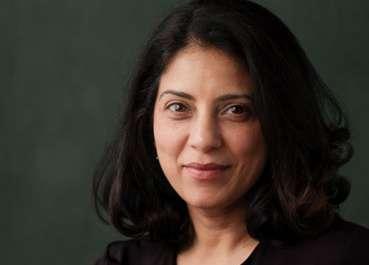
Elsewhere, Mitali Mukherjee was appointed Director of the Reuters Institute for the Study of Journalism (page 14). She is an impressive individual who worked as a political economy journalist and at a number of startups in India before becoming Director of Journalist Programmes at the institute in 2022. The college continues to celebrate the Reuters Institute as a prime example of research impacting practice and policy.
The college tracks its progress by annual surveys of our students, alumni and staff. The latest student survey provided very positive feedback on the provision of support and the strong welcome and friendly atmosphere the college maintains. As many as 85% of students said they would recommend the college to new graduate applicants to Oxford.
A majority of alumni want to maintain a strong connection to college and there was strong interest in an Alumni Summer Party, which is now scheduled for June (page 35). Staff feedback remains very positive too, with strong loyalty to the college and support for collaborative working. But we are not complacent – work is underway to implement suggestions from across our community to make the college better still.
Observatory is a record and celebration of the past year. One clear theme is college activities and conversations leading to real changes, whether alumni rethinking approaches to health and care (page 24), in sustainability education (page 18) or work on open justice (page 20). Over the coming months our academic programme will deliver new events on health innovation and global philanthropy as well as developing enduring successes such as work on long-term care and the Management in Medicine Programme. In June we will host our first ever Giving Week. This is part of efforts to raise support for students to place the college at the forefront of graduate education.
I look forward to engaging with members from across our community over the year ahead.
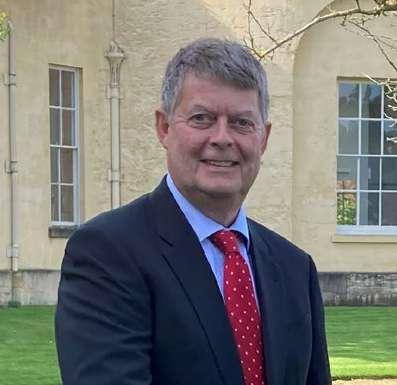
Sir Michael Dixon Principal January
2026
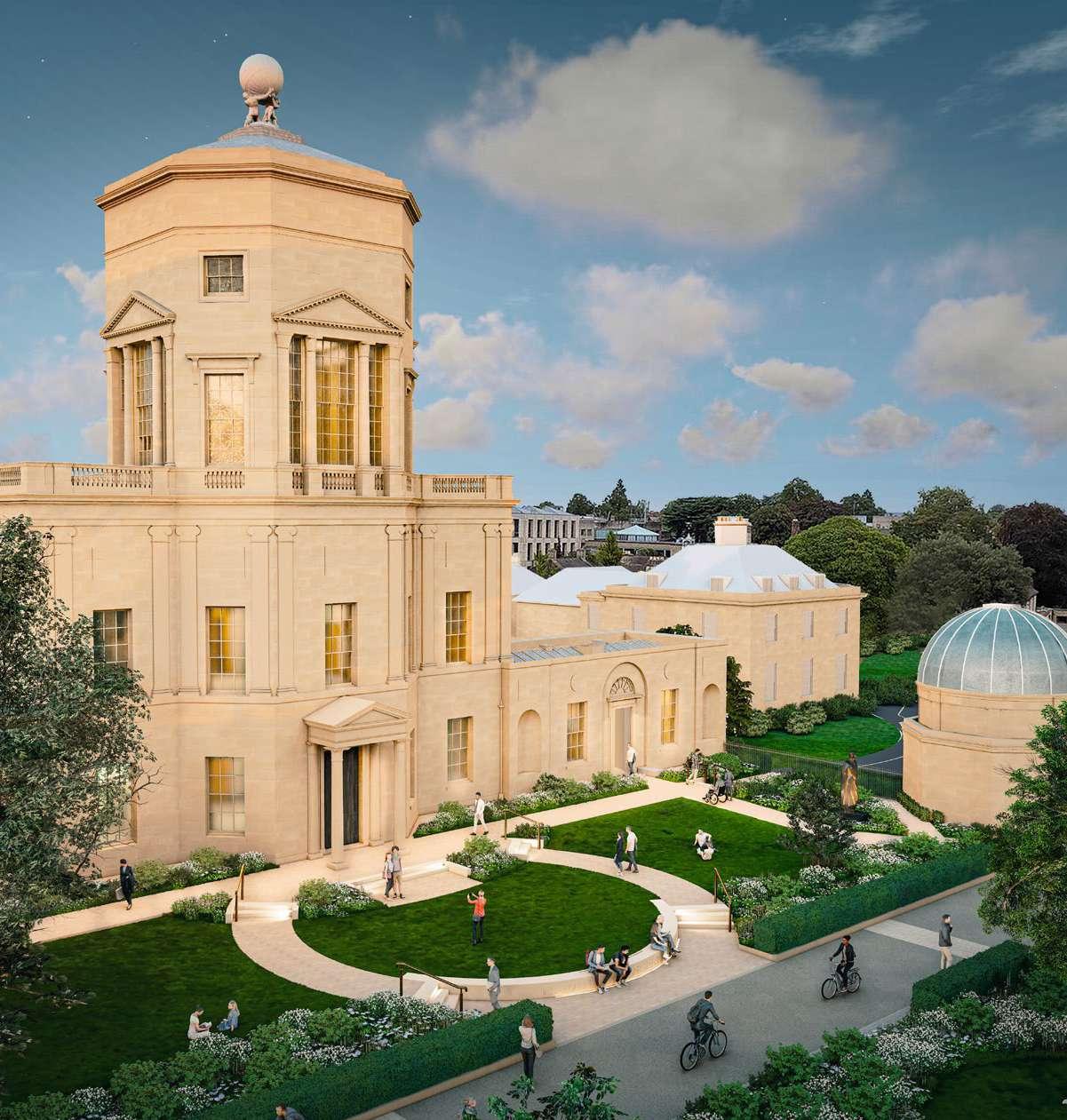
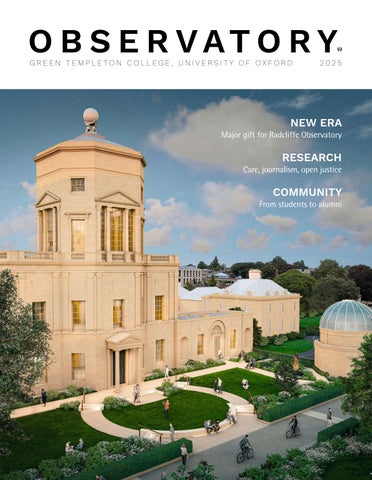
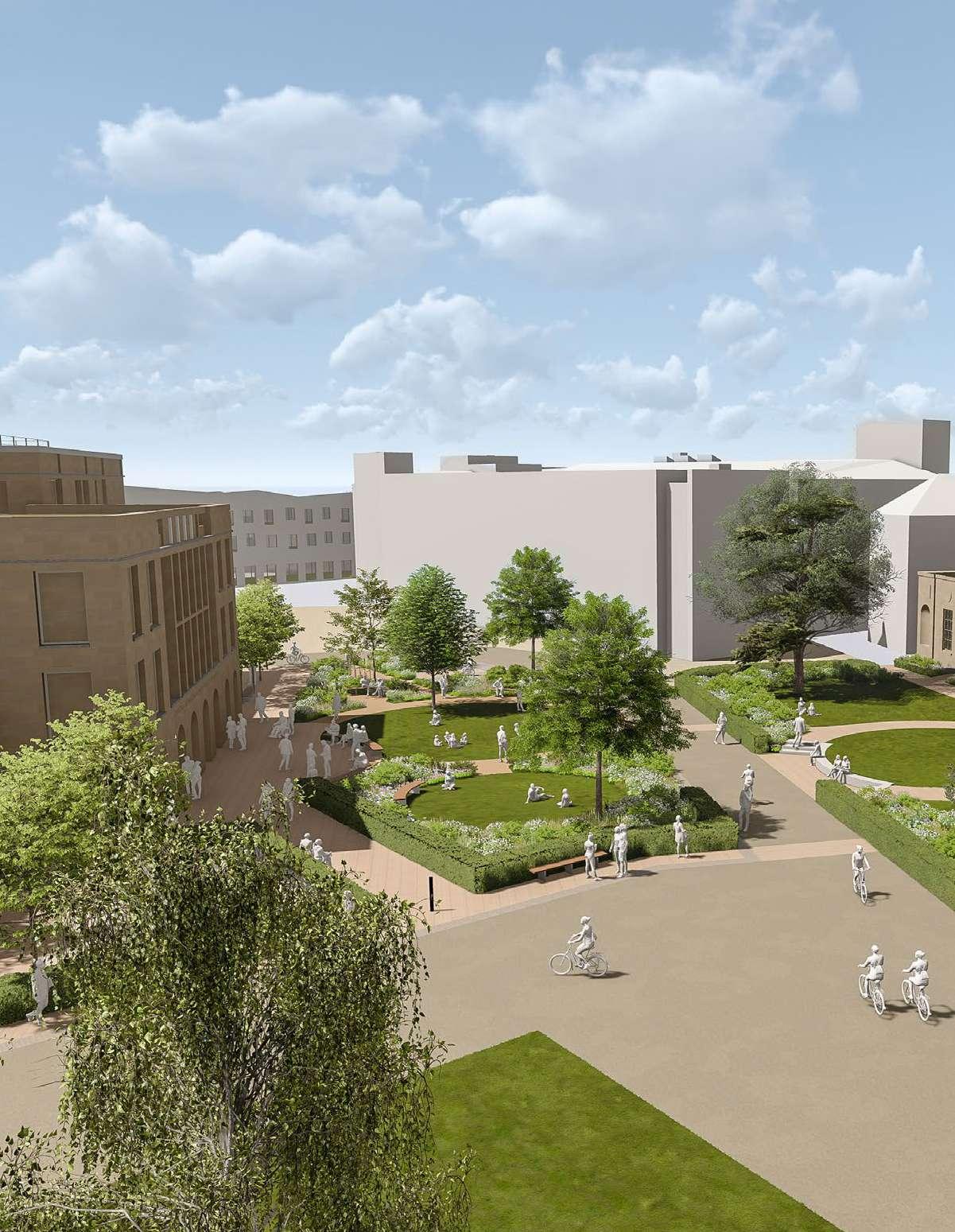
Cover image: Illustration of design for composition of new south landscaping and accessible entrance through East Wing of Radcliffe Observatory.
Photography including by Alamy, Owen Beard on Unsplash, Ceri Butcher, John Cairns, Fernanda Costa, Christopher Hillyar, Ant Kelly, Nick Parrott, Harriet Quint, Hannah Sale, Sophie Schirmacher, Ruth Scobie, Kirsty Taylor, Sarah Taylor, Natasha Violeta and Steve Williams.
Green Templeton College does not have an institutional view and the opinions expressed in Observatory are those of the authors.
We warmly invite your ideas and suggestions for the next issue of Observatory. Please contact the editor Nick Parrott at nick.parrott@gtc.ox.ac.uk For alumni enquiries contact alumni@gtc.ox.ac.uk
Registered charity number 1142297
© Green Templeton College 2026
Produced by B&M Design and Advertising www.bm-group.co.uk
Find out about the college’s debut on University Challenge, catering sustainably, alumni weekend and thanks to retiring Bursar Dr Tim Clayden
A graphical window on the diverse makeup of the college community, including fellows, students, and alumni
Interview with the new Director of the Reuters Institute for the Study of Journalism
Printed on Edixion Offset:
ECF Pulp, FSC Certified and EU Eco Label. Green Star Rating – 4
Gift of over £3 million from the Stephen A. Schwarzman Foundation for Radcliffe Observatory Campaign Phase 1
Research Fellows Mark Hirons and James Robson on the Green Templeton Lectures
Celebrating college citizenship from supporting management in medicine to the Boat Club, from creating a lively social community to a new buddy system
Associate Fellow Aileen Clarke on a theme of the Sheila Kitzinger Programme
Spotlight reception, welcoming new students, BBC News broadcasting live during a heatwave and celebrating the contributions of Emeritus Fellow Terence Ryan
Governing Body Fellow Rebecca Surender on donors as policy actors
Research Fellow Lennard Lee on a project building on three strengths of British science
A new initiative providing a platform to spark collaboration and effect real-world
Eight college members on rethinking approaches to health and care
Donor-supported
of Clifford and Evelyne Barclay and a group of
Eleven
Introducing the college’s first
Reception
New

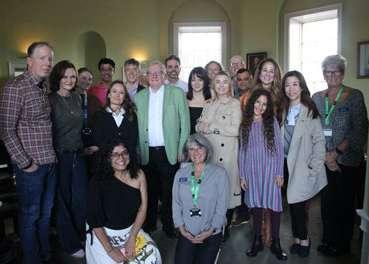
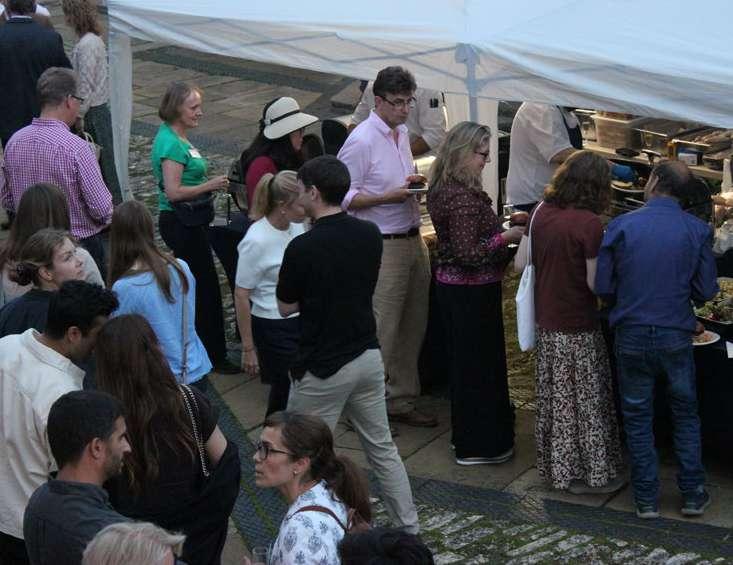
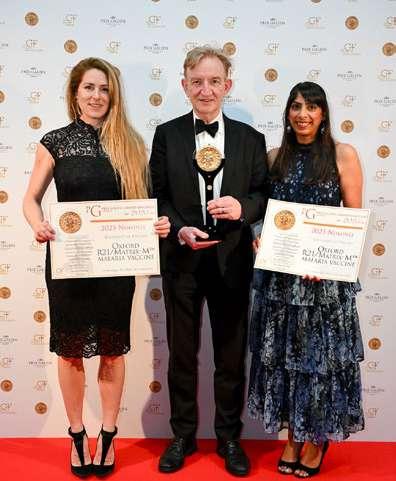
A BBQ and Jazz Evening was a new feature on the agenda for the Meeting Minds alumni weekend in September. Over 70 alumni joined in the late summer celebration as part of activities that welcomed over 300 alumni back to the college. The weekend was also an opportunity to put the college on the university-wide stage with Josephine Nana Afrakoma Agyeman-Duah (DPhil Women’s and Reproductive Health, 2018) interviewing Associate Fellow Dr Mehreen Datoo on the malaria vaccine rollout and her wider career as a Clinical Lecturer in Infectious Diseases.
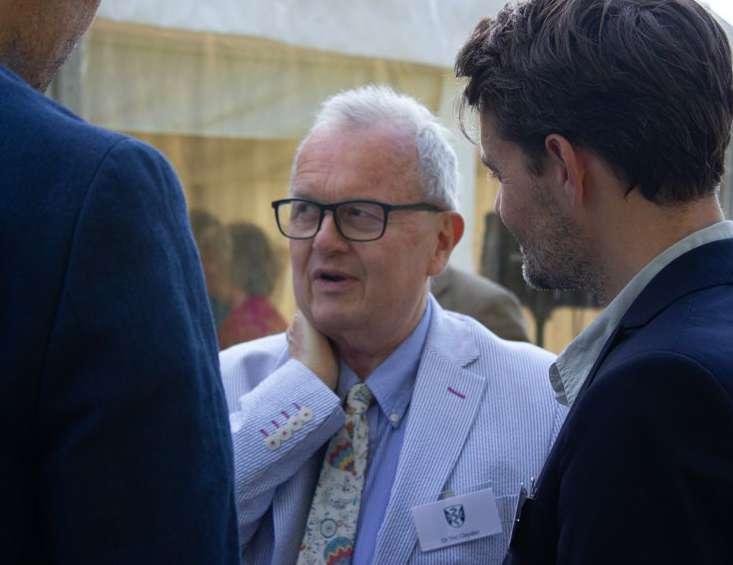
Dr Timothy Clayden retired as Bursar at the college at the end of December after more than eight years in the role. His tenure was celebrated with both a formal dinner for close peers and colleagues in the Radcliffe Observatory and an informal gathering with a wider group of college members.

Green Templeton students took part in University Challenge for the first time in September, in what turned out to be a nail-biting episode. Fiona Asokacitta (DPhil Anthropology, 2024), Annie Roberts (Clinical Medicine, 2022), Yusuf Emre Sahin (MSc Comparative Social Policy, 2024) and Will Owens (DPhil Engineering Science, 2024) represented the college on the iconic quiz show. After a slow start, the team took the lead towards the end of the contest but were unfortunate to lose in the final few seconds when Darwin College, Cambridge correctly answered a ten-point starter question to overcome a five-point deficit.
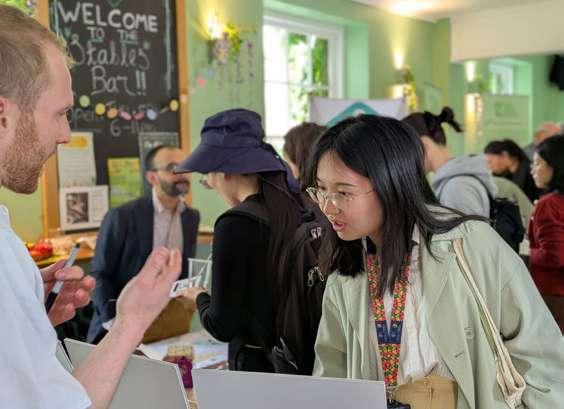
Head Chef Oliver Snowden talks to a guest at the Food Fair as part of the annual Human Welfare Conference in May. The presence of the Green Templeton catering team at the fair reaffirmed the college’s institutional commitment to sustainability and equitable health systems. The catering team showcased Trimchi, an elderflower-based kimchi, as an example of how the college creatively solves problems with food waste.
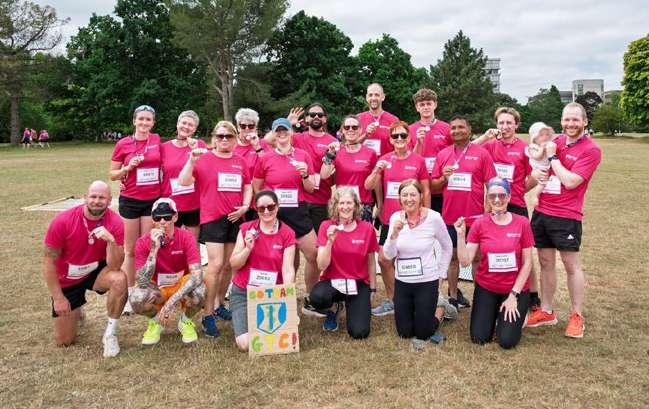
Twenty members of the college community laced up their trainers to take part in the Cancer Research UK Race for Life, raising more than £5,000 for life-saving cancer research. The group ran with determination and heart, many motivated by deeply personal reasons. The event was particularly poignant as participants honoured the memory of the college’s much-loved former Accommodation Services Manager Nick Martin. Support came from all corners of the college, with donations, encouragement and companionship on the course.
78 Student nationalities
91 Members of staff
29.4 Average age of our students
312 Fellows
13,716 Alumni
647
The majority of our students come from the UK, USA, China and India.
But we also welcome students from across the globe, including: Azerbaijan, Brazil, Chile, Colombia, Dominican Republic, Finland, Ghana, Japan, Mexico, New Zealand, Philippines, Singapore, Somalia, South Africa, Sudan and Tanzania
95
Associate Fellows, whose election is not linked to a university role and bring a range of external expertise
58
Emeritus Fellows. Each has spent 10 years on the Governing Body of Green, Templeton or Green Templeton College
9
Doll Fellows, named for the latefounder of Green College and his wife, responsible for delivering medical teaching in college
4
Barclay Fellows, named for the founder of the Oxford Centre for Management Studies, supporting college strategy
Green Templeton College announced a gift of over £3 million from the Stephen A. Schwarzman Foundation in August.
The gift will re-energise the Radcliffe Observatory as a focal point of both the college and the Radcliffe Observatory Quarter to coincide with the opening of the Stephen A. Schwarzman Centre for the Humanities.
This project forms Phase 1 of the college’s plans for the Radcliffe Observatory. It will restore the south face of the Observatory with new landscaping and will create a new main entrance to college through the East Wing.
The college received planning consent in November and the exciting transformation of the south landscape into a beautiful, usable garden space will take place between January and March 2026. Implementing the new design will include lifting the existing lawn.
The creation of the new college entrance in the East Wing on the ground floor of the Observatory, along with new accessible ramps on the northern side of the building, will follow from April 2026.
Stephen A. Schwarzman said:
‘I’m proud to partner with Green
April 2026: South landscaping unveiled Late summer 2026: New Lodge and north landscaping completed
Templeton College to enable it to undertake the first phase of its exciting plans for the future of the Radcliffe Observatory. I look forward to seeing an integrated landscape between the Observatory and the Stephen A. Schwarzman Centre for the Humanities.’
Principal Sir Michael Dixon said:
‘This is an important moment in the history of the college and I am grateful to Stephen A. Schwarzman for making possible the landscaping and restoration of the south façade of the Radcliffe Observatory to match its original 18th-century glory.’

With Phase 1 now fully funded and moving towards construction, the college is turning its attention to Phase 2 of the Radcliffe Observatory Campaign –the vital conservation and environmental renewal of this Grade I-listed landmark.
As Principal Sir Michael Dixon says:
‘Those who want to be the change, learn here. Those who want to make change, invest here.’
This spirit of shared responsibility and vision underpins the next chapter of the Observatory’s transformation.
invitation
The transformation now underway has only been made possible through philanthropy.
As we embark on the next phase, philanthropy will once again play a defining role. The works ahead – from restoring the historic roof, doors, windows and staircases to delivering ambitious environmental upgrades and significantly improving internal acoustics to enhance the experience of communal spaces such as the dining room – are essential, substantial and of national heritage importance. Bringing them to life will require a community of supporters who care deeply about protecting Oxford’s architectural legacy.
An opportunity to leave a lasting mark Phase 2 includes a range of naming opportunities for those who wish to make an enduring contribution. Major leadership gifts – such as naming the Rotunda, Staircase or East Wing Corridor – sit alongside more modest but equally special opportunities, including the South Door, North Door, or an individual star on the Celestial Path.
Each gift, at every level, becomes part of the Observatory’s story. These opportunities honour donors who share our belief that historic places remain alive not through preservation alone, but through continued investment and care.
Join us in shaping the Radcliffe Observatory’s next
Those interested in exploring how their generosity can help deliver this once-in-a-generation project are warmly invited to get in touch.
Maren Florenz, Head of Development maren.florenz@gtc.ox.ac.uk
+44 (0)1865 274767
These annual awards honour students who have gone beyond the call of duty and responsibility to contribute to the college. Congratulations to the winners and all those highly commended.
Amy Booth (DPhil Translational Health Sciences, 2021) was a Junior Dean for two years, and her contribution to the college community has gone far beyond the job description. She was a responsible, thoughtful and proactive Junior Dean, sometimes in very difficult and distressing circumstances, and has demonstrated excellent judgement both in her support of individuals and in welfare policy discussions.
More widely, she was an active participant and a warm presence at Green Templeton, attending, helping out with or otherwise throwing herself into many college academic activities. Amy’s commitment to sustainability and responsible research, her ability to connect with all kinds of people, and her practical good sense, have all benefited the community.
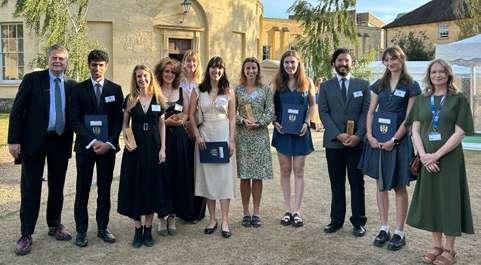
Mohamed Elzawahry (DPhil Surgical Sciences, 2022) was recognised for his efforts to support the intellectual community at Green Templeton in combining academic brilliance with practical attention to detail and concern for others.
He was a college surgical teaching associate from 2023 to 2025, providing much-valued bedside teaching to undergraduate medical students. He also volunteered as a Green Templeton peer supporter to help support fellow students’ welfare.
Mohamed was a regular and active participant in the college’s Management in Medicine Programme. After completing the full accredited programme, he was appointed a member of the programme steering committee.
Laura Stirling-Barros (Clinical Medicine, 2023) was instrumental in running three academic conferences at college as treasurer of the Richard Doll Society and events officer for the NewsomDavis Neurological Society. These events brought people together across different year groups and disciplines, and they have helped make Green Templeton be a place where student-led learning and collaboration are really thriving.
The events and activities that Laura has managed have created opportunities for students to get involved, learn and connect. They are excellent examples of how planning and care to create welcoming, engaging events – as well as high-quality speakers and sessions – can be powerfully effective.
Katya Broomberg (MSc Global Health Science and Epidemiology, 2024) was the internal entertainment coordinator for the Green Templeton Graduate Common Room (GCR) and worked tirelessly to plan and run a lively social calendar, creating an environment for Green Templeton students that is open, welcoming and fun. She was nominated as a great communicator and fantastic team player who has always been ready to help out despite the challenges of her degree course, working closely with other colleges to set up exchange formals, attending every GCR meeting even during the busiest periods. The award celebrated her work behind the scenes to give every student the best and most memorable college experience possible.
Sara Tanovic (DPhil Computational Discovery, 2023), started as GCR LGBTQIA+ Officer at the beginning of her DPhil before becoming treasurer. In a year in which the GCR committee grew from five active members to over 20, Sara played a key role by successfully negotiating a larger GCR budget and deftly managing its allocation, including resolving historical financial allocations and audits. Sara took on administrative responsibilities, organises inclusive social events, and is a key presence in outreach and recruitment, such as through the college Boat Club.
Marlene Merchert (MPhil Development Studies, 2023) initiated practical improvements and ideas which have transformed everyday college life for many students and made the college more welcoming, supportive and vibrant. This included organising arts-based activities like pottery and painting that provide creative outlets and community, setting up ‘study buddy’ sessions, introducing table tennis to the Stables Bar to create casual spaces for connection, and redesigning the process for exchange formals to make them more accessible. Marlene also created a buddy system to help new students feel welcomed and supported during their transition to Green Templeton.
Katharina Neumann (DPhil Law, 2022) and Michelle Yeung (DPhil Translational Health Sciences, 2022) as women’s rowing captains fostered a welcoming community for people at all levels of experience and skill. From the moment Michelle and Kat took on this role, they were determined to empower students – many complete beginners – to take on the challenge of learning a new sport, building team spirit and competing with confidence. Their efforts have supported both the physical and mental wellbeing of the student community, while also cultivating a strong sense of belonging. Practices are well organised, welcoming spaces where rowers are encouraged to connect, ask questions and enjoy physical activity as a healthy counterbalance to academic life.
Upamanyu (Tito) Ghose (DPhil Psychiatry, 2019) worked with his co-captain, Associate Member Fergus Maclean, to organise water and land training sessions for the Green Templeton Boat Club throughout the year, even when it was impossible to get on the river because of flooding. His work has not only included organising the sessions, but also regularly filling in for outings at the last minute when needed and taking on coxing to make sure that people can row. Tito has also worked hard to develop a friendly, supportive and accessible culture in the open squad.
Maya Sternthal (MPhil Development Studies, 2023) stepped into the roles of Kit Officer and Social Media Officer for the Green Templeton Boat Club because they urgently needed to be filled. She rose to the challenge with creativity, initiative and dedication – going above and beyond to have a lasting positive impact. She designed a new sweatshirt that became the most in-demand item in recent memory and her crew announcement videos became a popular tradition, significantly increasing the club’s visibility. She documented training and daily life, which played a key role in recruiting new members.
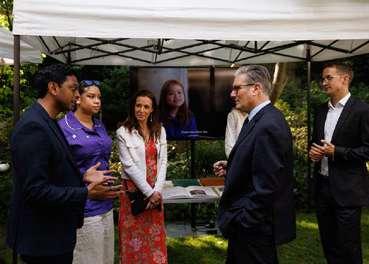
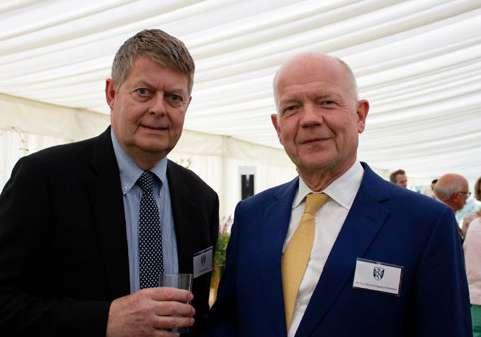
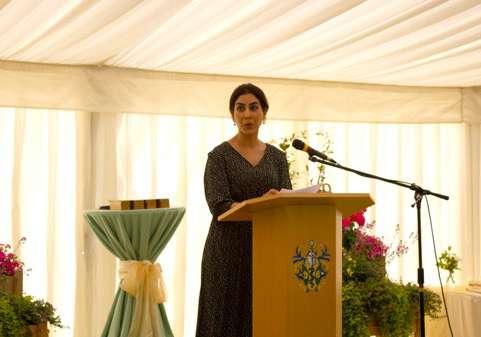
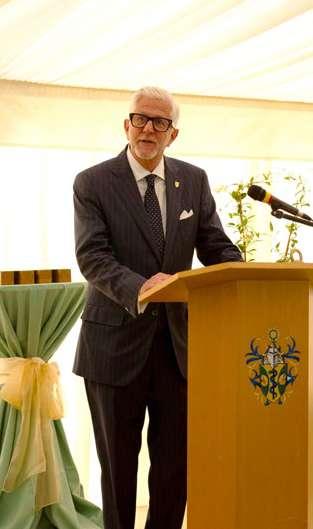
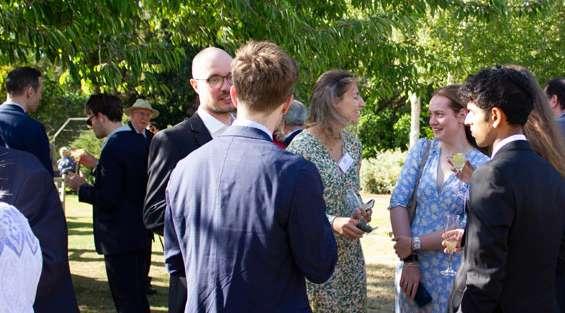
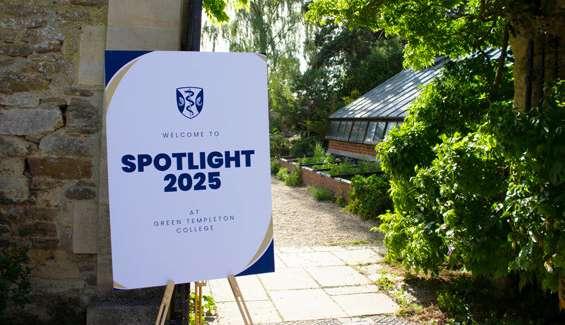
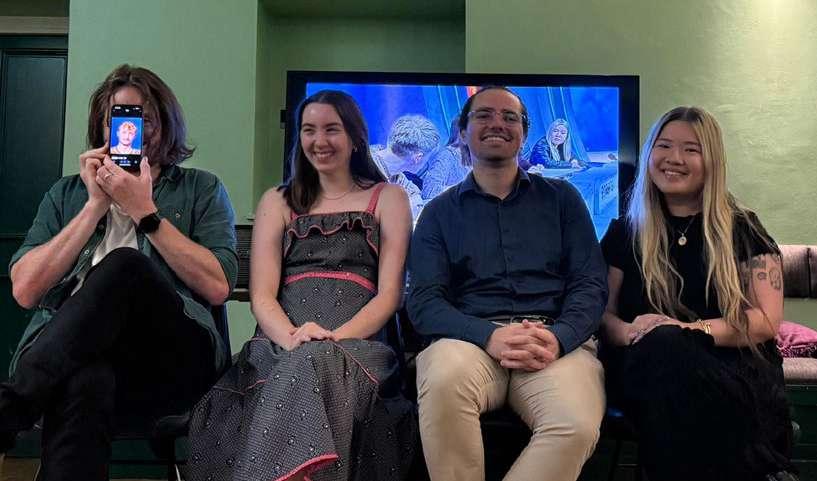
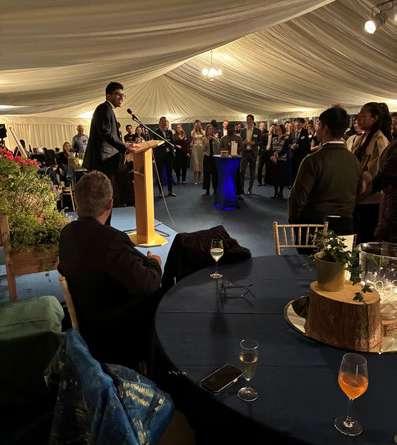
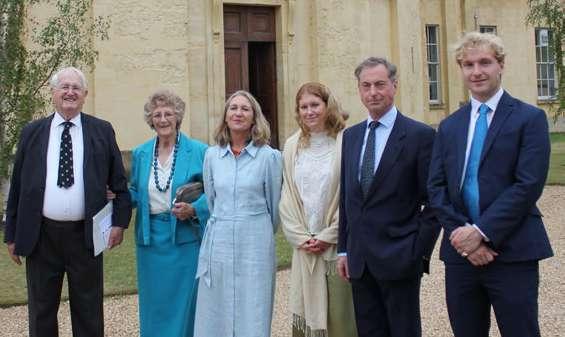
University of Oxford Chancellor Lord Hague of Richmond was among the guests at the annual Spotlight on Green Templeton reception in June. The increasingly popular evening had a focus on the college’s emerging fundraising agenda and early successes. The student winners of the annual Nautilus Awards for College Citizenship were also announced.
Development Committee
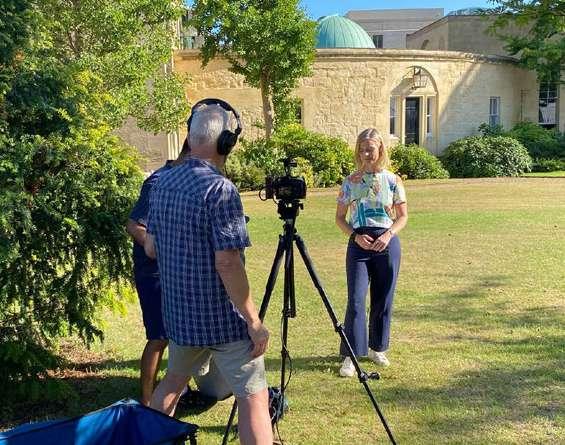
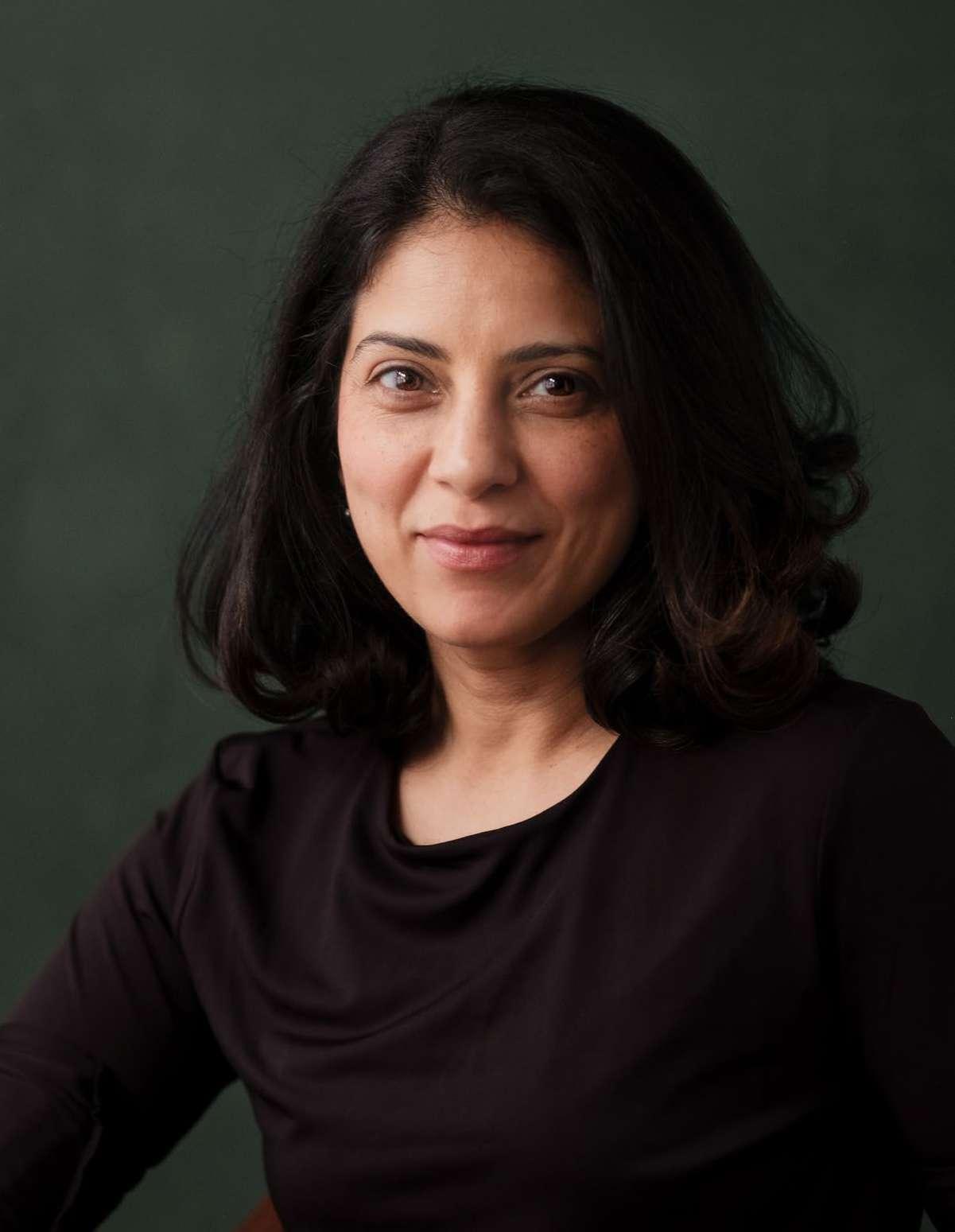


Mitali Mukherjee was appointed as Director of the Reuters Institute for the Study of Journalism in April.
Observatory magazine sat down with Mitali in her office at the college’s 13 Norham Gardens a few months into her new role to hear about her upbringing and journalistic career in India, moving to Oxford, and work leading the institute with a multitude of deep connections to Green Templeton.
Could you start by telling us a bit about yourself?
I was clear about what I wanted to do from a young age. Maybe it was a part of my upbringing where news and current affairs were very much a part of family discussions. My father was in the defence services, so I’ve always been a bit of a nomad. It gave me a view into my own country, India, which is essentially a subcontinent. I saw it closely from different points, geographically and culturally.
I’m Bengali by origin and we have a reputation for having lots of opinions and voicing them. So, a lot of dinner table conversations were about the ‘news’, politics, current affairs, economics. By the age of 16, I was quite sure being a journalist was what I wanted to do.
I studied Political Science for my first degree. I went to college in the mornings and in the evenings I worked at small local TV stations and newspapers. That's where I caught the journalism bug, and it never left me. I then went on to do my Master’s in Television Journalism.
You then began a full-time career as a journalist Yes. And the bulk of my career has been in journalism, with a particular slant to political economy. As equity markets editor at CNBC, a business channel, I spent close to a decade in Mumbai, the financial capital of India. A large part of my career was also spent in Delhi.
When I started out, I was keen to understand the back end of the process. So, I joined a production company, where I was a producer, and learned everything from editing to how to film and how to script.
It was hugely important in terms of building my understanding of the industry. And it made me appreciate that teamwork is the most important thing. Particularly with television news, we see that one person on screen, and for several years I was that person, but there’s a whole host of people working together in a newsroom; a camera person, studio technicians, a makeup team, a research team – that’s what I thought made the industry so incredible.
"I wanted to work with organisations that supported independent reportage and addressed a clear need for audiences. In India, smaller, newer digital outfits have shown a more independent line in their reporting and journalism"
You’ve worked as a reporter, but also as a producer, anchor and editor
I have worked with established brands like CNBC, where I was covering equity markets and business news, so very stock market oriented. I did that for more than a decade.
And then I felt I needed a break from ‘stock talk’ and moved to a digital media outfit. India has seen a massive political change in the last 15 years, and it has had a huge impact on journalism. Large parts of mainstream media moved towards self-censorship. I don't want to be a moral compass for the entire industry and people must make their own choices, but it wasn’t the kind of journalism I wanted to pursue.
I wanted to work with organisations that supported independent reportage and addressed a clear need for audiences. In India, smaller, newer digital outfits have shown a more independent line in their reporting and journalism.
I also co-founded startups. One that looked at building financial literacy, especially for women, which I feel really strongly about, and another that worked at building greater collaboration between free press and civil society. They weren’t hugely successful and I will say that I think the most important lessons are the ones where you fail but it is also something I love doing as a leader, building ideas in a collaborative way.
The startups began well but didn't go as far as we wanted, and I came away having learned important lessons about management, about financial planning and thinking like an entrepreneur. And in many ways, I transitioned from being a journalist to being in an executive role.
You then ventured beyond journalism
Indeed. Two startups later, I worked for a while in a think tank, the Observer Research Foundation, with a particular interest in two areas: gender and climate. It was very rewarding to work with a deeper academic approach. While gender has been hugely important, climate began to draw more attention as an issue. India is a vast country. It is heavily fossil fuel reliant and while it has been looking at renewable solutions, the country is an interesting case of what you can and cannot do at scale, and ultimately how climate change and its impact – by way of severe air pollution or intense heatwaves – affect the lives of ordinary people.
I actually interviewed my predecessor Rasmus Kleis Nielsen for an article, which is when we first interacted. I admired the work done by the Reuters Institute and when the role of Director of Journalist Programmes opened in 2022, I decided to apply.
At the end of the interview for that role, I was asked: ‘Would you be willing to move to Oxford?’ It meant moving a city, a country and a continent. As they say, it just takes three seconds of either insanity or courage! I said yes. And here I am. Honestly speaking, it has been one of the best professional and personal decisions of my life.
Oxford is a very multicultural city. It's a melting pot of bright ideas and people looking to collaborate, and I love that. The Reuters Institute for the Study of Journalism particularly has a very international approach and focus.
We understand that journalism touches every part of the world. We understand that there are more stories to be told than those in the Americas and Europe. And the goal of the institute has been to inform the news industry through high quality research around audiences and to engage with journalists and news leaders across the world.
In many ways, I see this role as an iteration of everything I've done over the last two and a half decades. It's a global role with international impact, and I consider myself lucky to be working alongside such bright and talented people.
When you later became Director of the institute you spoke about the ‘deep bond’ between the institute and Green Templeton
The Journalist Fellowship Programme is over 40 years old and started in 1983 within Green College, which then became Green Templeton. The Reuters Institute for the Study of Journalism was established in November 2006 with core funding from the Thomson Reuters Foundation and the association for journalist fellows remained with Green Templeton College. I am so happy about that because being associated with the college has provided a home away from home for many of our journalist fellows.
Many come from very difficult reporting environments, having documented war or violence. The institute is a place for them to build a global network, to work on projects that speak to a challenge in journalism, but it is also to provide much needed relief from an intense and demanding profession. Being part of Green Templeton gives them that space; to meet and interact over lunch with other academics and students, to spend time in the libraries. They sign up to be part of the boat club, or the choir - they're soaking up all the opportunities.
That's the richness of college life. Being able to realise and recognise you are welcome in a community: I'm here and I belong, and my voice matters. I think that's the most important thing for anyone, journalist or otherwise.
Can you expand on the work of the Reuters Institute?
When the institute was created, the focus was on how we inform the conversation about journalism through debate, engagement and research. That remains our core focus.
While studying journalism, our approach has always been to bring more understanding around what audiences want, while also recognising the challenges that newsrooms face. If we consider journalism to be a public good, it must deliver and be responsive to its audience. When that link snaps, it affects journalism as an industry but it also affects a thriving, thinking society with space for debate and differences of opinion. Our research has always tried to ask: What do the public think? Why are people engaging less and less with the news? What are they seeking from this news relationship?
Then there's engagement with journalists at the Reuters Institute, which includes the fellowship programme and our leadership work. Part of the journey is the process: creating safe spaces to have difficult conversations, learning to disagree with each other. It's also the realisation that you could be a journalist from Finland or Burkina Faso, but many challenges are similar and familiar.
Journalism itself faces many challenges. There are financial concerns, but it is important to recognise they are not new. There is, for more and more parts of the world, a rapidly changing political backdrop, with shrinking space for critical journalism. Attacking an independent press has become a familiar tool for authoritarian regimes. In fact, the three things that often come under attack in these moments are journalism, civil society and academia.
And the third core pillar going back to our study of audiences, and to my mind the most important, is public debate. We have to listen to the public, with a view to learning and re-charting our course. Journalism will need to be honest about its tendency to ‘gatekeep’ news, information and reliability. More and more, we see audiences turn to social media, to share opinions with each other. Journalism will need to open up spaces to listen to them – particularly so for young people and people from lower socioeconomic backgrounds, who don't often see themselves reflected in the news.
Are you optimistic for the future?
Absolutely. One of the best pieces of advice another CEO once gave me was: ‘Forward is forward.’ I like that. It's not helpful to keep looking over your shoulder – we have to look at the future.
This is why I'm passionate about our work on younger audiences. The future will be built by them and their vision of what they want their societies to look like.
I think of myself as a pessimistic optimist. I do think about all the things that could potentially go wrong, but I have a strong belief that journalism plays a vital role in

informing societies. In moments of strife and stress, people still turn to trusted journalism. COVID is an example of that. People wanted news that they could trust, that was accurate, to guide them. I think that role remains, and it points to the importance of robust and independent public service broadcasters who help provide quality news and information to all members of the public.
As journalists, we need to start talking to people in other industries. In that sense, the relationship with Green Templeton is super important because journalists get to speak to non-journalists and do non-journalistic stuff. That’s the best way of learning – stepping out of your silo and talking to people doing wholly different things.
There's something special about the experience that journalist fellows have here, before they go on to doing many different things across organisations and roles. But the connection that they feel with the university, the college and the institute is special. I see them as allies across the world.
More importantly I am so proud to be leading a team that is very much a collective. We're a small but ambitious and committed institute. The institute itself is the product of so many stakeholders who remain deeply attached to RISJ’s journey and success. It takes a village.
Research Fellows Mark Hirons and James Robson,
who convened the Green Templeton Lectures 2025, describe how the lecture series on sustainability education sparked progress in new directions
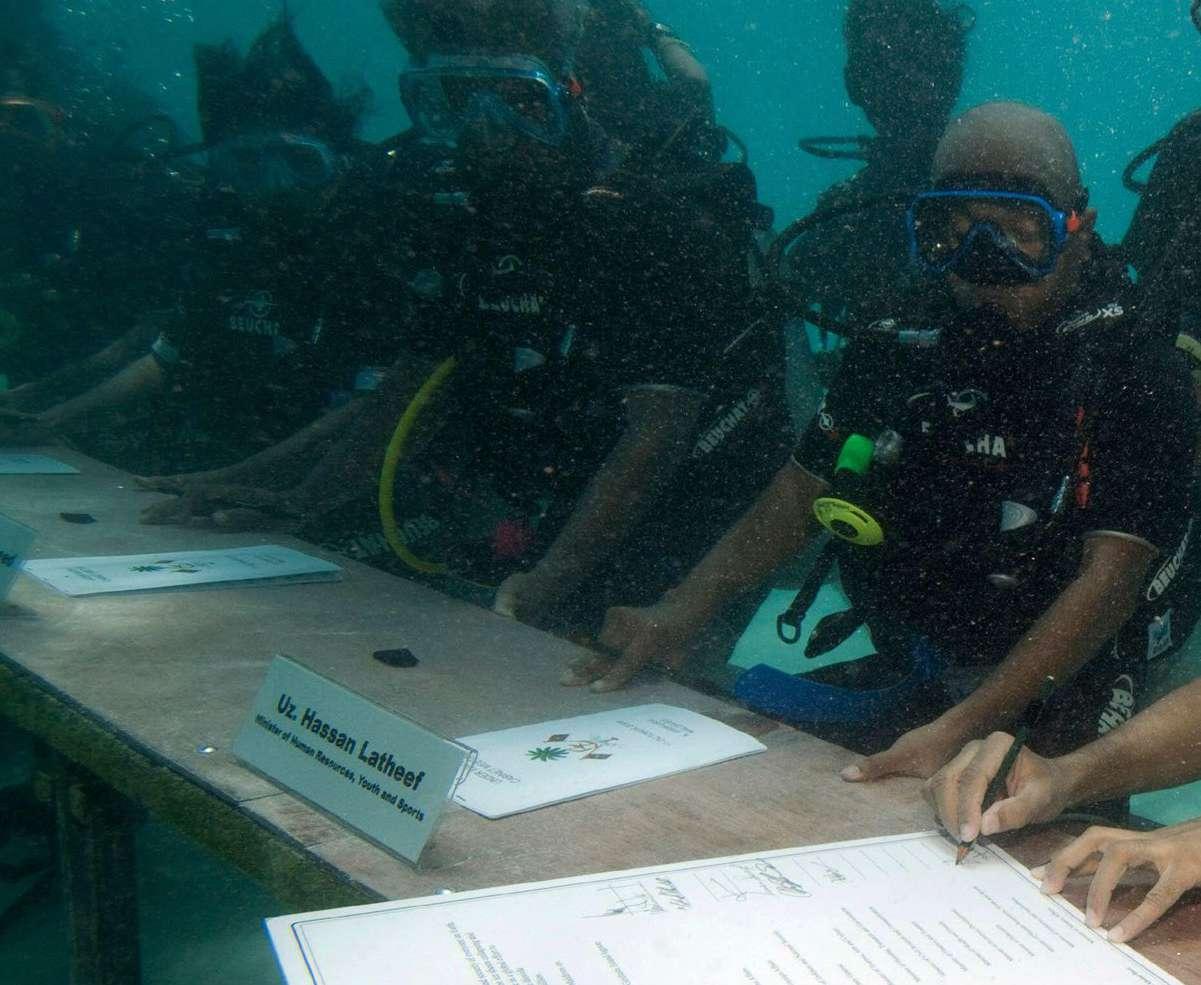
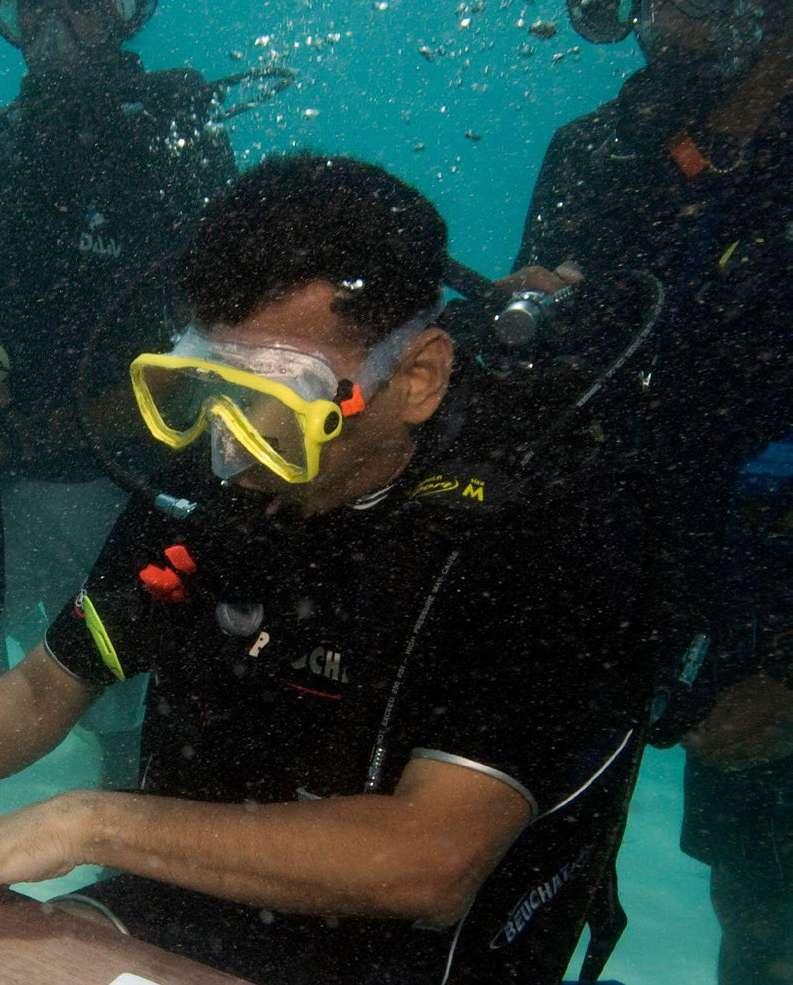
The 2025 flagship lecture series at Green Templeton College tackled one of the most pressing questions of our time: how do we teach and learn for a sustainable future?
The atmosphere was one of openness and shared inquiry: less a formal lecture programme than an ongoing conversation about what it means to teach and learn for a better future. Each lecture explored a pair of concepts related to a different dimension of sustainability education.
In the first lecture, University of Bristol political economist Chukwumerije Okereke and Oxford historian Amanda Power examined how questions of fairness and flourishing shape what and how we teach about the climate and
the climate crisis. Okereke highlighted the stark inequalities shaping environmental justice: the countries least responsible for carbon emissions are already experiencing rising seas, drought and economic disruption, yet they remain largely excluded from global decision-making. He emphasised humility and collaboration as key to shaping sustainable solutions.
In the second lecture, the Rt Hon Chris Skidmore, Chair of the Centre for Economic Transition Expertise at LSE, and human geographer Debbie Hopkins considered the role of power and politics in sustainability learning and the challenges of translating ideas into action. They invited the audience to reflect on the gap between information and action, and the tension between individual
responsibility and the need for systemic reform. From the bureaucratic hurdles of green policymaking to the importance of reaching broader audiences, the discussion made clear that sustainability is not just a personal challenge – it is also a structural one.
Finally, the UN Environment Programme’s Sam Barratt and Ann Finlayson, founder of Sustainability and Environmental Education (SEEd), reflected on the emotional and relational aspects of sustainability education – the importance of hope and humility, and the courage to face uncertainty. Barratt described hope as something strengthened through engagement, collaboration, and the courage to fail. Finlayson reminded the audience that education must go beyond
knowledge transfer, cultivating deep, systemic thinking and transformative learning.
The ripple effects of the series have extended far beyond the Radcliffe Observatory to inform research, teaching and even national policy debates. For example, in March James was invited to give evidence to the House of Commons Energy Security and Net Zero Select Committee, contributing to discussions on the future of green jobs and skills in the UK. This committee was set up in response to recommendations made in Chris Skidmore’s report on net zero, which he discussed in the second lecture on power and politics. The
"Teaching about sustainability isn’t just about sharing facts; it’s about creating the conditions in which people can imagine different futures"
Green Templeton and in the debates of the lecture series, this project involves working directly with policymakers in the Department for Education and education practitioners, building bridges between academic insight and real-world change.
The Green Templeton Lectures have also contributed to the development of a special issue in the Oxford Review of Education James is one of the editors and Mark contributed a paper, ‘Building Communities of Hope’. Drawing on traditions of critical and relational pedagogy, the paper argues that the central task of sustainability educators is to nurture communities that are critical, creative and caring – where hope is not naïve optimism but a verb with its sleeves rolled up.
Select Committee hearing took place the week after the lecture, which gave James the opportunity to discuss key issues with Chris Skidmore and draw on wider discussions when giving evidence.
The series has also helped to catalyse new research. A collaborative project, including both Mark and James, on Net Zero Education, funded by Oxford’s AGILE Initiative at the Oxford Martin School and run through Oxford University Centre on Skills, Knowledge and Organisational Performance, brings together many of the key questions raised in the lectures. It examines how to equip learners with the knowledge, skills and values needed to navigate complex sustainability challenges. Rooted in the collaboration fostered by
The conversations have fed into new initiatives across college, including studentled workshops, research collaborations, and plans to embed sustainability education more deeply across Green Templeton life. These developments reflect something we learned through the series: that education for sustainability is not only about content, but also about connection. Teaching about sustainability isn’t just about sharing facts; it’s about creating the conditions in which people can learn together, care for one another, and imagine different futures.
As we look to the coming years, one certainty endures: education remains among our most hopeful forms of action.
Dr Mark Hirons is based at the Environmental Change Institute and Leverhulme Centre for Nature Recovery. Dr James Robson is Director of the Oxford University Centre on Skills, Knowledge and Organisational Performance (SKOPE) at the university’s Department of Education.
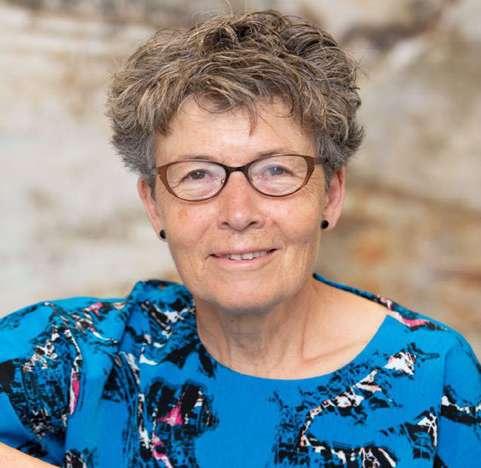
By Aileen Clarke
Why is open justice important? If you ask a lawyer, they might tell you that justice must not only be done, but must also be seen to be done. The principle that legal proceedings should be accessible to all is one of the foundations of UK law. In theory, this provides accountability, transparency and public confidence in the legal system.
In practice, though, there are signs that open justice in the UK is in trouble. Since 2023, Dr Judith Townend of the University of Sussex has worked with the Sheila Kitzinger Programme to bring together academics, campaigners, reporters and others to share their experiences of promoting open justice. They agreed that there are some protections and support for accredited journalists to attend cases and access court documents, but other people who want to observe what happens in courts and tribunals face a series of obstacles.
For example, our workshop attendees heard how court listings are unreliable and often
unclear. It can be difficult to get access to a court hearing, with onerous security requirements. Many hearings are held online, so observers need to request a link to join – but these are sometimes denied or not sent in time. Once inside the meeting, observers report problems with court layouts and equipment which can make it impossible to see or hear. There are no clear mechanisms for making complaints.
These are not straightforward problems to solve: security is essential, the court system is complicated, and there are valid concerns about opening up hearings where confidentiality and data protection are critical, such as those in Family Court. But as the system stands, a large proportion of UK justice is carried out behind closed doors. With media organisations employing fewer court reporters than in the past, it is difficult for possible injustices to be monitored and corrected, and undermines public trust in the law. The most vulnerable members of our society are the most likely to be harmed.
However, there is a movement towards reform. The Sheila Kitzinger Programme honours Sheila's passion in redressing injustices and helping the most marginalised. The Courts and Tribunals Observers' Network, which ran workshops and a public lecture at Green Templeton in June, is a great example of how the programme continues the legacy of Sheila and her late husband Uwe Kitzinger.
Members of the network made detailed submissions to a Ministry of Justice consultation in 2023, and have continued to inform the new Transparency and Open Justice Board established by the Lady Chief Justice in April 2024. The board is chaired by Mr Justice Nicklin, who came to our Open Justice Network workshop at Green Templeton College in May, afterwards delivering a public lecture which was picked up by the media. This emphasised his aim to embed open justice into the workings of every court and tribunal in England and Wales, and outlined some of the plans the board is considering, including the establishment
of key open justice objectives, more effective use of digital technology, and appointing His Majesty's Courts and Tribunals Service open justice champions. This workshop and public lecture perfectly illustrate the work of the Sheila Kitzinger Programme at Green Templeton College which funds creative, collaborative approaches to complex medical, legal and social problems affecting vulnerable people.
Professor Aileen Clarke is an Associate Fellow and chair of the Sheila Kitzinger Programme Steering Group at college. Find out more at gtc.ox.ac.uk/skp
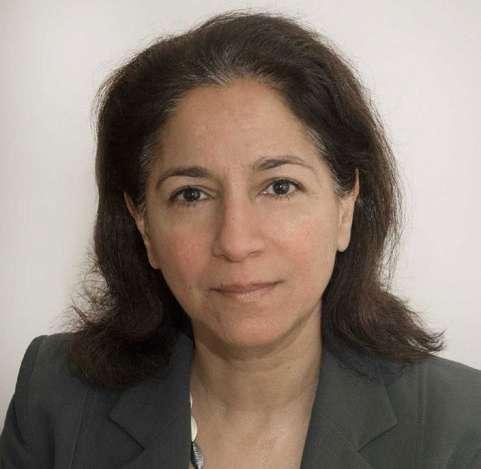
By Rebecca Surender
The rapid amalgamation of philanthropic donors into the structures and processes of global development organisations – and the views of these organisations towards the donors – is increasingly well documented. In short, Big Philanthropy (defined as large tax-exempt foundations established by ultra-high-net worth individuals, UHNWIs) has become welcomed and integrated into the institutional architecture of global social policy, and UHNWIs’ authority as transnational policy actors appears to have been secured. They have a growing presence and influence in the work of Bretton Woods and United Nations organisations, including contributing directly to lending and grant-making operations, providing advisory services to partner governments, and raising visibility and advocacy activities.
Perhaps unsurprisingly, international organisations such as the World Bank, World Health Organisation (WHO) and UNICEF have all expressed explicit public support for a greater role for private foundations – and have
founded bodies and frameworks to facilitate this. Examples include the United Nations Foundation – a parallel sister institution established by the UN to provide a mechanism for private UHNWIs to donate to the institution and, in return, to have membership on a parallel board. Relatedly, the WHO set up a channel for voluntary contributions, to facilitate a pool of extra-budgetary funds from both the profit and not-forprofit sectors. Whereas formal contributions from member state countries are fully flexible and can be deployed in any way the WHO decides, voluntary contributions from non-state actors are typically earmarked and specify the programmes and projects that the donor will fund.
This influence has led some to begin to characterise big philanthropists as new policy entrepreneurs; that is, as political actors who actively promote policy ideas. Being highly motivated, entrepreneurs engage in a variety of strategies to draw attention to problems, present innovative policy solutions and secure action. Whereas many
policy actors are willing to work within established institutional arrangements and constraints, policy entrepreneurs are distinguished by their desire to radically change current ways of doing things – to act as disruptors.
While the concept of policy entrepreneurship has increasingly gained a place in mainstream social policy studies in explaining the dynamics of policy change, it has not yet fully engaged with the role of philanthropists as new global entrepreneurial actors. In addition to their substantial financial support, philanthropic foundations achieve power within multilateral organisations through the considerable technical expertise and capacity they contribute. They provide essential services for decisionmakers by acting as resource banks for information and providing expertise and informed judgements.
Emerging analysis of global governance suggests that opportunities for policy transfer have been catalysed through the growth of global public policy networks. It is clear that
philanthropists spread ideas and information through their networks: domestically through insider strategies into the political parties and bureaucracy, or via outsider strategies into media, civil society; and now internationally. As funders, they provide the essential glue to these networks, also reflecting their agency as policy entrepreneurs. Understanding the impact of the role now played by philanthropy across global regions, policy sectors and policymaking processes is increasingly urgent.
Professor Rebecca Surender is a Governing Body Fellow and participant in the Conversations in Global Philanthropy series at college. She is co-editor of, and a contributor to, Handbook on Philanthropy and Social Policy (Edward Elgar, 2025), from which this article is extracted.
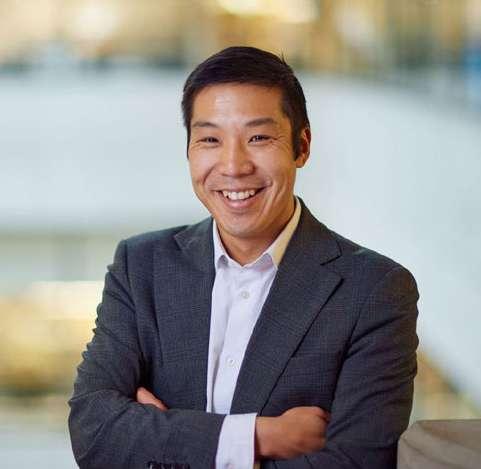
By Lennard Lee
Green Templeton College has always been a place where medicine, business and public service come together. It has become a community of leaders from health, policy and enterprise. That ethos has never felt more relevant than today, as the UK steps into the AI age with massive national investment in supercomputing and a new prosperity partnership with the United States.
The UK is now home to sovereign AI supercomputing capacity, including the Dawn system at Cambridge, capable of training the most advanced models in the world. Across the country, researchers are turning this power towards the most pressing challenges in medicine. At Oxford, these ambitions are being channelled into a flagship national initiative that I am spearheading at the Nuffield Department of Medicine – using supercomputing to design the next generation of cancer vaccines.
The project builds on three great strengths of British science: genomics, vaccines and
artificial intelligence. Genomics provided the ability to decode life at its most fundamental level. Vaccines showed how science can be mobilised to protect lives, with Oxford leading during the COVID-19 pandemic. AI now brings these insights together at speed and scale, creating models that can predict which elements of a tumour can be turned into therapies.
Green Templeton is a natural home for me as I undertake this work. Its culture of interdisciplinarity encourages collaboration between doctors, scientists, entrepreneurs and policymakers. One of the college’s founding missions – to link medicine with the wider world – resonates strongly in this new landscape of AI-powered health innovation.
I have previously led national flagship initiatives, including the UK pandemic lateral flow moonshot, the UK Coronavirus Cancer Monitoring Project, and the NHS-Galleri study, which recruited 140,000 people in one year to test a new blood test for 50 types of cancer.
Learning how to use
sovereign AI supercomputers, uploading a generative pretrained transformer (GPT), then training and deploying it has been a challenge that required bravery even to attempt. Oxford, including through the college, has the chance to lead in this space. These are skills that any future student may one day learn, and it is a privilege to be a pioneer at the start of this journey.
The UK government’s commitment to AI supercomputing and its deal with the US are positioning Britain as a leader in the industries of the future. Cancer vaccines designed through AI promise better outcomes for patients and represent the potential birth of a new era in healthcare, creating opportunities for innovation and growth. Most importantly –faster patient impact.
For the college, the arrival of these technologies is a chance to extend its founding mission at the forefront of innovation –linking medicine with business, science with policy, and research with real-world impact. Together, we are entering the AI age with
purpose, ready to play our part in one of the most ambitious international endeavours of our time.
Lennard Lee is a Research Fellow at college, Associate Professor at the Nuffield Department of Medicine and Chief Medical Officer of the Clinic at the Ellison Institute of Technology
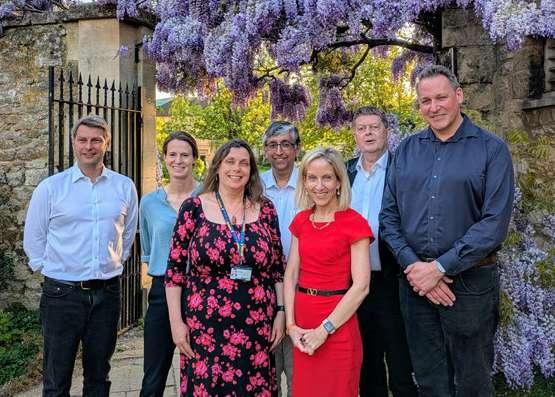
Green Templeton launched the Oxford Health Innovation Forum during 2025. This new initiative convenes students, alumni, researchers, clinicians, startup founders, investors and industry professionals from across Oxford’s medical, scientific, entrepreneurial and policy communities. It provides a platform to spark collaboration and turn health innovation into real-world impact.
Green Templeton’s heritage makes it a natural home for this forum. The college was formed through the merger of Green College, established to advance clinical medicine and public health, and Templeton College, Oxford’s centre for leadership and management studies. It is a unique environment where medicine and business naturally intersect. As Principal Sir Michael Dixon reflected in his opening remarks at the inaugural meeting of the forum in May, ‘Extraordinary outcomes become possible when these communities are brought together in the right way.’
The first two meetings of the forum featured leaders whose careers sit at the nexus of discovery, translation and system change. Speakers included Dr Emma Stanton of the Ellison Institute of Technology, Dr Oliver Harrison of Koa Health, Katherine Ward of Oxford Science Enterprises and Professor Angela Russell. Governing Body Fellows Professor Peter Friend, co-founder of OrganOx, and Professor Gary Ford, CEO of Health Innovation Oxford & Thames Valley, also contributed. Their discussions offered candid insight into the realities of transforming early-stage ideas into solutions that scale across healthcare systems, highlighting both the challenges and the extraordinary opportunities that define this rapidly evolving landscape.
The forum has been spearheaded by Associate Fellow Dr Christiaan de Koning, Governing Body Fellow Dr Sheila Lumley and Senior Research Fellow Professor Michael Smets. They will convene the Green Templeton Lectures in 2026 with a series focused on the future of health innovation, taking audiences through the innovation lifecycle from inception of new ideas to first investment, to scale and lasting impact. The series will bring together pioneering thinkers and leaders to reimagine how innovation can transform health in Oxford, across the UK and around the world.
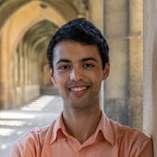
View from Omar Ouaret Sorr (MSc Clinical and Therapeutic Neuroscience, 2024)
As a medical student interested in healthcare entrepreneurship and clinical innovation, the Oxford Health Innovation Forum offered an invaluable opportunity to hear first-hand how preclinical and clinical innovation can be translated into successful ventures.
The discussions resonated strongly with my own entrepreneurial journey, which began after recognising an unmet need for more holistic and personalised post-operative guidance for patients once discharged from hospital. Together with a fellow medical student, we are piloting a digital patientfacing tool to address this gap. In fact, shortly after a forum meeting, I found myself on a Zoom call with one of the panellists discussing product-market fit for this project.

There were few places where clinicians, researchers and innovators could come together to explore how new ideas in health and life sciences translate into real-world impact. The Oxford Health Innovation Forum addresses precisely this gap, aiming to enhance existing pathways for innovation while creating new ones. It is truly exciting to see Green Templeton College leading the way and serving as a platform for these conversations, as it is uniquely positioned at the nexus of medicine and business.
College members come from all walks of life and all corners of the world. One common thread across the range of courses throughout the college history is rethinking approaches to health and care. We asked eight individuals what brought them to Green Templeton, to reflect on the role that their time in Oxford played in their development, and to tell us what they’re doing now.

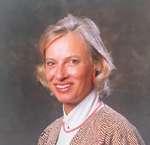
(College contributor, 1982–present)
In 1981, a report from the Royal College of General Practitioners concluded that half of all strokes and a quarter of coronary heart disease deaths in the under-70s were preventable using existing knowledge. This called for a new focus on prevention in primary care. With the guidance of Emeritus Fellow Professor Sir Muir Gray and Professor Godfrey Fowler, I became the first Primary Care Nurse Facilitator in 1982, appointed to help translate evidence into everyday practice.
My initial task was to help practices audit how they identified cardiovascular risk in middle-aged patients. This soon expanded to recruiting and training practice nurses to deliver what I first described as a ‘Human MOT’: structured health checks, consistent follow-up and proactive management of raised blood pressure and other risk factors. This practical groundwork demonstrated that prevention could be implemented systematically and at scale.
The results were clear. In Oxfordshire, this approach contributed to a 40% reduction in stroke. Demand grew rapidly, with facilitators appointed internationally. Practice nurse numbers increased by tens of thousands, and their remit widened to encompass a broad preventive role. The Department of Health increasingly relied on them to help implement evidence from leading researchers such as founder of Green College Professor Sir Richard Doll, Emeritus Fellow Professor Sir Richard Peto and Professor Sir Rory Collins.
Visitors’ Days at Observers’ House in the Radcliffe Observatory became a regular feature. These attracted GPs, managers and nurses – and even Edwina Currie, MP, who undertook her own Human MOT before awarding funding for further facilitator training. Weekly lectures at Green College were crucial, offering direct access to emerging research and a community committed to evidence-based innovation.
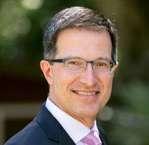
Eduardo Martins (DPhil Pathology, 1991)
My path shifted during my medical residency in Rio when my mentor who had studied at Oxford passionately persuaded me to do a DPhil. My supervisors were Roger Chapman and Ken Fleming. Their curiosity, together with that of others, pulled me out of the hospital bubble. Four years in Oxford opened my eyes to how medicine, research funding and interdisciplinary exchange could reshape patient care.
While at Oxford, I embraced a range of opportunities: reading biopsies alongside pathologists, joining college societies, and learning to debate rather than argue. Those experiences taught me to bridge discovery and clinical practice.
Back in Brazil, I allowed those new experiences to shape how I think differently about healthcare. So I led an office for research and moved into hospital administration. Consulting work followed: fixing growing hospitals, training clinicians, and later running global clinical programmes for biotech. We published a small clinical observation in Oxford, which was later confirmed by another group, that, years later, contributed to changes in diagnostic practice. For example, in the United States, shifting focus from an allergy vaccine to hepatitis B brought about the most effective one to date, proving that incremental experiments became a butterfly effect.
Green College was central to this: the culture of interdisciplinary conversations and risk-taking, thinking outside one’s discipline. College dinners, environmental lectures and chance encounters broadened my horizons and made moving beyond a traditional clinical path seem not only possible but necessary.
Now, as Chief Medical Officer, I’m focused on advancing treatments for fatty liver disease and helping patients indirectly by shepherding rigorous clinical trials and moving translational science into approved medicines.

Dr Afua Basoah
(DPhil Clinical Neurology, 1999)
The moment of clarity came as an attendee of various side events during the annual United Nations General Assembly – listening to global leaders discuss healthcare priorities.
I was struck by a glaring consistent message: the need to address the persistent underfunding of women’s health. It made no sense to me.
That realisation prompted me to start a new venture: Fern Capital, a $25 million fund dedicated to women’s health innovation across the UK, Europe and Africa.
Our aim is to show that commercial success and social impact are not mutually exclusive; you can be profitable and still drive the right thing. Fern Capital invests in clinically validated technologies –from hormone-monitoring implants to diagnostic tampons for cervical cancer –and requires innovation to consider both global north and global south markets.
My thinking was shaped in part during my DPhil in Clinical Neurology. Being at the Institute of Molecular Medicine and college gave me space to think, and it taught me to connect the dots between disciplines, people and ideas. That interdisciplinary mindset underpinned my work then as much as it does now.
From the lab bench to boardrooms and investment committees, my guiding principle has been the same: to connect science, business and humanity in ways that deliver better health outcomes for everyone. Thinking differently about healthcare starts with asking who has been left out and choosing to design systems that bring them in.
I believe the biggest current challenge in health is fragmentation. This requires us to think about how we educate and make things accessible to everyone because that's part of the process of ensuring inclusive and quality health for all.
Dr Ben Maruthappu MBE (Clinical Medicine, 2009)
I had been working as a doctor and medical researcher in London when my mother fractured her back in 2016. It was only at that point that I experienced first-hand the fragmented, analogue nature of home care. In a world where I could track an Uber driver and Amazon deliveries, I had no visibility over who was caring for my mother or how her care was going. That frustration became the spark for Cera, the digital-first home healthcare company I cofounded later that year – now a HealthTech unicorn with over $500m revenues.
Over-65s are the demographic hardest hit by overcrowding in British hospitals, making up two-thirds of hospital bed occupancy. Yet, data shows that around a million hospitalisations of over-65s could be avoided through better preventative care at home. To tackle this issue, at Cera we have developed preventative AI tools including a Hospitalisation Predict-Prevent tool and Falls Prevention AI which have successfully cut hospitalisations by up to 70% and reduced falls by 20% for our patients. A recent third-party analysis showed this has saved the NHS over £1 billion to date.
Our innovative thinking didn’t stop at prevention; we continue to revolutionise recruitment, training, productivity and retention in the care sector too. We have attracted over 1 million applicants for carer and nurse roles in 2024 and 2025 alone – more than any other healthcare provider or company in Europe. We’ve also delivered over 1 million hours of training, helping to make care more of a career. My time at Green Templeton was a vital part of fostering my innovative and entrepreneurial mindset, alongside my medical training. The Management in Medicine programme intertwined business and medicine and gave me the confidence to think differently about what a medical career could look like, and continues to shape my work today.

Dr Rahul Gandhi (MBA, 2015)
In the early years of my medical career, I encountered canonical moments which made it painfully clear that clinical expertise alone is insufficient without functioning health systems. For example, I saw a child denied morphine due to a supply-chain failure and later held the hand of a 26-year-old dying from preventable rheumatic heart disease. These experiences shifted something in me, and the desire emerged to address wicked health problems through health innovation, public health discourse, design thinking and evidence-based clinical medicine.
I moved beyond the bedside to study management and public health – first at Oxford and later at Harvard – so I could learn how to design solutions that actually reach people. Green Templeton provided me with access to some incredible people: I have had insightful conversations over dinner or drinks with brilliant students and with giants in the medical field, as well as management gurus who have transformed ecosystems across many disciplines. Our endeavour aiming to transform palliative care or bring healthcare on trains in rural India for instance, were born while on GTC benches or over a pint at the bar. The nurturing spirit extended beyond my time at Oxford with Professor Richard Canter, who remains a point of contact for mentorship.
For me, thinking differently about health means marrying the pragmatism and scale of innovation with the equity mandate of public care. It means asking not only ‘What treatment will work?’ but also ‘How will it get to the child in the most remote district’ and ‘Who is being left out by the current system?’ That lens has shaped work I’ve done as an Innovation Fellow at Massachusetts General Hospital and in projects developing cost-effective screening solutions for rheumatic heart disease and now as a clinical tutor in New Zealand.
Dr Francis Ayomoh
(DPhil Primary Health Care 2021)
I have moved through health systems in many guises: patient, clinician, researcher and policymaker. As a doctor in Nigeria I knew what patients needed, but medicine, tests and basic infrastructure were often inadequate or too expensive. Becoming an inpatient myself in 2009 brought home how acute those gaps can be. That experience made me realise that while doctors save individual lives, the decisions made in policy rooms determine whether those lives can be saved in the first place.
That insight drew me into health systems and policy. I wanted to understand not just what wasn’t working, but why. Postgraduate study in London and Oxford sharpened my tools and widened my view. Green Templeton became a home that encouraged interdisciplinary thinking and taught me to look beyond surface problems. I learned to interrogate incentives, actors and power, and to ask how policies translate into practice.
My research on task shifting in primary care showed how well-intentioned policies can falter in implementation. Volunteers filling critical roles, unclear responsibilities, and incentives can mean greater access but poorer quality. That taught me to balance pragmatism with principle. Thinking differently about health is not simply topdown reform. It is understanding the system, identifying who is motivated by what and designing solutions that move people and institutions in the same direction.
Today, as a public health physician working with Nigeria’s Federal Ministry of Health and international partners, I aim to help build health systems that are equitable, evidence-driven and resilient. I want to see a world where every country invests sustainably in primary healthcare –not as charity but as a shared responsibility. That’s how we begin to think differently about health: by recognising that good policy is as life-saving as good medicine.

Danielle Mullings (MSc Translational Health Sciences, 2023)
My work bridges policy, media and technology to make health and education systems more inclusive. I serve on Jamaica’s National Artificial Intelligence and Digital Transformation task forces, and on the National Youth Advisory Council of Jamaica. And at Transform Health, I support digital health coalitions in Mexico and Ecuador while connecting young leaders to national digital health efforts. I also contribute to the World Health Organization’s Technical Working Group on adolescent access to electronic health records.
Beyond policy, I’ve moderated youth forums at the World Health Summit and the Global Forum for Adolescents – the world’s largest alliance for women’s, children’s and adolescents’ health and wellbeing. I have created and hosted national TV programmes on Television Jamaica exploring youth social issues.
My time in Oxford offered a unique multidisciplinary lens that connected my technical and creative background with the social sciences of innovation. I wanted to study in a space filled with dreamers and thinkers who focus on the human side of technological design and care delivery. The programme and being based at Green Templeton helped me ask more practical questions about how innovations work in real-world contexts and how systems can evolve to serve people more equitably.
I’m passionate about people-centred technology design and the storytelling that helps others see its impact. My aim is to keep supporting governments and organisations across the Caribbean and Global South while also bringing regional perspectives into global spaces. Whether through media, strategy or research, I want my work to keep reimagining how care and technology can come together to build a more equitable and empathetic world. I welcome opportunities to do so!

Fernanda Sobral Reyes (MSc Health Service Improvement and Evaluation, 2025)
My experiences growing up in Mexico showed me how inequality affected everything – from not being able to access care to going into debt to pay for it. That frustration became my motivation for my career in healthcare.
I started with a bachelor’s degree in Biotechnology Engineering, spending much of my time in the wet lab, focused on healthcare research both at home and abroad at the University of British Columbia and Harvard Medical School. After that, I explored different areas of healthcare: insurance, pharmaceuticals and clinical research, trying to learn from every part of the system. That path eventually led me to McKinsey’s Mexico City office, where I spent two years as a Business Analyst with a particular focus on the healthcare practice. McKinsey is currently funding my studies.
Before coming to Oxford, I took a secondment year with Auna, a Latin American company that integrates insurance and hospitals. I worked on developing their oncology strategy in Mexico, including the ward and an insurance product. It was the most gratifying work I’ve ever done and the people I met there inspired me to study further.
The 1+1 course was a match made in heaven for me, combining business and healthcare. I enjoy working to improve health systems and measuring whether and how changes work. I chose Green Templeton because I saw it as the connection of both of my interests. I was also sold on the college offering a community focused on the graduate experience and I’ve found a home at Oxford that lives up to what I’d hoped.
I will definitely be going back to Mexico – I love my country and my region. My goal is to create new services that help close the healthcare gap so that quality care is no longer a privilege for the few.
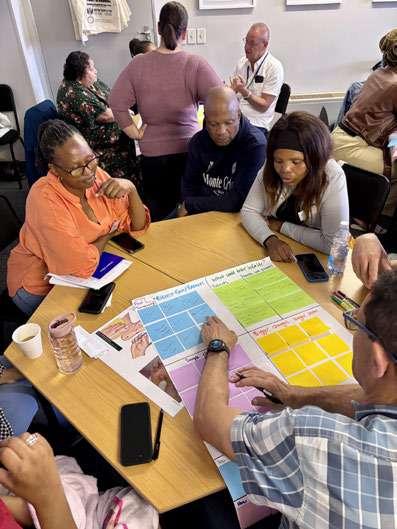
Workshop participants looking at a diabetes footscreening pathway in South Africa co-designed by Jemma Houghton (DPhil Primary Care, 2022). The project is supported by the Sheila Kitzinger Programme
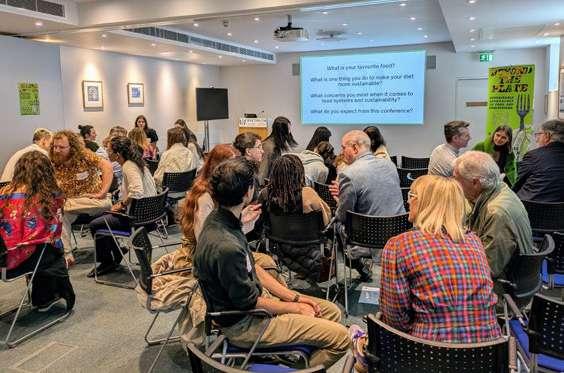
Breakout groups in conversation at the annual studentrun Human Welfare Conference in May focused this year on sustainable approaches to food and food systems

on workforce planning and education and training pathways to deliver clean, secure energy before the Energy Security and Net Zero Select Committee at the Houses of Parliament in March
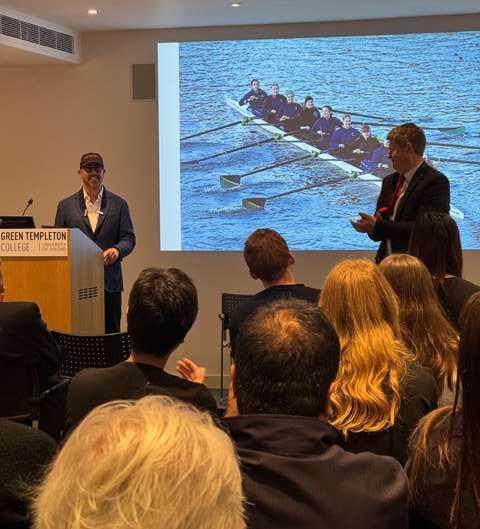
Emmy-nominated filmmaker and entrepreneur Stephen Robert Morse (MBA, 2015) delivered an Alumni Lecture titled ‘Build the raft while the ship sinks’ in May
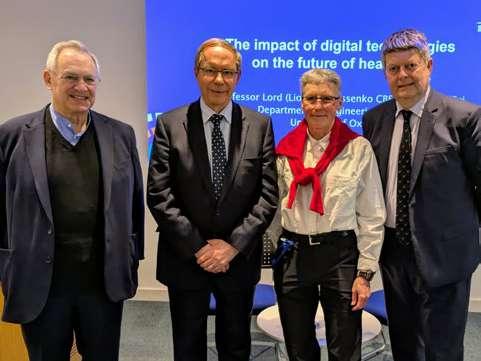
Honorary Fellow Stephen Barclay, Reuben College President Lord Tarassenko, Governing Body Fellow Professor Trish Greenhalgh and Principal Sir Michael Dixon after the Barclay Lecture in May. The lecture, given by Professor Tarassenko, was on the impact of digital technologies on the future of healthcare. The lecture was generously supported by the Barclay family in memory of Clifford and Evelyne Barclay
In 2025, Green Templeton continued to to build on the momentum of the previous year, with renewed ambition and a deepening sense of connection across our global community.
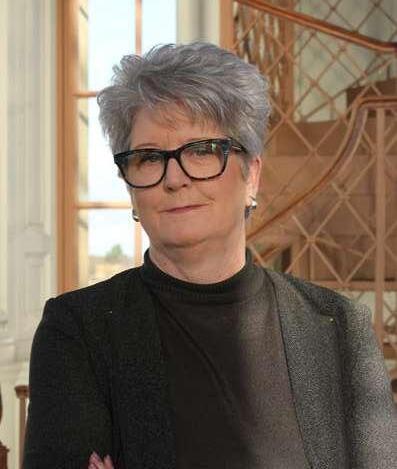
The development team has entered an important new chapter with the arrival of Head of Development Maren Florenz, Head of Alumni and Supporter Engagement Kate Gaffka, Regular Giving and Supporter Engagement Officer Annabel Lockie and Specialist Project Fundraiser Jo Human. Each brings valuable experience and energy to our work.
With our expanded team, we are now better positioned to inspire a globally connected community rooted in generosity and enduring relationships, empowering philanthropy to advance the mission and future of Green Templeton College.
I am pleased to share the college events programme for 2026 (pages 34-35). By publishing these dates well in advance, I hope to make it easier for alumni and friends around the world to plan ahead and join us for the occasions that matter most.
Alongside our events, alumni groups across the world are creating their own distinctive calendars of activity. Building on existing energy in London, Malaysia, Australia, New Zealand and Singapore, new groups have emerged in Hong Kong, Switzerland and the Netherlands, and we are exploring groups in cities across North America. Each group is developing its own character through events and gatherings of local communities, offering additional opportunities for alumni to connect with one another.
I am also pleased to share that we will be launching new volunteering opportunities in 2026 that will allow alumni to support our community, strengthen networks and contribute directly to college life. Details will follow in the months ahead, and I hope many of you will consider taking part.
We have introduced new ways for alumni and friends to support the college, whether through regular gifts that provide dependable financial assistance to students, or through legacy commitments that help secure our college for future generations. These forms of support are vital as we continue work on major priorities including the conservation of the Radcliffe Observatory site, expanding opportunities for our students, and developing new academic initiatives.
Another important moment is the college's first Giving Week in June. It’s a week that will bring our entire community together in person and online and encourage generosity, through time, money or advocacy, and give everyone a chance to contribute to the future of the college.
As ever, the development team can only succeed with the partnership of our community. I remain deeply grateful for the continued enthusiasm of our alumni and supporters, and I look forward to seeing many of you during the year ahead.

Ceri Butcher Director of Development January 2026
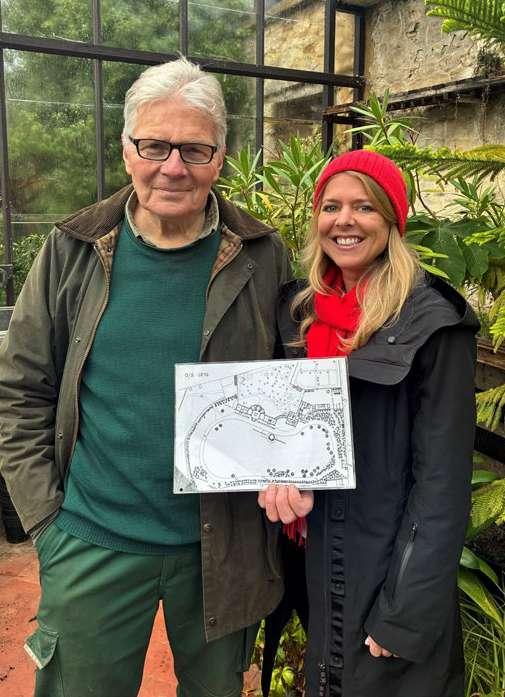
Green Templeton is delighted to introduce the Pirie Society, the college’s first legacy society, established in recognition of Michael Pirie, who has served with remarkable dedication as Head Gardener since 1980. For 46 years, Michael has been – and still is – a steady and much-loved presence at the heart of the college, shaping not only its landscape but also its sense of community and belonging.
Michael’s craftsmanship is evident throughout the seasons: in the borders he has designed, the trees he has planted, the orchard he has restored, and the many peaceful corners he has tended with such care. His deep knowledge of the grounds is equalled only by his kindness and generosity towards those who study and work here. Generations of students, fellows and colleagues speak warmly of his gentle humour and reassuring presence, which have long formed an enduring thread between past, present and future.
It is this spirit of stewardship and quiet devotion to place that makes Michael the natural namesake for our first legacy society. The Pirie Society recognises those who choose to remember Green Templeton in their will, helping to secure the college’s future just as Michael has nurtured its gardens year after year. Through their commitment, legacy donors contribute to the long-term flourishing of the college and its community.
This is a legacy rooted in care, continuity and the belief that what we cultivate today will benefit generations to come.
As the first member of the society, Michael looks forward to welcoming our founding members to the inaugural Pirie Society Afternoon Tea in April 2026.
If you would like to know more about joining the Pirie Society, please contact Head of Development Maren Florenz at maren.florenz@gtc.ox.ac.uk

Through a generous partnership with Italian banking group Intesa Sanpaolo, launched in 2017, talented women from around the world have been supported to pursue the Oxford MBA at Green Templeton. These scholarships have enabled recipients to immerse themselves fully in their studies, free from financial pressures, and to bring their diverse experiences into the classroom and beyond. The graduate scholarships cover course fees and a grant for living costs of over £20,000.
The scholars, along with Green Templeton’s Principal Sir Michael Dixon and Director of Development Ceri Butcher, reunited in Milan in July to celebrate this enduring partnership and discuss its significance.

Manu Gupta (2019)
Being the first woman in my family to work full time, I greatly value independence and empowerment. After working in financial services, I moved to Teach for India and mentored 120 girls at a lowincome school in New Delhi, which exposed me to realities in vulnerable communities and gaps in grassroots systems. The scholarship enabled me to sharpen my skills and combine my interests in consulting, project management and social impact.

Beth Wesche (2020)
The scholarship was transformative. It gave me the freedom to be intellectually curious at Oxford, to take risks with my education without worrying how I would pay for my MBA. It was a source of validation that I belonged at Oxford and could make the most of that extraordinary year. Without it, my experience would have looked completely different, and I’m deeply grateful for the opportunity it created.

Lakshmi Chockalingam (2021)
Coming from India and a nonprofit background, the scholarship gave me both financial freedom and the confidence to know my voice mattered in a global classroom. It allowed me to think deeply about structural inequities in education. I’ve worked in digital transformation consulting for the public sector in the UK, and now at India’s largest startup incubator in Bangalore, helping drive innovation and entrepreneurship.

The scholarship was incredible because it allowed me to bring my background in social impact – as co-founder of a nonprofit – into the world of business and philanthropy. It gave me the resources and confidence to translate my experience into new skills and perspectives that continue to shape my career today.
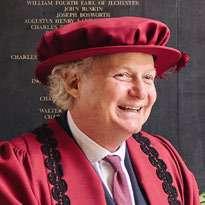
The primary goal of the Oxford–Intesa Sanpaolo partnership is to make highlevel academic education more accessible. It has always sought to distinguish itself as an example of inclusion and support for women’s empowerment.
We are particularly pleased to have found a natural and excellent ally in Green Templeton College. GTC embodies our values and is an institution of excellence that promotes high-level research in economics and medicine, innovation and environmental sustainability, as well as inclusion and openness towards talented young people from across the globe.
Stefano Lucchini
Chief Institutional Affairs and External Communications Officer for Intesa Sanpaolo and Associate Fellow of Green Templeton


Katherine Dellar (2022)
I was a diplomat in the Australian government, where I led global negotiations and international law litigation. I really wanted to see if I could have a broader impact by bringing together government, civil society and business perspectives. The MBA scholarship has completely unlocked a new world for me. The community of scholars can help navigate challenges including climate change, AI and inequality.

Malvika Gaekwad (2023)
I’m immensely grateful to Intesa Sanpaolo for making my Oxford dreams come true. Visiting Milan and learning how the bank combines profit with purpose and sustainability was inspiring. It’s amazing to see such alignment between my own values and those of the organisation that made this journey possible.

Sam Withey (2024)
This scholarship has truly changed my life. It opened the door to an Oxford education that I could not have accessed otherwise. Meeting Intesa Sanpaolo’s leaders in Milan and witnessing their deep commitment to social impact reinforced how much they value those working to create positive change. I’m deeply thankful to them for believing in the potential of those striving to use a business education as a force for good.
Together, these voices offer a snapshot of what sustained scholarship support makes possible. Over seven years, the Oxford Intesa Sanpaolo MBA graduate scholarship has enabled talented women from across the world to take part fully in the life of the college and to carry that experience forward into the next stages of their careers and we are deeply grateful for the continued support that makes this opportunity possible. To learn more about supporting future scholars, contact development@gtc.ox.ac.uk

The scholarship gives me the freedom to fully focus on being a student and leader committed to excellence and equipped to help drive sustainable industrialisation and equitable growth across African economies. It is a vote of confidence in the power of women to redefine what progress looks like and to ensure that Africa’s development is shaped by those who understand its promise and potential.
We’re pleased to share our events programme for 2026, offering opportunities to reconnect, celebrate and engage with the college community. In addition to these flagship events, our regional alumni groups host their own activities throughout the year. We look forward to welcoming you at any or many of these events in the months ahead.
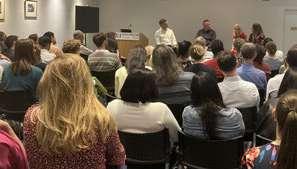
Flagship series exploring healthcare innovation
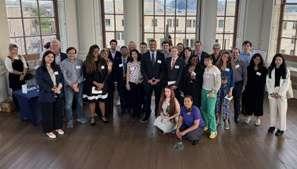
Thursday 21 May
A relaxed reception connecting current students with alumni for conversation and mentorship
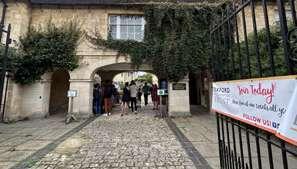
Sunday 13 September
An opportunity for everyone to explore Oxford’s buildings, heritage and academic spaces

Wednesday 18 March
A dinner connecting members of the Richard Doll Society with medical alumni

20-27 June
Exciting opportunities to give back, volunteer, and strengthen our community through a vibrant mix of online and in-person activities
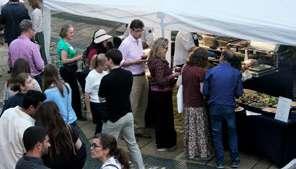
Friday 18 September Alumni and
A casual outdoor barbecue for alumni, friends and families to kick off Oxford’s Meeting Minds Alumni Weekend

Thursday 16 April
An informal drinks gathering for alumni and friends in London, kindly hosted by Associate Fellow Hendrik Puschmann

Saturday 20 June Alumni Summer Party
A family-friendly celebration filled with entertainment, activities and plenty of summer cheer for alumni and their families of all ages

Saturday 19 September
The flagship black-tie dinner for an evening of celebration, connection and outstanding hospitality
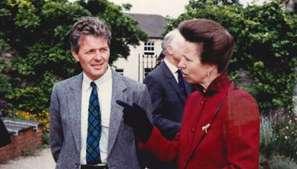
Thursday 23 April
An afternoon tea to celebrate the launch of our new Legacy Society to recognise those who have included the college in their will
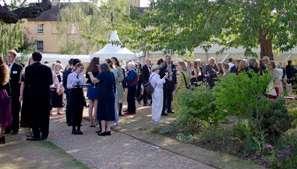
Thursday 25 June
An annual reception that showcases highlights from across the college community

December Christmas at Green
A festive celebration marking the end of the year with alumni, fellows, students and friends
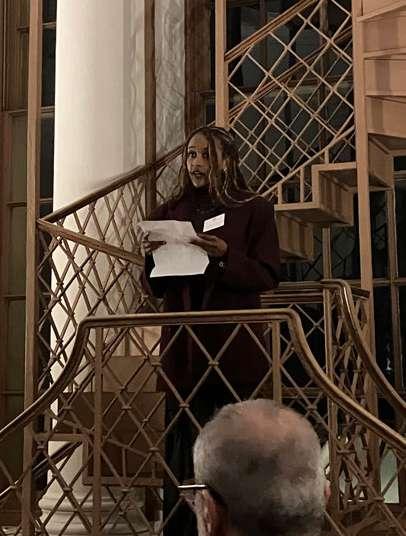
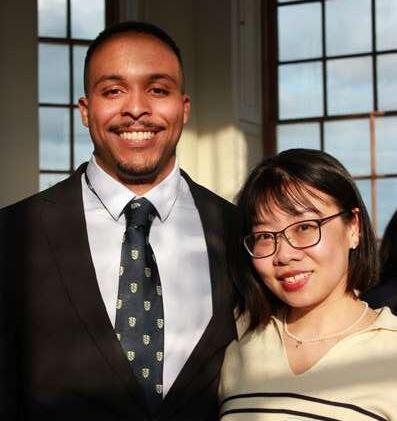
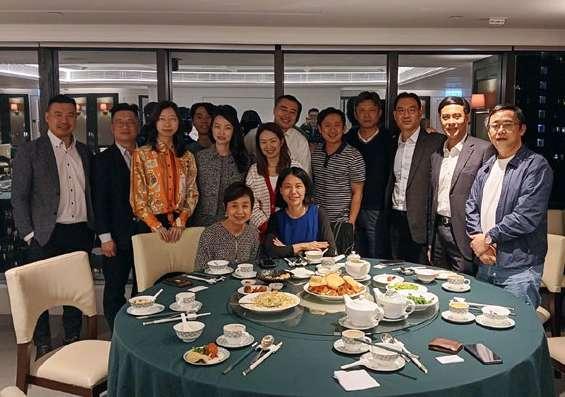
Sociology,
and Candice Tian
Education [Higher Education], 2017) representing students and alumni respectively at a networking event for college members at different stages of their careers in June
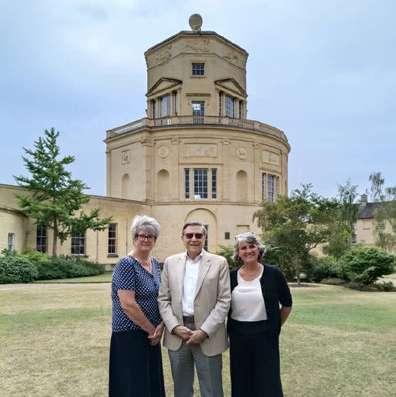
Chair Professor
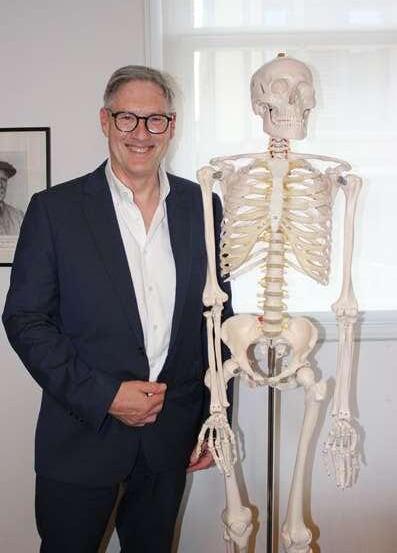
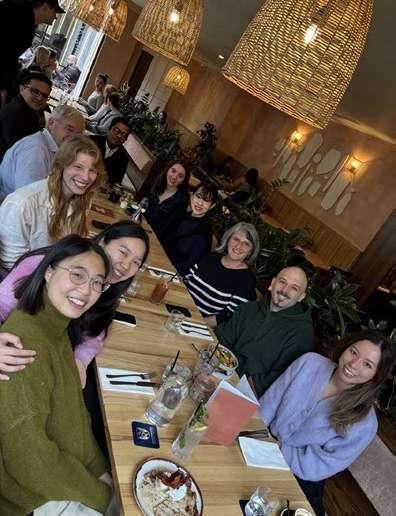
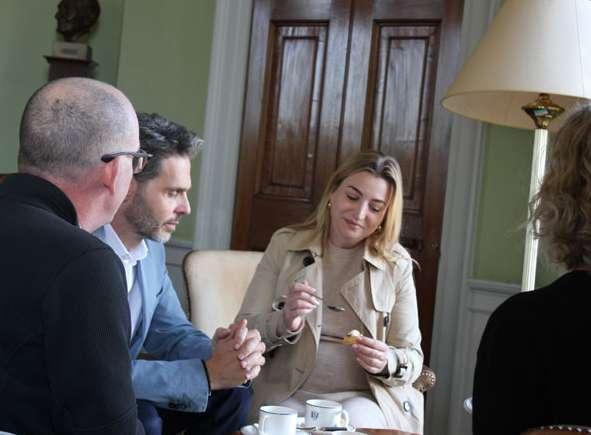
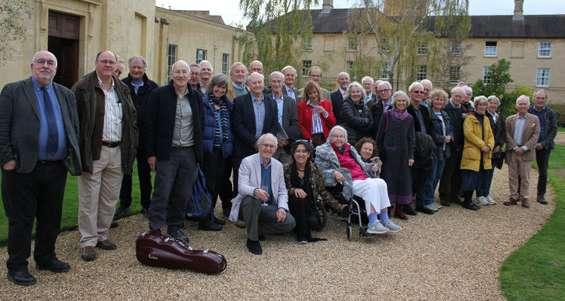
Caitlin Murnane and Mary Daly published an overview of research, organisations and activities in long-term care supported by Care Dorset and two anonymous donors in February. This was the precursor to a grant from the Van Houten Fund, which is facilitating further work exploring an expansion of work on care in college.
Dr Emma Cunliffe was elected an Honorary Fellow. She is Principal of Green College, University of British Columbia.
Professor Chris Young was elected an Honorary Fellow. He is Master of St Edmund’s College, University of Cambridge.
Professor Fadi Issa has become a Governing Body Fellow. He is Chair of Transplantation, University of Oxford and a Consultant Plastic, Reconstructive and Burns Surgeon.
Professor Eero Vaara joined as a Senior Research Fellow. He is Professor in Organisations and Impact at the Saïd Business School.
Professor James Sheppard became a Senior Research Fellow. He is a Professor of Applied Health Research at the Nuffield Department of Primary Care Health Sciences.
Dr Michelle Degli Esposti joined as a Research Fellow. She is Associate Professor at the Department of Social Policy and Intervention.
Dr Michelle Fernandes became a Research Fellow. She is Clinical Lecturer, MRC Clinical Research Training Fellow and a Neonatal Medicine GRID trainee (ST8) at the Department of Paediatrics. She is Director of Early Brain Science at the Oxford Maternal and Perinatal Health Institute.
Dr Bridget Kustin became a Research Fellow. She teaches at the Saïd Business School, where she is a fellow of the Skoll Centre for Social Entrepreneurship.
Dr Henrique Laurino dos Santos joined as a Research Fellow. He is an Associate Professor at the Saïd Business School, University of Oxford.
Dr Lennard Lee joined as a Research Fellow. He is Associate Professor at the Nuffield Department of Medicine and Chief Medical Officer of the Clinic at the Ellison Institute of Technology.
Dr Trent Allen joined as a Joan and Richard Doll Fellow. He is a Specialty Registrar in Emergency Medicine in the Thames Valley deanery.
Dr Emily Morris became a Joan and Richard Doll Fellow. She is an Internal Medicine Trainee at Oxford University Hospitals NHS Foundation Trust and an alum of college.
Hazem Danny Nakib joined as an Associate Fellow and member of the Principal's Circle. He is a financial and digital technology expert, investor and operator having invested in and grown dozens of technology companies.
Dr Máire Brankin became an Associate Fellow. She is a social anthropologist, and an experienced executive coach.
Professor Paul A. Corris became an Associate Fellow. He was previously a Teaching Associate and is Emeritus Professor of Thoracic Medicine and a graduate of University College and Westminster Medical School London.
Dr Richard Fletcher became an Associate Fellow. He is the Deputy Director and Director of Research at the Reuters Institute for the Study of Journalism.
Dr Meera Joshi became an Associate Fellow. She is a medical doctor, artist and psychological trauma specialist.
Dr Christiaan de Koning joined as an Associate Fellow. Fascinated by how science and technology shape society, he supports science entrepreneurs and advises institutions on commercialising research for impact.
Professor Jim McManus became an Associate Fellow. He is National Director of Health and Wellbeing for Public Health Wales and Deputy Chair of the Scientific Advisory Board for the UK Prevention Research Partnership.
Professor Sahana Rao became an Associate Fellow. She is the Director of Undergraduate Medical Education and Consultant Paediatrician at Oxford University Hospitals.
This reflects changes between November 2024 and November 2025
Alex Shee is a Visiting Research Fellow and Visiting Policy Fellow at the Oxford Internet Institute. He is a former lawyer, venture capital investor and leader at AI companies.
Professor Igor Rudan is a Visiting Research Fellow. He is a British-Croatian scientist, writer and science communicator at the University of Edinburgh.
Professor Michael Kidd is a Visiting Senior Research Fellow. He holds a joint appointment with the Nuffield Department of Primary Care Health Sciences and as Director of the Centre for Future Health Systems based at the University of New South Wales.
There have been a number of new members of Governing Body this year.
Professor Stephanie Dakin is a Versus Arthritis Career Development Fellow and a veterinary surgeon.
Professor Rob Fender was until recently Head of Astrophysics and his particular research interests are in the areas of accretion and feedback around relativistic objects.
Professor Xiaolan Fu is Founding Director of the Technology and Management Centre for Development and founder of OxValue.AI.
Professor Mark Graham is based at the Oxford Internet Institute and his research examines how digital technologies intersect with geographic contexts.
Professor Fadi Issa is Chair of Transplantation at the Nuffield Department of Surgical Sciences and a Consultant Plastic, Reconstructive and Burns Surgeon.
Professor Sir Martin Landray was founding Deputy Director of the Big Data Institute and is also Chief Executive of Protas.
Thanks to Professor Mary Daly who retired from Governing Body and has been elected Emeritus Fellow in recognition of her long service.
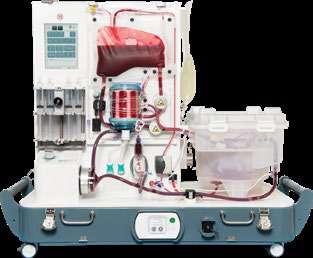
Pioneering kidney and liver transplantation spinout OrganOx co-founded by Governing Body Fellow Peter Friend was acquired by Terumo Corporation, a global medical technology company headquartered in Tokyo, Japan, for a record $1.5 billion in October. This marked the largest exit in the university’s spinout portfolio to date and the first in excess of £1 billion.
OrganOx specialises in organ preservation devices that keep donor organs functioning outside the body for significantly longer than traditional methods. The company was founded in December 2008 by Peter, a consultant transplant surgeon, and biomedical engineering Professor Constantin Coussios OBE through Oxford’s Nuffield Department of Surgical Sciences and the Institute of Biomedical Engineering.
Peter said: ‘As a clinician, I’ve seen first-hand the limitations of traditional organ preservation. OrganOx technology is transforming the landscape of organ transplantation, with huge impact on both patients and surgeons. The success of this venture results from a highly effective synergy between two academic departments and the support from the University of Oxford has been instrumental in translating our research into real-world impact.'
OrganOx had earlier won the MacRobert Award 2025, the longest running and most prestigious prize for UK engineering innovation.
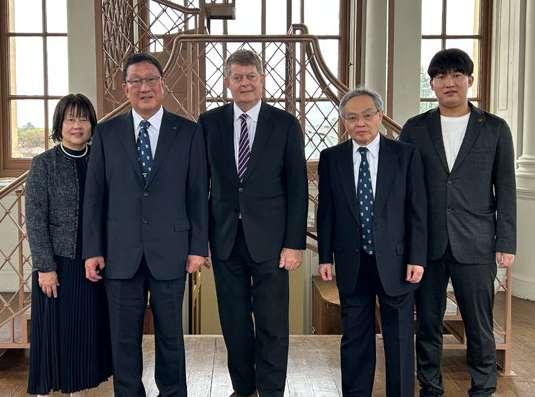
Celebrating the college’s partnership with the Kawasaki Gakuen with a visit from their chairman of board of directors (and Radcliffe Fellow at Green Templeton) Dr Seiji Kawasaki (second left) in September
Associate Fellow Professor Dame Anne Marie Rafferty (DPhil History, 1985) was made a member of the House of Lords.
Senior Research Fellow Leon Feinstein will take up the headship of the Department of Education in January 2026.
Associate Fellow Dr Máire Brankin was conferred with an Honorary Doctorate from Oxford Brookes University to celebrate her career in leadership development.
Congratulations to Research Fellow Amedeo Minichino who was made an Associate Professor in the 2025 Recognition of Distinction round.
Emeritus Fellow Dr Chris Adams’ book Becoming a Brain Surgeon was published.
Emeritus Fellow Professor Keith Frayn’s book A Calorie is a Calorie: The Inescapable Science that Controls Our Body Weight was published.
Professor Stephanie Dakin was awarded a Royal College of Veterinary Surgeons Diploma of Fellowship.
Professor Xiaolan Fu was appointed to the United Nations High-level Advisory Board on Economic and Social Affairs.
Green Templeton heard of the deaths of several college members this year. They include Associate Fellow Alan Berman and former Lodge team member Kevin Morgan
The college was pleased to welcome 11 new Research Fellows at the start of the year. This followed an open competition to enhance and expand the college’s network.
The non-stipendiary fellowships are aimed at early career researchers with funded positions in Oxford.
The new Research Fellows join the college’s 300-strong fellowship and across the year have already been actively enriching the community.

Dr Verena Hinze is a Research Fellow at the Department of Psychiatry. Her research explores the connection between physical and mental health, with a particular focus on young people. She is especially interested in understanding the link between chronic pain and severe distress, including the risk of self-harm. She collaborates closely with pain management services to ensure that her research addresses real-life needs.
Dr Claire Keene is a health systems researcher and the Deputy Director of the MSc in Health Service Improvement and Evaluation. She brings a diverse background to her research: working as a medical doctor, conducting clinical trials and operational research, and leading a large HIV and tuberculosis project for Médecins Sans Frontières. She applies precision public health concepts to making service delivery more efficient and responsive.

Dr Lisa Hinton is an Associate Professor in the Nuffield Department of Primary Care Health Sciences. She works to understand and improve patient care with a major focus on health experiences, women’s health and maternity care, the consequences of digital health for new care pathways and health inequalities. She trained as a journalist and was seconded to the Health Select Committee before moving into academia.

Dr Hilary Hoyt is a Postdoctoral Research Fellow at the Centre for Corporate Reputation. She explores problems in organisational life using both qualitative and quantitative methods to access lived experiences. Much of her work lies at the intersection of workplace relationships and organisational change. Previously, Hilary helped large organisations assess workers’ experiences, develop training materials and measure social impact.
Dr Amedeo Minichino is a consultant psychiatrist and Associate Professor in the Department of Psychiatry. His research focuses on how the gut microbiome influences the effectiveness and tolerability of psychotropic medication, combining clinical studies, in vitro experiments and animal models. Clinically, Amedeo leads an NHS service dedicated to identifying and supporting young people at risk of severe mental illnesses.

Dr Mahima Mitra is a Senior Lecturer in Organisation Studies at the Saïd Business School. Her current work examines individuals’ socioemotional experience at work, particularly in relation to career transitions, as well as the role of organisations in shaping leader identities. She has also worked as a managing consultant advising UK public sector clients across a range of policy areas including health, education and immigration.

Dr Keren Papier is a Nuffield Department of Population Health Fellow and Senior Nutritional Epidemiologist based at the Cancer Epidemiology Unit. She leads research on the long-term health impacts of plant-based diets, having established the Feeding the Future Study and serving as a Principal Investigator of the EPIC-Oxford study. Her work also investigates how diet and the blood proteome influence cancer risk.
Dr Bridget Steele is a Lecturer in Evidence Based Social Intervention and Policy Evaluation. Her focus is on employing mixed-method and communityengaged designs to understand structural violence at the intersection of gender, education and health. Bridget is the Principal Investigator of the Oxford Understanding Relationships Sex Power Abuse and Consent Experiences study and leads research on measuring and preventing sexual violence.

Dr Darragh O’Brien is a Group Leader in Translational Proteomics and Neurodegenerative Disease at the Nuffield Department of Medicine. He is particularly interested in how protein structural disorder and modification influence protein function and misfolding. His research focuses on neurodegeneration and dementia, specifically the tauopathies Alzheimer’s disease and progressive supranuclear palsy.

Dr Laurence Roope is a Senior Researcher at the Nuffield Department of Population Health. His research spans development and health economics, with a particular focus on developing and applying innovative measures of inequality, poverty and societal wellbeing to inform public policy. He uses economic analysis to address major global challenges, including antimicrobial resistance, pandemics and environmental sustainability.

Professor James Sheppard is a Professor of Applied Health Data Science at the Nuffield Department of Primary Care Health Sciences. His research focuses on understanding the benefits and harms of commonly prescribed treatments using large-scale routine electronic health record data. His work involves systematic reviews, statistical modelling, causal inference epidemiology and clinical trials in primary care.


and
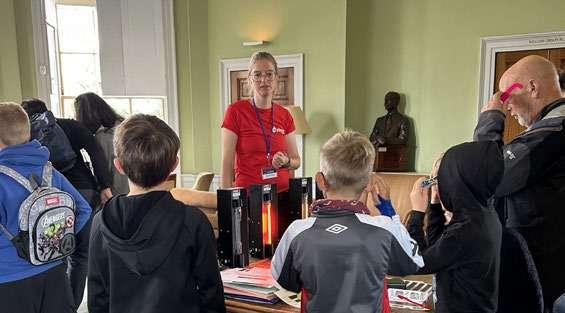
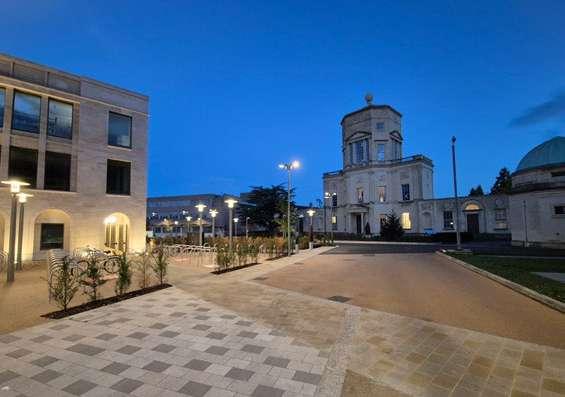
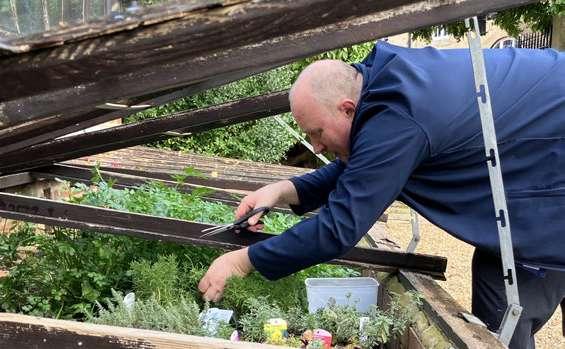
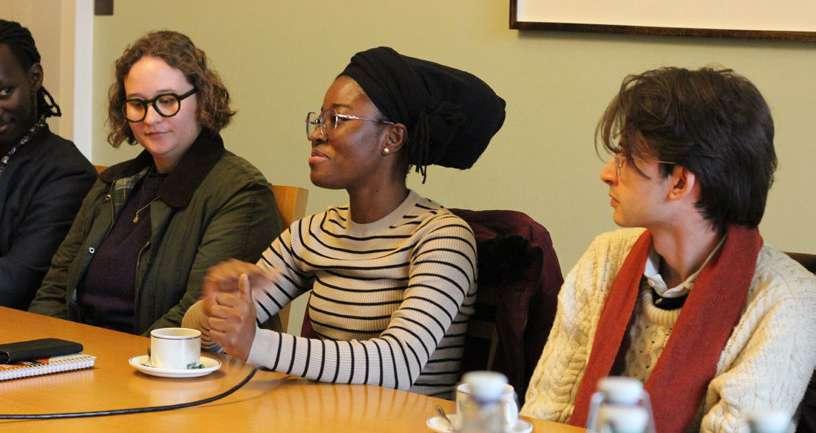
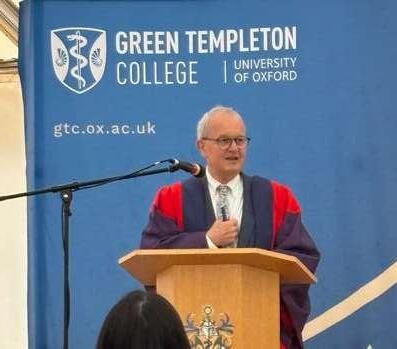



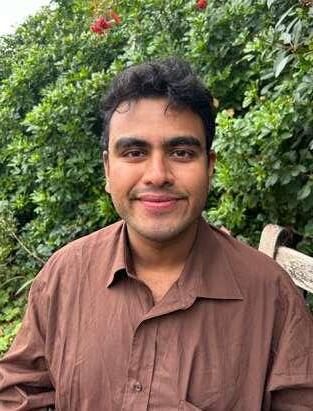

Kapil tells us about his journey to Oxford, his role in supporting student welfare and what he gets up to in his free time.
Can you tell us a little about yourself?
I qualified as a medical doctor in Durban, South Africa, where I worked for three years in different departments before moving to Oxford. I secured a Rhodes Scholarship to do my MSc in International Health and Tropical Medicine here at college. I’m now a DPhil student looking at a mutation in human DNA that could increase risk for infections.
Why did you apply to become a Junior Dean?
It’s a nice link with my background. One of the reasons I took up medicine is simply to help people. I've always had a passion for giving advice and for chatting with people so I felt that this role is essentially one that was created like for individuals like me. In a nutshell, I applied because I felt that it’s a way in which I could help fellow students.
Kapil Narain (DPhil Clinical Medicine, 2024) joined the Junior Dean team at the start of the new academic year. The Junior Deans are the first point of contact for students experiencing any issues that affect their welfare, big or small.
What are your main responsibilities?
If students are having a problem we are here. We can talk to them, and we can link them with the different services that are available. As Junior Deans we are often the first responders for student contact for anything as part of the welfare team. From Week 0 to Week 10 each term one of the three of us is here, literally 24/7. In the middle of the night students can reach one of us – nothing is too big or too small.
Could you say a bit more about your interaction with the wider Welfare team?
We’re very integrated into the college, whether that’s the accommodation team, the academic office or someone else. If it's an emergency, we would facilitate an ambulance and even travel to hospital with a student in a private cab if appropriate. But it's important to remember that the college is full of fantastic people. We’ve got amazing staff members – but we also have lots of international folks for whom moving away
"If students are having a problem we are here. We can talk to them, and we can link them with the different services that are available"
from home is a big transition. There are a lot of challenges with a Master’s or DPhil, so if there is any way in which we can make their life a little bit easier we’re glad to do it.
What are your ambitions for the future?
I'm still very much in the early stages of my DPhil, but I know that I would like to pursue a role specialising in infectious diseases. I’d like a role where I can see patients clinically and do some academic work as well.
Ultimately what I really want to do is help people with finding new treatments or prevention. From my history with public health work, I’m keen to combine my work seeing patients on the ground with my work in the lab to help shape policies to ensure that the greatest possible number of individuals have access to healthcare. In too many instances there are significant disparities where people who are poor can’t access care.
How do you relax outside your studies and Junior Dean duties?
I just love soaking up whatever is on in Oxford. I'm a big fan of theatre and I’m involved with running one of the student theatres. But I also enjoy watching professional theatre and the amazing classical music at the Sheldonian, which is really inexpensive and accessible. I'm a passionate member of the African Society, I love cooking and keeping active, having run the Oxford Half and walked 55 km across Oxfordshire for charity.
‘Throughout the moments of intense joy, doubt, pride, sorrow and excitement that make up the Oxford student experience, the college has been a source of support, friendship, inspiration and encouragement.
‘I feel immense gratitude and privilege to call Green Templeton my Oxford family.’
Dr Amy Booth (DPhil Translational Health Sciences, 2021)
Green Templeton College University of Oxford 43 Woodstock Road Oxford OX2 6HG
United Kingdom
gtc.ox.ac.uk bsky.app/profile/greentempleton.bsky.social facebook.com/greentempletonoxford instagram.com/greentempleton linkedin.com/company/green-templeton-college x.com/greentempleton