There are many colleges. There is only one Oberlin.

Hello! We hope you will find many things in these pages that remind you of you. Feel free to start anywhere. Your path through this viewbook—like your path at Oberlin—is totally up to you.
Hello! We hope you will find many things in these pages that remind you of you. Feel free to start anywhere. Your path through this viewbook—like your path at Oberlin—is totally up to you.
01
We offer one of the world’s most relevant undergraduate educations. In these pages, we’ll show you the many ways in which we make connections between excellence, passion, and impact. The classroom represents only the beginning of an Oberlin education.
02
Oberlin is a collaborative enterprise between students and professors. You’ll also learn about our academic culture, where students are known, valued, and mentored by astonishingly accomplished and accessible faculty.
03
Having both a college and a music conservatory on the same campus changes everything. The sociocultural magic that happens when you combine a renowned liberal arts college and an extraordinary conservatory of music benefits every student on our campus— in some ways obvious and others unexpected.
04
Our location inspires innovation. A palpable kindness permeates our campus and town. We’ll show you what it’s like to spend your college years in a place where you have room to breathe and the freedom to explore and apply new ideas.
05 Think one person can change the world? So do we. Our alumni—who were once exactly where you are now—have used their Oberlin educations to give the world more joy and hope, health and justice, and a more equitable, sustainable future.
CHANGING THE WORLD SINCE
1833
Oberlin adopted a policy to admit students of color (1835) and granted undergraduate degrees to women in a coeducational program (1841) before any other college in America.
2,530 students attend the College of Arts & Sciences. 570 students attend the Conservatory of Music.
80% of students travel off campus for study, service, or internships. 91.5 FM
200 of those students attend both the college and conservatory. years of guaranteed student housing. (Our newest residence hall opened in fall 2025.) 4
among liberal arts schools in the number of grads who go on to earn PhDs
80% of classes have fewer than 20 students.
Oberlin’s student and community radio station
500+ performances are given on campus each year.
WE MEET
100% of students receive need-based or merit aid.
490
student athletes compete in 21 NCAA Division III varsity sports. Plus, 19 club sports are open to all students.
Oberlin provides up to $5,000 to support a summer internship.
90+ majors in the College of Arts & Sciences and the Conservatory of Music
100 student-run Experimental College courses (classes taught by students, staff, and others)
175 student groups, ranging from hobbies, music, and sports to politics, faith, and identity

$5
to hang an original Monet or Picasso in your room for a semester, courtesy of our art museum
Our campus lies at the heart of a picturesque Ohio college town, just 40 minutes from Cleveland.
Our alumni include 15 MacArthur “Genius” Fellows, 4 Nobel Laureates, 9 Pulitzer Prize recipients, and countless Grammy Award winners.
We did it! Oberlin reached carbon neutrality in 2025—a pledge we made 20 years ago.
An Oberlin education is extraordinary, and each person experiences it differently. What you learn in the classroom is only the beginning. Your path at Oberlin will include many experiences and places, but they’re all connected. We call it Engaged Liberal Arts, and your journey begins on the very first day.
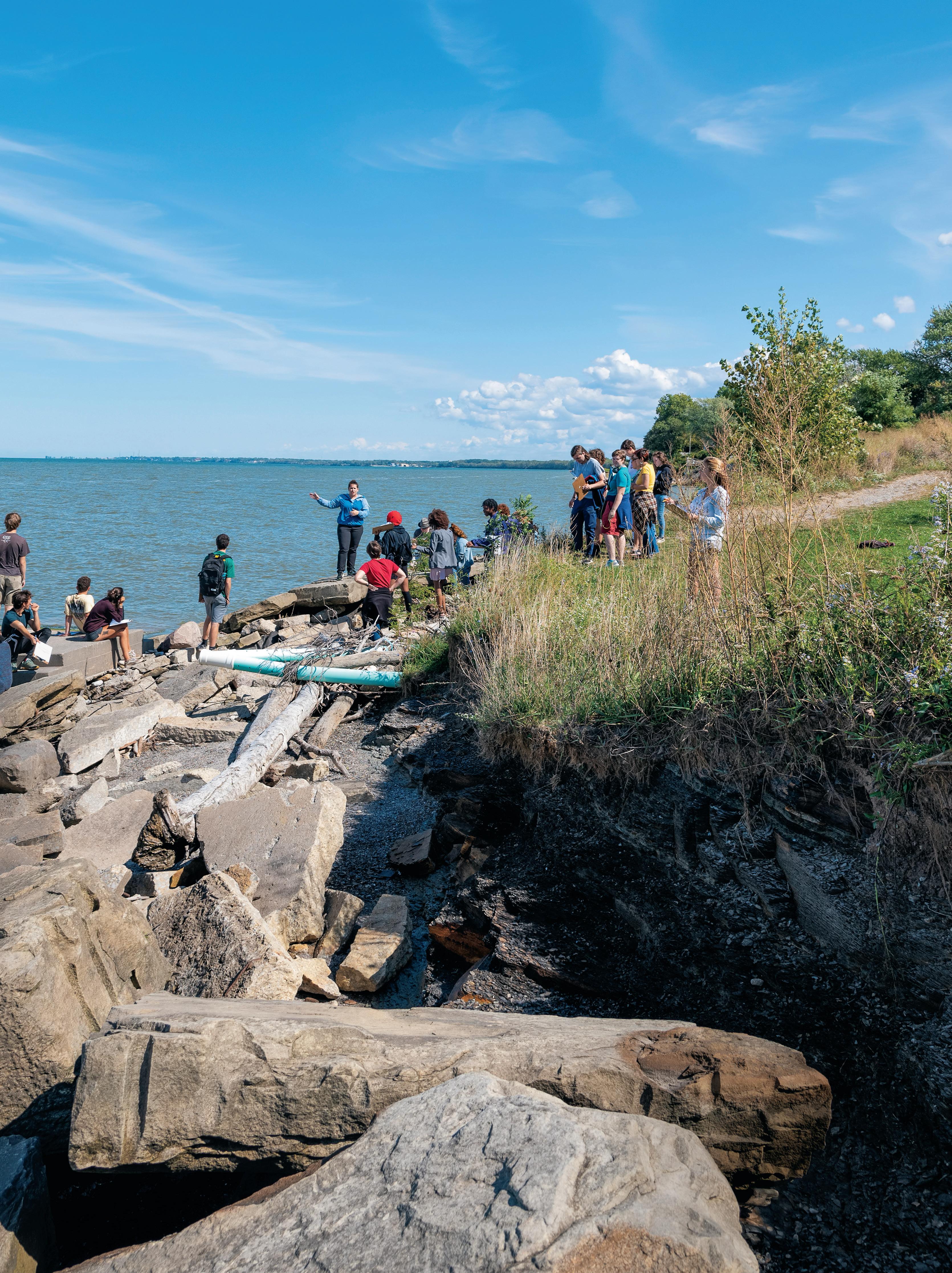
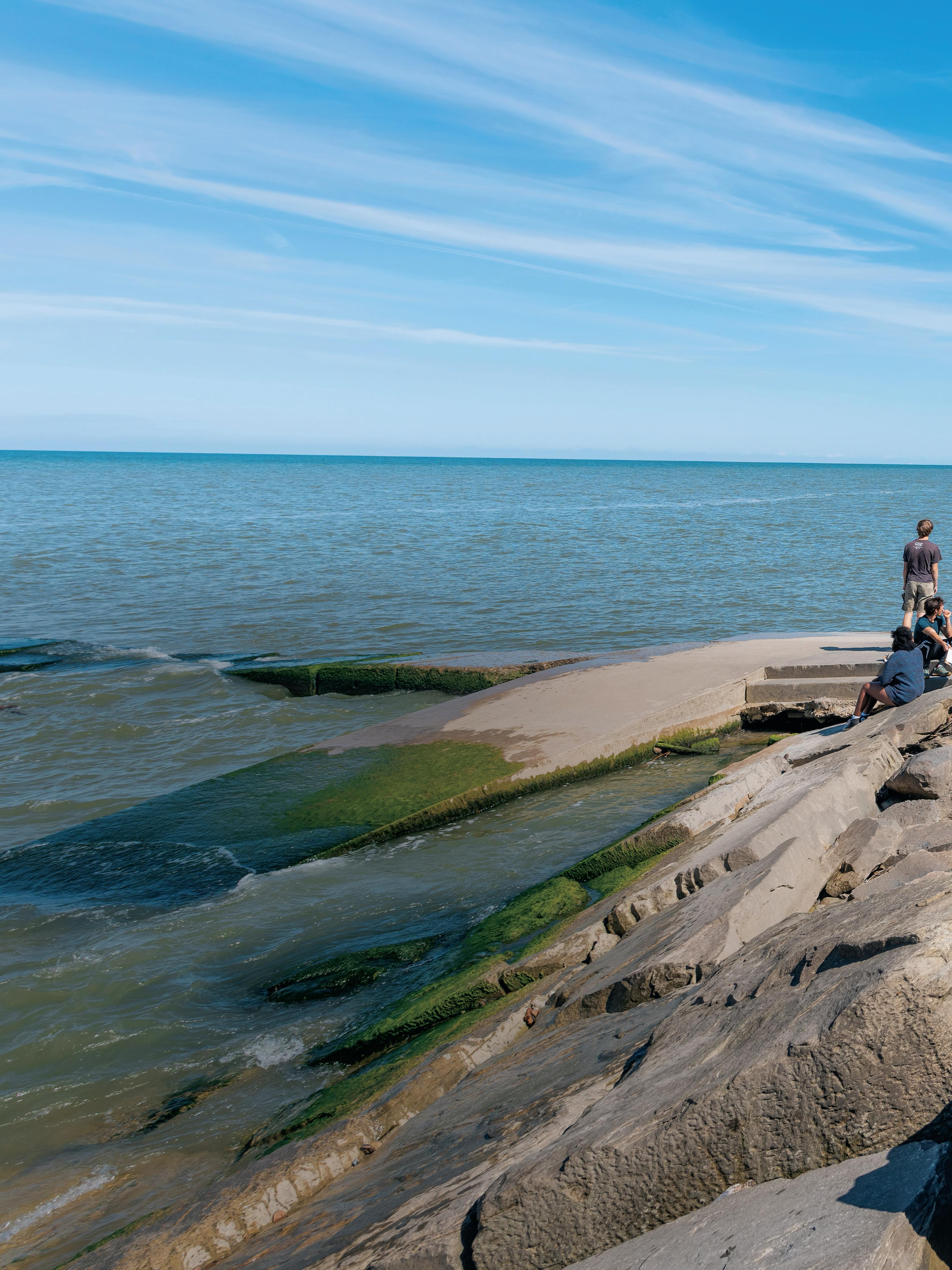
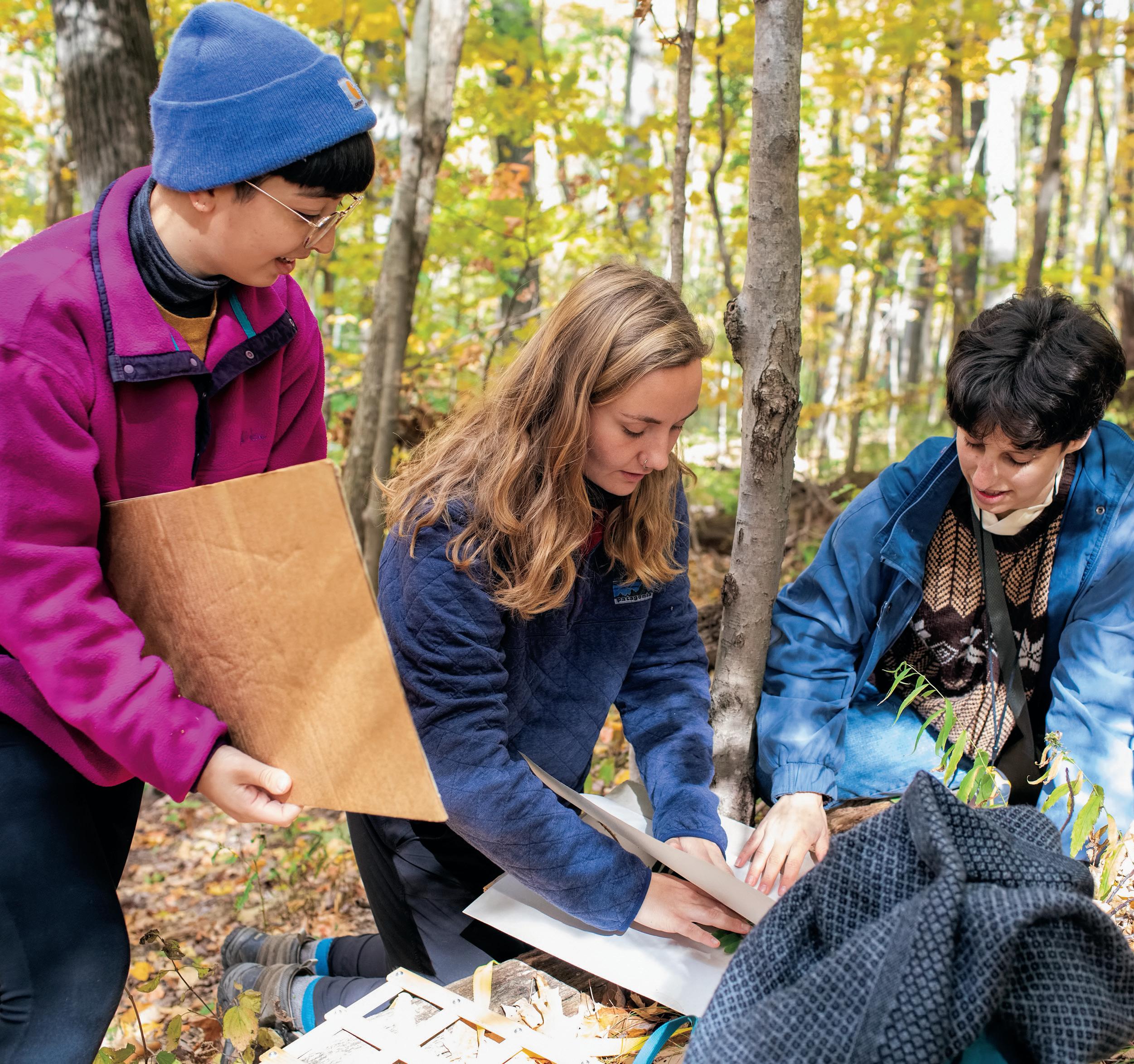
Geosciences and environmental studies students investigate erosion and water movement along
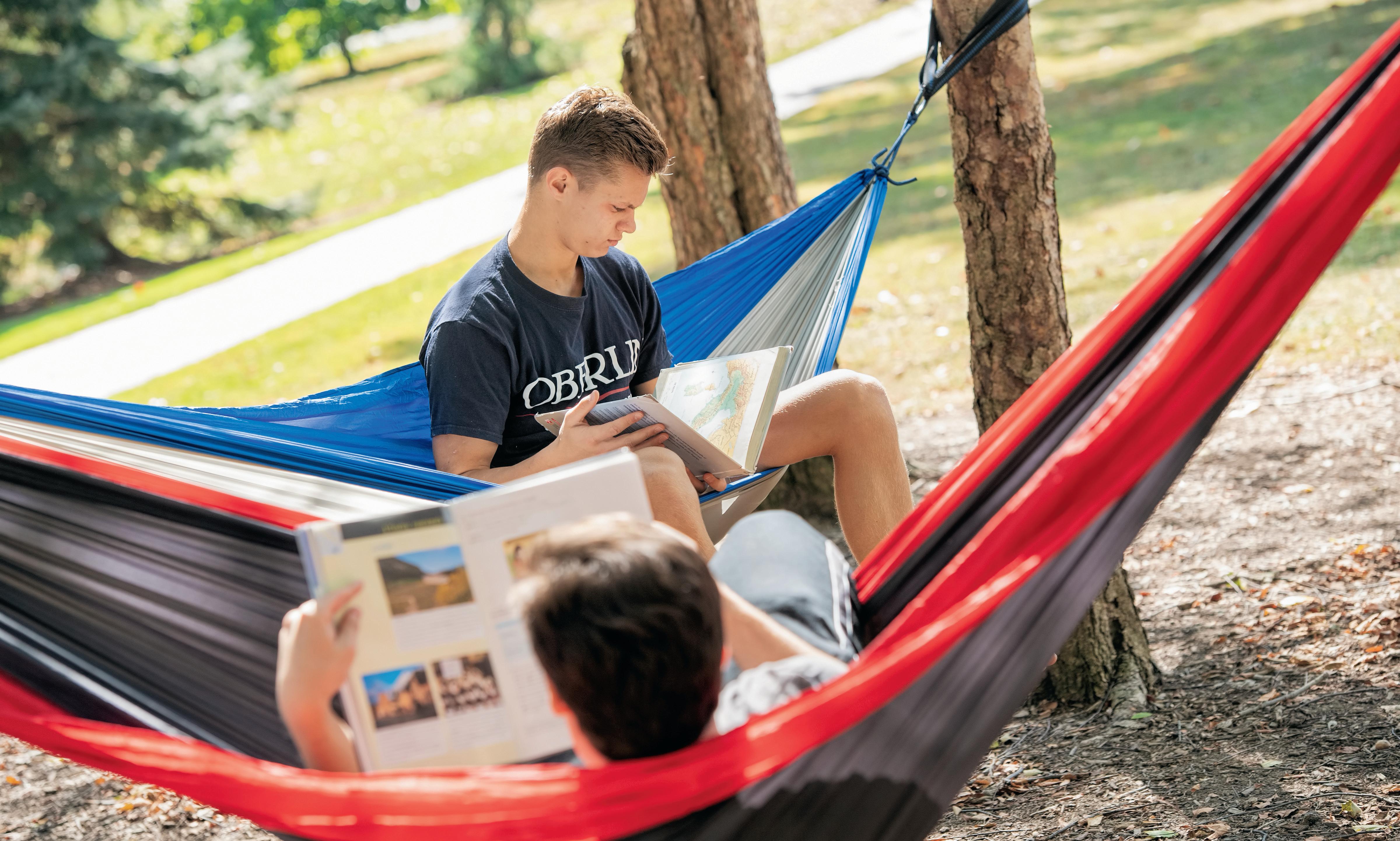
As an Oberlin student, you’ll spend quality time in the library (we have four of them), the science lab, the practice room, or the museum, but don’t worry—your friends will be there too. People come to Oberlin to learn.
Besides, you’ll have lots of time for other things. Maybe you’ll write for one of our many student publications, like the Oberlin Review, or the publication for neuroscience majors, or the literary magazine Wilder Voice. 1 Maybe you’ll host a radio show. You might work closely with a professor on a research project 2 or make dinner for 85 people at a co-op.3
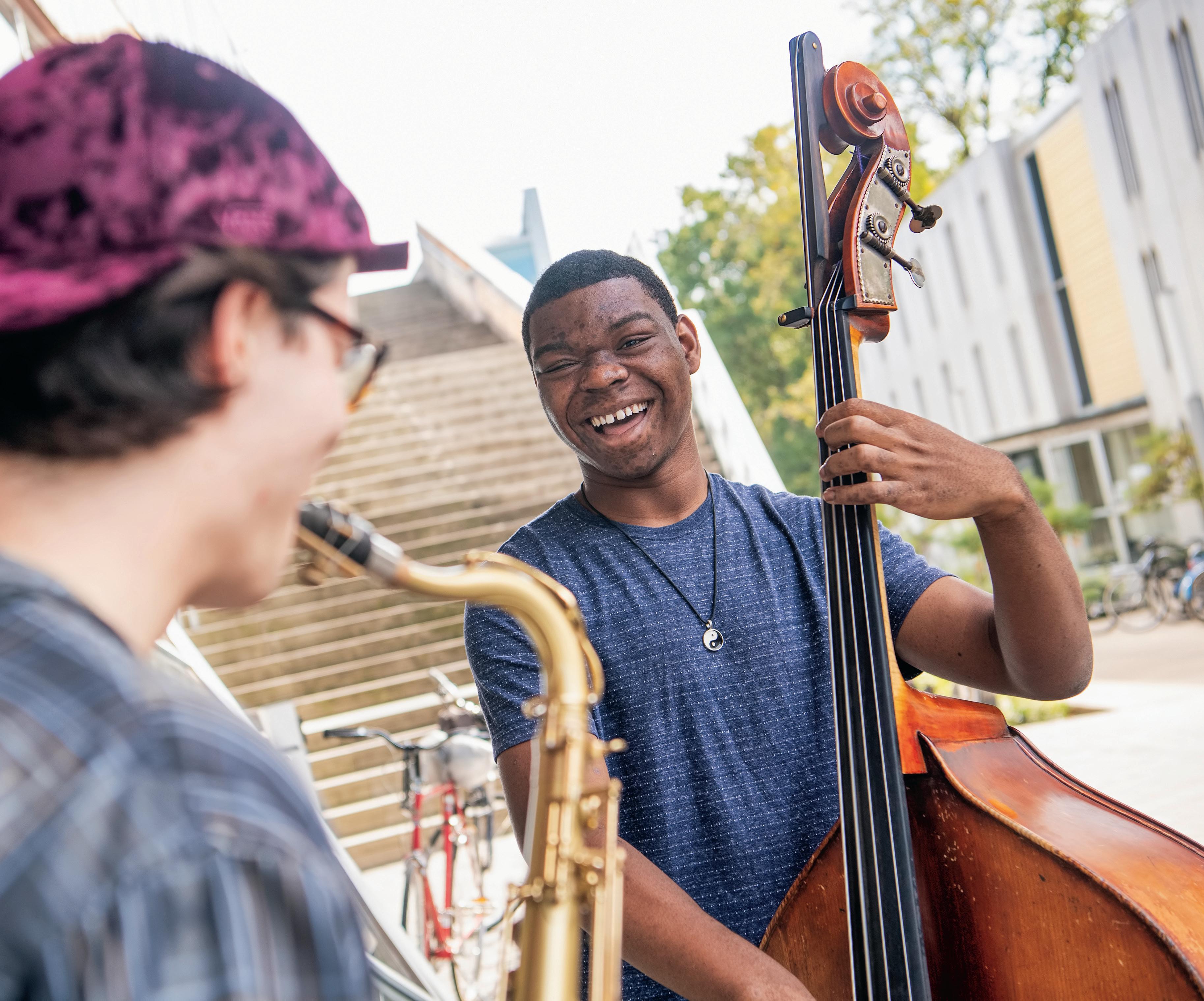
At some point, you’ll attend a football game or a yoga class, or participate in one of our 21 varsity sports. Maybe someone will hear you sing in the shower and ask you to join their pickup band. And whether you’re a college student or a conservatory student (or both!), you’ll definitely attend—or perform in—one of the 500 concerts Oberlin presents each year, from recitals and jazz workshops to the latest upand-coming talents in hip-hop, rock, indie pop, shoegaze, or dreampop.4
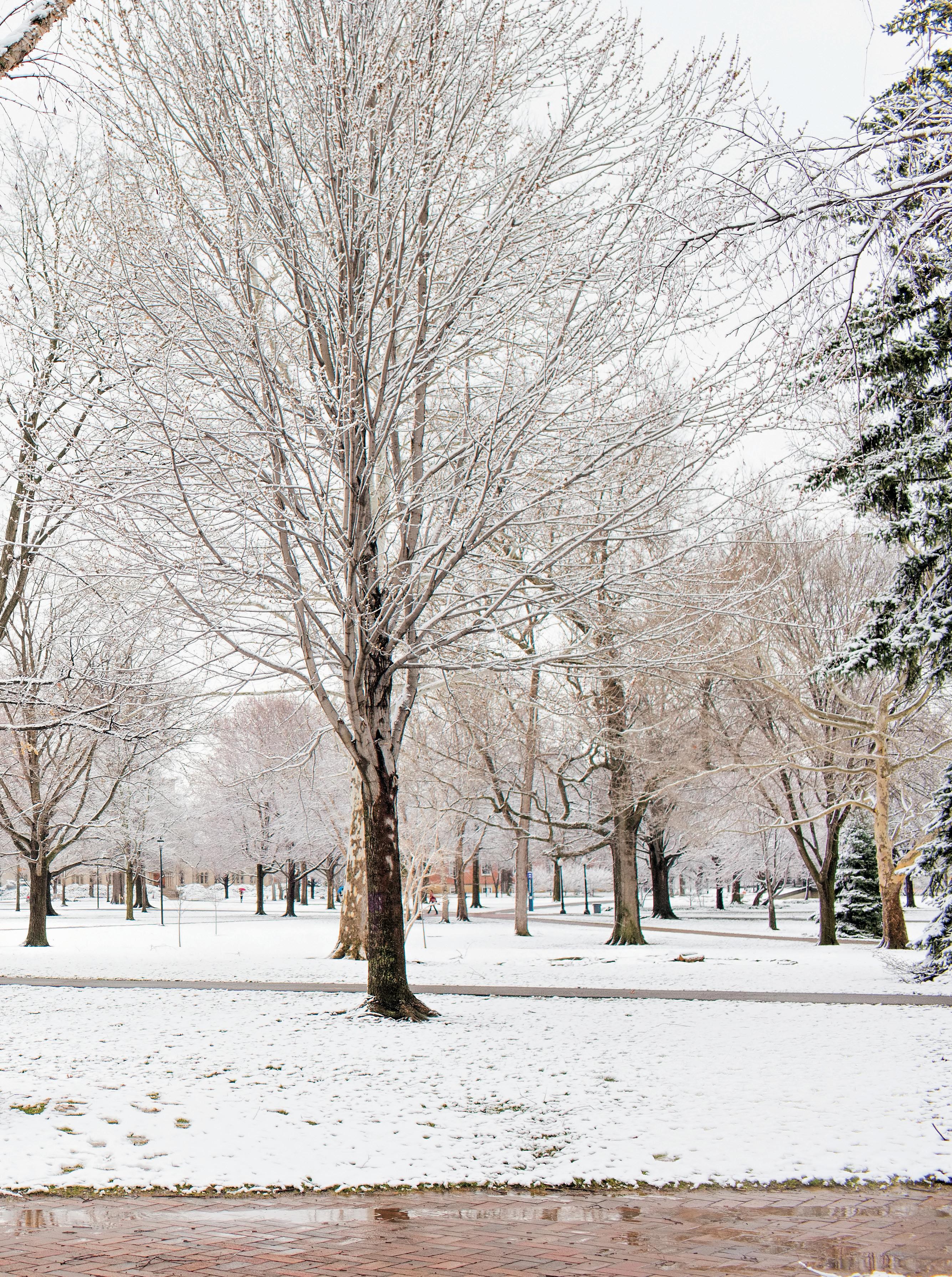
Ohio has four seasons— sometimes over the course of two or three days. Pack well.
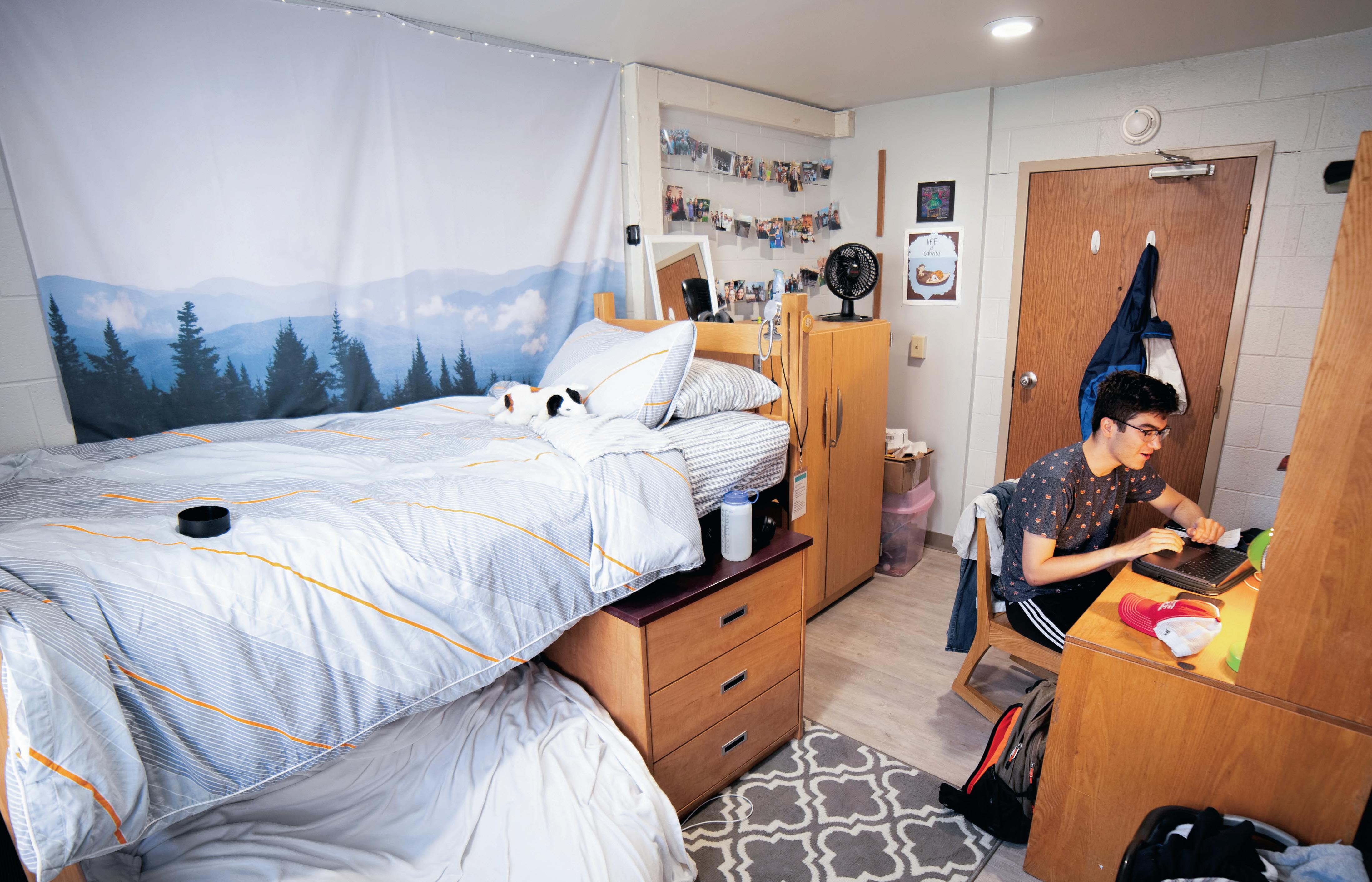
Welcome to Your New Home
Your year will start with orientation—a chance to get to know Oberlin and other first-year students. You and your 800 new friends will take a trip to nearby Cleveland, where you might visit the city’s amazing art museum, help out at a social service agency, or learn about the region’s rich heritage in industry, philanthropy, and politics. Also during orientation, you’ll learn about being a good citizen in a small (and incredibly charming) town. Oberlin has great coffee shops, bookstores, restaurants, and even a gallery that features local artists and doubles as a kitten rescue program.
1 Between our writing majors and many student-created publications, writing is as ubiquitous as music on campus—and many students go on to writing careers as authors or publishers or with news outlets, podcasts, TV shows, and movies. 2 Oberlin students work closely with professors on research, sometimes sharing authorship on papers and traveling to conferences to present them. 3 Oberlin has student-operated dining and housing co-ops, allowing real-world work experience and a sense of community—about 600 students participate in co-ops. 4 Music is truly everywhere at Oberlin—from informal jam sessions in dorm rooms to large orchestra concerts to bands at our small club called the ’Sco.
You might feel a little awkward being in a new place with new people. You might arrive with long hair and then cut it off by fall break. You might feel overwhelmed at first, but you’ll soon realize you know more than you think. A Peer Advising Leader—an older student who knows their way around—can help you figure things out. may also choose to enroll in a First-Year Seminar, allowing you to hone your skills in critical thinking and writing.6 In January, you’ll have your first opportunity for a Winter Term experience— you might study the Mafia in Palermo, meet investment bankers on Wall Street, or fold proteins in a lab on campus.
Your first year will go by fast. By the end, you’ll know where the Arb is,7 you’ll know that an order of tater tots at the Feve is enough for two people, and you’ll know how to engage your advisor, professors, and peers to help figure out your next semester’s schedule. If you aren’t yet sure of a major, no
5 At Oberlin, every first-year student has a Peer Advising Leader (PAL). PALs are returning students who are trained to help new Obies make lasting friendships and develop the skills needed to succeed academically. science and ethics of genetic manipulation, the meaning of jazz across time and place, and social justice in the United States. the edge of campus, is a beautiful preserve with trails, trees, and a reservoir and wetland. 8 Students declare a major by the end of sophomore year.

Choose from 90+ majors in the College of Arts & Sciences and the Conservatory of Music—or create your own.
College
Africana Studies
Anthropology
Archaeological Studies
Art History
Biochemistry
Biology
Book Studies*
Business
Chemistry
Cinema and Media
Classical Civilization
Cognitive Science*
Communication Studies
Comparative American Studies
Comparative Literature
Computer Science
Creative Writing
Dance
Data Science
East Asian Studies
Economics
Education Studies*
Engineering, 3-2
English
Environmental Science
Environmental Studies
Finance*
Financial Economics
Food Studies*
French
Gender, Sexuality, and Feminist Studies
Geosciences
German
Global Health
Greek Language and Literature
Hispanic Studies
History
Individual Major
Integrated Arts (BA+BFA)
International Affairs*
Jewish Studies
Journalism*
Latin American Studies
Latin Language and Literature
Law and Society
Linguistics*
Literary Translation*
Mathematics
Middle East and North African Studies*
Music*
Musical Studies
Neuroscience
Peace and Conflict Studies*
Philosophy
Physics and Astronomy
Politics
Pre-Med*
Psychology
Public Humanities*
Religion
Russian
Russian, East European, and Eurasian Studies
Sociology
Spanish*
Statistical Modeling*
Studio Art
Theater
Writing and Communication*
Performance
(18 areas of private study)
Historical Performance
(11 areas of private study)
Jazz Performance
(8 areas of private study)
Composition
Ethnomusicology*
Jazz Composition
Individual Major
Musicology
Music Theater
Music Theory*
Piano Pedagogy*
Piano Technology
Recording Arts and Production
Technology in Music and Related Arts (TIMARA)
Vocal Accompanying
African American Music*
Arts Administration and Leadership*
Arts and Creative Technologies*
Interdisciplinary Performance*
Music and Cognition*
Music and Popular Culture*
Pedagogy, Advocacy, and Community Engagement*
*Minor or concentration only
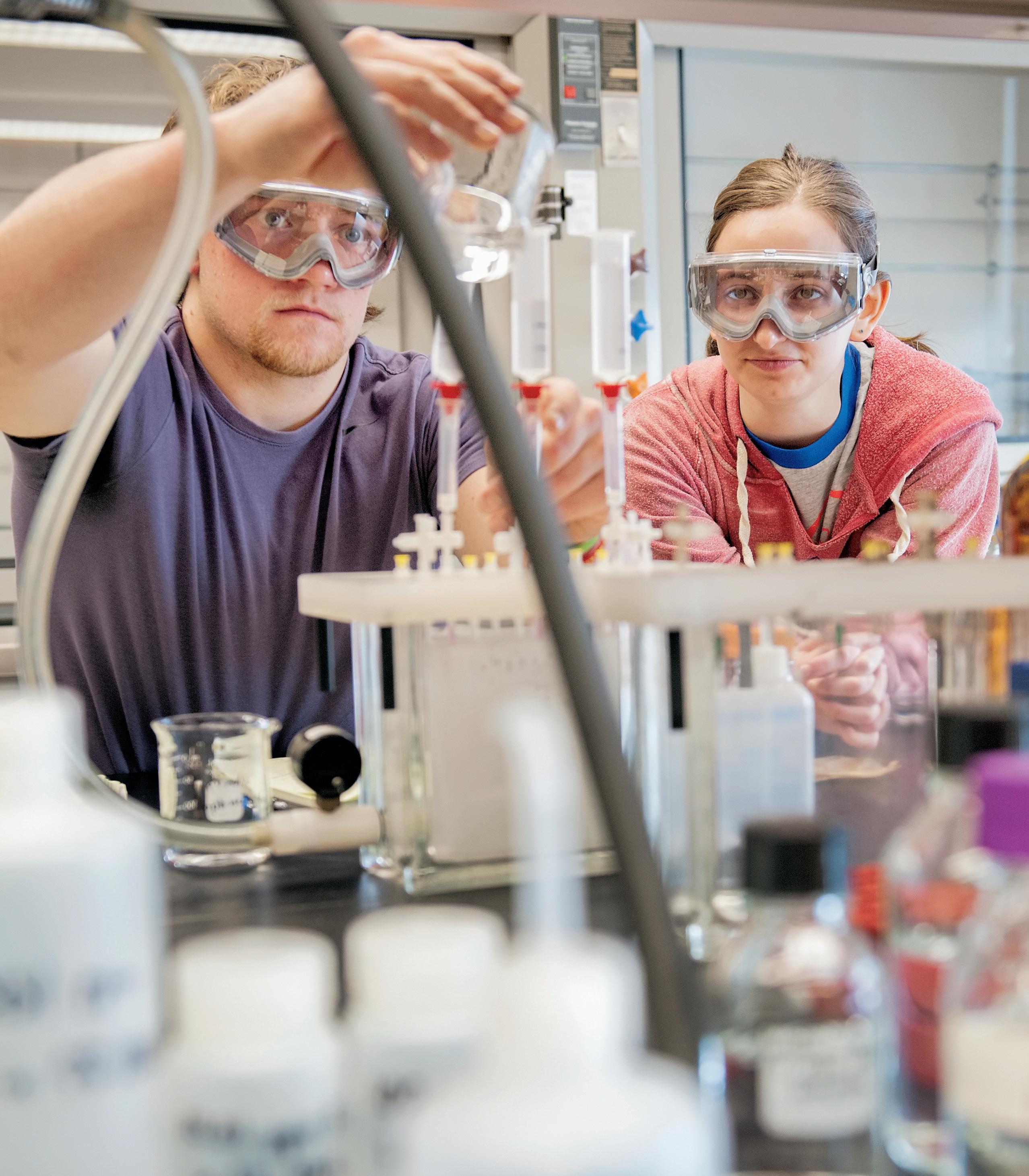
On our small campus without graduate students, Obies can work one-on-one with professors to take part in cutting-edge research and even coauthor and present papers at academic conferences beyond Oberlin. In the sciences, students have access to equipment and labs that you would expect to find at a large research university.
Samples of Student-Designed Projects
Love & Relationships in the Digital Era Philosophy and Studio Art
Interactive and Immersive Sound Design in Video Games: 8-Bit to Adaptive Virtual Reality Musical Studies and Computer Science
Effects of Promoting BloodBrain Barrier Permeability on Alzheimer’s Disease Pathology
Neuroscience
Cold Turkey: How the Political Climate Affects Family Interactions
Economics
Women Workers and the Labor Movement in Bangladesh’s Ready-Made Garment Industry English and Politics
IRIS: A Non-Tactile Electronic Musical Instrument for Solo and Collaborative Playing Percussion and TIMARA
You’ll explore interests outside of your regular coursework during Winter Term. For four weeks in January, you can develop a new skill, study a topic related to your major, conduct research, or prepare for a future career. Winter Term projects can be done independently or in groups and can take place on campus or around the world.
Recent Winter Term Projects
Business for Life
Business basics taught by a Hollywood insider, focusing on finance, marketing, human resources, and law.
A Road Trip Through the Deep South
An educational and community-building journey from Memphis to Atlanta, visiting historical sites and museums particular to the African American experience, focusing on the Civil Rights era and the arts.
Dresden (Germany) for Voice, Organ, and German Language Study
Voice majors interact with the coaching staff and singers at Opera Dresden; organ students explore instruments in Dresden and nearby cities; and German language students experience local culture and immersive study.
Guadalajara (Mexico) Immersion Program
Increase your fluency in Spanish by taking classes at the Instituto Mexicano-Americano de Cultura, while living with a host family and enjoying cultural excursions around the state of Jalisco.
Magazines: Past, Present, Future
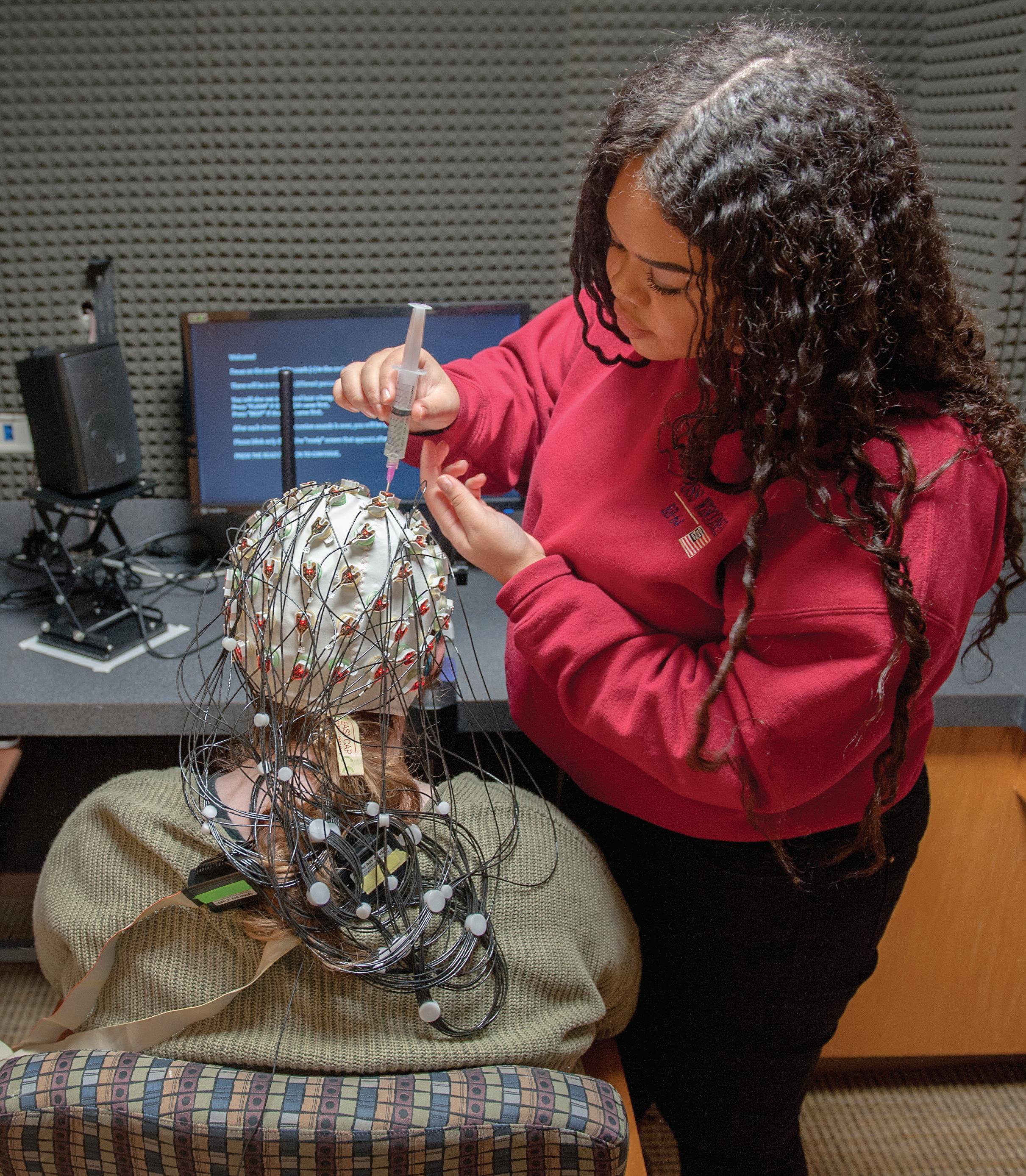
In this Winter Term project on campus, neuroscience and psychology majors use EEG monitoring to conduct multi-sensory neuroscience research. The project takes a close look at what’s happening within the brain.
50% of students study on campus during Winter Term. 3 Winter Term projects are needed to graduate. 92 group projects were offered during Winter Term 2025.
$0 to live on campus during Winter Term.
What characterizes magazines of the past 250 years? How do they reflect and promote cultural and political views? Access Oberlin’s outstanding collection of print magazines and create a magazine of your own.
Design Your Own Project
Write, direct, and screen your own film; build a website; learn Japanese; work on a music collective project and record your own songs; intern at an architecture firm. The possibilities are endless!
We Have a Museum
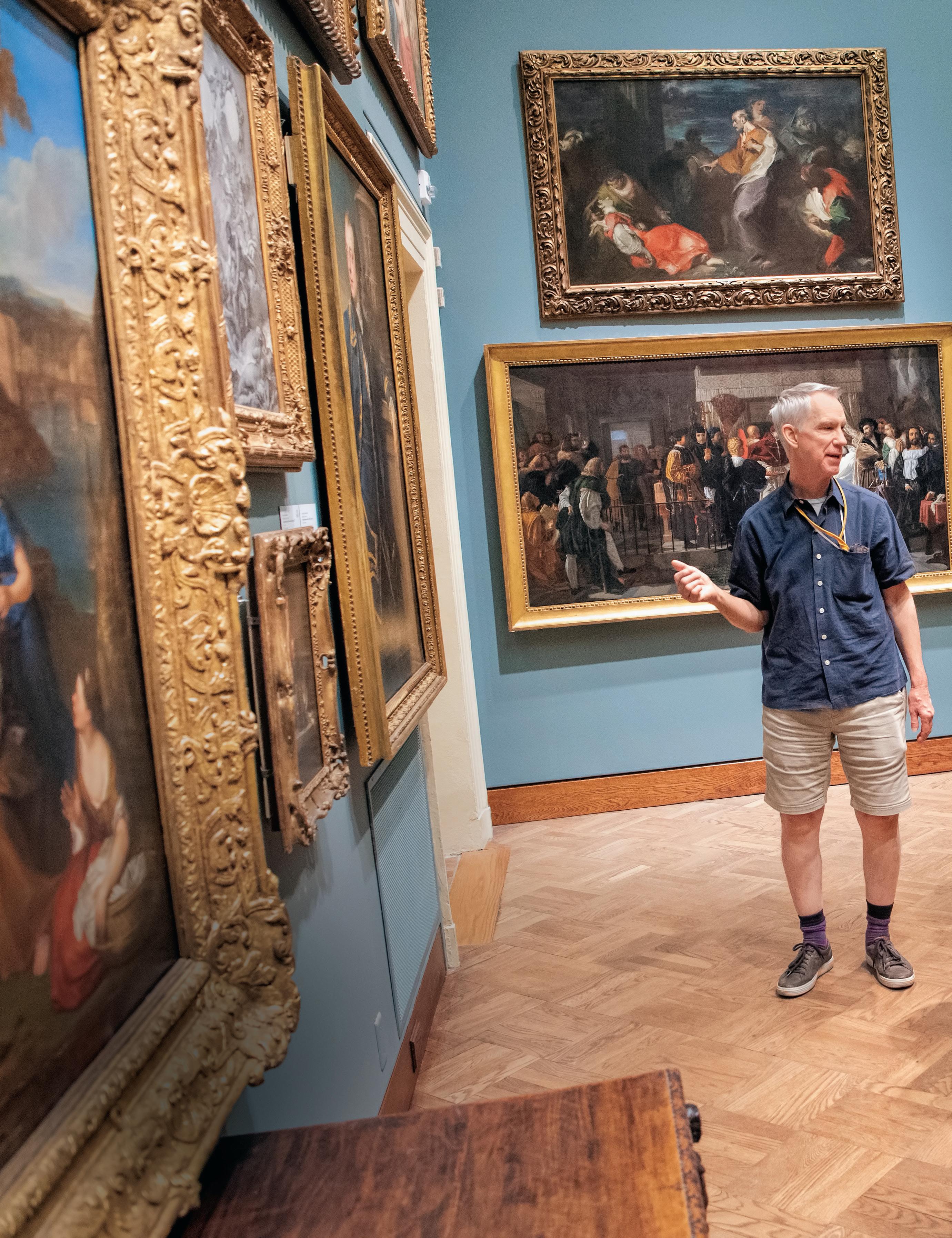
Oberlin’s Allen Memorial Art Museum is considered one of the best college museums in the country. It’s popular with visitors, yet also a treasured resource for students and professors in all majors.
15,000 artworks live in the museum’s permanent collection, including works by Cézanne,
and
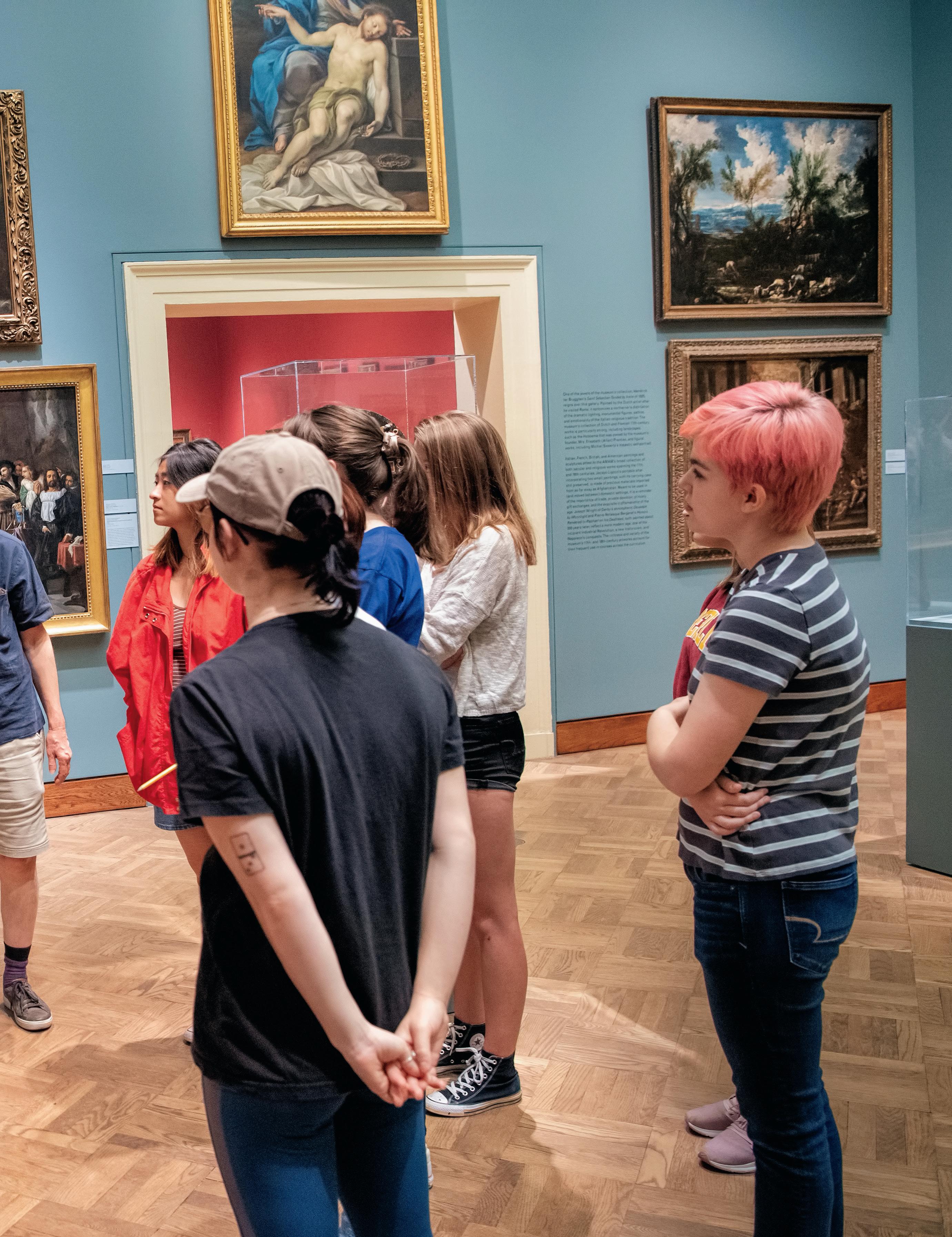
Here, students in a theater class on costume design are touring the galleries for design inspiration.
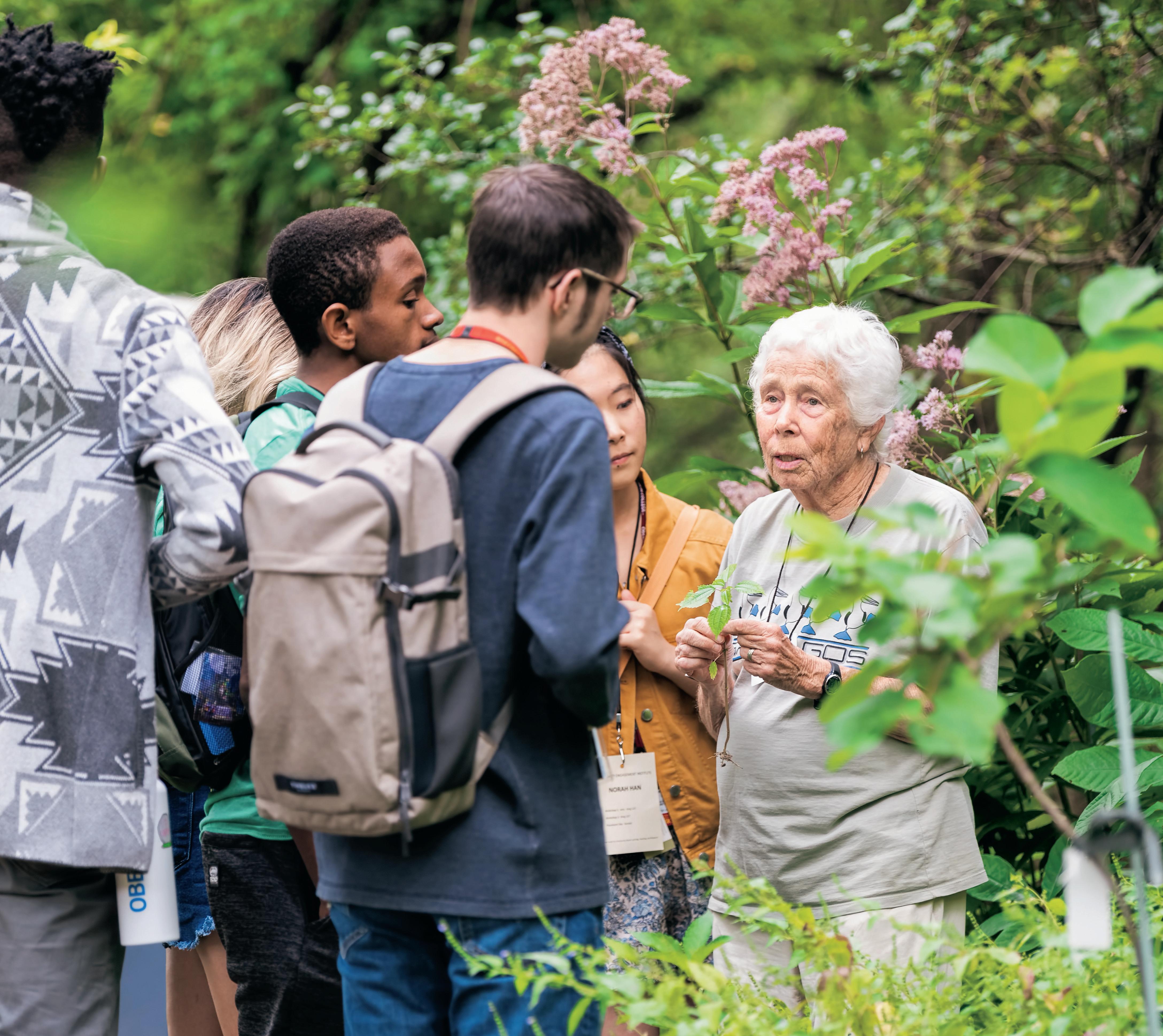
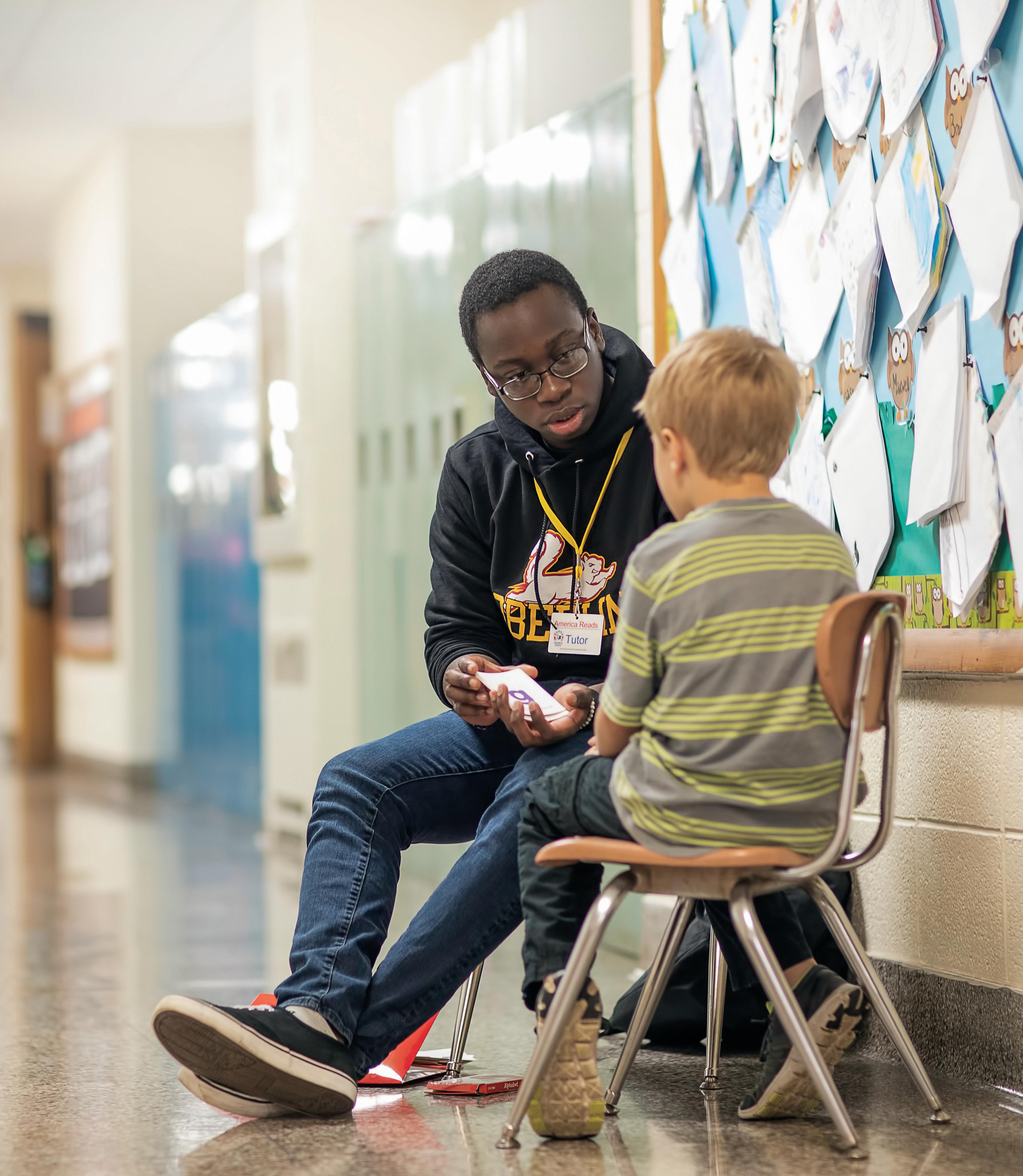
Oberlin’s vibrant community of students and faculty believe in giving back. Nearly twothirds of students take part in community service each year. Oberlin also offers 50 community-based learning courses each semester, in which college students earn course credit while working directly with community partners.
115,000
Community-Based Learning Courses Include:
SITES (Spanish in the Elementary Schools): Lead Spanish classes, plan lessons, and develop a curriculum for students in the local public elementary schools.
Environment and Society: Explore ways to transition local communities toward sustainability and resilience in the face of local and global change.
Introduction to Entrepreneurship and Leadership: Work in teams to identify a problem, brainstorm and test solutions, design a prototype, and develop a sustainable financial model.
Strings at Grafton: Create lesson plans and offer group music instruction for residents of a nearby correctional facility, helping to foster communitybuilding and self-expression.
The Cleveland Immersion Program: Learn about the city’s challenges and opportunities in themes ranging from social justice and sustainability to economics and the arts.
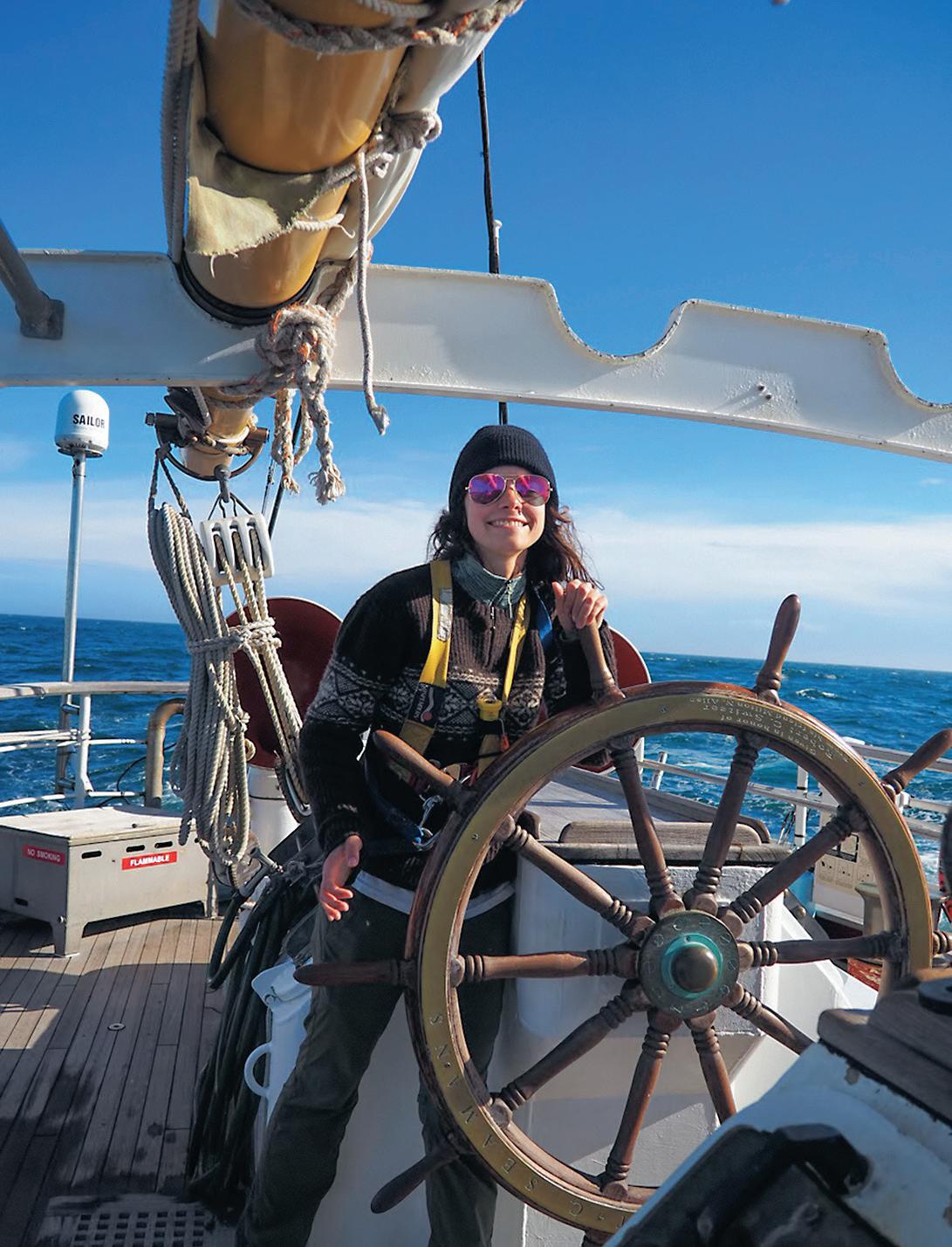
94 programs are offered in 40+ countries on 6 continents.
80% of students travel off campus for study, service, internships, or Winter Term.
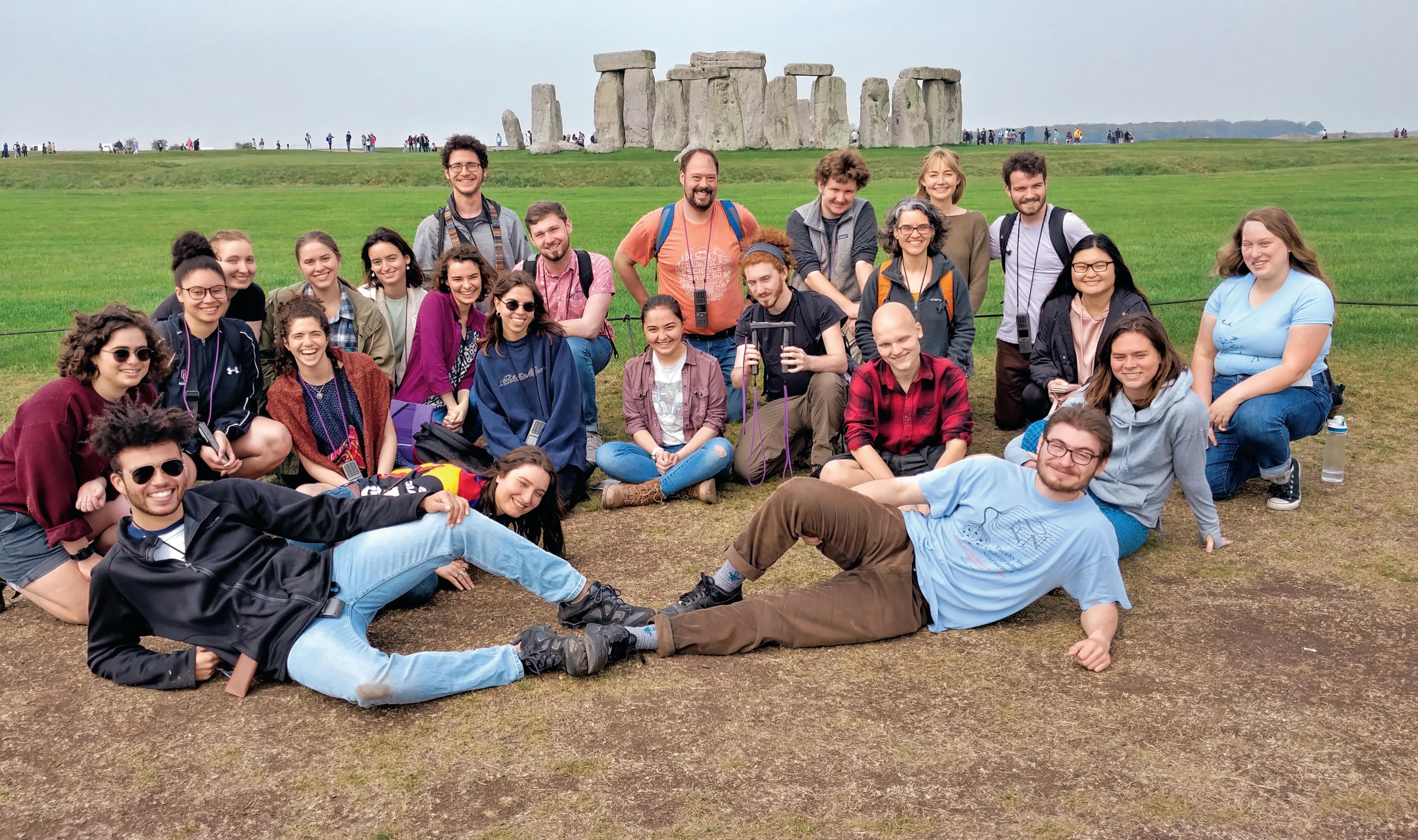
Each fall, Obies travel the world through our facultyled study away programs in London and Paris, making intensive use of the cities—and nearby attractions such as Stonehenge—as the classroom. Others study food systems and sustainability in Thailand , take classes in Singapore, or remain in the U.S. to attend an environmental sciences program in Massachusetts or hold internships in the heart of Washington, DC
At Oberlin, we value what can be learned by engaging with the unfamiliar. Every year, more than 300 Obies study abroad for a summer, semester, or full year, taking on academically rigorous and culturally immersive experiences. You’ll retain your scholarships and financial aid when you study away, and you can apply for funding to help cover travel costs.
TOP 10 STUDY ABROAD DESTINATIONS
London, England
Copenhagen, Denmark
Prague, Czech Republic
Paris, France
Kyoto, Japan
Amsterdam, The Netherlands
Córdoba, Spain
Havana, Cuba
Florence, Italy
Christchurch, New Zealand
WHAT CAN YOU DO ABROAD?
Attend classes at a university with local students
Work at an internship
Conduct research
Engage with an international community
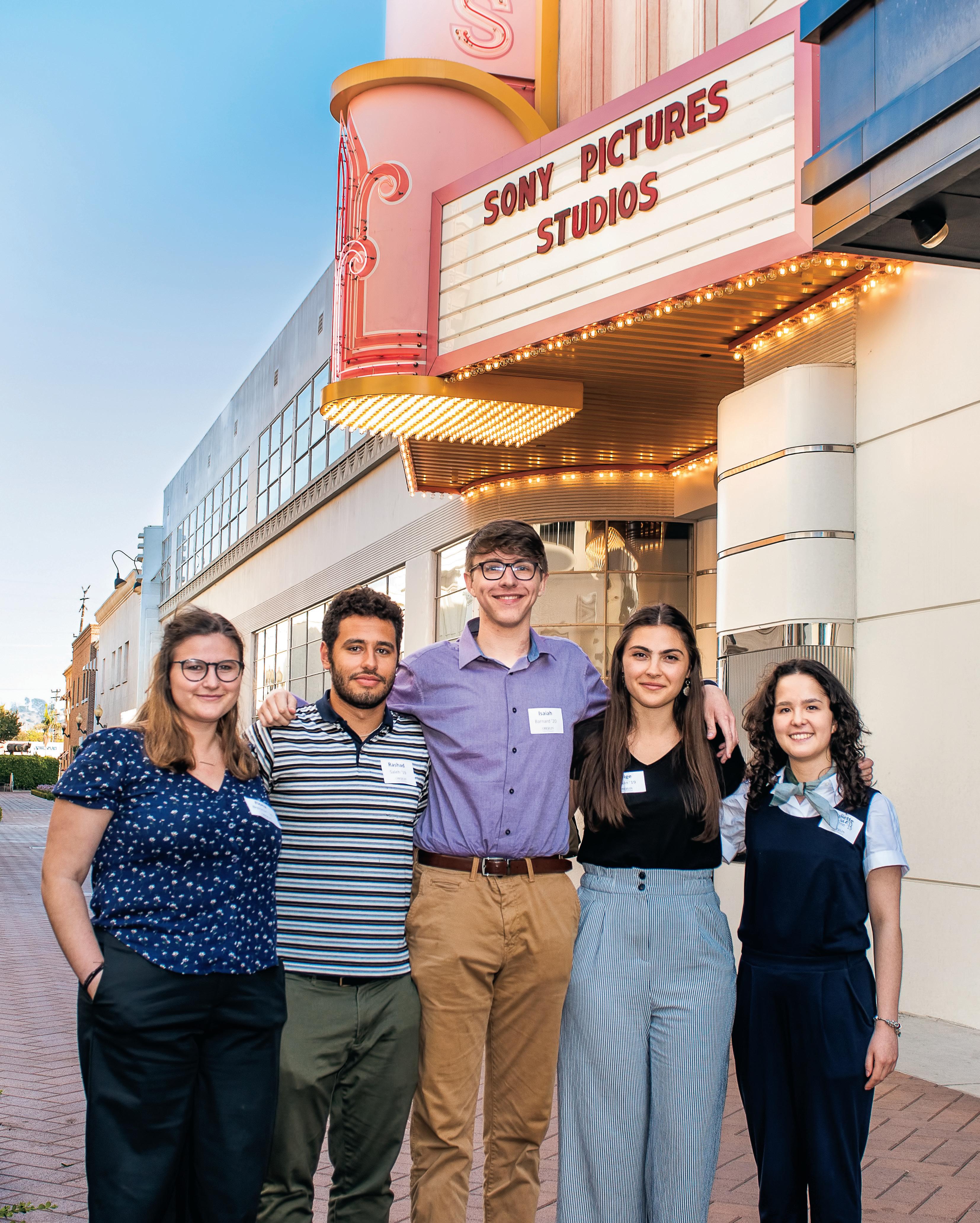
As a junior or senior, you can join a career community—a way to connect with other students, alumni, parents, and faculty to learn about a particular employment sector. The best part of belonging to a career community? You won’t have to go through career prep alone. You’ll take a semester-long course for credit, develop a network of potential mentors and employers, and be guaranteed funding for a summer internship.
OBERLIN CAREER COMMUNITIES
Arts, Creative Professions, and Education Business, Consulting, and Finance Careers with Social Impact Peace/Conflict/Development, Communications, and LIS Law and Public Policy Medical, Global Health, and STEM Music Performance, Education, and Administration
ACADEMICS IN ACTION
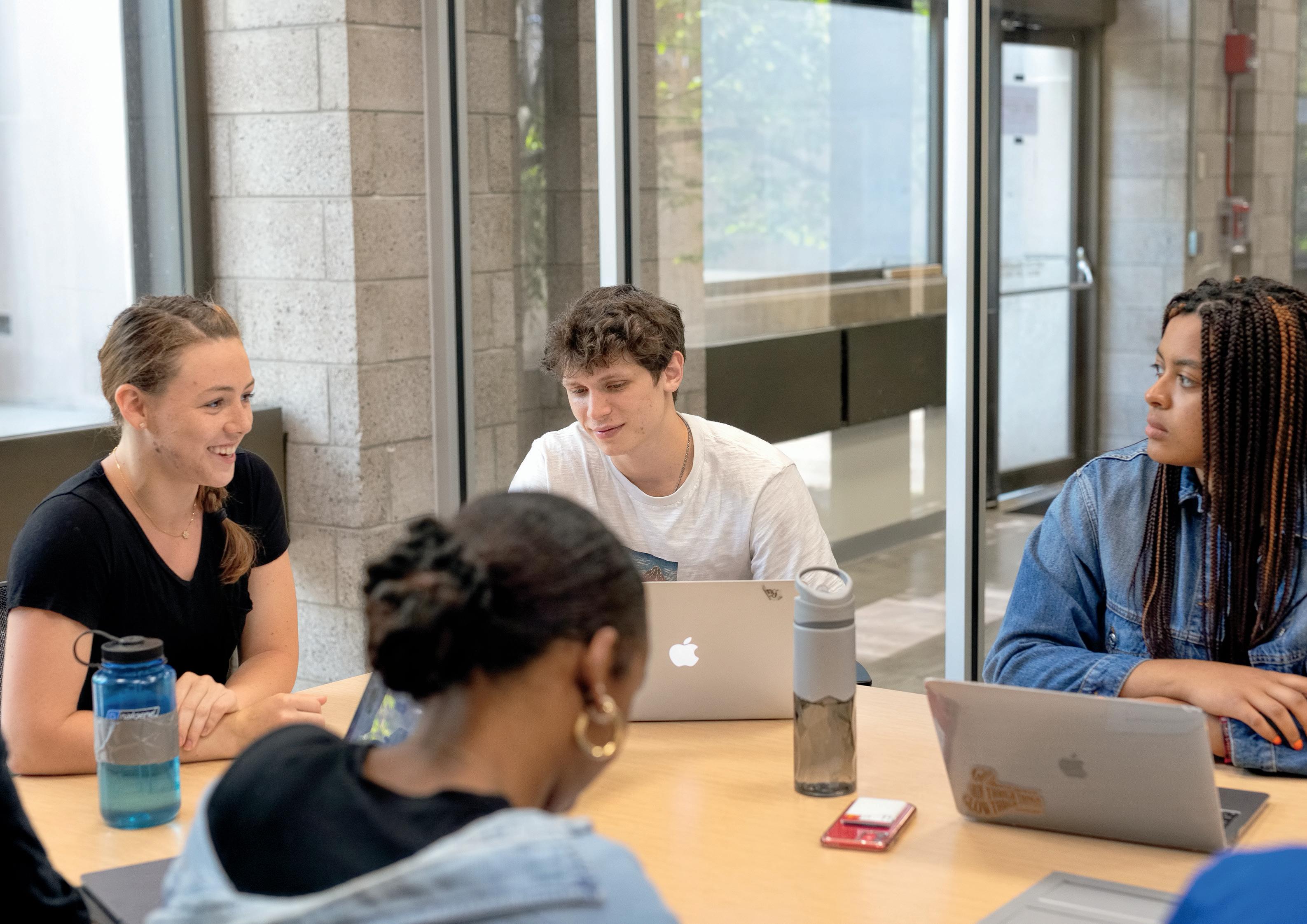
Our Center for Engaged Liberal Arts connects your courses with learning opportunities beyond the classroom. You can explore a career; discover study-away and Winter Term experiences; learn about research, entrepreneurship, and communitybased coursework; and much more.
HOMETOWN
Tulsa, Oklahoma
MAJOR
Law and Society
STUDY AWAY DESTINATIONS
Mexico and Central America
COMMUNITY-BASED LEARNING EXPERIENCES
Writers in Residence (a creative writing workshop for incarcerated youth), writing tutor at Oberlin High School
INTERNSHIPS
Legal Aid Society of San Mateo County; Ohio Justice and Policy Center; New Hope Oklahoma; Jones Day law firm
WINTER TERM PROJECTS
Cultural Voyage to Ghana and Senegal; Mafia, Politics & Social Justice Project in Sicily, Italy
EXTRACURRICULARS
Indigenous Women’s Series; Student Honor Committee; resident assistant in Afrikan Heritage House; AndWhat! dance team; QuestBridge president; ABUSUA (Black Student Union); Mvskoke Nation Youth Council
FELLOWSHIPS
Bonner Scholar; Law and Justice Scholar; QuestBridge National College Match Scholar; Frederick Douglass Global Fellowship, which offers a four-week summer study abroad program; Toni Morrison essay contest winner (and featured on the Today Show); awarded a $30,000 Truman Scholarship for graduate school; and many others
WHERE IS SHE NOW?
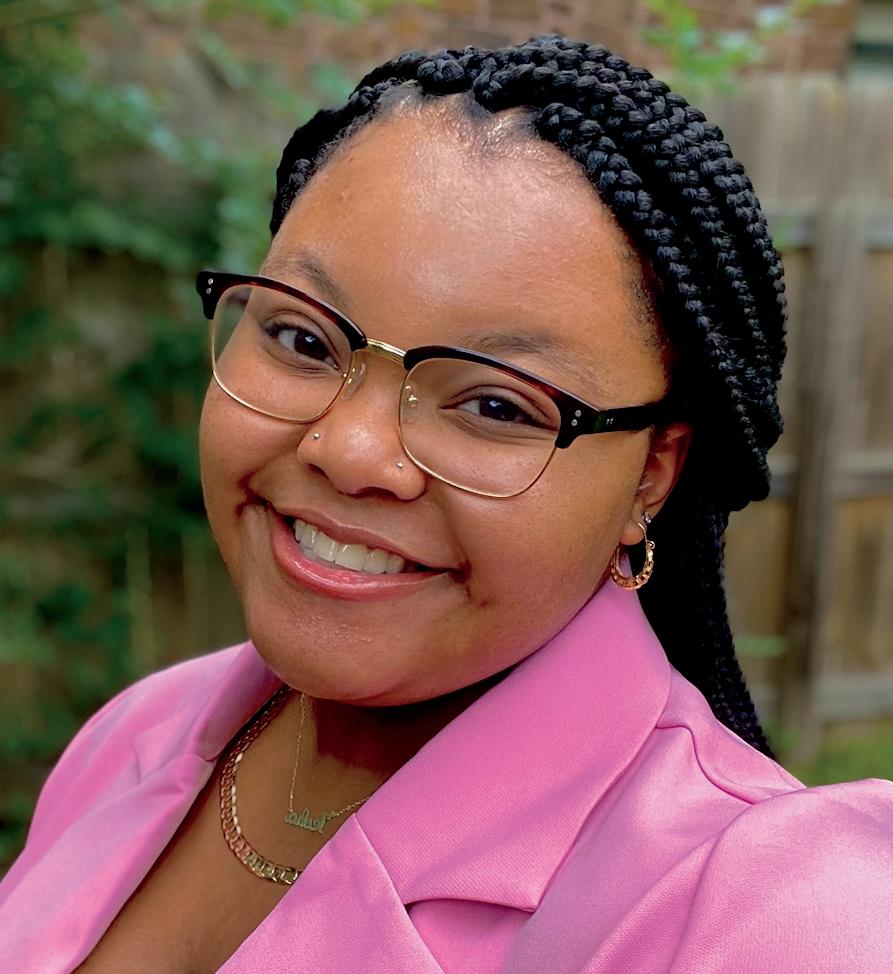
Iesha earned a fully funded JD from Yale Law School in 2025 and is a judicial law clerk for a U.S. District Court.
You may be overwhelmed thinking about life after college, but you won’t need to do it alone. Once at Oberlin—whether you’re a sophomore deciding on a major, a junior hunting for an internship, or a senior starting your job search or applying to grad school—our Career Exploration and Development resources will help you.
We encourage all Obies to complete an internship; in fact Oberlin’s Internship+ Commitment will provide up to $5,000 in funding to support a summer internship or performance-based experience.
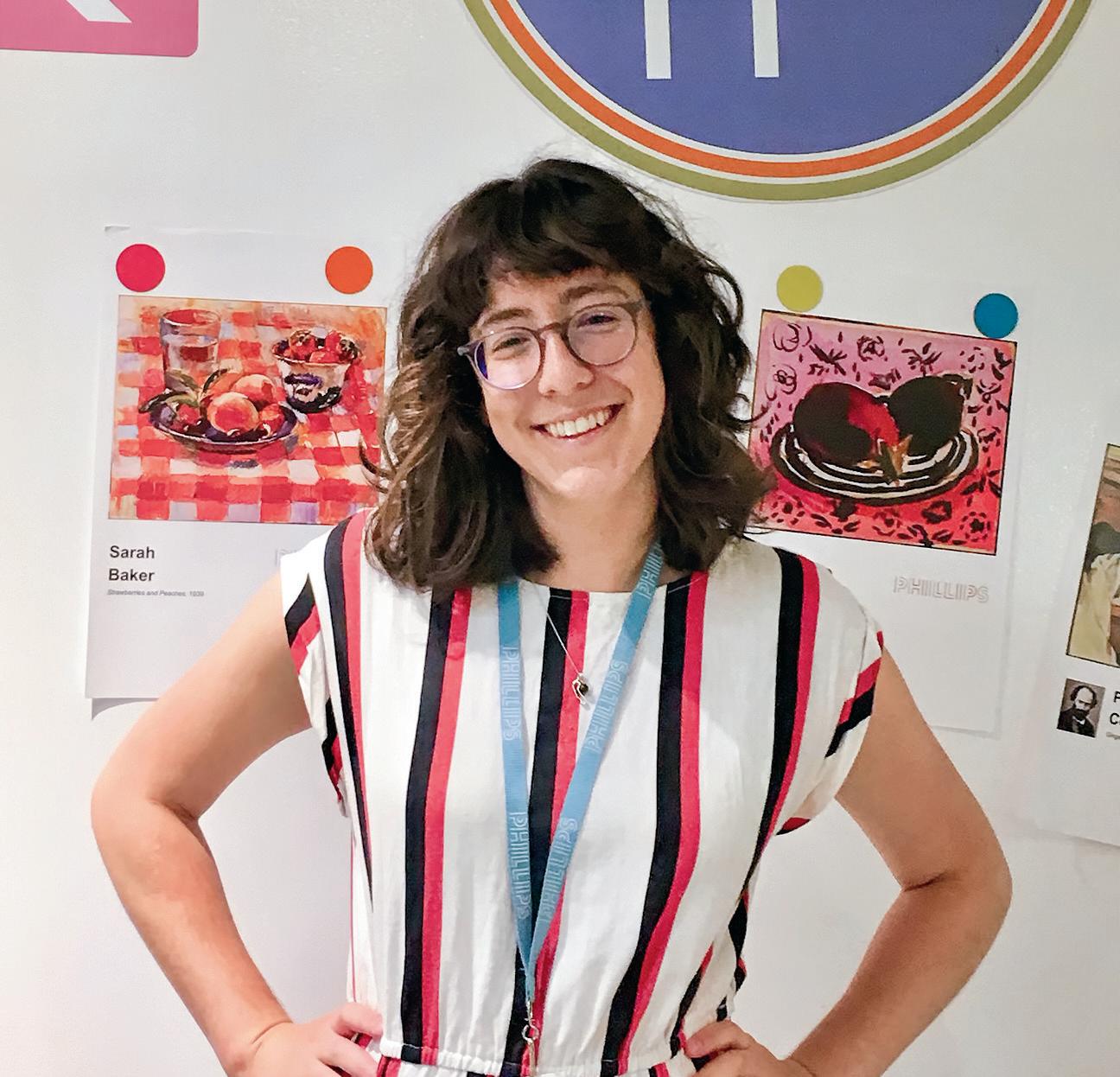
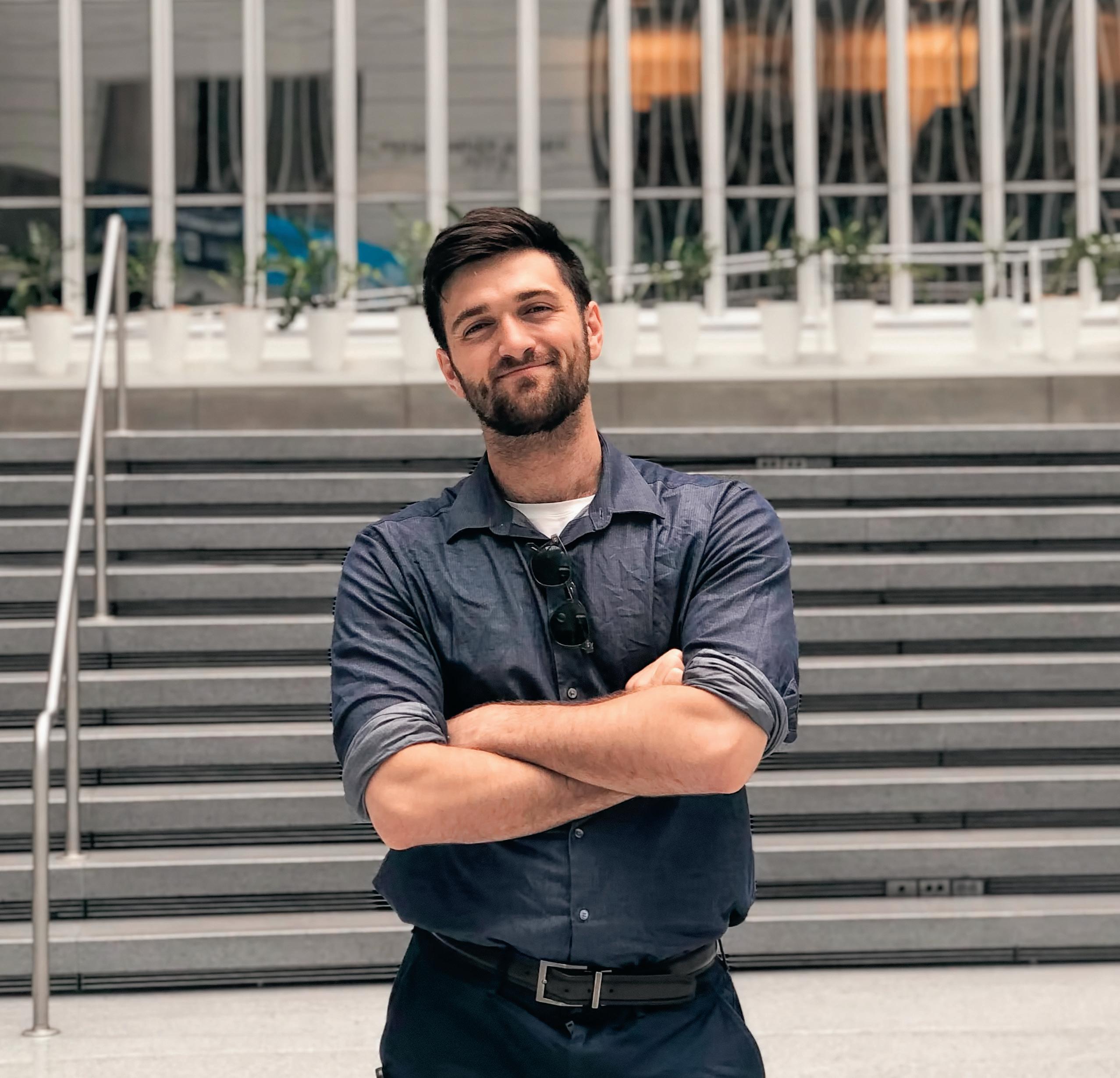
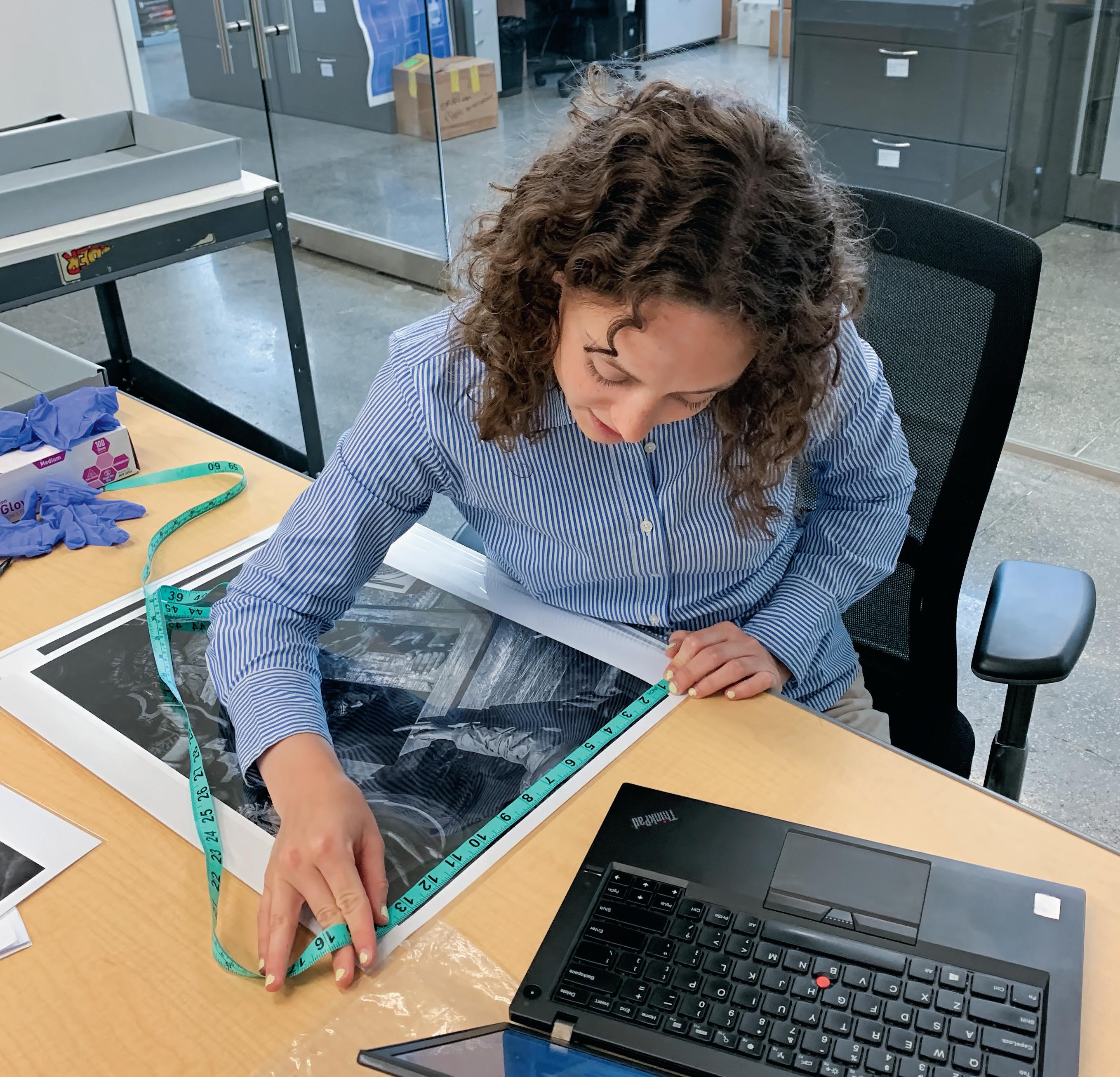
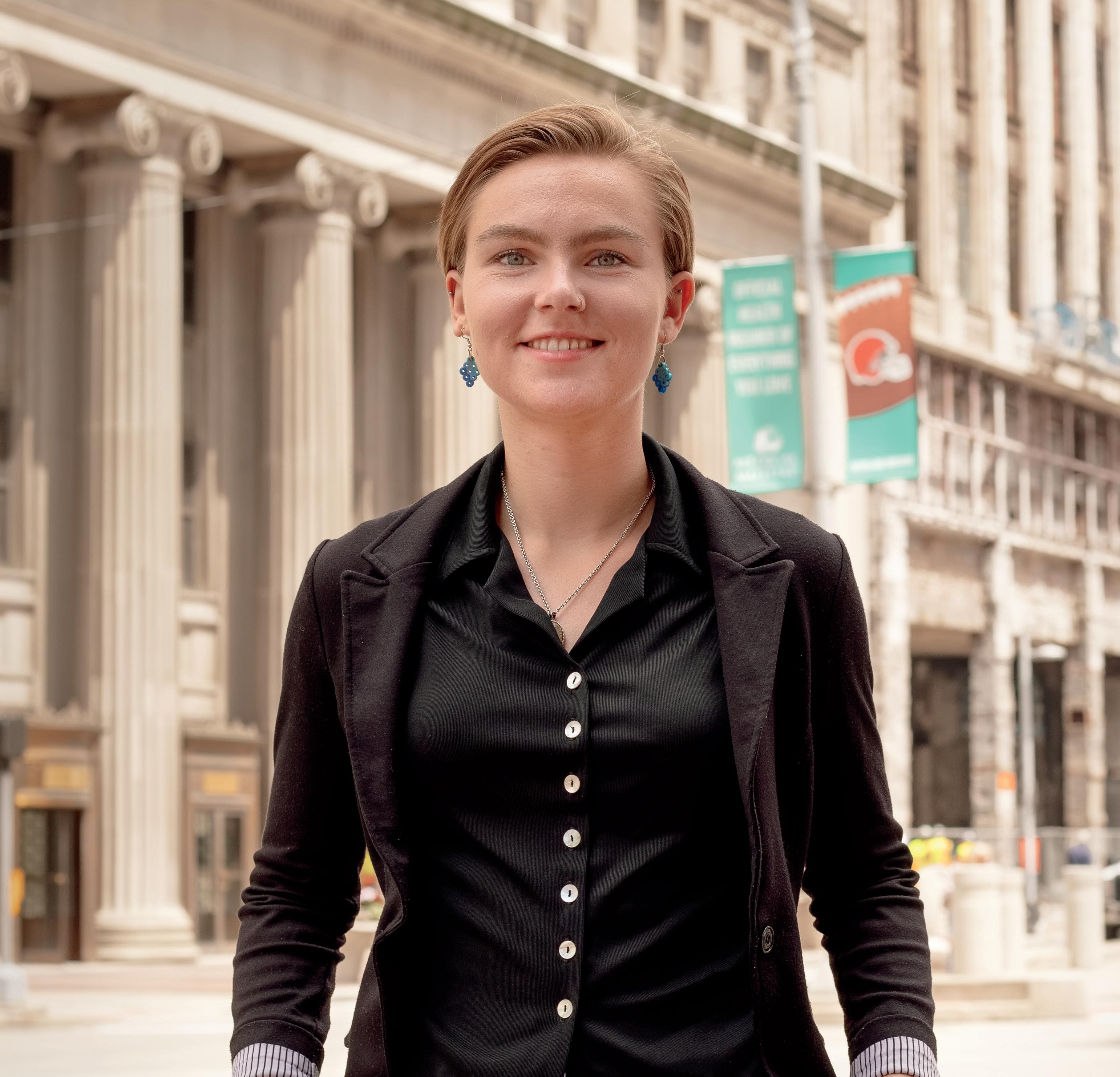
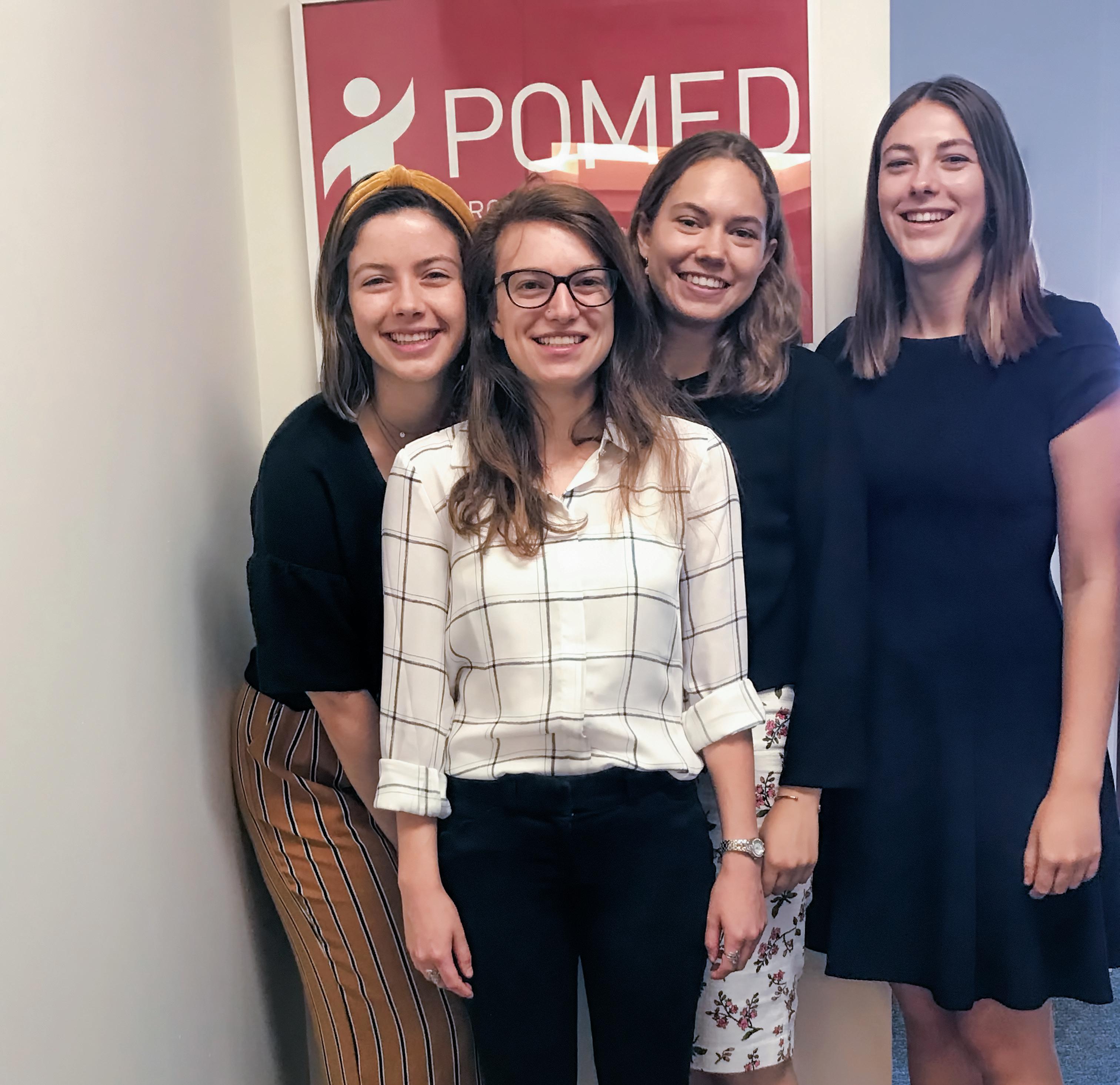
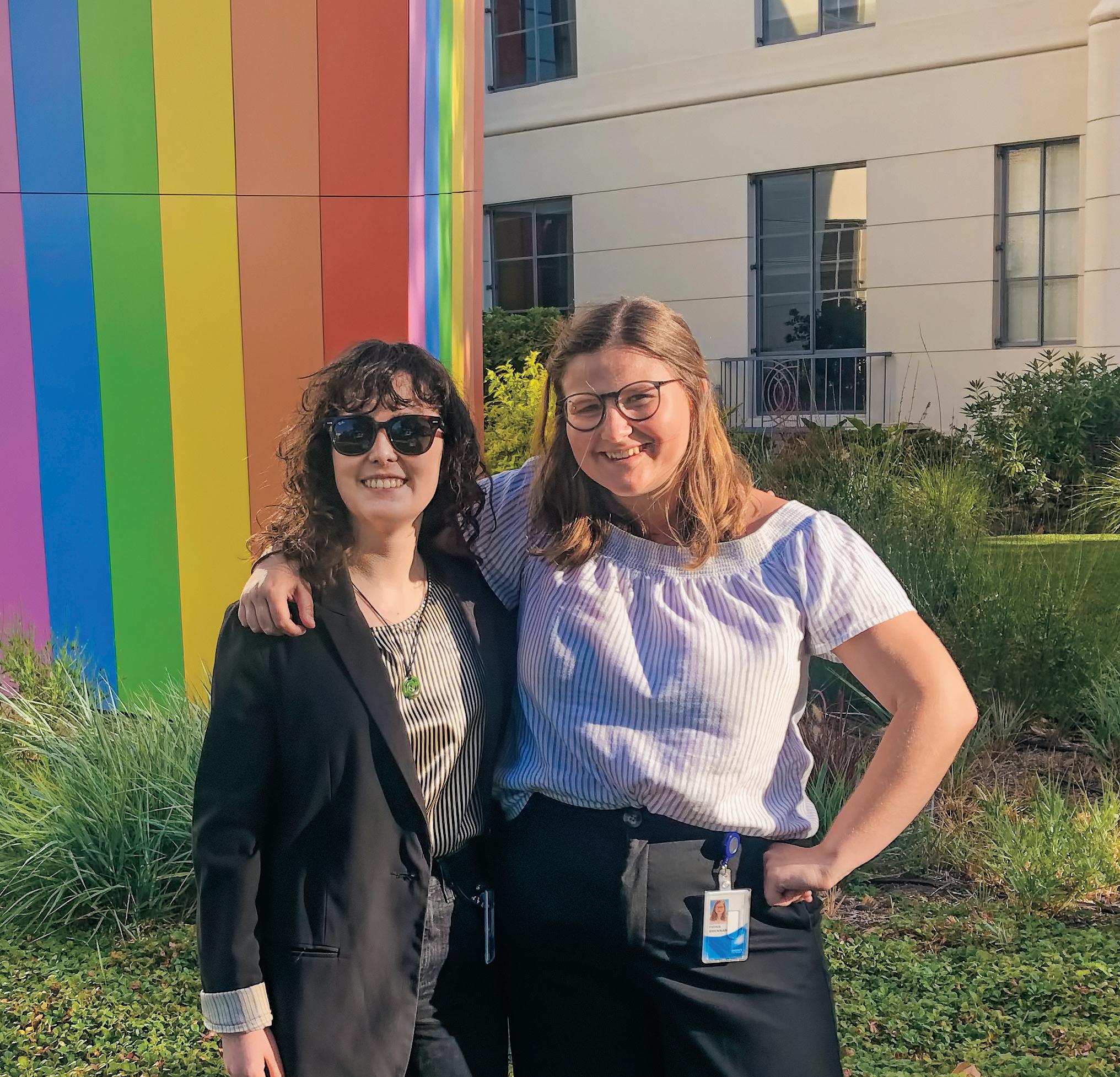
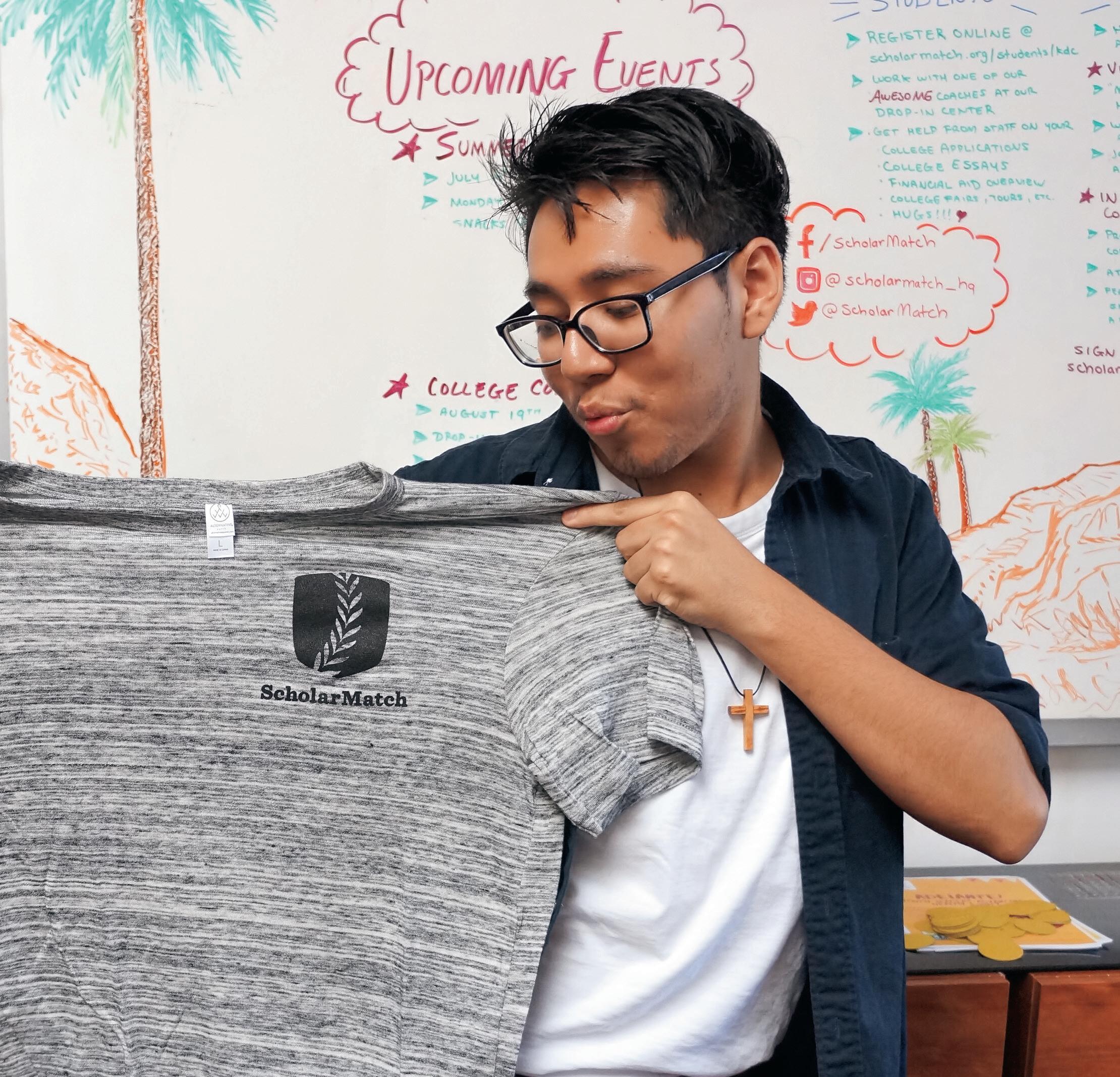
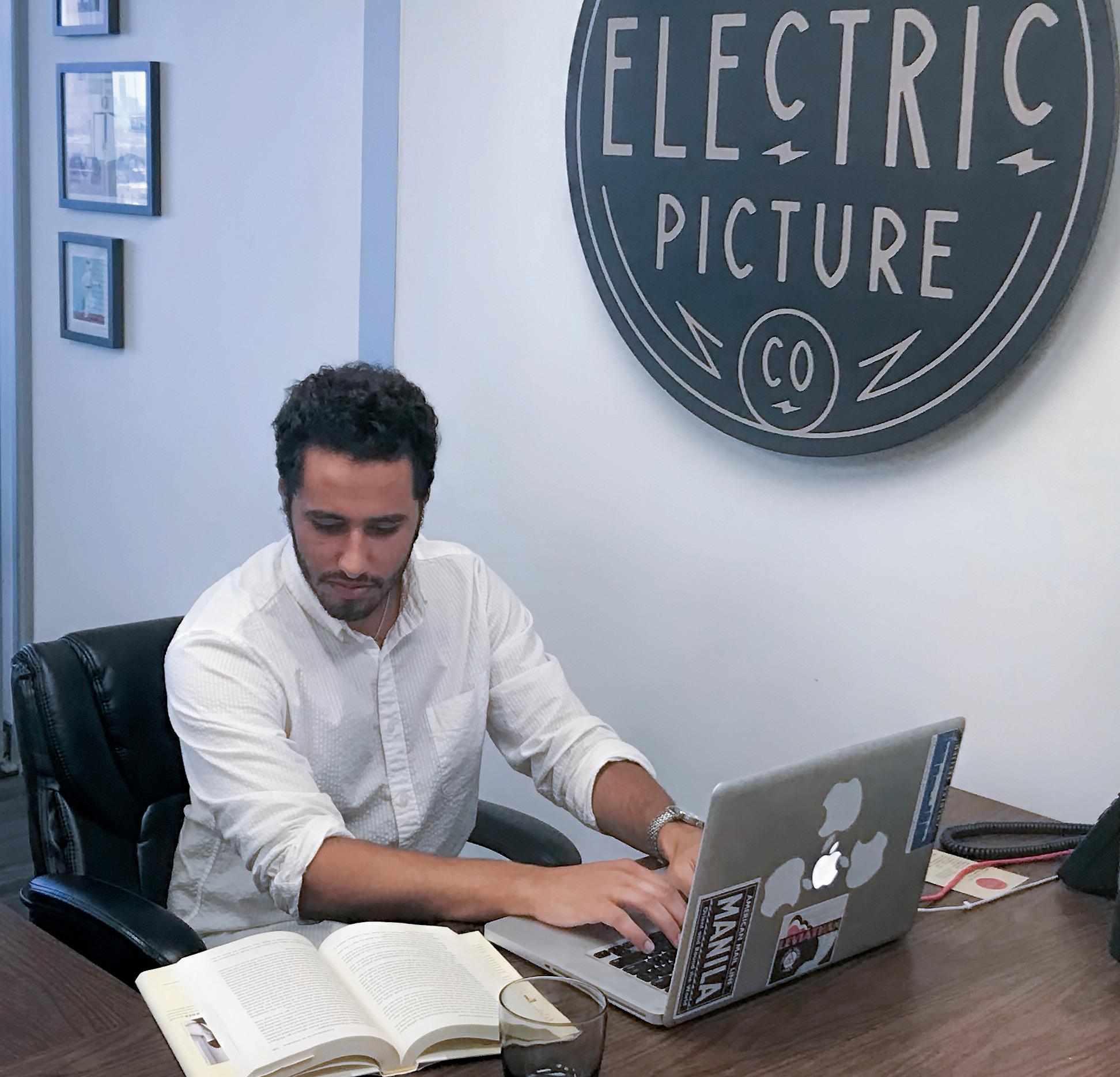
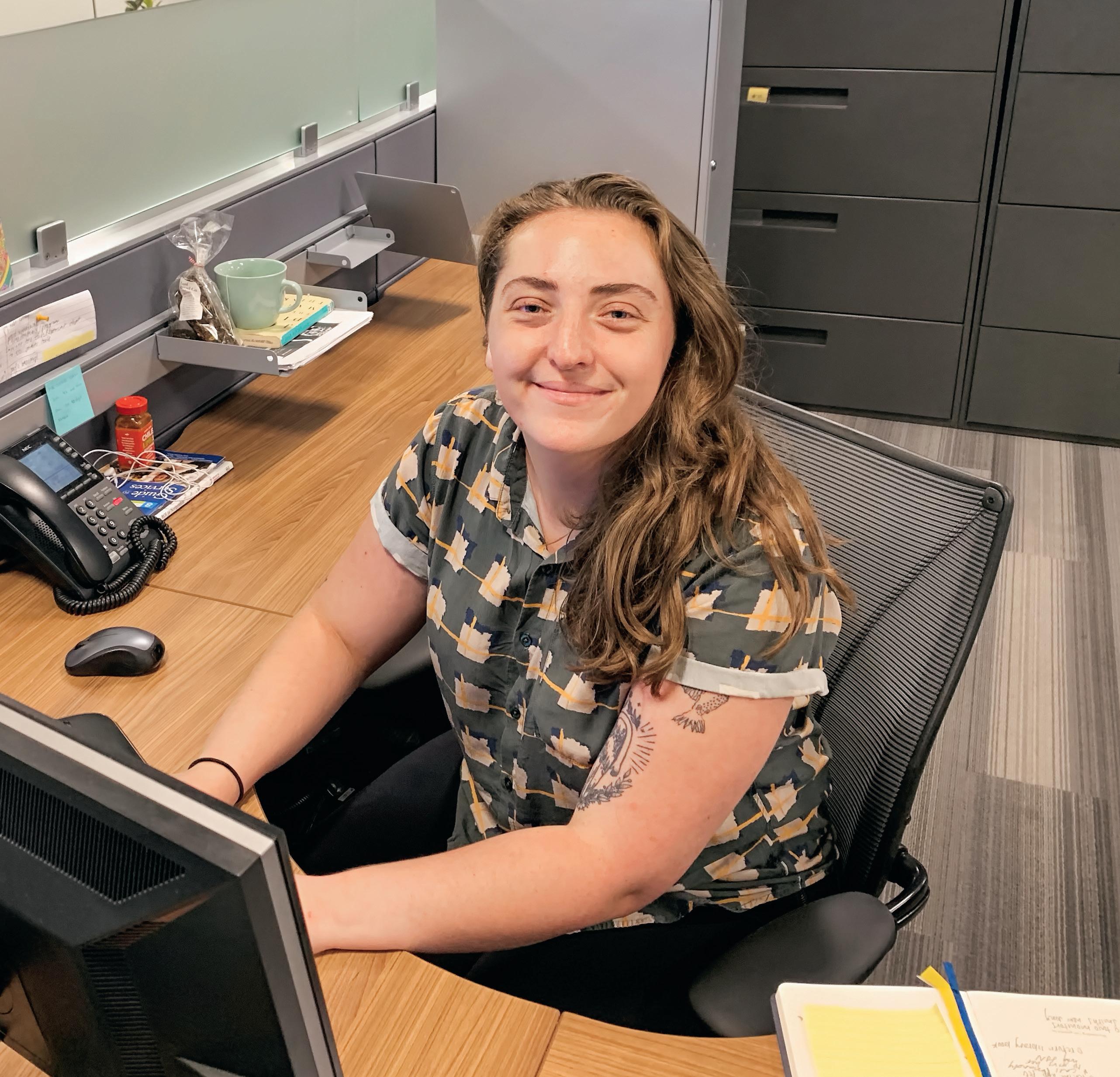

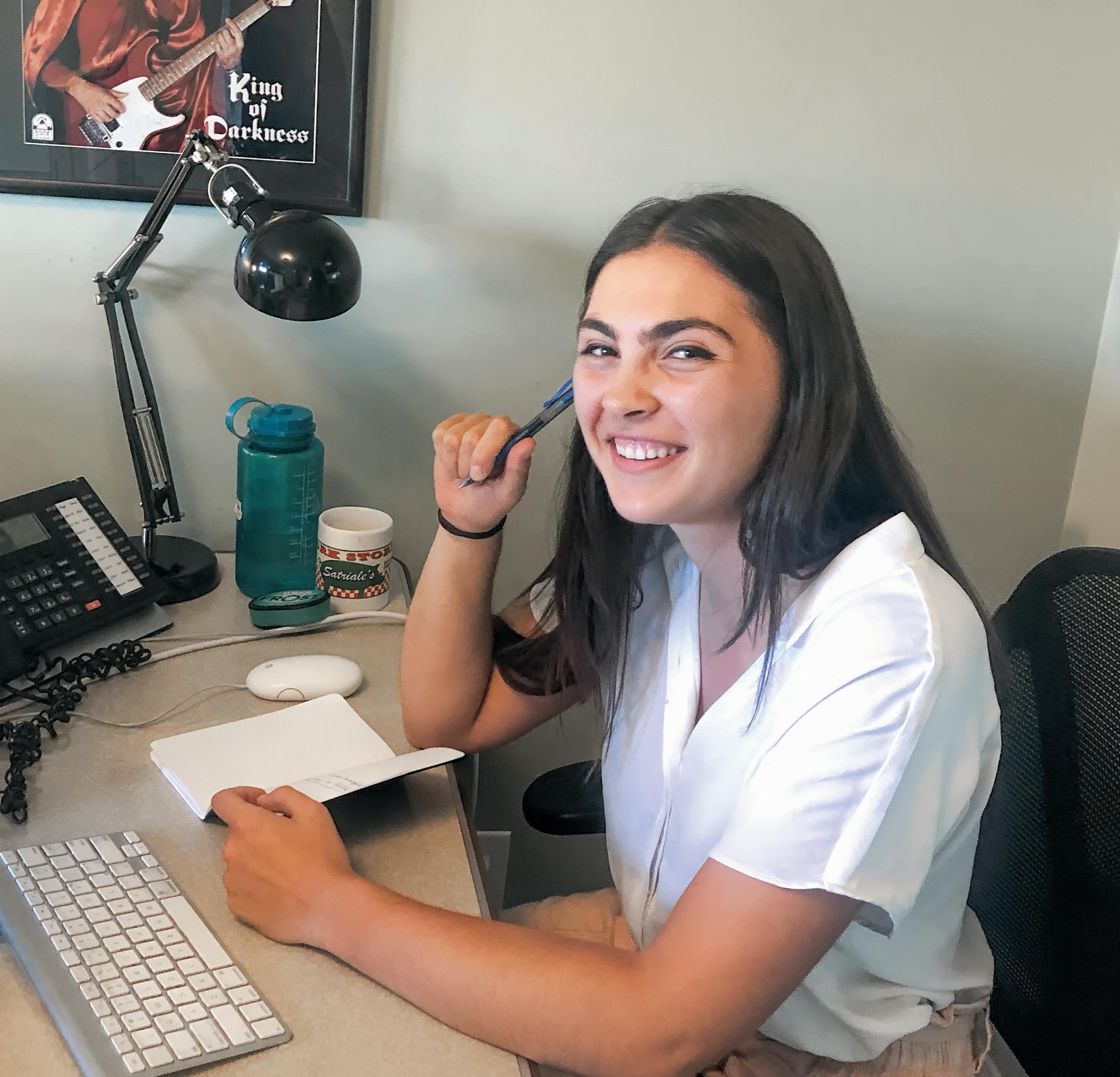
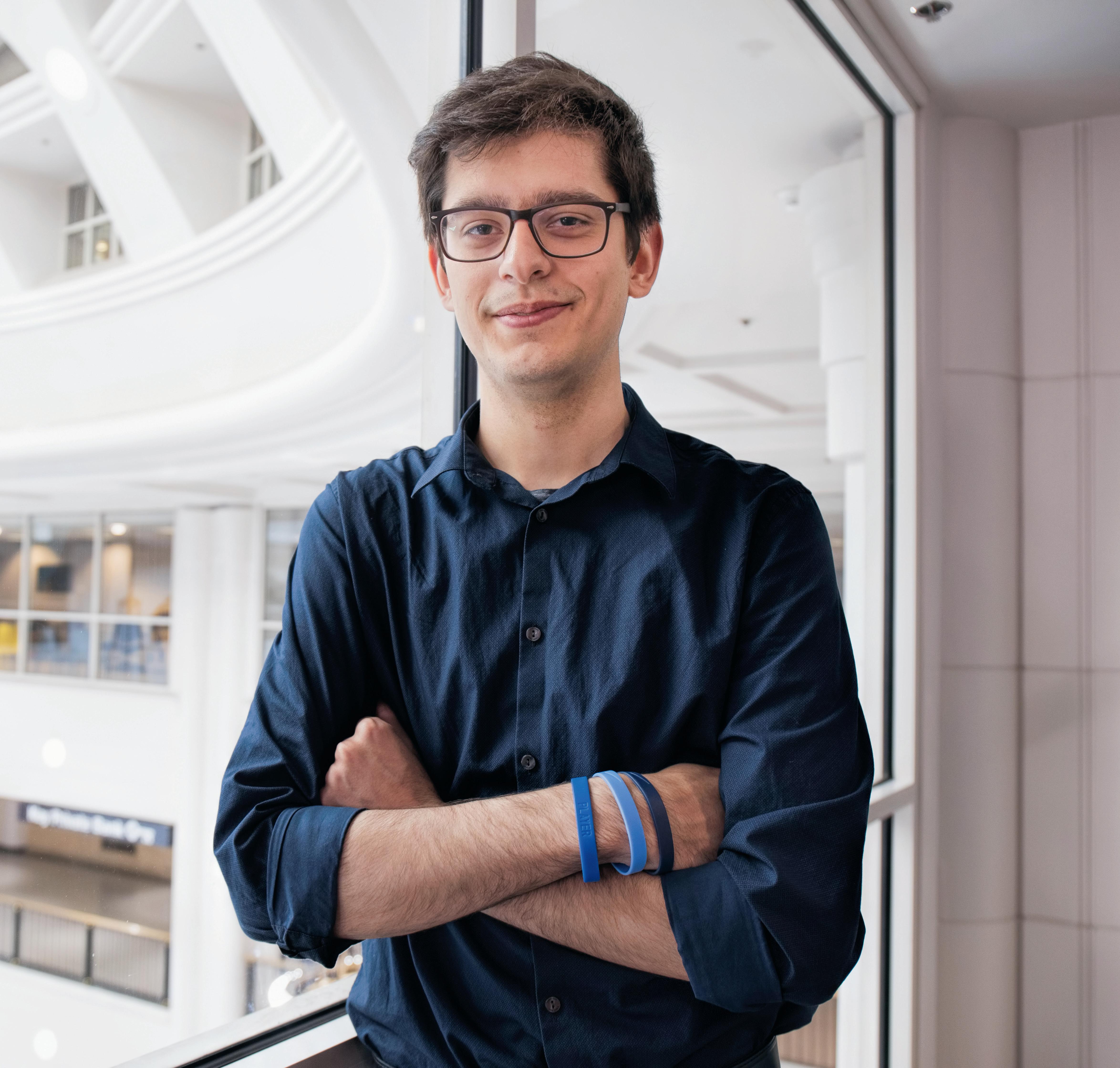
We make it easy for you to meet with a career advisor, access career development resources, and learn about career-related events on campus. You can explore jobs and internships with more than 200,000 employers based on your profile and interests.
Consider a Winter Term micro-internship. These are short-term, 100-hour projects often hosted by alumni or parents. You can explore a career, make personal connections, and gain practical experience.
Oberlin alumni are an excellent source of career information. A dynamic online platform called OberLink will connect you to accomplished alumni, allowing you to find mentors, career communities, and internships.
RECENT STUDENT INTERNSHIPS
Aspen Music Festival
BBC America
Brooklyn Museum
City Club of Cleveland
The Cleveland Orchestra
Columbia Pictures
Environmental Defense Fund
Howard Hughes Medical Institute
IBM
Japan Airlines
National Science Foundation
NPR
Opera Theatre of St. Louis
Project on Middle East Democracy
Salon.com
Texas Legal Services
U.S. Congress
World Bank
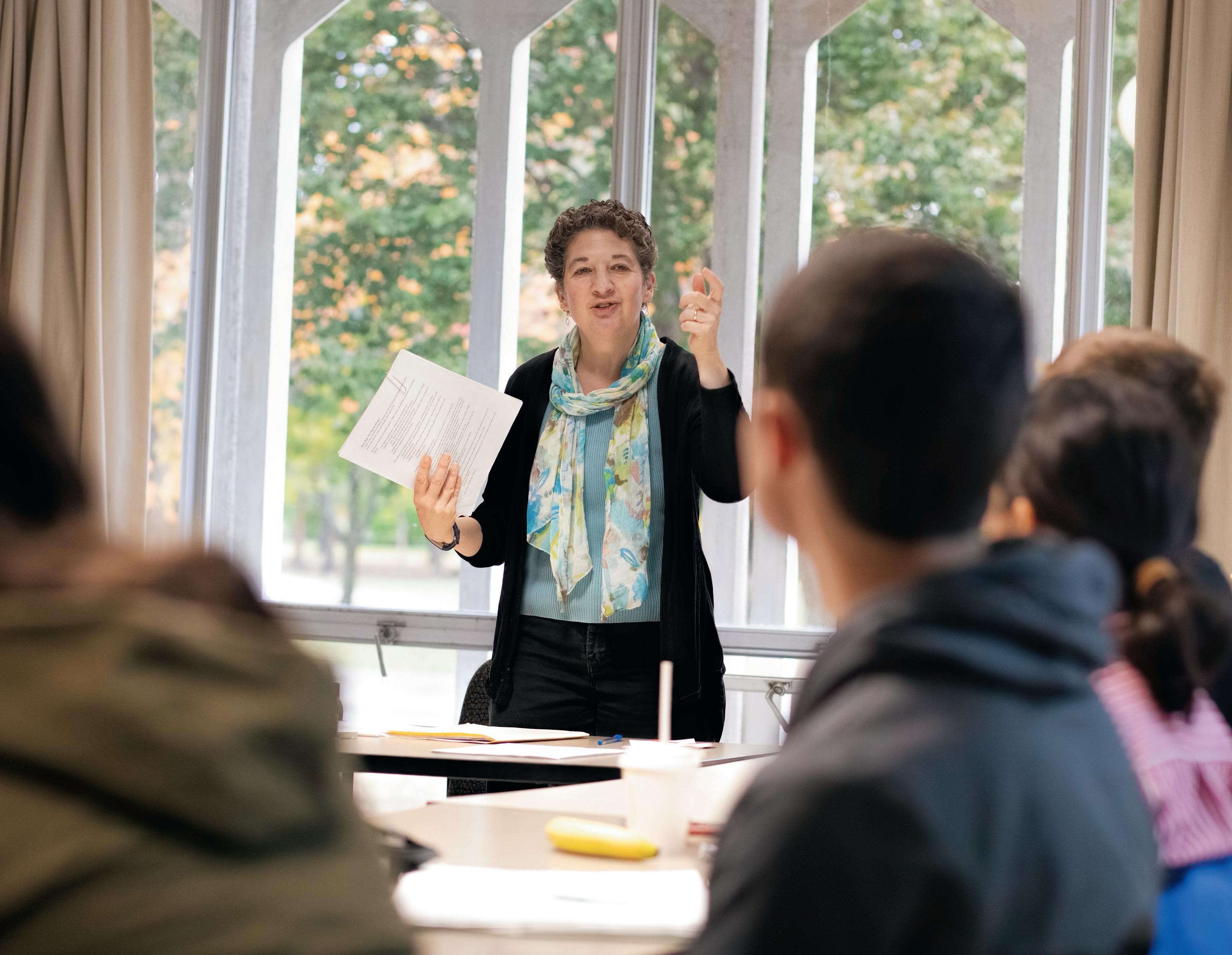
Oberlin prepares its students for informed, creative, and productive lives through close connections with professors. In fact, faculty here rank among the top in the U.S. for undergraduate teaching. And when you ask Obies what they value most about their Oberlin experiences, most talk about their relationships with professors.
9:1
Student-tofaculty ratio
HOMETOWN: Albuquerque, New Mexico
MAJORS: Psychology and German, Linguistics Minor
“Some of my favorite professors are fantastic instructors, lecturers, and discussion-facilitators who are incredibly engaging and clearly passionate about the subject matter. As a huge nerd, it’s just fun for me to see my professors also be huge nerds. That kind of enthusiasm in a classroom is infectious. Our professors want to work with us to foster learning and growth, and they love it when we’re as excited about something as they are. The ability to talk to a professor about academic and personal and career goals is a testament to the close relationships Oberlin students form with faculty.”
HOMETOWN: McKinney, Texas
MAJORS: Computer Science and Mathematics
“I met my academic advisor during my first semester of freshman year when I proposed a Winter Term project. They have been incredibly supportive of my endeavors in computer science ever since, and I’m grateful for all the wisdom and opportunities I’ve received since that encounter. Professors are always open to questions and are a great resource for connecting to alumni and to finding opportunities at Oberlin and beyond.”

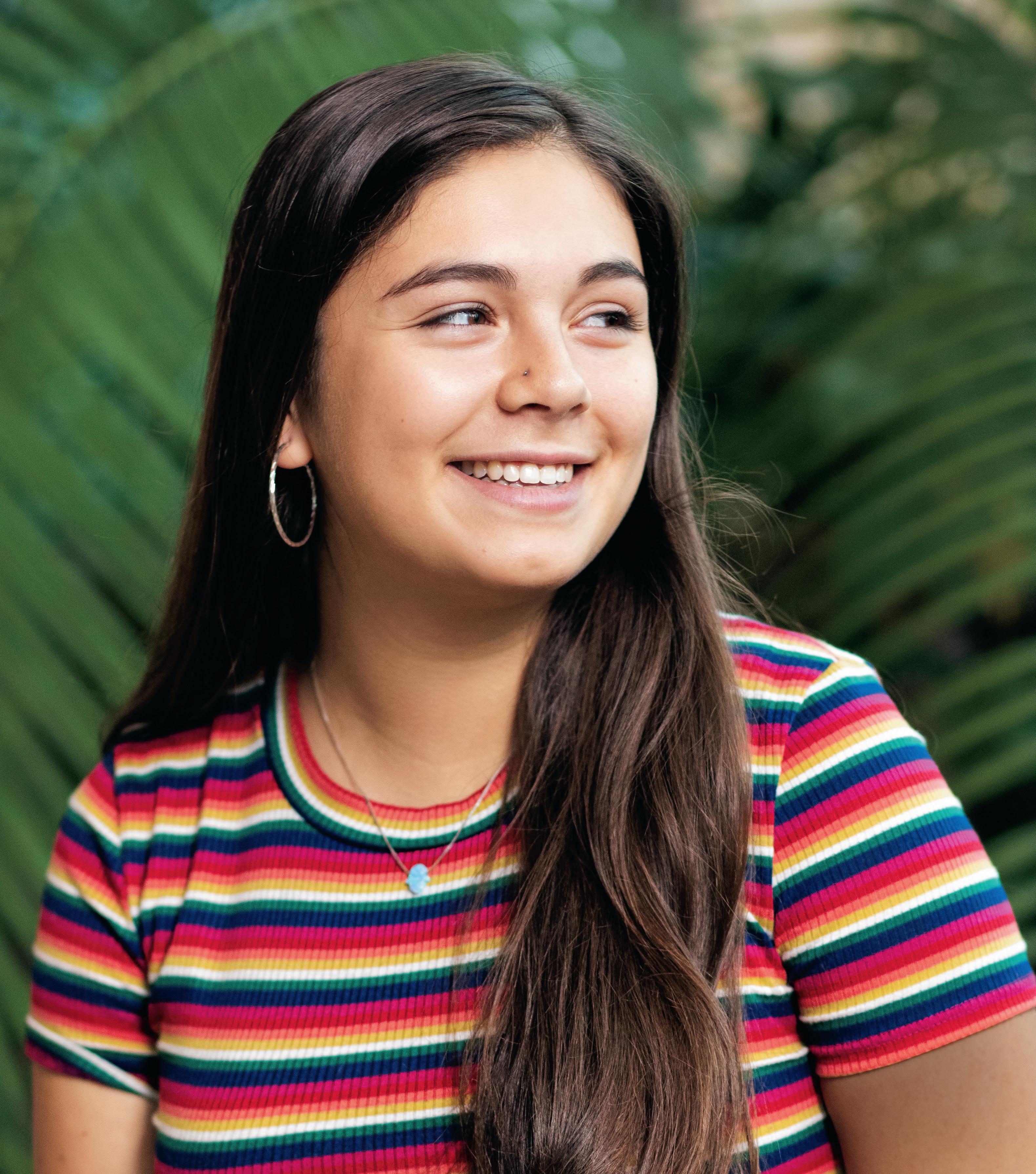
HOMETOWN: Silver Spring, Maryland
MAJORS: Comparative Literature and Art History
“My advisor took me to lunch because she wanted to hear about my summer internship. She had written a reference for me, and she continues to connect me with alumni and other faculty who are involved in museum professions. During my first semester, one of my professors invited our class over for dinner and cooked us a really nice meal. I was feeling homesick at the time, and it felt nice to be in a home and to get to know my classmates and professor outside of the classroom. The meal was delicious too! Faculty members here truly value students’ thoughts and ideas. I take a lot of small, discussion-based humanities classes, and in those environments, professors are really intentional about building community.”
HOMETOWN: Boston, Massachusetts
MAJORS: Vocal Performance and Politics
“My voice professor has shaped me into the artist I’ve aspired to be. Having him on my side has made me grow as a performer, as a professional, and as a person. Faculty members will challenge you as much as possible while also being very nurturing role models.”
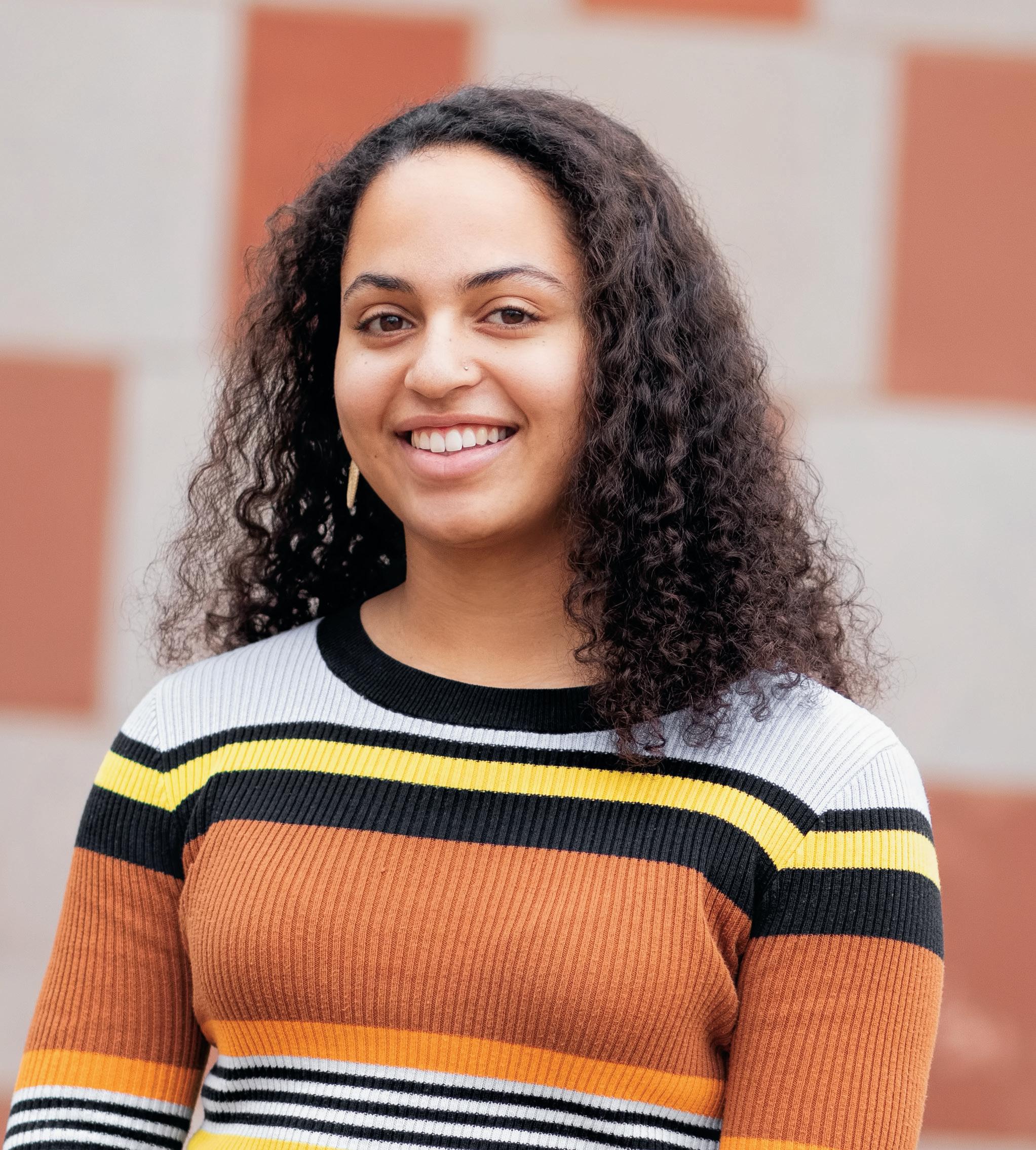
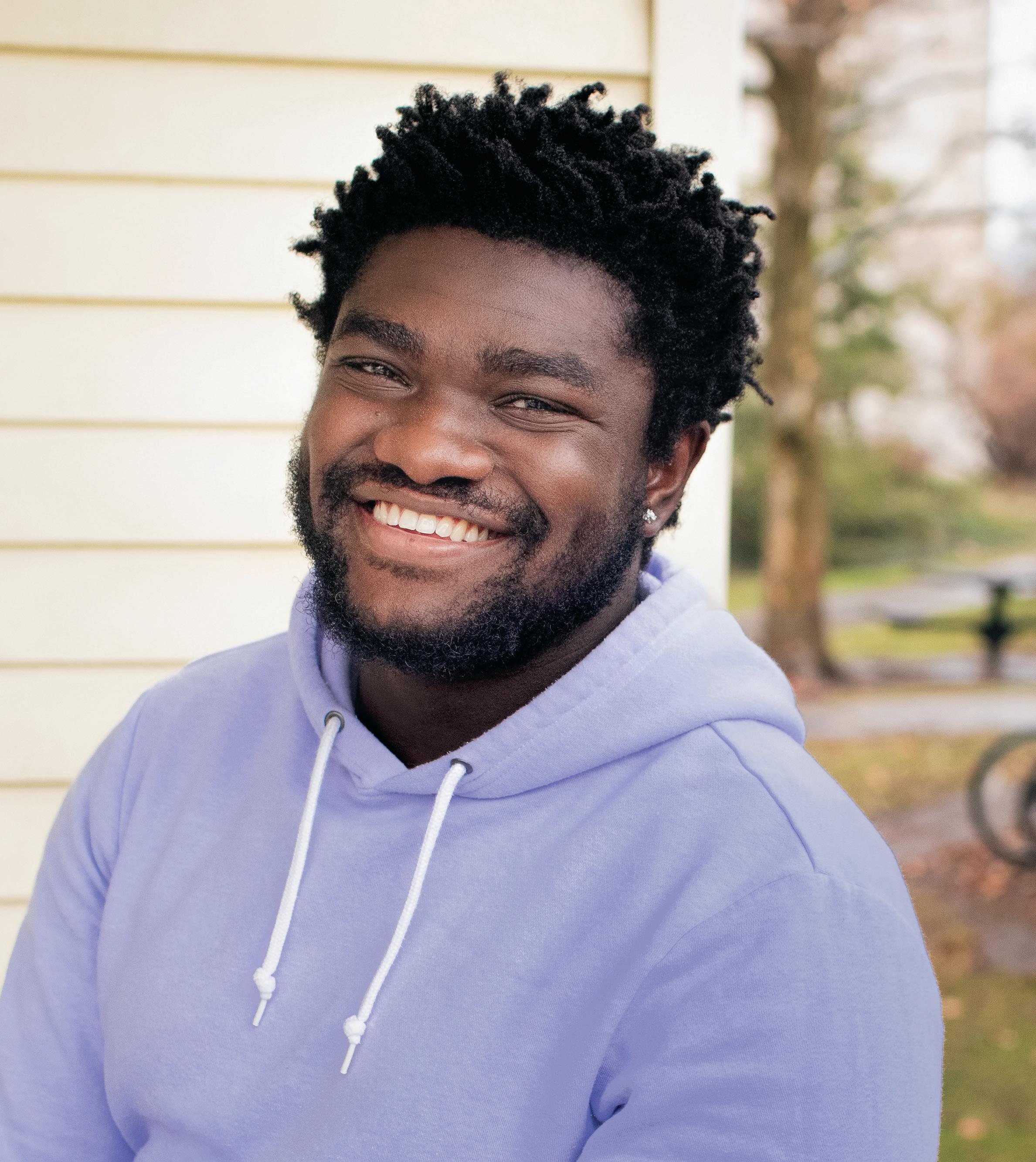
HOMETOWN: Falls Church, Virginia
MAJORS: Jewish Studies and Environmental Studies
“I applied for an internship last spring. My professor wrote a recommendation for me, so when I received an email saying I was accepted, I immediately told him. In that moment, I knew I had established a great relationship with my professor. While professors here challenge you, they also provide the support students need to succeed. I’m pushed intellectually but am simultaneously pointed to resources that will help me achieve the high bar that my professors set.”
HOMETOWN: Atlanta, Georgia
MAJORS: Creative Writing and Africana Studies
“I’ve had a lot of great professors that have impacted me in some way. I think they’re all brilliant and genuinely want to see you succeed. A professor saw me walking through the halls and asked me if everything was okay. I’d missed a couple of classes and was making a B in her class. She knew I was capable of an A and wanted to make sure nothing was wrong. On the next assignment, a group project, she told me I’d gotten back on track. That meant a lot.”
“My favorite Oberlin students are...”
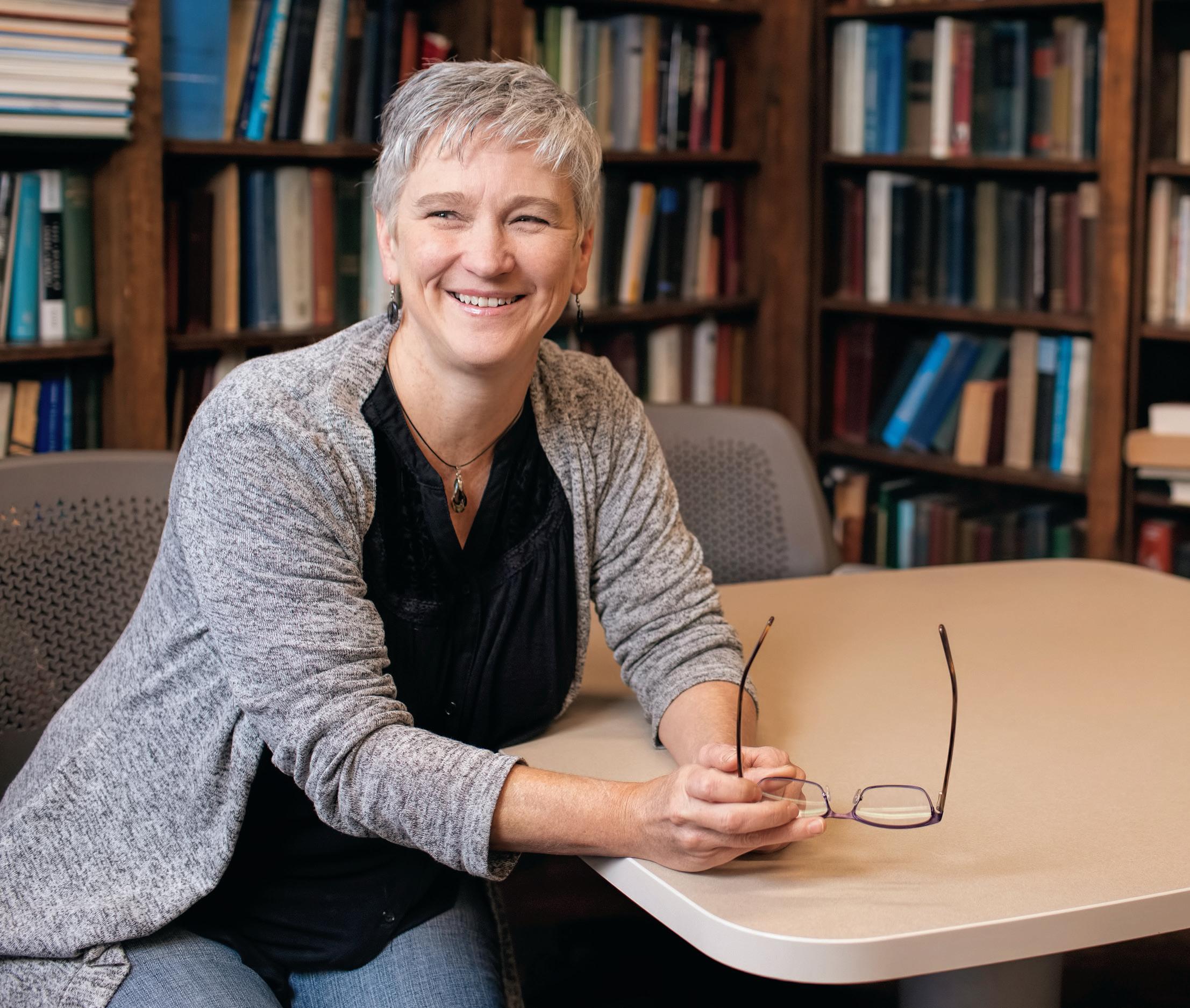
Cindy Frantz
PSYCHOLOGY AND ENVIRONMENTAL STUDIES
“...those who have the humility to recognize they don’t know everything and the confidence to want to try.”
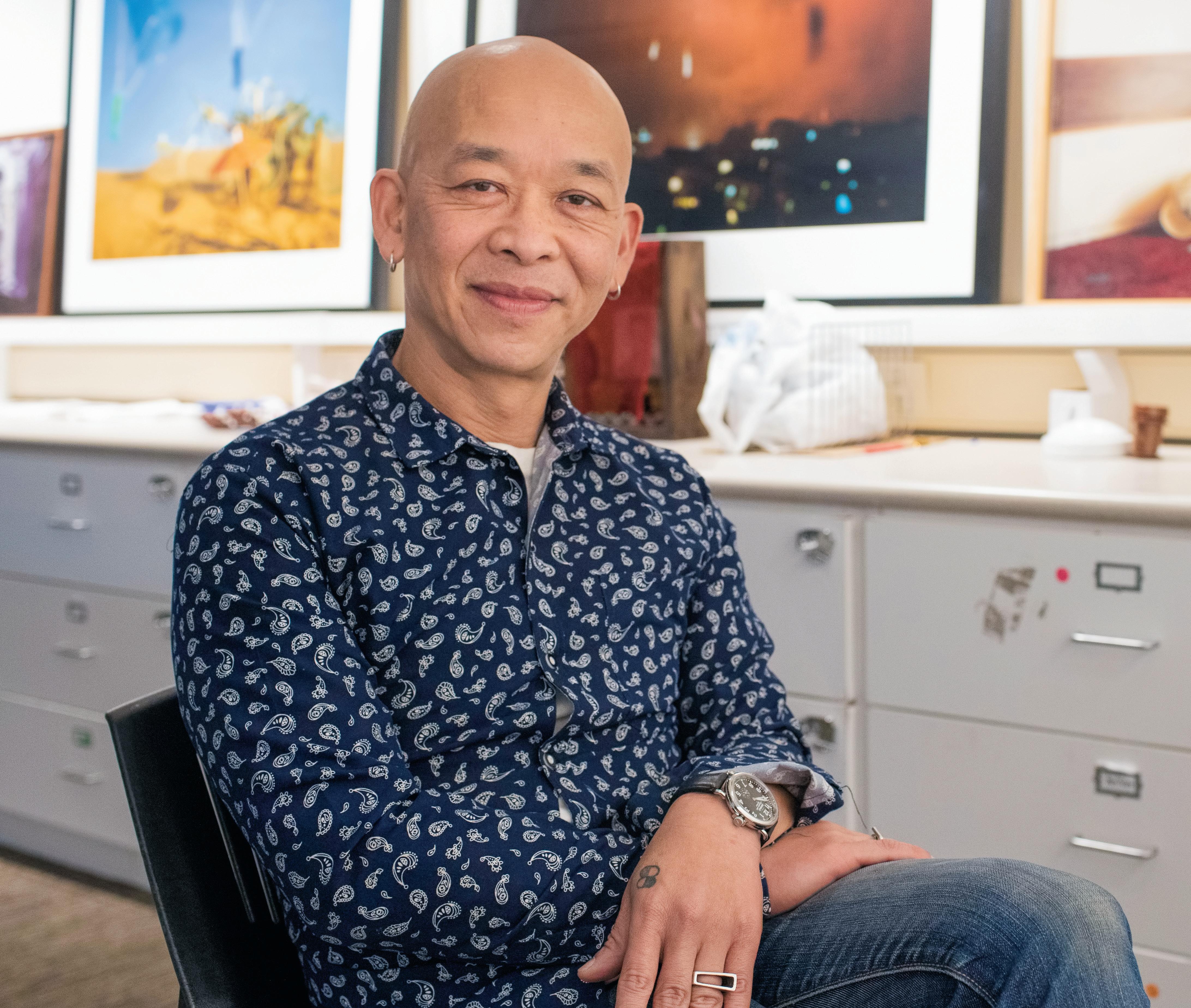
Pipo Nguyen-Duy
STUDIO ART AND PHOTOGRAPHY
“...those with a willingness to learn, an outstanding work ethic, an astute intellect, and a dedication to the community. Oberlin students demonstrate an unwavering commitment to their academic and creative practice, and their enthusiasm for learning is infectious.”
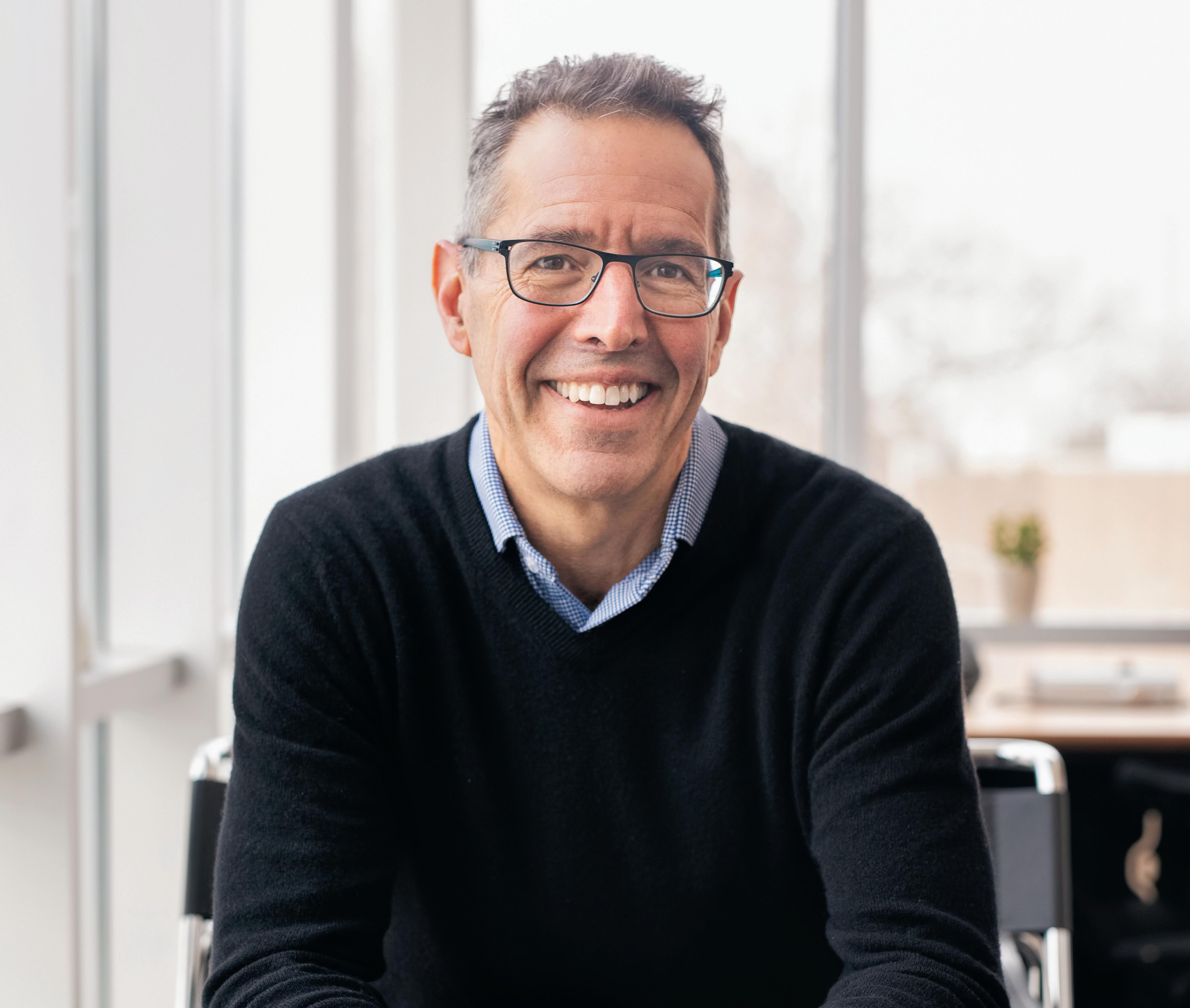
Brian Alegant
MUSIC THEORY
“...driven to speak and understand music and art at a really high level—writing about, composing, performing, improvising, theorizing, analyzing, and interrogating it. They have the grit to persevere through difficulty, do not take themselves too seriously, and have a heart.”
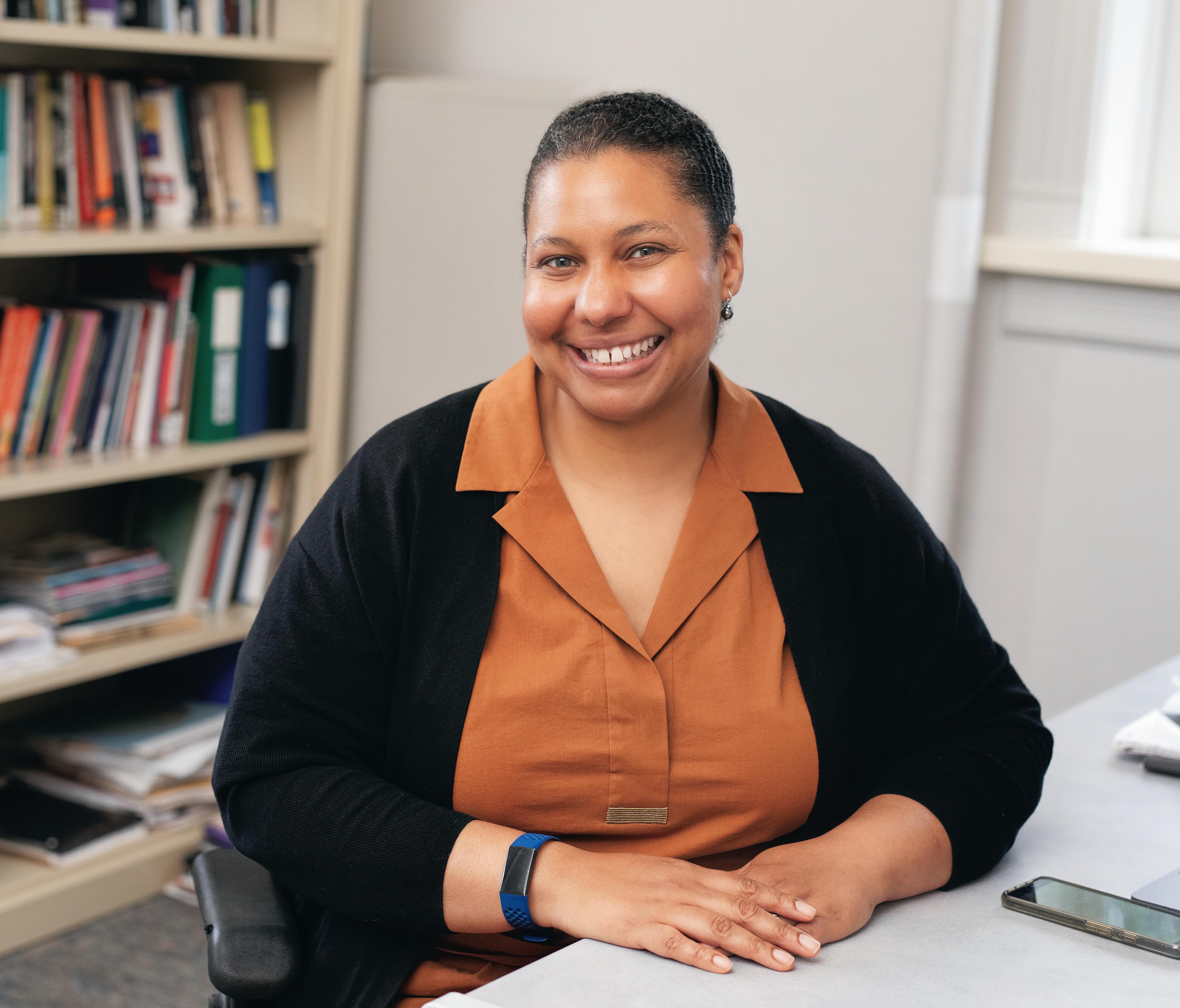
Chanda Feldman
CREATIVE WRITING
“...artistically dedicated and intellectually curious, and they take an integrative approach to their passions. They are community-minded and excited to contribute to collaborative efforts in the classroom and beyond.”
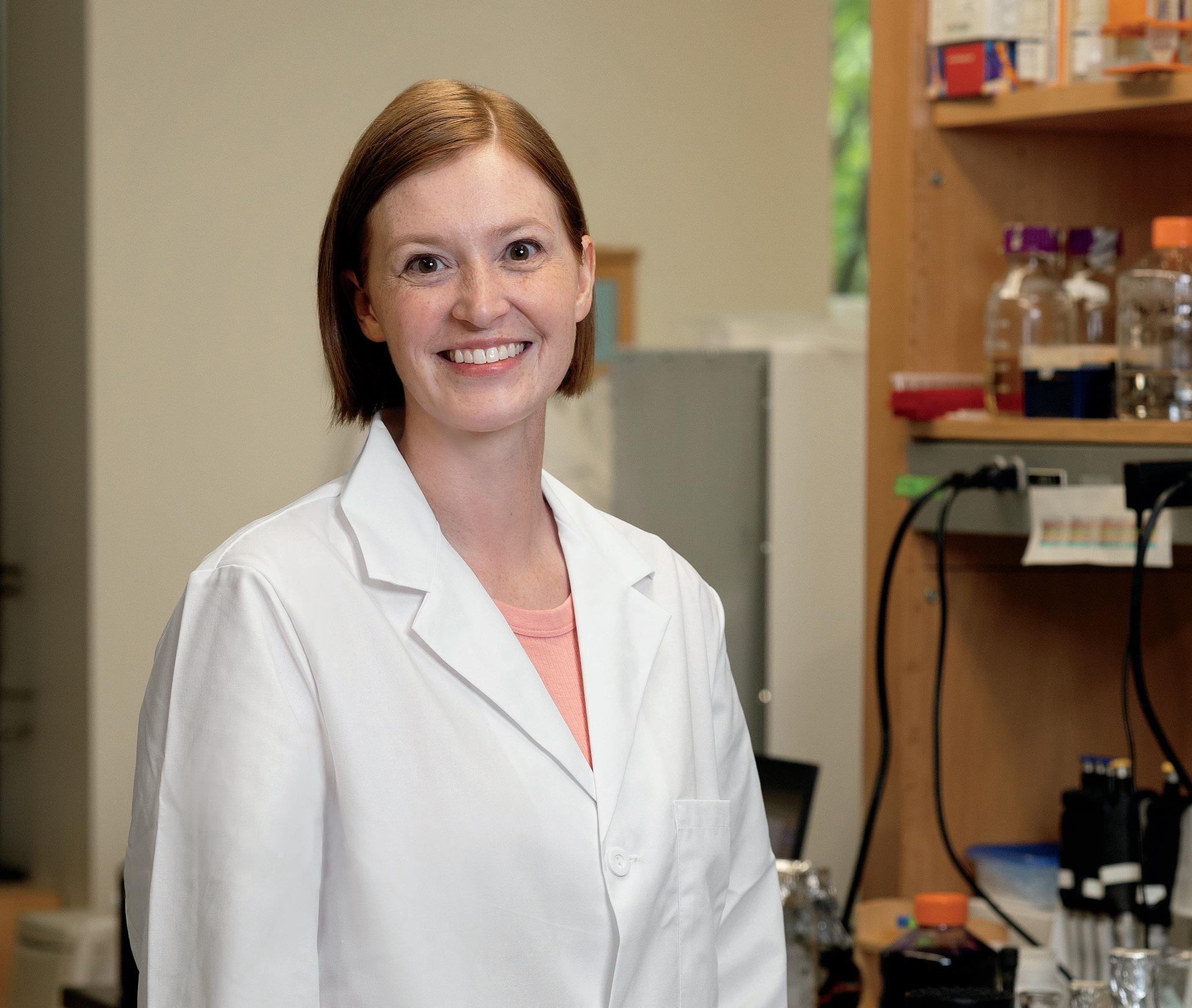
Lisa Ryno
CHEMISTRY AND BIOCHEMISTRY
“...dedicated, curious, and compassionate.”
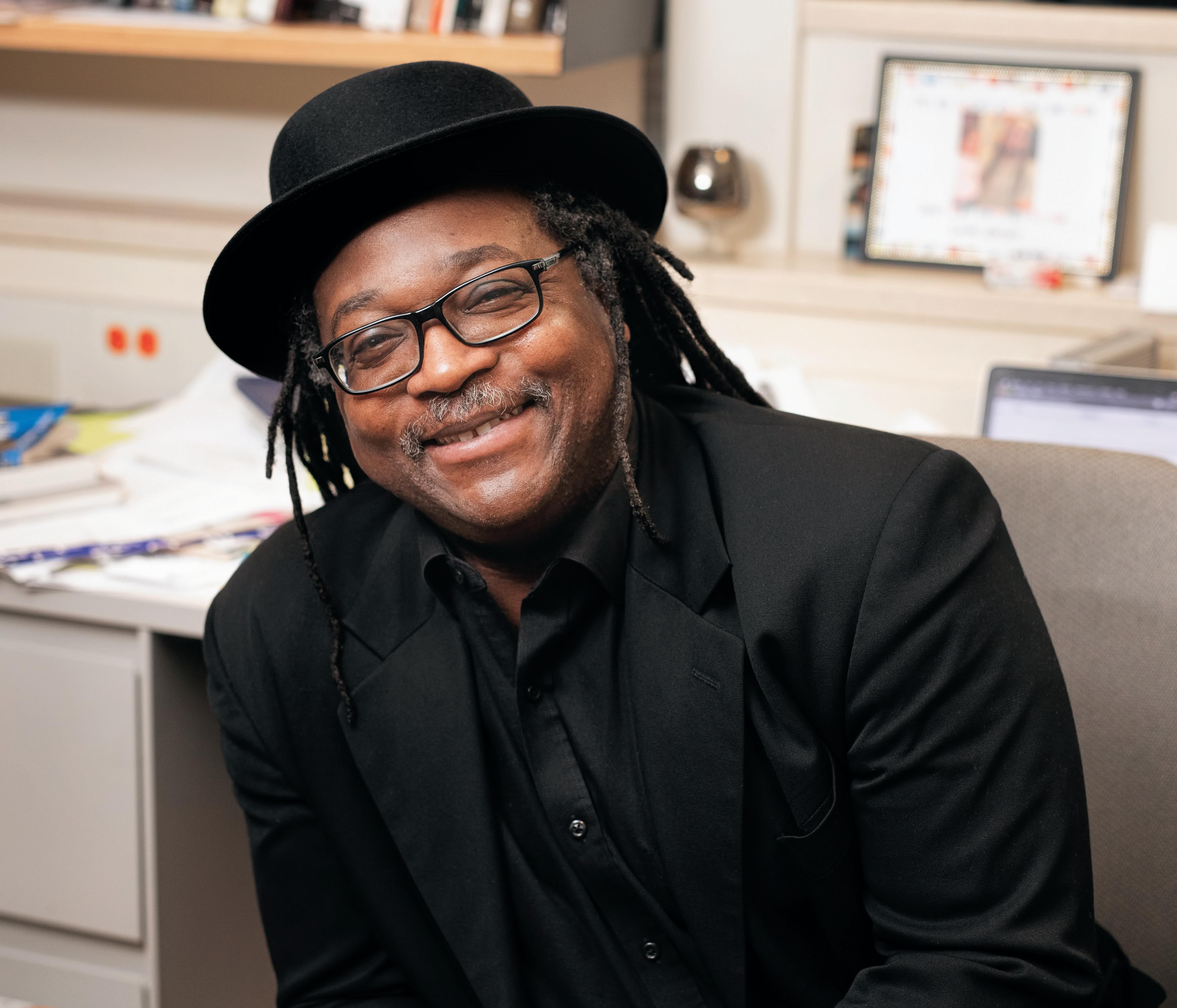
AFRICANA STUDIES
“...contentious, curious, creative, complex, and passionate. Their willingness to challenge themselves and others in the pursuit of understanding their interests, areas of study, community, and world is equaled by their willingness to act upon that understanding.”
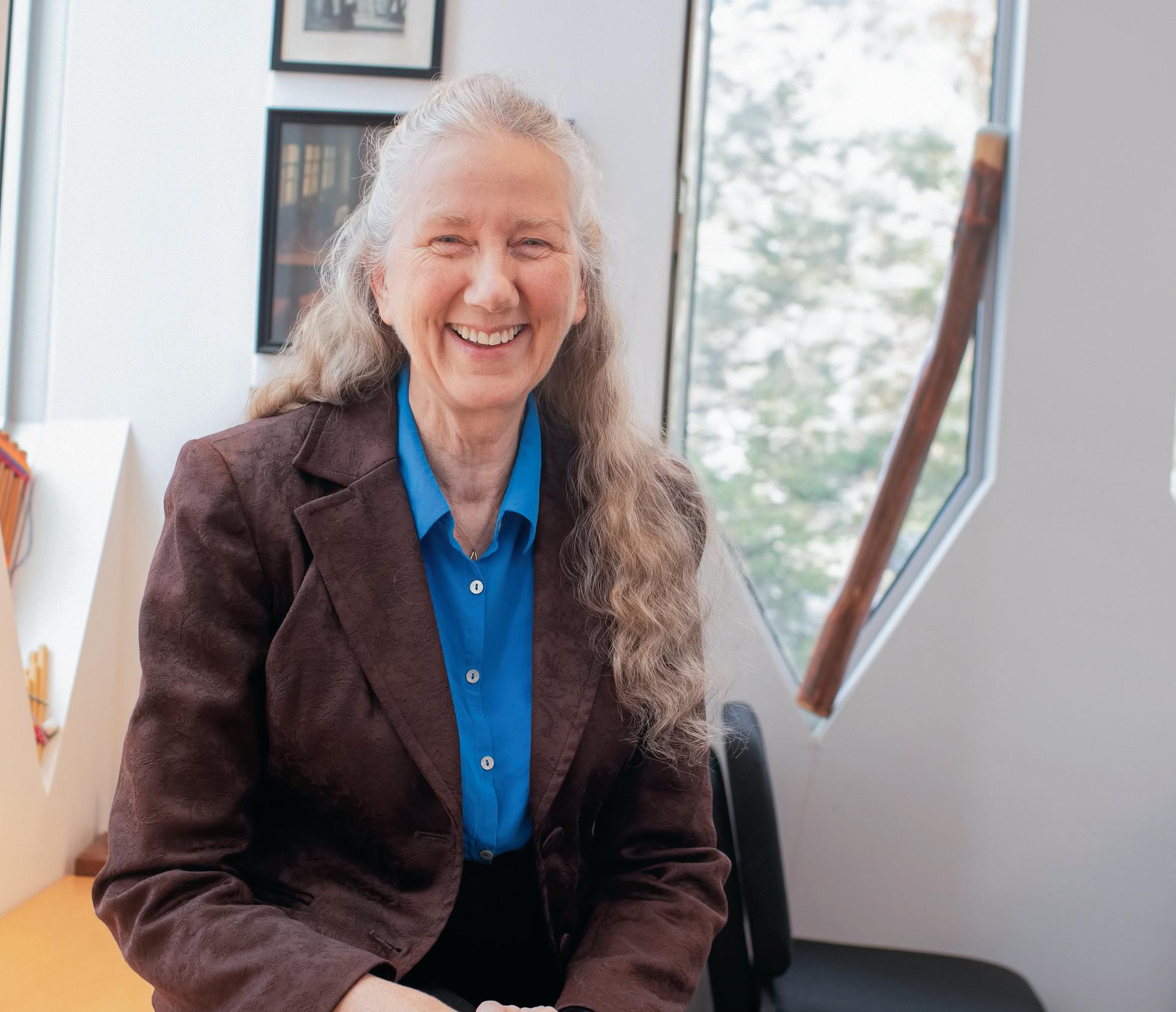
“...technically accomplished and able to demonstrate their passion for music with a compelling voice. What sets our graduates apart from other schools is far beyond the usual technical prowess; it is the artistry, confidence, and readiness for collaborative risk-taking.”
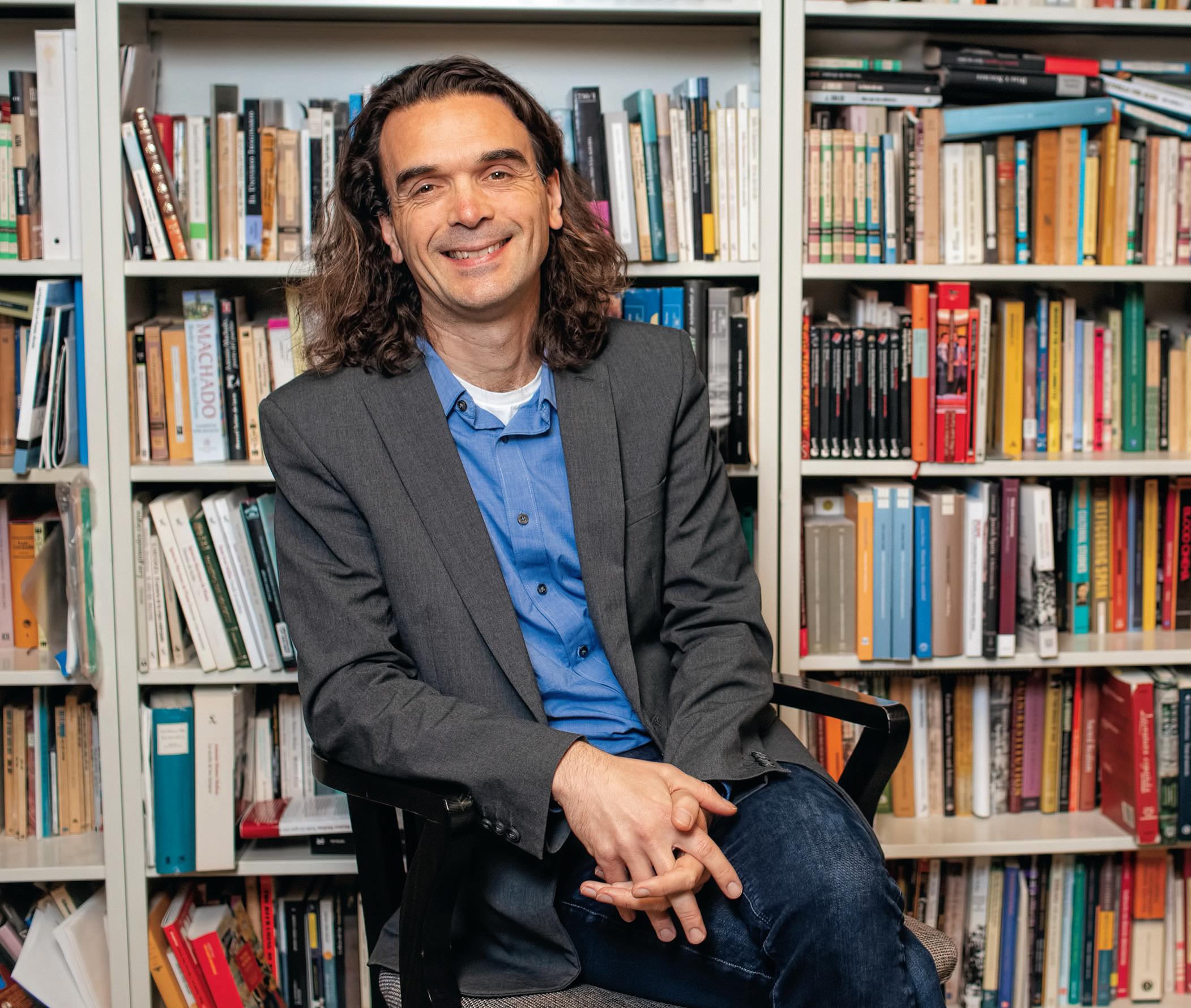
HISPANIC STUDIES
“...ready to learn, creatively minded, and open to ways of thinking and seeing the world they may not ever have considered before. They bring something of their own to the classroom and are willing to share it: an interest, a passion, or just a reserve of creative energy still waiting to be channeled.”
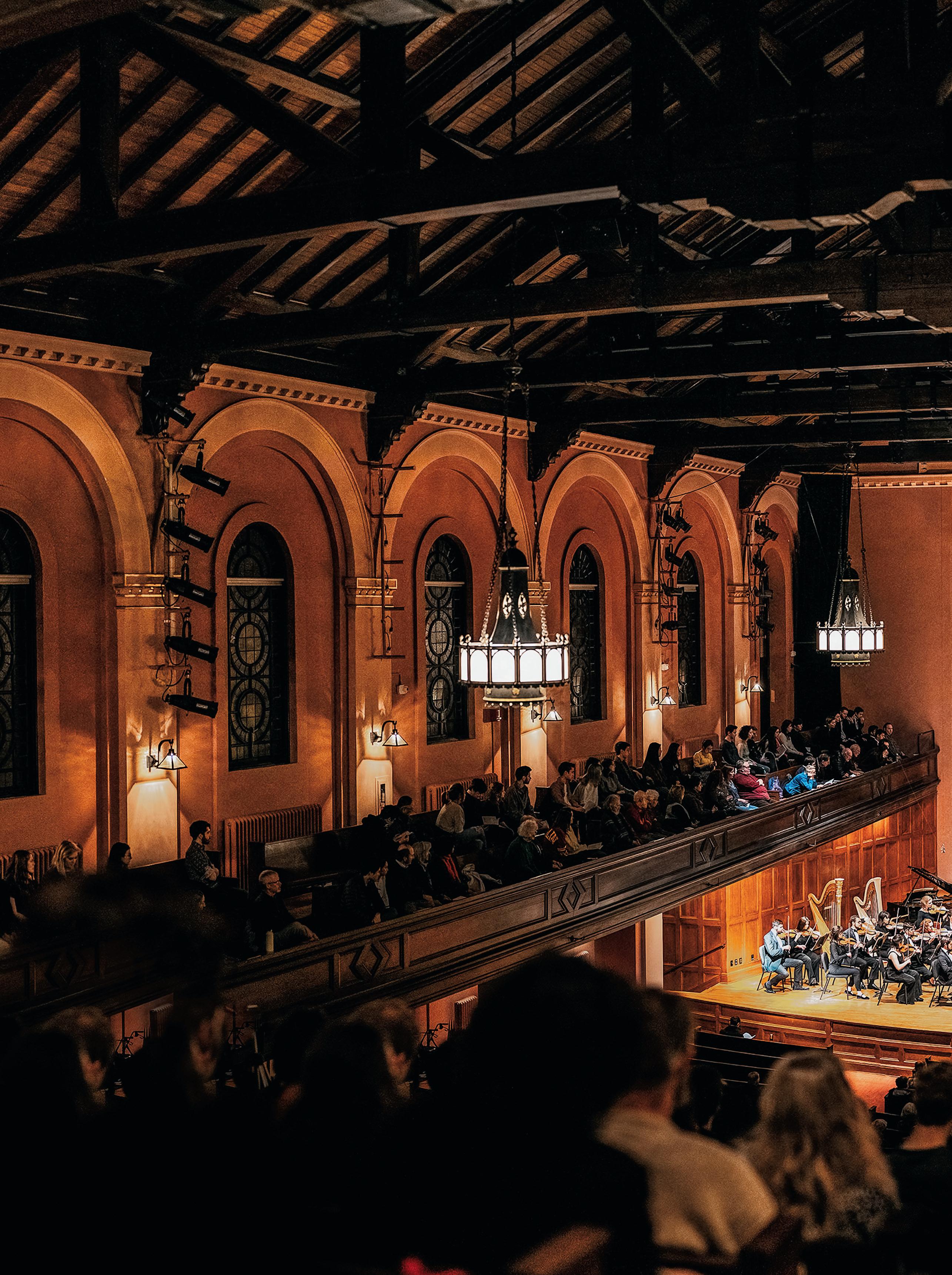
The Conservatory of Music at Oberlin opens a world of possibilities: esteemed faculty mentors, exposure to resident and guest artists, transformative programs, exemplary facilities, and countless opportunities to perform on campus and beyond.
ARE YOU UP TO THE CHALLENGE? >
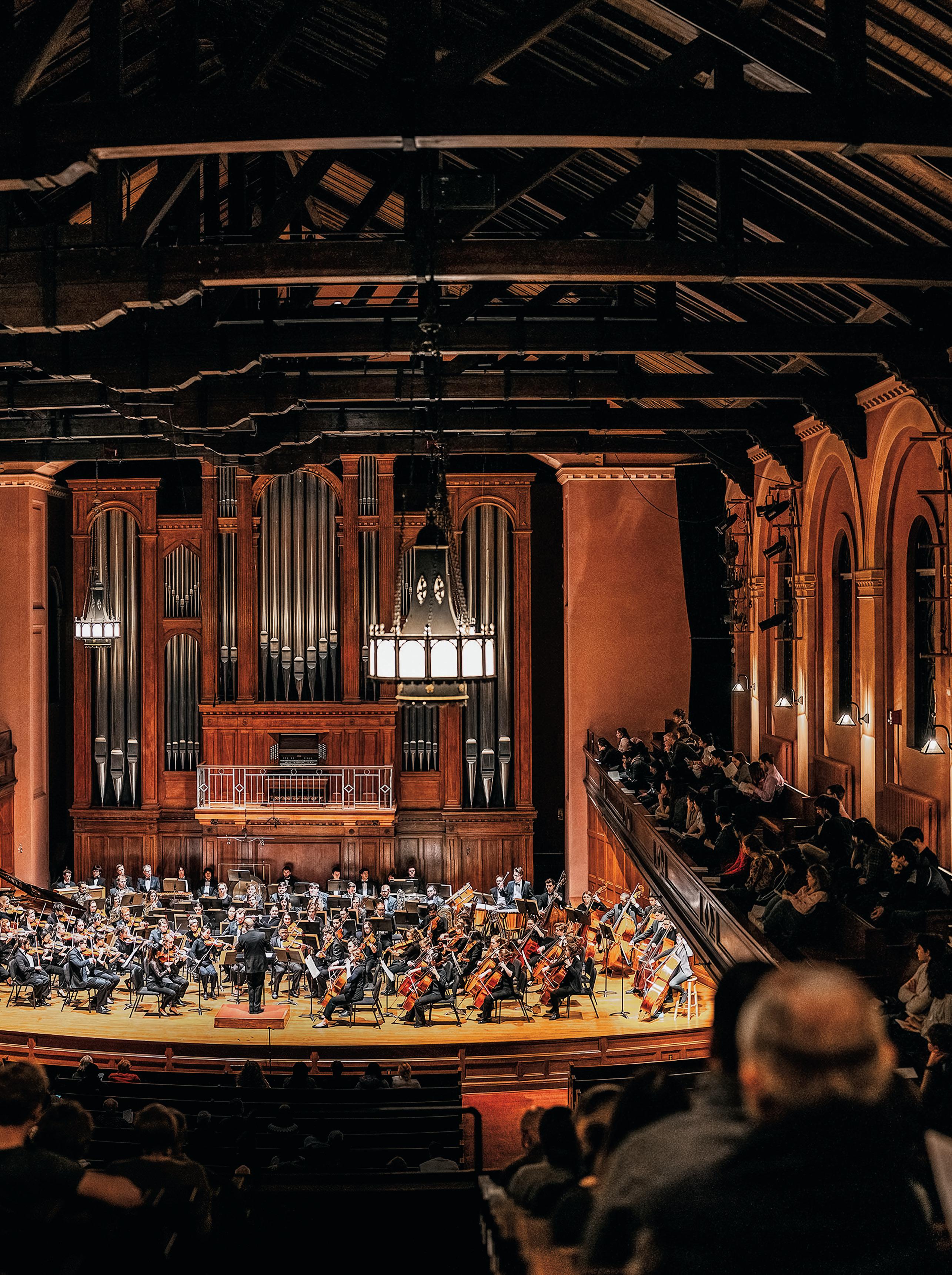
At Oberlin, you won’t line up behind graduate students for opera roles, ensemble placements, and competitions—you will seize these opportunities throughout your time here. Oberlin Conservatory students also benefit from being part of the intellectual ecosystem of a liberal arts college, and they emerge from Oberlin as informed artists with a broad worldview.
Students experience an Oberlin Conservatory education in three distinct ways:
• As pre-professional musicians fully immersed in studies toward a Bachelor of Music degree.
• As dedicated conservatory musicians who also pursue coursework in the College of Arts & Sciences, including minors in college programs.
• As one of nearly 200 participants in Oberlin’s Double Degree Program, through which they earn a Bachelor of Music from the conservatory and a Bachelor of Arts from the college, both in five years or fewer.
TAKING THE STAGE
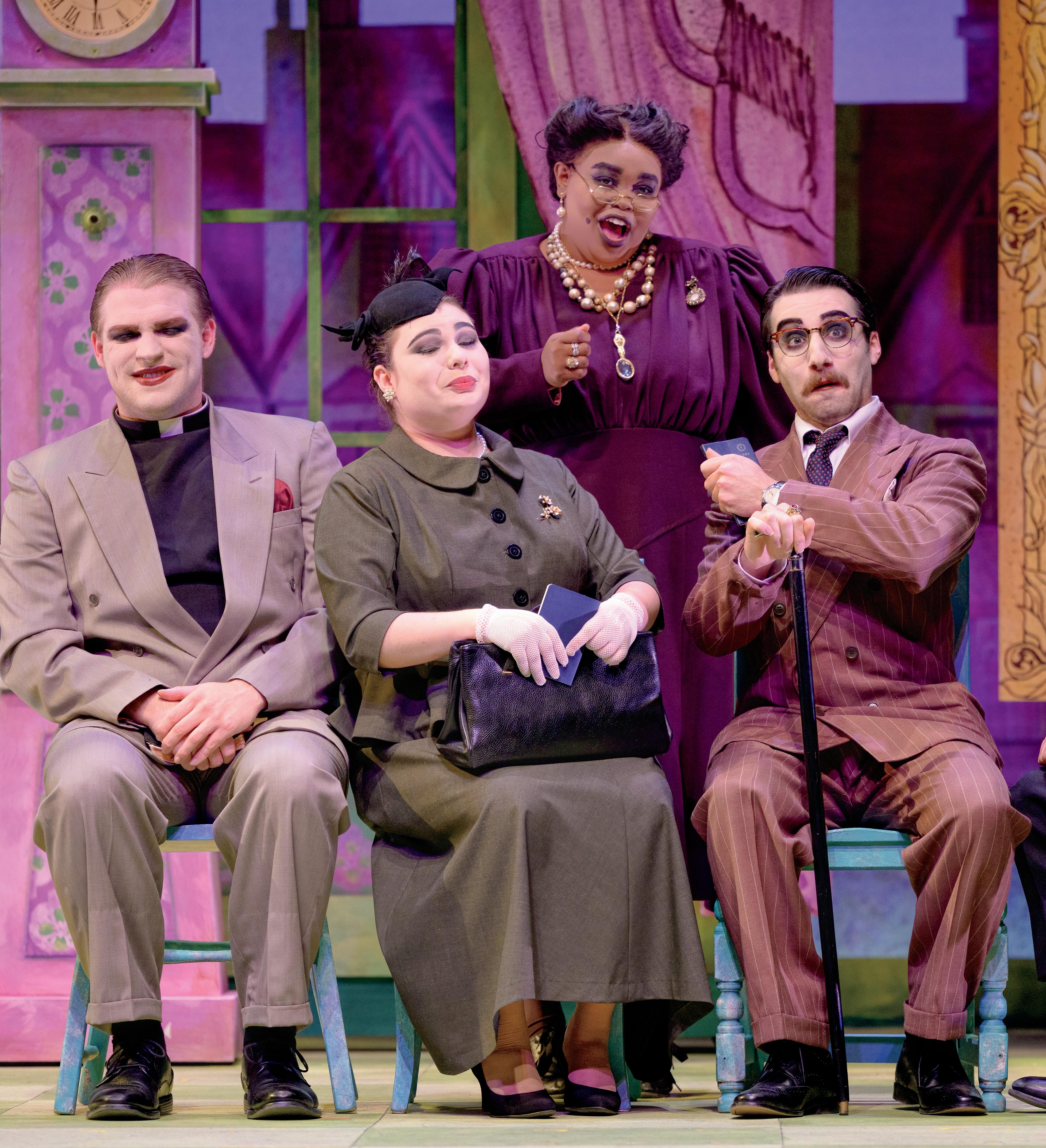
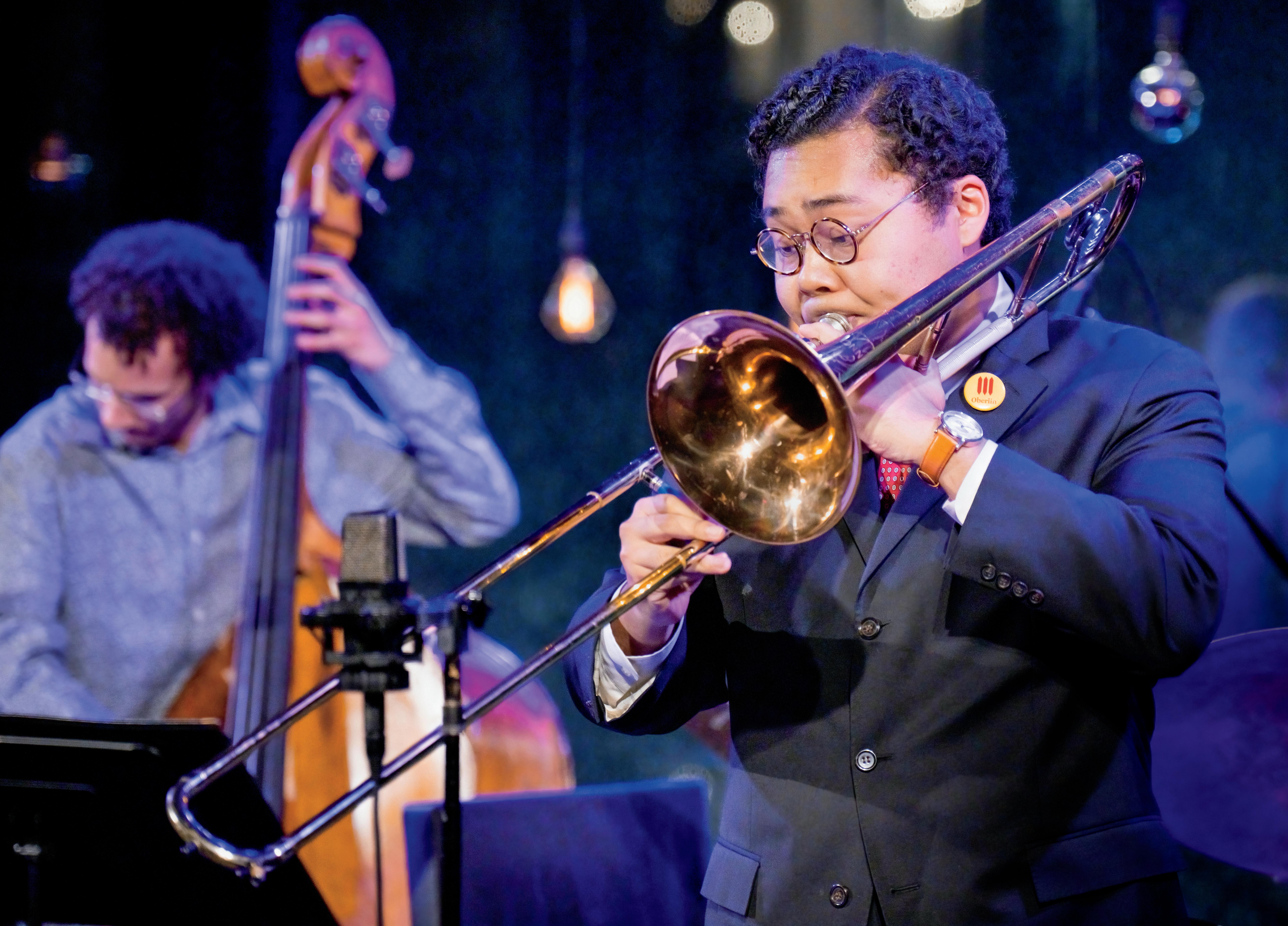
At Oberlin, you will perform. Students here assume essential roles from day one—in ensembles large and small, performing repertoire that spans from the masters to composers of today, in venues on campus, across the region, and around the globe.
Recent tours, Winter Term projects, and other initiatives have included the following destinations and many others:
Boston
Chicago
Cleveland
Los Angeles
New Orleans
New York
San Francisco
Seattle
Washington, DC
Brazil
China
Germany
India
Italy
Japan
Jordan
Norway
Panama
Scotland
South Africa
Uruguay
Conservatory Ensembles
Oberlin Orchestra
Contemporary Music Ensemble
Oberlin Chamber Orchestra
Oberlin Sinfonietta
Oberlin Arts and Sciences Chamber Collective
Oberlin Jazz Ensemble
Oberlin Jazz Lab
Oberlin Sonny Rollins Jazz Ensemble
Oberlin Baroque Orchestra
Viola da Gamba Consort
Recorder Ensemble
Baroque Ensembles
Oberlin Opera Theater
Opera Chorus
Chamber Singers
Oberlin College Choir
Oberlin Musical Union
Collegium Musicum
Oberlin Gospel Ensemble
Circle Singing Ensemble
Oberlin Percussion Group
Brass Ensembles
Guitar Ensemble
Prima Vista
Chamber Music Ensembles
Advanced String Quartet Seminar
Small Jazz Ensembles
Performance and Improvisation (PI) Ensembles
Silent Film Ensemble
Oberlin Improvisation and New Music Collective
Javanese Gamelan
Brazilian Ensemble
Sumatran Talempong
Djembe Orchestra
Creative Music Ensemble
Stage, Story, and Song
6:1
Student to faculty ratio in the conservatory
11 inspiring performance venues
240+
Steinway pianos
445,000 scores, books, and recordings in the Conservatory Library— including 100,000 recordings in the Neumann Jazz Collection
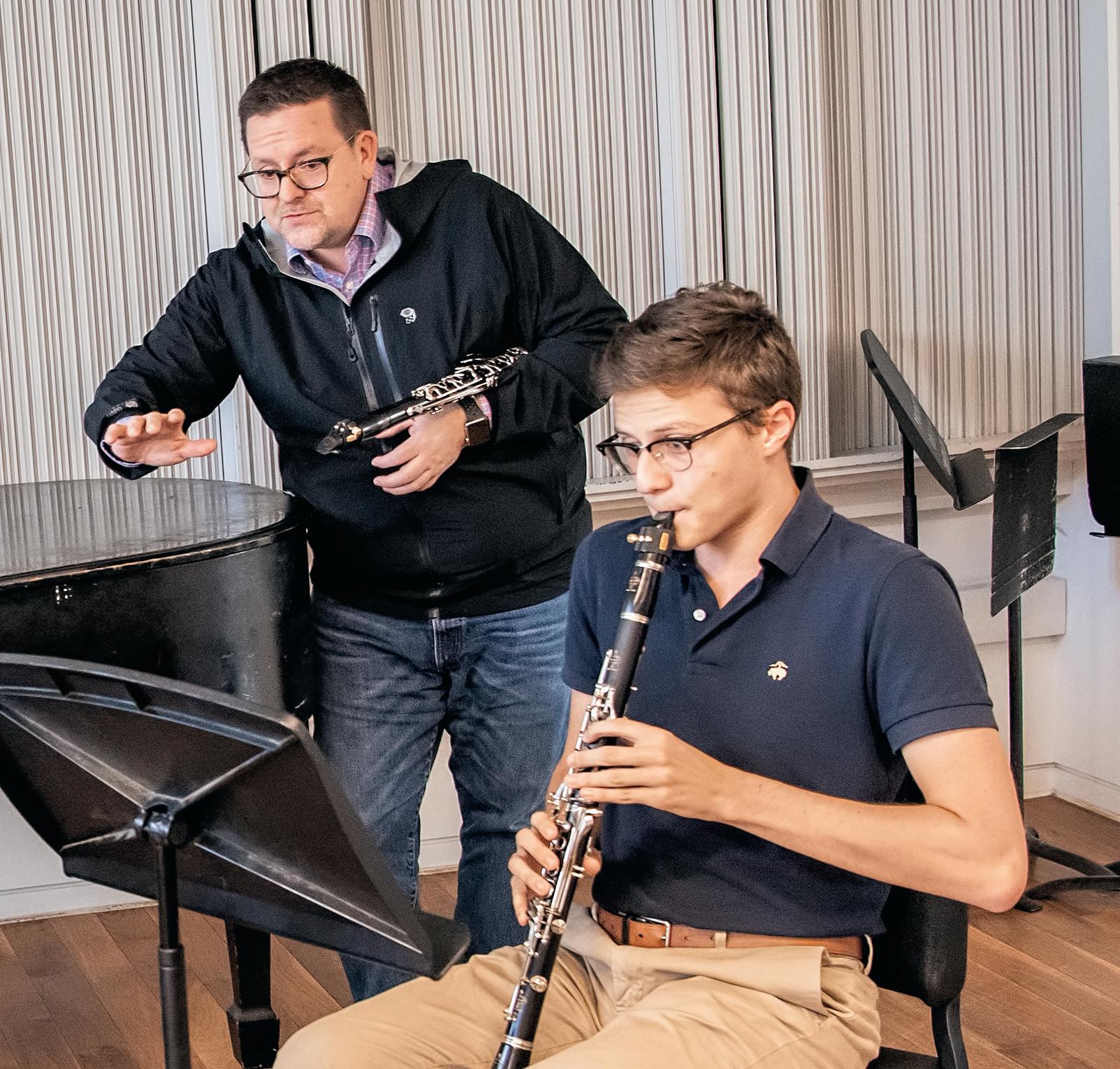
Oberlin emphasizes individualized instruction. You will be guided by outstanding faculty-performers who devote countless hours teaching lessons, coaching ensembles, and offering mentorship in a multitude of ways. You will also benefit from residencies and masterclasses presented by preeminent guest artists throughout the academic year.
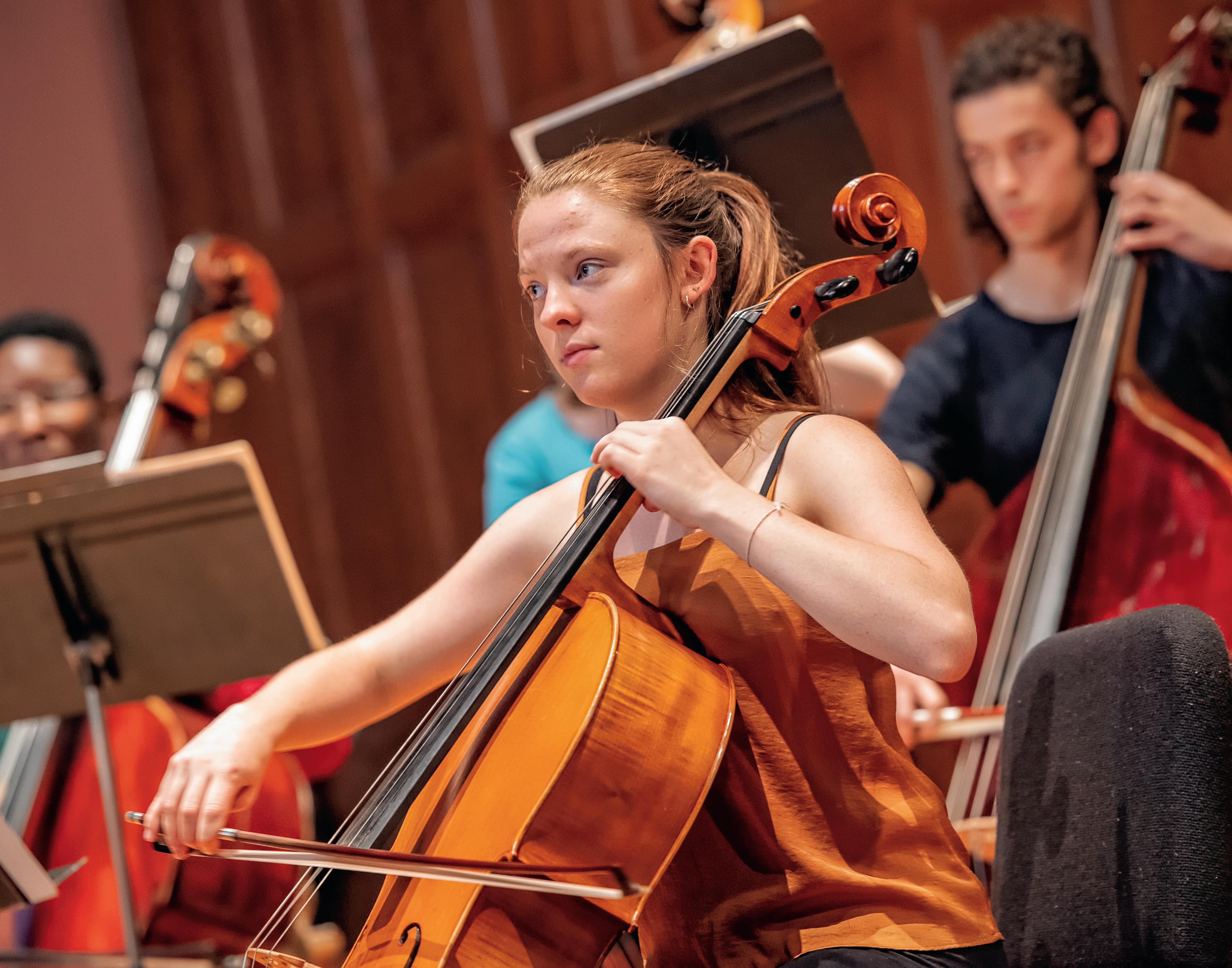

Studying music at Oberlin isn’t just for conservatory students! You can be a serious musician in the College of Arts & Sciences too. Both offer a wealth of opportunities for students who are interested in pursuits that unite their passions for music and the liberal arts.
One way is by majoring in musical studies in the College of Arts & Sciences. Its requirements span conservatory and college classes, providing a thoughtfully crafted foundation in music theory, music history, and ethnomusicology, with plenty of opportunities to perform.
MINORS AND CONCENTRATIONS AVAILABLE TO ALL STUDENTS
• African American Music
• Arts Administration and Leadership
• Arts and Creative Technologies
• Interdisciplinary Performance
• Music and Cognition
• Music and Popular Culture
• Pedagogy, Advocacy, and Community Engagement
SAMPLE CONSERVATORY CLASSES OPEN TO ALL STUDENTS
• Pop Music and Media
• Music Criticism
• Voice Class for Non-Majors
• Philosophy of Music
• Entrepreneurship
• Western Art Music
• Jazz Aural Skills
• Composition for Non-Majors

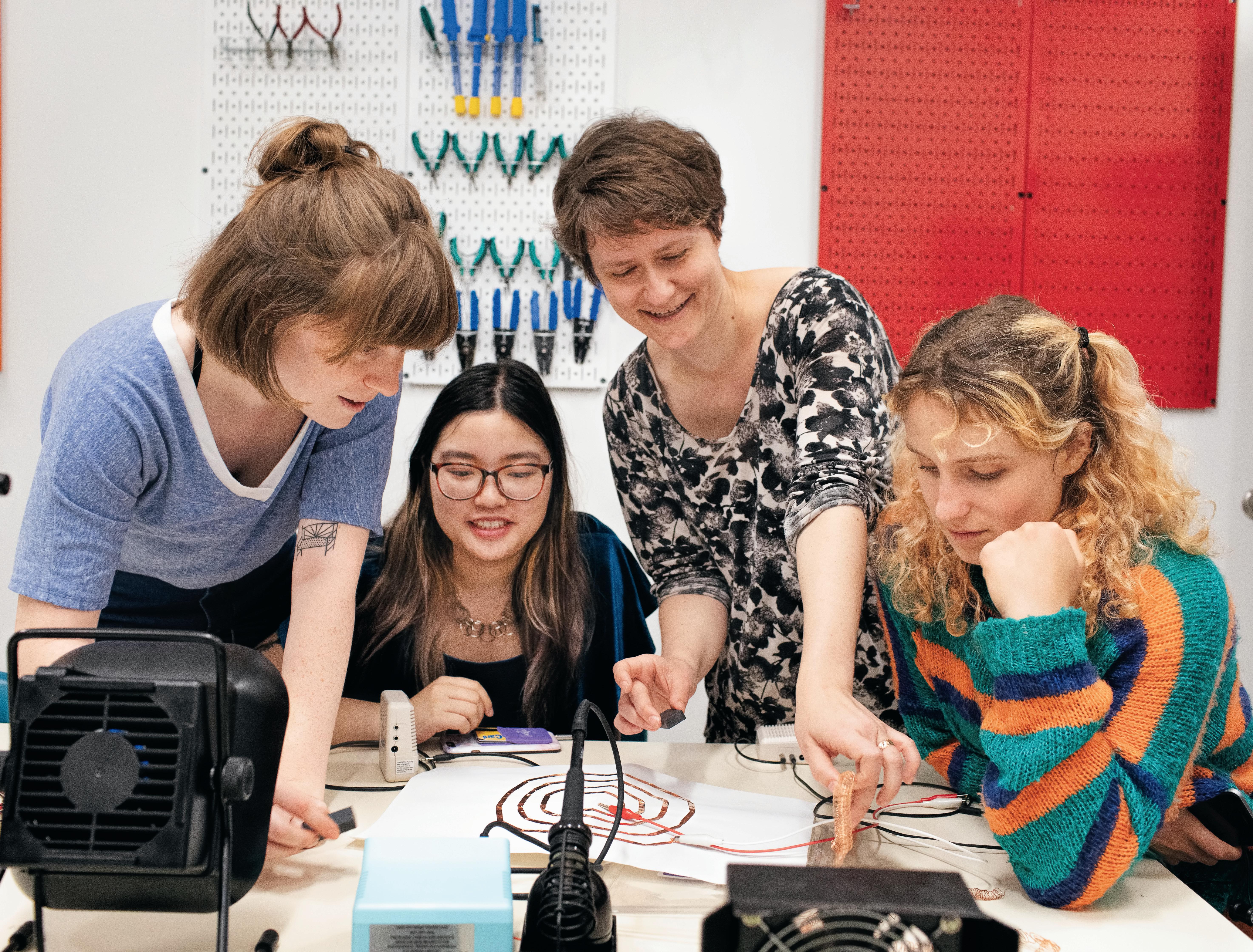
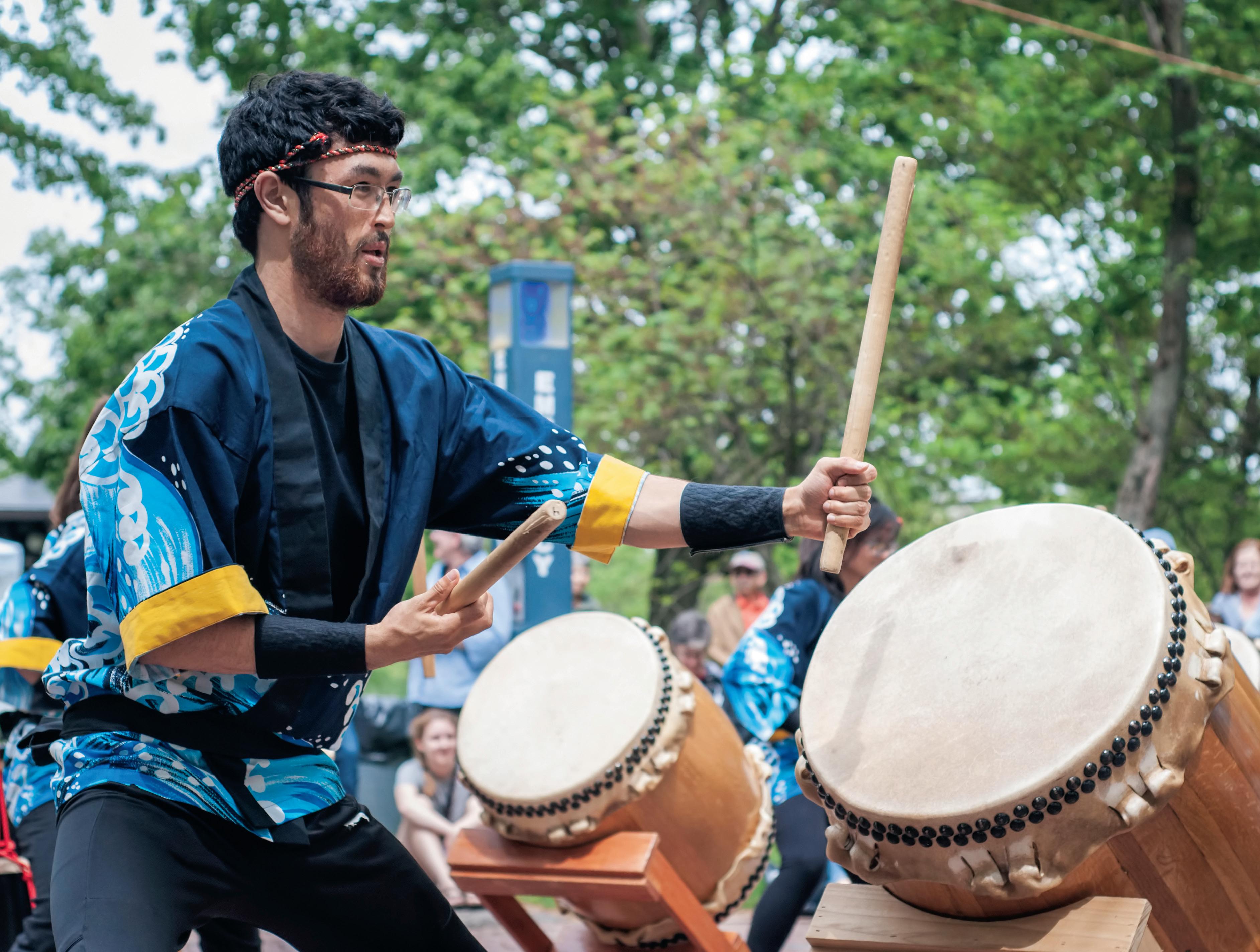
Music is an integral part of Oberlin’s DNA. Whether or not you choose to study music formally, your opportunities to play and experience it will abound here.
Each year around 200 college students enroll in one-on-one lessons taught by conservatory faculty or advanced students. Need an instrument? If you’re enrolled in lessons or a performance-based class, you are eligible to borrow an instrument for the semester or year.
The conservatory offers more than two dozen ensembles, and college students are eligible to audition for any of them with the approval of a faculty member.
Opportunities abound to participate in musicmaking clubs, including Oberlin Taiko, Oberlin Steel Drum Ensemble, and numerous a cappella groups—and you can even create your own!
Before you start rehearsing for Cover Band Showcase at the ’Sco, check out the Gear Co-Op. This student-run organization provides the space, equipment, and educational resources you need to practice, perform, and record whatever you want. Need some good acoustics and maybe a Steinway? The conservatory’s practice rooms are available to all students—you don’t need permission or a key.
150 conservatory practice rooms open to all Oberlin students.
450
Arts & Sciences students enroll for credit in conservatory classes each semester.
25+
student recording spaces
200
Arts & Sciences students take private music lessons in the conservatory each year.
Maybe your interests lie more behind-thescenes? You can work for Conservatory Audio Services or Concert Sound, which support live music in venues all over campus. WOBC radio broadcasts ’round the clock, with programs of all kinds produced and hosted by students.
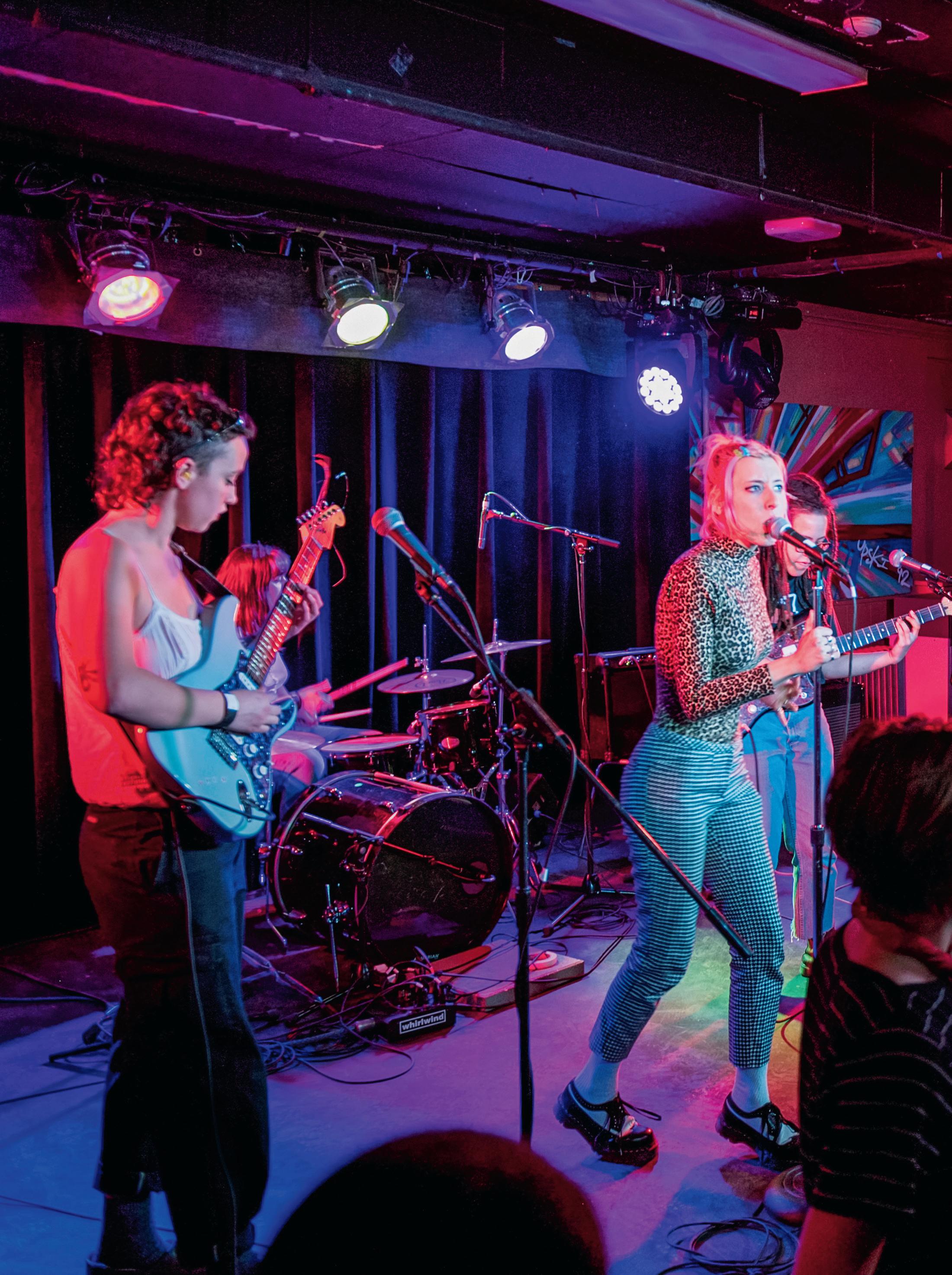
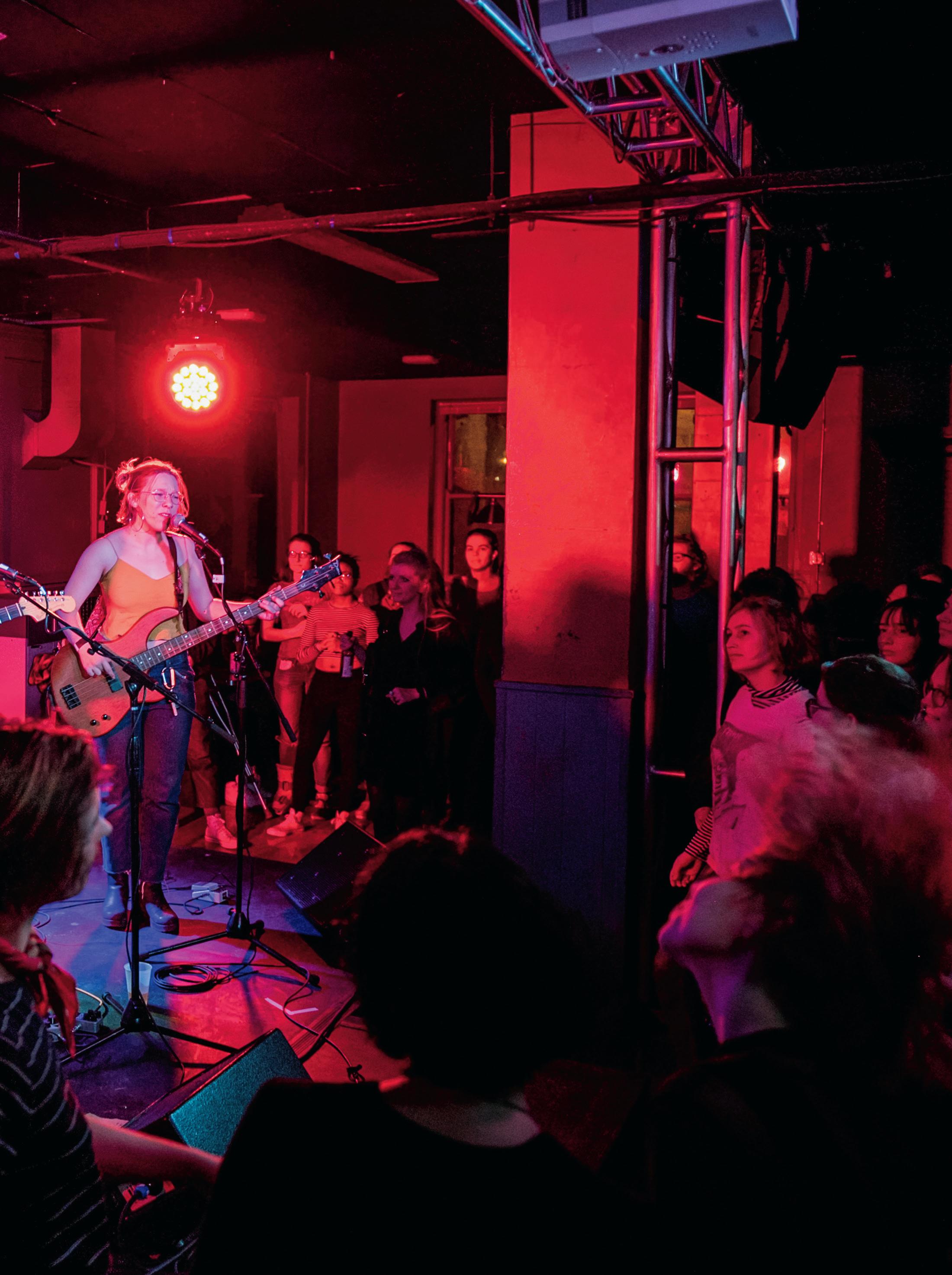
With an ethos that favors intellectual curiosity, creative risk-taking, and collaboration over competition, Oberlin lays the groundwork for students to pursue their own visions. The result is a campus alive with art and music, thoughtful discourse, and a ton of just plain fun.

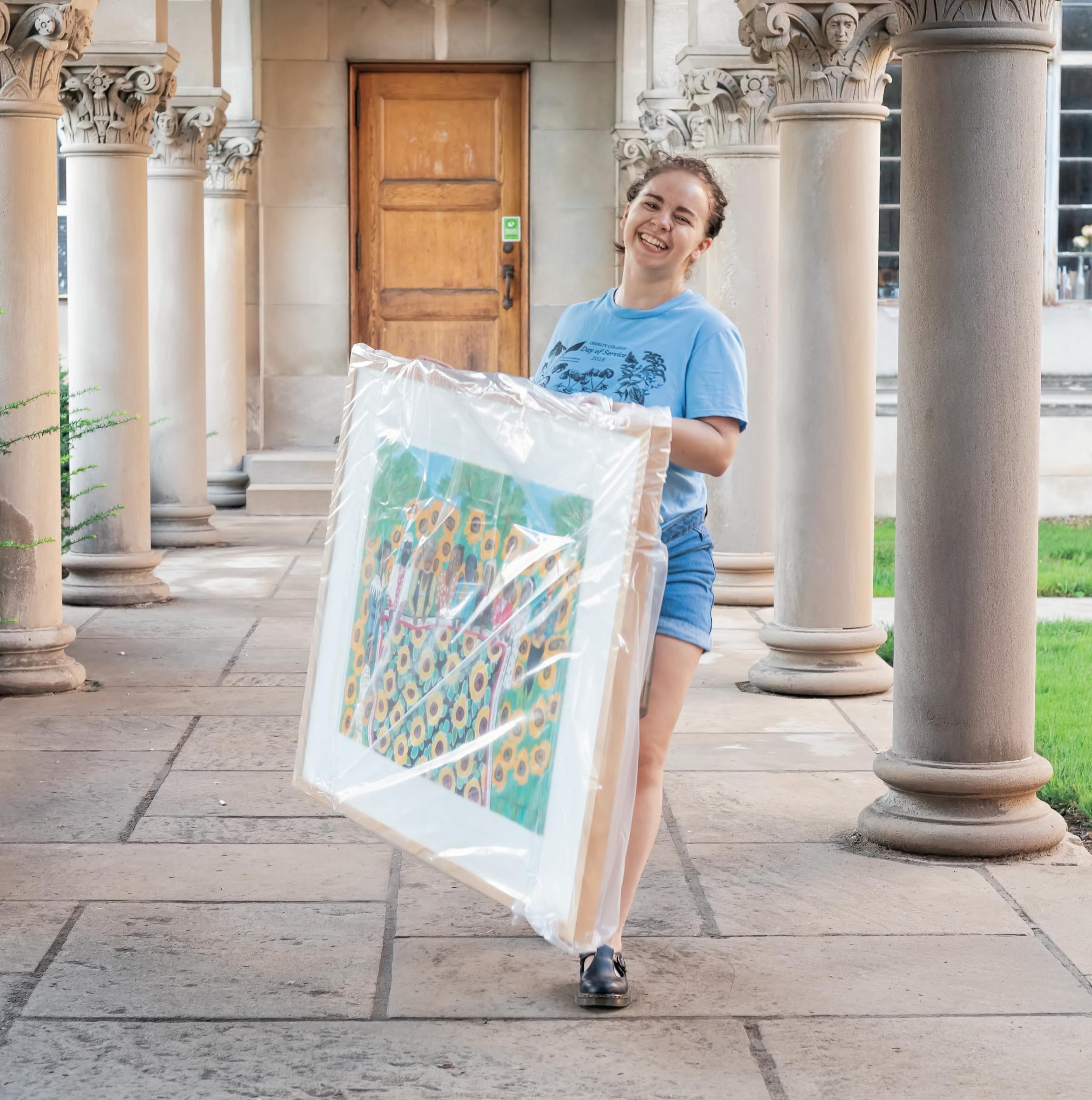
You may have heard about Oberlin’s one-of-a-kind art rental program. Artwork by the masters—Monet, Picasso, and Warhol among them— are loaned to students for their rooms for $5.
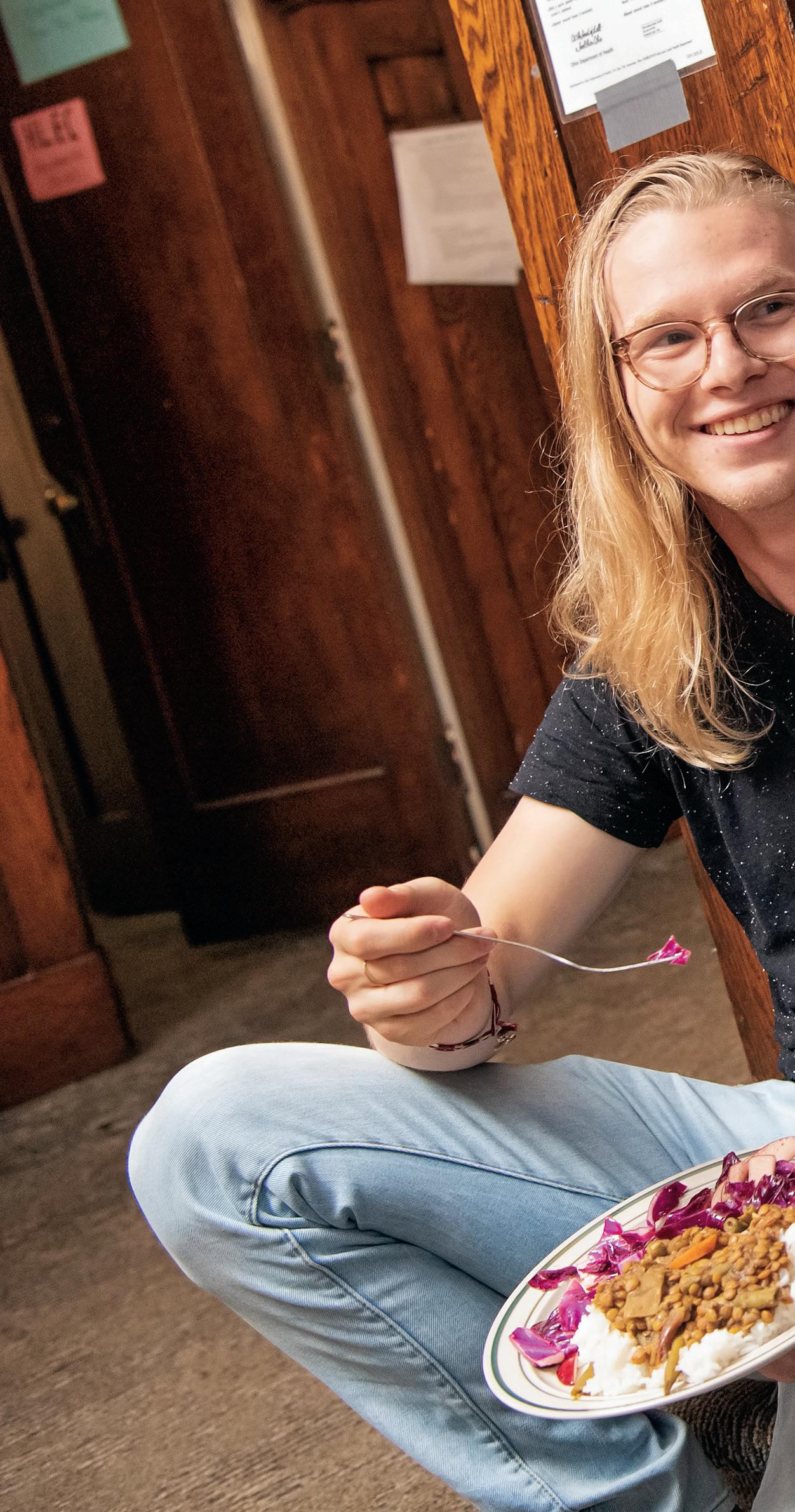
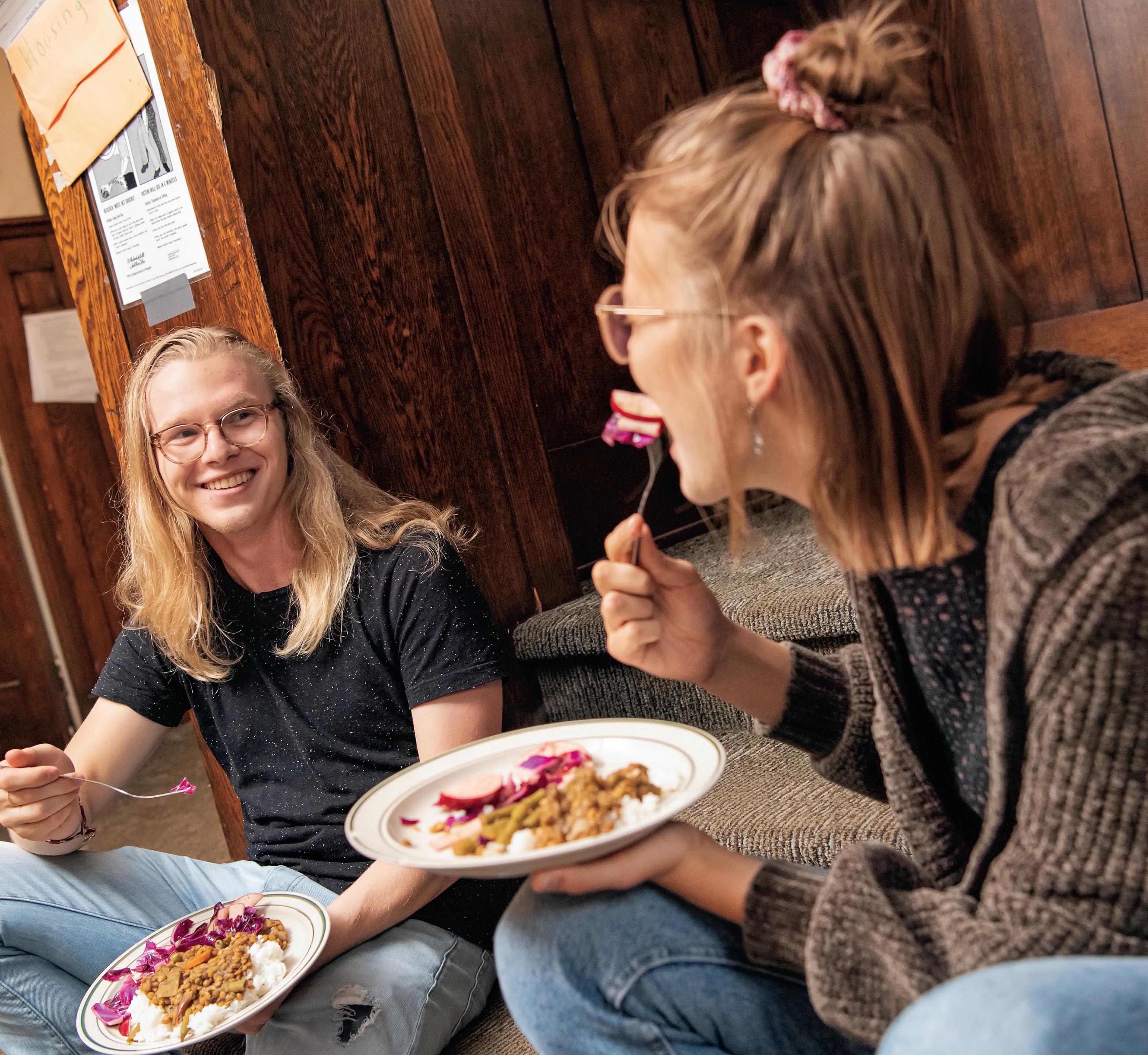
As a first-year student, you’ll be able to choose from a variety of housing styles: traditional residence halls; program houses centered around a language, identity, culture, or interest; or co-ops, in which students run the household and share meal prep. Dining choices include fresh, mostly local food to suit every eater and dietary lifestyle. You’ll enjoy farm-to-fork meals, hormone-free proteins, cage-free eggs, and socially aligned coffee.
95% of students live on campus all four years.
7 campus dining locations
Obies love their food! Whether you’re grabbing a snack to go as you run to class or sitting down with 90 of your friends for a co-op meal (homemade by members!), you’ll always find something—much of it local and organic—to satisfy your stomach and soul.
A Green “EDGE” fund pays you for ideas and projects that promote environmental sustainability.
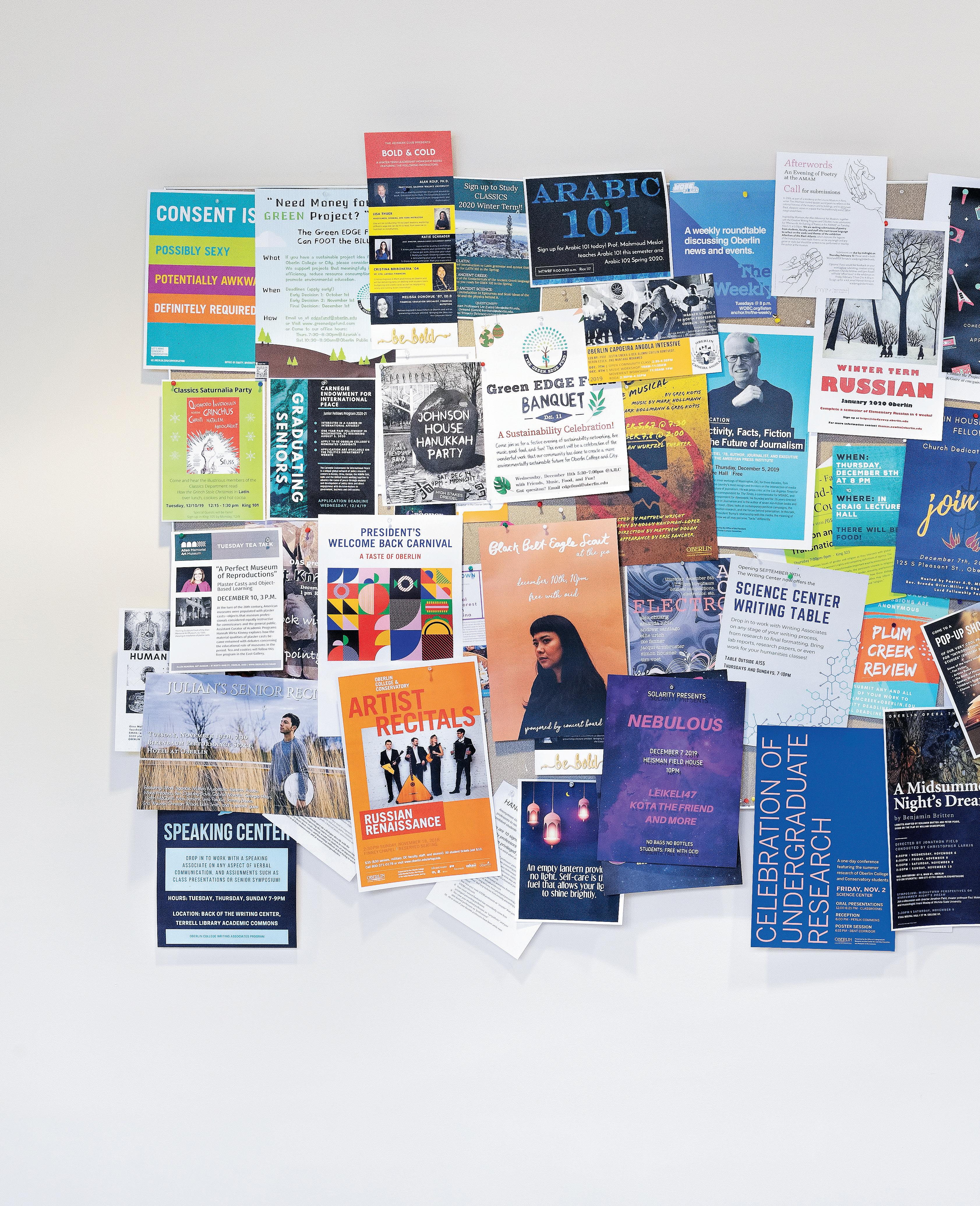
We have a campus culture in which people respect their peers and look out for one another.
Obies go old-school analog when promoting the 500 performances, lectures, exhibitions, and student-produced events each year. This bulletin board gives a glimpse of what makes Oberlin special.
Our theater and dance departments present main-stage productions throughout the year.
Students have the opportunity to create new, campus-wide organizations or events, like a music and art festival that draws nationally known performers (like Lizzo). Our incredible student-run writing outlets include literary magazines, science journals, the student newspaper, and, of course, an alternative student newspaper.
We host a huge variety of speakers who tackle the hottest topics in politics, pop culture, education, and more.
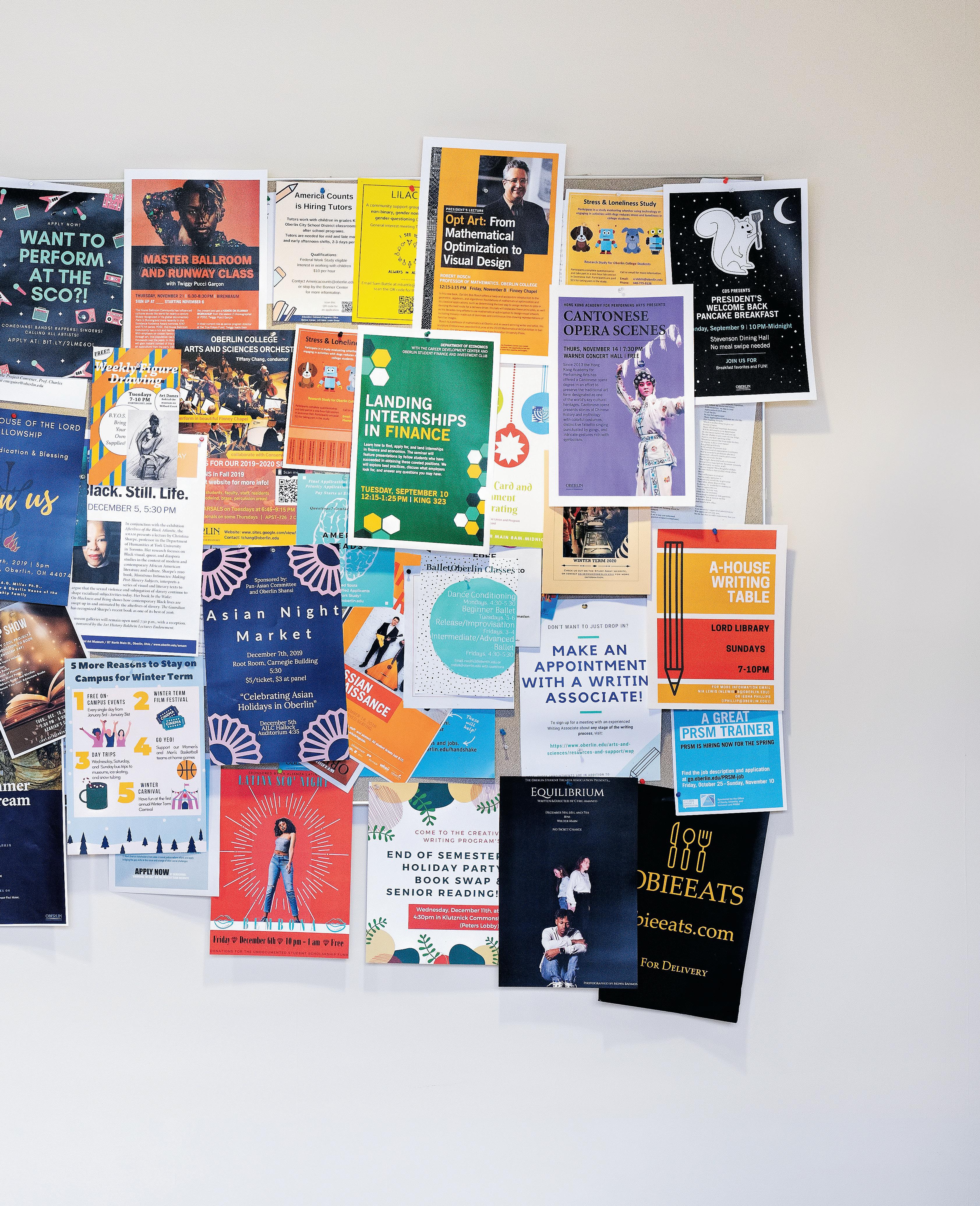
We have places for people to explore and pursue their faiths—and those of others.
We embrace winter! You can make the most of Ohio’s chilliest month with project-based learning, cozy gatherings, and day trips out of town.
We have fun, stress-reducing study breaks, like pancake breakfasts at midnight.

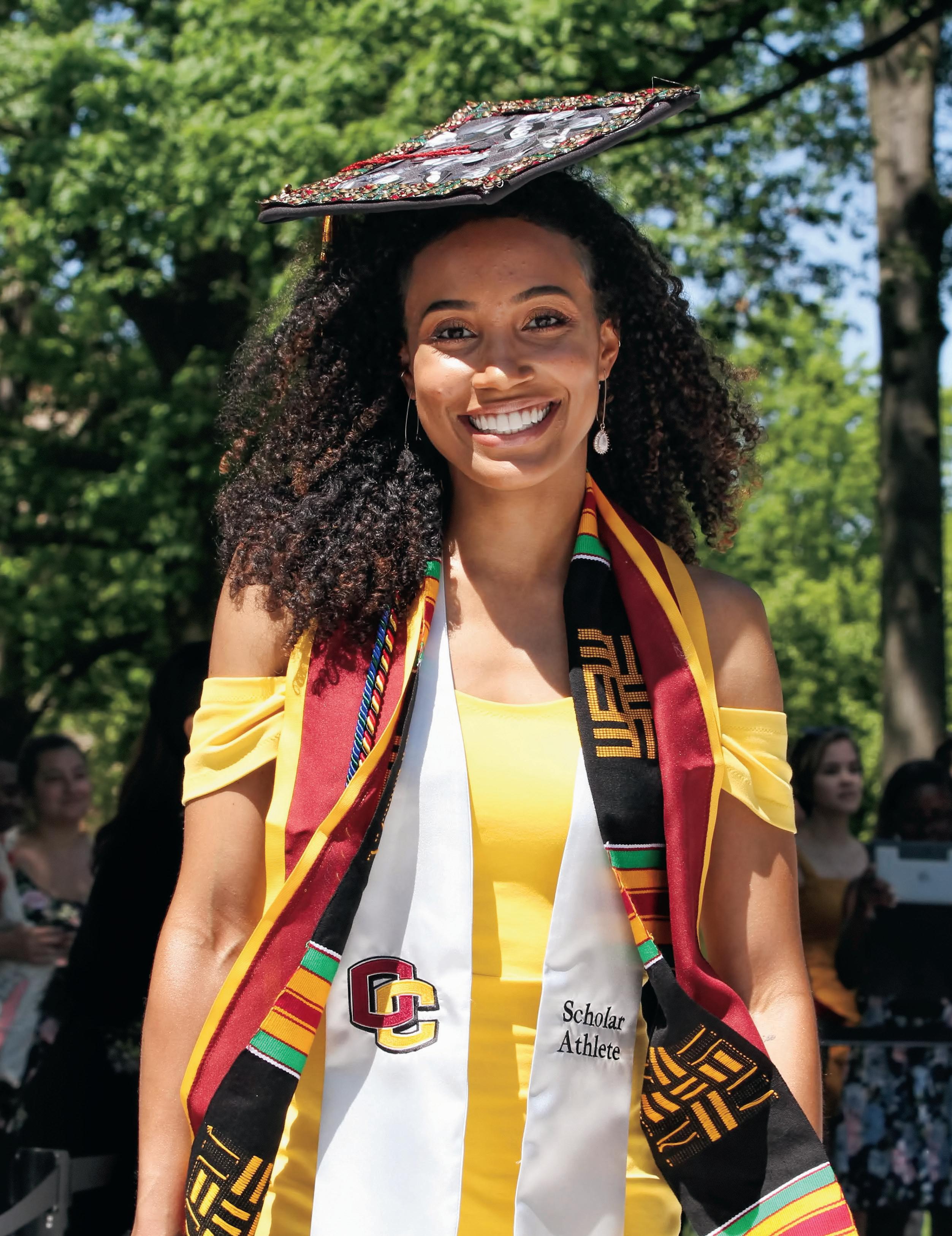
What does it mean to be a scholar-athlete at Oberlin? It means being ready to step up and play big for the things and people that you believe in. It means standing up or taking a knee for inequalities. It means embracing the privilege and joy of competition.

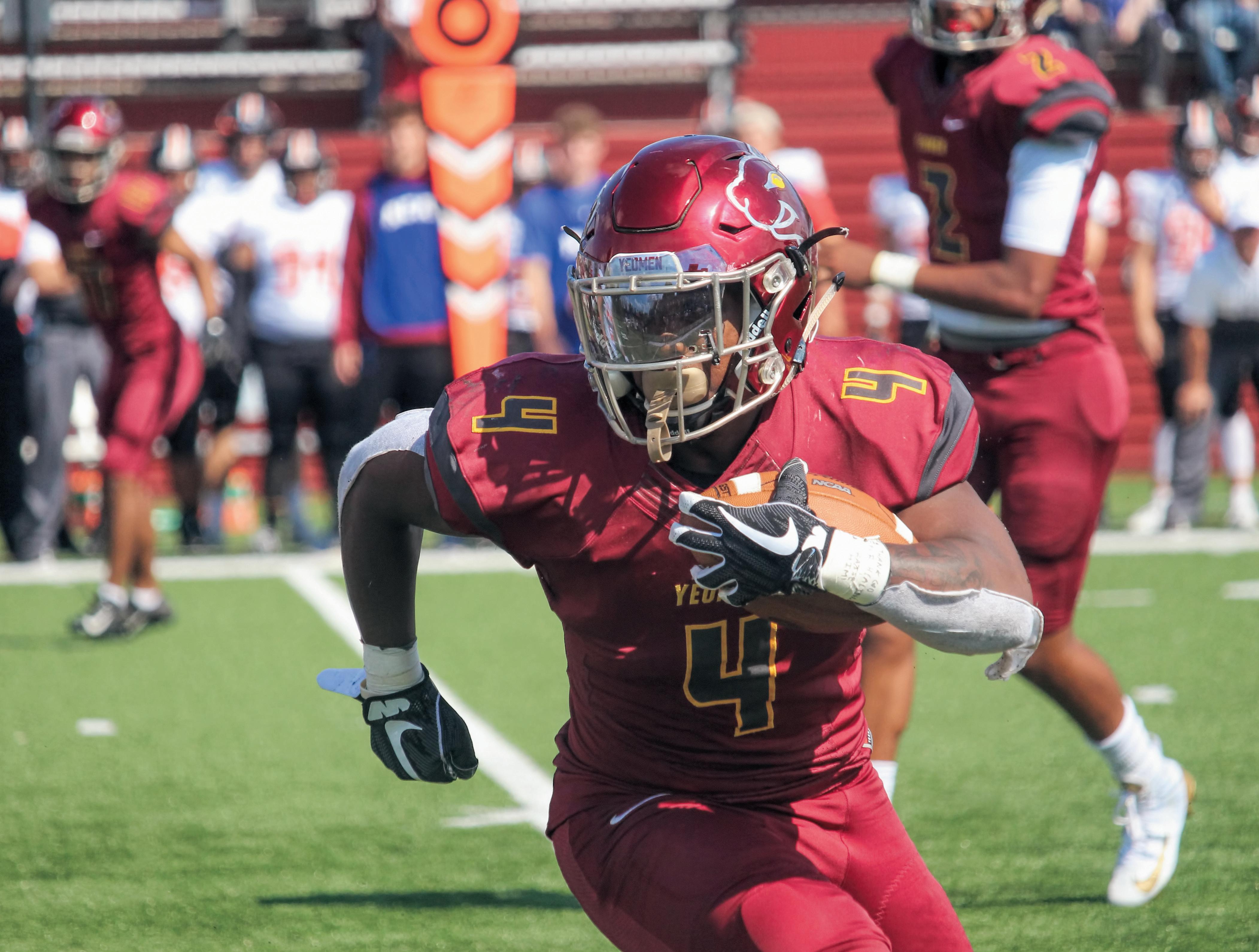
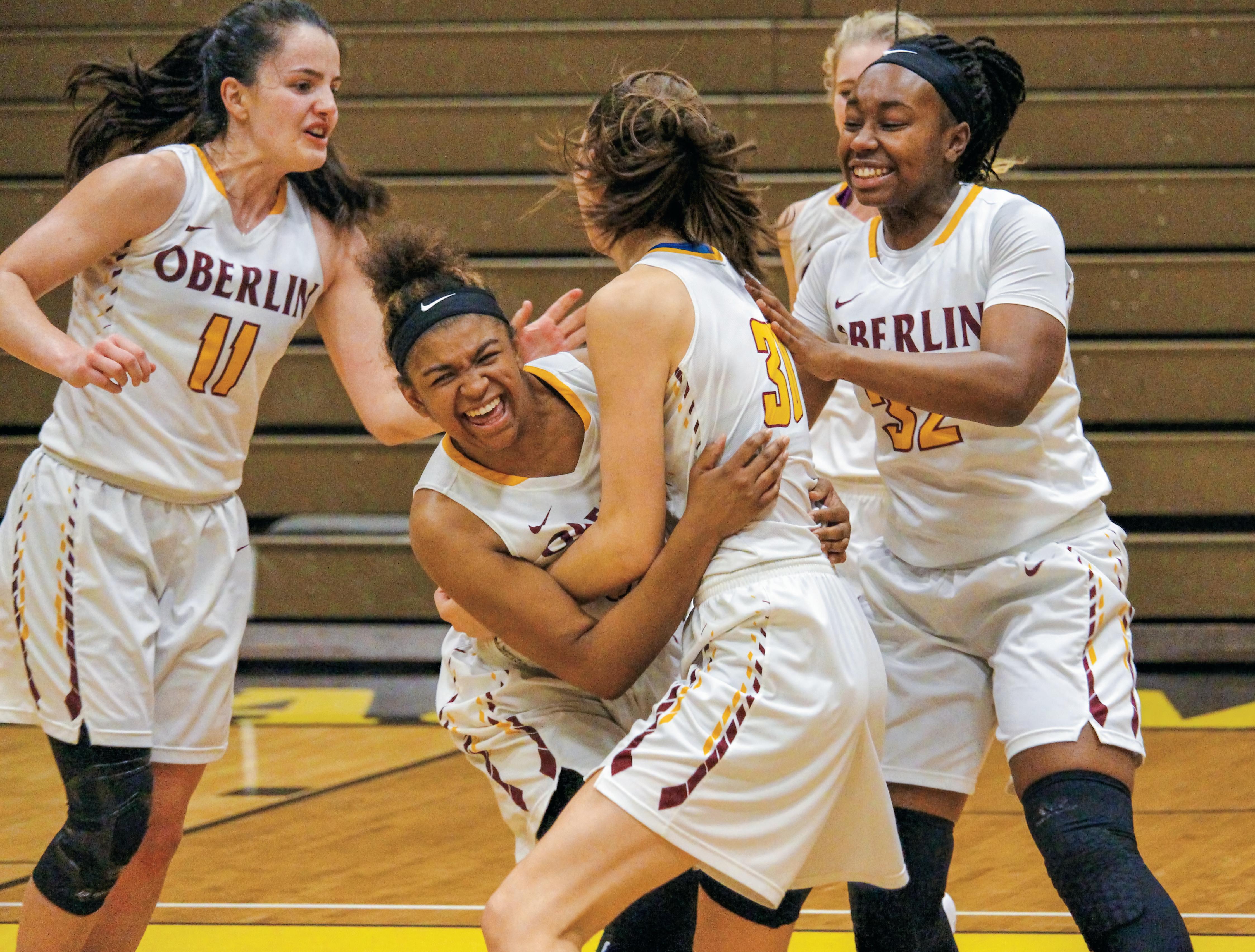



Oberlin is an NCAA Division III institution and a member of the North Coast Athletic Conference.
Men’s Varsity Sports
Baseball
Basketball
Cross Country
Football
Lacrosse
Soccer
Swimming & Diving
Tennis
Track & Field
(Indoor and Outdoor)
Women’s
Basketball
Cross Country
Field Hockey
Lacrosse
Soccer
Softball
Swimming & Diving
Tennis
Track & Field
(Indoor and Outdoor)
Volleyball
Athletics facilities include an artificial turf field with lights— home to football, field hockey, and lacrosse teams; baseball, softball, and soccer fields; a track and cross-country course; tennis courts; a large fieldhouse; a competition pool and diving well; two gyms for basketball and volleyball; and an indoor track and tennis courts.
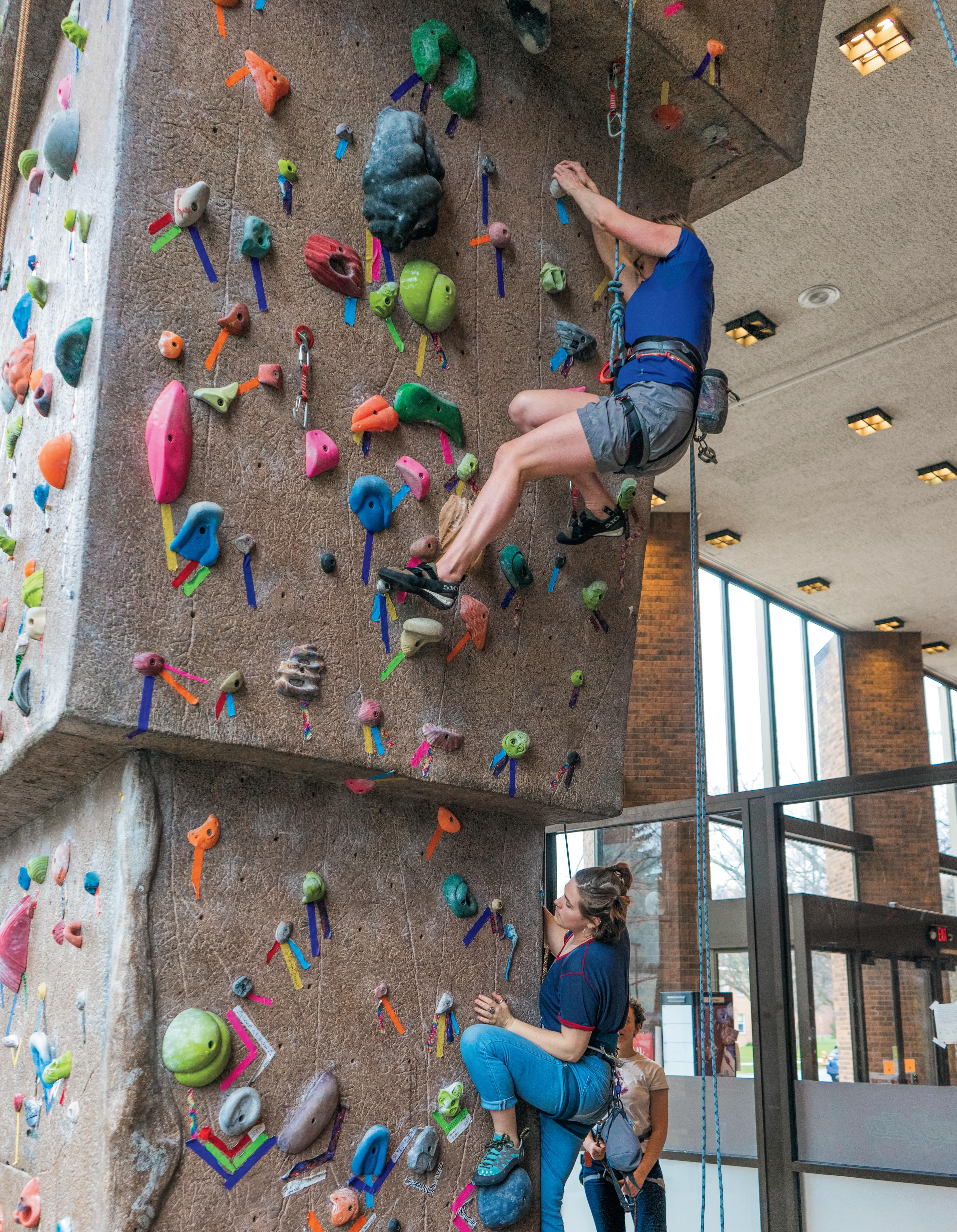
Engage. Energize. Empower. This is the mission of health and wellness programming at Oberlin, where our expansive facilities promote a culture of self-care and healthy living for students of all abilities. From spinning and swimming to boot camp and boxing, students can exercise with friends in a comfortable, low-pressure setting.

19
club sports include Aikido, bowling, equestrian, pickleball, rubgy, Ultimate, and volleyball.
$0 Cost for YeoFit classes

Cycling, yoga, and boxing are among two dozen walk-up group fitness classes offered each semester in Oberlin’s new Shanks Health and Wellness Center. There’s also a fitness studio that houses more than 50 stationary bikes, treadmills, elliptical machines, rowing machines, cable weight machines, and free weights.
All Obies can take part in a vigorous fitness and wellness program called YeoFit, which offers free, campuswide fitness challenges and classes at a wide variety of times.

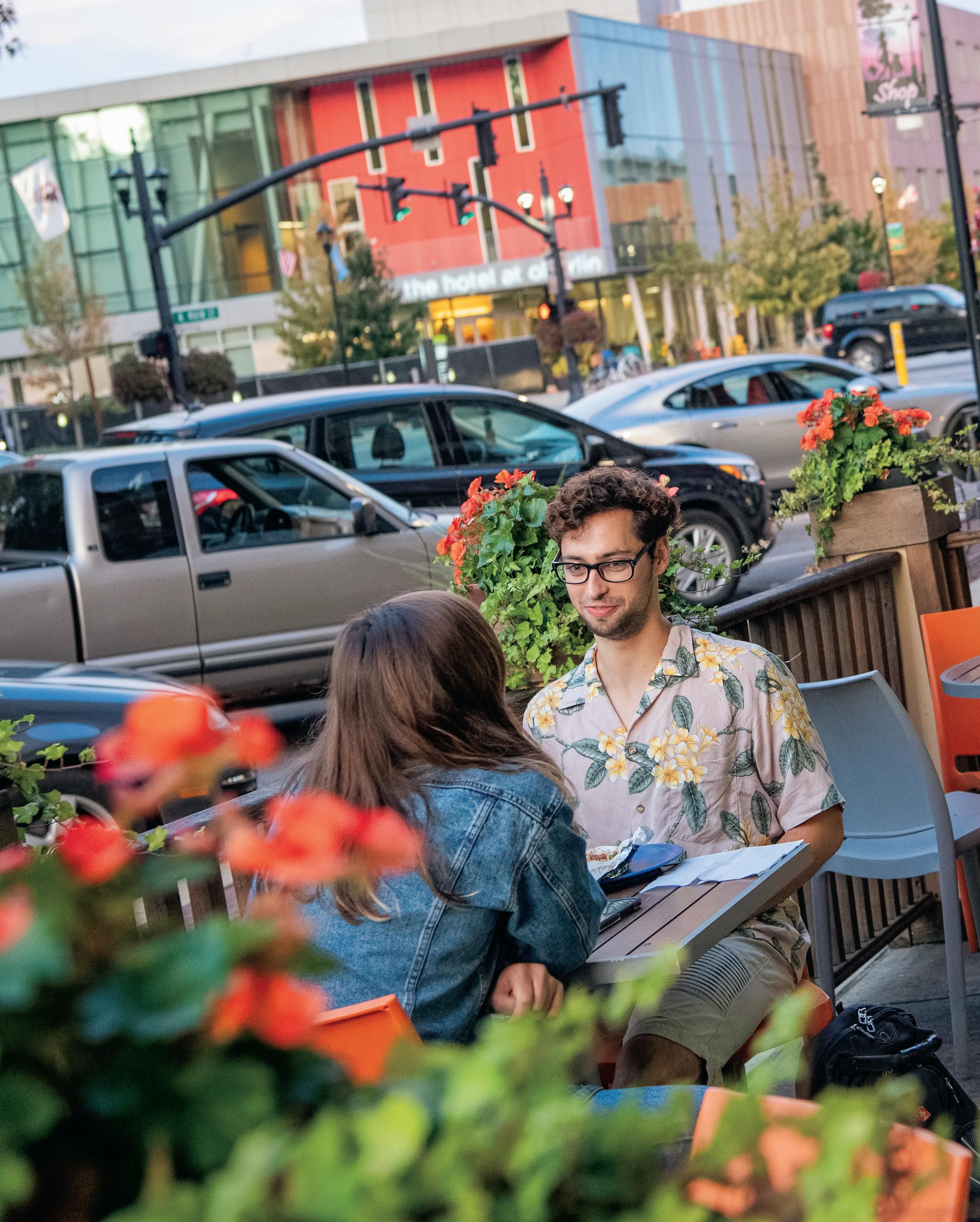
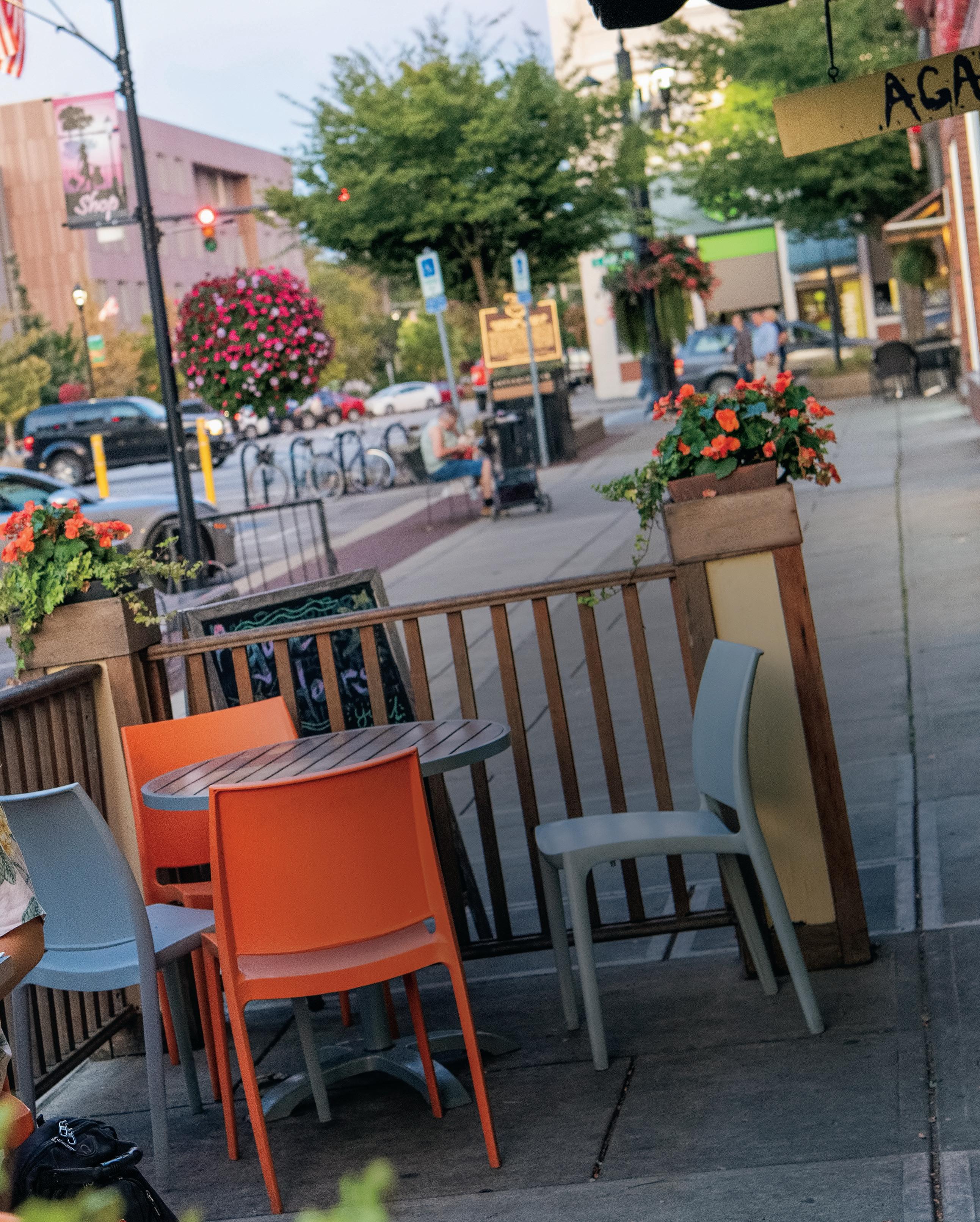
Oberlin students enjoy the best of both worlds: the coziness of a small town and access to a major city just 35 miles away. Almost everyone stays for the weekends— making it easy to focus on academics, create friendships, and take part in campus life.
DINE, SHOP, EXPLORE
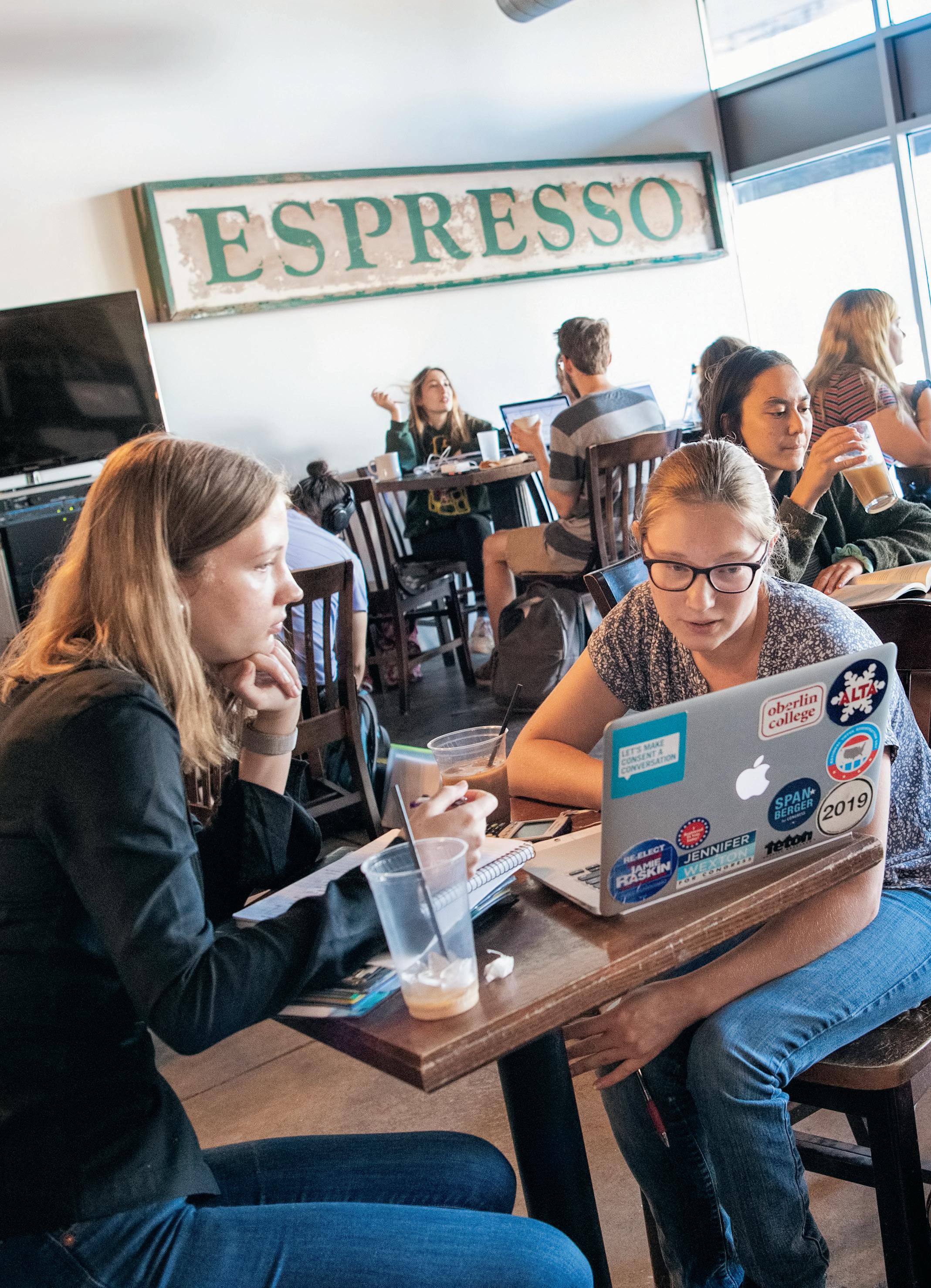
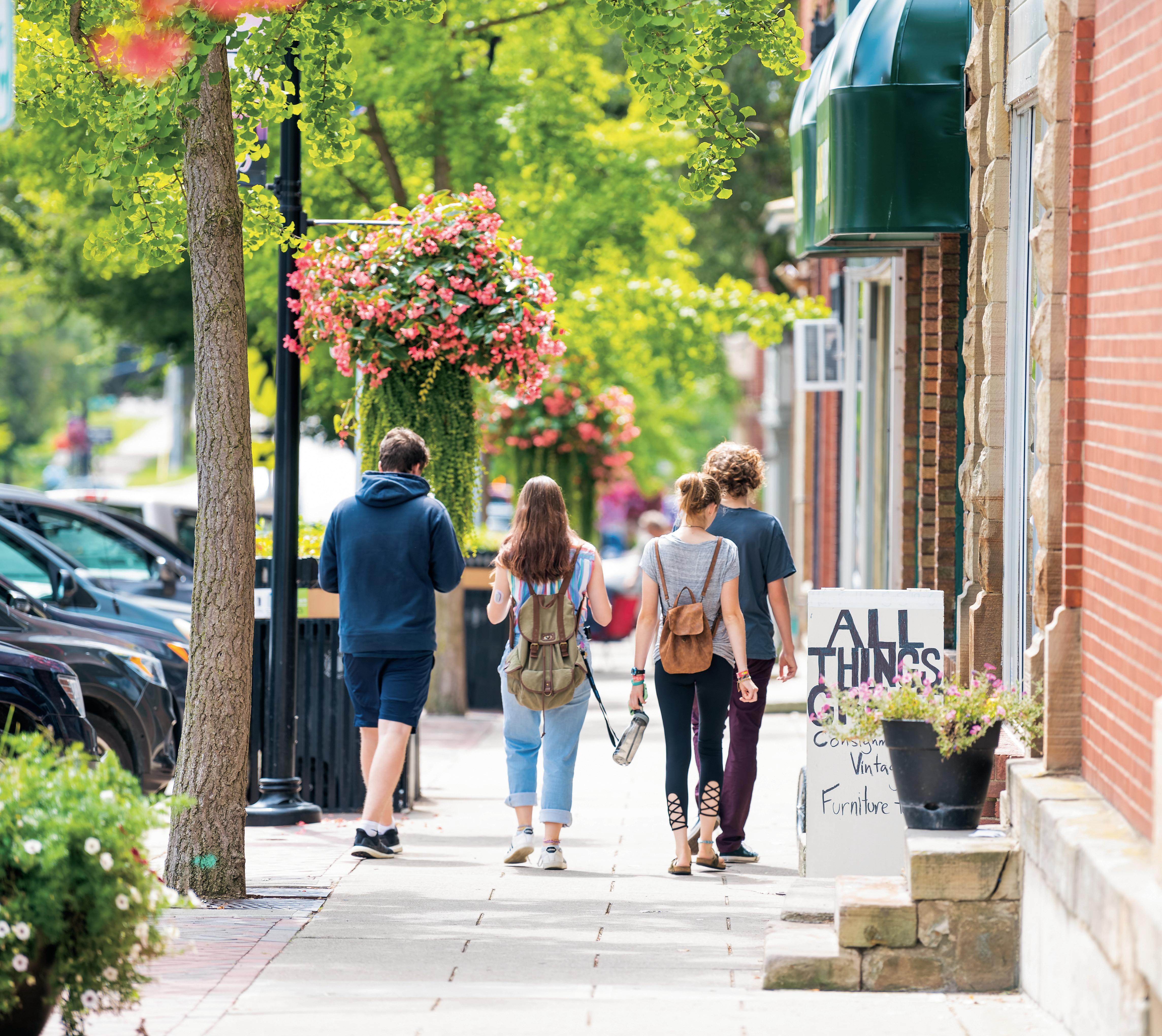
Just steps away from campus is the city of Oberlin, a quintessential college town with coffeehouses, bakeries, shops, galleries, a movie theater, a yoga studio, and a public library. Restaurants in town offer nearly every type of cuisine, from pizza, ice cream, and tater tots to Korean, Chinese, Thai, Mexican, Middle Eastern, and vegan. Outdoors lovers will appreciate Oberlin’s miles of wooded biking paths and its 22-acre nature preserve with lakes, trails, creeks, and bridges.
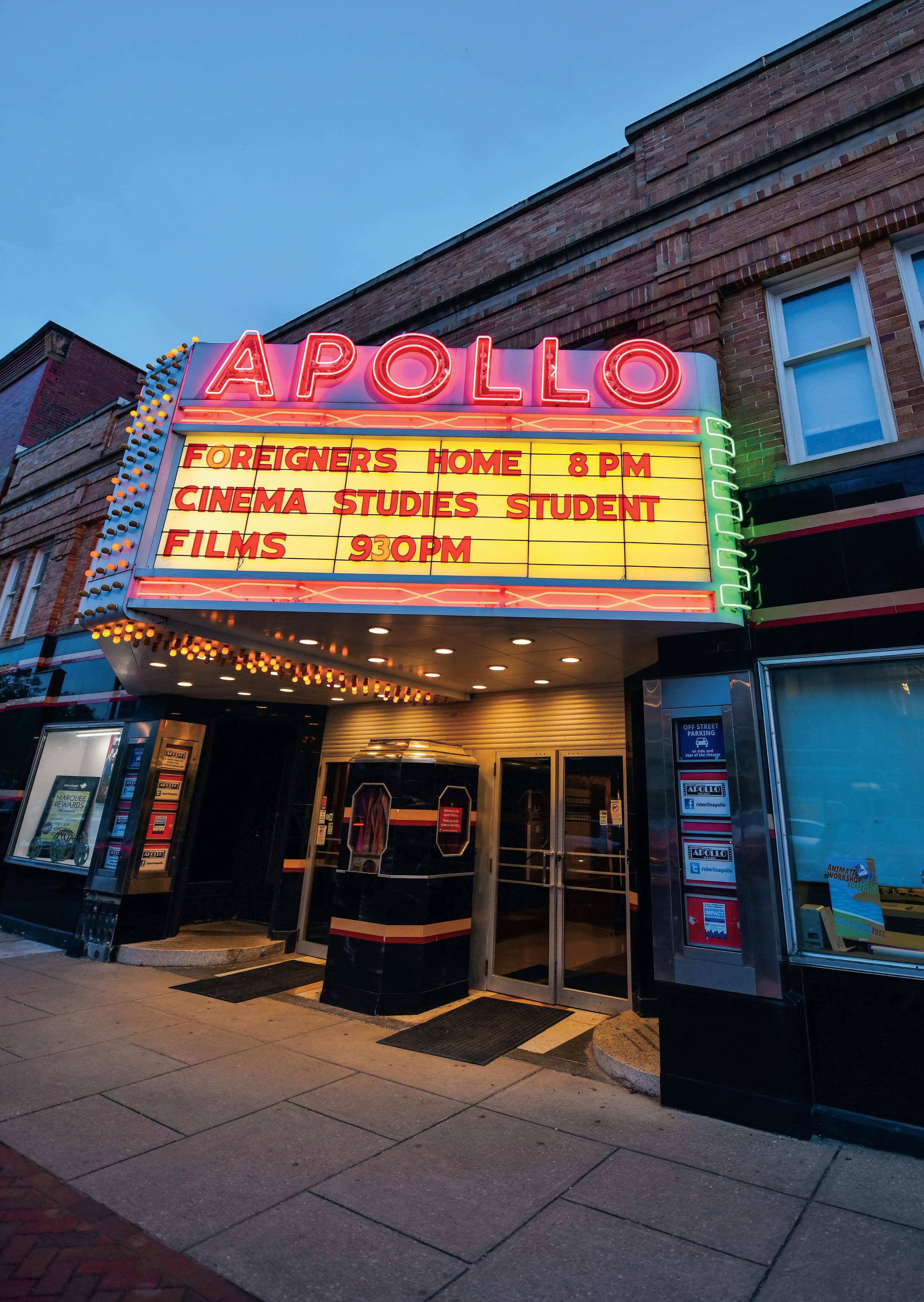
The Apollo Theatre, Oberlin’s 1913 art-deco moviehouse, is known for running first-run films at cheap prices—including Free Movie Monday for students. Renovated in 2011, the Apollo also serves as a space for the college’s Cinema Studies Program. Students can record and edit their work in the media education center and show their films in a 61-seat screening room.
A cluster of cultural institutions on Cleveland’s east side, University Circle includes the world-renowned Cleveland Orchestra, the always amazing (and free) Cleveland Museum of Art, MOCA Cleveland, the Cleveland Botanical Garden, and nearby Little Italy.
These three neighborhoods offer coffee shops, tea rooms, breweries, galleries, the West Side Market, Cleveland Public Theater, the Happy Dog (a club and restaurant specializing in hot dogs), and Nate’s Deli, which has the best hummus around. You’ll also find the Transformer Station and Spaces, two galleries showing cutting-edge art.
This inner-ring suburb offers a wide range of dining options, the hip Mahall’s bowling alley and concert club, sunset watching at the lakefront Solstice Steps, quirky boutiques and antique shops, and fun evening spots.
This east-side suburb includes a restaurant row, a movie theater showing first-run independent films, the Grog Shop music club for indie bands, and Tommy’s, a neighborhood institution known for vegetarian options and milkshakes big enough for two.
DOWNTOWN AND THE FLATS
Downtown is home to Cleveland’s major league football, basketball, and baseball teams; riverfront dining and chef-run restaurants; the Rock & Roll Hall of Fame and Museum; the House of Blues; the Cleveland International Film Festival; Playhouse Square (the largest performing arts center in the U.S. outside of New York); and nearby Edgewater Park, 147 acres of Lake Erie shoreline with a beach and hiking paths.
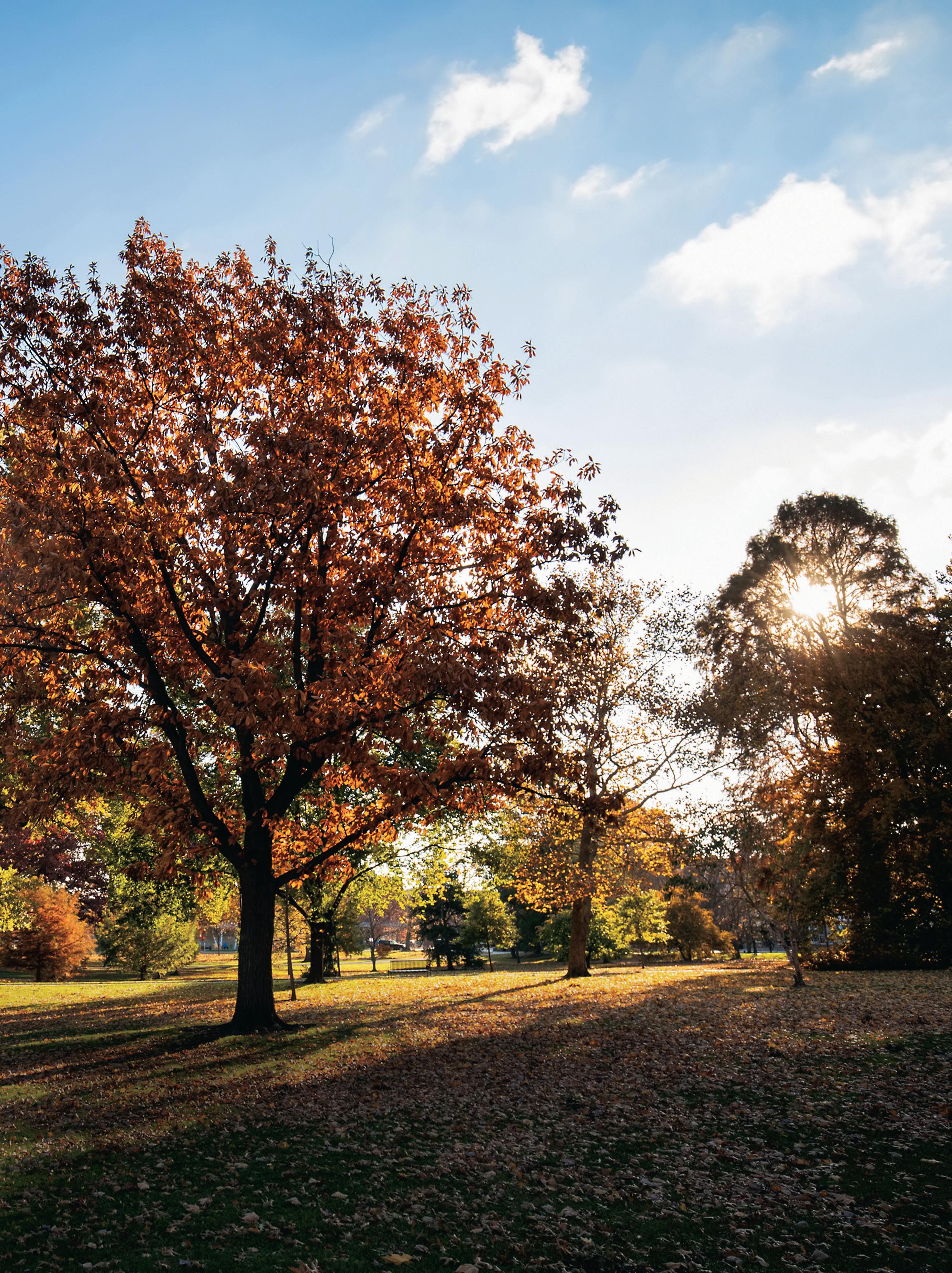
Climate change defines the world we will inherit for generations to come. It’s a defining factor in how we operate our campus, how we educate, and how we plan for the future. To create an enduring ecological and human community, we shape our college and curriculum to be responsive and responsible to the local, regional, and global environment.
In 2000, we opened the Adam Joseph Lewis Center for Environmental Studies, which helped launch the green building movement. On campus and in town, we monitor energy and water use in real time—using technology developed by students and faculty. We eat foods that are grown locally, and we reuse and recycle extensively.
Over the last decade, the college invested in a broad spectrum of energy-efficient technologies, installed a 10-acre solar array (complete with grazing sheep to “mow” the grass on site), and worked with the city of Oberlin to secure green electricity for the entire town. And in 2025, we completed a $180-million
sustainable infrastructure project to convert Oberlin’s entire campus to geothermal heating and cooling. The result? We achieved our goal of carbon neutrality!
To learn more about Oberlin’s commitment to sustainability, visit go.oberlin.edu/sustainability.
Employers know that students who study the liberal arts are able to reason, analyze, and communicate—skills that translate to the boardroom, the Peace Corps, the chem lab, the concert hall, and everywhere in between. Our alumni include 23 members of the National Academy of Sciences, nine Pulitzer Prize winners, four Nobel Prize recipients, and countless Grammy winners. Oberlin is also a top producer of Fulbright students, with 240 Obies having received grants to research and teach internationally.
Top Alumni Career Fields
Business
Education
Entertainment or Film
Law
Publishing or Media
Science or Research
Social/Human Services
Technology
Popular Graduate Schools
Columbia
Rice
UC
University of Michigan
Yale
Recent First Employers
Chicago
Netflix
NPR
Peace Corps
Smithsonian
Spotify
Teach For America
BA+BFA
Why choose between a BA and a BFA? Earn both in our new five-year Integrated Arts program—a launchpad for interdisciplinary careers across the arts.
92% of new grads who applied to graduate school received two or more acceptances; 81% are at their top choice.
Every year since our founding in 1833, we replenish the world’s supply of compassionate, rigorous, pragmatic visionaries—people who make an exceptional impact. In every field, in communities across the street and around the globe, our graduates help people find a way forward.
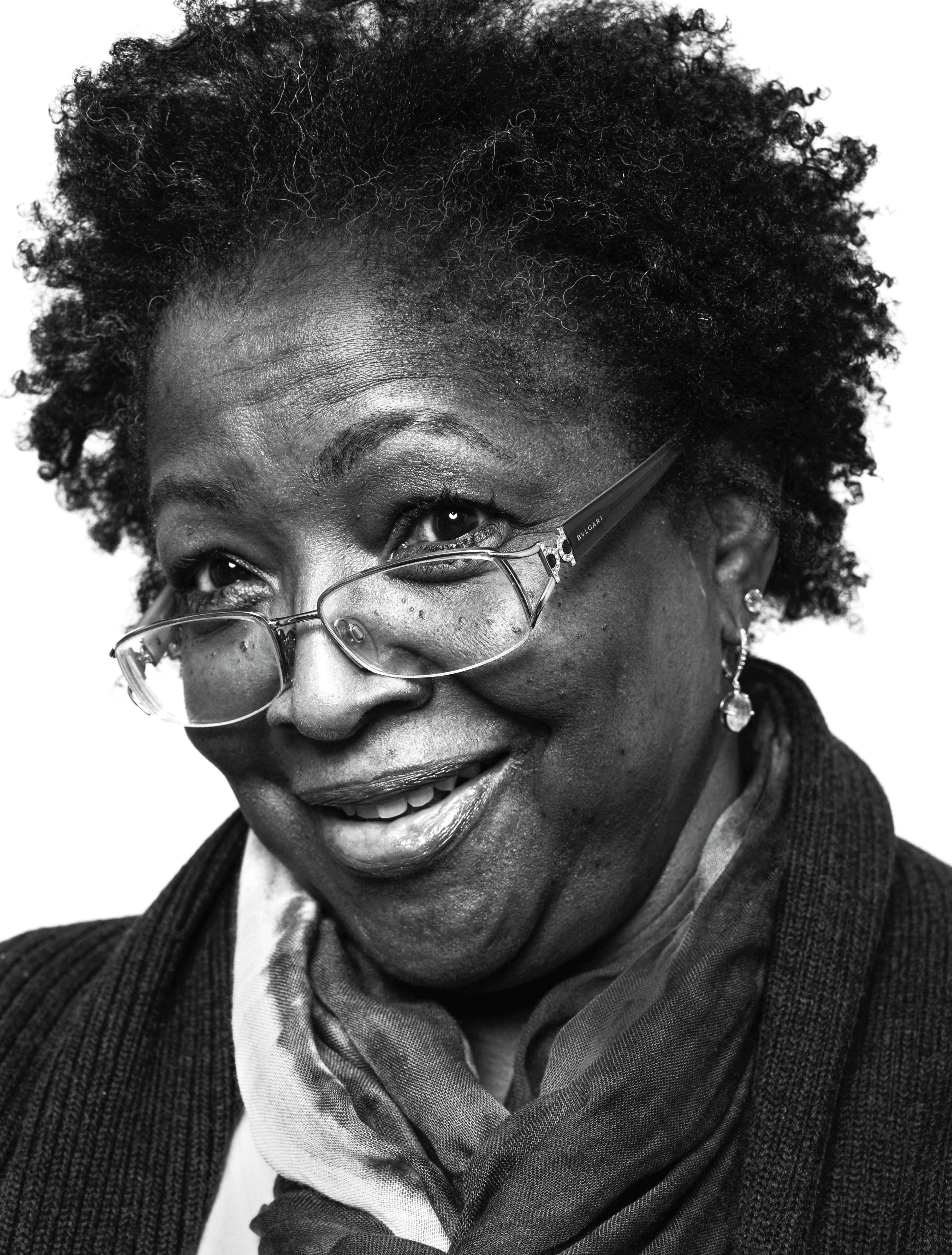
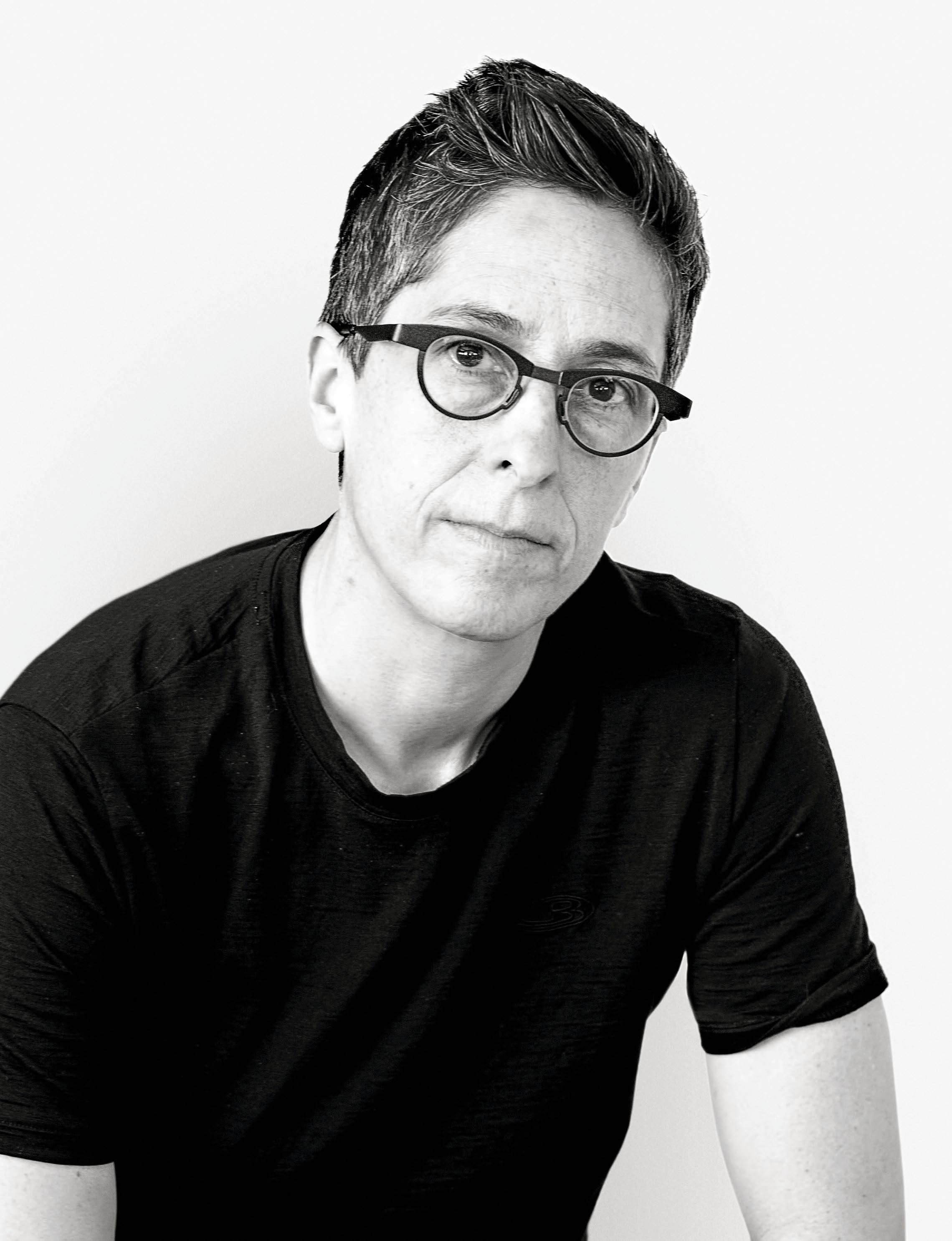
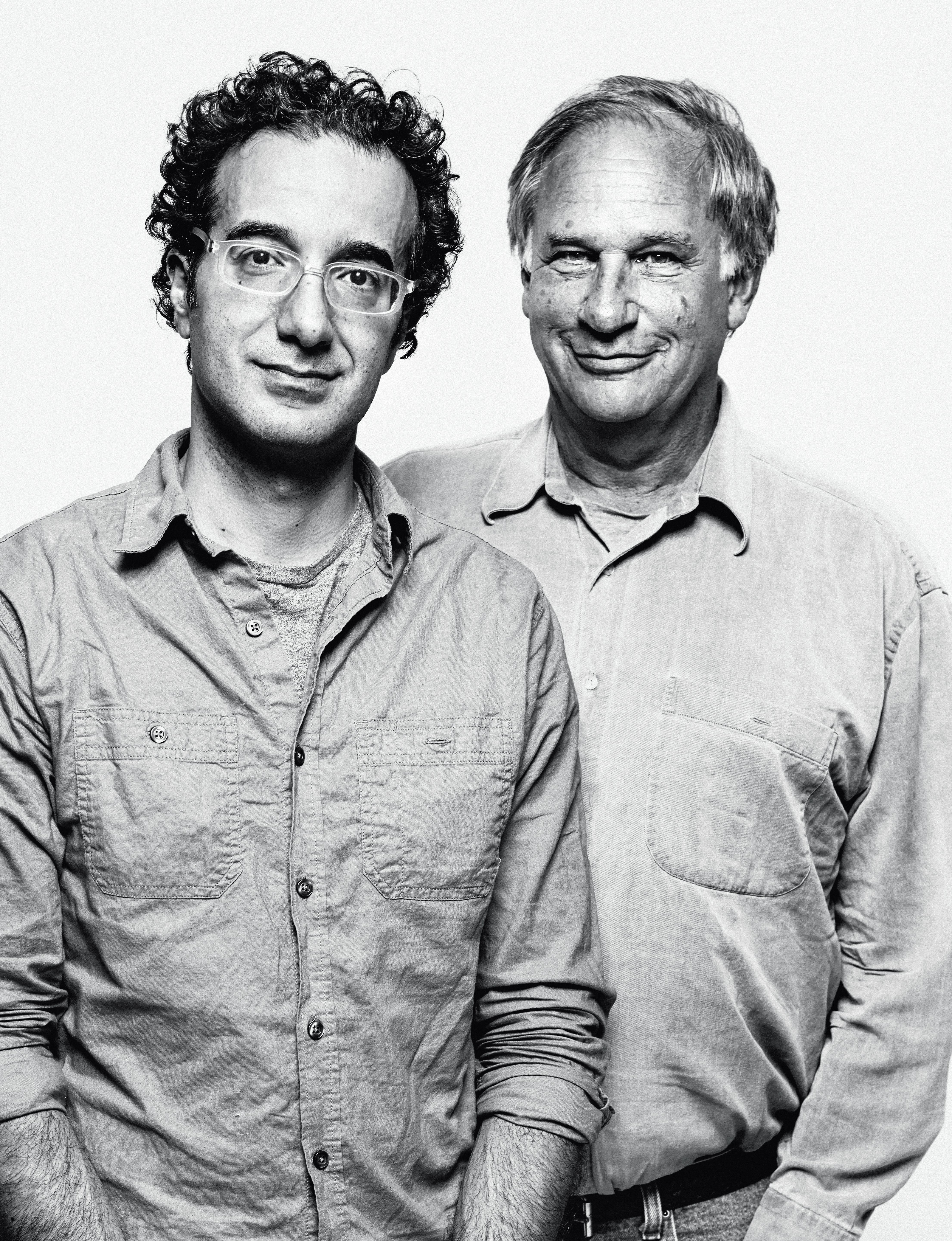
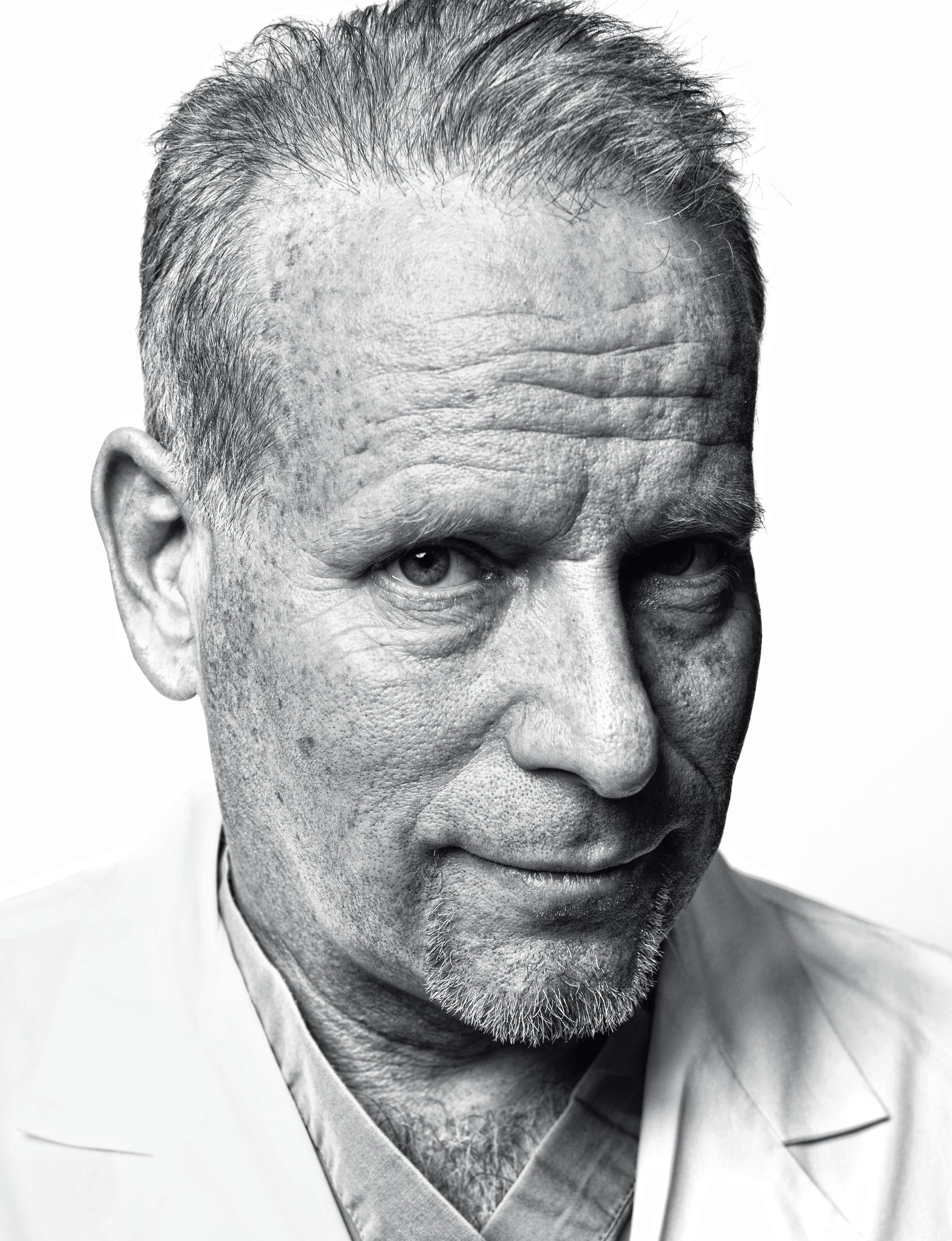
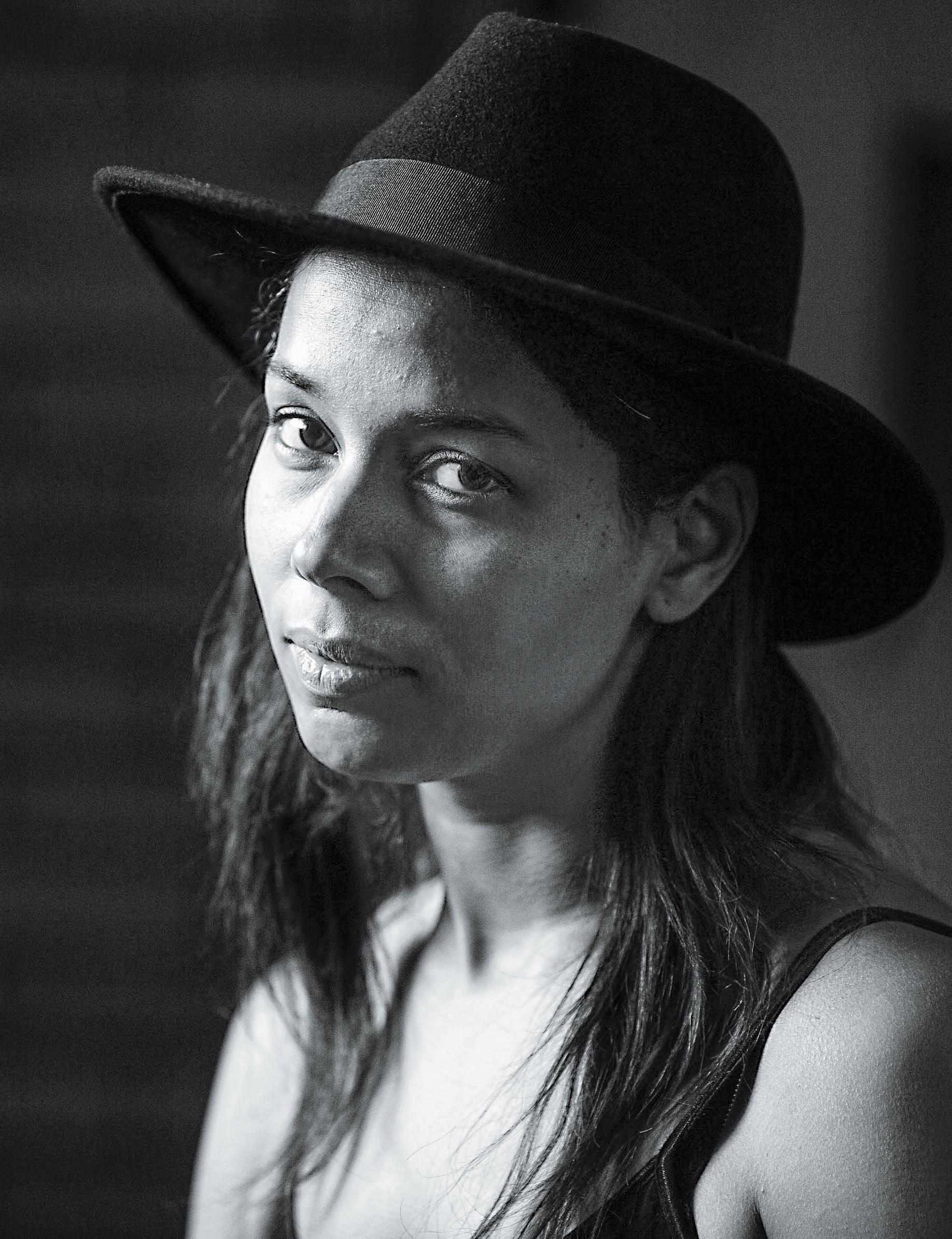
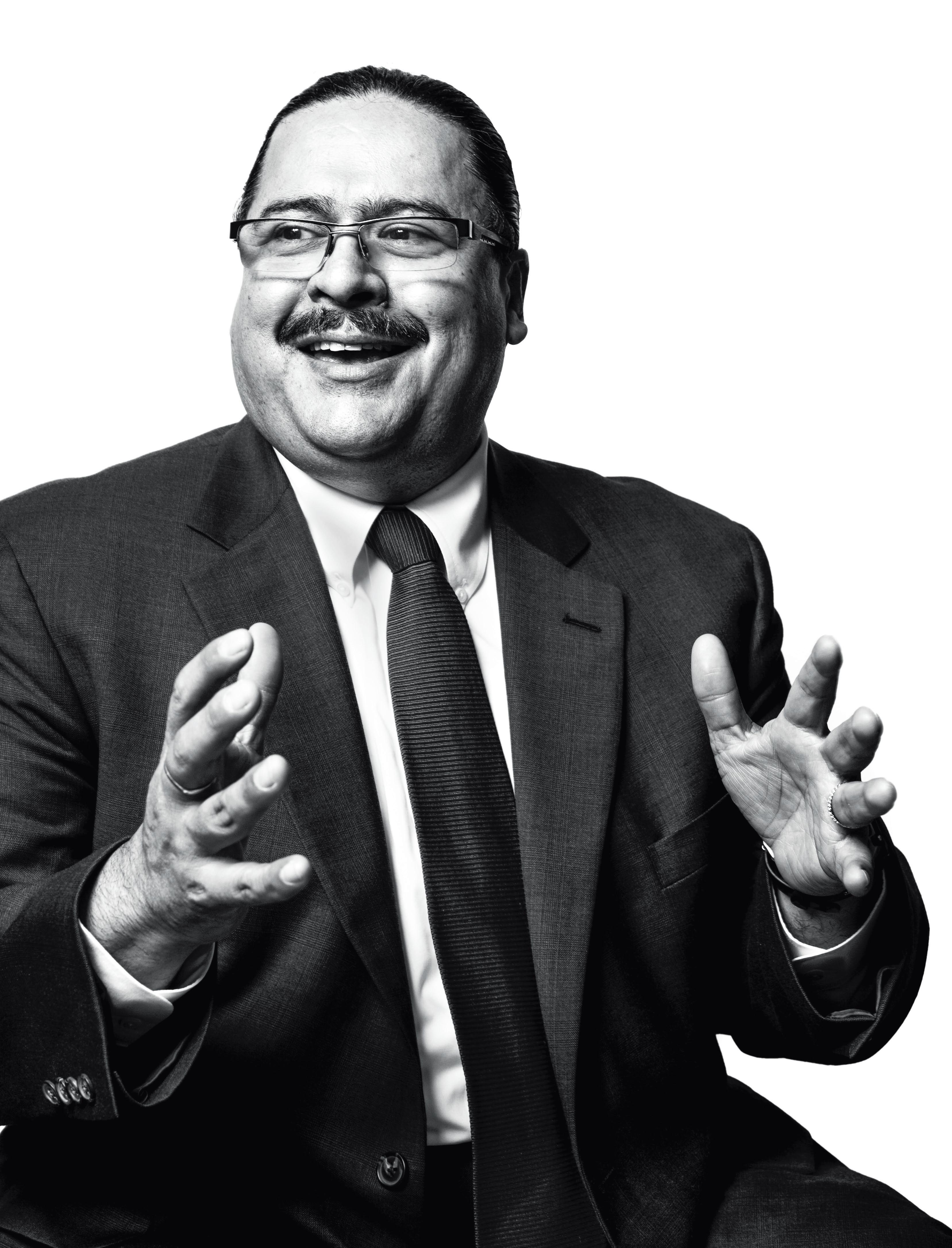

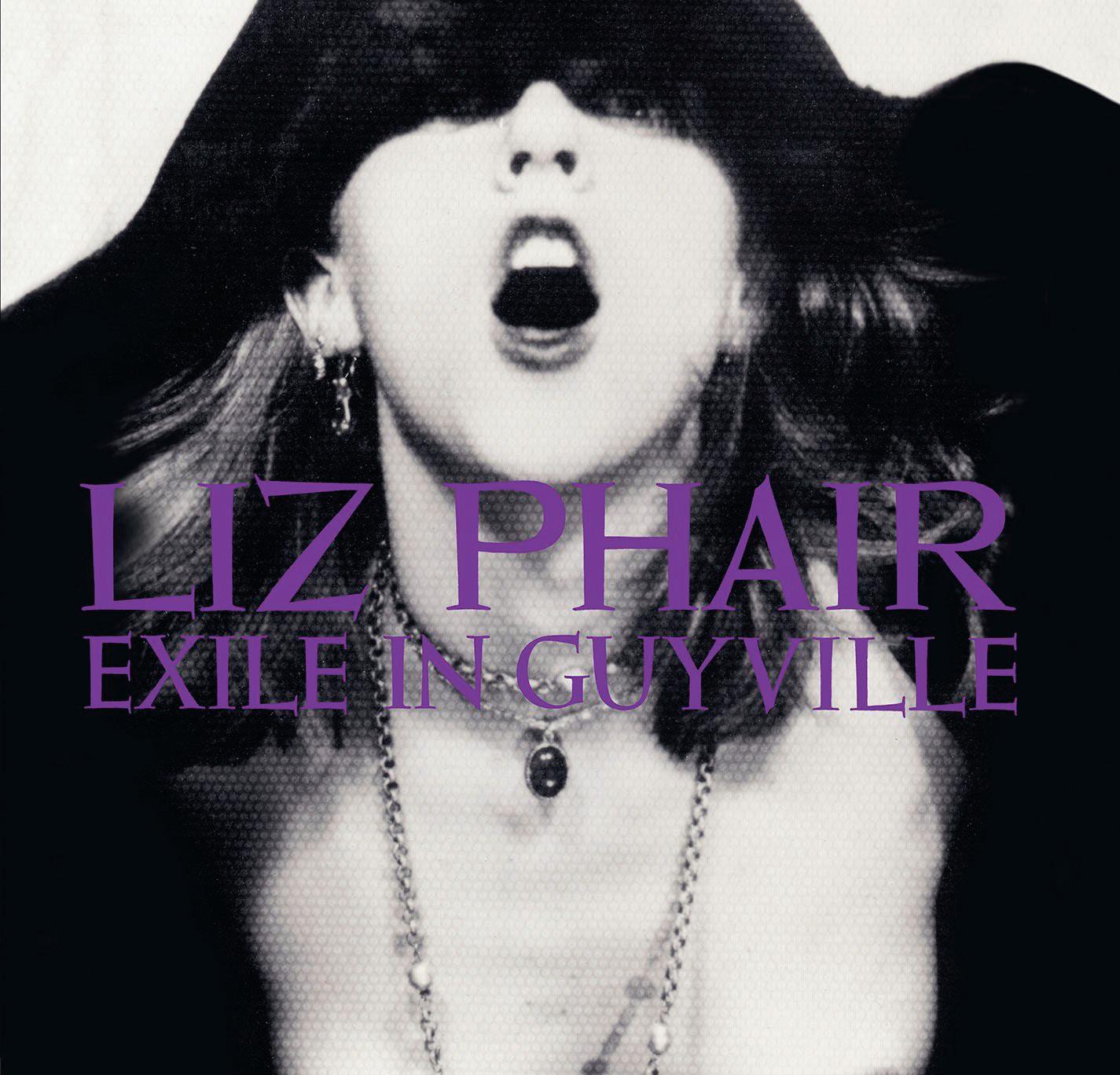







founder 14. James Burrows ’62, Emmy-winning TV show creator and director 15. Bill Irwin ’73, actor and clown 16. Jad Abumrad ’05 and Robert Krulwich ’69, founders of the NPR show 17. Samuel Charache ’51, hematologist 18. Kim France ’87, founding editor 19. Moses Fleetwood Walker, 1881, baseball player 20. Roman Mars ’94, show host and producer; founder of Radiotopia 21. Tracy Chevalier ’84, novelist 22. Donald Sobol ’48, series author 23. Francois Clemmons ’67, actor and singer 24. Antoinette Brown, 1847, American minister and reformer 25. John Kander ’51, composer who wrote scores for 15 musicals 26. Billy Cohn ’82, surgeon and medical device inventor 27. Maxwell Ryan ’89, company founder 28. Ian Siegel ’95, cofounder and CEO 29. John L. Dube, 1890, founding president; South African writer and educator 30. Chris Eldridge ’04, singer, guitarist, and founder of the bluegrass band 31. Lloyd Morrisett ’51, founder of Sesame Workshop