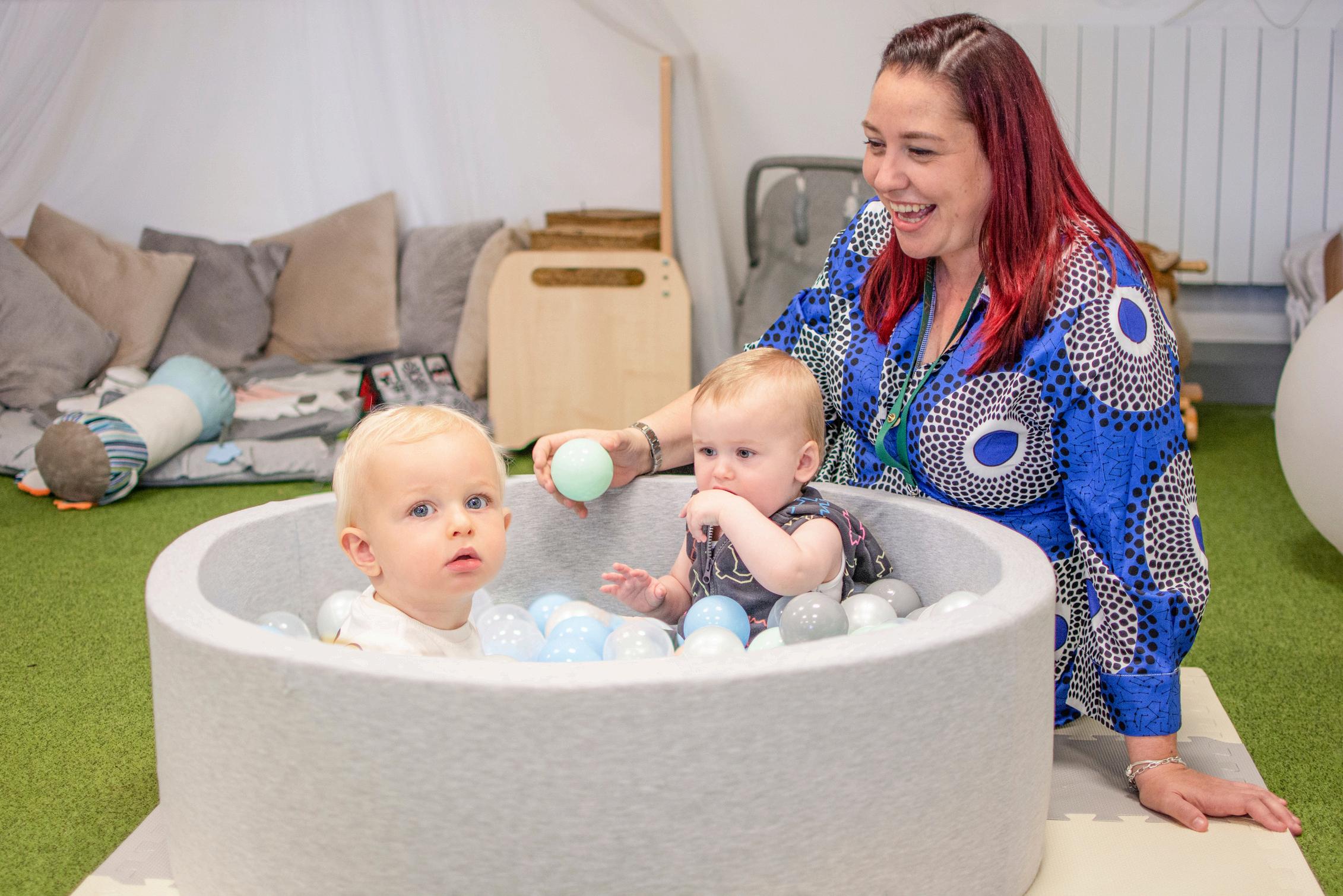
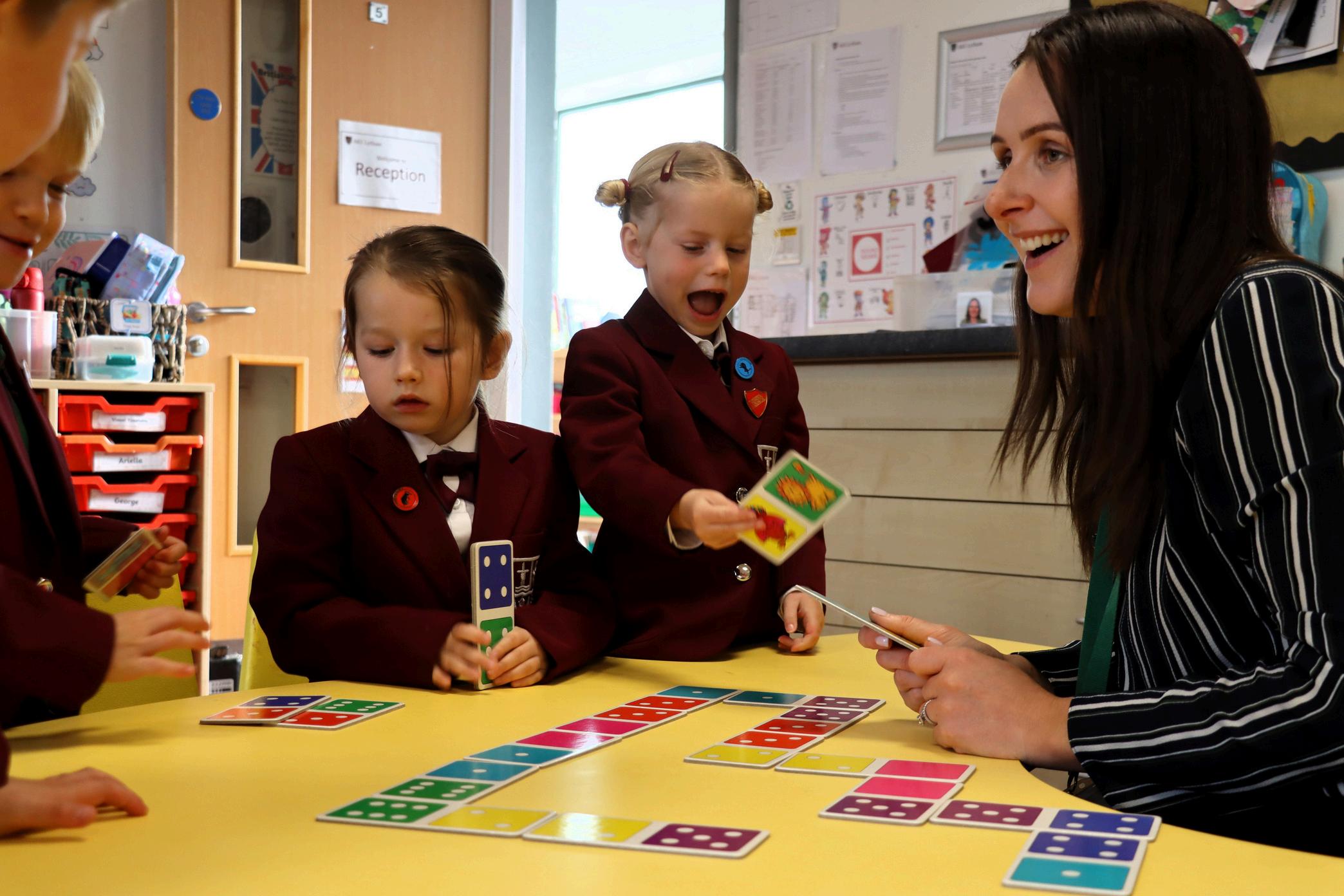
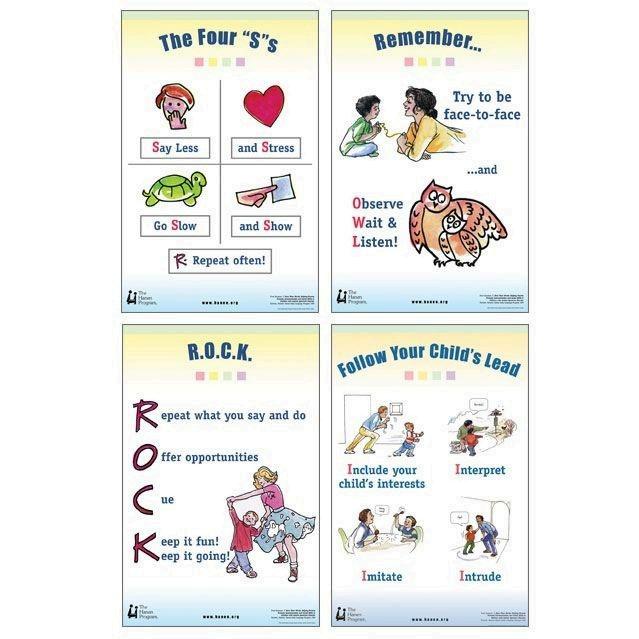
The Hanen Approach promotes excellence in Communication and Language Development with young children The Approach ensures that staff model clear speech by getting down on a child’s level to encourage them to repeat the words back to them and start to form a sentence This creates the building blocks of a conversation and teaches a child to listen carefully
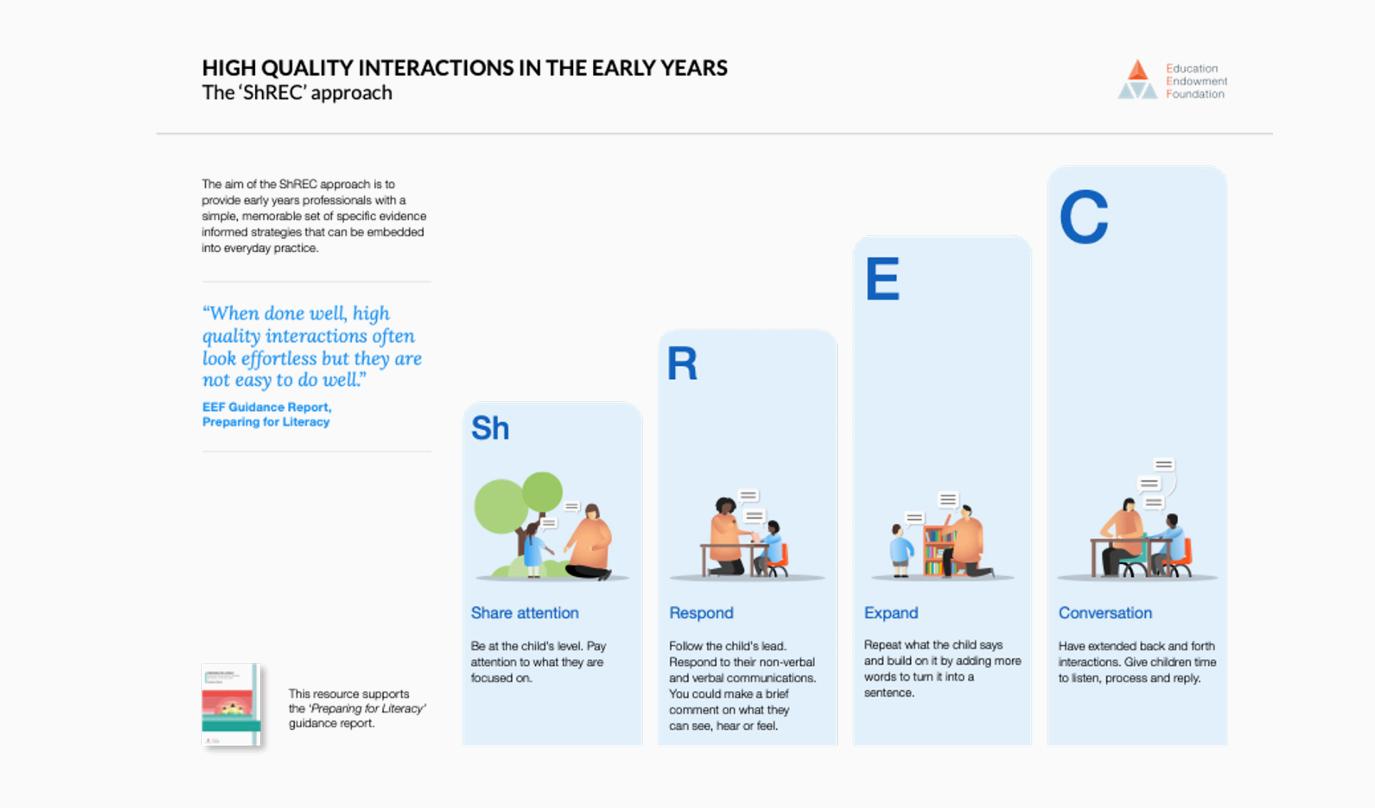
ShREC Approach
On a similar trajectory, the SHREC Approach encourages staff and the child to respond to each other in order to create a dialogue and model extended vocabulary
Young children’s Communication and Language skills are practised by listening to sounds in the environment inside the classroom and outside These enhanced listening skills form the basis of phonics development and subsequently reading development
Prep School
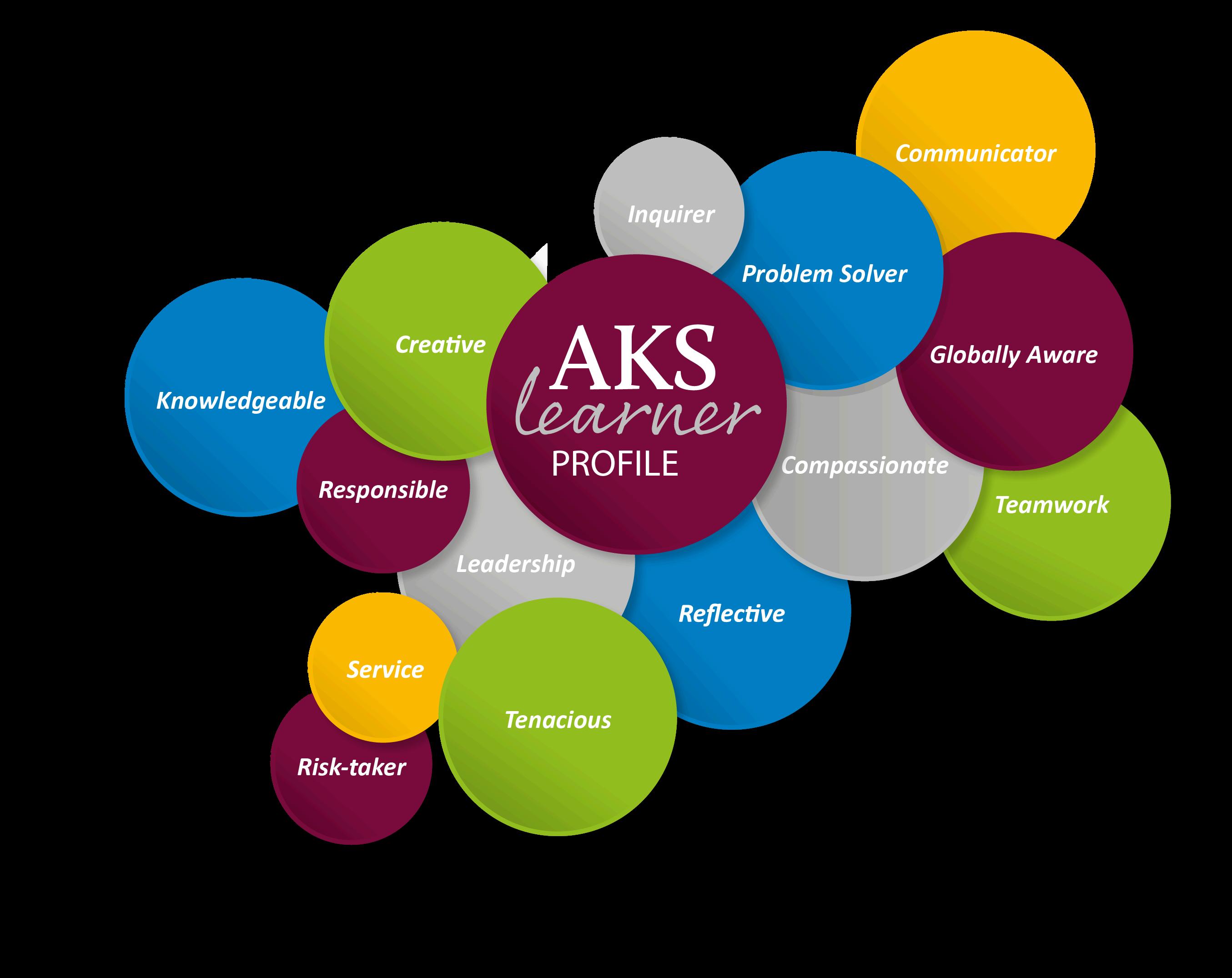
AKS Learner Profile
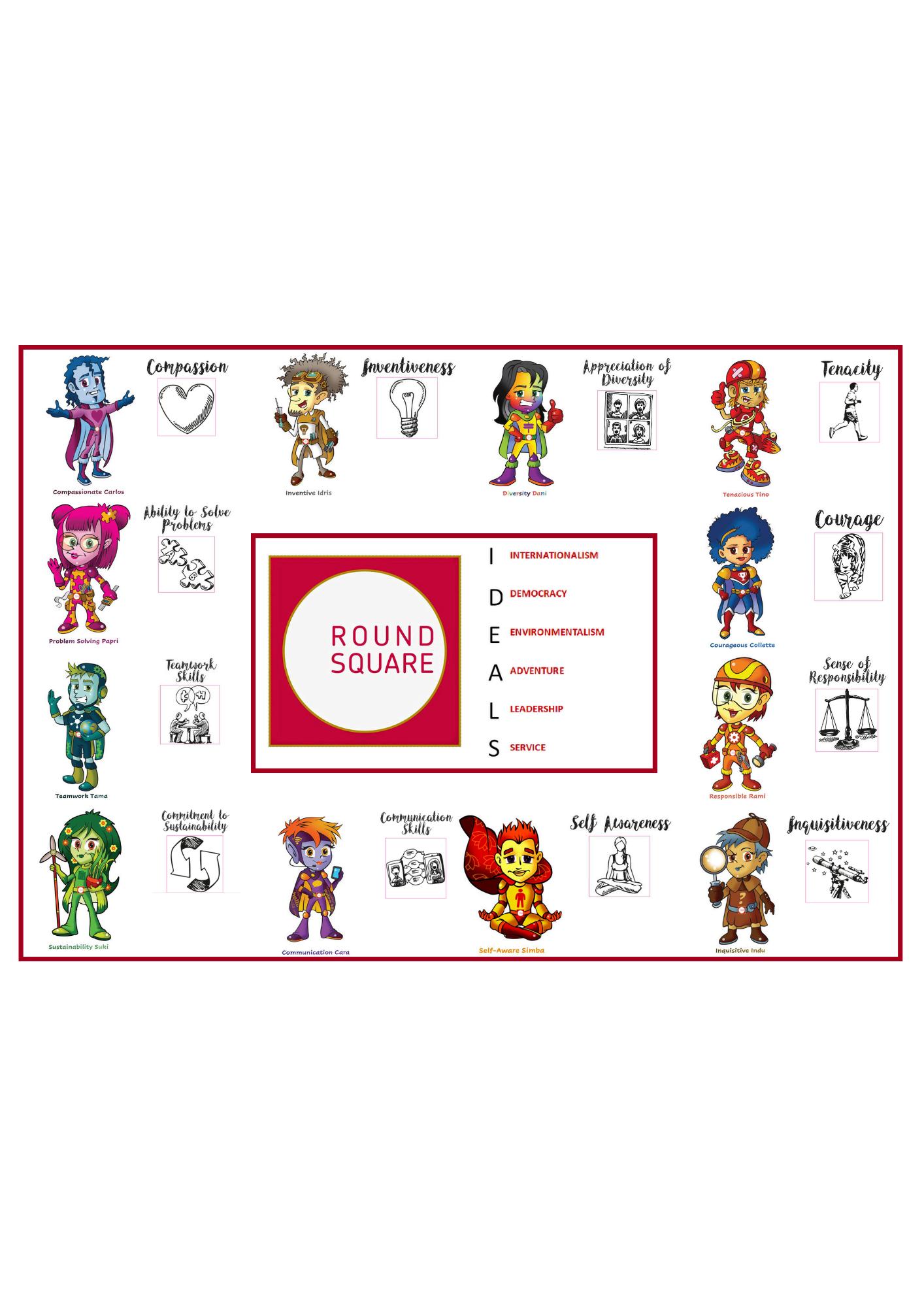
Using the Round Square Development Framework and the International Baccalaureate curriculum as starting points, AKS’ Learner Profile was developed. We encourage children to be critical thinkers, to be knowledgeable, able to listen to others and put across their viewpoint with clarity, creativity and confidence. We believe they can be resilient, tenacious learners; character traits which
Appreciation of Diversity
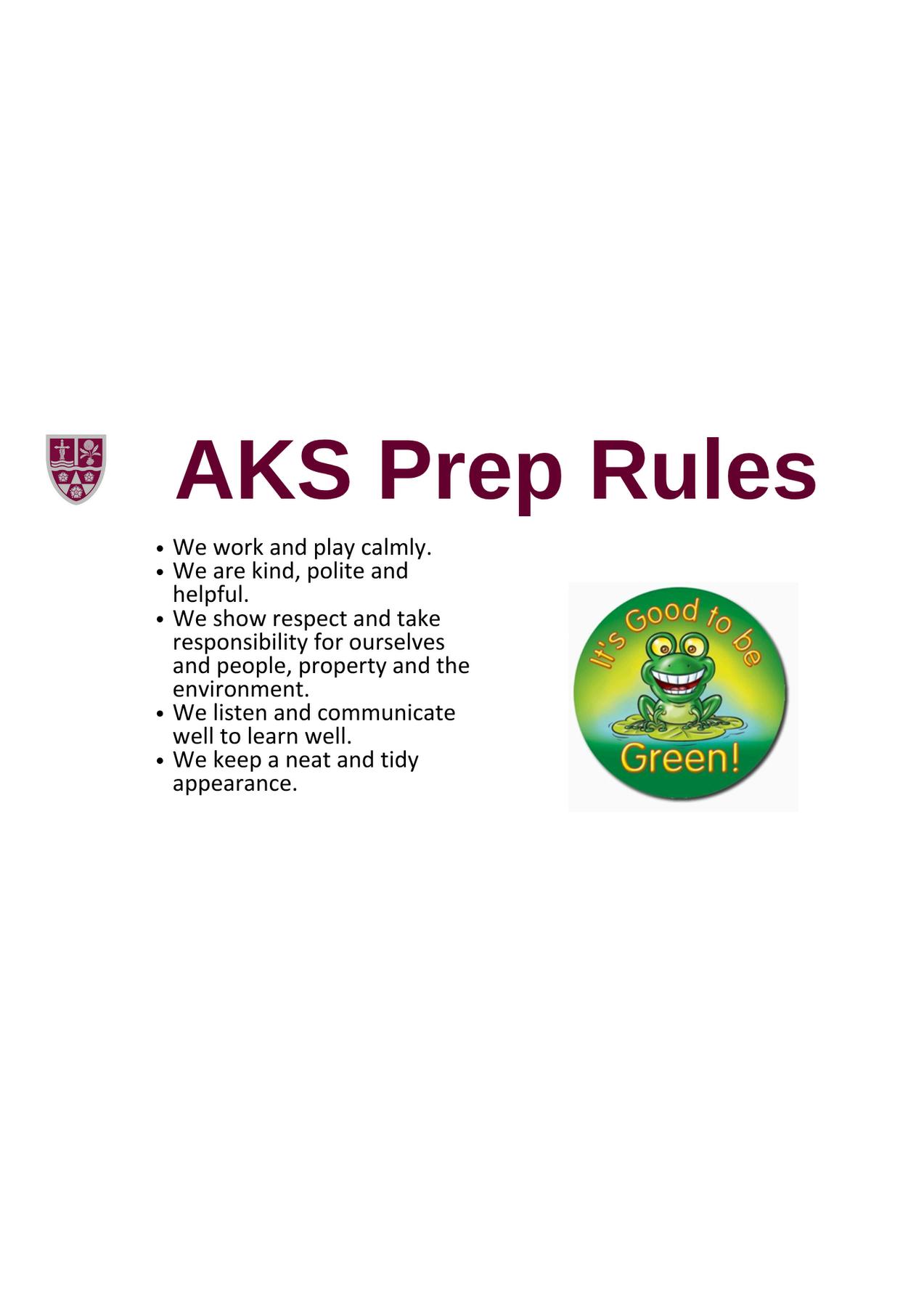
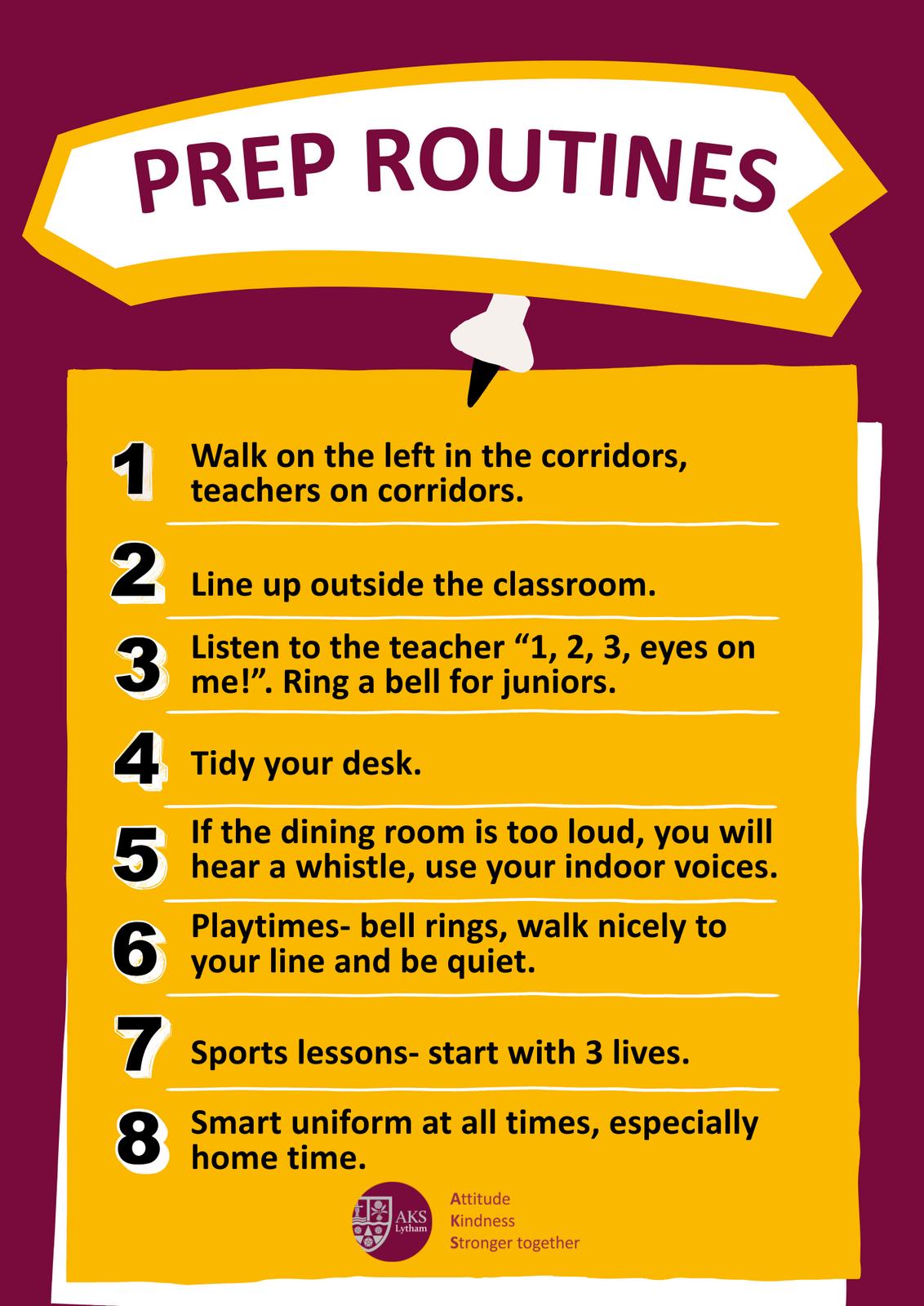
William’s poster succinctly links the AKS Learner Profile, the Round Square Discoveries and the Fundamental British Values (FBVs) to the Prep Rules.
Opportunities to promote an appreciation of diversity, equity, a sense of belonging and inclusion (DEBI) are promoted through subjects such as English, Art, Humanities, RE and PSHE, and the Round Square Discovery Framework
The Beehive
Under the guidance of the SENDCos and Assistant Head for Assessment, any child who needs additional support, whether that be a child who needs help in their academic subjects or a child who is exceeding the expectations of their year group, has access to support in the classroom or in small groups in the Beehive classrooms (intervention rooms). Children of all ability levels are tracked.
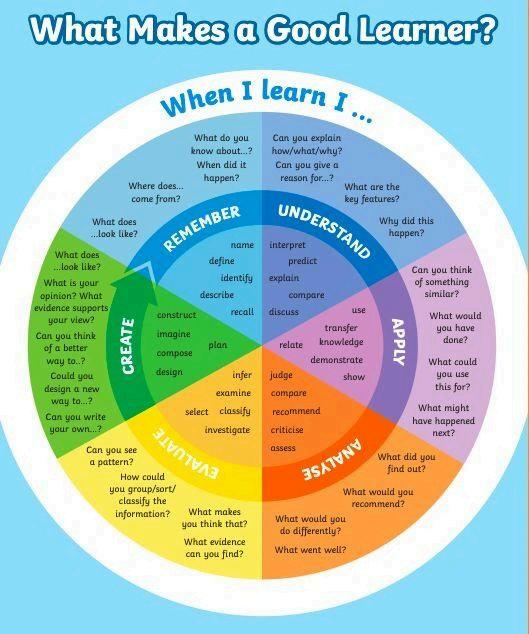
Bloom's TaxonomyHigher Order Thinking Skills (HOTS)
Higher Order Thinking Skills (HOTS) based Bloom’s Taxonomy are promoted in each classroom to engage the children to think more deeply Reminders can be seen as speech bubbles in the classrooms
GL Assessments
Growth Mindset
Staff encourage children to have an open, positive mindset and understand that mistakes are an important part of learning This takes practice, for example learning sometimes how to lose on the Sports fields. When a growth mindset stance is encouraged, children can support each other in their learning, challenge themselves and develop resilience and tenacity.
Internet Safety
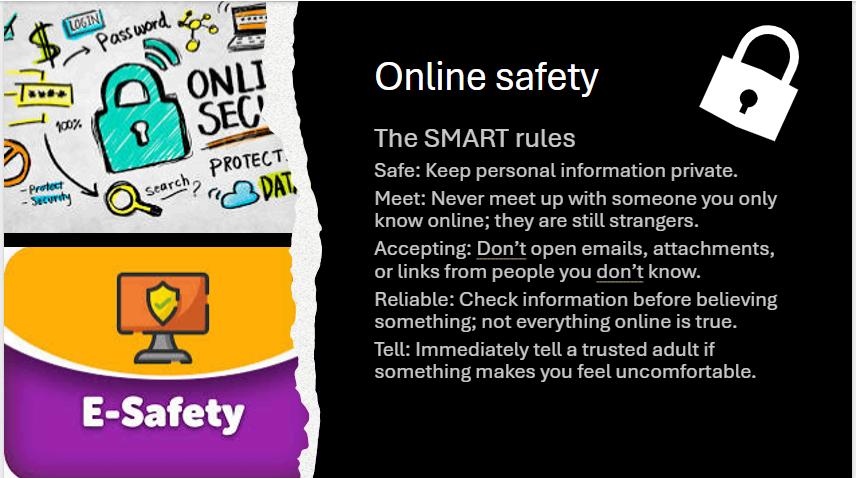
The Computing and PSHE curriculum teach the children to be safe online, how to keep their passwords to themselves, and what to do if someone is hurtful to them online/ they see something that is not appropriate for their age group.
Kagan Method
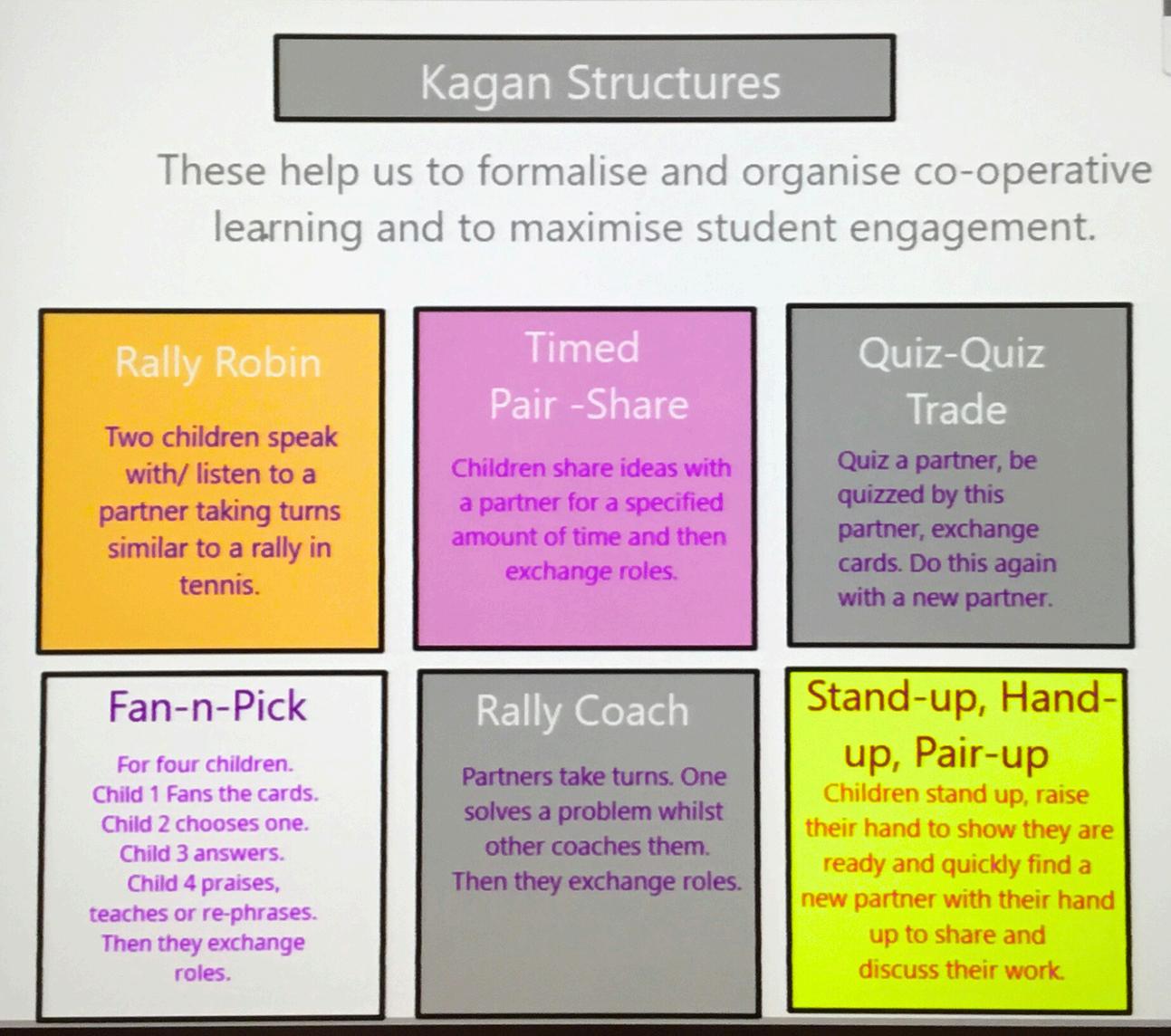
The Kagan method encourages co-operative learning using shoulder and face-to-face partners ‘Mix-pair-share,’ ‘timed pairshare’ and many other strategies are used to promote collaborative learning,
Rosenshine’s Principles of Instruction
Daily review is an important component of instruction. It helps strengthen the connections of the material learned. Automatic recall frees working memory for problem solving and creativity
Ask Questions
Our working memory is small, only handling a few bits of information at once. Avoid its overload present new material in small steps and proceed only when first steps are mastered.
Provide Models
The most successful teachers spend more than half the class time lecturing, demonstrating and asking questions. Questions allow the teacher to determine how well the material is learned.
Students need cognitive support to help them learn how to solve problems. Modelling, worked examples and teacher thinking out loud, help to clarify the specific steps involved.
Students need additional time to rephrase, elaborate and summarise new material in order to store it in their long-term memory. More successful teachers build in more time for this.
Student Practice Obtain High Success Rate
A success rate of around 80% has been found to be optimal, showing students are learning and also being challenged. Better teachers taught in small steps followed by practice.
Independent practice produces ‘overlearning’ - a necessary process for new material to be recalled automatically. This ensures no overloading of students’ working memory.
Less successful teachers merely ask “Are there any questions?” no questions are taken to mean no problems. False. By contrast, more successful teachers check on all students.
Scaffolds for Difficult Tasks
Scaffolds are temporary supports to assist learning. They can include modelling, teacher thinking aloud, cue cards and checklists. Scaffolds are part of cognitive apprenticeship.
The effort involved in recalling recently –learned material embeds it in long-term memory. And the more this happens, the easier it is to connect new material to such prior knowledge
Support
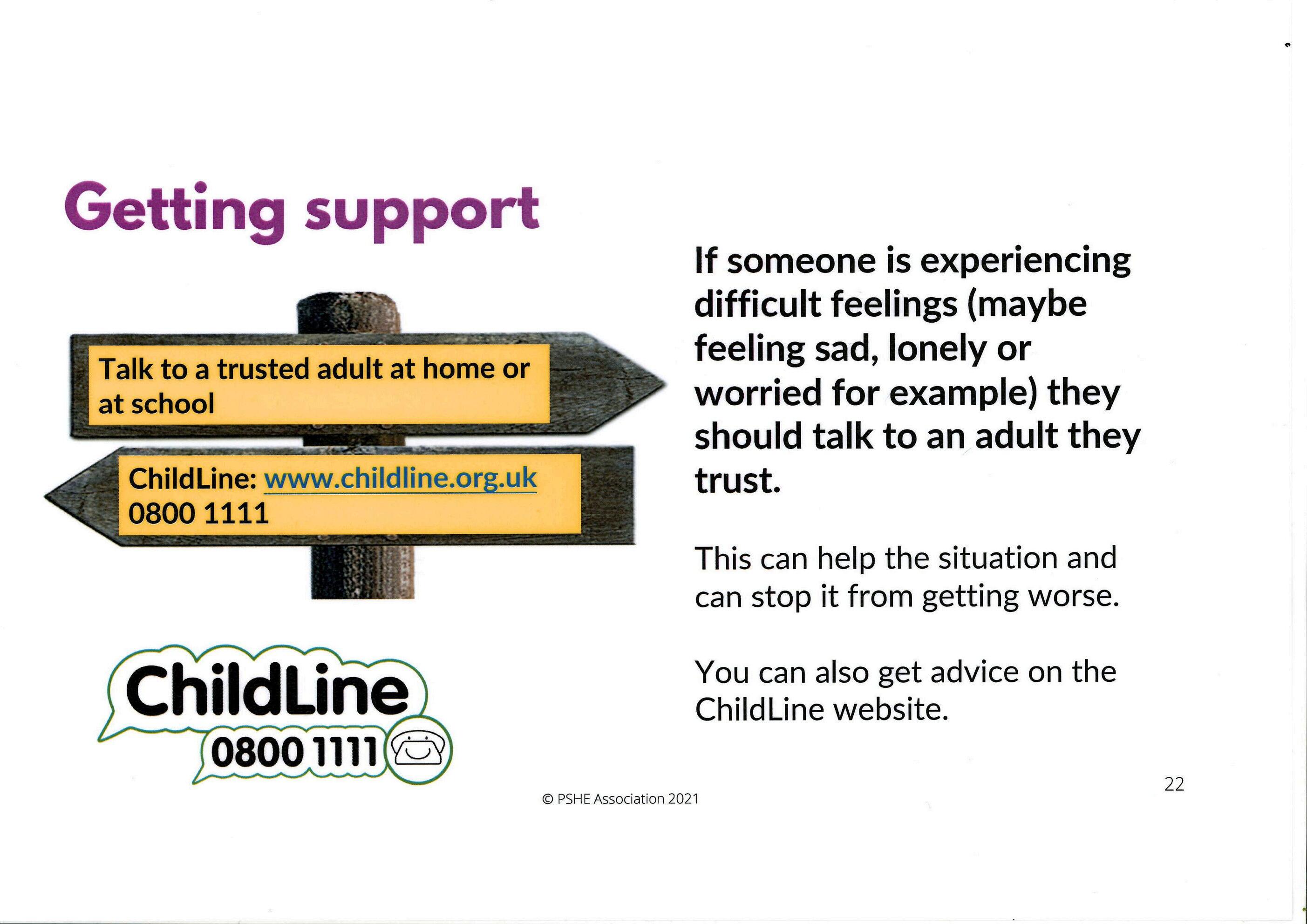
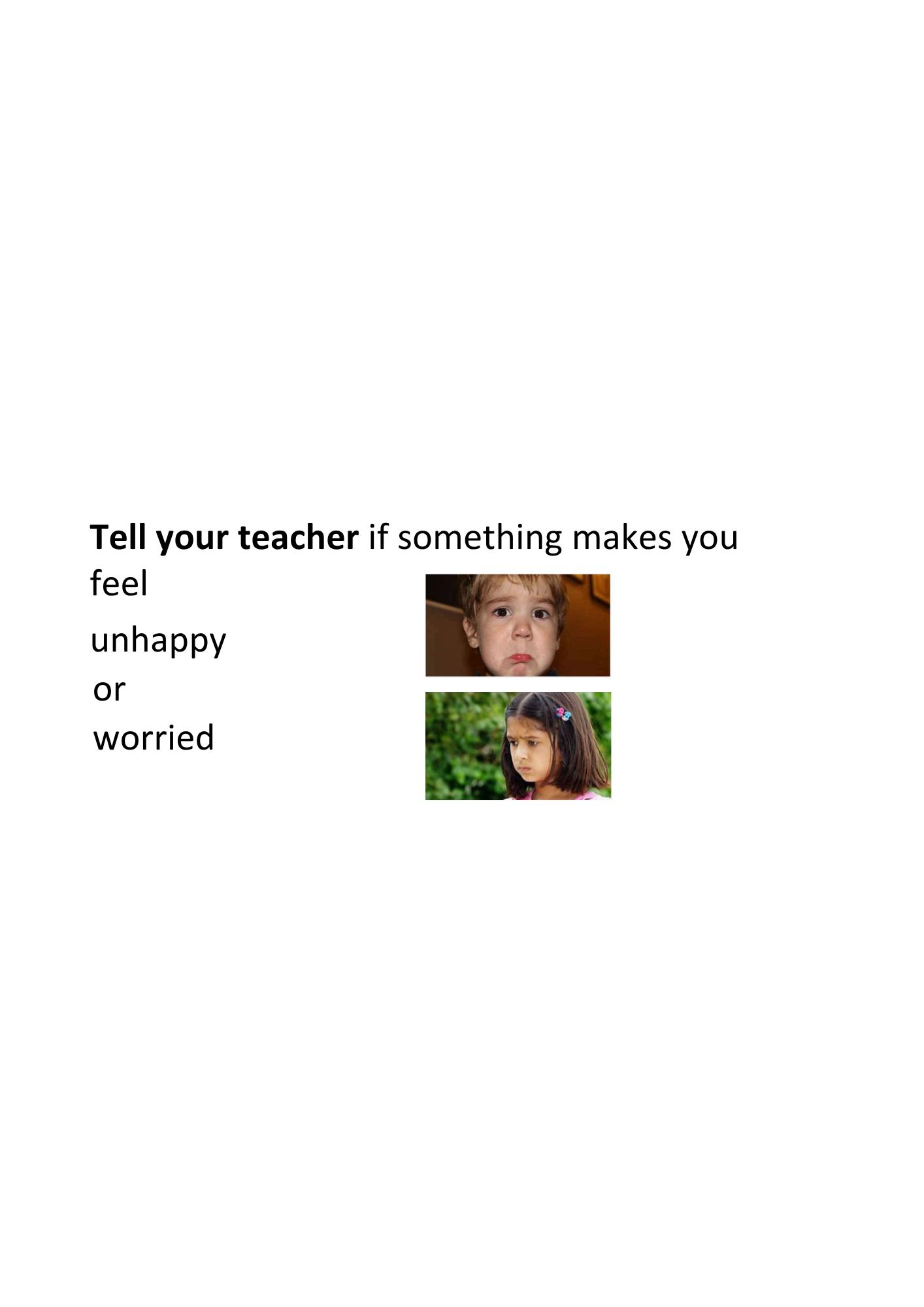
The PSHE and Wellbeing Co-ordinator liaised with staff, children and parents regarding our Relationship Education curriculum We then published the PSHE Ground Rules, a poster appropriate for the younger children, and a poster for older children referencing the telephone number for Childline
PSHE ground rules to create a safe teaching and learning environment at AKS
Transferable Skills
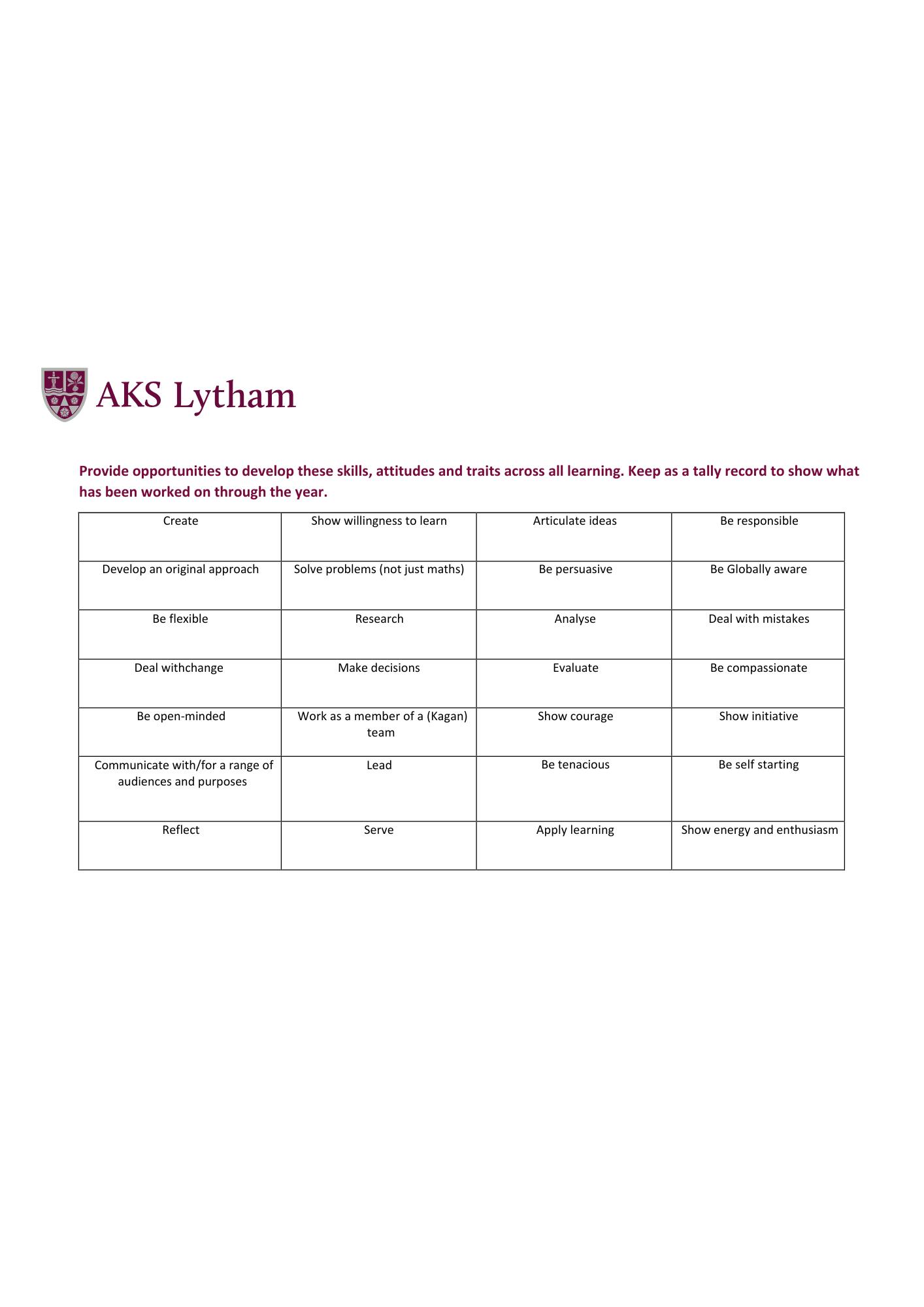
Linked to the AKS Learner Profile, Round Square Discoveries and the Kagan method, the Assistant Head for Teaching and Learning constructed a tracking system for the transferable skills that we promote in school These skills, attitudes and traits include being open-minded, articulating their ideas and showing initiative, so the children become successful learners in a global society
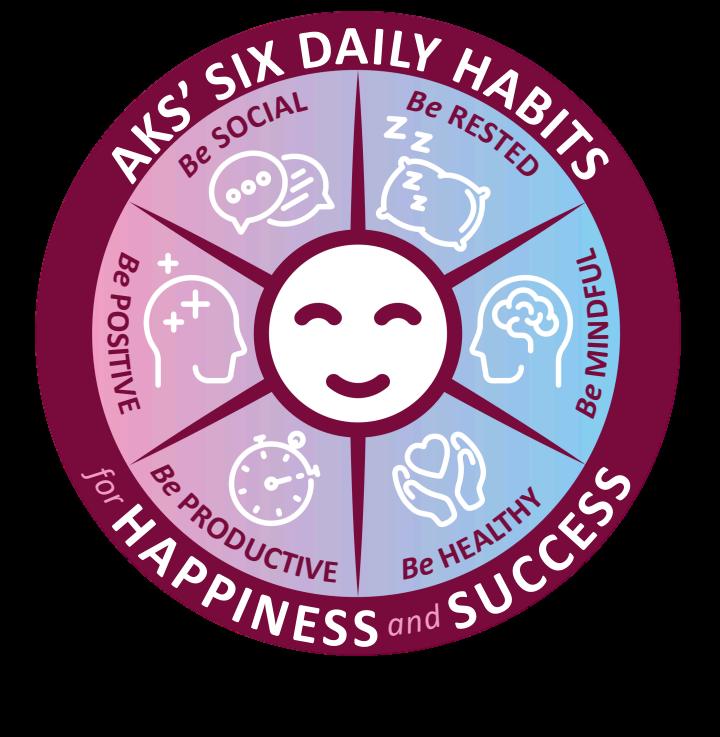
Wheel of Wellbeing
The PSHE and Wellbeing Co-ordinator organises the PSHE curriculum and holds drop-in sessions for the children who need it The Wellbeing Ambassadors deliver a message of wellbeing at Monday’s assembly
Pastoral care is a whole school focus, supported by the Nursery Manager, PSHE Co-ordinators, the Senior School Deputy Head Pastoral and a visiting psychotherapist
Please refer to Nursery, Prep and Whole School Policies in the Staffroom/ on the website. If you would like to discuss any points in this Handbook, please speak to one of the members of the Nursery and Prep Leadership Team (NPLT).
Amanda Ilhan, Head of Nursery and Prep School and Debbie Smith, Teaching and Learning Assistant Head, March 2026.