Ockhams Sampler
Extracts from the finalist books in the Mary and Peter Biggs Award for Poetry at the 2026 Ockham New Zealand Book Awards

Extracts from the finalist books in the Mary and Peter Biggs Award for Poetry at the 2026 Ockham New Zealand Book Awards

The Mary and Peter Biggs Award for Poetry at the Ockham New Zealand Book Awards considers both selections and collections of poetry, from one or more authors. The winning book receives $12,000 in prize money. Judging the poetry award in 2026 are poet, musician and multi-disciplinary artist Daren Kamali (convenor); poet, writer, performer and editor Jordan Hamel; and writer, musician and translator Claudia Jardine. The judges say they were filled with imagination and excitement, and also torn, by the reasoning, culture, storytelling and language woven through this year’s high-quality submissions. “We salute the four finalists, from the island realness of Black Sugarcane and the love, loss and distance in No Good, to long COVID in Sick Power Trip, and the shape and form of Terrier, Worrier.”
This Ockhams sampler invites you into the pages of this year’s shortlisted books in the Poetry category. Each extract is introduced by the judges’ commentary, offering insights into the content and craft of each work.
Look out for samplers of the finalists in the other three categories in the Ockham New Zealand Book Awards. As they are rolled out in the coming weeks, you will find them here:
www.issuu.com/nzbookawards www.anzliterature.com
https://www.nzbookawards.nz/new-zealand-book-awards/resources/
4
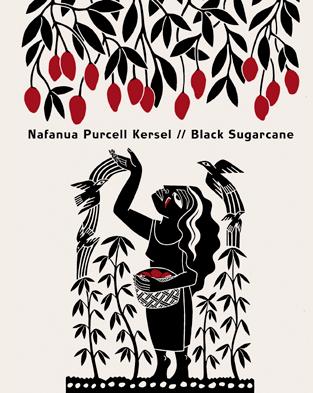
Nafanua Purcell Kersel (Satupa‘itea, Faleālupo, Aleipata, Tuaefu)
Published by Te Herenga Waka University Press
10 16 22
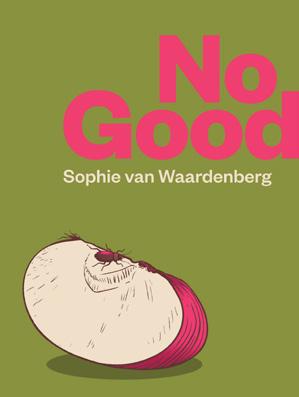
NO GOOD
Sophie van Waardenberg
Published by Auckland University Press
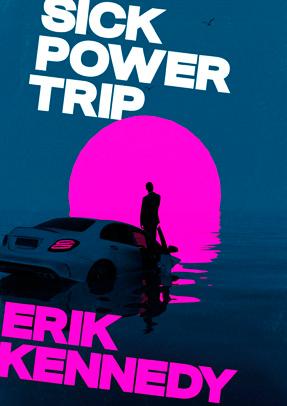
POWER TRIP
Erik Kennedy
Published by Te Herenga Waka University Press
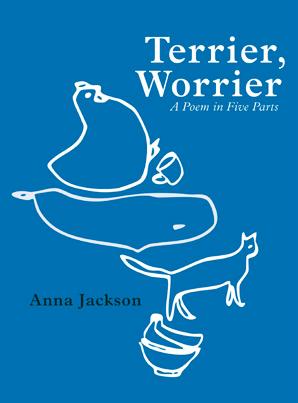
Anna Jackson
Published by Auckland University Press
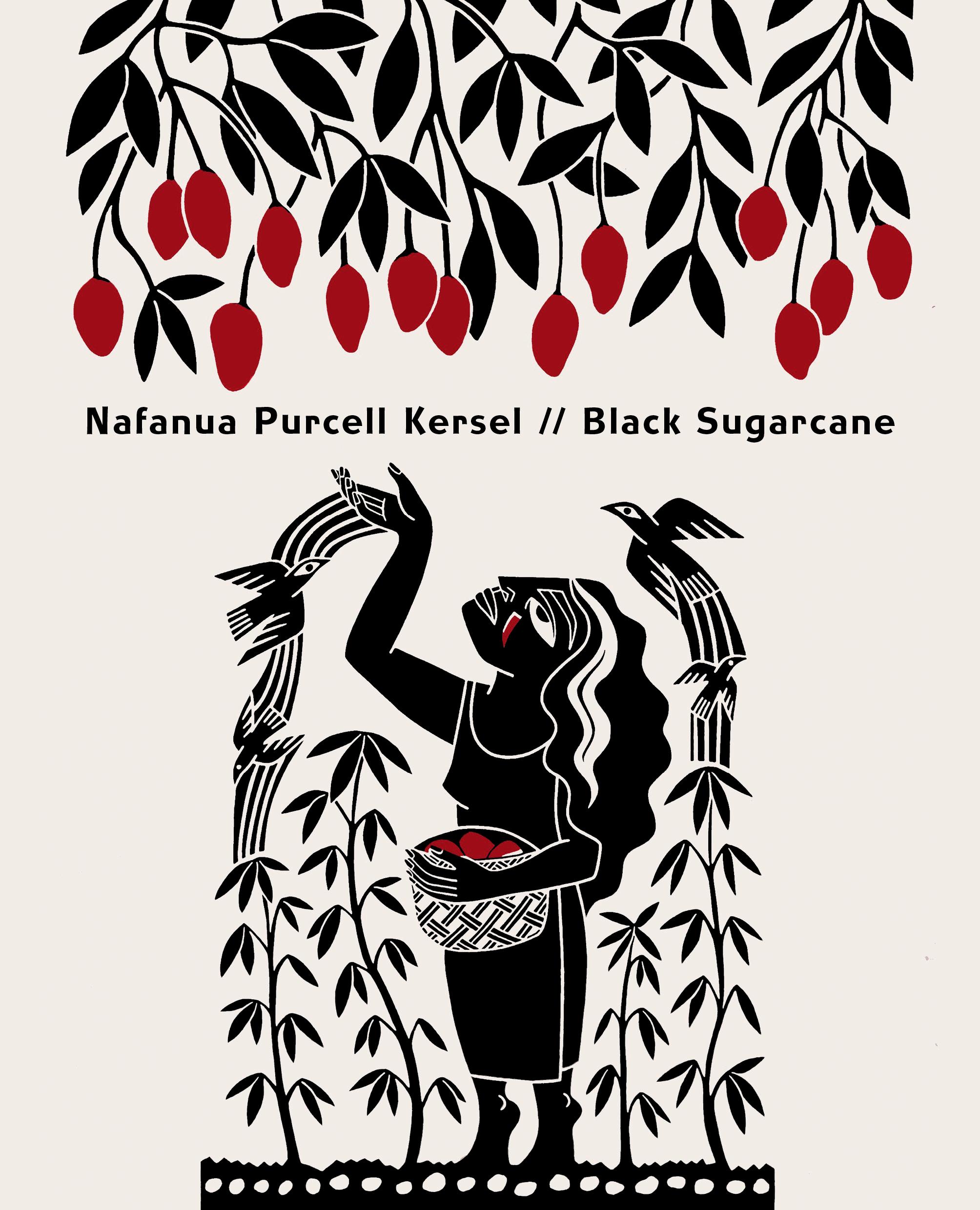
Published by Te Herenga Waka University Press
Traditionally black sugarcane was well known for its medicinal properties, and Nafanua Purcell Kersel’s debut collection serves as good medicine for the soul, its vivid imagery and seamless flow bringing the reader’s attention to the language and traditions of Fa‘a Sāmoa. A powerful new voice who sits confidently alongside well-known Pasifika female poets, she uses storytelling to reveal the people, customs, spirituality and village life of her Pacific homeland.
We build a safe around our birth stones. Craft it with a dream, a gourd, a drum-made chant.
Pile it high with frigate bird bones, song bones, bones of cherished names.
We rub sinnet along our thighs and lash our cache. Our stories kept sound, where words and names and songs are not forgotten.
One day before, now, or beyond, something with a heart drops a hank of its flesh before us. It sounds like a drum and we know it’s time to undo the rope, iron-rock and bone-sand. The stories, they tell us
that if we are the dark blue seas then we are also the pillowed nights and days, soft with clouds spread half-open.
We are a tidal collection, hind-waters of the forever we rally on, to break the staple metaphors from the fringes.
Safe. We sound together on a dance or bark an intricate rhyme.
We, the filaments of a devoted rope. We, who contain a continuance and call it poetry.
Four weeks after, I lean on a wrecked jetty pole, look out to the pacified ocean and listen to Paulo and Sala.
What they story makes me shoulder the pole for support though the wood feels too porous to be anything ever again.
Ua tuana‘i le fā o vaiaso sa fai le pou taula va‘a ma fa‘alagolago ma matamata i le vasa.
Ua ou fa‘alogo ia Paulo ma Sala
o ā la tala ua fai ma mea mamafa. Ua mafatia ai lo‘u tau‘au mafatia ai ma lo‘u māfaufau ona o le vaivai o le la‘au.
Our three-year-old is ecstatic on the sand. He runs bare-chested like a small contestant in Survivor.
He’s found treasure, a piece of curtain rail that he waves in big sword swoops as if it were a stick from a tree.
His giggle builds to a squeal as he bounds into the water, striking the shiny skin of the sea with the curtain rail.
One of the big kids follows him in, tells him to stay close and Paulo says it’s the first time any child has been alive in the water in weeks.
E na o le tolu tausaga o le tama, fiafia e ta‘alo telefua i le matāfaga, e pei olo‘o ta‘alo i le Survivor.
E fa‘ase‘e ma sosolo i le manava e foliga fiafia ma ata‘ata, e fa‘apisipisi ma fa‘asami i lana pelu la‘au felafoa‘i.
Sa mulimulitai lana kei matua ia te ia, fai mai Paulo,
O se taimi muamua lenei, ua ola ai se tamaiti i‘inei.
Koko Sāmoa
We meet again, roots; cup the smoky black pods which soul a person to land at their homefire altar of scales and shells from the many-coloured reef.
We feather a cloak with spirits clotted in your soil story, surviving like rocks; we mature by the moon and return to the banyan tree with our children.
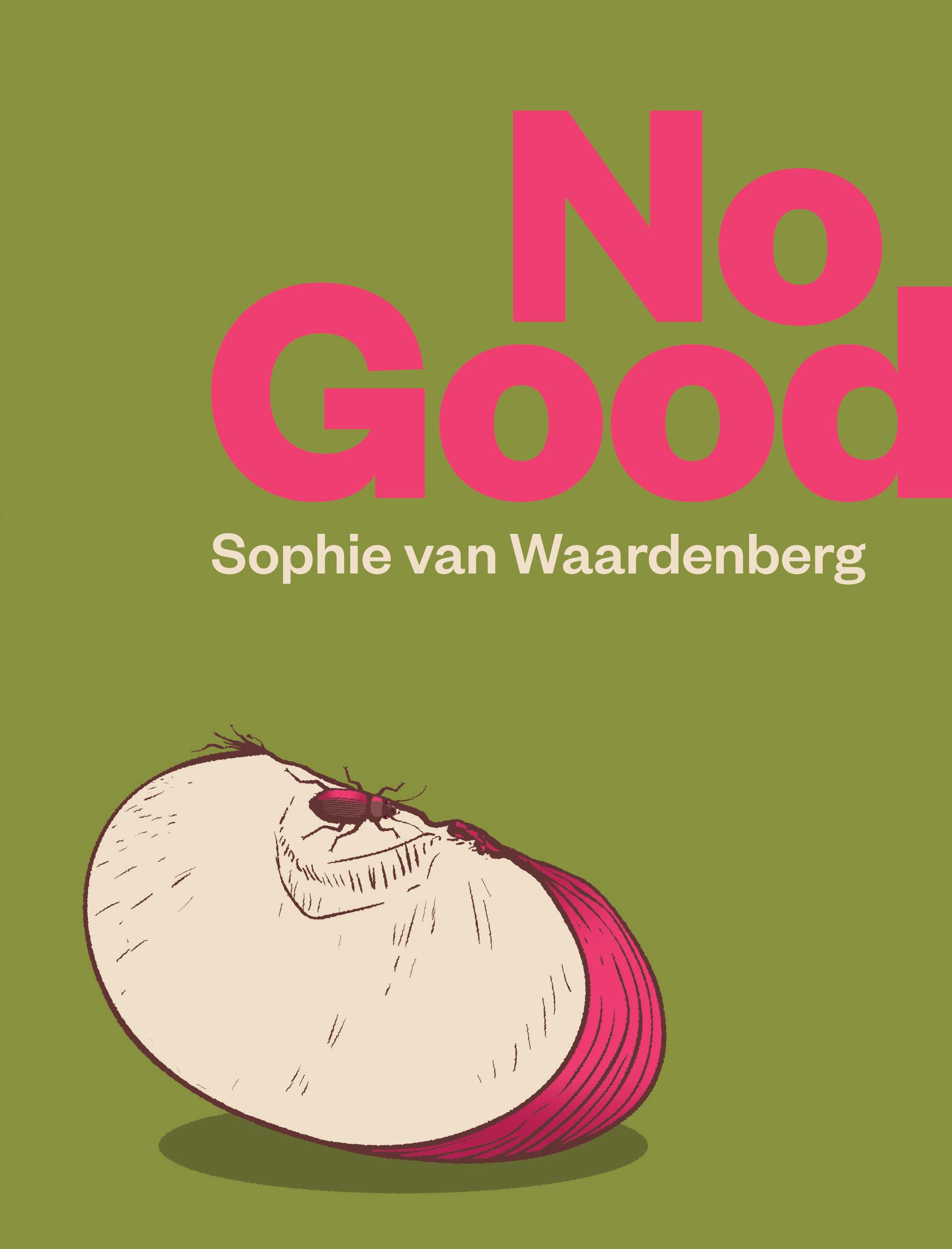
Published by Auckland University Press
Rather than make an index of all slights and offences, in No Good Sophie Van Waardenberg takes all the bad stuff and crafts it into something wonderful and refined. Her poems possess the angelic tranquillity of a favourite child on their death bed, cut and pasted into the florid atmosphere of a Bosch painting where love and bereavement come and go. This is a debut poet who continues to blush at the beauty of her world.
In the houseboat in the film about the lesbians there is a piano. There was a cat, too, before it died, a cat with little feet. They make their coffee the way I do but in a bigger pot, and I could live with a tiny kitchen with yellow walls that curve together to clasp like hands. I’d cook deliciously and economically. I could live with the swaying. I could live on the water, as long as I live with a girl who can steer. I should mention that in the film they’re in love, then they’re not—but they never weren’t.
I’ll die before I let anyone stop loving me, so what do I want? To be taken by the wrist and led to a bench in the sun, where I’ll sit sweet as an extra, watching the river, everything benign.
But listen, a houseboat—the mornings so morning, the evenings so clean. On the stovetop, room enough to light the ends of spaghetti on fire. I am almost ready for this life.
I went home, I came back away, I don’t know what else I can tell you.
All night and all year the heat has undressed me. And not in a beautiful sense.
Even my shins, damp with missed summer. I am feeling it wrong—
I don’t know what else I can tell you. What else is still good.
Today I threw some chive seeds into soil and tossed the whole thing together.
When Sarah found her horse’s body I couldn’t help her. And it keeps happening.
I don’t know what else I can tell you. Every time I build my bed I lose track of myself.
Someday we will live in a better place: the same place but better.
I will learn to drive a small motor vehicle and you know I don’t mind how long it all takes. To bury a horse, you dig so many hours, so wide.
You are doing such a good job for me green monster of staying alive. All my friends
have left me to grow farms of their own. Even Jon is selling turnips at a loss.
It’s Sunday night. The rain is fat like a grandmother’s kiss and we can’t go out to be loved by anybody. We can only make fertiliser out of pixelated sap. But in the material world I’ve dusted your perfect leaves, baby. What a year it’s been since fall. I water you sometimes. If I die of this, I die of this.
The grass last I looked was still trying. How can I spend life with myself?
I am tiny—almost new—and I am tired. Tuesdays my fingers are gilt with honey. They gather the dust from the floor. Fridays I have grown full of myself. I can’t move. The walls are milky and anonymous. The curtains are open. I did that, or I must have done. I must have let the heat out. It must have made sense at the time. Who knows how long the weather will last? I am a large dirty lake, a tepid naughty heart. I do not want anyone to love me. But when they don’t, why don’t they?
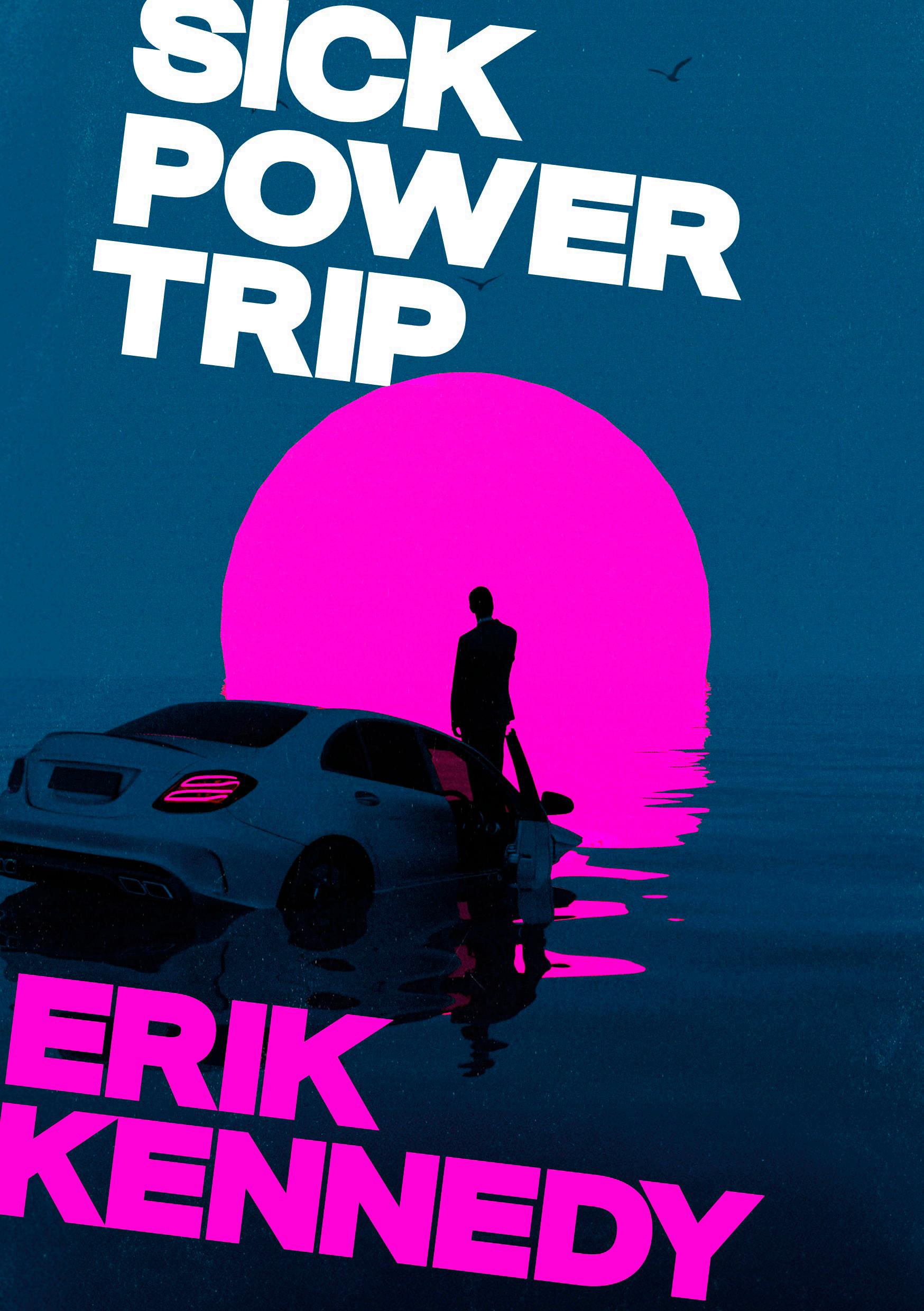
Published by Te Herenga Waka University Press
Persuasive, subversive, cohesive, immersive... these and many other rhyming words describe Erik Kennedy’s latest collection Sick Power Trip. In addition to his trademark wit, play and societal awareness, Kennedy’s range and muscularity announce him as a master craftsman; a poet who can bend and mould the shaping of modern life and, in that shaping, reveal something new, something hidden, something human.
I fixed every problem I ever had until I couldn’t, at which point I became the problem. I was a flat tyre, a pigeon freeloading in civilisation’s attic. Watching my bank balance drop became my new favourite sport, replacing my old favourite sport (walking everywhere to save money). I was sick, I was broke, I was on an ice floe of shortcomings, so that’s when the universe decided was the funniest time to push the self-reliance gospel at me. The playlist of my life was full of artists who had chopped down trees to build their own guitars to sing songs that said: If a comet is heading for the earth, we must celebrate the ambition of the comet. If you don’t like that the sun sets, then it’s your responsibility to stop it.
When I was very young I lived with a professional couple. I worked as a child at that time, and the money wasn’t good. The couple helped out with room and board. They did my banking for me. They attended to my requests for books, music, toys and fruit. They provided soft animals for me to play with and flowers to smell. There was a car service. They fetched things from high shelves. They even cleaned the shower.
To show my appreciation, I entertained them in the evenings. I would name foreign rivers and talk about the different layers of tropical rainforests. I spelled ‘prestidigitation’ and told them that they use the shilling in Kenya and that the universe will expand endlessly and chill to a friendless emptiness. Oh, we enjoyed ourselves. It wasn’t long before I changed jobs and left. (I’m now an adult child.) I think about those people sometimes.
Everyone’s trying on their old nuclear war poems like decades-old trousers, wondering if they’ll still fit,
but maybe they never really looked good, the brown, unbreathable eighties fabric of the poems making your thighs look like two overheating otters.
The nuclear war poems always said the same thing: the bomb is bad. And it is, but so is chlamydia, and it’s as easy to write a great anti-chlamydia poem as it is to write the poem that will get the State Department to re-theorise nuclear deterrence. It’s worth a try, I guess. I try that rope ladder game at carnivals, so what do I know about odds? I just think if it’s an old look you want, there are better options than dressing like our dads did.
What’s the poetry equivalent of naturism? Let’s do that. Cutting about as naked as a shaved cat, walking into a shocking midday sun, involuntarily blinking too much at the sheer bloody brilliance of the light-filled atmosphere. Hating the bomb is assumed. A friend hands you a beer.
A year is a road that ends at the sea in an afterthought of a town, just a few weatherbeaten houses, some indifferent trees, a small picnic area, and a one-eyed cat wandering around proprietorially. You drove here because it is here.
The sky is orange and purple, like a burning vineyard. And you put your foot down and plunge off the road. You drive through the spinifex, down the shifting dune slope, across the tide line, and into the surf, gunning it into the waves.
The footwell fills up, the seawater pours in, the engine is flooding, the cabin is all foam and confusion, you’re losing consciousness, you’re losing consciousness, and you wake up parked at the kerb where you started last year, soaking wet.
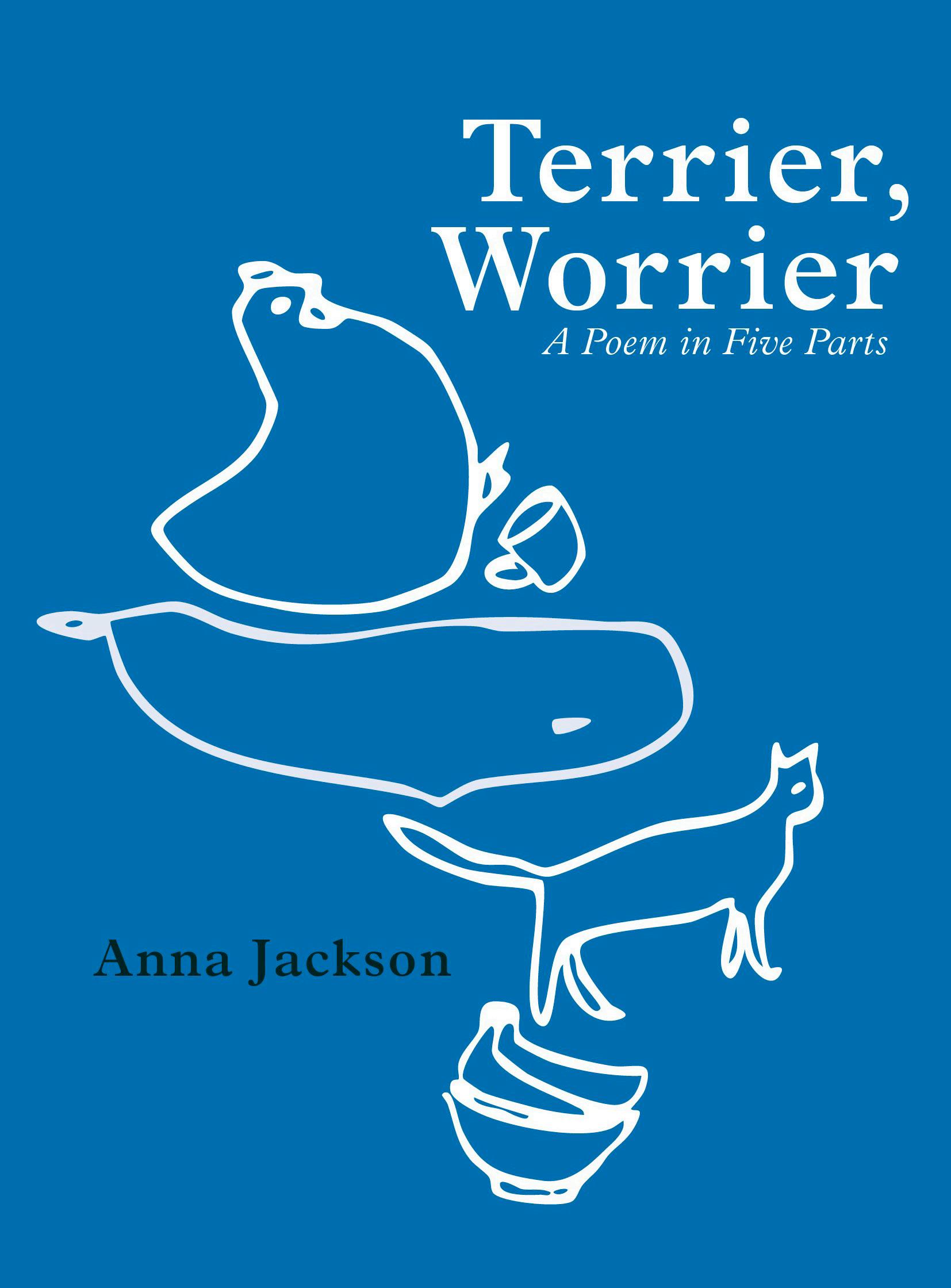
Published by Auckland University Press
Weaving essays through five seasons, beginning and ending in summer, Terrier, Worrier is poetic prose flow at its most extraordinary. Partly autobiographical, the five prosepoems connect with readers through individual thought, expressed with words and feelings that compare to animal thoughts and emotions. Anna Jackson masterfully paints these into images that relate on a personal level, while entwining the quotes and references of various writers with her own take on the seasons.
I thought, if I can’t reconcile myself to my non-existence after death by thinking about my non-existence before I was born, given that as far as time goes I am only travelling in one direction, perhaps I could reassure myself by thinking about my non-existence elsewhere in the world, in the lives I am not living in other countries, where I am not seeing the milk that spilt on the tiles or feeling that gust of wind blow by, or listening to what someone would have been leaning over, intently, to say to me, if I existed in their life.
I thought the reason I was not sleeping late was because I had nothing to dream about, going out into the world so little and having so little going on.
I thought, perhaps the rats and birds in the dream-science laboratory also woke early, electrodes on their heads, not feeling like sleeping any later even if all they had to wake up to was another day of running mazes and learning notes.
The hens were roosting earlier and earlier as the days were growing shorter, and sleeping later. I thought, if sleeping was really for the consolidation of learning, birds wouldn’t sleep so much longer in winter than in summer. And, I thought, bears hibernating through the winter probably aren’t processing more knowledge than they had access to when the days were longer, or managing particularly troubled or repressed emotions that they had failed to process all summer.
I thought about using the long sleeping hours of my hens to accustom them to being patted, by patting them on their perches when they were relaxed and half asleep, except they roost so high up that by the time I’d climbed up to where I could reach them they would probably be in a state of high alarm, as well as tired.
I thought, perhaps dreaming really is just like reading with your eyes shut, a way of getting through a time in which it isn’t safe to move around in the world, a way of staying put.
I don’t believe in an afterlife but on the question of how old I would be in it, I think it would vary the way it does in dreams, when sometimes I am a child, sometimes in my twenties or thirties, only occasionally the age I am now. In dreams I think it depends on whoever else you are dreaming about, and who you are in relation to them.
I wondered whether the hens ever dreamed of themselves at earlier ages of their lives, whether Wilma dreamed of herself under her mother’s wing in the coop where she was born, whether the three younger hens ever dreamed of the incubator.
This was a time when first my mother, then my sister, then my father each took a turn at death’s door.
My father said that when he was lying alone in the hospital bed wondering if he was dying, he thought of Shakespeare’s Mistress Quickly recounting how Falstaff died, clutching at flowers and babbling of green fields, his nose sharp as a pen. She brought him blankets to warm his feet, which were cold as stone. She then felt to his knees, and they, too, were cold as stone. She felt her way up his body, upwards and upwards, and all she felt was cold as stone.
I read a memoir of early motherhood in which the writer consoled herself about the fact that her baby was too young to form a memory of her singing to him, by thinking that this time was forming his character and so in that way it still counted for something. This made me too angry to keep reading.
I thought, if a moment with someone only counts if it will be remembered, what about when the people we spent those moments with die and don’t remember any of them anymore. Do they not count for anything?
When my daughter promised to support me through my grief, it felt like cheating, because there was no grief as terrible as not seeing my daughter.
I thought, every room is an emergency room.

Nafanua Purcell Kersel
(Satupa‘itea, Faleālupo, Aleipata, Tuaefu)
Black Sugarcane
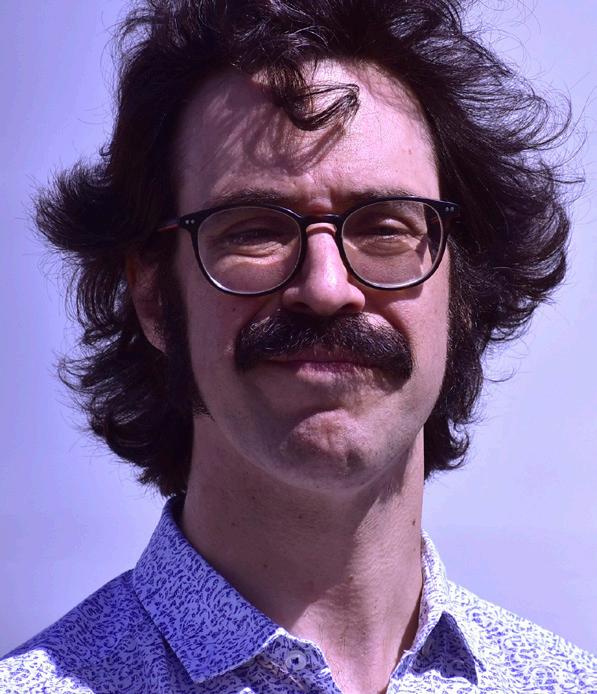
Erik Kennedy Sick Power Trip
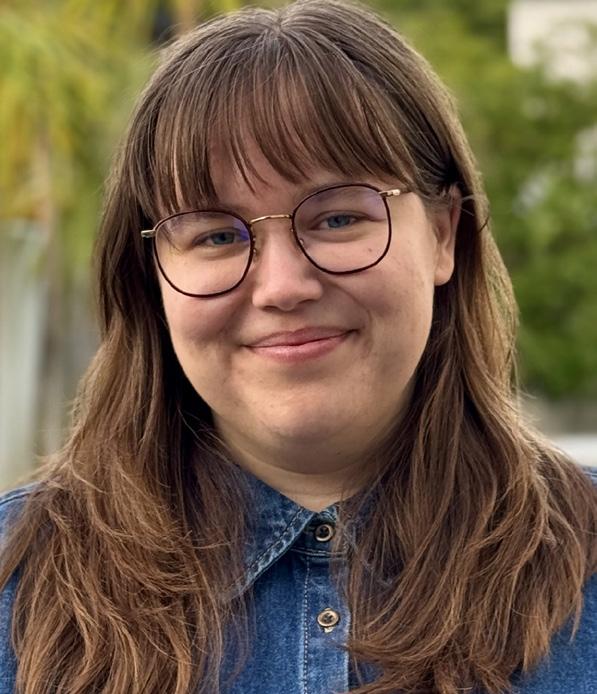
Sophie van Waardenberg No Good
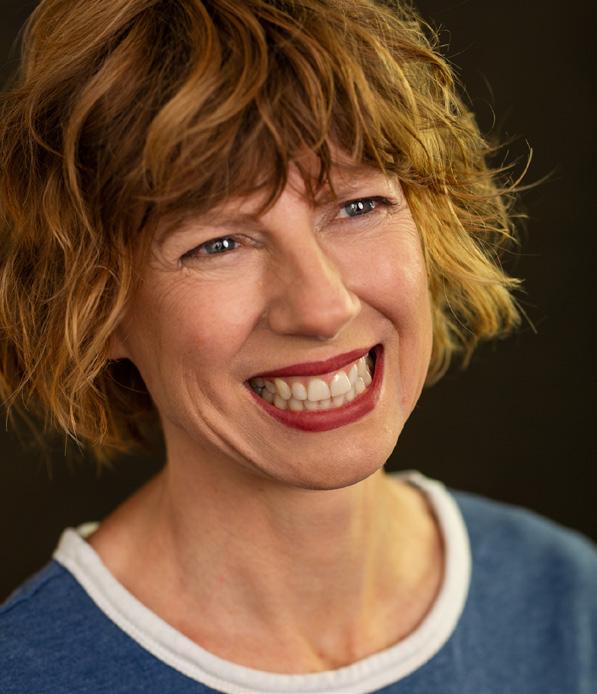
Anna Jackson Terrier, Worrier: A Poem in Five Parts
He kupu whakamihi to all this year’s shortlisted authors and publishers. To readers everywhere, seek out these stories in bookshops and libraries nationwide, and join us on 13 May – in person or via the livestream – to celebrate the finalists and winners at the Ockham New Zealand Book Awards ceremony, a marquee event at the Auckland Writers Festival Waituhi o Tāmaki. To find out more, follow NewZealandBookAwards or #theockhams on Facebook and Instagram. For ceremony tickets, visit www.writersfestival.co.nz.
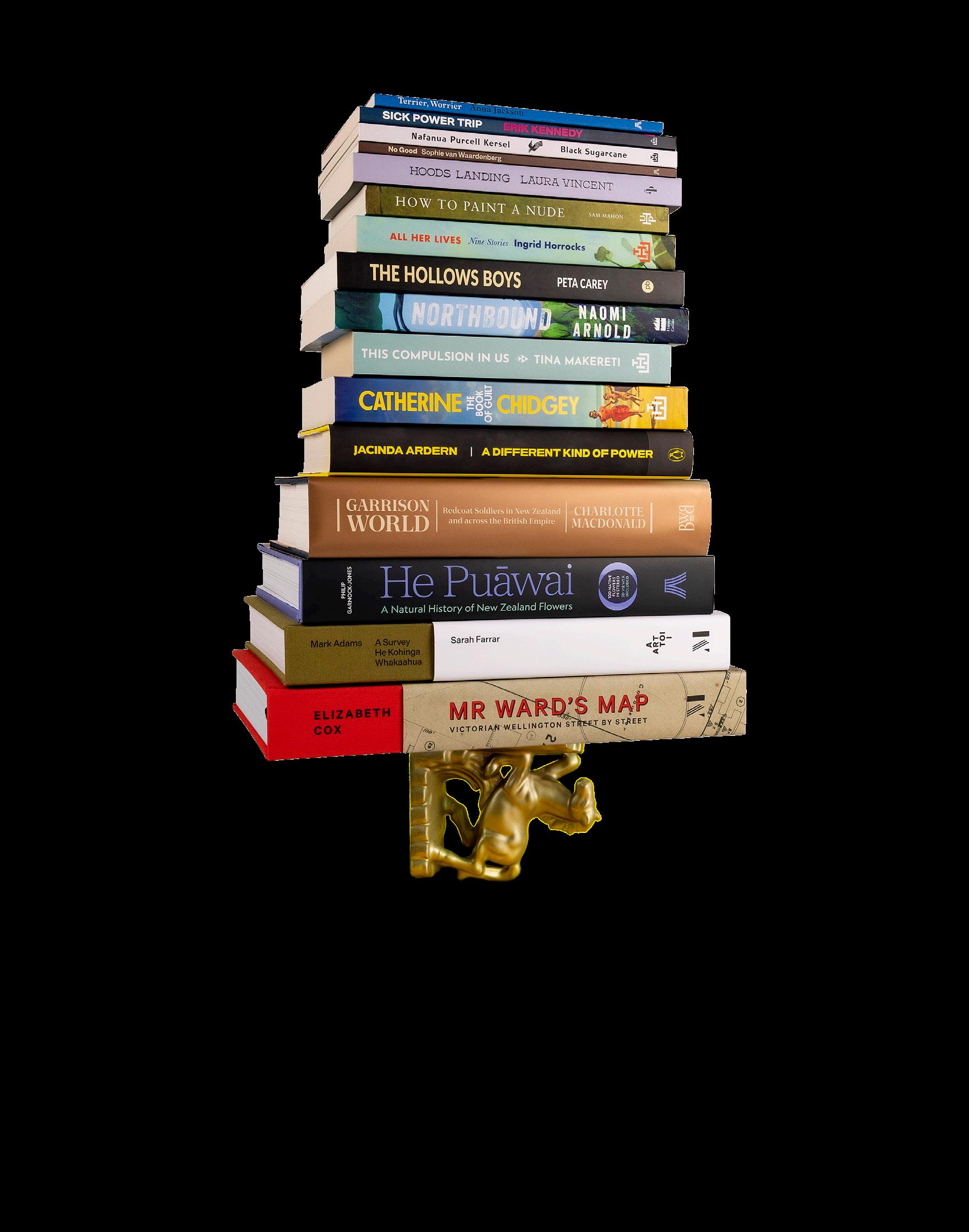
The Ockhams Samplers were compiled with the assistance of the Academy of New Zealand Literature.
Look out for the other category samplers at: