Ockhams Sampler
Extracts from the finalist books in the Jann Medlicott Acorn Prize for Fiction at the 2026 Ockham New Zealand Book Awards

Extracts from the finalist books in the Jann Medlicott Acorn Prize for Fiction at the 2026 Ockham New Zealand Book Awards
The Jann Medlicott Acorn Prize for Fiction at the Ockham New Zealand Book Awards is the country’s richest literary prize, presenting $65,000 to its winner in 2026. It recognises both novels and short story collections by a single author.
This year’s fiction judging panel says the four books on the 2026 shortlist demonstrate the breadth and brio of fiction being produced in Aotearoa today.
“You laugh, you shudder, you are pulled along by character and voice and plot. Set in different time periods and across the globe, these four authors speak directly to the contemporary concerns of New Zealanders,” they say. “How free are we really? How much have attitudes to gender and sexuality actually changed? What might be killing us and what sustains us?”
The 2026 fiction judges are novelist, short story writer and reviewer Craig Cliff (convenor); novelist, poet and Arts Foundation Te Tumi Toi Laureate Alison Wong; and bookseller, writer and reviewer Melissa Oliver (Ngāti Porou). They are joined in deciding the ultimate winner from the shortlist by international judge, Canadian Leslie Hurtig, who is artistic director of the Vancouver Writers Fest and a respected literary juror.
The Ockhams fiction sampler invites you into the pages of this year’s shortlisted novels and short story collection. Each extract is introduced by the judges’ commentary, offering insights into the content and craft of each work. Look out for samplers of the finalists in the other three categories in the Ockham New Zealand Book Awards. As they are rolled out in the coming weeks, you will find them here:
www.issuu.com/nzbookawards www.anzliterature.com
https://www.nzbookawards.nz/new-zealand-book-awards/resources/
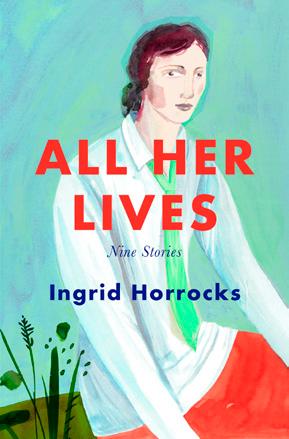
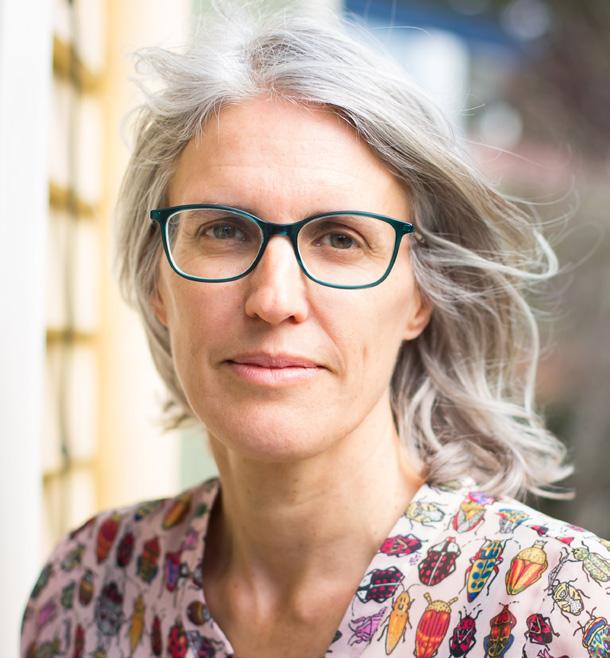
Ingrid Horrocks
Published by Te Herenga Waka University Press
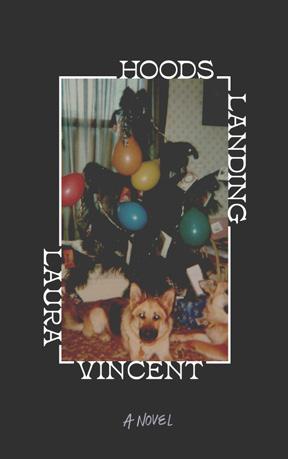
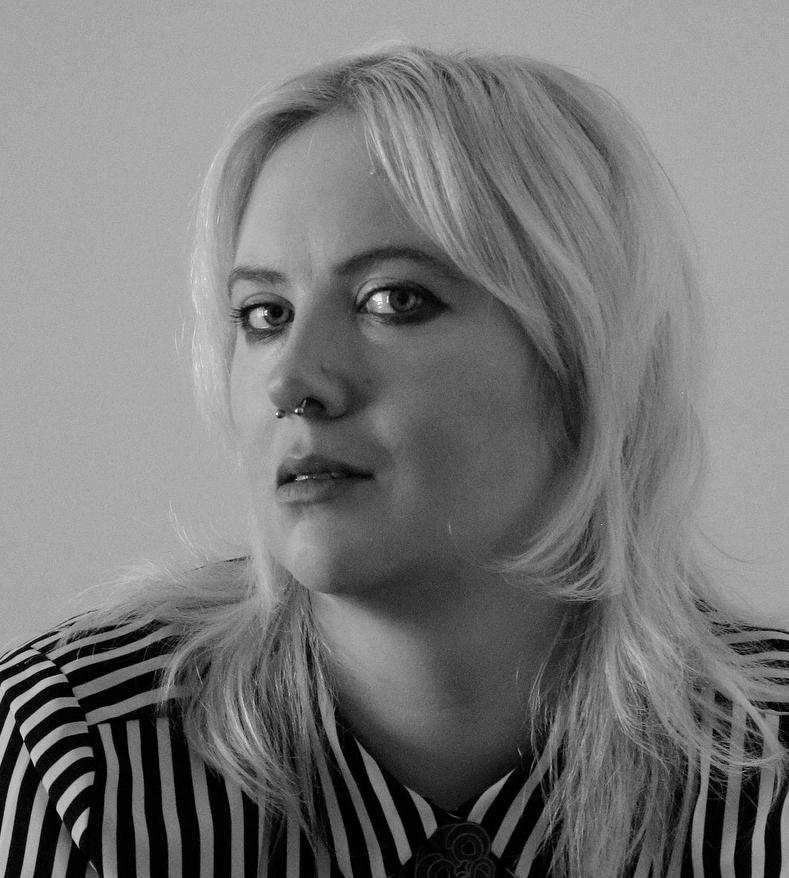
Laura Vincent (Ngāti Māhanga, Ngāpuhi)
Published by Āporo Press
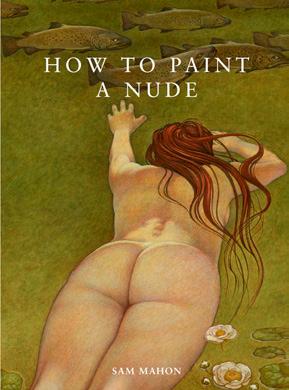
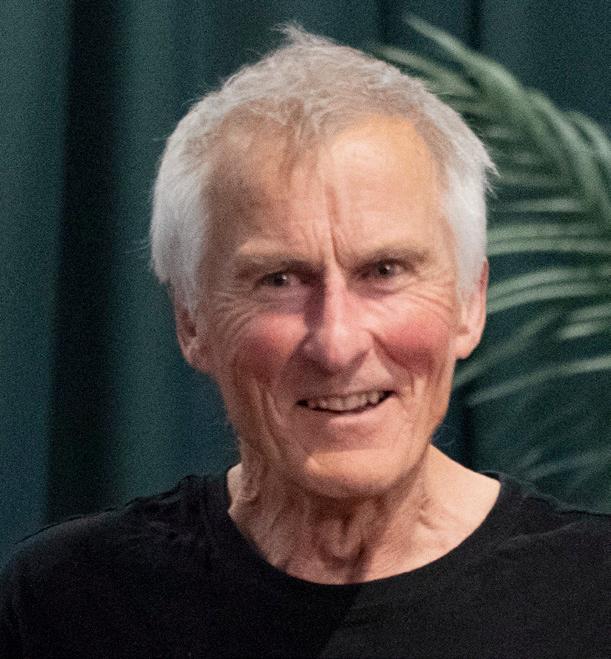
Sam Mahon
Published by Ugly Hill Press
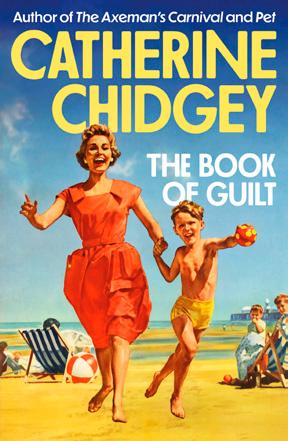
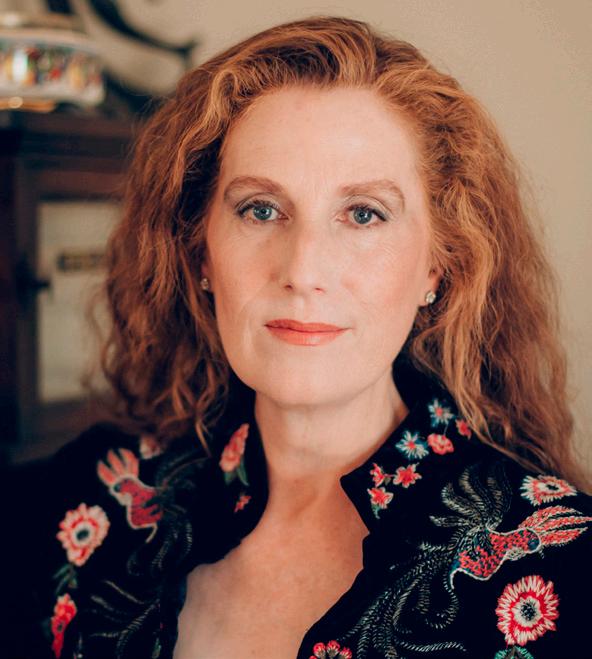
Catherine Chidgey
Published by Te Herenga Waka University Press
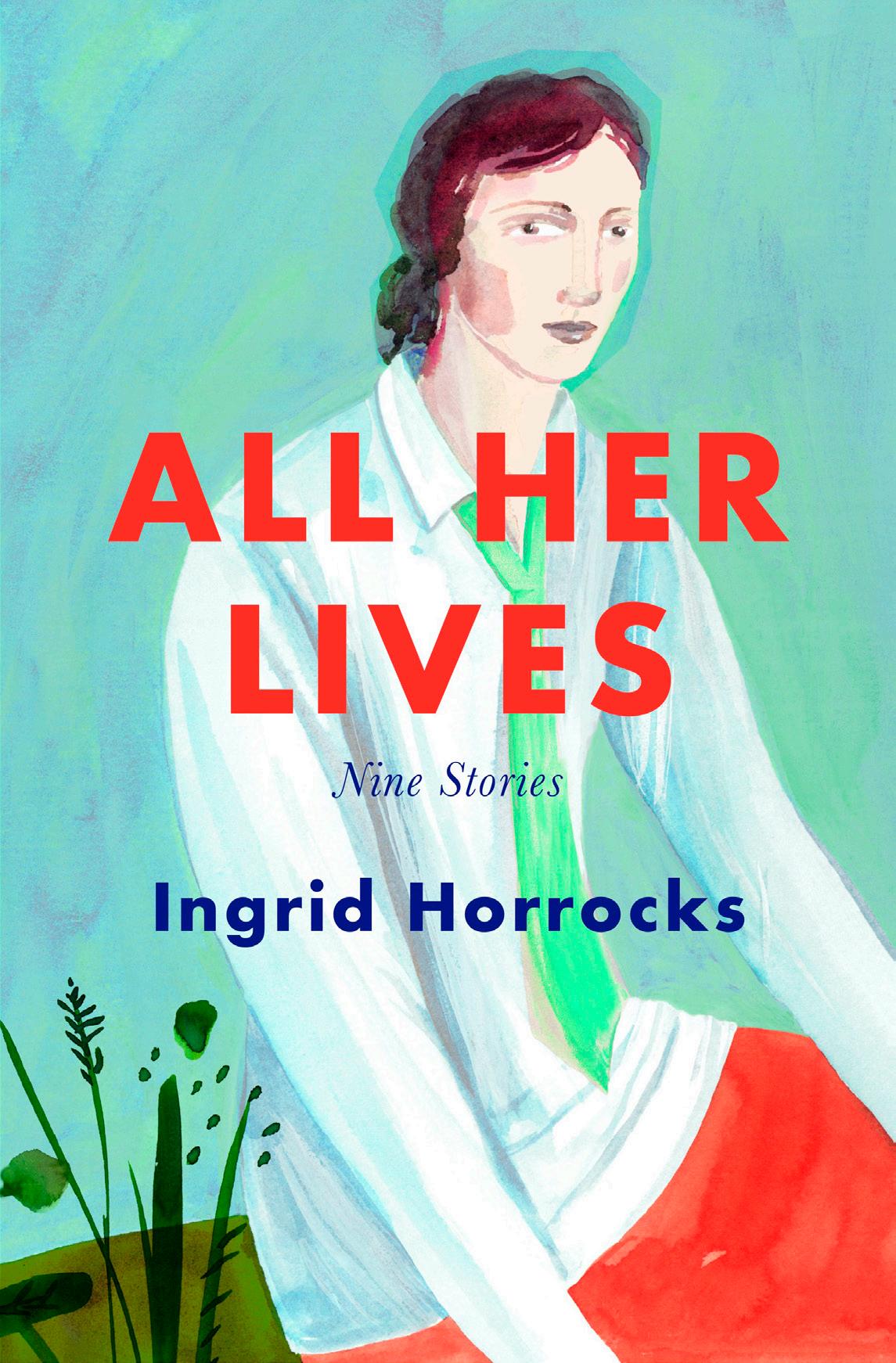
Published by Te Herenga Waka University Press
Connections abound in this intelligent, skilfully observed story collection. Characters reappear, their past acts echoing through generations. From the life of Mary Wollstonecraft and the troubled legacy of Truby King to the complexities of queer life, the struggles of a single mother and the consequences of political and climate activism, in All Her Lives Ingrid Horrocks subtly depicts the challenges and transformations of women from 1795 to the present day.
‘So, what do you think?’ Alna says. ‘Are you excited to meet him?’
Our sister, Eileen, has written to us from Ohio to say the boy has made contact at last. The envelope between us is like Eileen joining in, keen for us to agree to what he has asked. I have left my identical envelope at home, with its own foreign stamps featuring some American founding father. Our sister, the war bride. Eileen is the only one of us, besides me, who didn’t end up back at Mae’s farm.
‘I think, I don’t know,’ I say.
‘That’s not like you.’ Alna examines me, but her eyes are light beneath her curls. She is still illuminated with excitement from the tunnel. ‘Surely, you’re curious,’ she says. ‘You must be. What if he looks like my boys? They are cousins, whatever happened.’
In Eileen’s letter to me, it was our brother, Calan, she said the boy resembled. Which means the boy also looks like me: fair, red-haired. He does want to meet his aunts – Alna and me. But what he seems to want most is to see the famous doctor’s hospital garden in Melrose where we all grew up.
‘I feel as though the boy doesn’t belong in the garden,’ I try, which feels wrong, but also what I want to say. I am hot and sticky inside the fitted cardigan I have put on for Alna’s benefit. She is waiting for me to say more, but how do we even begin to talk about the garden?
A young waitress in a black-and-white uniform clears our table with such trembling care she must be new to the work. ‘The garden isn’t what it was in our time,’ I say. Or so I’ve heard. I haven’t wanted to visit since the day Father retired, and he and Mother packed up and moved back to the farm. ‘So?’ Alna persists. ‘Aren’t you interested to see what’s become of it all?
The doctor’s whole plan. Everything we planted. The hospital’s still there – our cottage too. The Big House library you loved so much.’
I shake my head, surprised by the strength of my resistance. ‘It was a long time ago.’
‘Suit yourself,’ she says finally, though I know she’s not done with me. She slips the envelope back into her bag. ‘Did you hear they’re going to put the Doctor on a postage stamp? Fifty years of the Plunket Society.’
‘Truly? The old man would have loved that.’
There was another day we joined Father in the garden, overexcited from winter weeks inside. He was working on restaking a young rhododendron struggling in the winter wind. We hopped about, mimicking the tūī on a kōwhai sapling. We ran faster and faster, flapping our arms, ready for flight, until I slipped and grazed a knee, and Father sent us off to weed around the azaleas and barberries on the hospital terraces. As it got warmer, he said, it would get harder to keep up with the growth. Better to get in early.
When we first moved to the hilltop garden, only the Big House was complete. The Doctor lived there with his sick wife and adopted daughter, and he would appear in the garden with his stick to instruct and help. Father spent part of each day clearing the hilltop of gorse and broom. Even the shelter-belt of pines was still small. Men arrived each morning to work on brick paths and terraces up and down the slopes, while builders further up the hill worked on the new Karitane Maternity Hospital for mothers and babies.
Two years on, the Doctor’s hospital was complete, the builders gone, and a real duchess had come from England to declare it open. Nurses arrived in the garden with truckloads of furniture, hospital beds, strange machines that had to be manoeuvred up the brick steps, and an occasional smile for Alna and me, their uniform caps folded into tiny angel wings. The finished hospital looked like a palace to us – opposite the Big House but on its own little knoll, red-tiled roof against the sky, porches and open doors on every side – designed, we were told, for air and light. That morning when Father sent us off, we passed through the brick arch to the hospital part of the garden, leaping up the steps two at a time. We were seven and eight now. Big enough to really help. We knelt to work around one small bush after
another, pulling out the long grass and feathery weeds as Father had taught us. We planned a slide down to the sea, pointing and directing as we’d seen the Doctor and the man in charge on the building site do. Then we lay on our backs in the grass and stared up like we were looking for God.
When we were bored with that, we climbed to the next terrace in search of perfect pieces of grass for whistles like the ones Calan made. Alna reached back to give me a hand, the two of us scrambling until we surprised ourselves by popping up in flower beds. We were on the rim of the hospital’s neat lawn. We quickly dropped to hide amongst the plants.
‘We’re not allowed,’ Alna whispered.
‘I know,’ I said, nodding but not moving, staring across the grass. There were cots on wooden stands lined up along the edge of the hospital porch, jutting out like blossoms in the sun. A thin wail came from the far end. One, two, three, four . . . eight . . . twelve of them. Twelve like Mother’s brothers and sisters back in Scotland. Although they can’t have all been babies at the same time, I realised. I’d always imagined them that way.
We had heard the babies plenty of times. The hospital sounds reached our cottage. Their cries had become as familiar as Alna’s warm body curled with mine at night, as Eileen’s sighing breath in her own bed an arm’s length away, as Mother and Father talking quietly in the kitchen, sometimes with Mae when she was visiting. The sound of babies crying was no stranger than the night calls of owls, or the rumbling of the lion high up on its rock at the zoo across the valley.
But this was different. Now we were right here.
The cold wind made the white screens at the tops of the cots flap. A Karitane, who looked barely older than Eileen, marched out onto the porch. Karitanes were younger and prettier than the Plunket nurses, but we still crouched lower, two heads –
one dark, one red – hiding amongst the flower beds.
The Karitane hurried along the line and stopped at the crying bassinet, where she put her hand in and made shuuuuu sounds. ‘You’ll wake the others, silly. Sleep time. Be a good baby.’ She sounded both stern and sweet, and she soon walked away, disappearing back indoors.
For a moment the baby seemed to have obeyed, the only movement a flock of silvereyes on a branch above making their cree-cree calls. Then the baby started again, tiny and abandoned.
‘She should have helped,’ Alna whispered. ‘Why didn’t she pick it up?’
‘I dare you,’ I said.
Alna looked across the lawn, considering, sucking a piece of grass like a cigarette. We were Mother’s Irish twins – which still confused us – but Alna was the oldest. The nurses and Karitanes would be sitting down to their midday dinner in the other wing.
The baby’s cries got louder and closer together, as if witches were running hot sticks into it. Alna took my hand and held tight, pulling me up.
As we sneaked slowly towards the cots, sticking to the edges of the flower beds, the baby seemed to give up, letting out some last gulping cries before going silent. How did the Karitane know that would happen? When we reached the cot, the baby was just a face between bonnet and blanket, tiny nose, eyes closed. We stood a moment, staring. Then, with a glance at Alna, I went up on tippy-toes and reached across to ever so gently put my finger on its cheek. I wanted to stroke it, but I knew not to wake a sleeping baby. It had a smell that reminded me of Mother.
‘It’s cold,’ I said, taking my hand back. Beside me, Alna shivered, her arms at her sides, and I shook my head. ‘I don’t mean that, stupid. It’s alive warm.’
We had touched a dead baby before – our little brother.
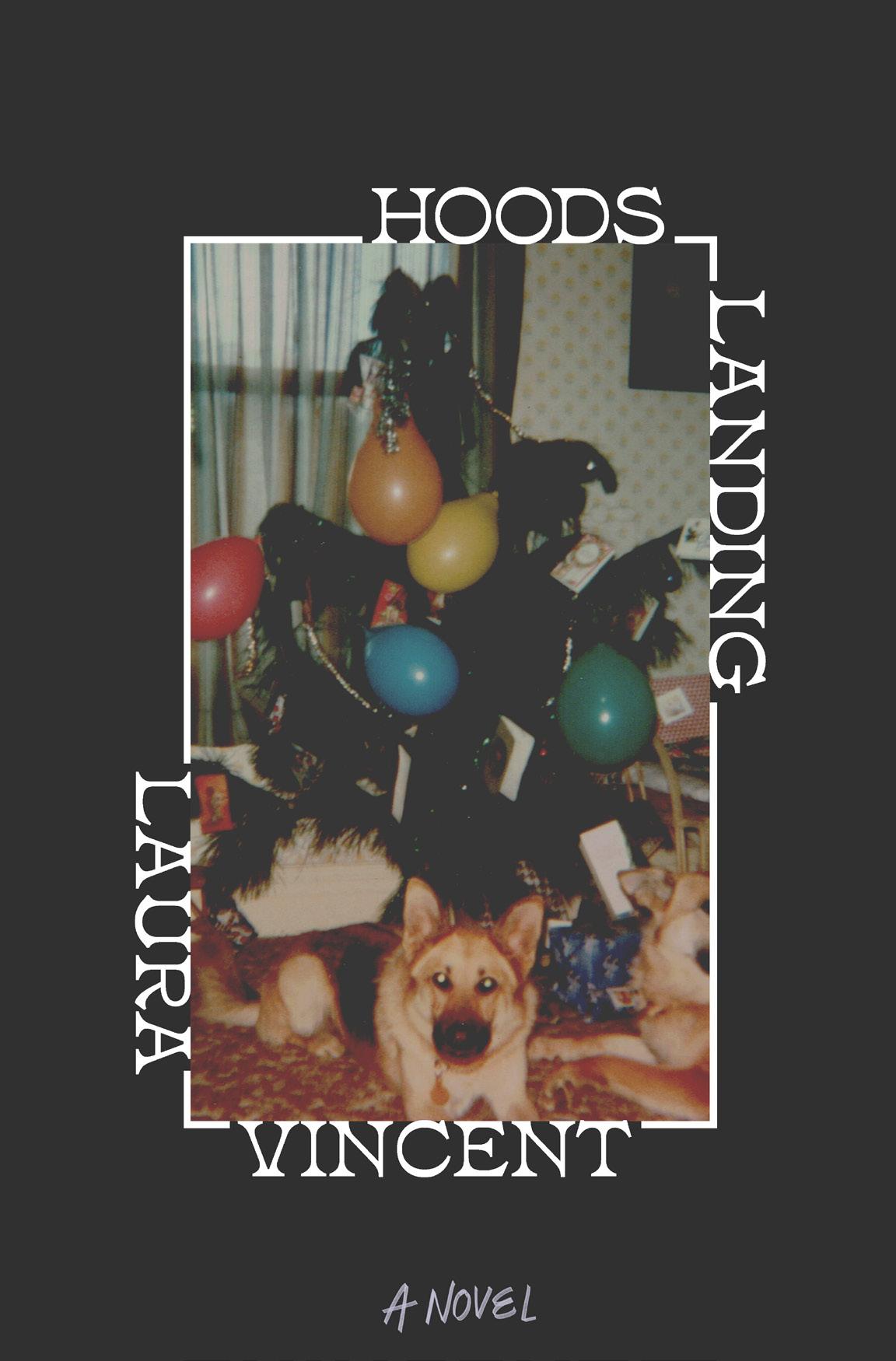
Published by Āporo Press
JUDGES’ COMMENTS
Four generations of the Gordon whānau gather to celebrate Bufty’s birthday in the shrinking settlement of Hoods Landing. Bufty’s youngest daughter, Rita, has yet to announce her cancer diagnosis, and more revelations are in store. Laura Vincent’s novel engulfs the reader in a memorable matriarchal whānau: the decades-long tensions and in-jokes, the closely guarded recipes, the tarot readings and the singalongs. Instantly recognisable but utterly unique, epic yet contained, expertly woven and delightfully funny, Hoods Landing contains multitudes.
Rita counted the dead. She showed up early for her appointment. Not on purpose. Didn’t treat a trip to Auckland like an international passenger ship voyage the way her mum did. It just happened that way. And now Rita waited. They had said it’d be a few months till they could book her in. Treatment came after that. She’d be able to drive home after round one. For round two, she’d need a whānau member. A partner. A close friend. They don’t get free parking.
“So we’ll both be suffering,” Rita had said. The GP didn’t laugh. Fair dues. It wasn’t really a joke.
The Americano burnt her mouth. Two blinks of a tungsten cathode later it turned lukewarm. Rita prised off the plastic lid and dipped her blistered tongue into the cooling liquid. It stung. She made herself drink the lot while flicking through a women’s mag, its pages tenderised by the sweat of nervous hands. The coffee had cost $5 at the hospital cafe. She might need a full bladder.
Rita pointed at pictures in her magazine. Bags that chocolate cake. Looks almost as good as Mum’s. Bags that car. Had one of her older sisters joined her on these stiff orange chairs, she might’ve raced them to claim these goodies. Marlon would say she doesn’t need anything, hypothetical or otherwise. Judy would target the dresses and makeup that Rita didn’t give a stuff about, slapping the page. If Jayne were there, Rita would point to the most preposterous celebrity she could find and say, “That’s your boyfriend.” Jayne would laugh like a goose with laryngitis. Rita picked up another tattered magazine. Bags that credit card. Bags that dog. Bags that plane ticket.
Hard to describe to outsiders how insignificant the place was where she grew up. The decaying village she’d returned to. Maybe for the last time. Maybe five square miles. An empty school. Two or three dozen pupils when she started in 1967. A church. The bowling club. Grass overgrown. The abandoned aerosol factory. No shops. No footpaths. Walk down the white painted lines at noon or midnight and you’ll only meet a sparrow’s pulpy carcass ground into the tar-seal. Sometimes trucks smashed past. Industrial. Abrupt. Timber, cattle, milk. Or developers scurried through to divide and conquer the beach where her grandmother lived.
A real all-or-nothing place. Mostly nothing. The back of beyond, they called it. “No one’s in a hurry round here but the ants chasing jam,” her mother would say.
Cancer had killed at least ten women from the village in Rita’s lifetime. Maybe a normal quantity of women to die. It got her dad too. His lungs first. Metastasised to his liver. Then his bones. And then—him. Could’ve added Caretaker Ned to the tally but cirrhosis ended the old inebriate first.
Rita knew things. More than her sisters.
She knew you couldn’t expect to hear secrets in broad daylight. They came out later. After the crowds had gone home. After the dishes had been dried and put away. After the lights dimmed and Avery boiled the kettle. You might have to sit still through an episode of a TV show. Fighting to stay awake. Only then, if you didn’t draw attention to yourself, would you learn things. You might even tell people things.
What did she know about the deaths? No more than she did the day each person died. She hadn’t thought about the women like that before. As a grisly mass. It made her feel a bit guilty. Only relevant now that their stories lined up with hers.
Rita considered the dead. Shut her eyes. Rolled their names around her brain. Stacked each person in order like folded laundry, warm and crisp from the sun.
She wondered how her name would sound amongst them.
Mrs Pauline Barley
Breast cancer
27 January 1995
The last day of the summer holidays comes like hot breath leaching from a deflated balloon.
Rube Barley didn’t have much to offer a woman visually. But a few hectares and a good tractor go a long way, and everyone
agreed he’d hit the jackpot with Pauline. Mrs Pauline Barley was what you’d call a treasure, and it was hard to remember the village before her arrival or that Rube had sat on the shelf for so long. The eldest Barley boy came up with Marlon’s twins, the younger born in the same week as her boy Ben, snivelling on the outskirts of their monthly baby group meetings, clinging to Pauline’s slacks. With the heir and the spare accounted for, the tireless Mrs Barley turned her attention to committees, inescapable as she manned the sausage sizzle, pushed the clicking metre wheel to mark out tracks for athletics day or festooned the hall with decorations for the end-of-year recital. After wrangling the kids’ homework and lights-out, you’d half expect her to leap from the wardrobe gripping a whistle and stopwatch to time your exhausted attempts at lovemaking.
The Barley boys were absent the first day back at school that year. And the second.
Their mother’s death slingshotted the brothers to notoriety. Upon their return, the schoolchildren, with macabre fascination they could feel but not name, forced Cameo Cremes and blackcurrant Roll-Ups into the brothers’ hands, let them run to home base in tiggy, insisted they serve first in handball.
Long after the brothers returned to rightful obscurity, a schoolchild calculating seven plus six using their fingers would look at a Barley boy, really see them, a whole kid the same age as them without a mum, and that humongous loss would be unbearable, and they’d start blubbering in the middle of the basic facts test. The twins, Mahalia and Diana, only stared, volunteering neither platitudes nor emotion, but their little brother Ben felt his heart jackknife into his throat when the younger Barley tackled him in bullrush, and Ben pressed his face into the grass and sniffed to halt his tears. Later on in bed he proper cried, leaving wet patches all over the Power Rangers
pillowcase that his mum and dad got him for Christmas.
Rube Barley thought his wife could’ve made a decent monarch—not that they set a high bar for decency lately. Whether filling lunchboxes, overseeing the books for the farm or appointing names for the phone tree, service and duty enriched her days. Nothing went wrong for Pauline Barley. The first girl she met on her first day of school became her best friend. She sailed through exams without being labelled a swot and captained the netball team. She married young but not too young. Her pregnancies were easy and welcomed, and her sons, though dull, were kind, with teeth that grew straight and limbs that evaded greenstick fractures during schoolyard roughhousing. No one ran over her cats. Rube never raised his hand or eyed another woman’s rear. She could duraseal a stack of schoolbooks without a wrinkle. And she always took the mutton roast, wrapped in its plastic bread bag, out of the garage chest freezer in time to defrost for dinner.
And in June she felt a lump, and everything went bad, worse than she knew it could be, very quickly.
The school flag was lowered to half mast for a week, and a cup was arranged in Mrs Barley’s honour for prizegiving. Neither Barley boy ever won it.
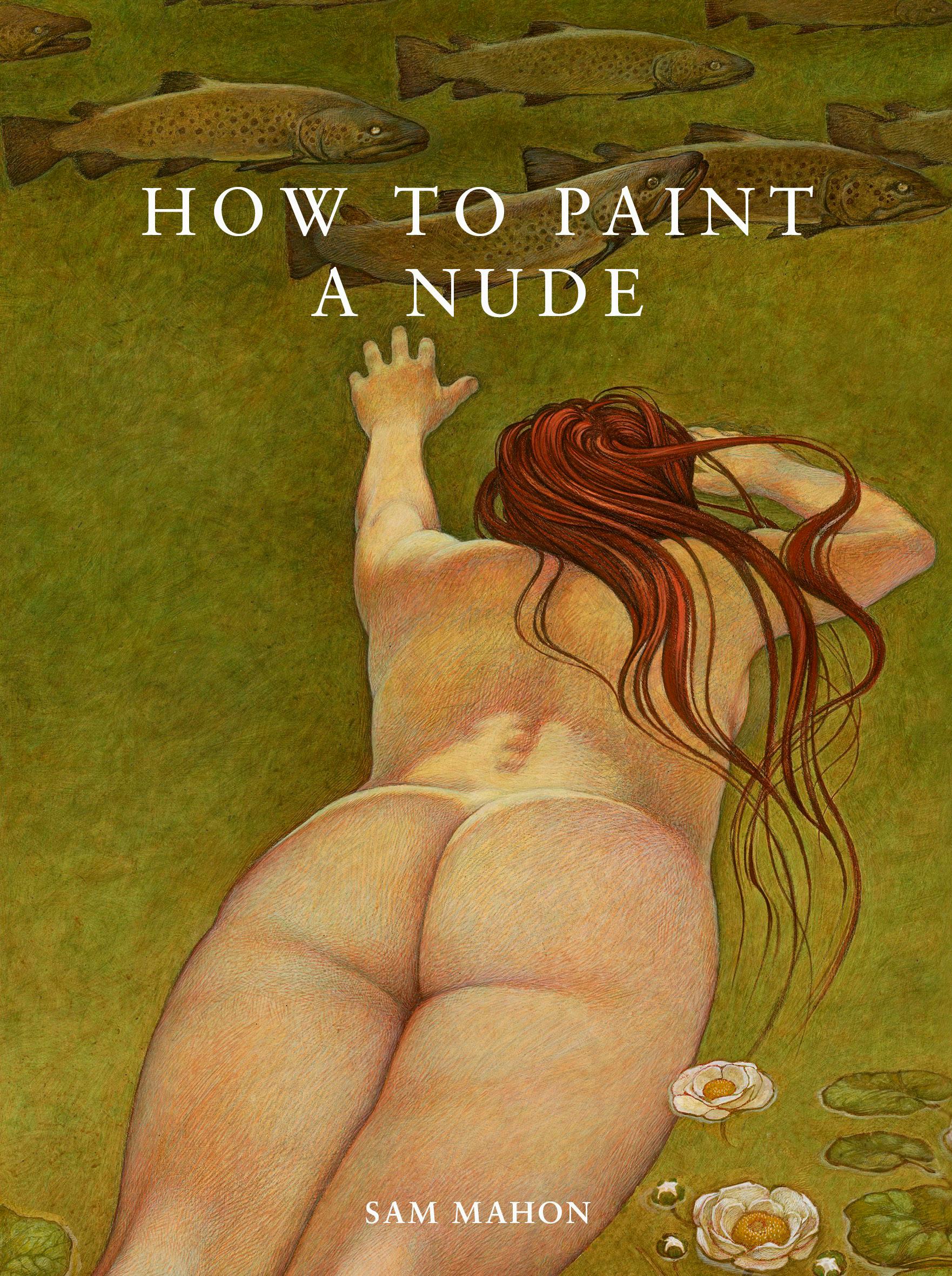
Published by Ugly Hill Press
JUDGES’ COMMENTS
A Belarusian refugee and a local artist meet for coffee every Tuesday in pre-quake Ōtautahi to discuss art, romance, political oppression, the degradation of our natural environment and much more. This sly and wry reflection from artist and provocateur Sam Mahon abounds with meta-fictional games and killer one-liners. Mahon may have changed some names but he doesn’t pull punches: ‘Sometimes it is an author’s duty to protect the guilty.’
I’d met her in Paris, at a friend’s birthday party. They were all teachers that night, except for Eloise. She was the daughter of a colleague at the Sorbonne. My French was pretty awful then, so they spoke English just for me. It was kind. I thought it was not so kind on the young woman who sat at the edge of the room smoking, listening, her eyes averted. I thought she was bored. The party began to break up around eleven and I had a train to catch. She turned to me at the door. What do you paint, she asked, her face impassive. She held the cigarette in the middle of her
mouth while she shrugged on her coat. It was odd. I told her what I painted. She looked mildly surprised. But you have landscapes in New Zealand, I imagine. So I am wondering why you come all the way here to paint the same thing. Is it the light?
No it’s not the light, I said. It’s just that when you’re in an unfamiliar place you tend to look at things more closely. At least, that’s how it seems to me.
Explain please.
Alright. Well, if I tell you a story you already know, but tell it in a different way, you’ll hear it as if for the first time, and then you might hear something you missed. Does that make sense?
Oh, like a metaphor. So the French countryside is a metaphor of the landscapes you already know?
I was surprised. Yes. I suppose so.
Where do you show these metaphors of yours?
I don’t. I’ve been up and down Rue de Seine trying to get someone to take them but… I had a pack of photos of my work with me. She didn’t show any sign that she liked them, she just turned each one over like a bad hand of poker.
Thursday, she said, as she passed them back. Can you be in Paris Thursday morning?
Yes, I said. Sure, why?
I will meet you at the café Loire, ten-thirty. It’s at the bottom of Rue de Seine. I will take you to a gallery I know. I will be your translator. Okay?
It was okay, of course. Extremely okay. We met. I bought her coffee, and then she took me to a very fancy gallery on the left bank where two elegant women attendants listened a little perplexedly while she presented my case; a struggling young painter from New Zealand with a folder-full of landscapes for them to consider. One of the women left the room and a minute later an elderly, aristocratic character came in, sat at
his broad desk and held out his arms for my work. I watched him turn the papers and unframed canvasses. He treated them with reverence, he treated them as a monk might on first encountering the dead sea scrolls. Now and then he’d ask a question of Eloise. In the end he closed the folder, stood and handed it back to her. He then made a short speech to Eloise, bowed slightly to me, and left the room.
He didn’t like them did he, I said. I don’t mind; you can tell me.
She shook her head. Oh no, he liked them. But he said you have two more years of work to do. Two years and then he will give you an exhibition. That’s something.
Two years?
He says there is not enough paint on the canvas. I stopped and took her arm. How much paint does he want, for god’s sake?
She looked at me a little puzzled. She held my gaze for a moment wondering I suppose if I were not as clever as she had hoped.
He doesn’t mean that, she said. When he says not enough paint, he means… experience, depth, you know?
Two years, I laughed. I will have starved by then.
Well, in that case, you will have to learn to eat cheaply. She took my arm and guided me through the traffic to a Prisunic. I bought cheese for us, bread, pate and a cheap bottle of murdersome wine. We found a small square where the grass was surrounded by a raked shingle path. Nannies wheeled their children, pigeons bobbed distractedly, a dog ran in circles where people were warned against doing any such thing and the clouds drew back just for us to reveal a pastel blue sky. It was winter, it was Paris and I was sharing lunch with a beautiful French woman who seemed to care whether or not I starved to
death. I could stand not selling another painting for a very long time if it would earn me moments like these.
Depth, she said, frowning. Do you understand?
Yes, I said. I think so. Really, I think I’ve always known, and I turned to unwrap our lunch.
No, she said, I don’t think you do. Look at me. I did. What do you see?
Une jeune femme, très belle, if I’m allowed to say. No, that’s not enough. She shook her head. Imagine you’re writing this; it’s a book, all right? The reader needs to know that I’m not just another pretty girl, a French cliche. Go on; give me depth.
Alright. Well... At that moment the dog noticed at last the pigeons and lunged, clumsy as a sackful of damp socks, and they rose behind her in an elegant vortex of unconcern. You have green eyes, I said.
She shut them. Yes, of course I do. And..?
And. What did I know of Eloise then. A young woman one night sitting apart from that lovely contrarian court, her brow inclined to the conversation, its effervescence, but her opinions neither bidden nor given. This is unfair, I said. I mean what do you know about me?
I know everything.
I smiled. Really, everything?
Listen, she said, and listen carefully; I had a boy once who wrote a song for me. He died and I won’t hear that song ever again. She turned to face me. Look, she leaned close, can you see what that means to me here at the corners of my eyes? She opened them wide as if willing tears to course down her cheeks. They didn’t. She blinked and leaned back again and turned her attention to the sky. My father left my mother when I was ten, my brother whom I adore went to Morocco with his half-witted
wife and I haven’t seen him for two years and my cat has been missing now for three days. Beneath the surface of what you see as a girl with green eyes are all these little ragged torn pieces. I do not allow myself intimate friendships, because whoever or whatever I love will eventually leave me. She gave me a questioning glance. Do you think you can paint all that?
I didn’t know what to say.
It’s alright, she said. Don’t worry, it’s just depth. What the director means is this; if you want to paint a landscape then you have to walk through it, smell it, let it bruise you. If you’re going to paint a bottle of wine, then you have to drink it first. And if you wish to paint a woman?
I must take her to my bed?
No. If you wish to paint a woman, you have first to break her heart.
Eloise didn’t walk me to the station that night. She locked the shutters to the balcony. She cleared the table and took out her sketch pad. I’ll pour the coffee, she said. Then I want you to draw me. Whoever or whatever I love will eventually leave me, she said. Then she slipped from the room leaving me standing in the dark, unable to move. I stayed where she had left me, listening intently to the small subsiding sounds of her settling. Into the subsequent silence seeped the murmur of the midnight city; it was a kind of mourning, a muffled keening of ancient souls. Somewhere a siren threaded the velvet night like a needle.
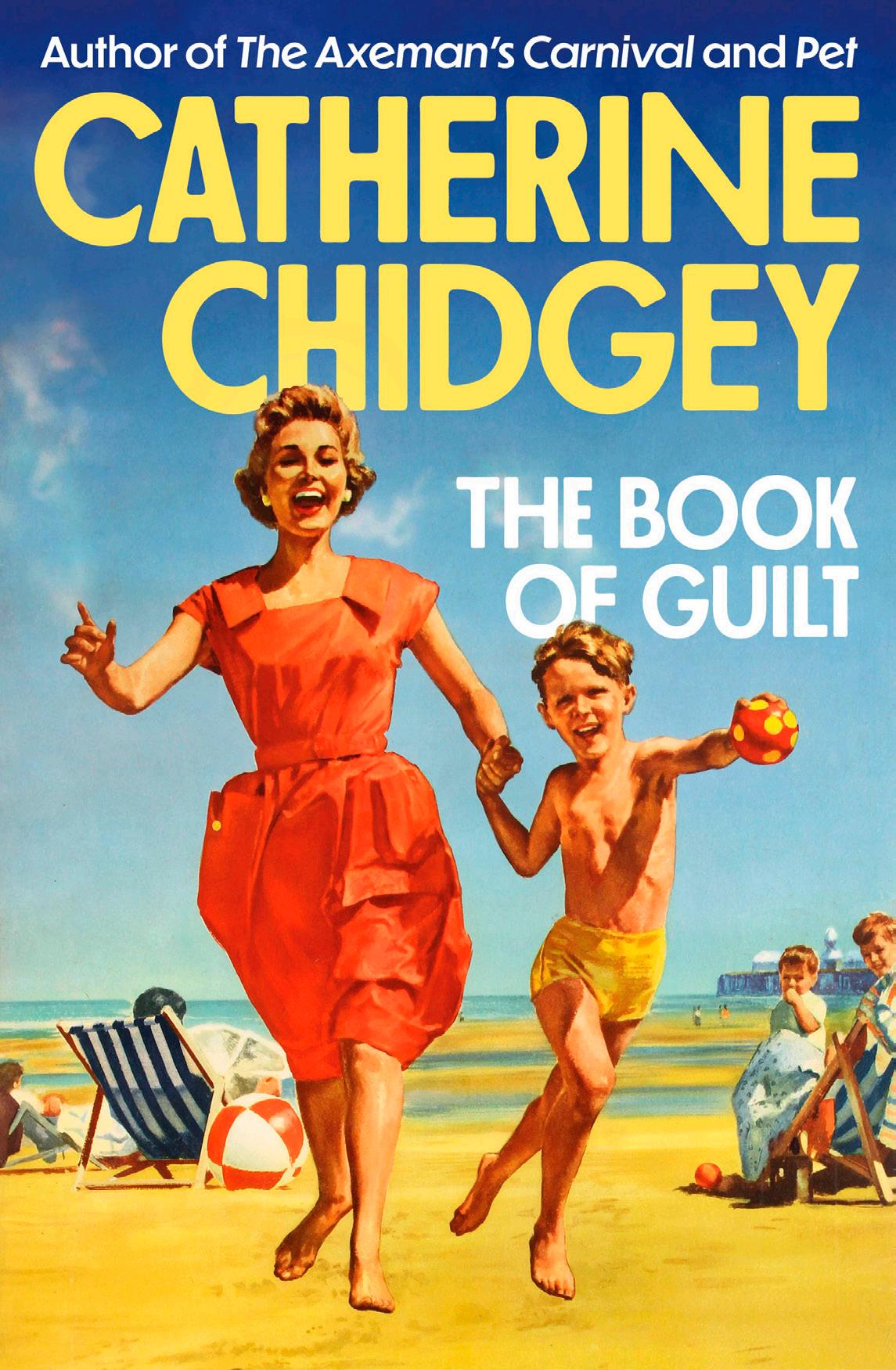
Published by Te Herenga Waka University Press
JUDGES’ COMMENTS
Can good come from evil or must the rot return? Thirteenyear-old triplets are the last remaining residents of a boys’ home, part of a wider scheme on which the UK government is turning its back. Elsewhere, Nancy is never allowed outside by her parents. The connection between these children, the nature of the scheme and the alternate timeline in which events take place are masterfully revealed in Catherine Chidgey’s menacing yet thrilling novel of big ideas.
Before I knew what I was, I lived with my brothers in a grand old house in the heart of the New Forest. It had blue velvet curtains full of dust, and fire surrounds painted like marble to fool the eye, and a panelled Entrance Hall hung with old dark mirrors. An oak griffin perched on the newel post of the creaking staircase; we touched its satiny wings for luck whenever we passed, and whispered the motto carved on the scroll across its chest: Verité Sans Peur. We can’t have been far from the ocean – I realise that now – but we’d never been
beyond Ashbridge, never seen the water. We dreamt of it though, the three of us, conjured a gentle hushing as constant as the hushing of our own breaths, our own blood. Close, we thought, to the sound children heard before they were born, so that something in us – some old instinct – made us long for it. One day we’d go there, we said, to the place where all life began.
The house was one of the Sycamore Homes purchased in 1944, after the war, to accommodate children like us – although numbers dropped over the years. Perhaps you’ve heard of the Scheme . . .? But then again, perhaps not. For the most part, for decades, everyone ignored us – never gave us a second thought. And afterwards, people didn’t like to talk about the Homes because they didn’t like to feel guilty, which I can understand. Anyway, they’re all gone now: boarded up or bulldozed, or turned into flats that bear no trace of what happened there.
Ours was for boys. It stood on the edge of the woods just across the river from Ashbridge village, and was called Captain Scott after the great doomed explorer. The outside was painted white, but here and there it had flaked away, and you could make out the rust-red brickwork showing through. The grounds were enclosed by a high flint wall with broken glass set in the top to keep us safe; we were very special, our mothers told us, and needed looking after. If we went outside early enough we could see the low sun shining through the pieces of glass, shards of amber and emerald alight in the quiet morning, and the flint opaque, like chunks of gristle in a white rind.
My brothers and I spent a lot of time in the garden, collecting horse-chestnut leaves big enough to cover our faces, cutting worms in half to find out if they would regenerate, digging for ancient coins and treasure because we’d heard of farmers unearthing fabulous hoards, and who knew what was under our feet? We trapped centipedes and kept them in matchboxes
and jars, caught peacock butterflies and blew on their powdery wings that were patterned with eyes to scare away predators. We made sacrifices to the garden gods: little cairns of beetles, moss pressed into the shape of a bird, a circle of heart-shaped petals plucked from the white camellia bush, a snail rammed onto a sharp stick like the head of a traitor on a pike. In the fernery we studied ourselves in the gazing ball – a mirrored sphere that changed us into peculiar creatures and stretched the Home behind us out of all proportion. Good boys, helpful boys, we gathered peppery watercress from the nearby stream to put in our sandwiches, and mushrooms to make the stew go further, but we knew not to touch the death caps, or even the false death caps, which were also poisonous. When we were quite alone we poked at patches of long grass in the hope of flushing out adders, though we kept that to ourselves. From the ancient lemon tree we picked the knobbled lemons and took them to Mother Afternoon, who cut them in half and juiced them by hand on the glass lemon-squeezer, pausing every few moments to scoop out pips or pulp. The discarded skins gathered at her elbow, their insides all silky and ruined, and she poured the juice into ice-cube trays and froze it.
We never dreamt of trying to escape. Those days were happy days, before I knew what I was.
Our mothers had their own quarters in the North Wing of the house, which we hardly ever saw, and each day they came to look after us in shifts. They weren’t our real mothers – we understood that from the start – but they seemed to love us as their own; often they said they’d like to gobble us up. At any time we were permitted to take the albums from the shelf in the Library and look at the photos of them holding us as babies on their laps, shaking rattles at us, bathing us, testing the heat of our milk on their wrists to make sure we wouldn’t burn our
little mouths. It was all documented. There we were, lined up with the other Captain Scott boys in our highchairs, banging our spoons on our teddy-bear plates. We had no memory of these scenes, but our mothers told us how hungry we were, how they used to tickle our tummies and say You’ll pop! You’ll explode! In the albums, too, curls of our downy hair tied with ribbon – how white it was, how fine – and labelled Vincent, William, Lawrence, because otherwise you couldn’t have told one curl from another. Our first teeth, also labelled, also identical. We knew how special we were when we looked at the precious little bits of us our mothers had saved. Oh yes, they loved us. If they had favourites, they never showed it.
Mother Morning’s shift began at 5 a.m., when we were still sound asleep. Silently she unlocked the door in the upstairs passageway separating their wing from ours, then crept down to the Kitchen to relieve Mother Night. They had a quick chat, keeping their voices low so as not to risk waking us, Mother Night passing on to Mother Morning any information that might be useful for her to know. One of us was talking in his sleep, one of us had wet the bed again – ordinary things like that, we supposed. While we slept on, she made her way to the Laundry, where our dirty clothes waited at the bottom of the chute to be washed, and our clean clothes waited to be ironed and folded and given back to us – green shirts for Lawrence, red for William and yellow for me. We were always nicely turned out; that was important, Mother Morning said, because people judged other people on things like clothes and hair and fingernails – it was just human nature.
At half past six, tucking The Book of Dreams under her arm, a floral housecoat buttoned over her plain skirt and blouse, Mother Morning tiptoed up the stairs to our room.
Sometimes we woke before she entered, and we made
ourselves lie there still as stones and think of our dreams and only our dreams. Underneath us the sheets had wrinkled and twisted, and we longed to wriggle our bodies clear of the bulky seams where the candy-striped cotton had been repaired – but if we started to move, if we so much as opened our eyes, the dreams might trickle away to nothing, and we’d have to say we were sorry but we couldn’t remember. Mother Morning would speak to us in her sad voice then, as if we had hurt her, jabbed at some soft and secret part of her with the nail scissors that were not a toy. More often, she woke us, touching our shoulders and whispering our names. On those mornings we scarcely knew she was there; we were recounting our dreams to ourselves, we felt, still more asleep than awake. Lawrence slept nearest the door, so she went to him first, sitting on the edge of his bed and opening her Book, entering the date and his name, waiting for him to speak. Next she went to William, who slept by the old fireplace, and at last she came to me, over by the windows. I had to block my brothers’ voices as they gave their accounts, otherwise their dreams would creep into my own, and that would really mess things up, said Mother Morning. That would seriously muddy the waters.
‘Vincent,’ she’d murmur when it was my turn, her pen poised, her freckled face and auburn curls beginning to take shape in the brightening room. ‘Tell me everything you remember.’
He kupu whakamihi to all this year’s shortlisted authors and publishers. To readers everywhere, seek out these stories in bookshops and libraries nationwide, and join us on 13 May — in person or via the livestream – to celebrate the finalists and winners at the Ockham New Zealand Book Awards ceremony, a marquee event at the Auckland Writers Festival Waituhi o Tāmaki. To find out more, follow NewZealandBookAwards or #theockhams on Facebook and Instagram. For ceremony tickets, visit www.writersfestival.co.nz.
The Ockhams Samplers were compiled with the assistance of the Academy of New Zealand Literature.
Look out for the other category samplers at: