Summer 2025
12 July 2025
Caird Hall, Dundee
Natalia Luis-Bassa Conductor
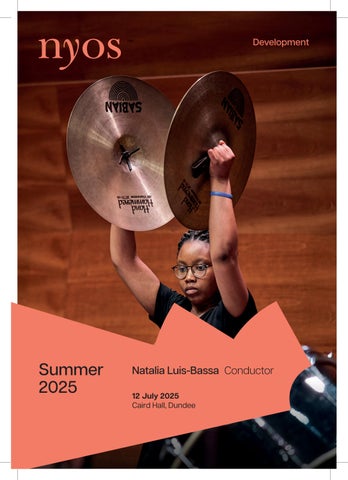
Summer 2025
12 July 2025

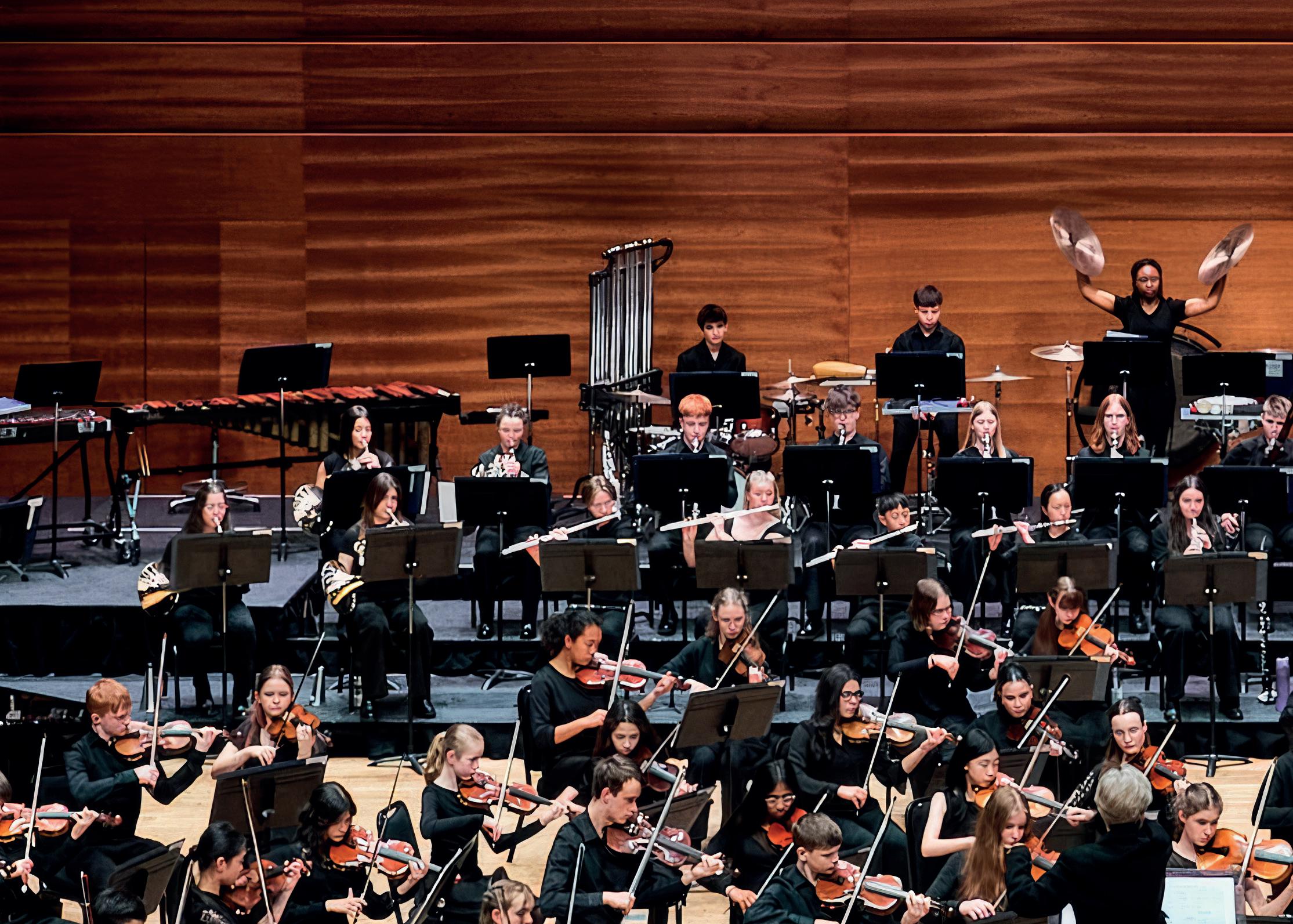
Welcome to tonight’s performance of the NYOS Development orchestra!
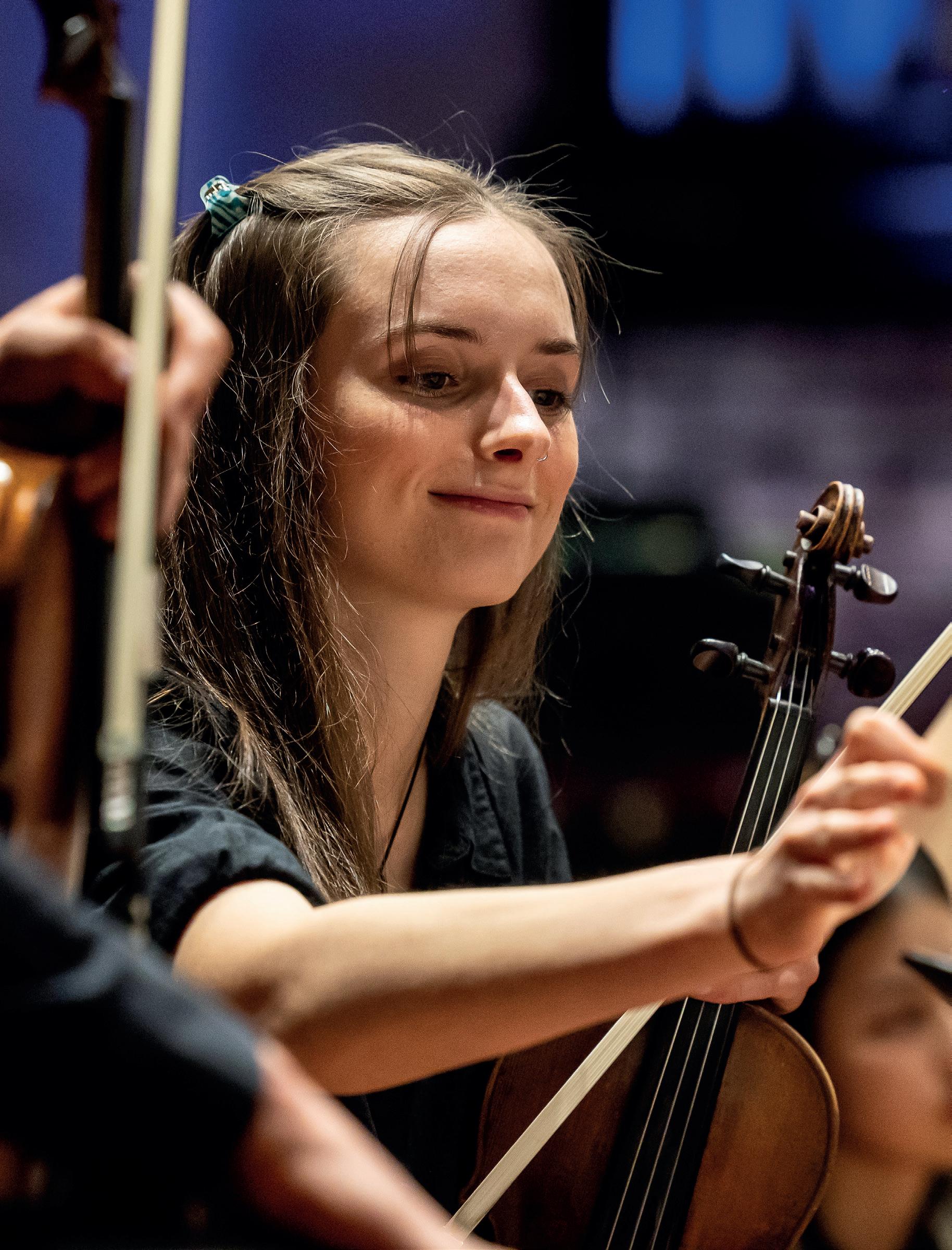
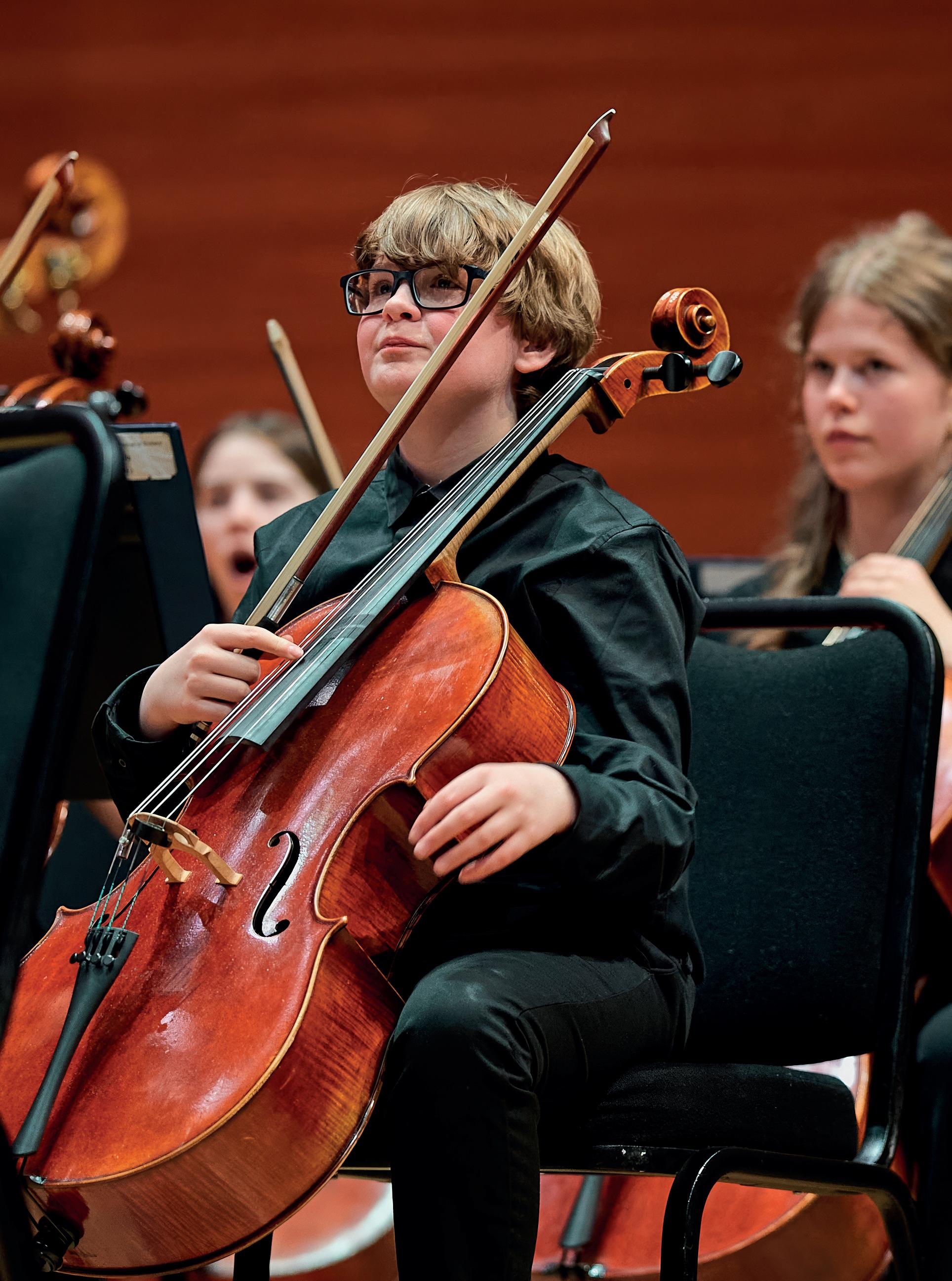
What I really like about being part of NYOS Development is that I can meet new people and share experiences with them, having fun while doing something we all enjoy. I think that playing music is a way to express yourself and through playing as an orchestra, we are all able to contribute a part of ourselves to every piece we play. It’s a collective experience we work together when we perform!
The orchestra has been working hard to master the pieces in tonight’s programme. We have been so lucky to work with our conductor, Natalia Luis-Bassa. She conducted my first NYOS performance in 2023 and she brings a great energy to the room. I like both pieces equally, in different ways. What I like about Ida Moberg’s Sunrise is the sense of emotional connection it’s so expressive. When I think of Tchaikovsky’s Symphony No 4, I imagine a great storm. The fourth movement enters like a hurricane sweeping through the orchestra. It is both dramatic and challenging, so I feel a sense of accomplishment when I play it, especially when I get every one of the cello runs right!
Thank you for coming to hear us perform. We’re so excited to take to the stage and we hope you enjoy listening as much as we’ve enjoyed playing!
Magnus Cello, NYOS Development 2025
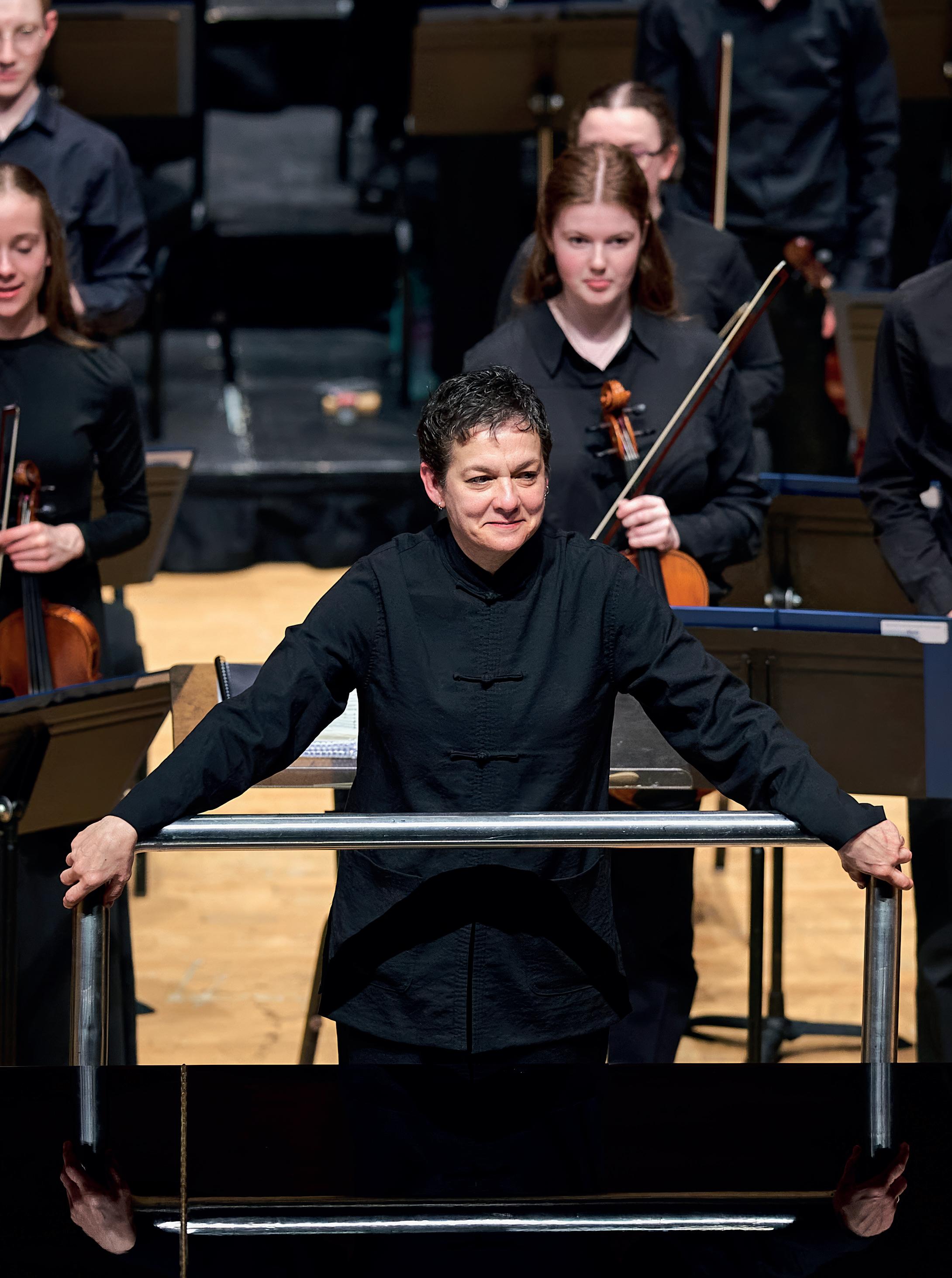
Natalia began her musical studies at the world famous El Sistema in Venezuela, an organisation which inspired the Big Noise project in Scotland. Big Noise advocates for social change through the provision of accessible music education at a national level. Natalia read music at the University Institute of Musical Studies (IUDEM) in Venezuela and was the first person to obtain a degree in orchestral conducting in her native country. Her recordbreaking achievements do not stop there, as she is also the first woman to hold a permanent position as Professor of Conducting at the Royal College of Music in London. She has established numerous successful partnerships with a wide variety of organisations in the UK and globally including the National Youth Orchestras of Scotland, National Youth Orchestra of Great Britain, Royal Conservatoire of Scotland, the Association for Music in International Schools, and the Benedetti Foundation.
A dynamic conductor and committed music educator, Natalia has dedicated much of her career to widening young peoples’ access to the performing arts. She has held many successful conducting workshops around the UK and enjoys a longstanding relationship with NYOS, having conducted several of our orchestras. Given that she worked with the NYOS Development orchestra for their very first concert in Spring 2023, it is an absolute pleasure to welcome Natalia back to conduct this exciting summer programme.

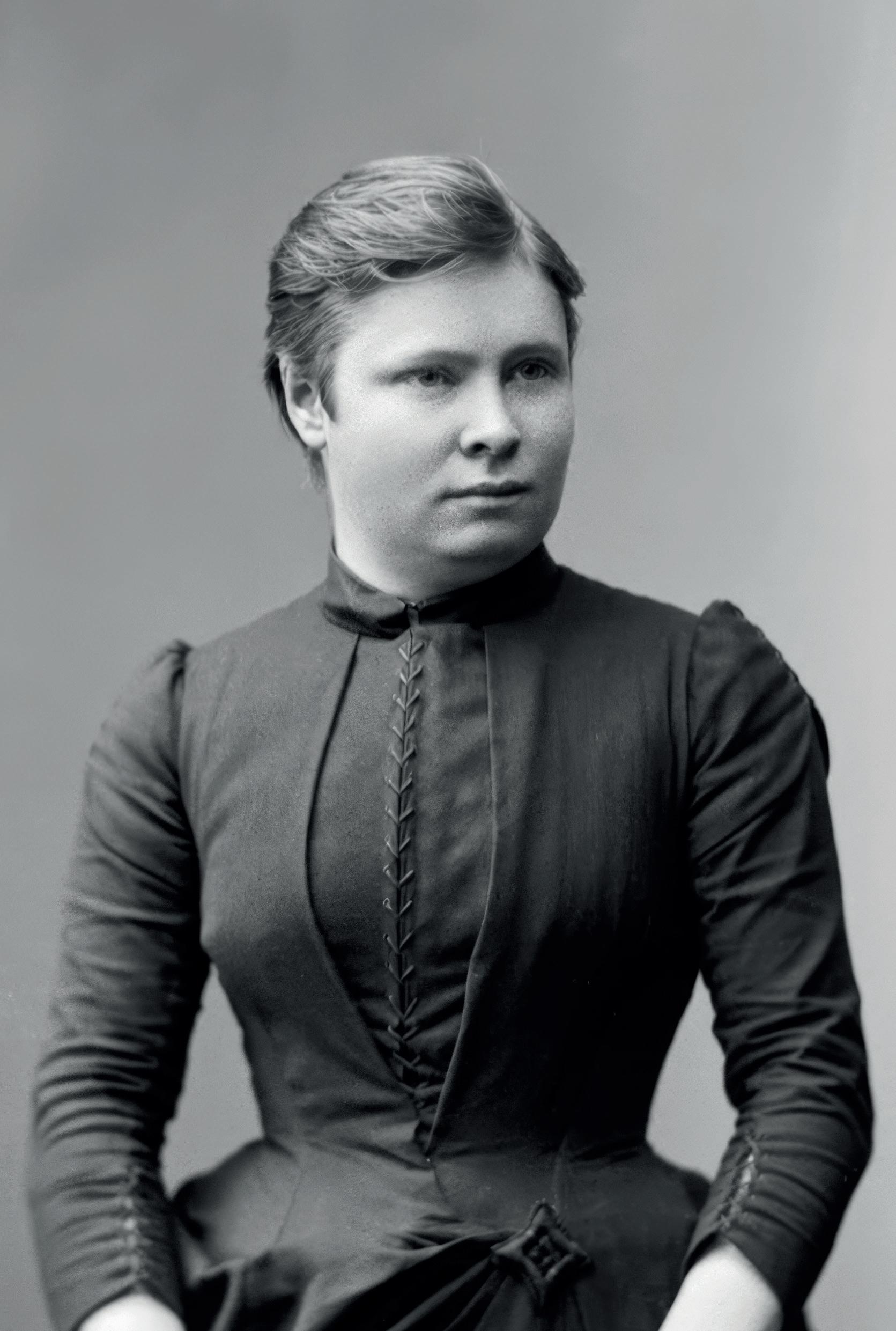
Ida Moberg (1859–1947)
A pioneering figure in Finnish music history, Ida Moberg was a remarkable composer who, like many of her female contemporaries, was sorely overlooked in comparison to her male peers. She had an exceptional music education, initially training as a singer at the St Petersburg Conservatory (1879–1883). However, after encountering challenges with her singing voice, she decided to study composition in Helsinki and, between 1893 and 1896, studied under the tutelage of Finland’s most famous composer, Jean Sibelius (you may remember that Sibelius’ Symphony No 1 was performed by the NYOS Development orchestra last summer).
Ida Moberg’s Sunrise orchestral suite was completed in 1909 at a time of great social and political significance. In 1906, a year after the composition of Moberg’s first symphony, Finnish women gained the right to vote, making them the first women in Europe to participate in elections. Just one year later, in 1907, Finland elected the world’s first female members of parliament. Whilst Moberg and the women of Finland could enjoy the benefits of suffrage and political representation, the composer also lived through an almost 20-year period of intensive Russian oppression, which threatened to eliminate Finland’s political autonomy and cultural identity.
Year of Composition: 1909
Duration: 5 minutes
The World in 1909:
– Construction begins on the RMS Titanic in Belfast.
– The Socialist Party of America hosts the first observed ‘Women’s Day’, the predecessor to the first International Women’s Day two years later.
Given the social climate in which she was composing, it is little wonder that so much of Moberg’s work focuses on the individual’s struggle for spiritual freedom and communion with the natural world. Drawing on theosophy, a philosophical movement which emerged in the late 19th Century, Moberg’s creative practice was rooted in the understanding that the arts could serve as a conduit for spiritual connectedness. Tender and introspective, Sunrise sets silken textures against a tapestry of dance-like rhythmic motifs, reflecting the natural order she perceived in the environment and, by extension, the spiritual faculties of the human race.
Although Moberg celebrated limited success during her lifetime, her work is once again beginning to see the light of day, some of it for the very first time. A notable example is Asiens Lju (The Light of Asia), an opera begun in 1910 which retells the story of Siddharta Gautama (The Buddha). Although the work remained incomplete by the time of her death in 1947, thanks to the initiative ‘Project Ida Moberg’, fronted by Finnish nonprofit organisation The Savo Music Society, Asiens Lju has successfully been pieced together, digitised, and is available to access online, along with a comprehensive collection of her other works.
In today’s climate, where the mystery and ephemerality of the natural world is flattened onto computer screens and handheld devices, it is important to rekindle our connection with the land around us. We hope that the NYOS Development orchestra's performance of the first movement of Sunrise helps us all to catch a glimpse of a new dawn, breaking over a resilient landscape, as Moberg originally envisioned for this piece.
Further listening:
Nielsen, Helios Overture
Another stunning orchestral sunrise.
Becca Ye Violin I Edinburgh Leader
Carina Wanchen Cai Violin I Edinburgh
Lucas Chan Violin I Highlands
Anna Coste Violin I Aberdeen
Vilara Dahanayake Violin I Midlothian
Maria Drelich Violin I Aberdeen
Lewis Hair Violin I Fife
Eleanor Hanson Violin I Kirklees
Elizabeth Irvine Violin I Glasgow
Sandra Janiszewska Violin I Aberdeen
Alex Layberry Violin I East Lothian
Thomas Peel Violin I Midlothian
Olivia Ren Violin I East Renfrewshire
Jonathan Turner Violin I Aberdeen
Emily Yang Violin I Edinburgh
Raymond Zhang Violin I East Renfrewshire
James Rippiner Violin II Aberdeen Principal
Rebecca Brown Violin II Dumfries and Galloway
Hazel Davis Violin II Scottish Borders
Beth Deighton Violin II Edinburgh
Felix Kam Violin II Aberdeen
Anastazja Maciver Violin II Renfrewshire
Emily Millard Violin II Clackmannanshire
Hannah Nicholson Violin II Argyll and Bute
Alice Reid Violin II Comhairle nan Eilean Siar
Roslyn Reid Violin II Glasgow
Ayana Selvarajah Violin II Glasgow
Olivia Singh Violin II Highlands
Johan Thomasson Violin II South Ayrshire
Charlotte Vermeren Violin II Midlothian
Fiona Wei Violin II Dundee
Talitha Williamson Violin II Highlands
Rose Trygstad Viola Kirklees Co-Principal
Dineo Makhatholela Viola Glasgow Co-Principal
Victoria Abbey Viola West Dunbartonshire
Nirvana Balideh Viola Glasgow
Adam Bishop Viola East Renfrewshire
Matteo Caridà Viola Edinburgh
Annina Fourie Viola Glasgow
Tadhg Hegarty Viola Stirling
Seona McKendrick Viola Edinburgh
Stephen O'Neill Viola Edinburgh
Lucy Robertson Viola Perth and Kinross
Ross Davis
Cello Scottish Borders Principal
Daniel Armstrong Cello Fife
Alexandra Casson Cello Edinburgh
Hailey Gao Cello Glasgow
Gemma Gowans Cello Glasgow
Magnus Holden Cello Falkirk
Jamie McCreath Cello East Dunbartonshire
Aldyth Tierney-Hynes Cello Edinburgh
Eve Tribe Cello Edinburgh
Eleanor Winter Cello Glasgow
Ava Zhang Cello East Renfrewshire
Lillian Boyle
Glynnis Chan
Harry Brady
Alexander Smith
Andrew Watson
Double Bass Edinburgh Co-Principal
Double Bass Stirling Co-Principal
Double Bass Scottish Borders
Double Bass Angus
Double Bass Aberdeenshire
Mia Li Flute East Renfrewshire Principal
Isla Rippiner Flute Aberdeenshire
Ellie Stewart Flute East Dunbartonshire
Luke Xu Flute East Renfrewshire
Autumn Clark Oboe East Renfrewshire Principal
Eve Docherty Oboe East Renfrewshire
Mikel Hui Oboe Edinburgh
Emma Kirby Oboe Edinburgh
Donald Whitelaw Clarinet Dumfries and Galloway Principal
Craig McGroarty Clarinet Glasgow
Aaron Rae Clarinet East Dunbartonshire
Rose Veitch Clarinet Aberdeen
Lachlan Timar Bassoon Stirling Principal
Emily Crump Bassoon Edinburgh
Christopher Johns Bassoon Fife
Rhona Kallow Bassoon Falkirk
Darcy Cowie French Horn Glasgow Principal
Lauren Bell French Horn Perth and Kinross
Thomas Brotchie French Horn Yvelines
Felicity Dalziel
French Horn East Renfrewshire
Beatrice Elliott French Horn Fife
Henry Agius Trumpet Edinburgh Principal
Oliver Livingston Trumpet East Renfrewshire
Luke Parkhill Trumpet South Ayrshire
Tom Sills Trumpet El Escorial
Patrick Summers Trombone East Renfrewshire Principal
Minnie Baynham-Wainwright Trombone Glasgow
Tess Mary Devlin Trombone East Lothian
Max Wardrope Trombone East Dunbartonshire
Eilidh Boyd Tuba Moray
Briana Ayanouvi Percussion Fife
Ruaridh Docherty Percussion East Dunbartonshire
Henry Jones Percussion Edinburgh
Anna Ross Percussion Glasgow
Murray Stewart Percussion East Dunbartonshire
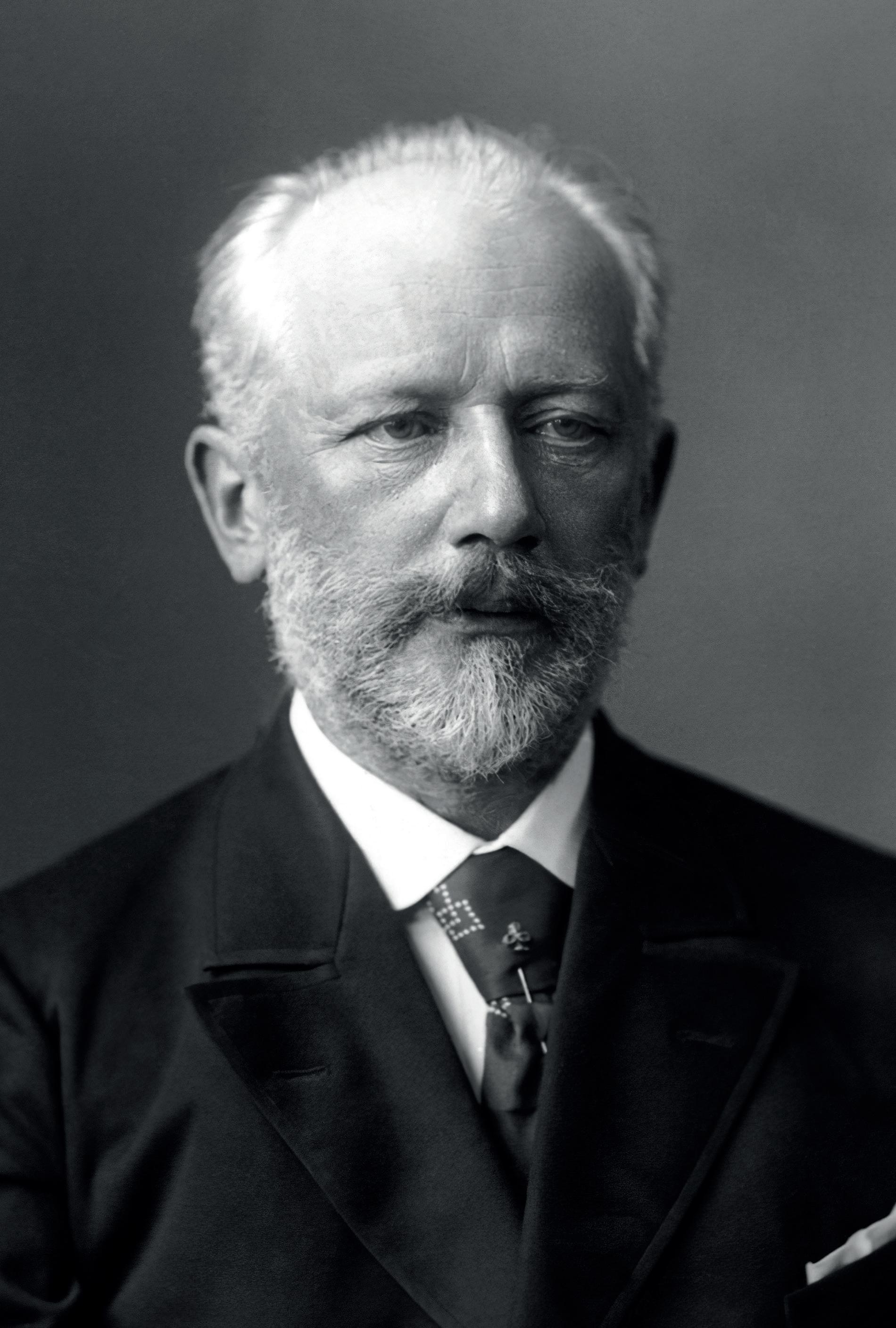
‘An artist lives a double life: an everyday human life and an artistic life, and the two do not always go hand in hand’
Pyotr Ilyich Tchaikovsky
Pyotr Ilyich Tchaikovsky (1840–1893)
I
II Andantino in modo di canzona
III Scherzo
IV Allegro con fuoco
Tchaikovsky wrote six symphonies. The first three were professional calling cards, introducing his composition skills and demonstrating his mastery of orchestral colour and memorable melodies. The fourth, which the NYOS Development orchestra brings to life this evening, is a deeply autobiographical piece written during one of the most turbulent points in the composer’s life and marks a turning point in his work. His final two symphonies reflect his personal anguish and the hardfought battle between artistic triumph and personal catastrophe which he grappled with during the last few decades of his life.
Tchaikovsky began composing Symphony No 4 in 1877 and in the same year, he entered a brief and disastrous marriage with a former student, which collapsed within weeks. It is now widely agreed that Tchaikovsky was gay and he likely married due to social and familial pressure. Despite his personal struggles, Tchaikovsky’s career was advancing, illustrating the ‘double life’ he so often led. He was offered patronage (generous financial support) from a wealthy widow, Nadezhda von Meck, which enabled him to live independently and dedicate himself to composition.
Year of Composition: 1878
Duration: 44 minutes
The World in 1878: Thomas Edison patents the gramophone.
For this fourth symphony, Tchaikovsky describes the opening fanfare as the seed of the entire work. ‘This is fate: that fateful force which prevents the impulse to happiness from attaining its goal, which jealously ensures that peace and happiness shall not be complete and unclouded.’ This motif pervades the first movement and reappears insistently throughout the work, climaxing in the finale. When the symphony premiered, audiences were enthusiastic, but some critics were alienated by the emotional and psychological force of the music, the melodramatic shifts in mood, and the structural sacrifices made in the name of dramatic impact. For instance, the use of the ‘fate’ motif defies expectations. Instead of growing organically from the other musical material, it interrupts it. Although Tchaikovsky himself feared that the work was too emotionally raw and exposed, it is this vulnerability that cemented its enduring popularity and in turn characterised the composer’s later symphonic writing.
Traversing the extremes of despair and joy, the expressive challenges presented by Tchaikovsky’s Symphony No 4 make it both a stimulating and rewarding work for our young players to perform. The work demands exceptional collaboration from the orchestra, demonstrating their technical proficiency and a commitment to sensitive and mature musical storytelling. It is an absolute pleasure for us to share this performance with you.
Find your creative community with NYOS LAB !
Explore your creative potential alongside your fellow musicians applications are now open!
Scan the QR code to find out more about NYOS LAB
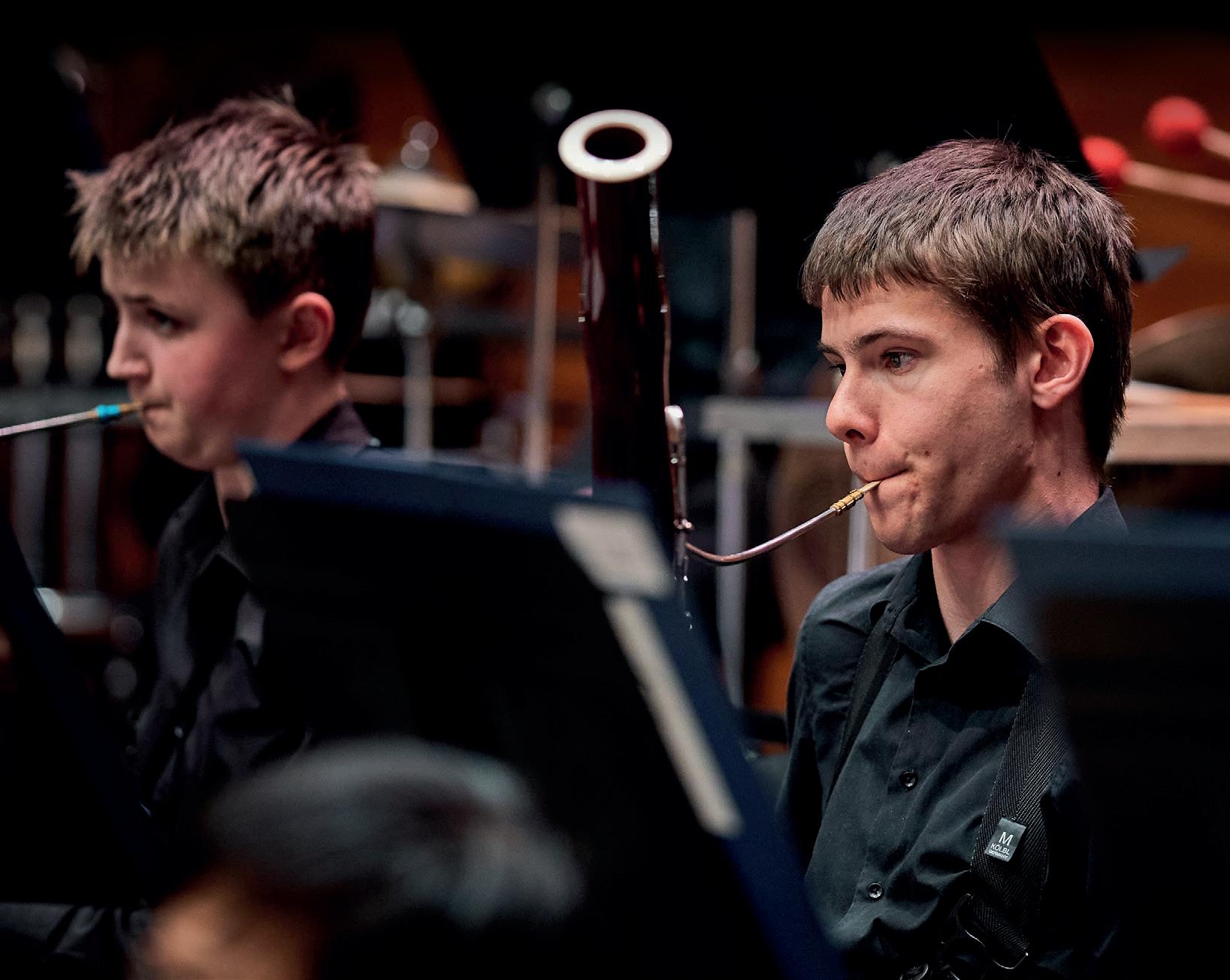

‘A programme like this will challenge you to listen a bit differently, use your instrument outside its “normal” context and get your brain working from a new angle.’
Phil Hague, Lead Artist, NYOS LAB
Statutory Funder
Conductors’ Circle
Ms Lindsay Pell and Professor Chris Morris
Professor Marjorie and Dr David Rycroft
Robert and Christine Maguire
Principal Chair Sponsors
Alistair Allan Cello
Mrs A M Bennett Double Bass
Mr and Mrs Timothy Laing Piano/Celeste
Mr and Mrs Michael Pell Bassoon
Alan and Jan Simpson NYOS Development Leader
Dr Myra Soutar French Horn & Second Violin
Sue Strudwick Clarinet
Graeme and Ella Wilson Percussion
Chair Sponsors
Kirsty Adam Cello
Charles Arbuthnot
Tim and Sally Barraclough Percussion
Mrs Isabella Brown
Lord and Lady Cameron of Lochbroom Violin
Andrew Hadden Violin
Professor David Hamilton Lawson Oboe
Fabienne Harrison Cello
Duncan and Sarah MacIntyre Second Violin
Mr and Mrs Thomas McCreery
Mr Robin Pagett and Mrs Kate Longworth
In memory of Ian Robertson Bassoon
Mr and Mrs Mark Seymour
Maureen Simpson Viola
Mr A L Stewart French Horn
Graham Taylor MBE Trombone
Mrs Ann Verney Cello
Mr and Mrs R M Williamson
Dr and Mrs Paul Wilson
Honorary Chair Sponsors
Sarah Chester, In memory of Richard Chester MBE
Trusts & Foundations
National Youth Orchestras of Scotland Endowment Trust
ABO Sirens Fund
A M Pilkington Charitable Trust
AMW Charitable Trust
Henderson Charitable Trust
Baird Educational Trust
Bransford Trust
Cockaigne Fund, administered by Foundation Scotland Countess of Dunmore’s Charitable Trust Cruach Trust
Cruden Foundation
Dunclay Charitable Trust
Forteviot Charitable Trust
Hinshelwood Gibson Trust
Hope Scott Trust
Hugh Fraser Foundation
Jennie S Gordon Memorial Trust
Jimmie Cairncross Charitable Trust
John Mather Trust
JTH Charitable Trust Leng Charitable Trust
Len Thomson Charitable Trust
Martin Charitable Trust
McGlashan Charitable Trust
MEB Charitable Trust
Misses Barrie Charitable Trust
Miss Jean R Stirrat’s Charitable Trust
Mrs Rowena Goffin’s Charitable Trust
Nancie Massey Charitable Trust
Pear Tree Fund for Music
P F Charitable Trust
Radcliffe Trust
Ronald Miller Foundation
Scops Art Trust
Sir Iain Stewart Foundation
Stevenson Foundation
Talteg Ltd
Tay Charitable Trust
Thomson Charitable Trust
Tillyloss Charitable Trust
Turtleton Charitable Trust
Vaughan Williams Foundation
W A Cargill Fund
William Grant Foundation
We are incredibly grateful to all our funders and sponsors listed above and to the Friends of NYOS for their continued support. NYOS also acknowledges those who wish to remain anonymous. Please do contact jackjohnson@nyos.co.uk if you would like to amend or add a supporter credit to future programmes.
NYOS Board
Samuel White Chair
Alastair Allan
Francis Cummings
Caroline Dooley
Ken Fairbrother
Kenneth Law
Adam Lee
Roger Wilson
Course Tutors
Roderick Long Violin 1 & Strings
Simon Graham Violin 2
Shelagh McKail Viola
Jessica Kerr Cello
May Halyburton Double Bass
John Grant Flute & Wind
Fraser Kelman Oboe
Andy Langford Clarinet
Rebecca Roberts Bassoon
Steven Cowling French Horn & Brass
Andrew Connell-Smith Trumpet
Chris Mansfield Trombone
Mark Reynolds Tuba
Tom Hunter Percussion
NYOS Team
Kirsteen Davidson Kelly Chief Executive & Artistic Director
Catherine Larsen-Maguire Music Director
Neil Fox Director of Engagement
Karen Smith Head of Finance & Administration
Jack Johnson Head of Development
Kate Fitzgerald Marketing & Communications Manager
Nicola Pickavance Fundraising Consultant
Natalie Brayshaw Orchestra Projects Manager
Isaac Holden Engagement Projects Manager
Marcus Cork-Keeling Communications Officer
Sophie James Digital Support Apprentice
Haley Hartle Executive Assistant
Elldon Byrne Stage Manager
Chloe Miller Assistant Conductor
Pastoral Team
Heather Lynn Head
Adam Auchie
Bridie Bloor
Isabella Gonzalez Diaz
Lloyd Griffin
George Hillier
Eleanor Macqueen
Annabelle Pizzey
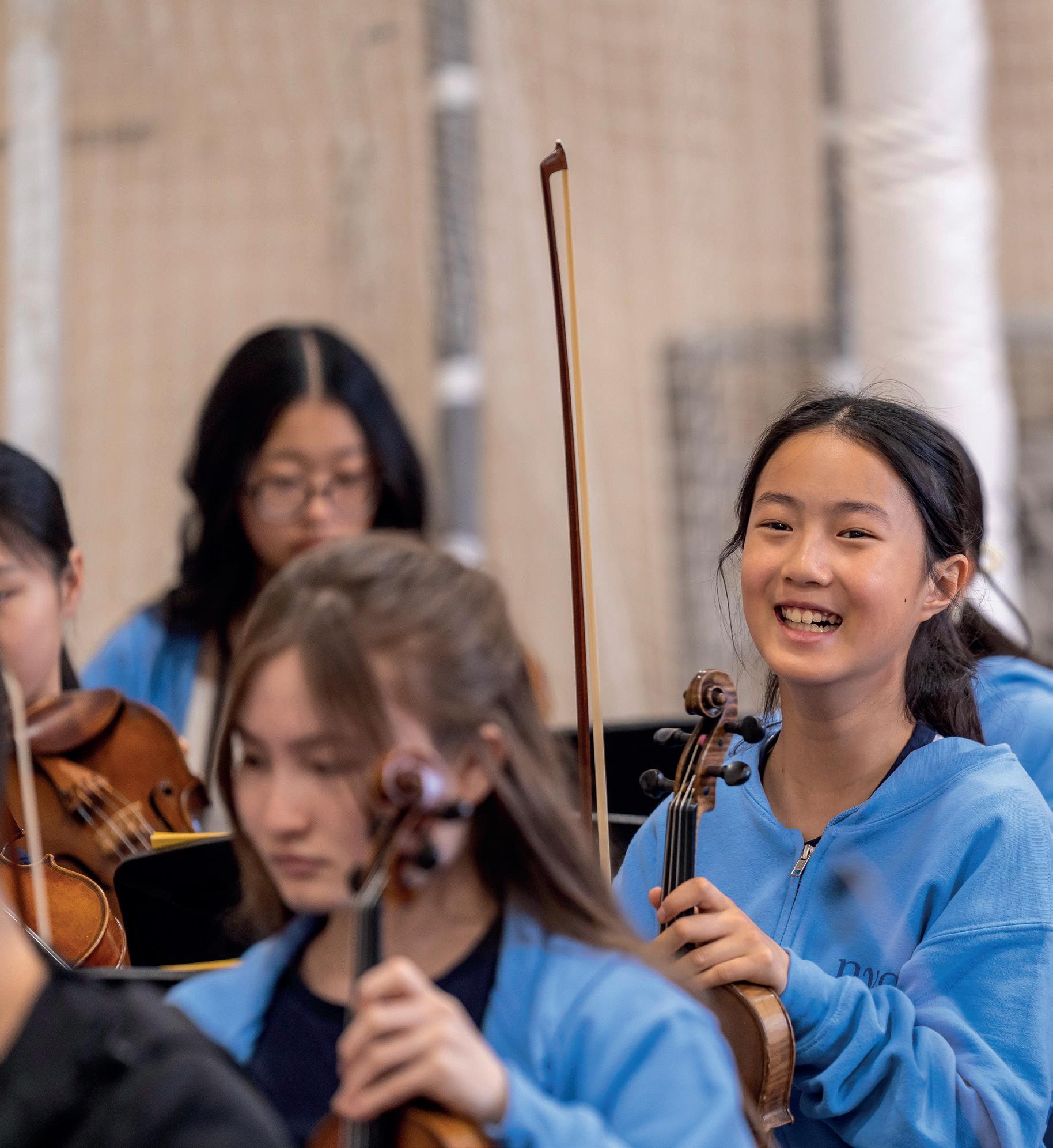
Thank you to the supporters of the Richard Chester Creativity Fund for your generosity.
To date, the Richard Chester Creativity Fund has raised almost £31,000 and supported commissions from two outstanding composers.
The Richard Chester Creativity Fund honours Richard’s exceptional leadership of NYOS and lifelong dedication to music by raising funds in his memory.
As the organisation approaches its 50th anniversary in 2029, we are now fundraising to ensure our birthday year will be a true celebration of our mission to offer world-class musical opportunities to Scotland’s wonderful young musicians.
It is only thanks to the generosity of our many supporters that we can programme the prestigious and inclusive opportunities with which Richard was synonymous, such as commissions from internationally renowned composers, creating access to our programmes for young people nationally, or providing a platform for a promising young conductor.
To support the fund, please scan the QR code. You can also donate by sending a cheque made payable to ‘NYOS’ to Office 240, The Briggait, 141 Bridgegate, Glasgow, G1 5HZ.

‘I am so grateful for this wonderful opportunity to participate in NYOS for another year. I have always thoroughly enjoyed every NYOS course I've gone to, right from NYOS Training Ensemble years and years ago. Even through lockdown, NYOS was such a breath of fresh air for me. I want to thank you for selecting me to receive a bursary, without which I wouldn’t be able to take part in NYOS’ Meredith, Violin
At NYOS, we want to ensure that no young person misses out on the opportunities we offer due to their financial circumstances. In 2025, 56% of our orchestra members have received bursary support. The generous support of our donors helps to ensure that NYOS remains as accessible as possible to young musicians from all backgrounds across Scotland. We provide bursaries to help cover the cost of courses and offer financial assistance for travel and accommodation.
Scan the QR code to find out how you can support NYOS.