
CALIFORNIA
























WES ABNEY CEO & FOUNDER wes@leafmagazines.com
MIKE RICKER OPERATING PARTNER ricker@leafmagazines.com | advertising opportunities
TOM BOWERS CHIEF OPERATING OFFICER tom@leafmagazines.com
DANIEL BERMAN CHIEF CREATIVE OFFICER daniel@leafmagazines.com
BOBBY BLACK LEAF BOWL DIRECTOR & HISTORIAN bobbyblack@leafmagazines.com
MATT JACKSON CA CONTENT DIRECTOR + SOCIAL mattjackson@leafmagazines.com
MICHELLE NARANJO COPY EDITOR michelle@leafmagazines.com
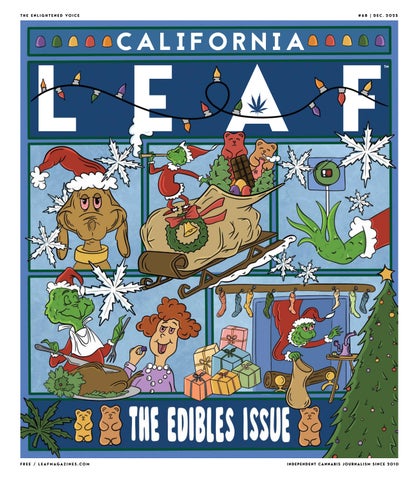
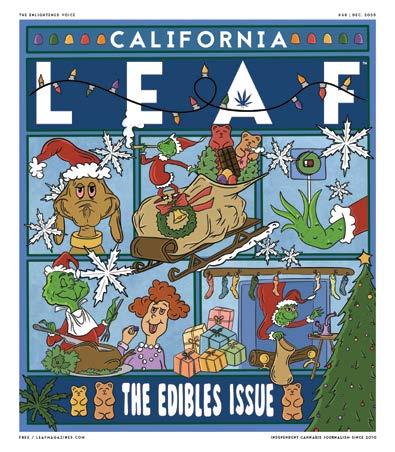
ABOUT THE COVER
Our cover artwork this frosty month comes from Allie Reilly, a 26-year-old artist out of Eugene, Oregon, who is a first-time contributor but longtime reader and fan of the publication. “I’m so grateful to have brought this piece to life for this magazine! Combining things you’re passionate about is such a great experience,” Reilly told the Leaf. “I think the concept of this piece is so fun — a great take on the Grinch — and I had a blast creating it. The comic-strip style is inspired by newspaper comics with a pop art twist.”
ILLUSTRATION BY ALLIE REILLY @ALLIEREILLY_
CONTRIBUTORS
DANIEL BERMAN, DESIGN
BOBBY BLACK, DESIGN + FEATURES
TOM BOWERS, FEATURES
JACKIE BRYANT, EDITING + FEATURES
JIMI DEVINE, REVIEWS
DAVID DOWNS, FEATURES
PHIL EMERSON, PHOTOS
REX HILSINGER, FEATURES + PHOTOS
ELLEN HOLLAND, FEATURES
MATT JACKSON, FEATURES WIND HOME, PHOTOS
TERPODACTYL MEDIA, PRODUCTION
JOSH MONTHEI, PHOTOS
BENJAMIN NEFF, PHOTOS
ALLIE REILLY, ILLUSTRATION
MIKE RICKER, PHOTOS + PRODUCTION
BRUCE & LAURIE WOLF, RECIPES
We are creators of targeted, independent Cannabis journalism. Please email us to discuss advertising in the next issue of California Leaf Magazine. We do not sell stories or coverage. Email ricker@leafmagazines.com to start advertising!

A LEAF

Editor’s Note
Thanks for picking up The Edibles Issue of the Leaf!
’Tis the season for joyful giving, but we must not forget to treat ourselves this holidaze.
Edibles are the gift that keeps on giving, with hours of giggle s and relaxation before restful nights. These long-term effects are especially beneficial before endurance tests like Santa photos at the mall, rushed wrapping seshes or the ever-lovely office nondenominational “can we even say Merry Christmas” party.
Edibles are the OG party trick — and so much nicer than hitting the nog too hard. It’s way better to be the sleepy uncle than the buzzed brother trying to convince everyone of some esoteric conspiracy theory. Take it from me, as I approach three years of sobriety from alcohol. I attribute my strength to God first and then edibles — both of which have helped me through so many difficult times. My journey through sobriety has reconnected me with the plant as a patient, and I’ ve found the biggest benefits over time come from edibles and eating FECO/RSO.
When Cannabis first reemerged medically in the 1980s, it was Brownie Mary who started infusing edibles for AIDS patients and others who were terminally ill. I say “reemerged” because 100 years ago — and for much of human history — Cannabis was used medicinally. Mary’s brownies paved the way for the pot brownie stereotype but also for a form of medicine that endures to this day.
How lucky we are to have an immense variety of delicious, potent and consistent edibles. When I started the Leaf in 2010, the browni es and rice krispies came in X, XX or the dreaded XXX strength, with n o idea of THC percentages. Today, we can micro- or macro-dose with drinks, gummies and candy that deliver the same experience every time.
“HOW LUCKY WE ARE TO HAVE AN IMMENSE VARIETY OF DELICIOUS, POTENT, AND CONSISTENT EDIBLES.”
While we might use these gummies to tune out a relative, they’re also the perfect gateway into Cannabis — making edibles the gift worth giving this year. Every adult I know over 40 has issues with sleep, pain, anxiety, seasonal depression and a general feeling of “WTF happened to my joints?”
All of these symptoms and more can be alleviated with a Cannabi s-infused treat, and you never know who really needs a big dose of love and cannabinoids to truly feel the holiday spirit. You just might change their life with a gummy — I’ve seen it happen, which is why I’m so proud to share this issue with our Leaf readers — especially you! Happy Holidaze and Merry Christmas!




WHEN HEMP CHANGED THE RECIPE


Edibles have always carried a certain promise. They’re approachable, discreet and endlessly adaptable — chocolates, gummies, drinks, etc. For years, they’ve existed somewhere between medical and recreational, the wellness aisle and the candy shelf. The modern boom began after the 2018 Farm Bill, which federally legalized hemp — defined as Cannabis sativa containing no more than 0.3% delta-9 THC by dry weight. That one policy shift opened the door to an entirely new category.
IN THE YEARS SINCE, hemp-derived cannabinoids like delta-8 THC, delta-10 and more have shown up in gummies, chews and sodas sold everywhere from boutique apothecaries to gas stations. These weren’t the edibles found in licensed dispensaries; they were over-thecounter products marketed as “hemp.” For a while, it looked as if the dream of nationwide access to manageable, lowdose THC had arrived — arguments within the culture notwithstanding. Now, that future feels less certain. In November 2025, Congress advanced a spending bill that effectively rewrites parts of the Farm Bill, capping total THC at 0.4 milligrams per container and banning synthesized or non-naturally occurring cannabinoids in hemp products. Federal lawmakers and regulators are reexamining the loopholes that allowed intoxicating hemp edibles to flourish.
Proposals circulating in Washington would redefine “total THC” to include THCA and other compounds that convert to delta-9 THC when heated, erasing the practical distinction between hemp and marijuana. If those changes hold, much of the hemp-derived edibles market could disappear.
For brands that dove into hemp, it’s an unsettling moment. Companies built around hemp-derived THC are weighing whether to pull products, reformulate or move under state Cannabis regulations. Many have operated in good faith within the ambiguity of the Farm Bill; now they’re realizing that window may be closing. Critics of the recent hemp wave say operators exploiting the “loophole” deserve the fallout, arguing that unregulated hemp companies undermine the broader legal Cannabis industry.
Consumers are caught in the middle. Millions have found edibles through hemp-derived products, drawn to their variable doses, predictable onset and broad availability. Yet the same qualities that made them accessible — minimal oversight and easy online sales — also made them inconsistent. As the rules tighten, some of those products will likely vanish, while others may reemerge under stricter testing and labeling standards.
That evolution could be healthy. For years, potency has defined value in Cannabis, with higher THC seen as better.
Lately, wellness culture, microdosing and a more mindful consumer base have started to challenge that logic. People want consistency and clarity over brute strength. The emerging idea of “functional THC” aims to meet that expectation by designing edibles around specific effects and balanced cannabinoid ratios.
"In November 2025, Congress advanced a spending bill that effectively rewrites parts of the Farm Bill, capping total THC at 0.4 milligrams per container and banning synthesized or non-naturally occurring cannabinoids in hemp products."
Still, the regulatory shift will reshape the category. The wide-open era that followed hemp legalization is ending. What comes next is likely a smaller but more stable market — fewer products, clearer standards and a renewed focus on quality over novelty.
Edibles have never stopped evolving, but this is the most uncertain chapter yet. The law that launched them is being rewritten, and the industry built on its ambiguity is learning to adapt. Whether that results in a more mature market or simply a new set of boundaries, one thing is certain: The future of edibles is still being defined.
EXQUISITE HEALING




FIRE FOLLOWER
2026 GENETICS PREVIEW
AMERICA’S more than 3.3 million home growers and those abroad have a really epic lineup of flavors to chase into 2026 in their backyard gardens and garage tents. Legalization has put more diversity at the fingertips of more growers than ever in human history.
Online seed banks, direct website sales and events — like Terpnami in San Francisco — make it easier to drop in on your particular terp wave. Here’s what we’re seeing.
WHITETHORN ROSE STAYS FRESH
Dank, fruity Forbidden Fruit terps used to be out of fashion among connoisseurs. But just like ’90s acid-washed denim, they’re back in a big way in the winner’s circles at contests and in gardens.

You can bet that 2026 will be filled with fresh crosses of Huckleberry Hill Farms’ Whitethorn Rose. The award-winning cross of Paradise Punch and Lemon OG is appearing in more gardens as the southern Humboldt County team spreads the genetics far and wide. New public versions include Mulberry Rose.
Huckleberry Hill Farms founder John Casali gave “WTR” to a handful of elite farms — including Ridgeline Farms (see Blueberry Caviar x Whitethorn Rose) and Canna Country (see Country Rose) — and told them to make some magic with them.
“There is a winner in there,” Casali said.
LANTZ
GOES GLOBAL
Ridgeline Farms’ award-winning Lantz strain (Green Lantern x Ridgeline Runtz) is no longer a closely held genetic, so expect it to gain even more momentum in 2026.
Ridgeline founder Jason Gellman released refinements of the California State Fair and California Leaf Bowl award-winning strain via the Tangled Roots seed bank.
Gellman has worked his Lantz strain to the Grape Gas strain to make the new Cookies strain Blueberry Caviar, as well as Blackberry Caviar. We expect those extremely loud “caviars” to dominate in 2026.
NEWER BLINGIER ‘CANDIES’
The center of gravity in strain flavors sits over so-called “purple candy-gas” — dark, sweet, pungent varieties often descended from Gelato and Zkittlez. Global icon Compound Genetics knows what the people want. This month, they launch a new line of candy-tasting versions of their hit strain Pave (Paris OG x The Menthol).
“People love the Pave, and Compound hasn’t really done a super-candy-centered line of it,” Ruby Wagner, Compound’s marketing coordinator, said.
HASH DUMPERS
You can’t talk about 2026 trends without zeroing in on “hash dumpers,” which are flower strains that yield 5% or more of hash when washed.
Bloom Seed Co. is the biggest name to watch in the hash farming space. Their Melted Strawberries (GMO x Strawberry Guava) really lit up the Los Angeles dabbing festival Puffcon in October. With strains like Too Much Lime (Jealousy, Z, Lime and Headband), which just won second place on Nov. 9 at Masters of Rosin, it’s very much Bloom Seed Co.’s season.

Award-winning journalist/author and former Leafly Senior Editor David Downs’ monthly genetics intelligence dispatch.
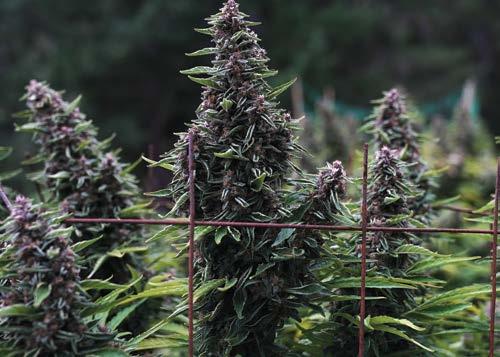
RETURN OF THE GASSY OGS
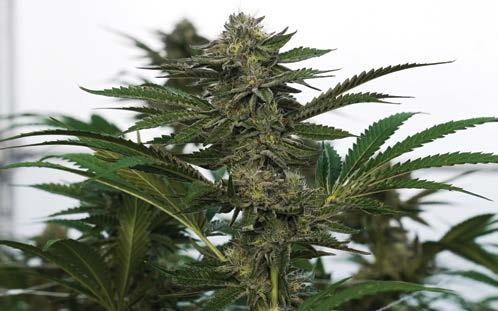
Fans of green bud — with that iconic, late-’90s, lemon-pine-fuel stank — have refreshed options in 2026.
DNA Genetics has a new RP43 (short for Richard Petty) that is “kush, kush and more kush,” Aaron Yarkoni, co-founder of DNA Genetics, said. Yarkoni doesn’t care that rappers prefer purple candy-gas. He’s pursuing green, super-strong dope.
“We’re trying to make green weed great again,” he said. “People still love OG.”
Breeder Josh D, popularizer of OG Kush, has at least four new OGs to grow based on his high-performance Josh D OG stud “The Smooch.”
Metamorpheus F2 is The Smooch x The Smooch for the most OG in 2026.
EVEN MORE DIVERSE TERPS IN 2026
Lastly, 2026 promises a new era of diversity as more home growers choose personal favorites over hype.
Commercial powerhouse Purple City Genetics supports this diversity with strains like Bubble Tea, a Terpnami-only exclusive for home growers with a really unique Z terp. Bubble Tea ((Rainbow Belts x Caribbean Cookies) x Akira) doesn’t make the cut as a cash cropper, but that’s irrelevant to a terp chaser with a six-plant garden.
“That’s the fun part of home growing nowadays,” said Auryn McCafferty, co-founder of Purple City Genetics.
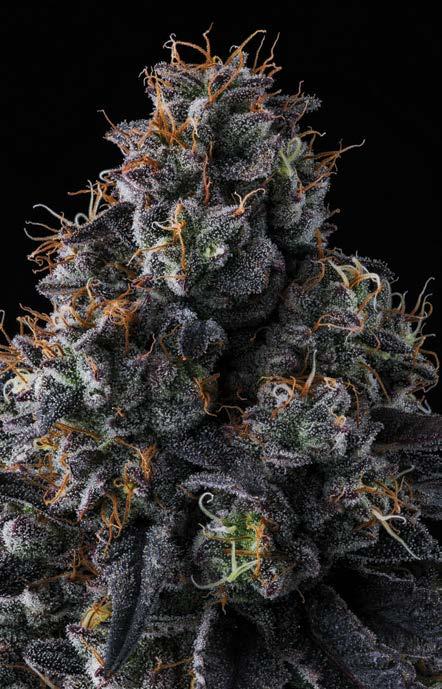
“WE’RE TRYING TO MAKE GREEN WEED GREAT AGAIN. PEOPLE STILL LOVE OG.” -DNA GENETICS CO-FOUNDER DON MORRIS
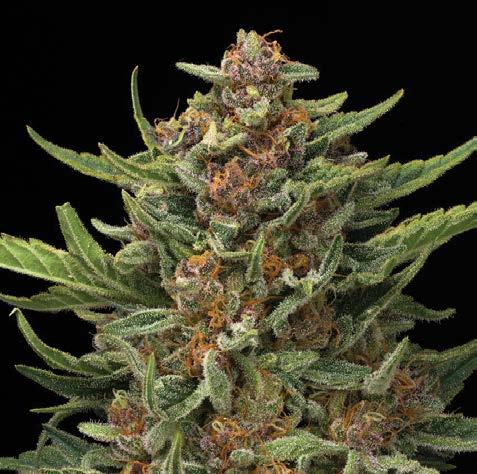
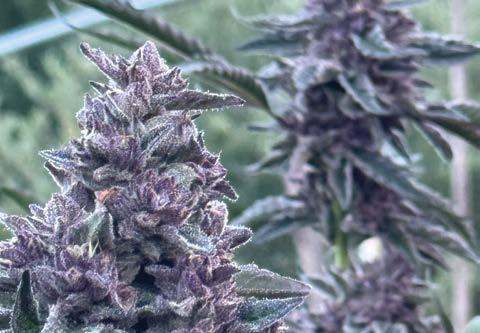
MULBERRY ROSE
PHOTO BY HUCKLEBERRY HILL FARMS
Here’s what North America is doing in the garden this month: Finish trimming. Static sift your kief. Make hash. Press rosin. Bake edibles. Purchase seeds. Cover crop. Test soil for deficiencies. Cold Full Moon is Dec. 4.
DEC. 2025 POT FARMER’S ALMANAC
PHOTO BY
PHOTO BY BEN NEFF/ CANNA COUNTRY PLANTZ
PHOTO BY RIDGELINE FARMS
LANTZ
PHOTO BY RIDGELINE FARMS




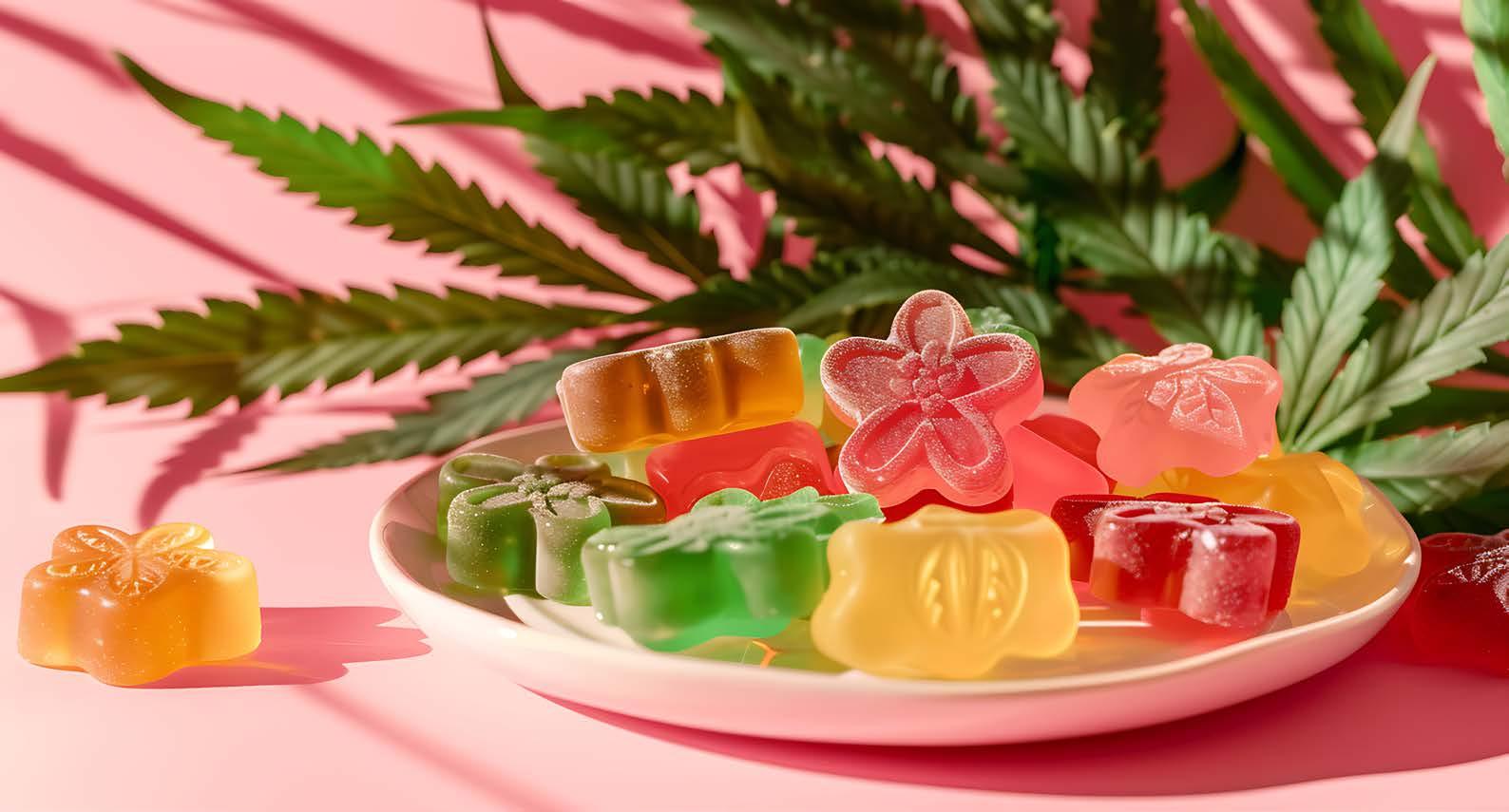
THE GOLDILOCKS ZONE FOR EDIBLES
Many Cannabis newcomers who have an aversion to smoking are eager to try edibles instead. But, as any seasoned stoner can tell you, the potency and duration of edibles can be wildly unpredictable; there are endless stories of people trying Cannabis infusions and getting uncomfortably high. I’ve been there more than a few times myself, and the solution to achieving optimal stoniness is, unfortunately, not as simple as counting the milligrams of THC that are ingested.
UNPACKING how edibles work is like unraveling a box of cords. When it comes to eating or drinking weed products, it is essential to understand that the way edibles are made is not standardized — and neither are their effects from person to person or even day to day. Cannabis edibles can be a potent medicine that helps ease our mental state and relieve tension in our bodies, but dialing in on the correct dose involves research and practice.
CARRIER INGREDIENTS AND NANOTECHNOLOGY
Cannabis is lipophilic, which means it dissolves in fat (lipids), and hydrophobic, a word that describes substances that do not mix with water. Raw Cannabis doesn’t have the same psychoactive effects as when it’s heated through decarboxylation. This scientific process converts the cannabinoids into the active forms that we know best, such as THC and CBD. In creating edibles, Cannabis flowers or leaves are heated and then combined with a carrier — such as oils, butter, glycerin, gelatin or alcohol — to increase the absorption of cannabinoids. Combining cannabinoids with fat makes them easier to absorb and increases the intensity of their effects.
“The best fat to infuse depends on the person,” Vanessa Lavorato, an edibles expert and author of “How to Eat Weed and Have a Good Time,” said. “Everybody has a different metabolism, allergies, tolerances, etc. A lot of people love MCT oil.”
The onset and duration of a high with edibles is also in flux due to how our bodies metabolize cannabinoids. Drinks and tinctures can be absorbed by the mucus membranes in our mouths, which makes the effects come on quicker because they bypass the digestive process. Nanotechnology, which manipulates materials at a microscopic scale, is also being used to create Cannabis edibles that result in quicker onset times. This process wraps cannabinoids in layers of water and fats to make them more readily absorbed or bioavailable.
THE SPECTRUM
Looking beyond which ingredients manufacturers use to activate the cannabinoids within edibles, how potent a gummy, cookie or THC drink might be involves consideration of the type of Cannabis that’s going into the infused product. Cannabis contains many cannabinoids, but it also has other biologically relevant substances such as terpenes, which contribute to the plant’s aromas, flavors and effects. Products that contain all of the components present in Cannabis and do not isolate them down to one element, such as THC, are known as “full spectrum.”
Edibles can be crafted with plant material (leaves and flowers). But because working with this plant material as a base can result in a weedy herbaceous taste that many people do not find appealing, edibles made with Cannabis concentrates — such as distillate, rosin or ice water hash — are more prevalent in the consumer marketplace.
“Concentrates make edibles easy,” Lavorato said. “The hash maker did the work of removing the resin from the plant, then either decarb first or directly whisk the concentrate into a warm fat.”
Lavorato’s book includes a list of concentrates, outlining which are already decarboxylated and explaining how to do so for the ones that are not.
“The cookbook focuses on flower because that is what most people have access to, and it helps to understand dosing to start with a lower potency input,” Lavorato said. “I like to give people options so everybody feels included.”
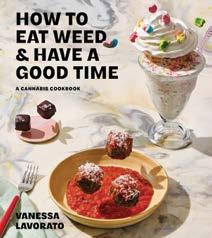
“The cookbook focuses on flower because that is what most people have access to, and it helps to understand dosing to start with a lower potency input,” Lavorato said.
To create consistent products and completely remove the herbal taste of weed, many edible companies develop products with distillate. Distillate is a purified Cannabis concentrate that removes additional chemical elements of the Cannabis plant, focusing solely on one selected cannabinoid, such as THC or CBD.
“I like to give people options so everybody feels included.”
I have found that when a gummy contains hash rather than distillate, it doesn’t matter if both contain the same milligrams of THC; the hash edibles are more potent. This is likely because hash is a full-spectrum product. Cannabinoid scientists, most prominently the late Raphael Mechoulam, explain that the compounds in Cannabis tend to work more effectively together than when they are isolated. This phenomenon is known as the “entourage effect.”
THE RECEPTORS
Understanding how Cannabis works begins at the cellular level. The plant interacts with receptors found in almost every organ in our bodies via the endocannabinoid system. Endocannabinoids are the chemical compounds we produce internally, and phytocannabinoids are those derived from plants. Both types of cannabinoids bind to chemical receptors to help keep systems in our bodies — like our nervous and digestive systems — in balance.
When we ingest Cannabis, it is metabolized by the liver before it enters the bloodstream. It also transforms its chemical makeup into 11-hydroxy-THC, which is more potent than the delta-9 THC that is created when Cannabis is inhaled.
“The effects of an edible on the human body are different for each individual,” Cannabis cultivation expert Ed Rosenthal wrote on his blog. “It depends on several factors, including weight, experience, hydration, recent food intake, and overall liver condition.”
Our individual physiques and diets are a big piece of the puzzle in understanding how edibles might work. Research shows that those who are on high-fat diets like keto or paleo may feel the effects of Cannabis more, and that these types of diets can be helpful for people with digestive issues, such as irritable bowel syndrome, because of the ways the diets affect endocannabinoid receptors within our gut.
What you’ve eaten before enjoying a Cannabis-infused beverage or snack also affects how strongly an edible feels. Cannabis infusions tend to have a more substantial effect on an empty stomach compared to after a full meal. Finally, there are unicorns among us. Some people seem immune to edibles’ effects, regardless of how many milligrams they consume. One theory explaining this phenomenon involves individual metabolic differences. It suggests that these individuals may have higher levels of the metabolic enzyme CYP2C9. The idea is that those who have more of the enzyme break down THC faster, which means that they don’t feel the effects of Cannabis when it’s ingested.
EASE INTO IT
For me, edibles provide a hard reset, as if everything has been powered down, allowing me to disengage from negative thought patterns. Almost all types of Cannabis will make me more introspective, creative and alert, and edibles are no different from smoking Cannabis for me in that regard. What I do experience after taking edibles, however, is a deep night’s rest, likely because they help me stay asleep during the night.
I used to be the type of person who could tolerate extremely high doses of edibles. For a few years, I ingested Cannabis edibles almost every day.
These days, my Cannabis consumption habits have slowed down, but I still really value the freeing feelings that an edible can bring on both in terms of my psyche and my physical body.
While the process of finding the right dose is always bound to involve a bit of trial and error, the key is to start with a small amount and scale up.


Harnessing the power of the sun



SOLFUL
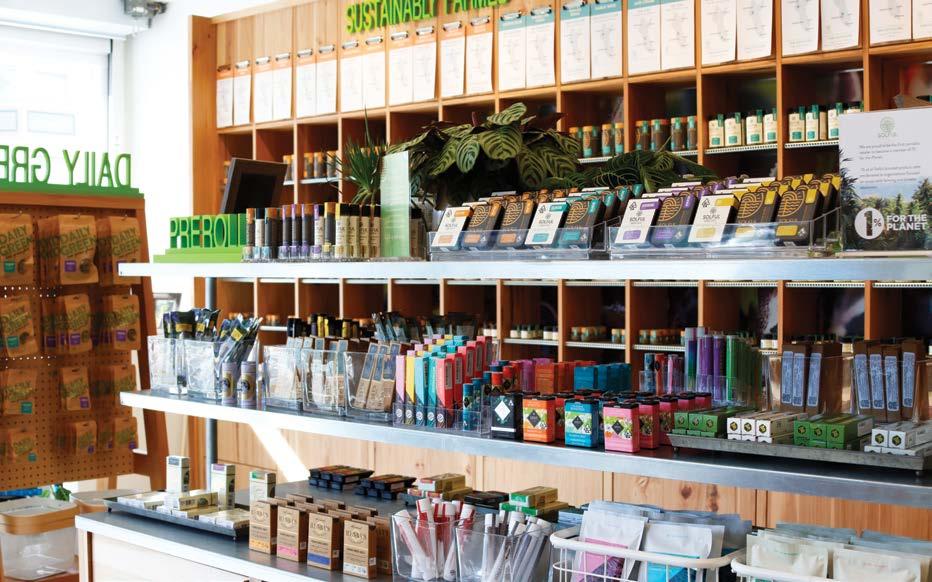

Located just off the N Judah Muni line in San Francisco’s Sunset District, Solful is a small shop with a unique mission to support sun-grown Cannabis farmers. The second in a grouping of three San Francisco Bay Area locations, Solful sells exclusively outdoor-grown Cannabis. The San Francisco shop is painted in a vibrant shade of green and hugs two sides of the street. Located near Golden Gate Park — and attractions such as the San Francisco Botanical Garden, de Young Museum and California Academy of Sciences — the store has an open floor plan and fits well with the neighborhood’s vibrant feel.
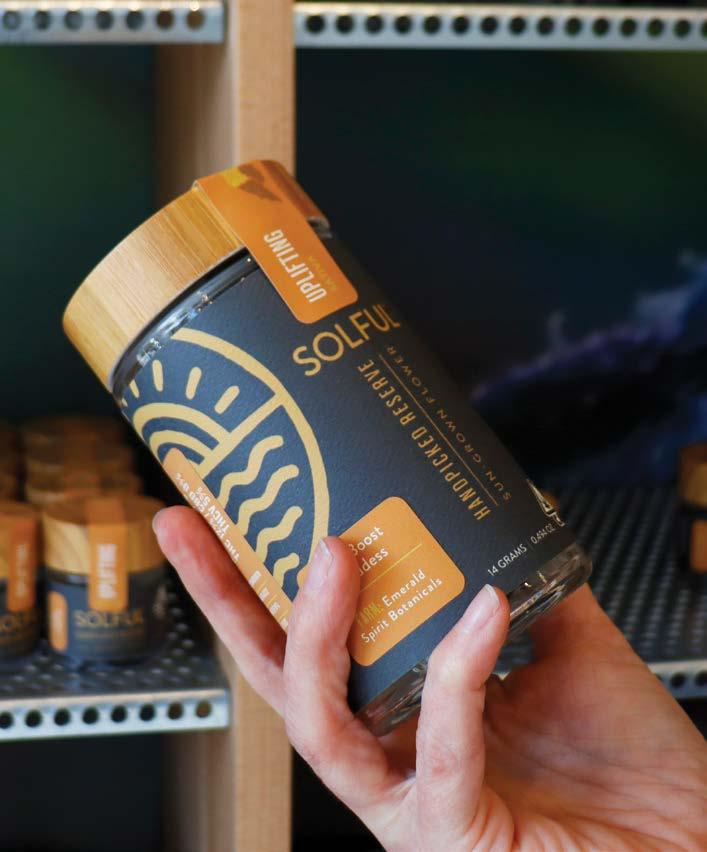
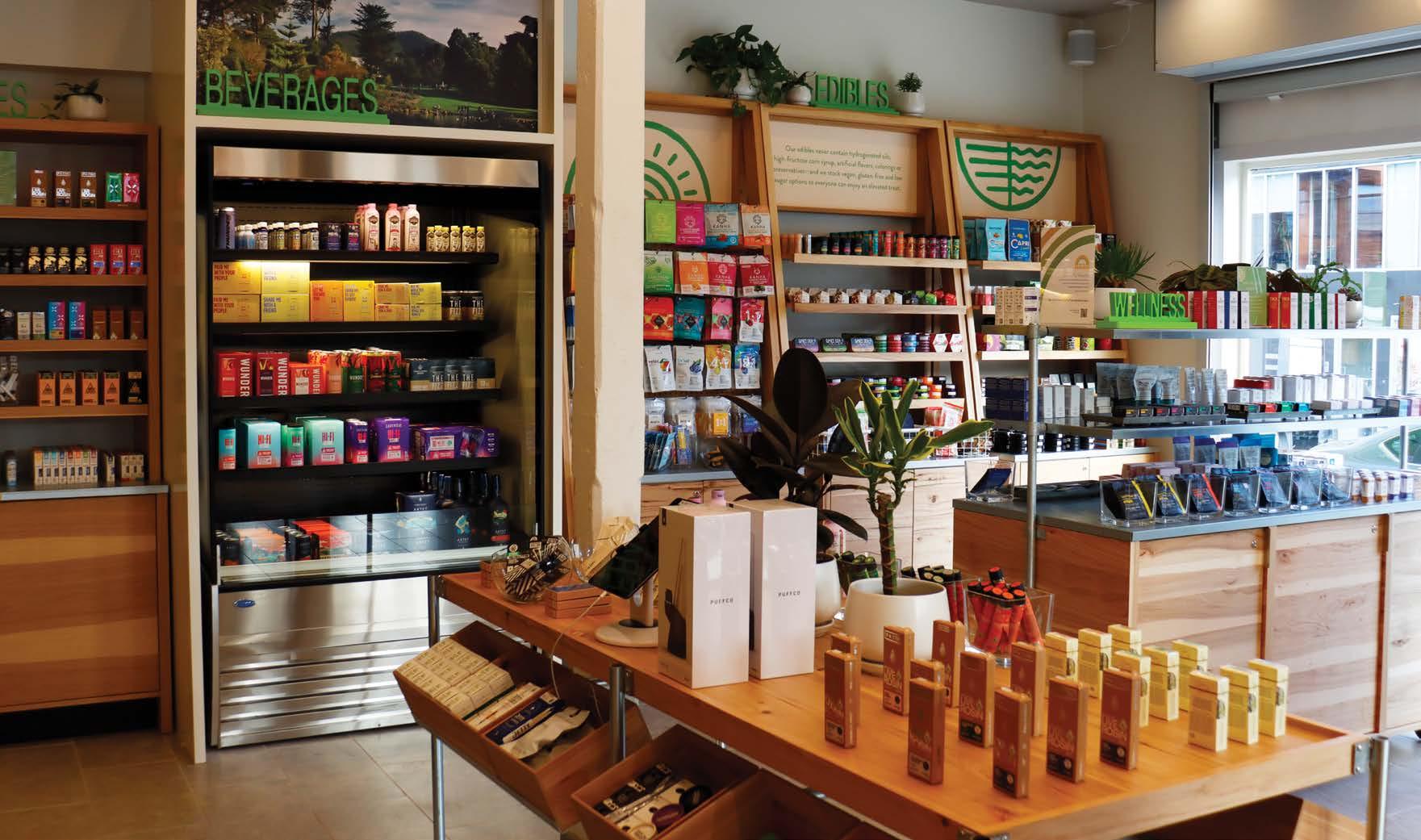

THE FIRST THING visitors to Solful San Francisco will notice is a massive wall of weed. “One of the signature pieces at a Solful dispensary is what we call our flower wall, which is a custom wall that we designed that has 40 slots for 40 different strains at a given time,” Eli Melrod, CEO and co-founder, explained.
The wall includes information about each flower selection’s genetic lineage and terpene profile, smell jars for each strain and a map showing where it was grown.
All the Cannabis in Solful is sourced from Sonoma, Mendocino, Humboldt, Lake and Trinity counties, and with flower from the 2025 harvest now available for sale, there are new strain drops every Friday.
Solful has a fridge packed full of hash and live rosin that customers can open and pull from just like they are getting ice cream at a convenience store.
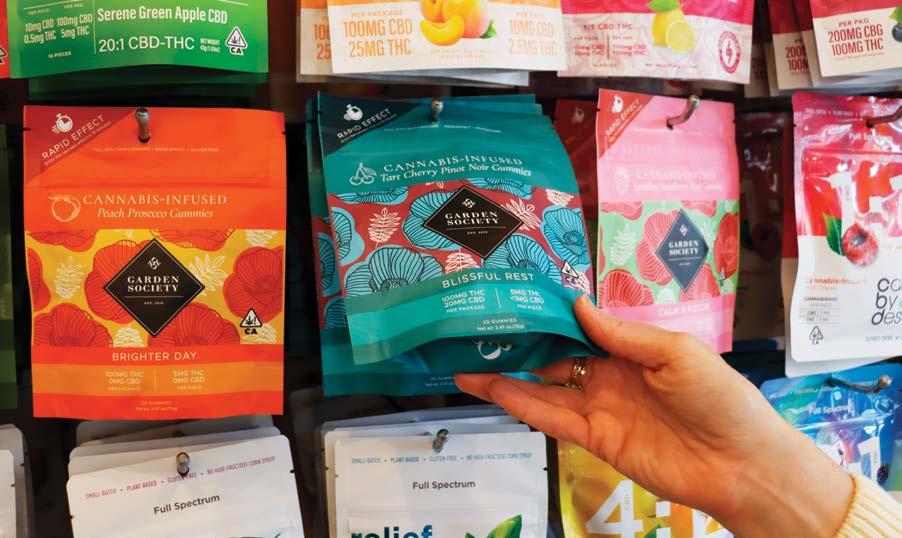
Solful also has its own product line, which means when a flower appears at the shop, customers can often find it in many different forms, such as tinctures, rosin, hash holes and prerolls.
“We’re buying such small batches … a lot of time when we have a strain on the shelf, it’s only there for like two, three weeks, and then you get something new,” Melrod said. “It’s almost like going to your local taproom; they have a rotating selection of craft beer, and every time you go in, you might try something new from their network of breweries.”
This winter, keep an eye out for Guava Gift — a cross of Guava from Garden of Grease and The Gift from Green Source Gardens — grown by Alpenglow Farms.
For another fruity flavor bomb, try the ocimene-dominant Tropical Sleighride — a cross of Purple Candy Cane and Pina — grown by Greenshock Farms.
“WE’RE BUYING SUCH SMALL BATCHES … A LOT OF TIME WHEN WE HAVE A STRAIN ON THE SHELF, IT’S ONLY THERE FOR LIKE TWO, THREE WEEKS, AND THEN YOU GET SOMETHING NEW.”
ELI MELROD, CEO AND CO-FOUNDER
9 A.M.-9 P.M. DAILY


DARRYL CHIMBEL

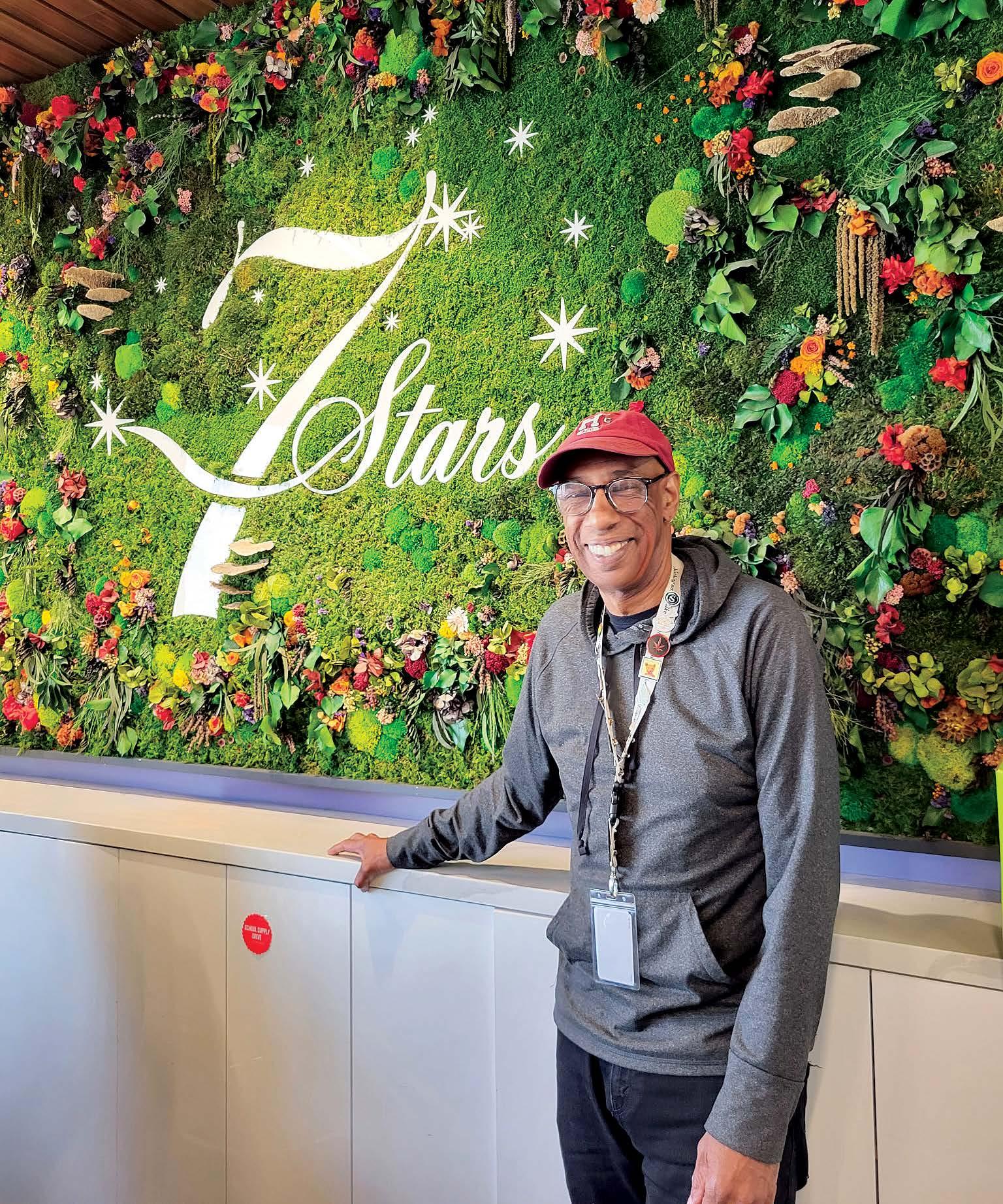

“AFTER DECIDING CORPORATE LIFE WASN’T FOR HIM, HE MOVED BACK TO THE BAY AREA AND ATTENDED ONE OF THE FINAL INCLASS PROGRAMS AT OAKSTERDAM UNIVERSITY.” FOLLOW DARRYL @TENACIOUSDSF

For this edition of Budtender of the Month, we’re talking with Darryl Chimbel of 7 Stars Holistic Healing Center in Richmond. Chimbel has spe nt the past decade working across prominent Bay Area dispensaries before la nding at the legendary shop, long considered one of the finest in the northe rn East Bay.
CHIMBEL originally made the jump into the Cannabis industry in 2013. These days, he’s mainly a flower smoker, though he says he’s also a fan of 1,000-milligram tinctures.
“I used to work in corporate,” Chimbel said of his life before Cannabis. “I was a customer service trainer for Zappos for a while, and I moved to Vegas. I hated it. My job sent me there.”
After deciding corporate life wasn’t for him, he moved back to the Bay Area and attended one of the final in-class programs at Oaksterdam University. With his longtime love for Cannabis and the momentum of the industry at the time, it seemed like the perfect way to get his foot in the door.
“I knew if I went to Oaksterdam, it would give me a knowledge base,” Chimbel explained. “You think you know something until you realize you don’t. I thought I knew a lot about weed, and I ended up learning a lot more.”
After graduating, he landed his first dispensary job and had a front-row seat to California’s transition from medical Cannabis to adult-use. Alongside the new regulatory hurdles, Chimbel felt the shift changed the culture.
“I don’t know if it’s a good thing or a bad thing, but Cannabis went from a very special thing (to something more normalized). You had to get your card. Everybody’s on their best behavior. It was a privilege. Once we switched over to recreational, it has become more like Target, with these huge companies competing,” he said.
Beyond the corporate influx, Chimbel felt the transition made life harder for patients, many of whom were priced out by new tax burdens. Practically overnight, he watched the clientele shift. Over time, though, he found his own place amid the chaos.
Chimbel says his background in customer service has served him well throughout his decade in the industry. One of his favorite parts of budtending today is being part of the 7 Stars crew.
7 STARS HOLISTIC HEALING CENTER
3219 PIERCE ST. RICHMOND, CA 7STARSHHC.COM @7STARSHHC_ (510) 527-7827
6 A.M. - 10 P.M. DAILY
“I feel that the clientele — the customers at 7 Stars — really get it. Aside from selling joints to people, which is fine and part of the job, I do a lot more consulting here than I did at my other jobs,” Chimbel said.
“Because of the quality of 7 Stars, people send other people here.”
He notes that he regularly consults with customers coming straight from their doctor’s office. “I get a wide range of people, and I’m actually making a difference in their lives.”




Canna-Claus











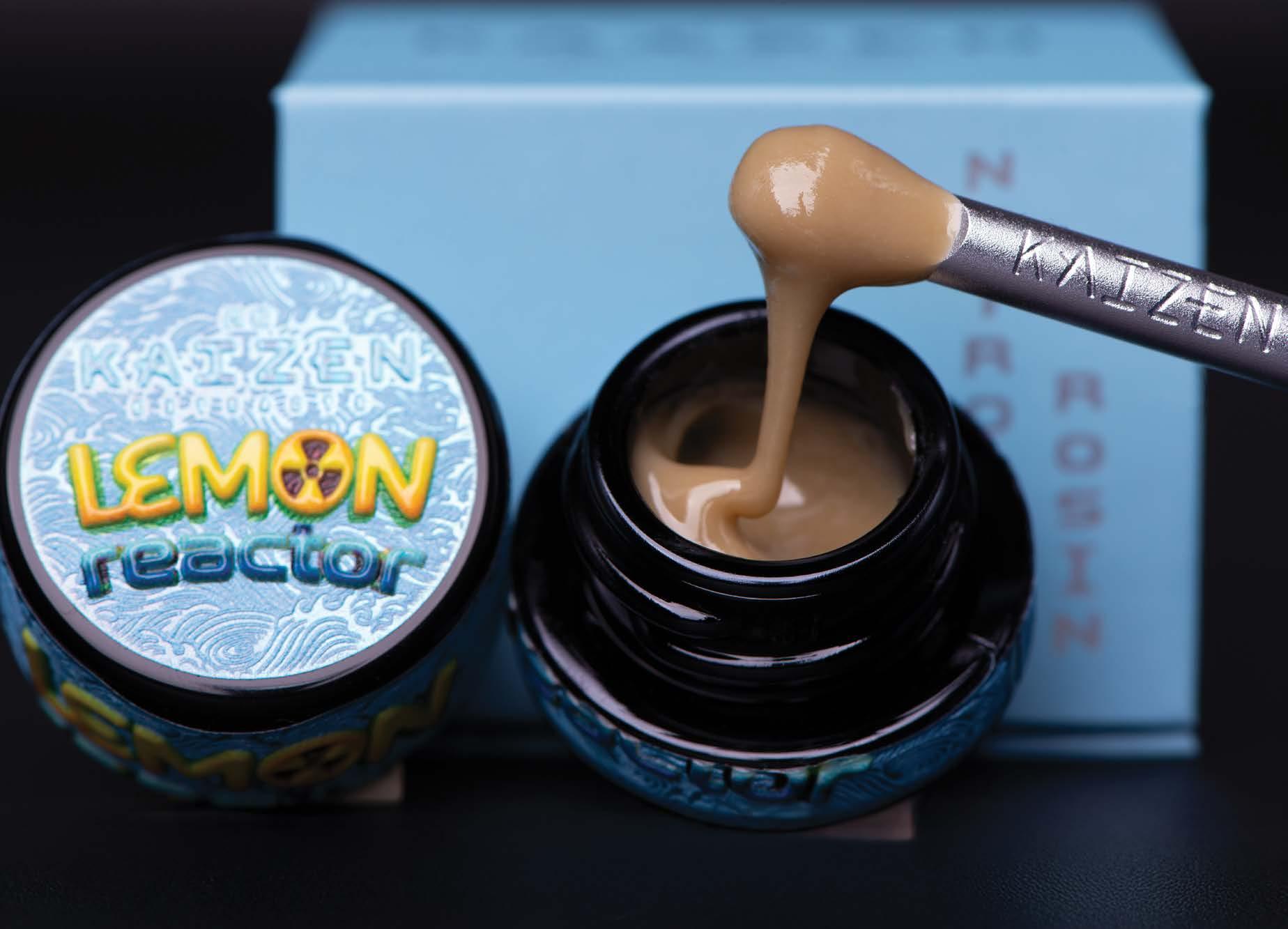

KAIZEN EXTRACTS
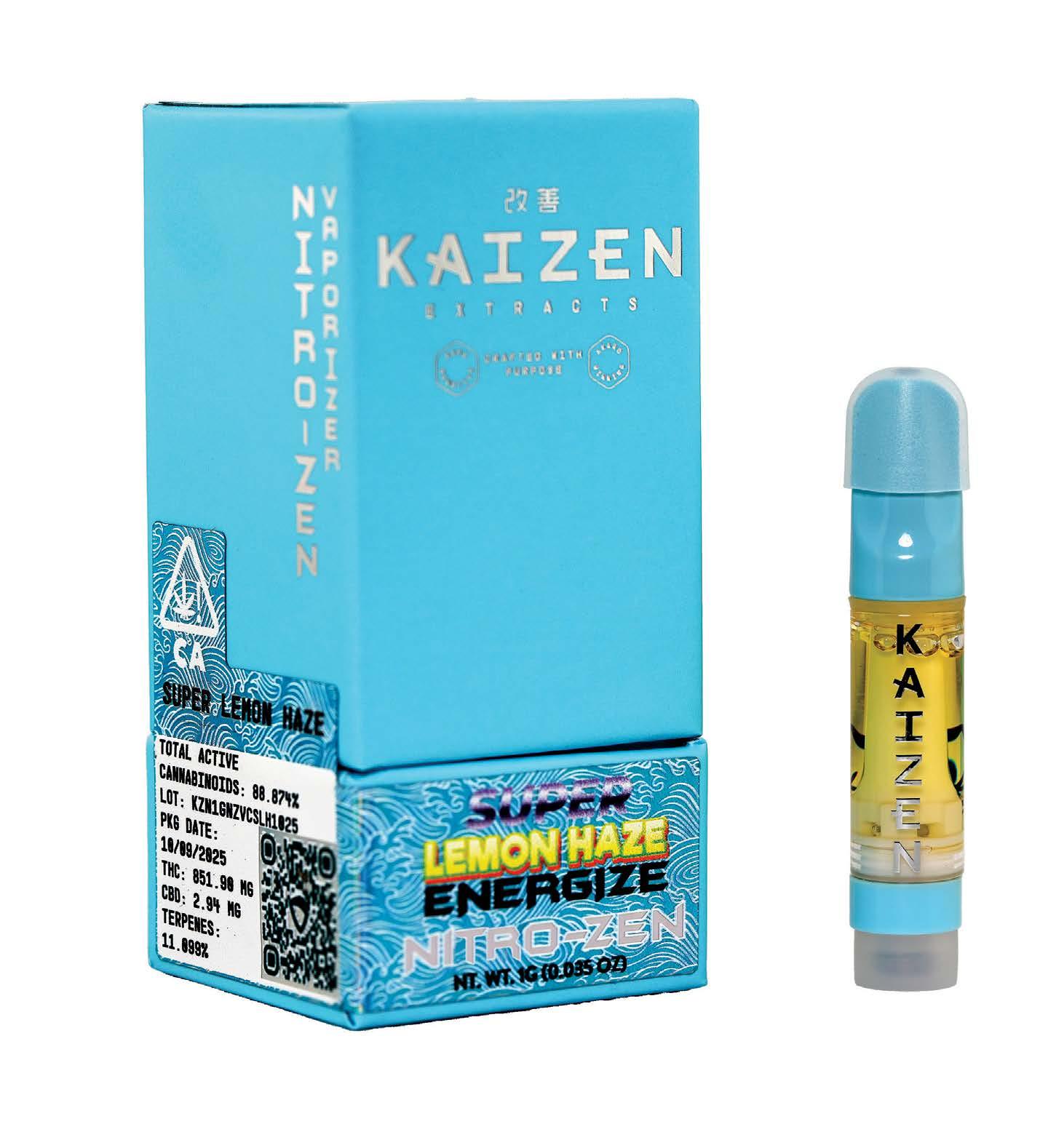
LEMON REACTOR LEMON REACTOR

Kaizen is a Japanese word that means “change for the better,” and it’s also a methodology that continually looks to improve processes and eliminate waste in business. Over in Santa Barbara, Daniel Yoo and his decorated brand Kaizen Extracts have spent the last decade trying to embody the word. His latest product, Nitro-Zen, is a continuation of that mission.
CALIFORNIA LEAF learned from Yoo that out of the 200 acres of canopy that Kaizen has access to, the farm has already harvested 3.5 million pounds of wet weight in 2025. This fact has also drawn the eye of Bill Kimmerle and his proprietary process, which carefully maps and removes terpenes using nitrogen. Originally built for use with semiconductors, this Columbia University Ph.D. has translated the hardware and software into terpene technology and is on a mission to replace botanically sourced terps with the real thing.
“This is going to be the future,” Kimmerle said, noting that his cutting-edge technique is built to run large-scale production, and Kaizen’s OCal-certified farm was perfect for this mission.
The result of this partnership is Kaizen’s Nitro-Zen line, which the company described on its website as taking these carefully captured compounds — that might otherwise have been lost during the washing or pressing process — and reintroducing them to their solventless rosin in order to create a stronger entourage effect. Alongside this, it increases the rosin’s overall terpene percentage to around 10% to 14%, according to the Kaizen website.
Lemon Reactor is White Miso (Kosher Kush x God’s Gift) blended with Super Lemon Haze terpenes for a piquant citrus finish. All carefully hunted from seed by the team at Kaizen, Yoo said they’ve actually been working with DNA Genetics’ Kosher Kush since 2014.
Yoo personally creates all the pairings for Nitro-Zen flavors. His intention for this was to mix the creamy finish on their White Miso with something that had a little citrus/gas pick-meup to it, resulting in what the brand calls a “high voltage zest,” which is something this reporter can attest to. You get a nice haze kick right from the start of that exhale.
“Lemon Reactor is White Miso (Kosher Kush x God’s Gift) blended with Super Lemon Haze terpenes for a piquant citrus finish.”
Nitro-Zen is a process of continual growth for Kaizen, always looking at how to improve procedures and take things even higher. In addition, it allows Yoo to craft thought-out blends and show off the years of experience he’s built up. For California’s dab shopper, it’s a chance to smoke some and see what the added entourage terpene levels and entourage effect do to your high.

TIVATED BY
CU L
PREFERRED GARDENS TWIN

For years, the Preferred Gardens team has been crushing through out California and recently began making waves on the East Coast. Founder David Polley has spent the last few years breeding new heaters, and the results emerging now are nothing short of spec tacular. The next in-house strain to hit the California market is Twin. With its all-star lineage, expect it to fly out of the gate.
“We breed for traits we personally love to smoke, but naturally, some terp profiles do better in certain regions,” Polley said.
“… A FLAVOR BUILT FOR CALIFORNIA TASTES.”
“East Coast markets love ‘sativa-leaning’ terps like haze and lemon, which crush in places like Florida and New York.”


After two years of refining, Twin will hit California store shelves for the first time this month. It’s shaping up to be another big win for Preferred Gardens here at home in California as they continue to grow across America — and beyond.
“Our team has always loved Zoap terps,” he said, “so flavor was a priority — but Zoap has always been prone to botrytis (aka gray mold). Georgia Pie x Zkittlez is the opposite, with strong vigor and mold resistance.” He went on to describe how this now refined phenotype “delivered the Zoap terps we wanted plus the increased strength and resistance from the Georgia Pie x Zkittlez.” Another major win from including the Georgia Pie x Zkittlez was passing on that strain’s natural vigor and ease of cultivation. It consistently drops high-quality, smokable batches — something that’s passed directly to Twin. Polley called Twin a flavor built for California’s tastes. He described Twin’s flavor as a sweet floral and soap pairing with subtle notes of earthiness.
The father of Twin is Georgia Pie x Zkittlez , which Preferred Gardens has been marketing as Lazer Gun for the last few years. “In the last six months, we learned it was actually bred by Raw Genetics,” Polley told the Leaf. “It’s unclear if our cut is a different pheno than what’s circulating as Raw’s Z Pie.” Twin’s mother, Zoap, was bred in Oakland by DEO Farms. Wizard Trees’ rendition of this Rainbow Sherbet and Pink Guava combo famously took top honors at The Zalympix in 2022. To this day, it remains a coveted cut, well protected by those lucky enough to be gifted it through DEO Farms. Polley told the Leaf they originally hit Zoap with the Georgia Pie x Zkittlez on April 20, 2023. For Polley, a major goal in pairing the two strains was to toughen up Zoap’s famous flavor.

HIGHLIDAY2025 GIFTGUIDE


Want to find the perfect item for your special someone, even if that someone is you?
The Leaf staff filled out their holiday wish lists with a few o f their favorite items to help you deck the halls.
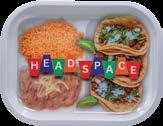
HEADSTASH
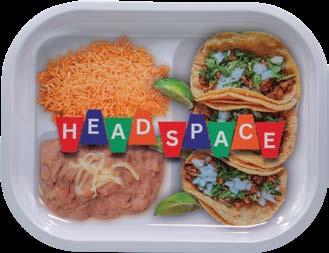
TACO PLATE ROLLING TRAY
Here’s an easy stocking stuffer that lets the recipient fill their favorite cones and prerolls. This rolling tray looks just like a plate of tacos with the trimmings, and it has a magnetic cover that makes the whole thing look like a styrofoam to-go box. It fits right in your bag for taking to the sesh.
HEADSPACEMARKET.COM | $9
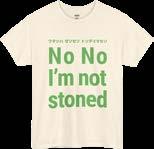
ALM NO NO I'M NOT STONED T-SHIRT
Los Angeles-based designer and artist Tetsuzo Okubo’s brand A LOVE MOVEMENT spreads happiness through fashion. Using recycled cashmere, military materials and eco-friendly cotton, ALM creates statement pieces for your wardrobe. This shirt, which tells the world you’re not stoned, can be seen in person at their Roommate store in L.A.
ALM-LA.COM | $48

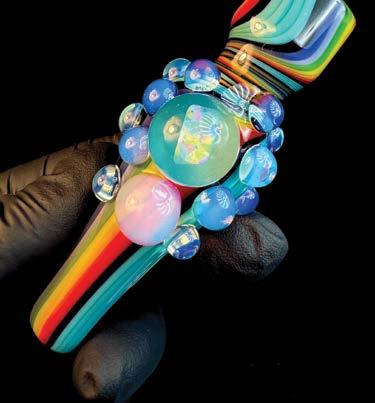
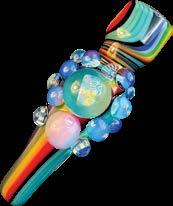
HAROLD LUDEMAN CHILLUMS
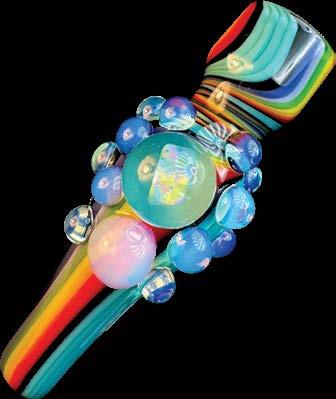
Everyone should learn how to smoke out of a chillum. They’re fun and easy to keep in your pocket, and they keep strangers' lips off your glass. Harold Ludeman, maker of some visually captivating glass, has a whole selection of killer chillums on his website ready to ship to your door.
HAROLDLUDEMAN.COM | $37
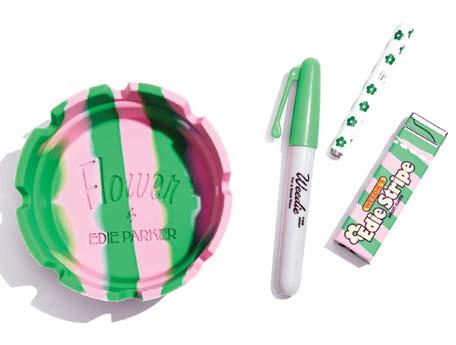
EDIE


HEMPER THEME BOXES
This is a great way to grab something fun for your smoking buddy. There are over 55 different box themes to choose from, so it won’t be hard to find something they’ll like. Each box comes with a curated selection of accessories to go along with the statement smoking piece.
HEMPER.CO | $100




It doesn’t matter if you’re hiding your stash from a roommate or a landlord or just keeping your space tidy, everybody needs a good stash spot for their weed. This clever piece by Nothing Personal hides your stuff inside a stack of fake video game and DVD boxes with copyright-exempt titles. THENOTHINGPERSONALSHOP.COM | $85
Edie Parker puts out smoking accessories synonymous with style, grace and a cute-butclassy feminine flair. The Fresh Sesh Gift Kit offers an affordable starter for the sweetie on your list. It includes an Edie Stripe Gum Lighter, a metal One Hitter, a Marker Doob Tube and a silicone ashtray. Check out their website to see all the glamorous, high-end pieces.
EDIE-PARKER.COM | $35
OOZE PEEL BANANA BATTERY
It’s time to give your “Pendall Jenner” a glow-up with Ooze’s golden banana battery for your 510 cartridges. Choose from five heat settings, a range of 2.2 to 4.2 volts and six unit

PARKER FRESH SESH GIFT KIT
HIGHLIDAY2025 GIFTGUIDE
MANTELPIECE
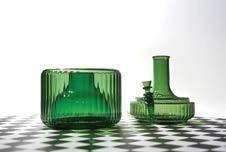
THE VASE
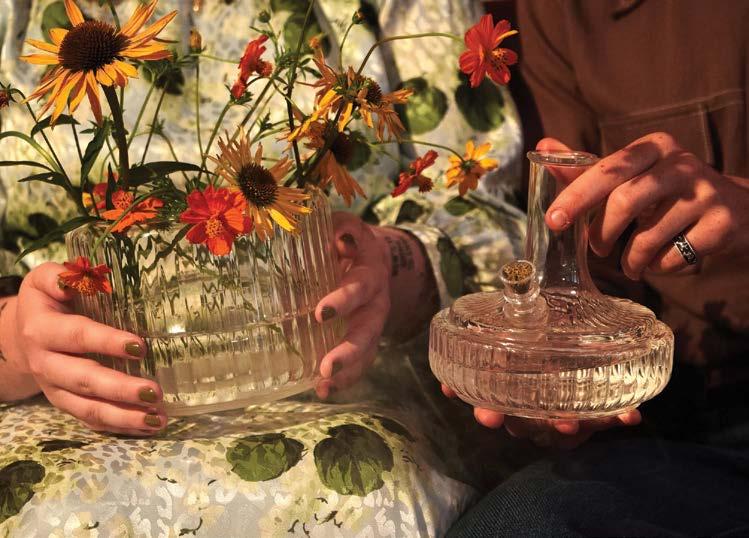
“A timeless vase and a discreet bong all in one” — that’s the way Mantelpiece describes this chic gift that hides right in plain sight. The circular vase section slides right over the bong portion and fits together like a pair of fighting Japanese robots. The company is also releasing an emerald green version.
YOURMANTELPIECE.COM
$300

smokin' gifts // under $350
DR. DABBER GHOST²
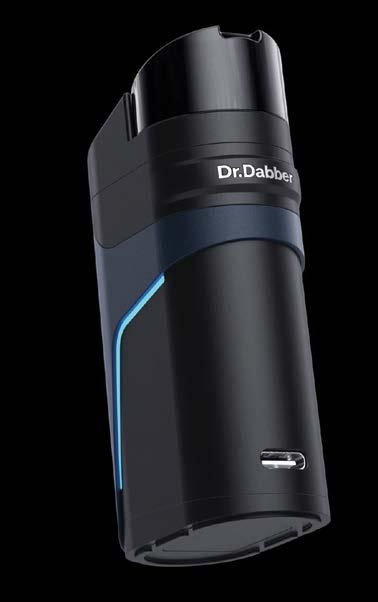
A glow-up for Dr. Dabber’s 2013 flagship product, the Ghost² is designed for the perfect portable dab. About the size of a Geek Bar, this unit has five temperature settings, provides around 20 cycles when fully charged and uses the same dynamic heating modes as their larger Switch² device. Plus, it’s a nice price for such a dynamic device.
DRDABBER.COM | $119.95
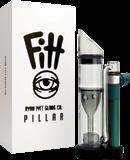
RYAN FITT GLASS
PIVOT PILLAR
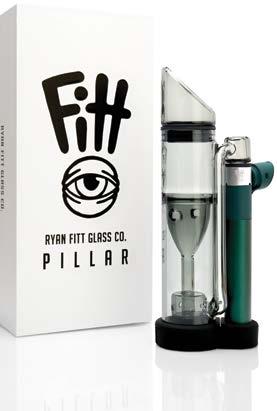
Premiering at Puffcon, glass artist Ryan Fitt’s latest addition is a must-have attachment for your Puffco Pivot. The Pillar uses Fitt’s metal locking ring to transform your pocket device into a full-sized bubbler. With an inline perc rubber base and a carb, the Pillar creates a new experience for home use.
RYANFITT.COM
$200
ARSENAL
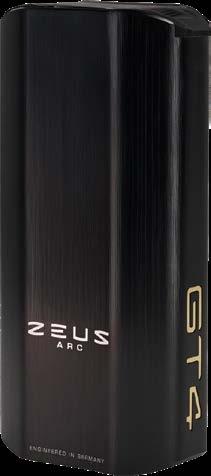
ARC GT4
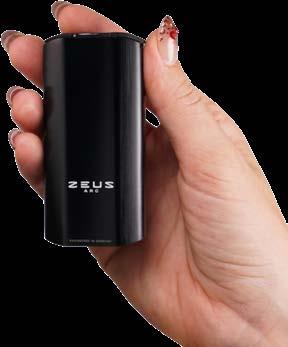
Vaporizing flower is the best way to truly taste the terpenes and keep your lungs happy. Zeus Arsenal’s new model includes nine preset temperatures, allowing you to get the most out of your flower. This device makes it easy to vaporize on the go while still having the same comfortable experience you do at home. Also available in Gold. ZEUSARSENAL.COM



It’s the age of robots, and like some mechanical spider, iRobud spins a joint around a core of your own ground flower. It can roll a jay in 30 seconds, about the same time it takes a Keurig to make your coffee.Choose your size and density right from the app. IROBUD.COM | $499
$635 ZEUS
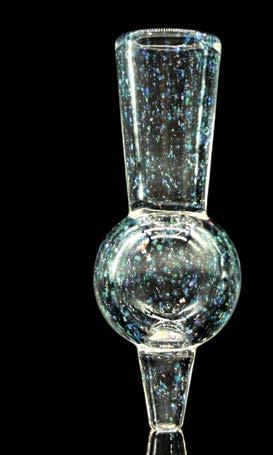
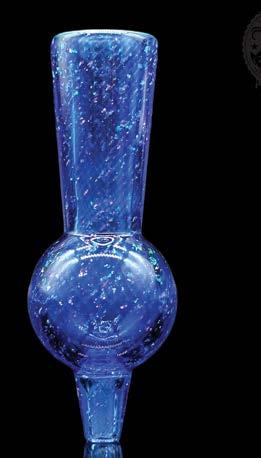
POWER PAT BUBBLE CAP
One of the most popular carb caps of the hash community, the telltale shape and incredible function have become signifiers for someone investing in their glass collection. We asked the best way to secure a cap, and Power Pat told the Leaf that people can “message me to see if they’re on the naughty or nice list.”
@_POWERPAT | PRICING UPON REQUEST

GOOD ART THE DOOBIE BROTHER V2 ROACH CLIP
When your grandparents used to use that chip-bagstyle clip on their joints, did they ever imagine we’d be puffing hash donuts with sterling silver in the future? Crafted by hand in Los Angeles, Good Art’s roach clip looks amazing as a chain or a bracelet, and it can be customized with one of three styles. GOODART.COM
IROBUD JOINT ROLLING ROBOT



CREWNECK SWEATSHIRT

EMBROIDERED BEANIES
VELAIR SUPPLY CO

FEATURING
Westside Boogie

DESIGNED FOR THE DREAMERS. WORN BY THE CULTURE


FLOCKA FLANNEL
CUT COSTS REDUCE ERRORS INCREASE QUALITY AND YIELD MOST AFFORDABLE FERTILIZER AT SCALE
AFFORDABLE

velairsupplyco


velairsupplyco
Snack Attack
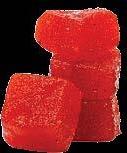
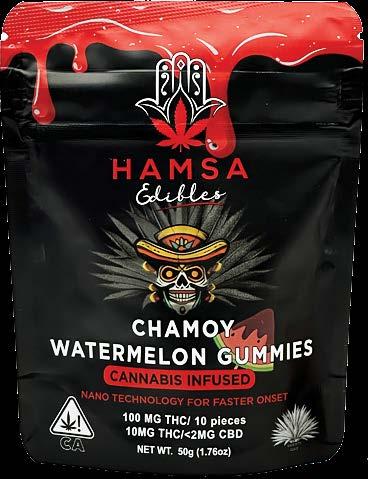
For anyone who grew up with Tajin- and chamoy-covered candies, these are an instant hit. Safe for those with common dietary restrictions, these pectin-based edibles are vegan, gluten free and kosher certified. Plus, these contain a nanoemulsion to produce a quick onset. @HAMSAKOSHER | HAMSAKOSHER.COM



DR. NORM’S GLUTEN-FREE SNICKERDOODLE
This brand was born out of a famous family cookie recipe, so you know that when they decided to take on a gluten-free option, they had to come correct. At 10mg per cookie, Dr. Norm’s version properly addresses the thick, mealy texture that even many nonmedicated gluten-free cookies are cursed with. @DRNORMSOFFICIAL | DRNORMS.LA
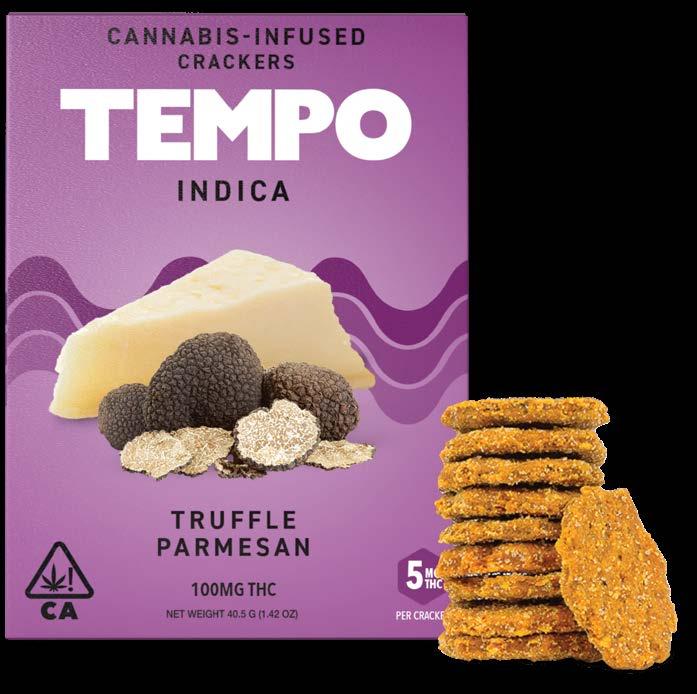
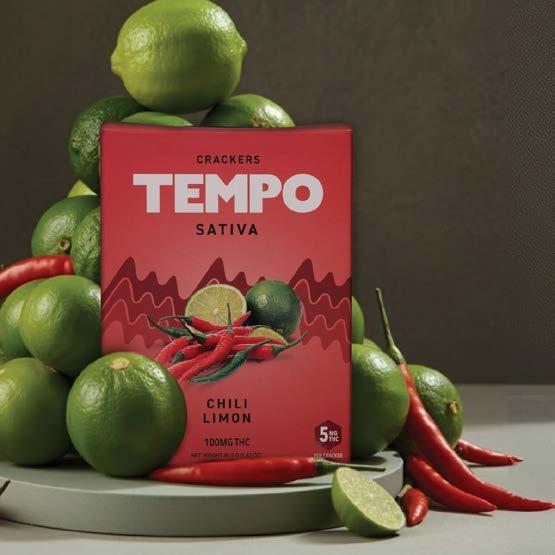
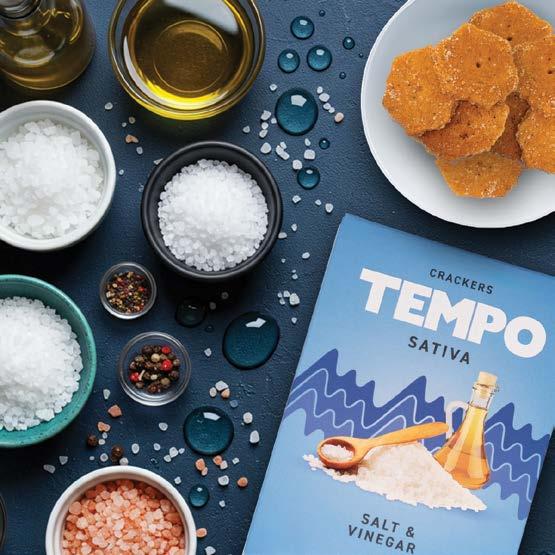
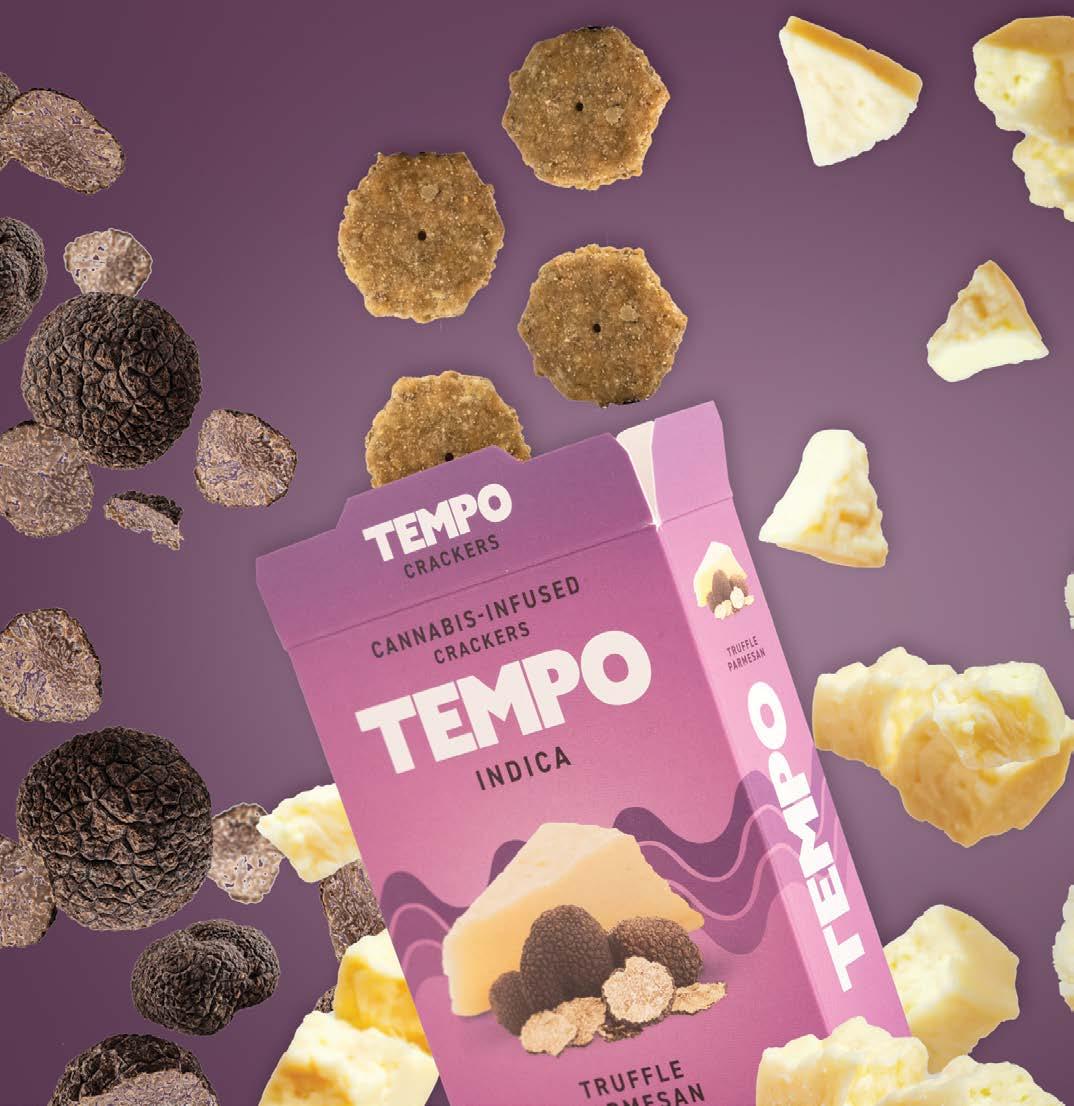
Get that charcuterie board ready for a serious upgrade this holiday season. Tempo’s collaboration with Punch Extracts has five flavors with 5mg per cracker and 100mg per box. Try the Truffle Parmesan with some Parma ham, the Sour Cream & Onion with some dip or the Chili Limon with some salsa. @FIND.YOUR.TEMPO | FINDYOURTEMPO.CO
HAMSA CHAMOY WATERMELON GUMMIES
TEMPO CRACKERS
The end of the year means an endless parade of homemade snacks, holiday meals and seasonal flavors. As the Leaf focuses on edibles this month, we wanted to share a slice of selections you might not have tried or even know about yet. Our staff put together a list of products you can find in your local stores, and we hope you find a little something for everyone to enjoy.

ZEN SUGAR FREE CHOCOLATE BAR
Here’s something for people who want an edible but are also watching their sugar intake. Zen’s full-spectrum bar is sweetened with maltitol and a little sucralose. Each bar is 100mg (divided into 10mg squares) and has a nanoemulsion for rapid onset. ZENCANNABIS.COM
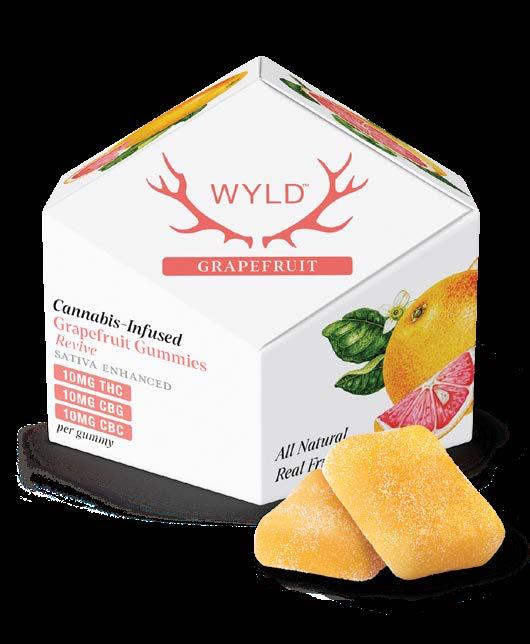
WYLD GRAPEFRUIT GUMMIES
A multistate success, Wyld’s soft gummies come in an array of flavors, ratios and effects. Lately, we’re drawn to the Grapefruit. This variety has 10mg each of THC, CBC and CBG to give you more of an uplifting, energetic feeling from your edible experience.
@WYLD | WYLDCANNA.COM
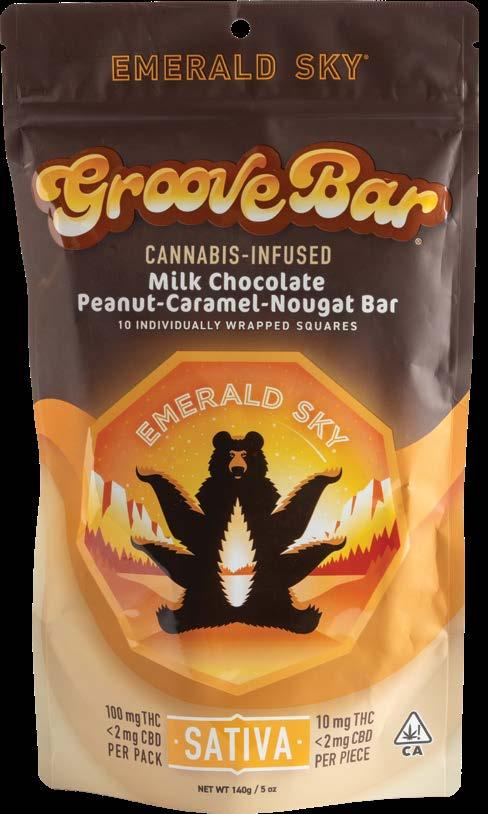
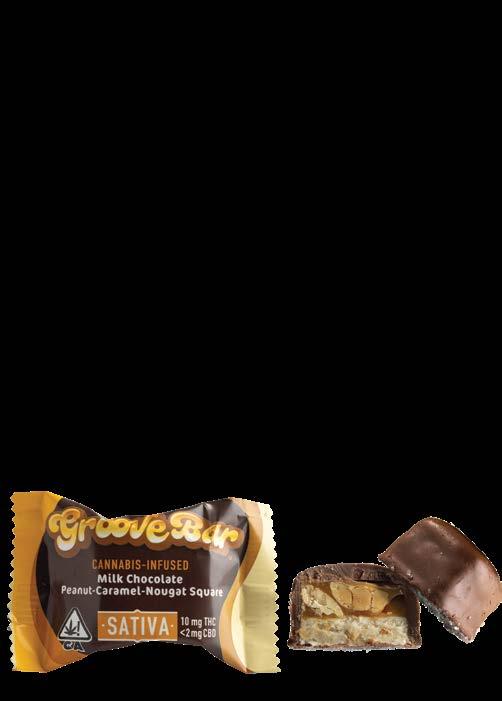
EMERALD SKY GROOVEBARS
The newest Emerald Sky product contains roasted peanuts, caramel and nougat in a chocolate shell. Don’t laugh, or even snicker, if we rank these above their delicious peanut butter cups. These are 10mg per piece and available as rosin or distillate as well as in hybrid, indica or sativa styles. @EMERALDSKYEDIBLES
EMERALDSKYEDIBLES.COM
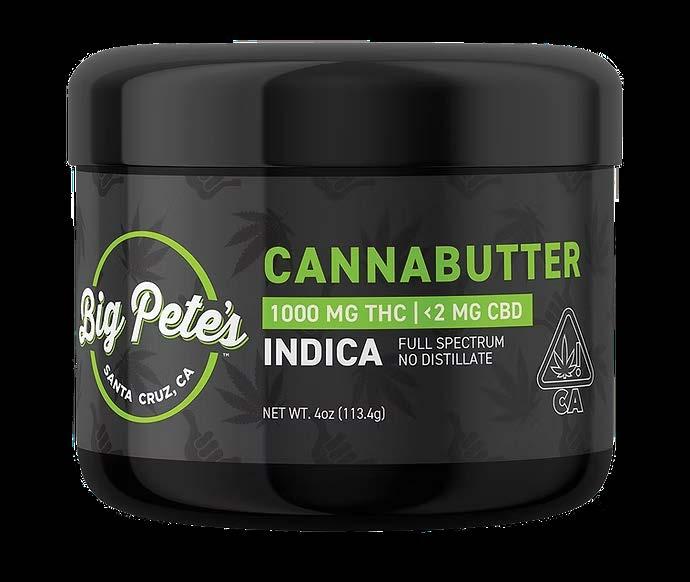
BIG PETE’S CANNABUTTER
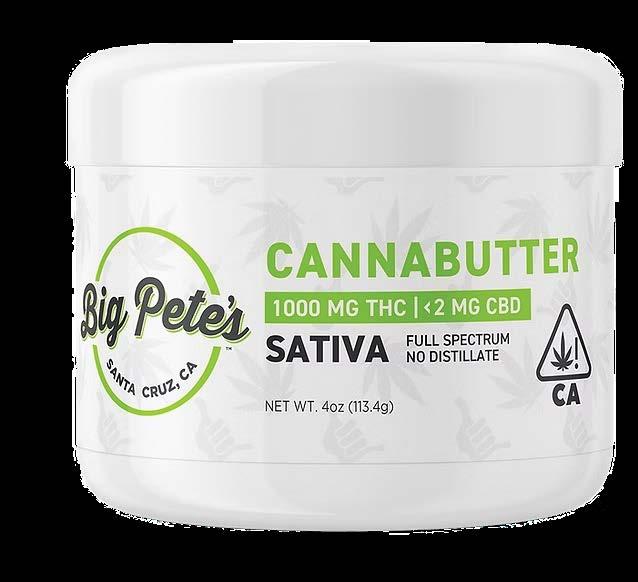
When you’re ready to make your own edible moments around the house, you’ll want this product handy. This 4-ounce jar contains 1,000mg of THC (10mg for every 1/4 teaspoon). Add this butter to your morning coffee, those freshly baked cinnamon rolls or even a perfectly grilled steak for some canna Ruth’s Chris Steak House action. @BIGPETESHQ | BIGPETESTREATS.COM
Snack Attack
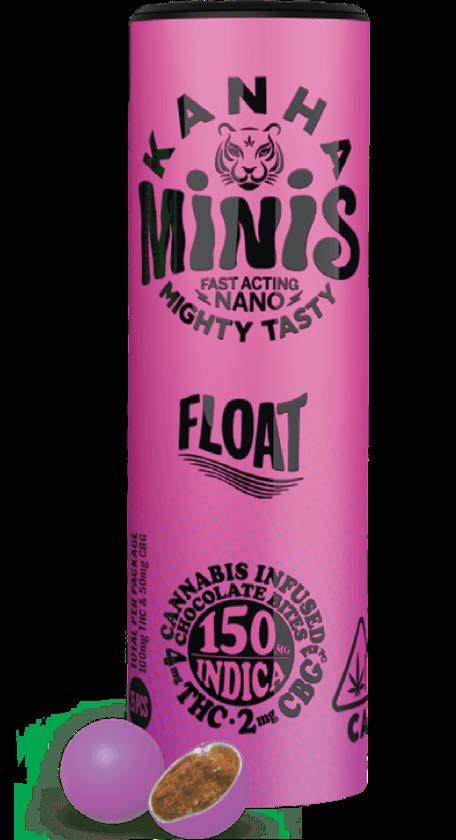
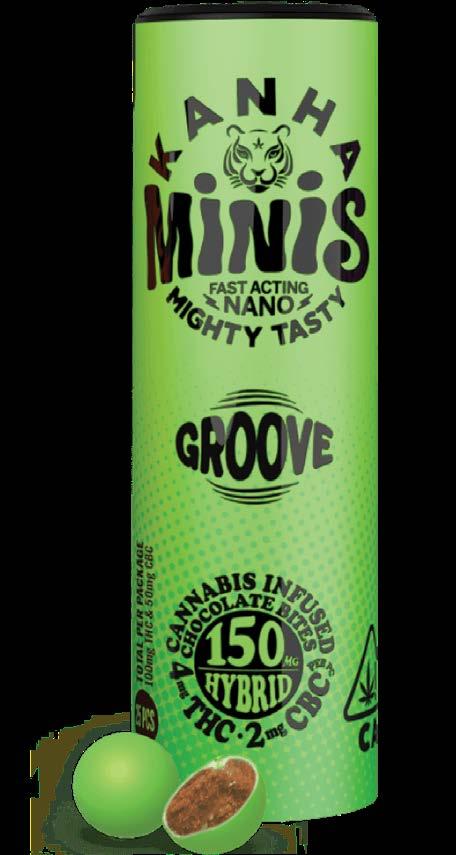
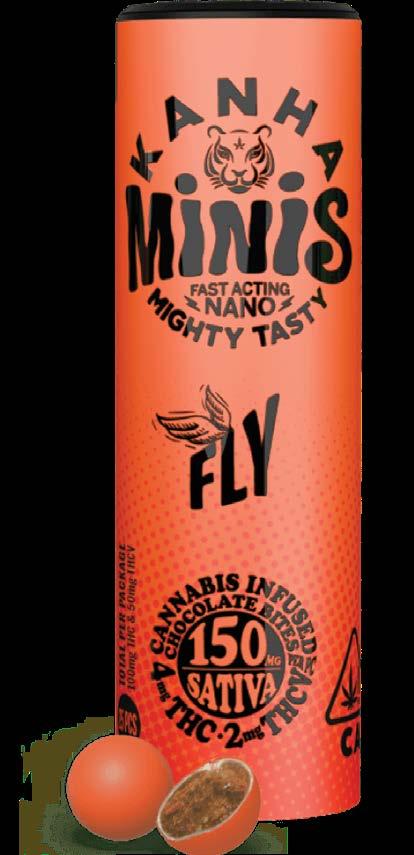
KANHA FLY FLOAT MINIS
Something bite-sized for the lower-tolerance crowd, these are hard-shell Belgian chocolate with 4mg of THC and 2mg of THCv plus green tea extract. Grab a handful after lunch to keep that creative edge while still enjoying a light buzz. After work, we also like the GROOVE with 2mg of CBC for mood-enhancing effects. @KANHABLISS | KANHATREATS.COM
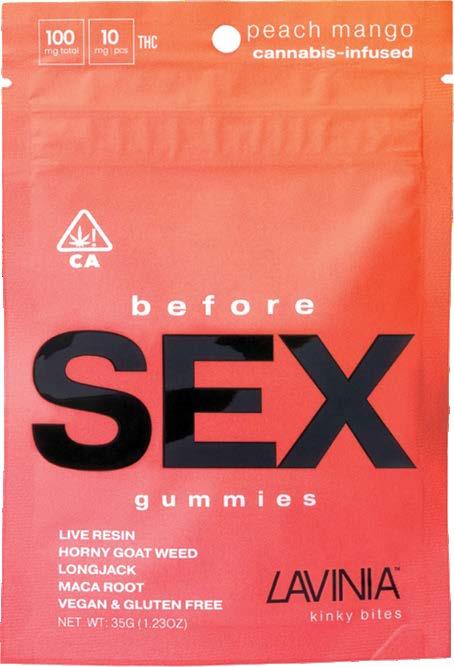

LAVINIA KINKY BITES
While most gummies sprinkle in a bit of CBN to spice things up, Lavinia goes a step further by adding maca root, horny goat weed and longjack to their 10mg live-resin edibles, intended to help ignite desire. Available in Peach Mango or Watermelon. @OH.LAVINIA OHLAVINIA.COM
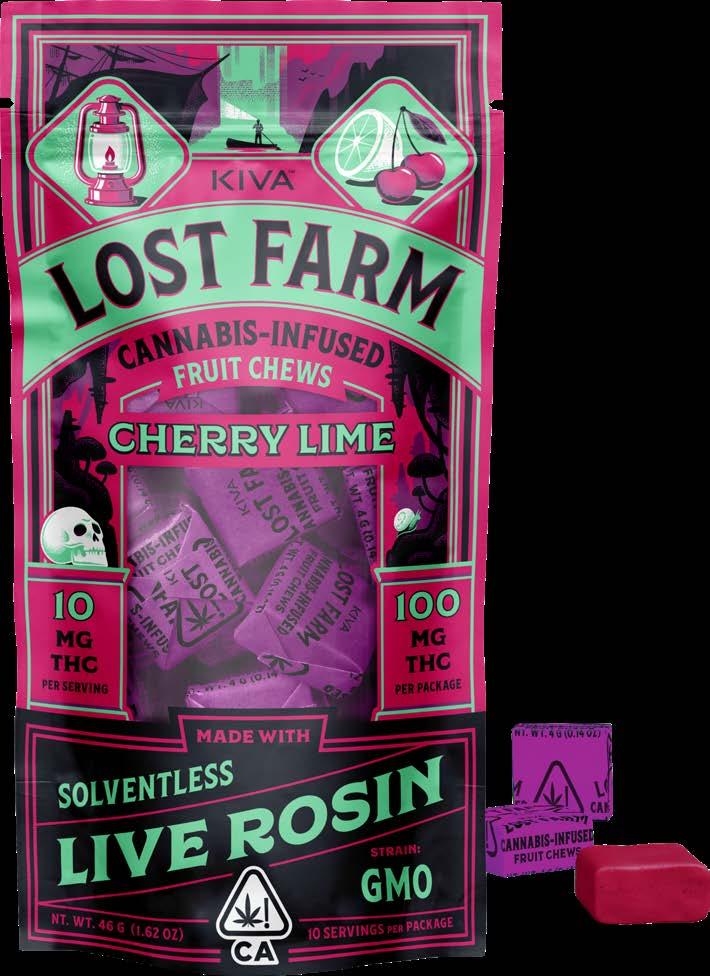
KIVA LOST FARMS CHERRY LIME FRUIT CHEWS
Made with rosin for that more gradual effect, these strain-specific edibles are for fans of that candy with a “burst” of fruit flavors. The Cherry Lime is tart yet sweet for a mouthwatering balance. These are made with the GMO strain and have 10mg per piece. @KIVABRANDS | KIVACONFECTIONS.COM
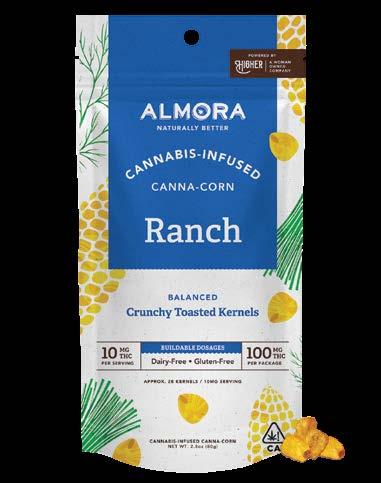
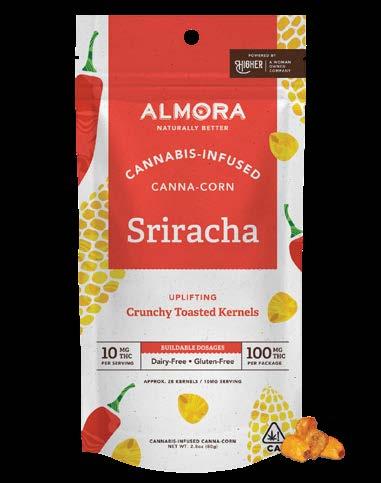
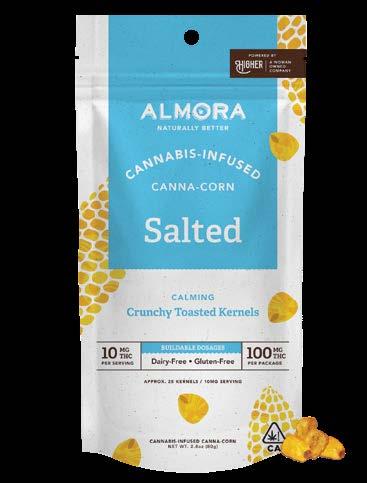
ALMORA FARMS INFUSED CANNA CORN
Finally, a snack you can eat a whole handful of without overdoing it. These crunchy, toasted corn kernels are made without gluten and dairy, and they come in three zesty flavors: Ranch, Salted and Sriracha. There are around 10mg for every 28 kernels, and each bag has 100mg. @ALMORAFARMS | ALMORAFARM.COM
Drink Up
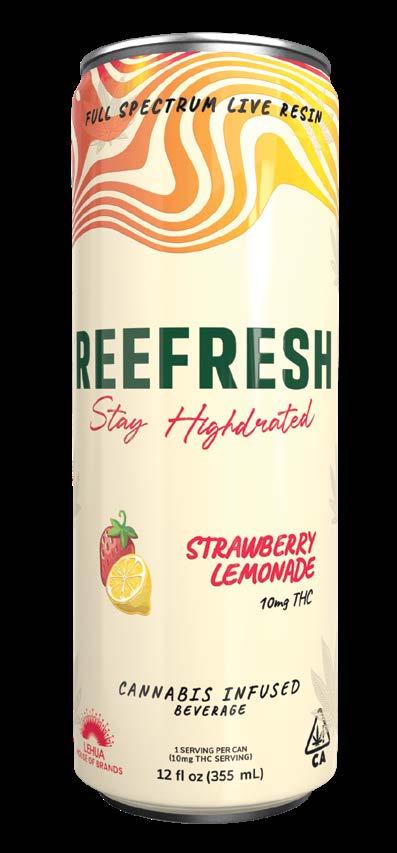
REEFRESH STRAWBERRY LEMONADE
Part of Lehua Brands’ Reefresh line, this 10mg drink is noncarbonated, gluten free, organic and crafted with low sugar in mind. It was also a gold medal recipient at the 2024 California State Fair Cannabis Awards. Like the other flavors in the brand’s tea/ lemonade line, this is sweet and delicious, and it mixes well with seltzer.
@DRINKREEFRESH LEHUABRANDS.COM
We tend to classify edibles as anything you can chew, but let’s not forget that the wide world of beverages also counts as part of the edible ecosystem. One of the great things about Cannabis beverages is the range of doses you can find, and people with a higher tolerance can get a 100-milligram dose in as little as a 2-ounce shot. As consumption lounges become more commonplace in California, we expect to continue to see the drink world grow.
KEEF ENERGY
XTREME HIGH OCTANE
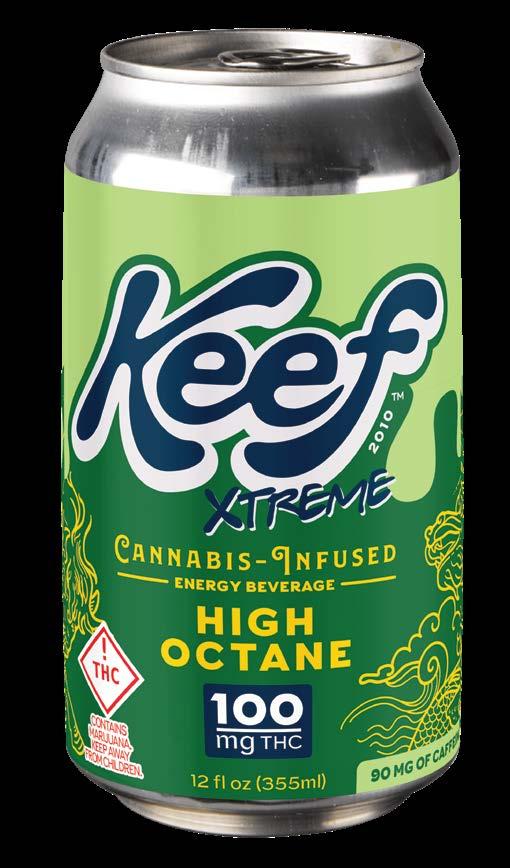
Keef’s Xtreme line gives its 100mg Cannabis-infused sodas a 100mg bump of caffeine (about as much as a cup of coffee). High Octane’s flavor blends citrus fruits like lemon and lime, and these beverages are made with a rotating variety of hybrid strains.
@KEEFBRANDS
KEEFBRANDS.COM
PABST LABS NOT YOUR FATHER’S ROOT BEER
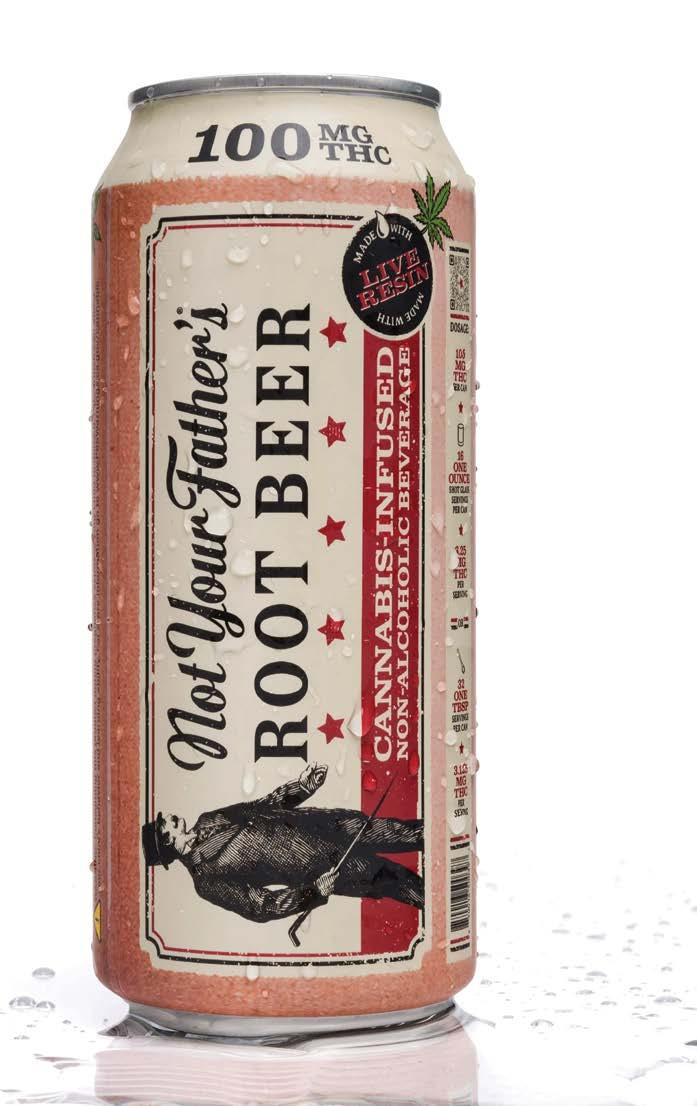
A perfect dessert drink, NYF started as an alcoholic beverage. Now, stoners can also enjoy a fancy root beer float, thanks to this 100mg medicated version made with live resin. You can also switch it up and go for the Cherry Cola version.
@PABSTLABS PABSTLABS.COM
UNCLE ARNIE’S SUNRISE ORANGE POWER SHOT
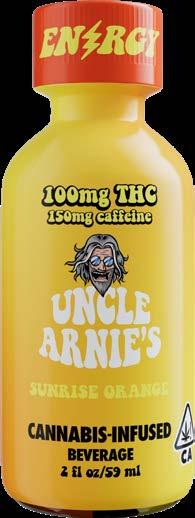
Uncle Arnie represents that stoner uncle in all of us, the kind that’s unafraid of slamming a THC-and-caffeine energy shot because it’s 5 o’clock somewhere. Arnie’s has become a stalwart part of the beverage community. Famous for its teas, we prefer a 2-ounce shot with caffeine and 100mg of THC.
@OFFICIALUNCLEARNIES
UNCLEARNIES.COM
MANZANITA NATURALS
HELLA HIGH WATERMELON
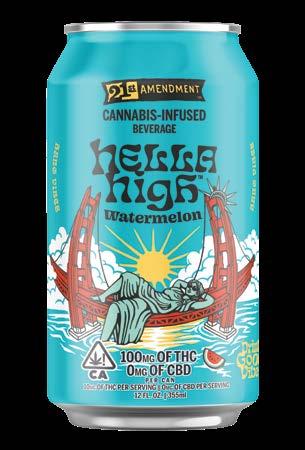
Created as a partnership between Manzanita Naturals and 21st Amendment Brewery, this noncarbonated drink is an explosion of watermelon flavor. Hella High represents not just a coming together of craft beer and Cannabis, but also a celebration of Bay Area culture. These are available in 12-ounce cans with either 100mg or 10mg potencies.
@MANZANITANATURALS
MANZANITANATURALS.COM
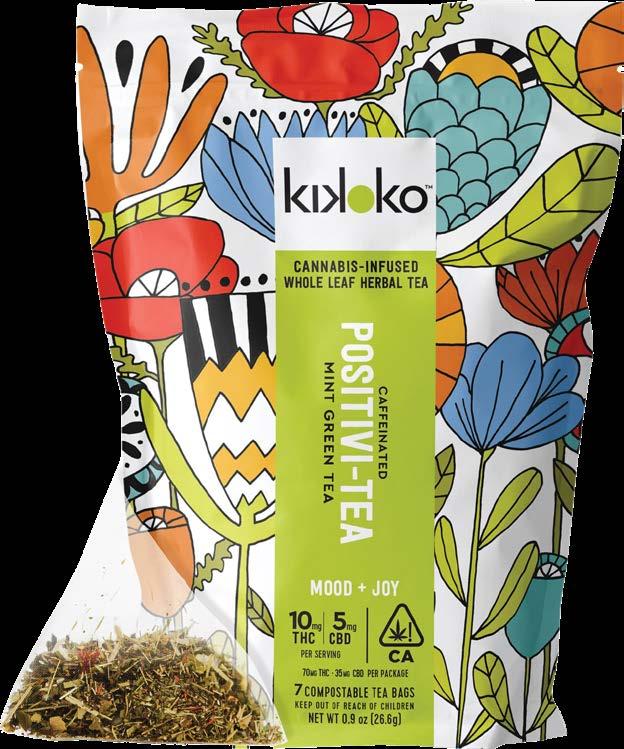
KIKOKO POSITIVI-TEA
A nice warm cup of tea can be enjoyed day or night, and that’s where this mint green tea comes in. Lemon myrtle, liquorice root, peppermint, spearmint, lemongrass and green tea make for an uplifting and relaxing blend that’s only 10mg per cup. If you want to add a little extra to your tea, check out the brand’s 10mg manuka honey shot.
@KIKOKO_HQ | KIKOKO.COM
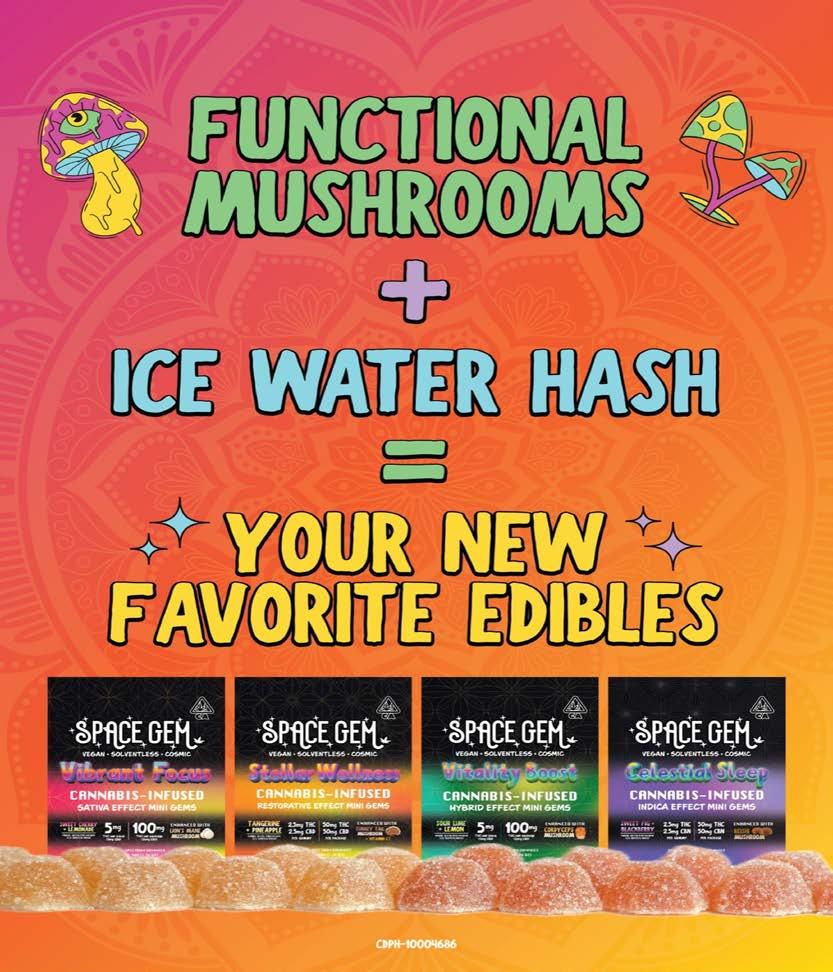
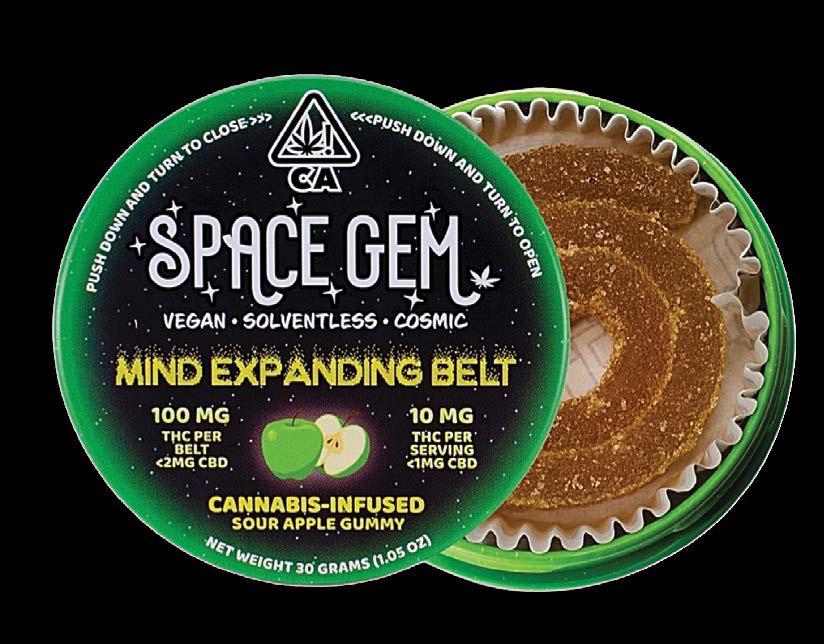
SPACEGEM

In the feast-or-famine tumult of the California Cannabis industry, true survivors need vision and a clear sense of purpose to keep a seat at the table. That’s probably why, after 13 years, Space Gem has grown into one of the most respected edibles brands in California Cannabis. Founder Wendy Baker isn’t just sitting at the table but setting it.
FLAVORS TO TRY
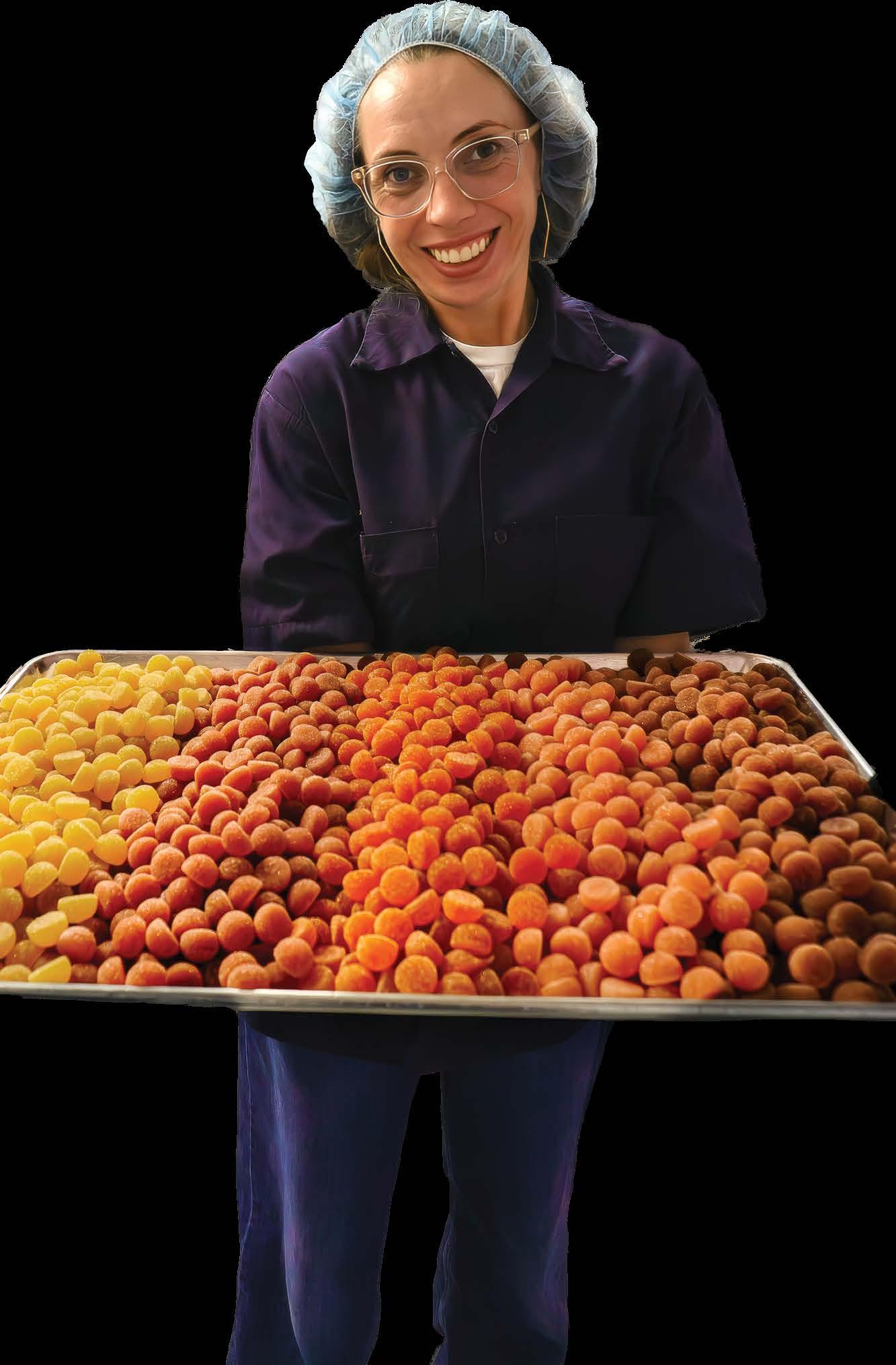
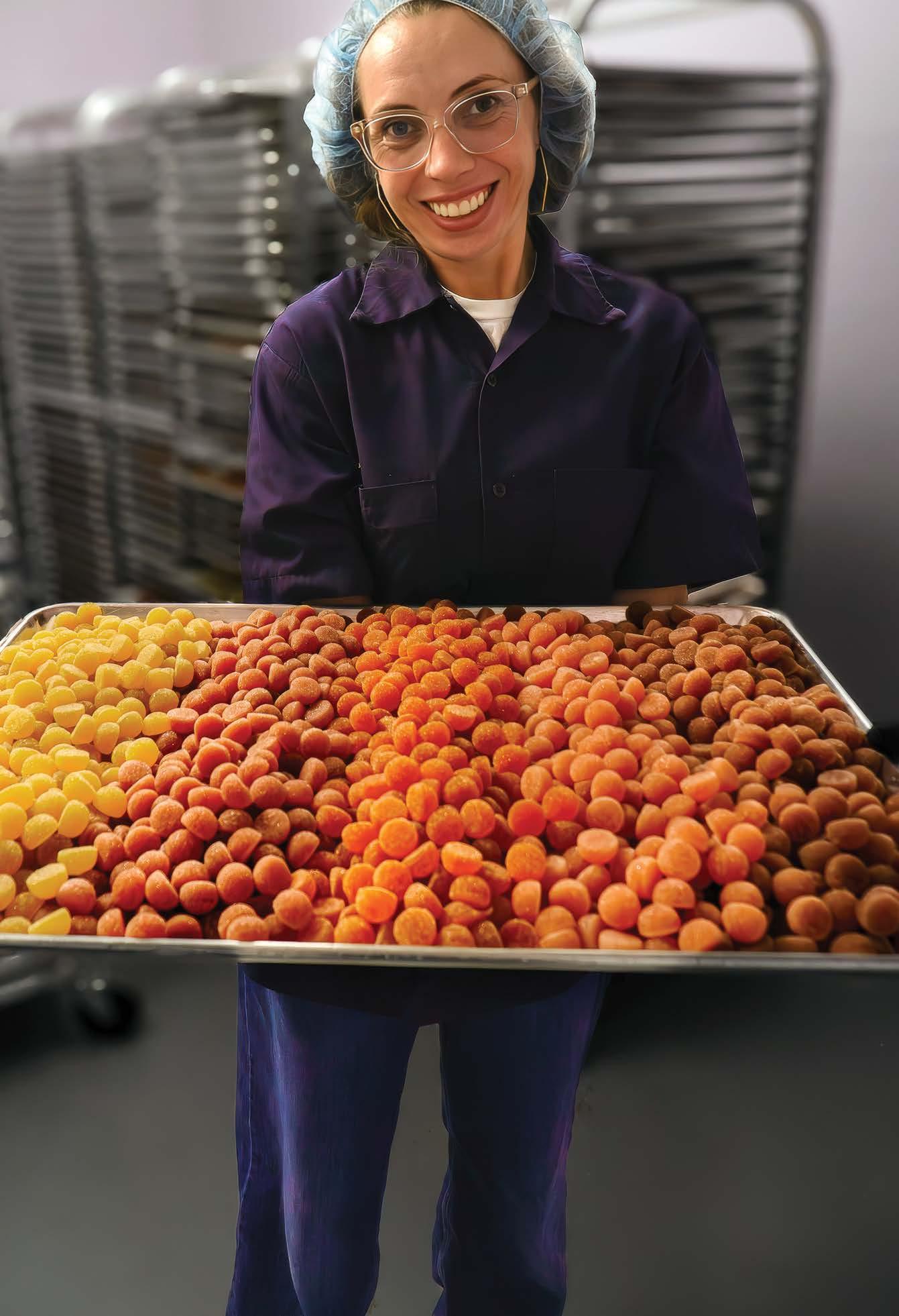
ALL SPACE GEM GUMMY CANDIES use solventless ice water hash that is activated through a heating process called decarboxylation before being bonded with coconut oil.
The OG classic Space Drops still come in multiple flavor and cannabinoid variations, with a 1:1 THC:CBD version providing a strong counterpoint to the high THC experience.
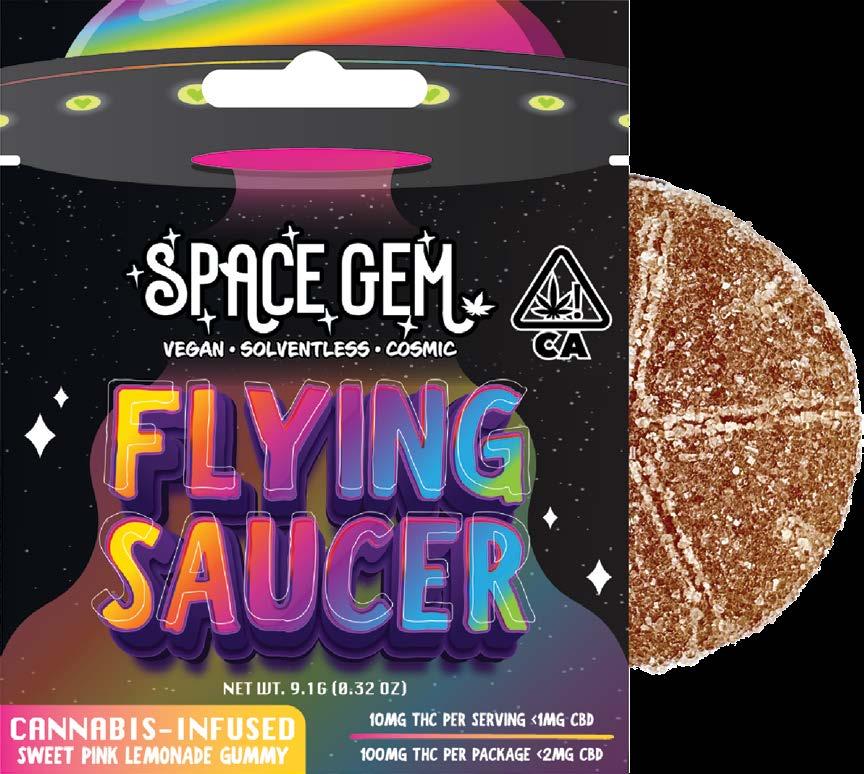
The high-potency Flying Saucer comes in a selection of mouthwatering flavors, including the zippy Sour Tangerine.
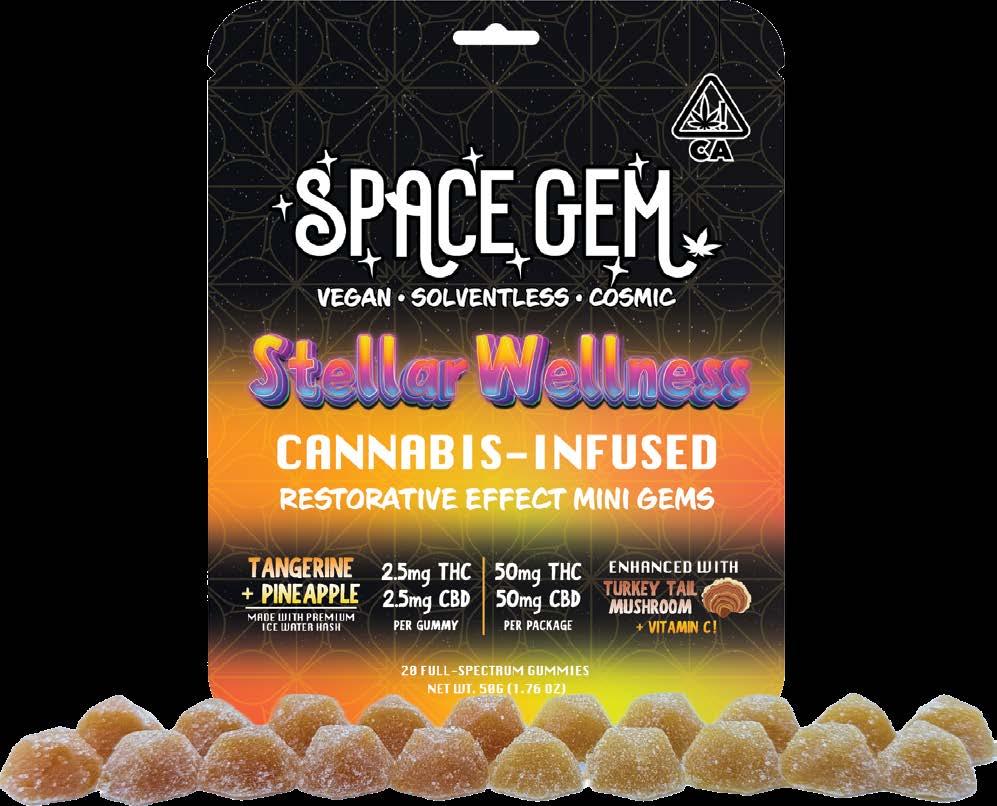
Also puckeringly delicious, the Sour Watermelon Mind Expanding Belt packs 100mg of THC into a strip of confectionery goodness, and the functional-mushroominfused Mini Gems offer options to suit your desired mood, from the Vibrant Focus Sativa in Sweet Cherry flavor to the Celestial Sleep Indica, in Sweet Fig flavor.
IN AN INDUSTRY driven by multi-state licensing deals and reactionary, market-driven pivots, founder Baker continues to operate head-down in Humboldt County, leading the pack in her own lane, making the smart choices for her brand.
Baker built her company with a clear vision of making high-quality edibles using ice water hash as the activated ingredient — a choice that quickly set Space Gems apart from the rest of the field.
“I feel like the ice water hash is a better high,” Baker said in a conversation with Leaf in November. “I feel like it’s cleaner. It’s more like flower. It’s not as messed with, not as processed.”
Baker collaborates with Have Hash founder, Jacob Stockwell, who provides the high-grade solventless hash for her entire line.
“I think we’re almost on eight or nine years now,” Baker said. “We’ve been working together for so long; we just know how to work together.”
The proof, as they say, is in the pudding. Baker’s high-quality gummy candy lines consistently win awards, accolades and shelf space at more than 350 retailers statewide.
With the respect she’s found on the California market, one might expect Baker to seek licensing deals in other states, jumping into the ring with other brands trying to position themselves for quick growth and market dominance. While she’s not necessarily opposed to the idea, she also knows that relinquishing control over operations in order to open new states could compromise the quality of her products in those markets. That’s something she can’t abide.
“I’m very open, but I’m also very protective of my recipe just because that recipe is mine,” Baker said. “I can do whatever I want, basically. I’m from Humboldt,




said, referring to the new tradition of winding down the week with one of the hard-hitting gummies. Last Friday, I ate one. I closed my eyes, and I felt like I was leaving my body almost. You know what I mean? I only ate 30% of the gummy. I just took a bite of it.”
“Every Friday we have flying saucer Fridays,” Baker said, referring to the new tradition of winding down the week with one of the hard-hitting gummies.”

With the Mini Gems and Flying Saucers lines launched and flying high, Baker plans to hunker down in 2026 and focus on operations.
It’s going to be a year for fine-tuning processes, ensuring they can keep up with demand, and continuing to dial in their quality and consistency.
She wants to keep people hungry for new treats by spacing out new releases.
so that was a big learning curve, learning how to keep them in stock.”
While there are new huge announcements on the immediate horizon, Space Gem will be adding new SKUs to its Flying Saucers line, which Baker sees as a major point of differentiation for her brand in the crowded California edibles market. She’s also prepping for the launch of a podcast episode she recently recorded with James Loud (@jamesloudpodcast).
For this Cannabis edibles pioneer, it’s all about steady improvement, intentional release schedules and not getting distracted by shiny object syndrome. After all, this isn’t about overbuilding to make a quick buck. This is about legacy.
“This is what I want to do for the rest of my life,” Baker said. “You know what I mean?”




ROSE DELIGHTS

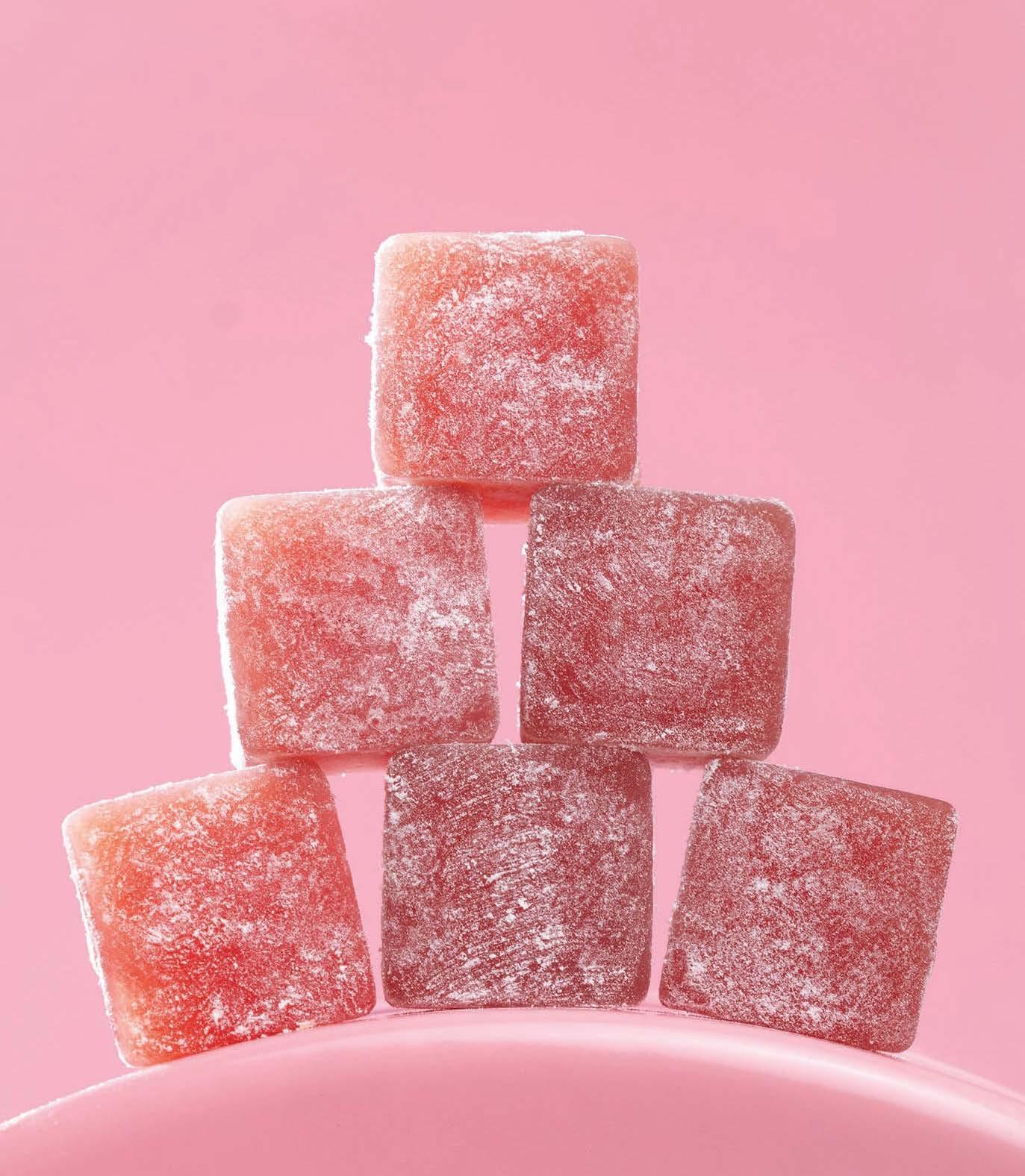


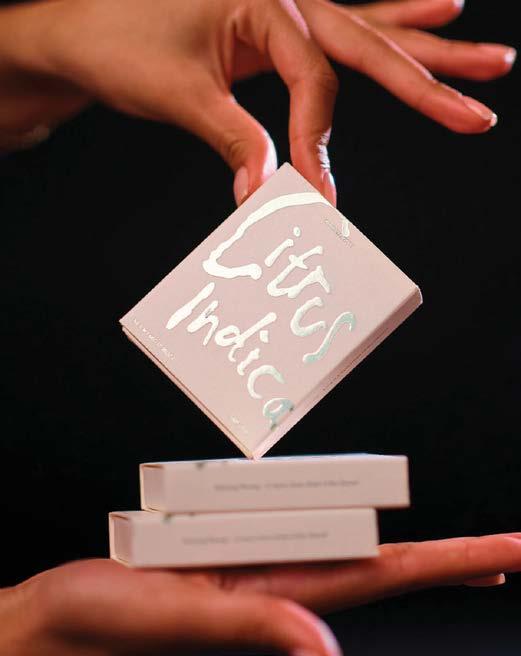
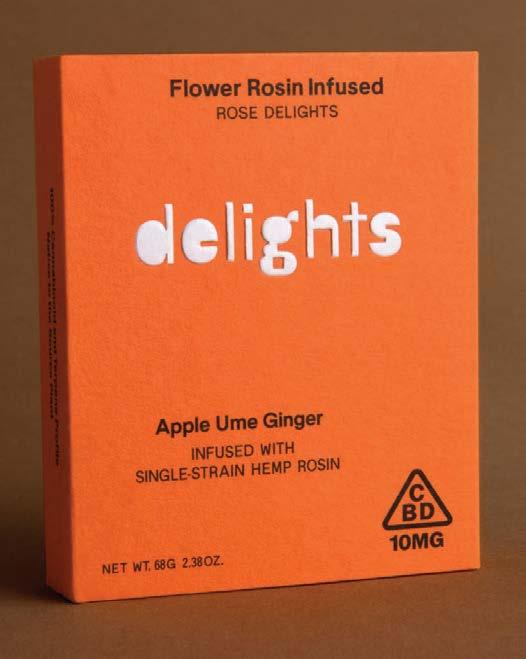
Based in San Francisco, Rose Delights continues to be the only company putting out a unique and beloved confection among traditional candy heads: the Turkish delight.
INFUSED WITH single-source, strain-specific flower rosin, this modern-day take on one of the oldest sweets in the world was created by co-founders Nathan Cozzolino and Scott Barry.
Rose Delights are more than just high-end gourmet edibles. Cozzolino once told Vanity Fair that he saw California’s reputation for growing amazing produce as well as some legendary varieties of Cannabis, and he wondered why the two weren’t being paired.
Since launching in 2019, the team at Rose has partnered with a number of incredible names in the culinary space and been featured for their work in publications like Bon Appétit, Vogue, the Los Angeles Times and The Wall Street Journal. The brand earned a reputation for reaching far beyond the usual assortment of flavors and inspiring renowned culinary artists and innovators to turn the idea of an edible on its head.
Almost all of the ingredients you’ll find in these flavors are grown right on Rose’s farm or are the result of friendships they’ve formed with California farmers who specialize in hardto-find produce varieties of fruits, vegetables and, of course, herbs. Rose is proudly the first company in the California recreational space to use only flower rosin. As stated on the company’s website, the Rose team believes flower rosin conveys “the purest expression” of each strain.
Around last year, the brand moved away from store accounts in favor of a direct-to-consumer model. With the new developments regarding the hemp ban, the future for brands like Rose, which uses hemp-derived THC for its edibles, could be uncertain. We asked Cozzolino about his feelings on the forthcoming restrictions. “Obviously, I think allowing brands to sell directly is imperative for the future,” he told California Leaf.
In terms of how it will affect the business, Cozzolino believes that the ban will change between now and next year when it’s set to go into effect. “I think hemp and Cannabis should be treated as equals and regulated like alcohol,” he added.
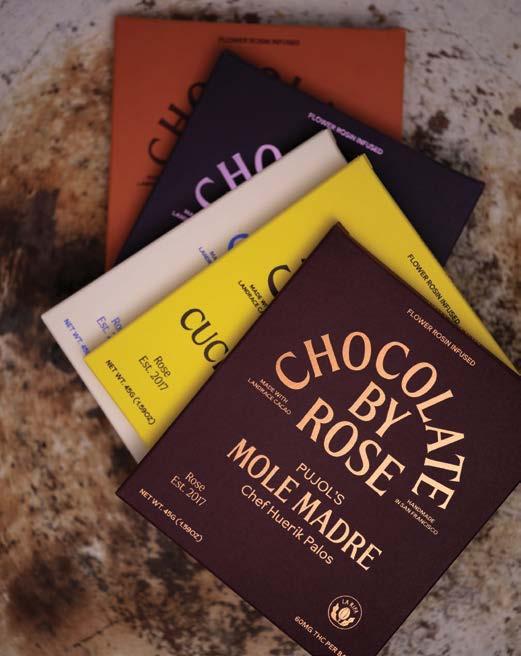
Despite federal uncertainty, Rose is continuing to look toward its next combination of flavors. Cozzolino said that in the kitchen of their Bay Area facility, they’re planning even more for 2026, especially with the first drop of their newest offering: gourmet chocolate bars made with landrace cacao.

FLAVORS TO TRY
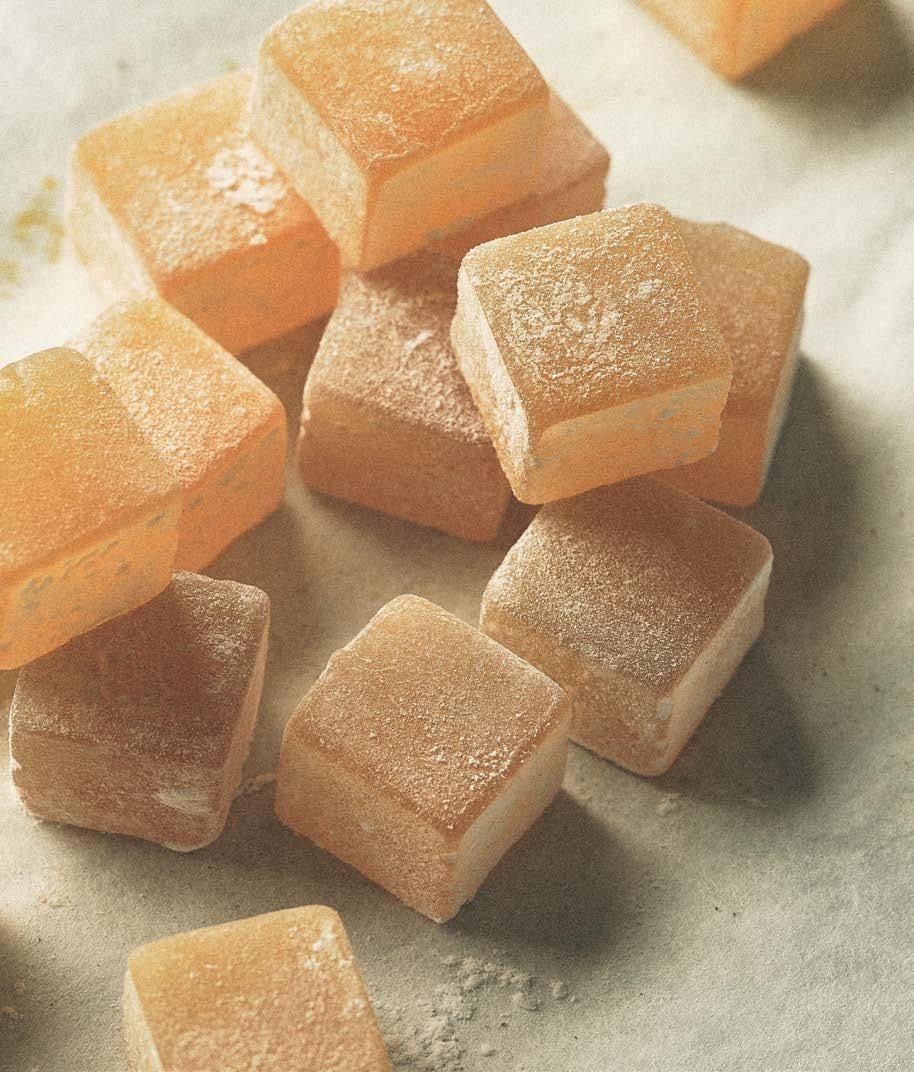
Apple cider from Mendocino’s historic Anderson Valley orchard, Bernie’s Best is made from a mixture of fresh-pressed apples. In addition to the cider, these edibles also contain organic ginger juice for zip as well as Rose’s ume plum syrup, which is made in-house. Each piece has 5 milligrams.
MAGICAL GRAPES
Collaborating with chef Virgilio Martínez, this recipe uses a rare and difficult-toproduce Japanese variety of grape called Shinano Smile along with hand-muddled ginger and pink pepper. Each piece has 5mg of THC and 5mg of CBD.
CITRUS INDICA
Three uncommon types of citrus make up this collaboration with BBC’s Dan Saladino: Seville oranges, Page mandarins and Carrizo citrange juice. This edible attempts to recreate the flavor of Citrus indica, the most sacred orange in the world. Each piece has 5mg.

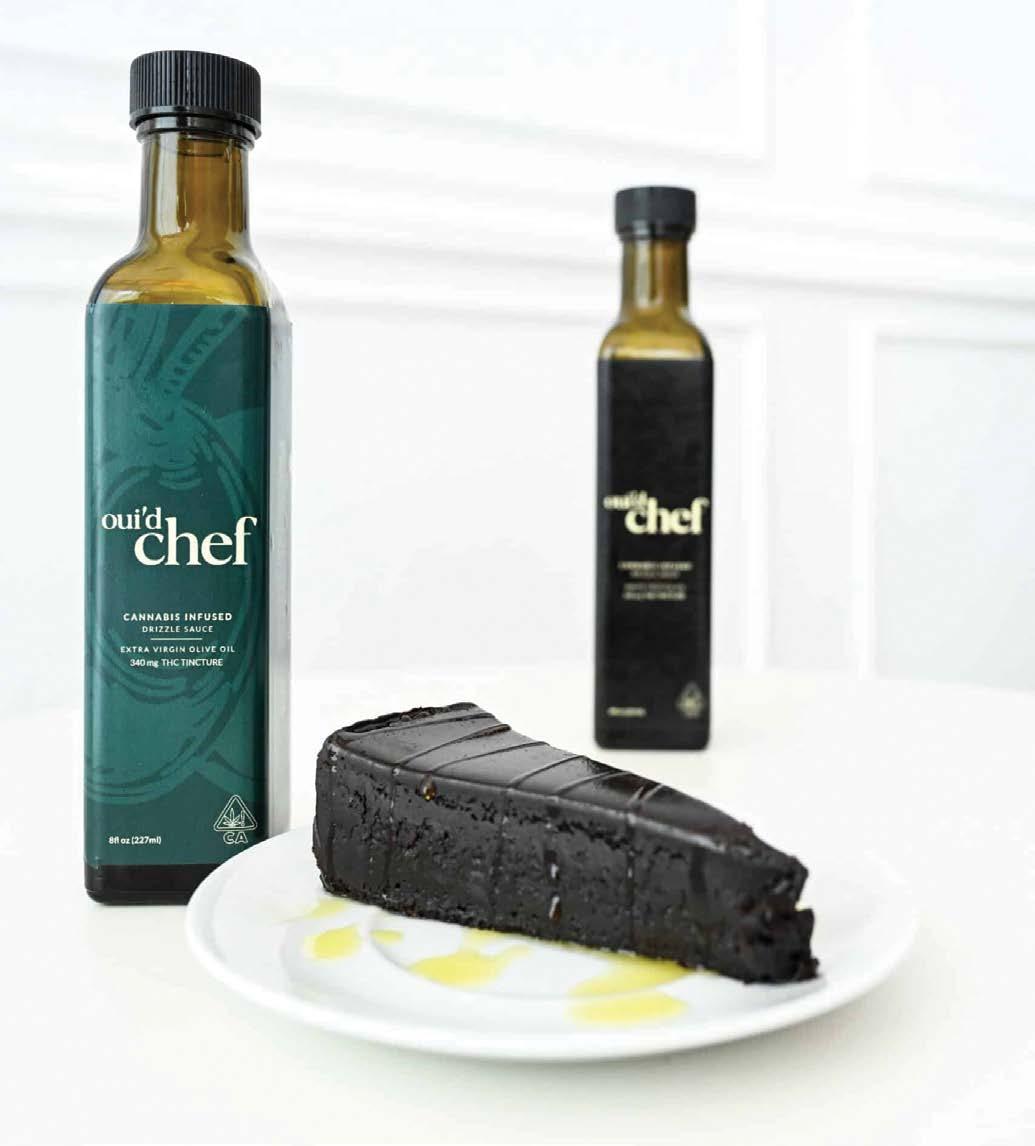
OUI

just one use. Lehua Brands’ family of brands might be known for beverages and vapes, but this newest product capitalizes on a culinary trend that they see as still emerging: the drizzle oil.
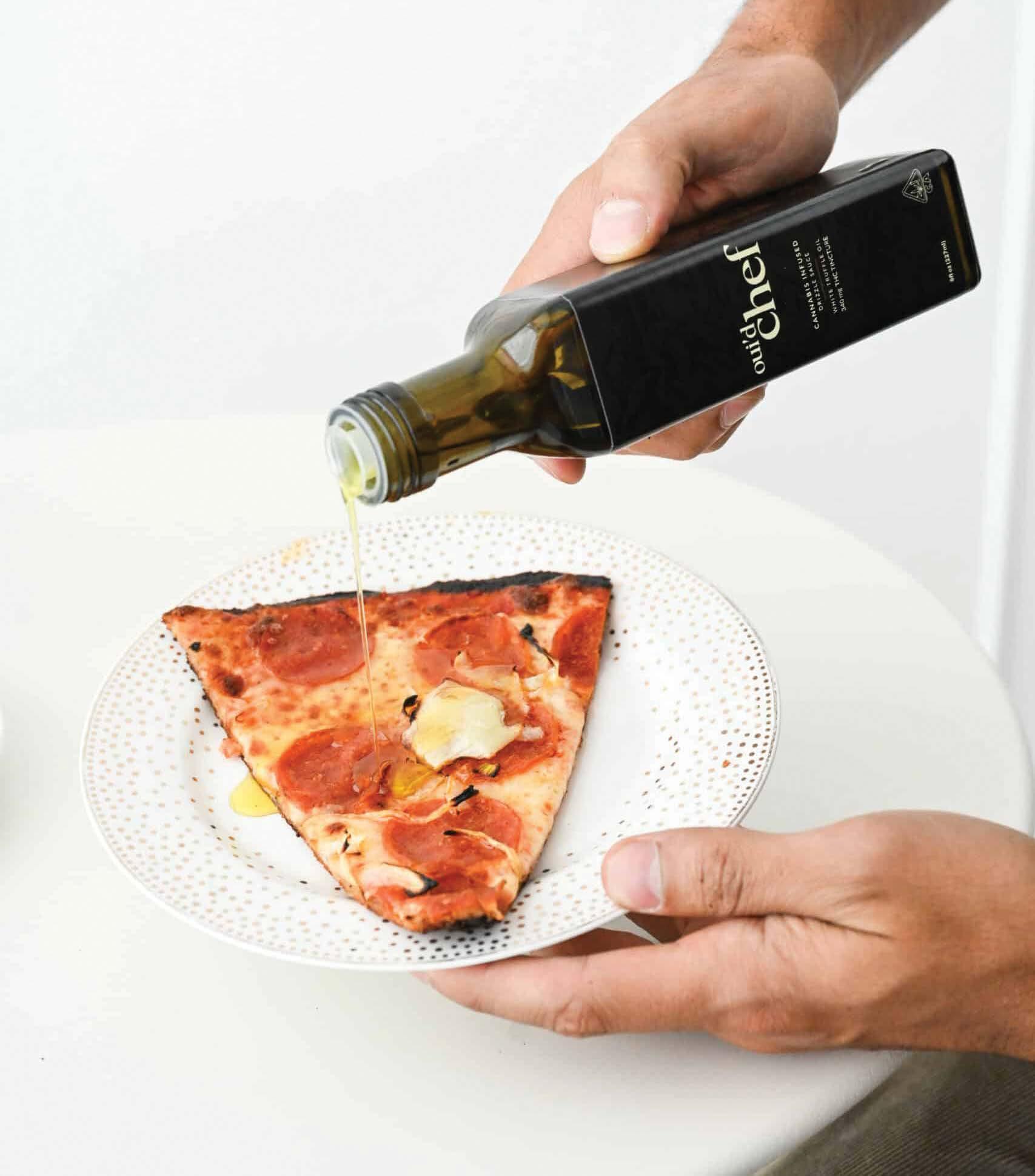
PERFECT FOR sushi, pasta, ice cream, pizza or freshly baked bread, Yorgi Spanos, Lehau’s marketing director and Oui’d Chef creator, wanted this product to be something you reach for to season with more than for cooking. Vegan and gluten free, this oil falls perfectly in line with the recent rise of people cooking at home to combat rising food costs.
Instead of the usual edible assortments, Oui’d Chef lets you open the door to the possibilities of infused hummus, focaccia, roasted vegetables or carpaccio. Imagine crafting trays of THC tapas for your next dinner party that everyone can try without the fear of overindulgence.
Food is how so many people connect. Lehua believes these microdose finishing oils are perfect for bringing people into the world of edibles without the hurdles of sugar issues, low tolerance or dietary restrictions. Spanos said he wants the Cannabis in this oil to complement the food rather than overpower it.
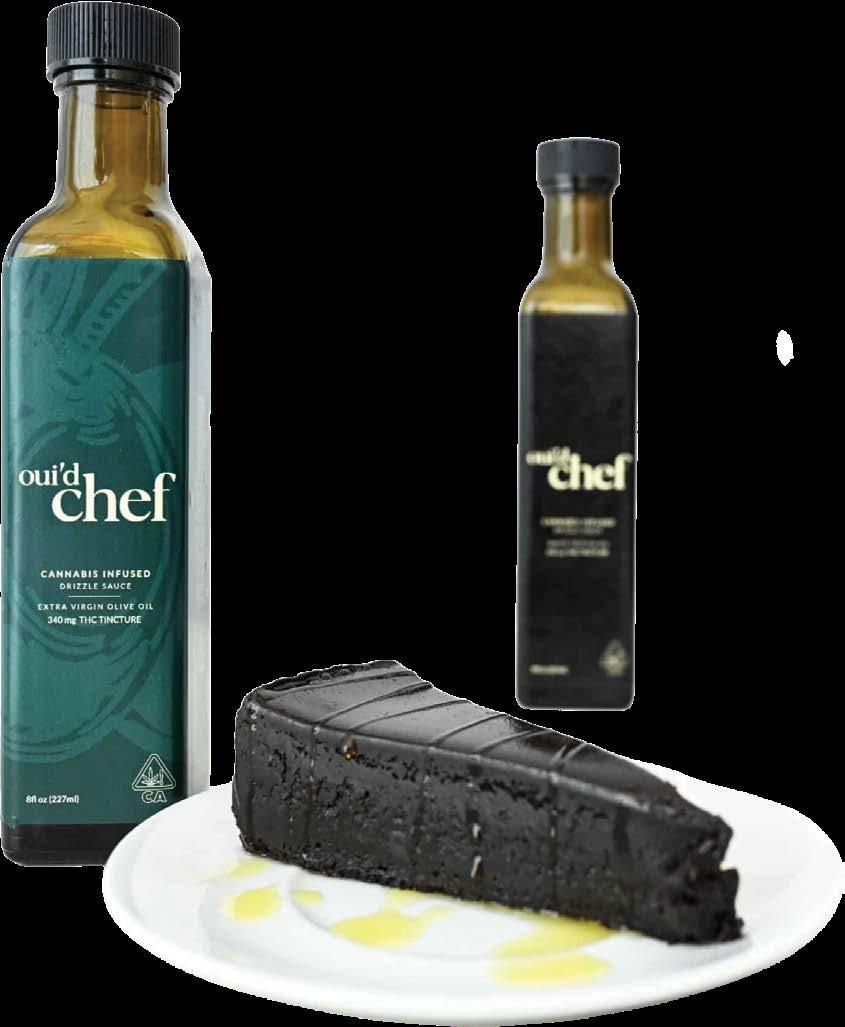
Even the bottle and packaging were designed to be something that fit into a spice rack rather than calling attention to its psychoactive properties. More than just a way to craft high-powered edibles, Spanos said he believes that “Cannabis does and should have a spot in the kitchen.”
Oui’d Chef even lists recipes on its website that you can use at home to dazzle guests with your drizzle.
But take this reporter’s advice: Perhaps the best thing to use this oil on is some water buffalo soft serve ice cream from Palace Market in Point Reyes.

FLAVORS TO TRY
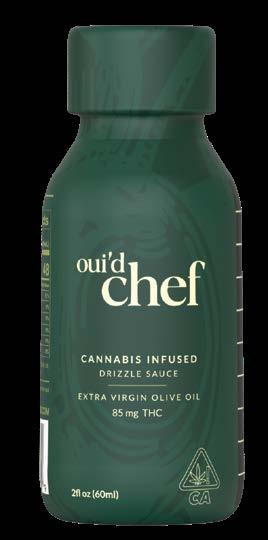
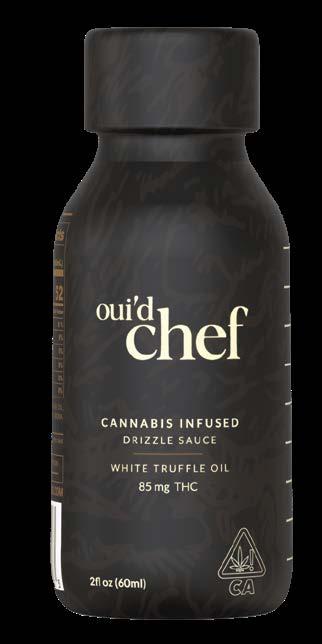
OUI’D CHEF’S DEBUT COLLECTION contains two varieties: cold-pressed, California extra-virgin olive oil and delicate Italian white truffle oil. Every capful of oil contains roughly an 8.5-milligram serving of THC, and 2 ounces has about 85mg. It’s also available in an 8-ounce bottle.



















KUSHMAS DECOR
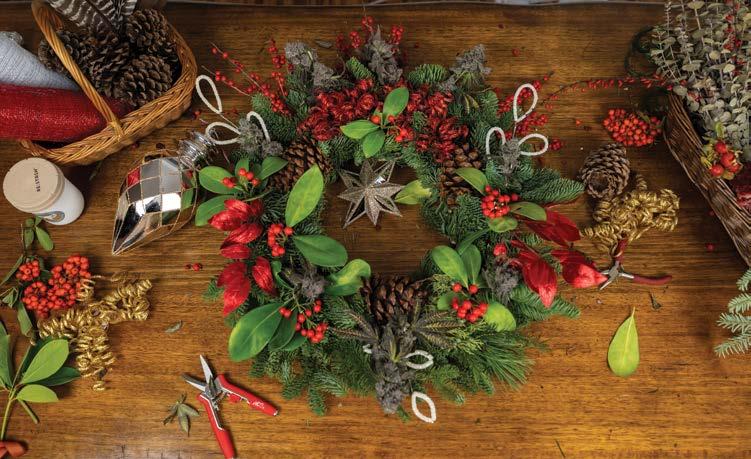






There is a moment every year when the air turns crisp, the trees fall quiet and the scent of wet pine lingers in a way that feels older than memory. The season shifts, and suddenly the world begins to mirror something ancestral — something carried forward long before malls, hyper consumerism and elaborately packaged gifts.
OUR ANCESTORS welcomed winter with their hands in the elements, harvesting herbs and gathering foliage, twisting evergreens into circles meant for protection, gratitude and honoring the cycles of life. These wreaths weren’t ornaments; they were offerings to the land and reminders of our place within it.
Winter has always had a way of slowing us down and calling us inward. Every true OG knows that call — the moment when the pace drops, the senses open and you feel the presence of something older guiding you back to yourself. And sometimes it arrives as simply as a ganja chalice passed your way: an invitation to pause, breathe in gratitude and reconnect with your creative, free, Indigenous spirit.
This is the season of wild-harvested creation.
DIY GUIDE
What you’ll need:
- An open heart
- A creative mind
- Clippers/garden shears
- Gardening gloves
- Wire wrap
- Ribbon or twine
- Double-sided tape
- A circular base frame
- Foraged foliage
- Aromatic herbals
- Pinecones
- Seasonal berries
- Cannabis nugs
1. Prepare Your Foraging Spirit
Before heading out, pause, breathe and offer gratitude to the land, the ancestors and the plant relations joining your creation. This moment turns a craft into a ceremony.
Bring: Clippers
Gloves
Garden or winter boots
A basket or waterproof bag
Rubber bands or twine
A drop-proof 16-ounce nontoxic vessel or a
RE:STASH jar
When we craft with nature, we honor a lineage of makers who shaped beauty out of what the land generously offered. Their traditions were never complicated. They were heartfelt, handmade and rooted in a community’s relationship with Earth Mother.
Rekindling the instinct to forage, gather and create with what’s already around us is a practice that reawakens the Indigenous creative within—reminding us that creativity has always been ceremony, and ceremony has always been tied to land.
Let this be your invitation this holiday season to reawaken the wild artist inside and strengthen your bond with the living land that sustains us. Step away from the mass-produced and back toward what is Earth-grown, seasonally available and resonant with living spirit.
2. Harvest With Respect
Gather what nature freely offers: fallen branches, evergreen sprigs, pinecones, seed pods, cedar tips, juniper berries, mistletoe, rosemary and aromatic herbals. If you harvest from a living plant, take only what’s needed and offer gratitude. As Hawaiians, we say “Ho‘oponopono” three times — “I’m sorry, please forgive me, thank you, I love you.
3. Build Your Base
The circle is our oldest teacher — moon, seasons, drumbeat, medicine wheel. Shape your wreath using grapevine, willow branches, fallen sticks or a biodegradable frame. Twist gently and let the natural curve guide your shape. Imperfection feels alive.
4. Layer Your Greens
Wrap evergreen, cedar, holly or rosemary around your frame, securing with twine or wire. Let botanicals overlap like pinecone scales to build fullness and structure.

5. Infuse the Green
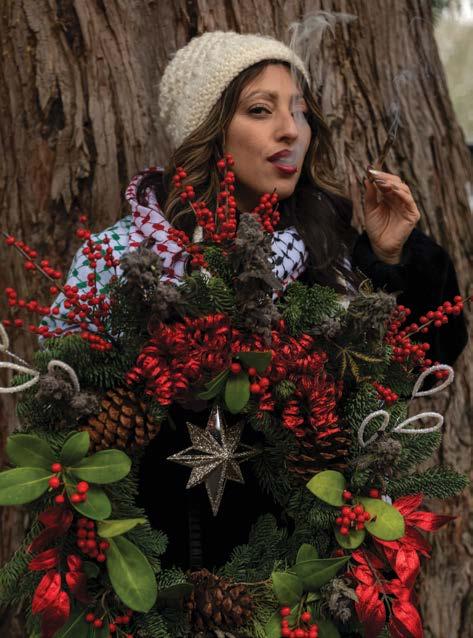
A holiday wreath isn’t complete without a touch of Cannabis. Eastwood Gardens of Portland, Oregon, blessed us with fresh-cut Runtz Horchata fan leaves and frosty nugglage for a dank seasonal glow. Cluster Cannabis fan leaves using double-sided tape, then tuck trimmed nugs into greenery and secure with wire wrap.
6. Incorporate Winter Offerings
Add pinecones, rose hips, sage, cinnamon sticks, dried citrus or ornamental pods. Secure each piece well.
Symbolic blessings:
Cedar for protection | Pinecones for rebirth Juniper for cleansing | Rosemary for remembrance Cannabis for creativity, healing and community joy
7. Bind and Bless
Wrap a final line of fishing wire, ribbon or twine to hold everything in place. Create a loop for hanging. Hold your wreath, close your eyes and whisper your intention: “May this wreath offer peace, joy, creative inspiration and a spirit of healing to all who behold it.”
8. Display With Pride
Hang it on your door, in your home, above your altar or in your sesh nook. Let it remind you that creativity is medicine and winter offers wild gifts.
Happy holidays, OGs. As we move into a new year, remember: Every season is a chance to “Elevate Your Fate and Re:Indigenate.”





RYAN ROSBURG

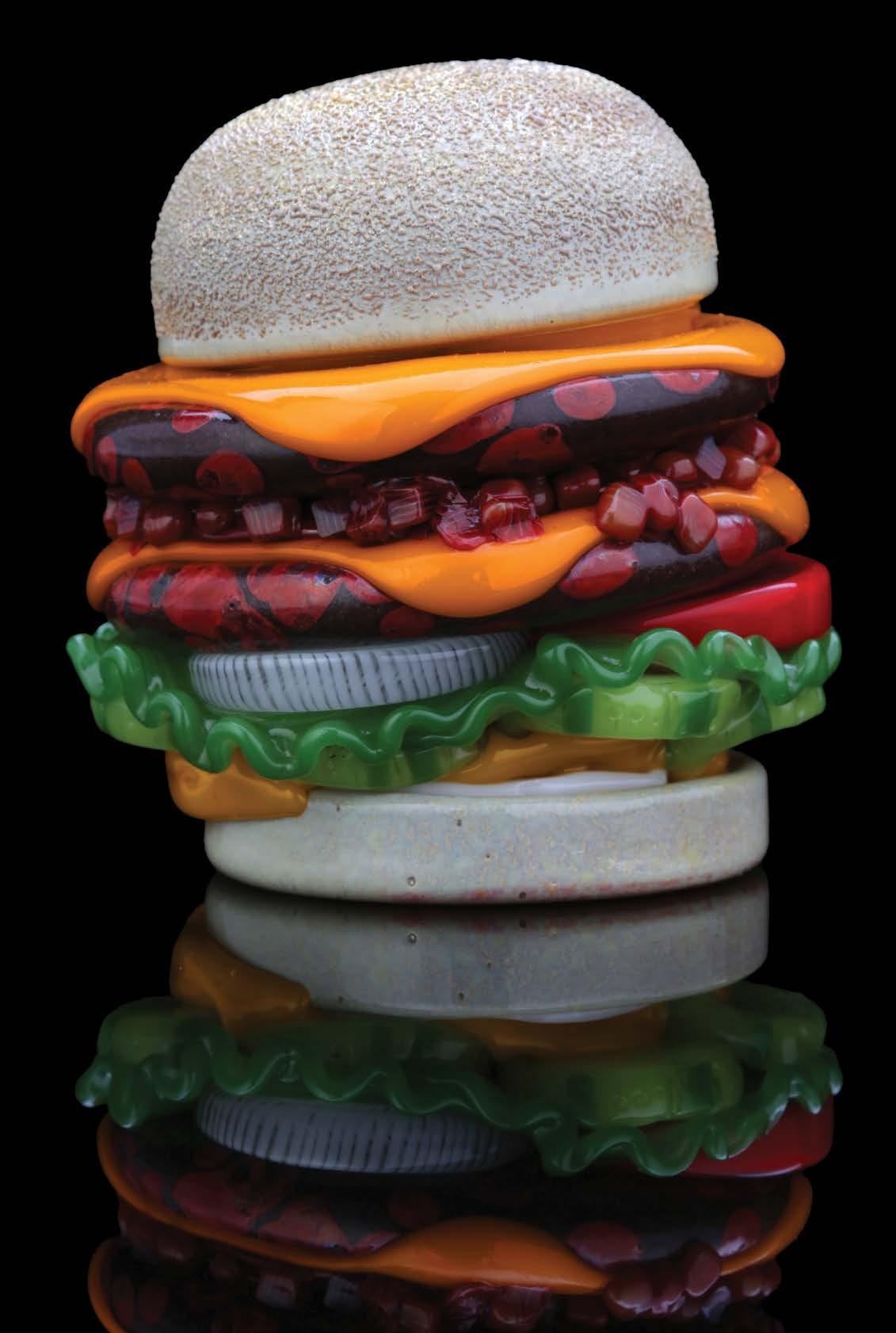

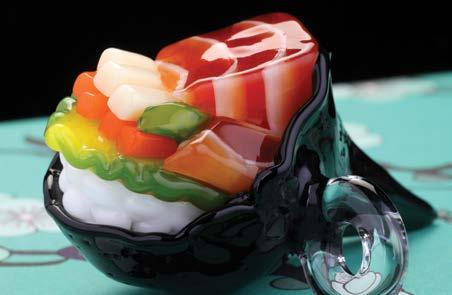
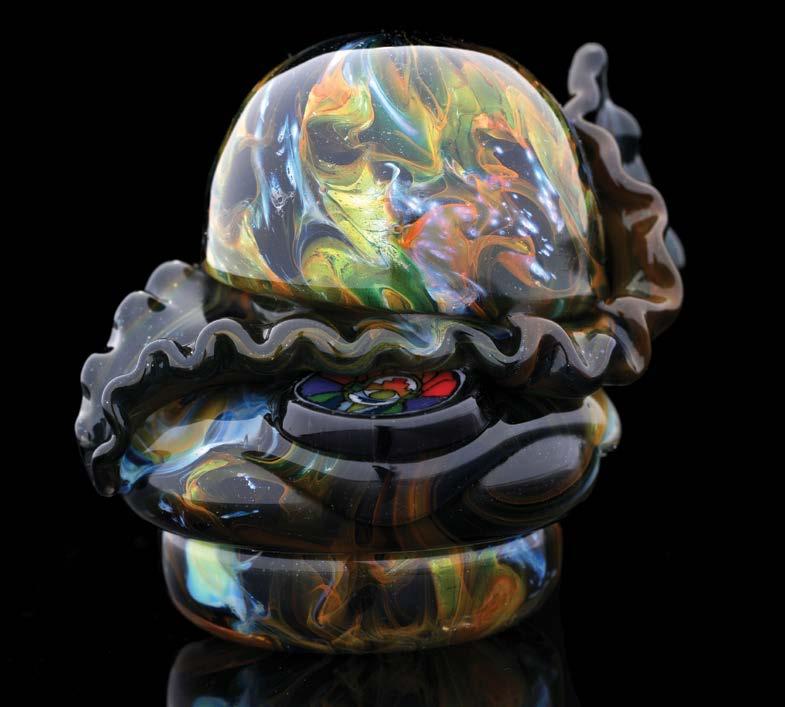
Ryan Rosburg is 46 now, but he was just 15 years old when he started melting glass. As a child, the now-glass artist was obsessed with fire and drawn to anything creative, so it was a natural progression for Rosburg’s artistic output to be led by the torch. Or, as Rosburg put it, “If I’m really honest, I would say that after I smoked weed for the first time, I really wanted to make things to smoke weed out of.”
HE SAID his biggest influences early on were sculptural soft glass legends like Lucio Bubbacco and Milon Townsend. He was inspired by the way they worked with scale and the attention to detail in the figurines they made.
Another major inspiration for Rosburg was the 19th-century duo from Bohemia in the Czech Republic, brothers Leopold and Rudolf Blaschka. The glass artists are best known today for their botanically correct models of plants that were commissioned for, and still remain at, the Harvard Museum of Natural History. In one amazing feat, they created around 4,400 glass models that represent over 830 plant species.
That inspiration took root for him in Colorado, where — while growing up and after just getting on the torch — Rosburg was fortunate enough to make the acquaintance of glass artist Homer Hoyt. Hoyt is worldrenowned for authoring his 1989 book, “Glassblowing: An Introduction to Solid and Blown Glass Sculpturing.”
He became a mentor of sorts to Rosburg, who said Hoyt was “helpful with advice and really kind. He was older in those days, but still very sharp and present. My first reamer and graphite tools were handed down from him.”
Rosburg continued to develop his craft in Colorado until 2016, when he landed in The Whiteaker, an arts district and well-known mecca for glass artists in Eugene, Oregon.
He’s still there today, continuing down the rabbit hole, where his use of borosilicate glass and flameworking creates stunningly realistic pieces of art that supersede many others who attempt the same craft. The first piece I saw of his was an extremely realistic miniature burger pendant.
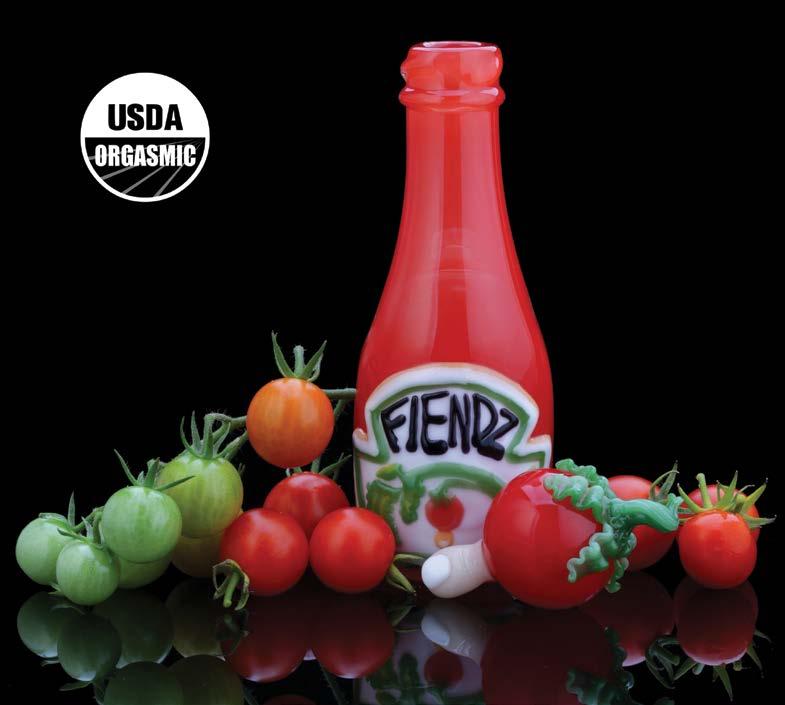
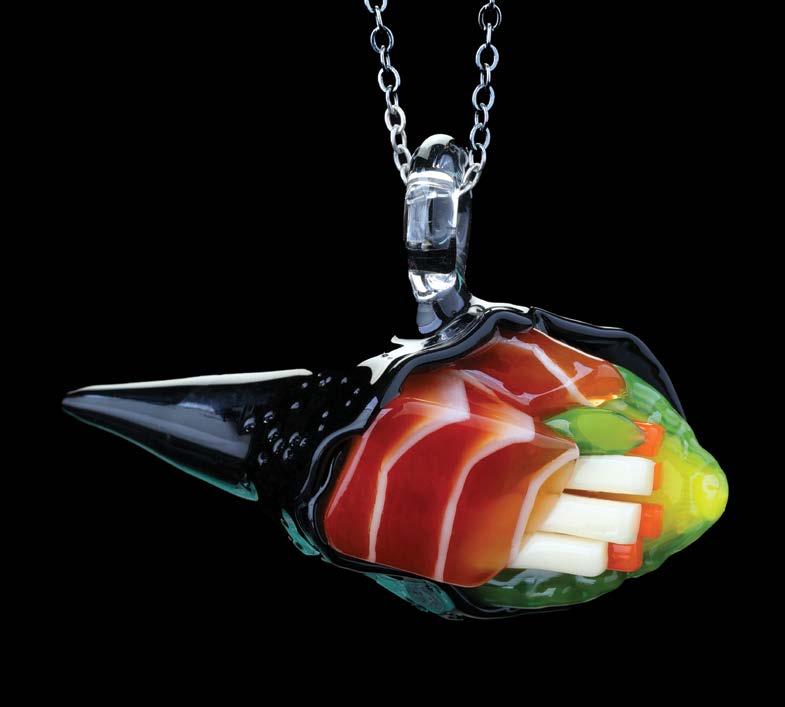
I was blown away by the level of detail and proportion; needless to say, I’m still a huge fan.
These days, his repertoire includes all manner of edible delicacies and anatomically correct sculptures.
In the future, he said he plans to continue expanding his portfolio to include more expressive works — kind of like storytelling in a way — in whatever direction his imagination leads.
While talking to Rosburg, I had to ask, “What are your visions for the future of the glass art industry?” He said it’s a “big question.”
“I really have no idea what’s in store for the future of all things, but I do know that people will always keep doing it,” Rosburg said.
“There will be glass art, glass pipes and the people who enjoy making them, plus the people
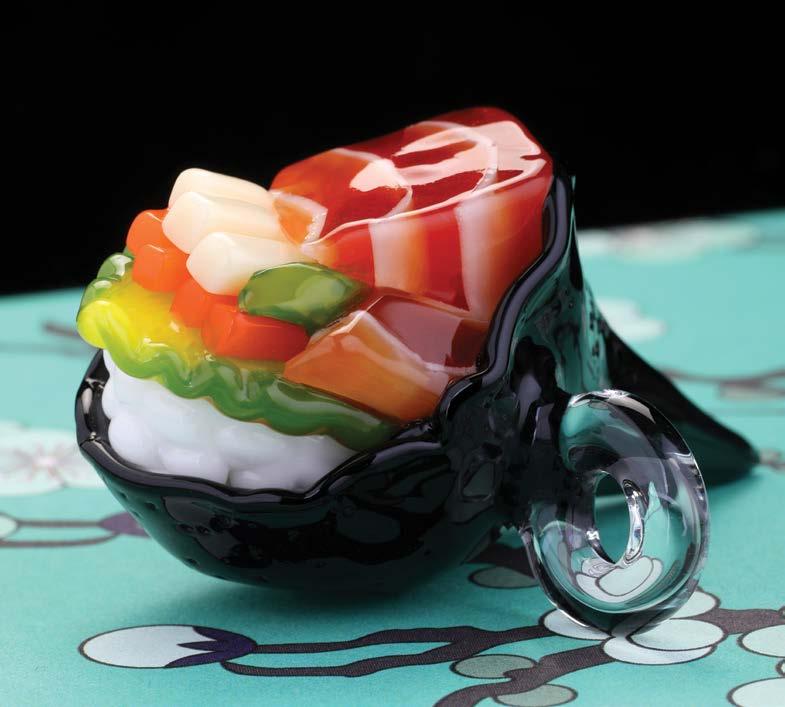
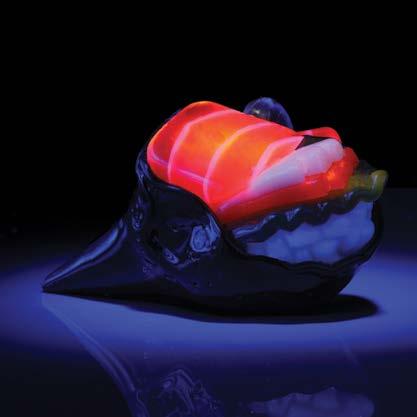
who support it. There will also be those who don’t support our industry, and we’re still under the thumb of hands much bigger than our own.”
“Our reach is limited and still pretty underground. I see that every time I watch a current movie and see an old acrylic bong that just looks like the old, outdated relic that it is,” Rosburg said, adding that it’s likely how many people still view the pipe industry today.
“A device for burnouts and the reckless left over from the hippies of the ‘60s and ‘70s,” Rosburg said. “Movies are an effective zeitgeist for trends, and it seems we really haven’t quite made it to the stage yet.”
@ROSBURGGLASS

These days, his repertoire includes all manner of edible delicacies and anatomically correct sculptures.

HOW CANNABIS INSPIRES ART

OVCHARKA INDUSTRIES
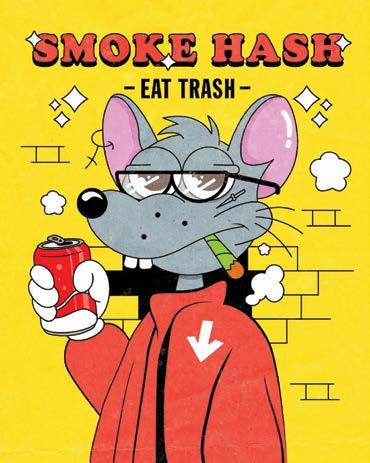
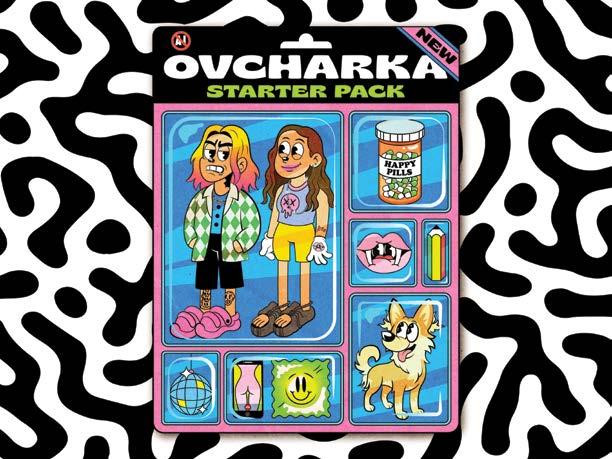
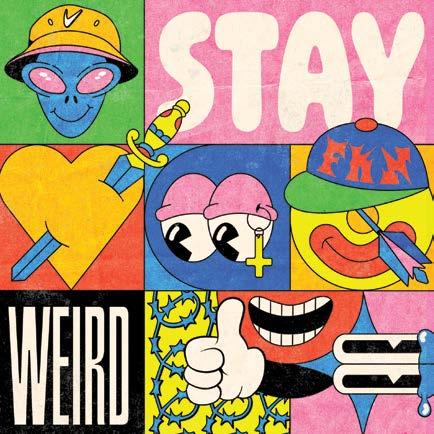
Artist collective Ovcharka Industries creates vibrant and humorous graphics and animations that blend modern techniques with a visual style that’s heavily inspired by the animation of the 1930s.
YOU’VE PROBABLY come across some of their art while scrolling through Instagram. Described by one of their clients as “dystopian bubblegum,” they say what sets their work apart is keeping a sense of humor to the art.
Cassie and Darlene are full-time artists who have crafted a life traveling together while working on jobs for brands like Apple, Liquid Death, Adobe, and Wiz Khalifa’s Mistercap’s.
Both illustrators and designers, Darlene also handles art direction while Cassie does incredible animations for their work. Since around 2020, the pair has worked freelance after leaving their full-time jobs and devoted themselves to their own merch as well as working with clients.

One of the easiest ways to sum up their work is Betty Boop on acid, and indeed there is a focus on cartoonish hedonism in their colorful illustrations. Many of their pieces feature smiling bongs, dancing nugs, or flowers and clouds sharing cartoonishly large joints, but despite having a running theme of consumption in their work, they told us that they don’t consider themselves big stoners. “We actually don’t smoke that much,” Darlene said in our interview. “We collaborate with brands in the Cannabis space mainly because our style fits so well with that culture: bold characters, humor and a bit of chaos.”
Darlene followed up with a point that really sums up a big part of why I started this column.
“Rather than Cannabis shaping our art, it’s more that our art naturally resonates with that audience,” she said. Proving that it’s not the amount you smoke or how much top-shelf you have that dictates how connected you feel to the plant, or how connected the community feels to your artistic style.

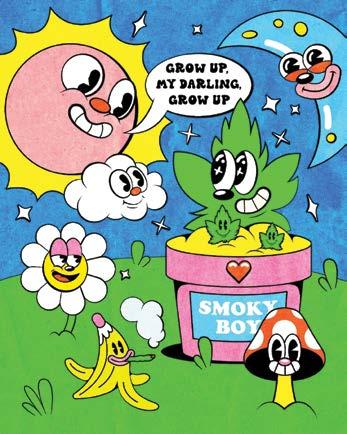

Their workspace in Thailand is a collection of large screens and inspirational totems, where they say you can hear “mostly phonk and techno” coming out of the speakers. Alongside that, Darlene told us there are usually horror movies playing in the background. “One of the last ones that shocked us was ‘Together’ from 2025,” she said. Although they break up the continual
feed with global news, as it “keeps things interesting,” Darlene noted.
Most recently, they released a buildable poster with Layer By Layer Prints in the U.K., which lets you place the pieces down until you’ve created a piece of 3D art for your home — a must-have gift for the holiday season.

“ONE OF THE EASIEST WAYS TO SUM UP THEIR WORK IS BETTY BOOP ON ACID.”

GREEN CROSS OF TORRANCE

Wrapped 2025
welcome to our 2025 wrapped. this page is a look back at the strains, collabs, and shop favorites that made this year special. it’s all about celebrating the highs, the moments, and the products that kept the good times going.

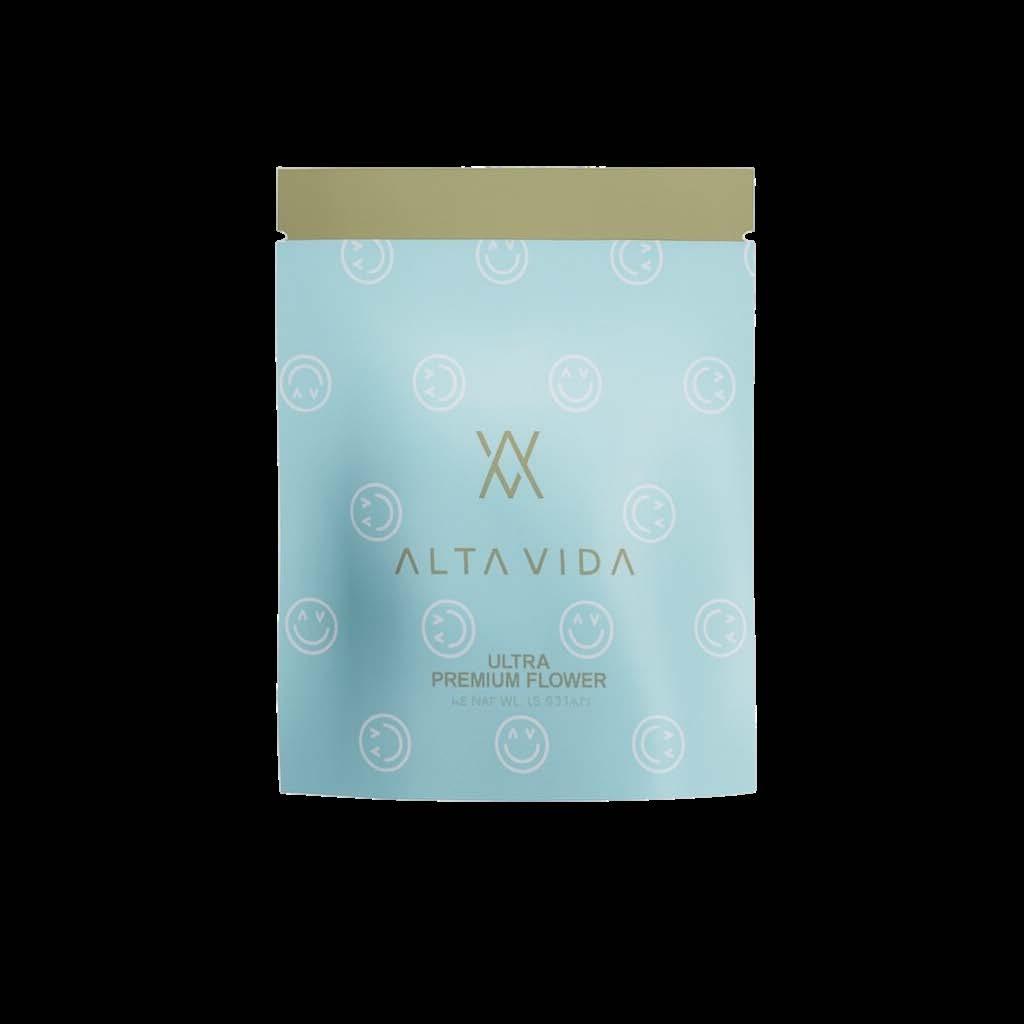
Top Seller Game Changer
a shop staple and customer favorite, Alta Vida 1g has stayed the go-to pick of 2025.

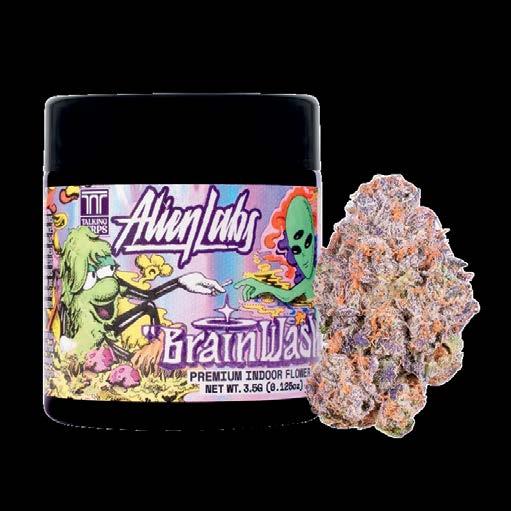
Collab of the Year
talking terps x alien labs brainwash went crazy this year everyone at the shop loved it, and the high lives up to the name.


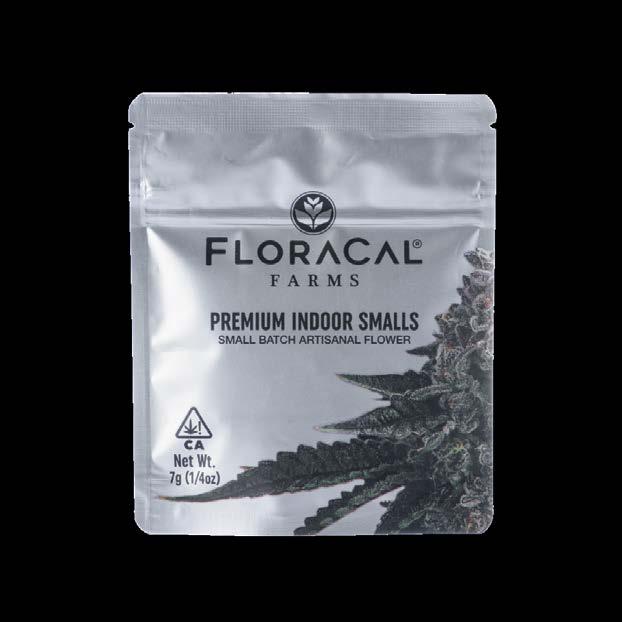
floracal flipped the script this year with their 7g smalls, a staple that delivers solid indoor flower at a price point everyone can get behind.

Breakout Star
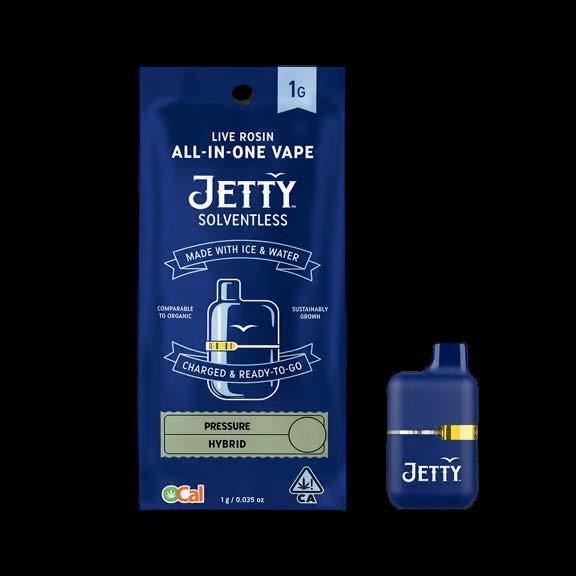
new on the scene and already a shop favorite jetty’s solventless AIOs deliver dab‑level potency in a rechargeable, discreet pen.

Favorite Edible
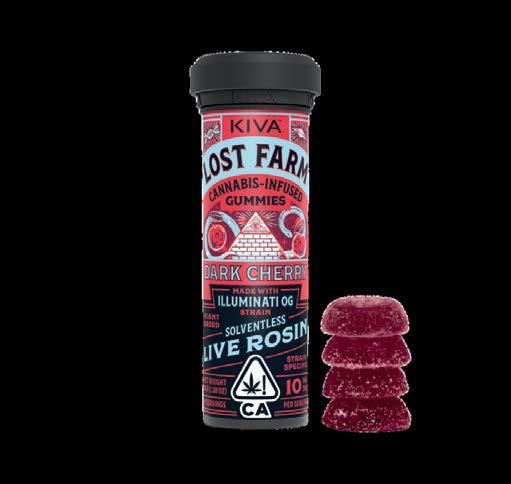
this gummy is literally the cherry on top. we’ve been hyping it all year, making sure everyone gets a taste and it never disappoints.
vida 1g
7g Smalls

To Alice, With Love
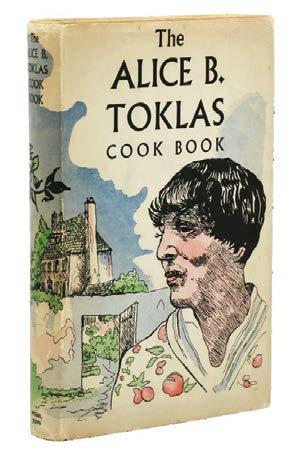
When The Alice B. Toklas Cookbook was released in 1954, it contained what’s believed to be the first Cannabis recipe ever published in the modern age. For that, many consider its eponymous author an early icon of the marijuana movement. But the true story behind that infamous recipe — and Alice B. Toklas’ reputation as the “Mother of the Pot Brownie” — may surprise you.
Originally from San Francisco, Alice Babette Toklas was the daughter of affluent Jewish merchants who had emigrated from Poland in 1865. The family moved to Seattle in 1890 but returned to the Bay Area after her mother died of cancer in 1897. At just 19, Alice became the woman of the house — cooking and cleaning for her father, brother and uncles.
After the great earthquake and fires of 1906, Toklas met Leo and Sally Stein, art collectors who had emigrated to Europe years earlier. Enraptured by their romantic tales of Parisian life, she and her friend Harriet Levy left for France five months later. Within 24 hours of arriving in Paris, Leo introduced Toklas to his sister, modernist writer Gertrude Stein — and it was love at first sight.
THE ODD COUPLE
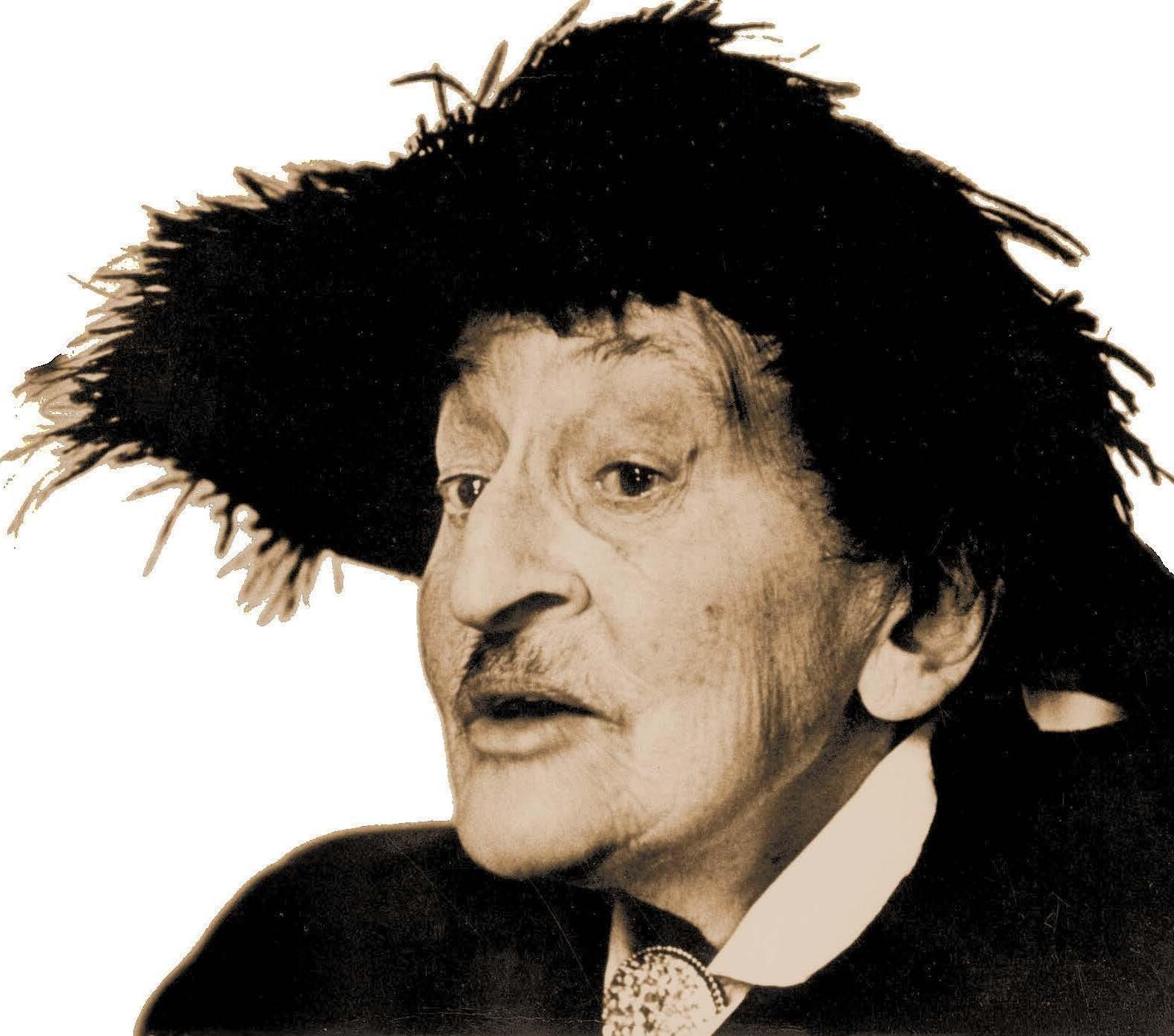
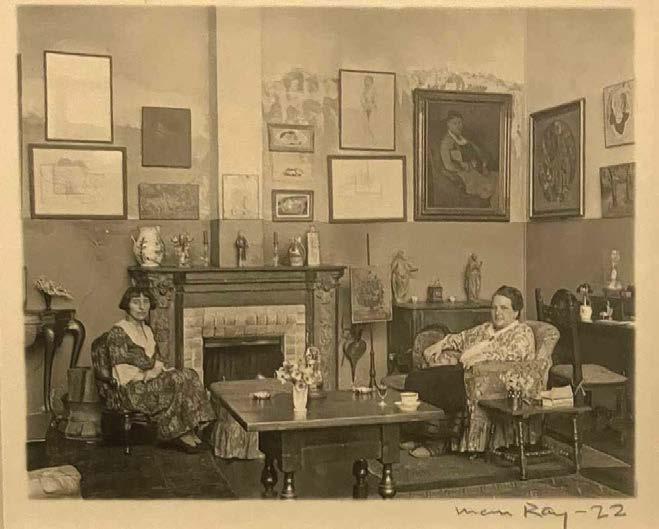
In the months that followed, Stein and Toklas became inseparable. The two women had much in common: Both were well educated, well traveled, and from wealthy Jewish families in California. Yet they seemed an odd mismatch: Stein was a large, confident, gregarious woman with short gray hair, while Toklas — who sported a brown “Joan of Arc” haircut — was described in one of her book’s introductions as “tiny, birdlike, and self-effacing… stunningly ugly, with a huge beak of a nose and an unabashed black mustache.”
Despite their differences, however, their affection was undeniable — so much so that, while on a trip to Normandy in 1908, Stein proposed to Toklas. From then on, they considered themselves married and were remarkably open about their love in a time when homosexual relationships were mostly kept under wraps.
In September 1910, Toklas moved in with Stein, becoming not only her lover, but also her housekeeper, cook, secretary, editor and muse — managing her affairs so she could focus on her writing. Together, they turned their two-story, museum-like home at 27 Rue de Fleurus into the Bohemian era’s most renowned artistic and literary salon — a social hub where the cultural elite (including Ernest Hemingway, F. Scott Fitzgerald, T. S. Eliot, Henry Miller, James Joyce, Pablo Picasso, Henri Matisse and Paul Cézanne) would gather to drink, dine, converse and collaborate. These symposia were typically catered, but on occassion Toklas would cook, and quickly earned a reputation as a maestro in the kitchen. In fact, legendary gourmet James Beard once said of her, “Alice was one of the really great cooks of all time.”
FAME & FINALITY
Over the next two decades, Stein’s notoriety continued to grow throughout Paris; Toklas, however, remained relatively unknown. But that would change in 1933 with the publication of “The Autobiography of Alice B. Toklas” — a facetiously titled memoir written by Stein, but in Toklas’ voice. It became Stein’s first bestseller, leading to a 1934 book tour in America and international fame for both women.

During World War I, the women delivered medical supplies to support the troops. During World War II, they managed to evade the Nazis by hiding in the south of France and selling art to survive. Sadly, though she escaped the horrors of the Holocaust, Stein could not escape the ravages of stomach cancer; on July 27, 1946, Gertrude Stein died during surgery, leaving her common-law wife of nearly 40 years a widow.
IT’S A COOKBOOK!
Because Stein’s “marriage” to Toklas wasn’t legal, her relatives took control of the estate. And though Stein had willed her invaluable
BOHEMIAN RHAPSODY
FROM FRISCO TO FRANCE
First hardcover edition - London 1954.
art collection to Toklas, she couldn’t sell any of it without the trustees’ approval. As a result, 75-year-old Toklas was left broke and desperate.
In hopes of generating income, she inked a deal with Harper and Brothers in 1952 to write “The Alice B. Toklas Cookbook.” Far from an ordinary cookbook, it would be an eccentric epicurean anthology filled with anecdotes about her adventures with Stein and their famous friends, poetic descriptors and wry humor. What’s more, most of the recipes were, according to biographer Janet Malcolm, “too elaborate or too strange to attempt.”
As her March 1953 deadline approached, Toklas realized she was falling short of her 70,000-word goal and began soliciting submissions from friends. It was one of these 80-plus “Recipes From Friends” that would soon make her work the most infamous cookbook in history.
MOROCCAN MAJOUN
Brion Gysin was a gay British writer and artist living in Paris who had known Toklas back in the salon days of the 1930s. In 1950, he reconnected with her, and she encouraged him to live with composer and author Paul Bowles in Tangier, Morocco — an “international zone” that had become a hotbed of hedonism and free expression for artists and libertines from across the globe.

Artist/author Brion
Shortly after moving there, Gysin hooked up with a painter named Mohamed Hamri. It was Hamri who allegedly introduced Gysin to smoking kif, as well as a decadent delicacy infused with kif called majoun. A pastry made from dried fruits, nuts, honey and spices, majoun is regarded as one of history’s first Cannabis edibles (dating back to the 11th century). In early 1954, Gysin and Hamri opened a cafe for outlaws and expats called 1001 Nights, where they reportedly served the Cannabis confection to their counterculture clientele. And so, when Toklas reached out to request a recipe for her cookbook, Gysin — ever the provocateur — decided to have some fun with the old lady.
WHAT THE FUDGE?!?
Gysin renamed his majoun recipe “Haschich [sic] Fudge (which anyone could whip up on a rainy day)” and wrote a sensational, tongue-in-cheek introduction:
“This is the food of Paradise — of Baudelaire’s ‘Artificial Paradises’ [a reference to the French poet’s essays
Toklas’ name became synonymous with pot brownies, despite the fact that the confection described in her cookbook bears no resemblance to a brownie.
about his experiences on hashish and opium] … Euphoria and brilliant storms of laughter; ecstatic reveries and extension of one’s personality on several simultaneous planes are to be complacently expected.”
Listed among the ingredients was “a bunch of canibus [sic] sativa,” which Gysin noted might not be easy to come by.
“Obtaining the canibus may present certain difficulties, but the variety known as canibus sativa grows as a common weed, often unrecognized, everywhere in Europe, Asia, and parts of Africa; besides being cultivated as a crop for the manufacture of rope. In the Americas, while often discouraged, its cousin, called canibus indica, has been observed even in city window boxes. It should be picked and dried as soon as it has gone to seed and while the plant is still green.”
He also cautioned that this fudge “should be eaten with care. Two pieces are quite sufficient.”
PUBLISHER PANIC
Now, contrary to popular belief, Toklas had almost no knowledge of Cannabis or hashish. In the 2002 book “Kiss Me Again,” she admitted to author Bruce Kellner she’d never tried marijuana and that Stein had tried it only once and had disliked how it “disoriented her thinking, and that frightened her.”
Unaware of Gysin’s prank, Toklas naively included the recipe in the manuscript and sent it to her publisher. It was only after Time magazine’s cheeky review appeared in October 1954 — mere weeks before the book’s publication — that she realized what had happened.
“The late poetess Gertrude Stein… and her constant companion… Alice B. Toklas used to have gay old times together in the kitchen,” the review read. “Perhaps Alice’s most gone concoction (and also a possible clue to some of Gertrude’s less earthy lines) was her hashish fudge.”
The publishers panicked; the U.S. Congress had just recently passed the Boggs Act, establishing harsh mandatory sentences for Cannabis-related offenses. Harper wired the attorney general’s office to ask if publishing a Cannabis recipe was illegal. It was not, but they pulled the recipe from the American edition anyway to avoid potential liability. The U.K. edition remained intact, however, and became an overnight sensation. It was so popular, in fact, that some accused Toklas of including the hash recipe as a publicity stunt.
WE LOVE YOU, ALICE B. TOKLAS
It wasn’t until the second U.S. edition came out in 1960 that the recipe became available to Americans. That edition was also a smash hit — selling 7,000 copies in the first month and prompting two subsequent printings.
The book became a touchstone of sorts for the burgeoning counterculture – reportedly prompting

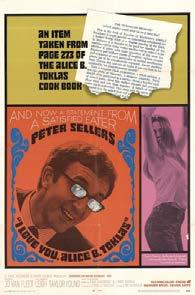
invitations for Toklas to cook and read at various hippie gatherings, and even inspiring a movie: the 1968 cult classic “I Love You, Alice B. Toklas,” starring Peter Sellers. In this rom-com farce (arguably the first stoner film), Sellers plays an uptight lawyer who converts to freakdom after eating a batch of weed-laced brownies and falling for a beautiful young stoner gal. It’s because of this film that Toklas’ name became synonymous with pot brownies – despite the fact that the confection described in her book bears no resemblance to a brownie and contains no chocolate. (The first published recipe for hash brownies actually appeared in 1966’s “The Hashish Cookbook.”)
Nevertheless, by the end of the decade, Toklas had become an unlikely icon of the Cannabis-fueled counterculture. Some have even claimed that the term “toke” was derived from Toklas (it wasn’t – it comes from the Spanish verb tocar, meaning to “tap” or “hit”).
DEATH & LEGACY
Sadly, Toklas didn’t get to enjoy her hippie hero status for long; on March 7, 1967, just over a year before the release of the film bearing her name, Alice B. Toklas died at the age of 89. She was buried in the same plot as her beloved Gertrude in Paris’ Père Lachaise Cemetery, with her epitaph inscribed inconspicuously on the back of Stein’s headstone.
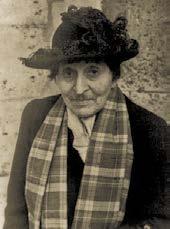
“The Alice B. Toklas Cookbook” has since become one of the bestselling and most influential cookbooks of all time, earning Toklas a place among the culinary greats. She is also a hero of the LGBTQ+ movement – honored in her hometown of San Francisco with both a political organization (The Alice B. Toklas LGBTQ Democratic Club) and a section of Myrtle Street named after her. And yet, whether justified or not, it’s her reputation as “Mother of the Pot Brownie” for which she’ll always be most remembered.

For our podcast and more Cannabis history content visit worldofcannabis.museum/cannthropology.
Photo of Alice B. Toklas and partner Gertrude Stein in their salon; taken by the famous artist Man Ray in 1922.
Above: Making pot brownies in the 1968 film “I Love You, Alice B. Toklas.”
Right: Promotional poster for the film with Alice’s recipe featured at the top.
Gysin. MAN RAY / WIKIMEDIA COMMONS