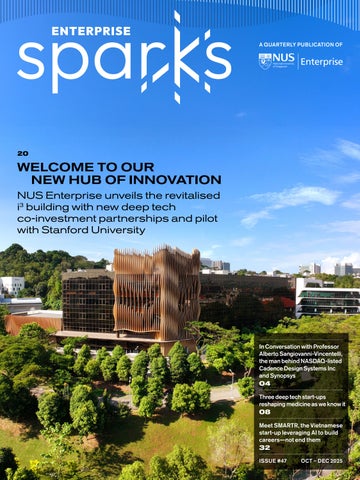
NUS Enterprise unveils the revitalised i3 building with new deep tech co-investment partnerships and pilot with Stanford University
Three deep tech start-ups reshaping medicine as we know it 08
Meet SMARTR, the Vietnamese start-up leveraging AI to build careers—not end them 32 In Conversation with Professor Alberto Sangiovanni-Vincentelli, the man behind NASDAQ-listed Cadence Design Systems Inc and Synopsys 04
BUZZ
Professor Alberto SangiovanniVincentelli, University of California at Berkeley and co-founder of NASDAQlisted Cadence Design Systems Inc and Synopsys Inc shares his playbook to start-up success
Healthcare AI that delivers measurable
Reverse pitching: VCs get grilled by scientists—here’s what founders can learn
Forbes is watching these NUS start-ups—and you should too
A campus-wide spark: NUS students learn to turn curiosity into change
Fireside chat with Professor John Rogers: Why your ‘Nature Paper’ won’t make you rich
Eileen
Joanne
FROM THE SENIOR VICE PRESIDENT (INNOVATION AND ENTERPRISE)
Welcome to the revitalised i³ building—the new nucleus of innovation at NUS.
This year marks a defining milestone: the third decade of NUS Enterprise. As we build on this legacy entrusted to us, we are fuelled by a singular passion— for innovation, for entrepreneurship, and for the future. The i³ building is the embodiment of this vision: where education sparks ambition, ecosystems provide traction, and venture building drives growth.
From our collaboration with Stanford University to the expanded co-investment partnerships with SG Growth Capital and Lotus One Investment, we're creating platforms that connect NUS ventures to global capital, talent, and markets. Across domains—from deep tech healthcare innovations transforming medicine, to AI-powered platforms shaping the future workforce—our start-ups are already making real-world impact.
The i3 building is more than bricks and mortar. It is a launchpad for ambition, a hub for talent, and a beacon of what Singapore can contribute to the world. Together, let us shape ventures that redefine industries and leave a legacy that will inspire generations to come.
A Professor’s Chasing
Unicorns
PROFESSOR ALBERTO SANGIOVANNIVINCENTELLI
Edgar L. and Harold H. Buttner Chair of Electrical Engineering and Computer Science, University of California at Berkeley.
“If you haven’t talked to people, your ‘good’ idea is probably a bad idea.”
Professor’s Playbook
An insatiable desire for knowledge and a deep well of curiosity drive Professor Alberto Sangiovanni-Vincentelli, who, at age 78, not only holds academic and research roles at the University of California, Berkeley, where he is Edgar L. and Harold H. Buttner Chair of Electrical Engineering and Computer Science, two of his early start-ups-turned-unicorns continue to provide mission-critical technology to the semiconductor industry, after nearly four decades. The NASDAQ-listed Cadence Design Systems Inc and Synopsys Inc have a combined market capitalisation of around US$184.12 billion (as at 30 September 2025), and command an estimated 61 per cent of the global electronic design automation (EDA) market.
The professor is a highly sought-after consultant by both public and private companies, research councils, as well as businesses across Asia, Europe and the US. He currently serves on 11 boards, and is President of the Italian Chips-IT Foundation or Fondazione Chips-IT, the first national research and technology organisation focused on industrial research for integrated circuit and semiconductor development.
Prof Alberto is passionate about entrepreneurship, and is particularly adept at mentoring start-ups, nurturing leaders, guiding product development and technical sales, and offering counsel throughout the start-up ecosystem.
To hear the self-proclaimed “accidental” entrepreneur say it, he did not set out to start a commercial enterprise, let alone “catch” two unicorns! And it was truly serendipity that presented him with the triumvirate of factors for start-up success – right place, right time, and right
people. For this EDA luminary, it was the confluence of the University of California, Berkeley, in 1976, and fellow faculty members researching EDA that checked all the boxes.
Berkeley, at the time, had a reputation for developing very effective tools used by the semiconductor industry. The tools helped to improve the quality of chip design, prevented errors which would be costly to rectify, and boosted productivity – all of which translated to significant time and cost efficiencies. Given the high demand for these tools, the biggest players in the booming semiconductor industry pushed the researchers to set up a commercial enterprise. The four companies invested US$1.5 million each in an enterprise that would become Cadence Design Systems in 1987. Synopsys, which also has its origins in the research from Berkeley, was formed in 1988.
DO YOUR HOMEWORK
It comes as no surprise that a tenured professor would advise aspiring entrepreneurs to “study deeply” and “research extensively”. But that the counsel comes also from a veteran consultant and astute businessman should make start-up founders sit up and take notice.
“I’ve had so many people come up to me, all excited about their ‘wonderful new ideas’. More often than not, they are actually bad ideas,” commented Prof Alberto. “It is not because the ideas are fundamentally flawed, it’s just that someone else had got there first or, more commonly, there is no demand for the product.”
In his view, the failure to carry out due diligence, or what he terms “study deeply”, is one of the biggest mistakes made by entrepreneurs. “Especially for those working with technology, you must cover all the bases. Has someone written about it? Is there a patent filed? Are you too early or too late in the game?”
Timing is a crucial but often overlooked success factor, he noted. Recounting his experience, in 1987, he was exploring the use of computer-aided design for the bio-pharma sector. “Then, there was
“Do your homework. It’s not just what you know, who you know matters too.”
zero interest. But now, and with artificial intelligence being available, it’s a very hot idea to use computer-aided design in molecular biology, to develop new drugs.” In this scenario, “being too early was riskier than being too late; we’d be building a product for a market that didn’t yet exist.”
MARCH TO THE RIGHT TUNE
For start-ups that are ready to work with incubators or accelerators, Prof Alberto urged caution in the selection of collaborators. Some incubator or accelerator programmes may not possess the full spectrum of resources and capabilities that a start-up requires. For example, an incubator that is overly steeped in research, with little contact with the industry, will not have the experience to manage or direct a company. A product launched under such circumstances could end up “distorting the market” instead of serving it, he warned.
His advice is for start-ups to do the groundwork, talk to people in the know, ask for recommendations, or pick programmes with proven track records. He pointed to Berkeley SkyDeck as an example – it connects founders
to resources from the university and its alumni, Silicon Valley’s start-up ecosystem, and industry expertise. “The opportunities are boundless but first, you have to be in the right place, to connect with the people who can most help you, at that point of your business development.”
DON’T BE A ONE-HIT WONDER
Start-up founders typically dream of being acquired or, they want to play the long game. Whatever the end goal, Prof Alberto sounded a reminder that the innovation should not be a standalone, single-purpose product. Minimally, it must fit into a bigger system as “that’s how you get acquired or proceed to scale”. Having himself experienced, and seen in numerous others, immense success through technological breakthroughs, he lauded technology’s adaptability as a key proposition for business sustainability. “It’s agile, difficult to duplicate, and scalable for multiple uses,” he summarised.
As a case in point, Prof Alberto cited the proprietary e4shield™ technology used by e4life, a company he chairs. The technology taps on electromagnetic pulses to deactivate viruses in real time,
with proven efficacy of over 90 per cent for human respiratory viruses like COVID-19 and the seasonal flu. As the technology continues to evolve, “it can be calibrated and adapted to neutralise even more pathogens, including bacteria, making it suitable for use across different products and industries”, said the professor, who is looking forward to what the future holds.
Talking to people was what sparked the idea behind e4shield™. An engineer at Italian firm Elettronica (later rebranded as the ELT Group), during a casual conversation, had mentioned that his son could not be vaccinated against the COVID-19 virus. The concerned father searched for scientific research that offered an innovative approach that did not involve vaccinations or other medical treatments. He did find relevant papers that underlined that viruses are electrically charged, and as a consequence, can be destroyed by applying a microwave beam of appropriate frequency.
Connecting the dots, Prof Alberto saw the opportunity to form a “start-up” that could commercialise the idea, and proceeded to bring together the ELT Group and Lendlease – both of which he was advising – to form e4life. It was also not by chance that the principle behind e4shield™ mirrors that of ELT Group’s core product – a protective shield that disables marauders by “blinding” them.
To entrepreneurs with lofty ideas, while the professor maintained the importance of rigorous review and proactive action, he also urged them to have fun in the process. “I ‘play’ 365 days a year, because I find so much joy in what I do,” he disclosed, his eyes twinkling.
For someone who has dedicated half a century to academia, research and business – with no signs of slowing down – what comes next?
“Studiositas,” he replied. The Latin word, roughly translated as “studiousness”, encapsulates the desire to engage the intellect in the pursuit of knowledge for the common good. Clearly, the lifelong learner knows that an innovator must also be a student.
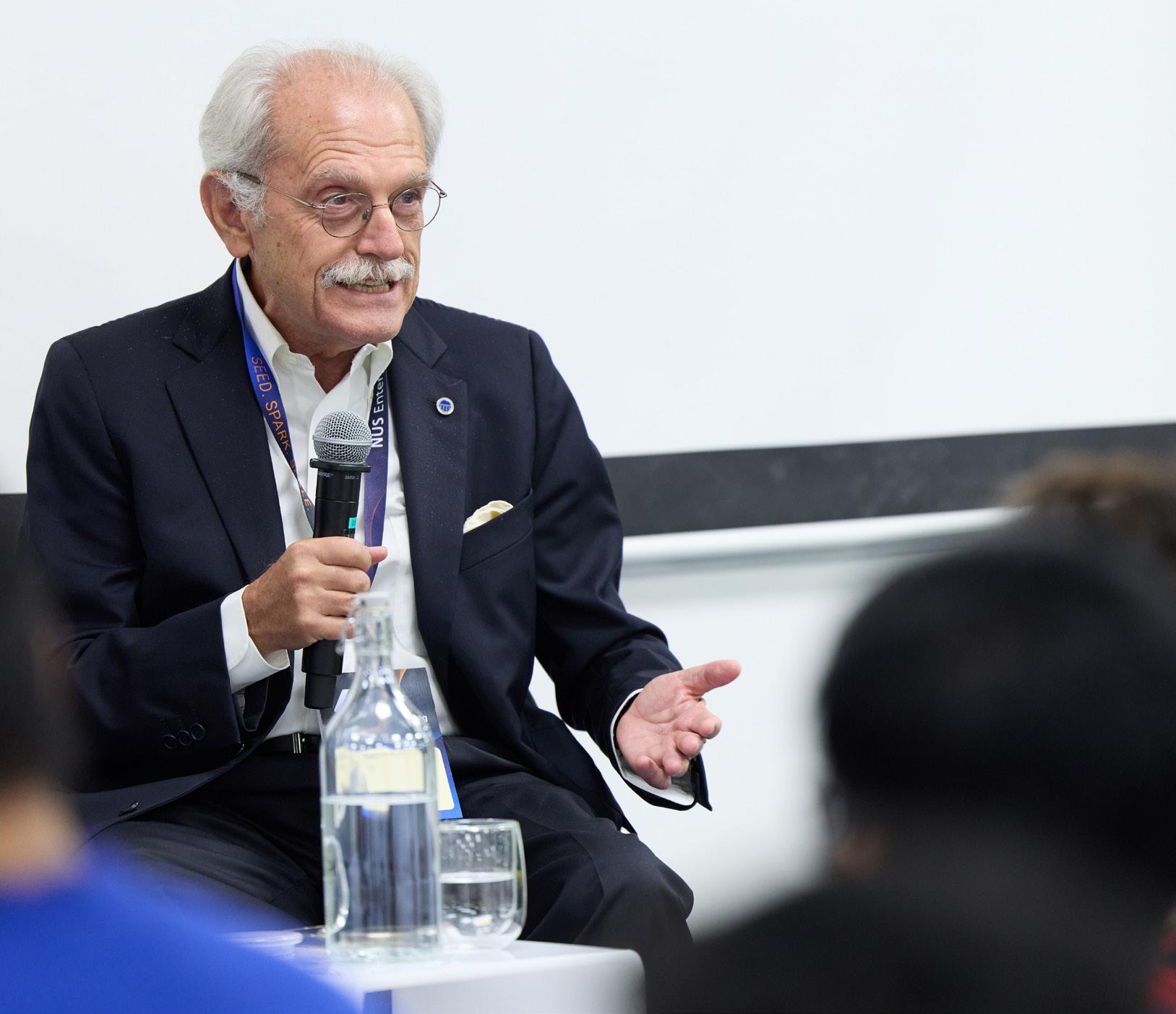
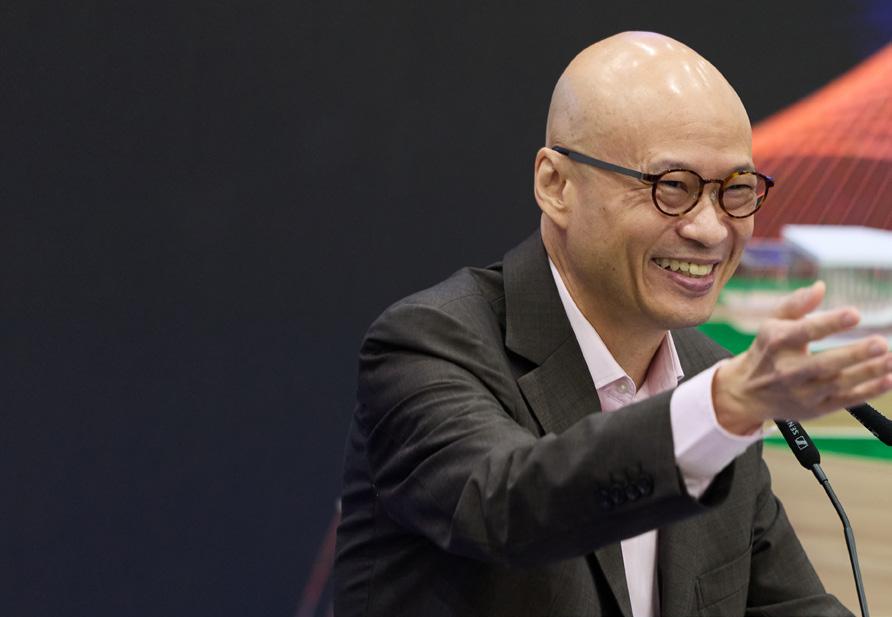
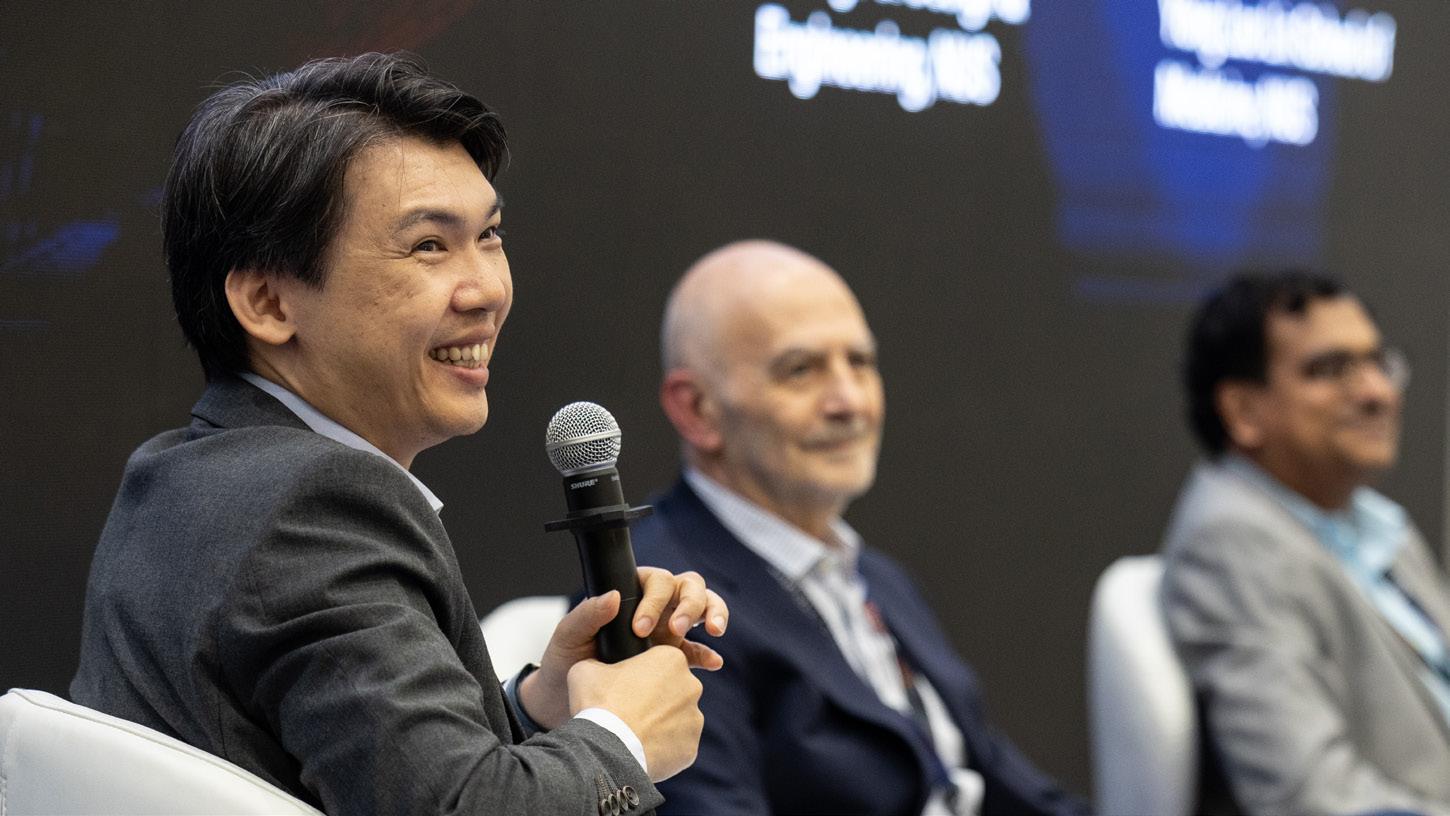
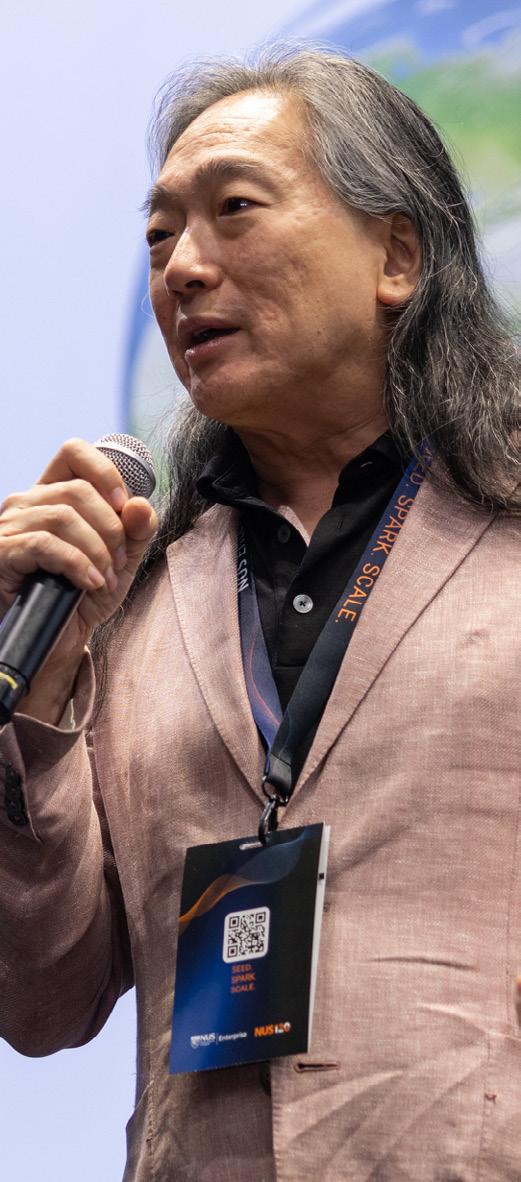
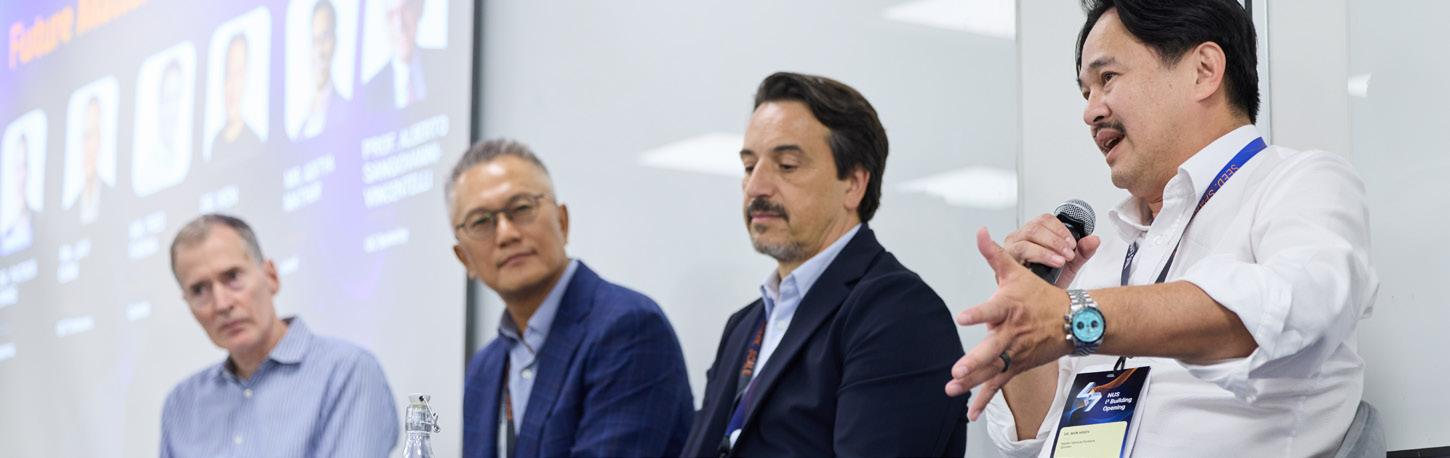
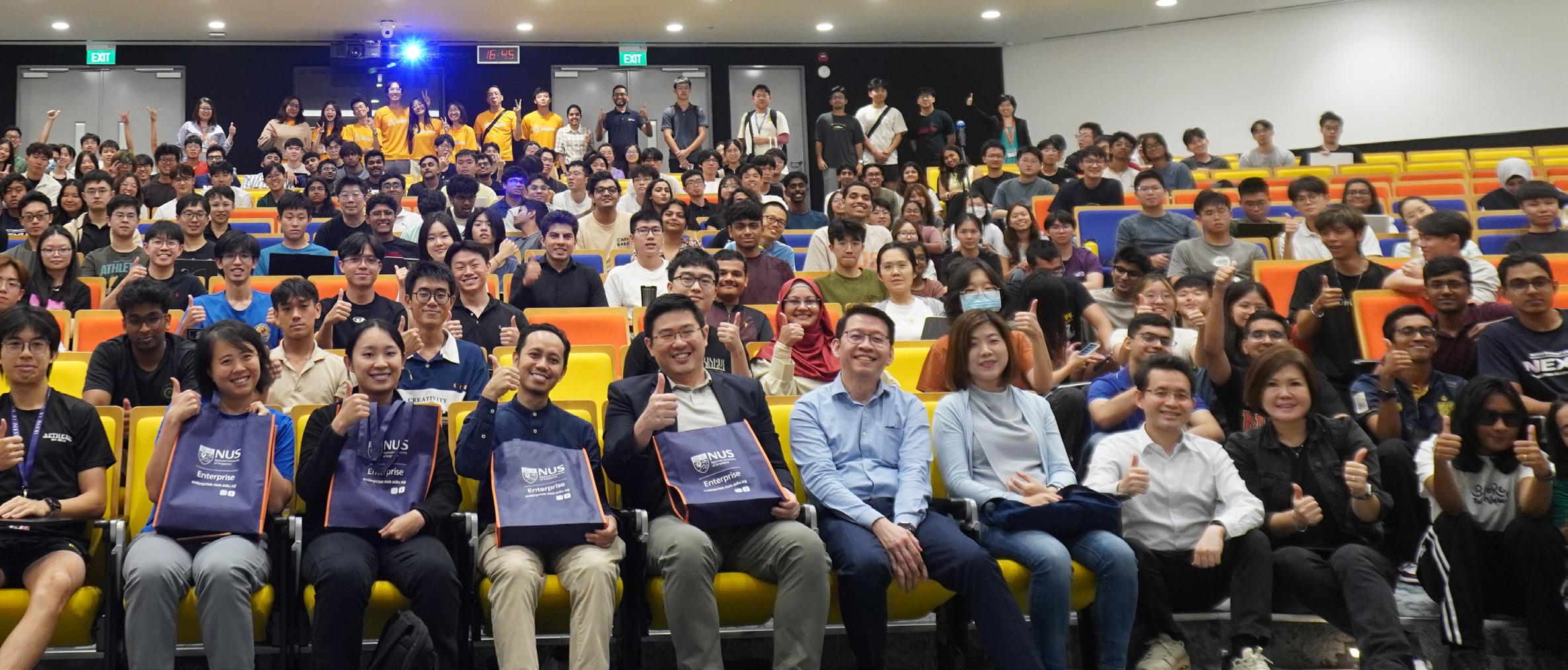
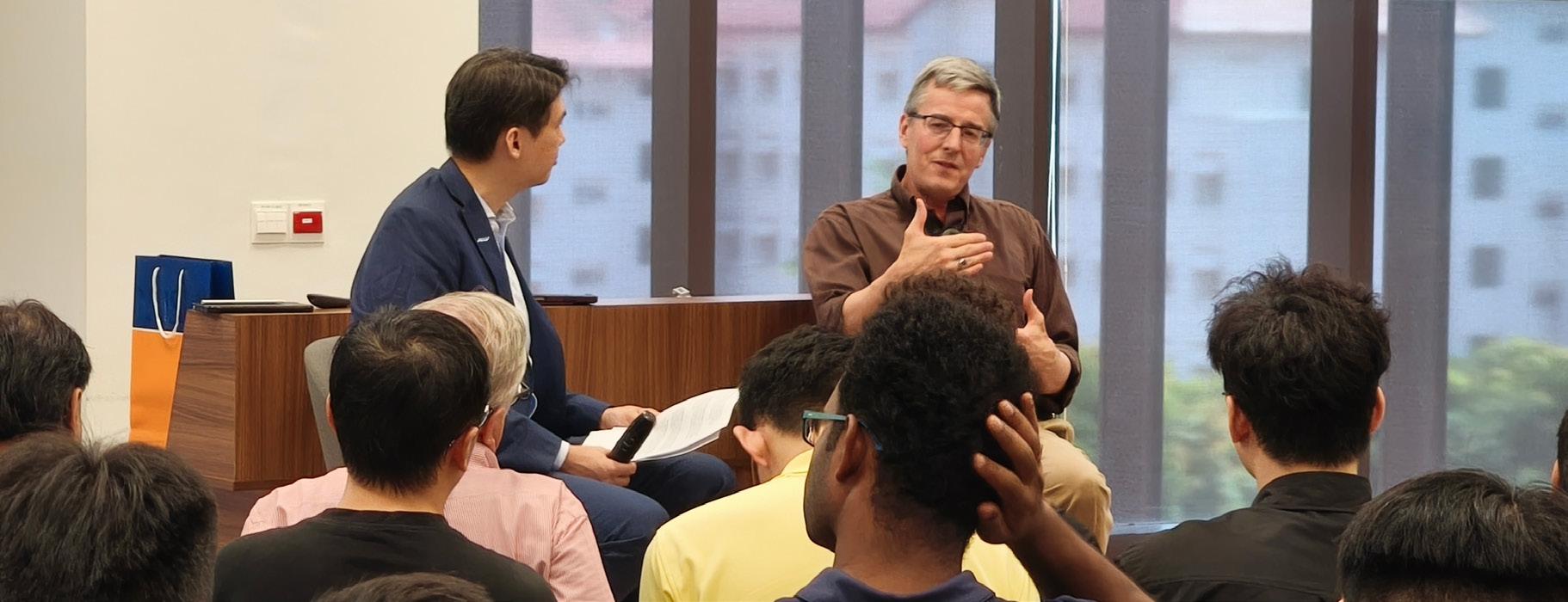
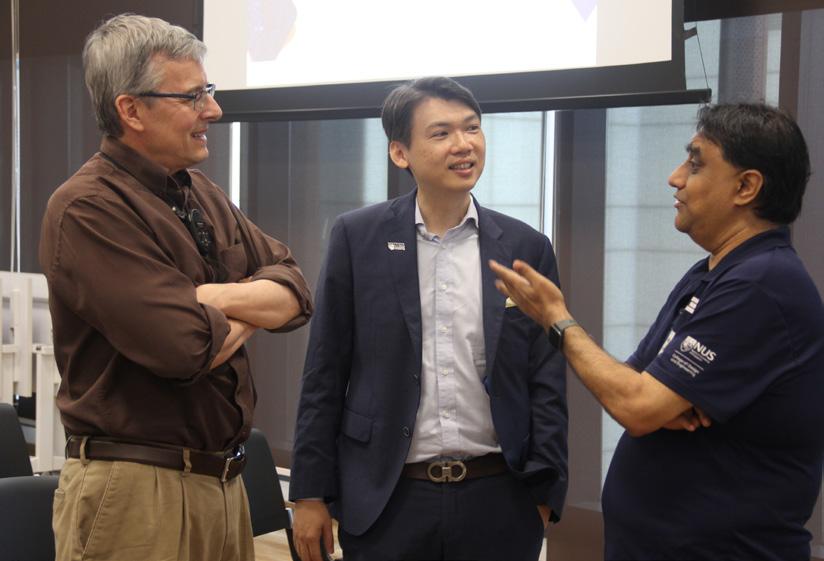
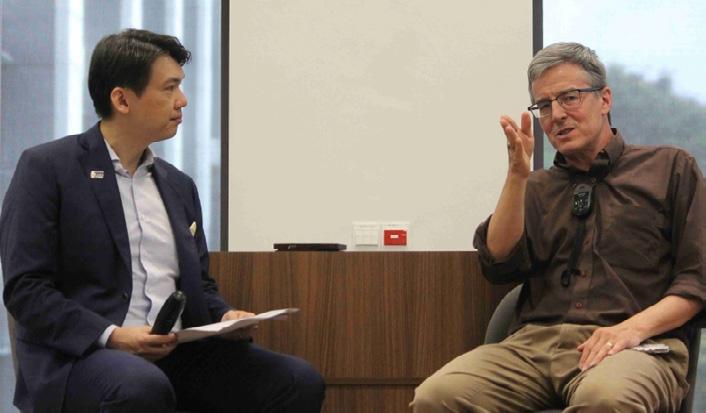
Prof Alberto speaking during the "Future Matter" panel discussion at the i3 building opening event on 16 September 2025.
While the world debates AI regulations, a healthcare start-up in Singapore is building the operating system for clinical trials — a digital backbone designed to identify and scale behavioural interventions for chronic disease management. Meet HealthGen, the company transforming the way evidence is generated and applied to patient care.
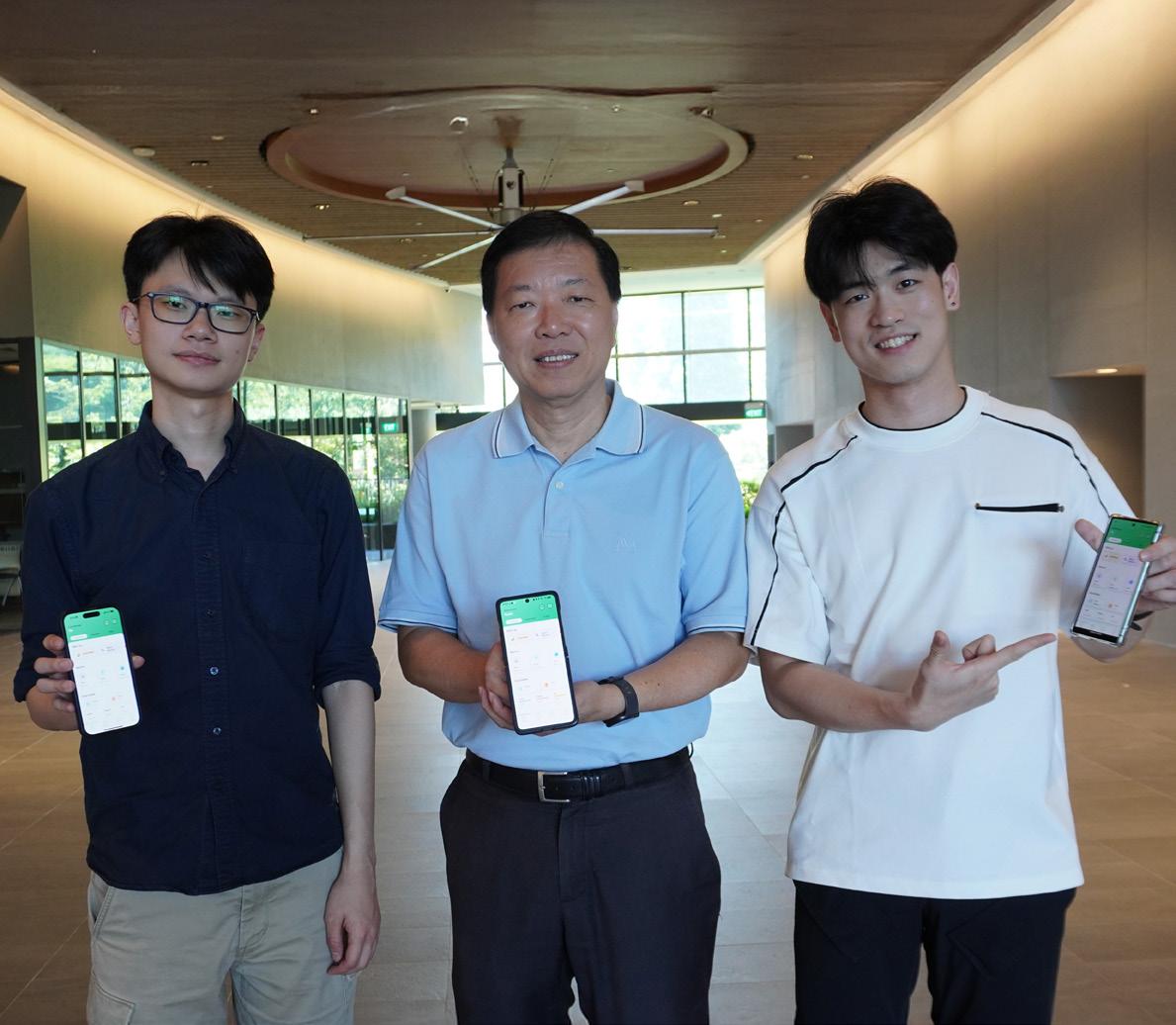
HealthGen’s flagship product, Empower+, is a fitness and lifestyle mobile app that uses AI to analyse real-time data from patients with chronic conditions, including diabetes.
Developed jointly by the National University of Singapore (NUS) School of Computing and healthcare provider SingHealth, Empower+ provides patients with diabetes personalised health updates, behavioural nudges, and real-time health coaching.
Empowering patients and healthcare institutions
Each patient’s data is aggregated from wearable devices like Fitbit and Garmin, creating a continuous feedback loop between patient behaviour and personalised care interventions with clinical validation.
“At the core of the Empower+ app is a personalised AI engine that learns each user’s longitudinal behavioural and biometric data over time—step counts, dietary patterns, and blood pressure readings. For example, if your step count has declined for days, and sleep patterns show irregularity, our neural network predicts a higher likelihood of disengagement,” explains Zacchaeus Chok , CEO of HealthGen.
“The system responds by adjusting the nudging strategy— perhaps suggesting a short walk, paired with a motivational message timed just before their usual activity window.”
BEYOND THE HYPE: Healthcare AI That Delivers Measurable Results
For patients with diabetes, effective management necessitates a disciplined approach to daily life: thoughtful nutrition, regular physical activity, diligent blood-sugar monitoring and consistent selfcare. It’s a quiet revolution in personal habits, demanding both strictness and persistence.
Close to half a million people in Singapore are currently living with diabetes – a number that is expected to grow to about one million by 2050. With over 260,000 estimated undiagnosed cases and 1 in 3 Singaporeans at lifetime risk of diabetes, the disease is a known silent killer that contributes significantly to morbidity and other fatal conditions.
The team also used large language models (LLMs) structured around motivational interviewing principles, enabling the chatbot to engage patients in reflective dialogue. This helps patients explore ambivalence and build intrinsic motivation for change.
Powering the app with real-time data and AI
Empower+ began as a digital product built on healthcare informatics, an area of research where academics collaborate with healthcare institutions to develop digital solutions to address current healthcare challenges. This discipline increasingly plays a pivotal role in the provision of personalised, real-time healthcare aimed at optimal everyday care outcomes.
Seeing a gap between research and real patient outcomes while working on health informatics, Professor Teo Hock Hai partnered with Associate Professor Low Lian Leng (Director, SingHealth Centre for Population Health Research and Implementation, and Senior Consultant, Singapore General Hospital) and Zacchaeus to establish HealthGen, translating research knowledge into real-world impact.
The team developed a proprietary AI modelling approach using deep learning techniques, leveraging artificial neural networks to identify and address behavioural barriers in diabetes care.
“Most patients know what they should do for their health but consistently struggle with the how and why of actually doing it,”
– Professor Teo Hock Hai Co-founder and Chief Scientific Officer, HealthGen
The Empower+ app is designed to help patients overcome behavioural hurdles in diabetes care, while tracking their fitness and lifestyle habits to ensure progress and measurable improvements that are clinically validated.
Empower+ adopts an integrated approach using:
1 2 3
Behavioural Science: identifies why people struggle to act (motivation barriers, habits, cognitive biases) and provides evidence-based strategies to overcome hurdles.
Deep learning techniques: learns a patient’s rhythms, context, and preferences to deliver the right nudge at the right time.
Clinical validation: multiple randomised controlled trials conducted with SingHealth Polyclinics with nearly 1000 patients have shown Empower+ improves HbA1c , patient activation, and adherence.
To ensure optimal patient outcomes, scheduled reminders prompt users to log food and medication intake, while personalised nudges for sustained behavioural changes are delivered based on realtime data analysis and compliance prediction.
“Unlike most wellness apps, Empower+ closes the loop with clinicians and caregivers through its digital platform, enabling shared decision-making, effective health plan monitoring, and timely caregiver support.
– Zacchaeus Chok CEO of HealthGen
your average blood glucose (sugar) levels over the past two to three months. Based on established research linking HbA1c reductions to complication risk, these results translate to 15–20% lower long-term risk of diabetes-related complications compared to usual care.
Empower+ is also designed to empower healthcare providers to work more efficiently. Its digital diabetes management and care platform streamlines clinician workload, automates repetitive tasks, and delivers real-time, data-driven care adjustments personalised for each patient.
What’s next for HealthGen?
While the obvious next step for Empower+ might have been wide deployment across hospitals and primary care, HealthGen is instead taking a bolder path: evolving Empower into a best-in-class operating system for digital health and population health research. Rather than limiting its impact to a single care setting, the team is iterating on its comprehensive suite of behavioural interventions to create a research platform where investigators can rapidly test which interventions work, at scale.
“Our AI-powered Empower+ app is programmed to identify localised content - detecting anything from siew mai to teh tarik when users do their daily food logging by uploading photos of their meals.” Prof Teo points out with pride.
Can Empower+ make a difference?
To evaluate the impact of Empower+ among patients with Type 2 diabetes, the team conducted a randomised controlled trial with 997 SingHealth patients. Patients using Empower+ alongside usual care and Fitbit wearables experienced higher HbA1c reduction (1.15% drop compared to 0.67% in the control group) and higher gains in Patient Activation Measure, meaning they became more confident and proactive in managing their health.
HbA1c, or glycated hemoglobin, is a blood test that measures
The Empower+ architecture has already proven its versatility in studies beyond diabetes, spanning osteoarthritis, cardiometabolic risk, and even cognitive decline. By putting these tools in the hands of more researchers, Empower+ accelerates the evidence cycle — enabling faster discoveries, stronger trial outcomes, and ultimately, evidence bases that can shape national policy and set new standards of care.
Zacchaeus adds: “We’ve made several pivots, but our goal has always remained the same: to raise the standard of chronic disease care.”
HealthGen’s approach to chronic disease management represents more than just innovation—it’s a blueprint for how AI can meaningfully bridge real-time data analysis and real health outcomes. In a healthcare landscape often dominated by hype over substance, Empower+ offers something increasingly rare: evidence-based behavioural interventions that genuinely transform lives.
2024 2025
• Deployment for obesity management at public hospital; early commercial discussions with research groups; preparing for seed round
• Pre-seed
• Completed a 400-patient RCT with SingHealth, achieved significant HbA1c and patient activation improvements, and won the SingHealth You Shine Award.
• Joined NUS Graduate Research Innovation Programme (GRIP)
• Founded HealthGen
2023
Finalised product features for trial use, launched full recruitment, and piloted AIdriven nudging for physical activity.
2022
Adapted the Empower+ platform for clinical use, received MOH Health Innovation Fund support, and secured IRB approval.
“By combining our complementary strengths, we can finally crack the code on behavioural change in chronic disease management.”
HealthGen is grateful for the support of the NUS GRIP team — Venture Architects Soh Sin En and Cato Gullichsen, Technology Manager Chia Wounh Tih , and Commercial Champion Alex Tay — whose guidance made the tough journey of translating research into a commercial product and finding our first customers possible.
The team at an NUS GRIP pitching session together with Associate Professor Low Lian Leng (left), Chief Medical Officer of HealthGen.
– Assoc Prof Low
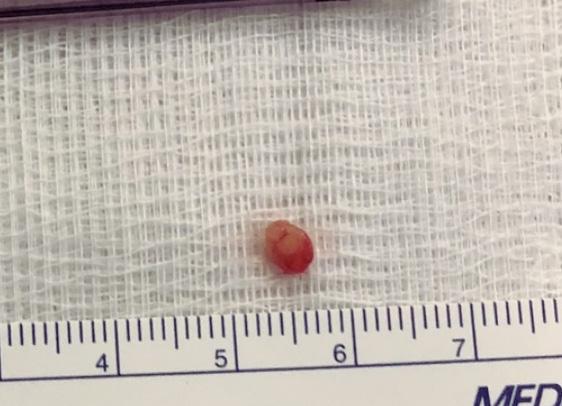
A dot smaller than this period
A full gene expression analysis
In high school, Picopoint Genomics CEO and Co-founder Joe Foley recalls “most likely to….” superlatives were a thing. He got “most intellectual” and “most likely to become filthy rich.” “I have been working on the first one in academia; maybe now I’m moving toward the second. We’ll see,” he jokes.
He recounts meeting his co-founder and Chief Scientific Officer, Josh Tay, a surgeon-scientist who caught the "Silicon Valley bug" while doing his PhD at Stanford University. The two worked in the same lab—Joe as a research scientist perfecting methods to analyse tiny tissue samples, Josh as a PhD candidate in Cancer Biology focusing his research on molecular subtypes of cancer.
When Josh flew from Singapore to the US to attend his delayed commencement at Stanford University —COVID had postponed it—he pitched the idea to form a company in Singapore to Joe. The timing was serendipitously perfect.
“He didn’t know my contract as a research scientist was ending and I was interviewing for biotech jobs,” Joe shares. By 2023, Joe had packed up his very comfortable life in Palo Alto for Singapore. “I’d never been to Asia. I figured biotech companies would still be around if Singapore didn’t work out. This felt oncein-a-lifetime. So, I’m here.”
Reading every message your cells send
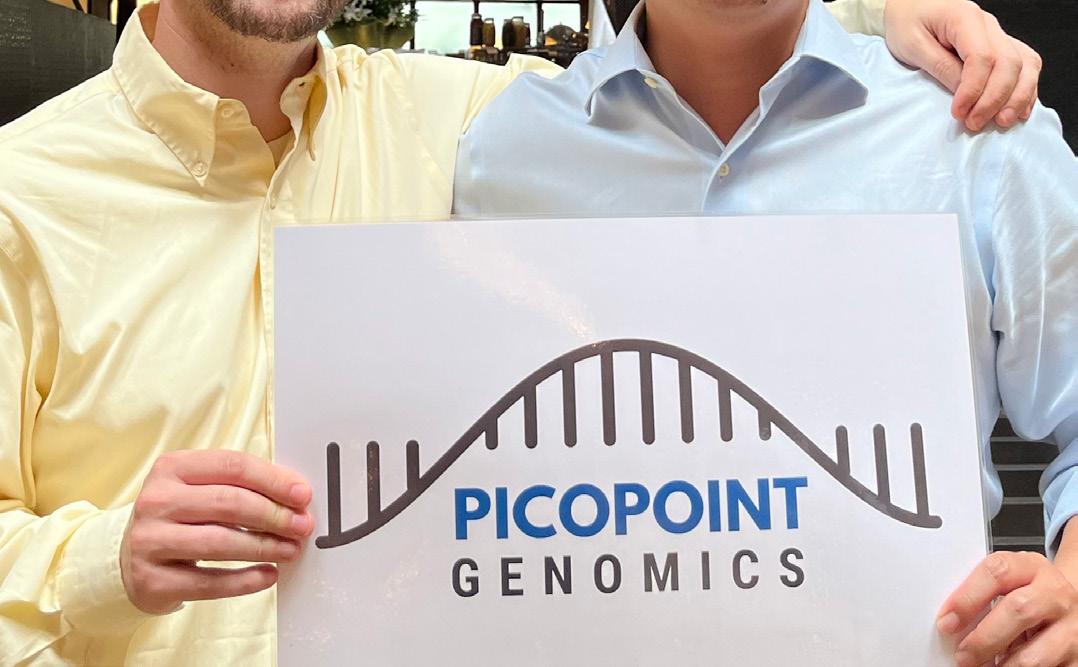
Now with Joe settled in Singapore, the duo founded Picopoint Genomics to bring their next-generation RNA-sequencing technology to the bedside "DNA is mostly static across cells and across life. Many cancer diagnostics target DNA mutations, which is productive, but RNA captures real-time cellular messages. " Joe explains. "RNA changes are often easier to detect and reflect not only cancer but many conditions and responses to interventions."
Their technology can comprehensively profile the gene expression of tiny microscopic cancers embedded deep within normal tissue or even degraded tissue. This method captures the full spectrum of RNA sequences from a very tiny tissue sample.
Joe gives an example for a suspected cancer case. “From a diagnostic biopsy, we process the patient’s tissue sample with our RNA method to confirm cancer diagnosis, determine disease processes based on immune microenvironment signatures, assess recurrence risk, and predict the patient’s response to specific treatments or clinical trials based on selected genes.”
“DNA is mostly static across cells and across life. Many cancer diagnostics target DNA mutations, which is productive, but RNA captures real-time cellular messages. RNA changes are often easier to detect and reflect not only cancer but many conditions and responses to interventions.”
–
Joe Foley CEO & Co-founder of Picopoint Genomics
“All we need is a tissue sample the size of a pinpoint, revealing not just whether a patient has cancer, but how aggressive it is, and critically, which treatments are most likely to work. Hence our name, Picopoint,” Josh sums up with a grin.
For patients, this means faster answers and better treatment decisions. For Josh, an Otolaryngology Surgeon, the value is clear: "Without our technology, reaching a diagnosis is still possible, but the downstream clarity for a patient’s outcome and optimal treatment plan is imprecise."
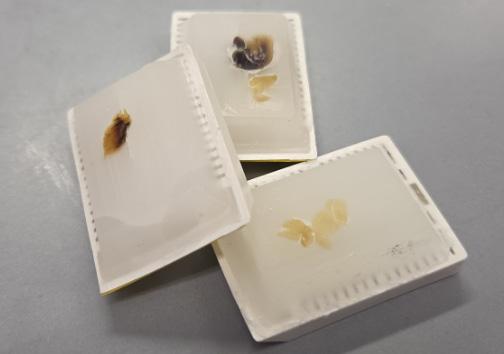
LEFT: Stored, archival tissue unlocks a precious opportunity to profile large clinical cohorts with known outcome.
Unlocking a vault of predictive biomarkers from stored, archival tissues
Hospitals all around the world typically retain extensive collections of tissue samples, enabling retrospective studies that would otherwise take decades to complete.
Picopoint’s technology works on these archived tissue samples—some stored for 15 years or more. "It's huge for discovery," Joe explains. "These are pre-treatment samples with known clinicial outcomes. We can use these to rapidly build predictive biomarkers without waiting years."
From research to the reality
The founders are now navigating the complex path from research innovation to clinical deployment. They've tested thousands of samples across cancers, inflammatory conditions, and even infectious diseases.
At a recent conference, Josh asked clinicians: "If we had this test, would you use it?" "Almost everyone said yes," he recalls. "During Q&A, they asked when it would be available. That gave us confidence to push into clinical translation."
But confidence alone won't get them there. Joe emphasised. “We’ve done well in research, building evidence. To deploy
“If we had this test, would you use it? Almost everyone said yes. During Q&A, they asked when it would be available. That gave us confidence to push into clinical translation.”
– Josh Tay Co-founder & Chief Scientific Officer asked clinicians at a recent conference.
TOP: Picopoint Genomics’ technology can profile the tiniest tissue biopsies. Even needle-core biopsies are compatible
clinically, we need to achieve clinical-grade operations, get the lab certified, and launch a lab developed test. We are currently looking for funding to launch a clinical site.”
"There's a significant capital outlay," Joe acknowledges. "The upside: our platform is unified. We sequence all mRNA, so we can serve different tissue types and diseases using the same lab workflow. After the initial 'down payment' of setting up, each new test is much faster to roll out."
The duo is now exploring life science incubator spaces such as the new NGRIP Labs and evaluating partnership models with hospital systems. If they secure a suitable lab in the coming months, their goal is to launch their first clinical offering within the next one year.
Saving time, money, and lives
Joe and Josh aren't just thinking about diagnosis—they're focused on better and more effective patient care. "Even a companion diagnostic that predicts non-response can save patients from costly, stressful, and unsuccessful treatments," Josh emphasises. "It prevents delays to effective care."
Their near-term goal is straightforward: get clinicians using their diagnostics so treatment decisions change immediately.
2025
Picopoint Genomics launches researchgrade service with the goal of clinicalgrade testing.
2024
Picopoint Genomics officially incorporates on January 3.
2023
Joe Foley moves to Singapore. Josh & Joe join NUS GRIP.
Long-term, they envision a plug-and-play platform with validated clinical readouts across multiple diseases, all running on the same workflow.
For now, they're doing what all startups do: fundraising, building evidence, and moving as fast as regulations allow. "I wish we could move faster," Joe admits. "But clinical regulations exist for good reasons."
From Stanford to Singapore's emerging biotech scene, two scientists are betting they can turn deep, focused RNAsequencing into a revolution in precision medicine—one test at a time.
“Support from the NUS Technology Transfer and Innovation (TTI) team has been invaluable— navigating filings and licensing. We’ve had favorable IP licensing terms via NUS GRIP compared to other places we know. GRIP’s terms have been realistic for a start-up.”
– Josh Tay
“The most useful part of NUS GRIP for me as CEO has been having our Venture Architect, Debashish Pal —an experienced entrepreneur who can answer practical questions instantly (service agreements, typical rates, etc.). For two academics starting from scratch, that’s huge.”
– Joe Foley
Find out more about Picopoint Genomics and National GRIP
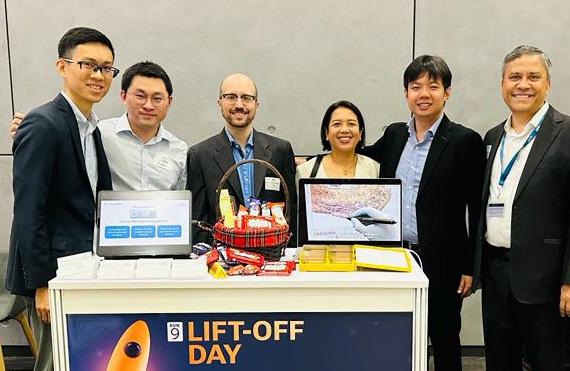
LEFT TO RIGHT: Wei Keat Teo and Cyan Lee, partners in Picopoint, Joe Foley, (co-founder of Picopoint Genomics) Karen Wai (Commercial Champion), Josh Tay (co-founder of Picopoint Genomics) Debashish Pal (Venture Architect)
Rewriting the manufacturing
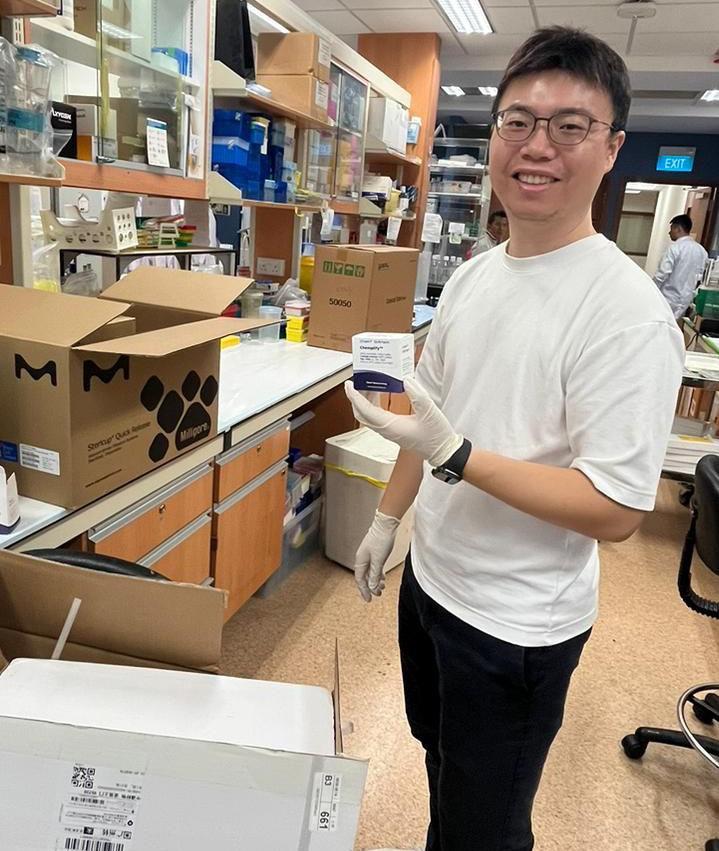
Biologics such as antibodies and cell therapies has changed the way we treat auto-immune diseases and cancer, but manufacturing these lifesaving treatments is still expensive and complex. ChemT Biotechnology, a start-up founded in October 2024 by Ms Jie Sun and Dr Ling Wu hopes to change that. By using AI-designed small molecules, they aim to biologics manufacturing faster, more cost-effective and scalable.
manufacturing of Biologics using AI
LEFT: ChemT Biotechnology’s co-founders
Ms Jie Sun and Dr Ling Wu
At present, CAR-T, TCR-T and TIL are types of immunotherapy that use a patient’s own T-cells to fight cancer. The key difference is that CAR-T cells are genetically engineered in a lab to target a specific antigen in cancer cells, while TILs (tumour-infiltrating lymphocytes) are T-cells that are already present within the tumour and are harvested directly from it, allowing them to potentially recognise multiple cancer antigens simultaneously.
However, both treatments rely on expanding a small sample of a patient’s immune cells into millions for reinfusion.
According to Ms Jie Sun, CEO of ChemT Biotechnology, this process is time-consuming and often inconsistent. Manufacturing failure rates also remain high, driving up costs and limiting patient access.
“Current cell therapies cost around S$500,000 per treatment,” said Ms Sun, who is a serial entrepreneur and AI expert with a track record of building successful healthcare startups, including one that was backed by Mayo Clinic and Eli Lilly. Ms Sun — who has a Master’s degree from the Harvard T.H. Chan School of Public Health — previously worked as a data scientist at Mass General Hospital and Dana-Farber Cancer Institute in the US and currently mentors startups at NUS Enterprise and MIT Sandbox.
Driven by a mission to make biologics treatment more widely available to patients, fellow NUS alumnus and co-founder & President of ChemT Biotechnology Dr Ling Wu — an awardwinning scientist with over 10 years of research experience in cell and gene therapy — teamed up with Ms Sun to find a way to bring these costs down while improving the quality of cell therapies.
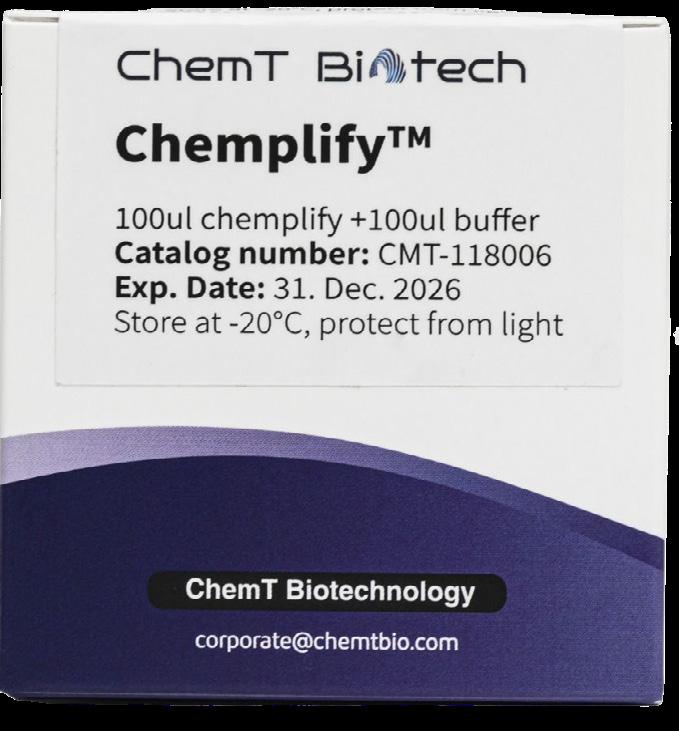
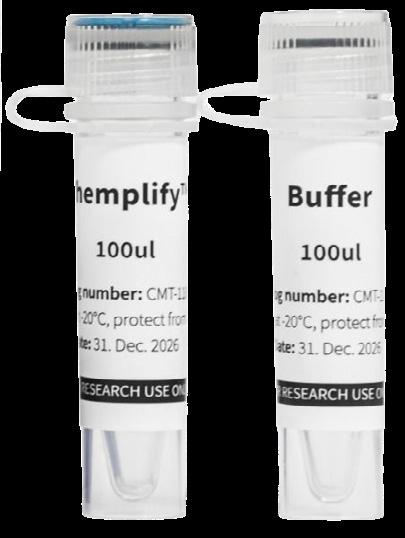
Together the duo came up with ChemT Biotechnology’s flagship product, Chemplify, an AI-powered small molecule solution that helps T-cells stay “younger”, grow faster and become more robust during the manufacturing process.
“Instead of relying on manual processes, our AI speeds up molecule generation and optimisation to create the most effective compounds for cell therapy
TOP:
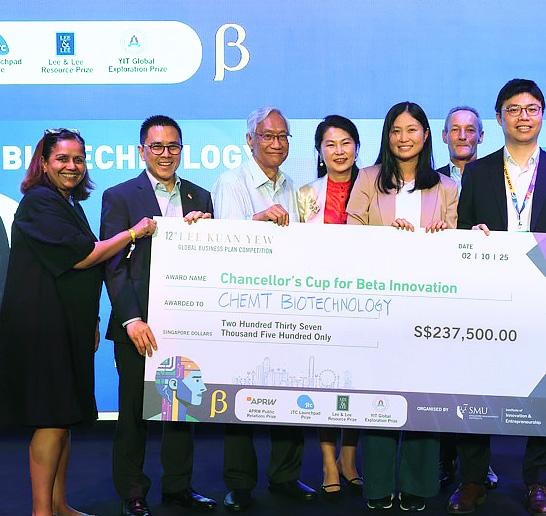
In October this year, ChemT Biotechnology won the $237,500 Grand Prize, Chancellor’s Cup for Beta Innovation at the 12th Lee Kuan Yew Global Business Plan Competition , emerging as winner out of over 1,500 start-ups.
HERE’S HOW IT WORKS:
1 2 3
Chemplify increases T-cell expansion by 5 to 10 times compared to current methods, allowing more cells to be produced in a shorter time. In one example, T-cells grew 1,000 times in just 11 days, versus the typical 200 times expansion. This increased efficiency helps address a major industry bottleneck — the difficulty in rapidly growing enough high-quality T-cells for cell therapy treatments.
It reduces reliance on expensive human serum and cytokines, making manufacturing more economical.
By improving the quantity and quality of T-cells produced, Chemplify could potentially reduce the failure rate of cell therapies when administered to patients.
manufacturing,” explained Ms Sun. This aligns with regulatory guidance to move towards more chemically defined manufacturing processes for biologics.
“Today, at the heart of our company is CelMo – our next-generation AI platform that automates the design of cell-modulating small molecules. Unlike traditional trial-and-error approaches to molecular screening, CelMo rapidly identifies novel targets and generates novel compounds that enable precise and tunable control of cell behavior, 24 times faster than conventional methods.”
To market, to market
Currently, Chemplify is being used
in research settings by hospitals, biotech companies, and academic institutions across Asia, the US, Israel and Singapore. The feedback has been promising. Some partners have said they are now able to expand T-cells more robustly using ChemT Biotechnology’s compound, which may lead them to administer multi-dose treatments, versus the typical single, expensive dose, further improving patient access.
Dr Wu says the next step is to bring their product to GMP (Good Manufacturing Practice) compliance — a critical step for regulatory approval — so it can be used in clinical settings. This requires intensive investment to set up a clean
2025 APRIL: Revenue-generating.
JUNE: Selected as the first Singapore-based company for the global BioTools Innovator 2025 Accelerator program, connecting with mentors and investors in the biotech sector.
JULY: Introduced new packaging for their first commercial product, marking a milestone from R&D to marketready delivery.
Joined the Ignition AI Accelerator program powered by Tribe, NVIDIA, and Digital Industry Singapore, leveraging their CelMo AI platform to accelerate molecular design 24x faster than conventional methods.
AUGUST: Invited to present at the International Society for Pharmaceutical Engineering’s annual conference in Singapore, on the CelMo AI platform and the virtual cell.
OCTOBER: Won Grand Prize, Chancellor’s Cup for Beta Innovation at the 12th Lee Kuan Yew Global Business Plan Competition
2024
– Dr Wu
“By combining our knowledge, we could use AI to design cellular drugs that could help improve the manufacturing and production of biologics.”
room environment and meet strict sterility requirements for FDA compliance. Dr Wu estimates they will have the GMP-grade product ready by the end of this year.
After obtaining the GMP-grade product, ChemT Biotechnology expects to be able to apply for regulatory approval and start using the product in actual patient treatments next year.
Dr Wu’s background in immunology research and Ms Jie’s expertise in AI and entrepreneurship made them the perfect team.
As a start-up accepted into the first cohort of the National GRIP, ChemT Biotechnology is looking forward to tapping into NUS’ ecosystem for new talent, funding
and collaboration opportunities.
The bigger picture: more affordable treatments for more patients
Beyond immune cell therapies, ChemT Biotechnology sees potential for developing cellular drugs for other biologics manufacturing, such as Monoclonal antibodies (used in cancer and autoimmune diseases), diabetes treatments and cardiovascular disease therapies. Essentially, their goal is to make advanced biological treatments more efficient, affordable and widely available.
“Ultimately, we want to help more patients access life-saving treatments — and that starts with fixing how these therapies are made,” said Dr Wu.
OCTOBER: Founded by leading scientists and entrepreneurs including Ling Wu and Jie Sun, focusing on AI-powered small molecules to transform biologics manufacturing with flagship product Chemplify.
NOVEMBER: Participated in SITC 2024 in Houston to showcase their AI-driven solution for supercharging T cell production for CAR-T therapy, demonstrating 5-10x yield increases.
“We are thankful to National GRIP as it helps us to connect more deeply with the NUS ecosystem. Our venture architect, Debashish Pal, strived to support us in every possible way.”
TOP:
The start-up has recently released the new packaging for its flagship product, Chemplify, which was delivered to its first batch of customers.
Prof Tan highlighted the University’s 120-year legacy of innovation and entrepreneurship, and its commitment to building stronger pathways for deep tech start-ups.
Dr Tan shared the NUS Enterprise flywheel, which nurtures talent, empowers entrepreneurs, and scales ventures through a dynamic cycle of talent, research, capital, and entrepreneurship
Accelerating deep tech growth with new co-investments and Stanford collaboration at i3 building opening
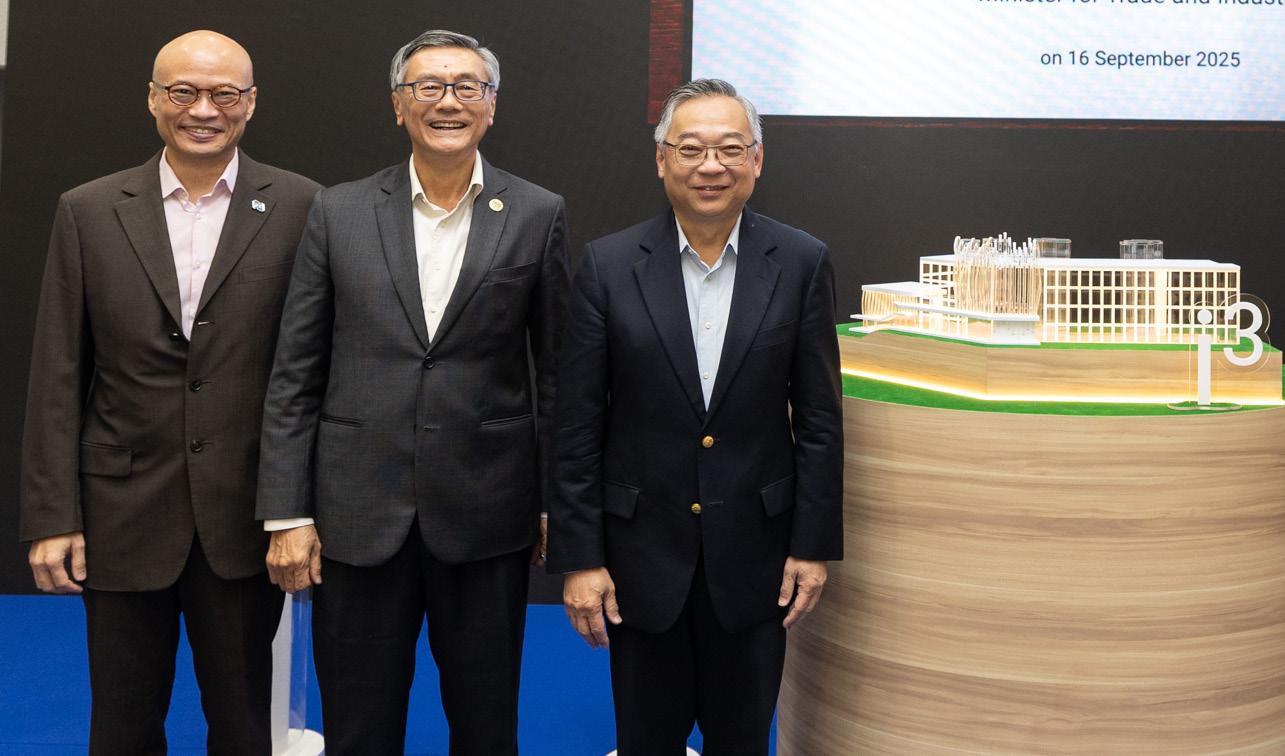
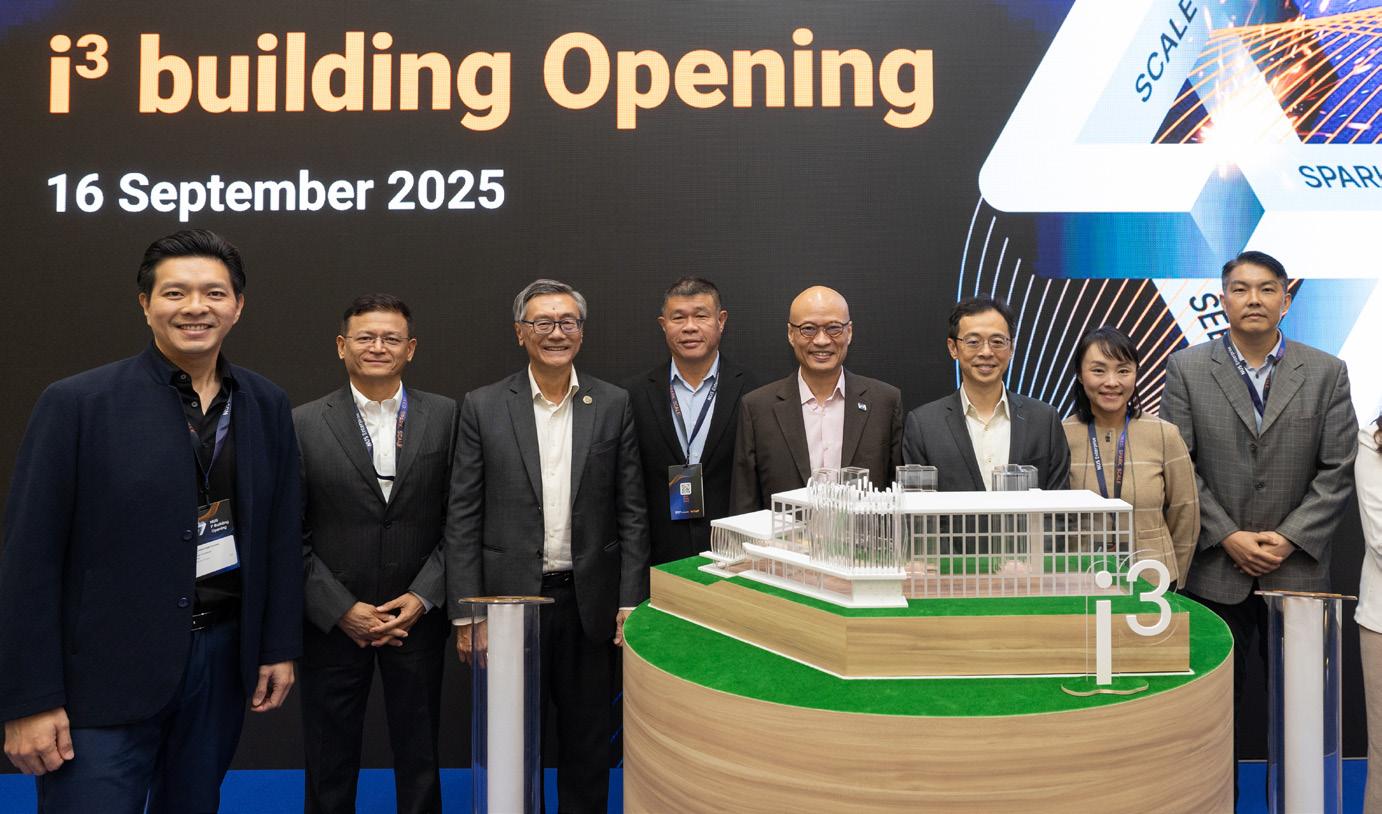
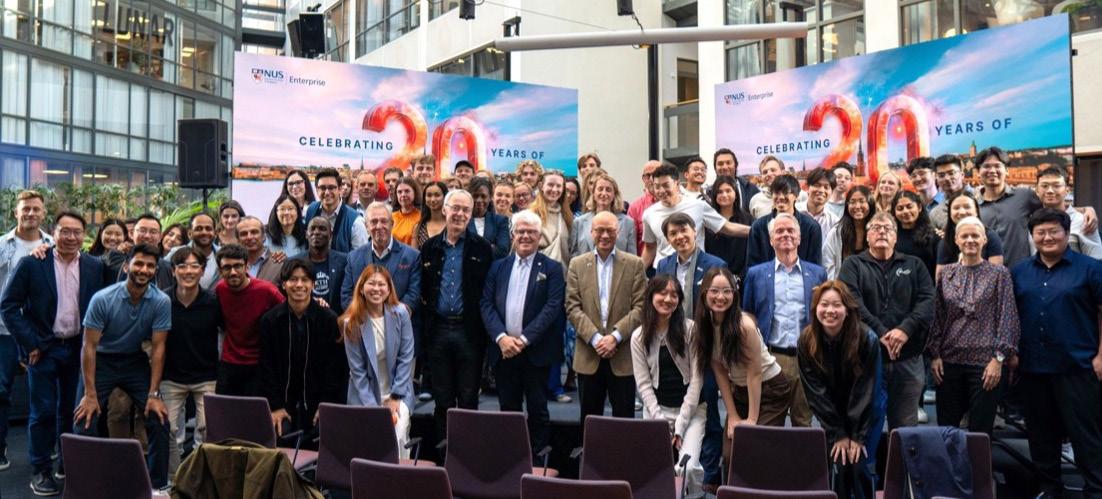
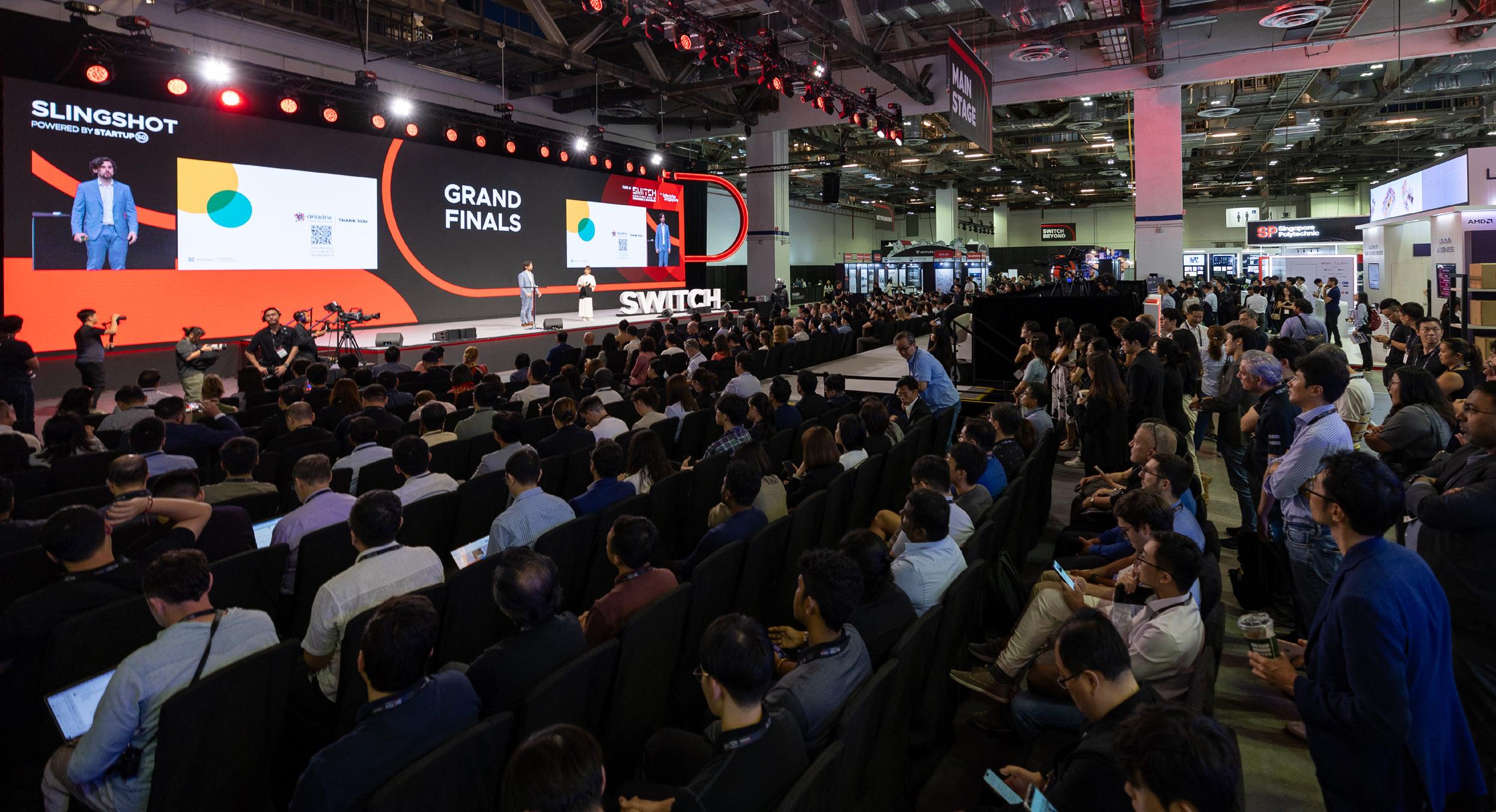
NUS Enterprise’s revitalised i³ building, a launchpad for innovation and impact, officially opened on 16 September 2025, ushering in a new chapter for innovation and enterprise at the University. The event also marked the launch of two major co-investment partnerships and an international education initiative that will further strengthen Singapore’s role as a global hub for deep tech innovation.
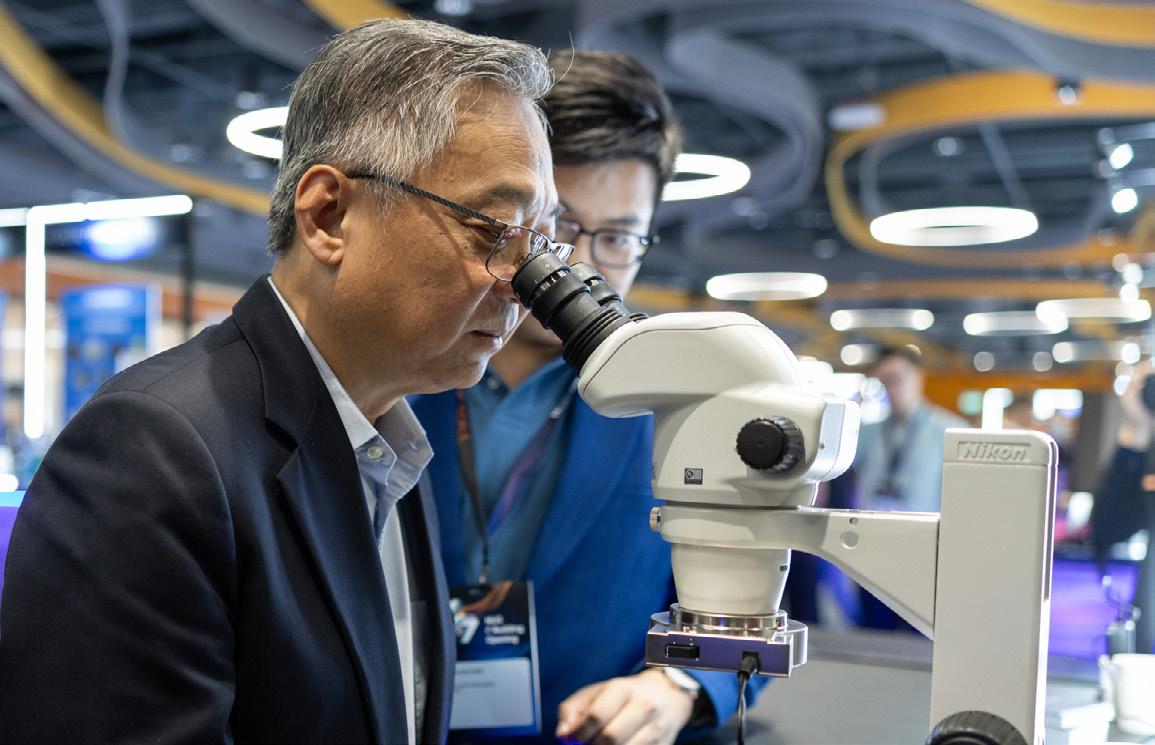
In his remarks at the opening ceremony, Deputy Prime Minister Gan Kim Yong, the event’s Guest-of-Honour, emphasised that Singapore’s long-term investments in education, research, and innovation are among the nation’s enduring strengths.
“We are reimagining NUS Enterprise to achieve even greater impact. Education and ecosystem building will remain anchored within the university, while venture building, technology transfer, and investing will be consolidated into dedicated entities with the capacity
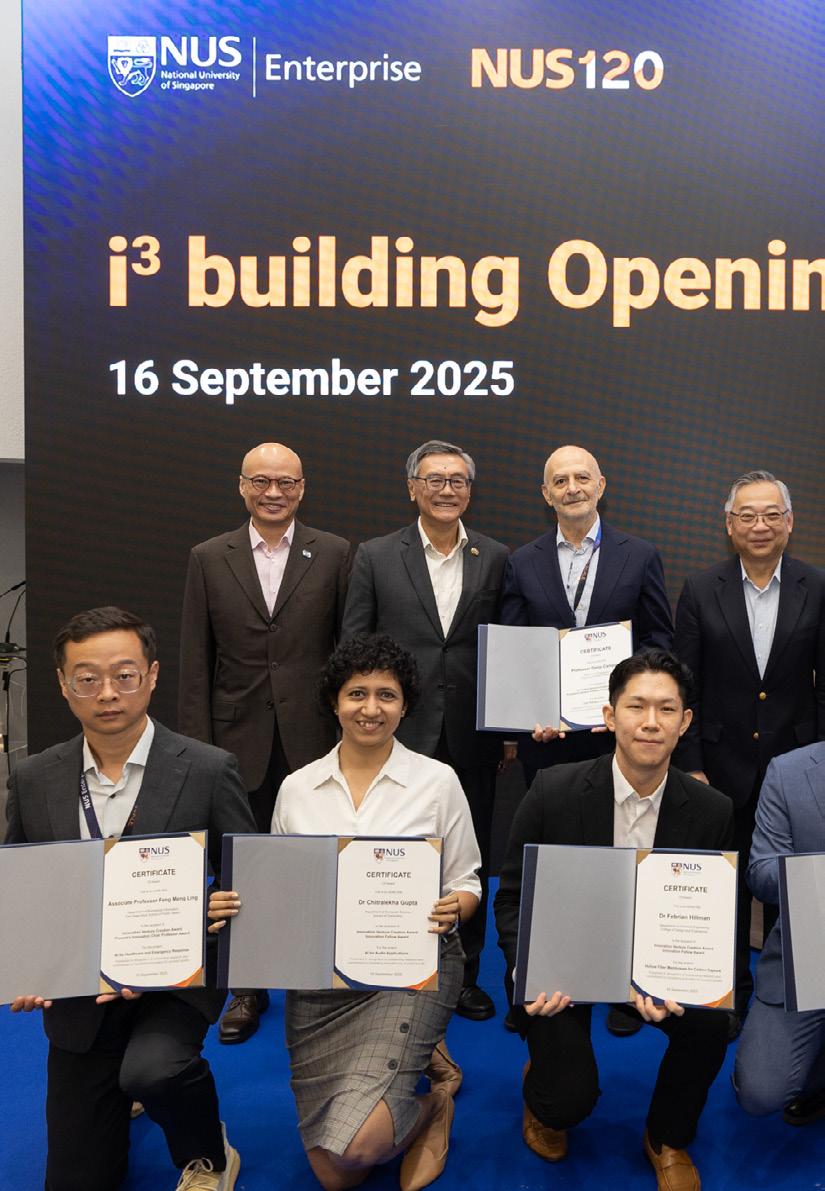
TOP: i³ building was launched by Guestof-Honour Mr Gan Kim Yong, Deputy Prime Minister and Minister for Trade and Industry (third from left), together with (from left) Dr Tan Sian Wee, NUS Senior Vice President (Innovation and Enterprise); Professor Tan Eng Chye, NUS President; Mr Hsieh Fu Hua , Chairman, NUS Board of Trustees; Professor Aaron Thean, NUS Deputy President (Academic Affairs) and Provost; and Associate Professor Benjamin Tee, Vice President (Innovation and Enterprise), NUS Enterprise.
deep tech ventures and selected venture capital funds, with SG Growth Capital matching NUS Enterprise’s investments based on fund evaluation.
In parallel, NUS Enterprise signed a S$20 million co-investment agreement with Lotus One Investment Pte Ltd, part of the Lotus Singapore Group. This partnership will support both NUS spin-offs and venture capital funds, with profits significantly reinvested to strengthen NUS Enterprise’s innovation and entrepreneurship programmes.
Together with the S$150 million NUS Venture Capital Programme launched in July 2025, these initiatives significantly expand support for NUS-affiliated startups. “NUS is committed to creating stronger pathways for deep tech startups to succeed,” said Professor Tan Eng Chye, NUS President.
Dr Tan Sian Wee, NUS Senior Vice President (Innovation and Enterprise), added, “These partnerships strengthen our integrated ecosystem – uniting education, research, and venture creation – to attract outstanding talent and nurture start-ups that deliver innovation with lasting global impact.”
billion people worldwide.
Global learning opportunities with Stanford University
Building on this flywheel of innovation, NUS Enterprise has also catalysed a S$2 million pilot collaboration with Stanford University, made possible through a donation from the Khetan Foundation
The NUS-Stanford Khetan Foundation
Launch Pad gives students from the College of Design and Engineering at NUS hands-on experience in international teams. They will collaborate with partners, including Meta and Venture Corporation, to co-create and prototype solutions to real-world industry challenges under the guidance of faculty from both universities.
Lessons from a global innovation leader
Against this backdrop of global partnerships, Professor Alberto Sangiovanni-Vincentelli, Edgar L. and Harold H. Buttner Chair of Electrical Engineering and Computer Science at UC Berkeley, shared his perspective on what drives innovation during his keynote address. He noted that while collaboration and experimentation are essential to advancing technology, the next wave of breakthroughs will come from translating research into enterprise with bold, long-term vision.
–
DPM Gan Kim Yong
NUS has been an important partner in Singapore’s development – nurturing generations of skilled graduates; anchoring world-class research; and helping to seed new industries that are critical to our economic competitiveness – and today, the opening of this building is yet another step forward in that journey.
to scale globally. This structure gives us sharper focus, greater agility, and stronger partnerships with industry and government,” said Dr Tan Sian Wee, NUS Senior Vice President (Innovation and Enterprise) in his welcome remarks.
Expanding capital and partnerships for deep tech ventures
To accelerate the growth of deep tech start-ups, NUS Enterprise launched a coinvestment framework with SG Growth Capital, the strategic investment platform of the Singapore Economic Development Board and Enterprise Singapore. This framework channels greater capital into
Under Dr Tan’s leadership, NUS Enterprise has developed an integrated ecosystem, or “flywheel”, that drives innovation and entrepreneurship. Each success nurtures talent, accelerates start-ups, attracts investment, creates jobs, and generates real-world solutions – momentum that powers the next wave of innovation. Guided by its “Three Ones” ambition, NUS seeks to achieve at least one venture generating over S$128 million (US$100 million) in annual revenue or creating 1,000 jobs; secure S$1.3 billion (US$1 billion) in financial returns from NUS ventures; and build enterprises that collectively improve the lives of one
“When you start a company, you need a long-term vision. It’s not enough to say, I can do 10 times better than what exists. Ten times is not enough. It should be 100 times. Even better, you should aim for something that doesn’t exist yet. That’s what is so exciting about doing enterprise from research. You have a vision, and you want that vision to be implemented.”
Powering the flywheel through local initiatives
While global partnerships expand international exposure, the flywheel is equally powered by initiatives rooted in Singapore. At the event, NUS Enterprise spotlighted the latest education and research programmes, including the National Graduate Research Innovation Programme (National GRIP), which empowers Singapore innovators to transform lab discoveries into globally competitive, market-ready ventures.
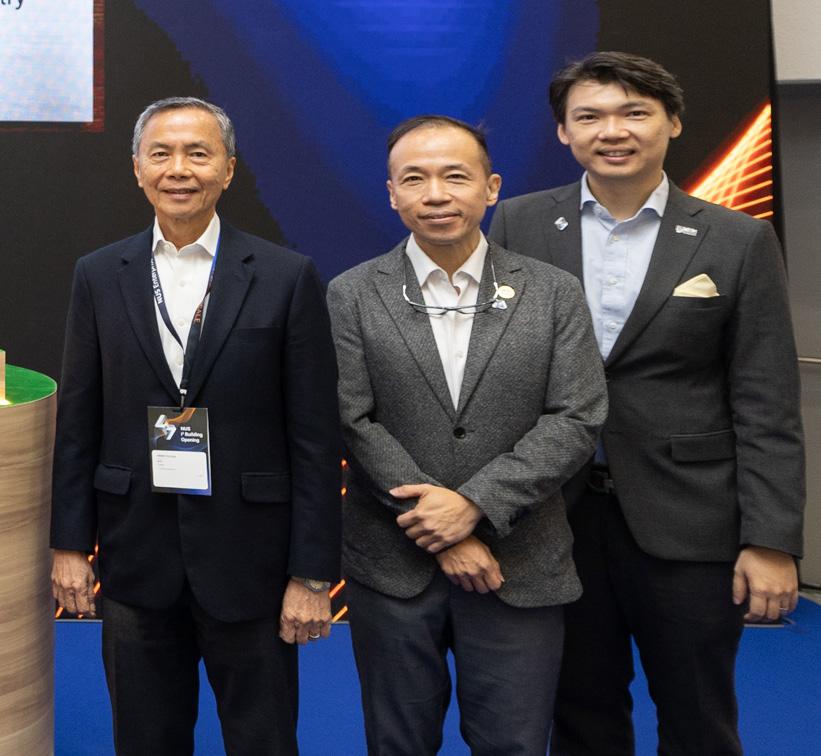
LEFT: Prof Tan (third from left), Dr Tan (centre), with Mr Choo Heng Tong, CEO of SG Growth Capital (fourth from right), and Mr Nirmal Singh, Chairman of Lotus One Investment (second from left), at the unveiling of the new co-investment partnerships.
Inaugural National GRIP Showcase
The first cohort of 21 National GRIP teams from NUS and Nanyang Technological University, Singapore (NTU Singapore) debuted their solutions at the NUS Innovation Showcase, held across three levels of the i³ building. With strong mentorship and market validation, these teams are developing ventures in AI, health technology, sustainability, and more.
The showcase also featured 40 other NUS-affiliated startups and student innovation teams, presenting solutions across three innovation tracks: Future Matter (Physical Sciences, Materials, and Semiconductors); Future Logic (AI and Software); and Future Pulse (Healthcare). These tracks reflect NUS Enterprise’s strategic priorities and align closely with Singapore’s national interests and areas of venture capital focus.
National GRIP Labs
Supporting National GRIP teams and other deep tech ventures, both local and international, are the newly launched National GRIP Labs (NGRIP Labs). Located at the CREATE Tower on NUS Kent Ridge campus, these labs offer specialised facilities for any deep tech field of interest and comprehensive prototyping services with technical guidance to help start-ups speed up the development of their solutions.
NUS Innovation and Venture Creation Awards
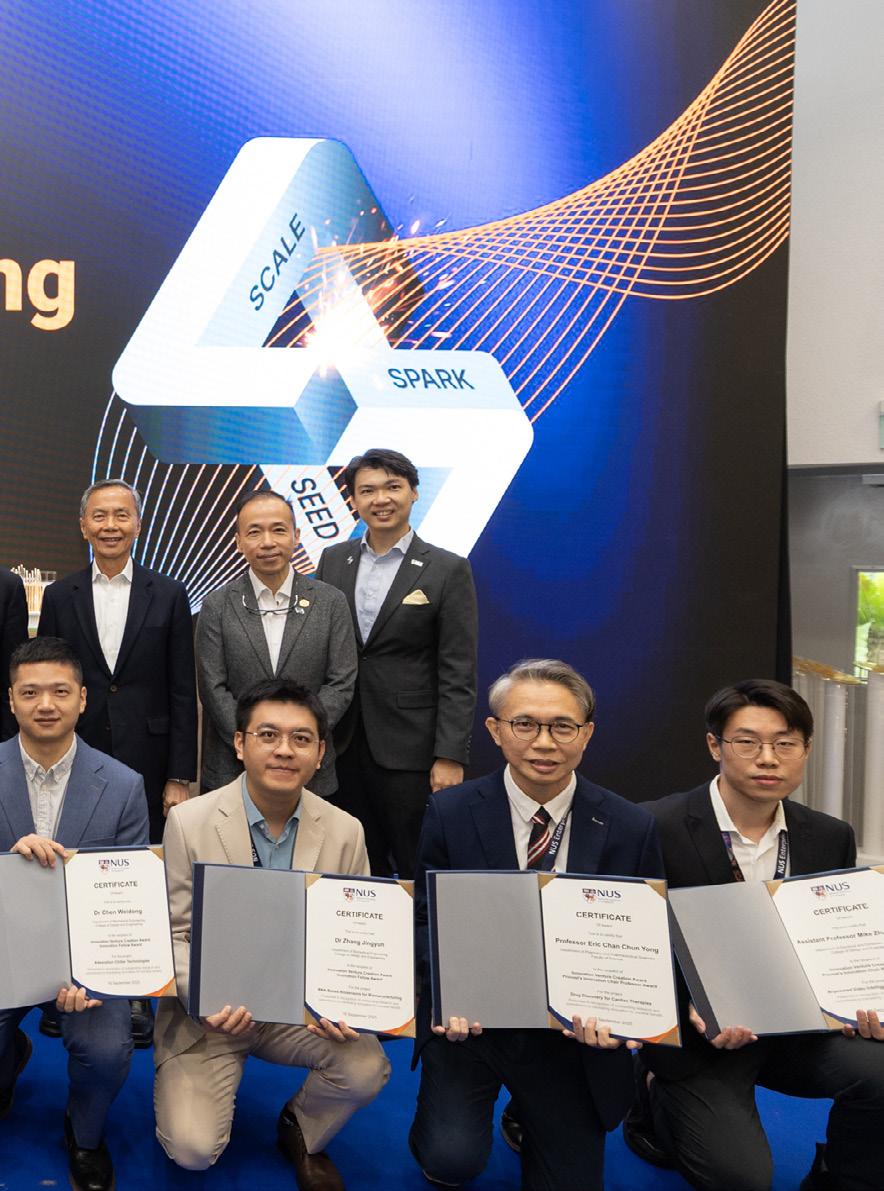
While facilities like the NGRIP Labs provide critical infrastructure, it is the ingenuity of NUS researchers and faculty that drives breakthroughs. To celebrate these achievements, NUS presented the NUS Innovation and Venture Creation Awards to eight winners, recognising faculty and researchers who are translating cutting-edge research into globally impactful solutions.
The future of innovation
Following a vibrant morning of celebrations, the afternoon sessions shifted the focus to charting the future of innovation. More than 20 distinguished international speakers shared their perspectives on breakthroughs in technology and discussed how the next generation of innovators can successfully navigate a rapidly evolving global landscape.
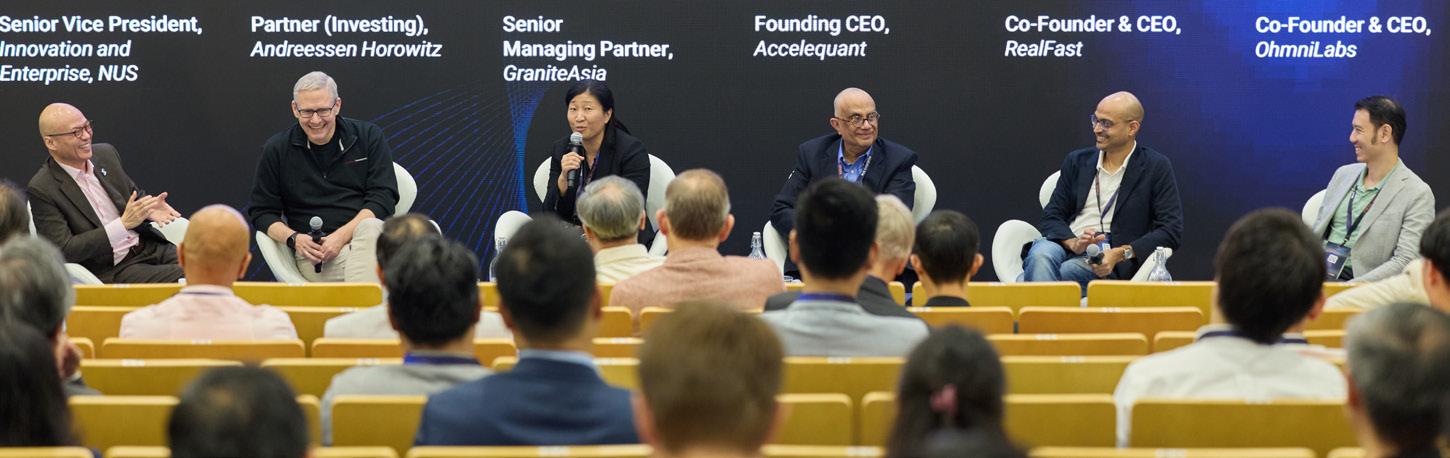
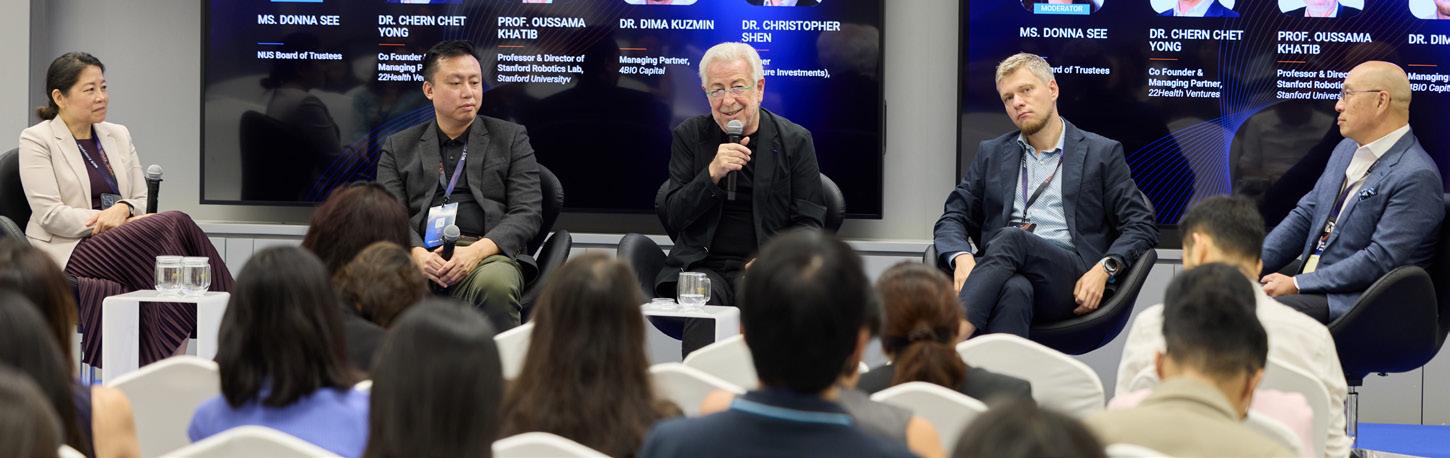
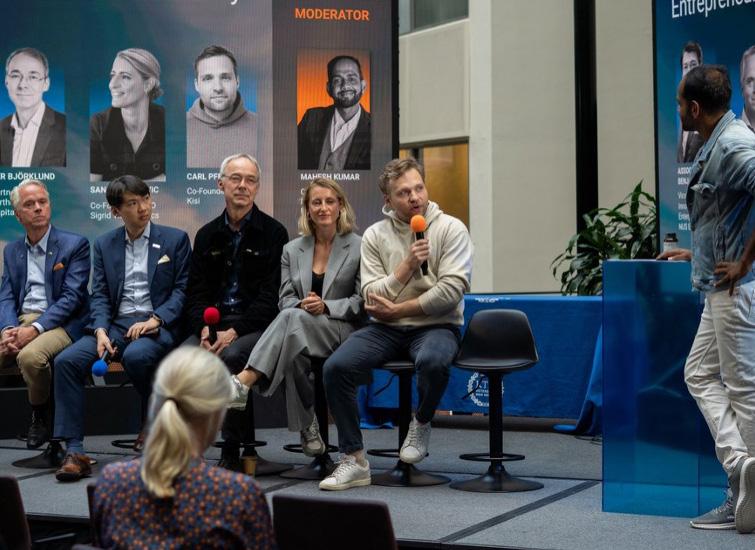
Three parallel discussion tracks were moderated by Dr Tan and NUS Enterprise advisors, Ms Donna See, a member of the NUS Board of Trustees, and Dr Patrick Ennis, Venture Partner at Madrona Venture Group (pictured left in each photo), respectively. The sessions explored geopolitical and market shifts, as well as strategies for nurturing and scaling start-ups. Speakers emphasised that successful ventures depend on strong research, product development, customer focus, and, most importantly, the people driving the venture.
TOP:
The NUS management team and DPM Gan Kim Yong with our IVC Award Winners: Prof. Dario Campana , Winner of the President’s Venture Creation Chair Professor Award, Assoc. Prof. Feng Meng Ling, Asst. Prof.
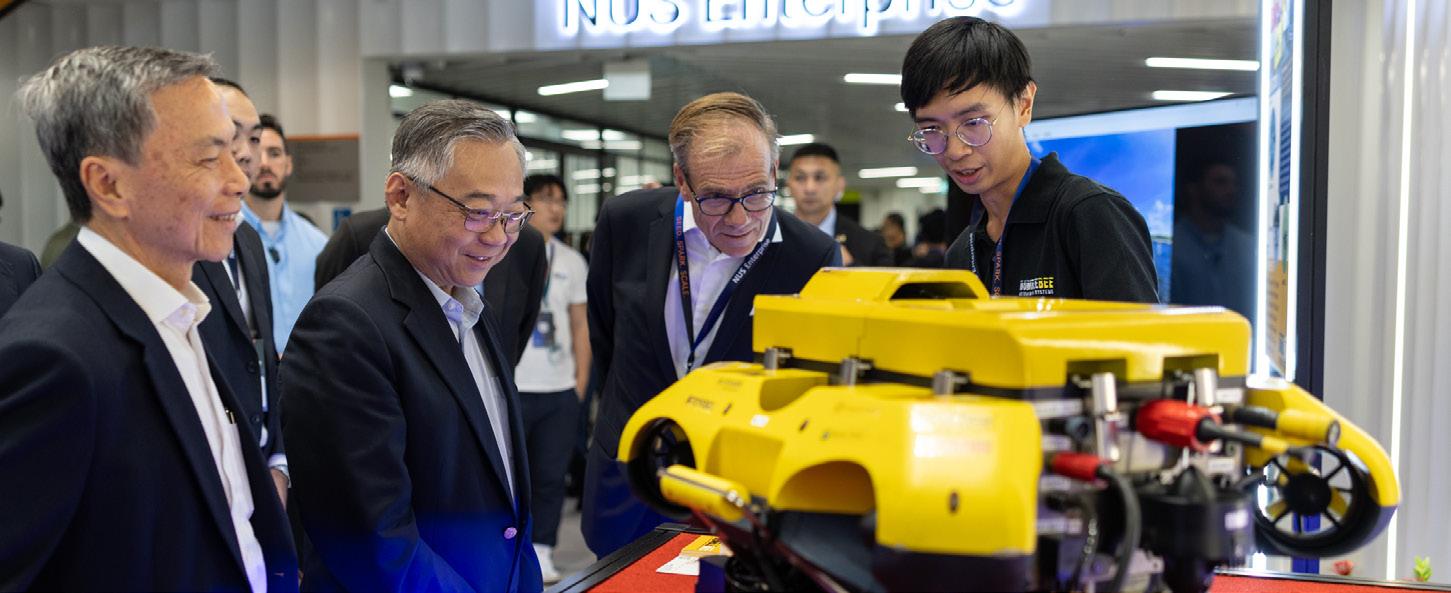
NUS’ Team Bumblebee is a student-driven group pioneering autonomous maritime robotics with award-winning underwater and surface vessels.
Speakers opened up about the highs and lows of translating research into successful ventures.
As Dr Ennis reflected, “I used to think science is the most important part, and then you get a little more experience and realise it’s actually the product, engineering, and customers. And with even more experience, you realise it’s really about the people.”
The day continued with the panel “Innovation Unplugged: Founders and Frontiers”, moderated by Associate Professor Benjamin Tee, Vice President (Innovation and Enterprise), NUS Enterprise (first on left in the photo above). NUS professors-turned-founders shared candid insights on the challenges of turning research into ventures. They reinforced the importance of making technology distinctive and telling your story effectively. One of the panellists, Professor Abhik Roychoudhury, Provost’s Chair Professor of Computer Science at NUS Computing, illustrated this with the rapid acquisition of his AI start-up AutoCodeRover in just 10 months, beginning from a single tweet.
Adding another dynamic layer, the “Reverse Pitching” session turned the tables, with investors presenting their cases to founders and researchers, highlighting the critical factors that attract funding and scale ventures.
The evening concluded with a keynote by Dr Edward Jung, Co-Founder and Chief Technology Officer of Intellectual Ventures, during a dinner networking session. He brought the day’s conversations full circle, urging innovators to look
beyond trends and focus on applications that deliver real value, emphasising that lasting impact comes from the synergy of vision, execution, and people.
i3 as a hub for entrepreneurship
More than a ceremony, the event was a celebration of curiosity, a spark for bold ideas, and a call to experiment together. “i3 is the nexus on which the NUS Enterprise flywheel spins. It brings together all the pieces in the ecosystem, fuelling the momentum to drive global impact and Singapore’s entrepreneurial success,” said Dr Tan.
Watch our key highlights of the full-day event here
FUTURE LOGIC: Emerging trends and breakthroughs in AI and software development.
Mike Zheng Shou and Prof. Eric Chan Chun Yong, Winners of the Provost’s Innovation Chair Professor Awards, Dr. Jingyun Zhang, Dr. Weidong C. , Dr. Feb Hillman and Dr. Chitralekha Gupta , Winners of the Innovation Fellows Awards.
Dr Edward Jung, giving his keynote address, touching on the dopamine effect
REVERSE REVERSE
REVERSE REVERSE REVERSE REVERSE PITCHING
VCs get grilled by scientists— here’s what founders can learn
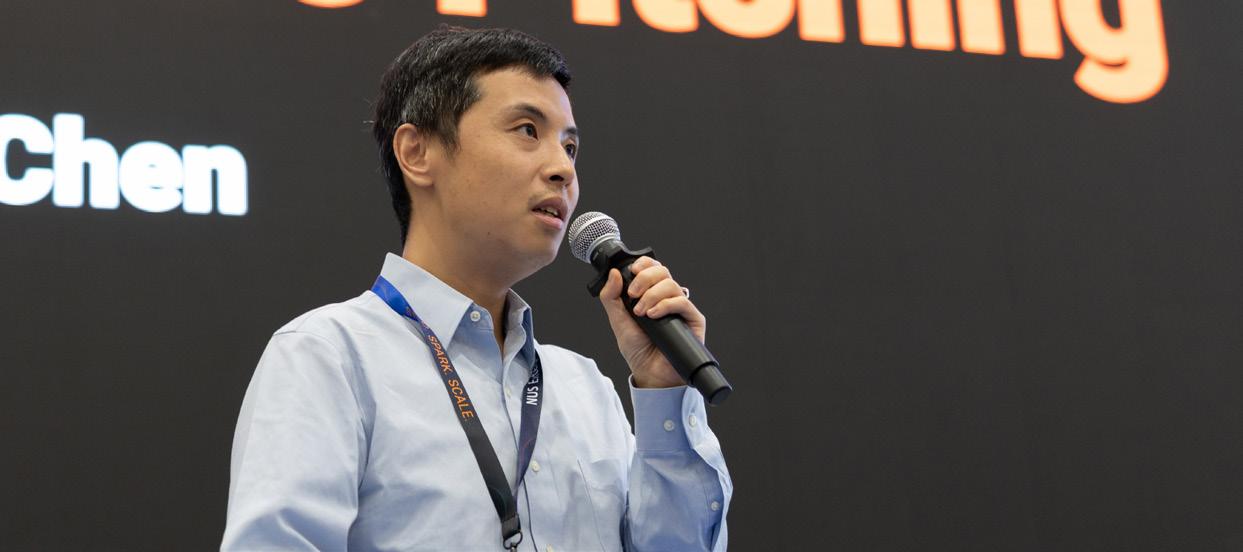
The tables were turned at the i3 building opening event at the National University of Singapore when five venture capitalists (VCs) found themselves in the hot seat, fielding pointed questions from academic scientists in a “reversepitching” session.
The format was simple: VCs had five minutes to make their case, then faced questions that revealed as much about the friction between academic rigor and commercial reality as it did about their investment approaches.
The session was moderated by Dr Tan Sian Wee, NUS Senior Vice President (Innovation and Enterprise), while Dr Patrick Ennis, Venture Partner at Madrona Venture Group, Mr Fred Farina – Chief Innovation and Corporate Partnerships Officer at Caltech, Prof. Abhik Roychoudhury, Provost’s Chair Professor of Computer Science at NUS, and Professor Alberto SangiovanniVincentelli, Edgar L. and Harold H. Buttner Chair at UC Berkeley made up the panel of scientists.
The session closed with mutual respect earned through good conversations over perceptive questions. Scientists got honest answers about dilution, control, and commercial realities. VCs were reminded that deep tech isn’t about moving fast and breaking things—it’s about solving problems that require both capital and patience. 1 3 5 2 4
THE BUZZ
WHEN INVESTORS PITCH
1
Dr. Guido Appenzeller, Andreessen Horowitz
Dr. Appenzeller positioned his $46 billion firm as more than just capital providers. Declaring that this is “an incredible time to start a company,” Dr. Appenzeller argued that generative AI represents a cost reduction of five orders of magnitude, similar to the PC and internet revolutions that created trillion-dollar companies. He estimated AI-based software development tools alone could add $3 trillion in GDP—equivalent to France’s entire economy.
Q: (posed by Prof. Abhik) What would you as an investor do to make sure that some of the good startups that are there in this generative AI revolution don’t get killed by the bigger companies?
A: First of all, we are VCs. If you think we can ensure that a start-up is successful you’re not giving the entrepreneurs nearly enough credit, right? The entrepreneurs are the superstars, we are the support team. That said, I’m generally very optimistic about this because traditionally, the larger the disruption, the more likely it is that a start-up can beat the incumbent.”
2
Dr. Yusi Chen, Granite Asia
Dr. Chen emphasised his firm’s local roots with global reach, highlighting their Singapore headquarters and 20-year track record backing 580 companies with 150 unicorns. His pitch centred on being the bridge between frontier technology and commercialisation, particularly for professor-founders needing 360-degree support beyond capital.
“We are local, so we have a team here. And also we have global presence. I’m very happy to become the go-to partner for many of the founders here today if you want to start your company here and then go globally.”
Q: (posed by Dr Ennis) I’ve got a question as a technical founder, and I hear stories about some of my friends. They start a company as a technologist, and the VCs say they’re going to support him. But then when there’s a hiccup and a problem in the business, they ask the technologist to step aside or fire the person. So what are you going to do to help me succeed so that I can stay in control and stay with my company throughout the whole journey?
Dr. Wen Hsieh, Matter Venture Partners
Dr. Wen Hsieh took a contrarian approach, arguing that money alone is insufficient for hard-tech success. His $300 million fund assembled strategic Limited Partners (LP) including TSMC, ASML, and Quanta Computer to provide ecosystem advantages. He shared his take based on the difficult experiences of getting silicon wafers during Covid-19.
“To do hard tech investing, money is necessary but not sufficient. You need a powerful ecosystem. Start-ups need more than money, especially in hard tech because you got to make physical things. Our focus is on hard tech and our definition of hard tech is start-ups founded on hardcore engineering or science. Everything that has software involves hardware, which is particularly difficult for a start-up to manage.
Q: ( posed by Prof. Alberto) Say I have a hard tech company. So, I need lots of money, sometimes. So, I will need for sure, series B. And most of the companies in this domain fail to find the second round. So, first round is okay, but the second round is difficult to find. So why should I choose you?
A: “In my 20 years, every company I’ve backed has reached Series B— otherwise they wouldn’t survive. My $300M fund focuses on 10 core positions, reserving follow-on capital for Series B and C. I typically enter at Series A and follow on. You can’t be a VC and not follow on. That would be like being in a marriage but not committing.”
4Dr. Dima Kuzmin, 4BIO Capital
Dr. Dima Kuzmin made the case for deep bio investing with striking clarity: his firm focuses exclusively on non-invasive therapies, backed by an active $63 billion annual M&A market. He emphasised that only 28% of FDA-approved drugs come from the internal R&D of big pharma companies. “Everything else has been acquired from start-ups, indicating strong demand for new biotech innovations.”
Describing his investment approach: “If there is something that the biopharma toolbox cannot do today and there is an irresolvable technological problem, we will invest in first in class biology to solve that problem.”
Q: (posed by Mr. Farina) If you’re able to choose any area of major disease to go after where you think there’s the most potential for impact in venture returns would it be CNS cancer metabolic or cardiac?
A: I would say oncology is the best commercial returns at 50% of healthcare. It’s a massive market. The most underserved biggest area for explosive returns is women’s health.
5A: When I decide to invest in a company, I’m really investing in the founders because I see their potential. Unlike some VCs who take a very aggressive approach, my strategy is different. I see myself as a coach, working closely with the founder to help them grow from technologist into a strong CEO and business leader. If I don’t see that potential in the founder, I wouldn’t invest in the very beginning. 3
Aditya Mathur, elev8.vc
Mr. Aditya Mathur positioned his firm as the operator-turned-investor helping Singaporean deep-tech founders cross the valley of death. An ex-semiconductor executive, he promised hands-on support through workshops, networks, and ignite programmes specifically designed for professor-founders hesitant to leave academia.
“We really think that to grow a company, you’ve got to be able to expand globally, get the networks. Not everyone has networks coming out of college.”
Q: (posed by Mr. Farina) If I am a start-up and you give me seed funding how do I know that when it’s time to get to series A that there will be resources, your connections to other funds that will have the resources taking me to the next steps?
A: Sometimes there’s enough funding here in Singapore, but that doesn’t always happen. What we’re seeing is that a lot more of our portfolio companies—about 70%—have gone from seed to Series A or at least the next round of funding, much of it coming through corporate ventire capital (CVC) globally. We’ve seen strong interest from Japan, the US, and from many CVCs as well as venture capitalists, so it’s been a good mix.”
Why Forbes is watching these NUS start-ups—and you should too
Seven NUS start-ups have landed on Forbes’ most prestigious lists in 2025—proof that the university’s innovation ecosystem is nurturing companies that are making a global impact.
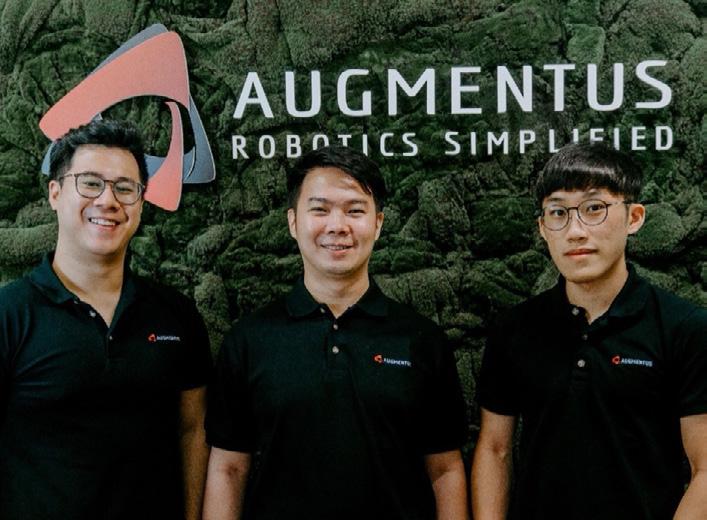
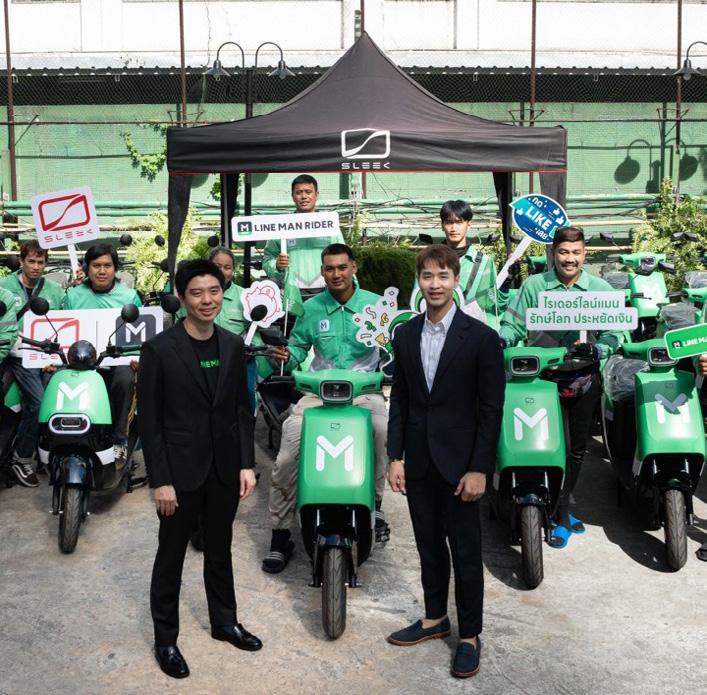
Augmentus Robotics and SLEEK EV made Forbes Asia’s 100 to Watch 2025, joining the region’s most promising companies across 16 Asia-Pacific countries. The list spotlights this year’s defining trends: AI and deep tech dominance, rebounding venture capital in Singapore, Japan, and India, and explosive growth in biotech, space tech, and green technology.
Forbes Asia's 100 to Watch
Want to meet NUS start-ups and founders in person? Check out the NUS Enterprise booth at the upcoming Singapore Week of Innovation and Technology (SWITCH) happening from 29 -31 October 2025.
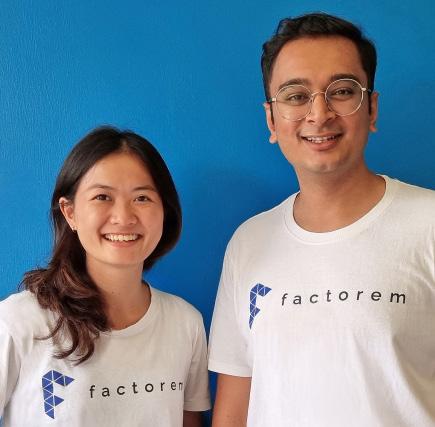
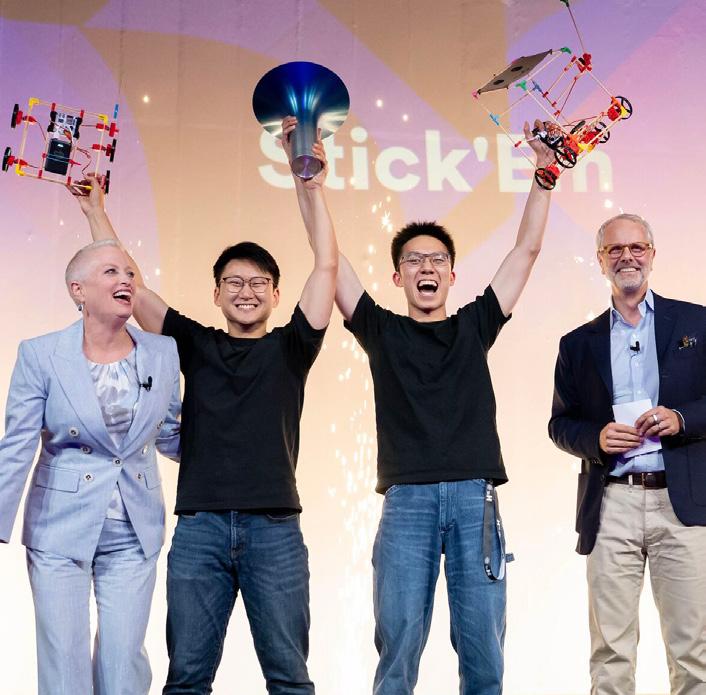
Five other start-ups—Stick ‘Em , Emerstat , Aleph Technologies , CRecTech , and Factorem —cracked the Forbes 30 Under 30 North America and Asia lists earlier this year, recognition that accelerates credibility, attracts investment, and signals to the world: these founders are building the future before turning 30.
Read more about these start-ups and find out how they are leading the pack.
Augmentus
Robotics
Simplifying Industrial Automation
Founded in 2019 by NUS Overseas Colleges (NOC) alumni Daryl Lim, Chong Voon Foo, and Leong Yong Shin, the company’s mission is to simplify the deployment of industrial robots, enabling manufacturers to automate complex tasks without the need for extensive programming expertise.
Built around a no-code platform, Augmentus Robotics enables factories to automate complex tasks like surface finishing and welding — reducing robot programming time by up to 90%.
The team recently secured US$11 million in fresh funding from a Series A+ round that was led by Woori Venture Partners US, with support from EDBI Pte Ltd, SIERRA Ventures, and Cocoon Capital. The funds will drive product development and support expansion across Asia, North America, and Europe.
SLEEK EV
Accelerating the Shift to Electric Mobility
Founded in 2022 by NOC alumni Kantinan Tunveenukoon and Zhang Quan
Ong, SLEEK EV is an electric motorcycle maker focused on urban mobility. It offers smart scooters priced from 45,900 baht (US$1,417) and operates a fast-charging network across Thailand. The company has raised US$5 million in seed funding from investors including Krungsri, January Capital, PTT OR’s Orzon, and Thai Summit Group.
The company launched its first model in 2022 and opened an experience centre in Bangkok to let potential customers see and test the bikes. By 2023, SLEEK EV had secured pre-Series A funding and sold over 1,000 units, indicating strong market demand.
Augmentus Robotics founders (From left: Daryl Lim, Leong Yong Shin, Chong Voon Foo) at their robotics workspace. (Photo: Sierra Ventures)
Sleek EV’s Co-founders Mr Ong Zhang Quan (left) and Ben Tun (right) rolled out the initial fleet of the electric two-wheelers to LINE MAN Wongnai as part of their new partnership in Thailand. (Photo: SLEEK EV’*s LinkedIn)
2025 Forbes 30 under 30
Factorem
Reshaping global custom manufacturing.
Founded by Hardik Dobariya and Alexandra Zhang, the NUS Overseas Colleges (NOC) alumni behind Factorem are unifying fragmented manufacturing capacity across Southeast Asia and the U.S. into a single, intelligent interface, giving hardware teams instant access to quotes, production, and delivery with speed, quality, and flexibility. Factorem’s AI-powered manufacturing platform provides instant quoting from 2D/3D designs, real-time manufacturability feedback, and intelligent order fulfilment.
Since launching five years ago, the company has achieved remarkable traction: processing over 10,000 enquiries from businesses worldwide, delivering triple year-on-year growth while serving over 200 customers including global brands, and building a vetted network of over 150 manufacturers across 8 countries. Their recently launched AI fulfilment engine now automates 35% of orders.
Emerstat
Revolutionising Bleeding Management
Vishnu Sunil and Apoorva K., co-founders of EmerStat, a NUS Graduate Research Innovation Programme (GRIP) alumni start-up entered the Forbes 30 under 30 2025 Healthcare list for North America early this year.
EmerStat began its journey as one of the 14 deep tech start-ups nurtured in the NUS GRIP Lift-Off Day Run 9 in 2023. The start-up developed a non-adherent drug-free hemostatic device designed to minimise blood loss and expedite clotting.
Stick ‘Em STEAM education made accessible
Stick ‘Em is an edtech start-up cofounded in 2021 by Adam Huh Dam, Chong Ing Kai, Tew Jing An and Chong Kai Jie. The company makes STEAM (Science, Technology, Engineering, Arts & Mathematics) education accessible and affordable for everyone through affordable STEAM kits and an online platform for schools worldwide.
Last month, Stick ‘Em won US$1 million at the 2025 Hult Prize global finals in London. The annual Hult Prize is often referred to as the “Nobel Prize for students.”
CRecTech
Driving renewable bio-methanol production
CRecTech, a GRIP and PIER71™ alumni start-up has developed breakthrough catalytic technology that transforms waste biogas into green bio-methanol—a sustainable, carbon-neutral marine fuel that can drastically cut shipping emissions by up to 95%.
CRecTech ‘s co-founders Kang Hui LIM and kokgiap HAW, PhD, have also been selected to the Breakthrough Energy Fellows - Southeast Asia cohort, a global initiative founded by Bill Gates.
Aleph Technologies
Unlocking peak manufacturing efficiency
Aleph Technologies, an NUS Graduate Research Innovation Programme (GRIP) and PIER71™ alumnus start-up specialises in AI-powered process optimisation for the chemical and pharmaceutical manufacturing sectors. Founded in 2021 by Suwira Teo, Aleph’s main product—the Aleph AI Co-Pilot™—uses advanced digital twin and reinforcement learning technologies to dynamically optimise industrial operations.
Earlier this year, Aleph raised US$750,000 in seed funding from Cocoon Capital and Graiden Gorge Investments, supporting its ongoing Asiawide rollout. The start- up is also one of 26 start-ups that made it to BLOCK71’s Generative AI Accelerate programme with Microsoft.
CRecTech’s CEO, Kang Hui Lim, VP Business Development, KK Lai, and Process Engineer, Tye Hao Fei attending the Tan Jiak Kim Appreciation Event, hosted by NUS Enterprise last week.
FROM LEFT TO RIGHT: CEO of Hult Prize Foundation Lori Van Dam, Adam Huh Dam, Chong Ing Kai and Chairman of EF Education First Philip Hult . (Photo: The Hult Prize Foundation)
A CampusWide Spark: NUS students learn to turn curiosity into change
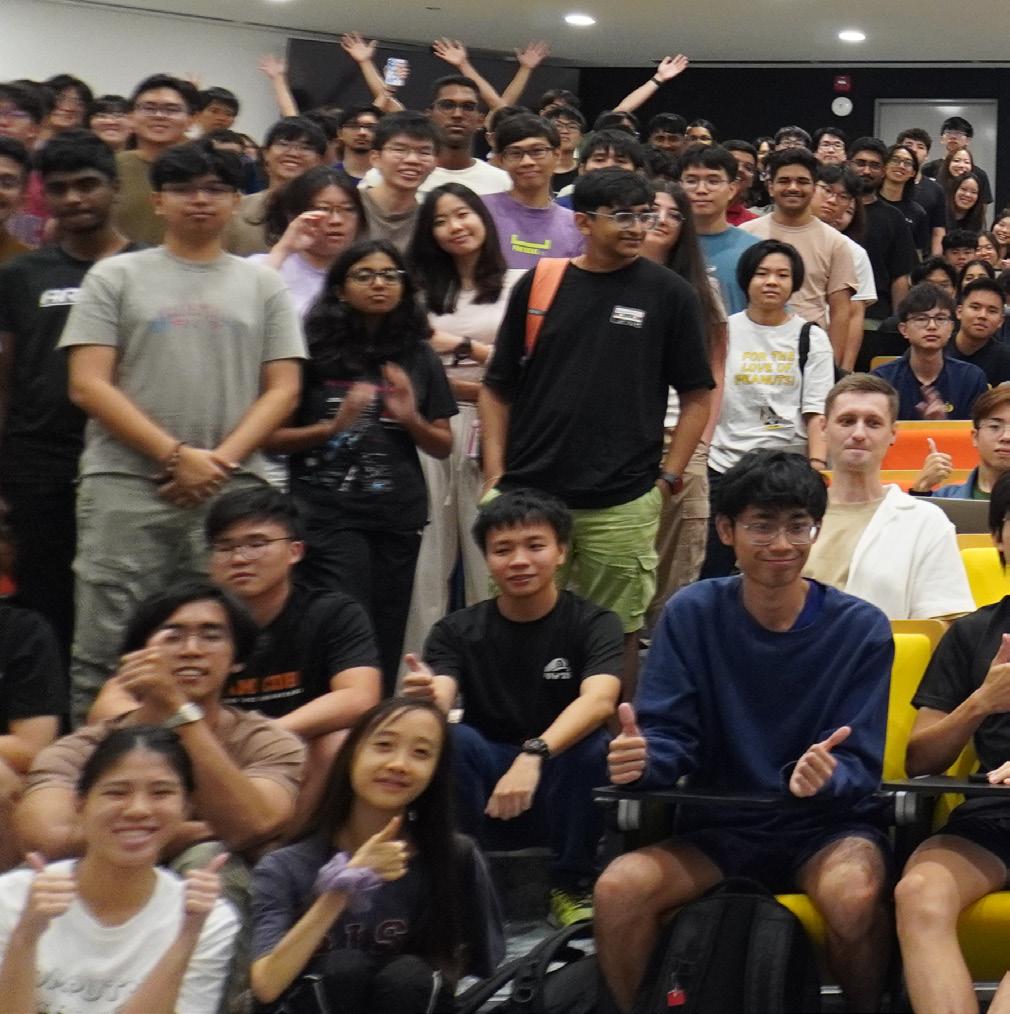
On 20 August 2025, over 300 NUS students gathered for “Building an Innovation Mindset”, a half-day event under the NUSOne initiative.
Hosted by NUS Enterprise in collaboration with the NUS College of Design and Engineering (CDE) and the Office of the Provost (PVO), this event is a first-ever crossfaculty collaboration, paving the way for deeper and more explorative campus-wide entrepreneurial initiatives
“
“Building an Innovation Mindset offers students an experiential journey, applicable processes and fundamental steps on how curiosity can be transformed into action, and how ideas can drive tangible, real-world impact.
Engineering as a platform for innovation & enterprise
In the “Ideas to Innovation” lecture by Associate Professor Khoo Eng Tat, Assistant Dean (Research & Technology) at CDE, students were encouraged to view engineering and learning not just as calculations and prototypes, but as a platform for innovation and enterprise. “Entrepreneurial mindset is not innate - it is cultivated through questioning assumptions, embracing experimentation, and most importantly, learning from failure.”
Failure is part of success, like in everything, but especially in entrepreneurship.
– Luis Olguin Reyes Year 4 student, NUS Business School
NOC alumni share their entrepreneurial journeys and lessons on resilience, innovation, and embracing failure.
The sentiment captured the spirit of the lecture, reminding students that setbacks are not endpoints, they are the stepping stones for learning and iteration.
Turning passion into purpose
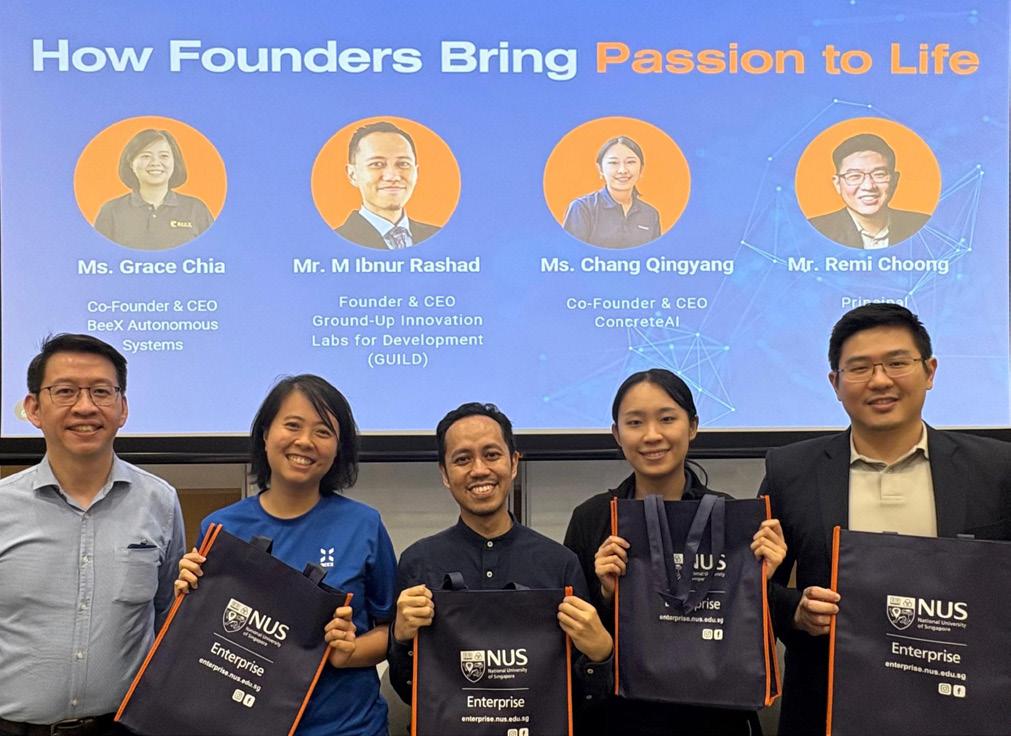
A highlight of the afternoon was the Founders’ Fireside Chat, “How Founders Bring Passion to Life”, moderated by Remi Choong, Partner at Elev8.vc. NUS Overseas Colleges (NOC) and CDE alumni Grace Chia, Co-Founder & CEO of BeeX Autonomous Systems, M. Ibnur Rashad, Founder & CEO of GroundUp Innovation Labs for Development (GUILD), and Chang Qingyang, Cofounder & CEO of ConcreteAI shared their personal start-up journeys through countless bumps on the road.
Their stories were not polished pitches but honest reflections on long nights, bold pivots, and repeated failures. Through these raw insights, students saw how resilience, curiosity and adaptability are the real engines behind innovation. The candid discussion inspired the audience to take bold actions, embrace diverse perspectives, and approach challenges with grit and an open mind. For Leonard Goh, Year 2 student at NUS School of Computing, he found the
session eye-opening, and quoted the most illuminating guiding principle M. Ibnur Rashad shared: “Failure is the norm in entrepreneurship, and it should be expected, not avoided.”
Building mindsets, block by block
The event closed with “Problem Solving Piece by Piece”, a hands-on challenge using the SOMA cube, a 3D dissection puzzle designed to enhance spatial reasoning, logical thinking and problemsolving skills.
The activity sparked laughter, collaboration, and creative problemsolving, teaching participants the value of persistence, teamwork, and breaking complex challenges into manageable steps —key habits for building an entrepreneurial mindset.
Neryss Ho, Year 2 student at CDE shared, “We were tasked to build the tallest tower using just a few 3D blocks, and it was so much fun thinking of creative ways to solve the problem. It was definitely my favourite activity today.”
“The exercise reinforced a core entrepreneurial principle: breaking complex challenges into manageable components.”
Key takeaways: planting the seeds of an entrepreneurial future
As the event closes, the message is clear. Entrepreneurship isn’t just about launching start-ups – it’s about having the mindset to cultivate curiosity and courage to ask “What if?”, and embracing failure as a learning opportunity. It’s taking small steps toward something bigger.
Many students walked away with concrete ideas on how to begin their entrepreneurship journey, from solving one real-world problem a month” to forming project teams with peers from different faculties.
“Building an Innovation Mindset” provided students with a rare window into how ideas can be translated into action through one’s start-up journey, highlighting the need to build confidence, personal skills, and an entrepreneurial mindset to take their first steps toward turning ideas into tangible impact.
Inspired to start on your own entrepreneurial journey? Join the NUSOne x NUS Enterprise Telegram channel to get first access on upcoming events, insider updates and more sparks of inspiration.
This article is based on insights from a National GRIP fireside chat earlier this year with renowned serial entrepreneur and academic Professor John Rogers , moderated by NUS Associate Professor Benjamin Tee
The full video is published on youtube
The fireside chat is part of a series of curated, expert-led deep tech events organised by National GRIP (Graduate Research Innovation Programme), launched by the National Research Foundation Singapore (NRF), and executed in partnership with NUS Graduate Research Innovation Programme (GRIP) and Nanyang Technological University Singapore.
Why your ‘Nature Paper’ won’t make you rich
“You publish a paper in Science or Nature, you think, oh, this is going to be a great company. In many cases, that’s not the way things are.”
Professor John Rogers doesn’t mince his words when it comes to the reality that all academic entrepreneurs face. Despite having founded multiple successful companies—including partnerships with giants like L’Oréal and Gatorade—and holding over 600 patents, Prof Rogers has learnt that scientific brilliance alone doesn’t guarantee commercial success.
The reality check
Prof Rogers draws our attention to a critical blind spot many researchers have: “It’s easy to fall in love with the technology that you happen to be working on in your lab. And you should guard against that.”
The problem isn’t the quality of the research—it’s the failure to grasp market dynamics. “You have to really look at things in a very careful, fair manner.
What is the competitive landscape? What are the alternative technologies? How are those alternative technologies
company, launched around 2007, was built on transfer printing technology. The team was building the smallest solar cells
“You might think you have a good competitive position today, but you have to look at where things are going to be five years from now and evaluate it in a very hard-nosed fashion.”
going to develop over the period of time that’s going to be necessary to take your research forward and move it into a product?”
Prof Rogers points out that commercialisation typically takes “four, five, six, ten-year kind of timeframe,” during which existing technologies continue improving.
Don’t rush to spin out
Rather than rushing to spin out technologies, Prof Rogers advocates for patience instead. “We try to keep technologies in the academic lab as long as possible, wait for the last possible minute to spin it out in the form of a startup.”
Why? Because academic labs offer a unique problem-solving environment.
“You want to solve all the problems that you know of associated with your new technology while you’re in an academic lab environment because if you think you’re going to take a technology that has a few flaws, don’t worry about it, let’s put it into a start-up, hire engineers, they’ll solve the problems. That never works.”
The consequences of premature commercialisation are brutal: “you’re burning lots of money and you’re losing your equity position and control of the company because you have to bring in more and more financing to keep it going while they’re trying to solve these things.”
Learning from failure: a lesson in market timing
Prof Rogers shares a sobering example that illustrates how even good technology can fail due to market forces. His solar
– Prof Rogers
to do large area concentrator photovoltaic panels with world record efficiencies.
“We launched the company without a specific product in mind. We could print silicon and we’re going to be able to do anything you want, that type of thing.” The VCs loved the platform optionality—RF devices, solar, displays—but this became a weakness. “The first quarter was just focused on, okay, what device are we going to build? So that’s probably not how you want to do it.”
“...having a high signal-to-noise ratio in terms of product and market fit is very important before you launch a company.”
– Assoc Prof Tee summed up the critical point
Even after deciding to focus on photovoltaics and building a 1-megawatt (1MW) manufacturing facility in North Carolina, market forces beyond their control crushed their aspirations. “The cost of silicon went down much more quickly than anybody could have anticipated,” Combined with fracking bringing low-cost natural gas online, “it just became impossible to raise money around our technology.”
Prof Rogers agreed. He now believes you need to be “head and shoulders better than a competing technology, and not just 20, 30% better but like five times better” because market dynamics can change faster than you expect.
The Bottom Line for Founders
Throughout the conversation, Prof Tee skilfully drew out practical insights for the audience of NUS student founders and postdocs. His observation that researcher-turned founders “tend not to think about capitalisation (cap) table construction” highlighted a critical gap in entrepreneurial education—which is exactly why they have National GRIP to support deep tech start-ups in commercialising their research.
Prof Rogers’ advice is clear: focus on solving real problems thoroughly and being dramatically better than alternatives before chasing the start-up dream. Prof Tee’s insight also resonated with many in the audience: understanding market dynamics and regulatory pathways upfront is crucial for any deep tech venture.
“Because a great paper does not necessarily mean a great technology,” Prof Rogers concludes.
Want more insights from Prof Rogers on building successful deep tech ventures and his “pull vs. push” approach to commercialisation? Watch the full fireside chat on YouTube.
Prof John Rogers and Assoc Prof Tee deep in discussion with Assoc Prof Mehul Motani after the fireside chat Q&A session.
that builds careers, not ends them AI
A Vietnamese start-up is using AI to solve a problem that has plagued companies for decades— how to develop workforce skills at scale without breaking the bank.
SMARTR ’s AI-powered workforce capability platform replaces traditional HR consulting projects with realtime capability assessments, linking employees’ professional development directly to business goals.
In Singapore, where sustained productivity growth is central to its ability to raise standards of living, democratising skills development for all companies, including SMEs, isn't just innovation—it's imperative.
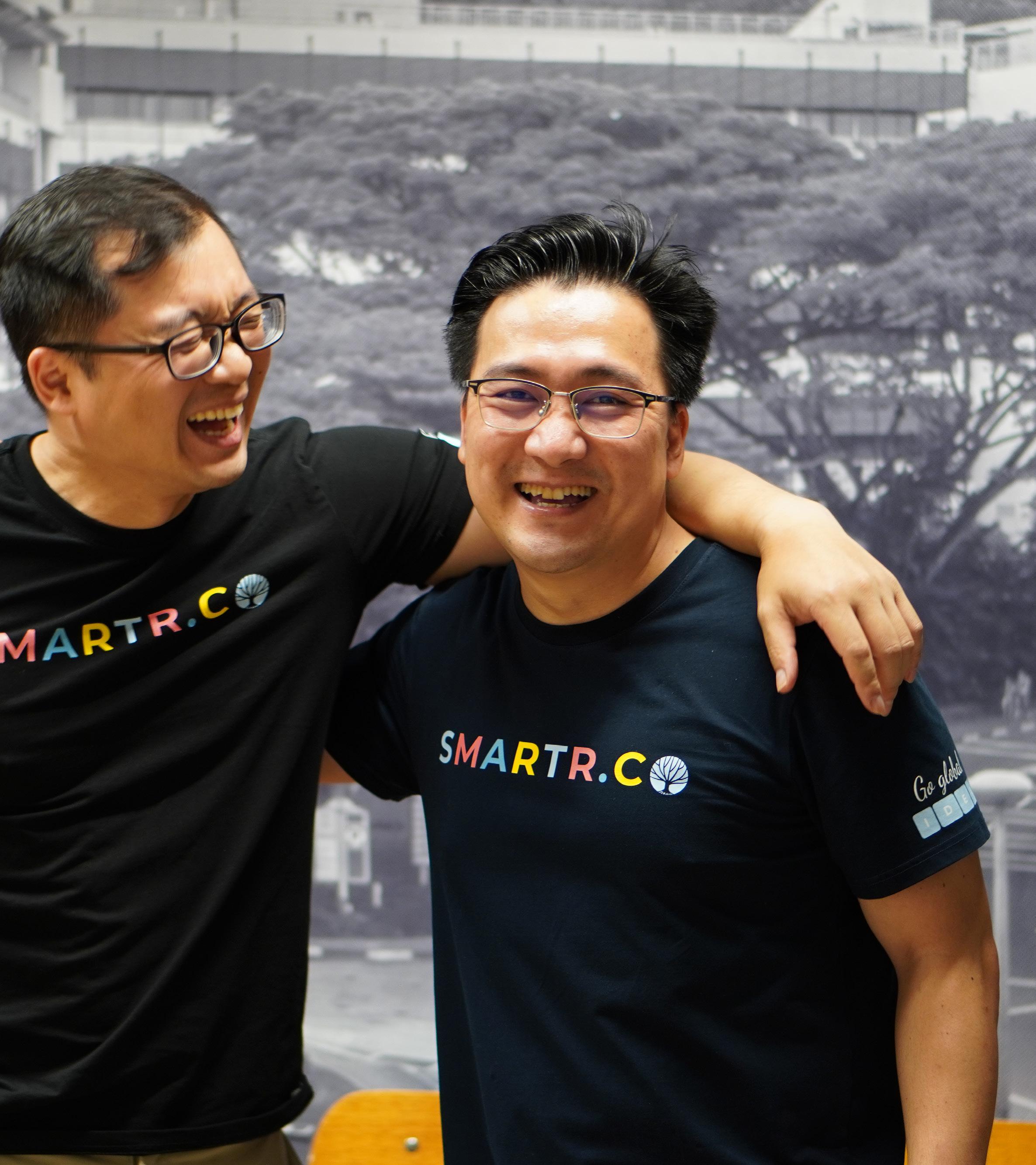
SMARTR’s co-founder & CTO Kynam Doan (LEFT) and co-founder & CEO Van Nguyen
Where workforce development fails
Traditional learning and development platforms focus on courses and certifications—inputs rather than outcomes. They rarely connect individual skill development to organisational goals, leaving both employees and employers flying blind. This is a challenge that affects organisations of all sizes and across all industries.
For small and medium enterprises (SMEs) in particular—which employ 70 to 80 per cent of the world's workforce—operations are so lean that workforce development needs go largely unaddressed.
On the other hand, for more than a decade SMARTR ’s co-founder & CTO Kynam has built the same system for large enterprises over and over again. As a consultant specialising in strategic workforce capability who held C-Level leadership in these enterprises, he watched companies struggle with addressing a growing skills gap.
Both founders lived and worked in the U.S. for several years before returning to Vietnam, where they independently tackled workforce development from different angles. When they met through mutual friends, they instantly connected
potential," Van shared. "A lot of them do a job for a few months, and jump ship because they can't see the future." The warning he delivers to companies is stark: "If you don't develop your people today, you don't have people for tomorrow.”
SMARTR’s AI-powered and performance-driven learning platform enables businesses to identify the skills gap of employees based on their current abilities and job role, personalise learning experiences, and track posttraining performance.
“We leverage AI to help businesses co-create and gamify training content. By integrating skill gap analysis and organisational KPIs, we enable ondemand, just-in-time, and performancebased learning that drives measurable results for companies and their people. All while making learning fun!” Kynam shared with pride.
The engine behind the platform: precision at scale
SMARTR’s platform rests on what Kynam calls a "capability inference engine"—an AI system that maps any job description, task, or business goal to a library of over 1,900 competencies, each defined across five proficiency levels and three behavioural indicators.
“I have seen it happen time and again. Companies postpone the hard work of building a competency framework until they have no choice. By then, they end up paying for a very expensive enterprise software and consultant team to implement a system. Yet most of these projects fail to deliver what matters—a reliable system that connects workforce capabilities to strategic business goals and tracks your people’s development in real time."
– Kynam
SMARTR’s CTO & Co-founder
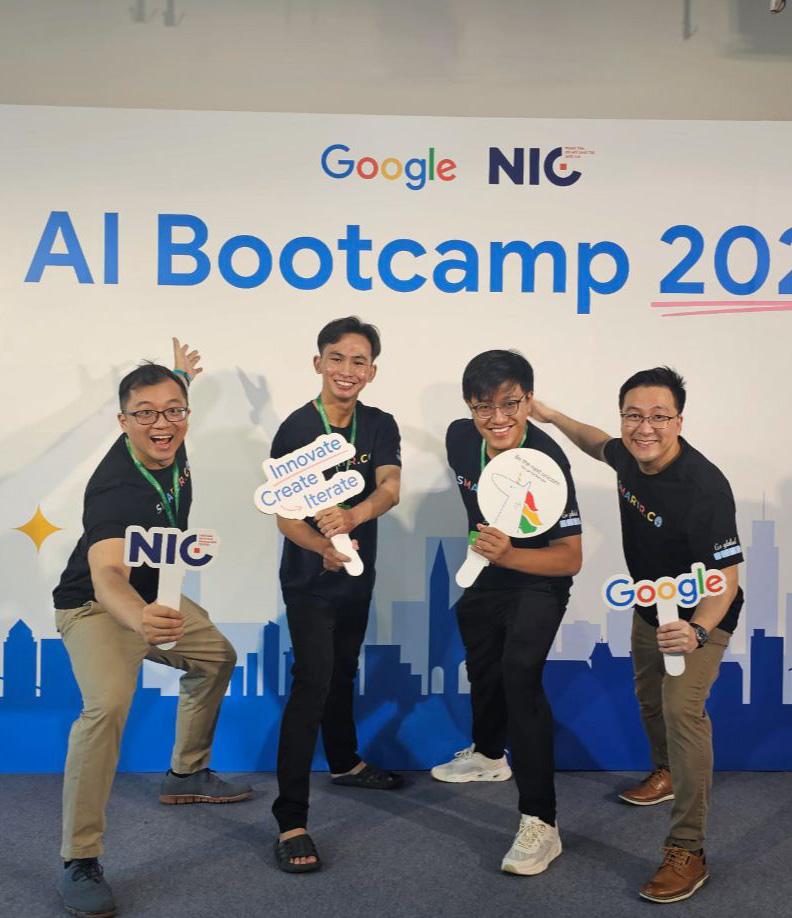
The SMARTR team at the Google AI Bootcamp! SMARTR is proud to be part of the Google for Startups Accelerator Vietnam, leading the way in using AI to help businesses maximise their human capital
over shared values and a common mission
“I was here to do a one-year work rotation before returning. But here I am, still in Vietnam, eight years later,” Van chuckled.
“That’s what Vietnam does to you,” Kynam interjects with a laugh. “You come to Vietnam; you end up staying.”
Empowering the next generation with AI-powered HR tech
"The younger generation right now actually struggles with reaching its full
The difference from generic AI tools is precision. "If you run the engine 100 times, it gives you the exact same skill framework," Kynam emphasised. "That's the huge difference between this and talking to ChatGPT. If you ask it 100 times what are the most important skills for this role, it'll give you 100 different answers."
Companies can import job descriptions and receive complete competency frameworks in real time. From there, the platform tracks everything: goal setting,
“The challenge companies face is the inability to effectively match critical learning content to individual employee needs and measure the impact of training. As a result, companies often hesitate to invest time and resources into employee development.”
– Van Nguyen
SMARTR’s CEO & Co-founder
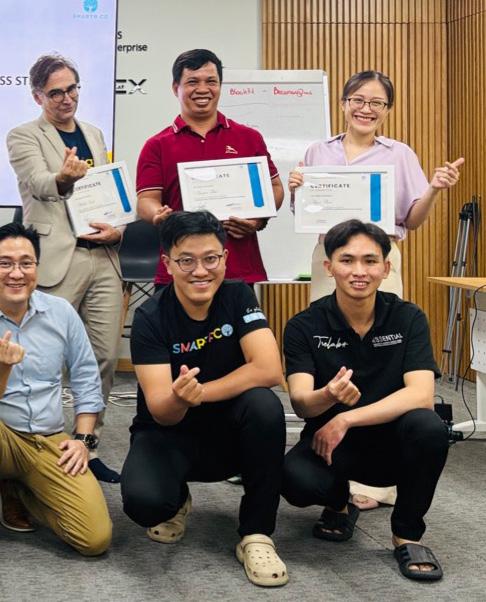
Earlier this year, SMARTR held a training workshop in BLOCK71 Vietnam for business leaders to align workforce capability with strategic goals.
“Now with BLOCK71’s international network and events, I'm exposed to a lot more potential partners and people that share the same common business interests.”
day-to-day work management, competency assessments, and personalised learning pathways. Managers can evaluate employees on specific competencies in under a minute. An AI assessor reduces bias by conducting dynamic conversations with employees to gauge their actual knowledge.
The BLOCK71 advantage SMARTR's journey has been shaped by its engagement with BLOCK71’s global ecosystem. The team participated in BLOCK71Vietnam's booster programme, which Van credits with opening crucial doors. "In Vietnam, the ecosystem is vibrant and grows very quickly," he notes.
When Edward and his team at BLOCK71 Vietnam took over, Van was impressed by their aggressive start-up support strategy and commitment to building genuine connections.
Singapore: The gateway to global impact
Headquartered in Singapore with operations at BLOCK71Vietnam, SMARTR is leveraging the city-state's position as Asia's business hub to drive regional and global expansion. Singapore provides the credibility, infrastructure, and connectivity to scale across markets, while Vietnam delivers engineering talent and operational efficiency.
This isn't just a regional play. SMARTR is using Singapore as its gateway—with plans to first dominate in ASEAN, then taking its workforce development platform to SMEs worldwide. The dual-hub model allows SMARTR to build locally, prove regionally, and scale globally.
“We are currently at the post-revenue stage, with a growing portfolio of customers that includes marketleading companies such as Ortholite (manufacturing), Citek (software), and iMed (medical equipment). We have also established strategic partnerships with top HR consulting firms like Navigos and Talentnet, as well as academic institutions like Fulbright Vietnam, to deliver end-toend learning and development solutions for businesses.”
Their platform tailored for the Singapore market, combines AI-assisted competency building (integrated with Skillsfuture), just-in-time learning, continuous 360° feedback, and curated expert content—transforming training from expense into competitive advantage.
SMEs worldwide struggle with the same challenge: workforce training feels costly with unclear ROI. SMARTR solves this by making skills development measurable and directly tied to business performance. "Your future workforce—that's what the platform is about." Van sums up.
By transforming skills development from cost centre to competitive advantage, SMARTR offers a different narrative: technology that helps people grow into the jobs of tomorrow.
2025 Launch in Singapore; developing integration with Skillsfuture database for skill gap analysis and AI application in learning and development. Secured first 5 customers in Singapore
Cohort 6 of BLOCK71 Saigon’s Booster Programme; participated in InnovFest 2023 during Asia Tech x Singapore; selected for the Google for Startups Accelerator and recognised as one of the Top 10 start-ups in the Southeast Asia Impact Challenge 2023
SMARTR Technologies registered in Singapore; secured investment from Touchstone Partners 2022
Participated in Shinhan Future Lab’s “Open Innovation for Startups” 2021
2020
Established SMARTR Hub for training and community learning
Founded SMARTR.CO 2018
SMARTR: INSIDER'S GUIDE TO VIETNAM Practice advice just for start-ups just for start-ups
1
Establish your physical presence
If you want to enter the Vietnamese market, you have got to go to Vietnam yourself and work on the ground. Keep your team small and nimble. The Vietnamese are good builders and engineers.
2
3
Adjust and set clear expectations
You must understand that Vietnam is a developing country with different market dynamics from Singapore. Adjust your expectations based on the market maturity and processes here.
Find the right local partner(s)
Look for a good local partner that you can trust because when you enter any new market, partnership is very critical. This advice applies to any developing country. Not just Vietnam.
4
5
Think long-term and sustainable
Develop solutions that will work as Vietnam develops. Avoid short-term solutions and build flexible business models that adapt fast. The regulatory environment in Vietnam changes quickly, generally in a good way. But it changes a lot quicker than that of a developed country.
Leverage private sector support
Don't expect government support like in Singapore. Build relationships with private sector partners and accelerators. Join a global start-up ecosystem like BLOCK71.
– Van Nguyen
The invited panellists (left to right): Björn Berggren, Dean School of Architecture and the Built Environment, KTH Royal Institute of Technology, NUS Associate Professor Benjamin Tee, Angel Investor and Advisor Per Björklund , Co-founder & CEO at Sigrid Therapeutics Sana Alajmovic, Cofounder of Kisi Carl Pfeiffer, and Co-founder of MoonRise Mahesh Kumar discussed collaborative approaches to nurturing student start-ups.
NOC Stockholm 20 th Anniversary celebration held in Stockholm earlier this year.
Choosing Curiosity Over Fear:
My Reflections from the NOC Stockholm 20th Anniversary
By Goh Yi Xian, Ginevra
Ginevra is currently pursuing a Business Administration major in Finance at the National University of Singapore (NUS). As part of the 41st batch of NUS Overseas Colleges (NOC) Stockholm, she recently began her internship at Gigapay as a Customer Success intern.
It has only been three weeks since I arrived in Sweden, but on 26 August, I found myself at the NOC Stockholm 20 th Anniversary celebration—an event that turned into much more than just a milestone. For me, it became a moment to pause, reflect, and connect with the NOC Stockholm community that has nurtured two decades of learning and growth.
Lessons from the Panel: Growth Beyond Comfort
The panel discussion was definitely the highlight of the anniversary event for me. What really struck me was when the speakers talked about how growth happens when we step outside our comfort zones. They reminded us that we expand our horizons not by staying safe, but by keeping an open mind, embracing the unfamiliar, and interacting with people different from ourselves.
One speaker’s advice stuck with me: “Meet as many people as possible who are very different from you, because it is often through these diverse encounters that we gain fresh perspectives.”
That simple reminder deeply resonated with me and took me back to my own solo travels in China, Korea, and Thailand, where unexpected
encounters—conversations with strangers in hostels, chats in local cafés, or spontaneous directions offered on the street—gave me a deeper appreciation of life outside my familiar routines. Solo travel taught me to slow down, observe, and enter the unknown not with fear, but with curiosity.
Another key takeaway was the importance of “viewing problems as opportunities.” I thought about the times I fumbled through train stations in foreign languages or tried new activities like windsurfing, often failing on my first attempts. What once felt frustrating now feels liberating, where each mistake was simply a lesson in disguise.
The panel also discussed cultural differences, which struck a chord with my experience working in Sweden. In many Asian societies, silence often means respectfully waiting to be called
being judged or appearing weak. That’s why hearing the panellists say, “It’s not failing; we are learning,” was liberating. It reframed feedback not as criticism, but as fuel for growth — and a reminder to be kinder to ourselves in the process. Witnessing a moment of continuity
Another powerful moment of the evening was witnessing the partnership signing, a tangible symbol of NOC Stockholm’s continued commitment to creating opportunities for future cohorts.
Watching the agreement being inked, I felt a deep sense of continuity. Everything we benefit from today rests on the efforts of those who came before us. In turn, what we build today will support those who come after. That thought left me feeling both grateful and inspired.
“For me, it was a reminder of what makes the NOC experience truly life-changing. It transforms an overseas internship into something much deeper: a chance to rewire how we see the world by immersing ourselves in environments that operate on entirely different cultural norms and principles.”
on. In Sweden, by contrast, active participation and proactivity are highly valued. This mirrors my internship experience at Gigapay, where I report directly to the CEO. Instead of formality, I am encouraged to take ownership, share my thoughts, and ask questions freely. Experiencing this flat hierarchy firsthand showed me how openness and trust can empower people to do their best work.
What resonated most, though, was the call to create safe spaces for failure. In Singapore, where there is often a strong emphasis on achievement, many of us may hesitate to ask for help for fear of
Carrying the spirit of entrepreneurship forward
As I continue my internship and my NOC journey, I carry with me the lessons from that evening; to keep asking questions, to treat mistakes as learning opportunities, and to seek connections that push me beyond familiar circles. Like solo travel, the richest experiences often come from the unexpected.
The 20 th anniversary event was more than a celebration. I’m excited to carry this spirit forward, knowing that the best chapters are still being written—both for NOC and for everyone brave enough to embrace the unknown.
Ginevra participating in a Fika Crawl where she visits different cafes with other international students
GET READY TO INNOVATE! SWITCH 2025 IS COMING.
Secure your pass at go.gov.sg/switch2025kitemail
Building on 2024’s success with over 20,000 attendees, SWITCH returns from 29–31 October 2025 at Marina Bay Sands Expo & Convention Centre for its tenth edition. As one of SG60 signature events, it celebrates entrepreneurs and innovators across artificial intelligence, quantum computing, robotics, and advanced materials.
NUS Enterprise will unveil a brand-new exhibition booth, showcasing exciting start-ups from our innovation ecosystem and their game-changing solutions.
Experience the SLINGSHOT start-up pitching finals, four stages covering deep tech, entrepreneurship, fundraising, community building, and global partnerships, plus an expansive trade and exhibition floor.
The SWITCH attendee pass is free-to-register and provides access to the Main Stage, Global Stage, Converge Stage, Trade Floor & Exhibition Floor, and networking activities.
To join SWITCH Beyond’s deep tech conference and masterclasses, add the preferred sessions during registration. All NUS staff with email domains ending in nus.edu.sg enjoy complimentary access.