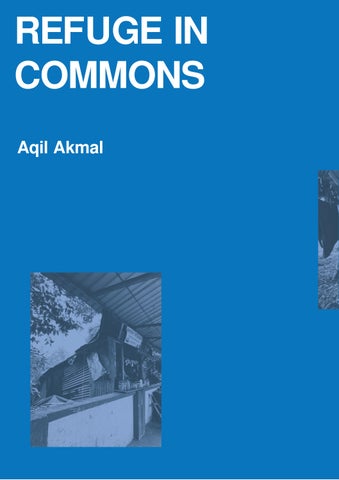
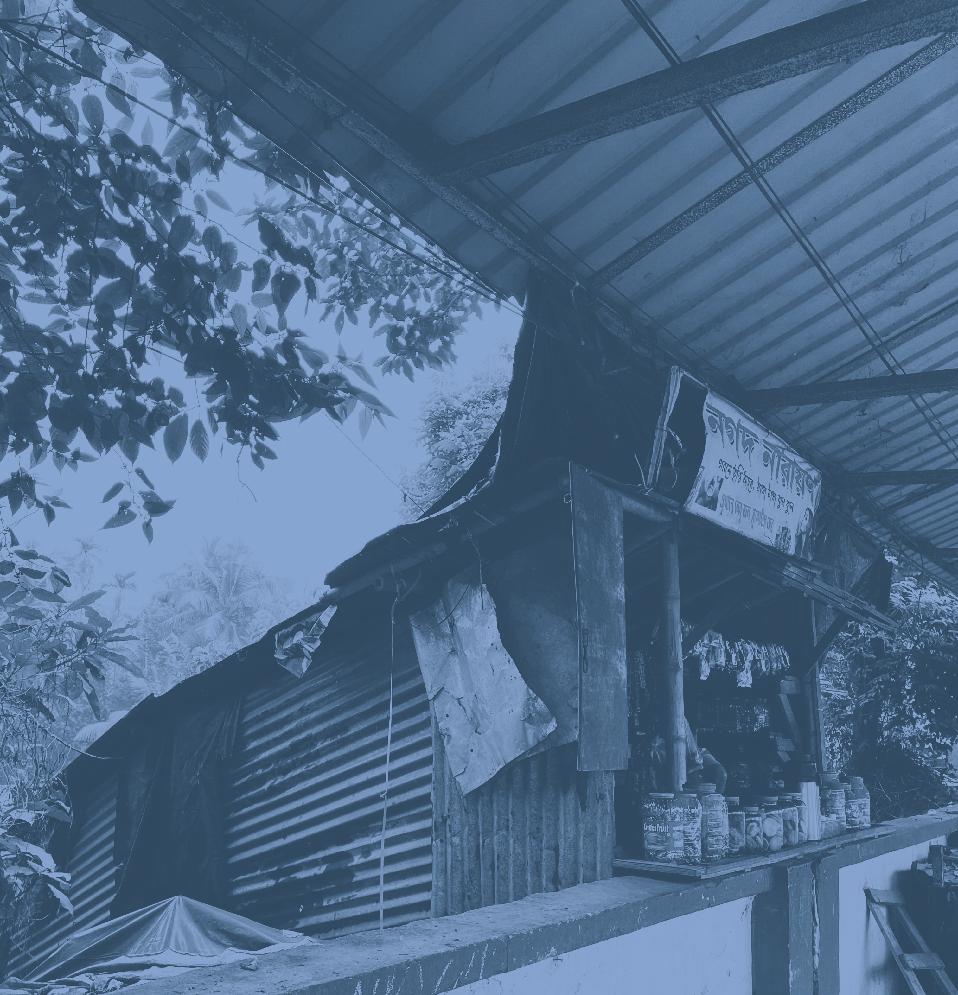
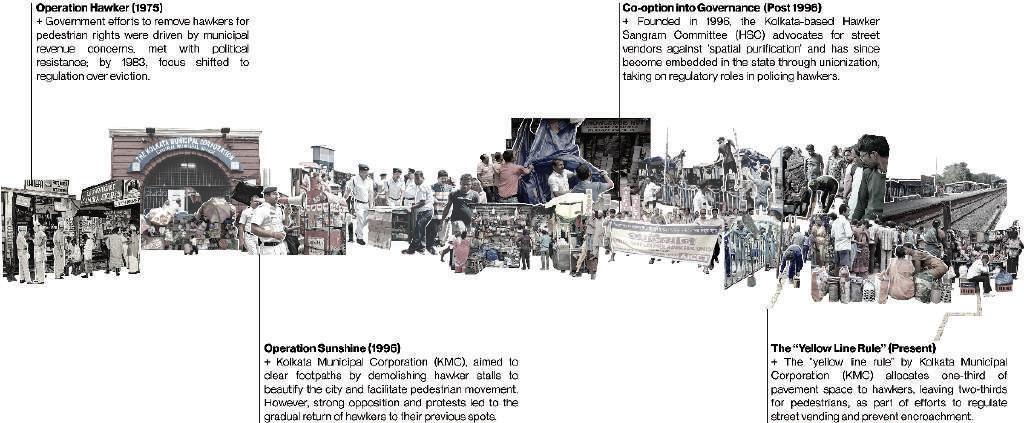
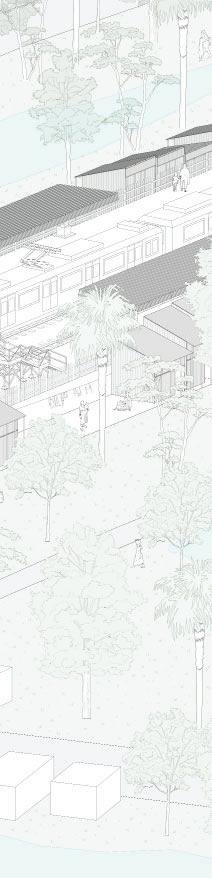
My design research project reimagines the future for displaced hawkers at Kalikapur, a commuter train station on the Canning Line, South 24 Parganas, Kolkata, as a space of periurban refuge through what I term, “commons-based settlement”— where displaced groups collectively manage shared ecological resources through caretaking. Displaced hawkers are prevalent in the Kolkata metropolitan area. For instance, in the wake of Operation Sunshine in 1996, a Kolkata Municipal Corporation (KMC) campaign forcibly removed informal vendors from central Kolkata. Then in 2024, the unsuccessful regulation of hawkers was replaced with a new policy by KMC, that of partial regulation “yellow line rule”, which is a regulation that aims to ensure hawkers only partially encroach on pedestrian streets. In response, this has resulted in a condition of “disregulation”—as described by Goldstein (2016), resulting in hawkers who believed their spots were secure being displaced to eviction. Which underscores their vulnerability in asserting rights at a public space within a framework that marginalises them. This has created displacement to the hawkers from central Kolkata.
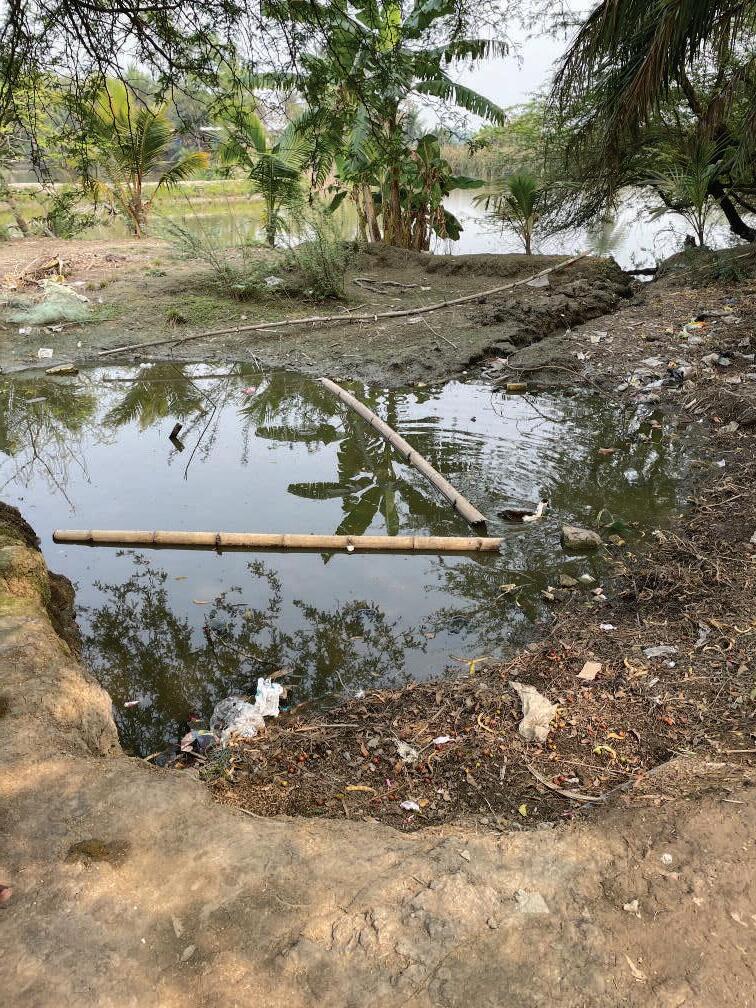
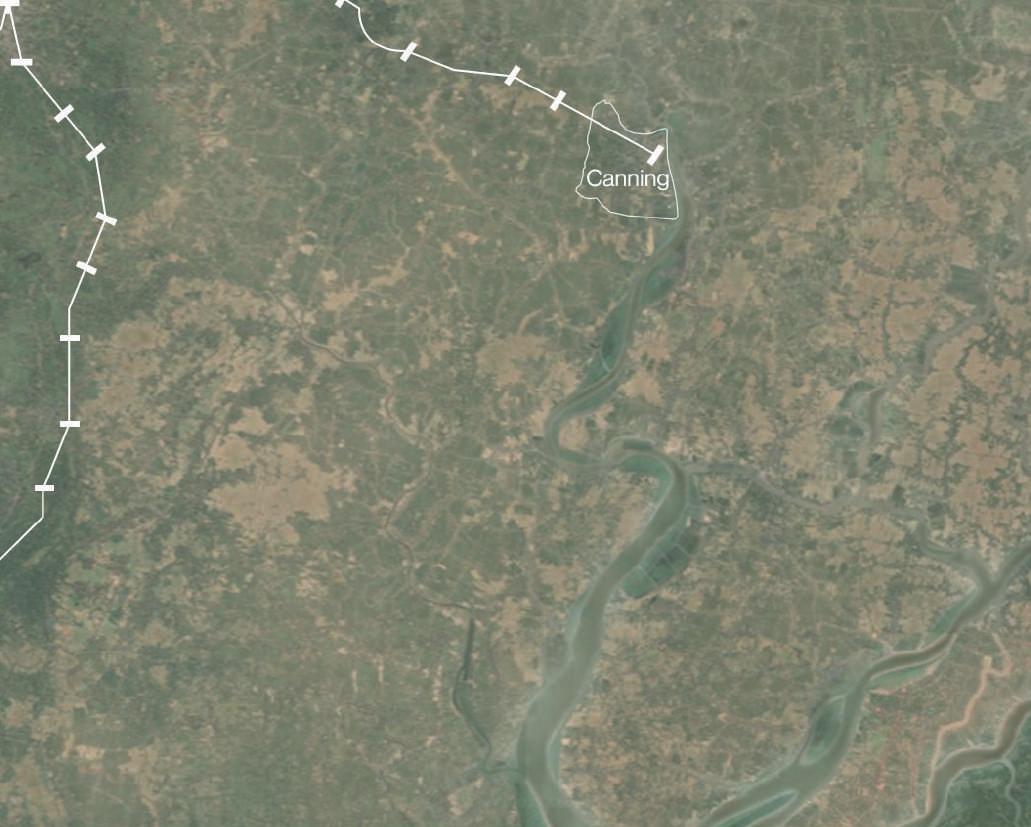
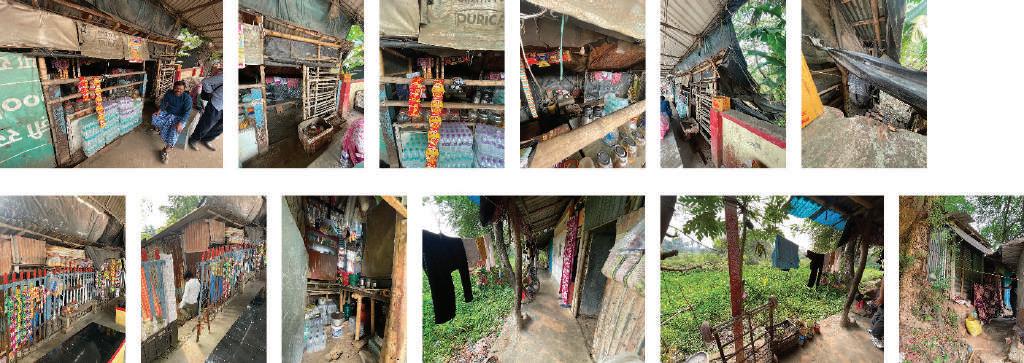
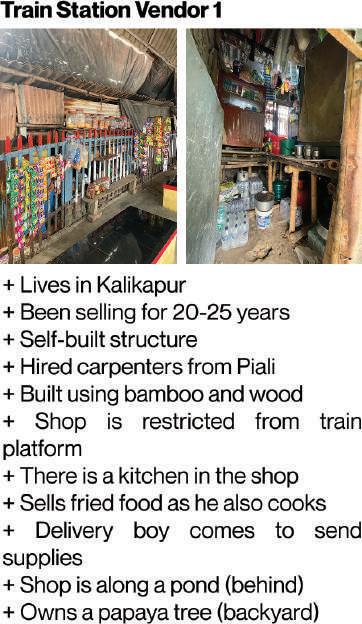
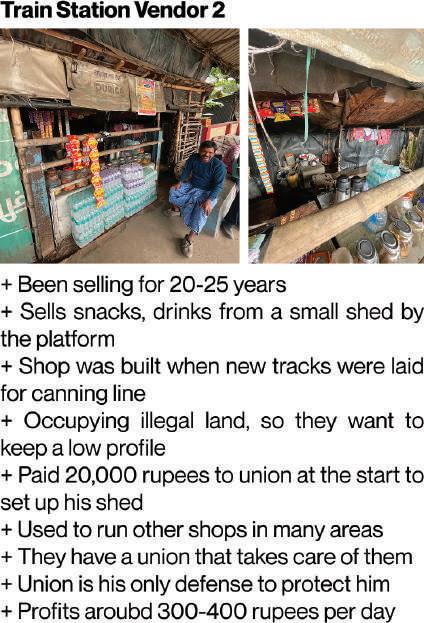
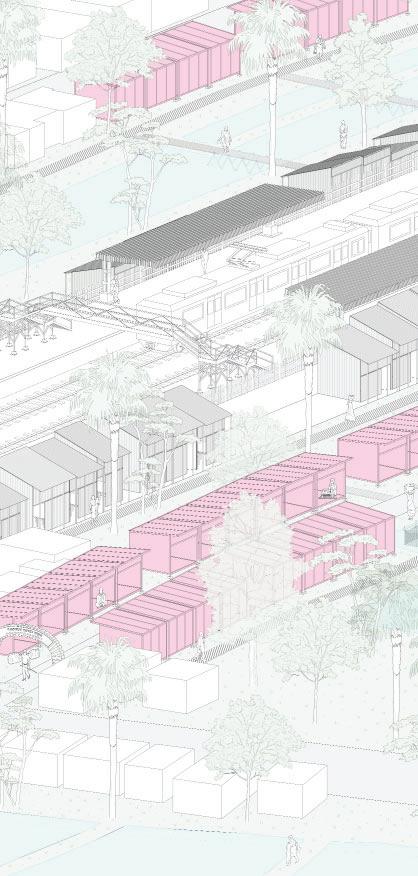
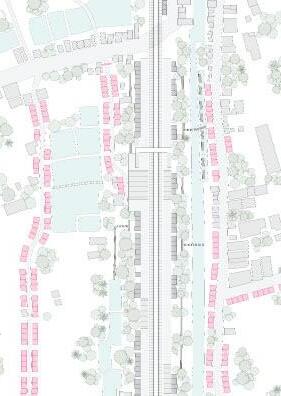
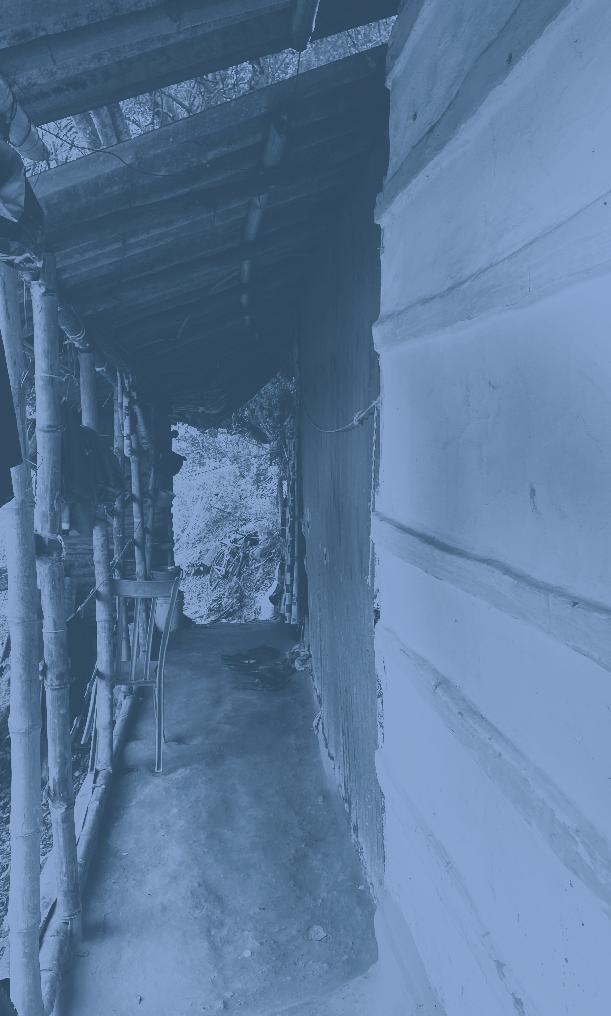
Along the Canning railway line in South 24 Parganas, many displaced hawkers now settle, together with hawkers from rural areas, looking to make a living. While they moved location and formed unions, they are still living precariously. Together they occupy ecologically degraded land in between the railway platform and the Railways of India-owned Champahati Khal (canal). In response, the project calls for a process of a more equitable reregulation of hawkers learning from state owned railway land in Kalikapur through cyclical hawker-led transformation. Rather than imposing a high-level policy, this approach invites displaced hawkers and migrants to participate in commoning practice through a routine of rotational responsibility of state-owned land and ponds. Here, care becomes a shared responsibility—different groups take turns maintaining ponds, restoring their functionality for uses such as: irrigation, aquaculture, habitat renewal, recreation, and fire resilience. Supported by self-built infrastructure that improves access to designated pond-use areas. In return, these groups gain not only ecological benefit, but a foothold in the periurban shaping of the larger settlement story of Kalikapur.
As these water commons take hold, it initiates a mode of rotational accomplishment—a cumulative process in which ecological care builds toward formal recognition and infrastructural development. This cycle enables displaced Kolkata-hawkers and incoming ruralhawker migrants to integrate into a shared routine of care, forming networks of responsibility and support that gradually give rise to a parallel market—developed on private land and formalised as a panchayat village market. Through each season of care, new social and spatial arrangements emerge, supported by a resettlement of the displaced hawkers from the train platform to a reassigned spot. Enabling the reterritorialization of the hawker streetscape as a lived, cared-for ecology through the caretaking routines of restored ponds, forming a spatial grammar of resettlement in the periurban on its own terms.
Ultimately, the project rethinks the logic of resettlement as a spatial practice through designing for contingency. It offers a soft landing not just for the displaced, but for a future vulnerable to climate change and economic shocks. It frames “commons-based settlement” not only as a resource but as a social contract that empowers them to become co-authors of their environment. While grounded in Kalikapur, this practice is scalable across similar periurban conditions along the Canning Line and other commuter railway corridors in South 24 Parganas—reaching wider networks of vulnerable groups facing ecological risk and regulatory uncertainty.
MY STORY OF HARAL-FIREWORKS MANUFACTURING VILLAGE IN CHAMPAHATI
When I embarked on this study trip to Kolkata, I initially thought the fireworks industry was simply an environmental hazard that could be shut down with stricter regulations. I assumed that once the government enforced a ban, the issue would resolve itself, leading to a healthier environment. However, what I found on-site was far more complex. Through interviews with villagers, workers, and farmers, I discovered a deeply intertwined system of economic survival, political influence, and environmental degradation. The ban on fireworks manufacturing did not come with proper waste disposal strategies, leaving the villagers to dump hazardous chemicals into nearby ponds, which then polluted the canals. Furthermore, I learned that fireworks were not a year-round industry but rather a seasonal occupation spanning 4-5 months, while farming sustained them for the rest of the year. However, even agriculture was compromised, as excessive chemical fertilizer use further degraded the already contaminated soil.
This realization advanced my understanding of architecture and landscape beyond just ecological restoration. I began seeing it as a socio-environmental challenge that needed a holistic design and policy-based intervention. The connection between land use, water systems, and economic livelihood became evident. Landscape architecture, in this case, wasn't just about designing green spaces but also about rethinking land management, waste treatment, and alternative livelihoods. The situation forced me to think about sustainable transitions that wouldn't displace people but instead empower them. The possibility of repurposing fallow land, introducing controlled waste management, and transitioning the industry into a safer and regulated framework became central to my thought process. I also started to explore the potential of creating alternative employment opportunities, especially for women, who expressed a willingness to shift professions if viable options existed.
One moment of clarity came when I saw a worker covered entirely in gunpowder, lacking any protective gear, and continuing his work as though it were normal. It struck me how deeply ingrained this industry was in their daily lives. I also met women who had sustained their families for decades through fireworks manufacturing yet now found themselves at a crossroads with no alternative means of income. Some had begun shifting to bidi-making, while others were selling off their last stock with uncertainty about their future. These interactions made me realize that simply removing the industry without an alternative plan would not be a solution—it would only worsen poverty.
Another shift in my perspective came when I understood the role of unions and politics in sustaining this industry. The workers were not just operating independently; they were backed by powerful unions aligned with political interests, making government interventions far more complicated than I had assumed. The system was not just a question of environmental laws but also one of political will and social restructuring.
This led me to rethink my approach. Instead of proposing a complete shutdown of the industry, I started considering a more structured, regulated, and hygienic model of production, ensuring proper waste disposal and safety for workers. I also began exploring ways to introduce alternative industries, such as eco-villages where women could take on roles in land restoration, water purification, or sustainable craft-making. I realized that a well-planned transition, rather than an abrupt ban, would be key to balancing environmental restoration with economic survival.
This study was not just about pollution—it was about people, their livelihoods, and their future. It made me realize that design and planning should always consider the human stories behind the spaces we intervene in. My perspective evolved from seeing fireworks manufacturing as a problem to be eliminated, to viewing it as an opportunity for transformation through inclusive, sustainable, and socially responsive solutions.
AQIL AKMAL BIN MOHD
02_Research
02_01 Historical Analysis
Hawker phenomenon is a crucial part of Kolkata’s informal economy.
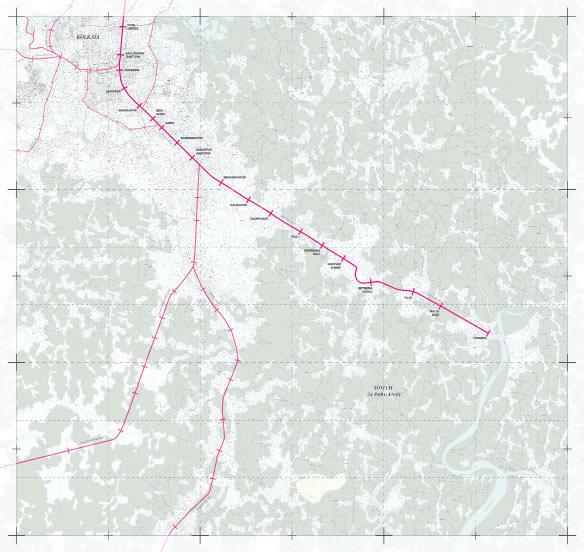
02_02 Chosen Fieldwork Areas
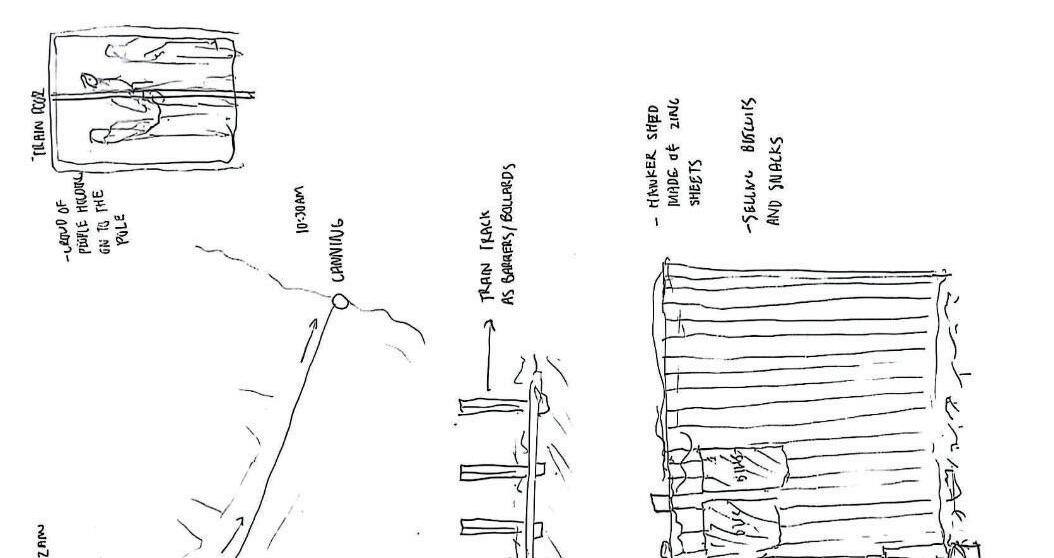
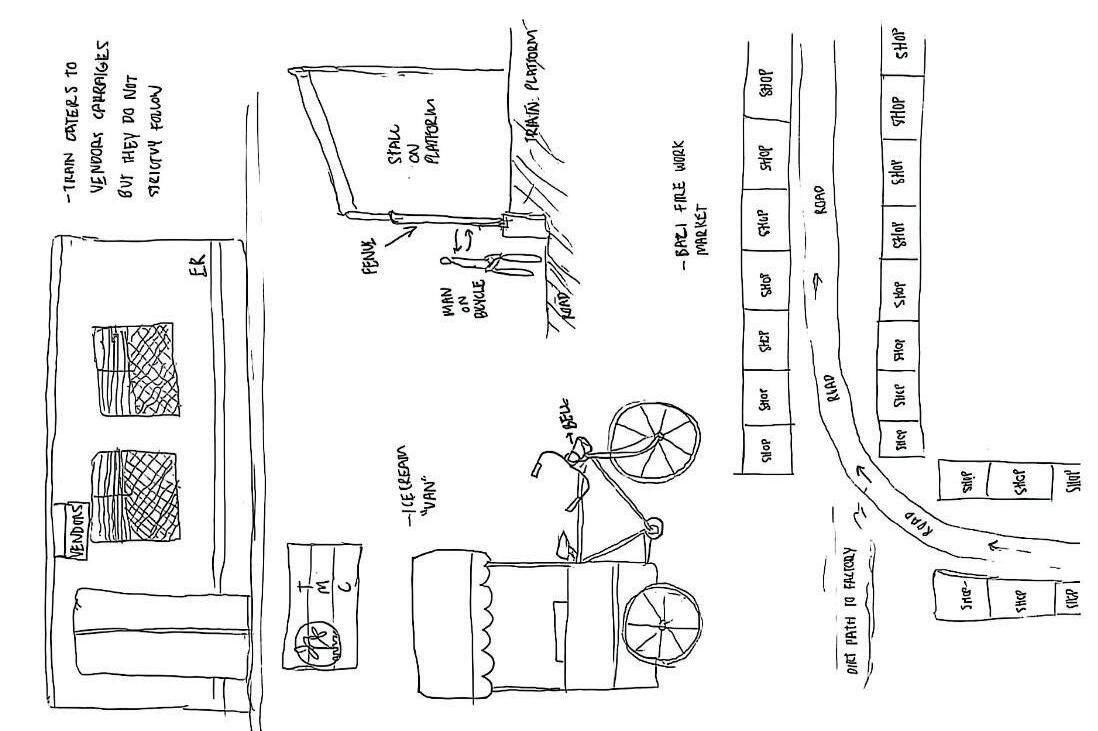
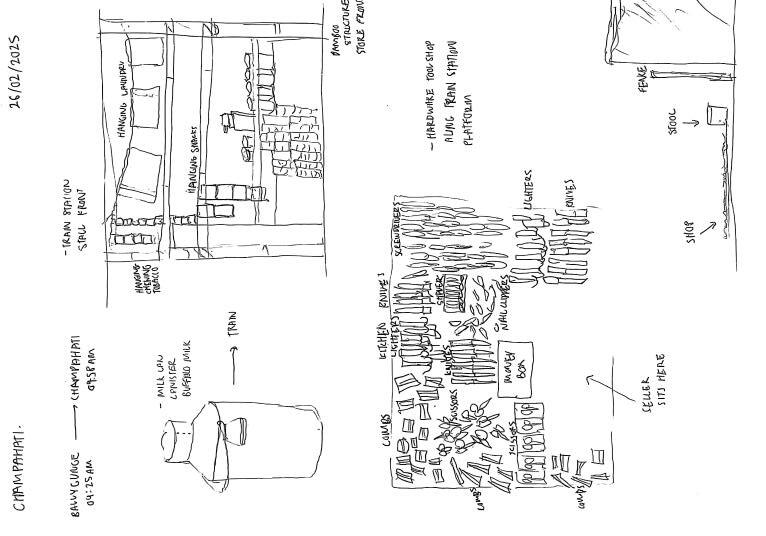
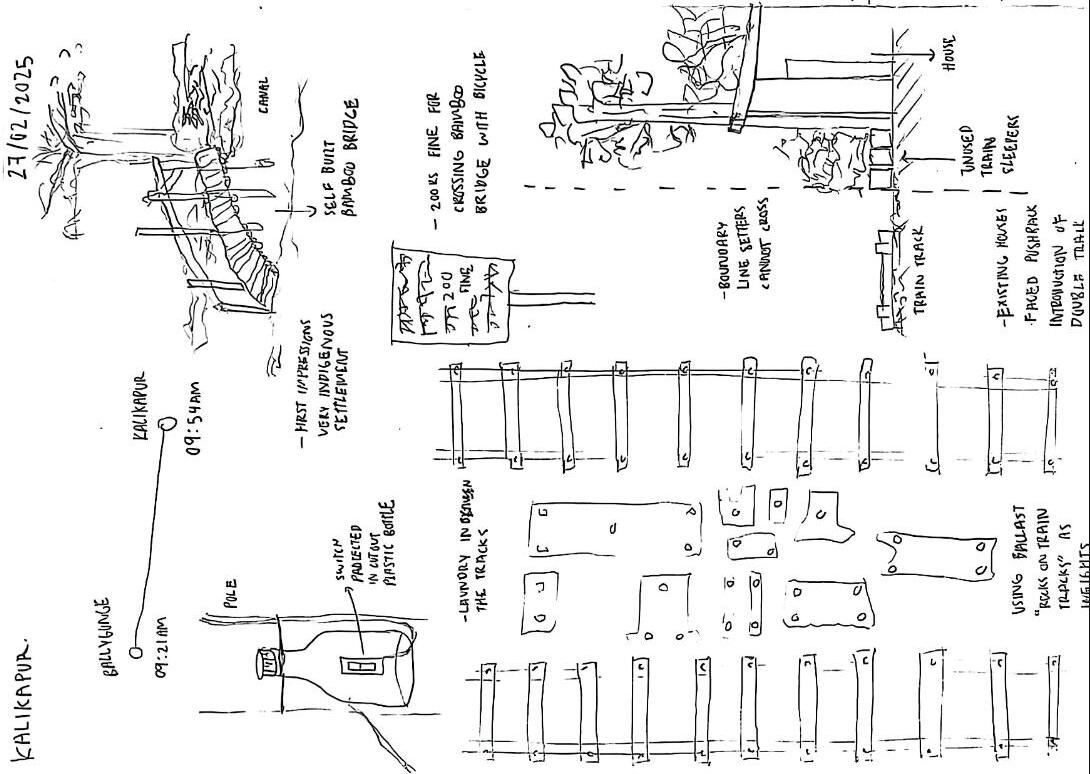
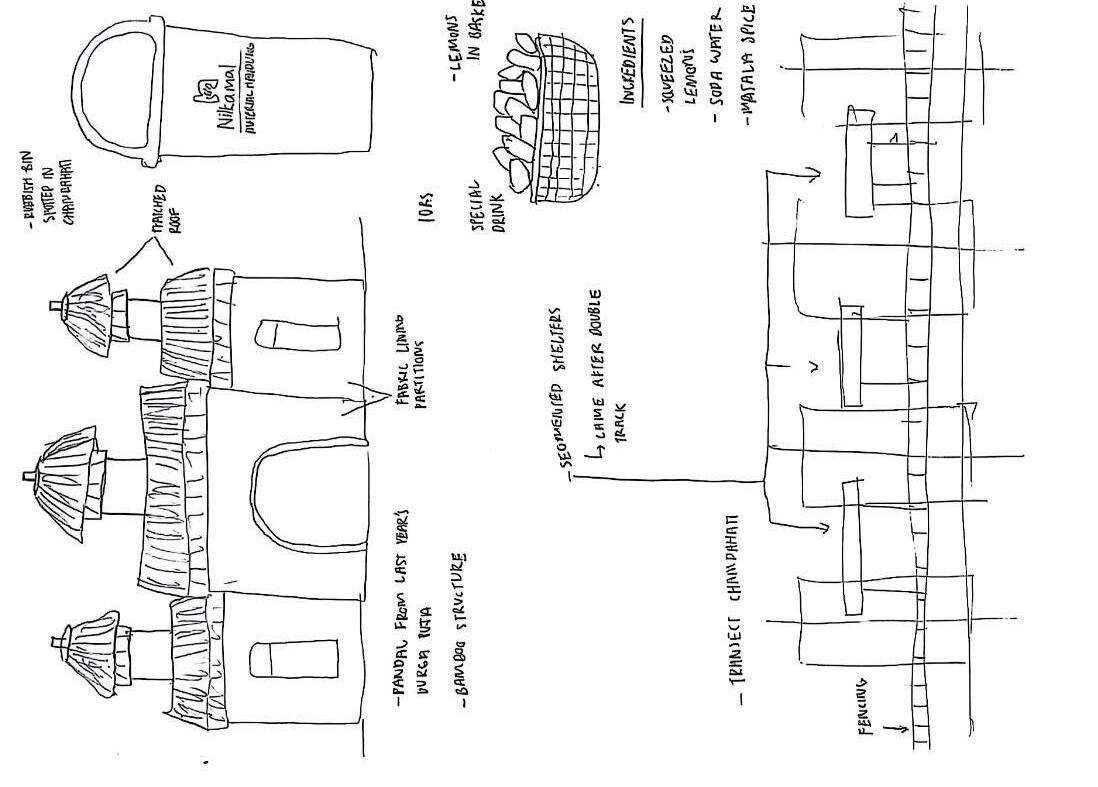
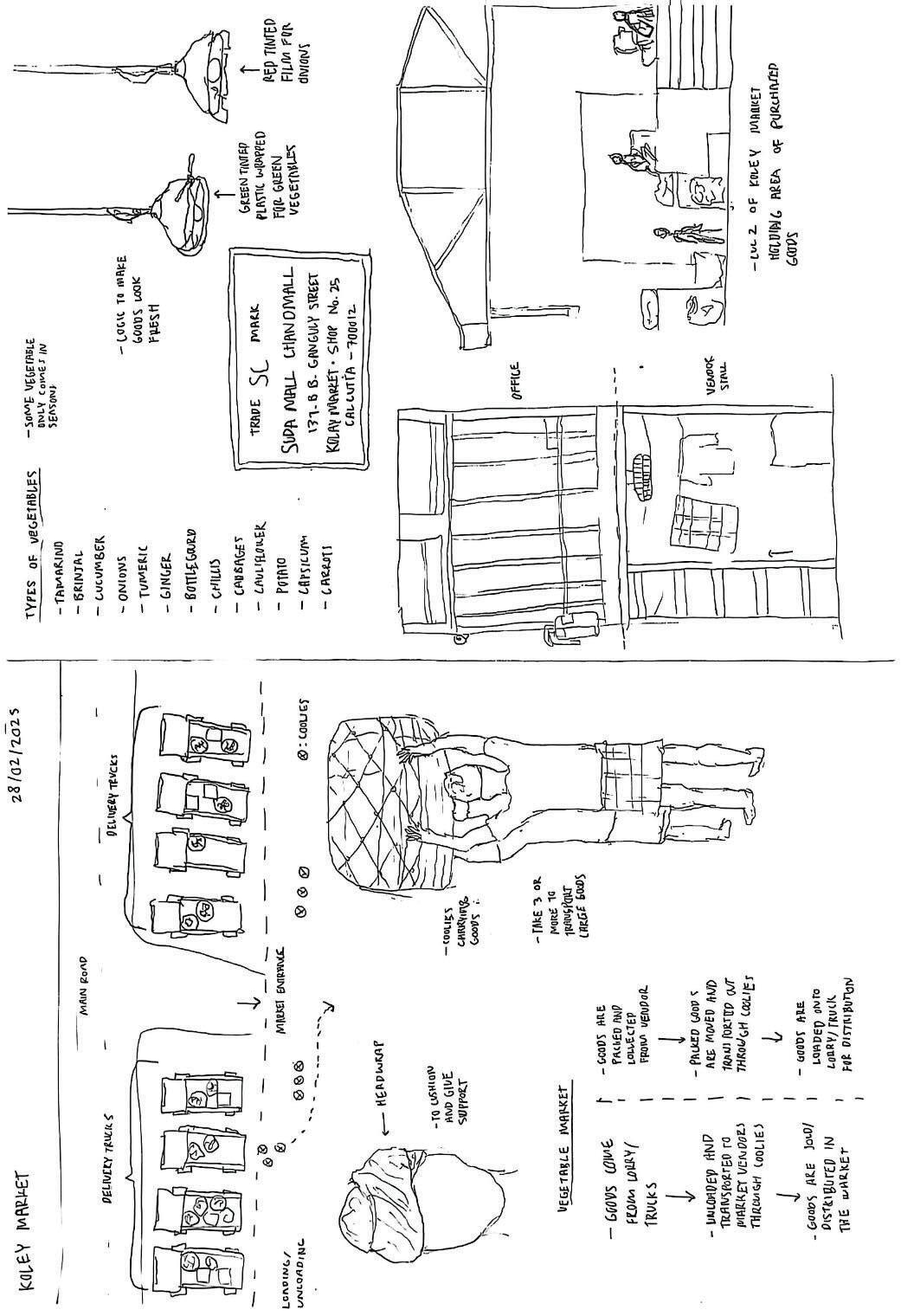
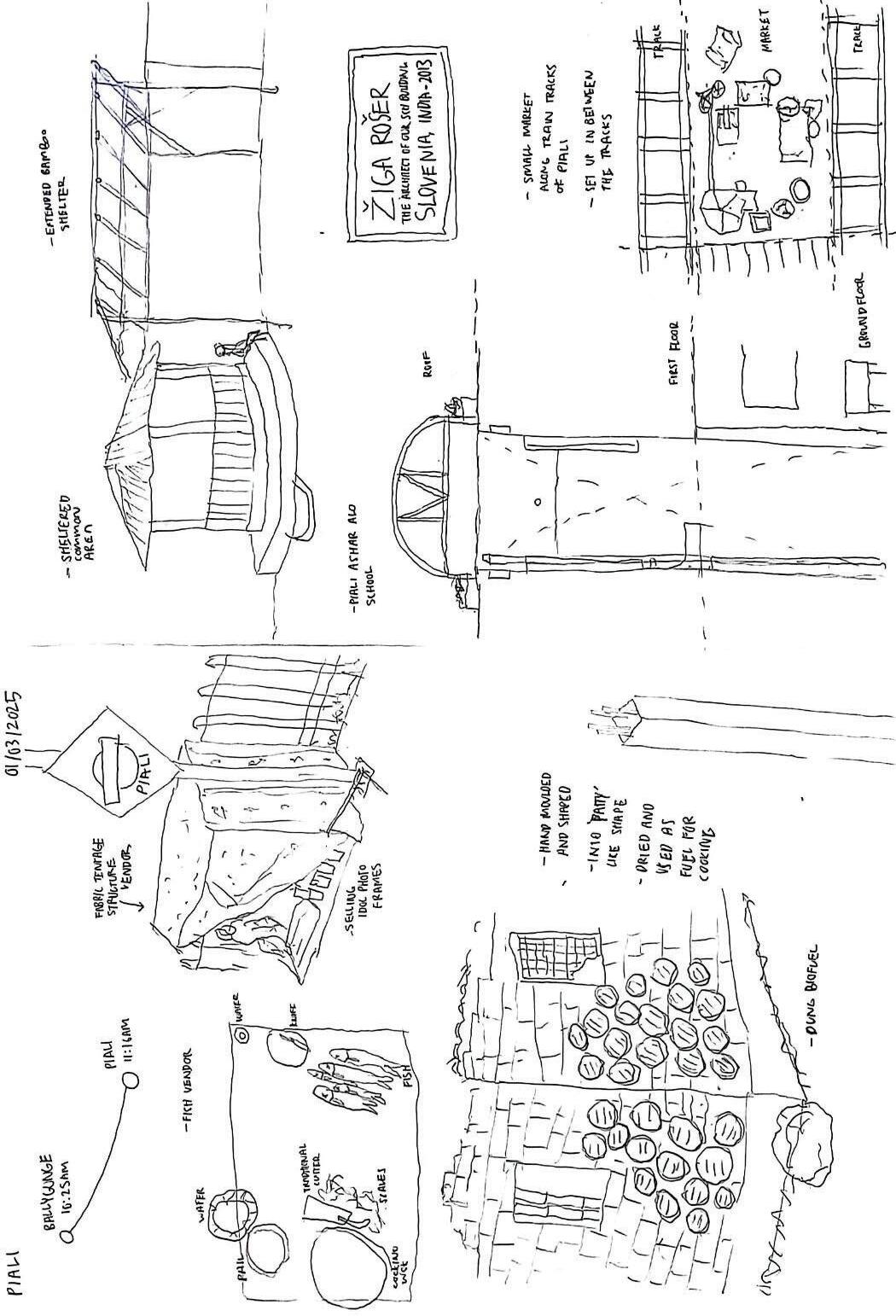
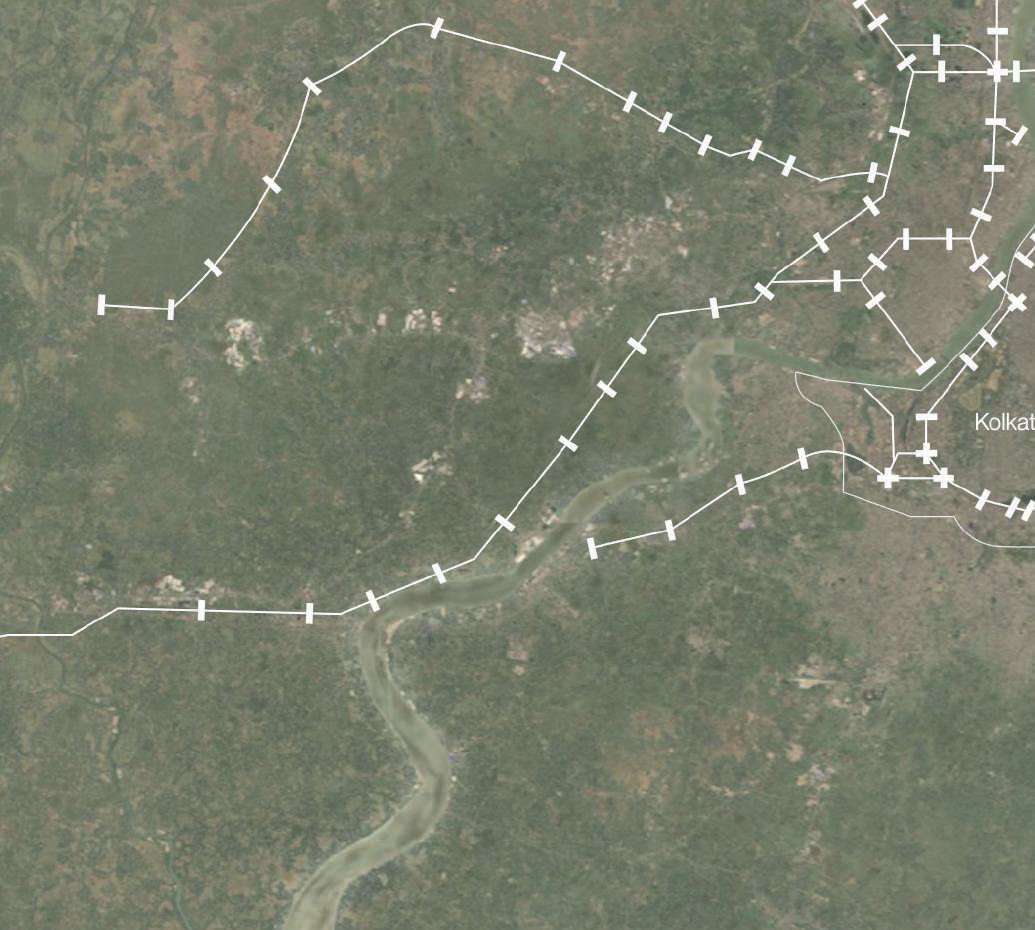
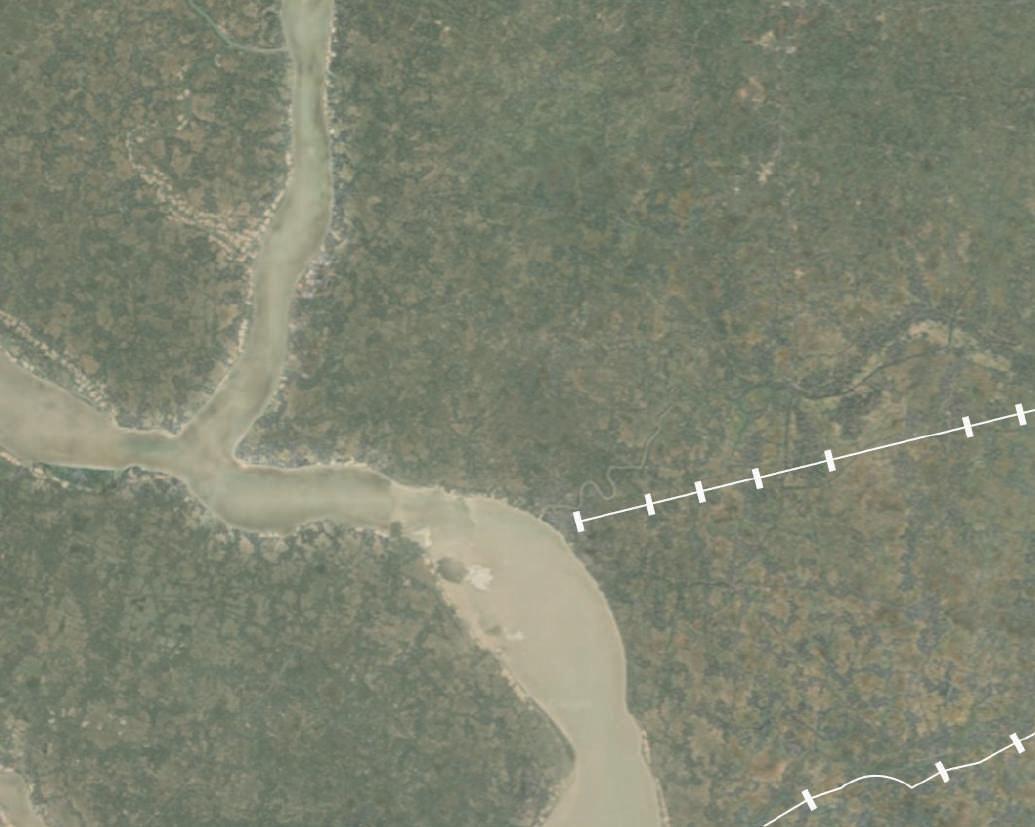
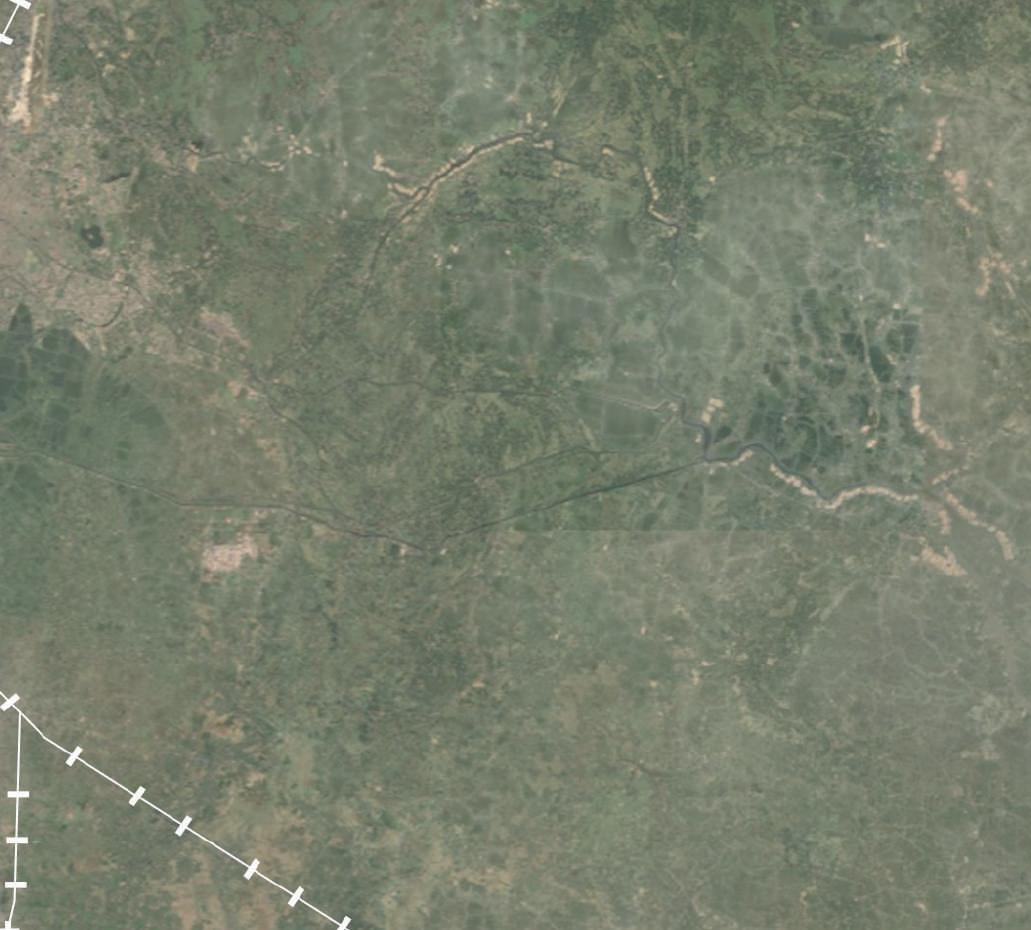
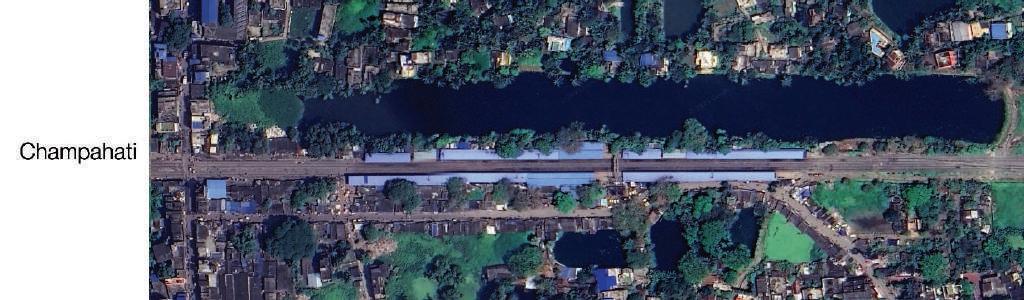
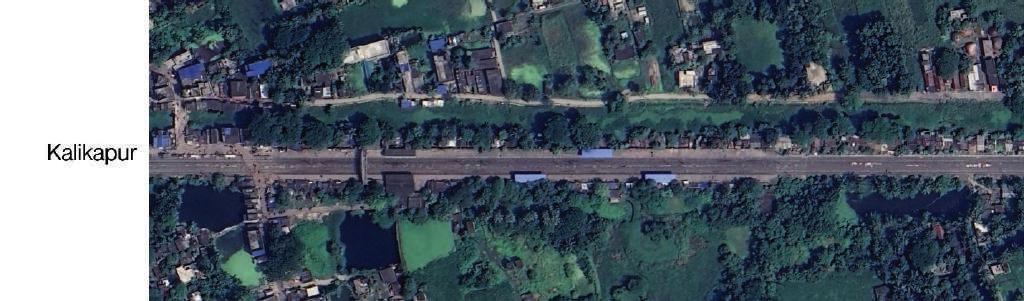
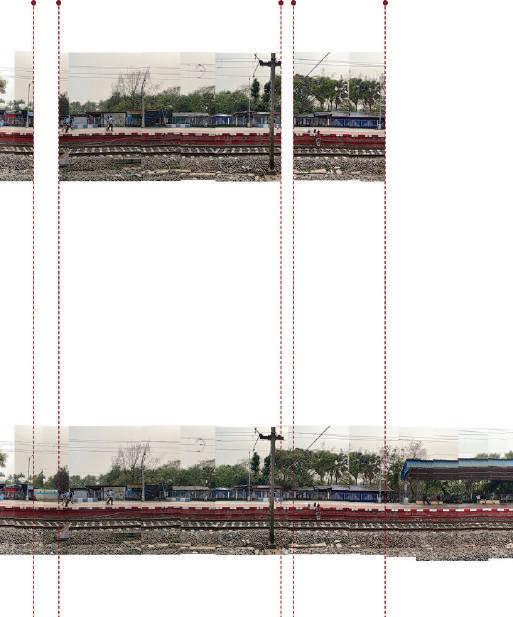
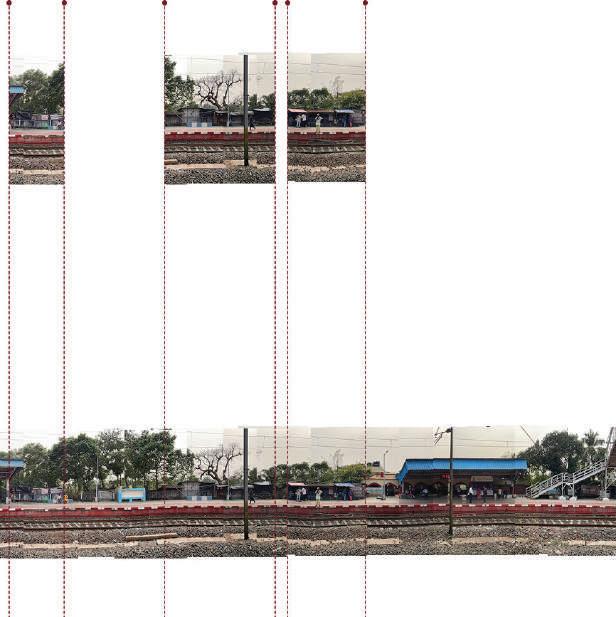
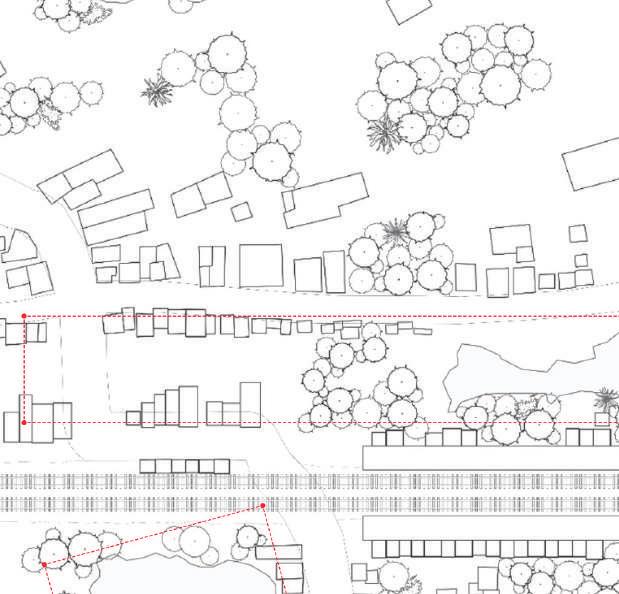
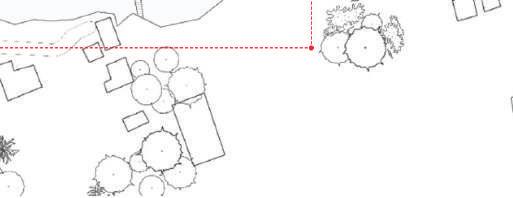
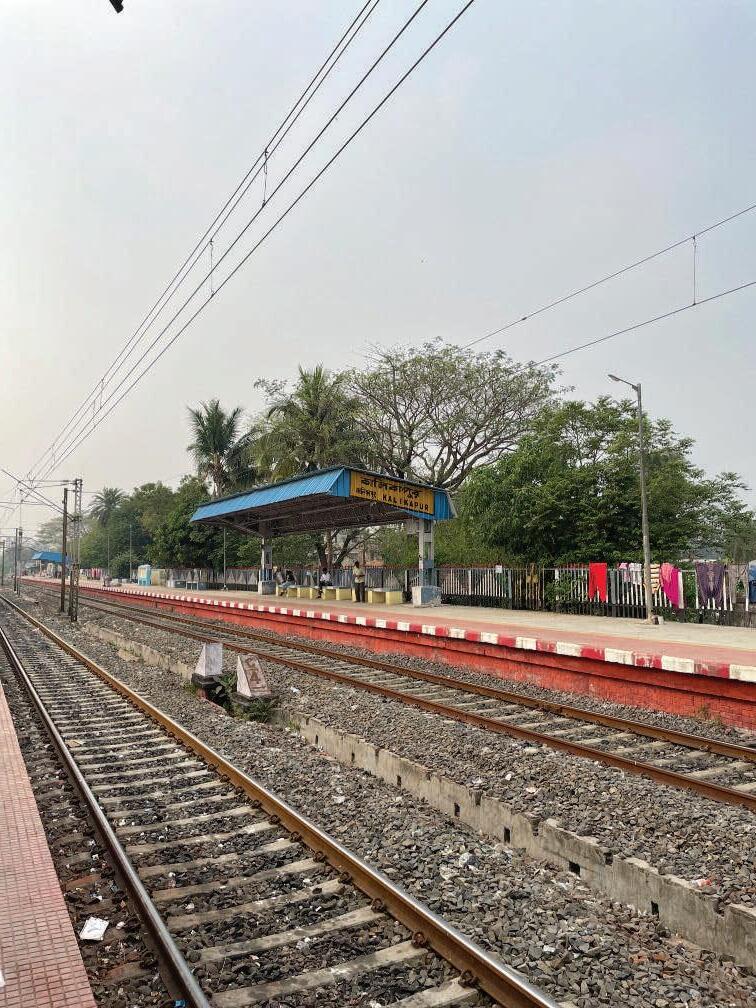
Fieldwork research covered railway station platforms, Champahati and Kalikapur.
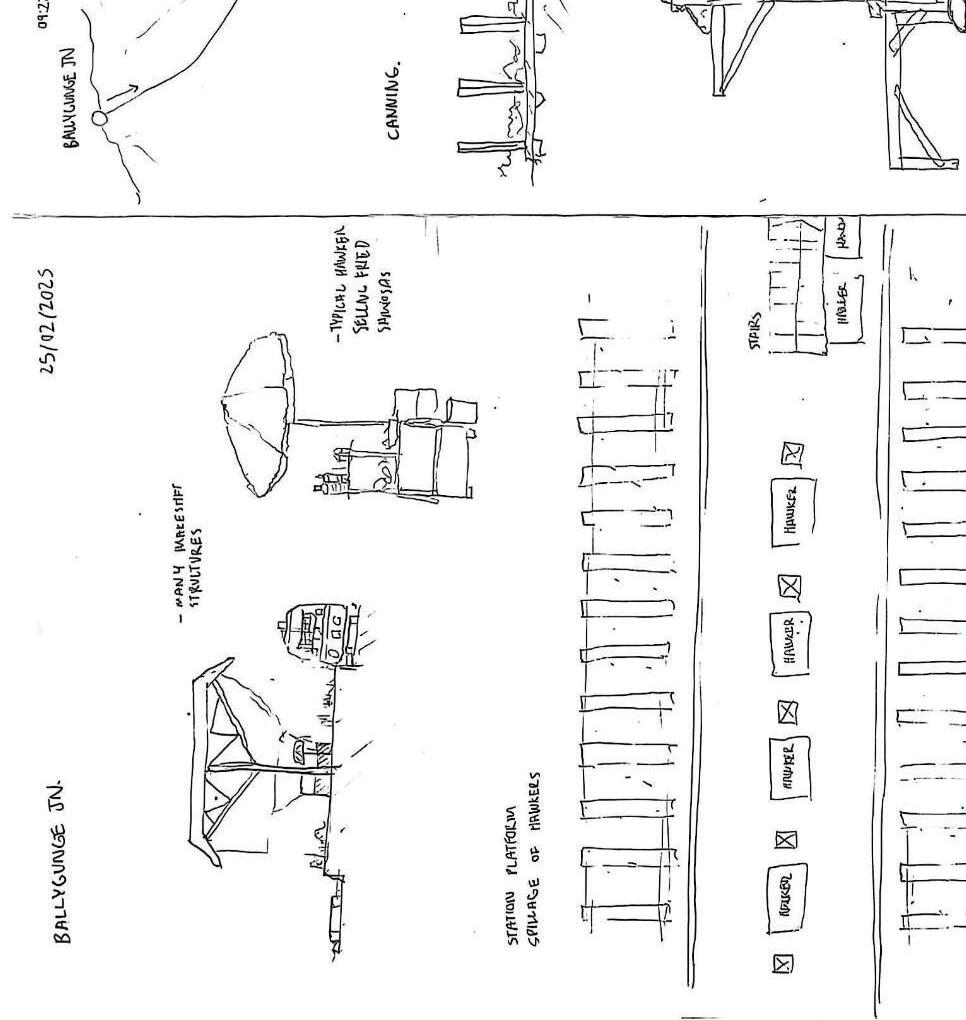
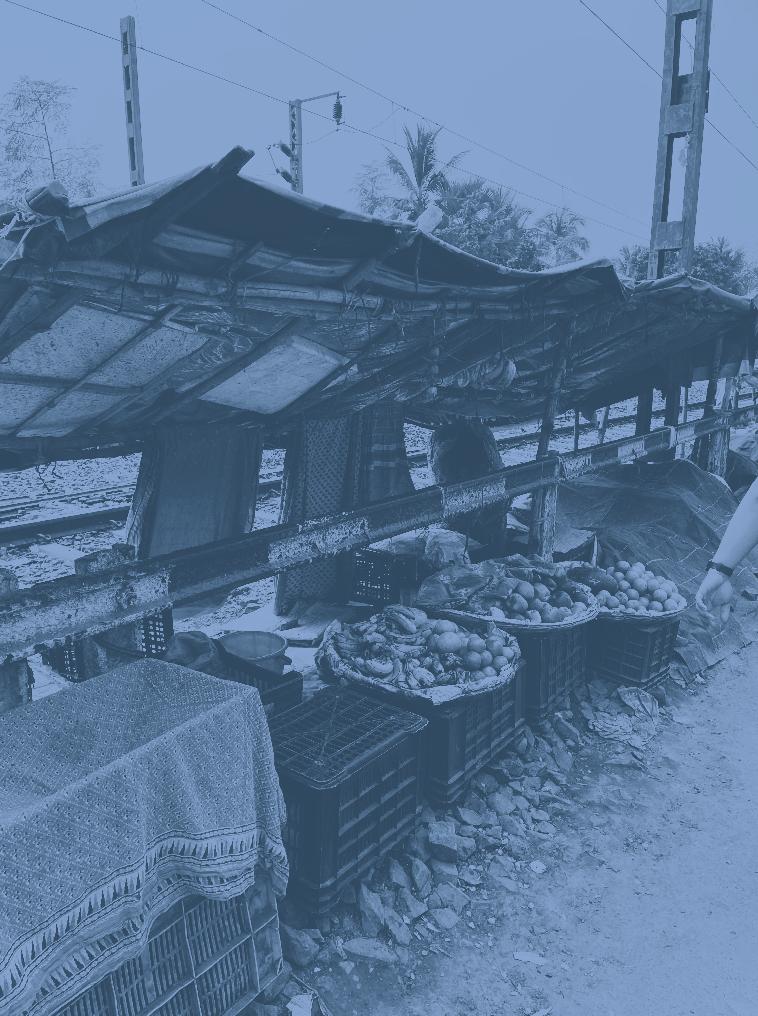
02_03 Typologies of Hawker Vendors
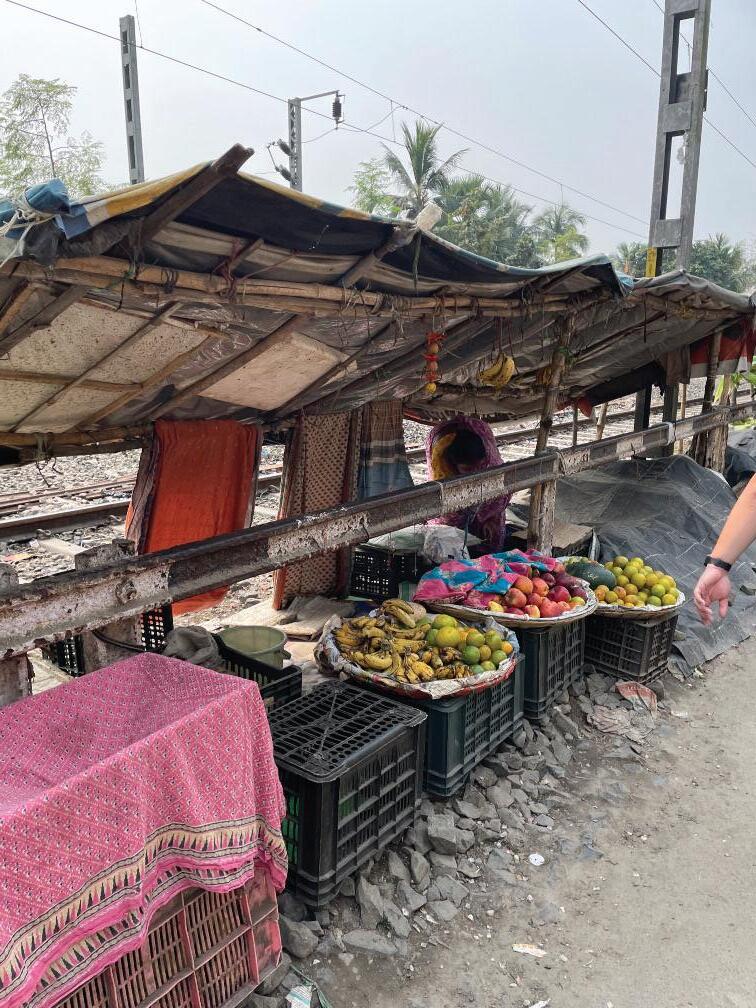
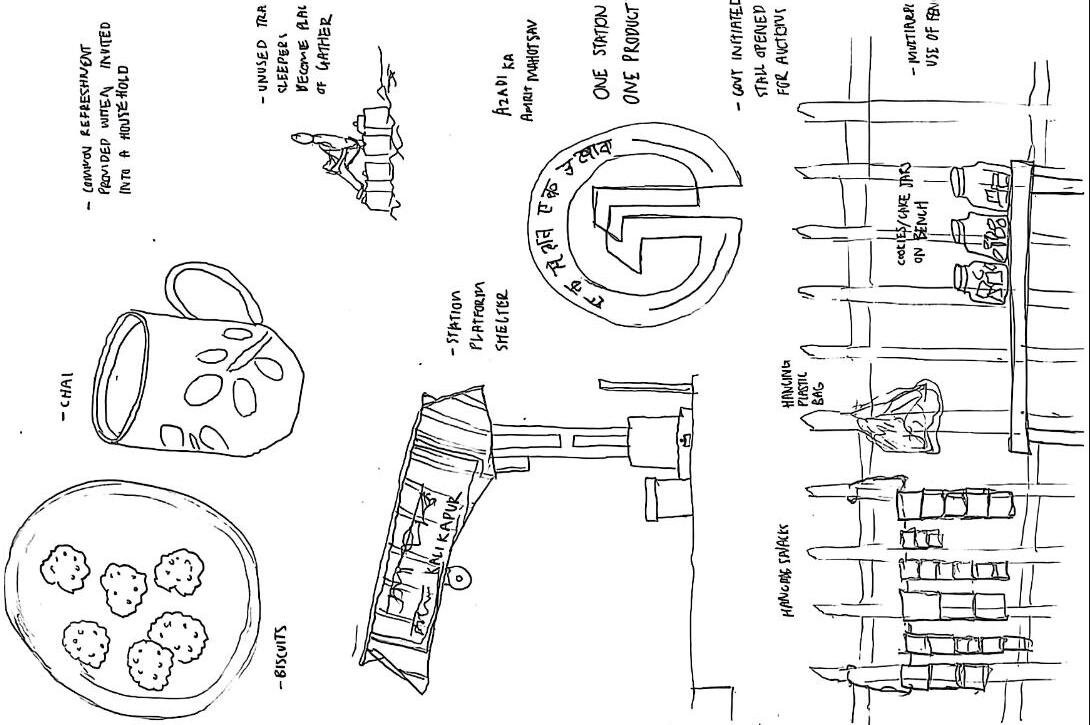
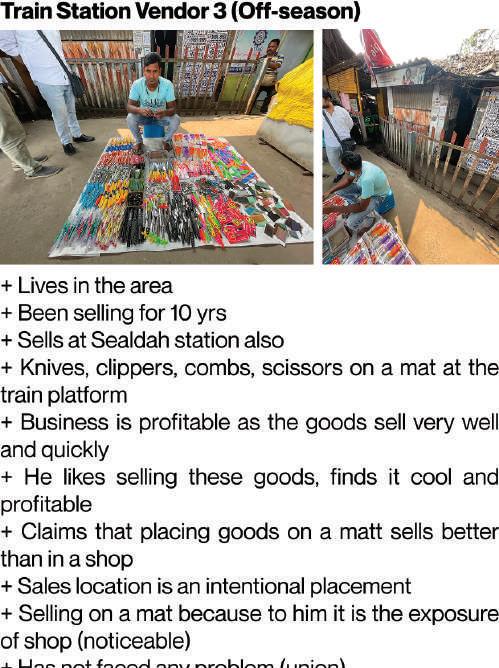
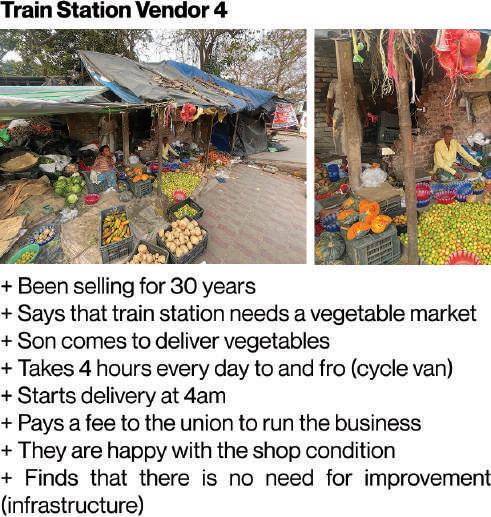
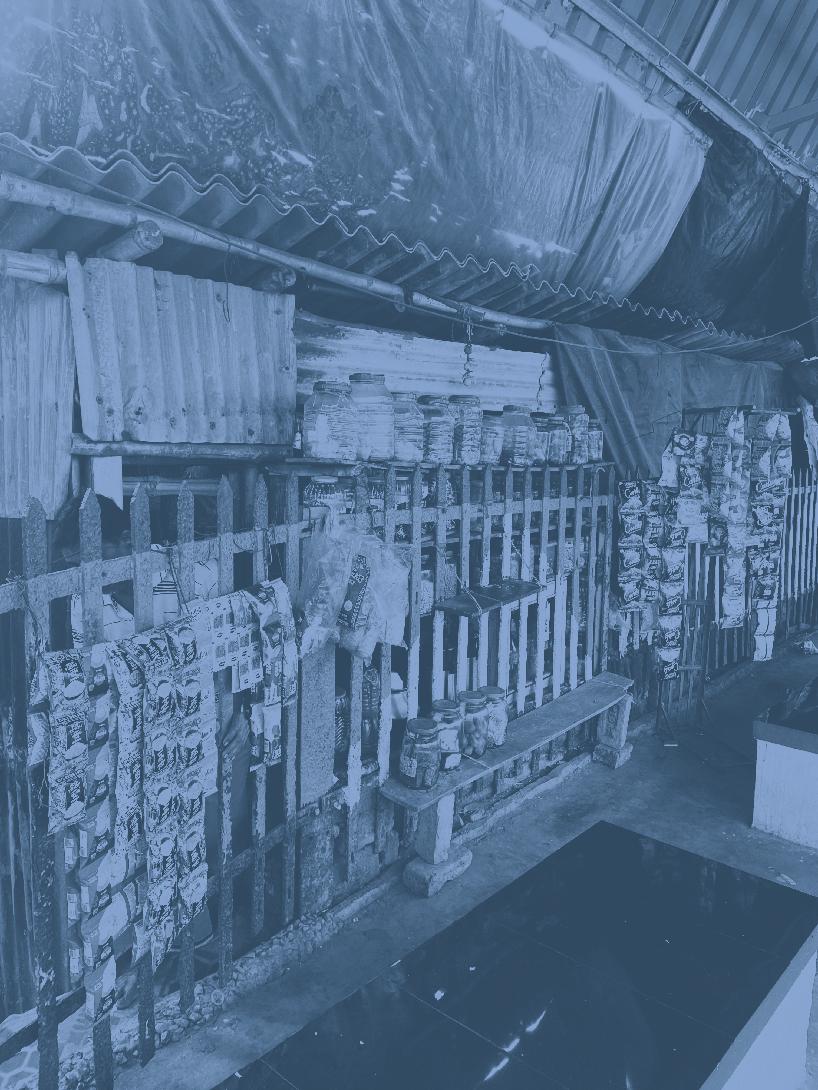
Various modes of hawker vendors selling different kinds of goods found on railway station platforms.
02_04 Displacement of Hawkers
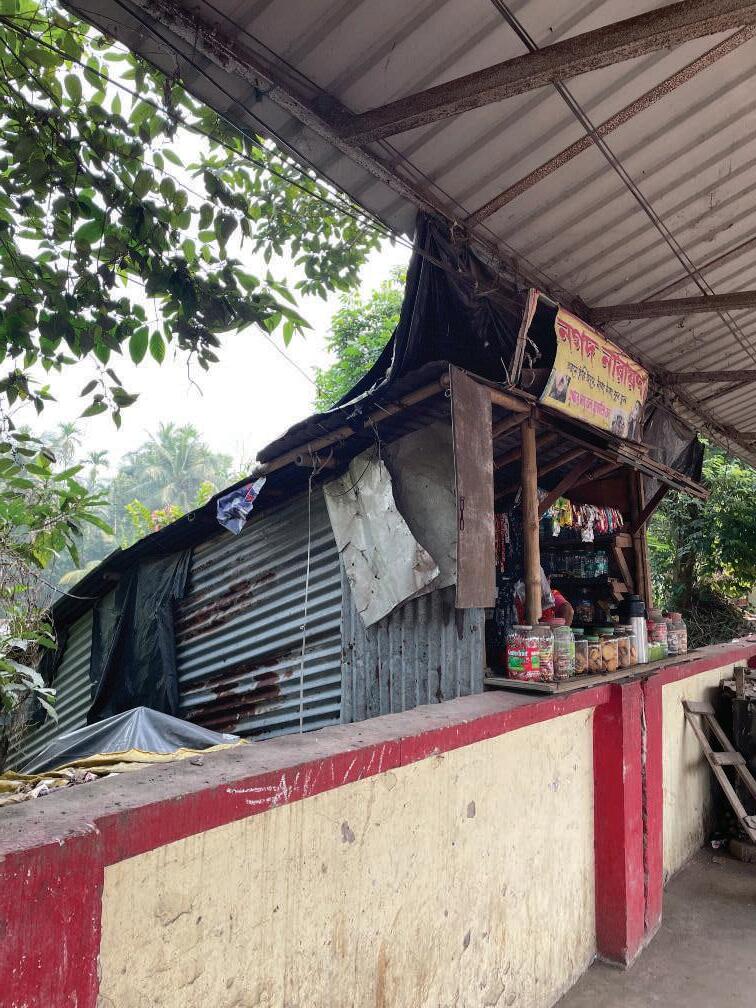
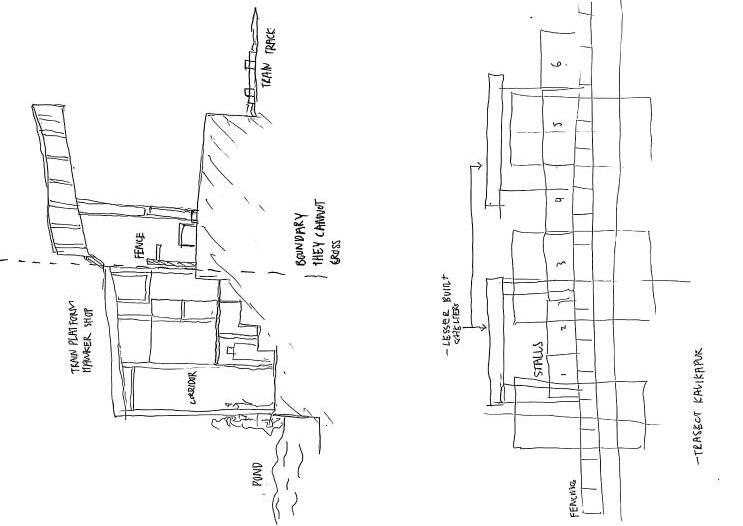
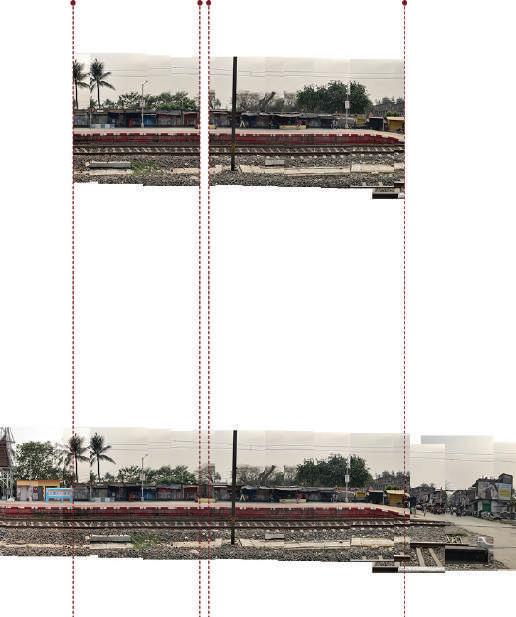
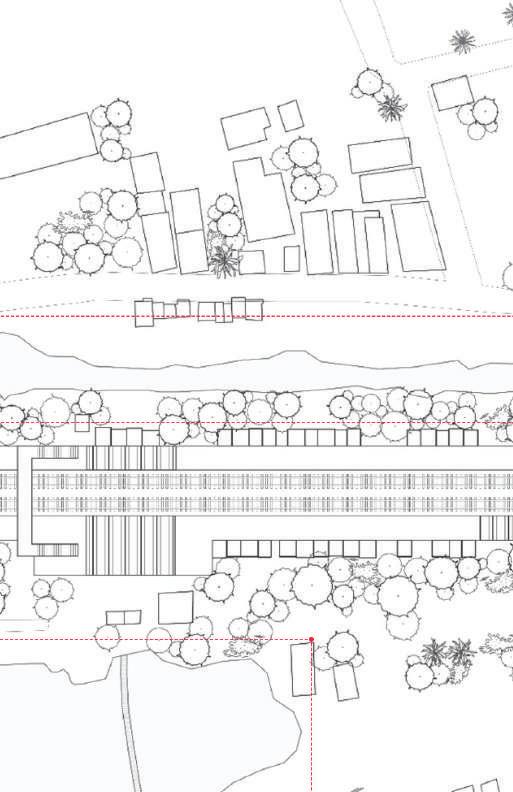
Displaced Hawkers now occupy on state-owned railway land on the back of the platform of Kalikapur station.
AQIL AKMAL BIN MOHD FADIL
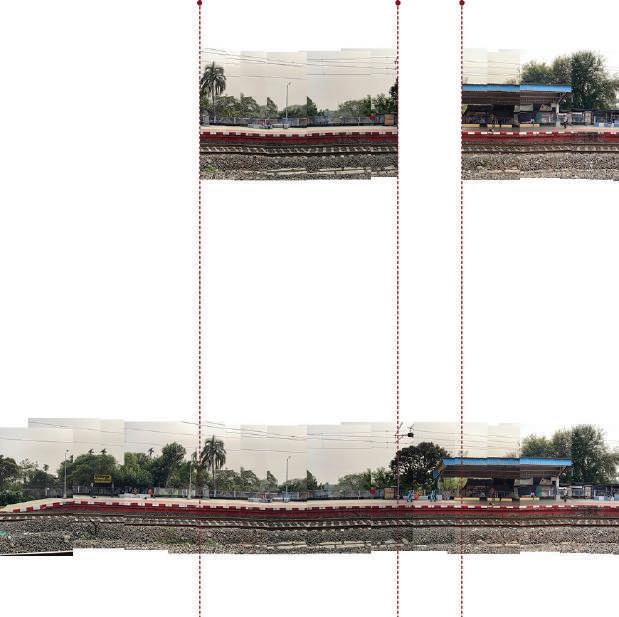
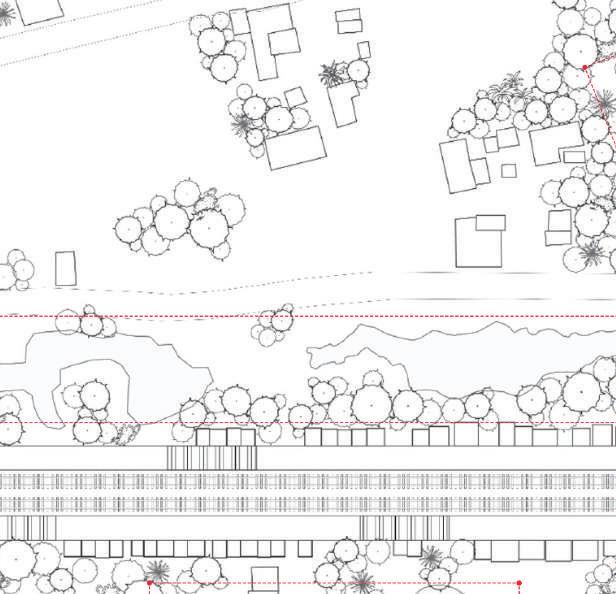
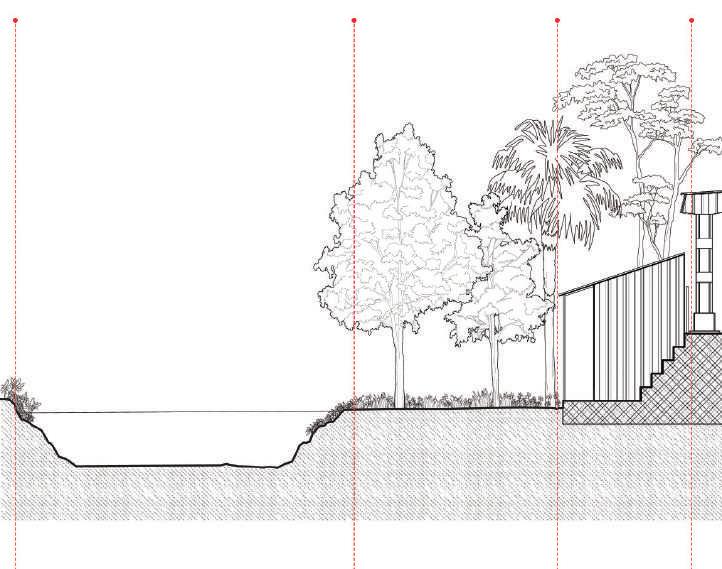
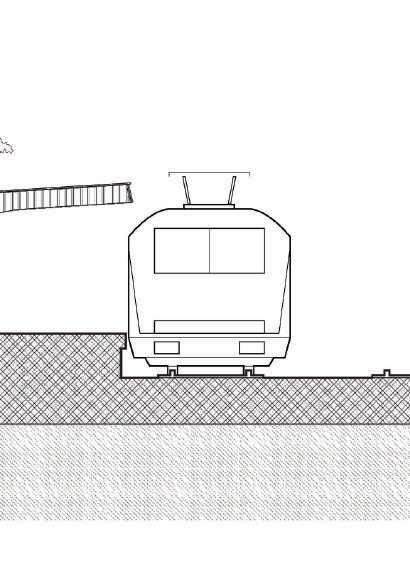
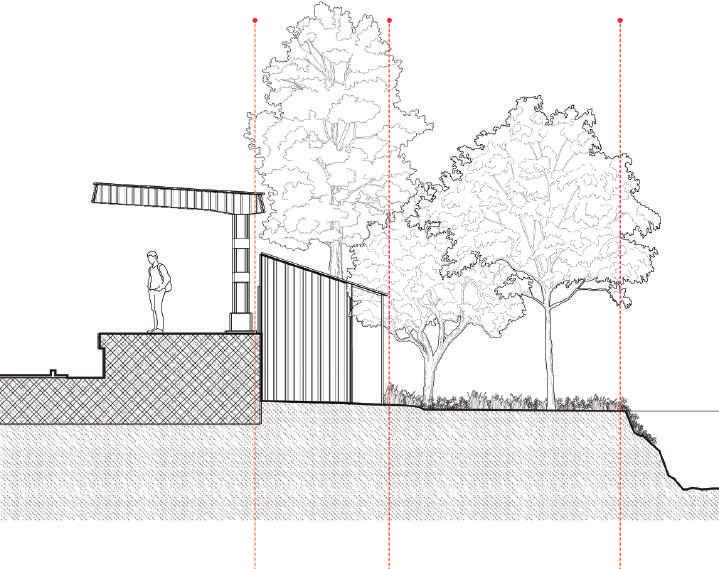
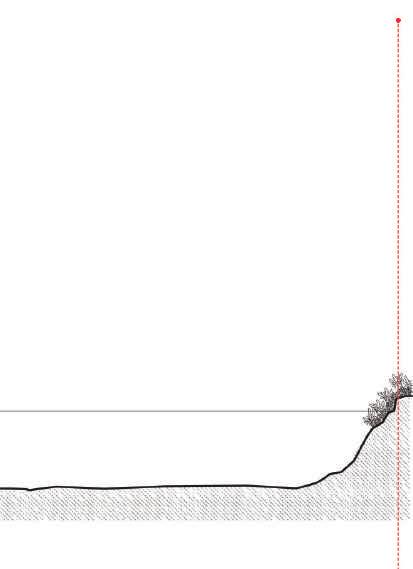
02_06 Transect of Kalikapur Station
AQIL AKMAL BIN MOHD
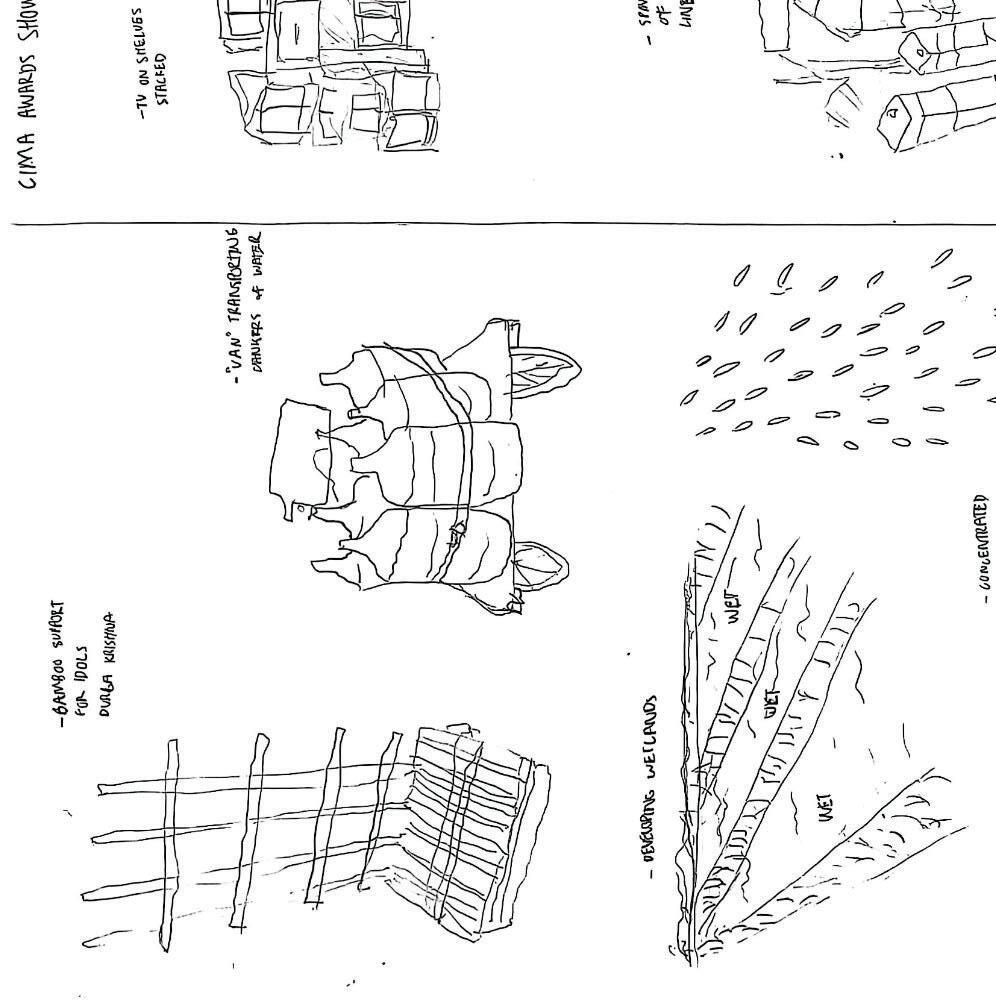
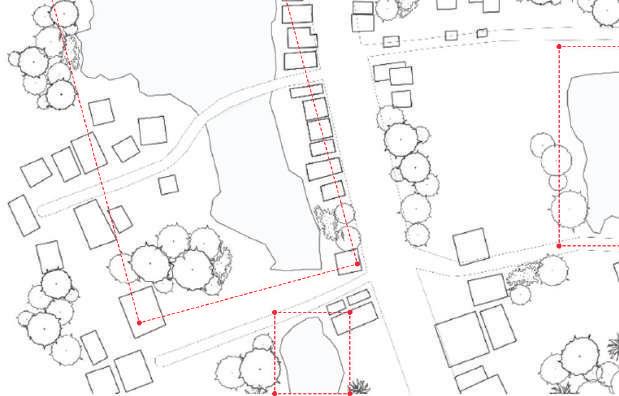
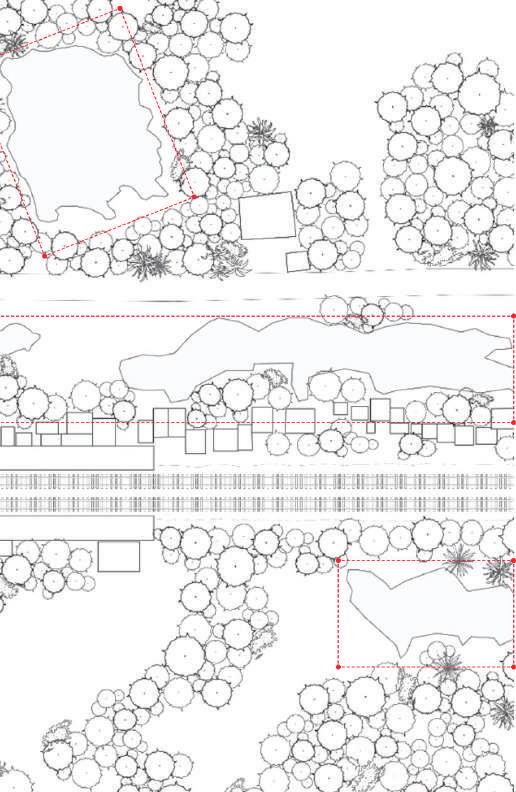
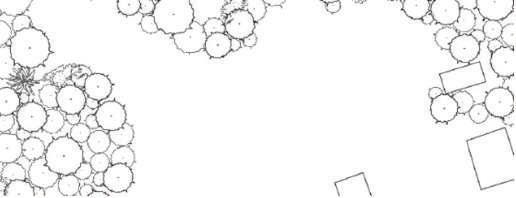
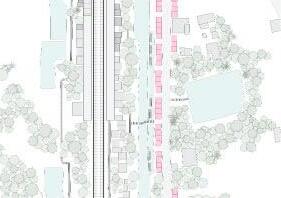
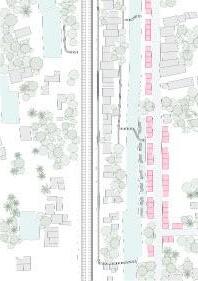
02_07 Existing Ponds and Canal
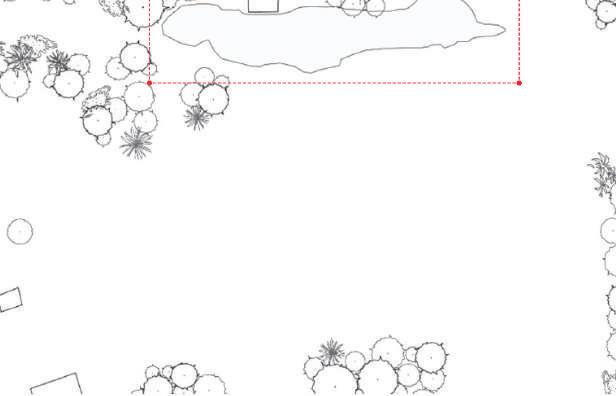
Situated are neglected ponds and polluted canals along Kalikapur railway station.
AQIL AKMAL BIN MOHD
02_08 Sectional Context of Ponds and Canal
Conditions of existing hawker vendors between the water and railway station platform.
AQIL AKMAL BIN MOHD
03_Projections
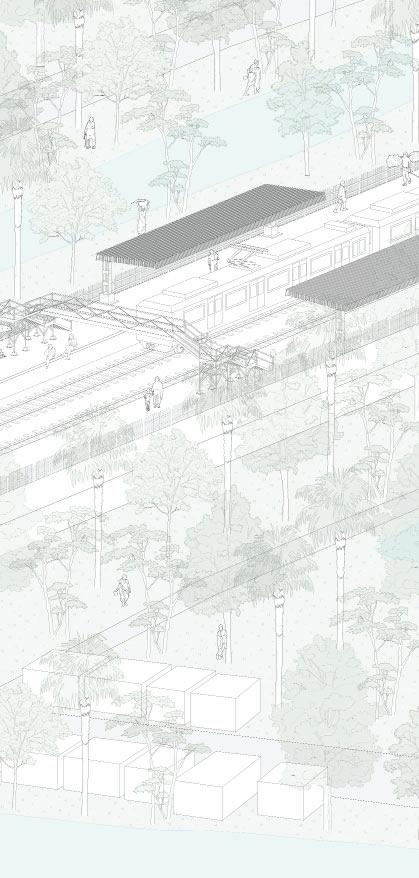
Integrates modular, self-constructed pathways and thresholds to facilitate movement and access across designated pond-use areas, reinforcing the everyday usability of shared ecological resources.
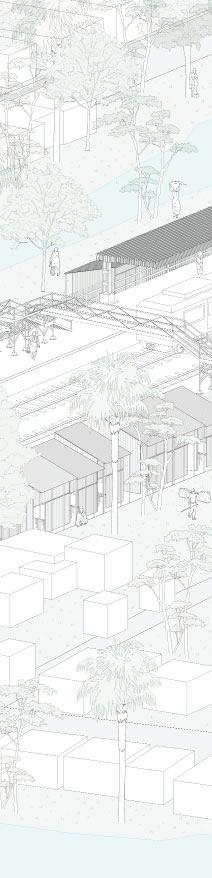
Reterritorialized hawkers as lived ecological space—structured around the cyclical caretaking of restored ponds—establishing a spatial grammar of resettlement rooted through commoning.
Provides a practice that accommodates the gradual inclusion of other vulnerable groups, allowing growth, diversification of use, and resilient networks to form over time.
Irrigation
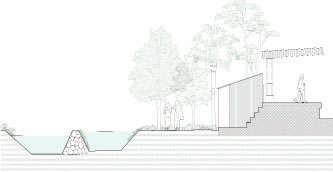
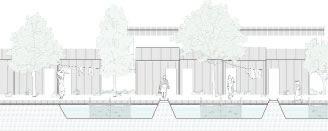
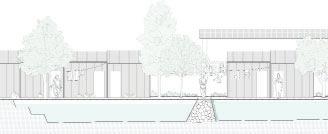
Designed with stone seepage sections and a sloped pond bottom to support water absorption for controlled release.
Recreation
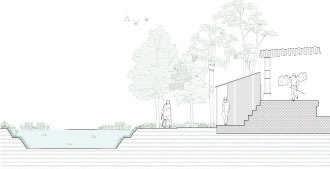
Features gentle, gradual slopes along the pond edges to allow safe, accessible entry for use.
Habitat Renewal
Incorporates varied depths and edge conditions to encourage biodiversity.
Aquaculture
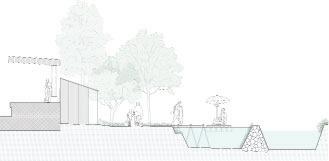
Includes modular fish cages to enable sustainable harvesting practices, offering food security and supplementary income for hawkers.
Fire Resilience
Terraced depth levels to ensure water retention during dry seasons, maintaining a reserve for firefighting needs.
AQIL AKMAL BIN MOHD FADIL
This situates commons-based settlement as both a spatial and social response to displacement—where collective caretaking of ecological resources becomes the foundation for reterritorialization. With rotational care, it offers a replicable and adaptive practice for resettlement that responds not only to regulations but also to broader climate and economic uncertainties—positioning Kalikapur as a testbed for designing contingency into the urban periphery.