
Enhancing
Exploring Nuclear Energy: A Path to a Sustainable Future
With energy demands rising and environmental concerns growing, finding a reliable and eco-friendly energy source is more important than ever. Nuclear energy is stepping into the spotlight as a powerful solution. As the founder of Nuclear Strategy, I’m excited to introduce you to our platform, where we delve into nuclear energy’s potential and address its challenges.
The renewed interest in nuclear energy isn’t just a trend—it’s essential. While renewable sources like solar and wind are advancing, they still can’t provide the steady, high-capacity power that modern life needs. Nuclear energy, on the other hand, can generate a massive amount of electricity with minimal greenhouse gas emissions, making it a key player in the quest for sustainable energy.
At Nuclear Strategy, we aim to give a clear and thorough look at nuclear energy. Our magazine goes beyond just articles; it’s a learning experience. We cover everything from the basics of nuclear fission and fusion to the latest in reactor technology and fuel innovations. Whether you’re an industry professional, a policymaker, or just curious, our content is designed to be insightful and accessible.
Join the Conversation
Collaboration is crucial for advancing nuclear energy safely and sustainably. That’s why we’re hosting the return of the Enhancing the Nuclear Economy series on May 8, 2025, at Bridgewater Hall in Manchester, UK. This event will bring together leaders, officials, researchers, and advocates to discuss policies, share knowledge, and explore new ideas. It’s a chance to connect with others who are passionate about nuclear energy and work together towards a sustainable future.
Our goal is not just to highlight nuclear energy’s potential but also to ensure that its use meets the highest safety and environmental standards.
Be Part of the Future
As we face growing energy needs and environmental challenges, nuclear energy offers a promising path forward. Join us at Nuclear Strategy to stay informed and engaged in this important conversation. Subscribe to our magazine to stay updated on the latest developments, and register for our upcoming event to be part of the discussion.
Together, we can explore nuclear energy’s possibilities and work towards a brighter, greener future. For more information and to register for the summit, visit www.nuclearstrategy.earth or email us at hello@nuclearstrategy.earth
Understanding the UAE’s Energy Mix: Key Highlights and Future Trends
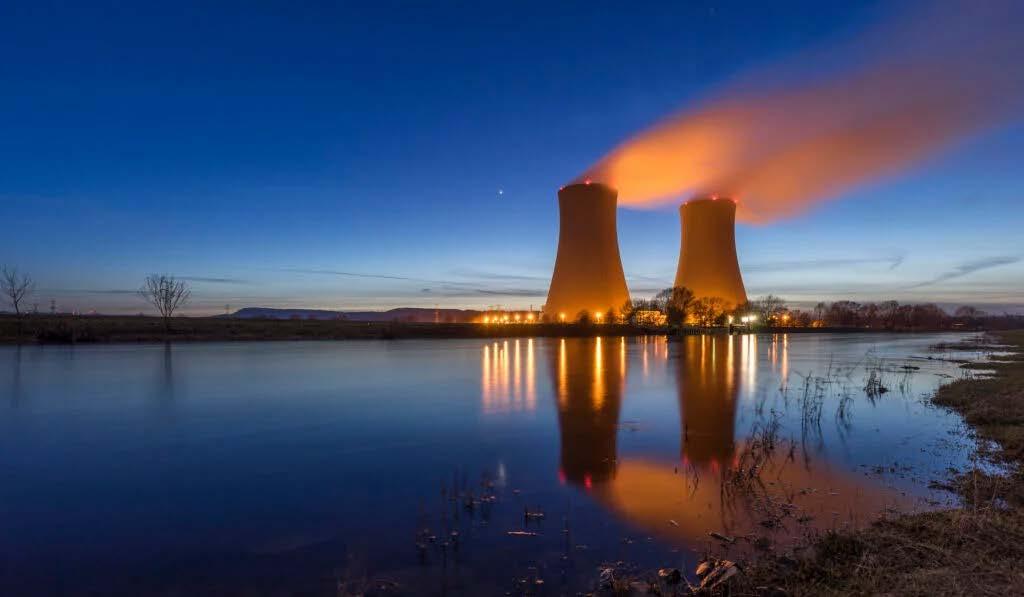
As the UAE continues its journey toward economic diversification and sustainable development, its energy landscape is evolving rapidly. The recent launch of commercial operations at Unit 4 of the Barakah nuclear plant is a significant milestone. With the UAE aiming for net-zero emissions by 2050, it’s crucial to understand the current energy mix and how it might change over time.
Here are three important takeaways about the UAE’s energy landscape:
Currently, around 75% of the UAE’s electricity is generated from fossil fuels, with natural gas being the most commonly used source. Despite the country’s strong push towards clean energy, fossil fuels continue to play a major role. However, as the UAE works toward its net-zero goals, this percentage is expected to decrease significantly over the next few decades.
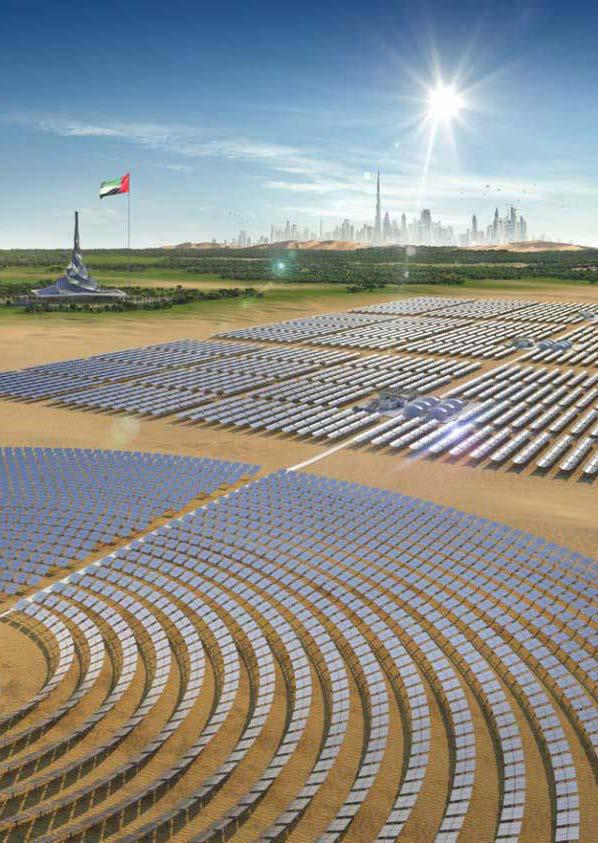
While the UAE is home to some of the world’s largest solar parks, renewable energy accounts for just under 7% of the country’s electricity production. In 2023, Dubai generated 11% of its electricity from renewables, while Abu Dhabi was at 6%. Interestingly, the solar plants in Abu Dhabi have a high efficiency rate, operating at a capacity factor of 27.6%, which is above average for photovoltaic installations. As more solar projects come online, this share is expected to grow.
In 2023, the Barakah nuclear plant generated nearly 18% of the UAE’s electricity, with an impressive capacity factor of 90.5%. Now that the fourth unit is operational, it’s predicted that nuclear power will provide about 23.5% of the country’s electricity next year. Although nuclear energy is a key contributor today, its share may decline as electricity demand increases and the energy mix diversifies—unless additional nuclear capacity is introduced.
Clean Energy on the Rise
In 2023, clean electricity, which includes both nuclear and renewables, made up 24% of the UAE’s total electricity generation. With the Barakah plant now fully operational and several large solar projects in the pipeline, this figure is set to rise to 30%, reflecting the UAE’s rapid progress in clean energy adoption.
Conclusion: What’s Next?
The UAE is making significant strides in its transition to cleaner energy, but challenges remain. Balancing the shift from fossil fuels while meeting rising electricity demands will be crucial. As the UAE continues to expand its solar and nuclear capacity, the energy mix will evolve. It will be fascinating to watch how these developments play out on the road to achieving net-zero by 2050.
What do you think are the biggest challenges and opportunities for the UAE in reaching its net-zero goals?
Advancing Nuclear Waste Management in the New Era of Nuclear Energy
As the world embraces a new era of nuclear energy, exciting advancements are being made in managing nuclear waste. Although nuclear waste management presents challenges due to its toxic nature and longterm radioactivity, innovative solutions are emerging that promise to enhance safety and sustainability in this vital sector.
Nuclear energy production does generate waste, categorized into low-level, intermediate-level, and high-level radioactive waste. However, the proportion of high-level waste, primarily spent fuel, constitutes only 3% of the total waste volume but accounts for 95% of the radioactivity. Despite this, nuclear energy’s remarkable efficiency translates to relatively low waste production compared to other energy sources. For example, a 1,000 MW nuclear plant, supplying power to over one million people, produces just three cubic meters of vitrified high-level waste annually—
significantly less than the waste produced by coal plants.
To effectively manage spent fuel, the nuclear industry utilizes advanced storage methods, including wet and dry storage facilities. Initially, spent fuel is stored in water to cool and reduce radioactivity. Notably, many countries are not only focusing on storage but also on recycling. Nations such as France, Japan, Germany, Belgium, and Russia are at the forefront of recycling spent fuel, with approximately 97% of it being repurposed in specialized nuclear reactors.
In addition to recycling, high-level waste can be utilized in cutting-edge fast neutron reactors operating in a closed fuel cycle. These reactors are capable of extracting 60 to 70 times more energy from nuclear waste compared to traditional reactors, greatly improving efficiency and reducing
radioactive waste. Mikhail Chudakov, Deputy Director General and Head of the Department of Nuclear Energy at the International Atomic Energy Agency (IAEA), highlights that in a closed fuel cycle, one kilogram of nuclear waste can be recycled multiple times, eventually leaving just 30 grams of waste that remains radioactive for 200 to 300 years.
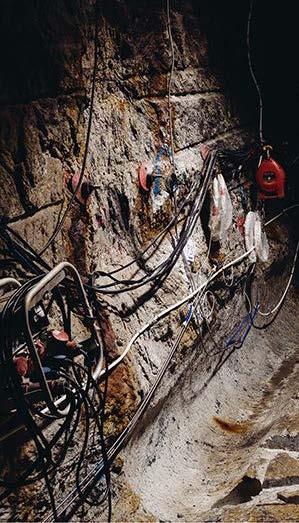
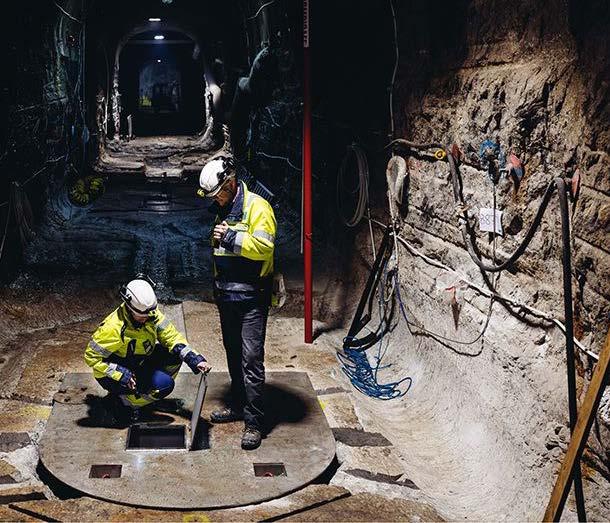
Exciting developments in waste disposal are also underway. Finland is leading the way with its groundbreaking Onkalo project, which involves burying spent nuclear fuel in a geological repository designed to last 100,000 years. This pioneering project aims to address long-term waste disposal challenges effectively. The Finnish company Posiva is preparing to store spent nuclear waste in watertight copper canisters, placed 400 meters below the surface in bedrock near the Olkiluoto nuclear site. This innovative approach has garnered significant
interest from other nuclear energy companies, viewing it as a crucial advancement in achieving a sustainable nuclear energy lifecycle.
The global community is taking note of Finland’s leadership in nuclear waste management. The Onkalo project represents a beacon of hope, offering a model that other countries could follow. As part of a broader green transition, increasing investments in recycling technologies and sustainable waste management solutions will play a crucial role in complementing efforts to develop safe and effective disposal methods.
With ongoing advancements and a commitment to innovation, the future of nuclear waste management looks promising, supporting a cleaner and more sustainable energy future.
Italy Mulls Nuclear Power Revival with New Technologies
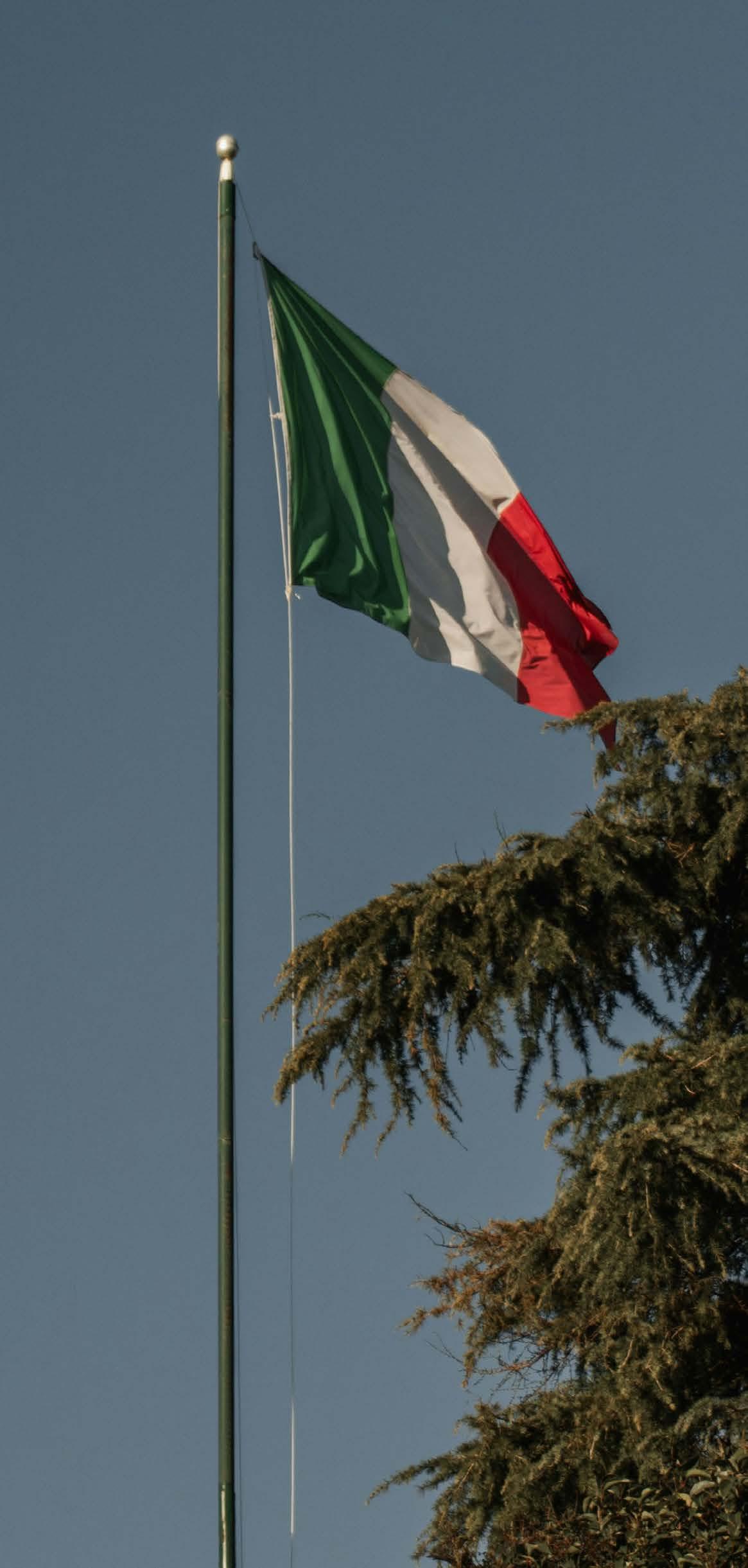
Italy is preparing to potentially lift its long-standing ban on nuclear power by early 2025, according to recent statements from Energy Minister Gilberto Pichetto Fratin. The move, if realized, could mark a significant shift in Italy’s energy policy, which has been resistant to nuclear energy since referendums in 1987 and 2011 prohibited its use.
During the TEHA business forum in Cernobbio, Minister Pichetto announced that the energy ministry’s legal adviser, Professor Giovanni Guzzetta, and his team are tasked with drafting new regulations for advanced nuclear technologies. These new rules will focus on integrating cutting-edge nuclear technologies, such as small modular reactors (SMRs) and advanced modular reactors (AMRs), into Italy’s energy strategy. Pichetto hopes that the draft legislation will be ready for parliamentary approval within the year.
Pichetto emphasized the urgency of addressing Italy’s growing energy needs. “Italy’s electricity demand is projected to nearly double by 2050, reaching 583 Terawatt-hours (TWh),” he said. “This increase cannot be solely met by expanding renewable energy sources.” The right-wing government under Giorgia Meloni estimates that nuclear power could contribute up to 11% of Italy’s energy needs by 2050, according to its energy and climate plan (PNIEC).
Despite the ban, Italy has retained significant expertise in the nuclear sector. The state-controlled utility Enel operates nuclear power stations in Spain, and energy giant Eni is investing in a nuclear fusion reactor project in the United States. Enel’s grid business head, Gianni Vittorio Armani, highlighted a growing interest in new nuclear technologies, noting, “There is definitely an interest in exploring the potential of third and fourth-generation nuclear technologies, including small modular reactors.”
Utility Edison, the Italian arm of French nuclear group EDF, has also shown interest in developing a small nuclear reactor within Italy. Pichetto mentioned that SMRs could potentially be introduced in Italy by 2035. A study conducted by Edison, state-backed Ansaldo Nucleare, and the economic think-tank The European House Ambrosetti projects that adopting new nuclear technologies could add over 50 billion euros to Italy’s economy.
The Italian government is poised to explore these new nuclear technologies as part of its strategy to meet future energy demands while advancing its green energy transition. The forthcoming legislation could pave the way for a renewed role for nuclear power in Italy’s energy landscape.
Wales’ Energy Future: A Fresh Look at Wylfa Nuclear Project
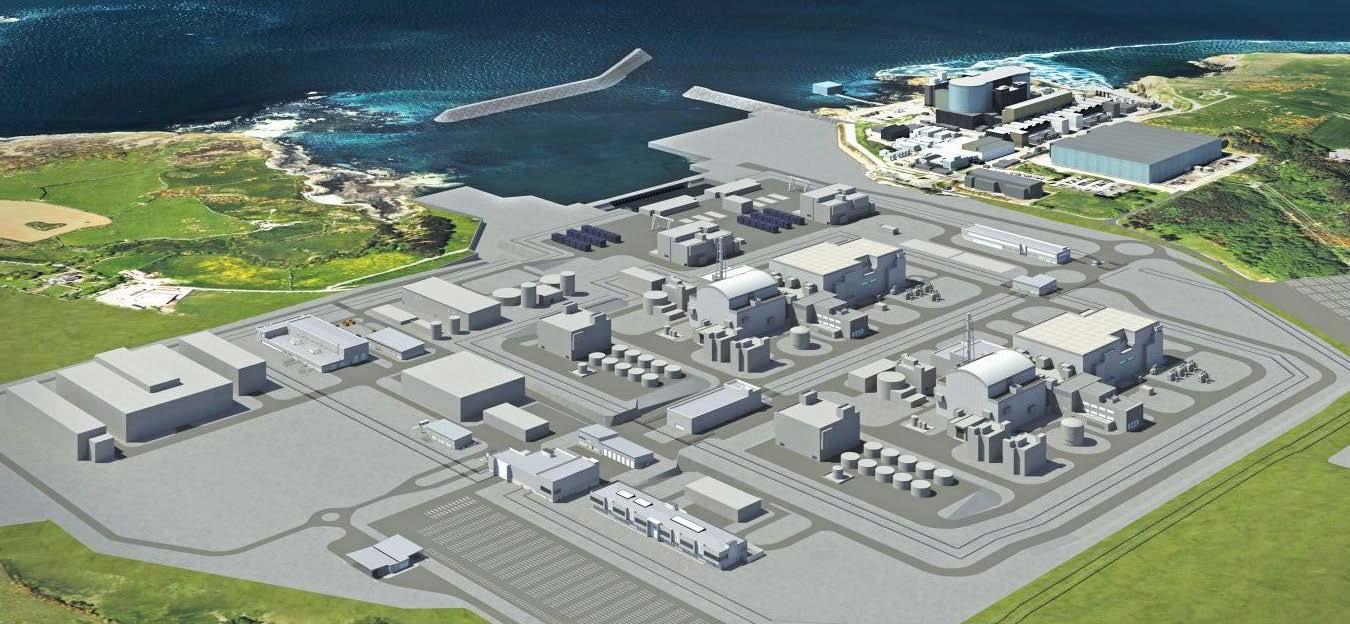
The future of nuclear energy in Wales is receiving renewed attention as the government conducts a comprehensive review of its energy strategy. The Energy Secretary has requested a reassessment of upcoming nuclear projects, including the planned nuclear power station at Wylfa, Anglesey. This review also includes evaluating the ambitious target of 24 gigawatts of nuclear capacity by 2050, originally set under the previous administration.
In a positive development, Great British Nuclear has recently acquired the Wylfa site in Anglesey, as well as the Oldbury site in Gloucestershire. Lord Hunt, Minister for Nuclear, emphasized on X (formerly Twitter) that while no decisions have yet been made regarding specific projects or technologies, the review will provide clarity and ensure that future developments align with the best possible outcomes for the country.
The review aims to refine and enhance nuclear energy plans, ensuring that they meet current needs and future goals effectively. Ynys Môn MP Llinos Medi has called for clear commitments and timelines regarding the Wylfa site and Wales’ overall energy strategy. During a debate on the Great British Energy Bill, Ms. Medi highlighted the region’s substantial natural energy resources and the need for stability in planning.
The potential for the Wylfa project includes innovative options, such as incorporating Small Modular Reactors (SMRs), which could offer flexible and scalable solutions to meet energy demands. This approach aligns with a broader vision of adapting energy strategies to leverage new technologies.
Former Tory energy secretary Claire Coutinho expressed strong support for continuing the Wylfa project, highlighting its potential economic benefits. With the transition to net zero energy being accelerated, the review will ensure that nuclear power remains a viable and effective part of the UK’s energy mix.
The new nuclear power station at Wylfa was initially confirmed by the previous government in May, with expectations that it could power 6 million homes for up to 60 years. The review process is an opportunity to refine this vision and explore the most promising paths forward for both the Wylfa site and Wales’ energy future.
As the review progresses, the focus remains on optimizing energy strategies to achieve sustainable and impactful results. The future of nuclear energy in Wales is poised for innovation, with potential revisions offering exciting opportunities to enhance the UK’s energy landscape.
Chapelcross to Lead the Charge in Scotland’s Hydrogen Revolution
A former nuclear power plant in southern Scotland is set to become a pivotal player in the country’s hydrogen technology advancement. The Chapelcross site, located near Annan, has been selected to host a new national “planning hub” designed to accelerate local authority decisions on energy projects across Scotland.
This innovative planning hub will initially concentrate on streamlining the approval process for hydrogen developments, with the goal of speeding up consenting procedures until March next year. The initiative is a significant step forward in Scotland’s commitment to fostering clean energy solutions and supporting the growth of its hydrogen sector. Public Finance Minister Ivan McKee highlighted the importance of the project during his visit to Chapelcross. “The establishment of this planning hub at Chapelcross marks a key milestone in Scotland’s
transition to sustainable energy. By expediting decision-making processes, we are paving the way for a robust and dynamic hydrogen industry,” McKee stated.
The Chapelcross site, once a hub of nuclear energy, is now poised to spearhead Scotland’s green energy future. This transformation underscores the country’s dedication to harnessing its legacy infrastructure for cutting-edge advancements in hydrogen technology. With this strategic move, Scotland is setting a precedent for how former energy sites can be repurposed to drive innovation and support environmental goals. The new planning hub at Chapelcross is expected to play a crucial role in accelerating the development of hydrogen projects and advancing Scotland’s ambitions for a sustainable energy landscape.
Kazakhstan’s Bold Step Toward a Nuclear Future: A Referendum on Energy Innovation
Kazakhstan is on the verge of a transformative decision that could significantly shape its energy future. On October 6, the country will hold a referendum to determine whether to proceed with the construction of its first nuclear power plant. This initiative, announced by President Kassym-Jomart Tokayev during his recent state of the nation address, reflects Kazakhstan’s commitment to addressing its energy needs and advancing its green energy goals.
The proposal to explore nuclear energy has gained traction as part of a broader strategy to reduce reliance on fossil fuels, minimize greenhouse gas emissions, and leverage Kazakhstan’s abundant uranium resources. The need for a stable and reliable energy supply is pressing, as the country faces potential electricity shortages in the coming decade. By 2035, Kazakhstan’s electricity consumption is expected to rise significantly, making it essential to introduce new power generation capacities.
Nuclear power plants (NPPs) are seen as a key solution to ensure energy security. Timur Zhantikin, Director General of Kazakhstan Nuclear Power Plants (KNPP), has highlighted the importance of nuclear energy in providing a stable and safe electricity source. While renewable energy plays a vital role, it currently cannot meet the demands of large-scale industrial projects alone. NPPs offer substantial environmental benefits, producing minimal greenhouse gases and avoiding the pollutants associated with coal-fired power plants.
Kazakhstan’s move toward nuclear energy also aligns with global trends in sustainable development. Tariq Rauf, former head of the Verification and Security Policy Division at the International Atomic Energy Agency (IAEA), emphasizes that nuclear energy is crucial for reducing CO2 emissions and achieving long-term sustainability goals.
The proposed nuclear power plant, estimated to cost between $10-12 billion, is anticipated to provide numerous economic benefits, including job creation,
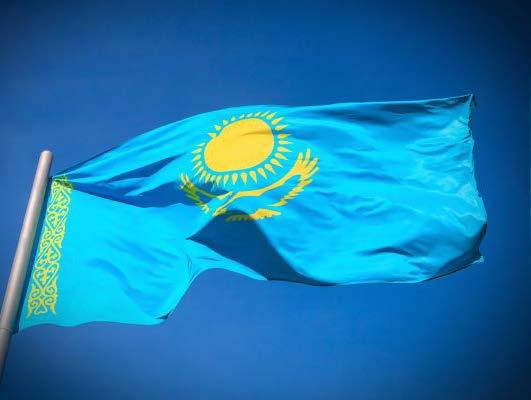
increased tax revenues, and stimulation of related industries. Although there are concerns about the impact on Lake Balkhash, which would be used for cooling the reactors, Zhantikin assured that rigorous monitoring will ensure the lake’s water balance is maintained over the long term.
Public opinion on the nuclear project is cautiously supportive, with a slight majority favoring the proposal. The historical context of Kazakhstan’s nuclear testing during the Soviet era and concerns about the Chernobyl disaster contribute to some apprehension. However, modern nuclear technology incorporates advanced safety measures designed to minimize risks. The IAEA has been actively involved in assessing Kazakhstan’s readiness for nuclear power, highlighting the country’s progress in safety and infrastructure.
Kazakhstan’s strategic position in the energy landscape also has geopolitical implications. The choice of international partners for the project— whether from Russia, China, South Korea, or France— could influence regional energy dynamics. The involvement of diverse international players could enhance Kazakhstan’s energy security and reduce dependency on any single geopolitical actor.
As the referendum approaches, Kazakhstan stands at a pivotal moment. The potential approval of the nuclear power plant represents just the beginning of a complex process involving regulatory alignment, financing, and construction. Yet, this bold step reflects Kazakhstan’s ambition to join the global community of nations harnessing nuclear power to meet energy needs and drive sustainable development.
With around 200 nuclear power plants operating in 30 countries, Kazakhstan is poised to potentially add its name to this list, marking a new chapter in its energy journey.
Event Highlights
Enhancing the Nuclear Economy 24
On May 8th, 2024, we gathered at Bridgewater Hall in Manchester for the inaugural Nuclear Strategy event, Enhancing the Nuclear Economy. Government representatives, academics, industry leaders, and supply chain experts convened for a one-day event to discuss the next steps on the pathway to 2050. Thank you to all who participated. We look forward to seeing you at future events.

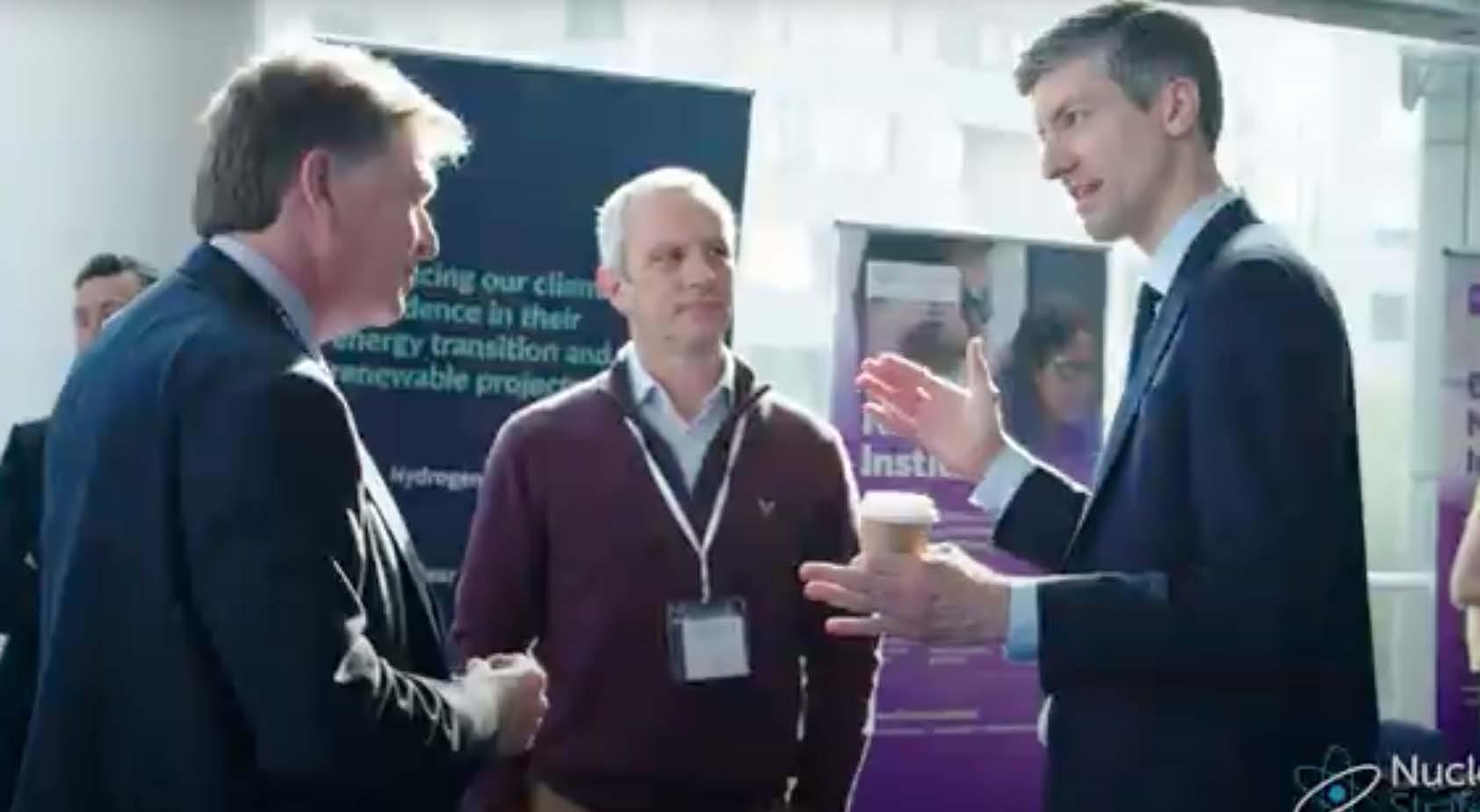
(Video will open in a new window)
Upcoming Event
About the Event
Enhancing the Nuclear Economy II
Enhancing the Nuclear Economy 2 (Roman Numerals) is a one-day event aimed at convening government officials, industry leaders, academia, and supply chain stakeholders to discuss innovation, cooperation, and collaboration. The goal is to pave the way to 2050, making it accessible and achievable for a more sustainable future.
Topics to be covered include
• Policy and Guidelines for Advanced Nuclear Innovation
• Economic Aspects and Capital in Advanced Nuclear Solutions

• Establishing a Robust Advanced Nuclear Technology Supply Network
• Ensuring Safety, Confidence, and Public Trust in Advanced Nuclear Innovations
• Emerging Technological Breakthroughs in Nuclear Energy Advancements
• Exploring Diverse Applications of Nuclear Technology Beyond Power Generation
• Innovations in Nuclear Waste management
• Developments in Decommissioning and supply chain opportunities
• Nuclear transport, removal and storage solutions
For more information please visit our website: www.nuclearstrategy.earth or email hello@nuclearstrategy.earth