HOW DOES COMMUNITY TRYING TO FIT IN GENTRIFICATION
CASE STUDY
DEMOLITION AND ERASURE
KEYWORDS
COUNTER-CULTURE
noun
a way of life and set of attitudes opposed to or at variance with the prevailing social norm.
A counterculture is a culture whose values and norms of behavior differ substantially from those of mainstream society, sometimes diametrically opposed to mainstream cultural norms.
AGGLOMERATION
noun
A mass or collection of things: an assemblage: the arts centre is an agglomeration of theatres, gallery, shops, restaurant and bar. An agglomeration of various ethnic and religious groupings
BOON
noun
A thing that is helpful or beneficial: the route will be a boon to many travellers.
Middle English (originally in the sense ‘request for a favour’): from Old Norse bón
CASE STUDY
UNEASY INTEGRATION
CASE STUDY
CONTRADITION OF GENTRIFICATION
CONSLUSION
BIBLIOGRAPHY
ILLUSTRATION LIST
WHITE-COLLAR
adjective
Relating to the work done or the people who work in an office or other professional environment The name comes from older times, too, when office workers usually wore white, collared shirts at work (and some of them still do)
PLURALISTIC SOCIETY
adjective
Relating to the philosophical doctrine of pluralism. But living as they do in a pluralist society they are exposed to a far greater degree of diversity of culture, lifestyle, beliefs, attitudes, than ever before. A pluralistic society is a diverse one, where the people in it believe all kinds of different things and tolerate each other’s beliefs even when they don’t match their own.
Abstract
The increasing development, which symbolizes this developed country has become the main topic throughout the country, and the competition between countries about skyscrapers has brought the image of a successful country.
The increase in buildings and new construction in developing country due to the demand and the rapid increase in the urban population because of migration from the countryside to the city and the natural increase in the population bring great implications to the city to be specific like in London and Kuala Lumpur. Increasing demand for land for residential and business needs, changes in lifestyle and fertility of the earth’s strata which affects our daily activities such as climate change, increased costs which are somewhat related to our daily activities.
New developments in nowadays affect towns, for example, Kuala Lumpur, Malaysia where they lose land which they use to carry out agriculture to cover their family’s daily expenses. It will also affect urban residents where most of the land and agricultural products come from small towns and farmers. For a fast-paced city that is now increasingly active with new development, several old buildings have been and will be demolished and some are left obsolete `without occupants.
This causes the loss of community in the local area and affects harmony, income, and search results in the area, in the city, they plan operations,
businesses, and services that connect every point on the map
Cities are becoming more modern, and the loss of local communities is increasing.We lost the concept of community which has previously united our countr y.
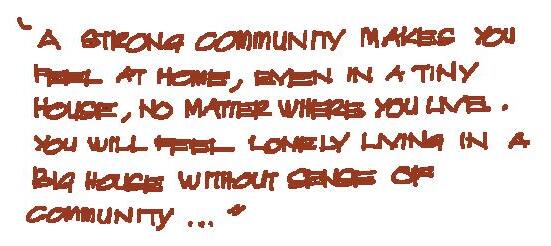
Community relations through community make people ver y impor tant things that they need, which makes the ‘terrible sense’ a little stability in life. A balanced community comes from great individualism. A country will not celebrate without a united culture.
‘’Gentrification replaces most people’s experiences with the perceptions of the privileged and calls that reality.’’
Governmental and economic forces make gentrification changes physically in terms of the social characteristics of a city, changes in neighborhoods, increased costs of renting and buying real estate, and job opportunities. It also reflects a significant shift to where to create new value. Several factors caused this gentrification and significantly impacts the world,an example of how gentrification impacts us is the fall of the “dollar and cents.”
There are positive and negative changes and effects that involve the population, job opportunities, and economic gentrification, which expands the field of employment, improves the national economy and strengthens the country’s politics as a modern and powerful country.
A relatively neutral effect of gentrification is that people move to the countryside to develop businesses because of several factors. For example, the company’s production costs are lower than in the city; taxes are also lower than they are in the city. It benefits businesses and society.
However, gentrification can come with negative affects. For example, when areas become gentrified, some buildings become obsolete and inefficient which leads to waste.
Through gentrification several processes occur in countries where there is a desire to live in harmony. Through gentrification access to several amenities becomes easier. These amenities are public transportation facilities, industrial facilities, and public facilities such as banks, post offices, and clinics usually run by the public or large private sectors2
‘We create our buildings, and then they create us. Similarly, we build our circle of friends and community, and then they build us’ 3
One of the famous quotes from Frank Lloyd Wright. It brings deep meaning to the community and architecture, combining them.
Being an equal or balanced city is still in the process of formation. With the intervention of politics, government, society, and aspects of community life, the city becoming balances is going slower than some would have hoped.
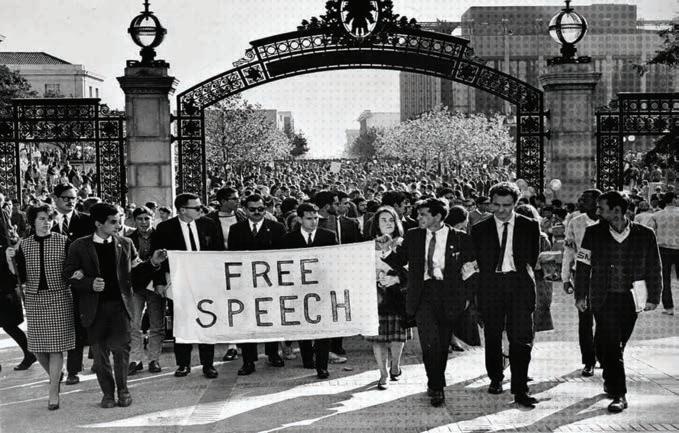
Counterculture can benefit a city to form a harmonious environment and an equal city, as behaviours in counterculture differ from the mainstream society. As the younger generation fight for a better future, they taking to account several things
that need to be improve in the long run. However, counterculture is controversial as the organization of the city may become unstable as it opposes cultural norms that have been previously established. The younger generation opposes the previously established norms through protests an activism which hinders progress.
Resource derived from the hinterland produce the latest resources that are among the needs of the future, thus bringing prosperity and well-being to the population.
Now, the city is a center of material wealth. People flock to the city and will continue to flock there in response to the privileges and facilities available
in the city. The real strength of the city is as a center of wealth accumulation through the agglomeration of production and services such as territory or the notable narrowing of some economic activities with the presence of supporting facilities such as transportation, labor, production, and population that affect economic growth and social growth.
Globally, urban settlement hierarchy and supporting layers consist of a wide variety of networks and sizes of cities.
Community in Architecture ?!
Architecture is a manifestation of nature and culture in our lives, said Prof Dr. Mohamad Tajuddin Mohamad Rasdi in the article Culture, Roketkini, published on 13 May 2011.4 In planning to modernize the country or develop the country towards modernization, with the development and demolition affect the local area. People must be considered at the center of all the changes made.
The strong-rooted relationship between people in the world reflects the world of modernity. A pluralistic society is a strong example for
countries to look to, as this type of societylooks to integrate various social classes, faith groups and races. Seeing this, can benefit countries interms of development and can inspire them. We can build strong walls to defend the country, but if we fail to live with tolerance and love, a country cannot last long. When eating until satiated but not enjoying it. Similarly, If human relations are lost, and there is no more interaction, the area will lose harmony and the sense of community.
Architecture is essential in society and important to community as it allow people to sociailise and interact. It also gives a direct picture of how cohesive communities are, how politicly succesful a country is, as politician have an impact on where wealth is divided and what areas should be architecturally developed. The architecture also amounts to how nations are ambitious in what they
builds. The progress of a city depends on a nation’s civilization, which asserts that a nation’s civilization begins and develops in urban settlements, quoted by Ibnu Khaldun (2002).
The world-famous architect Frank Lloyd Wright admitted that,
With the combination of artificial design with nature, it becomes a practical necessity to express cultural art.5
Something that is clear is that we are living beings and we need protection and shelter. Whether it is facilitating our daily work, or even in public situations like gathering somewhere to socialize or hold a meeting. Many factors are considered, such as spatial, environmental, and human factors.
Fig 3. Widewalls Editorial (2016)
Fig
How does the community try to fit in Gentrification ?
In the era of growh, gentrification is the plan that changes city planning and is the primary vision for a better and sustainable future.
Urban science is key in the creation of nations, as it inform a more sustainable and liveable country. A paradigm shift to current ways of living. Implementing urban science means those who are responsible for constructing a better city know the five main pillars: urban national policy, law & regulation, urban planning & design, local economy & urban finance, and local implementation.6
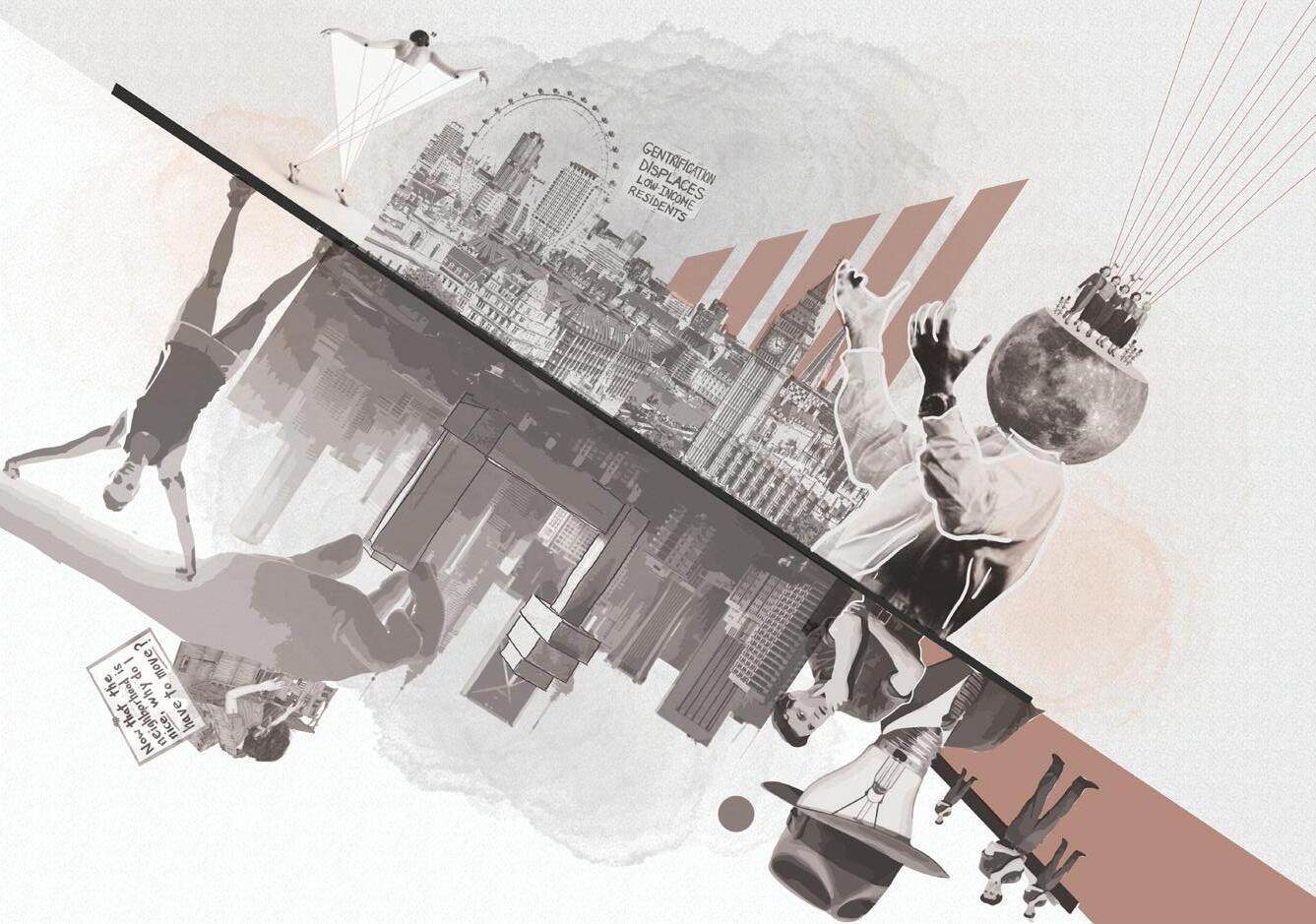
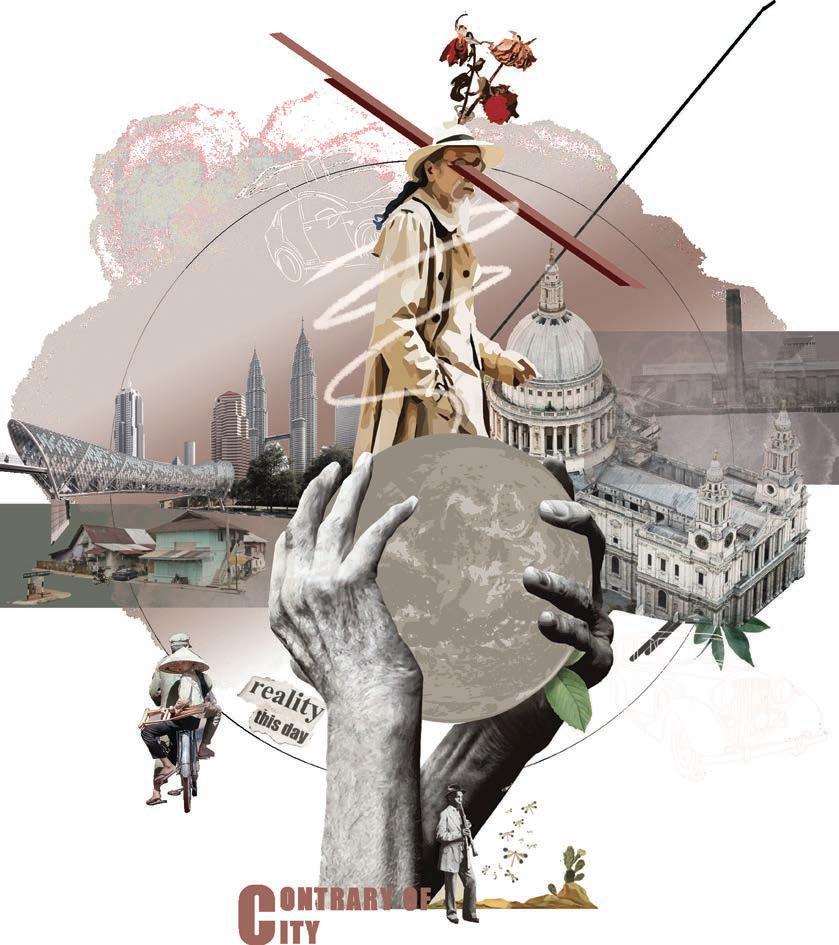
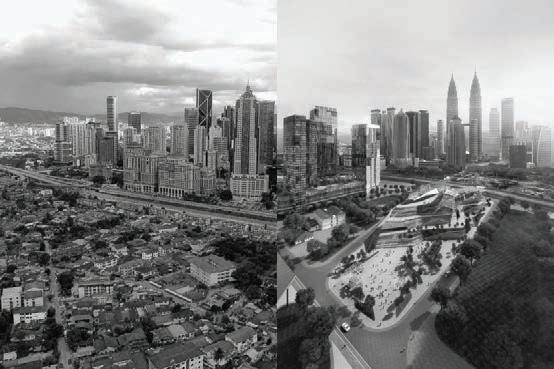
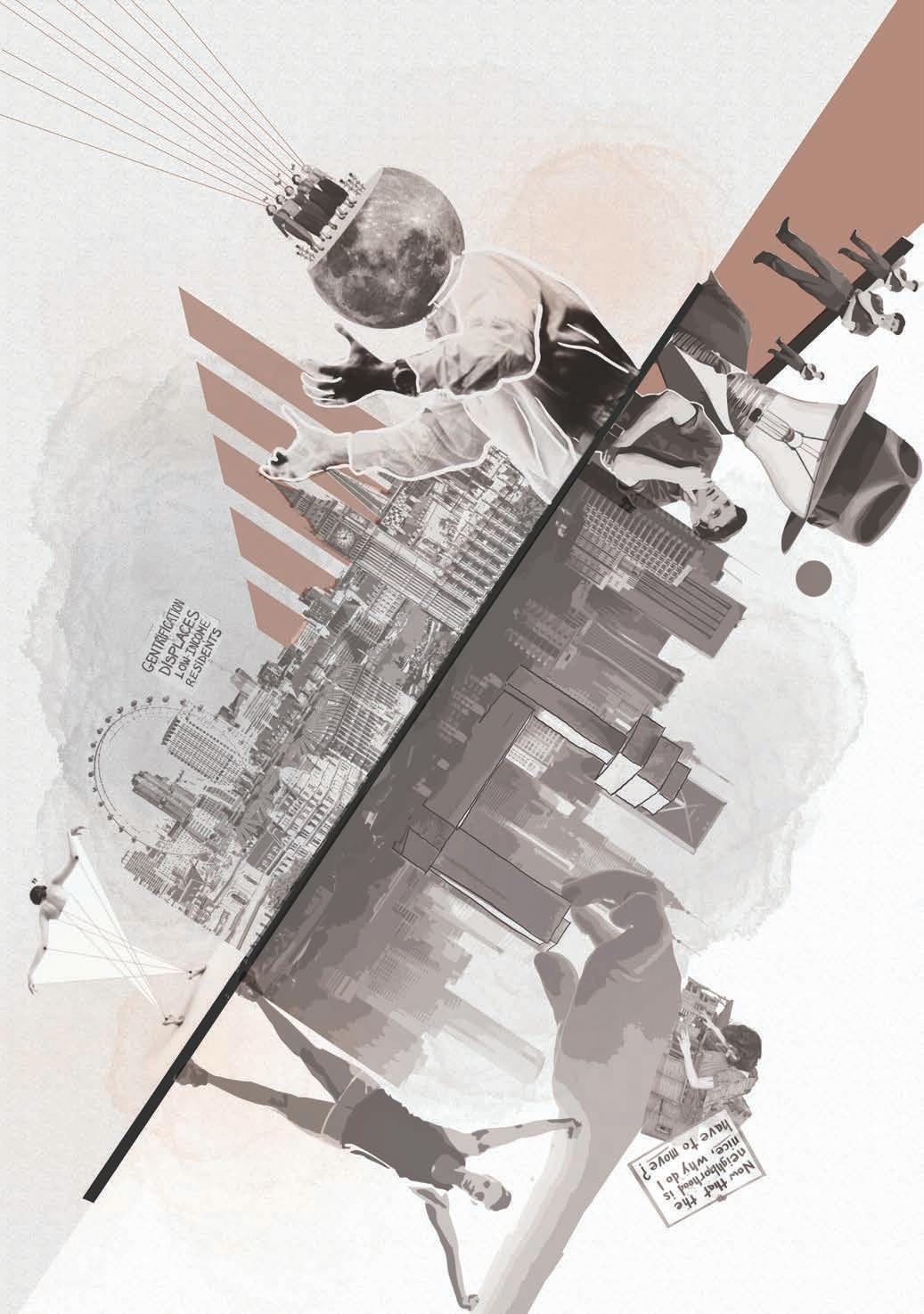
Fig 5. Nurul Shahidan (2023) Gentrification in Asia and Europe (Illustration). Author’s own. Gentrification is the conversion/sexual development of an old area into something new, which brings great changes to an area and creates new values. Changes in the neighborhood, loss of community, costs are increasin
This planning gives new recognition to the relationship between good urbanization and development. It includes broad employment opportunities, livelihood opportunities, and improving the quality of life included in every urban renewal policy and strategy7
The world’s population has almost doubled, which will make urbanization one of the transformative trends of the 21st century8 It will be a great challenge to community residents, urban planners, and sustainability in terms of housing,
infrastructure, essential services, food security, health, education, good jobs, security, and natural resources.
Unfortunately, urban poverty continues to increase. Various forms of poverty, increasing inequality, and environmental degradation will continue. The social and economic exclusion will continue to be among the main obstacles to sustainable development worldwide.9
In today’s era, developers, city planners, and governments know that society is falling due to sustainable
6 The Counterculture Movement in Society and Art (2016) Available at: (Accessed: chrome-extension:// efaidnbmnnnibpcajpcglclefindmkaj/http:// base.socioeco.org/docs/nua-english.pdf
8 chrome-extension:// efaidnbmnnnibpcajpcglclefindmkaj/https:// ec.europa.eu/futurium/en/system/files/ ged/6._analytical_paper_2017_links_to_international_commitments.pdf 9 Agenda, N.U., 2016. Available online: http://habitat3. org/wp-content/uploads. NUA-English. pdf (accessed on 31 May 2018). 10
urban development needing more vital planning and support. Inequality is increasing, and various forms and dimensions of poverty persist. Including, the increasing number of slums and informal settlements of the population. The biggest and most difficult global challenge is eradicating poverty in all its forms and dimensions, affecting both developed and developing countries.
In this kind of constitution, the community must agree with the decisions by the authorities. Modern urban renewal is happening in cities around the world such as, Abu Dhabi, Rio De Janeiro, Cairo, Seoul, Karachi, Buenos Aires, Istanbul, Damascus, and the most famous one, Shenzhen, experienced the same phenomenon recently.10
In short, gentrification refers to the transformation process of an area with poor physical conditions (read: slums) or even empty land in urban areas, into various types of luxury real estate that white-collar workers can
only enjoy (or “middle class”)11 or other real estate for commercial purposes.
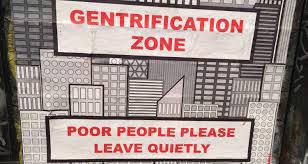
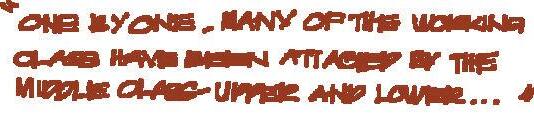
Gentrification seems to always be followed by the emergence of social conflict. It is seen as a terrible process and rejected by society, especially the working class and, more specifically, blue-collar workers. The rejection of gentrification by blue-collar workers is even prevalent in developed countries. There is a day called MayDay when the working class often fights gentrification worldwide. They take to the streets, through a mass action protest. In some cases, protests can often lead to vandalism of renovated properties and clashes with the authorities—the following uprisings are carried out for one goal: to fight the presence of gentrification.
Through protests, the rise in the belief that gentrification will bring renewal and lead to the city of dreams, has increased .However gentrification does have its negatives as in some developing countries, there is peace with the existence
of slums. An example of this is in Kuala Lumpur, Malaysia. This city has little government intervention and is a slum that tourists and those who reside, visit. It has a successful business background and strong heritage of what Malaysia was before colonisation.
Regarding the Sustainable Development Goals (SDGs) cohesive targets, slums are the problems that must be addressed ‘somehow.’ Solving the problem of slums is a complex area in which to find solutions.
Nowadays, gentrification is indeed a boon for city governments. Gentrification can replace the role of government in solving the problem of “free” slums. The government does not have to allocate a large budget for the slum management program. Unfortunately, the demands of the “SDGs” targets make the government forget that the slums are the only places that provide affordable housing for the urban poor with vulnerable jobs: buskers, fried food sellers, odd laborers in markets, laundry workers, or cleaning services. Once again, they must remember that providing affordable housing for the poor is the government’s responsibility.
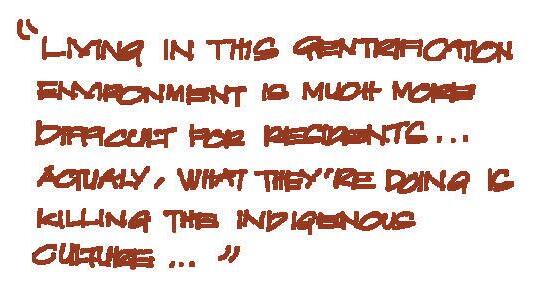
‘‘Gentrification displace low-income residents ’’
How does community try
Lees, L., Slater, T. and Wyly, E.K. (2008) Gentrification. New York Routledge.
Lees, L., Slater, T. and Wyly, E.K. (2008) Gentrification. New York Routledge.
Fig 6. Frederic Brown (2020) a protest against gentrifiaction in LA
Demolition and erasure
London, UK
Demolition is an oppression of society. The protests of local communities in London and other communities show that the actions of the Government or authorities to demolish and delete is considered oppressive. Based on humanitarian principles and the Government’s concern for the community, there needs to be a discussion between the Government and the population that gives a ‘win-win’ solution between the two parties before the demolition is carried out.
Today, people who are on the poverty line are in a state of suffering, barely surviving and losing their jobs. In addition, the community feels depressed due to the effects of the Covid 19 epidemic, where we were locked up for an extended period, with no certainty of when it will end. With the rising cost of living, jobs become limited, losing the ability to earn a secure living for their families. The demolition of any space creates the risk of not only people losing their financial security, but could also lead to the loss of communnity in which they reside and leave people without a secure living space.Like many countries, the United Kingdom is an example of where demolition is occuring.
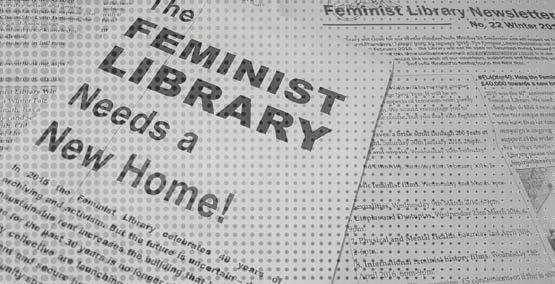
This topic discusses the past, present, and future interactions of demolitions and erasure in the area. It also includes the voice of residents and communities excluded from the decisions made on the issue of social demolition of libraries.
Closures continue to occur, concerns and complaints from the community have become extremely prevalent in the community. As many as 10,000 library workers, according to record data in 2005, lost their jobs12, many libraries were given over to voluntary bodies, and some were left without staff. Next, the increase soared in 2010, and as many as 780 libraries were closed, which worried the community.
What is happening now is that the authorities want changes in the national economy and local progress without consultation with several amenities, including the library.
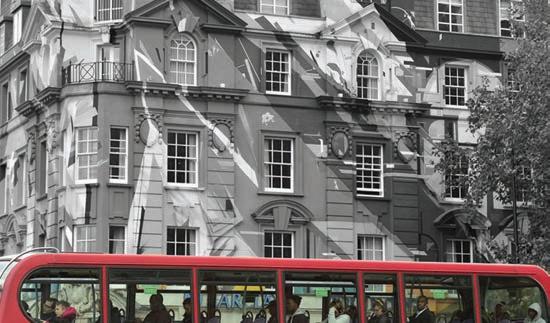
Voluntary or forced closures will occur, harming the population and future generations. Demolition and erasure have their negative but can also be view as positive as they revitilase and modernise areas. An example of modernization is Southwark Towers being replaced by The Shard that has brought many economic benefits13
Nevertheless, through the erasure of architecture in some cases, any knowledge, cultural identity, and brilliant critical history can be obliterated.
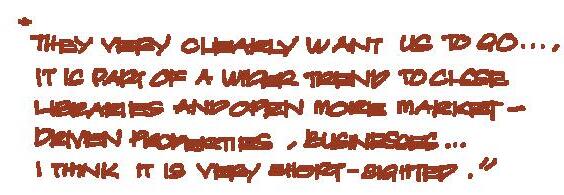
The closure of libraries is related to the economic crisis and will have many adverse effects instead of positive ones, those who authorized the closure, may think it will help reduce the adverse effects of the economic crisis, but the result is the opposite. “It was clear from the beginning that destroying library services is more expensive than preserving them,” a librarian stated. “Now that all the flaws in their plan are showing, the council is in a panic. Willing to spend any amount of money to make this turkey fly.”14
The closure and destruction of this library are very worrying. What will happen to the community in that area, will the community regress? Those who work in the library or are looking for study materials need that place. What will happen to the younger generation if we lack materials or places to find physical materials such as brochures, books, and magazines?
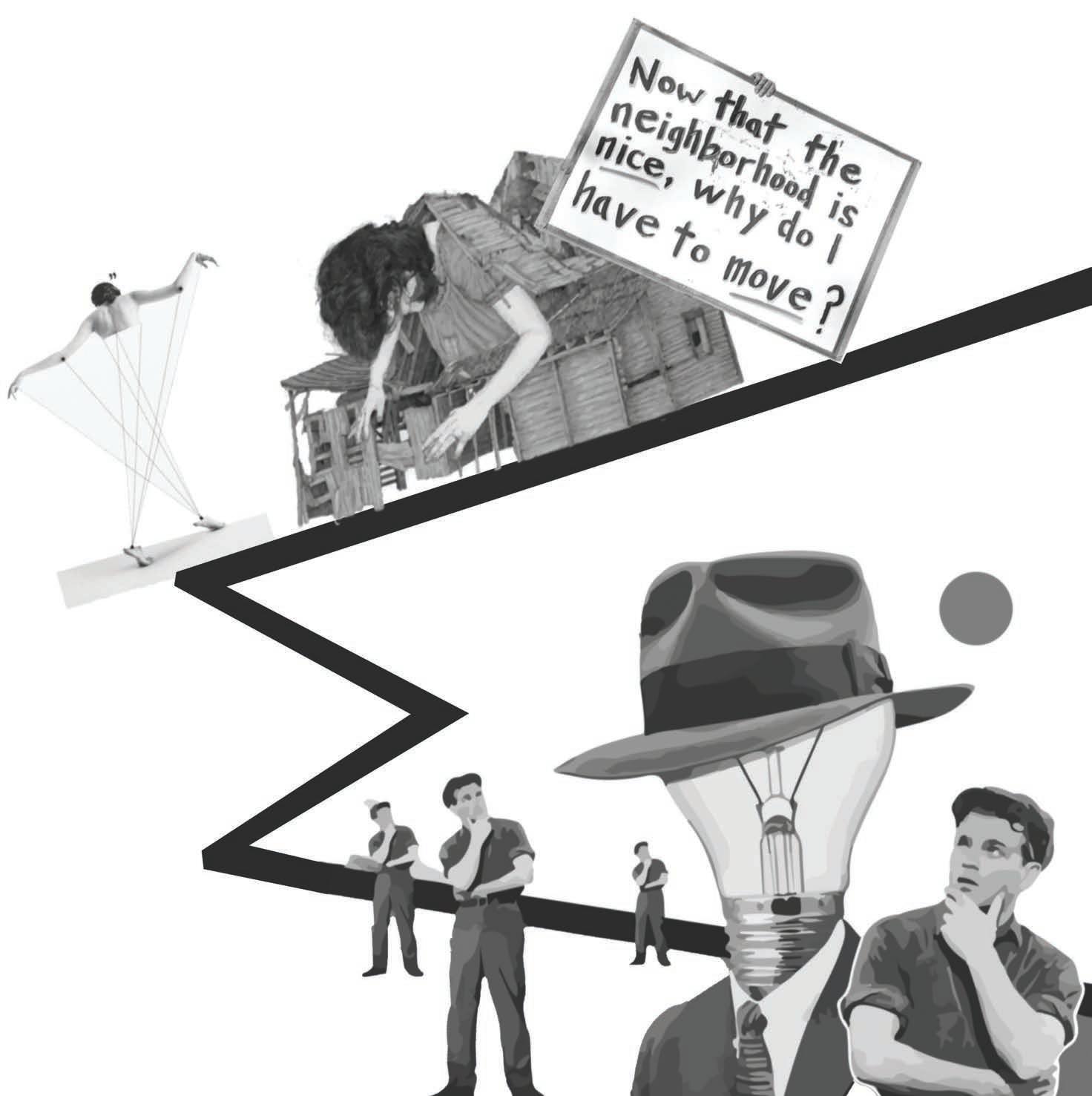
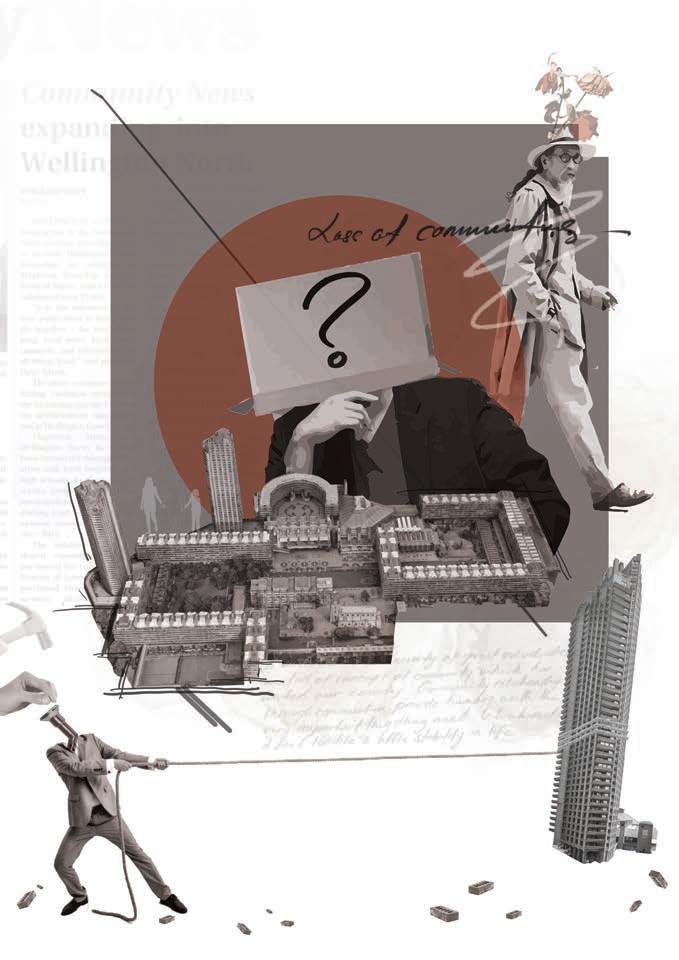
Fig 7. Nurul Shahidan (2023) Replacement and Loss of Community (Illustration).
Unseasy Integration
Kampung Baru, Kuala Lumpur, Malaysia
Unity is the primary condition for creating political stability, economy, and social well-being. Culture is one factor that determines a nation’s identity, and educational programs are the same across different ethnic background, so a society’s socialization structure is similar. In terms of economy, the modernization of the industrial sector, a comfortable standard of living, and the same economic changes open up many opportunities for various ethnic background that increase the level of progress of a country. Social integration will occur when most members of society agree with the developed social structure.
Malaysia inherited the system of Government from the British after its independence in 1957. The victory led to the form of the multi-racial and multi-ethnic country today. Apart from being a democratic model country, Malaysia comprises of various ethnicities such as Malays, Chinese, Indians, Ibans, Kadazans, and other ethnic minorities. In a country that consists of a pluralistic society, national integration is a vital bridge to create political stability. Malaysia has yet to reach a level of unity regarding the relationship between multi-racial communities. National integration is an approach that needs to be implemented to achieve unity. National integration is social integration at the governmental level.
Mining areas, craters, and thick forests used to be the central space of the native Malays, and now it has become the capital of Malaysia, and the twin towers of the KLCC skyscraper are here. The economy grew by 10% during the Asian Economic Boom in the 1990s and has become a developed country. 14
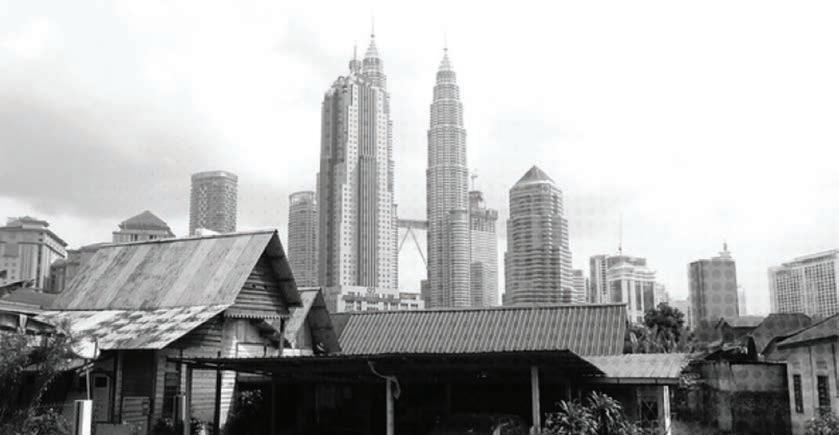
With the rapid progress of this country, previously we know that Malaysia was colonised, but is now referred to as a cocnrete jungle in
the middle of the city, surrounded by skyscrapers.
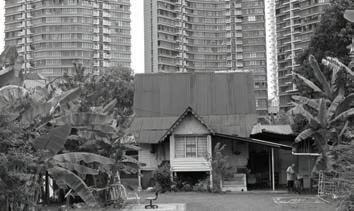
Who would have thought that the original colonial village was in the middle of a modern city?
Fig 10. Angie Ng (2010) Redeveloping Kampung Baru
“Village surrounded by Concrete Forest’’
Developers are looking for opportunities to develop the country from all aspects. With Kampung Baru located on four square kilometers of real estate, it is no wonder that the area is ‘grabbed’ by developers and the Government.
The first proposal was released earlier for the area’s developer plan and was certified by the Malaysian Government, but it could not proceed for various reasons.
According to the community in the area, they are aware that they cannot run away from development, and they feel that the landscape in the Kampung Baru area will change in the next ten years.
If this is true, their concerns as native
Malays living in the area will be the reason Kuala Lumpur’s cultural heritage will be forgotten.
Only here can we see vernacular architecture that refers to the local construction style, which uses local materials designed to solve local issues such as weather, flora, and fauna. It remains a remnant of the original Malay country in which we can still see with our own eyes how the people acted in the past and watched over all the possibilities that could occur, for example the creation of shelter as shown in Fig 12 for human to be defended from being attacted by wild animals (the former desert forest), floods, and the creation of a house on top of a pole to ensure adequate ventilation. 15
Residents in Kampung Baru are worried and nervous about the possibility of what will happen to them if developers and the Government take over the area.
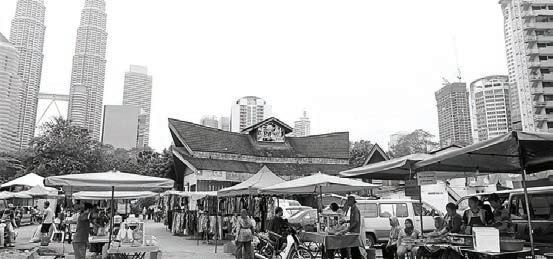
For decades, this area was lively and became the heart of the state, with its diverse food, culture, and people. It was one of the tourist attractions in this country to visit and feel the atmosphere which was seen as exciting.
The Government offered a sum of money to restart their business in the space provided by the Government. 16
However, the big question for the public is whether the situation will be the same as before when people from all over the world come here to enjoy breakfast in a busy urban village? With the Government’s offer of RM1,000 per square foot, it cannot satisfy the majority of the local community to move to another place or start a new life elsewhere 17. Their concern is that they know people come here because of its unique character of being in the heart of the city center, enriched with culture and heritage.
In the heart of Malaysia’s towering capital lies tiny Kampong Bharu. But its markets are being wipedout and its residents evicted.
Fig
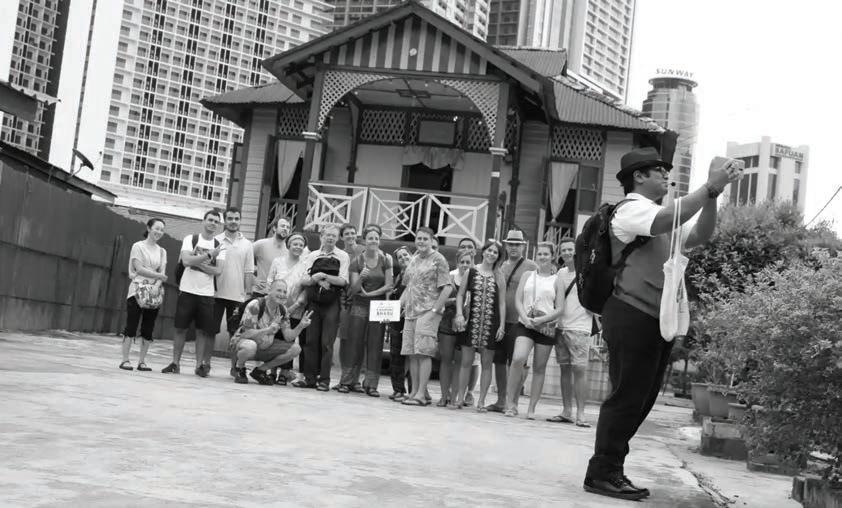
Fig 14. Kate Mayberry/The Guardian (2017) Tourists pose for a photo outside one of Kampong Bharu’s historic houses
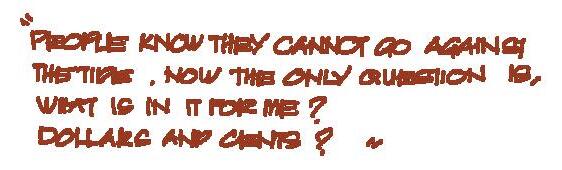
“Gentrification is not bad in itself — it is only bad if it pushes people out,” “The goal is for everyone to be better. Placemaking works when it is done ‘with,’ not ‘to.’”
King Cross, London, United Kingdom
Rapid economic development and this authentic modern style with an attempt to stabilize modern ideas is the prominent margin for developers and the Government.
With the current trend of modernization, the occurrence of gentrification has given a different picture and changed the status of the social class and working classes’ status. The organization of the city starts with the lower classes and is
raised in stages. From there, we can measure the status of the community in the area depending on the surrounding conditions.
The revolutionary sociocultural and political changes associated with welfare planners defined a new record speed with modernization, the formation of architecture and urban forms, lifestyles, and institutions. The developing world consider it a ‘degraded form.’
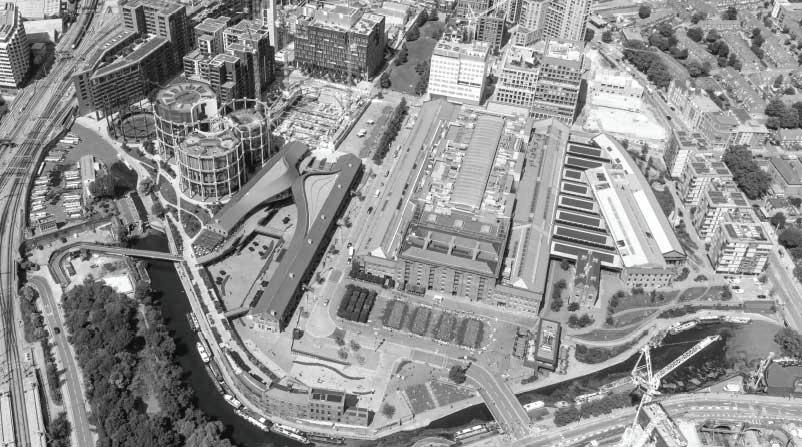
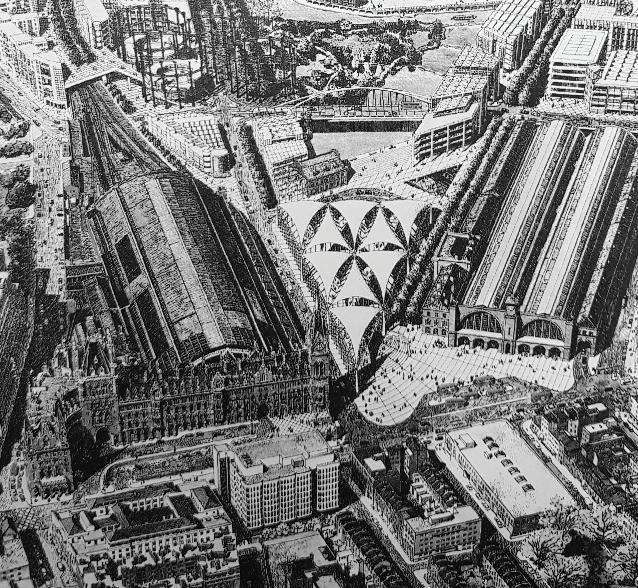
Gentrification is not just about coffee shops and more lunch options; it is about reducing crime and antisocial behavior 18. King’s Cross is a perfect example that allows us to see the overtime changes, modernization, and gentrification that have affected the community and the city.
Thirty years ago, King Cross was a sensitive topic in politics 19 The region was notorious for its abandoned industrial sites and was considered a crisis without direction.
Areas were riddle with street prostitution and drug dealing. At that time, society was thought to be in a broken state, without purpose and morals. Young people in this area were more exposed to negative things and the existence of organizations that offer women sex work. The average customer was from a group that was once exposed to severe drugs such as heroin/crack cocaine, and they were usually homeless 21 and prisoners.
Contradiction of gentrification
Fig
When the name King’s Cross is uttered viewed the look on someone’s face is altered as King’s Cross was notorious for hard hitting issues.
A thoughtful and successful change was made by it reinventing itself as an international transit hub, art center, and corporate office center without losing its character entirely 21 . Nevertheless, the developers needed to focus on this matter more carefully so that development and renewal in this area was fair and balanced.
The initial planning for this modernization and renovation was intended to provide low- and medium-cost housing. With the growing human population, planners need to take this more seriously and
plan accordingly, but the opposite happened. King’s Cross is a city of modernization and luxury, becoming an area that drives positive economic growth. The ease of transit hub transportation between commuters, art world centers, and corporate office clusters is enough to illustrate how successful this area is. The city has now changed from a low-class city to a first-class one, emphasizing the inequities between developers and the resulting unaffordability.
Once this ‘gentrification’ process begins in a district, the process proceeds rapidly until all or most of the colonial working class is displaced
and the entire social character of the district changes. “’
The term “gentrification” was first coined in the 1960s by sociologist Ruth Glass (1964) to describe the displacement of working-class residents in London neighborhoods by middle-class immigrants
The form of change in the environment occurs. This results in the transfer of the robust population from one social and cultural class to a more prosperous class due to increased property values. The emergence of new immigrants and racial displacement replaces the dominant minority population. Indirectly, gentrification replaces negative things with better things and conditions.
20
21
22 Foster, D. (2017) Gentrification isn’t a benign process: it forces people from their homes. Available at: https://www.theguardian.com/ housing-network/2017/mar/24/gentrification-kings-cross-forces-people-from-housing-crisis.
The term is often used negatively, indicating wealthy outsiders’ replaced the poorer communities. However, the effects of gentrification are complex and contradictory, as King’s Cross, benefitted from the middle class immigrants, resulting in improvement of the area as a whole, such as the reduction in criminal activities that were taking place.
Contradiction of gentrification
Fig 18. The Montifraulo (2012) The newly completed King’s Cross Square
Fig 19. Sam Chullen (2022) What the station would have looked like
Conclusion
Gentrification is a wide topic that consists of positives and negatives. Going through all the various case studies and scenarios, I have gathered that gentrification can either bring people together or create a loss of community.
Gentrification also links to the idea of how by it occurring, the benefits are not always clear until it is carried out. counterculture opposes it and compliments it, as it makes people realise there is a need for change but also allows them to see that they are in the Centre of the change that is about to occur. Gentrification is a modern process that can often be for the benefit of the environment, socially, politically and on a more environmental level.
Involving a pluralistic way of gentrification can benefit communities more cohesively as pluralism is all about making sure that different social glasses and backgrounds can co-exist in harmony but also grow and thrive as a whole.
When looking at key examples of gentrification and its positive and negative impacts, I believe that without analysing and carefully considering several factors such as the existing community such as the social existing classes within the space and the heritage of past occupants, it is hard to know the true effects of gentrification. An example of how it is difficult to know whether gentrification has been truly beneficial
or suppressive is the gentrification of King’s Cross. Within this area in London, before the process of gentrification occurred, there were high level of crimes and activities that are no longer fit the social standards in the modern world. The improvements helped the economy and lower crime rates, however, this also meant that the rich drove out the poor, which makes it hard to justify the intentions of gentrification. Could it be that gentrification is a guise for pushing out the poor and making the rich, richer? if so, this could be why there are so many protests that fight the concept of gentrification as a lot of ordinary people feel as though they will be marginalised and lose their community in the long run.
Through gentrifying an area, the key component is demolition; out with the old, in with the new. this concept is key if the process of gentrifying occurs, as the old must be demolished before the new can be brought in.
Kampung Bharu is a clear example of how people are trying to keep alive their heritage and community as it exists due to the fact that it brings in business, is successful and thriving, but also is home to a lot of people who have knowledge and wisdom to share with visitors and tourists. The key to success is no secret, as Kampung Bharu is a community due to its firmness of sticking together and wanting to fight to keep it alive. one may say that due to the fact that there is not much government intervention is why it is so successful
as the community consists of selfsufficient individuals.
To conclude, looking at the demolition of the libraries, we can see that due to government and political; intervention, we can establish that the interventions made are not necessarily always to benefit the community. In this case, the demolition of libraries caused many major negative affects to the community through the loss of jobs, the meaning of libraries and what they do for people, but also the impact they have on the economy.
Bibliography
Baharumshah, A.Z. and Thanoon, M.A.M. (2006) Foreign capital flows and economic growth in East Asian Countries, China . China Economic Review edn.
Barbara Heggen (2022) ‘Kampung Baru survives as a slice of village life in the middle of one of Asia’s biggest cities ‘, .
Dawn Foster (2017a) Gentrification isn’t a benign process. Available at: https://www. theguardian.com/housing-network/2017/mar/24/gentrification-kings-cross-forces-peoplefrom-housing-crisis (Accessed: .
Dawn Foster (2017b) ‘Gentrification isn’t a benign process: it forces people from their homes ‘, The Guardian, .
Design Building (2021) The Shard. Available at: https://www.designingbuildings.co.uk/wiki/The_ Shard (Accessed: .
Dr Joan Clos (2017a) New Urban Agenda. United Nations. Available at: chrome-extension:// efaidnbmnnnibpcajpcglclefindmkaj/http://base.socioeco.org/docs/nua-english.pdf (Accessed:
Dr Joan Clos (2017b) New Urban Agenda III. Available at: chrome-extension:// efaidnbmnnnibpcajpcglclefindmkaj/https://www.habitat3.org/wp-content/uploads/NUAEnglish.pdf (Accessed: .
Dr. Orna Rosenfeld (2018) EU Urban Agenda Housing Partnership. Available at: chromeextension://efaidnbmnnnibpcajpcglclefindmkaj/https://ec.europa.eu/futurium/en/system/files/ ged/6._analytical_paper_2017_links_to_international_commitments.pdf (Accessed: .
Ethel Khoo (2019) Understanding gentrification in the local context . Available at: https:// www.theedgemarkets.com/article/cover-story-understanding-gentrification-local-context (Accessed:
Frank Lloyd Wright Quotes . Available at: https://www.brainyquote.com/quotes/frank_ lloyd_wright_127711. (Accessed: .
Ged Can (2019) ‘Almost 100 of Ealing’s library staff could face losing their jobs’, . Lees, L., Slater, T. and Wyly, E.K. (2008) Gentrification. New York ;: Routledge.
MacKay-Lyons, B. (2013) Local architecture : building place, craft and community. New York: Papress.
Neville, Lucy and Sanders-McDonagh, E. (2018) Gentrification and the criminalization of sex work: Exploring the sanitization of sex work in Kings Cross with the use of ASBOs and CBOs.
Neville, Lucy and Sanders-McDonagh, E. (2018) Gentrification and the criminalization of sex work: Exploring the sanitization of sex work in Kings Cross with the use of ASBOs and CBOs.
P.A. Redfern (2003) ‘What Makes Gentrification ‘Gentrification’?’, Urban Studies, 40(12), pp. 2351-2366. doi: 10.1080/0042098032000136101.
Peter and Walker (2016) Council closed libraries to cut costs, then spent more to guard them . Available at: https://www.theguardian.com/books/2016/may/22/lambeth-councilclosed-libraries-security-guards#:~:text=The%20two%20sites%20%E2%80%93%20the%20 Carnegie,library%20and%20a%20private%20gym (Accessed: .
Rasdi, M.T.H.M. (2005) Malaysian Architecture. Crisis within edn.Utusan Publication.
Razak Ghazali (2019a) Govt ups offer for Kampung Baru land to RM1,000 per sq ft — final offer. Available at: https://themalaysianreserve.com/2019/10/25/govt-ups-offer-for-kampungbaru-land-to-rm1000-per-sq-ft-final-offer/ (Accessed: .
Razak Ghazali (2019b) ‘Govt ups offer for Kampung Baru land to RM1,000 per sq ft — final offer ‘, .
The Counterculture Movement in Society and Art . (2016) Available at: (Accessed: .
Illustration List
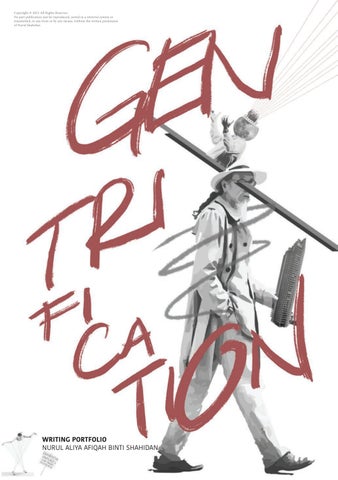
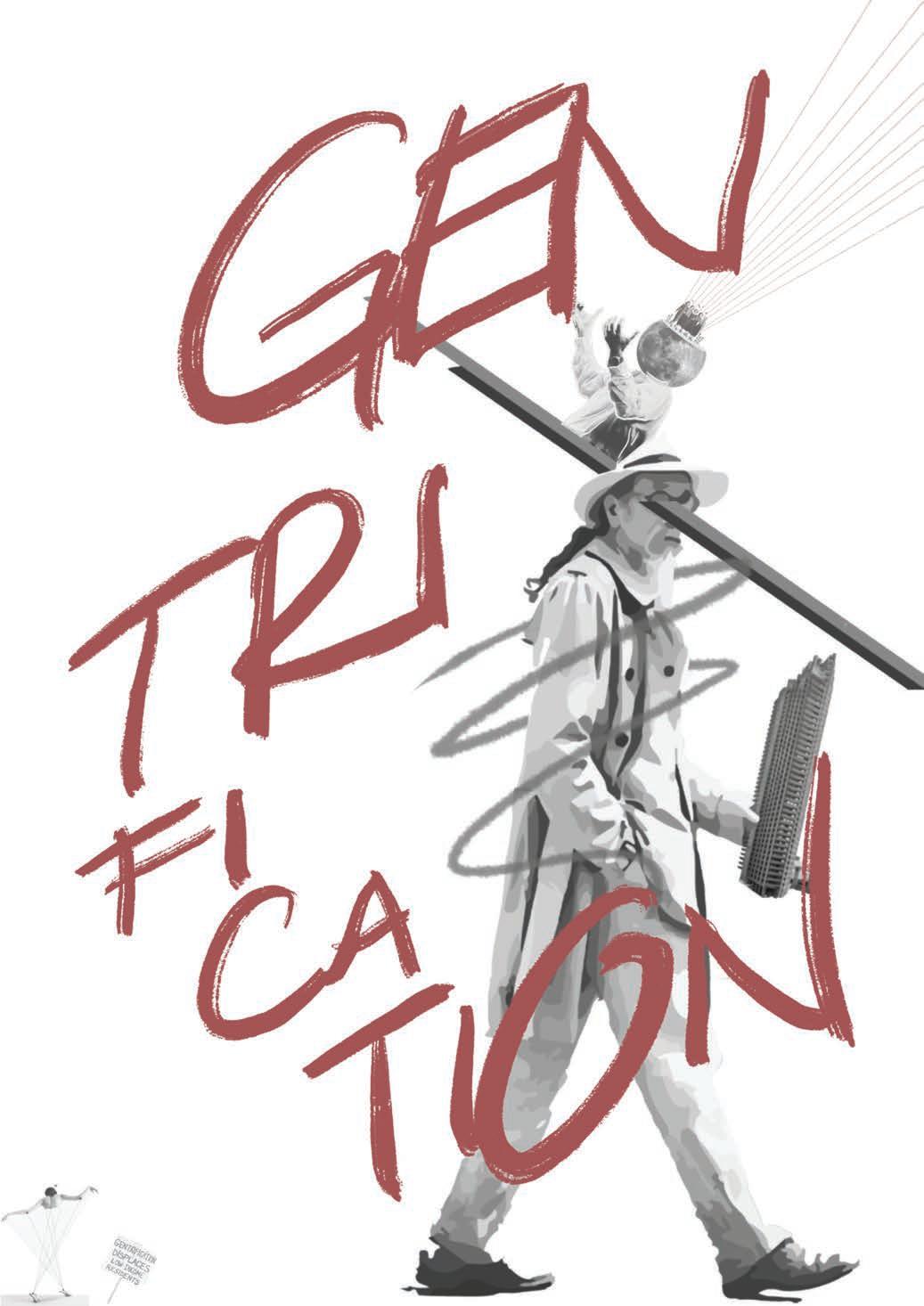
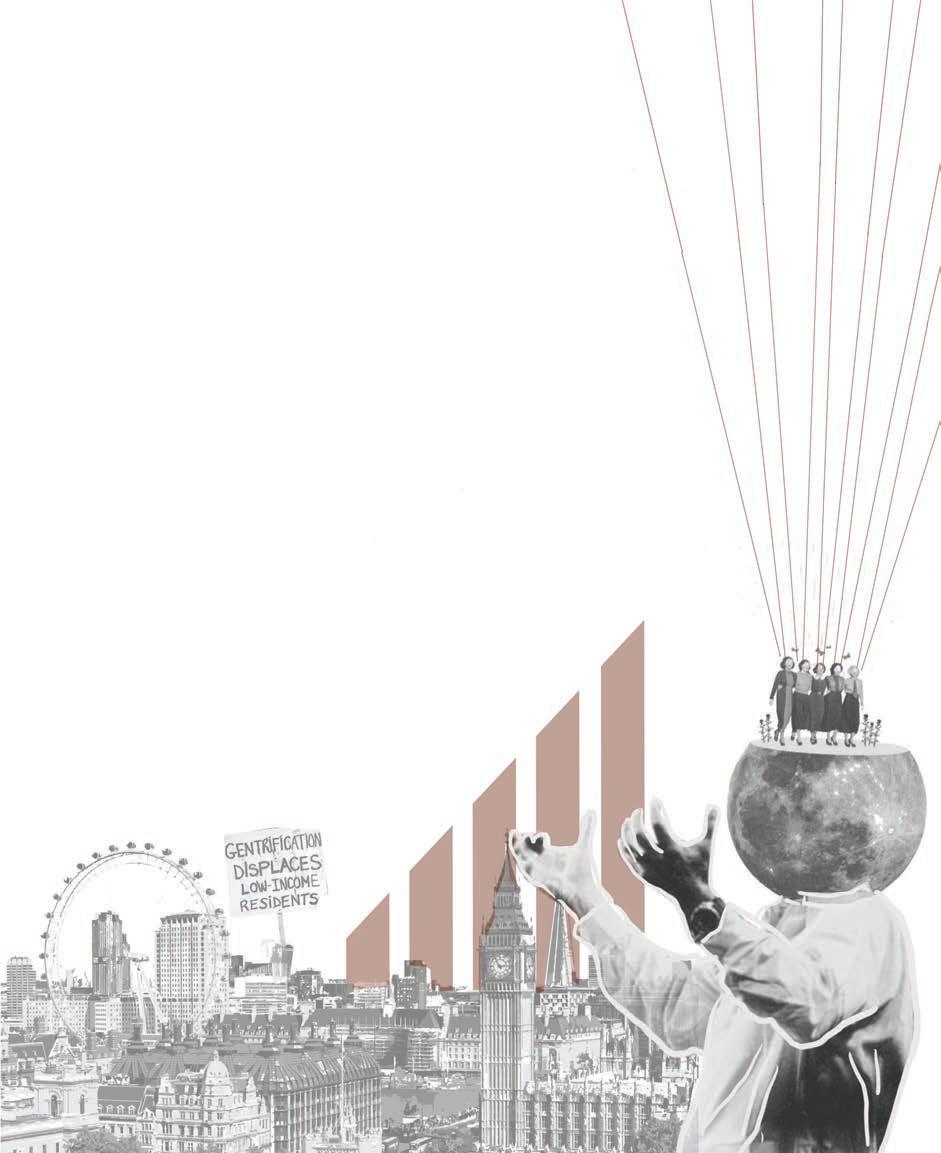
Fig 1. Nurul Shahidan (2023) Community and Gentrification (Illustration). Author’s own
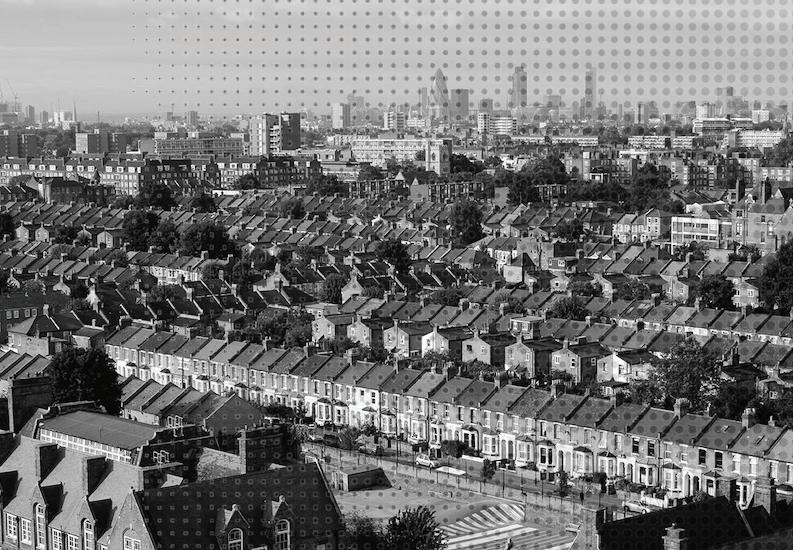
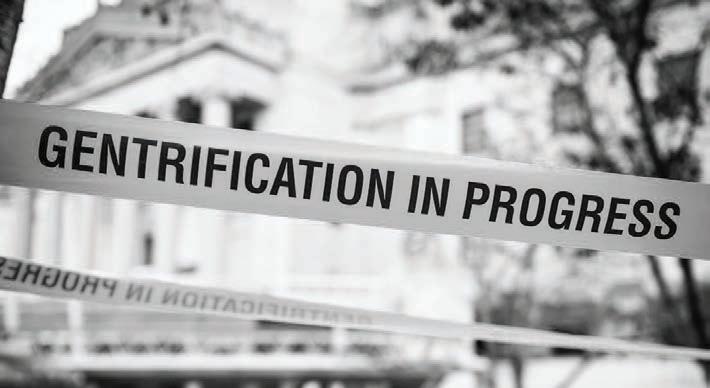
Fig 2. Joshua Yee (2020), UK Gentrification.
Fig 3. Widewalls Editorial (2016) The Counterculture Movement in Society and Art.
Fig 4. Getty Images (2015) tongue-in-cheek installation of indoor furniture and signs decrying the displacement incurred by gentrification.
Fig 5. Nurul Shahidan (2023) Gentrification in Asia and Europe (Illustration). Author’s own
Fig 6. Frederic J Brown (2020) a protest against gentrifiaction in LA
Fig 7. Nurul Shahidan (2023) Replacement and Loss of Community (Illustration). Author’s own