For the 3 million Members and online activists of the Natural Resources Defense Council
Members Rally for Endangered Species Suits Target Trump’s Free Passes for Polluters
America’s Arctic Under Attack: How NRDC Is Fighting Back
NRDC Champions Wildlife on Global Stage
NRDC works to safeguard the earth—its people, its plants and animals, and the natural systems on which all life depends.
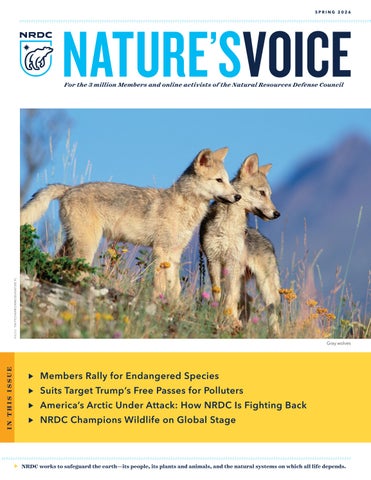
Gray wolves
COURTS REJECT TRUMP WIND WAR
It’s been one legal blow after another against the Trump administration’s war on wind energy. In December, a federal court ruled that the administration’s blanket ban on new wind projects is illegal. That was followed in quick succession by five separate court rulings preliminarily halting the administration’s attempt to stop construction on five multibillion-dollar wind projects off the East Coast. Says Kit Kennedy, managing director for power at NRDC: “The administration should use this string of court losses as a wake-up call and get out of the way of the expansion of renewable energy.”
Victory
BIG BILLS PASS IN ILLINOIS
Illinois lawmakers delivered a dramatic twofer for affordability and sustainability, passing major energy and transit reforms backed by NRDC. A landmark clean energy bill will help rein in surging electricity prices, strengthen grid reliability, and expand investments in efficiency and battery storage. Legislators also approved a long-awaited overhaul of transit funding, averting drastic service cuts and stabilizing public transportation across the Chicago region steps that promise cleaner air, lower costs, and more reliable options for millions of residents.
GREEN SEA TURTLES BOUNCE BACK
After decades of decline, green sea turtles are showing a remarkable global recovery. Thanks to protections for nesting beaches, bans on commercial harvesting, and safer fishing practices, the species has been reclassified from “endangered” to “least concern” by international conservation experts. Populations have rebounded in many regions, with numbers rising significantly since the 1970s. Conservationists caution that threats such as climate change, coastal development, and plastic pollution remain but the turtles’ hard-won comeback shows what sustained science-based action can achieve!
MEMBERS RALLY FOR ENDANGERED SPECIES
Renewing the assault launched during the first Trump administration on our nation’s most successful wildlife-protection law, the current administration has proposed a slate of rollbacks that would substantially weaken Endangered Species Act (ESA) protections in service of America’s most destructive industries. Even though the administration allowed for a mere 30-day comment period coinciding with the busy holiday season, nearly 40,000 NRDC supporters registered their adamant opposition to the heartless proposals, responding to urgent alerts sent out by our rapidresponse Activist Network. Meanwhile, 30 separate grassroots organizations signed on in support of extensive legal and technical comments prepared by NRDC’s wildlife protection team arguing against the administration’s reckless changes.
The environmental campaigns and victories featured in Nature’s Voice are all made possible through your generous support.
You can help NRDC defend the environment by making a special contribution:
NRDC.ORG/GIVE
Join NRDC’s rapid-response Action Network to fight back in real time against the latest Trump administration attacks.
SIGN UP AT: nrdc.org/join-us
“This type of robust public outcry is exactly what we need to build the best possible case against these terrible rollbacks, which would undermine nearly every aspect of ESA protections,” says Lucas Rhoads, NRDC senior attorney. Among the proposed changes: elimination of common-sense, automatic protections for threatened species; making it easier to greenlight projects such as logging and drilling that harm endangered species and their habitat; and prioritizing industry profit over species’ needs. NRDC and our allies sued to block similar changes finalized by the prior Trump administration, the worst of which were reversed under President Biden.
Despite the enormous success of the ESA in preventing 99 percent of listed species from going extinct—from grizzly bears and gray wolves to Florida panthers and bald eagles—corporate
special interests such as oil and gas and other destructive industries have long sought to dismantle the bedrock law, which passed with virtually unanimous bipartisan support more than 50 years ago. “We held the line when they tried to ram through these sorts of changes before,” says Rhoads, “and we’re ready to go to court again if that’s what it takes to save the Endangered Species Act.”
Suits Target Trump’s Free Passes for Polluters
NRDC and our coalition partners have filed two federal lawsuits to stop the Trump administration’s campaign of unlawfully exempting more than 180 of the country’s most toxic industrial facilities from protections that guard people against highly hazardous air pollutants. “President Trump is claiming the authority, with the stroke of his pen, to massexempt industrial polluters from basic measures to keep families safe from breathing in carcinogens and other dangerous chemicals,” says NRDC Senior Attorney Sarah Buckley. The exempted facilities span six industries and range from chemical manufacturing plants to coke ovens.
Many of the communities that neighbor these facilities have fought for decades for protections from the plants’ toxic emissions. In 2024, the Environmental Protection Agency (EPA) strengthened hazardous air-pollutant standards for these facilities to dramatically cut cancer and other health risks for nearby residents. Trump’s exemptions allow the polluters to delay complying with the lifesaving standards by two more years, endangering the health of communities across dozens of states. “The exempted facilities are some of the worst polluters in the country,” says Buckley. “If left to stand, these illegal exemptions will cost real people their health.”
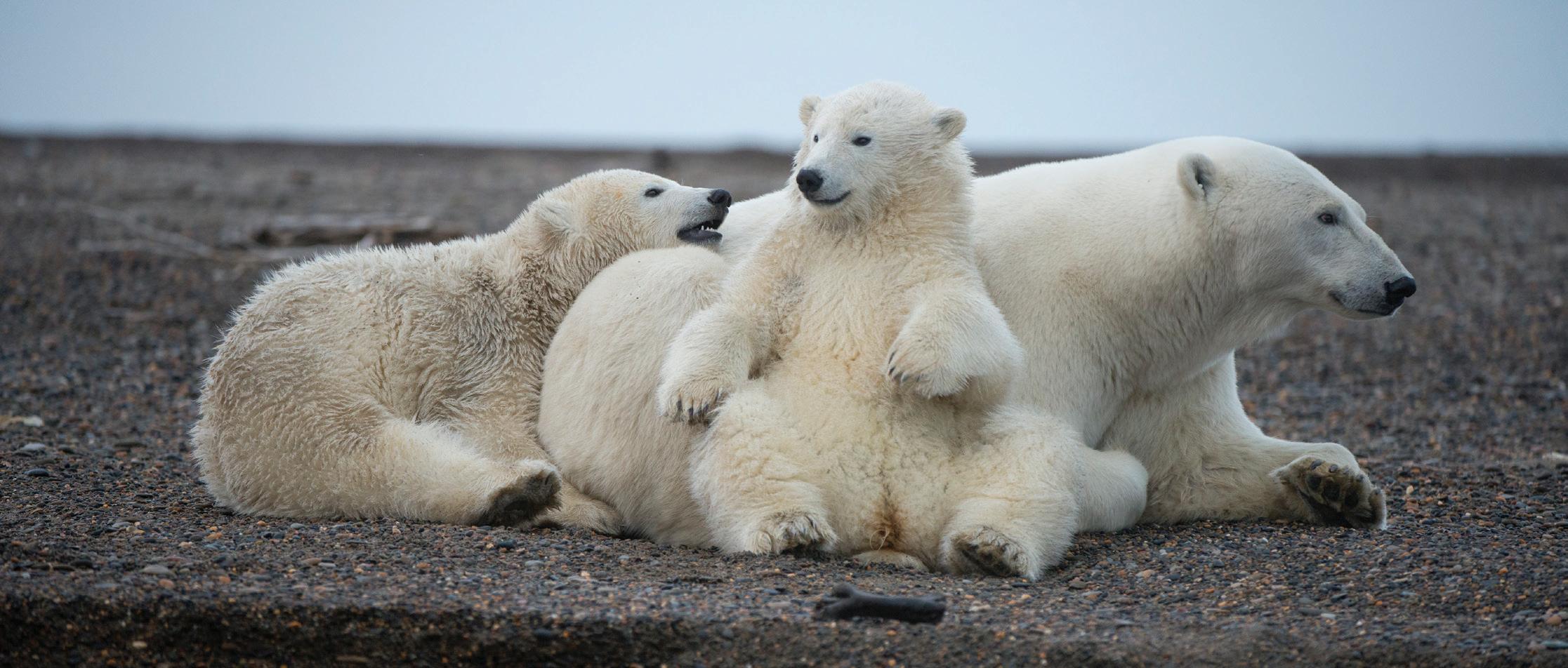
Gray wolves are among the vulnerable wildlife that have been saved by the Endangered Species Act.
AMERICA’S ARCTIC UNDER ATTACK: HOW NRDC IS FIGHTING BACK
There are few places as misunderstood as America’s Arctic, the immense expanse of largely wild lands on the North Slope of Alaska. Back in early 2001, the state’s own junior senator, Frank Murkowski, stood on the Senate floor and held up a blank sheet of white paper to illustrate just how barren—and thus expendable—the Coastal Plain of the Arctic National Wildlife Refuge was in winter. If the inauguration of former Texas oilman George W. Bush as president seemed an auspicious moment for the oil industry and its political allies to renew their push to open the crown jewel of America’s wild Arctic to drilling, the fearmongering in the wake of 9/11 and feverish calls for “energy independence” made it seem inevitable. “Then came the backlash,” says Bobby McEnaney, NRDC director of land conservation. More than 800,000 NRDC supporters alone flooded Congress with messages and emails, part of a tidal wave of public opposition that ultimately led to the Arctic Refuge being spared from an onslaught of oil and gas development.
A veteran of more than three decades of NRDC battles to defend America’s Arctic and its exceptional wildlife, McEnaney takes great inspiration from such come-from-behind victories yet is cleareyed about the tough battles ahead. “Time and again when folks understand what’s at stake, they let it be known that they don’t want to see these amazing places—we’re talking about some of the largest intact ecosystems left in the United States— sacrificed for more climate-destroying fossil fuels,” he says. “But this administration has been gunning for the Arctic since Day 1, and the attack they’ve launched is by far the most aggressive and far-reaching we’ve ever seen.”
that serve as vital habitat for polar bears and other Arctic wildlife—protections that more than 150,000 NRDC supporters helped win under the previous administration.
Just as they have for decades, NRDC Members and online activists have rallied to defend America’s Arctic against the latest attacks, with tens of thousands of wilderness champions making their voices heard in response to NRDC action alerts and submitting public comments opposed to the Trump administration’s Arctic onslaught. “Every voice matters,” says McEnaney. “It’s always been critical when it comes to fighting to protect the
“Big Oil would love to keep pushing the myth of the Arctic as frozen wasteland.”
“unleashing Alaska’s extraordinary resource potential,” which set the stage for what McEnaney more aptly describes as transforming the state “into an extractor’s paradise.” With former North Dakota governor and fossil fuel stalwart Doug Burgum at the helm of Trump’s Interior Department, the administration has wasted little time moving to open up the entire 1.56-million-acre wildlife-rich Coastal Plain of the Arctic Refuge to oil and gas development—and just as NRDC did in 2020 when the first Trump administration tried to do the same thing, we swiftly filed suit to stop them. Likewise, NRDC is fighting in court to block the administration’s efforts to open ecologically
sensitive coastal waters in the Arctic Ocean to offshore leasing, a particularly dangerous move considering the enormous risks posed by drilling in such extreme conditions. (Oil giant Shell’s attempts to drill there more than a decade ago ended as a multibillion-dollar fiasco with a drill rig run around.)
Arctic that we show the ‘drill, baby, drill’ folks that there’s tremendous support for keeping these untouched places off-limits to Big Oil. They’d love to keep pushing the myth of the Arctic as frozen wasteland.”
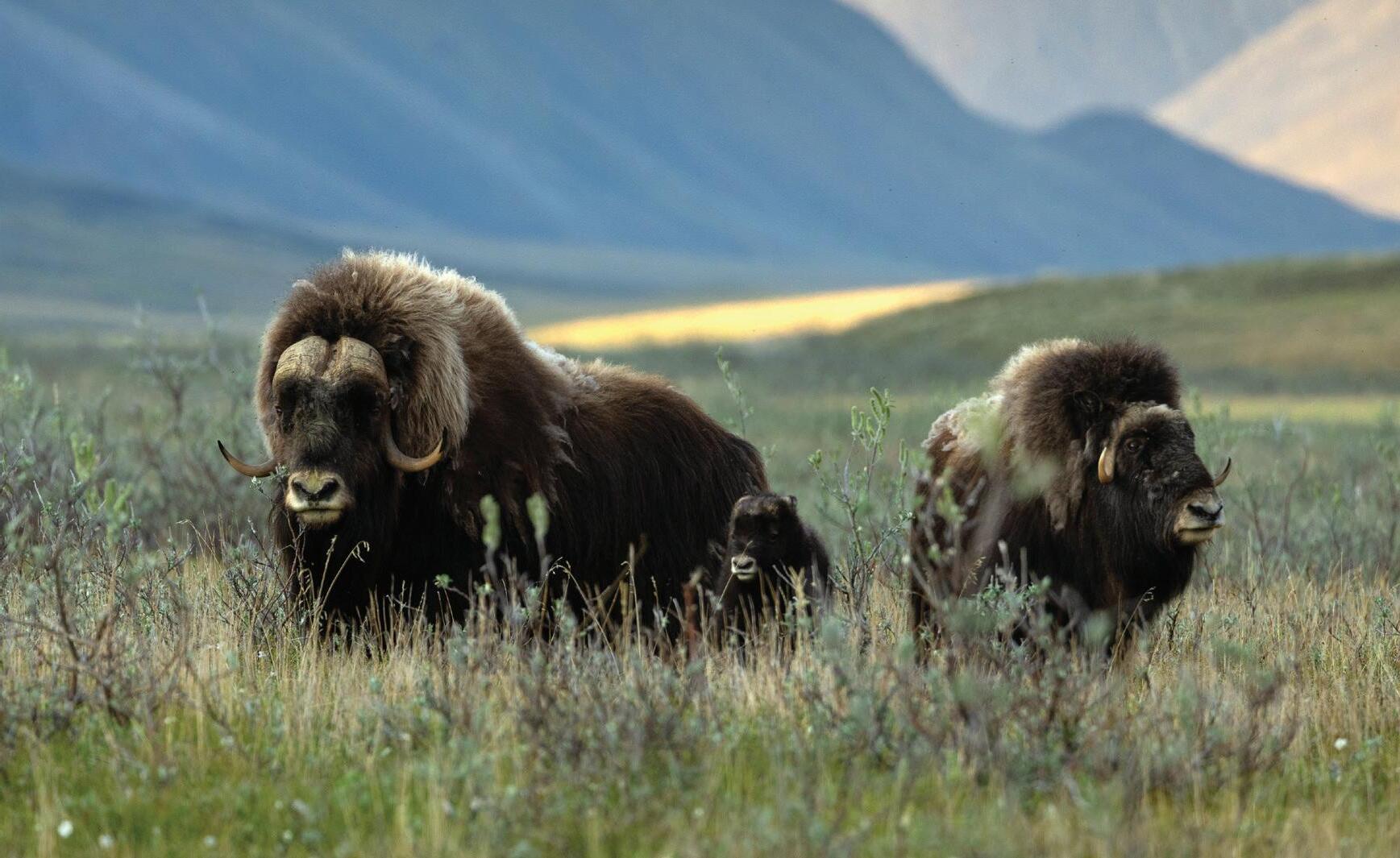
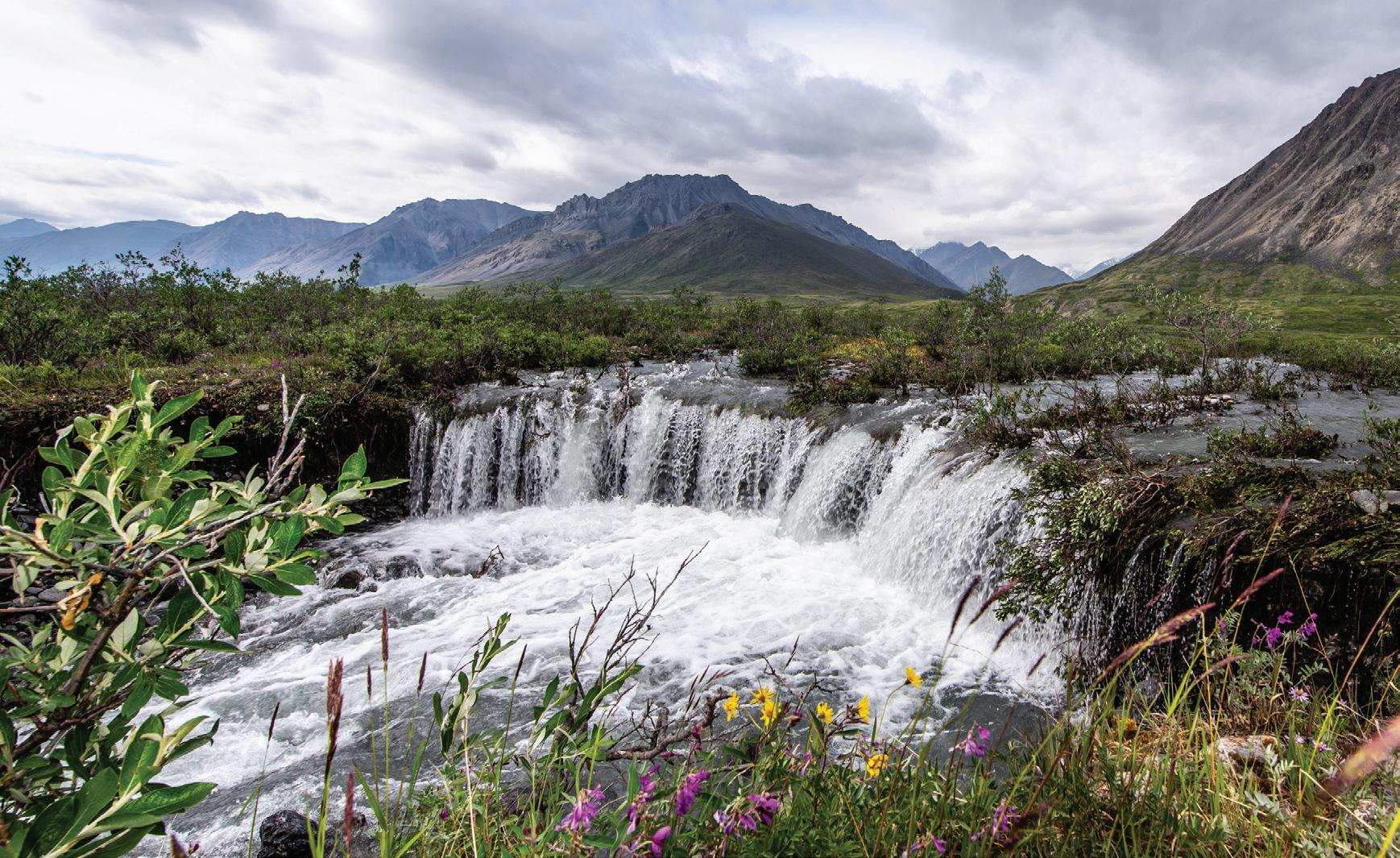
Of course, nothing could be further from the truth. As polar bear mothers emerge in spring from their snowy dens with their cubs, the wild Arctic begins a transformation as wondrous as any in nature. By summer, the lush verdant meadows and hills of both the Arctic Refuge and Western Arctic teem with wildlife, from tundra wolves and shaggy muskoxen to Arctic foxes and brown bears. Millions of birds arrive from every corner of the globe to nest and rear their young, from golden eagles and peregrine falcons to Pacific loons, trumpeter swans,
Mere hours after he was sworn in, President Trump signed an executive order aimed at [ Continued on next page. ]
It doesn’t stop there. As Nature’s Voice goes to press, another legal battle appears to be taking shape as the Trump administration barrels ahead with plans to open tens of millions of acres in the Western Arctic to drilling. That includes rescinding maximum protections for such designated Special Areas as Teshekpuk Lake and Kasegaluk Lagoon
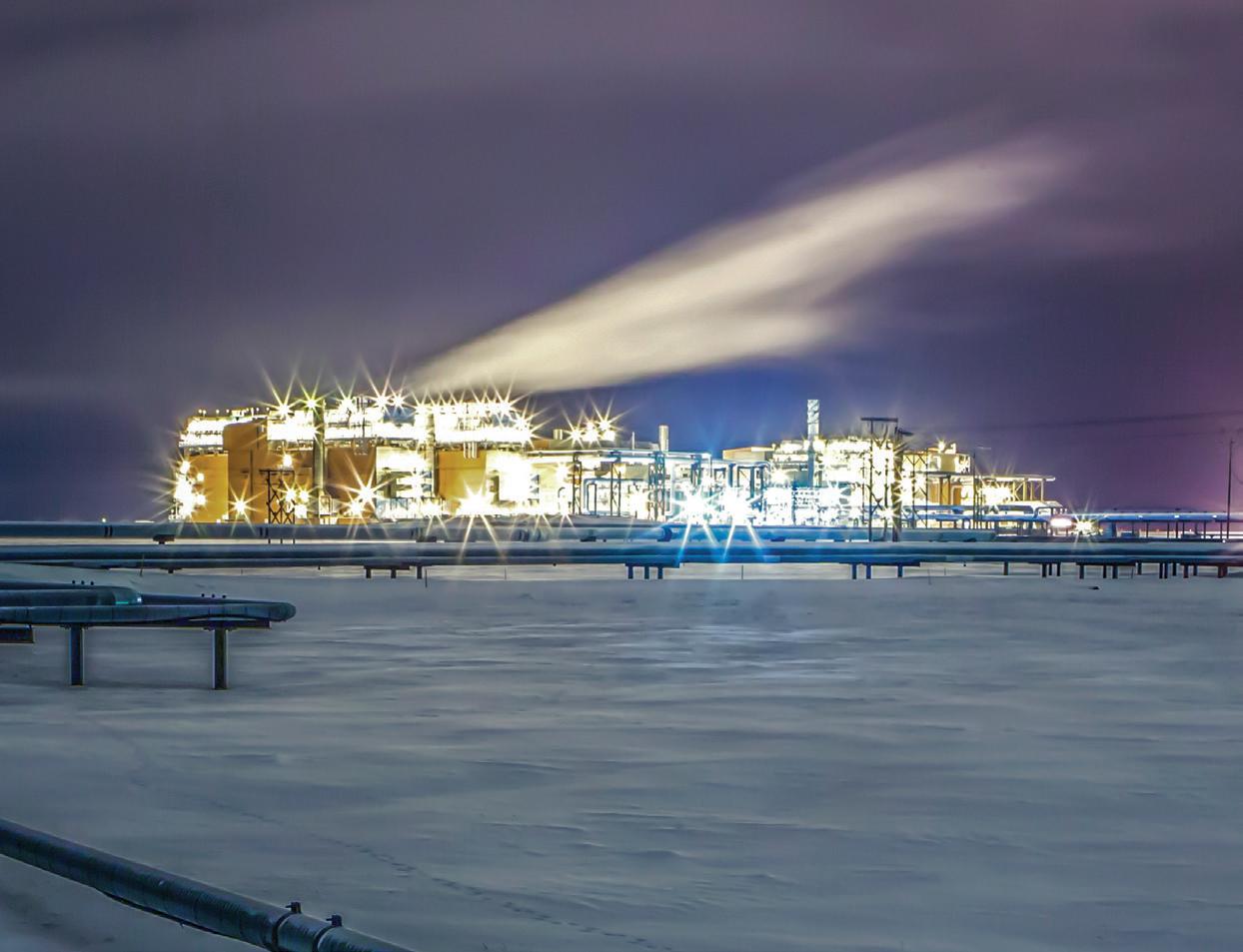
Clockwise from top left: Contrary to popular misconception, America’s Arctic abounds with wildlife such as muskoxen; the Arctic National Wildlife Refuge bursts to life in spring; as their sea ice habitat disappears, more polar bear mothers have been forced to den on shore; elsewhere on the North Slope, Big Oil has transformed the once-pristine tundra into an industrial sacrifice zone.
and sandhill cranes. The Coastal Plain of the Arctic Refuge serves as birthing ground for hundreds of thousands of caribou. Among them is the renowned Porcupine River caribou herd, which reaches the plain after undertaking the longest land migration of any mammal on earth. For the Indigenous Gwich’in people, the Coastal Plain is the “sacred place where life begins.”
Anyone who wants to see what could be in store for this irreplaceable natural gem if the Trump administration succeeds in launching a modernday oil rush need look no further than Prudhoe Bay, sandwiched between the Arctic Refuge and Western Arctic on Alaska’s North Slope. There, Big Oil has transformed the previously untouched tundra into a sprawling industrial zone, crisscrossed by 600 miles of roads, 1,600 miles of pipeline, 287 airstrips, and hundreds of oil wells.
“We know this kind of development puts wildlife at risk,” says McEnaney. “And Arctic wildlife are already struggling to adapt to climate change.” Indeed, the Arctic is warming four times faster than the rest of the planet. Melting sea ice, for example, has forced more than 75 percent of polar bear mothers to den on shore, up from less than 50 percent a decade ago. “There’s a particularly cruel and heartless irony, handing over more of the habitat polar bears and other animals need to survive to the very industry that’s driving the climate crisis in the first place.”
NRDC Champions Wildlife on Global Stage
Proving that their commitment to vulnerable species knows no bounds, NRDC advocates earned their wings as two major international wildlife convenings happened to occur within weeks of one another. First up was the IUCN World Conservation Congress, held every four years, this time in Abu Dhabi. No fewer than nine motions put forward by NRDC’s delegation were adopted, including measures aimed at strengthening safeguards for the world’s forests, home to 80 percent of land-dwelling species; protecting the incredibly biodiverse Gulf of California from dangerous industrial fossil fuel development; and moving more swiftly to protect imperiled species from exploitation when their risk for extinction escalates.
Next, the parties to the Convention on International Trade in Endangered Species (CITES), which gather every three years, met in Samarkand, Uzbekistan. Global wildlife trade is a leading driver of the biodiversity crisis, and the 50-year-old CITES treaty has been important in curbing trade in everything from elephant ivory and rhino horn to exotic hardwoods and shark fins. NRDC was there, championing measures to double down on the treaty’s core mandate of ensuring the wildlife trade does not threaten species’ survival and celebrating as the parties increased vital protections for more than 75 imperiled species.
Says Yamide Dagnet, International senior vice president at NRDC: “Not going to lie: the jet lag can be brutal. But being there and being part of making a difference for our planet’s incredible wildlife makes it all worthwhile.”
Trump Offshore Blitz Faces Stiff Headwinds
The Trump administration’s attempt to “shock and awe” its way into opening a staggering amount of our coastal waters to offshore drilling is running headlong into fierce resistance. As NRDC and our allies continue to fight in court to block President Trump’s executive order to open 625 million acres of ocean to drilling, we’ve filed a separate suit to challenge the first offshore lease sale under Trump’s so-called “Big Beautiful Bill,” totaling 80 million acres in the Gulf of Mexico.
That lawsuit was filed mere days before the administration’s bombshell announcement that it intended to
Lawsuit Presses EPA over Toxic Pesticides
As scientific evidence continues to mount linking the most widely used class of insecticides—known as neonics—to human health risks, NRDC has sued the EPA for effectively being asleep at the wheel as the threat has grown. Specifically, the lawsuit takes the agency to task for its failure to respond to NRDC’s 2020 petition calling on the EPA to revoke its “food tolerances”—the level of pesticide residue allowed in food—for neonics. “Six years ago, we had more than enough evidence to warrant EPA action,” says Dan Raichel, director of NRDC’s Pollinators & Pesticides program. “More foot-dragging is simply unconscionable.” Studies have linked neurotoxic neonics to a number of health harms, including birth defects, cognitive impairment, and low testosterone. Analysis of the EPA’s own data shows there are significant threats of long-term neurological and developmental damage to children, especially to those exposed in the womb. More broadly, the skyrocketing use of neonics since the mid-2000s has been tied to alarming environmental damage as well, including the devastating decline of bees and other pollinators. “The law is clear,” says Raichel. “The EPA’s job is to protect us from toxic pesticides like neonics.”
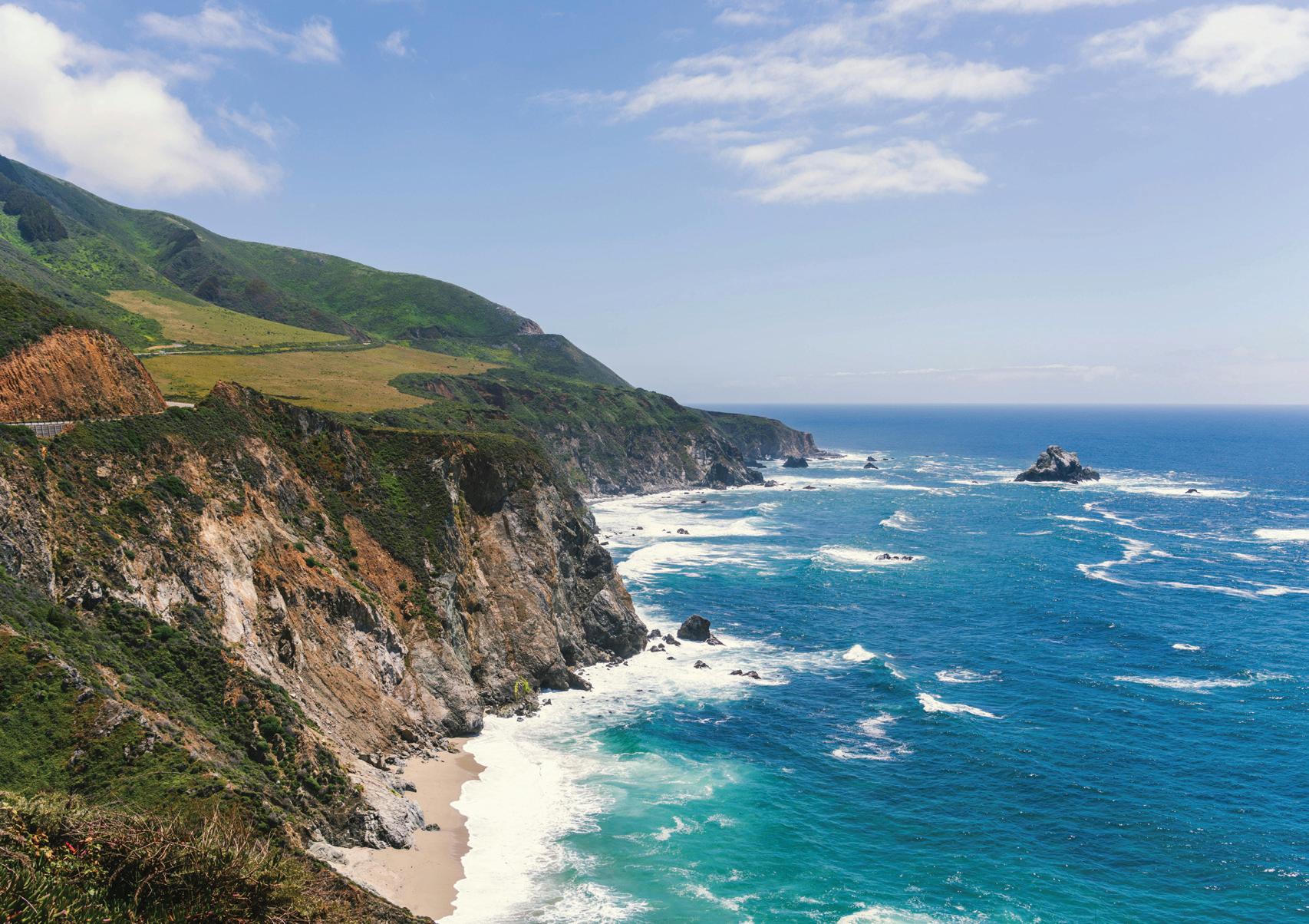
schedule 34 additional offshore lease sales spanning 1.27 billion acres off the coasts of California, Alaska, Florida, and the Gulf. The sales would encompass habitat for already endangered species such as the Rice’s whale and Cook Inlet beluga whale, areas in the Gulf that struggled to rebound from the Deepwater Horizon oil spill in 2010, and waters close to such marine treasures as Monterey Bay in California. NRDC and our partners have marshaled an outpouring of public opposition to the plan and stand ready to take additional legal action if the administration moves ahead with the proposed sales.
International efforts have targeted threats to wildlife such as the trade in elephant ivory.
Data Center Boom Doesn’t Have to Be as Scary as Trump’s Energy Policy
For those of us who would almost rather endure a root canal than immerse ourselves in the minutiae of utility regulation, thankfully we have Jackson Morris, director of state power sector policy, and his team at NRDC. Because right now, their work is more important than ever.
As a decidedly 21st-century moment collides with the backward-looking mindset of the Trump administration, few questions are more urgent than how our country will meet the explosive demand for electricity being driven by the AI boom, whose data centers are forecast to double their share of U.S. electricity use in just the next four years. The current situation is, as Morris characterizes it, “a race to the bottom,” with states doling out tax credits to developers with little thought as to how data centers’ insatiable appetite for electricity might lock in decades more toxic air pollution and climate-warming emissions while threatening grid reliability and saddling everyday customers with higher energy bills. “We can do better.”
At the Crossroads, a recent NRDC report coauthored by Morris, is at the forefront of the campaign to do just that, laying out an alternative path for policymakers that includes ways
to ensure data centers pay their fair share and don’t increase emissions. As Morris and his team advocate at every level of the complex utility-regulatory system for implementation of those smarter strategies, dozens of their colleagues across NRDC are fighting back on multiple fronts against the Trump administration’s war on clean energy and its determination to shackle our energy future to fossil fuels. Here’s just a sampling of the administration’s recent measures being challenged by NRDC legal actions: orders by the Trump Energy Department to force old, expensive fossil-fuel-
fired plants to keep operating past their retirement dates; the prioritizing of fossil fuel projects by the Federal Energy Regulatory Commission in grid planning; new IRS rules for tax credits that unfairly and illegally discriminate against wind and solar projects; and the unlawful withholding of $2.5 billion in federal funds allocated to help build out a nationwide EV charging infrastructure. Says Jackie Wong, senior vice president of Climate & Energy at NRDC: “You really can’t overstate how hard we’ve been hitting back against this administration’s wrong-way energy policy, ever since Day 1.”
Let’s Give These Whales a Fighting Chance
By Francine Kershaw, senior scientist, Nature program
NRDC rang in the new year with a rare piece of good news for North Atlantic right whales: 18 new mother-and-calf pairs have been sighted so far this season. As far as we know, two of the whales are firsttime moms. The number of calves is higher than the previous two calving seasons and is a reason for cautious optimism for this critically endangered species. However, right whales remain in peril from unsustainably high numbers of entanglements and vessel strikes. All but one of this season’s moms have been previously entangled in fishing gear, and three have suffered injuries from vessel strikes. Sadly, four of the moms have also previously lost calves to these impacts.
But there is hope on the horizon. Ropeless fishing gear, which prevents entanglements, is taking off in fisheries off the West Coast. Over the last two spring fishing seasons, California commercial Dungeness crab fishers caught a total 500,000 pounds of crab worth almost $3 million, at a time when the fishery would otherwise be closed to protect endangered blue and humpback whales. The state has now authorized ropeless gear for commercial use in the Dungeness crab fishery in the spring, meaning the gear is no longer considered experimental. Important progress is also being made in the voluntary adoption of ropeless gear in other California fisheries, too. We are well on the way to making whale-safe seafood a reality.
There has, however, been more limited adoption of ropeless gear off the East Coast, where right whales need it most. In 2021, fishing associations and politicians in Maine blocked federal regulations that would have advanced ropeless fishing for six years and are currently working to secure a further 10-year delay. North Atlantic right whales are doing their part to survive; it’s now time for us to do ours. We need to acknowledge the proven success of ropeless gear and rapidly advance its deployment in right whale habitat off the East Coast. That is what will give these precious new calves a fighting chance of survival.