Face to Face
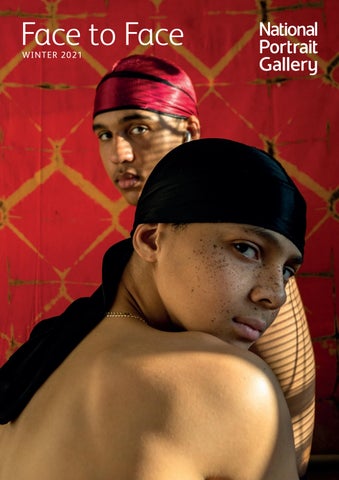
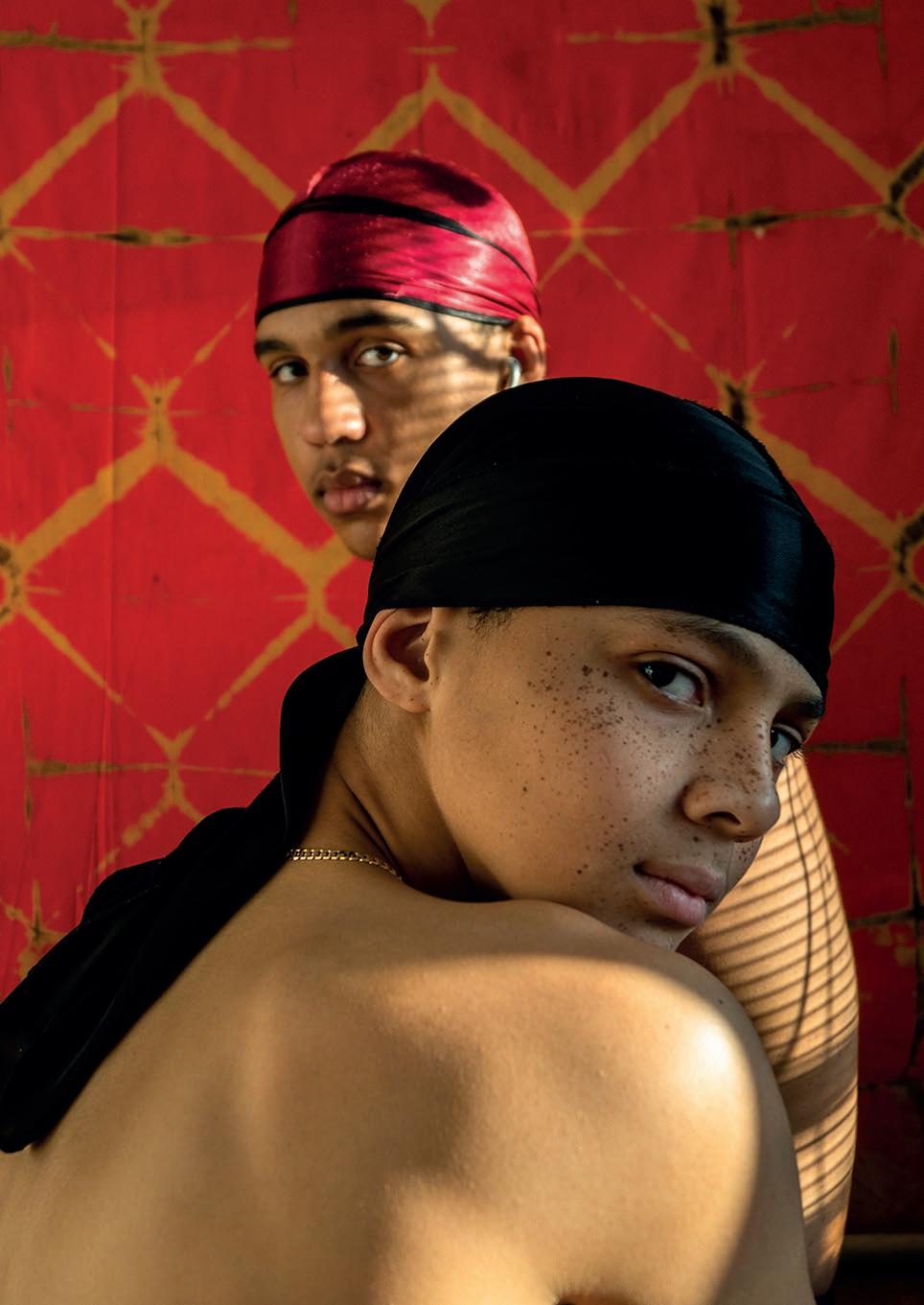
Untitled by Delali Ayivi, March 2020
From the series Heimat (In Quarantine)
© Delali Ayivi
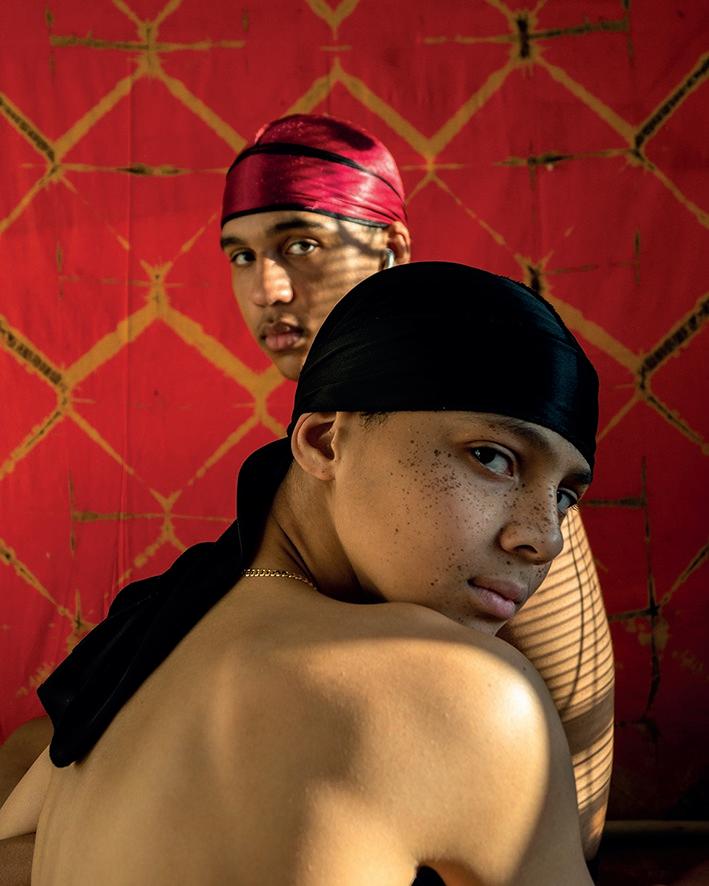
Taylor Wessing Photographic Portrait Prize 2021 will be on display at Cromwell Place, London from 10 November 2021 until 2 January 2022
Face to Face Issue 67
Director of Development
Sarah Hilliam
Manager
Daniel Hausherr
Copy Editor
Elisabeth Ingles
Designer
Annabel Dalziel
All images
National Portrait Gallery, London and © National Portrait Gallery, London unless stated
npg.org.uk
Gallery Switchboard 020 7306 0055
The Gallery is committed to reducing our environmental impact and this magazine is printed on paper certified by the Forestry Stewardship Council and is fully recyclable.
Dr Nicholas Cullinan
as this issue of Face to Face reaches you, the Gallery is approaching the halfway stage of the construction phase of the Inspiring People project. In this edition Ros Lawler, COO, keeps you up to date with the latest work being undertaken. We also introduce you to Gilbert-Ash, our construction partners, who are playing a key role in this transformation.
Pippa Nissen, Director of Nissen Richards Studio, who is working with us on the design of the re-display of the galleries, tells us a bit about her agency and what the partnership means to her and her agency.
During the past eighteen months, there have been opportunities to see key works from the Collection on view at other institutions including our neighbours, the National Gallery. We asked their Director, Dr Gabriele Finaldi, to talk about his favourite portrait from our Collection and our Chief Curator, Dr Alison Smith, to tell you more about the loans on display at the National Gallery.
We also continue to loan works more broadly across the UK and internationally. Laura Down, Head of National Programmes, writes about two new travelling exhibitions: Beyond Bloomsbury: Life, Love and Legacy, looking at key figures from the Bloomsbury Group, and The Tudors: Passion, Power and Politics, which will show some of our most iconic works. We are thrilled that these portraits can travel around the country at a time when our doors are closed.
Finally, the Gallery is very happy to be able to welcome visitors to this year’s display of the Taylor Wessing Photographic Portrait Prize 2021, which opens in November. While the Gallery is closed, we will be staging the exhibition at Cromwell Place (a membership organisation, offering exhibition and working space for art professionals). Located in South Kensington, Cromwell Place is near the site of the Gallery’s second home on Exhibition Road, from 1870 to 1885 in the years before we found our permanent residence at St Martin’s Place in 1896.
We hope that you are all keeping safe and well. Thank you for the invaluable support you give to the National Portrait Gallery.

Dr Nicholas Cullinan director
MY FAVOURITE PORTRAIT
by Gabriele Finaldi Director of the National Gallery
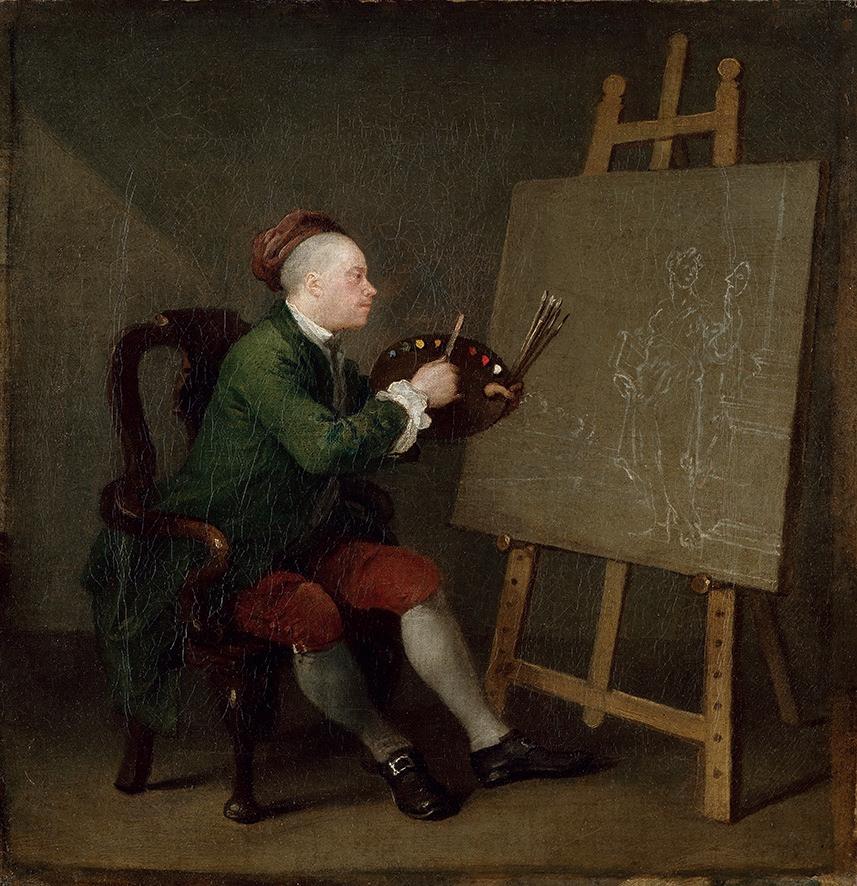
next door at the National Gallery we have been the fortunate beneficiaries of nine important loans from the National Portrait Gallery while the Inspiring People project is realised. These include the great Holbein cartoon (which is on show close to The Ambassadors) and Hogarth’s Self-portrait, which is my choice for this issue of Face to Face.
Hogarth was very good at chairs. Here he is sitting on a sturdy oak armchair, beautifully rendered and somehow consonant with his character, solid, down-to-earth and not overly refined. The painting hangs close to the six canvases of the Marriage à-la-Mode series, in which there is a chair for every cast member and every vice: grand, gilded and Frenchified,
below left
Self-portrait
by William Hogarth, c.1757–58 (NPG 289)
upholstered in velvet, straw-seated, tipped over and fallen to the ground. Hogarth made chairs say a lot.
He is in his studio, or ‘painting room’, as the picture was once titled, probably in his house in Chiswick. It is a bare space with no clutter and he is completely focused on his activity. He had recently been appointed Serjeant Painter to the king, and this is his personal homage to his own profession. In his left hand are the palette with pigments ready for painting and a set of brushes; in his right, what looks like a palette knife. He is about to start applying colour to the primed canvas on his easel on which he has already laid the outlines of the muse of Comedy, Thalia; she holds a book and mask. Henry Fielding declared his friend Hogarth to be a ‘Comic History Painter’ (no one had ever been called that before) but Hogarth was deadly serious about his art.
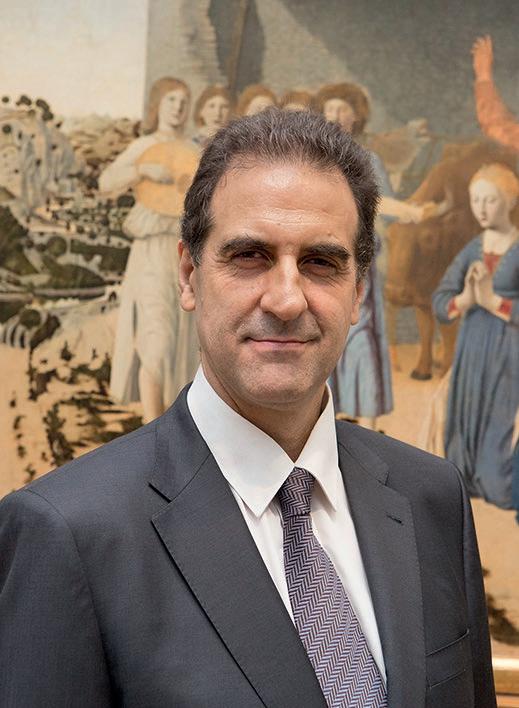
Gabriele Finaldi has been Director of the National Gallery since August 2015. He was previously Deputy Director for Collections and Research at the Museo Nacional del Prado, Madrid, a position he took up in 2002. Prior to his role at the Prado, he was a curator at the National Gallery between 1992 and 2002, where he was responsible for the later Italian paintings in the collection (Caravaggio to Canaletto) and the Spanish collection (Bermejo to Goya). Finaldi studied art history at the Courtauld Institute of Art, where he completed his doctorate in 1995 on Jusepe de Ribera, the 17thcentury Spanish painter who worked in Italy. He has curated exhibitions in Britain, Spain, Italy, Belgium and the US. He has written catalogues and scholarly articles on Velázquez and Zurbarán, Italian Baroque painting, and religious iconography.
right
Gabriele Finaldi Photo © National Gallery
ON LOAN TO THE NATIONAL GALLERY
by Alison Smith Chief Curator
it is easy to think that the National Portrait Gallery, nestled against the eastern flank of the National Gallery, might be an extension of its older neighbour. The two collections are nevertheless quite distinct: the National Gallery houses one of the great collections of European painting, while our Gallery contains portraits – in all media – of influential people in British history, the celebrity of the sitter being more significant than aesthetic considerations. This said, many of these portraits would look perfectly at home next door.
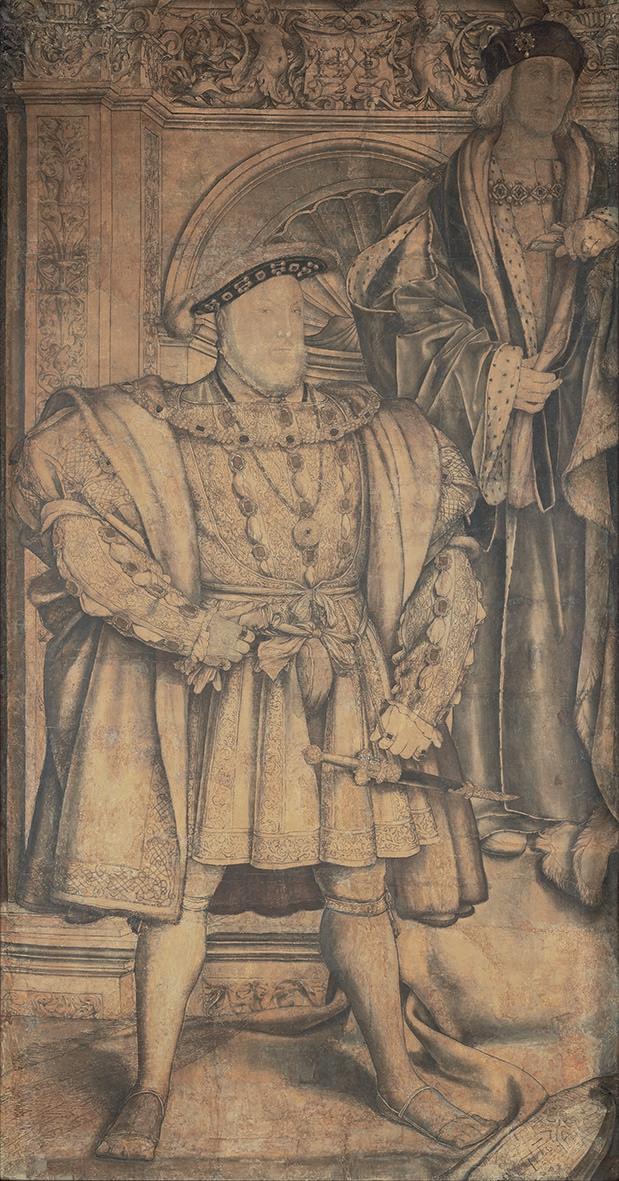
The opportunity to present some of our major historic portraits at the National Gallery was prompted by the decant of the our Collection last year in preparation for construction work. In order to maintain public access to selected highlights during closure, we loaned the National Gallery a small number of works that visitors can now view alongside masterpieces of European art in its own collection. Key among these is Holbein’s large preparatory drawing for the left-hand section of a wall painting at Whitehall intended to promote the Tudor dynasty. As a fragile and extremely rare surviving cartoon, it is never offered for loan, but, supported by conservators from both institutions, it was possible to move it the short distance to hang alongside Holbein’s imposing group portrait The Ambassadors
Other loans include modest self-portraits by Hogarth and Gainsborough and more ostentatious society portraits by Lawrence and Raeburn. The Lawrence presents Caroline
below Henry VIII and Henry VII by Hans Holbein the Younger, c.1536–37 (NPG 4027)
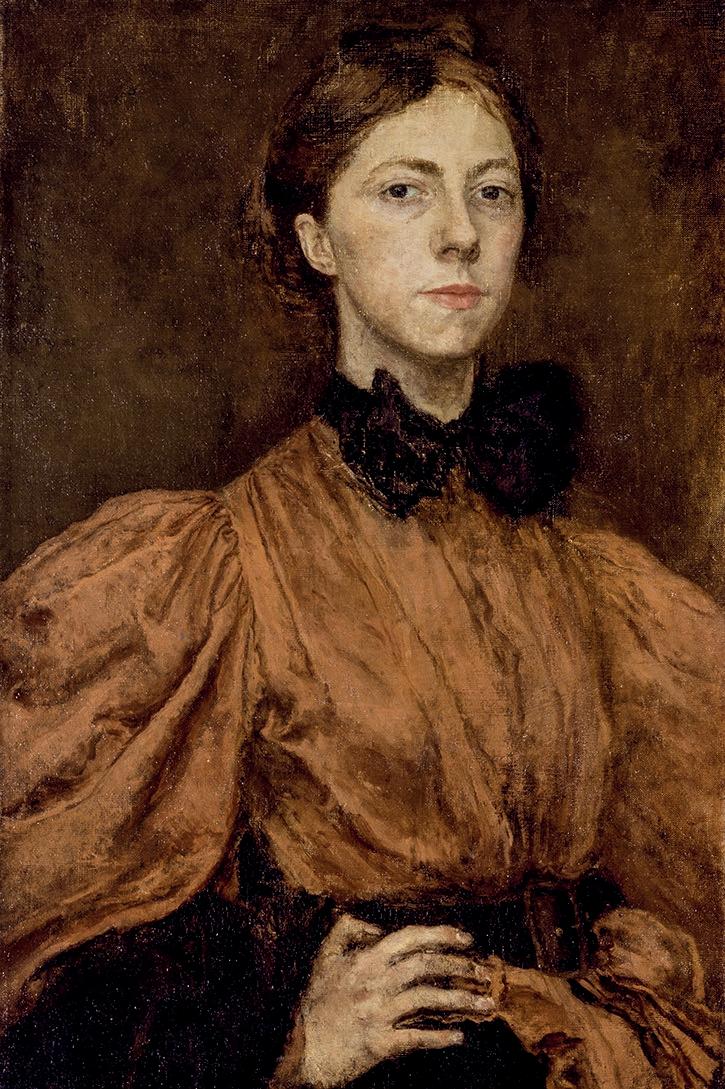
below Self-portrait (detail) by Gwen John, c.1900 (NPG 4439)
of Brunswick, the estranged wife of George IV, posed as an artist as she gazes directly at the viewer, proudly declaring her independence.
The representation of British art at the National Gallery has for many years focused on landscape painting, with Turner marking the greatest of British contributions to the European tradition. More recently, the National Gallery has pushed at this boundary by introducing works by a later generation of artists and by admitting women into its canon of greats. Gwen John’s defiant self-portrait, painted while she was still a student, now hangs alongside works by Van Gogh and other male Post-Impressionists.
The benefits of the loan have been mutual and it has been a joy to see some of the jewels of the National Portrait Collection compellingly presented in a fresh context. We now look forward to welcoming them back for the relaunch of the Gallery in 2023.
BEING THE NEW DIRECTOR OF DEVELOPMENT
by Sarah Hilliam
it has been a pleasure getting to know the National Portrait Gallery ‘on the inside’ over my first eight months as Director of Development.
I have long felt a close connection to the Gallery, even before joining in February. My first job was at Watts Gallery – Artists’ Village, where I learned first-hand of the significance of the National Portrait Gallery’s collection of Watts’s letters (not to mention his paintings). And in the eight years before joining the Portrait Gallery I worked at the Royal Academy of Arts, an institution which shares a rich history with the Gallery and whose President is an ex-officio member of our Board of Trustees.
It is a huge privilege to lead the Gallery’s fundraising efforts at a time of such great ambition. I am passionate about the role of philanthropy and its ability to transform and sustain an institution. For a charity, support from individuals, companies, Trusts and of course gifts in Wills can mean the difference between growth or stagnation.
A number of years ago, when I was starting out as a fundraiser, I was asked at an event if I knew what the word ‘Development’ in my job title really meant. I answered that it was about developing relationships with supporters. I was corrected that ‘Development’ was in fact a tactful word for fundraising and deployed so that people would answer my calls and not be scared off by what was on my business card!
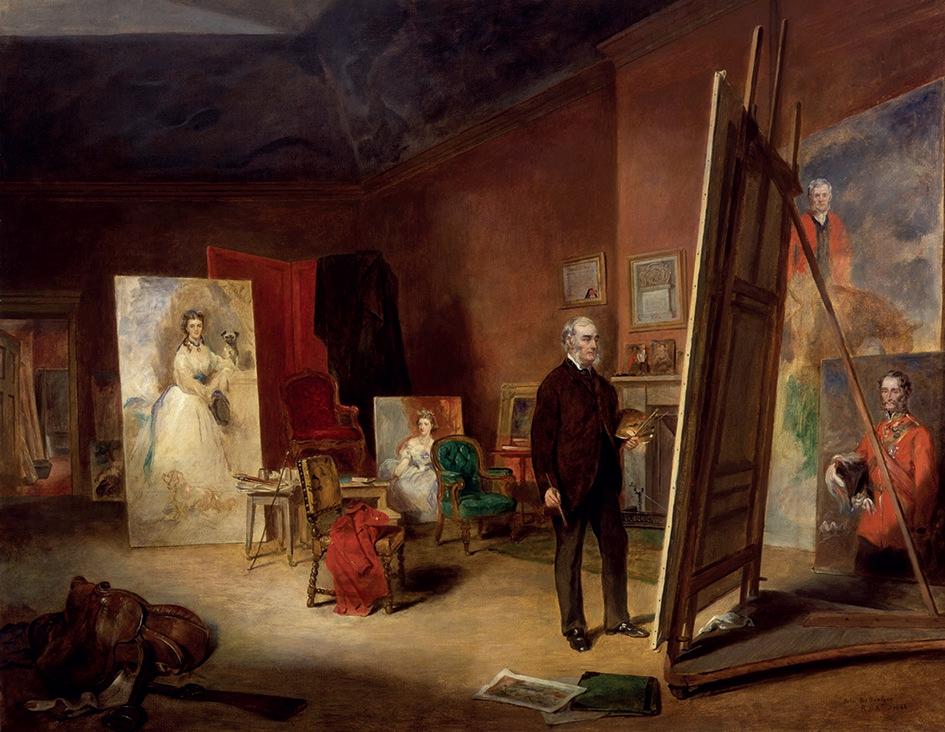
below Sir Francis Grant by John Ballantyne, 1866 (NPG 5239)
Portrait painter, President of the Royal Academy and Trustee of the National Portrait Gallery
Perhaps there was some truth in this at the time, but I have found this slight stigma around fundraising to have lessened considerably over the last decade or so. People are proud to make an ‘ask’ for a cause they believe in and recognise how essential raising funds is for the arts to thrive.
I still believe that developing a strong relationship with you, our supporters, is the key to my role. I also see my job as being about developing the institution and being that bridge which opens up the Gallery so that you can see the impact your support is making. I have always found that money follows vision, and the Gallery’s staff – including curators, marketeers, educators and conservators –are all endowed with this. Gallery staff are dedicated to transforming the Gallery through the Inspiring People project. I hope that through these pages, our events and virtual programme we can share our excitement for the Gallery’s future with you.
One of the questions I am often asked in my role is: what is your biggest priority for support right now?
Our priority must be in making the most of the opportunity that Inspiring People offers. A project on this scale only comes around once in a lifetime and you will read in Ros Lawler’s update on the following pages about the importance of the visitor experience and re-display of the Collection, alongside the physical changes to our magnificent building. The re-hang of the Collection is something I am particularly excited about and in the coming months we will be introducing you to a new opportunity for supporting this vital work by ‘adopting’ a portrait in the Collection.
In the run up to re-opening, we are also looking at how we can make our Patrons Programme as engaging as possible and to revitalise our Membership offer to bring people closer to the Gallery and encourage even more of our visitors to join and support. Looking further forward, I have always felt strongly about sustaining what has been created through philanthropy, and have witnessed the difference a strong endowment can make. Strong foundations breed confidence, and increasing this source of funding can help ensure that the Collection is developed for visitors today and in the future.
One of the greatest pleasures about joining the Gallery has been learning more about its history. I am sure I will not have been the
and former
only new recruit in the last few years to have bought a complete set of Sir Roy Strong’s diaries as ‘homework’. I have always found it helpful to first look backwards in order to move forwards, and reading these books has reminded me of the importance of bringing history to life for a Gallery dedicated to showing the many human stories that have shaped, and are shaping, Britain today.
Through your support of the Inspiring People project you are helping to make history. I want to thank you for all that you do for the Gallery and hope that I have the opportunity of meeting you in person in the not too distant future.
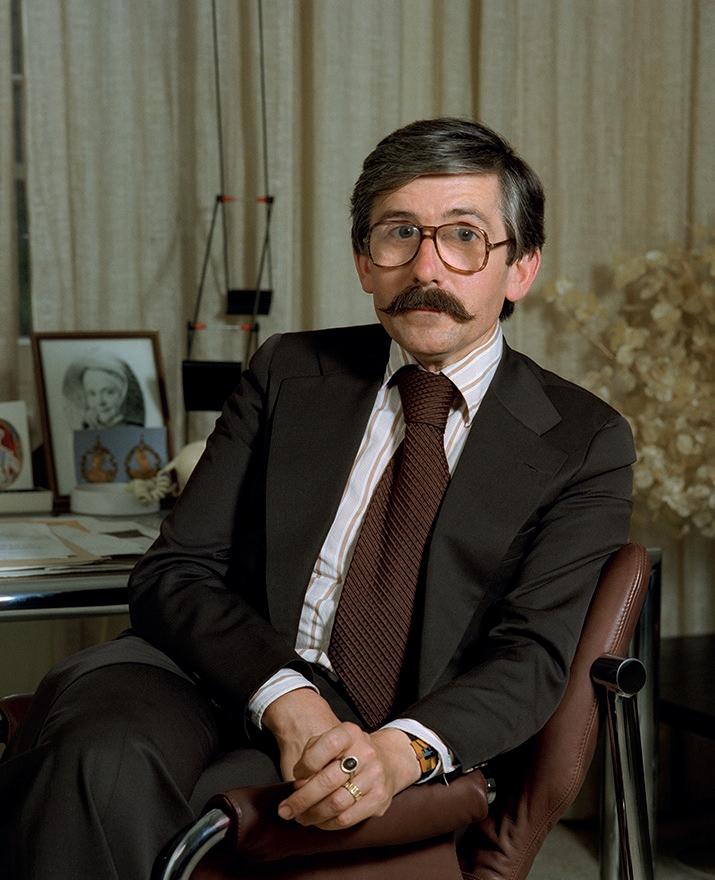
below Sir Roy Strong by Bern Schwartz, 1978 (NPG P1258)
Art historian
Director of the National Portrait Gallery
PROJECT UPDATE
by Ros Lawler Chief Operating Officer
back in march 2020 when the country went into lockdown due to the Covid-19 pandemic, we did not know if our Inspiring People project would be able to go ahead as planned. How could a complex construction project work with social distancing? Would we be able to get hold of essential building materials?
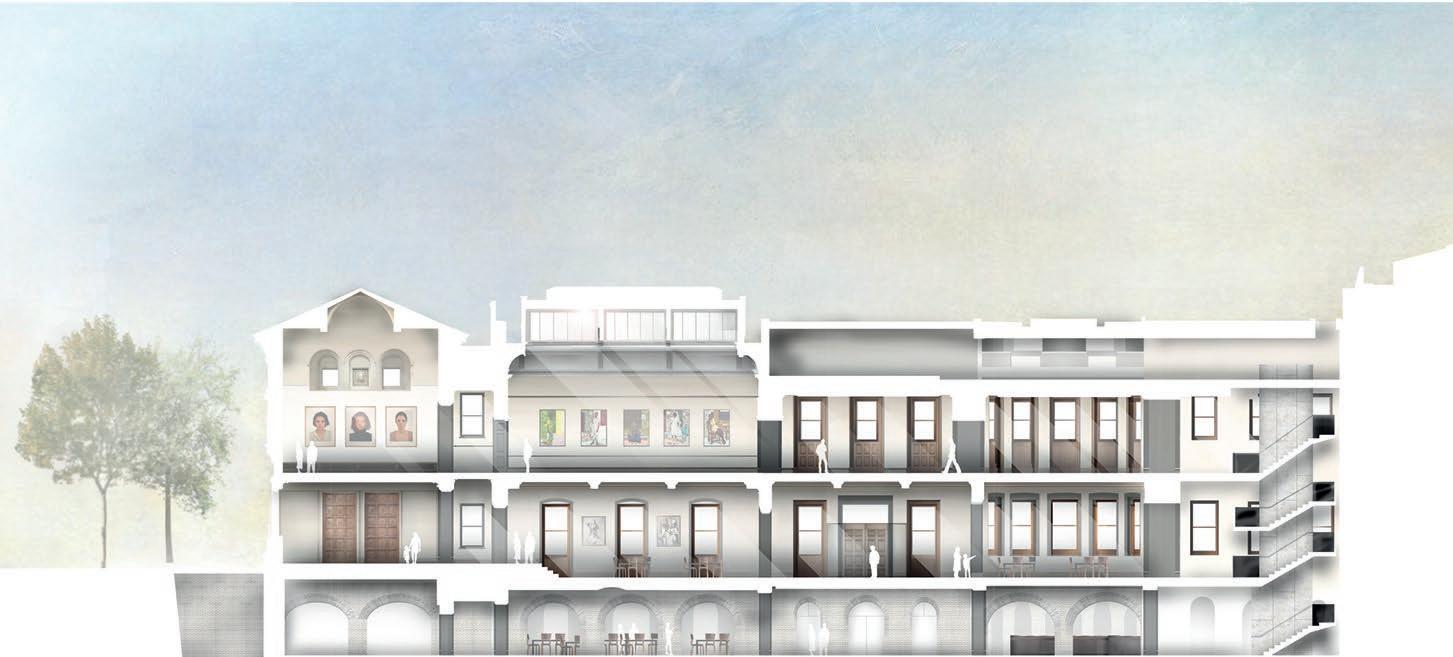
Some 18 months later, I am delighted to say that we are making excellent progress with the construction work to transform our beautiful building and make it welcoming and accessible for generations to come. While there is still a lot of work to do, the new entrance is already taking shape and we can begin to see what a difference this will make for our visitors with a much larger, bright new space for arrival.
Of equal importance to the physical changes to the building is the new visitor experience we are creating throughout the Gallery. With more space for the Collection and displays alongside a new retail and catering offer, this is a unique opportunity to re-invent the visitor experience, which will excite both our existing supporters when they return and those who are new to the Gallery.
Our expert curatorial team are busy planning the re-hang of the Collection. Long-standing favourites will still be on display, shown alongside some new or lesser-known faces. As a museum of portraiture, our Collection is brought to life by the stories of the sitters and we are creating new ways to tell these stories with themes and narratives which run through
the displays to bring fresh perspectives to light. We will use the latest smart technology to allow visitors to create journeys through the Collection, access engaging content and taking part in interactive experiences.
We know how much our visitors enjoy shopping and eating as part of their visit and we are thrilled to be working on improved spaces for retail and catering. We are progressing designs for the shops, restaurant and cafés to create stylish venues which will complement the building. Our commercial team are developing a new range of products and books to go in the shops and designing options for food and drink that will appeal to a wide range of visitors. It’s a difficult job, but
the team will need to sample some menus to make sure we get the catering offer just right!
Work is also well under way on the new studios which will form part of the Learning Centre and host our educational programme for children and young people. With a doubleheight ceiling and new facilities, the studio will give us the much-needed room we need to offer engaging experiences for students for many years to come.
We can’t wait to welcome you back in 2023. In the meantime, don’t miss the Taylor Wessing Photographic Portrait Prize 2021 exhibition in its temporary new home at Cromwell Place this winter.
by Pippa Nissen Director, Nissen Richards Studio
for us , one of the high points of 2020 was our appointment as Interpretation Designers for the transformation of the National Portrait Gallery. To introduce us properly, Nissen Richards Studio is a Londonbased multidisciplinary design studio working across architecture, exhibition and graphic design, as well as narrative development. Our beginning, in 2010, was a fusion between architecture and theatre design, a combination that has given our work both unique creative flair and a commitment to the quality of craft. Since we first started out, we have built our experience through working with many inspiring cultural organisations
The Rake’s Progress at the Staatsoper Hannover, Germany
both in the UK and internationally, including the V&A, the Courtauld Gallery, the National Trust, the Staatsoper Hannover and the National Library of Norway.
As a studio, we’re interested above all in designing spaces that evoke emotional responses and tell stories. We have a background in theatre and architecture –I took an MA in Theatre Design at the Slade School of Fine Art, but I am also a qualified architect. We are fascinated by how storytelling can weave itself through design. Storytelling unlocks people’s experiences and shapes how they associate with the spaces around them.
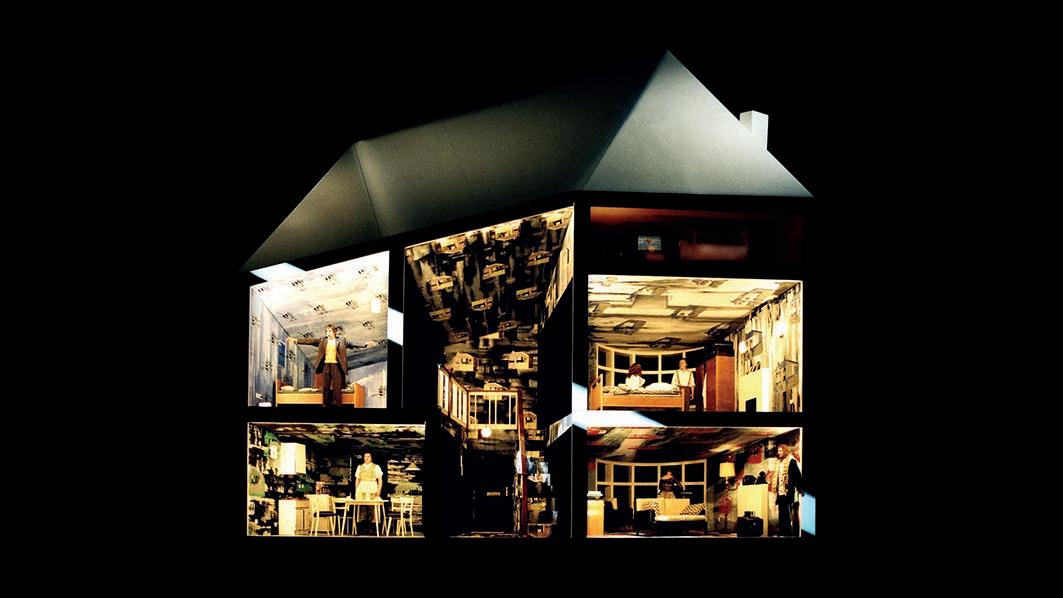
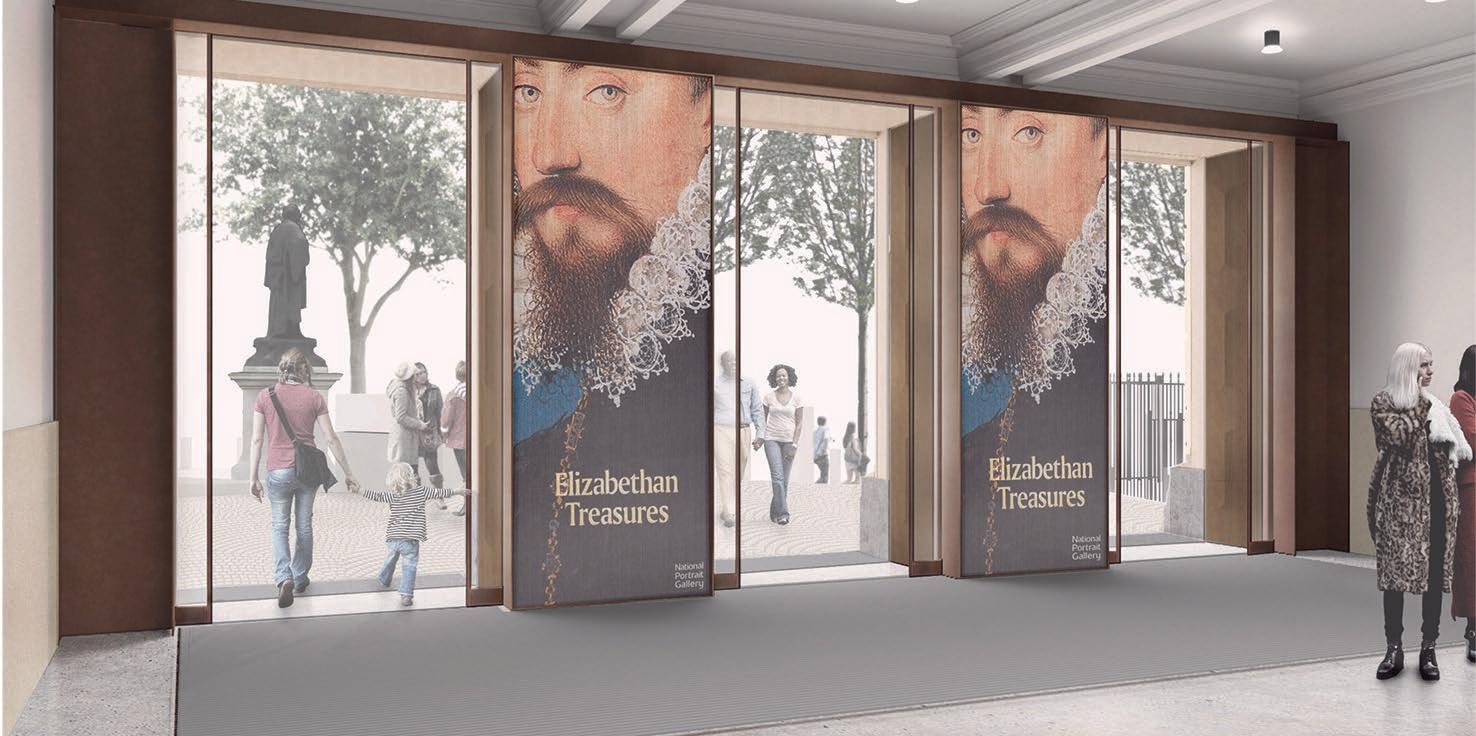
The Inspiring People project will have a far-reaching effect on the National Portrait Gallery, and we were absolutely thrilled to join the project’s creative team, working alongside Jamie Fobert Architects. There is something very interesting about a gallery that is essentially about people –we respond to other human beings, so there is a natural starting point. Through our design work, we have tried to harness this idea to create person-to-person encounters, making connections between the sitters of portraits and us, the viewers. The project will provide the unique opportunity to redisplay the entire Collection, upgrade the gallery spaces and enhance the existing architecture and decorative features. But it is also an opportunity to introduce new and innovative ways of bringing the stories of portraits and portraiture to life.
This is not our first transformation project, of course. We have worked on many projects within museums, art galleries and historic places that have required a total rethink of the collection display and the visitor experience, in the same way as we are now rethinking the Gallery.
At Wordsworth Grasmere for example, the great English Romantic poet William Wordsworth’s home in the Lake District, we designed a new journey through the different spaces that make up the site, including William and his sister Dorothy’s home Dove Cottage, the gardens and a redesigned
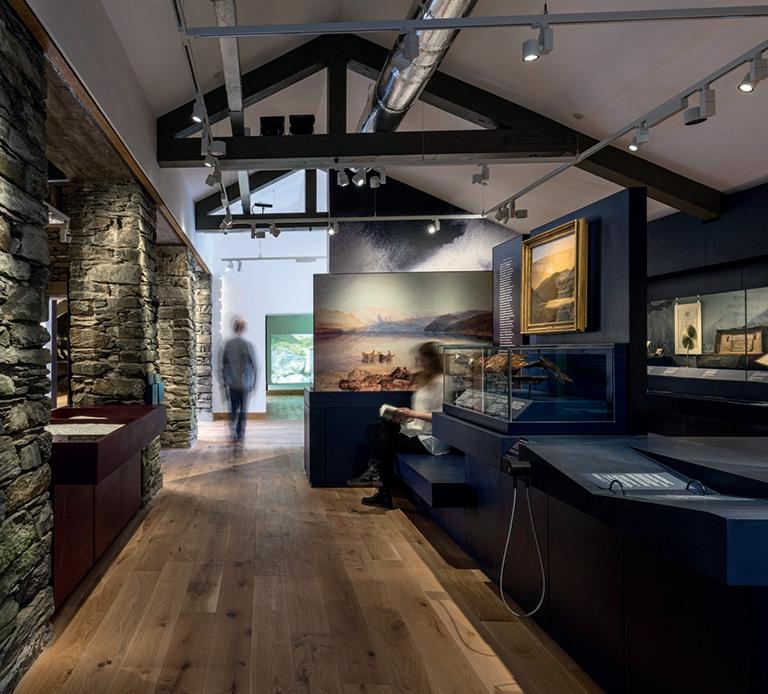
museum. The final part of the project was completed in May this year and visitors seem to be enjoying the experience. Our new interpretation and exhibitions within the museum and Dove Cottage allow visitors to connect with Wordsworth and his life and poetry in ways that make them think and feel, and we particularly enjoy being able to immerse visitors and connect them emotionally to a subject in this way.
below from top
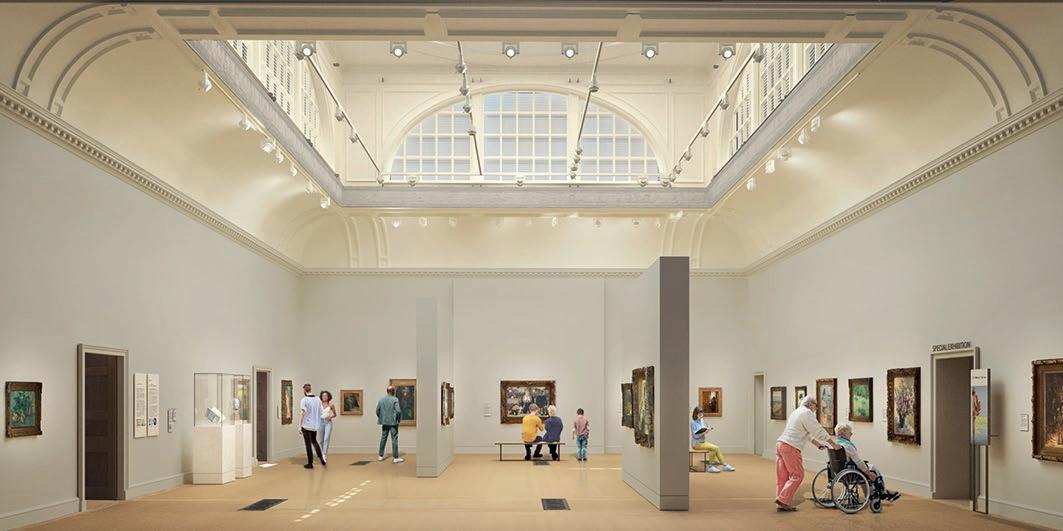
The Great Room at the Courtauld Gallery
Image by Nissen Richards Studio
The new museum at Wordsworth Grasmere
Photo © Gareth Gardner
Our work for the National Trust’s Sutton Hoo, which recently reopened, also involved a complete transformation of the visitor experience. The challenge here was for visitors to understand and imagine an Anglo-Saxon royal burial ground, set within a long-gone Anglo-Saxon world. New routes throughout the site encourage you to experience and look at the landscape in a directed way where we thought carefully about how visitors understand elements of the history
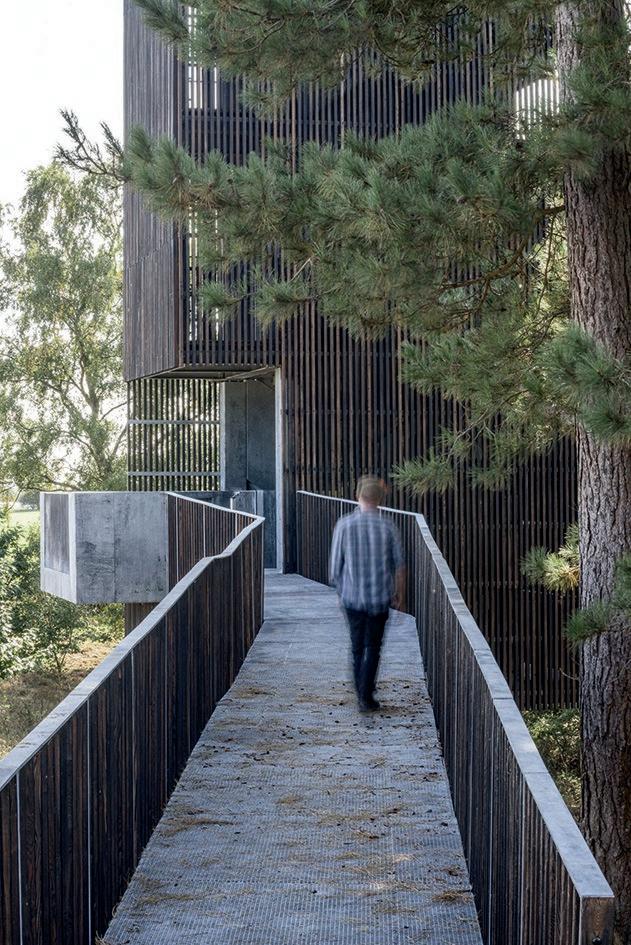
of the landscape by moving through it. The landmark contribution to the transformed experience, however, was a new viewing tower located by the Anglo-Saxon burial ground. Nestled within the pine trees that line the burials, it gives you a unique view that makes the burial mounds stand out.
We are currently also working on the gallery design and wayfinding for the Courtauld Gallery, which reopens later this year after undergoing a major transformation. This unique and wonderful project has been terrifically interesting and has seen us involved in rethinking how the gallery can best present its internationally renowned art collection.
We really look forward to seeing the design for the National Portrait Gallery come together over the next year and beyond. It is a thrilling transformative journey for the Gallery, but also for us, as a studio.
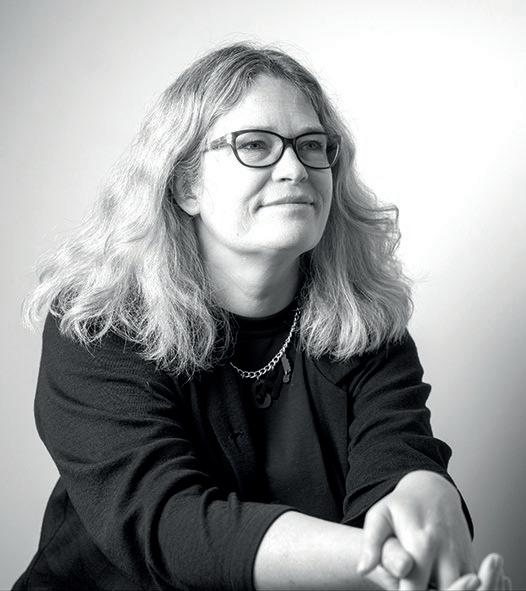
Pippa Nissen studied Architecture at Cambridge University and took an MA in Theatre Design from the Slade School of Fine Art. This unique fusion is one of the many elements that sets the practice she founded in 2010 apart. Nissen Richards Studio’s multidisciplinary skillset includes architecture, exhibition design, interpretation, theatre and graphic design.
The tower at Sutton Hoo’s burial ground
Photo © Gareth Gardner
right
Pippa Nissen
Photo © Gareth Gardner
CREATING OUR SUNDAY TIMES BESTSELLING PUBLICATION
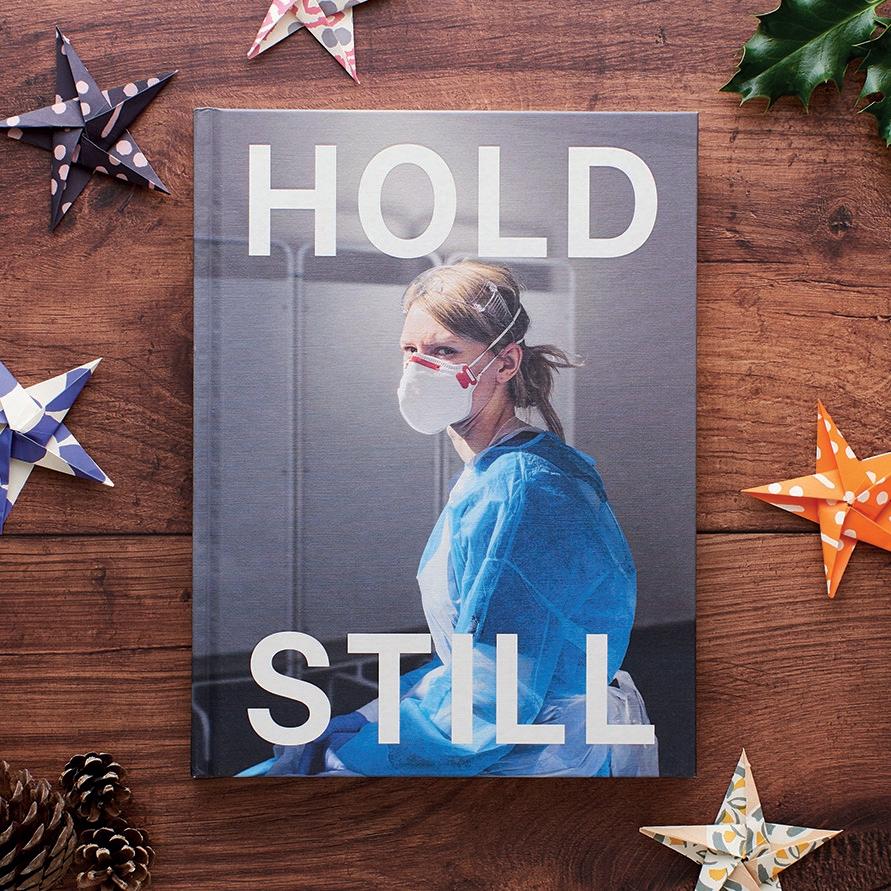
HOLD STILL: A PORTRAIT OF OUR NATION IN 2020
by Kara Green Publishing Manager
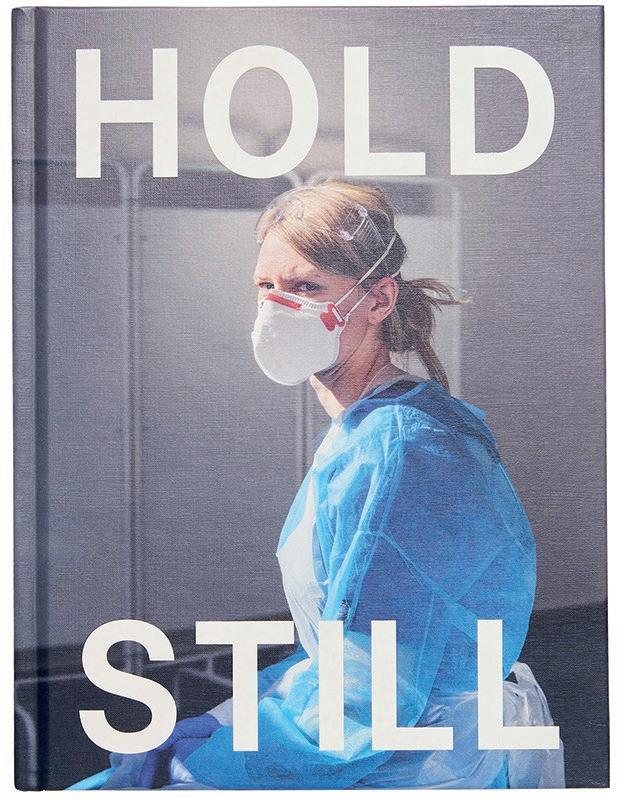
when the gallery launched its online exhibition for Hold Still we were all so overwhelmed by its incredible reach. We decided to publish the book a year after the ‘call for entries’ opened, in May 2021. I think we all hoped the effects of the pandemic would have lessened by then; instead the book served as a reminder of the first lockdown, but also connected with how people felt in that moment too. The content was still relevant, the stories just as poignant, and the photographs just as moving.
Creating the book in a tight time frame was a challenge, but luckily we had an experienced project team, and amazing photographs to work with. That was a great starting point, but the Publishing team then had so much to do! We deal with all elements of creating a book – from design and editing, to managing the colour image process and selecting sustainable manufacture materials. The moment I remember most from the
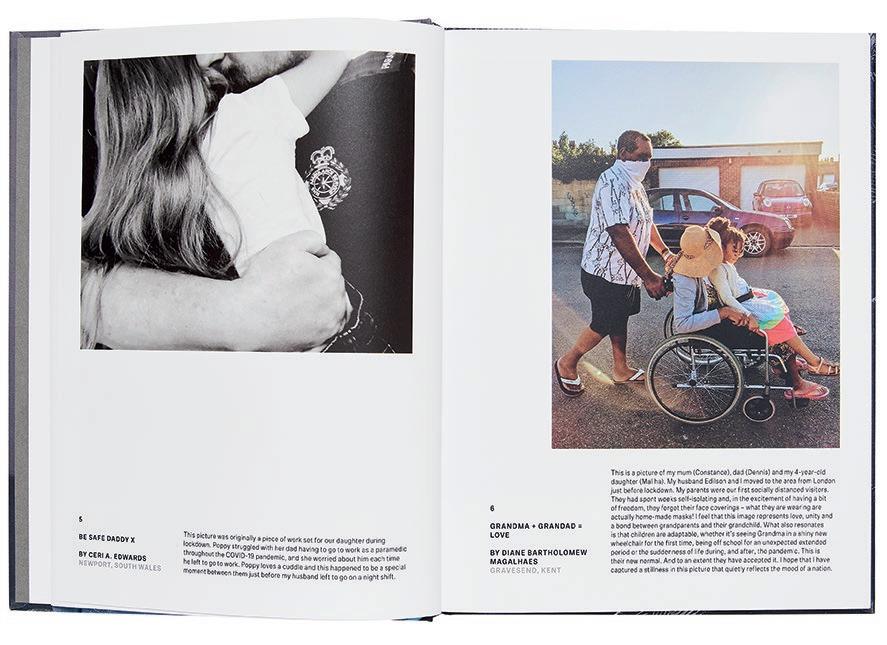
process was when I went to visit the colour experts to review the images. I travelled to London Bridge to meet the team, socially distanced, wearing a mask, and with the office doors open. It was the first time I had seen the works in person and not just on a laptop screen. The colour and the additional detail you can see in a printed image can be so different from what you see online, it feels much more immediate in person. Our aim was to give the reader this exact same experience, to hold the image in their hands and feel a direct connection to the people in the portraits and their stories.
Hold Still is printed on FSC certified paper, and is carbon offset with the World Land Trust. The net proceeds from the sale of the book will be equally split to support the work of the National Portrait Gallery and Mind, the mental health charity (registered 219830).
Gallery Supporters enjoy a 20% discount on Hold Still: A Portrait of our Nation in 2020 in our online shop, npgshop.org.uk: to redeem use the online discount code MEMBER2020.
TAYLOR WESSING PHOTOGRAPHIC
PORTRAIT PRIZE 2021
by Magdalene Keaney Senior Curator, Photographs
the national portrait gallery ’ s Taylor Wessing Photographic Portrait Prize is one of the most prestigious and long-running portrait prizes that surveys the best of contemporary photographic portraiture from around the world. Generously and enthusiastically supported by Taylor Wessing since 2008, the Taylor Wessing Prize continues the history of an award that dates back to 1993. The prize is a much loved annual feature in the National Portrait Gallery’s exhibition
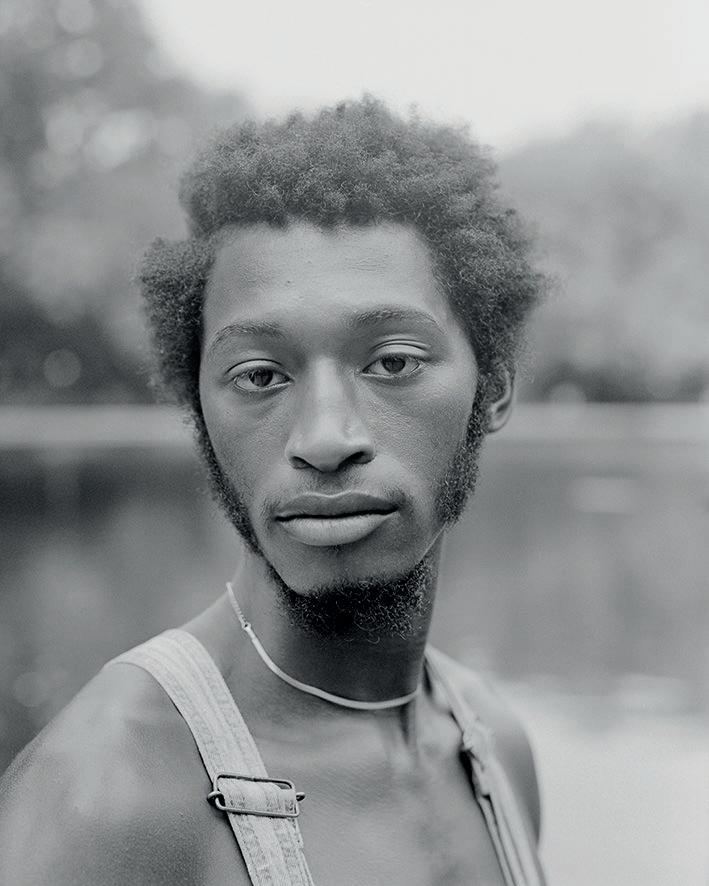
Untitled by Donavon Smallwood, September 2020
From the series Languor
© Donavon Smallwood
Self-taught photographer Donavon Smallwood lives close to Central Park in New York. During the city’s lockdown in 2020 and while frequently walking in the park, he began a series of portraits, mostly of local people who were using the natural environment as a retreat. The photographs were made in short sittings during which Smallwood asked each participant to sit naturally. He describes the photographs as ‘candid and instructed portraits of black people at ease in nature’.
programme and also an exciting and greatly anticipated project for the Gallery team. Each year we become acquainted with new and brilliant photographic talents, many of whom we are able to continue to work with on acquisitions, displays and exhibitions. Many others, emerging when they enter, go on to establish important careers. The roll call of previous entrants and winners includes Roger Ballen (exhibitor 1999), Polly Borland (winner 1994), Elaine Constantine
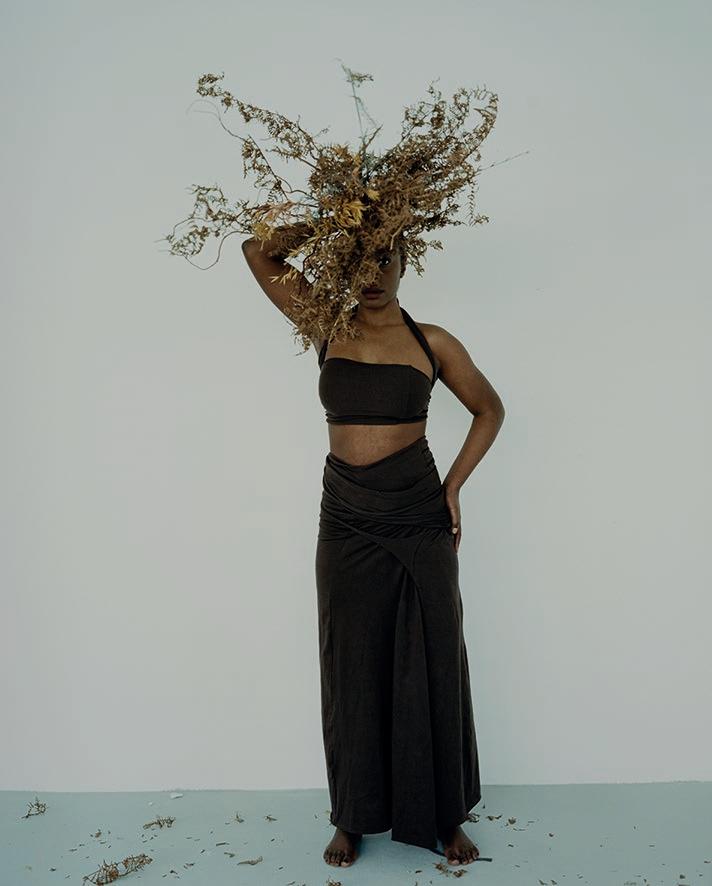
Home by Tino Chiwariro, January 2021
© Tino Chiwariro
Tino Chiwariro works with analogue film and natural light to create intimate and honest portraits of familiar subjects. ‘This self-portrait reminisces on the act of head carrying, a common practice in my homeland, Zimbabwe,’ she explains. The practice has become associated with female strength, a characteristic that Chiwariro underscores through her proud posture, assertive pose and direct gaze at the camera.
Taylor Wessing Photographic Portrait Prize 2021
From 10 November 2021 until 2 January 2022
Cromwell Place, London
Tickets from £8 (Concessions from £4)
Free for Gallery Supporters
www.cromwellplace.com
(runner-up 1998), Tom Hunter (winner 1998), Nadav Kander (Fujifilm award winner 1997), Stephen Gill (runner-up 2002) and Alys Tomlinson (winner 2020) to name just a few.
Last year’s edition, taking place during the 2020 Covid lockdown, was the first time the award was not staged as a physical exhibition, though we took great pride in being able to continue to share it globally as a digital experience. This year the Gallery is closed for our major gallery redevelopment project
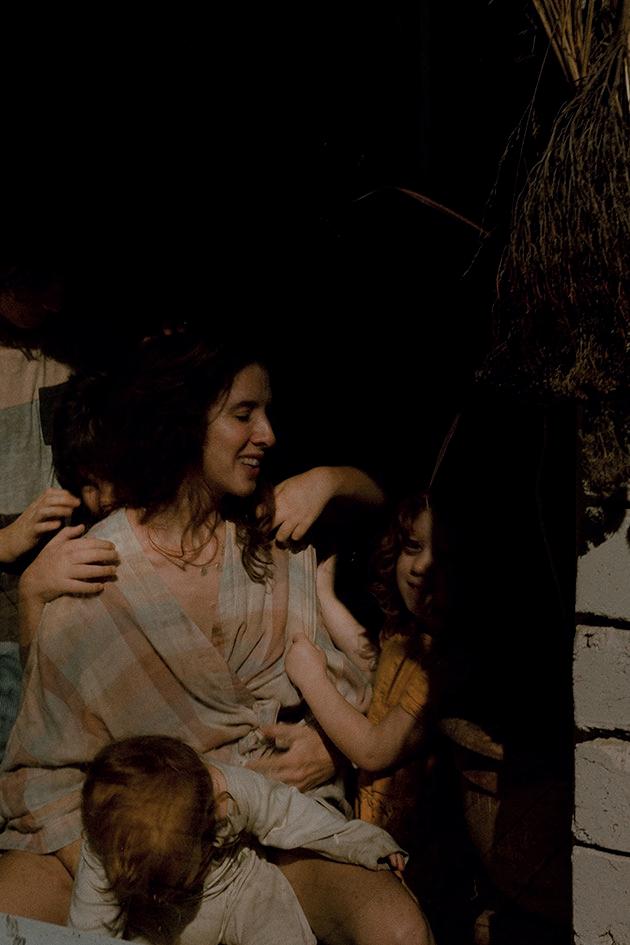
Chloe and her children in the dining room by Lisa Sorgini, June 2020
From the series Behind Glass
© Lisa Sorgini
Made during a period of enforced social distancing to control the transmission of Covid-19 in Australia, Behind Glass saw Sorgini turn her lens to the relationship between mothers and children. Captured through a window, the photograph’s painterly forms are intensified both by the composition’s unconventional cropping and by Chloe’s diverted gaze.
The Taylor Wessing Photographic Portrait Prize 2021 catalogue is available online at npgshop.org.uk priced at £15. Use the discount code MEMBER2020 to enjoy 20% off.
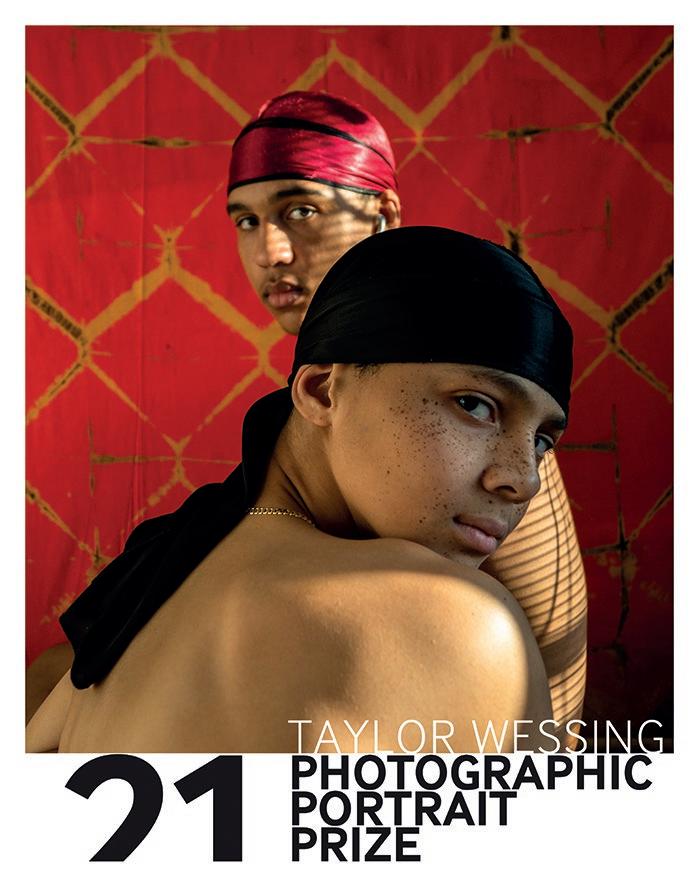
Inspiring People, but we were thrilled to be able to return to physical judging of prints and real world display, with the exhibition taking place at Cromwell Place in South Kensington from 10 November 2021. In anticipation we are sharing here a selection from the work that will feature this year, focusing on some of the exciting artists we welcome to the award for the first time. We look forward to seeing you in person and welcoming you to Cromwell Place.
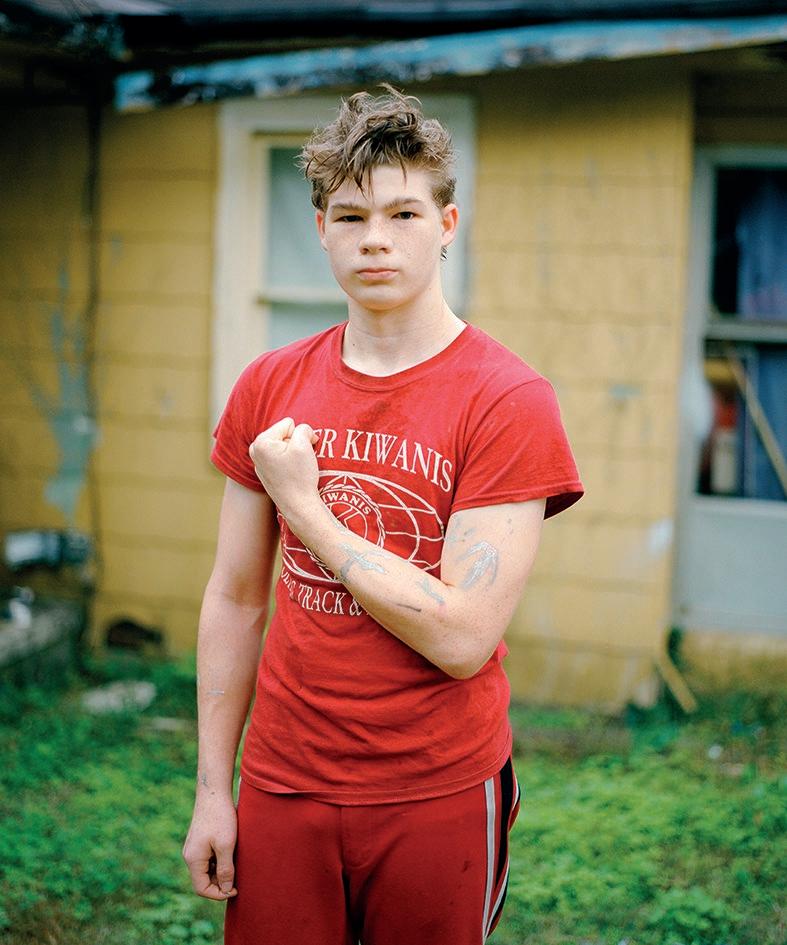
Matthew by Fumi Nagasaka, November 2020
From the series Untouched Grace © Fumi Nagasaka
Japanese photographer Fumi Nagasaka has documented American youth culture for more than a decade. After the 2016 presidential election she became particularly interested in the socio-economic challenges faced by small and rural communities. The resulting portraits reflect on the hopes and aspirations of young people living in the United States today.
in this edition of Face to Face we introduce you to our construction partner, Gilbert-Ash, the main contractor who is helping us realise our goal of transforming the National Portrait Gallery through our Inspiring People project.
With offices in Belfast and London, GilbertAsh is an award-winning construction and fitout contractor with a reputation for delivering landmark projects.
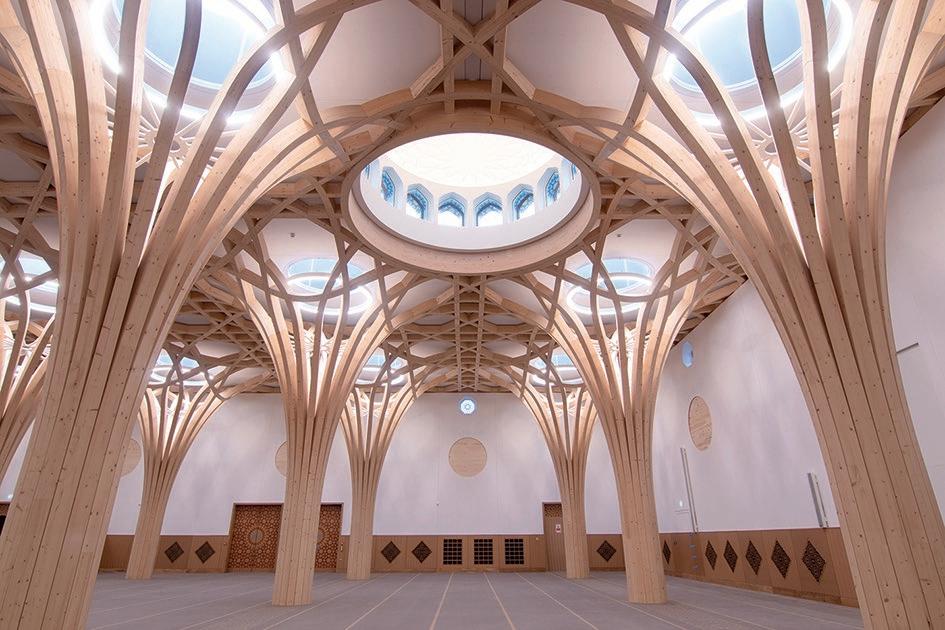
One of those landmark projects was Cambridge Central Mosque, which was recently shortlisted for the 2021 Stirling Prize. Awarded by the Royal Institute of British Architects, the Stirling Prize is given to the UK’s best new building.
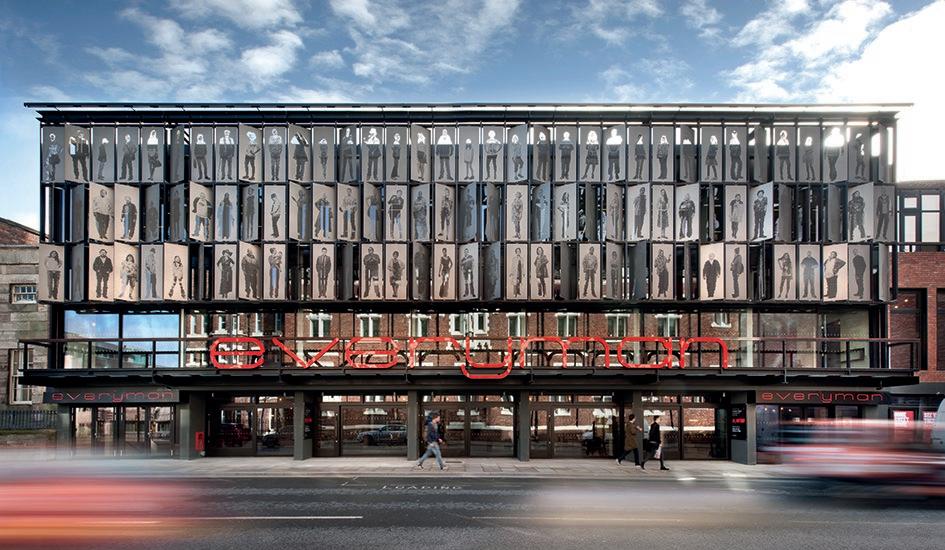
It’s the fourth time one of Gilbert-Ash’s projects has been shortlisted for the prize. In 2012 Belfast’s Lyric Theatre was shortlisted followed by the Giant’s Causeway Visitors’ Centre in 2013 before the Everyman Theatre won the coveted award in 2014.
Gilbert-Ash works throughout the UK and has undertaken numerous projects worldwide in a total of 43 countries, from Poland and Bahrain to China, Japan and Australia, on behalf of the UK Foreign & Commonwealth Office.
Delivering ‘Landmark Landscapes’, many Gilbert-Ash projects are iconic in nature, with significant historical relevance. On each project the company seeks to make
below from top
Cambridge Central Mosque, Europe’s first eco-mosque Everyman Theatre, Liverpool, RIBA Stirling Prize Winner 2014
a difference to its projects, people and the planet through innovation, collaboration and determination.
The company has experience of delivering exceptionally high-quality projects in prestigious art galleries and theatres, having completed the redevelopment of the Grade II listed Cromwell Place Art Gallery in London (where the Taylor Wessing Photographic Portrait Prize 2021 is being shown) and the refurbishment of the Grand Opera House in Belfast. Its additional arts and culture
projects include the National Army Museum redevelopment, Battersea Arts Centre refurbishment, Mountview Academy of Theatre Arts, Liverpool Philharmonic Hall and the Bristol Old Vic Theatre.
Ray Hutchinson told us the company is proud to be working in collaboration with the National Portrait Gallery on this ‘hugely prestigious and extremely high-profile project’.
He said: ‘The Inspiring People project is certainly one of the most prestigious to be undertaken by Gilbert-Ash and we are extremely proud to be working in collaboration with the National Portrait Gallery.
‘Our team has the knowledge and experience to make a lasting difference to this iconic building for future generations and we are really excited to be taking the lead on the Gallery’s transformation.
‘The redevelopment, which is in line with our track record of taking on projects that require innovation to succeed, presents a great opportunity for Gilbert-Ash to further cement our profile in delivering outstanding landmark buildings of international significance.
‘We are proud to be working closely and imaginatively with the National Portrait Gallery, Jamie Fobert Architects and the
right Ray Hutchinson, Gilbert-Ash MD

other disciplines as well as our trusted supply chain on the Gallery’s biggest ever redevelopment since opening in 1896.
‘At Gilbert-Ash we always seek to make a difference to projects and people and our work at the Gallery will enable it to be more welcoming, engaging and accessible for future generations.’
Gilbert-Ash brings a fresh perspective on building, implementing a collaborative, design-led approach combining insight and intelligence, vision and talent to deliver far-reaching, visionary construction projects.
The company (www.gilbert-ash.com) has completed a broad portfolio of successful construction projects across sectors including arts and culture, workplace, hotels and leisure, science and technology, retail and residential.
As MD of Gilbert-Ash, Ray Hutchinson is instrumental in shaping the success of the company, enabling it to become a leader in delivering iconic buildings across niche sectors.
He is passionate about promoting diversity in the industry and ensures Gilbert-Ash leads from the front on digital transformation, sustainability and encouraging young people into construction.
SHARE THE GALLERY’S COLLECTION
by Laura Down Head of National Programmes
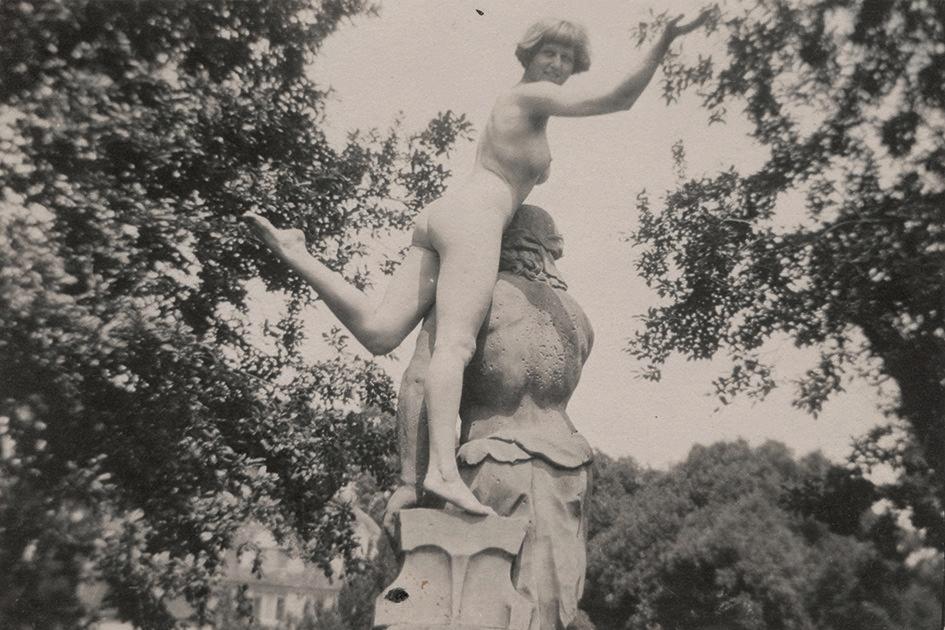
the gallery ’ s Inspiring People development has given a unique opportunity to share the Collection by lending some of the most iconic and best-loved works while they are not on display. This has enabled two new exhibitions to be brought together with colleagues in partner galleries in Sheffield, York, Bath and Liverpool, which go on show this autumn and into next year.
Beyond Bloomsbury: Life, Love and Legacy explores the lives and works of the Bloomsbury Group. Key figures include the great writer and pioneer of feminist thought Virginia Woolf and her sister, the painter Vanessa Bell. The exhibition includes portraits of those most intimately associated with the Bloomsbury Group, but also fascinating friends and colleagues who were associated with the original group. Most of these representations are informal and intimate and were often made as tokens of friendship and sometimes of love – when displayed together they bring to life an intensely creative group
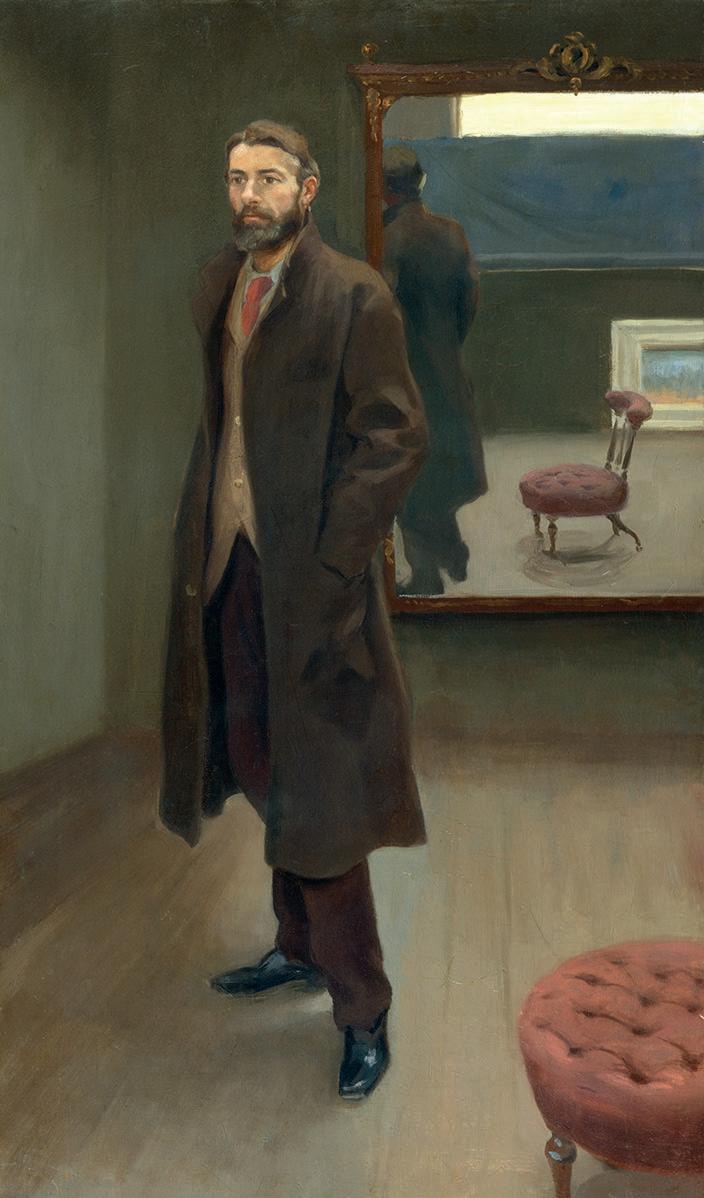
of people who were passionate about their work and, often, about each other. Primarily drawn from the National Portrait Gallery’s Collection, the exhibition will be enhanced with key works from Sheffield Museums and York Museums Trust collections and new works by the artist Sahara Longe specially commissioned by the partner galleries.
below from left
Dora Carrington by Lady Ottoline Morrell, 1917 (NPG x144310)
Edward Carpenter by Roger Fry, 1894 (NPG 2447)
Beyond Bloomsbury: Life, Love and Legacy
Millennium Gallery, Sheffield, 25 November 2021–13 February 2022
York Art Gallery, 4 March–5 June 2022
The Tudors: Passion, Power and Politics
The Holburne Museum, Bath, 28 January–8 May 2022
Walker Art Gallery, Liverpool, 20 May–29 August 2022
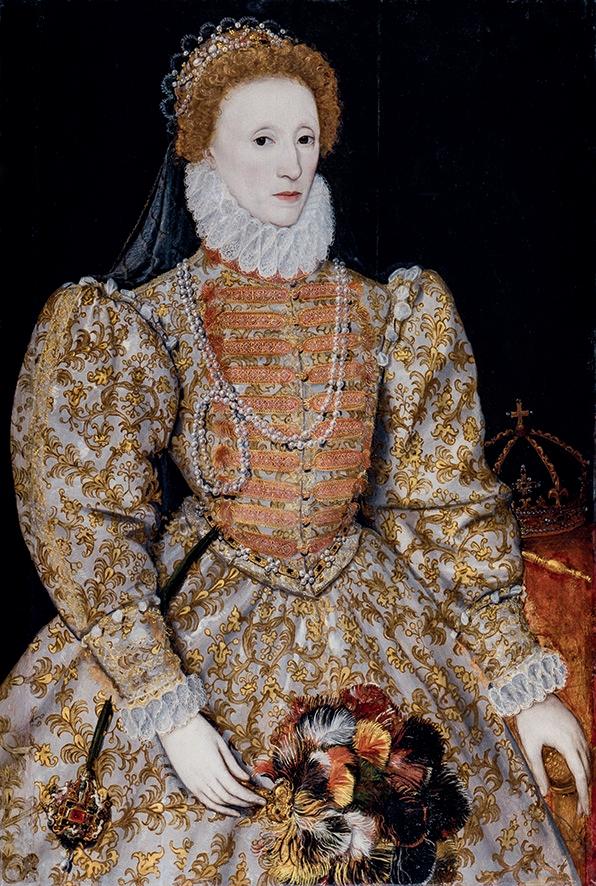
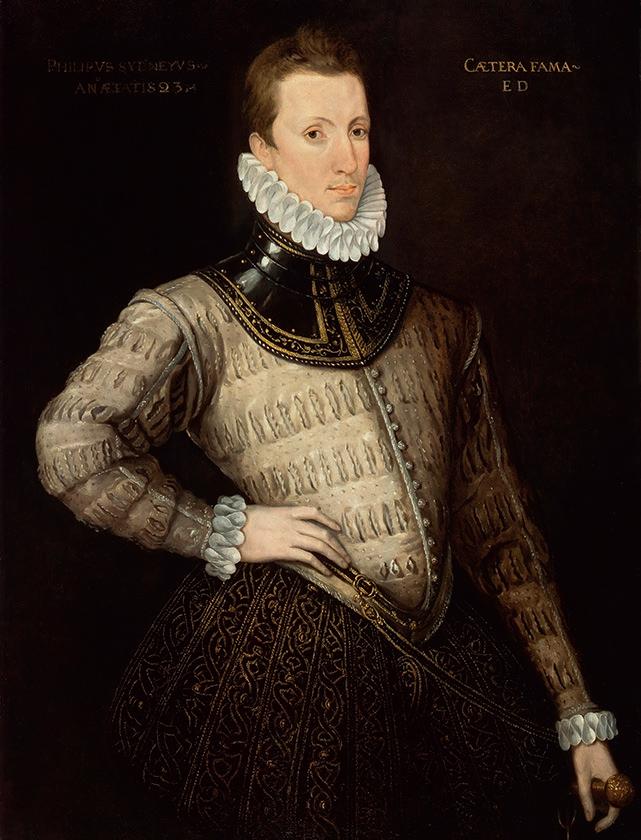
The Tudors: Passion, Power and Politics presents the five Tudor monarchs, alongside some of the most familiar figures from English history, including counsellors and courtiers. The exhibition will explore key themes associated with the dynasty’s reign over sixteenth-century England including: the Reformation; literary renaissance; conflict with Scotland, France and Spain; conquest and colonisation in Ireland and America; and the expansion of England’s global reach through both trade and piracy. The Tudors will open at the Holburne Museum in Bath, encompassing some of the most famous portraits in the
below from left
Queen Elizabeth I by an unknown continental artist, c.1575 (NPG 2082)
Sir Philip Sidney by an unknown artist, c.1576 (NPG 5732)
Gallery’s Collection. The exhibition will then be expanded in the larger space at the Walker Art Gallery in Liverpool featuring one hundred objects. This includes 68 works from the National Portrait Gallery, and a selection of additional loans and paintings from the Walker’s collection. A new book will be published to accompany the exhibition.
While the Gallery is closed there are many other opportunities to see its Collection around the UK through a nationwide programme of activities and partnerships –visit our website to find out more.
Winter offer for Gallery Supporters
CHRISTMAS WITH THE NATIONAL PORTRAIT GALLERY
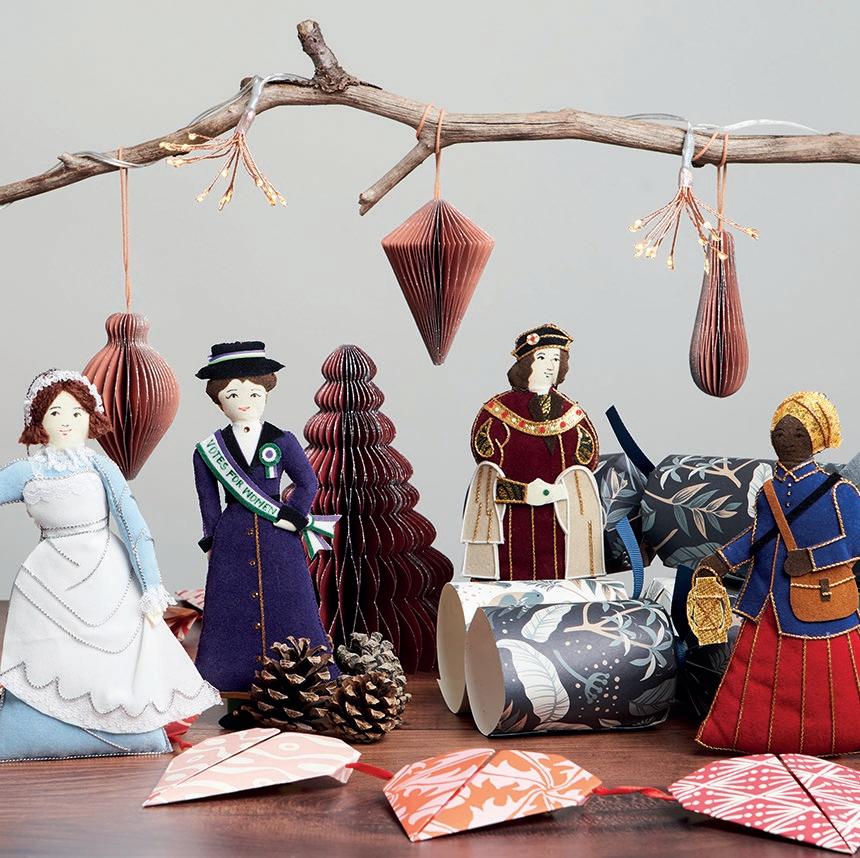
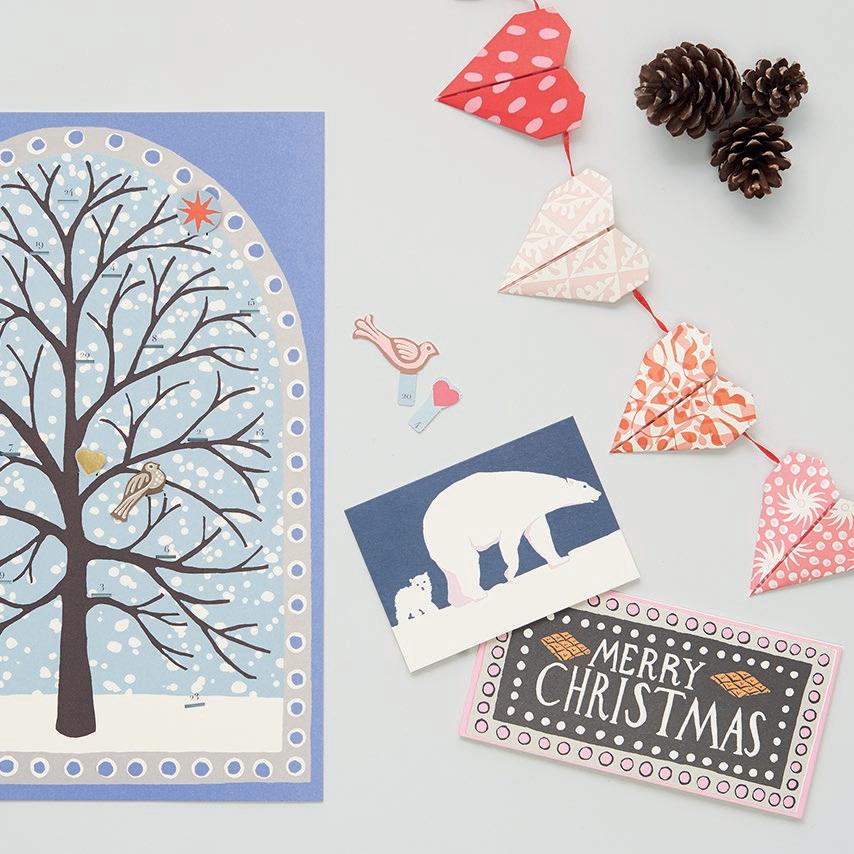
This Christmas we have created a timeless gift range from luxury lambswool knitwear to gifts for children, alongside four new jigsaws featuring famous works from the Gallery’s Collection which are exclusive to the National Portrait Gallery Shop.
To explore our Christmas gifts, cards and decorations online go to npgshop.org.uk and to get our special 20% discount for Gallery Supporters enter the code MEMBER2020 at checkout.
WIN a copy of Hold Still: A Portrait of our Nation in 2020
This Christmas we are offering Supporters the opportunity to win a copy of our beautifully produced Hold Still publication. We have three copies available as prizes: to enter please email facetoface@npg.org.uk with the subject ‘Hold Still Competition’ and your name by 31 December 2021 to be entered into the draw.
Closing date 5pm on Friday 31 December 2021. All entries will be entered into a prize draw and the winner will be drawn at random. Entry is limited to one per person and can only be submitted via email. Subject to availability. No cash alternative. The winning entrant will be contacted by the week commencing 10 January 2022.
This offer is open to National Portrait Gallery Members and Patrons only.