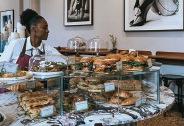
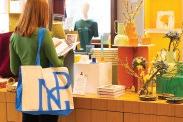
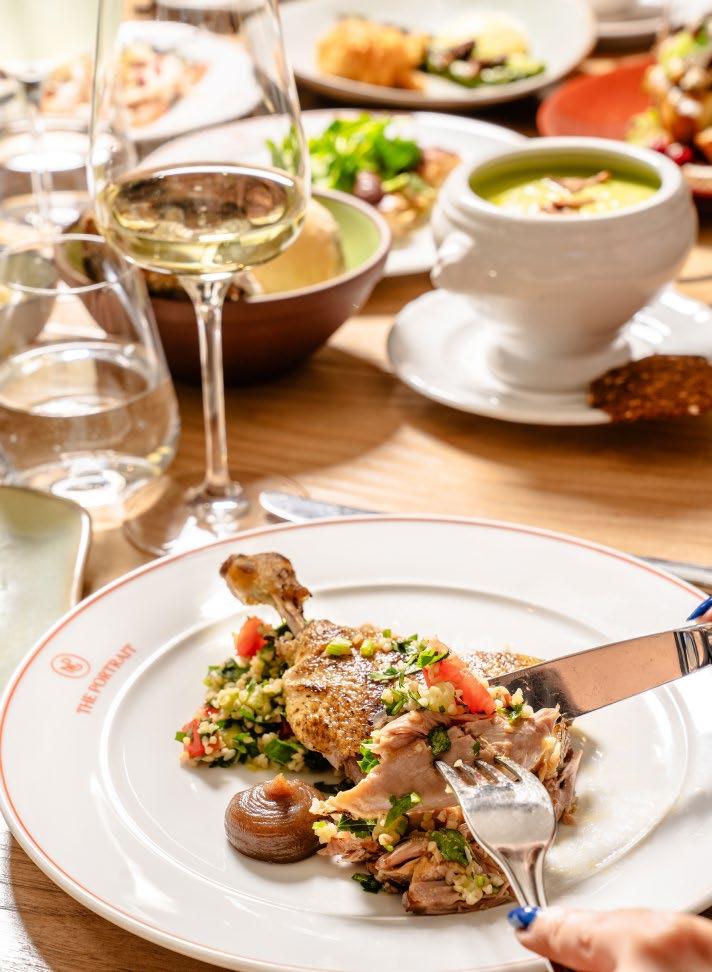
As the days get warmer and the sun is shining, there is no better place to be than the National Portrait Gallery.
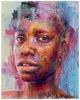
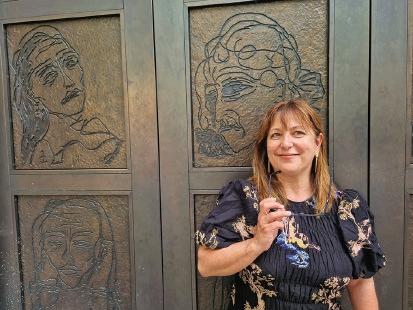
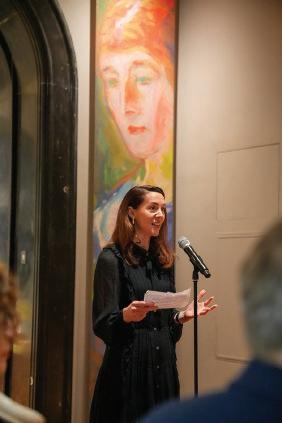
It was a great privilege for me to join the Gallery as Head of Membership in late 2024. The NPG for me has always been a place of inspiration, contemplation, joy and excitement. Prior to joining this very talented group of people, who work around the clock to make the magic happen, I used to come often as a Member myself. My happy place is to wander through the galleries, discover new portraits, and listen to new stories.
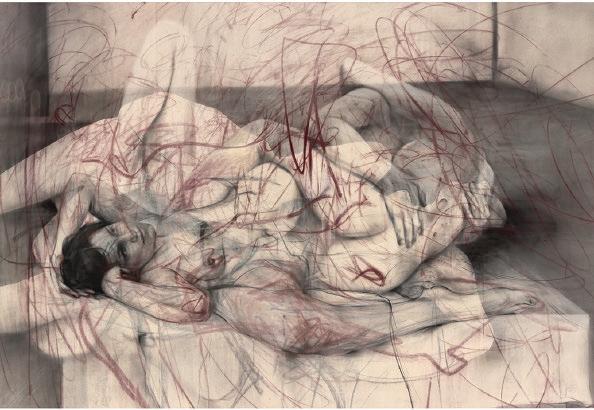
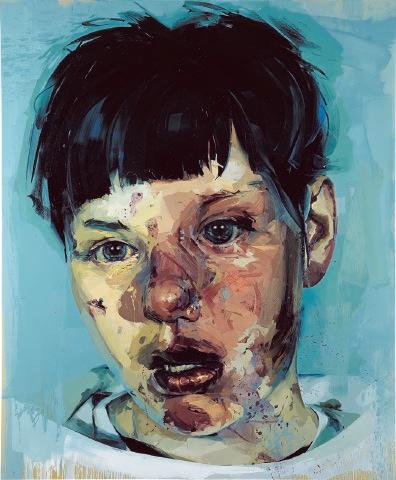
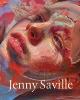
An exciting summer awaits: by the time this issue reaches you, Jenny Saville: The Anatomy of Painting will be opening soon – don’t miss the priority viewing afternoon on 18 June. Jenny is one of the world’s most important contemporary painters, leading the revival of figurative painting, and this will be her largest major exhibition in a museum to date – a first of many. A few weeks later, we’ll be able to enjoy the very best in contemporary portraiture as part of the
Herbert Smith Freehills Kramer Portrait Award competition. Mark your calendar for 9 July, where you see it first as a Member.
This summer we also have a full programme of activities, rich and varied: we want to offer you – our Members – unique experiences each time you walk through Tracey Emin’s Doors. Indulge and see our exhibitions as often as you like, while delving deeper into the subjects. Pop in and see your favourite portraits, learn about the sitters, and share the vibe with your friends and family.
Our programme of exclusive events is equally exciting; we have an enhanced events programme with four exclusive Members’ views of our exhibitions, new tours on stories of great Loves and Losses, and tales of Rogues and Rebels, among many others. I am very curious to hear about the most villainous sitters in our Collection, aren’t you?
If you’d rather get your hands on and learn a new skill, join us for a workshop on analogue photography at the end of June, or painting later in July. But on a very hot summer day, perhaps a lazy afternoon is more appealing – I cannot think of anything better than sipping a delicious and perfectly chilled cocktail with my food at Larry’s Members’ Lounge, following a leisurely browse in our shops.
With so much on offer, summer is sorted. See you at the Gallery, Ivi x
Vicky Clifton Project Manager, Journeys with Mai
Genevieve Drinkwater Patrons Manager
Amy Emmerson Martin Contemporary Curator
Daniel Hausherr Senior Storyteller
Sarah Howgate
Senior Curator of Contemporary Collections
Rab MacGibbon Cross-Collections Curator
Sarah Moulden
Senior Curator of 19thCentury Collections
Liz Smith Director of Learning and Engagement
Ivi Varda Head of Membership
Denise Vogelsang Director of Audiences
My Favourite Portrait by
Antony Williams
We asked the 2024 winner of the Herbert Smith Freehills Portrait Award to talk about his favourite portrait in the Collection.
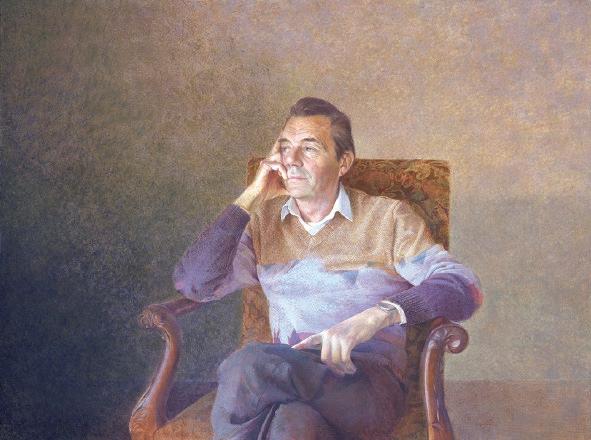
I first encountered David Tindle’s egg tempera portrait of the actor and writer Sir Dirk Bogarde in the early 1990s, when it was on display in the National Portrait Gallery. It had been commissioned in 1985 by the Gallery for the permanent collection. I was very interested in his use of egg tempera, a medium I was experimenting with at that time.
Dirk Bogarde sat for the portrait at his house in the South of France, where David Tindle spent several days in order to create a very fine egg tempera study: it formed the basis of, and is very close in feeling and finish to, the subsequent National Portrait Gallery commission. In the portrait Bogarde assumes a relaxed but thoughtful pose. Although the painting appears meticulous, a lot of the detail is only suggested, rather than defined exactly through the mark-making, which is almost pointillist in appearance, creating a tapestry effect; it also creates a feeling of airiness and a lightness of touch, infusing the painting with an ethereal quality, where there is a sense of transience and mortality, especially in the portrayal of the face.
In the following years I would see a number of David Tindle’s solo exhibitions at various galleries, including the Redfern Gallery, and I would often see his work annually in the Summer Show at the RA, where he was an Academician. During this period, he worked and lived in France before moving to Tuscany. In around 2010, during
a stay in the UK, he wrote to me after seeing one of my portraits in an advert in the RA Magazine for a show I was having later that year. I was invited to visit him at St Leonards-on-Sea, where he was staying in an apartment overlooking the sea. It proved to be a fascinating insight into his way of working. It appeared to me that although he was working on a view from a window looking out to sea, he was actually painting it in a room that had no view. It was thus unencumbered by all the detail he could see from the window and was more of a distillation of what he was looking at. I believe this reductive approach was fundamental to his vision, which produces works of great clarity and perception.
Antony Williams
Williams’s work is based on intense observation, as a result creating a heightened sense of realism. He works almost exclusively in egg tempera. His commissions include HM Queen Elizabeth II, Margaret Beckett MP, and Amartya Sen. His work has been recognised with numerous awards, including first prize in the Herbert Smith Freehills Portrait Award 2024 at the NPG. His work is held in public collections including the National Portrait Gallery; The Royal Collection; the House of Commons; MCC Lord’s; the Garrick Club; Corpus Christi, Oxford; Trinity Hall, Cambridge; Queen’s College, Oxford, and a number of significant private collections.
Above – Sir Dirk Bogarde by David Tindle, 1986 (NPG 5891).
Vicky Clifton celebrates the Journey of Joshua Reynolds’s Portrait of Mai and the Legacy of David Hockney
‘[Mai’s] presence in Bradford offers a thoughtprovoking opportunity for reflection as the city embraces its status as a City of Sanctuary – a place welcoming those seeking refuge and a new beginning.’
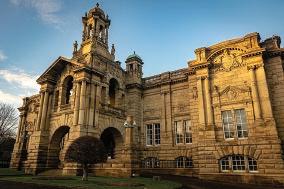
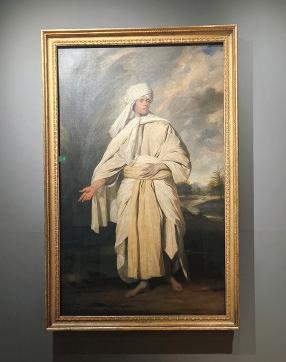
As part of Bradford 2025 UK City of Culture, the internationally acclaimed Portrait of Mai by Sir Joshua Reynolds will make its first stop at Bradford District Museums and Galleries’ Cartwright Hall Art Gallery as part of a nationwide tour. This significant exhibition not only highlights this supremely important work but will invite a contemporary exploration of identity, migration and creative expression through the lens of the young people living in Bradford today.
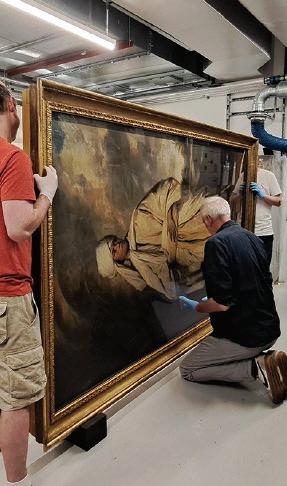
The National Portrait Gallery and Getty jointly acquired the iconic portrait in 2023, with support from the National Heritage Memorial Fund, Art Fund and many other supporters, including Art Fund and NPG Members, which helped to secure the portrait for public display. The painting has just embarked on its major UK tour, ‘Journeys with Mai’. Leaving the National Portrait Gallery in April, after a brief period of conservation work the portrait will tour first to Bradford (23 May–17 August 2025), before moving on to the Fitzwilliam Museum, Cambridge (17 October 2025–8 February 2026), and to its final destination on its UK tour at The Box, Plymouth (14 February–14 June 2026).
Mai, depicted in Reynolds’s masterpiece, represents the complexities of cultural identity in both a modern and a colonial context. His presence in Bradford offers a thought-provoking opportunity for reflection as the city embraces its status as a City of Sanctuary – a place welcoming those seeking refuge and a new
Journeys with Mai is a Partnership project between the National Portrait Gallery, London; Bradford District Museums and Galleries; the Fitzwilliam Museum, in collaboration with the Museum of Archaeology and Anthropology, Cambridge; and The Box, Plymouth.
Journeys with Mai is generously supported by the National Lottery Heritage Fund, Art Fund and other supporters, in partnership with City of Culture 2025.
beginning. The juxtaposition of Mai’s experience with that of the young people now living in Bradford allows for a dialogue about their own journeys, whether they arise from displacement, exploration, or the pursuit of new opportunities.
Bradford District Museums and Galleries and Bradford 2025 have devised a two-step programme aimed at engaging local young people. This initiative will commence with mentorship focused on interpreting Mai’s portrait from diverse perspectives. Young people will be encouraged to think about and articulate their views on cultural narratives, questioning singular interpretations through the development of critical thinking skills and cultural discourse.
The programme continues with a series of workshops, fostering discussions on themes of transition, travel and personal growth. Participants will have the opportunity to reflect on their life experiences and share their stories and ambitions, making connections to Mai’s journey, while considering broader implications of migration and personal identity.
The workshops will delve into rich discussions and debates about aspects of Mai’s portrayal, including dress, body markings and environmental considerations concerning travel and the impact of the current environmental crisis on Polynesia. Such topics are particularly resonant for young people, and we hope they will encourage, and develop, a deeper understanding of the historical and social implications embedded in art.
The portrait of Mai will be exhibited alongside a portrait of the world-famous Bradfordborn artist David Hockney. Like Mai, Hockney embarked on his own transformative journey to America as a young man, a trajectory that was to propel him into the global art scene. Hockney’s journey of discovery has been deeply intertwined with his exploration of his own identity as a gay man. When interpreting Mai’s portrait next to Hockney’s, we can examine how personal narratives inform our own (and young people’s) understanding of cultural identity.
In this exhibition, the legacy of both Mai and David Hockney serves as a springboard for young people in Bradford to explore their own narratives as well as nurture a deeper appreciation for the complex narratives that shape our stories. Within this tour, young people from all partner sites will be invited to learn alongside one another while visiting one another’s cultural institutions.
Below left – Finishing touches before touring: Portrait of Mai (Omai) by Sir Joshua Reynolds, c.1776 (NPG 7153).
Purchased jointly by the Board of Trustees of the National Portrait Gallery and the J. Paul Getty Trust, 2023, with support from the National Heritage Memorial Fund, Art Fund and other generous supporters.
Shaping Us – The Bobeam Tree Trail at the National Portrait Gallery
by Liz Smith, Director of Learning and Engagement
On 2 February 2025, the Royal Foundation Centre for Early Childhood published its ‘Shaping Us’ framework aimed at improving awareness of and knowledge about social and emotional skills to inspire action across the human condition, as part of HRH The Princess of Wales’s mission to create a happier and healthier society.
Social and emotional skills are the qualities that shape who we are, how we manage our emotions and thoughts, how we communicate with and relate to others, and how we explore the world around us. They are fundamental to our future mental and physical well-being, shaping everything from our ability to form positive relationships to our capacity for learning, working, and coping with adversity. They all have their foundations in early childhood and continue to be refined and enhanced throughout our lives.
The framework groups skills into six clusters: skills which can be readily developed within a museum and/or gallery setting. They are:
1. Know ourselves: how we learn who we are in relation to ourselves, to other people and to the world around us
2. Manage our emotions: how we understand, process and manage our emotions
3. Focus our thoughts: how we manage day-today life and the variety and range of tasks we need to navigate
4. Communicate with others: how we receive and share feelings, thoughts and information
5. Nurture our relationships: how we get along and nurture our relationships with others
6. Explore the world: how we explore and discover the world around us.
Working in partnership, The Royal Foundation for Early Childhood and the Gallery set out to design an immersive experience for under-fives that fired up imaginations and activated the
‘How does it feed the tree?’
‘Maybe it goes through the underground tube to the roots and then the tree grows from these?’
‘I love you tree. I want to take it home.’
‘Normally you can’t touch anything in the Gallery and it’s great to do that.’
‘It’s our second time our son loved it so much.’
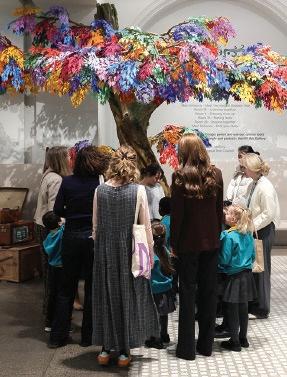
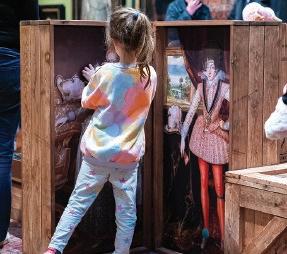
skills associated with the six clusters in the framework. What resulted was the innovative Bobeam Tree trail, a story-based experience for early years. It is centred on investigating an unusual species of tree that had mysteriously appeared in the entrance hall of the Gallery. As part of the quest set throughout the Collection displays, the children discovered that Bobeams are rare trees that only feed on stories, which in turn help them to grow and turn their leaves different colours. This remarkable specimen that had grown overnight was nourished by the Gallery’s remarkable collection of people and portraits.
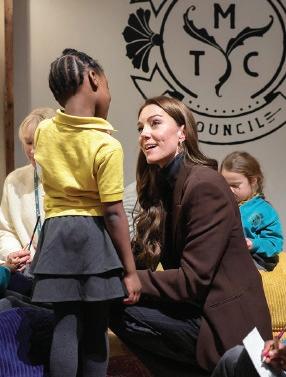
Children and families were invited to follow a creative trail with a magic pencil and use the different ‘tools’ left by the Magical Tree Council spread throughout the Gallery. These helped them find and explore the portrait stories that were supporting the tree.
These included funky telephones to listen to talking portraits, immersive puzzle magnets, two-way peeping mirrors and a sparkling drawing den which enabled little ones to play, spot, talk and draw. At the end, children were encouraged
to share their own story in a postbox to help the tree continue to grow big and strong.
Launched by Her Royal Highness the Princess of Wales and a Reception class visiting on a school trip together, the Bobeam Tree trail immediately captivated them and a further 9,000 young children, many of whom were firsttime visitors to the Gallery.
At the same time the Shaping Us: Museums and Galleries network, led by the National Portrait Gallery, was launched. The Gallery is joined by National Museums Northern Ireland, Middlesbrough Institute of Modern Art (MIMA), The Lowry Art Gallery (Salford), Sheffield Museums Trust and The Box Museum, Gallery and Archive (Plymouth) in the first phase. The ambition is to create a national movement, informed by best practice, which establishes immersive storytelling experiences in and around collections and to go on to share this practice more widely across the cultural sector.
National Portrait Gallery Unframed Stories – Brought to Life
by Rab MacGibbon, Cross-Collections Curator
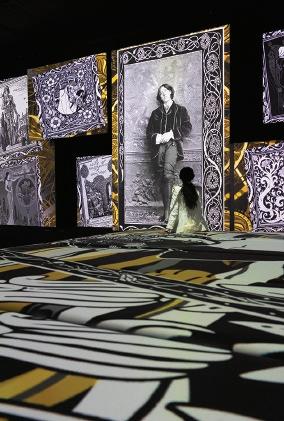
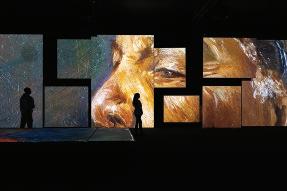
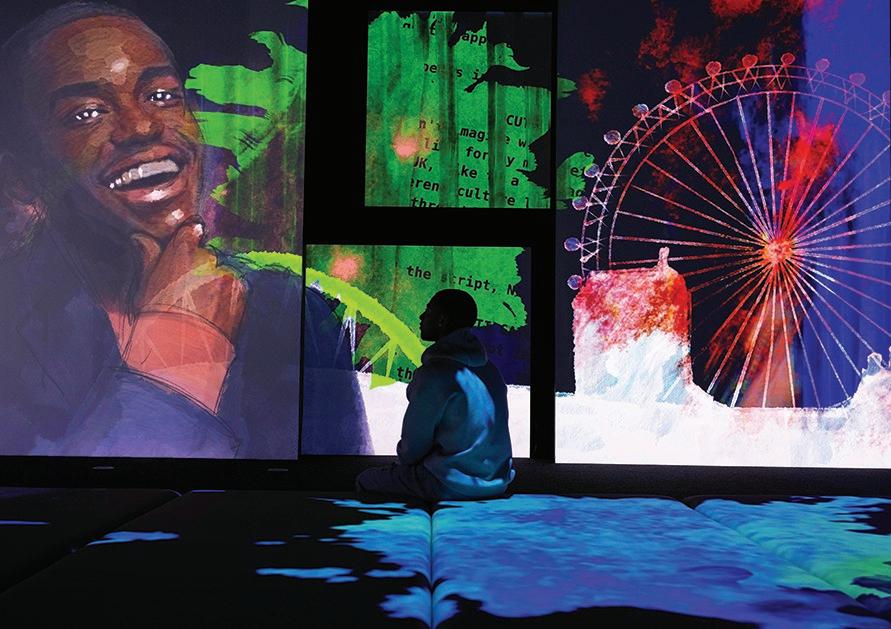
Launched in May in MediaCity, Salford, ‘National Portrait Gallery Unframed’ is the Gallery’s ground-breaking partnership with FRAMELESS, a leading creator of digital immersive experiences. The collaboration has resulted in Stories –Brought to Life, the first immersive art experience to be inspired by a UK national collection. For the Gallery, this is an exciting opportunity to share the Collection with wider audiences beyond the walls of our London home. The experience uses cutting-edge digital technology to tell some of the fascinating human stories behind many of our most beloved and significant portraits.
The works have been selected to celebrate the breadth and diversity of the Collection,
spanning five centuries and representing sitters from a broad variety of areas of achievement, from monarchs and politicians to activists, artists, writers, scientists and explorers. All the featured sitters have played a vital role in making Britain what it is today, from Queen Elizabeth I, represented in the remarkable full-length portrait by Marcus Gheeraerts the Younger in the 16th century, to Malala Yousafzai in the 21st century, shown in Shirin Neshat’s outstanding portrait. Visitors to the experience are surrounded by a multitude of screens, across which the stories unfurl. State-of-the-art animation, supporting imagery and visual effects combine with a rich soundtrack of music, original recordings and
Gallery members’ receive a 25% entry discount in all venues. You can book now via npgunframed.com –Remember to choose the appropriate concession ticket type when booking.
scripted speeches to create a multi-sensory environment in which to experience the sitters’ extraordinary stories. They share in the voyages of Mai and Charles Darwin, the wartime experiences of Mary Seacole and Winston Churchill, the literary lives of William Shakespeare and Virginia Woolf, and the musical journeys of David Bowie and Amy Winehouse. Some of the stories are of global consequence, such as Nelson Mandela’s decades-long struggle against apartheid, Emmeline Pankhurst’s fight for the vote and the scientific work of Dorothy Crowfoot Hodgkin, which helped pioneer the treatment of diabetes. Other stories are more personal, such as Audrey Hepburn looking back over her glittering film career and Ncuti Gatwa reflecting on his journey up to the cusp of fame playing the iconic TV character Dr Who. Some stories invoke the breadth and multiplicity of a long and exceptional life such as that of Queen Elizabeth II, while others focus on a particular moment or a detailed exploration of a portrait, as in the case
of Grayson Perry, whose work A Map of Days is an utterly unique self-portrait representing different aspects of the artist’s identity.
This is an exciting opportunity to harness technology to explore our works and reveal the sitters’ stories in ways that are usually impossible with the physical objects in our historic Gallery spaces. For the staff contributing to the selection and interpretation of the portraits, it has been fascinating to see the directions and responses that our FRAMELESS partners have been inspired to take by the Collection. We hope that regular Gallery visitors will find fresh insights and renewed appreciation of some of the remarkable stories behind the portraits. And for those who have not yet experienced the Gallery and its Collection in person, we hope that this innovative cultural attraction will inspire new audiences to further engage with the riches of the national collection of portraits. Stories – Brought to Life can be experienced at MediaCity until 31 August, with further tour locations to be announced.
Director’s interview
Victoria Siddall, Director, sat down with Denise Vogelsang, Director of Audiences
You became Director of the National Portrait Gallery six months ago: what attracted you to the role?
I have been involved with the National Portrait Gallery in various ways over the years, most recently as a member of the Reopening Committee, and had really come to love it. The incredibly enthusiastic and warm response to the reopening in 2023 showed how much it means to so many other people too. I am really honoured to have the opportunity to lead a museum that not only holds an incredible collection but also tells amazing human stories and provides so much inspiration and enjoyment. This is an exciting time in the NPG’s history, following the
transformational ‘Inspiring People’ project that the team delivered so flawlessly under Nicholas Cullinan’s leadership; the perfect stage has been set for the next chapter.
What has been the highlight of your first six months?
That’s a tricky question! It’s hard to choose one highlight, as there have been so many.
It has been wonderful to attend the opening events for our exhibitions at the Gallery and to meet so many of our partners and supporters. Both The Face Magazine and Munch Portraits have been wonderful exhibitions to explore and it is great to see the galleries so full of people. I was especially pleased to be able to visit some of our international touring exhibitions, including The Time is Always Now at the North Carolina Museum of Art, Paul McCartney Photographs at the de Young Museum in San Francisco and Francis Bacon: Human Presence at Fondation Pierre Gianadda in Switzerland. It was fantastic see the impact of our programmes worldwide. I have also really enjoyed getting to know my colleagues at the Gallery. Spending time with teams across the organisation has given me many fascinating insights into the incredible work that goes on, often behind the scenes, and l have been so impressed by everyone’s passion and expertise.
How would you like to see the Gallery’s Collection develop?
We are very fortunate to be the custodians of the world’s greatest collection of portraits and I think it is important to collaborate with partners to share these unique works with as wide an audience as possible. A great example is the tour of Portrait of Mai by Sir Joshua Reynolds, which started in May this year. The painting was such an historic acquisition when it entered the Collection in 2023, so I am really pleased it will be travelling across the UK to Cartwright Hall Art Gallery in Bradford, the Fitzwilliam Museum in Cambridge and The Box in Plymouth. It is fitting and very exciting that the ‘Journeys with Mai’ project will also create opportunities for artists, young people and communities.
The Collection should be responsive to the world around us, and relevant to people of all ages and backgrounds, so I was thrilled to announce our new fund – Collecting the Now – which will support the acquisition of contemporary artworks, made possible by a very
generous gift from the Bukhman Foundation. I’m delighted that this fund has already enabled us to bring two important works by two of Britain’s leading artists, Dame Sonia Boyce OBE and Hew Locke OBE, into the Collection.
Looking to the future, how do you think the Gallery can adapt in such a time of change?
It is an exciting and challenging time for museums, we are looking to the next ten years and exploring what a museum can and should be, and especially what we can do to reach and inspire audiences beyond our walls both digitally and physically. Innovation will be crucial to achieve our ambitions and this is something that is embraced and encouraged at the NPG. Our recent partnership with the digital experience company Frameless, who have created an immersive experience inspired by portraits in our Collection, currently on show at Media City in Salford, Greater Manchester, is a great example of this.
We have an exciting programme coming up. What are you looking forward to most?
Again, it’s very hard to pick one thing! It’s been fascinating to be involved in our two annual competitions that do so much to celebrate and encourage portraiture and artists, so I am looking forward to announcing the winners of the Herbert Smith Freehills Kramer Portrait Award and Taylor Wessing Photo Portrait Prize this year. I have always admired Jenny Saville and her extraordinary works, so I am thrilled that we are hosting her first major museum show in London this summer. This will be a chance to see 50 of Jenny’s works from the 90s to today, ranging from charcoal drawings to large-scale oil paintings. And in terms of broadening access, it’s fantastic that young people aged 25 and under will be able to see the show for free, thanks to generous private donor support. Then we are excited to host Cecil Beaton’s Fashionable World in the autumn, which will showcase the legendary photographer’s era-defining fashion portraits. I hope our Members will have the opportunity to visit these fascinating shows and to take part in the great range of events and talks lined up to complement the exhibition programme.
Above left – Victoria Siddall at the opening of the Edvard Munch Portraits exhibition. Photo: Simen Løvberg Sund, The Royal Court, Norway.
Above – Anastasia Bukhman, Sonia Boyce and Victoria Siddall.
Photo: David Parry.
Jenny Saville
An interview with Sarah Howgate, Senior Curator of Contemporary Collections
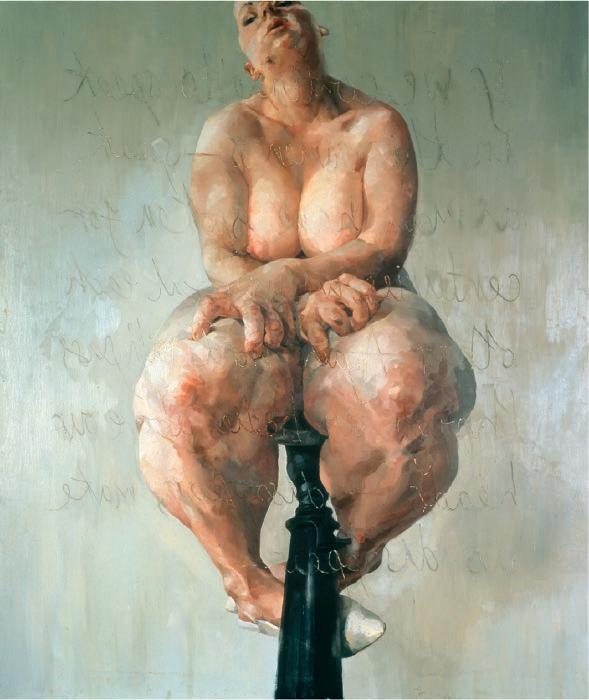
Jenny Saville is one of the world’s foremost contemporary artists, who rose to prominence in the early 1990s following her acclaimed degree show at the Glasgow School of Art. In subsequent years she has played a leading role in the reinvigoration of figurative painting – a genre that she continues to test to the limits. Her ability to create visceral portraits from thick layers of paint reveals an artist with a deep passion for the painting process itself, an act that she experiences as both energetic and bodily.
This broadly chronological exhibition traces the development of Saville’s practice, bringing together key artworks from her career, while exploring her lasting connection to art history. From charcoal drawings to large-scale oil paintings of the human form, these works question conventional and historical notions of female beauty. Her recent portrait series interrogates the connections between the physical and virtual in our image-saturated age.
As well as being an extraordinary artist, Saville speaks engagingly about her practice and art-historical influences. In December 2022 I spent two days with her discussing this on a memorable trip to see her exhibition at Gagosian in Paris, which formed the basis of our conversation for the book that accompanies the exhibition. This is an edited version:
Could you talk about your experience as a student at the Glasgow School of Art and your early career trajectory?
One of the aspects I really liked about the Glasgow School of Art was that it had an independent painting department, which used to be housed in the Mackintosh Building. The school has a strong figurative tradition, and painters like Frank Auerbach, Francis Bacon, Lucian Freud and Rembrandt were big influences for me.
By the time of my degree show, which included my paintings Propped and Branded, I felt I’d found a language to combine the way
I painted with the theory I had been reading. It was an exciting time because, at graduation, I was awarded the Newbery Medal, and The Times newspaper’s Saturday supplement, which was running a feature on UK graduation exhibitions, put Propped on the front cover. [British art collector and gallerist] Charles Saatchi saw it and, after also seeing a couple of my paintings in an exhibition at Cooling Gallery on Cork Street, London, in 1993, he purchased the works and commissioned a body of new paintings for his phenomenal gallery space on Boundary Road in St John’s Wood. When I look back, it was an incredible opportunity for a 22-year-old graduate.
Despite your formal training, you made the decision, while still at college, to work from photographs rather than life models. This seems to have freed you up to be more playful and to walk the tightrope between figuration and abstraction.
I worked in the life room at college, but I found the academicism of it – particularly the ‘life room’ poses the models often held – much less appealing than working with models I asked to pose privately. Looking at how Bacon worked from photographs to paint bodies gave me the confidence to do that. With photography, I can get a close-up of teeth or an eyeball or even a hand momentarily posed in a way a life model wouldn’t be able to hold for a long time. When I paint, I take the two dimensions of a photograph and think back into three dimensions to build the structure of a body or paint an eyeball, for example.
If I’d only painted from the life model, I might never have looked at so much abstract painting –the works of Cy Twombly and Willem de Kooning, for instance – and brought certain aspects of abstraction into my figuration. Painting from photographs frees up time to think about the way I’m applying paint – the mark-making, paint consistency and colour. It enables me to play with the fundamentals of painting.
Jenny Saville: The Anatomy of Painting will be on display from 20 June until 7 September 2025, Exhibition Gallery (Floor 0).
Over so many years of painting, I’ve developed a bag of techniques, and my vocabulary of what’s possible to do with paint has grown. These techniques create a freedom in the moment of painting to think about the way I’m applying the paint, the consistency and movement of my mark-making in building the form. I’m able to charge the paint with sculptural force. This way of working hopefully embeds an inner tension and life force into the painting, which I find exciting.
You have had a lasting connection to art history and the Old Masters. How has Michelangelo influenced your work?
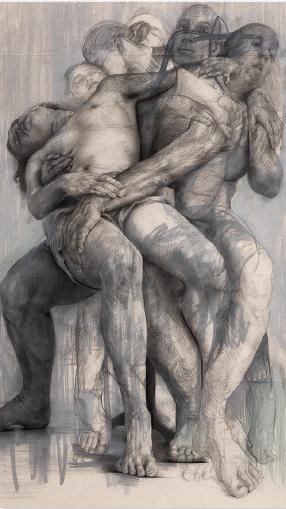
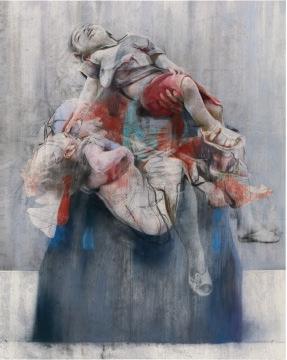
What’s so poignant about Michelangelo is the way he combines different moments of reality to create a human mass, such as in his Pietà sculpture in the Museo dell’Opera del Duomo in Florence. This grouping of bodies
couldn’t physically exist like this in real life, but he works the figures – the twists of the bodies, the placement of the hands – in such a way that it creates a heightened sense of humanity and pathos. Being aware of the materiality of marble – the rough, coarse areas combined with the polished realism – gives a tension of nature. When I’ve made works like the big pietà drawings One Out of Two Symposium and Aleppo, for example, I built the figures thinking about sculptural form. It’s an organic process, developing one figure after another until the mass of humans has a solidity. It’s one of my favourite ways of working, because you visually build something trying to embody a strong armature. Although this particular grouping of figures couldn’t exist in real life, it hopefully has a believable feeling of a sculptural, human mass. Michelangelo’s drawings taught me to think
more in three dimensions, to work at the paper and to carve out form. In his famous cartonetto for the Pietà, the area of Christ’s body touching the Madonna is worked again and again, the paper and material are really embedded.
Your survey at the National Portrait Gallery isn’t a portrait exhibition in the traditional sense; it demonstrates how you have reinvented figure painting for the 21st century. You’ve talked in the past about how your work could be seen as a portrait of painting rather than as conventional portraiture.
When you see a show of Pablo Picasso’s portraits, you don’t necessarily think of him as a traditional portrait painter. Some of his portraits are wild and use unexpected distortions and colour combinations. Like Bacon, his inventiveness pushed portraiture and painting.
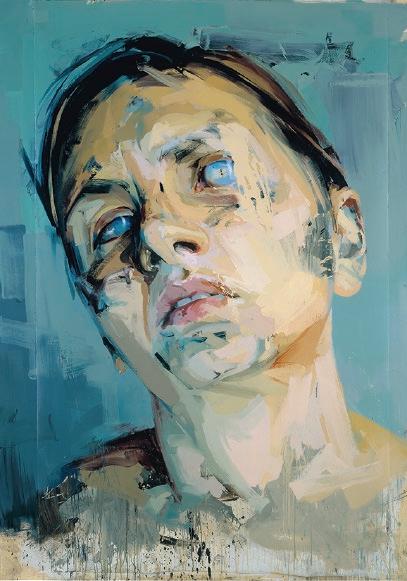
I’ve made more traditional portraits and, in paintings like Rosetta II, I have tried to approach unusual subjects. In Rosetta II, I hope the painting calls to mind the classical idea of the mysticism of a blind person’s stare.
Freud once said that he was trying to get to the particular in his painting because, through the particular, you reach the universal, which has a long tradition. But, there are also other ways to reach a sense of the universal, which I’ve learnt from looking at abstract painting. In a work like Stanza, I wanted to see if I could make an almost abstract portrait, pivoting between a portrait of painting and a painting of a head.
What drew you to working from medical imagery?
When I’ve worked from images in medical books, despite not knowing the person in the photo, a familiarity develops through the journey of making the painting because you spend time looking at them and constructing their head.
The birthmark in the Stare series was taken from a book on dermatology. I made several versions in different colours and the birthmark went from a physical mapping of the stain to just being about painterly possibilities. When making a figurative painting, you spend most of the journey learning about that person’s anatomy
and how their body sits in space. By creating multiple versions in the Stare series, it gave me the possibility to experiment and develop a stronger painterliness.
It seems you transitioned from working with found medical imagery into drawing on your own experiences of childbirth and motherhood. How did having children affect your creative development?
Spending most of my life painting flesh and then growing a body inside my body was a profound experience. Giving birth was beautiful and primal. I continued painting after my children were born at the times they were sleeping, and then drawing became increasingly important because you can start and stop with ease, whereas with painting there’s a lot of preparation and clearing up. With drawing, I was able to spend time with my children and still be creative.
I wanted to get the rapid movement of children’s bodies and pregnancy into pictorial form, so I found it interesting to look at Renaissance drawings of the Madonna and Child, as well as Rembrandt’s pen-and-ink drawings of mothers and children.
Can you talk about the rhythm of your painting practice? I know you like working down to the wire.
I’ve made paintings for exhibitions that have taken several years to finish, but I’ve also made paintings fast. Sometimes, paintings I’ve made quickly have a sense of urgency to them that I like because I was forced to be decisive. Painting is a constant game of problem-solving and flexible thinking – that’s what I enjoy about it so much. Every painting is a journey to get sections of it to work until all those sections come together with balance and gravity.
The Portrait Award returns to the National Portrait Gallery this summer, with 46 works showcasing a wide range of diverse and compelling contemporary portraiture. From abstract to realist, vibrant colours to brooding dark hues, and varying in scale, these works were selected from 1,314 entries from 61 countries. Each artist employs different techniques to convey varying sitters and subjects, often addressing their own personal and cultural connections through the portrait. The award attracts a broad range of painters from varying artistic backgrounds, from students and self-taught artists to more established painters. Open to entries worldwide, this year’s
Herbert Smith Freehills Kramer Portrait Award 2025
by Amy Emmerson Martin, Contemporary Curator
submissions include paintings from China, Japan, South Africa and America. The winning artist receives £35,000, with three further prizes awarded to second and third place and a young artist. The exhibition continues to be free to enter for all visitors, thanks to the continued generous sponsorship of Herbert Smith Freehills Kramer.
Each year the judging panel changes to allow for fresh perspectives, with the works judged on a completely anonymous basis. The Senior Curator of 20th-Century Collections, Rosie Broadley, and Rosie Wilson, the Director of Programmes, Partnerships and Collections at the National Portrait Gallery, were joined this year by three external judges: academic and art historian Professor Dorothy Price FBA, opera singer Peter Brathwaite, and artist Maggi Hambling. After the initial digital judging process, 274 artists were invited to send in their works for the in-person judging. Insights from the panel were crucial in selecting the final paintings. Brathwaite noted that ‘as a performer, I am captivated by vivid storytelling
and urgent narratives that encourage us to question our perspectives and think differently. It was exhilarating to serve on the judging panel and engage with portraits that do just that.’
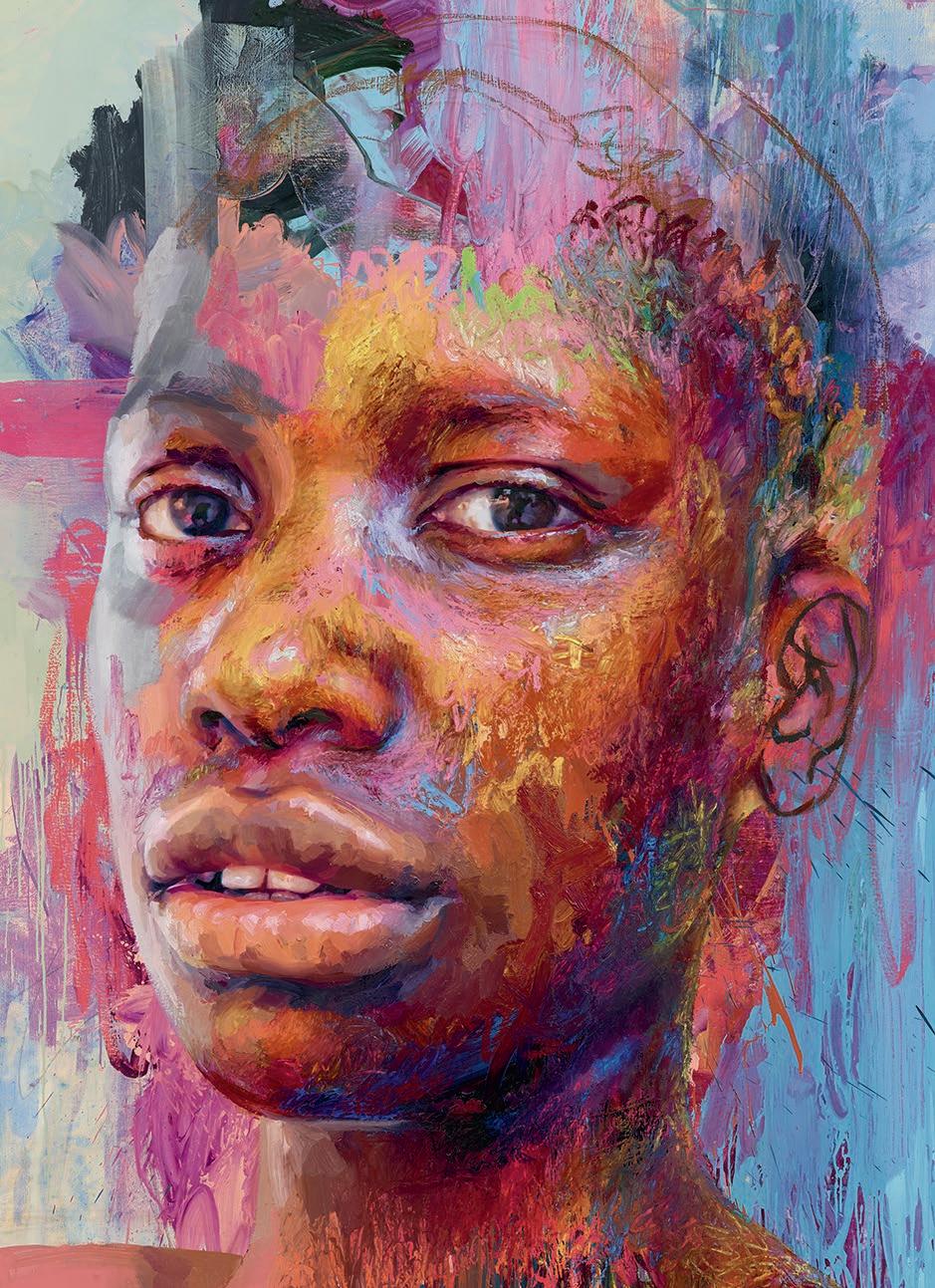
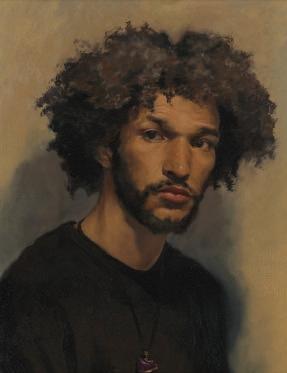
The 46 works chosen demonstrate the diversity and breadth of contemporary painted portraiture. In the Young Artist category, Michelle Liu, presented a beautiful portrait of her friend Kofi, and it is the artist’s first time entering the award. Liu creates an intimate connection between sitter and viewer, enhanced through Kofi’s intense gaze and relaxed posture. She stated, ‘I wanted the viewer to feel like they knew this person based on the portrait.’
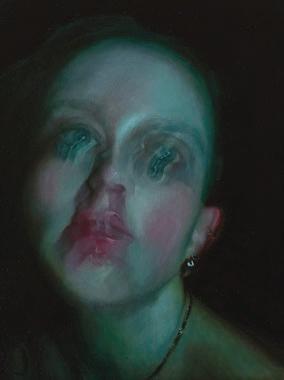
Experimental self-portraits remain a crucial section of the entries, with Pippa Hale-Lynch’s painting The Echo – Self-Portrait being a clear demonstration of this. The blurred face of the artist was created by her experimentation of long shutter speeds during a photoshoot. HaleLynch used Photoshop to digitally explore the potential of the images from the shoot, before choosing one to paint from. This innovative technique has enabled the artist to create depth
and luminosity to their self-portrait, resulting in an aura of ephemerality in the painting.
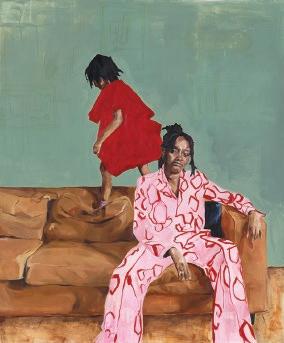
The sitters in the Portrait Award exhibition are usually not well known and generally depict family or close friends of the artists selected. This often results in deeply personal and emotive paintings which capture everyday connections. In Yvadney Davis’s work, Inset Day, we see the artist with her daughter. This vibrant, tender and candid image evokes motherhood in all its forms, with David saying that ‘I wanted to portray the weight of motherhood; the ramifications of ensuring our children have freedom and joy with the duality of our emotions caught between love, duty and a need for space.’
The works included in this exhibition aim to open up the dialogue with visitors about what it means to create contemporary portraits today. Through the Gallery’s Visitors’ Choice competition, audiences will also be able to vote for their favourite painting included in the exhibition. Open during the summer months, the award is a brilliant destination for a day out and an opportunity to explore the thriving world of portrait painting.
by Sarah Moulden, Senior Curator of 19th-Century Collections
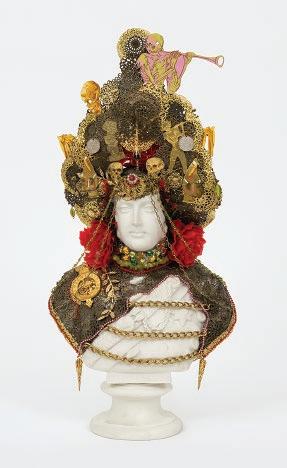
Since the end of March, an exciting contemporary artwork has been gracing the halls of the 19th-century galleries. Positioned in Room 23, which explores portraiture through the lens of empire and resistance, is a new acquisition by Hew Locke OBE, one of the UK’s leading artists. Titled Souvenir 17, it shows Prince Albert Edward, the eldest son of Queen Victoria and the future King Edward VII, whom Locke has adorned with an intricate headdress of wooden skulls, silver coins, glass beads, coats of arms and replica medals of imperial conflicts. All of these are deeply symbolic objects that previously expressed the power and force of the British Empire, of which the Royal Family were the figureheads.
The work is part of Locke’s Souvenir. He starts with 19th-century Parian-ware busts that were popular souvenirs of the Great Exhibition, and embellishes them with appropriated objects that are markers of power, nationhood and imperial legacy. Here in Souvenir 17 the result is a richly layered and critically engaged object; every time you look at it you see something new. In Locke’s words, this king-in-waiting is ‘weighed down by the literal burden of history’.
Locke’s sculpture helps to provide a range of perspectives on the Victorian and Edwardian portraits displayed in the Empire and Resistance gallery. It is, he told me when we met in the space, ‘having a conversation with the 19thcentury portraits around it … it’s almost as if it’s come home’.
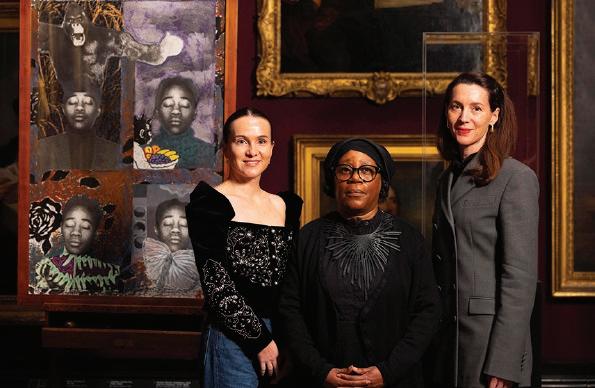
Souvenir 17 is the first work by the Guyanese-British artist to enter the National Portait Gallery’s Collection and was made possible by a new fund called ‘Collecting the Now’, created to increase the representation of contemporary art and artists at the Gallery and generously supported by a million-pound gift from the Bukhman Foundation. The fund has also helped us to acquire a rare self-portrait by Dame Sonia Boyce OBE, also her first work to enter the Collection.
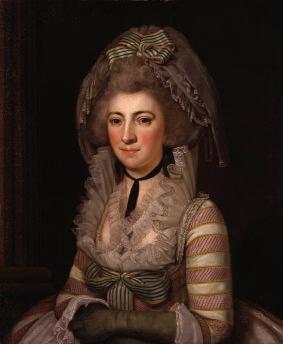
Genevieve Drinkwater, our Patrons Manager, finds inspiration in the life and travels of the pioneering Hester Piozzi
In 1781, after the sudden death of her first husband – a wealthy politician-turned-brewer –Hester Piozzi fell in love with a penniless Italian piano teacher and eloped to Europe.
Though her first marriage was loveless, the salon hostess and patron of the arts had enjoyed a great deal of prominence in polite London society, welcoming a lively group of literary luminaries and artists into her home in Streatham, including the writer Samuel Johnson, the novelist and diarist Fanny Burney, and the pre-eminent painter Sir Joshua Reynolds.
By eighteenth-century standards, Hester’s decision to leave the comfort of London and marry Gabriel Piozzi was social suicide. Chronicling her travels around Europe in her journal and publishing it for public consumption took immense bravery. Upon crossing the Channel to France, she noted her determination to ‘satisfy the cravings of a thirsty imagination’ with the sight of ‘all sublunary objects’, art and antiquities.
Though many assume the Grand Tour was a rite of passage reserved only for noblemen, intrepid women like Hester also journeyed across the Continent. I first stumbled across her travel writing whilst researching for my History of Design MA at V&A/RCA and was immediately won over by her comedic one-liners describing characters and collections she encountered. Passing through Austria, she noted how the king ‘shoots at the birds, dances with the girls, eats macaroni, and helps himself to it with his fingers’. In Berlin, she compared an exhibition to ‘a heap of trumpery’.
Caustic though she was, Hester was also discerning. She visited countless palaces and private collections around Europe, offering sage advice about purchasing works of art and natural curiosities, trading and travel routes.
It’s hard to deny the intellectual contribution her observations made, especially to other women. Through the publication of her journal, she inspired many who had previously been
armchair travellers to rise from the limits society had imposed upon them and seek new discoveries for themselves. Indeed, many of these women are represented in the National Portrait Gallery Collection, including Maria Callcott, Elizabeth Craven, Georgina Cavendish and Elizabeth Holland, to name just a few.
Though their efforts to amass art collections of their own, and support burgeoning craftsmen and women, are often overlooked, each of these pioneering women serves as a great source of inspiration to me. They remind me to always stay curious. When we recover the stories of those who are at risk of being forgotten, we help to preserve them for future generations.
Above – Hester Lynch Piozzi (née Salusbury, later Mrs Thrale) by an unknown Italian artist, 1785–86 (NPG 4942). On display in Room 17 (Floor 3).
The Gallery launches Storyteller Tours
by Daniel Hausherr, Senior Storyteller
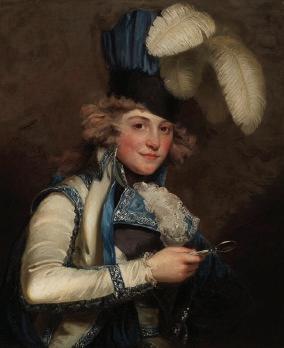
On 15 May 1800, King George III went to the Theatre Royal Drury Lane to see the play She Would and She Would Not by Colley Cibber. Performing the lead role of Hypolita was Dorothea Jordan. It was a remarkable evening for two reasons. First, Dorothea had been in a long-term relationship with George’s third son, William, Duke of Clarence. Though not married, they had been together for nine years and by 1800 had five children together, all given the surname ‘Fitzclarence’. The King did not approve. Secondly, before the play began James Hadfield, a former soldier, stepped forward and fired his pistol at the King. There was uproar and Hadfield was disarmed by audience members.
The male lead, Michael Kelly, reported that the King was undisturbed by this and even had his usual nap during the interval. By chance, the playwright Richard Brinsley Sheridan was in the audience and penned a new verse for God Save the King, which Kelly sang after the performance.
Dorothea was the country’s greatest comic actress and often played ‘breeches’ roles in which she disguised herself as a man. John Hoppner painted her in the role of Hypolita in male costume. She was Lord Byron’s favourite actor and is depicted three times on our Byron Screen, on display in Room 11.
Dorothea’s relationship with William, Duke of Clarence, produced ten children altogether. In 1811, after 20 years together, William ended the relationship. He was encouraged to have legitimate children, and the government agreed to pay his large gambling debts in exchange for his marrying Princess Adelaide.
William would eventually be crowned King William IV on the death of his elder brother King George IV; whereas Dorothea died alone in poverty in a ramshackle house in the suburbs of Paris.
The Gallery has thousands of stories to tell. Come on one of our Storyteller Tours, some exclusively for Members, to hear some other great stories.
‘Dorothea was the country’s greatest comic actress and often played “breeches” roles in which she disguised herself as a man. ’
Above – Dorothea Jordan by John Hoppner, exhibited 1791 (NPG 7041). On display in Room 15 (Floor 3).
Join photographer Eddie Otchere for a Members-only photography workshop, introducing analogue portrait photography.
Gallery Programme
Walking Tour
Friday 26 September 18.00–19.30
Covent Garden
Walking Tour with Jenny Draper
Booking required / Members £20
On this walk through London’s West End, tour guide Jenny Draper will reveal the hidden histories that even seasoned Londoners miss.
Weekend Workshop
Saturday 27 September 11.00–17.00
The Figure in Motion Booking required / Members £100
Inspired by works in the HSF Kramer Portrait Award, this workshop will see you create a series of paintings with quick flowing marks and brushstrokes, working from life.
In Conversation
Thursday 4 September 13.00–14.00
Queer Georgians: A hidden history of lovers, lawbreakers and homemakers
Booking required / Members £12
Join historian Dr Anthony Delaney as he traces the stories of Georgians who dared to challenge society’s expectations.
Lectures
Friday 5 September 19.00–20.00
Curator’s Talk
Jenny Saville: The Anatomy of Painting Booking required / Members £8
Exhibition curator Sarah Howgate, Senior Curator, Contemporary Collections, talks about our current exhibition.
Thursday 16 October 13.00–14.00
Malice in Wonderland: Cecil Beaton and his Friends
Booking required / Members £12
Join Cecil Beaton’s biographer, Hugo Vickers, to hear how, through the art of photography, he rose to fame.
Friday 24 October 19.00–20.00
Curator’s Introduction to Cecil Beaton’s Fashionable World Booking required / Members £8
Join curator Robin Muir as he introduces the exhibition, Cecil Beaton’s Fashionable World. Beaton was renowned as a fashion illustrator, Oscar-winning costume designer, social caricaturist and writer.
Book your event at my.npg.org.uk or RSVP with your name and Membership number to mevents@npg.org.uk
Booking is recommended as numbers are limited for some events. You can find full booking details online.
Current Displays
Lines of Feeling:
Portrait Drawing Now
Until 4 January 2026
Room 31 (Floor 1)
Stanisław Wyspianski: Portraits
Until 13 July 2025
Room 14 (Floor 3)
New and Upcoming exhibitions
NPG Unframed at Media City, Salford, Greater Manchester
2 May to 31 August 2025
Members receive 25% discount entry – book now at npgunframed.com to secure a Members concession price
Jenny Saville: The Anatomy of Painting
20 June to 7 September 2025
Herbert Smith Freehills
Kramer Portrait Award 2025
10 July to 12 October 2025
Cecil Beaton’s Fashionable World
9 October 2025 to 11 January 2026
Taylor Wessing Photo
Portrait Prize 2025
13 November 2025 to 8 February 2026
npg.org.uk/whats on
New Publications
Jenny Saville: The Anatomy of Painting
Hardback £35
Includes interview with Jenny Saville conducted by Sarah Howgate, with essays by John Elderfield, Andrea Karnes, Roxane Gay, Emanuele Coccia, and Dr Nicholas Cullinan OBE
Herbert Smith Freehills Kramer Portrait Award 2025
Paperback £18.95 With Interviews by Richard McClure
Stanisław Wyspianski
Portraits Hardback £19.95
Edited by Alison Smith with Julia Griffin
Edvard Munch
Portraits
Hardback £35
Edited and essay by Alison Smith with contributions from Knut Ljøgodt
To receive your exclusive Gallery Supporters’ 10% discount on all purchases in our shops don’t forget to show your member’s card in-store or enter MEMBER2025 at the checkout online.
npgshop.org.uk
Members’ Benefits
Unlimited free entry to our ground-breaking exhibitions
See exhibitions before the public and during dedicated Members-only viewing hours
Special ticketed events programme, made just for Members
Priority booking and discounts on Gallery talks and events
10% discounts at our café, Larry’s Bar and The Portrait Restaurant
Exclusive pop-up Members’ Lounge at Larry’s Bar, open 11.00 to 17.00 daily
10% discounts in our shops plus priority access to special collaborations and limited editions
Free subscription to Face to Face magazine and access to exclusive digital content