As I write this, summer is in full swing – but here at the Gallery, we’re already thinking of scarves and hot chocloate and dreaming of our exciting autumn/winter season. That’s the magic of working in the art world: always one step ahead, while enjoying the present moment.
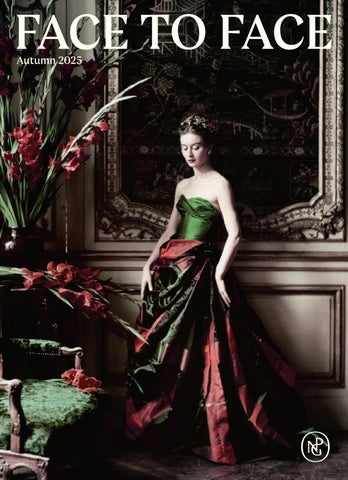
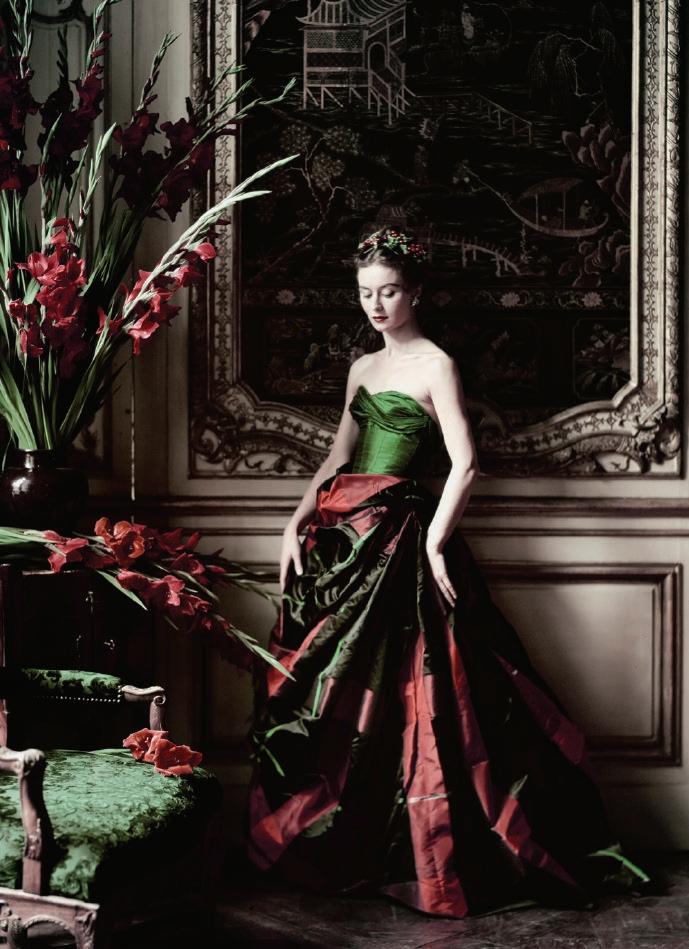
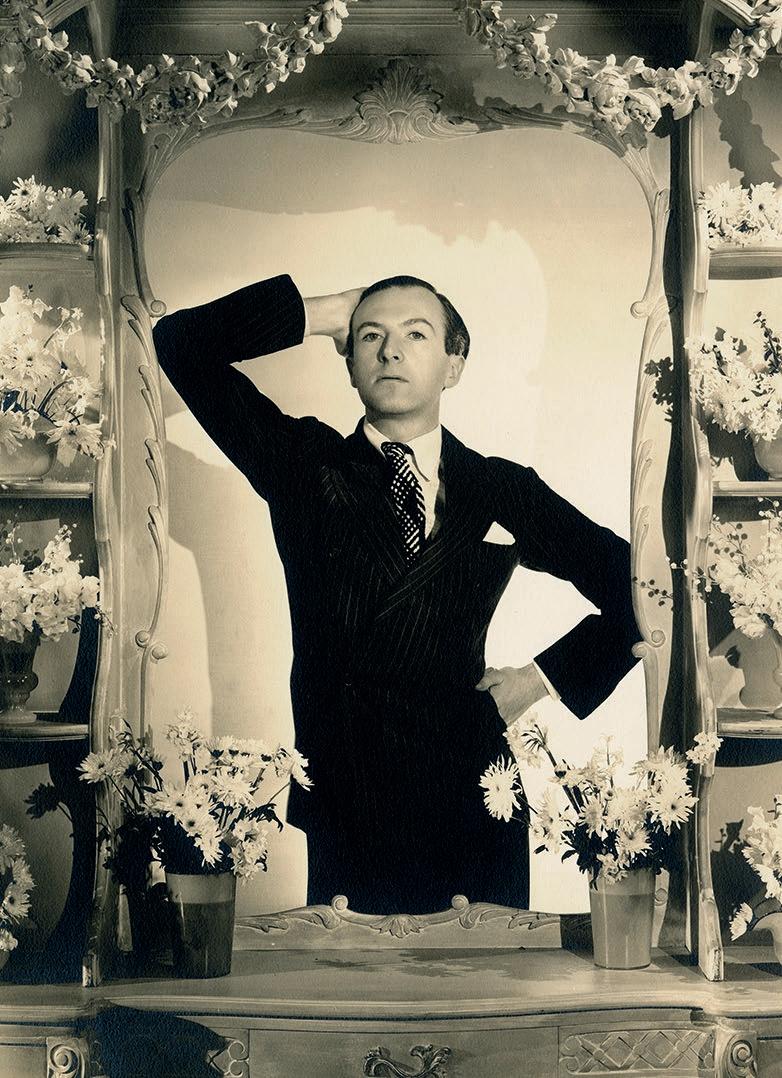
We’re thrilled to be kicking off October with a stunning new spotlight on none other than Cecil Beaton’s Fashionable World. A man who made fashion photography fabulous and portraiture iconic, nicknamed the ‘King of Vogue’, he lived through two world wars, elevated fashion photography into an art form, and redefined royal portraiture earning the enduring affection of Queen Elizabeth (later the Queen Mother), who simply called him ‘Cecil’.
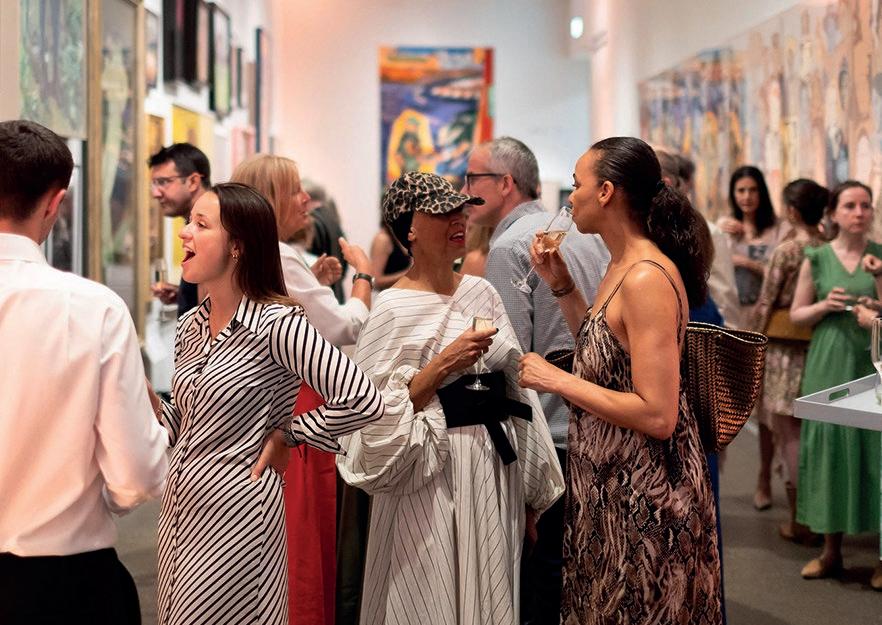
Be the first to catch the exhibition at one of our exclusive Members’ Previews – and come back again: there’s a lot to take in! We’ve lined up some brilliant events too: think curator talks, intimate members-only tours, and even handson charcoal portrait drawing classes to bring out your inner Beaton.
Then, come November, we welcome back the Taylor Wessing Photo Portrait Prize 2025 – a fresh new collection of the best in contemporary portrait photography, featuring both rising stars and established professionals.
And now... let’s talk Christmas! The National Portrait Gallery is the place to get festive. Enjoy seasonal menus and exhibition-inspired cocktails at our restaurants, cosy vibes and special perks at Larry’s Members’ Lounge, and a full week of members’ shopping with additional discounts to help you tick off that Christmas list in style.
Stay tuned for updates and new events on our website at npg.org.uk/members/ members-events.
Wishing you a wonderful season ahead –full of art and joy, Ivi x
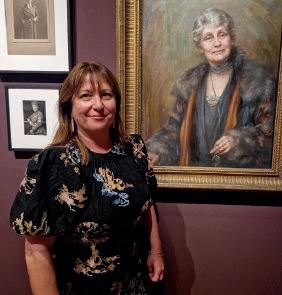
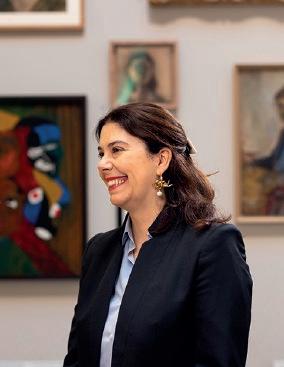
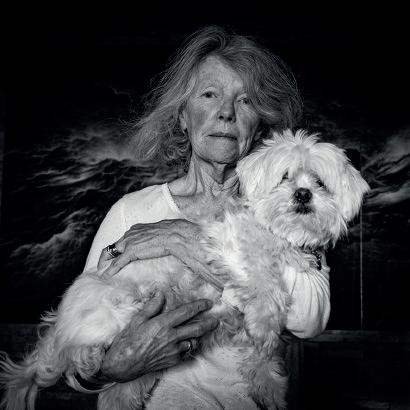
Above – Ivi Varda infront of Emmeline Pankhurst
by Georgina Agnes Brackenbury, 1927 (NPG 2360).
On display in Room 25 (Floor 2).
Varda
Name a Step Tell a story
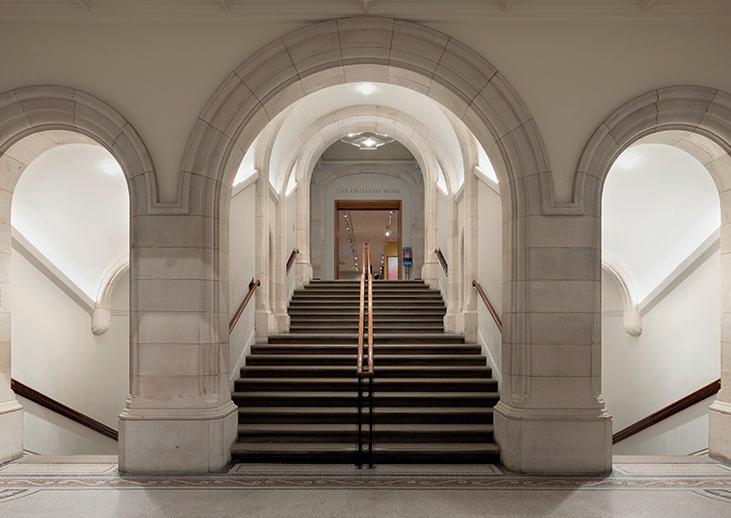
Name a step on our iconic central staircase and leave a lasting legacy at the National Portrait Gallery–a place dedicated to celebrating remarkable lives. Whether in tribute to your family, a loved one, or yourself, your £5,000 donation will see your chosen name engraved on a brass plaque, displayed above your step for ten years, becoming part
of the Gallery’s rich heritage. As a thank you, you and up to five guests will be invited to an exclusive, out-of-hours tour. You’ll also enjoy a year of special exhibition viewings, joining our esteemed community of supporters.
To learn more and reserve your place on this historic staircase, please contact us at 020 7306 0055 or visit npg.org.uk.
Become a Patron
Deepen your relationship with the Gallery, meet artists and sitters featured in the Collection, enjoy special opening night exhibition parties, and attend behind-thescenes tours and curated art trips.
To find out more, and to receive the latest event programme, please contact patrons @npg.org.uk.
Contributors
Christelle Bonda
Fundraising Manager, Legacy Giving
Flavia Frigeri
Curatorial and Collections Director
Constantia Nicolaides
Assistant Curator, Cross-Collections
Catharine Macleod
Senior Curator, 17th-Century Collections
Ruby Rees-Sheridan
Assistant Curator, Photography
Ed Simpson
Buying and Product Development Manager
Luke Edward Hall
Luke Edward Hall (b.1989) is a multidisciplinary artist and designer whose work blurs the boundaries between art and design. His practice spans interior design, fashion, murals, and illustration. He has collaborated with a diverse range of brands and institutions, including Burberry, Lanvin, Christie’s, the Royal Ballet, the Louvre, and the V&A, as well as co-founding fashion and homewares brand Chateau Orlando.
Robin Muir
Robin Muir is a photographic historian and exhibitions arranger. An external curator for the National Portrait Gallery, London, he has curated several exhibitions there, including Vogue 100: A Century of Style (2016) in celebration of the magazine’s centenary year. His most recent exhibition was Cecil Beaton’s Bright Young Things (2020). A former Picture Editor of Vogue, he is currently a Contributing Editor and consultant to its archive of photographs and drawings. His survey of Vogue’s historical engagement with royalty, The Crown in Vogue, was published in 2022.
David Ross
David Ross is an entrepreneur and philanthropist serving as the Chair of the National Portrait Gallery. He co-founded Carphone Warehouse in 1991, leading it to become Europe’s leading mobile communications retailer. His foundation supports educational, community and cultural initiatives, including commissioning Andy Goldsworthy’s ‘Hanging Stones’ project in the North Yorkshire Moors, and the David Ross Educational Trust. He has also served on several boards, including the British Olympic Association, and Commonwealth Games England. He is the founder of the Nevill Holt Festival.
Our outgoing Chair of the Board of Trustees talks about his favourite portraits in the Collection
Commissioned as part of the First Prize, 1997 BP Portrait Award, 1998.
‘There was something about the intensity of the facial expression that suggested that the painter really understood the sitter.’
Nearly 20 years ago, when being considered as a trustee of the National Portrait Gallery, I was asked to choose my favourite portrait from the Collection and to explain why.
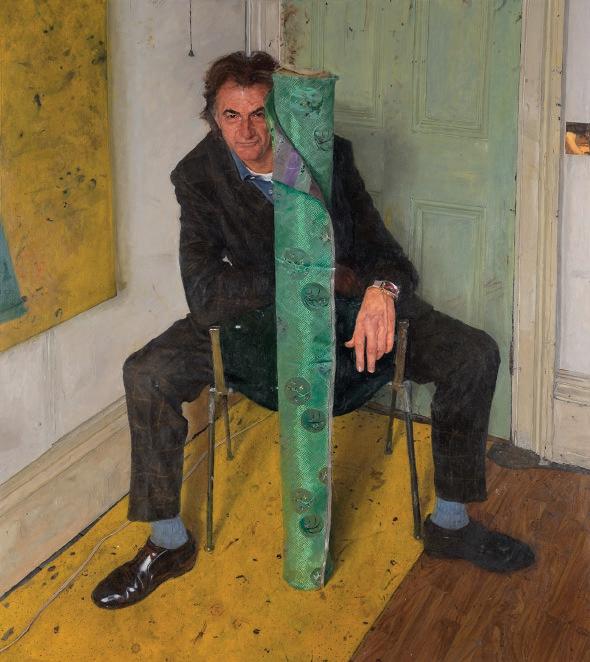
I’d been drawn to James Lloyd’s portrait of fashion designer Paul Smith. As a businessman and retailer, he seemed like someone I’d like to know – a role model for an aspiring carphone salesman. There was something about the intensity of the facial expression that suggested that the painter really understood the sitter. And (for me) the relationship between painter and sitter is paramount.
After eight years as Chair, I’ve been asked the same question. It remains difficult to answer.
I find myself drawn to pictures from the contemporary collection currently on display on Floor 2. Primarily the fabulous Pietro Annigoni of Queen Elizabeth II. My political allegiances mean I would like to recognise Margaret Thatcher as a favourite but the portrait of her currently on display is a group picture, entitled the Conservative Party Conference by Paul Brason so doesn’t quite meet the criteria.
If I could take one picture home it would have to be Pauline Boty’s masterful stained-glass self-portrait. I’m always drawn to consider her phenomenal pop art output and the tragic history of her short career and subsequent rediscovery.
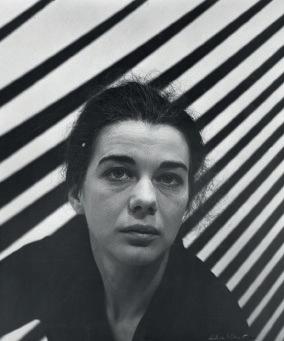
I conclude with two finalists: the photograph of Bridget Riley by Ida Kar– for me now the world’s greatest female artist – and Paul Smith, who just takes first place.
Only on meeting him did I learn Paul himself had sponsored James Lloyd through college, that Lloyd had won the BP Portrait Award in 1997, and that he had then been commissioned to paint Paul’s portrait as part of the First Prize.
This explained why this picture is so special. My 20-year supposition had been confirmed –I could understand this portrait in a way only possible when you know the personal backstory, as is so often the case when you’re lucky enough to discuss art with an artist.
Over my eight years as Chair, we’ve delivered a lot to be proud of, from successfully achieving a major restoration programme to creating bold programming for new and younger audiences.
I know that under Victoria Siddall’s brilliant leadership, this momentum will continue, bringing to life the human stories that shape our society.
As my Chairmanship comes to a close, I hope that somewhere in our galleries today a young visitor is forming the same personal connection with portraiture I discovered over 20 years ago. Who knows, one day they may be sitting in my seat.
Left – Paul Smith by James Lloyd, 1997 (NPG 6441)
On display in Room 28 (Floor 2).
Right – Bridget Riley by Ida Kar, 1963 (NPG x88521)
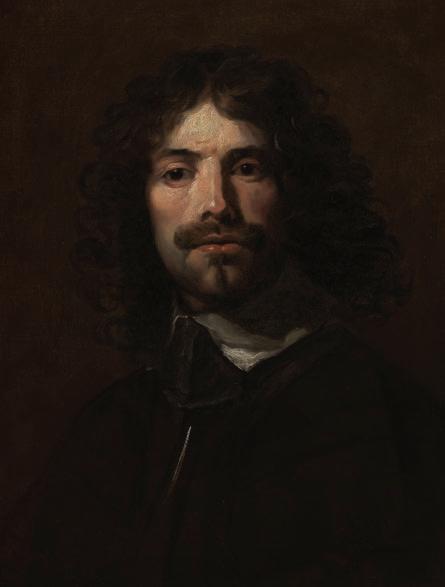
Above – Self-portrait by William Dobson, c.1635–40 (NPG 7228).
Purchased jointly by the Board of Trustees of the National Portrait Gallery and Tate, 2025. Acquisition made possible thanks to exceptional support from the National Lottery Heritage Fund, major support from Art Fund and the Deborah Loeb Brice Foundation, and with additional support from the Portrait Fund, the Nicholas Themans Trust, Bjorn Saven CBE, David and Emma Verey Charitable Trust, John J. Studzinski CBE, The Leche Trust, The Murray Family, Tavolozza Foundation and other generous supporters.
The National Portrait Gallery and Tate have recently announced the exciting news of the joint acquisition of a striking self-portrait by William Dobson, painted between about 1635 and 1640. Both museums have long had an interest in acquiring this painting. Tate owns the pendant portrait of Dobson’s wife, Judith, and the acquisition of the self-portrait will not only reunite the pair but also enable Tate to tell a fuller story of British painting in the 17th century.
The NPG first displayed the self-portrait in the 1983–4 exhibition William Dobson 1611–46, and ever since then we have hoped eventually to acquire it for the Collection. While we have four works by Dobson already, the sitters in two of these have uncertain identities and the other two, while their identities are known, are not of sufficient importance to merit a permanent place on the Gallery walls. This painting will join our unparalleled collection of self-portraits and enable us to fill a significant gap in our narrative of early 17th-century British history and visual culture.
Described by his contemporary John Aubrey as ‘the most excellent painter that England hath yet bred’, William Dobson has long been regarded by art historians as the most skilful British-born painter in oils of the 17th century. Dobson acted as painter to Charles I and his court in exile in Oxford during the first English Civil War, and was employed to record and promote the royal family, its court and its soldiers through portraiture at this pivotal time in British history. The difficult circumstances in which he was working, and his early death at the age of 35, have contributed to his relative obscurity compared with his predecessor Sir Anthony van Dyck, but his finest works are compelling and innovative portraits. Notably lacking the flattery associated with Van Dyck, Dobson’s characterisations are direct and uncompromising, and his larger and more lavish compositions often feature elaborate Baroque settings and accessories.
This self-portrait is probably Dobson’s earliest surviving painting, produced before the outbreak of civil war and the artist’s move from London to Oxford. It is an exceptionally bold and charismatic image of intense selfexamination. The thick, fast application of paint reflects the artist’s confidence and skill in handling his medium, but also an almost modern
understanding of how vigorous, relatively unblended strokes of paint can be used to convey form and character. The portrait’s existence also reflects a new interest by British artists in their own image. There are only two known 16th-century British artists’ self-portraits in oils, and this is one of a very few British artists’ selfportraits from the early part of the 17th century.
The partnership between Tate and the National Portrait Gallery will create a context in which knowledge, experience, resources and expertise can be pooled to the benefit of both institutions and their audiences. Dobson’s selfportrait will be displayed at Tate Britain from the autumn of 2025 until late in 2026, after which it will begin a year-long tour of the UK, ending with a display in Room 14 of the NPG in 2028. Here, the portrait will be celebrated alongside other works by the artist from the NPG and Tate collections, after which it will take its place alternately in the permanent displays of both museums.
Artists First: Contemporary Perspectives on Portraiture
by Constantia Nicolaides, Assistant Curator, Cross-Collections
The National Portrait Gallery was founded in 1856 to collect portraits of ‘the most eminent persons in British history’, with a focus on ‘the celebrity of the person represented rather than the merit of the artist’. From 6 September, a reversal of this approach will be seen around the galleries through a series of unprecedented, site-specific commissions made possible with generous ongoing support from the CHANEL Culture Fund. Nine contemporary artists have specially created new work as part of Artists First: Contemporary Perspectives on Portraiture, which will be interspersed alongside the Gallery’s permanent collection to reclaim untold narratives and create a dialogue between the past and the present.
Beginning in the Entrance Hall, visitors will encounter Profile Picture (2025–ongoing) by the British artist Mary Evans. Inspired by the Gallery’s collection of historical silhouettes, Evans will install a ‘silhouette booth’ on various dates throughout the run of Artists First, for which details will be available on the Gallery’s website. Members of the public are invited to have their silhouette made, and a selection of the resulting paper cut-outs will be added over the course of the year to the foyer walls, creating an evolving ‘portrait of the nation’ today.
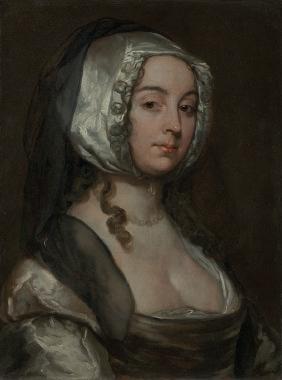
The Iranian-born artist Soheila Sokhanvari has created jewel-like painted miniatures to celebrate four individuals connected to the world of science who were faced with or confronted prejudice during different periods. Displayed in Room 5 is a portrait honouring Margaret Quaine, who was executed for witchcraft in 1617; in Room 17, a brooch commemorates the life of the pioneering 19th-century surgeon James Barry; in Room 27 is a portrait of Margaret Burbidge, a trail-blazing 20th-century astronomer and astrophysicist; while in Room 33, a representation of contemporary structural and molecular biologist Daniela Rhodes will be shown beside other history-makers.
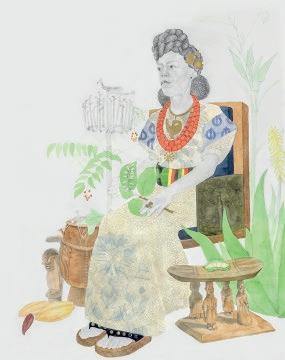
Scientific contribution is also the subject for a drawing in Room 9 by the British artist Charmaine Watkiss, whose work explores the botanical legacy of the Caribbean. In To reimagine an African queen (2025), Watkiss visualises the woman who treated a ‘chego’ (growth) experienced by the physician and collector Sir Hans Sloane during his time in Jamaica in the late 1680s. With her drawing displayed beside Stephen Slaughter’s portrait of Sloane from 1736, Watkiss reclaims the knowledge that informed Sloane’s publications and fed into Western medicine.
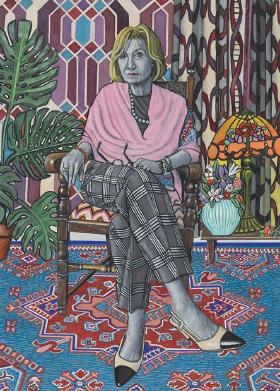
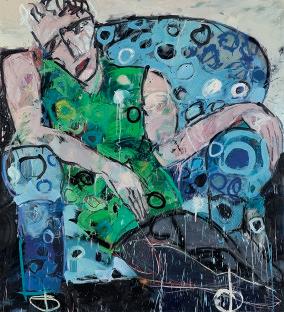
In Room 29, the South African artist Ravelle Pillay also considers the legacies of colonialism and migration. Using family photographs as the basis for her paintings, she explores the intergenerational haunting of past traumas deriving from the 19th-century system of indentured labour and the personal impact of recording history according to colonial structures.
The Polish Romani artist Małgorzata MirgaTas has drawn on her networks in the UK to create vibrant textile portraits that restore
agency to the Romani community through selfrepresentation. Recreating a painting of ‘Beulah’ by Laura Knight as a reference point, Mirga-Tas also depicts her cousin Maria Mirga-Casar, the artist Delaine Le Bas, the writer, poet and filmmaker Damian Le Bas and the artist, curator and art theorist Daniel Baker.
Community and representation are also central to the photomontage portraits created by the Panamanian artist Giana De Dier. Shown alongside examples from the Gallery’s collection of cartes-de-visite, a format that expanded the depiction of celebrity on a local, national and international scale during the Victorian era, De Dier’s portraits seek to widen the portrayal of contemporary changemakers from the UK’s African and Caribbean diaspora.
Below
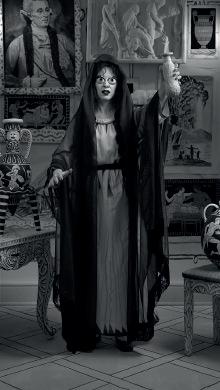
Working in film, the Turner Prize-winning artist Helen Cammock has used the Gallery’s archive, collections and building as a starting point for conversations around presence, absence and the process of erasure, while the American artists Mary Reid Kelley and Patrick Kelley have produced a two-channel video diptych for Room 17. Portraying a lovers’ ‘discourse’ between Horatio Nelson and Emma Hamilton, the diptych reconsiders their traditional representations as the nation’s hero and a glamorous temptress. Artists First: Contemporary Perspectives on Portraiture will be displayed until 3 August 2026. Take a look round the galleries to discover these thought-provoking new works and the conversations they seek to inspire.
Artists First: Contemporary Perspectives on Portraiture will be on display until 3 August 2026 in the Entrance Hall, Rooms 5, 9, 14, 16, 17, 22, 27, 29 and 33. Free.
All the works have been commissioned for Artists First with kind support from the CHANEL Culture Fund, 2025
by Flavia Frigeri, Curatorial and Collections Director
‘...I fell in love with art when I was young. Museums were happy places for me. As a naturally curious person, I was in awe of the artworks they showcased, and wanted to learn about those who made the works, as well as those who were represented in them.’
I chose to be a curator before I knew who a curator was and what they did. Like many who have pursued the same professional path, I fell in love with art when I was young. Museums were happy places for me. As a naturally curious person, I was in awe of the artworks they showcased, and wanted to learn about those who made the works, as well as those who were represented in them. It was the storytelling that I now know is at the heart of curating that I learned to love from a young age, and when the time came to settle on a professional path, I chose to study art history, dreaming of becoming a curator one day.
The first step in the fulfilment of my dream came in the form of an internship in the curatorial department at Tate Modern; this
was followed by an early-career curatorial fellowship, working in three of the Guggenheim sites – New York, Bilbao and Venice. My studies had cemented my interest in modern and contemporary art and informed my curatorial practice from the outset, and they continue to shape it today.
I was lucky to be able to progress my curatorial career at Tate Modern, where I returned after my stint at the Guggenheim in 2011, and spent the following six years working on acquisitions, displays and exhibitions. The time spent at Tate Modern was instrumental in shaping my approach to exhibition-making – a skill I honed by working on retrospectives of leading modern masters such as Paul Klee and Henri Matisse, and on group exhibitions
such as The World Goes Pop (a reassessment of pop art from a global perspective). In 2016 I left Tate Modern and spent the following four years teaching in the history of art department at UCL, whilst undertaking independent curatorial projects. During this time, I was able to expand my network and collaborate with many museums both nationally and internationally, while also benefiting from the concentrated academic effort that teaching affords.
In September 2020 I decided to put teaching on the back-burner and focus my energies on curating by taking on a newly created role at the National Portrait Gallery, as Chanel Curator for the Collection. The Gallery was embarking on Inspiring People, and I was assigned the gargantuan task of redressing the gender imbalance in the Collection. Women had long been at a disadvantage in comparison to men, and with a team of two assistant curators we researched the lives of many historic and contemporary women. Both daunting because of its scale and fascinating for the sheer variety of subjects encountered, this endeavour expanded my horizons beyond art, making me appreciate the uniqueness of the NPG with its focus on
sitters. The combined emphasis on artist and sitter and the potential this holds in terms of future acquisitions and commissions is one of the reasons why, earlier this year, I stepped into the role of Curatorial and Collections Director.
In this new role, I oversee three of the Gallery’s teams: Curatorial, Collections, and Library and Archive. Between them they support the growth of the collection, its care and its legacy. The range of activities we collectively undertake is vast, but at the forefront of my mind is the vision that underpins all our efforts. Our focus will always be on the medium of portraiture, and I am interested in looking at how its meaning shifts and evolves at a time, like the present moment, of hyped self-representation. In the age of the selfie, a self-portrait is just a fingertip away for most – how does this change and affect the way in which we look at others and see ourselves? More so, how do we continue to grow a collection that captures the most significant figures of the present for the future, and how do we engage our visitors by showcasing traditional and experimental forms of portraiture in all media? These are some of the many questions that I ask myself as I undertake this new act of storytelling.
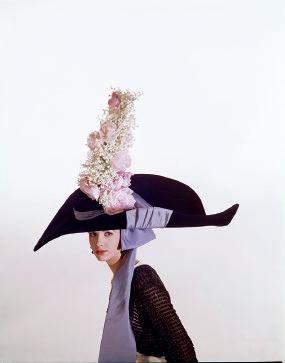
Cecil Beaton’s association with the National Portrait Gallery goes back nearly 60 years to 1968, when on 30 October Beaton Portraits opened. It was the brainchild of Roy Strong (now Sir Roy Strong), the Gallery’s recently appointed, dynamic young director. In its first month the exhibition attracted 30,000 visitors. The run was extended twice. It was a significant moment for the status of photography in British museums and helped invigorate the Gallery’s collecting policy; photographs would constitute a major part of its holdings, with likenesses of deserving figures recorded in a new medium. It was the Gallery’s first ever photographic exhibition, the first time that representations of living people were put on display, and Britain’s first museum show of a living photographer. Richard Buckle, who staged it with Beaton, wrote that Beaton Portraits was regarded as ‘the official acceptance of photography as art’.
Two more exhibitions would follow: Cecil Beaton Portraits in 2004 and later Cecil Beaton’s Bright Young Things. In the years since that first exhibition around 1,500 photographs by Beaton and of him entered the Gallery’s expanding collection.
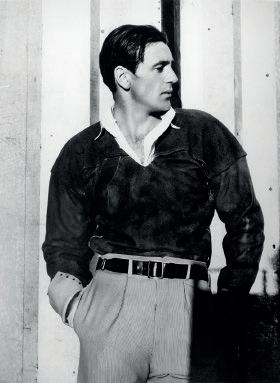
And so to today. Cecil Beaton’s Fashionable World, the fourth showing of his work, is the first to focus on his fashion photographs and portraits of the fashionable people he encountered – and whose number he strove so persistently to join –in his most triumphant years and his most prolific. The main thrust takes us from 1927 and his first pictures for Vogue, a significant patron on both sides of the Atlantic, up to the mid-Fifties.
By 1955 Beaton turned his attention to his first love, the performing arts, designing sets and costumes for stage plays, musicals, opera and film. In the years following and alongside his Vogue photography, he pursued design with
considerable success and throughout his life would refute any suggestion that he was ‘merely’ a photographer. For Vogue, he was chiefly a fashion and portrait photographer but also an illustrator, a writer of witty and perceptive essays and a commentator and adviser on matters of taste. He was Vogue’s eye at the most fashionable parties, fancy dress galas, débutante dances, charity matinées and rarefied salons.
But despite his seven volumes of bestselling diaries and his three Academy Awards he will be – and should be – remembered as a photographer. He presented his sitters, whether fashion model or celebrity, society figure or glamorous friend, as ideals, not just themselves
as they were, but the best they could possibly be. The opening night of his 1927 Mayfair one-man show was crowded with those who had sat for him: members of exalted literary circles; political hostesses; stars of stage and screen; aristocrats and the many socialites who had clamoured to be photographed by the new ‘King of Vogue’. In the accompanying catalogue Osbert Sitwell wrote ‘It is to his photographic portraits that the people of the next century will turn when they want to rediscover the character of this one.’
After the vertiginous success of his Mayfair show, Beaton was eager to explore new horizons. In New York, where he first arrived in 1928 with his reputation preceding him, he became a celebrity in his own right. His pronouncements, guaranteed to be controversial on almost any topic, filled newspaper columns while he continued his inventive fashion pictures.
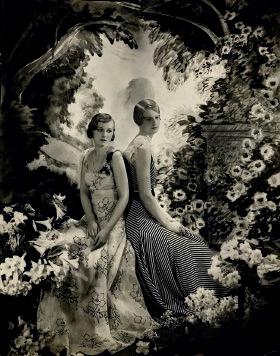
In Paris by the early 1930s, surrealism, which gained a foothold in the arts, was a clear influence on Beaton’s fashion work and he gave it a conspicuously English twist. His would always be a playful surrealism, one of distorted perspective, ripped muslin, and drooping flowers.
From New York and Paris, he was despatched to Hollywood to make portraits for Vanity Fair When he and the writer Anita Loos spent New Year’s Eve at William Randolph Hearst’s fabled San Simeon castle, he felt he had truly arrived.
But as 1937 turned to 1938, Cecil Beaton’s world came crashing down. For reasons he could not or was unwilling to explain, as he put the finishing touches to an illustration for American Vogue, he added an anti-Semitic insult. The press picked up on it and a storm of disgust and indignation followed. Much of Vogue’s early February issue was pulped and as advertisers threatened
a boycott, proprietor Condé Nast fired him. Though his words were inexcusable, Beaton was not habitually racist, though surely guilty of embracing too readily some of the prejudices found in that stratum of British society which he had tried so tirelessly to join.
Redemption of a kind came with his 7,000 war photographs taken around the world for the Ministry of Information, Beaton moving from frivolity to fearlessness and ultimately to forgiveness. Salvation also took another form. In July 1939 an invitation from Buckingham Palace to photograph Queen Elizabeth, the Queen Consort, took Beaton’s career in an unanticipated direction. The highly romanticised photographs he took of the ‘Faerie Queen’ in the palace and
its grounds changed the public’s perception of the monarchy and revived the fortunes of the House of Windsor after the constitutional crisis of the Abdication. He would document the Royal Family until 1968.
As much as the war years marked a significant moment for Beaton, so did the 1950s. Freed from his Vogue contracts in 1954 (American) and 1955 (British), he could realise his long-held ambition of a sustained career in the theatre, his name in lights of a different, brighter wattage.
His work on the costumes to the stage version of My Fair Lady on Broadway in 1956 and in London’s West End in 1958 he would recognise as the greatest triumph of his life so far. By the time the run ended in 1962 after
nearly 3,000 performances, it was the highestgrossing Broadway show in history. There was never a doubt as to who would design the costumes and this time the sets too for the film. My Fair Lady earned Beaton two Oscars for costume and art direction, and guaranteed him immortality.
His life had always concerned itself to various degrees with Hollywood, the stage, glamour and fashion and beautiful people and for 25 years it had converged in one giant starburst. To be photographed by Cecil Beaton was to join an elite pantheon that stretched back to the years after the Great War. Had anyone ever photographed so many fascinating people or made them look as fascinating as they were, or as fascinating as they ought to have been? He remained an aesthete with an unerring eye, his curiosity undimmed as new areas of interest opened up.
9 October 2025 until 11 January 2026,
Supported by: The Bern Schwartz Family Foundation
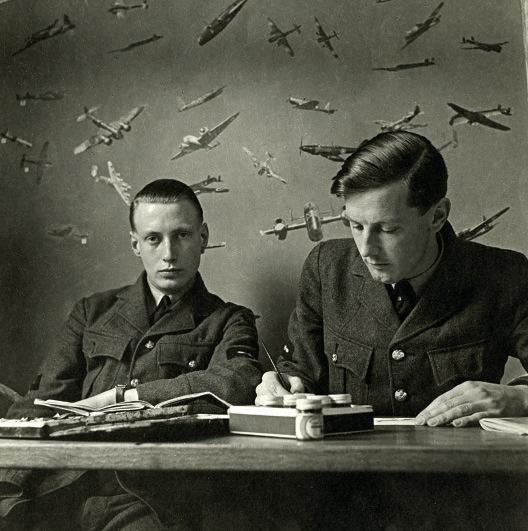
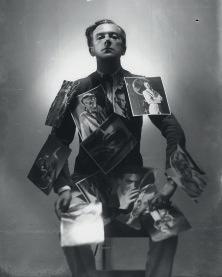
Left – The Men Who Fly Planes, 1941.
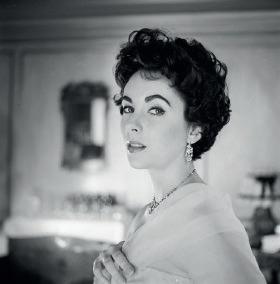
Above – Elizabeth Taylor, 1955.
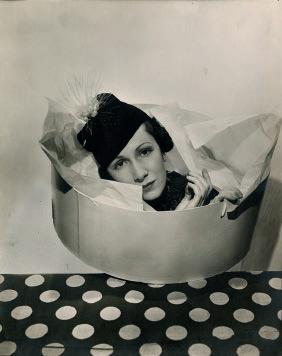
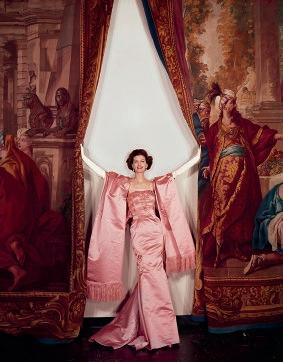
Right – Joan Romano in an unpublished advertisement for Modess, c.1956.
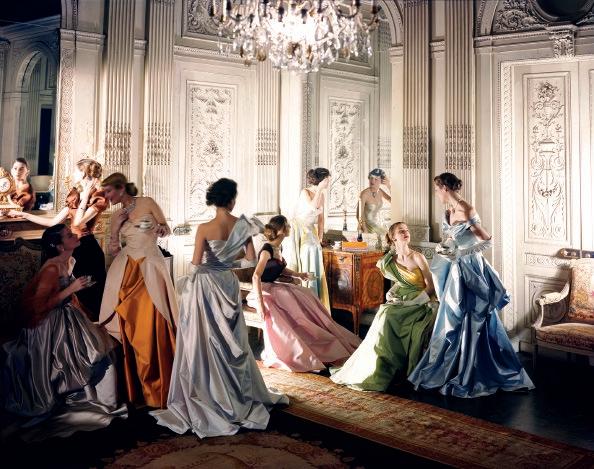
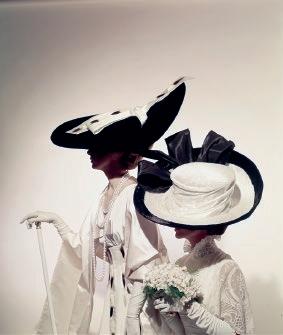
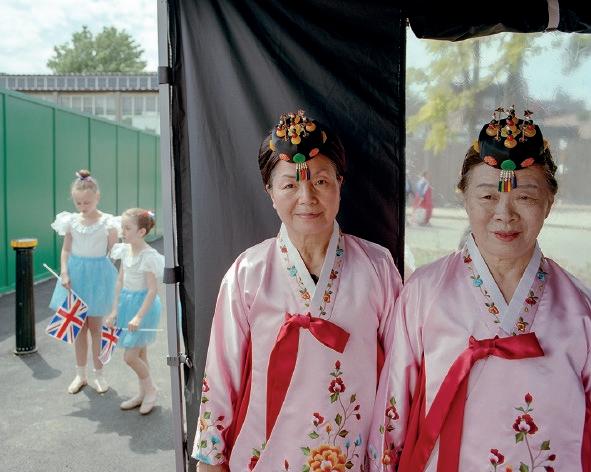
Below – Hats – Cast members in costume for My Fair Lady, 1963.
Cecil Beaton’s Fashionable World will be on display from
Exhibition Gallery (Floor 0).
Luke Edward Hall
Ed Simpson, Buying and Product Development Manager, interviews the artist, designer and writer
You have designed a collection for the NPG Shop based on the exhibition – can you explain a bit about the creative process and the way you approached the design and products?
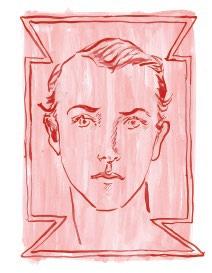
I spent a lot of time looking through the pieces that were to be included in the exhibition – this was the first crucial step, and it allowed me to immerse myself in the world of Beaton, and to understand the approach of the curator, Robin Muir. I met with the buying team at NPG and we spoke about the sort of motifs we thought we’d like to include. It seemed natural, for example, to mix figures with florals, considering Beaton was such a brilliant photographer of people, and his love of flowers.
You have described Cecil Beaton as one of your aesthetic heroes – can you expand a little on that and what it is about him and his aesthetic style/vision and interiors that inspires and appeals to you?
I’m an enormous fan of so much of Beaton’s output – his photography, yes, but also his drawings, stage and costume designs, interiors, and his writing. Yet ultimately it’s so much more than just his work – what inspires me about Beaton is his approach to life, his endless documentation and cultivation of beauty. It’s the way he looked at the world, and the way he crafted the world around him.
I have constantly been inspired by Beaton’s multi-disciplinary approach. I also take a lot of inspiration from his aesthetic universe, along with moments and styles from the past that inspired him at times, such as Rococo and the 18th century. Those themes that one associates with Beaton – escapism, fantasy, a sense of romance –these very much chime with me, as does his love of the country, nature and gardening. I admire the fact that Beaton was a self-invention: he knew the kind of life that he wanted to live and he worked hard to make his dreams a reality.
The NPG Cecil Beaton exhibition is called Fashionable World. Do you see anyone in the cultural scene today that inspires you in the same aesthetic sense that Beaton does?
I think that Beaton was so special because of the breadth of his output, but there are of course many artists and designers working today that I look up to. I’m inspired by world builders –Tim Walker, Luca Guadagnino…
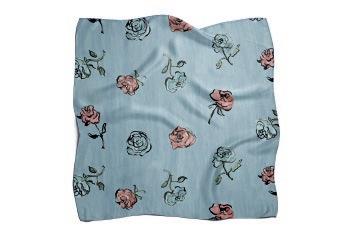
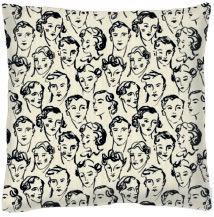
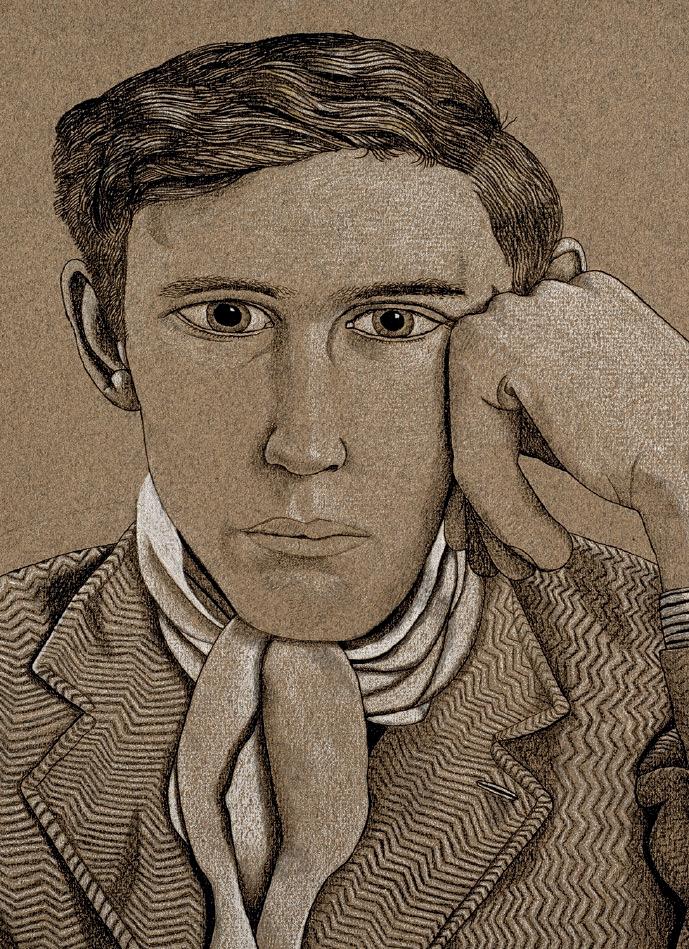
Several pieces in particular jumped out at me from the exhibition catalogue: Beaton’s 1927 self-portrait with multiple exposures, for example, and ‘BOY WONDER’, the name given to a section of the exhibition. I went on to create a portrait of Beaton, inspired by his own selfportrait, a drawing made in the late 1920s. The two repeat patterns I have created feature roses, which we see in many of Beaton’s photographs, drawings and designs, and a group of faces. The faces were inspired by the multiple exposures. I was imagining these faces belonging to Beaton’s friends. They’re all at some fabulous London party.
Once I had finalised the designs with the NPG team, we began exploring colourways. The colours we chose to work with again link to the exhibition and the works we see on display – pale pinks, blues and greens. We also experimented with a strong black and white palette for some designs. Next came the process of applying the drawings and designs to products – these include silk scarves, cotton T-shirts, badges and bags.
Excitingly, I am bringing my own clothing brand Chateau Orlando to the NPG Shop, too. I founded Chateau Orlando in 2022; we are based in both the UK and Italy and knitwear is at the core of our offering. We have selected a range of jumpers that I think Beaton would
Shop the Luke Edward Hall for the National Portrait Gallery collection from 9 October in store and online at npgshop.org.uk
hopefully enjoy, and we’re creating a special rosecovered cardigan to celebrate the opening of the exhibition. This will be available exclusively at the NPG Shop.
Does the style of Beaton inspire your own interiors – personal and commercial – and if so, how? Can you give some examples?
Absolutely! Beaton’s approach has inspired my interior design work in various ways. For example, Beaton filled Ashcombe, his first country house, with shiny Rococo furniture and wonderful oddities. I too have a love of Rococo and Baroque pieces, and I collect Venetian Grotto furniture. I like beautiful things that have a feeling of strangeness about them, the over-the-top and even slightly absurd. Beaton’s sense of playfulness at home I have always found wonderful – getting guests to draw around their hands on walls, or commissioning a bed inspired by old fairground rides. He had a brilliant sense of colour at home, too. At his second house, Reddish, Beaton really fell in love with gardening. Since moving to a cottage in the country in 2019 we have made our first garden; we fill our home with the flowers we grow, much as Beaton did at Reddish.
What does the National Portrait Gallery mean to you?
The National Portrait Gallery has always been one of my favourite galleries to visit. Where else can you see Byron, Elizabeth I and an Alex Katz painting of Anna Wintour under one roof? It’s
remarkable! The gallery serves as a visual record of our country’s past and present. I have to admit that I’m particularly drawn to the Tudor and Elizabethan portraits, but then I’m a sucker for a ruff and a doublet.
Your pieces are now in the NPG Shop – is it somewhere you would shop and if so, is there anything that has caught your eye?
The offering at NPG Shop is always very intriguing – along with pieces made to sit alongside particular exhibitions, there is often a really brilliantly curated selection of items made by artists and makers. Craftsmanship seems to be really valued, which I appreciate. It’s wonderful that it’s possible to buy things made in collaboration with incredible artists, too. I have my eye on some Tracey Emin tea-towels.
With collections in venues from the Louvre, and the ENO, to high street brands such as Habitat, the breadth of your work is prolific – can you tell us a little more about what you have coming up in the next 12 months?
This winter will see the opening of a hotel in the French Alps which I’ve been working on for a year and a half. Here I’ve created the interiors, but I’ve also overseen the art direction. What else? Some exciting collaborations with Chateau Orlando, and I am working towards a new exhibition of my paintings and drawings which will open in March 2026. Oh, and it’s early days but I’ve been working on a new kind of book project too – this feels very exciting!
Behind the scenes of the Taylor Wessing Photo Portrait Prize 2025
by Ruby Rees-Sheridan, Assistant Curator, Photography
The Taylor Wessing Photo Portrait Prize returns for its 18th year this November. As ever, the exhibition is set to be a compelling survey of contemporary portrait photography, and a catalyst for discussion among the medium’s enthusiasts. A long-time visitor to the exhibition, I now find myself on the other side of the Gallery walls, working as Assistant Curator on the Photo Portrait Prize and discovering how it all comes together.
Open to any photographer over the age of 18, anywhere in the world, this year’s competition drew 2,054 entrants from 51 countries. That’s a 20% increase since 2024, thanks in part to a push to improve the competition’s accessibility and reach. New fee waivers and discounts were offered to young people and to those receiving Universal Credit, Pension Credit and disability benefits, as well as to photographers from various countries including India, Bangladesh and Ghana. An astounding 5,910 photographs were submitted in total.
Where to start with so many images? First, it takes three intensive days of digital sifting, distilling those thousands of submissions down to the hundreds. Considered collectively, this vast array of images offers a kaleidoscopic tour through current affairs, visual trends and cultural moments – a snapshot of the year as told through faces. Viewed individually, they attest to the diversity of human experience, with each portrait introducing us to somebody new, a person with a story to tell.
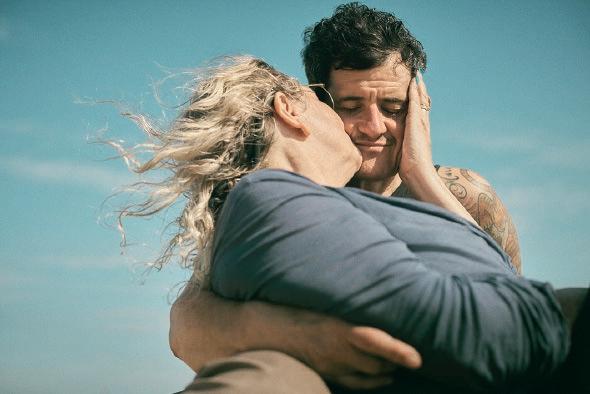
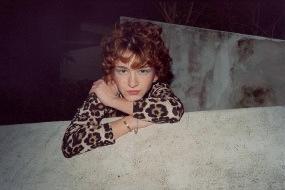
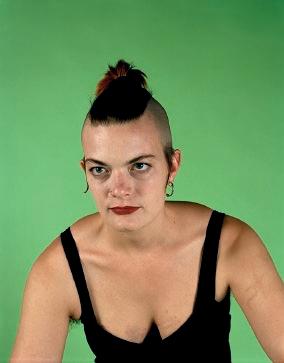
Then on to the judging session. This year’s panel were photographer and educator Sunil Gupta, photographer Tim Walker and art historian and broadcaster Katy Hessel, alongside the Gallery’s Senior Curator of Photographs, Sabina Jaskot-Gill. After multiple rounds of viewing the physical prints (deftly co-ordinated by the team at Whitewall Art Handling), much discussion and some passionate debate, we reached a consensus of 54 portraits from 51 photographers, and four prize-winners. While each portrait is selected for its individual merit, teasing out thematic threads can help to tie a diverse collection of photographs together. A number of portraits attest to the complexities and joys of LGBTQIA+ relationships. They include Freedom, Pip Jay King’s euphoric portrait of friend Danni, smiling blissfully with chest bared against a blue spring sky. This blue finds an echo in Olly Burn’s windswept shot of Jules and Marie kissing on the beach. For We Dare to Hug, Luan Davide Gray’s skilful use of close cropping and monochrome
Taylor Wessing Photo Portrait Prize 2025 will be on display from 13 November 2025 until 8 February 2026, Exhbition Galleries (Floor 2).
Family portraits often have a strong presence, and this year migration stories fold into the theme. Brimming with symbolism, Timon Benson’s About to Leave explores his father’s experience of arriving in the UK from Kenya in 1990. Agata Szymanowicz’s family self-portrait celebrates blended cultures and identities. Two long-term documentary projects introduce us to families displaced by conflict. In the war-torn region of Donbas, Ukraine, Anastasia Taylor-Lind follows the daily life of the Grinik family. In Lebanon, Giles Duley creates a poignant portrait of Ivana and Fatima, a mother and daughter recovering from injuries. Both present us with personal stories and scenes of daily life often overlooked in media coverage of war.
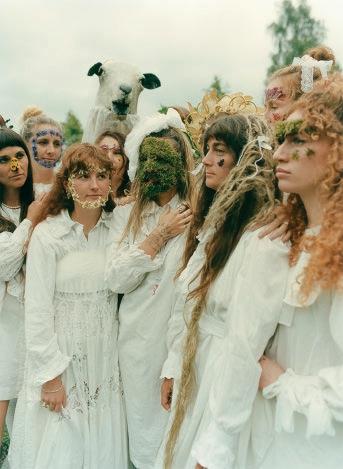
The power of community also sings throughout this year’s selection, from Hollie Fernando’s otherworldly image of all-female Morris-dancing
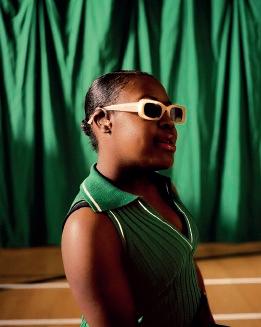
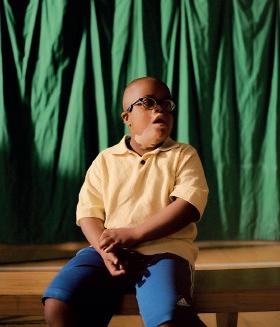
troupe Boss Morris to Rory Langdon-Down’s colour-popping portraits of North London United, a football team for players with Down’s Syndrome, and Chan-yang Kim’s Backstage, a dynamic shot of two cultures colliding at a dance performance in south-west London.
There are a few famous faces too. Dominic Whisson’s portrait of Owen Cooper, the breakout star of acclaimed Netflix drama Adolescence, is a particularly timely inclusion, while Ashley Bourne photographs the much-loved children’s author Sir Michael Morpurgo in his writing studio. However, the Photo Portrait Prize allows us to divert from the Gallery’s acquisition policy and look beyond well-known sitters and established photographers. Instead, it is a chance to celebrate the breadth and diversity of contemporary portrait photography, with works by leading professionals sharing wall space with talented amateurs and emerging artists, each portraying someone remarkable with their own story to tell.
Give a Lasting Impact
Christelle Bonda, Legacy Manager, talks about how you can help the Gallery continue to be a place to inspire
It’s a real pleasure to join the National Portrait Gallery as the new Legacy Manager. Having spent many years working for health charities, I feel incredibly fortunate to now be part of an institution that nurtures creativity, celebrates history and inspires people through art and education.
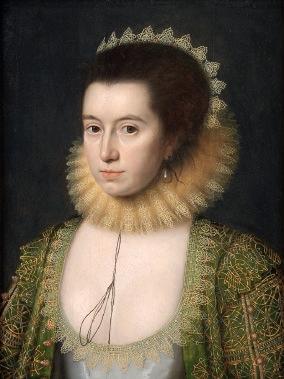
I spent my first few months exploring the Gallery and immersing myself in the Collection. One portrait caught my eye. I felt captivated by the painting of Anne, Countess of Pembroke which not only captures her striking beauty but tells the story of a visionary woman. She fought to reclaim control of her ancestral lands and is an example of resilience. Anne was patron of the arts and one of the few women of her time to restore and preserve castles and estates. This work is especially meaningful because a legacy gift contributed to the purchase of this portrait. Thanks to the generosity of a friend of the Gallery, Anne’s story has a permanent place in our Collection – where it can continue to inspire generations to come.
I believe leaving a gift to the Gallery is such a powerful way to ensure that your connection to it lives on. It costs nothing during your lifetime but can make a lasting difference to the future of the Gallery. As a charity, we rely on gifts in wills, and we are so touched that many of our supporters leave a donation to support our work.
Legacy support can help us care, conserve and grow our Collection, fund research and support exhibitions and learning programmes that engage and inspire people of all ages. The Gallery holds a special place in the hearts of so many – offering joy, reflection and inspiration through the power of portraiture. Your gift can be transformative and protect the Collection long into the future.
If you feel inspired by the National Portrait Gallery and would like to know more about leaving a gift, contact Christelle, cbonda@npg. org.uk or 020 7321 6273.
‘The Gallery holds a special place in the hearts of so many – offering joy, reflection and inspiration through the power of portraiture. ’
Above – Anne, Countess of Pembroke (Lady Anne Clifford) by William Larkin, c.1618 (NPG 6976). On display in Room 4 (Floor 3).
New Members’ Welcome Tours
Tuesdays
23 September, 21 October, 18 November, 19 December 16.00
No RSVP required / Free
Members’ Tour
Friday 14 November
19.00–20.00
Style through the years with Cally Blackman
Booking required / £25
Join fashion historian Cally Blackman on a stylish tour focused on the fashion and dress of the sitters.
Members’ Evening Class
Friday 30 January 2026
18.00–20.00
Mastering Watercolour
Booking required / £80
Using the medium of watercolour, create a portrait inspired by the Collection.
Members’ Private Views
Members receive a special 15% discount in the shop during the private views.
Cecil Beaton’s Fashionable World
Wednesday 8 October 14.00–17.00
Booking recommended / Free
Taylor Wessing Portrait Prize 2025
Wednesday 12 November 14.00–17.00
Booking recommended / Free
Members’ morning event and Christmas special
Tuesday 2 December 9.00–10.30
Booking recommended / Free
Cecil Beaton’s Fashionable World and Taylor Wessing Photo Portrait Prize 2025
Tuesday 6 January 2026
18.30-20.30
Booking recommended / Free
Members’ Exhibition Tours
Friday 17 October
18.30–19.30
Cecil Beaton’s Fashionable World
Booking required / £25
Join exhibition curator Robin Muir, as he introduces the exhibition.
Members’ Storytelling Tours
Saturday 25 October 11.00–12.30
The Queens Booking required / £25
Join this exclusive Members’ tour with Senior Storyteller, Daniel Hausherr, and discover the stories of Royal Queens from British History.
Friday 28 November
18.00–19.30
The Adventurers
Booking required / £25
Discover stories of explorers and adventurers. on this exclusive Members’ tour with Senior Storyteller, Daniel Hausherr
Friday 23 January 2026
18.00–19.30
The Innovators
Booking required / £25
Join this exclusive Members’ tour with Daniel Hausherr, Senior Storyteller, to uncover the innovators and inventors who have changed the way we live today.
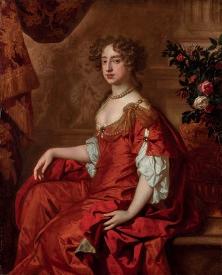
Queen Mary II by Sir Peter Lely, c.1677 (NPG 6214) On display in Room 7 (Floor 3).
Walking Tour
Friday 3 October
18.00–19.30
Black History
Westminster Walk with Tony Warner Booking required / Members £20
Curator’s Introduction
Friday 24 October 19.00–20.00
Cecil Beaton’s Fashionable World Booking required / Members £8
Join curator Robin Muir as he introduces the exhibition.
Thursday 20 November 13.00–14.00
Taylor Wessing Photo Portrait Prize 2025
Booking required / Members £8
Join Assistant Curator of Photography, Ruby Rees Sheridan, as she introduces the exhibition.
Weekend Workshops
Saturday 25 & Sunday 26 October 11.00–17.00
Embroidery Design with Hand & Lock Booking required / Members £200
Embark on an exquisite journey into the world of haute couture embroidery, inspired by Cecil Beaton’s portraits.
Saturday 15 & Sunday 16 November 11.00–17.00
Taylor Wessing Photo Portrait Prize 2025
Booking required / Members £100
Saturday 13 & Sunday 14 December 11.00–17.00
Cecil Beaton: A Symphony in Silver Booking required / Members £100
Join photographer Marysa Dowling for a one-day workshop where you will construct your own Cecil Beaton-inspired world of eccentric glamour.
Lectures
Thursday 16 October 13.00–14.00
Malice in Wonderland: Cecil Beaton and his Friends
Booking required / Members £12
Join Cecil Beaton’s biographer, Hugo Vickers, to hear how, through the art of photography, he rose to fame.
Friday 14 November 19.00–20.00
Erdem In Conversation with Charlie Porter
Booking required / Members £12
Inspired by our exhibition, Cecil Beaton’s Fashionable World, celebrated fashion designer Erdem Moralioglu talks to writer and fashion historian Charlie Porter about the influence of Beaton on his work.
Storytelling Tours
Fridays
21 November, 16 January 2026
18.00–19.00
Booking required / Members £10
Booking is recommended as numbers are limited for some events. You can find full booking details online. To book your event visit my.npg.org.uk or RSVP with your name and Membership number to mevents@npg.org.uk
Working with an exhibiting photographer in the Taylor Wessing Photo Portrait Prize 2025, get hands-on and create photographic portraits.
Join our Senior Storyteller, Daniel Hausherr, to hear some of the most incredible stories that the Gallery has to offer.
• Unlimited free entry to our wide range of world-class exhibitions
• See exhibitions before the public and during dedicated Members-only viewing hours
• Special ticketed events programme, made just for Members
• Priority booking and discounts on Gallery talks and events
• 10% discounts at our Audrey Green café, Larry’s Bar and The Portrait Restaurant
• Exclusive pop-up Members’ Lounge at Larry’s Bar, open 11.00 to 17.00 daily
• 10% discounts in our shops plus priority access to special collaborations and limited editions
• Free subscription to Face to Face magazine and access to exclusive digital content
New Publications
Cecil Beaton’s Fashionable World Hardback £40
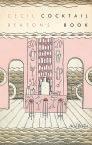
Cecil Beaton’s Cocktail Book Hardback £14.95
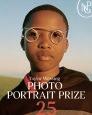
Taylor Wessing Photo Portrait Prize 2025
Paperback £18.96
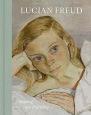
Lucian Freud: Drawing into Painting Hardback £40
Paperback £29.95 (NPG exclusive)
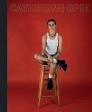
Catherine Opie: To Be Seen Hardback £40
A little thank-you from us to our Gallery Supporters – enjoy 10% off every time you shop! Just show your Membership card in-store or enter your exclusive Members’ code online.
npgshop.org.uk
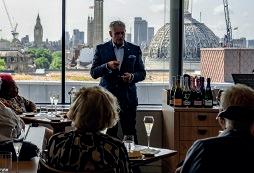
Above from top – Martin Dibben, Searcy’s Head of Champagne, leading an Art of Champagne tasting at the Portrait Restaurant. Photo: Jack Baille.
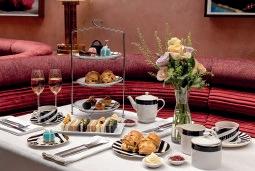
Afternoon tea in Larry’s Bar Photo: Melisa Coppola.
A Conscious Christmas
IN OUR SHOP
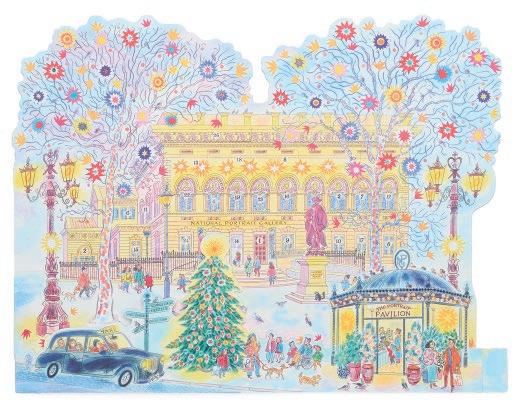
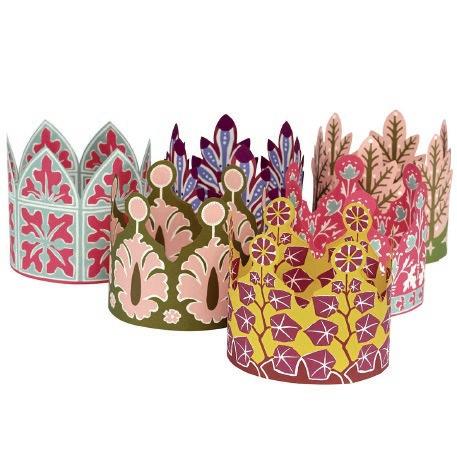
Make the National Portrait Gallery your one-stop-shop for a thoughtful and conscious Christmas. Visit our Christmas Shop in-store and online for sustainable and locally made gifts and decorations to make your Christmas magical, all while giving back to the Gallery.