The Gallery is committed to reducing our environmental impact. This magazine is fully recyclable and has been produced by a certified carbon balanced printer. Their Partnership with the World Land Trust is helping to preserve and protect carbon rich habitats around the world.
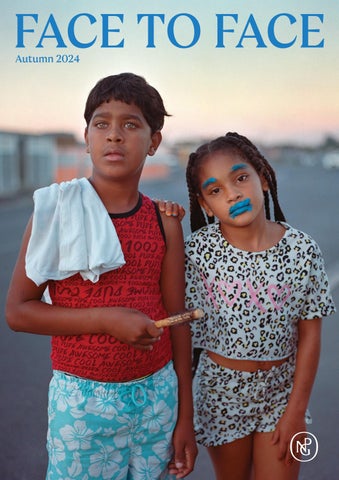
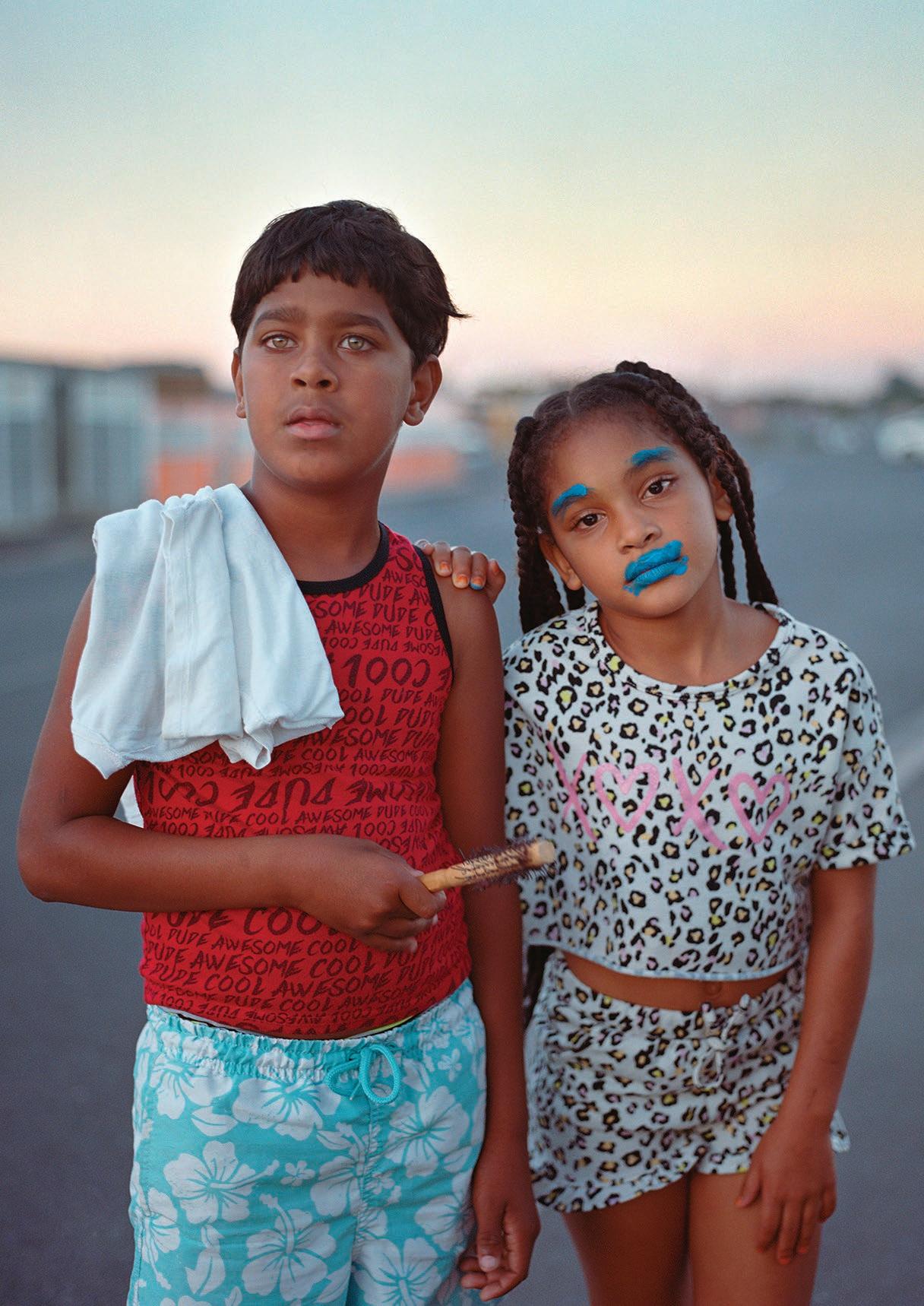
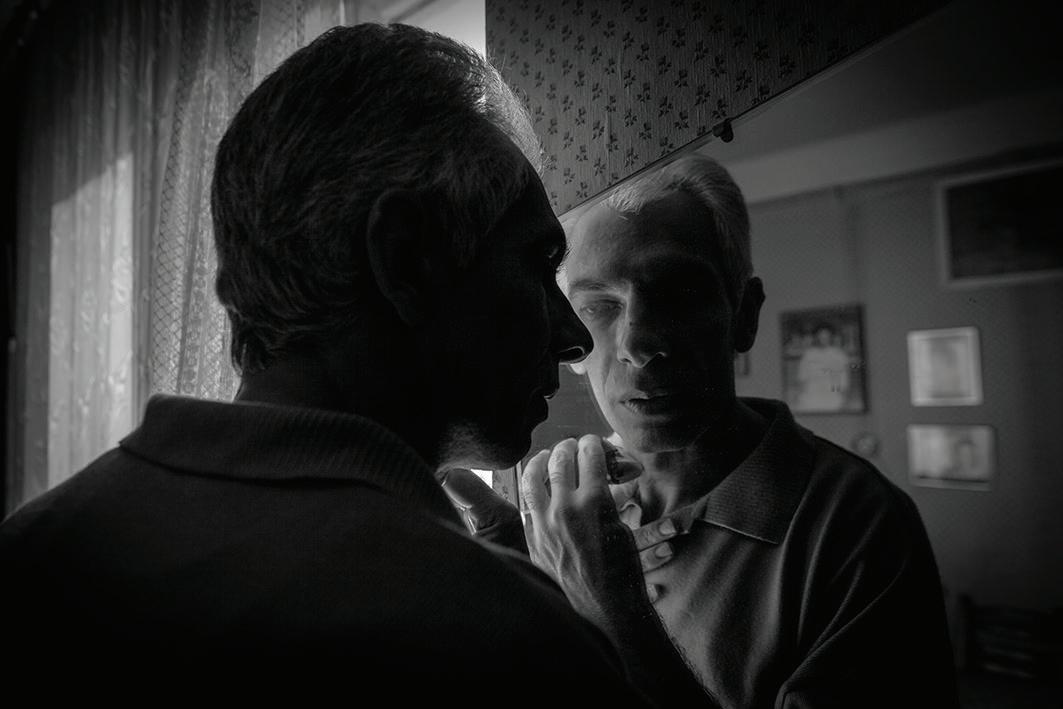
The cover photo was taken in Cape Town, South Africa. Photographer Laura Pannack says ‘I am working with young people who are living in suburban areas where crossfire is so high they are unable to play outside and walk to school. Together we create imagery and poetry’. Read more about the Taylor Wessing Photo Portrait Prize on page 12.
It has been an honour to join the National Portrait Gallery as Interim Director following Nicholas Cullinan’s departure earlier this summer. I have been impressed by the great fondness that so many of you have for the Gallery. Every day, I have the pleasure of seeing school groups, visitors, volunteers and participants in our Learning programmes come through our doors; the building is alive with activity. Of course, my main role is to lead the continuing achievement of the Gallery’s ambitions and to ensure that the new Director can hit the ground running. I’ve also been asked to introduce this issue of Face to Face.
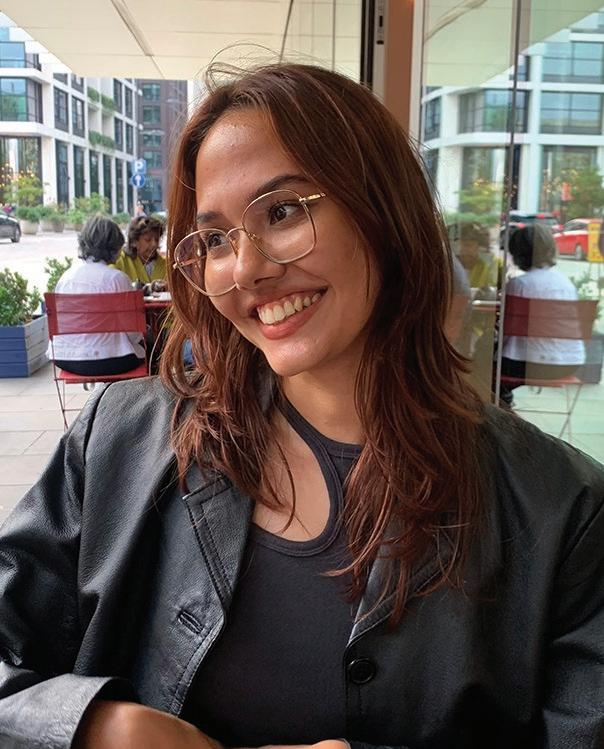
Upon arrival I was delighted to learn more about one of the Gallery’s pioneering initiatives, including the Young Producers, a bursary-funded programme for 15 young creatives aged 18–21. In this issue we asked Young Producer Elisha Wijesekera to write about her favourite portrait and to tell us a bit about her involvement with the Gallery. Our ground-floor exhibition this autumn is Francis Bacon: Human Presence. This will explore Bacon’s deep engagement with portraiture, from his responses to portraits by earlier artists to large-scale paintings memorialising lost lovers. Collectively, these works challenge traditional definitions of the genre. Rosie Broadley, Joint-Head of Curatorial & Senior Curator of 20th-Century Collections, tells us what you can expect to see when you come to this exciting exhibition of unique portraits.
This autumn, we are also delighted to present the Taylor Wessing Photo Portrait Prize 2024. We received 4,847 submissions from around the world, encompassing work from talented young photographers, gifted amateurs and established professionals. Clare Freestone, Curator, Photography, tells us about her role participating as a judge on this year’s panel.
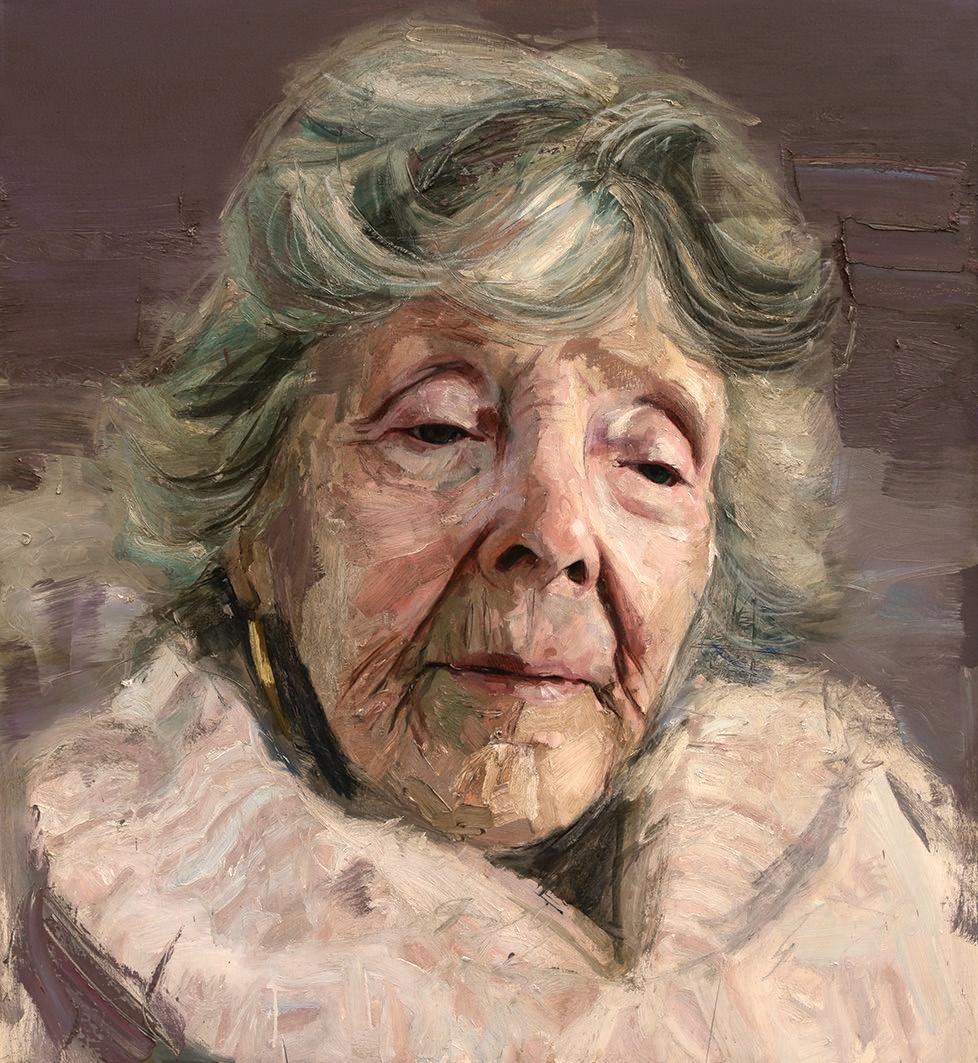
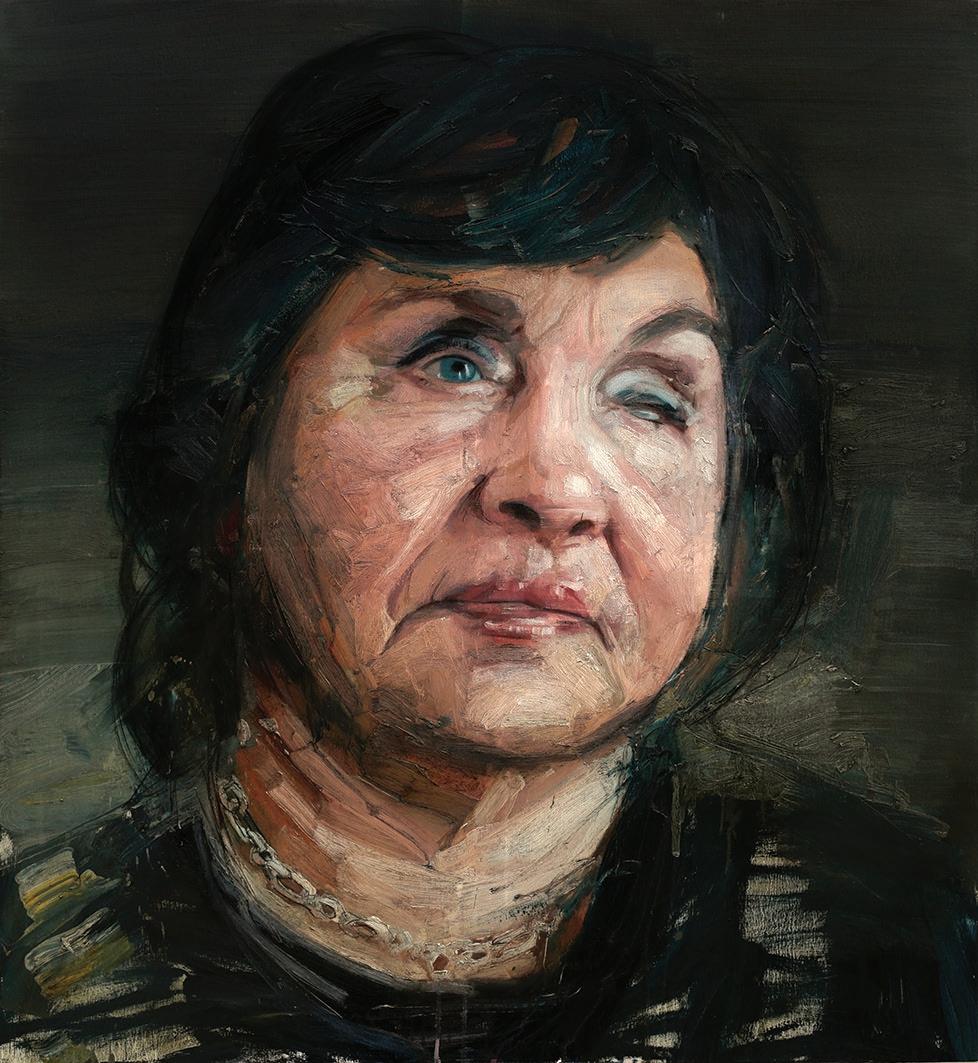
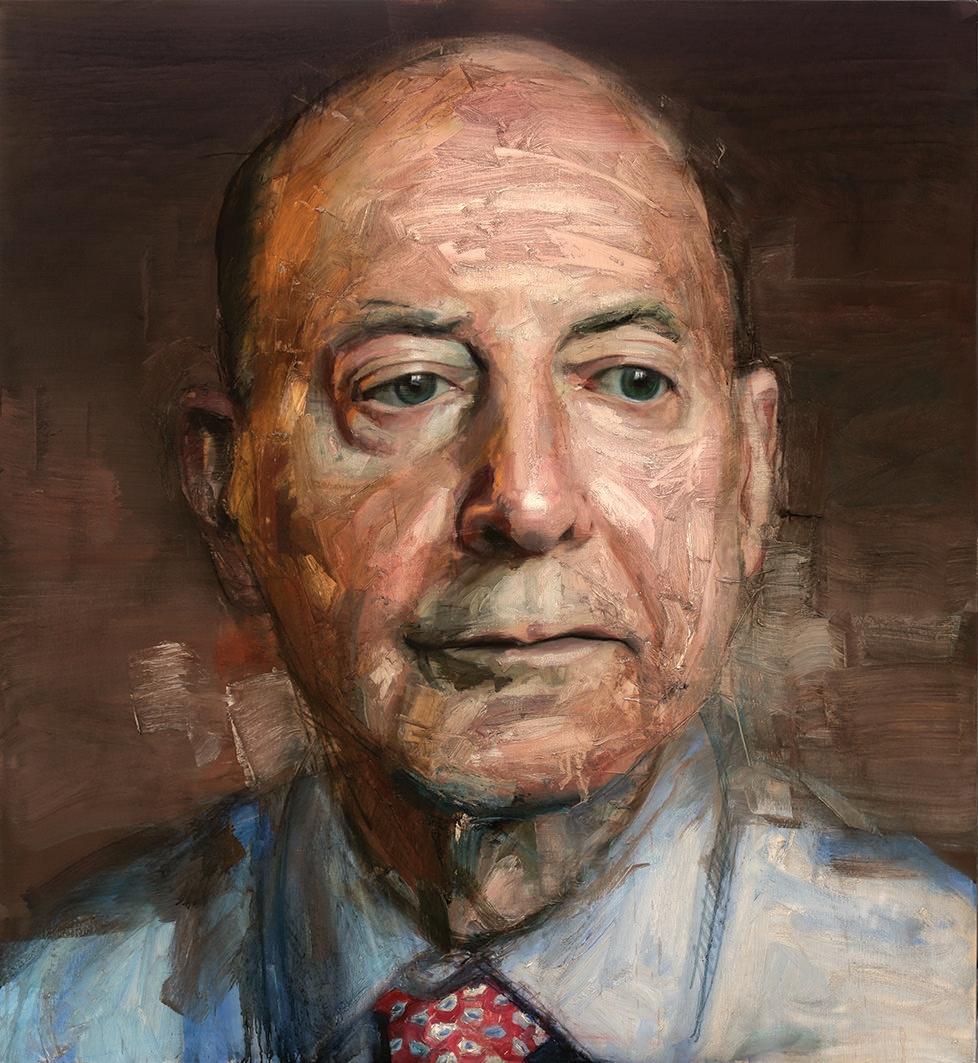
Finally, the Gallery is very proud to have on display a series of large-scale portraits in oil by Colin Davidson in Room 14. The display, titled Silent Testimony, depicts people who have had profound experiences during the period of the Troubles in Northern Ireland. These moving portraits will be on display until February 2025. As I write this in summer 2024, the appointment of our new Director is imminent. I know that they will be as impressed with the Gallery and as humbled by the support of our Members and Patrons as I have been. I want to thank you all for your continuing commitment and to express my heartfelt thanks for the warm welcome you, the staff and Trustees have given me during my time at the National Portrait Gallery.
Michael Elliott Interim Director
My Favourite Portrait
by Elisha Wijesekera
NPG Young Producer
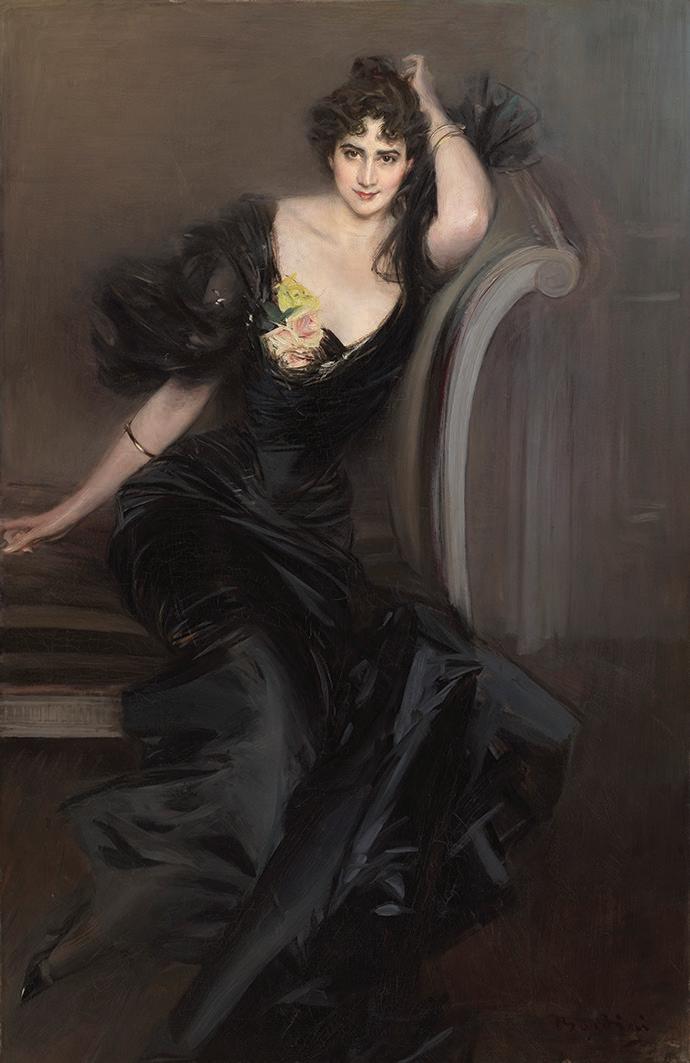
When I first saw Giovanni Boldini’s portrait of Gertrude Elizabeth, I was captivated. Her powerful gaze was different from all the other portraits of women I’ve seen – demure and shy, facing away from the painter (and observer). Gertrude challenges you to gaze back. What I find fascinating about portraiture is the history of the sitter – who is this person, frozen in time?
Why is Gertrude Elizabeth in the National Portrait Gallery?
What drew me in was her powerful spirit, but what cemented my admiration was her fight through a difficult divorce trial against her husband, who had infected her with a sexually transmitted disease (STI). While she had been denied the divorce, it didn’t dilute her conviction to herself and her right as a woman, as a human being. She took to rediscovering herself and her passion for writing, fashion, languages – and found her place amongst fellow creatives.
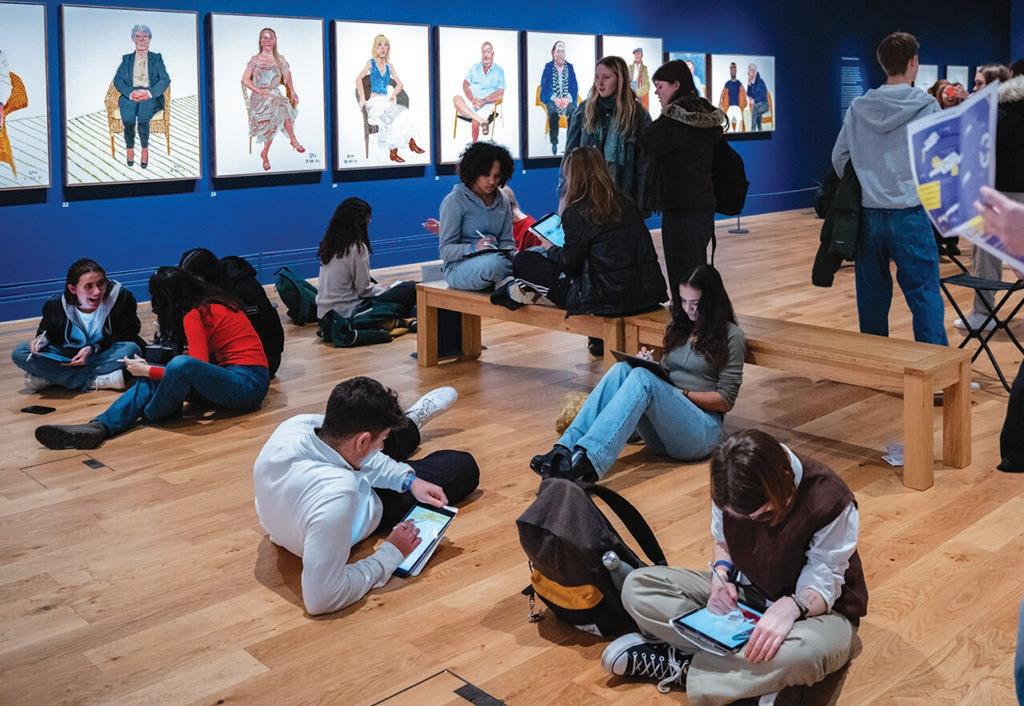
Art has the resounding quality of seeming ‘modern’ – that is, being relevant to the times. Everyone should have the opportunity to discover this magic quality of art – to admire, evaluate and criticise it: to empathise with it. In my case, this also extends to researching it. As an NPG Young Producer, I have helped to produce a series of Youth Lates to open up this opportunity to more young people. Being an NPG Young Producer has been such an important experience for me, as it gave me a chance to share this aspect of art with other young people who may not have found it an accessible experience, and that was incredibly special to be part of – for the friendship, and of course, the art.
Young Producers x National Portrait Gallery is one of the bursaryfunded youth programmes that we deliver at the Gallery to equip young people with skills, knowledge and networks. If you would like more information about how you can support Learning at the National Portrait Gallery, please contact Rebecca Redclift at rredclift@npg.org.uk.
Above – Gertrude Elizabeth (née Blood), Lady Colin Campbell by Giovanni Boldini, 1894 (NPG 1630)
This display celebrates the Gallery’s exceptionally rich collection of selfportraits from the early 20th century to the present day. These works reflect the specific periods in which they were painted as well as opening a window into the myriad experiences, emotions and thoughts that formed the artists’ personal and creative identities.
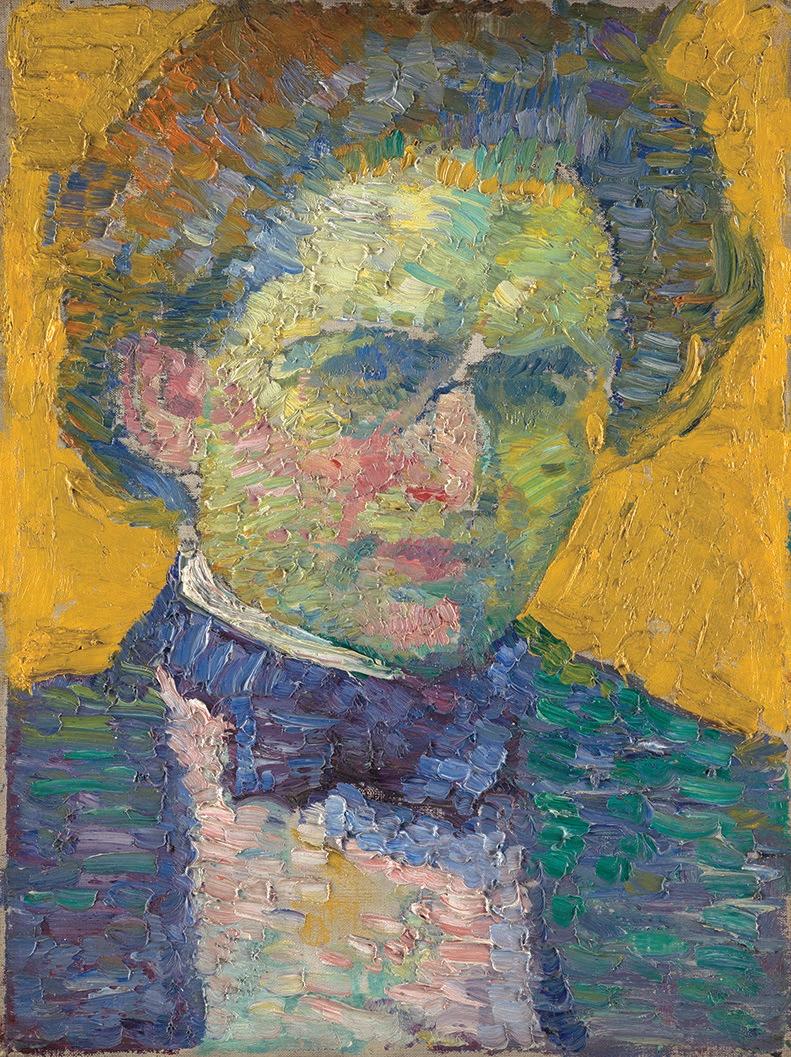
It takes as its starting point the seismic impact that continental modern art had on artists working in Britain in the years preceding the First World War. Roger Fry’s Manet and the Post-Impressionists, held in London in 1910, introduced a generation of artists to the works of Cézanne, Van Gogh, Matisse and Picasso. While the exhibition provoked scandal and ridicule in the press, many artists recognised it as a paradigm shift, offering a liberating choice to retain traditional modes if they wished or to embrace innovation and new forms of expression. This influence is keenly felt in the work of the Polish-born artist Alfred Wolmark, who abandoned his Rembrandtesque style in favour of the intensely coloured, impasto technique represented in his small but intense selfportrait of 1911.
Subsequent decades have brought a succession of international art movements that have continued to expand the intellectual horizons and visual vocabulary with which artists can express themselves. Echoes of Surrealism, Abstraction and Expressionism, for instance, are evident in the paintings by artists as diverse as John Tunnard, Barbara Hepworth and Lucy Jones. At the same time, more conventional portraits by the likes of Doris Zinkeisen and Arthur Hayward are equally impressive.
The hang of the display is nonhierarchical and non-chronological, inviting unexpected conversations to take place between otherwise dissimilar works. Themes emerge, including the impact of war and forced migration and the flourishing of self-portraits by women artists. Taken as a whole, these paintings convey the variety and creative energy of artists responding to themselves within the context of this most turbulent and transformative of eras.
A Century of Self-Portraits is on display until September 2025 in Room 29, Floor 1. Free entry. Above – Self-portrait by Alfred Wolmark, 1911 (NPG 5690)
Silent Testimony
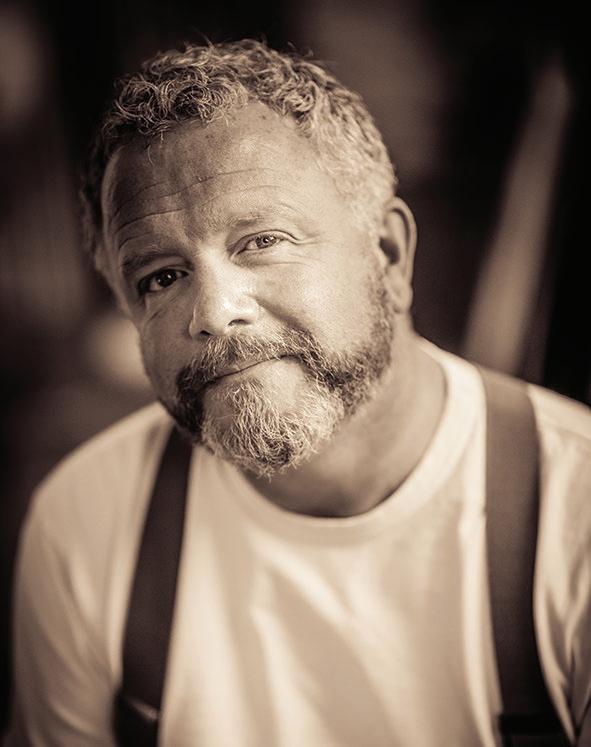
by Colin Davidson Artist
If you are under the age of 35, you may have no direct connection to a period of Northern Irish history known as the Troubles. However, as a Belfast artist, born in 1968, it was sadly familiar to me. Living in the midst of this conflict and, ultimately, the experience of peace originally inspired one of my most personally important bodies of work.
Silent Testimony is the collective portrait of 18 people whose lives were impacted, and continue to be affected, by the Troubles. It is about right now: the legacy and fall-out of conflict. What is left behind when society talks about moving on? The 18 large-scale portraits, begun in 2014, in many ways represent tens of thousands of people across Northern Ireland who lived, and still live, with the trauma of loss and unresolved grief; experiences that – even today – are being replayed in countries all over the
world. These portraits acknowledge that the bereaved and wounded still walk among us. Ten years on, they remain as relevant as the day I painted them.
In 1998, the Good Friday Agreement was signed. It was a moment of hope for the future. Conflict was consigned to history. However, I remember reading the published documents at that time and it occurred to me immediately that there was little written about the victims and survivors of that period. Over time, I realised that this massive section of our community was, in a sense, paying the price for our peace. When I began making large-scale portraits in 2010, I felt I had found the vehicle through which I could explore this deeply held view as an artist. Seeking a second opinion, I spoke to WAVE Trauma Centre, who provide care and support for people affected by the Troubles.
Flo O’Riordan’s son, Sean (13), was killed on 23 March 1972 on Cawnpore Street in west Belfast. Sean received a gunshot wound to the back of the head and died a short time later in hospital. He was the second of six children. Flo O’Riordan died in 2021.
Left – Flo O’Riordan by Colin Davidson, 2015
Paul Reilly’s daughter, Joanne (20), was killed on 12 April 1989 in Warrenpoint when a no-warning bomb exploded beside her office. The sitting for this portrait took place in Joanne’s bedroom. The clock on the wall is stopped at 9.58am, the time of her death.
Margaret Yeaman was injured on 15 March 1982. She was working in an estate agents in Banbridge when a no-warning car bomb exploded close by. Much of the town was destroyed. Margaret sustained serious facial injuries, requiring over 100 stitches, and was permanently blinded. She was the mother of four young children at the time. Margaret is now a grandmother, but grieves that she will never be able to see her grandchildren.
I therefore started working with WAVE on the project.
As an artist, my working practice is all about layering, building up that sense of a person on the canvas, almost like a landscape of the face. It is important for me that my sitters feel comfortable, so I asked them where they wanted us to meet for the preliminary drawings. Some came to my studio, others to WAVE’s headquarters, but a few invited me to their homes.
I will always remember the sitting with Paul Reilly at his home in Warrenpoint. His daughter Joanne was killed on 12 April 1989, at just 20 years old. Joanne had been working in a builder’s yard when a no-warning bomb exploded beside her office. She was killed instantly. In her memory, Paul invited me to paint him sitting in Joanne’s bedroom, kept exactly as she had left it that day.
I listened as each of the sitters told me their stories; an outpouring of sorrow and extreme pain. Paul had never really spoken about his daughter’s death until that moment, and I really emptied all of that emotion back into the painting. It is my hope that visitors to the display see it as a space for contemplation and perhaps healing.
Colin Davidson is a contemporary artist, living and working near Belfast, Northern Ireland. Since graduating in 1991 from the University of Ulster, he has structured his practice in themes, and since 2010 his focus has been on painting grandscale portraits, which have won widespread recognition and many international awards. As well as numerous commissions, among them German Chancellor Angela Merkel, US President Bill Clinton and Queen Elizabeth II, Davidson’s portrait sitters have included Brad Pitt, Ed Sheeran, Liam Neeson, Brian Friel, Dame Mary Peters and Seamus Heaney. His work is held in many public and corporate collections worldwide. In 2021, he was installed as 6th Chancellor of Ulster University.
Silent Testimony is on display until 23 February 2025 in Room 14, Floor 3. Free entry.
Sisterhood, Spectacle and Studio Portraiture: Photographs by
Lallie Charles
by Dr George Mind Photography historian
and
Rita Martin
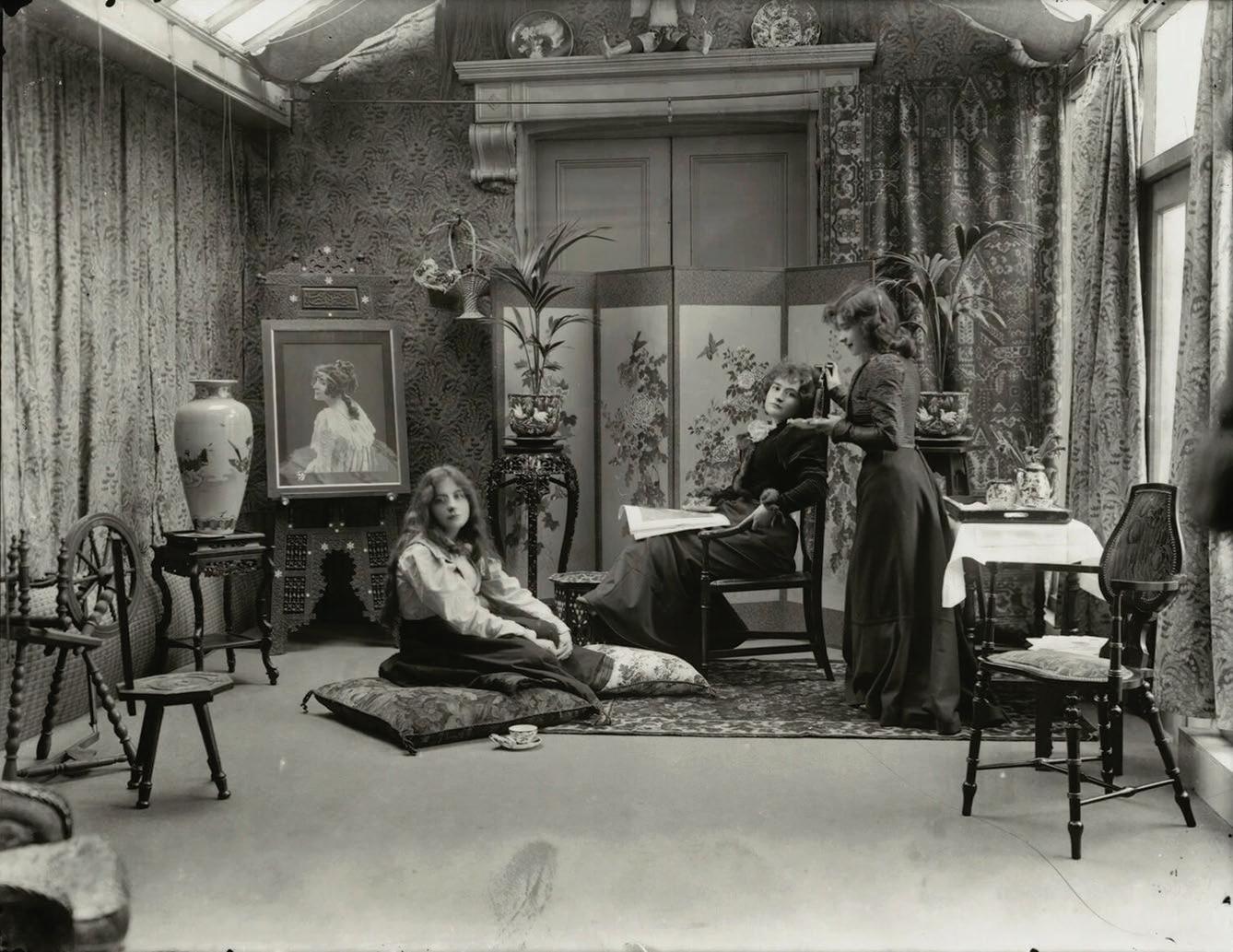
Most of us feel apprehensive about a visit to the dentist, don’t we? In the late 19th century, people often likened the photographer’s studio to the dentist’s surgery. This strange comparison seems to be a cultural legacy of an earlier time when photographic exposure times were very long, and the customer’s head was put in a clamp to keep them still – a practice reminiscent of the dentist’s dreaded apparatus! Late Victorian archival sources indicate that, for the middle classes, having one’s portrait taken was considered a necessary but somewhat invasive and uncomfortable event. Contrary to the unease associated with photographers in the late Victorian collective imagination, the photography studio shown here appears a relaxing, comfortable and even welcoming environment. Three women are having tea in what appears to be a
fashionable sitting room but is actually a portrait studio. The women depicted are, from left to right, Isabella Martin, Lallie Charles and Rita Martin. The latter two women are the subject of a new display in Room 20 that opened in September. Having emigrated from Ballymena, in Ireland, Lallie Charles established her photographic studio in London’s Regent’s Park in 1896, assisted by her younger siblings Rita and Isabella. Glamorously styling herself ‘Madame Lallie Charles’, she built an impressive career as an exclusive ‘ladies’ photographer’ in an industry monopolised by men. This group portrait was used to advertise the studio, promoting how ‘at home’ a client would feel visiting a ‘lady photographer’ for a portrait sitting, and dispelling any lingering associations with the dentist’s chair.
Much of Charles’s success as a photographer was built on her unique method of taking portraits. Known for her charm, the photographer would play hostess, inviting her clients – who were all women –to have tea with her ahead of their portrait sitting. During this exercise, Charles would covertly study their features while gaining the client’s trust so that they became more relaxed and malleable in front of her camera. This technique inevitably produced a much more flattering result. Charles was also generous with her retouching of negatives (the equivalent of airbrushing) and became famed for her idealised, even artificial, aesthetic. Before long, society ladies were flocking to be photographed by Charles and she had to hire a team of women to produce high-quality prints from her negatives. When the studio was first established, Charles made a living producing photographic illustrations for books and magazines and early fashion photographs featuring Rita Martin as a model. It was reported at the time that Martin was ‘perhaps the most photographed lady in the kingdom’. As Charles’s reputation as a portraitist grew, Martin assisted her with taking photographs, gaining the unique experience of working on both sides of the camera during her career. After ten years working for Charles, Martin set up her own portrait studio on London’s Baker Street and went on to have a highly successful career immortalising stars of the Edwardian stage
Dr George Mind completed her doctorate on ‘Women and the practice of studio portraiture in Britain, 1888–1914’ in collaboration with the National Portrait Gallery in 2021. Her thesis conducted a feminist reappraisal of women’s role in the history of photography. She has published her research in The PhotoHistorian, the Royal Photographic Society online, and A World History of Women Photographers (Thames & Hudson, 2022).
The Factory of Femininity: Studio Portraits by Lallie Charles and Rita Martin is on display from 5 September 2024 in Room 20, Floor 2. Free entry.
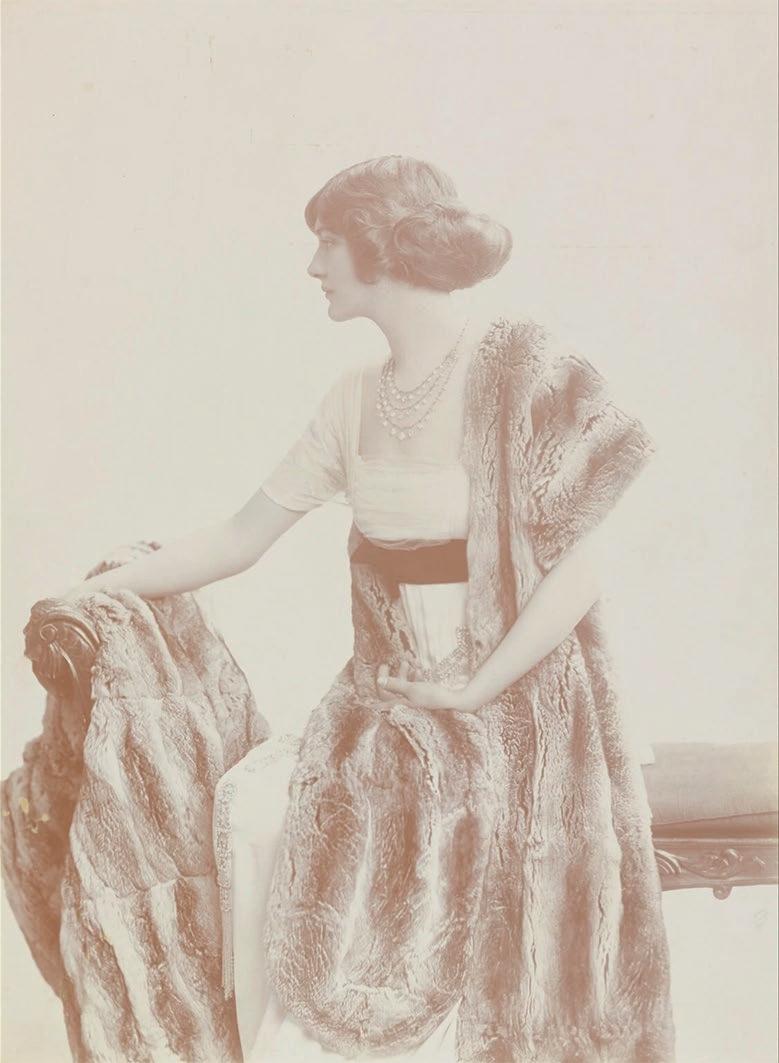
with her portraits. Another image shows Martin’s stunning portrait of the much-loved musical comedy actress Lily Elsie.
Favoured by royalty, actresses and society beauties, Charles’s and Martin’s portraits proliferated on postcards and in magazines nationally and internationally, feeding the booming Edwardian market for feminine spectacle. Their photographs constructed feminine ideals in a period when women’s social position was being questioned and campaigns for women’s rights were gathering momentum. Despite being so commercially successful in their lifetimes, Charles and Martin have been neglected by photographic history. The new display in Room 20 shines a light on this photographic sisterhood, exploring their success and influence in the context of a burgeoning celebrity culture.
Above – Lily Elsie by Rita Martin, 1907 (NPG P151)
Far left – Isabella Martin; Lallie Charles; Rita Martin by Lallie Charles, c.1899 (NPG x68949)
Francis Bacon: Human Presence
by Rosie Broadley
Joint-Head of Curatorial & Senior Curator of 20th-Century Collections
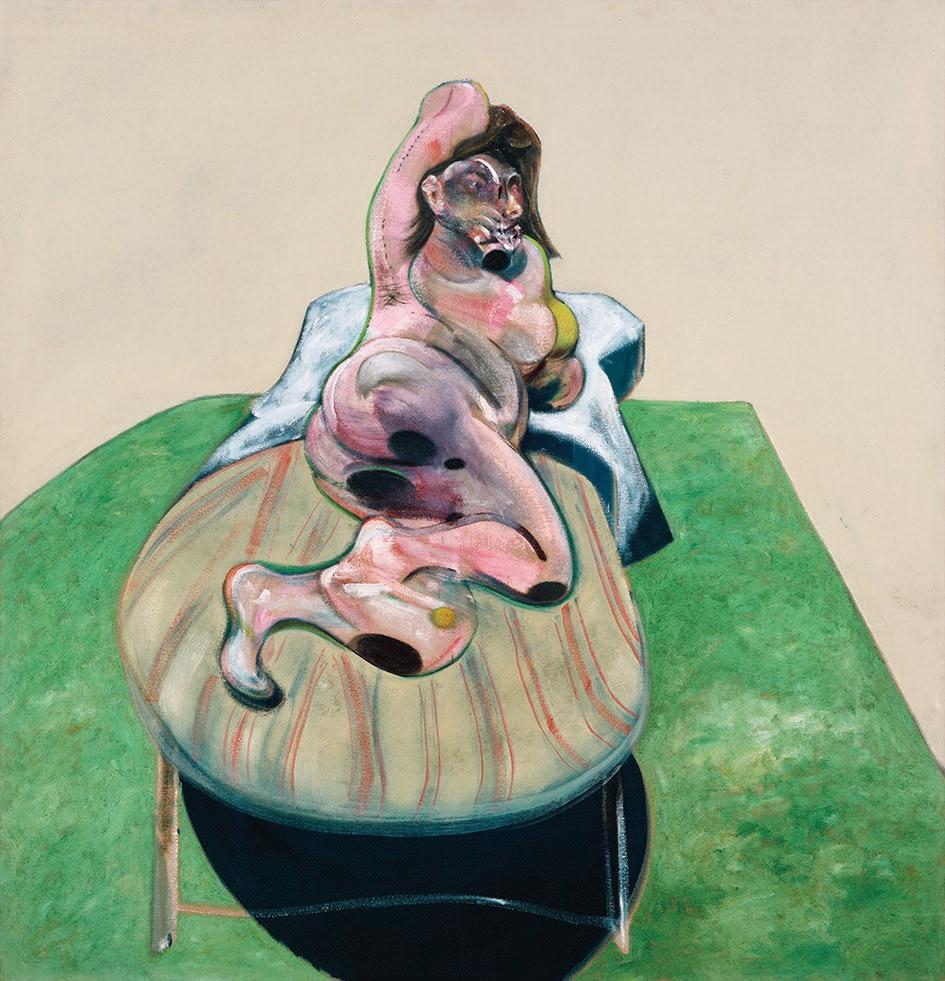
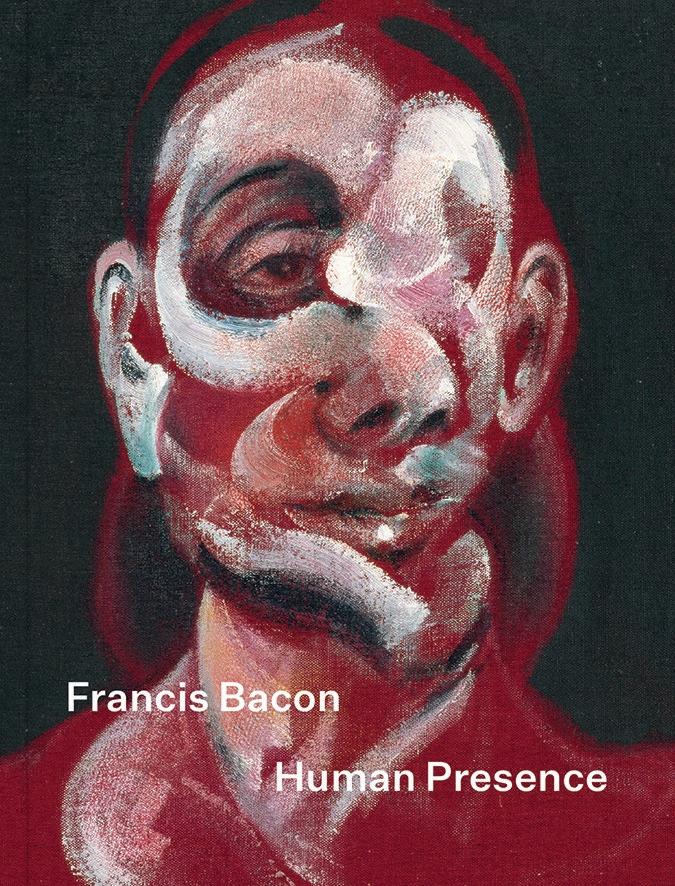
Francis Bacon: Human Presence is the first exhibition of Francis Bacon’s work at the National Portrait Gallery, and also the first major show in 20 years to examine the theme of portraiture within his oeuvre. Born in 1909 and largely self-taught, Bacon has become a towering figure in 20th-century British art. He was an artist who looked beneath the surface of human existence to depict a different reality, something he described as the ‘brutality of fact’. The human figure was central to his creative vision and he esteemed the genre of portraiture above all others. This was in contrast to many of his artistic contemporaries working in the wake of the Second World War, particularly those in the United States, who focused on abstraction. For Bacon, non-representational painting was mere ‘decoration’, lacking the potency of a human subject. In one of the many fascinating interviews he gave, he commented, ‘I think art is an obsession with life and after all, as we are human beings, our greatest obsession is with ourselves.’ He frequently adopted a nihilistic stance –‘I think of life as meaningless’ – but it was his lust for life and love that characterised his portraits, the best of which simmer with feelings born out of a deep attachment to his subjects.
The exhibition traces a trajectory of portrait painting through Bacon’s career, from his early figurative pictures made in the late 1940s, which echo and satirise the formal language of traditional portraits; through to the triptychs of named subjects, both large and small, that bring to life a single sitter across three canvases. In these works, Bacon’s virtuosic sweeping brushstrokes and use of bold colour convey the vitality of his subjects. While Bacon
painted a wide circle of acquaintances, this exhibition focuses on a group of key sitters whom Bacon began to paint in the early 1960s. These include fellow painters Lucian Freud and Isabel Rawsthorne alongside patrons, friends and lovers such as Henrietta Moraes and George Dyer. The exhibition draws out the biographies of these sitters and their relationships with Bacon, many of whom he had met in the bohemian pubs and bars of Soho in London, just a stone’s throw from the Gallery.
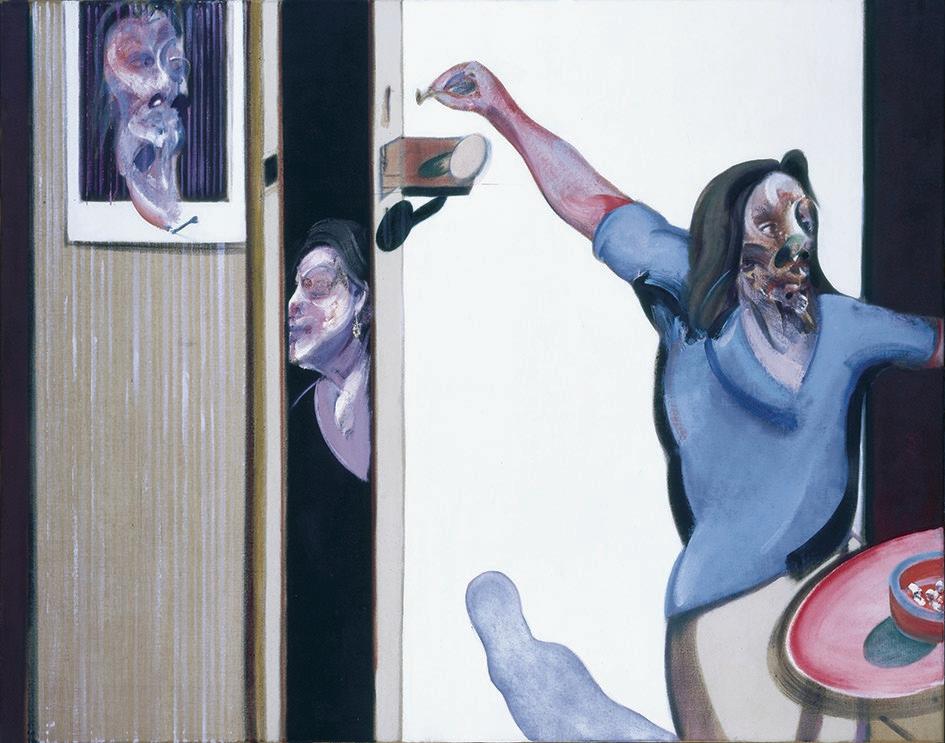
Unlike many portraits in the Gallery’s Collection, Bacon chose not to flatter his subjects or allude to their achievements in life. In fact, many of his favourite subjects lived on the margins of society, taking odd jobs, drinking too much and even indulging in petty crime. He depicted his subjects nude, or caged or even screaming in fear. Rather than delineate their features, Bacon twisted and distorted them, but in such a way that he retained an essence of likeness: ‘What I want to do is to distort the thing far beyond the appearance, but in the distortion to bring it back to recording of the appearance.’ On his canvases, men were often vulnerable, and women could be powerful and
imperious, reversing expected conventions in portraiture.
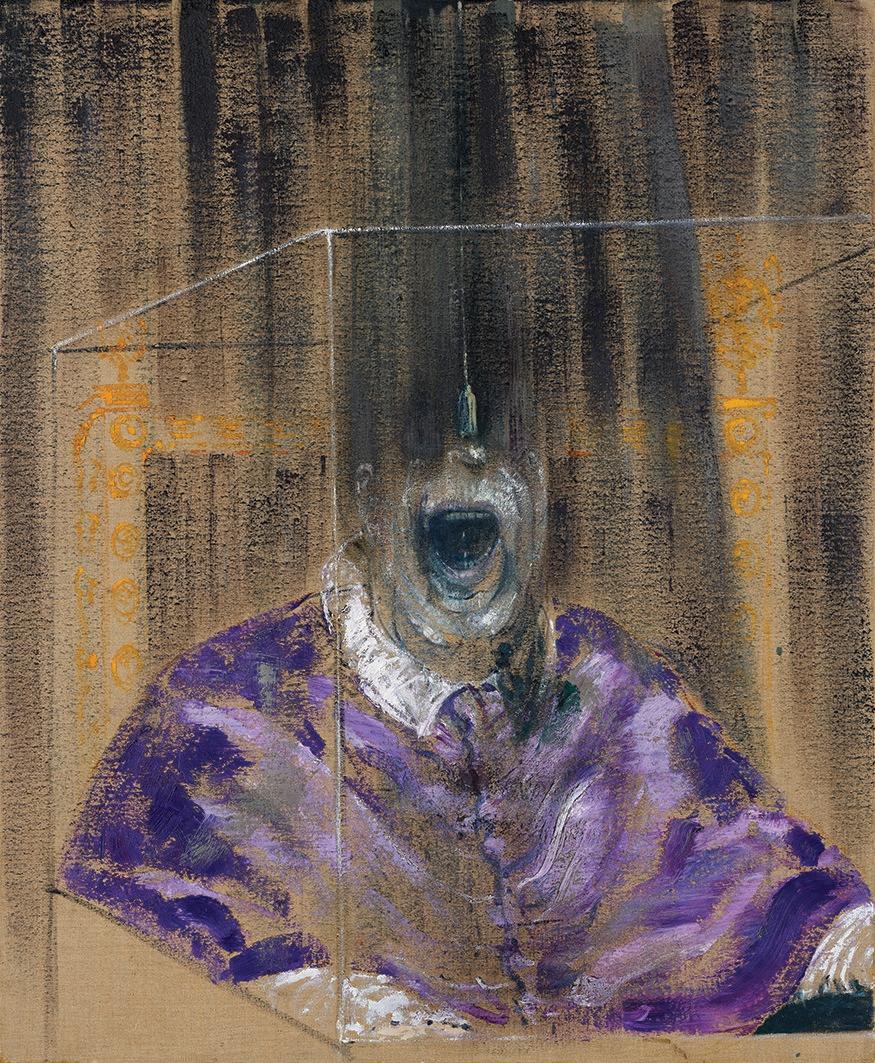
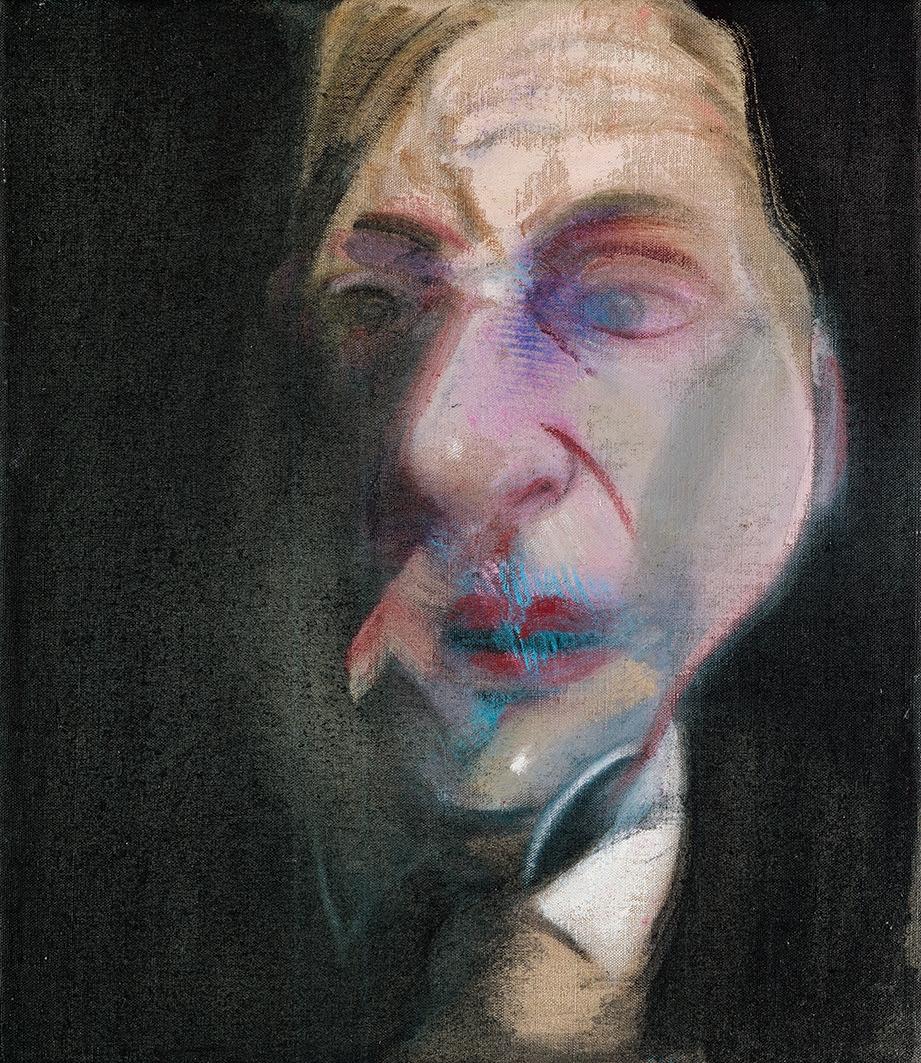
Even while Bacon was remaking portraiture for the post-war era, he retained admiration for certain artists of the past, in particular the 17th-century Old Masters Rembrandt and Velázquez. In Velázquez’s Portrait of Pope Innocent X, Bacon found a subject that provided endless possibilities for adaptation and emulation – despite the fact that he never saw the painting itself, he worked from both black and white and colour photographic reproductions. Bacon loved Rembrandt’s use of paint, the ‘coagulation of non-representational marks’ to make an image, particularly in Rembrandt’s self-portrait that Bacon had studied in Aix-en-Provence and which is on loan to this exhibition. Inspired by Rembrandt’s example, Bacon made an extraordinary series of self-portraits, some of which are also included. He occasionally
Above – Study for Self-Portrait by Francis Bacon, 1979
merged his own likeness with those of his sitters, specifically his friend Lucian Freud and his lover George Dyer, a startlingly intimate gesture that recalls the aphorism that every portrait, regardless of its subject, is a portrait of the artist.
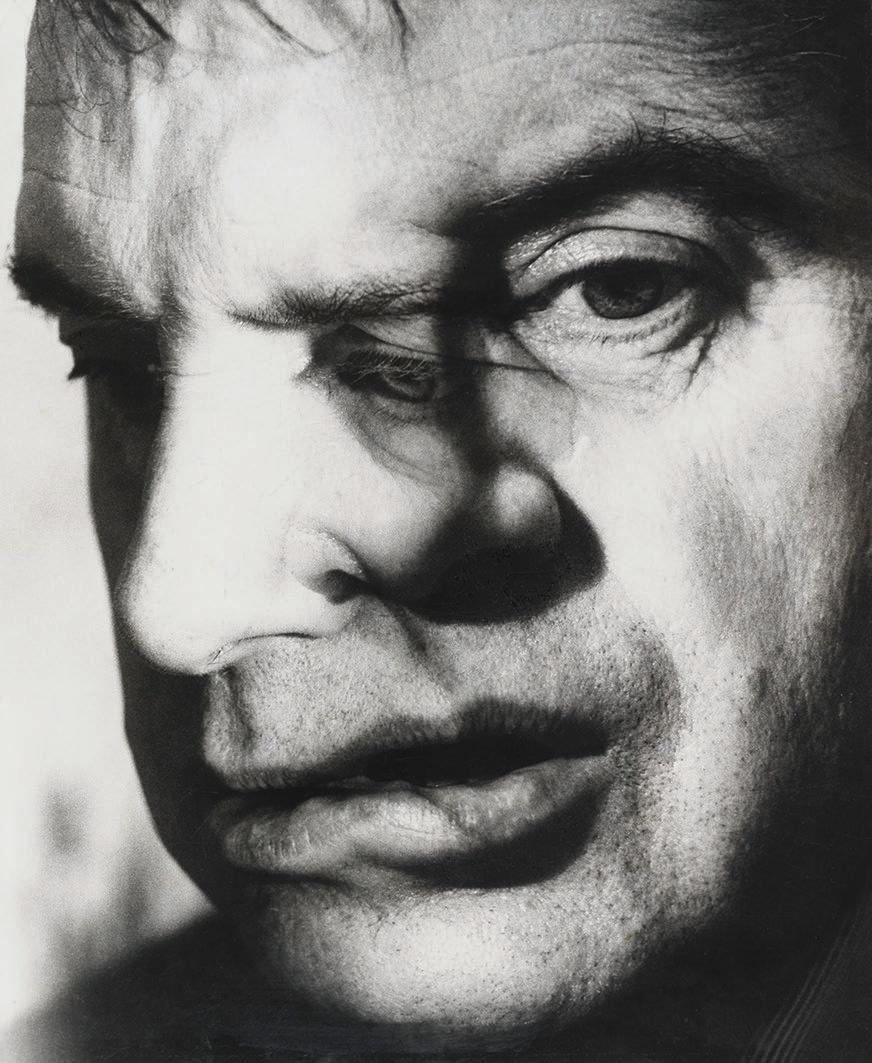
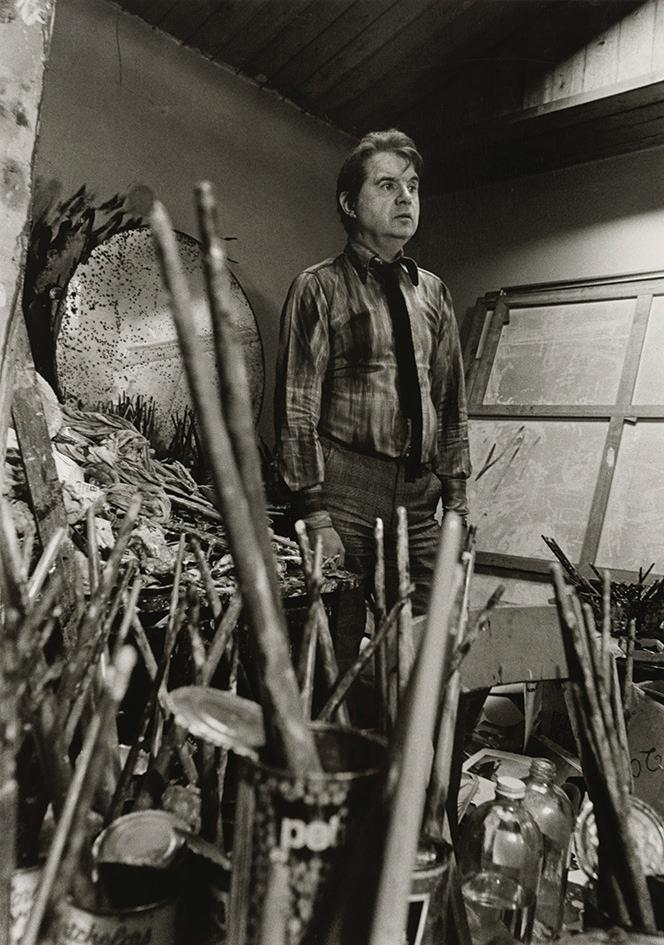
Bacon’s use of the photographic image is key to his portraiture, working from a ‘compost’ of clippings, snapshots and open books that littered his studio floor. In the 1950s, the artist made a number of portraits from life, but stopped painting from life in the early 1960s. He was sensitive to the fact that his portraits might hurt his sitters’ feelings: ‘They inhibit me because, if I like them, I don’t want to practise before them the injury that I do to them in my work.’ He preferred to work from memory but also from photographs. The exhibition includes a number of examples of the photographs of Bacon’s sitters that he had commissioned from John Deakin, a former Vogue fashion photographer, on loan to the exhibition from the Hugh Lane Gallery in Dublin, which houses the installation of Bacon’s famous studio. In Deakin, Bacon found a kindred spirit, a fellow artist with a penetrating gaze that did not flatter. Deakin’s photographs became crucial tools, not only as aidesmémoire but also as a source for images that Bacon repeated, distorted and reimagined in multiple portraits over several decades. Always a willing subject for the photographer’s lens, Bacon himself sat for some of the greatest photographers of the 20th century; many of these are represented in the Gallery’s Collection, and included in this exhibition alongside the artist’s finest portraits.
Francis Bacon: Human Presence
From 10 October 2024 until 19 January 2025
Floor 0 Exhibition Gallery Tickets £23 (Concessions 10% off / Under 25s on Fri/Sat/Sun £5) Members and Patrons go free
Supported by The Huo Family Foundation
Francis Bacon: Human Presence Hardback, £45 / Paperback £29.25
Written and edited by Rosie Broadley with essays by Dr Gregory Salter, James Hall and John Maybury
The paperback edition will be exclusively available to order on npgshop.org.uk from October 2024. Don’t forget to enter the code MEMBER2024 at checkout to receive your special Gallery Supporters’ 10% discount.
To mark the first exhibition of Francis Bacon’s work at the National Portrait Gallery, we felt it was a perfect opportunity to take you further into the themes and topics explored in the exhibition, led by experts on Bacon and artists working today. We will offer a programme of events allowing you to discover the artist’s life and work in greater depth in the form of lectures, in-conversations and practical workshops. If painting classes are your area of interest then you have multiple opportunities to take inspiration from Bacon’s work, and to learn directly from contemporary artists. In a one-day
workshop this October, led by British painter Sadie Lee, hear more about Bacon’s preference for painting from photographs, magazines and newspapers, as you make your own work from a range of two-dimensional source material. In January, contemporary American artist Nathaniel Mary Quinn, whose work is heavily influenced by Bacon’s style, will be running a special one-day painting workshop, where you can explore how to bring memories and found imagery together to create your own composite portrait.
Audiences can also delve further into the exhibition themes through a series of lectures, conversations and film screenings. In October, academic Gregory Salter will explore how we can look at Bacon’s art through a queer lens. In November, the Curator of British Art at Tate Britain, Carol Jacobi, leads a lecture titled Francis, Henrietta and Isabel, outlining Bacon’s representations of women. In December, Dr Katharina Günther discusses the importance and prominence of photographic source materials throughout Bacon’s work. We are also joined by author Michael Peppiatt and curator of the exhibition Rosie Broadley, for a behind-the-scenes look into Bacon’s life and the exhibition. Finally, the season of events will be rounded off in January with a chance to watch a full screening of John Maybury’s 1998 film Love is the Devil: Study for a Portrait of Francis Bacon.
For me, having worked in the Photographs department at the National Portrait Gallery since 2000, being a judge on this year’s Prize was a special moment. I had observed the Prize each year, often attending the judging days, taking photographs of the process and witnessing trends and opinions.
Essentially the Prize, which was launched by the John Kobal Foundation in 1993 to recognise and support emerging portrait photography, has remained largely unchanged. In the inaugural catalogue, Zelda Cheatle and Michael Mack reported on entries as ‘diverse as life itself’ and I can concur that this remains so!
Three days of digital sifting have enabled an intoxicating day-long final round, viewing physical prints with the judges – who, this year, with me, were multimedia artist Pogus Caesar, curator Alona Pardo and writer
and curator Lou Stoppard. Discussions, disagreements, and passionate arguments eventually led to a consensus of 62 portraits by 55 photographers, and four prizewinners.
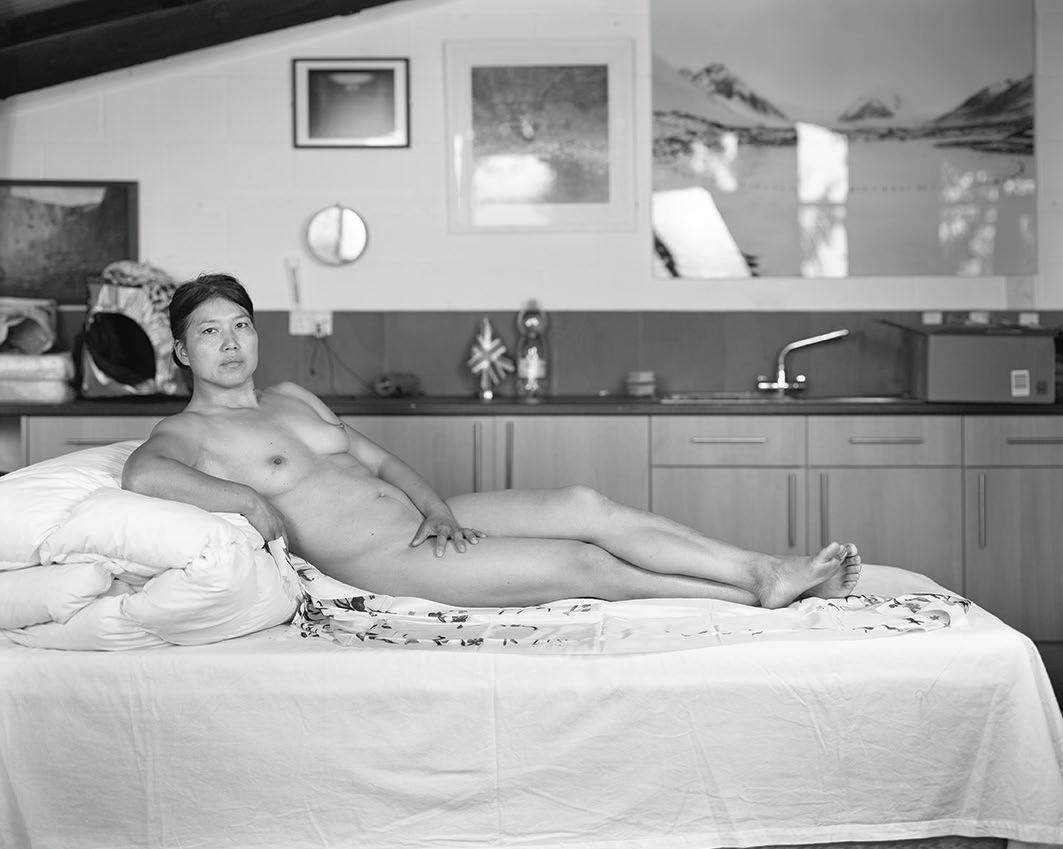
To navigate the selection, it is helpful to identify comparisons and themes –this, however, is not to divert from the individuality of each captured interaction. Several photographs revisit art-historical imagery with contemporary racial awareness. These include self-portraits by Yan Wang Preston, After ‘Olympia, 1863’, and by Farren van Wyk, Boycott Outspan blood oranges, which references a 1970s Dutch anti-apartheid campaign. Drew Gardner’s tintype recreations of Descendants of Black civil war combatants celebrate overlooked historical figures, while the Blaxploitation aesthetic of Alice Harris’s A Study in Character reclaims the power of depiction.
The small number of recognisable sitters ranges from an ethereal Stephen Jones – the milliner captured by Kasia Wozniak’s 19th-century technique – to Saltburn’s Jacob Elordi firmly rooted in the
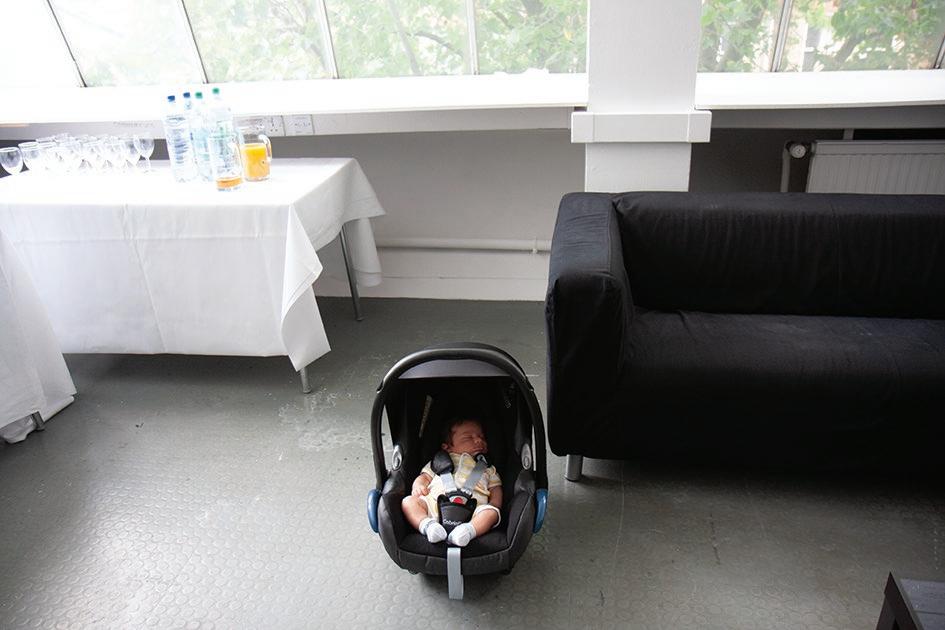
Above – My baby son accompanied me when I photographed the judging process in 2009
mundane by Ingvar Kenne. However, it is the liberating annual diversion from the Gallery’s acquisition policy that the Portrait Prize offers. It is the chance for us to be introduced to international contemporary lens-based practice without having to consider the sitter’s eligibility and instead to make a judgement purely on the merit of successful photographic portraiture. Naturally, world events are represented in the Prize. When headlines become human faces they are powerfully empathetic. The loneliness evoked in Yuliia’s averted gaze, through Polly Braden’s Leaving Ukraine, is palpable, while the tenderness of interaction between mother and daughter in Frankie Mills’s ‘Kitchen Embrace’ from Good Evening, We Are from Ukraine is clear.
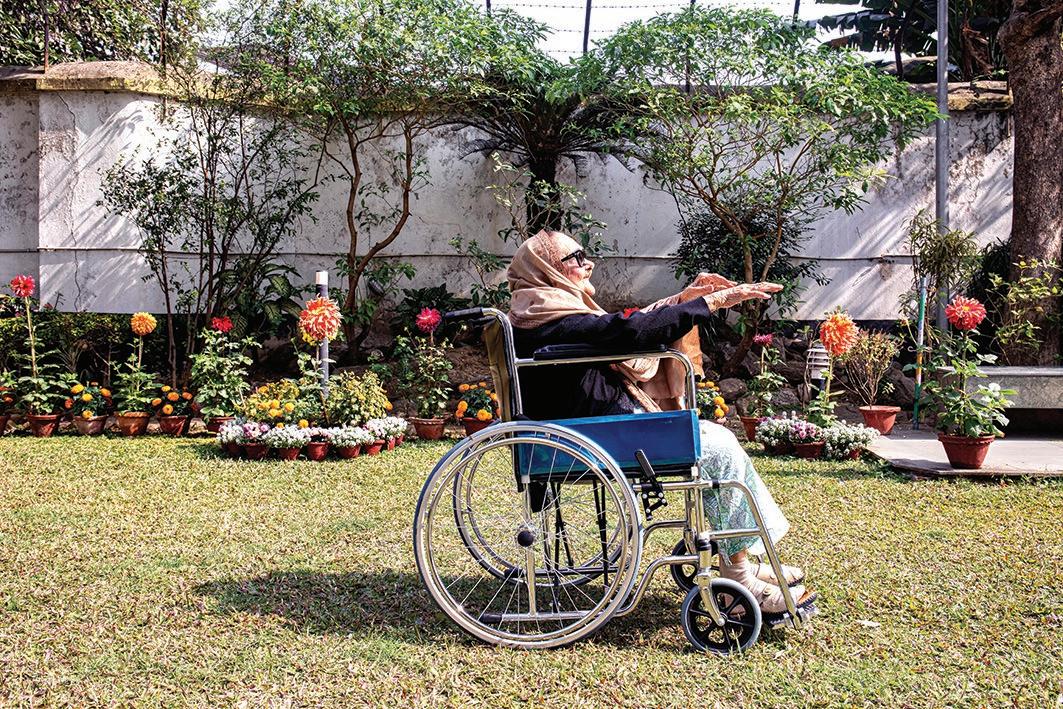
Such familial devotion is communicated by several portraits of elderly relatives –highlighting our aging population. Jasmeen Patheja’s long-running collaboration with her mother is observant and joyful, yet Tijtske Sluis’s shortlisted portrait of her sleeping ‘Mom’ captured near the end of her life from her series Out of Love, Out of Necessity is a heart-wrenching portrayal of affection.
Jesse Navarre Vos’s winning portrayal of his mother alone in a care-home lift makes visible an unbridgeable distance created by age and illness. The distance between a parent and child is a theme of this year’s In Focus artist’s series. Father by Diana Markosian is a deeply personal visual narration of estrangement and reunion. A selection of works by Markosian featured in the exhibition will resonate strongly with many of the chosen works.
The other shortlisted works are equally thought-provoking. Steph Wilson’s Sonam defies preconceptions of motherhood and Adam Ferguson’s triple entry from his series Big Sky explores the tension between romantically held notions of Australian bush culture and the contemporary lived reality. The art critic John Berger described a lens as ‘the secret of narration ... ground anew in every story, ground between the temporal and the timeless’. The stories visualised through the multiple lenses of this year’s photographers offer up great riches.
Taylor Wessing Photo Portrait Prize 2024
From 14 November 2024 until 16 February 2025
Floor 2 Exhibition Gallery
Tickets £8.50 (Concessions 10% off / Under 25s on Fri/Sat/Sun £5)
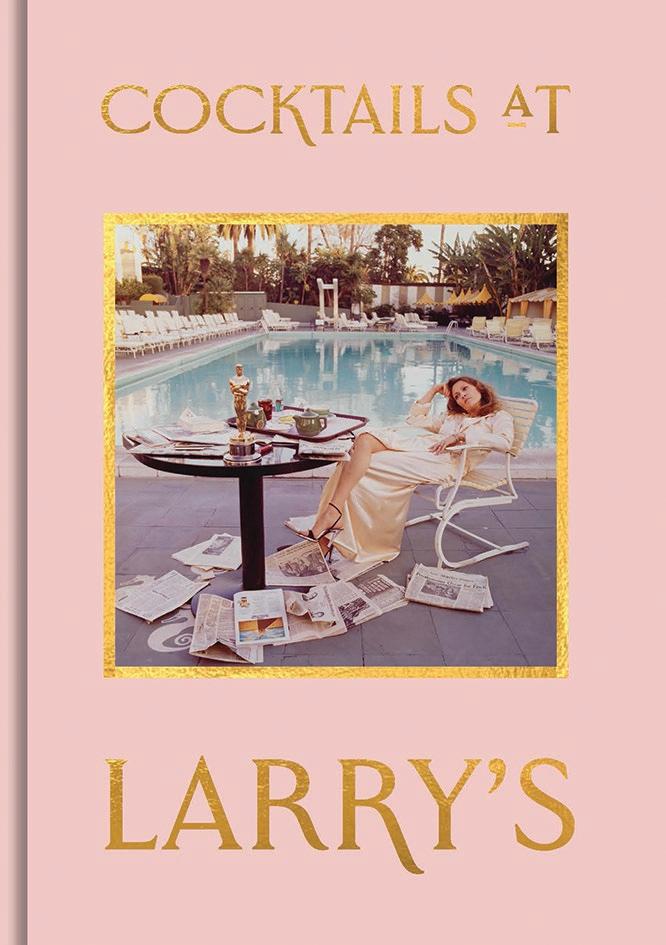
Our publishing team is delighted to announce its newest publication: Cocktails at Larry’s. This lovely giftbook was developed from the cocktail menu for Larry’s Bar at the National Portrait Gallery. Within its pages you can experience iconic works from our Collection that inspired the drinks created in their honour by the Daisy Green Collection.
Larry’s Bar is named after the renowned British actor, producer and director Sir Laurence Olivier, who for over half a century headlined the West End’s fabled stages, while insisting that everyone call him simply ‘Larry’. It is the delicious signature cocktail developed in Larry’s honour that you first encounter within the publication, alongside the story of him falling in love with actress Vivien Leigh, their life in the West End, and their famously glamorous cocktail parties.
The publication takes the reader on a journey through London’s West End, with its multigenerational, ever-evolving cast of characters – from Cecil Beaton socialising with the glamorous ‘Bright Young Things’ at the Gargoyle Club, to Francis Bacon once again climbing up the steps to his beloved Colony Room. The fabulous cocktails evoke bygone eras and the creative spirit of London’s West End, known as a hub of creativity and for its pioneering music scene.
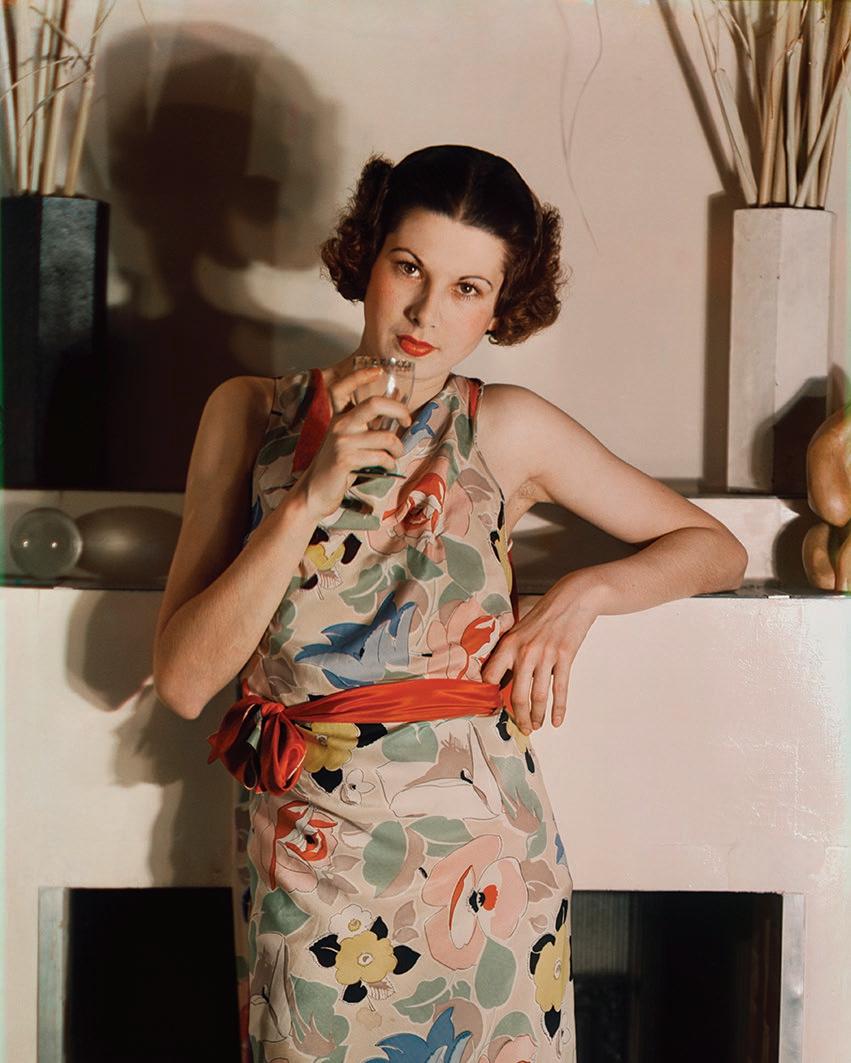
Highlights include The Yevonde cocktail, which celebrates the landmark photographer who brought colour to the 1930s with her Vivex photography; The Hepburn, inspired by Audrey Hepburn, who early in her career danced in a musical revue at Ciro’s nightclub on Orange Street, now the Archive of the National Portrait Gallery; and The McBean,
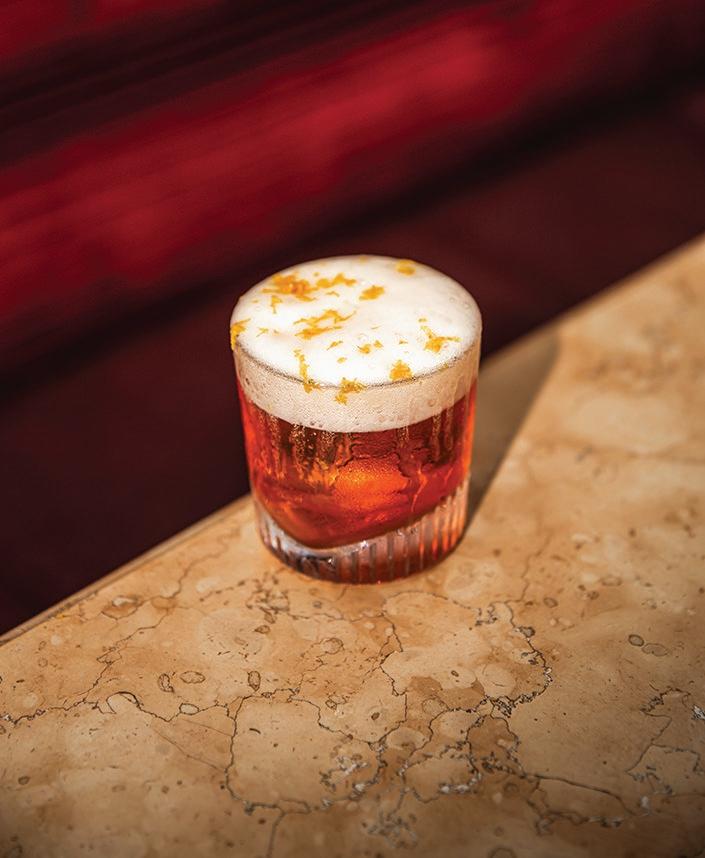
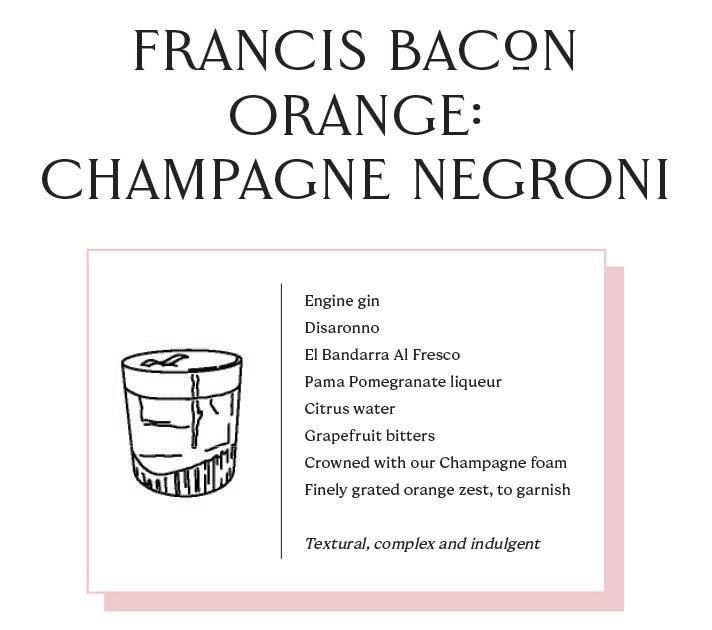
Above – The ingredients for a Francis Bacon Orange: Champagne Negroni from the Gallery’s new publication Cocktails at Larry’s
Top right – Betty Cowell by Yevonde, 1935 (NPG x222563)
an award-winning Dirty Martini created to celebrate Angus McBean, the iconic photographer whose images of Audrey Hepburn and Vivien Leigh helped them ascend to stardom.
Author Tom Onions collaborated with artist Michael Clark, who started his London life working behind the bar of the Colony Room, to develop a trilogy of colour-based cocktails for Larry’s, Colony Room Green, Francis Bacon Orange and Jarman Blue. To help create the Francis Bacon Orange Negroni, he was inspired by Bacon’s favourite drink – Champagne. This new addition to the cocktail menu was created by Larry’s ahead of our exhibition, Francis Bacon:
‘This is not a bible of cocktails or a book of history. It seeks to capture the moment at which these drinks were enjoyed – from the original White Lady at Ciro’s to the Espresso Martini at Fred’s in the naughty noughties – and the amazing people who have brought the West End to life.’ – Tom Onions, Founder, Daisy Green Collection
Human Presence, opening on 10 October 2024. One of the most exciting parts in the development of the publication was celebrating our exhibition programme, both past and present. The book finishes with Sir Paul McCartney – whose photographs are the subject of the globally renowned exhibition developed for the National Portrait Gallery’s re-opening last year – with his own twist on the Margarita: The Maccarita.
Cocktails at Larry’s is presented as a beautiful hardback, perfect for any lover of the glamour of London’s West End, and a fitting Christmas or birthday gift that showcases each of Larry’s bespoke cocktails, with the secret stories behind their inspiration, ingredients and design.
Cocktails at Larry’s Hardback, £14.95 (Published 5 September 2024)
Written by Tom Onions, founder of the Daisy Green Collection
Available to order now at npgshop.org.uk. Don’t forget to enter the code MEMBER2024 at the checkout to receive your exclusive 10% discount for Gallery Supporters.
Wartime Women Undercover
by Constantia Nicolaides Assistant Curator, Cross-Collections
‘Set Europe ablaze’ was the bold directive Prime Minister Winston Churchill issued as France was occupied by Nazi Germany and the threat of an invasion of Britain loomed larger. Thus, the Special Operations Executive (SOE) was launched in July 1940, a clandestine organisation aiming to use irregular, guerrilla warfare to disrupt the advance of enemy forces across Europe and Asia during the Second World War.
Although women were banned from combat roles (and remained so until 2016), the SOE began recruiting women, who were generally regarded with less suspicion by the enemy than men, in 1942. Within this male domain, 75 rigorously trained female special agents were sent to countries including France, Belgium and Poland. They couriered military intelligence and supplies, transmitted wireless communications, sabotaged enemy resources, assisted local
resistance groups and participated in raids, among much else. The recently acquired photographs of four of these women have been displayed in Room 27 (The 1930s to the Second World War) since this August, as part of our regular rotations that allow us to show more portraits from the Gallery’s Collection and continue highlighting a range of diverse stories, both well-known and overlooked.
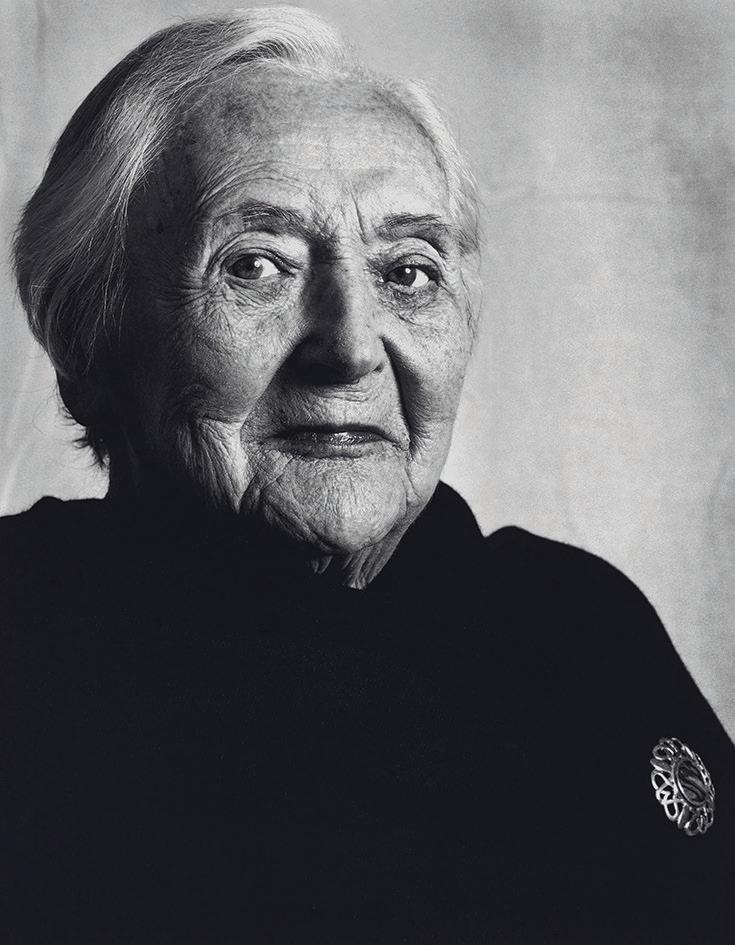
Tales of the dangerous missions SOE agents undertook and of evading capture have long attracted public interest and Nancy Wake (1912–2011) was among the first to gain attention with a biography appearing in 1956. Nicknamed the ‘White Mouse’ by the Gestapo for her elusiveness, she helped Allied servicemen escape France and worked as a courier for the French resistance before joining the SOE. Photographed at the age of 91 – a poignant reminder that only some survived their risky wartime assignments –Wake is shown still displaying the ‘vitality’ and ‘flashing eyes’ that senior SOE officer Vera Atkins once remarked upon.
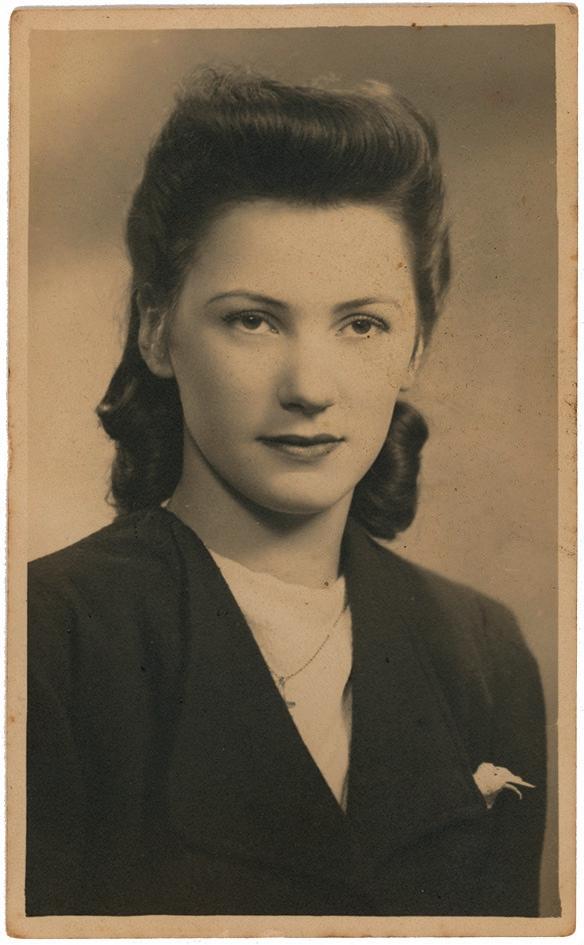
By contrast, Elaine Madden (1923–2012) did not feel ready to talk about her SOE experiences until her eighties, meaning her story has only recently been revealed.
Aged 20, she visited Bernard Bennett’s London studio for a photograph to send to her beloved Australian cousin Valda, just weeks before joining the First Aid Nursing Yeomanry (FANY), which was frequently used as cover for female SOE agents. One of two women parachuted into Belgium, she sought intelligence on Nazi German rocket launch sites and helped extricate political prisoners from concentration camps after the war ended, a harrowing experience that never left her.
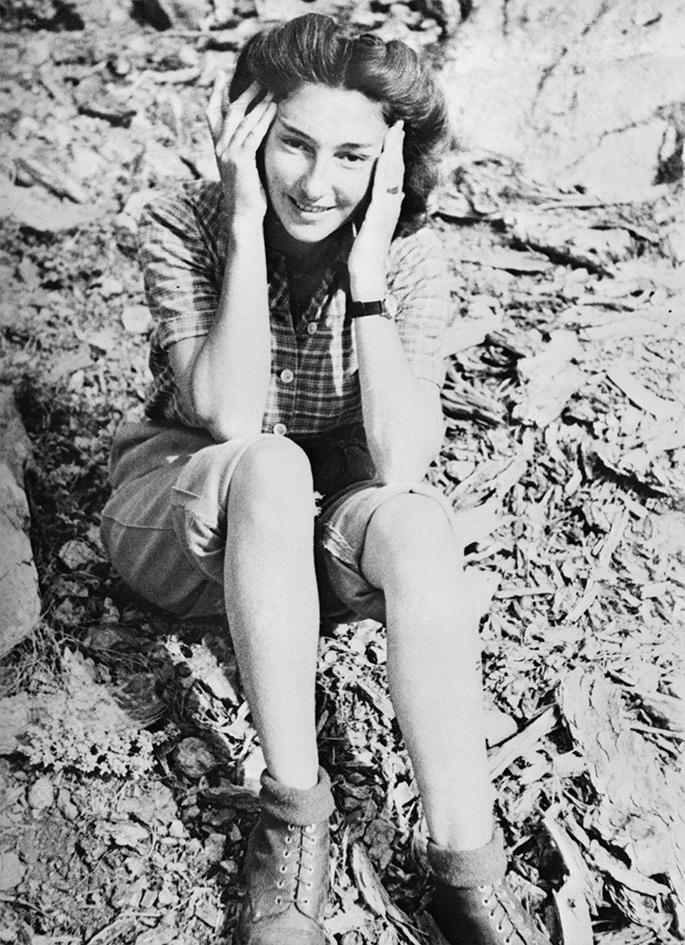
Another portrait shows a relaxed Christine Granville (1908–52) shortly after France was liberated. Her notable contributions include securing the defection of an entire German
garrison in the mountains, saving the lives of several Allied officers. She also smuggled, inside her leather gloves, microfilm that exposed Hitler’s plans to invade the Soviet Union, prompting Churchill to refer to her as his ‘favourite spy’.
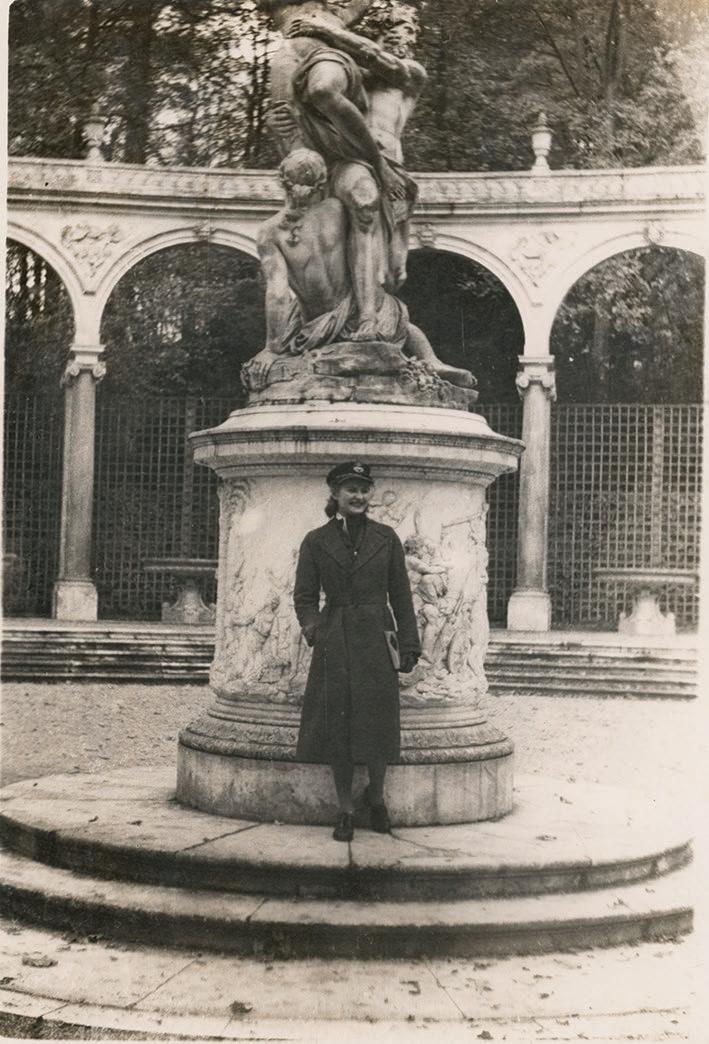
Sonia d’Artois (1924–2014) is also shown soon after France’s liberation, expressing the elation felt at that time as she beams broadly in the gardens at Versailles in an image probably made by her husband and fellow SOE agent, Guy d’Artois. They had been separated in the field for fear their marriage could be a weakness if both were captured and tortured. Sonia fearlessly mingled with Nazi German officers while working as a courier for the HEADMASTER circuit in France, into which she was parachuted just nine days before D-Day.
Highlighting more women’s stories from British history has been an important part of our new displays since we reopened last year and, with these portraits, we hope to place a spotlight on the vital service of these female special agents. Furthermore, they show that another visit to the National Portrait Gallery is always worthwhile – there is always something new to see.
These photographs are on display from 14 August 2024 in Room 27, Floor 2. Free entry.