NEIGHBORHOOD TOWER, CHICAGO TALL BUILDING STUDIO |GRADUATE STUDIO
ADAPTIVE REUSE & INTEGRATIVE DESIGN STUDIO
ADAPTIVE REUSE STUDIO |GRADUATE STUDIO
THESIS STUDIO
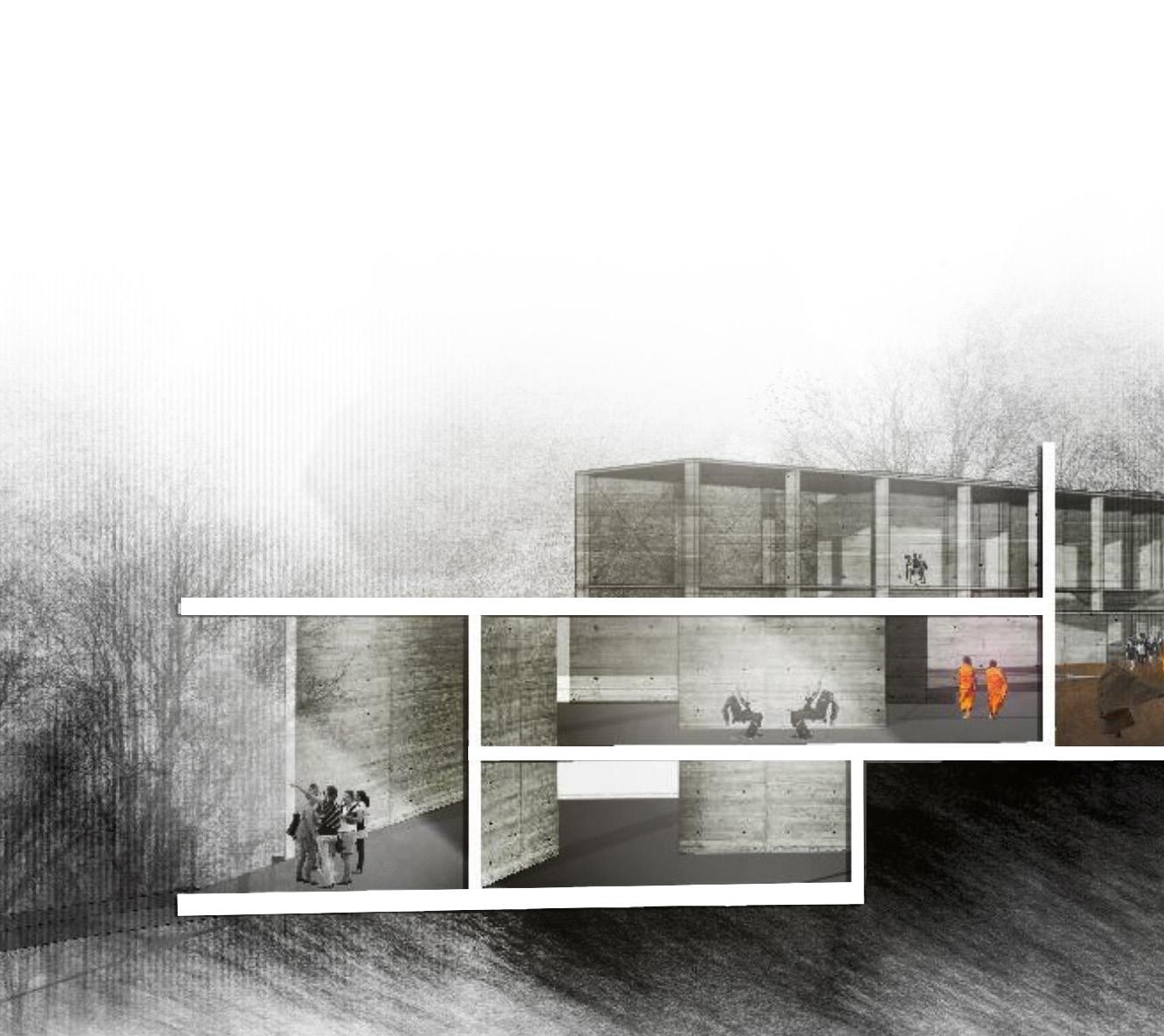
CHITTAGONG HILL TRACTS REGIONAL COUNCIL
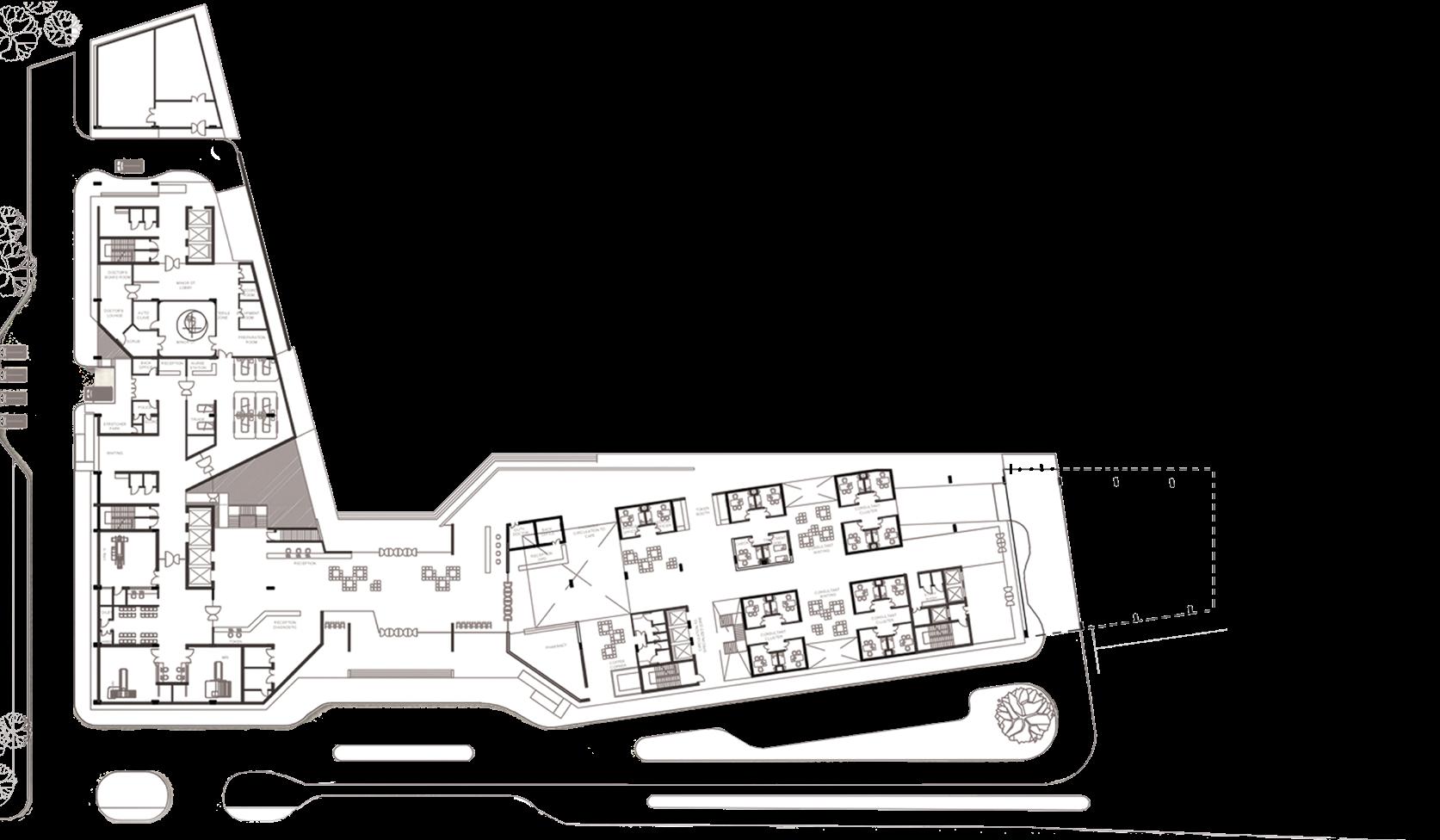
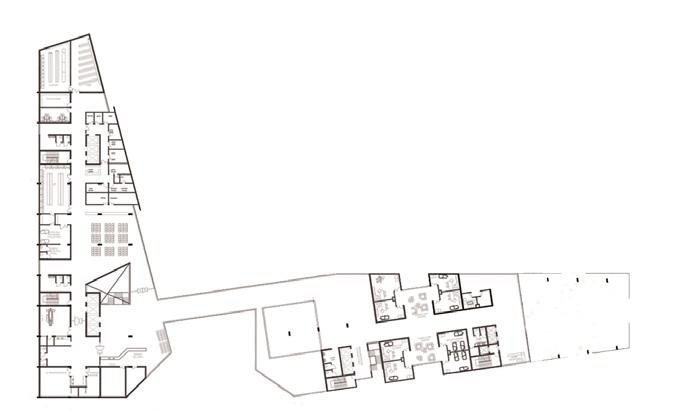
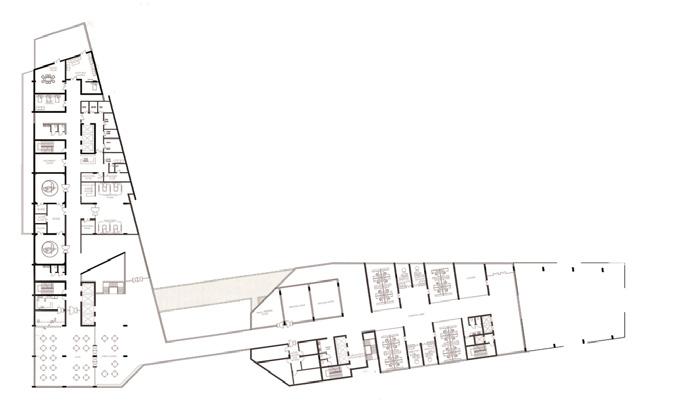
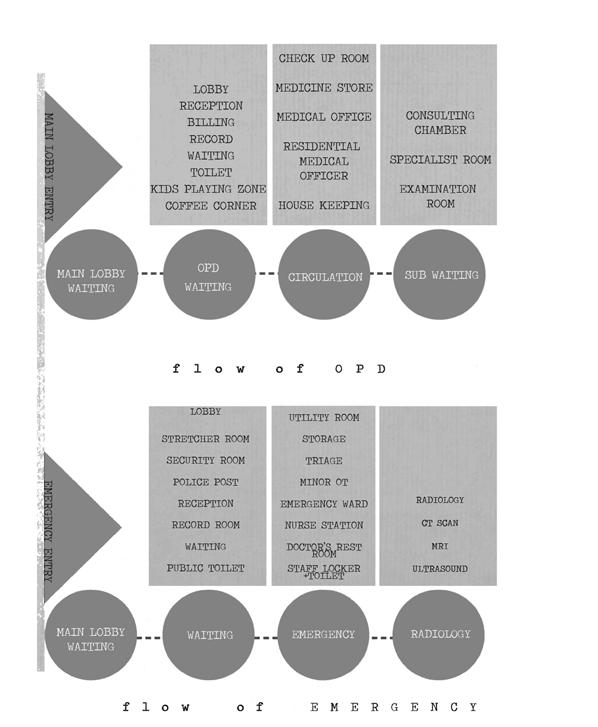
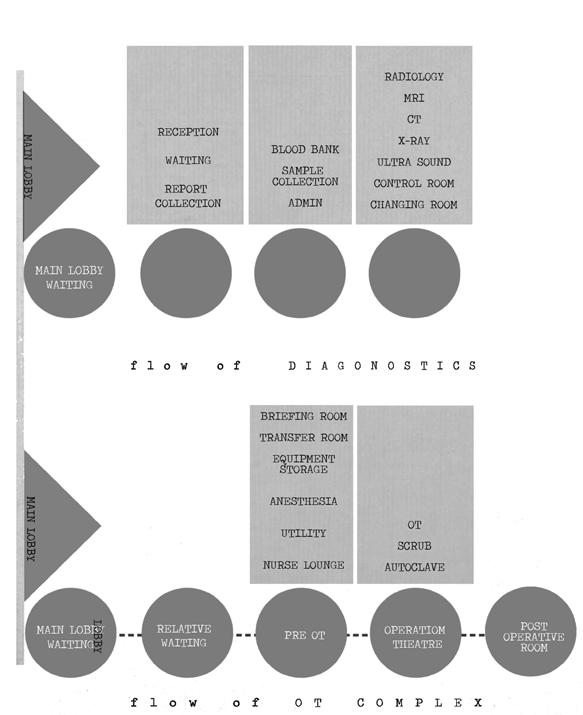
HOSPITAL DESIGN STUDIO | COMPLEX BUILDING DIABETIC HOSPITAL & REHABILITATION CENTER
LOW INCOME HOUSING STUDIO RETHINKING A LOW INCOME HOUSING
BANGLADESH PUBLIC ADMINISTRATION AND TRAINING CENTER MILITARY ENGINEER SERVICES 03 04 05 06 07 08 02 01 ACADEMIC PROFESSIONAL
ARMED FORCES INSTITUTE OF PATHOLOGY MILITARY ENGINEER SERVICES
DETAIL & ARCHITECTONICS
FALL 2023 | PROFESSOR : DR. NILOUFAR EMAMI | PROJECT TYPE : GROUP PROJECT TEAM MEMBERS : NOUSHIN ANJUM, MADISON BOWMAN & JON GUTTELLO
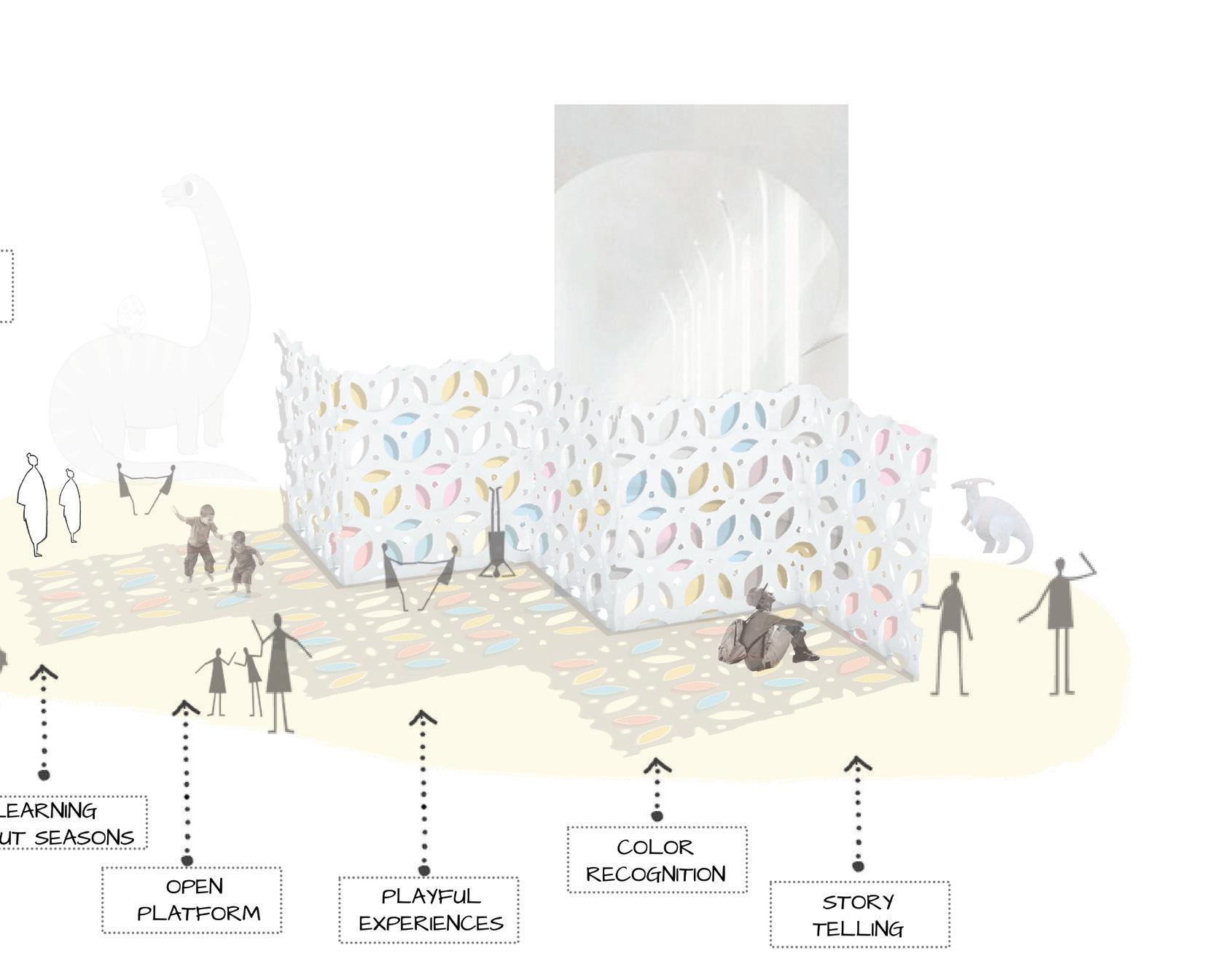
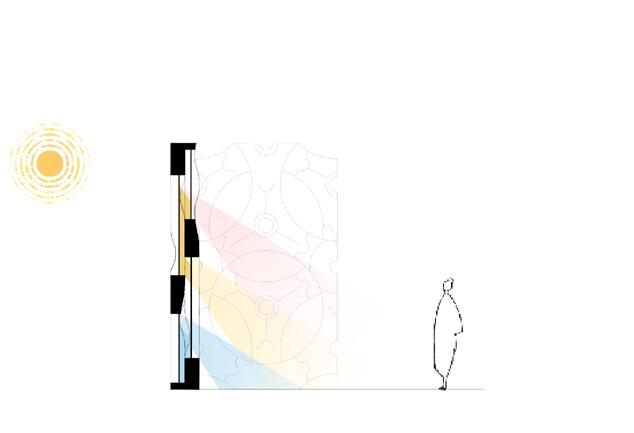
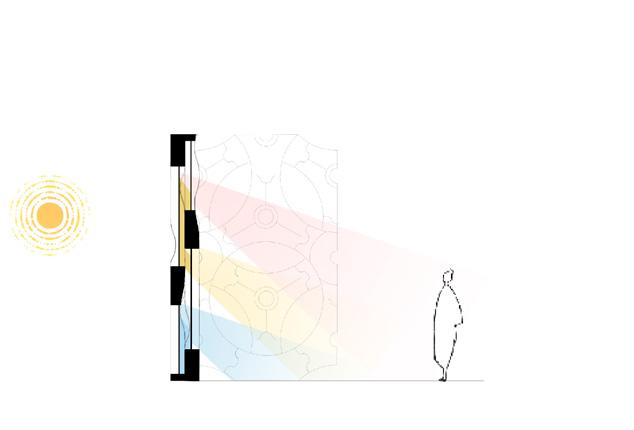
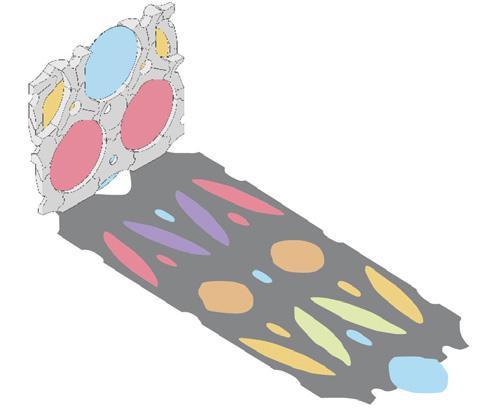
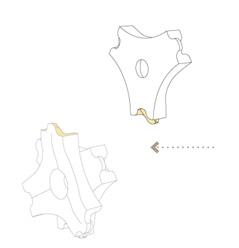
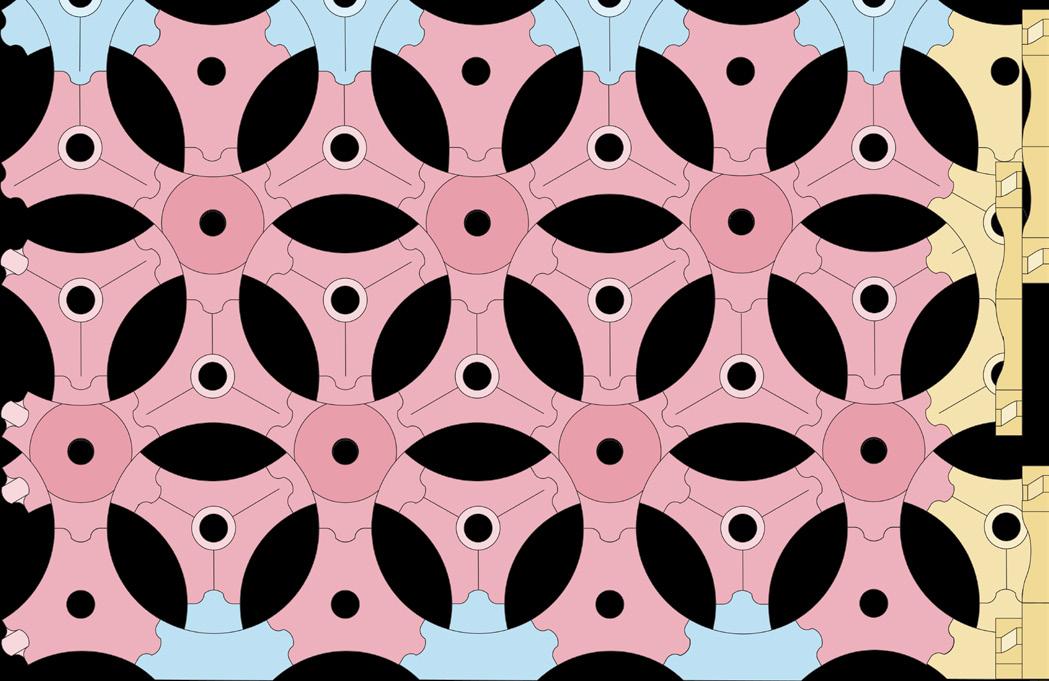
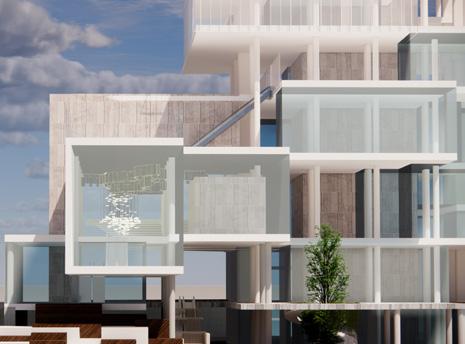
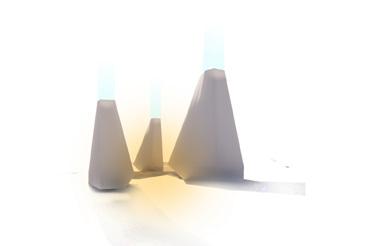
Kaleidoscope explores the intersection of play, light, and learning through a porous wall system designed to invite spatial interaction and sensory discovery. Intended for public environments such as museums, the project transforms structure into an open-ended experience, especially for children.
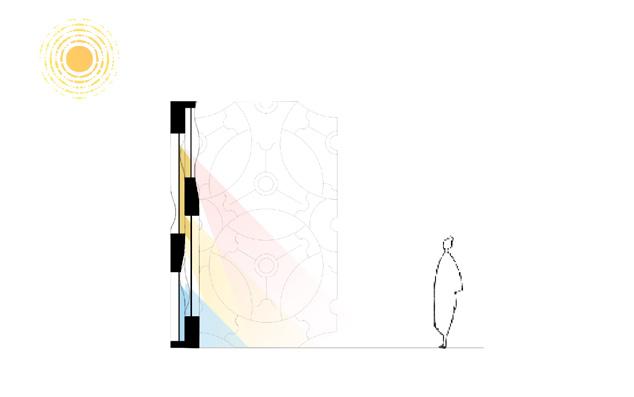
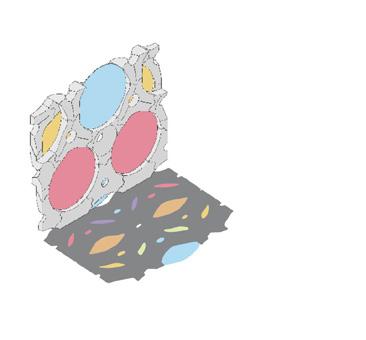
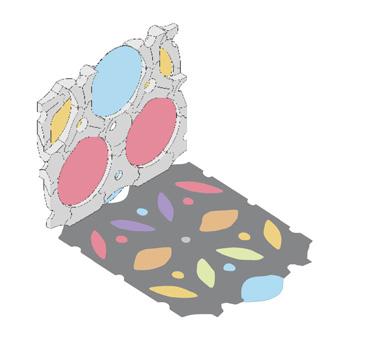
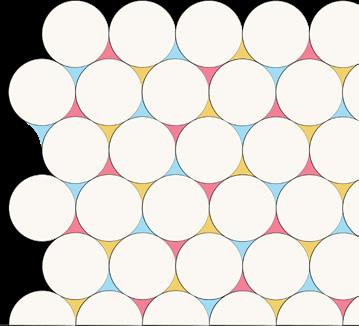
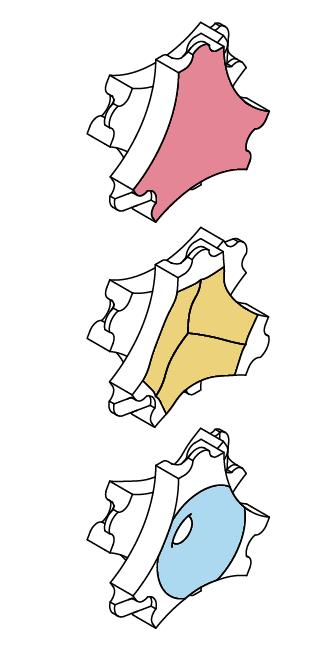
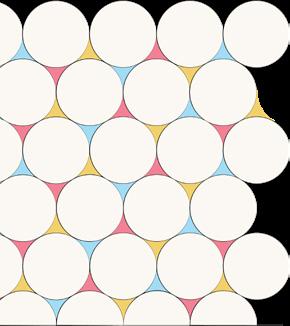
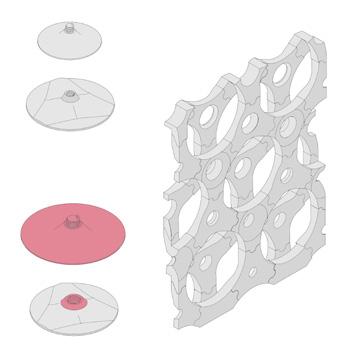
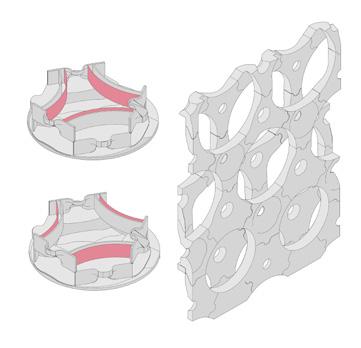
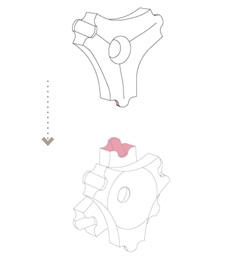
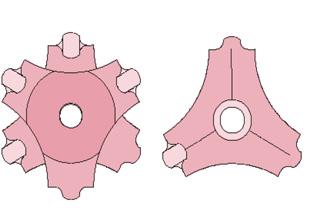
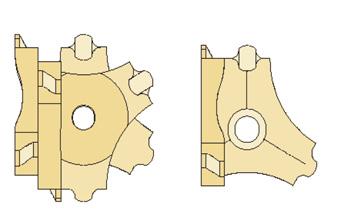
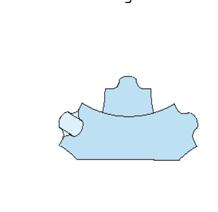
The system is composed of interlocking concrete modules, derived from the negative space of a circular grid. Each block contains colored glass inserts that animate surrounding surfaces with shifting light and shadow. These units are cast using 3D-printed PLA molds that include a screw cap system, allowing undercuts and varied perforation sizes with efficiency and precision.
Assembly of Crcles
Single Layer of the Circles
Study with light source
Double Layer of the Circles
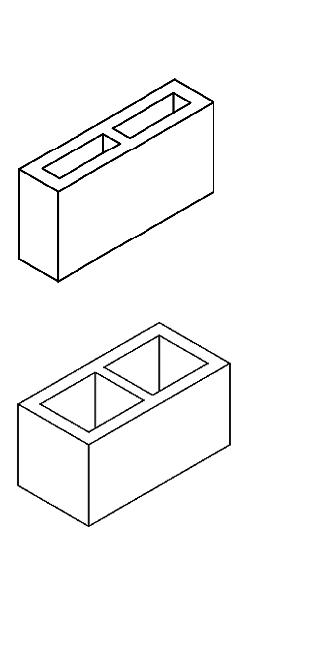
Structural Optimization Comparison with CMU :
Selecting the Negative Space
Interlocks: Assembly:
Single Layer of positive and negative spaces
Double Layer of positive and negative spaces
4'' x 8" x 16"
8'' x 8'' x 16''
The project celebrates the flexibility of modularity. By changing mold components such as walls, plugs, and base plates, users can generate normal, edge, or corner units while adjusting grid radius and material volume. This modular toolkit supports diverse spatial conditions and minimizes material waste.
Kaleidoscope signals a new era in fabrication where adaptable molds, customizable parts, and intelligent material use offer designers greater freedom. It reflects a move toward responsive making—simple, colorful, and always in transformation.
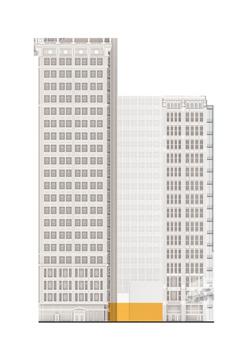
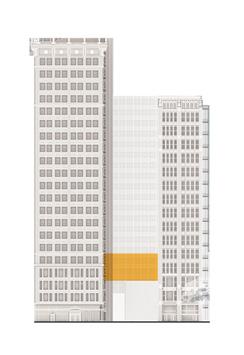
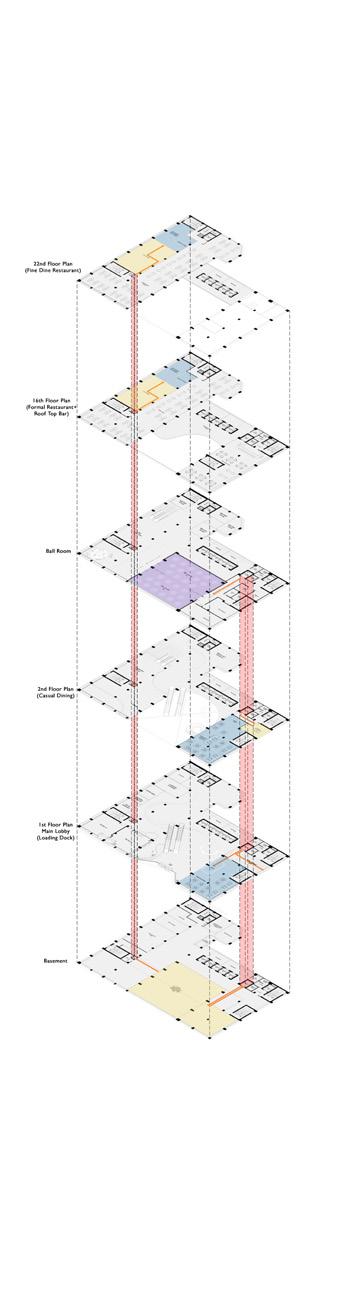
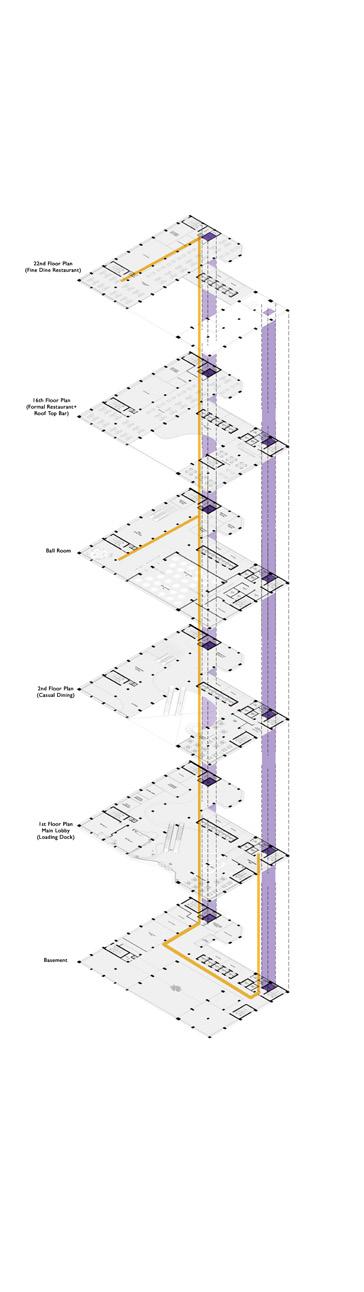
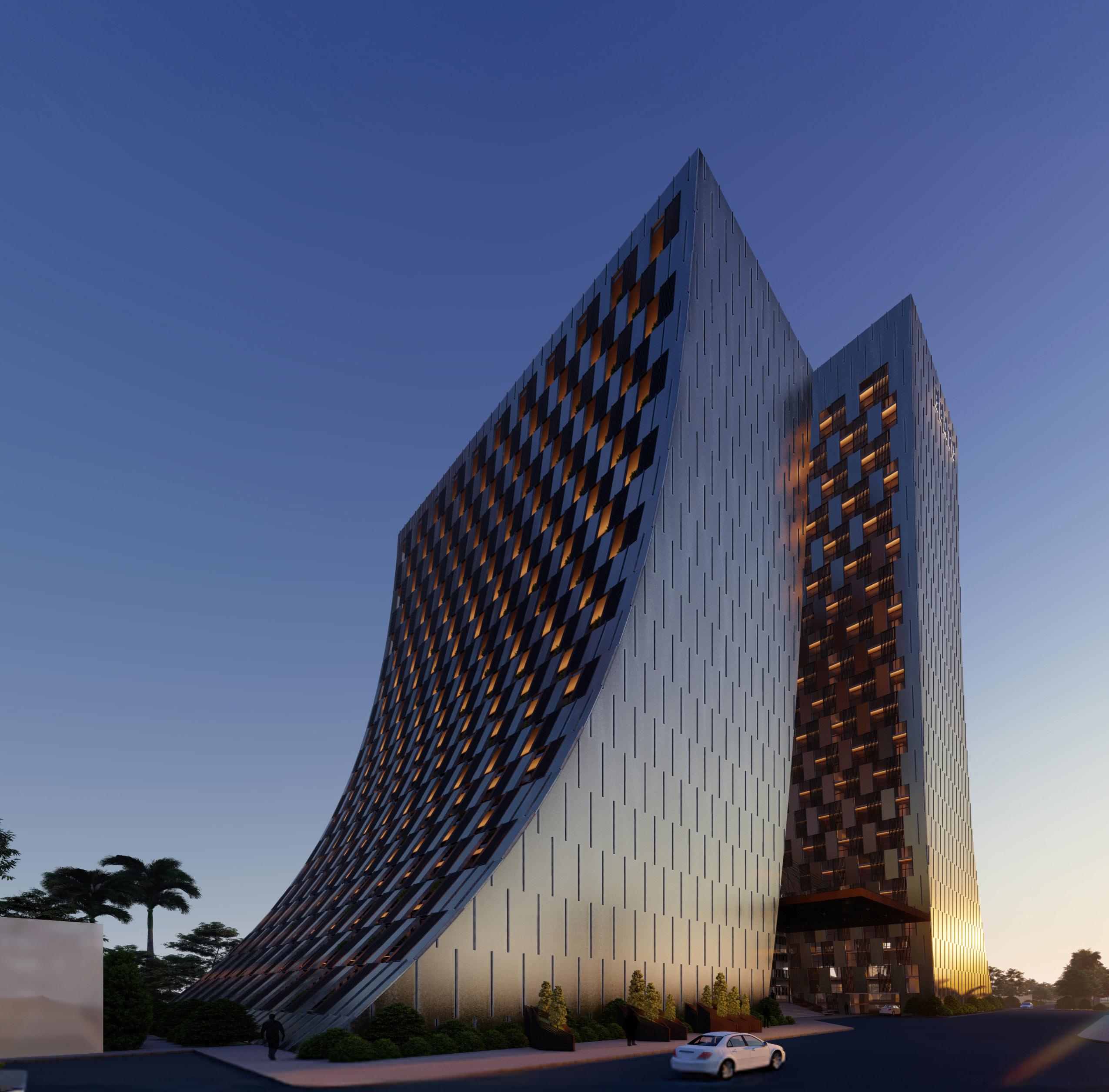
THE NEIGHBORHOOD TOWER
FALL 2024 | PROFESSOR : PAUL ARMSTRONG | PROJECT TYPE : INDIVIDUAL
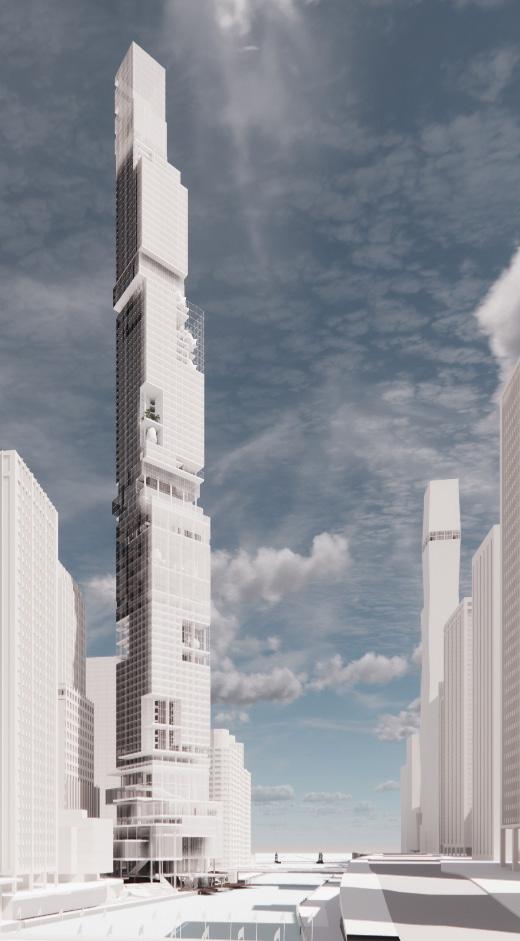
Synthesized Hearthscape of Meta-Synergies in Urban Context, a Vibrant Mosaic of Interwoven Lives in an Ever Evolving, Resilient Ecosystem
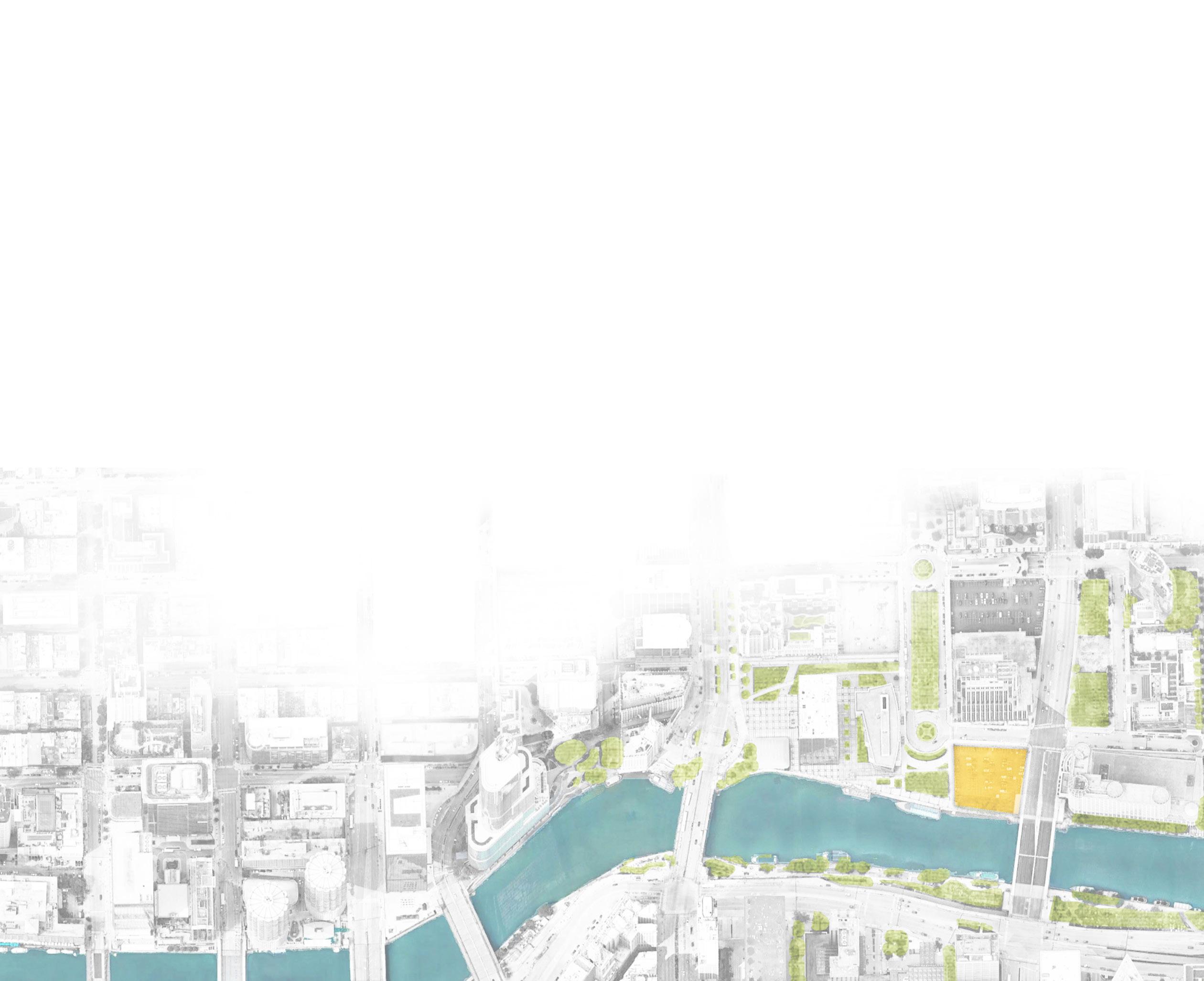
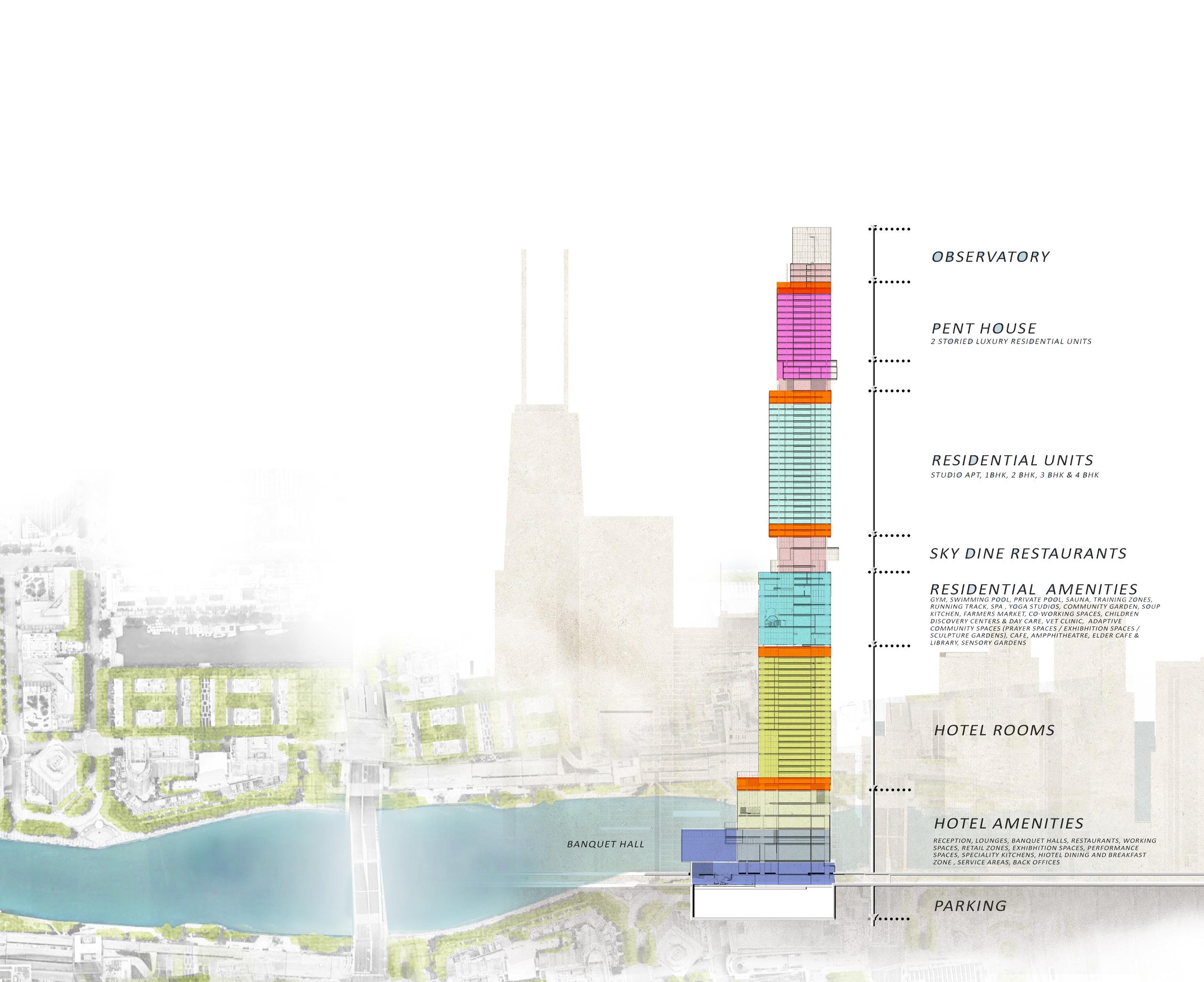
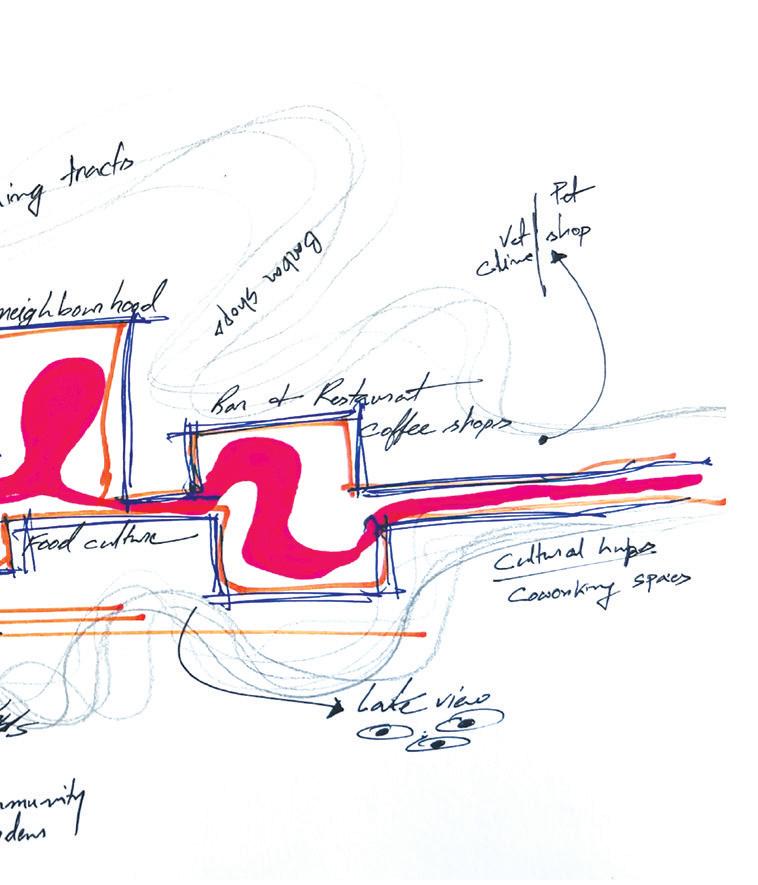
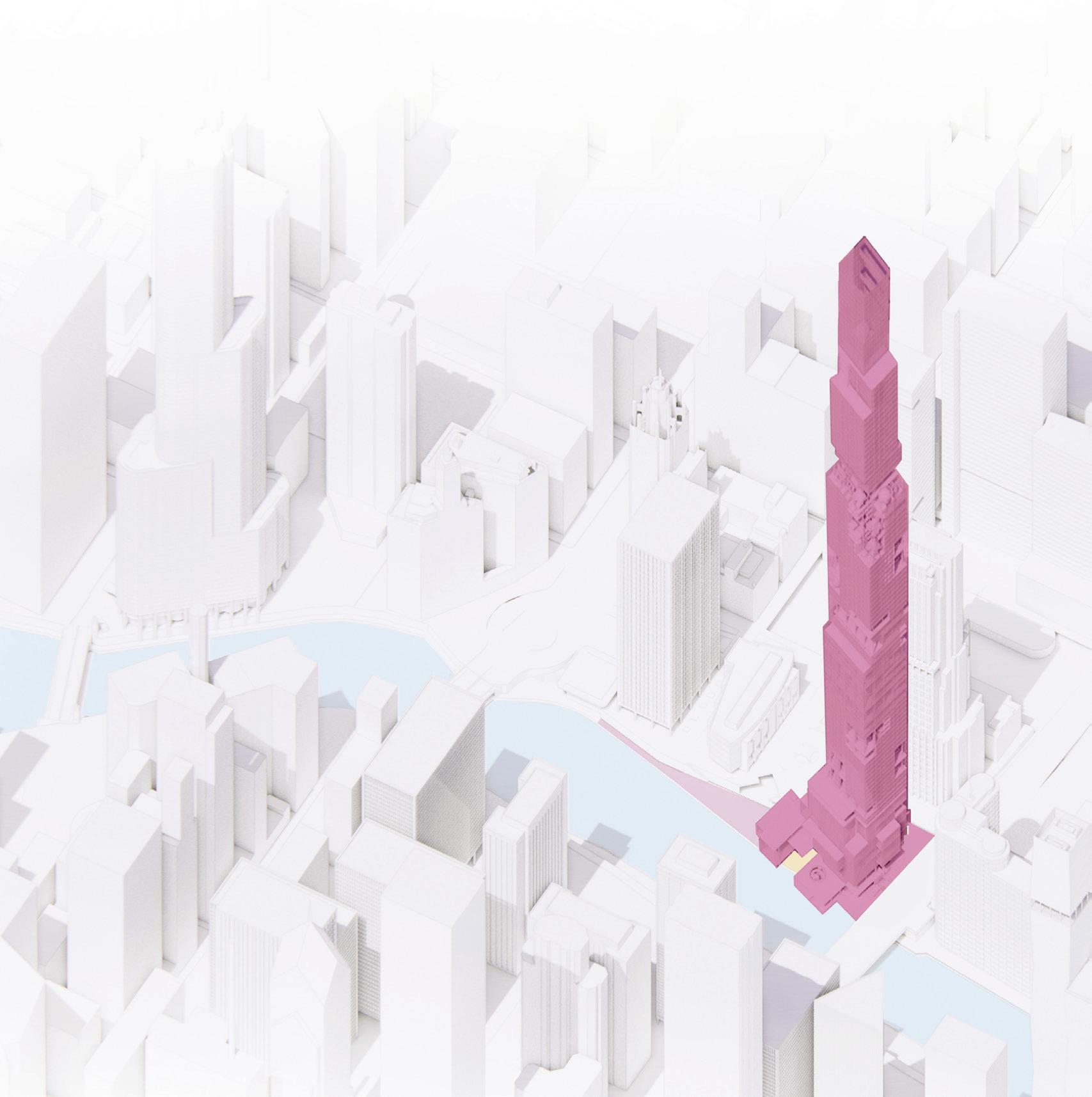
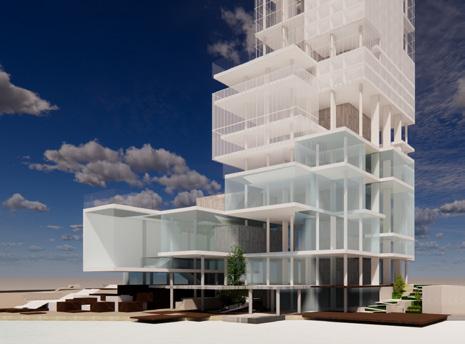
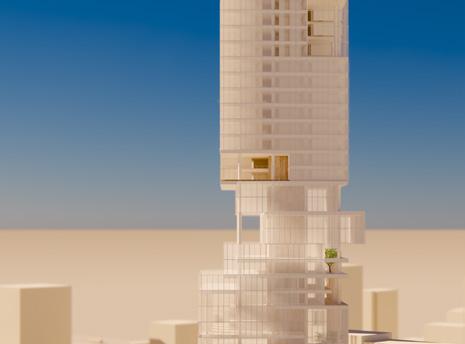
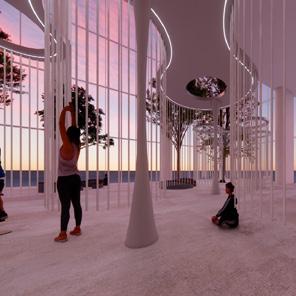
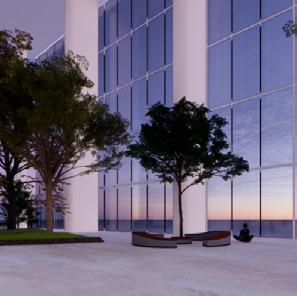
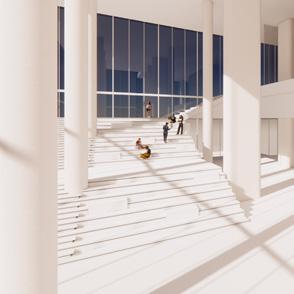
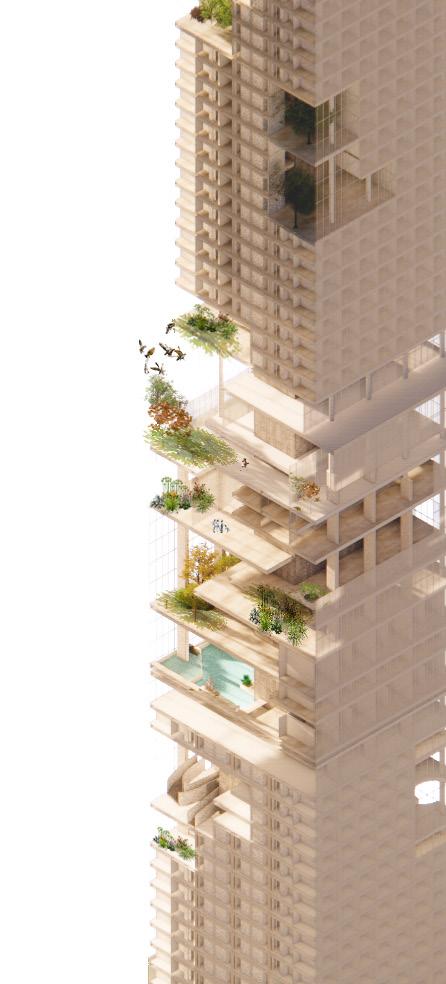
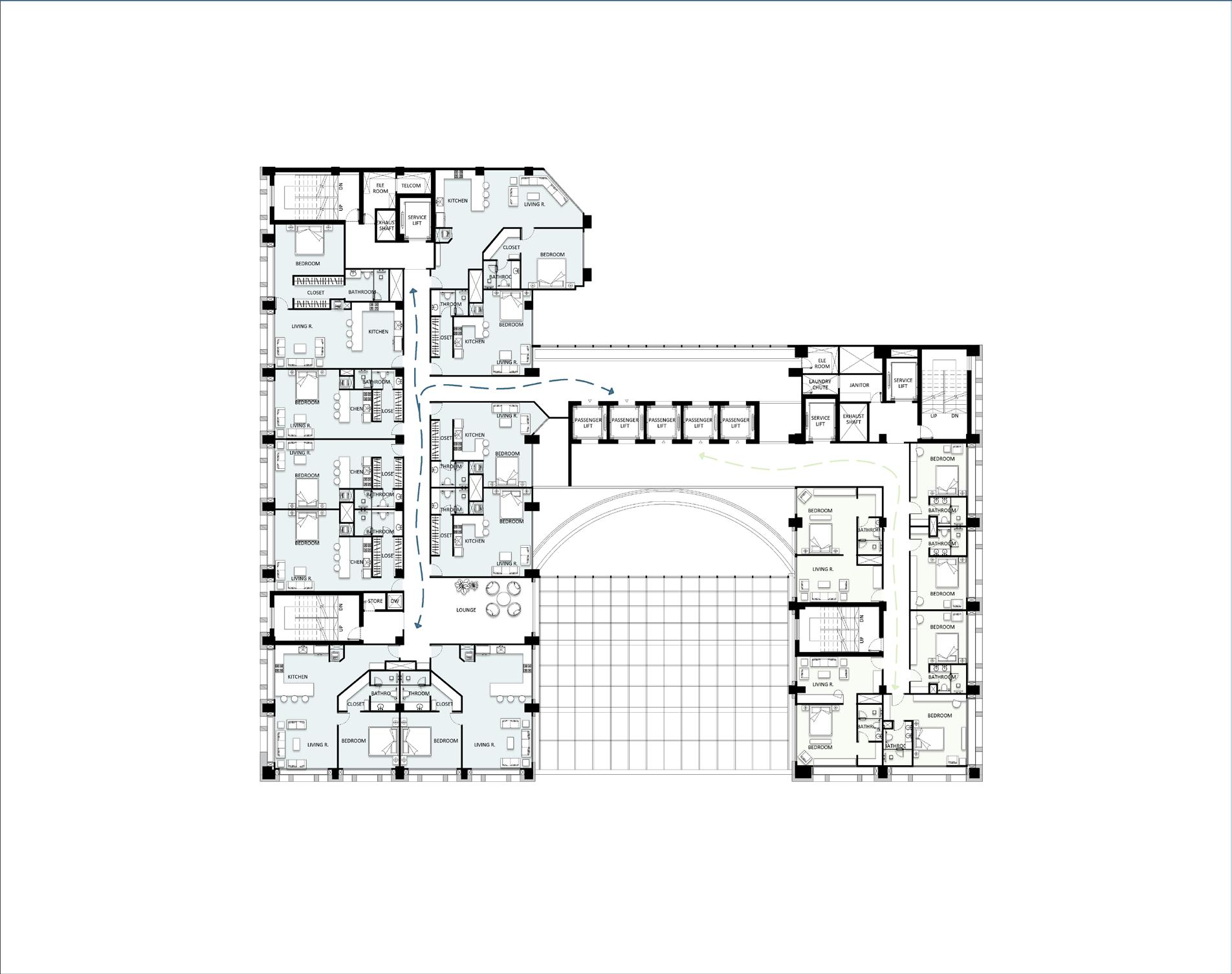
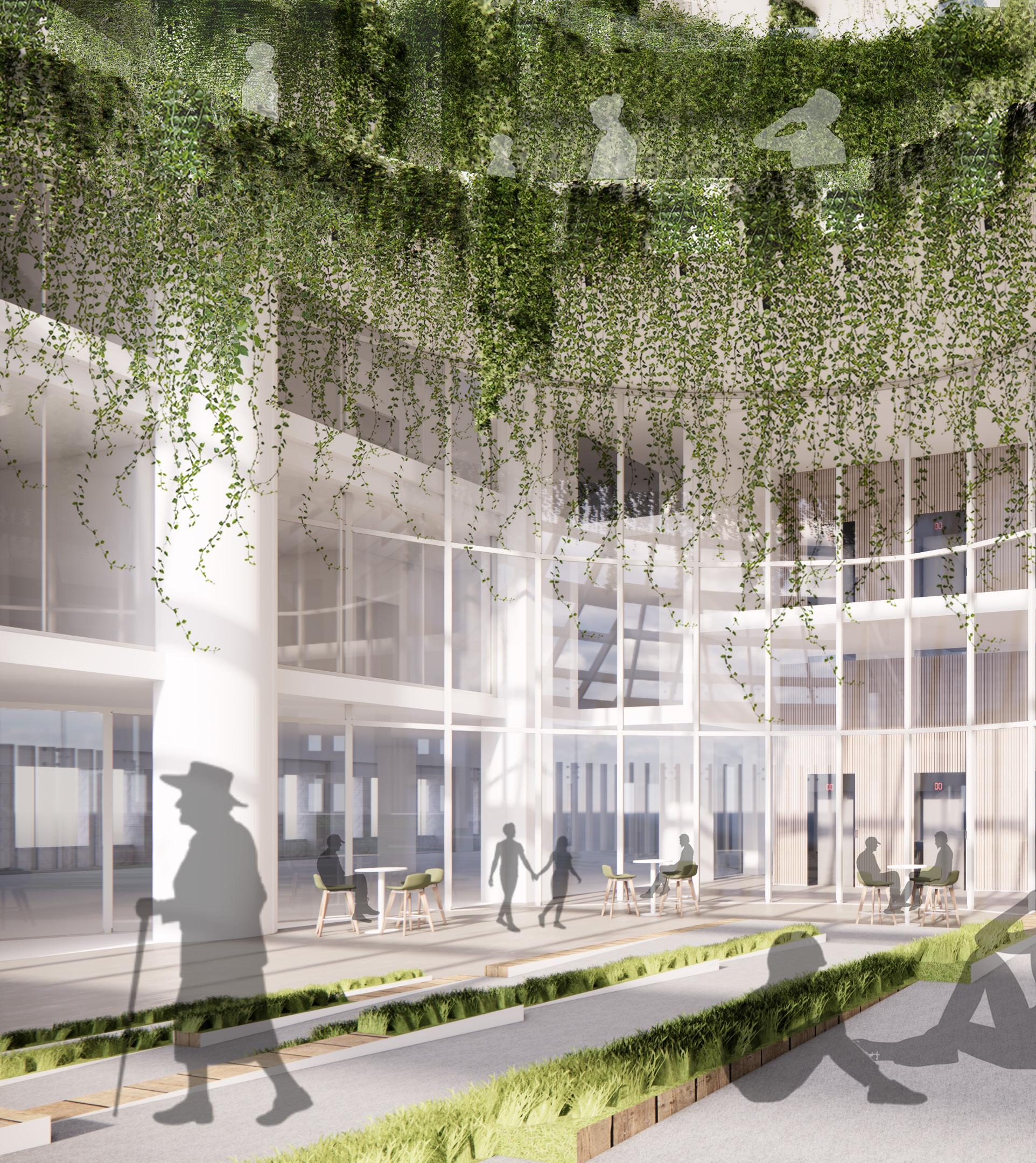
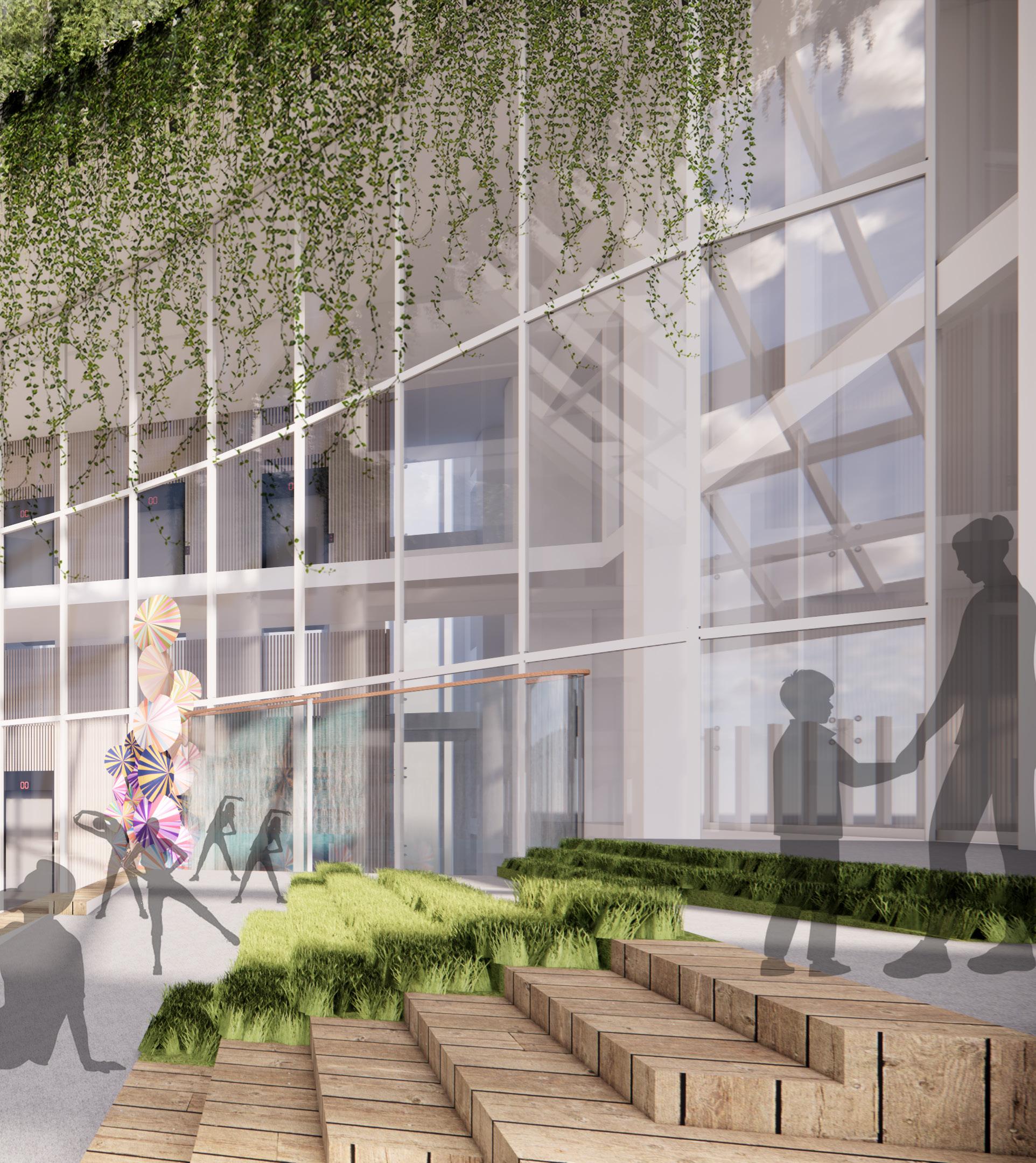
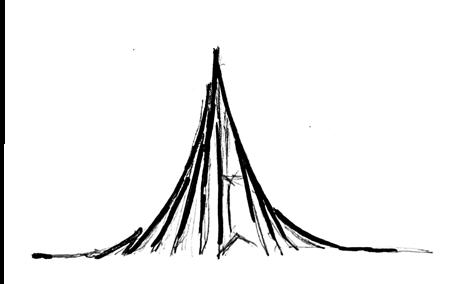
In the heart of downtown Chicago, this tower does not rise to stand out but to belong. It grows from the rhythm of the streets, embracing the city’s diversity, pace, and warmth. Rather than competing with the skyline, it listens to the ground beneath, echoing the energy of daily life.
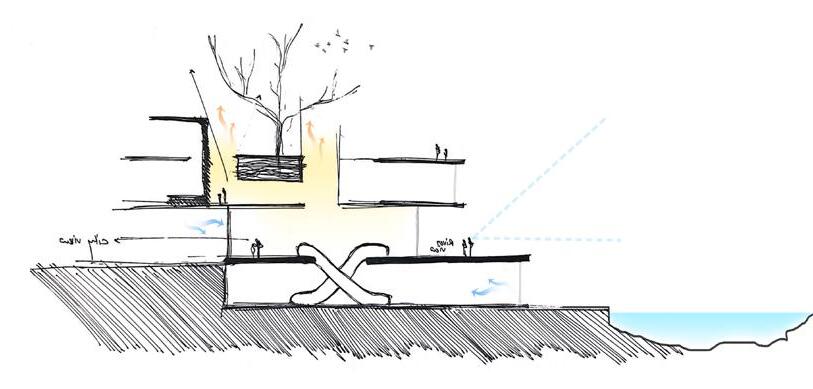
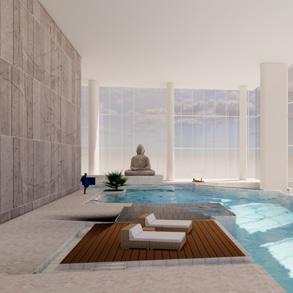
This is a place where everyday routines meet unexpected interactions. Gardens in the sky, quiet corners for books, wellness zones, and discovery spaces are not extras, they are essentials. They create room for pause, for play, for exchange across generations. The tower is shaped by its people by the quiet needs of a reader, the
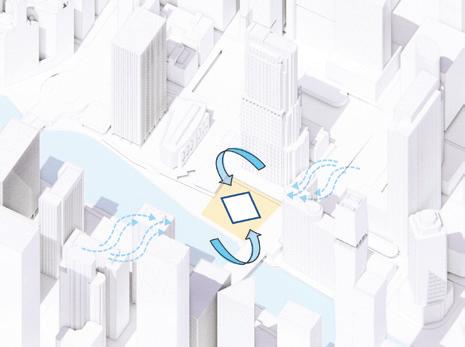
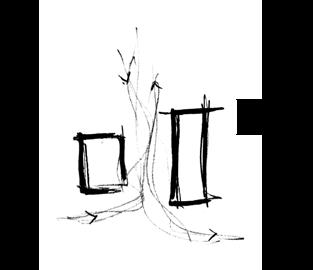
Rotating the Mass to create corners for the urban interactions, Fight Winds from the Lake Michigan and South west for Structural Stability
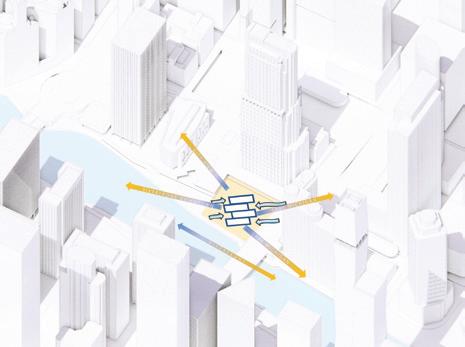
Preserving NBC tower’s River views options & Create views for the tower from all 4 sides, as NBC tower was blocking the North side views
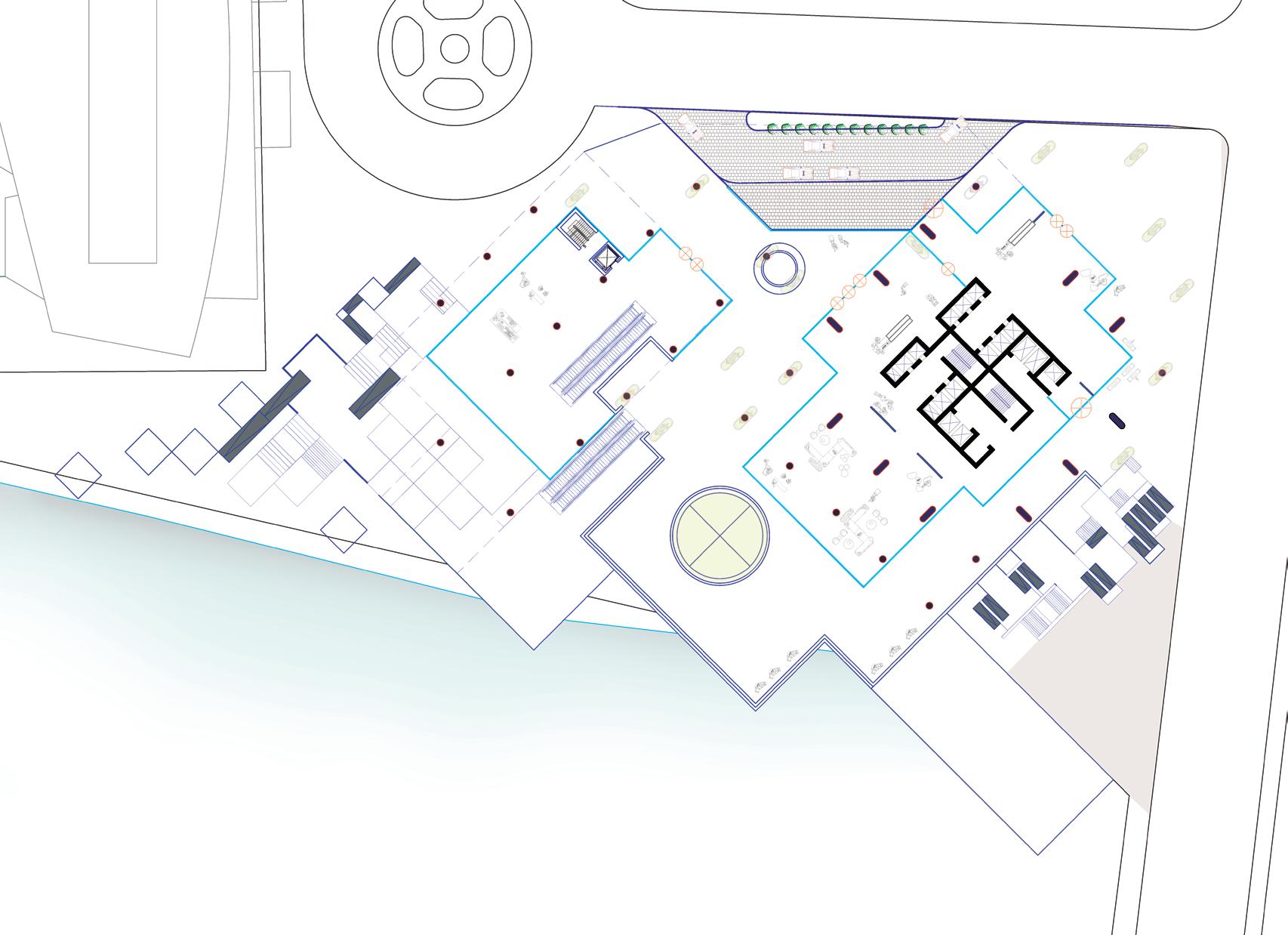
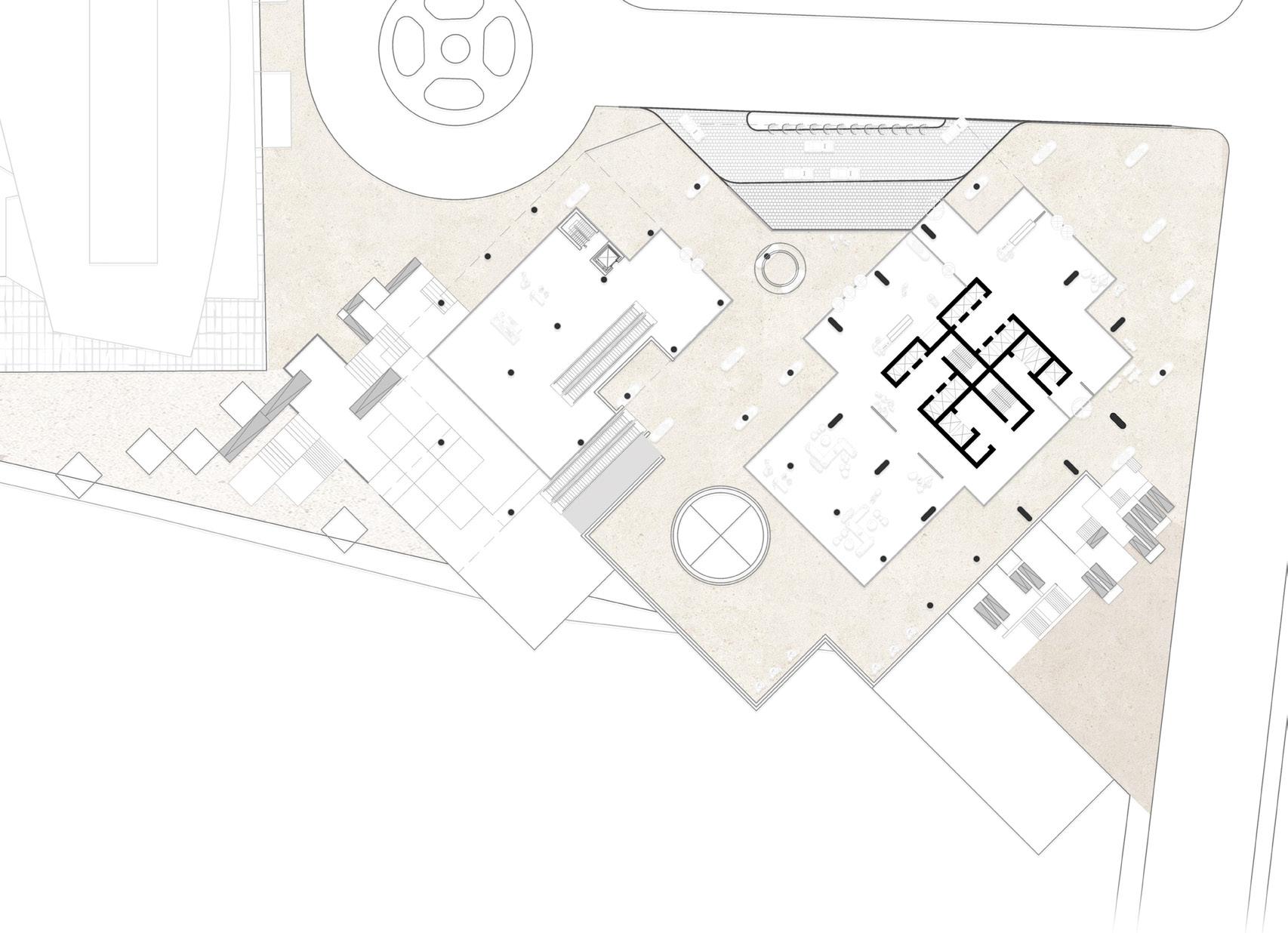
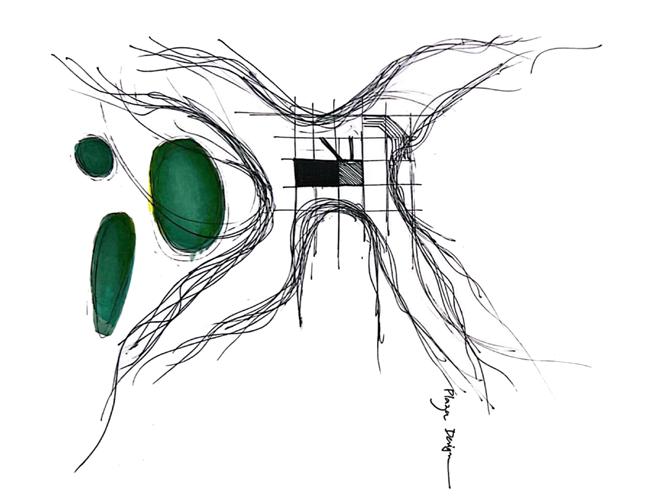
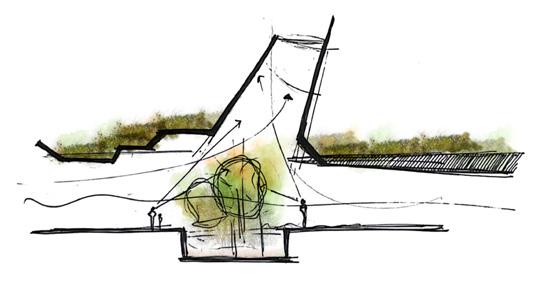
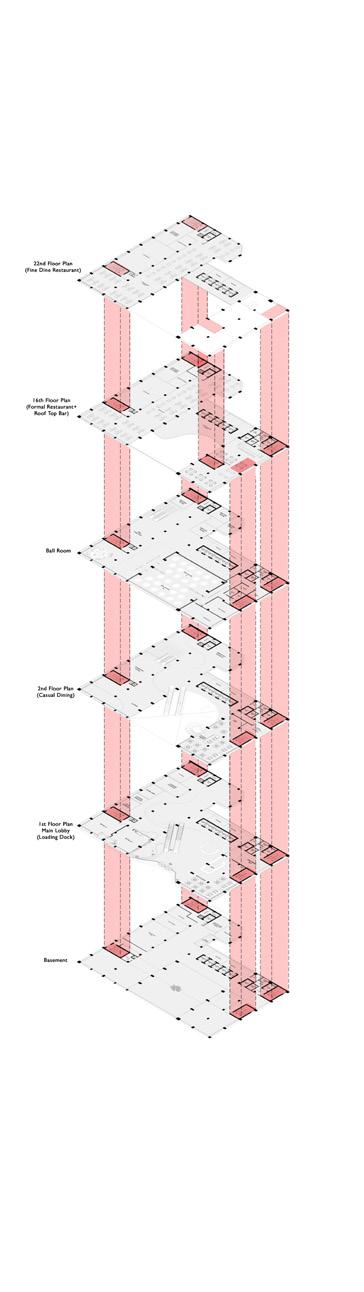
Creating an urban plaza in the ground floor by encouraging and promoting multilevel connections from all sides of the site
Playing with the grid and creating different hierarchy in the podium level to merge with the river walk and justify the height
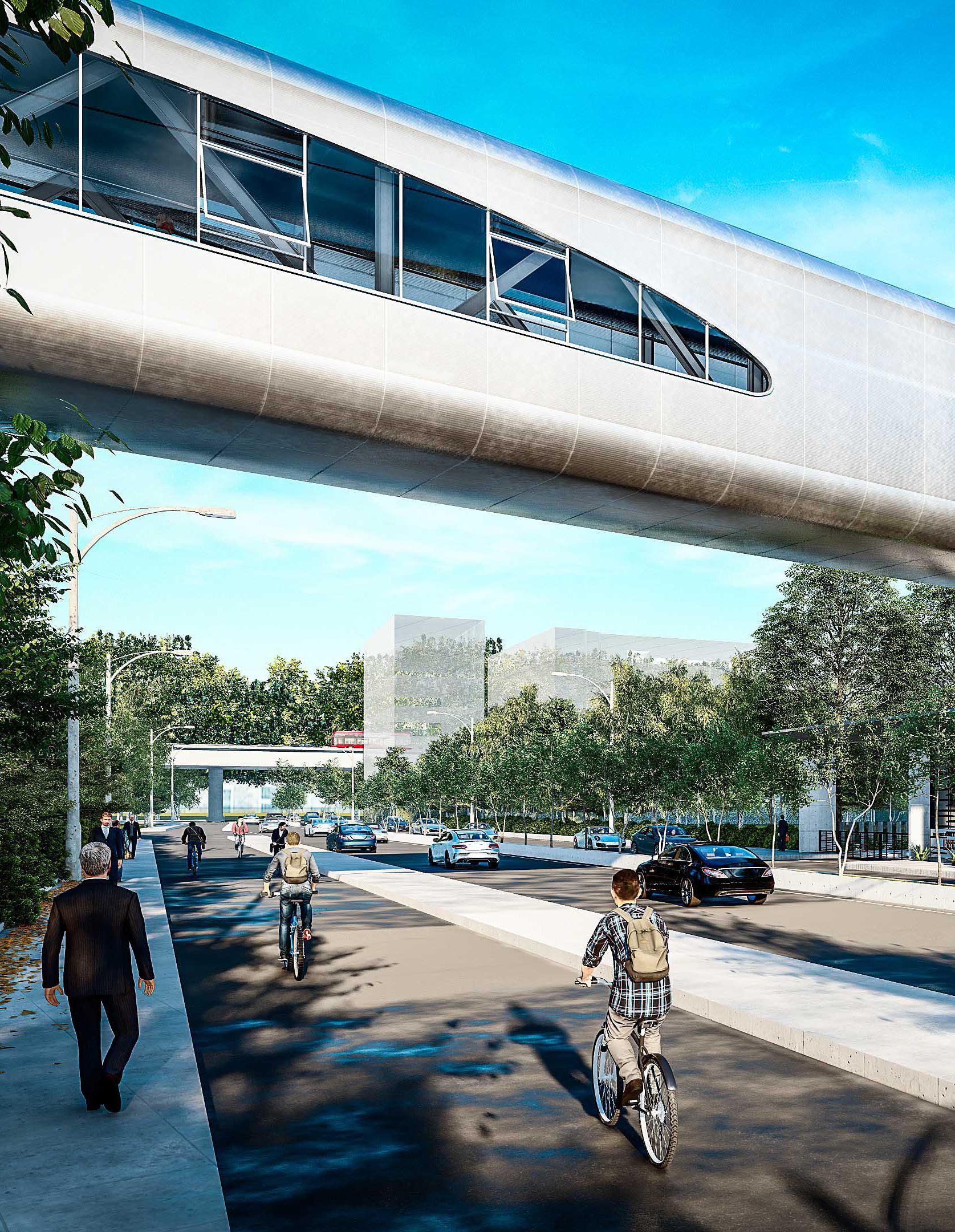
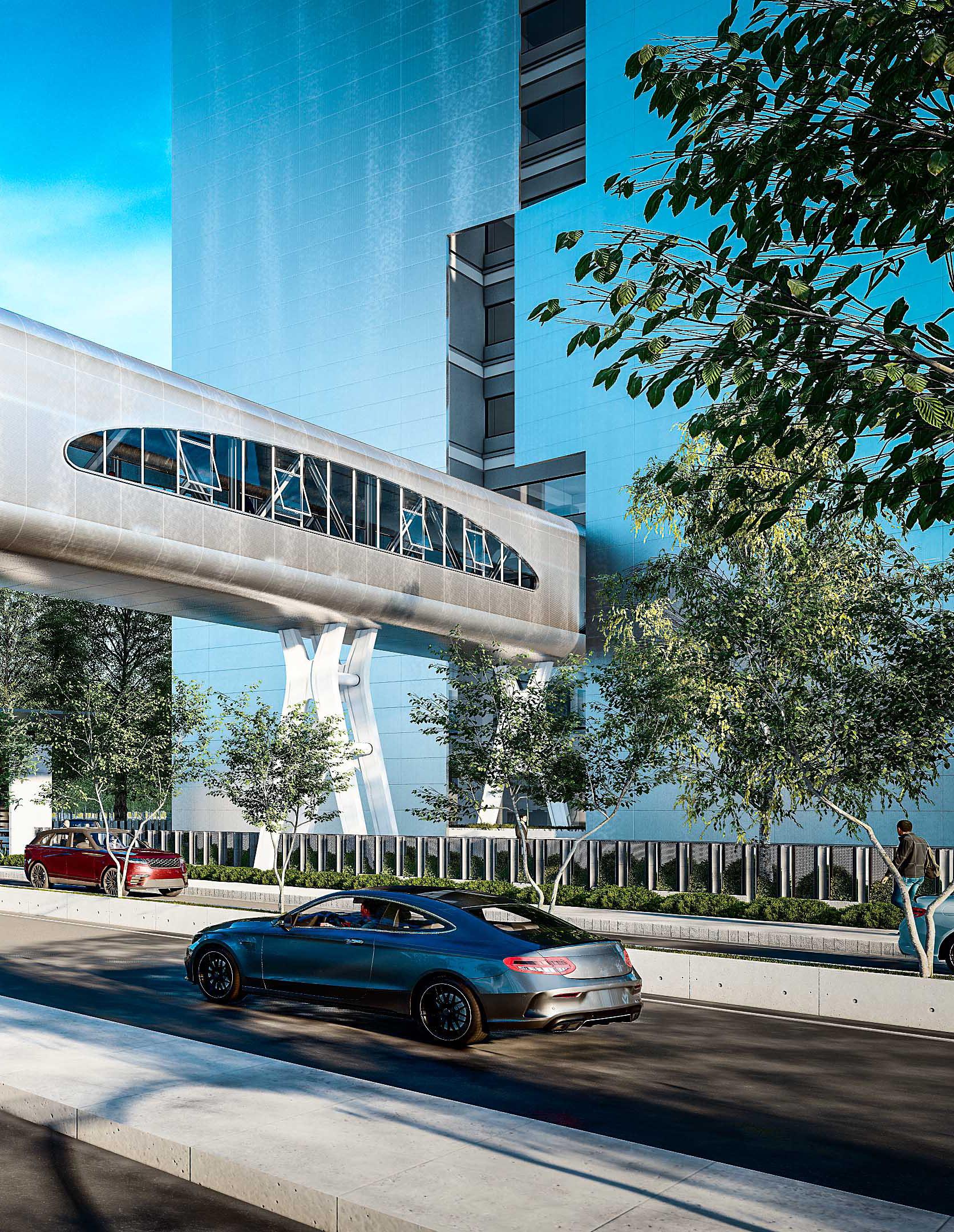
South East view from the Columbus drive, showing permeability and accessibility through out the site
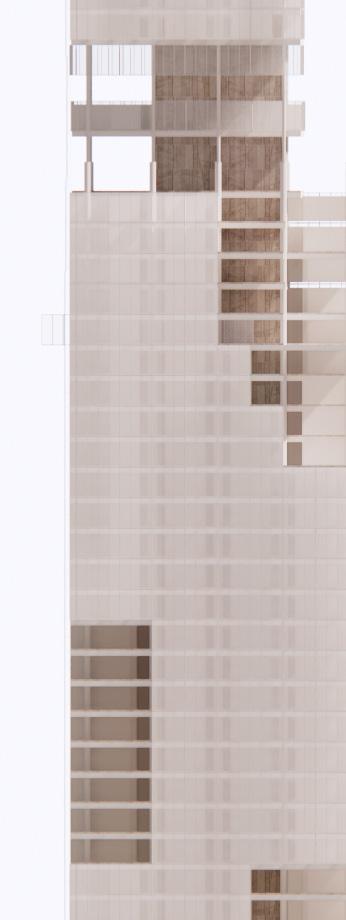
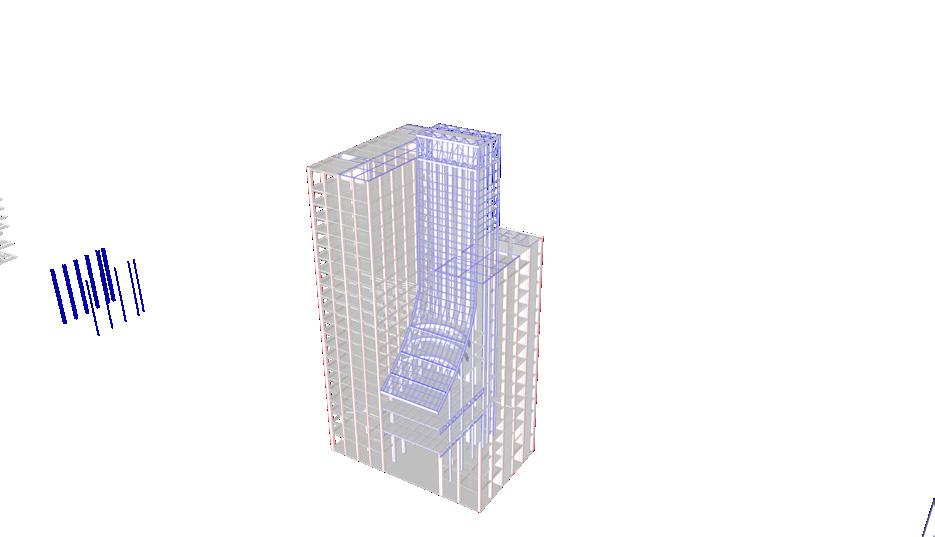
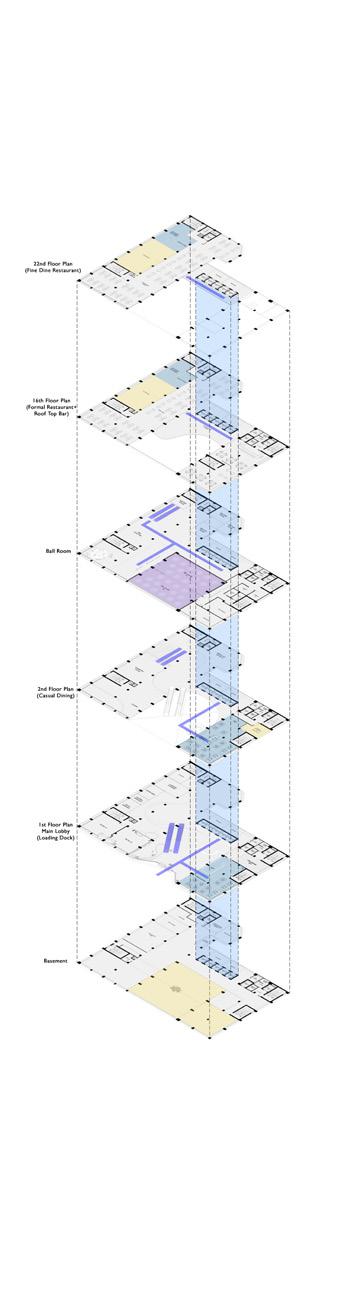
Amenity Level : Terraces for common interaction, Column Change after Hotel Level, Shift in elevation for structural reasons and boosting the elevation as well
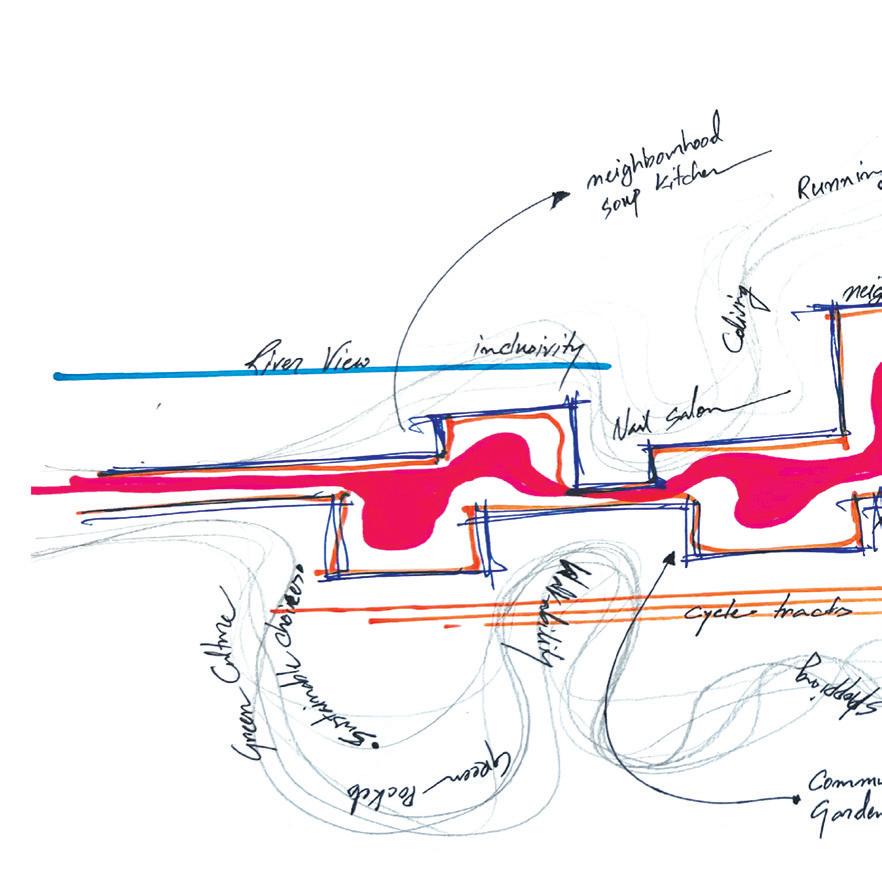
Architecture here becomes a living threads through running tracks, co-working and communal terraces binding strangers neighbors. What once was vertical is with meaning. It is not just mixed-use it
The Neighborhood Tower offers shelter. It is a prototype for how grow with care, with attention, with It invites us to imagine futures where are not objects, but environments adapt, and bring people closer gently
GYM & FITNESS AREA
Wellness park for all ages with defined areas. Floor heights were increased so that it gives that idea of oppeness
living fabric. It co-working spaces, strangers into is now layered it is mixed-life. more than cities might with connection. where buildings that breathe, gently and boldly.
MEDITATION
ADAPTIVE REUSE & INTEGRATIVE DESIGN STUDIO
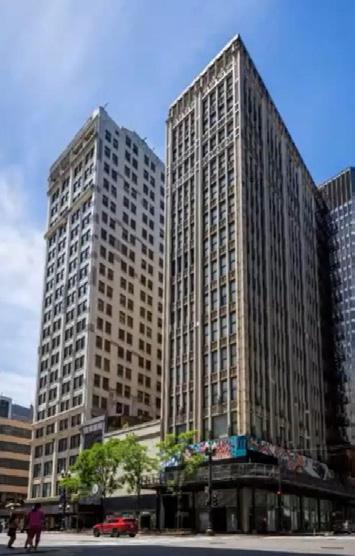
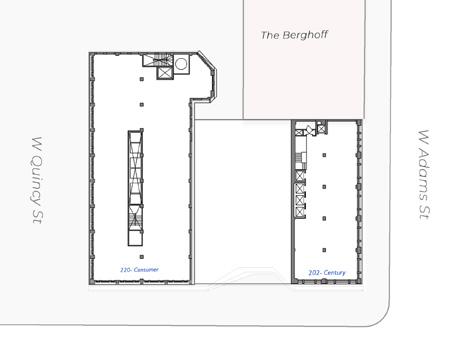
CENTURY AND CONSUMER BUILDING, CHICAGO
SPRING 2025 | PROFESSOR : TOM LESLIE | PROJECT TYPE : GROUP
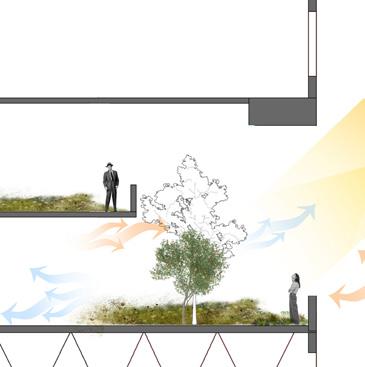
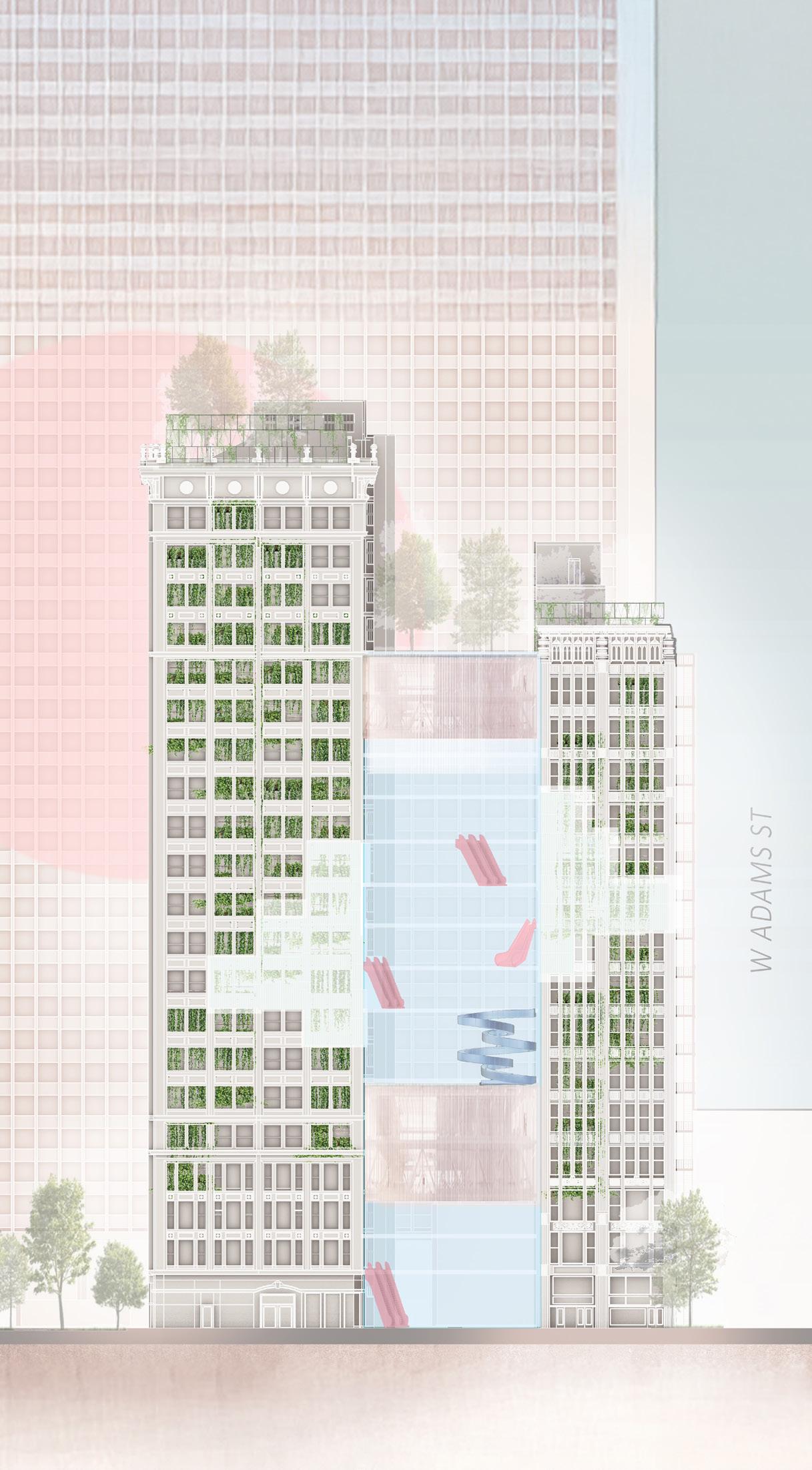
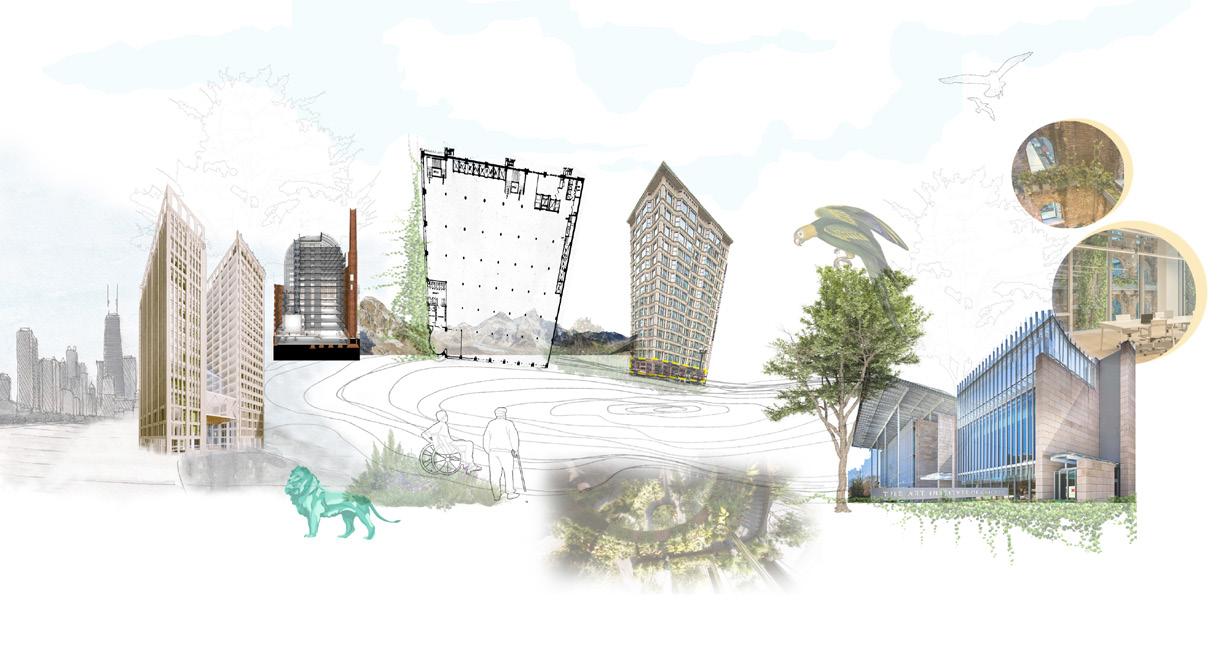
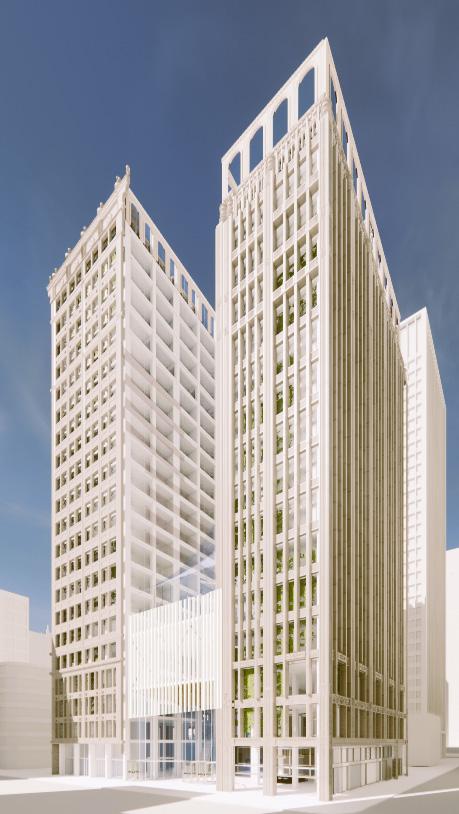
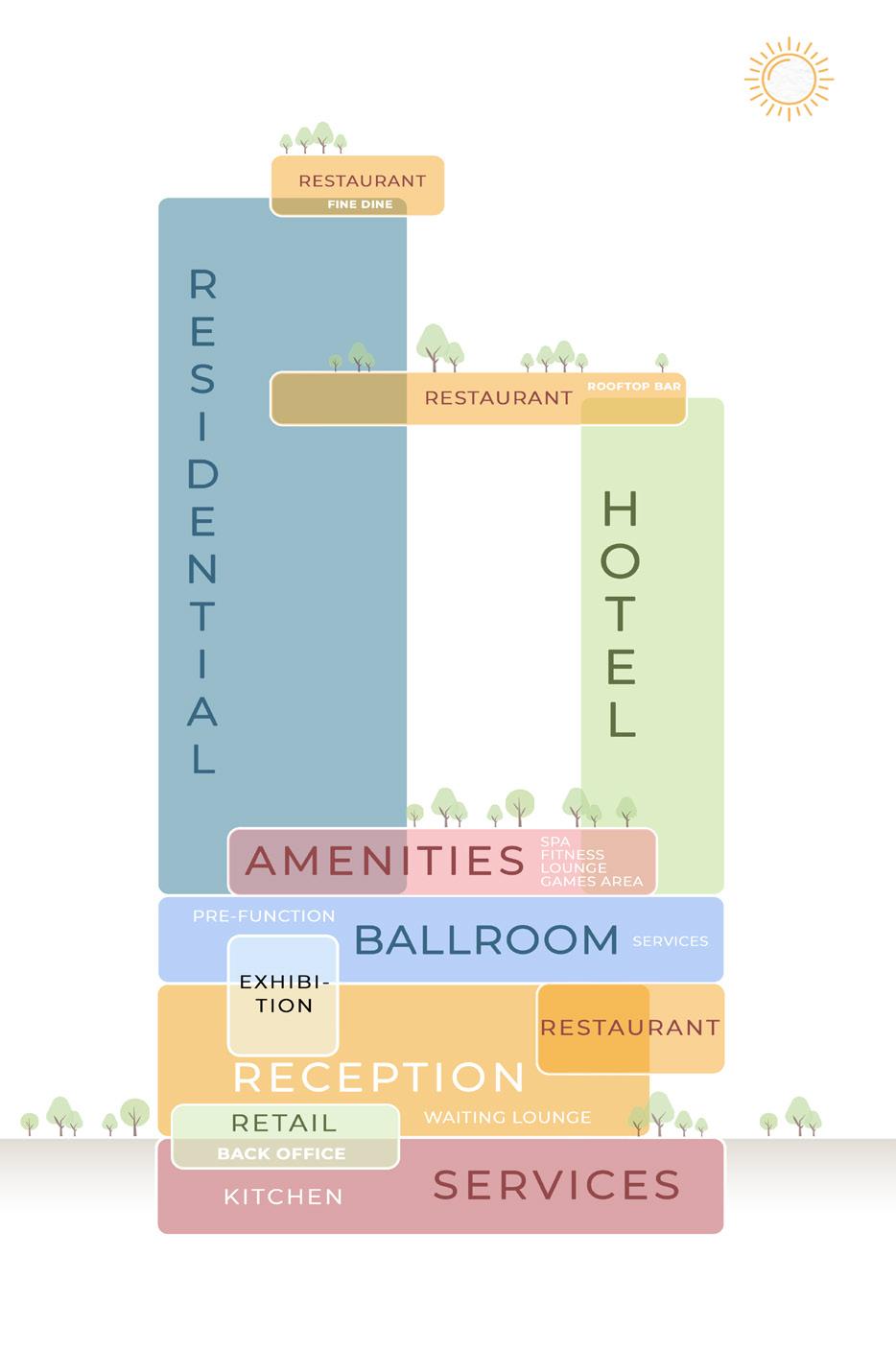
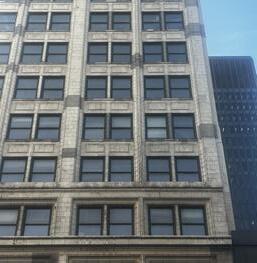
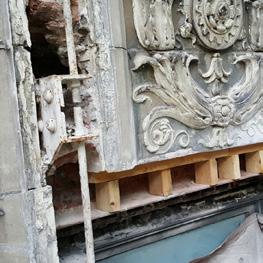
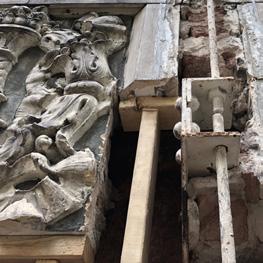
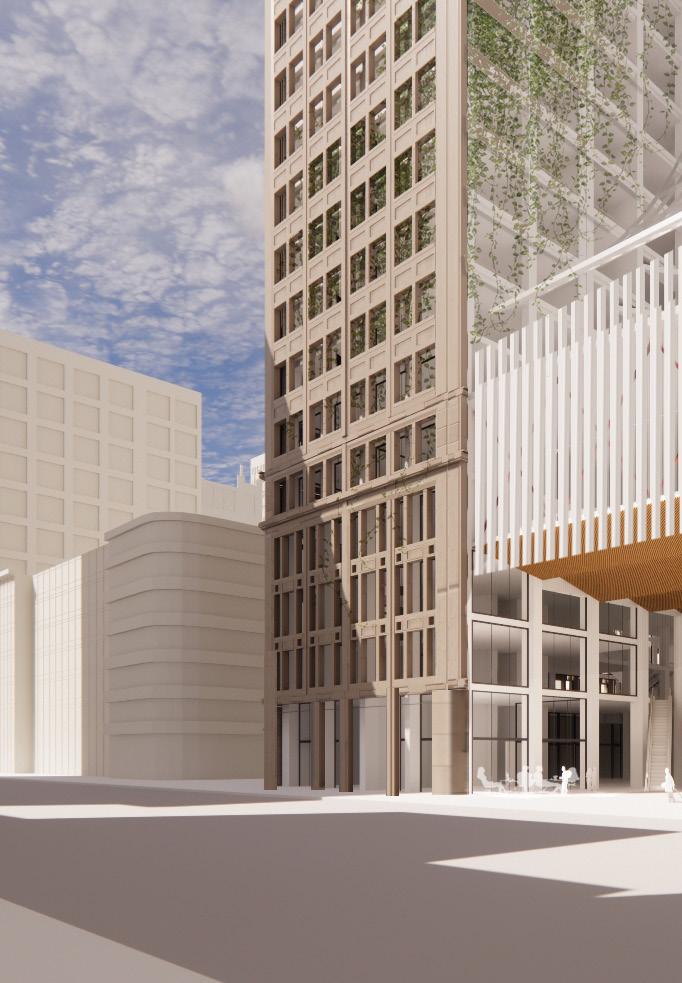
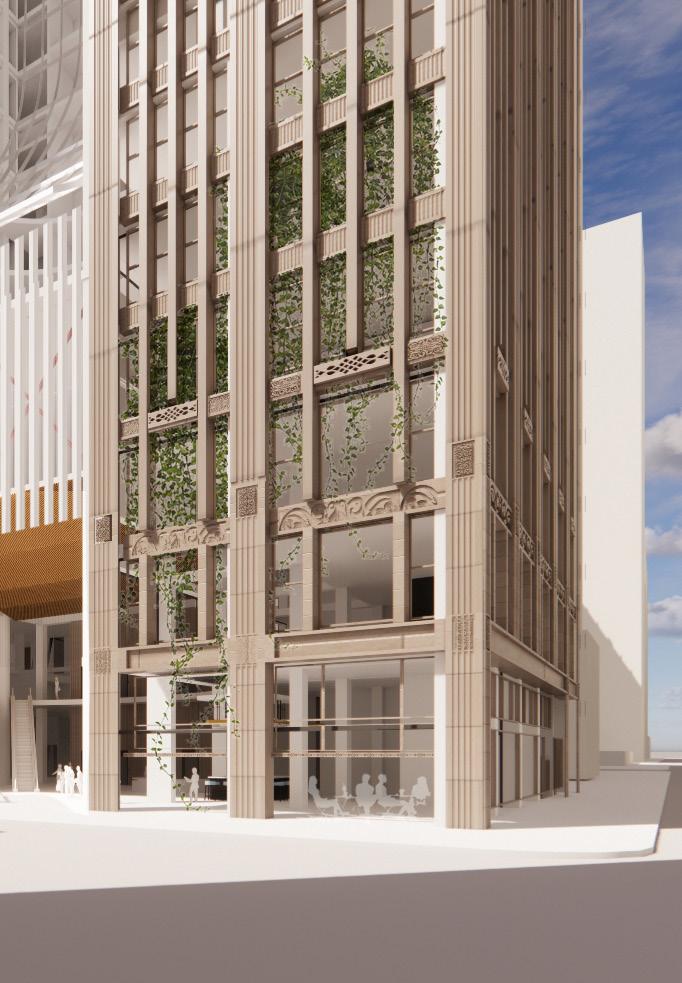
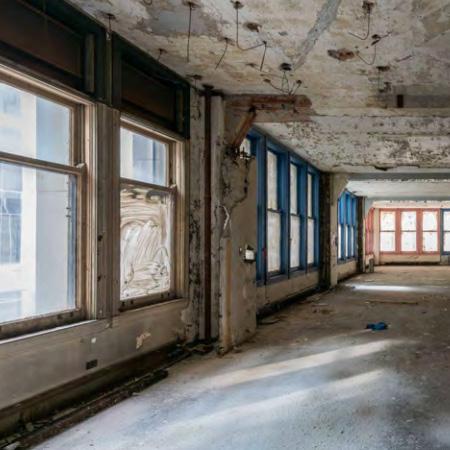
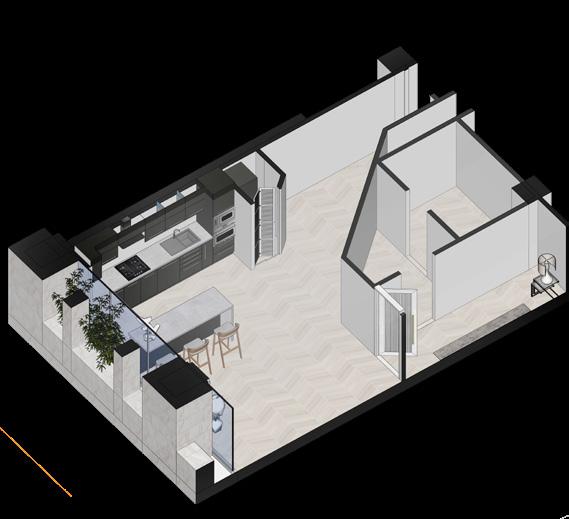
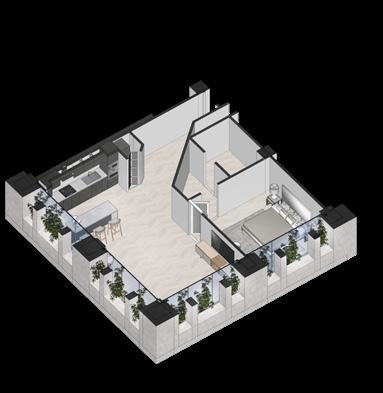
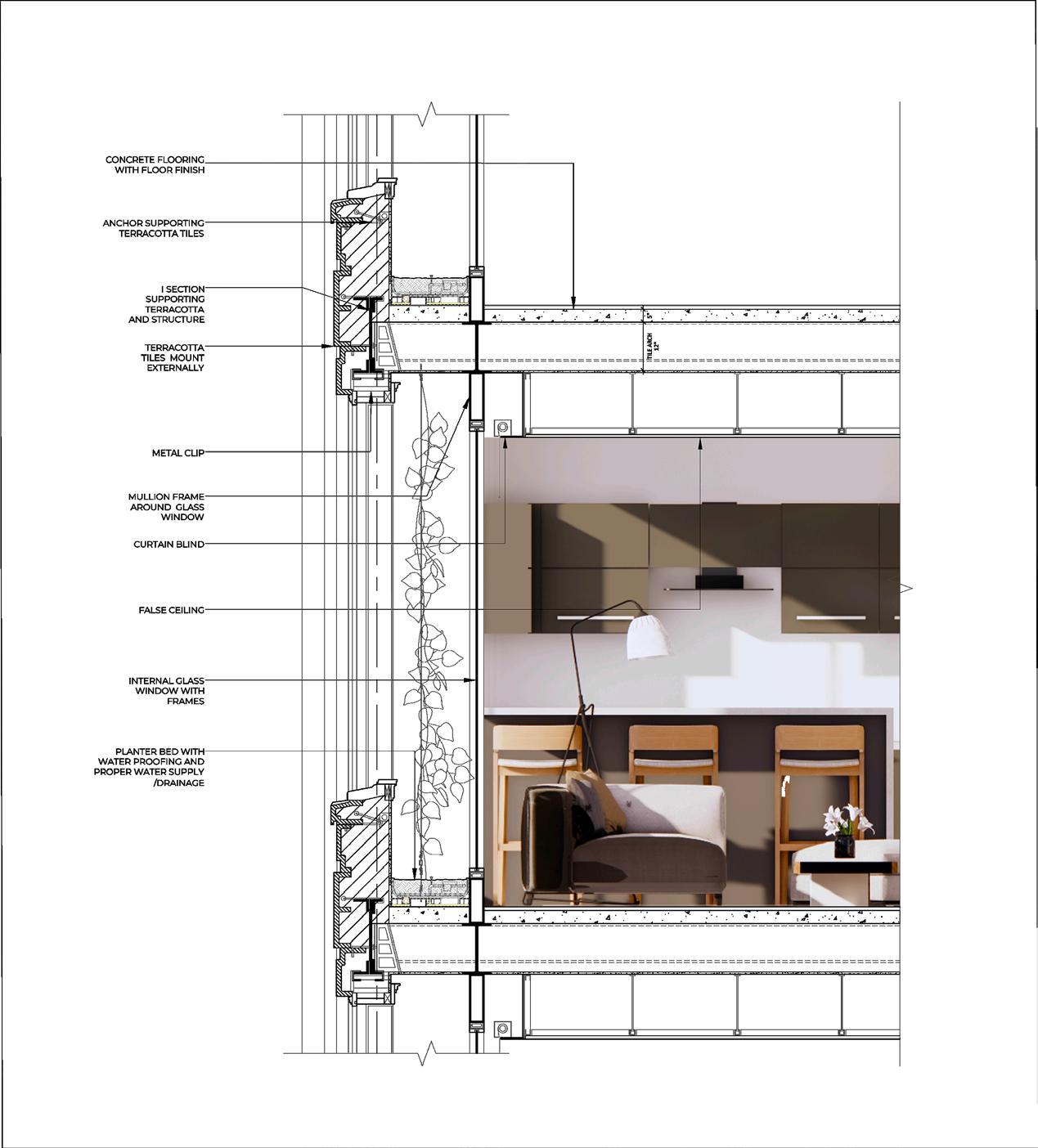
CCUBE_CONTINUUM is an adaptive reuse project that reimagines a historic Chicago structure by merging past and present. Inspired by the city’s layered streetscape, we preserved the original façade while introducing a modern secondskin system that enhances comfort, energy efficiency, and environmental performance. This biophilic approach transforms the buffer zone between the historic shell and new glass interior into a vegetated microclimate—allowing users to experience Chicago’s architectural history from within. The design evolves as a seamless integration of structure, sustainability, and spatial clarity, ensuring the building thrives for the future while honoring its legacy.
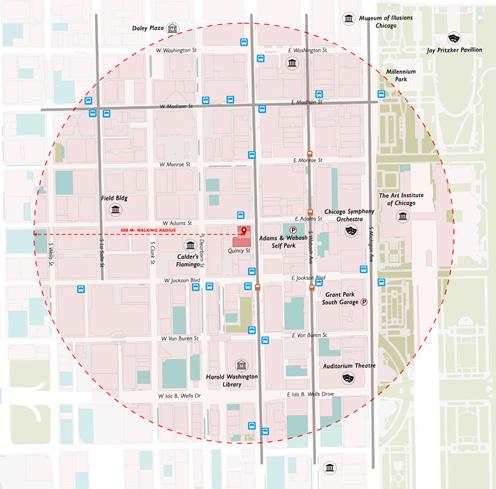
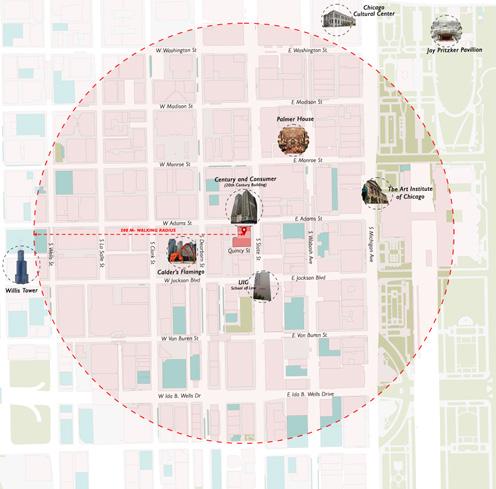
AROUND SITE ALONG WITH TRAFFIC HISTORICAL BUILDING ALONG WITH THE SITE
LANDMARK
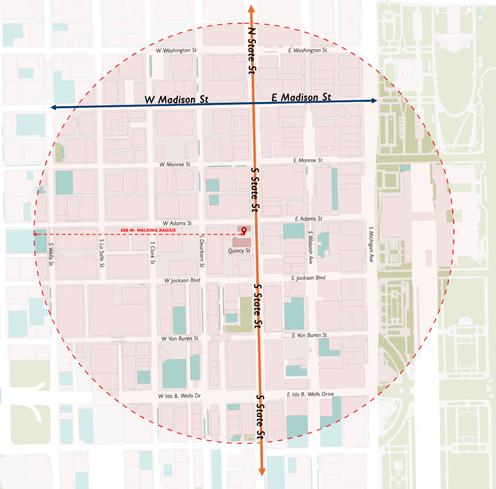
MAJOR ROADS DOMINATING THE SITE
CONCRETE FLOORING WITH FLOOR FINISH
ANCHOR SUPPORTING TERRACOTTA TILES
I SECTION SUPPORTING TERRACOTTA AND STRUCTURE
TERRACOTTA TILES MOUNT EXTERNALLY
METAL CLIP
MULLION FRAME AROUND GLASS WINDOW
CURTAIN BLIND
FALSE CEILING
INTERNAL GLASS WINDOW WITH FRAMES
PLANTER BED WITH WATER PROOFING AND PROPER WATER SUPPLY /DRAINAGE
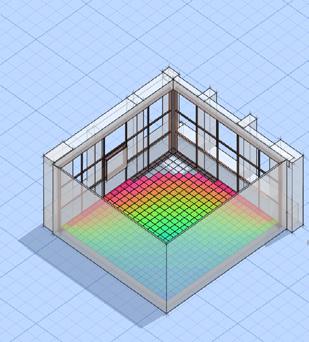
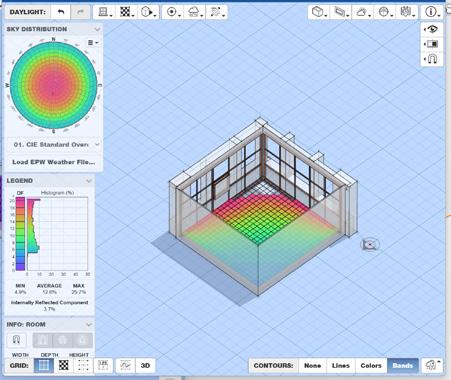
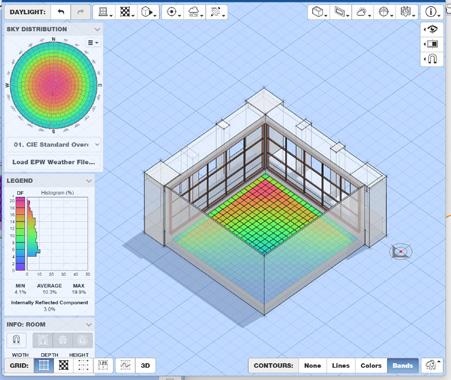
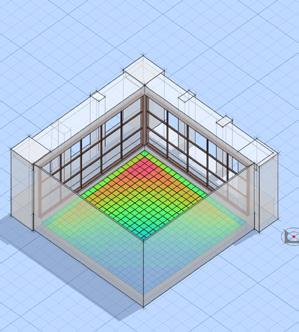
A comparative simulation of the facade responses on the summer solstice at noon, under identical conditions, reveals that the configuration with the interior-set glass facade results in significantly reduced heat gain. The only variable altered between the two scenarios is the window placement, highlighting how setback glazing can improve thermal performance during peak summer conditions.
CHITTAGONG HILL TRACTS REGIONAL COUNCIL
A CULTURAL PLATFORM AND AN INTERPRETATION CENTER
Reclaiming Identity Through Architecture and Landscape
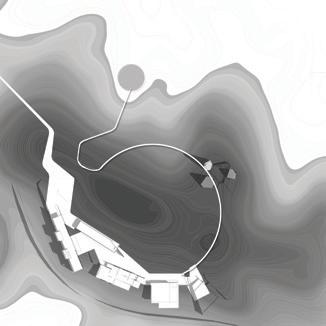
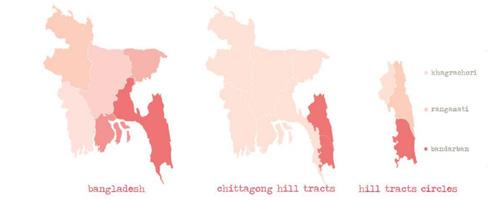
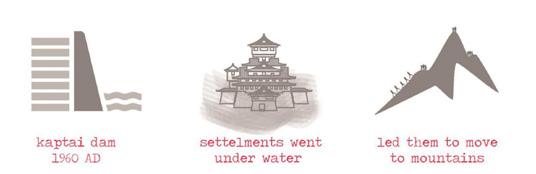
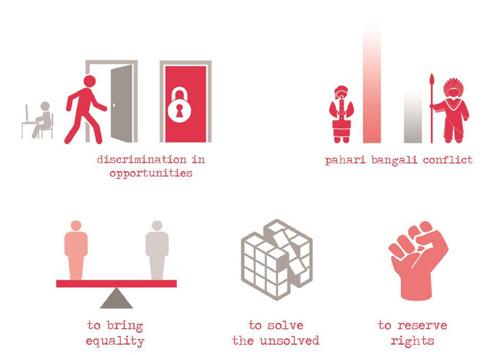
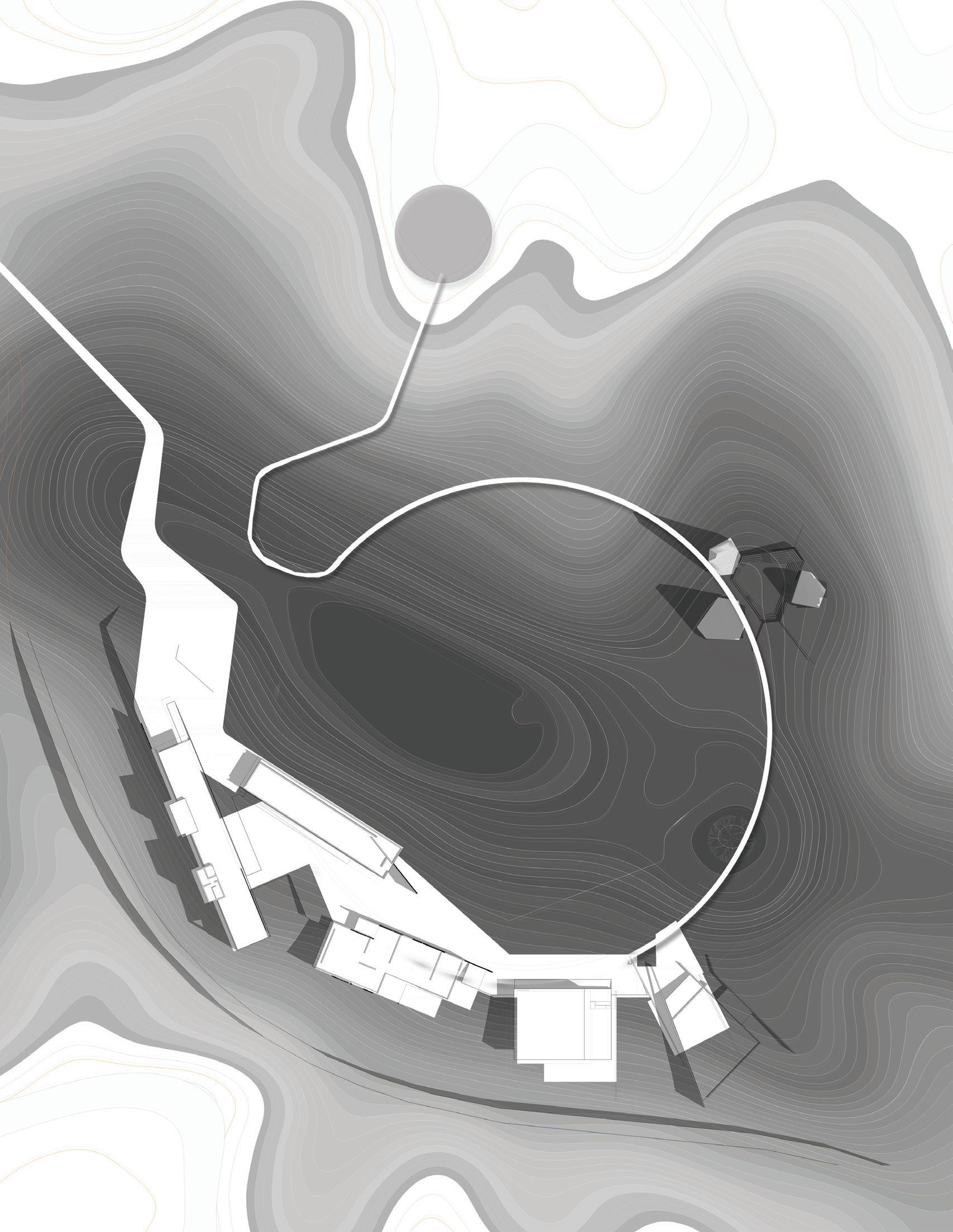
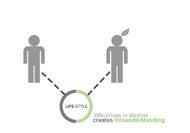
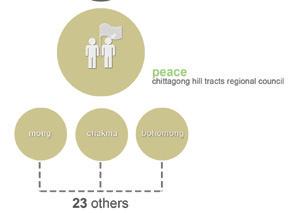
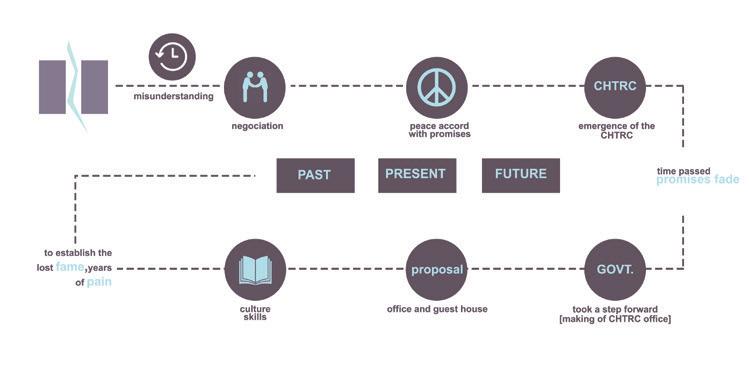
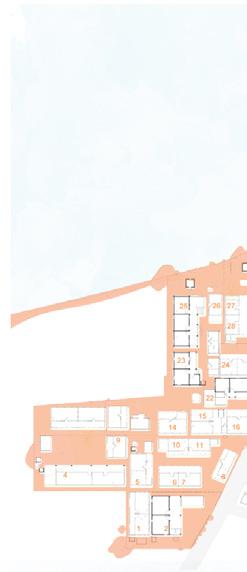
The Chittagong Hill Tracts Regional Council Cultural Hub (CHTRC) is envisioned as a resilient civic and cultural anchor rooted in the unique topography, history, and evolving socio-political narrative of southern Bangladesh. Situated along the crystalline edge of Kaptai Lake, the project responds to the region’s deep-seated ethnic tensions, ecological richness, and cultural erasure through a spatial strategy that heals, integrates, and empowers.
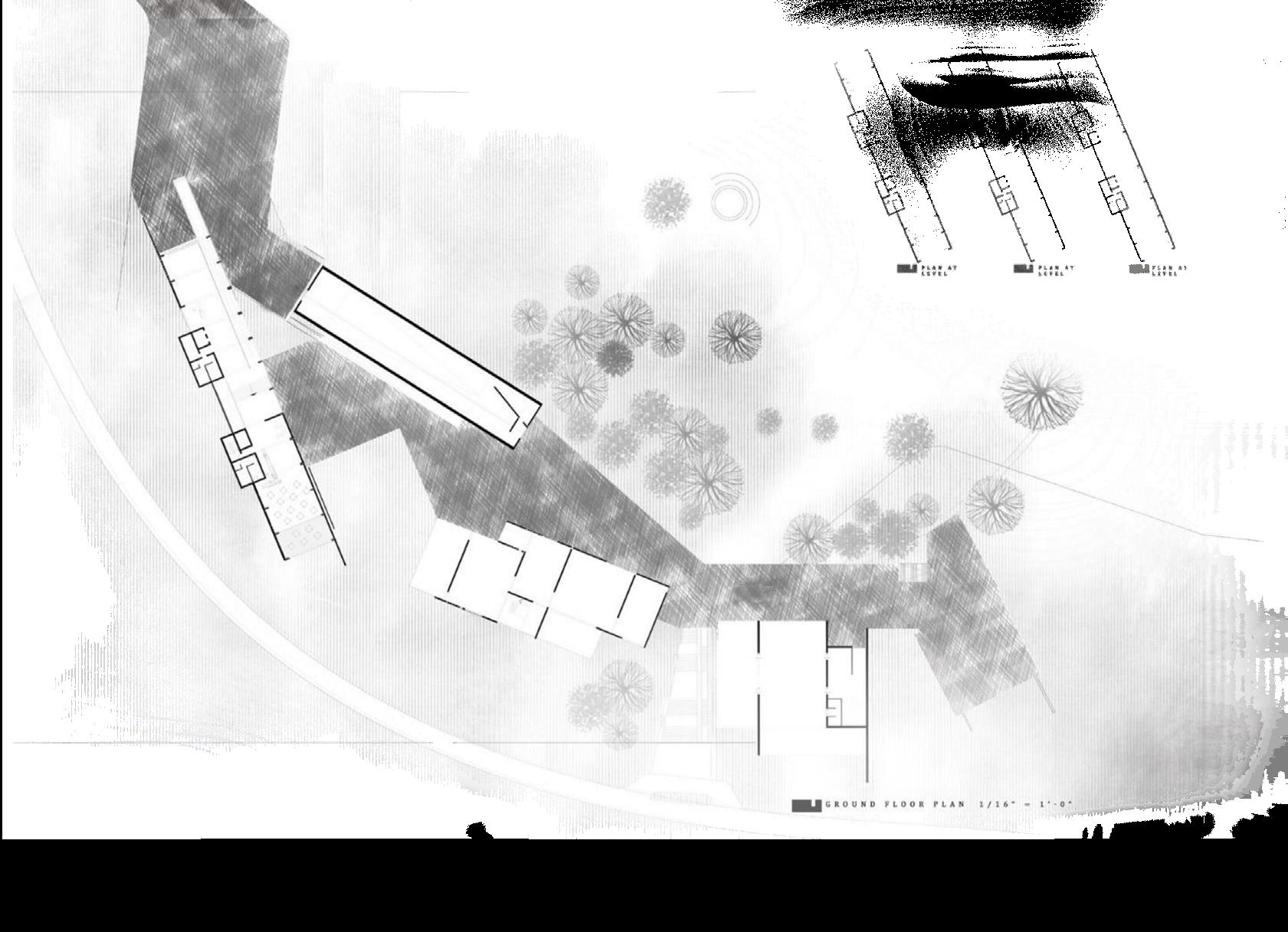
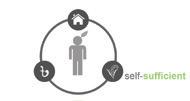
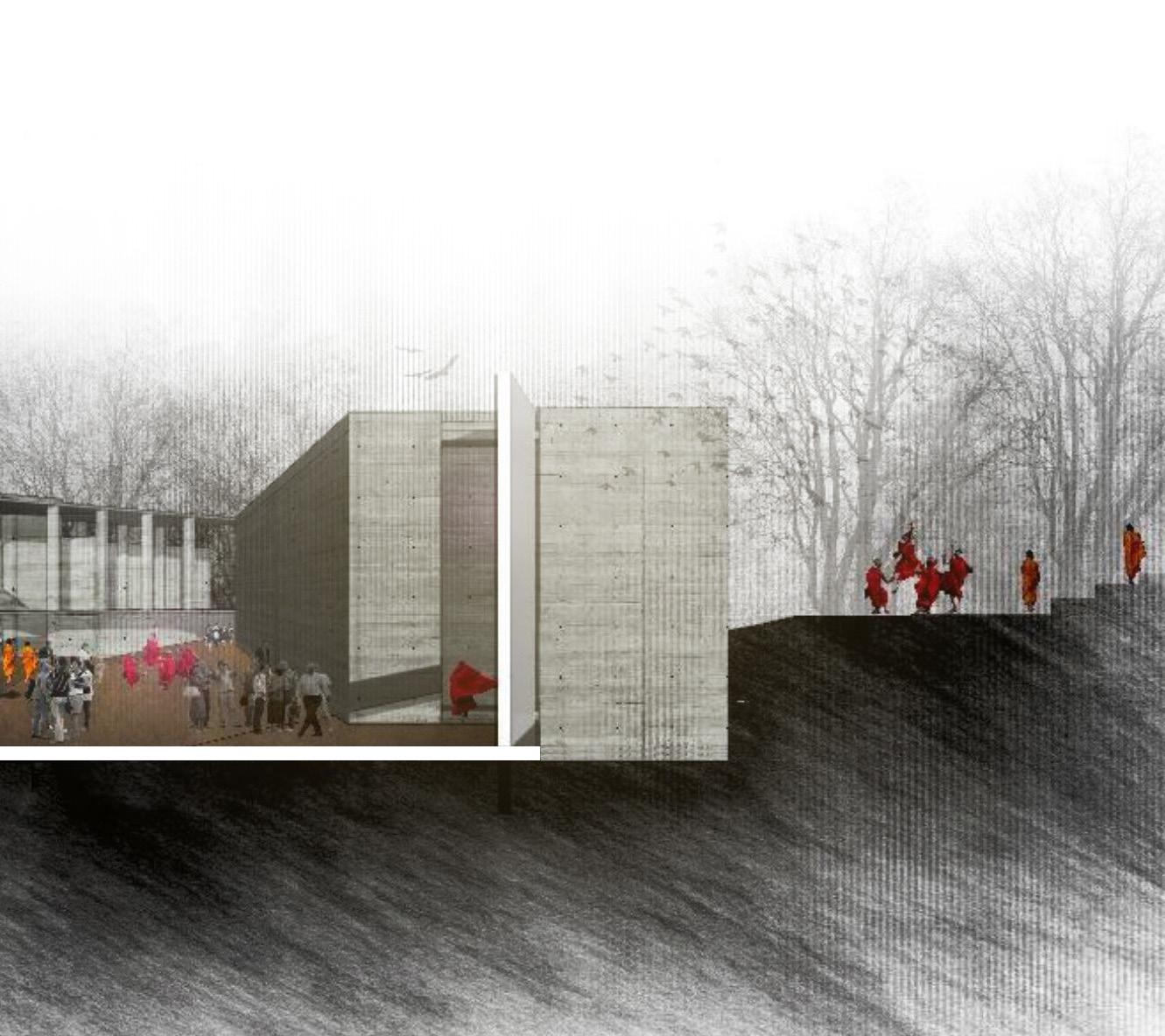
CHTRC is more than a council office, it is a layered cultural landscape that functions as a community platform for exchange, expression, and discovery. The design respects the natural contours of the land and draws inspiration from indigenous vernaculars and sustainable practices. Oriented to maximize the shared use of limited resources, the site integrates skill development zones, healthcare, wellness programs, and interpretive spaces to preserve intangible heritage while addressing contemporary needs.
Informed by the principles of equity, inclusion, and cultural continuity, the project imagines architecture not only as a built response but as a restorative gesture, reinstating forgotten histories, supporting peace-building, and amplifying local agency. At a time when ecological vulnerabilities and identity politics increasingly intersect, CHTRC positions itself as a timely architectural response: one that foregrounds collective memory, adaptive futures, and dignified coexistence.
1. Council Office Building
2. Hall of Ray
3. Art & Culture Center
4. Chairman’s Office
5. Center for Health and Wellbeing
6. Skill Development Center
DIABETIC HOSPITAL &
SPRING 2016 | COMPLEX BUILDING DESIGN STUDIO | PROJECT TYPE : INDIVIDUAL
Reframing Care Through Context, Connectivity, and Climate Responsiveness
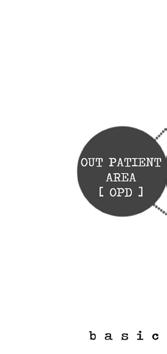
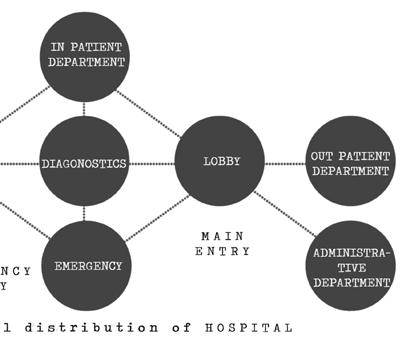
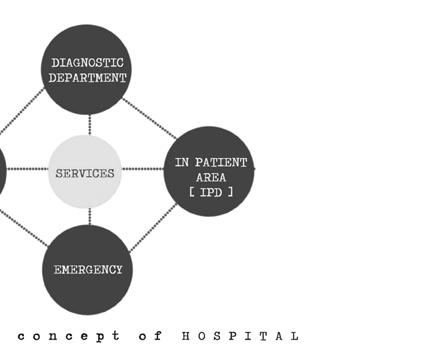
This hospital project responds to the challenges of healthcare access in a demographically diverse urban setting. The design emphasizes openness, patient comfort, and strong visual connections to nature—using architecture as a medium for physical and emotional healing.
Two distinct zones, public and private, are connected by a central lobby that opens to a healing garden tailored for diabetic patients. The layout ensures intuitive circulation, strategic zoning, and efficient vertical and horizontal program flow.
Contextual climate strategies include south-facing fenestrations that reduce noise, increase daylight use, and ease the building’s cooling load. Rooted in empathy and environmental responsiveness, the hospital fosters a calming, inclusive, and restorative care environment.
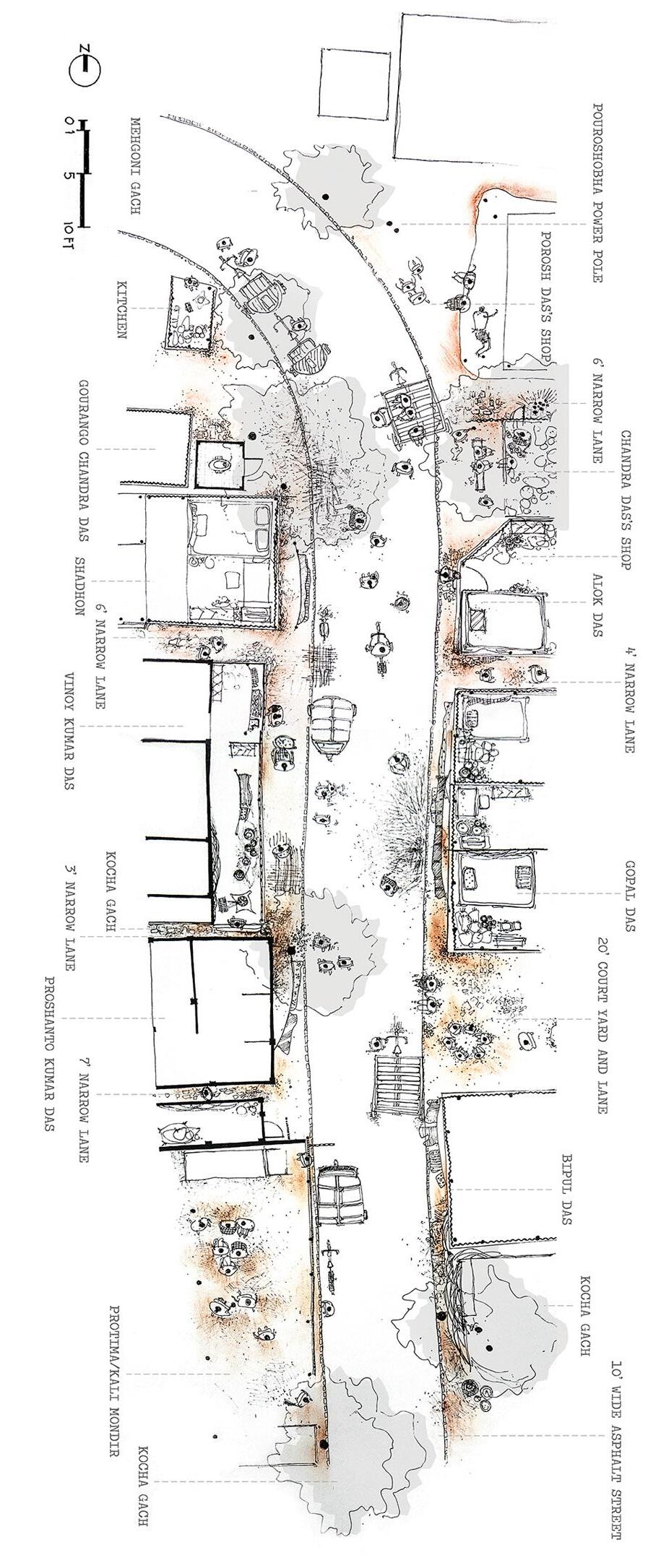
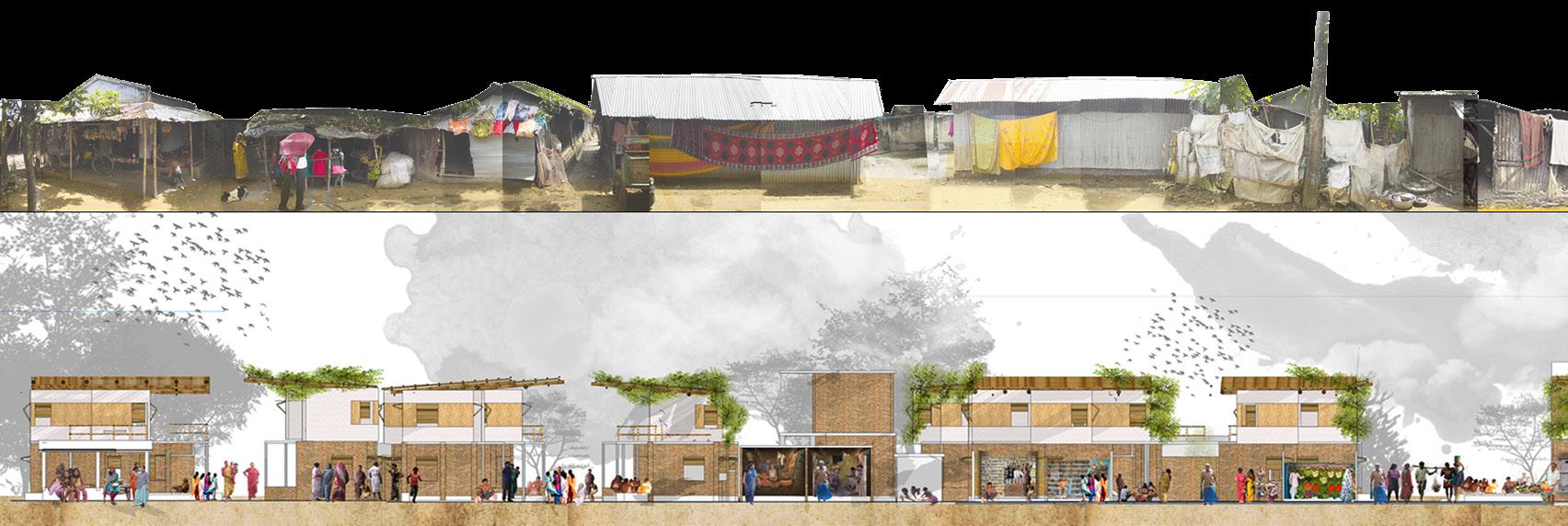
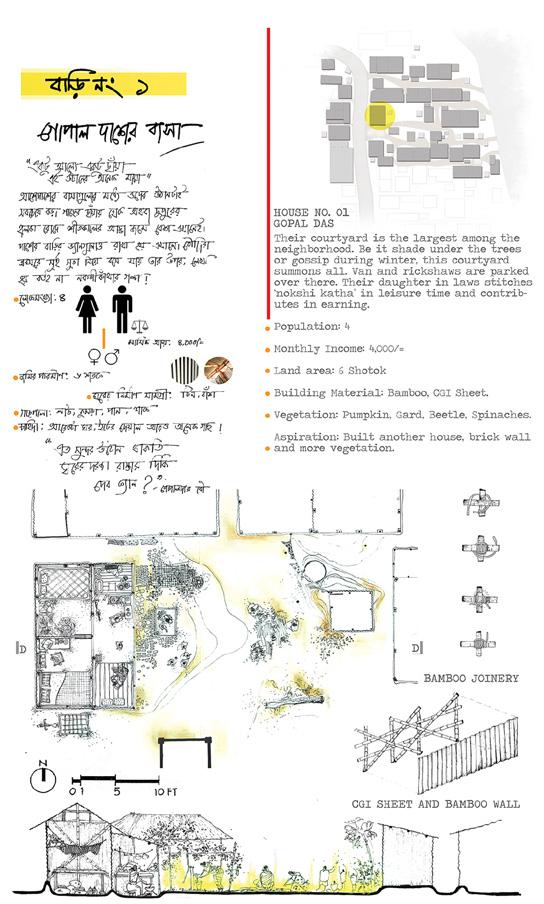
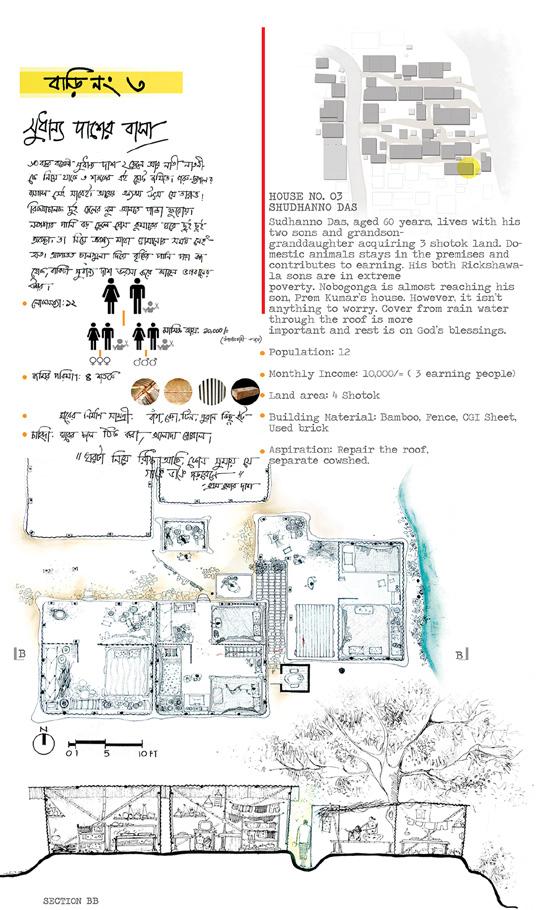
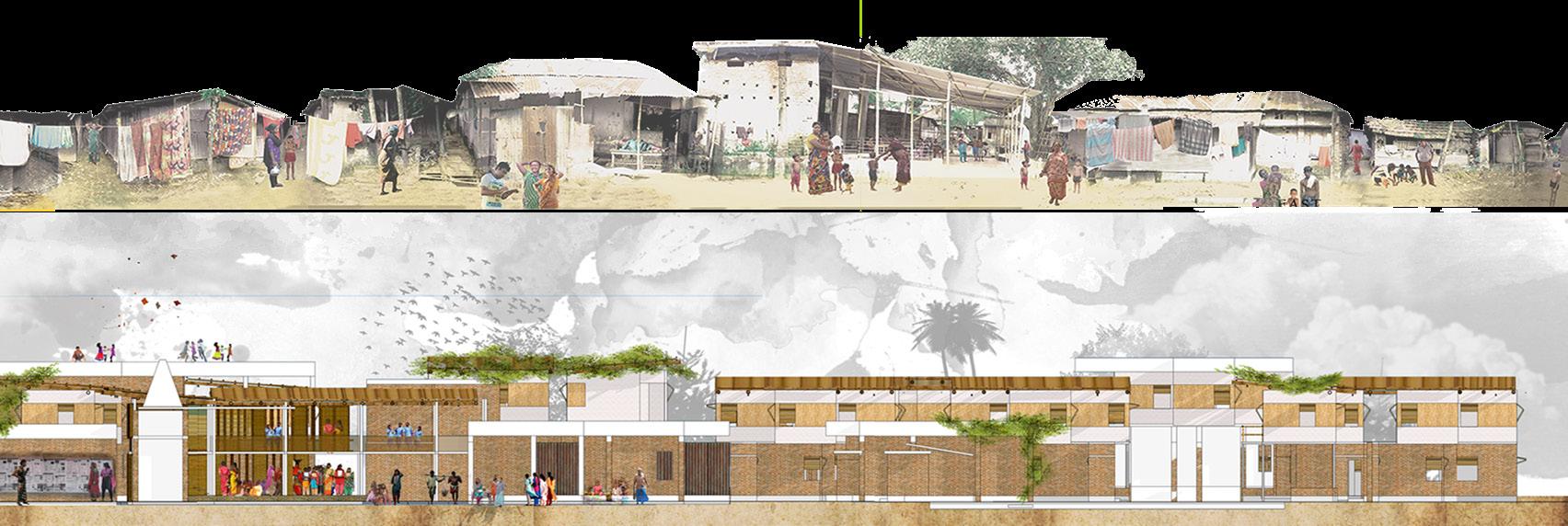
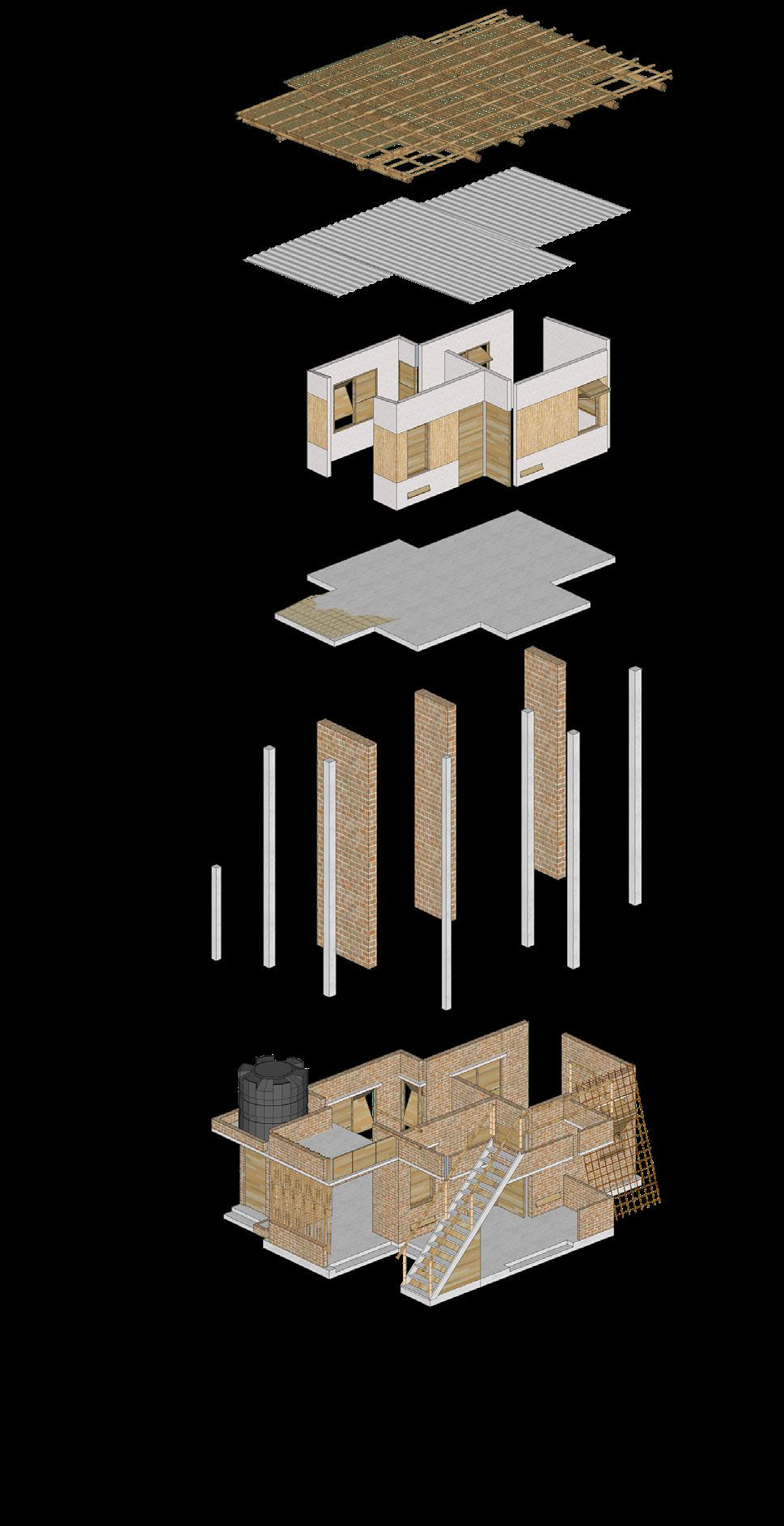
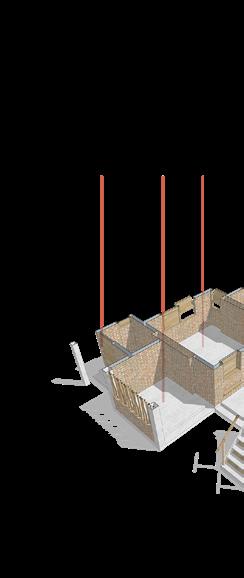
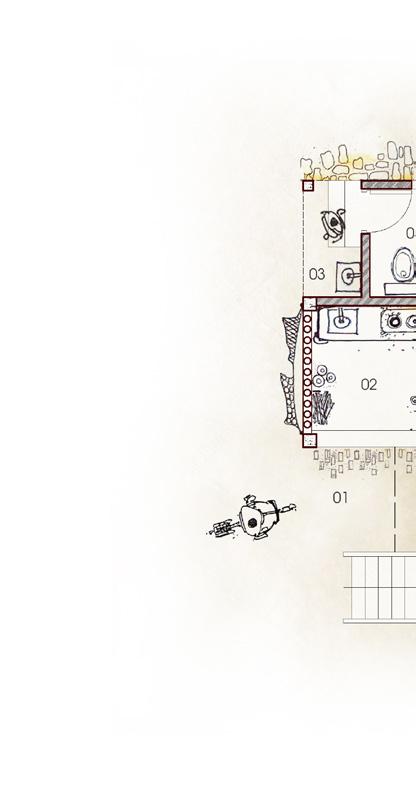
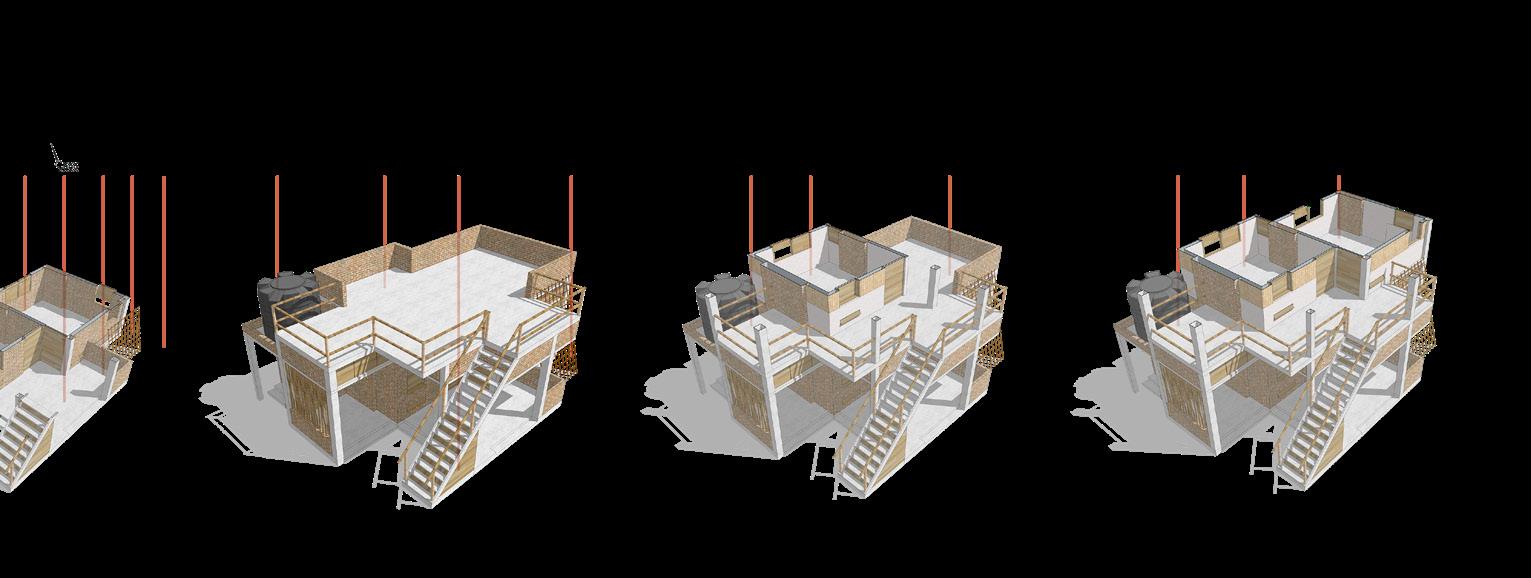
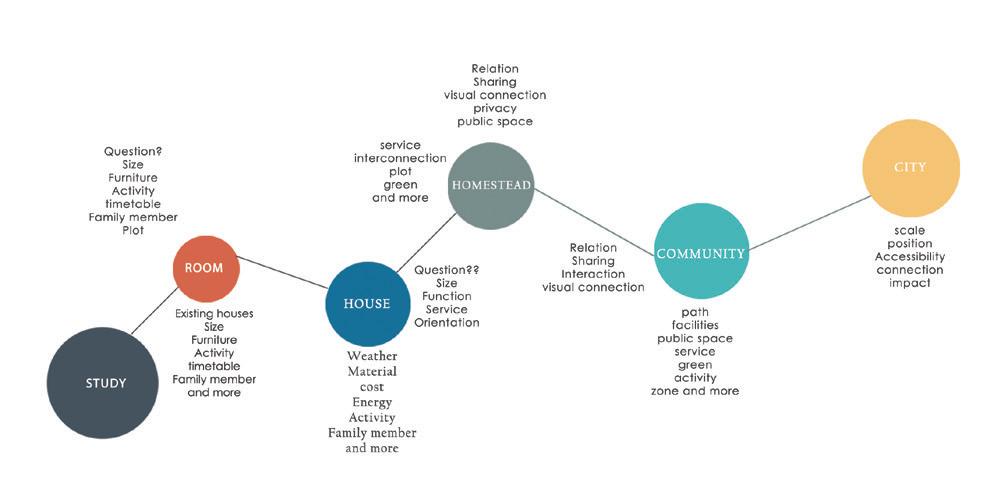
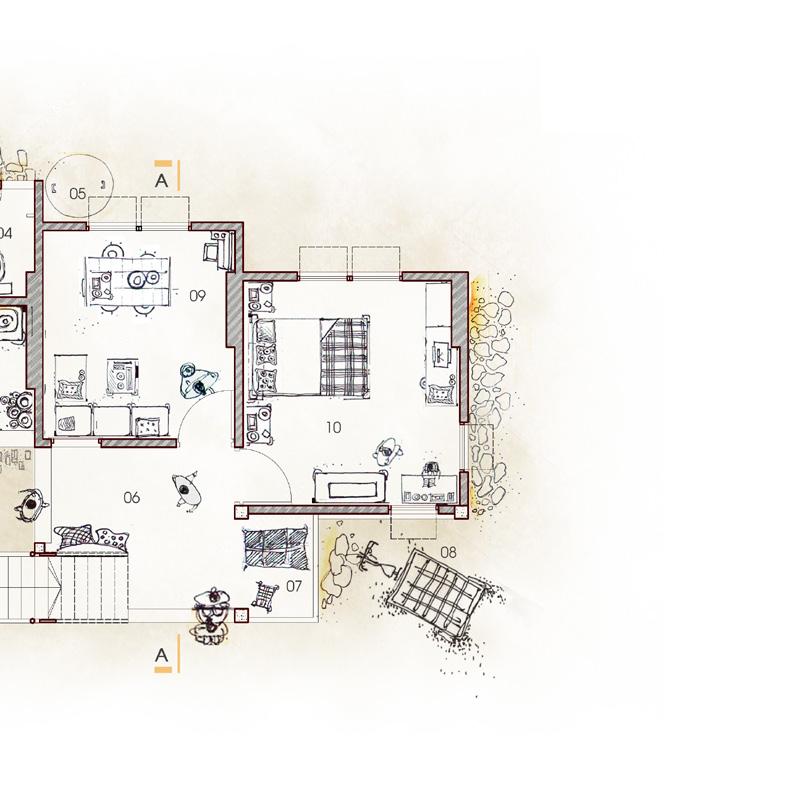
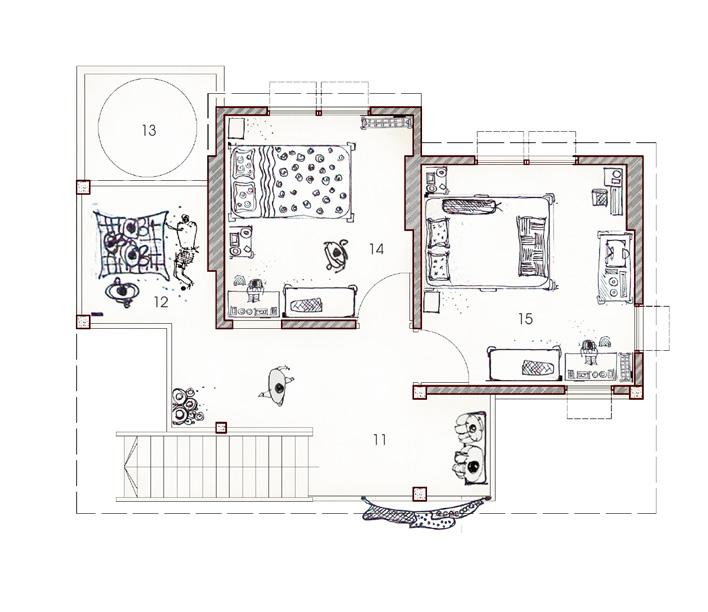
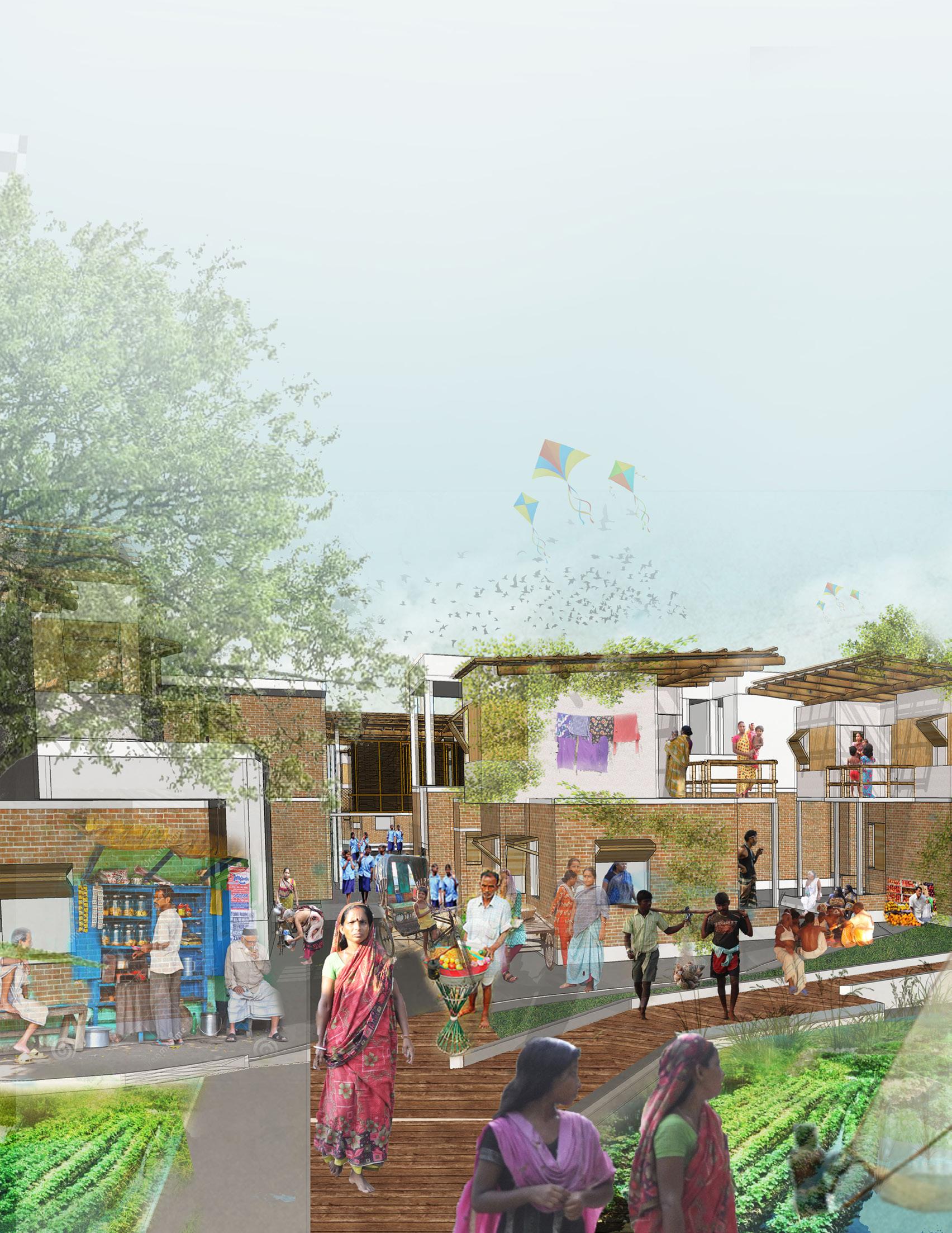
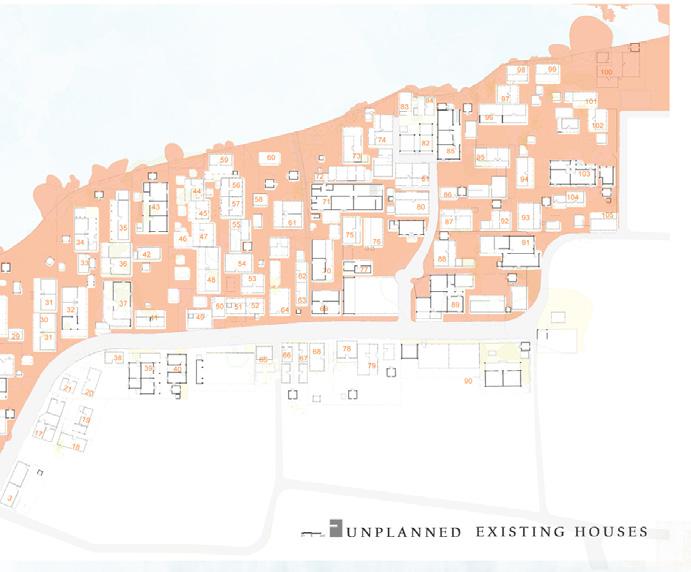
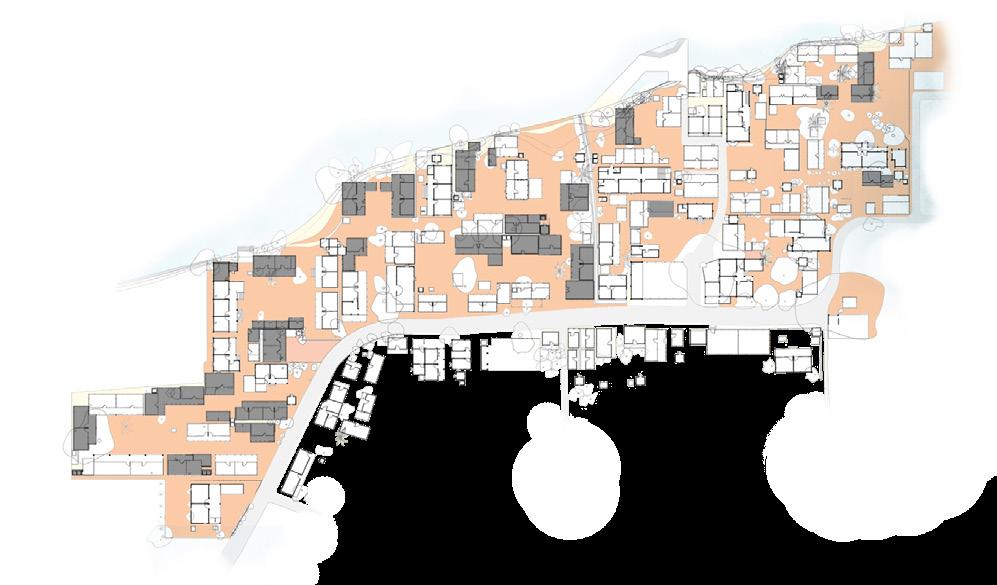
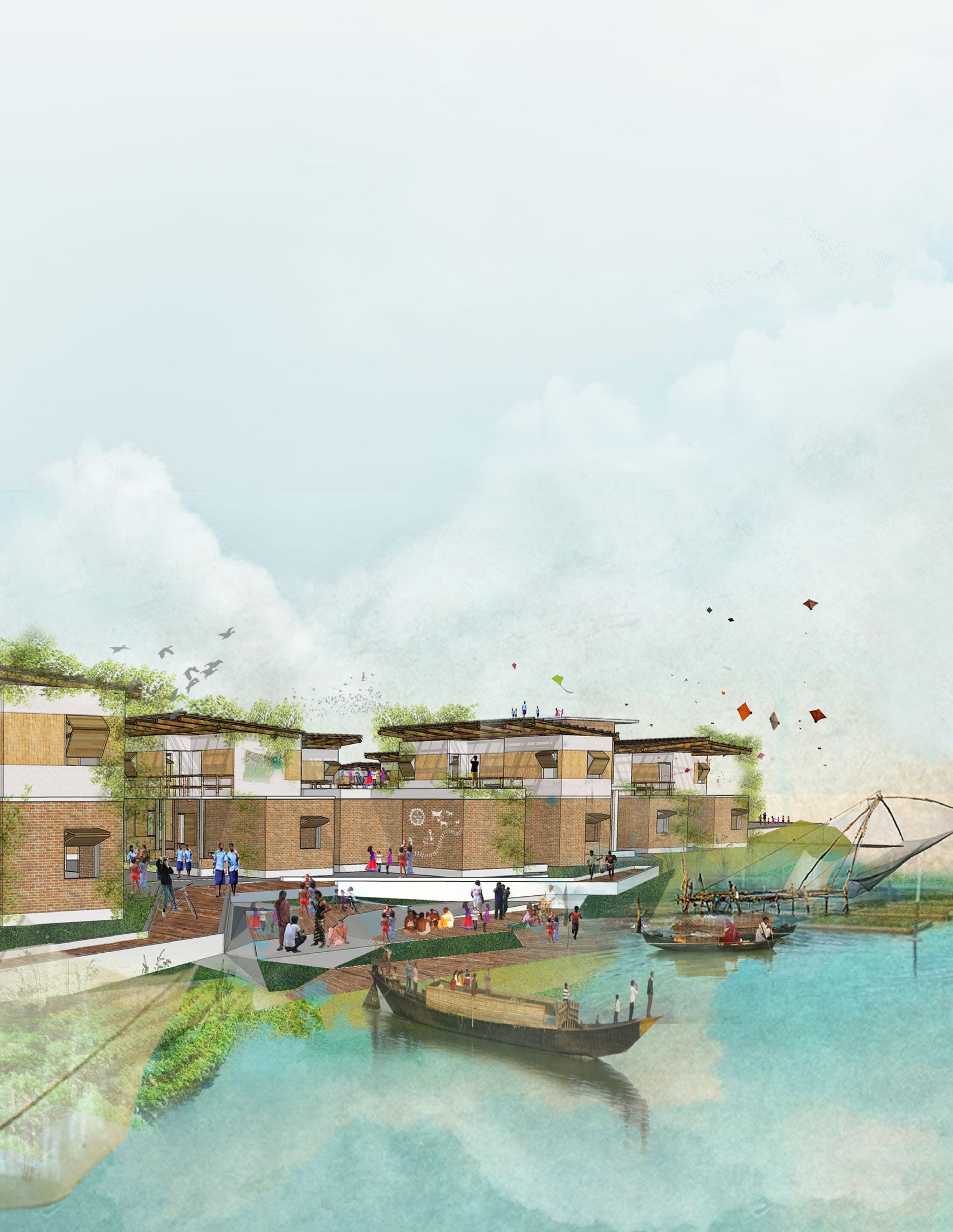
This project, facilitated by Aga Khan Award winner Khondaker Hasibul Kabir, focused on the (re)design of Shatbaria, a lowincome riverside community in Jhenaidah. Emphasizing a bottomup design process, the studio engaged directly with residents to map and understand the socio-economic dynamics shaping their environment. The project unfolded in two phases first, a broader spatial study, followed by focused strategic planning in smaller teams. The final proposal offered an incremental housing solution that reflected intergenerational aspirations and leveraged community strengths to create a sustainable, context-sensitive development.
RCC Bars used for support to the structure
Ground floor has 5” thick brick wall and 10” load bearing wall
along with Bamboo frame structures & concrete blocks
Wall on the 1st floor : Framework of Bamboo and bamboo mat plastered with ferro cement
Material of 1st floor : Concrete 4” slab or Bamboo weaved floor with plaster.
Roof: Frame structure of Bamboo and bamboo mesh, could be plastered
12” raised platform is made of mud and finished with plaster
a stair made of wooden steps and bamboo railing with 8” risers
Incremental adaptive housing unit with expansion
Study on the wider linkage of community and built form
BANGLADESH PUBLIC ADMINISTRATION TRAINING CENTER
PROFESSIONAL
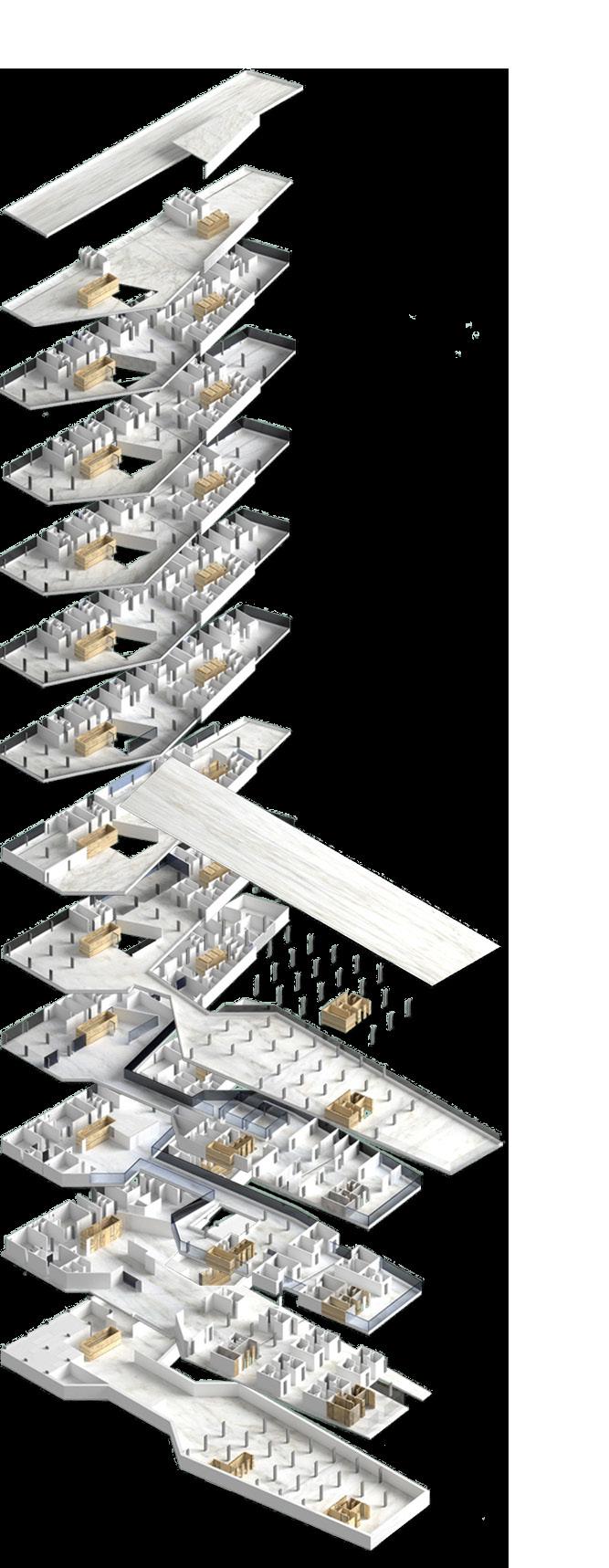
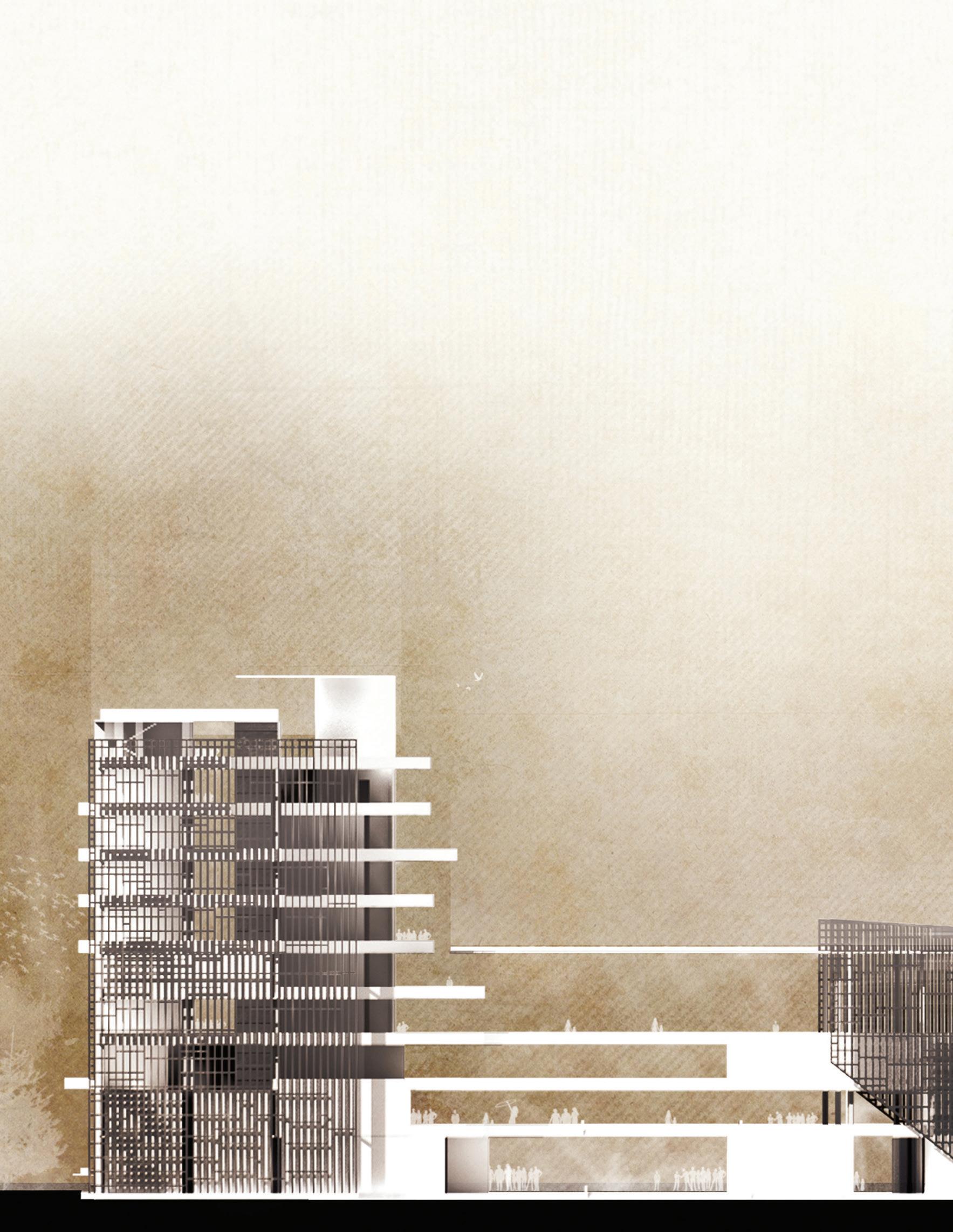
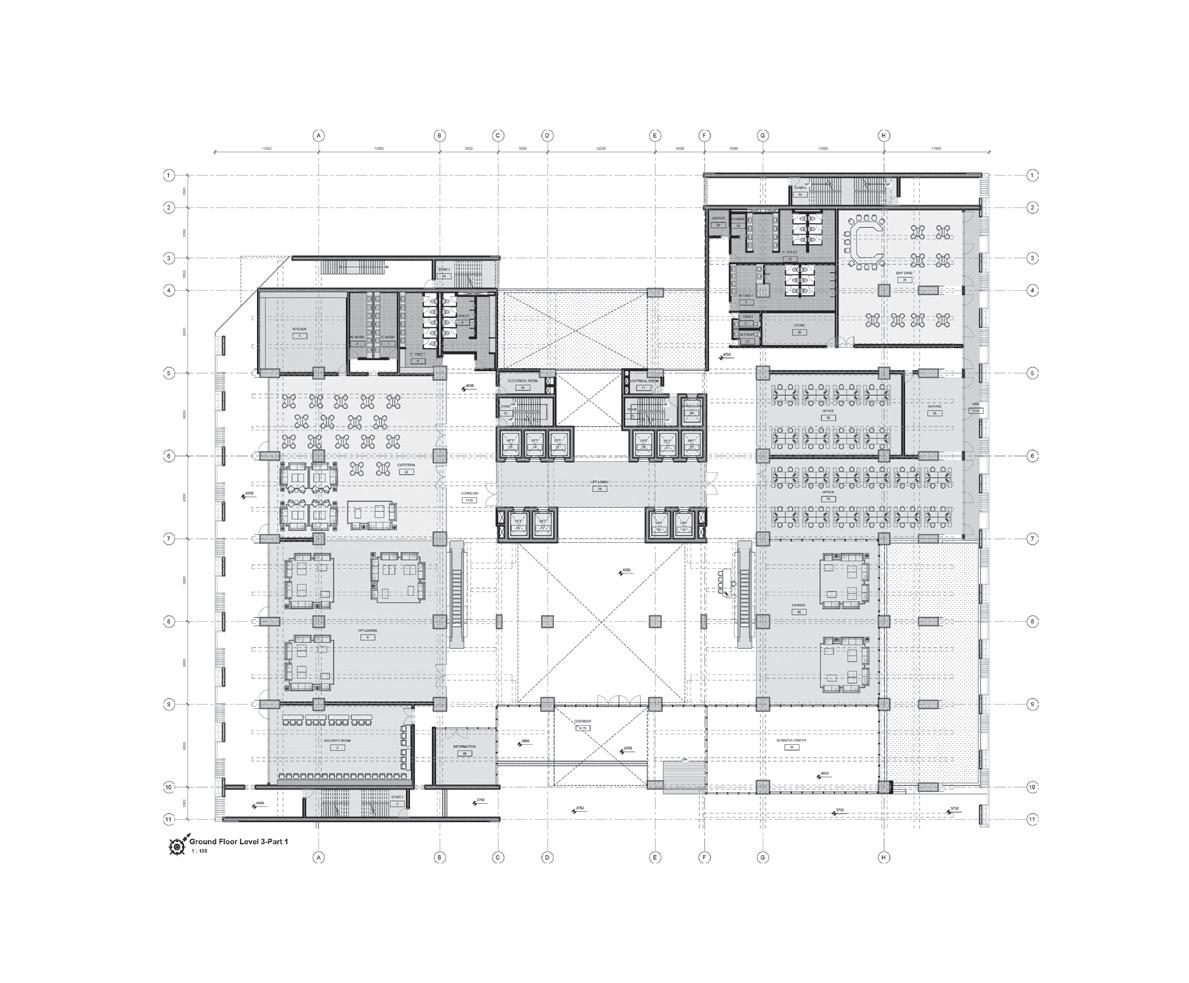
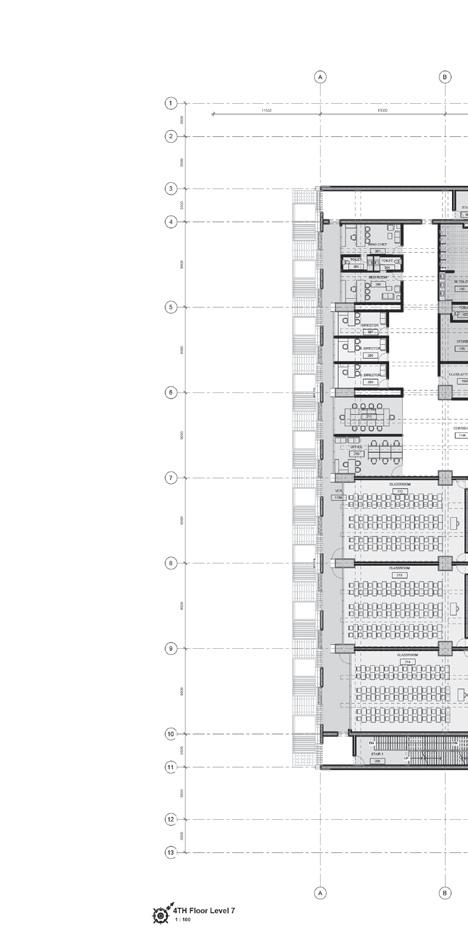
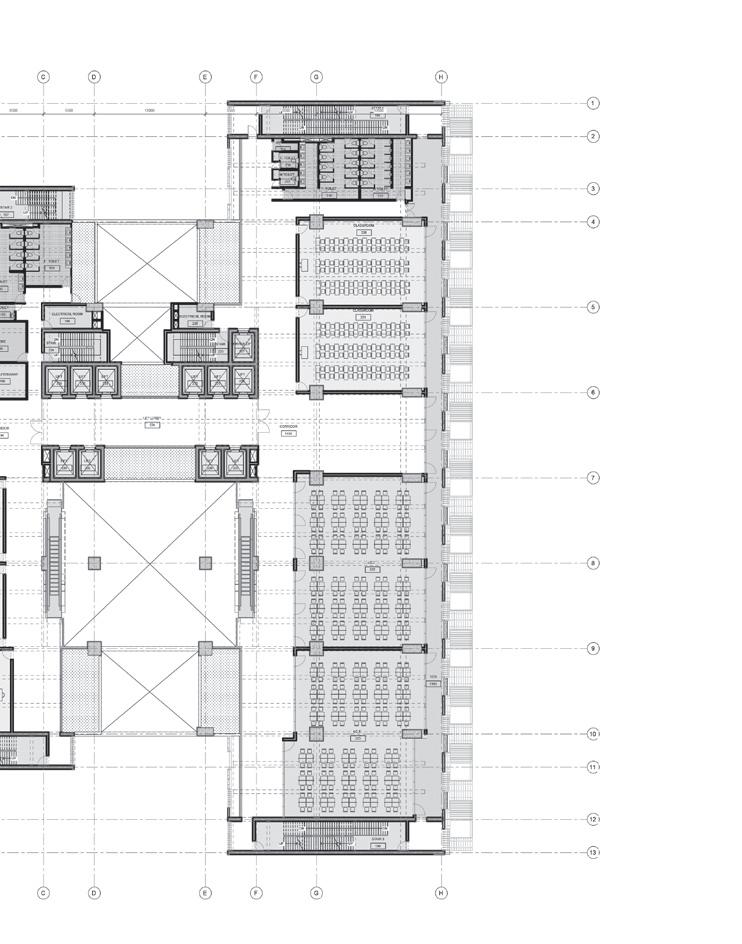
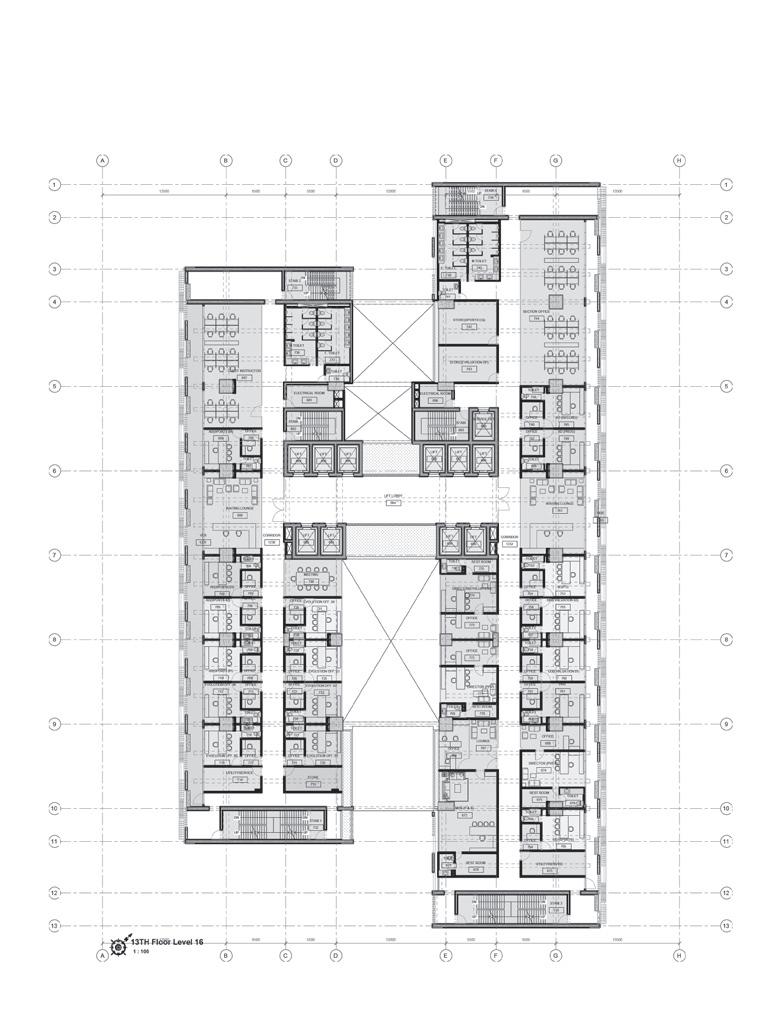
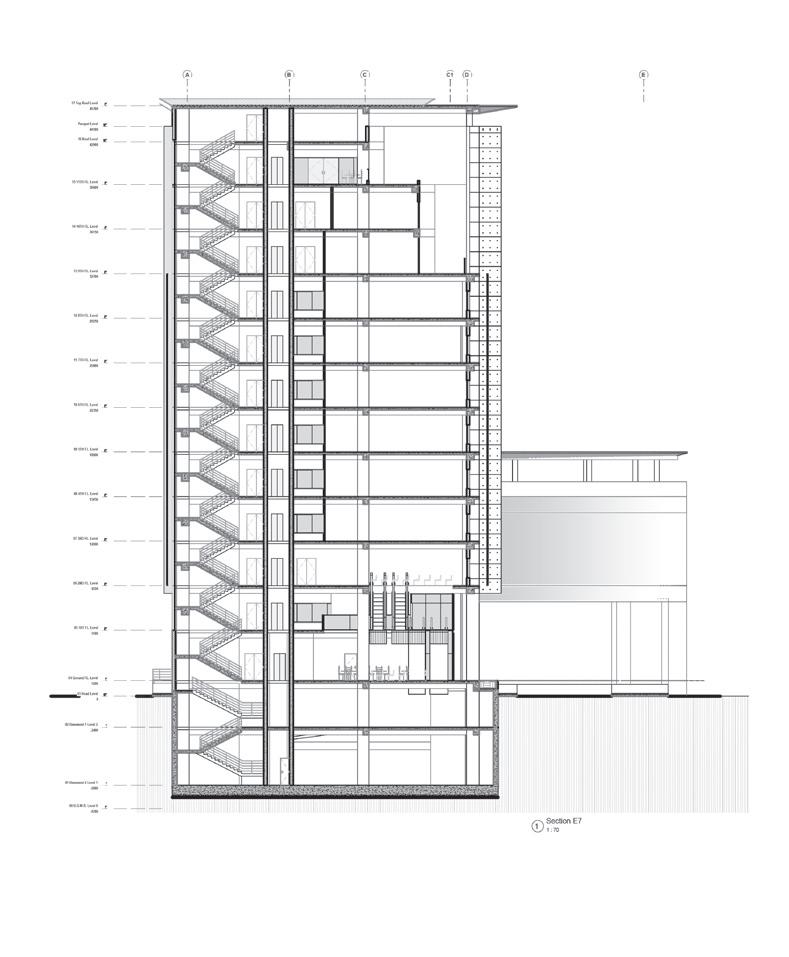
The BPATC Academic Complex is a 22-story institutional tower located near the National Martyrs’ Memorial in Savar, Bangladesh. Designed as a central hub for the training of civil servants, the building brings together classrooms, a library, administrative blocks, a cafeteria, a state art gallery, breakout gardens every fourth floor, and a rooftop helipad into a vertical campus model.
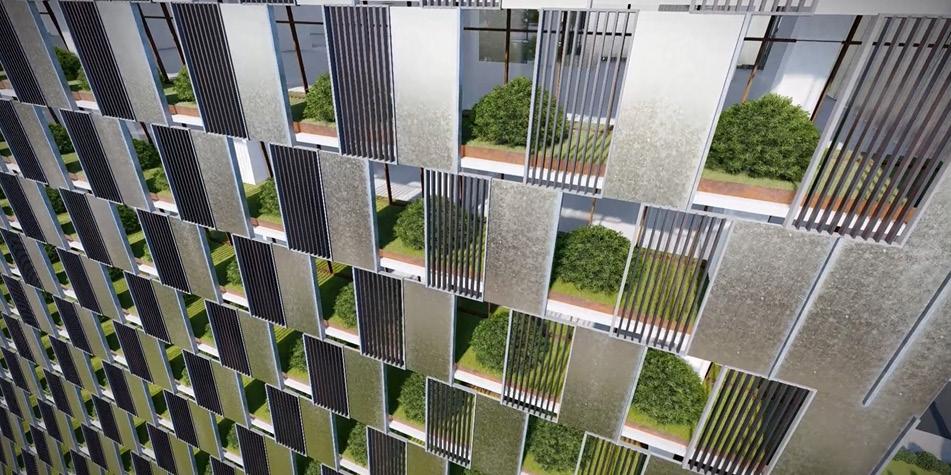
The design draws from the symbolic and spatial qualities of the adjacent memorial, reinforcing civic continuity while addressing contemporary environmental challenges. Each elevation is curved to serve multiple functions: harvesting rainwater, providing solar shading, and softening the tower’s presence within the natural landscape. The facade integrates solar panels, operable louvers, and dense vegetation to reduce heat gain, generate energy, and filter noise from the surroundings to improve brain health of the students.
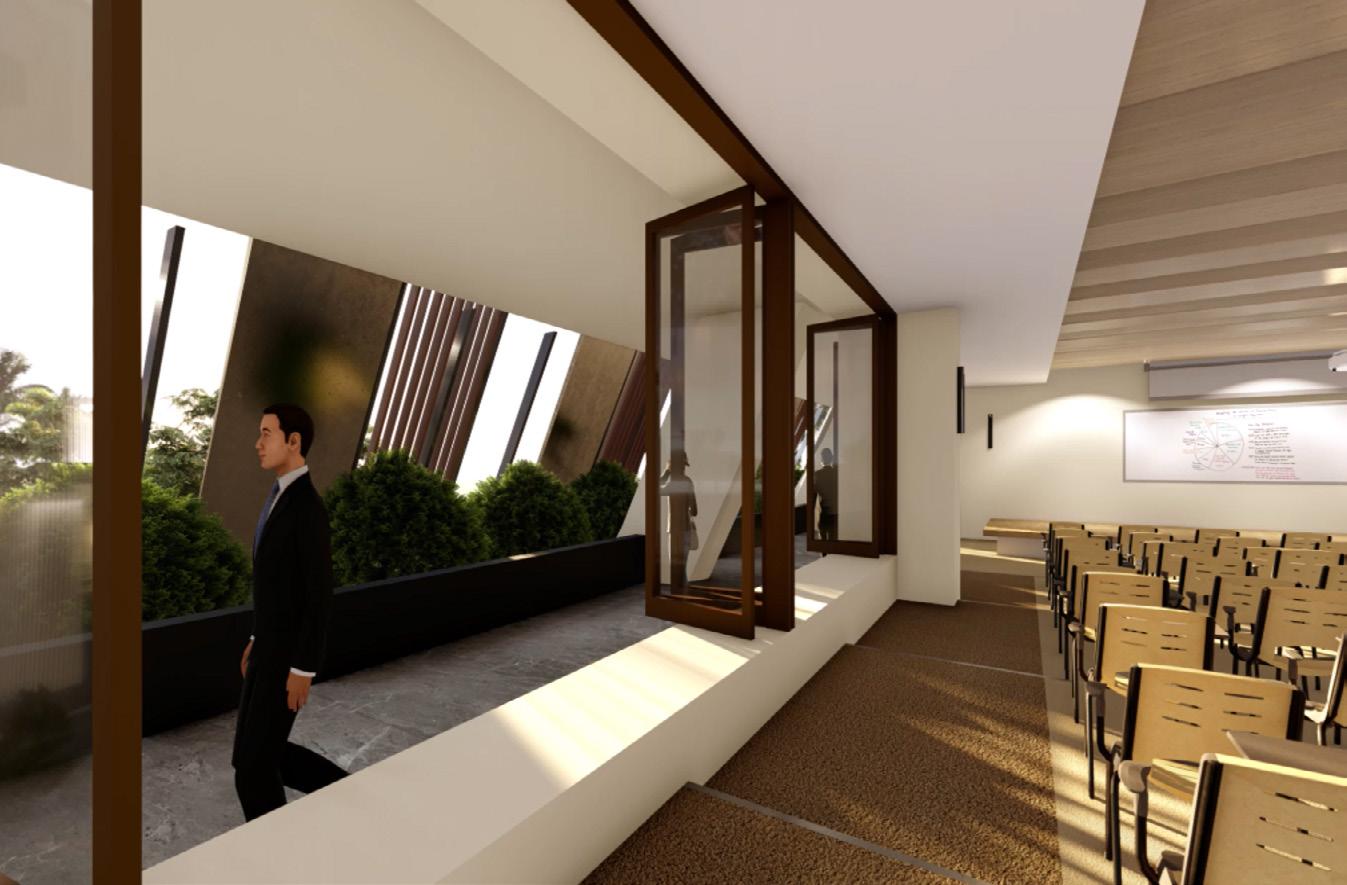
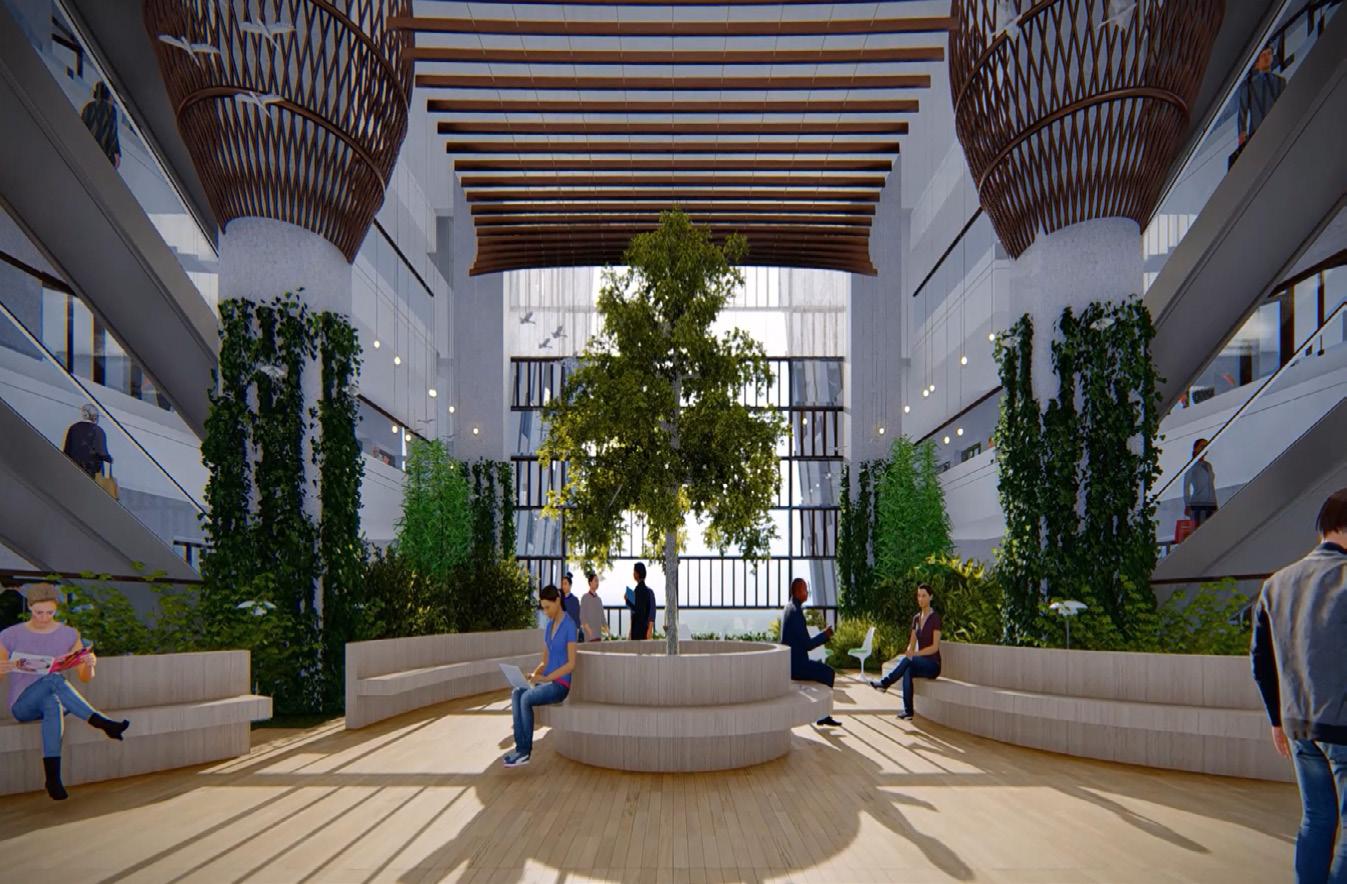
Classrooms are positioned around continuous balconies to allow natural cross-ventilation and provide shaded spillover spaces. The breakout zones act as indoor parks, offering moments of pause, greenery, and informal interaction within the high-rise Section of the campus.
VIEW FROM THE CLASSROOM TOWARDS THE BALCONY
ZOOMED IN VIEW OF THE ELEVATION SHOWING BALCONY AND SHADING DEVICES
VIEW OF INTER-MEDIAN COURTYARDS EVERY 4TH FLOOR
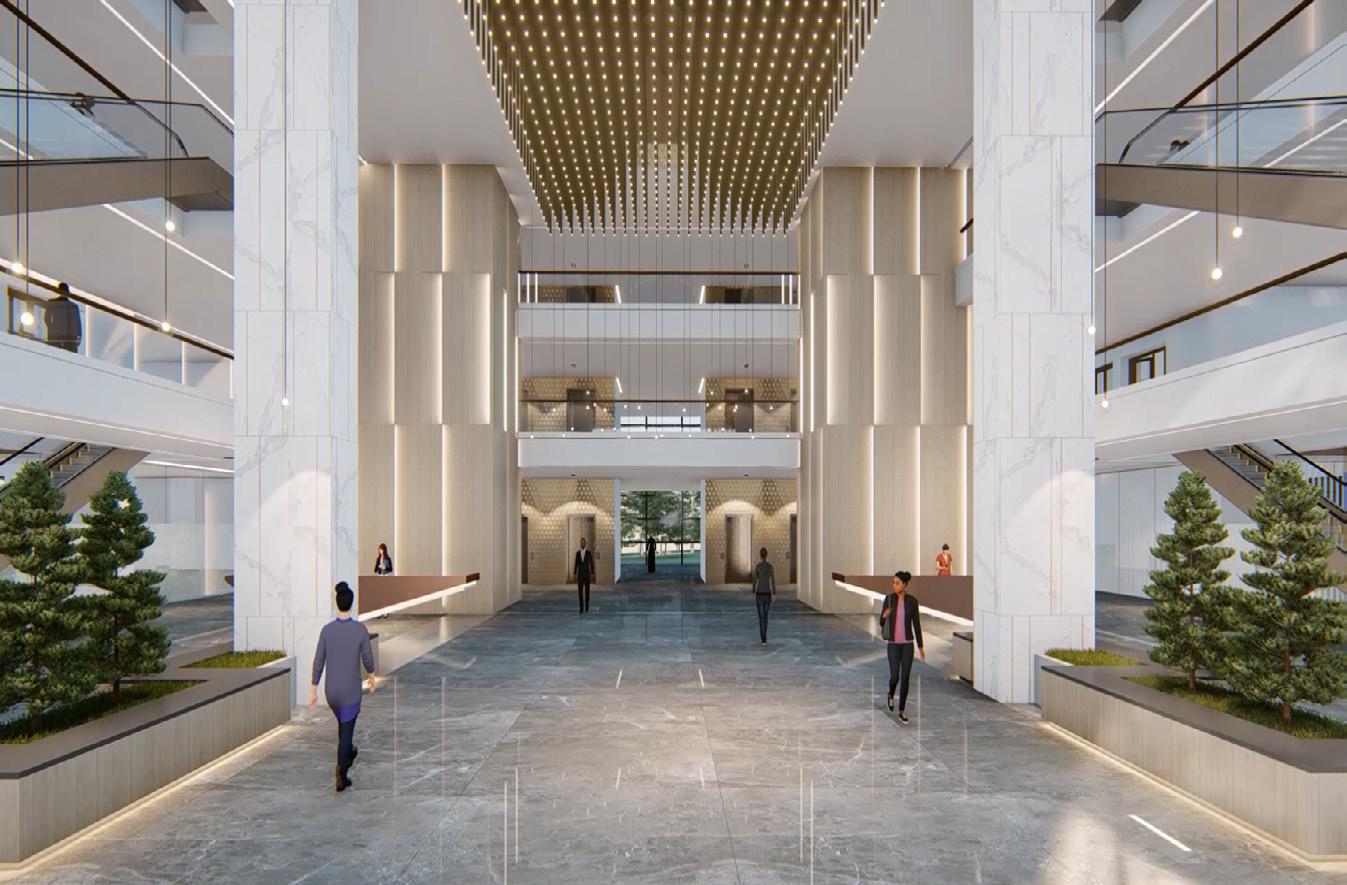
VIEW OF ENTRY LOBBY
Modularity plays a central role in both planning and performance. The spatial system allows for long-term flexibility across programs and users, while facade components including panels and louvers are designed to be easily adjusted or replaced based on solar exposure and site-specific needs.
This project reflects a shift toward sustainable and adaptable public infrastructure where spatial dignity, environmental performance, and civic symbolism are held together by design intelligence and modular thinking.
Role: Site survey, program analysis, functional study, space planning, concept design, approval drawings, lighting study, BOQ preparation, 3D modeling, rendering, stakeholder coordination, facade integration, environmental response, visualization.
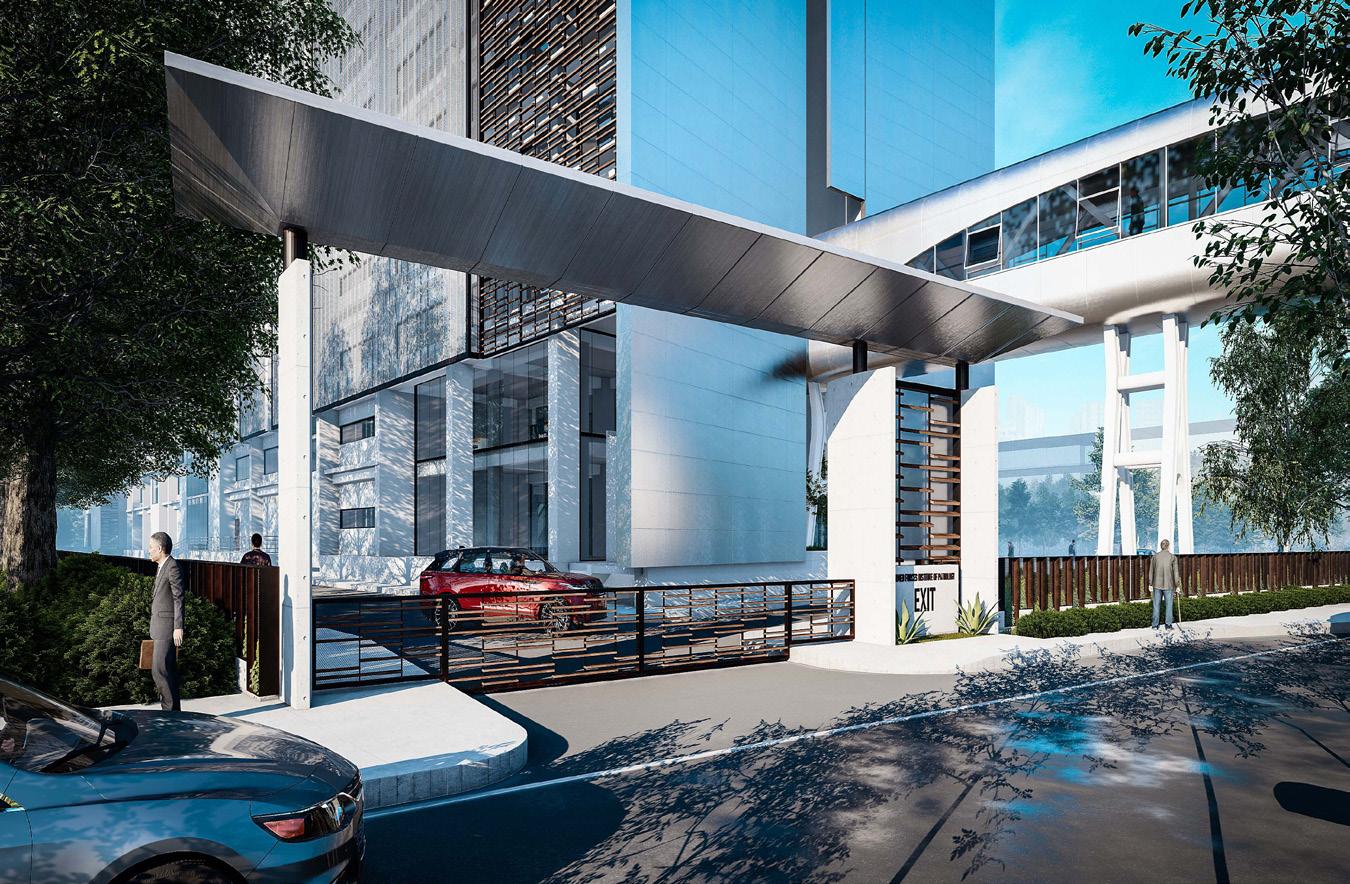
ARMED FORCES INSTITUTE OF PATHOLOGY
PROFESSIONAL WORK | HEALTHCARE DESIGN
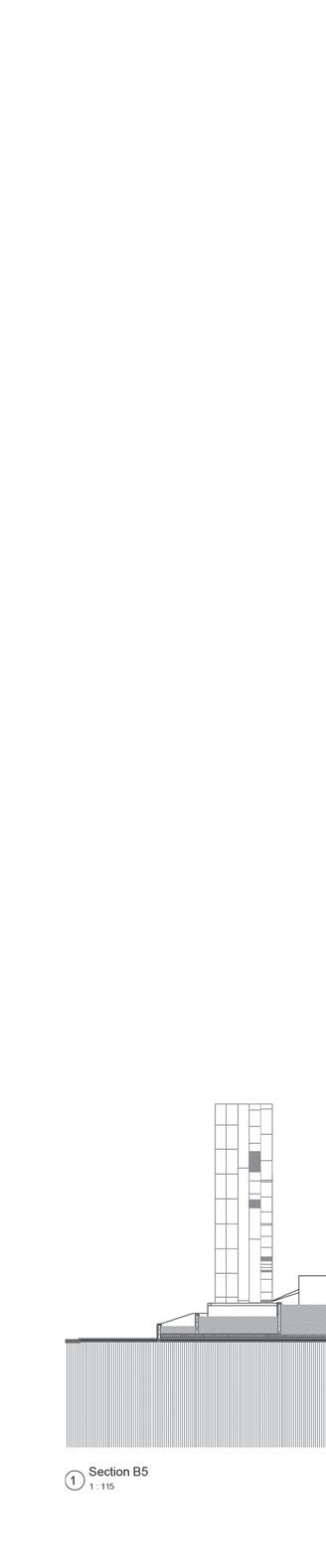
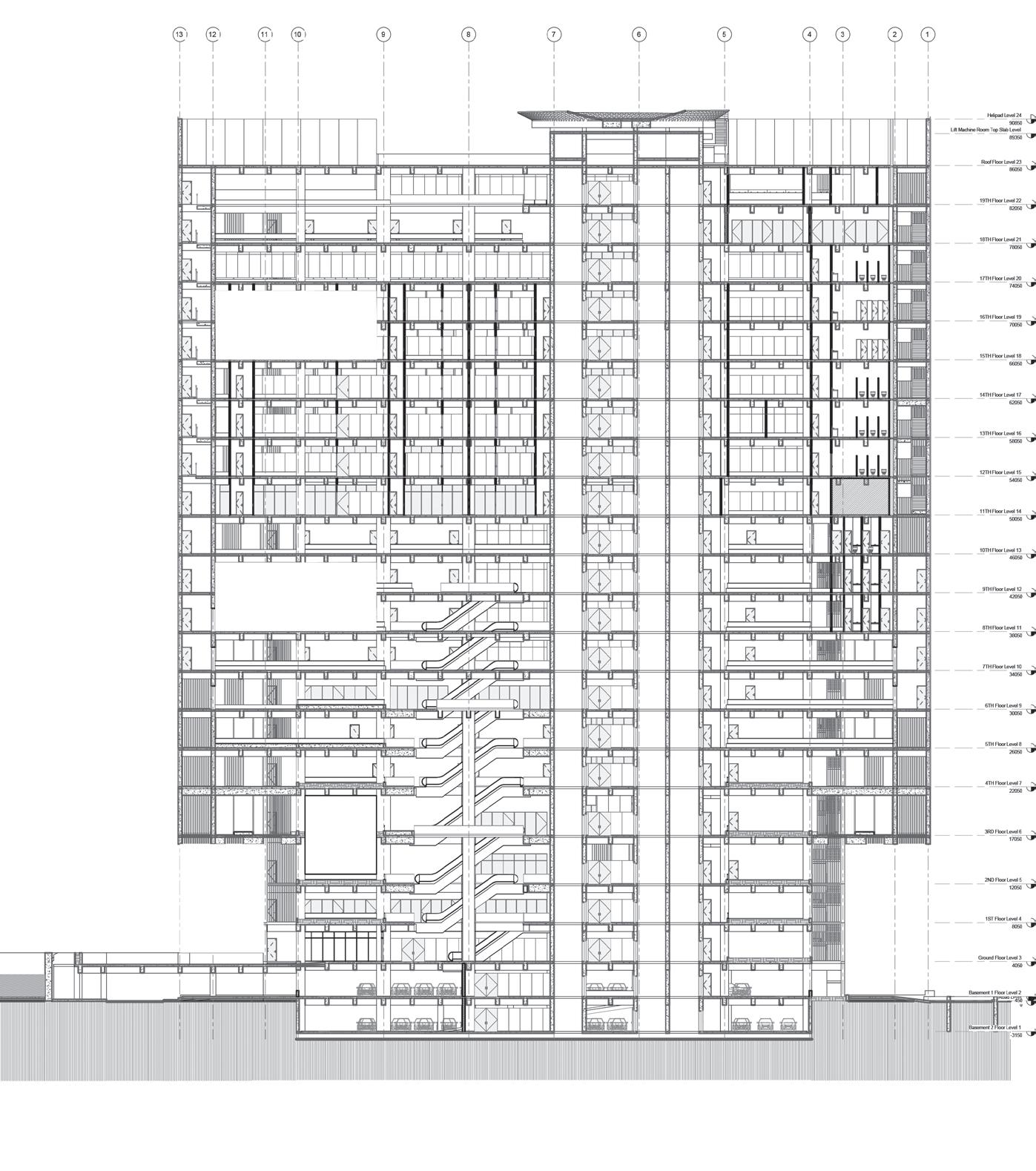
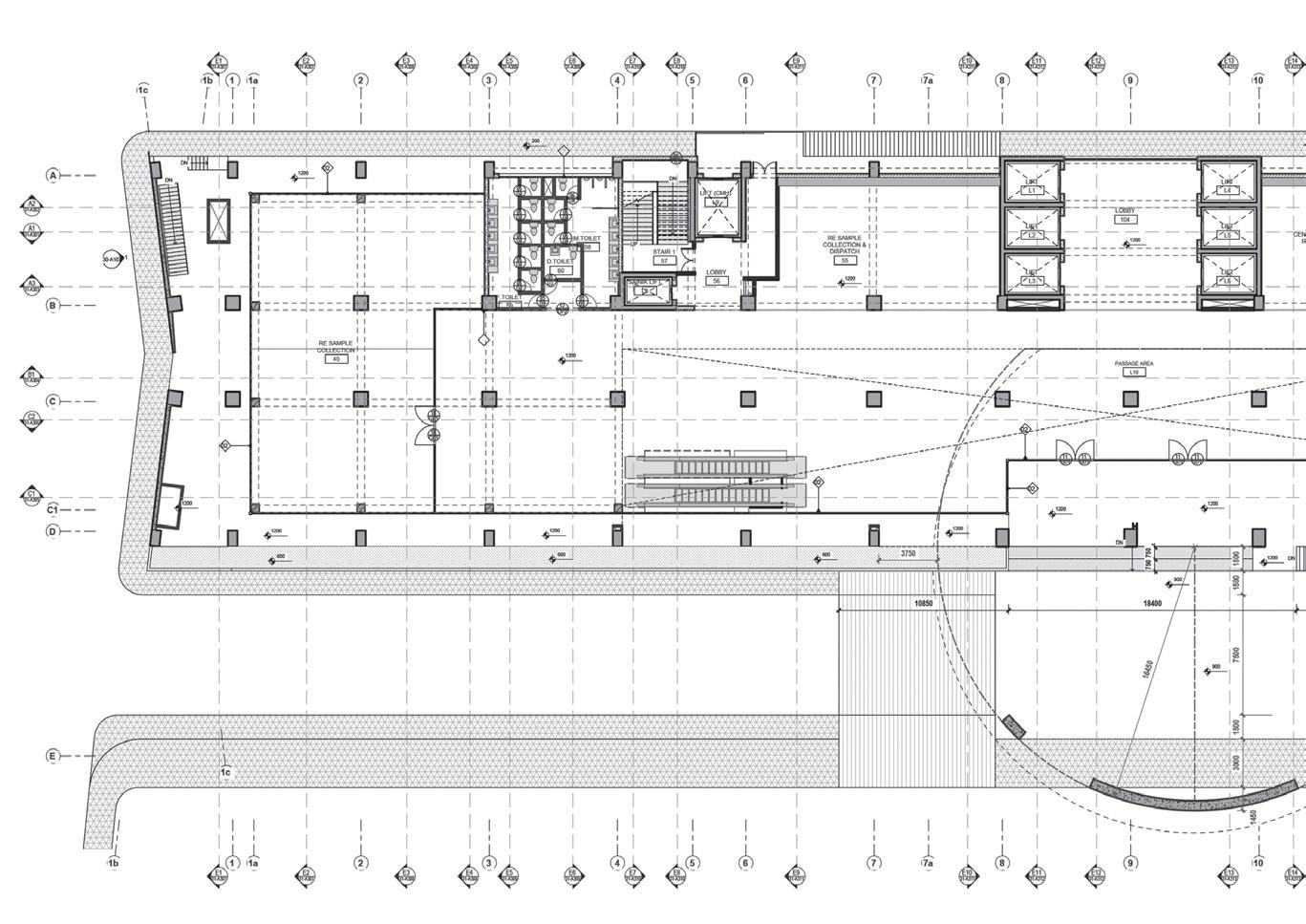
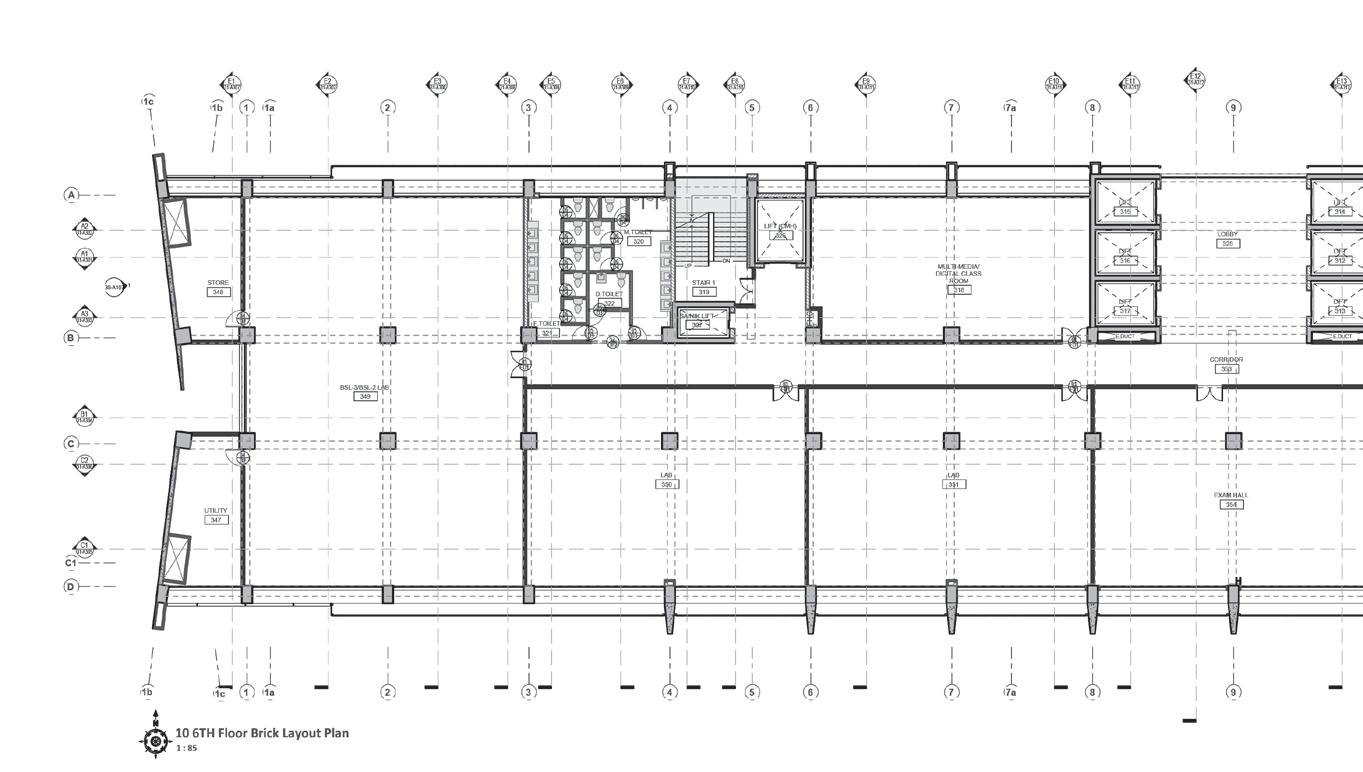
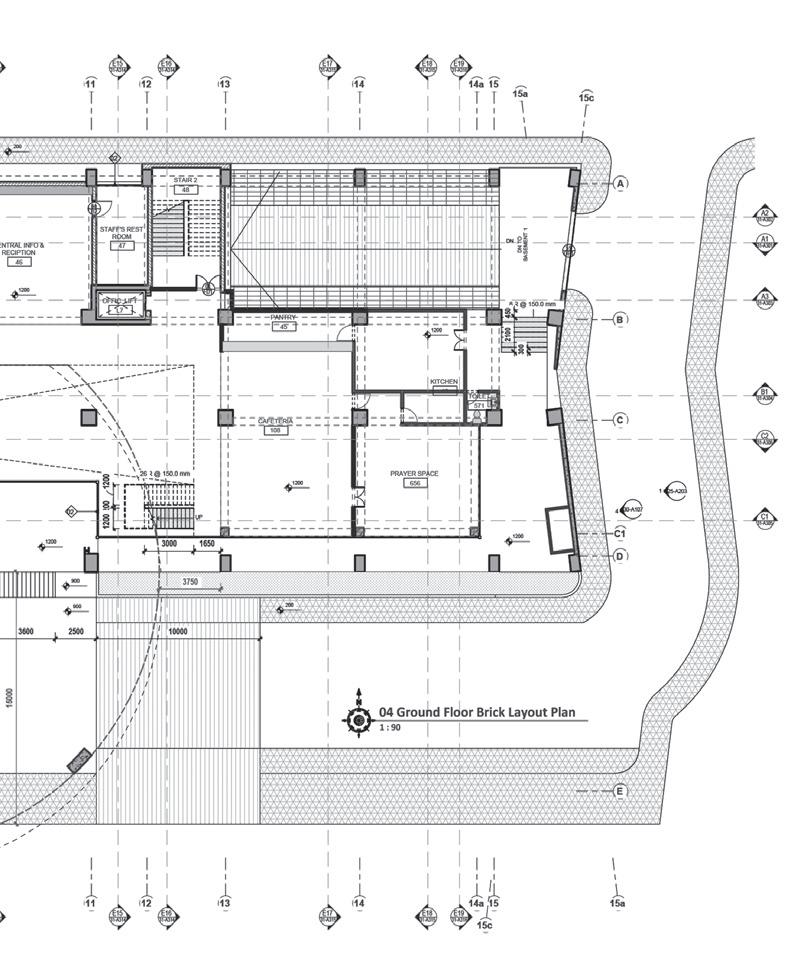
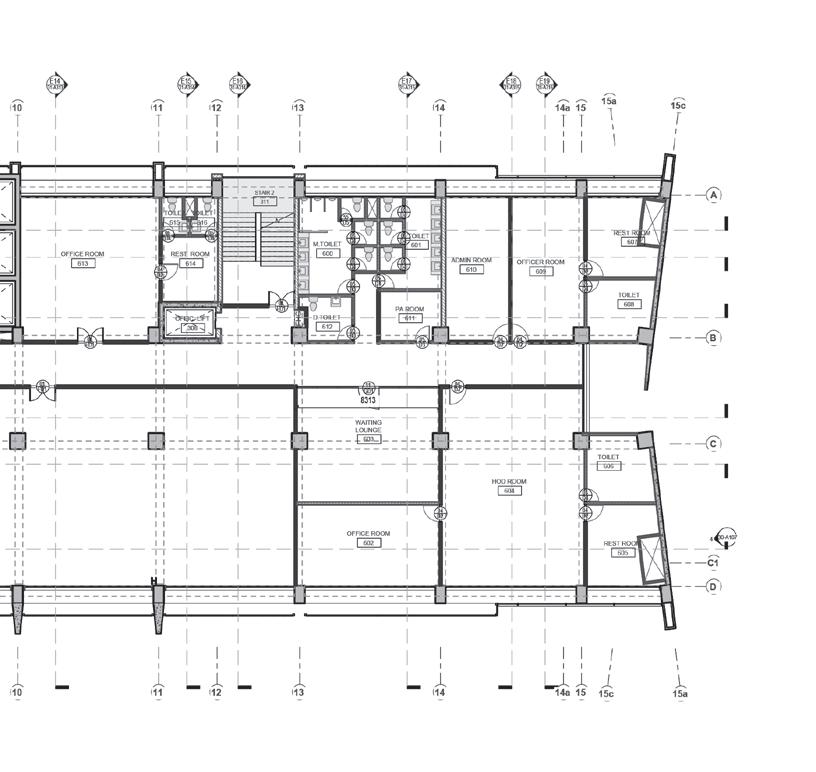
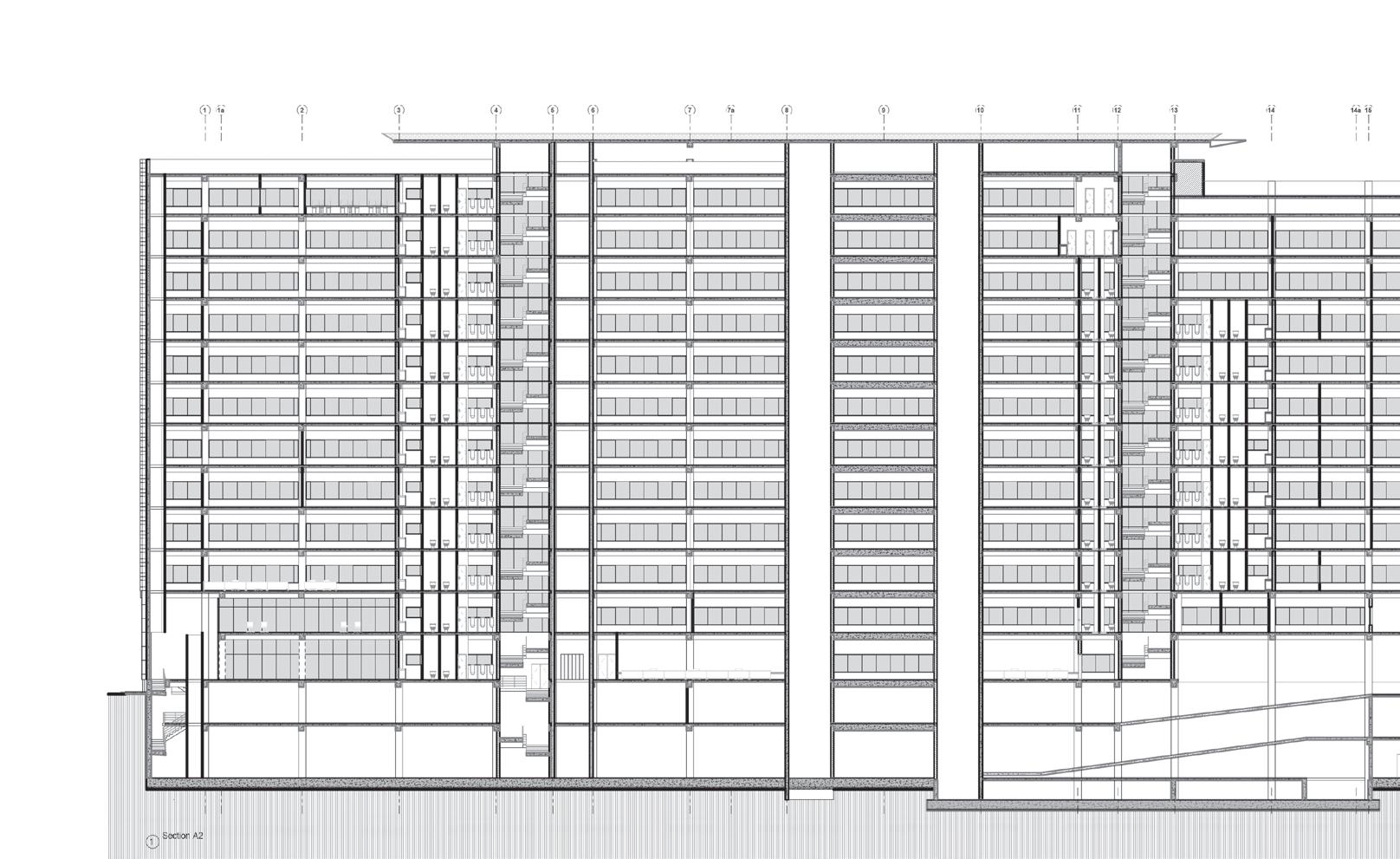
SAMPLE OF CONSTRUCTION DRG OF 14 STORIED BUILDING WITH 2 BASEMENT
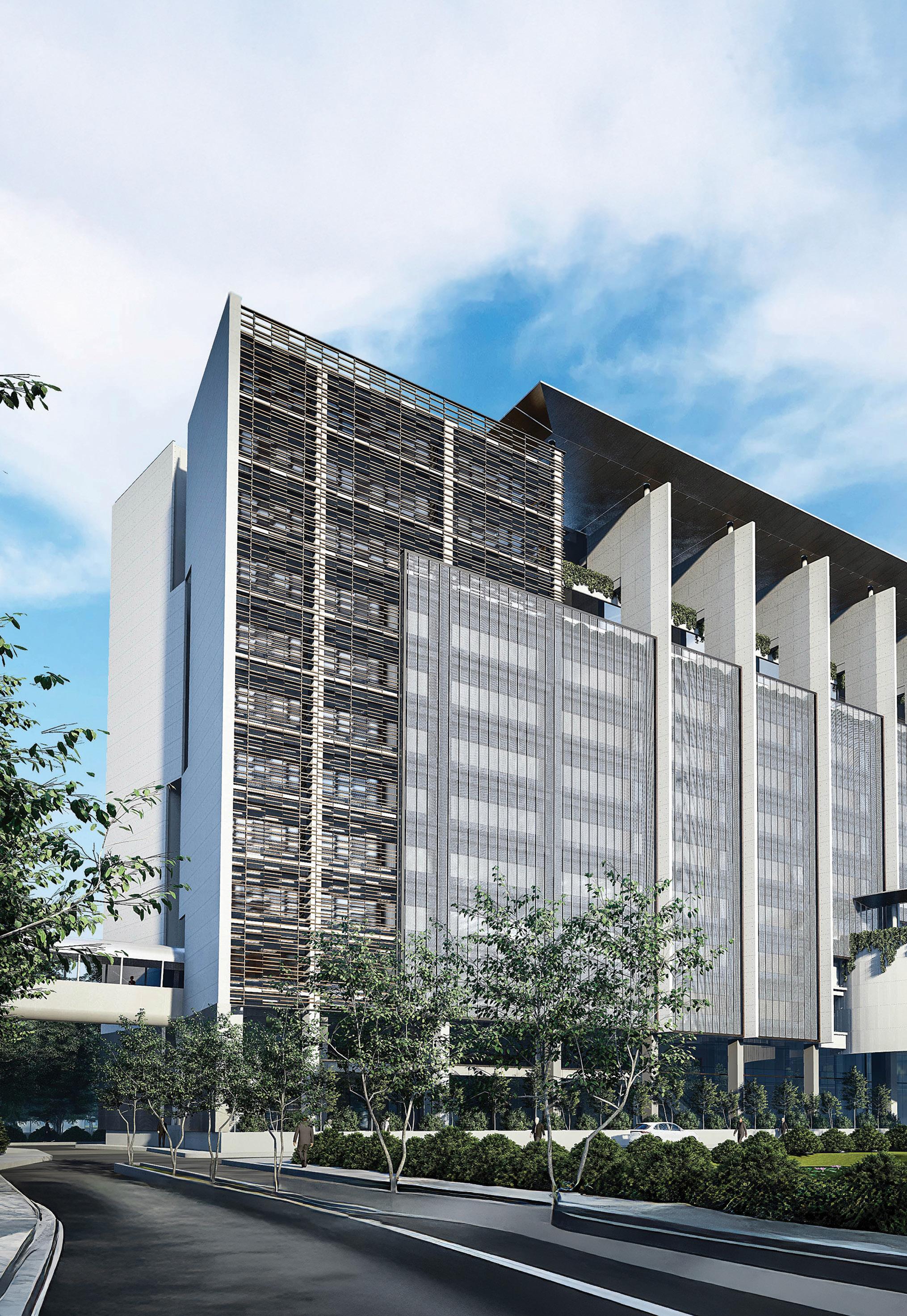
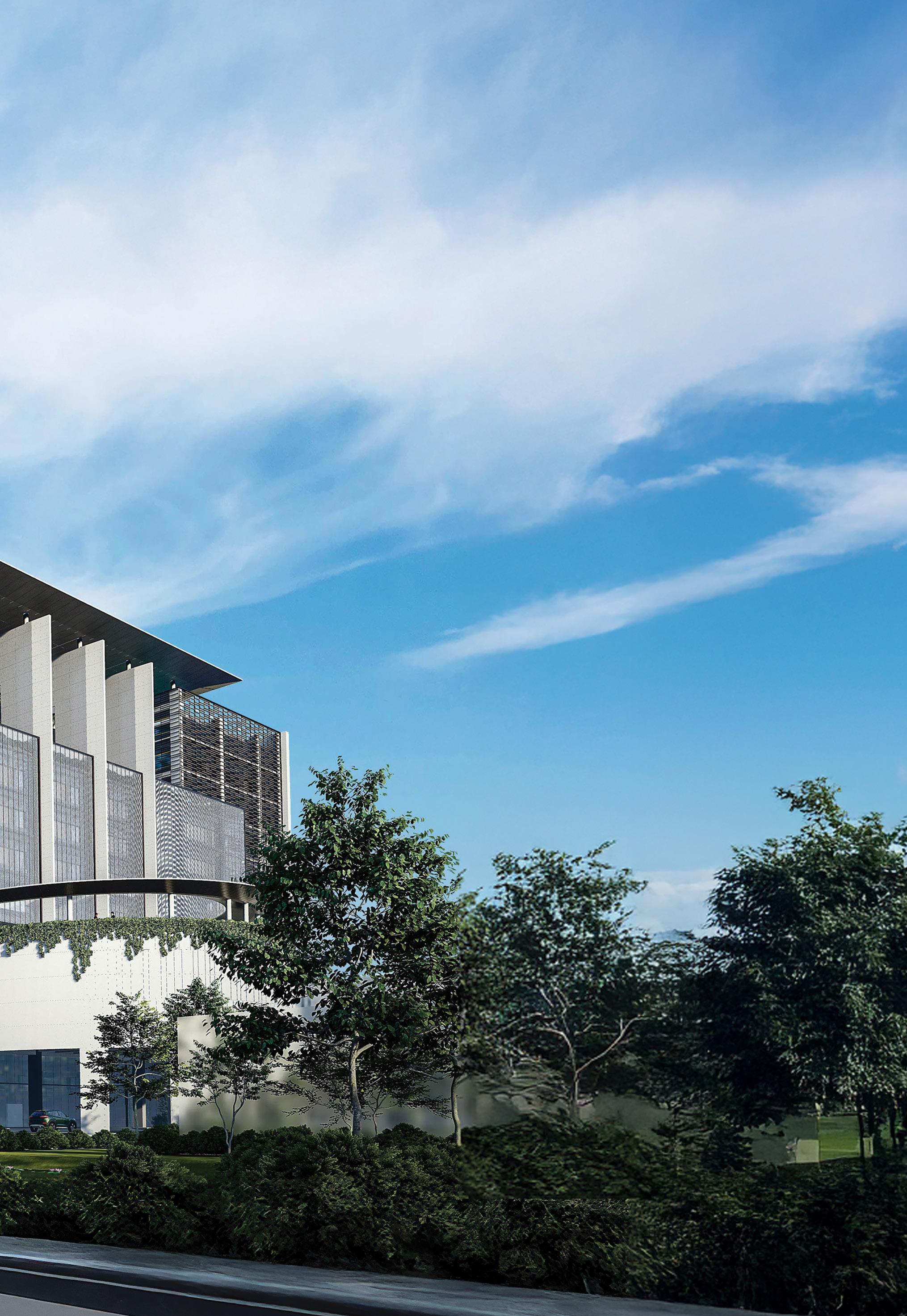
AFIP is an extension of the Combined Military Hospital in Dhaka and marks one of Bangladesh’s first institutional steps toward zerocarbon architecture. Serving 400 to 500 patients daily, the design focuses on patient-centered care, climate responsiveness, and spatial connection within a highly restricted site.
The project utilizes natural resources such as daylight and rainwater to reduce environmental impact and operational dependency on mechanical systems. Elevations were designed to maximize daylight penetration while minimizing glare, creating brighter, healthier interior environments conducive to healing and comfort.
To combat the challenges posed by Dhaka’s hot and humid tropical climate, sun-shading panels were strategically integrated into the building envelope. These architectural elements comprising fixed vertical and horizontal fins are designed to reduce direct solar heat gain, particularly on the east and west façades, where exposure is most intense.
By blocking harsh sunlight and diffusing natural light into interior spaces, the shading system significantly reduces indoor temperature fluctuations and minimizes glare, improving occupant comfort throughout the day. This passive cooling strategy directly contributes to the reduction of HVAC loads, supporting long-term energy efficiency and advancing the building’s zero-carbon ambition.
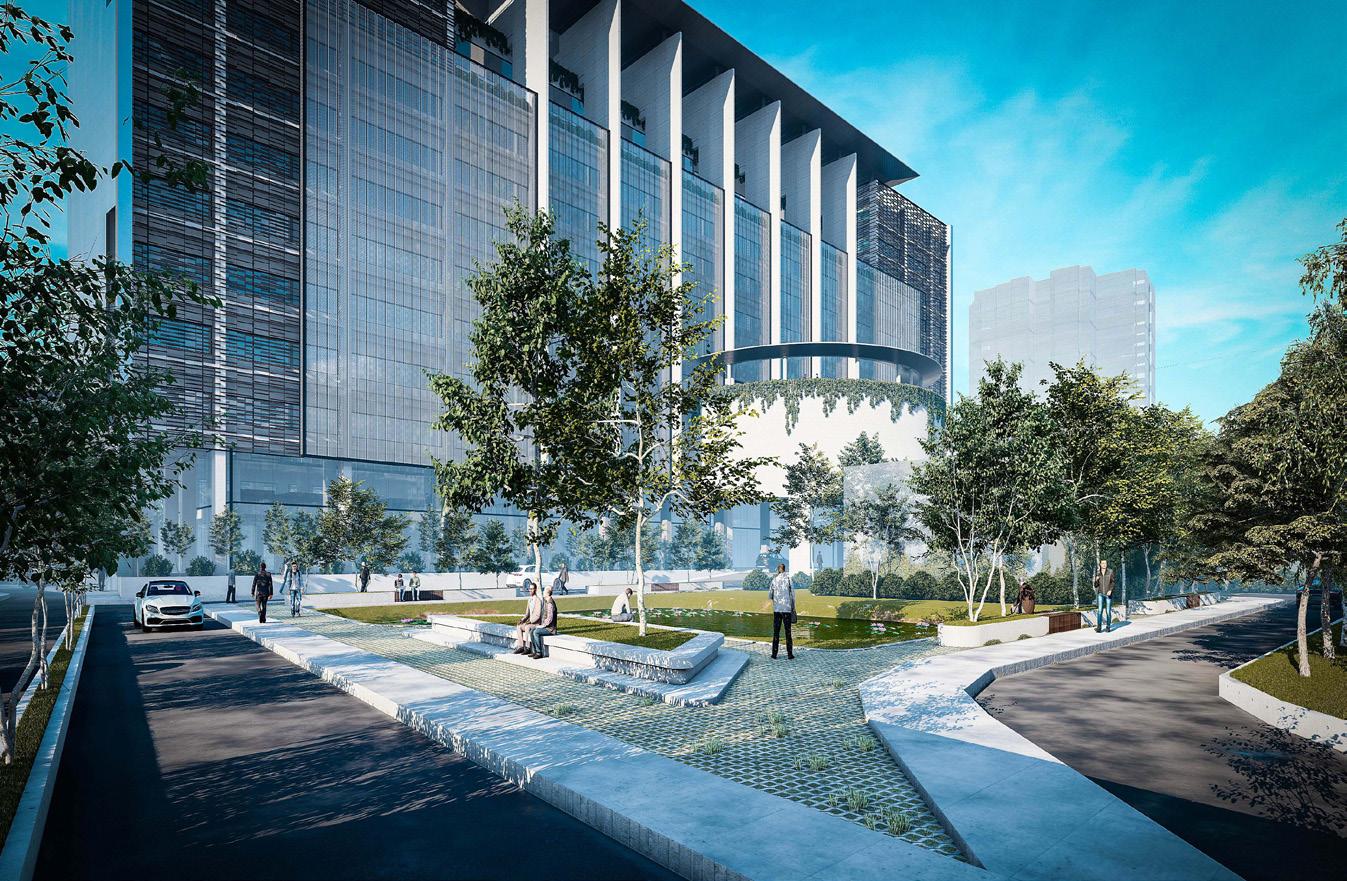
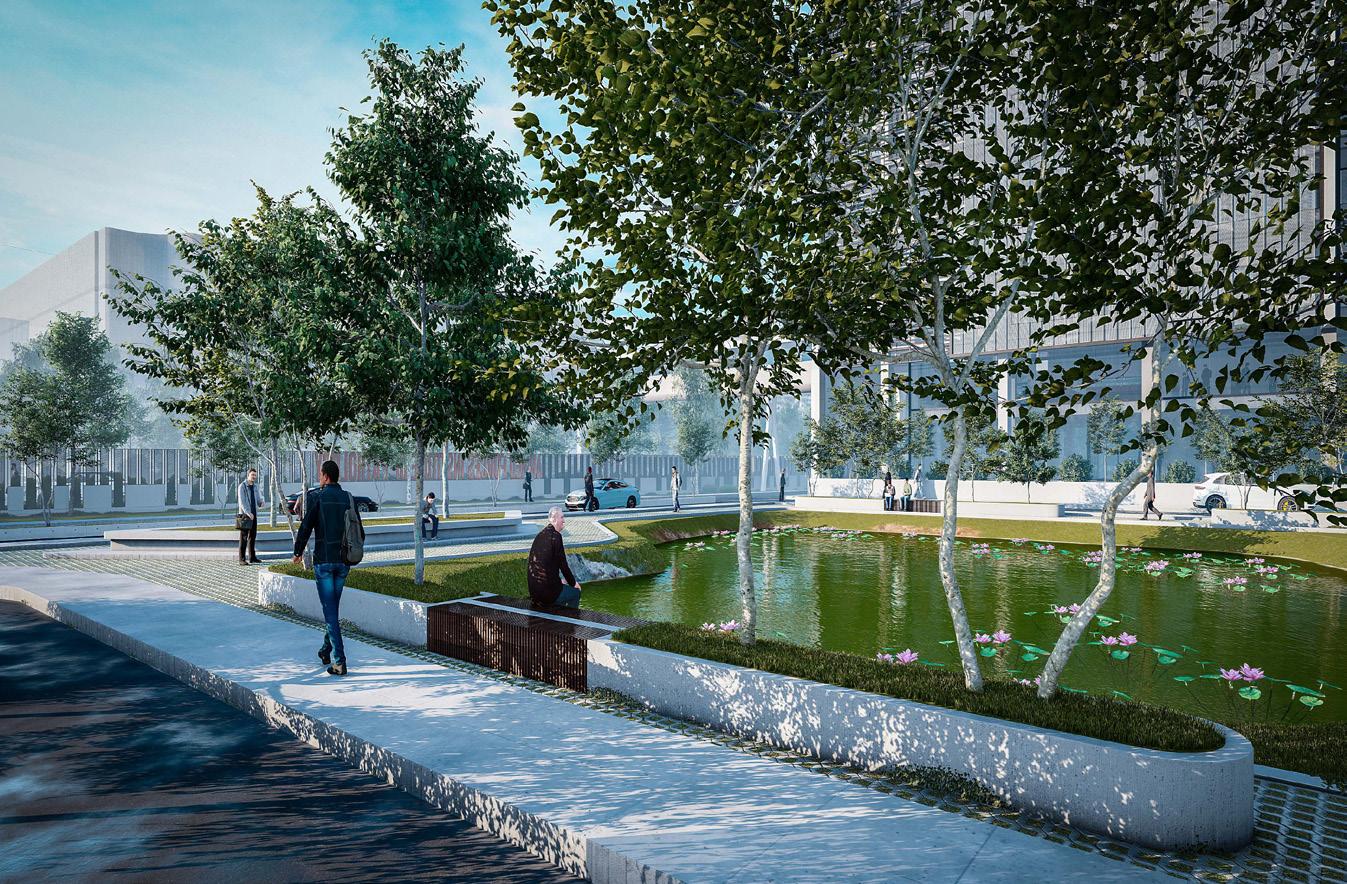
In addition to its environmental performance, the design prioritizes emotional well-being and spatial connectivity. A landscaped park was introduced beside an existing water body, transforming it into a serene and restorative public space. This pond not only supports rainwater harvesting efforts but also fosters a calming, biophilic environment that benefits patients, caregivers, and visitors alike.
Acting as a transitional threshold between two major institutional blocks, the green space establishes a much-needed visual and physical connection within the dense medical campus, offering a moment of relief and reflection in an otherwise high-pressure healthcare setting.
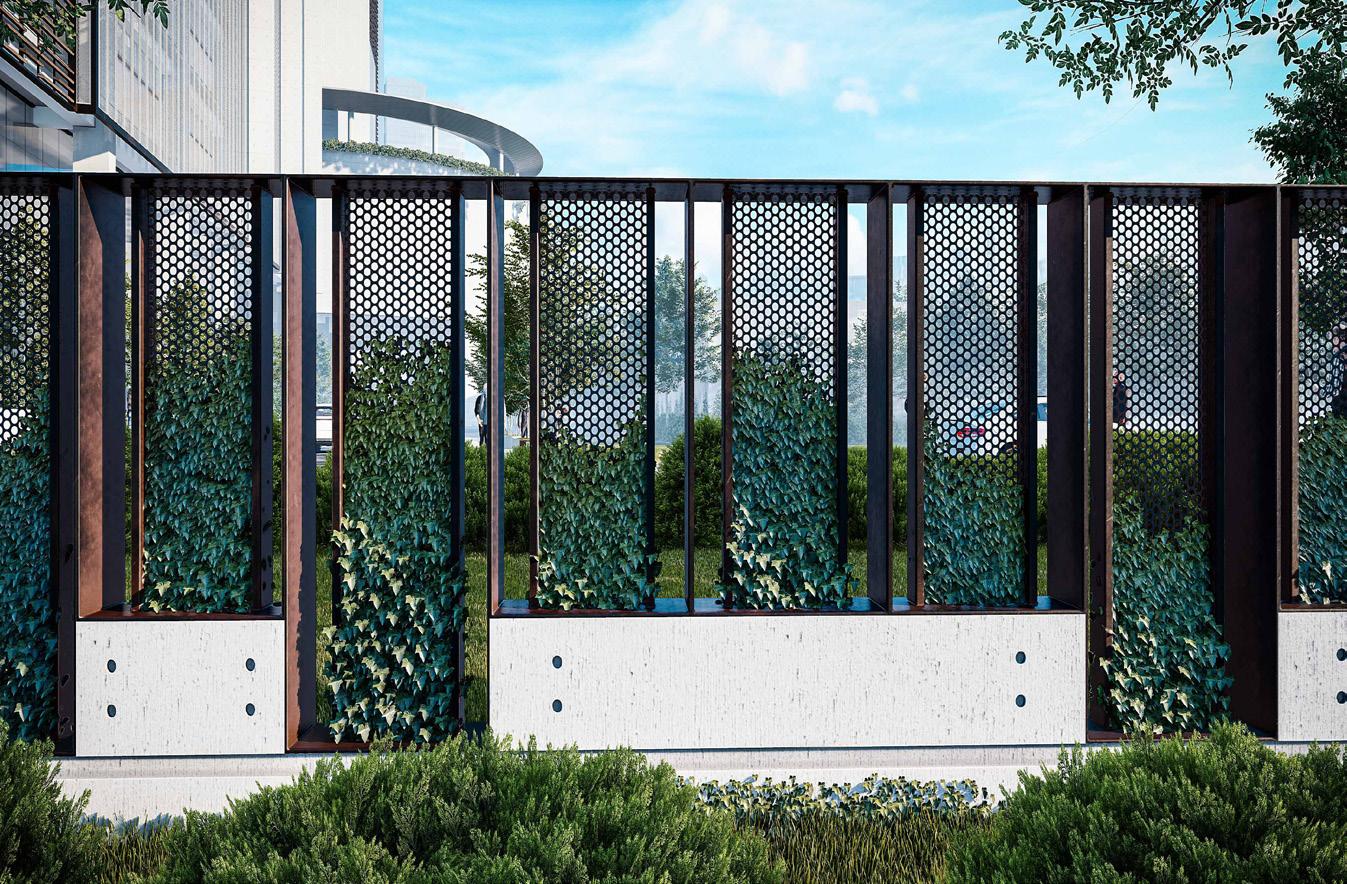
VIEW OF THE BOUNDARY WALL
VIEW FROM THE EXIT GATE
VIEW OF NATURALLY RESTORED POND FOR WATER HARVESTING & PROMOTING HEALING SPACES
VIEW FROM ENTRY GATE
Role: Site survey, site and program analysis, SD, authority approval drawings, CD, BOQ preparation, 3D modeling, rendering, coordination between stakeholder, construction partner and designers, path lab link corridor & helipad detailing, medical equipment & facade integration, landscape design and modeling.