I want to be a designer who takes into account the history of the site, and how that history affects the people living there. I want to study the materials that will one day go into these buildings, and how we can use those materials to tell a story of the site and the people living in it.
Phone: (832) 818 0192
Email: diaz.norverto16@gmail.com
Adress: 7918 Buchanan St Houston Tx
Instagram: diaz.norverto16
Construction Drawings
3D Modeling
Concept Design
Google Suite
Adobe Suite
Rhino 3D
Z4A Internship - Irritable House (Landscape Architecture): September 2023 - October 2023
•Worked for over 40+ hours.
•Collaborated on the creation of terrain for a 3D model intended for client presentation.
•Successfully crafted various units based on an existing 3D model of a residential property.
•Proficiently designed a 3D landscape using Rhino Modeling software, incorporating underground ramps, gardens, and terraces.
•Ensured a seamless and non-flat connection between units on the plot, resulting in a smooth and aesthetically pleasing terrain.
EXTRACURRICULAR & VOLUNTEERING
Makers and Doers Club (MAD) at the University of Houston: September 2021 - September 2023
•Regularly participate in club meetings to acquire new model-making skills and engage in building workshops at the Keeland Lab, Gerald D Hines College of Architecture.
•Embrace a hands-on learning philosophy through collaborative mini-projects within the club.
ACE (Architecture | Construction | Engineer): October 2019 - May 2021
•Applied knowledge of Architecture Theory to building design, enhancing my readiness for the professional workplace.
•Gained hands-on experience in teamwork and leadership, working with architectural concepts in real-world design projects.
Iglesia Biblico Cristo Viene (IBCV): August 2013 - August 2017
•Led children in the exploration of Christian theological principles and Bible study through engaging and educational activities.
•Developed valuable leadership and teamwork skills during this experience.
EDUCATION
Bachelor of Architecture, University of Houston
Construction Management, Minor, University of Houston
High School, Energy Institute High School
Christian Institute, Instituto Biblico Cristo Viene
Community Canvas
Location: Third Ward | Elgin at Columbian Tap Trail
Class: ARCH 3501 | Spring 2024
Professor: Prof. Donna Kacmar
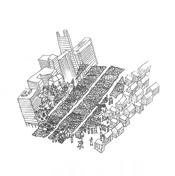
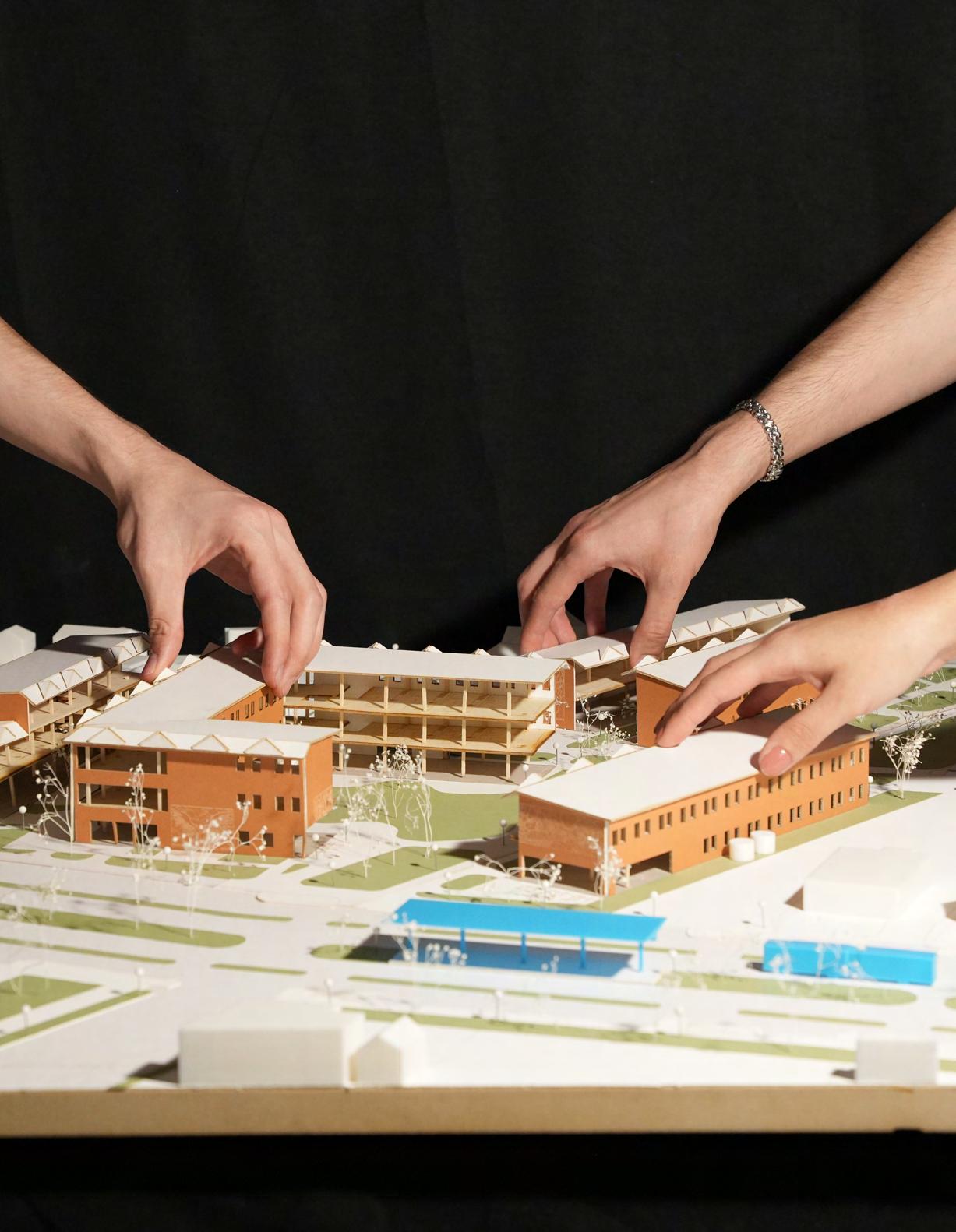
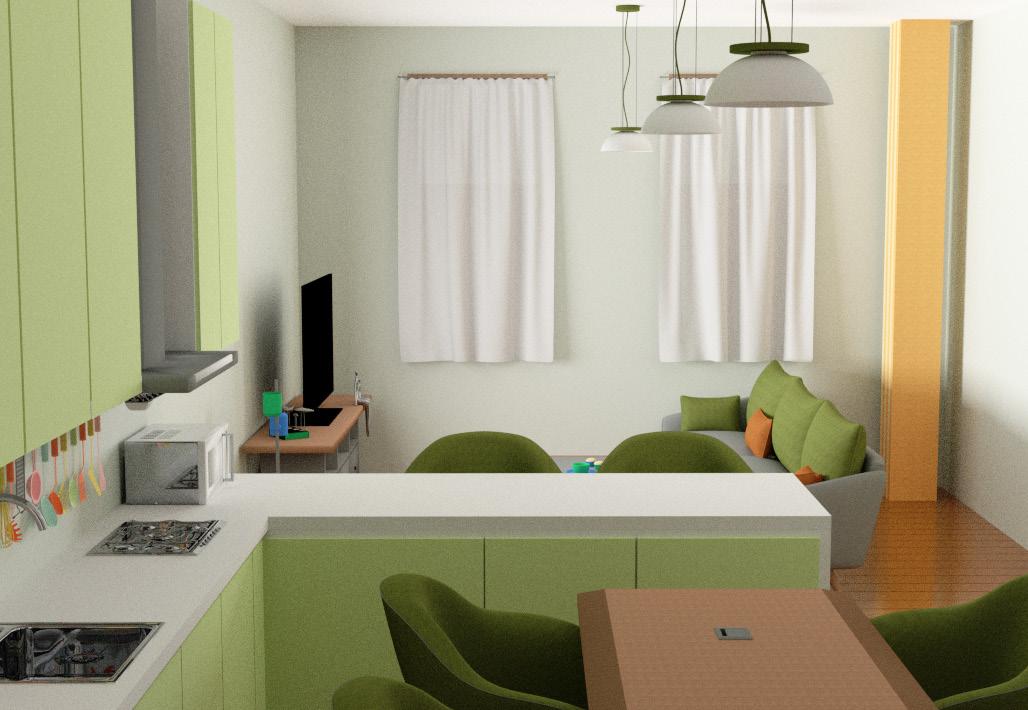
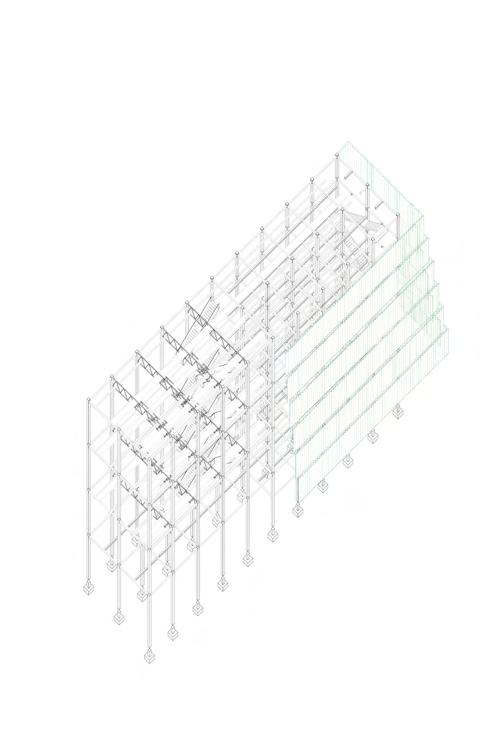
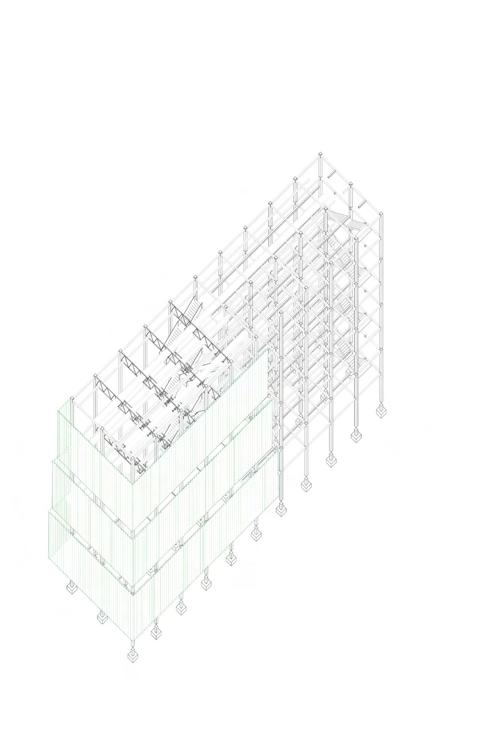
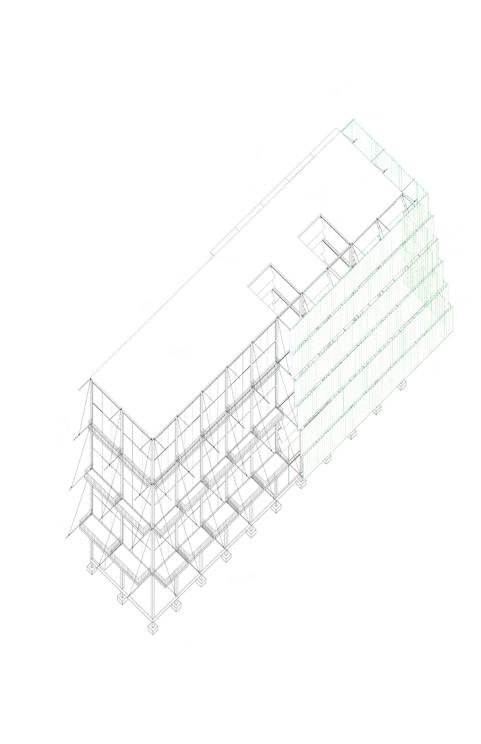
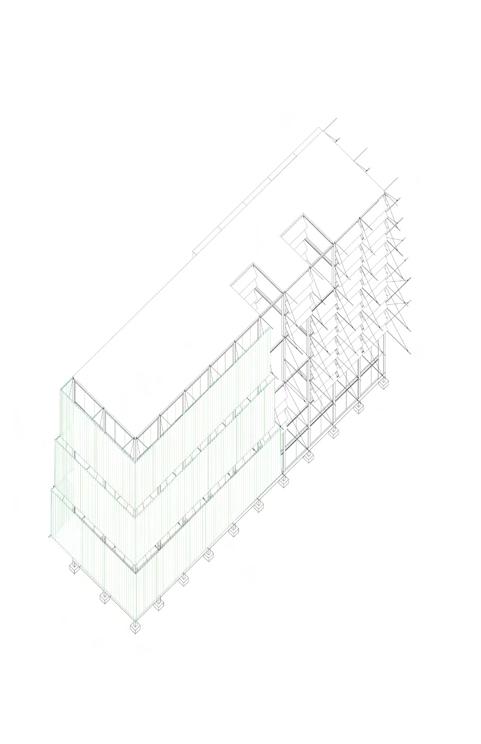
The Community Canvas Project Started with a deep exploration of the Historic District of Houston, the Third Ward revealing the urban context of lack of grocery stores alongside the vibrant street life and community-driven murals. The design approach has three central concepts: addressing the food desert, enhancing artistic spaces, and fostering safe communal gathering areas through courtyards.
To revitalize the neighborhood, the design reintroduces historic brick cladding and embraces sustainable materials like Cross-Laminated Timber (CLT). Public transit and Biking Infrastructure enhancements were emphasized to promote sustainable living.
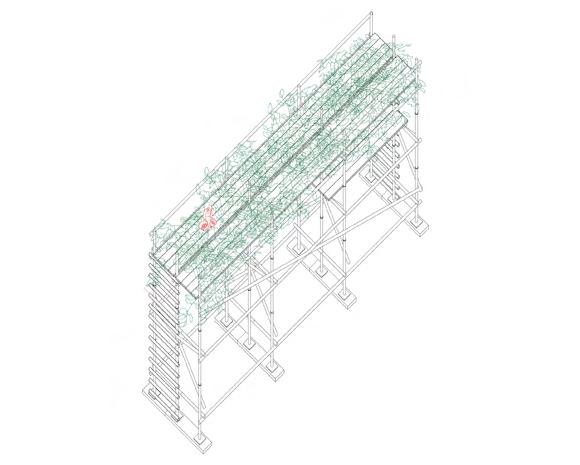
Key design elements included repurposing the station into a mushroom cultivation hub, utilizing mushrooms for food, and medical purposes, and pigments for paints. Multipurpose scaffolding was incorporated for various functions for the project like painting, bike storage, and enhancing community engagement.
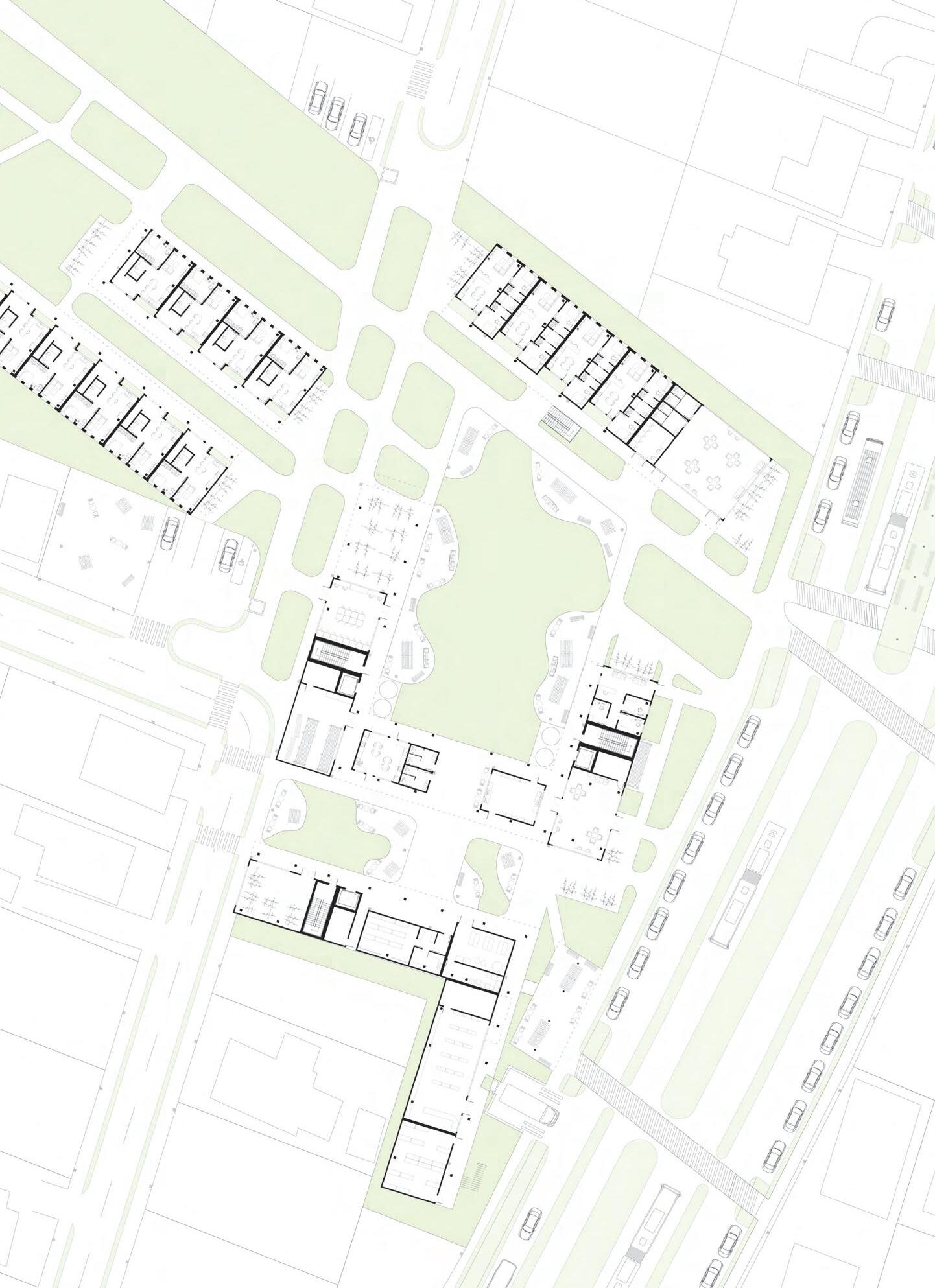
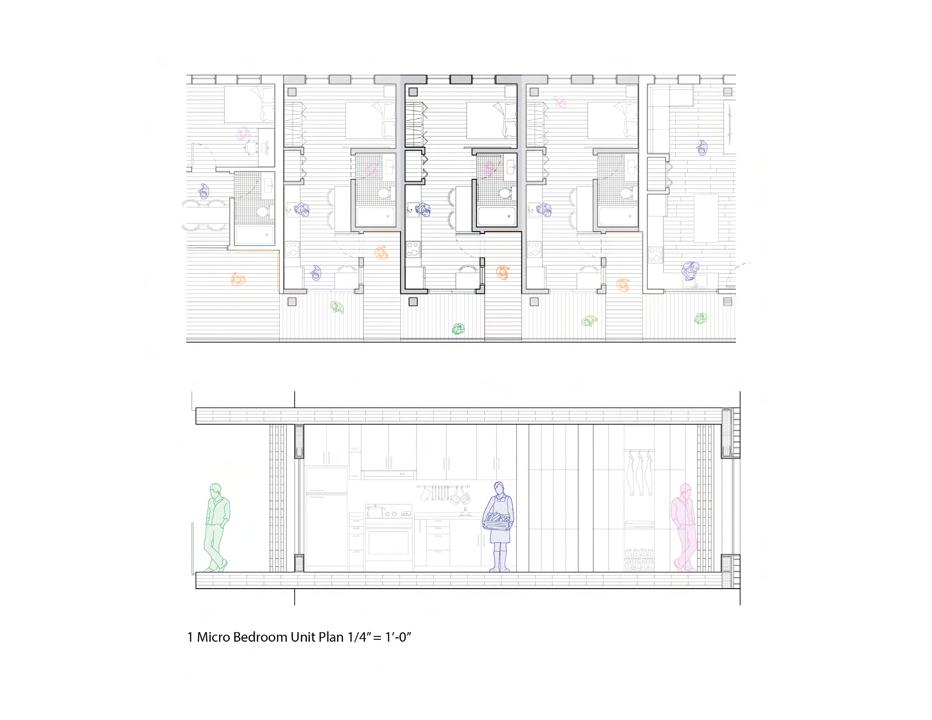
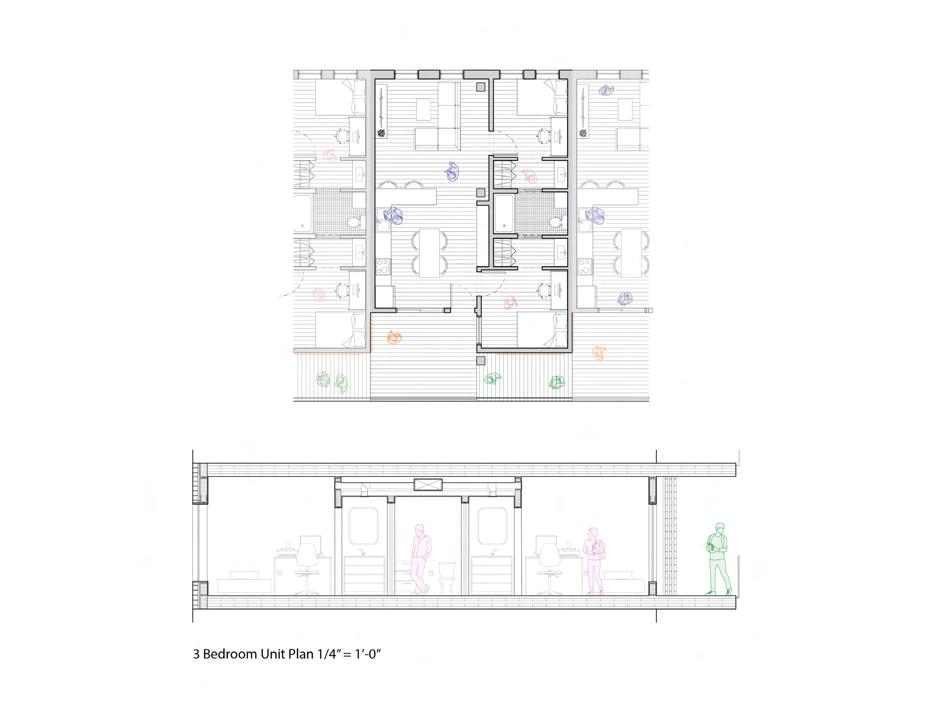
The site plan was meticulously crafted to encourage interaction with the new Bus Rapid Transit (BRT) system, emphasizing pedestrianfriendly pathways and outdoor amenities like bike parking, shared laundry, and communal kitchens. In unit planning, public and private spaces were strategically placed to foster community interaction while maintaining individual privacy.
Community canvas embodies a holistic vision of urban renewal, celebrating the third ward’s heritage through vibrant murals, sustainable design practices, and inclusive community space. This project aspires to be more than just physical development, but an ever-adapting canvas that reflects and strengthens the spirit of its residents.
Group Members: Norverto Diaz, Matthew Alessandro, Marco Inofuentes, Ashley Gonzales
Togun House
Location: Third Ward, Houston Texas Competition: Tiny House Fall 2023
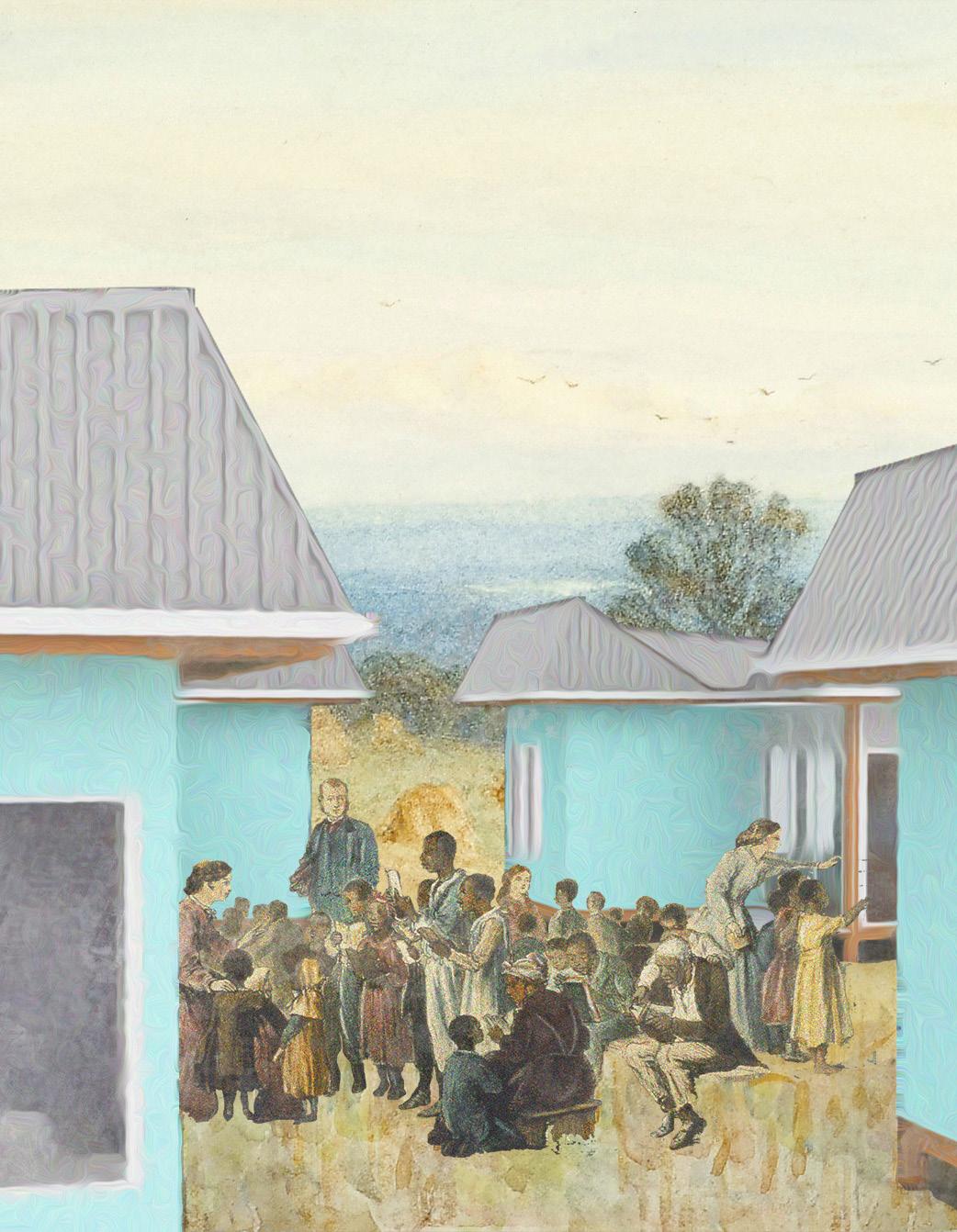
Third Ward, located southeast of Downtown Houston, became a center of Houston’s African-American community. After the end of the Civil War, former slaves came to the area bringing with them Shotgun Houses to create spaces for black families and communities reclaiming it as a symbol of black independence and self-reliance. Urban renewal has led to the destruction of many shotgun houses slowly erasing the communities which they housed.
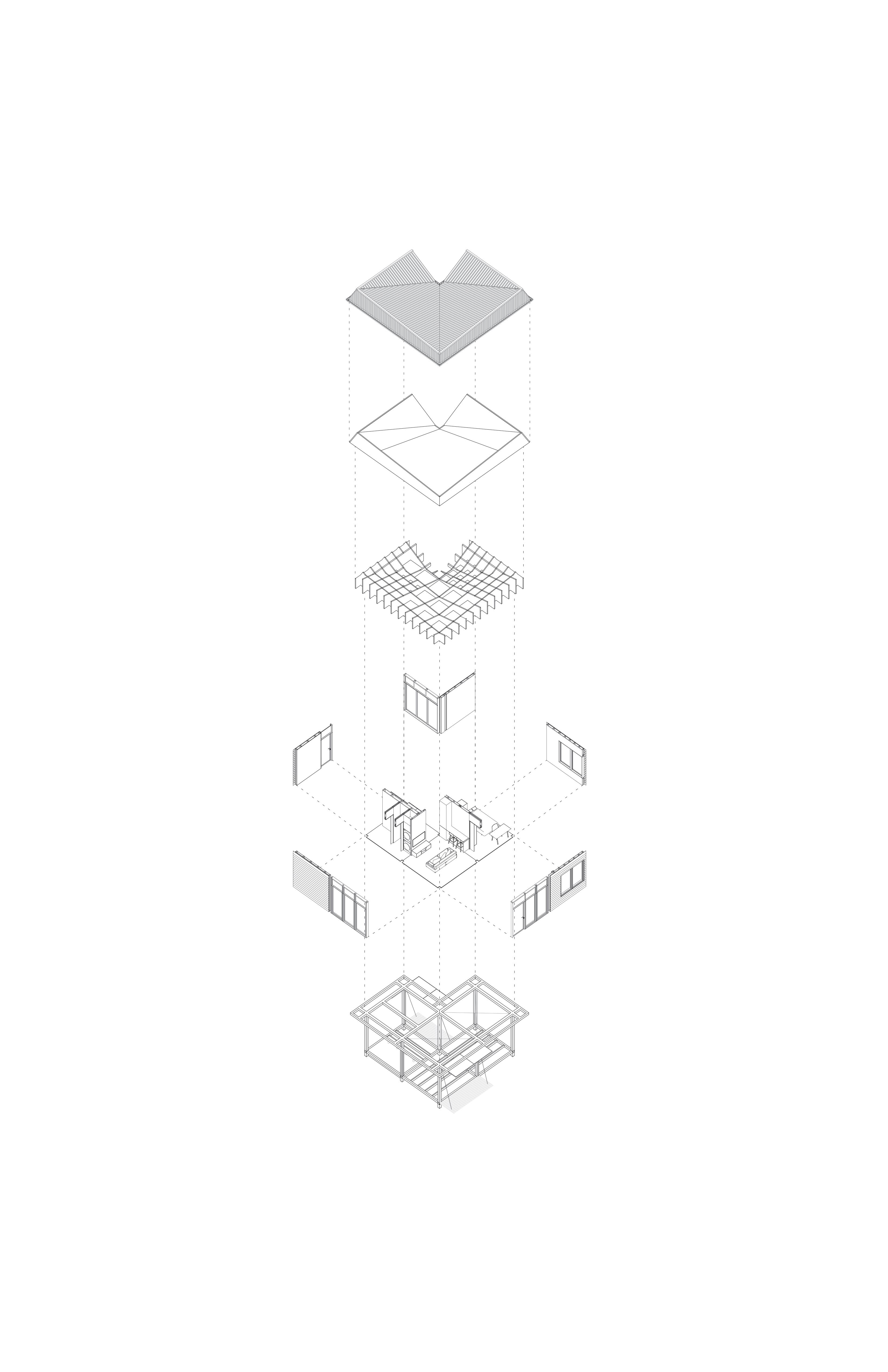
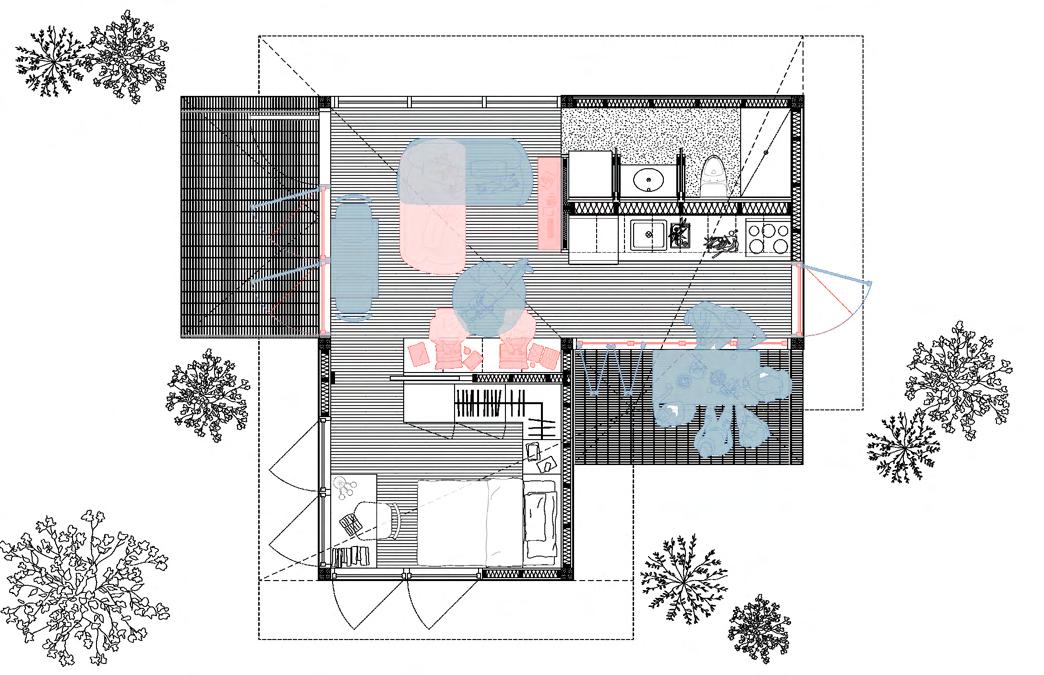
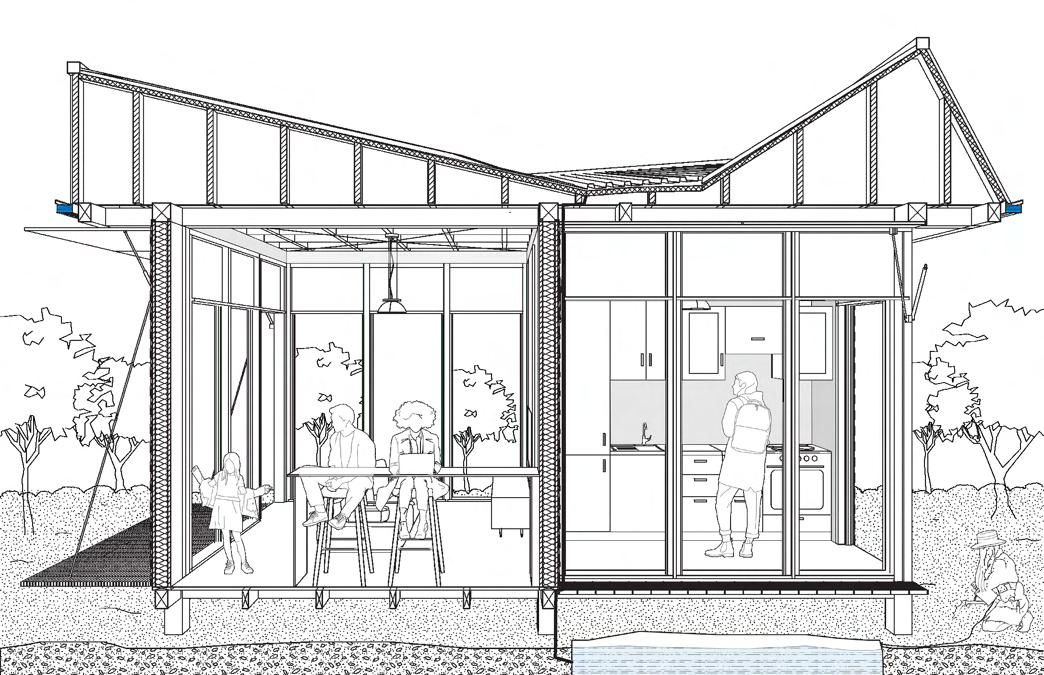
Taken from the design, the shotgun house was folded in the center to create a new way of living while adding the ability to combine multiple units together. This manipulation adds space that was once unusable and wasted by turning it into a courtyard that expands as additional units are added, returning spaces for communal activities while supporting the expansion of families. The operable design also enables the building to adapt to its surrounding environment and encourages the spaces to play a greater social role in the community.
The building reflects the self-reliant nature of the communities into the architecture through sustainable tactics not reliant upon other government systems. Harnessing the rain through the funneled roof highlights its main sustainability that can be used for a variety of household and community purposes.
Group Members: Norverto Diaz, Matthew Alessandro, Marco Inofuentes
Professor: Prof. Jason Logan / Prof. Dijana Handanovic
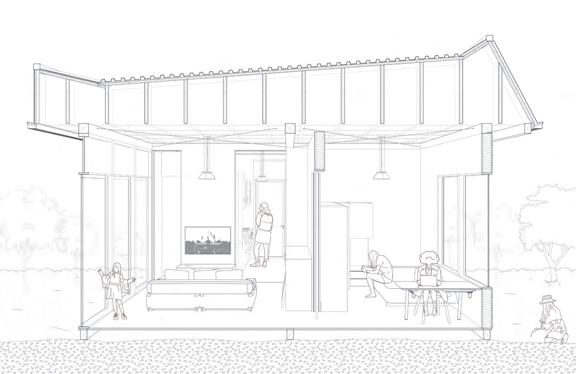
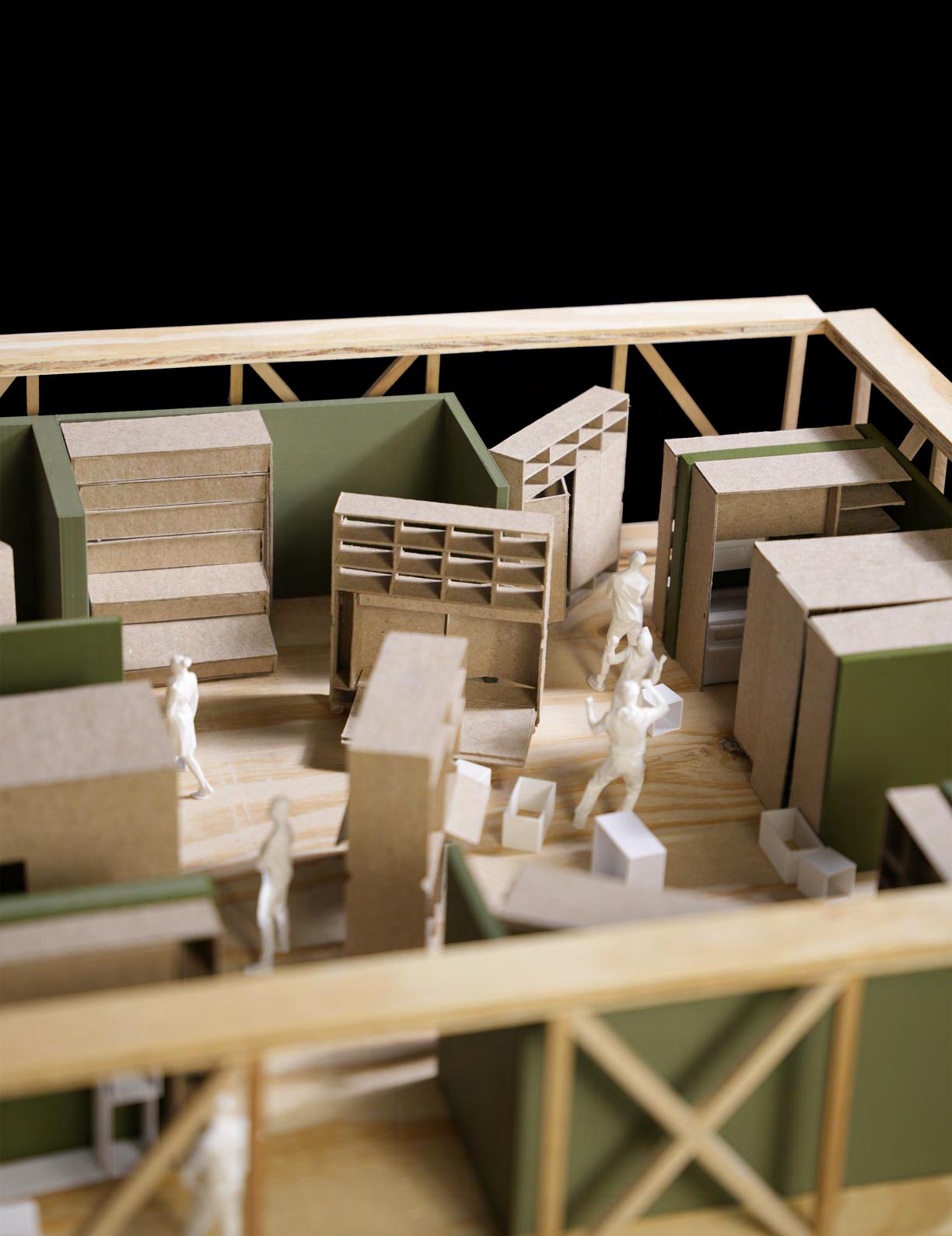
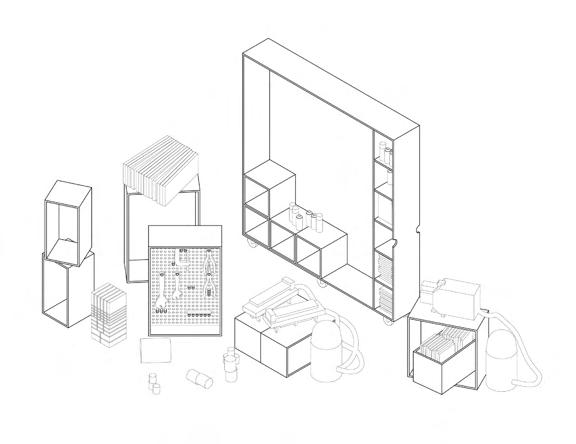
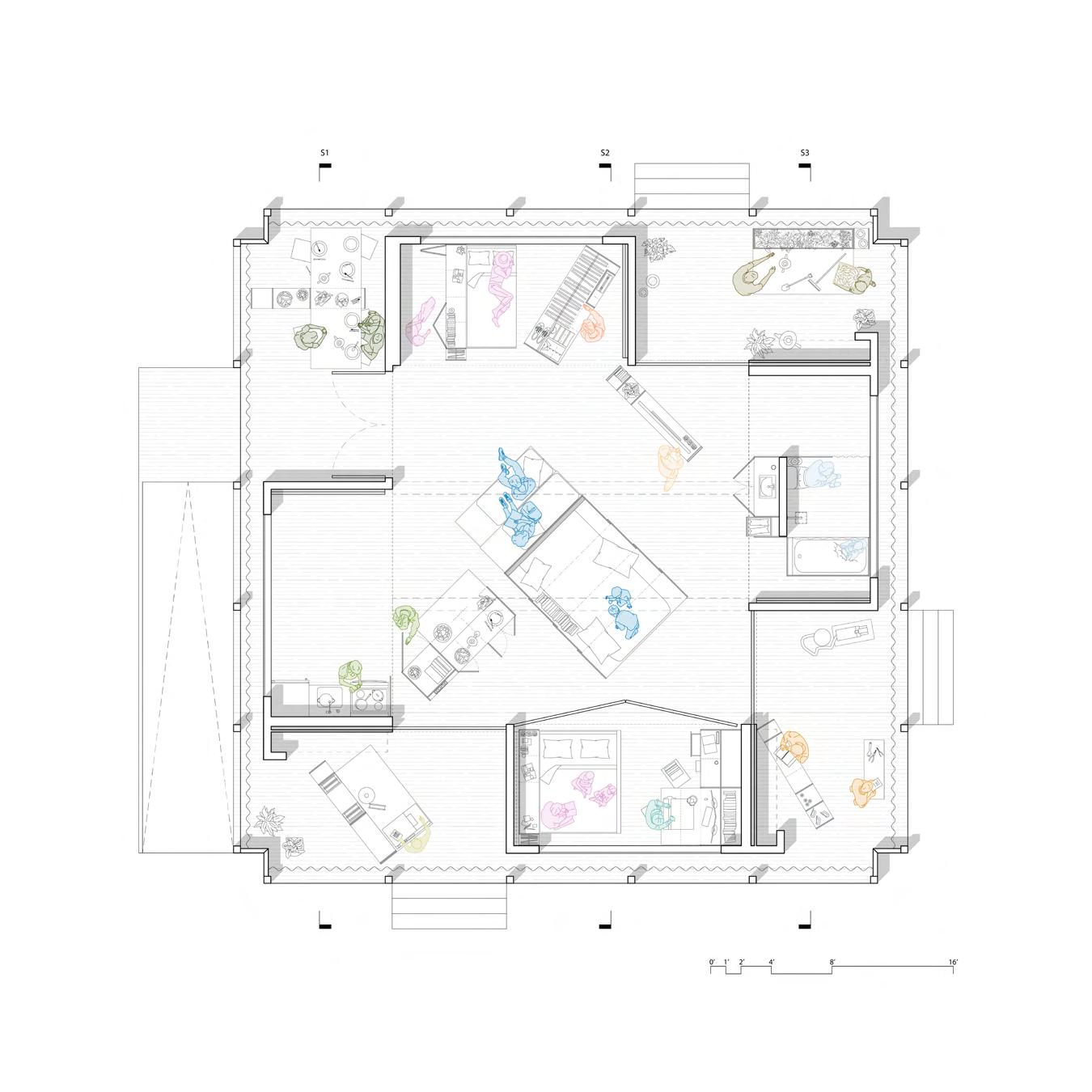
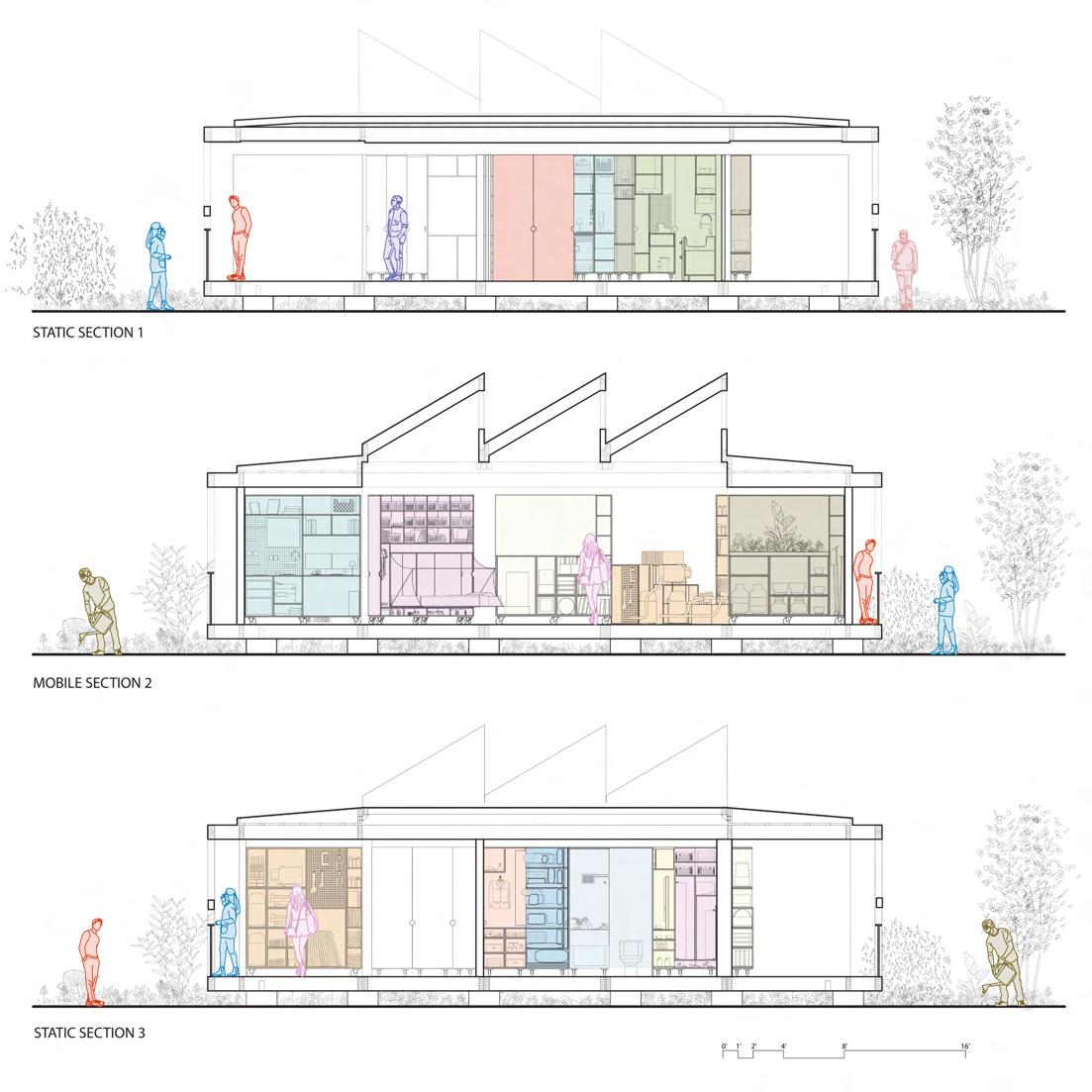
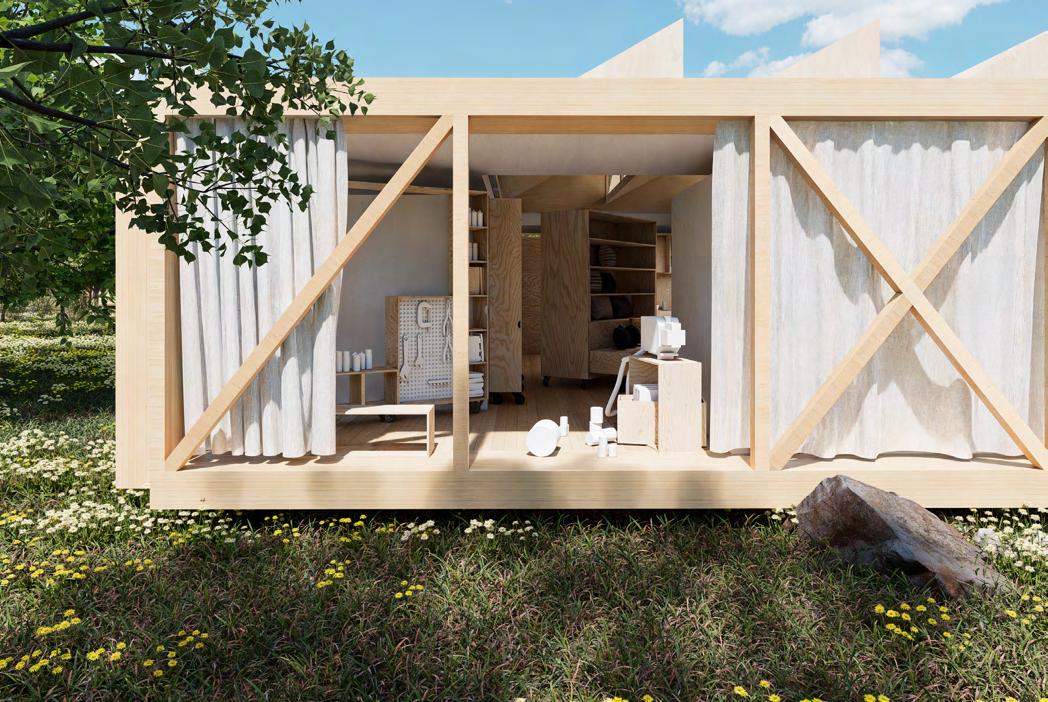
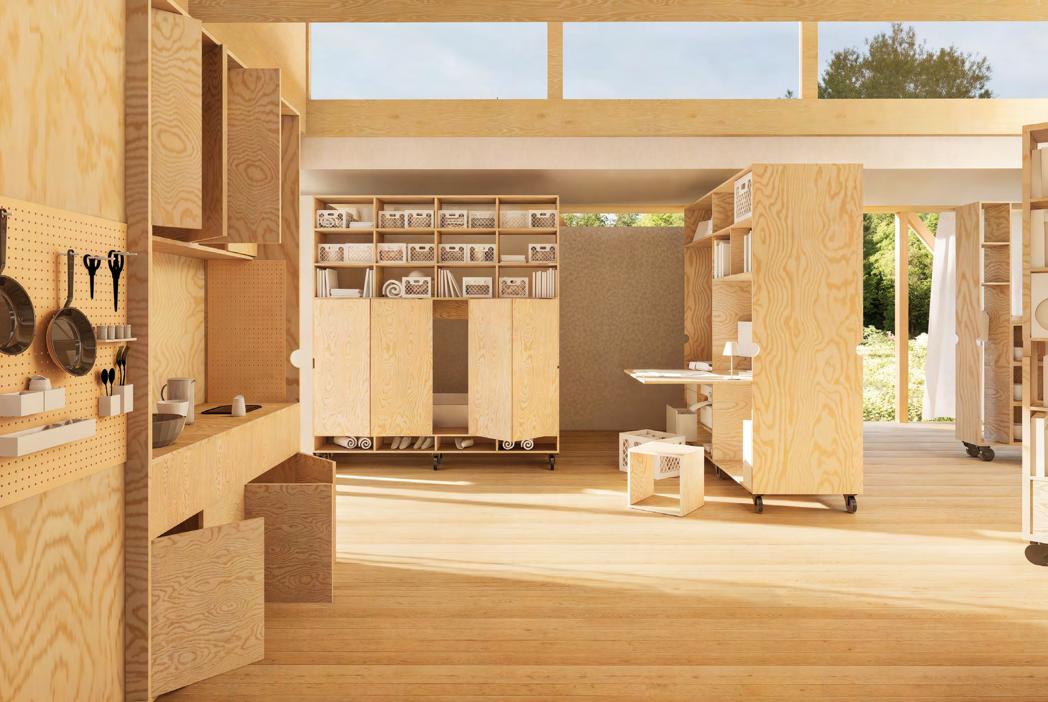
OpenHOUse reimagines the single-family home as a flexible and sustainable living space, challenging rigid housing models. The design centers on mobile “wall slices” that house essential functions like the kitchen, bed, and storage, allowing the space to expand, contract, and transform based on the user’s needs. These slices slot into U-shaped walls, maintaining structure while offering adaptability. When all elements are tucked away, the empty spaces create a sense of calm, balancing openness with enclosure through sliding accordion doors for privacy.
Beyond interior flexibility, OpenHOUse extends adaptability outdoors with three specialized patios designed for woodworking, 3D printing, and gardening. These spaces reflect the hands-on craftsmanship of the intended user while enhancing the home’s function as a testing lab at the University of Houston’s College of Architecture and Design. The design embraces the balance between creation and order, allowing for a dynamic, craft-centered living environment. By making indoor and outdoor spaces interchangeable, OpenHOUse blurs the line between structured living and creative exploration.
Sustainability is embedded in the home’s adaptability, incorporating passive cooling strategies, shading systems, and thermally efficient materials. Movable walls regulate airflow, reducing energy consumption while maintaining comfort. OpenHOUse is more than just a home—it’s a model for future living that prioritizes mobility, craft, and environmental responsibility. By designing a space that responds to its inhabitants rather than imposing static constraints, we are redefining the boundaries of modern living.
Group Members: Norverto
Diaz, Matthew Alessandro, Marco Inofuentes, Jesus Aguirre, Wendy Pantoja, Paul Chavarria, Cameron Klassen
UNIT LIST
LIST
Sliced House
Location: 400 Richmond Ave
Class: ARCH 2501 | Spring 2022
Professor: Prof. Rafael Beneytez-Duran
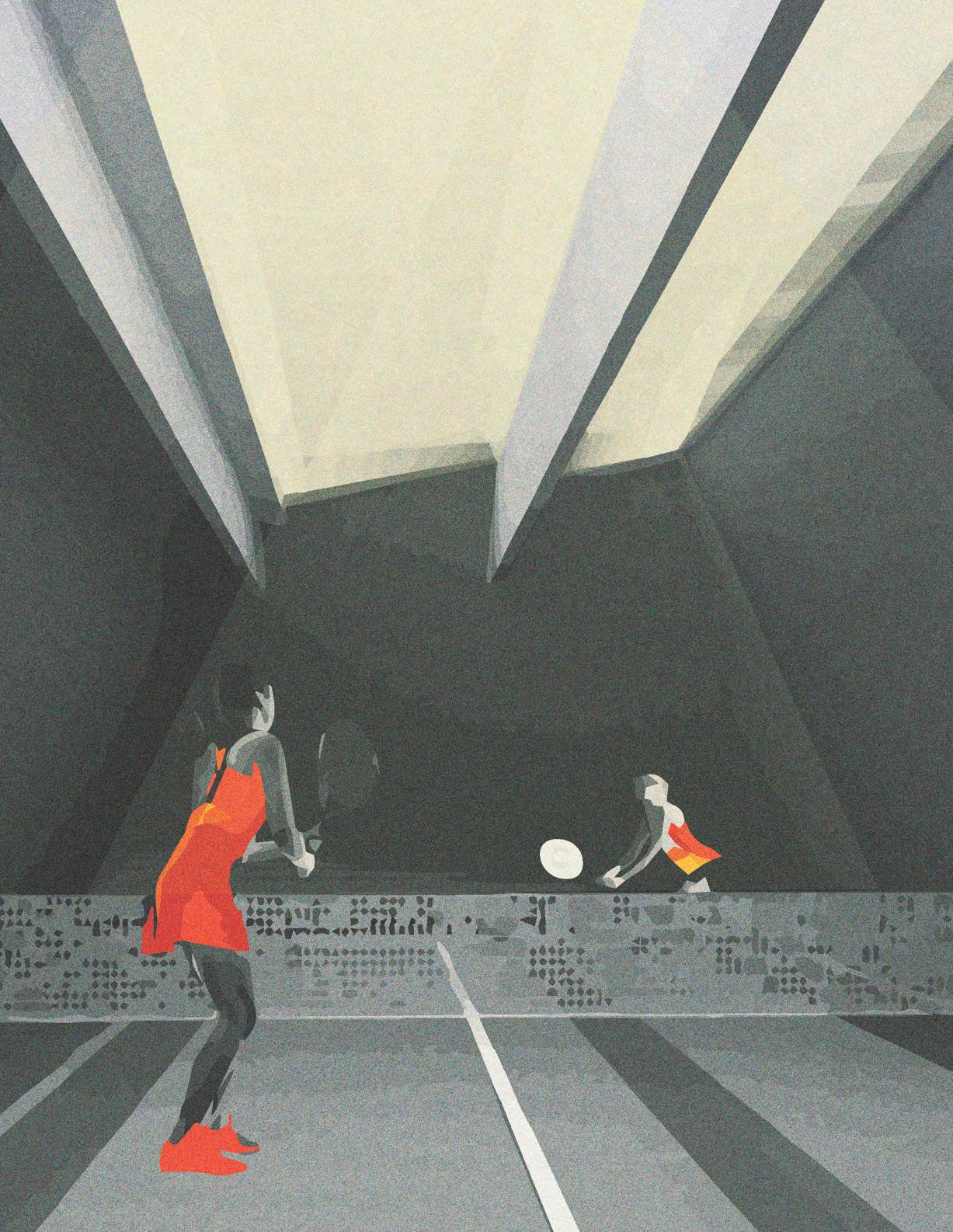
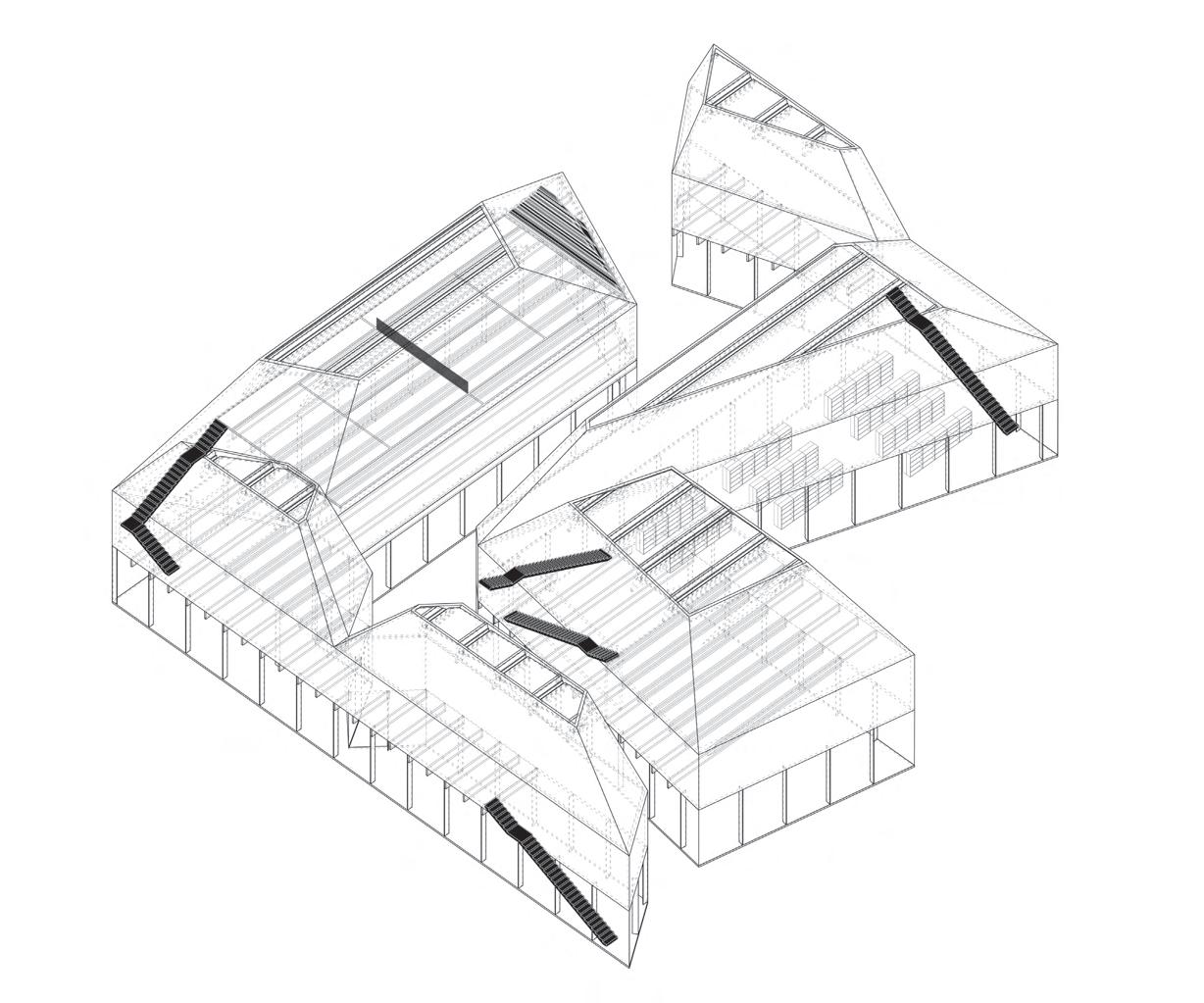
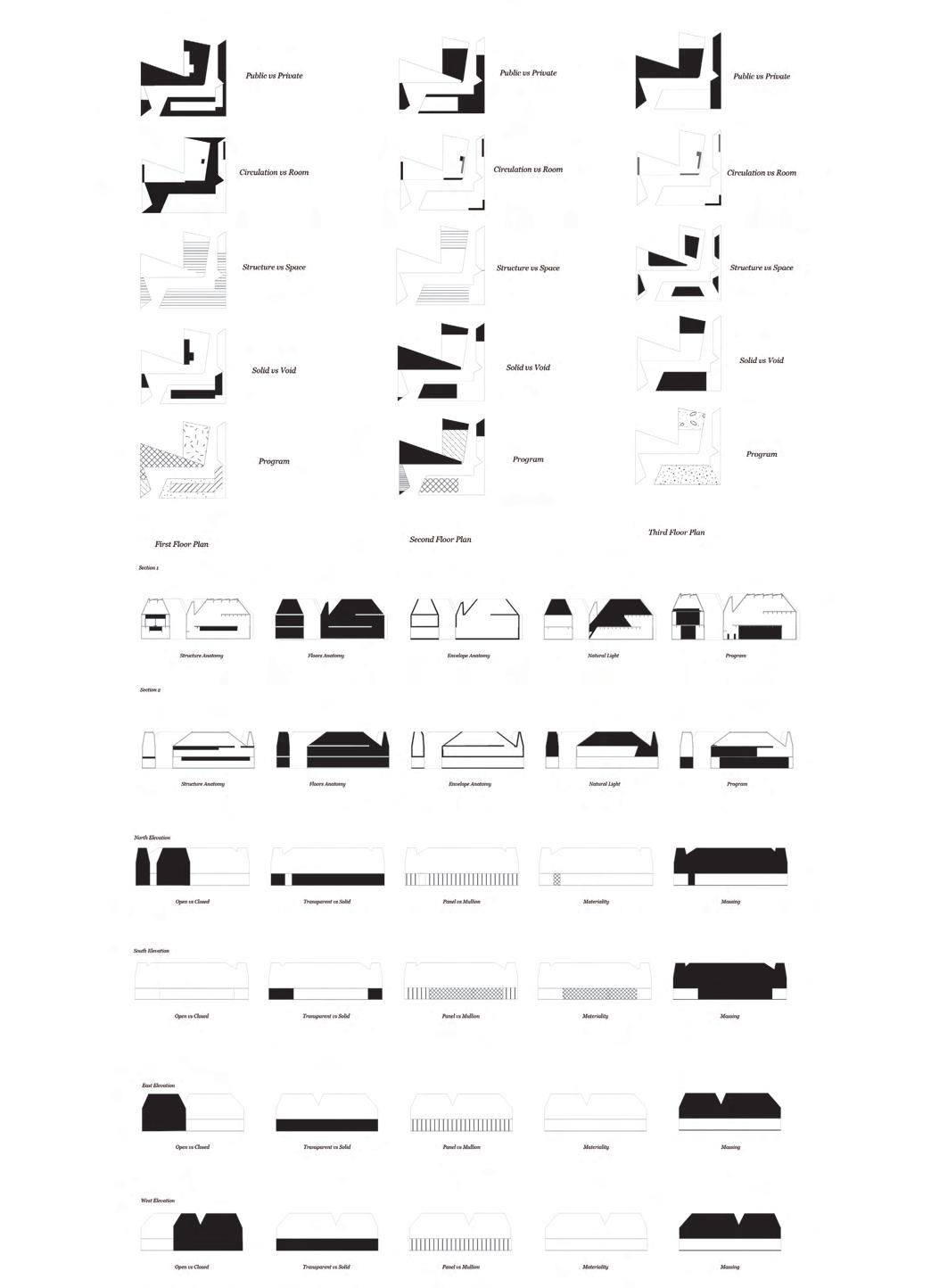
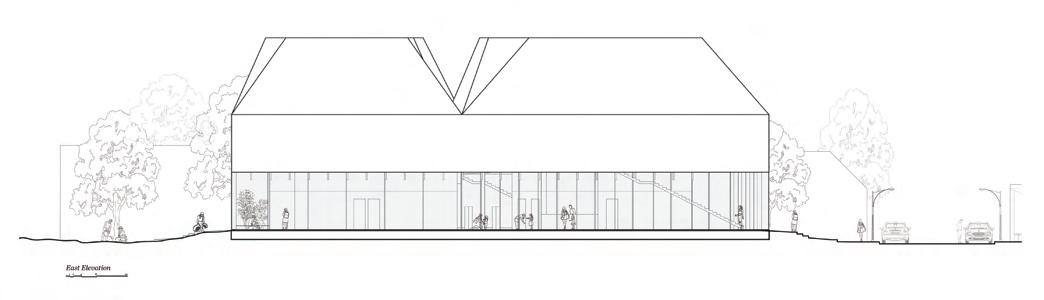
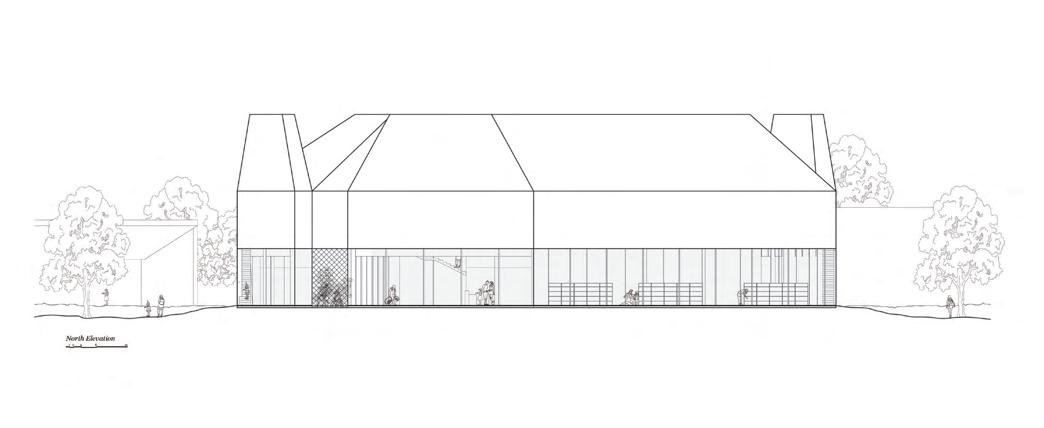
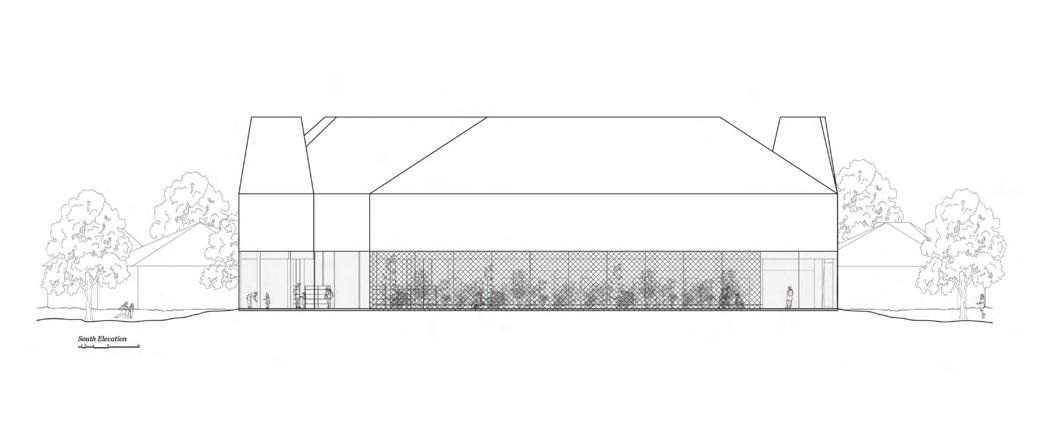
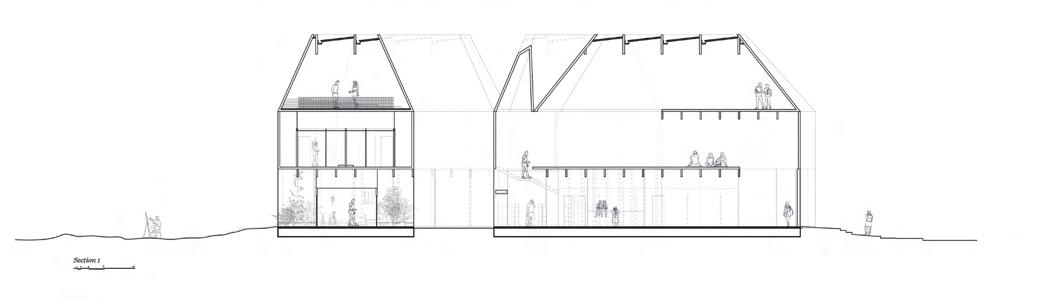
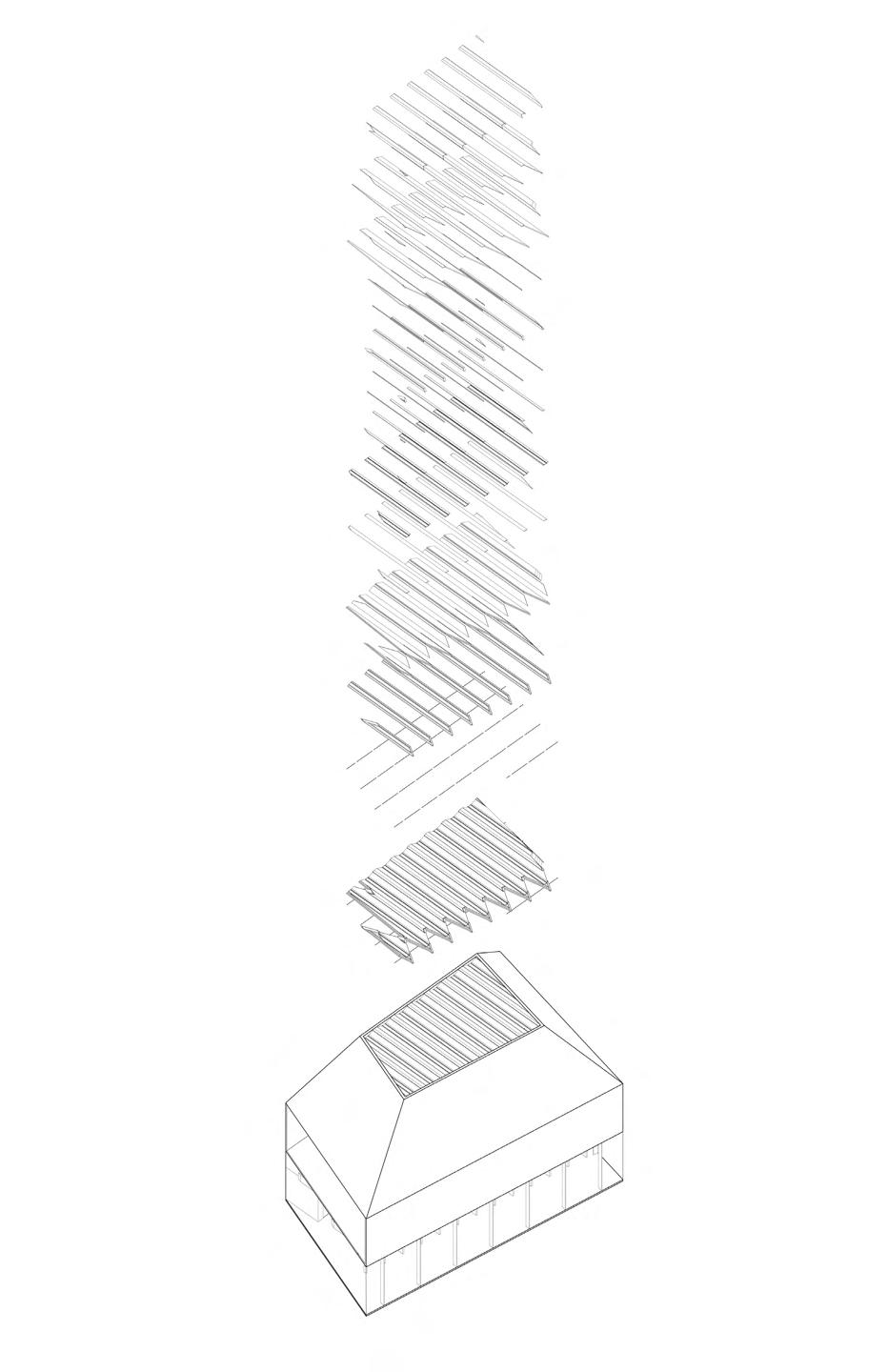
The Sumida Hokusai Museum is a museum dedicated to the ukiyo-e artist Katsushika Hokusai. Kazujo Sejima created a building that could show his kinetic, complex dynamic art, into the building. The building by a series of four main compression and extensions triangular cut through the building at various angles.
These triangular cuts come together in the first level, as they unite, they cut the building into four parts, allowing passers-by to walk freely through it and visitors to access the entrance from all directions.
These triangular cuts, move from the first floor to the third floor, allowing a glimpse of light coming from the outside to enter the inside.
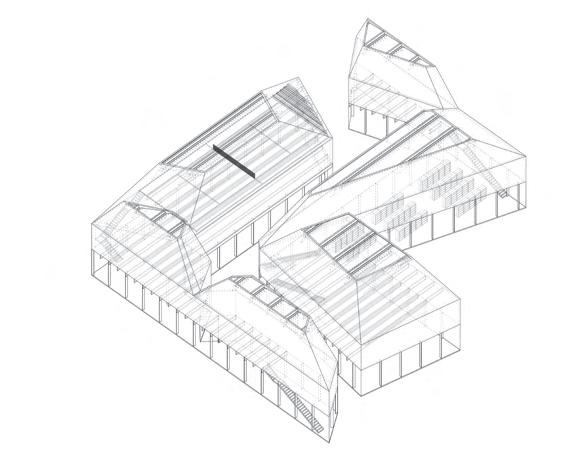
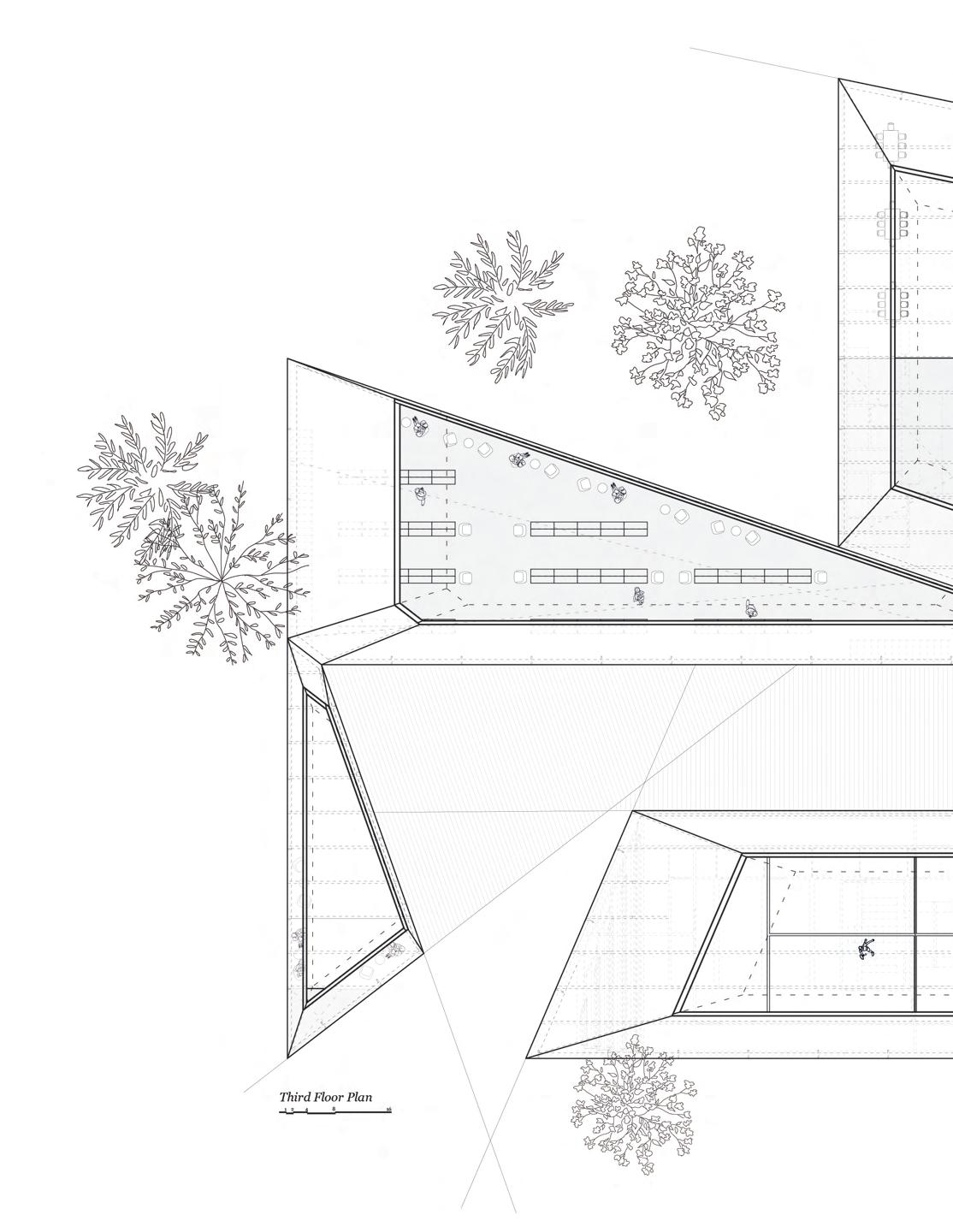
This same idea was then explored in the Alterations, as the three were based on the idea of cutting thru the building, and separating them to allow the people to walk thru the building. Using an operational set, like push and pull contraction and expansion and distortion, this then was applied to a basic geometrical shape.
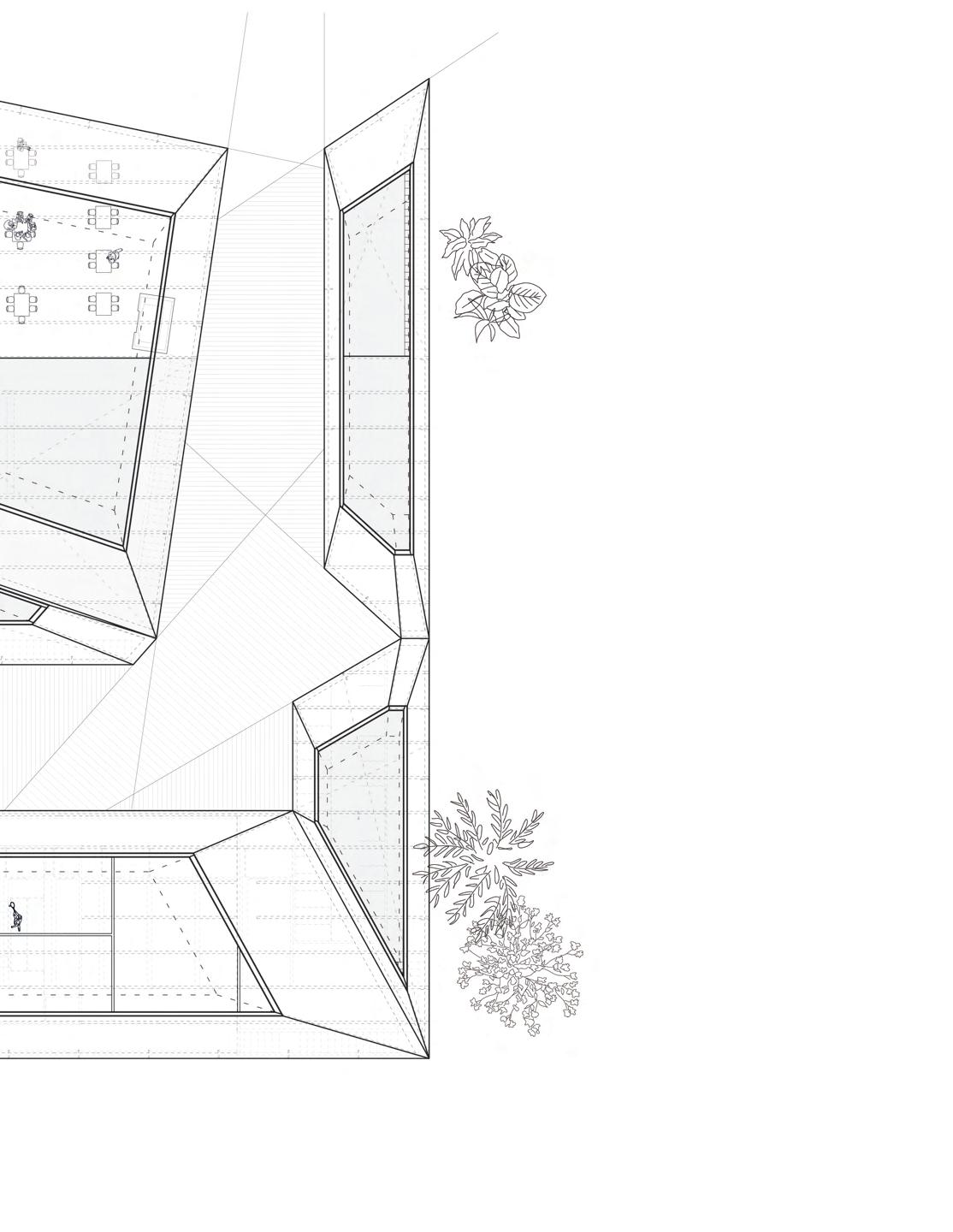
To allow those “glimpses of light” to be shown in the proposal, the roof was eliminated and was pushed into itself, allowing to have 3D trapezoidal shapes on the third floor. This was then applied “vigas”, which is a joist system that allowed for those glimpses of light to enter.
The building to have a floating effect, as the precedent had, made the first floor entirely out of glass, and the second and third floors with CLT panels, allowing a warm feeling on the top, and an open view on the bottom.
Entangled Veil
Location: 4014 Hitchcock, Tx
Class: ARCH 3500 | Fall 2023
Professor: Prof. Daniel Jacobs
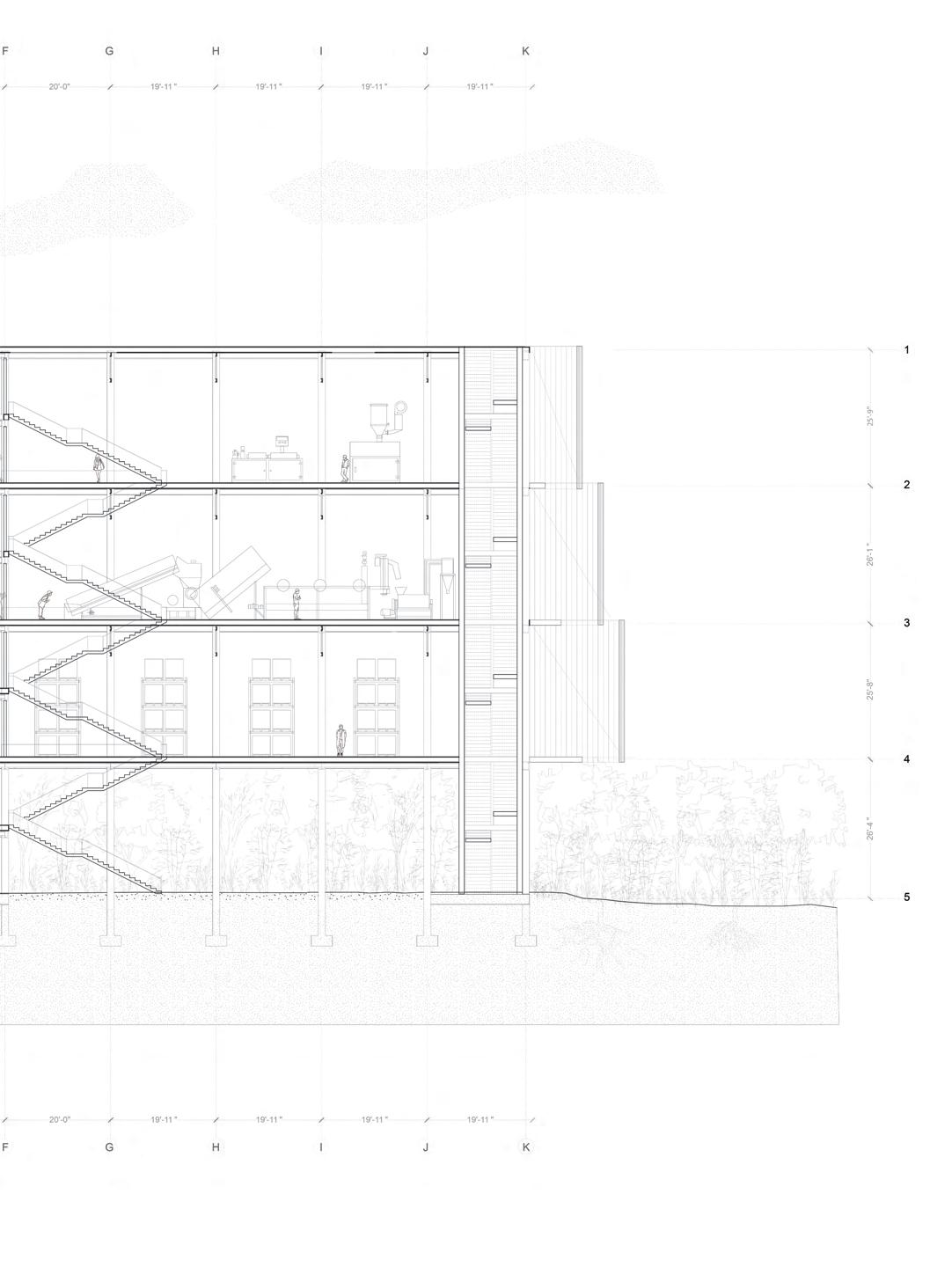
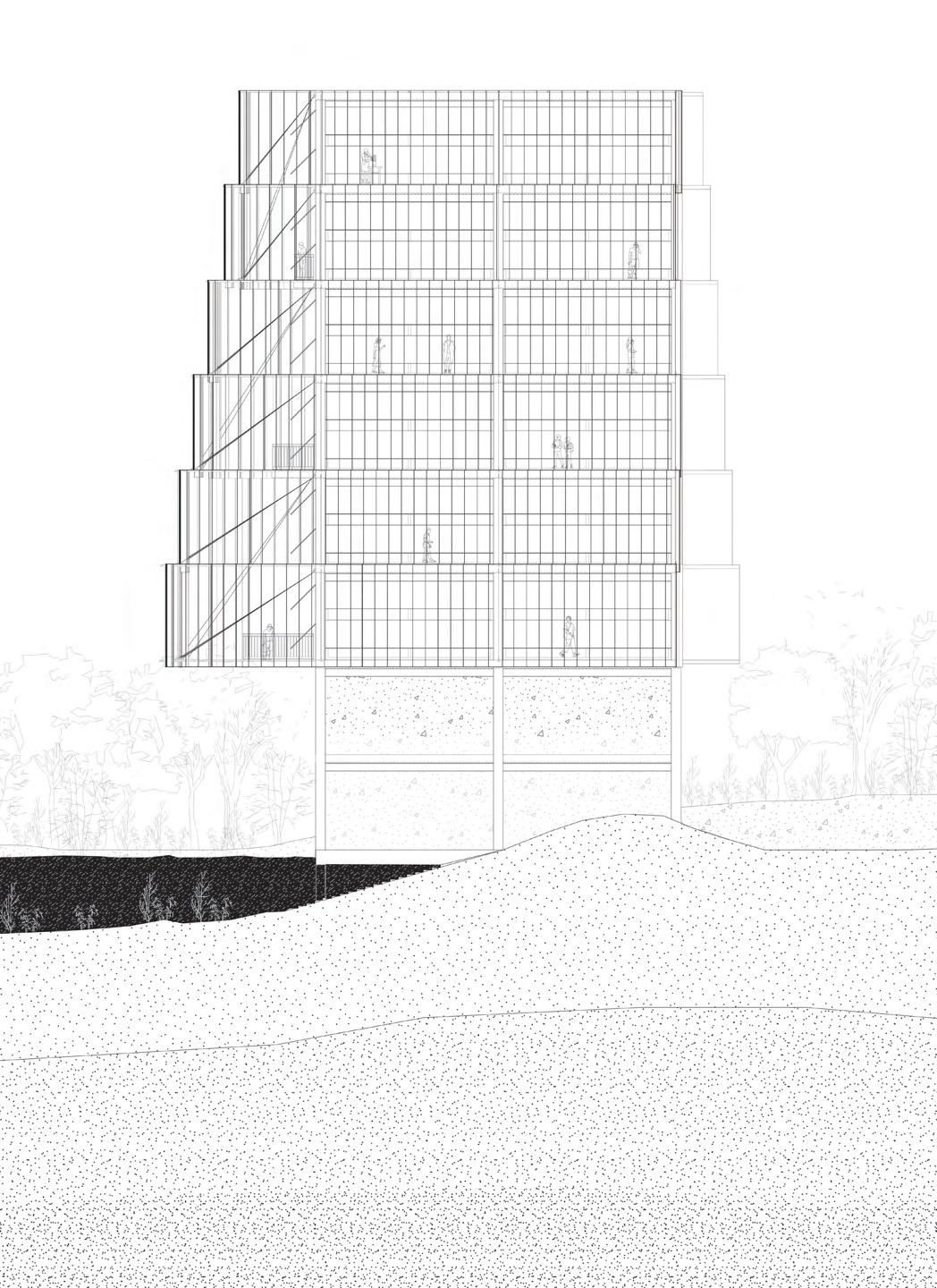
The story star ts in a Dollar General store. After a consumer buys a product and consumes it, the plastic packaging is thrown away. Ninety percent of plastic ends up incinerated, buried in landfills, or piled up as litter on land and in the water.
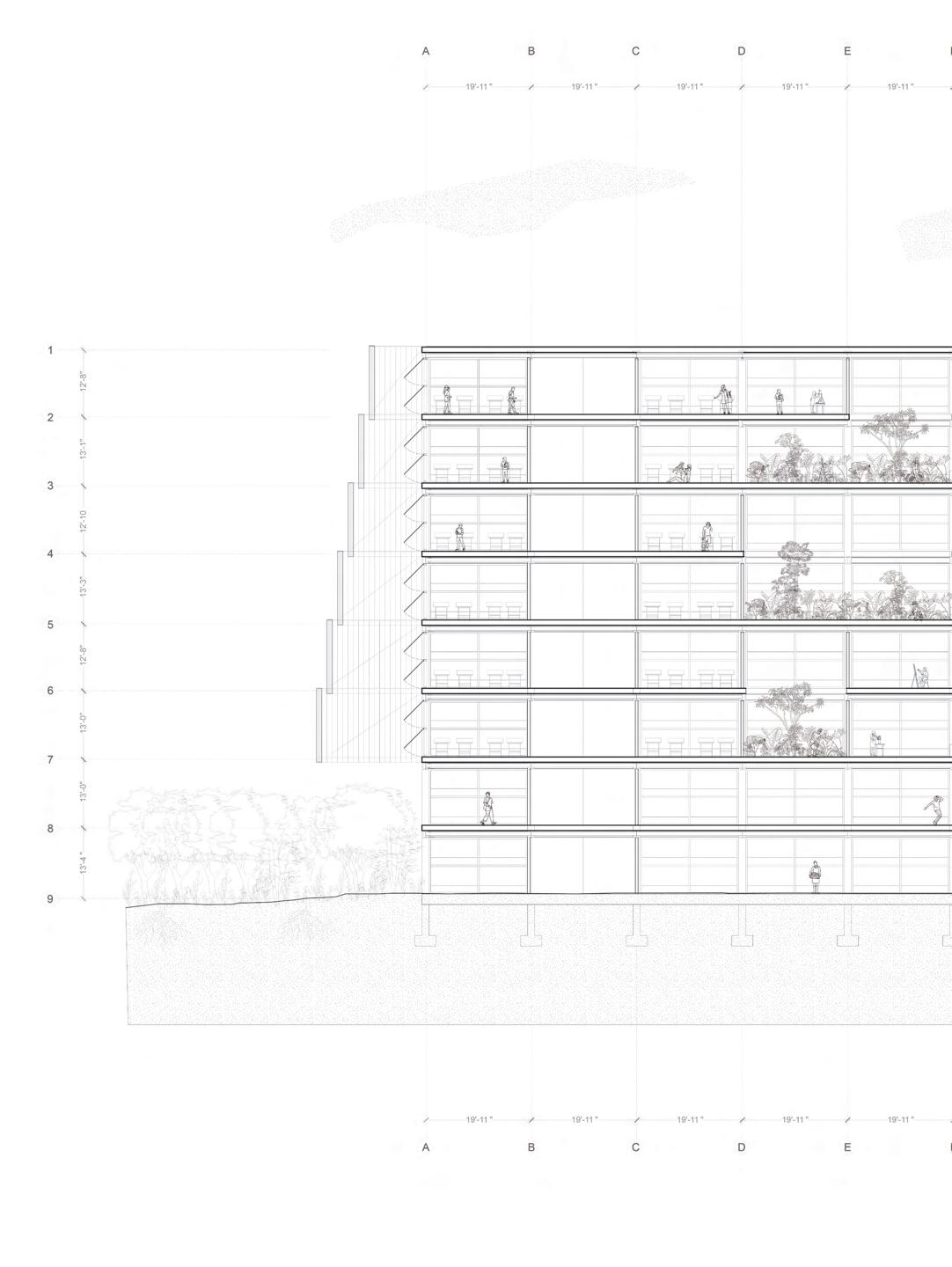
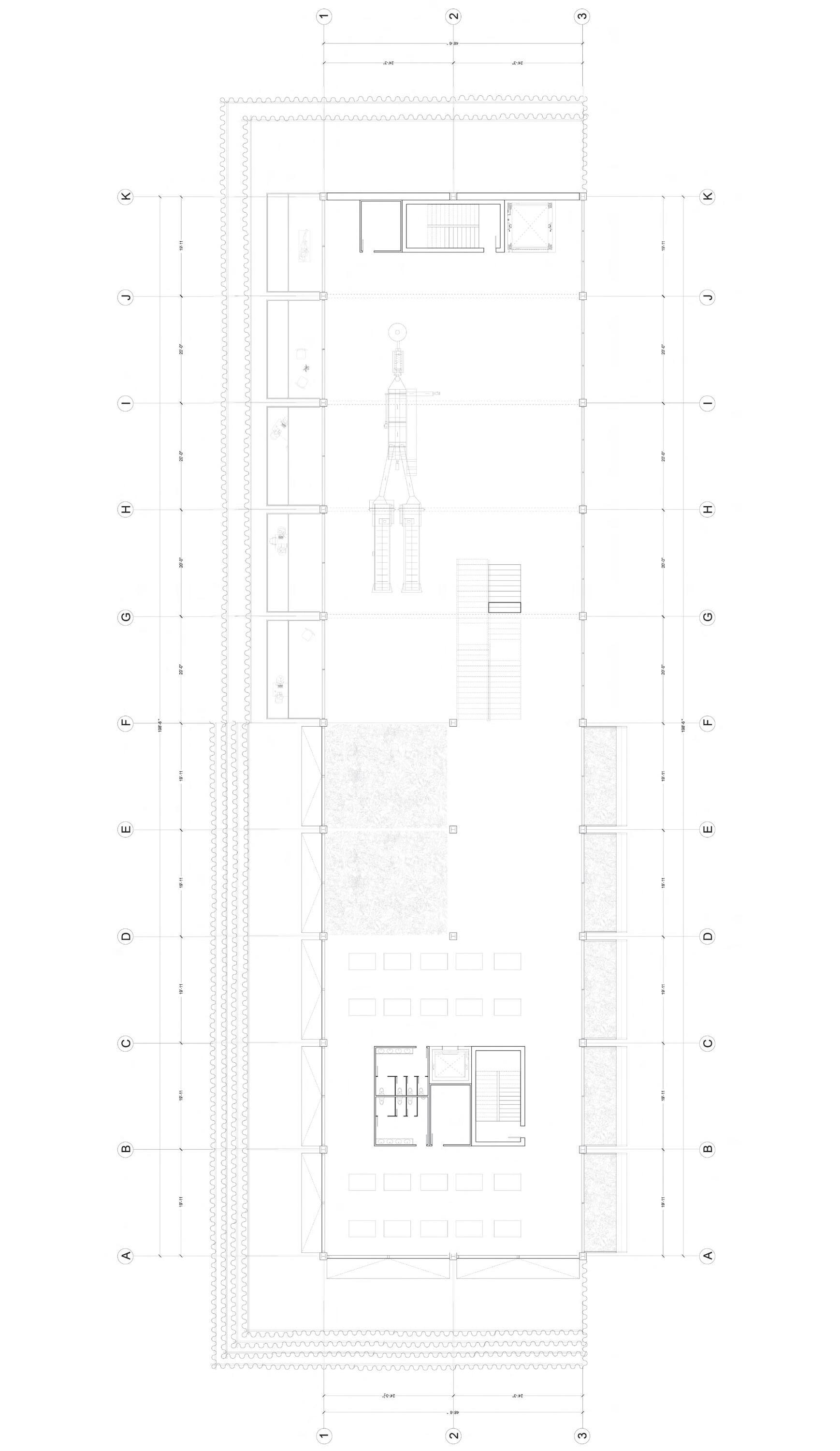
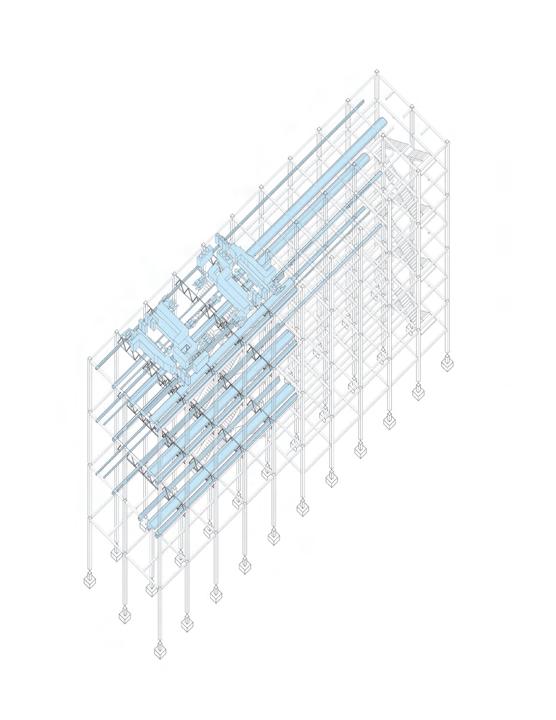
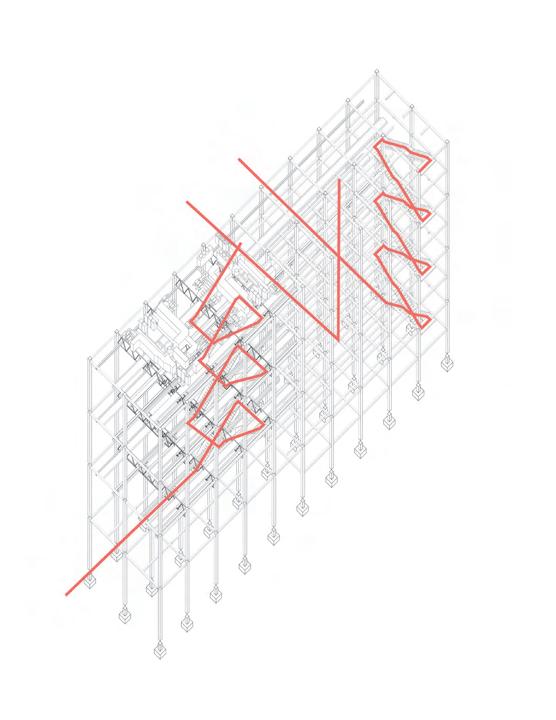
The plastic is sent to a recycling center, ENTANGLE VEIL, where it is sorted by grade and type. It is then cleaned and shredded so that it can be heated and melted. The melted plastic is then forced through a filament extruder, which creates a 3D printer filament. This entire process takes place on the industrial side of the building, where people can watch it happen in real-time. The filament is then sent to 3D printers, where artists can create products made from recycled plastic in their studios on the community side of the building. These products can then be displayed in galleries and exhibitions.
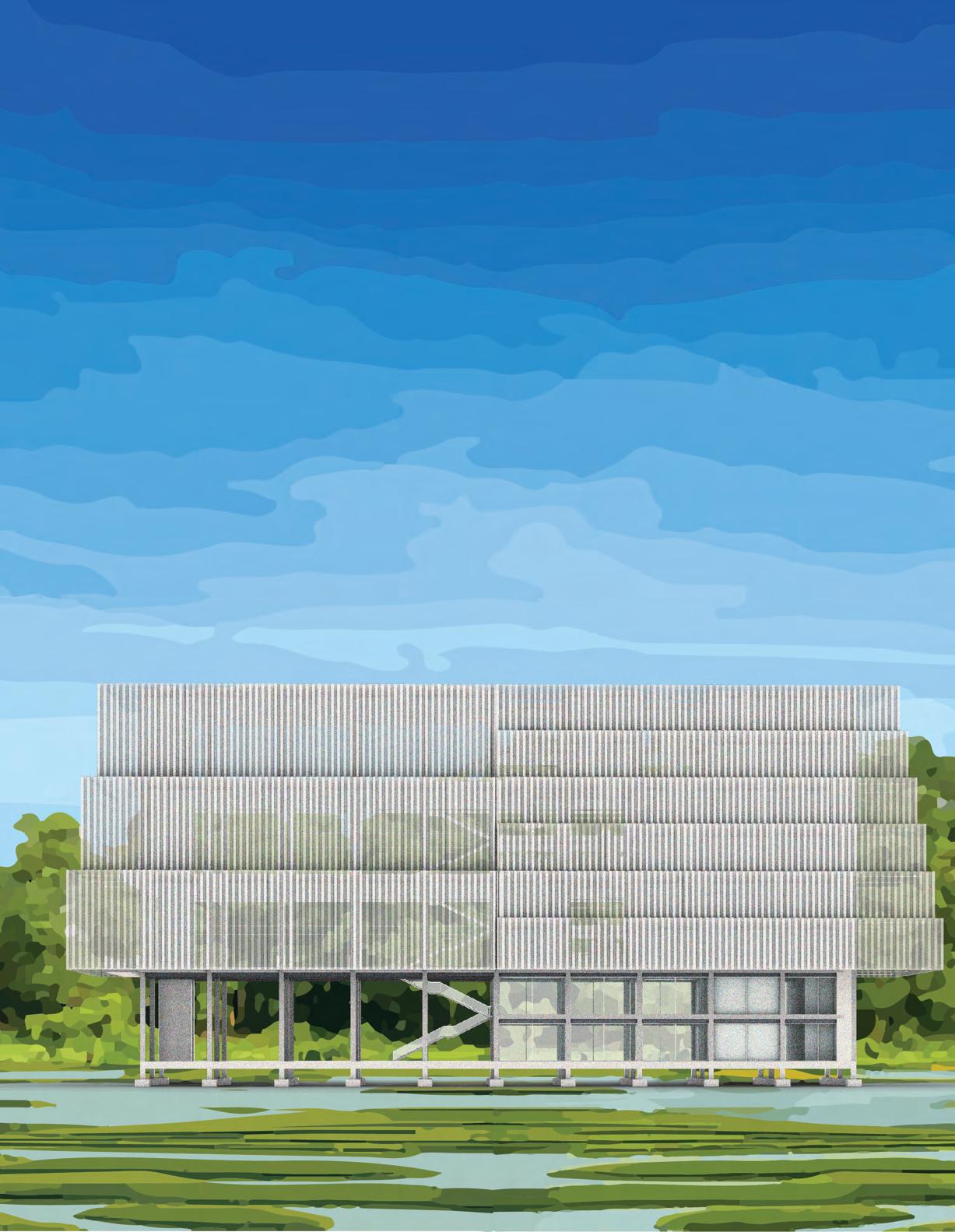
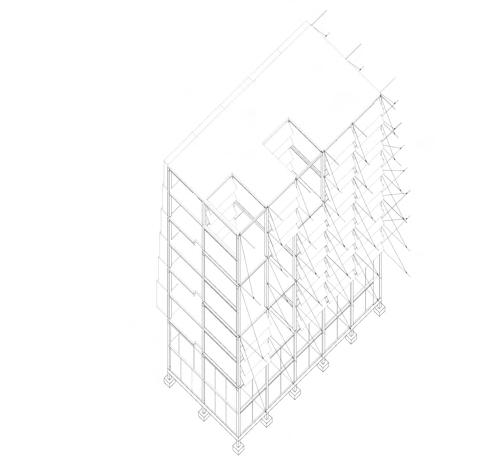
The south side of the building is surrounded by a recycled corrugated polycarbonate screen, which is made from the plastic that is being recycled in the building. The corrugated polycarbonate is a semitransparent material. The building also has operable windows that artists or students can control to let in more or less light. There are also indoor terraces that let nature into the building. These are areas where artists can work on their art or simply relax.
On the industrial side of the building, there are balconies that get closer to the building as they go up. You could put a table on the bottom balcony, a chair on the middle balcony, and a person standing on the top balcony as the mesh changes in size. The building is located in a high-risk flood zone, so the first floor is mostly open space. On the north side of the building, there is a field of trees, shrubs, and plants that will help to prevent flooding. This will also allow the community to see the building as part of nature, rather than an industrial building. People will be able to walk in the wetland-protected area.
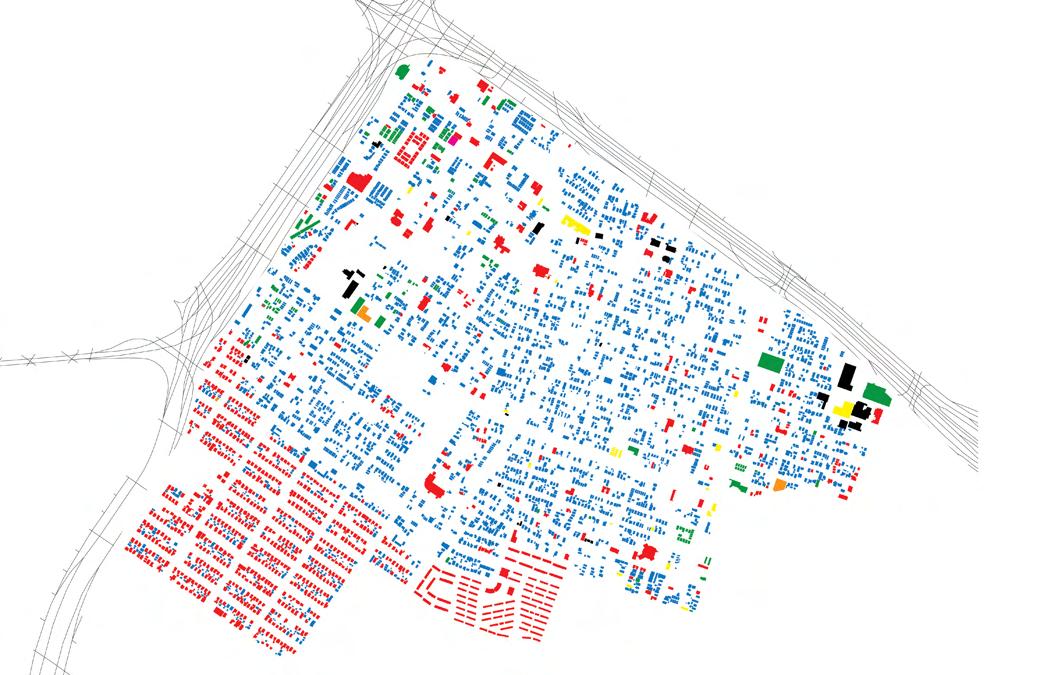
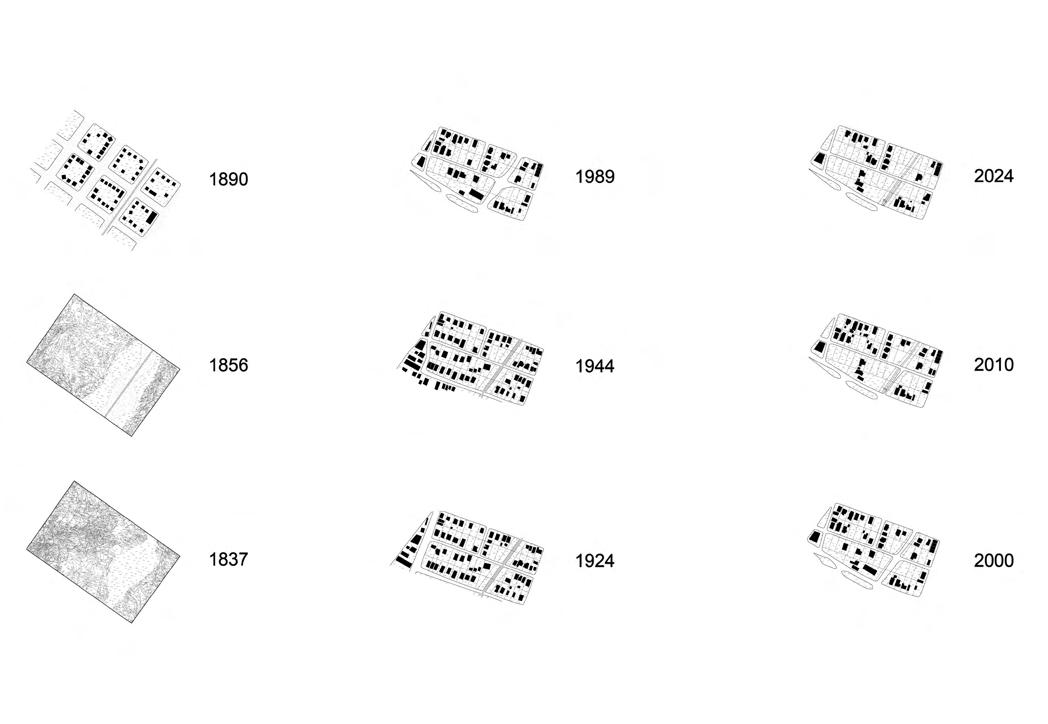
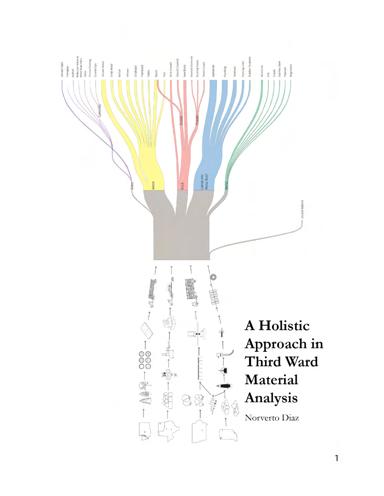
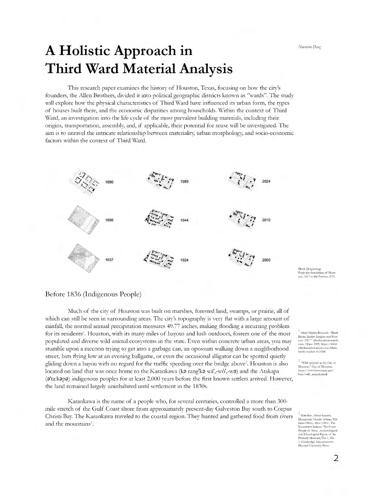
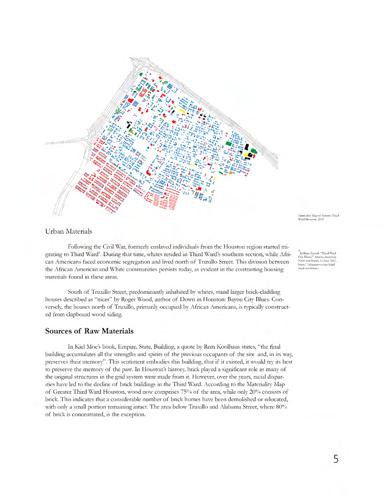
This research paper explores the history of Houston, with a focus on how the city’s founders, the Allen Brothers, divided it into political and geographic districts known as “wards.” The study investigates how the physical characteristics of Third Ward have shaped its urban form, the types of houses built, and the economic disparities among households.
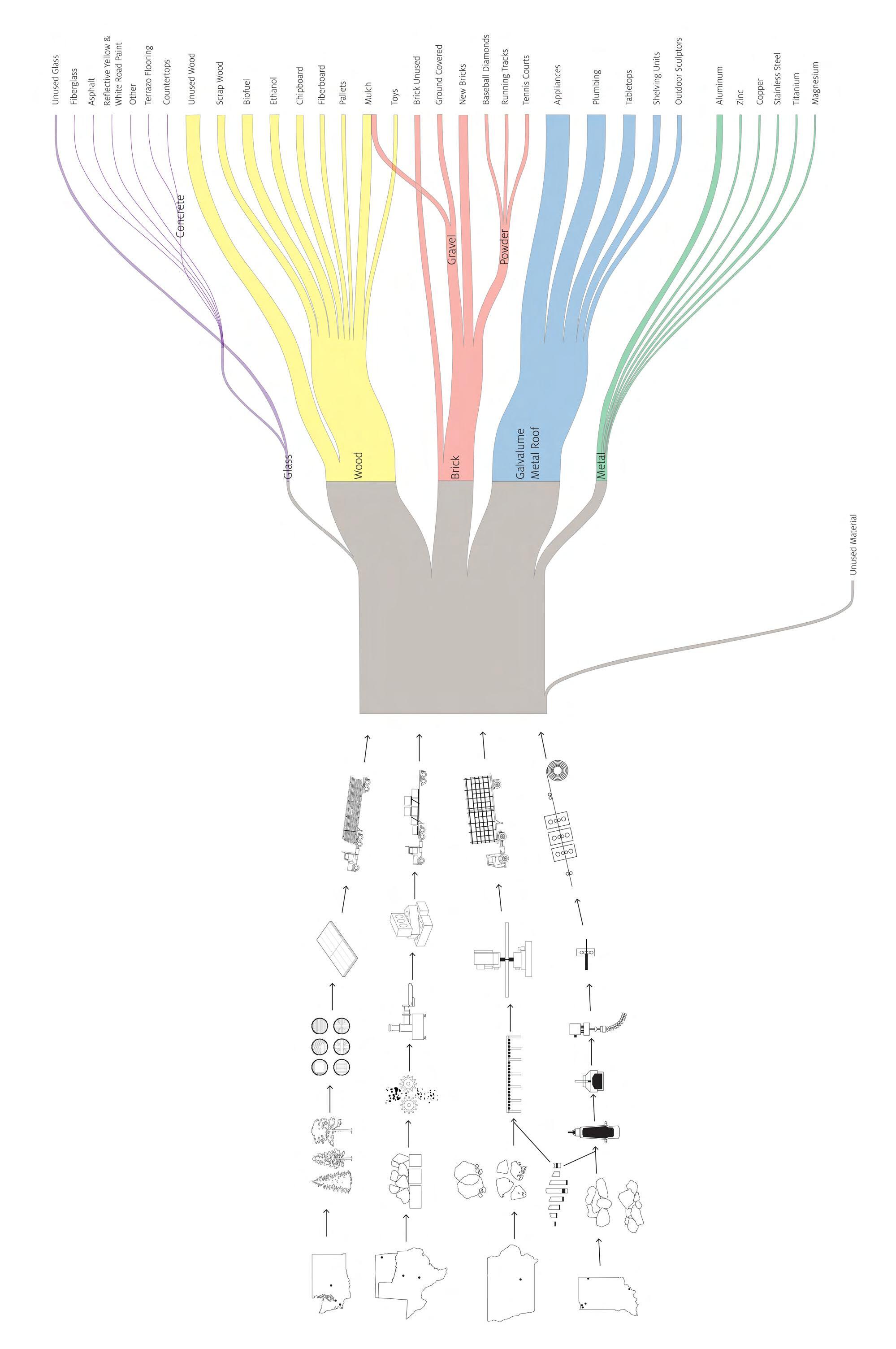
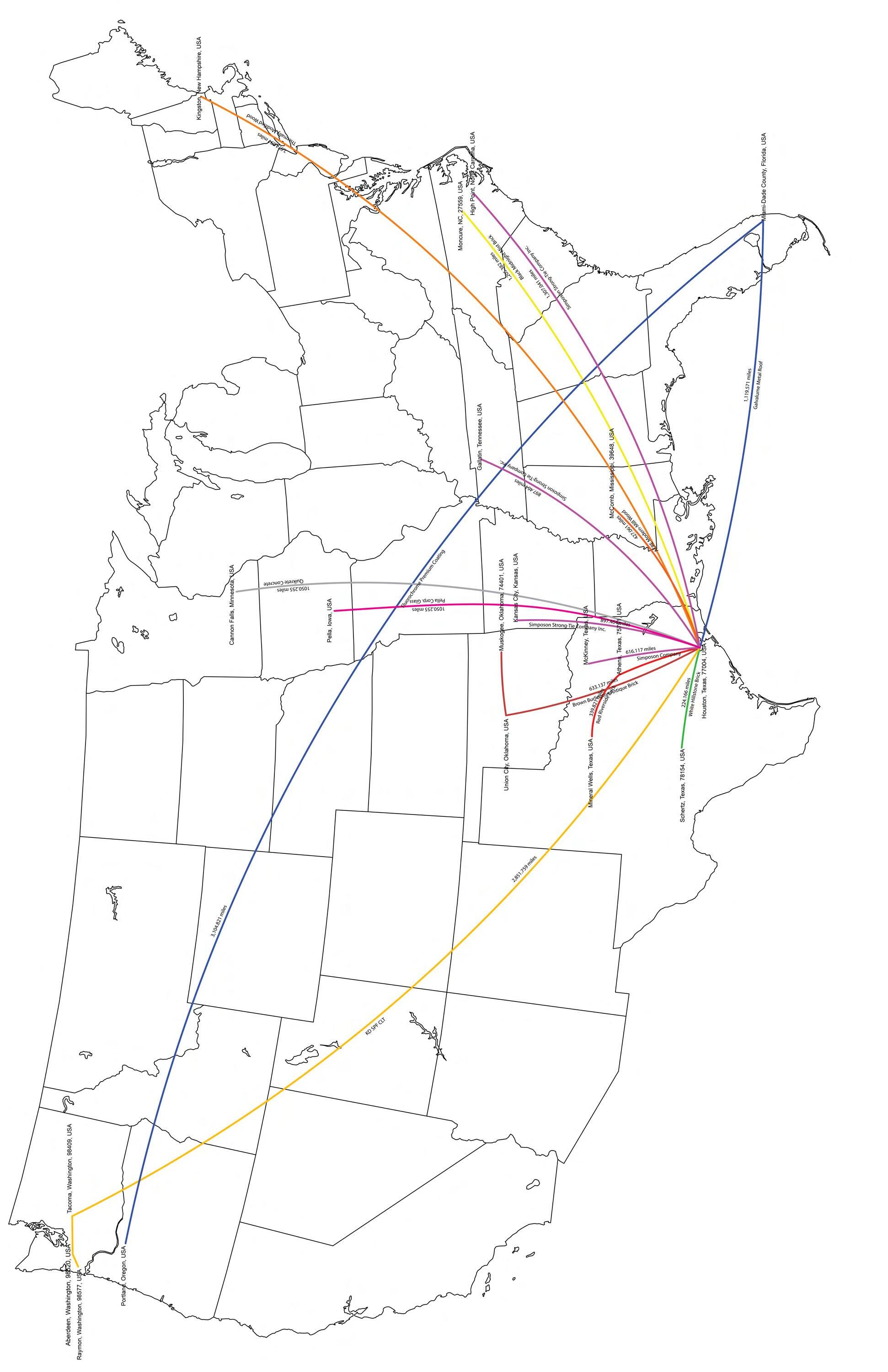
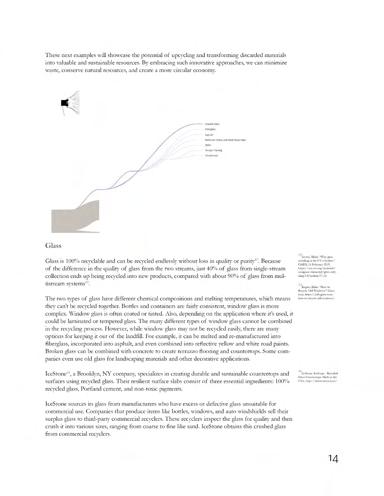
Within the context of Third Ward, the research delves into the life cycle of the most prevalent building materials used in the community. It examines their origins, transportation, assembly, and potential for reuse. The aim is to uncover the intricate relationship between materiality, urban morphology, and socioeconomic factors within the context of Third Ward.
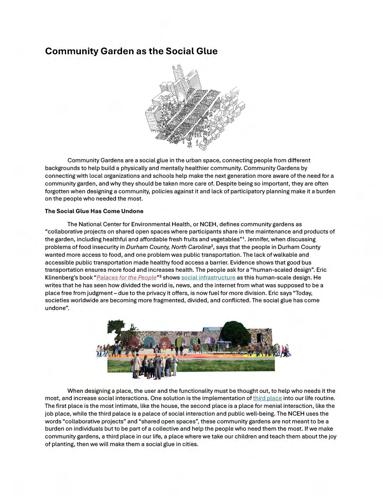
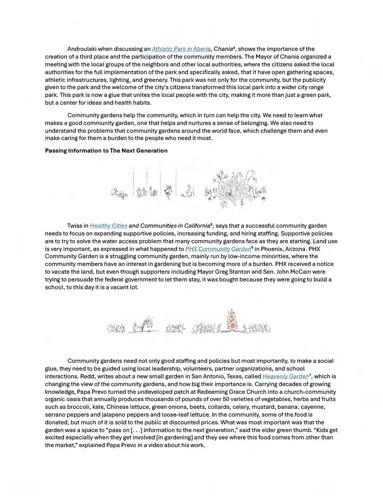
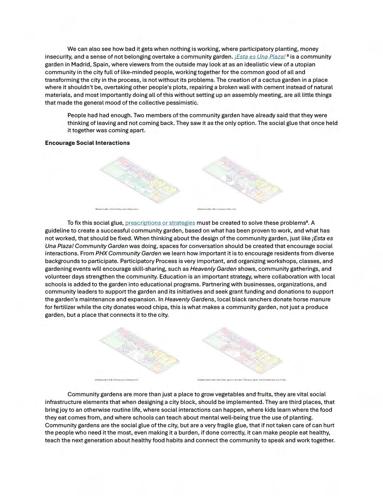
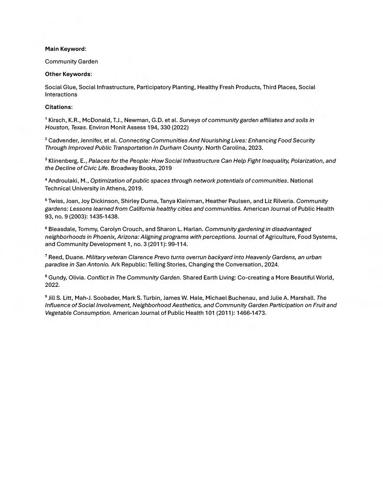
Community gardens act as a social glue in urban spaces, connecting people from different backgrounds to help build physical and mental wellbeing. By partnering with local organizations and schools, they help the next generation understand the value of these green spaces and why they should be taken care of. Despite their significance, gardens are often forgotten when designing urban spaces, policies against them and lack of participatory planning make them a burden on the people who need thm most.