Northline Career Pathways

Magazine
Welcome to the Northline Career Pathways magazine, a gateway to the diverse array of roles and exciting growth opportunities across our teams, divisions, and functions.
At Northline, we firmly believe that career development is a journey of continuous learning and growth, and we want to empower everyone to chart their unique path and uncover their full potential.
Your career development is a dynamic process, and we are here to support you every step of the way.
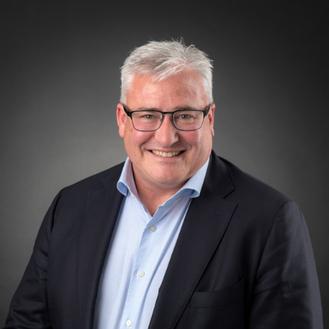 Craige Whitton, CEO
Northline Career Pathways will offer you insights into the professional paths available in our organisation, a deeper understanding of the requirements and expectations for each specific Northline role, and inspiration for your career development from real-life success stories.
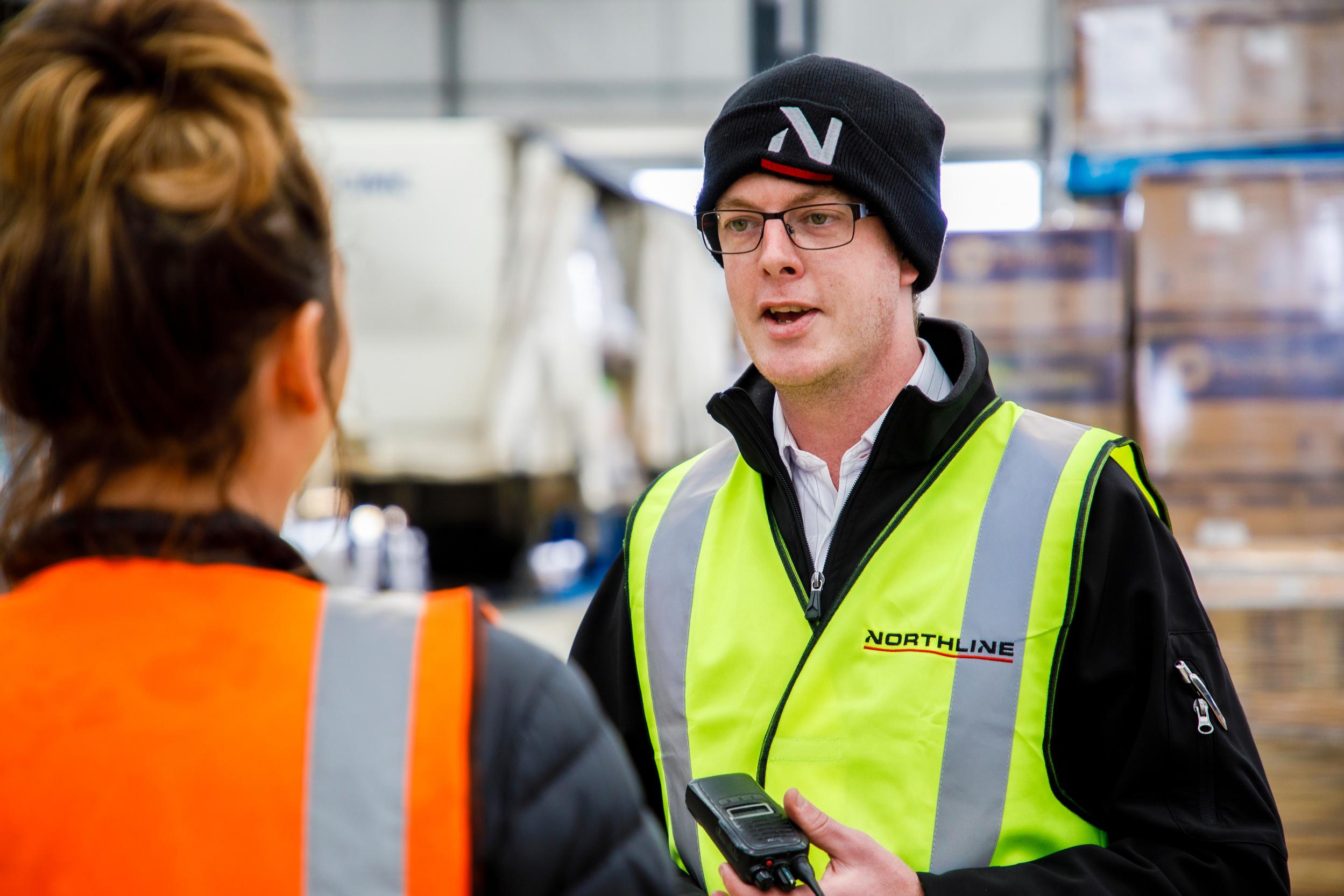
Functions & Leadership relationships within Northline
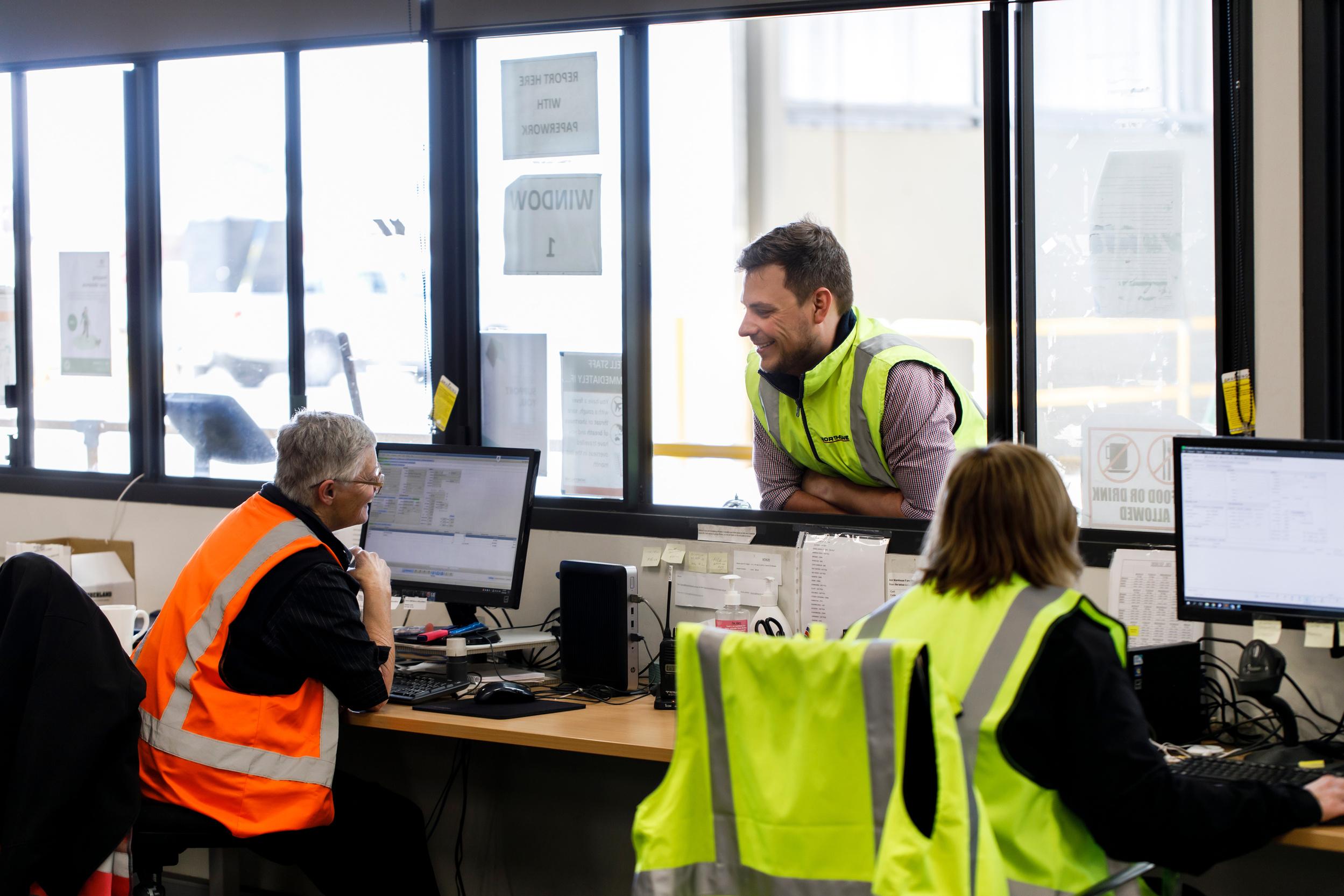
About career movements
Careers & Roles
Real-life success stories
In this section, you will gain a deeper understanding of our organisation's structure, functions and leadership framework, along with the opportunities for growth and progression within Northline and the required leadership capabilities to thrive at each level of the organisation.
Functions & Leadership relationships within Northline
The Northline Leadership Framework provides clarity through seven distinct leadership levels, aligning responsibilities with the required capabilities to fulfil those responsibilities effectively.
Our Leadership Framework serves as a compass, guiding us to the leadership behaviours that foster collaboration, innovation, and a positive impact on our teams, customers, and the organisation as a whole.
Capabilities
Leading self
Leading others
Leading leaders
Leading a function
Group leader
Enterprise leader
CEO
Leadership leves
(Self) Leaders are team member roles whose skill requirements are primarily technical. To be successful in their roles, they must communicate effectively within and between teams to ensure a positive 2-way flow of information.
Team members embody Northline core values and behaviours by promoting a culture of safety and well-being, fostering transparency, accountability, and effective communication within the team.
They create an inclusive, high-trust environment and demonstrate autonomy and continuously focus on personal and professional growth.
Leading self
Leading leaders
Leading a function
CEO Enterprise leader Group leader
Roles at this level have a local/narrow scope. Leaders leverage technical expertise to directly, or through guiding others, achieve core organisational processes and activities. Operational roles will have direct reports, while nonoperational roles may have several key stakeholders.
Leaders at this level work to enhance safety and well-being, understand the organisation's commercial drivers and ensure the team prioritises key objectives for effective outcomes and customer satisfaction.
They share information transparently, and model customer centricity, flexibility, and resilience, fostering an inclusive, high-trust environment that encourages open communication and the quality of work.

Roles at this level have an even balance of strategic vs. operational focus (e.g., Warehouse Manager). While operational roles will have direct reports who are also people leaders, non-operational roles at this level have a large number of stakeholders and must coordinate efforts to achieve results.
Leaders at this level demonstrate and promote a culture of health, safety, and well-being through proactive discussions, and monitor adherence to risk management policies and systems.
They focus on key priorities that drive financial performance and encourage lateral thinking to identify efficient ways of working and innovative solutions to exceed customers' expectations.
They nurture inclusivity and Northline values within the team; provide timely and constructive feedback to foster accountability and continuous development.
Leading self
Leading others
Leading leaders
Group leader
CEO Enterprise leader
Roles at this level have a strategic focus, a national scope, and many crossfunctional stakeholders - due to this, leaders at this level require strong influencing skills to achieve results.
Leaders of a function nurture Northline's safety culture and manage medium-risk issues while making timely decisions to support commercial drivers.
They drive continuous improvement projects, ensuring effective planning, communication, and accountability.
They communicate transparently across teams, disseminating key information effectively, and identifying opportunities to partner with other teams for efficient outcomes.
Group leaders report to an Enterprise leader or CEO and include members of Northline's Leadership Team. Operational roles have Branch or regional accountability while nonoperational roles have divisional accountability (i.e., Finance, Sales, HR, Business Systems) and manage multiple functions. Their roles are heavily strategic and require complex decision-making.
Leaders at this level coach and support other leaders in fostering a safety and well-being culture within our organisation, and directly manage high-risk issues related to safety, quality, reputation, environment, cost, and legal matters.
They make considered decisions to support commercial drivers while leading governance and compliance.
They lead internal collaborations to foster a unified approach within Northline and set, monitor, and adjust functional priorities based on business goals, needs and strategy.
They cultivate an agile, customer-centric environment, understanding customer needs and influencing outcomes through effective planning and time management.
Leading self
Leading others
Leading leaders
Leading a function
Group leader
CEO
Enterprise leaders are the members of the Executive Leadership Team - not including the CEO. They have divisional accountability and set and monitor performance against the organisation's strategic plan while managing significant organisational risk.
Leaders at this level collaborate with subject matter experts to monitor safety and well-being trends, implement strategies for ongoing improvement, and ensure adherence to organizational risk management policies.
They create workforce strategies that drive brilliant customer outcomes and review internal systems' effectiveness, acting as key sponsors of organisation-wide improvement projects, and setting expectations for successful implementation.
They foster a fair and just culture, promoting accountability and performance through genuine and honest conversations.
They define comm purpose and deve strategy.
They understand and solutions that
Enterprise leader
The CEO provides long-term strategy, vision, and direction for the organisation.
As a member of the Executive team, the CEO works closely with the Executive leaders to manage risk, improve financial performance, and ensure systems are in place to support the safety and well-being of Northline employees.
Northline CEO oversees the management of strategic risk and ensures effective policies and systems that support employee safety and well-being.
This role drives strategic planning, shaping the organisation's direction in alignment with the overall strategy and industry drivers, and fosters a culture of continuous improvement and customer-centric value.
The CEO represents Northline to stakeholders, communicating with honesty, transparency, and high integrity. They ensure organisational targets are achieved through ethical practices.
Leading self
Leading others
Leading leaders
Leading a function
CEO Enterprise leader Group leader

At Northline, we believe that leadership is not confined to a specific title or position and recognise that everyone has the potential to demonstrate leadership behaviours and contribute to our collective success.
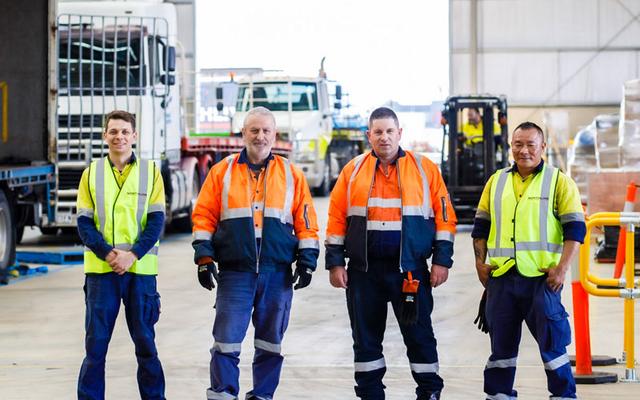
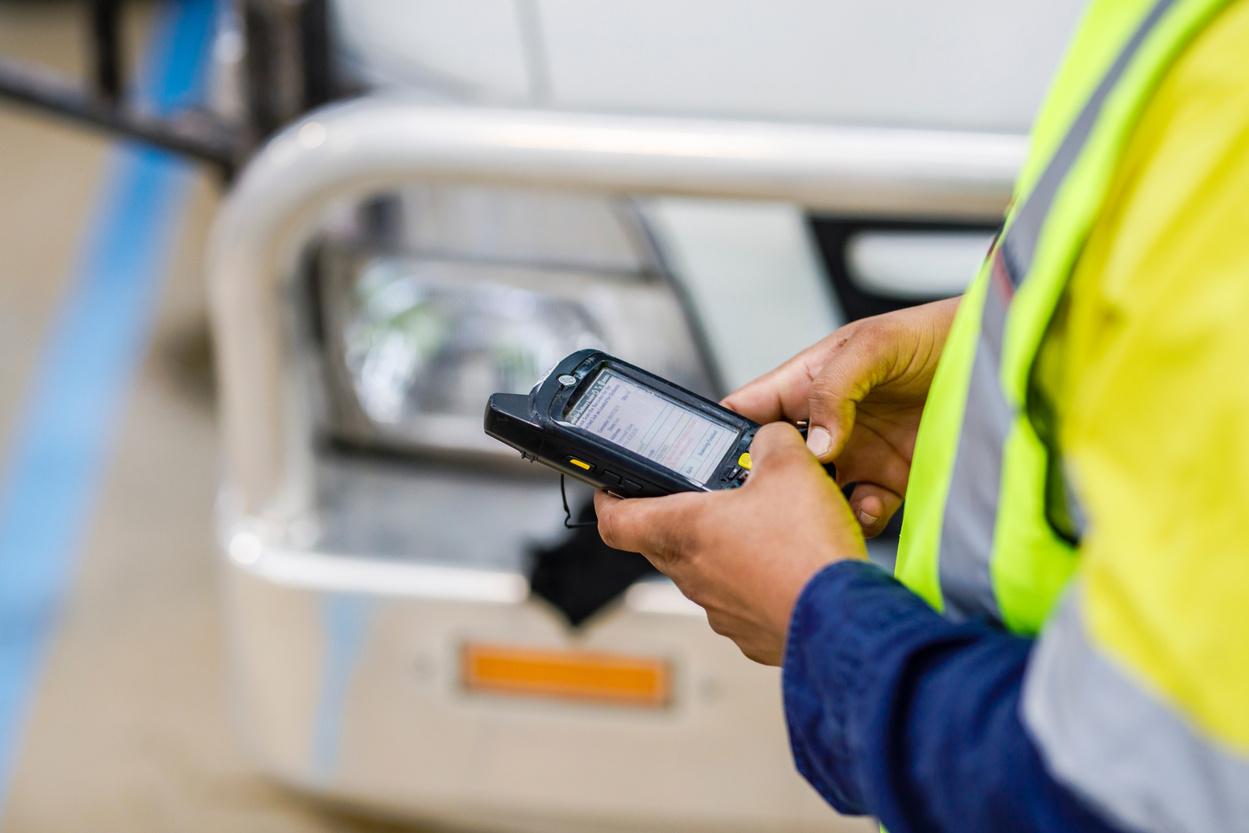
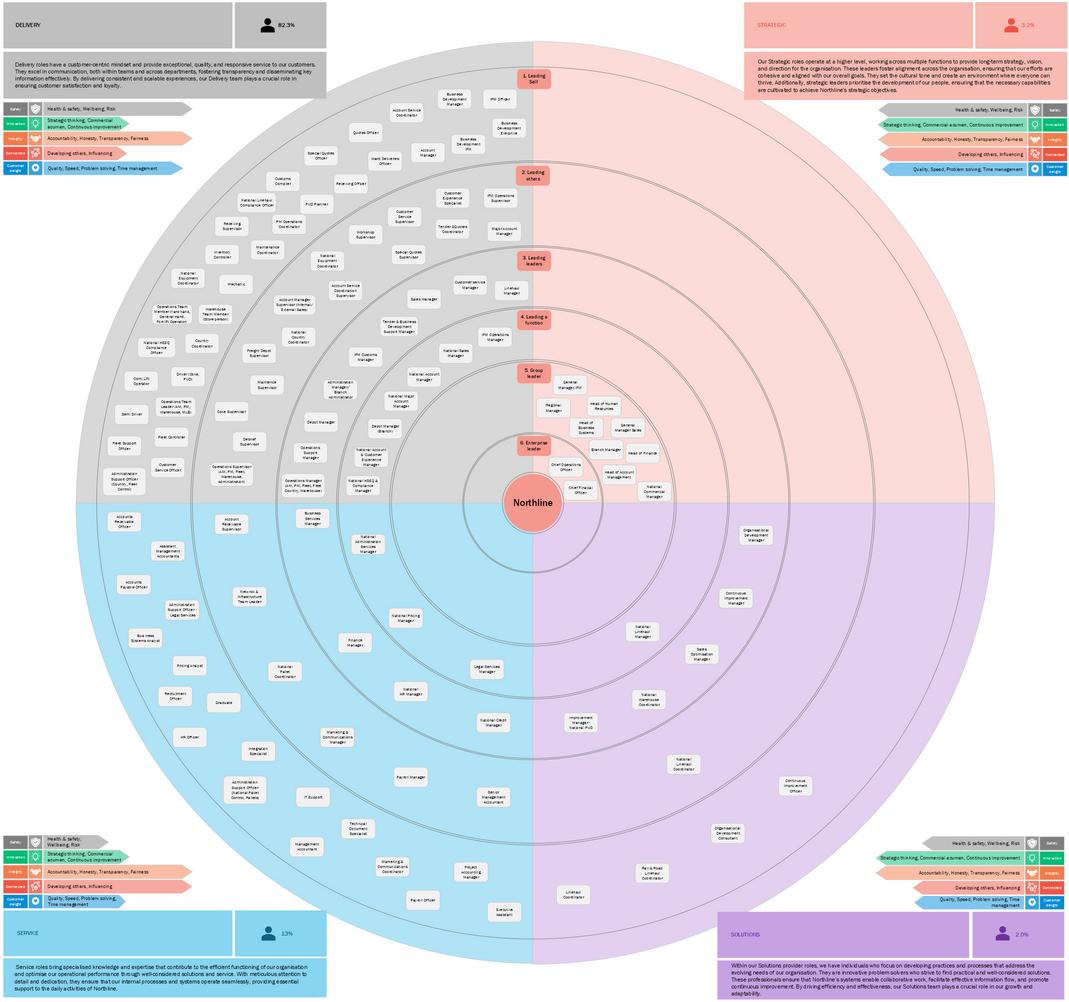
Delivery roles involve directly interfacing with customers (e.g., Sales roles) or managing operational output (e.g., Operational roles). They prioritise providing exceptional, quality, and responsive service to our customers, ensuring consistent and great experiences to drive customer satisfaction and loyalty.
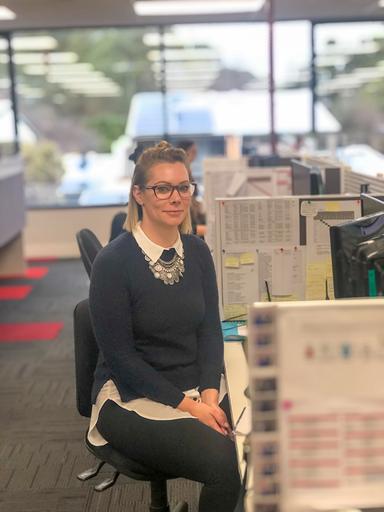
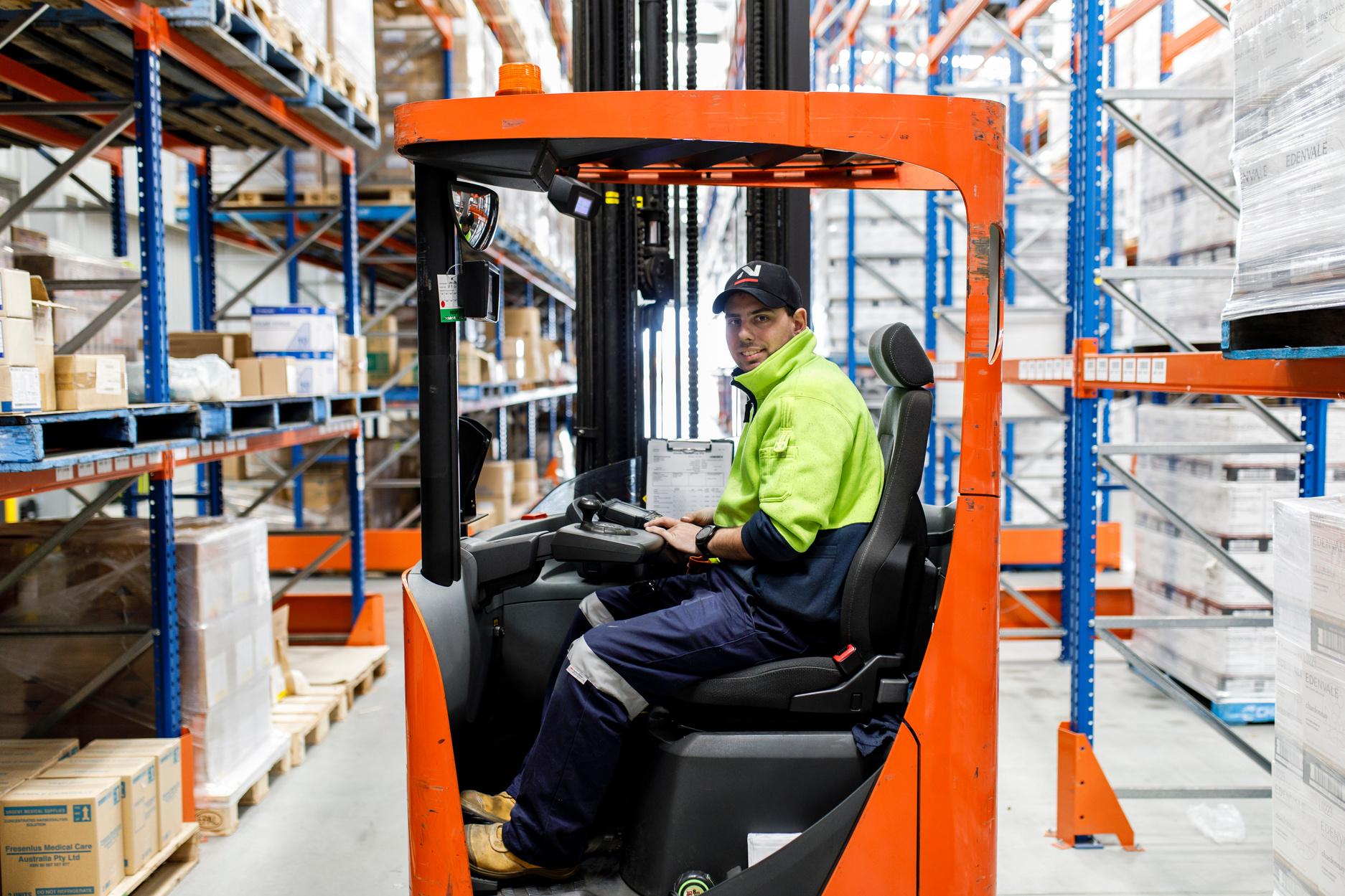
The Delivery profile includes a broad range of roles such as Administration Support Officer, Operations Coordinator, Forklift Operator and Sales Manager.
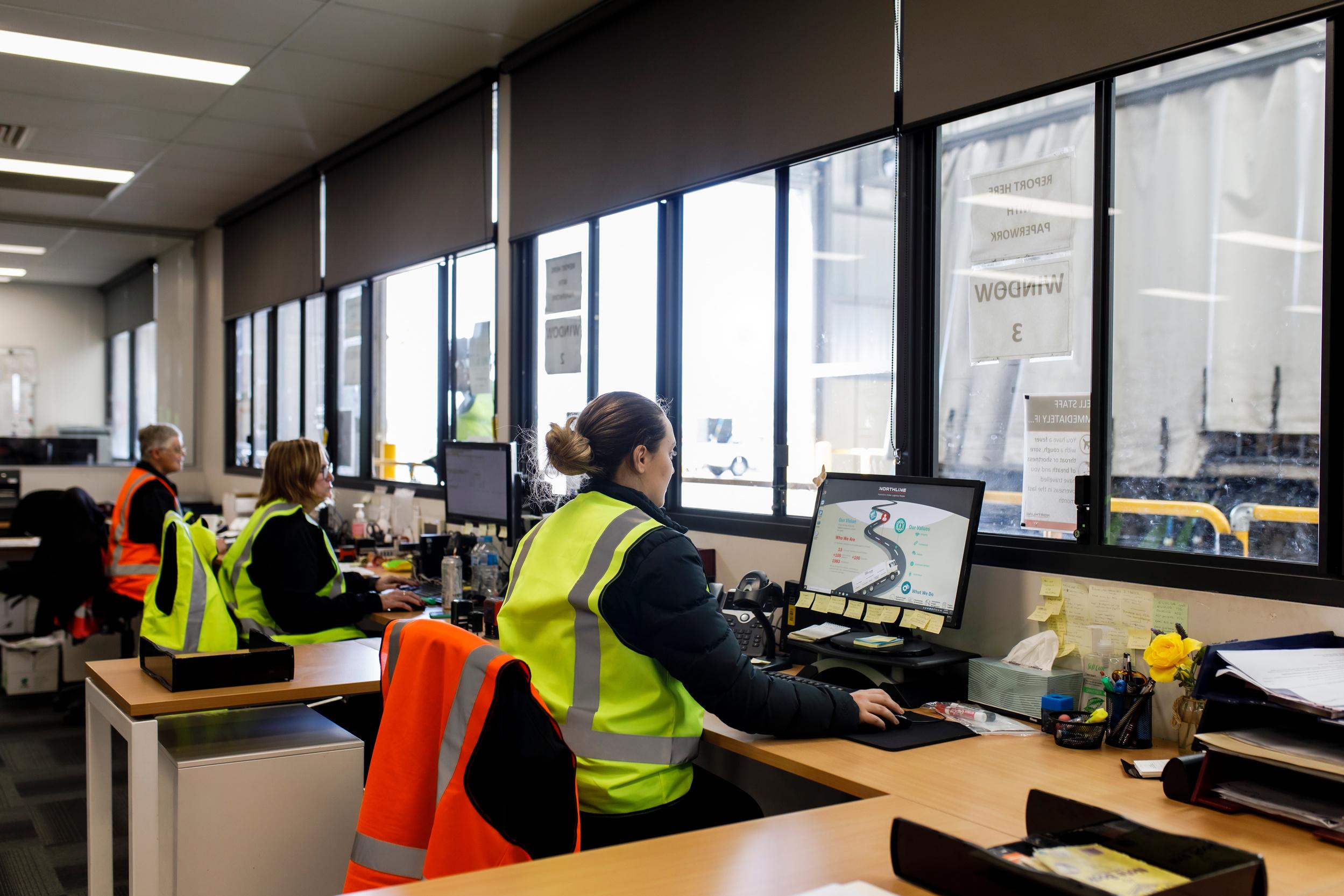
Service roles encompass specialised functions that help optimise operational performance. These roles apply due diligence around our internal processes and systems to support Northline's daily activities.
Service roles include Finance, Analytics, Legal Services, Business Systems, and Human Resources.
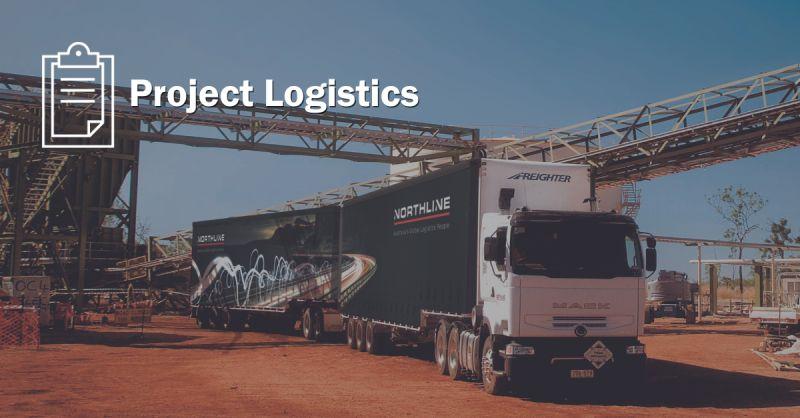

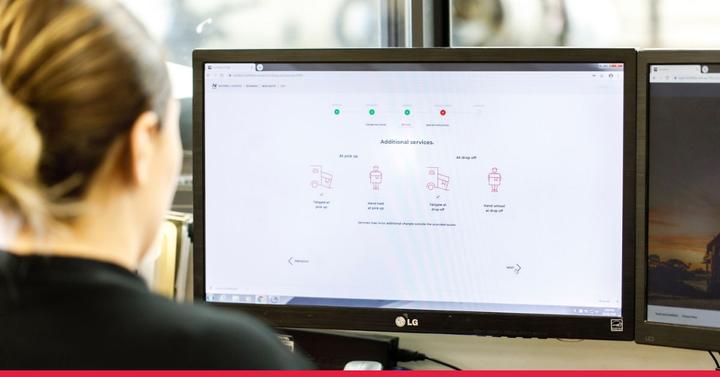

Within our Solutions provider roles, individuals focus on continuous improvement to address the evolving needs of our organisation. They seek practical and well-considered solutions, driving efficiency and effectiveness, enabling collaborative efforts, and effective information flow. The Solution Provider profile includes the National Linehaul roles, as well as roles in the Project Management Office and Organisational Development teams.

Our Strategic roles have a long-term focus on the performance and growth of the organisation while managing significant commercial risks. They work across multiple functions to foster alignment, and support business effectiveness and values-aligned culture.
The Strategic profile comprises roles such as the Regional and Branch Managers, and those in the Northline Leadership Team..
TYPE OF WORK
KEY CAPABILITIES
PROFILE
Delivery Strategic
Now that you have explored the primary functions and leadership levels within our business, let's review the roles that are part of each function.
In this section, you will be able to think about different career paths and plan informed decisions about your development and advancement within our team.
NORTHLINE ROLES
About
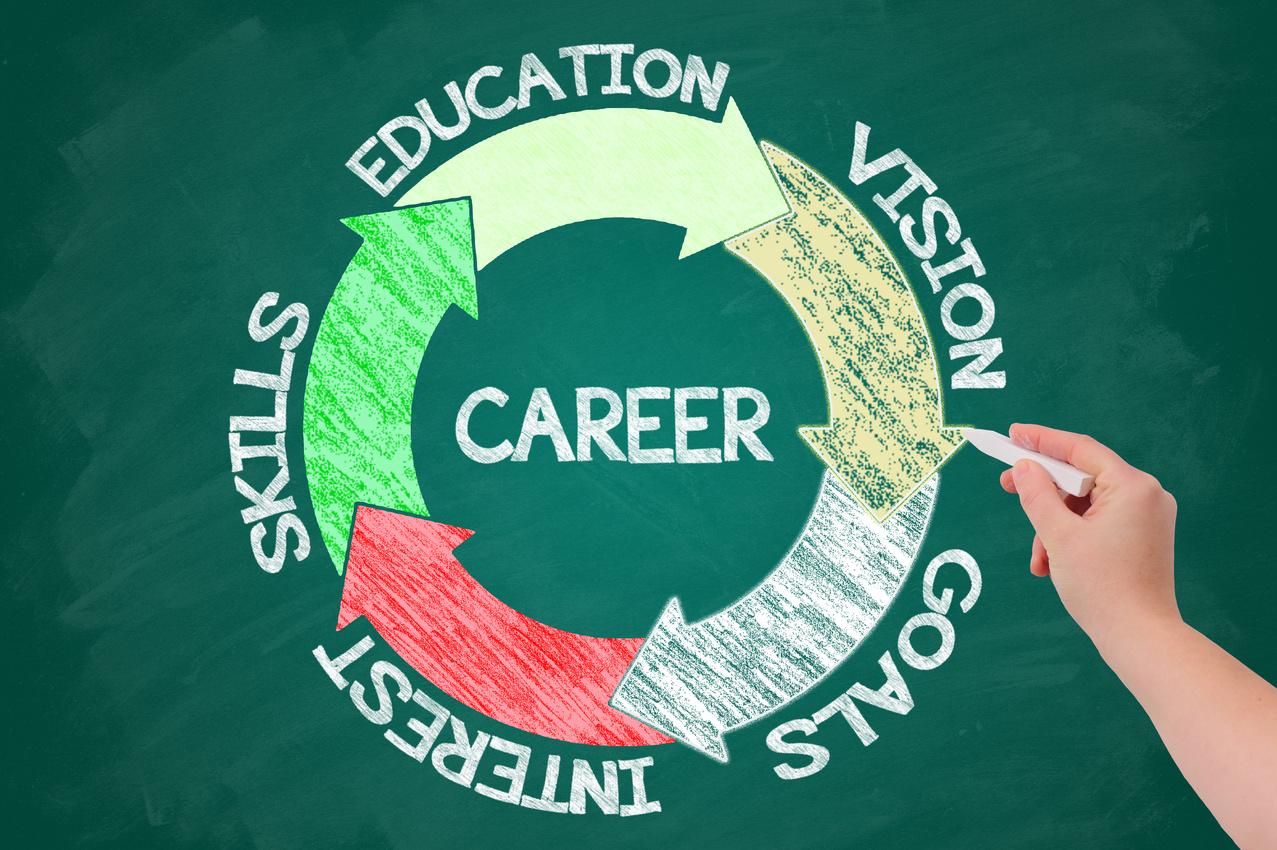
As you can see, there are various types of career paths we can pursue at Northline.
01
Common career movements
We created a roadmap of the characteristics a particular career movement may have, and the necessary skills to successfully transition into it.
02
How to prepare for your desired career movement
03
Tips and steps for planning a career movement
But first, what are they?
Career movement or job mobility, refers to the process of an employee moving in their career, whether to another position or occupation or gaining different responsibilities within their current role. It can be upward or downward, but the purpose is always developmental.
*It's important to note that the availability of these career movements may vary based on the organisation's needs, and strategic plan.
While it is not a formal career move, significant growth and development can occur through role enrichment.
Job enrichment focuses on increasing the depth and breadth of responsibilities, autonomy, and opportunities for learning and growth within the existing role. It can involve adding more complex tasks, assigning additional responsibilities, providing opportunities for creativity and innovation, or allowing employees to take on projects outside of their routine duties.
It can also be a stepping stone towards future career movements by enhancing an individual's skills and capabilities. Some characteristics an enriched job may have, are:
Direct communication with clients and customers.
Lateral career movements involve transitioning to a different role or position at the same leadership level. It may involve moving to a different team, department, or function within Northline. Lateral movements can provide us with new challenges, opportunities to develop new skills, and a broader understanding of the organisation as a whole.
We can gain a diverse range of experiences, expand our skill set and become more versatile professionals by working in different functions, departments, or projects.
Some characteristics a lateral movement may have, are:
Broader exposure to different aspects of the organisation
Exploration of different career paths
Learning opportunities
Skill transferability
These can include moving to a new role within the same leadership level, but with increased technical responsibilities or moving up the organisational ladder. Vertical movements allow us to progress within our current function or move into a different Northline department.
Vertical movements enable us to continually challenge ourselves and expand our skills, knowledge, and capabilities. Advancing to higher-level positions often requires acquiring new competencies, taking on more strategic responsibilities, and developing leadership skills, all of which contribute to professional growth.
Some characteristics a vertical movement may have, are:
Actively seek opportunities to acquire new skills and knowledge
Strategic and Long-term focus
Leadership and management skills

These involve taking a step back from existing responsibilities and transitioning to a role in a different department or function that is (or might be) not directly aligned with our current role.
Realignment or diagonal movements allow us to expand our knowledge, skills, and perspectives, promote cross-collaboration and foster a more holistic understanding of the business by exposing us to different functions of Northline and career paths.
Some characteristics these movements may have, are:
Adaptability and learning agility
Collaboration and relationship-building
Systems thinking
Strong communication

When transitioning between the four main functions at Northline, there are specific focus areas that we should consider. Next, we will explore the key areas to focus on when transitioning into and out of each quadrant.

very to Services, focus on:
n and collaboration to effectively support the needs of the teams and problem-solving skills, as well as attention to detail. standing of core processes and systems of the organisation.
very to Solutions roles, focus on:
problem-solving skills, as well as an understanding of the organisation's longobjectives.
awareness and identifying relevant stakeholders. on
very to Strategic roles, focus on:
lls, including the ability to set goals, formulate strategies, communicate uidance to individuals and teams. mmercial acumen and understanding industry trends and the competitive landscape. ncing and stakeholder management skills, including collaborating with people at various nd outside the organisation.
stems thinking and a holistic view of the organisation, understanding how different departments interconnect and contribute to the overall performance of the organisation. er insights into risk management and how strategic decisions impact organisational
es role to a Delivery role, focus on:
d relationship-building skills to ensure quality and consistent delivery of
city through strong problem-solving skills. Can do attitude ustomer expectations and communicating effectively.
to Solutions roles, focus on:
d the ability to provide insights and recommendations that support rovement capabilities and cross-functional influence.
nt to the specific Solutions role combined with a deeper understanding of ging technologies.
to Strategic roles, focus on:
cluding the ability to set goals, formulate strategies, communicate nce to individuals and teams.
n and understanding industry trends and the competitive landscape. holder management skills, including collaborating with people at various rganisation.
and a holistic view of the organisation, understanding how different erconnect and contribute to the overall performance of the organisation. isk management and how strategic decisions impact organisational
ransitioning from Solutions to Delivery roles, focus on:
veloping customer service and relationship-building skills including the ability to maintain positive mmunication and effectively managing customer expectations. ding time and task management skills for successfully fulfilling delivery responsibilities and meeting tomer requirements, managing multiple tasks, deadlines, and priorities. ancing communication and collaboration skills, working closely with internal teams, departments, or ernal partners to ensure smooth delivery processes.
ng from a Solutions to a Services role, focus on: rong customer service, responsiveness, and relationship management skills. ough understanding of core processes and systems of the organisation. back, and actively contributing to process enhancements and service excellence
ng from a Solutions to a Strategic role, focus on: adership skills, including the ability to set goals, formulate strategies, communicate nd provide guidance to individuals and teams. mmercial acumen and understanding industry trends and the competitive landscape. encing and stakeholder management skills, including collaborating with people at various nd outside the organisation.
ystems thinking and a holistic view of the organisation, understanding how different departments interconnect and contribute to the overall performance of the organisation. er insights into risk management and how strategic decisions impact organisational
When transitioning from Strategic to Delivery roles, focus on:
Enhancing customer-centricity and understanding of the delivery processes and procedures to ensure a quality, consistent and scalable customer experience. prioritisation, and the ability to work under pressure to meet
ion abilities to ensure the successful execution of operational s roles, focus on:
operational processes, procedures, and systems relevant to to.
nal skills to effectively support the operational aspects of the
lity to build positive relationships, and effectively manage
ve listening, and the ability to work collaboratively with diverse Solutions role, focus on:
ctical practices and processes that address the organisation's
ms and practices that enable collaborative work, effective ement.
arket insights to identify solutions that align with the elop practices that are forward-thinking and meet the
Reflect on your skills, strengths, interests, values, and career goals to identify the areas you want to develop or explore further.
Explore and gather relevant information for your potential career movement.
Determine which of your existing skills, knowledge, and experiences are transferable to the desired role.
Identify any skills or knowledge gaps between your current capabilities and the requirements of the desired career movement.
Create a Career Development Plan and outline specific actions and milestones to achieve the career movement.
Seek advice and feedback about the role you are considering gaining insights and perspectives that can inform your decisionmaking.
Seek development opportunities and gain relevant experience, such as special projects, crossfunctional assignments, or volunteering.
Embrace a growth mindset and commit to continuous learning. Stay updated with industry trends and seek opportunities to expand your knowledge and skills.
In this section, you will gain a deeper understanding of our organisation's structure, functions and leadership framework, along with the opportunities for growth and progression within Northline and the required leadership capabilities to thrive at each level of the organisation.
From Warehouse team member to Operations Manager
From Customer Service Officer to Business Analyst
From Delivery Driver to Fleet Manager
From Graduate to Operations Supervisor
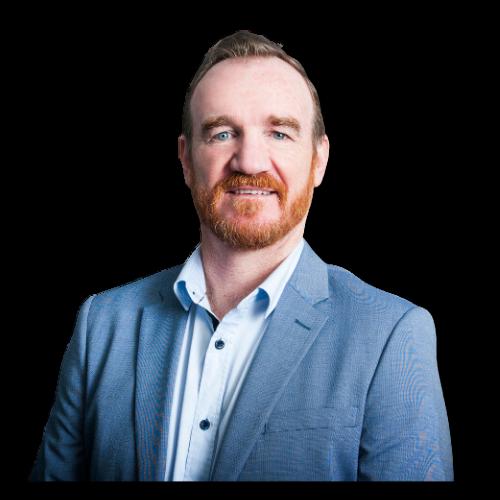
Scott’s first role with Northline was as Fleet Controller in Brisbane. He was referred to Northline by a colleague while working as a local PUD driver. He had an unquenchable thirst for understanding how things work and because of this, found himself making multiple lateral movements early in his career, including working with Pallet/Equipment Control, Linehaul/PUD Forklift operations and data entry in Warehouse.
Scott was later promoted to Warehouse Manager at the Brisbane Depot, a role he performed for 5 years before taking on a secondment role as Depot Manager. After his secondment, Scott made various lateral career movements through business improvement projects across Operations. He later took on the role of Contracts Manager to look after major mining and construction customers in North Queensland, before being promoted permanently to Depot Manager, Brisbane – then further vertical steps to Branch Manager- Brisbane, State Manager - Queensland and Regional Manager - Queensland.
hello@reallygreatsite.com
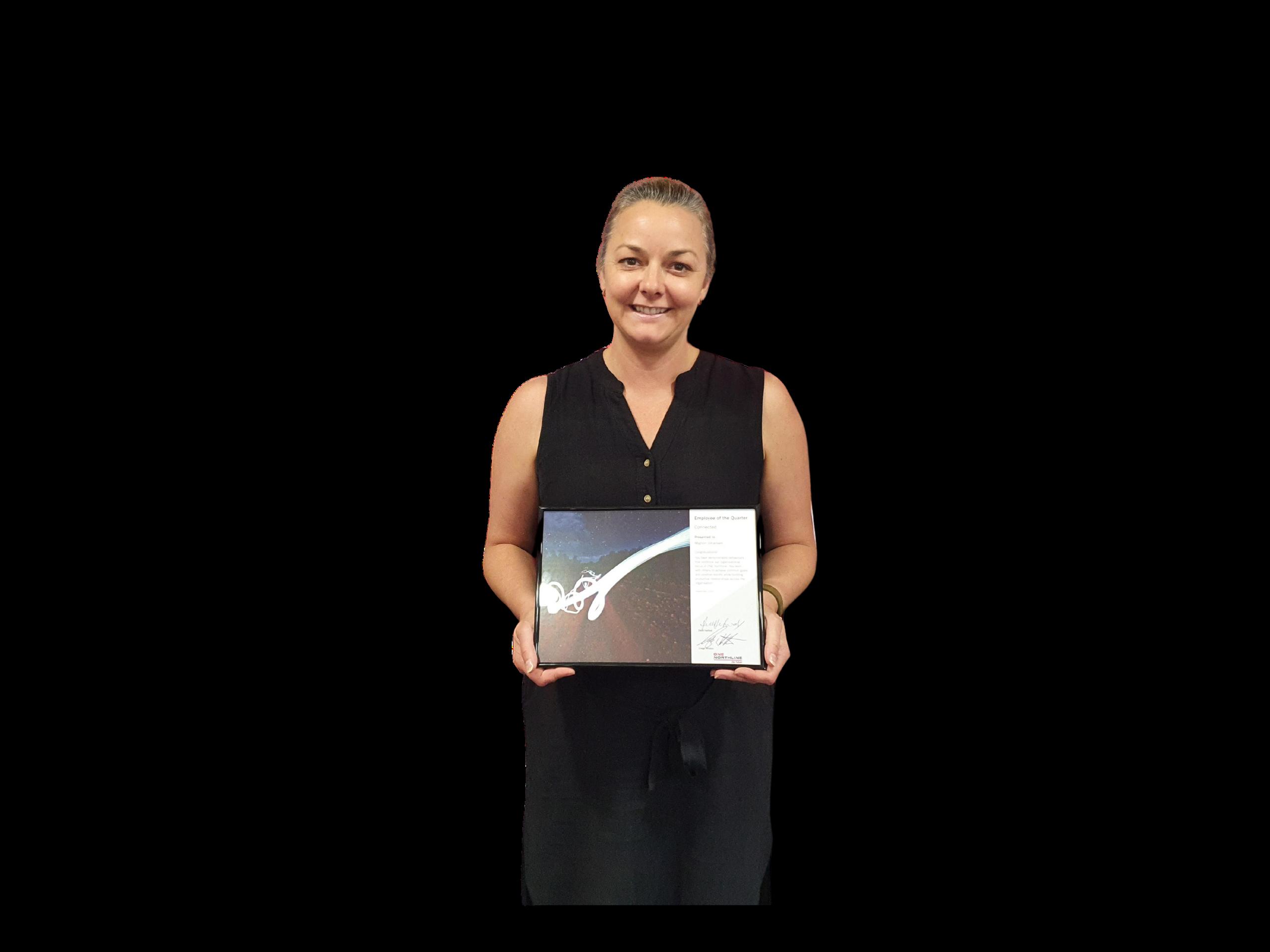
Mignon joined Northline in 2000 as a graduate after completing a degree in Commerce. Following the successful completion of her graduate program, Mignon was appointed to an Internal Sales Administration role. Mignon continued to work in the Administration function, and with multiple lateral movements, experienced variety in her work through exposure to different functions such as Warehouse.
Motivated by a sense of contributing to the organisation’s success, Mignon’s journey has been fluid, following new opportunities that presented themselves as Northline has grown. With hands-on experience in Northline’s core processes, Mignon has been able to support key projects including the centralisation of rate reviews and Sales reporting, the implementation of the S2 system, formalising a customer onboarding process, and the introduction of scanning freight at Northline. In 2022, Mignon made a vertical career step into a people leader position, appointed Manager of the newly formed Project Management Office.
hello@reallygreatsite.com

Chanuka joined Northline in May 2022 on a short-term student placement while completing a degree in IT. Chanuka loved the culture at Northline and the experience he had on the Business Systems project –so much so that he applied (successfully) for a vacancy in the Customer Service team where he continued to work part-time while completing his studies.
While working as a valued member of the Customer Service team, Chanuka expressed interest for future positions within the Business Systems team – aiming to stay at Northline while pursuing a career in IT/ Business Systems. Soon after completing his degree, Chanuka made a lateral transition, appointed to the position of Integration Officer, Business Systems. Initially Chanuka worked in a dual role with his position in Customer Service before transitioning permanently to the Business Systems team in January 2024.
hello@reallygreatsite.com
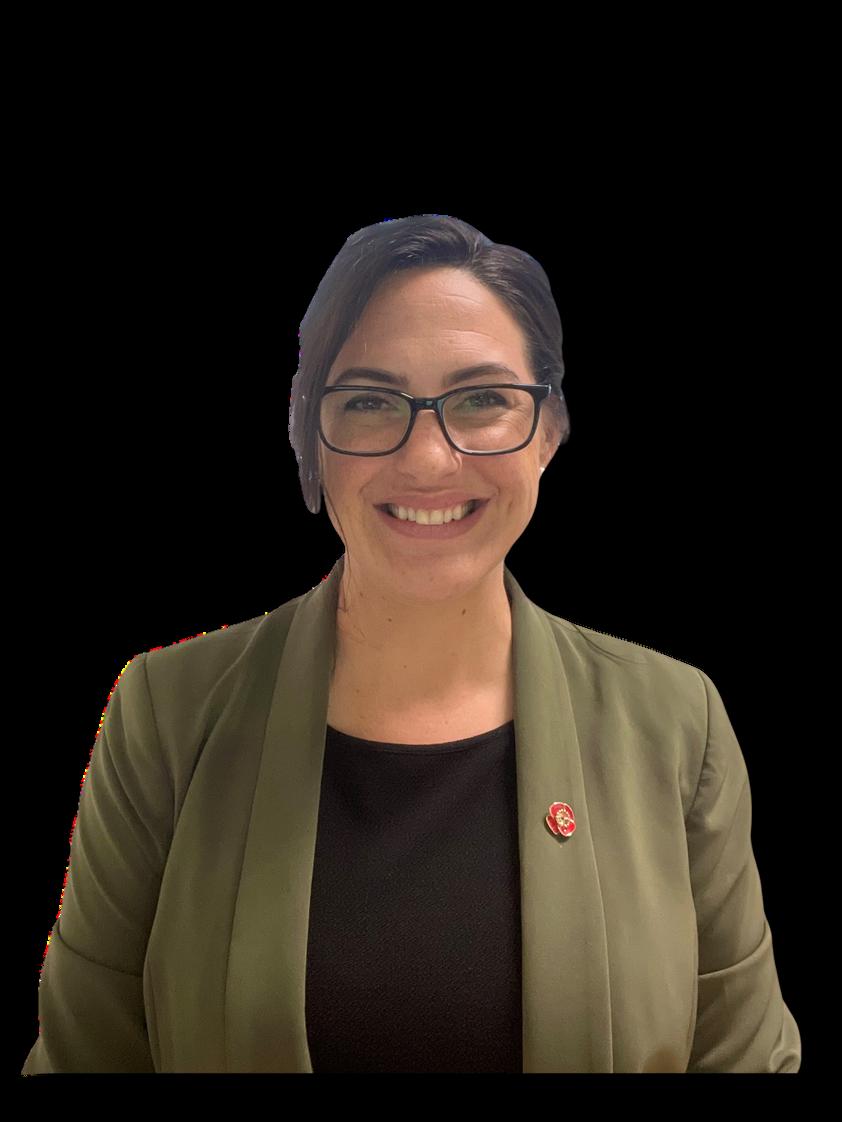
Laura’s first role with Northline was as a PUD driver in Alice Springs. A vacancy became available in the Administration, and soon after, commenced as Administration Support Officer. Laura then took on a secondment as Administration Manager while the current Administration Manager went on Parental leave - this later turned into a permanent role for Laura.
Considering opportunities at other locations within Northline, Laura moved to Townsville, taking on the Administration Manager role at the Townsville depot. Having demonstrated initiative and leadership in this role, when returning to work from her own Parental Leave, Laura applied for, and was successful in being appointed to Depot Manager, Townsville – a big vertical step.
hello@reallygreatsite.com