the KI NGD OM
HONORING THE BEST OF 2025, FROM THE TOP NEW GOLF COURSES AND RESORTS TO WHISKIES, WATCHES & MORE
Plus ULTIMATE GOLF GETAWAYS IN ARIZONA WINTER ADVENTURES IN WHISTLER DAVIS LOVE III’S FAMILY LEGACY














cd: ROBB AARON GORDON










HONORING THE BEST OF 2025, FROM THE TOP NEW GOLF COURSES AND RESORTS TO WHISKIES, WATCHES & MORE
Plus ULTIMATE GOLF GETAWAYS IN ARIZONA WINTER ADVENTURES IN WHISTLER DAVIS LOVE III’S FAMILY LEGACY

















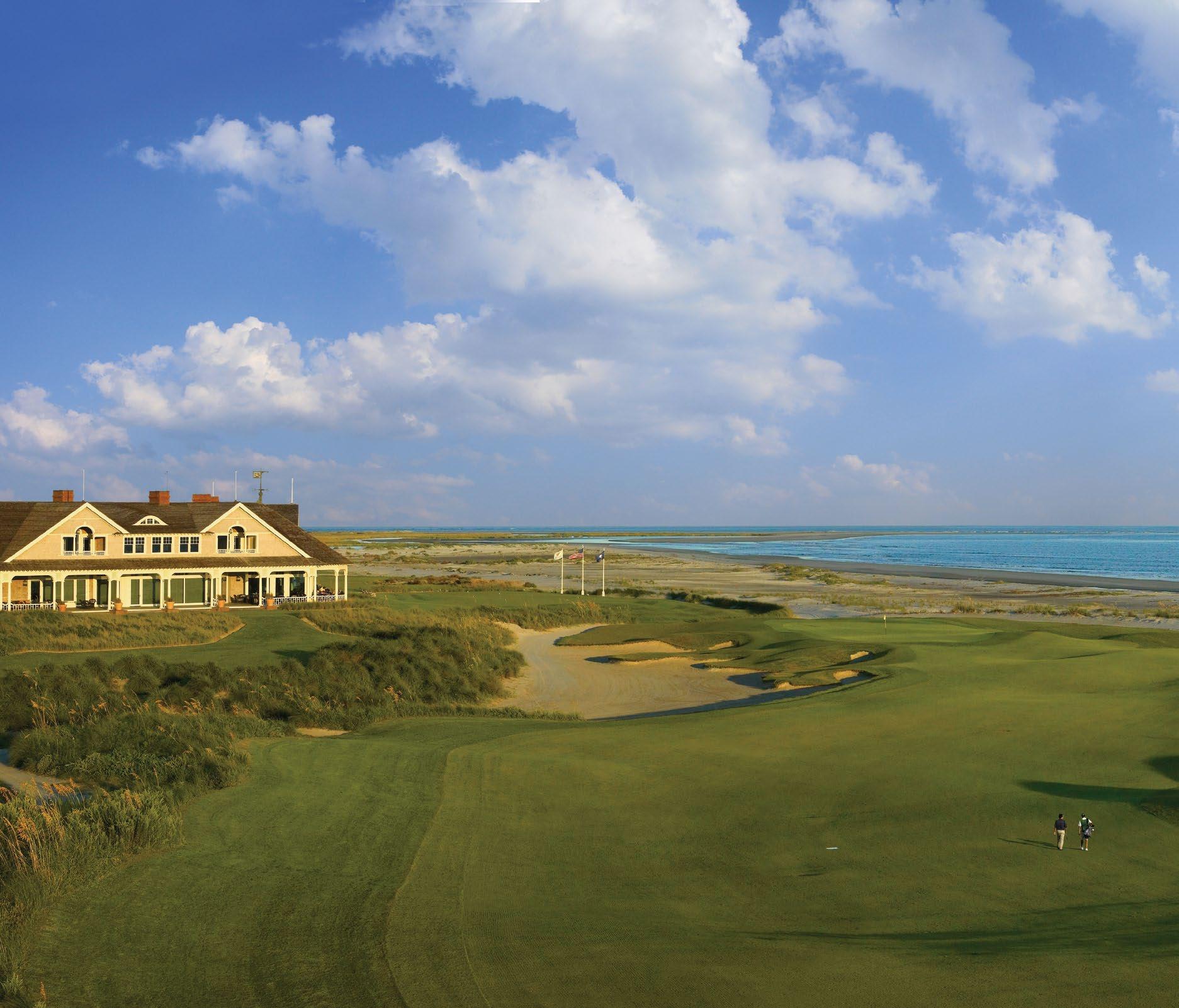






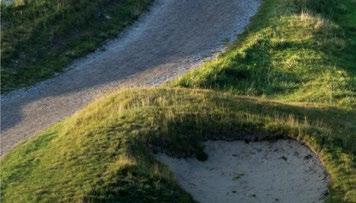
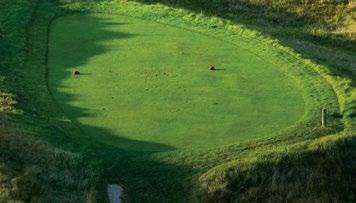

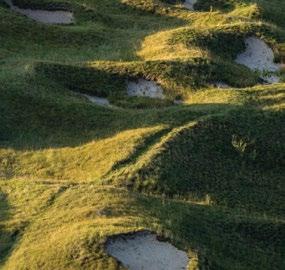
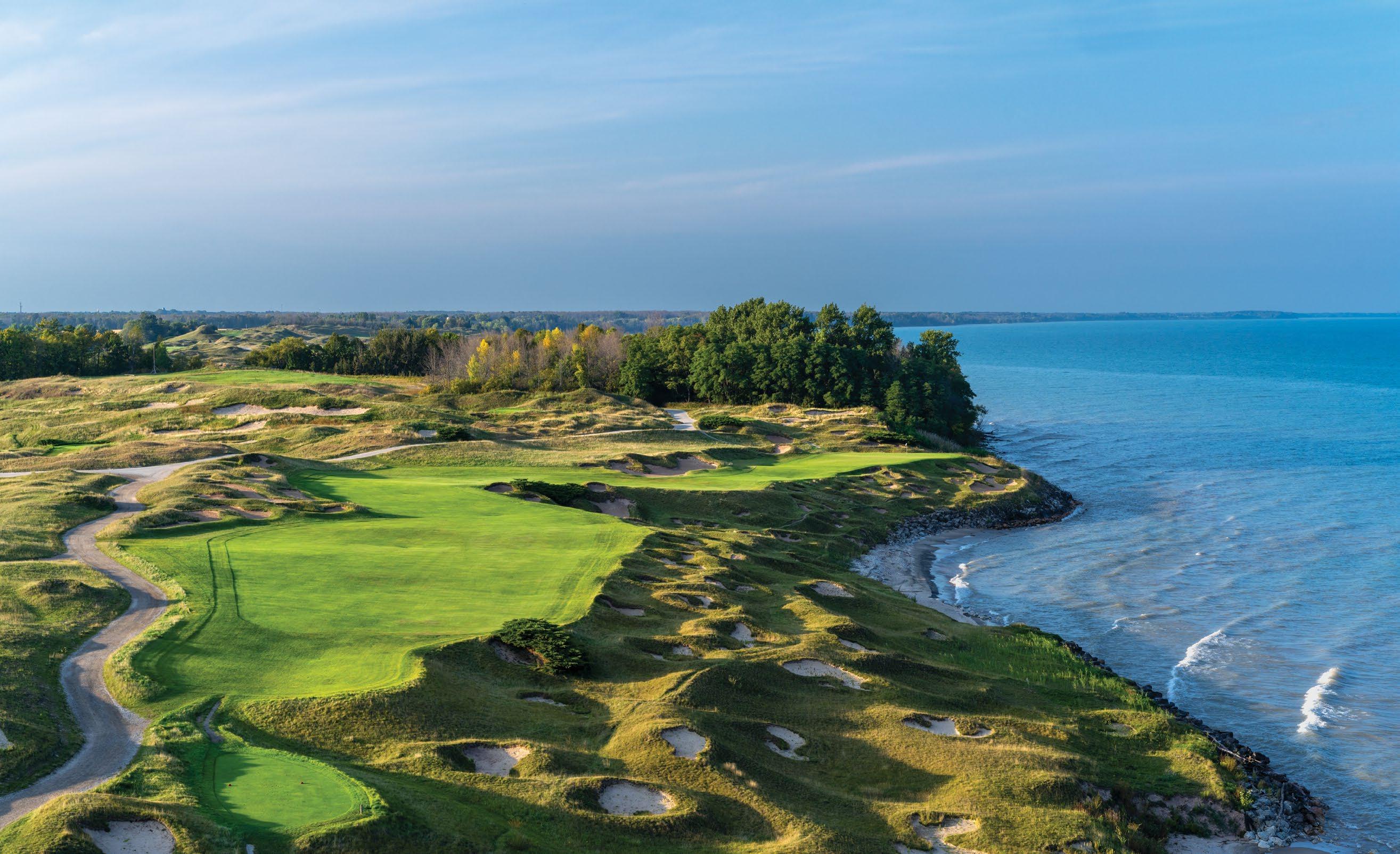



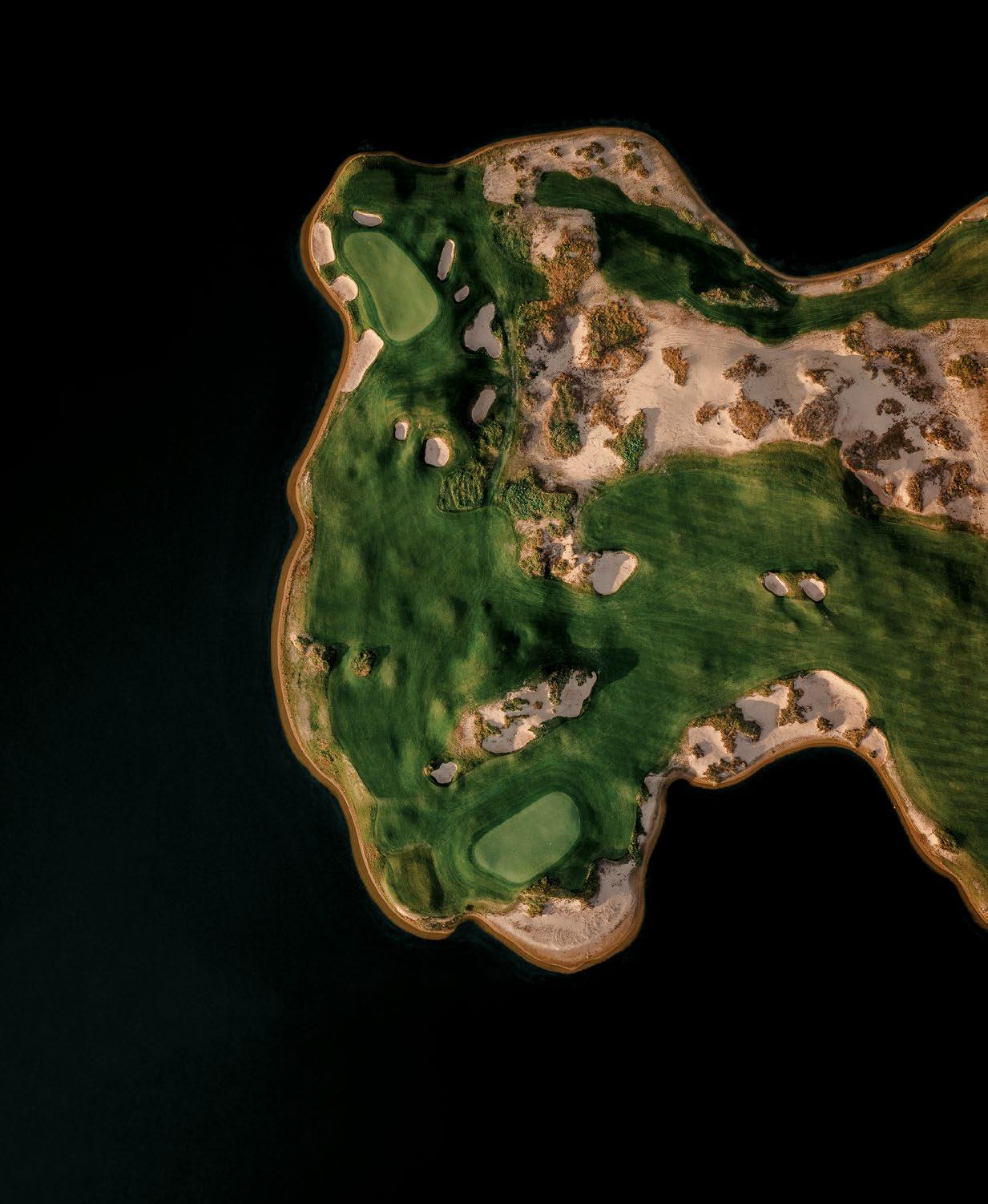
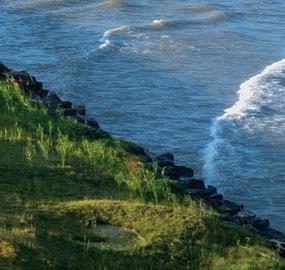
The Straits®—wild, rugged, and breathtakingly beautiful—is a perfect reflection of its Irish roots. Along the shores of Lake Michigan, you’ll need a strong resolve to embrace the mayhem and the majesty. This combination is just one of the extraordinary experiences that awaits you in Kohler.
Visit KohlerWisconsin.com.



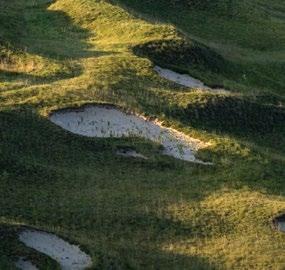


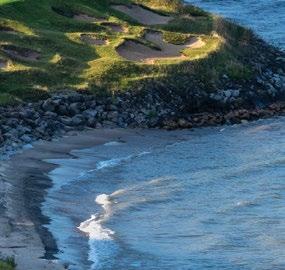
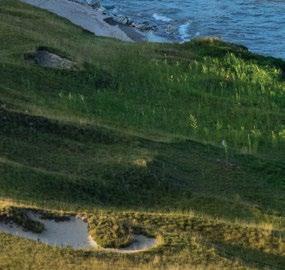


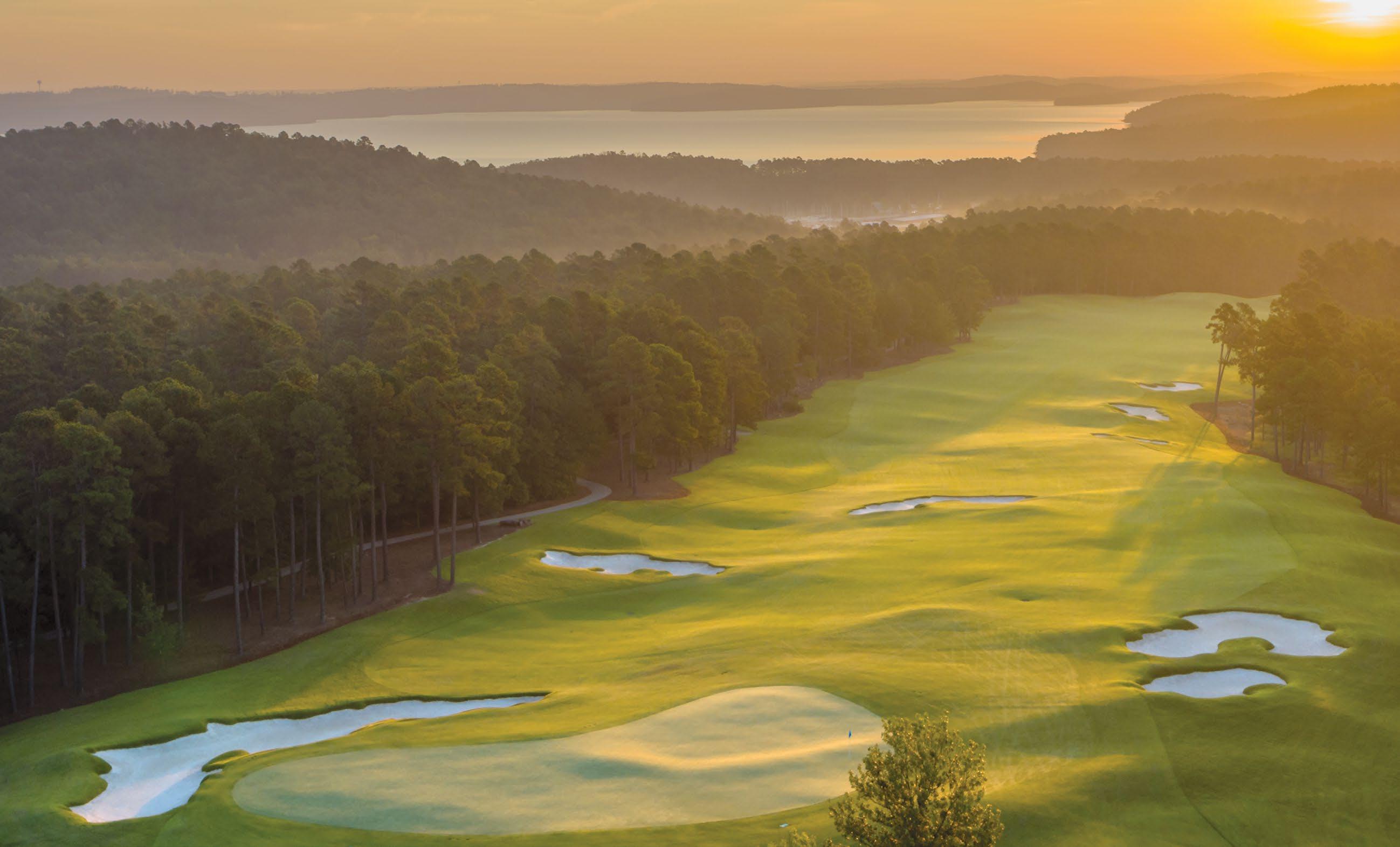
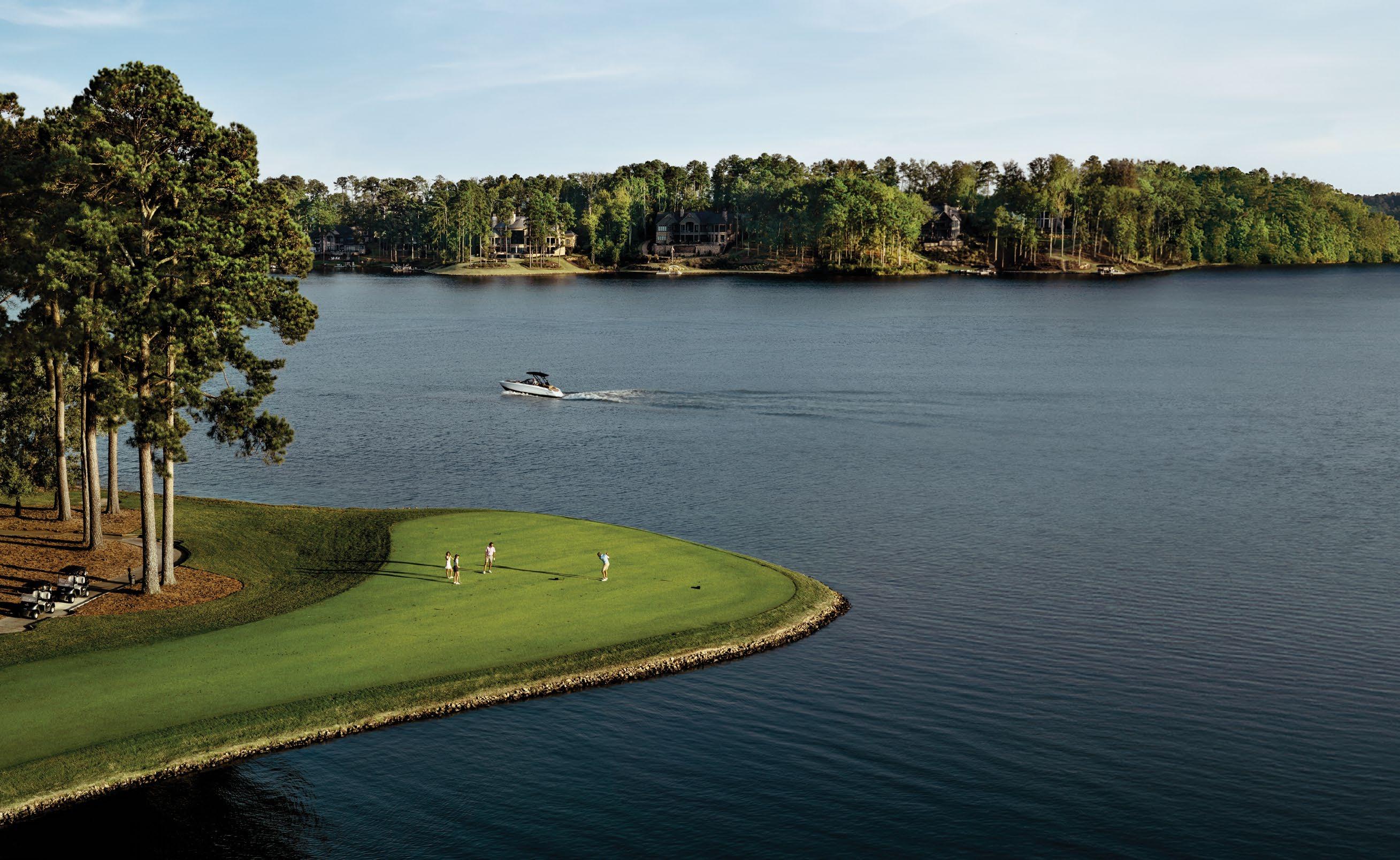

Just east of Atlanta, and one flight from just about anywhere, Reynolds Lake Oconee has welcomed Members from around the country for nearly four decades. Whether a weekend cottage or a home for the generations, Reynolds has a special magic all its own.
For those interested in Real Estate and Membership, preferred rates in our cottages or The Ritz-Carlton ® are available. reynoldslakeoconee.com/kingdommag | 855.915.1345
Publisher & Co-Founder
MATTHEW SQUIRE
Executive Vice President, Content BRUCE WALLIN
Creative Director
MATTHEW HALNAN
Editors
ROBIN BARWICK (UK)
SHAUN TOLSON (US)
Managing Editors
LORI BRYAN
RAMONA SAVISS
Head of Advertising Sales
JON EDWARDS
Executive Director, Marketing EMILY POPPERT
Marketing Coordinator MORGAN BARBAY
Contributing Editor ALEXANDRA O’LAUGHLIN
Founding Director ARNOLD PALMER
Photography
Brandon Carter, Pitchmark Media, Evan Schiller, Jacob Sjöman
Special Thanks & Contributors
Susan B. Barnes, Geno Bonnalie, Jennifer Billock, Samantha Brooks, Gina DeCaprio Vercesi, David DeSmith, Thomas Detry, Gabriel Kreuther, Davis Love III, Allan Lynch, David McClay Kidd, Stephanie Mcleod, Hal Phillips, Annika Sörenstam, Roger Steele, Shivani Vora
SUBSCRIPTIONS
Order online at: shop.kingdom.golf and receive special subscriber offers
Or email: hello@kingdom.golf
INQUIRIES
Advertising ms@northandwarren.com
Editorial rb@northandwarren.com
Commercial ms@northandwarren.com 646-970-3755
Published by
President, Lifestyle Media & Partnerships JAY MEYER
Executive Vice President, Content BRUCE WALLIN
Vice President, Partnerships CHRISTIAN POPPERT
Executive Vice President, General Manager PAMELA ABBOTT
Vice President, Global Travel Partnerships
SANTIAGO ABREU
Partnerships
Katie Brockman, Paolo Cassano, Mark Cooper, Tori DeClaris, Jon Edwards, Lauren Edwards, Margot Giblin, Travis Haley, JD Hess, James McNulty, Elaine Rizos, Matthew Squire, Debbie Topp, David Van Sicklen
Marketing
Morgan Barbay, Julia Biedenbender, Tatiana Imamura, Emily Poppert, Jen Scherr, Adam Szafranski, Joanna Thomas
Director, Creative Services
Shannon Corrigan-Baumann
Operations Manager Mandee Klenk
Corporate Controller Jimmy Stafford
Managing Editor Lori Bryan
Creative Director Matthew Halnan
Content Director, Custom Media Nikki Prange
Vice President, Human Resources Eilis Murphy
Chief Financial Officer JOHN PIETROLUNGO
Founders MATT CARROLL NICK VAN SICKLEN
NORTH & WARREN 7324 Gaston Ave., Ste. 124–451; Dallas, Texas 75214
© 2025 North & Warren, LLC. Reproduction without permission is prohibited. The articles appearing within this publication reflect the opinion of their respective authors and not necessarily those of the publisher. The contents of advertisements and advertorials are entirely the responsibility of advertisers. No responsibility is taken for unsolicited submissions and manuscripts
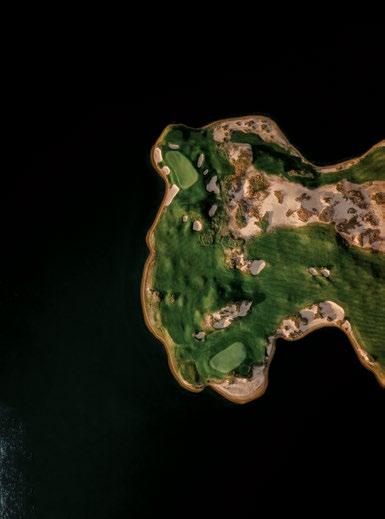
PHOTO Brandon Carter
Printed in the USA
SOCIALS VISIT
kingdomgolf kingdommag kingdomgolfmag
Newsletter
Subscribe at: kingdom.golf/kingdom-newsletter
Kingdom is a luxury lifestyle and golf magazine enjoyed by more than 2 million readers annually through our print publication, social channels, website, newsletters, and events. Co-founded in 2003 by Arnold Palmer, Kingdom continues the King’s legacy with original content that celebrates excellence and the modern golf lifestyle, both on and off the course.



As 2025 draws to a close, I have found a few moments to reflect on the last 12 months.
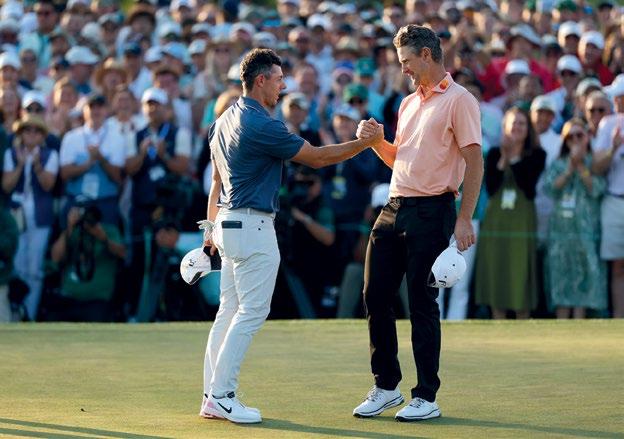
I feel fortunate to have watched some great, historic golf—my highlight being this year’s Masters, when Rory McIlroy defeated Justin Rose in a playoff—and to have played some great new courses with friends.
We celebrated our most successful flagship event to date, the Kingdom Cup, on Hilton Head Island, where I enjoyed spending time with our good friend Annika Sörenstam. Annika was very kind to give me a putting lesson, and I am delighted to report that her advice has helped me on the greens significantly! That said, I experienced one of my worst moments at Kingdom Cup when my only bad shot of the day was in front of another good friend and our contributing editor, Alexandra O’Laughlin. Thankfully, it was on a par-3 tee where Alex was also able to hit a shot for our team, and she duly delivered the ball to within three feet of the flag. Well played, Alex, and thank you for turning a low moment into one of my highlights of a very memorable weekend!
While 2025 has not just been about watching or playing golf, those fleeting Kingdom Cup moments remind me just what this amazing sport has given me over the years, the many great people I have met through the game, and the shared memories that will remain with me always.
I hope that you can find ideas for some new experiences on and off the golf course in this year’s installment of the Kingdom List (starting on page 66). As we put the finishing touches on the Kingdom List and our winter issue, I’d like to raise a glass to all of you, and also to the game of golf. For all that it gives us, there is no other sport like it.
Finally, I want to say a heartfelt thanks to all of my team on Kingdom, who continue to go above and beyond on a daily basis to create and improve Kingdom’s offerings. I genuinely could not do it without you.
Cheers and happy holidays!

497 travel awards, the best golf in the Caribbean, 7,000 acres of pure paradise.
Celebrating 50 years of luxury, at the world’s most celebrated resort.
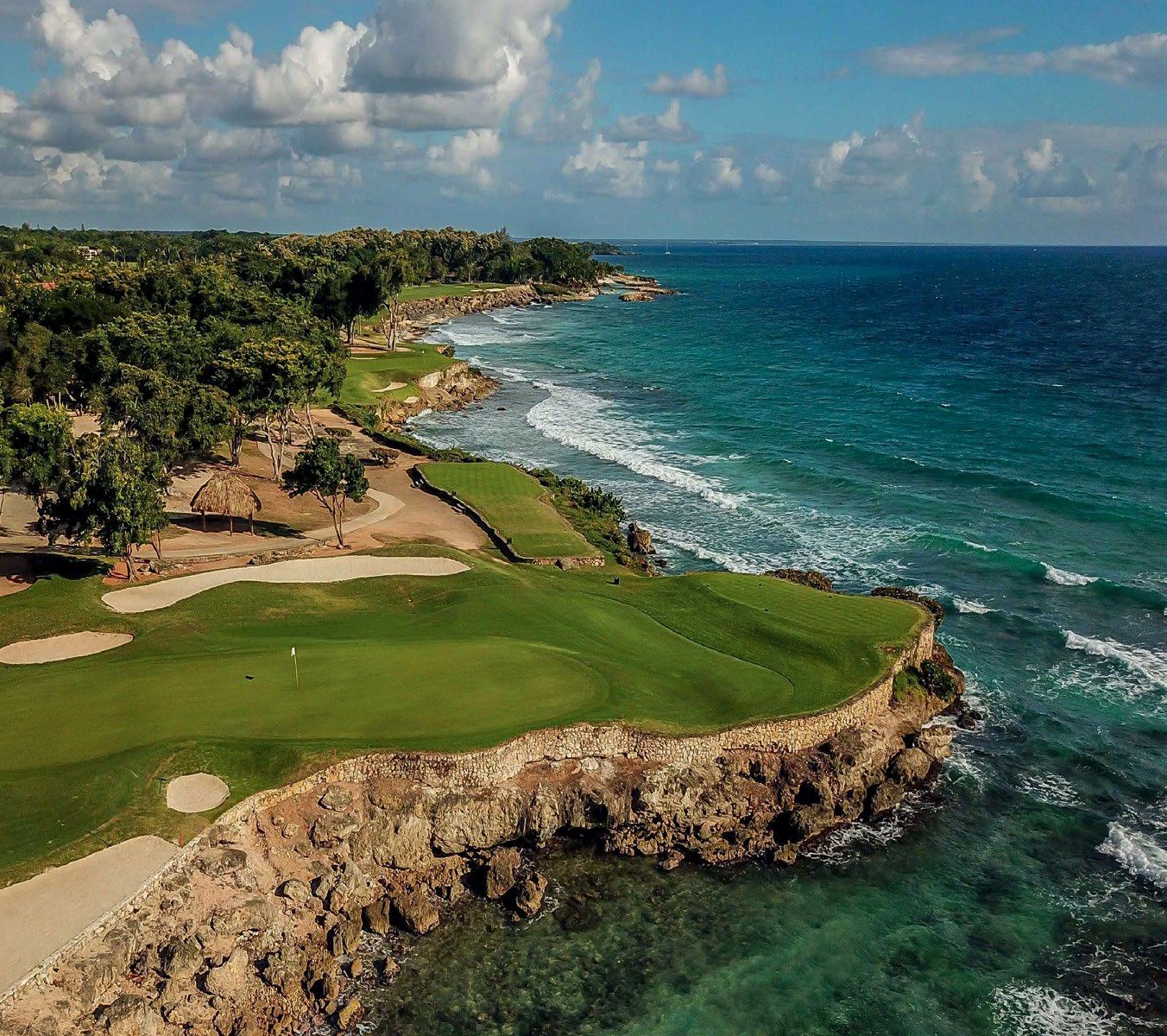
Since it opened as the first resort in the Dominican Republic, Casa de Campo® Resort & Villas has been a favorite luxury destination for discerning travelers the world over. Celebrating our 50th Anniversary, we continue to offer unparalleled experiences with three Pete Dye-designed golf courses, including Teeth of the Dog, the #1 course in the Caribbean, breathtaking accommodations in spacious guest rooms or private villa homes, pristine beaches, eight restaurants offering world class cuisine, a state-of-the-art Spa, a marina, equestrian center, racquet center, shooting course, and more await.
Discover more at casadecampo.com.do • golf@ccampo.com.do • 800-877-3643
2024
Our annual review celebrates the best of 2025 in the golf world and beyond, as selected by Annika Sörenstam, Geno Bonnalie, Alexandra O’Laughlin, and other Kingdom panelists and editors.
Fresh off his first win on the PGA Tour, the Belgian upstart has his eyes set on even bigger accomplishments in 2026.
In a Kingdom exclusive, the living legend explores his family’s legacy in golf.
An insider’s guide to an epic winter golf destination, from dramatic desert courses to sublime post-round retreats.
Would you play three classic links courses—and former Open venues—on the same (rainy) day? This is the tournament for you.
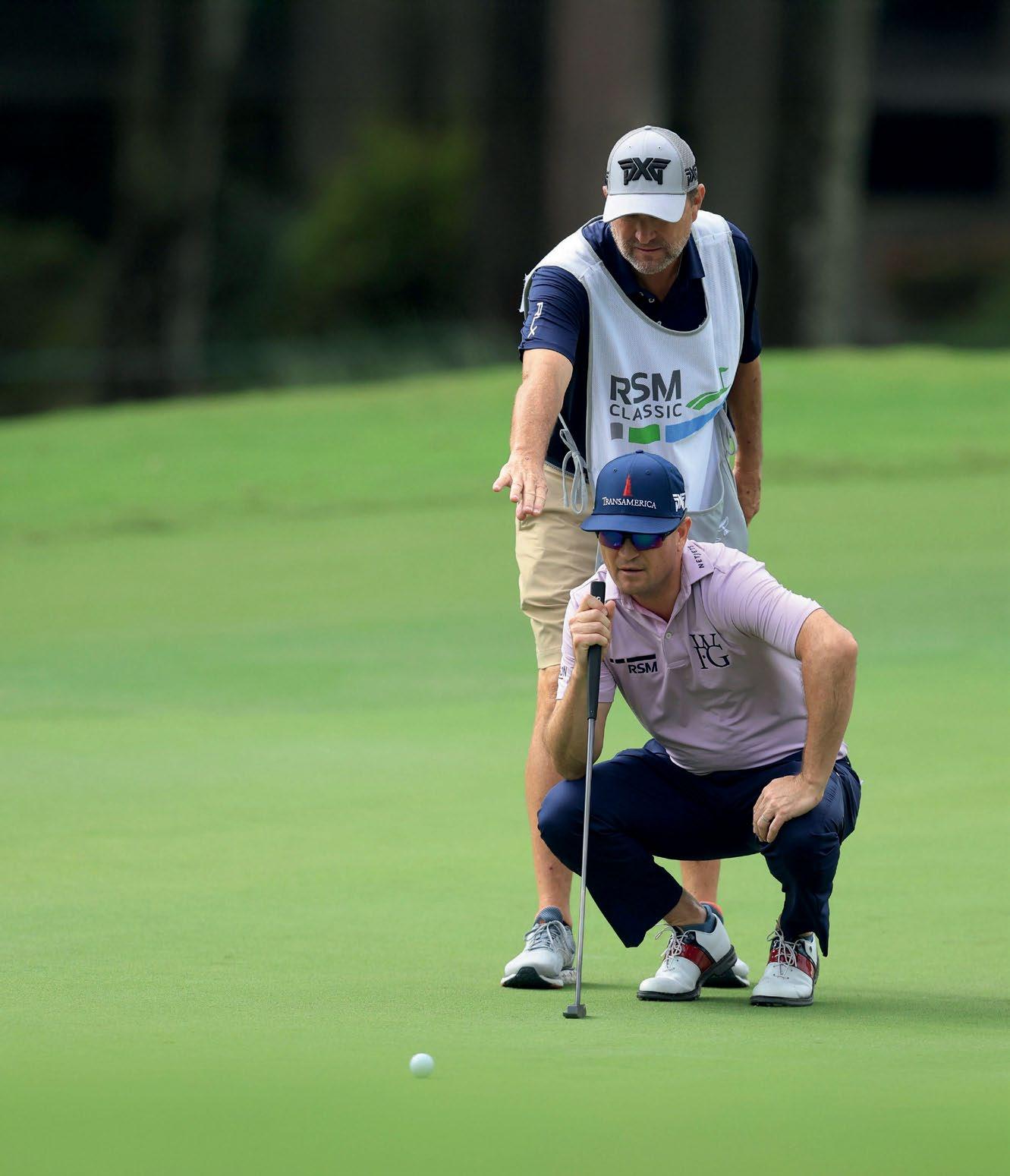
Today’s business environment doesn’t reward the reactive—it demands bold, forward-thinking leadership. Like a seasoned caddie, evaluating each shot with insight and experience, RSM stands as the trusted advisor middle market leaders rely on. We don’t just keep pace; we anticipate what’s next. With unmatched insight and clarity, we deliver the power of being understood—so you can navigate uncertainty and seize opportunity with confidence. RSM turns challenges into victories. Let’s get to work. rsmus.com
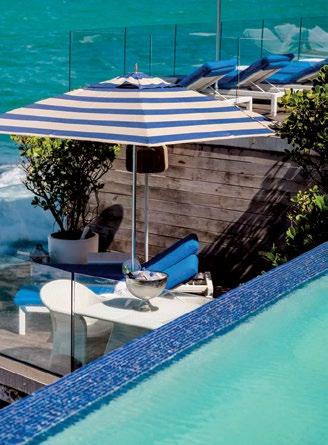
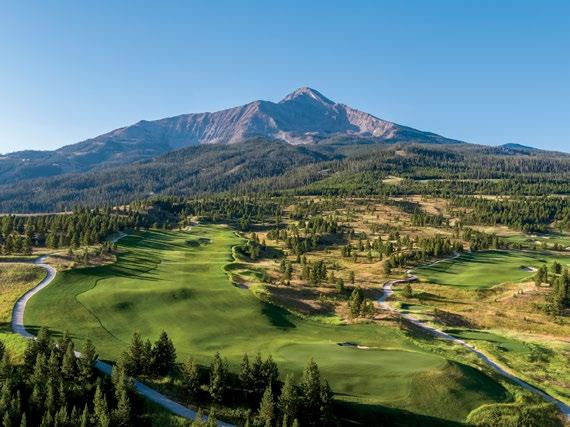
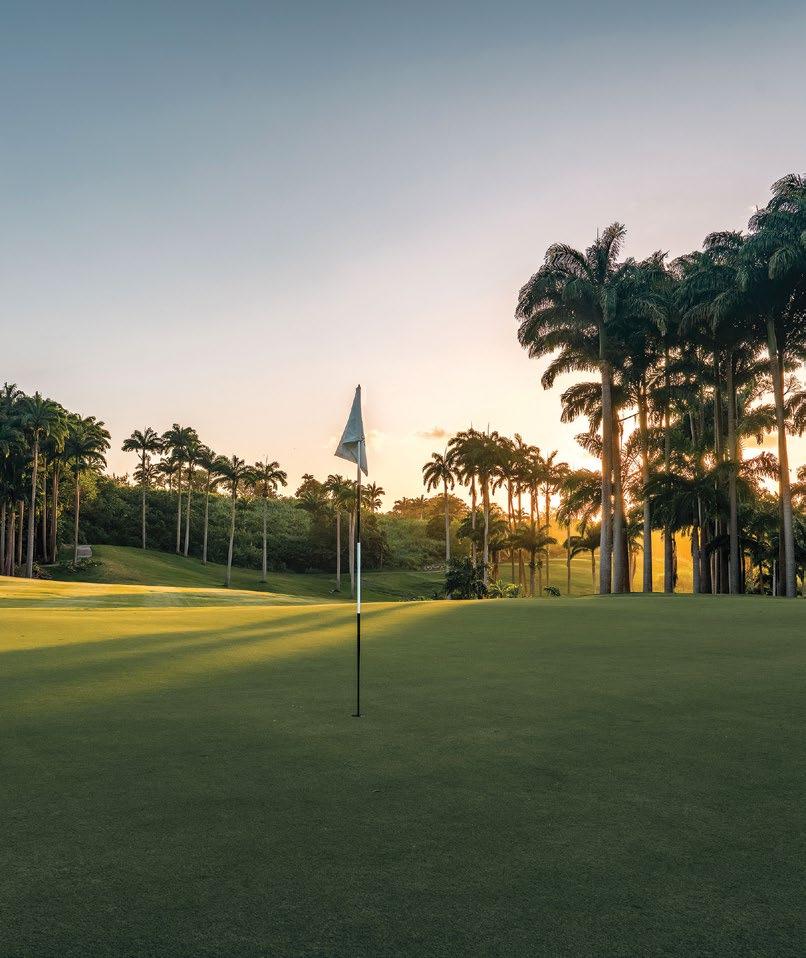
Palmares Ocean Living & Golf has been setting the benchmark for golf and hospitality in southern Portugal for 50 years, and it is set to prosper for another half-century and more.
Opened in 1975 as an 18-hole golf course, Palmares has gradually expanded over the decades into an integrated resort, complete with a five-star boutique hotel. The property is positioned beautifully in the Algarve region, with views over the Alvor estuary and the Bay of Lagos.
Palmares’s original 18 have become 27 holes designed by Robert Trent Jones Jr. The resort’s clubhouse—a striking example of futuristic design that remains in tune with the natural environment—is home to the Michelin-starred Al Sud restaurant, which turns out some of the finest contemporary cuisine in Portugal.
New apartments and villas will be available in spring 2026, as Palmares Ocean Living continues its carefully planned evolution.
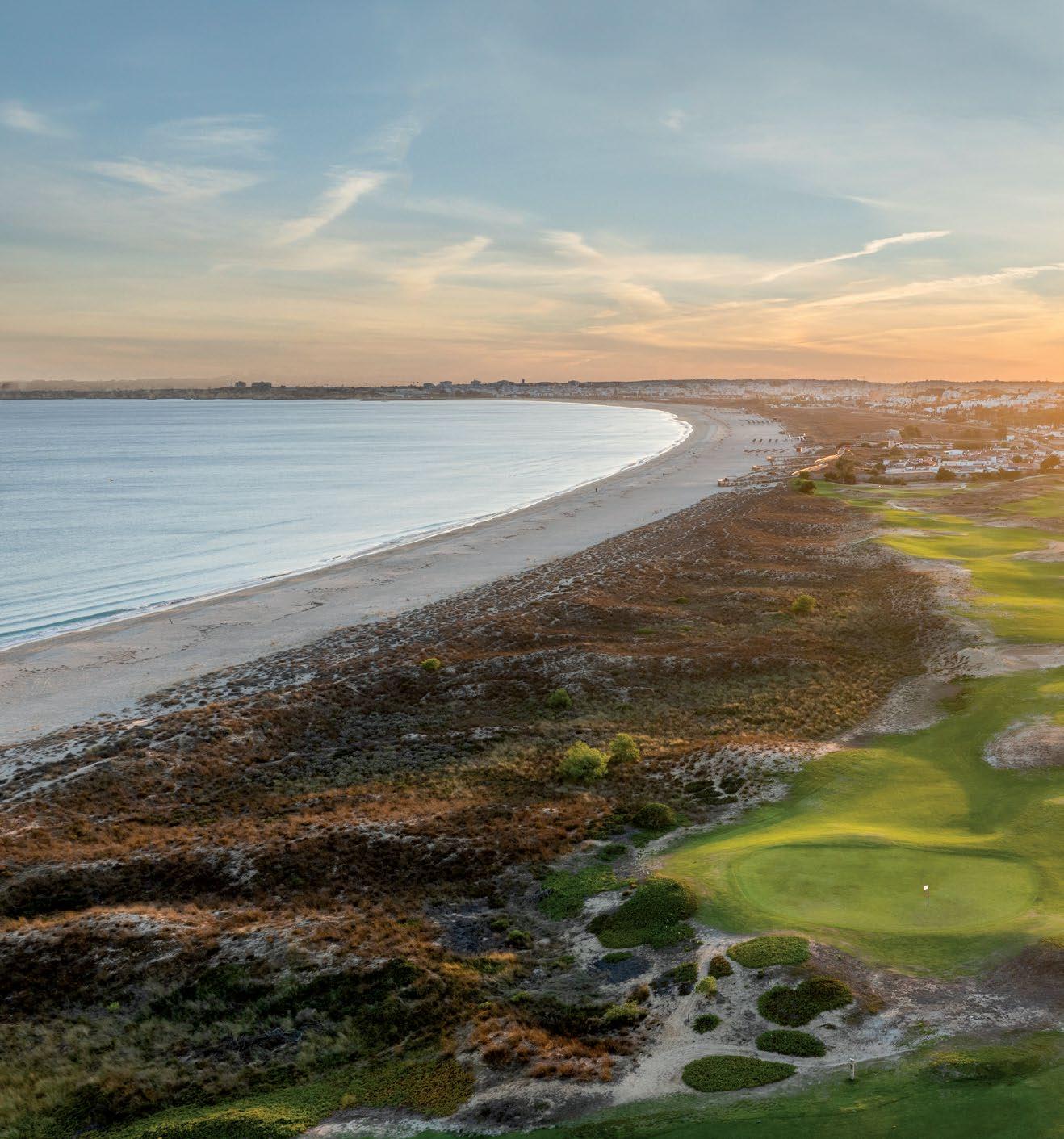
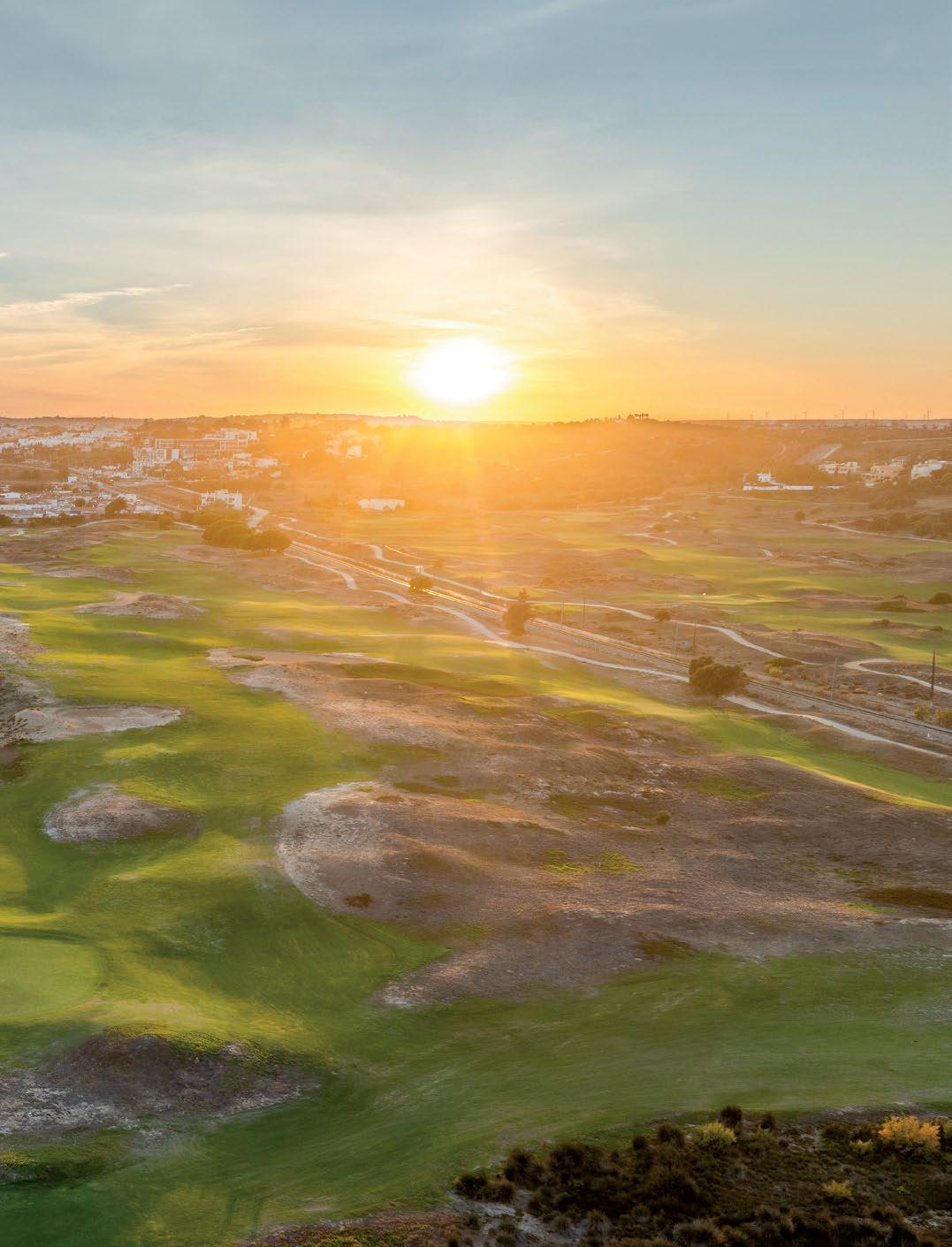
Winter fairways, weekends in Puerto Rico, DMK’s latest creation & more
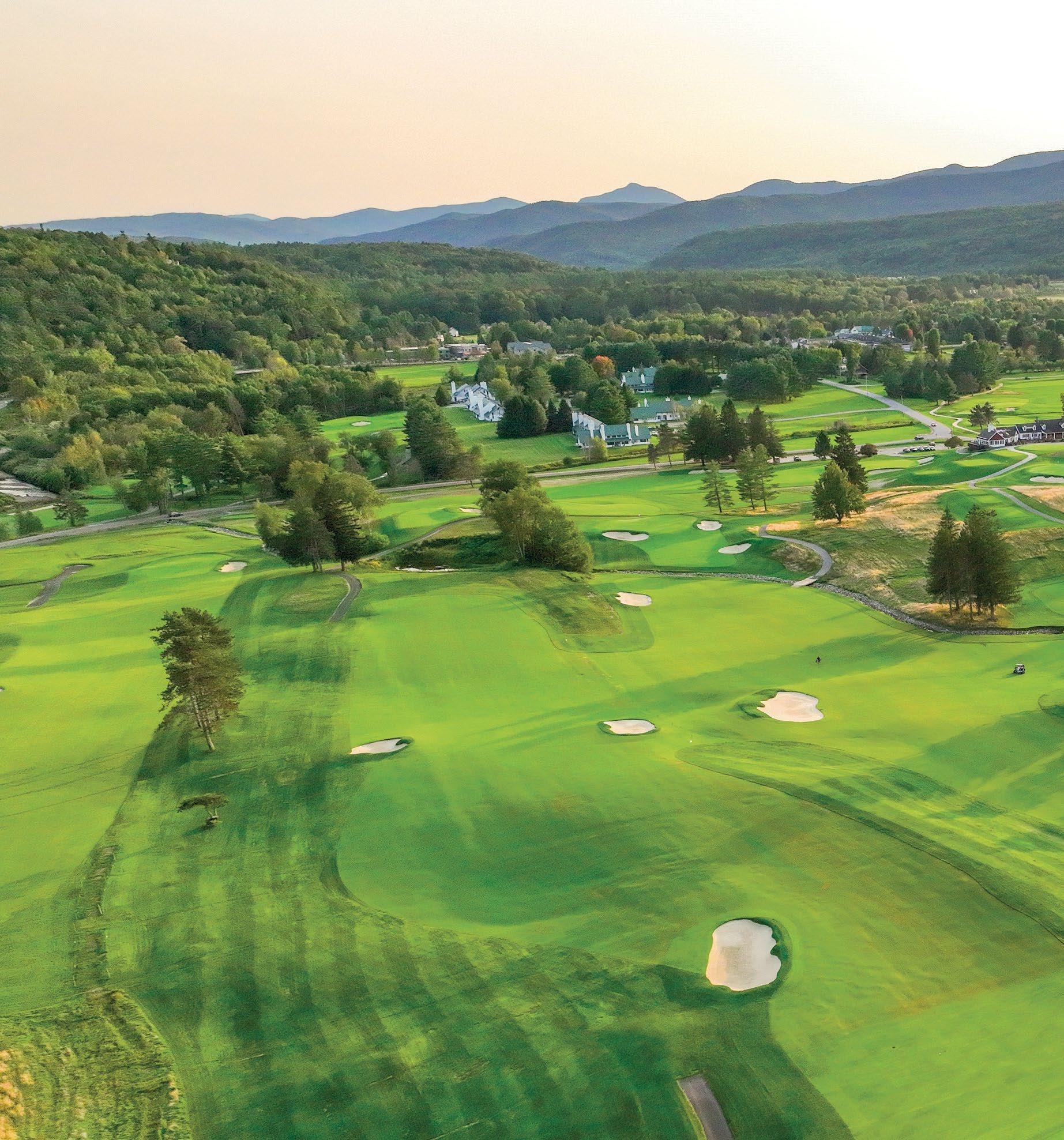
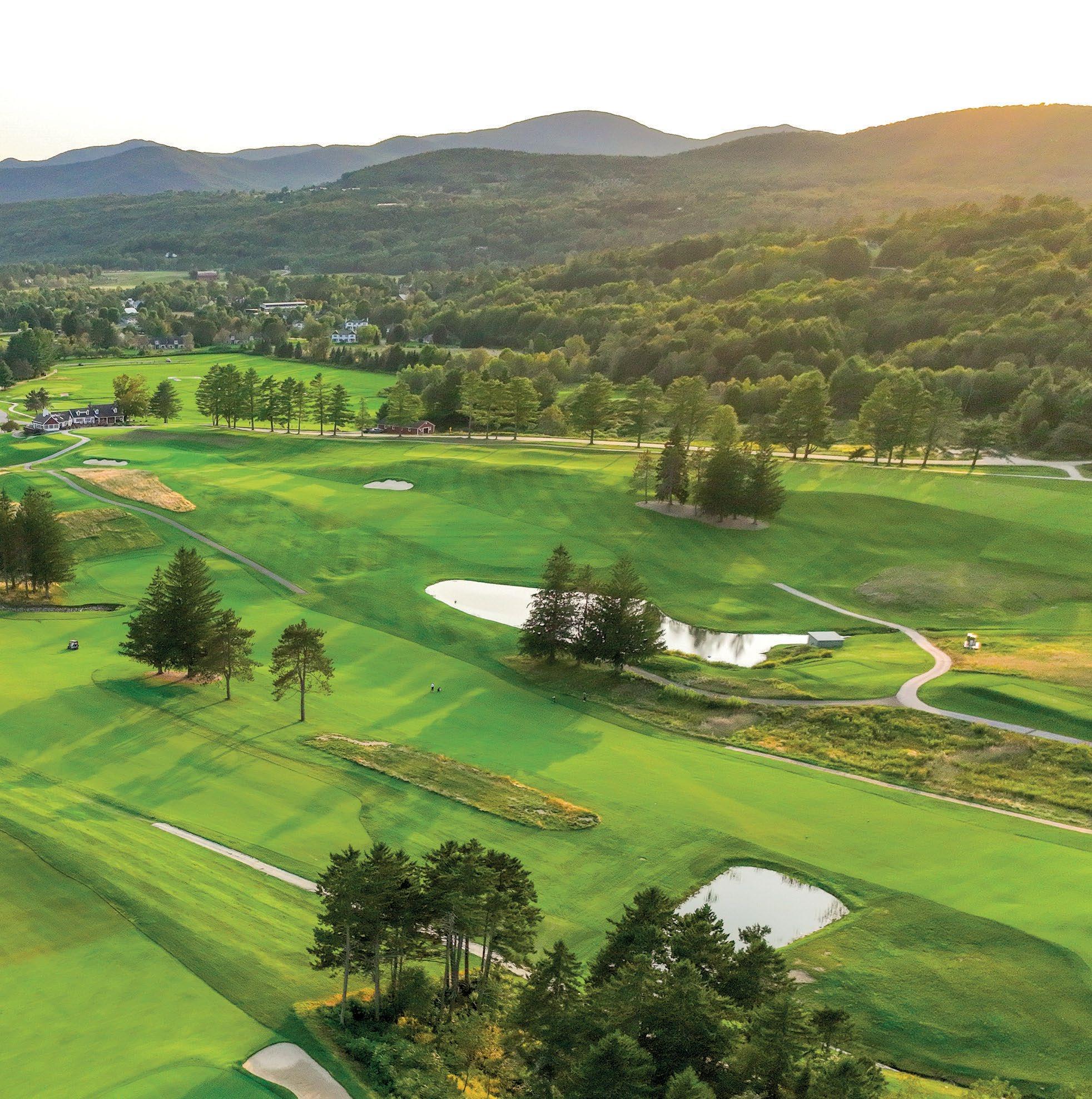
Winters in Stowe, Vermont, typically have us fantasizing about fresh powder, groomed trails, and overnight snowstorms. This year, however, we’re dreaming about the spring golf season, when the recently redesigned Stowe Country Club course will open for play.
Helmed by Beau Welling, the redesign project included the reshaping and relocation of bunkers, especially around the greens, offering more options on approach shots. Several greens were also repositioned (in some cases by almost 50 yards), which creates new shot angles and promotes use of the ground game. Hundreds of trees were removed across the property to open sightlines of the surrounding landscape.
Ironically, the new look at Stowe Country Club makes the 73-year-old course seem even older than it is. That should only add to its appeal. “Especially as the fescue grows in and matures,” says Michael Harger, the club’s general manager, “it’s going to feel like a golf course that’s been there for a hundred years.”
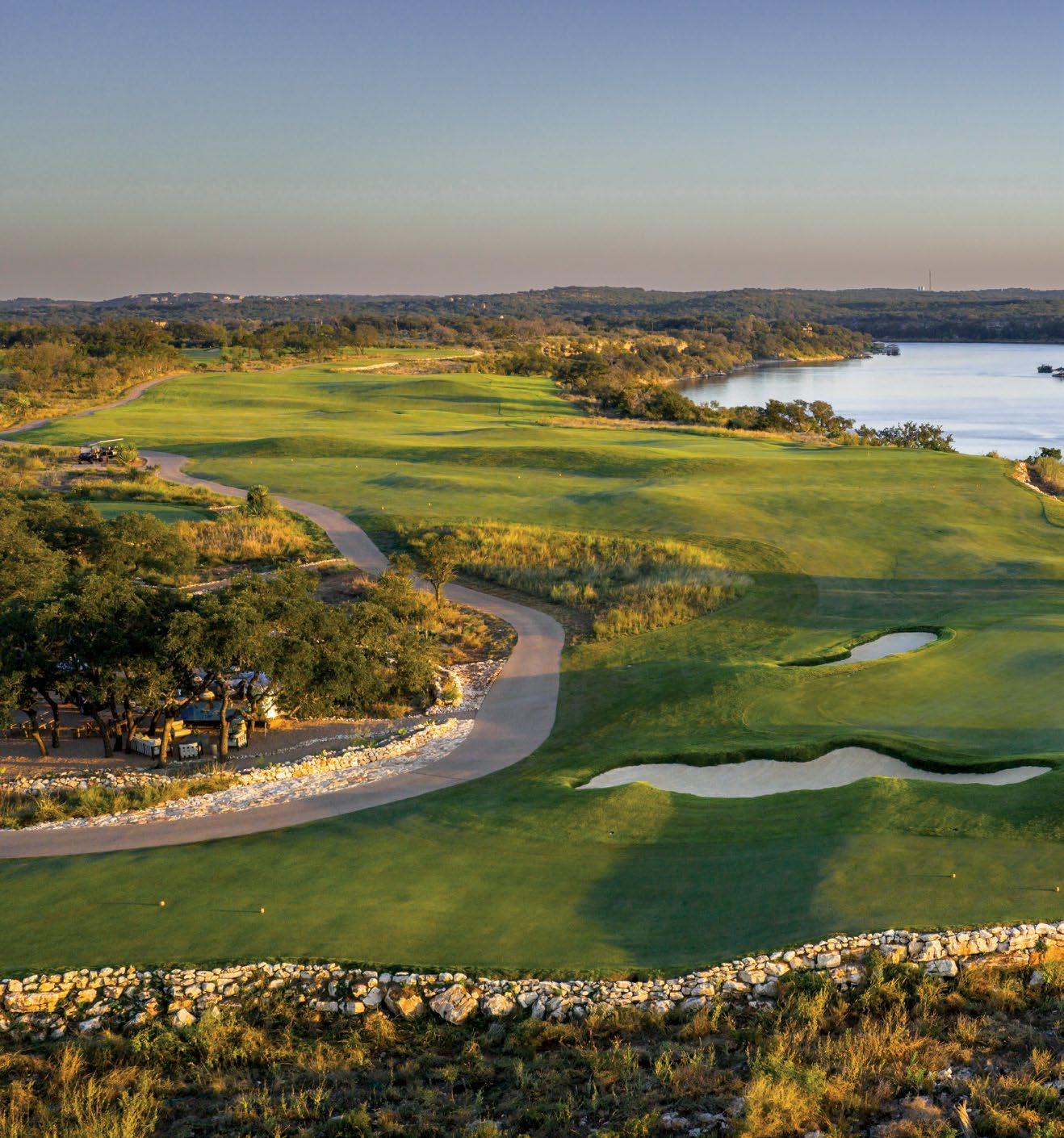
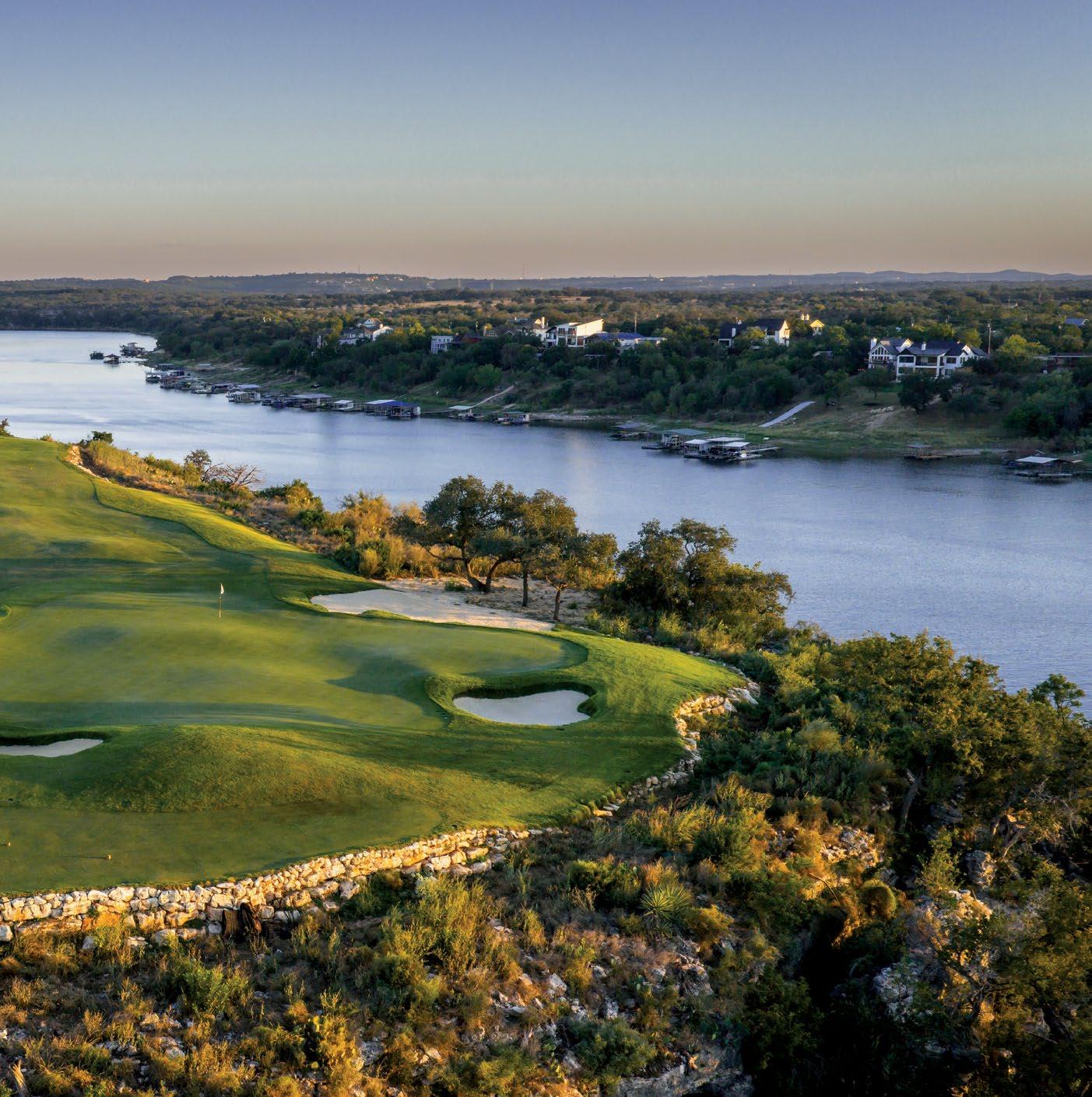
During the two-year construction of his golf course at Loraloma Club, David McLay Kidd discovered that everything really is bigger in Texas—including the rocks.
The Scottish designer’s first foray in the Lone Star State was defined by golden opportunities and countless curveballs. The club’s developer, Areté Collective, allowed McLay Kidd to choose the best parcel of land along the Pedernales River, west of Austin, to route the course. But as he and his team soon discovered, the land’s composition just below the surface was wildly inconsistent. “On some parts of the site, you’re on caliche clay and you’ve got ability to make adjustments,” he says. “But on other parts, you dig down a few inches and it’s Mother Earth—and she doesn’t want to be messed with.”
Vast stretches of bedrock and immense collections of limestone boulders extended more than 40 feet deep in some cases. The rocky conditions could reveal themselves at any time, so McLay Kidd and his team “had to be willing to make design decisions hour by hour to try to make the best of the ground.”
The 7,412-yard course they built, which debuted in October, showcases McLay Kidd’s proclivity for letting natural contours funnel shots to specific areas, both in the fairways and on the greens. The course is part of the Loraloma Private Club and Estates community, and memberships are available only to homeowners.


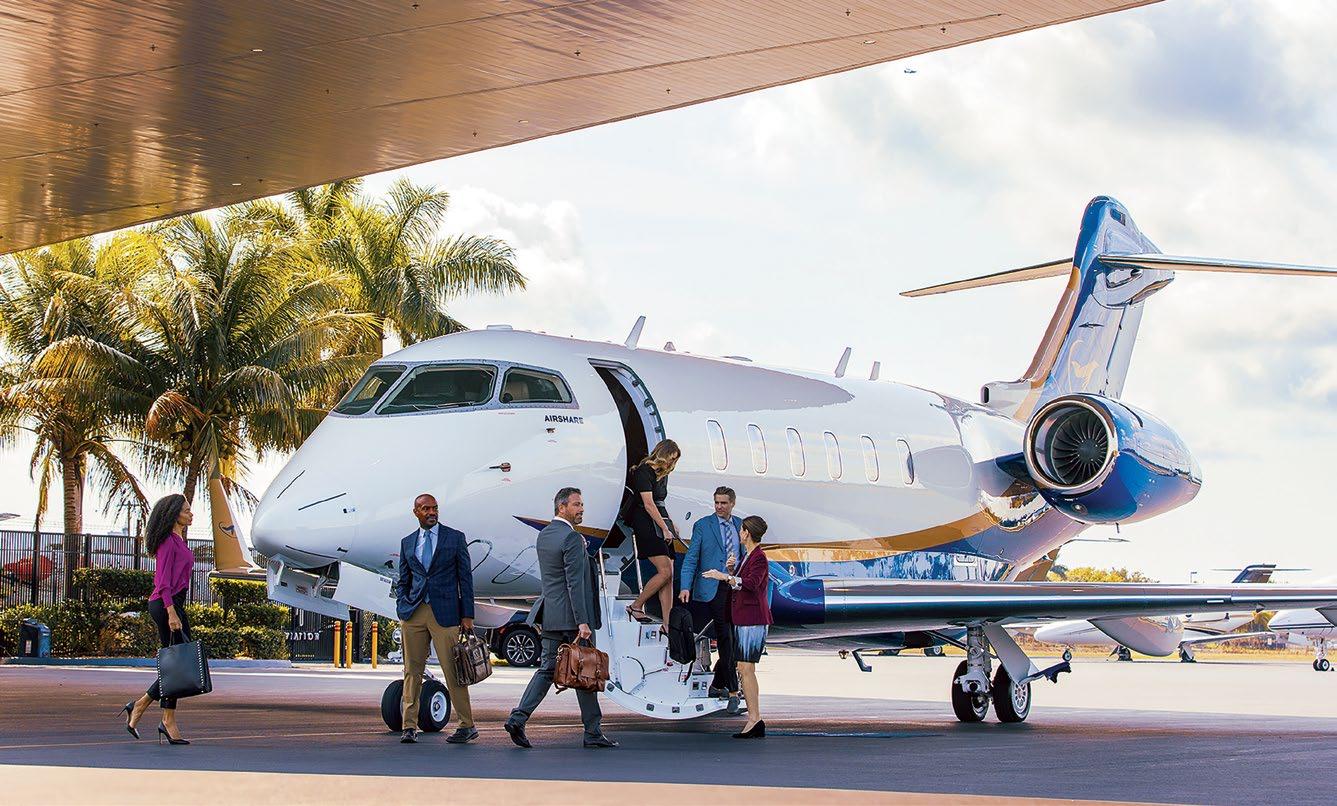
Airshare has immediate access to the Challenger 3500 and Phenom 300.
Other fractional programs require deposits on aircraft deliveries that never arrive as promised. We believe your expectations should be much higher.
With Airshare, you can be flying private today. Fractional shares and jet cards are available now in the Challenger 3500 and Phenom 300 — so you can travel on your terms, not theirs.
Let’s get you in the air.
Visit FlyAIRSHARE.com or call (800) 225-2862.
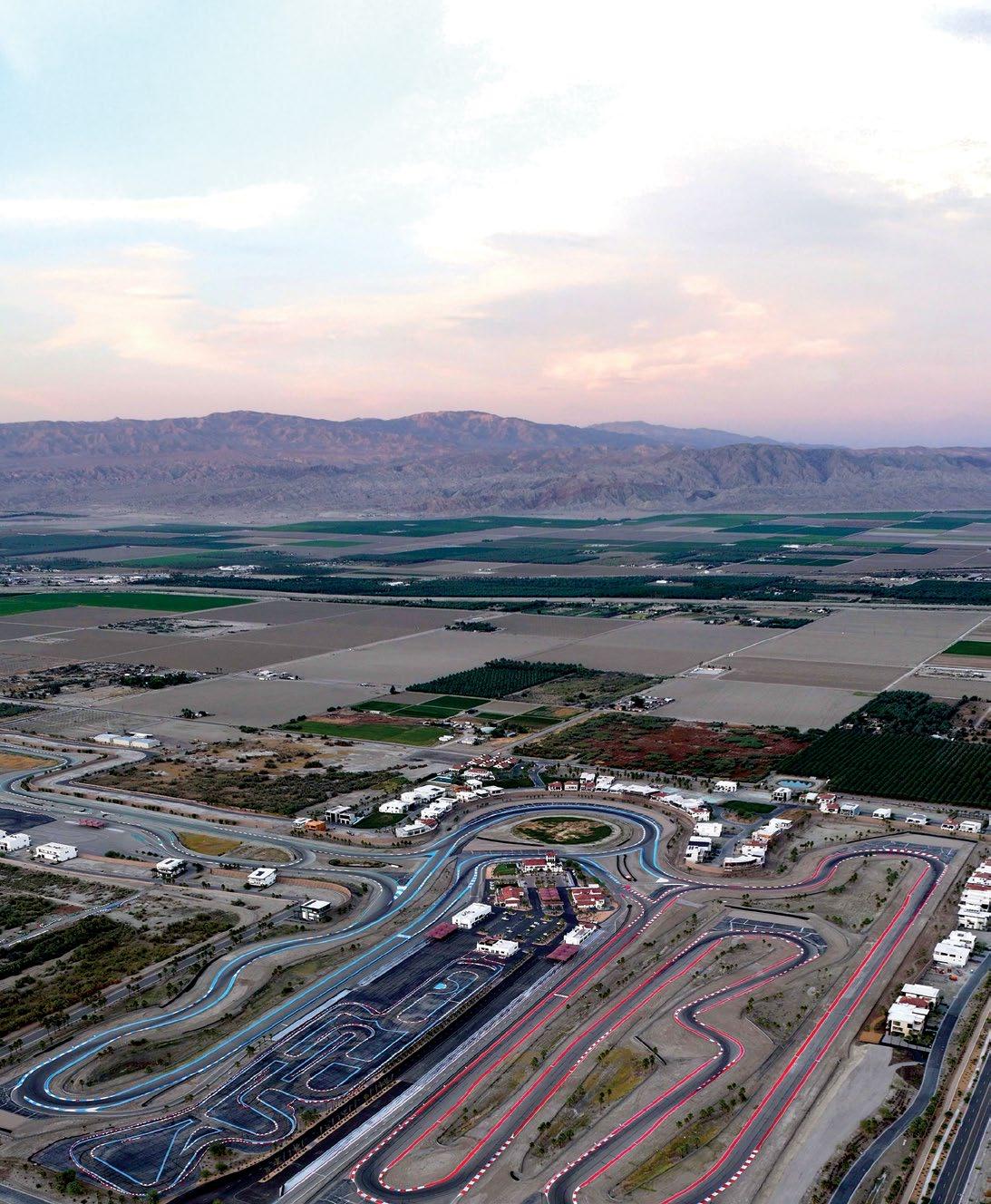
Guests of the Ritz-Carlton, Rancho Mirage, in Southern California’s Coachella Valley, can play the two Ted Robinson–designed courses at Desert Springs Golf Club and dozens of other layouts in the surrounding area. Now, they can also access courses of a different kind—the private racetracks of the nearby Thermal Club. As part of a new partnership, the Ritz-Carlton is the only U.S. hotel to offer privileges at the motorsports haven, where guests can get behind the wheel of exotic cars by Ferrari, Porsche, and other legendary marques.
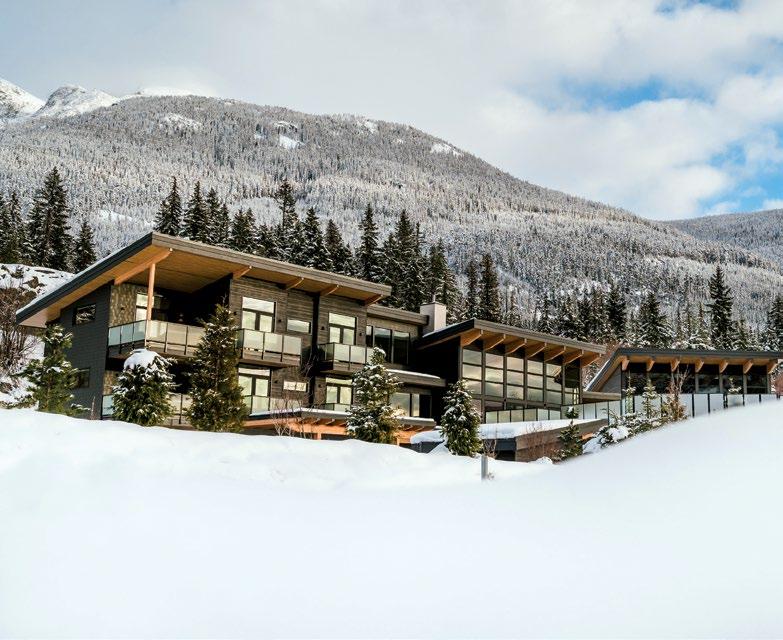
Ice, sleet, and snow can’t keep us away from a few of our favorite golf courses this winter. Rather than our sticks, however, we’ll be bringing our skis, skates, and dog treats.
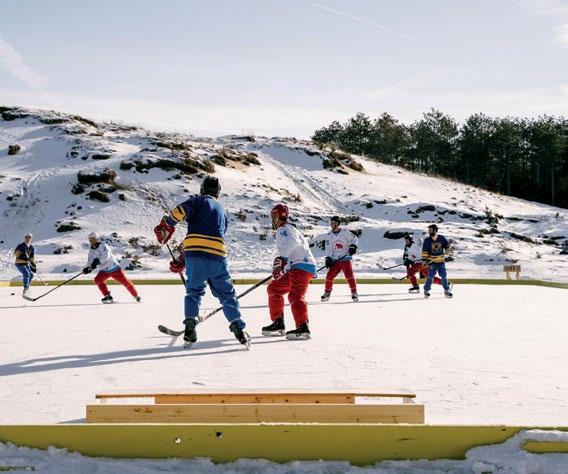
Find a fresh new perspective on Sand Valley’s prehistoric dunes when the Wisconsin golf resort’s courses transform into routes for crosscountry skiing, sledding, and snowshoeing. The 12,000-acre property also offers areas for ice fishing, pond hockey, and curling.
Feel the rush of the mush when you climb into a dogsled for an hourlong trip on a snowmobile-carved track through this course at the notoriously frigid Mont-Tremblant in Quebec. You can lead the dogs yourself, groom them, give them treats, and enjoy some hot chocolate and cookies as an after-ride snack.
Set just off the parking lot of this ski resort in Banner Elk, North Carolina, the 18th hole of the Sugar Mountain golf course becomes a set of snow-tubing lanes for the winter. Tubing is available from late November to late March, regardless of snowfall, as the course is built with snowmaking guns.
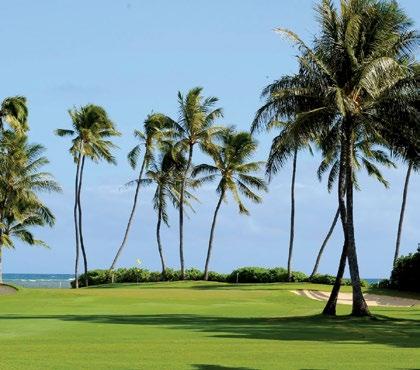
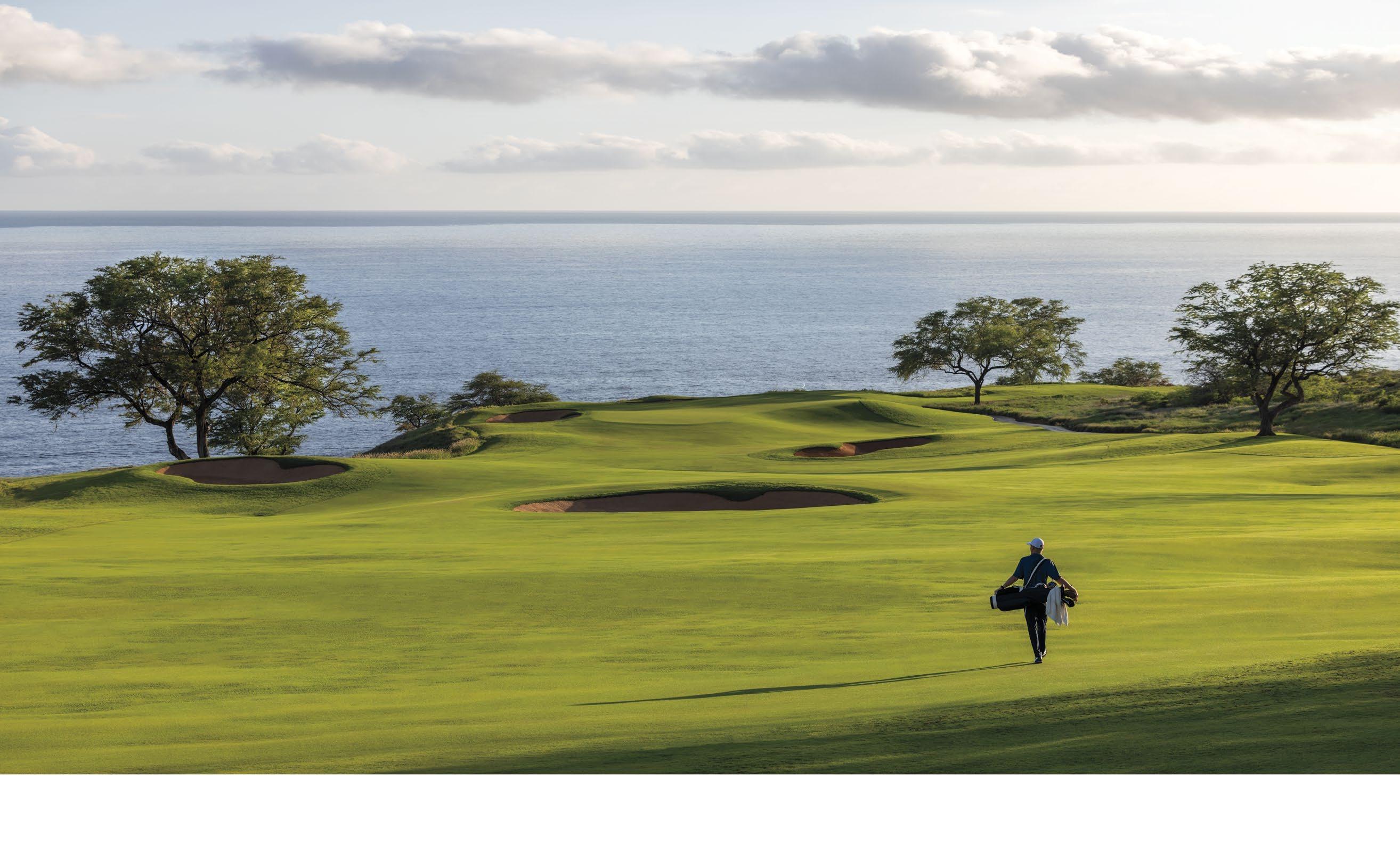
The PGA Tour has opened the year on Maui since 1999, when the Sentry tournament relocated to the Plantation Course at Kapalua. This year, however, due to drought conditions and water-conservation concerns on the west coast of Maui, the Sentry has been canceled. That means the 2026 PGA Tour season will kick off in Honolulu for the first time—specifically on the Seth Raynor–designed championship course at Waialae Country Club.
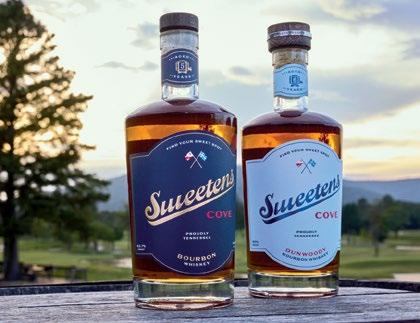
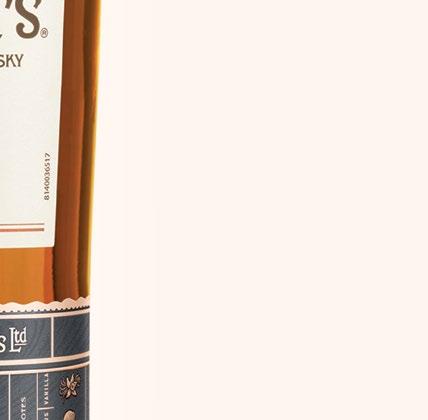
Sweetens Cove Spirits was born from the tradition of taking a shot of bourbon on the first tee of the Tennessee course that bears the same name. The brand recently unveiled two new releases—its flagship whiskey, aged five years, and a six-year-old wheated bourbon. The five-year marries flavors of caramel corn and cherry cola; its older cousin adds a layer of vanilla and impresses with its creamy mouthfeel.
The chic Domes Lake Algarve resort in Vilamoura, Portugal, has launched a new Golf Concierge service. A dedicated team is in place to assist guests with all golf-related requirements, including tee times, clubhouse reservations, and shuttles, and to organize curated golf experiences tailored to individual preferences. With an extensive range of golf options around Vilamoura, the local knowledge and connections of a dedicated concierge are invaluable.

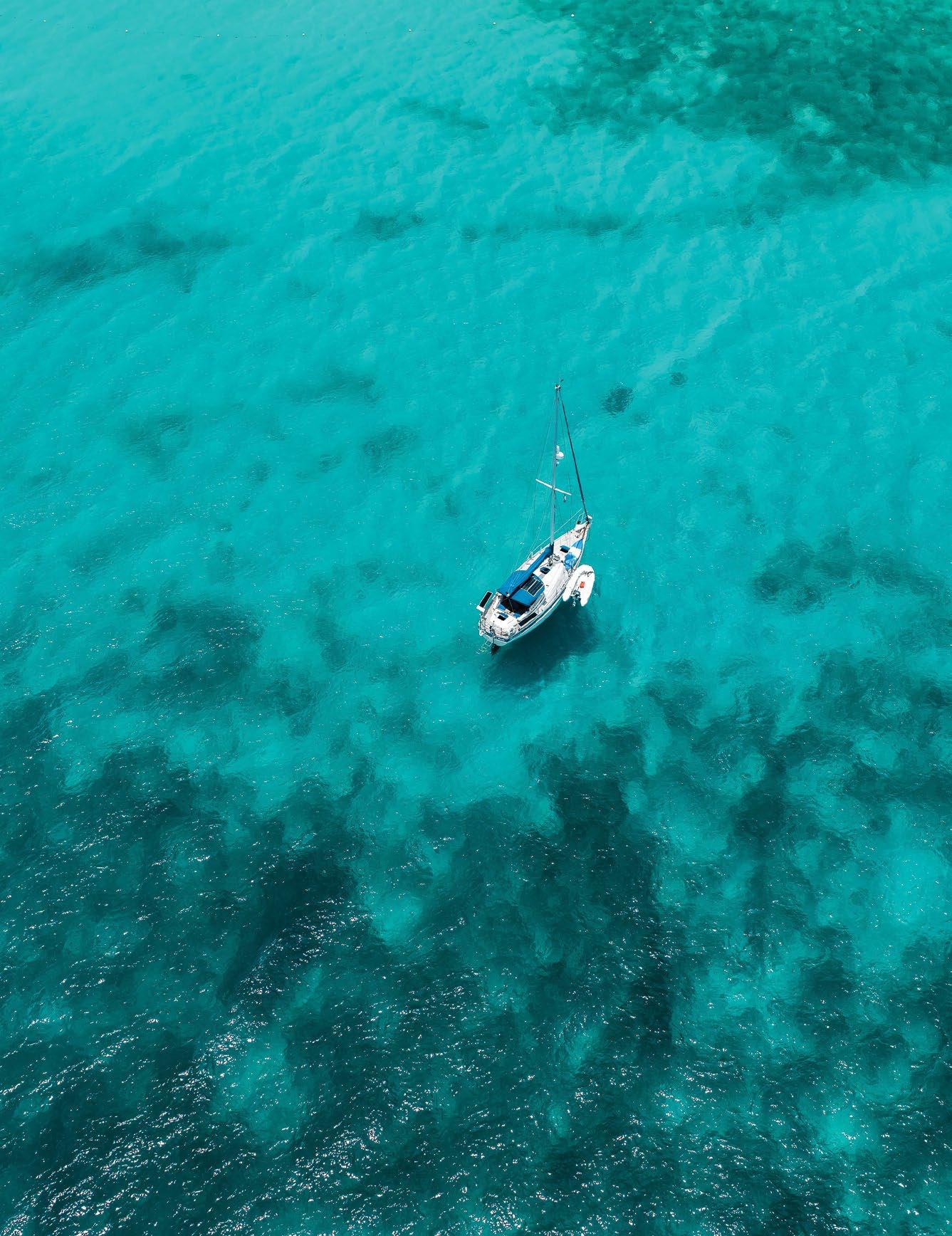
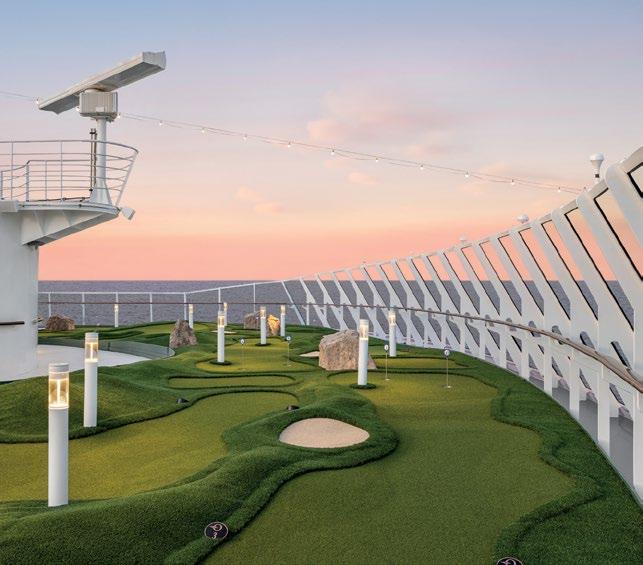
There’s no need to leave your golf game behind when you sail on Oceania Cruises’ Allura. The luxury line’s newest ship features an 18-hole putting course, complete with gently rolling hills, long greens, bunkers, and sand traps, enabling guests to keep their skills sharp (and have boatloads of fun) during days at sea. Off course, Allura’s Aquamar Spa + Vitality Center offers a state-of-the-art fitness center and indulgent spa treatments. Known for its cuisine, Oceania tempts the palate on Allura with Jacques, the French fine-dining restaurant serving dishes by Jacques Pépin; Polo Grill, a classic steakhouse; Red Ginger for pan-Asian flavors; and Aquamar Kitchen, serving wellness-inspired bites.
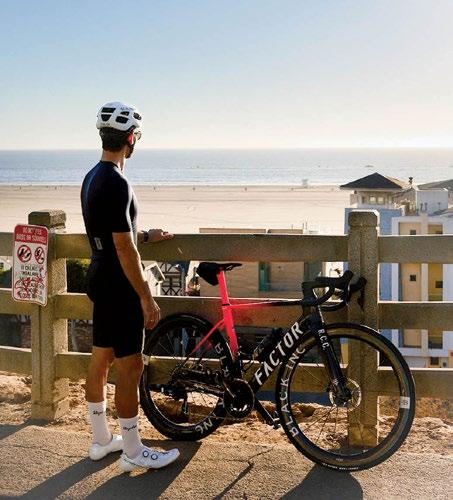
Viceroy Hotels & Resorts has introduced curated bike routes and experiences in partnership with cycling specialist Rapha. Routes to inspire discovery, adventure, and connection are now available at Viceroy Santa Monica, Viceroy Chicago, Viceroy Washington D.C., and Viceroy at Ombria Algarve in Portugal.

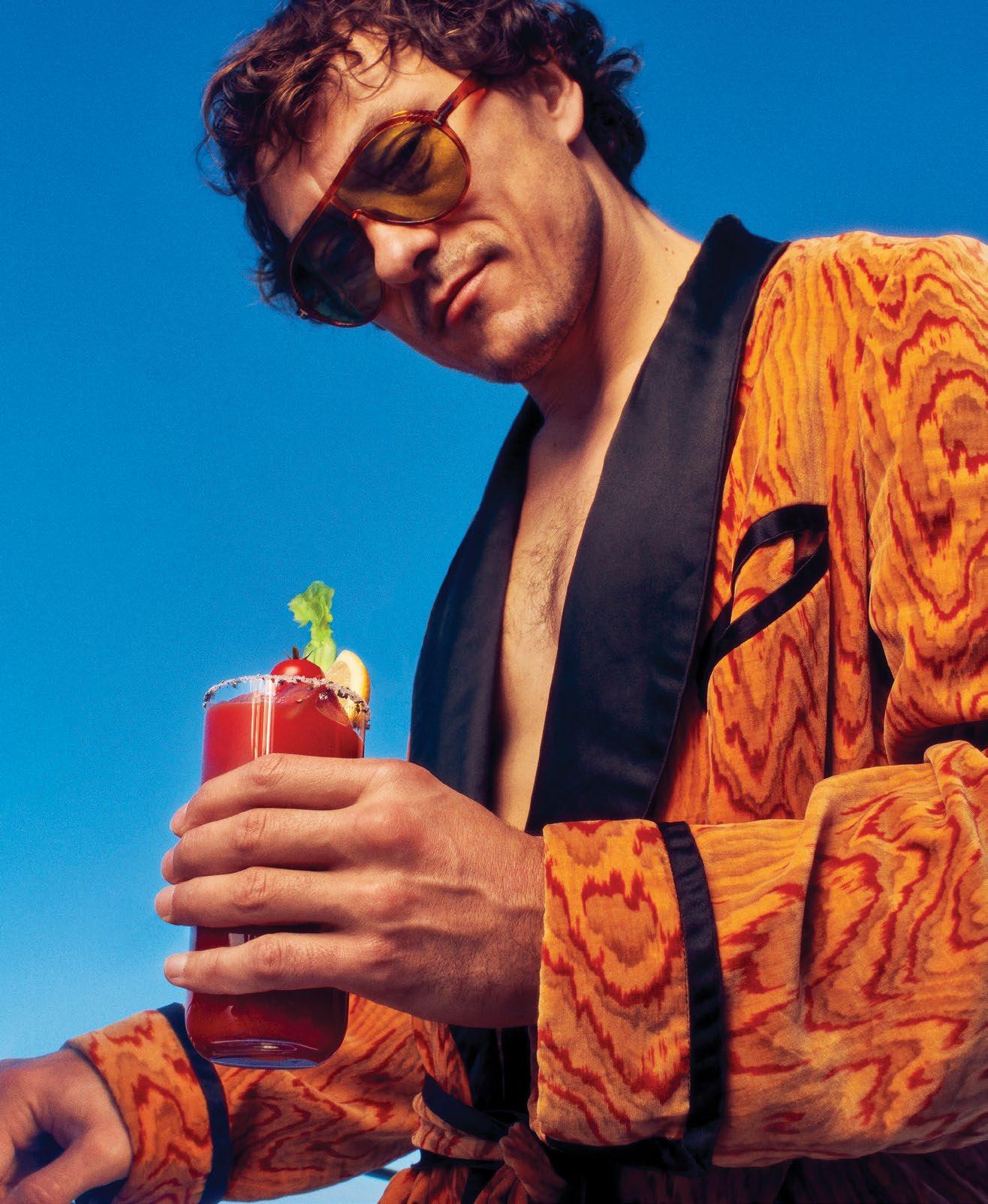
Resistance is futile. This holiday season, we’re embracing the omnipresent espresso martini.
“I’ve recently become that guy who orders espresso martinis, and I’m not mad about it,” says Roger Steele, the golf content creator, style guru, and Kingdom List panelist. “What started as a social experiment turned into a full-blown appreciation for how versatile the drink really is.”
The cocktail’s versatility owes to its slidingscale balance between bitter and sweet. “Some nights I want it bold and bitter—straight espresso doing the talking. Other times I want something smoother, creamier, with a little
sweetness to take the edge off,” Steele says. “I’ve even started making them at home with my Nespresso, using the Melozio [coffee] blend. It feels more like a ritual than a recipe. It’s wild how the same drink can feel like a jolt, a reward, or a reset, depending on the vibe.”
As for the lifespan of this increasingly popular elixir, Steele doesn’t see it going away anytime soon. “People love to say the espresso martini is overdone,” he says, “but I think we’re just scratching the surface of what it can be.” —robin barwick




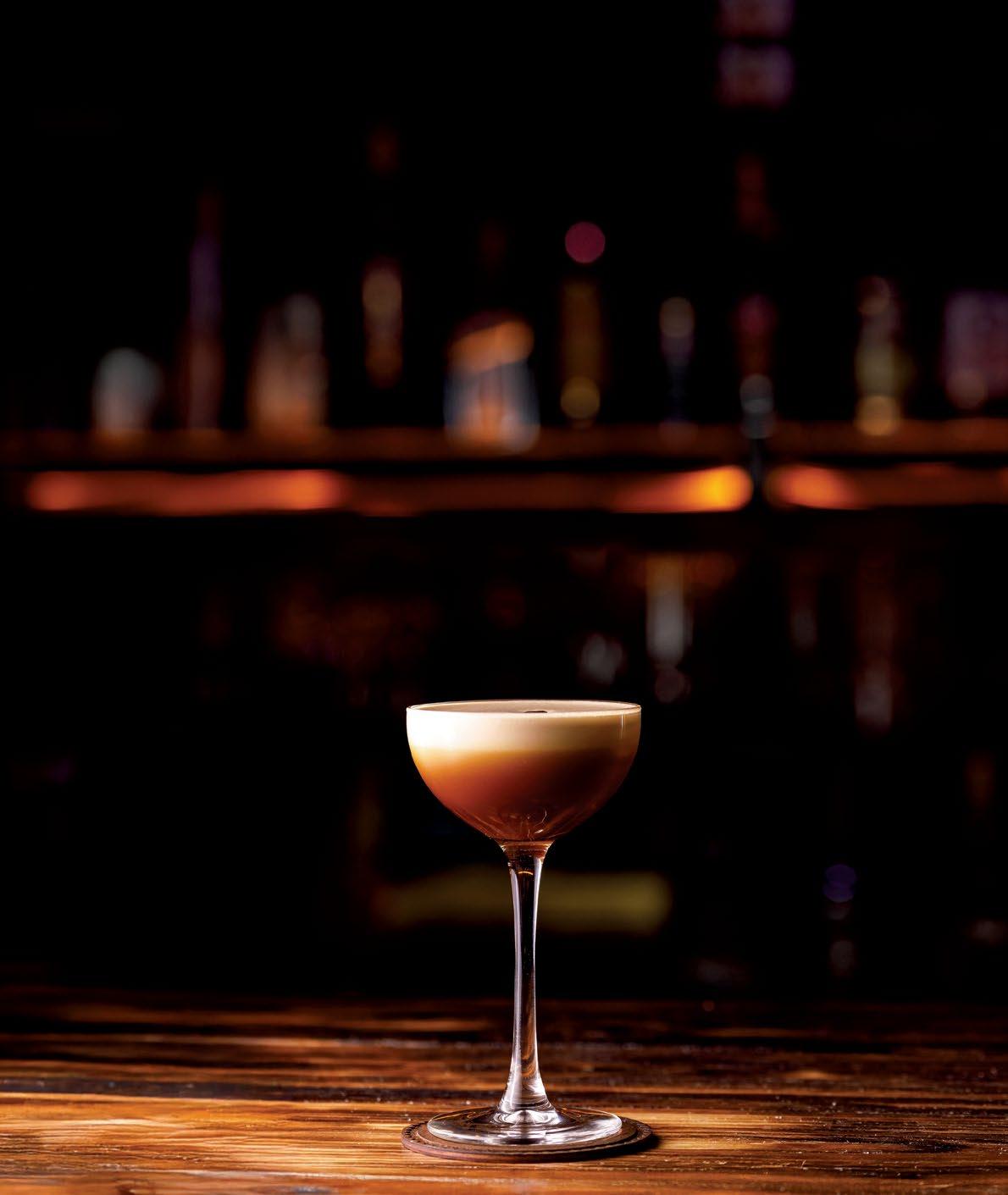
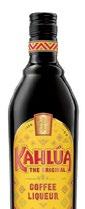
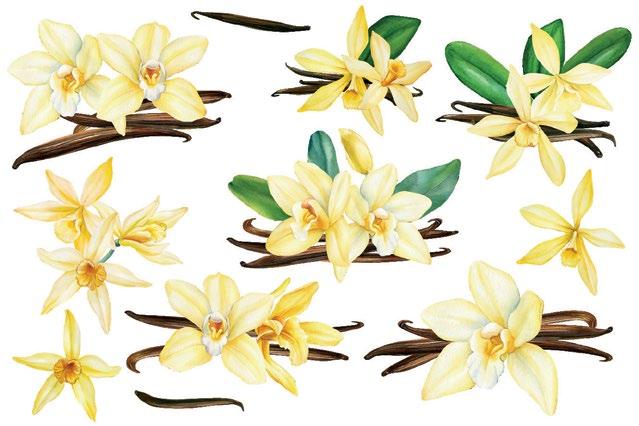
Our favorite recipe is a little sweet, very velvety, and luxurious, and comes from the sophisticated Sidecar cocktail bar in the Westbury Hotel in Dublin.
Shake and strain, pour into a coupe glass, and cap in creamy foam.
Lightly dust with cacao powder for a decadent, festive finish.
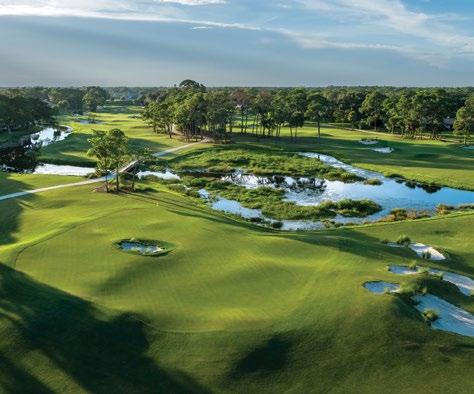
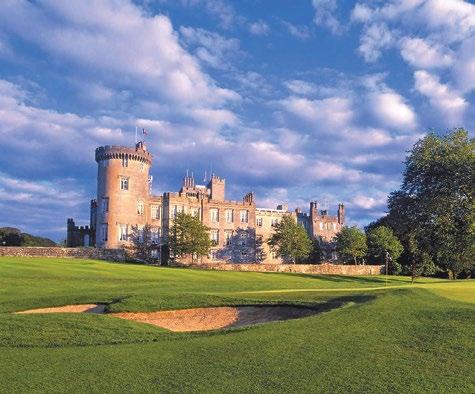
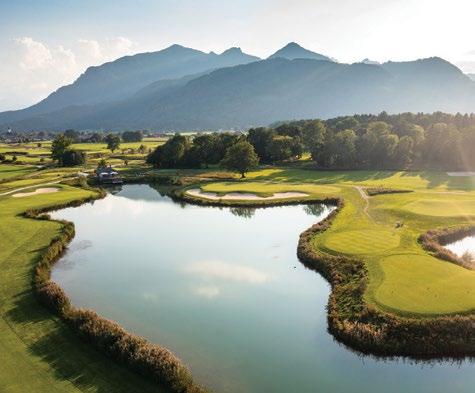
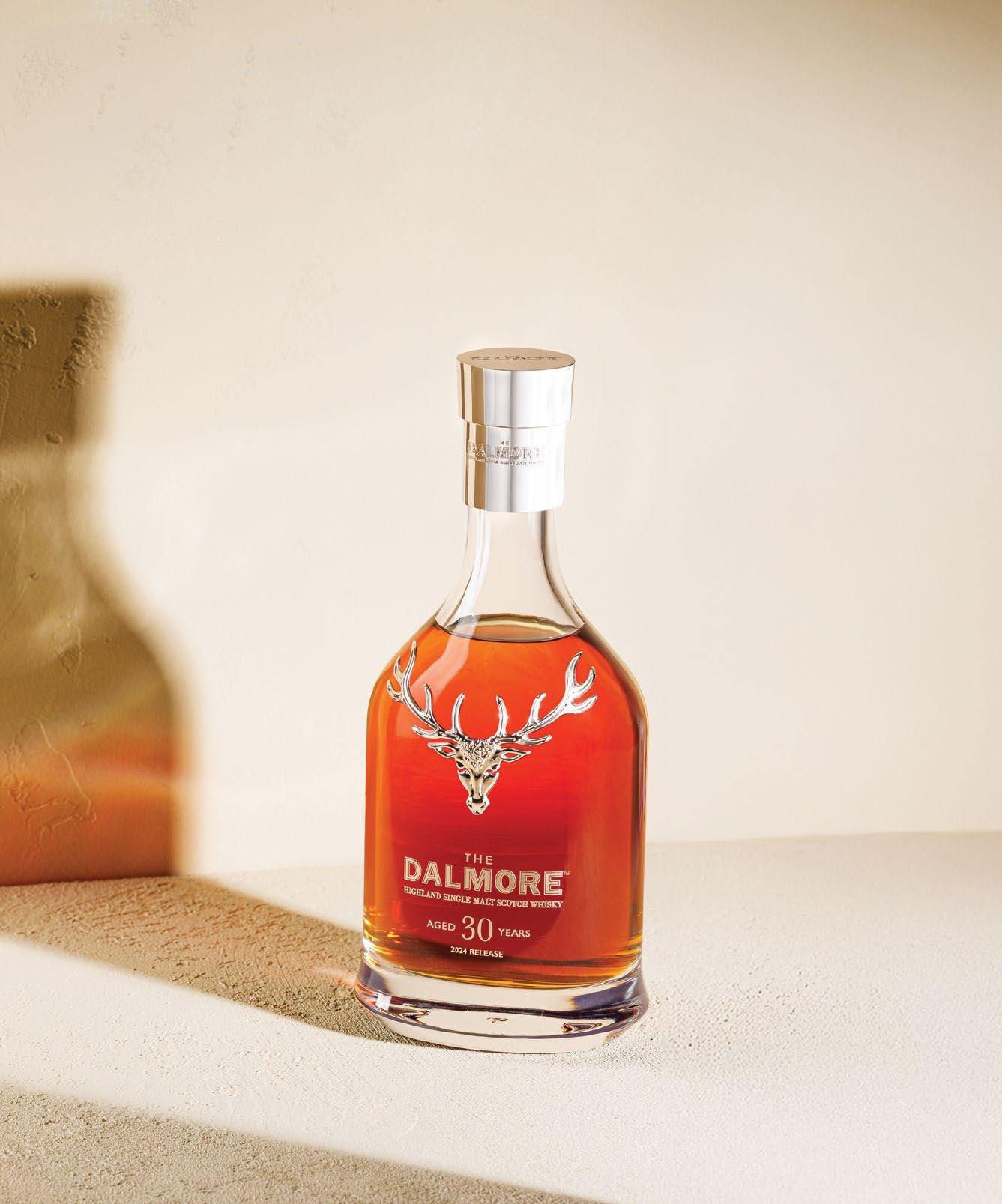
Soul of Nomad, a Silicon Valley–based brand rooted in luxury denim and premium luggage, debuted its first golf bags almost five years ago. The initial line of bags was the result of a collaboration between the brand’s artisans, designers, and loyal golfing customers—the latter of whom served as consultants, offering perspective on what a luxury golf bag must have and what existing bags had historically lacked. “Hand-in-hand, club members and our designers and artisans worked together to develop something unique, recognizable, and functional to reflect the lifestyle of any modern-day golfer,” the company’s co-founder and then-CEO, Nazym Ashina Son, said at the time of the debut.
The bags born from that collaboration, the Kennedy line, were named after both the 35th President of the United States (an accomplished player with a single-digit handicap) and his wife, Jacqueline Kennedy-Onassis, who was revered for her sense of style. The company’s latest special-edition golf bags take a turn in a new direction, representing Son’s affinity for motorsports. They also reflect his past as an industrial engineer with Tilke Engineering & Architects, where he contributed to the creation of Formula One circuits and their integrated upscale resorts.
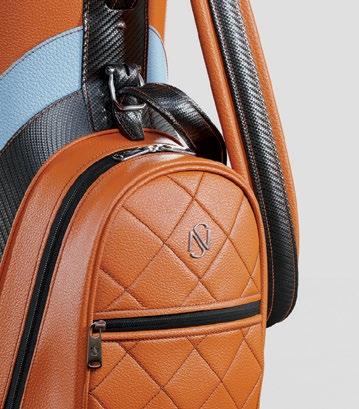
Branded the Emissary of Speed, the bags sport a distinctive color scheme—burnt orange with sky blue and black—which serves as an ode to the iconic Gulf livery that seemingly defined endurance racing throughout the 1970s and ’80s. “It’s almost like reshaping that classic racing car in the form of a golf bag,” Son says.
In keeping with the brand’s Kennedy line, the Emissary of Speed bags are defined by their high-end materials; every component is sourced from Italy, be it the silverbrass hardware or the carbon-fiber-finished leather. “There are no cheat codes; it’s all about precision,” Son declares. “The quilting, the shaping of the pockets, the decorative perforations—it takes our artisans 60 hours to make one bag.

Everything is hand stitched.”
Even the bag’s iconic burnt-orange hue required significant time to perfect. As Son explains, it took him several months to find an Italian tannery that could replicate that specific color.
The time and effort that go into each Emissary of Speed golf bag—combined with its limited nature (only 50 will be produced)—explain its high price tag of $15,555. However, much like the backpacks, duffle bags, and suitcases that make up Soul of Nomad’s luggage collection, the bags are designed to be heritage pieces passed down from one generation to the next. “I was driven to create a new, unique luxury American brand,” Son says. “One that, fundamentally, was about reviving American dynamism.”
As for the Emissary of Speed’s mashup of motorsports and golf, it’s a natural pairing, at least in the eyes of the man who conceptualized it. “Both sports require drive, dedication, and precision,” Son says. “Both sports require calculation and long-term planning. The people who participate in both, they have similar traits and personalities. They’re dedicated, loyal, and focused. They’re go-getters. They’re all about performance.” —shaun tolson
The Emissary of Speed bag sports allItalian components, including carbonfiber-finished leather.
Four innovative machines to amp up your health and elevate your home gym.
by ROBIN BARWICK
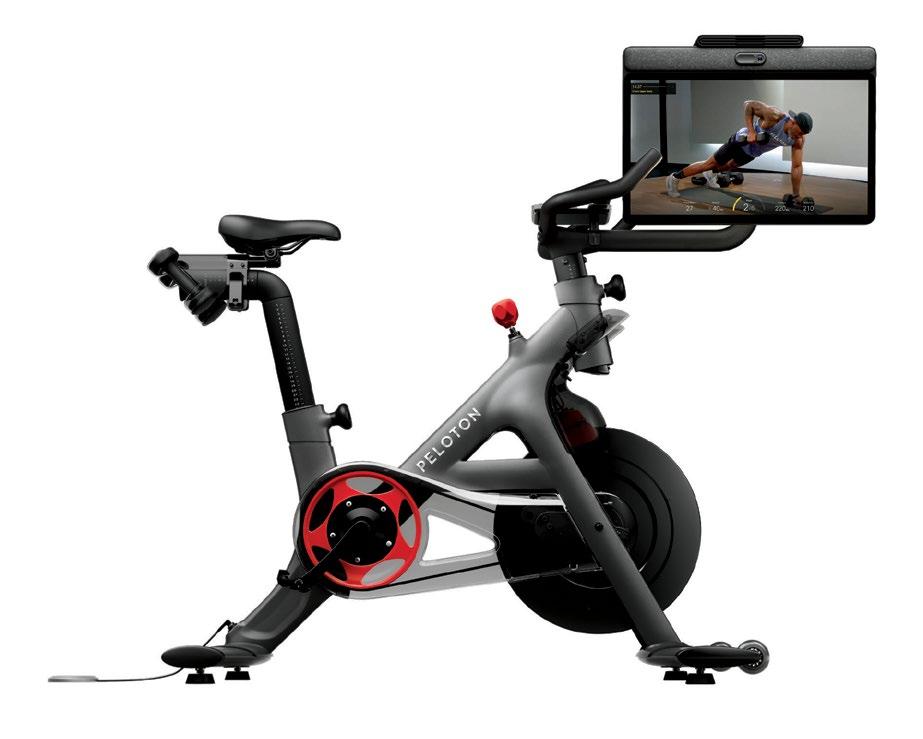
Leading a complete product overhaul by Peloton this fall, the new Cross-Training Series Bike+ introduces the new Peloton IQ technology. The bike’s camera captures and analyzes each session, then provides tailored feedback on form, strength, workouts, reps, and weights. Providing more than just in-saddle training, Peloton IQ advises on a multidisciplinary regime that can span cardio, strength training, yoga, and more. New speakers promise an immersive, studio-like experience, while users control the Cross-Training Bike+ via voice commands.

Pivot is a versatile and robust piece of equipment with an unexpected dual function: folded up, it’s a home gym; folded down, it’s a spacious double bed. Made from solid British steel, Pivot provides enduring stability in both forms. It’s assembled complete with gas-assisted springs to ensure that the transition between gym and bed is safe and smooth and requires minimal effort. As a gym, Pivot comes in differing formats so users can tailor their model to their specific strength and fitness requirements, such as suspension training or bodyweight exercises. It can even be set up to hold a static bike or a commercial-grade power rack.
Released in September, the Hydro Arc Rower takes rowing machine performance and analysis to a new level with its HydroMetrics training system. The program gives rowers a deeper knowledge of their performance and progress via intelligent stroke measurement and a scoring system that tracks precision, power, and endurance. From the data gathered and presented on a 24-inch screen, rowers can gauge their progress and ascertain the best paths to achieving goals, while also receiving personalized workout recommendations. The more you use the Hydrow Arc Rower, the greater its familiarity with your abilities, and the more tailored its feedback becomes.

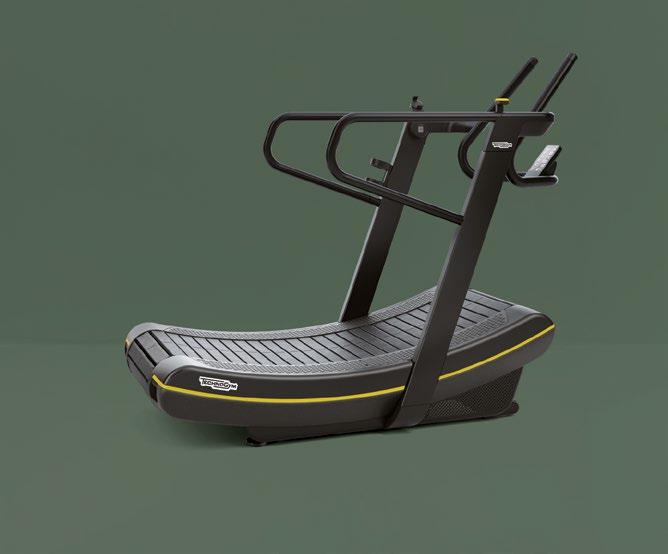
The Skillmill from Technogym extends strength and conditioning training far beyond a standard treadmill. With a curved belt, dual handlebars, added customizable accessories, and MultiDrive Technology, the Skillmill enables improvements in power, speed, endurance, and agility. Users can work through the entire speed and resistance spectrum, from resistance-free running to an all-out sled push. The dual handlebars aid posture on a variety of exercises, while added straps, handles, and a waist belt open opportunities for a range of push/pull drills. Meanwhile, an onboard console brings accurate feedback and connectivity to Technogym’s Mywellness app to monitor progress and provide bespoke training programs.
With top-flight resorts for golf and a vibrant capital for culture, a quick escape to this Caribbean island caters to all tastes.
by DAVID DESMITH
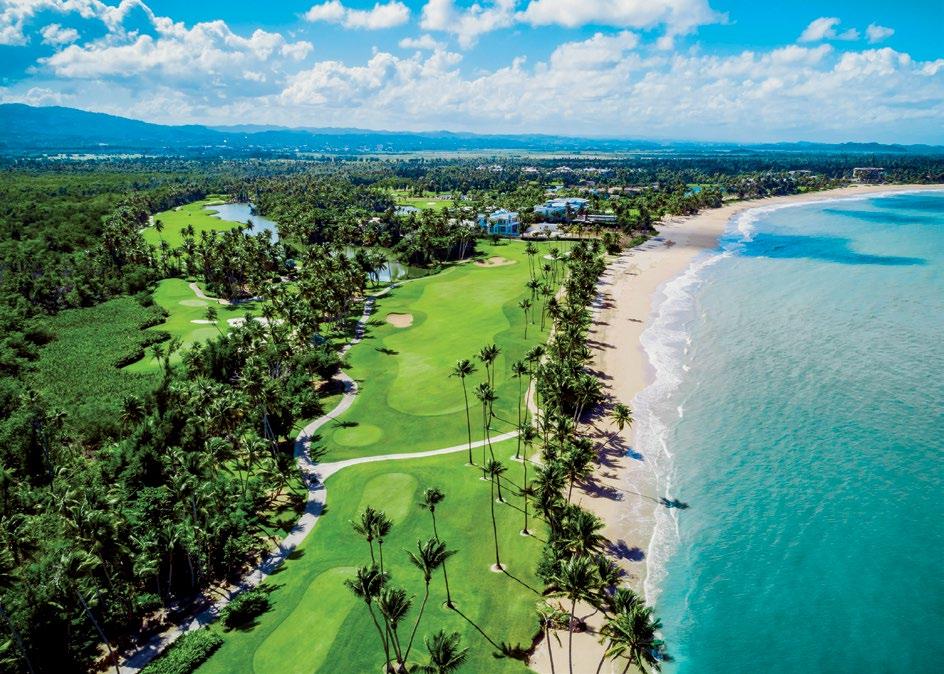
Start your swing through Puerto Rico’s top courses by following in the footsteps of the pros at Grand Reserve Golf Club, a challenging, manicured course in Río Grande where the PGA Tour plays the Puerto Rico Open. Just up the road, two more stellar courses await at the Wyndham Grand Río Mar Rainforest Beach and Golf Resort: the seaside Ocean Course by Tom Fazio, and Greg Norman’s River Course, which sweeps you into dense, ball-hungry jungle. Also in Río Grande is the new Four Seasons Resort and Residences Puerto Rico (formerly the St. Regis Bahía Beach), home to the Robert Trent Jones Jr.–designed Bahía Beach Golf Club. And if you stay at the exclusive Ritz-Carlton Reserve, you can play its testing TPC Dorado courses, which wind through avenues of palm trees and offer brilliant holes that stretch right to the water’s edge.
Elsewhere on the island, east of San Juan, Arthur Hills’ El Conquistador layout at the El Conquistador Resort is, fittingly, the island’s hilliest course—a rollercoaster ride that you’ll never want to end. West of San Juan, the clifftop Royal Isabela Golf Club at the eco-minded Royal Isabela resort is another must-play course.
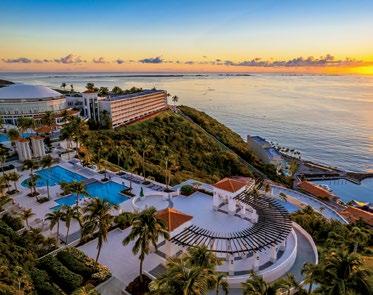
The expansive El Conquistador Resort, perched high on a hill overlooking the sea, is the epitome of a just-right tropical getaway. Along with its thrilling golf course, the property features four outdoor pools, five restaurants and bars, and a water park. It even shuttles guests to a nearby private island, where the white-powder sand and clear, blue waters make every sip of your tropical cocktail taste all the more indulgent.
Dine al fresco at El Conquistador’s Café Bella Vista, which opens for lunch and stays hopping until midnight. The skirt steak fricassee empanadas de ropa vieja are the perfect start to a meal that includes either the pan-seared snapper in tomato creole sauce or signature brick-oven pizzas like La Boricua, with roasted pulled pork and sweet plantains.
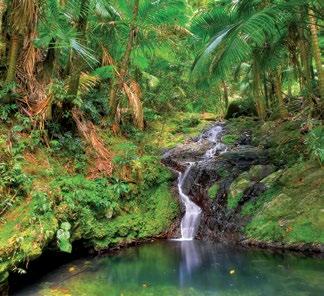
You’ll have spectacular views of the nearby El Yunque rainforest from the El Con’s golf course, but don’t miss the opportunity to experience this national treasure up close. Hiking trails lead you through a lush paradise of waterfalls, natural pools, and exotic foliage, where you’ll be serenaded by boisterous parrots and the beloved native tree frog, coquí, whose squeaky song echoes its name.
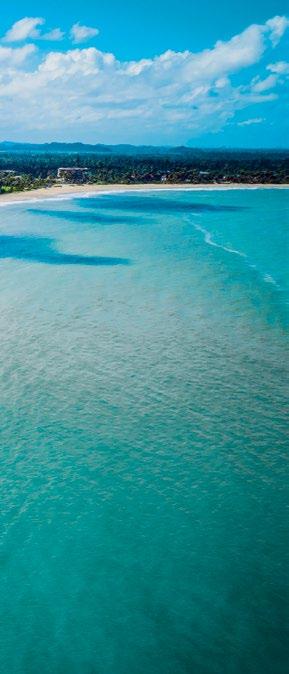
Puerto Rico’s legendary Boricua spirit touches everything, especially the colorful culture of San Juan, where sun-splashed days are filled with adventure, and the nights pulsate with a sophisticated vibe. Puerto Rican culture is a mélange of indigenous Taino, Spanish, and African influences, and in San Juan, you can revel in many aspects of that heritage. The city is a feast for the senses—from the historic charm of Old San Juan, with its plazas and the centuries-old forts of Castillo San Felipe del Morro and Castillo San Cristóbal, to the raucous nightclubs, where the sounds of salsa, bomba, and reggaetón keep locals and visitors alike dancing late into the evening. The culinary scene is also thriving, with regional dishes like plantain-based mofongo, tostones, and the mouthwatering, spit-roasted pork dish known as lechón asada.
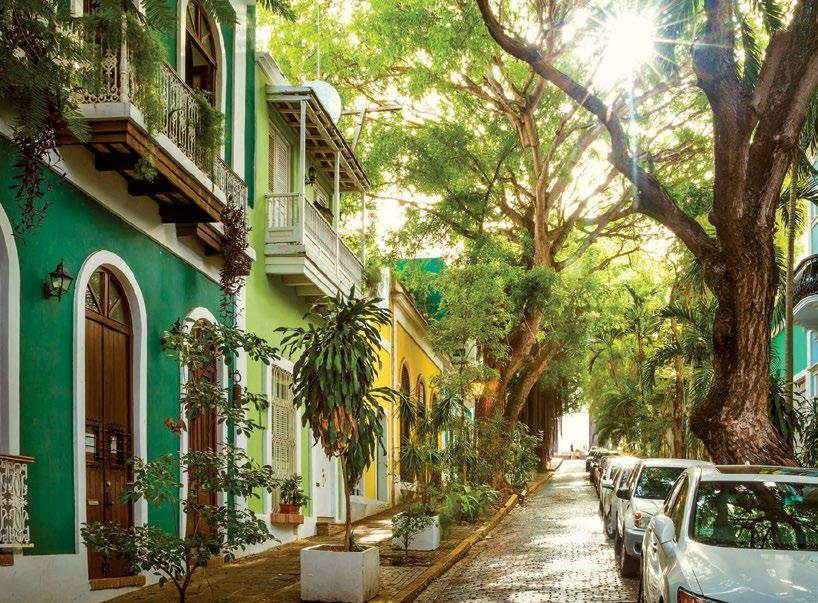
Spanish Revival architecture is prevalent in San Juan, and the elegant Condado Vanderbilt Hotel is one of the finest examples (inside and out). Its 317 rooms and suites, many with ocean-view terraces, feel like island luxury on steroids. After a day exploring San Juan, retreat to the hotel’s beach club or enjoy a rejuvenating spa treatment like the Bamboo Heritage massage before venturing out for the night.
Eat
You won’t need to leave the Condado Vanderbilt to enjoy one of the most acclaimed culinary experiences in the Caribbean. The 1919 restaurant by internationally renowned chef Juan José Cuevas features fresh, flavor-forward dishes, such as dorado with lentils in a tamarind and red wine jus.
Do
For more than a century, La Plaza del Mercado de Santurce, locally known as La Placita, has served as San Juan’s most bustling marketplace during the day—and a lively destination at night. Tap into the block-party energy by visiting a chinchorro for a local snack of fried fritters, or choose a more upscale restaurant like Santealla, with its creole-focused menu. After the sun goes down, you can sip craft cocktails and dance to strains of Puerto Rico native Bad Bunny at local bars like Jungle Bird and El Coco de Luis, or at the nightclub Tulum.
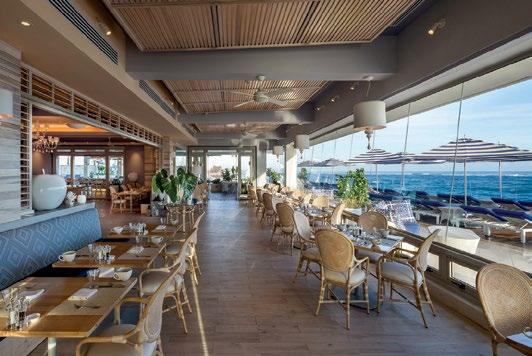
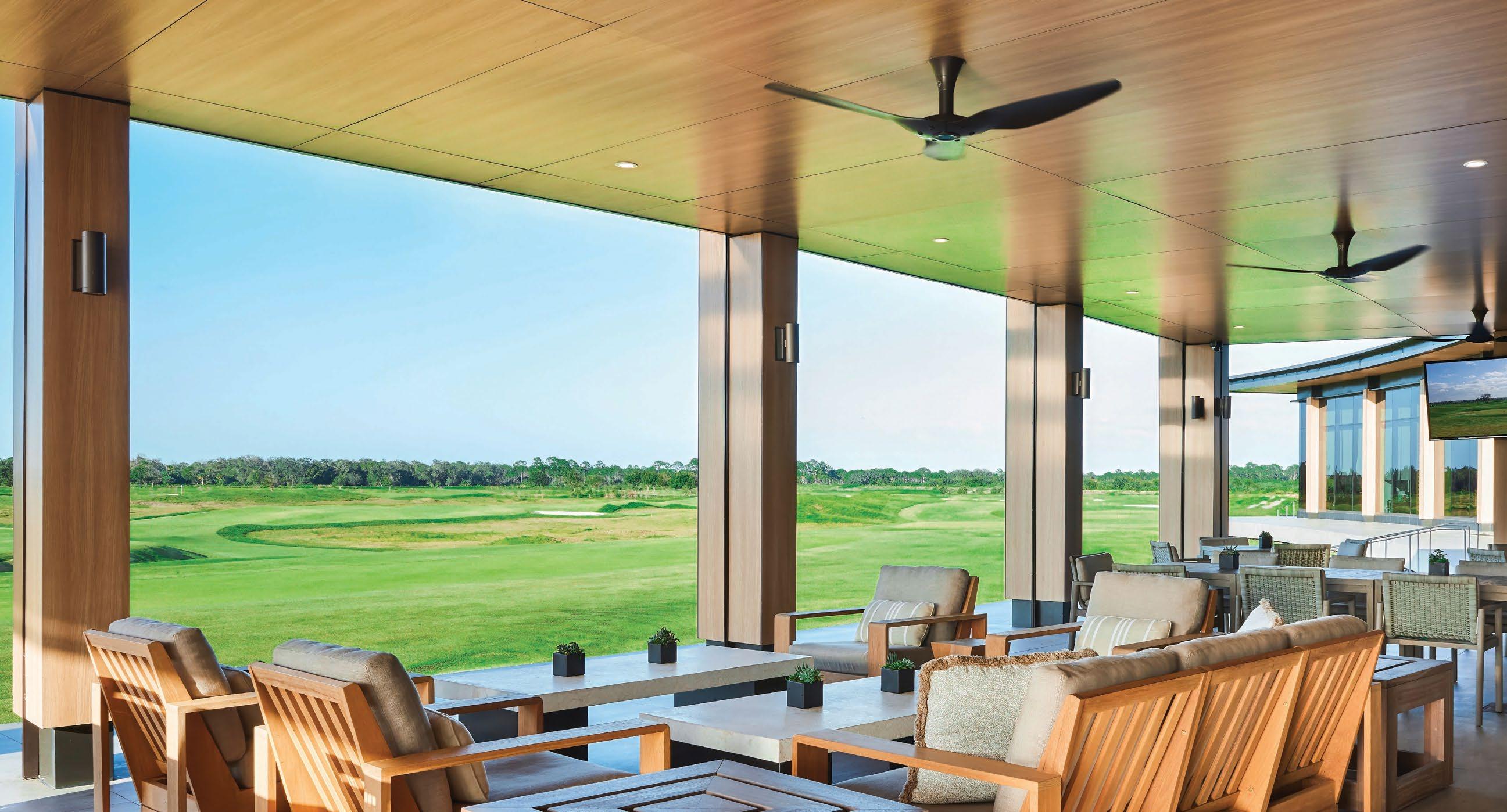
On the course, you demand precision. Off it, you deserve perfection. Haiku ® is the only fan that matches your standards. It’s surgically engineered for unrivaled performance. Powerful, silent, and responsive with a stunning design that makes it a centerpiece, not an appliance. A guaranteed perfect round.

GET IN TOUCH WITH OUR EXPERTS
whenever someone asks what i do, I struggle to give a simple answer. At its core, it all revolves around golf, but it branches in several directions. When I started my career at Golf Channel, golf media was straightforward: write, interview, report. Coverage lived on traditional platforms, but that was beginning to change.
Social media was already part of my life. I made videos of my college golf team and saw how engaging short-form content could be in bringing people closer to the game and each other. I carried that approach into my career, becoming the first on-air personality in golf to report from tournaments and create original content specifically for digital and social platforms. What started as an experiment later became essential.
The same evolution is happening inside the ropes. Golf content is not confined to network broadcasts or leaderboard updates. It lives in short-form highlights, social media clips, and behind-the-scenes shareable moments. Fans experience the game through storylines and personalities as much as on-course competition. Tour players are building brands, creating content, and embracing innovation that’s reshaping the sport.

The future of golf isn’t about reinventing the game but reimagining how people experience it.”

Bryson DeChambeau has become one of the most visible figures in this digital era of golf. Based on what I saw at the Ryder Cup, his fan base audibly surpassed those of his U.S. teammates. This wasn’t due to his LIV Golf performances, but to his entertaining and consistent presence on YouTube and social media.
Justin Thomas is leading a quieter but equally important shift. He’s become a bridge between the traditional PGA Tour and the modern fan experience. Earlier this year, Thomas wrote a letter to his fellow players urging them to be more open with the media, more open with their personalities, and to let fans see a bigger picture of life on tour. It wasn’t a PR initiative, it was leadership.
Thomas recognizes that professional golf is as much a business and media enterprise as it is a sport. Through the PGA Tour’s new equity initiative, players now have a tangible stake in the tour’s long-term success, giving them reason to be engaged and invested in its growth. Now serving on the Player Advisory Council, Thomas sits on the Tournament, Fans & Sponsors subcommittee, where he helps shape how the tour connects with its audience, from broadcast innovation to on-site fan experience. It’s a win for everyone when players contribute to the game’s creative and cultural growth.
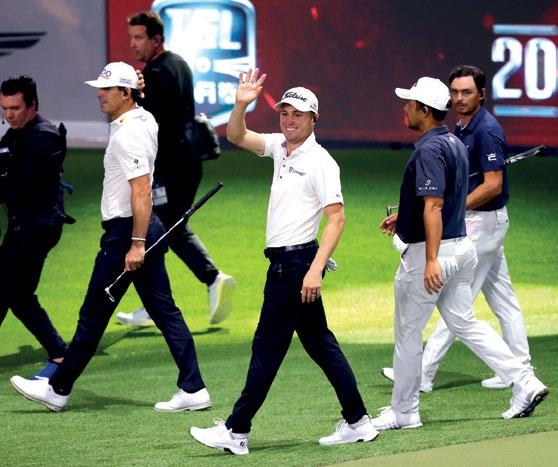
That same forward-thinking mindset is evident in the projects Thomas is helping bring to life, most notably TGL, where he was part of the inaugural championship-winning Atlanta Drive GC team. The golf league features the biggest names on the PGA Tour competing in an entirely new, tech-driven format. The 250,000-square-foot SoFi Center in Palm Beach Gardens, Florida, was constructed exclusively for TGL competition and seats about 1,500 fans. More than 70 cameras support the broadcast, but what impressed me most were the 64-foot-tall, 53-foot-wide simulator screen and the 41-yard-wide green that shifts and contours to create a hyperreal playing environment.
Thomas is also shaping the traditional side of the game as co-designer with Jack Nicklaus of Panther National, which will host the reboot of the Skins Game. A beloved Black Friday tradition that showcased legends like Arnold Palmer, Nicklaus, Lee Trevino, Tom Watson, and Fred Couples, the event gave fans a rare glimpse into their personalities outside of tournament play.
Sometimes innovation means bringing back formats that were simply ahead of their time. “This day and age, the Skins Game fits the mold of what fans want . . . the type of access they’ll have, the excitement, and the players mic’d up,” Thomas says.
He, Keegan Bradley, Xander Schauffele, and Tommy Fleetwood will headline the reboot of the Skins Game. Players receive no appearance fees; instead, they each start the round with $1 million from a $4 million purse, using that money to compete for individual skins.
The future of golf isn’t about reinventing the game but reimagining how people experience it. Thomas sums it up best: “It’s a fine balance of maintaining the history, the integrity—what makes golf golf—and finding ways we can tweak and change things that the fans want more of. That is what will make the sport better, draw more viewers, and make it more globally known. We are just trying to go out there and give the best show we can, win as many tournaments as we can, and continue to grow the fan base of golf and the PGA Tour.”
Contributing editor Alexandra O’Laughlin is a golf correspondent and a host of Golf Channel’s The Drop.
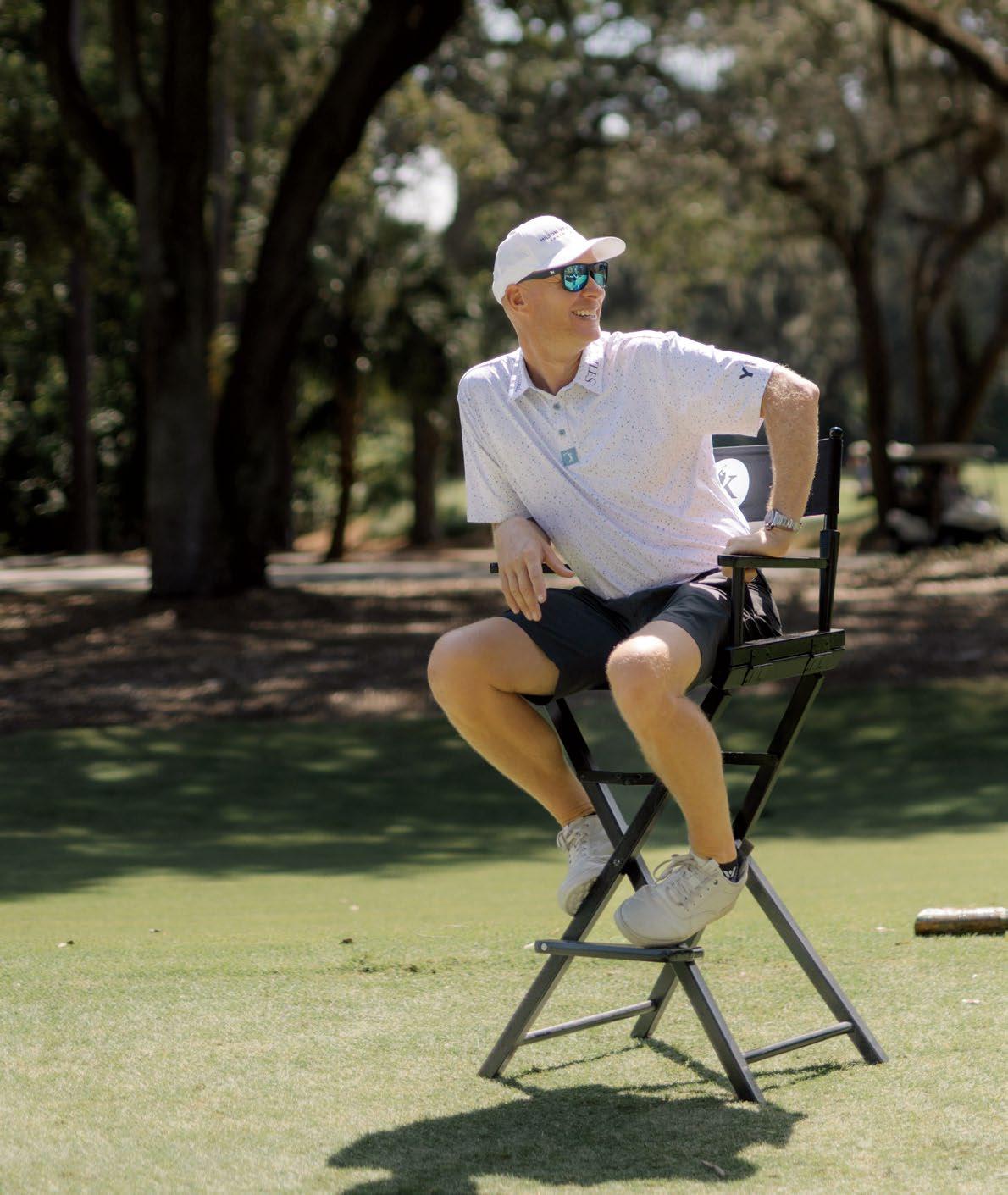
Following the end of an almost 15-year partnership with Joel Dahmen, caddie Geno Bonnalie will be back on the bag in 2026 with PGA Tour rookie Isaiah Salinda. The affable looper sat down with Kingdom to talk shop.
What’s the biggest challenge you face when working with a new player?
I don’t know, because I haven’t done it before. With Joel, we were such good friends prior to working together. Now, with Isaiah, I don’t know him at all, so that’s the challenge in itself.
How important is it for a caddie and a player to be friends?
I want to have a close relationship with my player. I want to have that bond and be able to say hard things and at the end of the day know that we’re still good and not have any animosity, because we’re out there to accomplish a common goal.
What’s one of the hardest aspects of a caddie’s job?
Being able to manage expectations. Golf is hard. Guys with a wedge in their hand, they expect to hit it to six feet, and truth be told, the average distance from 100 yards is 22 feet. So expectation management is one of the hardest things.
What do you love most about the job?
I love being on the back nine on Sundays knowing that one stroke makes a massive difference on the points list and for a paycheck. I love that feeling—there’s an adrenaline rush and a fire that’s there—but those moments are so few and far between. You might only get a couple a year.
Do you play much when you’re on the road?
I bring my clubs with the goal of playing, but I usually don’t get them out. It’s tough motivation to caddy in the morning and then go and play in the afternoon when it’s 115 degrees in the middle-of-nowhere Iowa. I average maybe one round every two and a half weeks.
Has caddying had a positive impact on your game?
No, it’s made me worse! I have a very homemade golf swing. Watching these guys who do it at an elite level—and it looks so good—I try to
make my action look better, instead of focusing on just hitting the shot. I want to do it and look pretty doing it, and it hasn’t worked out for me.
When did you pick up the game?
My parents bought me a set of clubs for Christmas when I was eight years old. We had a field next to our house that was maybe 100 yards long, and I was a semi-athletic kid and competitive, so I had this internal competition with myself to try to hit a golf ball across the field. I didn’t go to a golf course until I was 10, so I spent two years in this field trying to figure out how to hit the ball farther and farther.
What was it like finally playing on a real course?
I remember the first time I went to a golf course, I didn’t know you couldn’t pick it up in the fairway and put it on a tee again. The field that I had been in had tall, tall grass, so you had to tee the ball up all the time. When my dad told me that I couldn’t tee it up in the fairway, I was like, “You can’t hit it off the ground. That’s impossible.”
You obviously figured it out.
When I was 12, I shot 79 in a tournament, and I remember thinking, I don’t know if it gets better than this. I was just kind of hooked from there.
Did you know that you wanted to pursue a career in golf?
I played all the junior stuff in Idaho and Washington and played in high school. Later I went through a PGM program to become a club pro but soon realized the club pro route didn’t pay very well. So I got my amateur status back and went to work at a desk job. Then Joel got onto the Korn Ferry Tour, and I wanted to be a part of it, so I quit my job and that was that.
Interviewed by SHAUN TOLSON
I
love being on the back nine on Sundays knowing that one stroke makes a massive difference.”





Lessons learned from Kingdom co-founder Arnold Palmer
Sometimes it worked out, sometimes it didn’t, but Arnold Palmer never betrayed his attacking instincts on the golf course.
Arnold Palmer strode up to the first tee at Cherry Hills Country Club, outside Denver, to begin his fourth round in the 1960 U.S. Open. Palmer was seven shots off the lead, but he believed that if he could shoot 65 over the last 18 holes— to finish at 280 overall—he stood a chance of winning.
The par-4 first hole at Cherry Hills stretched 318 yards, gently downhill, with a creek running along the right-hand side. Over each of the first three rounds of the tournament, Palmer had tried—and failed—to drive the green. He gave his opening shot of the final round everything he had. His ball rolled down onto the green, and he sunk his birdie putt, thereby unleashing arguably the greatest final-round comeback in the history of the majors. Fueled by adrenaline, Palmer would ultimately shoot 65 on the money, to win by two.
In his book Go For Broke (1973), Palmer wrote: “You must play boldly to win. My whole philosophy has been based on winning golf tournaments, not on finishing a careful fifth.”
Later in life, Palmer distilled his philosophy to a simple thought: “Every time I’ve ever hit a shot, I tried to hit it in the hole. That includes a tee shot on a par five,” he wrote in A Life Well Played (2016). “I think this might be one of the best thoughts you can have when playing golf, because it really focuses your mind on the ultimate goal.”
—robin barwick
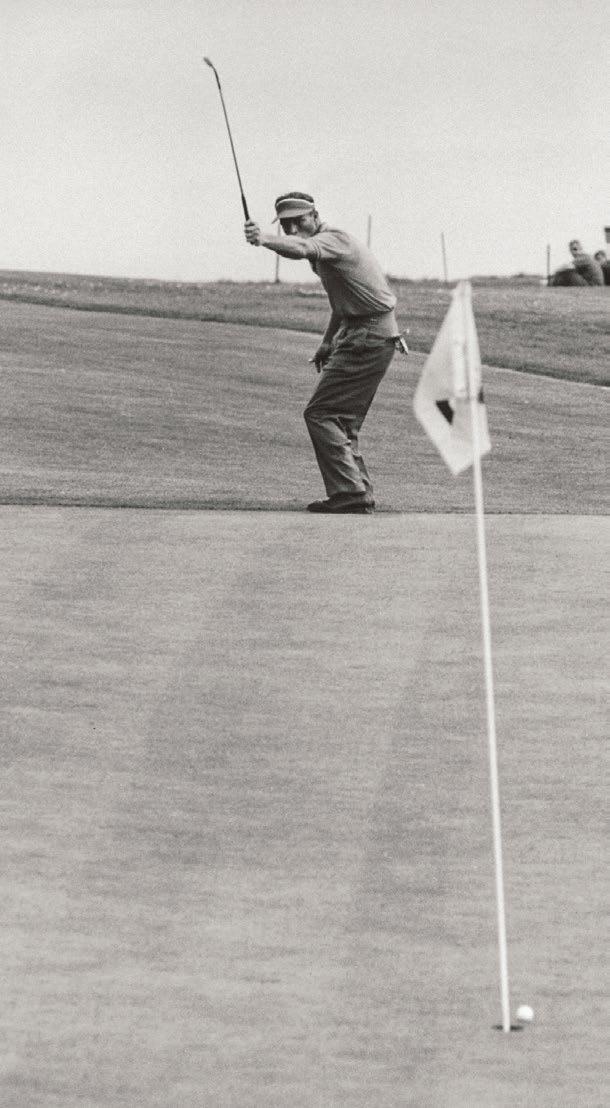
You must play boldly to win.
Arnold Palmer was three years old when his father, Deacon, the superintendent and pro at Latrobe Country Club in Pennsylvania—showed him the Vardon grip on a cut-down club and issued a simple instruction: “Hit it hard boy. Go find it and hit it hard again.” Palmer never changed his grip, and he never stopped hitting the ball hard.
























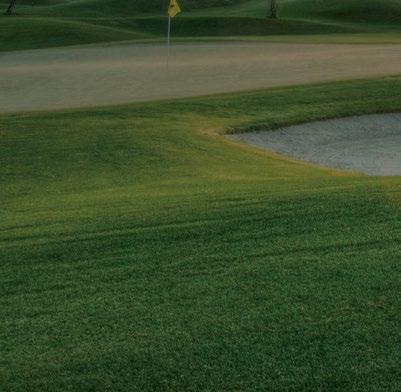






















The Folds of Honor mission was born within the golf community and has grown through the strength of the game.
Join us and become a Wingman, supporting the families of fallen or disabled military and first responders. You can change a life. When you become a Wingman, it’s a monthly reminder that you are a trusted partner providing educational support and recognition of sacrifice for military and first responder families. Join today and stand with Folds of Honor families served through the mission.


THE NEXT GENERATION DESERVES OUR BEST GAME. JOIN US TODAY.
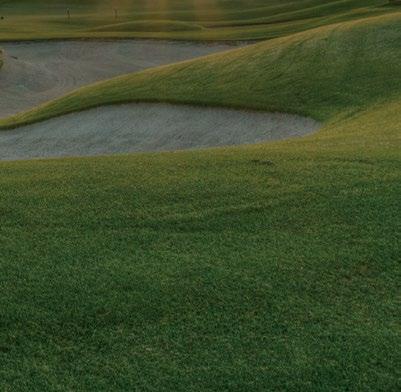


From championship greens to quiet marsh paths, Hilton Head Island offers endless ways to explore.

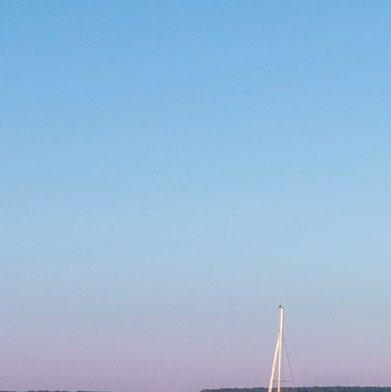
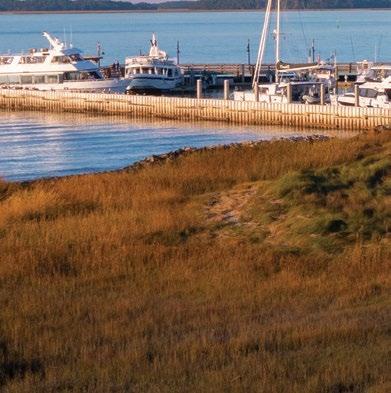
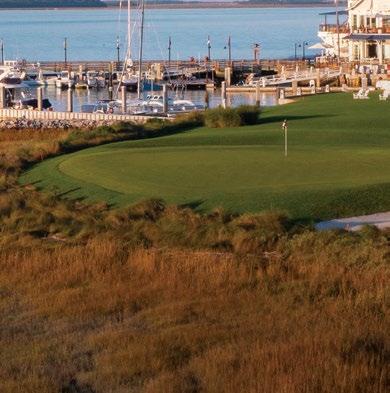
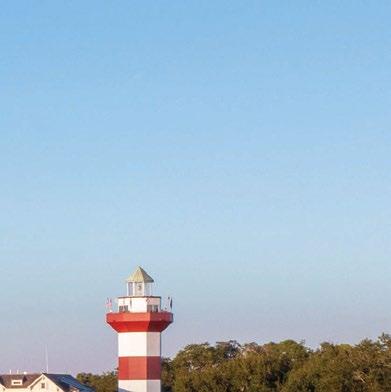
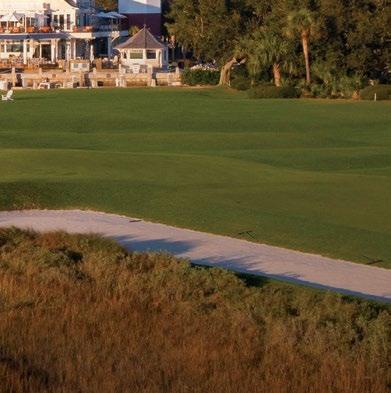
Biking, boating, beachcombing, tennis, golf—the options are endless on Hilton Head Island.
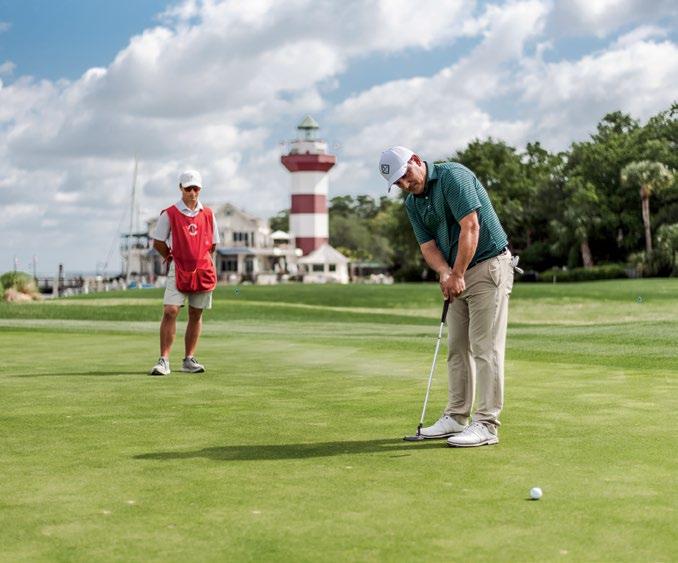
Pro Tip
“Get some friends together and take a golf clinic before grabbing bikes and heading to one of our many waterfront restaurants for a boat-totable lunch experience.”
—John Farrell
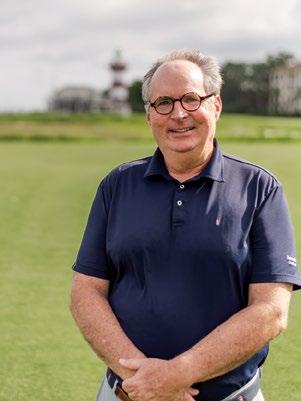
As director of sports operations at The Sea Pines Resort, John Farrell knows a thing or two about being active on Hilton Head Island. “I always say that when you get here, take the batteries out of your remote control,” Farrell says. “There’s so much to do outdoors on this island, and it’s all right at your fingertips.”
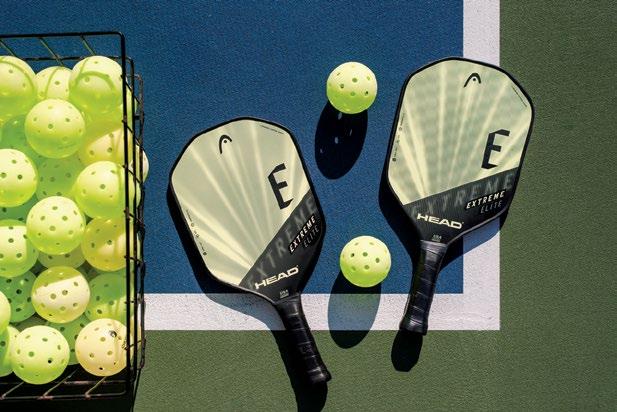
Options include morning beach runs, biking the island’s 60-plus miles of paved trails, and spirited tennis matches at The Sea Pines Racquet Club. “There’s really nothing missing,” Farrell continues. “If you do it right, you’re going to go home tired. But it’s a great tired, because it’s all really healthy.”
Hilton Head Island is probably best known for having more than 20 championship golf courses, many of which are open to the public, including Oyster Reef, Palmetto Dunes, and Sea Pines’ iconic Harbour Town Golf Links and Heron Point by Pete Dye. “We have a very comprehensive, very full-circle golf experience here,” Farrell says. “We have play for beginners who don’t even know which end of the club to hold, and we host the signature RBC Heritage event on the PGA Tour for the best players in the world. We’ve gone to great lengths to make sure we have a place to play for all ability levels, from families to collegiate players to new players that want to learn and develop skills for a lifetime.”


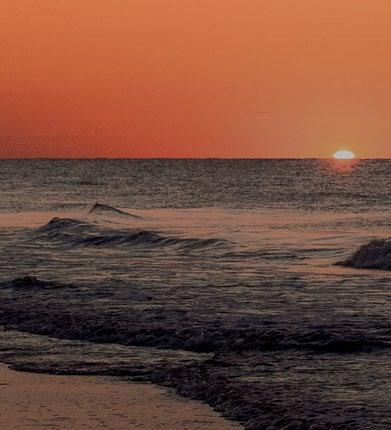

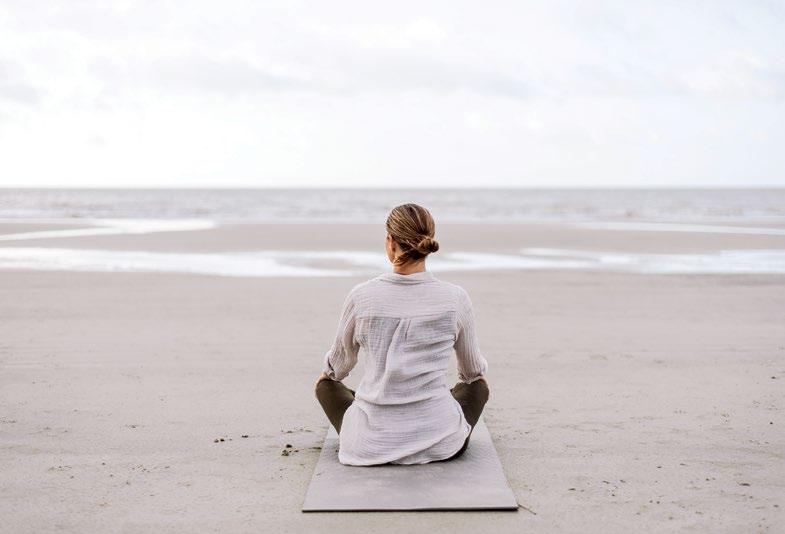
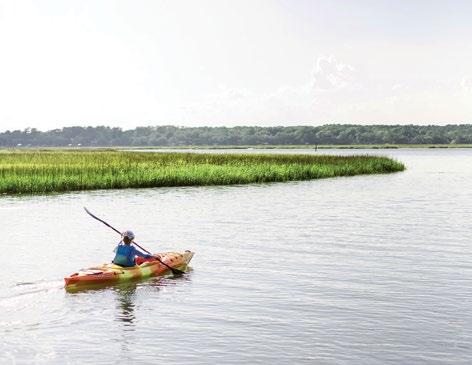
“Start with a sunrise beach walk and then take a class at one of the many studios on-island. Then go to Delisheeyo—you can’t go wrong with one of their juices, wraps or salads. End the day with a kayak in the tidal creeks, where you can see dolphins. To me, that’s the definition of wellness.”
—Charlotte Hardwick
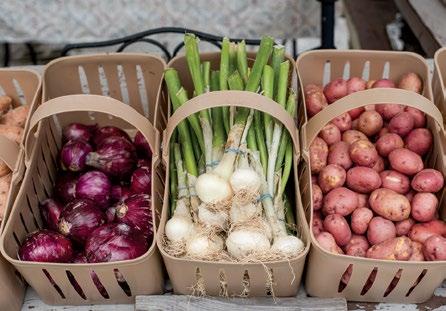
Hilton Head Island native Charlotte Hardwick lived in cities all over the world before the nature and beauty of the Lowcountry lured her back three years ago. “I wanted to get back to living around all of the things I love most,” Hardwick recalls. “The ocean, the marshes, being outside—just getting back to that feeling of connection with the land.”
A certified yoga teacher and nutritionist, Hardwick took her passion for holistic health and launched Flow and Nourish, a wellness company that blends movement and breath work with inspired, seasonal eating. “My cooking and yoga classes tune into what the season does to our bodies,” Hardwick says, “and the ways we can use movement and food to support the change of season.”
One of the ways she does this is to encourage people to pay attention to their surroundings.
“This island invites people to notice and to be curious,” Hardwick says. “People come here ready to slow down, and this practice that I’m doing really supports that.”
Hardwick crafts personalized wellness experiences for her clients based on their interests and needs, whether that’s learning to transform fresh local tomatoes into a delicious tomato pie or practicing yoga on the beach at sunset. “I think people are looking to have experiences that are different from what they do at home,” says Hardwick. “They’re traveling with a lot more curiosity, and when I think of Hilton Head Island, I think there’s just a natural curiosity here, and that encourages me so much.”
The fourth annual weekend bash on Hilton Head Island proved some things do get better with age.
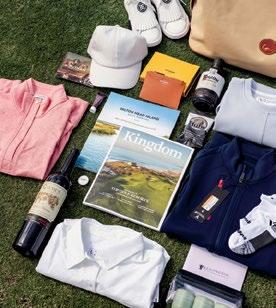
In previous years at the Kingdom Cup, it was typically on the second night of the three-night event when you would hear talk of successful shots hit under pressure, good swings, bad breaks, and predictions of leaderboard climbs. Not so in 2025.
This year, the opening night was bolstered by an almosthour-long presentation of on-course stories, as PGA Tour caddie Geno Bonnalie moderated a panel discussion with four of his fellow professional loopers. From memorable rounds played alongside Tiger Woods to moments of on-the-job learning early in their careers, the group regaled the crowd with anecdotes that provided an entertaining peek behind the curtain of life on the PGA Tour.
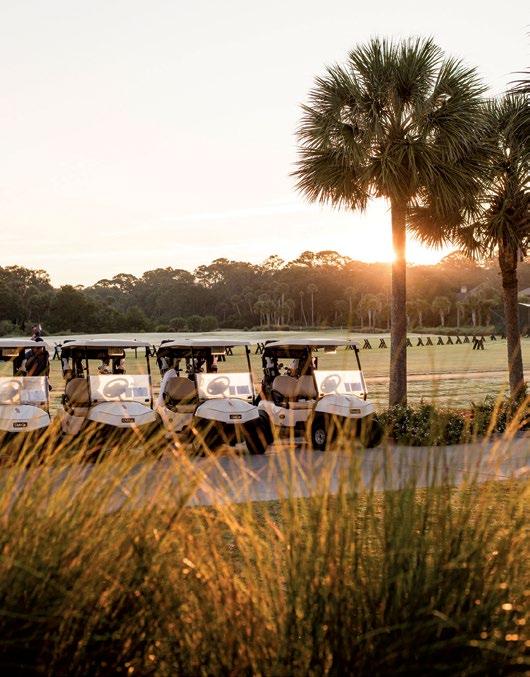
The next morning, most of those audience members were making their way around Heron Point at The Sea Pines Resort, where they soon met each of those caddies at different holes across the front nine. In some cases, the caddies were armed with more than just good course management advice; they were giving out mulligans, too.
Later that evening, as they prepared for their second tournament round on Atlantic Dunes, the players came together for a memorable occasion. Sports Broadcasting Hall of Famer Jim Nantz led an illuminating interview with the course’s co-designer, Davis Love III. The duo traded stories of their time spent together, as well as memorable interactions with Arnold Palmer. In the context of the event’s location and its relationship to Palmer, the 45-minute conversation was the highlight of the night. “The connection of them to this place, to this event, to Kingdom—I thought that was magical,” Roger Steele said afterward.
Love, who took part in the first Kingdom Cup on Hilton Head Island in 2022, effusively praised the culture that the company has integrated into the event since year one. “I remember walking into

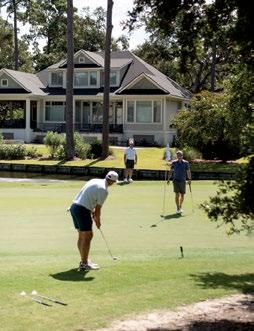

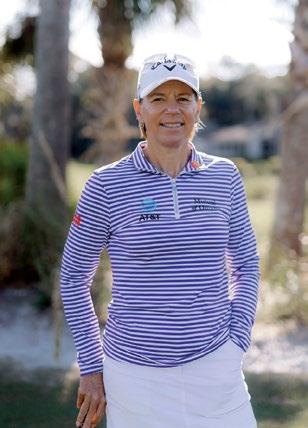
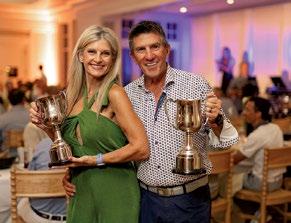
Special guests at the 2025 Kingdom Cup at The Sea Pines Resort included Davis Love III, Roger Steele, Annika Sörenstam, Geno Bonnalie, and Alexandra O’Laughlin.
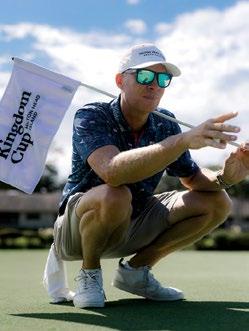
that first party that night [in 2022], and it wasn’t a stiff cocktail party,” he said. “Everybody’s having a blast—having fun and getting along. It’s golf camaraderie, golf fellowship. And I think that’s what attracts so many people to come back every year.”
Bonnalie made a similar observation. “There’s a lot of the same faces, even from year one,” he said. “People are developing these friendships, which makes it all that much more fun.”
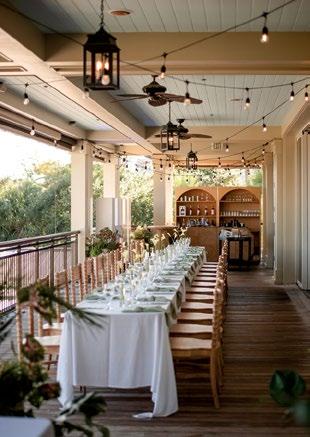
It’s no wonder that as participants arrived at Savannah/ Hilton Head International Airport earlier in the week and saw a sprawling Kingdom Cup display in the atrium, they were even more excited for what was in store. Predictably, as those participants returned to the airport on Sunday at the conclusion of the event, many were already making plans to see each other on Hilton Head Island next year. (The fifth installment of the Kingdom Cup, which will include competitive rounds on the newly restored Harbour Town Golf Links, will take place September 10 to 13, 2026.)
While those conversations proved the event’s success, they also reiterated the messaging from the Hilton Head Island Visitor & Convention Bureau (Kingdom Cup’s presenting sponsor), which has long declared that Hilton Head Island is America’s Favorite Island. In that respect, the event’s location and the Kingdom Cup itself share plenty of traits—and it was Steele who perhaps said it best: “It very much has a ‘come as you are’ energy,” he said of the event. “There’s nothing that’s intimidating about it. Everything is so elevated, but it’s approachable and so welcoming.”
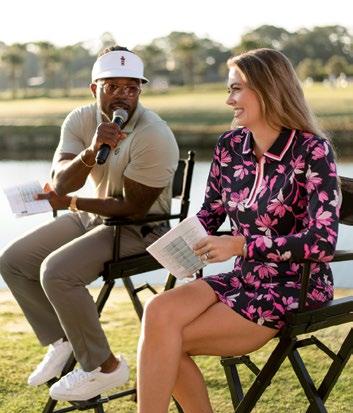
The caddies offered an entertaining peek behind the curtain of life on the PGA Tour.
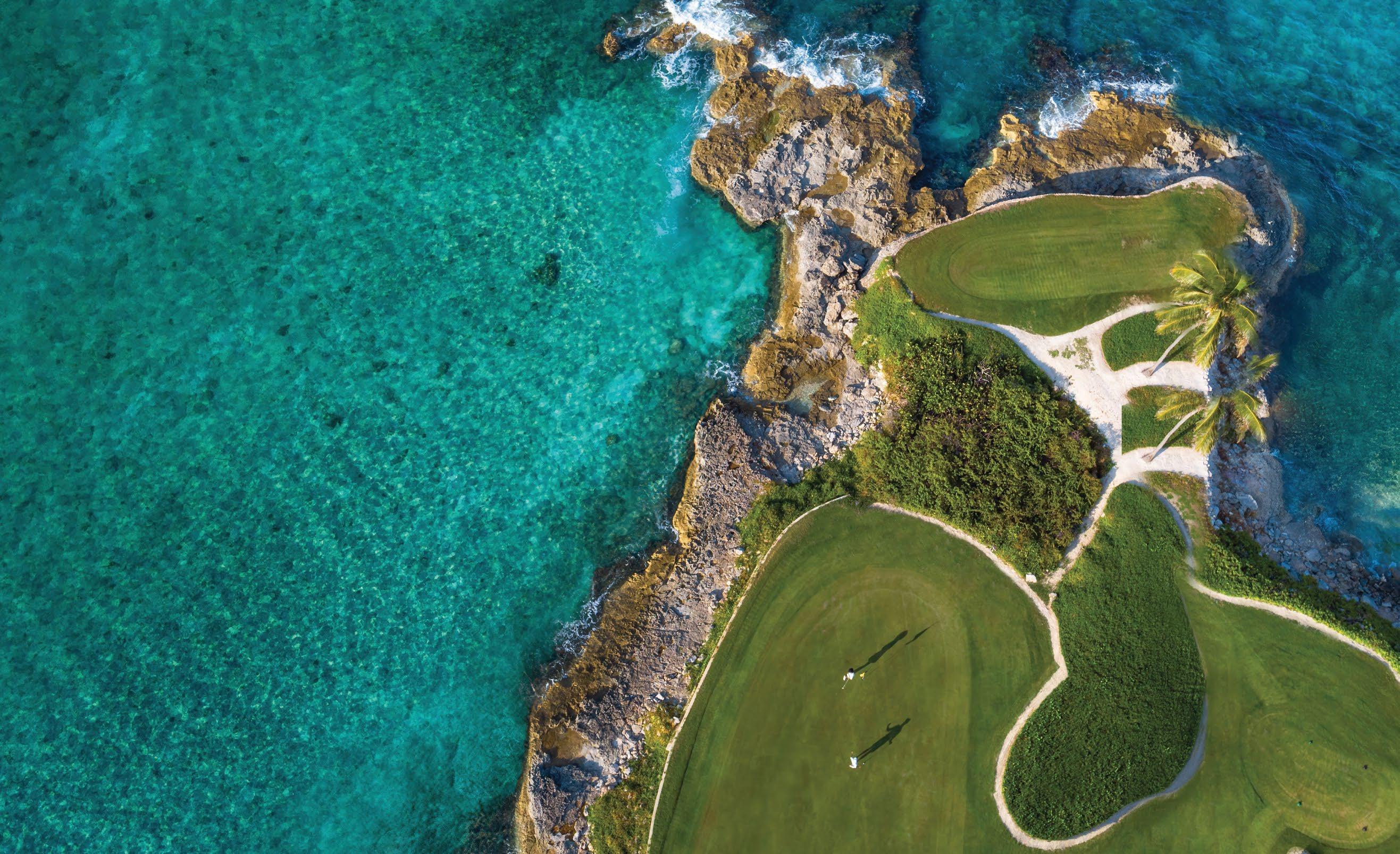
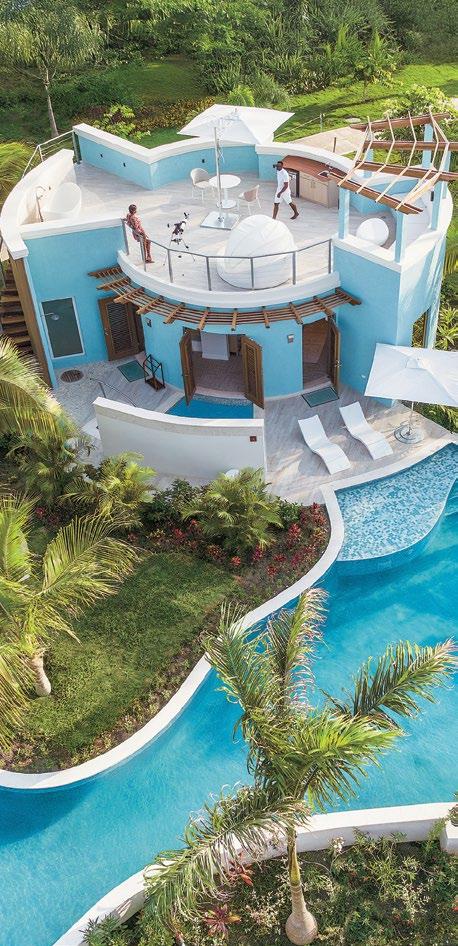
Kingdom’s influential panelists and alwayscurious editors have pondered and debated over the places, people, and products that have impressed us most in the past year. Here, with our annual review, we celebrate the best of 2025 in the golf world and beyond.
Geno Bonnalie
PGA Tour caddie and Kingdom’s eyes and ears inside the ropes.
Samantha Brooks
Travel and lifestyle editor and luxury hotel expert.
David DeSmith
Golf writer and globetrotter.
Gabriel Kreuther
Chef with two Michelin stars, at last counting.
David McLay Kidd
In-demand golf course architect and amateur pilot.
Stephanie Mcleod
Dewar’s award-winning master distiller.
Alexandra O’Laughlin
Golf journalist, broadcaster, Kingdom contributing editor.
Annika Sörenstam
Ten-time major champ, Hall of Famer, all-star mom.
Roger Steele
Content creator, bomber off the tee, social media icon.
The new courses, hidden gems, innovations, and essentials that elevated the game in 2025.
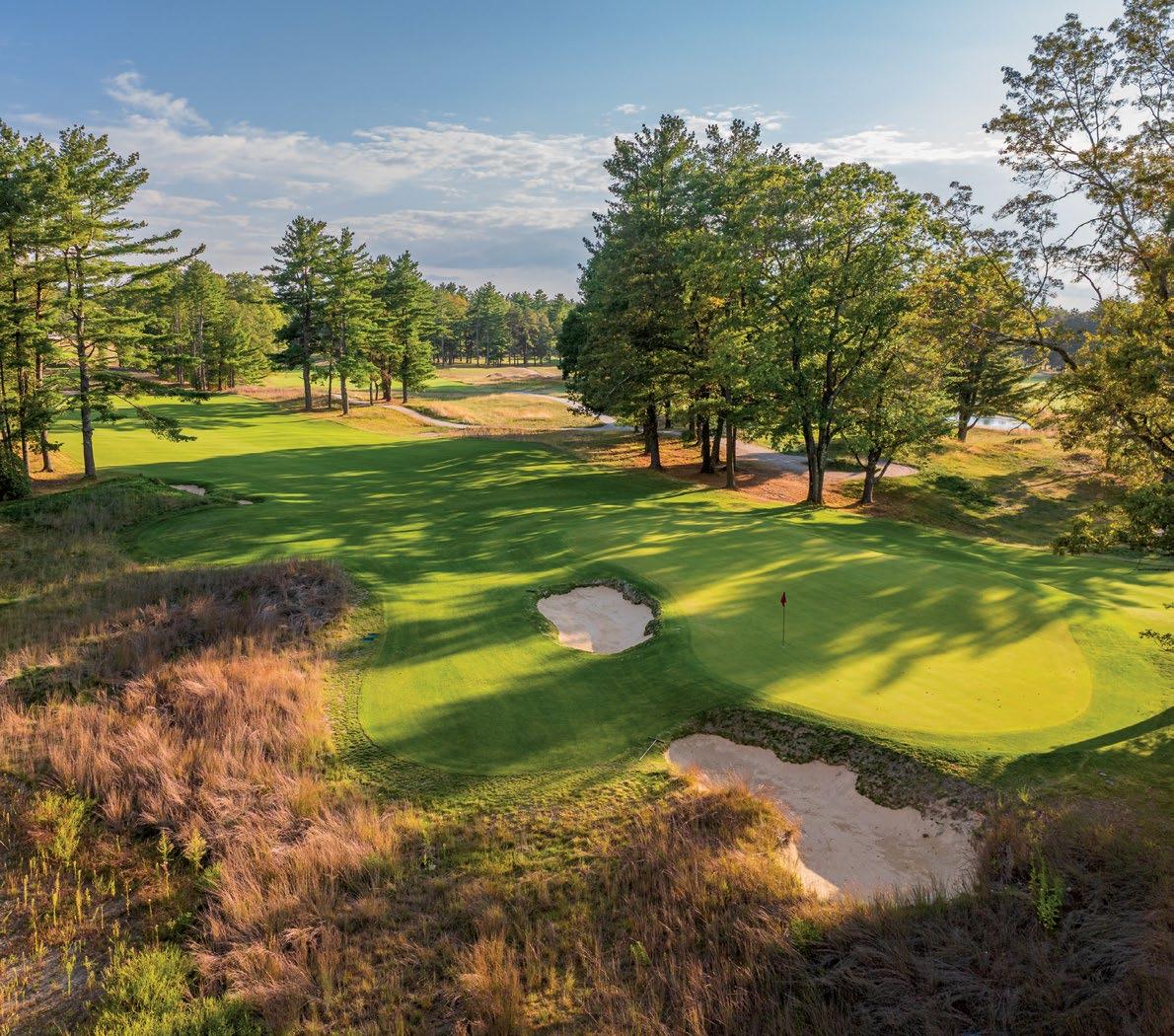
Bill Coore and Ben Crenshaw’s transformational work here is nothing short of extraordinary. When Coore first walked the site in search of a new routing, he envisioned the old course’s existing fairways as natural pastures. The completely redesigned course, with the majority of its holes flowing in new directions, feels historically grounded in the land. It’s as if the architecture duo uprooted a classic, turn-of-the-century British heathland course and planted it in New England.
While the Donald Ross Memorial course at Boyne Highlands gets most of the attention, it’s the resort’s new short course that hits a home run with its attempt to replicate some of golf’s most famous holes. Built on the side of a ski hill, with holes measuring as short as 57 yards and as long as 134, the course features a handful of stacked wall bunkers and putting surfaces inspired by the world’s most recognizable green complexes—from North Berwick’s Redan and Royal Dornoch’s Whinny Brae to Royal Troon’s Postage Stamp.
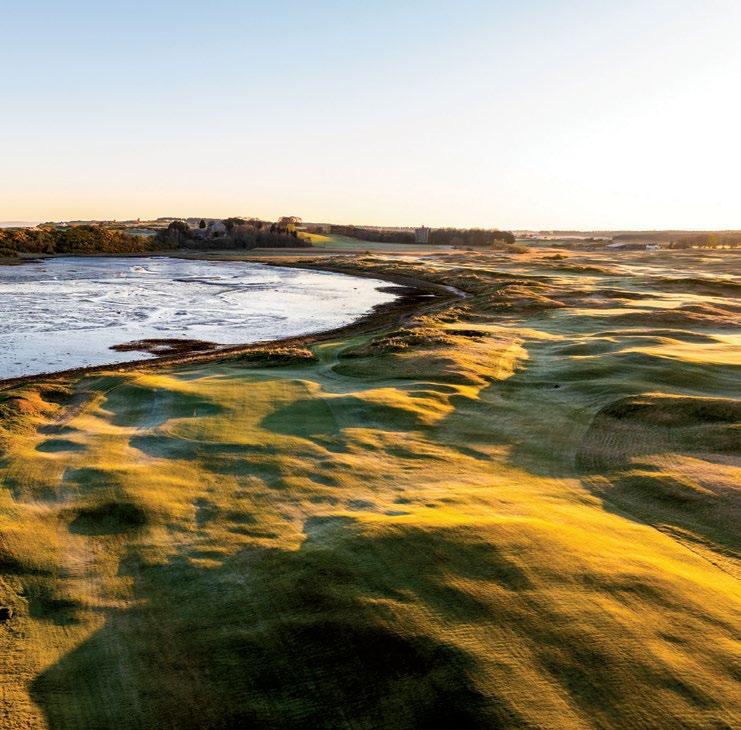
Old Petty is the long-awaited second course at Cabot Highlands, near Inverness, which opened for walking-only preview play in August.
Designed by Tom Doak, the 18-hole links looks every bit a modern classic to befit its well-established sister course, Castle Stuart Links. Remote and hugging the Moray Firth, this is special golf land indeed.
Titleist Performance Institute
Carlsbad, California
“We have helped to reimagine the Titleist Performance Institute. It was a fun task to work with the Titleist experts—including the legendary Bob Vokey—to create a facility that allows the best custom club fitting, together with equipment and ball testing, and development. For a golf nerd, this is the ultimate hangout.”
—David McLay Kidd

“I wore the G/Fore MG4+ O2 golf shoe for a week in Scotland, experiencing every type of weather the country could offer, and it delivered in all conditions. Available in men’s and women’s styles, with spiked and spike-less options, it strikes the rare balance between performance and design.”
—Alexandra O’Laughlin
Mileseey IONME2 Rangefinder
“The Mileseey IONME2 is a compact unit that’s loaded with tech. It locates pins up to 500 yards away in less than a second. It’s accurate to half a yard and has a rain/fog mode for clarity in dreary weather. Its clever Ball-to-Pin technology lets you triangulate the distance from your ball to a flag from the cart path—or any other random point. It’ll even give you centimeterlevel distance measuring on greens. All this in a unit that’s small enough to fit in a pocket.”
—David DeSmith
Bogey Bros Golf Co. Polos
“This year, the polos from Bogey Bros have taken over my closet. With their high-quality material and fun, edgy prints, they look good and feel amazing.”
—Geno Bonnalie
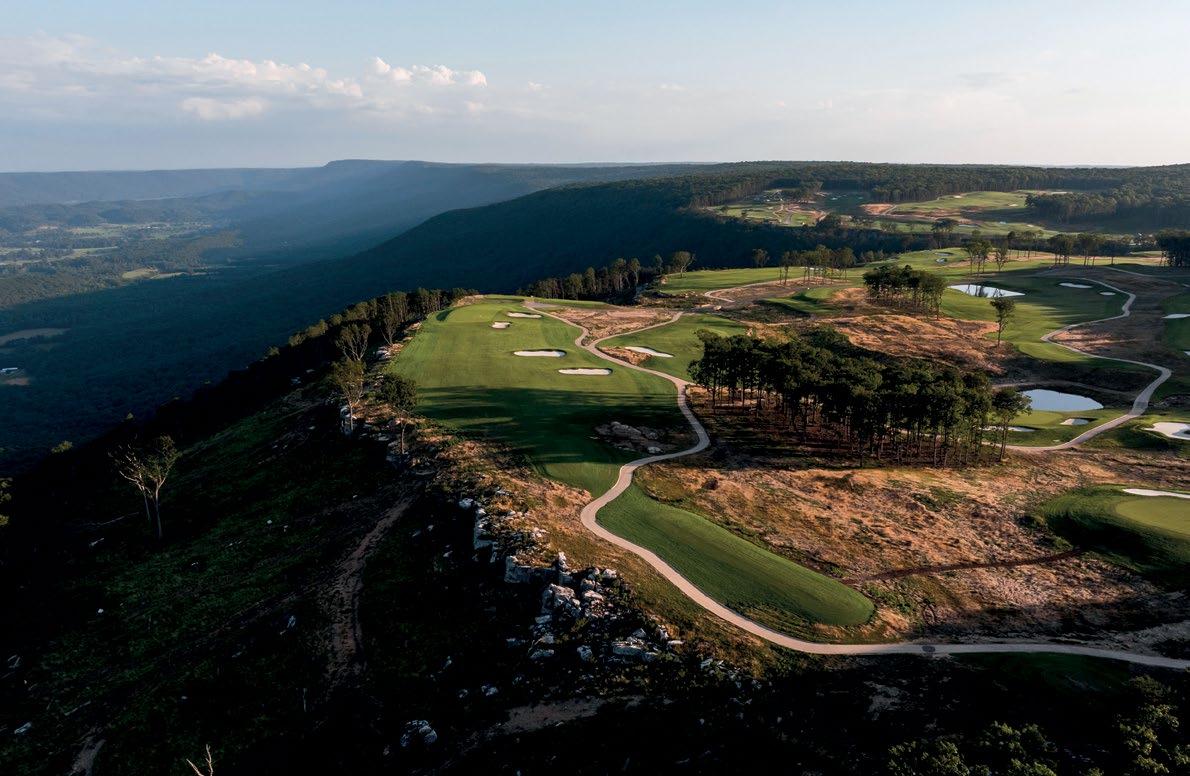
With generously wide fairways, sweeping corridors, expansive greens, and equally vast bunkers—all designed to complement the scale of the site’s vistas— the second course at McLemore resort presents a somewhat forgiving test of mountain golf. At least until the wind picks up.
Brewster, Washington
Set upon a parcel of land with more pitch and roll than the resort’s original, eponymous layout, Gamble Sands’ new Scarecrow Course is characterized by a more prevalent sense of risk and reward. Largely the handiwork of Nick Schaan—David McLay Kidd’s business partner and longtime collaborator— the course shares some design elements with its older sibling (wide fairways, firm and fast playing conditions), but its smaller greens, tighter lines, and multiple blind shots demand precision.

Springfield, New Jersey
Gil Hanse recently returned to Baltusrol to restore the club’s second A.W. Tillinghast–designed track, and the Upper Course that emerged now boasts more compelling vistas and sightlines. Expansive green complexes come with deceptively challenging contours, and the course better reflects Tillinghast’s creative genius to maximize topography.
Emigrant, Montana
It’s not easy hiding more than 7,100 yards of dramatically routed golf. It’s harder still to keep it concealed for the better part of 15 years. Amazingly, that’s what’s happened at the base of Big Creek Basin, where—at the request of its owner, Arthur Blank—Johnny Miller created a sprawling and engaging golf course on the site of former hayfields. Available only to guests of nearby Mountain Sky Guest Ranch (and the soon-to-open Auster at Dome Mountain lodge), the course is kept in immaculate condition with close to tour-level green speeds, and may only see a dozen rounds played in a day.
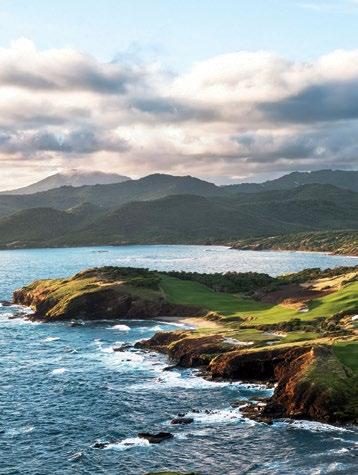
“Point Hardy is amazing! We went there for the first time over Easter and had a blast as a family. Holes seven through nine and 15 through 18 are just gorgeous, all along the ocean. I highly recommend it.”
—Annika Sörenstam
Santa Rosa, California
“Most Alister MacKenzie–designed courses are internationally known. This one—a nineholer in California’s Russian River Valley—is unknown even to most Californians. Set amongst towering redwood trees that pinch every fairway and cause palms to sweat through gloves, Northwood is a magical course where you half expect gnomes to pop out of the woods at any moment. The layout looks straightforward enough until you face an approach or chip shot, when MacKenzie’s diminutive greens and creative green surrounds suddenly become resolute defenses against par. And the aroma of those redwoods as you play? Heavenly.” —D.D.
Manakin-Sabot, Virginia
“My experience at Kinloch is one that I’ll never forget. I was amazed at how they found a way to create a venue that felt so timeless, yet with such modern features. The shot value with split fairways, the use of elevation to impact the precision of the approach, and to visually frame holes, was impeccable. The property is massive and makes use of trees, hills, and water features for a very dynamic landscape. And almost every hole is memorable. I also love the fact that Vinny Giles, a golfer with just a deep passion for the game, could build a venue this inspiring. Beautiful minds like his get me very excited for the future of course architecture.”
—Roger Steele
Montauk Downs Golf Course
Long Island, New York
“I spent a lot of time on Long Island this year and made the trip to one of New York’s top public courses, Montauk Downs. Redesigned by Robert Trent Jones Jr. in the 1960s and recently upgraded with refreshed bunkering and modernized infrastructure, it still plays true to its windswept, coastal setting. On an island known for exclusive clubs, Montauk Downs is special in that anyone can experience its links-style challenge.” —A.O.

“Mini-drivers have stepped into the spotlight recently, with several PGA Tour players and top amateurs putting them into service in place of 3-woods. Titleist added a strong performer to its GT line, the GT280, which features an L-Cup face to boost ball speed and strike consistency. The head of the 13-degree GT280 is just 280 cubic centimeters, while its shaft is 43.5 inches, so it offers the control of a 3-wood but produces more clubhead speed and distance. It’s not going to find a place in everyone’s bag, but for some it could be a game changer.” —D.D.
The best golf equipment shines for the confidence it instills; and the new lineup of golf gloves from Bruce Bolt—a Texas-based, family-run operation that got its start with baseball and softball batting gloves—feel like they can deliver championships. Made from premium cabretta leather, the gloves feature a patent-pending articulated wrist design.
“The new Trackman IO is truly amazing. It is by far the most accurate numbers I have seen on a simulator, and the graphics quality is best in class. It’s a blast.” —D.M.K
“True Linkswear’s new flagship spiked performance golf shoe marries carefully curated materials with trademark True innovation to give them iconic fit, feel, and performance. Their heritage-inspired upper is crafted from top-grain Napa leather and features the latest evolution of True’s Breezeway Heel Lock System. Their performance-focused tech is impressive too, with an all-new carbon-fiber ground-force reaction plate designed to generate power from the ground up.” —D.D.
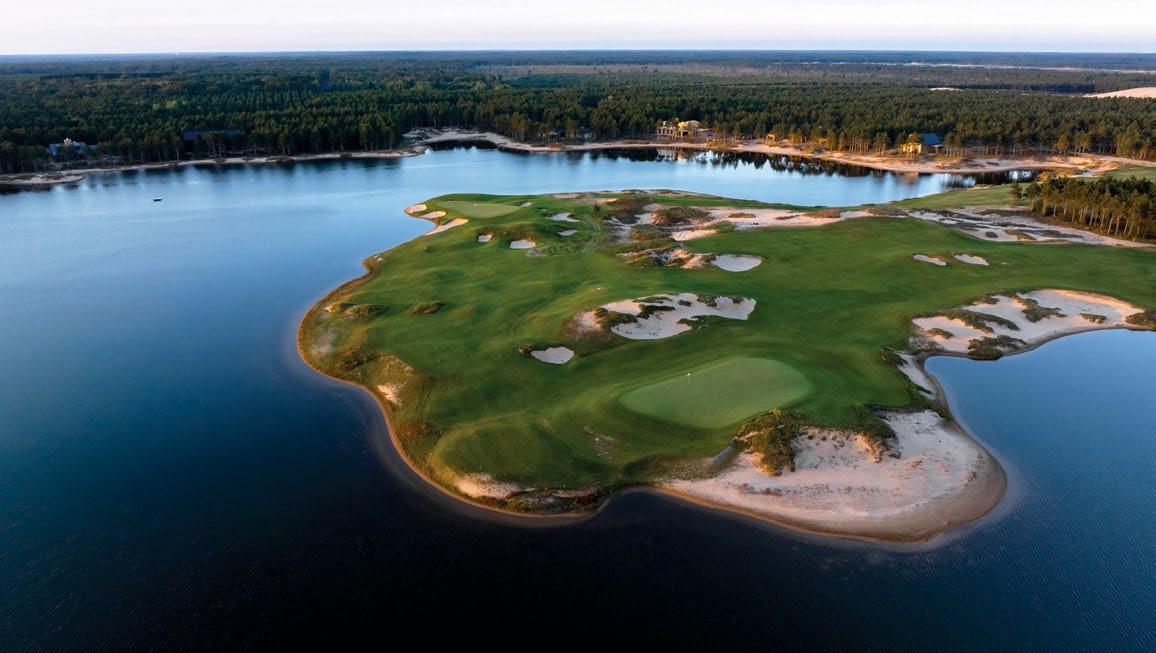
Wisconsin
What began as an idea to build a beginnerfriendly course in the spirit of Scotland’s golf parks slowly evolved into the Commons at Sand Valley—a 3,475-yard, 12-hole golf adventure that traverses wild and rumpled terrain. Jim Craig, who designed the course (his first solo project), embraced his infatuation with classic links, crafting undulating fairways that pay homage to North Berwick. At Prestwick Golf Club, birthplace of the Open Championship, the original routing was also 12 holes. That hardly seems a coincidence.
Columbia, South Carolina
“Solina Golf Club, formerly known as Indian River, boasts a fresh renovation in partnership with the Bryan Brothers—George and Wesley—who have made this a must-play course. It’s a fun layout, and the greens are just perfect.”
—G.B.
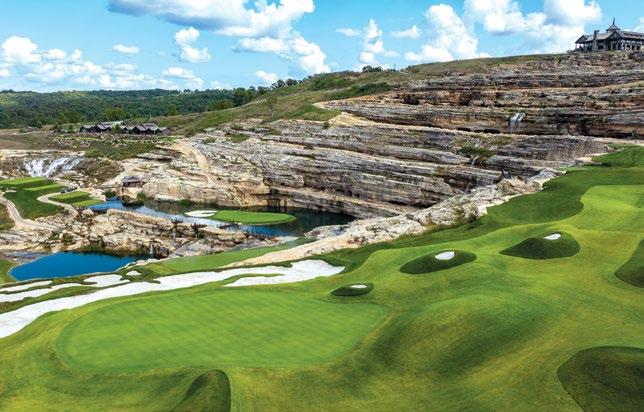
Cliffhangers at Big Cedar Lodge
Over the years, as Big Cedar owner Johnny Morris worked with notable golf architects such as Jack Nicklaus, Tom Fazio, and Gary Player to develop a world-class collection of courses, he injected his own elements of design where he could. The latest layout to open at Big Cedar Lodge, however, is solely the work of Morris and his son, J.P. Cliffhangers is an 18-hole, par-3 course that oozes drama with bold forced carries, notable drop shots, and even tee shots hit from the mouth of a cave.
From the clifftops of Costa Rica to the hotspots of Hong Kong, these are our panelists’ favorite new hotels, resorts, restaurants, and bars—plus a few memorable experiences we had along the way.
Boston, Massachusetts
Boston’s Beacon Hill neighborhood is one of America’s most historic. In September, a new bar opened that quickly began making some history of its own. Called 89 Charles, it occupies a seductive, subterranean space with a playful art deco vibe. Part 1920s speakeasy, part contemporary cocktail bar, it features tiger-print bar stools, velvet banquettes, and a 12-seat marble bar presided over by mixologists of the highest order. The cocktail list features creative twists on classic favorites, like the Charles St. Espresso Martini with coconut, and a menu of crudos and small bites like a spicy n’duja flatbread with hot honey and foie gras bratwurst.
Royal Mansour, Tamuda Bay
“At this new beach resort from the people behind Marrakech’s Royal Mansour hotel, even the entry-level rooms have ocean views, separate living areas, and private balconies. The food is incredible, the 40,000-square-foot spa is a dream, and the setting on the Mediterranean is pure heaven.”
—Samantha Brooks
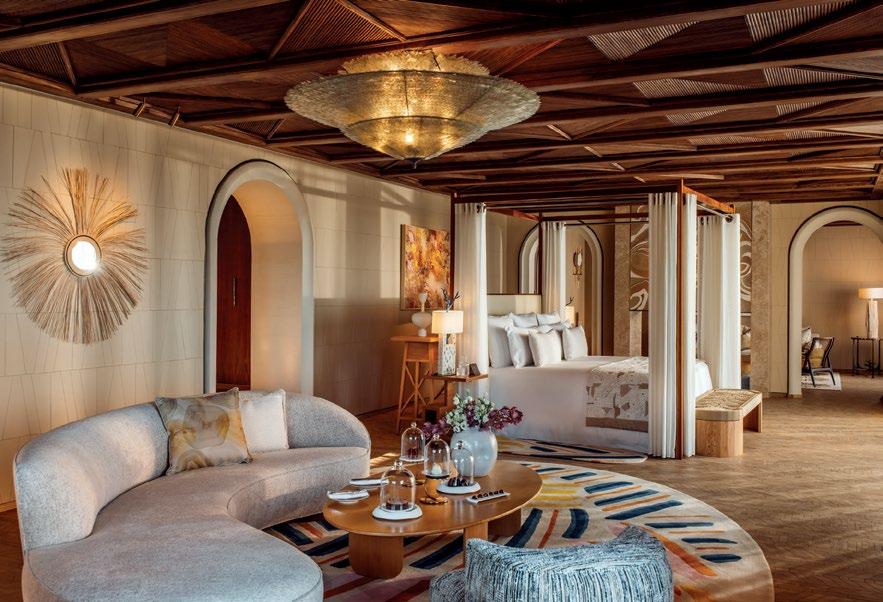
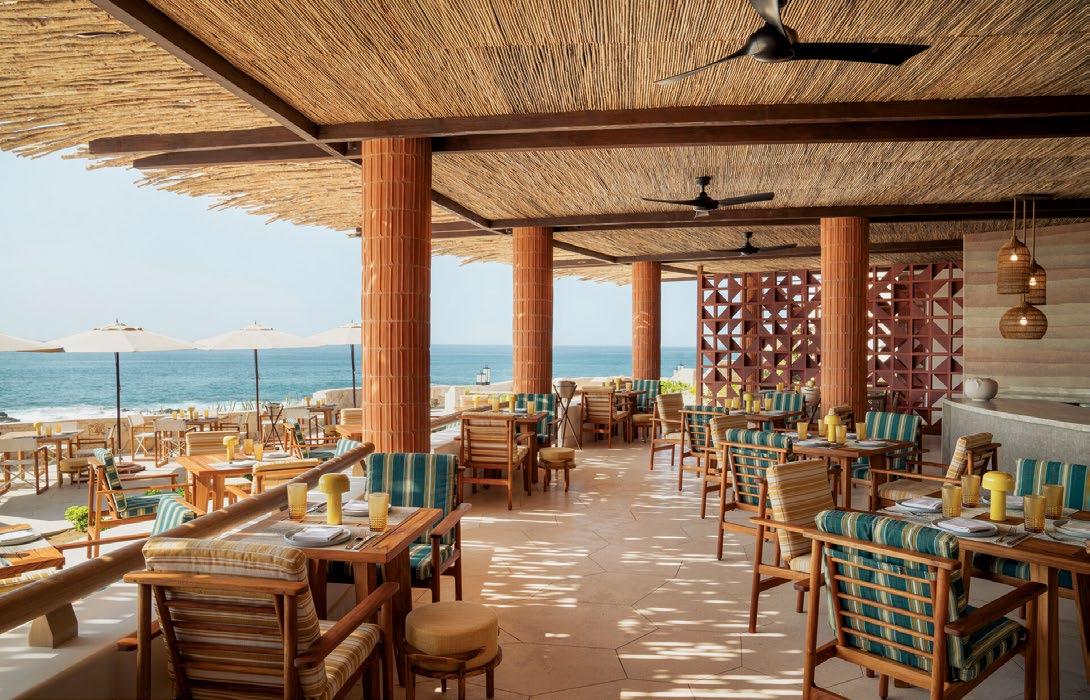
Mexico
“This all-new hotel within the Cabo del Sol beach and golf resort is everything you’d expect from a Four Seasons, including elegant decor that feels handpicked from the region.”
—S.B.
Scotland
The Road Hole Bar on the fourth floor of the Old Course Hotel in St Andrews enjoys the most privileged view in golf, overlooking its namesake hole, the greater golf course, and the West Sands and North Sea in the distance. The famed watering hole—which boasts a library of more than 300 whiskies—is better than ever, after a recent renovation.
Austria
Just opened in November, the Mandarin Oriental occupies a restored Art Nouveau building within Vienna’s famed Ringstrasse. The location is ideal for exploring the city’s many sights, perhaps on one of the hotel’s nighttime tours in a Fiaker carriage. The Mandarin Oriental also offers insider access to musical performances at the nearby St. Stephen’s Cathedral.
Adalina Prime
Chicago, Illinois
“I’ve been a fan of Adalina since day one. It was one of the first restaurants in Chicago that managed to make dinner feel like an occasion without overdoing it. The new Adalina Prime in Fulton Market keeps that DNA but turns the volume up with a bigger room, an open kitchen, a serious wine list, and a crowd that actually dresses like they still care. The menu is built around steak, seafood, and vegetables that don’t play backup. I start with the avocado ceviche, then move into the Miller Farms Wagyu with tteokbokki mac and cacio e pepe spinach. If I’m going lighter, the Chilean sea bass is perfect. Executive chef Soo Ahn is behind both kitchens, and aside from being one of the most talented chefs in the city, he might also be the best golfer wearing a chef’s coat anywhere in the world. Adalina Prime is the rare place that delivers both the meal and the memory.”
—Roger Steele
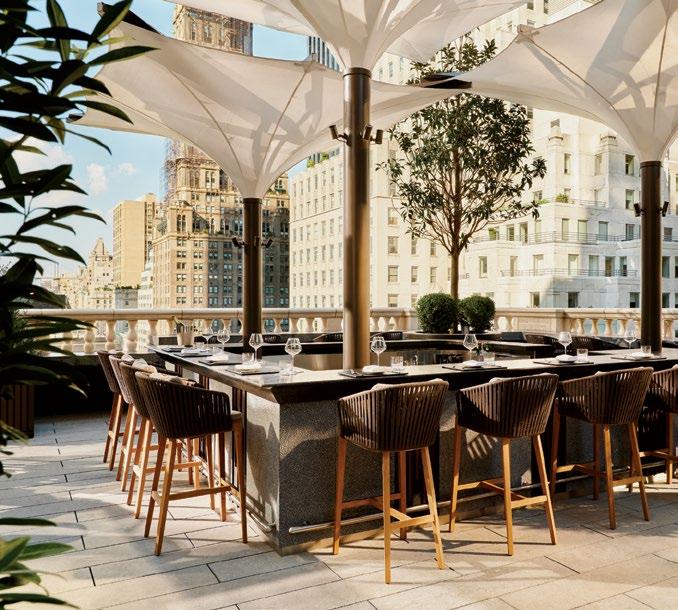
Aman New York New York City
“Having visited Aman resorts in far-flung locations, experiencing the reinterpretation of tranquil luxury in my own city was a welcome surprise. The hotel extends a quiet elegance within a peaceful oasis. The garden terrace and the three-floor spa are a vacation unto themselves.”
—Gabriel Kreuther
Oahu, Hawaii
“Recently I have been planning a refresh of the Palmer Course at Turtle Bay, on the North Shore. The Turtle Bay resort sits on the most amazing rocky outcropping, a spectacular location, and its recent renovation is truly spectacular. The rooms are modern, spacious, and shockingly quiet given the breakers are a mere few feet away. The giant sliding glass doors are great!”
—David McLay Kidd
Walland, Tennessee
“I had the honor of hosting a weekend in June at this resort in the foothills of the Great Smoky Mountains. Getting there is not easy, but once you have arrived, everything fades away and you are immersed in total luxury—Southern style. The resort combines extraordinary food and wine in a stylish yet comfortable setting. You can experience everything from wellnessinspired adventures to fly fishing. The grounds encompass 4,200 acres of private wilderness tamed for city folk like me!” —G.K.
Alaska Cruise
“As a family, the Alaskan cruise was great, and the ship was amazing! We loved all the restaurants, bars, and activities. Our favorite was the Prime Seven Steakhouse.”
—Annika Sörenstam
Clear Skies Margarita
Sea Island Golf Club, Georgia
“After the final round of the RSM Classic, I had a Clear Skies clarified margarita in the club’s Oak Room, and it was amazing! The process in which they clarify the tequila is wild . . . and it sounds a little bit gross: let the spirit mix with milk, then strain it through a cheesecloth. I’m unsure how this was discovered, but let me tell you, it’s a must try.” —Geno Bonnalie
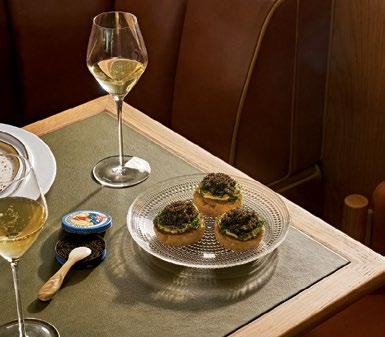
Caviar Fateer
Orla, Santa Monica
“Chef Michael Mina’s Orla restaurant at the new Regent Santa Monica hotel features ocean views and an eclectic menu with Middle Eastern flair. The Petrossian Royal Caviar Fateer with Daurenki caviar, ashta cream, chive, and dill is something I’d go back for over and over again.” —Ramona Saviss
Chocolate-Dipped Cannoli
Modern Pastry, Boston
“Modern Pastry in Boston’s North End hand fills each cannoli shell to order, which makes the crispy vessel a co-star alongside the decadently smooth ricotta filling. Order the chocolate-dipped shell and garnish it with pistachios, and you’ll understand that line in The Godfather about leaving the gun but taking the cannoli.” —Shaun Tolson
Duck Liver Ice Cream
Focus Atelier, Switzerland
“Perhaps my favorite place in the world is Park Hotel Vitznau, a castle-like hotel on Lake Lucerne. Helmed by Patrick Mahler, the hotel’s two Michelinstarred restaurant only has one dish that’s always on the seasonal tasting menu: duck liver ice cream with beetroot and beef tartare, a decadent dessert that I still dream about.” —R.S.
Bloody “Beef” Maria
Coa, Hong Kong
“The Bloody ‘Beef’ Maria at this agave spirits bar comes out smelling like a summer garden. The savory, clarified cocktail punches you in the mouth with ripe tomato notes, follows with a splash of smoke and spice from a blend of tequila and mezcal, then finishes slightly sweet. Its clarity in appearance only adds to its complexity.” —S.T.
Long Island, New York
“Canoe Place has been thoughtfully restored, blending historic charm with modern luxury. Just 90 minutes from New York City, it’s situated as a gateway to world-class beaches, wineries, and the best of the Hamptons. Guests can choose from stylish rooms and suites, garden cottages, and waterfront residences.”
—Alexandra O’Laughlin
New York, New York
“I’ve been inspired by one of the buzziest new Indian restaurants in New York, Passerine, helmed by chef Chetan Shetty’s seasonally driven cooking in Flatiron. Passerine recently collaborated with Dewar’s Scotch Whisky to create Diwali-inspired 12 Year Old whisky cocktails—a perfect example of how tradition and creativity can come together to produce spectacular mixology.”
—Stephanie Macleod
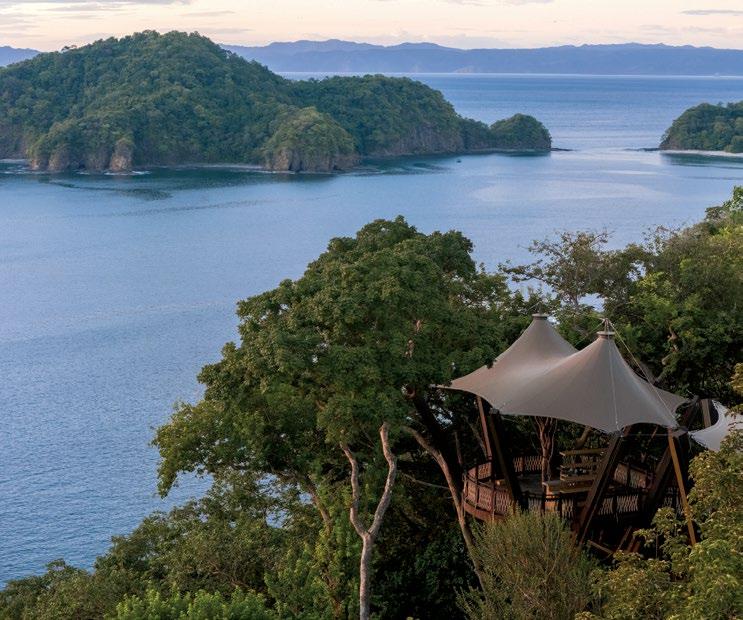
The year’s best new beach resort debuted in February at the exclusive Peninsula Papagayo development on Costa Rica’s Pacific coast. Part of Ritz-Carlton’s Reserve collection, Nekajui features 107 rooms and suites perched high atop a cliff, with a few “treetop” rooms tucked just below. Restaurants and a spectacular spa complex also line the cliff’s edge, where views stretch from two islands just offshore to Santa Rosa National Park in the distance. A funicular connects the resort’s upper reaches to its beach club and tapas restaurant, set just above a tranquil tropical cove. Across the street from Nekajui is the clubhouse for Arnold Palmer’s masterful Ocean Course at Peninsula Papagayo.
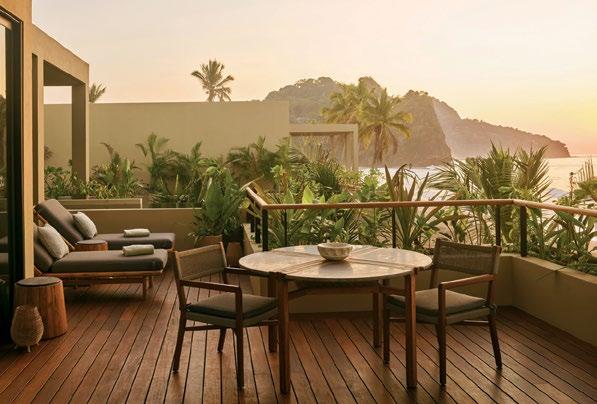
“The recent opening of the nine-hole golf course in between Mandarina’s One&Only hotel and brand-new Rosewood hotel allows this stunning resort community in Mexico’s Riviera Nayarit region to compete for golf travelers who were previously married to destinations like Punta Mita, Mayakoba, and Los Cabos.”
—S.B.
From watches to whiskies, a collection of items we adored in 2025.

“I’m always impressed with Rolex,” Annika Sörenstam says. “The Oyster Perpetual Land-Dweller is gorgeous, and the bracelet offers a different look, which is fun.” Introduced earlier this year, the watch’s famous Oyster case—synonymous with the Swiss company—has been restyled to showcase a finely detailed dial with a honeycomb motif. The bezel comes fluted or set with diamonds, while a new Flat Jubilee bracelet finishes a seamless aesthetic, incorporating both high-polish and satin finishings.

“The 2025 Corvette ZR1 Hybrid pushes performance boundaries while staying true to Corvette DNA. Built in Bowling Green, Kentucky— just like every Corvette since 1981—it pairs a twin-turbo V8 with electric boost to deliver more than 1,000 hp and instant torque.”
—Alexandra O’Laughlin
Lelit Bianca Espresso Maker
Coffee is one of my indulgences. I have a professional machine in my restaurant, but this newest edition from Lelit is a superior choice for making coffee at home.”
—GABRIEL KREUTHER
Whispering Angel from Château d’Esclans in Provence has set the international benchmark for quality rosés—dry, pale, crisp, and a great companion to so many dishes and occasions—yet the full class and sophistication of Château d’Esclans is bottled in its premium Garrus. Derived from 100-year-old vines, Garrus is aged in French oak barrels to finish a much more complex rosé. The oak comes through, along with a hint of creamy vanilla.
“For a large U.S. auto company, Lucid isn’t that well known yet—except to car enthusiasts who appreciate industry-changing technology. Lucid’s Gravity SUV, new for 2025, won’t do zero to 60 in under two seconds, as its Air Sapphire sedan can. But it’s still quick enough off the line—zero to 60 in 3.1 seconds—to get your attention at the wheel. And this in a smooth-riding, sweet-looking, seven-seat SUV. Lucid’s battery and electric motor tech is miles ahead of its competitors, and it delivers 450 miles in range on a single charge—in a cabin that’s smartly designed and as luxurious as you’ll find in any high-end car, electric or otherwise.” —David DeSmith
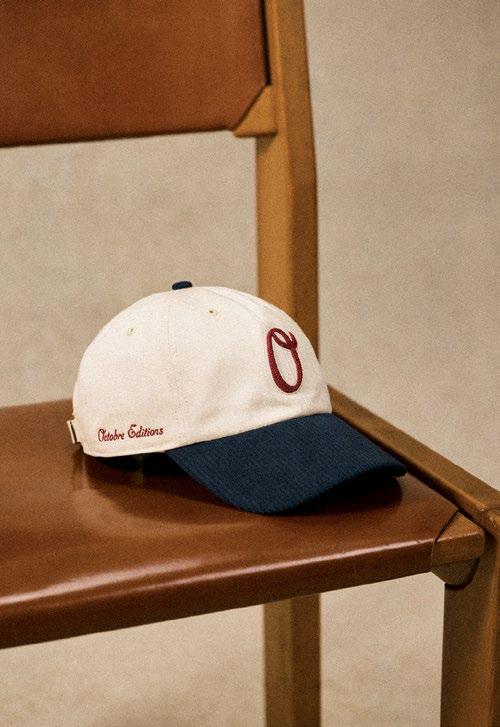
“This French label makes contemporary-styled basics that don’t break the bank and bring chic to everyday wear. Founded as the men’s line of Sézane, the brand focuses on timeless wardrobe staples—from perfectly cut shirts and knits to tailored pants and coats—all crafted in Europe with effortless sophistication.”
—Samantha Brooks
“You can spend a mint to get a good full-bodied cigar, but you don’t have to. For about $10, Oliva Black Swans are earthy, Connecticut-broadleafwrapper cigars that deliver complex flavors ranging from cocoa and leather to coffee and almond. For smokers who appreciate strong, layered flavors, they offer the perfect balance of creaminess and peppery spice.”
—D.D.

“After my X5M Competition sidelined, I found myself in a BMW iX M70 for the first time. I wasn’t expecting much—just a temporary stand-in—but the experience caught me off guard. The silence, the balance, the immediate surge of power; it all felt familiar yet completely new. The X5M is visceral, loud, and unapologetic. The iX M70, on the other hand, is confident in its quiet. It doesn’t try to replace the rush of gas; it redefines it. Behind the wheel, I started to understand what the next phase of driving might actually feel like; not lesser, just different. I’m still in love with the combustion growl and the rawness of my X5M, but this drive made the idea of going electric feel less like compromise and more like evolution. The iX M70 makes the argument harder to ignore.”
—Roger Steele
For golf-loving gin drinkers, it is hard to escape the synergy that has been distilled by Eden Mill in St Andrews. The company’s new Golf Gin features botanicals foraged from the Old Course itself. Distilled using the traditional London dry gin method, the spirit features notes of gorse, heather, and lavender that are subtle but satisfyingly present (as long as the gin is not drowned in tonic; one part gin to two parts tonic should do it, served on ice, of course).

“I am a pilot and love all things aviation. I live in Bend, Oregon, and fly an Epic Aircraft, which is actually designed and produced right here in my hometown. The Epic E1000 AX was just released, and it’s a game changer. It has all the performance of a light jet—speed, altitude, comfort—yet all the advantages of a turboprop, like low cost of operation, versatility, and single-pilot operation.”
—David McLay Kidd
Orlebar Brown
“For elevated resortwear that functions on the sea but looks impeccable on the shore, there’s nothing like Orlebar Brown, the British brand that redefined men’s swimwear with a tailored approach. Founded in 2007, the label began with the idea that swim shorts could be styled like smart trousers, and it has expanded more and more every year beyond swimwear.”
—S.B.
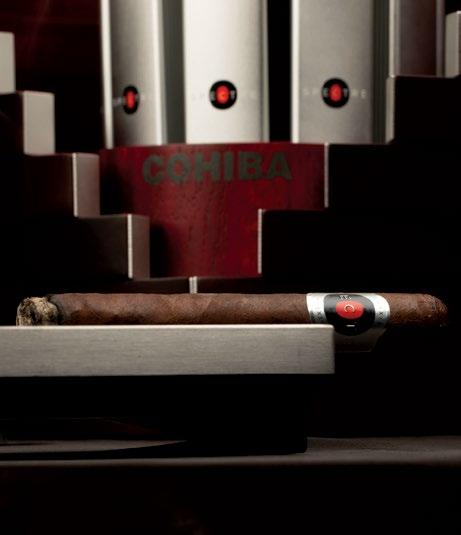
Since its debut in 2018, the limited-edition Spectre series from Cohiba has aimed to redefine ultra-premium cigars. The latest release continues that legacy with a Havana Connecticut 2017 wrapper, a Mexican San Andrés binder, and Criollo 1998 filler that was grown in the Dominican Republic. The blend delivers an earthiness and a slight fruity character, which balances out the cigar’s faint spiciness. It’s a rich and full-bodied smoke, but not so bold as to be overpowering.
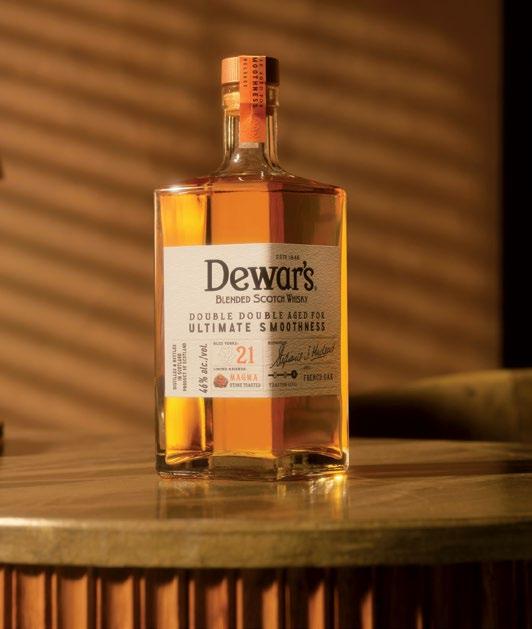
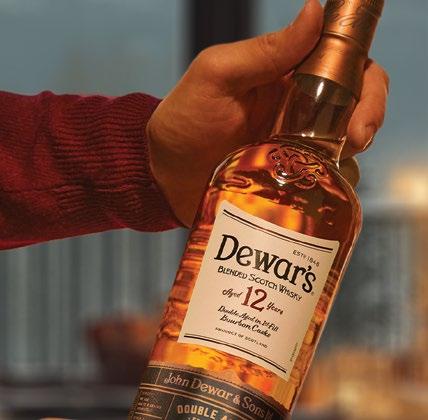
Dewar’s Double Double 21 Year Old Magma Stone Toasted
Not all single-malt Scotch whiskies are created equal; and, in the case of the Double Double 21 Year Old Magma Stone Toasted expression, its distinction is causally connected to how it’s created. What sets this highly mature whisky apart is its unique finishing technique—the whisky is aged in virgin French oak casks that have been toasted using Icelandic magma stones. The aging method imparts complexity in an elegant package, delivering notes of cinnamon, cloves, creamy caramel, baked apples, and toasted cereal. It’s fascinating, refined, and truly one of one.
“I’ve been wearing a smart watch by Amazefit that is great looking, tracks all my workout info, and has apps that are very useful—I use the golf app every time I play—and the battery is unlike anything I’ve experienced. I last charged it seven days ago, and I still have 45 percent as I write this.”
—Geno Bonnalie
Here, we pay tribute to the people who have forged new pathways and, each in their own way, made a major impact on golf over the past year.

The creative force and star of the Happy Gilmore movies just needs to rock up to the tee and he makes people laugh. While we don’t expect 2025’s Happy Gilmore 2 to receive an Oscar nomination, the movie undoubtedly introduced tour pros like Rory McIlroy, Justin Thomas, and Scottie Scheffler to a broader (and younger) audience. Sandler is keeping golf relevant and attention-grabbing in his inimitable way.
“With his YouTube channel, Bryson has really done some cool things, and he has an incredible following,” Annika Sörenstam says. DeChambeau has more than 2.5 million YouTube subscribers at the time of writing, which is up by a cool million from this time last year. He polarizes opinion, and his inclusion here spurred some warm debate within our editorial team and panelists. That’s what this recently appointed chairman of the U.S. President’s Council on Sports, Fitness, and Nutrition does. Like him or not, DeChambeau is a game changer.
The UK arm of Kingdom’s editorial team thought the European Ryder Cup captain was a worthy inclusion, and Sörenstam’s vote sealed the deal: “Luke Donald should be included for being a victorious Ryder Cup captain again,” she says. Some may argue that Donald is not a “changer” as such, but his unerring captaincy over the past four years has ensured the Ryder Cup remains golf’s most intense and gripping event. Ryder Cup tension is pure fuel for TV ratings, ticket sales, merchandise, and the career ambitions of the finest golf talents in the United States and Europe. And maybe Donald is forcing the PGA of America to change the way it plans and manages the U.S. captaincy. One of the hardest parts of the 2025 Ryder Cup was seeing the toll it took on U.S. captain Keegan Bradley.

The personality behind Bob Does Sports first gained Instagram traction as a friendly, funny doorman at the Beverly Wilshire, a Four Seasons Hotel. This year, his rise continued by co-creating the Internet Invitational, in which golf’s most popular influencers (including Kingdom List panelist Roger Steele) competed in a match-play event with $1.7 million of prize money on the line. It was not exactly a work of art, but more than 5 million YouTube viewers teed it up.
Hahn, the co-CEO of L.A.B. Golf, was a musician before he was disrupting the golf industry with his Lie Angle Balance technology and zero-torque putters. Since L.A.B. Golf’s founding in 2018, the company has experienced almost 18,000 percent growth. Several other manufacturers have released their own zero-torque putters, but nothing compares to the original. J.J. Spaun wielded the brand’s DF3 putter to U.S. Open glory in 2025, offering a significant boost to L.A.B. Golf’s profile. According to David DeSmith, the putters’ reputation is well deserved. “I didn’t know how well balanced they were until I putted with the new OZ.1,” he says. “It swings itself, feels like it stays on the right path effortlessly, and there’s a bonus: it has amazing feel.”
“We golfers love great photography, and yet we rarely consider how these images get created. When I started in the design business, photographers would cart a stepladder around and shoot on film, but today it’s all drones and digital. The unsung hero of this genre is Evan Schiller. He makes what we do look amazing, and he has pioneered drone photography in golf. Evan is a true artist in his own right, someone willing to do whatever it takes to get the shot—a willingness for which I have often been very grateful!”
—David McLay Kidd
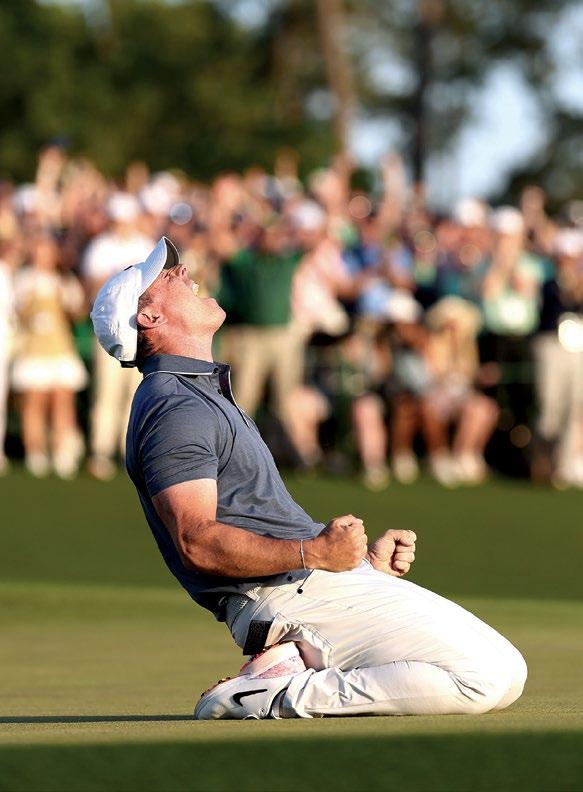
“It was great seeing Rory win the Masters to complete the career grand slam,” Sörenstam says. McIlroy returns to the Kingdom List after making his debut in 2023. That year, he was included for taking the PGA Tour players’ lead in the fallout with LIV, and for creating TGL Golf with Tiger Woods. McIlroy has continued to serve as an unofficial ambassador in 2025, which sometimes brings heat, but tour golf’s profile would benefit if a few others followed his example. In 2025, McIlroy became the first golfer in 25 years to complete the career grand slam. “Rory McIlroy has been the heartbeat of golf this year,” says Roger Steele. “Watching him fight through the noise, the pressure, and the weight of expectation [at the Masters] was a reminder that winning doesn’t always have to look beautiful to mean something. Sometimes victory is about holding on when your hands are shaking, finding calm in chaos, and refusing to let history define you. Then at Bethpage, he absorbed every ounce of hostility the crowd could throw and still led Europe to an away Ryder Cup win. This year, Rory didn’t just play great golf; he embodied it—proving that grace, grit, and growth can all live in the same player.”
These are the people and places we will be following closely in 2026, from tour rookies to restorations of some of golf’s greatest courses.
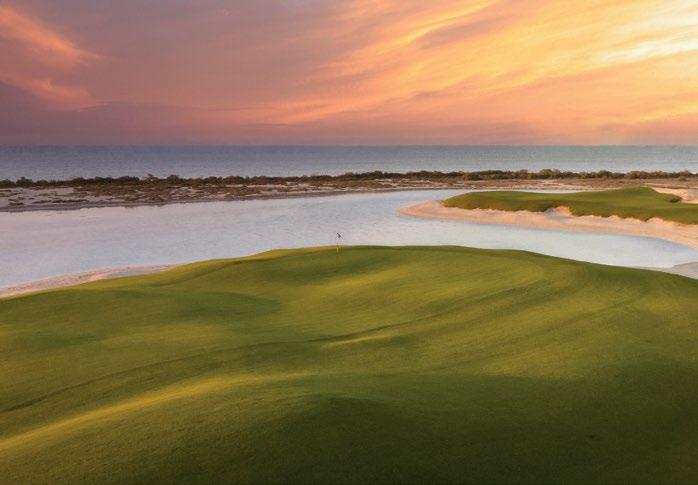
Saudi Arabia may not be a golf destination yet, but that could change with the arrival of the kingdom’s first island course, Shura Links. Part of the Red Sea—an ambitious new destination incorporating 10,800 square miles of desert, mountains, beaches, and islands on the Saudi west coast—the Brian Curley–designed par-72 course sprawls over 7,400 yards of palm-dotted sand dunes and mangroves. Shura Links is just the beginning on the island, where 11 new resorts from the likes of Four Seasons, Edition, and Rosewood are set to open soon.
“The golf courses at Fox Harb’r are undergoing a redesign, and nine of the new holes for its Ocean Course—imagined by the duo of Canadian golf course architects Doug Carrick and Thomas McBroom—[already] opened for play. It’s the first time these two talented designers have collaborated, and the result is simply thrilling. The new Ocean nine is a links-style course that plays firm and fast and takes you right to the edge of the Atlantic. Its greens are uniformly slick and vexing. When the full 18 of the Ocean Course debuts in 2026, you can expect a worldclass experience at a five-star resort that does everything very well.”
—David DeSmith
After boldly redesigning the Blue Course at Congressional Country Club and successfully restoring Inverness Club, the East Course at Oak Hill, and East Lake Golf Club—among many others—architect Andrew Green is finally putting the finishing touches on his first original design, Firefly, just south of Nashville. If his from-scratch creations are executed with the same expertise and finesse as his masterful restoration projects, Green could emerge as golf architecture’s next big thing.
Bowling Green, Florida
The modern masterpiece of Streamsong will continue to grow in the fall of 2026, when the resort’s fourth golf course will open for preview play. Kingdom List panelist David McLay Kidd, the designer of the course, calls it a “seminal project” for which “expectations are high.” We couldn’t agree more!
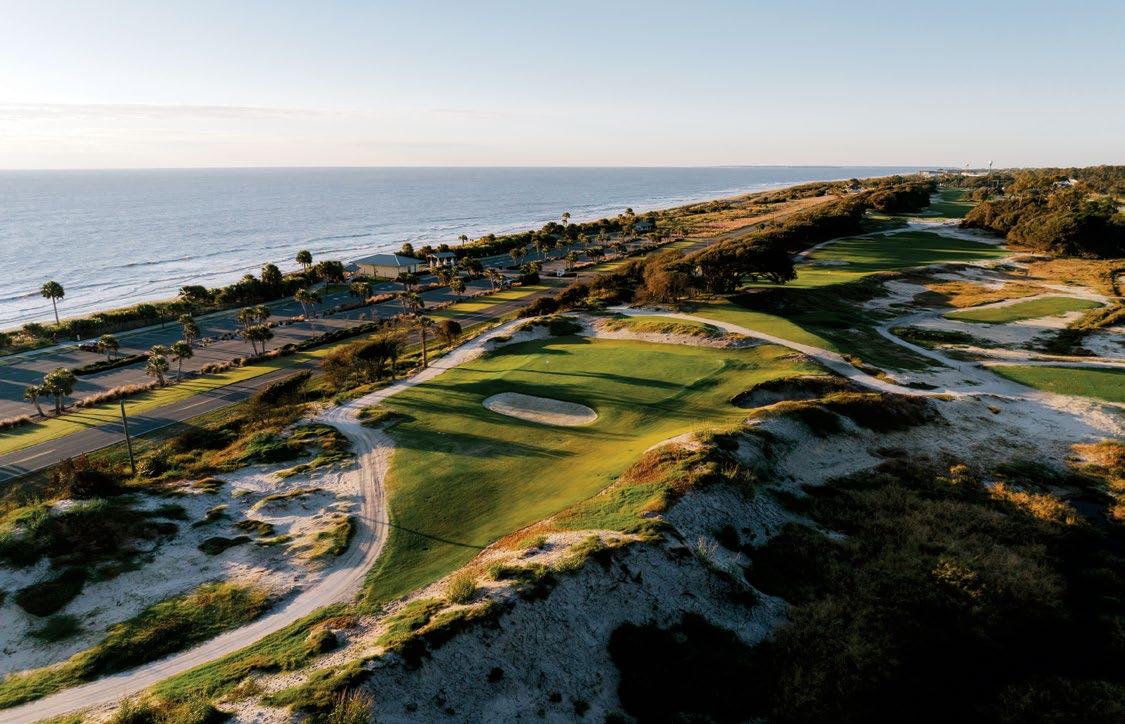
New York City
“I am especially excited about the upcoming opening of chef Gabriel Kreuther’s newest restaurant in Hudson Yards, New York, that joins his iconic restaurant along Bryant Park. I admire his artful approach to Alsatian-inspired cuisine and cocktail pairings.”
—Stephanie Mcleod
“I’m genuinely excited about where golf is going in 2026. The sport finally feels like it’s embracing evolution without losing its soul,” Roger Steele says. “With TGL finding its footing, the Masters pushing creative boundaries in content and coverage, and Brian Rolapp stepping in to bring his NFL experience to the PGA Tour, there’s real momentum building.” Rolapp was appointed CEO of the PGA Tour in June, but it is in 2026 and 2027 when we will begin to see his ambitions for the tour touch down. Rolapp has voiced intentions to revise the season-ending playoffs and also the need to bring “scarcity” to the schedule, which might mean a move toward fewer tournaments and a meaningful offseason.
The Great Dunes golf course on Jekyll Island, originally designed by Walter Travis, is reopening by the end of 2025, two years ahead of its 100th anniversary. Running alongside the Atlantic, Great Dunes is the only golf course in Georgia to use a brackish-water irrigation system.
Asheville, North Carolina
“It’s not the Broadmoor in Colorado—it’s the one in Asheville, North Carolina, that was under 20 feet of water a year ago after Tropical Storm Helene dropped 40-plus inches on the area in three days. Helene drowned the entire course, the maintenance facility, and much of the clubhouse, taking out 90 percent of its trees and leaving eight feet of silt in its wake. Owner Zeke Cooper and his team have worked tirelessly to resurrect the course, and it will reopen as an even more links-like Broadmoor in 2026, with new bunkers, three new holes, and wider, more player-friendly fairways. Broadmoor has long been a favorite of locals. The new Broadmoor will be a Blue Ridge Mountain course worth going out of your way to play.”
—D.D.
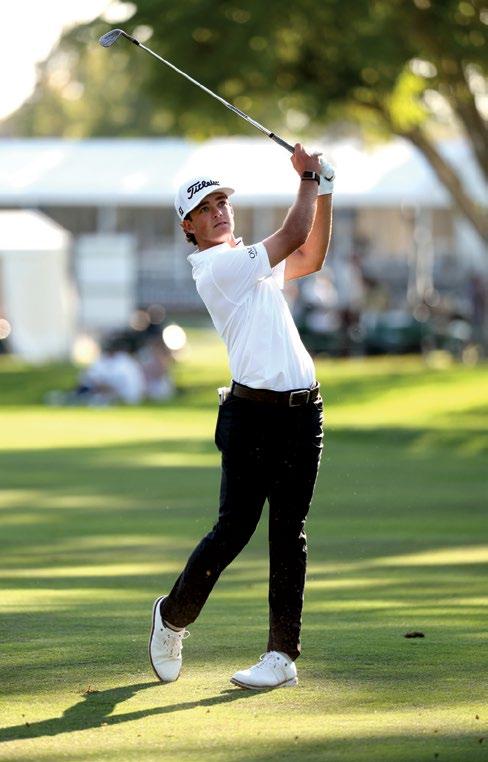
“Watching the Ryder Cup had me thinking: Who might be in the next Ryder Cup that the average golf fan might not know at this point?
Jacob Bridgeman: This kid is so good—doesn’t seem to have a fault in his game. Jackson Koivun: Still an amateur, but he has finished in the top 11 in each of his last four starts on the PGA Tour. Andrew Novak: This guy thinks he can make it from anywhere, and generally, he’s right. He’s played great lately, and I see him just getting better and better.”
—Geno Bonnalie
We’re entering a moment where presentation, storytelling, and access in golf are catching up to the quality of play. It’s no longer just about who wins on Sunday, but how the game connects with people on every level. Golf feels younger, sharper, and more intentional than it has in years. For players, fans, and creators alike, this next chapter is shaping up to be the most exciting yet.”
—ROGER STEELE
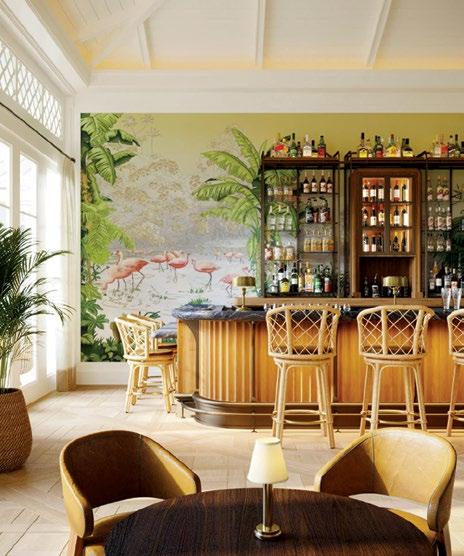
the end
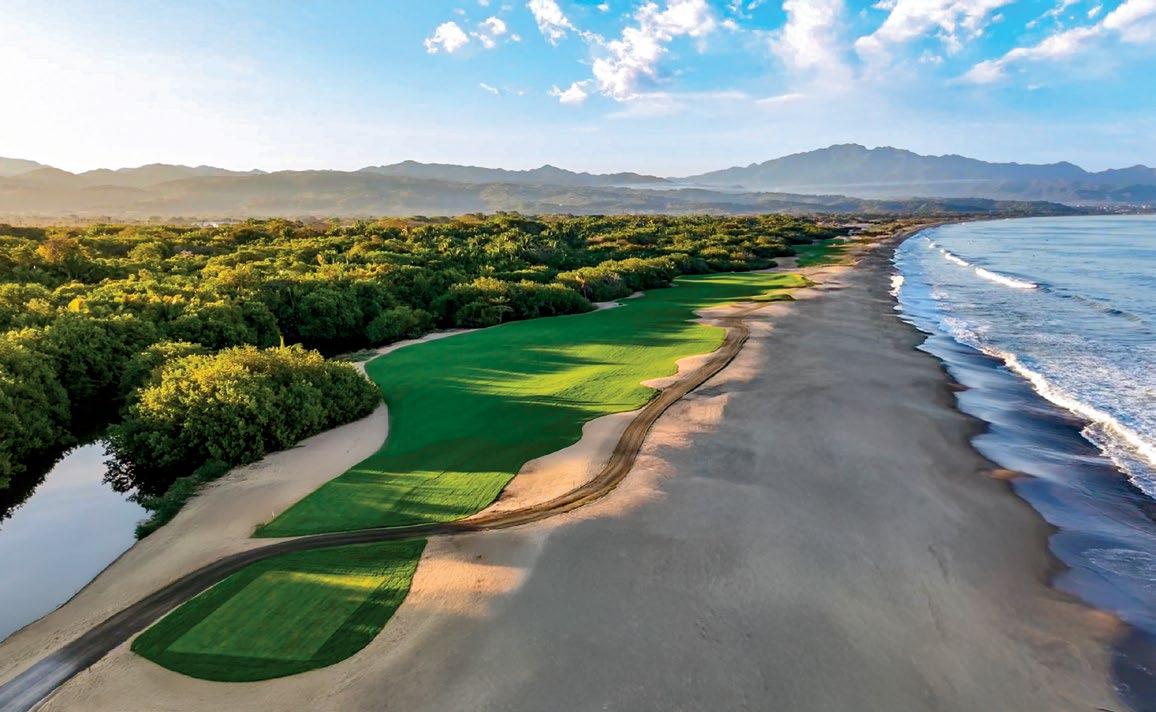
Spanning some 900 acres of jungle and beach on the Riviera Nayarit coast north of Puerto Vallarta, this resort community started to roll out its impressive list of amenities in the fall. By this time next year, that list will include two Tom Fazio golf courses (an 18-hole championship routing and a nine-hole short course), a 91-room Ritz-Carlton Reserve resort, a beach club, a deep-water marina, and private residences designed by Olson Kundig.
Shinnecock Hills, New York
The past meets the present at the 2026 U.S. Open next June, when the championship returns to Shinnecock Hills on Long Island. This will be the sixth U.S. Open to be played at the Southampton club, 130 years after its first, in 1896. “I’m very excited about the 2026 U.S. Open happening at Shinnecock Hills,” starts Mcleod. “Dewar’s is the Official Scotch Whisky of the U.S. Open, and we’re thrilled to continue that partnership. The Hamptons is an iconic summer spot, synonymous with epicurean discovery and fine-dining experiences. Each year, to celebrate the championship, we release our Dewar’s 19 Year Old Champions Edition, and for 2026 we have something special up our sleeve inspired by the Hamptons.”
Given Teeth of the Dog’s dramatic, ocean-side location, it’s easy to see why Casa de Campo’s flagship golf course, a Pete Dye design, has long been considered one of the Caribbean’s premier layouts. Those accolades will be even more effusive come December, when the course reopens following a comprehensive restoration by Jerry Pate. The project includes the rebuilding of greens, the reshaping of bunkers, and re-grassing the entire course in Dynasty Paspalum, a varietal that is ideal for seaside play.
Look out for New Yorker Melanie Green in her rookie season on the LPGA Tour in 2026. The 23-year-old won twice on the Epson Tour this year to finish at the top of the “Race for the Card” rankings. “It’s every kid’s dream come true, right?” says Green. “I am looking forward to seeing how my game fits out there and all the places I am going to get to see. I get to live out the dream.” Green has a history as a clutch golfer, particularly in winning the 2024 British Women’s Amateur at Portmarnock, outside Dublin.
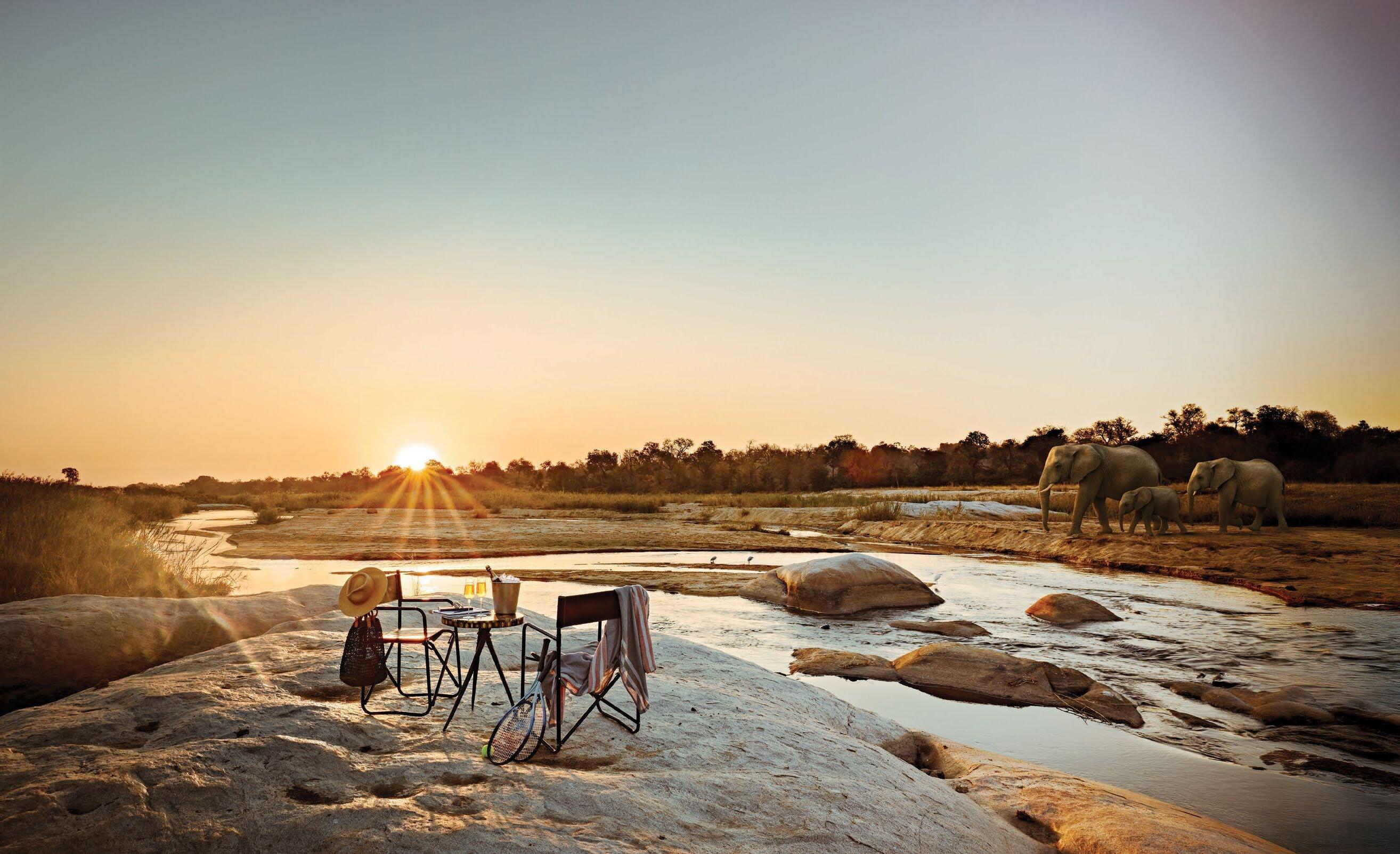

YOUR BUCKET LIST DIDN’T EVEN KNOW THIS
The match had been played on a clay court overlooking the savanna. The only spectators, a herd of elephants. And that was just day one.
At Kensington, every dream is achievable. Our fully customized itineraries and expert private guides ensure that your trip is once in a lifetime, every time.
Start planning at KensingtonTours.com or contact your Travel Advisor.

Fresh off his first win on the PGA Tour, Thomas Detry has his eyes set on even bigger accomplishments in 2026.
by SHAUN TOLSON
Almost six years before Thomas Detry made his champion’s walk up the 18th fairway with a six-shot lead in the final round of the 2025 Waste Management (WM) Phoenix Open, the affable Belgian was sprinting down the 10th fairway at the Real Club de Golf Guadalmina.
During the 2019 season—when the DP World Tour visited the Real Club Valderrama in Málaga, Spain—Detry and three other players took part in a challenge at the nearby Guadalmina course, where they each attempted to break the Guinness World Record for the fastest hole of golf. The standing record of 1 minute, 33.37 seconds, had been set on the same hole 14 months earlier.
Detry, then 26, was raring to go. It helped that he could first watch the attempts of his fellow competitors—Sean Crocker, Paul Dunne, and Guido Migliozzi—and learn from their mistakes. But the young Belgian pro had another


advantage. Although he was first introduced to the sport of golf when he was five, Detry had a field hockey stick in his hands at an even younger age. In fact, he grew up playing several sports—field hockey, tennis, and cycling among them—and he continued to dabble in those pursuits for about a decade. In other words, he could run.
“Up until I was 14 or 15, I was doing everything,” he recalls. Yet, it was as a junior golfer where Detry showed the most promise, qualifying for the Belgian national team and subsequently traveling the world to play in a series of international events. “It became clear that I was just better at golf,” he says, “so I put the rest on the side.”
Detry wasn’t resting at Guadalmina, not once he put his tee shot in play and the clock began ticking. After hitting his drive with a smooth, relaxed swing—a strategic choice that saved him from running at full speed for more than 300 yards—Detry hustled after his shot, then knocked an iron just short of the green. Three putts later and Detry’s ball was in the hole. Moments later, as he was hunched over near the pin, he learned that he was a new Guinness World Record holder, having completed the 500-yard hole in 1 minute, 29 seconds. More than six years later, Detry’s record still stands.


from the moment he turned professional in 2016, Detry was effectively sprinting out of the gate. After finishing in the top 10 in his first two events on the European Challenge Tour—the equivalent of the Korn Ferry Tour for the DP World Tour—the University of Illinois alum was attracting attention. So much so that he signed a sponsorship deal with golf fashion brand G/Fore even before his first victory.
That maiden win wasn’t far behind; Detry effectively lapped the field in his 10th start as a pro, winning the Bridgestone Challenge in Oxfordshire, England, by a whopping 12 strokes. He next tasted victory two years later, teaming up with fellow countryman Thomas Peters for the ISPS Handa Melbourne World Cup of Golf.
On the PGA Tour, however, wins proved to be more elusive. In his first 67 starts, Detry made the cut 80 percent of the time, racking up two dozen top 25 finishes and nine top 10s. But it wasn’t until that fateful second week of February 2025 in Phoenix that the accomplished European player (ranked 49th in the world at the time this story went to press) put it all together for four straight days.
Ironically, it was Detry’s ability to slow down that week, to calm his mind, that allowed him to play his best—especially on Sunday. His performance validated almost two years

I was in the zone. You sort of have to be, because you’ve got 250,000 people shouting at you at the same time.”
of regular sessions with a sports psychologist and, at that time, more than half a year of regular mindset training using Headspace, a leading app for meditation and mindfulness.
“It’s not easy to get in that zone,” Detry acknowledges, “but you reach it when you have a free mind—when you don’t see all the mistakes that could potentially happen. When your brain is focused in the present and only on the shot that you want to hit.
“There are always moments where those negative thoughts sort of creep in,” he continues, “but I really felt like that was the best week that I’ve ever had in having a positive mindset. I was in the zone. You sort of have to be, because you’ve got 250,000 people shouting at you at the same time.”
Detry was so locked in for the Phoenix Open’s final round that even when he was stringing together multiple birdies across the closing stretch of holes, he was oblivious to the lead that he had accumulated. That was when his caddie, Lee Warne, stepped in.
about a decade earlier, when Warne was caddying in the Dunhill Links, he had the opportunity to chat with Steven Redgrave, one of Great Britain’s most decorated rowers, who was participating in the pro-am portion of the event. When he asked Redgrave to share his biggest regrets as an athlete, the gold medalist bluntly declared, “Not soaking it in and enjoying the moment.”
“It’s always stuck in my mind,” Warne says. “So, once we hit it just short of the green on 17, and [Detry] made birdie, I was like, now’s the time to enjoy this moment.”
So as the duo walked up the 18th fairway of the Stadium Course at TPC Scottsdale, the veteran looper tapped Detry on the shoulder and effectively said as much. “He said, ‘Let’s just enjoy this walk, because it doesn’t come along that often,’” Detry remembers.
“You dream about getting yourself in those situations, but it’s stressful,” Warne explains. “And when you’ve got a big lead like that, it’s almost like you try and chase the end too quick.”
In fact, as Warne sees it, that never-ending chase largely defines the professional golfer’s experience these days, especially at the highest level of competition. “There’s so much golf on the PGA Tour now,” he says. “Everyone just wins and then goes onto the next week. There’s never really time to actually stop, have a glass of red wine, and celebrate. You’re just caught up in the race all the time.”
When you’ve got a big lead like that, it’s almost like you try and chase the end too quick.”
—LEE WARNE
That was precisely what happened to Detry earlier this year. With a signature event scheduled for the week after the Phoenix Open, the newly crowned champ couldn’t take a week off. And because he and his wife, Sarah, chose to stay in the U.S. for the first half of the year with their two young daughters—rather than trying to fly back to their home in London or their other part-time residence in Dubai—Detry was always focused on the next tour stop on the calendar. It wasn’t until the final week of June, more than four months after his win, that he returned home for some much-needed time off.
Prior to that, the impact of the win hit the Belgian golfer in ways he hadn’t anticipated. “Because I’ve been so obsessed with winning golf tournaments, after the win I felt a bit of an empty space,” he shares. “Suddenly, I achieved a goal that was so big, and I was a little bit lost. I didn’t really know what my next goal was.”
Life for a professional golfer on the PGA Tour can be tough. This much Detry has learned over the past few years. Even after a win, the tour experience feels very much the same. “You’re almost disappointed every single week,” he reveals. “Obviously, the one odd week when you win, that’s when you feel really good about yourself. But it’s so competitive. You can pretty much never relax. It feels like every single week is such a grind to chase something better.” Fortunately, Detry is well prepared for that. He’s been running hard his whole life.
A victory on the PGA Tour is meaningful in so many ways, and yet, it doesn’t hit every player the same.
Hoisting a championship trophy on Sunday afternoon can be life-changing on the PGA Tour. At the very least, it comes with multiple years of eligibility, which provides peace of mind and some security—however fleeting that may be. But the impact of an inaugural victory on the PGA Tour can vary from player to player. Here, we share observations from four recent first-time winners on tour.
“Before the win, every cut mattered so much. I was trying to gain points, trying to maintain my card. Honestly, I feel like I wasn’t able to take the same risks on Thursday and Friday as I am now— trying to put myself into contention and go win golf tournaments—because I have that job security. If I don’t win early in the season last year, I might have a different start on Thursday and Friday in the fall series, because that fall series might mean more. But I felt really free to just go out and play good golf, so that first win definitely led into the second one.”
—Austin Eckroat, winner of the 2024 Cognizant Classic and 2024 World Wide Technology Championship
“At the time, it feels different. It feels like all eyes are on you, which they’re not. They’re not. Because once you win, you realize that you have to prove yourself every week. But it was the best thing that could’ve happened to me, because I realized that I’m definitely good enough to win. But then playing in all the majors and playing in these elevated events and getting my ass kicked a little bit, it made me realize that I need to work on these little things that the guys who are winning constantly are doing better than me.”
—Stephan
Jaeger, winner of the 2024 Texas Children’s Houston Open

Brian Campbell
“I wouldn’t say it was drastically different, but right away, you have a sense of validation for what you’ve been working on and the confidence in what you’re doing. Even right now, I’m a little bit more comfortable in my own skin and validated in the things that I’ve been working on.”
—Brian Campbell, winner of the 2025 Mexico Open
“It took a lot of pressure off. I remember winning and getting into the Wells Fargo [Championship], so we had to change our plans and show up there. Obviously, my game was in a good spot. I was a little tired from the week before, but I just thought that I was going to play with a lot of freedom that week. If I didn’t play well, it was all good because I just proved to myself the week before that I was good enough to win. But I had a great week and finished tied for 10th.”
—Taylor Pendrith, winner of the 2024 CJ Cup Byron Nelson

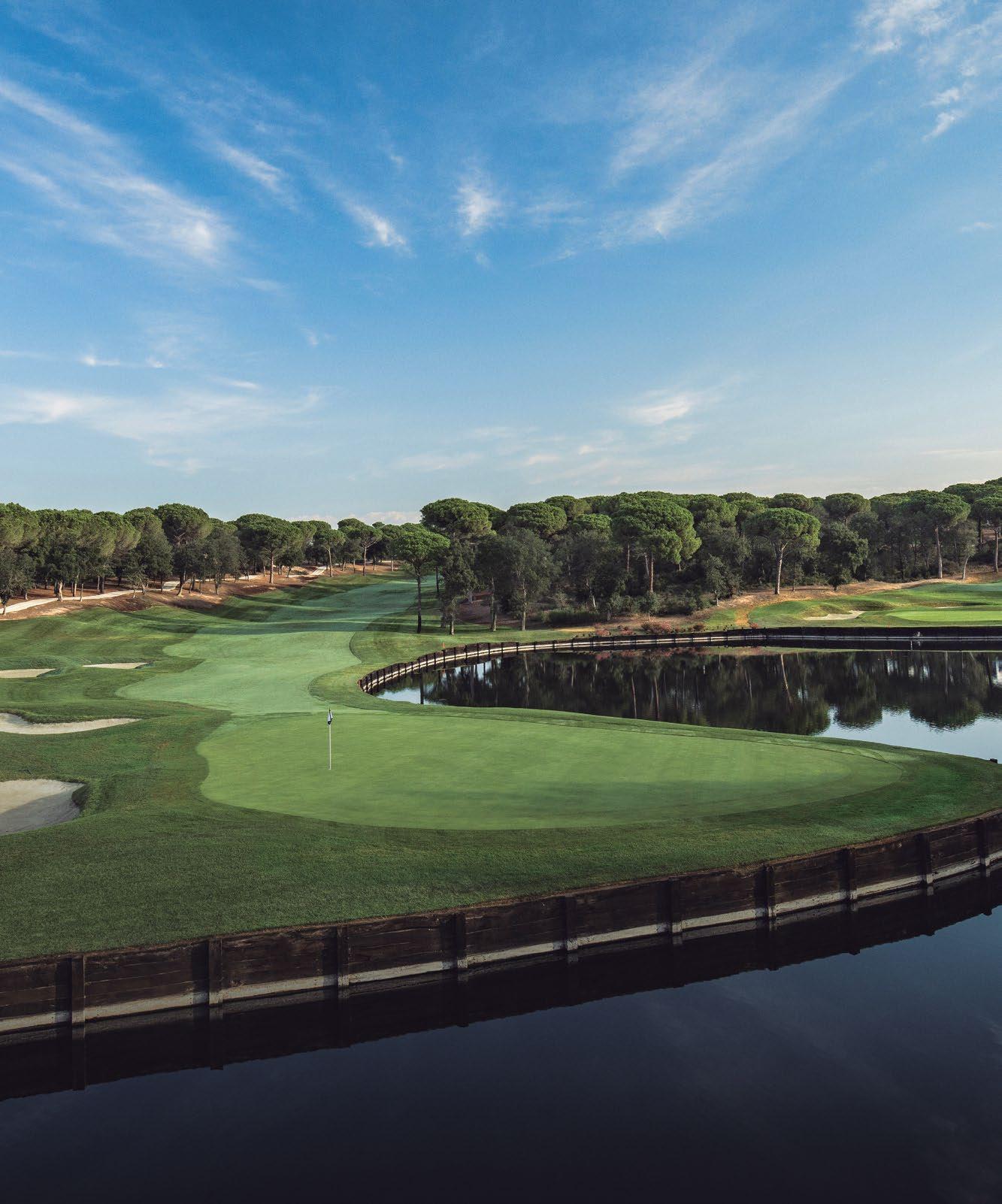
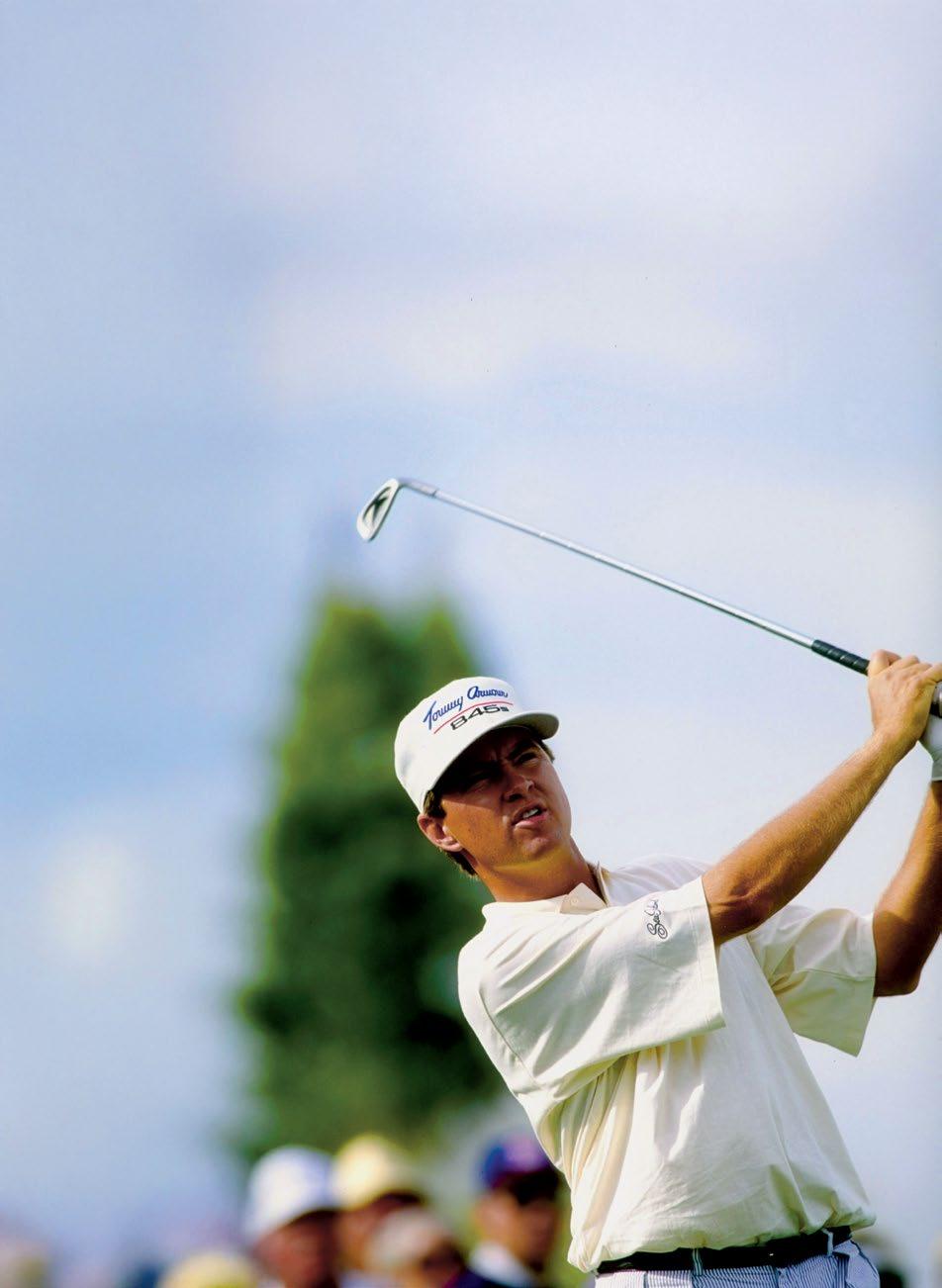
Wwhen he turned pro in the fall of 1985, Davis Love III, then 21, was no stranger to being inside the ropes of a professional golf event. Growing up as the oldest son of a club pro, Love III often tagged along when his dad, Davis Love Jr., qualified for the occasional PGA Tour event and the more frequent major championship. (Love Jr. competed in 16 majors over the course of almost two decades, finishing as high as a sixth-place tie with Jack Nicklaus at the 1969 Open Championship at Royal Lytham & St. Annes.)
“I remember hanging out in the locker rooms,” Love III recalls. “Back in the old days—when it wasn’t badges and security—I was roaming around wherever I wanted to go as a little kid.”
Love Jr. proved he had the game to compete with other pros; across 68 professional events, he made the cut 83 percent of the time. But playing on the tour wasn’t the path he pursued, at least not full-time. Love Jr. was destined to teach, and by the time his two sons were learning the game as young kids, the Texas-born golf professional had built a reputation as one of the country’s best instructors, soon becoming a famous teacher with Golf Digest Schools.
Learning the game and the art of the swing from such a renowned teacher allowed Love III to achieve immediate success as an amateur, which gave him a quiet confidence as he made the transition to pro. More so than having a skilled teacher, Love III and his brother, Mark, benefited most by having a father who had his pulse on the future of the game. “Like Harvey Penick, whom he idolized, my dad was ahead of his time a little bit. He was always trying to look to the future,” Love III notes. “He knew that when you hit that growth spurt—no matter how tall you are going to be— whenever you grow into your body, your swing changes so much. So [he believed], why not just hit it hard? We’ll figure out how to make it go straight.
“He didn’t hit it far, but he wanted his boys to hit it a long way,” Love III continues. “So we could swing as hard as we wanted when we were little kids. But our rule was we had to keep our balance. We had to hold our finish.”
The elder Love was also very clear with his boys from the moment they took up the game. If they wanted to just go out on the course and play for fun, they were welcome at the
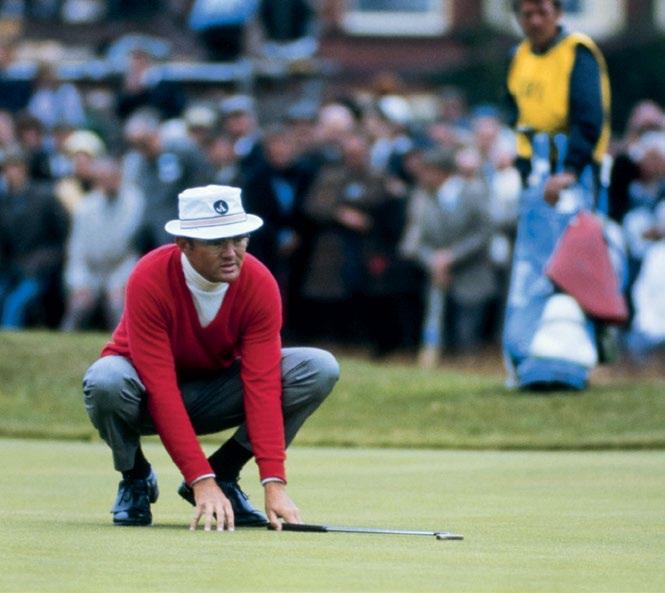
club—then the Atlanta Country Club—any time, with no restrictions. If they were serious about developing into good players and wanted to play the game seriously, they had to listen. “At some point, when I was 12 or 13 years old,” Love III remembers, “I said, ‘I’ll do whatever you tell me.’”
It was around that time that he also began to understand how good his father was as a teacher. He remembers a trip to the mall where strangers came up to Love Jr. for a quick meet-and-greet. His father was a celebrity, Love III discovered, all because he taught golf. “I realized early on watching him play and watching him teach, that I’m lucky,” he says. “[I remember thinking], I’ve got one of the best teachers in the world, and he’s also fun to play with, and he’s also my dad. So I should pay attention.”
Just as Love Jr. proved to be prophetic when it came to predicting the importance of distance at the pro level, he also envisioned how his son’s transition to the professional ranks would go. “When I was a junior in college, he told me, ‘You’re ready for the tour, and you will make it okay. You won’t win the first year, but you’ll win the second year.’ He literally predicted it,” Love III recalls. “That was my compliment but also my motivation. I wanted to prove him wrong.”
Whether it was for a 62 or a 72, my dad wanted to grind it out. . . . He never gave in; he putted everything out.”
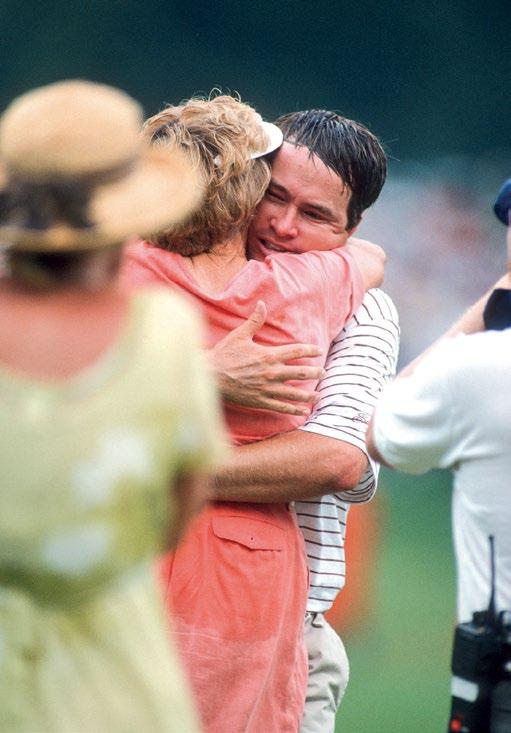
throughout love iii’s childhood—and even during the first few seasons of his professional career—he and his father rarely fought. Golf is a challenging game, and the swing is complicated, yet the father-son duo proved they could find success without serious arguments. Tragically, in the fall of 1988, following Love III’s third season on tour, his father died in a plane crash at the age of 53.
The bond between Love III and his father was obvious to all those who saw them work together. Bob Toski, a fellow Golf Digest Schools instructor, once said: “I never saw a father-son relationship that was as good.”
Across a professional career that has spanned four decades, Love III has shown a penchant for nurturing relationships, whether it’s with his fellow pros on tour or with sponsors. He partnered with Ralph Lauren before the apparel company even had a lineup of golf clothing—and is still with the brand today. His partnership with RSM spans the PGA Tour event at Sea Island Resort, which Love III hosts. “I’ve been lucky to be with really good companies,” he says. “We’ve become partners and we’ve become friends because of the way I was brought up in golf. And when they say brand ambassador, I take it seriously. That builds a trust and a relationship.”
The strong bond Love III had with his father was forged largely through golf, even though their games were vastly different. In fact, he sees only one similarity between the
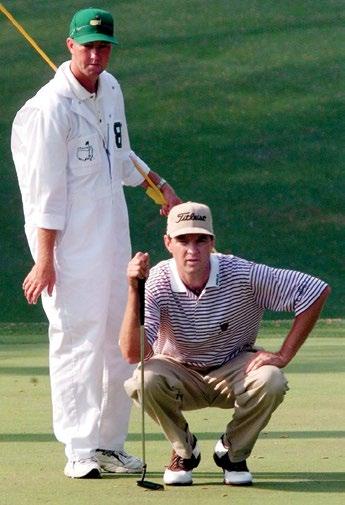

two. “It’s the attitude on the way you play and how you play,” he says. “Whether it was for a 62 or a 72, my dad wanted to grind it out. No matter if he was just playing on Monday when the club was closed or he was playing in a tournament or he was trying to beat his sons—he never gave in; he putted everything out.”
Love III takes a similar approach. During social rounds with his son, Dru, he hates it when Dru whacks his ball back to him after a good lag putt or chip. It might be good in his son’s eyes, but Love III knows that the next time he’s playing a competitive round on tour, those two- or three-footers won’t be conceded. “I’ll go ahead and finish,” he always says. “It’s a good habit to be in.”
Sometimes, good habits in golf are practiced away from the course, too. Love III learned this early on, watching his parents take prominent roles in hosting a PGA Tour event, the Atlanta Classic, at the Atlanta Country Club. He saw firsthand the charitable impact that the tournament had on the local community through the Atlanta Classic Foundation. Decades later, as a frequent board member on the PGA Tour, he was often tasked with maximizing the tour’s charitable potential. “It was ingrained in me from every direction,” he says.
Robin and Davis Love III with Ludvig Åberg at the 2023 RSM Classic (above); posing with the Wanamaker Trophy at the 1997 PGA Championship (right); with his son, Dru, playing in the 2019 Zurich Classic (opposite).
Back in the old days—when it wasn’t badges and security—I was roaming around wherever I wanted to go as a little kid.”
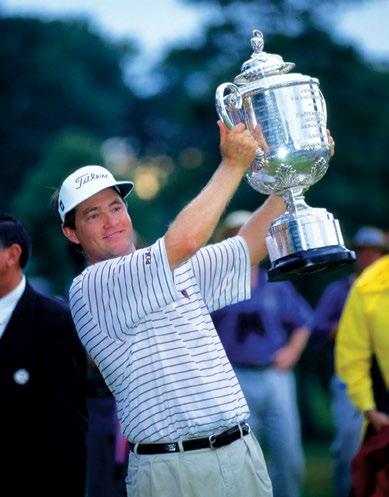
In turn, when Love III began hosting the RSM Classic, he made sure his own charitable organization, the Davis Love Foundation, which focuses on improving the lives of families and children in need, was prominently involved. “I grew up in an idyllic home. We didn’t have a bunch of money, but we had everything we wanted. We had support and love and care,” he says. “So I wanted to give back because I was so blessed. I mean, Jack Nicklaus and Arnold Palmer did that— they built hospitals. So it’s cliché to say, but that’s what we’re supposed to do.”
for a while, Love III’s son aspired to follow in his dad’s footsteps by playing on the PGA Tour; however, the requisite grind proved to be too much. After five years chasing success on the mini-tours, Dru was overcome by frustration and had lost his enthusiasm. Fortunately, his father was there with an offer: come work for the family’s course design business.
Just as Love III had grown up around the tour, Dru spent much of his childhood around the golf courses that his dad and uncle were either creating or the classic layouts where they found much of their design inspiration. “He just started,” Love III says of Dru’s entry into the family business, “but he’s heard this for the last 20 years of his life. He knows enough to be dangerous.”
Love III is also carrying on the tradition of teaching the game to his three granddaughters—and you can be sure he’s encouraging each of them to never accept a gimme. “It all goes back to my dad falling in love with the game, and then he took us out and let us play around on the golf course when we were little kids, and we fell in love with it,” he says. “Now my granddaughters like to fill in the divots and sit in my lap and drive the golf cart, so it’s another generation that’s enjoying just being at the golf course.
“That’s what’s so great about golf,” he continues. “There’s really no other sport that’s going to give you that many opportunities.”
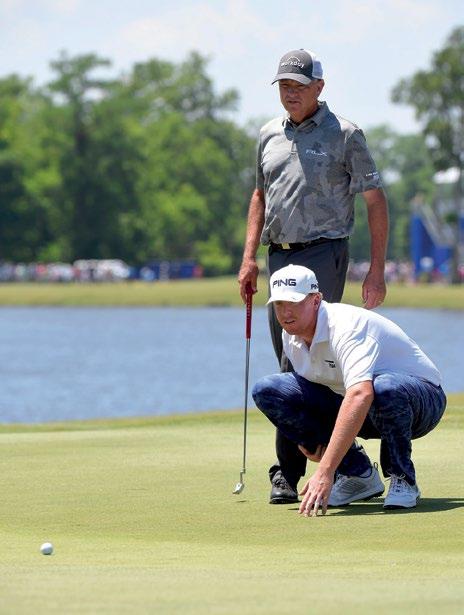

As the guest of honor at this year’s Kingdom Cup on Hilton Head Island, Davis Love III returned to the site of his first professional victory—and the host venue of a tournament that he’s won more than any other player on tour.
Most of the time, when a player wins on tour, they can identify a turning point that led to that victory, be it a slight tweak in their setup or a minor adjustment to their swing. In Davis Love III’s case, his maiden victory at the 1987 MCI Heritage Golf Classic (now the RBC Heritage) at Harbour Town Golf Links at the Sea Pines Resort could be traced to a moment more than a year earlier, when he declined the invitation to play in the 1986 Masters as an amateur. “I turned it down to turn pro—to go to Q School,” he recalls. “I thought: I’ll just win [on tour], and I’ll get in. Cocky, cocky kid.”
Winning on tour, Love III realized, wasn’t quite that easy. He didn’t win that first season, and he hadn’t won by the time the Masters rolled around the following year. Come the third week of April 1987, he was determined to change the narrative. “I am going to win and get in,” he remembers thinking that week. “I’m not going to miss another year of the Masters. I came here kind of ready to go.”
Earlier this year, Love III was back at the Sea Pines Resort on Hilton Head Island as the guest of honor at the annual Kingdom Cup tournament. With more than 100 Kingdom Cup participants and guests in attendance, he sat down for a fireside chat with legendary announcer Jim Nantz. Earlier that afternoon, the 21-time PGA Tour winner and World Golf Hall of Famer shared insights with a select group of Kingdom Cup attendees as they walked the famous 18th hole at Harbour Town—where he won the Heritage tournament a record five times. “The greens had gotten really flat,” said Love III, whose design firm consulted on the course’s now-completed renovation. “So we’re trying to put some of the movement back in the greens, but it’s very subtle.”
What didn’t feel subtle to Love III was the heavy-duty equipment that rolled onto the site when construction commenced last May. “We started right here on 18,” he said to the attendees. “The MacCurrach Golf group started digging it up almost exactly where I chipped in one year. So to stand there and watch them dig up that spot, there was a lot of pressure to make sure we got it right.
“My dad played in the first Heritage here, so I’ve been coming to the tournament since it started,” he continued. “It [the course] has a special place in our heart, but it also has a great place in golf history.”
Always a model of humility, Love III downplays the significance of his design firm’s involvement in the restoration. But the care and passion that he brought to the project—and that he has for the seminal golf course—are evident. “We were just a small part of a team trying to protect Pete Dye’s treasured golf course,” he said. “It’s been an honor to be a part of it.” —S.T.
From demanding resort courses to over-the-top club fittings, UNESCOcrowned food scenes to hot dog–fueled spring training games, we’ve rounded up our favorite reasons to heed the call of the Copper State.
Yes, most of Arizona’s courses are challenging given their desert locales. Here, we highlight five notable exceptions—any of which make for a great start to a golf adventure.
by SHAUN TOLSON
Dynamically routed and dramatically set, the vast majority of Arizona’s courses bring golfers into the arid expanses of the state’s Sonoran, Mojave, and Chihuahuan deserts, where the surrounding cacti, sagebrush, and dry washes put considerable emphasis on accuracy. But there are exceptions to the target-golf norm. The five desert courses highlighted here are player-friendly and perfectly suited to a fun first round in Arizona.
Estates Course at Arizona Biltmore
Phoenix
The newest course at the Arizona Biltmore Golf Club is a comprehensive redesign of the club’s former Adobe Course. Executed by Tom Lehman, the transformation introduced sweeping bunkers with raised faces that force players to think strategically from the tee box. Almost all of the site’s 94 acres are grassed, which means creative shotmaking abounds across these 6,669 yards, but that also means golfers don’t need to prioritize loft on many of the approach shots. “You only have a forced carry when you choose to have one,” Lehman says.
Sedona Golf Resort
Sedona
Gary Panks has designed almost 50 golf courses throughout his career, the vast majority of which are in Arizona. Of those, Sedona Golf Resort may be his most famous, if only because the 6,646-yard routing delivers a continuous carpet of pristine winter rye grass, which meanders through a landscape of striking red rocks. It’s like playing golf through the Grand Canyon. The course may deviate from the typical desert golf experience, but elevated tee boxes, raised greens, and uneven fairways introduce plenty of challenging shots.
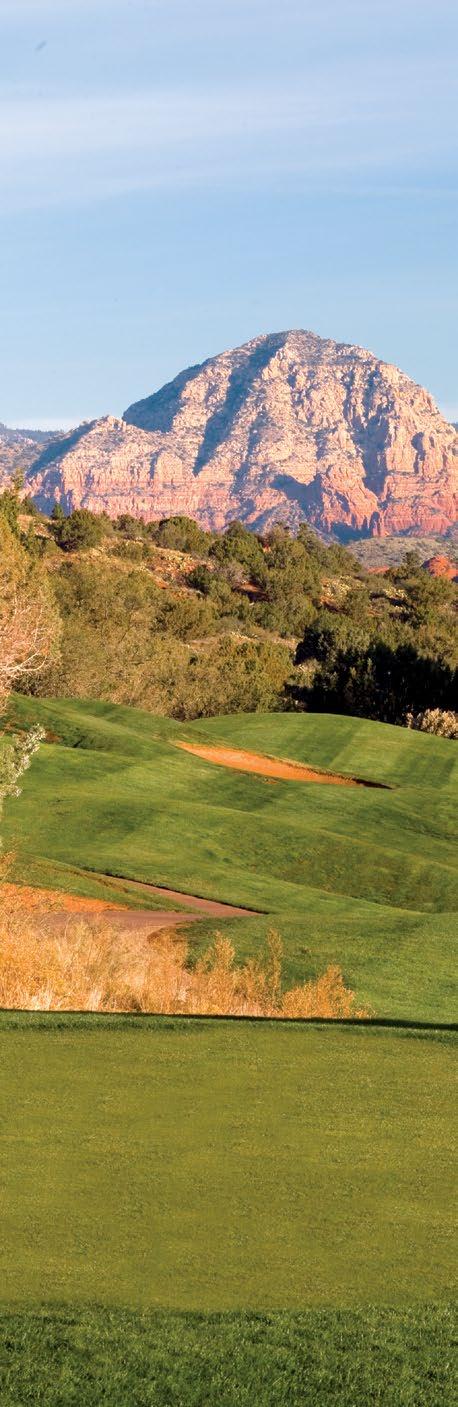
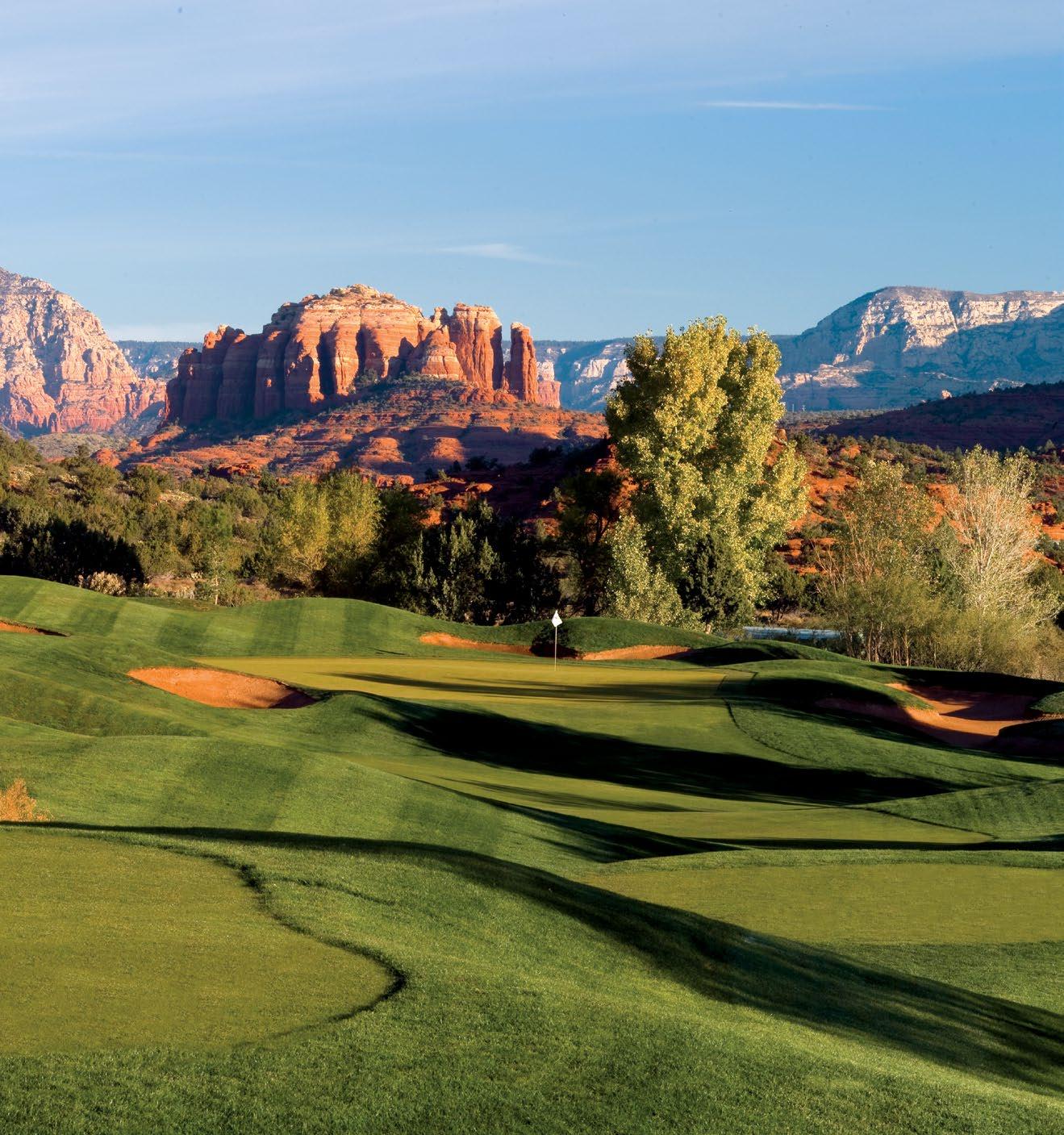
At this municipal course, set 7,000 feet above sea level, the climate alone defies many of the expectations that come with Arizona golf. The course, which is tucked within dense stretches of Ponderosa pines in Northern Arizona’s high desert, presents an equally unexpected atmosphere and playing experience. The amalgamation of two nines designed and built 10 years apart on topographically divergent parcels of land, the course shifts from narrow, shorter holes to more open and expansive ones that play considerably longer.
Tubac
Wide fairways let you tee it up with confidence, while tight angles into greens demand precision and test your short game. That’s what the three nine-hole layouts at Tubac Golf Resort & Spa offer, though they also deliver striking views of the nearby Santa Rita Mountains. Golfers who navigate these lush fairways—framed by centuries-old cottonwood trees— are also walking in the footsteps of a famous, albeit fictitious, golfer. Several of the golfing scenes in the 1996 film Tin Cup were filmed at Tubac, so if you ever wanted to try to par the back nine with just a 7-iron, this is the place to do it.
The golf resort’s desertscape surroundings—including a handful of its interior holes—may give the appearance of a traditional Sonoran environment, but it won’t take golfers long to realize all is not as it seems. Some of the 27 holes feature punchbowl-like contours along their perimeters, which means the generously wide fairways are even more forgiving. The greens are also welcoming in size, though tricky contours offset their accessibility. That means players can largely enjoy the mountain views, while also appreciating the dry washes and stands of desert trees, knowing that if they find themselves in trouble, it’s only because the shot that put them there really was that bad.
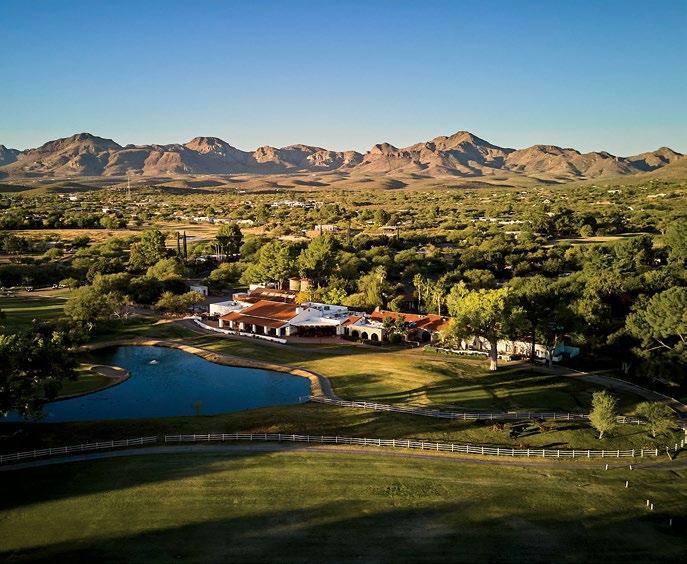

If you ever wanted to try to par the back nine with just a 7-iron, this is the place to do it.
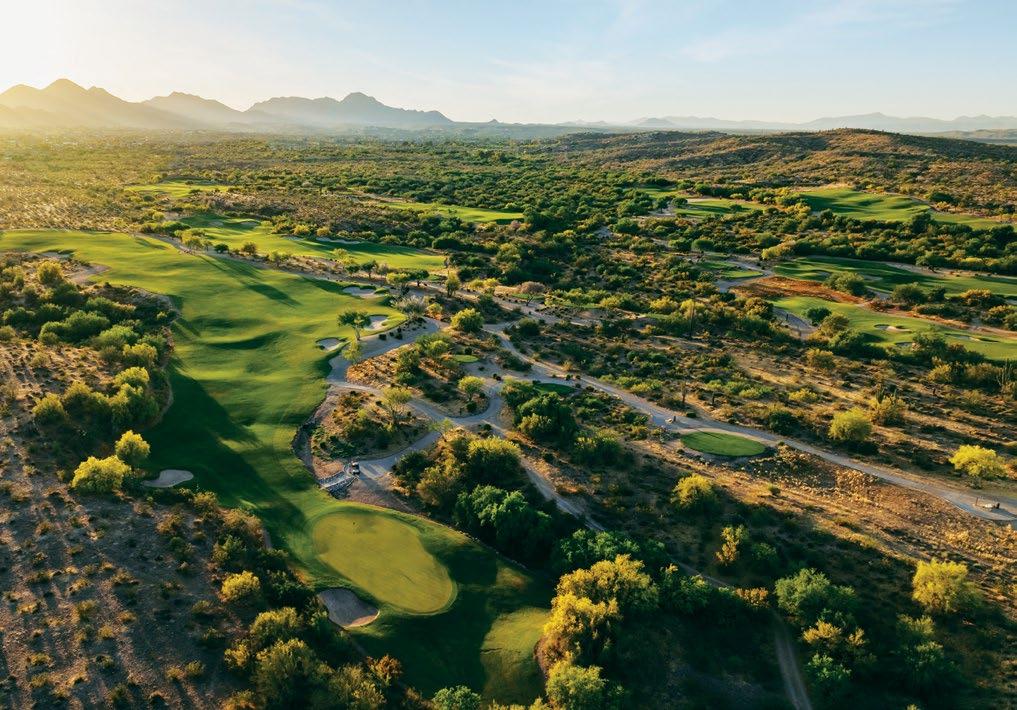
Not far from downtown Phoenix lies what many believe to be Arizona’s greatest golf-course duo.
to slide into a seat at the blackjack, pai gow, baccarat, or Ultimate Texas Hold’em tables at We-Ko-Pa Casino Resort is to accept the fact that the odds are not stacked in your favor. Step outside and onto either of the resort’s championship-caliber golf courses, on the other hand, and you’re guaranteed to feel like a winner.
Located 30 minutes northeast of Scottsdale’s Old Town neighborhood, We-Ko-Pa Golf Club rests on the periphery of the Four Peaks Wilderness Area. The club’s two courses are routed across a Sonoran Desert landscape that is devoid of homes and other evidence of civilization. Additionally, both layouts offer unobstructed views of the Verde River Valley, as well as the Red and Superstition mountain ranges. That’s largely where the similarities between the two golf courses end.
The Cholla Course, a Scott Miller design, came first. When it opened, in 2001, the 7,225-yard track immediately
became the poster child for target-oriented golf—Arizona’s quintessential style. And yet, Miller was tactical in his design of the course, making sure to line many of the fairways with manufactured waste areas to mitigate the desert’s penal nature. “When you’re playing a traditional course out East and you get in trouble in the rough, you can either be a hero and hit through the trees or you can chip out to the fairway and take your penalty,” he explains. “But when you hit into the brittle bush in the desert, it’s often just unplayable. That’s why we give players saving bunkers. We give them the option of strategy. We all like to be challenged, but we want enough area to play.”
Four years later, Bill Coore and Ben Crenshaw debuted their own interpretation of desert golf at the resort. Set north of the Cholla Course, the Saguaro Course notably reflects the landscape’s natural topography, as the duo moved a negligible amount of dirt while carving out its 6,966 yards of playable terrain. As Crenshaw once quipped, “This ol’ boney ground has some sting to it.”
Most significantly, when the course opened, in 2005, it introduced Golden Age ideals to a contemporary environment. In particular, many of the green complexes flow directly into teeing areas for the subsequent holes, which makes the course easily walkable—a rare find in Arizona. —s.t.
CBS Sports’ resident on-course commentator and analyst grew up in north Texas but moved to Scottsdale 10 years ago. The former PGA Tour pro says it was the best decision he ever made. shaun tolson asked him why.
What drew you to Scottsdale?
When I was just getting going in my pro career, I used to come out here for a week or two in the winter. I’d stay with buddies and always liked it, so one year I decided to spend the winter in Scottsdale to see if it would help me to be ready to go once the West Coast swing came around in January. I rented a house for three months and, two weeks in, I bought a place. Scottsdale is a relatively large city, but it’s not over-populated. It has great golf, great restaurants, and great nightlife—if you want it—and the weather is so good and so predictable.
What about the heat waves during the summer?
Listen, everybody talks about the heat out here. But 100 degrees in Dallas, with how humid it is there, that’s way more miserable than 110 degrees out here with the dry air. I’m also a two-hour drive to Flagstaff, where it’s 30 degrees cooler, which is always nice if you want to go up there to get away from the heat for a few days.
Do you have a favorite time of the year in Scottsdale? In February and March, you have the WM Phoenix Open in town; the Barrett-Jackson car auction, which is a huge draw; and also Major League Baseball spring training. It’s such an awesome time of year. You get baseball, Barrett-Jackson, the WM Phoenix Open, and great golf—it’s pretty hard to beat. And the weather is perfect in March.
There are a lot of public courses in the area. Which ones are on your short list?
That’s one of the things that I love about Scottsdale. It feels like there’s a golf course on every other block, and the weather allows all of them to be in spectacular shape. Some of my favorites are Grayhawk, which is in North Scottsdale. It has 36 holes and a great spot called Isabella’s to hang out after the round, which I think is a big part of golf nowadays.
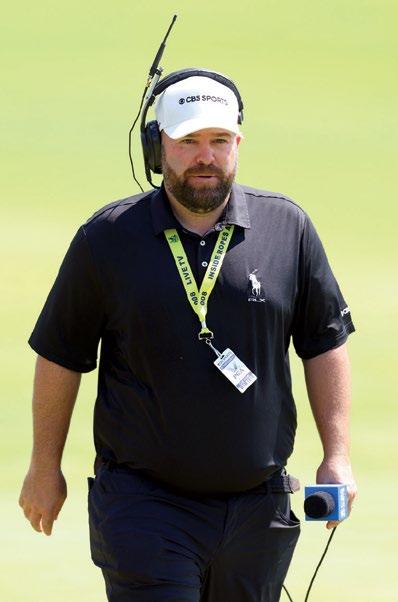
Another one is Camelback. It doesn’t get mentioned a ton, but there are two courses there—Ambiente and Padre— and it’s right in the middle of all the action. Then there’s TPC Scottsdale. In the winter, they’re starting to build the grandstands for the WM Phoenix Open, so it’s always cool to go through 16, just like the PGA players do, and see what it’s like to be in that arena.
Is there a hidden gem for public golf?
We-Ko-Pa, just because it’s kind of off the beaten path and a lot of people don’t really venture that far out. (See “Peak Performers,” page 103.)
What’s Scottsdale’s best attraction away from the fairways?
There are so many great spots to go out and hike—you’ve got Camelback [Mountain] and Pinnacle Peak—and you’ve got beautiful scenery walking through the mountains. For me, it’s different than most. I think the restaurant scene is fantastic, and it just keeps growing.
What are some of your favorite spots? Elephante is a new hot spot within the last year. It’s coastal Italian. I eat everything there, but the steak and the pasta are hard to beat. And then there’s Steak 44, a classic steakhouse over in Arcadia with an awesome bar and a fantastic bone-in filet. Another trendy place with a cool scene that makes the dinner experience even better is Uchi—it’s my favorite sushi place.
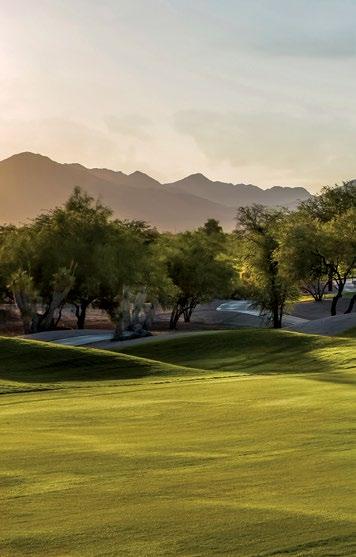
Is there a place you recommend all your friends stay when they come to visit?
Global Ambassador. It’s the best resort, and it’s not even close. It has a rooftop restaurant that’s phenomenal and an incredible lobby bar. It’s the spot right now, and it’s walking distance to so many other restaurants and bars. Plus, it’s like a seven- or eight-minute Uber to Old Town, where all the action is.
What’s the bar scene like?
I’m more of a dive bar kind of guy. There’s a place called the Rooster, which is a very nice dive bar. And then there’s a place called the Dirty Dogg Saloon, which is like an old biker bar with bras hanging from the ceiling. Once an hour, the bartenders all get up on the counter with hula hoops. They do this whole performance—I mean, it’s not like Coyote Ugly—but it’s just cool. It’s different. I feel like people are so used to the trendy, dress-nice kind of nightclubs, and this is the total opposite.
Tell me about Scottsdale’s best-kept secret, period. It’s called Buffalo Chip. It’s a country bar in Cave Creek, a little bit outside of Scottsdale. They have live bull riding every Friday night. It’s a rodeo with big bleachers around the arena and everything. Before I moved here, my buddy said we were going up to Cave Creek to this bar, and I was like, ‘Why would we ever go anywhere other than Old Town?’ But he took me there, and it’s now one of my favorite bars I’ve ever been to.
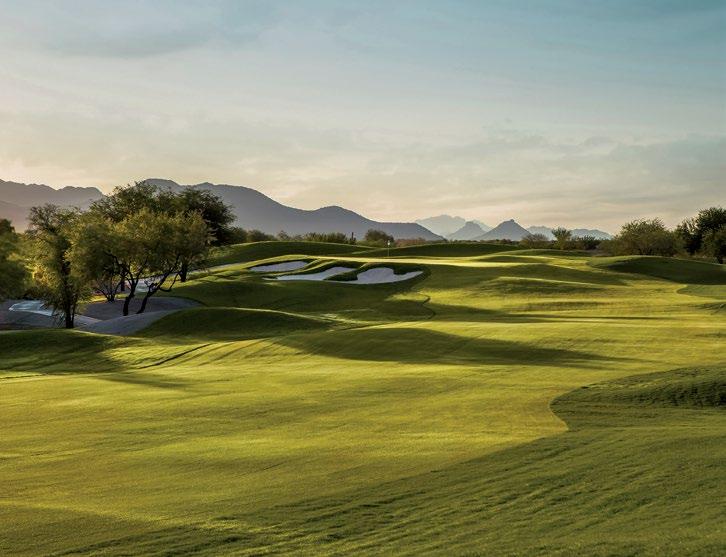
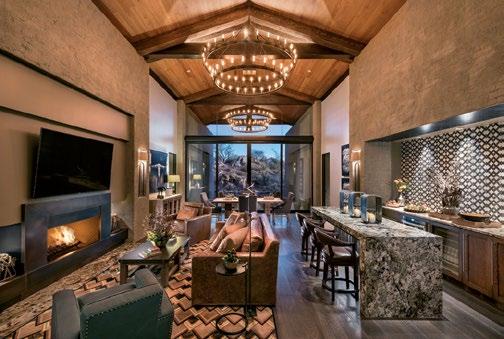
PXG’s ultimate club-fitting experience may be limited to a select few, but it comes with access to one of Arizona’s premier private clubs.
custom fittings for every club sold have been a core principle at PXG since Bob Parsons founded the company more than a decade ago. Over the years, PXG has built an evergrowing empire of standalone stores across the country; and while in-depth equipment fittings are offered at each of them, one experience stands head and shoulders above the rest.
For the ultimate PXG club fitting, you need to travel to Scottsdale; more specifically, through the gates of Scottsdale National Golf Club. However, as with a club membership, you must first submit an application—and be ready to part with $30,000 for your fitting.
The Xperience, as PXG and Scottsdale National refer to it, is the company’s VIP method of outfitting clients with the brand’s latest gear and apparel. It also effectively acts as an audition for membership to the highly exclusive private club, hence the lofty price point.
The experience—err, Xperience—starts with a check-in to one of the club’s spacious and extravagantly appointed villas. A tour comes next, followed by bespoke equipment and apparel fittings, each led by expert club-fitters and professional stylists, respectively. The following day is filled with unlimited golf played on any (or all) of the club’s three courses; salon and spa treatments; and a lavish dinner with sommelier-guided beverage pairings at the club’s chef’s table. The last day includes a tour of PXG headquarters. But aside from that, participants are free to enjoy the final day as they would like—and that includes as much golf as they’d like to play.
It’s an indulgent three days, to say the least. For those with the means, the Xperience ensures a memorable long weekend of golf and pampering, as well as stylish wardrobe additions and a bag of top-of-the-line new clubs. It will also get you a foot in the door at Scottsdale National, though membership at the club is by no means guaranteed. —s.t.
Local chef John Martinez gives us the scoop on the city’s red-hot food scene.
by GINA DECAPRIO VERCESI
for chef john martinez, food is about more than what’s on the plate. A third-generation Tucsonan from a large Mexican-Irish family, he grew up cooking by his grandmother’s side in Barrio San Antonio. “We all got together to eat at least once a week, and I was always in the kitchen helping,” he recalls. “I love food, and that came from those shared moments at the family table.”
Today, Martinez is the chef-owner of Tito & Pep, an inviting neighborhood bistro in midtown Tucson where he blends the global influences he acquired during nearly a decade working for celebrity chef Jean-Georges Vongerichten with the culinary traditions of his upbringing. “I always wanted to come home and cook the food I love,” he says. “Not necessarily the exact dishes I grew up with, but food rooted in those flavors.”
At the heart of Tito & Pep’s kitchen is the mesquitefired grill—the thing Martinez missed most during his years away from Southern Arizona. “When you think about all the people and cultures who have inhabited the Tucson Valley, there’s one thread that ties them together, and that’s cooking over wood,” he says. “The smoke bathes whatever you’re cooking. Our grilled New York strip steak with charro beans, grilled onions, roasted chiles? That was Sunday afternoon for me growing up.”
Outside of his kitchen, Martinez champions the local food scene—one that gained national attention after Tucson was named the country’s first UNESCO City of Gastronomy in 2015. “You’ll find delicious food here whether you’re standing in a parking lot or sitting in a place with white tablecloths,” Martinez says. One of his favorite examples is chef Juan Almanza’s El Taco Rustico, which started as a food stand at the Tohono O’odham Swap Meet before moving into a brick-and-mortar spot on North Oracle Road. Martinez is also excited by Bata, where chef Tyler Fenton highlights local, regional, and native ingredients, as well as Anello, chef Scott Girod’s minimalist, wood-fired pizzeria. For traditional Sonoran hot dogs, Martinez heads just around the corner from Tito & Pep to El Sinaloense. “When you look at the Sonoran dog, there are various elements that need balancing out—the tomatoes and onions
next to the beans, the mayo, mustard, salsa verde, and the freshness of the bun. El Sinaloense has the best balance, and that puts them on the top of my list.”
Martinez can often be found at Time Market, picking up pastries made in the in-house viennoiserie or fresh-baked bread with his daughter, or heading down to Todd and Kelly Bostock’s Dos Cabezas WineWorks in Sonoita for wine and pizza after a day in the high desert. And when he’s craving traditional Sonoran Mexican food, he stops by El Minuto Cafe, a Tucson institution since 1936. “It’s the place I grew up going to,” Martinez says. “Go there and eat some carne asada, have some menudo, eat some grilled beef and a beautiful flour tortilla. That’s as classic as it gets.”
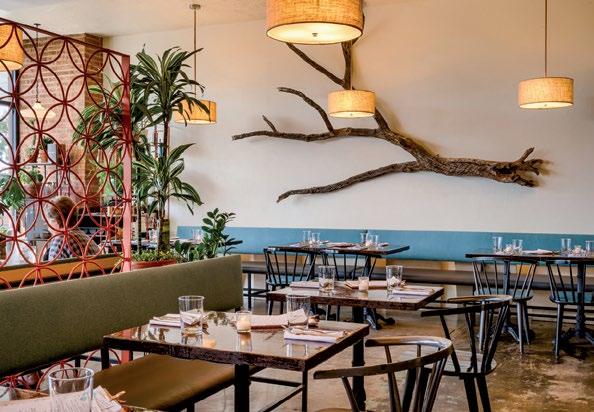
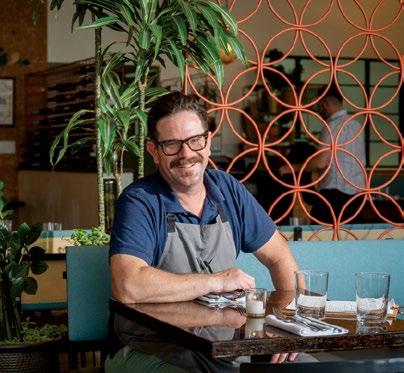
Chateau Tumbleweed’s 2023 Fancy Foreign Language Blend.
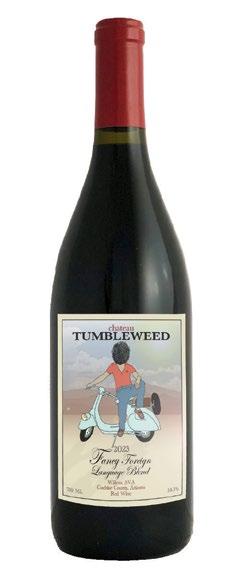
Sip your way through the emerging wine region outside Sedona.
The sunbaked terrain of Central Arizona doesn’t exactly cry “wine country,” but in the shadow of Sedona’s red-rock canyons, vineyards thrive in the unique microclimate of the Verde Valley AVA. This high-desert region sustains a mix of arid shrublands and lush riparian zones, where grapes grow at elevations up to 5,500 feet. Winemakers face dramatic temperature shifts, late spring frosts, and intense summer monsoons that bring the threat of hail—yet they aren’t afraid to take risks, experimenting with diverse varietals to craft wines that rival those from more established regions.
Start at the Southwest Wine Center in Clarkdale, a 13-acre estate vineyard and teaching winery that introduces the local terroir through guided tastings of student-made wines. Five minutes away at Chateau Tumbleweed, winemaker Joe Becherd produces fresh, focused wines with a strong sense of place—from Mediterranean varietals like Sangiovese, Aglianico, and Graciano to crisp whites for easy drinking in the desert heat. Finish the day in Cottonwood with a private tasting in the Ventura Room at Merkin Vineyards Hilltop Winery & Trattoria. Owner Maynard James Keegan—lead singer of Tool, A Perfect Circle, and Puscifer, and longtime champion of Arizona wines—likens it to an “omakase experience,” featuring curated bottles from his Caduceus Cellars, available only on-site. —G.D.V.
March in Arizona pairs picture-perfect golf with the Great American Pastime.
by SHAUN TOLSON
november kicks off a five-month stretch of great golfing weather in Scottsdale, where average temperatures hover between the upper 60s and high 70s. While you can’t go wrong visiting at any point during that span, the first three weeks of March represent a premium play—provided you like the idea of pairing your golf rounds with spring training baseball games. If doglegs in the morning followed by a dog and beer at the ballpark in the afternoon sounds like your idea of perfection, here are five memorable experiences that the Cactus League and surrounding courses can offer.
Since Salt River Fields opened in 2011, the spring training facility for both the hometown Arizona Diamondbacks and the Colorado Rockies has been called a “modern marvel” and the “Versailles of spring training,” largely for its architecture and interior design aesthetics. The 11,000-seat ballpark is eye-catching to say the least. Equally of note, the facility— which also includes 12 practice fields spread out across 140 acres—is the first spring training facility built on Native American land (specifically the Pima and Maricopa tribes).
Nearby, fans of Coore & Crenshaw’s designs will delight in not one, but two exceptional routings at Talking Stick Golf Club. The O’odham Course exemplifies the duo’s minimalist approach with links-like character in the desert; whereas the Piipaash Course shines as a parkland-style change of pace.
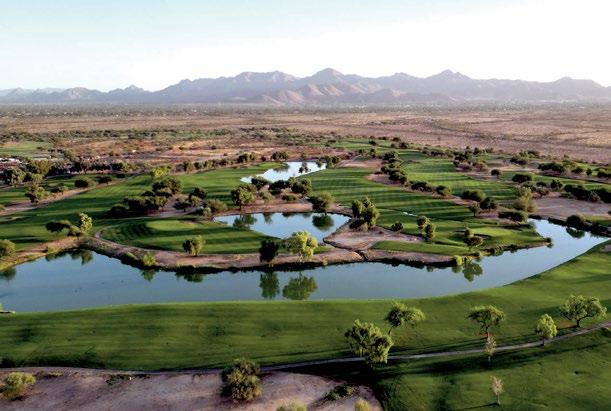
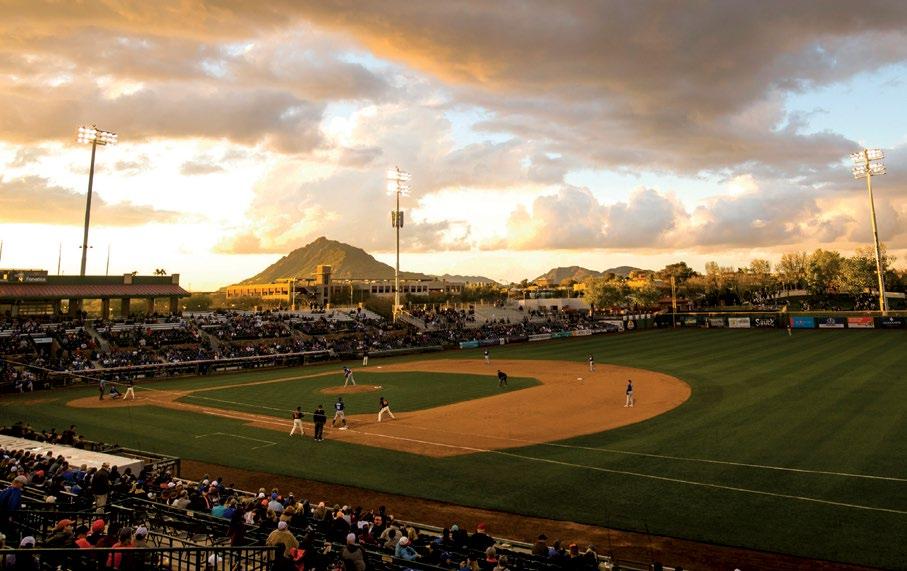
Peoria Sports Complex + Trilogy Golf Club at Vistancia
If you subscribe to the notion that ballpark fare should be more than just a traditional dog and a classic American lager, the stadium that both the Seattle Mariners and San Diego Padres call home will feel like home to you, too. A strong craft beer selection and a slew of local food trucks elevate the concessions at Peoria Sports Complex—think teriyaki noodle bowls, fish tacos, and Native American fry bread, among other offerings.
Nearby, traditional expectations for desert golf are reinforced at the Gary Panks–designed Trilogy Golf Club, where more than 70 bunkers—some pronounced, others transitional—require golfers to make strategic choices and sound execution if they want to avoid the sand.
Rumor has it that some San Francisco Giants spring training tickets can be more expensive than regular season tickets at Oracle Park. The cost of entry is largely due to Scottsdale Stadium’s location, which is set directly in Old Town. That means hundreds of shops, restaurants, and bars are all within easy walking distance. Simply put, the pre- and post-game experiences at the park are unmatched anywhere in the Cactus League.
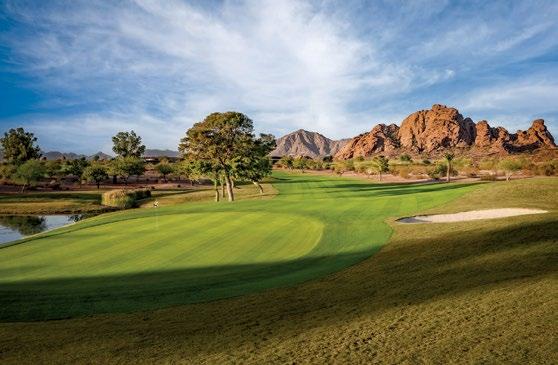
Just as the Giants’ spring training ballpark immerses you in your surroundings, Papago Golf Club does the same by delivering striking views of towering buttes as it meanders through arid landscapes. The handiwork of William Bell, who famously conceived the two courses at San Diego’s Torrey Pines, Papago also shines for the views of downtown Phoenix, reminding golfers that an urban escape—should they need it—isn’t far away.
A strong craft beer selection and a slew of local food trucks elevate the concessions.
When it opened in 2009, Camelback Ranch, the desert home to both the Los Angeles Dodgers and the Chicago White Sox, was the most expensive spring training facility. As part of a larger, resort-like property with orange groves and carp-stocked lakes, the stadium is architecturally rooted to the land upon which it’s built, featuring natural stone and a burnt-orange color scheme. Comfortable seats, all with unobstructed sightlines, are one of the draws, though L.A. fans will also celebrate the availability of Dodger Dogs at this facility some 350 miles to the east of Chavez Ravine.
Just as attending fans have a choice of home teams at Camelback Ranch, golfers can select from a trio of courses at Wigwam Golf Club. The property’s premier layout, the Gold Course, was originally designed by Robert Trent Jones Sr. and challenges players via imposing old-growth trees and push-up greens. The Blue Course, also a Jones Sr. design, is shorter and more forgiving, while the Red Course carves its way through swaths of pine and eucalyptus trees.
With only 8,000 traditional stadium seats, the dual home to the Cincinnati Reds’ and Cleveland Guardians’ spring training is a family-friendly venue that offers a more intimate ambience than some of the larger Cactus League parks. What the venue lacks in concessions, it makes up for with a slew of kid-focused amenities.
For golf aficionados, one of Goodyear Ballpark’s greatest allures is its proximity to an exceptional public course, Golf Club of Estrella, only 12 minutes away by car. Conceived mostly by Jack Nicklaus II in 1999, the almost 7,200-yard, championship-caliber layout is dramatically situated in the foothills of the Sierra Estrella mountain range. Here, the Sonoran Desert comes alive all around you, making shot selection (and execution) paramount.

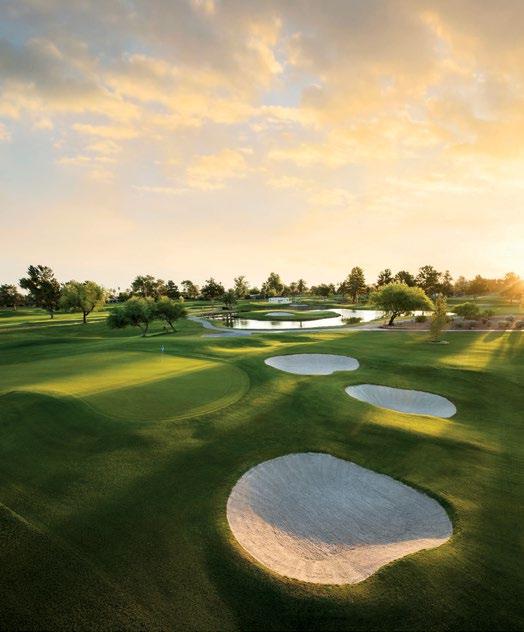
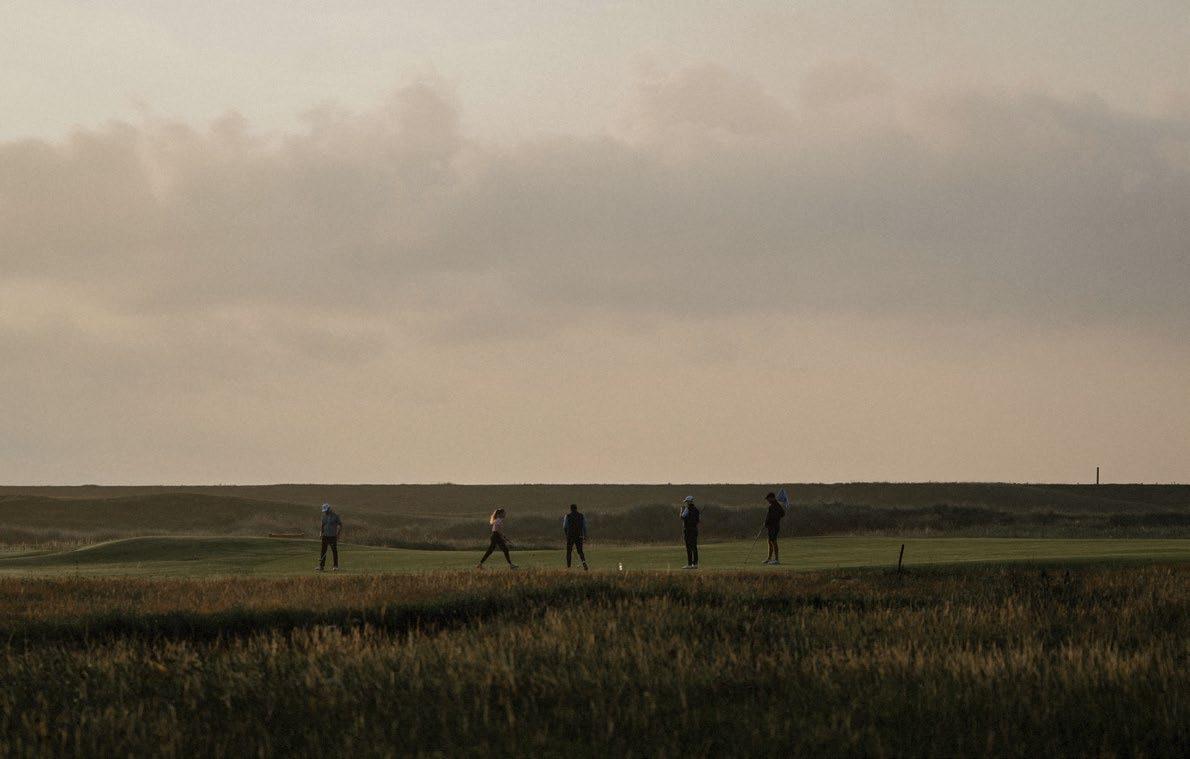
More than a century ago, one of golf’s greatest showmen played three of Britain’s celebrated links courses in the same day. A new event lets you follow in his footsteps.
by SHAUN TOLSON photos PITCHMARK MEDIA
During his illustrious professional career, Walter Hagen, a trailblazing American golfer in the early 20th century, built a reputation on a seemingly endless series of ostentatious, headline-grabbing actions. He was photographed swinging a golf club on the roof of London’s Savoy Hotel, though it’s unclear if the 11-time major winner actually hit balls from that urban perch. He was also known to arrive to the first tee of a tournament wearing dinner coats or tuxedos—an entrance that at least suggested he’d been out gallivanting the entire night before.
“I never wanted to be a millionaire,” he once declared. “I just wanted to live like one.”
During the summer of 1920, The Haig, as he was known, arrived on England’s southeastern coast to compete in his first Open Championship. It was to be the second (and last) time that Royal Cinque Ports would host golf’s oldest major. Royal St George’s, just to the north, had already hosted the Open four times, and Prince’s Golf Club, just north of St George’s, would soon host its own Open, in 1932.
In their lead-up and preparation for the tournament at Royal Cinque Ports, Hagen and fellow American pro Jim Barnes set out one morning with a lofty goal. As Hagen later described it, they intended “to play the three links as if they were one.”
In 2011, Richard Craven, then Royal Cinque Ports’ club captain, discovered the details of this venture in a recently published Hagen memoir. Shortly thereafter, the three clubs started hosting an annual event called the Hagen Hoof, a team tournament where players compete on all three courses in a single day. “It’s a nod to Hagen and his route,” says James Leah, Royal Cinque Ports’ club manager, “but it’s not following that route.”
This summer, however, the three clubs created a new event, the Hagen 54, which not only follows Hagen’s and Barnes’ footsteps (albeit, via a shotgun start), but is open to the general public. It’s a marathon round of golf to say the least, but it affords participants the chance to accomplish something momentous. “To play three venues that have hosted the Open in one day is unique,” Leah says. “And, if you don’t have a helicopter, it’s very difficult.”
As for the event itself, the Hagen 54 is merely a golf exhibition. That’s fitting, given that Hagen played in hundreds of such events throughout his career. “We weren’t trying to break any records,” Hagen wrote of his 54-hole practice round with Barnes in 1920. “We were just lucky to go that far. We did it for fun.”
This summer, I participated in the inaugural event for just that reason, and my own memoir of the experience is as follows.
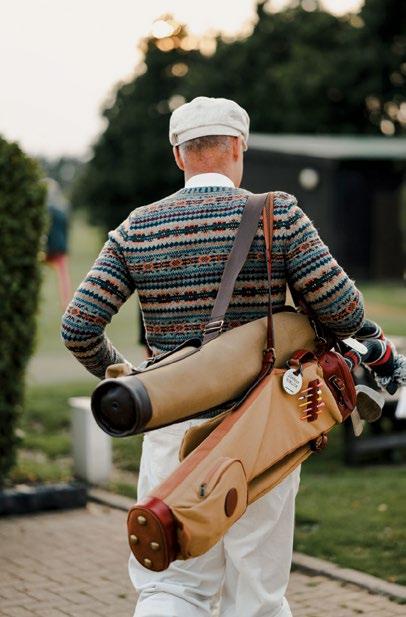
Hole 1 – 5:36 a.m.
The sun rises just above the horizon, casting golden hues upon Sandwich Bay, as we approach our starting hole at Prince’s Golf Club. Spirits are high, but with 54 holes ahead of us, each player in the group recognizes the marathon that is to come. “We could all benefit from Miguel Ángel Jiménez’s unique pre-round stretching routine,” one player jokes.
Hole 1 – 5:44 a.m.
Morale has already taken a hit. Native areas are more penal than they look. Fortunately, my errant shot off the tee has been found and a second shot successfully played. Par is still a possibility.
Hole 4 – 6:32 a.m.
Dissension is quickly setting in. As one player in the group taps in his first par of the day—“I’m on the board!” he happily declares—another crosses the green, quietly muttering self-directed obscenities after sculling a chip shot across the putting surface.
Hole 6 – 6:58 a.m.
After hitting only the second fairway with my driver through the first six holes, I’m left just a flip of a wedge angled between two devilish pot bunkers. One smooth swing and a steady putt later, and we’re circling a 3 on the scorecard!
Hole 14 – 7:37 a.m.
Rain clouds that had previously loomed over the horizon at daybreak have blown in from the bay, with the first, faint drops beginning to fall. It wouldn’t be a marathon golf day in England without at least a sprinkling of rain. I’m no Gene Kelly, but I am happy it’s raining … at least for now.
Hole 23 – 9:49 a.m.
From the championship tees, the closing hole at Royal St George’s is more than 450 yards. Today, it stretches only 418 yards, but it’s playing directly into the fan. The hole’s length doesn’t come as a shock to one of my playing partners, but its par
designation does. “This is a par 4?” he exclaims to his caddie in disbelief. “Jesus Christ!”
Hole 23 – 9:55 a.m.
I am perched precariously atop a shallow but steep-faced bunker fronting the left side of the green. My ball has come to rest about 20 yards from the flag but less than a foot from the bunker’s edge, requiring my best impression of a tightrope walker. Putting from this predicament leaves me 15 feet short, but then, a miracle! My second putt drops, leading to one of the more memorable pars I’ll likely ever make.
Hole 25 – 10:24 a.m.
After repeatedly assuring the rest of us that he’s only moments away from total command of the game, a player in the group announces that he’s now reverting to bribery. “From here on out, I’m rewarding myself with whisky for each par that I make,” he says, pulling out a flask. Sobriety, it would seem, is the only certainty in his future.
Hole 32 – 12:05 p.m.
We’ve reached the tee box of the 15th hole at Royal Cinque Ports, and the rain is now falling steadily and with conviction. I’ve abandoned any prior affections that I had for this weather. Authenticity is overrated. Sunshine is not.
Hole 36 – 1:03 p.m.
James Leah meets us on the first tee of Royal Cinque Ports and, after consulting a weather app on his phone, boldly proclaims that the rain should stop in about 10 minutes. I’m typically an optimist, but at this moment, in addition to being rain-soaked, I’m also highly skeptical.
Hole 37 – 1:17 p.m.
As we walk off the tee box, the rain softens considerably. It’s only a faint mist by the time we reach the middle of the fairway. It would appear Mr. Leah, that upstanding English gentleman, was right.
Hole 38 – 1:38 p.m.
Never trust a Brit or his app about the weather. The skies have opened up again. Just as before,
I’m tasked with trying to ignore the droplets of water falling from the brim of my hat each time I address the ball.
Hole 38 – 1:50 p.m.
After almost nine hours on the course and more than two full rounds of golf under our belts, swing speeds and carry distances have started to suffer. I stripe a wood from the fairway—a blind second shot on this average-length par 5—and expect to be around the green, maybe even putting. But as I crest the hill, I discover my ball is still 30 yards short. In this emotional battle with the course and the elements, it’s hard to know who is winning.
Hole 40 – 2:29 p.m.
Opening the cooler on the tee box of a 500-yard par 5, I find a few bottles of the event’s specially made lagers and IPAs, but nary an ice cube. Fortunately, what at first appears a tragedy soon reveals itself a blessing. Cold and damp, I take a swig and revel in the discovery: It’s the first time—and quite possibly the only time—a warm beer has been just what I needed.
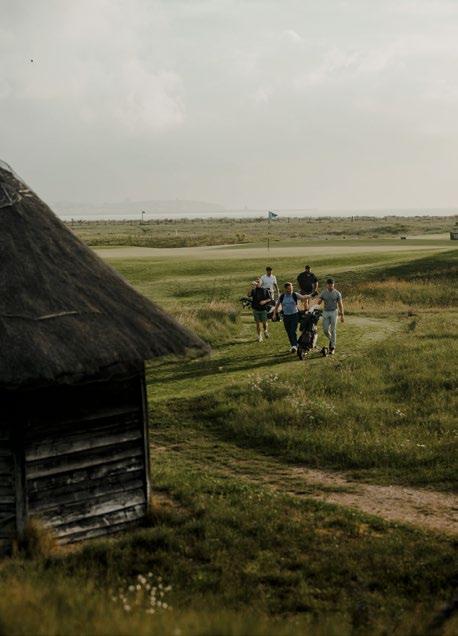
Hole 45 – 3:53 p.m.
The sign hanging from the halfway house only a few paces from the previous hole’s green tells the tale of the day’s events. “Golf: An endless series of tragedies obscured by the occasional miracle.” It also foreshadows what’s to come—my surprisingly well-struck drive hit on the center of the clubface, which cuts through the wind and lands in the right-center of the fairway.
Hole 45 – 4:05 p.m.
Waterlogged and battered by the wind, I come to a realization: Hagen and Barnes must’ve completed their cross-country golfing adventure on one of those legendary nice summer days in Great Britain—the type locals will continually talk about years after they occur. There’s no way the two pros would’ve subjected themselves to harsh conditions for an entire day, especially with an Open Championship right around the corner.
Hole 49 – 5:14 p.m.
As I walk down the fairway somewhat removed from the rest of the group, the relative silence
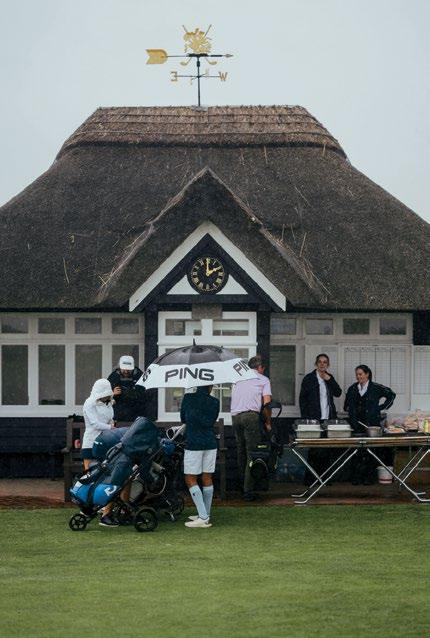

affords me a new discovery—the sound of my feet splashing through the puddles. Except, there are no puddles in the fairway. I also notice that I can feel my feet splashing through puddles, which is odd. Then it hits me: the puddles are inside my shoes.
Hole 51 – 5:47 p.m.
Our wayward playing partner continues to spend several minutes searching for errant shots. The rain isn’t letting up. The wind is still blowing. Yet, he continues to consult the yardage book and employ a rangefinder before every shot. I have briefly consulted the other two players in the group, and we have reached an accord: we might have to kill him.
Hole 54 – 6:44 p.m.
The wind is blowing hard into us, just as it has for the last three hours or so, but we’ve reached the final hole. One more good drive; that’s all I need. Instead, I make contact high on the clubface and watch as my ball balloons in the wind. For a moment, I worry that it won’t even make the fairway. Eventually, my ball returns to earth and, fortunately, finds the short grass—albeit not by much.
Hole 54 – 6:56 p.m.
The final putt has dropped! We’re a haggard bunch, but we’re done. According to one player’s Strava app, we’ve covered almost 20 miles, walked more than 41,000 steps, and burned about 3,100 calories. Collectively, we’ve carded eagles, birdies, and pars (and probably more bogeys and doubles than any of us would care to admit). Like Hagen and Barnes, we did it for fun. And it was fun. So much so that I would gladly do it again—even in the rain.
In this emotional battle with the course and the elements, it’s hard to know who is winning.
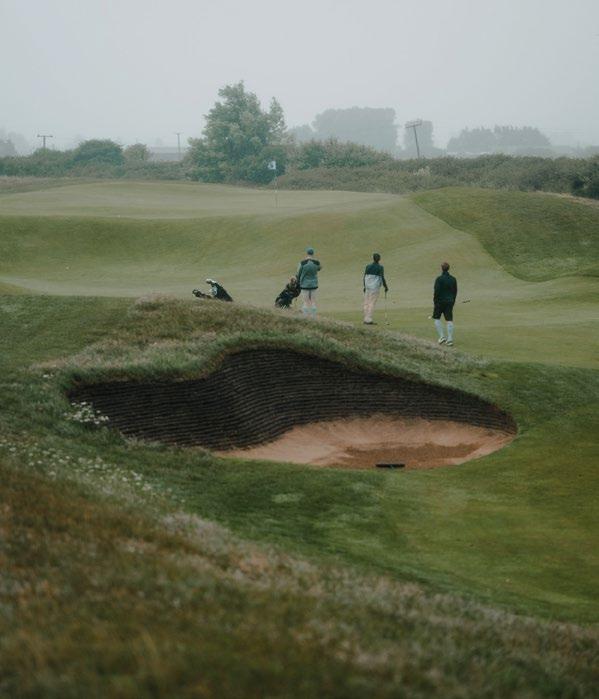
Mulled wine might be the drink of choice in Prague over the holidays, but tuck into the Alcron Bar at the Almanac X Alcron hotel, just off the city’s bustling Wenceslas Square, and you’ll be craving a proper cocktail. The bar sets a sophisticated tone with its art deco–inspired design, gourmet bites, and classic cocktails crafted with a Czech touch. And then there’s the Midnight Jam. “Midnight Jam is about that in-between moment when the band stops playing but the night’s energy is still alive,” says bar manager Lukáš Matulík. “The miso-caramel and white chocolate–washed bourbon gives it this deep, indulgent warmth, balanced by sherry and salted maple so it never gets too sweet. It’s the kind of cocktail that lingers: bold, elegant, and just a little bit nostalgic.”
New Year’s Eve cocktails from four of our favorite hotel bars.
by Bruce Wallin
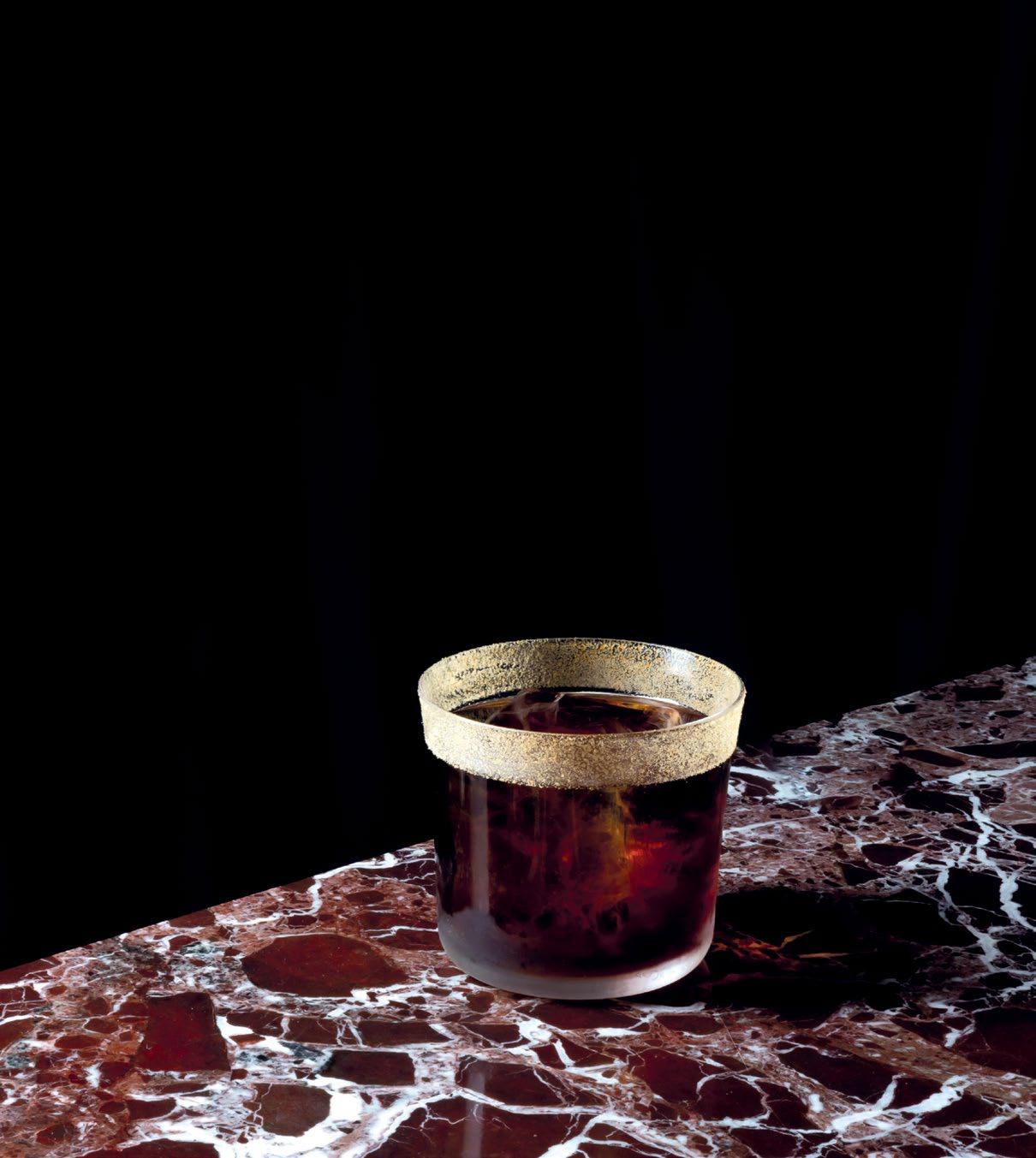
1½ oz Four Roses bourbon (whitechocolate and misocaramel fat-washed)
oz vermouth rosso
Dash of Angostura bitters Garnish of dried chocolate miso crisp 1 bar spoon salted maple syrup ½ bar spoon Pedro Ximénez sherry
Stir all ingredients with ice until well chilled and velvety (about 20 seconds). Strain into a rocks glass over a clear ice cube. Garnish with a dried chocolate miso crisp.
Not many, if any, hotels west of the Mississippi have rung in more New Year’s than this Gold Rush–era classic in Nevada City, California, in the foothills of the Sierra Nevada. The recently renovated property, which first opened in 1856, features 38 individually designed guest rooms, hundreds of original artworks, and a downstairs bar that seems straight out of the Old West but sophisticated, shiny, and new at the same time. Marc Allen, bartender at the National Bar, suggests this twist on a Champagne cocktail—featuring Cognac and Crémant sparkling wine—for a turn-of-the-year tipple. “Cognac has such a rich history yet is often left out of contemporary cocktails,” he says. “Bright, aromatic, and festive, this spritz was crafted from a minimalist approach that pays homage to a bygone era.”
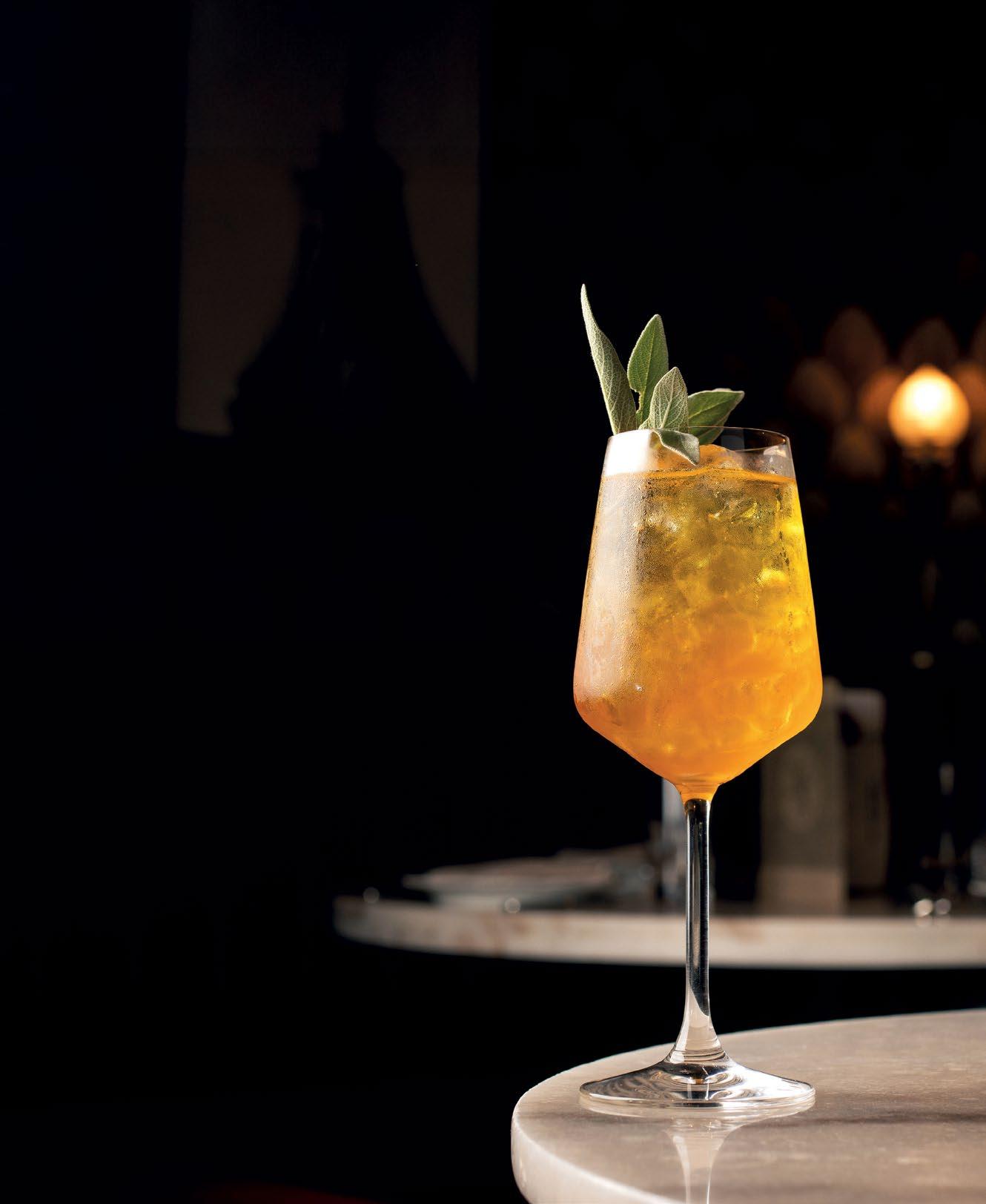
GLASS TYPE LIST of INGREDIENTS 5
1½ oz Apologue saffron liqueur
¼ oz Austrian stone pine liqueur
½ oz Pierre Ferrand Cognac
Top of Cuvée Françoise Crémant de Limoux
WINE
Garnish of fresh sage leaf
METHOD for CRAFTING the PERFECT DRINK
Add the saffron liqueur, Cognac, and stone pine liqueur directly into a chilled wine glass. Fill the glass with ice and gently stir to combine. Slowly top with the Crémant, allowing the ingredients to integrate naturally. Express a sage leaf over the surface and rest it on top as a garnish.
Tokyo is one of the first big cities to ring in the New Year, and this potion from Peter at the Peninsula will guarantee 2026 gets off to a good start. “It’s a perfect choice for those who love martini-style cocktails—elegant, balanced, and smooth,” says Mari Kamata, Peter’s mixology and bar manager. Count us among those martini mavens—and equally as fans of this 24th-floor restaurant and bar, with its commanding views of the Imperial Palace and its French cuisine crafted from Japanese ingredients. For her cocktails at Peter, Kamata travels across Japan and beyond to source ingredients. The Peter Aviation was inspired by artisanal Kibou gin from Shakotan and pairs bright citrus and floral flavors with a hint of maraschino. “With its subtle sweetness,” Kamata says, “it makes a wonderful digestif after dinner and an ideal cocktail to toast the New Year in Peninsula style.”
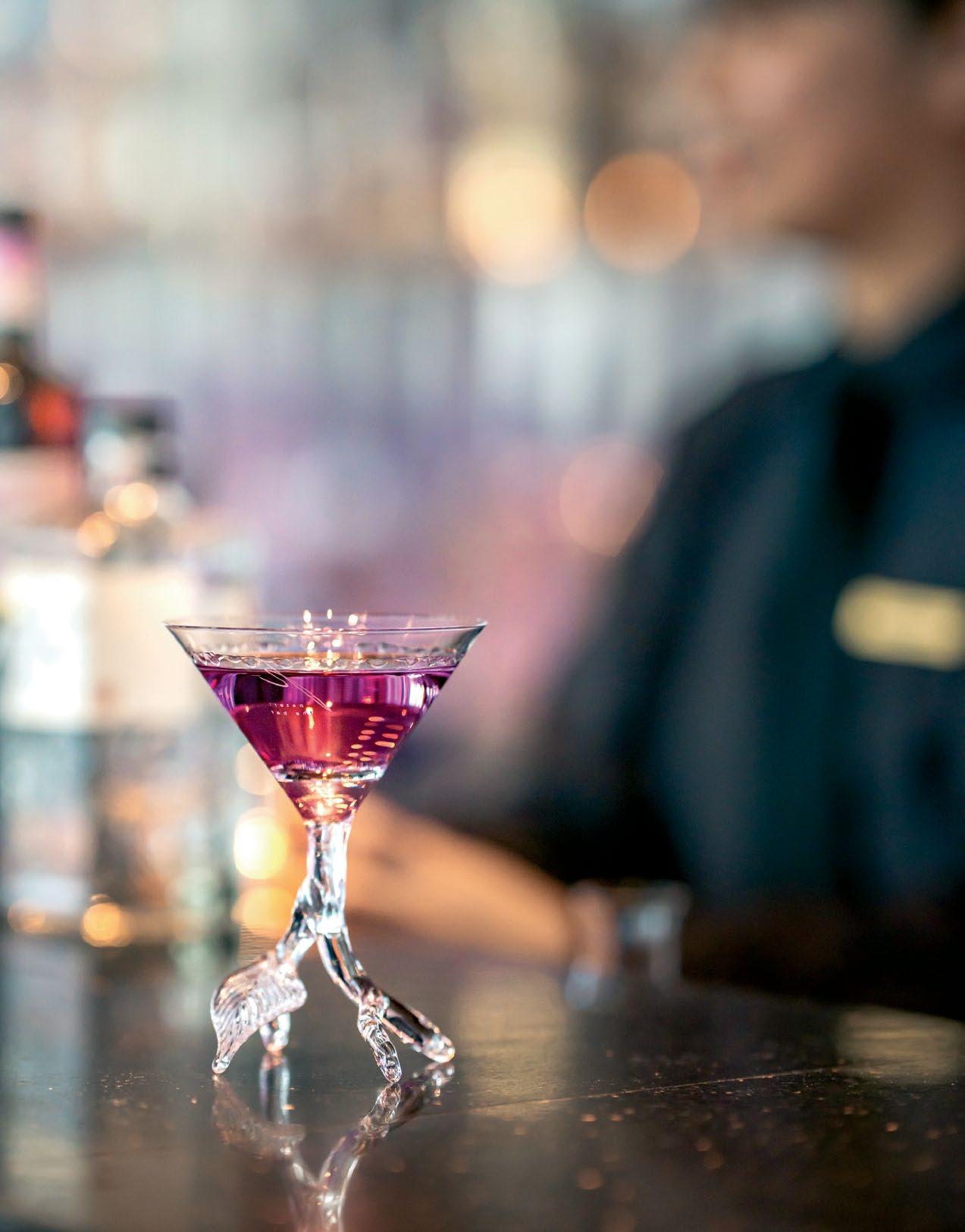
GLASS TYPE LIST of INGREDIENTS 6
1 oz Kibou gin
1 bar spoon maraschino liqueur
1/3 oz lemon juice
1/3 oz violet liqueur
½ bar spoon sakura liqueur
1 bar spoon Orchid 1883 syrup
In a shaker, combine all ingredients with ice and shake for about 5 to 10 seconds. Strain into a glass and serve.
Our favorite new beach resort (see Kingdom List, starting on page 66) is perched atop a Costa Rican cliff with dramatic ocean and island views. There’s one place on property, however, that doesn’t have any views at all: Nekajui’s speakeasy-style bar, Cooper’s. Accessed through a secret door, the windowless cocktail den is a delightfully unexpected amenity at this idyllic retreat in the exclusive Peninsula Papagayo development. Nekajui’s Italian-born bars manager, Angelo Solimando, created the Milano via San José cocktail at Cooper’s as a Costa Rican twist on a classic from his homeland. “Milano via San José is our tropical homage to the negroni—elegant and spirit-forward, yet deeply rooted in Costa Rican terroir,” he explains. “The housemade guava gin introduces a burst of native fruit and flora, while the avocado-leaf distillate speaks to our commitment to sustainability and local sourcing. It’s a sensory journey from Milan to the jungle canopy of Peninsula Papagayo.”
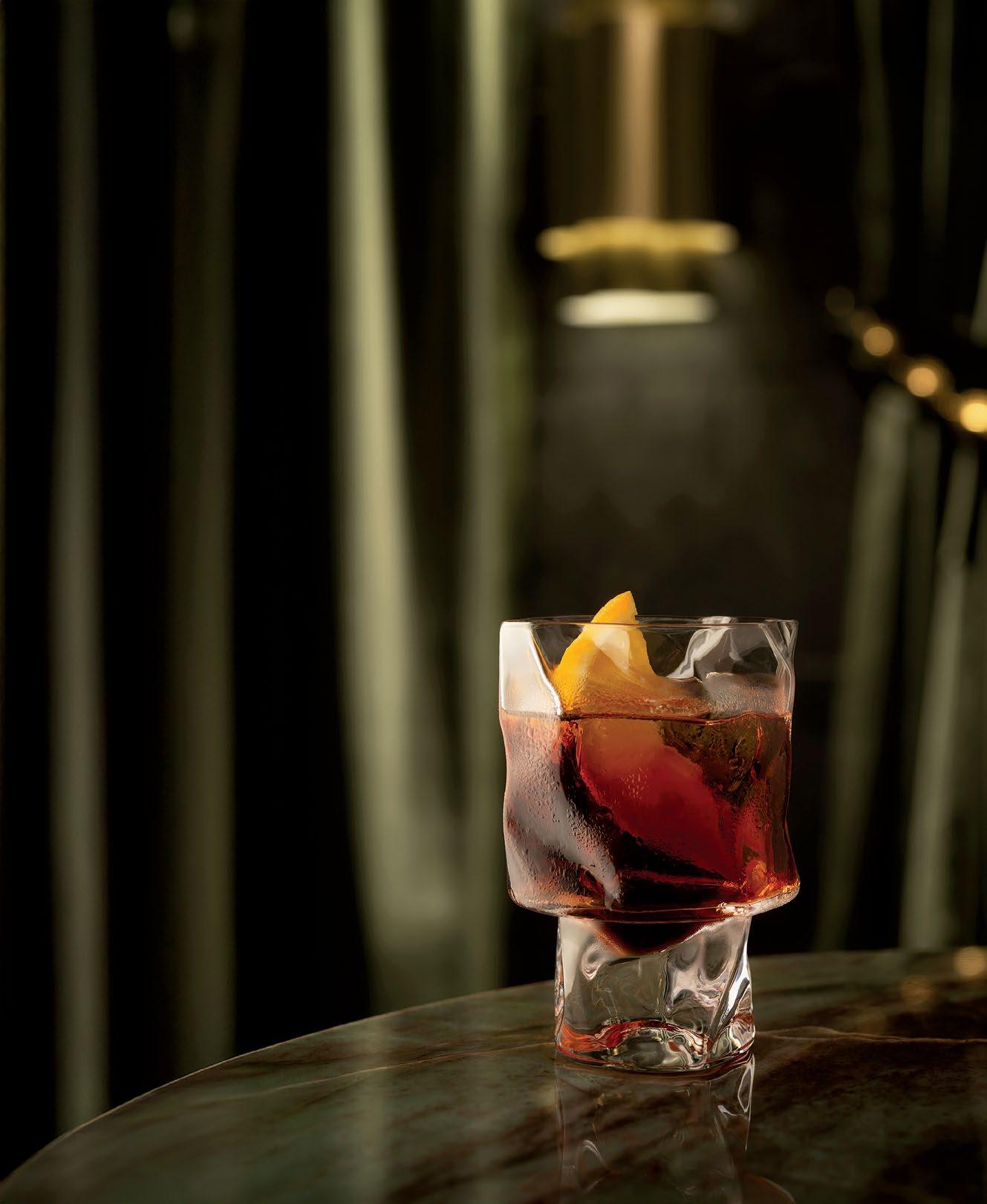
GLASS TYPE LIST of INGREDIENTS 5
1 bar spoon avocado leaf distillate
2/3 oz vermouth rosso
1/2 oz Campari
2/3 oz house-made guava gin
Garnish of orange half-moon
METHOD for CRAFTING the PERFECT DRINK
Combine all ingredients in a mixing glass with ice. Stir for 10 to 15 seconds to achieve ideal dilution. Strain into a chilled rocks glass over a large ice cube. Garnish with a fresh orange half-moon.
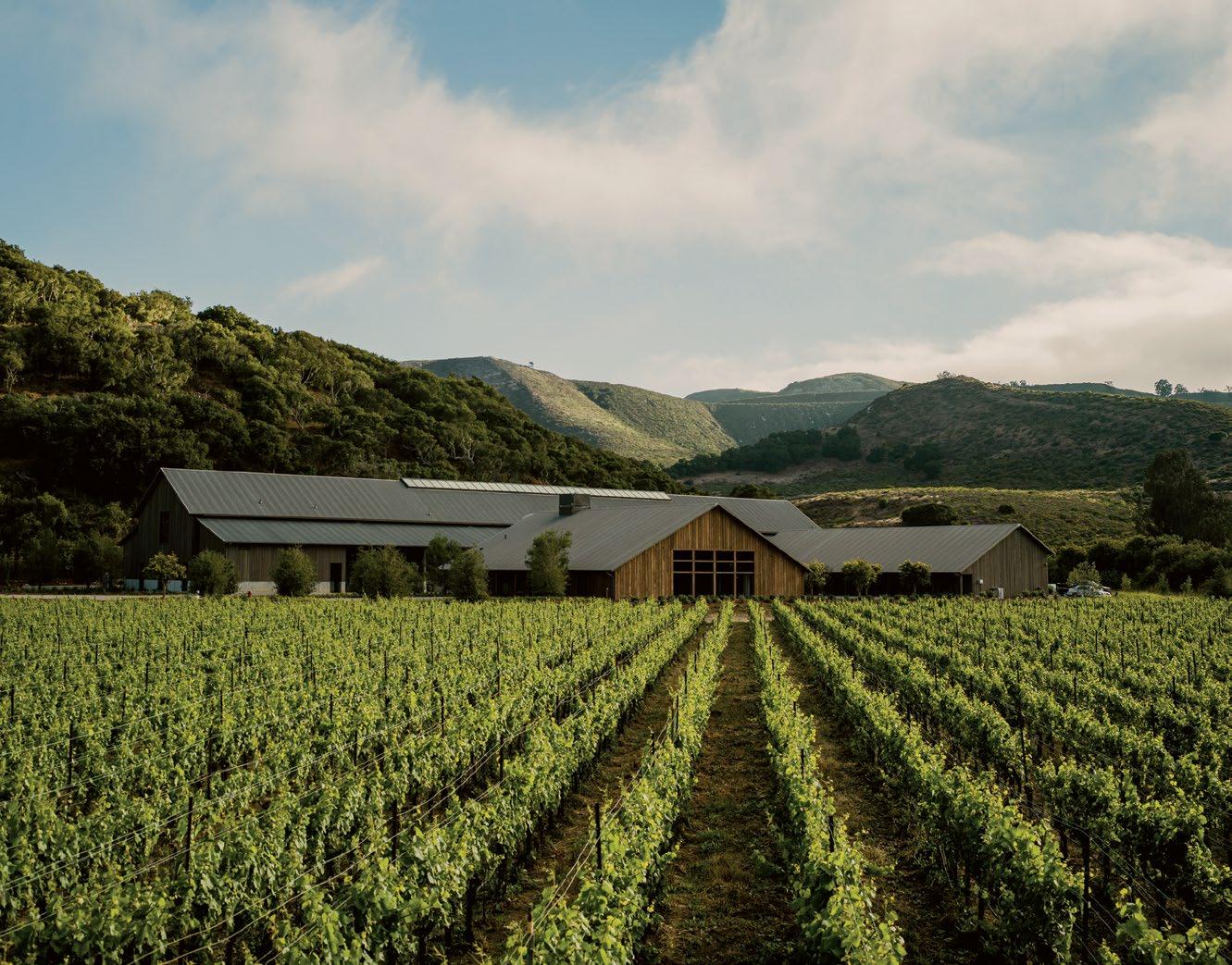
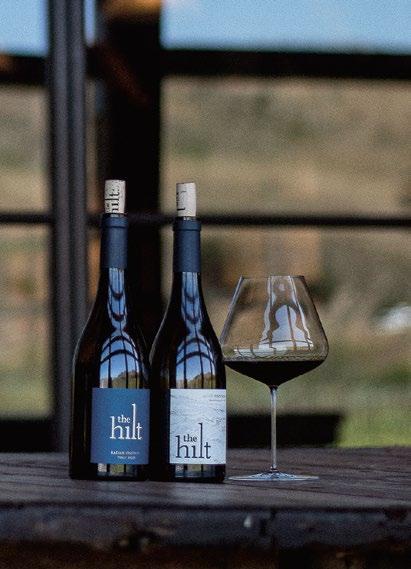
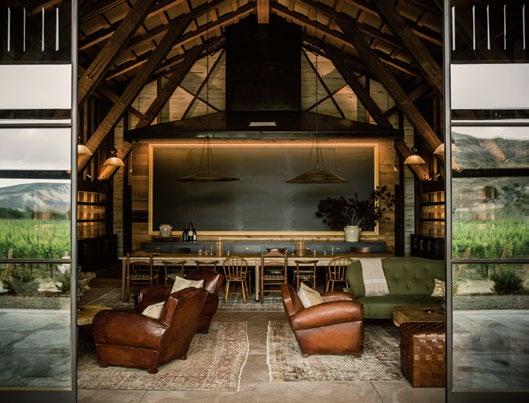
A new generation of wineries is helping to make California bubbly better than ever.
by SHIVANI VORA
Champagne has long set the bar for sparkling wines, but bubblies from California may finally be catching up to their Old World counterparts. From Napa Valley to the Sonoma Coast and beyond, vintners in the state have elevated their craft to a level on par with the finest French houses in terms of complexity, finesse, age-worthiness, and, most important, taste.
“The sparkling wines being produced right now are nothing short of exceptional,” says Stephen Arnold Jr., the lead sommelier at Italian restaurant Bottega Napa Valley in Yountville. “They rival the best of Champagne.”
Arnold attributes the rise of California’s sparkling wine industry over the last decade to an emphasis on high-quality fruit, lower yields, and even ripening. A new generation of producers—many of them boutique labels—is now earning global acclaim and increased demand. “Some of their expressions are allocated and hard to come by,” Arnold says.
Schramsberg, first founded in the 19th century, is among the pioneers of California’s sparkling wine industry and remains one of the state’s elite producers. Arnold calls the 2016 J. Schram Rosé a “stunner.”
We asked the sommelier to share a few of his other favorite producers and the most exceptional bottle from each.
The California counterpart of Champagne Louis Roederer, this Mendocino County producer has a strong foundation in world-class production. The L’Ermitage, its tête de cuvée, was first produced in 1989 and best reflects this pedigree. The 2019 vintage earned an astounding 100-point score from Wine Enthusiast, which is “an incredibly rare feat for domestic sparkling wine,” Arnold says. “Aromas of juicy stone fruit and citrus blossom meet you right away, while the palate features a creamy mousse with salted caramel and blood-orange zest.”
Equally impressive is Roederer Estate’s new hospitality center overlooking the Anderson Valley. The elegantly designed space, with nods to Japanese modernist architecture, features a tasting room, expansive patio, salon, and lounge.
Founded in 2008 by Stan Kroenke—owner of the cult wine Screaming Eagle—the Hilt is situated on the historic 3,600acre Rancho Salsipuedes estate in Santa Barbara County’s Santa Rita Hills appellation. The boutique label capitalizes on the area’s maritime climate, which enables long, even ripening and exceptional fruit quality.
The 2020 Hilt Estate Sparkling, a blend of Pinot Noir and Chardonnay, is a prime example of the winery’s precision. The wine, of which only 180 cases were produced, was fermented for six months in French-oak barrels and aged an additional 36 months on the lees. “It’s made in the traditional Champagne method and offers aromas of lemon zest, jasmine, and stone fruit, complemented by an elegant mousse and chalky minerality,” Arnold says. “It’s just gorgeous.”
Designed by renowned architect Howard J. Backen, the Barn at the Hilt Estate draws inspiration from the region’s agrarian roots. Its soaring cathedral ceiling, with reclaimed wood from the property’s original 1914 barn, and seamless indoor-outdoor spaces frame sweeping views of the surrounding landscape. Guests can partake in a range of tastings, some of which include limited, experimental, and library bottlings.
Kathleen Inman is the powerhouse behind one of California’s most distinguished smaller grower-producer wineries—a true one-woman show in Sonoma County’s Russian River Valley. Arnold describes her as an innovator in responsible winemaking, highlighting her forward-thinking approach and solar-powered production methods. Her
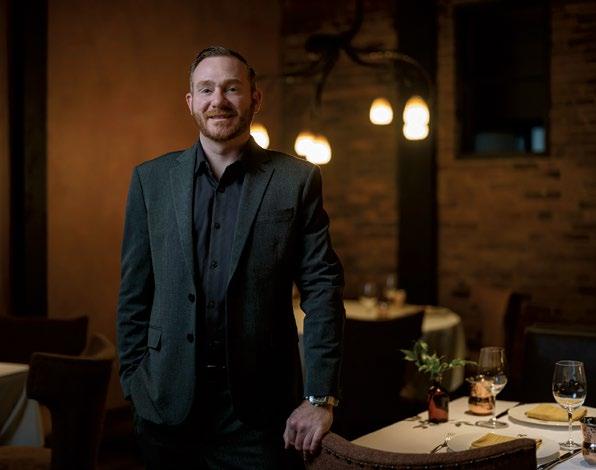
They rival the best of Champagne.”
—STEPHEN ARNOLD JR.
prized Olivet Grange parcel encompasses a modest 10.5 acres and yields some of the best fruit in the region.
The 2018 Inman Family Luxe Cuvée Extra Brut, made in the classic méthode champenoise, reflects her craftsmanship and is made of Pinot Noir, Chardonnay, and Pinot Gris grapes. “The Extra Brut is bright and perfumed, layered and complex,” Arnold says. “The palate offers notes of crisp Asian pear, honeyed apples, and almond.”
A visit to Inman’s scenic estate, where vines blanket every corner, makes for a relaxed and authentic excursion. In most cases, Inman herself leads guests through tastings and vineyard walks, explaining her eco-minded practices.
Racines, meaning “roots” in French, is a joint venture in the Santa Rita Hills between Etienne de Montille and Brian Sieve of Burgundy and Rodolphe Peters of Champagne. Founded in 2017, the winery, according to Arnold, aims to craft traditional method sparkling wines using the finesse of Burgundy and the prestige of Champagne. “This brand is a power of the minds,” he says.
Racines’ vineyards are organic and biodynamically farmed, and the area’s cool climate yields grapes of
Stephen Arnold Jr. at Bottega Napa Valley (left); Racines Grand Reserve and Inman Luxe Cuvée Extra Brut (below); Emmolo Sparkling No. 9 (right).
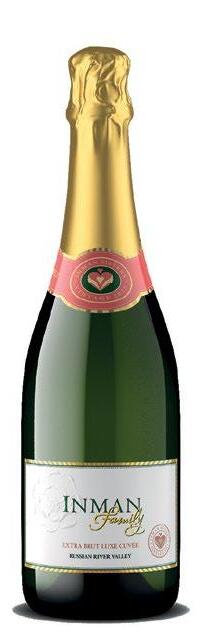
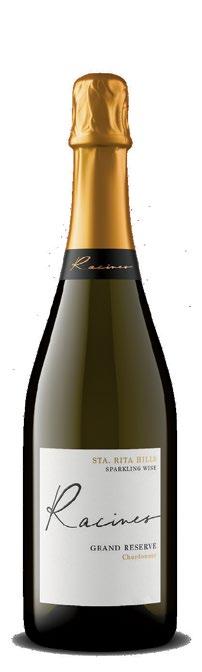
remarkable purity and balance. Those qualities shine in the NV Grand Reserve Sparkling, a Blanc de Blancs made entirely of Chardonnay. “It has a rich creaminess and precise minerality on the palate,” Arnold says. Aromas of citrus peel, toasty brioche, and hazelnuts are on full display. Racines hosts a limited number of tastings on its 40-acre estate, named de Montille, led by winemaker and viticulturalist Ryan Hannaford. Reservations must be made in advance. “Nothing is preset,” Hannaford explains. “I cater the experience to what guests want, whether that means walking the vineyards and learning more about the terroir or tasting library wines.”
Emmolo Sparkling No. 9
No celebration of California sparkling wines would be complete without this stunner from the Wagner family of Caymus Vineyards fame. Winemaker Jenny Wagner took inspiration from her favorite Champagnes to craft this blend of Chardonnay and Pinot Noir from coastal vineyards in Monterey and Santa Barbara counties. The wine spent 38 months en tirage, developing depth and creaminess. Notes of pear, almond biscotti, dried apricot, vanilla bean, and tangerine shine through its fine, soft bubbles. Limited to roughly 2,000 cases annually, Emmolo Sparkling No. 9 is available exclusively at the family’s tasting rooms in Napa Valley and Suisun Valley, as well as at wagnerfamilyofwine.com.
ramona saviss
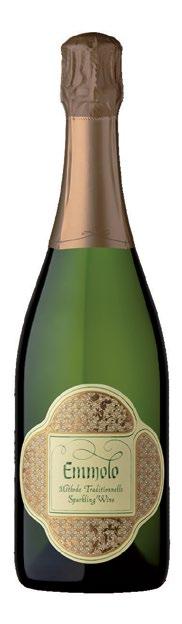
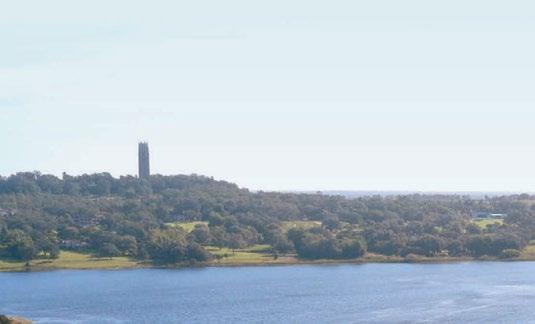
Florida’s most sought-after historic golf community.
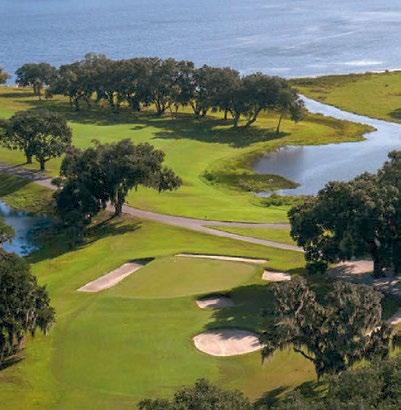
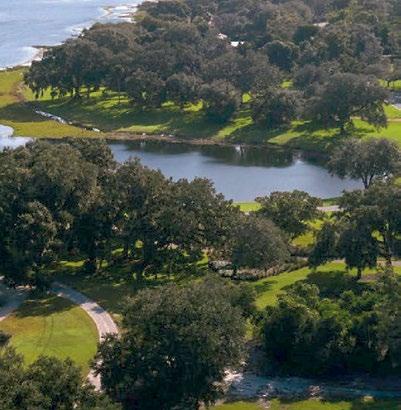
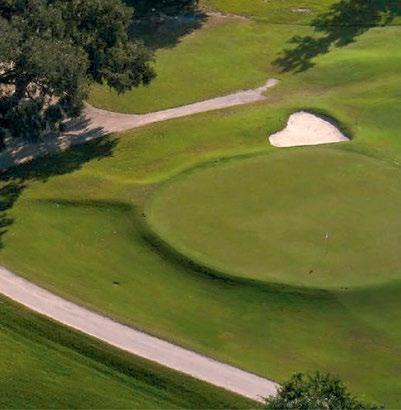
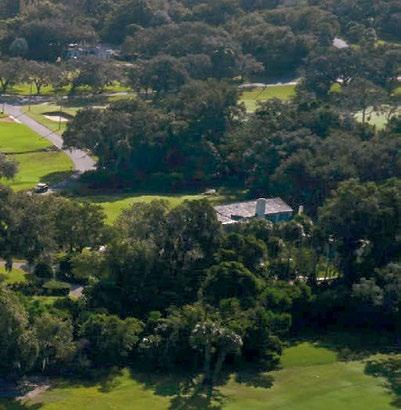

For those interested in homes, homesites or non-resident memberships, visit
Omni PGA Frisco’s inaugural food and wine festival celebrates bold flavors and big personalities.
by SHAUN TOLSON
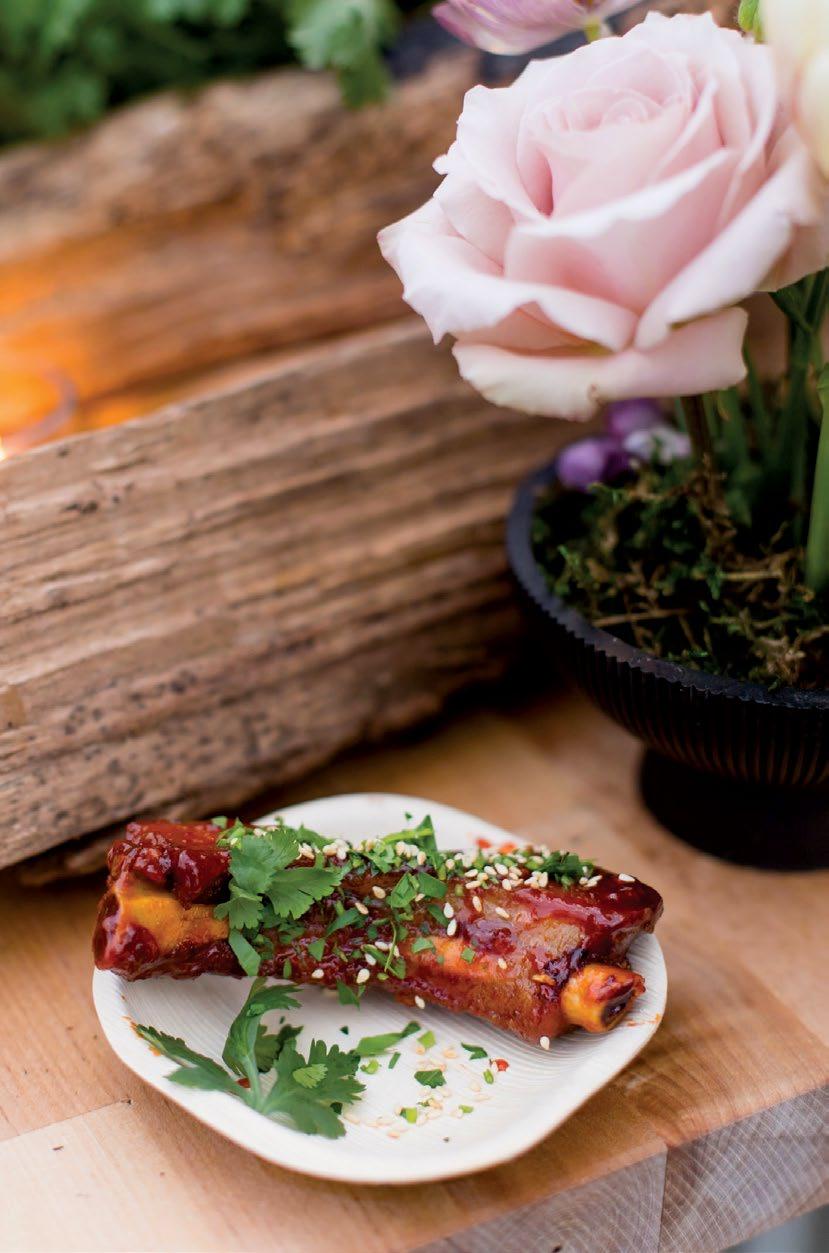
Photos: Sara Kauss
At no point over the three days at Savor, Omni PGA Frisco’s inaugural food and wine festival, did the 600 or so daily attendees lose sight of where they were. From a pop-up Stetson hat shop to a concert performed by Midland (a country music group from just outside Austin), Texas pride was prominently on display at the event in early May. For headlining chefs like Antonia Lofaso, a veteran of events like this, that was one of Savor’s greatest accomplishments.
“There was an intimate feeling of community that doesn’t always happen at some of the other festivals,” says the Las Vegas–based Lofaso, a Top Chef alum and co-owner of Black Market Liquor Bar and other restaurants in Southern California. “What did it for me was the live music. That was the through-line that made it feel very Texas.”
As a part of a plated, three-course Masters of Taste dinner on the opening night, Lofaso set the tone for Savor’s elevated cuisine, serving a braised short rib and cavatelli dish with burrata, horseradish, and mushrooms. Layered with nuanced flavor, the entrée stole the show. But choosing a favorite during the subsequent two nights’ broader tasting events proved to be a much more difficult proposition.
Local chefs Nick Walker and Matt Balke served up, respectively, a grilled ribeye with beef-fat chimichurri and beef-cheek pastrami with pimento cheese and a sweet-tea gastrique. Kevin Lee—an up-and-coming celebrity chef with several Food Network appearances under his belt—made a bold statement with his gochujang-glazed sticky ribs. Yet, it
This is pretty damn Texas right here!”
—BEAU MACMILLAN
was Top Chef winner Stephanie Izard’s grilled pork belly with noodles and chili crunch that stood out the most, at least in Lee’s opinion. “She cooks a lot with Asian flavors,” he says, “and it reminded me of the Korean dish that I used to love during the summertime.”
As part of the third night’s Best of Texas grand tasting, the famed chef Dean Fearing showcased a barbecued-shrimp taco with cilantro-lime sour cream and a mango-and-pickledred-onion salad. Extreme Chef winner John Tesar countered with a beef-cheek taco topped with charred tomato salsa, tomatillo salsa, and avocado salsa. And Kevin Sbraga proved why he deserved to win the seventh season of Top Chef with a fire-roasted beef tenderloin with tomato agrodolce and giardiniera. In the estimation of the event’s host, Arizonabased chef Beau MacMillan, all three dishes stood out for their “sophistication in the simplicity.”
Omni PGA Frisco’s resident pastry chefs, Leen Nunn and Gelyn Wildelski, proved that intricacy can also astonish. Each night the duo unveiled whimsical desserts, none wilder than a chocolate cake trifle complete with Dr. Pepper jelly, Bada Bing cherries, Cherry Cola Pop Rocks, and vanilla ice cream that was served in a Dr. Pepper can—its top removed—and crowned with an edible bubble cloud. “What they did was freaking brilliant,” Lofaso says. “They made it interactive. There was this drama and theater to it, which I thought was really cool.”
Even the passed hors d’oeuvres shined—especially the resort’s Texas Twinkies (smoked, bacon-wrapped jalapeño peppers stuffed with cream cheese and brisket). “This is pretty damn Texas right here,” MacMillan remembers thinking, “and it’s delicious.”
As a Mariachi band played during the final day’s brunchthemed tasting event, MacMillan had his opportunity to perform, too, serving a seared dayboat scallop with banana, mango aguachile, toasted peanut salsa, and pearls made of matcha and passion fruit. It was a dynamic bite with bright flavors that showcased the shellfish in an unusual but elegant way.
As the resort prepares for Savor’s second installment, scheduled for April 29 to May 3, 2026, most of the details are still being finalized. According to MacMillan, however, it’s possible the event might include live-fire cooking presentations. “To me, that’s cowboy culture,” he says. “That just screams Texas.”
Gochujangglazed sticky ribs (opposite), beef tenderloin with tomato agrodolce and giardiniera (right), and braised short rib and cavatelli (below).
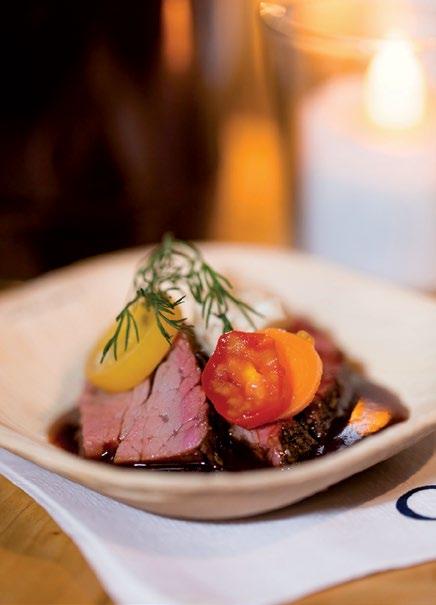
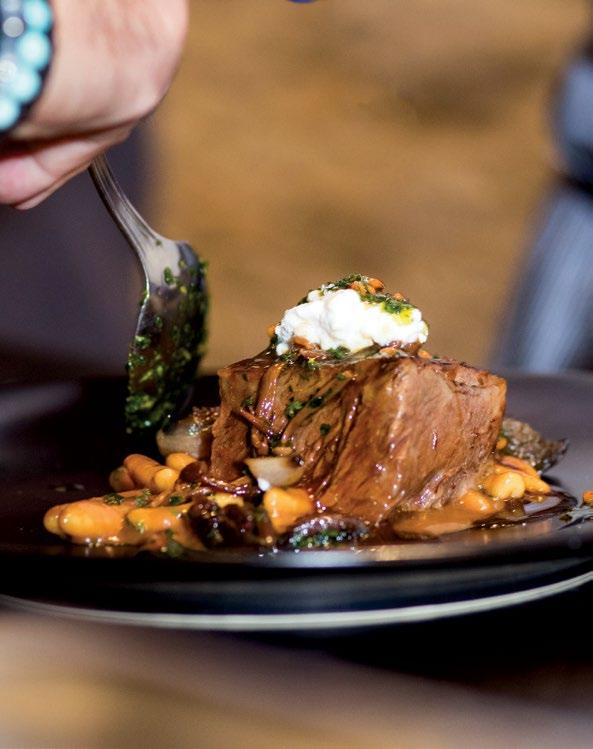
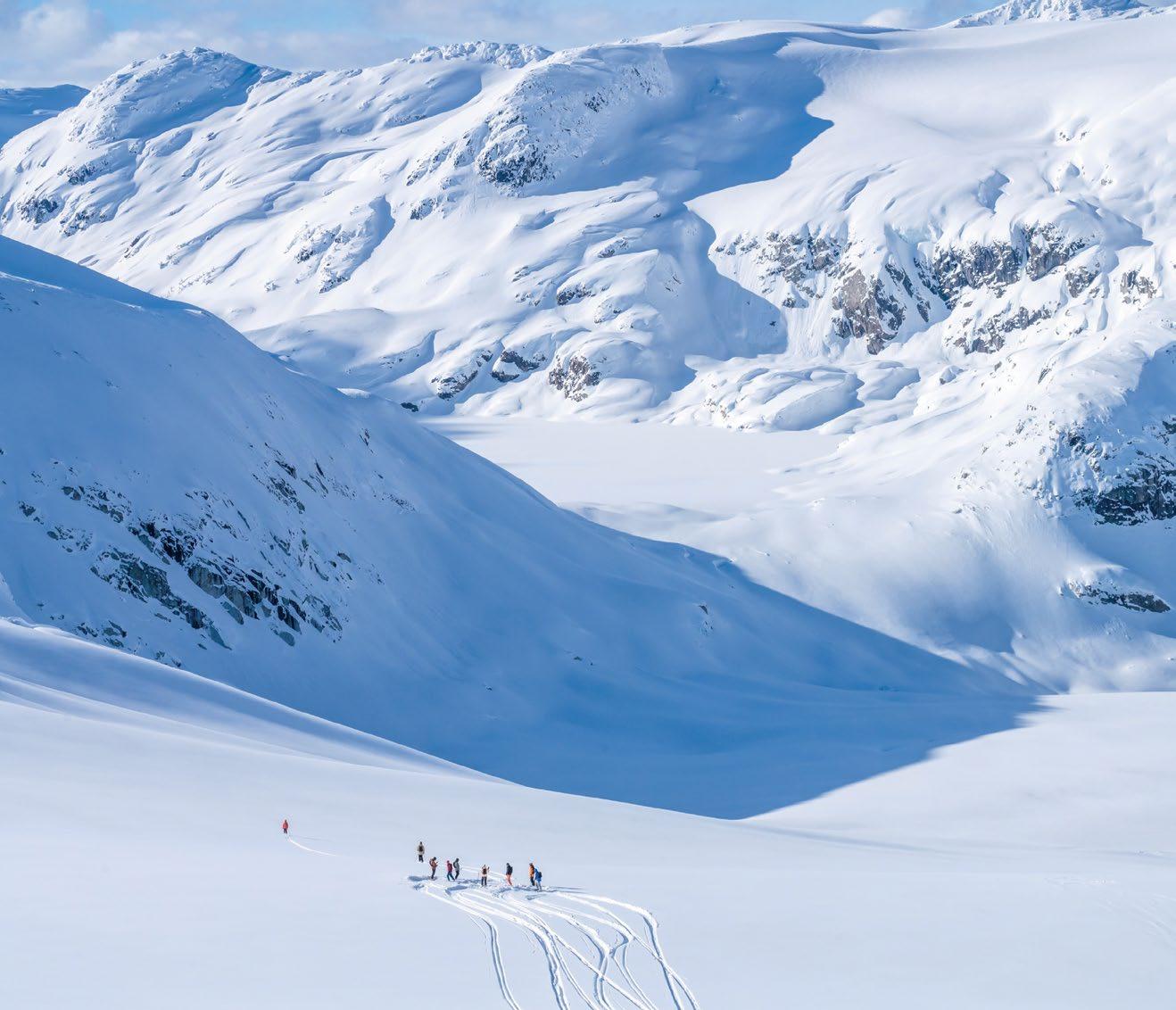
North America’s largest ski resort is much more than a ski resort. Here’s how to explore the iconic destination in winter, on and off the slopes.
by ALLAN LYNCH
Agroup of Vancouver businessmen founded Whistler with the dream of bringing the 1968 Winter Olympic Games to British Columbia’s Coast Mountains. They lost that bid and four more before Whistler—by then the largest ski resort in North America—finally hosted the games in 2010. Despite its epic proportions, Whistler unfolds on an intimate scale, in the style of European mountain resorts. The pedestrian alpine village is built around seven plazas and squares, which are mostly crowd-free during winter days, when skiers are spread out over the resort’s vast terrain. The sprawling size of the resort and the array of amenities mean that Whistler caters to all guest desires, whether they come to ski, enjoy some après ski, or skip everything ski-related altogether.
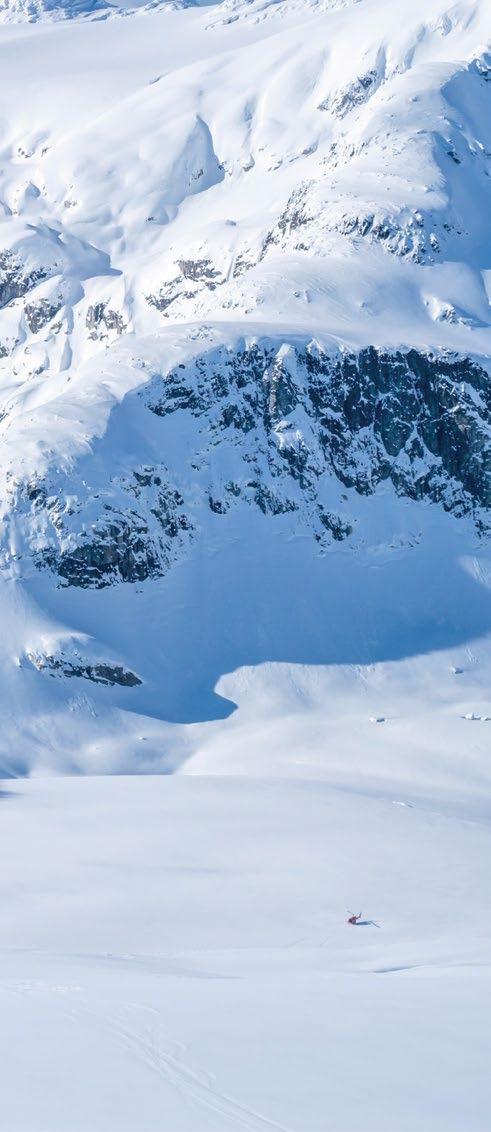
First, a few figures: Whistler and Blackcomb mountains have more than 200 runs spread across 8,171 acres. The longest run on each mountain is seven miles long. There are 37 lifts with the capacity to move 80,692 skiers per hour. The average alpine snowfall is 35.8 feet.
In addition to the seemingly endless downhill options at Whistler and Blackcomb (both of which are part of Vail Resorts’ Epic Pass), the destination offers a range of backcountry experiences through outfitters like Extremely Canadian, Whistler HeliSkiing, and Blackcomb Helicopters. “We help skiers push personal boundaries to ski better and enjoy it
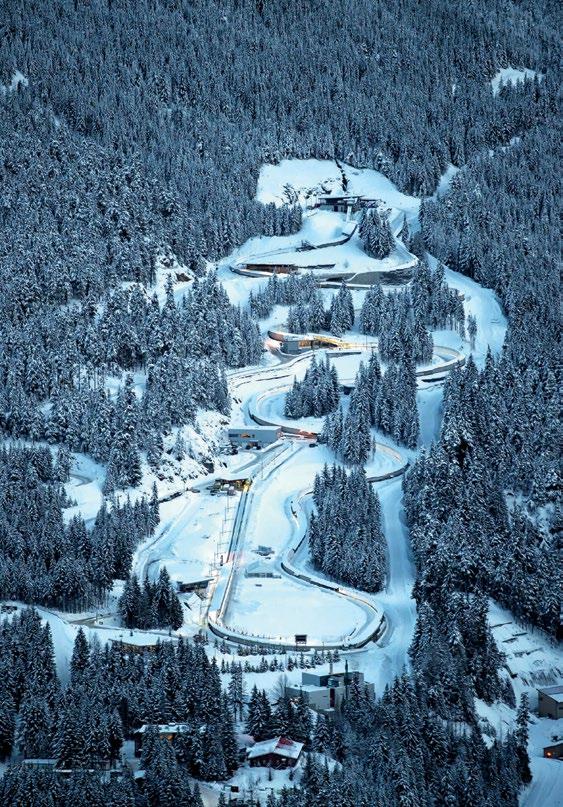
Sliders can reach 80 miles per hour and experience a 4G-force for four seconds.”
more,” says Jill Dunnigan, co-owner of Extremely Canadian. The company’s guides lead guests on everything from backcountry ski excursions to off-grid winter camping trips. Whistler Heli-Skiing, meanwhile, has exclusive access to 432,000 acres of backcountry, with 173 glaciers and 475 runs—an expanse that guarantees skiers fresh, untracked powder. Blackcomb Helicopters also offers heli-skiing, as well as sightseeing tours and “heli-weddings.”
Non-skiers can also find adrenaline-pumping adventure in Whistler. Among the community’s Olympic legacies is the Whistler Sliding Centre, where luge, bobsleigh, and skeleton competitions took place in 2010. “This is still the world’s fastest track,” says Bruce MacMillan, the center’s managing director. “Sliders can reach 80 miles per hour and experience a 4G-force for four seconds.”
The center offers visitors several Olympic experiences. Bobsled rides seat two or three passengers plus a pilot—often an Olympian. Guests can also try the skeleton track—or, a
new addition at the center, the luge. Part of the experience includes live commentary and real competition, including a leaderboard showing the fastest times for the day. “Visitors don’t slide and run,” MacMillan says with a laugh. “Many stick around to see how they rate against others.”
For a far more leisurely winter adventure, the Peak 2 Peak gondola offers a scenic ride that links the tops of Whistler and Blackcomb mountains. Some of the gondolas have glass floors, affording a full view of colorfully dressed skiers and snowboarders below as they dart about like tropical fish in an aquarium.
Whistler is home to the Squamish Lil’wat Cultural Centre, which has a long house, galleries, and theater; the Whistler Museum; and the Audain Art Museum. The Audain is a $30 million gallery housing a collection focused on British Columbian artists, including hundreds of First Nations’ carvings and masks, as well as 24 works by the renowned B.C. painter Emily Carr.
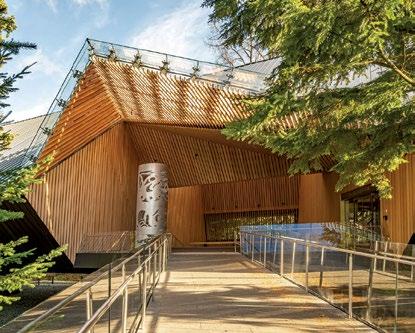
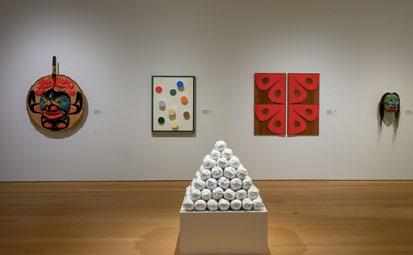
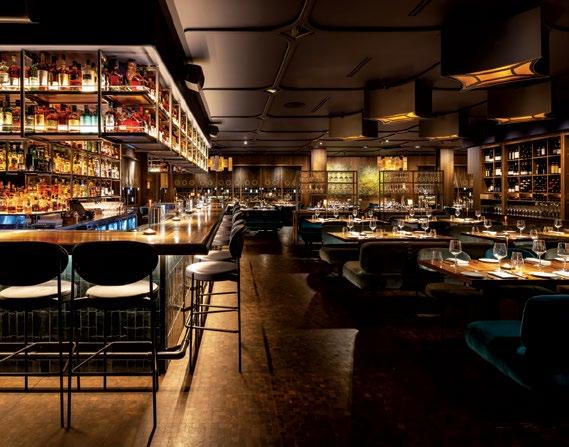
Whether following a day of gallery hopping or skiing, après is an art of its own in Whistler. The Longhorn Saloon & Grill, across from the Whistler gondola, draws a lively crowd with its champagne gondola and champagne guns—perfect for a festive spray. Across the plaza, the Dubh Linn Gate Irish Pub keeps the party going with live music performances.
The top fine-dining destinations in town include the Bearfoot Bistro, where culinary director Dominic Fortin oversees a 30-member team that creates dishes for a maximum 156 diners—an impressive chef-to-table ratio. The bulk of the menu is local to British Columbia, while the 20,000-bottle cellar spans the world of wines. Many guests end the evening in the -25-degree Grey Goose Ice Room, tasting a flight of vodkas. Parkas are provided.
Other fine-dining options range from Sidecut Steakhouse at Four Seasons Resort Whistler (think grass-fed Alberta beef and olive-fed Wagyu from Japan) and the threeyear-old Wild Blue Restaurant + Bar, which has received just about every best-new-restaurant award (including North America’s Best New Restaurant for 2023 by the World Culinary Awards). Wild Blue’s culinary focus marries coastal influences from Italy and France with Pacific Northwest
cuisine. Creativity also flows from bar manager Zach Lavoie, who created a series of “milk punches” from a 1711 recipe. It starts with mixing milk and citrus to remove protein and color, then incorporates Hendrick’s gin, pistachio, blood and Seville oranges, and elderflower. It sounds bizarre, but it’s dangerously smooth.
At the base of Blackcomb Mountain sit two resorts that each received two keys in the recent Michelin Guide: the Four Seasons and the Fairmont Château Whistler.
In addition to Sidecut Steakhouse, the Four Seasons is home to the Braidwood Tavern and offers pop-up afternoon wine tastings as well as Moët & Chandon pool parties.
The resort’s spa incorporates products from an indigenous skincare brand, Skwalwen Botanicals, into treatments such as the Sacred Space Journey.
The Fairmont recently doubled its number of Fairmont Gold rooms, which act as a hotel within the hotel. Gold-room guests have access to a concierge and a private lounge. The lobby-level Mallard Lounge, meanwhile, is a popular après spot for locals and guests.
About 15 minutes by car from Whistler, Wedge Mountain Lodge is a 10-bedroom mansion available for buyouts. The two-year-old property has a wine room, gym, spa, theater, two kitchens, and a heated pool and hot tub.
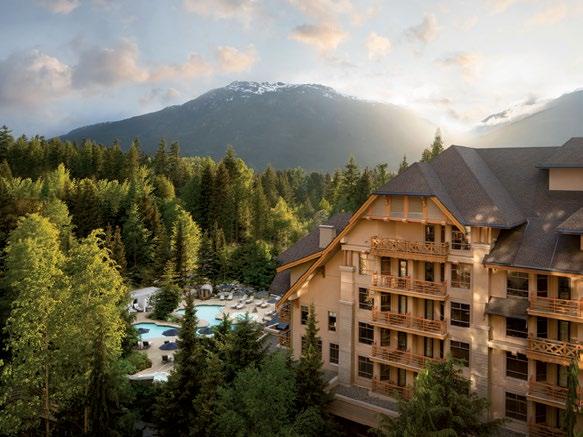
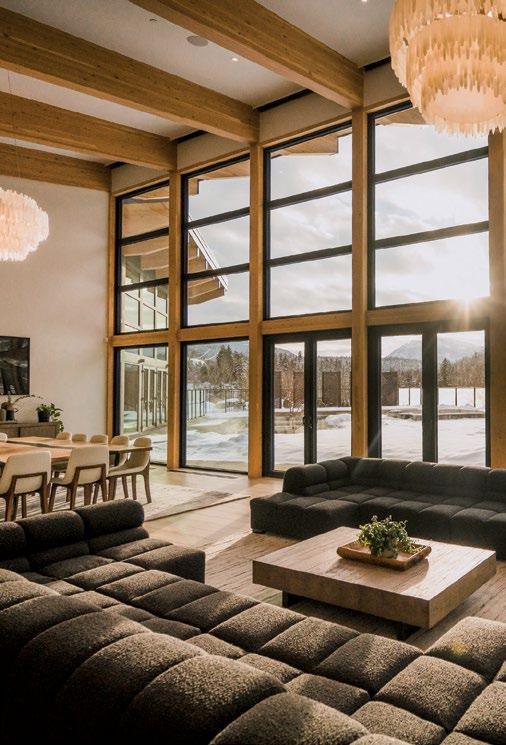
Whether following a day of gallery hopping or skiing, après is an art of its own in Whistler.

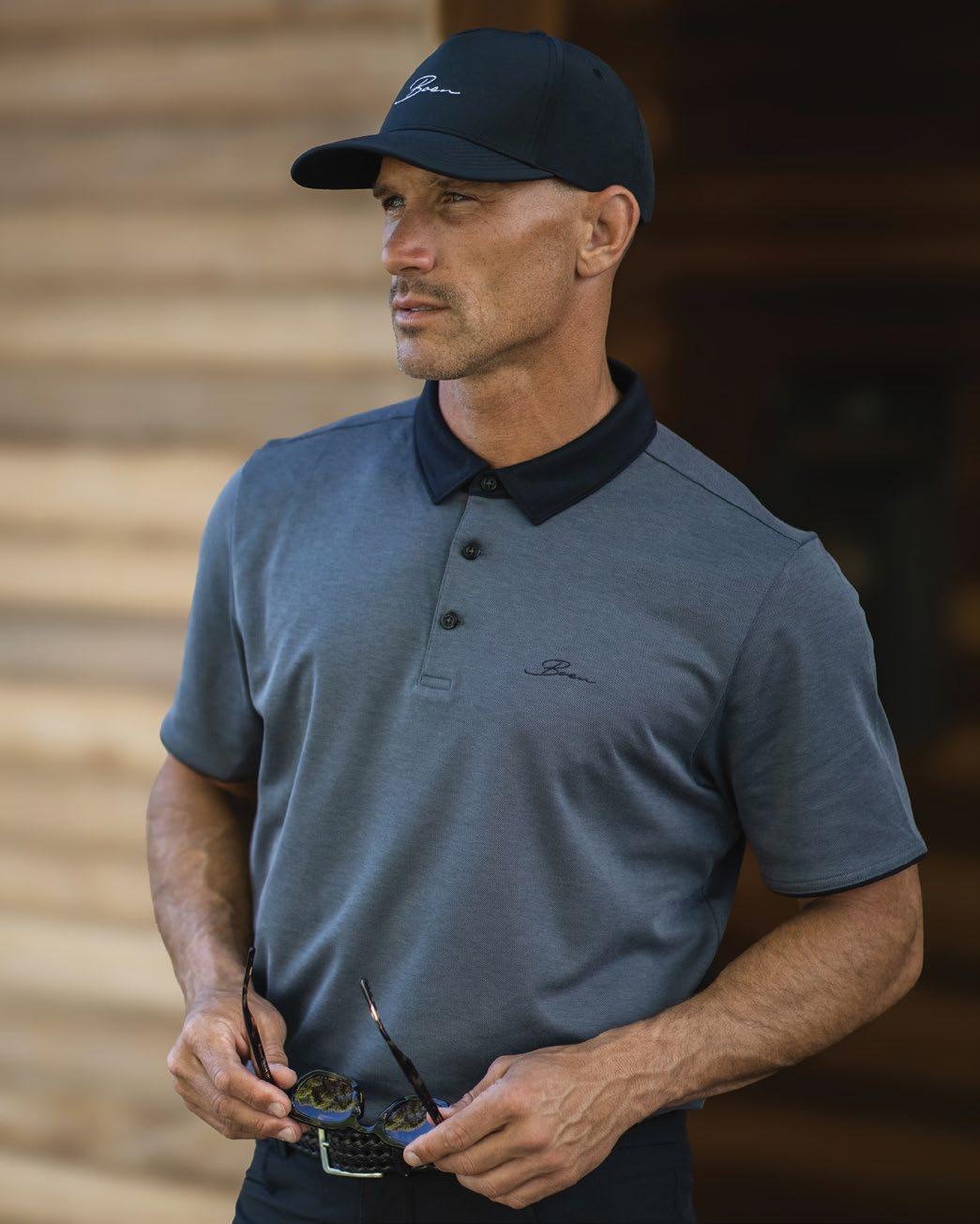
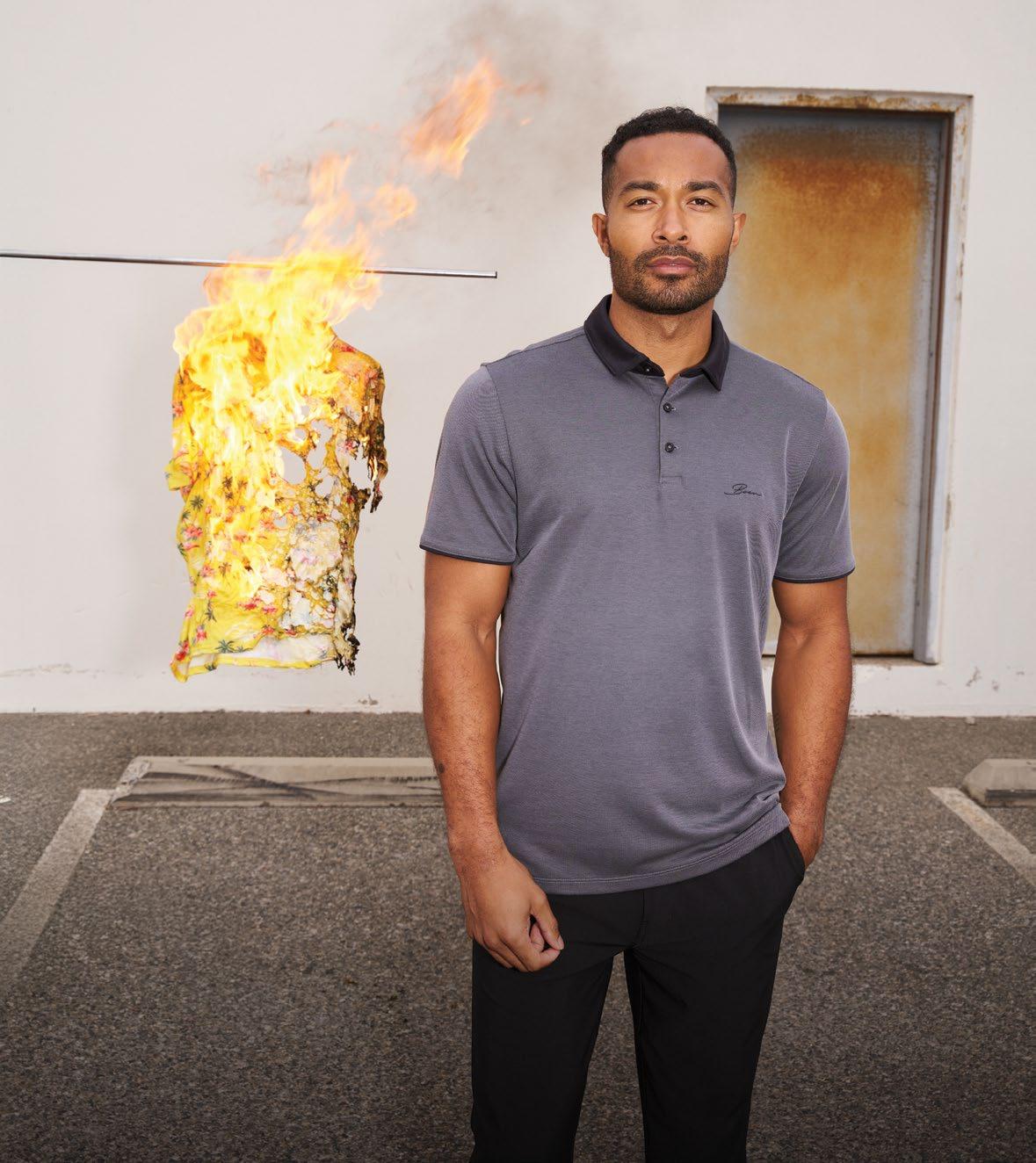
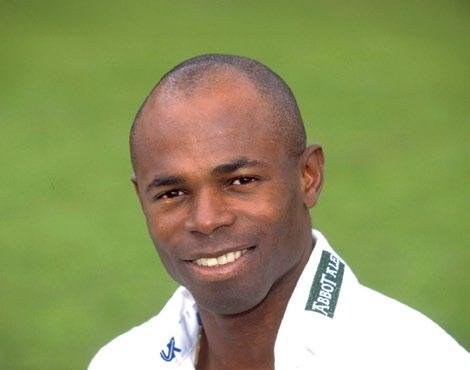
Cardigan Connor as a cricketer, here pictured in 1998, was a star bowler for Hampshire.
The Honorable Cardigan Connor is Minister for Health, Sports, and Tourism in the Caribbean island nation of Anguilla. Connor grew up in Anguilla, until his talent as a cricketer led him to England to play professionally. After a shining career with the famous Hampshire county team in England in the 1980s and ’90s, he returned to his homeland, where a career in politics beckoned. When time allows, Connor enjoys a round of golf at Aurora Anguilla Resort & Golf Club.
different islands. Wherever you are from in the West Indies, be it Jamaica, Trinidad, or Antigua, the West Indies cricket team represents you. We all wanted to play for the West Indies. I got close to realizing that dream, and I am proud that I played against them a few times for Hampshire. [National teams on tour play games against county teams in England.]
How is your golf these days?
Golf is a great pastime for athletes who are retired from other sports, and I am working on my handicap! It is around 16 at the moment. When I was playing professional cricket, I did not play a lot of golf, but the sport offers a great way to interact with different people, whether they come from different sports, or from business, and from all walks of life.
You must be very proud that Anguilla can impress visitors with Aurora Anguilla Resort.
Honestly, you have got to come and see the Aurora Anguilla Resort for yourself to see how beautiful it is. As Minister for Health, Sports, and Tourism, I really focus on sports tourism, and people will travel long distances to play a great golf course. The International Course, designed by Greg Norman, is one of the finest in the whole Caribbean, and as a small island, we are very fortunate to be able to attract visitors with the quality of this golf resort, including celebrities like Michael Jordan and Derek Jeter.
Apart from the golf, why is Anguilla so successful in attracting A-listers on vacation?
We still have that community spirit that surrounded me as I grew up.”
Do you have fond childhood memories of growing up in Anguilla?
I was very happy growing up in Anguilla in the ’60s and ’70s. As it remains today, the island was very much a community of care, and we enjoyed so much freedom. Living without television or the internet, we enjoyed an outdoor life of fishing, sailing, and cricket. There was a great community bond which set the foundation for all Anguillans, and those who leave the island for the outside world carry that spirit with them. I remain forever thankful to the community I grew up in, and for the way we all looked out for each other.
Did cricket dominate your life from an early age?
We played soccer at school, and track and field, and there was boat racing—which is our national sport—but being part of the West Indies meant cricket was number one. The older generations listened to cricket on the radio, and it is very special to our communities. Cricket bonds together the
Anguilla is young in tourism terms, and our first hotel was built in 1984. From the start, our government made the decision that any development must be of a very high standard—five-star—and that laid the foundation for our hospitality. Many celebrities from film, music, and sports love to go on vacation to an island where people do not necessarily chase them for autographs or take photographs, and that is what they get on Anguilla.
Anguilla is an island blessed with beautiful white-sand beaches and turquoise waters, and our cuisine and accommodations are of the highest quality, but at the end of the day the appeal of Anguilla comes down to the people. We still have that community spirit that surrounded me as I grew up, and that is extended to people who visit the island. Anguilla has the peace, tranquillity, and safety that people want on holiday, and we make sure that everyone who comes here has the space they need.
Interviewed by ROBIN BARWICK
by HAL PHILLIPS
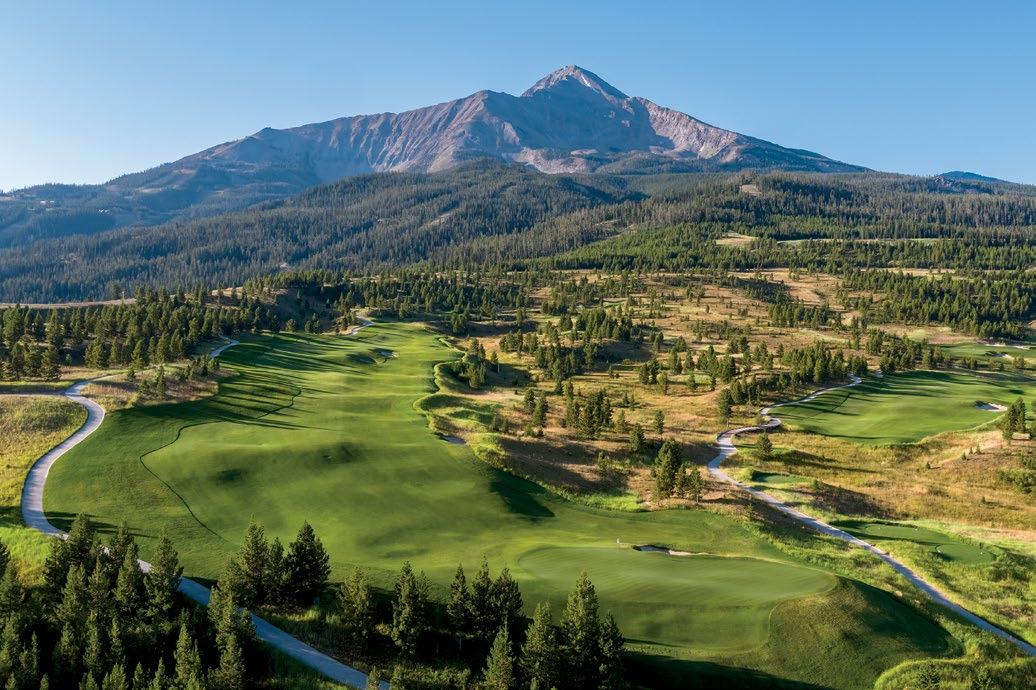
Throughout the mountainous West, skiing and golf stand as the tentpoles of luxury resort communities, while also creating a conundrum for each. Integration of the two activities within a private club environment is rarely seamless, because, unlike golf, most ski offerings rely on public customers, not a relatively small cadre of members and homeowners. This dependence necessitates the introduction of hotels, which can complicate—some would argue compromise—the cohesion and integration of the community.
In Montana, where several private club properties cater to both golfers and skiers, one destination in particular is perfecting the public-private balance. Big Sky, south of Bozeman, offers what many would rank as the finest skiing in the West, with its sprawling terrain and massive verticals. The resort town is also home to three highly exclusive real estate communities—Moonlight Basin, Spanish Peaks Mountain Club, and the Yellowstone Club—each with its own private golf club.
Big Sky has boomed in recent years, and developer Lone Mountain Land Co. isn’t done yet. The resort is in the midst of a major expansion at Moonlight Basin, which is currently home to a Jack Nicklaus Signature course and is debuting the One&Only Moonlight Basin hotel and residences in time for the 2025/2026 ski season. The development is also opening new, private 18-hole and short courses, each designed by David McLay Kidd.
At Spanish Peaks, Lone Mountain Land Co. opened the Montage Big Sky hotel (along with associated real estate) in 2021. The club’s Tom Weiskopf–designed championship course was joined by a short course—Tom’s 10, a collection of holes designed in homage to Weiskopf—in 2024. Adding to the expansion, a new, members-only lodge will open in 2026.
The Yellowstone Club is home to a private Weiskopf course, as well as a members-only ski mountain that links to the greater Big Sky Resort. Lifts also connect Spanish Peaks and Moonlight Basin to the skiing at Big Sky, but the clubs do not have private terrain. Still, membership programs

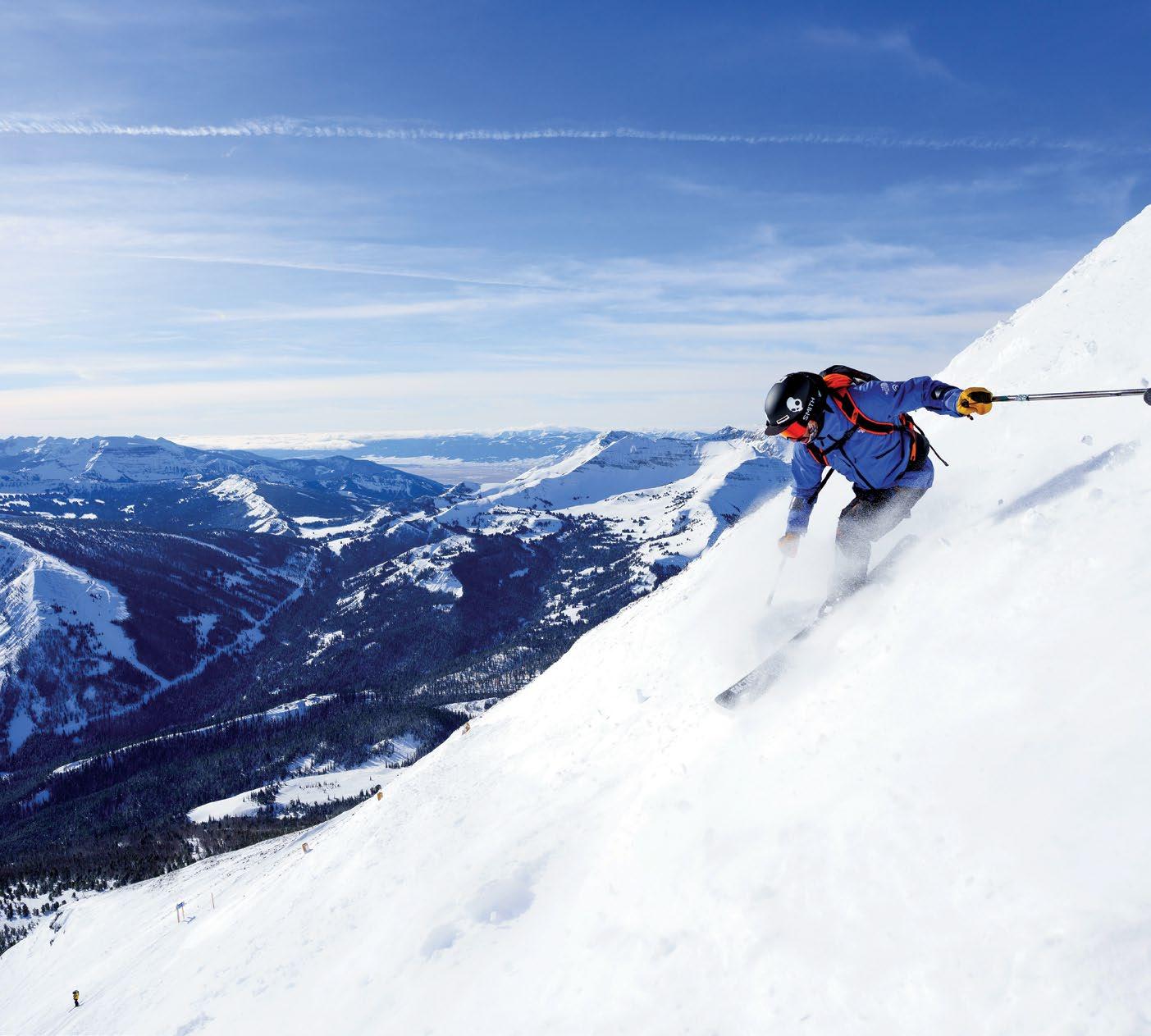
at both communities grant homeowners access to the golf courses and clubhouses, which double as members-only hubs throughout the year.
“It’s very unique the way we have golf and ski intertwined here,” says Matt Kidd, president of Lone Mountain Land Co. and a partner at the private equity firm CrossHarbor Capital Partners. “It’s not what exists in other mountain communities. Any notion of playing golf 45 minutes away from the ski terrain just wouldn’t fly here.”
The close-at-hand amenities don’t stop with skiing and golf. The new Aspire lodge at Spanish Peaks, for instance, will open with a restaurant, bar, and pizza kitchen; fitness center and workout studio; 3-point basketball court; indoor climbing wall; outdoor family pool with slide and hot tubs; a separate outdoor lap pool; and a game room. Beyond the lodge, the club’s Fish Camp is a secluded outpost set beside a quiet tributary of the Gallatin River.
At Moonlight Basin, amenities include Ulery’s Lake Camp—headquarters for recreation and outdoor fun, with its private lake, tree fort, fire pit, and café—and the Uplands, which boasts a 15-station sporting clays course.
All three clubs maintain expansive networks of private trails for hiking, mountain biking, snowshoeing, Nordic skiing, and fat biking. They also have outfitter programs that offer guided and independent access to horseback riding, river rafting, fly fishing, and Yellowstone National Park excursions, ensuring that the exclusive member experience extends beyond the clubs.
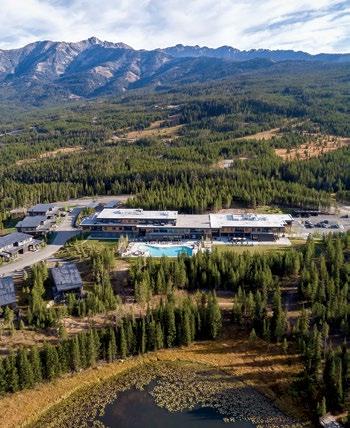
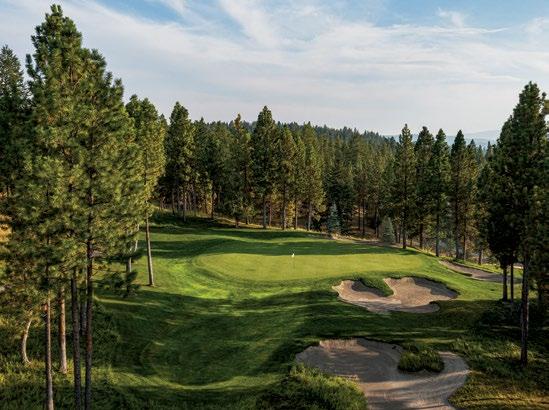
Beyond Big Sky
“Playing golf 45 minutes away from the ski terrain just wouldn’t fly here.”
—MATT KIDD
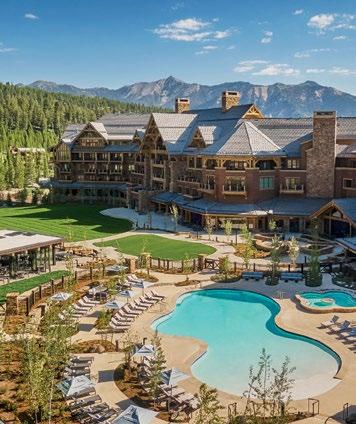
Montana has developed a well-deserved reputation for posh private clubs that offer members super-high-quality golf alongside commensurate real estate investment opportunities. Once you get outside Big Sky, however, convenient access to the slopes is by no means guaranteed.
The Wilderness Club: Located in Eureka, near the Canadian border and Glacier National Park, this club features a Nick Faldo–designed golf course. Skiers can head to Whitefish Mountain Resort, which lies 65 miles to the southwest.
Stock Farm Club: At this community in Hamilton, which opened in 1999, the golf comes courtesy of Tom Fazio, but most of the real estate has already been claimed. For skiing, the best option (Lost Trail Pass) is tucked away in the Bitterroot Mountains, an hour south.
Rock Creek Cattle Co.: This club in Deer Lodge is without a golfing peer in Montana, thanks to a killer Tom Doak design, but the closest slopes are at Discovery Ski Area, which is an hour off-site and rather “boutique.”





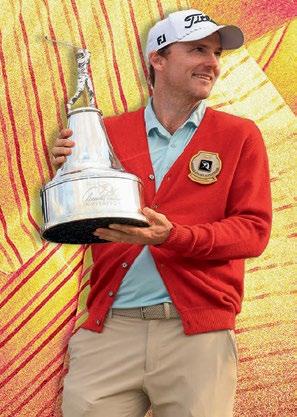















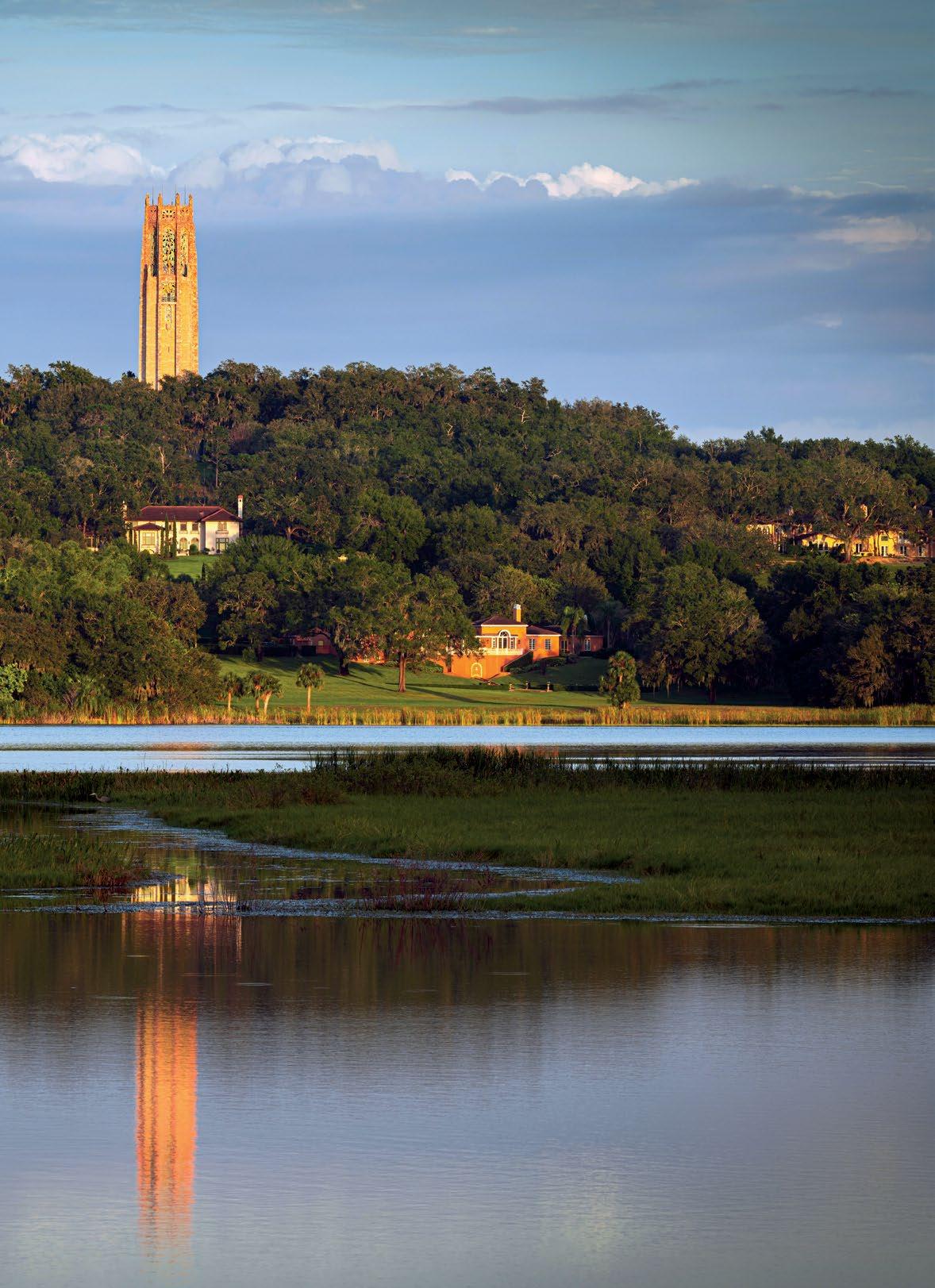
Kingdom’s Club
Collection highlights premier golf courses, resorts, and communities that belong on every golfer’s must-visit list.
A historic Florida club embarks on a renovation for the ages.
To best celebrate its heritage, a golf club must lay the foundation for a storied future. The evolution of Mountain Lake, in Lake Wales, Florida, is a perfect example. The historic club dates to 1915, and its classic Seth Raynor golf course is to undergo a careful renovation in 2026, peeling back the decades to restore many of its original features.
Located conveniently between Orlando and Tampa, Mountain Lake is a connected private club and community with residences on large homesites draped across the dramatic landscape. Only four homes actually border the golf course, and they
are set back unobtrusively rather than following the model that dominated the Sunshine State during the second half of the last century, where golf courses had to fit around residences.
The gently rolling golf course at Mountain Lake will be restored under the direction of Tyler Rae— an expert on Raynor’s portfolio—who has delved deep into the club’s archives to study photographs and plans on the original layout. The restoration will improve lines of play, reposition bunkering, and restore greens complexes to their original dimensions.
“Mountain Lake is a magical place,” says Rae, who specializes in the restoration of the works of Golden Age architects like Raynor, C.B. Macdonald, and Donald Ross. “We are humbled and honored to be able to polish the gem and highlight the special nature of the property. It feels like you’re transported to another era.”
Mountain Lake’s unique heritage is anchored by its central, 35-room Colony House, which dates to 1916 and is on the National Register of Historic Places. The neighboring Bok Tower Gardens, which were christened in 1929 by President Calvin Coolidge and are listed as a National Landmark, were commissioned by former Mountain Lake resident Edward Bok.
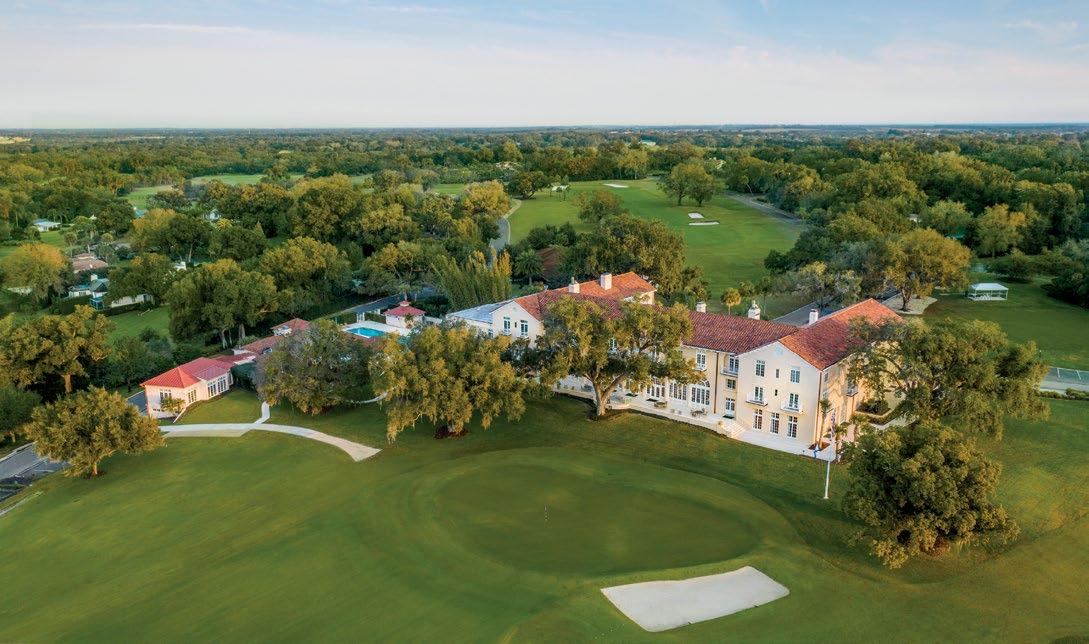
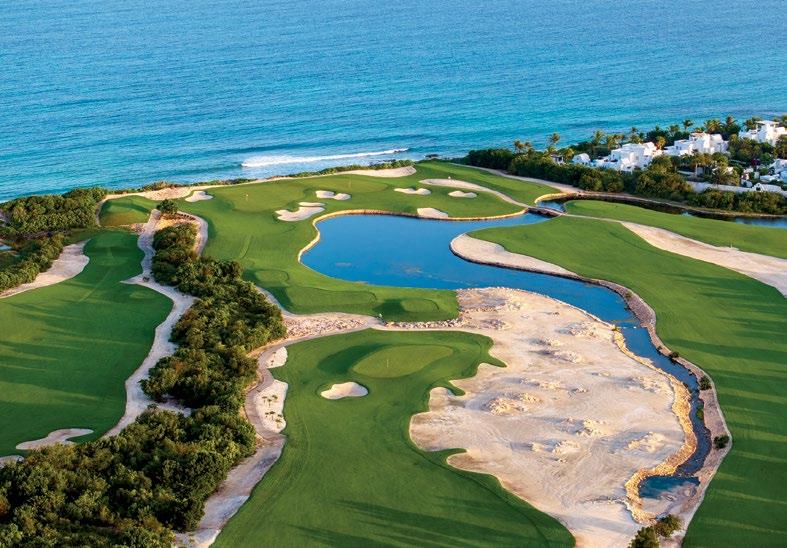
A
truly one-of-a-kind course in the Caribbean.
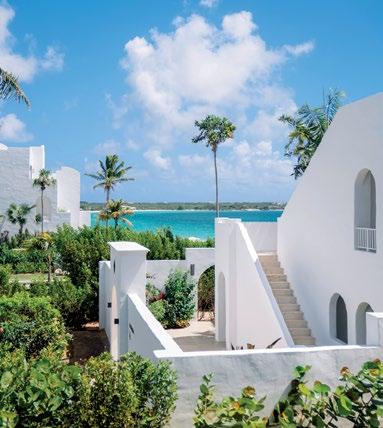
There is only one 18-hole golf course on Anguilla, and it’s perfectly situated on this idyllic Caribbean island. The International Course at Aurora Anguilla Resort cozies up to the white sands of Rendezvous Bay on the southern shoreline, and the first tee boasts southbound views across the Anguilla Channel, toward Saint Martin. This neighboring island is five miles away as the dolphin swims, though it looks closer under a clear blue sky.
Designed by Greg Norman, the International Course complements the stunning views with a sporting challenge. A vast saltwater marsh comes into play on eight holes of this 7,165-yard championship test, including the dramatic closing hole. Norman also designed the resort’s nine-hole Avalon Links Short Course, measuring just 1,315 yards, which is ideal for casual rounds with children and less experienced players.
The many premium accommodation options at the resort, from a hotel to luxurious villas, are set back from the golf course to ensure the natural splendor of Anguilla’s south coast is not compromised.
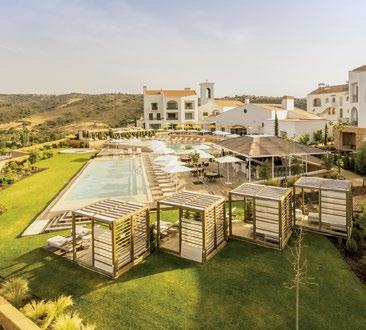
Viceroy Hotels & Resorts could not have made a more impressive debut in Western Europe than with this property, which opened in the fall at the Ombria Algarve development in southern Portugal.
Viceroy at Ombria Algarve is the centerpiece of a hilltop retreat that combines the feel of a traditional Portuguese village with state-of-the-art hospitality and strict guardianship of the natural environment. Commitment to sustainability is epitomized by an enchanting, immaculate 18-hole golf course designed by Portuguese architect Jorge Santana da Silva, who learned his trade under the tutelage of the legendary Robert Trent Jones and Cabell B. Robinson. The golf course is certified by the GEO Sustainable Golf Foundation and minimizes planted areas and water consumption.
The laidback ambience at Ombria Algarve emanates from the “praça” (main square), where guests can enjoy coffee and pastries from Café Central, or an intimate wine tasting led by a sommelier at the Bellvino wine bar. Ombria Kitchen is an authentic Portuguese all-day venue that the whole family can enjoy, while Solalua features creative fine dining, specializing in local seafood.
Viceroy at Ombria Algarve offers 141 rooms, suites, and residences, with real estate opportunities available. In addition to the golf course, amenities include four swimming pools and a spa and fitness center.
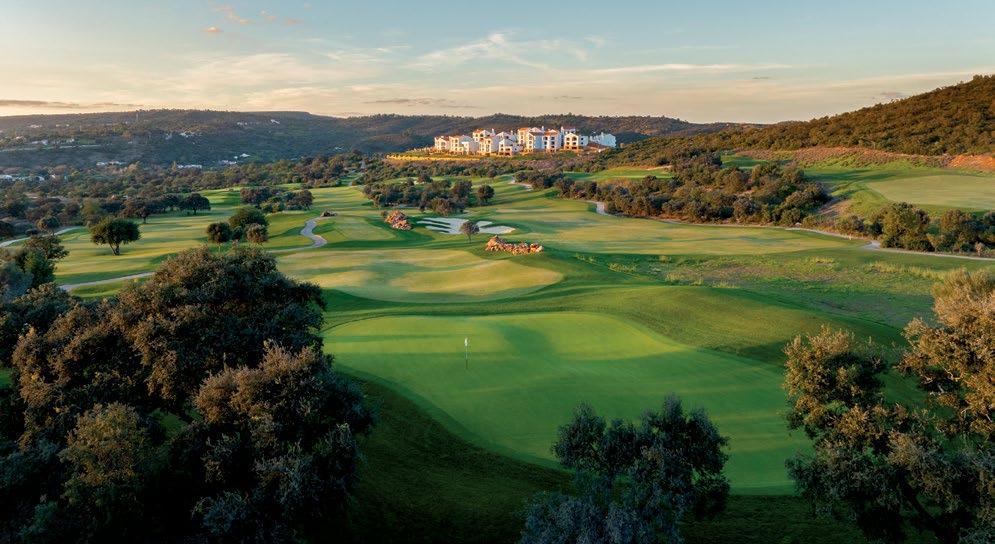











Arnold Palmer could have lived anywhere, but he chose to stay—and to raise his family—in his hometown of Latrobe, Pennsylvania. His father, Deacon, helped to build Latrobe Country Club, and it was here where Arnie shaped his love of golf and of people, where his character was built and where he launched a life and legacy that inspired an Army of fans around the world.







The Arnold & Winnie Palmer Foundation is mustering Arnie’s Army to preserve Latrobe’s role in inspiring dreams, building character and leading the game of golf forward. We owe it to Arnie’s legacy to share Latrobe with the world.





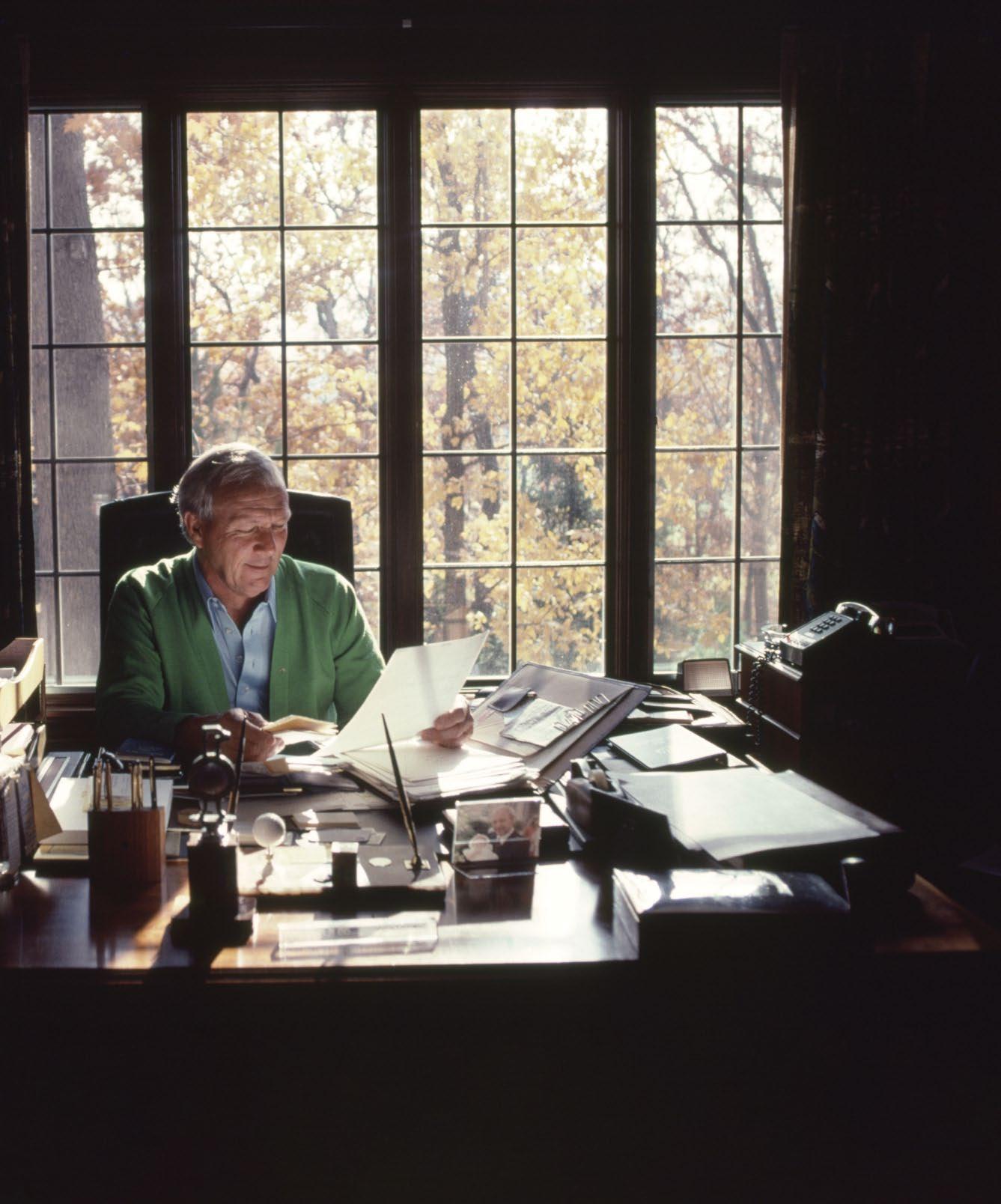
“Your hometown is not where you’re from; it’s who you are.”
— ARNOLD PALMER
Publisher’s picks, gift ideas, and other Kingdom staff favorites for the holidays.
For my holiday wish list, I’m hoping someone pours me a Suntory and ships me off to Japan, where the Park Hyatt Tokyo, of Lost in Translation fame, is reopening before the end of the year. In the spring, the Imperial Hotel, Kyoto—sibling property to Japan’s original luxury hotel in Tokyo—will debut in a restored 1930s landmark building in the Gion district.
—bruce wallin
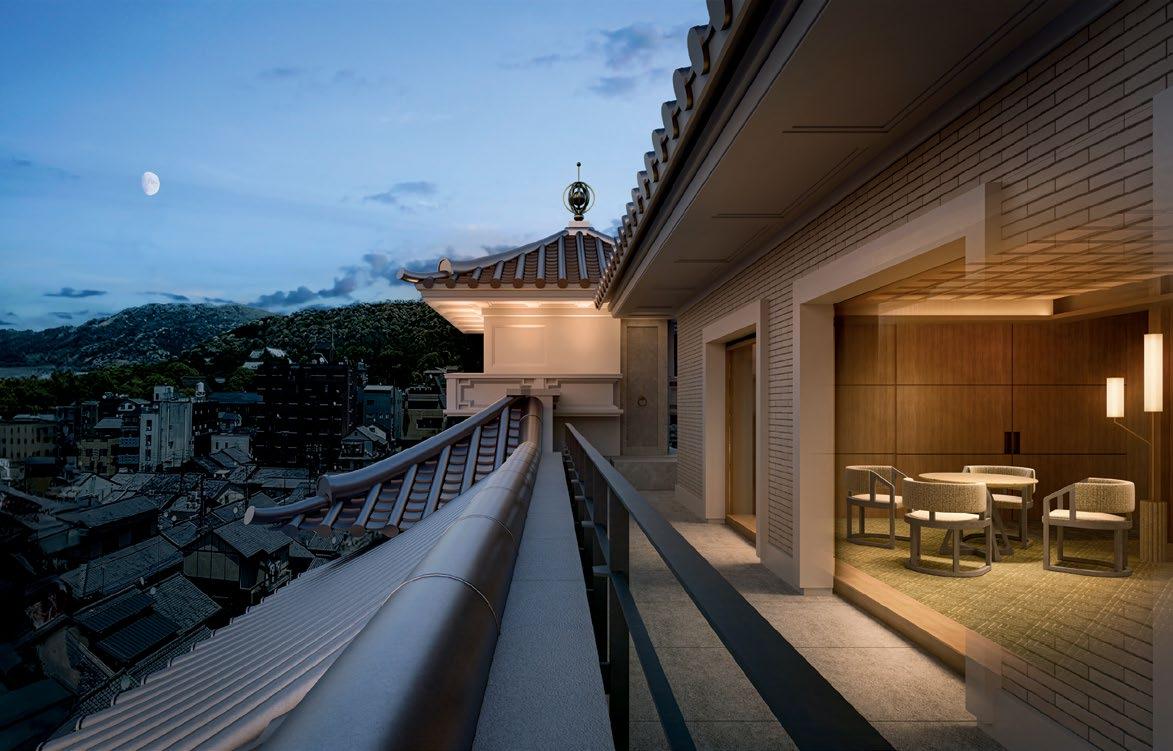
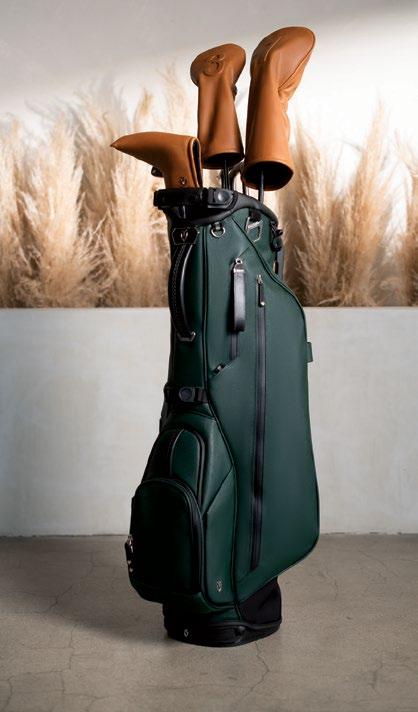
I have absolutely no excuse for ducking out of a game this winter, no matter the weather, particularly with the Vessel Lux Stand carry golf bag ready to go. The all-weather stand bag comes with matching rain hood, integrated umbrella holder, and water-resistant zippers. I’ll be singing in the rain.
—matthew squire
Is there any better gift for a golfer than Kingdom’s new Ultimate Golf Getaways coffee-table publication? Admittedly, there might be, but trust us: any duffer would be absolutely delighted to find a copy of this elegant and inspiring publication under the tree. It’s the perfect companion while planning your 2026 adventures on the golf course and beyond.
—b.w.
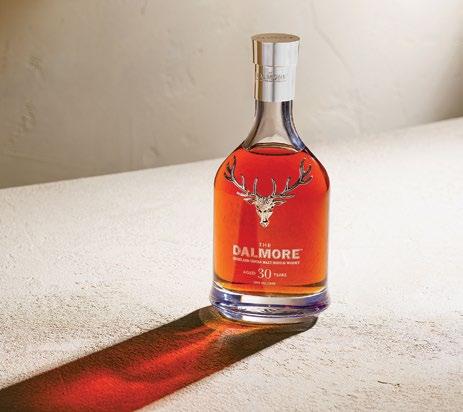
Long celebrated as an indulgent single-malt Scotch, the Dalmore is characterized by cocoa and orange notes—flavors that are enhanced in its 30-Year expression, which was finished in rare single-harvest port casks. Delivering the essence of soft, dark chocolate with the intermingling flavors of ripe plum and cherry, this mature whisky’s age lends an incredibly long finish, where the tingle of baking spices and hints of gingerbread linger. It’s the ideal celebratory pour this holiday season.
—shaun tolson
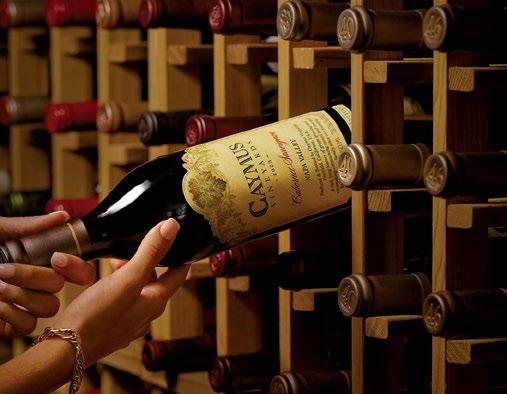
The perfect antidote to a cold winter’s night is sharing a bottle of Caymus Vineyards Napa Valley Cabernet Sauvignon. This wine is dark ruby in color, in keeping with the vineyard’s signature style, while layered flavors and aromas bring rich fruit and ripe berries, and hints of cocoa and cassis.
—jon edwards
I’m ready for a cold snap with this Lululemon
Featherweight
900-Down-Fill Quilted Hooded Jacket. Filled with premium down, this packable jacket is exceptionally warm, yet feels practically weightless. Superb winter tech.
—matthew halnan

If you need somewhere tranquil and secluded to build team spirit in 2026, give Gilmerton House a call. It’s a stunning, 12-bedroom Georgian mansion and private estate in East Lothian—complete with its own putting green—near classic Scottish links courses such as Muirfield, North Berwick, and Gullane. European Ryder Cup captain Luke Donald brought his team here for some quality time ahead of the mania at Bethpage State Park in September. He took his 2023 team there, too, before they won in Rome, so there is winning precedent. Maybe book it out for the whole summer of 2027, before Donald gets the chance!
—robin barwick
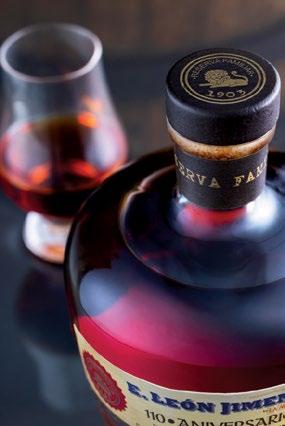
At this year’s Kingdom Cup, I was introduced to a new cigar brand, La Aurora, which rolls a broad lineup of premium stogies. Even more impressive was the brand’s E. León Jimenes 110 Aniversario Rum, crafted to pair perfectly with its cigars. True to form, the creamy nature of the Dominican company’s 1962 Corojo cigar drew out the rum’s earthy and spicy notes; while the spirit’s inherent sweetness shone brightly when paired with La Aurora’s 1985 Maduro Toro.
—s.t.
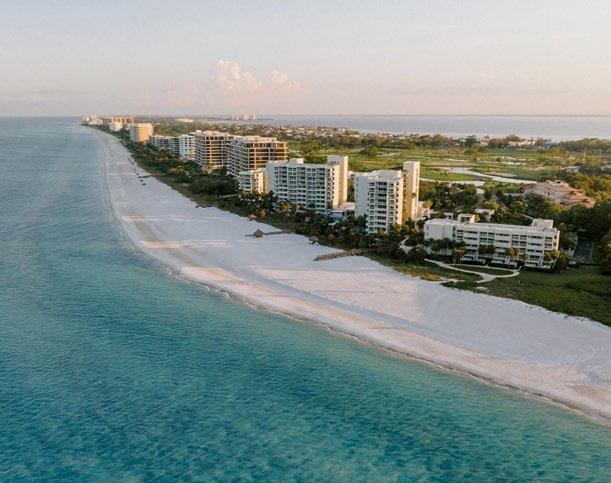
This holiday season I’ll be swapping the happiest memories with my family from our recent visit to the Resort at Longboat Key Club in Sarasota, Florida. This newly renovated resort has everything a family could ask for, with great golf, tennis, pickleball, a marina, and beautiful beaches. None of us wanted to leave!
—m.s.
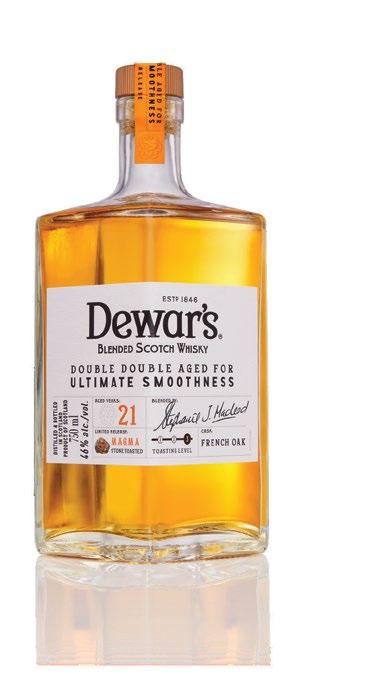
For a contemplative, fireside winter warmer, I will reach for the Dewar’s 21 Year Old Magma Stone Toasted, which is a limited edition in Dewar’s acclaimed Double Double collection. This whisky brings flavors like honeyed florals, cinnamon, and roasted coffee. Warming, full of flavor, and yet still so smooth. —m.s

This is just the most beautiful luggage I have ever had the pleasure of accompanying out of town! The Dooney & Bourke Florentine Medium Duffle is designed by Peter Dooney and made from the softest Florentine leather. It is available in three sophisticated, understated colors. —r.b.

As a UK-based golfer accustomed to playing in all conditions, I am very impressed with the excellent grip, looks, comfort, and durability of G/Fore’s new spikeless MG4+ O2. Bring it on, British winter!
—m.s.
Precision-tailored apparel designed exclusively for men under 5’, 9”… yes, please! As a golfer who proudly fits this height profile, I genuinely love the classic style and exceptional quality of Nicholas James This Performance Vest fits perfectly to the shorter gent’s waist, for a look that’s in proportion and makes me feel great.
—j.e.
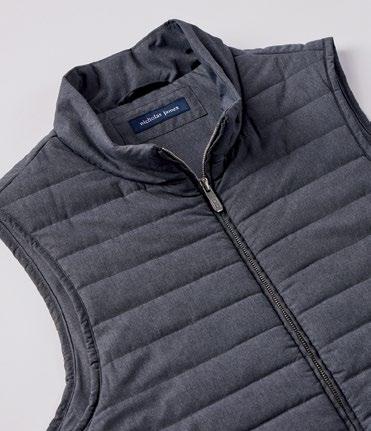
If you make it across to Edinburgh before April 19, 2026, I recommend a stop at the National Galleries of Scotland, which is exhibiting the daredevil photography of Alfred Buckham. In the early 20th century, Buckham would stand up in an open cockpit of a biplane to take photographs, secured only by tying his right leg to the seat. He crashed nine times, but lived to tell the tale every time.
—r.b.
Daphne’s Headcovers have long protected my clubs, and Daphne’s Bass driver headcover is the perfect stocking filler for the true outdoorsman. And don’t forget that all of Daphne’s beautifully crafted headcovers come with a lifetime guarantee.
—j.e.
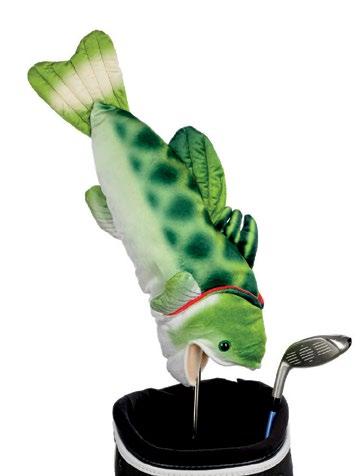
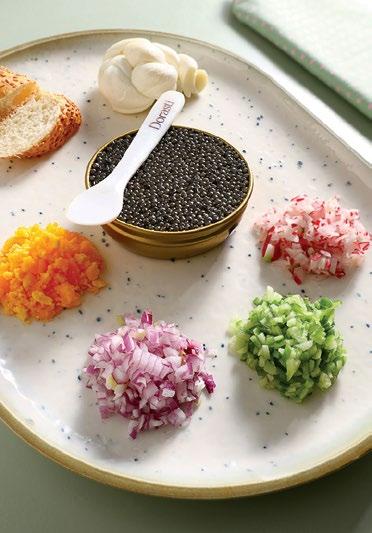
The holidays are a time to indulge, and caviar is one of my favorite indulgences. I just discovered the Southern California–based Dorasti Caviar, a purveyor of the finest fish eggs this side of Siberia. I’ll be cracking open a tin of the company’s Royal Osetra this holiday season. Don’t judge me if I pair it with potato chips.
—b.w.
It wouldn’t be the holidays without Hubs Peanuts in my house. The Choco Covered Peanuts are an irresistible treat, but then so are all Hubs varieties. You cannot go wrong with the Gift Duo, wrapped in festive spirit!
—j.e.

For a real festive flourish, I have been converted to the Ketel One Espresso Mint-tini, made with Ketel One Vodka, cold-brew concentrate, Mr Black liqueur, and peppermint syrup, and finished with a sprinkle of peppermint candy dust. This might be the ultimate Christmas cocktail. Here’s to the holidays!
—m.s.
A new year of sports awaits, and with it the temptation to make a convivial wager or two. We consulted with our friends at MGM Resorts’ BetMGM to uncover some early, eyecatching odds for 2026.
The Winter Olympics are in February in Italy—Milan and Cortina d’Ampezzo—and the gloves are coming off straight away, as BetMGM ranks Canada as favorite to take gold in men’s ice hockey.
6/4 CANADA 2/1 USA 6/1 SWEDEN 15/2 FINLAND 2/5
For the overall Winter Olympics gold-medal count, Norway is the unsurprising top pick given the country’s broad specialism over ice and snow.
By the time of the Masters in April—the first men’s major of the year—the Ryder Cup at Bethpage Black will have become a distant memory to world No. 1 Scottie Scheffler, who is the odds-on favorite to don the green jacket in 2026.
10/3
SCOTTIE SCHEFFLER
13/2 Rory McIlroy
14/1 Ludvig Åberg
16/1 Bryson DeChambeau
16/1 Jon Rahm
16/1 Xander Schauffele
Jumping off this list for value is Åberg at 14/1. The Swede has played in two Masters, finishing runner-up on his debut in 2024 and seventh in 2025.
THE BEST ODDS ON PAST MASTERS CHAMPS? THEY BELONG TO SOUTH AFRICA’S TREVOR IMMELMAN, IN 2008, WHO SLIPPED INTO THE GREEN JACKET DESPITE PRE-TOURNAMENT ODDS OF 150/1.


500/1
Don’t necessarily try this at home, but when Rory McIlroy was 15 years old, in 2004, his father, Gerry, and a friend each stumped up £100 for a stake of £200 ($265) to bet that Rory would win the Open within 10 years. The odds offered by bookmakers Ladbrokes were 500/1. The last of the 10 years was 2014, when Rory dealt his father a major solid, at Royal Liverpool. The pay-out was £100,000 ($133,000), split between Gerry and his mate. Excuse me, barman…
With six wins on the PGA Tour in 2025, Scheffler remains a magnet for golf bets “to win,” just as Tiger Woods once was. How many majors will Scheffler win in 2026?
4/6 1 major title
13/5 2 major titles
14/1 3 major titles
80/1 4 major titles
While 80/1 might seem like attractive odds for a talent the likes of Scheffler, it’s by no means a safe bet: no golfer in the modern era has ever completed the Grand Slam of four major wins in a single season.
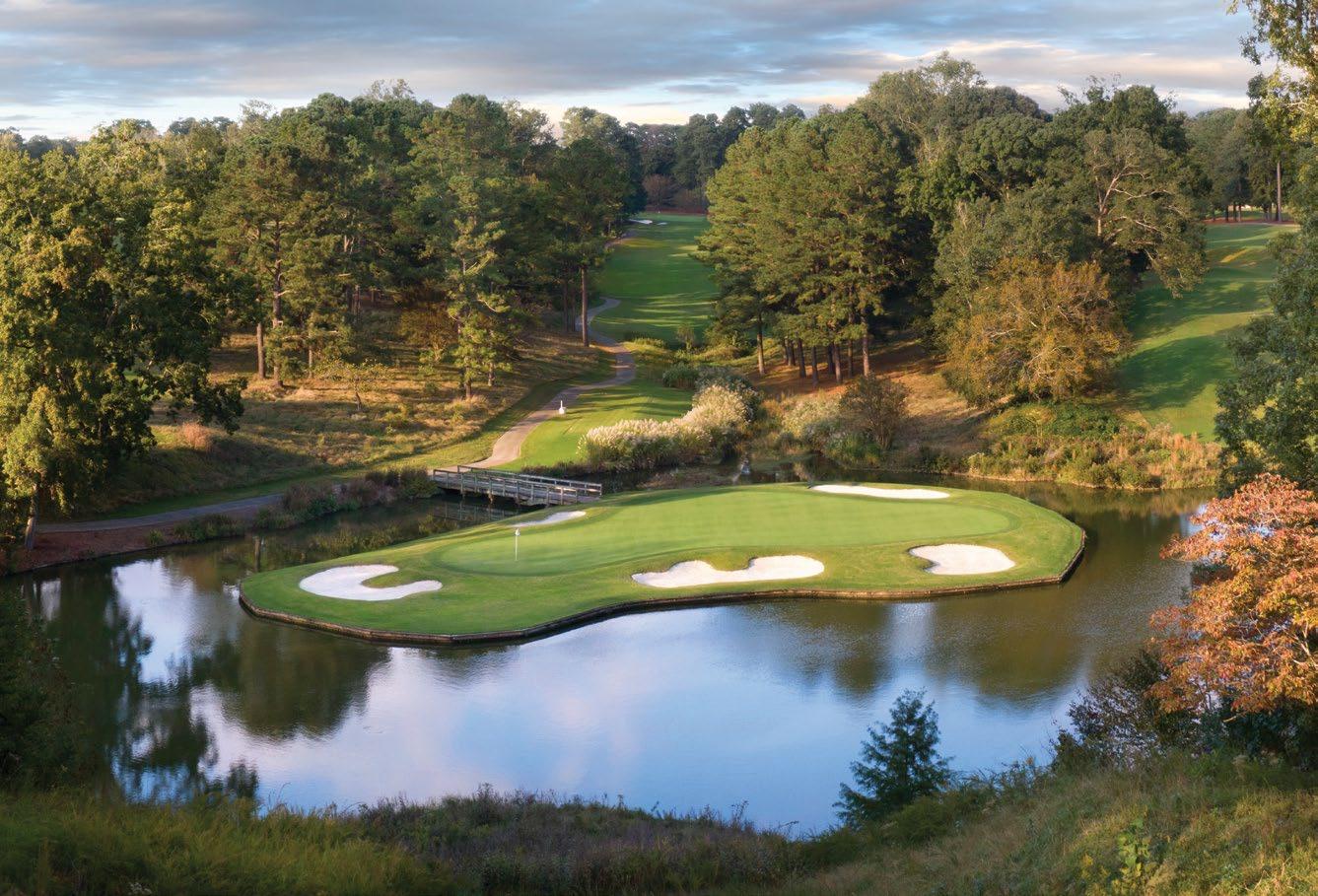
Williamsburg is where golf meets the origins of the United States, with a host of championship courses designed by legends like Robert Trent Jones Sr. and his son, Rees Jones, and icons Arnold Palmer and Jack Nicklaus. Pristine courses are set amidst stunning woodlands and waterways. Explore the rich history of Williamsburg, Jamestown, and Yorktown, savor farm-to-table cuisine, and unwind in a historic property or modern retreat. Visit the famous Golden Horseshoe GC, where a picturesque 9-hole, par-3 course designed by Rees Jones – The Shoe – is now open. Nestled next to the club’s renowned Gold Course, The Shoe is perfect for golfers of all ages and skill levels, and features holes up to 137 yards in length for a round that is low on time, high on entertainment.