
cd: ROBB AARON GORDON
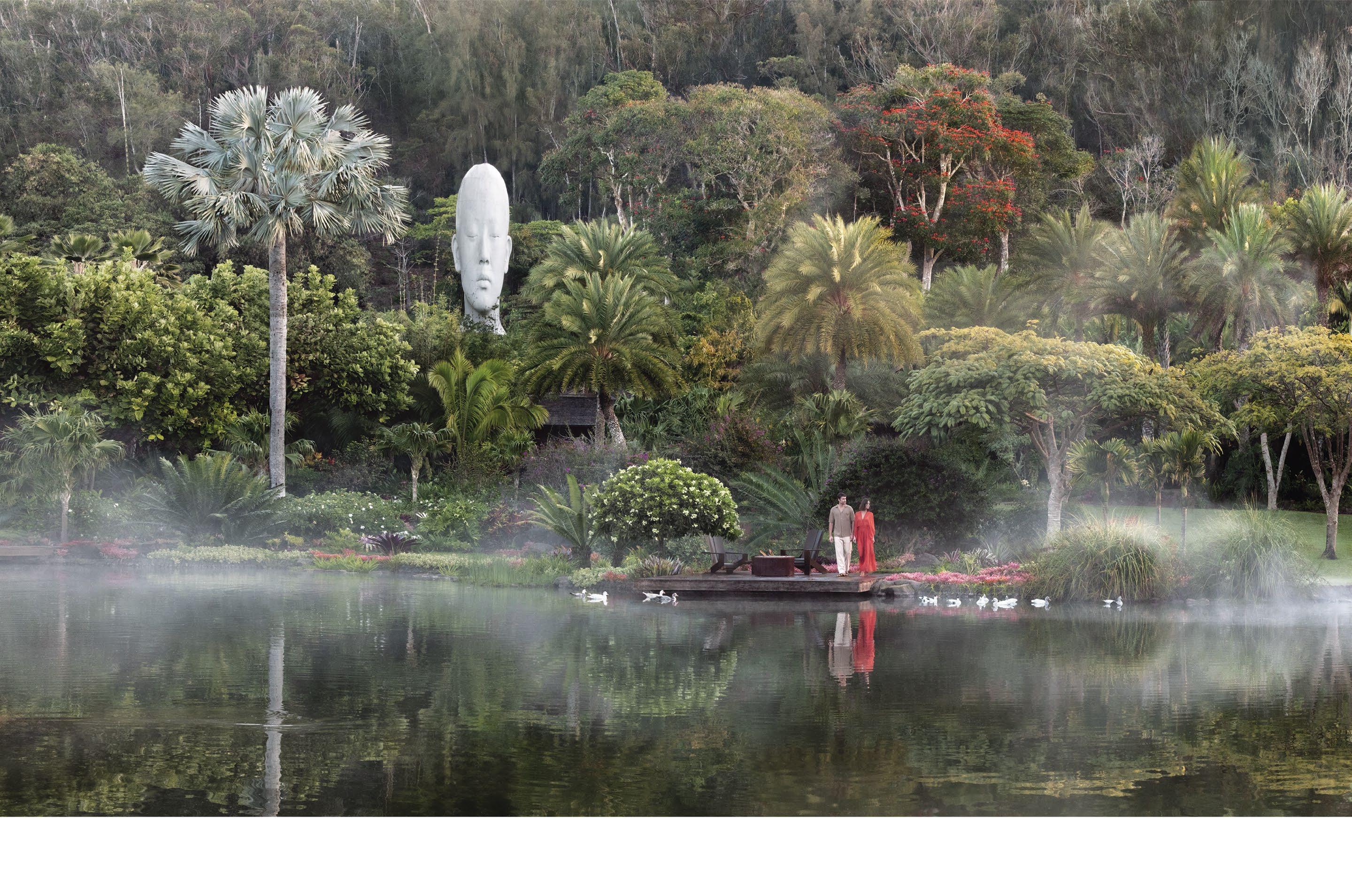
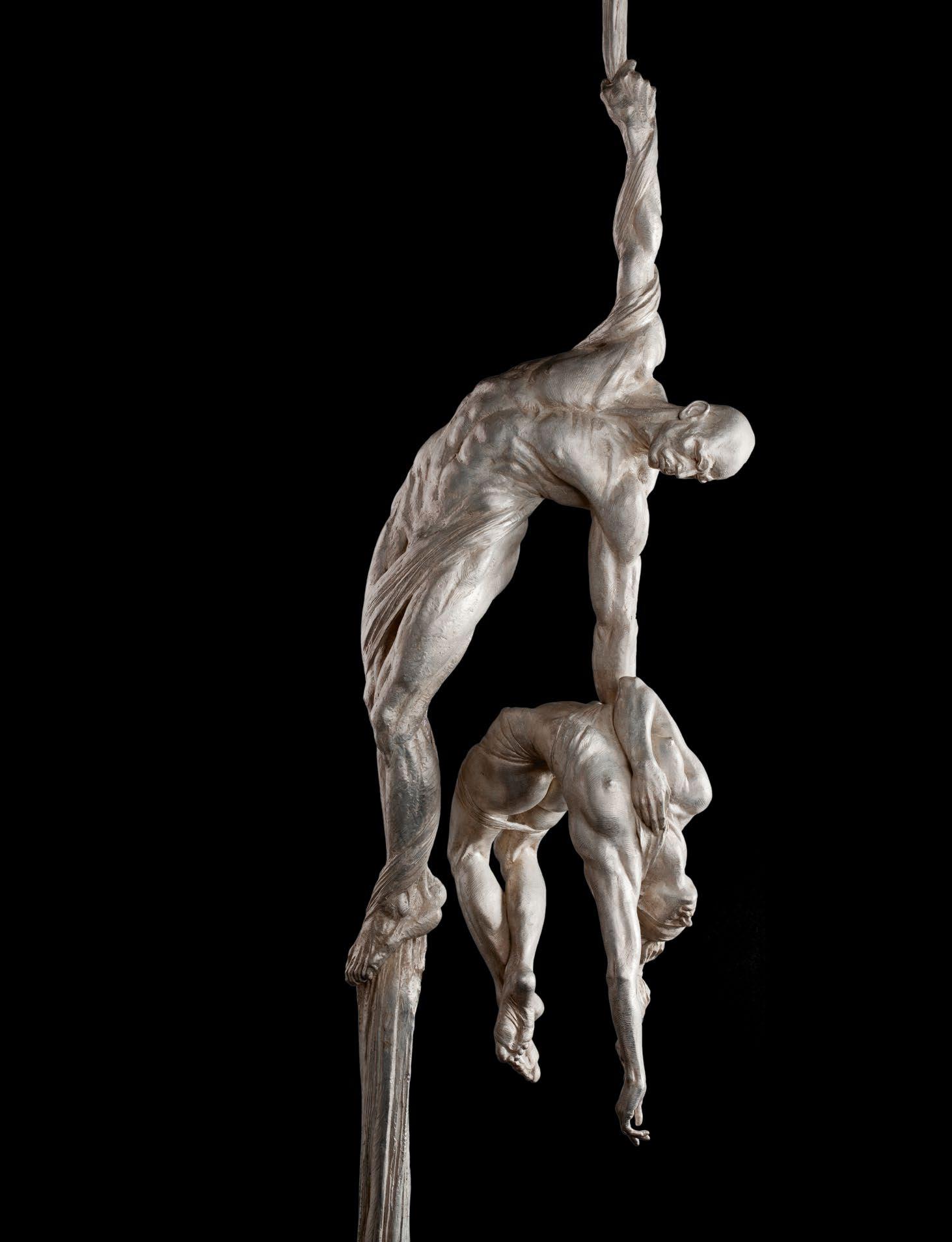
Talaia ©Jaume Plensa, courtesy of the artist















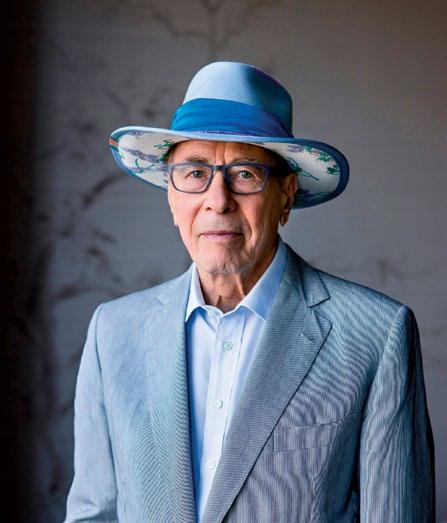
The Golden Rule—treating others as you wish to be treated—has long been the guiding principle behind our legendary service. It empowers our people to let their individuality shine and connect authentically with guests and one another.
Our people are our greatest asset, and I have seen how their genuine care, craft, and creativity can foster truly exceptional moments for guests. Whether through art, design, or culinary excellence, these thoughtful acts of service continue to make Four Seasons the luxury leader that we are today.
For nearly 65 years, these moments of personal expression have been our greatest strength, and they remain at the heart of delivering oneof-a-kind experiences at Four Seasons.
As always, if there is anything I can do to make your stay more enjoyable, please let me know.

ISADORE SHARP Founder and Chairman Four Seasons
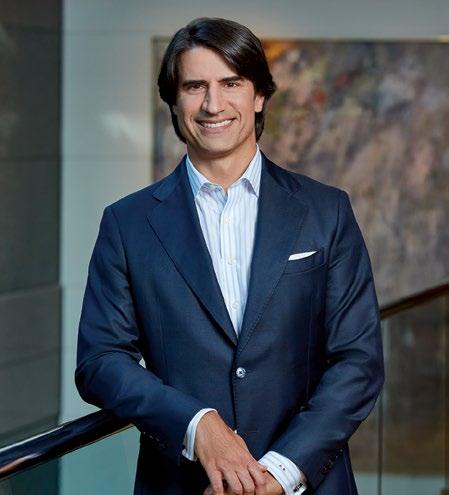
At Four Seasons, creativity is not a single act. Instead, it is a continual expression of excellence that connects people closer to a destination, to a culture, and to one another.
Across our portfolio, creativity thrives in many forms: it is in the Michelin-starred chefs who create unique culinary concepts while staying true to local traditions; the architects and designers who bring new visions of beauty to life; and the countless small touches from our teams that transform a stay into an unforgettable memory.
As we look ahead, we celebrate our creativity with pride and purpose. Our constant pursuit of new ideas and fresh perspectives ensures that every guest and resident enjoys an experience that feels both timeless and deeply personal as they explore the world with Four Seasons.
Thank you for making us part of your journey.

ALEJANDRO REYNAL President and Chief Executive Officer
Four Seasons
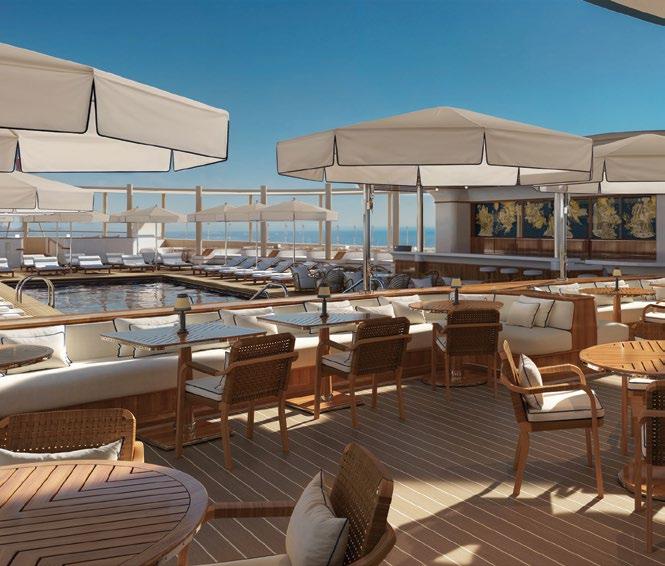
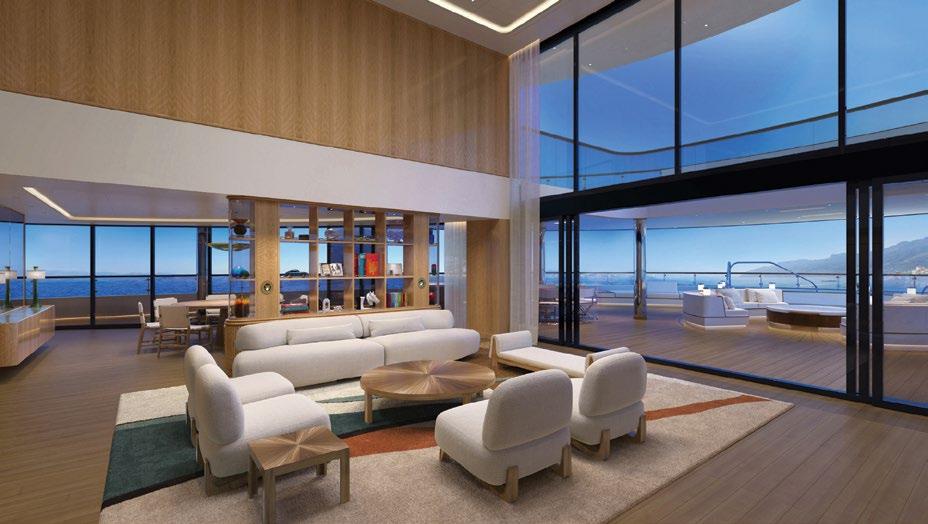
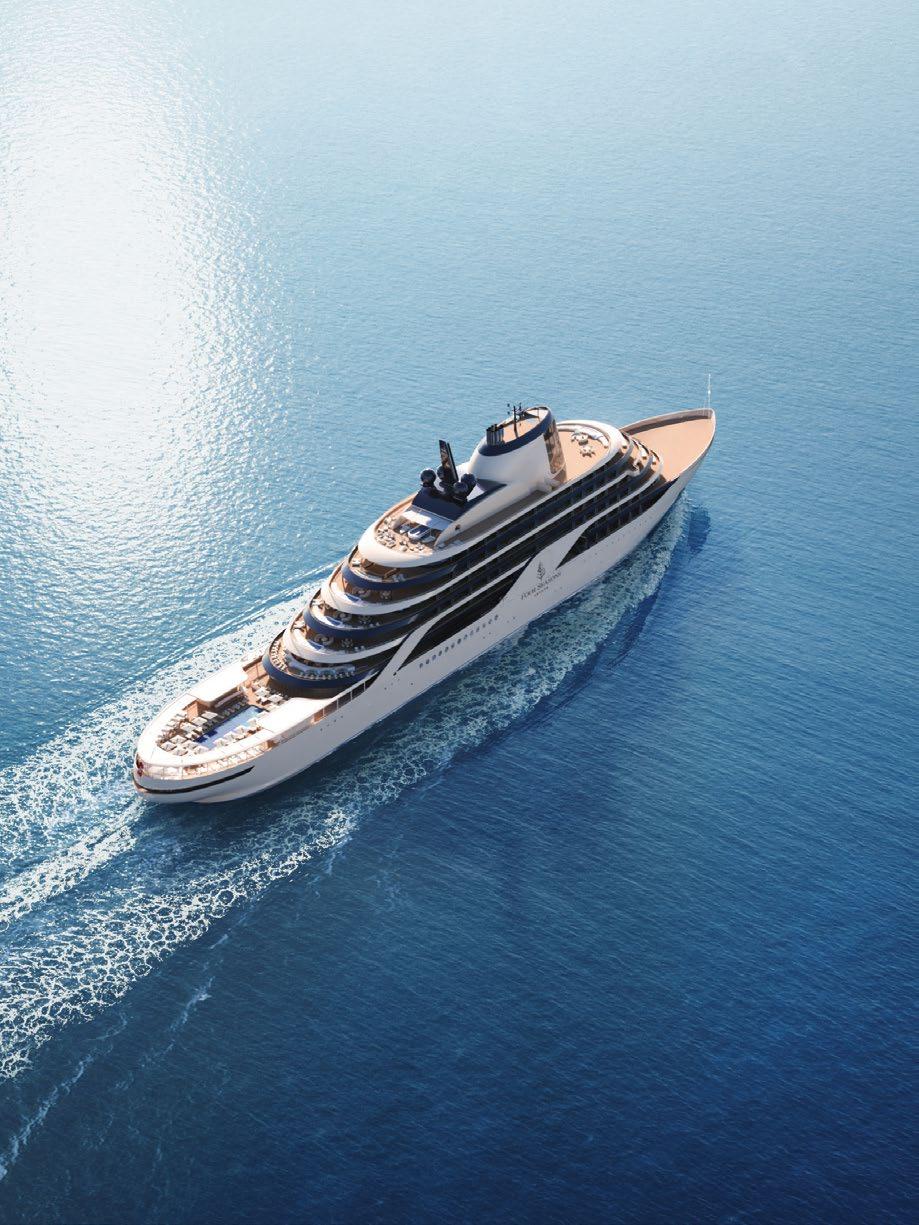
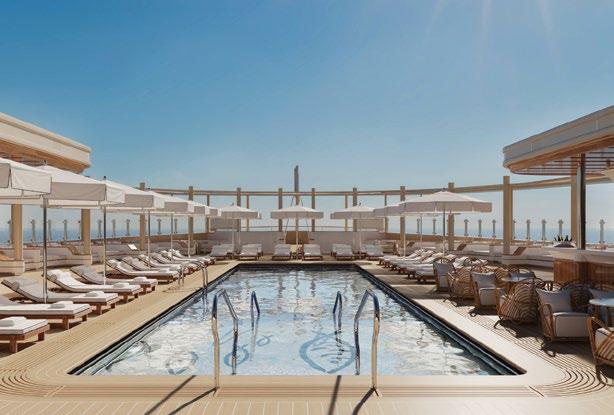
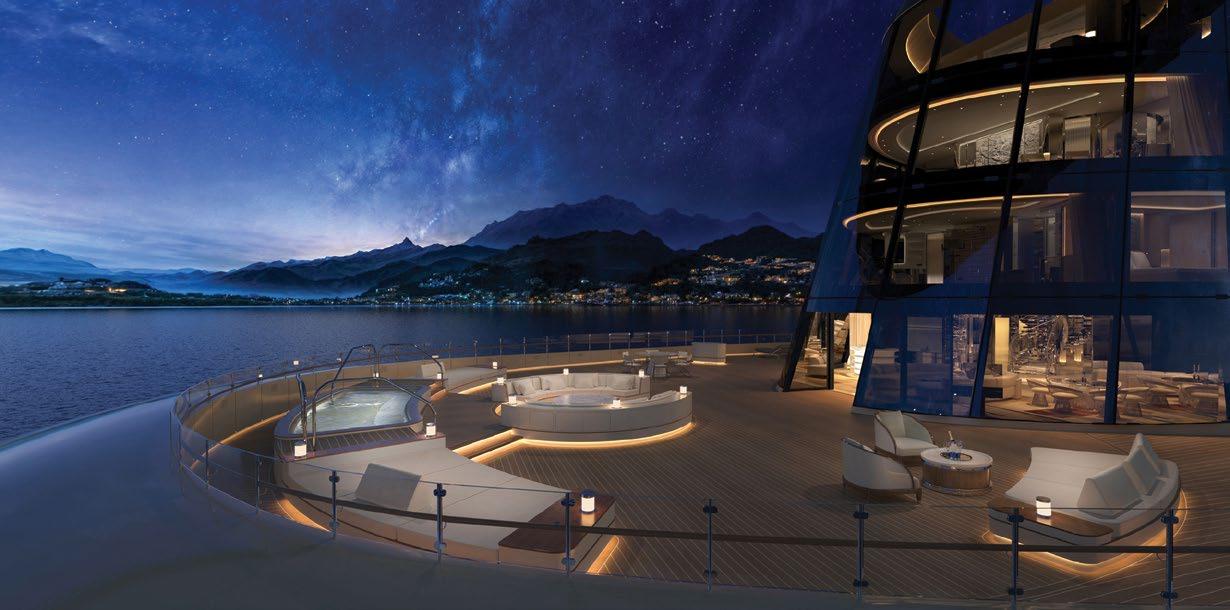
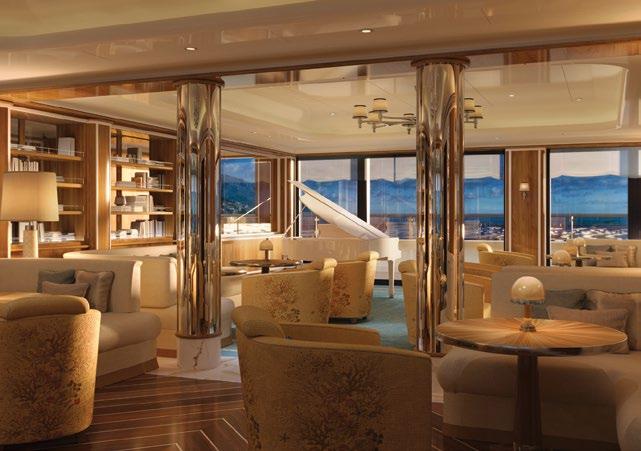
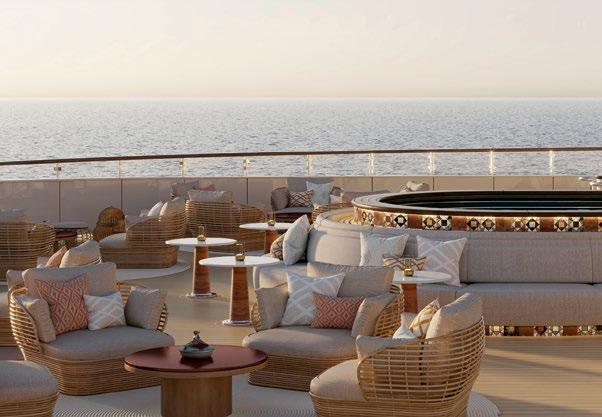
Four Seasons brings its iconic service to the world’s oceans in 2026 with the debut of Four Seasons I , where the yacht becomes a canvas for personal expression, tastes, and the spirit of discovery.
From panoramic ocean-view suites to tailor-made experiences and culinary journeys crafted to your palate, life at sea is shaped entirely around you. Whether seeking quiet reflection, cultural immersion, or the freedom of the open water, every moment invites your story to unfold.















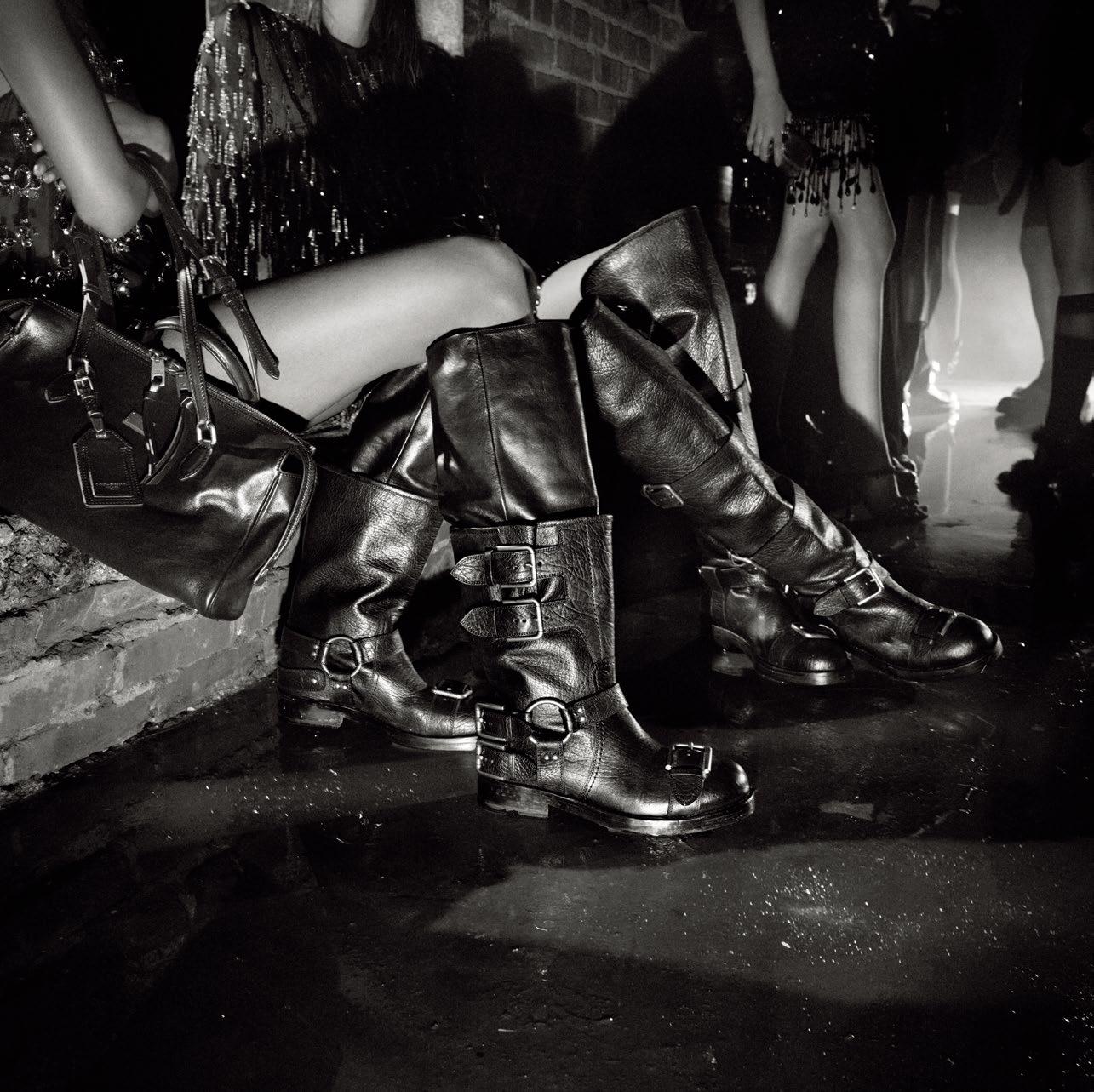
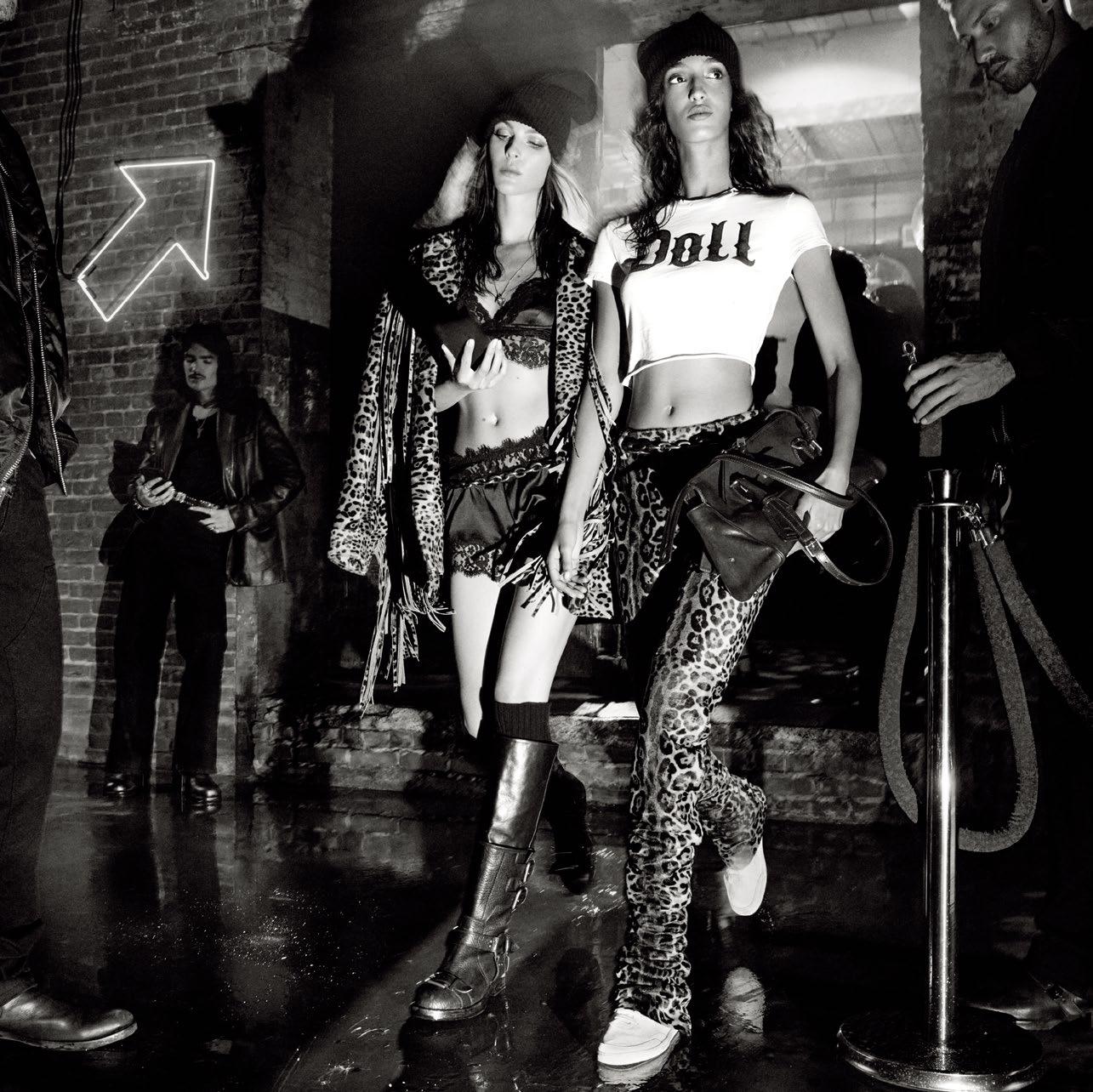
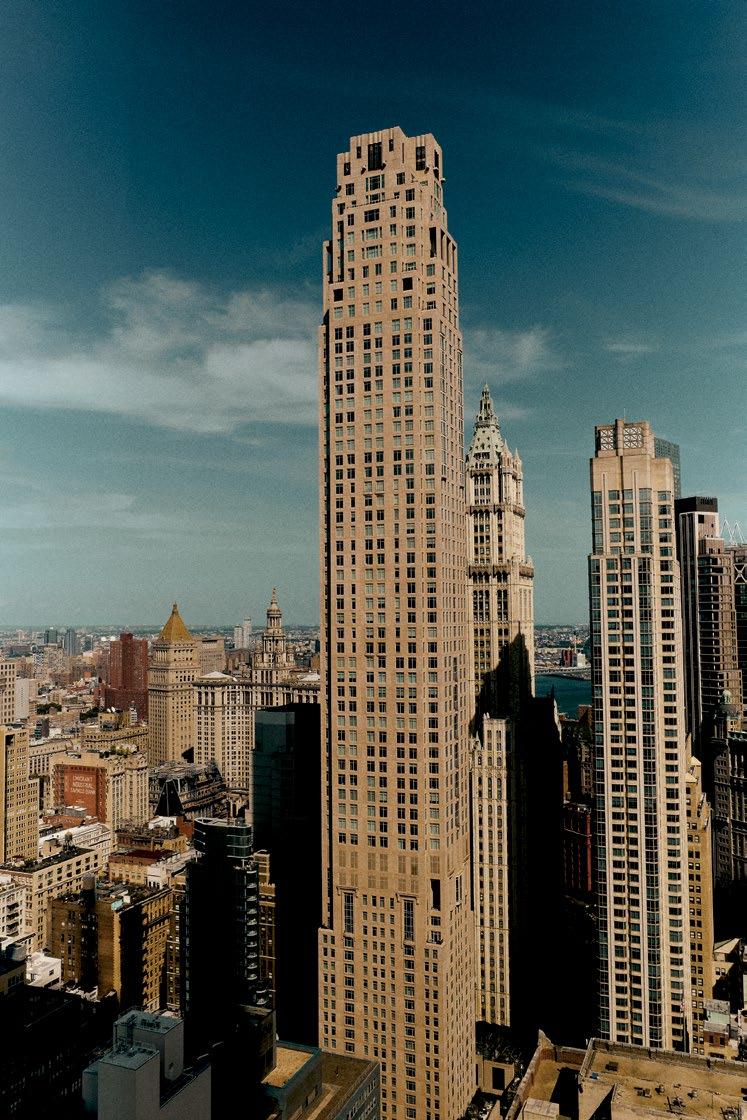
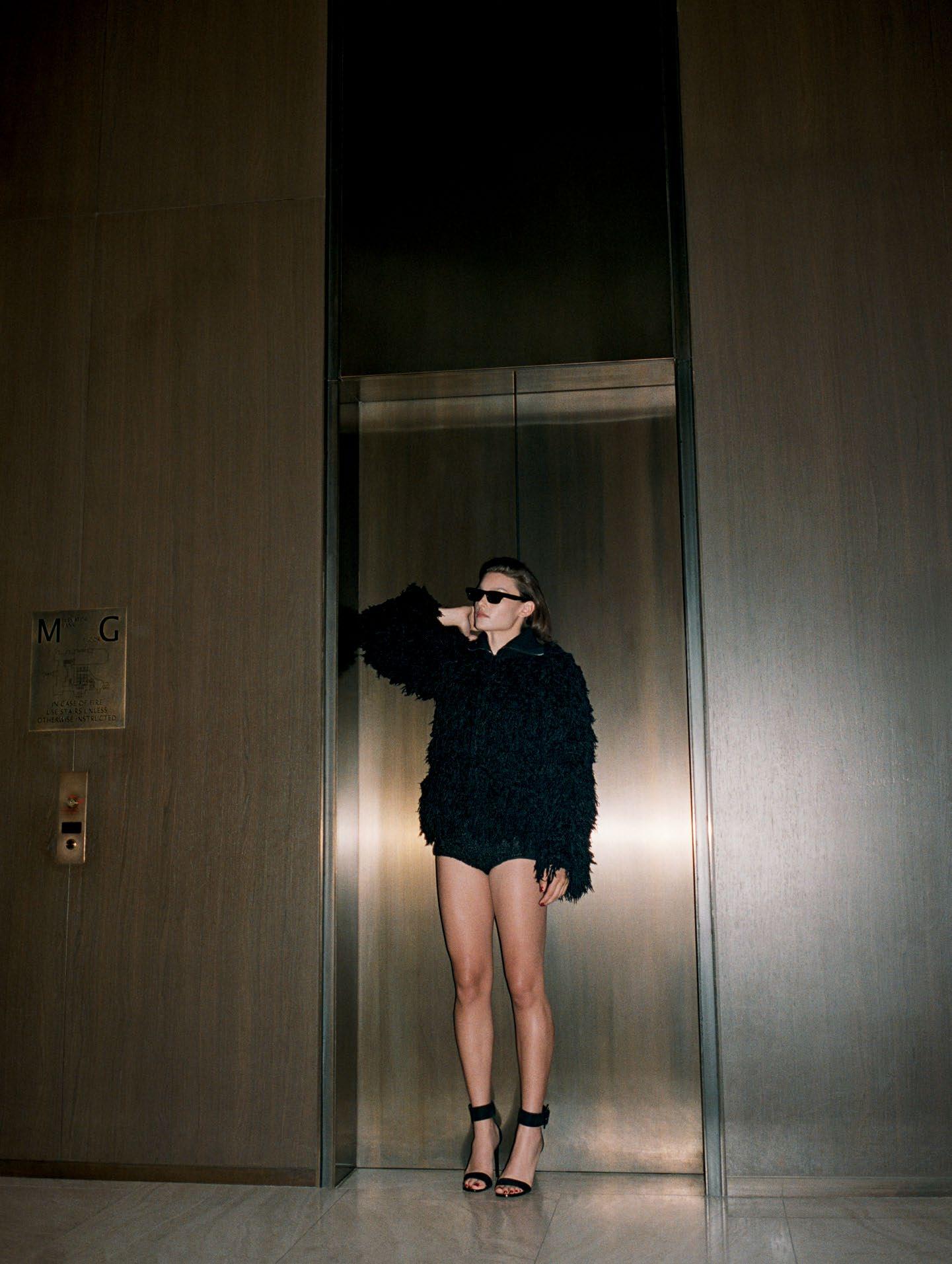
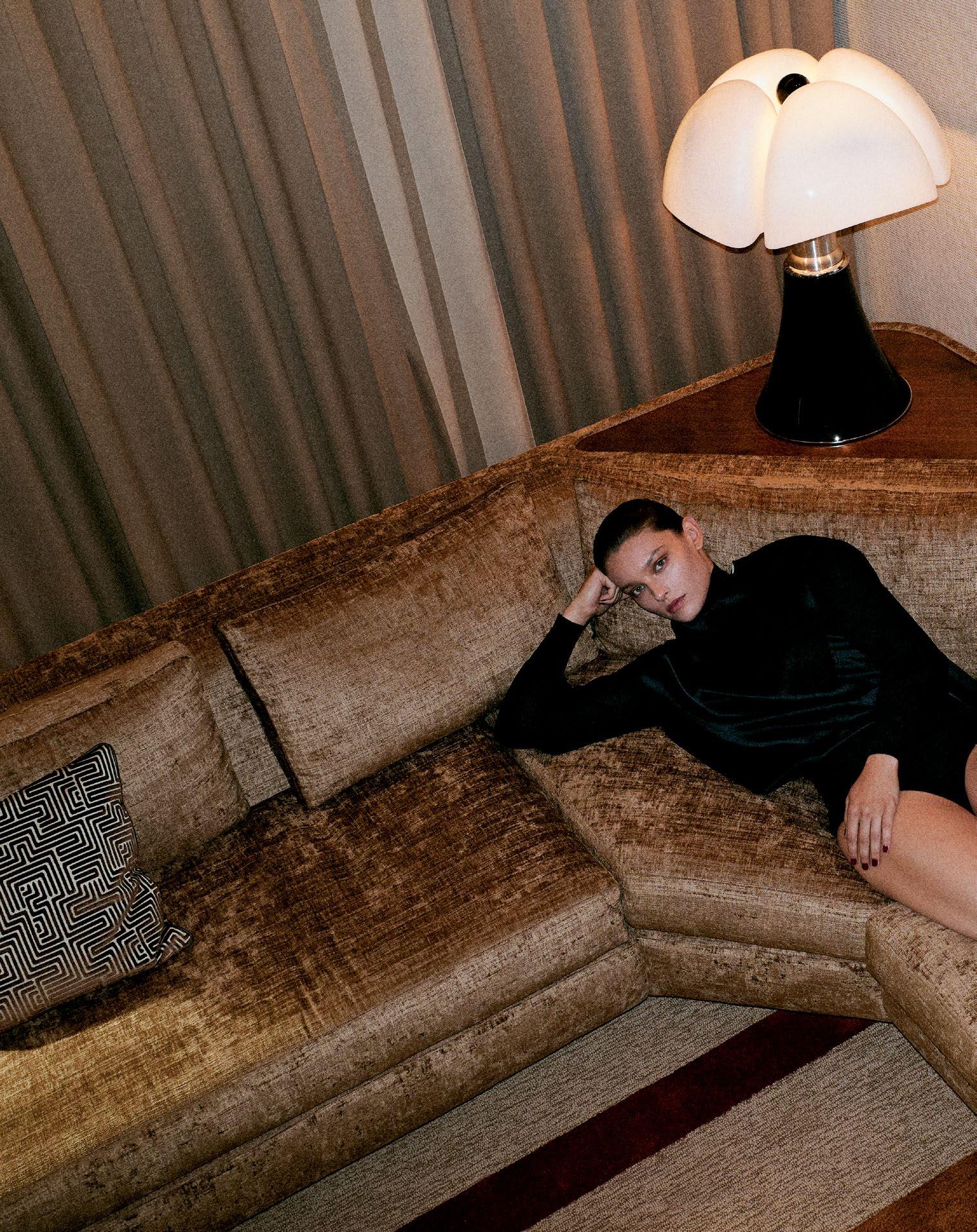
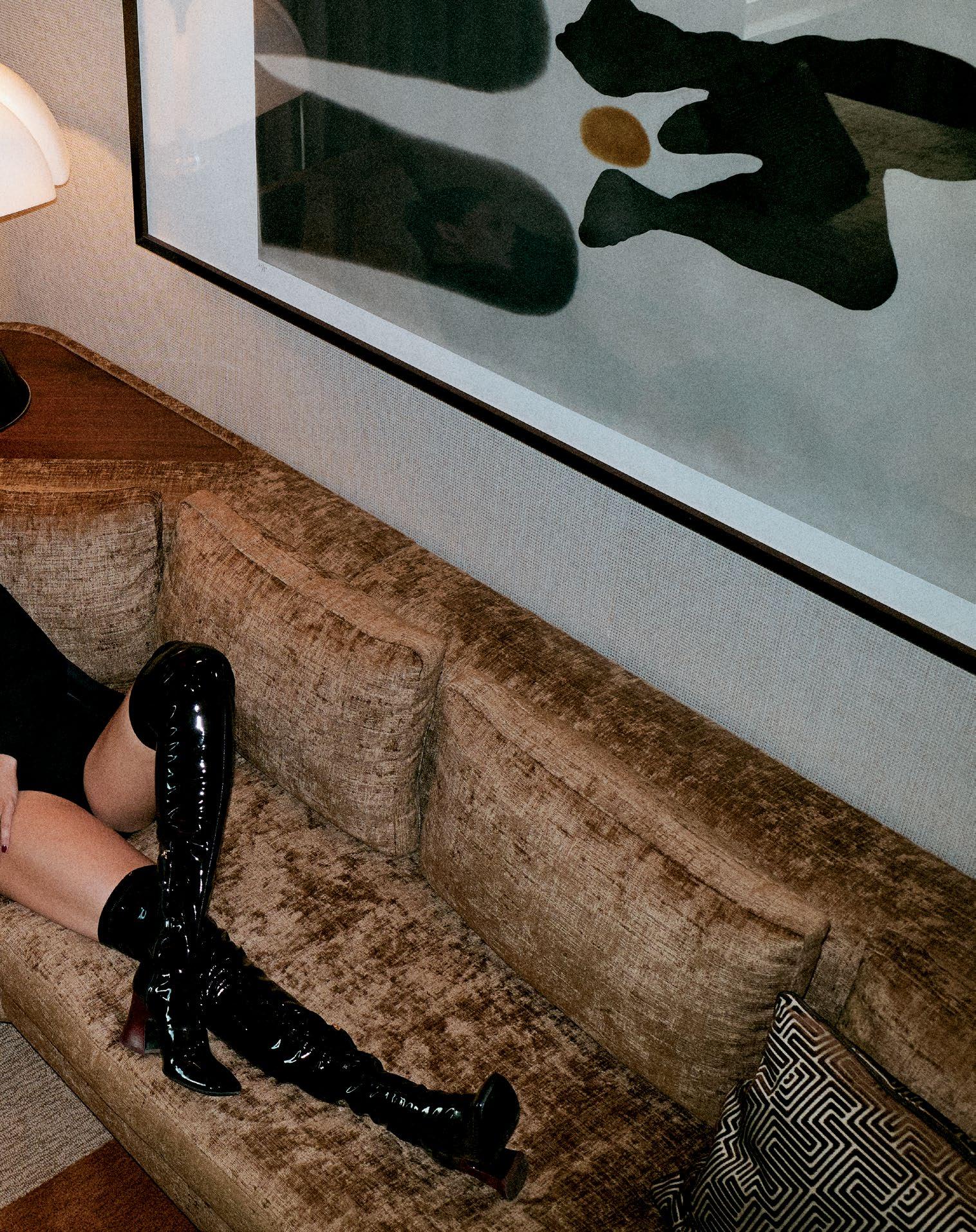
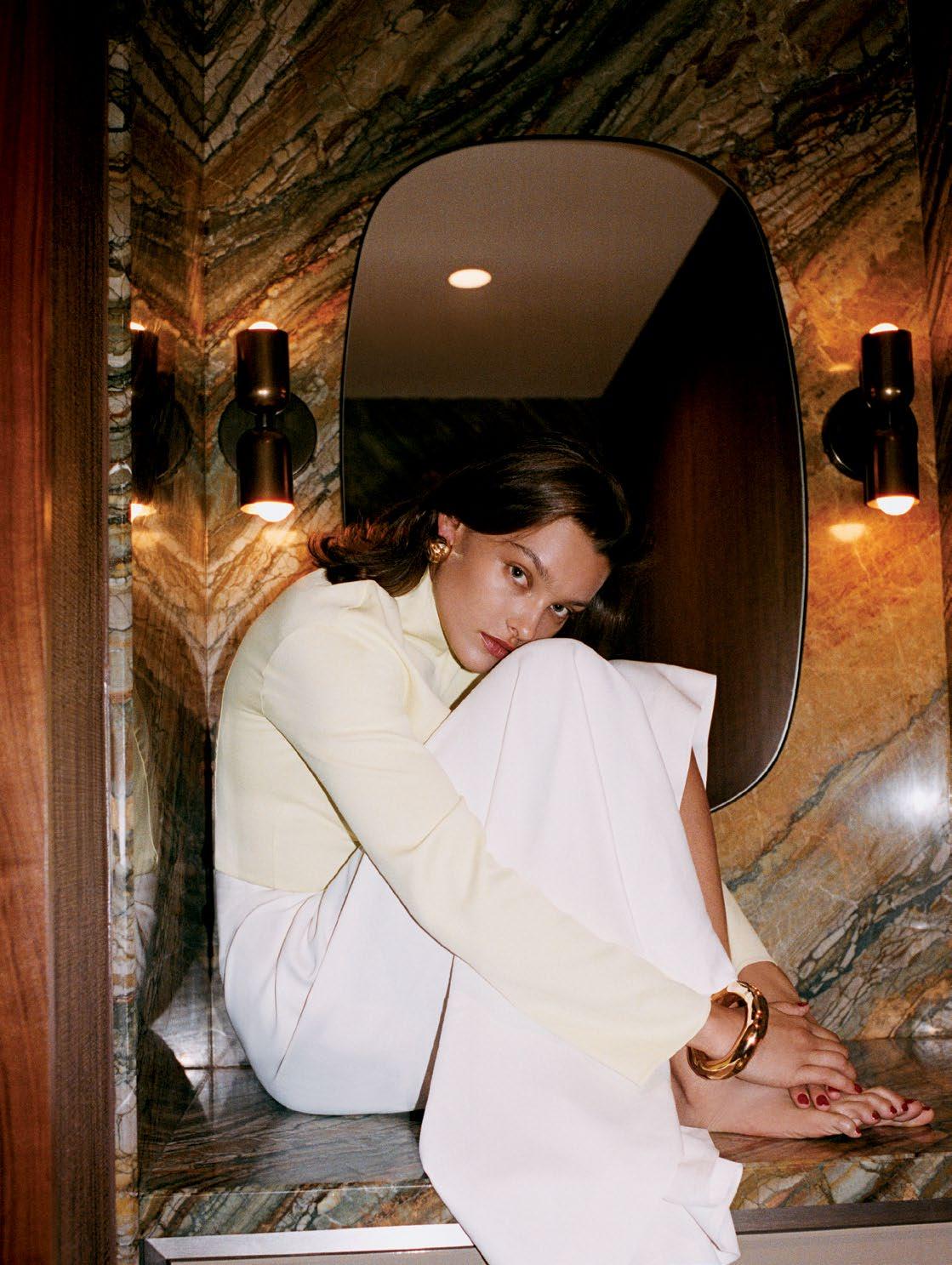
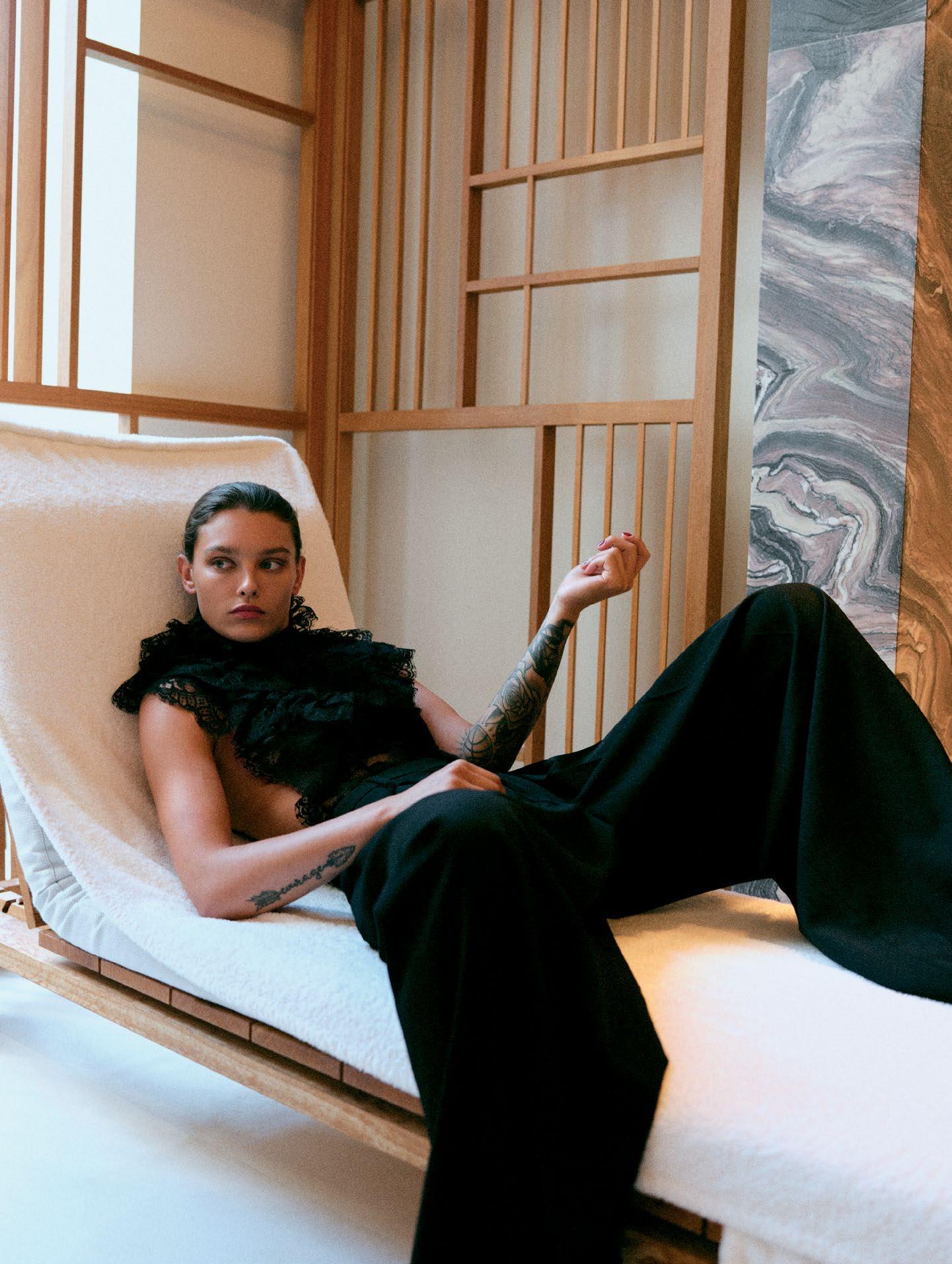
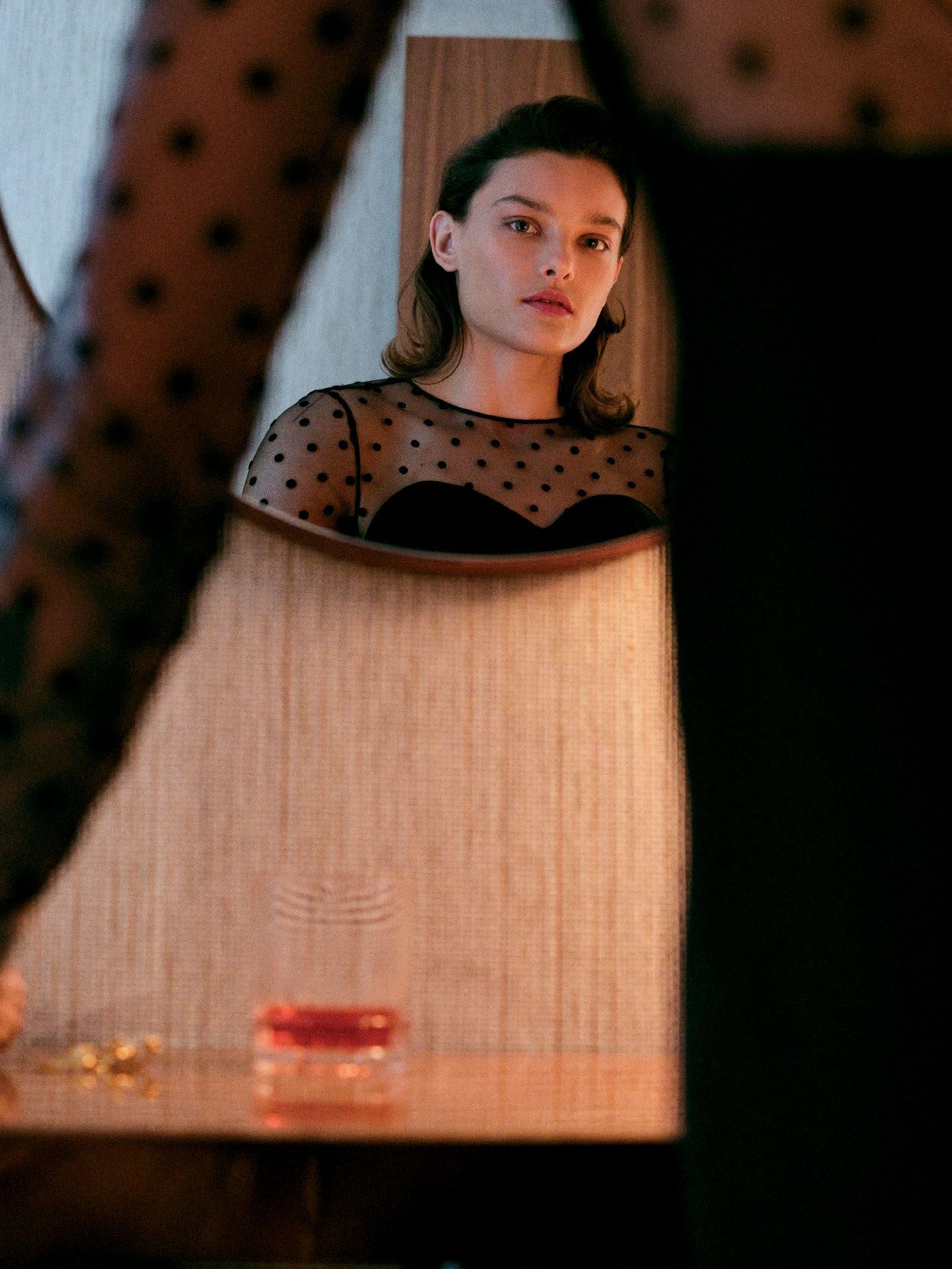
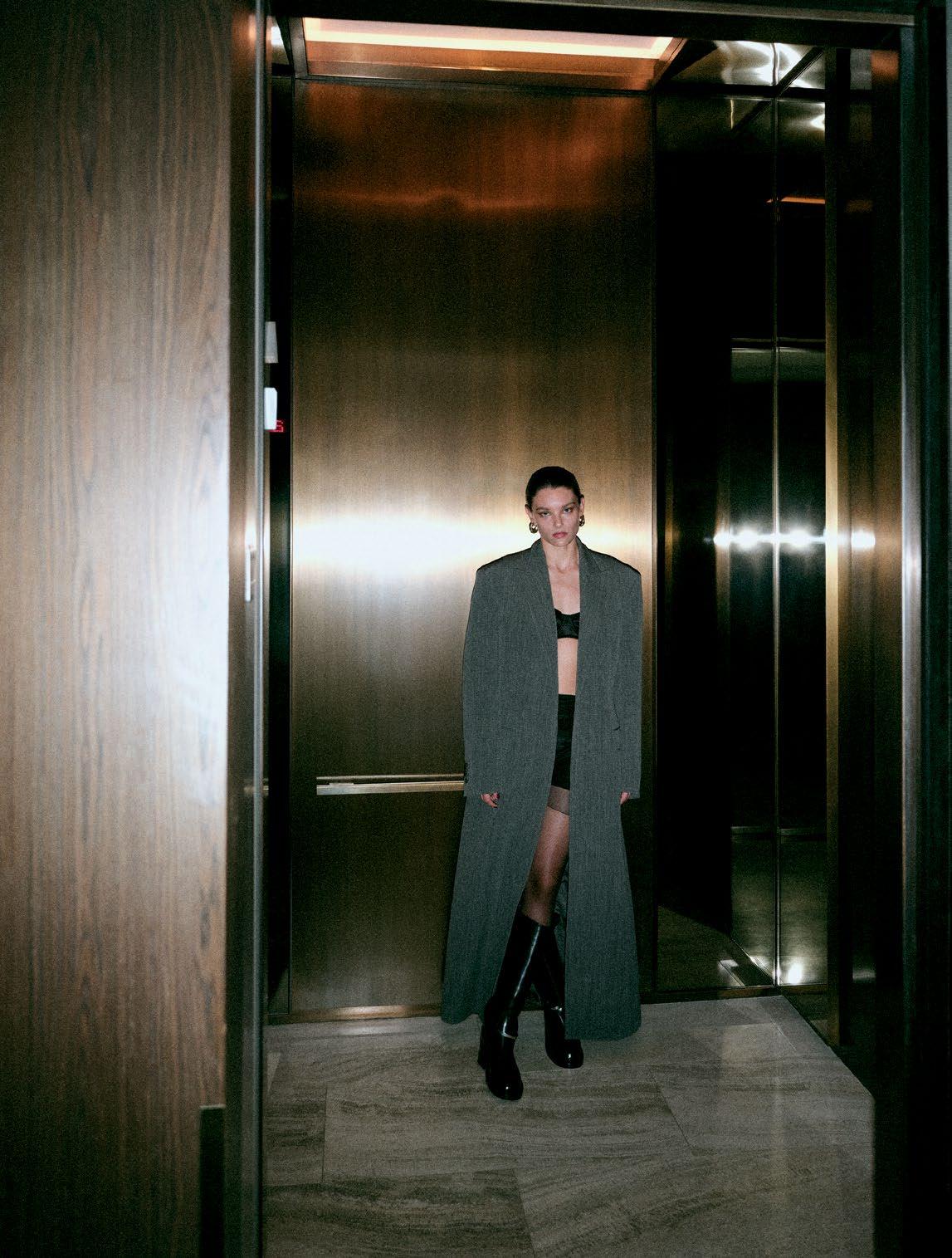
This season’s cool edge finds a home at Four Seasons Hotel New York Downtown.
Photography by MATTHEW SPROUT
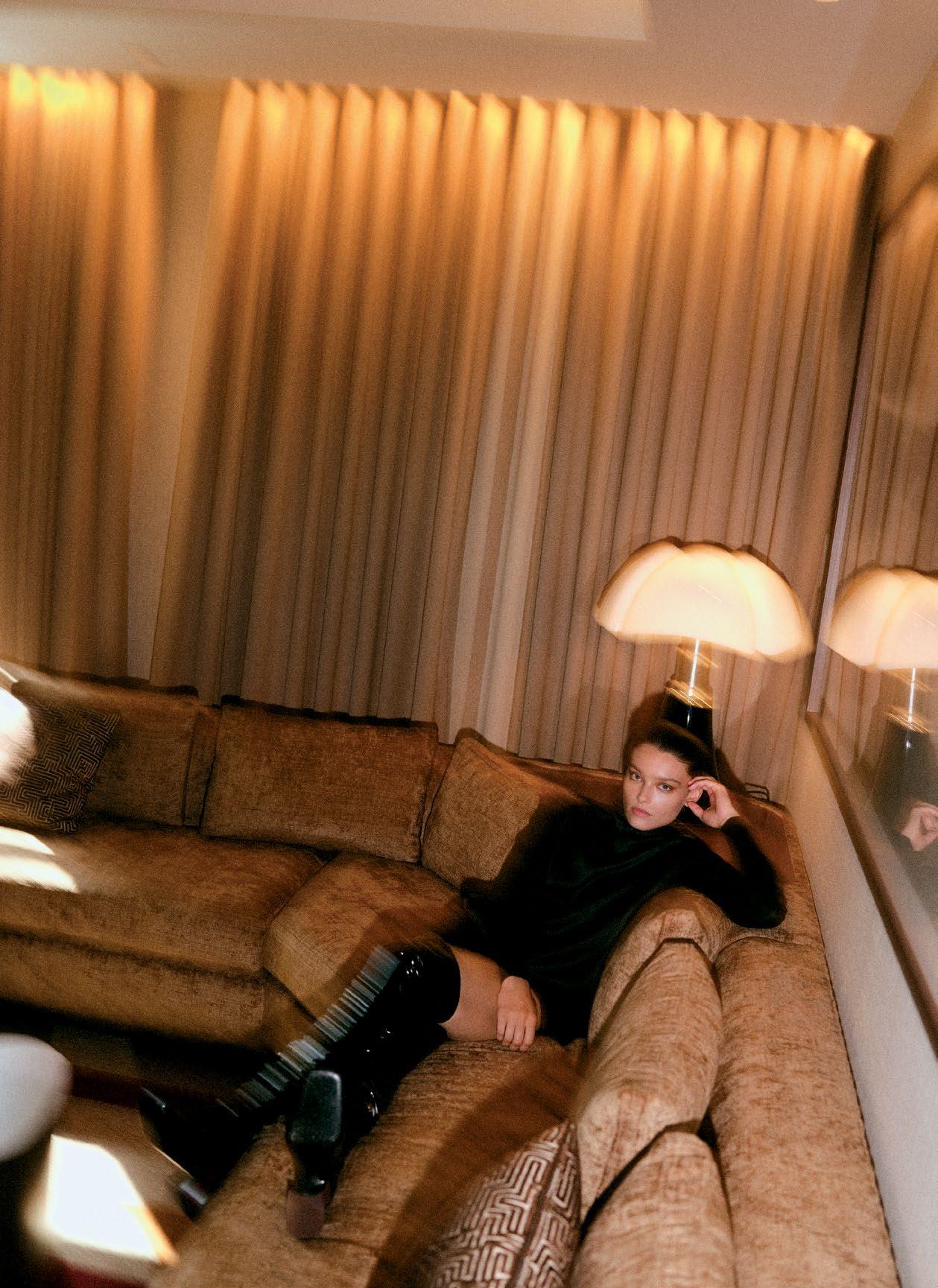
An influx of creatives from around the world is quickening the pulse of Italy’s design capital.
The ultimate A-to-Z guide to everything and anything bespoke, from impeccable suiting to Venetian glass.
Experiencing awe has the power to rewire our brains, and one of the most profound ways to spark this emotion is through travel.


What’s chic in Paris now … The luxury world’s meteorite hunter … Holiday festivities at Four Seasons … Chatting with Sézanne’s acclaimed chef … Six listening bars across the globe.

Discover Spotlighting Four Seasons Private Residences in San Francisco, Bahrain, Saudi Arabia, and Lake Austin, Texas, as the portfolio celebrates its 40th anniversary.

90page 120 page
In “Milan’s Global Moment,” the South African writer (who is Monocle magazine’s New York correspondent) captures the creative energy flourishing in Italy’s fashion capital. “I now want to move to Milan!” says Holland. Recent style find: a “playful” broderie anglaise ruffled skirt with embroidered strawberries from Copenhagen designer Emilie Helmstedt’s brand, Helmstedt.
PHOTOGRAPHER
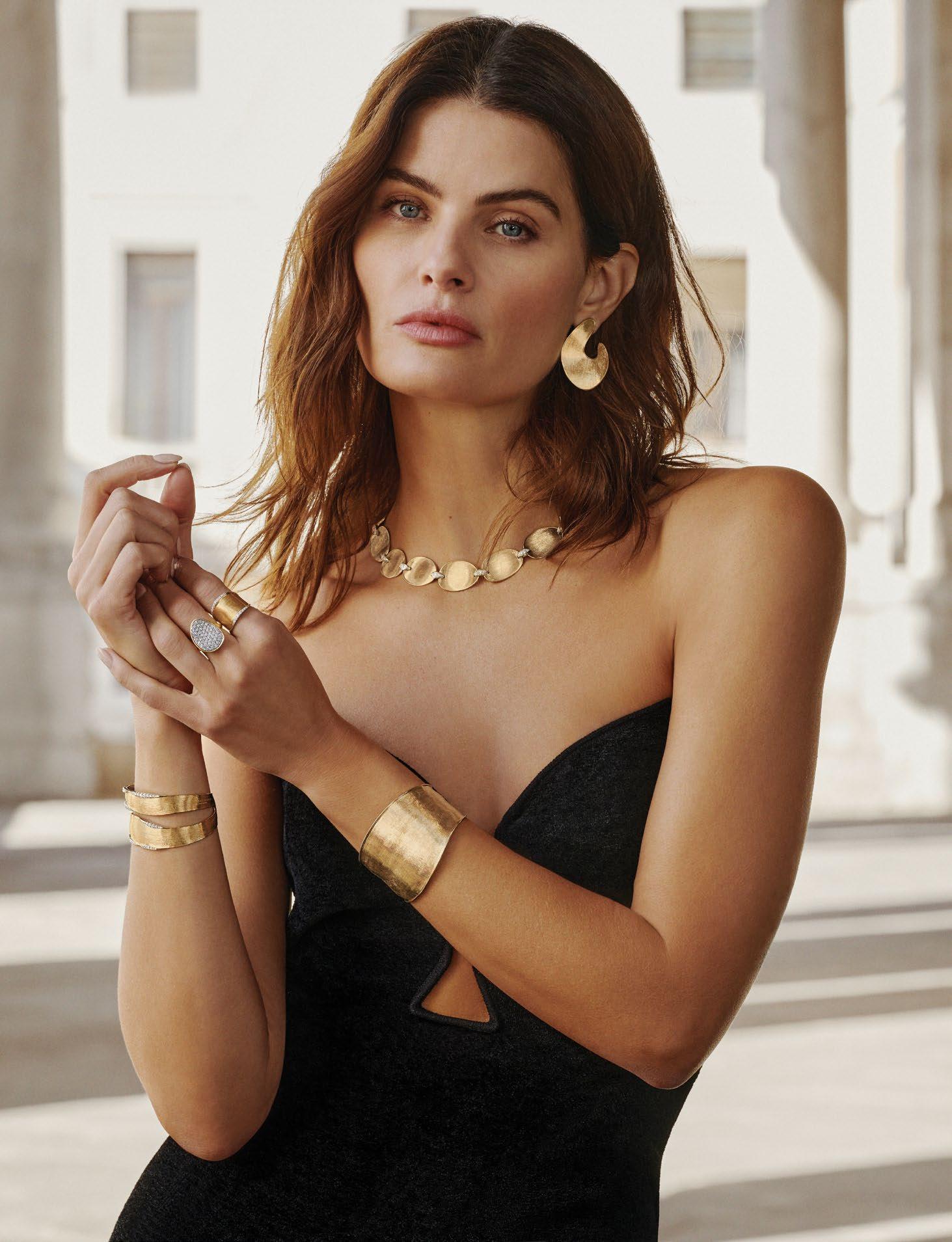
Sprout, whose work has been featured in W and Vanity Fair, found shooting at Four Seasons Hotel New York Downtown to be a creative playground. “Having the freedom to create in a space with no restriction is always the dream,” says Sprout, who photographed this issue’s fashion editorial, “Fall Mood.” Recent style find: “Black-framed, yellow-lensed Gucci glasses. I love them, as they are simple but always start a conversation.”
112page
90 page

STYLIST

The New York–based fashion stylist and consultant enjoyed working on this issue’s “Fall Mood” fashion shoot at Four Seasons Hotel New York Downtown because the “space felt transportive and cinematic—it really added a strong storytelling element to the fashion,” says Alabado. Recent style find: an “incredibly intricate” vintage Thierry Mugler jacket.
ESSAYIST
Rosen loved the chance “to name the most beautiful places on Earth I’ve been or dream of going to” in her travel essay “The Awe Effect.” A contributing editor at The Cut, she is also the founder of the Brooklyn Writers Collective. Recent style find: the mid-century Yeti rocking chair by Mario Scheichenbauer, “designed to feel as if you’re nestled in the arm of a mythical, magical creature from the Himalayan mountains.”
88page
TRAVEL AND DESIGN JOURNALIST
The Bali-based writer (who contributes to Architectural Digest, Afar, and Travel + Leisure) chatted with concierge Dylan Vasquez Mora of Four Seasons Resort Peninsula Papagayo, Costa Rica, for a story in this issue’s Connection section. “I was reminded that Costa Rica is a country bursting with sublime environments, landscapes, and wildlife,” says Romeyn. Recent style find: a “very simple” Reformation square-neck denim dress that “has become my new uniform.”
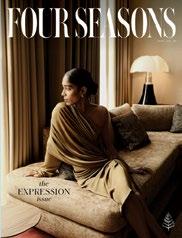
TRAVEL AND FASHION have more common ground than we often realize. Both are powerful forms of selfexpression—revealing not only who we are but also how we choose to interact with the world. Just as the clothes we wear communicate identity, intention, and our varying moods, the journeys we take reflect our values, our curiosities, and the narratives we want to shape for ourselves.
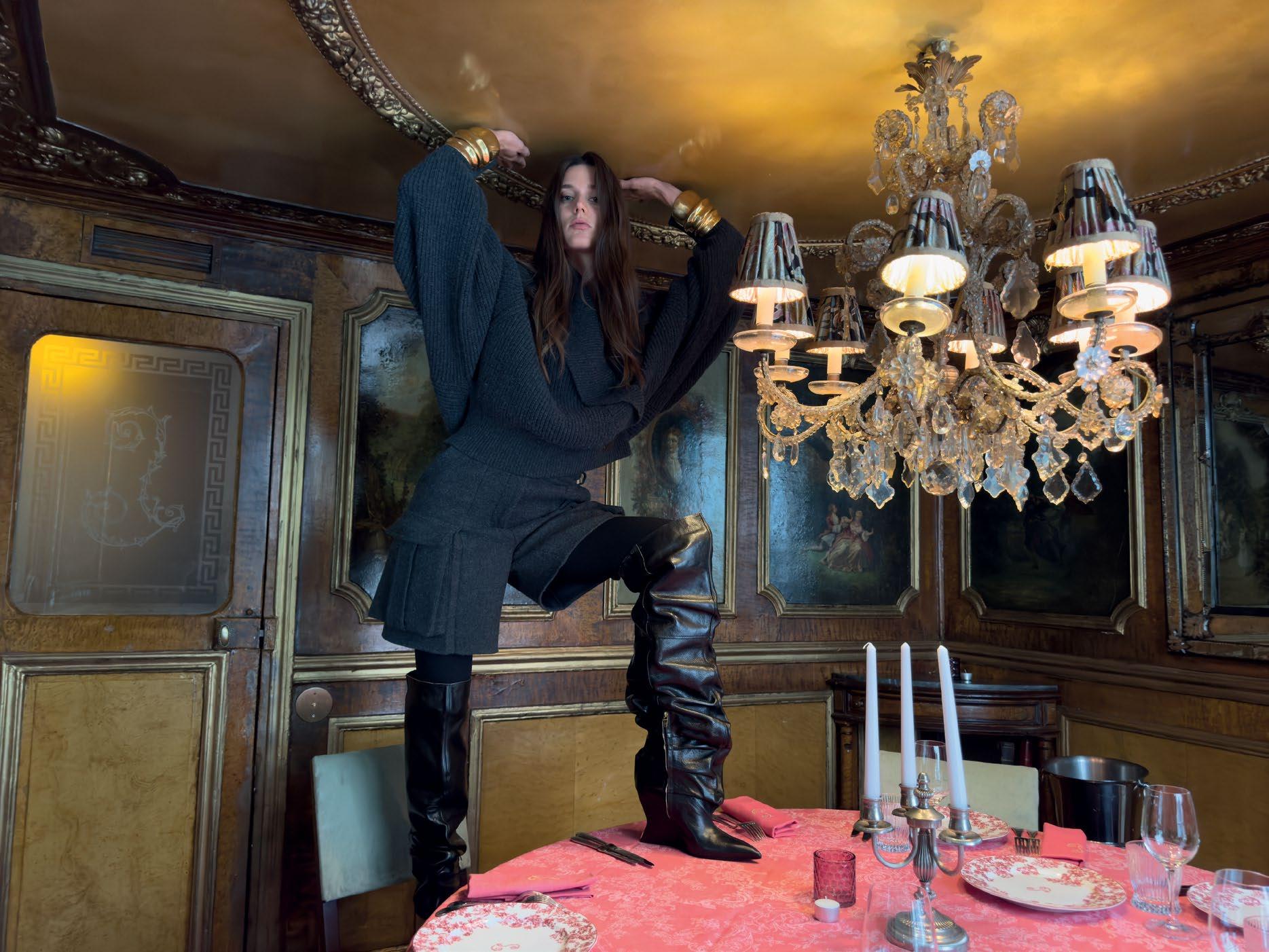
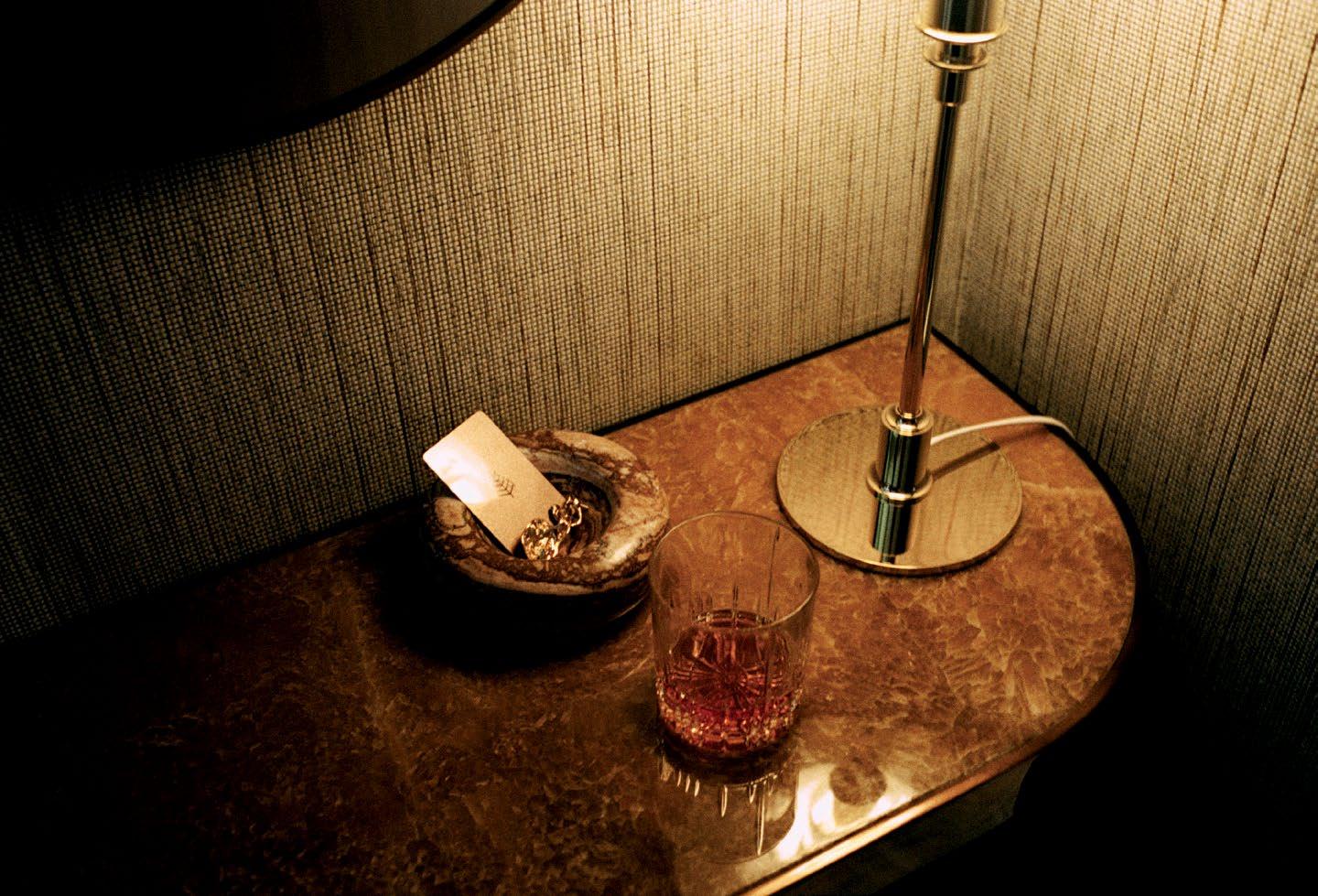
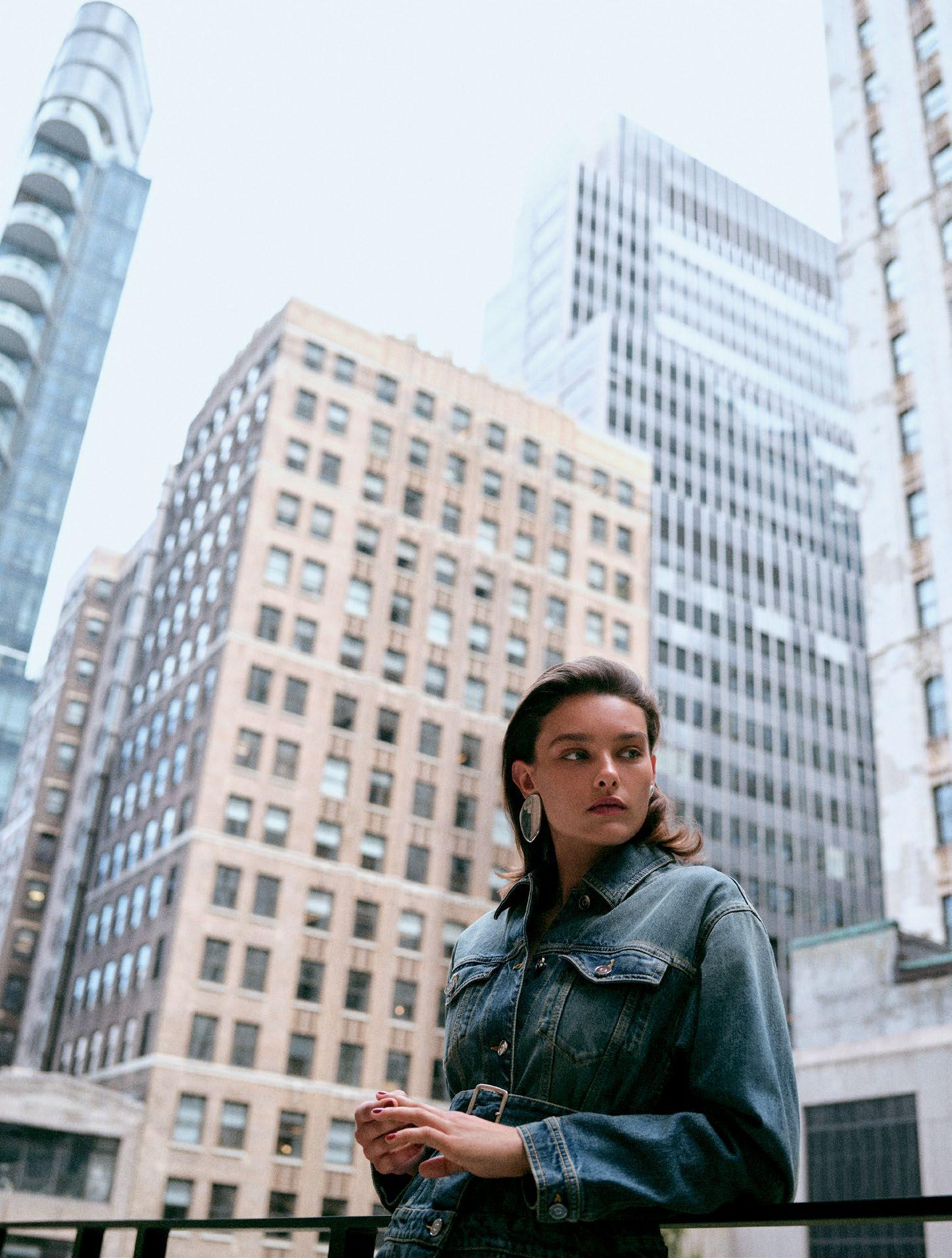
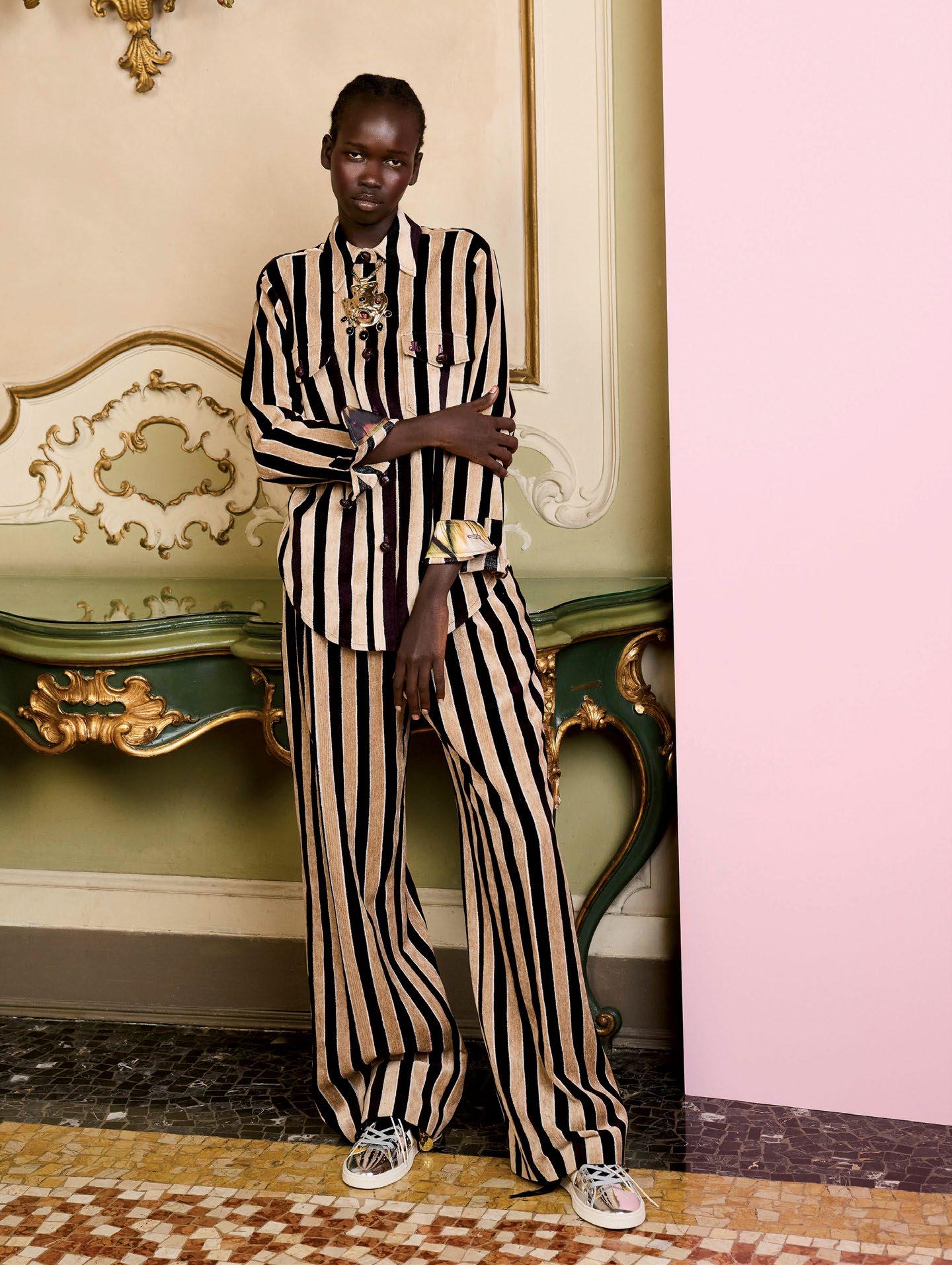
In this latest issue of Four Seasons magazine, dedicated to the theme of Expression, we dive into both style and travel, including the fascinating ways in which they intertwine. In our fashion feature “Fall Mood” (page 90), photographed by Matthew Sprout, the season’s most captivating looks find their full expression thanks to a compelling and unique setting, the striking backdrop of Four Seasons Hotel New York Downtown, and the property’s new urban-glam Trinity Suite.
In “Made for You” (page 100), writer Mark Ellwood has assembled a beautiful A-to-Z guide to bespoke and custom creations, from one-ofa-kind Murano-glass vases to custom Harris tweeds. The essence of his piece is about so much more than shopping. It’s about collaborating to bring personal visions to life, as well as exploring the ways that intimate workshops and design houses around the world spring from the cultures in which they are birthed.
Elsewhere in this issue, we venture to cities as diverse as Milan, Jakarta, and Madrid—in stories that weave together the themes of design and destination, from a furniture creator on a mission to elevate the traditional Indonesian material of rattan to a fashion designer who finds continual inspiration in her Spanish hometown.
At Four Seasons, honouring a place and fostering genuine connection are at the heart of everything the company does—from hotels, resorts, and once-in-a-lifetime private jet experiences to Four Seasons Private Residences, the distinctive residential portfolio that celebrates its 40th anniversary this year. These stories remind us that travel is not just about seeing new places, but also about experiencing the spirit and the creativity that make each trip truly singular.
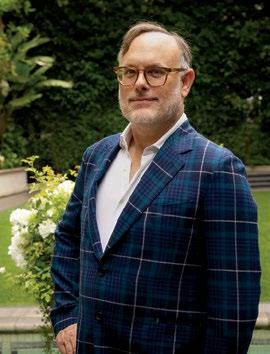
DEGEN PENER Executive Editor
EXECUTIVE EDITOR
Degen Pener CREATIVE DIRECTOR Rina Stone PUBLISHER Christian Poppert
MANAGING EDITOR
Lori Bryan DIRECTOR, Partner Marketing Tatiana Imamura
DIGITAL EDITOR Fan Winston
PHOTO EDITOR
T. Brittain Stone
COPY EDITOR Kersten Deck
CONTRIBUTING WRITERS
Laurie Brookins, Nicola Chilton, Mark Ellwood, Beau Hayhoe, Mary Holland, Brad Japhe, Laurie Kahle, Emma Loewe, Kathryn Romeyn, Pavia Rosati, Molly Rosen, Elycia Rubin, Ingrid Schmidt, Abigail Stone, Eric Twardzik, Shivani Vora
PUBLISHED BY

CHIEF BUSINESS OFFICER Jay Meyer
EXECUTIVE VICE PRESIDENT Content Bruce Wallin
EXECUTIVE VICE PRESIDENT General Manager Pamela Abbott
PARTNERSHIPS
David Van Sicklen, Travis Haley, Matt Squire, Jon Edwards, Mark Cooper, Tori DeClaris, Margot Giblin, Lauren Edwards, James McNulty, JD Hess, Lisa Rosenberg, Paolo Cassano, Debbie Topp, Elaine Rizos
MARKETING
Morgan Barbay, Julia Biedenbender, Emily Poppert, Jen Scherr, Adam Szafranski, Joanna Thomas
DIRECTOR, Creative Services
ART DIRECTOR Matthew Halnan
Shannon Corrigan-Baumann
CONTENT DIRECTOR, Custom Media Nikki Prange
OPERATIONS MANAGER Mandee Klenk
CORPORATE CONTROLLER Jimmy Stafford
VICE PRESIDENT, Human Resources Eilis Murphy
CHIEF FINANCIAL OFFICER John Pietrolungo
FOUNDERS
Matt Carroll, Nick Van Sicklen
Advertising Inquiries: christian@northandwarren.com
NORTH & WARREN
7324 Gaston Ave., Ste. 124–451; Dallas, Texas 75214
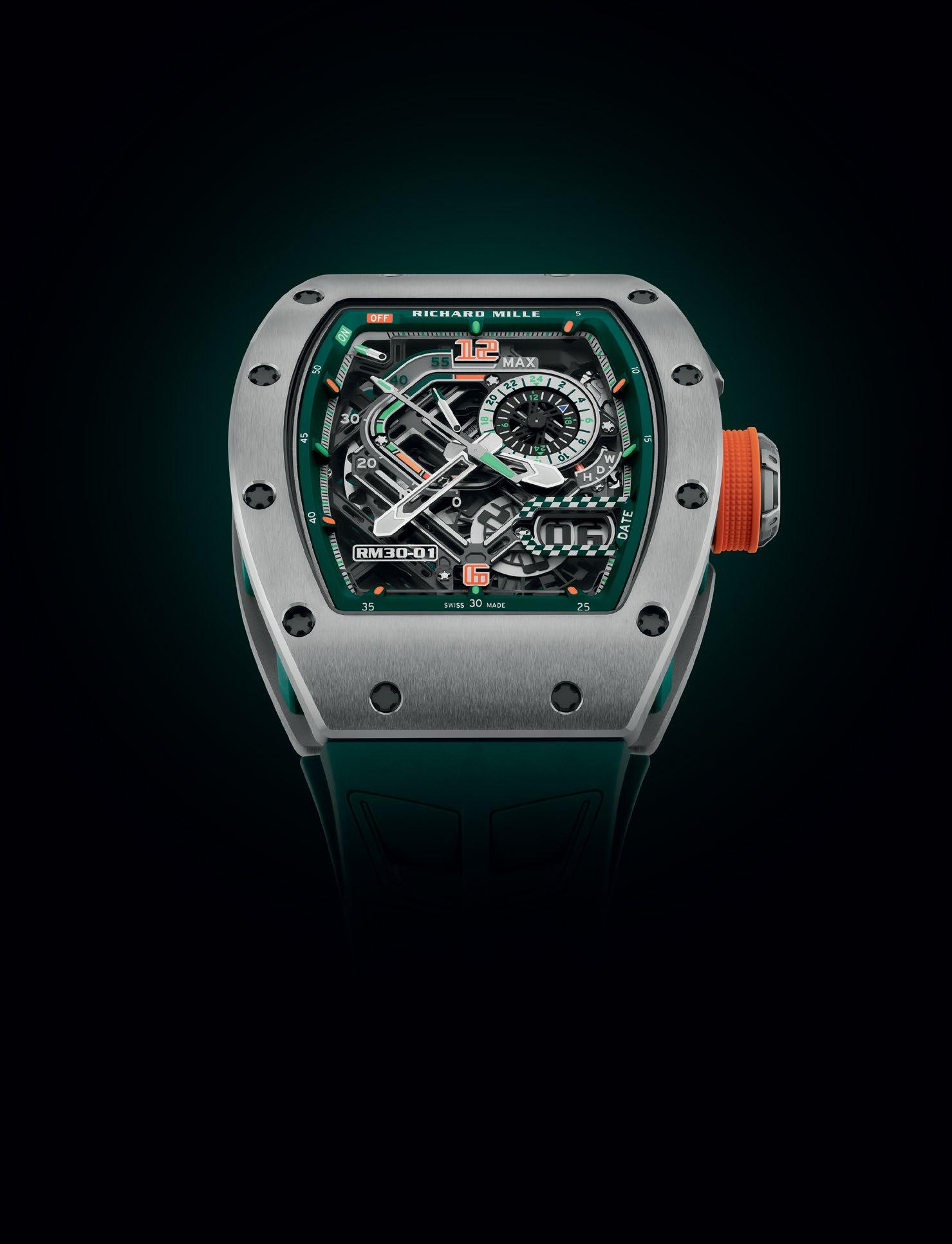
3 DAYS POWER RESERVE AUTOMATIC CALIBRE
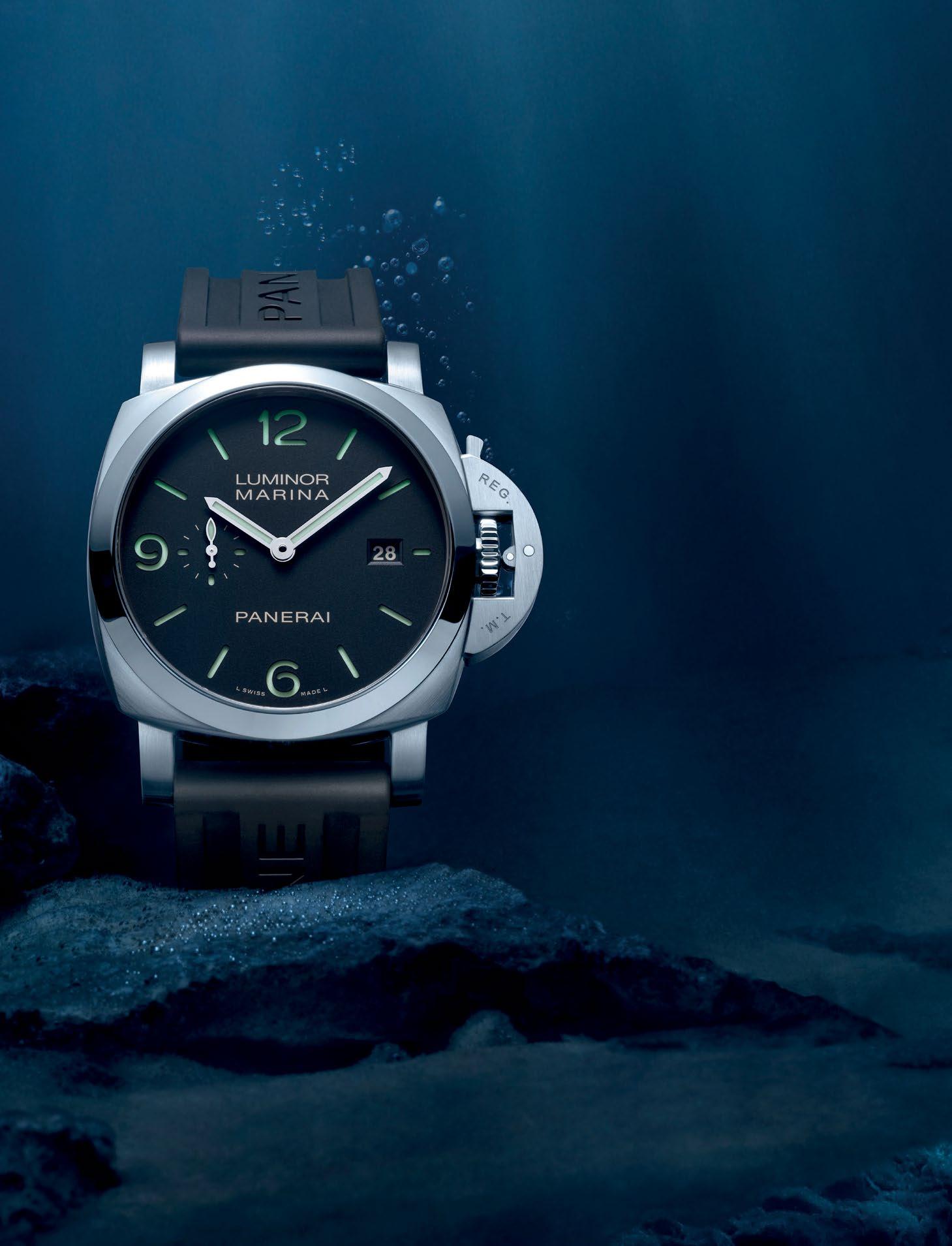
CROWN PROTECTING DEVICE PATENTED IN 1956
50 BAR
500 M WATER RESISTANCE
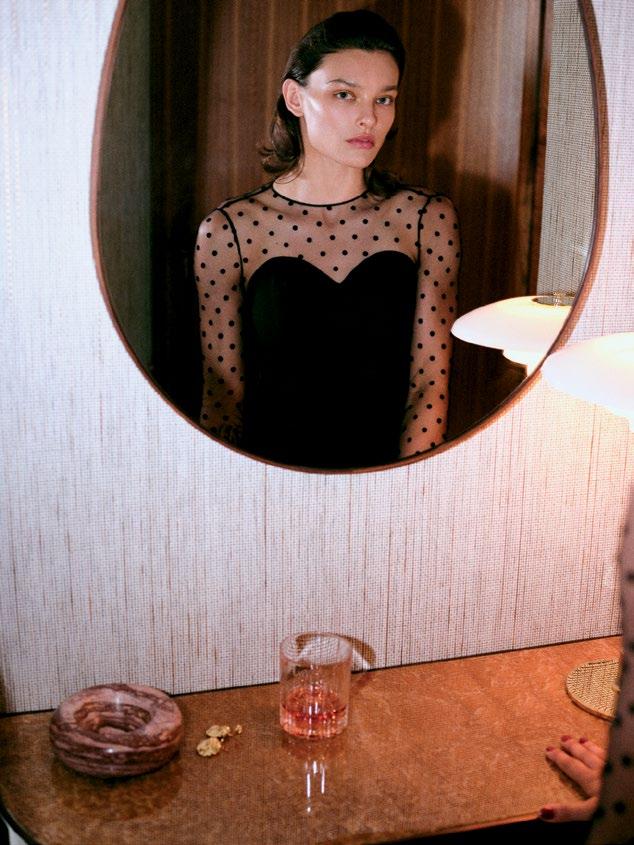
Photographer Matthew Sprout, stylist Julianna Alabado, and Four Seasons magazine’s creative team spent a day at Four Seasons Hotel New York Downtown capturing autumn’s most alluring fashions for “Fall Mood” (page 90). The shoot unfolded across the property’s striking settings, from the newly renovated Trinity Suite to the dramatic lobby. Alongside his professional digital kit, Sprout brought a collection of vintage film cameras, most dating to the 1990s and early 2000s.
6,200+
Number of Four Seasons Private Residences that have been built to date or are in development— across more than 25 countries. The residential portfolio celebrates its 40th anniversary this year (page 72).
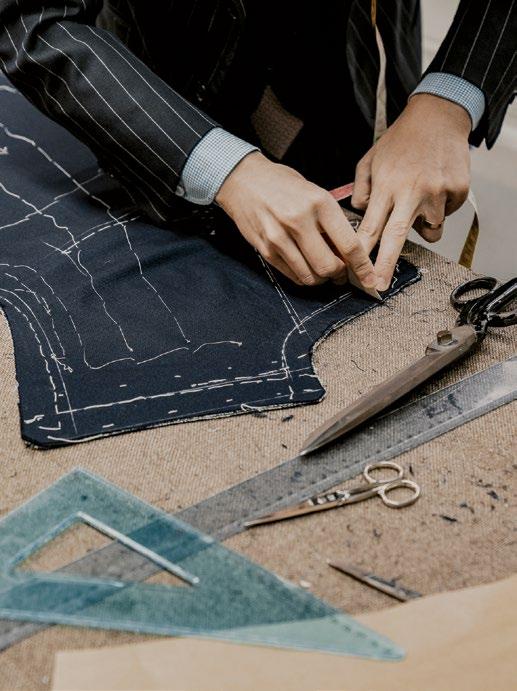
Luxury lifestyle writer Mark Ellwood, who crafted this issue’s “Made for You” feature (page 100), an A-to-Z guide to everything bespoke, admits that identifying a perfect item for every letter was no small feat. “The biggest challenges on the list weren’t just the ones you’d expect—we’re very pleased with our X and Q entries—but also some unexpected speed bumps,” he says. “Who knew that O would be so troublesome—and that finding a chic, one-off ornament maker, as we did, would be so hard?”


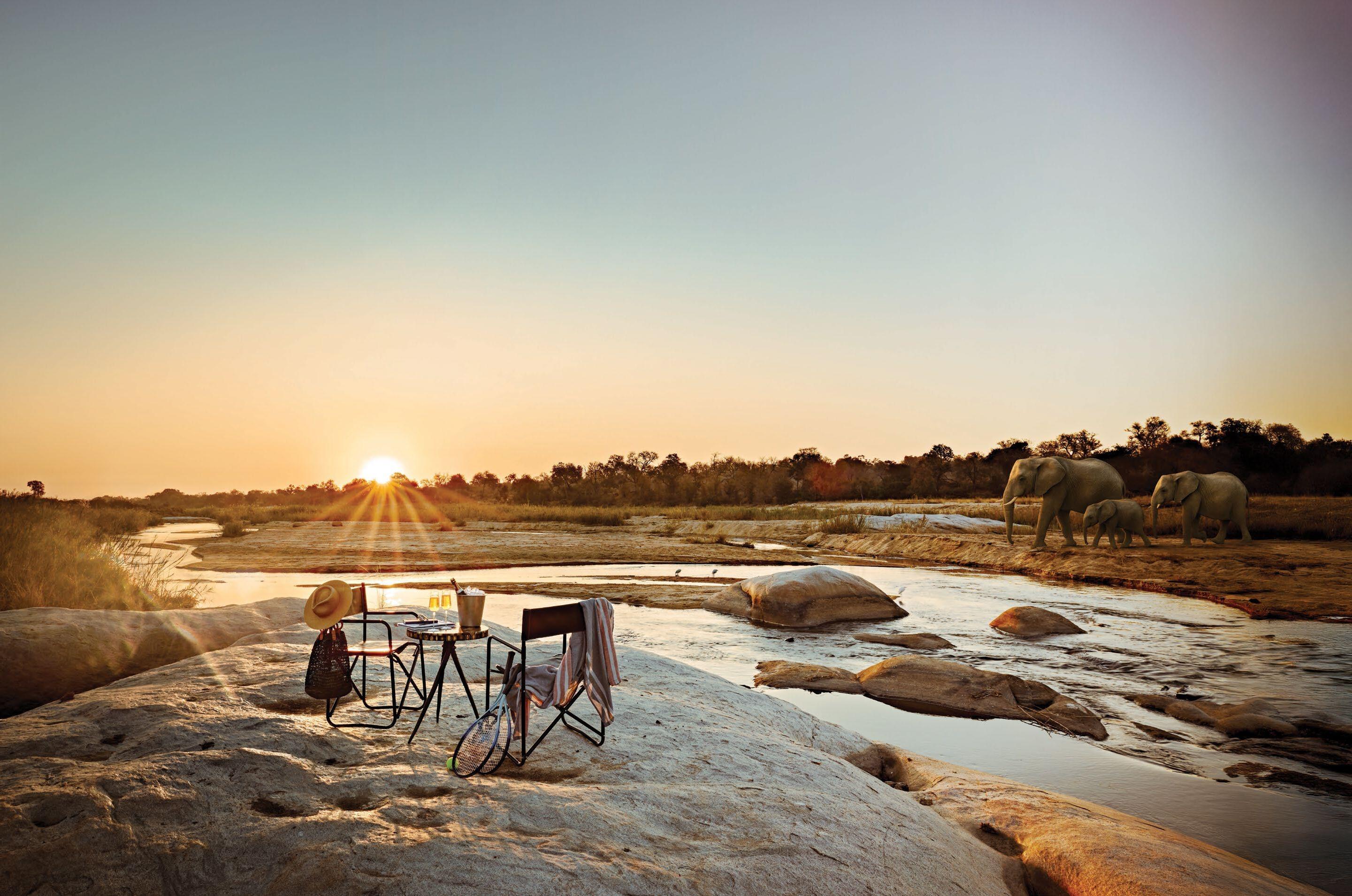

YOUR BUCKET LIST DIDN’T EVEN KNOW THIS EXISTED
The match had been played on a clay court overlooking the savanna. The only spectators, a herd of elephants. And that was just day one.


At Kensington, every dream is achievable. Our fully customized itineraries and expert private guides ensure that your trip is once in a lifetime, every time.
Start planning at KensingtonTours.com or contact your Travel Advisor.




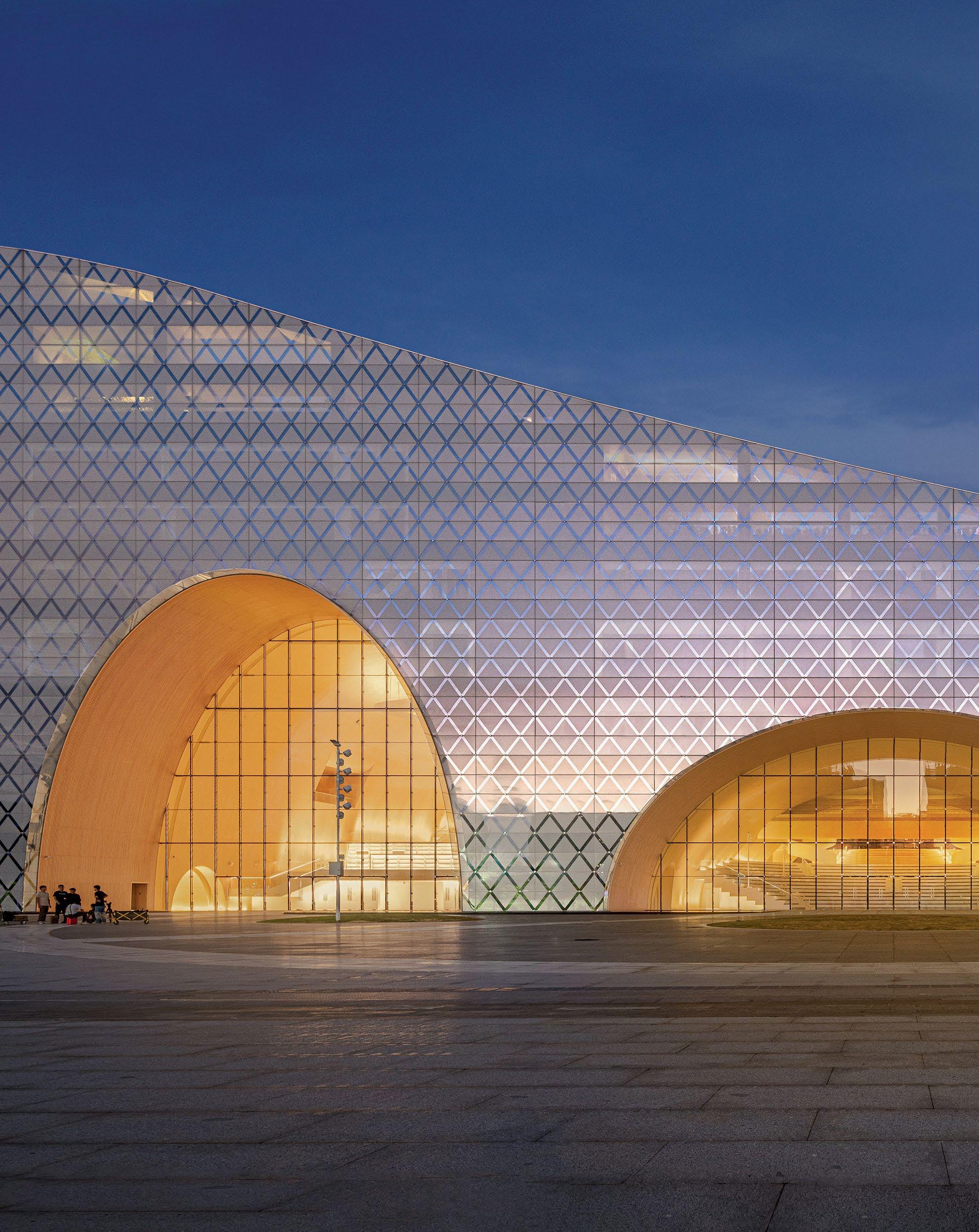
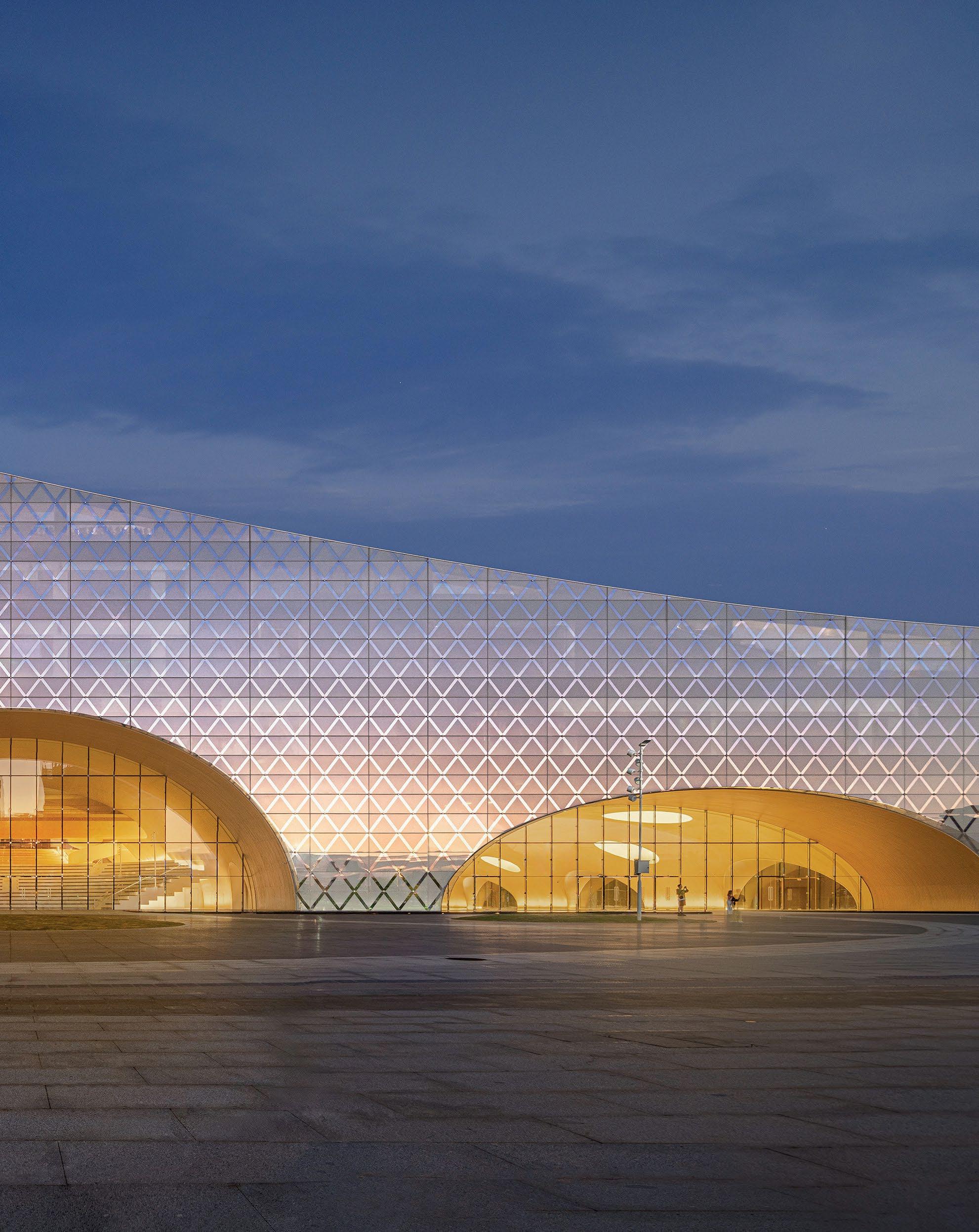
Located on China’s Hengqin Island, the new Atelier Apeiron–designed Hengqin Culture & Art Complex is a striking architectural landmark. Boasting a vast, terraced rooftop garden and an elegant sequence of arches, the megastructure includes a library, a science museum, and performance, exhibition, and event spaces. Across from the island lies Macau’s Cotai Strip, home to Four Seasons Hotel Macao and the Grand Suites at Four Seasons.
photograph by SCHRAN IMAGE
45 ° 45' N, 9 ° 16' E
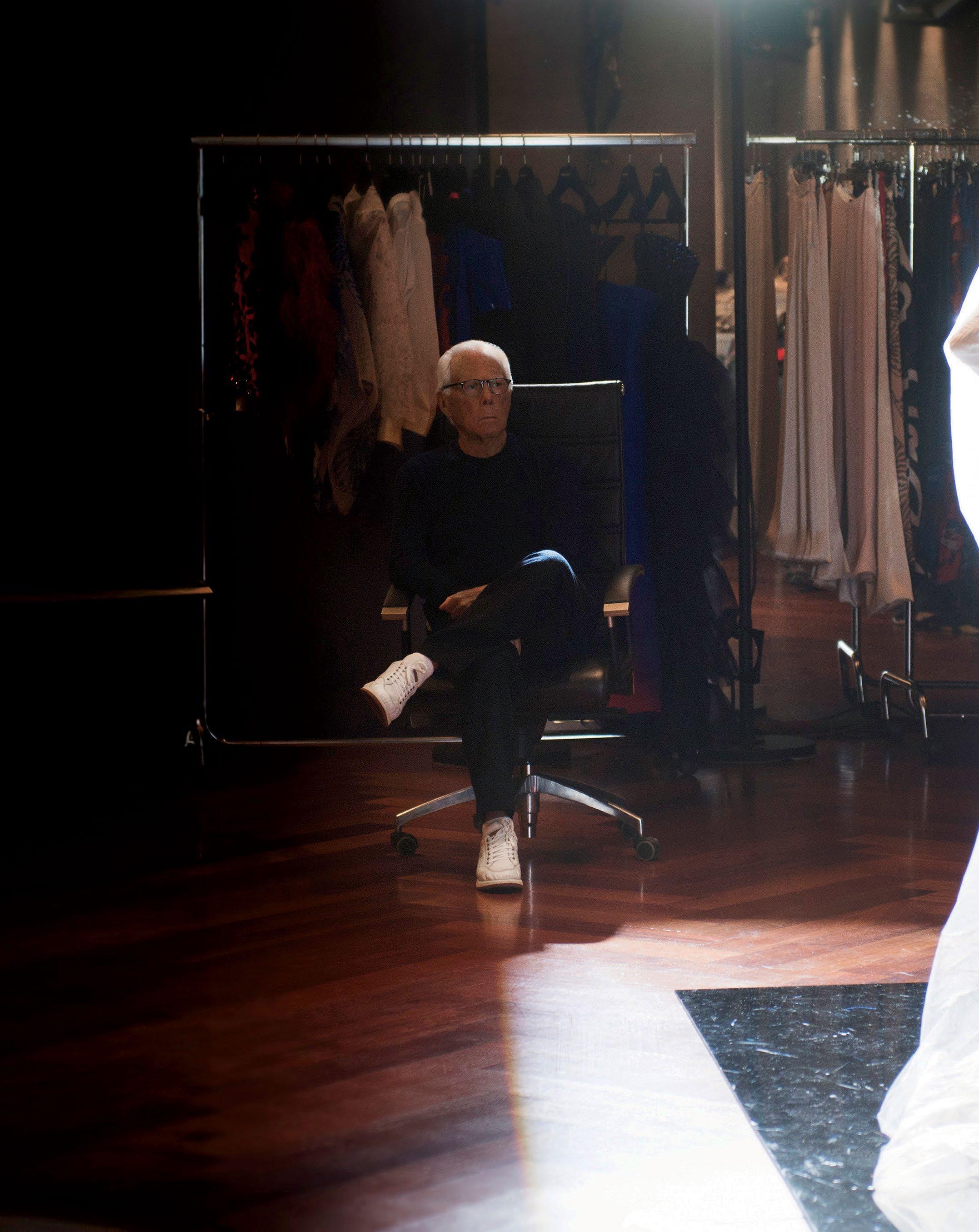
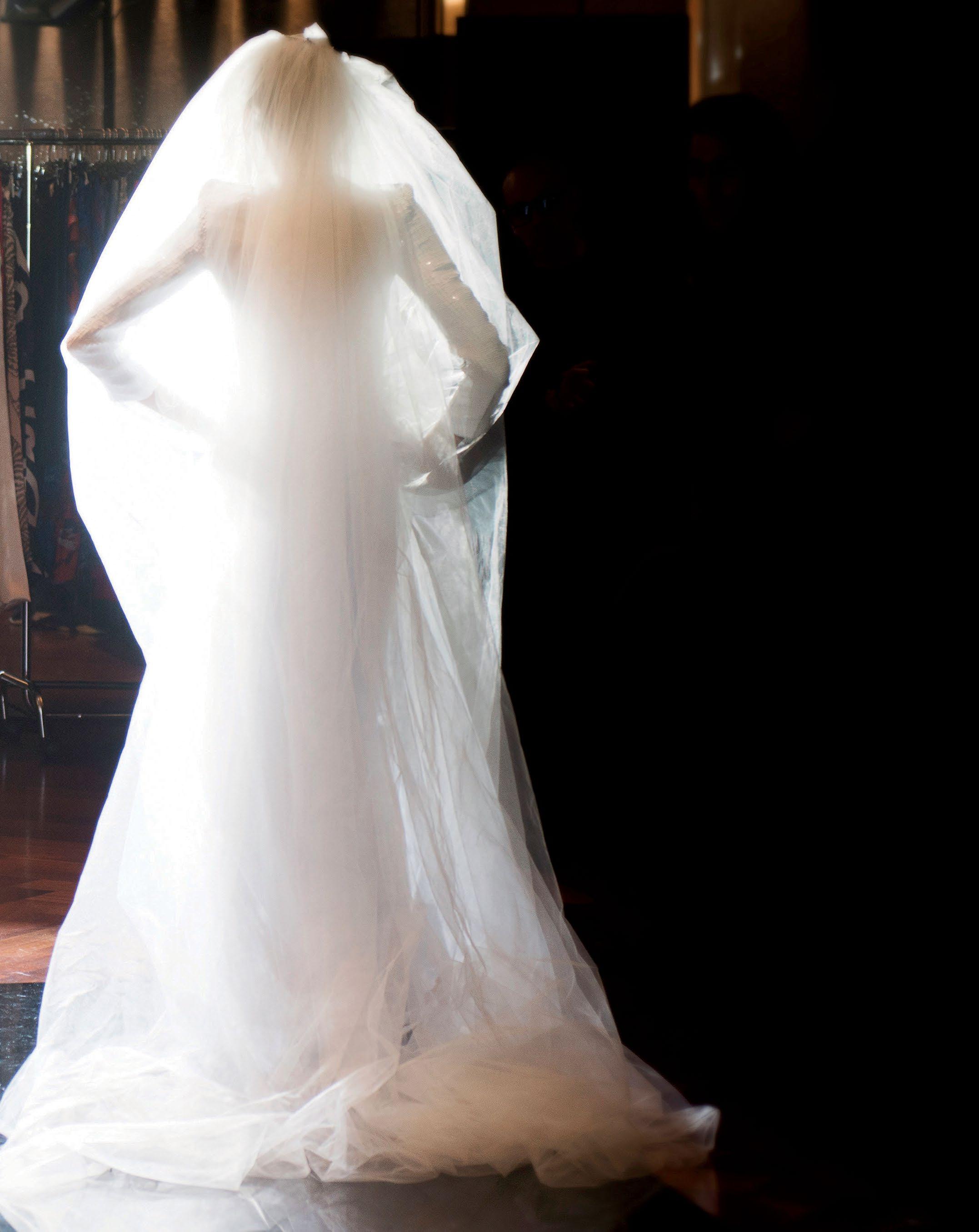
Legendary designer Giorgio Armani, who died in September at age 91, is the subject of dual anniversary exhibitions in the fashion capital. Running through December 28 at the brand’s Armani/Silos space, Giorgio Armani Privé: 2005–2025 celebrates his two decades in haute couture with a showcase of more than 150 looks, including dresses worn by Michelle Yeoh, Cate Blanchett, and Demi Moore. A second show of his exquisite designs, at the Pinacoteca di Brera (a short walk from Four Seasons Hotel Milan), marks 50 years since the brand’s founding in 1975. This photo captures Armani and a model backstage at his spring/summer 2019 couture show. photograph by SGP
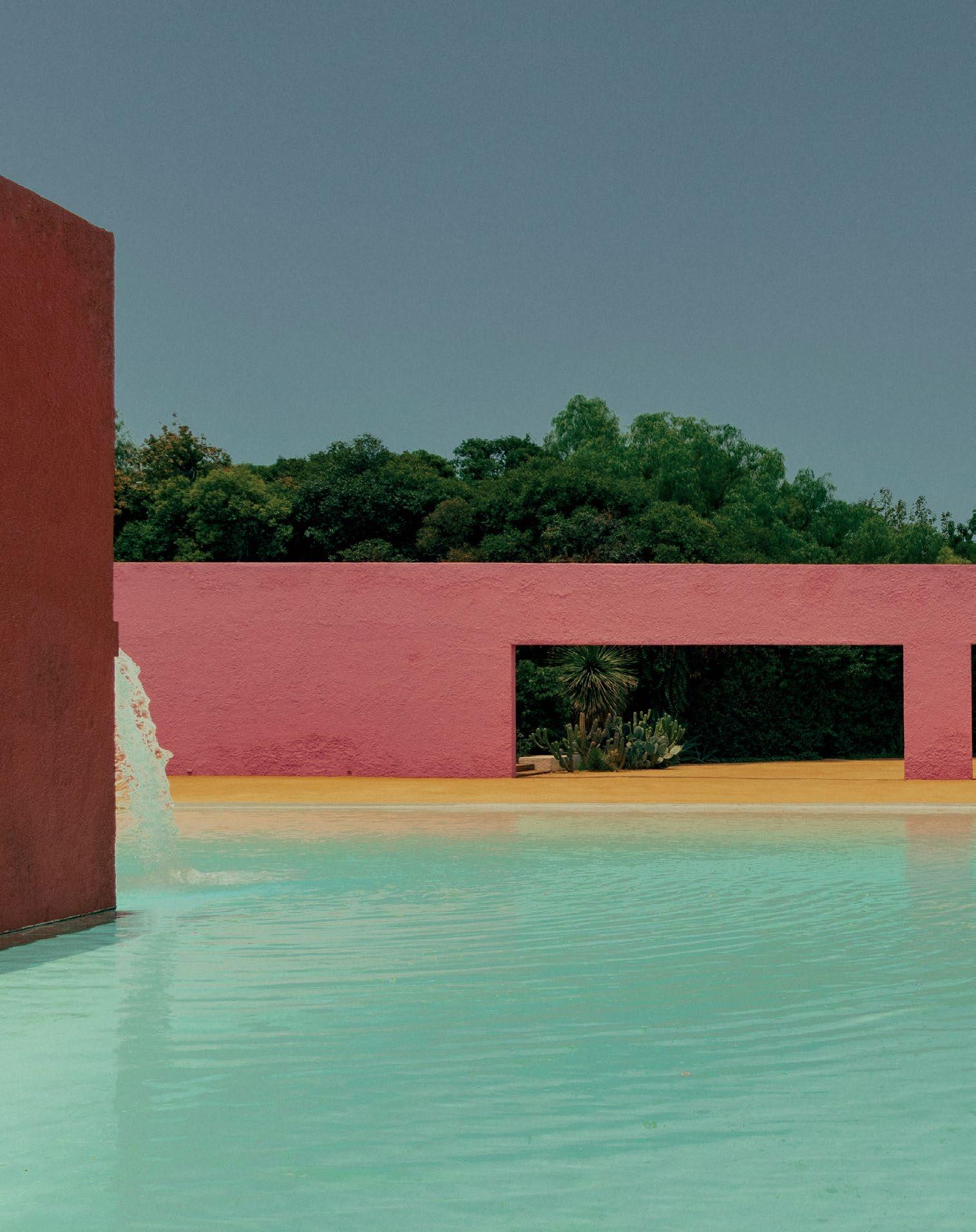
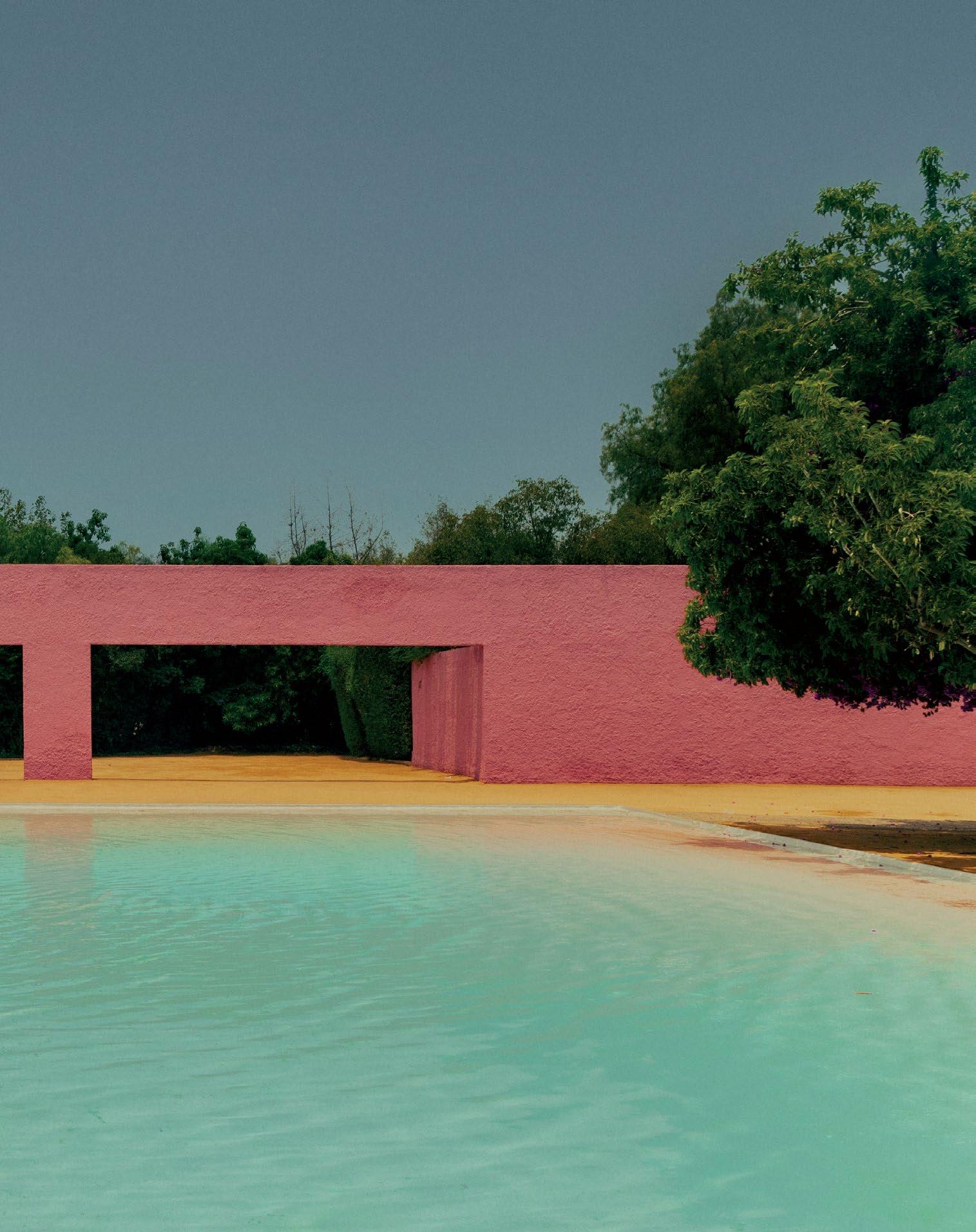
19 ° 57' N, 99 ° 13' W
One of legendary Mexican architect Luis Barragán’s most striking residential designs—La Cuadra San Cristóbal, a study in bright colour blocking, located on the outskirts of Mexico City—is set to open to the public later this year as part of a 10-year plan to transform it into a cultural centre. In town, Four Seasons Hotel Mexico City has embarked on a phased renovation by Mexican designer Bibiana Huber that will include a vibrant redesign of all its guest rooms and suites.
photograph by ROMAIN LAPRADE
5 ° 69' S, 53 ° 65' E
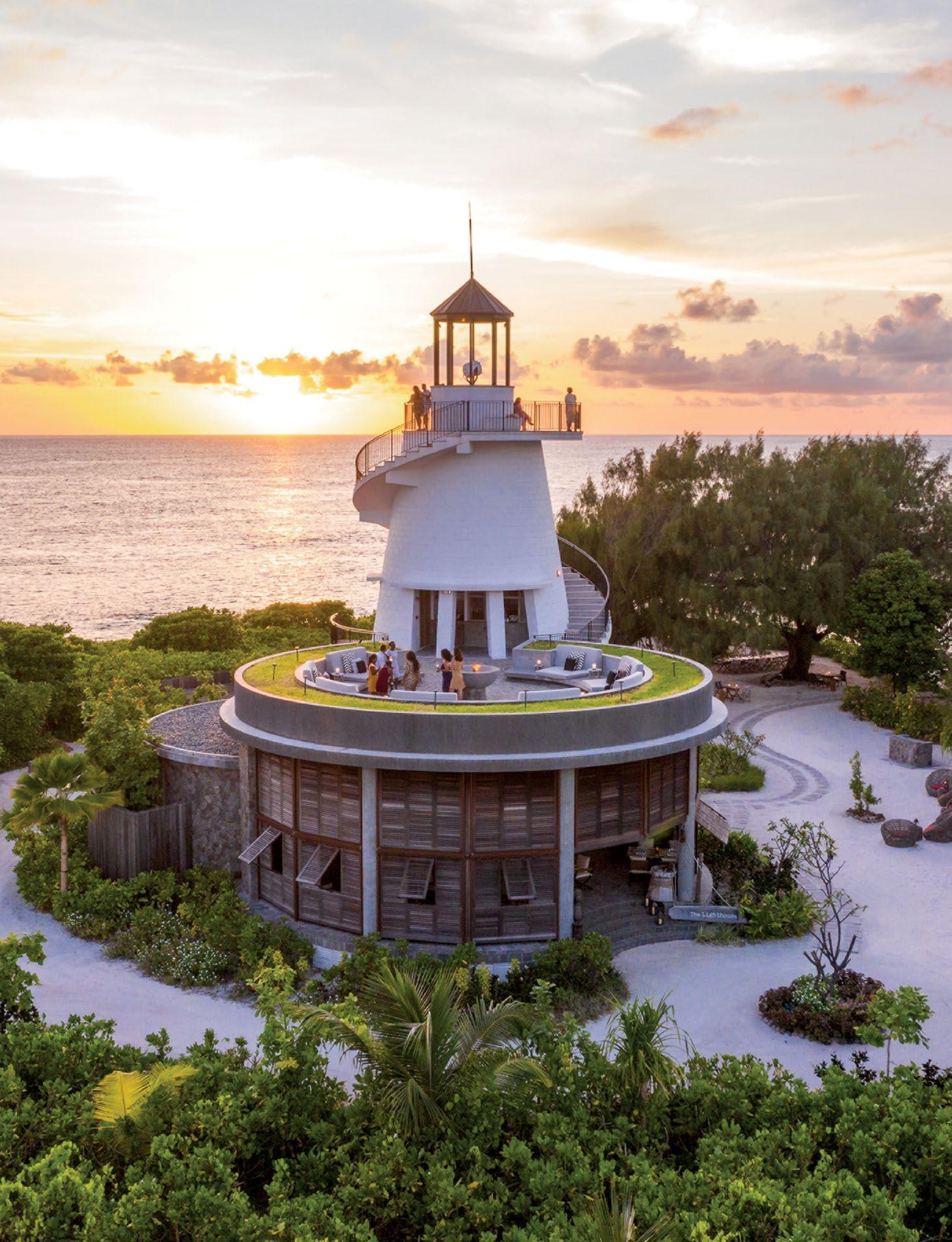
At Four Seasons Resort Seychelles at Desroches Island, a storybook lighthouse-inspired building is the site of both a restaurant and a lounge—the latter a perfect spot to perch and sip a predinner sundowner while looking out over the Indian Ocean. This holiday season, the property will be transformed into a Christmas village and feature a gingerbread house and decorations inspired by The Nutcracker. n

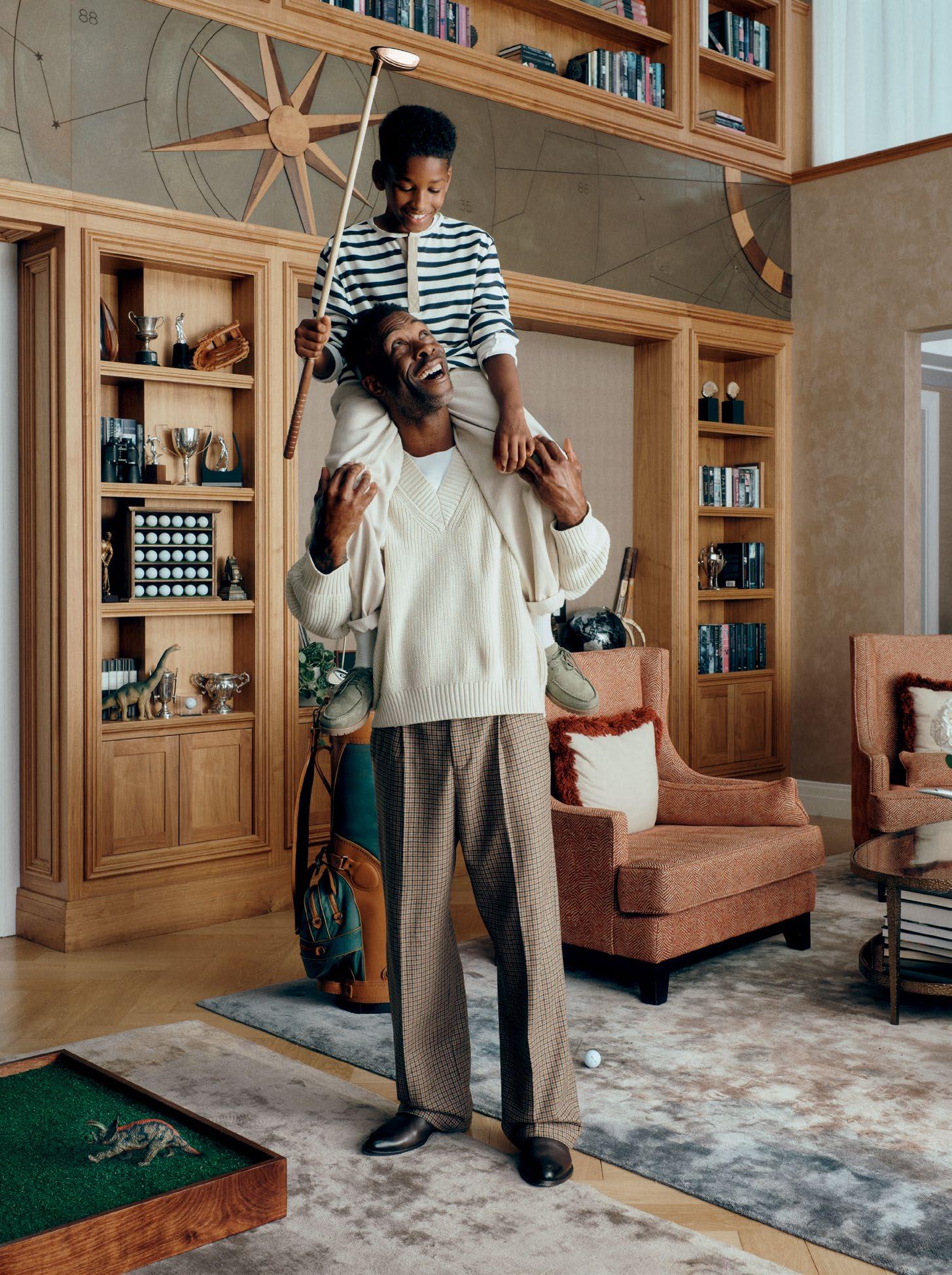
One iconic brand. Four decades of exceptional living. With Four Seasons Private Residences, world-class design and legendary service offer you the freedom to live life—beautifully your own.
NORTH
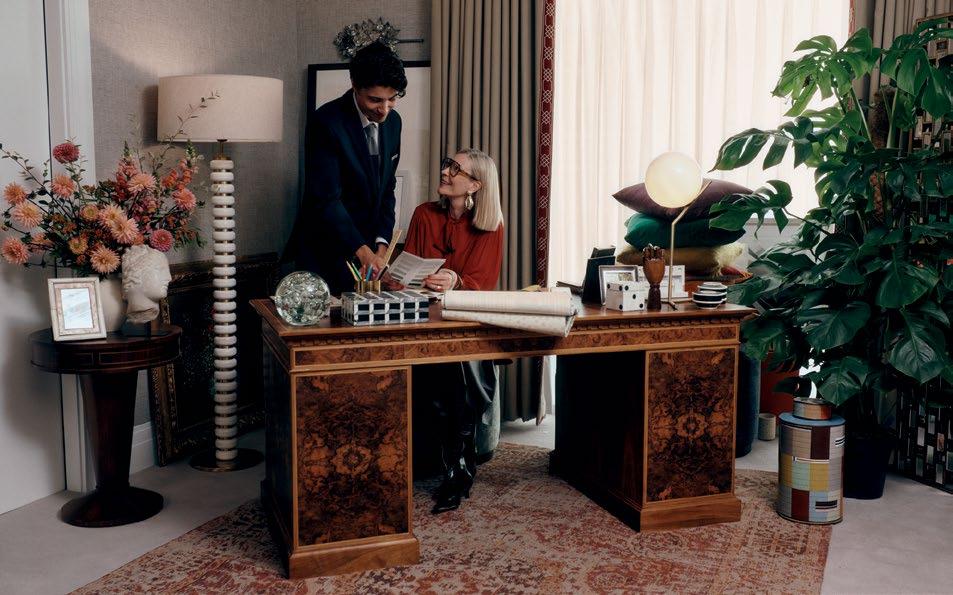
Forty years after the first Private Residences debuted at Four Seasons Hotel Boston in 1985, Four Seasons continues to define extraordinary living across the globe—from Marrakech and Mumbai to Miami and Montreal. More than just beautifully designed spaces offering enduring value, Four Seasons Private Residences are a seamless expression of world-class service, craftsmanship, and care, shaped around the unique lives of those who call them home.
Slow down and savour each moment with family and friends in one of the Caribbean’s most tranquil hideaways. Tucked into the island s lush land scape overlooking the sea, your residence offers expansive indoor–outdoor living spaces, along with the ultimate privacy and personalized service.
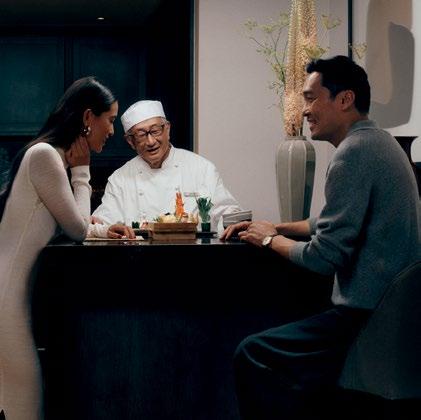
From the pioneering first project, Four Seasons Private Residences has made residents the centre of everything we do. Each dedicated team remembers the little details, like your favourite flowers, your children’s birthdays, and what you want in the fridge when you return from a trip. Our bespoke and intuitive service is as unique and individual as every homeowner, whether you’re leading a video call from your study, enjoying a sushi date night catered by a private chef, or sharing quiet moments with those who matter most.
Thoughtful service, tailored to every resident, is always paired with elevated design. Four Seasons Private Residences, throughout its history, has partnered with the world’s leading architects and designers to craft some of the most coveted and original homes across the globe. Yabu Pushelberg, Champalimaud Design, and Pritzker Architecture Prize winner Sir David Chipperfield are just some of the names who have brought their exceptional vision to life at Four Seasons addresses. Today’s expanding
collection is the culmination of four decades of listening, innovating, and creating extraordinary homes in the destinations our residents desire most—now spanning more than 25 countries.
Living at a Four Seasons Private Residence also brings the security and comfort of knowing that everything, from management to maintenance, is taken care of by a thoughtful team of professionals, overseen by a brand you trust. Whether you’re at home or away, support is always at the ready— whether it’s a friendly face at your door or a message through the app—leaving you free to focus on the things that really matter to you.
It’s an invitation to not just live, but to live original.
NORTH AMERICA
Anguilla
Austin
Bahamas, The Ocean Club*
Baltimore
Boston
Cabo San Lucas at Cabo Del Sol
Charleston*
Coconut Grove*
Deer Valley*
Denver
Dominican Republic at Tropicalia*
Fort Lauderdale
Houston
Jackson Hole
Jacksonville
Lake Austin*
Las Vegas*
Los Angeles
Los Cabos at Costa Palmas
Miami
Miami Beaches, Surfside
Minneapolis
Montreal
Napa Valley
Naples Beach Club*
Nashville
Nevis
New Orleans
New York Downtown
One Dalton Street, Boston
Orlando
Orlando, Florian Park*
Puerto Rico*
Punta Mita
San Francisco
San Francisco at 706 Mission
Seattle
Seaway at The Surf Club*
Tamarindo*
Telluride*
Toronto
Vail
Washington, DC*
Whistler
CENTRAL / SOUTH AMERICA
Belize*
Cartagena*
Costa Rica
EUROPE / MIDDLE EAST / AFRICA
Abu Dhabi at Al Maryah
Abu Dhabi at Saadiyat Beach*
AMAALA at Triple Bay*
Bahrain Bay
Dubai at DIFC*
Dubai at Jumeirah
Istanbul*
Jeddah at the Corniche*
London at Tower Bridge
London at Twenty Grosvenor Square
Madrid
Marrakech
Marrakech at M Avenue
Mauritius
Muscat*
New Cairo Capital at Madinaty*
Qatar, The Pearl
Red Sea at Shura Island*
Seychelles
Seychelles at Desroches Island
Sharm El Sheikh
ASIA / PACIFIC
Bangkok at Chao Phraya River
Beijing
Bengaluru
Hangzhou at West Lake
Hoi An, Vietnam
Jakarta
Koh Samui
Kuala Lumpur
Kyoto
Mumbai
Okinawa*
*UPCOMING
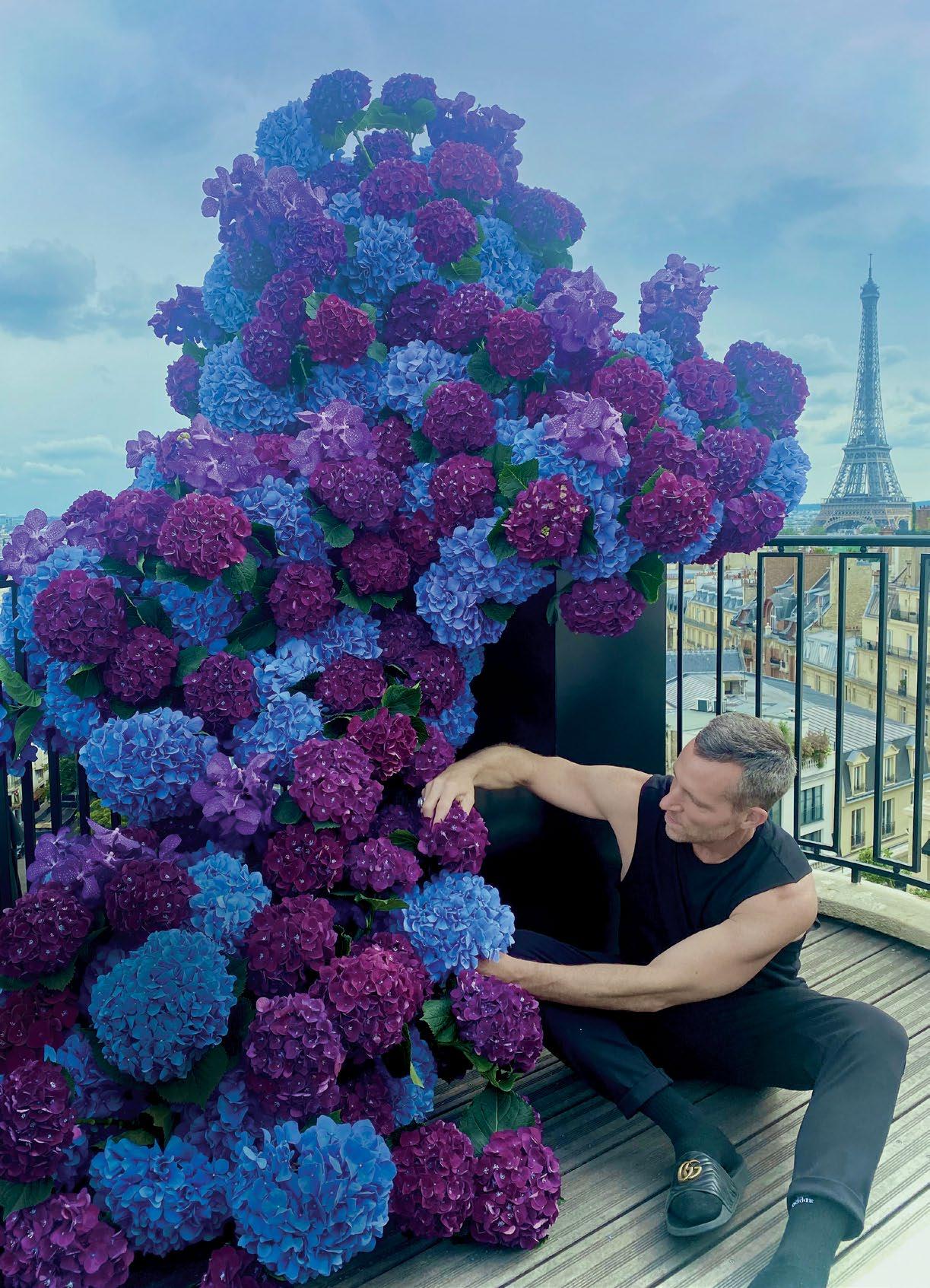
IN AUGUST, floral-design maestro Jeff Leatham (pictured) put the finishing touches on a cascade of vibrant hydrangeas on the balcony of the Penthouse at Four Seasons Hotel George V, Paris, where he oversees the property’s abundant arrangements. The hotel, in collaboration with French interior designer Pierre-Yves Rochon, has just completed a three-year renovation of its 243 guest accommodations, adding new light-filled suites and garden terraces and giving each space the feel of a Parisian pied-à-terre. —Degen Pener
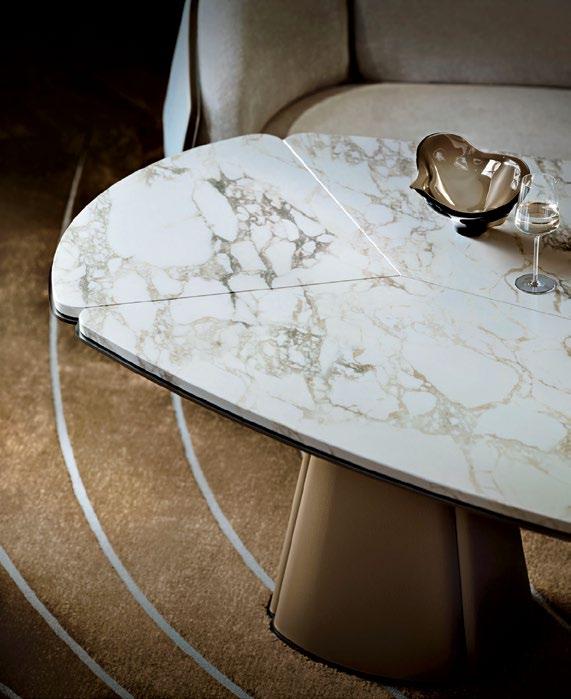
Designer Pierre-Yves Rochon and Italian furniture maker Giorgetti teamed up back in February to create custom oval tables for the two-Michelin-starred restaurant L’Orangerie at Four Seasons Hotel George V, Paris. Now the flower petal–inspired designs have given rise to a new Giorgetti collection, Floria (top left), of marble-topped tables with leather-covered bases.
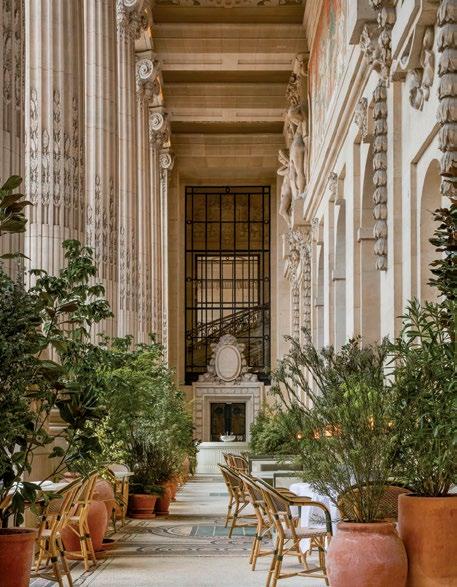
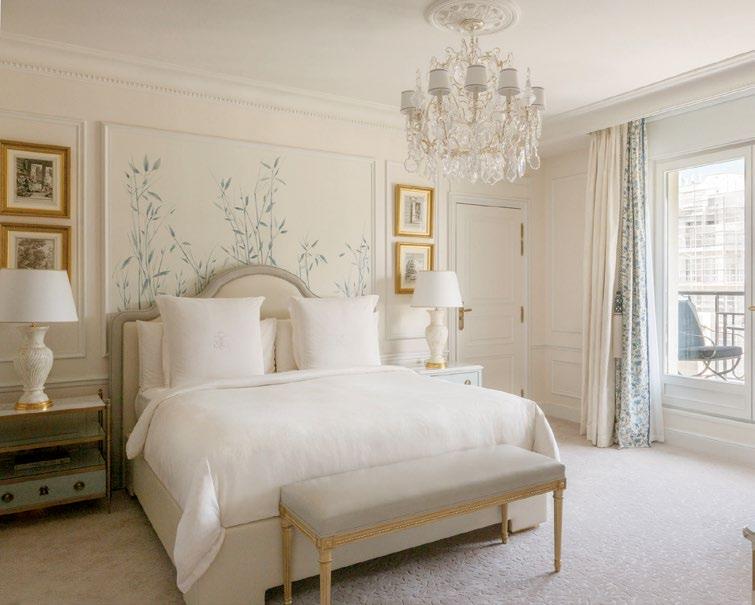
Earlier this year, at the recently restored Grand Palais museum in Paris, French architect and interior designer Joseph Dirand unveiled Le Grand Café (top right), which beckons guests with one of the most beautiful dining terraces in the city. Sit and savour steak tartare or a king crab with avocado salad while enjoying the views of the Petit Palais.
The redesigned Eiffel Parisian Suite (lower right) at Four Seasons Hotel George V, Paris, includes two verdant terraces and a marble fireplace. “We wanted to create authentic living spaces inspired by the elegance of Parisian apartments,” says the hotel’s general manager, Thibaut Drege, of the property’s renovation, which features classic Louis XVI–style furniture, 19th-century artworks, and contemporary accents.
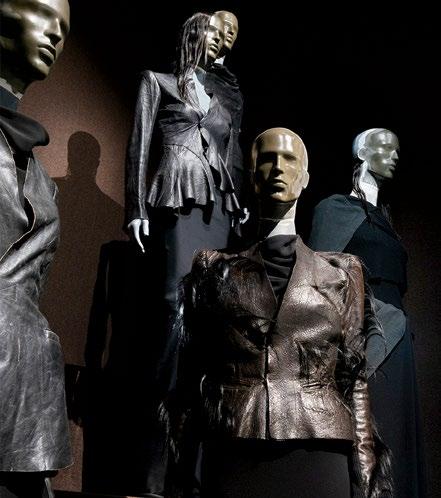
Known as the high priest of fashion’s avant-garde, Rick Owens is the subject of a stunning retrospective, Rick Owens: Temple of Love (lower left), at the Palais Galliera through January 4. The California-born, Paris-based designer, who is the exhibition’s artistic director, even extended his vision to the building’s façade, draping enormous statues in sequined fabric. —D.P.



3
4
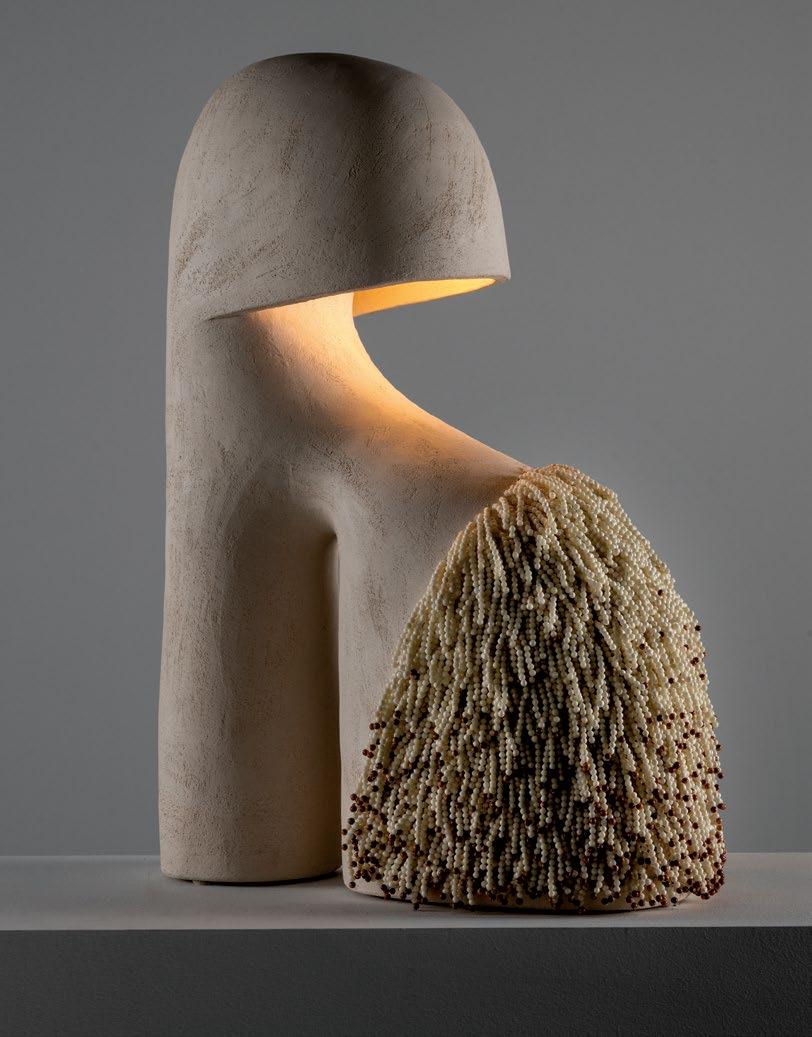
Doppia Firma—“double signature”—is an initiative of the nonprofit Fondazione Cologni that brings together international designers and artisans to create unique objets d’art. Among the recent collaborations is this Aigrette lamp, which marries French artist Elisa Uberti’s ceramic sculpture with delicate pearl-fringe embroidery produced by Raffaella Grasso of the Milanese atelier Pino Grasso Ricami. —Laurie Brookins
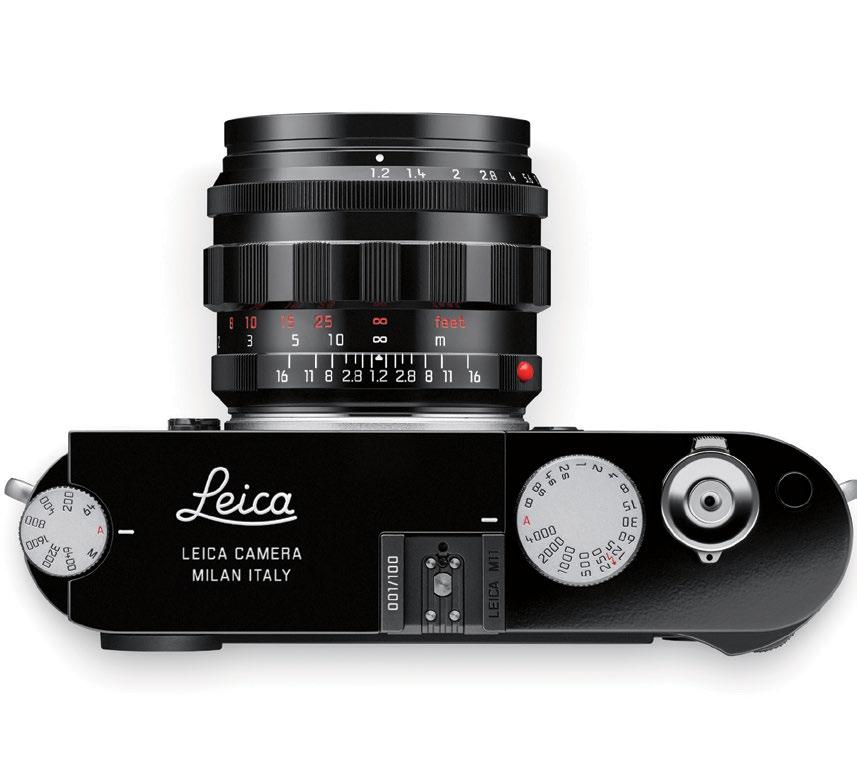
The German camera maker Leica—famed for its Bauhaus design, crisp shutter action, and outstanding lenses—has released six city-themed M11 “100 Years of Leica” models to commemorate its centennial this year. The series includes Milan (pictured), Dubai, New York, Wetzlar, Germany (Leica’s home), Shanghai, and Tokyo editions—each limited to 100 pieces and sold exclusively in those locales. —Laurie Kahle
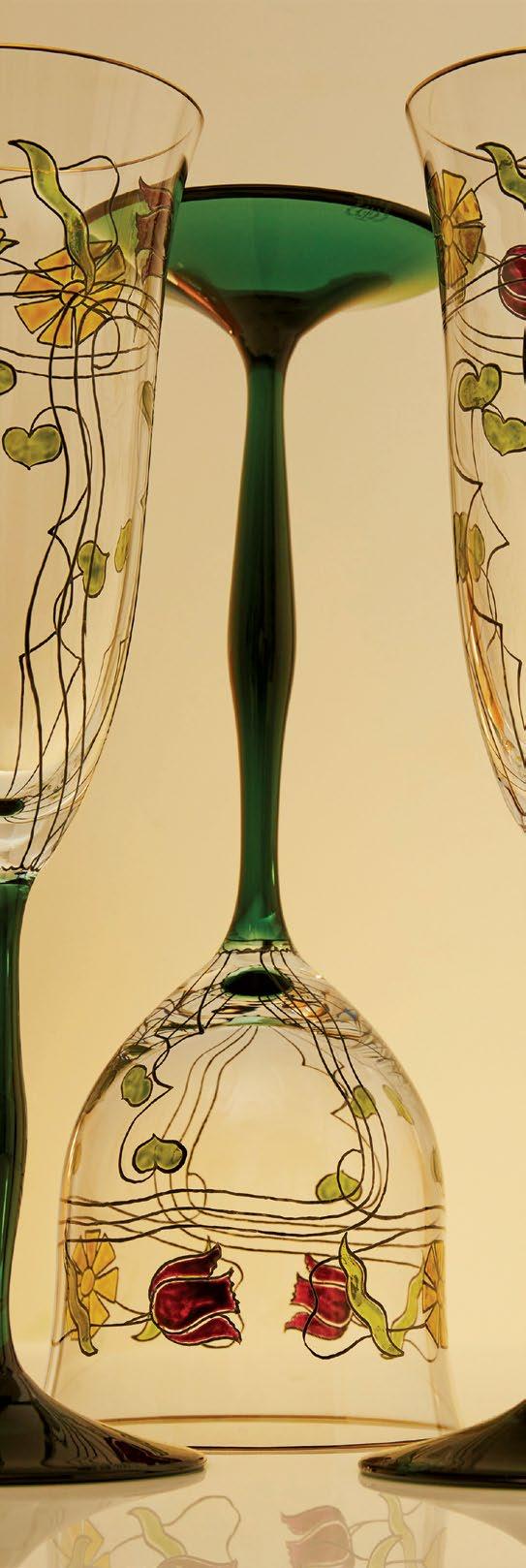
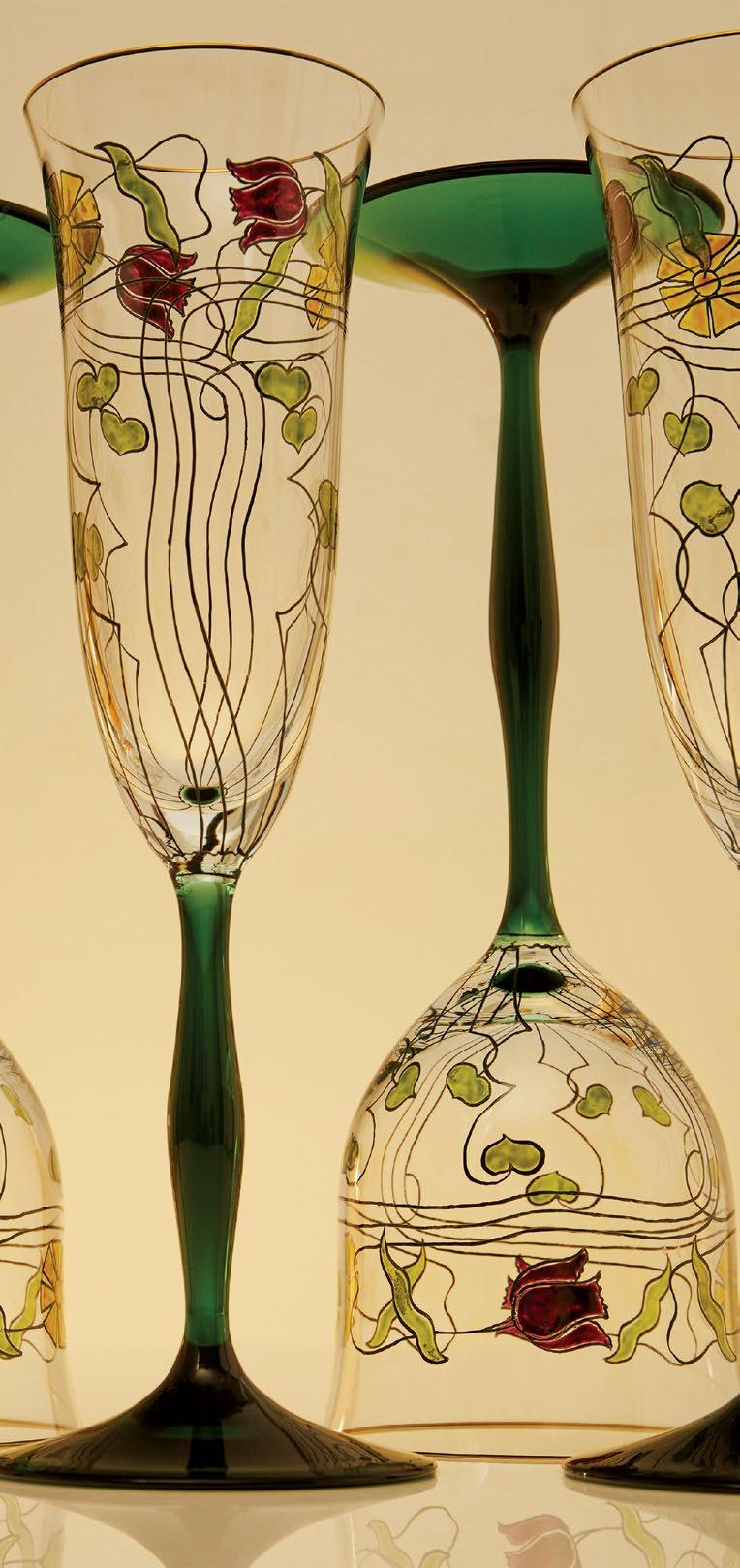
Crafted by the Theresienthal glassworks in Zwiesel, Germany, the Serenade collection of crystal glassware was originally designed in the Art Nouveau period. Founded in 1836, the Bavarian glassmaker has served generations of royal families, who have prized the delicacy of these mouthblown, hand-painted pieces. The Serenade line, including the flutes and glasses shown here, is available at Abask, the home-décor site. —L.B.
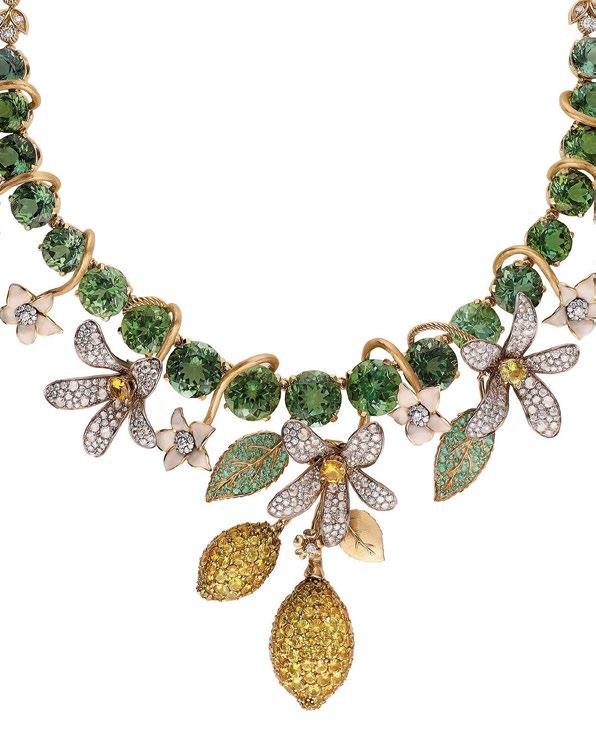
Sicily, home to San Domenico Palace, Taormina, a Four Seasons Hotel, is the perfect setting for citrus to flourish. In their latest Alta Gioielleria collection, Domenico Dolce and Stefano Gabbana celebrate the island’s lush fruit with designs like this limited-edition necklace of lemons and lemon blossoms rendered in tourmalines, sapphires, emeralds, diamonds, and a South Sea pearl, all set in yellow and white gold. —L.B.
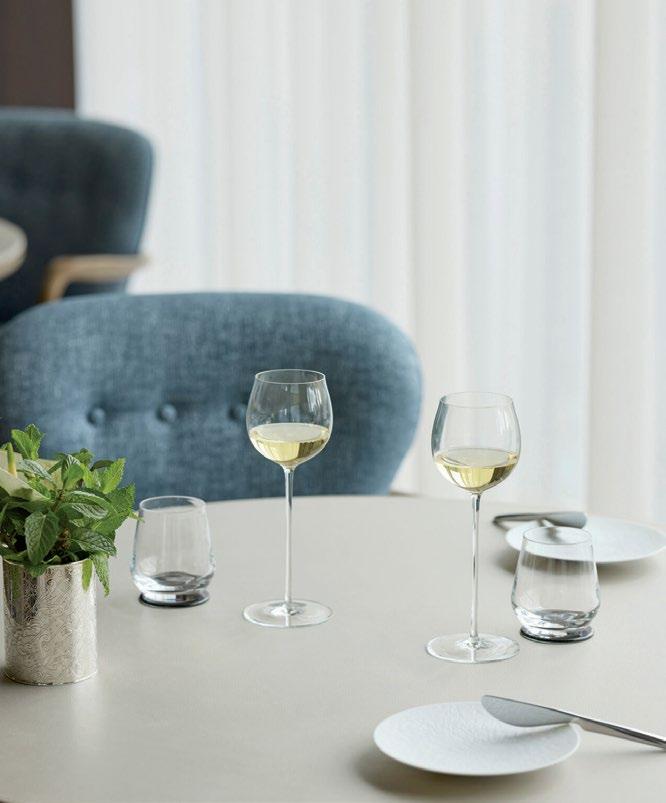
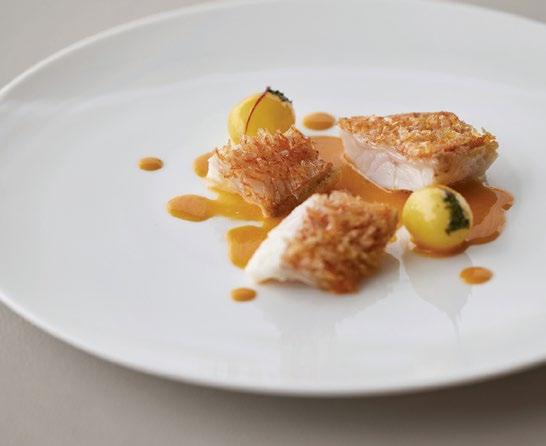
CHEF DANIEL CALVERT
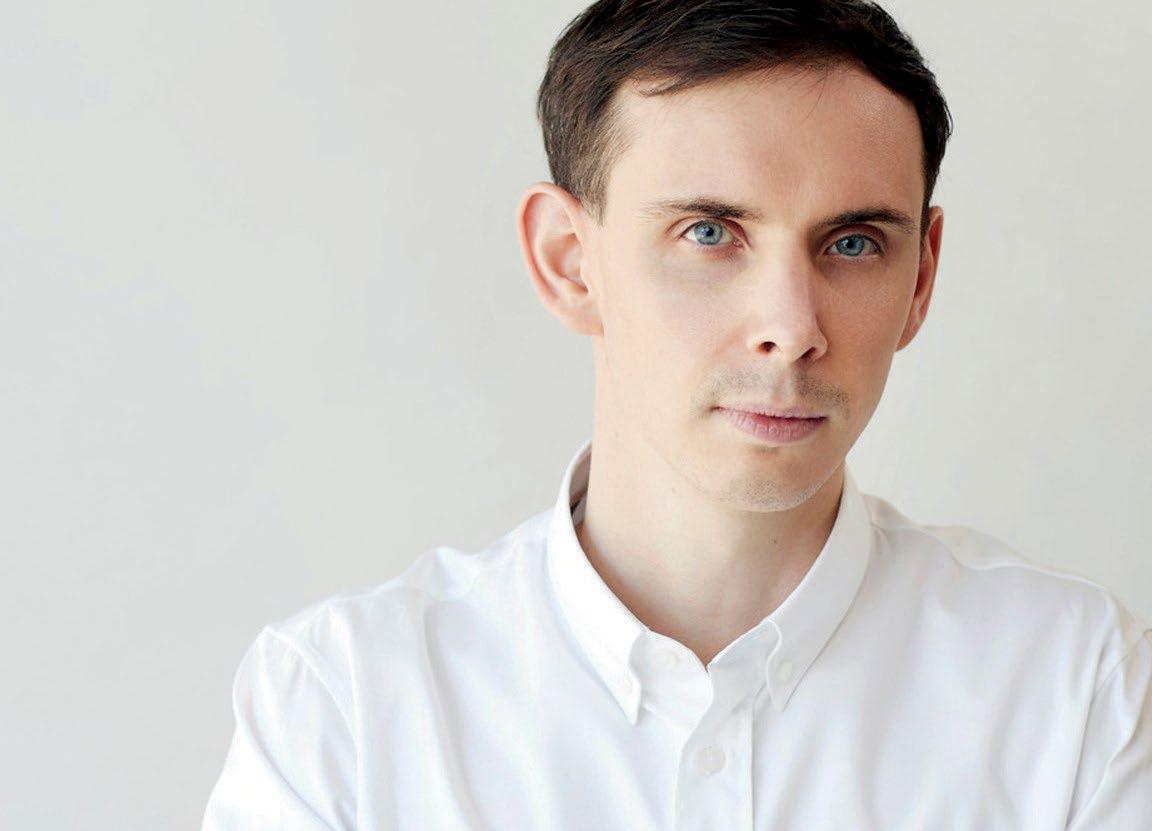
AT JUST 37 YEARS YOUNG, Daniel Calvert (top left) has amassed more accolades than most chefs would accrue in several lifetimes. After spending his formative years sharpening his talent under the tutelage of legends like Thomas Keller and Éric Fréchon, Calvert opened Sézanne within Four Seasons Hotel Tokyo at Marunouchi in 2021, cooking French cuisine with a spotlight on seasonal Japanese ingredients. Sézanne now holds three Michelin stars and recently clinched the seventh spot on the World’s 50 Best Restaurants 2025 list. We caught up with the celebrated chef for a taste of his approach to the culinary arts. —Brad Japhe
Congrats on Sézanne being named the seventh-best restaurant in the world. What does that mean to you personally? “I didn’t expect ever to get to the top 10. [But] I don’t really think about it, nor does it go [to] our heads. We come in the next day, we do our job, and we try to keep standards high, and that’s it.”
Is there a recent dish that diners particularly loved? “I mean, we do a lot of crazy stuff [with] beautiful, expensive ingredients, but when people say to me, ‘Wow, that corn soup that you served was amazing,’ that makes me feel like I’ve done my job.”
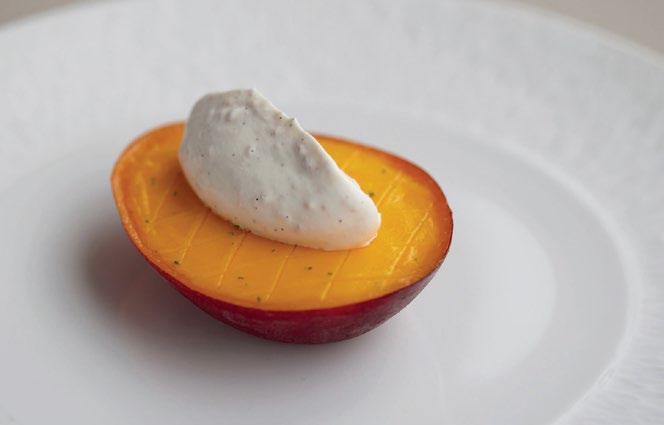
How often do your menus change? “Very often, because we go to the markets very often in Tokyo. The seasons move very quickly in Japan. It’s a very long country, just like Italy. So you kind of start the season down in the south, and you’re chasing the season all the way up to the north.”
What’s an exciting ingredient right now for you? “We’re just moving into matsutake mushroom season. Japanese people actually prize it more than a truffle.”
What do you like to cook at home for yourself? “Well, my wife cooks at home. She’s a one-pot wonder. I’m not allowed to cook—I make too much mess.”
How does luxury work its way into the equation at Sézanne? “To me, luxury is coming into the restaurant and having a team of people who are here cooking for you, to order, when you arrive. That’s why you go out for dinner, right?”
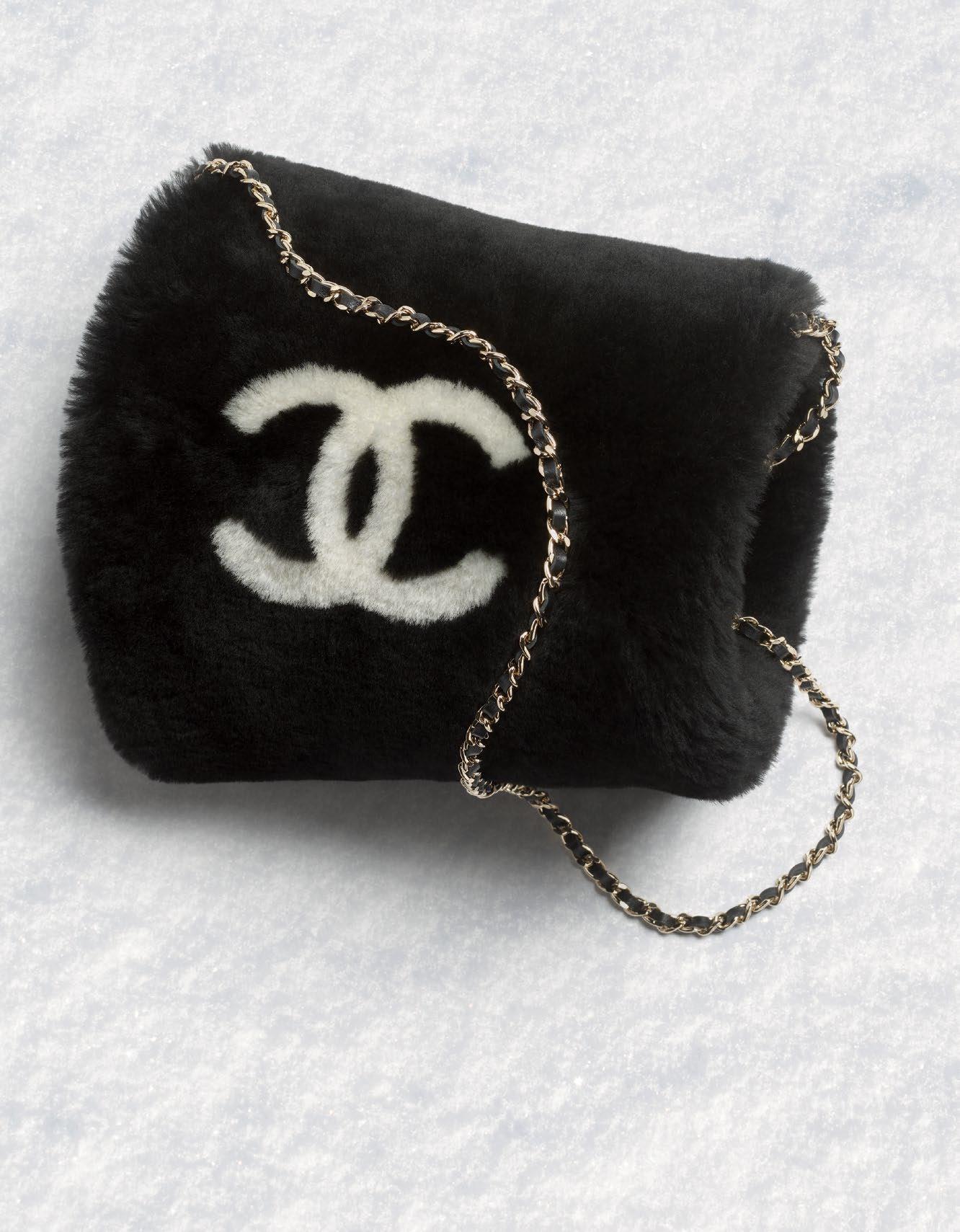
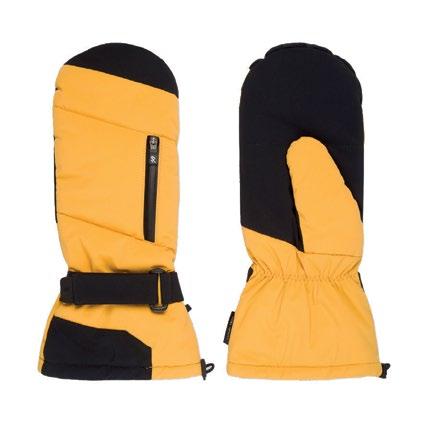
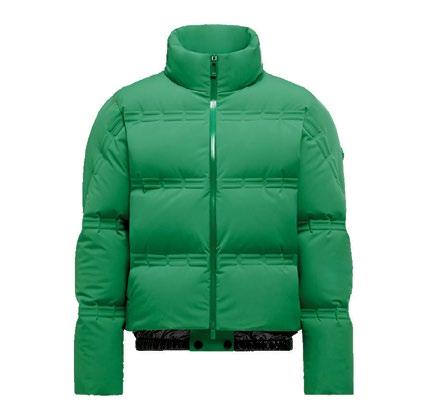
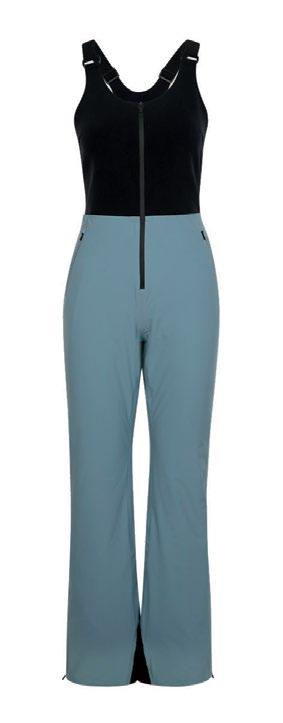
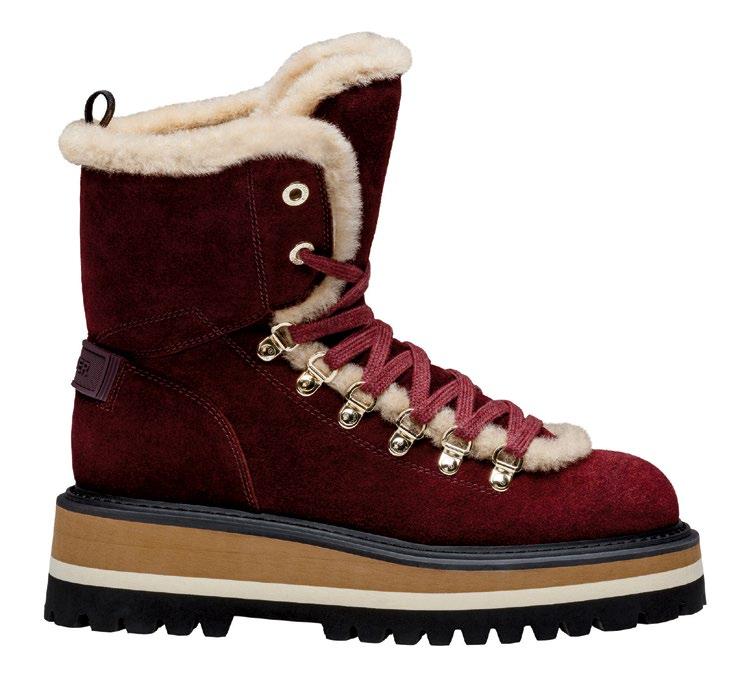
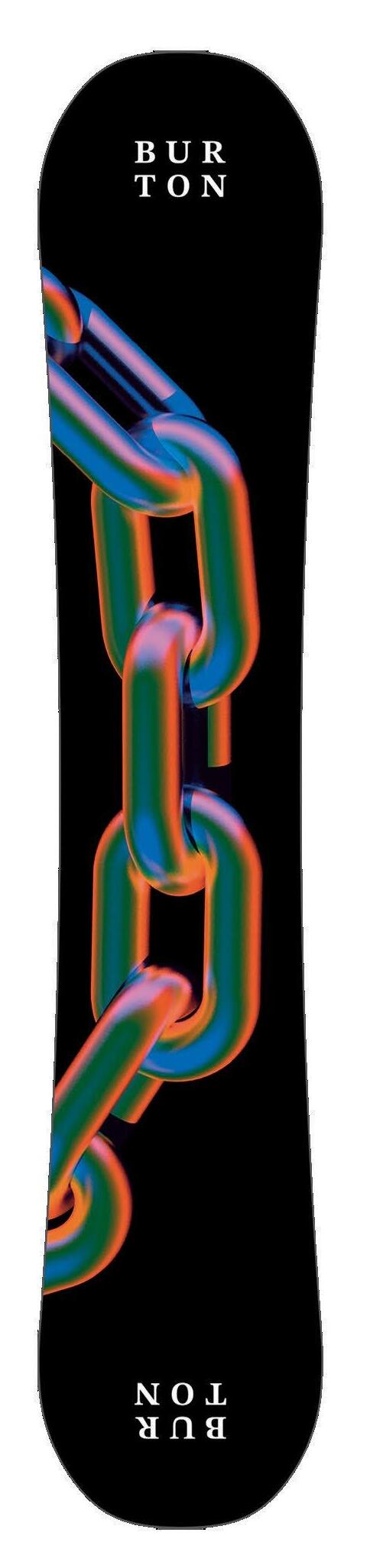
Now is the prime time to refresh that slope-to-chalet wardrobe with chic styles that feature streamlined silhouettes, pops of colour, and peak-performance materials. Then head to a Four Seasons Mountain Collection property—in Jackson Hole, Wyoming; Santa Fe, New Mexico; Vail, Colorado; Whistler, Canada; or Megève, France—to enjoy the powder. There’s even more to look forward to next season: The Park Gstaad will reopen as a Four Seasons Hotel in winter 2026–2027 after a full renovation of the iconic landmark. —Ingrid Schmidt

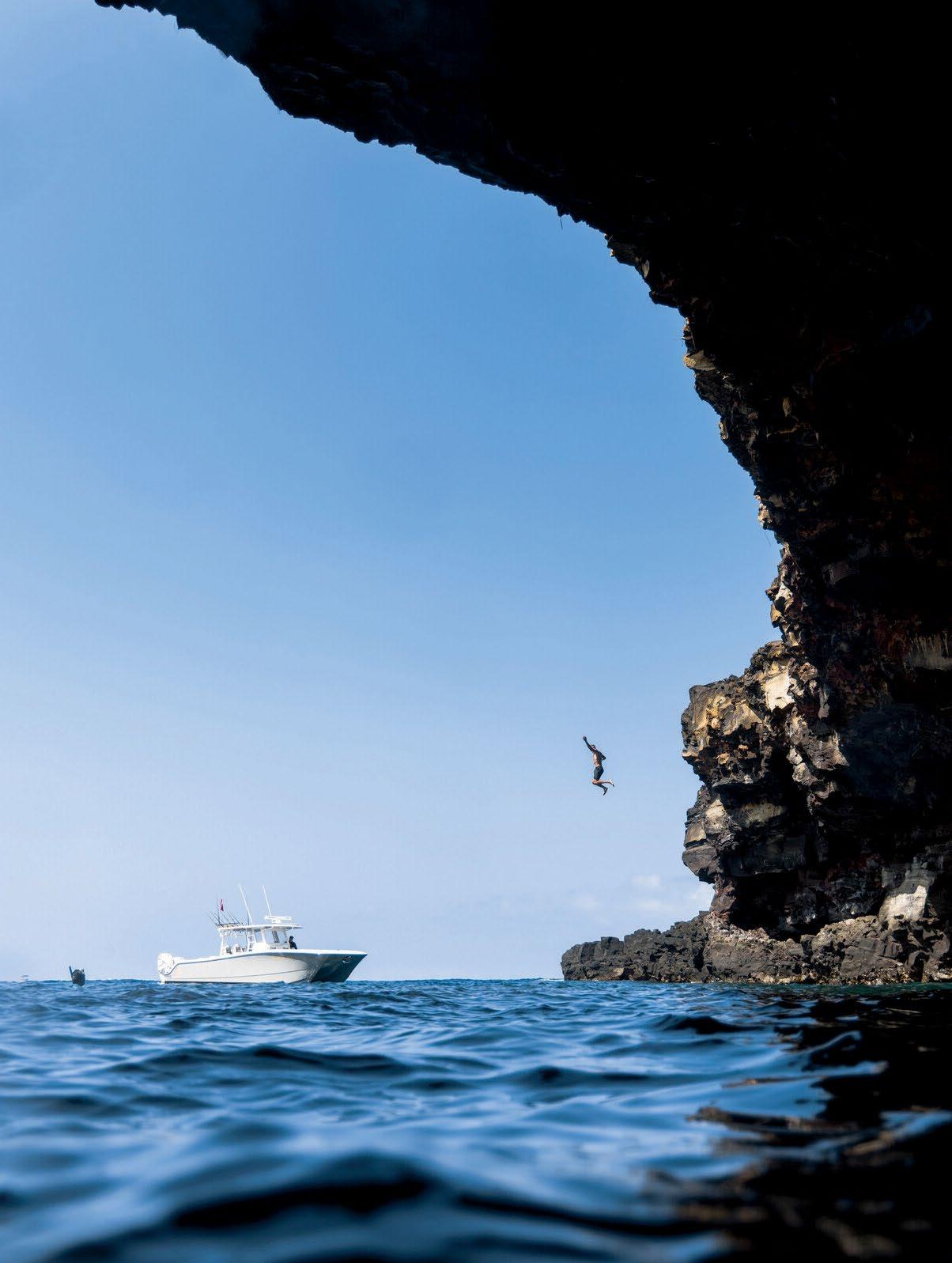
FIVE CAPTIVATING WAYS TO TAKE TO THE WATER AT FOUR SEASONS.
Four Seasons Explorer, Palau
There is simply no better way to experience the Micronesian island nation of Palau: Explore UNESCO World Heritage islands and stunning lagoons while spending nights aboard this intimate ship, home to 10 elegant staterooms and the luxurious Explorer Suite.
Ideal for: Those who love the outdoors and water sports as much as they love AC and high thread count.
2. FROM AIR TO WATER
Four Seasons Resort, Bora Bora
All arriving guests are escorted from the local airport directly to an awaiting 1920s-inspired Andreyale for a breathtaking 15-minute transfer to the resort.
The 39-foot yacht can also be booked for sunset cruises.
Ideal for: Guests who are eager to be up close with Tahiti’s legendary turquoise waters after a long day of travel.
Four Seasons Hotel Prague
The Vltava River flows through the heart of the Czech Republic’s capital, making a private boat ride—especially on a charming wooden vessel captained by a guide carrying Prosecco or mulled wine and hot chocolate, depending on the weather—an ideal way to experience the city’s most romantic landmarks in unforgettable style.
Ideal for: Couples looking for a guided experience without the tour group.
Four Seasons Resort Hualalai
Guests visiting the Big Island and seeking fun for the whole family will want to consider chartering Alaka‘i Nui (pictured), the resort’s 46-foot luxury catamaran. Customizable experiences include beach-hopping voyages and whale-watching tours.
Ideal for: Groups with a range of interests and abilities. Guests can participate in water activities, like snorkeling or deep-sea fishing, or simply relax on the boat.
Four Seasons Hotel Austin
A trip to Texas Hill Country wouldn’t be complete without a visit to one of the many lakes in the region. In Austin, guests can rent a vintage-style electric boat, in retro colours like mint green and bubblegum pink, to cruise Lady Bird Lake. Cooler and Bluetooth speaker included.
Ideal for: Fun seekers and vibe chasers. (To captain, guests must be at least 21 years old.)
—Fan Winston


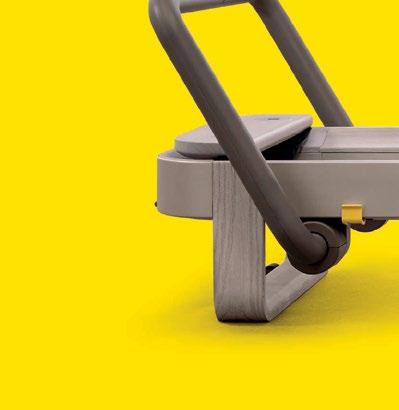




Design meets performance to offer an unparalleled Pilates experience developed with top instructors from around the world. Whether at home or in studios, Technogym Reform offers smooth, fluid movements and seamless training. Unlock exclusive on-demand workouts on the Technogym App.

Call (646) 578-8001 (US)
+44 20 3907 5000 (UK)
+39 0547 650111 (Rest of the world) or visit technogym.com


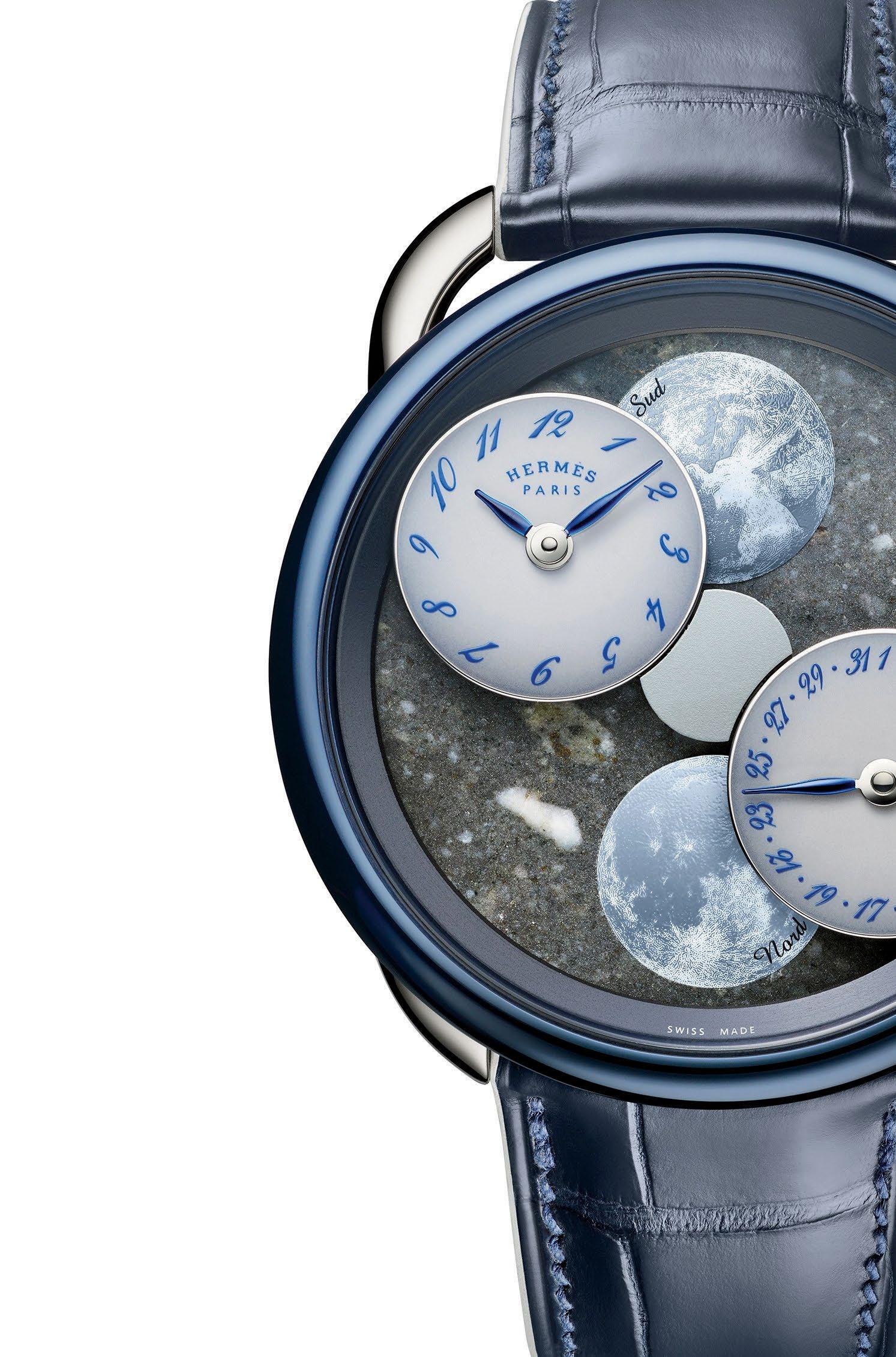
LUC LABENNE TRAVELS THE WORLD IN SEARCH OF SPACE ROCKS THAT ARE INCREASINGLY COVETED WITHIN THE LUXURY ORBIT.
Luc Labenne (pictured) has designed quite the adventurous life for himself, from tooling around North Africa on his Suzuki DR 600 motorcycle to trekking across deserts in Chile and Oman, all in search of his next big find. Just don’t ask him where he’s headed next.
“Too many people might follow right behind me,” Labenne explains.
The Paris-based Labenne is known in luxury circles as “the meteorite hunter,” a career that has attracted clients that include Hermès, Cartier, Boucheron, and the independent watchmaker Louis Moinet. Though he trained as a physician, Labenne has loved geology and astronomy since he was a teenager. He eventually succumbed to the allure of searching for meteorites (typically alloys of nickel and iron) that originate in outer space as meteors before reaching the Earth’s surface.
Upon discovering a meteorite—Labenne uses a metal detector but prefers not to go into detail about his methods— he catalogues its GPS position and other details; back home, he’ll analyze the rock with his spectrometer. If the results are promising, he’ll send the rock to one of the labs he works with to determine where it originated. The most valuable meteorites are officially classified as either lunar or Martian.
“When I sell it, classification is necessary,” he says.
Lunar or Martian meteorites are fetching ever-higher prices these days. In July at Sotheby’s New York, a 54-pound Martian meteorite —“the largest piece of Mars on Earth,” as the auction house advertised it—sold for a record-breaking $5.3 million, well above its estimate of $2 million to $4 million.
The meteorites Labenne finds are typically much smaller, though still prized by collectors and luxury-goods companies, including watch brands that transform slices of meteorite into distinctive dials. Hermès sourced meteorites from Labenne for its latest Arceau L’Heure de la Lune (shown), a limited-edition timepiece that features two rotating discs depicting the surface of the moon. —Laurie Brookinsahle


THE OLD-SCHOOL MORGAN PLUS FOUR BLENDS BRITISH HERITAGE WITH CONTEMPORARY PERFORMANCE.
The Morgan Plus Four sports car is a timeless expression of British craftsmanship. Hand-built in Malvern, England, with an aluminum-covered ash wood frame, the automobile (now available for the first time in the States) has an unmistakable silhouette that harks back to the company’s Morgan 4/4, introduced in 1936. Modern enhancements include a high-end Sennheiser audio system and a 2.0-liter BMW-sourced engine, as well as an eight-speed automatic transmission. —Degen Pener
YOUR PASSPORT TO A SEASON OF JOY: NINE WAYS TO CELEBRATE THE HOLIDAYS FOUR SEASONS STYLE.
CHRISTMAS MARKETS
Four Seasons Resort Marrakech: Wander through the property’s seasonal Festive Market, where handcrafted goods abound.
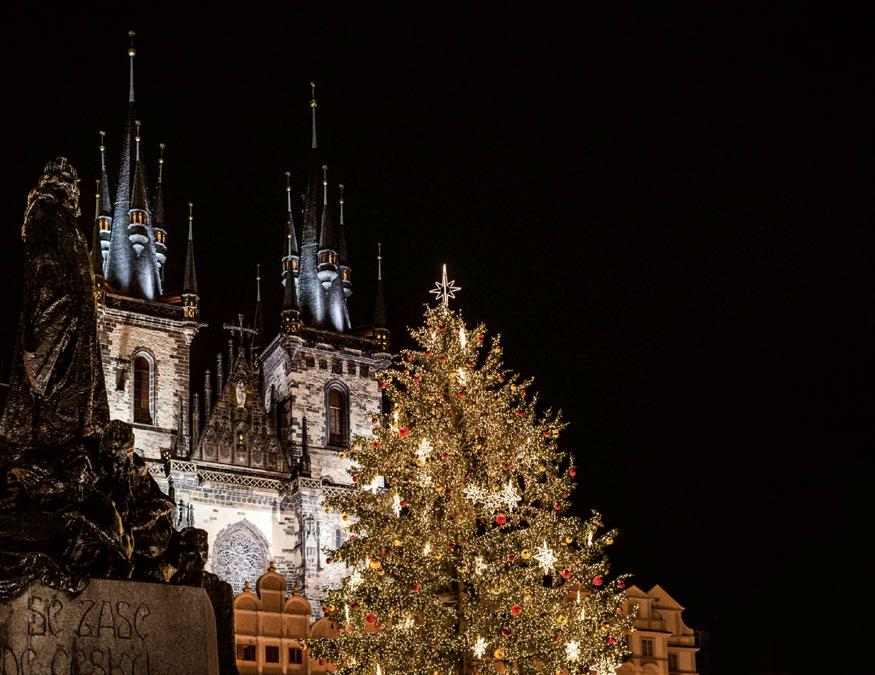
Four Seasons Hotel Prague: Let the hotel whisk you away on a private tour of the city’s Old Town Square Christmas Market. Then indulge in the hotel’s Dior Afternoon Tea at the Gallery lounge.
Four Seasons Hotel Minneapolis: Take the season to new heights with European-inspired Christmas market pop-ups on the rooftop, followed by dining in heated, Nordic-style cabins.
FESTIVE DINING
Four Seasons Hotel Nashville: Roving singers spread cheer from table to table at the Festive Carolers Dinner, and Santa makes an entrance at the Christmas Day Brunch, where guests can get creative with gingerbread house decorating.
Four Seasons Hotel London at Park Lane: Enjoy the elegant holiday decorations and special menus at the French-inspired Michelinstarred Pavyllon London, helmed by chef Yannick Alléno.
Four Seasons Resort Sharm El Sheikh: Guests are invited to savour culinary journeys, from starlit Levantine buffets and intimate Italian dinners to vibrant Latin American brunches, all with live entertainment.
NEW TRADITIONS
Four Seasons Hotel Chicago: At Teddy Bear Tea, kids can build their own teddy bears and enjoy afternoon tea and treats.
Four Seasons Resort Koh Samui: Create unforgettable moments with the resort’s cozy in-villa experiences—think decorating cupcakes alongside the pastry team, crafting island-inspired ornaments, and unwinding during spa time designed for parents and kids alike.
Four Seasons Hotel Guangzhou: After exploring the hotel’s life-size gingerbread house, head to the 70th floor to sip afternoon tea and fashion a personalized mini Christmas tree. —D.P.
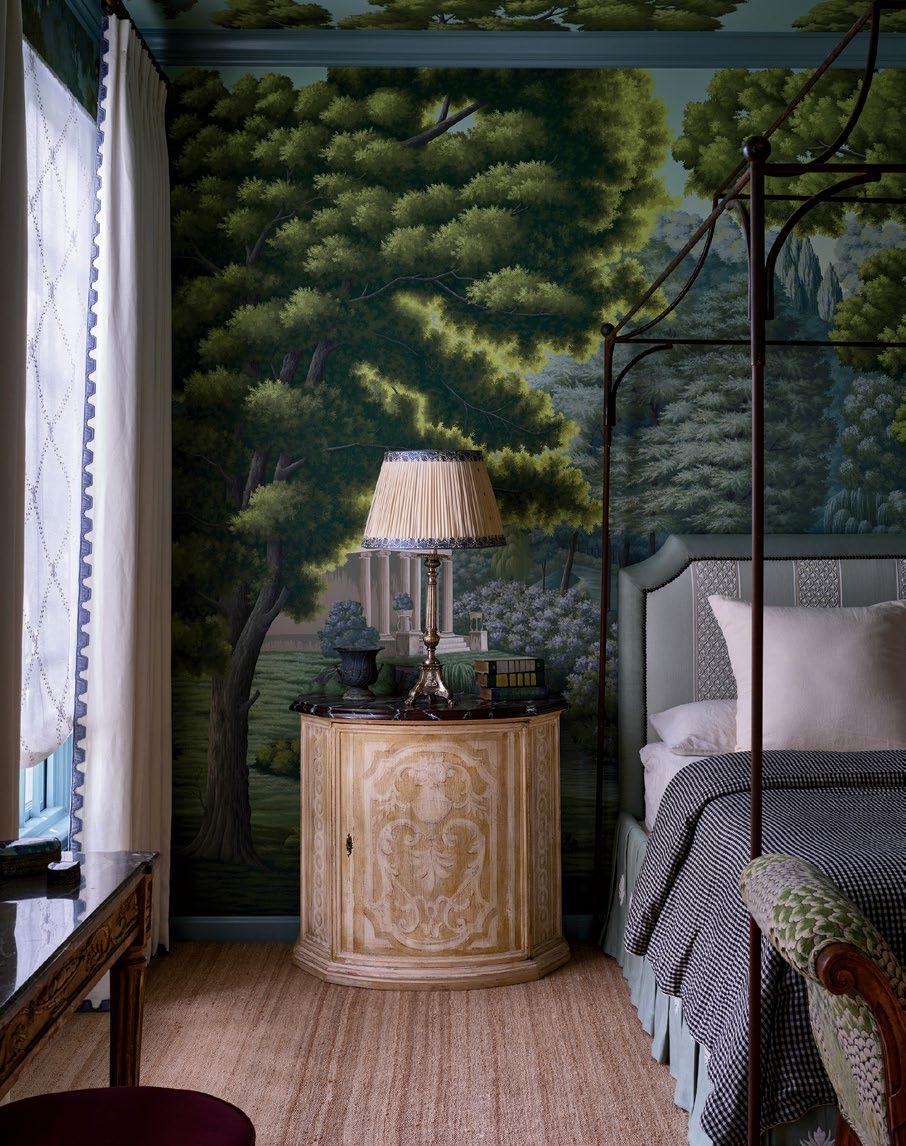
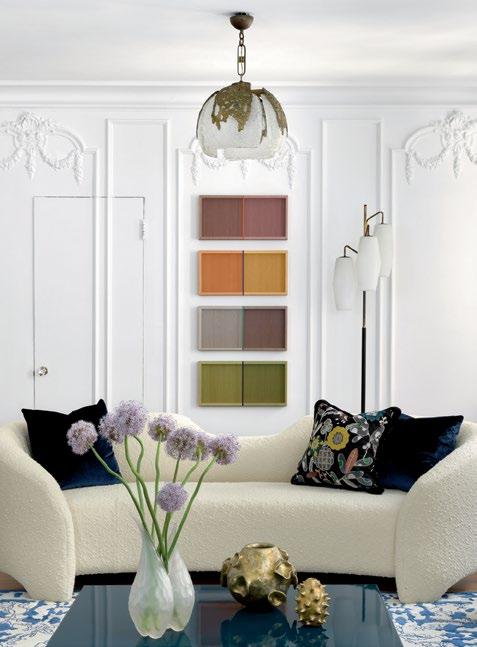
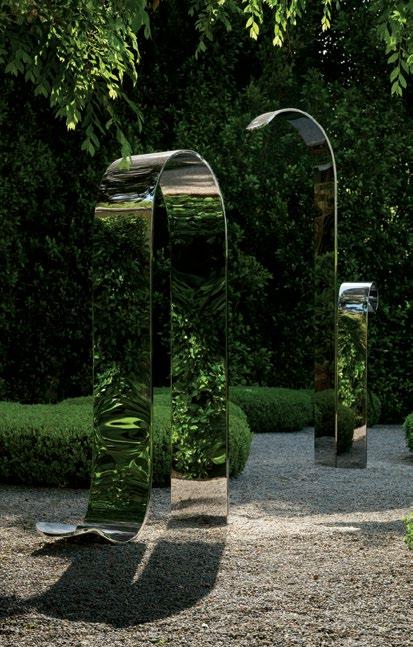
THE MOST EXCLUSIVE DESIGN SHOWROOMS IN LOS ANGELES ARE INSIDE PRIVATE RESIDENCES.
WHAT DESIGN AFICIONADO hasn’t admired the wallpaper, furniture, or cabinetry in someone else’s home? Often, there’s an undeniable appeal to seeing the articles in situ rather than in a showroom.
“It’s a lot less clinical,” says interior designer Nina Takesh, who used furniture from her recently released eponymous collection to stage a home in the hills of Los Angeles.
Little wonder, then, that some of L.A.’s most elevated showrooms have roosted inside residences. Three years ago, the Future Perfect, a collectible furniture and accessories emporium, settled into the Samuel Goldwyn house, a neoclassical estate that doubles as the home of the company’s founder, David Alhadeff. Furniture designer Kimberly Denman and business partner Laurent Rebuffel spotlight Denman’s compelling designs in a sprawling apartment at the Talmadge, an elegant Renaissance Revival building in Koreatown. Interior designer Trip Haenisch has reimagined a small bungalow (formerly his office) as Galerie 658, a showcase for vintage décor. “It allows clients to understand how different pieces fit together,” Haenisch says.
Other appointment-only spaces ensconced in private homes around town include hand-painted wallpaper maker De Gournay’s pied-à-terre in the Hollywood Hills; Stroll Garden, which recently presented a show of ceramic works by Diana “Didi” Rojas at a Spanish-style residence in the Hollywood Hills; and Una Malan’s intimate Una Casa Privada, located above the Sunset Strip, featuring furniture, lighting, and textiles. “It’s my personal stage,” says Malan. The house, as they say, always wins. —Abigail Stone


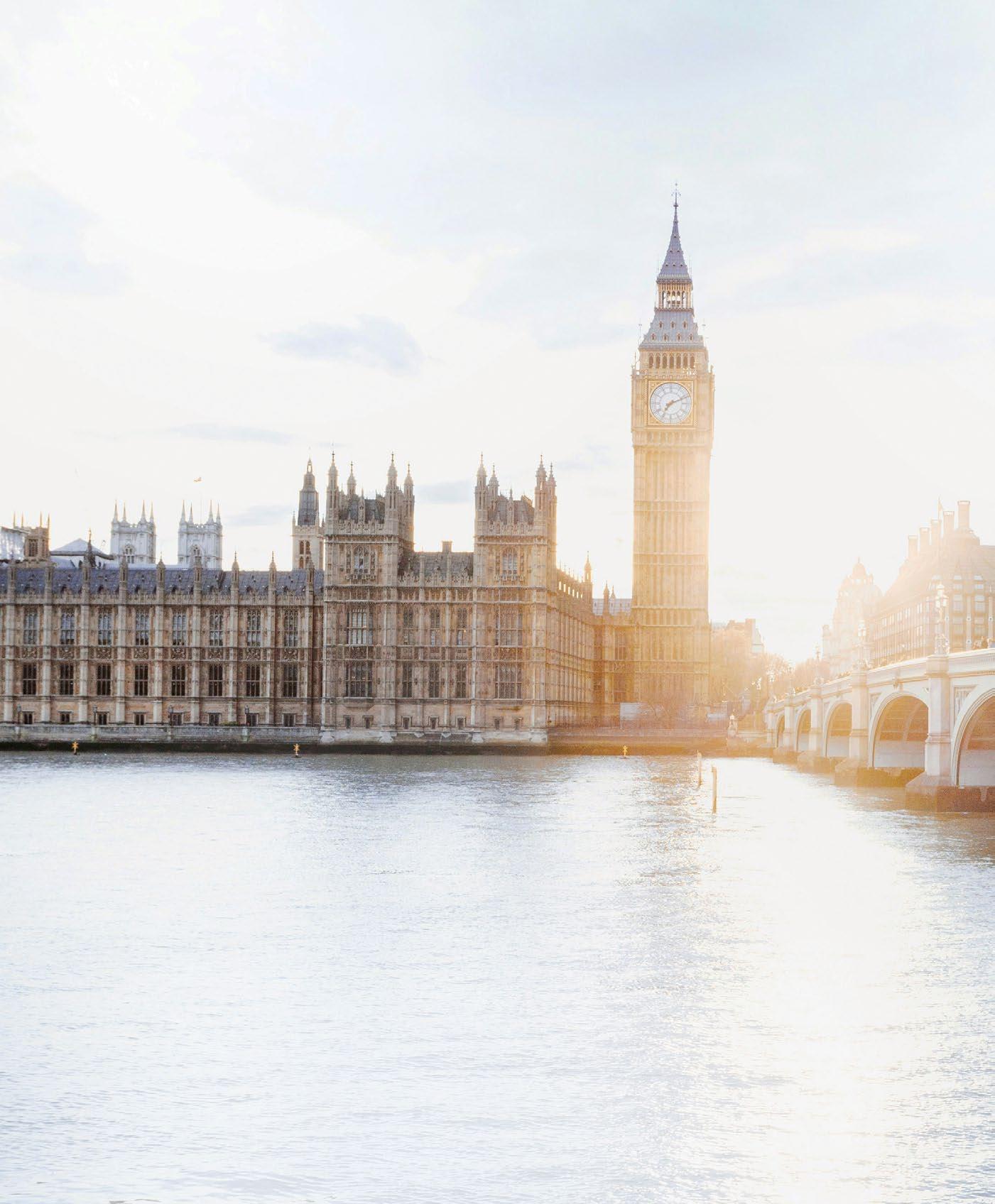
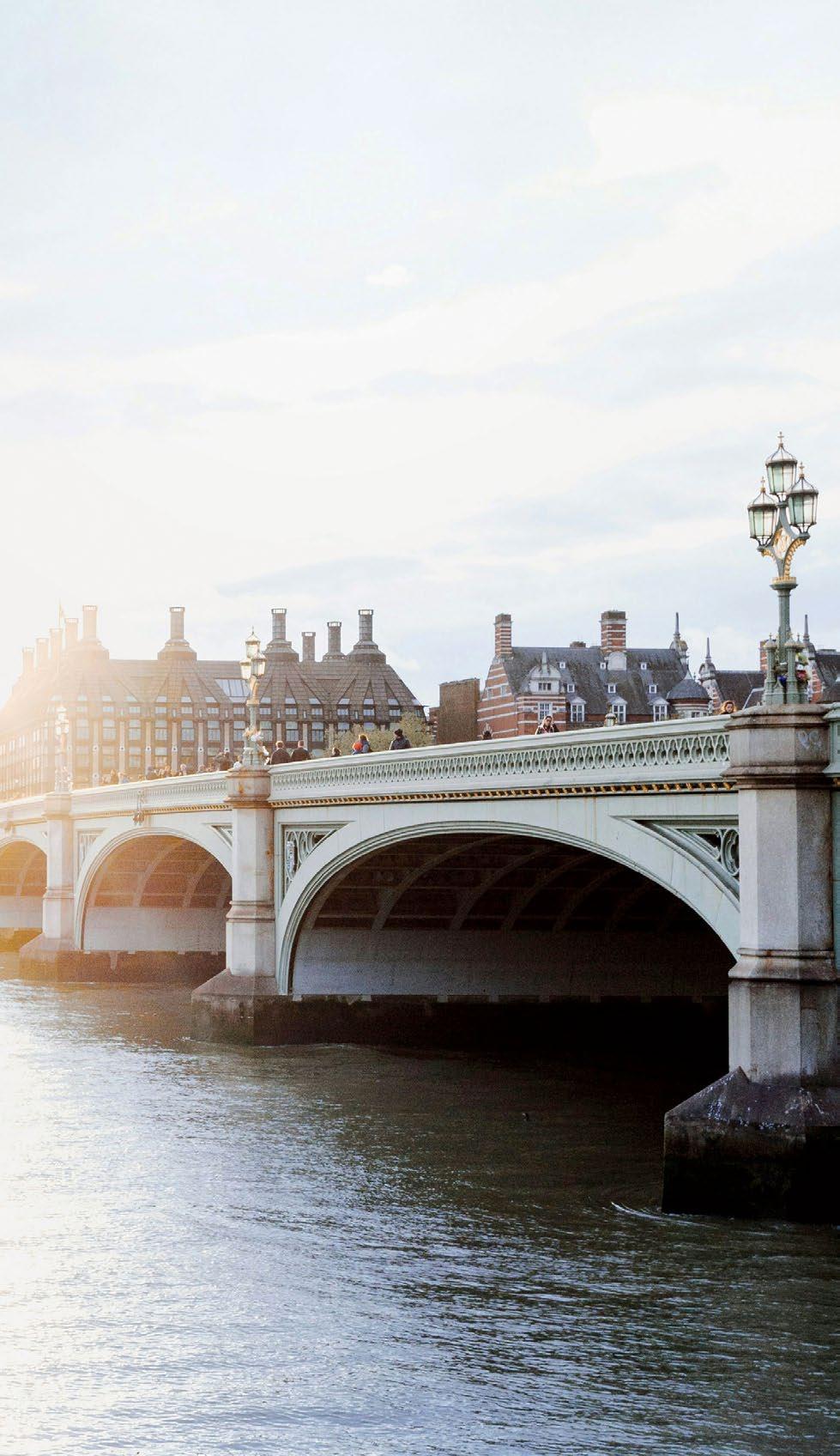
PARIS’S CLEANUP OF THE SEINE dominated headlines in the run-up to the 2024 Olympic Games, and now an equally ambitious restoration is underway on London’s historic River Thames—this one powered by a network of “citizen scientists.”
The UK environmental charity Thames21 trains community members who live along the Thames to conduct water-quality testing and categorize trash they find on the river’s banks. Since 2017, its Big Wet Wipe Count program has mobilized volunteers to collect 142,000 wet wipes—most of which contain plastic and don’t biodegrade—from in and around the Thames.
“With the help of amazing volunteers and citizen scientists, we gather a vast amount of data on everything from river invertebrates to river blocking barriers. This data helps us identify problem areas and lobby for change for the benefit of people and wildlife,” says Liz Gyekye, communications manager at Thames21, which has been pressing the UK government to implement a plan to ban wet wipes that contain plastic.
In 1957, the River Thames was declared “biologically dead” following decades of pollution from sewage, garbage, and industrial waste. Nowadays, it’s a livable habitat for an estimated 115 species of fish, from sea bass to flounder.
The mayor of London has pledged to make the city’s waterways swimmable by 2034, and the water utility company Thames Water is investing more than $2.4 billion over five years to upgrade its systems to reduce sewage overflow into the river.
But there’s still much more work to do. Recent water-quality data collected by Thames21 and other groups reveals high levels of potentially harmful bacteria like E. coli coming off a record-high year for sewage spills.
The ongoing Thames restoration is just one example of how citizen science can help catalyze ecological restoration at scale. Head to databases like citsci.org or scistarter.org to learn how to contribute to valuable science in your area— no master’s degree required. “You don’t need a science background to take part,” Gyekye says. “Everybody can do it.” —Emma Loewe
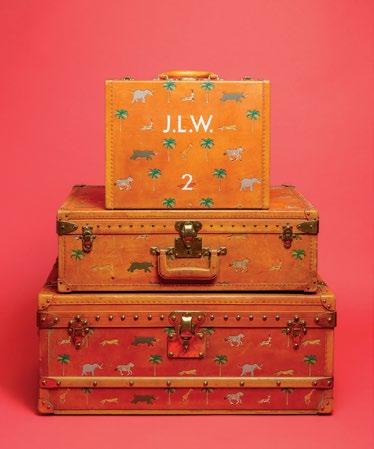
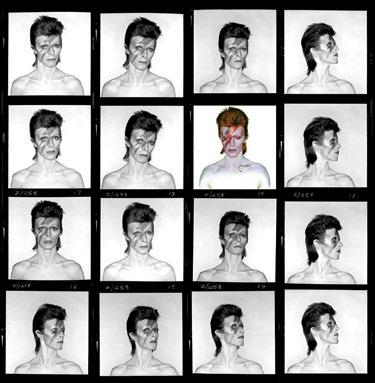
This fall, London welcomes two unmissable museum openings—one unveiling the legacy of a musical superstar, the other celebrating the vision of one of cinema’s most stylish directors.
DAVID BOWIE CENTRE Located inside the new V&A East Storehouse, the centre is now the permanent home of the iconoclastic singer’s archive, comprising more than 90,000 items— from his own desk to lyrics, diaries, costumes, and musical instruments. “Balancing storage with stagecraft, the centre is an intimate space to explore Bowie’s life, work, and legacy, offering a deeply personal insight into Bowie’s world,” says lead curator Madeleine Haddon. Visitors can even make appointments to view items that are in storage through the museum’s innovative “Order an Object” service.
WES ANDERSON: THE ARCHIVES Opening November 21 and running through July 26, 2026, at the Design Museum, this is the first major museum exhibition focused on the work of visionary director Wes Anderson. Featuring handwritten notebooks, storyboards, costumes, and props—such as suitcases (above) from The Darjeeling Limited—the show builds on the exhibit’s debut at La Cinémathèque Française with more than 100 additional objects on view.
—Degen Pener
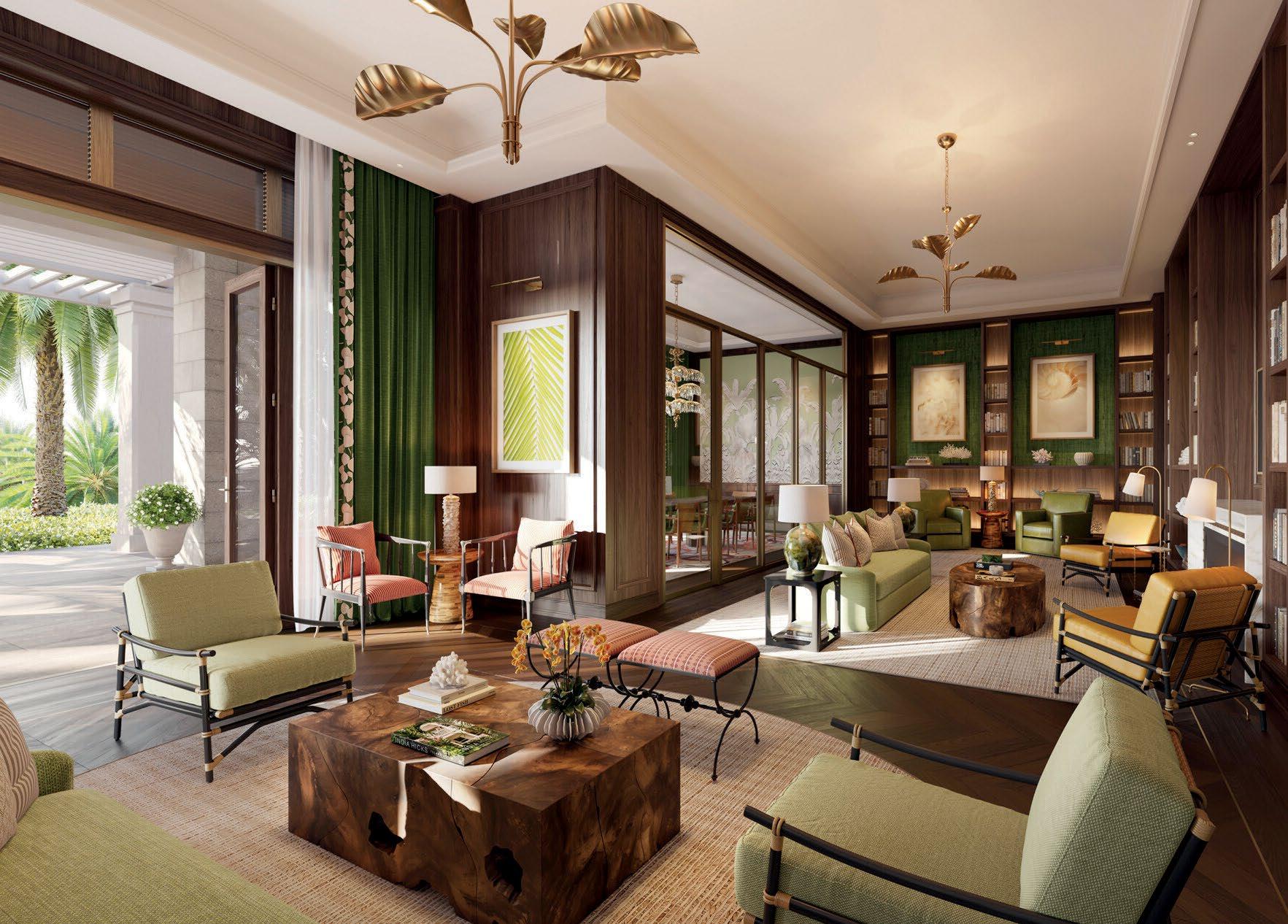
FOUR SEASONS PRIVATE RESIDENCES CELEBRATES
40 YEARS OF SETTING THE GLOBAL STANDARD IN LUXURY DESIGN AND THOUGHTFUL SERVICE.
MODERN DESIGN ROOTED in craftsmanship and heritage. Ultra-personalized service. A sense of serenity. These are just some of the things that homeowners expect when they move into a Four Seasons Private Residence. It’s an enticing recipe that has been refined over 40 years, and it continues to be elevated with new ingredients.
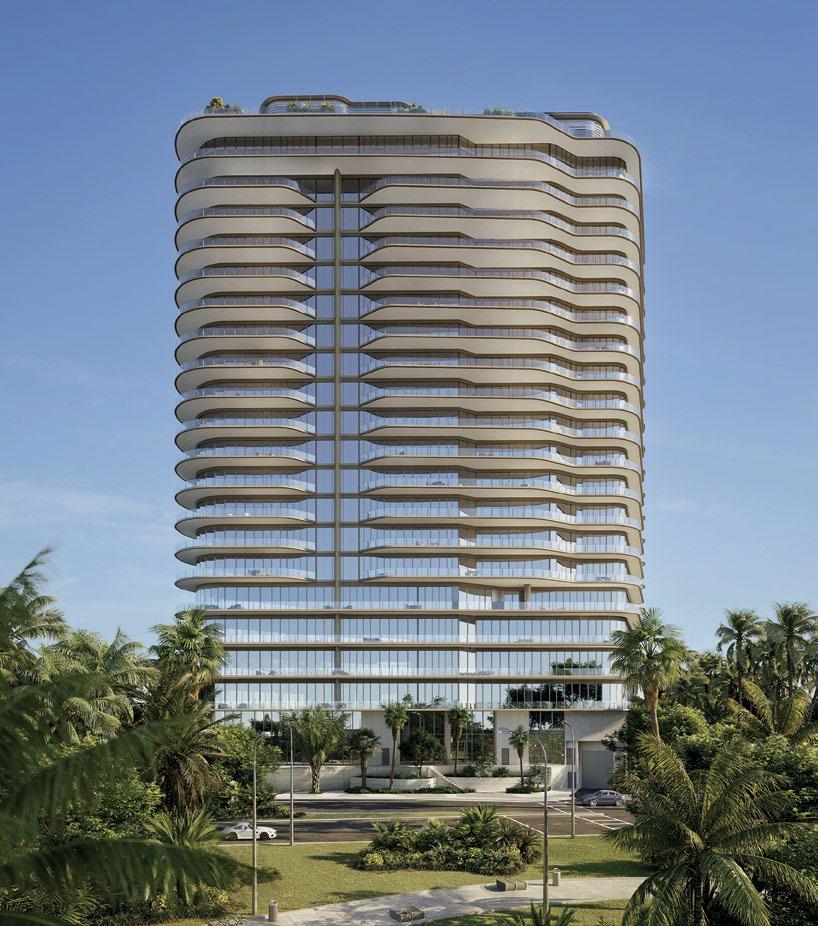
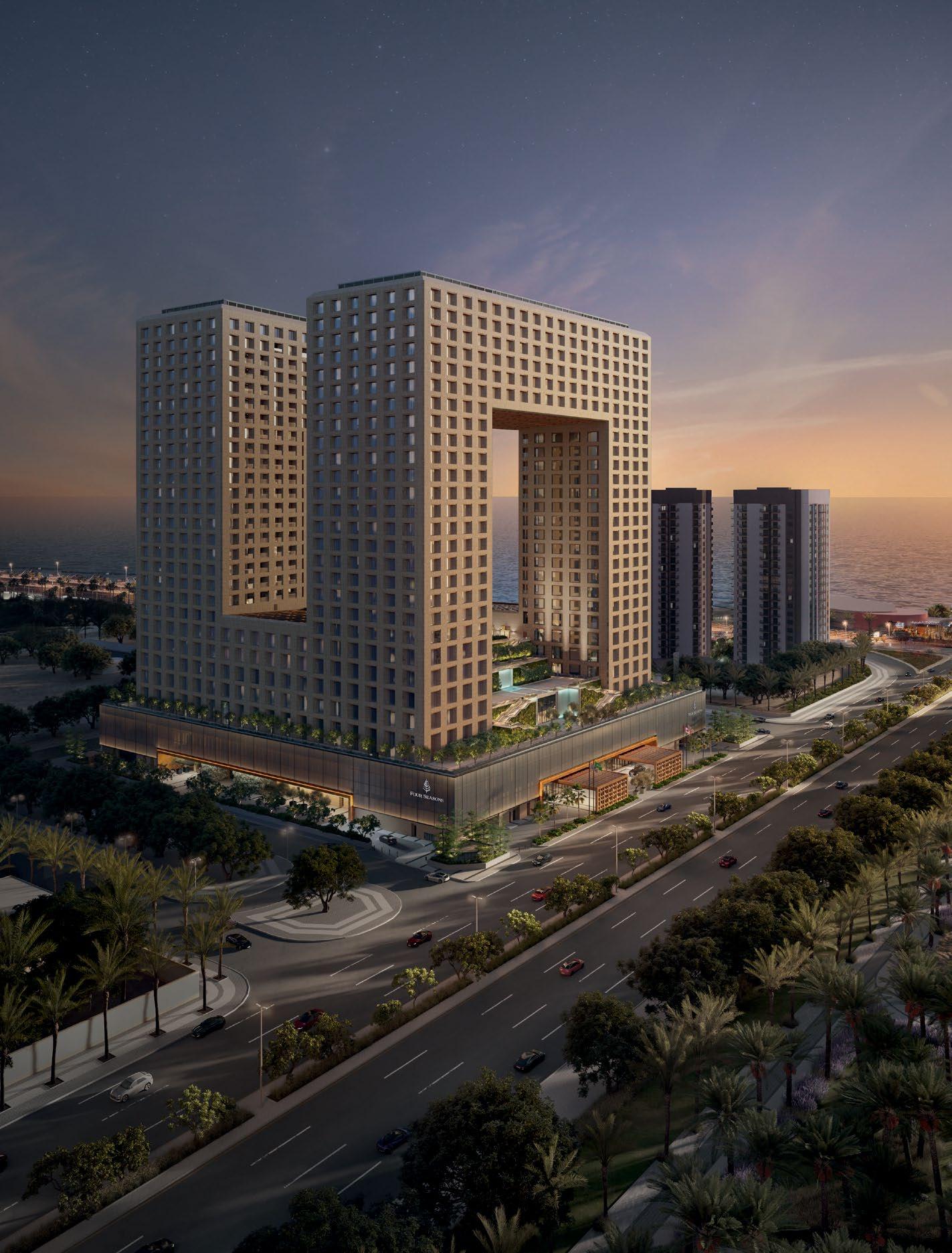
This year marks four decades since the first Private Residence opened at Four Seasons Hotel Boston. In that time, Four Seasons has evolved not only as a place to vacation, but also as a permanent residence, making it possible to dive into beach life on Punta Mita’s Pacific shores, live in an iconic heritage building in the heart of Madrid, or connect with Bangkok’s effervescent energy on the banks of the Chao Phraya River. “With every Four Seasons Private Residence, we set out to create the pinnacle of refined living,” says Chris Meredith, group head of residential at Four Seasons. There are now 57 Private Residences in operation globally, with more in development in destinations as diverse as Istanbul, the Bahamas, Las Vegas, and Dubai.
Wherever residents choose to live, Four Seasons focuses on creating a connection to each destination. At the newly opened Four Seasons Private Residences Bahrain Bay (see page 127),
design details include mother-of-pearl inlay crafted by local artisans in honour of Bahrain’s rich pearling history. “Each pattern was selected to create a sense of continuity between the island’s past and the contemporary design language of the residences,” says the project’s designer, Nicolas Roux, founder of Rive Gauche London.
Glenn Rescalvo, partner and lead architect at Handel Architects, has collaborated with Four Seasons on three Private Residences addresses, including Four Seasons Private Residences San Francisco, 706 Mission (see page 126). While each project is unique, there’s a unifying, highly elevated design ethos, Rescalvo says. “From the moment of arrival [on property] to the intimacy of entering one’s home, we craft a seamless journey through spaces that are thoughtfully curated,” he says. “It’s not just about form or function, but about evoking emotion.”
That carries over to the warmth conveyed by Four Seasons team members across the world. “What Four Seasons does differently is deliver customized service, provided by engaged people,” says Carolina Angarita, regional director of residences, based at Four Seasons Hotel at The Surf Club, Surfside, Florida. “At a residential building, the door will be opened by someone who knows your name, your dog’s name, and even your dog’s favourite treat,” she says.
With each new address, Four Seasons builds on its 40-year legacy, creating places where creativity, culture, and community come together in a truly timeless way. —Nicola Chilton
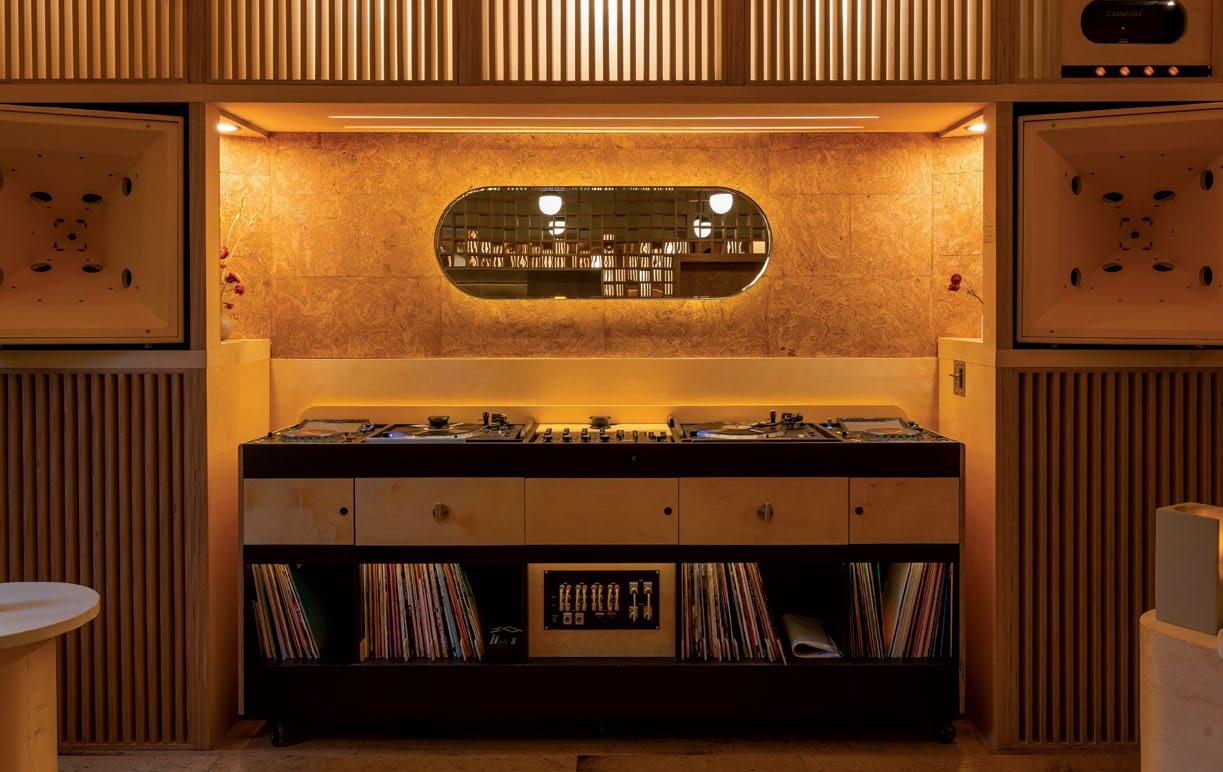
AT LISTENING BARS AROUND THE WORLD, THOUGHTFULLY CURATED BAR MENUS AND VINYL COLLECTIONS MAKE FOR A PERFECT PAIRING.
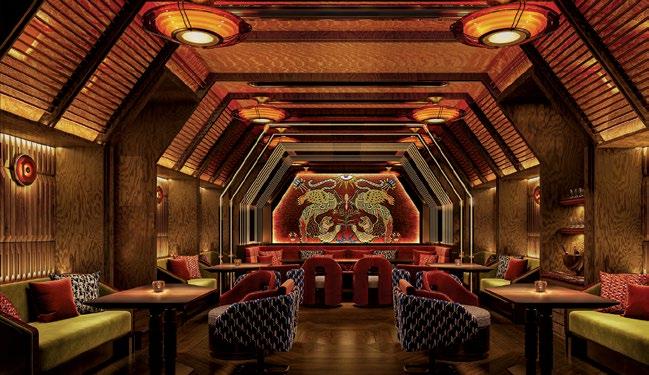
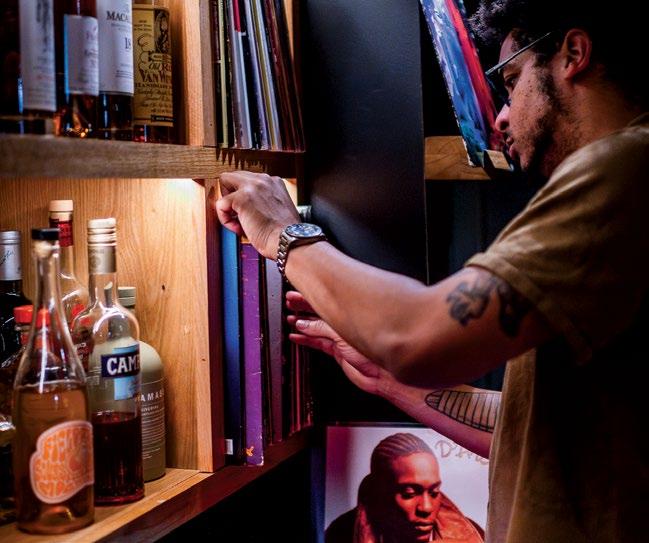
HAVING ORIGINATED primarily in Japan decades ago, listening bars combining cocktails, vinyl, and high-quality sound systems are now a worldwide phenomenon. Here are six spots to start your journey into the deeply satisfying sphere of vinyl and mixology.
—Beau Hayhoe
Brooklyn, New York
It’s a delight to pore over the menu at Eavesdrop (top), where drinks range from a rotating milk punch to a timeless 50/50 martini. The bar’s managing partner, Nick Stropko, says listening bars are “raising awareness of the transformative power of great sound, which is something anyone can benefit from.”
London
At this intimate haven, which pays homage to 1950s Japanese listening rooms, award-winning mixologist Angelos Bafas curates a menu that leans on the finest whiskies and spirits from across the globe (Japanese whisky very much included).
Al Maryah Island, Abu Dhabi Beverage Director Marco Corallo leads a cocktail program that pairs seamlessly with a refined hi-fi listening concept.
Guests step into the space (center left)— replete with a bespoke audio system—via an atelier selling Japanese lifestyle products and thoughtfully curated vinyl. The bar opens in November at Four Seasons Hotel Abu Dhabi at Al Maryah Island.
Tokyo
Spincoaster is a fine tribute to Japan’s listening-bar tradition, with packed wooden shelves displaying an enticing array of vinyl.
Los Angeles
What happens when a record collector’s fever dream meets the impossibly hip stylings of a vintage-style West Coast cocktail bar? Near perfection at this spot, where the menu highlights classic three-ingredient cocktails.
Washington, D.C.
“Record players demand presence—you can’t just hit ‘play’ and walk away,” says Will Patton, managing partner of Press Club (bottom left), where the menu is modeled after a record’s A and B sides. Try the Day ‘N’ Nite with reposado tequila, coffee, Madeira, and Japanese black sugar. The rich reposado nicely cuts through the elegant dark fruit of the Madeira and the bitter-yet-sweet coffee notes. n

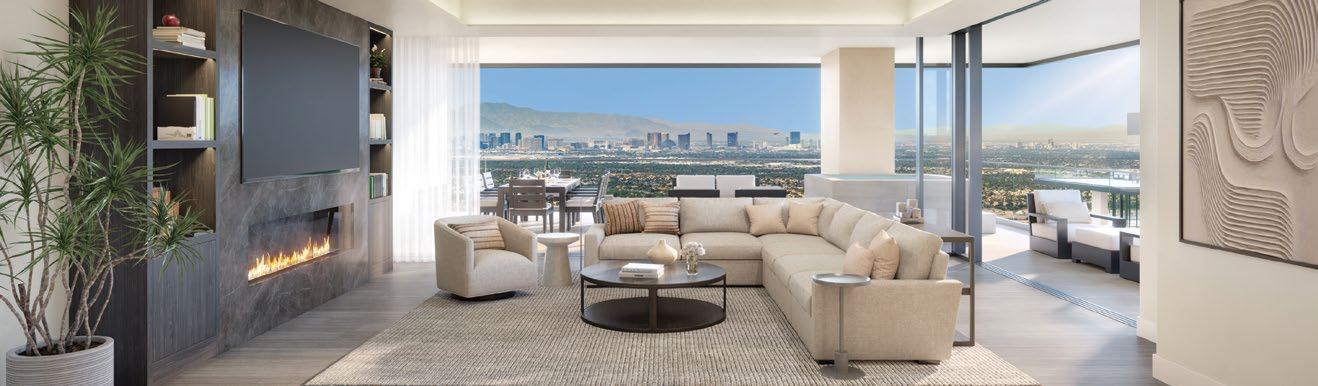
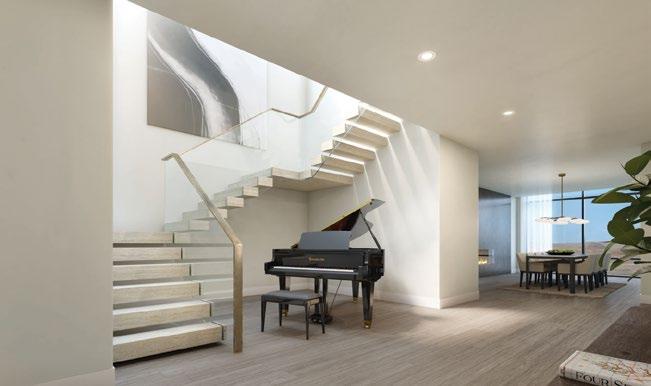
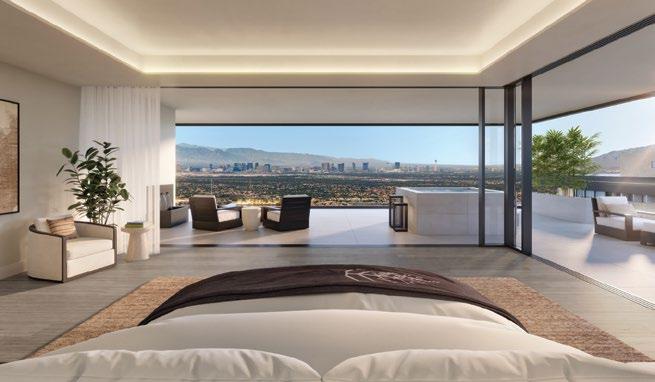
Introducing our two-story Sky Villa. With 8 bedrooms and over 10,000 square feet of indoor and outdoor living space, this is the most sought-after home at Four Seasons Private Residences Las Vegas. Upon entering the foyer with its grand staircase it is easy to forget you took an elevator to get here; this gracious home has generous room volumes and ceiling heights with extraordinary finishes and bespoke details. The views of the Las Vegas Strip and Valley are breathtaking. And the Four Seasons lifestyle here features over 90,000 square feet of amenities with 5-star services as well as a signature Wolfgang Puck restaurant and food & beverage program.
“Travel is integral to my design work. It expands my perspectives,” says Alonso Rojas.
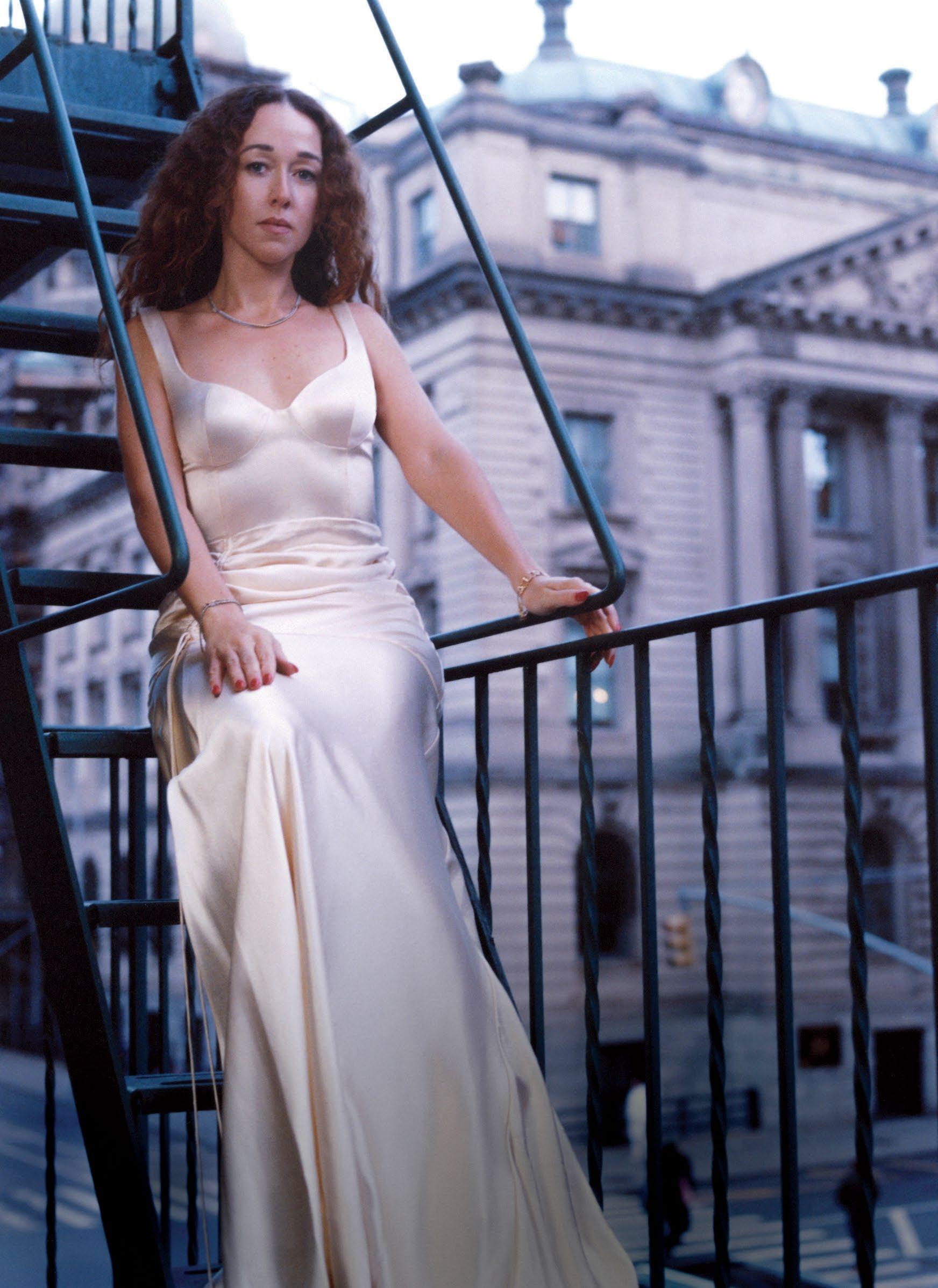
KNOWN FOR HER BEAUTIFUL KNITWEAR AND NATURAL DYEING TECHNIQUES, THE FASHION DESIGNER REVEALS THE SPOTS SHE CHERISHES IN THE CITY WHERE SHE WAS RAISED.
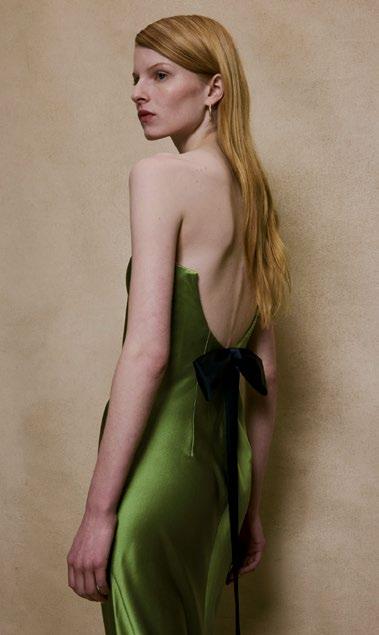
ALEJANDRA ALONSO ROJAS WEAVES a global heartbeat into all of her designs. Born in Madrid, she trained at some of the world’s most prestigious design schools, including London’s Central Saint Martins and New York’s Parsons School of Design, before opening her eponymous studio in Manhattan. “The landscapes, culture, and energy of Spain breathe life into my work. Artists like Dalí and Picasso inspire the vibrant colours and emotional depth in my creations,” says Alonso Rojas, who also celebrates the women in her family for instilling in her an appreciation for handcraft, from leather and knitwear to fine Camariñas lace.
Here, she discusses essential things to do in Madrid, which will always remain a favourite destination. —Laurie Brookins
SHOPPING “I recommend the Malasaña and Chueca districts for unique boutiques and artisanal shops. The Barrio de Salamanca offers luxury shopping [that] feels more personal compared to typical tourist spots. El Rastro is a very special place where you can find true antique gems.”
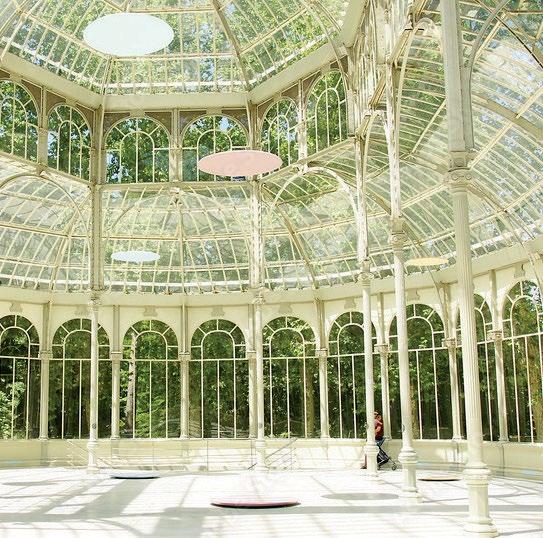
EL RETIRO PARK “Its lush greenery and tranquil atmosphere offer a peaceful retreat from the city bustle, inspiring a sense of calm and reflection. The beauty of nature boosts my creative energy.”
MUSEO NACIONAL THYSSENBORNEMISZA “[It] features an impressive collection of paintings from the Renaissance to the modern era, showcased in a stylish former palace. Some favourites [of mine] include SelfPortrait Wearing a Hat and Two Chains, one of Rembrandt’s finest self-portraits, and The Annunciation Diptych by Jan van Eyck.”
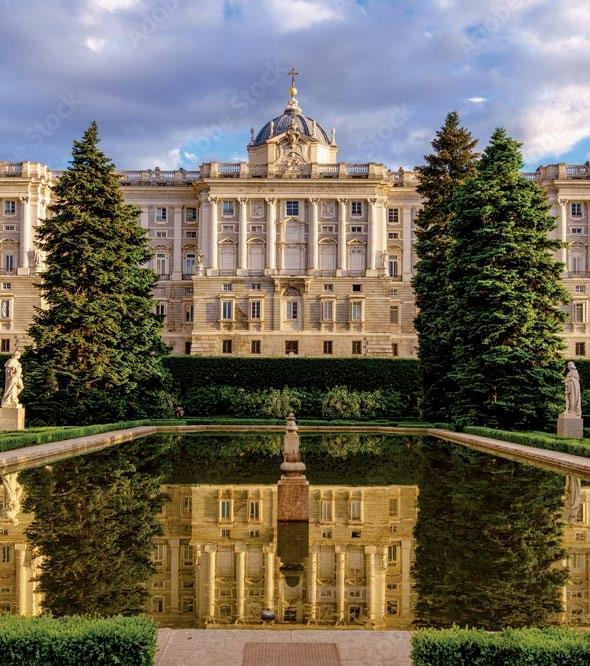
CAFÉ DE ORIENTE “The view of the Royal Palace enhances a serene morning coffee. It’s an ideal spot for contemplation and inspiration. Other good [casual] spots around the city are La Cueva de 1900, Toma Café, and Pan de Lujo.”
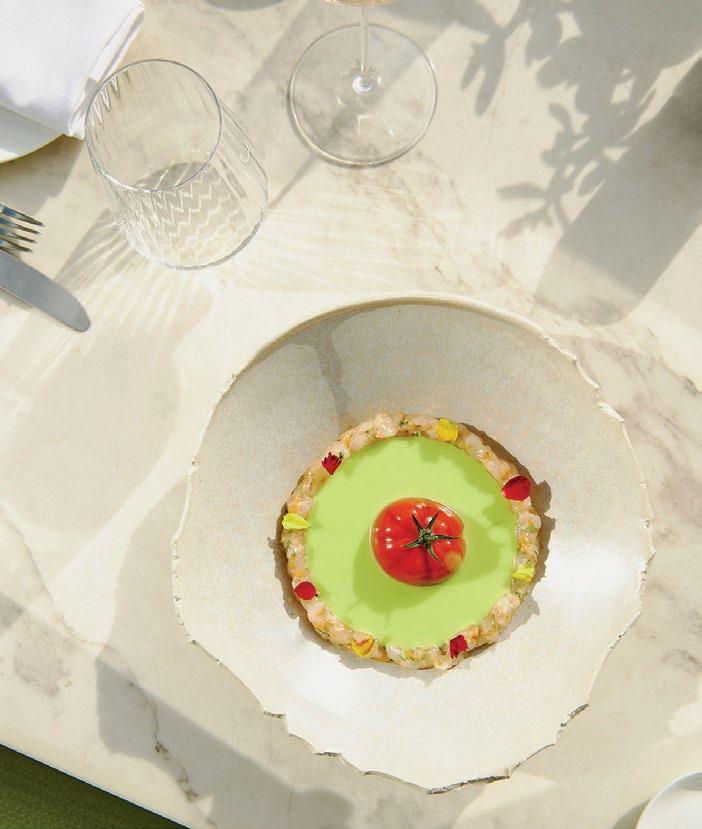
DANI BRASSERIE “At Four Seasons Hotel Madrid, I find Dani Brasserie particularly enchanting. Chef Dani García’s culinary creativity is impressive, providing a unique dining experience that perfectly aligns with the hotel’s luxury. But don’t just stop at Dani Brasserie: I highly recommend saving some time to check out his other restaurant, Leña, which focuses on smoke-infused steaks.”
BODEGA DE LA ARDOSA “For really good tap vermouth—very typical in Madrid.”
CHOCOLATERÍA SAN GINÉS
“Amazing hot chocolate with churros.” n

THE FOOD PERSONALITY—A SUPPORTER OF H-TOWN’S WONDERFULLY DIVERSE DINING SCENE—SETS THE TABLE FOR A VISIT TO TEXAS’S BIGGEST CITY.
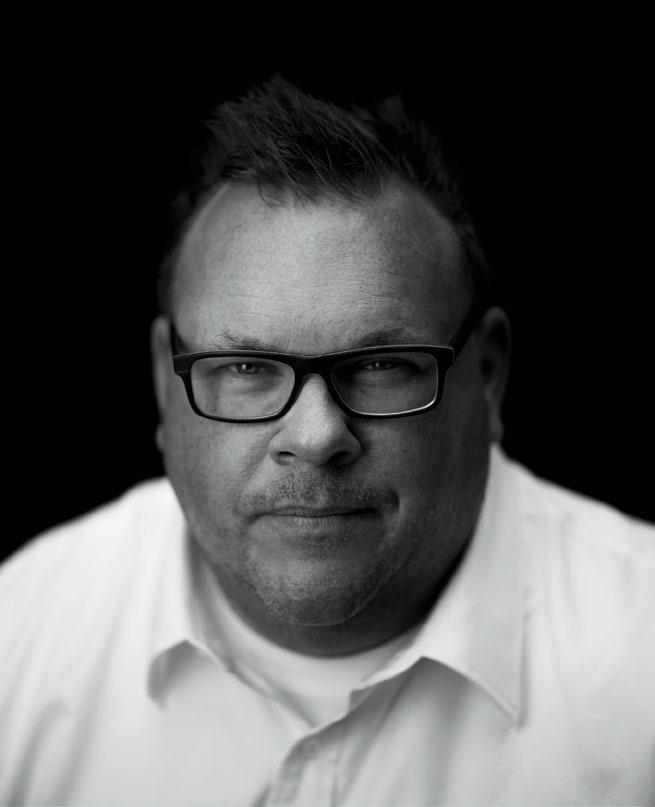
“WE DO BETTER TOGETHER THAN WE DO SEPARATE,” says Chris Shepherd of his altruistic modus operandi. At his former restaurant Underbelly—where his cooking won him a James Beard Award in 2014— Shepherd made a habit of recommending other local spots for diners to try. In 2015, with his wife, Lindsey Brown, he co-founded the Southern Smoke Foundation (SSF), a nonprofit that supports food and beverage workers across the United States who are affected by disasters; to date, the SSF has disbursed nearly $15 million in direct aid and made possible more than 8,000 mental-health visits. Ahead of his annual Southern Smoke Festival, which returns to Houston’s Discovery Green on October 4, Shepherd shared his favourite restaurants (and more) in the city that he loves for its boundless multiculturalism. “Houstonians are just welcoming. The diversity is there, which makes the food scene so amazing.” —Degen Pener
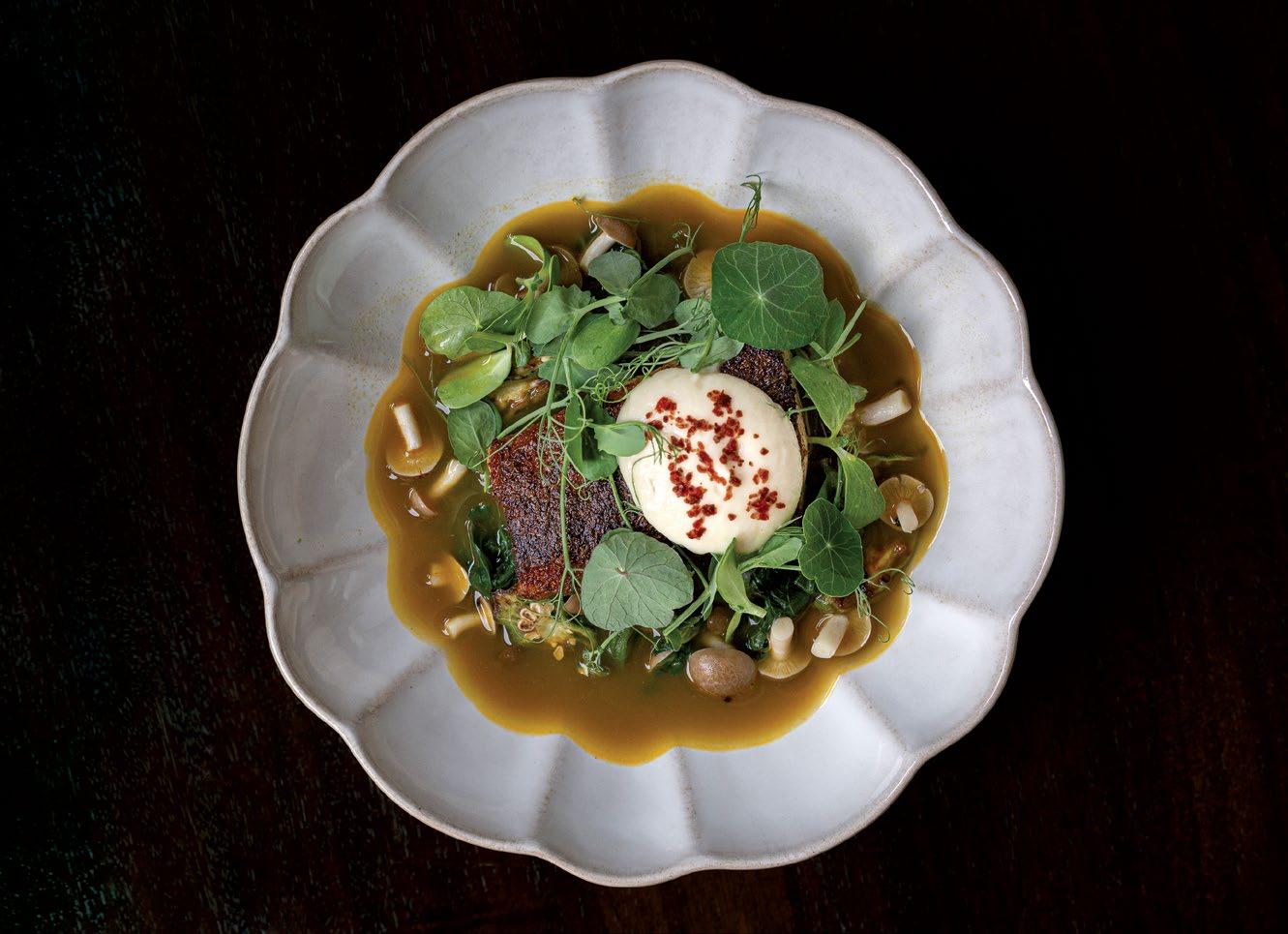
CANDENTE “It’s a restaurant right down the street from where we live. It’s live-fire Tex-Mex. They do really good beef cooked over mesquite, the same with the chicken. It’s very Texas and very delicious.”
CALI SANDWICH & PHO “The Vietnamese spot we just really love. It’s banh mi, it’s the Vietnamese egg rolls, spring rolls, a bowl of pho. It’s just what we crave.”
LONDON SIZZLER “A curry house—British Indian cuisine. Absolutely fantastic.”
NONNO’S FAMILY PIZZA TAVERN
“They’re from Chicago. They do a tavern-style Chicago pizza, and chicken wings, and Italian wedding risotto.”
BLUDORN “You can have a fantastic experience with a group of friends while ordering a Seafood Tower, all the pastas and big entrées. It can also be that place where just you and your significant other eat perfect oysters and a burger at the bar with a beautiful glass of wine.”
FOUR SEASONS HOTEL HOUSTON
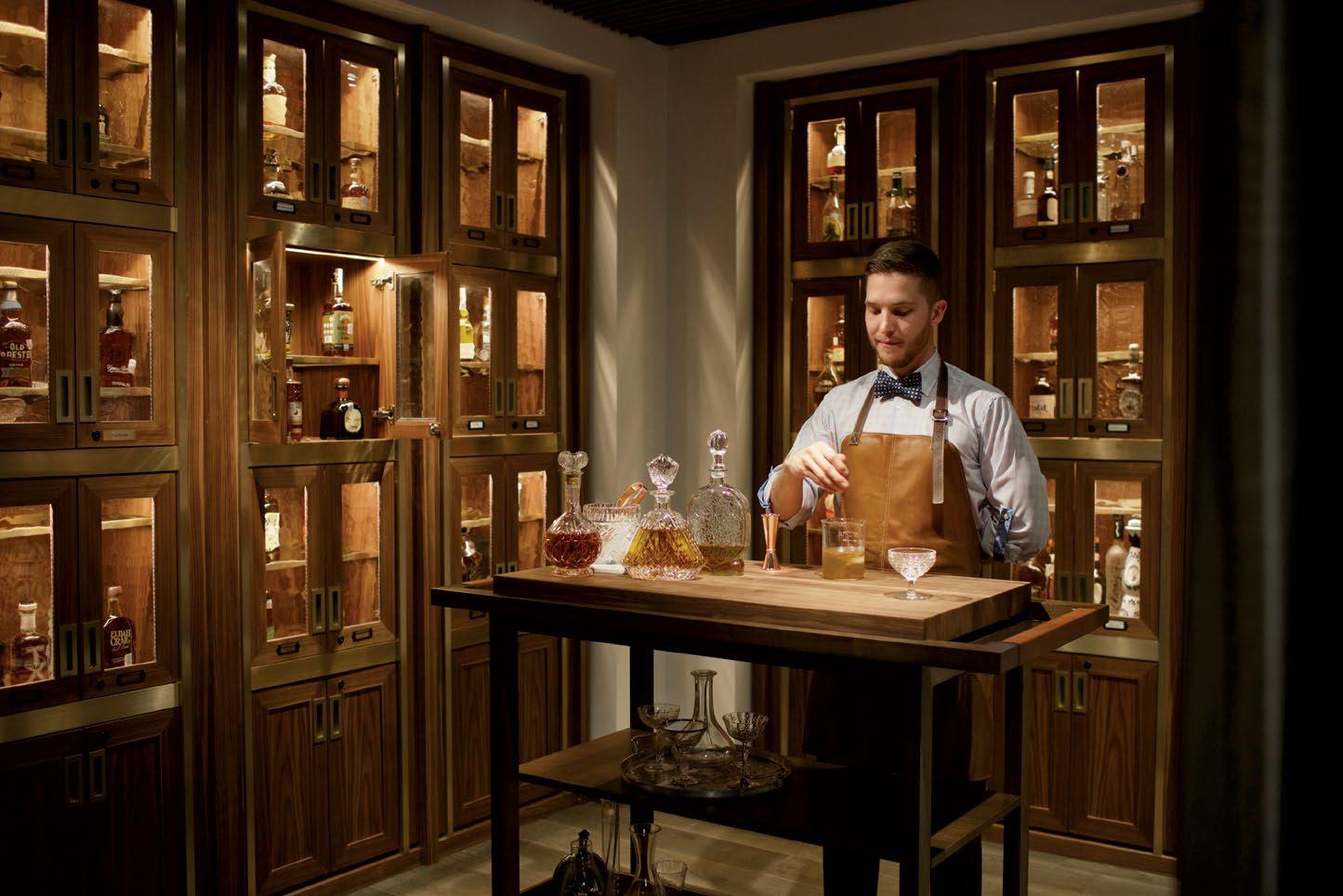
“Bandista [the hotel’s speakeasy] is one of the most amazing bars in the country. They do a
damn good martini, man. And then Bayou & Bottle [lobby bar]—the service there is so kind and nice, and the bourbon selection is sick.” (Shepherd keeps some of his favourite bourbons in one of the bar’s spirit lockers, including a bottle of Michter’s and his new single-barrel release with Rare Character.)
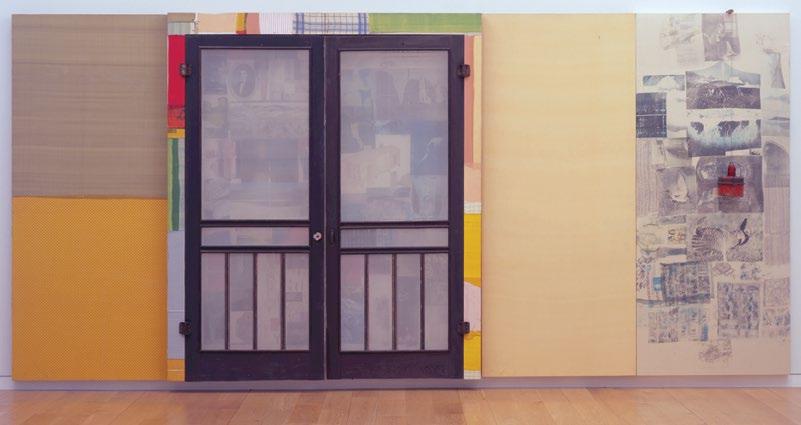
“It’s the largest public art collection in the country that’s privately owned, and it’s free to the public.” (Shepherd and his wife are such fans that they painted their townhouse in Houston in a shade known as Menil Gray. This fall, the museum opens an exhibit of Robert Rauschenberg’s fabric sculptures.)
MONTROSE NEIGHBOURHOOD “Kind of the heartbeat of everything, and the most walkable neighbourhood in Houston. All of the restaurants I had were in the middle of Montrose.”
HOUSTON BALLET “I like going to the ballet with my wife. I can’t believe I just said that. But she will also go to the Houston Texans games with me. Having all of the sports—the Rockets, the Astros, the Texans—and then having all of the arts and the museums, it’s a city like no other.” n
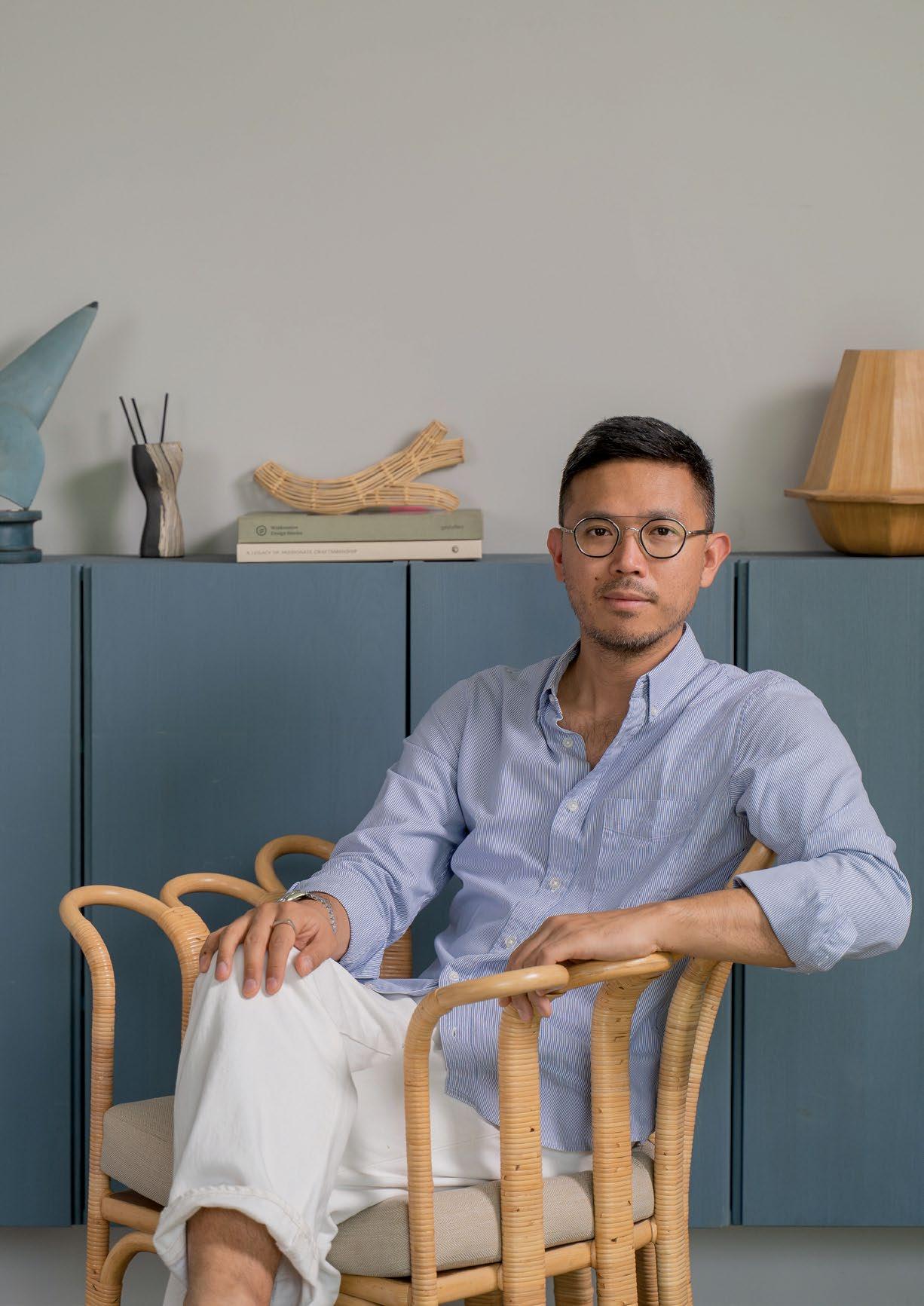
THE FURNITURE DESIGN VIRTUOSO, A CHAMPION OF SUSTAINABLE MATERIALS, RECOMMENDS HIDDEN GEMS IN THE BUSTLING MEGACITY.
ALVIN TJITROWIRJO CREATES poetic beauty out of the underappreciated. Since opening his studio AlvinT in 2006, the Jakarta-based designer has distinguished himself by his sculptural, refined furniture made of rattan. Derived from various species of quickly growing climbing palms, rattan has long been deeply associated with Indonesian culture. Tjitrowirjo’s mission is to elevate and prize this sustainable material amid the daily onslaught of cheap, modern consumerism. “It’s not just about making beautiful products; it’s about developing a new type of awareness of rattan as a valuable heritage material,” says Tjitrowirjo, who works with several communities of rattan weavers and farmers across Indonesia. We asked him to share his insider guide to his hometown. —Degen Pener
INDONESIA DESIGN DISTRICT “We recently opened a gallery [here]. There are about 100 tenants—furniture, lighting, everything for the home centralized in one curated complex.”
KOTA TUA “Built by the Dutch, Old Town is filled with canals and squares and surrounded by charming colonial buildings. The northern part is filled with old mom-and-pop shops.”
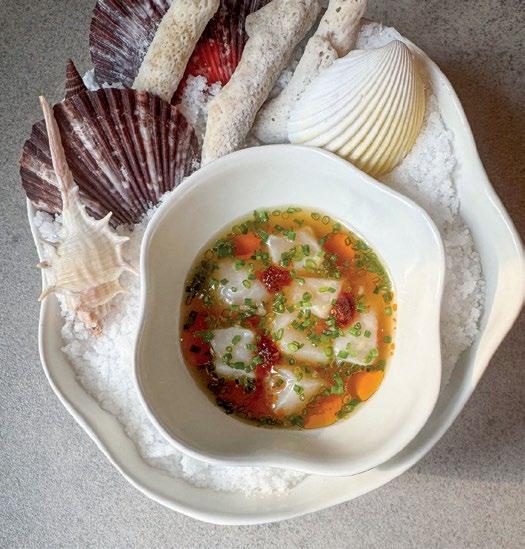
CAFÉ BATAVIA “It used to be an office of the Dutch East India Company. I love how they have kept the original teak bar and floors. I always go for a window table to witness the chaotic and dynamic movement of people in [Old Town’s] Fatahillah Square.”
COMMON GROUNDS “One of the pioneers of specialty coffee in Jakarta since 2015. My favourite beans are Aceh Gayo, which balance between burnt chocolate and nutty with a slight bright citrus.”
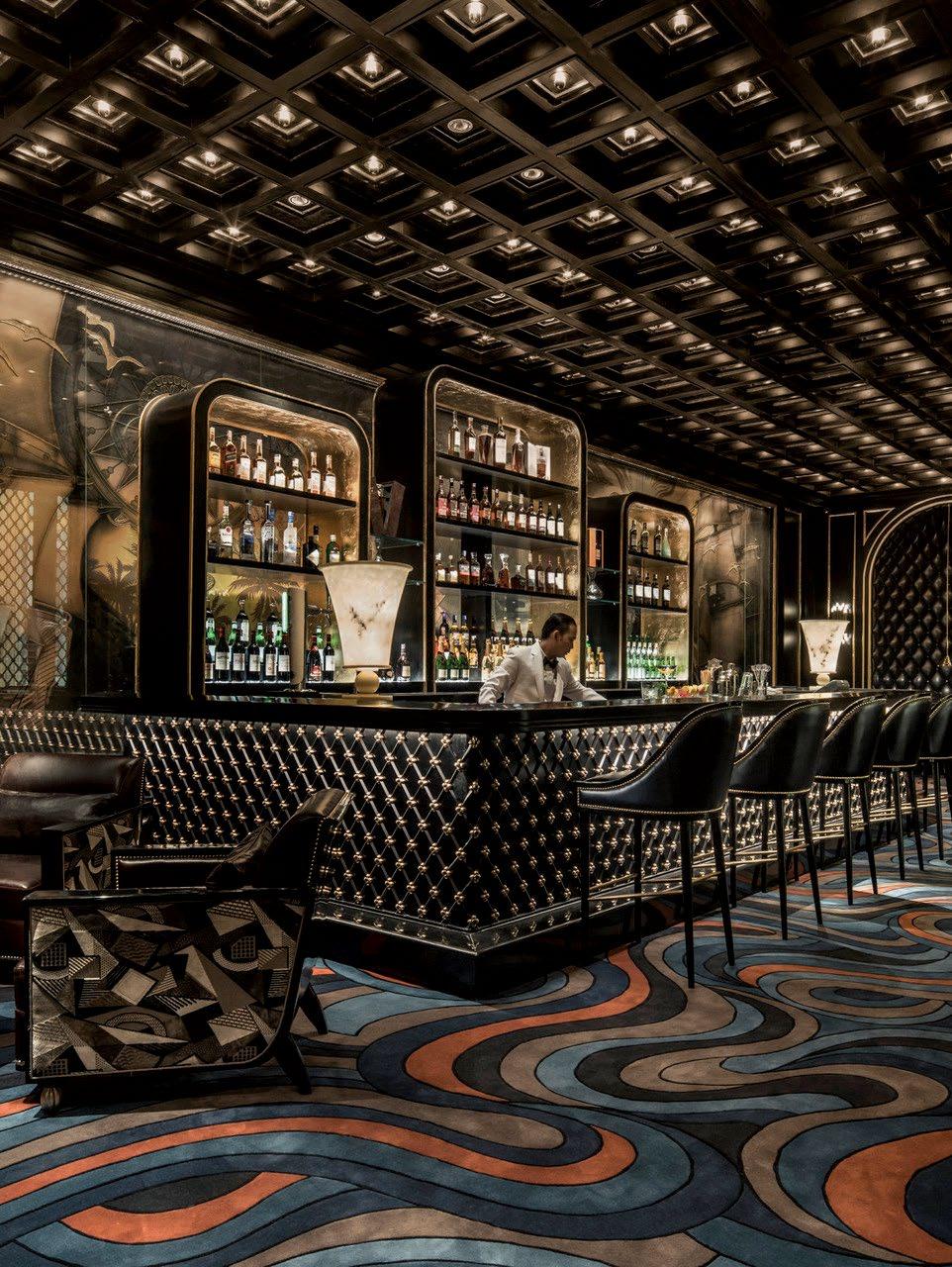
NAUTILUS BAR AT FOUR SEASONS
HOTEL JAKARTA “The moody interior, combined with the grand piano, is a good [respite] from the hustle and bustle of Jakarta.”
AUGUST “One of the forerunners of bringing Indonesian cuisine to the next level—with a little bit of a French twist. They have [the dish] Foie PB&J, and their lamb loin is delicious.”
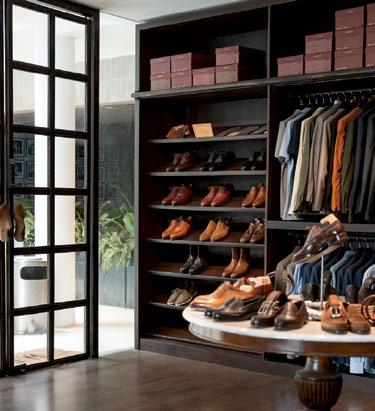
PIERRE “Located in Jakarta’s central business district, this French restaurant by the Union Group has an excellent quality of food and a classical European interior that won’t go out of style. The lounge bar is a nice place to get a good dose of socializing.”
BAKMI PULAU LAKI “One of my favourite noodle [shops] is located in a neighbourhood where all the street names are names of islands in Indonesia. It’s a place to go for lovely, fresh handmade noodles with minced pork and chicken and fresh pork wontons.”
ARCHIE “[The menswear store] is cool for their collection of Alden [shoes]. I’m a big fan.”
SEJAUH MATA MEMANDANG “I like this [lifestyle brand] for their level of creativity in exploring batik, as well as their activism toward protecting the planet. They also now make denim out of recycled used denim.” n

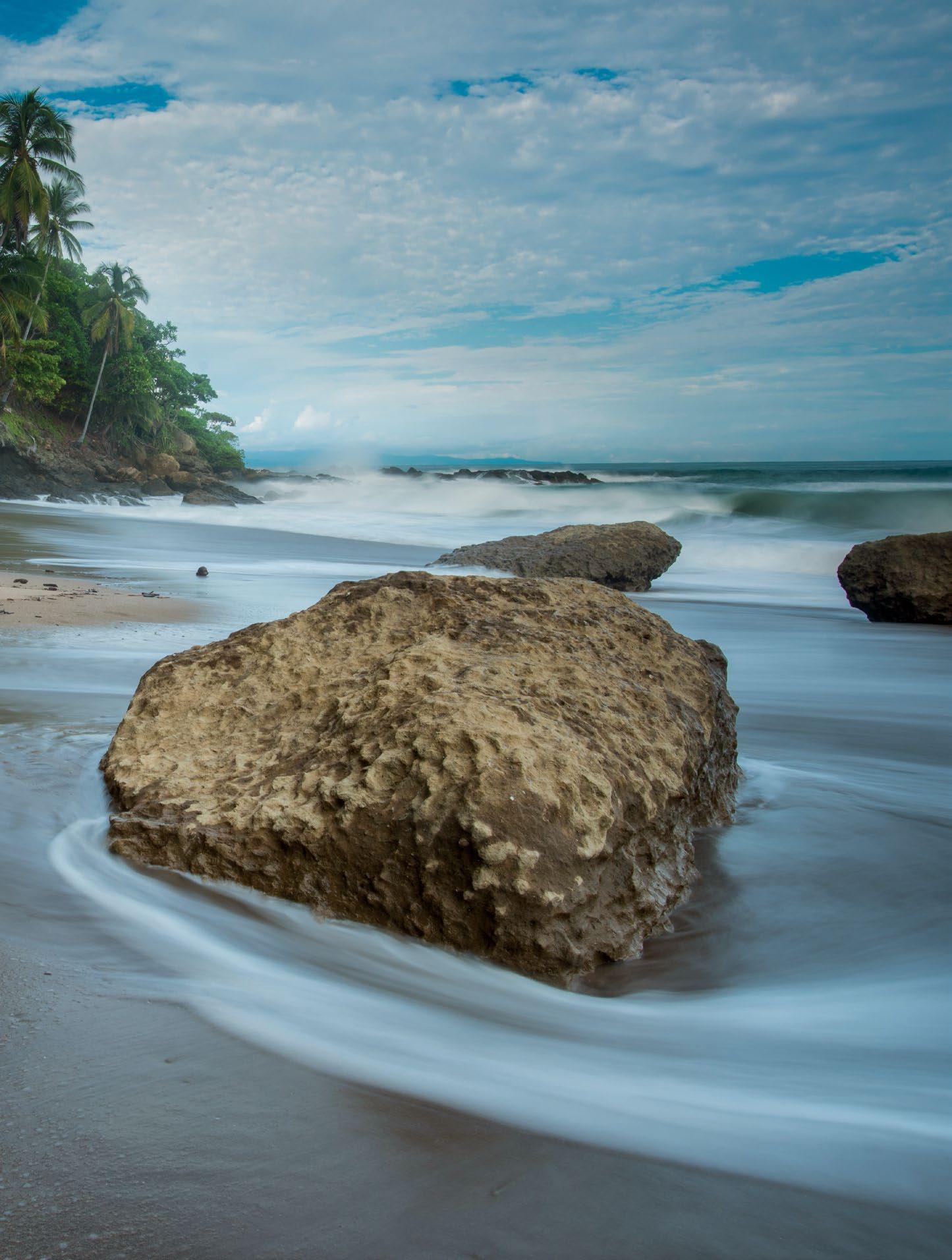
THE CONCIERGE AT FOUR SEASONS RESORT PENINSULA PAPAGAYO, COSTA RICA, SHARES HIS GUIDE TO DISCOVERING THE AREA’S NATURAL WONDERS.
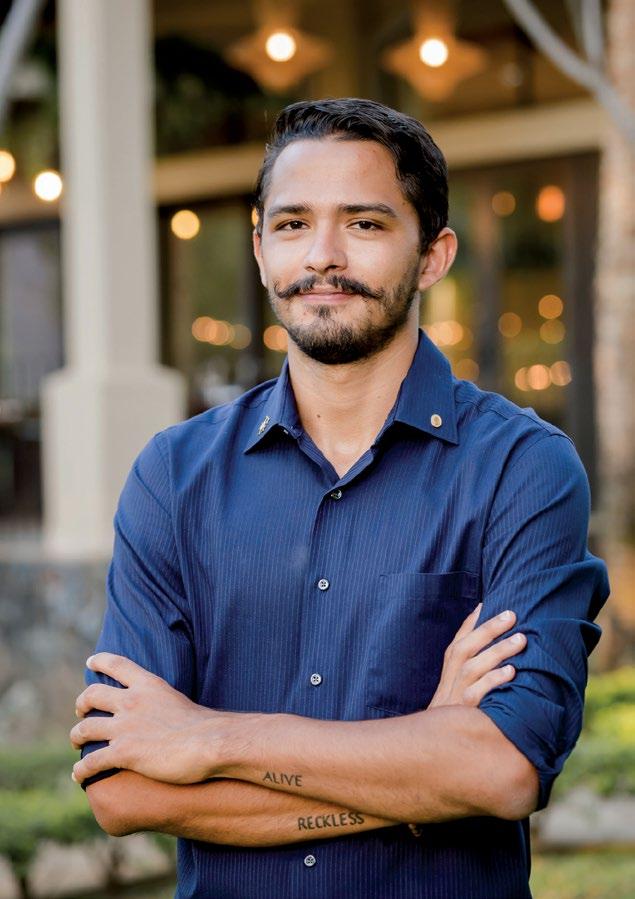
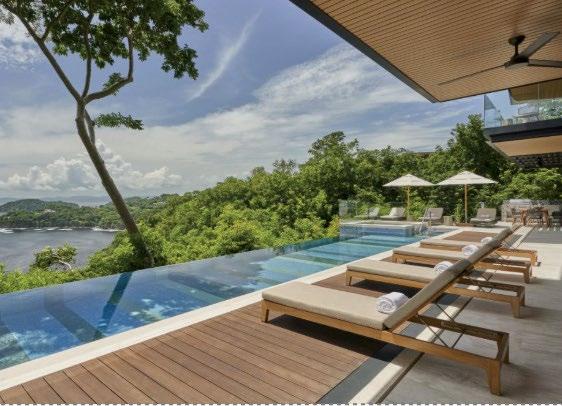
Nestled on an idyllic isthmus between a pair of crescent beaches, the 120-acre Four Seasons Resort Peninsula Papagayo, Costa Rica, is pure heaven. “It’s a place where luxury meets nature and relaxation, with community and sustainability,” says Dylan Vasquez Mora of the destination, which is part of the 1,400-acre Peninsula Papagayo, where 70 percent of the land is protected. Six years ago, he moved from his hometown in the Monteverde cloud forest to be a concierge at the resort (renovated in late 2023) and indulge his passions for scuba diving, trail running, and hiking. Here, he offers his top recommendations in and near the peninsula.
—Kathryn Romeyn
CABUYAL BEACH “About 45 minutes north [of the resort], near the protected area of Santa Rosa National Park, Cabuyal Beach is nothing but nature, with incredible, stunning sunsets all year long. I’ve seen baby turtles coming out of the sand and going to the ocean, which is magical.”
BIJAGUA “One of the less-explored rainforest spots. The tropical dry forest changes to become greener and denser. It’s very easy to see the worldfamous sloths in the trees around the village. And you can see exotic birds, plus howler monkeys.”
THE LAND OF SENSES “This private rainforest reserve on the Atlantic side of Rincón
de la Vieja National Park is very raw, very natural. I recommend a guided visit where you can get immersed in the primary rainforest and hike up to three miles while stopping at beautiful light-blue swimming holes. You see wildlife, learn about nature, and, at the end, relax in natural hot springs.”
SOUND BATH “Our wellness ambassador plays different instruments that are super relaxing in the open-air Wellness Shala at Four Seasons Resort Peninsula Papagayo, Costa Rica, at the highest point of the property between the ocean and the bay. In the silent moments of the experience, you still listen to the wind and waves, so you are always immersing in the wilderness.”
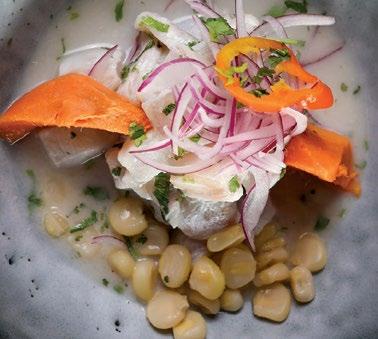
RESTAURANTE SR. PATACÓN “[An] authentic experience in an old-fashioned Costa Rican house in the centre of Liberia town. I recommend the coconut rice and beans, the whole grilled snapper, and definitely the patacónes—double fried smashed plantains—that give the restaurant its name.”
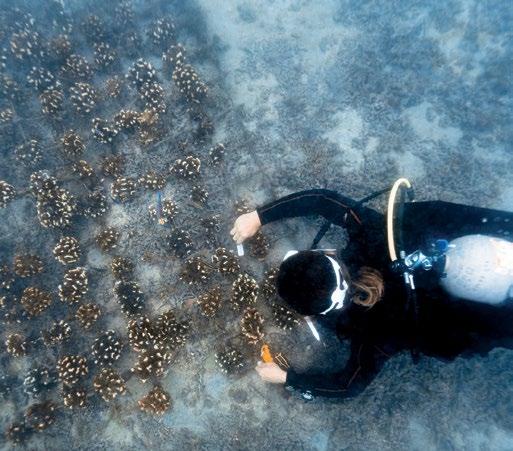
CORAL RESTORING “We have two coral restoration opportunities developed by the Papagayo Explorers alongside the Costa Rican government.
One is sponsoring a coral structure for a year. Guests learn about the corals and how to reproduce and reforest them; then you plant the corals in the metal structure and get in a boat to snorkel or dive while the instructor plants [it] at the bottom of the ocean. The other option is coral gardening, in which a guest goes scuba diving to maintain and clean the corals.”
NICOYA PENINSULA “People [here] have really good longevity, and we take our guests to learn about their practices. It’s the only Blue Zone in the world where coffee is produced, and guests stop by a coffee co-op plantation for a tasting. Coffee has very important value in Costa Rican history.”
PALO VERDE NATIONAL PARK “You can do river cruising around the estuaries that are a shelter for crocodiles, many different reptiles, hundreds of different species of migratory birds, and native birds as well.”
CATALINA ISLANDS “For scuba diving, I love Las Catalinas, where you can see migrating manta rays from December to April. [They] are majestic. Swimming near them is like a trance, a kind of meditation.” n
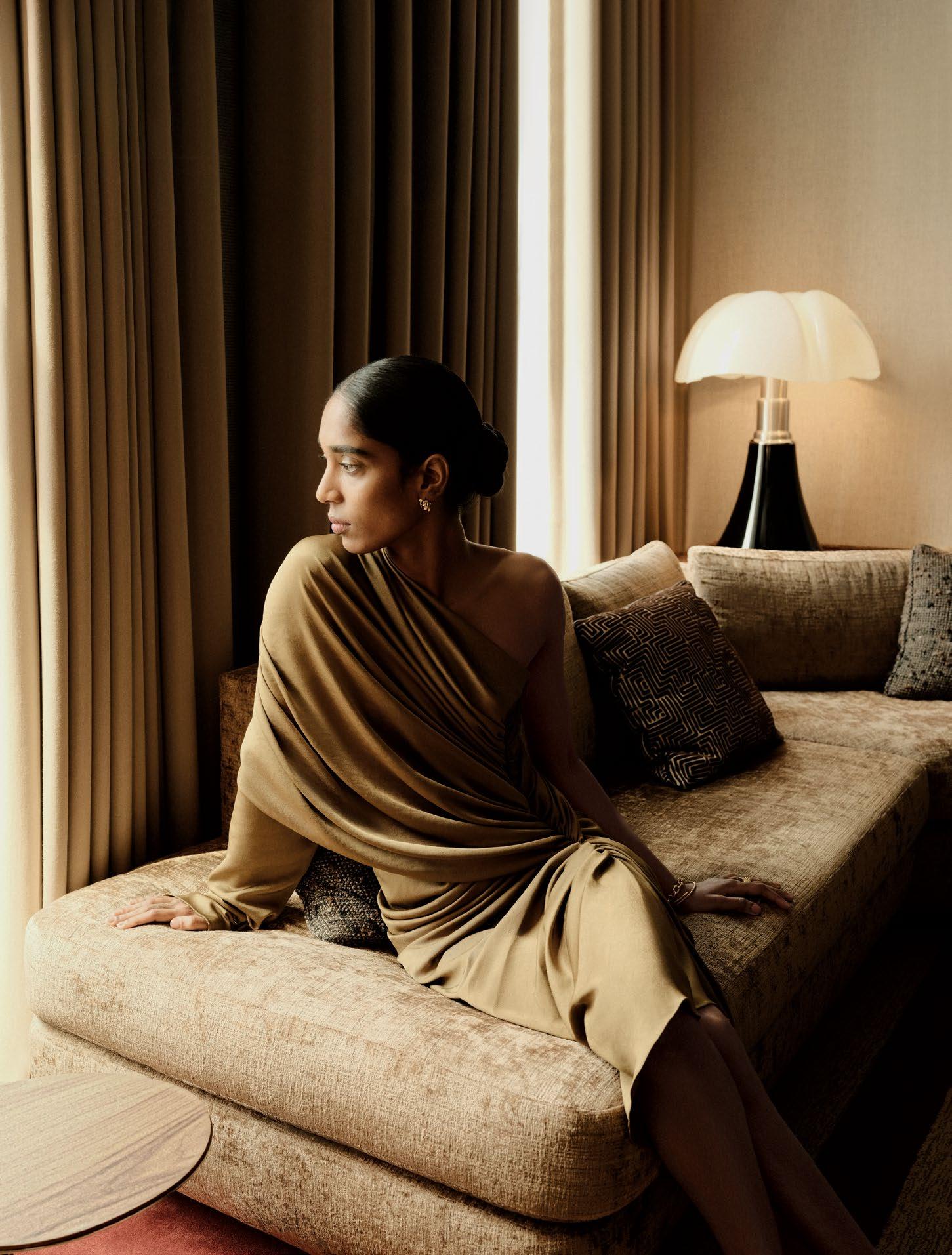
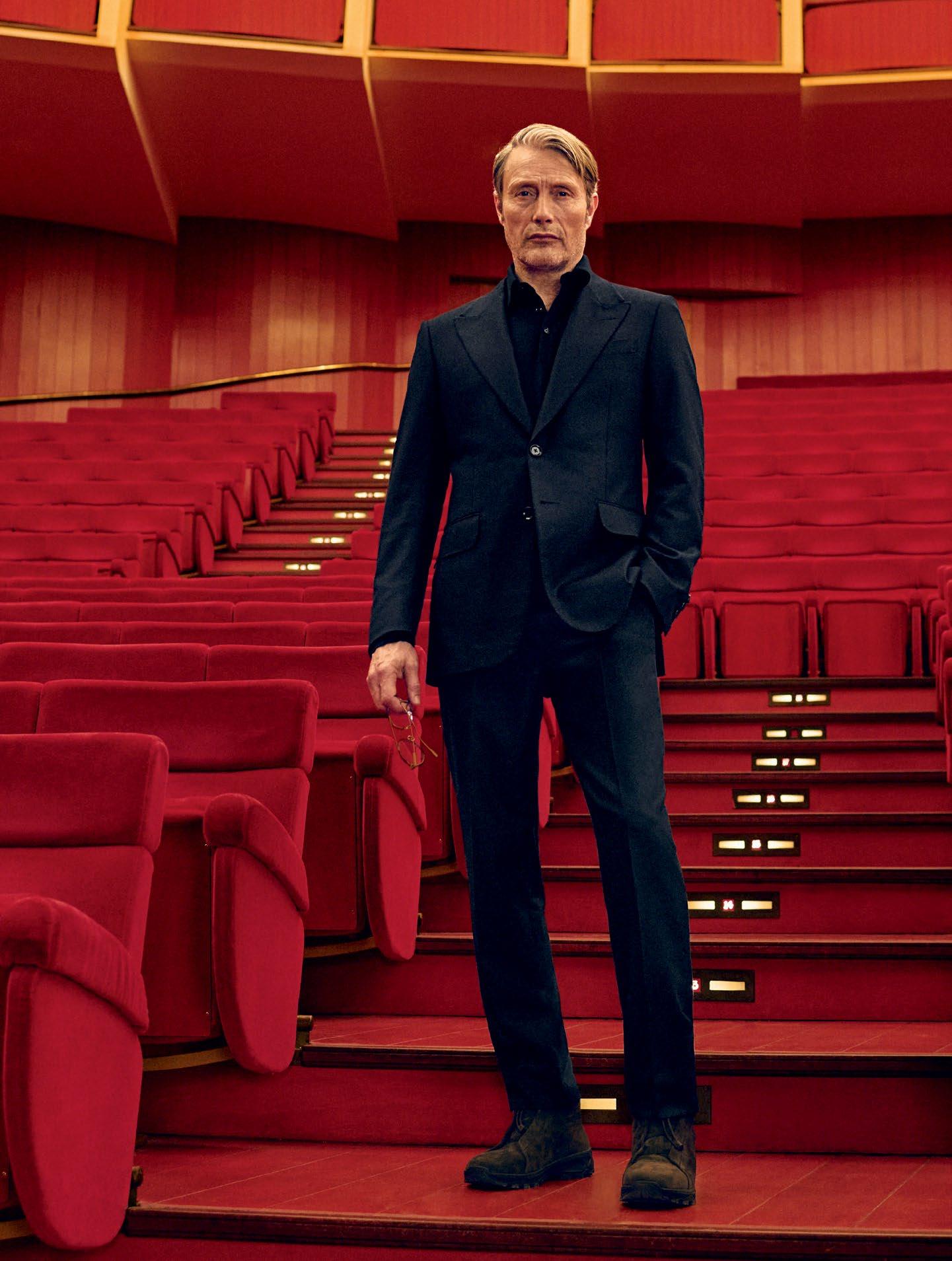
The season’s most alluring statements feel right at home in New York’s coolest new suites.
THE ULTIMATE A-TO-Z GUIDE TO CUSTOM EVERYTHING, FROM FRAGRANCES, CARS, AND SUITING TO HERMÈS HEADPHONES AND HANDPAINTED GLOBES.
MENTION THE WORD BESPOKE and it may conjure an old-fashioned image of Savile Row’s tailoring ateliers and elegant affairs with formal dress codes. Today, though, many brands are adopting a host of custom approaches to help broaden and deepen the calibre of their au courant offerings—see, for example, Frette’s bespoke service to produce customized one-offs among its linens collection or Gabriela Hearst’s just-launched Tailored Bespoke program, where clients can personalize a dozen different men’s and women’s designs. In fact, you can upgrade an array of everyday items this way, opting to partner with an artisan to develop, design, and produce something that’s uniquely and solely yours, from bicycles to umbrellas. We’ve scoured the world for the best in class among those ateliers, to offer the ultimate guide to everything bespoke—quite literally, from A to Z. Oh, and don’t worry— we have recommendations for the finest in bespoke suiting, too.
by MARK ELLWOOD
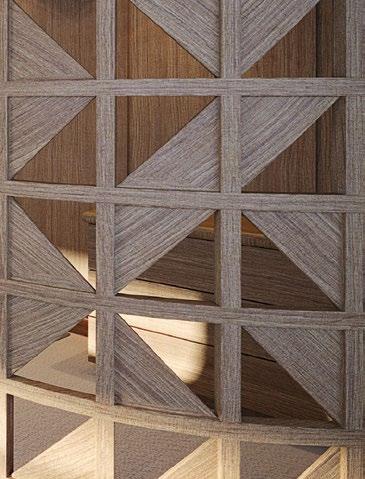
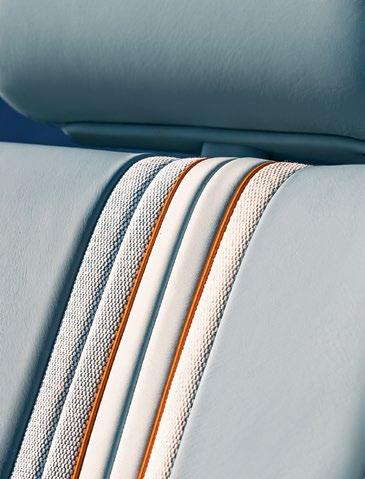
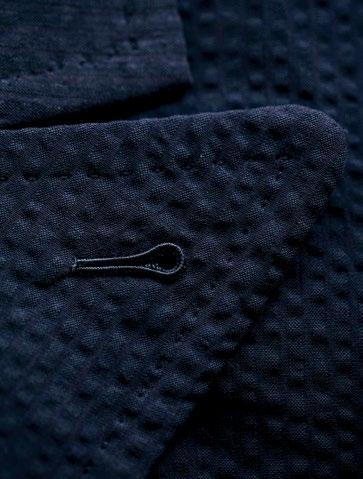
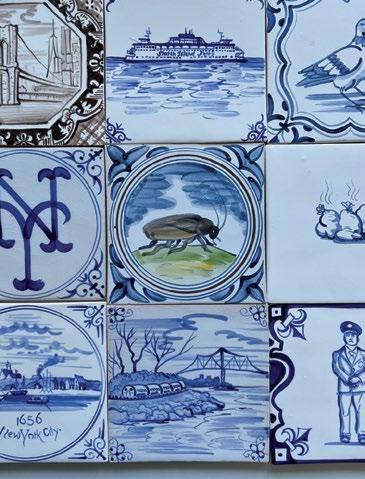
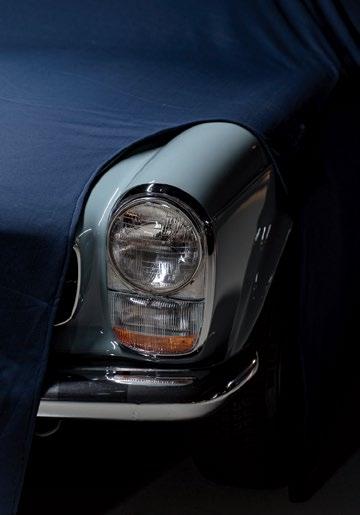
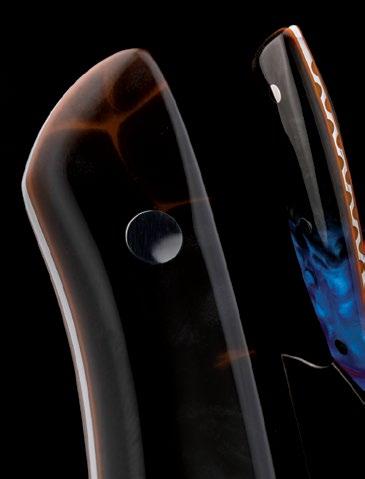


Paris-based Tristan Auer is known primarily as an in-demand interior designer (Bryan Adams is a client). But he and his sons have a secret, second passion, which he calls Car Tailoring. It started when he bought a vintage Ferrari 308 GT4, the angular 1970s supercar that is beloved by some and reviled by others. It was in poor condition and garishly decorated inside. He tinkered with the engine and overhauled the interior with Savile Row–like precision, swapping plastic for leather and cashmere. For clients, he has since made over a Ford Mustang from 1966, a 1990s Range Rover Evoque, and even a fleet of Citroën Méharis for a Hamptons-based family that uses them as runabouts to and from the beach, relying on many of the same suppliers he uses in his day job (such as an upholsterer that works regularly with Hermès).
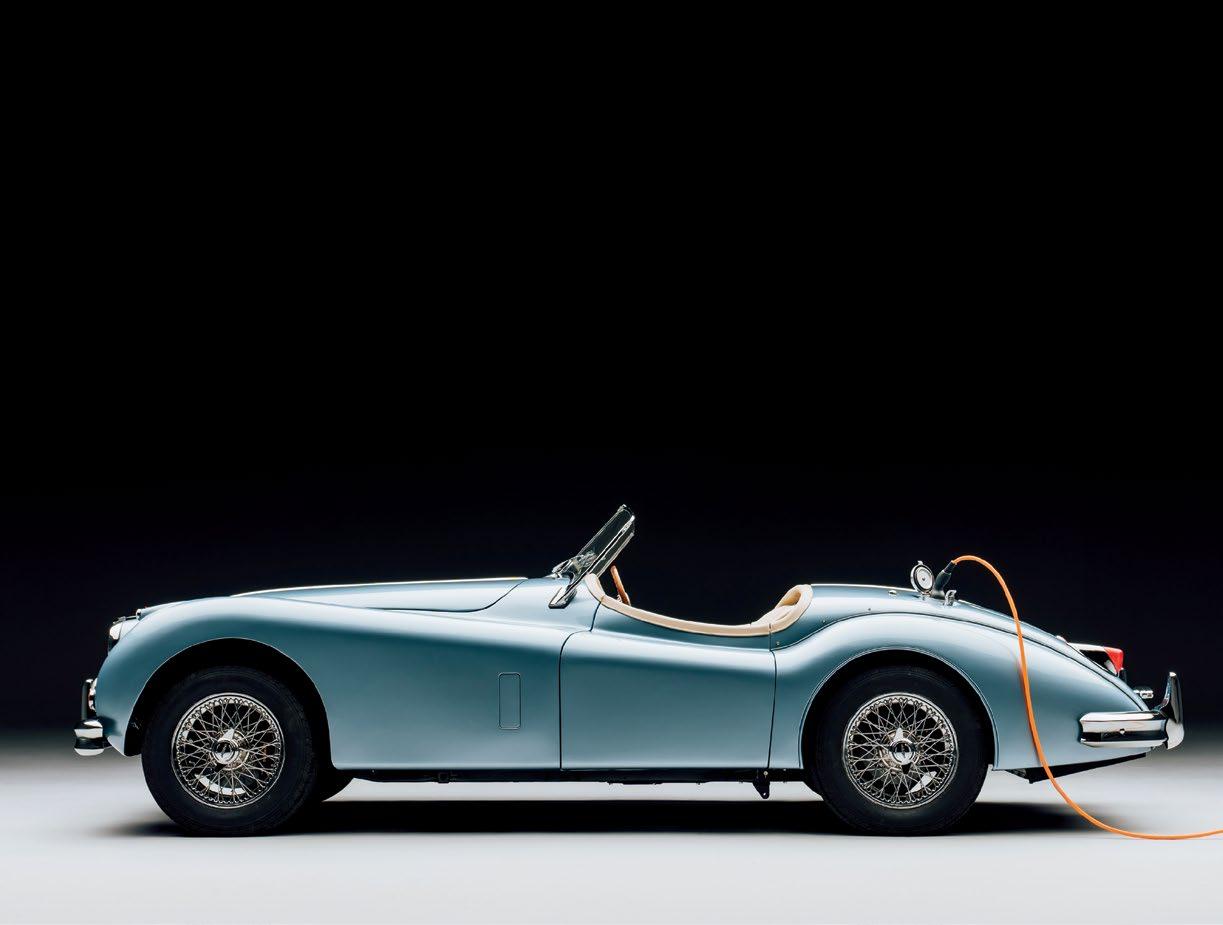
England-based Lunaz (below, the company’s remade Jaguar XK) goes even further, offering what it calls “remanufacturing” on a fleet of incredible supercars, from a Rolls-Royce Phantom V to an Aston Martin DB6. Each is dismantled, restored, and reassembled in a custom colorway for both the interior and the exterior, while also being turned into an EV. The team will also add upgrades, like suspension technology, that didn’t exist when a given car rolled off the assembly line.
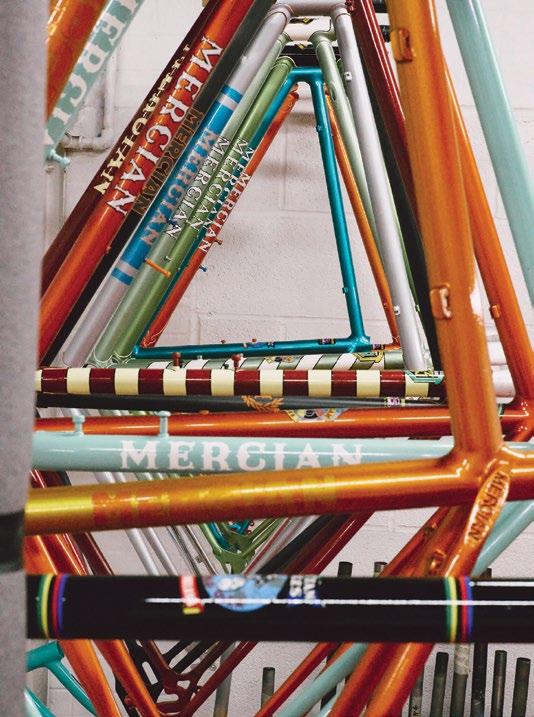
Britain was once one of the world’s bike-making hubs, thanks to firms like Raleigh, before the industry imploded due to overseas outsourcing. Still, a few holdovers persist, including Derby, England–based Mercian, which started as a bike shop in the 1940s before expanding into manufacturing. It was teetering on insolvency last year before four avid cyclists rescued it and rebooted the company for a contemporary audience. Come to them for a custom-fit frame, engineered to offer minimum impact on your body and maximum comfort, plus details like name engravings. The only thing they can’t do is improve how you look in skintight Day-Glo Lycra.
Custom programs are innate to Hermès—after all, arguably its signature product began as a commission from style icon Jane Birkin.
While the French saddlemaker has offered bespoke products like this since its founding in 1837, it placed a renewed emphasis on imagination-stretching bespoke projects
in 2010, when it expanded its atelier in Pantin, just outside Paris. Under the Hermès Horizons banner, it began accepting larger, more ambitious one-off ideas from devotees.
The project’s lead, Christophe Beltrando, has carte blanche to work on whatever he deems appropriate—and that has included everything from roller skates to a whimsical apple carrier for a client who believes in the one-a-day adage. Hermès Horizons’ latest focus is sound, with commissions ranging from headphones to DJ tables. The only limit is your imagination—and Beltrando’s agreement that such a product is worthy of the Hermès imprimatur.
If you fancy a subversively witty design detail, consider a custom Delft tile from Connecticut-based artist Katherine Verdickt, who stumbled into this niche after buying and renovating a Dutch Colonial home. At first glance, her blue-and-white designs seem like any classic Dutch-made tile, but look closer and you’ll find, for example, an oil rig or two depicted in the examples she made for a Texas-based client.
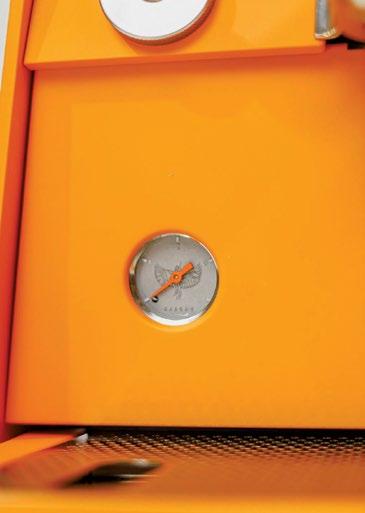
Daniel Schonknecht was working as a project manager in luxury real estate when he took home an old Gaggia machine that had been left by a tenant. “I pulled it apart and put it back together and started making coffee, and that’s where my obsession just grew and grew,” he says. A trained furniture maker, Schonknecht decided to deploy his design skills to launch Melbourne-based Specht, which produces limited-edition and one-off espresso machines. That was 10 years ago, and now, among a certain cabal of coffee obsessives like himself, Schonknecht is renowned worldwide—70 percent of his business is
international. One client shipped him a hunk of marble from the Netherlands so he could use it in a custom machine that would match a kitchen renovation. Typically, he and his team start with a standard, highend machine from La Marzocco as a base. “They’re so adaptable; they have an effortless style,” he raves. From there, Specht will produce and add bespoke details, like the paddle of the brew heater or the steam knobs, as well as electroplate metal elements in a custom finish, a process that usually takes around six months. He’s hoping to soon establish his own metal shop where he can start from scratch, even building custom bodies for machines. “These are no different [from] sports cars,” he says. “It’s the same kind of obsession.”


The best gift for any Game of Thrones or Harry Potter fanatic? A custom insignia, courtesy of Downey & Co. The London-based specialist printer will task its designers with personalizing that insignia with meaningful details, whether dogs or circuit boards—or even a rocket, as commissioned by Jeff Bezos. Once the artwork and engraving tools are produced, you can stamp that crest on anything, from stationery to the hood of your car.
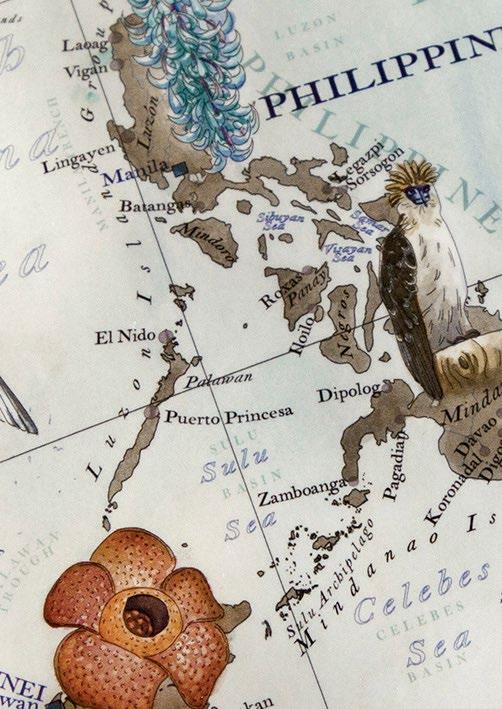
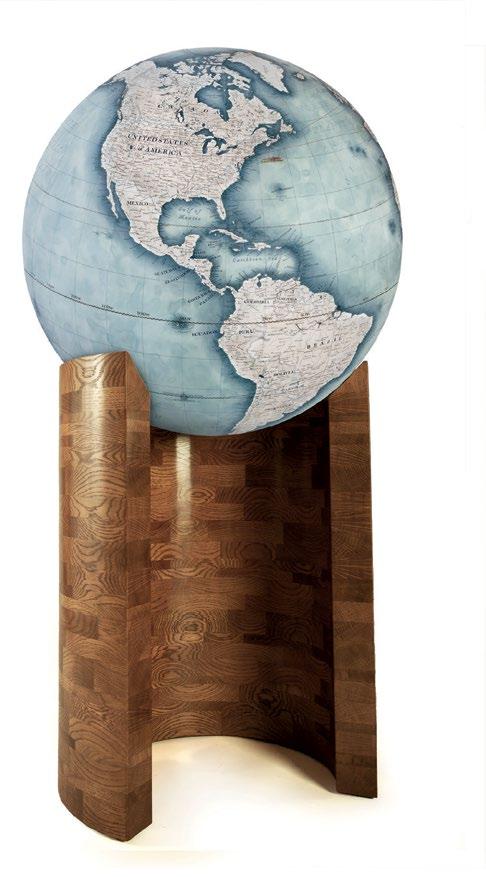
When London-based Peter Bellerby couldn’t find a top-quality globe to gift his father for his 80th birthday, he didn’t give up—he started a company to fill the gap. That was 17 years ago, and he’s since become renowned the world over for his bespoke, handpainted globes (Oak Curve shown), which can take several months to make and cost six figures or more. The largest Bellerby & Co. creations, the Churchill globes, measure more than four feet in diameter. Many of the special requests that Bellerby receives involve cartographic embellishments, such as highlighting favourite places or travel routes.
The UK’s legacy of empire unsurprisingly makes it a high-end globemaking hub— major rival Lander and May based on the Isle of Wight, produces both contemporary and historical globes.
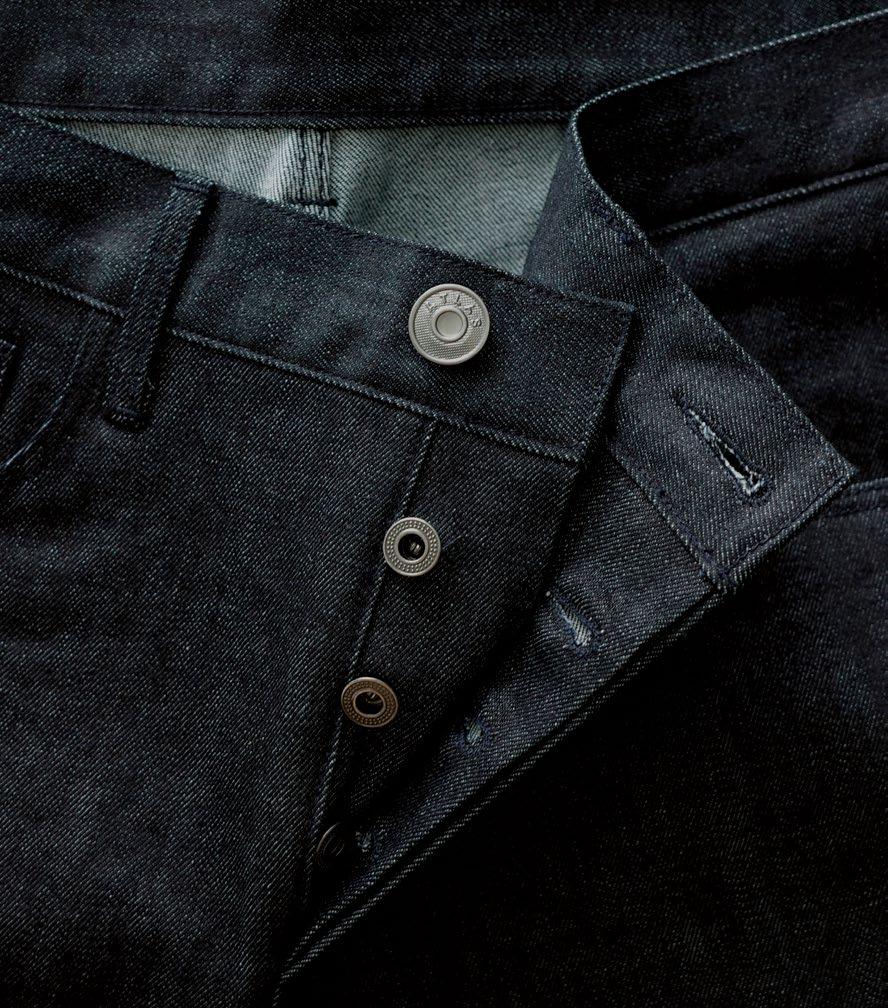
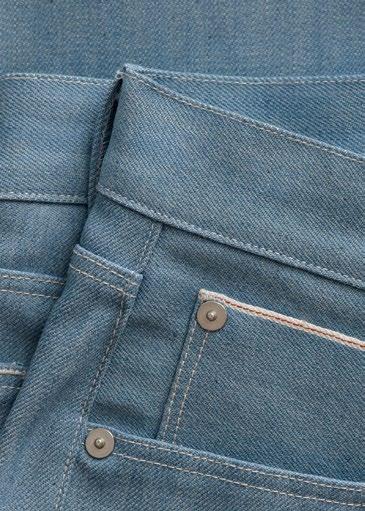
Marianna Lomsinko came to tailoring via an apprenticeship in her hometown of St. Petersburg, Russia, where she worked under an haute couture designer, learning the details of handcrafting up close. She then logged stints as a senior executive at several fashion brands, including Stella McCartney and Celine, before opening her own custom atelier, Atlas Bespoke, five years ago in her adoptive home of New York City. Her mission was simple: import the bespoke ethos of Savile Row to the unexpected, whether a key chain, a duffel bag, or a pair of jeans. Custom denim for men or women takes around a month and two fittings to produce.
After a Hollywood A-lister relocated to London, perfumer Azzi Glasser helped him feel more at home, suffusing his new, four-floor residence in Britain with the same custom scent that wafts through his house back in America. Known for her perfumes—she has crafted fragrances for Jude Law and Helena Bonham Carter to help them embody characters on-screen—Glasser carved out an additional niche in home fragrance, helping country-hopping clients make their homes smell both distinctive and instantly familiar, wherever they might be. Come to her atelier to do the same, or she’ll happily fly out to work on location.
If you’re keen to score a handmade, custom guitar from Londonbased luthier Daisy Tempest, join the waiting list now: she can produce around eight such instruments
annually, as every guitar requires between 300 and 400 hours of work, which means she’s already booked for the next six years. Her signature is exceptional materials, whether Honduran mahogany or striped Tasmanian tiger myrtle, and each guitar comes with its own storybook, filled with photos she takes as she builds it piece by piece.
Tom Kerridge. Jamie Oliver. Margot Henderson. They’re all chefs at the cutting edge of cooking thanks to military veteran turned knifemaker Laurie Timpson, the owner of Savernake. Timpson’s signature concave blade knives are made to order in a former sawmill in England’s New Forest, where he lives off-grid with his family.
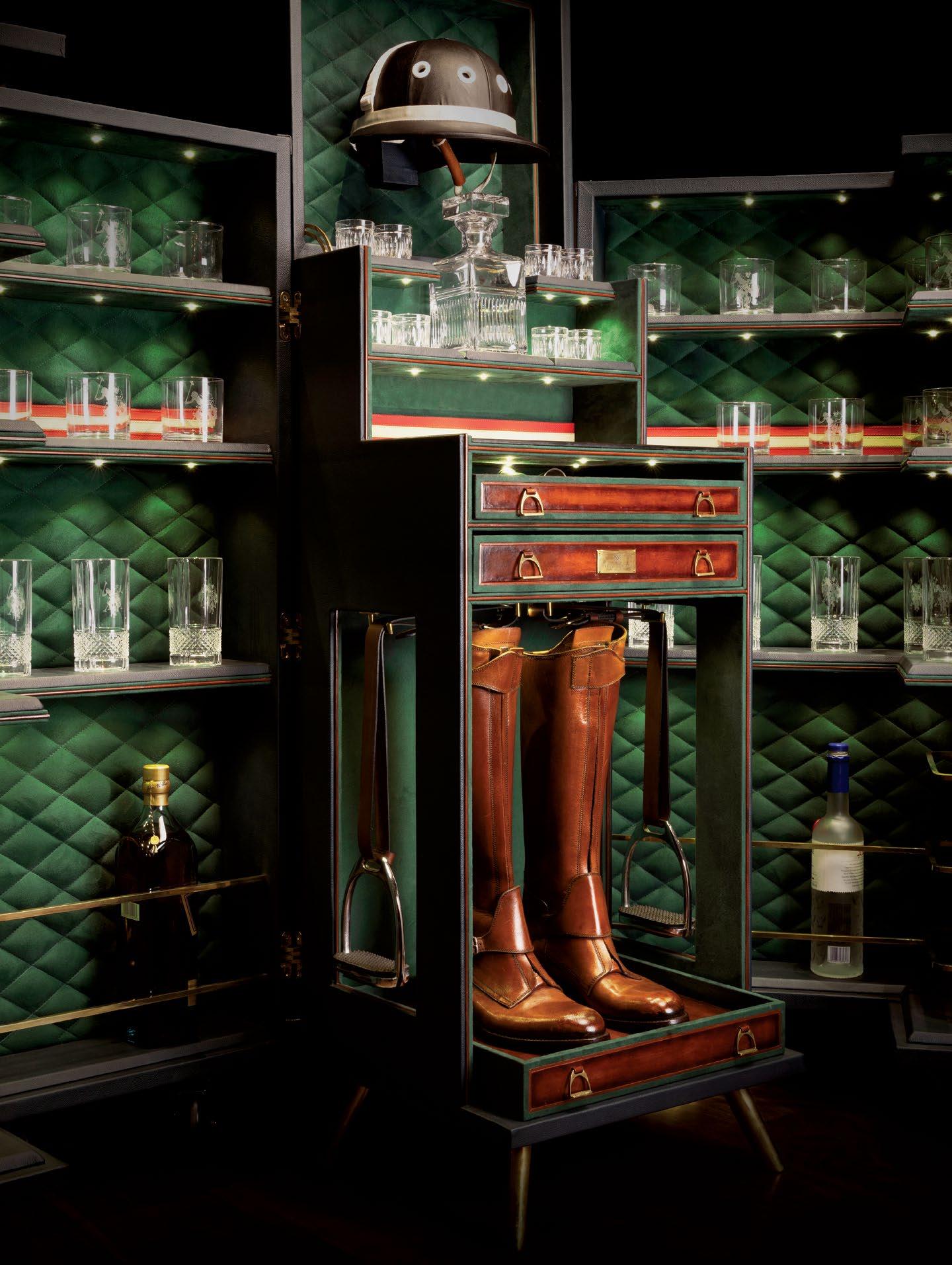
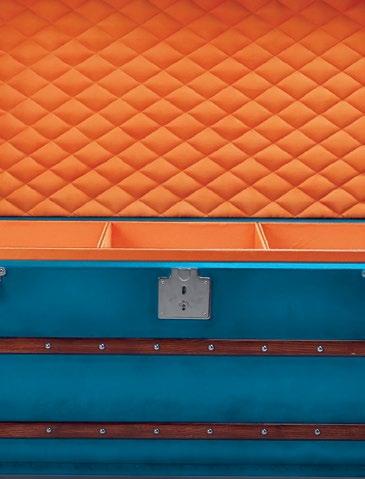
The Jaipur-based Trunks Company uses suede, teak, and leather, among other materials, for its throwbackish custom steamer–style luggage, tricked out with a watch winder or a humidor or a built-in refrigerator—whatever your whims require. Each takes almost 3,000 man-hours and more than 50 artisans to produce.
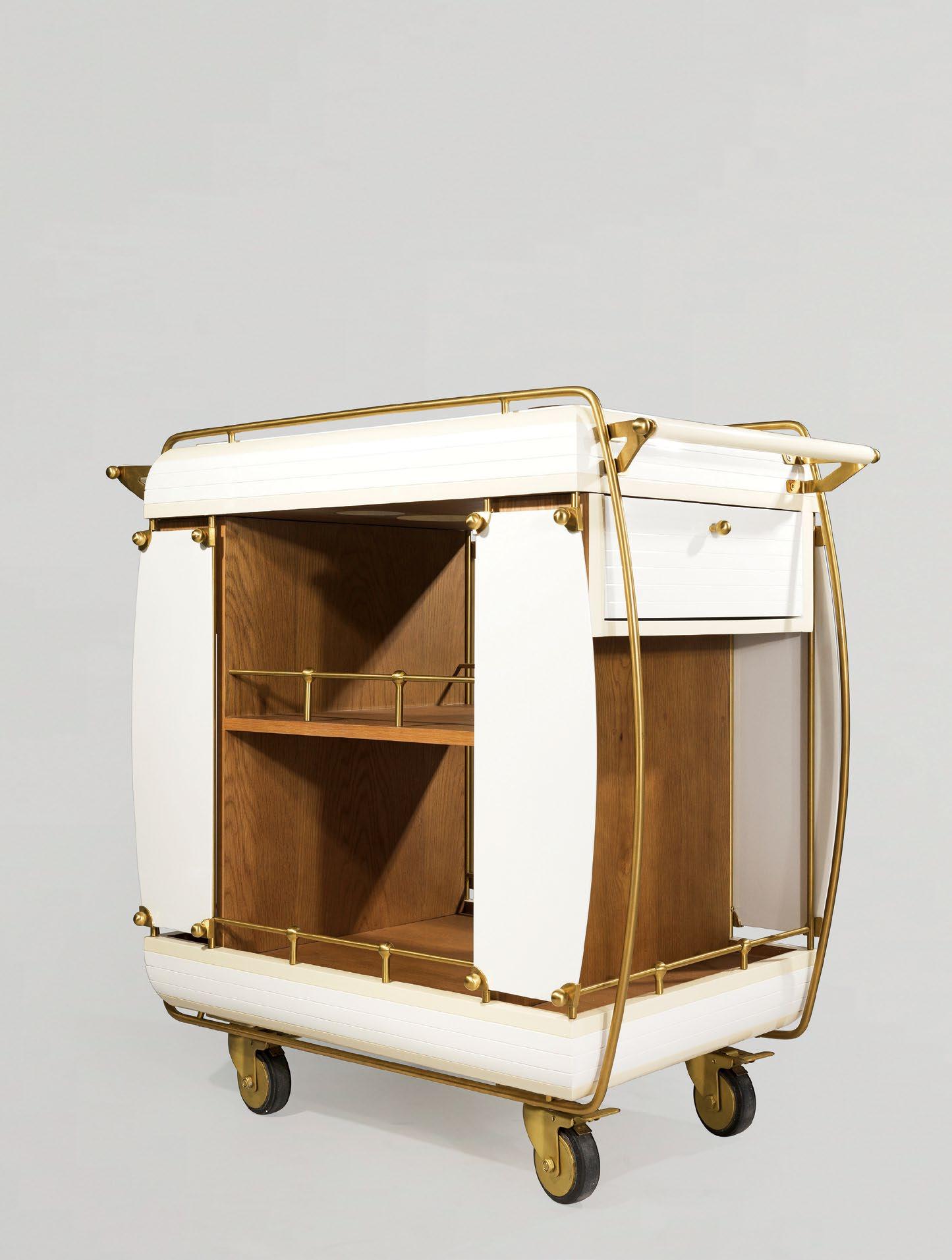
The New York City–based design firm Avroko has long been immersed in the hospitality sector, designing and developing restaurants and producing custom pieces for those clients. Its recently launched SoHo gallery space, Host on Howard, sells such items to the general if discerning public. Among the standouts: custom bar trolleys, which Avroko co-founder William Harris calls “a celebration of hospitality and our mission of creating spaces that foster connection.” Chef Michael Mina ordered some to his own specifications, and now you can, too, whether you need a spot for extra ice or just the right amount of space for a suite of your favourite gins.
1914: The founding year of the Naples-based tiemaker E. Marinella
7: Layers of silk used to construct the brand’s deluxe neckties.
12: U.S. presidents—all since JFK— who have worn E. Marinella ties.
45: Minutes it takes to produce each one.
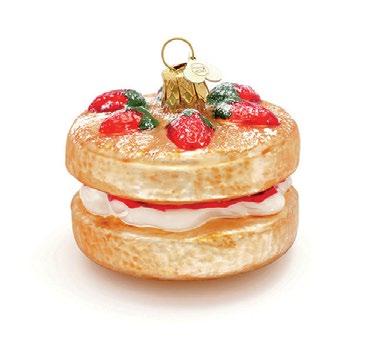
Handmade, mouth-blown glass Christmas ornaments have been a Polish tradition for centuries, so it’s fitting that designer Michael Peterson named his company Bombki, or “ornaments” in Polish. The London-based firm is acclaimed for its intricate and witty designs, each of which is clay-prototyped before being put into production, be it a miniature London taxi or a set of portraits of the wives of Henry VIII. Peterson and his wife, Zaneta, also accept bespoke commissions for such baubles and will apply their whimsical, technical know-how to nearly any challenge. The minimum order is 100, meaning that every tree in each of your homes can have the same ultra-personal décor.
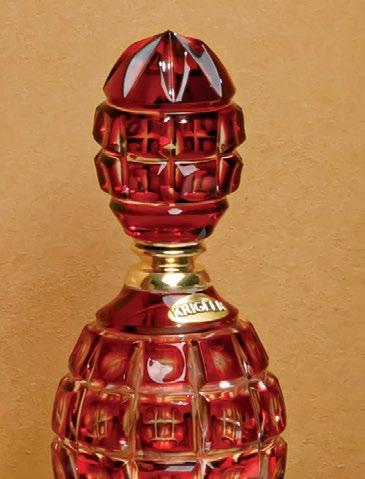
A bespoke fragrance is discreet, personal, exquisitely crafted over months, and known only to you and those fortunate enough to catch a hint. At Krigler in 1904, the process involves a series of consultations (including scent discovery and ingredient selection), plus blending, aging, and specialized packaging. Atelier perfumery services are available at House of Krigler boutiques within Four Seasons properties in Houston; Washington, D.C.; Palm Beach, Florida; Beverly Hills, California; and Saint-Jean-Cap-Ferrat, France. Guerlain, a pillar of French haute creations that marry treasured materials—like Rose de Mai from Grasse, France, which blooms briefly just once a year—with distinct savoir faire. And Southern California–based modern sensibility, distilling memory and emotion into scent through customized Fragrance Journeys for clients. —
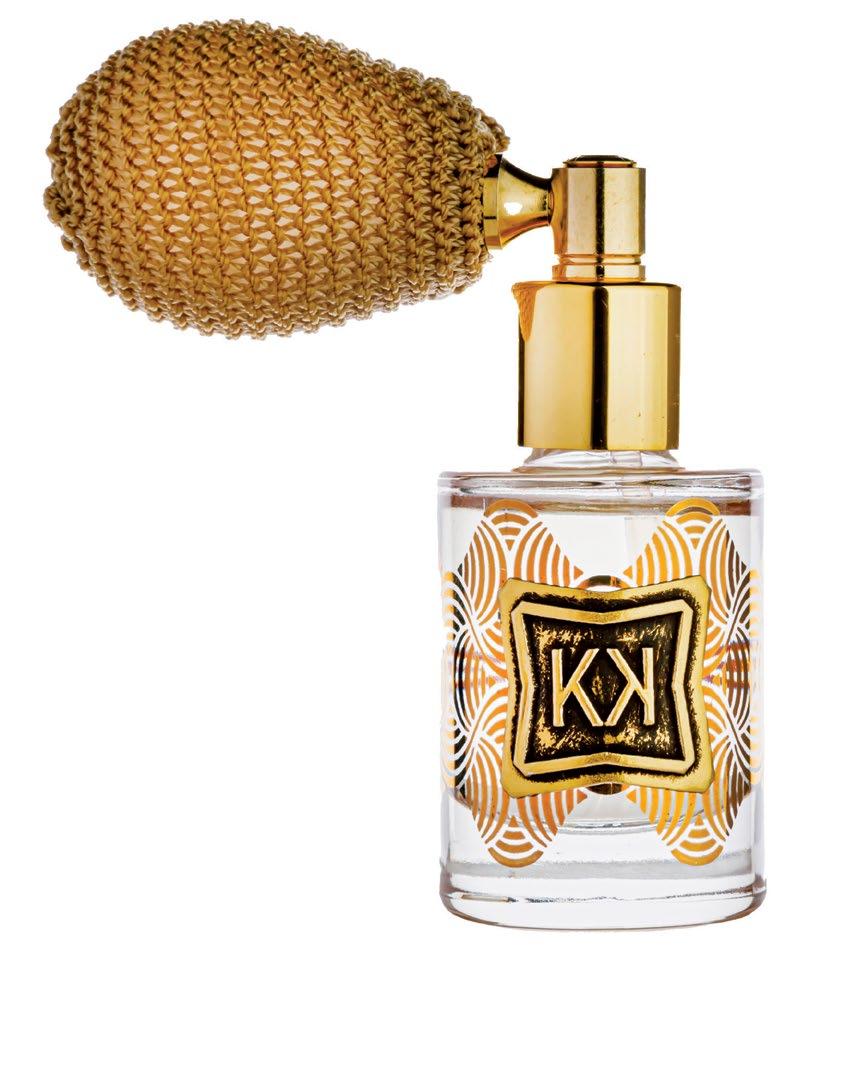
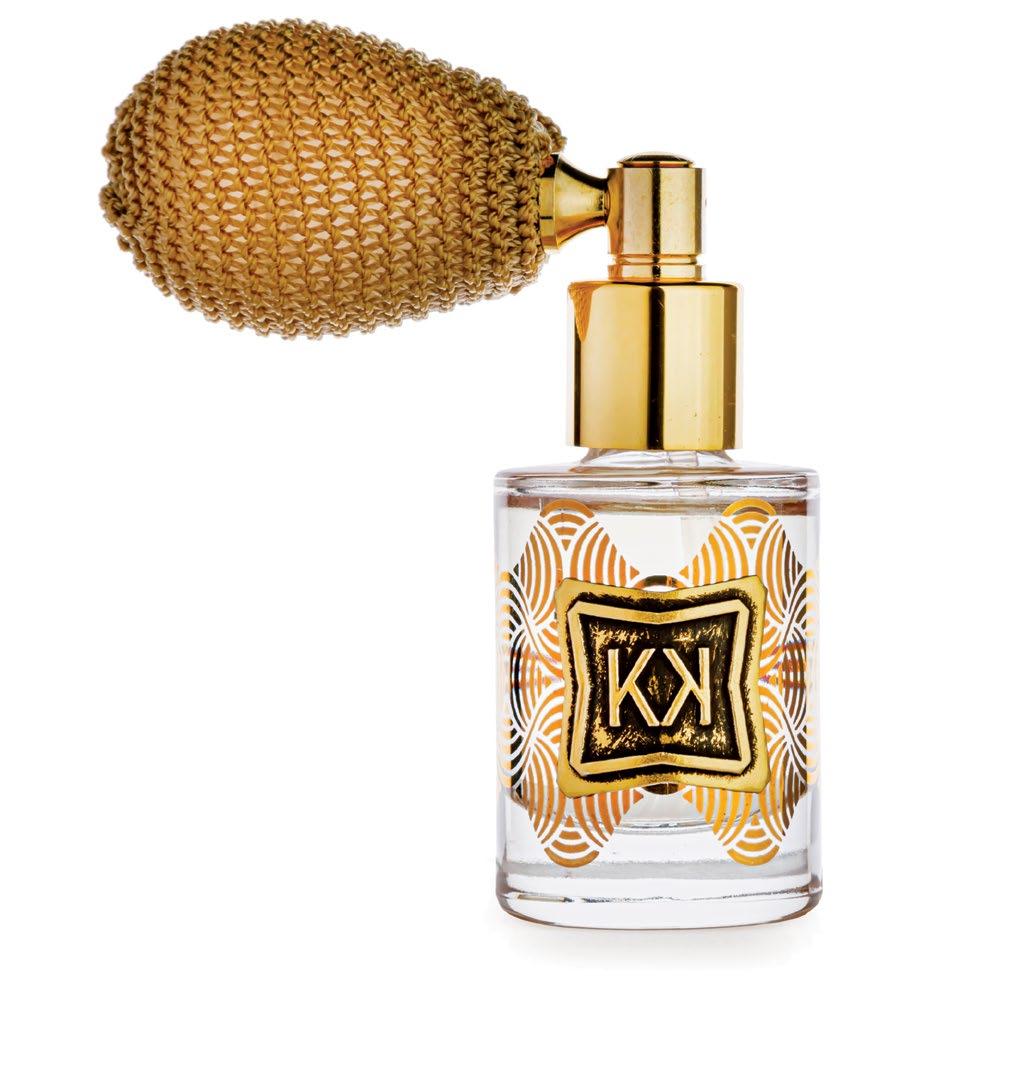
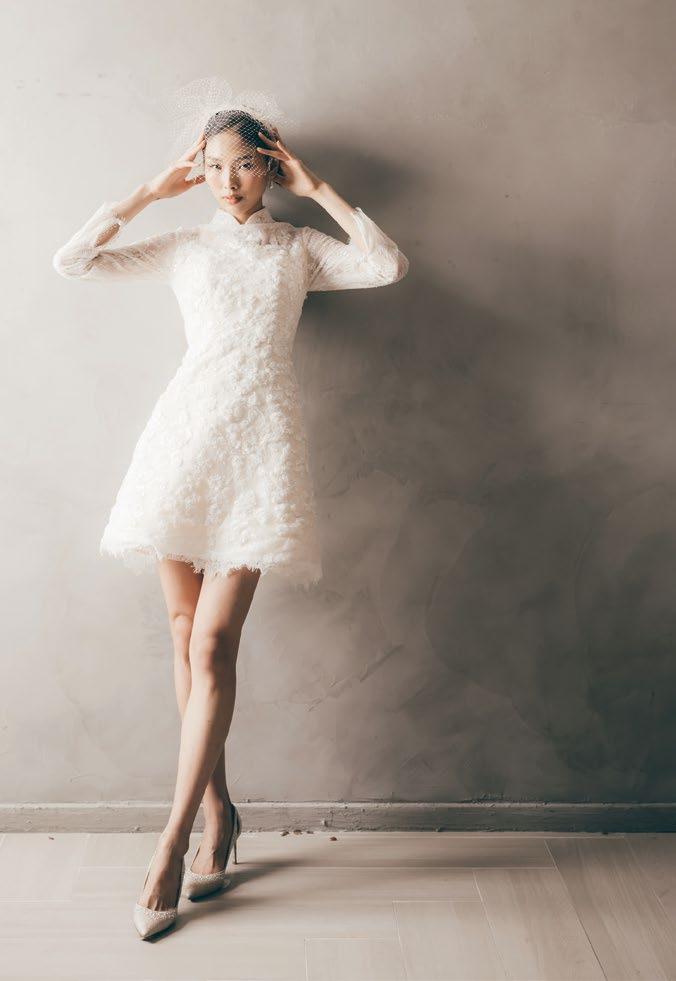
Have one of Julie Liu’s fresh takes on the traditional Chinese dress made to order in person at her Qipology atelier in Hong Kong’s Central district. “We get a lot of tourists, referred from Four Seasons [Hotel Hong Kong], who come visit the store,” she says. “We use satin, crepe, brocade, cotton, lace, and do a lot of embellishments, [such as] beads and appliqués.” If a visit to Hong Kong is not on the horizon, send Liu your measurements and she will happily work with you remotely.
If you have a yen for adventure, 18 months, and a million dollars or more, snap up one of the twostory RVs made by Marchi Mobile in Germany. Trick it out with everything from a wine fridge to a spa bathroom.
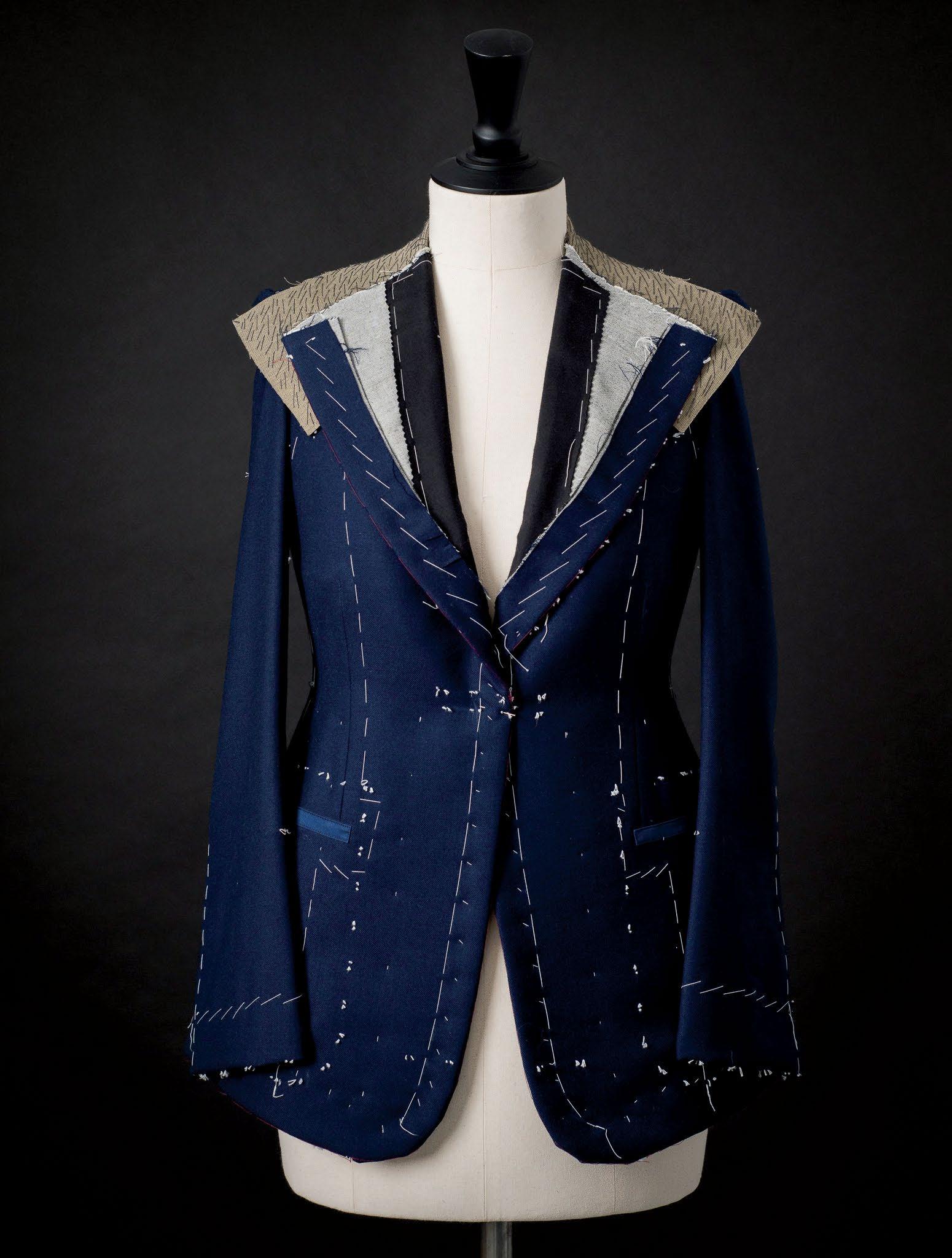
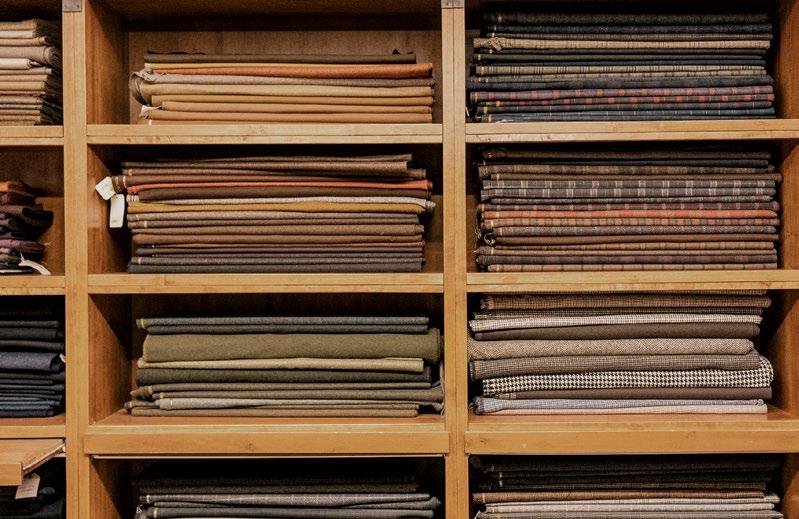
BESPOKE SUIT TAILORING is a centuries-old craft in which garments are cut for individuals using paper patterns based on their unique measurements. While practised by a handful of fashion brands with an international footprint—namely Stefano Ricci, Kiton, and Brioni—it is an inherently localized trade due to the multiple in-person fittings the process requires. No two bespoke suits will ever be identical—nor will their makers. From London to Tokyo to Bogotá, here’s where to get measured on your next trip. —Eric Twardzik
Established in 2018 in Hong Kong and Taipei, the Anthology filters the proportions of traditional bespoke tailoring through a more modern lens. It’s an ethos best expressed by the maker’s signature shoulder—unpadded yet slightly roped—and delight in curating interesting, neutrally toned fabrics from the world’s best mills.
Founder Kimberley Lawton came up the traditional way on London’s Savile Row but departed the street in 2018 to work under her own name in 2022. She has developed an unapologetically bold silhouette that combines Old Hollywood elegance with 1970s flair, and she’s attracted a considerable number of female clients in the process.
LIVERANO & LIVERANO
Established in the 1960s, Liverano & Liverano is revered for keeping the
distinctive Florentine style of bespoke tailoring alive. Marked by a shorter length, an undarted front, and an extended shoulder, the cut continues to be championed by founder Antonio Liverano, who has achieved living-legend status in the industry.
Simon Martelo apprenticed under the famed Colombian tailor Don Enrique Rojas before opening his own Bogotá business, where he does the measuring, cutting, and fitting for every client. The house signature is its subtlety: shoulders are natural with minimal padding, and lapels are in harmony with the wearer’s own proportions.
Paolo Martorano planted his business on West 57th Street in Manhattan’s “Billionaires’ Row” area in 2017, when he was just 25. His silhouette is as classic as it gets, embracing drape, fullness, and a lightly padded shoulder with just a touch of roping. He also offers his clients bespoke pajamas and most anything else they can dream up.
Located in Tokyo’s Shibuya neighbourhood, Tailor Caid is arguably the foremost practitioner of the “Ivy” look that ruled Madison Avenue in the postwar era. Founder Yuhei Yamamoto’s calling card is the undarted “sack suit,” whose fuller cut and soft, natural shoulders communicate a reverence for relaxed elegance.
CLOCKWISE FROM OPPOSITE PAGE: Lawton, Liverano & Liverano, Martelo Bespoke, the Anthology, Paolo Martorano Bespoke
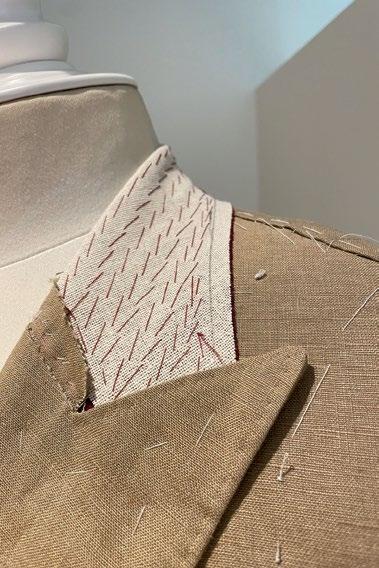
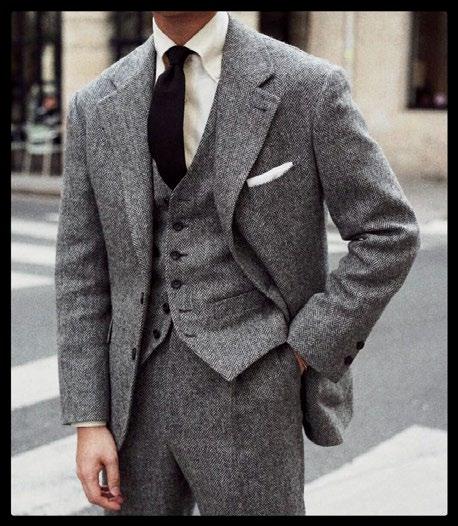
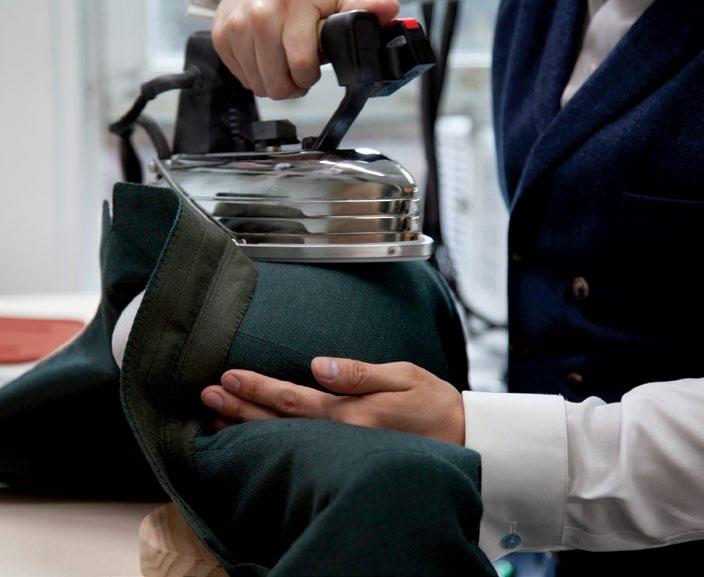
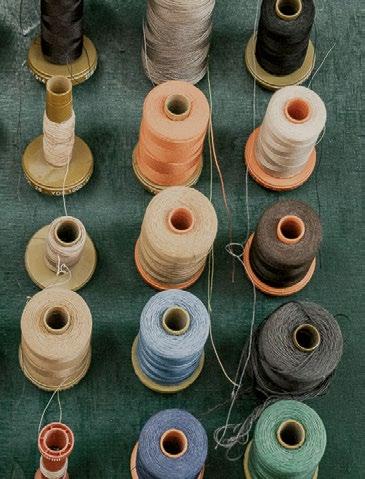
Inside the tiny, spartan hut where Donald John Mackay works, there’s a Gaelic-language station blasting from a tinny radio and a Bible verse–filled calendar. Otherwise, the place is stuffed with bales of fabrics and wool—this is where the weaver sits at his loom for hours each day making handwoven Harris tweed. There are just 200 or so artisans like Mackay, and for fabric to be a true Harris tweed, it must be handmade right there, in Scotland’s Outer Hebrides, on a loom using Scottish wool. An orb-like logo, stamped in beeswax, serves as a guarantee of authenticity. Weavers like Mackay and Taobh Tuath Tweeds’ Rebecca Hutton will happily accept bespoke orders from private clients, whether a riff on a classic tartan or something entirely unique.
Below the sidewalk in central London, there is still an atelier producing customizable umbrellas (shy of fully bespoke but full of singular style) by hand for James Smith & Sons, whose founder set up the company almost 200 years ago— the shop’s Dickensian façade only hints at what’s inside. Commission an umbrella (call it a brolly like the Brits do) with whatever materials you
as a car-wash-like facial). She and her team customize treatments to your individual needs, so no two facials are
choose from the brand’s offerings, and it will be produced, right there, just as the family-run firm has done since Queen Victoria’s time.
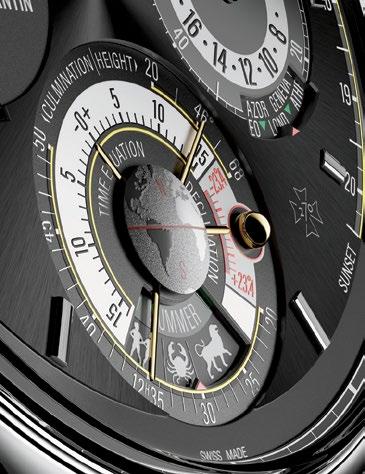
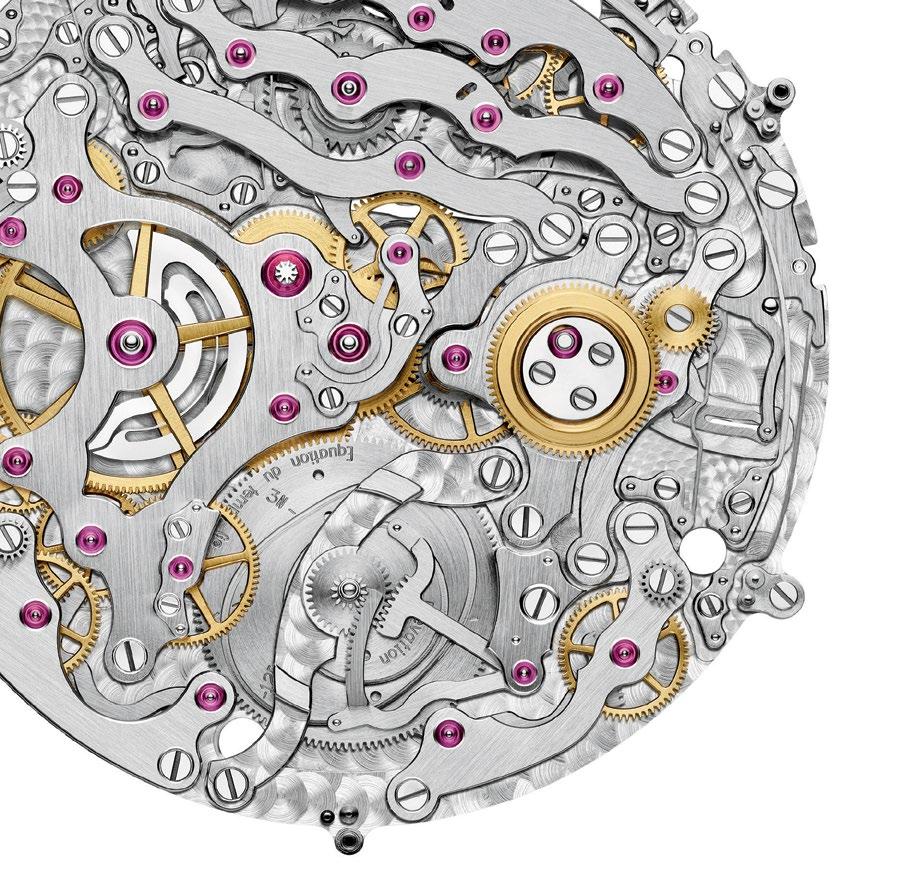
At Vacheron Constantin, an entire department, Les Cabinotiers, creates bespoke watches for high-level collectors, as well as record-breaking designs like the new Solaria Ultra Grand Complication–La Première (movement shown above left). Revealed in March after eight years of R & D, the timepiece set a record for the most complications, 41, ever featured in a wristwatch. Not a bad way to celebrate the house’s 270th anniversary. —Degen Pener
Need that pimple zapped or wrinkle smoothed? Do what celebs from Jennifer Aniston to Anne Hathaway have done and book a bespoke treatment with Georgia Louise. The British-born, New York City–based facialist (full name Georgia Louise Vassanelli) takes an approach to skincare that is anchored in her signature Lift + Sculpt method, based on a deep-tissue lymphatic drainage massage, as well as her Georgia Jet treatment (think of it
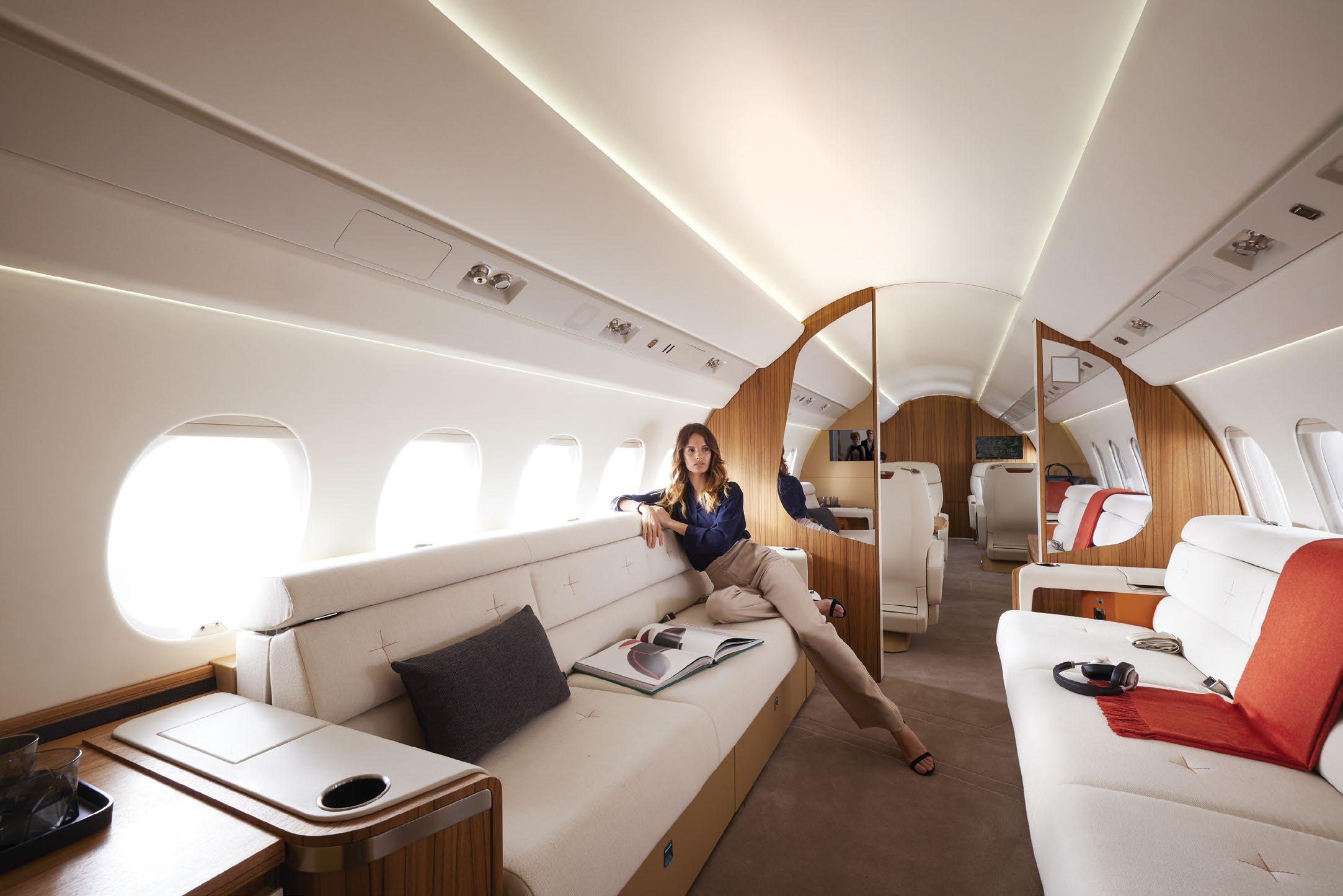
the place to source a world-class yacht—as Four Seasons knows, having tasked the Italian shipyard Fincantieri, in Ancona, with producing its first, the 679-foot Four Seasons I (above), which
will set sail next year. Since 2016, more than four in 10 superyachts have originated from the country. The spiritual home of such craftsmanship is a small town on the Tuscan Riviera, Viareggio, where many esteemed producers have their headquarters, including Sanlorenzo, Azimut Benetti, and Rossinavi, the last of which just debuted a splashy new hybrid-electric, AI-powered catamaran with superstar designer Yves Béhar.
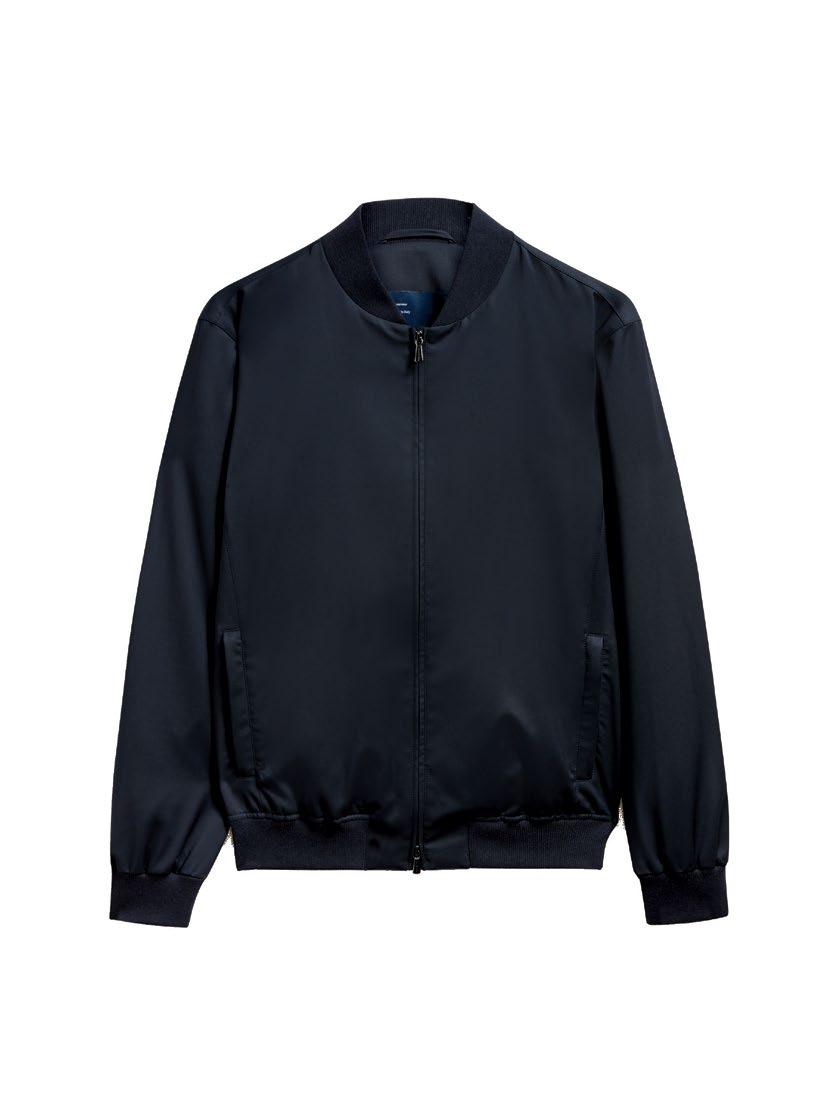
This twist on a classic U.S. military bomber jacket from British designer Thom Sweeney can be made to your exact specs in around 12 weeks, offering a Savile Row–style take on all-American casual wear.
IS FOR VASE
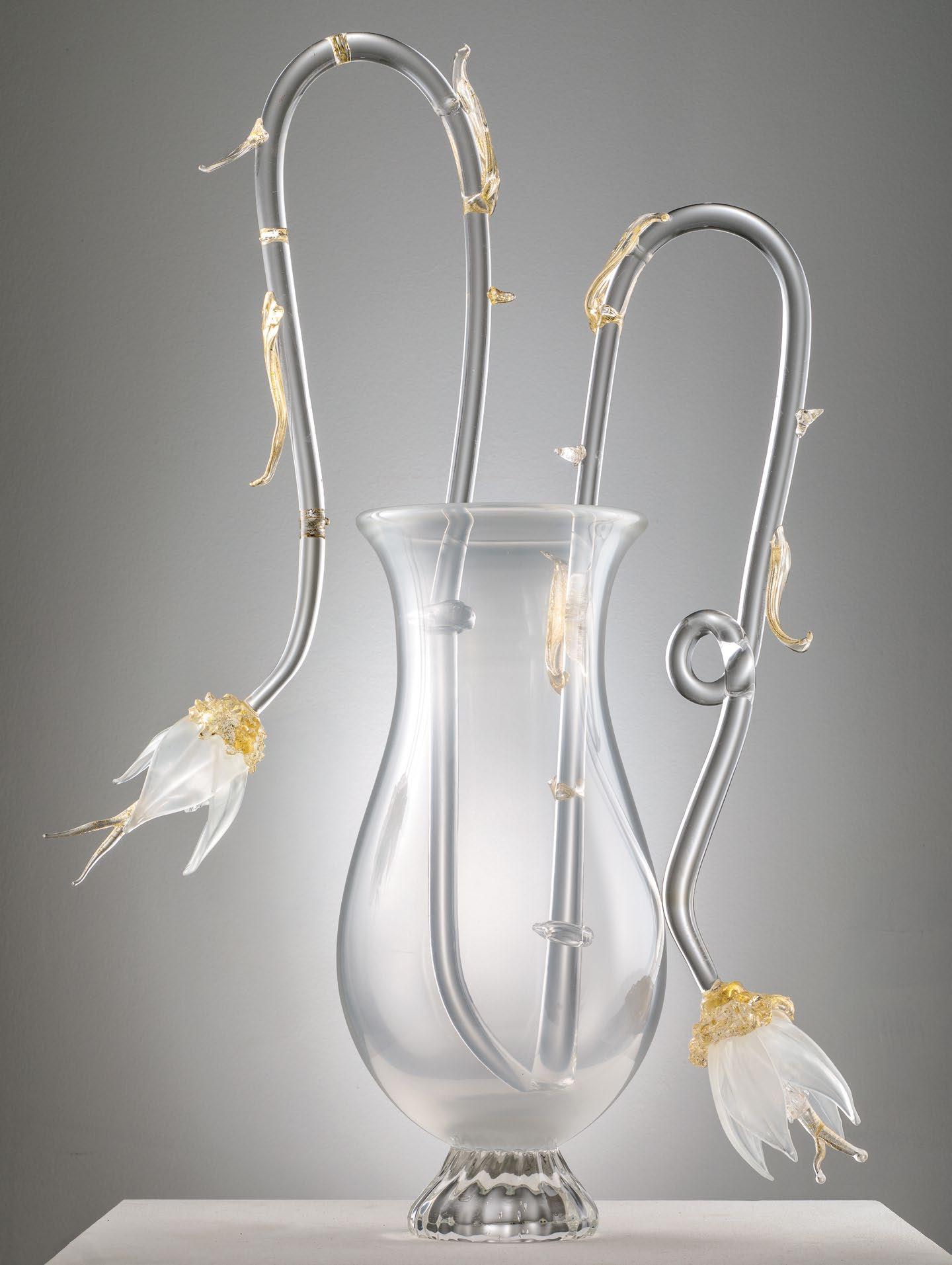

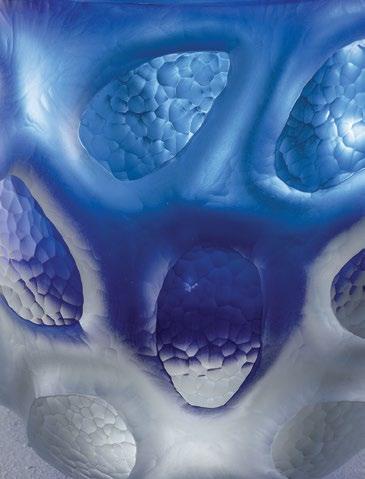
“I’m 100 percent from Venice, like a Venetian blind,” jokes Adriano Berengo, the founder of Berengo Studio and Fondazione Berengo. He’s standing in his atelier on Murano, with clogs on his feet, and wearing a wacky pair of polka-dotted black pants. The onetime tour guide now runs one of the largest glassblowing facilities on the island, and he is proudly overseeing a piece commissioned by Belgian artist Koen Vanmechelen for the next Venice Biennale. Berengo has worked with many other artists, too, from Ai Weiwei to Vik Muniz. But he isn’t limited to working with world-famous names. All it takes is a sketch or two to jumpstart a private commission—tackled by one of Berengo’s two teams of glassblowers—whether it’s a chandelier or simply a gorgeous vase.
As Italy’s design capital prepares to cohost the 2026 Winter Olympics, a surge of international creatives is redefining the city’s cultural pulse.
by MARY HOLLAND
ON THE ROOFTOP OF LA DOUBLEJ’S new headquarters in Milan’s Navigli district—a buzzy neighbourhood where restaurants spill onto canals—sits an unexpected oasis: a gong temple, complete with workout mats, meditation cushions, and a wall of bronze gongs. The glass-walled room, which overlooks the city’s old terracotta rooftops, is a community space accessible to anyone who signs up for yoga, meditation, and sound baths. “Twenty years ago, nobody would have come to a wellness space on top of my office,” says J.J. Martin, founder of La DoubleJ, the maximalist fashion and homeware brand known for its bold printed dresses and sets.
When the magazine editor turned designer first moved to Milan from the United States 25 years ago, no one she knew there was doing breathwork, let alone practicing yoga. Now La DoubleJ’s classes are packed. “We’ve got a full house,” she says. This rooftop wellness space captures a new wave rippling through Italy’s second-largest city. The metropolis’s cultural tone is shifting as more foreigners are lured there due to great quality of life, as well as a flat tax system. “Everywhere I go—whether it’s New York, London, Palm Beach—I’m hearing about the mass exodus to Milan for tax purposes,” says Martin, adding that this influx has fueled a surge in local property values and rentals. For high-net-worth individuals, Italy’s offer for new residents to pay a fixed annual levy of
€200,000 on all foreign‑sourced income is a huge draw. Money is flooding in. Last year, Milan’s Via Monte Napoleone became the priciest shopping street in the world, overtaking New York City’s Fifth Avenue and boasting a new Tiffany & Co., the brand’s largest European flagship.
For many creatives, the attraction lies in the city and culture itself. While celebrated as Italy’s fashion and design capital, Milan has long carried a repu tation as the country’s grittier, more industrial city—not as ornate as Florence or as historically cinematic as Rome. Indeed, Milan’s architecture showcases a striking duality—case in point, the Duomo, with its intricate marble façade, and the Galleria Vittorio Emanuele II arcade, with its glass and steel canopy, located not far from converted factories and warehouses. Yet its beauty lies precisely in its subtlety. As David Raffoul, the Paris born, Beirut raised co‑founder of design studio David/Nicolas, puts it, “The beauty of Milan is that it’s not an obvious city.”
In Milan, heritage isn’t just preserved; it’s celebrated. “Out of all the Euro pean countries, Italy is the one that stays quite [connected] to its heritage,” says the Norwegian art advisor and curator Truls Blaasmo, who moved to Milan four years ago and whose clients include Gucci. “The Italians are so true to their history.” For him, Italy’s legacy of tradition and design made the move irresistible. “What’s key in the history and heritage of the city is manufac turing, whether it’s cars or furniture.” For many designers and artists, proximi ty to top tier artisans—both in Milan and close by elsewhere in Italy—is extremely appealing. “In terms of production and artisans, they are the best,” says Raffoul, who made Milan his permanent base in 2020. “You can go to Veneto, anywhere, and you will find great artisans.”
Some 20 percent of Milanese residents today are foreign born, making the city one of the most diverse hubs in the country. For furniture designers Francis Rudman and Azamit, the married co founders of Hintsa Rudman, relocating from Montreal to Milan offered an opportunity to start something new. After visiting the city over the years to attend the design fair Salone del Mobile, they finally made the leap two years ago and launched their furniture brand, which uses bronze, brass, and wood to create heritage ‑ inspired contemporary benches and tables. “It just clicked,” says Azamit. “All the ateliers and manufacturers are so close.” The duo is preparing to debut a collection inspired by their move to Italy.
Similarly, the U.S. born clothing designer Brett Johnson, who shows during Milan Fashion Week, has found the city alluring for its artisanal access.
“The best trade fairs for fabrics and leathers are in Milan,” says Johnson, who is known for his sharp tailoring. “I discover all the latest offerings there.”
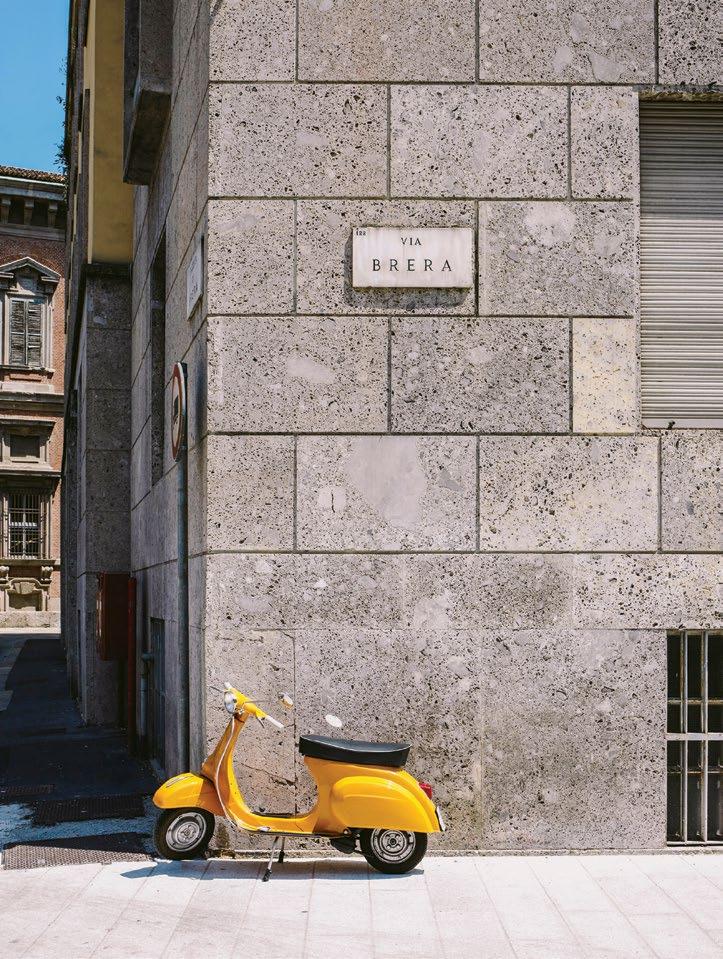
Although he splits his time between Milan and Virginia, Johnson maintains a strong presence in the Italian metropolis. He has a showroom on Via Manzoni, near Brera, the upscale neighbourhood that is home to the Brera Academy of Fine Arts and such chic boutiques as the Venetian shoe brand ViBi Venezia and the perfume bar Olfattorio. Other designers who now call Milan their creative base include Japanese born Satoshi Kuwata, founder of the label Setchu, and Istanbul‑raised Umit Benan, who recently opened his first store on Via Bigli.
For many, moving to Milan also means enhancing their quality of life. Ambra Medda, co‑founder of Design Miami and the design consultancy AMO, made the move from London to Milan with her husband, designer Edward Barber (of Barber Osgerby), in part to give their children “a slice of Italian culture,”
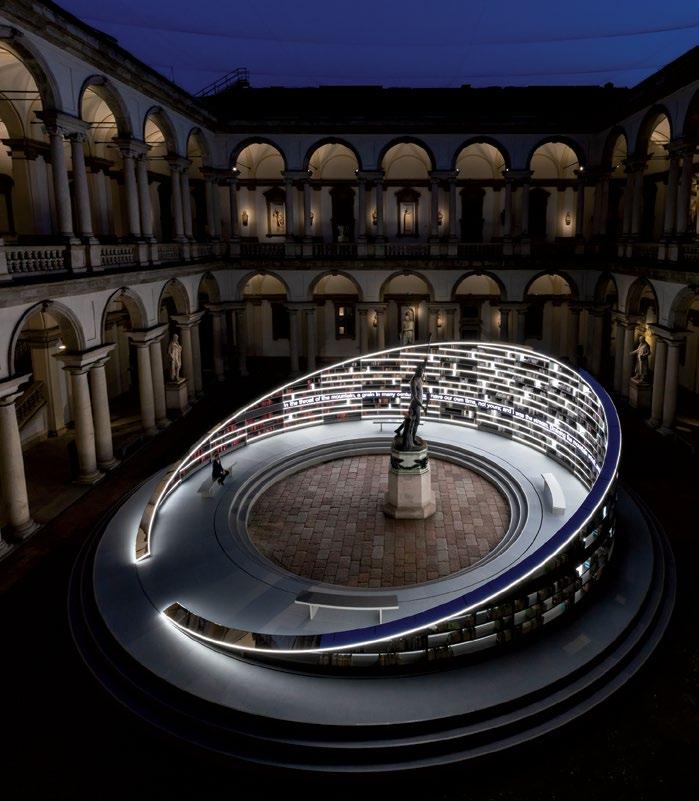

The 24th international exposition Triennale Milano, running through November 9, brings together artists, designers, and architects to look at the theme of inequalities, with exhibits exploring everything from London’s Grenfell Tower fire to climate change and human migration.
The fantastical work of British-born surrealist painter Leonora Carrington, who spent most of her life in Mexico, is the subject of the first-ever solo show dedicated to the artist in Italy. The retrospective at Palazzo Reale runs September 20 through January 11, 2026
she explains. Although Barber still splits his time between London and Milan, Medda—who was born in Greece and has lived in New York and Miami— wanted her kids to grow up learning Italian. “Living in Italy is so replenishing,” Medda says. Rather than being stuck in a car all day in London, she now bikes or walks through the city with ease.
It’s not just foreigners flocking to Milan; Italian creatives are reclaiming the city, too. Born in southern Italy, fashion designer Francesco Murano first moved to Milan in 2016 to study fashion. “It’s the only metropolitan city in Italy at the moment,” says Murano, who is a finalist for the prestigious LVMH Prize. He launched his brand in 2021 and made his Milan Fashion Week debut in February 2025. In recent years, he has seen more emerging brands rising. “If you want to do this kind of work and be close to trends, you have to stay in Milan.”
And then there are the Italians returning home. Andrea Trimarchi, co‑founder of the research focused studio Formafantasma, spent two decades abroad, launching the studio in the Netherlands after studying in Florence, before moving back. “We were missing sun, food, and friends,” he says. At the time he left, Milan’s design scene was tightly controlled by an older generation. “There was no space for the younger generation to flourish,” Trimarchi recalls. Now that’s changing. “A lot of Italian people moved abroad and in the last few years have decided to come back and establish studios similar to ours,” he says, noting that Formafantasma moved its studio into an irresistible warehouse space.
Throughout its history, Milan has been welcoming of immigrants. “It’s always been receptive to foreigners,” says Trimarchi. “It’s the richest region in Italy and biggest producer of design and fashion, so there’s a lot of work there.” Recent years have seen this openness accelerate, spurred by events like Expo 2015 and Salone del Mobile, the annual design fair that has begun at tracting major brands, such as Gucci, Prada, and Loewe, presenting immersive installations. Looking ahead, the Milano Cortina Winter Olympics, running February 6 to 22, 2026, will further cement the city’s global influence. Milan, the co host of the games, will be the site of figure skating, speed skating, hockey, and the opening ceremony.
Milan has long had an impressive dining scene and currently boasts 18 Michelin starred restaurants, such as the avant garde Contraste (which recently underwent a stunning, multihued redesign) and Enrico Bartolini al Mudec, the city’s sole three star establishment. Trimarchi notes, though, that the food scene has shifted; it now offers Mexican, Indian, and Japanese cuisines, which was unheard of in the past. “There is a much more diverse culinary environment,” he says. Natural wine bars, such as Nico and Flor, are crowded with patrons sipping glasses of orange wine. “When I first moved here, there was zero international food. You could only get Italian, and it was either at a restaurant or homemade, no takeout or delivery,” says Martin, adding that there are now “even a few vegan and gluten free spots.”
At Fondazione Prada, from September 18 to February 26, Oscar-winning director Alejandro G. Iñárritu presents Sueño Perro The multisensory exhibition will reveal never-before-seen footage from his debut feature Amores Perros, released 25 years ago.
—Degen Pener
But for all its changes, Milan retains a timeless essence. Step into Marchesi 1824, a historic café where locals enjoy espressos and pastries at the bar, or A Santa Lucia, a no frills restaurant where the walls are crowded with vintage photographs and tables are dressed in stark white tablecloths. Beloved estab lishments remain staples. Raffoul swears by the club sandwich at Four Seasons Hotel Milano, where the suites and rooms were recently remade by the illustrious French designer Pierre Yves Rochon with velvet couches and sienna hued wall coverings inspired by the cloister’s frescoes.
And while Martin is pleased that people want to dabble in sound baths, she is also glad that the city is still rooted in its many traditions. That is, after all, part of what drew her to Milan in the first place. “When I first arrived, Milanese fashion was like out of a movie—the women in kitten heels and the men in their Brioni suits,” she says. As globalism has spread, the street style has adapted, but Martin says, “you still have that innate sense of individuality and style that I think is built into the DNA of the Italians.” The city might be transforming, but some things, such as a well made espresso, remain beautifully the same. “You still can’t get French food here,” she notes. “Some things don’t change.” n
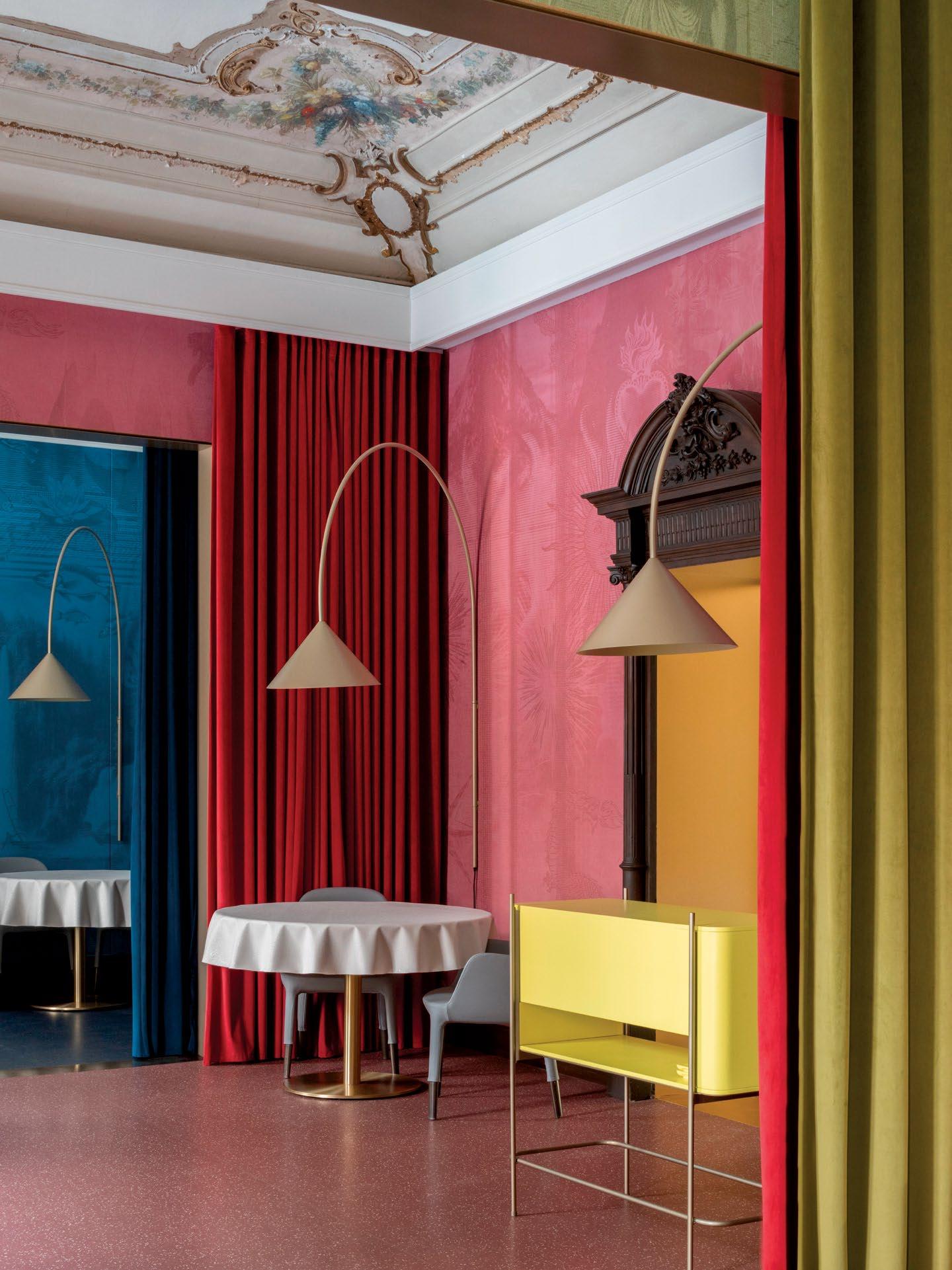
THE MILAN COUNTRYSIDE:
Outside Italy’s lively design capital, dozens of picturesque golf courses beckon with Alpine vistas and serious play.
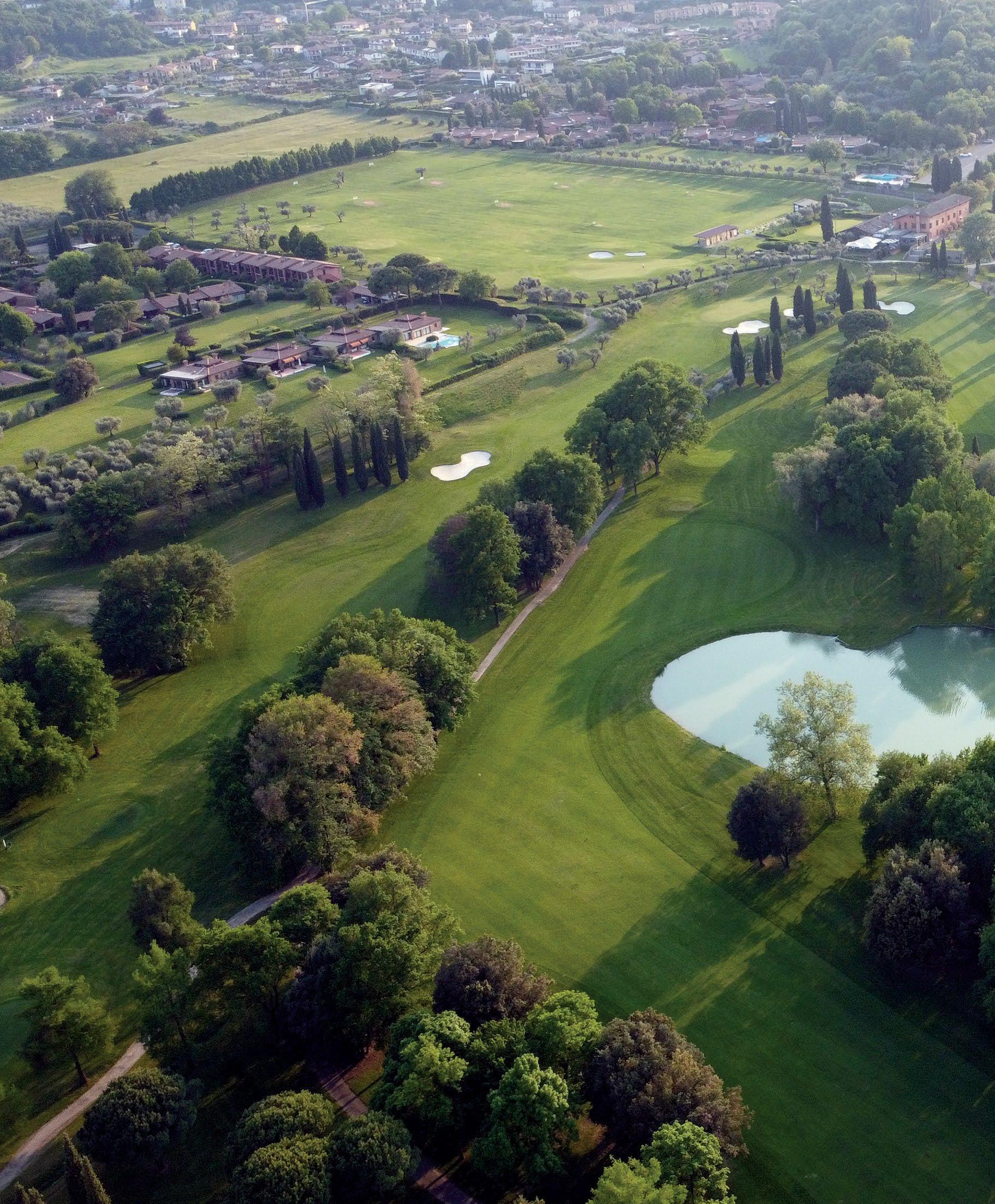
enture beyond Milan and you’ll discover that northern Italy’s countryside is a haven for golf. There are more than 40 courses within two hours of Milan—many accessible by train—including a 27-hole facility at Golf Club Milano (nine-time host of the Italian Open) and two courses designed by the legendary Robert Trent Jones Sr., Royal Park I Roveri and Golf Club Castelconturbia. “Where else can you hit the green with the Alps behind you and a lake at your feet and still make it to aperitivo in Milan?” says Diletta Giorgolo Spinola, the head of residential for Italy Sotheby’s International Realty. Here are a few of our favourite places to play.
CASTELLO TOLCINASCO GOLF RESORT & SPA A stunning 16th-century castle serves as the clubhouse for three nine-hole championship courses designed by Arnold Palmer. Although it doesn’t offer accommodations, Castello Tolcinasco boasts such resort-style amenities as a spa, a large swimming pool, and Il Tolcino restaurant. (Try the paccheri with cherry tomato sauce, basil cream, and stracciatella.)
GOLF CLUB CARIMATE Vistas of the Alps can be enjoyed from almost every spot on this 18-hole course that winds through a tree-filled landscape. There are also three clay tennis courts, a swimming pool, and a dedicated play area for kids.
GOLF CLUB BERGAMO L’ALBENZA Serious golfers come here for the challenging terrain, which comprises steep hills and tight, tree-lined fairways. It’s no wonder that the club—located outside the charming city of Bergamo— hosts more than 100 tournaments annually. Amenities include the Sandro Angelini–designed clubhouse, two swimming pools, a gym, and a restaurant serving traditional dishes like sautéed mushrooms atop polenta.
GARDAGOLF COUNTRY CLUB If prestige with a side of people watching is your priority, head to GardaGolf (pictured), an elegant club with views of Lake Garda and a landscape dotted by cypress trees, vineyards, olive groves, and centuries-old villages. The course features greens with steep slopes and bunkers throughout, and the fine-dining restaurant Bucadiciannove, overlooking the driving range, turns out exquisite meat and seafood dishes. —Shivani Vora n
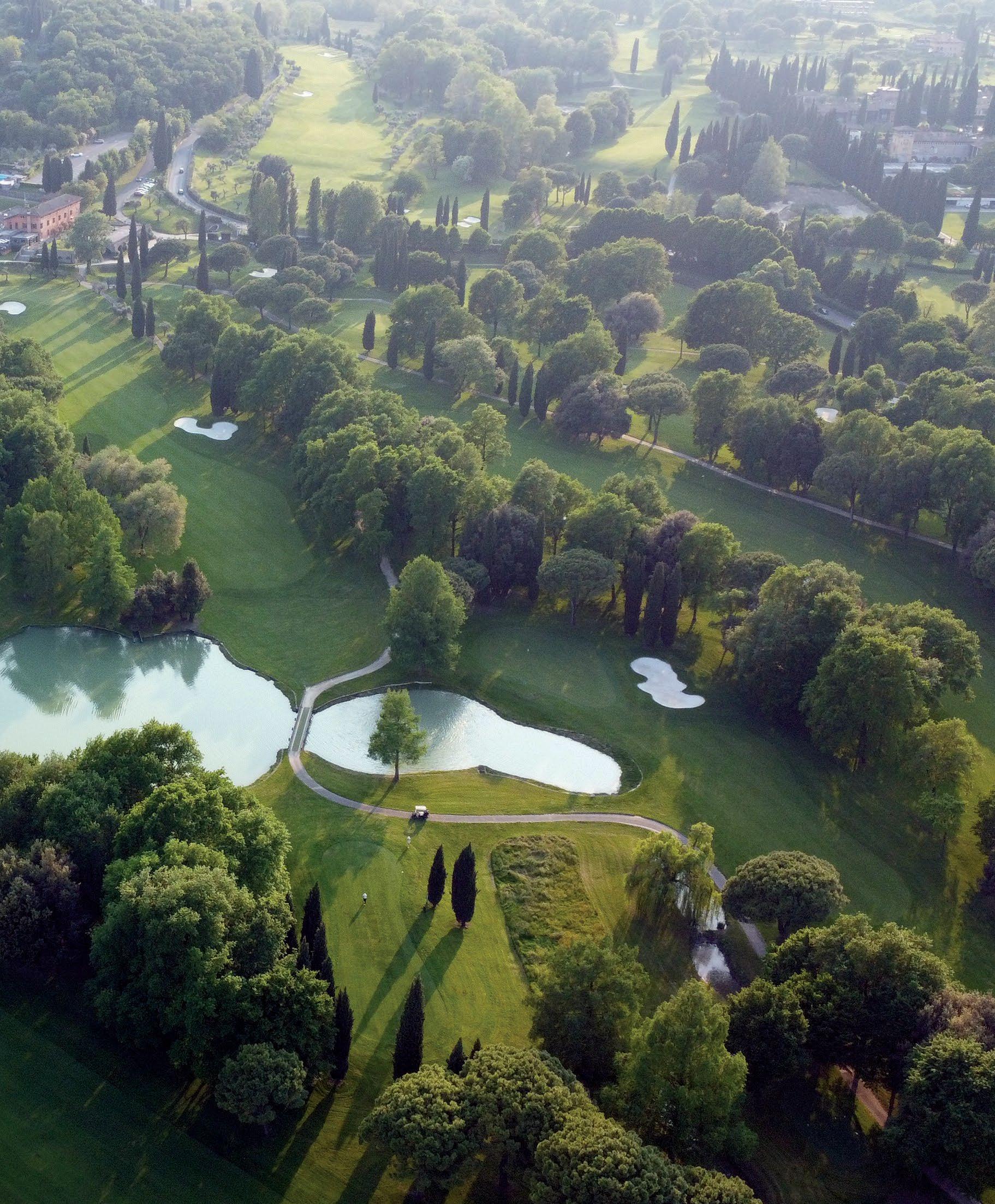
Neuroscience now supports what travellers have long felt: being in the presence of great beauty can be transformational.
by MOLLY ROSEN
“WHEN I THINK OF BEAUTY, I also think of beautiful landscapes that I know,” said the Irish poet John O’Donohue. I feel this in my bones. The most meaningful moments of my life have taken place outside—in wilderness, in the presence of something so large it made me feel small. Boating down the Ganges in Varanasi. Walking a suspension bridge high above the jungle in Costa Rica. Staring into a midnight bay in the San Juan Islands and watching creatures bloom bioluminescent beneath the black water. Sitting on a heap of rag rugs on a rooftop beneath the blazing sun in Chefchaouen, Morocco, with a cup of hot mint tea in hand.
I guess you could say I was in awe.
The word awe has roots in Old English: ege—fear, dread, terror. Go deeper and you land in Old Norse: agi. Same meaning, only more intense. The kind of fright that makes your stomach drop and your skin hum. Awe once meant trembling before something vast and unknowable. Awe had nothing to do with fumbling in your pocket for your phone to snap a selfie, to prove to other people you’d been to a place and been moved by it. It was about standing still, overcome by the magnificence of the world, your brain sizzling with majesty. It was about being afraid—in a good way—of how big the universe is. It was about bowing down. The experience of awe was an embodied one. Reverence and surrender, a mystery inside your bones. By the time of Middle English, the idea of awe had evolved into something more attainable—the tender recognition of quiet beauty everywhere. A perfect rainbow after a storm. A temple where your breath echoes. At the edge of a birth, a death, or a galaxy too big to name. One could even find awe in the tiny, mundane moments or minutiae of the natural world—a rose petal, a frozen pond. Vastness veined with grace. As Walt Whitman wrote in Song of Myself, “I believe a leaf of grass is no less than the journeywork of the stars.”
Now neuroscience is catching up to what mystics, poets, and travellers have always known: Awe rewires us. According to Dacher Keltner, a professor of psychology at University of California, Berkeley, awe is not a luxury—it’s a biological necessity. Defined by Keltner as “the feeling of being in the presence of something vast that transcends your current understanding of the world,” awe has measurable effects on the body and brain. A 2015 study co-authored by Keltner revealed that participants who felt positive emotions, such as awe, wonder, and amazement, had lower levels of the cytokine interleukin-6, a marker for inflammation. And Keltner’s research also has found that experiencing awe can trigger the release of oxytocin, the bonding hormone, which has been shown to decrease anxiety levels.
In his book Awe: The New Science of Everyday Wonder and How It Can Transform Your Life, Keltner identified “eight wonders of life”: nature, the moral beauty of others, collective movement (shared joy in groups), music, visual design, spirituality, big ideas, and, as he puts it, “encountering the beginning and end of
life.” These are the stimuli that pull us into the present, that return us to the why. And it gets more interesting. In Soft-Wired: How the New Science of Brain Plasticity Can Change Your Life, neuroscientist Dr. Michael Merzenich says that to stay sharp and healthy as we age, we need the unfamiliar. We need to jolt the system.
Travel does that, scrambling the senses in the best way. A new language in your ear. Smoke and spice in your nose. A cerulean sky, deep and rich as the ocean. When exposed to new stimuli, the brain forms new neural pathways. According to Merzenich, novelty keeps the brain lit up. People who stay curious don’t just age; they grow. “This lifelong capacity for plasticity, for brain change, is powerfully expressed. It is the basis of our real differentiation, one individual from another,” he said.
For me, simply navigating a foreign grocery store—figuring out which fruit is which or translating a label—is a way of triggering brain activity. And curiosity itself is neurologically rewarding. When you explore something new, your brain’s reward system is activated, releasing dopamine, its built-in pleasure chemical. The stronger the dopamine response, the stronger the reinforcement signal, making us more likely to repeat the behaviour. The more you explore, the more you want to explore. Wonder can become a feedback loop. And we need that loop now more than ever.
More and more of us are seeking “mental wellness.” We’re booking getaways not to check out but to check back in. We’re exhausted, depleted from hyperproductivity and hyper-connectivity. We want the reset. Yet nearly 72 percent of global travellers use social media while on vacation, according to a study out this year. Many now use AI to plan, curate, and narrate the experience before it’s even begun. We consult influencers before we consult the wind.
We’ve turned awe into content—and risked missing it altogether. The goal is to put down your phone and feel what it’s like to be in the presence of great beauty— to metabolize your own relationship to the divine in real time. To be humbled by it all and do nothing but breathe. No stories. No likes. No selfies.
In my travels, I’ve learned that awe must be experienced firsthand. It reveals itself in the most beautiful places on Earth, such as the Sea of Stars on Vaadhoo Island in the Maldives, where the waves glow turquoise and footsteps spark light across the beach. The Banyumala Twin Waterfalls, in Bali, cascading through thick jungle. The glacial caves of Aletsch and Zinal (pictured) in Switzerland—frozen, echoing, otherworldly. The Byodo-In Temple near Kyoto, still and ancient. These places carry a sacred frequency.
Awe doesn’t always announce itself. This past winter, standing barefoot on Playa Majahua, a secluded beach on the Pacific Coast of Jalisco, near Four Seasons Resort Tamarindo, Mexico, I felt something inside of me shift. It was sunrise. The moon was sliding down the sky as the sun rose. The air was balmy and fragrant with cypress and gardenia. There was a puma print pressed into the cool, smooth sand. For a moment, it felt like the whole world was holding its breath. n
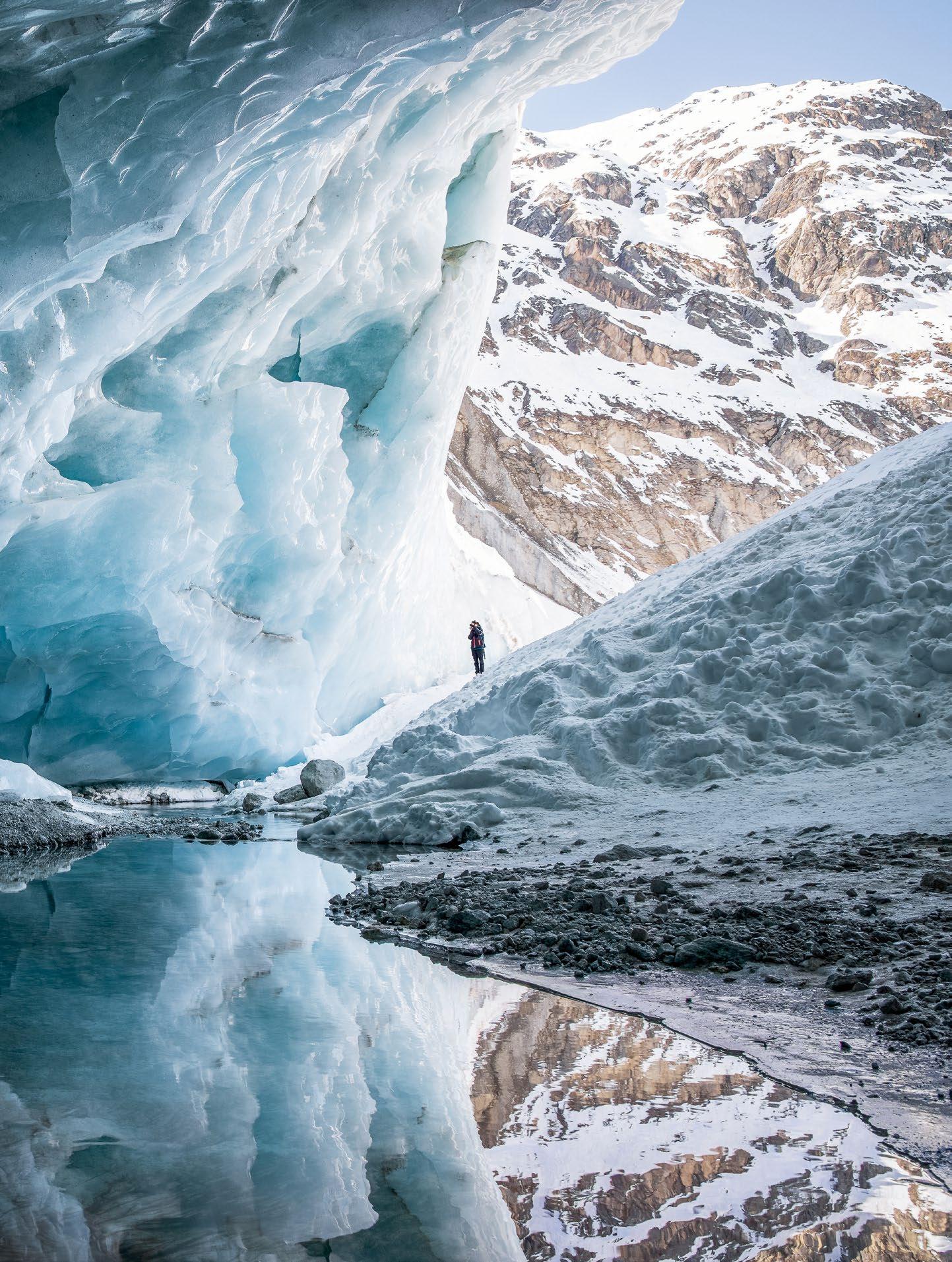
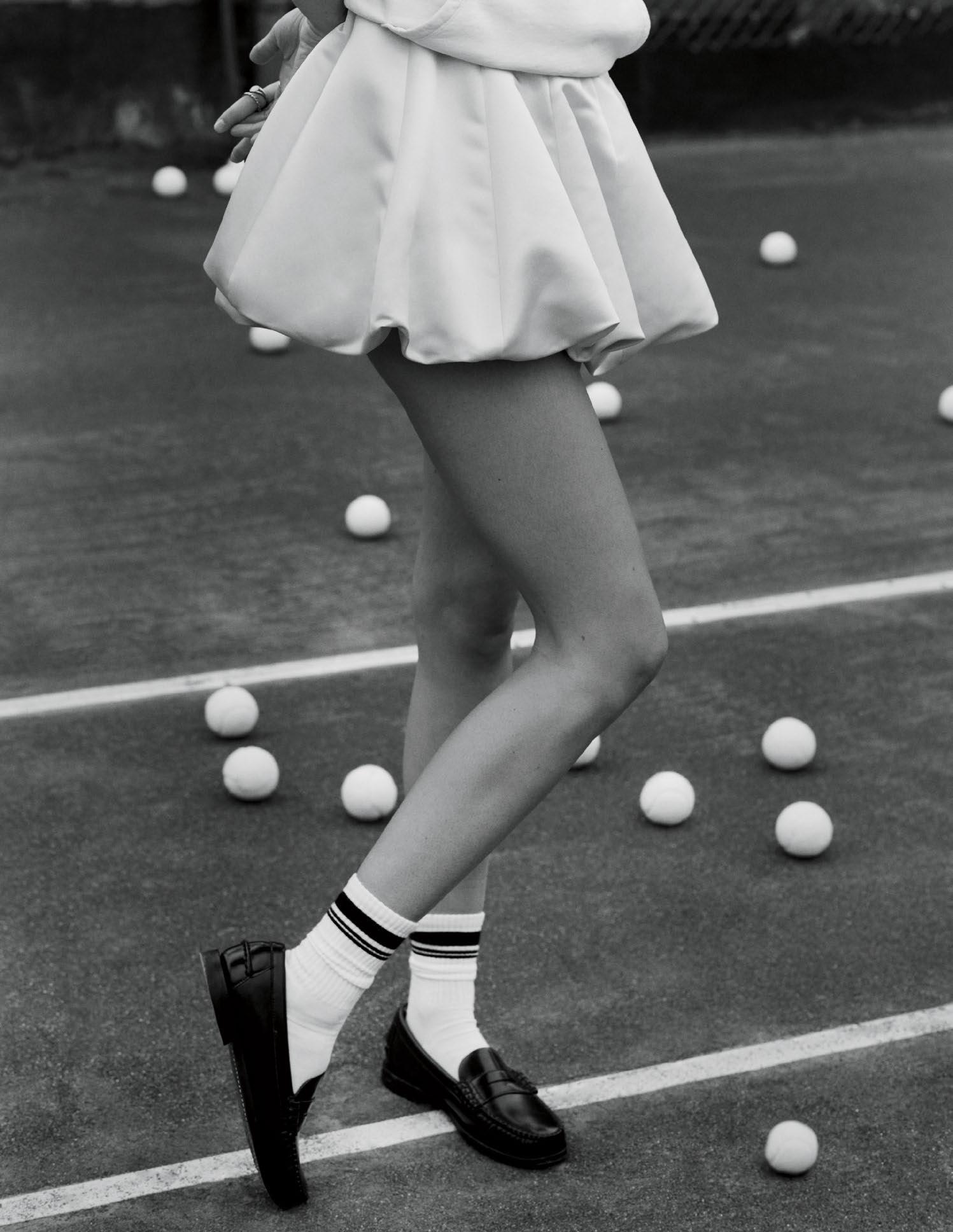


Shining a spotlight on 40 years of Four Seasons Private Residences, from San Francisco and Bahrain to new arrivals in Lake Austin and Saudi Arabia.
LAKESIDE LUXURY ON 145 PRISTINE ACRES.
A peaceful hill with stunning lake and city skyline views is the setting for Four Seasons Private Residences Lake Austin, opening in 2027 just 20 minutes from downtown Austin. Taking cues from modernist architecture, the 179 residences and nine freestanding villas—designed by Lissoni & Partners—will offer seamless indoor-outdoor living. At this standalone property (there is no hotel attached), maximizing service and comfort for residents will be the exclusive focus.
OPTIMAL WELLNESS The Orangerie spa sanctuary— set to be the largest private indoor wellness and fitness facility in Texas—will include an 82-foot indoor pool; yoga, movement, and meditation studios; two golf simulators; an indoor basketball court; courts for tennis, pickleball, and squash; and a children’s gym.
ON THE WATERFRONT An infinity pool 300 feet wide will overlook an especially beautiful bend in the lake. On the lakefront, residents will have access to the Lake Clubhouse, a private marina, and boat slips, as well as the property’s fully electric watercraft.
DINNER AND A SHOW The Private Residences will be home to Café Boulud Lake Austin, Michelinstarred chef Daniel Boulud’s first restaurant in Texas, while the on-site theatre will offer films, concerts, lectures, and private events.
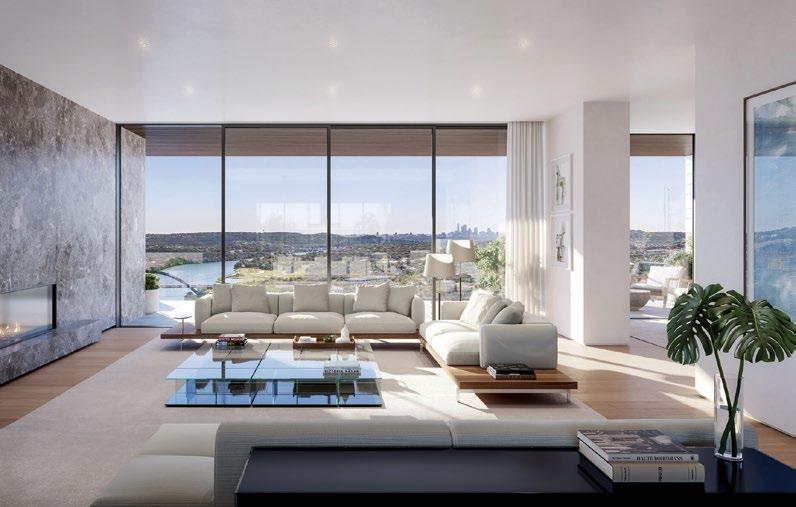


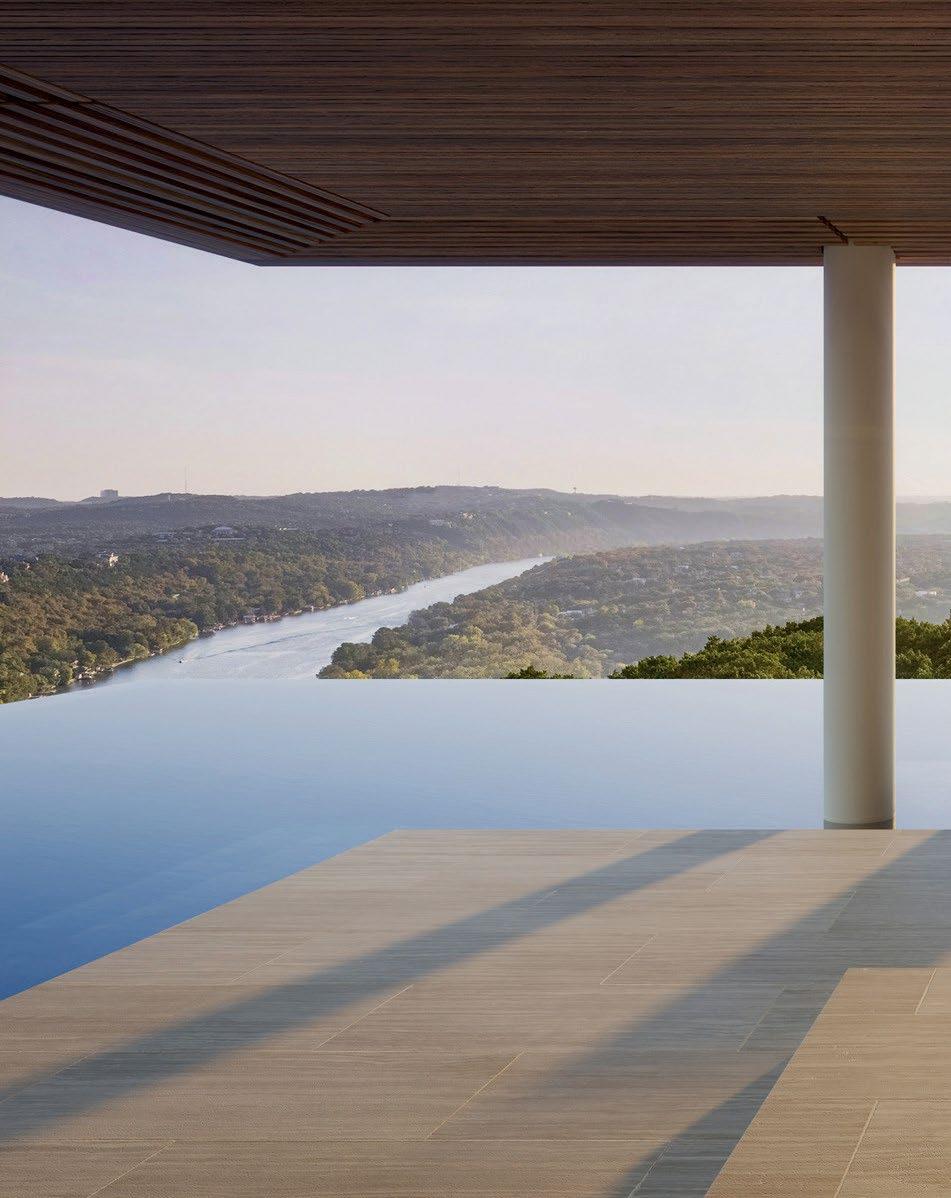
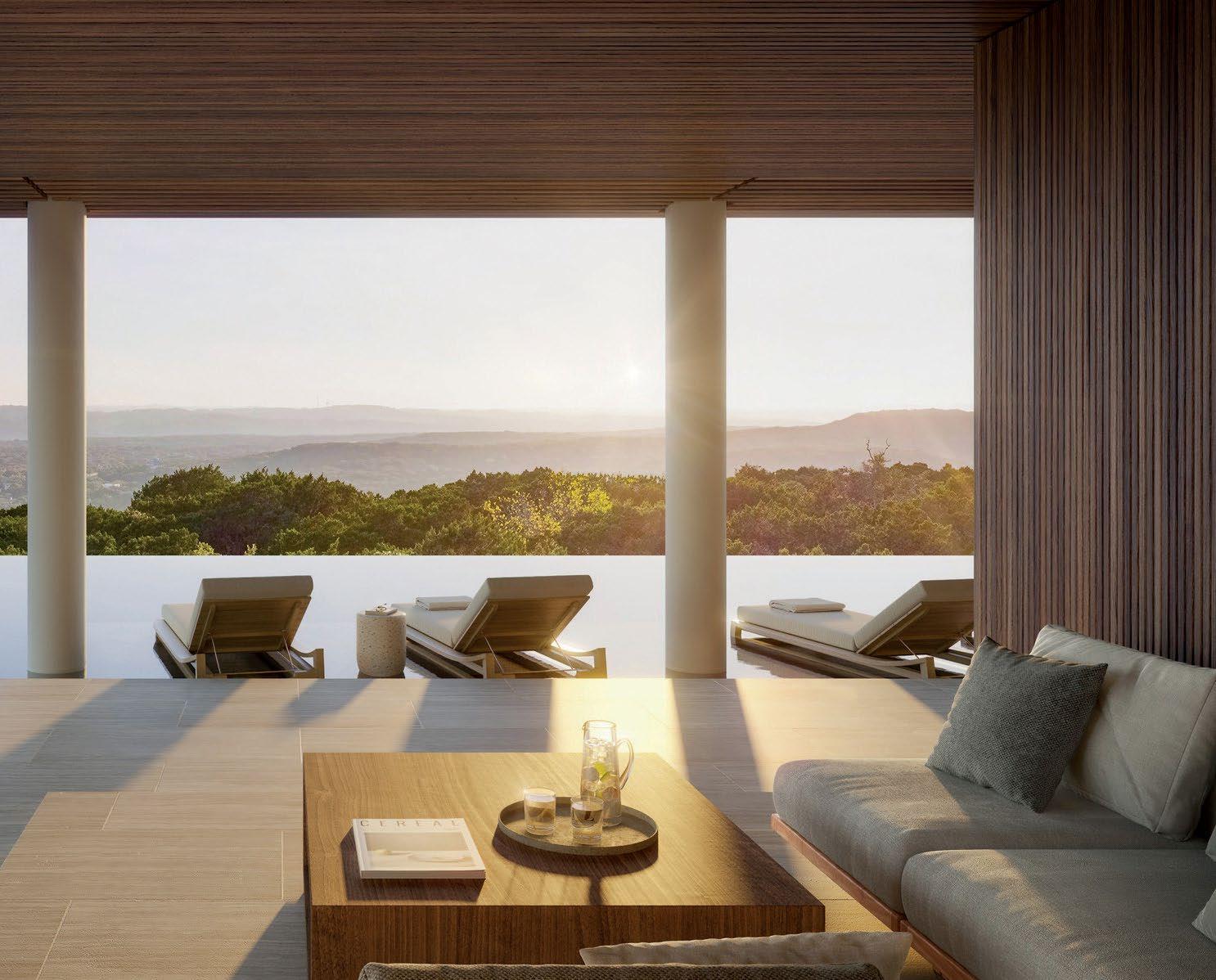
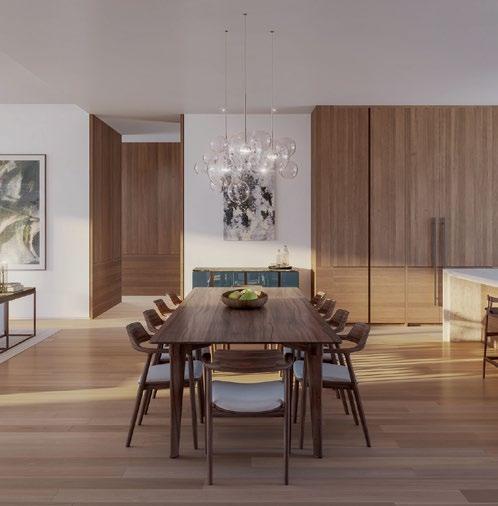
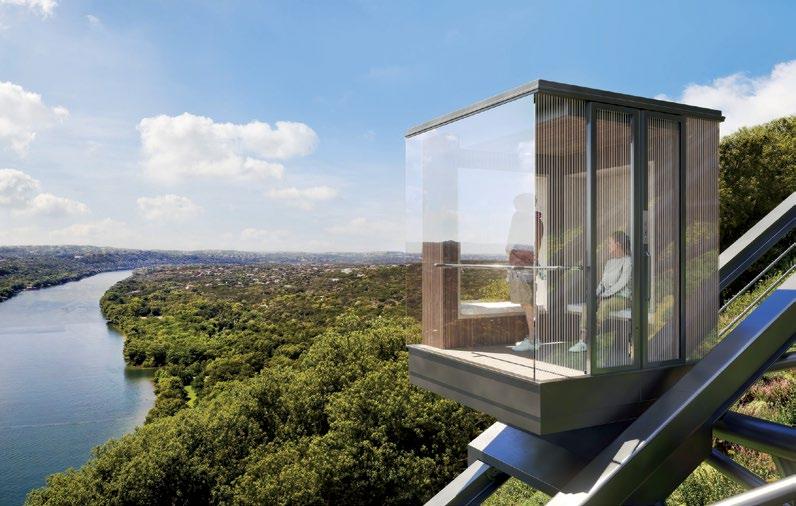

HISTORIC STYLE MEETS MODERN SERVICE.

History and modernity converge at Four Seasons Private Residences at 706 Mission, San Francisco , which occupies two structures: the historic 10-story Aronson Building, built in 1903 and recently restored, and a sleek and modern new 510-foot tower. At this standalone property, panoramic city views complement luxury design details, from Amiata tubs to Poggenpohl cabinets.
COMMUNITY SPACE The Club is where residents can relax over billiards and shuffleboard, watch movies and sports on the big screen, and entertain friends in a private dining room.
CULTURE AT THE DOOR Surrounded by the museums, galleries, and performance spaces in the Yerba Buena area, the Private Residences are in the cultural heart of San Francisco. Residents enjoy curated experiences in art, wine, design, and wellness.
STAY WELL A fitness floor designed by celebrity trainer Harley Pasternak combines cutting-edge equipment and elite personal training.
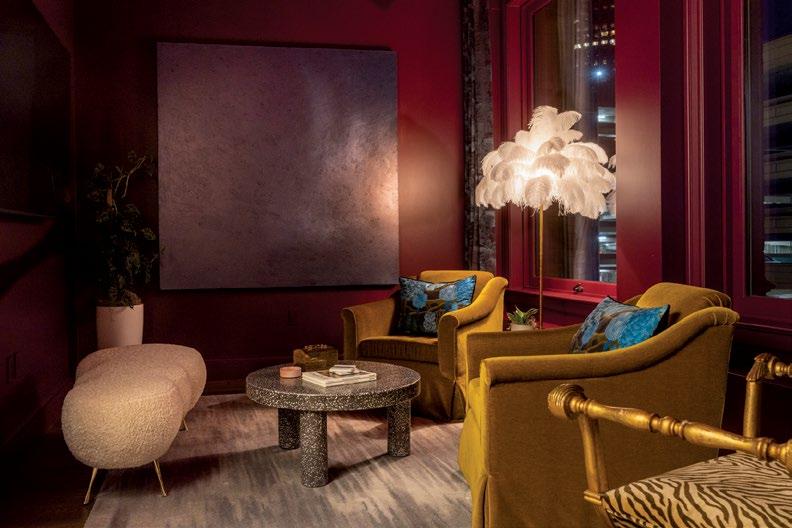
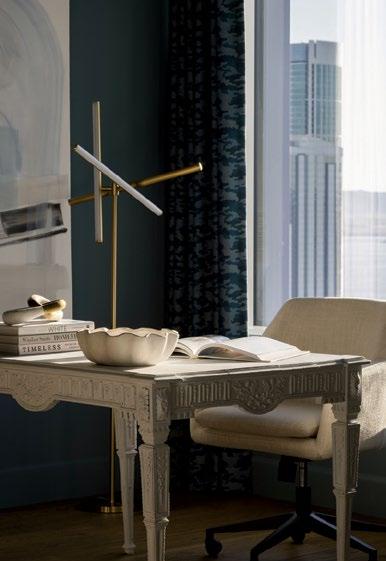
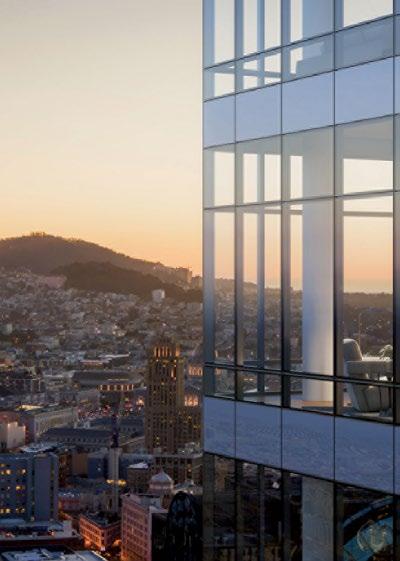
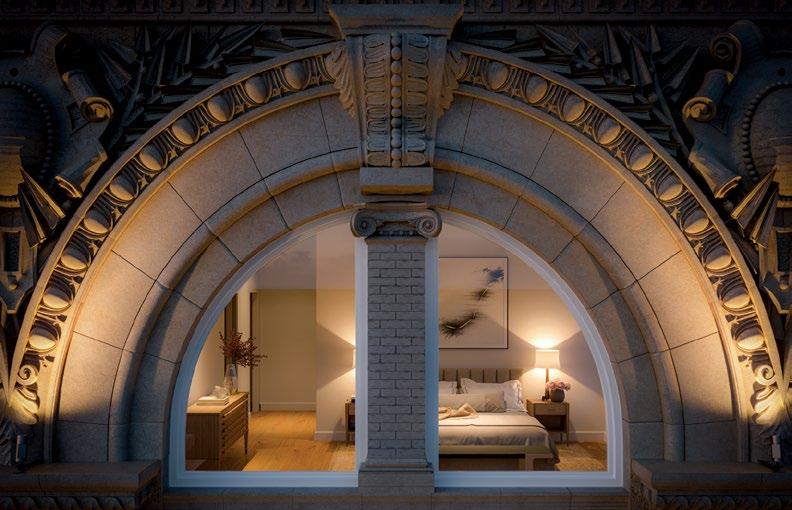
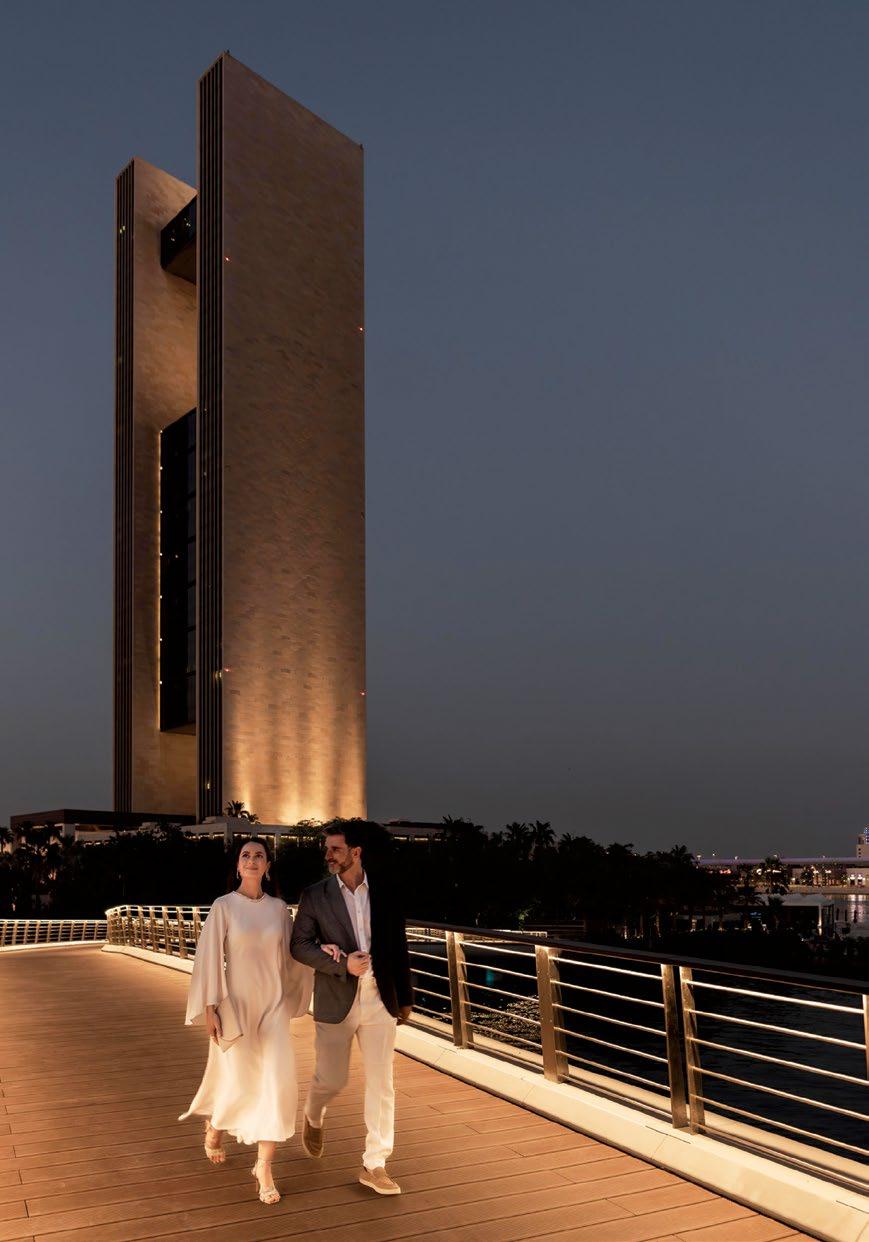
COSMOPOLITAN
WATERFRONT LIVING AMID LUSH GREEN SPACES.

Set on an iconic and idyllic bay in the heart of Manama with city skyline views, the 112 apartments, duplexes, and penthouses at Four Seasons Private Residences Bahrain Bay boast floor-to-ceiling windows, glass walls, terraces, spa-like bathrooms, and open-concept layouts. The dedicated residential team can arrange everything from in-room massages to outdoor barbecues and cooking master classes.
POOL TIME With impressive vistas of Four Seasons Hotel Bahrain Bay and other Kingdom landmarks, the residential pool deck is an ideal spot for a
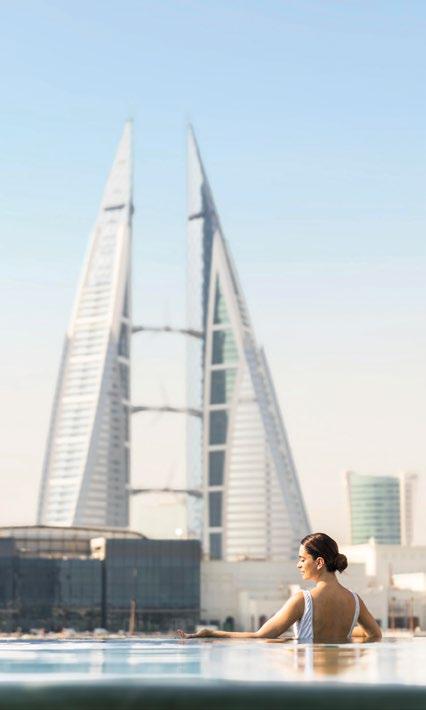
refreshing dip in the lagoon-style pool or a yoga session on the lawn.
PASS THE POPCORN A cinema with the latest technology and red velvet loungers allows residents to entertain up to 15 guests in glam Hollywood style.
CONNECT A pedestrian-only bridge connects the Private Residences to the offerings at Four Seasons Hotel Bahrain Bay, among them a white-sand beach, a waterpark for kids, a sanctuary spa, and Wolfgang Puck restaurants.
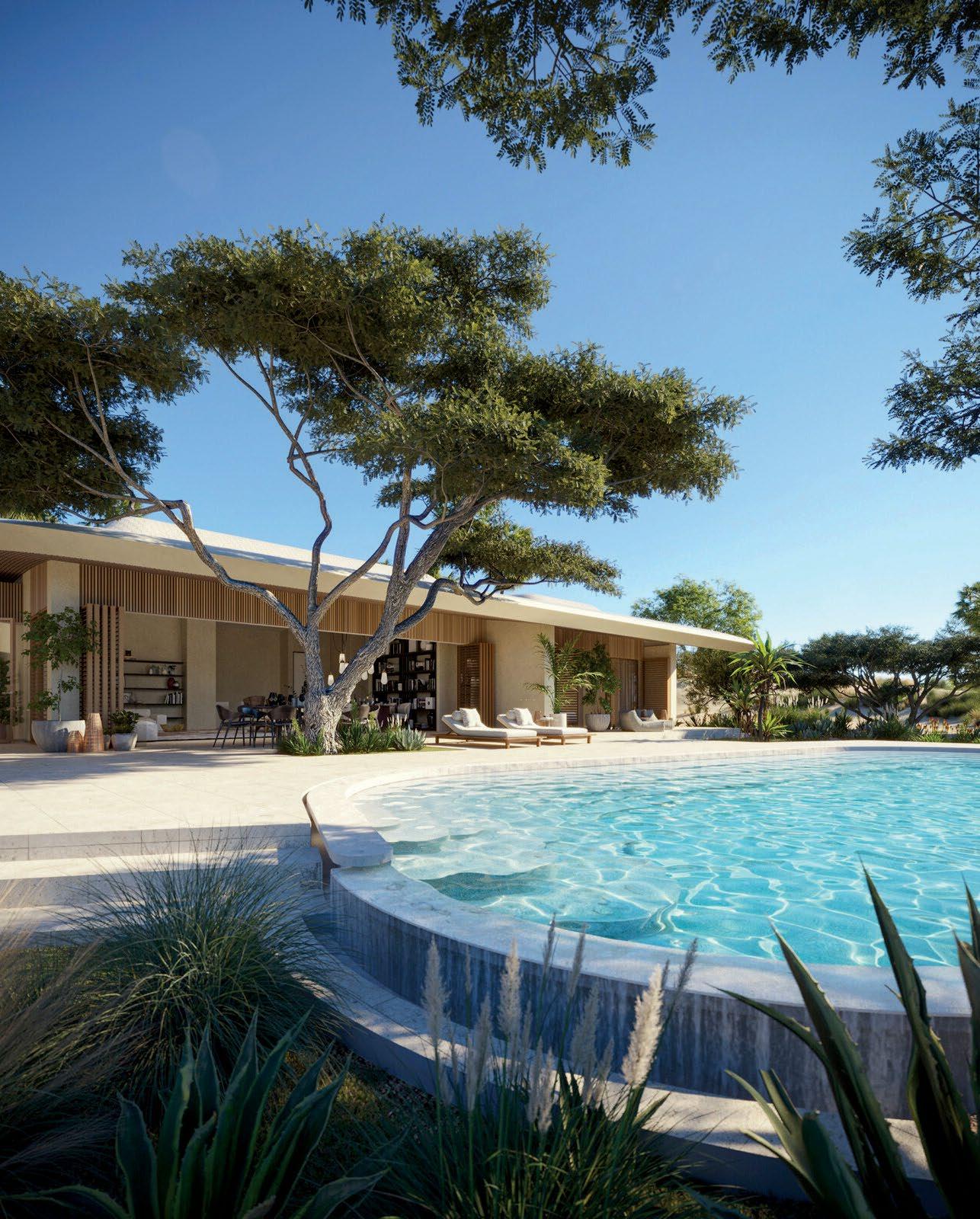
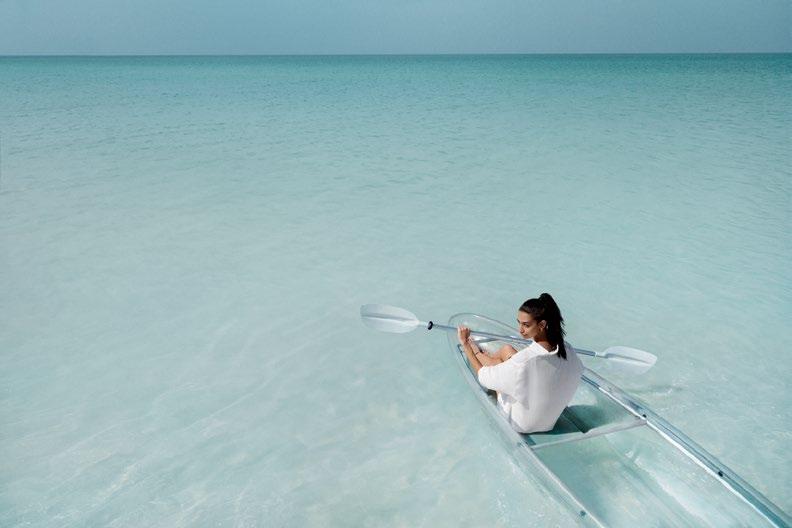
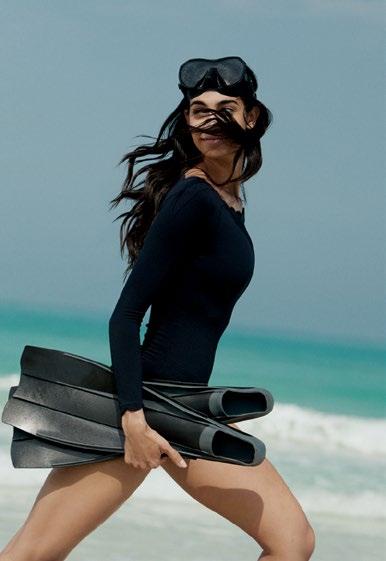
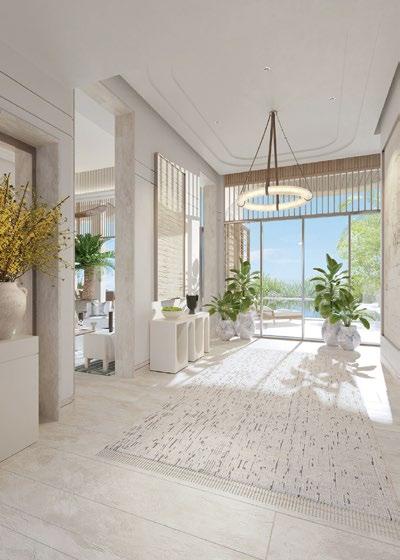
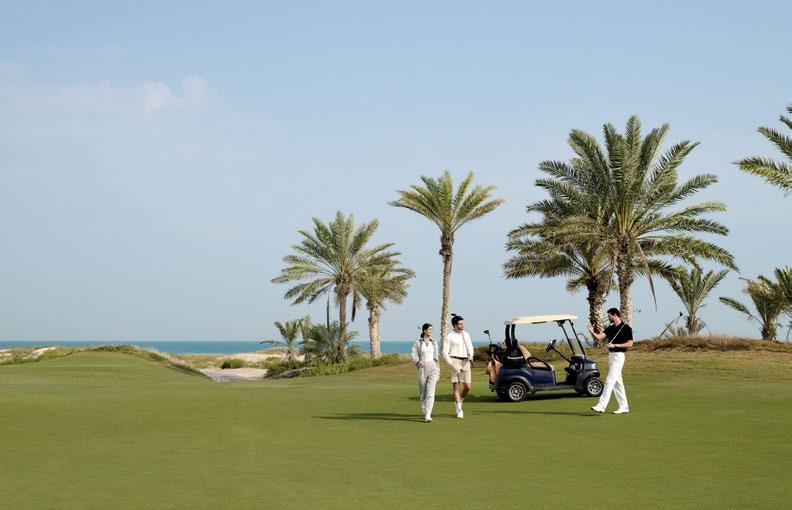
FINDING PEACE AMONG THE DUNES.
Blue lagoons. Ancient mangroves. Undulating sand. Four Seasons Private Residences Red Sea at Shura Island, located on Saudi Arabia’s western coast, is a stunning and soothing retreat designed by Foster + Partners. Here, seclusion, privacy, and harmony with nature are paramount. The property’s 75 three- to fivebedroom Dune and Waterside villas have private pools, spacious bedroom suites, marble floors, and an indooroutdoor design that inspires true barefoot luxury.
PAR EXCELLENCE The 18-hole championship Shura Links golf course blends into the natural environment, while the Clubhouse is the spot to unwind, whether at the pool, the gym, or the restaurant.
TO THE SEA Snorkel and scuba dive around the marine-rich coral reefs, or paddleboard, sail, and kayak on gentle waves.
ENVIRONMENTAL STEWARDSHIP Preserving natural habitats and minimizing emissions are important aims of Saudi Arabia’s development of this coastal region. For its use of solar energy, electric vehicles, and natural materials, Four Seasons Private Residences Red Sea at Shura Island has earned LEED Platinum certification, the highest honour in green building design. n
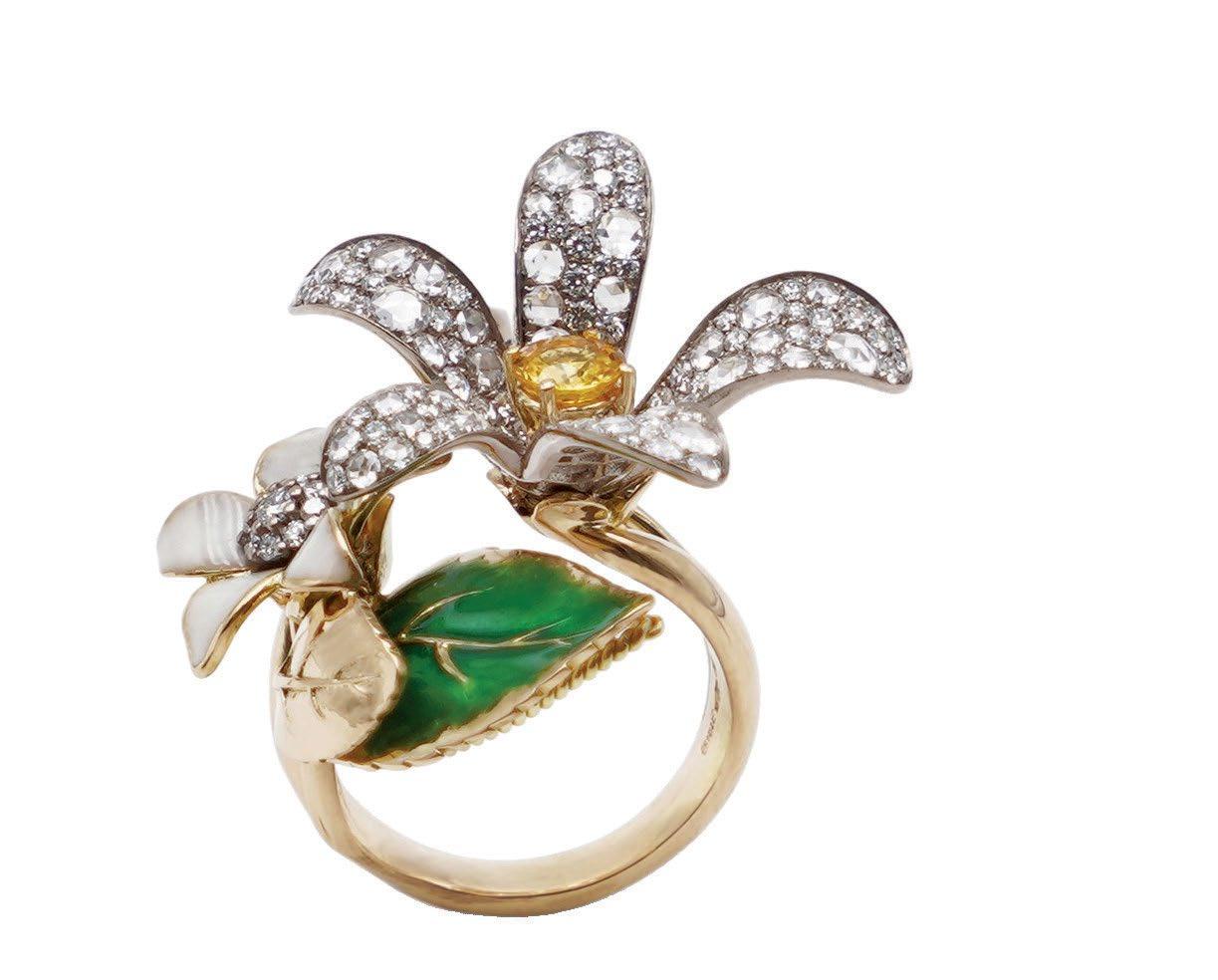
STORIES WORTH A SECOND LOOK
Dolce & Gabbana’s exquisite Flower Earrings from the brand’s latest Alta Gioielleria collection.
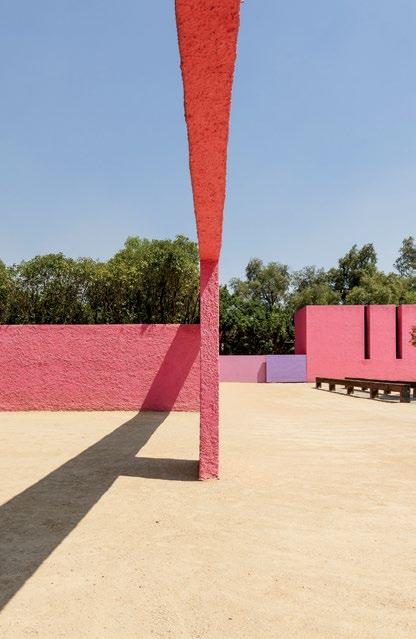
VISIT

100 page page 46
56
128page page
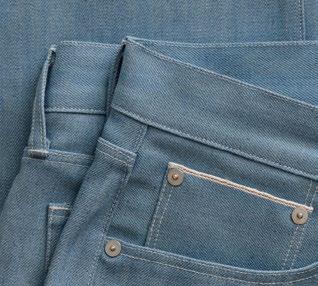
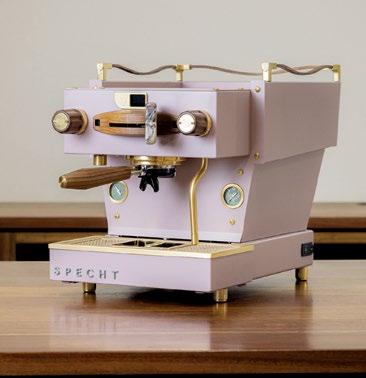

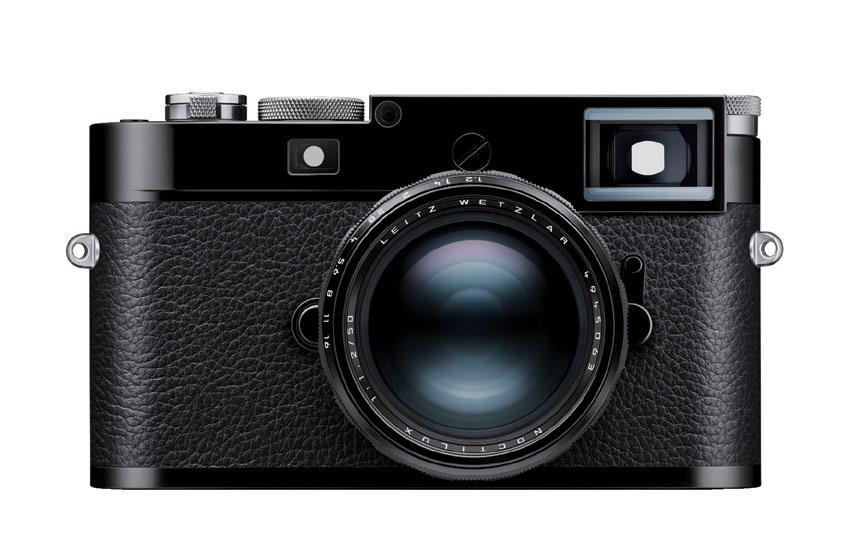
SNAP UP AND SNAP AWAY
Leica’s new series of limited-edition M11 cameras celebrates the company’s centennial anniversary.