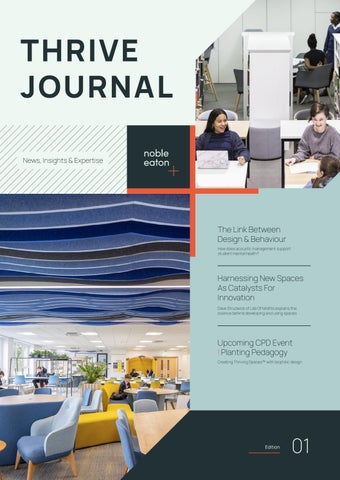
THRIVE JOURNAL
The Link Between Design & Behaviour
How does acoustic management support student mental health?
Harnessing New Spaces As Catalysts For Innovation Upcoming CPD Event | Planting Pedagogy
Insights
Expertise Edition 01
News,
&
Dave Strudwick of Lab Of Misfits explains the science behind developing and using spaces Creating Thriving Spaces™ with biophilic design
Foreword
I’d like to welcome you all to the inaugural edition of the Thrive Journal by Noble + Eaton! We’re excited to present some of our latest research, sharing the undeniable link between learning environments and behaviours and attitudes. This edition features insights from Jim Taylour, Head of Ergonomics at Orangebox, Education Director Dave Strudwick, and case studies of exciting projects we’ve participated in.
One of our primary focuses is helping schools transform their facilities by creating adaptable, strategically designed spaces that cater to the evolving needs of future generations. Children are still going to school in environments that look as they did 150 years ago. Spaces are the one educational provision that we have 100% control over. Yet, more often than not, they remain unchanged.
Data backs the need for change. With around five children in every classroom having a probable mental health condition and there being a 7.5% rise in absenteeism, it’s clear that learning environments need re-evaluating. Furthermore, a potential change in government is causing uncertainty throughout the education industry.
All is not lost.
We still have 100% control over our learning environments. Research shows that spaces shape cognition, attitudes, and outcomes and strongly influence well-being. So, let’s take advantage of it. Let’s reimagine our environments, have them work harder for us and watch educators and students reap the benefits.
This journal is intended to show you what is possible and how to make it happen. It is a testament to our commitment to helping school leaders reimagine their learning environments and create spaces where all learners can grow and thrive.
Are you ready to reimagine your learning spaces?

Dr Adam England
Noble + Eaton Director & Lead Consultant | adam.england@nobleandeaton.com
i |
| ii
iii | Who Are We?
| The Silent Hero Article | Revolutionising
Article |
Ready Space Article | Undoing Traditions Meet Our CPD Team Recent CPD Event | Relationship Buildings Recent CPD Event | Unfolding The Day Upcoming CPD Event | Planting Pedagogy Case Studies What Our Clients Think Contents 01 03 05 07 09 11 13 15 17 19 37
Article
Growth
The Future
| iv
Who Are We?
Noble + Eaton is a global education design consultancy with a core of dedicated and passionate educators forming the company’s foundation.
Our Team
Unlike others, we are specialists in one thing and one thing only –school environments. The Noble + Eaton team comprises former headteachers and senior leaders who bring decades of invaluable first-hand experience. We intimately understand the nuances of leading schools and the theory and practice of what goes on within learning environments. Specialising in physical environment design and campus planning, we support school leaders in considering the physical changes they want to see for their facilities and the outcomes they wish to realise for their students.
Our Purpose
The Noble+ Eaton team share a passion for reimagining learning spaces. We believe that regressive practices and outdated traditions should no longer restrict the growth of schools. Instead, spaces should prioritise functionality and adaptability and support the evolving needs of educators and students. We’re committed to helping school leaders fulfil their dream of having environments where all learners can grow and thrive. That’s why we created Thriving Spaces™ - a new way of reimagining traditional learning environments.
Introducing Thriving Spaces
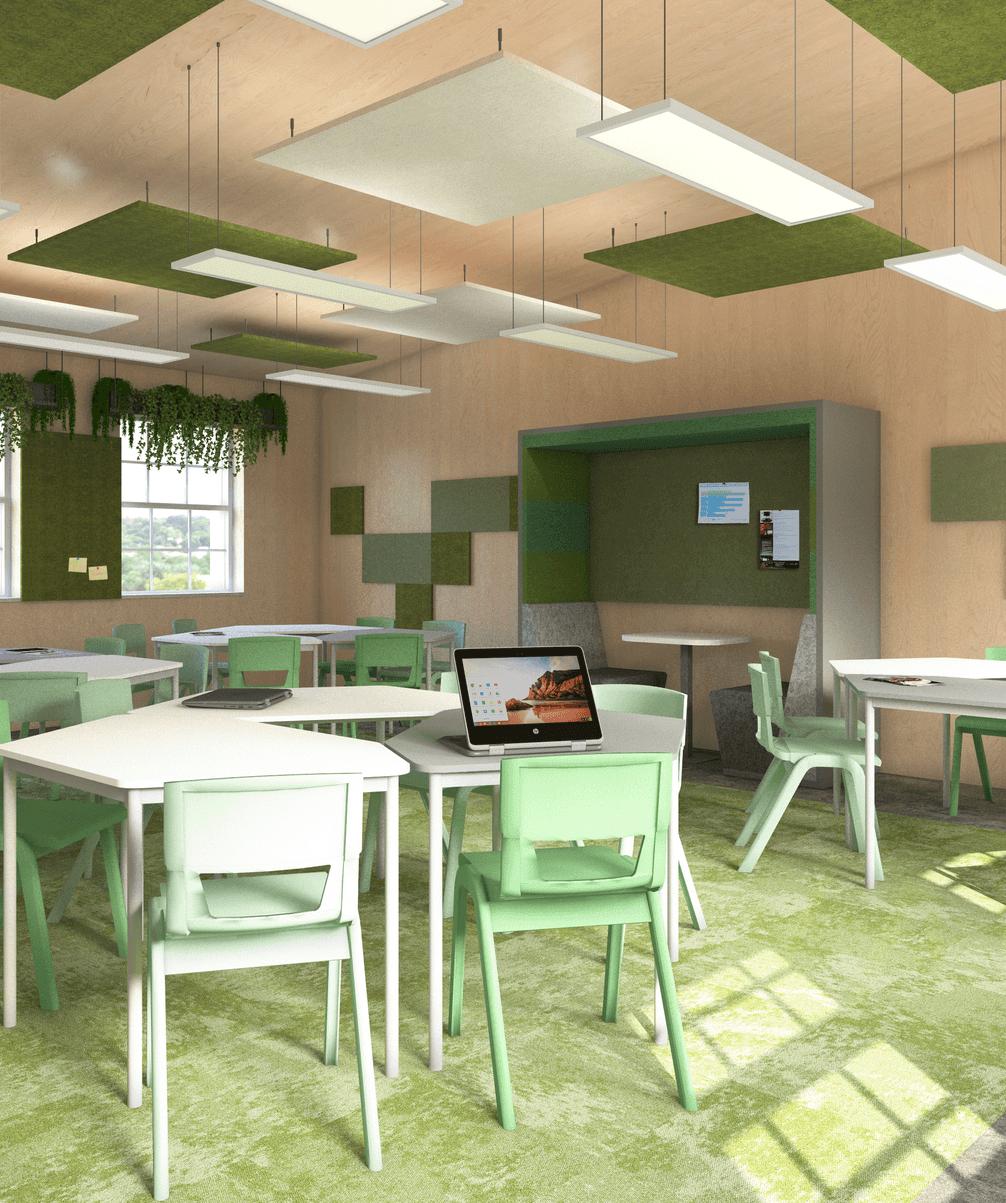
Thriving Spaces™ are strategically considered and beautifully designed learning environments. They redefine the norm with evidence-led and pupil-centred designs. They’re cognition-boosting and neuro-inclusive, actively promoting well-being and enhancing student outcomes. By introducing these adaptable and strategic designs, traditional facilities are revolutionised and aligned with the evolving needs of future generations. Embracing this transformative approach turns spaces into catalysts for cultivating a dynamic learning environment where every student can learn, grow, and thrive.
Reimaging Learning Environments Globally
We collaborate with individual schools and school groups in the UK, mainland Europe, the USA, and Australia & New Zealand. Our team members, based in various corners of the world, such as the UK, South Africa, and Australia, embodying the global essence of Noble+Eaton. Thanks to our delivery partners across the globe, we deliver Thriving Spaces on a worldwide scale.
Designing and Delivering Thriving Spaces
As part of the Envoplan Group, we offer a complete end-to-end service for physical environment change projects – from ideas to delivery and design to build. Envoplan is a leading education design, project management, fit-out and furniture supply specialist. Acting as a single point of contact for all aspects of education interior design and fit-out. Ultimately, this means we have the most remarkable ability to design and deliver Thriving Spaces!
01 |
| 02
The Silent Hero How Does Acoustic Management Support Student Mental Health?
You can’t teach unhappy children. A recent poll of education professionals undertaken by Place2Be found that 76% had witnessed an increase in depression in their pupils, and 68% witnessed an increase in their pupils having sustained feelings of anger 1
Unfortunately, rises in mental health issues are becoming increasingly common. Children are becoming increasingly unhappy. More than ever, we need ways to support and encourage students. Strategically designed learning environments can offer that desperately needed support. But how?
The Impact Of The Pandemic
The pandemic. A disruptive force still echoing through society. This tale of two disruptive years has left a chasmic impression, especially on the younger generation. Studies have shown the alarming changes in teen brains during the unforgettable Covid lockdowns. Through the examination of MRI scans from 128 children2, with half taken before and the other half after the initial year of the pandemic, scientists discovered an increase in the size of the hippocampus and amygdala. These are regions of the brain that are responsible for managing memory retrieval and facilitating the regulation of emotions such as fear and stress. While these changes occur during typical adolescent development, the pandemic accelerated the process. The effect of the pandemic on children’s brain development has disrupted their path back to pre-pandemic life.
Struggling To Return To Normal
Some children have faced profound challenges readjusting to normalcy during the transition from lockdown to back into the classroom. The abrupt shift from isolation to the bustling school environment has left many grappling with concentration issues, diminished confidence, and a lack of motivation. The adverse effects stemming from the prolonged absence of socialisation have cast a shadow over their emotional well-being. Overwhelmed by the sudden influx of stimuli, some students find it challenging to focus, resulting in heightened stress and anxiety. Due to interrupted education, learning gaps contribute to decreased confidence, compounding the struggle to engage with academic material. Moreover, the regression of social skills further complicates their attempts to connect with peers, exacerbating feelings of isolation. Returning to routine has become a formidable task for children, reflected in a 7.5% rise in absenteeism3. Underscoring the critical importance of addressing the multifaceted challenges they face after lockdown.
Bringing The Joy Back Into Learning
So, how can we support students? How can we bring joy back to learning and encourage children to be happier and more motivated?
The environment we surround ourselves with can directly impact behaviours, attitudes, and mental health. Research connecting environments and behaviour is growing exponentially. In a lot of cases, young people are products of their environment. The combination of design thinking and neuroscience allows for creating learning environments that foster safety, comfort, healthy relationships, and intrinsic motivation. Luckily, you have 100% control over your environment. But how can you make it work to your advantage?
The Impact Of Acoustics In Schools
Sound is powerful. Physiologically, as our body is over 60% water, we become an ideal vessel for sound to travel through. It’s not surprising that sound has such an impact on us. Research has shown that, when optimised, the acoustics of educational spaces can support learning and mental well-being4. Whether students are walking through corridors, filing into an assembly hall, or collaborating in a classroom, they will feel the effect of acoustics. But why does it matter?
03 |
Good acoustics are pivotal in various human environments, particularly in educational settings, where poor acoustical design goes beyond mere noise disruption, influencing the learning process, speech perception, student behaviour, and overall academic outcomes. When spaces fail to accommodate sound effectively, it results in frustration among students, causing stress and miscommunications. Young individuals with developing brains are particularly vulnerable to stressors, identified as a critical mechanism in persistent antisocial behaviour. A study found that highly stressed children experiencing elevated cortisol levels due to conflicts were more likely to engage in antisocial behaviours5
The Science Behind Acoustics
Moreover, the science behind the impact of acoustics on humans reveals that noise triggers a stress response in the amygdala, a region of the brainstem that learns over time what sounds may signal impending danger. Poor acoustics cause the amygdala to release cortisol, impacting not only mental health and behaviour but also academic performance, as cortisol levels rise involuntarily, leading to a startled reaction. This intricate connection underscores the importance of creating environments with optimal acoustics to foster overall well-being, effective communication, and positive educational outcomes.
How To Improve Classroom Acoustics
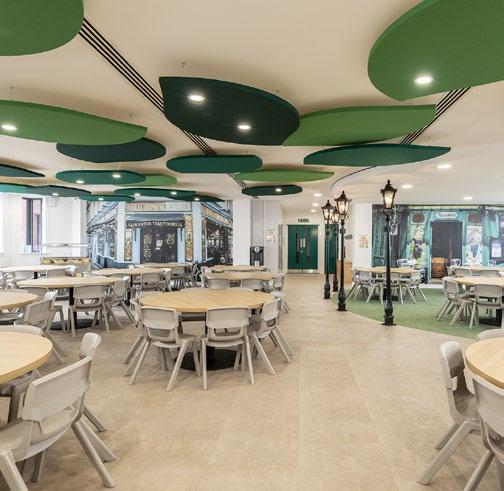
So, how can you manage acoustics more effectively? When a room lacks materials that diffuse or absorb sound, acoustical issues arise. Hard surfaces are one of the most common sources of echo. When a sound wave encounters a rigid material, it reflects into the room, making it challenging to hear correctly. This stunts collaboration and may contribute to further feelings of detachment in students. Therefore, it is essential to note bare floors, empty walls, wooden or metal furniture, and uncovered windows. Echoing or reverberation are tell-tale signs of poor acoustics. Soft materials can reduce both issues. This could be in the shape of cushioned furniture, fabric curtains, and foam panels. Even paintings hanging on the wall can help. The best way to stop sound waves from bouncing around the room is to introduce objects that can absorb them on impact.
Acoustic management is a sound investment, transcending the realm of mere noise control. As we navigate the aftermath of the pandemic and witness the profound impact on the emotional well-being of our youth, the importance of strategically designed learning environments becomes increasingly evident.
Let us recognise the transformative potential of acoustics: the silent hero. Let’s use it to our advantage and create spaces where young minds can grow and thrive.

Erin Julie Merritt
Envoplan Researcher & Writer
| erin.merritt@envoplan.co.uk
References
[1] Place2Be. (2022). School staff witness an increase in pupil anxiety, low self-esteem and depression.
www.childrensmentalhealthweek.org.uk
[2] Katherine Reynolds Lewis (2022). Teenage brains aged faster than normal from pandemic stress, study says. Washington Post. https://www.washingtonpost.com
[3] Jessica Hill. (2024). The new epidemic’: Why more pupils are missing school. Schools Week. www.schoolsweek.co.uk
[4] J.M. Aldridge and K. McChesney. (2018). The relationships between school climate and adolescent mental health and wellbeing. International Journal of Educational Research. www.dpg.unipd.it
[5] Kobak, R., Zajac, K., & Levine, S. (2009). Cortisol and antisocial behavior in early adolescence: the role of gender in an economically disadvantaged sample. Development and psychopathology, 21(2), 579–591. www.doi.org
| 04
Revolutionising Growth Harnessing New Spaces As Catalysts For Innovation
We know that space makes a difference. If you don’t believe me try wrestling in a library. This isn’t a challenge for the PE team by the way!
Spaces carry meaning, and this affects our relationship to them. Waiting outside the principal’s offices interestingly connects to my past. Dr Craign Knight at Exeter University demonstrated that the ability to personalise an environment, thereby shifting its meaning, improves office performance. I don’t think it is too much of a stretch to imagine the same is true for educators or students in a school.
Helen Clark, the author of Building Education, 2002, highlighted that “Physical features, such as light, space, furnishings and equipment, can make people feel valued - or not. This affects their behaviour and attitudes and can significantly enhance or impede the learning process.” We now have tools that enable us to measure CO2, light levels, sound, temperature, humidity, etc. Such as the ‘Learnometer’ pioneered by Stephen Heppell. But how many of us accept the space we arrive in?
Research by Professor Harry Daniels and Hau Ming Tse at Oxford University showed that entering a new space impacts learning and culture. This short article briefly considers the neuroscience of change and contains a few ideas about what that could mean for schools.
Seeking To Understand Our Brains
Our brains work from biological principles. We were wired for survival and our brains work from biological principles. We are wired for survival and, when confronted, can not access strategic thought. At its most extreme, we will be triggered into ‘fight, flight or freeze’ or ‘tend and befriend’. In nature, an ecology will need diversity to survive.
We are all likely to experience emotional hijacking at times, and our behaviours can be seen as a communication of underlying needs. Indeed, we could design for these needs such as social connection, privacy meaning and autonomy. Perceptual neuroscience teaches us that how one person experiences life is not how another does— context matters. If we become curious about others’ worldviews, we develop a more rounded viewpoint, which can help develop more effective design principles.
If we take human needs such as social connection, we may want very different processes to meet these needs. Youngsters with Asperger’s may appreciate the role of giving out books in a structured and safe manner to gain social connection. Another younger person may thrive at a party. Yet when we are confronted by uncertainty, our brains seek simplicity, seeing the world in black and white and supporting the most comforting of viewpoints, our own. The occasional interesting exceptions exist where we become excited by uncertainty - consider a sporting event or a game.
In a school or classroom, as in nature, we have an ecology that connects the physical environment and all the relationships within it, but how do we maximise this in relation to change?
A Process For Developing Space
As with other areas of life, we must consider how the world currently occurs to different people and align over what we would like that world to be like. If we can turn this vision into principles for a designer, they can start weaving their magic.
This initial design response can then iterate based on feedback from stakeholders, and we can end up with something that responds to needs and is an excellent provocation to the group’s vision. The chance to consider the furniture and outdoors and flow between spaces can be central to this rather than an oversight considered quickly at the end.
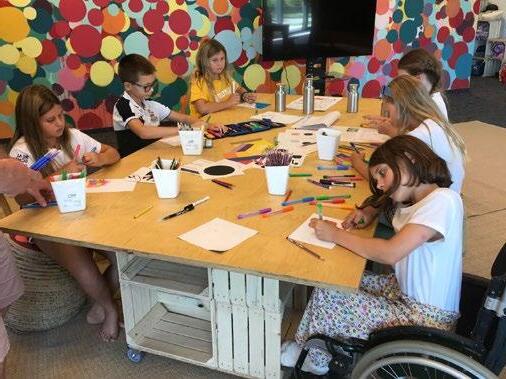
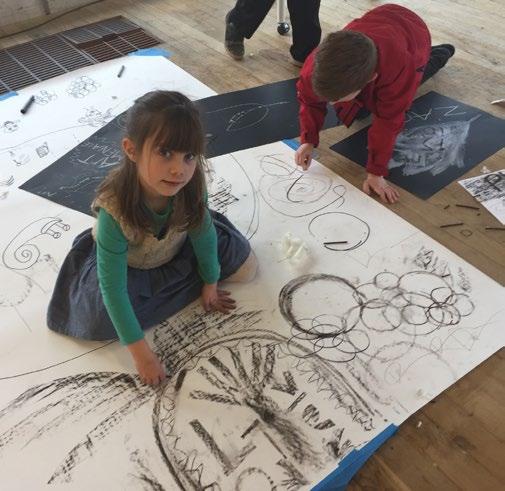
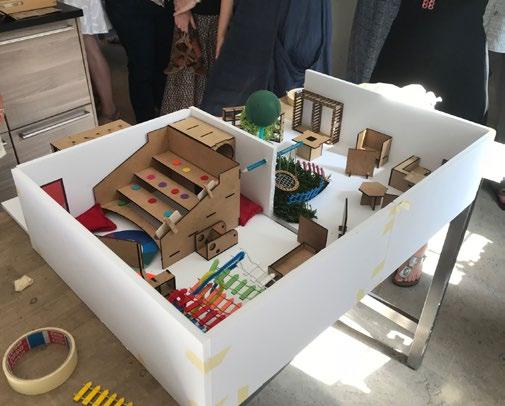
How can we enable educators and young people to be playful in this process? Auten’s in Denmark has a wonderful approach to this with Lene Jensby Lange, where participants create doll house classrooms and discuss learning. Furniture can respond to what we value, such as sustainability and community. They can also detail a new set of behaviours. How does your space support independence or interdependence?
05 |
Learning To Use Space
Once a new space is ready to be inhabited, we need to learn how to use it. How do we enter a new space or new build? Have we got a plan? Having been lucky to work in a number of new builds I have learned from my initial mistakes. Something as simple as how we go out at break-time, when nobody knows what they will do, is worth considering before the first day and iterating therafter. Routines and rhythm matter. When going into a new space we are expecting something different. This provides a new opportunity for new behaviours, habits and routines.
So we can use this exciting, challenging and valuable experience to enquire into our learning and curate what we discover. Educators and students can become learning detectives. Their discoveries about learning can be curated. This is valuable both for the students and staff and also for the wider community who will get the chance to have the lid lifted on the building as they peer inside.
We can consider the physical environment coupled with the relationships in the space as a complex ecology full of patterns to be explored. This process of learning how to use your school or class can create agency and insight for all involved.
 Dave Strudwick
Lab Of Misfits Education Director | dave@labofmisfits.com
Dave Strudwick
Lab Of Misfits Education Director | dave@labofmisfits.com
| 06
The Future-Ready Space
Tackling The Challenges of Classroom Ergonomics
Ergonomics is about more than avoiding backaches. In this article, Jim Taylour, Head of Ergonomics and Well-being at Orangebox, explores the multifaceted impact of ergonomics.
Ergonomics can be highly impactful, from influencing children’s lifelong habits to designing considerations for products and spaces that can positively affect health and attainment.
What is Children’s Ergonomics?
Ergonomics is the science of optimising environments, equipment, and tasks so children can work, study and perform at their best. Teachers, parents and carers can positively influence children of all ages through the application of ergonomics and by encouraging the development of good habits into adulthood through improved posture, movement and exercise, awareness of ergonomics, recognising comfortable furniture and environmental conditions, and practising responsible use of technology.
For designers of products and spaces, the application of ergonomics covers the physical, mental, and social aspects. Products may be comfortable but not very nice to look at or particularly practical to stow away, reconfigure, or even hinder social interactions and pedagogy. So, considering all users’ needs is critical to ensuring happy, healthy, and productive outcomes.
For key decision-makers, ergonomics can be used as a predictive tool to understand changes in the user groups you’re designing for, the impact of technology and legislation, and changes in culture and pedagogy. When planning new spaces, whether you’re thinking about chairs and sofas, lighting choices, or layouts in larger environments, by applying an ergonomics’ footprint’ when assessing products, you can help narrow down the vast array of options open to you to ensure the best long-term wellness and attainment outcomes for students, parents and staff alike.
Challenging School Environments
Health and safety legislation and benefits from emerging proactive wellness initiatives and incentives protect the adult world of work. What about in educational settings? More significant legislation should be in place for children considered mere ‘visitors’ to schools. Life in the classroom arguably remains ergonomically ‘hostile’ and more so for our increasingly sedentary tech, dependant Generation ‘Alpha’ students (born from the year 2010) who will shortly be feeding into work and higher education with an increasing array of ailments such as increased Musculo Skeletal Disorders, weight-
07 |
related health issues and psychosocial symptoms associated with technology over dependency.
This is not a new topic of conversation, but with even more worrying concerns being raised by experts regarding the state of health of our youngest students at reception age, there’s never been a more challenging and exciting time to deploy ergonomics, and that’s before we discuss the health and happiness of teachers!
Why should schools and parents care?
The significance of children’s ergonomics extends beyond a mere checklist of concerns; it intertwines with crucial aspects that schools and parents should actively address. Elevated levels of child obesity, the profound effect of discomfort on concentration, the interconnectedness of well-being and academic achievement, and the potential emergence of issues in later development all underscore the critical need for attention to ergonomic considerations. Within this context, ergonomic furniture emerges as just one facet among many that can significantly impact children’s learning rates. Moreover, the misuse of technology is identified as a potential contributor to the development of long-term physical and psychological disorders, reinforcing the urgency for collective awareness and proactive measures among educators and parents alike.
Green Shoots
Creating ergonomic learning settings is believed to positively contribute to young students’ and teachers’ health, well-being, and learning capacity. This investment sets students up for success in the job market and aligns with corporate strategies focused on wellness and healthier buildings.
What Can Schools Do To Improve The Situation?
There are several strategies that schools can implement to address their ergonomic challenges. Some strategies include:
• Raising awareness
• Using ergonomic checklists
• Ensuring compliant furniture and encouraging active learning
• Promoting teacher awareness
• Informing parents
• Providing alternative workstations
• Addressing children/furniture mismatch
• Offering personal storage
• Designing inclusive spaces
The Future And Emerging Complementary Strategies
Designing with health, well-being and social enrichment at the centre of refurbished and new buildings is increasingly understood by architects and designers in part thanks to emerging guidelines such as the ‘Well Building Standard’ and inclusion guidelines such as PAS 6463 Design for the mind – Neurodiversity and the built environment – guidelines.
There are regional initiatives, too, such as ‘Healthy Schools London’ and in Wales, as part of the new national curriculum, the teaching of ‘Cyneffin’ for students - how our connection to our surroundings can shape our sense of identity, well-being and belonging.
Our mission is to help schools and organisations accelerate their knowledge on this subject, and there’s emerging research and evidence to support the benefits of ergonomics in education. Our joint partnerships with organisations such as the Furniture Industrial Research Association and the Chartered Institute of Ergonomics and Human Factors ensure that our clients’ latest thinking can be shared and explored through our expanding CPDs, consultancy and pilot platform.
For more information, please get in touch.
Jim Taylour is Head of Ergonomics and Well-being at Orangebox, is a trustee for a charity called ‘Leca’ exploring design for children with autism and is an Ergonomist and chair of the CIEHF Children’s Ergonomics Interest Group.

Orangebox
Head Of Design
| 08
Jim Taylour
| jim.taylour@orangebox.com
Undoing Traditions Reimagining Learning Spaces To Unlock Success
Picture a classroom. What do you see? It’s likely to be rows of tables and chairs with the teacher’s desk up front. It’s not surprising. Most learning arrangements have stayed the same since 1851, when Dickens published ‘Hard Times’, and Mr Gradgrind insisted that school was all about ‘facts, facts, facts.’
Well, school should now be more than ‘facts’. You can get these on the internet - it’s called google- so school should go much further than facts.
It’s a question the UK has grappled with and mostly failed to answer, apart from a few exceptional luminaries. Children still go to school in environments that look as they did 150 years ago and have facts mostly cascaded into their learning. Knowledge creation is primarily absent from the curriculum, and the spaces dictate the pedagogy, which is nonsense. Spaces are the one facet of educational provision we have 100% control over.
Yet We Don’t Change Them. Why?
The educational provision is marked by cognitive dissonance as traditional spaces, hindered by poor acoustics, poor optics, and lack of flexibility, no longer support effective knowledge creation, collaboration, personal learning, and problem-solving. Despite this awareness, we persist in using these outdated spaces.
Politically, the Department for Education lacks metrics to assess well-being and academic performance post-building occupancy, focusing on creating buildings rather than schools. The dissonance between the ideal school vision and inadequate buildings can be attributed to political direction and national apathy.
The governance, led by neurotypical learners favouring standardised environments, is reflected in the insistence on uniform buildings and space allocation. However, a child’s needs are anything but standardised when it comes to learning. Their diverse needs, reflected by the rise of sensorily hypersensitive children post-Covid, challenge the notion of standardised education.
How can a child have a healthy learning experience in a space where they can’t hear themselves or their peers think, can’t physically move to engage emotionally with a peer or a teacher or where the lighting looks like a Secret Service interrogation room? Simply, they can’t. We are biologically responsive beings and react first and foremost to environmental changes. So, to support learners, we begin by changing the spaces.
And that’s who we are. Not just the ‘space makers’ but the ‘space changers’. We fuse knowledge from various fields like design, commercial building, neuroscience, education, ergonomics, psychology, and physiology. Altogether, this fusion allows us to create spaces where all learners, from the neurotypical to the neurodivergent, can function effectively.
And What Exactly Do We Change?
Well, for most schools built in a rectilinear style, you can’t find a curved line if you try. Traditional designs have a focus on power, control and hierarchy. We change this. We build aesthetics, functionality and outcomes into these spaces, optimising the physical input into an infinite set of variables to accommodate an almost equal bandwidth of learners. Work out the optimums per type of learner, and you will have a space that improves cognition, well-being, and learning outcomes. As the saying goes, ‘What is there not to like?’
Staff come and go, as do children, but your learning space and environment are constant and controllable. So make it sweat. Make it work. PISA suggests that schools need to be open longer, but this would require them to be more effective than they are in their current guise.
How do we do this? Easy – review the physical variables. Light, sound, texture, humidity, and nature are just a handful of design elements that make an impact. In addition, empathy map backwards from the users – the pupils – and reverse engineer a composite space using the variables to support the learners and their outcomes. Change the curriculum to make it more self-directed. Train the teachers to support them during the transition. Et voila! You have a space to support inquiry-based learning that is ideologically and ecologically sustainable.
Why would you do this? The outcomes alone are a strong enough rationale – better value added at GCSE and A level, higher standards of well-being, improved learner morale and online behaviour, teacher retention, and parent satisfaction are all derived from the solid human-centric design.
Ethically, schools have a duty to create future-facing environments that incorporate learner needs; nobody can look at the typical corridors and classroom provision and think this is ok. We have a duty to improve them. Duty combined with outcomes strongly motivates any school to change its physical provision.
Unbelievably, there is a paucity of research into how biologically reactionary beings respond to different combinations of physical factors about how we learn. Happily, we are putting that right. Each project is a piece of action research that informs the next generation of design. Next generation? To quote Star Trek – ‘boldly going where no one has been before’- sums up our journey into human-centric design thinking for education.
09 |
Dr Adam England
Noble + Eaton Director & Lead Consultant
| adam.england@nobleandeaton.com
| 10
Meet Our CPD Team
Noble + Eaton host CPD events throughout the year, which are possible thanks to our incredible CPD team! The team’s passion and commitment to improving school learning environments means they are eager to share their knowledge and experience with like-minded people.

Dr Adam England
Noble + Eaton Director & Lead Consultant
Dr England was a head and principal in the UK and internationally for seventeen years, establishing a culture of success in schools in the UK and Africa. In 2015, he began experimenting with design theory, creating self-directed or pedagogical learning environments and shaping curricular and teaching styles to fit these habitats, culminating in the ‘People, Pedagogy, Place’ triumvirate. He has been the Director of Noble + Eaton since 2021 and uses his research interests in neuroscience and learning theory to drive the constant development of neuro-inclusive learning spaces, which typify the Noble + Eaton design methodology.

Dr Joanne Ladds
Noble + Eaton Consultant
Joanne is an educational consultant and learning space designer at Noble + Eaton. With 20 years of experience in schools and a lifetime in education she brings passion, creativity and a love of learning. Working with those who want to bring about educational change, to embed self-directed learning and a student-centred approach she not only provides evidence informed ideas but also the drive and commitment to help schools succeed. Through the effective design and use of spaces, Joanne uses a research informed approach to bring about change; with a vision of ‘people, pedagogy and place’ all working in harmony to embed a culture of learning for all.
11 |


Roberto Palmer
Envoplan Head Of Design
As Head of Design, Roberto collaborates with the Noble + Eaton team, blending education, design, and construction. With his 30 years of experience, he employs diverse tools, from hand sketching to 3D modelling, to bring concepts to life. He explores visual and audio arts, finding inspiration in how they shape our built environment and influence human interactions.
Trudie Lawrence
Envoplan Senior Associate
Trudie is a Project Director and learning space designer for Envoplan. Working with our Noble + Eaton consultants and our talented wider team. Trudie has experience in all business areas: design, product development and purchasing, project consultation, delivery, and after-care. Although working within interiors all her working life, she has found her passion in the education sector and cares deeply about the work Noble+Eaton does in transforming environments that revolutionise the teaching and learning experience, which will shape the next generation.
| 12
Recent CPD Event | Relationship Buildings Neuroscience, Health & Furniture Ergonomics
If Cinderella’s glass slipper was such a perfect fit, why did it fall off? Equally, if sitting on modern furniture is ergonomically correct, why do so many human beings develop back, breathing and posture issues?
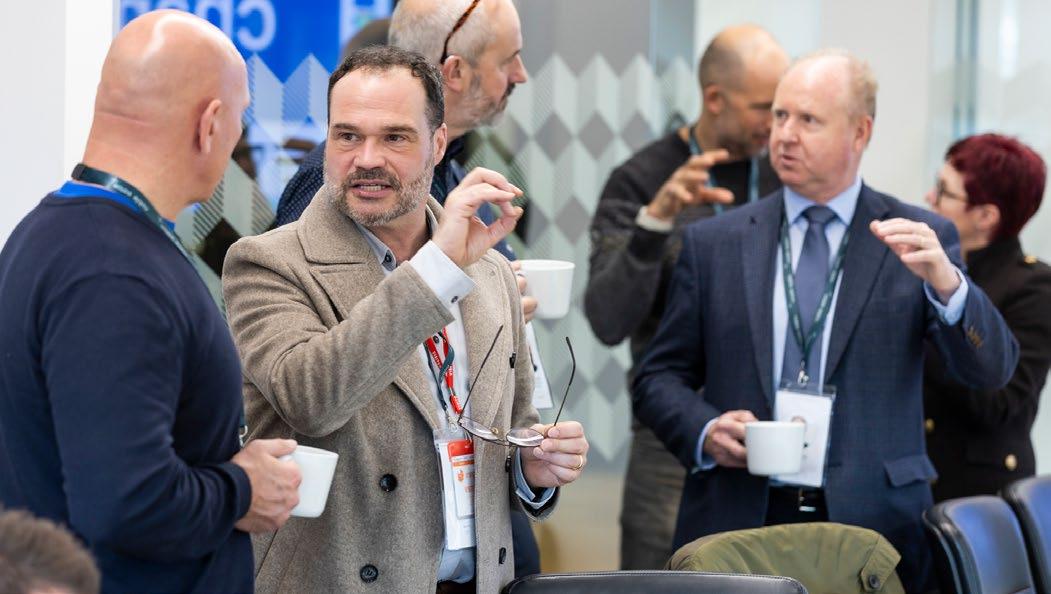
Clearly, there is some dissonance in the fairy tale, just as there is discordance between the furniture we use and its impact on our health. Our last CPD at Orangebox explored these paradoxes. We began to investigate where and why furniture fails us in education, especially in the context of learner comfort and thus engagement, learner health and the relationship between space and learning outcomes.
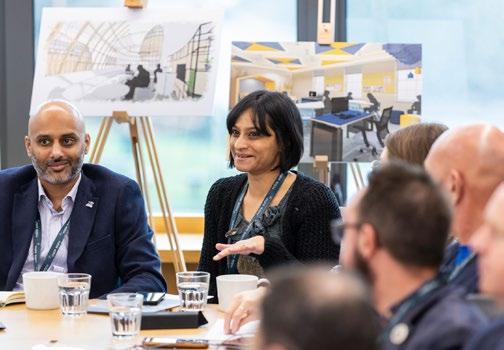
Space, as any Trekky will quote you, is indeed the final frontier, especially in schools which place little or no emphasis on its impact on learning. The team at Orangebox, coupled with carefully crafted input from our friendly neuroscience representative, Dave Strudwick rationalised the relationship between space and learning, essentially illustrating to all attendees the optimal correlation between where we teach and learn and the spaces in which we choose to contextualise this process.
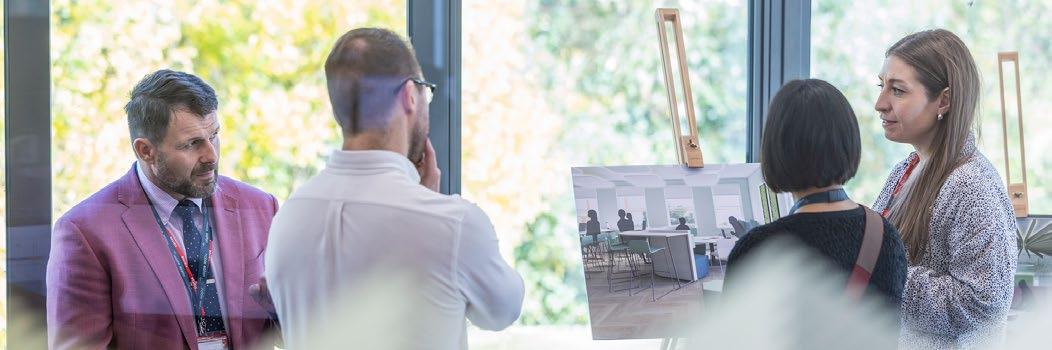
Once attendees had assimilated some core facts about space, furniture, learning and neuroscience, the afternoon was spent ‘building your own’.The team at Orangebox had designed a 2D set of models which helped each attendee start to develop an intentional design with a specific function-related outcome in mind for a space in their school. As ever, the interaction between members of each team generated imaginative and creative solutions, set out in two dimensions with members of our design team.
Like all good things, the day came to an end far too soon. Ideally, the volume of dialogue, ideation and innovation belonged over two days; more is more, and that is what we will be aiming for next time!
13 |
| 14 Scan the QR code to watch our event video
Recent CPD Event | Unfolding The Day Presentations, Workshops & Tours
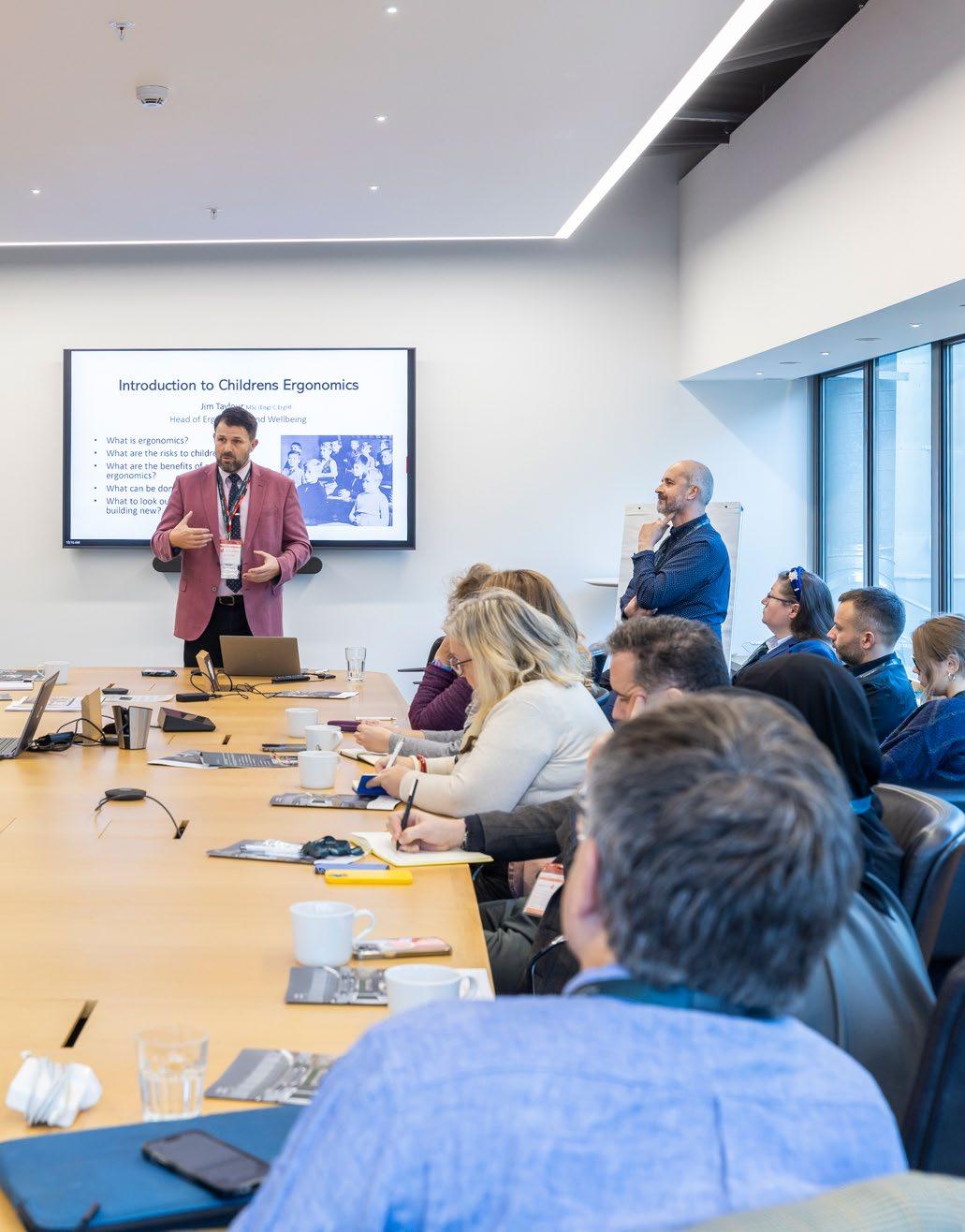
Children’s Ergonomics Presentation
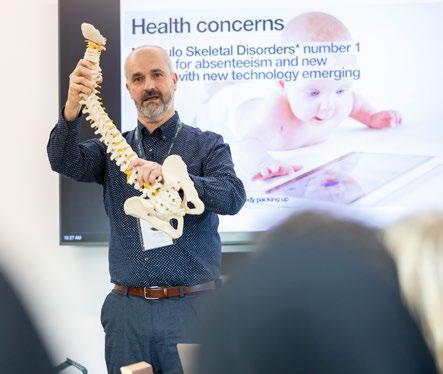
Jim Taylour showed us how ergonomics is about more than avoiding backaches. It has ripple effects on behaviour, test scores, and overall well-being. His talk inspired a lively discussion, with guests questioning why it isn’t a law for schools to be ergonomically sound like it is in the workplace and how we can encourage students to be part of the solution.
Neuroscience Of Change Presentation
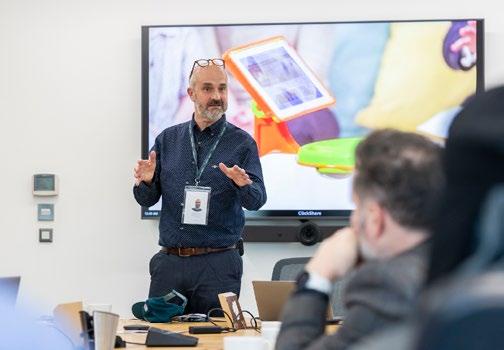
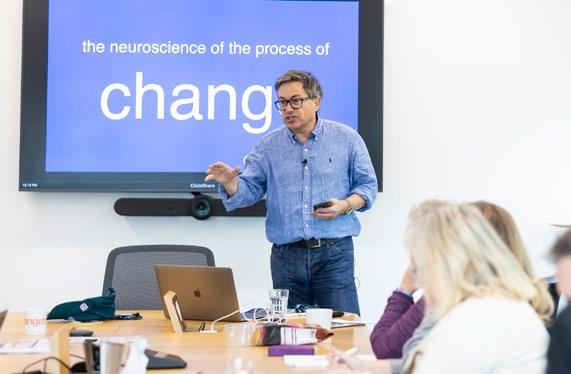
Dave Strudwick explained how, as humans, we crave control. When faced with uncertainty, our brains respond with flight, fight, or freeze. His talk dispelled the importance of leaders navigating such challenges. Reminding us that all perceptions matter and our behaviours are robust communications of unmet needs. His talk motivated us to embrace emotional awareness and convert change from obstacle to catalyst, leveraging it for growth.
Factory Tour
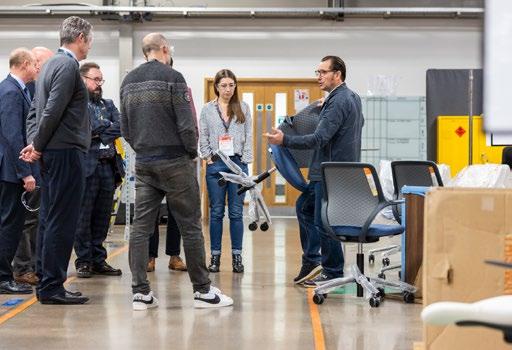
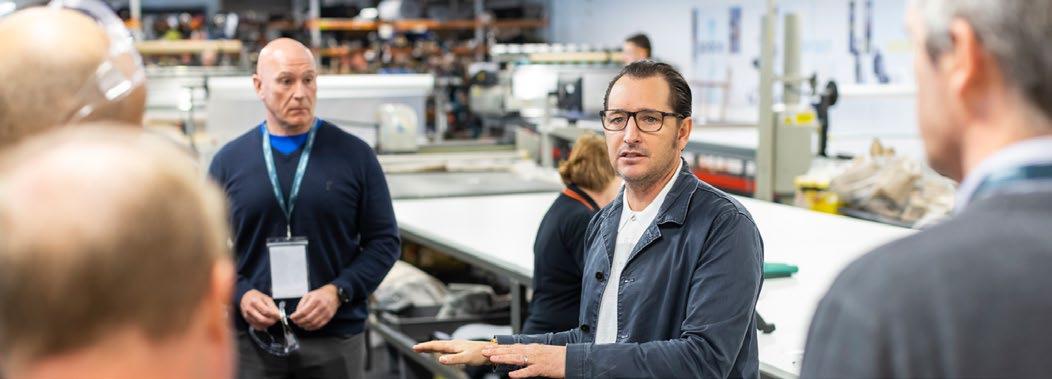
Guests at the event enjoyed an exclusive behind-the-scenes factory tour, giving them insights into Orangebox’s furniture craftsmanship and processes. Our guide gave demonstrations, showing the functionality and mechanics of the pieces as well as the considerations towards choosing the suitable materials. The tour also highlighted Orangebox’s sustainability commitment, showcasing the repurposing of preloved pieces for an environmentally responsible approach.
15 |
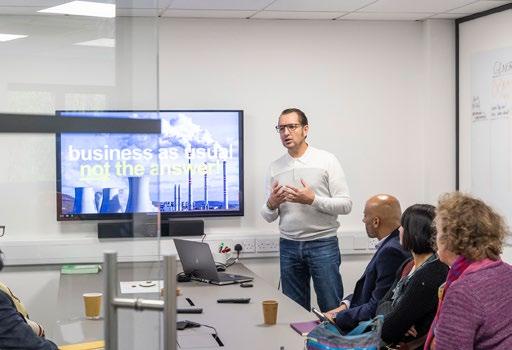
Sustainability Presentation
We were encouraged to question the heritage and craftsmanship when shopping for new furniture pieces. What are the origins of the materials used? What journey did the product take to reach our doorsteps? Knowledge fosters respect, nurturing a newfound care for the items and unveils the potential for a brighter, more sustainable future.
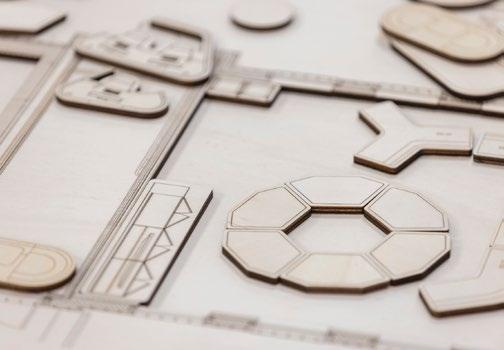
Laser Cut Plywood
Our design workshop gave our guests a chance turn the theory into their own tangible design. Using laser-cut plywood boards and 2-D ply cut-outs embodying distinct furniture pieces, they created their own tailored spaces.
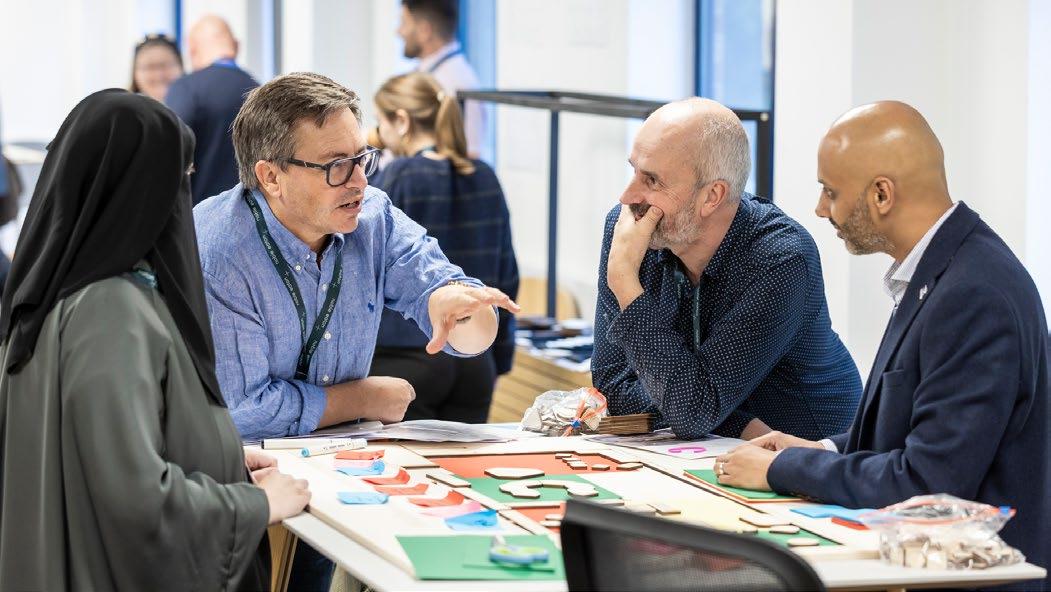
Design Workshop
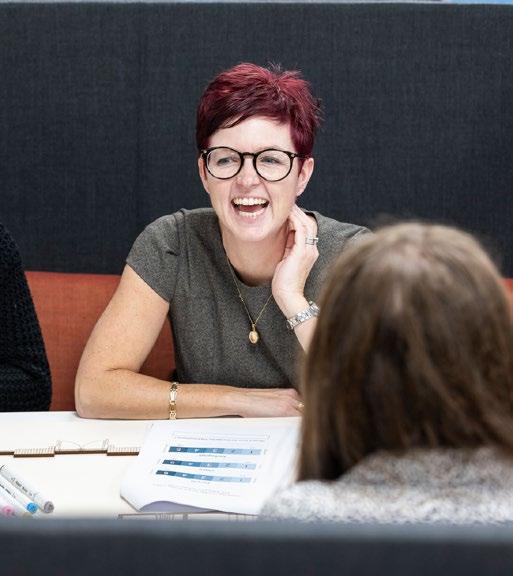
In our design workshop, guests engaged in thoughtful discussions about the spaces they aspired to create and the objectives they wanted to achieve. They brought their visions to life using bespoke plywood boards (representing the space) and 2-D ply cut-outs representing furniture pieces. In addition, guided by our team, they applied endorphin mapping, using the design elements to promote serotonin, oxytocin and dopamine, making their designs even more influential.
| 16
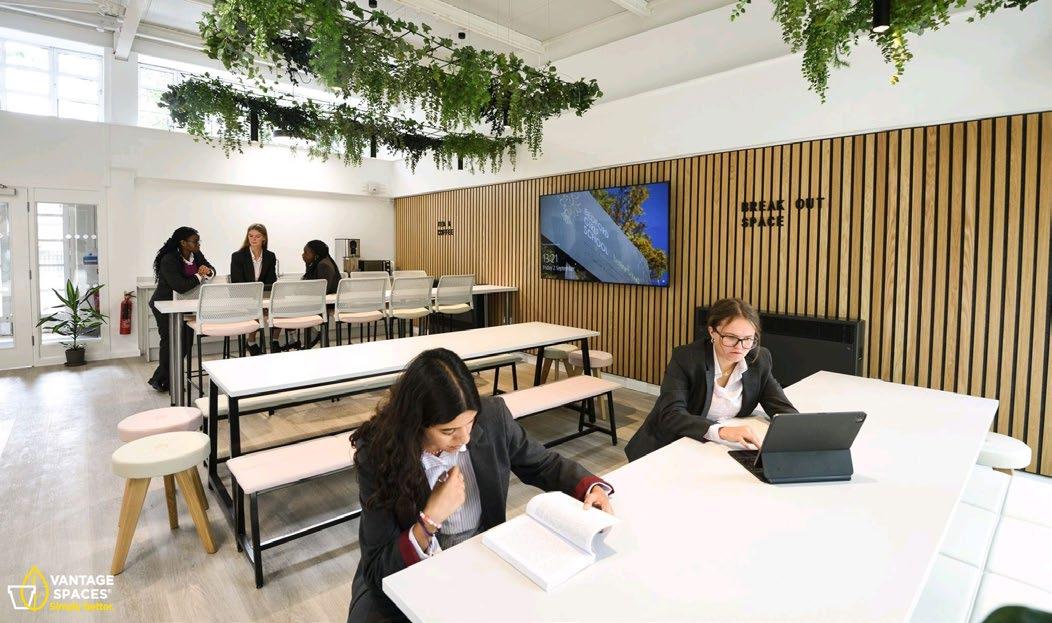

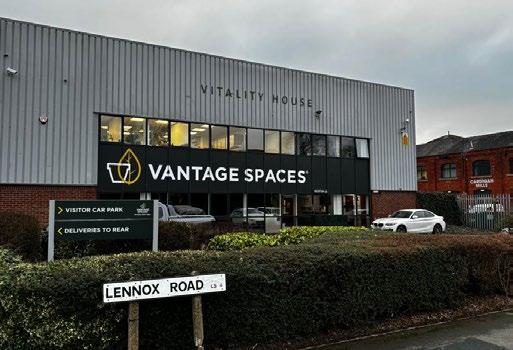
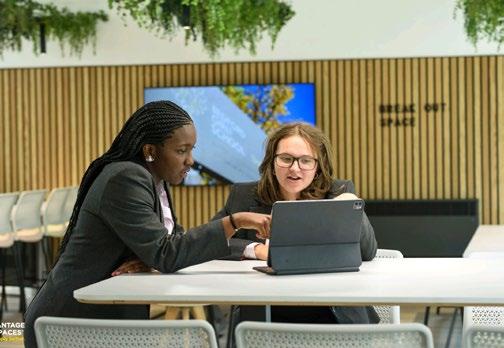
17 | We all know that indoor planting enhances a space. But we believe it can do more. Used skillfully, it supports the creation of workspaces of the future. Date 13th March 2024 Time 9:30am -3:30pm Location Vantage Spaces | Vitality House Milford Place | Leeds | LS4 2BQ Itinerary RSVP nobleandeaton.com/rsvp | www.vantagespaces.co.uk Or scan the QR code Upcoming CPD Event | Planting Pedagogy Creating Thriving Spaces™ With Biophilic Design
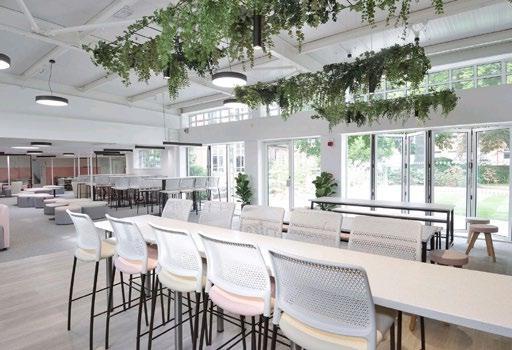
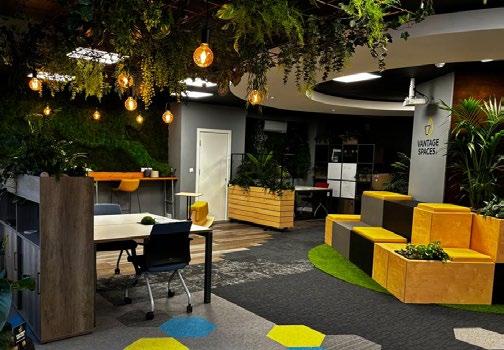
Biophilic design is on the rise. If you search for Interior Design Trends, we’re 99.9% sure you’ll see references to biophilic design. However, it’s about more than just some pretty greenery.
Plenty of research details how biophilic design improves the workplace, but how it branches out into educational environments is equally powerful. Yet, it’s not often spoken about.
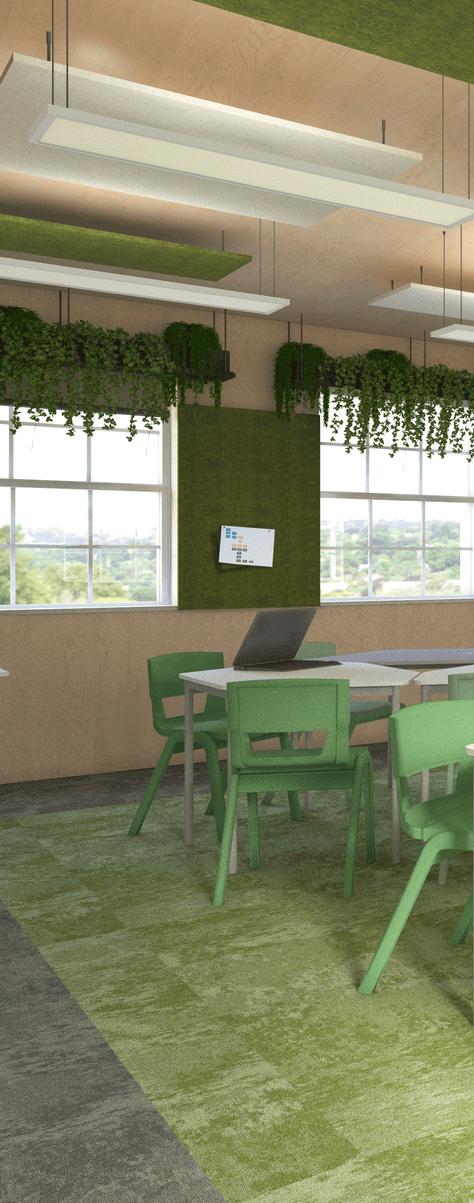
Biophilic design comprises the five senses and design elements, including patterns, textures, and lighting. It can enhance a space’s air quality and acoustics and support mental health and behaviours. You can use it to create a space where all students are encouraged to learn and grow.
Biophilic design can help plant the seeds of a thriving learning environment. You may be asking - but how? That’s where our CPD comes in! Along with learning about the neuroscience behind designing thriving learning spaces, we will share how and why biophilic design can enhance your learning environments.
There’s more!
You’ll have a chance to turn theory into a tangible design. Our design workshop will allow you to conceptualise and craft a learning environment tailored to your school. We’ll even show how to apply endorphin mapping to the spaces, making your designs even more influential.
We guarantee you’ll walk away with tonnes of inspiration and innovative ideas!
| 18

Case Study Tormead School
Tormead is a leading independent day school in Guildford, dedicated to delivering unique and innovative education to a range of school years.
The school was founded in 1905 with the intention of bringing firstclass education to local girls, who were often discouraged from taking part in the schooling system. Due to its history, breaking the mould and paving new ground is crucial to Tormead’s DNA.
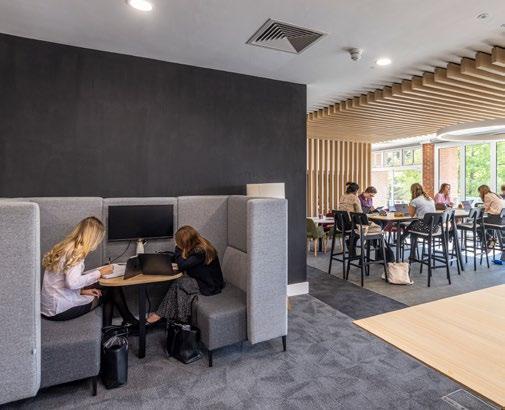
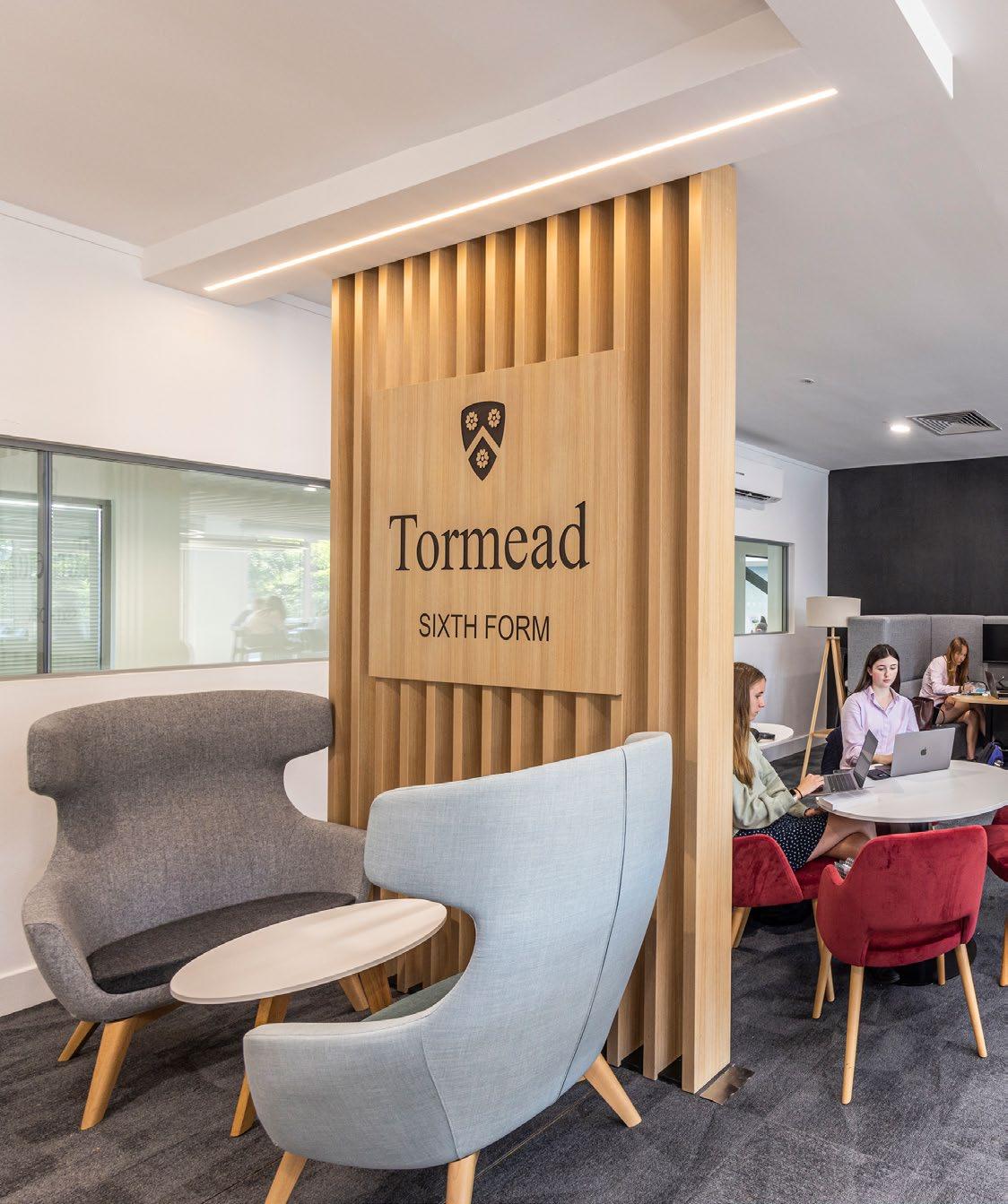
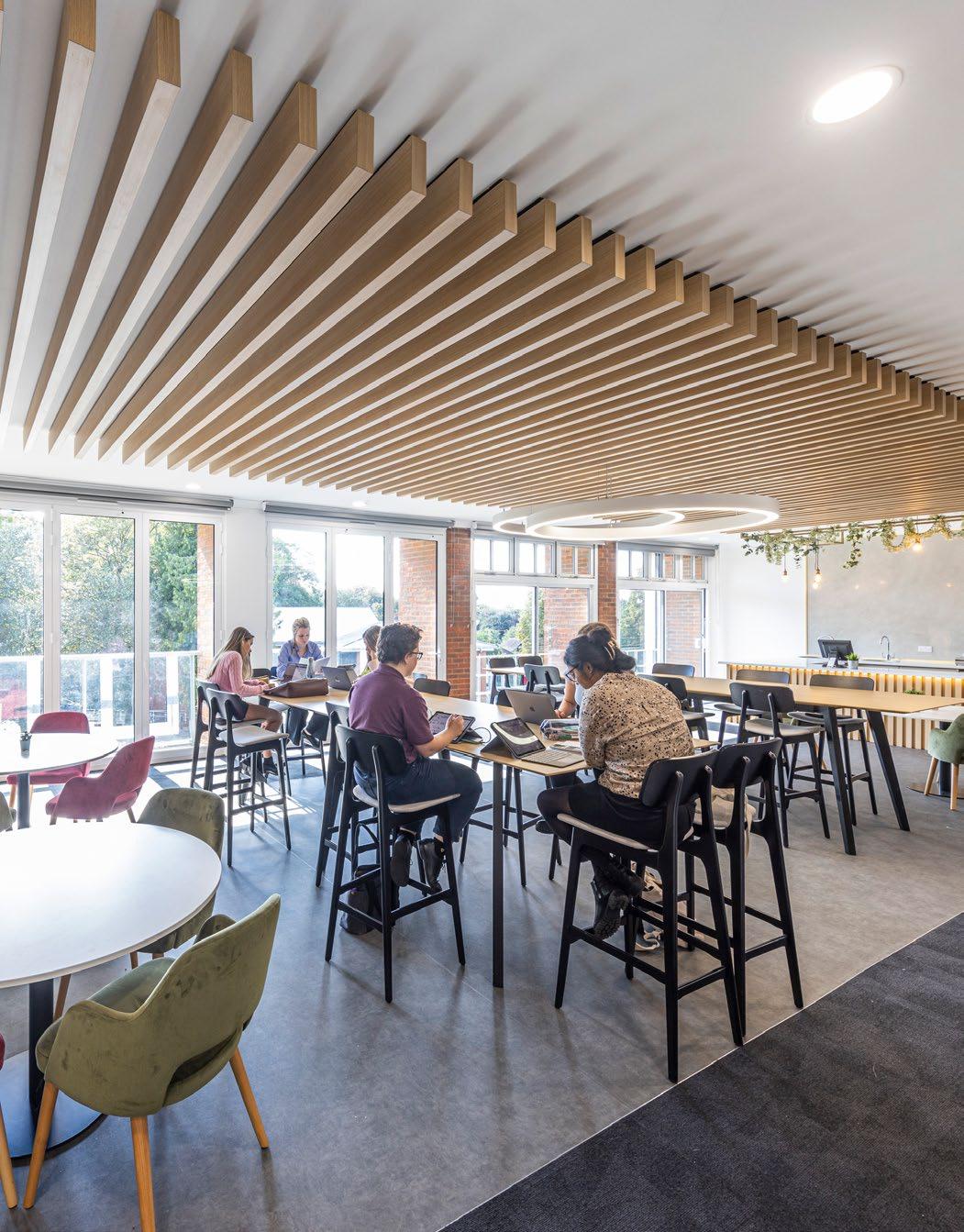
Together, we embarked on a visionary journey to reimagine its sixth-form spaces. The vision was clear: fashion a central hub that delicately balances the realms of school and university—an enclave distinct from the rest of the school and yet intricately connected. The directive emphasised creating a relaxed environment conducive to high-calibre learning, focusing on smoothing the transition from sixth form to university.
The Designs
Throughout this transformative process, the stakeholders emphasised incorporating the students’ voices, who were proactive and articulate in expressing their preferences. Design workshops were integral to this collaborative effort, ensuring that the students’ insights played a central role in shaping the new space and fostering an environment tailored to their needs.
It was crucial that the resulting space met academic requirements and prioritised the students’ well-being by making them feel safe, empowering them with a sense of control, and enhancing their overall understanding of belonging within the school community.
Vision To Reality
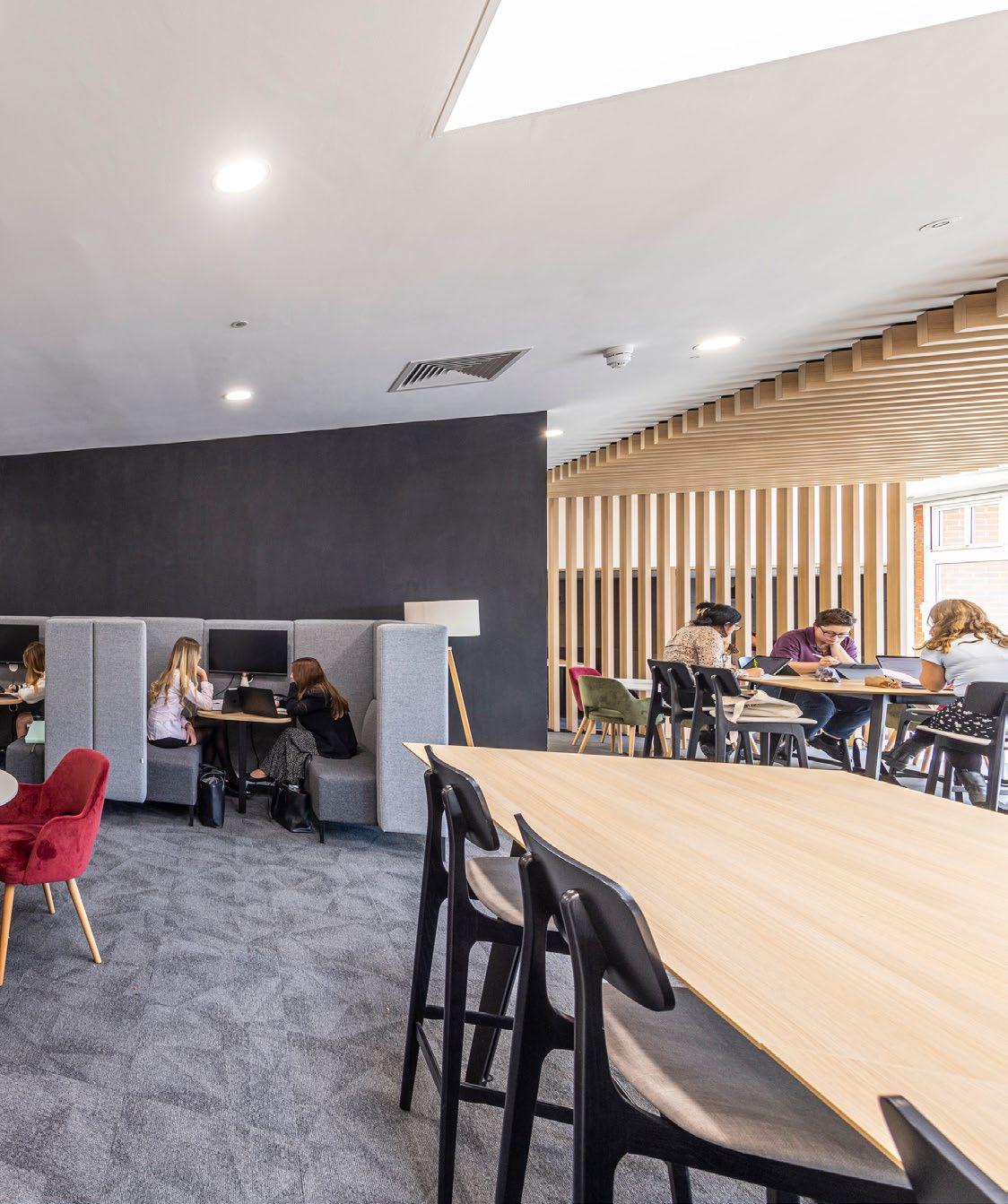
Envoplan, commissioned for the design and build, faced numerous challenges. The existing space lacked flexibility, natural light, and accessibility; improving each element was pivotal in the designs. To achieve the vision within the designs, the construction team opened the existing walls and introduced glazed elevations to brighten the spaces and effectively manage natural light.
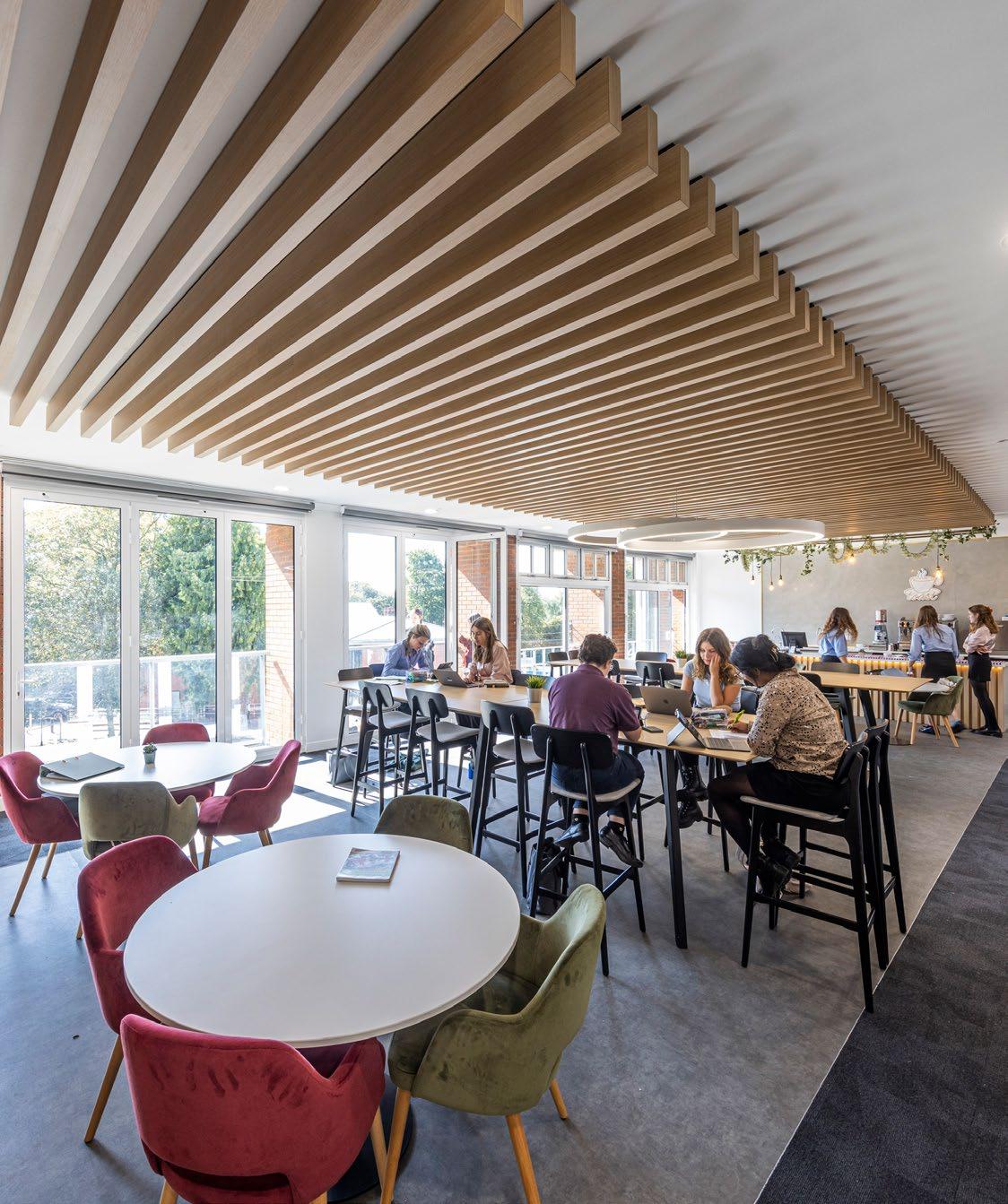
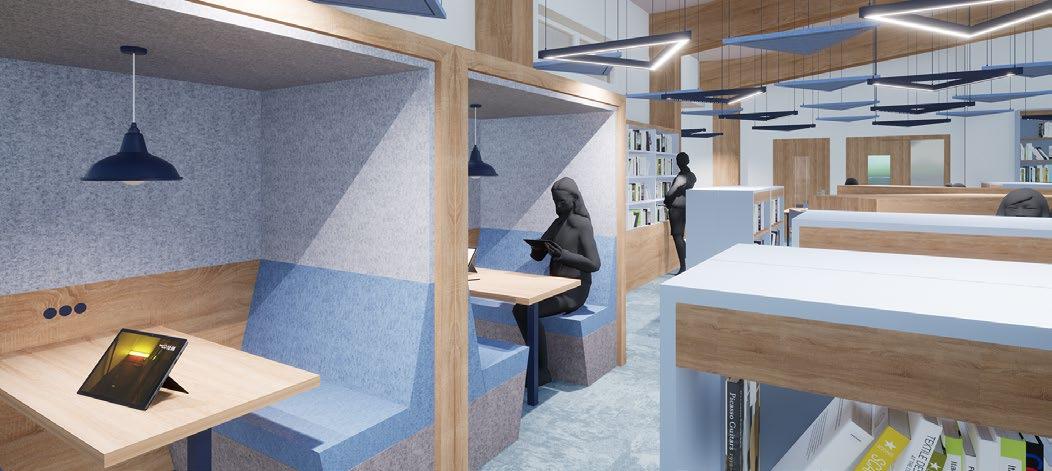
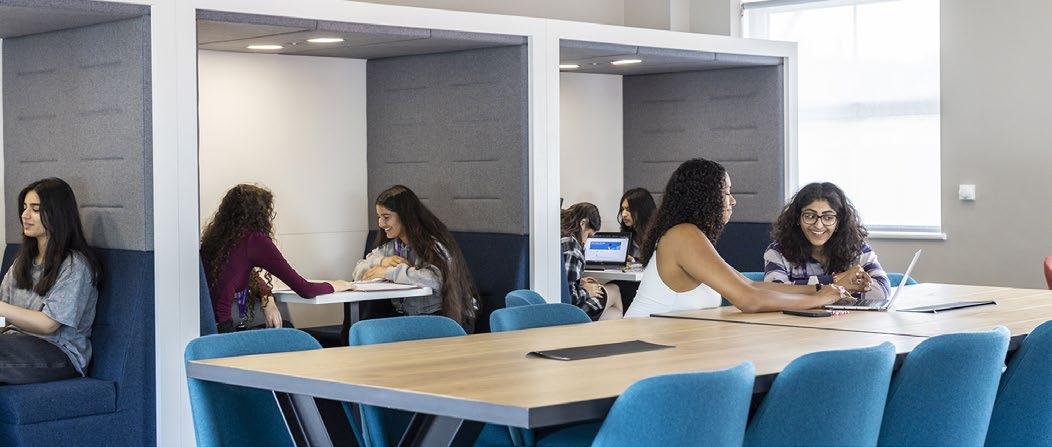
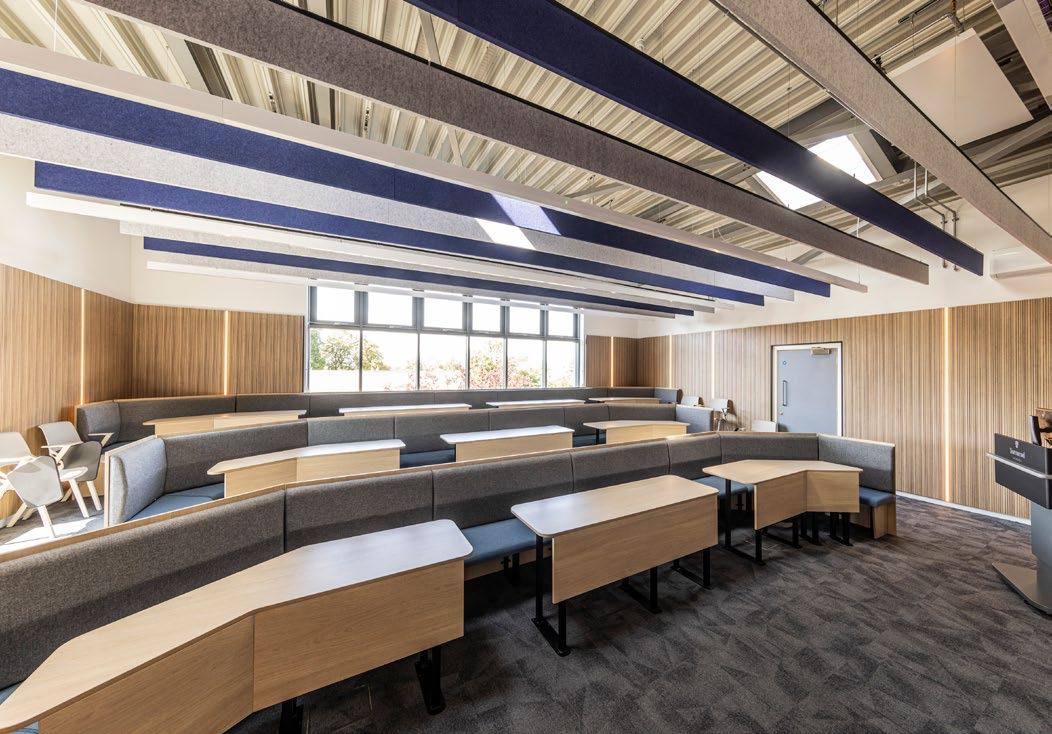
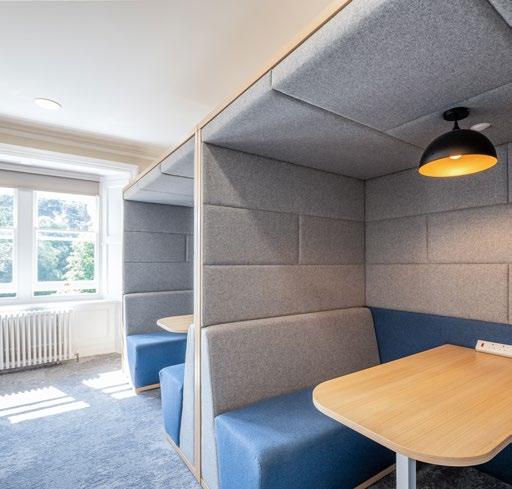
From wooden ceiling baffles in the main common room to acoustic panelling in the lecture theatre, acoustic treatments played a crucial role in the designs. Furthermore, the furniture booths were acoustically treated, creating a harmonious blend of aesthetics and functionality.
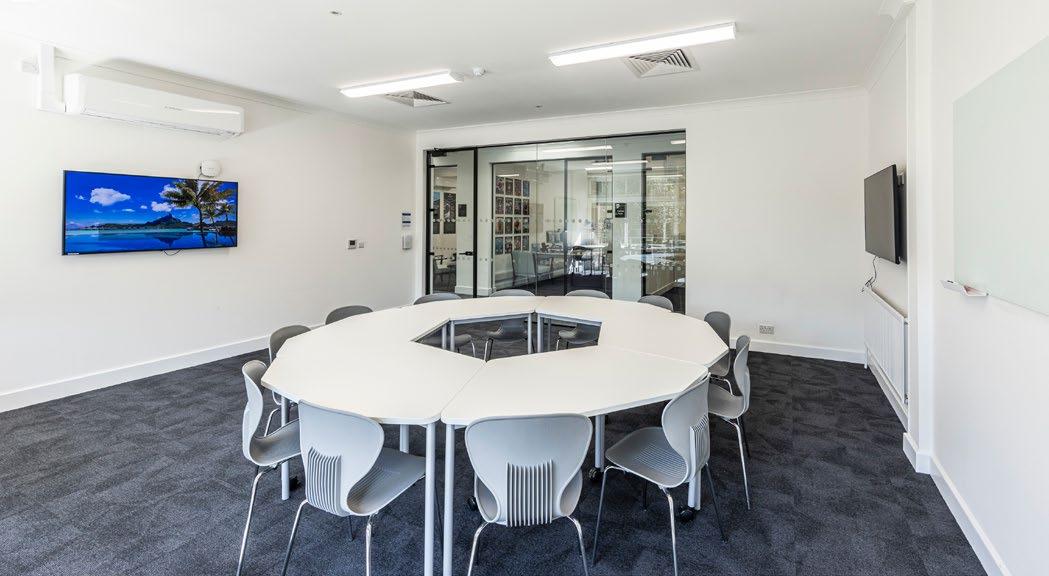
The redevelopment of the tower staircase provided a formalised entry into the sixth form, improving accessibility. Given that the stairway acts as the first point of contact into the sixth form, it needed to serve as an excellent first impression, setting the standards and expectations for the academic and collaborative work within the sixth-form space. Additionally, the design incorporated multiple working zones, including a university-style lecture theatre, to enhance the learning experience.
The Students
Students, teachers, and Envoplan alike were delighted with the transformative results. The redesigned spaces managed natural light effectively, creating a brighter atmosphere. The innovative acoustic treatments made the space more approachable, instilling comfort and safety. The accessibility to the sixth-form improved, and the redeveloped tower staircase became a symbolic entry point to the sixth form.
Teachers praised the spaces for encouraging experimentation and offering a departure from traditional classroom structures. The contemporary and long-lasting aesthetics complemented the new natural light, ensuring the spaces remain fashionable for years. David Boyd, Headteacher at Tormead, admired Envoplan’s design quality and imaginative approach. Mr Boyd contributed enthusiastically to the design process, resulting in a completed project which drew the admiration of all stakeholders, and especially the sixth form girls who have made best use of the post-16 provision’.
The project is a testament to Tormead’s commitment to breaking the mould and creating innovative educational environments.
19 |
the QR code to view the
Scan
video
| 20
21 |
| 22
23 |
| 24

Case Study Farnborough Hill School
When tasked with creating a multifunctional space for the girls at Farnborough Hill School, the primary vision was to establish an environment that seamlessly blended socialisation and private study.
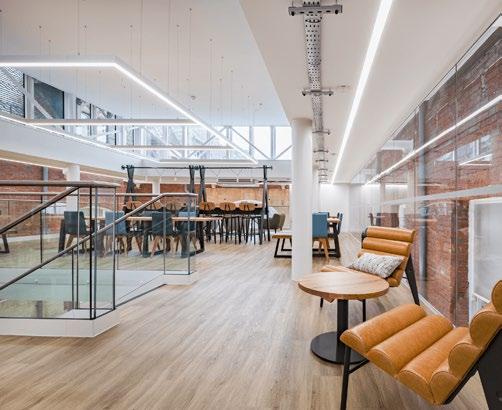
The project involved turning a dark and underused space into one with a glass-fronted building that would join two listed buildings together. Part of the project involved revitalising what used to be Empress Eugenie’s bedroom into a “special classroom” infused with historical relevance. The vision was to craft a forward-thinking learning space, respecting the Empress’s legacy. Alongside this, the sixth form needed a new lease of life.
From Vision To Reality
The design team, led by senior designer Roberto and consultant Dr Adam England, began crafting a space to turn the vision into a reality.
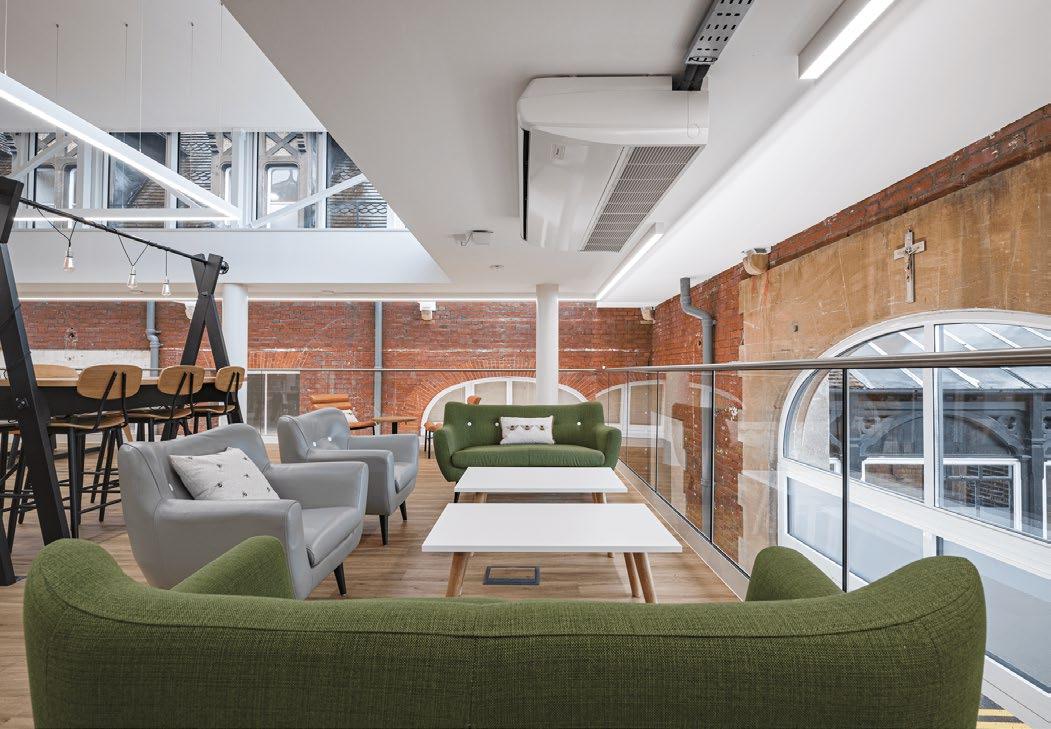
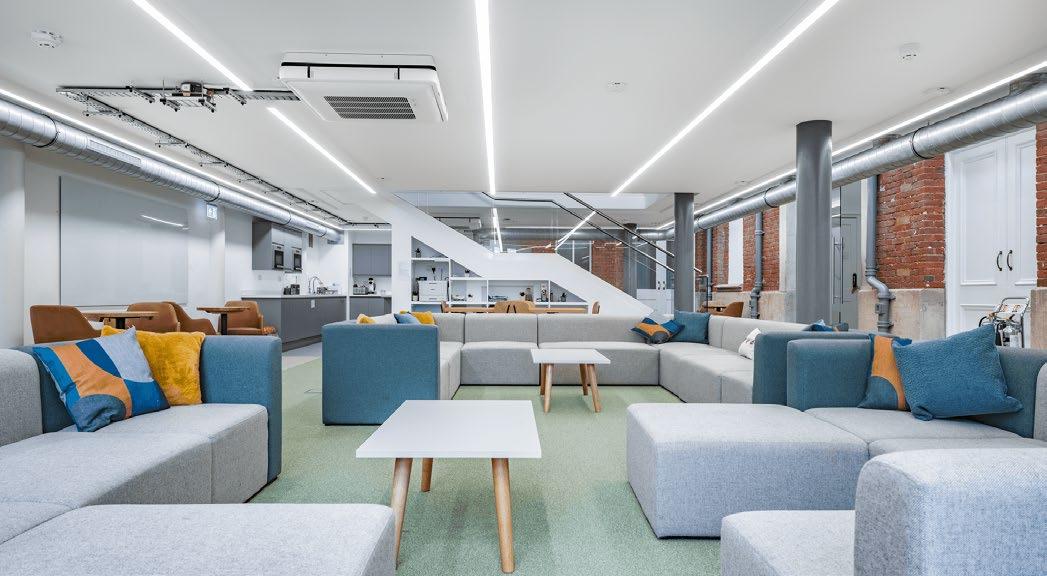
The ground floor exudes an industrially inspired yet completely welcoming atmosphere. The space now features a large kitchen with tables and stools, soft seating for large groups, and intimate pairs of chairs with small tables. Clever use of the understairs space for storage further maximises functionality.
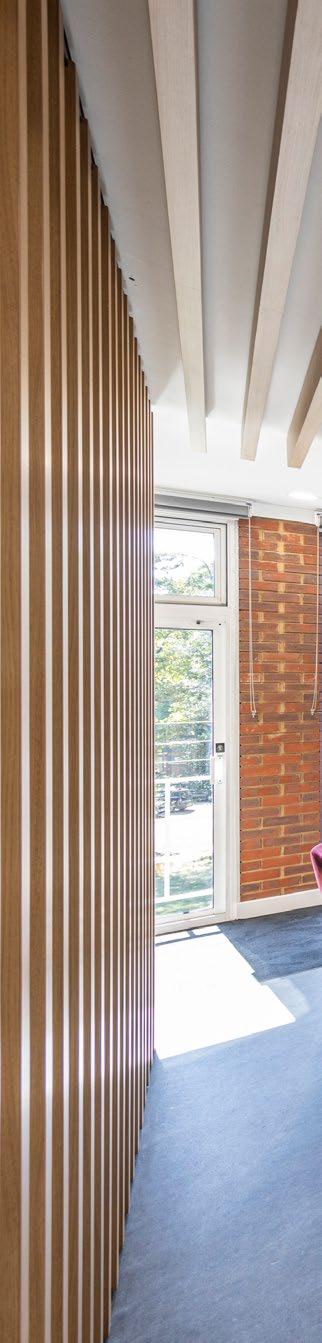
On the first floor, the design offers a contemplative setting with comfortable seating and expansive windows providing views across the site while letting in plenty of natural light. Modern yet classical furniture, visible pipework, and bare brickwork contribute to the industrial aesthetic complemented by colours that harmonise with the natural surroundings.
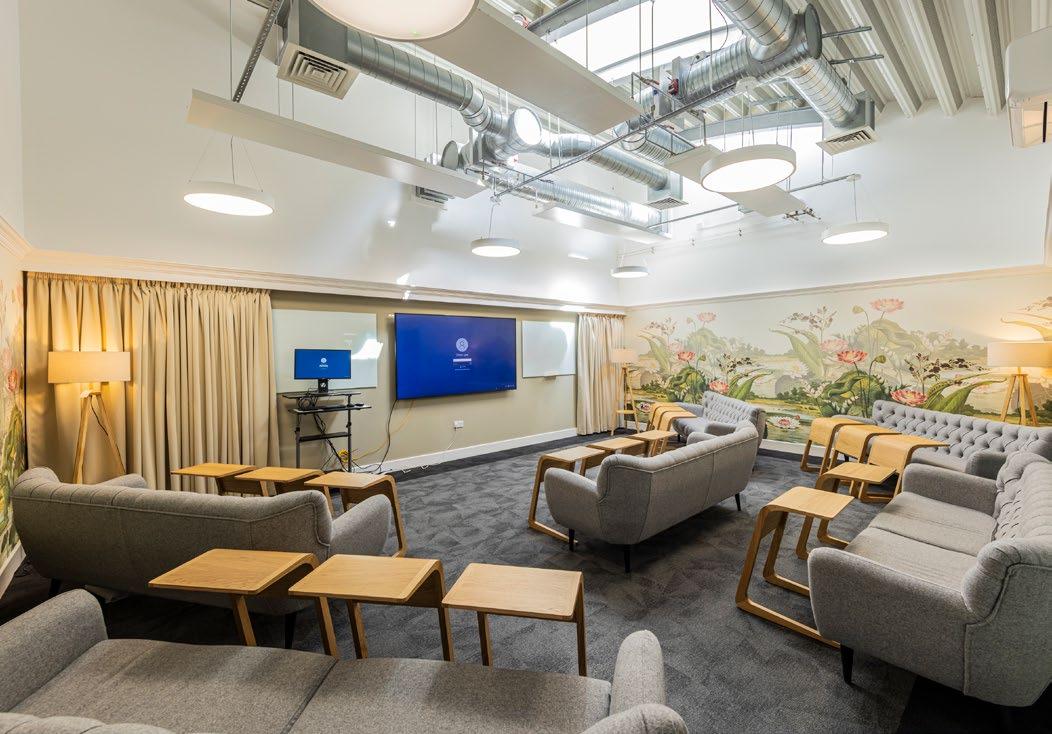
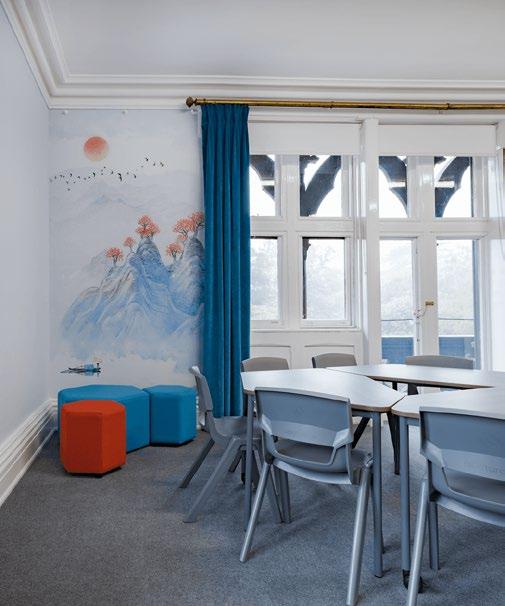
The design for the Empress room incorporated key elements to revive its historical charm and significance. Chinese-inspired wallpaper now adorns the walls, paying homage to Empress Eugenie’s interest in China and the museum she established in Paris. Additionally, Little Gem tables played a pivotal role, as their unique design made them easily movable and allowed for effortless reconfiguration. These thoughtful design choices contributed to the room’s aesthetic appeal and ensured practicality and flexibility, aligning with creating a unique and adaptable learning space.
The Impact and Achievement of the Vision
The sixth form is in constant use, and the girls love how it is refreshingly modern and encourages them to study or take a break.
The design encourages a dynamic blend of collaborative and individual learning, dispelling initial concerns about potential underuse. Furthermore, the space reflects the school’s commitment to embracing modernity while creating a functional and aesthetically pleasing environment.
As a whole, the objective was to strike a balance that encourages collaborative work and individual focus, ensuring a return on investment.
25 |
| 26
Case Study Marist School Sixth Form
The Marist School embarked on a project with Envoplan to redesign their sixth form, driven by Headmistress Jo Smith’s vision of a bright, purposeful, and multifunctional area that fosters academic and personal growth.
The primary objective was to enhance student retention and attraction, aligning with the school’s growth plan. Additionally, the cultivation of student independence was a paramount aspiration. Overall, the girls would receive a space to develop skills for academic success, plus skills for life beyond school.
The project began with design workshops and discussions, including open evenings showcasing designs and engaging the parents’ and workshops to incorporate the students’ ideas. The collaboration ensured that the student’s needs were central to the design and gave them confidence that their voices had been heard.
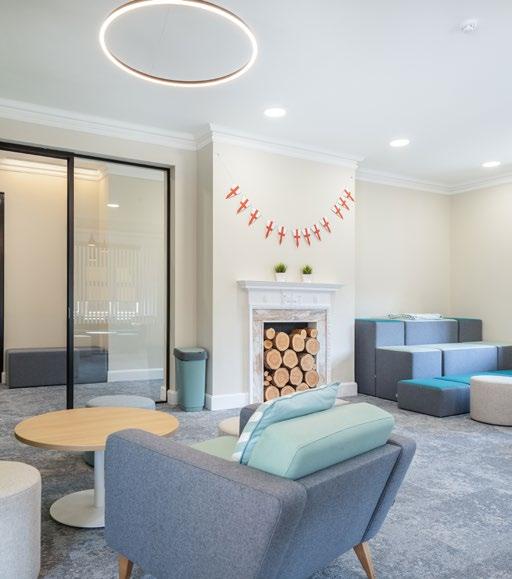
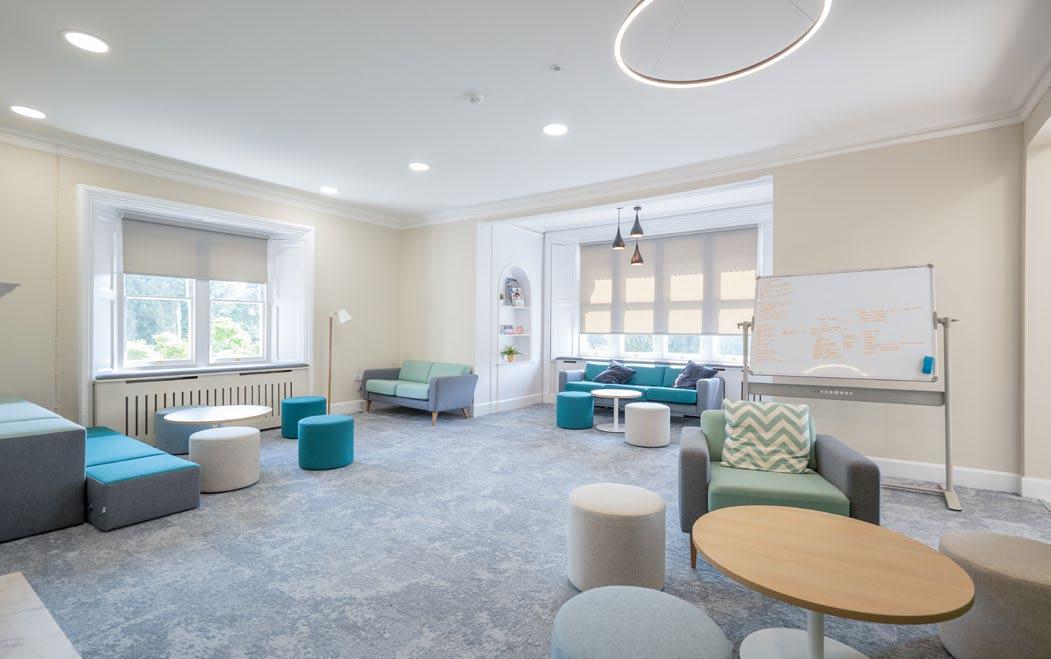
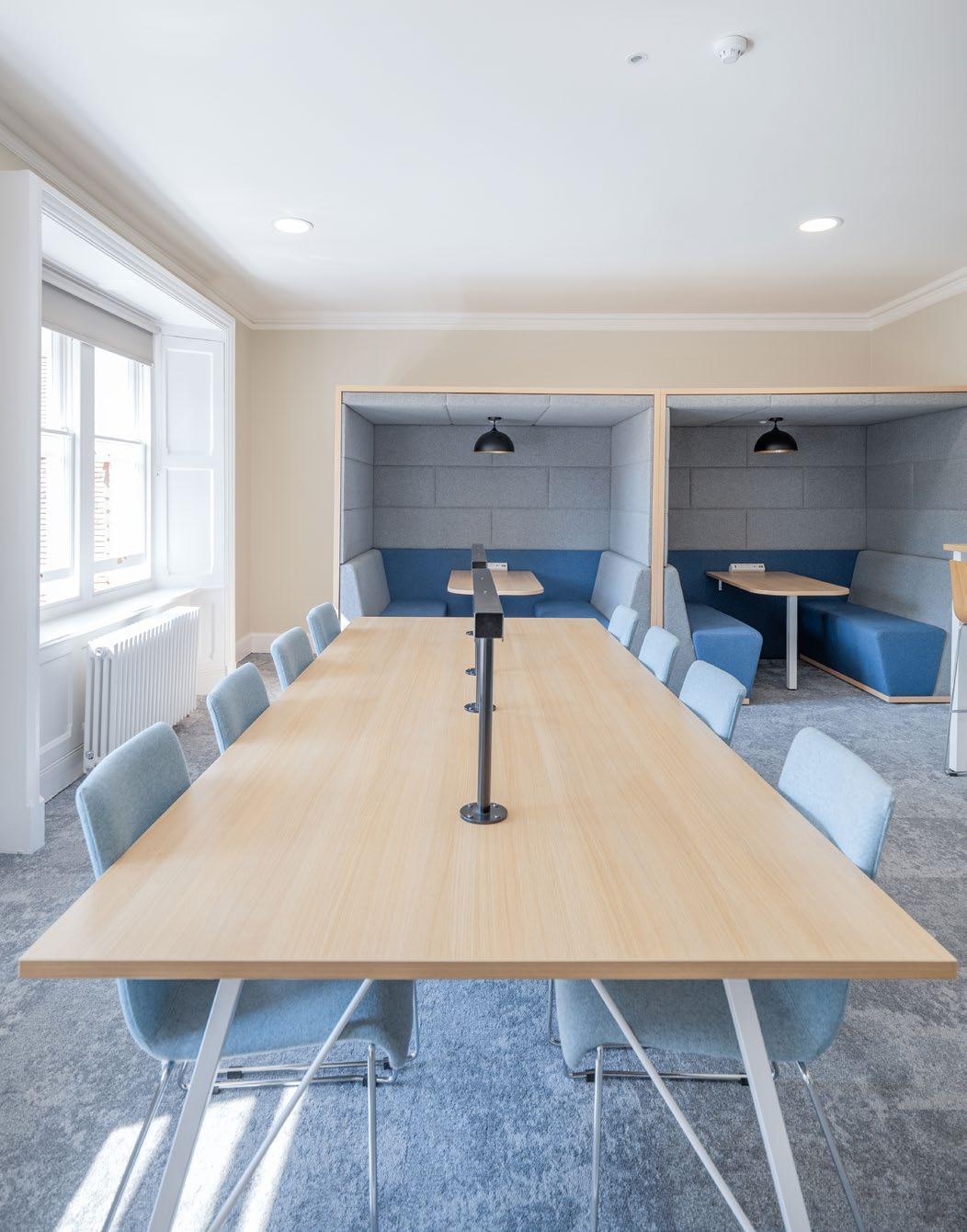
During one workshop, students used post-it notes to express how they wished to feel in their new space. The collected responses revealed their hopes for the area and what they wanted to avoid. The Envoplan team took everyone’s input seriously, resulting in the final colour scheme of blues and greens being chosen exclusively by the girls. Despite initial reservations from the staff about a “quirky” seating choice made by the girls, the students adore them and use them daily. Exemplifying the student-focused approach of the designs, granting them a sense of ownership over the space.
The project involved redesigning the sixth form floor, including the staircase, teachers’ offices, a boardroom, and the visitor reception area. Construction work happened during term time, with a temporary staircase installed to minimise the disruption of learning. However, the project faced challenges due to the delicate nature of the original “lath and plaster” walls, limiting the use of modern furnishings.

Delivered through the Envoplan Group
27 |
Continued
| 28
29 |
Design
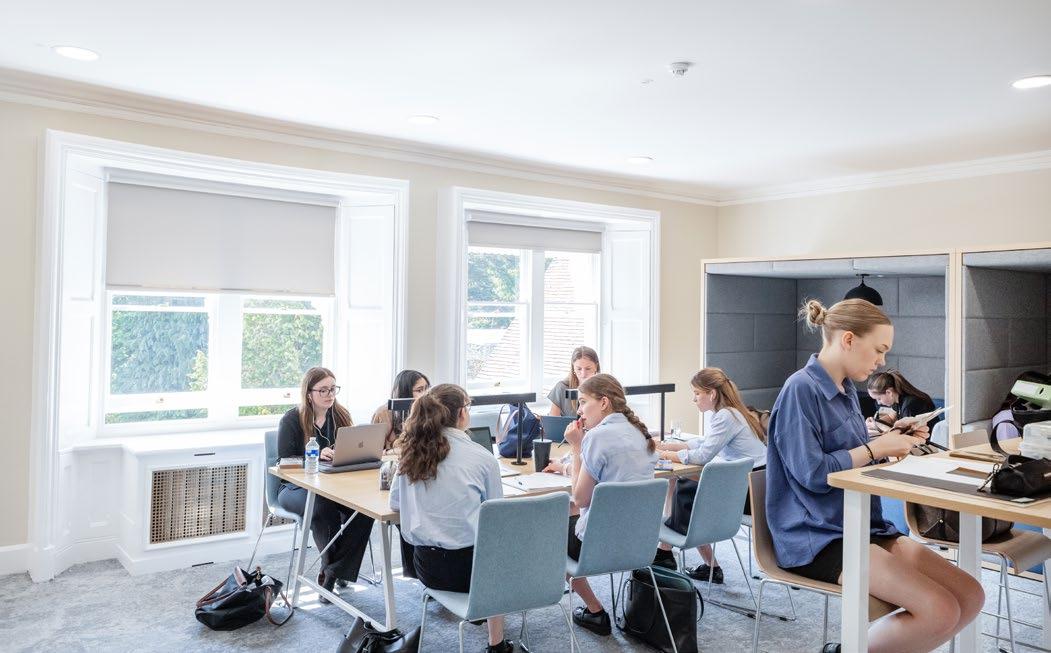
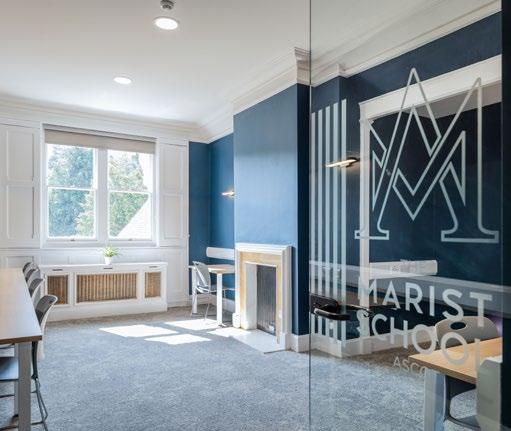
To create the envisioned bright and airy atmosphere, glass partitions and doors were installed in sections of the corridor walls, allowing ample natural light, and transforming the previously dark and narrow corridor. The design of the sixth form itself included social areas for relaxation, quiet study areas, a wellbeing room and a kitchen.
The most significant indicator of any project’s success will always be the students’ enthusiasm to utilise the space. The design of the sixth form itself included social areas for relaxation, quiet study areas, a wellbeing room and a kitchen.
According to the head of the sixth form, the students asked to study and use the new sixth form space rather than study at home during the holidays. Of course, this was agreed upon and facilitated! Providing students with a dedicated space that offers choice and independence resulted in a sense of belonging and identity and has positively impacted their attitudes towards themselves and their education.
The revitalisation of the sixth form area created a profound impact on both the students experiences and the school as a whole. It generated excitement among younger year groups, inspiring them for their future steps and the opportunity to use the space themselves.
The redesigned area served as a vital stepping stone, preparing students for life beyond sixth form and equipping them with skills such as forward-thinking, self-awareness, and independence, in addition to academic achievements.
Explore
View the full gallery by scanning the QR code here.
| 30
Case Study Halliford School Sixth Form
Halliford School worked with Envoplan to create a brand-new Learning Resource Centre for students, staff, and visitors.
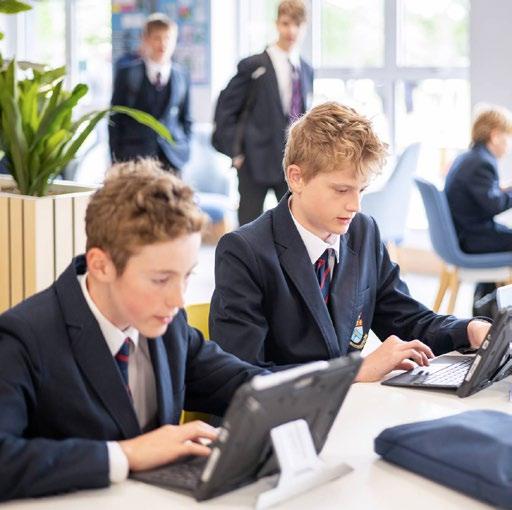
As the project began, so did the start of the Covid-19 pandemic. The pandemic left behind a void, which caused a serious need to bring the school community back together. The headmaster, James Davies, had a clear vision: a space that would be the heart of learning at the centre of the school. Despite its challenges and uncertainties, the refurbishment was a success!
The project focused on enhancing the experience for staff and visitors and providing functional spaces for various activities.
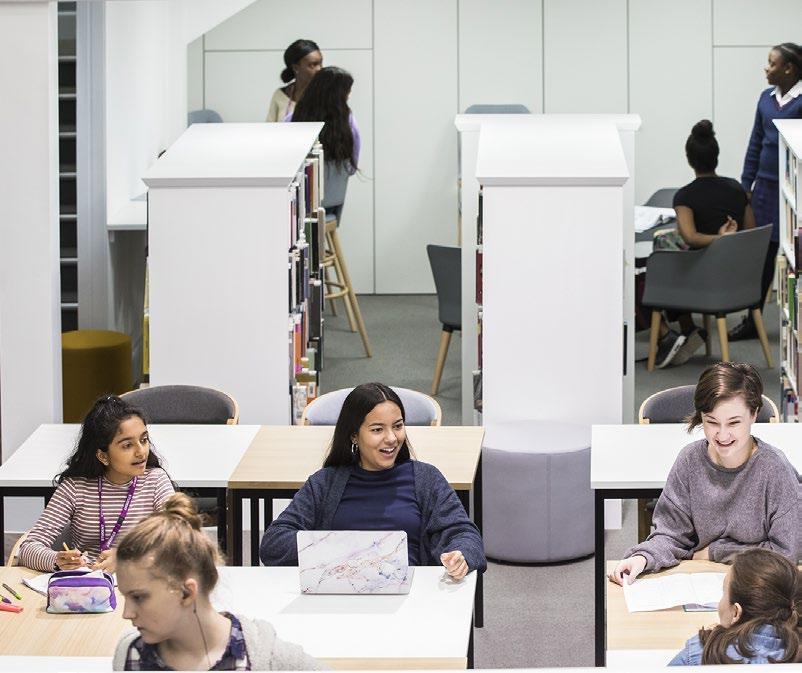
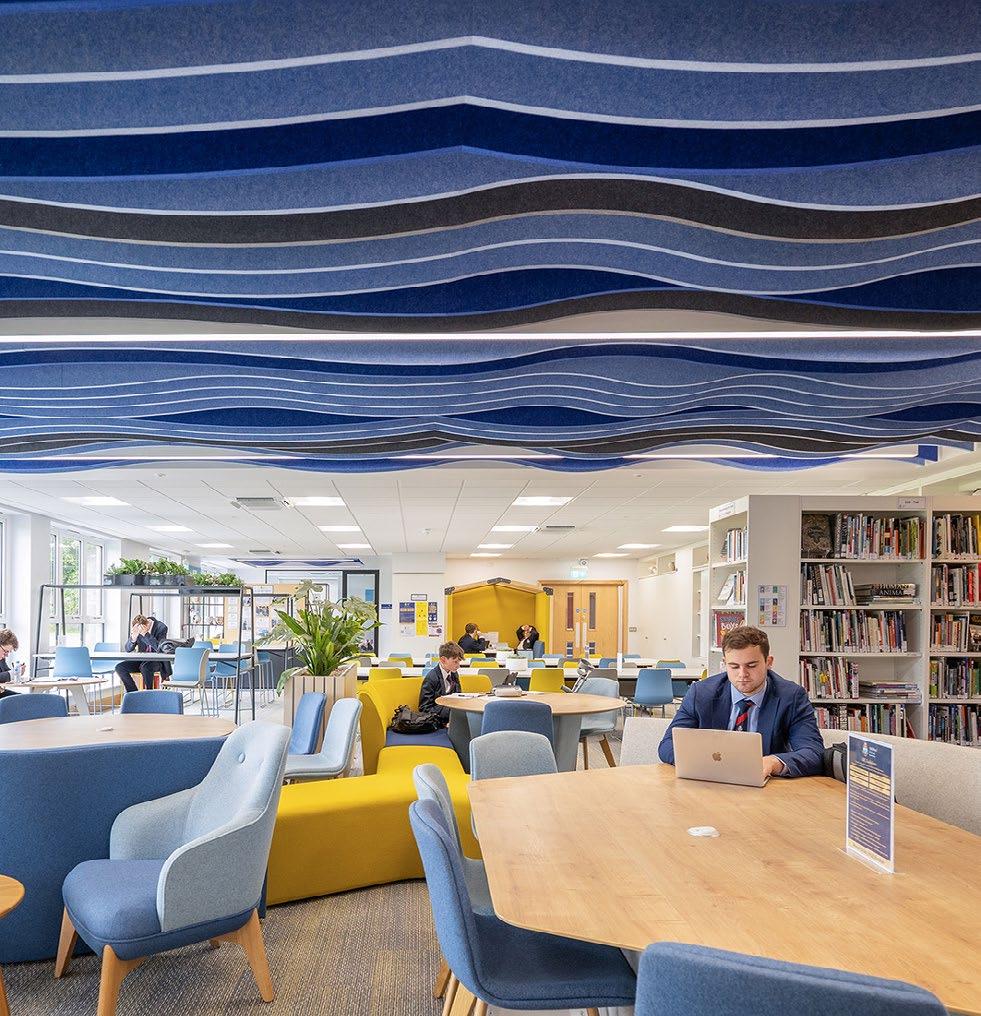
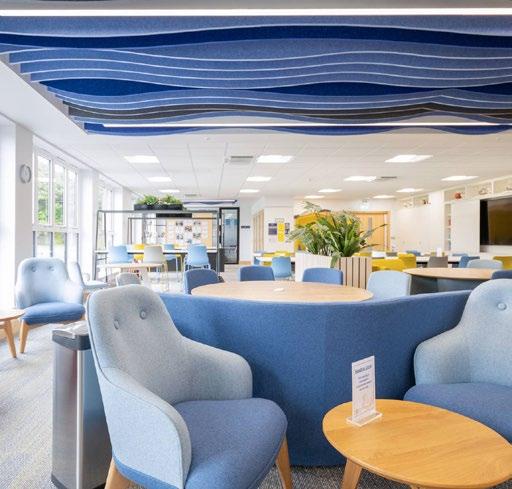
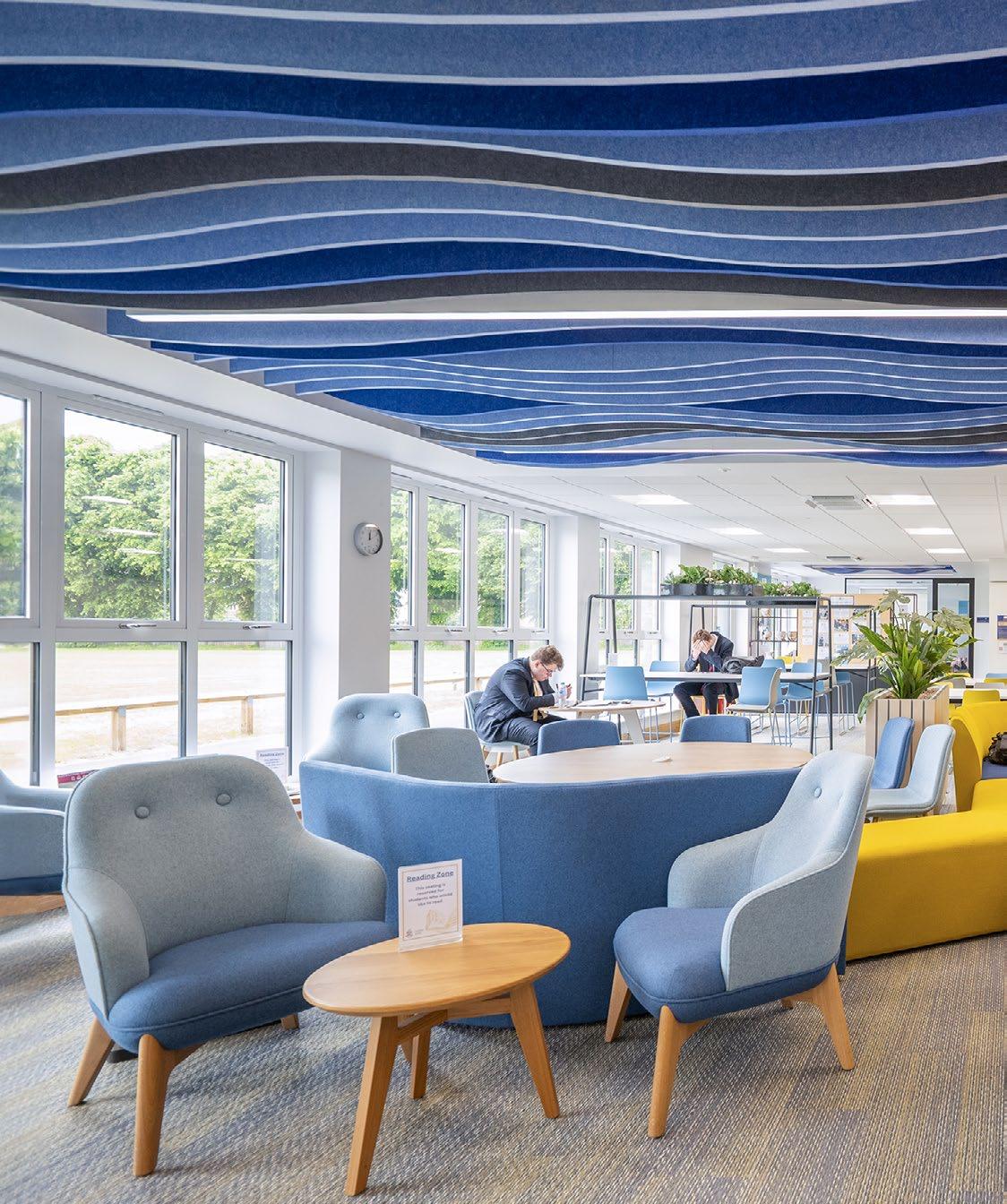
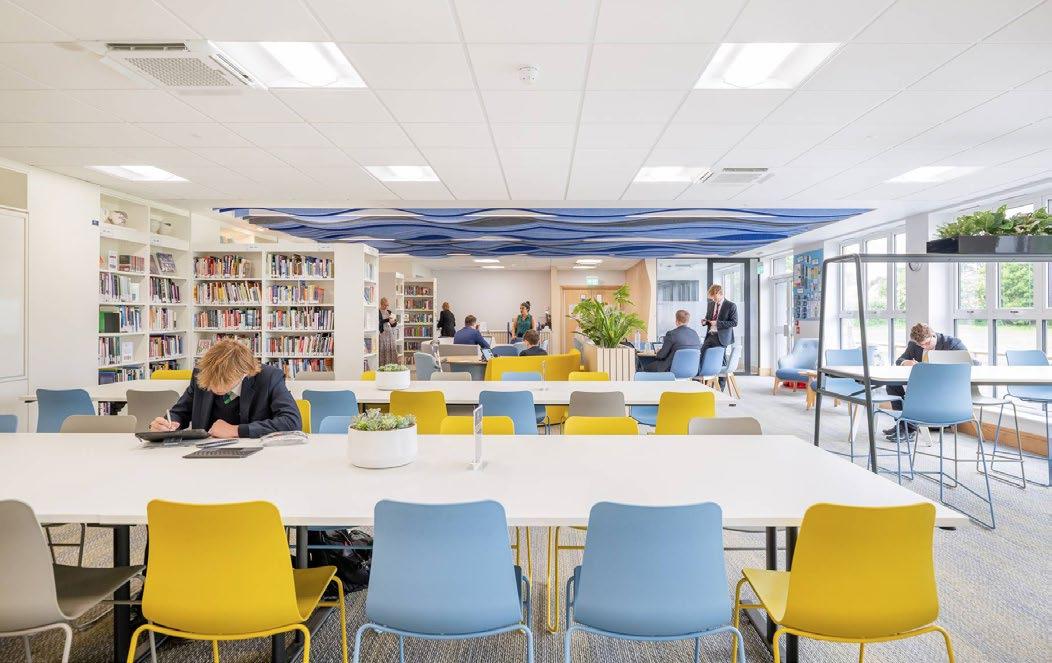
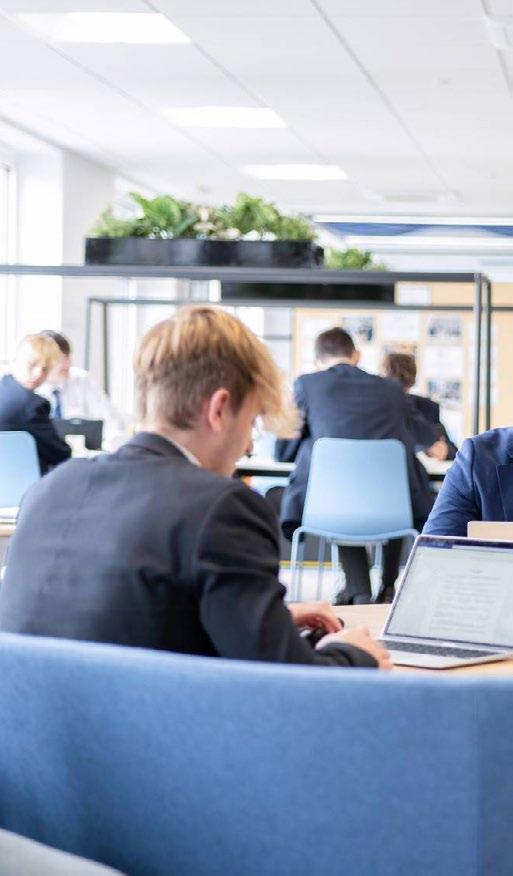
The ground floor was transformed into a vibrant Learning Resource Centre (LRC). The objective was to create a versatile space to accommodate seventy seated students and two hundred standing attendees during events. The thoughtful design approach eliminated the need for extensive furniture arrangement, ensuring adaptability and practicality.
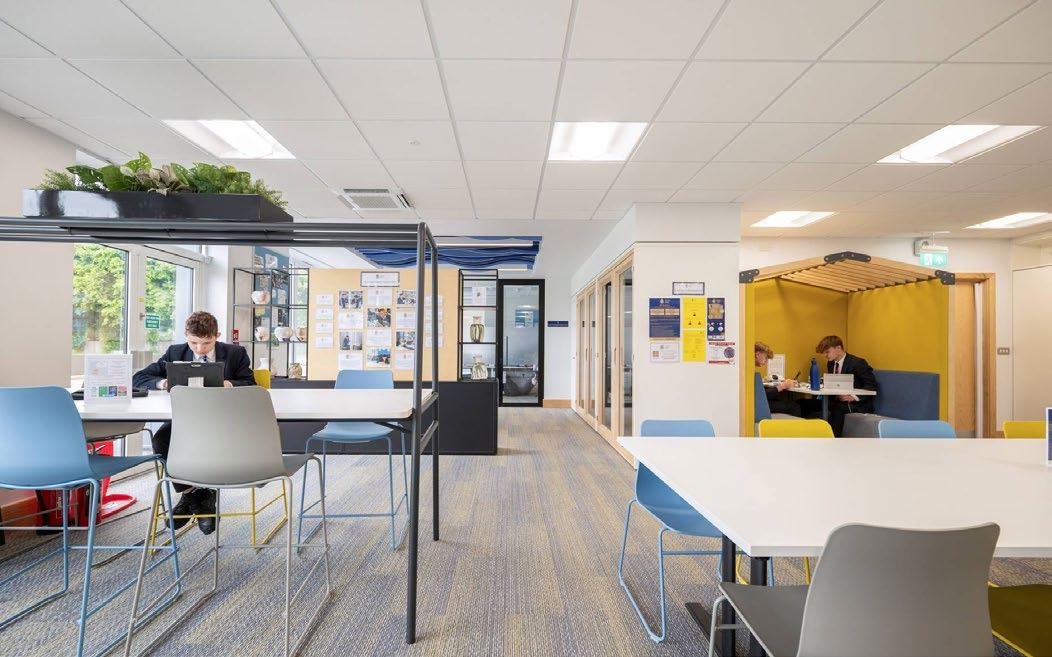
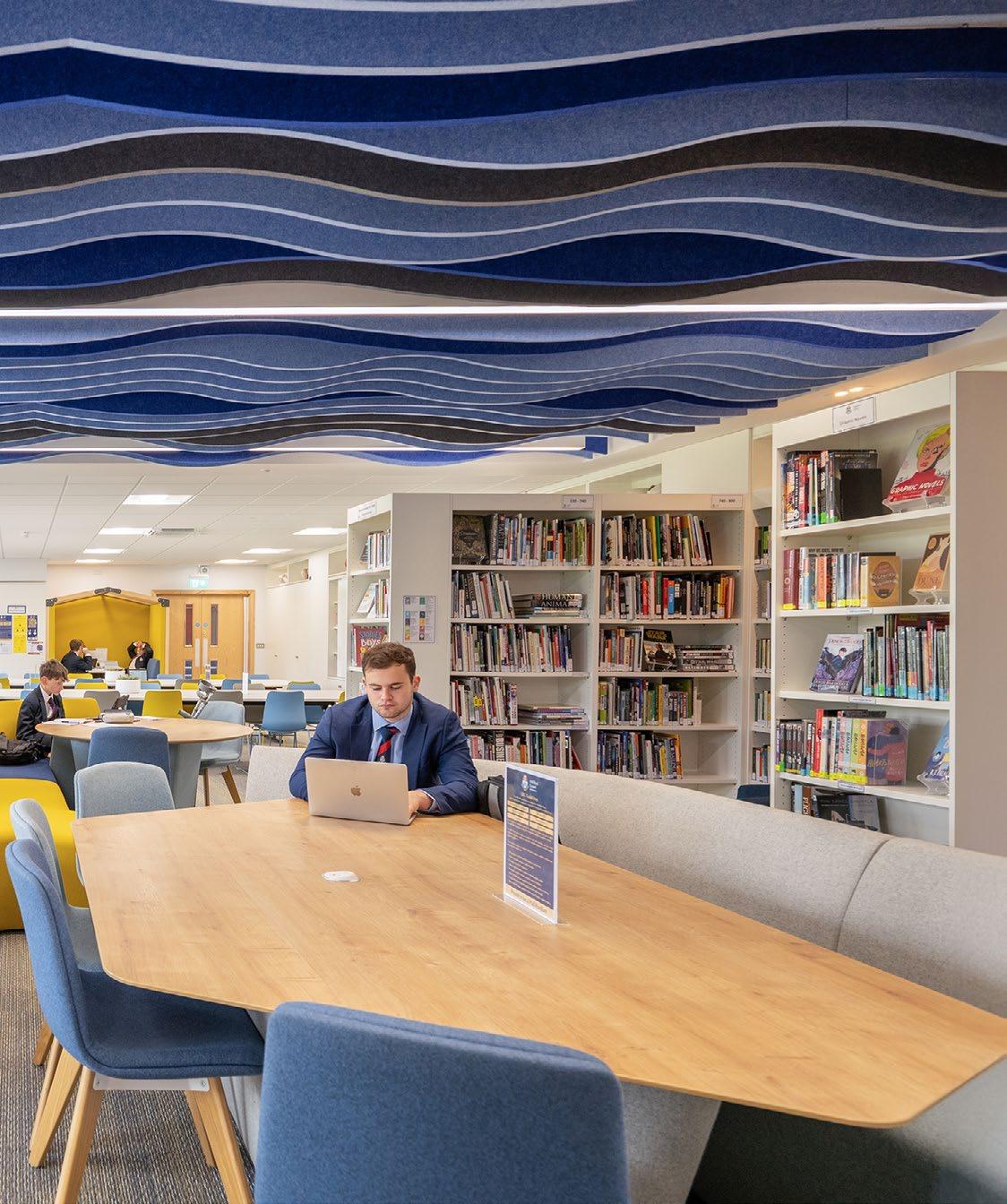
Key components of the LRC included the incorporation of study spaces, collaboration areas, a librarian’s office, notice boards, presentation screens and a separate study area for small study groups, doubling as SENCO (Special Educational Needs Coordination) facility.
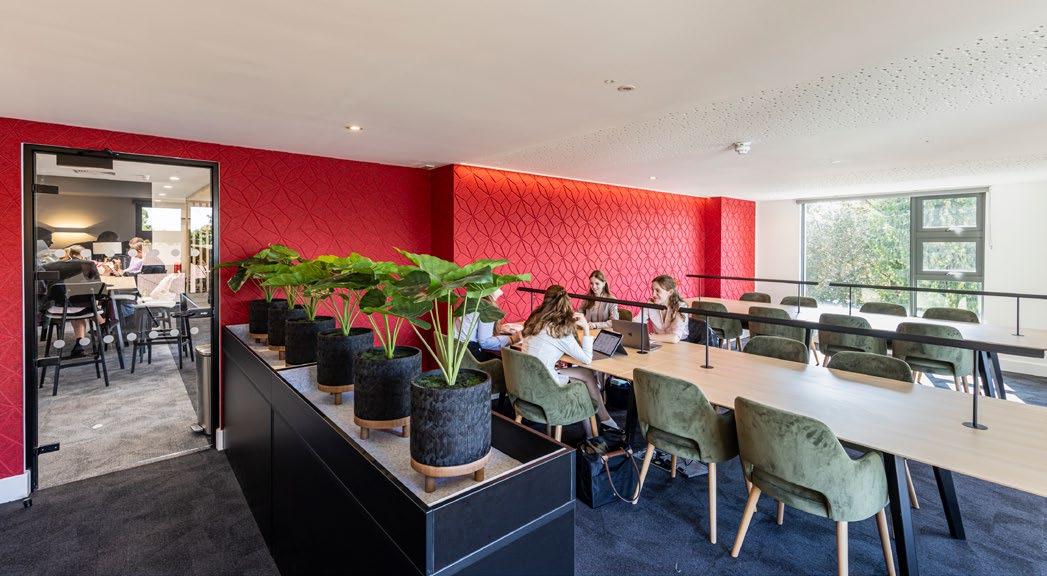
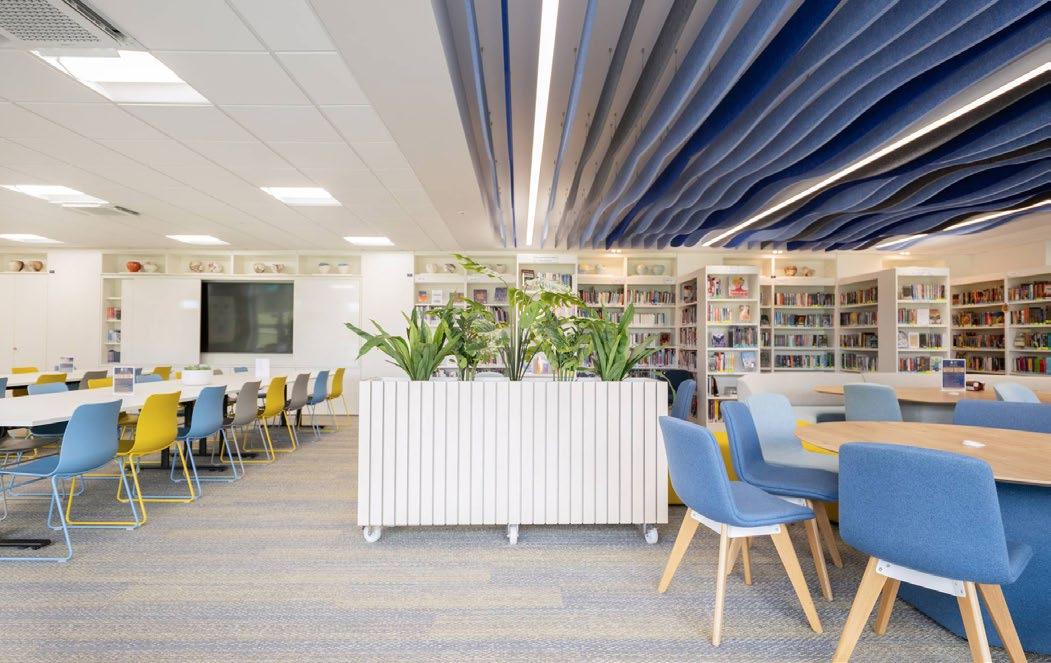
Seamlessly, the interior connects with the outdoors by maximising natural daylight and utilising internal plants. Furthermore, the furniture arrangements strategically placed tall bookcase units and office areas towards the rear while seating and desks were by the windows. The Envoplan team chose a light colour palette to create a bright and inviting atmosphere, replicating sunbeams and shadows. The format meant the room had plenty of natural light, creating an engaging and motivating learning atmosphere.

Delivered through the Envoplan Group
31 |
Continued
| 32
33 |
The space is constantly used morning through to evening
| 34
James Davies | Headmaster Halliford School
35 |
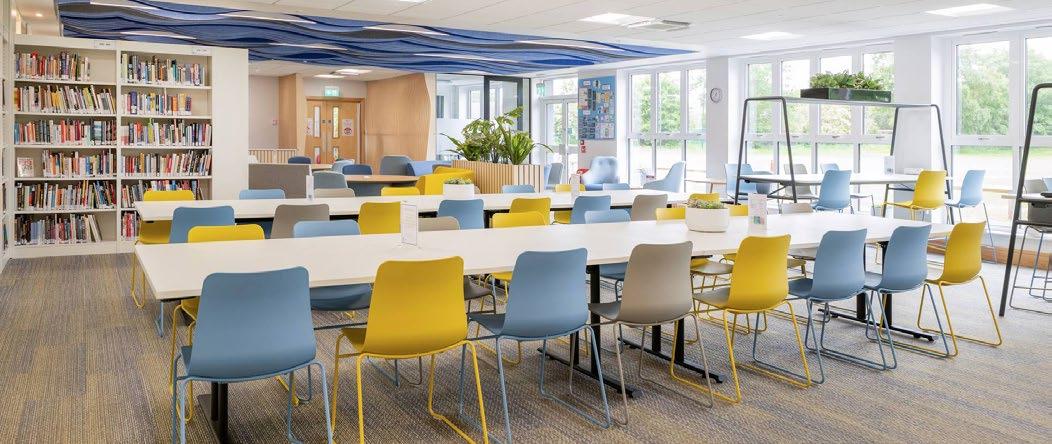
The design prioritised clear circulation routes that wouldn’t disrupt study areas or the SENCO facility. The teachers enjoyed a continuous line of sight, ensuring a safe and well-monitored environment.
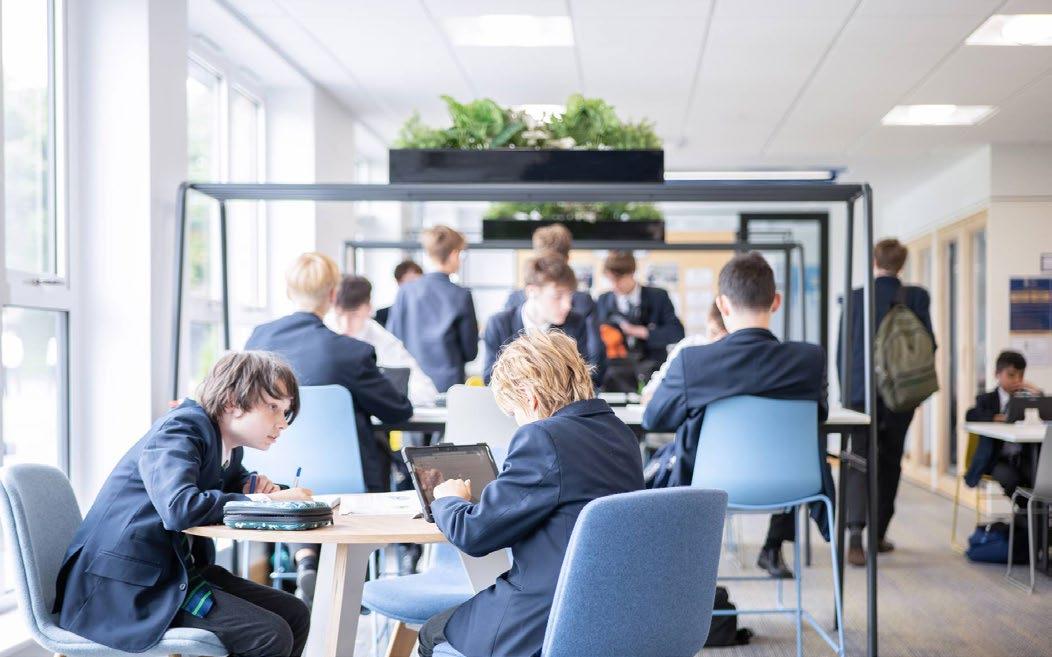
The focal point for presentations and events was a flexible central zone featuring a large wall-mounted screen. The space catered to diverse student preferences, offering soft lounge seating areas, booths, and different types of workstations. Ceiling rafts were installed with sound absorption fins to support the spaces’ various functions. The ceiling feature reduced distracting resonance and loud noises in the library area.
Together the elements create a flexible and inclusive space that builds upon the envisioned sense of community. The students’ learning and well-being have thrived, fostering a relaxed and engaging environment that promotes their overall development.
Despite its challenges, Halliford School, in collaboration with Envoplan, created a successful Learning Resource Centre. Overall, the project has seen an incredible return on investment. The introduction of the new space has provided staff with enhanced functionality and improved collaboration and given them easy access to an abundance of resources.
Explore
View the full gallery by scanning the QR code here.
| 36
What Our Clients Think
10/10! Noble + Eaton have been inspirational from start to finish, Dr Joanne Ladds captured our vision and took it to a whole new level whilst involving all of the user groups both adults and youngsters. Jo had a thorough understanding of learning and through some experimental group exercises, stretched our creativity and design to conclude with an environment that best enhances learning. We were blown away by how much we got out of working with Noble + Eaton. Thank you for your support – the process was enjoyable, fun and super-efficient.
Ann Stahler CEO/Executive Head of Lydiate Learning Trust
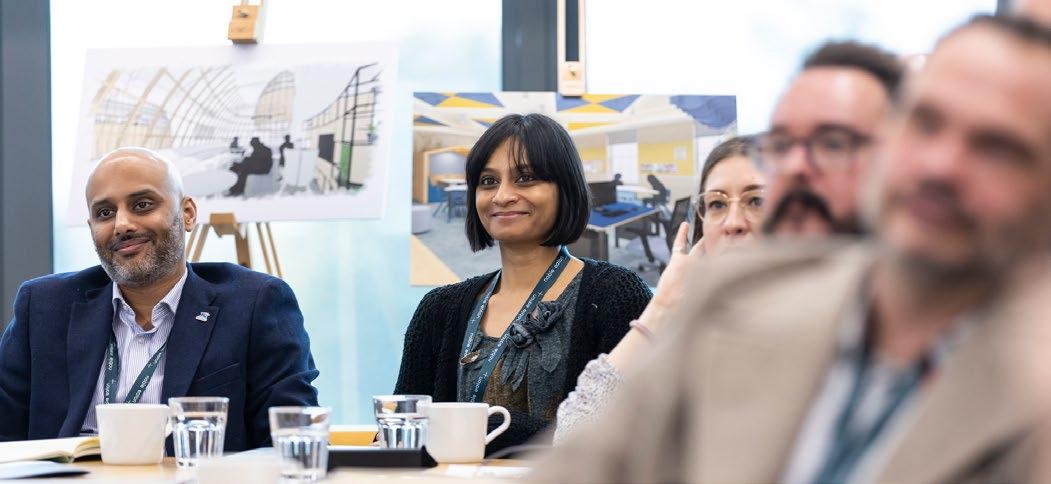
The benefit of being in an environment such as this is there are a lot of like-minded individuals who are on the same path and believe in making a difference
Mitesh Parma Director of Wellspace Architects
37 |
Working closely with Noble + Eaton for several years has been an incredible experience. Their unwavering commitment to grasping the client’s objectives and creating designs that prioritise human-centred solutions and well-being is truly commendable. I feel fortunate to have had the opportunity to collaborate with them on a diverse range of projects, always witnessing their dedication to delivering exceptional results.
Nathan Sheehan Strategic Account Manager of Orangebox
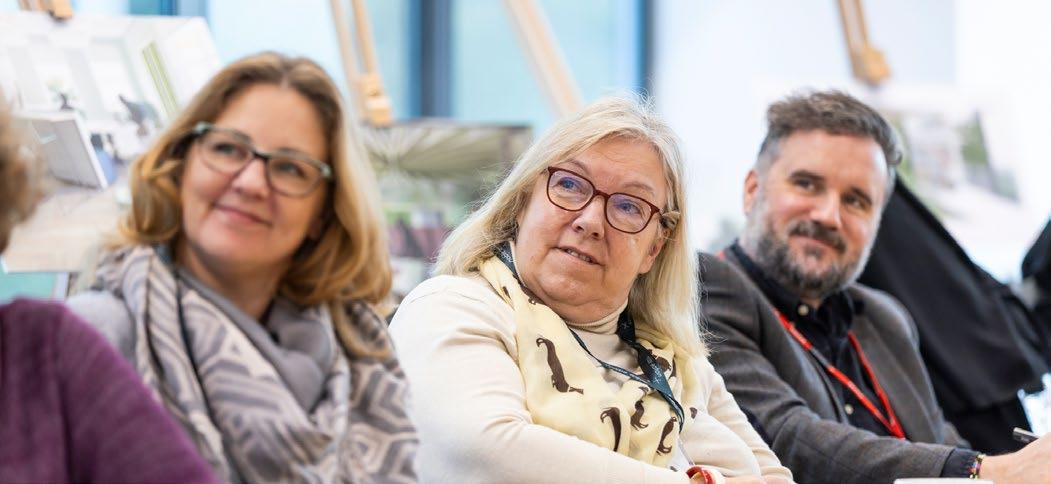
To have someone who sympathises with what I want to do is really important, which is why organisations like Noble + Eaton are important for this market. They’re actually trying to make a difference rather than just sell products, which is so important in a sector that is all about pride and making a change and a difference in the world.
Guy Collins-Down COO of Alleyn’s Schools
| 38
Creating Thriving Spaces™ E enquiries@nobleandeaton.com T +44 (0)20 8997 9656 W nobleandeaton.com noble + eaton | 63-66 Hatton Garden | 5th Floor | Suite 23 | London | EC1N 8LE Envoplan Ltd. trading as Envoplan Registered in England & Wales No. 12452123 Get In Touch Scan the QR code or visit nobleandeaton.com/contact