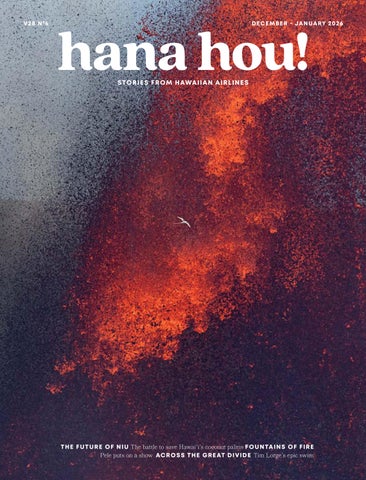
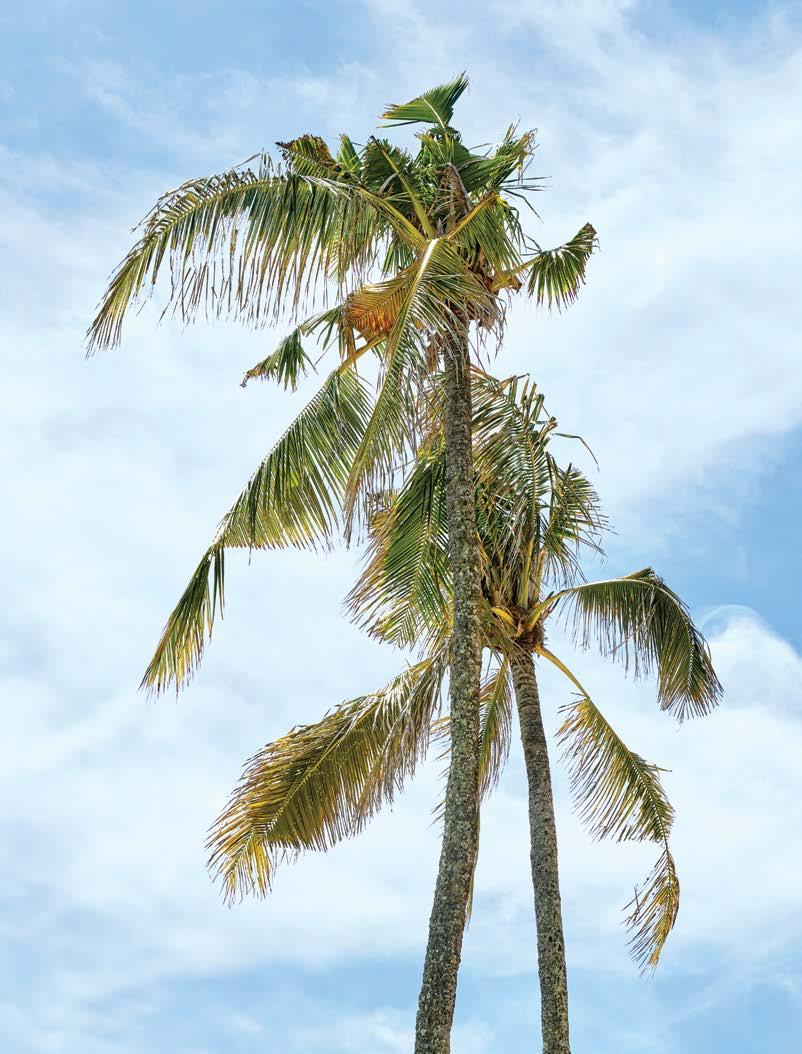
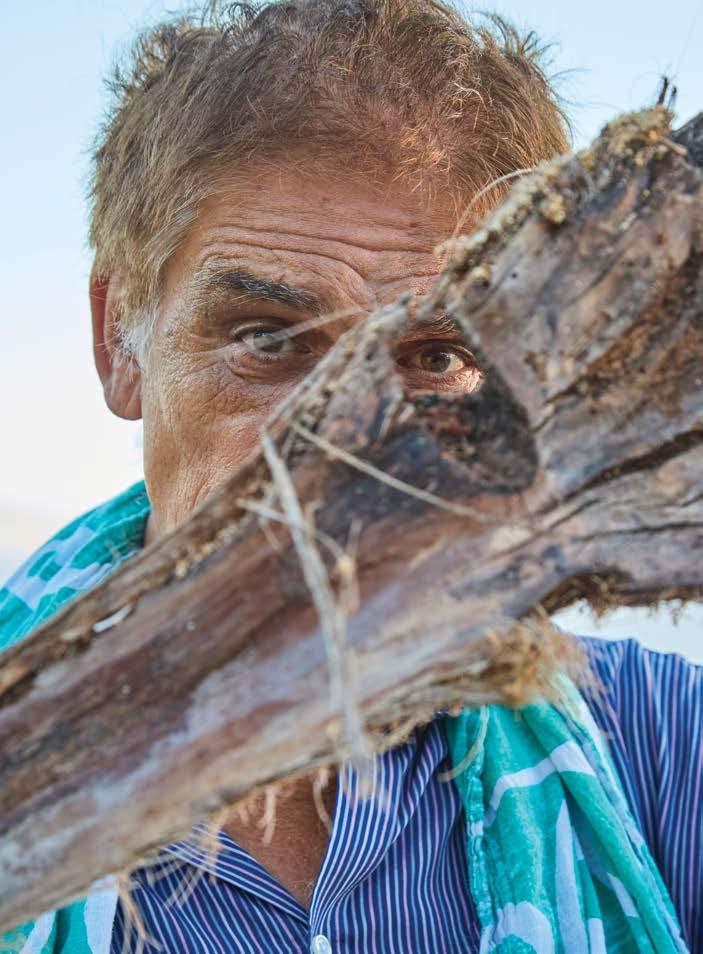
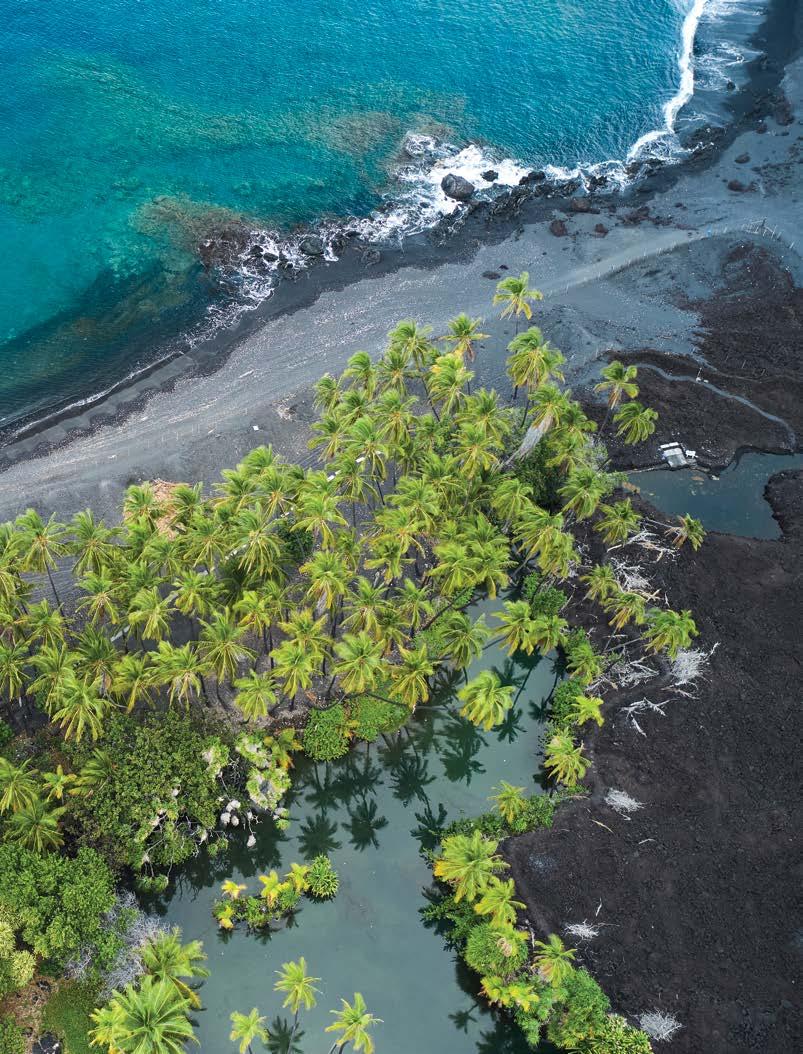
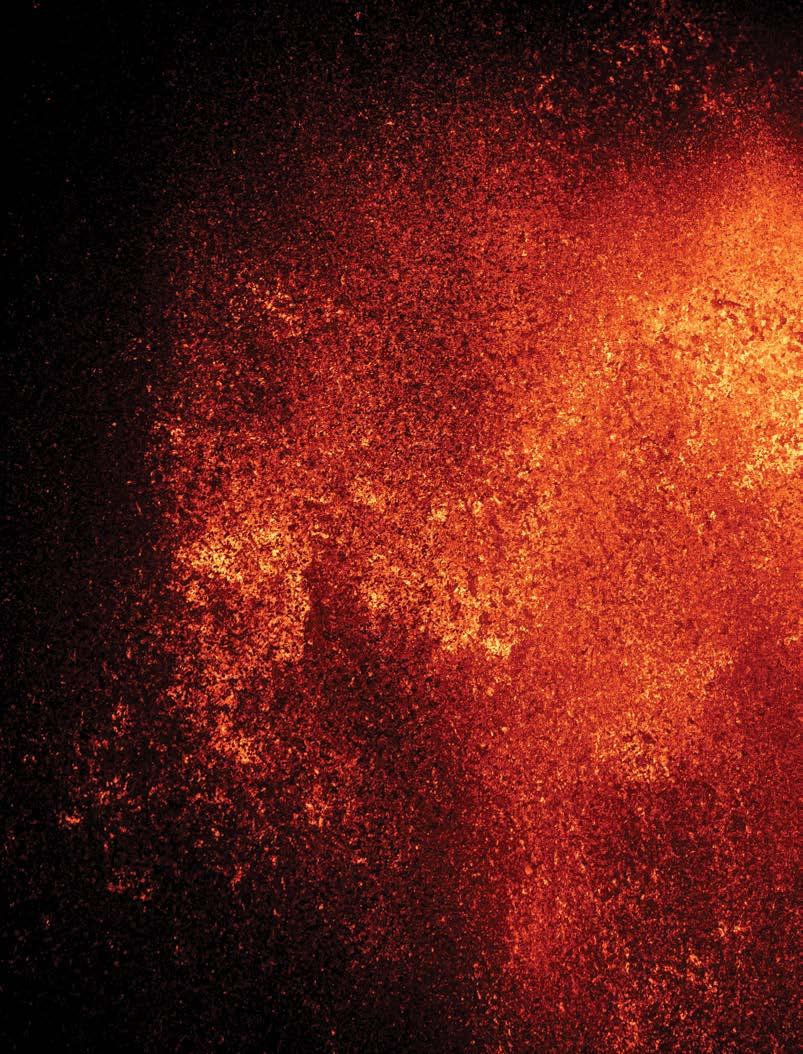
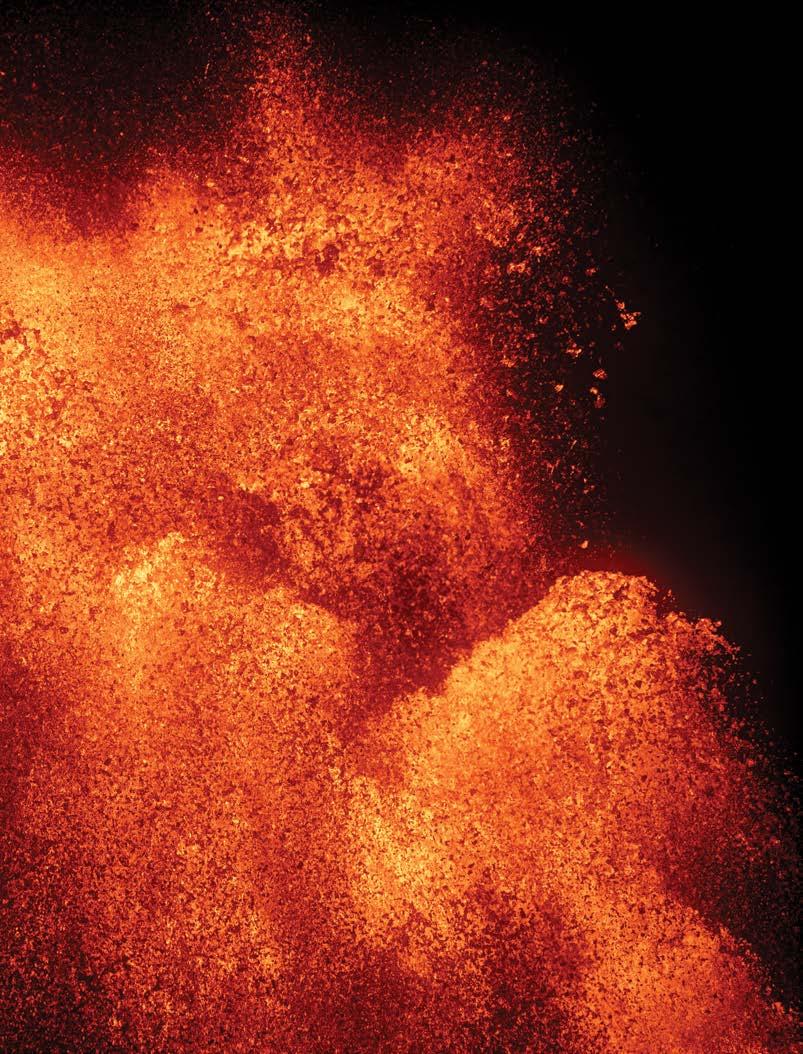
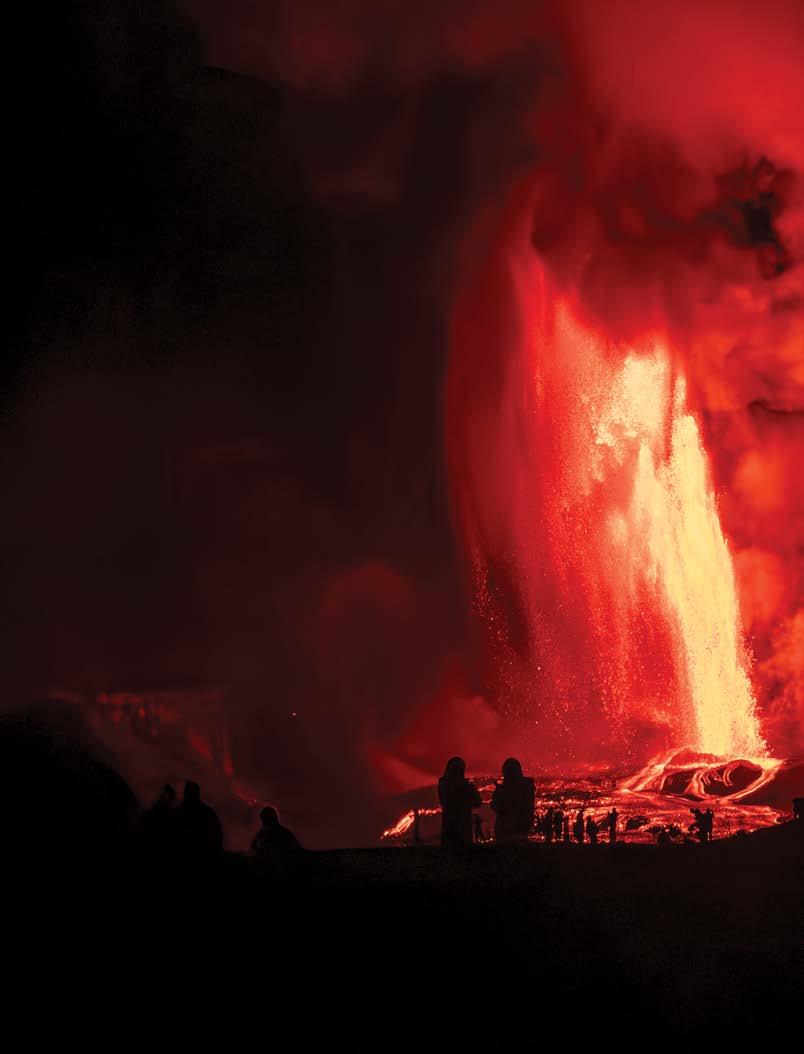
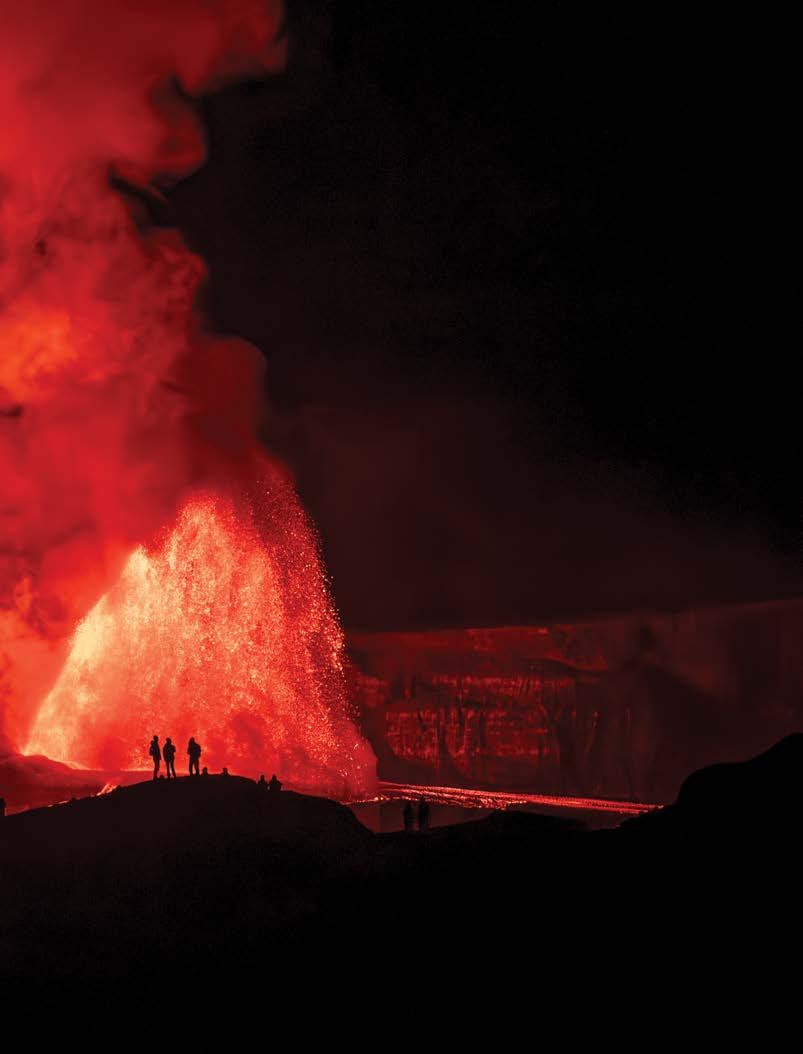
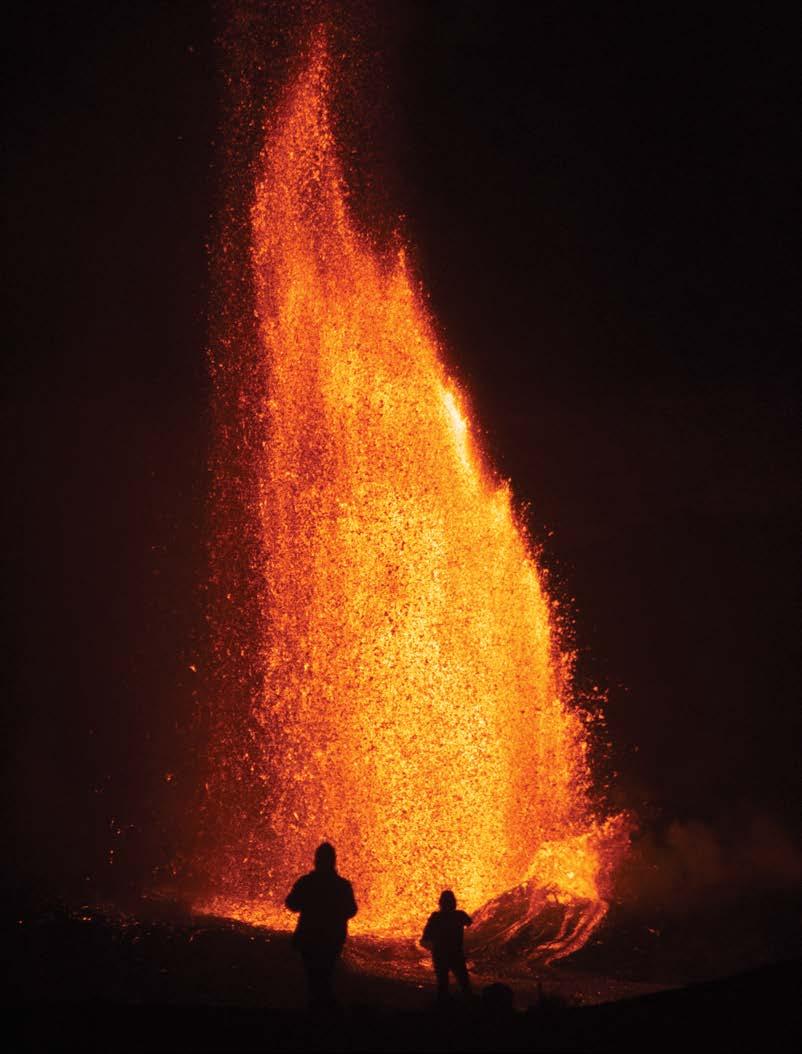
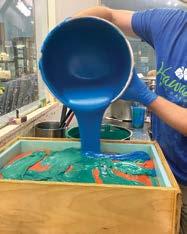
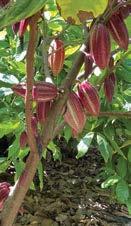
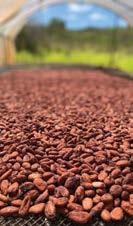
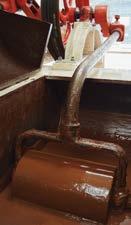
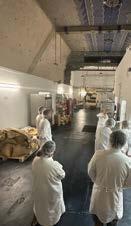
THE FUTURE OF NIU The battle to save Hawai‘i’s coconut palms FOUNTAINS OF FIRE Pele puts on a show ACROSS THE GREAT DIVIDE Tim Lorge’s epic swim
V28 N 0 6
DECEMBER - JANUARY 2026
ISLAND INTELLIGENCE
16 / Glory Days
STORY BY LARRY LIEBERMAN
PHOTOGRAPHY BY MATT MALLAMS
18 /
The Queen of Chill
STORY BY CATHARINE LO GRIFFIN
PHOTOGRAPHY BY JOHN ULEP
21 / Road Rajah
STORY BY RAE SOJOT
PHOTOGRAPHY BY MATT MALLAMS
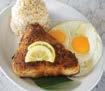
22 / Wat’s Cookin’
STORY BY LESA GRIFFITH
PHOTOGRAPHY BY TIM HUYNH
25 /
The Grim Creeper
STORY BY MADDIE BENDER
PHOTOGRAPHY BY DAN RUBINOFF
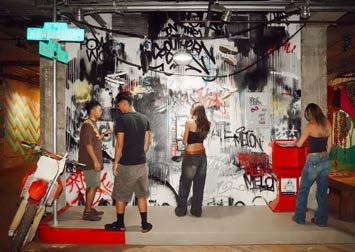
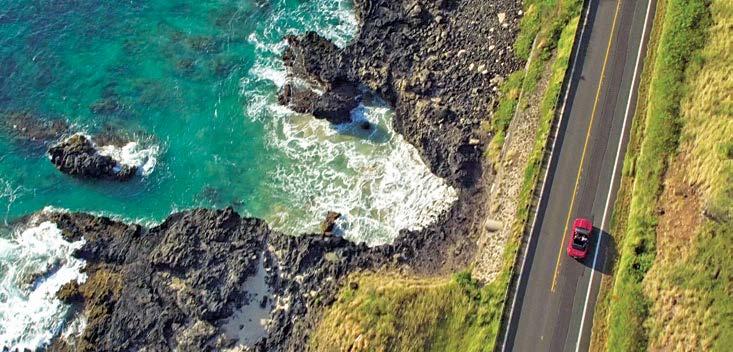
26 / Enter the Splatterdome
STORY BY CATHERINE TOTH FOX
PHOTOGRAPHY BY TIM HUYNH
DEPARTMENTS & FEATURES
32 /
Channeling Greatness
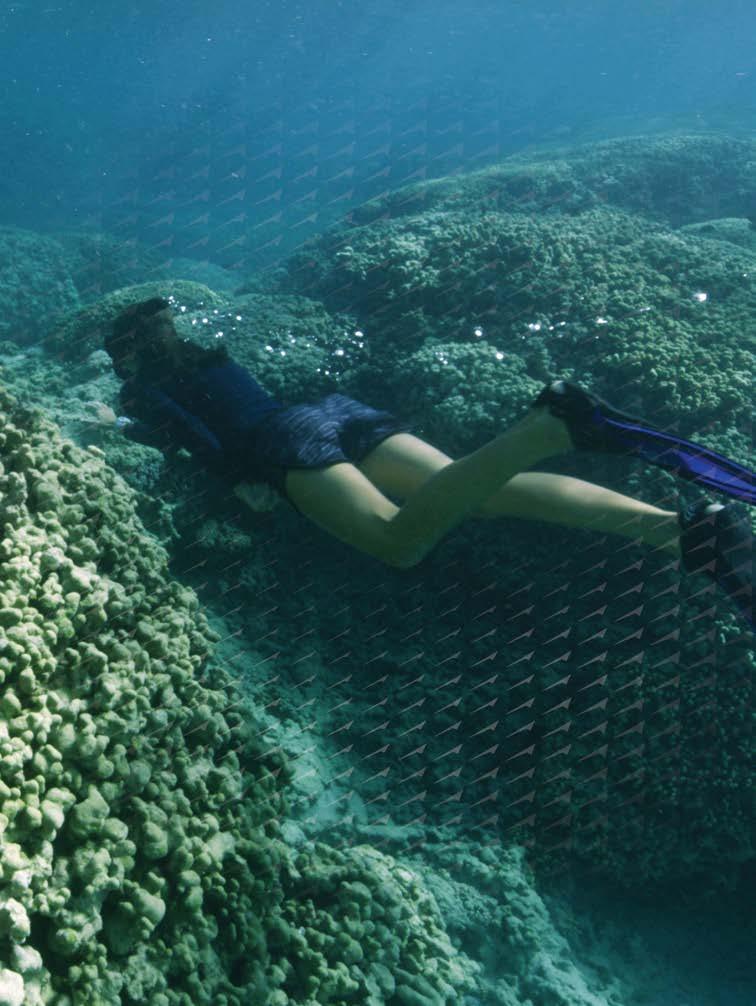
At 16, Tim Lorge is the youngest person from Hawai‘i to cross Kaiwi
STORY BY BEAU FLEMISTER
PHOTOGRAPHY BY ELYSE BUTLER
44 / Monk Seal General
Inside Ke Kai Ola, the only rehab facility for Hawai‘i’s endangered seal
STORY BY SARA STOVER
PHOTOGRAPHY BY MEGAN SPELMAN
52 / Speaking Role Ioane Goodhue takes ‘ōlelo Hawai‘i from the classroom to the screen
STORY BY SOPHIE MCDOUGALL
PHOTOGRAPHY BY BLAKE ABES
66 / The Future of Niu Inside the battle to save Hawai‘i’s iconic coconut palms
STORY BY DEREK FERRAR
PHOTOGRAPHY BY LINNY MORRIS
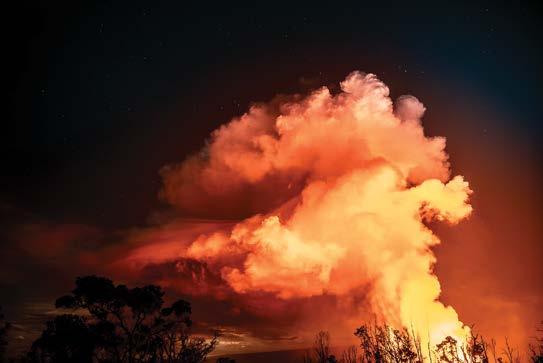
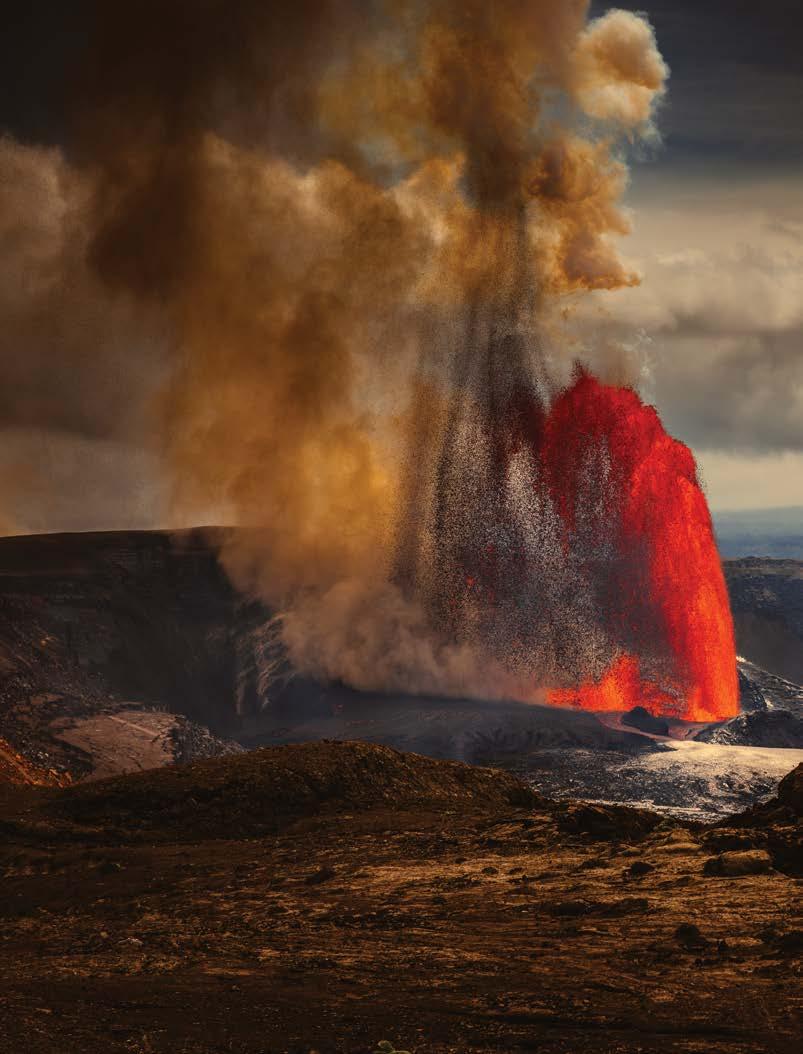
78 / Fire in the Mountain
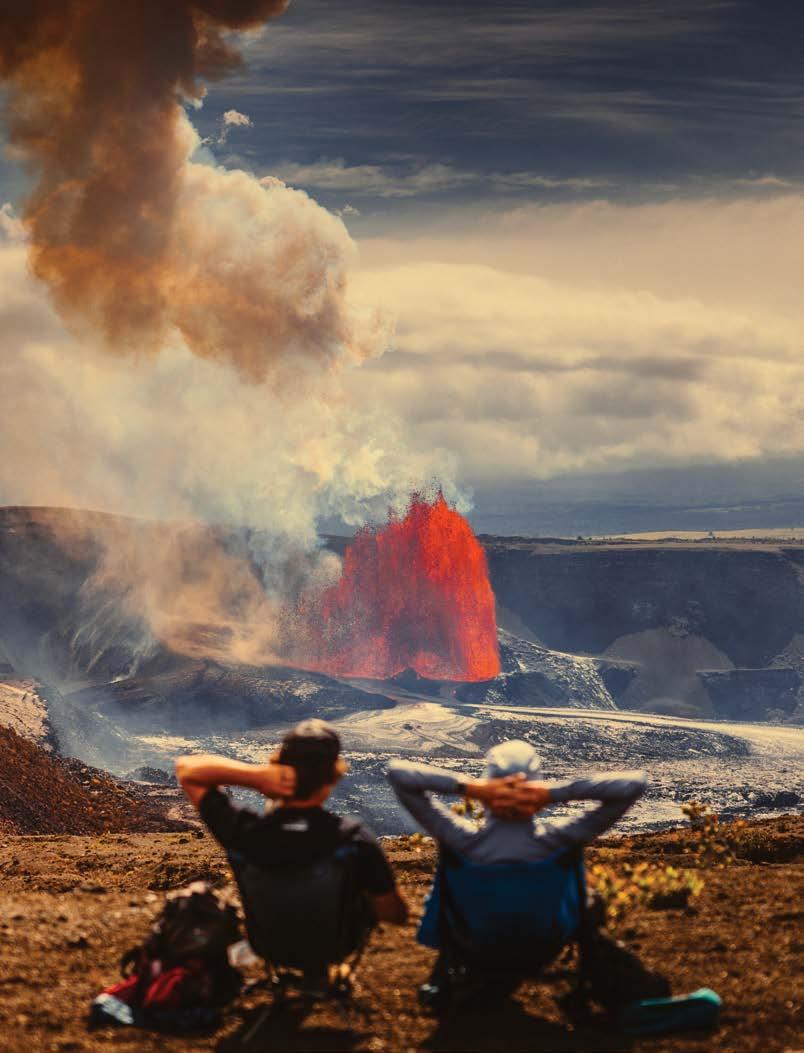
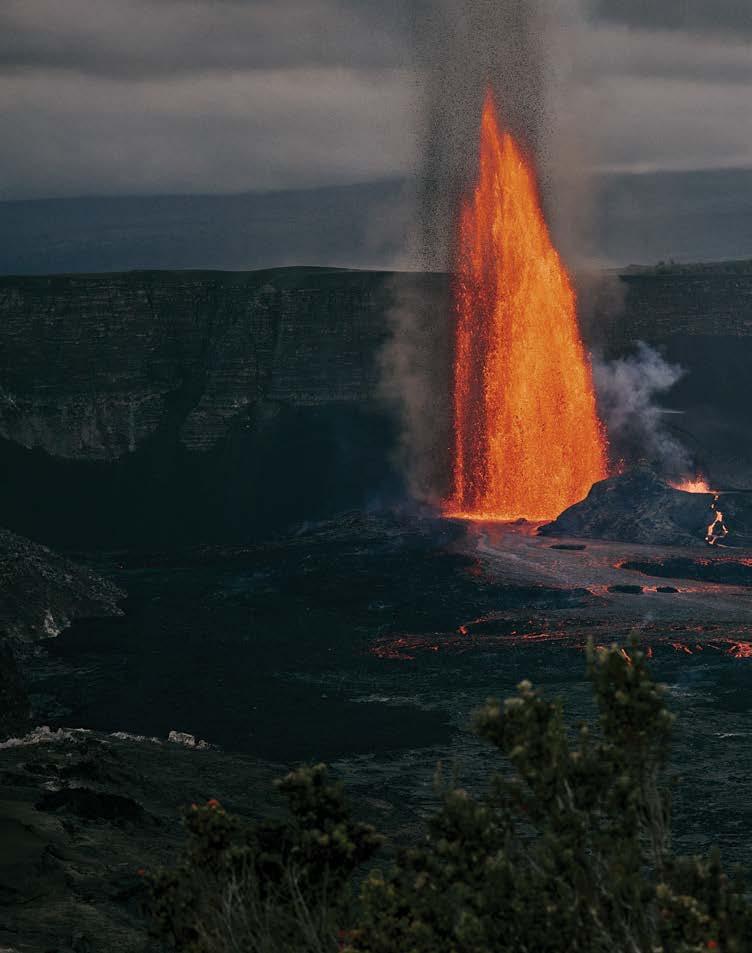
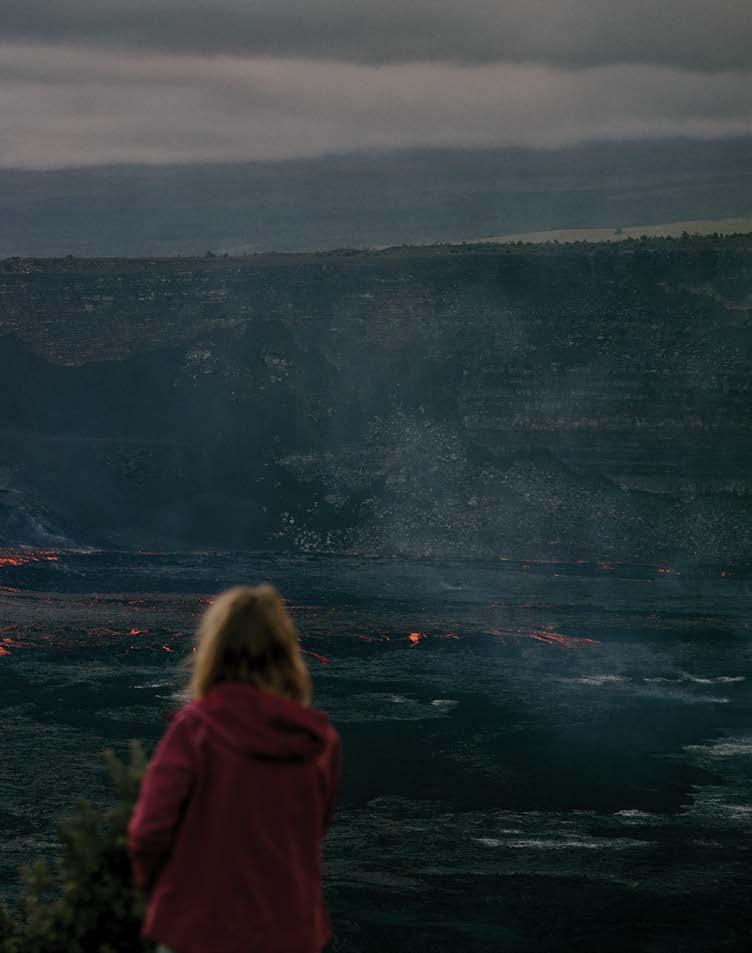
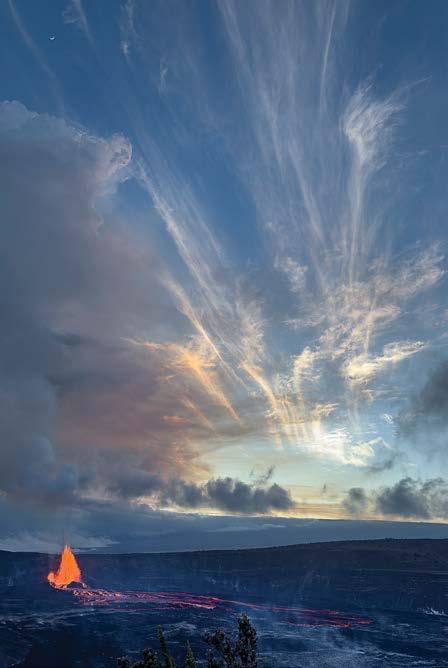
The incandescent beauty of Kīlauea’s latest eruptive cycle
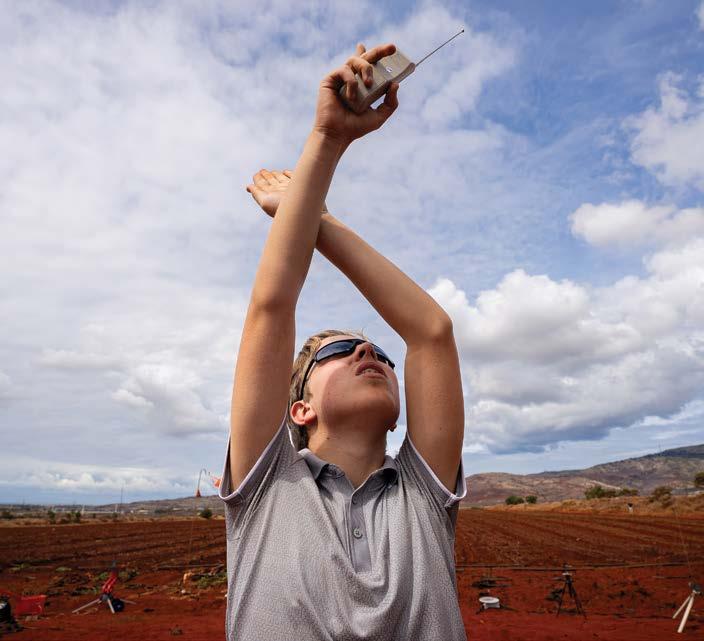
92 / Liftoff!
Hawai‘i’s model rocketeers are having a blast
STORY BY LARRY LIEBERMAN
PHOTOGRAPHY BY TIM HUYNH
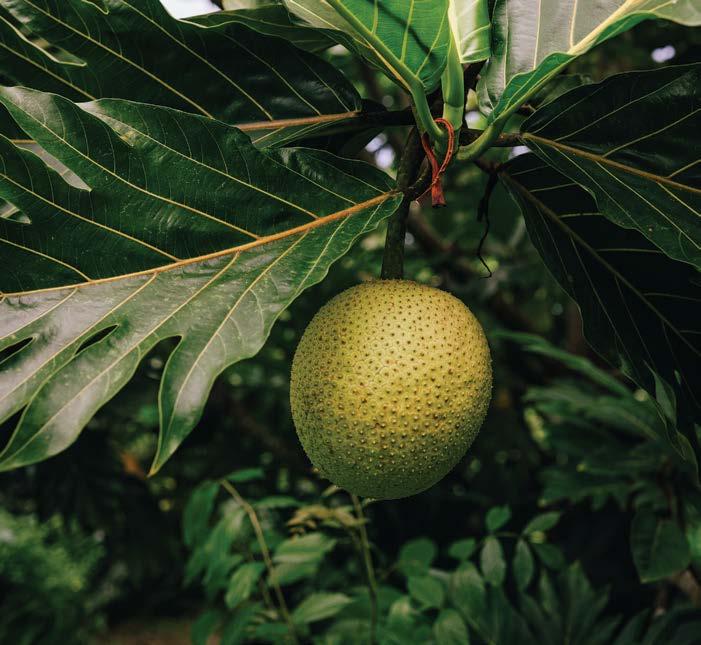
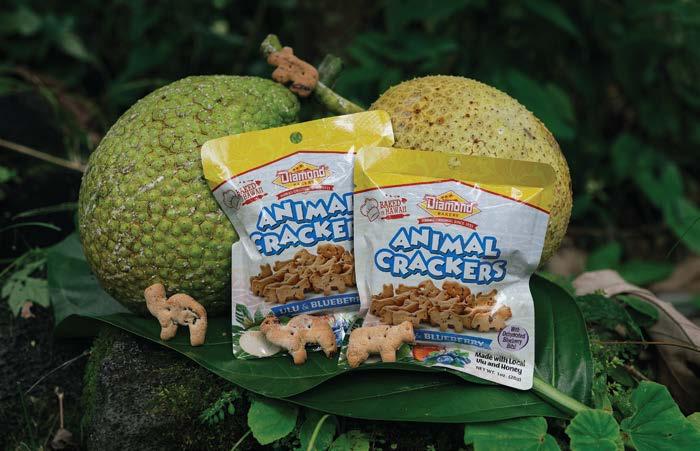
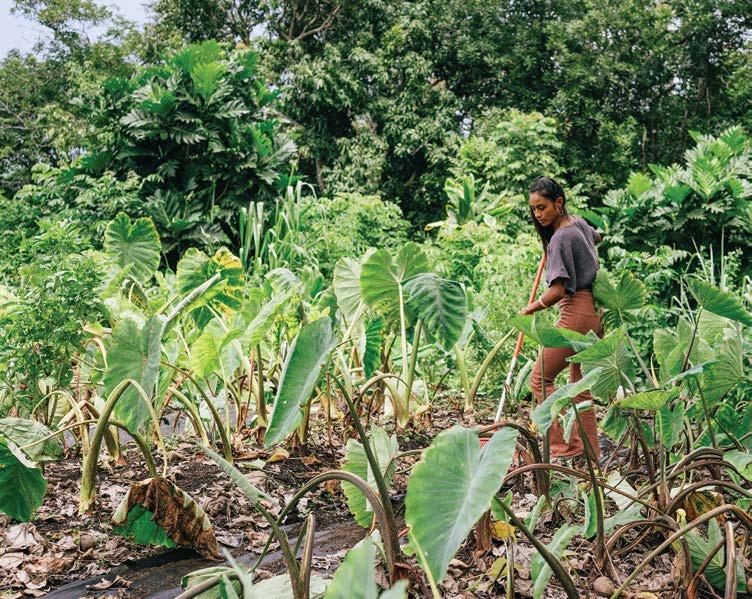
102 / ‘Ulu Together Now Bringing a Polynesian staple back to Island tables is a cooperative effort
STORY BY MARTHA CHENG
PHOTOGRAPHY BY ALYSSA RODRIGUES
112 / Events Calendar & Island by Island
151 / Hawaiian Airlines Information
168 / PAU HANA
A Story in Ceramics
STORY AND PHOTOGRAPHY BY GRAHAM HART
Now showing on your in-seat media player and at HawaiianAirlines.com
Coming Soon
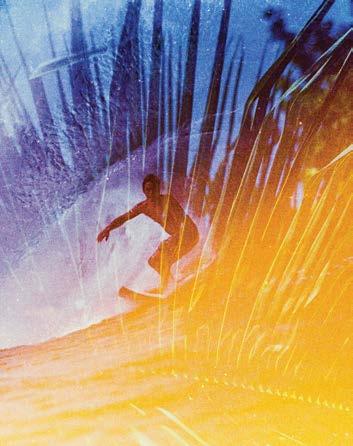
DOUBLE TAKES / John Hook’s doubleexposure photographs are a little bit of intention and a lot of luck. Hook shoots a roll of film, then shoots again, creating superimpositions of two images that are poignant, provocative, ethereal and beautiful accidents.
MARKS OF DISTINCTION / Few Polynesian tattoos illustrate one’s commitment to culture and community more than the maka uhi, or facial tattoo. Meet the Native Hawaiian men who’ve earned their maka, revived a tradition that was nearly lost and assumed the kuleana (responsibility) that comes with it.
THE GOOD FIGHT / Honolulu stevedores pull no punches in Sydney, Australia, during War on the Wharves, an annual boxing event where dockworkers from Hawai‘i, New Zealand and Australia duke it out for charity, camaraderie and bragging rights.
Forget to take your copy of Hana Hou! from the seat pocket? Miss a story from a back issue? Want to share a story or a video you’ve seen on the in-seat media player or on the Hawaiian Airlines app? Hana Hou! is now online as well as on-screen. Visit our new web site at the link below or scan the QR code to view the current issue and selections from our archive.
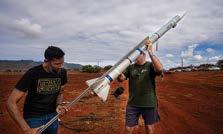
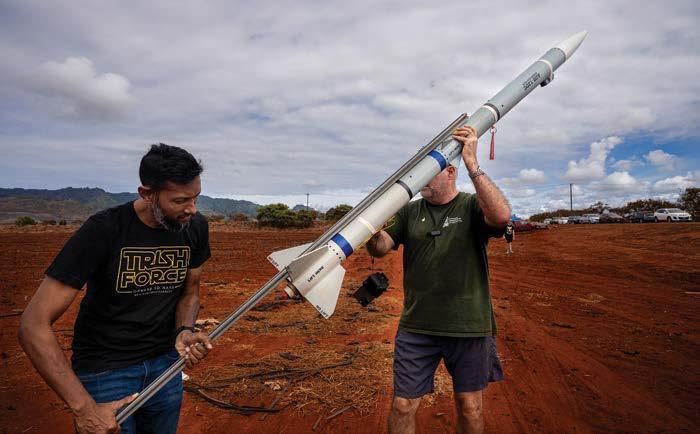
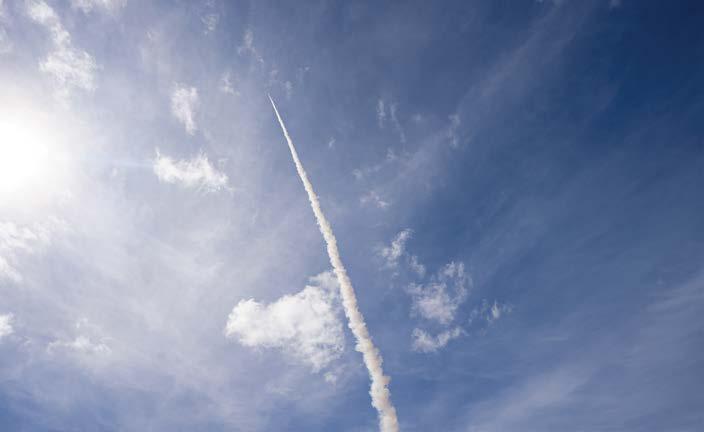
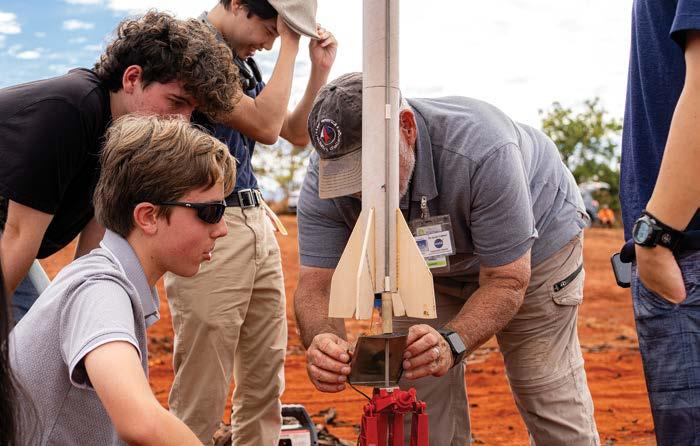
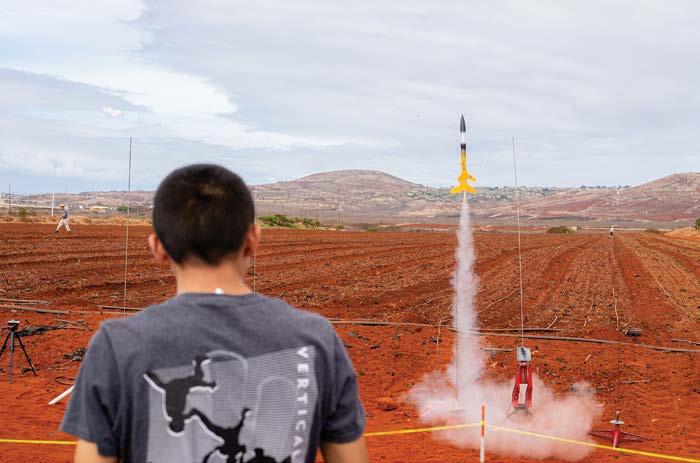
LIFTOFF! / A red-dirt field in Kunia, O‘ahu, becomes a launchpad for Hawaii Rockets, a club dedicated to model rocketry. Their craft range from store-bought models to high-powered, multistage rockets requiring FAA clearance to launch. While some members will go on to careers in science, others just love to shoot stuff high.
hawaiianairlines.com/hawaiistories/hana-hou
photograph by justin turkowski
photograph by romeo lapitan
photograph by tim huynh
photograph by john hook
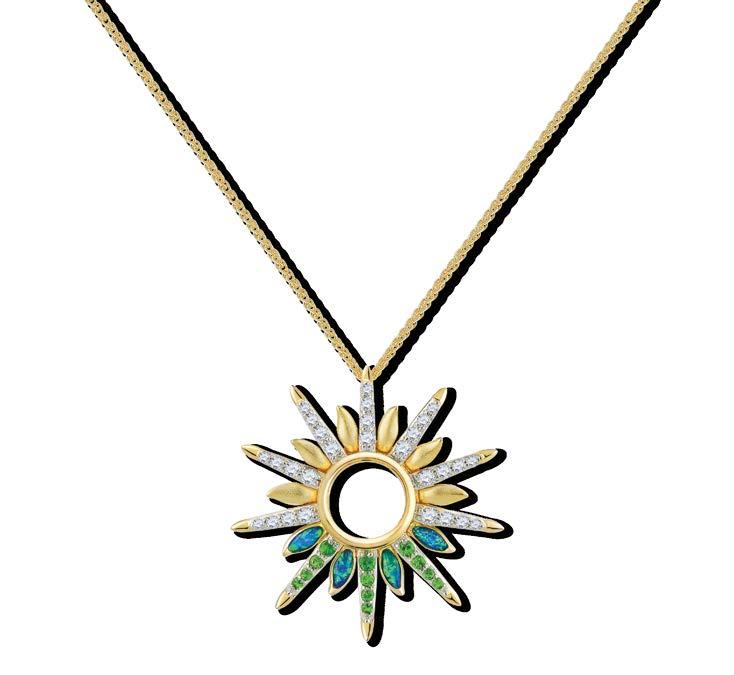
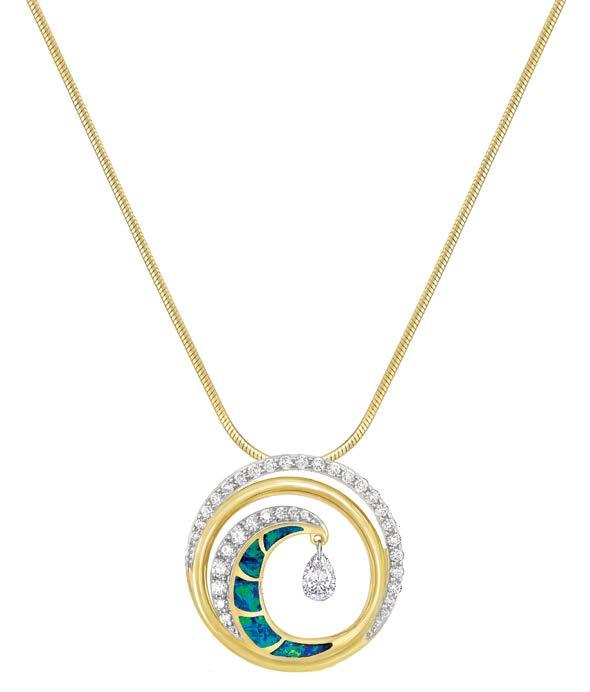
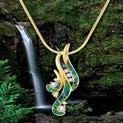
Green Flash Sunset Pendant with Opal Inlay, Diamonds
PUBLISHER & CEO
Jason Cutinella
PARTNER/GM —HAWAI‘I
Joe V. Bock
EDITOR-IN-CHIEF
Michael Shapiro
DIRECTOR OF PHOTOGRAPHY
Matt Mallams
ASSISTANT EDITOR
Maria Kanai
MANAGING DESIGNER
Taylor Niimoto
DESIGNER
Eleazar Herradura
VP FILM
Gerard Elmore
EDITORIAL PRODUCER
Anthony Banua-Simon
FILMMAKERS
Blake Abes
Romeo Lapitan
VIDEO EDITOR
Jhante Iga
STUDIO DIRECTOR/ PRODUCER
Kaitlyn Ledzian
DIGITAL PRODUCTION
DESIGNER
Arriana Veloso
OPERATIONS
ACCOUNTS RECEIVABLE
Gary Payne
OPERATIONS DIRECTOR
Sabrine Rivera
TRAFFIC MANAGER
Sheri Salmon
OPERATIONS MANAGER
Jessica Lunasco
CLIENT SERVICES DIRECTOR
Kristine Pontecha
ADVERTISING
HEAD OF PARTNERSHIPS–HAWAI‘I
Alejandro Moxey
ADVERTISING DIRECTOR
Simone Perez
ACCOUNT EXECUTIVE
Rachel Lee
OPERATIONS & SALES ASSISTANT
Kylie Wong
CONTACT
EDITORIAL INQUIRIES
editors@NMGnetwork.com
SALES INQUIRIES sales@NMGnetwork.com
CONTRIBUTORS
Alyssa Rodrigues
Andrew Hreha
Andrew Richard Hara
Arto Saari
Beau Flemister
Catharine Lo Griffin
Catherine Toth Fox
Dan Rubinoff
David Thompson
Derek Ferrar
Doug Perrine
Elyse Butler
John Ulep
Keoni Ocalvey
Larry Lieberman
Lesa Griffith
Linny Morris
Maddie Bender
Martha Cheng
Megan Spelman
Rae Sojot
Sara Stover
Sophie McDougall
Taiyo Endo
Tim Huynh
Published by: NMG Network 41 N. Hotel St. Honolulu, HI 96817
For questions related to travel, visit us online at HawaiianAirlines.com or contact us at any of the following numbers:
UNITED STATES / CANADA
1-800-367-5320
Monday-Sunday, 24 hours Text 38285
Monday-Sunday, 5:00am - 11:00pm HST
AUSTRALIA (61) 1-800-955-912
CHINA (86) 10-6502-6766
JAPAN (81) 570-018-011 Monday-Sunday
NEW ZEALAND (64) 0800-449-415
AMERICAN SĀMOA (684) 699-1875
SOUTH KOREA (82) 2-775-5552
TAHITI (689) 40-866-000
CONSUMER AFFAIRS
HawaiianAirlines.com/CAO
BAGGAGE INQUIRIES
1-866-389-6654
Monday-Sunday, 8:00am - 4:30pm HST
H awaiian M iles
For information on our frequent flyer program, please contact our HawaiianMiles Service Center
Monday-Friday, 7:00am - 4:30pm HST 1-877-HA-MILES or 1-877-426-4537
HAWAIIAN AIR CARGO INQUIRIES
1-877-422-2746
HawaiianAirCargo.com
ON THE COVER
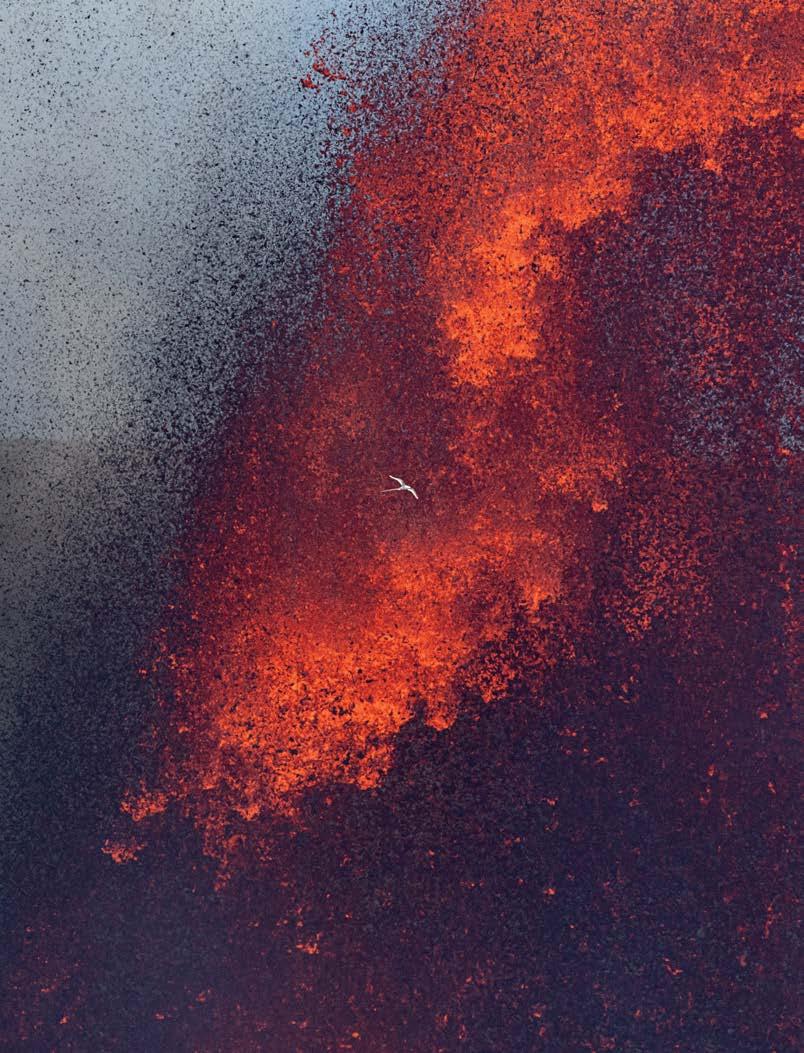
The Firebird
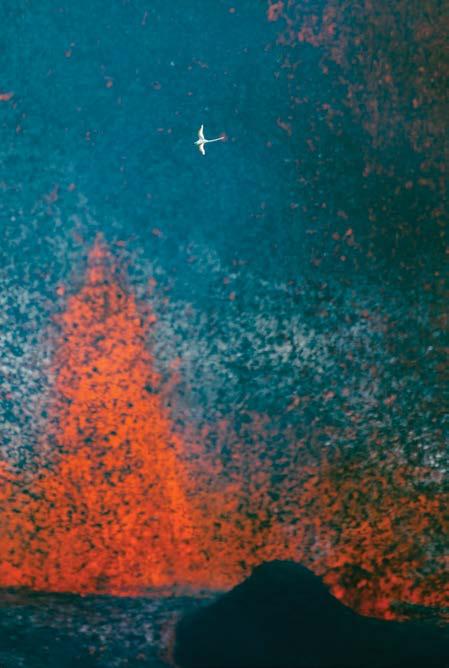
A koa‘e kea, or white-tailed tropicbird, soars near a lava geyser during episode 25 of Kīlauea’s current eruptive cycle on June 11, 2025.
PHOTOGRAPH BY DOUG PERRINE
Sara Stover
“Although I’ve seen monk seals lounging on West Hawai‘i beaches, typically within perimeters set up by Ke Kai Ola volunteers, it’s my experience with a seal in the water that first captured my imagination,” says Sara Stover, who wrote “Monk Seal General” about Ke Kai Ola, a care facility on Hawai‘i Island for endangered Hawaiian monk seals. “I had jumped in the ocean from a shoreline access point near my home in Kailua-Kona for a swim. When I got to my turnaround point, I saw what I thought was a chubby diver hundreds of feet below me. It wasn’t until I got back to shore that I realized a seal had graced me with its presence. Since then, I’ve learned just how rare the Hawaiian monk seal is and why the efforts of the folks at Ke Kai Ola are so crucial.” Stover is a full-time freelance writer who lives on Hawai‘i Island with her husband and three cats. See more of her work at sarastover.com.
Sophie McDougall
“ When I first heard about ‘Kūkini,’ I knew it wasn’t just another short film—it was a story that deserved space in the spotlight,” says Sophie McDougall, who wrote “Speaking Role” about Hawaiian-speaking actor Ioane Goodhue. A journalism and media student at New York University with roots in Kailua, McDougall is often struck by how stories like “Kūkini” rarely make it into the conversation. “As someone fascinated by which films and cultures get recognized, I wanted to dig into how ‘Kūkini’ came to be and why its authenticity matters—not just for Hawai‘i but for anyone who cares about telling stories from the ground up,” she says. McDougall is a rising senior at NYU with a passion for reporting on people, places and cultures often overlooked in mainstream media.
Elyse Butler
“As an ocean swimmer, I’ve dreamed of swimming the Islands’ channels for years and was so inspired to hear that Tim Lorge was going to attempt the Kaiwi Channel at only 16 years old!” says Elyse Butler, who photographed “Channeling Greatness.” The journey for both Butler and Lorge began in the middle of the night, on a deserted Moloka‘i beach, where she had to swim through waves with all her camera gear in dry bags to reach the escort boat, with only the stars to light the way. “Watching Tim swim through rough waves and strong currents for over fifteen hours was incredibly inspiring,” says Butler. “His mental and physical determination and fortitude throughout the crossing never wavered—he just kept swimming. I’m grateful to have been a part of his journey.” Butler is an award-winning Hana Hou! photographer and lives with her family along the Kaiwi Coast. See more of her work on Instagram at @oceanelyse.
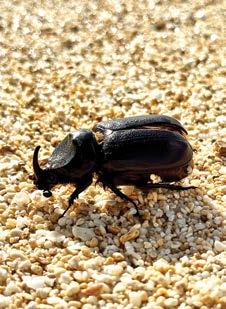
O‘ahu artist and photographer Linny Morris describes shooting “The Future of Niu” about the niu (coconut palm) as a complex experience. “A couple of years ago, I began noticing several palm trees on O‘ahu looking compromised, some with severed tops or fronds carved into exaggerated zigzag patterns. The culprit was a prehistoric-looking insect called the coconut rhinoceros beetle. I began delving deeper into the ongoing attack by the CRB, and each person I met—tree contractors, nursery owners, government scientists, farmers, globally renowned botanists and cultural practitioners—revealed a different facet of the problem. Unfortunately, there is no easy solution.” Grateful for the chance to continue learning, Morris says, “The most compelling aspect of editorial work is being given entrée to realms and people I might never have access to otherwise.” Morris is a longtime Hana Hou! contributor and has been a photographer for more than forty years. See her work on Instagram @linnymorris.
Linny Morris
ALA MOANA CENTER
OUTRIGGER WAIKIKI BEACH RESORT
HILTON HAWAIIAN VILLAGE
ROYAL HAWAIIAN HOTEL
KAILUA VILLAGE SHOPS
KAHALA MALL
SHOPS AT WAILEA
WHALERS VILLAGE
HYATT REGENCY MAUI RESORT & SPA
KINGS’ SHOPS
GRAND HYATT KAUAI RESORT
SHOPS AT KUKUI‘ULA
SCOTTSDALE FASHION SQUARE
Hawai‘i’s Airline
Hawaiian Airlines has long been more than a way to travel—it’s a reflection of the Islands, the people and the spirit of aloha. Through a year of change, I’m grateful to the Hawaiian Airlines team for living our values and continuing to care for our guests in the tradition of ho‘okipa (hospitality). Mahalo. I’m also thankful to Joe Sprague for his thoughtful leadership during this important chapter for Hawaiian and Alaska airlines. And I’m proud to welcome Diana Birkett Rakow as the new CEO of Hawaiian Airlines. Based in Honolulu, Diana brings clear vision, deep respect for Hawai‘i, a commitment to the people of Hawaiian Airlines and to keeping the Hawaiian Airlines brand strong and enduring.
Thank you for flying with us,
Ben Minicucci CEO & President of Alaska Air Group
Over the course of my career with Alaska Airlines, I have been fortunate to travel to Hawai‘i numerous times, mostly to support Alaska Airlines’ community impact work across the state. These trips offered the opportunity to better understand what was most needed from our service to the Islands. After each visit, I would leave with a stronger appreciation for the warm local culture, way of life and stunning natural beauty, while also feeling grateful for the opportunity to serve this special place.
Long before Alaska and Hawaiian airlines came together, I had a profound admiration for Hawaiian Airlines. And as we began discussions to join our companies, with a lot of listening and learning, it became clear that what makes Hawaiian special is its people, a strong sense of place and purpose to connect our guests with aloha.
We knew right away there was only one path forward—retaining the Hawaiian Airlines brand, flying alongside Alaska Airlines in a unique and powerful combination unlike any other in the US airline industry. As I step into the CEO role, I feel a deep sense of responsibility— and great excitement—to help nurture and advance our brand, and our service to
Hawai‘i, by supporting my 6,600 Hawai‘ibased teammates in delivering our awardwinning hospitality in accordance with our values of mālama (to care for) and po‘okela (excellence).
Alaska and Hawaiian are evolving together, as stronger and more durable global airlines, so that we can connect you to more places around the world, deliver value in your loyalty benefits and support our communities now and for a long time to come. But through that evolution, our priority is to ensure Hawaiian remains Hawai‘i’s trusted airline. That means delivering our unique onboard service reflecting the products and flavors of Hawai‘i, maintaining a robust schedule for neighbor island commuters, expanding our network to take Hawai‘i residents anywhere they want to go and growing our visitor markets. It also means offering kama‘āina more perks through Huaka‘i by Hawaiian, elevating benefits of our new loyalty program—Atmos Rewards—with access to some one thousand destinations via oneworld and global partners, and continuing to enable commerce by carrying cargo to, from and within the Islands.
As Hawai‘i’s flagship airline and one of the state’s largest employers,
we recognize that Hawaiian has an important role in the Island economy. We remain focused on partnering with local businesses and growing our workforce development programs to create more career opportunities in Hawai‘i. We are also committed to building on our Travel Pono work and advancing important initiatives for regenerative tourism to lift our communities, protect our environment and culture and enable visitors to enjoy meaningful experiences.
In closing, I offer a deep and sincere mahalo to my predecessor and friend, Joe Sprague, to the Honolulu leadership team and my Hawaiian Airlines colleagues for their warm welcome and stewardship of our airline through an extremely busy integration period this past year. And mahalo to all of you, our guests, for your continued support of our people and airlines. I look forward to our journey together.
Mahalo,
Diana Chief Executive Officer, Hawaiian
Airlines
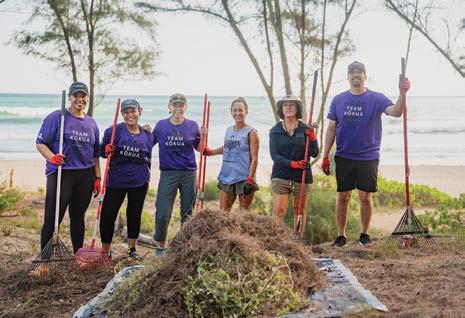
Last October Hawaiian Airlines CEO Diana Birkett Rakow (third from left) joined the airline’s Team Kōkua volunteers for a beach cleanup on Kaua‘i.
island intelligence
STORY BY LARRY LIEBERMAN
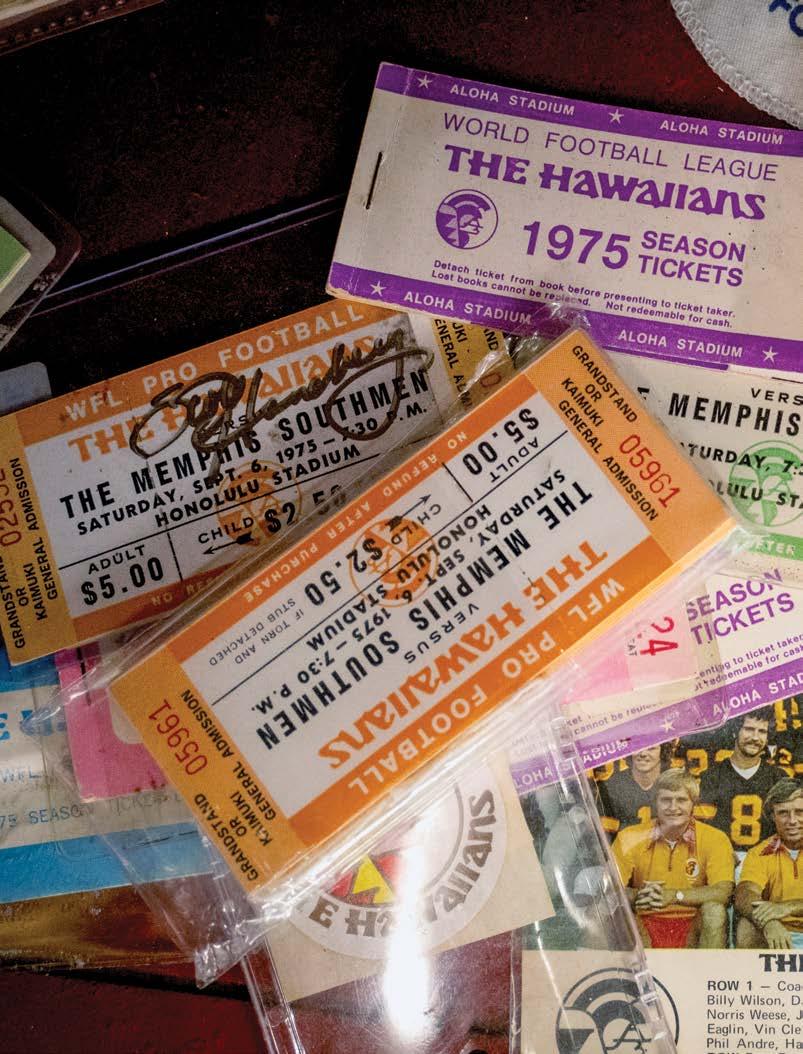
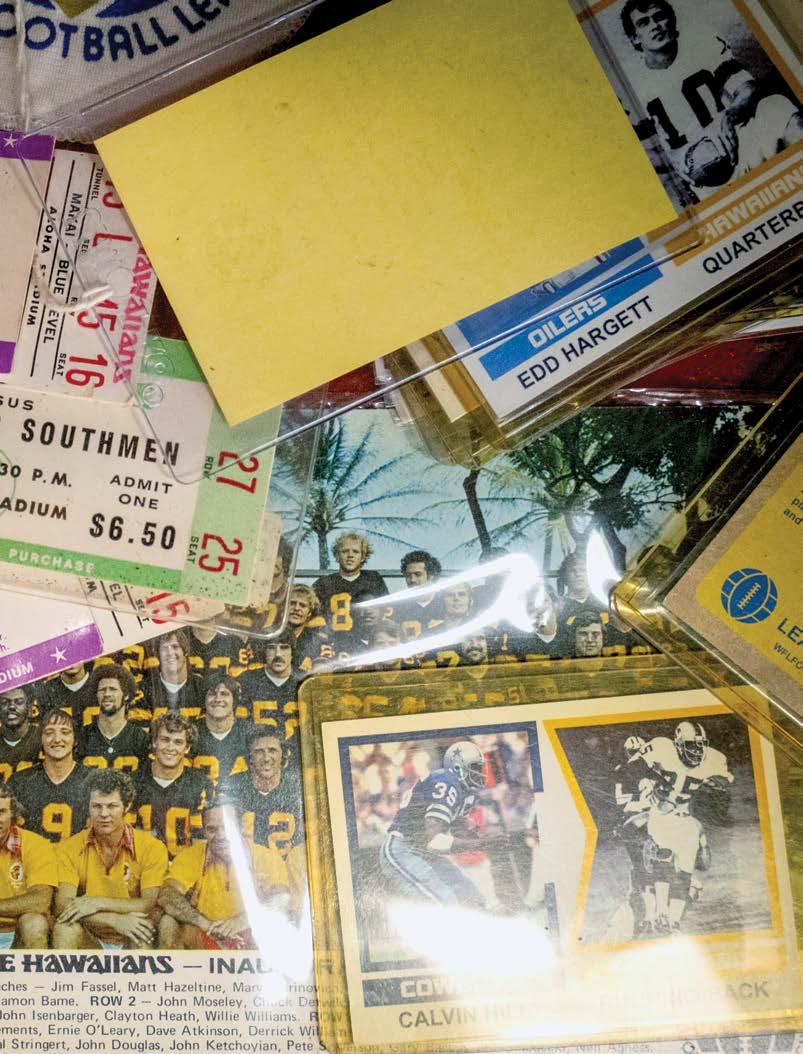
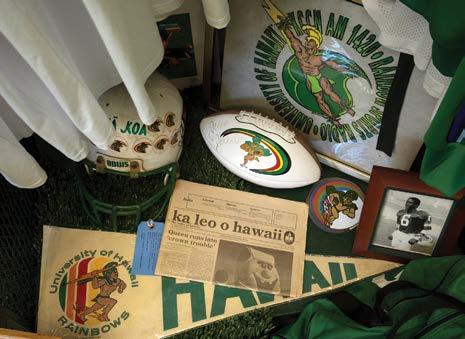
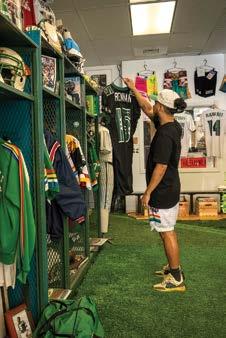
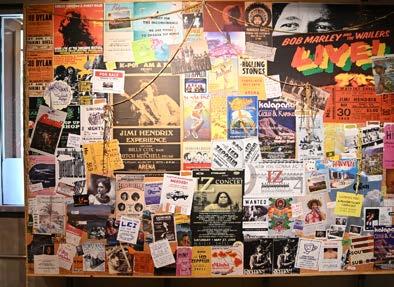
While Hawai‘i doesn’t have any major professional teams, fan fervor for high school and college sports runs strong. The Old Queen Street Stadium museum in downtown Honolulu commemorates the rich if insular world of Island sports. Above right, cofounder Kevin Faller holds a jersey worn by University of Hawai‘i Warriors star quarterback Colt Brennan. Left and previous spread, selections from the OQSS collection.
Did you know Babe Ruth visited Hawai‘i in 1933 and rode an outrigger canoe with Duke Kahanamoku?” asks Chester Sebastian, showing an autographed photo of the Sultan of Swat with Kahanamoku in Depression-era Waikīkī. Sebastian is a co-founder of the Old Queen Street Stadium (OQSS) museum and gift shop in downtown Honolulu, a.k.a. the Hawaii Sports Museum. If you ever had an uncle with a closet stuffed with rare, Hawai‘i-themed sports memorabilia, OQSS will feel very familiar.
Stepping into the small, astroturfed space is like entering a time capsule chock full of items representing more than a century of Hawai‘i high school, college and pro sports. Scuffed-up vintage football helmets share shelves with historic photos, game-played gear and autographed artifacts. There’s the giant head and cape of the University of Hawai‘i’s
“Menehune” mascot from the 1980s and a decorated championship staff owned by the late UH star quarterback Colt Brennan, celebrating the team’s historic undefeated 2007 season. Colorful jerseys and commemorative apparel crowd clothing racks, mixing original garments and uniforms with re-creations that celebrate Hawai‘i’s magic sporting moments—for example, a T-shirt featuring a print of that image of Ruth and Kahanamoku in Waikīkī. Sebastian, along with his brother, Kevin Sebastian, and their mutual friend, Kevin Faller, founded OQSS as a pop-up selling clothing and collectibles back in 2020, and they quickly realized that what drew people was nostalgia. Items didn’t need to be from superstars; sometimes the most memorable plays were made by athletes who never rose to prominence. “We like to celebrate the hardworking people who grew up playing sports in the Islands,” Sebastian says. “Some of them
became stars, but a lot of them just did it because they loved it, and now they’ve got regular jobs and live normal lives.
It’s your aunties and uncles, parents and grandparents, teachers, coaches and co-workers. But they had their moments on the field, too.” As the collection grew, the trio decided to make it available for public viewing.
In addition to artifacts from virtually every sport played competitively in Hawai‘i, OQSS has a library corner dedicated to scrapbooks of news clippings, game programs and sports records going back decades.
“People will flip through and find old articles about games they remember or pictures of family members or people they know,” Sebastian says. “Sports connect people. We’re not a retail space and not a brand; we are a museum first. The stories matter to us.”
“
STORY BY CATHARINE LO GRIFFIN
ULEP
The Queen of Chill
Ava Taesali was 15 when she first tried kava at a family reunion with her Samoan uncles. Since ‘ava is Samoan for kava, the “intoxicating pepper” known for its relaxing properties, it was a meaningful rite of passage. She loved the earthy flavor and tingly effects, but living in Davis, California, where she knew only one other Pacific Islander family, she didn’t have a chance to drink it again
until a kava bar established by botanists opened in Davis three years later.
“Even though I’m not full Samoan, I was always more drawn to my Island side because I’m built like an Islander and I look like an Islander. But community is such a big part of that, so I never felt represented,” Taesali says.
“Then I walked into this place and there was an entire mural of the South Pacific
on the wall. And I was, like, ‘Sup? My name’s Ava, can I get some kava?’”
For five years Taesali, whose gregarious personality garnered her the nickname “Kava Queen,” worked there, learning the science and culture of kava, which Pacific Islanders drink ceremonially. When she moved to O‘ahu in 2018, she sold kava at the Kaka‘ako Farmers Market and opened Kava Queen Kava Bar in the Waialua Sugar Mill in 2021.
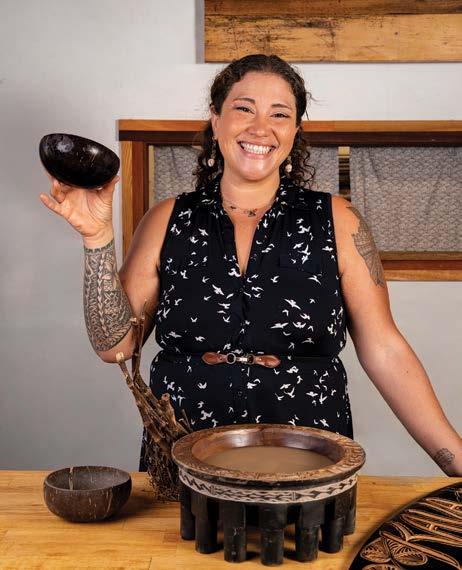
The menu’s staple is sixteen ounces of kava served in the traditional way, in a coconut shell, prepared by straining the kava root, which has been ground into a powder, in water, kneading it to release the mildly sedating kavalactones. Taesali typically uses kava from Vanuatu, which she says tends to be the strongest and smoothest. If you don’t have a palate for straight kava, variations are available, including a sweet and creamy coconut mango kava and a chocolate kava blended with homemade, vegan chocolate milk. Experienced kavanauts can order a concentrated, threeounce “Chillzilla,” which has a higher concentration of kavalactones.
The unique space is a cheery lounge with a Bohemian vibe: a bar, a few tables, a couch, a coffee table and plenty of outdoor seating. This fall, Kava Queen will move to a second-story sundeck, an elevated lānai where patrons can sip kava and watch Mount Ka‘ala fade into the dusk. Those who stick around can enjoy open mic nights and live music under the stars.
“I’m happy when I get to share the true essence of kava with customers who are genuinely interested in learning about it,” says Taesali, now a seasoned connoisseur at 30. “Kava is all about community and connection. It can help people with common ailments like anxiety and insomnia. It’s an alternative to drinking, which as a society is pretty much the first thing we all go for. But there is a lot of power in plant medicine. It’s a healthier option.”
PHOTOGRAPHY BY JOHN
Ava Taesali with a tanoa fai‘ava, the requisite implement for proper kava consumption. Taesali’s Kava Queen Kava Bar in Waialua also has the proper vibe for drinking Polynesia’s herbal chillaxant.
Road Rajah
The first time that bus operator
Hiapo Kamai toggled the “shaka switch,” he wasn’t sure anyone would notice. But then a driver pulled up alongside his window with a huge grin, shouting, “That made my day!”
In Hawai‘i, the shaka means a lot of things: greeting, farewell, validation, an amiable reminder to hang loose. For drivers, a shaka—often thrown up in the rearview mirror or waggled out of a
window—signals gratitude, especially for letting someone merge.
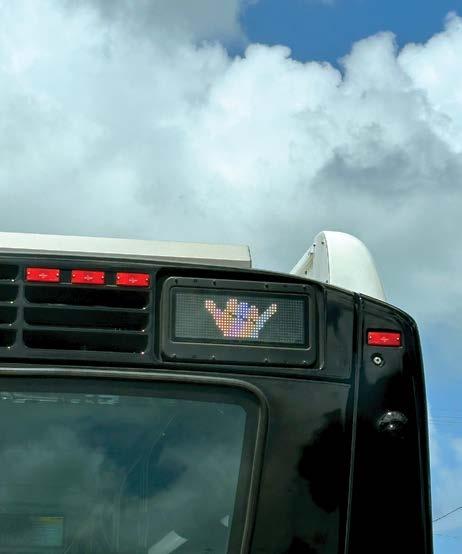
Now, Hawai‘i buses can throw shakas, too—in digital form.
Jon Nouchi, the deputy director for the City and County of Honolulu’s Department of Transportation Services, helped spearhead TheBus’ digital shaka project, conceived in the early 2010s. Having grown up in Hawai‘i, Nouchi understands the power STORY BY RAE SOJOT
of the shaka on O‘ahu’s roadways, especially during peak traffic—and therefore peak road rage—hours. Unlike other places, Hawai‘i drivers rarely honk out of irritation. Horns are used only when necessary and then only briefly—leaning on your horn can be received as pushy and disrespectful (and it’s a surefire way to out yourself as a visitor). Nouchi’s advice to newcomers on local driving etiquette: “Never honk. Let people in. And when people let you in, you gotta wave. Otherwise people get mad.”
Defusing ire while amplifying aloha is exactly what TheBus’ digital shaka aims to do. Maneuvering forty-foot buses (and the even longer articulated buses) is challenging enough for operators; for motorists, a merging bus is a test of patience. While other states enforce “Yield to Bus” laws with fines, Nouchi prefers carrots over sticks.
He likens the pixelated image on the TheBus’ rear LED screen to the Lite-Brite toy of the ’80s. Tiny lights blink on and off, forming an animated shaka modeled on Barack Obama’s shaka. The result is a cheeky mahalo to drivers for yielding. It’s also an example of how government initiatives can be both effective and fun. “We’re injecting creativity into something normally staid,” Nouchi says. For operators, the shaka “turns an everyday driving interaction into something more personal and positive,” says Kamai.
TheBus’ digital shaka has gone viral as more and more drivers share their surprise—and support—on social media. Today, nearly 80 percent of the city’s 480 buses have a shaka switch on the console. And it’s working: According to Travis Ota, DTS’ public information officer, operators are finding it easier to navigate through traffic. Driver frustration has shifted to excitement. “People want to see it,” says Ota. Asked if the sign could also flip the bird to an inconsiderate driver, Nouchi laughed, joking he would neither confirm nor deny.
Let TheBus merge in front of you, get thrown a shaka. Operators for Honolulu’s public transit system can now press a button on the dash and share some aloha—but only if you do first.
STORY BY LESA GRIFFITH
BY TIM HUYNH
Wat’s Cookin’
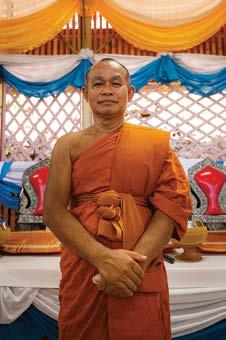
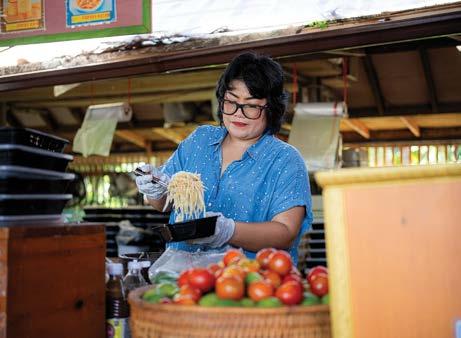
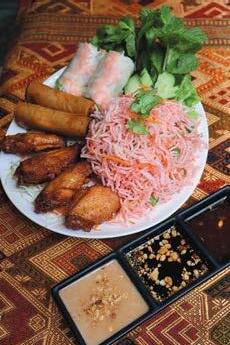
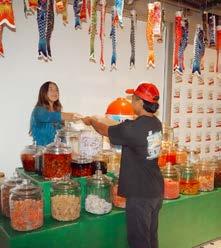
As anyone who’s been to Southeast Asia knows, the street vendors and vibrant food markets are at the heart of the region’s cultures. O‘ahu’s Thai and Lao communities replicate that culinary vibe with an ongoing (if occasional) market at Wat Thai of Hawaii, a Theravada Buddhist temple in Pearl City. Proceeds support the wat (temple), led by Abbott Venerable Phra Khru Sanga Meeboon, seen above left.
Adirt driveway off busy Farrington Highway (when your GPS tells you to turn, you might say “where?!” aloud) is a half-hidden portal to a Sunday Thai and Laotian feast. This rustic enclave of plywood-and-corrugated-metal structures is Wat Thai of Hawaii, a Theravada Buddhist temple where O‘ahu’s Thai and Lao communities gather.
The temple has been in Pearl City for forty years, the last seven at this location. Though it’s just three miles from Pearlridge Center, a bustling Macy’s-and-CPK mall, Wat Thai seems a world away, with its tranquil koi pond, palm trees and gold-and-turquoise altar.
On most Sundays from July to October, and then one Sunday per month thereafter, dedicated volunteers run a lively, open-air food market—a temple fundraiser held during vassa, the traditional time of retreat for Theravada monks coinciding with Southeast Asia’s monsoon season. Thai, Lao and in-the-
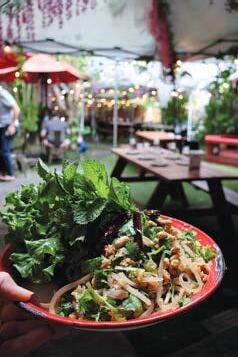
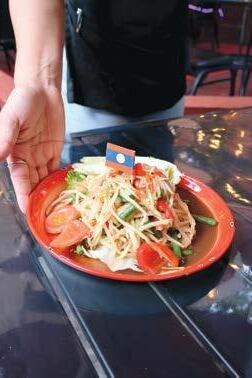
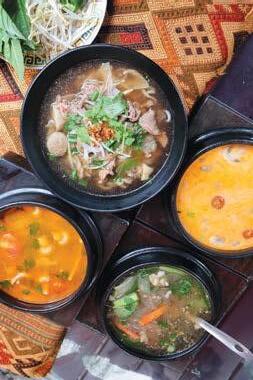
know locals line up from 9 a.m. to 1 p.m. The spot has all the vibe of Southeast Asian markets, minus the crowds and scabby cats lurking under the tables. Volunteers fry chicken wings, toss green papaya salad and sell plastic containers of green curry and pork kapow. The prepared foods are made at nearby Thai-Lao Restaurant, but they aren’t just standard menu items. Alongside familiar-to-Westerners selections is lesser-known homecooking-type fare, such as kaeng khilek—a bitter, savory curry with a dark green hue from the leaves of the Siamese cassia tree. Rich with pork, it is like a Southeast Asian lū‘au stew. You might also find guay tiew moo deng (yes, like the pygmy hippo of the same name), a flavorful noodle soup topped with airy, pygmy hippo-like pork meatballs and a fistful of cilantro. If you don’t speak Thai, be prepared to be adventurous—many volunteers don’t speak English, and the
signage isn’t much help (the placard for the soup reads simply “noodles”). Make your picks then snag one of the many picnic tables placed throughout the grounds. To find out if the market is happening and see the menu, check the temple’s Facebook page—the telephone is rarely answered.
On a recent Sunday, Ton (who requested that only his first name be used) takes a break from serving food. By day he works for the City and County of Honolulu and volunteers at the temple on weekends. During vassa, this group of lay Buddhists ensure the monks have everything they need and help raise money for the temple, which is led by Abbot Venerable Phra Khru Sanga Meeboon, who sits beside the altar offering blessings to the devoted as they bow at his feet, his head shaved and demeanor serene.
(808) 456-4176 @THAITEMPLEHAWAII
PHOTOGRAPHY
STORY BY MADDIE BENDER
PHOTOGRAPHY BY DAN RUBINOFF
The Grim Creeper
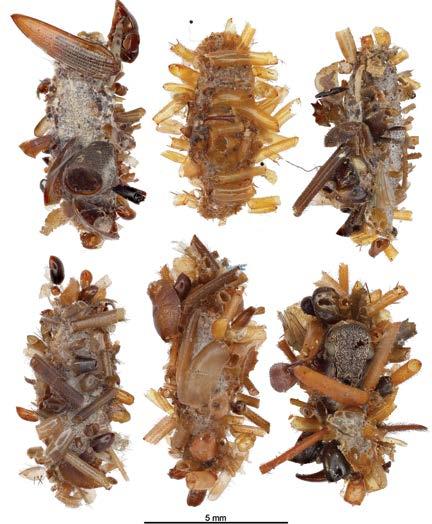
Can you see the caterpillars in the image above? Neither can the spiders in whose webs these endemic Hawaiian moth larvae live. The recently discovered “bone collector” moth takes camouflage to a grisly new level—by festooning itself in the remains of the spider’s prey.
In Greek mythology, the wily Odysseus evaded Cyclops by hiding under the monster’s very eye. He and his men escaped the one-eyed shepherd’s cave by clinging to the undersides of Cyclops’ sheep.
On a volcanic island nearly nine thousand miles away, a tiny caterpillar’s mastery of camouflage would put even the Greek hero to shame. It lives in spiderwebs and scavenges the spider’s leftovers. And to avoid becoming another tasty morsel for the arachnid,
the caterpillar cocoons itself in fly legs, ant heads and other grisly detritus from the spider’s graveyard.
Although only recently named, the bone collector isn’t new to scientists; they’ve observed caterpillars in spider webs for eighteen years but couldn’t determine whether their presence was mere haplessness—unlucky caterpillars inching toward certain death. But after seeing some sixty of them over two decades, University of Hawai‘i entomologists finally concluded that this
was no accident; this was a species of caterpillar that had indeed adapted to life in the belly of the beast.
The bone collector moth has been found only within a six-square-mile area atop one of the tallest peaks in O‘ahu’s Wai‘anae range—a “postage stamp” of a habitat, says UH entomologist Dan Rubinoff. Genetic evidence suggests that Kaua‘i likely had a bone collector caterpillar of its own, but one hasn’t turned up in almost twenty years of surveys there. Rubinoff doubts it ever will.
The importance of preserving Hawai‘i’s native biodiversity becomes clear the more one understands how unusual the Islands’ flora and fauna are, says Michael San Jose, who, along with researcher Camiel Doorenweerd, is Rubinoff’s collaborator. Other species in the bone collector’s genus, Hyposmocoma, are poster children for weird adaptations in evolutionary biology, Island style. Some members of this group chew wood like termites, others can survive underwater and some eat snails. In other words, while gluing corpses to oneself and living in a predator’s den takes the cake for the most bizarre adaptation, there’s fierce competition for second place.
When scientists introduced the bone collector to the world, the caterpillar went viral. Stephen Colbert even joked about a creepier, crawlier “very hungry caterpillar” on his late show. But the bone collector’s fifteen minutes haven’t brought it increased protections or funding, and San Jose is working fast to figure out what makes it tick. Butterflies and moths are almost exclusively vegetarians; San Jose wants to know what changed in this bug’s genetic code to make it a carnivore and occasional cannibal. Future work will also answer a question that sounds like it could have been an Aesop’s fable: How did the bone collector learn to collect the bones? Rubinoff’s answer: “Those that don’t decorate, die.”
Enter the Splatterdome
Hunter Kwok was six years old when his dad shot him. He survived—and so did his interest in paintball. “It was scary because it hurt,” says Kwok, now 19. “But it was fun, too, because you could actually shoot people … I liked playing, but I hated getting hit.”
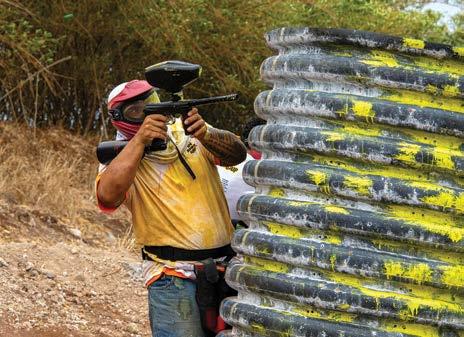
It wouldn’t be the last time he’d get peppered with paint—Kwok’s dad Frank ran Brothers Paintball, now the only shop in Hawai‘i dedicated to the sport. He also operated one of the few paintball locations in the Islands at Bellows Air Force Station on O‘ahu’s Windward side. Today, Kwok runs the shop and two new fields in Kunia, in Central O‘ahu, hidden among farms and bordered by a golf course. Hardcore paintballers appreciate that Kwok’s is the only regulation-size field in Hawai‘i—150 by 120 feet—and looks like a small football field but with inflatable bunkers where players can hide. The second location—referred to as a “hyperball” field because the games are faster paced—is a wild, postapocalyptic doomscape, with
large, black corrugated tubes scattered randomly. It looks more like an illegal dump site than a sports field.
Paintball began in 1981, when two friends—a city slicker and an outdoorsman—wanted to settle a debate about who had better survival skills. They recruited their best buddies for a “Survival Game”—basically Capture the Flag, but with Nel-Spot cattle marking guns and no actual survival training. The result: bruises, bragging rights and the birth of paintball. The first franchise formed the following year; leagues and tournaments came soon after. In Hawai‘i, dozens of players—a mostly male mix of teenagers, college students, young professionals and military—suited up in camouflage and tactical boots, and armed themselves with semiautomatic and pump-action paintball guns. They formed teams with names like Team Ronin, Pandemonium and Black Vomit.
Kwok is the youngest member of Hawaiian Homegrown, which
formed in 2000 and recently reunited to compete in national tournaments. The team won second place in the 2023 National Xball League’s NXL Sunshine State Major—the highest the team has placed so far. Kwok’s dad, who was an original member, played alongside him.
You don’t have to be a wannabe SEAL or join a team to get colorful. Both fields are open to the public on weekends and available for private games during the week. You can rent everything you need—gun, safety mask, CO2 tank and a hundred paintballs. Not all the players are deadeyes, Kwok says—corporate groups, football teams and families have all splattered each other on the fields.
It’s not about winning anyway. Kwok says, “It’s just about hanging out with your friends.”
Brothers Paintball owner Hunter Kwok (above left) at one of two fields in Kunia. Brothers Paintball, which maintains the only regulation-size arena in Hawai‘i, isn’t just a playground for pros like Kwok—the player on the right takes aim at co-workers during a team-building outing.
departments & features
Channeling Greatness
At 16, Tim Lorge is the youngest person from Hawai‘i to cross Kaiwi
It’s nearly dusk on April 19, 2025, the end of another lively Saturday at Sandy Beach Park, O‘ahu. A fisherman casts a line into the sea; another throws a net, catching the last rays of sunlight filtered through sea mist. A would-be groom sits in a beach chair beside an elaborate “Marry Me” sign staked into the sand, waiting for his partner to arrive with an answer. Boogie boarders drop into the grinding shorebreak, happy for the pummeling. Offshore, a humpback whale slaps its fluke, and behind the surfers at Half Point, the escort boat drifts into view.
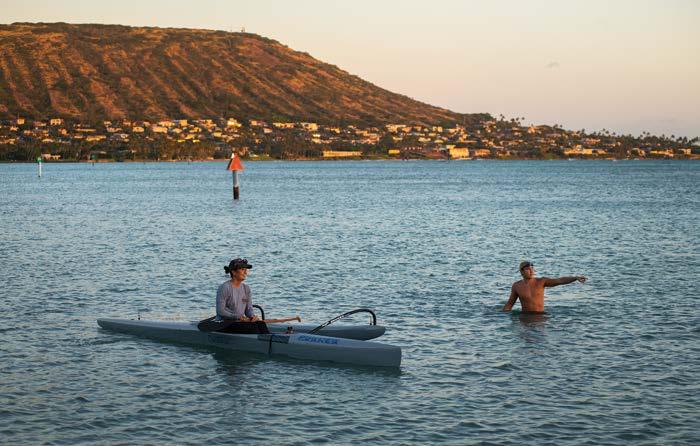
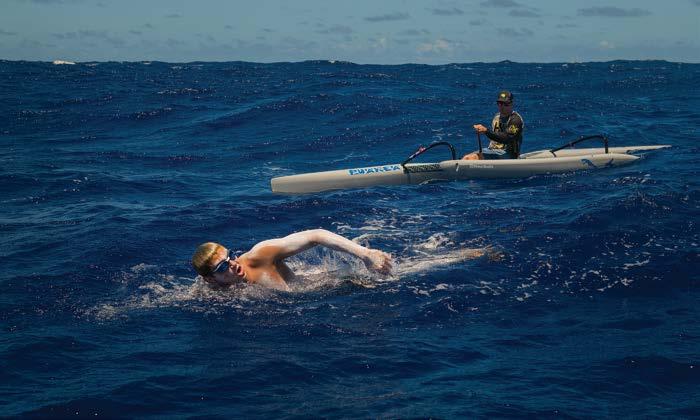
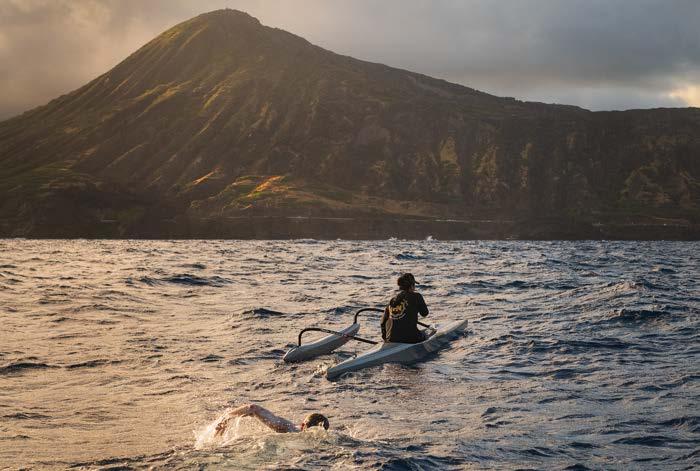
Beside it, a woman paddles a one-man canoe, and beside her is the escortee—a swimmer, barely visible, crawling toward the shore with slow, laborious strokes. A group of his friends on the sand stand and point, “There he is!”
Word spreads among the fleet of parked Tacoma pickup trucks blaring Jawaiian music, then all down the beach, of the boy who swam from the island you can just barely see on the horizon.
A local guy exclaims to his friend, “Brah, he just swam from Moloka‘i!”
“No waysss,” the other dismisses.
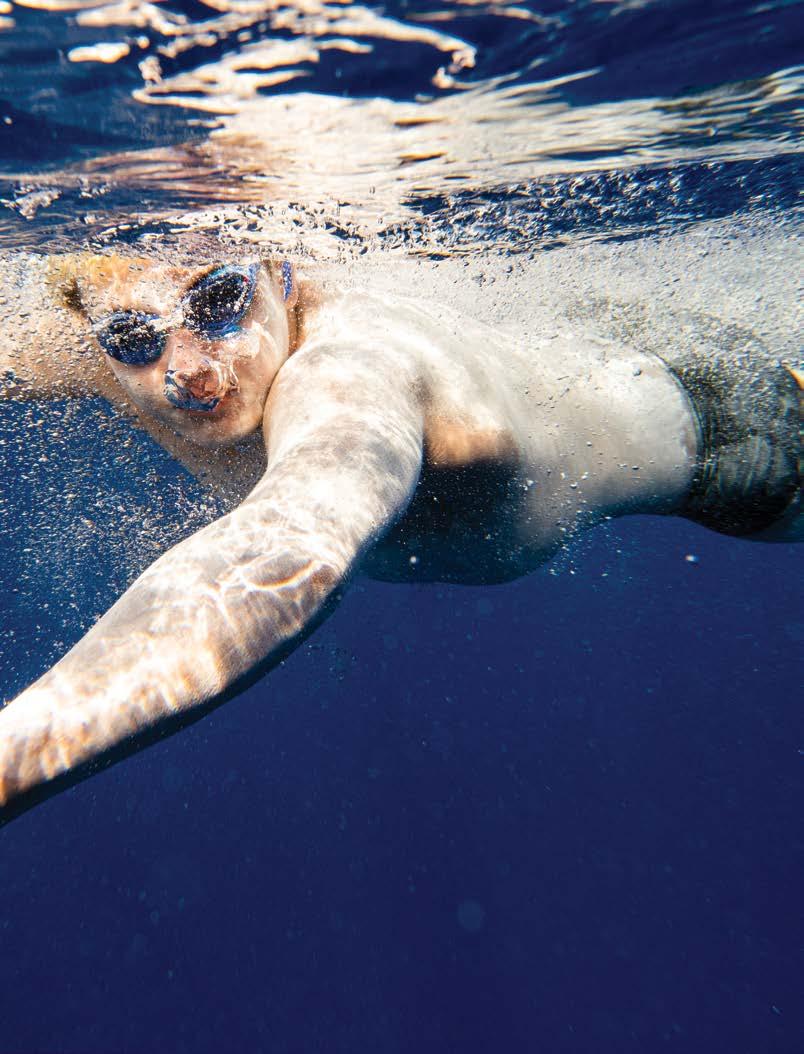
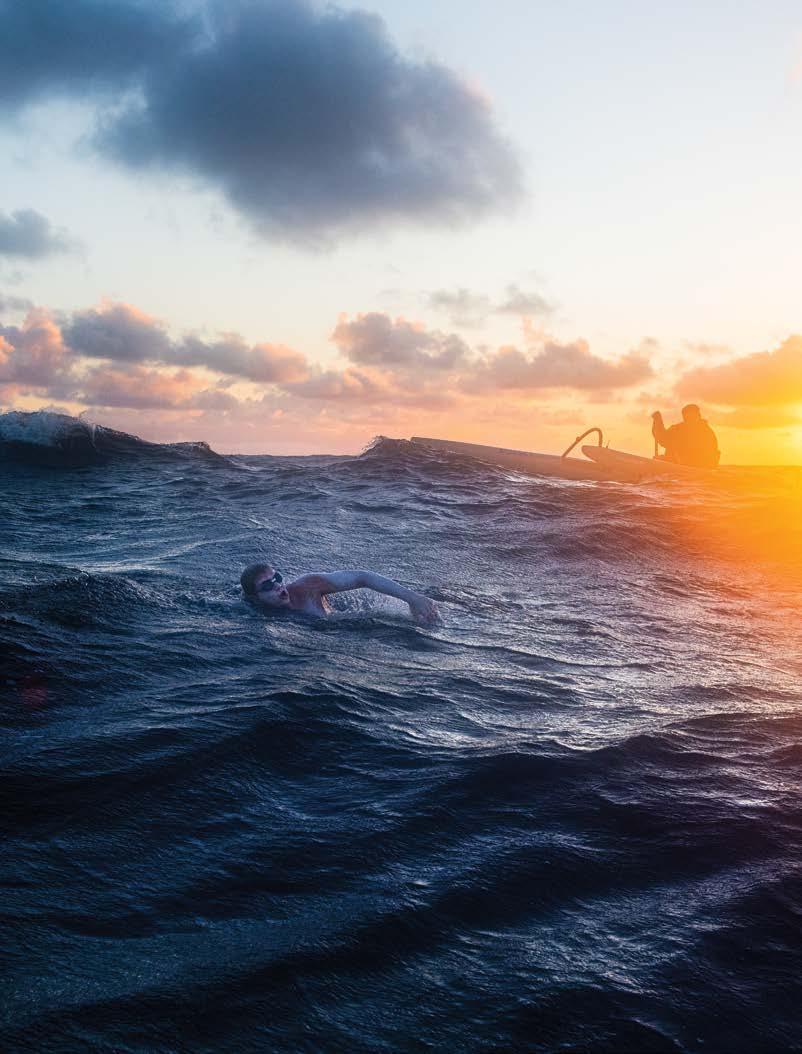
OPENING SPREAD / On April 19, 2025, 16-year-old Tim Lorge became the youngest person from Hawai‘i to complete the thirty-four-mile swim across the Kaiwi Channel between Moloka‘i and O‘ahu.
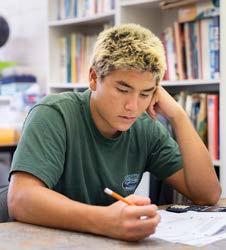
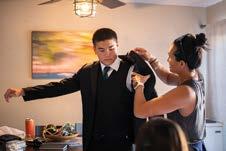
ABOVE / In most ways, Tim is just a normal high school kid. At top, Tim studies at Kaiser High School. Bottom, Tim’s mother Diana helps him get ready for prom.
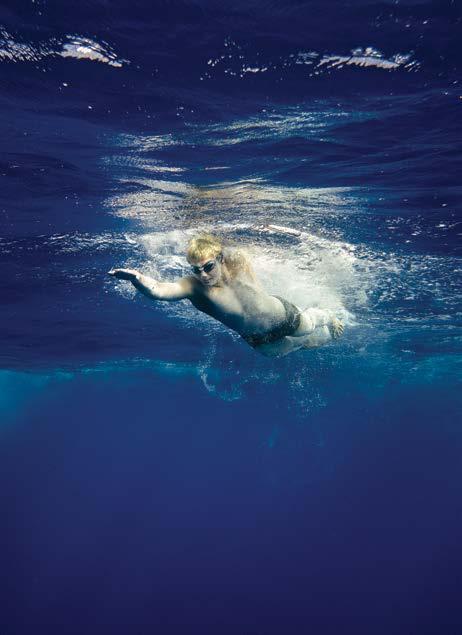
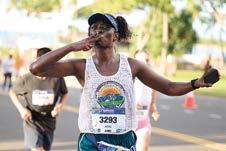
LEFT / Tim mid-swim in the Kaiwi Channel. He departed Moloka‘i 3:26 a.m. and swam nonstop for fifteen hours, twenty-seven minutes, dropping onto the sand at Sandy Beach, O‘ahu at 6:53 p.m.
Ways. Tim Lorge, a 16-year-old Kaiser High School student from Hawai‘i Kai, had jumped into the ocean off West Moloka‘i more than fifteen hours earlier and swam across the thirty-four miles of wild open ocean known as the Kaiwi Channel.
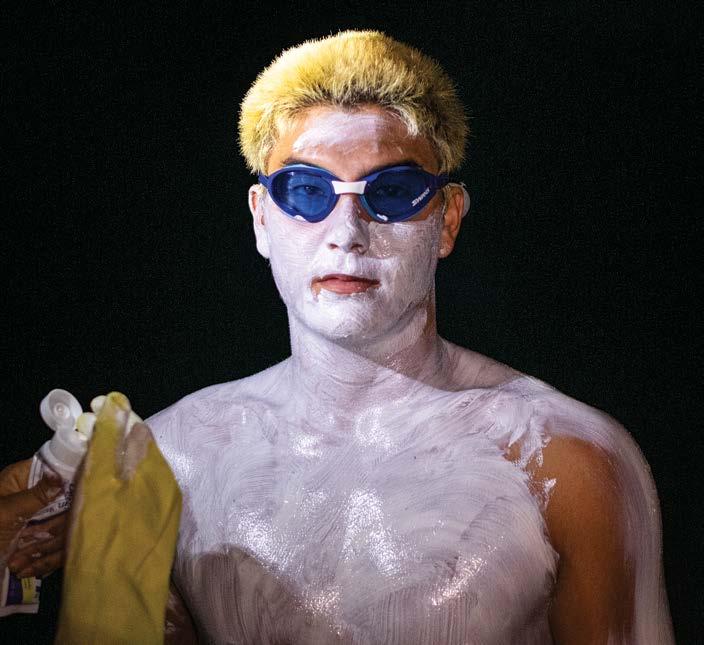
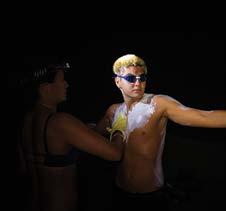
Driving through the shorebreak, Tim washes onto the wet sand like a shipwrecked sailor, slathered in white Desitin cream, wearing only Speedos and a swim cap. The guys in their trucks honk wildly, welcoming him. Cheers and “chee-hu!” ring out across the parking lot. One man hits the club airhorn effect at
Amethyst Plumeria Collection
The Lorge family, including Diana (seen above with Tim in Maunalua Bay, O‘ahu), Tim’s father, Josh, and Tim’s grandparents are generational canoe paddlers who’ve crossed the Kaiwi Channel multiple times. Diana paddled next to Tim for support most of the way to O‘ahu.
full blast: WHAMP WHAMP WHAMP WHAMMM
The exhausted teenager limps up the beach, legs buckling. Tim’s girlfriend rushes to him, and they embrace while friends bedeck him in lei, patting him on the back. Tim had left Make Horse Beach on Moloka‘i at 3:26 a.m. It’s now 6:53 p.m., fifteen hours and twenty-seven minutes later. At 16, Tim is the youngest person from Hawai‘i to complete this swim; the youngest overall is currently Maya Merhige of Berkeley, California, who swam the channel in January, 2022 at age 15 (her twenty-seven-hour, thirtythree-minute crossing also holds the record for the longest duration).
No matter how much you prepare or how long you wait for the trade winds to quit, there is no “right time” to cross the Kaiwi Channel. Notoriously treacherous, swell-filled, riddled with currents and devilishly windy, the Kaiwi Channel is considered one of the more challenging crossings
in the Oceans Seven, a renowned ultramarathon swimming challenge consisting of seven open-water channel swims around the world.
Tim and his family had postponed the journey several times, but seeing a favorable weather window, they pulled the trigger and hopped on a twin-prop puddle jumper to Moloka‘i. Leaving in bluebird skies out of Honolulu, halfway through the twenty-minute flight, the clouds darkened and the weather soured. A storm was rolling through over Moloka‘i, and the plane shuddered with turbulence. Visibility collapsed to near zero, and when they poked through the low clouds to land, they could see that the nearshore waters were a murky, chocolate brown from the rains (flash floods, they’d come to learn). Debris littered the coastline. But the Lorges soldiered on, hoping the swell would drop and conditions would improve by the following morning.
They didn’t. As the group of them stood on Make (pronounced mah-KAY,
the Hawaiian word for “dead”) Horse Beach in the wee hours preparing to swim out to the twenty-foot escort boat, they could see in the beams of their headlamps that large waves were pounding the shoreline. Tim’s mother, Diana, timed the sets and swam out to the boat. His father, Josh, and grandfather Lou followed but weren’t as lucky; the pair were swept down the beach by the big swells before getting past the break.
“I just remember that moment, before he swam toward the boat in the darkness, and I was nervous,” Diana recalls. “I really felt in my gut how these were exactly the conditions that I did not want for him. There was a moment where Josh and I were like, ‘Should we even have him do this?’”
“Yeah, it was three in the morning and we had just made it to the boat. Tim was on the shore by himself,” Josh remembers. “We had just put the canoe together. I paddled away and was sitting there by myself, when I just had a moment.
FLAVORS THAT FIRE.
Internationally Influenced, Hawaii Inspired.
WAIKIKI | KO OLINA | TURTLE BAY | HAWAII KAI | KAILUA | WAIKOLOA | KAANAPALI | WAILEA | POIPU
I was like, ‘What am I letting my kid do?’ I kind of sat there and cried a little bit.”
Shortly before 3:30 a.m., Tim walked to the shoreline, waited for a lull and dived into the black sea, swimming blindly toward the boat.
A varsity team captain for Kaiser High School’s swim team and a swimmer for Kamehameha Swim Club, Tim is, ironically, a sprinter. “It’s kind of funny because at practice, everyone’s always like, ‘Tim won’t swim the 500Free, but he’ll swim thirty miles,’” he says. Regardless, Tim won Kaiser’s MVP award for swimming in 2023, 2024 and 2025 and is being actively recruited by colleges to swim on their
teams. And while Tim’s parents aren’t avid swimmers, let alone open-ocean ultramarathon swimmers, they know the Kaiwi Channel. Like, generationally. Tim’s parents both paddle for Hui Nalu Canoe Club, and both have paddled across the channel in competitions several times. Tim’s grandfather paddles with Hawaiian Canoe Club and has crossed the channel in the Moloka‘i Hoe dozens of times; so has Tim’s grandmother in the Na Wahine o Ke Kai, the annual women’s paddling race.
Tim quickly made his way past the shorebreak and into deeper and deeper ocean. “I couldn’t even see where I was going,” he says. “It was pitch-black open
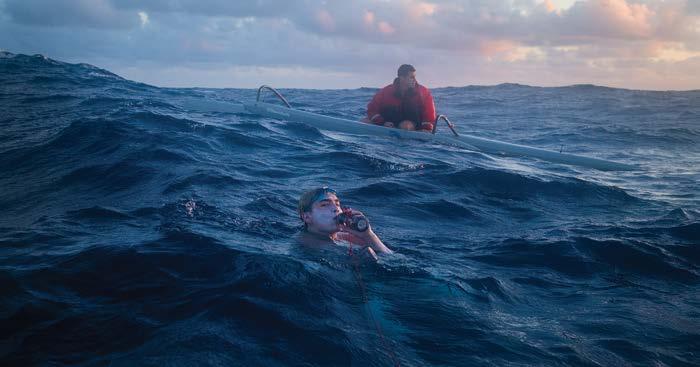
ABOVE / A few hours into the crossing, Tim became seasick and couldn’t stomach the food he was given during his half-hourly “feedings.” Coca-Cola, watermelon and sour gummy worms kept him going.
LEFT / Diana slathers Tim in Desitin in the pre-dawn darkness on Moloka‘i. Openocean swimmers swear by the cream for sun protection.
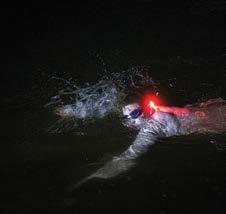
RIGHT / “I couldn’t even see where I was going,” recalls Tim of his 3:26 a.m. departure from Make Horse Beach, Moloka‘i. “It was pitch-black open ocean, and at first I thought I’d be really anxious about that— but, somehow, it was very peaceful.”
ocean, and at first I thought I’d be really anxious about that—but, somehow, it was very peaceful. Sometimes, I’d even flip over and swim backstroke for a little bit and look at the stars. I didn’t need to go fast, or anything.”
Indeed not. No one does in this sport. Open-ocean endurance swimming happens at a snail’s pace. It’s more a mental than physical challenge, though Tim is in top shape and practiced in a pool for months, back and forth, six days a week for hours at a time. He also completed the renowned three -day, three-island channel crossing competition between Maui, Moloka‘i and Lāna‘i known as the Maui Nui Swim
six months prior. But none of those channels compare in difficulty or distance to the Kaiwi.
Even as dawn broke and illuminated the murky water, the swim didn’t get any easier. Tim disappeared from sight when he dipped into the troughs between swells, then reappeared on the crests. Seasick, he paused to vomit dozens of times. Diana was responsible for his “feeds”—tossing him some form of nutrition and hydration every half hour—but Tim couldn’t keep anything down. This would become a problem if he were going to be at this for upward of eighteen hours.
“I had the hardest time letting go of that, because I knew he needed to eat at a certain time to get through this,” Diana says. “I had no idea how long this was going to take him, but whenever I kept trying to feed him, he kept throwing up. I was like, ‘We messed up.’ We messed up his nutrition. I remember feeling so bad. This was
my one job that I really wanted to be prepared for.” As the morning wore on, though, they discovered that he could keep down Coca-Cola, watermelon and sour gummy worms. Go figure.
Along with the wind, stubborn currents, whitecaps and large, relentless mounds of swell adding time to the trip, there was the sea life. Pleasant encounters with curious dolphins, marlins and sea turtles, but also unpleasant ones with jellyfish; Tim was stung multiple times by Portuguese man of wars.
Mike Spalding, largely regarded as Hawai‘i’s father of open-ocean marathon swimming, and one of only two people to swim all nine channels of the main Hawaiian Islands, loaned Tim a Sharkbanz electromagnetic deterrent device. That loan was a little personal; a cookie cutter shark bit Spalding when he swam the ‘Alenuihāhā Channel to Maui from Hawai‘i Island in 2009. But the device didn’t seem to deter a few particularly nīele (nosy) silky sharks from giving him a sniff. The escort boat captain,
Jamie Barlow, who used to tag sharks for NOAA, would spot the predators and assess the danger on a scale of one to ten. When it got to a six during several encounters, Tim paused next to the boat, but didn’t board. Per Oceans Seven rules, even touching the boat would be disqualifying.
“Jamie would tell us, ‘We have a visitor in the water,’” Diana says. “It was like, ‘Everyone just stay calm.’ I remember him telling Tim to come to the boat as close as he could without touching it, and then asking Dad to paddle over and create a little barrier. We had a bucket of rocks to throw at one if it came too close.”
“I didn’t know you guys had a bucket of rocks!” Tim frowned, chuckling. “That’s pretty funny.”
“I was holding them, just, like, when do I throw it? I don’t wanna hit Tim by accident!”
The sharks kept their distance, though, and Tim pushed through the seasickness, the burning stings and psychological torture of fighting the tide for six hours as he approached O‘ahu.
Out in the big blue, Tim encountered Portuguese man of wars and a few curious sharks, but his toughest adversary was his own mind. A varsity swim team captain for Kaiser High School and a swimmer for Kamehameha Swim Club, Tim is, ironically, a sprinter.
Kaiwi is the longest crossing of the Oceans Seven, a series of open-water ultramarathon
North Channel, the English Channel and—next up for Tim—the 17.4-mile Catalina
swimmer to complete all seven, a title currently held by New Zealander
years old.
He recalls never once feeling too demoralized or discouraged.
When Tim was a few miles off O‘ahu, his girlfriend’s father motored out to greet him, blaring his favorite songs for morale. The end was in sight.
Meeting with Tim and his parents a few weeks later by the Hawai‘i Kai Marina, I ask how his body felt after a feat like that.
“That was … the most exhausted I’ve ever felt,” he exclaims, shaking his head. “My legs were jelly for a while; it was a weird feeling.” Watching him stumble around the house the next few days, Diana says, it looked like he was learning to walk again. Which begs the question that most of us who have little appetite for swimming a couple of laps in a pool much less crossing a channel might ask: Why? “I think the allure for
this type of open-ocean swimming for me is that it’s just so different from pool swimming. You really get to experience the unexpected in the ocean.”
How does the Kaiwi Channel compare to the three-day Maui Nui Swim? Tim is the youngest male on Earth to have completed that event. “Oh, this was ten times harder than any other swim I’ve done. I think I was prepared, but maybe not quite as mentally as I wanted to. Mentally, it was a lot,” he laughs. “I really just wanted to do it for the challenge. I definitely learned how not to give up. But I did think it would be so cool to represent the East side of my island by literally swimming home to it—especially after doing all the channels of the Maui Nui Swim first.”
“And you’re still going to do the Catalina Channel?” I ask almost jokingly; I’d overheard them talking about
potentially swimming another of the Oceans Seven channels if Kaiwi went well.
“Oh, definitely,” he says.
“So, all seven?” I ask.
“Gibraltar would be cool,” Diana offers, fishing for a trip to Europe. “But that one has a long waitlist.” The Oceans Seven channel swims each have its own governing body, each requiring a separate application process, medical evaluation and other clearances to attempt a swim. “The Tsugaru Strait in Japan is easier to get on,” she adds, “but I think you’ve gotta be 18 to do that one.”
Tim nods matter-of-factly, and there’s little doubt that after completing Kaiwi, the longest in nautical miles of all seven, the other six won’t be too tough for him. Especially if Mom or Dad is cheering him on from an outrigger canoe, paddling beside him every stroke of the way. hh
swims around the world. Others include the
Channel. He’s got about four years to become the youngest
Caitlin O’Reilly, who completed the Oceans Seven in 2024 at 20
A new dawn of live entertainment rises in Cirque du Soleil ‘Auana— a Hawai‘i-inspired production featuring a cast of powerful acrobats, talented musicians and singers, and profound hula dancers. is unparalleled ensemble brings together international and local talents to shine a fresh light on the spirit of Hawai‘i. Only at the OUTRIGGER Waikīkī Beachcomber Hotel.
STORY BY SARA STOVER
Monk Seal General Inside Ke Kai Ola, the only rehab center for Hawai‘i’s native seal
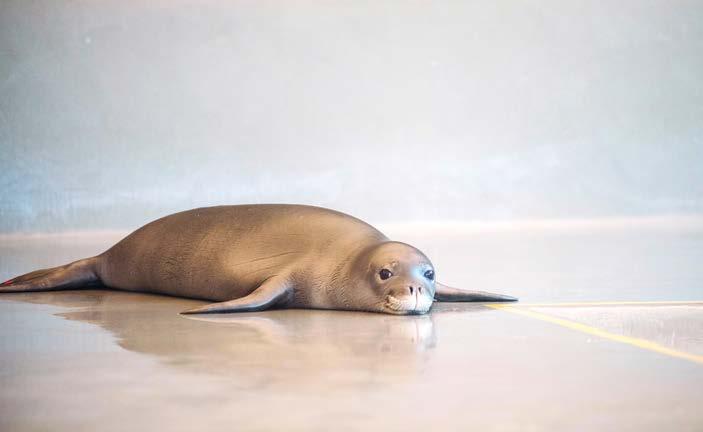
The two pups here today are small, but they have pretty big attitudes in their cute little packages,” says Megan McGinnis, director of Ke Kai Ola, as we walk from the openair education pavilion to a structure nicknamed “the burrito” because of its cylindrical shape. “The pups talk all day. They have a lot to say.”
As if on cue, the deep, guttural call of a Hawaiian monk seal pup echoes
from the burrito, which houses pens and pools for pups as well as larger pools for juveniles. The older of the two pups currently in care, RU28, was born on Kaua‘i to RH38, a former patient at Ke Kai Ola. After nearly five weeks together, RU28 weaned from his mother, and things went downhill for him. Field staff with the National Oceanic and Atmospheric Administration (NOAA) found
RU28 and determined that he was underweight and unlikely to survive. Because pups rely on their reserves as they learn to hunt, healthy weight after weaning is crucial. NOAA brought RU28 to Ke Kai Ola on August 2, where he’s been gaining weight and getting stronger by the day.
The second pup, RU99, was spotted on the eastern shore of Moloka‘i with no mother in sight. Observers waited to see
PHOTOGRAPHY BY MEGAN SPELMAN
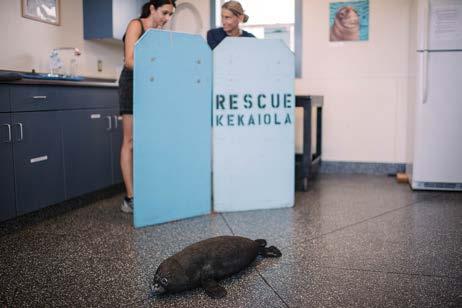
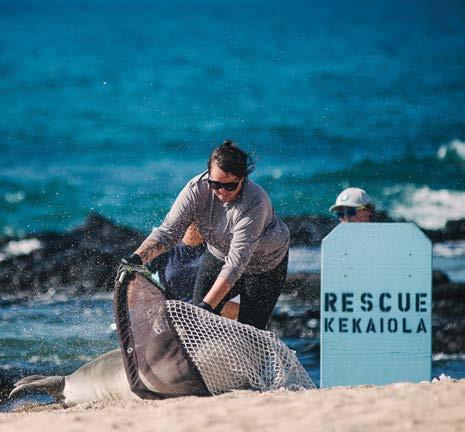
Above, animal care manager Heidi Nikolai (right) uses a stuffed pup to train volunteer Palak Yadav at Ke Kai Ola in Kailua-Kona, the only Hawaiian monk seal rehabilitation facility in the Islands. Once a pup like the one seen on the title page is treated and taught to hunt for itself, it will be returned to the ocean near where it was found.
whether the two-week-old’s mother would return; she didn’t, so the pup was brought to Ke Kai Ola on July 12. Once both pups are healthy, NOAA will release them back to the wild.
This critical care is the work of the Marine Mammal Center, a nonprofit veterinary research and rehabilitation center in Sausalito, California, which opened Ke Kai Ola (Hawaiian for “healing sea”) in 2014 as a Hawaiian monk seal healthcare center and conservation program. The Marine Mammal Center chose the Natural Energy Laboratory of Hawai‘i Authority (NELHA) in KailuaKona for the site because NELHA can pump enough clean seawater to refresh Ke Kai Ola’s pools each day.
Hawaiian monk seals (‘ īlio holo i ka uaua—“dog that runs in rough water”—to Hawaiians, Neomonachus schauinslandi to Western science) are one of only three known monk seal species. There are only six to seven hundred Mediterranean monk seals left. The last Caribbean monk seal sighting was in 1952; the species was declared extinct in 1996.
Beginning in the 1950s, studies showed that the Hawaiian monk seal population in Papahānaumokuākea Marine National Monument, a.k.a. the Northwestern Hawaiian Islands
(NWHI), was in decline. When Ke Kai Ola opened in 2014, there were only 1,100 left, and the population was declining by about 4 percent annually. Over the last decade, conservation efforts have pushed the population in the right direction, growing by 2 percent per year. Most of that growth (6 percent per year) has occurred in the main Hawaiian Islands. Still, Hawai‘i’s endemic seal remains endangered, with only about 1,600 animals.
For a population so small, protecting every individual counts, and Ke Kai Ola has treated and released more than fifty. “We’re the only long-term rehabilitation hospital for Hawaiian monk seals,” McGinnis says. “So if an animal from the Northwestern Hawaiian Islands, Kaua‘i, Moloka‘i or O‘ahu needs medical care, they’re coming here by sea or sky.”
In July 2014, the National Marine Fisheries Service brought in Ke Kai Ola’s first patients: two weaned pups from Pearl and Hermes Reef and two yearlings, one from Midway and one from French Frigate Shoals. The undernourished animals were nursed back to health, and by the following fall NOAA returned them to the NWHI for a
“soft release.” This entails setting up an outdoor pen with shade and access to water, where the pups get reacquainted with their wild home for several days. Once released they might cross paths with their mothers, but because they’re past weaning age, they’re on their own.
When NOAA research ships come across injured or malnourished seals in the NWHI, field staff wrangle them— which can be a challenge, even with a weakened animal—and bring them to Ke Kai Ola. Sometimes it’s the US Coast Guard—they airlifted RK58 from Kaua‘i to Kona aboard a C-130 in 2021. Private enterprises also pitch in: “Mauna Loa Helicopters does pro bono flights for us, even when we say ‘We need to get a seal here tomorrow,’” McGinnis says. “It’s definitely a melding of the minds and labor of love to transport the animals.”
Once admitted, a seal gets a full physical. Veterinarians take X-rays, collect samples and try to feed the patient. “If they’re a little bit older, we’ll offer some fish. If they aren’t old enough or clearly haven’t figured out eating yet, we’ll tube-feed them.”
Learning to eat is only part of the rehabilitation. Pups that have been separated from their mothers must also learn survival skills. That was Niho‘ole’s situation: He was found motherless, toothless and starving on Kamole (Laysan Island) in 2016. After nine months of care that included being tube-fed, Niho‘ole was healthy enough to return to Kamole. There are many reasons a pup may be separated from its mother. Sometimes the mother weans the pup too early, or she becomes ill, or she’s injured, often in an encounter with a predator. Whatever the reason, abandoned pups can’t be released until they’re able to eat and hunt.
“Some pups must be tube-fed until they are strong enough to eat whole fish, at which point we deliver fish in various creative ways. There’s the ever-popular ‘fish from heaven,’ where we throw the fish through the air. Or we feed them from behind boards because we don’t want them to relate humans with food,” says McGinnis, pointing to a volunteer feeding a pup using a big blue board. “It’s not safe for them once they get released. It also protects the volunteers; these are wild animals after all.”
Seals undergo a gauntlet of tests to assess whether they can hunt.
The hospital works with NELHA partners to feed its patients live fish like kampachi from Blue Ocean Mariculture, which farms kampachi just offshore. In addition to being on Hawai‘i’s fine-dining menus, kampachi was Maka Kilo’s favorite. Found alone and malnourished on Papa‘āpoho (Lisianski Island) in the NWHI, she had little chance of survival. She ate enough kampachi to gain weight, and Ke Kai Ola gave her a hinged box with fish inside; playing with it helps develop hunting instincts. “The animals are also treated to fish mash and ‘fishsicles.’ We have some other ‘delicious’ snacks in the fish kitchen, including restaurant-quality fish blended into a smoothie, which smells as good as you’d think,” McGinnis says. The seals play with the fishsicles, which also develops their hunting skills. When they’re ready for release, seals are tagged to track their movements, but the tags die after a few months. After that, people in the main Hawaiian Islands will often report sightings, which offer data on how former Ke Kai Ola patients are faring. NOAA also keeps tabs on seals released
in the NWHI through annual population assessments. Judging by the results— thirty-five new pups born in the main Hawaiian Islands so far this year—Ke Kai Ola’s work is having an impact.
“Human activity is the primary reason that these animals end up here,” says McGinnis as we walk from the burrito to the surgical suite. “Fishing hook ingestion is one example of this. I’ll show you the hook RL72 ingested.” A juvenile, RL72 was rescued on Maui in 2022, when he was spotted with fishing line trailing from his mouth. After multiple failed attempts to remove the hook through his mouth, the Marine Mammal Center’s animal care team had to go at it from the other direction, a five-hour-long stomach surgery. RL72 recovered and was released a month later.
While many injuries, like hook ingestion, are the result of seals running afoul of humans, other problems have natural causes that aren’t always readily apparent, as was the case with RH38. “Our only three-time patient, RH38, first came
TOP / “Our goal is to make sure the ocean is a healthier place,” says Ke Kai Ola director Megan McGinnis, seen above.
AT LEFT / McGinnis and her team tag a pup on the South Kona coast. The faster the tagging, the less stress on the animal: This pup was tagged in less than five minutes.
in suffering from malnutrition and a heavy parasite load in 2017,” McGinnis recalls. “We dewormed her, we got her some groceries and she was good to go.” Two years later, RH38 was back with several issues, including a hip injury likely resulting from an environmental trauma. Perplexed by her symptoms, Ke Kai Ola sent RH38 to North Hawai‘i Community Hospital in Waimea for a CT scan.
“RH38 is the first Hawaiian monk seal to ever receive a CT scan. Because of it, we knew which tests we needed to verify and treat septicemia, which is blood poisoning caused by an infection,” McGinnis says. “When she recovered, we sent RH38 back to Kaua‘i, only to have her return in 2023, losing weight again for some mysterious reason.” Eventually RH38 was taken to Kona Community Hospital for another scan, which revealed a tooth fracture and infection. “That’s when we performed our first dental surgery, and RH38 became the first Hawaiian monk seal to ever get two CT scans. After five months of treatment, she gained a remarkable
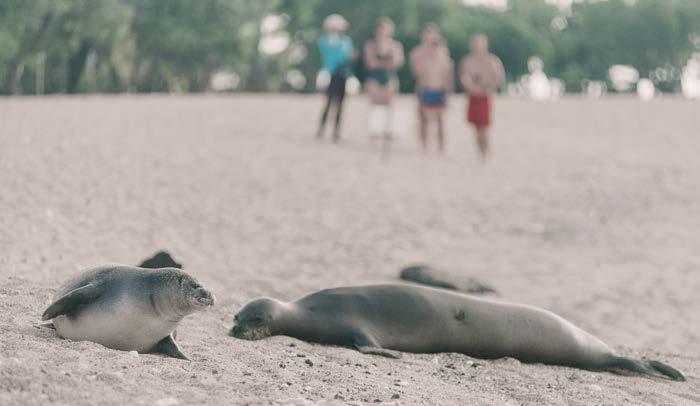
Along with rehabilitating injured and sick seals, Ke Kai Ola helps protect the healthy ones that haul out on Hawai‘i Island’s beaches. It’s critical that the seals are shielded from curious humans, especially before a pup is weaned. Above, Ke Kai Ola volunteer Jennifer Stabrylla talks with beachgoers at a safe (and legal) distance from a mother and pup.
one hundred pounds and was released in the waters of Kaua‘ i.”
The seals’ droid-like names come from the codes that NOAA inscribes on the tags fixed to their hind flippers. Seals from the main Hawaiian Islands have codes starting with R, the next letter represents the birth year (with H corresponding to 2016), and the digits are the seal’s personal number. But many seals, like Meleana, Ululani and Alena, also get a Hawaiian name.
Cindi Punihaole, the Hawaiian cultural adviser for Ke Kai Ola, has named many of the seals from the NWHI, a responsibility she takes seriously. “It’s not just giving a name. I go to the hospital two or three times to watch the seal. They all have different personalities, like people,” says Punihaole, who comes from a long line of Hawaiian cultural practitioners, teachers and stewards of the ‘āina (land). “It’s a journey, naming the seal. When I sleep, I often dream of the name. It’s setting the foundation for them to be strong and survive,”
Punihaole is also the director of the Kahalu‘u Bay Education Center, which protects the reefs of Kahalu‘u Bay. “Growing up on the Kona Coast, I learned that the land and sea are living, and we need to respect all of the species, from coral to seals,” says Punihaole.
“Meleana was so critically malnourished that she could barely lift her head,” says McGinnis. “She weighed half of what she should have, and we were very concerned that she wasn’t going to make it.” During her six-month stay at Ke Kai Ola, she went from 51 to 246 pounds and was returned to the NWHI. Seven years after being given a less than 1 percent chance of survival, she was sighted with a pup of her own. Success stories like Meleana’s have been told over and over at Ke Kai Ola, but McGinnis is quick to credit the broader community for making them possible.
“Ke Kai Ola is the lead responder and we have an incredible staff, but we’re a small nonprofit and we can’t be all over the island at once,” McGinnis explains. “Citizens call in seals, which is amazing. When they call, we ask for a photo or
description. Then our staff or a volunteer tells the caller who the seal is, where they were born and other interesting things about them.” Such calls can save a seal’s life. Hiwahiwa, born on Hawai‘i Island in 2019, had become entangled in fishing line. Callers reported it to the Marine Mammal Center’s hotline and the Ke Kai Ola team disentangled Hiwahiwa on the beach.
In addition to its healthcare work, Ke Kai Ola runs educational programs that teach young people about Hawaiian monk seals through success stories like RH38’s. This year, the first Hawaiian monk seal to get a CT scan also became a first-time mom.
“Not only did RH38 survive, she contributed to the population. Through intervention efforts, the Hawaiian monk seal population has now surpassed 1,600,” says McGinnis. “Which is pretty awesome.” hh
The public is encouraged to report monk seal sightings to the Marine Mammal Center’s hotline at (808) 987-0765.
Come dine here
From the iconic sands of Waikīkī to the sacred shores of Kā‘anapali, OUTRIGGER Resorts & Hotels invites you to discover the food scene at all our Hawaii resorts.
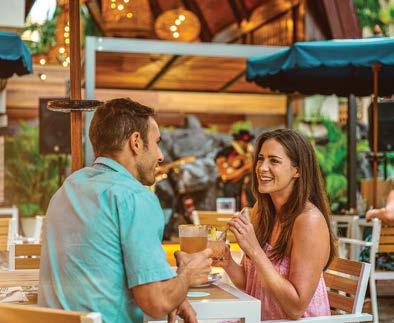
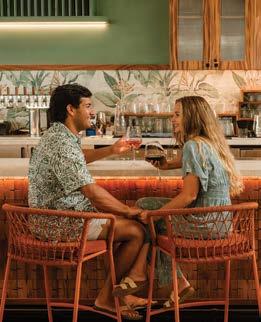
Whether you’re ready for laughs, romance, or the best live music on any island, OUTRIGGER will take care of the food and set the right mood. Let’s eat
Piko at OUTRIGGER Kona Resort & Spa
Maui Brewing Co. at the OUTRIGGER Ka’anapali Beach Resort
Kani Ka Pila Grille at the OUTRIGGER Reef Waikiki Resort
Naupaka Terrace at the OUTRIGGER Kaua‘i Beach Resort & Spa
STORY BY SOPHIE MCDOUGALL
Speaking Role
Ioane Goodhue brings ‘ōlelo Hawai‘i from the classroom to the screen
Ioane Goodhue didn’t grow up with dreams of Hollywood stardom. He thought he’d be an academic. Little did he know that his ability to speak a language that had been on the verge of extinction only a generation ago would take him from local theater to New Zealand with megastar Jason Momoa. Or that he would end up running for his life—or at
least pretending to—along the edge of a giant cliff before jumping into the ocean below, camera crew in tow.
All of it was a leap of faith for Goodhue, both literally and figuratively. The literal jump was a stunt, which he performed himself, for the 2024 short film, “Kūkini.” The story, written by renowned Hawaiian singer-songwriter Paula Fuga, follows a kūkini, a runner,
in eighteenth-century Hawai‘i. Like Pheidippides of ancient Greece, who ran twenty-six miles to announce the Greek victory at Marathon before dropping dead from exhaustion, kūkini served as foot messengers and scouts in ancient Hawai‘i, carrying vital intelligence and communications among ali‘i (chiefs), often through war zones. Goodhue was perfect for the role: He’s fleet, he’s
PHOTOGRAPHY BY BLAKE ABES
Hawaiian and he’s a waterman. But more fittingly, the script is entirely in ‘ōlelo Hawai‘i. That’s unusual in any film, even groundbreaking, and an encouraging sign that the once-dying language (in 1985, fewer than fifty people under the age of 18 could speak it) is well on its way to revival.
“Kūkini” isn’t the first Hawaiianlanguage film production; Goodhue shot it fresh off filming the first season of Chief of War, the Apple TV historical epic produced by Momoa and set in a Hawai‘i about to undergo dramatic changes following contact with the West. “While I was in New Zealand, I got a call from Mitchell Merrick, the director of ‘Kūkini.’ I had met him a year earlier at the Hawai‘i International Film Festival,” Goodhue says. “I’d seen his short film, ‘Ka Ho‘i,’ and was blown away. He wrote,
directed, even did his own CGI. It was incredible. I told him, ‘If you ever need a Hawaiian-language actor, I’m your guy.’”
A year later, when Merrick took him up on it, Goodhue recalls telling him, “Hell to the yes!” on the phone.
Goodhue always figured he’d be an academic, not an actor, applying his fluency in ‘ōlelo Hawai‘i to linguistics and ethnic studies. When he was young, his parents had enrolled him in a Hawaiian-language immersion school—a bold decision, but one that Goodhue’s parents saw as an opportunity for their hapa (half-Hawaiian) son to study a language that had been suppressed for generations. Goodhue jumped around to a number of immersion schools on O‘ahu, Maui and Hawai‘i
Island and graduated from Ke Kula ‘o Samuel M. Kamakau in Kāne‘ohe. While Goodhue was in school, he was recruited for a student play. He enjoyed theater, but remained focused on his studies and eventually attended the University of Hawai‘i at Mānoa. But during his time there, Hawaiianlanguage theater was making its comeback; there were finally some young students who could speak the language. While at UH–Mānoa, the keaka (theater) called again: One of his professors needed a fluent speaker for a Hawaiian-language production, Lā‘ieikawai, and again Goodhue was conscripted. The show did so well that it toured the Hawaiian Islands and was performed in Aotearoa (New Zealand). That role changed everything for Goodhue. He began booking
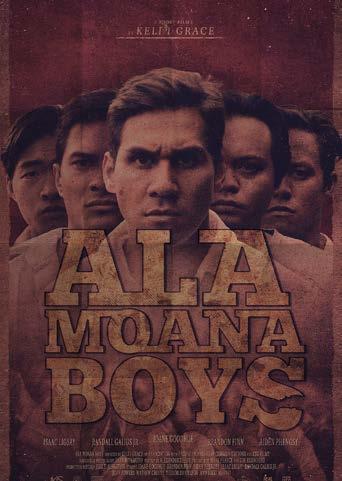
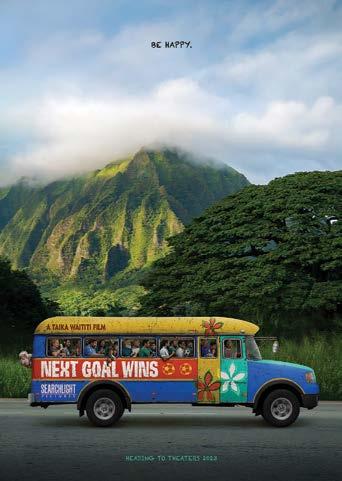
Some of Ioane Goodhue’s first roles were in Next Goal Wins and the short “Ala Moana Boys.” For the Hawaiian-language-speaking actor, film is more than entertainment. “You’re just engaging with a story, but it still shapes perspectives. People are hungry for something different, and Hawaiian stories can reach them.” On the title page, Goodhue (center) on the set of “Kūkini,” a short film entirely in ‘ōlelo Hawai‘i (the Hawaiian language).
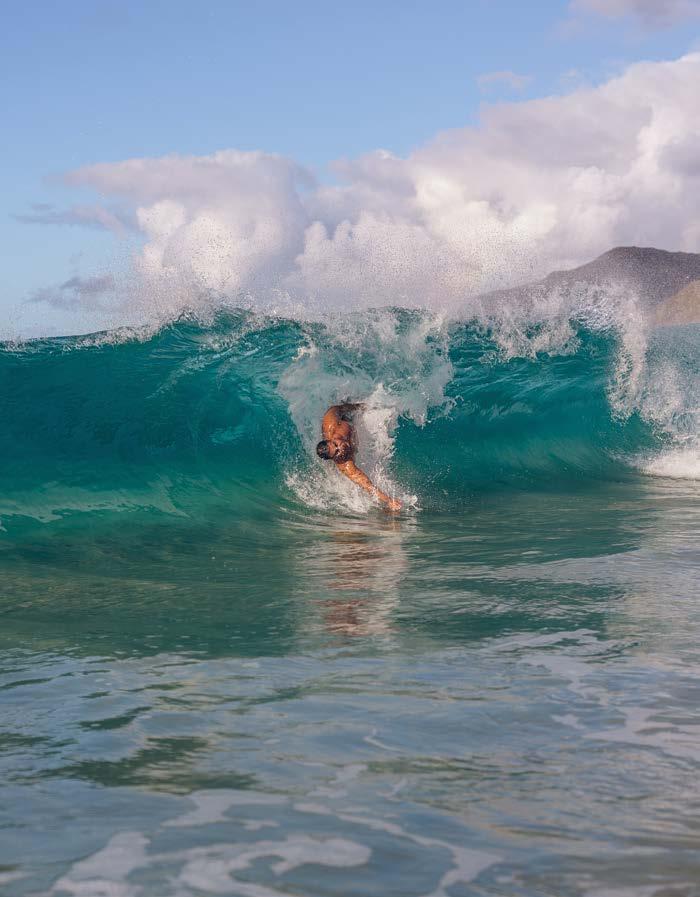
Tune out, drop in: When Goodhue isn’t on set or lobbying legislators to support the local film industry, he’s bodysurfing at Sandy Beach (facing page and above).
commercials, and landed a part on Hawaii Five-0. From there, he was cast on Magnum P.I. and before long was working with Oscar-winning Kiwi director Taika Waititi on his film Next Goal Wins, the 2023 Cinderella story about American Sāmoa’s soccer team. The transition from stage to screen was jarring, says Goodhue. “It was like a three-month crash course in being on a set, because theater and film are such different mediums. Theater is about presence, but film is all about technical acting—eyelines, marks, starting and stopping. It took a while to adjust.”
But adjust he did. When his agent told him about a casting call seeking Hawaiian-speaking actors for a major production starring Momoa—a period piece telling a story of ancient Hawai‘i, in Hawaiian—Goodhue didn’t hesitate. “It was an incredible opportunity,” says Goodhue. “I got to work with massive talents like Jason Momoa, Temuera Morrison and Cliff Curtis. I learned so much. The only tough part was the weather—being from Hawai‘i, it felt cold, and I was running around in a malo.”
The revealing, period-accurate loincloths have earned the show the affectionate moniker, “Cheeks of War.”
Goodhue might have been a fluent speaker, but not all of the other actors were. He commends his costars for doing “double the work,” he says. “I only had one step when I got sent the script: memorize my lines,” Goodhue jokes. “I give the other actors major props. They had to not only learn their lines
Goodhue gets a kākau (tattoo) applied in makeup for his role as a kūkini, a fleet-footed messenger in ancient Hawai‘i.
in English but also memorize them in Hawaiian.” When production sent him the English translation of the script prior to sending him the Hawaiian version, “I was thinking, ‘Just send me the real one.’” If Goodhue makes one thing clear about his time on Chief of War, it’s his respect for the actors who dived headfirst into an unfamiliar language.
Working on a major production like Chief of War was illuminating in another way. “It shows there’s an appetite for Hawaiian stories at that scale,” says Goodhue. “Having Jason Momoa attached helped get it greenlit, but what excites me is that now the world is going to see a story from Hawaiian history that has never been told like this before.”
With Chief of War wrapping in 2023, Goodhue was ready to
tackle “Kūkini.” The story takes place in ‘Īao Valley during the battle of Kepaniwai, a pivotal conflict in King Kamehameha I’s campaign to conquer Maui—and eventually the rest of the Hawaiian Islands—in 1790. It follows the journey of Hau‘oli, a fictional kūkini who must leave his family, enter hostile territory and report back with information on the enemy. It’s an action-packed adventure, but at its root it’s a story of love for his people, for the family he left behind and for the ‘āina (land) where he’s spent his life.
Prepping for the role wasn’t easy. Goodhue had bulked up to 230 pounds to play a warrior on Chief of War. But kūkini were elite runners—lean, agile and fast. Selected from chiefly lines, they trained from a young age, ate a lean diet and excelled in both sprinting and distance running. Portraying one meant
more than just shedding pounds; it meant honoring a lineage. With only six weeks to prepare, Goodhue fasted, ran and bodysurfed every day. “I got down to about 185, which still wasn’t as light as I wanted, but it worked.”
What set “Kūkini” apart wasn’t just the Hawaiian language or the physical demands of the role. It was the authenticity the entire cast and crew brought to the project. Instead of relying on film industry stuntmen, the team brought in real masters of lua, the Hawaiian martial art. “We trained a lot with a lua master—Uncle Ali‘i Miner— and also with Uncle Brian Keaulana, who’s one of the best stunt trainers in Hawai‘i. Some of the guys in the cast weren’t stuntmen or even actors, but they brought other strengths. One was a Golden Gloves boxer—huge guy, sixfoot-five, who was actually training for a fight at the time. He was so dialed in that even though you’re not supposed to actually hit in stunts, he couldn’t miss. I remember one scene where he threw a spear at me. He was looking right at me like a real warrior. I just had to trust it would go where it needed to go. … We did all our own stunts, even eating noni fruit for real on camera—which, if you’ve ever tried it, tastes like death even though it’s good medicine.” Cultural advisers, linguists, actors and crew were all part of the same community, paddling in the same direction. “There was no hierarchy,” Goodhue says. “No ladder of producers changing things. It was a story made by and for the people it’s about.”
In big studio productions, he notes, decisions flow from the top down, often through layers of executives far removed from the story’s roots. “Too many cooks in the kitchen,” he says. On “Kūkini,” it was the opposite. The cast and crew were part of the community from which the story comes, the same community Goodhue moves through daily—often in the ocean. When he’s not on set, Goodhue can be found in the ocean. He bodysurfs several times a week at Sandy’s and sometimes at Point Panic—unless it’s too crowded. Then, he admits, he becomes “that salty uncle” who skips it.
To him, bodysurfing is more than a pastime; it’s a cultural practice, grounded in humility and flow. “It strips away a lot of the ego and aggression that can
come with modern surf culture. Surfing now can be very competitive—it’s about dominating the wave. Bodysurfing is fluid, it’s about respect. There’s no board, no gear—it’s just you and the wave,” he says. “You have to be in sync.” He’s currently writing and pitching a film that explores bodysurfing’s philosophy and way of life. “It’s a part of our culture that people on the Mainland barely know exists,” he says.
As Native Hawaiian stories gain traction in Hollywood, Goodhue is both hopeful and cautious. He’s aware that he’s stepping into some sensitive territory, as is often the case when Hollywood represents cultures. “There’s no film that gets everything right,” he says. “Even The Godfather has its haters. But there’s a difference between imperfection and inauthenticity.”
Goodhue is aware of the critiques around projects like “Kūkini” and Chief of War and admits that, as a Native Hawaiian father and public-facing actor, he’s conscious of how his roles will be received by other Native Hawaiians. But instead of critiquing Hollywood, he focuses on elevating his own projects. He feels a kuleana, a sense of duty, he says, not to industry executives or critics, but to his community and his ancestors. He speaks the language. He’s raising his kids on the land. And he is committed to staying rather than pursuing an acting
Goodhue with Māori director Taika Waititi (left); Waititi’s film Next Goal Wins was a turning point in Goodhue’s acting career.
D H O P P I NG ISLA N D H O P P I N G O N E B I T E AT A TIME O N E B I T E AT A TIME-
ISLAN
Goodhue’s character shares a farewell honi in “Kūkini,” which takes place during Kamehameha I’s invasion of Maui in 1790. “Hawai‘i has a rich history full of stories waiting to be told,” Goodhue says.
career on the continent. “My family is here. I have five kids. I’ve been lucky enough to travel for work, but I always come back. Every year, I try to do at least one film in ‘ōlelo Hawai‘i. ‘Kūkini’ is the third or fourth one where I’ve played a lead role, which is important to me.” Contrary to industry assumptions, Goodhue doesn’t think these stories need to be sold to audiences on the continent. They’re already invested. If America wanted Hawai‘i to be its fiftieth state, then “Hawaiian history is their history,” he says, “We are your Polynesia. We are your Islanders. You are our family.”
Looking ahead, Goodhue is concerned about the state of the
local industry. For the first time in two decades, he says, there are no major productions filming in Hawai‘i— not one. “We don’t have much of a healthy film region right now like we did,” Goodhue laments. “So work is really down. We’ve just become an expensive destination at this point.”
For Goodhue, that shift is personal. Years ago, he left a safe, full-time job at UH–Mānoa replete with a pension to pursue acting because he believes in the local film industry’s potential. “I got into the business because it was fiscally responsible for me to leave,” he says. “I’ve worked toward this.” And while he’s grateful to travel for high-profile projects like Chief of War
and Next Goal Wins, he dreams of an ecosystem that can sustain meaningful, homegrown storytelling
That dream has taken him beyond the screen. When he’s not acting, Goodhue is meeting with lawmakers, pushing to revitalize Hawai‘i’s film economy. At the top of the list: fixing the state’s tax incentives, which he says are outdated and uncompetitive. Tax incentives are rebates; a state returns a percentage of what productions spend there. The higher and more flexible the incentive, the more attractive the location is to studios. “Our tax cap sucks,” Goodhue says bluntly. “It’s up to like ten million dollars and it’s like 22 percent, where the industry standard is 50 million dollars at over 30 percent.” By comparison with other states, Hawai‘i struggles to compete for major productions.
The result? Productions that claim to represent Hawai‘i are often shot elsewhere. Part of Moana was shot in a Georgia studio because it was cheaper than to shoot it on an actual island. Chief of War got some flak for filming mostly in New Zealand, but economic reality bumped up against authenticity. “You can go shoot somewhere else and just call it Hawai‘i,” Goodhue points out. And, in the absence of studio infrastructure, the burden of telling authentic stories falls to independent filmmakers, like the “Kūkini” team, who hustle for funding, submit to festivals, meet with producers and try to break through. “It’s tough,” says Goodhue, “but it’s necessary to keep Hawaiian stories alive.”
“I want to see our industry here thrive and change,” he says. “I do see a world where all these things align in the next five or ten years. I think we’ll have a healthy, healthy industry here—one that’s propping up the right people, distributing the right types of stories. So that someone all the way on the other side of the world, in New York or wherever, can flip on something and watch a story made here, not just about Hawai‘i, but from Hawai‘i.”
Goodhue himself is working to be a creative force in that effort. He’s writing, pitching, developing. “Hawai‘i has a rich history full of stories waiting to be told,” he says. “This is just the tip of the spear.” hh
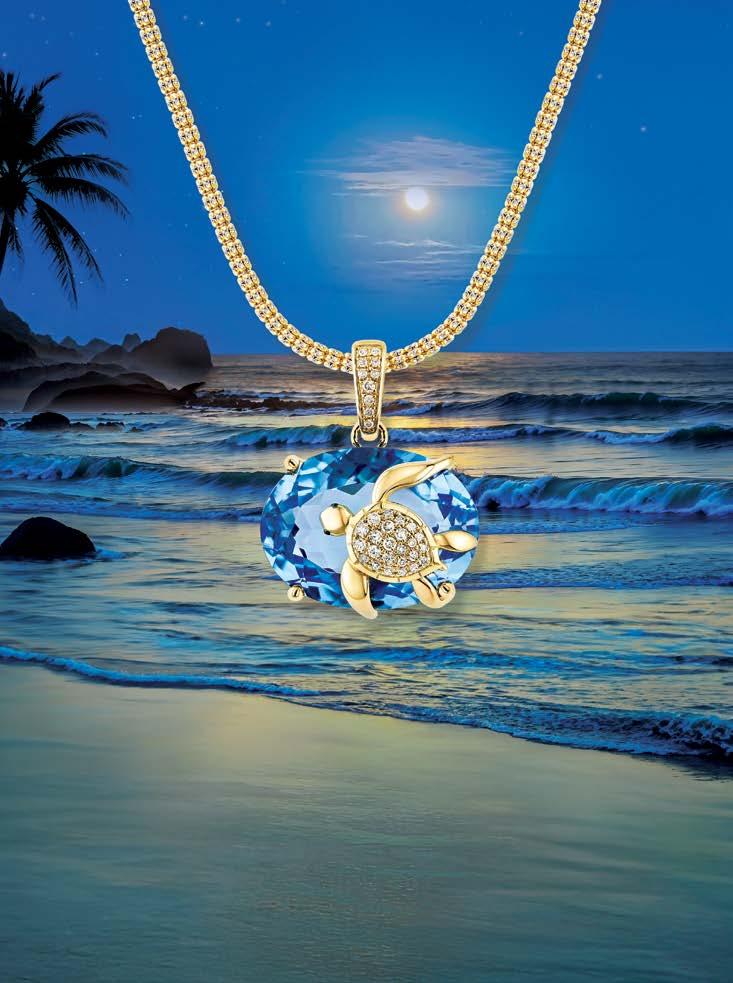
Blue Topaz Sea Turtle Collection
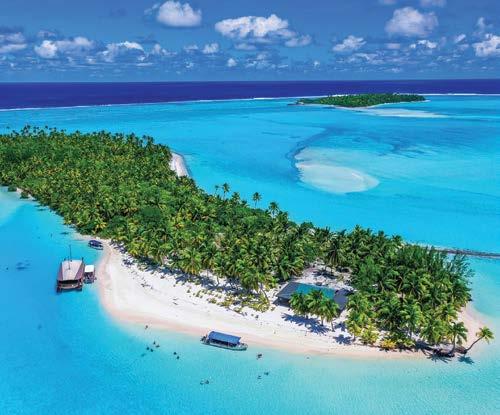
Sea Change Villas, Rarotonga
Little Polynesian Resort, Rarotonga
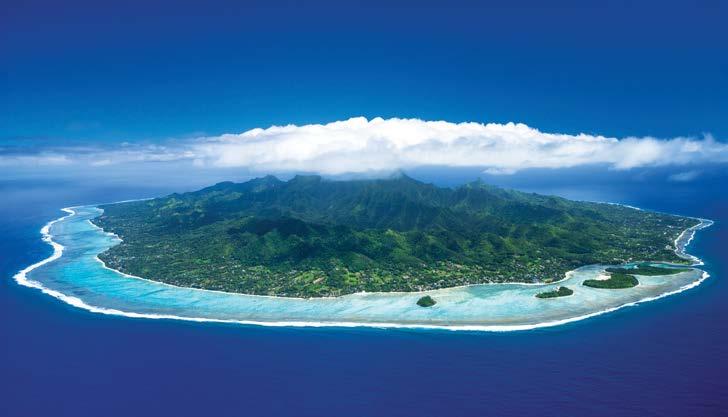
Rarotonga
Aitutaki Lagoon Private Island Resort, Aitutaki
The Cook Islands:
The Best is Yet to Come.
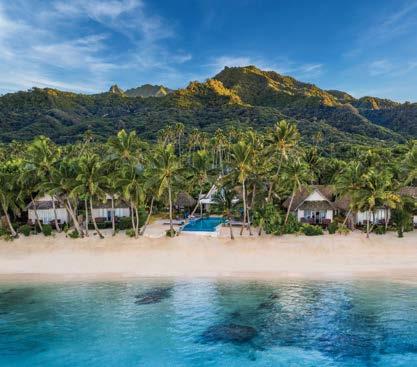
As the year winds down, many people look back on what was, and start, a clean slate It’s an opportunity to create new memories and embark on new adventures. This year, don’t just dream about a new renewal and a tangible escape from the everyday value, leaving you with cherished memories and a sense of a fresh start In fact, your budget stretches even farther here; 30 U.S dollars has been averaging around 50 New Zealand dollars That could cover a delicious, freshly caught Mahi Mahi fish sandwich for two at a local cafe, a car rental to explore the island, or a beautiful Cook Islands black pearl, a tangible reminder of your unforgettable experience and your commitment to new adventures in the new year
The beauty here will captivate you. It’s unspoiled, untouched by concrete and crowds. No building stands taller than a coconut tree With a population of just 15,000, it’s easy to connect with locals; friendly, English-speaking, and eager to share their vibrant culture and worldview They’ll make you feel at home, like you belong, and you’ll find yourself yearning to return
Whether you ’re celebrating the end of a long year or looking forward to a new one, the Cook Islands is the paradise you’ll be glad you chose to experience
to Rarotonga, Cook Islands, departing Honolulu on Saturdays and returning on Sundays. Visit CookIslands.Travel/hanahou to start planning your tropical dream escape
www.CookIslands.Travel/hanahou
Aitutaki
One Foot Island, Aitutaki
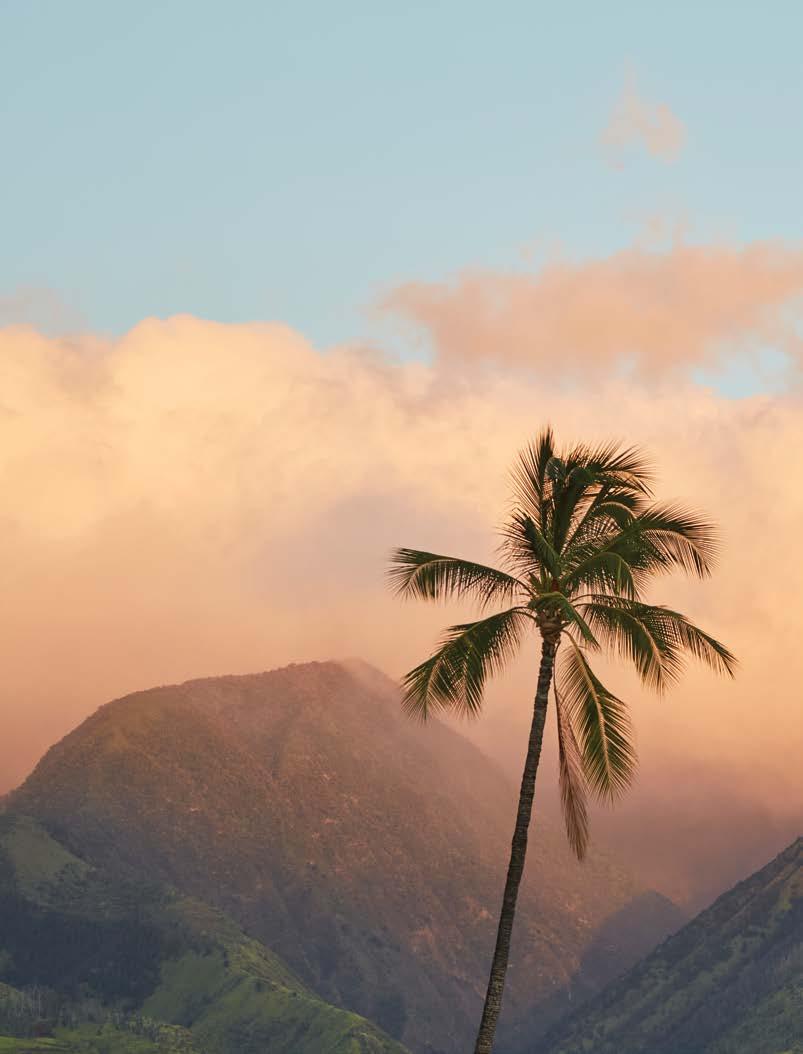
The Future of Niu
Inside the battle to save Hawai‘i’s iconic coconut palms
It is the essential icon of Hawai‘i’s tropical allure, its fronds dancing in gentle breezes behind swaying hula dancers. It was among the few life-sustaining plants carried with infinite care by the Polynesian explorers who ventured into the unknown aboard their great voyaging canoes and populated these Islands, and it served a multitude of purposes in precontact Hawai‘i. But these days it’s most often seen reduced to mere decoration, stripped bare of the life-giving fruit that instead has come to be feared as a hazard to unwary humans below. And now, its devotees are fighting what, to them, is nothing less than a holy war against an invading horde of dinosaurlike beetles that seem hell-bent on eating the heart out of every last one here.
We’re talking about the niu, people. We’re talking radical coconut consciousness. So take a minute and look up.
Under the thatched roof of a traditional Hawaiian pavilion in a student-run organic garden at the University of Hawai‘i–West O‘ahu, a circle of about forty volunteers of varying ages and backgrounds join hands, clad in sun hats and work clothes. A soulful voice rings out in an old chant of offering, which translates as:
Here is your coconut, oh God! ... What is within? Water is within. All within is sweet. All within is a delicacy.
All within quenches thirst. All within satisfies hunger. … The coconut grows, humanity flourishes.
This is the monthly workday at the home base of NiU NOW!, a diverse family united by their desire to restore the coconut tree to its former exalted and nourishing role in Hawai‘i. The volunteers are here to tend clusters of dwarf coconuts, or niu poko, along with ‘ulu (breadfruit), mai‘a (banana)
and other Hawaiian food plants painstakingly brought forth from the depleted red hardpan of the former sugarcane land surrounding the school. NiU NOW! first came together in 2018, with the momentous meeting of two passionate niu advocates: Hawaiian educator Manulani Aluli Meyer, universally known as Auntie Manu, and Indrajit Gunasekara, a longtime transplant to Hawai‘i from southern Sri Lanka. Destiny had led Indrajit into a job as the financial aid officer at UH–West O‘ahu, where Aunty Manu is the konohiki, or supervisor, of the university’s campuswide effort to carry forward Hawaiian ancestral knowledge and values in a modern educational setting.
It didn’t take long for the two niu nuts to join forces. For decades, Auntie Manu had been trying to call attention to the widespread removal of budding fruit from Hawai‘i’s coconut trees as a form of cultural ignorance and a threat to community food security in a vulnerable island state that today imports the vast majority of its food. “For forty years, I’ve been saying that as long as we get coconuts back in our coconut trees, we’ll be OK,” she says with smiling eyes but emphatic tones. “Because getting nuts back in Hawai‘i’s niu would mean that people have learned to see things differently.”
In turn, Indrajit told her about the first time he ventured into Waikīkī after fleeing to Hawai‘i from the decadeslong civil war in Sri Lanka, where coconuts are an integral part of daily life. “I was shocked,” he recalls in his trademark musical cadence. “I had never seen coconut trees having that type of abnormal treatment, with the brush so harshly trimmed. I actually went and poked one tree to see if this is real, or made out of plastic. It disturbed me in some great way, and it’s something I have never been able to overcome.”
Before long, he and Aunty Manu were spending all their spare time together, talking niu. And things just kept sprouting from there. “NiU NOW! is an inclusive Hawaiian movement,”
OPENING SPREAD / A lone niu (coconut palm) stands framed against the West Maui Mountains in Lāhainā, in a photo taken before the August 2023 wildfire that consumed the town—including, sadly, this stately tree.
ABOVE / Indigenous education practitioner Manulani Aluli Meyer at her home on O‘ahu, with gifts she has received from around the Pacific and beyond. For decades, Aunty Manu has been calling for an end to the routine trimming of life-giving fruit from Hawai‘i’s niu for fear of liability.
FACING PAGE / A stand of niu on O‘ahu’s North Shore shows the devastation wrought by the coconut rhinoceros beetle (CRB), which was first detected in Hawai‘i in late 2013. The beetles are now widespread on O‘ahu, and there’s a statewide effort to contain their spread on other islands. The beetles bore through the palm’s tough defenses to its tender heart, stunting the growth on new fronds and often shaping the leaves into a telltale diamond pattern.
TOP / A new generation of niu emerges, widely known as “the tree of life” in traditional cultures around the Earth’s tropical “Coconut Belt.” By collecting fruit from today’s descendants of historic groves, NiU NOW! activists are working to preserve dozens of heritage varieties carried by the Polynesian voyagers who first populated Hawai‘i.
BOTTOM / Volunteers tend young niu and other traditional Hawaiian food plants at NiU NOW!’s monthly workday in the University of Hawai‘i–West O‘ahu’s student-run organic garden. Aunty Manu describes the group as “an inclusive Hawaiian movement—we support all people’s return to a relationship with niu.”
FACING PAGE / Internationally renowned coconut expert Roland Bourdeix peers through a hole bored by a coconut rhinoceros beetle in a frond at a historic West O‘ahu grove. The agricultural genetics researcher taught NiU NOW!’s leaders the coconut-planting method he calls “polymotu,” or “many islands,” which helps prevent cross-pollination among different varieties.
Aunty Manu says. “We support all people’s return to a relationship with niu. Cultural restoration and returning to a sharing economy is a natural result.”
NiU
NOW! members call themselves “Niunates,” as in neonatal, or “niu” born. It’s an acknowledgment, as Aunty Manu puts it, that “we are still just infants in the ways of ‘ike niu,” or knowledge of the coconut. In addition to their monthly community workday at UH–West O‘ahu, the group pursues a variety of activities aimed at raising coconut consciousness and propagating the descendants of the original Hawaiian niu varieties. They have traced these by studying stillexisting groves, or uluniu, known to have been planted by Hawaiian royalty and around sacred sites.
“In order for us to keep the diversity alive, we have to first understand what we have,” Indrajit says in the recent documentary film about the movement, Niu Forever. “So we have been tracking the old groves down through reports and stories. For us, one of the most important things at the moment is to recognize which are the true Hawaiian niu.”
Once the Niunates have identified specimens of a certain lineage, they sprout them in nurseries laid out to keep varieties separate and then plant them in clusters to minimize cross-pollination. They call clustering technique “polymotu,” a hybrid term meaning “many islands” coined by French coconut authority Roland Bourdeix. A number of these clusters are planted together into a defined grove, as Hawaiians and other coconut cultures have done for millennia. This not only helps keep niu lineages pure but also mitigates any danger from falling nuts, since the trees are clustered away from regular foot traffic. “We’re trying to introduce the ‘four Ps’ of ‘pono [proper] palm; pono place,’” Aunty Manu says. “So, meaning: don’t plant a coconut over the driveway. You know what I mean?”
The Hawaiian varieties come in a surprising range of shapes and sizes, each with a different use—from huge, circular nuts that can be made into large vessels to long, skinny fruits best for making rope. The Niunates have also revived Hawaiian terms for seven growth stages of the fruit, from ‘ō‘io, or unripe nut with jelly-like flesh (good for drinking), to ‘ōka‘a, with no water and hard meat separated from the shell (best for extracting oil).
But not long after foreigners first arrived in Hawai‘i in the late 1700s, niu cultivation began to decline as a cultural practice. As far back as 1866, one farmer lamented in a Hawaiian-language newspaper that “we are falling morally as a people” for neglecting niu to the extent that “we are at a point of extinction of these beautiful coconut trees that glorify the kingdom of Hawaii. ... In old age I wish to see the coconut groves to be in great numbers as they were in my youth and to see them grow strong, increase, productive and big.”
The coconut palm, or Cocos nucifera to Western science, is not a true tree. It’s actually what’s known as a monocot, more closely related to grasses, orchids and bananas. And its nut isn’t a true nut, either, but a drupe—a fruit with a shelled pit, like peaches and mangoes.
Genetic studies suggest that coconuts might have first evolved as much as 80 million years ago in the Central Indo-Pacific biological region. It’s believed the palms were spread through Southeast Asia and the Pacific Islands with the ancient migrations of Austronesian peoples, the genetic ancestors of Hawaiians and other Pacific populations. With other early human migrations, the coconut spread all around the planet’s tropical midsection, forming the so-called Coconut Belt.
In addition to its food value, niu was traditionally used in Hawai‘i for everything from house posts and large hula pahu (drums) to rope, baskets,
medicines and sacred objects. One key ritual implement is the coconut-shell cups, or ‘apu, still used in the ceremonial drinking of ‘awa, a mildly psychoactive plant imbibed across the Pacific.
The trees themselves were considered to be a kinolau, or embodiment, of the god Kū, the primordial essence of many life forms as well as the overseer of war, fishing, sorcery, weather control and many other aspects of traditional life. Today, Niunates view the trimming of niu, as Aunty Manu puts it, “as continued acts of ignorance separating Hawai‘i from a profound food, medicine and cultural resource.” Or, as one more irreverent supporter phrases it, “I mean, we’re literally cutting off Kū’s nuts! That can’t be good.”
Back at the UH–West O‘ahu garden, the NiU NOW! volunteers are pulling weeds and spreading compost. Indrajit stands next to a young niu, maybe ten feet tall. It’s loosely swaddled in white plastic netting that offers at least a modicum of protection against the devastating new arrival to Hawai‘i, the coconut rhinoceros beetle, or CRB. Named for its distinctive rhino-like horn and plated body armor reminiscent of some prehistoric critter out of Jurassic Park, the large beetle originated in tropical Asia and has spread widely around the global Coconut Belt. Using their sharp forelimbs, they burrow through the palm’s tough defenses to nibble at its tender heart, brutalizing and often killing the tree.
Since CRB first showed up in Hawai‘i in 2013, NiU NOW!’s efforts— alongside those of official agriculture and biosecurity entities—have increasingly centered on battling this existential threat to Hawai‘i’s niu. To illustrate, Indrajit reaches into the netting and plucks out a dead, entangled beetle. “This thing is strong, this thing is smart, and they are learning and evolving in front of our eyes,” he says, his voice quavering. “They are strategic, tactical. To me, they are like a holy enemy.”
NiU NOW!’s primary response to CRB has been to plant and protect as many new coconuts as possible, with more and more niu being lost to the beetle. In the name of cultural and ecological values, they oppose the pesticides being applied by state authorities in critical areas. Instead, the Niunates look to nonchemical measures such as controlling CRB breeding grounds and applying the netting, which Indrajit admits has been a trial-anderror process. At first, the beetles kept finding ways around the netting, until the Niunates figured out tricks like wrapping the net more loosely. “It’s not foolproof,” Indrajit says, “but it works to a level that the tree can still live and produce and be healthy. To me at this time, that’s enough … if we can keep our trees alive.”
The beetle, which originated in Southeast Asia, has been spread widely by humans in recent centuries. They can fly up to several miles at a time, and they breed in green waste and mulch, so their larvae get spread even farther when such materials are transported to uninfested areas.
Somewhat ironically given Indrajit’s provenance, CRB is documented to have first arrived in the Pacific in 1909, hidden in a shipment of rubber seedlings brought to Sāmoa from none other than Sri Lanka—then under British colonial rule and known as Ceylon. Since then, the beetles have spread to a number of other Pacific islands, with devastating effects. In Palau, for example, the beetles reportedly killed off half the archipelago’s coconut palms within ten years of their introduction during World War II.
In many of the places where CRB is endemic, predators not found in Hawai‘i, such as snakes, help keep the population in check. In 1963, researchers discovered a virus that attacks CRB without seeming to harm other species, and for several decades it worked well as a biocontrol. But after
TOP / NiU NOW!’s Indrajit Gunasekara came to Hawai‘i several decades ago from southern Sri Lanka, where coconuts are an integral part of daily life. On his first visit to Waikīkī, he recalls being so shocked by seeing the fruit shorn off all the palms that he actually poked one to see if it was real or made out of plastic. “It disturbed me in some great way,” he says.
BOTTOM / According to Gunasekara, beetles caught in the netting can sometimes survive twenty days or more. As a foe, he says, “they demand my respect and I give it to them; I don’t have any choice. I have to acknowledge their strength. But we have to find a way to be a step ahead of them.”
FACING PAGE / In the garden at UH–West O‘ahu, a young niu poko, or dwarf coconut, is swaddled in netting designed to thwart CRB. While not 100 percent effective, the netting acts as a nonchemical alternative to pesticides.
the beetles showed up in Guam in 2007 and started inflicting severe damage, the virus was released without much effect. Testing revealed that the beetles had evolved into a new, resistant type. And, unfortunately, the CRB in Hawai‘i has been shown to be genetically similar to those beetles.
Scientists are urgently looking for a variant of the virus that can keep the new CRB in check, but for the moment the most powerful weapon in Hawai‘i’s arsenal against CRB are agricultural pesticides. The chemicals, which have been used for decades on cucumbers, citrus and other crops, can be sprayed on the tree crown from a drone or a bucket lift, or applied as a soil treatment.
The most effective method, however, is injecting pesticide directly into the trunk (technically, a stem), which requires special equipment and training. As a safeguard for pollinators like bees, only trees that have been closely trimmed can be treated in this way, but officials say that any coconuts that grow afterward are considered safe to eat a year after the treatment. The Niunates and other coconut activists, however, are skeptical.
“I know a lot of people don’t like it, but we try to make a difference with the tools we have, and right now the chemical treatments seem to be the best option,” says Rian (pronounced like Ryan) Huizingh (pronounced who knows how), a field operations supervisor with the Coconut Rhinoceros Beetle Response. The government-funded organization, now based at the University of Hawai‘i, was established to combat the CRB invasion soon after the beetles were first discovered in Hawai‘i on a golf course at Joint Base Pearl Harbor-Hickam in late 2013. “I hate to say it,” says Rian, who is Native Hawaiian himself, “but in areas where people aren’t actually farming coconuts to eat, the chemicals are the best way to minimize CRB populations at the moment.”
In a crowded lab at the University of Hawai‘i’s main campus in Mānoa, armored white CRB larvae as big as an NBA player’s thumb are squirming around in a bin of compost, making the dirt’s surface
seethe like a pot of boiling water. Nearby, adult beetles crawl about in jars lined up in climate-controlled cabinets.
This is the biosecure facility where the CRB Response staff raise beetles for study and testing of control methods. Pulling a couple of beetles out of a jar, the program’s director, Michael Melzer, lets them crawl around on his hand. “You have to be careful,” he says. “The larvae can give you a pinch that draws blood.”
While the power to enforce quarantines and other invasive species restrictions rests with the state Department of Agriculture, CRB Response provides boots on the ground, with crews digging through mounds of mulch to remove larvae, doing treatments where they can and offering community awareness education. They even have a costumed CRB mascot for outreach events.
The first response implemented when CRB first showed up was to hang pheromone-baited monitoring traps from trees island-wide to try to detect infestations. Given the surprising number of CRB found at the original Pearl Harbor discovery site, Michael figures they’d probably been there for a few years already. The general presumption is that the beetles hitched a ride here in military or civilian cargo from Guam or a similarly infested area, but there’s no definite proof.
Early in the invasion, response teams had few tools to work with besides painstakingly searching for the beetles and larvae by hand. It would be five years before they acquired a pair of dogs specially trained to sniff out CRB, and another year before the injection treatments had been tested enough to begin applying.
At first it looked like it might be possible to eradicate the infestation, say Michael and Keith Weiser, who heads CRB Response. But beginning in 2017, CRB started showing up in farming areas in Central and East O‘ahu. The primary vector for the spread, they say, was most likely green waste that landscapers and tree trimmers regularly deposit at private farms. The farmers turn the trimmings into mulch for use or sale, and the landscapers avoid having to pay the tipping fee at the municipal
ABOVE / Researchers are hoping to find a virus to deploy as a biocontrol to reduce the number of CRB in Hawai‘i, which has worked elsewhere in the past.
FACING PAGE / The beetles often chew the leaflets, giving niu fronds a “scalloped” look.
dump. All perfectly legal, at least in the absence of any quarantine rules. The problem is that green waste deposited in municipal containers or dumps goes through a hot-composting process that kills CRB, while waste on private farms generally doesn’t.
“If you can’t control green waste, it’s very difficult to control CRB,” says Rian. “But you can understand where the farmers are coming from after they’ve been doing it this way for years. Through our research, there are new practices to safeguard green waste from being infested, and more farmers need to be aware of them.”
By 2023, the beetles had become so widespread on O‘ahu that responders were forced to abandon any hope of eradicating them. Instead, efforts turned to preventing CRB from spreading to the other islands and elsewhere. CRB Response crews now primarily inspect and treat a perimeter around O‘ahu’s air and seaports, along with agricultural areas where high-risk crops are grown for shipping off-island. But one of their key challenges remains access, since they may only operate with the voluntary permission of the landowner.
Despite the containment efforts, CRB started showing up on the neighbor islands that same year, when they were found in traps on Kaua‘i. As of this writing in late summer of 2025, CRB has been detected on every major island except Moloka‘i, where the Board of Agriculture has now approved a mulch quarantine. In Kona, a voluntary ban on moving mulch is in place after CRB was found in agricultural lots there, and the beetles have just been spotted in quarantine for the first time on Lāna‘i. One apparent bright spot is Maui, where responders appear to have quashed, at least for the moment, a localized infestation first detected in Kīhei in late 2023.
Since 2022, the state has instituted regulations prohibiting transportation of potential breeding material like mulch from O‘ahu to other islands, with fines of up to $25,000 for repeat offenders. But there are few resources for enforcement, and dumping green waste on private land remains a major vector.
It’s not just coconut palms that are being affected, Rian points out. CRB also feed on other palms, and in a pinch will go after other Hawaiian dietary staples like kalo (taro), banana and breadfruit. One of the most vulnerable targets is the endangered native loulu palm. “When a CRB makes a hole in loulu,” he says, “it gets infected really easily,”
Back at the lab, Mike says an intensive effort is underway to find a variant of the CRB virus that can control the new resistant beetles in Hawai‘i, “but first we have to make sure it’s not going to harm our native or beneficial insects.” Such a virus wouldn’t eradicate CRB, he says, “but it could suppress the population and reduce damage. The trees might not look great, but they’d still be alive and producing nuts.”
All too aware of what the future may hold, Rian says he takes his son to Ho‘omaluhia Botanical Garden near their house in Windward O‘ahu to be among the park’s collection of palms from around the world. “The reality,”
he says, “is that we don’t know how long they’re going to be there.”
In Thomas Square park in central Honolulu, Hawaiian music booms from a stage overlooking dozens of pop-up tents ringing the park’s spectacular circle of banyan trees, as flags and banners of Hawaiian sovereignty flap in the midday breeze. The gathering is a celebration of Lā Ho‘iho‘i Ea, or Sovereignty Restoration Day. It commemorates the day in 1843 when Admiral Richard Thomas, a representative of Queen Victoria, formally returned sovereignty over the Islands to Hawai‘i’s King Kamehameha III on this very spot, after the kingdom had been seized for several months by a rogue British naval officer without the queen’s authority.
Once a Kingdom of Hawai‘i national holiday, the celebration has been revived today as a gathering of activist groups dedicated to cultural renewal and greater self-determination for Hawaiians. In a solemn noon ceremony, the significance of the day is dramatized in a flag-raising ceremony echoing the original events, amid chanting, hula and fiery oration under the gaze of a large, lei-draped statue of the king.
Amid a row of tents highlighting traditional Hawaiian crafts, Indrajit and a few of the Niunates are teaching stoppers-by how to weave baskets from green niu fronds (launiu) and make rope from husk fibers (pulu). Indrajit pulls apart strands of husk and rolls them against his leg, twisting the strands into rope. “For this you need a special variety with an elongated husk so you can get a long strand,” he says, “and some of those are among the Hawaiian ancestral niu varieties.” He recounts how he had to return to Sri Lanka for the first time in eleven years to relearn this technique, “and they all made fun of me, saying my hands weren’t tough enough to do it anymore.”
A NiU NOW! regular named Jaime is showing a curious couple how
to weave a simple basket from two pieces of fronds. She says she started volunteering with the group about a year ago, “and I’ve never grown up so much in such a short time.” She discovered a love of weaving, she says, “and it changed my life. When we gather to weave together, our pilina, our deep mutual connection, grows. It’s like we’re weaving stories and intentions together.”
“We’re not just growing coconuts,” she muses as her fingers deftly plait the fronds. “We’re growing people and community.” hh
FACING PAGE / Niu grow from black sand in isolated Keawaiki Bay in North Kona, site of a grove of some seven hundred palms planted in the 1920s as part of the large, now-historic, estate of legendary Hawaiian politician and champion golfer Francis Hyde ‘Ī‘ī Brown.
Fire in the Mountain
The incandescent beauty of Kīlauea’s latest eruptive cycle
What began 280,000 years ago at the bottom of the sea is today one of the greatest shows on Earth: the eruption of Kīlauea, one of the world’s most active volcanoes. Every year, thousands of visitors peer over the edge of Halema‘uma‘u crater in Hawai‘i Volcanoes National Park hoping for a glimpse of the red glow or a plume of volcanic gas. Sometimes they get lucky, catching vivid spatter cones and bubbling lava lakes, and sometimes they get skunked, with nothing but asphaltblack lava and a wisp of steam. But with Kīlauea, the odds are pretty good: It’s erupted dozens of times since 1952 and nearly continuously between 1983 and 2018. Most of these are effusive rather than explosive eruptions, ideal for up-close viewing. But rarely have lava hounds been treated to a spectacle like the current cycle, which began on December 23, 2024.
It started modestly, with fountains reaching around 260 feet that day. But over the following months, Pele shot for the moon. Episode 23 fired lava more than 1,000 feet; episode 26 in June 2025 hit 1,250. And most recently (at the time of this writing) episode 33 on October 1 blew it out of the park, with two simultaneous fountains, the taller spewing 1,300 feet high. Such drama hadn’t been witnessed in over forty years, not since the 1983 Pu‘u ‘Ō‘ō eruption sent lava geysering 1,500 feet high. Those who reached the crater’s edge at the right moment have been treated to what could be a once-in-alifetime display of elemental power and terrible beauty, leaving them humbled, awed and counting their blessings. For those who’ve been skunked, there’s always tomorrow: No one knows when the cycle will end.
OPENING SPREAD / Bursting from a vent in the floor of Halema‘uma‘u, lava lights up the night during episode 26, which lasted nine hours on June 20, 2025.
PHOTOGRAPH BY ANDREW HREHA
FACING PAGE / Viewers enjoy front-row seats for episode 25, which began on June 11, 2025, and featured eight hours of fountaining lava that reached some 1,100 feet.
PHOTOGRAPH BY ANDREW RICHARD HARA
NEXT SPREAD / As the sun sets during episode 16—which began March 31, 2025, and lasted thirty-seven hours—the glow of lava spreading across the crater floor becomes more clearly visible.
PHOTOGRAPH BY ARTO SAARI
A crescent moon appears at the upper left as lava feeds a flow during episode 27, which lasted nine hours on June 29, 2025.
BY
PHOTOGRAPH
DOUG PERRINE
A koa‘e kea, or white-tailed tropicbird, soars past a thousand-foot-tall fountain of lava during episode 25. These birds nest in Kīlauea crater, undaunted by the eruption.
PHOTOGRAPH BY ANDREW HREHA
PREVIOUS SPREAD / Double feature: Episode 34 on October 1 jetted twin columns of lava; the fountain on the left reached higher than 1,300 feet.
PHOTOGRAPH BY ANDREW HREHA
ABOVE / A plume of gas and vapor from episode 30, which began early on August 6, 2025, and lasted twelve hours.
PHOTOGRAPH BY ANDREW HREHA
FACING PAGE / The silhouetted figures watching episode 16 at 2 a.m. on April 2, 2025 are not as close as they appear, but still close. Halema‘uma‘u is among the few places on Earth were you can safely view a volcanic eruption up close.
PHOTOGRAPH BY TAIYO ENDO
NEXT SPREAD / Episode 25 produced fountaining lava that crested well above the crater rim.
PHOTOGRAPH BY ANDREW RICHARD HARA
STORY BY LARRY LIEBERMAN
Liftoff!
Hawai‘i’s model rocketeers are having a blast
BY TIM HUYNH
Out in the red-dirt fields of Kunia, O‘ahu, members of the Hawaii Rockets club load a seven-foot-tall high-powered rocket onto its launch rod for a test flight. On the title page: Olin D’Arcy of the Assets School rocketry team tracks the trajectory of their launch, practicing for the American Rocketry Challenge competition.
Look how high it went!”
exclaims seven-year-old Alex Yule at a launch event in Windward O‘ahu, exuberant after firing his first-ever Estes model rocket. It’s virtually the same type my dad introduced me to when I was around Alex’s age. Turns out good designs tend to hold up well, and of course the underlying physics haven’t changed a bit. The gleeful first-timer squints into the sky, tracking his rocket’s trajectory, its flawless parachute deployment and its slow return to Earth. Now he’s chomping at the bit to recover it and send it up again. Few human endeavors are as exciting as a rocket launch, and not just for seven-year-olds. From the smallest model rocket to SpaceX Starships, people turn out and tune in for the suspenseful countdowns, the bellowing engines igniting, the slow heave of liftoff accelerating to gravity-escaping speed. For those who can’t join NASA, don’t have the billions of a Bezos or the pop-stardom of a Perry to earn a ticket
to orbit, Hawaii Rockets runs moredown-to-Earth model rocket launch events regularly on O‘ahu.
“We’ve been going out at least once a month for the last five years and launching rockets in the park,” says Hawaii Rockets president Ron Klapperich. “Our main mandate is to do outreach.” The local chapter of the National Association of Rocketry, Hawaii Rockets, launches at sites in Kāne‘ohe, ‘Aiea, Waipahu, Kunia and other areas. Every launch is meticulously supervised and compliant with local, state and federal laws (including, yes, the FAA), aviation rules and city ordinances. The group collaborates with other organizations including high school, university and community college rocketry teams, national associations, NASA, civil air patrol and US military sponsors to promote rocket science and support educational programs. “We like to show rocketry off to the kids at elementary age, then hopefully in middle school they
can launch, and in high school be part of a robotics or rocketry club,” Klapperich says. “Then in college, hopefully they go into some kind of STEM degree.”
“I remember when my secondgrade teacher held up a picture of the astronaut Alan White in a space suit, doing a spacewalk,” says Jacob Hudson, a mentor to the Hawaii Rockets group and rocketry coordinator for the Hawai‘i Space Grant Consortium (HSGC) at the University of Hawai‘i at Mānoa. “I was intrigued. Back then, the space race was going on and it just made me so curious.” Growing up in Windward O‘ahu, Hudson came to rocketry mostly through books, newspapers, photos and what he could glean from radio and television. Apollo 11 landed on the moon in 1969, when he was a student at King Intermediate School in Kāne‘ohe. When a friend gave Hudson his first model rocket shortly after, it was love at first flight. After graduating from Castle High School, Hudson went on to earn a doctorate in high-energy
“
“When you get started in rocketry, you’re happy shooting a small rocket a couple hundred feet,” says Hawaii Rockets president Ron Klapperich. “Then you see more experienced rocketeers launching bigger ones even higher. And you start wanting to build bigger and bigger models. There’s always a higher level to reach.”
particle astrophysics at UH–Mānoa. After a postdoc stint in Japan, he returned to the Islands to teach physics and engineering in the UH system and has been involved in Hawai‘i rocketry programs ever since.
As Yule readies his rocket for a second flight, Hudson helps other rocketeers coordinate their launches. In addition to the amateurs and hobbyists, high school and college rocketry teams use these launch events to hone their craft and prepare for regional and national competitions, where they’re judged on factors like flight performance characteristics, research presentations and accomplishing mission objectives.
“Let’s go over the safety program again,” Hudson barks like a drill instructor. A lineup of several launch rods is coned off, with wire leads running to ignition controllers yards away. Each rocketeer preps their vessel
while the range is open, checking and double-checking to make sure the fuel is loaded properly, the wires connected, the firing mechanism charged. When it’s time to launch, everyone lines up for their countdowns. “You need to be loud and clear,” Hudson cautions. “By giving us a countdown, you’re telling everybody, ‘I’m gonna be pressing this button on zero, and you might be wanting to duck, all right?’ There are a couple of things in this universe you cannot do, and one of them is unpress the button. So please give us an audible at least from three, and go slow. Do not go three, two and then push the button. We’ve got to hear it!”
Once the all clear is given, the range is closed and one at a time the rocketeers step up to fire their projectiles. Countdowns tick off, the motors ignite, the rockets blast off and everyone looks up to track the flights. Except for when they don’t.
Sometimes, no matter how loud the countdown or careful the prep, the
climactic moment of launch leads to, well, nothing. No screaming engine, no streaking skyward. The disappointment of a failed liftoff shifts to determination as the rocket owner or team troubleshoots Unfazed, they’ll fix it and be ready for the next round or try hard to confirm why not. Experienced rocketeers consider failure part of the experiment. “You learn from failing as well as from successful flights,” says Hudson. “The people who say ‘Failure is not an option’ aren’t engineers. In rocketry, failure is one of your potential outcomes.” Highpowered propellants can sometimes cause rockets to explode, break apart or, as SpaceX calls it, undergo “Rapid Unscheduled Disassembly.” Rocketeers need to stay calm under pressure and be ready for catastrophe at any stage of liftoff or landing.
When things do go as planned, the results are impressive. Hawaii Rockets members, other hobbyists and student teams build and test all kinds of rockets, mostly basic designs with a standard
Jacob Hudson helps the team from Assets High School prepare a rocket they designed and built themselves. For some, rocketry can foster a lifelong love of science. For others, it can launch careers. Many student participants end up with jobs in aeronautics and engineering.
cylindrical body, tapered nosecone and fins for stability. Some are more complex, with multiple stages that fire boosters mid-flight, pushing even higher. Some are special models that replicate spaceships from favorite science fiction shows or odd designs like the “Snitch,” (no relation to Harry Potter), a whirling flying saucer-shaped contraption that blasts off spinning then autorotates gently down to Earth. Some are off-theshelf store-bought models, others are homemade or a hybrid combination. The most powerful designs often climb hundreds, sometimes thousands of feet into the sky.
At a launch on private farmland in Kunia, Klapperich’s 30-year-old son, Chris, shoots a homemade rocket built with components he designed himself and fabricated with a 3D printer. “I call it ‘industrial sovereignty,’” explains the junior Klapperich, a software developer and first-aid instructor. “We can use 3D
printers and small-scale manufacturing devices to bring manufacturing back to the US in ways that are fully practical and get the right parts made whenever and wherever they’re needed.” Another group with homemade equipment is the high school team from Assets School, who gather around their rocket preparing to test the design for an upcoming competition, the American Rocketry Challenge. They stuff the hull full of paper wadding and pack the parachute, with guidance from Hudson. The nosecone fits snugly. It’s a pretty large model and carries a sensitive payload. They’ve carefully wrapped and packed a raw egg into the compartment, hoping to launch and return it to Earth unbroken.
“We designed and built our rocket completely from scratch,” says team captain Olin D’Arcy, a sophomore at Assets School, who joined the team in his freshman year and participated in a national competition. “We failed about fifteen or twenty times last year before finally getting our rocket
to work. But you just have to try it over and over again. If we get into the national finals, there will be colleges and universities there, so it’s a great opportunity for us.” The team’s patience and determination proves worthwhile when their experimental craft blasts off exactly as planned, reaching close to 750 feet. After the parachute deploys and the rocket touches down a few hundred yards away, the students go into the field for search and recovery. They return triumphantly, their rocket intact and feet, legs and clothes stained by the red dirt of the West O‘ahu farm. Pulling open the payload is the moment of truth. Their egg has survived.
One of the main attractions of the day is Ron Klapperich’s own project: a massive scale-model replica of the Raytheon Advanced Medium Range Airto-Air Missile or AMRAAM rocket, with a four-inch diameter fuselage and standing seven feet tall. He’s had to secure FAA approval to fire the high-powered model, which can reach more than two
thousand feet. Launch conditions are good. The spectators, kept at least a hundred feet away, are ready for the “big one.” After waiting for a low-flying plane to clear the airspace, the countdown starts. The first attempt fails—battery issues with the launch controller. But the crowd is patient; they’re accustomed to delays and troubleshooting, and once the problem is fixed the countdown starts again. This time the rocket blasts off with a roar, zooming into the clouds at 500 feet per second (around 340 mph)–faster than some bullets. It’s almost too fast to grasp. Seconds after launch, the missile climbs well past the range of visibility. A secondary puff of vapor can barely be seen at the apex of the flight as the nosecone pops off to deploy the landing chute. It’s one of the largest rockets allowed to be fired in Hawai‘i—but not the largest that Hawai‘i rocketeers have built and launched.
Every year a group of students funded by the Hawai‘i Space Grant
Consortium travels to northern Nevada for larger-scale launches in the Black Rock Desert. There are multiple national and international competitions held at the remote launch site just a few miles from “the Playa,” home of the annual Burning Man festival. In 2024, Hudson and the Hawai‘i team fired Ho‘ola, a fourteen-foot-tall rocket with a six-inch diameter that reached higher than ten thousand feet. But despite more than thirty previous successful launches, it underwent Rapid Unscheduled Disassembly, resulting in a mission failure. This year, they’ve built a new version of the rocket and are ready to launch again as part of a competition called ARLISS (A Rocket Launch for International Student Satellites). The 2025 competition’s mission is multifaceted: The rocket must eject an autonomous mechanical rover at the apogee of flight, which must deploy its own parachute and land independently. Then the rover must navigate on its own
to a predetermined location using built-in GPS technology and no human controller. Closest to the pin wins. Funded by HSGC for a full semester of preparation, Hudson and his team are focused on designing and building the launch vehicle and payload to withstand the rigors of liftoff, flight, landing, deployment and mission completion. It won’t be easy, but they’ll give it their best shot.
In 1959, my father was an 18-yearold Glendale Community College freshman and president of the Burbank, California, chapter of the Reaction Research Society, a group of amateur rocket scientists who launched experimental flights in the Mojave Desert. Growing up, I saw his old photos and newspaper clippings and heard stories about their adventures in engineering, like using homemade rockets to deliver US mail. He went on to a career in computer chip development, helping
An advanced multistage rocket blasts off at a Hawaii Rockets event in West O‘ahu. The multiple stages are timed to fire progressively, with each booster sending the rocket higher into the clouds before deploying a parachute to float gently back to earth.
Motorola engineer some of the earliest microprocessors that spawned the age of personal computing. Even though I didn’t follow in his footsteps, our launching of model rockets in the park inspired my imagination and remains a favorite childhood memory. It wouldn’t have taken much to tip the scales for me, as the Hawai‘i rocketry community might for a kid like Alex Yule.
For those who take advantage of the multitude of programs offered to students and hobbyists, rocketry can become more than a passion—it can lead to a career. “We love to see high school students get involved,” says Melissa Onishi, the program manager for Hawai‘i’s Aspiring Aerospace Engineers Academy at the UH–Mānoa, a NASA-funded program led by principal investigator Dilmurat Azimov. “We’re trying to create more opportunities for them to meet technical experts, and we develop workshops to give them hands-on experience. The goal is to get more students to pursue aerospace and engineering degrees.”
I wonder how my own trajectory may have been different if I’d become more deeply involved in the hobby that my dad had introduced so many years ago. After all, the Reaction Research Society he was part of in 1959 is still going strong more than sixty-five years later. Hudson has been a member for more than twenty years. Maybe if I’d paid a bit more attention in physics class, I’d have spent a lot more time squinting into the sky. Onishi knows where that path can lead, she says. “We’ve had students come through the program and end up with jobs at NASA.” hh
The writer’s father, Myron Lieberman (second from right), with members of the Reaction Research Society in 1959.
‘Ulu Together Now Bringing a Polynesian staple back to Island tables is a cooperative effort
STORY BY MARTHA CHENG PHOTOGRAPHY BY ALYSSA RODRIGUES
SKIN CANCER DOESN’T TAKE A VACATION
The sun’s warmth feels good, but even brief exposure without protection can cause lasting damage. Practice safe sun habits—apply sunscreen, seek shade, and check your skin often for suspicious spots.
If you are diagnosed with skin cancer, learn more about a gentle, surgery-free treatment that can help.
Dana Shapiro (left), cofounder and CEO of the Hawai‘i ‘Ulu Cooperative, with member Anissa Lucero holding the eponymous fruit—‘ulu, or breadfruit. Shapiro has immersed herself in co-ops for much of her life. “They’re a really positive business structure that helps to empower communities to create the type of economic future they want to see,” she says. On the title page, ‘ulu is a staple food throughout the Pacific Islands but virtually disappeared in Hawai‘i. It’s on the rise again, thanks in part to the work of Hawai‘i ‘Ulu Cooperative.
Berta Tanaka freaked out when her partner, Isaac, planted sixty ‘ulu trees on their homestead in Keauhou, Hawai‘i Island, in 2011. Understandable: A single ‘ulu tree can produce about three hundred pounds of breadfruit a year. So Berta got to work in the kitchen. She experimented, making marinated ‘ulu, ‘ulu arare (Japanese crackers), ‘ulu flour. The pickled ‘ulu jars were too heavy to schlep to the farmers market. The arare was a hit but too labor intensive. So she settled on an ‘ulu crêpe mix, but even that still required peeling, grating, drying and grinding. It was a lot of work, and the Tanakas’ trees hadn’t even reached peak production.
Then, in 2016, the Hawai‘i ‘Ulu Cooperative formed and the Tanakas joined. Now the co-op sends someone to the farm to pick ‘ulu and haul it to the production facility about twenty minutes away, and the Tanakas get a check. Berta has since moved on to lei making.
“That was the one time in my life my timing was right,” Isaac says, walking
among ‘ulu trees now more than a decade old, planted “wherever there was space. I pushed the rocks aside and I let the trees find their own way.” Back then the land was rocky, desolate and dry. Today, it’s lush with ‘ulu, mango and balsa, which he uses to shape surfboards. Isaac says he’s not a farmer (though his name, Tanaka, means “middle of the rice field” in Japanese, he says); he sells rain gutters. He planted ‘ulu only because Kamehameha Schools, the landlord for his “nine-acre hobby,” offered reduced rent for agricultural leases.
Back in 2011, “It was the beginning of the ‘ulu movement,” he remembers, and he attended a breadfruit festival at the Kua o Ka Lā charter school in Puna (since destroyed by lava in the 2018 Kīlauea eruption), where he saw sixty ‘ulu trees for sale. “How many trees do I need to make my plot agricultural?” he asked his land manager. “Sixty,” came the reply. Isaac bought them all.
That made the Tanakas one of the largest ‘ulu growers in the state at the time. “But I equate it to a competition
where nobody shows up,” Isaac says. While ‘ulu remains a staple throughout the rest of the Pacific, and Polynesian voyagers carried ‘ulu saplings in their canoes when they set out to find new islands, the fruit had long fallen out of favor in Hawai‘i. When Isaac planted his trees, ‘ulu was a hard sell. Most cooks didn’t know what to do with it. If farms wanted to sell ‘ulu, they had to process it and, as Berta had discovered, that was exhausting.
But that has changed, thanks in part to the ‘Ulu Co-op. Dana Shapiro, cofounder and CEO, realized early on that ‘ulu farmers had to collaborate and build a market. From nine small, diversified growers in 2016, the co-op now has nearly two hundred members, including Hāna Ranch on Maui with about four hundred trees, Kohala Orchards and its four hundred trees and HuiMAU in Hāmākua, which aims to plant five hundred trees by the end of the year and eventually convert more than eighty acres of former sugar plantation land into an ‘ulu agroforestry system. That’s a lot of ‘ulu. And on islands
Worker Alainie Navas peels ‘ulu before dropping them into an ice bath at the co-op’s processing facility in Honalo.
where about 90 percent of the food is imported, ‘ulu feels like the promise of a fertile future.
The Hawai‘i ‘Ulu Cooperative was nearly drowning in ‘ulu in November of 2023. Almost one hundred thousand pounds flooded into the co-op’s Honalo and Hilo facilities in that month alone, double the amount that had come in the fall of the previous year. One tenet of the co-op is not to turn away fruit from any of its members (it also offers a stable price set annually by an elected board). And so as pallet after pallet of the green orbs arrived, the staff in Hilo sliced, dehydrated and milled ‘ulu into flour; in Honalo, ‘ulu was quartered, steamed and frozen.
The ‘ulu is sometimes known as the tree of plenty. It can produce so much that members need only one tree to join the co-op. But a tree of plenty can quickly become a tree of too much. The tree fruits twice a year, but unlike potatoes—a starch that breadfruit is often compared to—‘ulu has a short shelf life. From the moment it’s picked, its starches begin converting into sugars. A firm fruit perfect for ‘ulu fries or mash becomes soft and sweet in a day or two, ready for cakes and pies. But after peak sweetness it can quickly spoil.
Maybe that’s why there aren’t many commercial ‘ulu enterprises. The ‘Ulu Co-op has become one of the largest and best known because it has learned to minimally process and market the fruit. Grocery stores across Hawai‘i offer the co-op’s frozen, ready-to-heat quarters and ‘ulu chocolate mousse. Wilcox Medical Center came to the co-op looking for local,
For you. For Family.
Honey, I'm going to Hawai‘i to play golf with my buddies.
Great, when are we going?
Co-op workers process breadfruit in Honalo. In addition to ‘ulu, the co-op also purchases kalo (taro), ‘uala (sweet potato) and pala‘ai (pumpkin) from farmers. They “fit into our overall mission of strengthening Hawai‘i’s food security because staple starches are the food group in which Hawai‘i is the least self-sufficient,” says Shapiro. Virtually 100 percent of Hawai‘i’s main starches—rice, wheat, potatoes—are imported.
healthy ingredients for its patient and cafeteria meals—drawn to ‘ulu for its richness in fiber, antioxidants and other nutrients, the hospital now uses ‘ulu chunks in its chowder and ‘ulu flour to thicken sauces and to bread chicken and fish. Café Pesto in Hilo offers a creamy ‘ulu risotto, and Island Vintage Coffee in Honolulu incorporates the “baker’s ripe” fruit (ripened until sweet and soft) into its chewy mochi to accompany shave ice. Public schools across Hawai‘i recently began offering banana bread prepared with ‘ulu flour and hamburger curry with ‘ulu, and as I watched Diamond
Bakery’s newest line of animal crackers— hippos and camels made with ‘ulu and blueberries—browning as they passed through a tunnel oven, I thought of the new generation that might perhaps regain the ‘ono (taste) for ‘ulu that had been lost.
“You need a lot of perseverance and persistence,” in the local agriculture industry, Shapiro says—the co-op’s Honalo facility is a testament to that. Pieces of it tell of the hopes, the failures and the dramas still playing out in Hawai‘i agriculture. The 5,200-squarefoot building was conceived of in the mid-’80s, when farmers in South Kona
lobbied the state to construct a hub where growers could consolidate produce shipments to O‘ahu. But it took nearly a decade for the facility to be built, and by the time it was completed in 1993, many of the farmers had gone out of business, moved, retired or died. It sat idle for about a decade until The Food Basket (Hawai‘i Island’s food bank) moved in. Some of the shelves, which once held row after row of imported cans and boxes, still remain.
In 2017, the ‘Ulu Co-op took over the space, having outgrown the kitchen it shared in a natural foods café in Hilo.
‘Ulu are fed into a chute with abrasive rollers that clean the fruit before it’s funneled into the kitchen to be cut and steamed. The machine was designed to peel carrots on an industrial scale; it was purchased by the University of Hawai‘i in the early ’90s as part of an experiment to produce white taro flour. When the project ended, the machine was passed from taro farmer to taro farmer, who found it took too much skin off the taro varieties they grew. Did the ‘ulu people want it? They did, and the coop purchased the machine, which had cost $100,000 new, for $1,000.
‘Ulu is the potato of the Pacific. It can be baked, steamed, boiled, fried, made into pudding, ground into flour—basically anything you can do with a starch. The ‘Ulu Co-op’s products include ‘ulu flour and pancake mix as well as ‘ulu chocolate mousse and ‘ulu hummus made with ‘inamona (roasted and ground candlenut). And its flour puts an Island twist on a keiki favorite: animal crackers.
Harvests are weighed on a scale left behind by a Hawai‘i macadamia nut farm and processor that once aggregated nuts from small farms in South Kona. But in 2022, Hawai‘i’s largest mac nut processing facility shut down, and some confectioners started importing nuts, leading an industry that was once the state’s second most important agricultural commodity into crisis. “As everyone leaves, we pick up the pieces,” Shapiro says. Near the back of the warehouse, she points to a screened wood structure, remnants of the state’s first Sharwil avocado export packing house, where in 2016, a thousand of the fruit were sent to Minnesota, the culmination of a two-decade-long process with the USDA.
But now the co-op occupies the entire facility, with plans underway to expand so that it can scale from processing its current six hundred thousand pounds of ‘ulu and co-crops (a few other locally grown staple starches) to 2 million a year. More
than three decades since the building was constructed, every bit of its space is now being used to support Hawai‘i farmers. “The heartwarming part is that we are returning this whole property to its original intended use,” Shapiro says. “And, yes, there was a lost generation, but it ended up happening.”
Shapiro’s own farm, Māla Kalu‘ulu, is part of the historic breadfruit belt known as kalu‘ulu. The narrow band, thought to have been established in the sixteenth century, once stretched eighteen miles from Hōnaunau in south Kona to Ka‘ūpūlehu, north of the airport. The kalu‘ulu was cultivated to emulate a wild forest, with ‘ulu’s broad, lobed leaves providing a dappled canopy along with niu (coconut) and ‘ōhi‘a ‘ai (mountain apple) to a midstory of ‘awa (kava) and mai‘a (banana). More shade-loving plants and cover crops like māmaki and ‘ōlena blanket the ground.
Research by Noa Lincoln, Shapiro’s partner and a professor of indigenous crops and cropping systems at the University of Hawai‘i at Mānoa, estimates that the kalu‘ulu once produced 33 million pounds of ‘ulu a year. In 10 square miles, it produced more than enough to replace the 25 million pounds of potatoes Hawai‘i imports annually.
When Shapiro and Lincoln first visited the farm site, there were still remnant ‘ulu trees and noni among the overgrown African tulip trees and other invasives, along with trash that people had dumped there in the twenty years it had been left abandoned. “You could kind of see the system … see the little secrets of the past still popping up,” Shapiro recalls. In 2015, about a year and a half before starting the co-op, they began to restore the kalu‘ulu on those 3.7 acres. With pickaxes and persistence, they cleared the rocky land to plant about a hundred ‘ulu trees and their companion crops.
co-op’s products are also featured in
The farm is structured as a workers’ co-op with five members, and it’s also a member of the co-op. “I’m really into coops,” Shapiro says. “It’s a strong part of who I am.” She was born into one, on a kibbutz in Israel. The kibbutz movement was founded in 1909 on a “purely collectively, purely socialist” model, she says. Everybody owned and worked in the businesses of the community, which were initially agrarian. They ate in a communal dining hall and children lived separately from their parents in a children’s home. But in the 1980s, “Kibbutzim went through an existential crisis,” she says, driven by an economic recession in Israel, political change and a new generation who wanted to live in the cities and maybe didn’t want to have to ask permission to buy a T-shirt. It was around then that Shapiro’s family immigrated to the United States. “A lot of people were leaving at that time—the community was no longer the same as when my parents joined,” she says. “But my family idealized it a lot, like there was always some remorse at leaving.” As the youngest of four and the only one who didn’t grow up entirely in the kibbutz, “I always felt like I had missed out on something really great, and so I had a yearning to go back and experience it for myself.”
She returned to Israel on a Fulbright to study kibbutzim and stayed to pursue a masters. In 2010, after finishing her graduate degree focusing on cooperative business strategy, she moved to Hawai‘i Island. Through the same Breadfruit Institute’s Tree of Life initiative that supplied Isaac Tanaka’s trees, Shapiro learned about ‘ulu. She entered the Breadfruit Festival’s recipe contest in
The
dishes like truffle parmesan ‘ulu and Hurricane ‘Ulu at Magics Beach Grill in Kona (above).
seen above tending kalo (taro), joined Māla Kalu‘ulu in 2016. She tends to the ‘ulu agroforestry system that was once part of the historic Kona breadfruit belt. She has traveled to Guinea in West Africa, where she ate breadfruit with spicy fish meatballs, and Sāmoa, where “everywhere you turn, there’s an ‘ulu tree,” she says, “and it’s on the table pretty much every day.”
2011, grinding kiawe (mesquite) pods into a flour for an ‘ulu pound cake topped with ‘ulu cardamom ice cream sweetened with kiawe honey. She didn’t win first place (she achieved that the following year with banana ‘ulu crêpes) but “fell in love with cooking, especially baking with ‘ulu.” She fell in love with more than ‘ulu: When she joined the Breadfruit Festival’s planning committee, at the first meeting at the Amy Greenwell Ethnobotanical Garden, she met Lincoln, who was living there and researching the kalu‘ulu for his doctorate. Together, they started Māla Kalu‘ulu and then the ‘Ulu Co-op.
“Coming to Hawai‘i, it was clear to me how co-ops could help,” Shapiro says. “Hawai‘i has so much agricultural opportunity and potential, and it also has a very rich agricultural heritage, but it’s really not maximizing all of those things right now. There’s been a lot of effort to revive agriculture, increase local food production, but it’s really hard because the vast majority of Hawai‘i farmers are super small-scale and diversified.” Case in point: Most ‘ulu farmers also cultivate other crops, or, like Isaac, grow ‘ulu while working other jobs. “The co-op model empowers
small farmers to build industry or to scale. That’s nothing new—I didn’t come up with that. It exists all over the world. It has for a long time.”
The recipes ‘Ulu Co-op posts may be new—‘ulu funnel cakes and ‘ulu pajeon (scallion pancakes) and ‘ulu-guava rugelach—but the co-op model and the fruit have sustained generations. At least it did. “We’re not trying to replace rice,” Shapiro says, noting that Hawai‘i has the highest rice consumption per capita in the country. “We’re just saying, consider diversifying. We produce less than 1 percent of our
Lucero,
Your Home Journey Starts Here
When it’s time to buy, build, refinance, get an All In One Loan ™ , or explore a Reverse Mortgage ...
Contact Me!
SCAN HERE TO GET STARTED
own staple starches. For true food security, let’s at least increase that by a percentage point.”
The need was laid bare during the pandemic. When disrupted supply chains led to shortages at The Food Basket, the co-op stepped in and supplied five thousand pounds of ‘ulu. “‘Ulu could save the day in the starch category,” said Shapiro at the time. Today, she says the co-op works because its members “are all very much on the same page: that ‘ulu is an important part of Hawai‘i’s food future, period.” hh
KEN ENGELBERT Loan O cer NMLS ID# 145531
O‘AHU
HE‘EIA
‘Twas the Light Before Christmas on Ice
alohaimmersive.com Featured Event
Hawai‘i Convention Center
December 4, 2025—January 4, 2026
Snow, Ice and Everything Nice: A Holiday Wonderland Comes to the Hawai‘i Convention Center
Embark on a bright and merry journey through the whimsical Winter Wonderland. Snap a flurry of photos as you meander down winding paths through a snow-covered Fir Forest of Light, two giant light tunnels and larger than life twinkling holiday light displays. Each path leads deeper into a magical realm where holiday cheer sparkles. For the first time, families and friends can lace up their skates and glide across an expansive 8,000-square-foot indoor ice rink, surrounded by dazzling holiday lights and festive music.
A keiki wonderland designed for little ones will have bounce houses, soft play areas, a holiday movie theater and a Honolulu Cookie Company Letters to Santa station. Grown-ups won’t miss out on the holiday magic with specialty cocktails, zero-proof drinks and a menu of inspired treats available in a comfortable lounge atmosphere.
Catch Santa and exciting Storybook characters on certain days and times.
KULEANA
n. right, privilege, concern, or responsibility
At the University of Hawai‘i at Mānoa, we help you develop a sense of purpose beyond yourself. Be among the innovators who are creating, rethinking and reinventing our world. Where will your learning take you?
MANOA.HAWAII.EDU
Climate change is affecting everything, it’s important to protect our smallest species, as well as our largest.”
Kelsey Maloney Bachelor of Science, Marine Biology, 2021
The University of Hawai‘i at Mānoa is an equal opportunity institution.
PICTURED: KELSEY MALONEY
DECEMBER
CAPITOL MODERN FRIDAYS
First and Third Fridays
A family-friendly evening of art and music, with open access to galleries and the Sculpture Garden from 5 to 9 p.m. Free. Capitol Modern, capitolmodern.org
BISHOP MUSEUM AFTER HOURS
Second Fridays
Museum exhibits are open for viewing from 5 to 9 p.m., along with cultural demonstrations, keiki activities and a night market with food trucks and local vendors. Bishop Museum, bishopmuseum.org
HOMA NIGHTS
Fridays
Honolulu Museum of Art remains open until 9 p.m. with opportunities to explore the galleries, stargaze in the courtyards and enjoy live art experiences and music. Honolulu Museum of Art, honolulumuseum.org
HONOLULU CITY LIGHTS
Through 12/31
The City and County of Honolulu throws a month-long Christmas lights and decorations display. Free. Honolulu Hale, honolulucitylights.org
EXPEDITION DINOSAUR: INTO THE DEEP
Through 1/25/26
Journey beneath the waves and back in time in this expansive 7,000-square-foot exhibit highlighting parallels between prehistoric marine ecosystems and the diverse aquatic habitats of the Pacific today. Bishop Museum, bishopmuseum.org
Capitol Modern Fridays
BATTLESHIP MISSOURI MEMORIAL
Arizona Memorial Place, Honolulu
Step aboard the Battleship Missouri Memorial—the site where World War II officially ended and a must-see attraction on O ‘ahu. Located in Pearl Harbor, one of the island’s top destinations, the Mighty Mo invites visitors to walk her decks, stand on the very spot where history unfolded, and explore exhibits that bring the past to life. Shuttle service from the Pearl Harbor Visitor Center is included with admission.
(808) 455-1600 ussmissouri.org
NORTH SHORE SOAP FACTORY
67-106 Kealohanui Street, Waialua
Watch our master soap maker when you visit North Shore Soap Factory! Come for the soap, stay for the stamping. Customize your bar at our stamping station. Book a Behind-the-Scenes Tour* to see how we handcraft Hawaiian Bath & Body® soaps and skin care products. Local art, gifts and more. Find us in the big, coneshaped building!
FARMLOVERS FARMERS MARKETS
Immerse yourself in local food culture at any one of our Farmers Markets. Taste the true Hawai‘i. Experience our local farmers, culinary masters, and artisans. Fresh locally grown produce. Tropical Fruits and Vegetables. Come Hungry! Leave Happy. Our chefs cook healthy, island style grindz. Need a Gift? Our local artisans have you covered. Kaka‘ako (Sat), Pearlridge (Sat), KailuaTown (Sun).
THOMAS DEIR STUDIOS
1311 Kika Street, Kailua, O‘ahu
Artist Thomas Deir specializes in murals on tile, UV art window tint, and paintings on canvas. His extensive portfolio of work includes lava, waterfalls, hula, sunsets, moonrises, waves, turtles, dolphins, whales and reef scenes to abstract art. He creates originals or reproductions for your wall, kitchen backsplash, shower, pool, entryway or tint for your window. He enjoys the people who appreciate art!
(808) 783-1885
thomasdeir.com
Kaka‘ako, Pearlridge, KailuaTown
ROB SCHNEIDER
12/3&6
A stand-up comic and veteran of Saturday Night Live, Schneider has gone on to a successful career in films, television and continues his worldwide stand-up tour. Blue Note Hawaii, bluenotejazz.com
CHICAGO: THE MUSICAL
12/2–7
Broadway’s longest-running musical has been razzle-dazzling audiences for 27 years, with more than 10,000 performances, 6 Tony Awards, 2 Olivier Awards and a Grammy. Neal S. Blaisdell Concert Hall, blaisdellcenter.com
BLOOD, SWEAT AND TEARS
12/4
Legendary jazz-rock group Blood, Sweat and Tears performs as a fundraiser in support of the historic Hawaii Theatre, helping to preserve and sustain one of Honolulu’s most treasured cultural landmarks. Hawaii Theatre Center, hawaiitheatre.com
KAIMUKĪ CHRISTMAS PARADE
12/4
A neighborhood parade featuring schools, bands, local businesses, legislators and council representatives and Santa Claus. The event also marks the official lighting of the Kaimukī Christmas tree on the top of Pu‘u o Kaimukī. 6 p.m. Wai‘alae Avenue, kaimukihawaii.com
LUCY DARLING: YOU’RE WELCOME
12/5
Award-winning performer Lucy Darling continues her vivacious vagabond voyages with You’re Welcome—a touring variety show featuring her razor-sharp wit, unquestionable advice, skillful magic and delightful friends. Hawaii Theatre Center, hawaiitheatre.com
PADDLING SANTA
12/6
For the 20th year, Santa will be paddling to shore for a meet and greet with the public at 9 a.m. Visitors are also welcome to join the OUTRIGGER Resorts and Hotels crew for a beach clean-up on the same day, starting at 8 a.m. on the beach in front of Duke’s Waikīkī. OUTRIGGER Waikīkī Beach Resort, outriggerwaikikihotel.com
PEARL HARBOR MEMORIAL PARADE
12/7
Helicopters, marching bands and floats parade in Waikīkī on the anniversary of the attack on Pearl Harbor. The event honors Pearl Harbor survivors, veterans, active-duty military and their families. Kalākaua Avenue, pearlharborparade.org
RICH BRIAN
12/11
Indonesian hip-hop artist Rich Brian performs as part of his Where Is My Head? World Tour. The Republik, jointherepublik.com
ASKING FOR TROUBLE
12/12
Colin Mochrie and Brad Sherwood, the dynamic duo from “Whose Line is it Anyway?,” take the stage in an uproarious live show. Hawaii Theatre Center, hawaiitheatre.com
THE NUTCRACKER
12/12–14
Celebrate the Holidays with Ballet Hawaii’s lavish Hawaiian-themed Nutcracker presented in the 1858 Kingdom of Hawaii. Neal S. Blaisdell Concert Hall, blaisdellcenter.com
KALĀKAUA MERRIE MILE
12/13
This one-mile run is held the day before the Honolulu Marathon, ending with a party on Queen’s Beach with live music and post-race fun. The race begins at 7 a.m. Kalākaua Avenue, honolulumarathon.org
JAL Honolulu Marathon
Polynesian Bowl
JAL HONOLULU MARATHON
12/14
The JAL Honolulu Marathon is the fourthlargest marathon in the United States, attracting more than 30,000 runners annually. The scenic 26.2-mile course includes views of Waikīkī, Diamond Head, Koko Head and Koko Crater. 5 a.m. Downtown, honolulumarathon.org
HAPA HOLIDAY EXTRAVAGANZA
12/18
Music Director Dane Lam and the Hawai‘i Symphony Orchestra celebrate the sounds of the season with performances by Natalie Ai Kamau‘u, sing-alongs, holiday favorites and special guest appearances. Neal S. Blaisdell Concert Hall, blaisdellcenter.com
HOOPS IN HAWAI‘I CLASSIC
12/18–22
Top NAIA, NCAA Division II and III men’s and women’s basketball teams from across the country come together for a week of competition in paradise. Hawai‘i Pacific University Shark Tank, scoringlive. com/hoopsinhawaii
TOOL
12/19&20
Grammy Award winning rock band Tool performs as part of their current world tour. Neal Blaisdell Center, blaisdellcenter.com
HAWAII HOLIDAY CRAFT & GIFT FAIR
12/19–21
An annual craft fair with Hawai‘i-made jewelry, toys, clothes, snacks, ornaments and more for holiday shopping along with holiday activities. Neal Blaisdell Center Exhibition Hall, hawaiiholidayfair.com
KALANI
PE‘A’S HAWAIIAN CHRISTMAS SHOW 12/20
Four-time Grammy Award winner Kalani Pe‘a with special guests Kumu Hula Shelsea Ai and Hālau Lilia Makanoe, Jordan Soon, 24-VII Danceforce and Sounds of Aloha Chorus, hosted By Mele Apana. Hawaii Theatre Center, hawaiitheatre.com
HOME ALONE IN CONCERT
12/20&21
This beloved holiday comedy classic features renowned composer John Williams’ charming score performed live to picture by the Hawai‘i Symphony Orchestra. Neal S. Blaisdell Concert Hall, blaisdellcenter.com
STARR OF CHRISTMAS
12/22
Vocalist Starr Kalahiki performs a soulful holiday concert of popular tunes with the Honolulu Brass Quintet. Cathedral of St. Andrew, app.arts-people.com
2025 HAWAI‘I BOWL
12/24
One of the biggest bowl games in the college football world, the annual Hawai‘i Bowl is a local holiday tradition. Clarence T.C. Ching Athletics Complex, thehawaiibowl.com
A CHARLIE BROWN CHRISTMAS
12/25&26
Native New Yorker and trumpeter Mike Lewis performs selections from the soundtrack to A Charlie Brown Christmas, written by legendary composer and pianist Vince Guaraldi. Blue Note Hawaii, bluenotejazz.com
TUMUA 12/27
Stand-up comedian, podcaster, actor and social media personality Tumua performs as part of his Chee Hoo Tour. Neal Blaisdell Center, blaisdellcenter.com
JANUARY
HANABIE 1/10
Japanese “Harajuku-core” band Hanabie blends heavy metal with Akihabara style. This is their first performance in Hawai‘i. The Republik, jointherepublik.com
HAWAII POP CON 2026
1/10&11
Hawai‘i’s largest sports, trading cards and pop culture convention features vendors, meet and greets, live performances and more. Neal Blaisdell Center, hawaiipopcon.com
33RD ANNUAL NEW YEAR’S ‘OHANA FESTIVAL
1/11
Ring in the Year of the Horse at this free annual festival, a celebration of local and Japanese traditions filled with food, craft vendors, cultural demonstrations, family friendly entertainment and more. 10 a.m. to 3 p.m. Japanese Cultural Center of Hawai‘i, jcchawaii.org
2026 SONY OPEN
1/12–18
The Sony Open in Hawai‘i is the first full-field event of the 2026 PGA Tour, attracting the world’s finest golf professionals. Waialae Country Club, sonyopeninhawaii.com
POLYNESIAN BOWL
1/16
A premier all-star game played annually in Honolulu featuring 100 of the nation’s top-ranked high school seniors of Polynesian and non-Polynesian ancestry. Kūnuiākea Stadium, polynesianbowl.com
ARIES SPEARS
1/23
Comedian Aries Spears has been a regular on Mad TV, starred in feature films, appeared on national talk shows and continually tours the country with his stand-up. Hawaii Theatre Center, hawaiitheatre.com
MOZART & MAHLER 9
1/25
Mahler’s Ninth Symphony reflects a deep passion for life and the Earth, even in the face of impending mortality. Hawai‘i Symphony Orchestra performs the piece paired with Mozart’s Oboe Concerto, featuring principal oboist Gustav Highstein. Neal S. Blaisdell Concert Hall, blaisdellcenter.com
PARADISE BAY RESORT
47-039 Lihikai Drive, Kaneohe Bay, O‘ahu
Welcoming guests from near and afar, Paradise Bay Resort is a serene escape on O‘ahu’s lush windward coast. With stunning views of the Ko‘olau Mountains and Kaneohe Bay, this hidden gem offers an authentic island experience. It’s no wonder so many say “Hana Hou”—again, please—for the unforgettable beauty, aloha spirit, and peaceful charm of Paradise Bay Resort.
(808) 239-5711
www.paradisebayresort.com/HA25
BUG AUWE!
Bug Auwe is Hawai‘i’s first natural insect repellent and anti-itch relief. Made with essential oils, aloe vera, Vitamin E, and plant-powered ingredients, it’s gentle yet effective for all ages, while feeling invisible on the skin. Stay bite-free from mosquitoes, spiders, ants, fleas, and sand flies. Available in Citronella, Lavender, Orange, or Cedarwood Peppermint. 100% Made in Hawai‘i.
(808) 646-1268
www.bug-auwe.com
RECLAIMING LIGHT IN WAIKĪKĪ
At the heart of Waikīkī, where foot traffic moves fast and history can feel like a distant echo, something rare is unfolding.
Presented by global arts collective Pow!Wow!, In The Southern Sun is not your typical gallery, retail store, or photo op - it’s all of the above and none of the above.
Housed inside a formerly vacant Urban Outfitters at the Hyatt Regency Waikīkī Beach, this year-long immersive art experience transforms 12,000 square feet into a living canvas - where murals, installations, sound, and sensory design come together to tell a deeper story about time, memory, and place.
The name is drawn from a line in Robert Louis Stevenson’s poem Island Rose, but the soul of the project is rooted firmly in Hawaiʻi. Anchored by the Hawaiian proverb “mai ka lā hiki a ka lā kau” - from the rising to the setting sun - the exhibit unfolds as a journey through light, exploring the rhythms of nature, the intimacy of observation, and the enduring presence of Waikīkī as a place of gathering and transformation.
What makes this activation truly unique is not just what’s inside - but how it came to be. In The Southern Sun is completely
self-funded by a group of longtime friends and local creatives: Kamea Hadar of Pow!Wow!, Keola Rapozo of FITTED, Jason Cutinella of NMG Network, Gavin Murai of Reckon Shop and Kimo Kennedy of Eleven 17. With Hyatt’s blessing to try something bold, they reclaimed a prime commercial space and filled it with intention.
Visitors can purchase tickets to the experience, shop locally made apparel and goods in the retail space, or attend special programs and events that bring the space to life in unexpected ways.
Whether you’re a local, visitor, a creative, or simply curiousIn The Southern Sun invites you to slow down, look closer, and see Waikīkī through a different lens.
OPEN DAILY: SUNDAY-THURSDAY 3:00 PM TO 9:00 PM | FRIDAY-SATURDAY: 3:00 PM TO 10:00 PM
MAUI MOLOKA‘I LĀNA‘I
KAUNAKAKAI, MOLOKA‘I
DECEMBER
MAUI GIFT & CRAFT FAIR
Sundays
With over 50 vendors, this weekly craft fair offers a variety of offerings from local Maui artists and creators, along with food and beverage options and activities for kids. 9 a.m. to 2 p.m. Lahaina Gateway, mauigiftandcraftfair.com
SPECTACULAR POLYNESIAN HULA SHOW
Fourth Sundays
Polynesian dance and hula are performed at QKC’s center court. 1:30 to 2:30 p.m. Queen Ka‘ahumanu Center, queenkaahumanucenter.com
MAUI IMPROV MONTHLY SHOWCASE
Last Sundays
Beginner and experienced performers improvise live theater on stage. 7 p.m. ProArts Playhouse, proartsmaui.org
A 1940S RADIO CHRISTMAS CAROL
Through 12/7
It’s Christmas Eve, 1943, and the Feddington Players are broadcasting from a hole-in-the-wall studio in Newark, Jew Jersey, presenting their contemporary take on Charles Dickens’ A Christmas Carol. Iao Theater, mauionstage.com
HUI HOLIDAYS
Through 12/24
Local arts organization Hui No‘eau’s annual holiday artisan showcase features jewelry, ceramics, prints, fiber art, photography, glasswork and paintings—and it’s all for sale. Hui No‘eau Visual Arts Center, huinoeau.com
HALEAKALĀ WALDORF
HOLIDAY FAIRE
12/6
This long-standing Upcountry tradition has festive crafts from Maui artisans, a silent auction, food vendors, live entertainment and hands-on crafts like wreath and ornament making and beeswax candle dipping. Haleakalā Waldorf School, waldorfmaui.org
EARTH REPAIR TOURS AT MAUI MAJESTY
Omaopio Rd., Kula, HI
Do you feel called to save our world? At Maui Majesty, every step reveals Earth’s ability to heal itself. From cob, swales, and biogas, to adorable animals, wild medicinal plants, and reforestation, nature unveils how balance returns when we listen. Witness greening of drylands, water flowing again, and disaster prevention — a path beyond sustainability, into abundance. Experience Earth Repair!
SANTA’S WORKSHOP 2025
12/13
Enjoy festive fun for all ages including hands-on youth crafts, lawn games, food vendors and a chance to meet Santa. Hui No‘eau Visual Arts Center, huinoeau.com
PADDLE FOR KEIKI
12/13
Whimsical untimed ocean races in anything that floats. A fundraiser or Maui’s youth. Participants are encouraged to bring unwrapped toys or monetary donations. Free. 8 to 10 a.m. Kihei Canoe Club, paddleforkeiki.com
CHRISTMAS IN THE COUNTRY
12/13
Get into the holiday spirit countrystyle with live entertainment, hayrides, sheepherding demonstrations, lawn games, local food and vendor shopping. Free for kids under 12. 10 a.m. to 3 p.m. Ulupalakua Ranch, ulupalakuaranch.com
Mā‘alaea Harbor (Maui), Mānele Harbor (Lāna‘i)
Explore the enticing beauty of Lāna‘i with one of EXPEDITIONS ecofriendly, USCG certified, daily cruises. Snorkel, hike, drive, tour or just Lounge on Lāna‘i! Aboard Expeditions, you’ll enjoy spectacular views of Maui County, including the islands of Maui, Lāna‘i, Moloka‘i and Kaho‘olawe. For three decades Expeditions has been providing the most reliable, affordable inter-island travel between Maui and Lāna‘i.
Royal Lahaina Resort & Bungalows, Kā‘anapali Beach, Maui
Festive Experiences at Royal Lahaina Resort & Bungalows
This festive season, discover the warmth of aloha reimagined at Royal Lahaina Resort & Bungalows—a timeless oceanfront retreat where the island’s most cherished celebrations come to life. From Makahiki Season, Haleakala sunrises dusted in snow, to Maui’s worldrenowned Whale Watching amid the wonders of the Holidays, create lifetime memories at “The People’s Place.”
Throughout Christmas and New Year’s, the resort transforms into a seaside oasis of joy, adorned with festive touches and inspired experiences for every guest. Indulge in island-infused holiday feasts, including
Visit Website for Upcoming Date & Details hawaiianairlines.com/ hawaii-stories/hana-hou/ maui-events
Christmas Day and New Year’s Eve buffets, and toast to the season with handcrafted cocktails such as the tropical Maui Cocoquito and the playful Santa’s Sunburn. On New Year’s Day, welcome 2026 with a signature ‘Build Your Own’ Bloody Mary Bar at Lahaina Noon Restaurant & Bar.
Families are invited to share in the merriment with Hot Cocoa Bars, Cookie Decorating Workshops, and enchanting visits from Mr. and Mrs. Claus beneath the magical canopy of The Branches. On Christmas morning, each guest will receive a sweet island gesture—our signature
“Baked with Love” banana bread, freshly made and delivered to your room.
Embrace the serenity of the season with oceanfront spa rituals. Whether you’re seeking celebration or renewal, every sunrise swim and starlit evening at Royal Lahaina feels a little more merry, a little more magical, and unmistakably Maui.
Celebrate Maui’s Most Magical Season at Royal Lahaina Resort & Bungalows
Featured Event
HUI
NO ` EAU VISUAL ARTS CENTER
2841 Baldwin Avenue, Makawao, Maui
Visit the historic Kaluanui Estate to explore local artwork, take a class, and wander 25 acres of beautiful grounds. Support local artists year-round at the Hui Gallery Shop, and starting November 21, discover even more during the annual Hui Holidays shopping event! Find a curated selection of madeon-Maui artwork, ceramics, jewelry, beauty products, ornaments, and more—perfect for holiday gifting. Supported in part by the County of Maui.
(808) 572-6560
huinoeau.com
SURFING GOAT DAIRY
3651 Omaopio Rd, Kula
Surfing Goat Dairy, nestled on the slopes of Haleakalā in Maui’s Upcountry, is evolving from a commercial dairy into a culinary agro-tourism haven. Visitors can experience the sweet magic of our goats and their milk. Book an interactive tour, or simply enjoy our award-winning cheeses and freshly made culinary offerings, like our famous Goat cheese chocolate truffles.
(808) 878-2870 surfinggoatdairy.com
K Ā ‘ANAPALI GOLF COURSES
2290 Ka’anapali Pkwy, Lahaina
Royal Kā‘anapali and Kā‘anapali Kai Golf Courses offer spectacular Maui golf with panoramic ocean views. The historical par 71 Royal Kā‘anapali Course leads down to the Pacific where players putt alongside ocean waters. At 6,400 yards Kā’anapali Kai focuses on strategy, great for the beginner and avid golfer. Experience Golf Lessons, FootGolf, Fit Club and family “keiki” tees at Kā’anapali.
(808) 661-3691 kaanapaligolfcourses.com
hawaiianairlines.com/hawaiistories/hana-hou
NUTCRACKER SWEETS
12/13–21
This collaboration between Maui OnStage and Momentum Dance Maui is a fresh take on the classic ballet with the Tchaikovsky score. Iao Theater, mauionstage.com
JAKE SHIMABUKURO’S HOLIDAYS IN HAWAI‘I
12/20
‘Ukulele virtuoso Jake Shimabukuro presents a festive show filled with holiday classics and selections from his new album Grateful. Shimabukuro will be joined on stage by bassist Jackson Waldhoff and singersongwriter Justin Kawika Young. Maui Arts & Cultural Center (MACC), mauiarts.org
HOLIDAY RUN AND KEIKI DASH
12/21
Valley Isle Road Runners hosts a holiday 5K run and a half-mile keiki dash. Donations for the Maui Food Bank will be collected. 7:30 a.m. Kanaha Beach Park, virr.com
MAGIC IN PARADISE
12/22
A performance by Maui‘s own David Kuraya, a world-class entertainer and expert in sleight-of-hand magic. ProArts Playhouse, proartsmaui.org
JANUARY
2026 HUI NO‘EAU ANNUAL JURIED EXHIBITION
1/16–2/20
Hui No‘eau Visual Arts Center presents its Annual Juried Exhibition, sharing ceramics, printmaking, sculpture, photography, painting, drawing, jewelry, digital media, fiber, wood and mixed media. Hui No‘eau Visual Arts Center, huinoeau.com
MAUI
OCEANFRONT MARATHON
1/18
Annual marathon, half-marathon, 5K and 6-mile races along the oceanfront from Wailea to outside Launiupoko Beach Park in Lāhainā. 5 a.m. to 12 p.m. Launiupoko Beach Park, mauioceanfrontmarathon.com
Featured Event
Alexander Academy’s
Nutcracker Ballet
Maui Arts & Cultural Center Castle Theater
December 13 at 6:30 p.m.
December 14 at 12:30 p.m.
December 14 at 4:30 p.m.
mauiarts.org
Discover the magic of Maui’s performing arts at Alexander Academy’s Nutcracker Ballet, a holiday tradition at the Maui Arts and Cultural Center. Exceptional dancers and a guest artist from New York bring Tchaikovsky to life with dazzling lighting, exquisite costumes, and captivating choreography, offering you a professionalcaliber, unforgettable holiday celebration
Maui Arts & Cultural Center Castle Theater Tickets are available at mauiarts.org. For more about Alexander Academy, visit alexanderacademy.info. 808-878-8970
HAWAI‘I ISLAND
MAUNA KEA
PHOTOGRAPHY
DECEMBER
CHRISTMAS IN THE COUNTRY
Through 12/31
Special holiday celebrations, including art demonstrations plus a fine selection of handcrafted decorations and gifts offered only during the holiday season. Free. Volcano Art Center, Hawai‘i Volcanoes National Park, volcanoartcenter.org
NĀ MĀKUA INVITATIONAL CHRISTMAS GIFT FAIR
12/5&6
Nelson Makua, longtime director of the Merrie Monarch Invitational Hawaiian Arts Fair, curates a Christmas fair with food, entertainment, fine arts and handmade crafts. Free. Edith Kanaka‘ole Tennis Stadium, namakua.com
WAIMEA CHRISTMAS TWILIGHT PARADE
12/6
In its 65th year, this annual evening parade features Santa and a brigade of lighted trucks. 6 p.m. Waimea, waimeatown.org
HŌLUALOA MUSIC AND LIGHT FESTIVAL
12/6
The town of Hōlualoa celebrates the holidays with an annual lighting of the town Christmas tree, live music, gallery gatherings, art openings, complimentary treats and beverages from shops and an appearance by Santa. 5:30 to 8:30 p.m. Hōlualoa, holualoavillage.com
PARADISE STUDIO ART TOUR
12/6&7
This annual art tour invites the public to visit local artists in their home studios. There will be free art demonstrations and music. 10 a.m. to 4 p.m. Various locations, paradisestudiotour.com
KŌKUA KAILUA VILLAGE STROLL
12/7
Ali‘i Drive transforms into a festive, pedestrian only marketplace filled with music and art. 1 to 6 p.m. Kailua-Kona, historickailuavillage.com
KALANI PE‘A’S HAWAIIAN CHRISTMAS SHOW
12/12
Four-time Grammy Award winner Kalani Pe‘a performs with special guests for a festive evening of story, song and hula. Hawaii Theatre Center, hawaiitheatre.com
KAILUA-KONA CHRISTMAS PARADE
12/13
Business, community, musical and choral groups and many others, including Santa, take part in this colorful parade. Ali‘i Drive, paradesinkona.com
CHRISTMAS WITH THE CHEFS
12/13
Top local chefs and confectioners prepare cuisine with a holiday twist to support the next generation of Hawai‘i’s chefs. Attendees can enjoy live music, dancing under the stars and a silent auction. OUTRIGGER Kona Resort & Spa at Keauhou Bay, konakohalachefs.org
KĪLAUEA HULA KAHIKO
12/13
Hula and chant on a sacred site near the Volcano Art Center with kumu Keahika‘aiohelo Naoho Kanahele with Hālau Kaleo a Keahialapalapa. Call ahead to confirm the monthly event. 10:30 to 11:30 a.m. Volcano Art Center Gallery, volcanoartcenter.org
JANUARY
KŌKUA KAILUA VILLAGE STROLL
1/18
Ali‘i Drive transforms into a festive, pedestrian only marketplace filled with music and art. At 4 p.m. there is a free Hawaiian music concert at Hulihe‘e Palace. 1 to 6 p.m. Kailua-Kona, historickailuavillage.com
MASTERWORKS II: BREADTH OF BEAUTY
1/25
Kamuela Philharmonic Orchestra presents the finale of Mahler’s Symphony No. 3, which will be brought to life with the support of specially selected young artists from Hawai‘i Island. Kahilu Theatre, kahilu.org
AHUALOA FAMILY FARMS
45-3279 Mamane Street, Honoka‘a
Stop by “The Nuthouse” and see what’s crackin’! Ahualoa Family Farms grows, processes, and produces delicious 100% Hawaiian macadamia nuts and 100% Hāmākua coffee in Historic Honoka’a town, the gateway to Waipio Valley. Come in for free samples, enjoy a cup of coffee on our ocean view lanai, and take home your favorite macadamia nut flavor. See you at The Nuthouse!
HAWAIIAN RODEO - HILO
800 Stainback Highway, Hilo
Two days of Hawaiian Style Rodeo fun in Hilo on Saturday and Sunday, February 14 and 15, 2026. Plenty of parking at the Pana’ewa Equestrian Center on the outskirts of Hilo. All the Rodeo “regular” events plus two exciting ones that are uniquely Hawaiian. Fun, Food and World Famous Rodeo Clown JJ Harrison! Tickets available at www.HawaiiRodeoStampede.com.
(808) 775-1821 KEALAWAI
249 Keawe St. Hilo
ahualoafamilyfarms.com
Inspired by the love of family and the beauty of Hawai‘i, Kealawai is a pathway of life. Our waterproof totes and lunch bags blend island elegance with everyday function—stylish, durable, and crafted for life’s journeys. Carry a touch of aloha wherever you go.
(808) 987-5839
kealawai.com
(808) 937-1004
HawaiiRodeoStampede.com
PAWNIOLO PETS
Order Online
Give your pet the gift of island goodness. Pawniolo Pets makes nutrient-rich treats from Hawai‘i-grown meats and packages them in compostable bags—healthy for your furry family and gentle on the ‘āina.
Use code HANAHOU for 10% off your first order.
@pawniolopets
pawniolopetshawaii.com
PURE MANA HAWAII
Visit The Beauty Barn by Pure Mana Hawaii. Stop by our Waikoloa Stables showroom to sample our luxurious, island-grown, organic Farm-to-Face skincare. Discover the island’s best-selling aftersun products, meet the gentle horses, or book a restorative wellness journey. 68-1936 Waikoloa Rd, Waikoloa Village puremanahawaii.com
(808) 895-9143
“Hana Hou! has been our most important form of marketing communication to customers since we started advertising in the magazine in 2000. To achieve the greatest impact, our new ‘Collections’ are introduced first in Hana Hou! and there is no doubt that our advertising in Hana Hou! has contributed greatly to our success.”
COLE SLATER
President & CEO, Maui Divers Jewelry
“Our advertisements in Hana Hou! magazine received an excellent response. Our ad reached our target audience, generating significant interest and engagement, resulting in positive outcomes for Kuilei Place.”
A weekly gathering with performances by local musicians and an assortment of handmade jewelry, crafts, art and more from local vendors. Free. 1 to 5 p.m. Princeville, Makai Lawn, (808) 318-7338
ALOHA MARKET
Thursdays
Everything from fresh fruits and vegetables to noodles, spices and treats, along with jewelry, clothing, art and more for purchase. Hula performance at 12:30 p.m. every week. Free. 10 a.m. to 2 p.m. NTBG South Shore Visitor Center, (808) 742-2623
ALOHA FRIDAY ART NIGHTS
Fridays
Each Friday night, Kress Street fills with live art demonstrations. From music to murals, artists share their craft with the community. Kress Street, Līhu‘e, downtownlihue.com
HANAPĒPĒ ART NIGHT
Fridays
Hanapēpē town comes to life with food trucks, street performers, live music and opportunities to talk story with local artists and gallery owners. 5 to 8 p.m. Hanapēpē, hanapepe.org
HANALEI FARMERS MARKET
Saturdays
Locally grown fruits and vegetables from Kaua‘i’s North Shore along with freshsqueezed juices, locally made honey, fresh baked goods and arts and crafts. 9:30 a.m. to noon. Hale Hālāwai ‘Ohana o Hanalei, halehalawai.org
OLD KAPA‘A TOWN HO‘OLAULE‘A
First Saturdays
Food vendors, crafts and treasures from local artisans and services from local nonprofit organizations along with live multicultural performances. 5 to 9 p.m. Old Kapa‘a Town, kbakauai.org
Go further with your points
Redeem your Atmos™ Rewards points to book car rentals around the world with our preferred car rental partners, Avis® and Budget.® Explore our latest offers and choose to pay with points or a combination of points and cash. Book now at HawaiianAirlines.com/cars.
DOWNTOWN LĪHU‘E NIGHT MARKET
Second Saturdays
Locally made crafts, gifts, food trucks, baked goods, live entertainment and more. Featuring more than 50 vendors each month. 4 to 8 p.m. Kress Street, Līhu‘e, downtownlihue.com
SATURDAY NIGHT LIVE
Second, Third and Last Saturdays
Live music, delicious food and handmade products from local vendors. 5 to 9 p.m. Anahola Marketplace, anaholamarketplace.com
LOCAL TREASURES MARKET
First Sundays
An outdoor market showcasing products from local artisans, crafters, food trucks, bakers and vintage vendors. 9 a.m. to 2 p.m. Kaua‘i Veterans Center, (808) 635-4314
WAILUA BAY CREATORS FAIR
Fourth Sundays
Artisan goods, clothing, accessories, handsewn items, jewelry, photography, wood carvings, home decor and more accompanied by live music and local food vendors. 8:30 a.m. to 1 p.m. Hilton Garden Inn, Kaua‘i, Wailua Bay, (808) 746-2162
FESTIVAL OF LIGHTS 2025
Through 12/28
The Festival of Lights is a unique annual event dedicated to preserving the handmade decorations created by Josie Chansky at her “Christmas House” in Kapa‘a. Exterior display visible nightly. Interior display open Friday, Saturday and Sunday 6 to 8 p.m. Historic County Building, Līhu‘e, kauaifestivaloflights.com
CHRISTMAS CRAFT FAIR
12/5
This all-day craft fair offers locally made gifts, craft workshops, food vendors and a chance to watch the annual Lights on Rice Parade from the museum grounds. 11 a.m. to 8 p.m. Kaua‘i Museum, kauaimuseum.org
HORSES ARE GOOD COMPANY
4427 Papalina, Kalāheo
No matter if you’re going dancing or stretching a fence, Horses Are Good Company tries to have the best of something for you. From hats and stirrups, jeans and belts, boots and gloves, secateurs and shears, steel toolboxes and watering cans, new and old vinyl records, woven palaka and temporary tattoos to name a few.
LIGHTS ON RICE PARADE
12/5
This annual tradition marks the arrival of the holiday season. Līhu‘e community members light up their vehicles and themselves for a parade up Rice Street from Vidinha Stadium to the historic County Building. 6:30 p.m. Free. Līhu‘e, lightsonrice.org
VIBE AND VOGUE
12/6
Kaua‘i Concert Association presents a night of live music, fashion and audience participation with concert pianist Monica Chung and haute couture designer Louda Larrain. Hale Līhu‘e, kauai-concert.org
JAKE SHIMABUKURO’S HOLIDAYS IN HAWAI‘I
12/13&14
‘Ukulele virtuoso Jake Shimabukuro presents a festive show filled with holiday classics and selections from his new album Grateful. Shimabukuro will be joined on stage by bassist Jackson Waldhoff and singer-songwriter Justin Kawika Young. Anaina Hou Community Park, anainahou.org
378-2116
PRINCEVILLE NIGHT MARKET
12/14
This monthly festival features live music, pottery, paintings, apparel, jewelry and more than 40 local artisans. Free. 4 to 8 p.m. Princeville Shopping Center, princevillecenter.com
WAIMEA LIGHT PARADE
12/20
Waimea town gets decked out with holiday cheer and celebrates with the town’s annual parade, which starts at 6 p.m. and winds its way to Hofgaard Park. Waimea, waimeatheater.com
JANUARY
PRINCEVILLE NIGHT MARKET
1/11
This monthly festival features live music, pottery, paintings, apparel, jewelry and more than 40 local artisans. Free. 4 to 8 p.m. Princeville Shopping Center, princevillecenter.com
2 PIANISTS & 2 PERCUSSIONISTS
1/18
This unique classical and contemporary program involves pianos, percussion and a radio, featuring percussionists
Jordan Schifino and Brad Davis of Hawai‘i Symphony Orchestra, and pianists
Jonathan Korth of the University of Hawai‘i at Mānoa and Monica Chung of Kaua‘i Concert Association. KCC Performing Arts Center, kauai-concert.org
HO‘ALOHA DAY
1/19
The public is invited to experience the Formal Gardens at Na ‘Āina Kai Botanical Gardens. Docents will be stationed through the gardens to answer questions about plants, sculptures and the garden’s history alongside slack key and hula performances. 9 a.m. to 12 p.m. Na ‘Āina Kai Botanical Gardens, Sculpture Park and Hardwood Plantation, naainakai.org
MU‘UMU‘U PĀ‘INA LUNCHEON
1/31
Celebrate Mu‘umu‘u Month at this annual Kaua‘i Historical Society fundraiser featuring live Hawaiian music, full buffet, silent auction, historic fashion displays and more. 12 to 4 p.m. Smith’s Tropical Paradise Gardens, kauaihistoricalsociety.org
Find Common Ground at the end of Kuawa Road in Kīlauea on the island of Kaua’i. Offering guided tours through our regenerative farm followed by a 100% locally sourced, prix fixe dinner. End your evening with a 1-hour lei tutorial in our new lei garden and then take a sunset walk to Stone Dam.
Aloha Welcome aboard
E nanea i kā mākou ho‘okipa, a e luana i ka lele ‘ana!
Please enjoy our hospitality, and have a relaxing flight!
In Hawaiian culture, mea ho‘okipa means "I am your host." This phrase expresses the spirit of hospitality you'll find on our flights, whether you're traveling to the Neighbor Islands, between Hawai‘i and North America or within the Asia-Pacific region. If there is anything that we can do to make your flight more enjoyable, please don't hesitate to let us know.
We prioritize the privacy and safety of our guests and employees. We do not tolerate physical, sexual, verbal and digital harassment or assault, including unwanted photography/ videography. Guests should immediately report unwelcome behavior to an employee; those who feel uncomfortable reporting in person may do so anonymously by calling the Hawaiian Airlines Ethics and Compliance hotline at 1-888-738-1915 or by visiting hawaiianairlines. com/ethicsreporting. Guests may also report incidents to the FBI by contacting their local FBI office, calling 1-800-CALL-FBI or visiting tips.fbi.gov. Any crime committed onboard our aircraft is a federal offense.
152 / In-Flight Meals
153 / Streaming Entertainment on A321neo Aircraft
154 / In-Flight Snacks, Souvenirs and Beverages
156 / Terminal Maps
158 / HawaiianMiles Partners
160 / Route Map
162 / The ‘Ohana Pages
In-Flight Tastes of Hawai‘i
Delicious Complimentary Meals
It’s true. We’re one of the only airlines left in the country to serve you a complimentary meal at mealtime in the Main Cabin. You’ll find Hawai‘i-inspired meals on select flights to and from Hawai‘i, always served with our unique brand of Hawaiian hospitality.
Hawaiian Airlines Featured Chef Series showcases star chefs
Hawaiian Airlines’ in-flight service shares the sights, sounds and tastes of Hawai‘i, and when it comes to our First Class meal service, that means exciting, varied Pacific Rim cuisine with our Featured Chef Series. This esteemed collaboration showcases some of Hawai‘i’s most dynamic chefs creating menus for meals served in our forward cabin.
The Featured Chef Series is overseen by Hawaiian Airlines Executive Chefs Wade Ueoka and Michelle Karr-Ueoka.
Sit back and enjoy Hawai‘i’s vibrant food culture and our distinct onboard experience.
A taste of tradition
Executive Chefs Wade Ueoka and Michelle Karr-Ueoka opened MW Restaurant in Honolulu in 2013. Their cuisine combines inspirations from travels around the world with Hawai‘i’s culinary traditions and local bounty. To sample MW’s latest creations visit their new location at 888 Kapi‘olani Boulevard in Honolulu.
MWRestaurant.com
Wine pairings by our Master Sommelier
Chuck Furuya has a passion for the world’s oldest fermented beverage and holds the distinction of becoming only the tenth person in the United States to pass the rigorous Master Sommelier examination, in 1988. You can find Chuck at Chuck Furuya Uncorked on YouTube.
Left to right: Chef Robynne Maii of F ê te Restaurant, Chef Mark Pomaski of Moon and Turtle in Hilo, Executive Chefs Wade Ueoka and Michelle Karr-Ueoka of MW Restaurant, Chef Jason Peel of Namikaze and Chef Keaka Lee of Kapa Hale.
Above top: Wade Ueoka and Michelle Karr-Ueoka
Bottom: Chuck Furuya
Starlink In-Flight WiFi on A321neo and A330 Aircraft
In-Flight WiFi
Hawaiian Airlines is proud to be the first major airline to offer Starlink WiFi onboard our A321neo and A330 aircraft. It is fast, free internet available for everyone right when you board. Switch to Airplane Mode and connect to “ Starlink WiFi on HawaiianAir ”
Note: Starlink WiFi is not available on our B787 aircraft at this time.
USAGE GUIDELINES
The following is not permitted with our in-flight internet service:
• No voice or video calls
• No Livestream broadcasting
• No viewing obscene/offensive content
Mele
Collections to suit your musical tastes
Hawaiian Airlines offers DJ-hosted, curated audio programming devoted to musical styles from across the globe, ranging from award-winning Hawaiian music to jazz and K-Pop.*
FEATURED CHANNELS INCLUDE:
Slack Key Serenity
A selection of kī ho‘alu masters showcase varied interpretations of the Hawai‘i-born slack-key guitar style.
Island Favorites
A collection of the best in Hawaiian music, featuring 2025 Nā Hōkū Hanohano award winners Kala‘e Parish, Seven Suns and more.
Classic Jawaiian Rhythms
The melding of Hawaiian melodies with Jamaican rhythms creates a uniquely Island groove.
The Wings of Jazz
Explore the Island jazz scene with some of Hawai‘i’s top artists.
*Available only on A330 and A321neo aircraft.
Kala‘e Parish (left) and Seven Suns (right).
Noho Home x Hawaiian Airlines
We are proud to partner with Noho Home by Jalene Kanani. Through the use of artful pattern, color and textures, woven with native Hawaiian intelligence and cultural storytelling, Jalene reimagines the island home aesthetic, rooted in aloha. The limited-edition Leihōkū Collection is available while supplies last.
Products may also be available at NohoHomeHawaii.com. Prices may vary.
Travel Blanket ˙˙
Reusable Cleaning Cloths (3)
Chopsticks (5 pairs)
Travel Wrap
$25.00 $12.00 $12.00 $16.00
Made in Hawai‘i Snack Sampler
In-Flight Snacks and Souvenirs
Pau Hana Snack Cart
Keepsake blanket, popular local snacks, souvenirs and sundries are available from the Pau Hana Snack Cart. Cabin crew will advise when the cart is heading down the aisle on domestic flights or is open in the galley on Australia and New Zealand flights.
Selections and quantities are limited and may vary. To print receipts of in-flight purchases, visit HawaiianAirlines.com/receipts.
Popular Local Snacks
Waiākea Hawaiian Volcanic Water in Refillable Bottle, 22 oz.˙˙
Hawaiian Chip Company Taro and Sweet Potato Chips
Island Princess Caramel Macadamia Nut Popcorn
Kona Chips Furikake Chips
Samurai Furikake Popcorn
Snack Packs ˙
Made in Hawai‘i Snack Sampler K
Choco Caramel Popcorn, Choco Mochi, Lightly Salted and Maui Onion Macadamia Nuts, Mele Mac
‘Ono Snack Box GF Salami, Cheese Spread, Crisps, Olives, Fruit Bar, Snack Bar
Cheese Tray˙˙ with Crackers and Dried Fruit
Classic Snacks
M & M’s Peanut
Maruchan Cup Ramen Chicken
Pringles K
Sundries
Ear Buds with Hawaiian Airlines Zipper Case˙˙
Hawaiian Airlines Blanket and Pillow Set
‘Ono Snack Box
In-Flight Beverages
Juices
Passion-Orange-Guava* (POG)
Pineapple Orange Nectar / Apple / Orange
Mott’s Tomato / Mr. & Mrs. T Bloody Mary Mix
Hot beverages
Lion Coffee* / Tea
Soft drinks
Coke / Diet Coke / Sprite
Diamond Head Strawberry Soda
Canada Dry Ginger Ale
Milk (Lowfat or Whole)
Club Soda / Tonic Water / Flavored Sparkling Water
Cocktails
Mai Tai (Kō Hana)
Pineapple Daiquiri** (Kō Hana)
Old Fashioned** (On the Rocks)
Spirits
Rum (Koloa Rum)
Vodka (Ocean)
Scotch (Dewars)
Whiskey (Jack Daniel’s)
Gin (Tanqueray)
Koloa Pineapple Passion*** (Koloa Rum)
Wines & Champagne
Summer Club Pogmosa Sparkling White Wine with Passionfruit, Orange, Guava
Mionetto Prosecco Sparkling Wine Split
Woodbridge Cabernet Red Wine Split**
Woodbridge Chardonnay White Wine Split**
Red or White Wine Glass***
Beers
Big Swell IPA (Maui Brewing Co.)
Bikini Blonde Lager** (Maui Brewing Co.)
Da Hawai‘i Life Lite Lager (Maui Brewing Co.)
Hard Seltzer Dragon Fruit** (Maui Brewing Co.)
Heineken**
Complimentary beverages provided by *Complimentary on Neighbor Island flights. **Available for purchase on Neighbor Island flights. ***Complimentary glass of wine on flights to/from New York. Complimentary glass of Koloa Pineapple Passion on flights to/from West Coast North American cities. $8 per glass thereafter.
All beer, wine, champagne and spirits available for purchase on North American flights. Complimentary in First/Business Class.
Alcoholic Beverages
Only alcoholic beverages provided by Hawaiian Airlines and served by Flight Attendants may be consumed on board the aircraft. No alcoholic beverages will be served to persons who appear intoxicated or to those under 21 years of age.
Hawaiian Airlines’ complimentary items may change or vary from time to time, and availability can be affected by aircraft schedule changes.
Beverage menu is subject to change. Some items may not be available on all flights and/or classes of service. Beverage availability is limited. Beers, wines, spirits, snacks and sundries are available for purchase with major credit/debit cards only.
˙ Snack box components are subject to availability. Please see snack box for list of included items.
˙˙ Available on select North America flights only.
GF Gluten-Free
K Kosher
LAX I
Atmos Rewards is the #1 airline rewards program.*
GREATER ACCESS TO THE WORLD
Harness the power of our global collective, reaching 1,000+ destinations across Alaska Airlines and Hawaiian Airlines and 30+ airline partners, including oneworld® alliance.
THE POWER TO CHOOSE
A first for a global airline, beginning later in 2026, choose how you earn on flights: by distance traveled, price paid, or segments flown. Whatever your choice, Huaka‘i by Hawaiian members will earn 50% bonus points and status points for Neighbor Island travel.
POINTS THAT GO FURTHER
With points that never expire, redeem anytime for flights, hotel stays, car rentals or experiences with Atmos Rewards Unlocked. Plus, travel perks come more often as you reach status-point milestones.
EARN FOR EVERY MOMENT
Easily earn points and status points with hundreds of dining, shopping and travel partners — including Foodland, and millions of hotels and vacation rentals worldwide. Plus, earn status points when you book award travel on Alaska Airlines, Hawaiian Airlines or airline partners.
A loyalty program by
JAPAN
CHINA
SOUTH KOREA
THAILAND
CANADA
Introducing MTDP
In September, Hawaiian Airlines and Honolulu Community College (HCC) expanded their workforce development partnership with the launch of the Maintenance Technician Development Program (MTDP), a new initiative to train the next generation of aviation maintenance technicians.
The time is ripe: Industry analysts project a global need for 416,000 new aviation maintenance technicians by 2034, which highlights HCC’s critical role in preparing local talent for highdemand careers. Aspiring aircraft technicians enrolled in the college’s Aeronautics Maintenance Technology Program (AERO) who are then accepted into MTDP will receive a $10,500 stipend and up to $1,800 reimbursement for airframe and powerplant certificate exam fees. Students will also gain mentorship from Hawaiian Airlines mechanics and program graduates
will receive a contingent job offer with the airline.
“When I saw this opportunity come up, I was like, this could really benefit me greatly,” said AERO student Diego Serrano, who will graduate in May. AERO student Neil Patrick Nuevo added, “I work two jobs and go to school at the same time so it’ll be really helpful to worry less about working the other jobs and focus more on school.”
The MTDP builds on the competitive Aircraft Mechanic Apprenticeship Program (AMAP), launched in 2016 by HCC and Hawaiian Airlines, which allows students to take classes while gaining hands-on experience in the airline’s maintenance hangar. Hawaiian Airlines currently employs about 570 mechanics, including more than 50 AMAP graduates.
“Through this partnership with Hawaiian Airlines, we are providing our students with an unparalleled pathway to a rewarding career,” said HCC chancellor Karen C. Lee. “This
ensures our graduates are not only highly trained but also have a direct route to becoming the next generation of aviation professionals serving our local communities and beyond.”
For more information on the AERO program, visit honolulu.hawaii.edu/post/ program/aero/
Hawai‘i’s Team
Earlier this year, the University of Hawai‘i–Mānoa and Hawaiian Airlines renewed their longtime partnership, which includes a multi-year sponsorship and a charter agreement to fly the Rainbow Warriors football team for away games during the 2025 season. As the “Official Airline of UH Athletics” Hawaiian Airlines will welcome onboard student-athletes, coaches and staff representing the university’s 21 varsity athletic programs as they travel to competitions on the US continent. Hawaiian has been a sponsor of UH Athletics for more than 30 years.
Hawaiian Airlines and Honolulu Community College recently launched the Maintenance Technician Development Program, furthering their shared commitment to local workforce development while building on the previously established Aircraft Mechanic Apprenticeship Program.
Hawaiian Airlines has been a sponsor of the University of Hawai‘i at Mānoa’s athletics program for more than thirty years.
“We’re thankful for Hawaiian Airlines’ continued commitment to our teams and student-athletes,” said UH–Mānoa athletics director Matt Elliott. “They step up each and every time in support of UH Athletics and as a long-standing, valued member of our corporate partner program, we couldn’t be prouder to have them as part of our team.”
Hawaiian will also continue to support UH fans with game-day activations, media promotions, in-flight giveaways and more. Information on all UH sports teams and events can be found at hawaiiathletics.com
Taking Root
As travelers to Maui arrive at Kahului Airport, they are greeted by hundreds of potted trees lining courtyards, the baggage claim area and walkways. The young mango, plumeria, ‘ulu, puakenikeni and dozens of other plant varieties are part of a large initiative to revegetate land in Lāhainā, Kula and elsewhere that was devastated by the 2023 wildfires.
In September, 20 Hawaiian Airlines and Alaska Airlines volunteers potted 80 trees that are now lining the lawn outside the airport’s TSA checkpoint. Hawaiian Airlines also announced a new $30,000 donation to Treecovery Hawaii, adding to its previous $50,000 foundation grant to the nonprofit that is behind the tree-growing effort on the Valley Isle. Once matured, these trees will be transported and gifted to families and businesses impacted by fires that consumed over 20,000 trees in Lāhainā and some 300 acres of land in Kula.
Treecovery Hawaii was formed in November 2023 to address the loss of rare trees in Lāhainā, including the historic banyan tree that is recovering after being severely damaged. “We were receiving calls about the rare and important trees in the burn zone of Lāhainā,” says Treecovery Hawaii cofounder Matthew Murasko. “It began with the banyan tree recovery program, then we saw a greater need and Treecovery was born. We have 8,000 trees potted up and growing in 28 grow hubs, with the
goal of growing 30,000 trees for free. Our long-term goal is to grow trees for future generations across Maui Nui [greater Maui]—that includes native trees, shade trees and fruit-bearing trees to provide food security while at the same time creating jobs on Maui.”
Kahului Airport is among the latest of the grow hubs Treecovery has set up from Hāna to Kapalua, half of which were created in partnership with resorts. Treecovery also has an operation in Kapalua that serves as a grow hub, educational space for kama‘āina (residents) and a site to host corporate groups that want to help pot trees. There is also a plot within the 25-acre Hua Momona Farms to support residents facing food insecurity. Additionally, the group works with the Lāhainā Restoration Foundation and Moku‘ula and Mokuhinia to provide native Hawaiian trees at all the historic locations in Lāhainā.
The need for trees is growing as communities rebuild. As of September, 55 new homes had been completed,
with 486 building permits issued and hundreds more being processed by the county. Treecovery recommends planting trees once projects are finished, and Murasko said trees have been delivered to 20 homes so far. For more information or to make a donation to Treecovery Hawaii, visit treecoveryhawaii.org
Atmos Rewards Arrives
Alaska Air Group recently launched Atmos Rewards, our supercharged loyalty program that unifies the best of Alaska Airlines’ Mileage Plan and Hawaiian Airlines’ HawaiianMiles into a single platform. Our members now have more choice, more rewards and more global access than ever before.
Atmos Rewards continues the generosity that Alaska’s Mileage Plan has long been known for: According to U.S. News & World Report the airline rewards program was already ranked number one and it’s getting even better. Atmos Rewards offers new ways to earn points across an extensive, worldwide network spanning over 1,000 destinations and connected by Alaska, Hawaiian and more than 30 global airline partners. Our members also earn points when they’re not flying via an extensive collection of partners.
“Atmos Rewards is more than a loyalty program—it’s a reflection of how guests travel today,” said Andrew Harrison, chief commercial officer at Alaska Airlines. “We listened to what our members value most and built a program that’s grounded in generosity, personalization and practicality. We’re putting our members in the pilot’s seat, giving them control over how they earn and redeem, while honoring the legacy and values of both Alaska and Hawaiian.”
Among many other benefits, we’re giving our members ultimate flexibility by introducing a first for a global airline. Later in 2026, points and status points can be earned in one of three ways: “Distance traveled” (earn based on how far you go, with one point for every mile flown); “price paid” (earn five points for every one dollar spent when purchasing a flight, including airfare and upgrades purchased in premium cabins); “segments flown” (earn a flat 500 points
for each flight segment flown). Each option will tend to benefit a different type of flyer: Those who take cross-country or international trips might choose distance traveled, while those who fly in premium cabins might opt for price paid. Those who fly numerous short-distance flights— such as between the Islands or within California—might select segments flown. Members can select the earning option that works best for them and change their preference once a year.
Atmos Rewards allows innovative ways to earn and use points across Alaska Air Group’s worldwide network.
As we continue to honor the legacy of HawaiianMiles through local partnerships and kama‘āina travel benefits, we’re thrilled to welcome HawaiianMiles members into a more expansive, rewarding future. Atmos Rewards recognizes the uniqueness of travel for Hawai‘i residents, which is why members can now earn up to five times more points for Neighbor Island travel. They will also continue earning with beloved local partners like Foodland, Local Motion Hawaii and Big City Diner. Existing Huaka‘i by Hawaiian benefits, including one free checked bag on Neighbor Island flights and monthly travel deals, move with members to Atmos Rewards and, later in 2026, members will also enjoy a 50 percent bonus on points and status points on neighbor island travel. It’s a new era of loyalty—rooted in Hawai‘i, and ready to take you farther.
Members can redeem points for award travel to more than 1,000 destinations on Alaska, Hawaiian and more than thirty global airline partners, including oneworld member airlines. Redemptions start at only 4,500 points one-way. Points can also be used to secure tickets to unique events and travel experiences—available only to Atmos Rewards members.
These are only some of the current benefits of Atmos, and we will be announcing new benefits and partnerships in coming months. For the most up-to-date information, see alaskaair.com/atmosrewards
Five Star
Alaska Airlines and Hawaiian Airlines have been recognized as 2026 APEX Five Star Major Airlines, thanks to the incredible support of our guests and the dedication of our teams. The APEX Five Star Award is based on passenger feedback drawn from more than 1 million confirmation code-verified flight ratings across more than 600 airlines worldwide. Evaluated on a five-star scale, the award reflects outstanding performance in key areas including seat comfort, cabin service, food and beverage and inflight entertainment and connectivity.
“Providing exceptional guest experiences guides everything we do,” said Mark Krolick, managing director of in-flight products and experiences, Alaska Airlines and Hawaiian Airlines. “This award is a powerful testament to the dedication of our employees, whose unwavering focus on excellence and care continues to set us apart.”
This recognition comes at a pivotal time as we invest in new products, programs and partnerships across our combined network to help our guests travel more, go farther and dream bigger. In addition to Atmos Rewards, our new combined loyalty program, these offerings include award-winning food and beverage choices, including first class menus crafted by distinguished chefs across the Pacific Northwest and Hawai‘i and regionally inspired libations — from coffee roasted in Portland to lagers and IPAs brewed on Maui. In the years ahead, our guests can look forward to ever more elevated experiences as we invest in upgrades across our Boeing 737 and Airbus A330 fleet, travel products and services.
As we soar into this next era of innovation, the APEX Five Star designation affirms what our most loyal guests have long known: flying with Alaska and Hawaiian is more than just travel—it’s a memorable journey shaped by care, quality and genuine hospitality.
A Story in Ceramics
Honolulu’s Daniel K. Inouye International Airport is like the rest of the island’s built environment— endlessly changing. The “Menehune at Work” signs make light of the perpetual construction underway. As an architect who specializes in preserving midcentury Hawai‘i design, I’m a little nostalgic for what’s being left behind. In much of the airport, arriving now feels less like stepping onto O‘ahu’s front porch and more like entering a strip mall that could be located anywhere in the United States.
Airports are stressful places, as if by design: They’re mazes, with gates that seem miles away from check-in. But next time you travel through HNL, look for the airport’s quiet, unchanged corners—corners that preserve the original 1970s-era design, with its mix of environmental living, concrete brutalism, Tropical Modernism and that unique informality associated with some of Hawai‘i’s best spaces. Hidden behind kiosks and advertisements, you might come across one of the more intriguing elements from the original design: brown, floor-to-ceiling, patterned tile walls. These tiles are a surprising intersection of art, architecture and historic preservation, telling a story of Hawai‘i’s great designers.
HNL’s main terminal was a Vladimir Ossipoff masterpiece. (Google “Hawai‘i architecture” and Ossipoff’s name is sure to be among the top hits). Renowned as one of the great Tropical Modernists of his era, Ossipoff’s structures represent some of the best examples of Modern Regionalist architecture, well suited to climate, culture and place. His 1976 design for HNL is what’s called a “grand lānai.” It’s essentially a concrete roof atop concrete piers with few interior walls—open and breezy like a lānai (but at a civic scale) and perfect for the tropics. But, it turns out, terrible for the TSA. Cue decades of
subsequent subdivision and enclosure of the open-plan interior.
Those brown-tiled walls are scattered around the building, with the top half of the wall patterned in a series of bookmatched curling waves and the bottom being squares with raised vertical edges. The design is an abstraction of the kāhili—the feathered staffs that signify Hawaiian royalty.
The tiles are the work of Hiloborn ceramicist Isami Enomoto, the late owner of Ceramics Hawaii, which manufactured everything from “ashtrays to planters to lighting fixtures
and large murals,” says his son, Mark Enomoto. In the post-WWII boom, Ceramics Hawaii produced much of the clay-based public art seen throughout the Islands, from signage at beach parks to large-scale sculptures. “Isami was always trying to develop a local, Hawai‘i-Modern aesthetic devoid of the kitschy Trader Vic’s motifs associated with Hawai‘i and looked more towards European-Modern artists,” Mark says. “He loved the Marisol statue of Father Damien in front of the State Capitol and was always disappointed by the
literal depictions of Hawai‘i’s historical figures we now see around our city. He felt they didn’t challenge people’s intellect but gave them something they didn’t need to contemplate.”
As the airport modernizes, the walls of kāhili tiles are being removed, and the architects on the project reached out to Mark about returning some of his father’s work to him. The airport had been keeping a back-stock of the coveted tiles in case of damage or repairs for all these years, and now that they were no longer needed, they’ve offered Mark ten of these original pieces.
As for the remainder, Mark turned to the local chapter of Docomomo, a national nonprofit focused on documenting and conserving the Modern Movement. Docomomo had previously salvaged ceramic tiles from a mid-century bank building in Honolulu that was being gutted and sold them to raise funds for other preservation projects. Docomomo also previously worked with Mark on relocating his father’s five-panel ceramic mural depicting industrial laborers of 1950s Hawai‘i to its current home at the University of Hawai‘i–West O‘ahu, a two-year endeavor that cost almost $50,000. With news of the kāhili tiles being removed, Docomomo stepped up to salvage as many as possible. Whatever the future holds for these tiles, these mementos of a bygoing airport will, hopefully, have their legacy secured.
With each change to the airport and the loss of original design elements, what else is lost? An airport serves as an important first impression for guests, and it’s that first embrace for kama‘āina returning home. Efficiency and upkeep are important—but so is familiarity and connection to place. The hope isn’t just about preserving tiles or parts of a building but preserving a small part of what makes Hawai‘i, Hawai‘i. hh