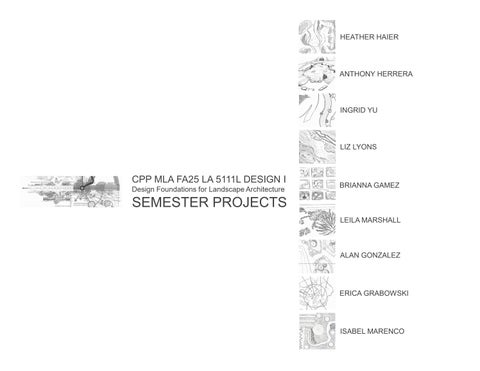
MLA FA25 LA 5111L DESIGN I
Design Foundations for LandscapeArchitecture
SEMESTER PROJECTS
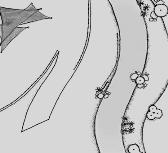
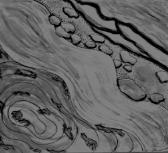
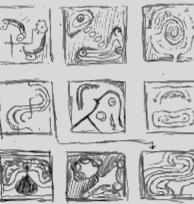
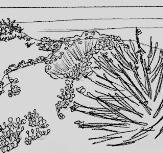
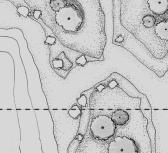
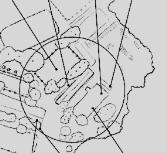
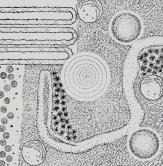
LA 5111L, taught by Assistant Professor, Nina Briggs, is the introductory landscape architecture design studio in the graduate program. All of us experience our lives as physical, social and psychological beings. No matter where we go or what we do, we are affected by the form, boundaries, and material and relational qualities of our environment. We respond to, transact with and are participants in a never-ending multi-sensory experience of the biophysical world. Over time, through our own life experiences or through social learning of norms, custom and ritual, we discover that our multi-sensory impressions of place are laden with feeling and meaning. These feelings and meanings have psychological dimensions that inform and direct our behavior as individuals as well as social and cultural dimensions that impact our behavior in a larger social order.
How we interpret these feelings and meanings and how they direct our behavior varies with: biophysical and socio-cultural dimensions of our environments; inter-personal differences (e.g. age; life cycle, belief and value system); and differences in the psychological, social, physical, managerial and temporal contexts in which our engagements with the bio-physical world take place. In this sense, we can view the multi-sensory attributes of environment as well as the feelings and meanings we ascribe to these attributes as a product of the transaction of people and environment.
As designers, our job is to shape boundaries and give form and order to the places where we work. We do this by manipulating the formal and material qualities of the three-dimensional spatial settings—the rooms in which the human experience of the bio-physical world occurs. We must remain mindful and deliberate about the feelings and meanings that are being conveyed in the articulation and experience of these rooms. We must remember that the interpretation of this feeling and meaning profoundly influences the quality of life for those who inhabit and use the spaces we create.
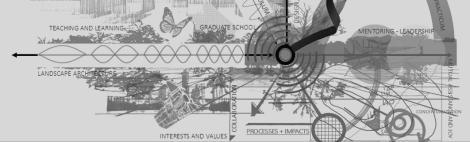
MAPPING DIAGRAMMING
COLLAGING
COLOR VALUE, TINT & HUE
GRAPHIC COMPOSITION
DESIGN NARRATIVE
DESIGN PRINCIPLES
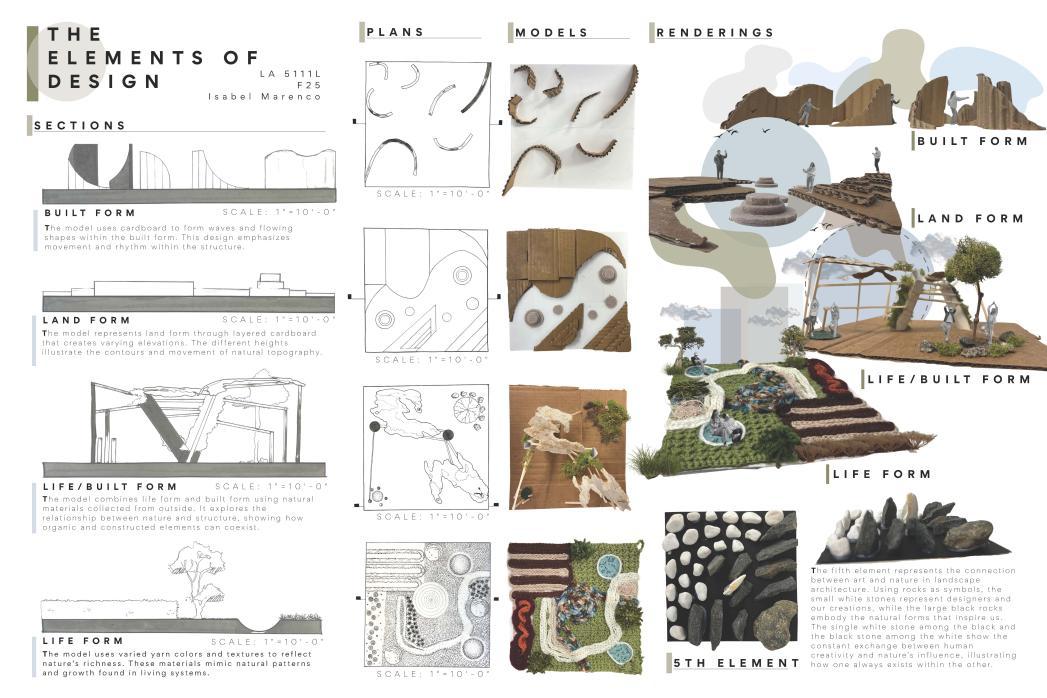
SKETCHING MODELING
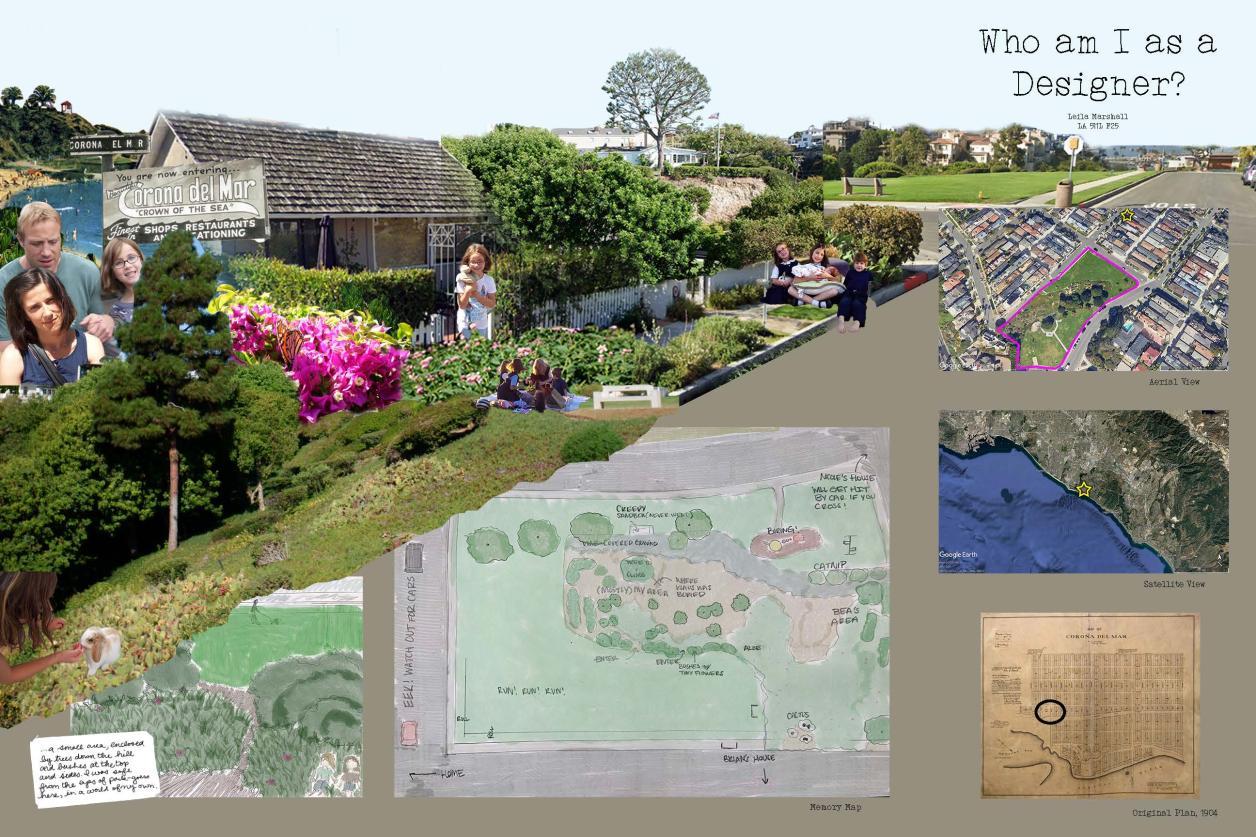
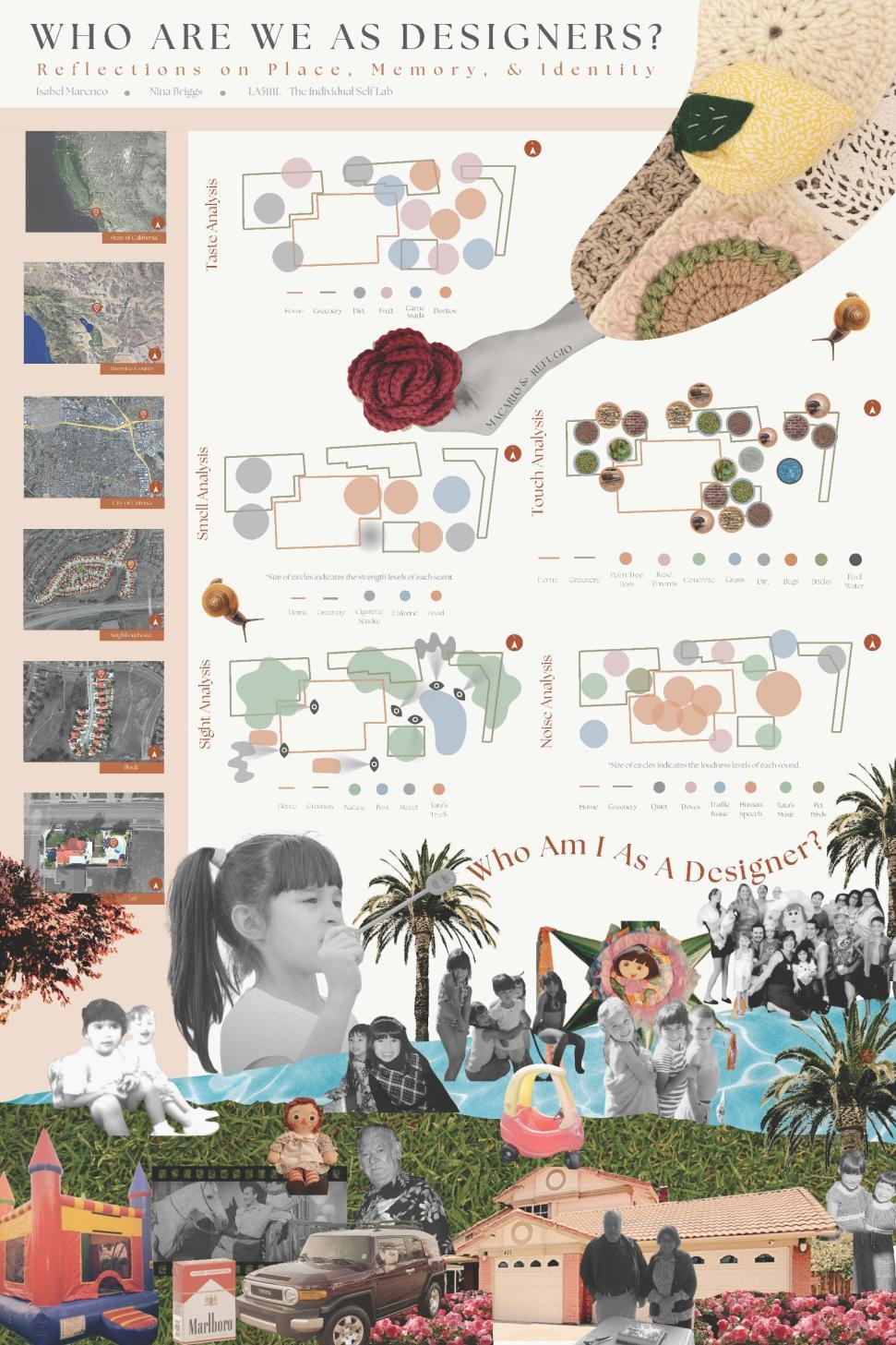
MEMORY TRANSLATION
SITE & LAND USE RESEARCH
CONCEPT DEVELOPMENT
CULTURAL HISTORY INVESTIGATING
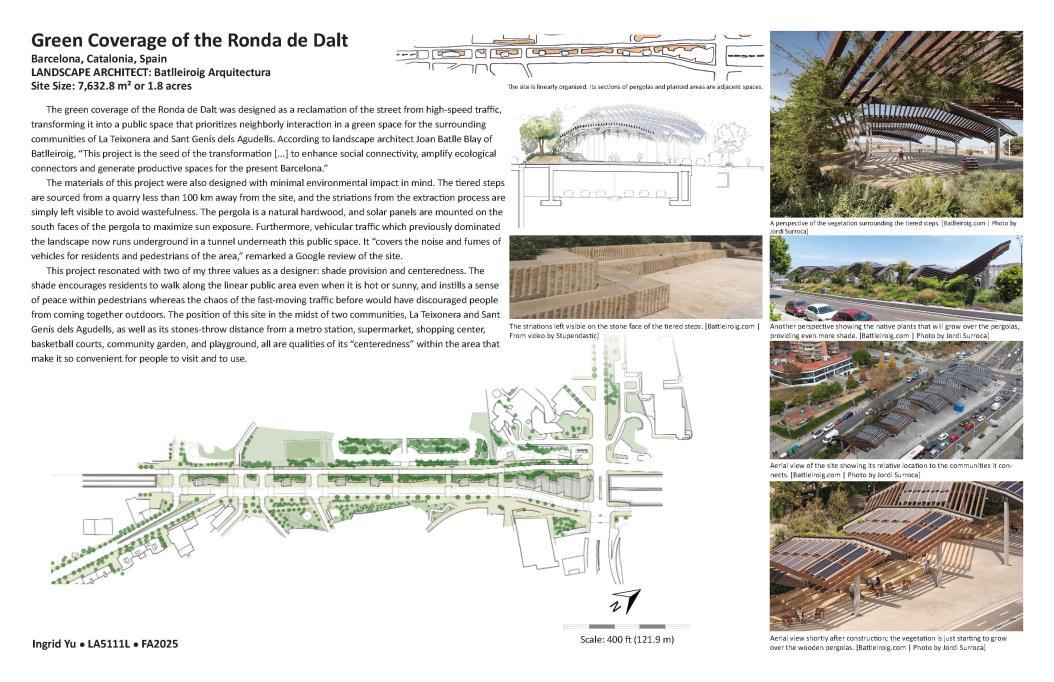
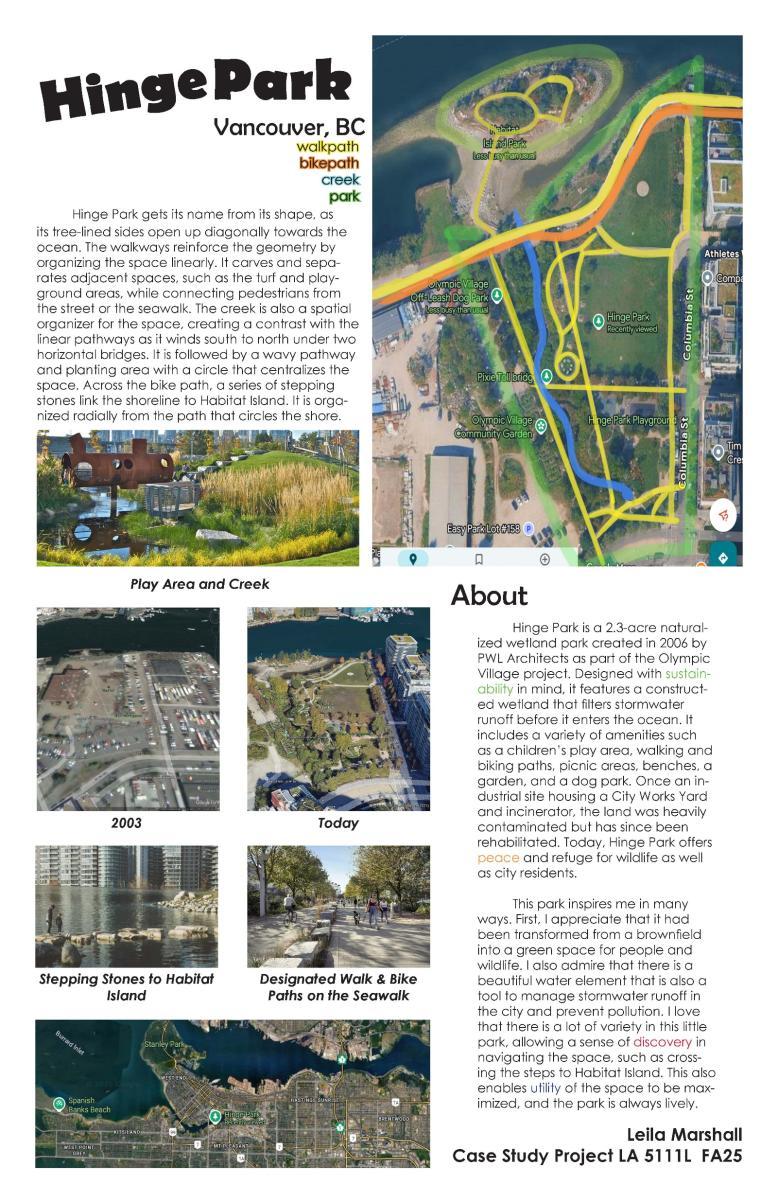
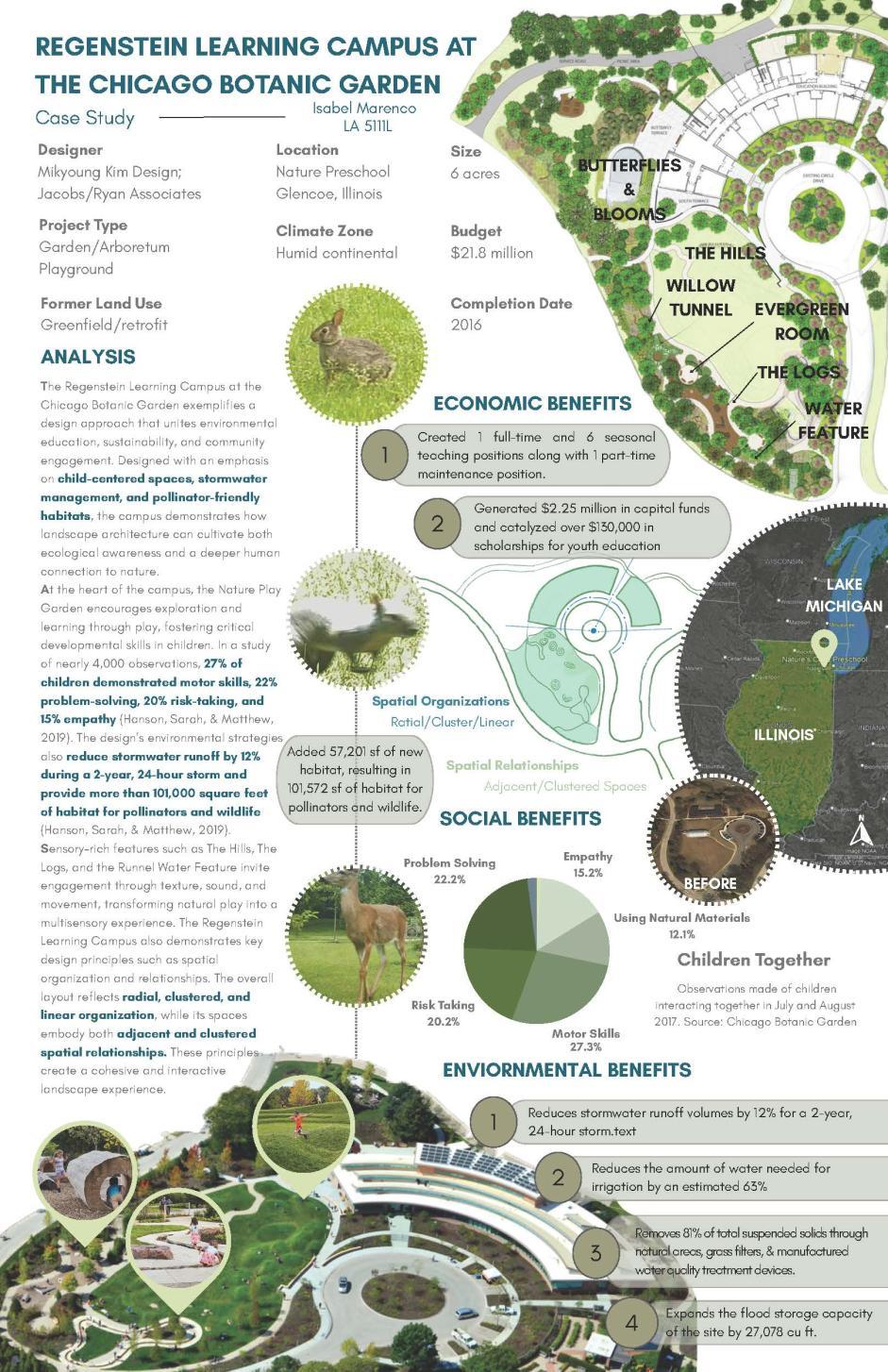
CASE STUDIES
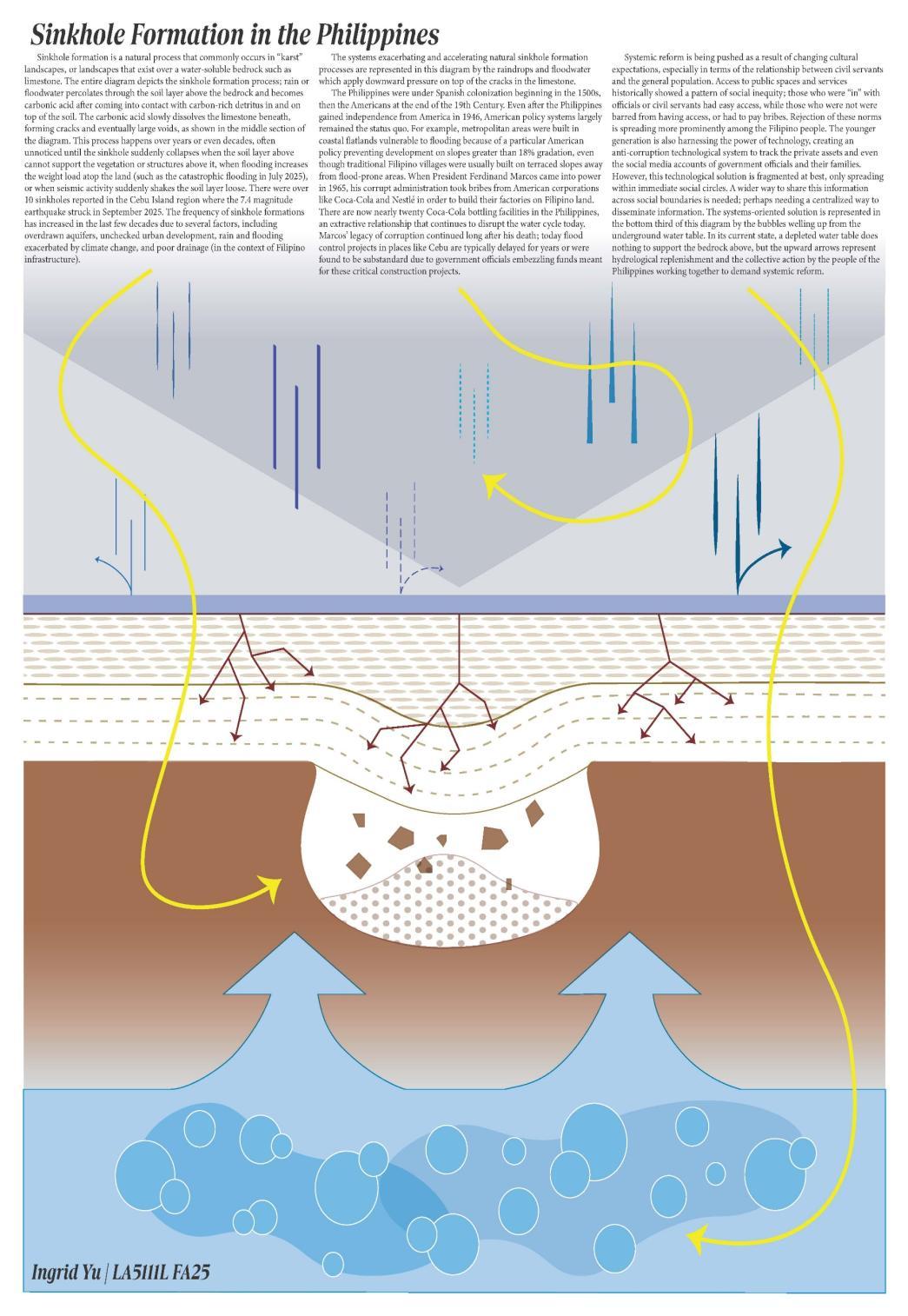
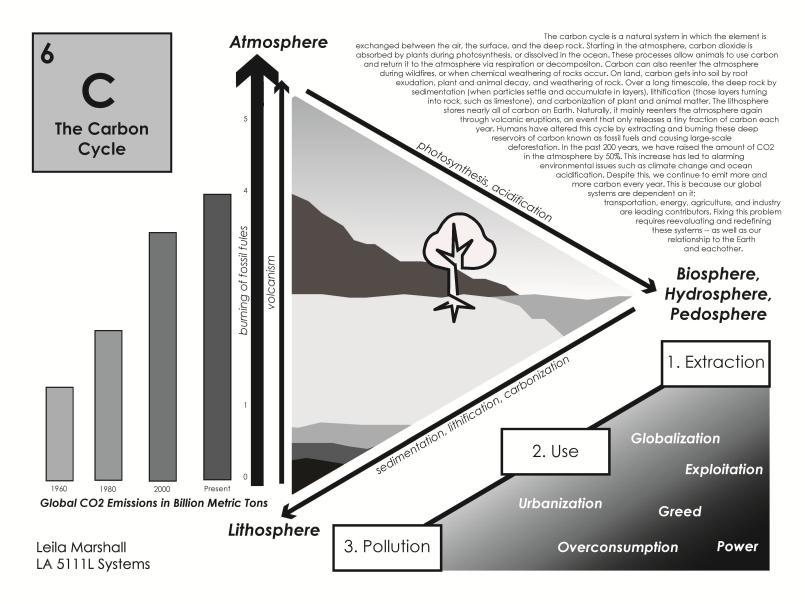
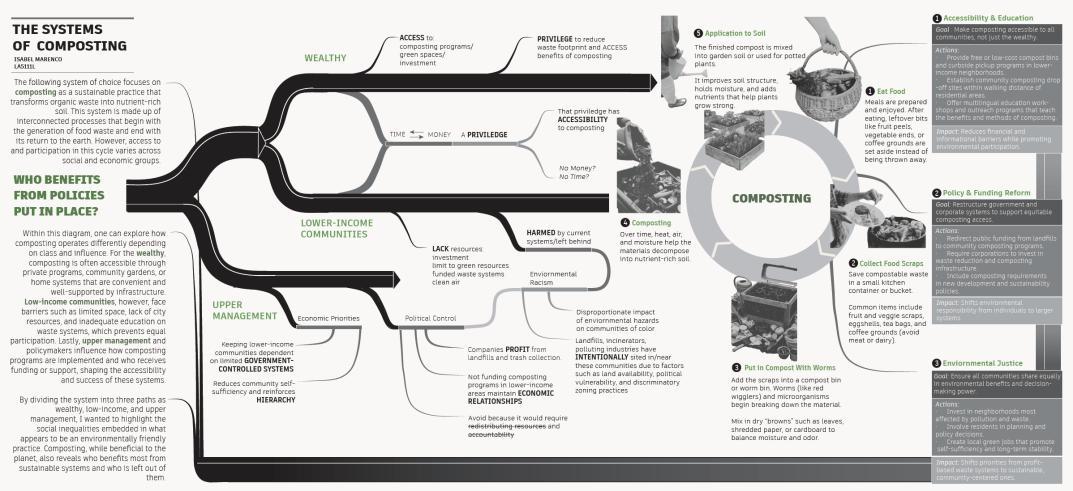
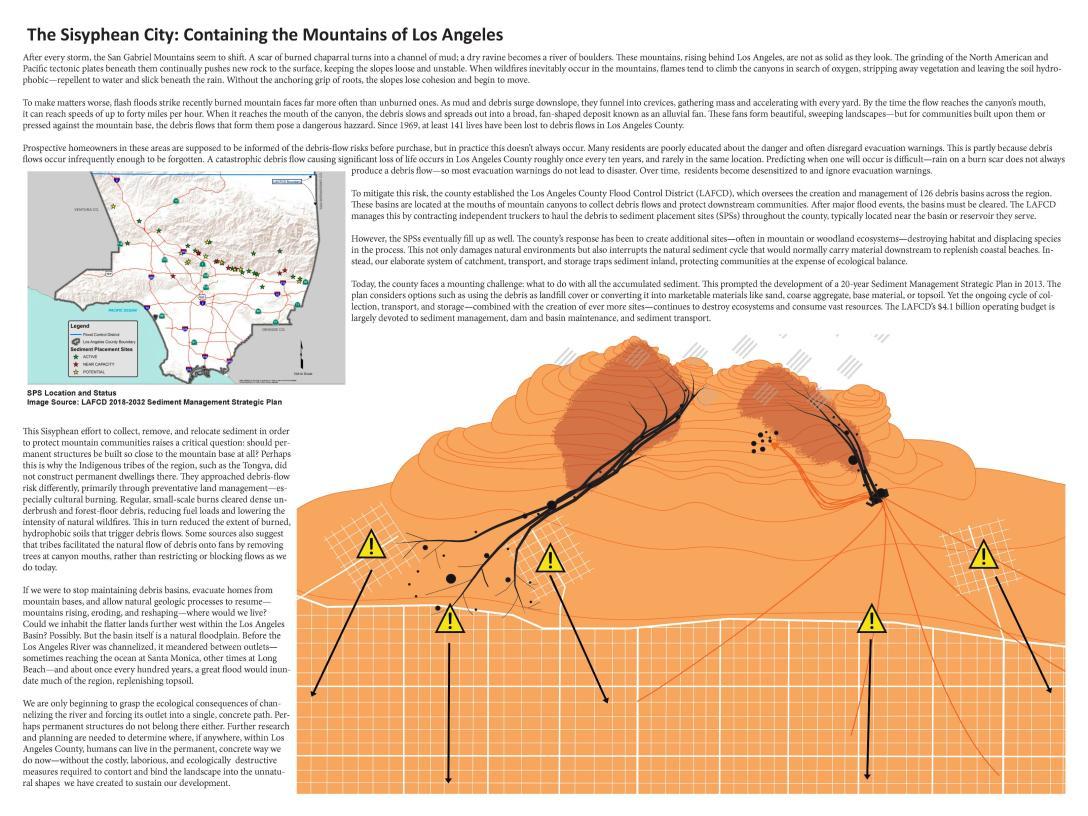
SYSTEMS ANALYSIS
ARCHITECTURAL GRAPHICS
VISUAL COMMUNICATION
GENERATIVE ITERATION
DESIGN SYNTHESIS
FOCUSED EXPERIMENTATION
INTUITIVE HYPOTHESIZING
SCALE & PROPORTION
STUDIO CULTURE AS MUTUAL CARE
MIND, BODY, ENVIRONMENT CONNECTION
SELF AWARENESS
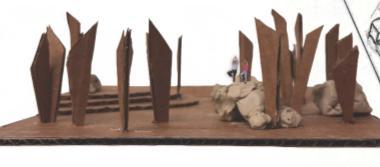
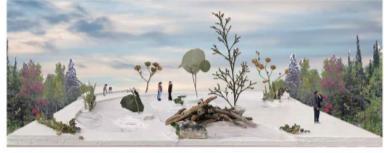
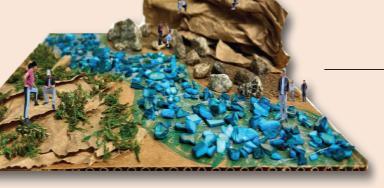
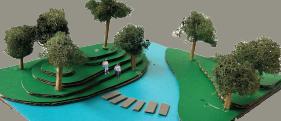
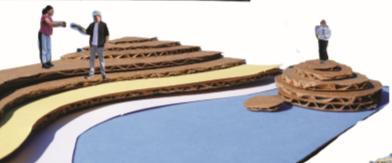
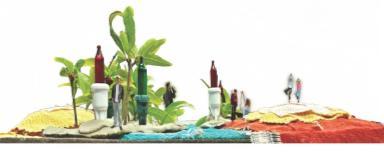
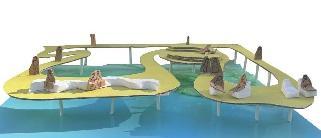
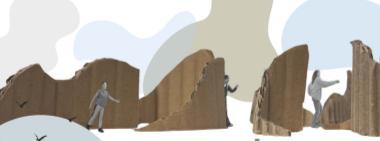
This course encourages becoming comfortable with design processes as fundamental strategies for defining space and creating enclosure learned. As an introduction to the discipline of landscape architecture and design foundations this course allows students to understand the relationship between the individual and the landscape, including the presence and experience of the self and others in outdoor spaces. Topics explored provide a methodology to support the translation of observational knowing to reflection, experimentation, synthesizing, and making. Learning to design is initiated by merging processes of perception with spatial comprehension.
LIZ LYONS
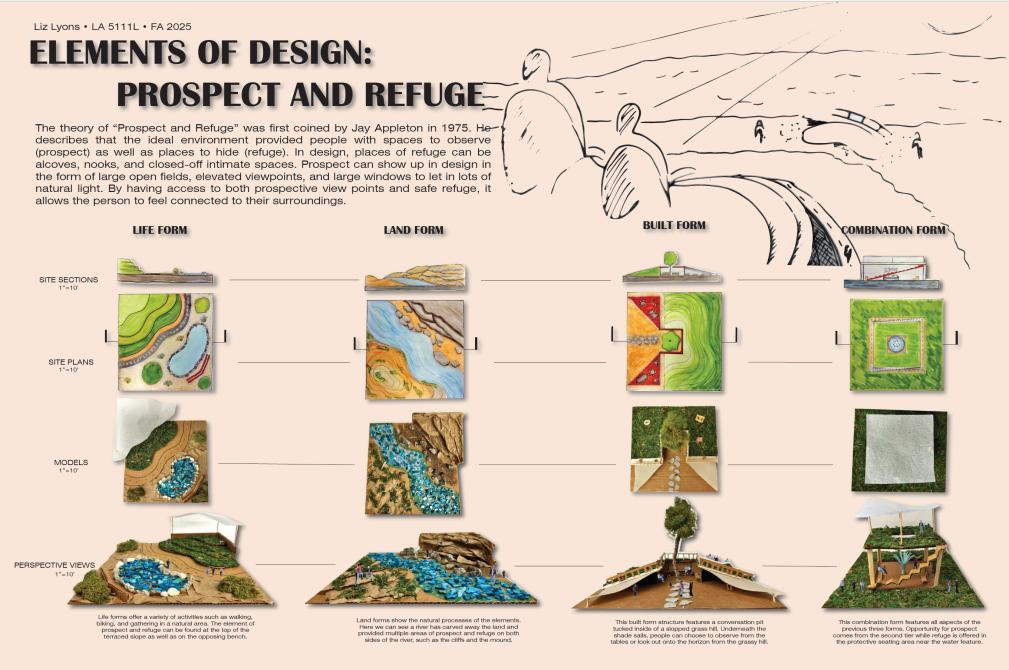
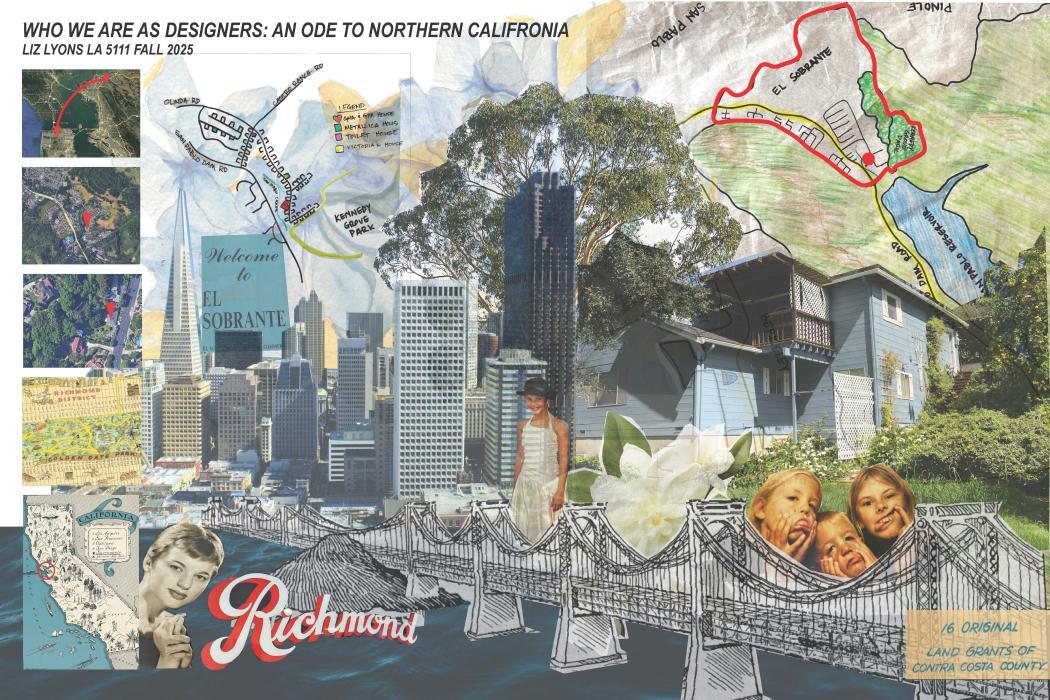
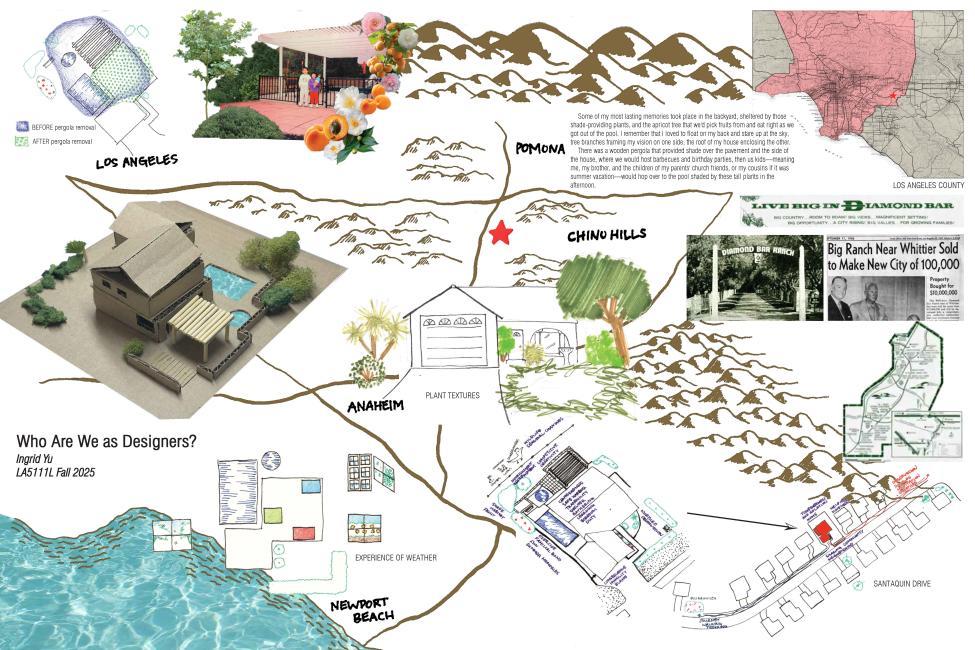
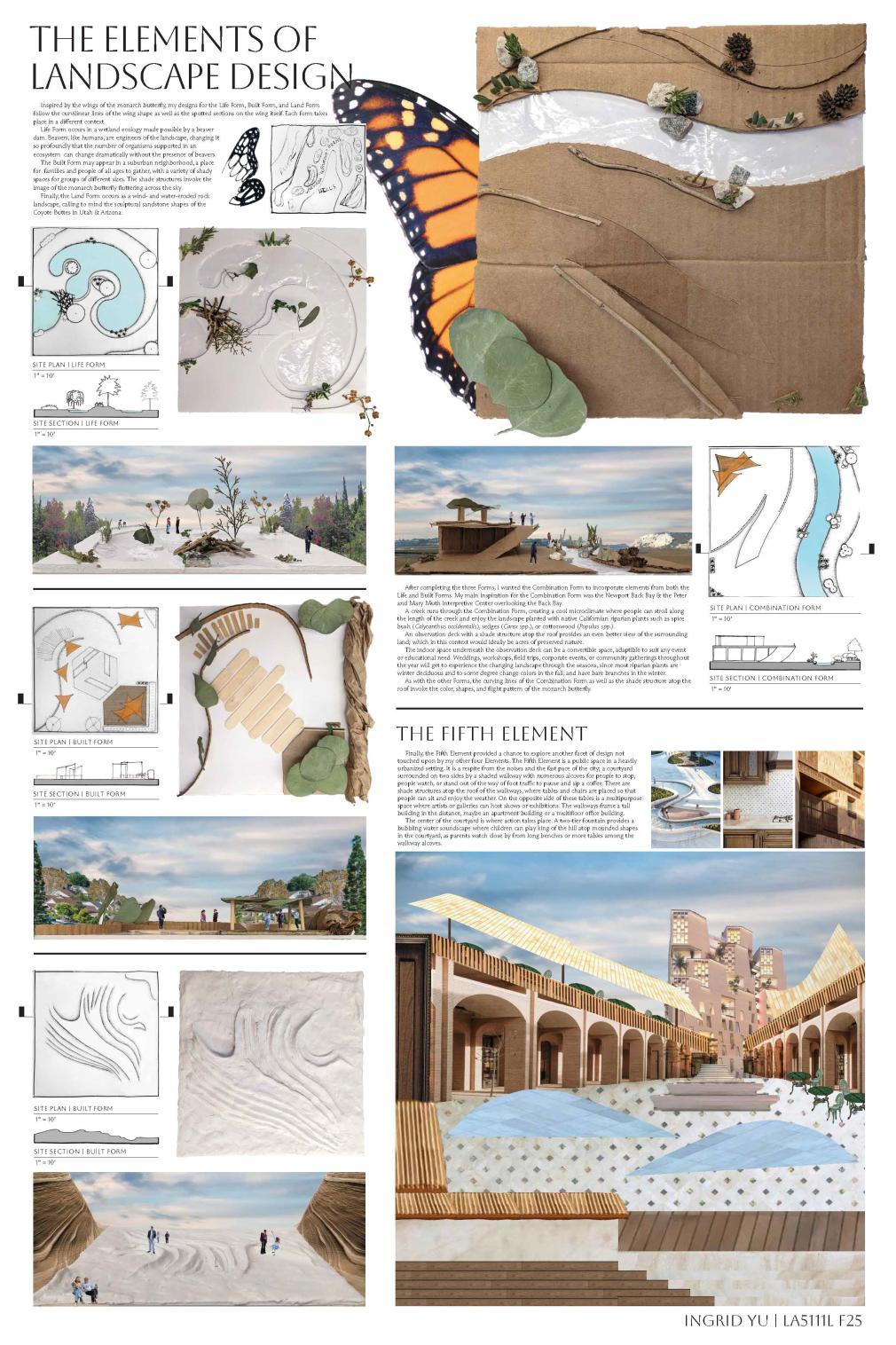
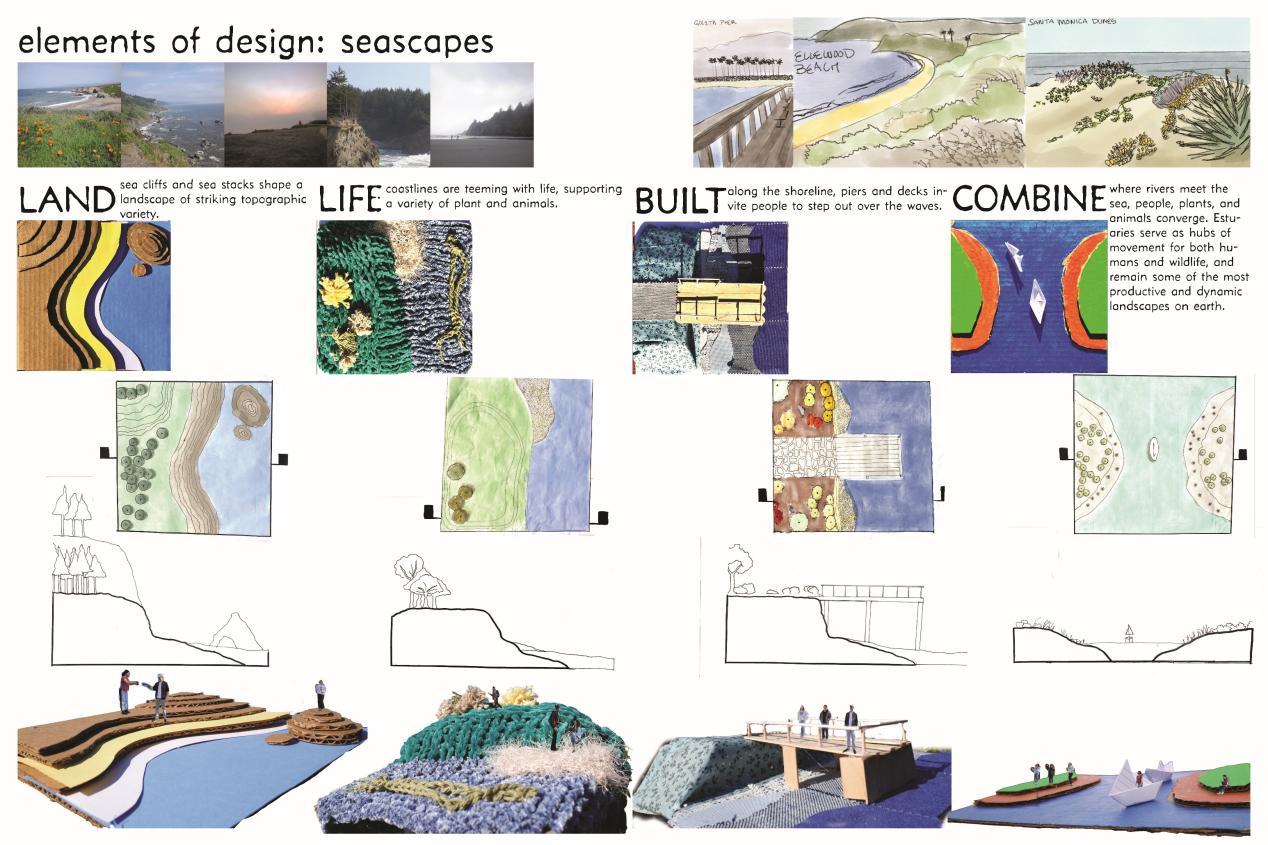
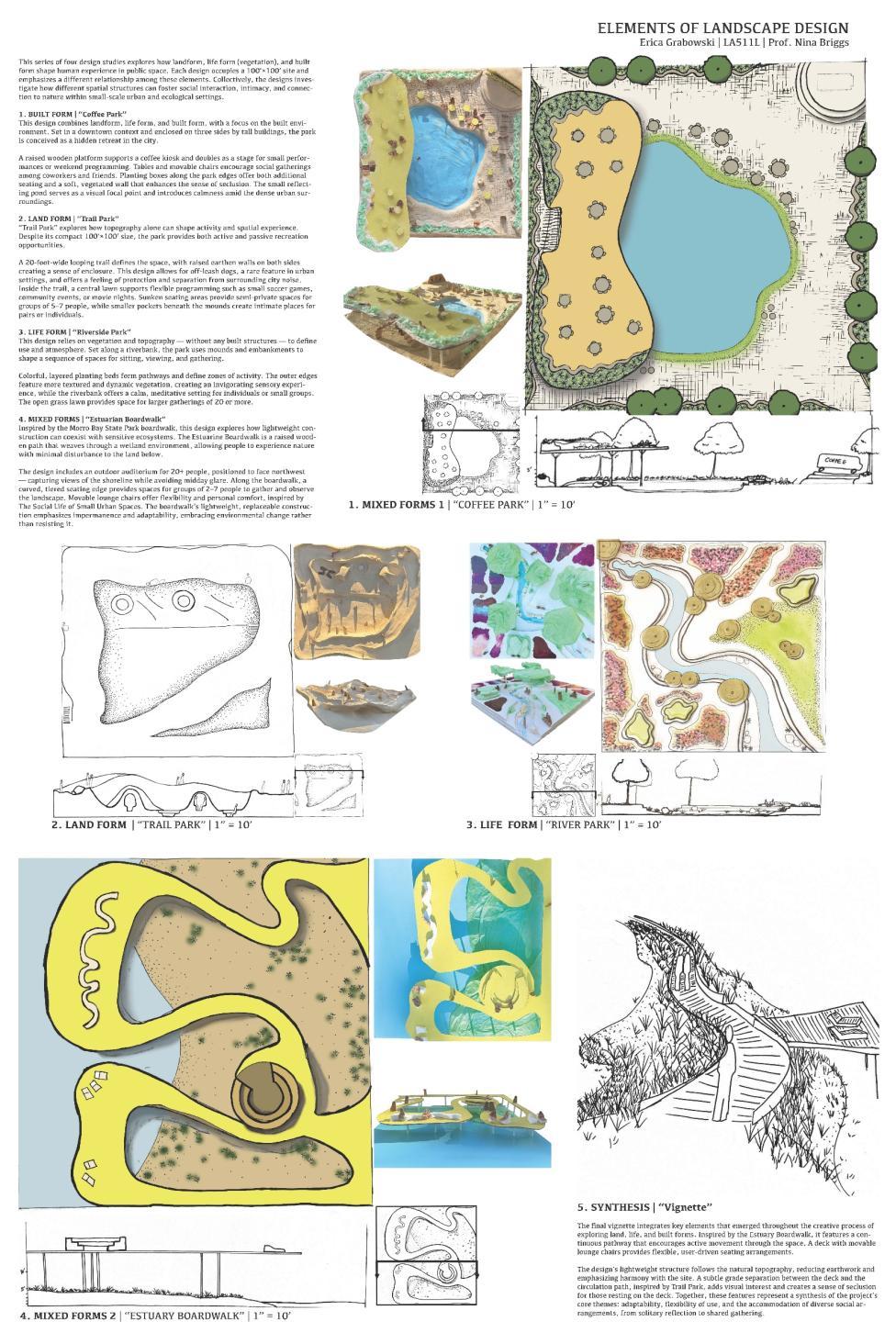
ELEMENTS OF DESIGN + WHO ARE WE AS DESIGNERS?
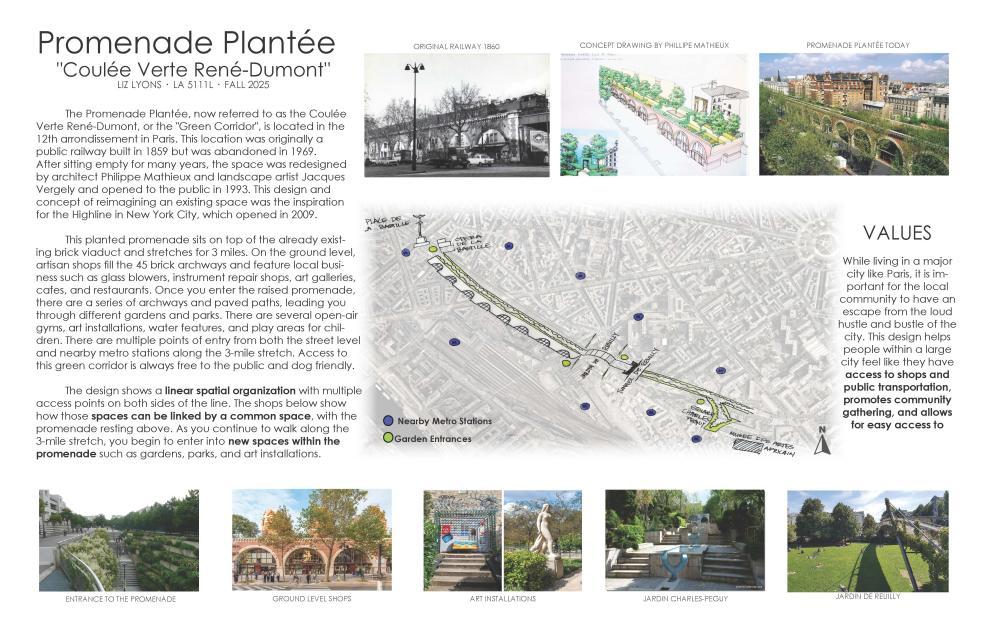
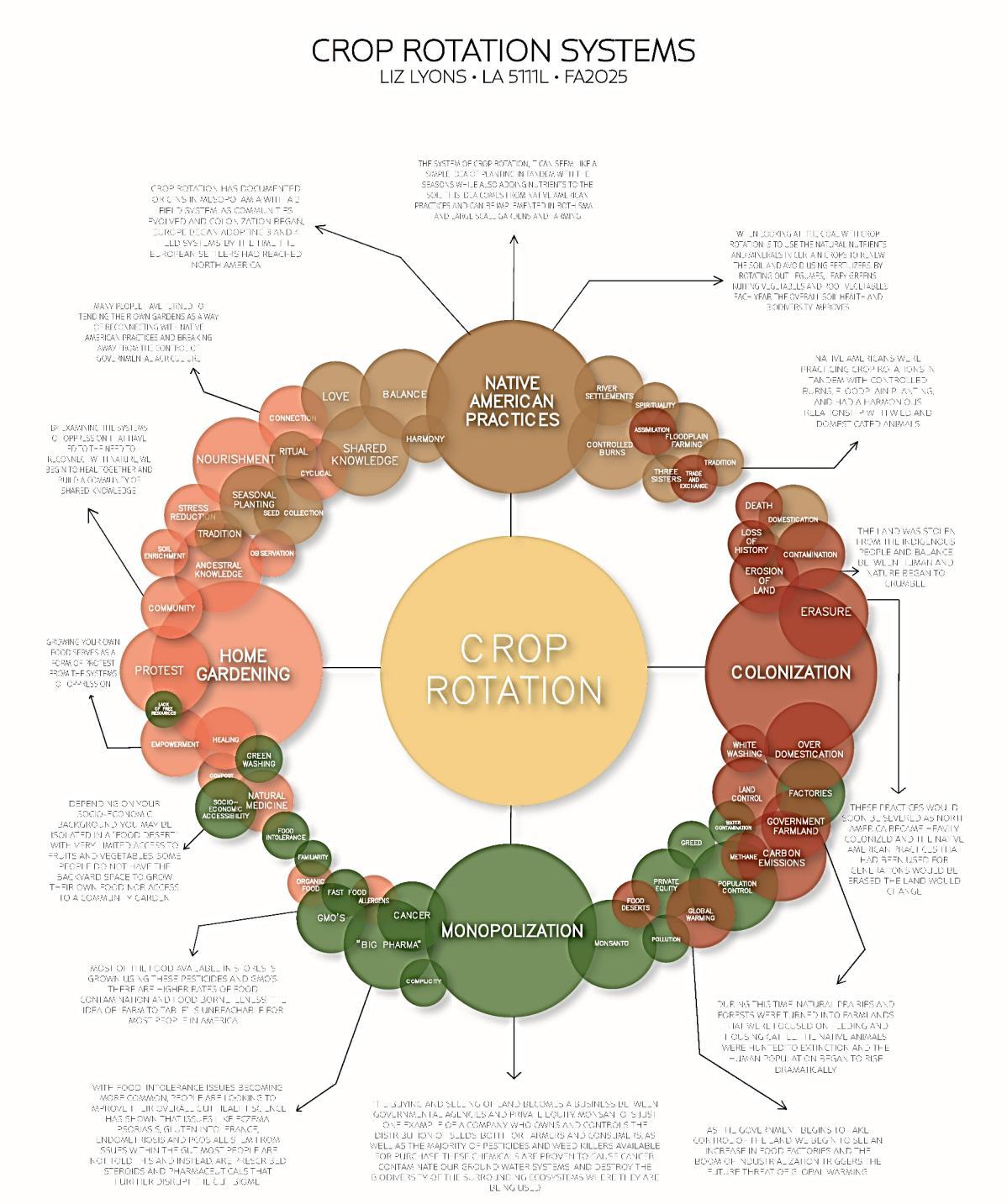
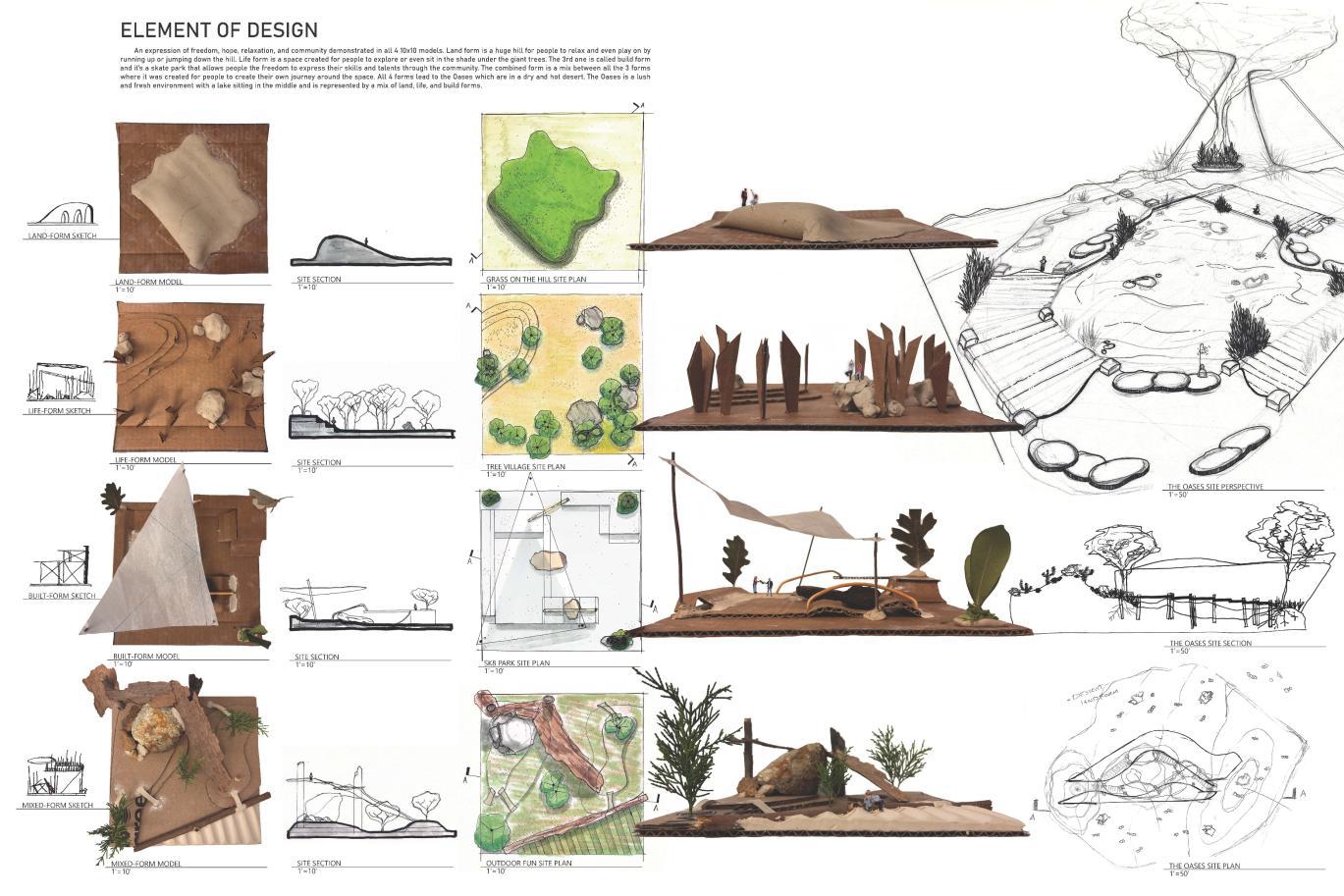
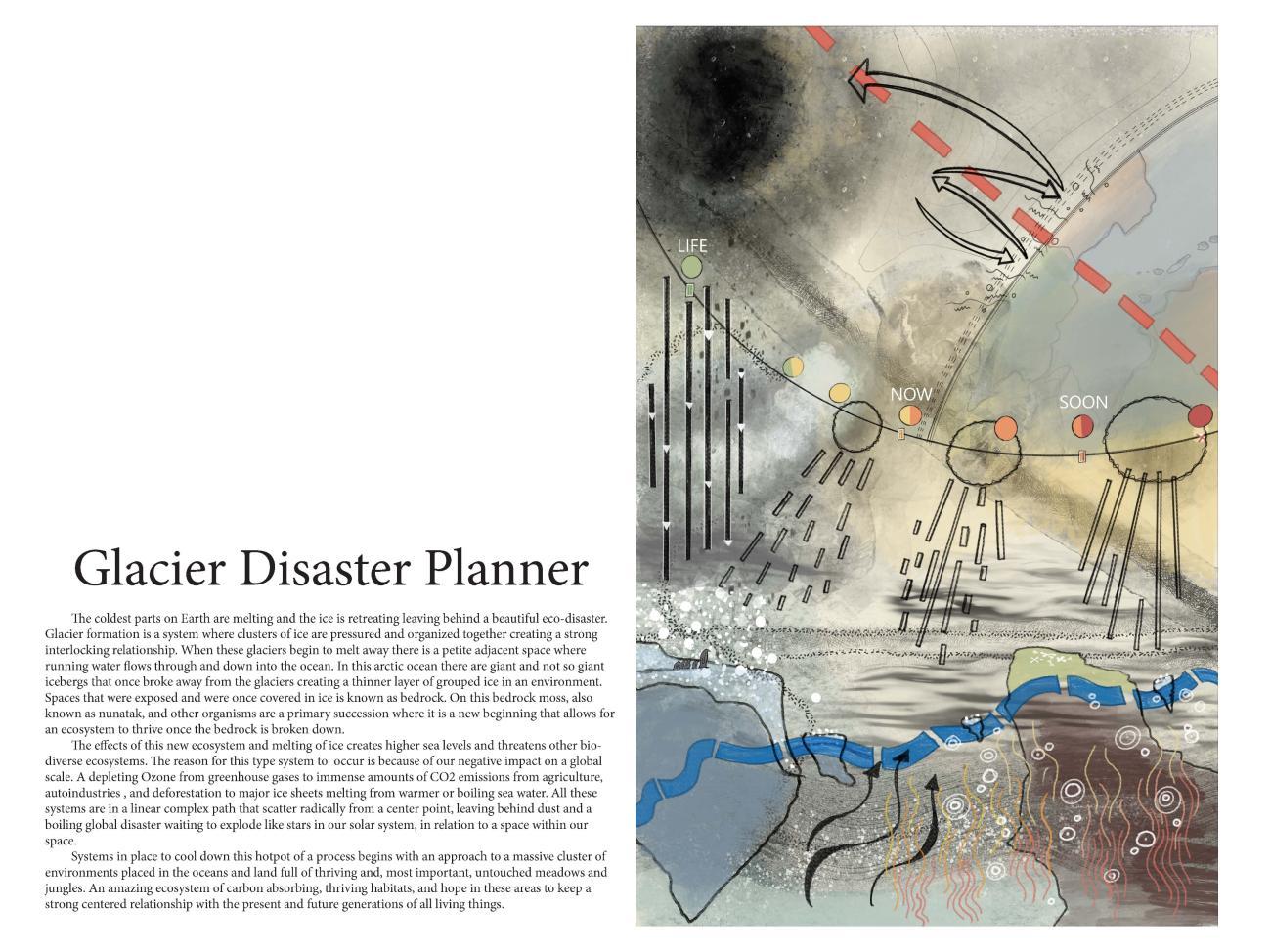
ELEMENTS OF DESIGN + PROCESS DIAGRAM
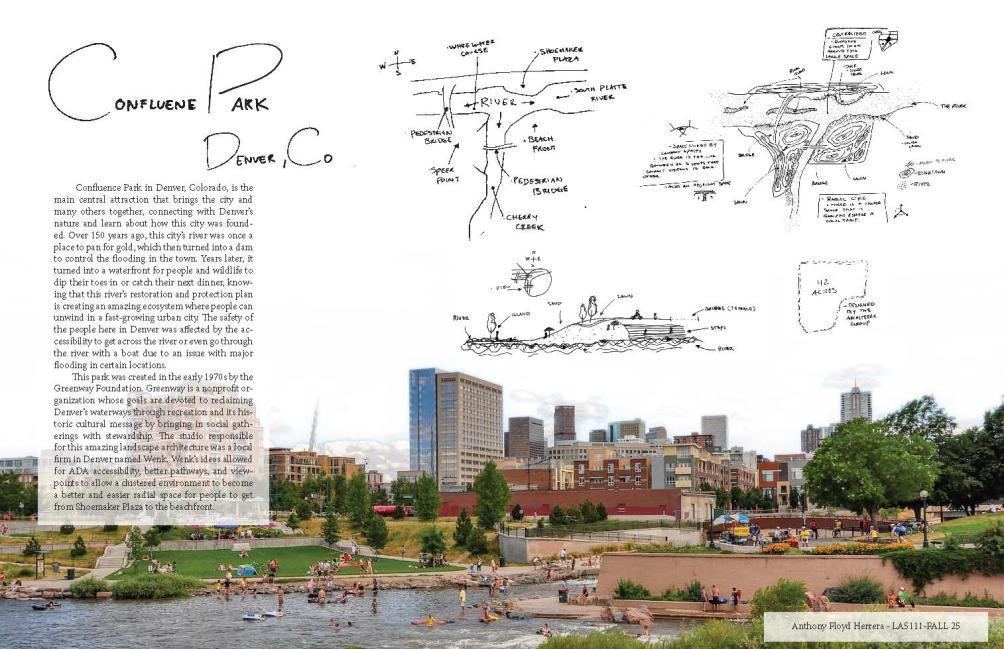
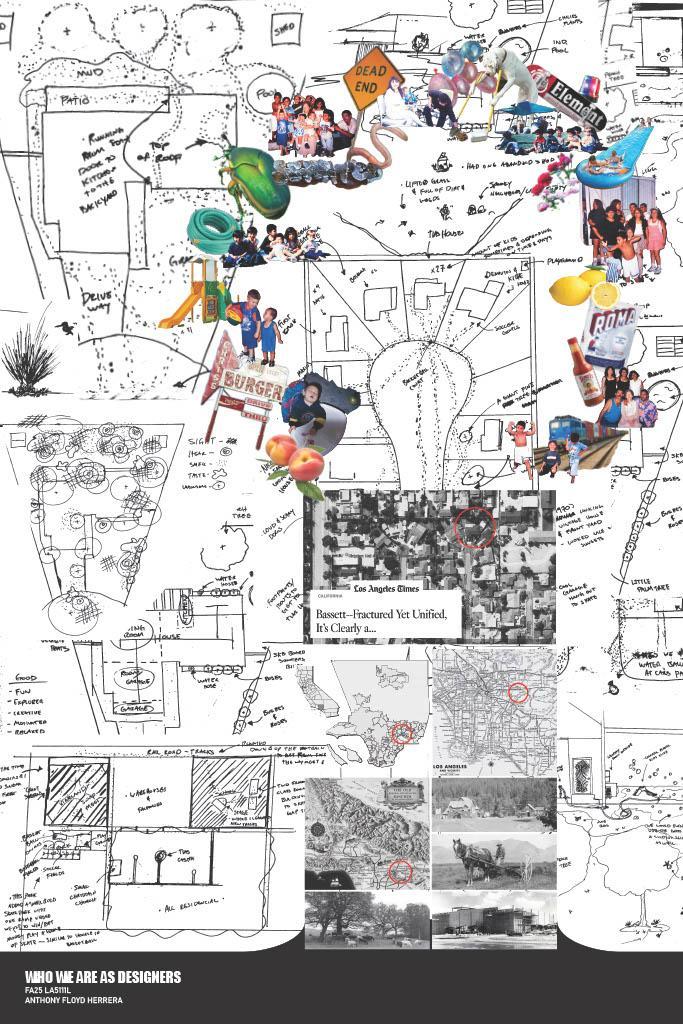
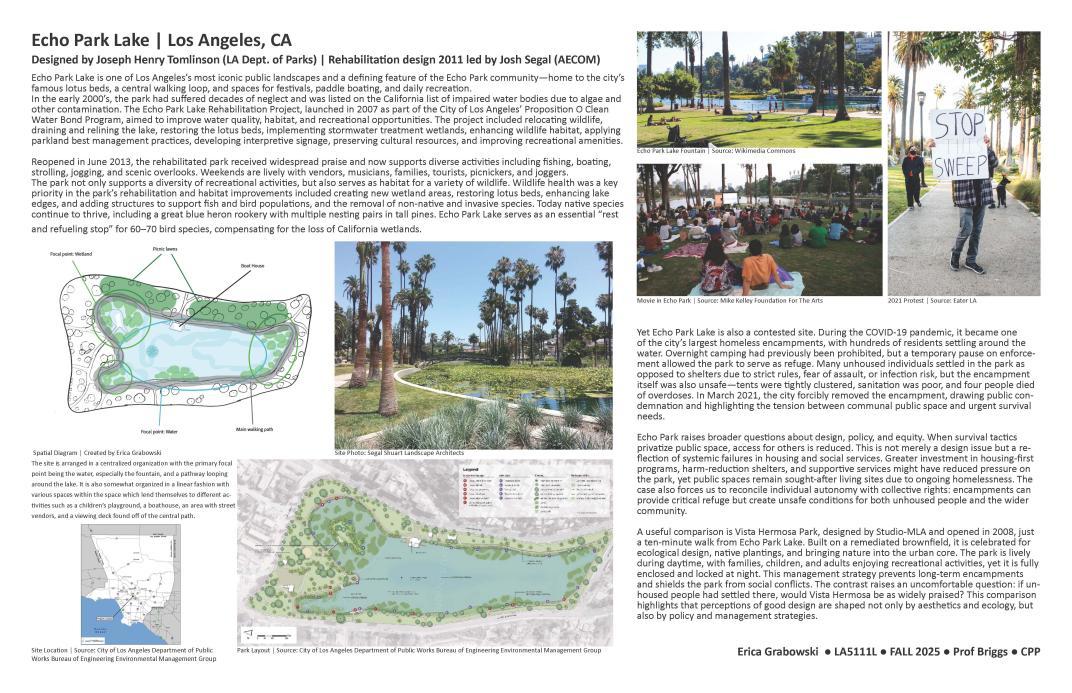
CASE STUDY LANDSCAPE + WHO ARE WE AS DESIGNERS?
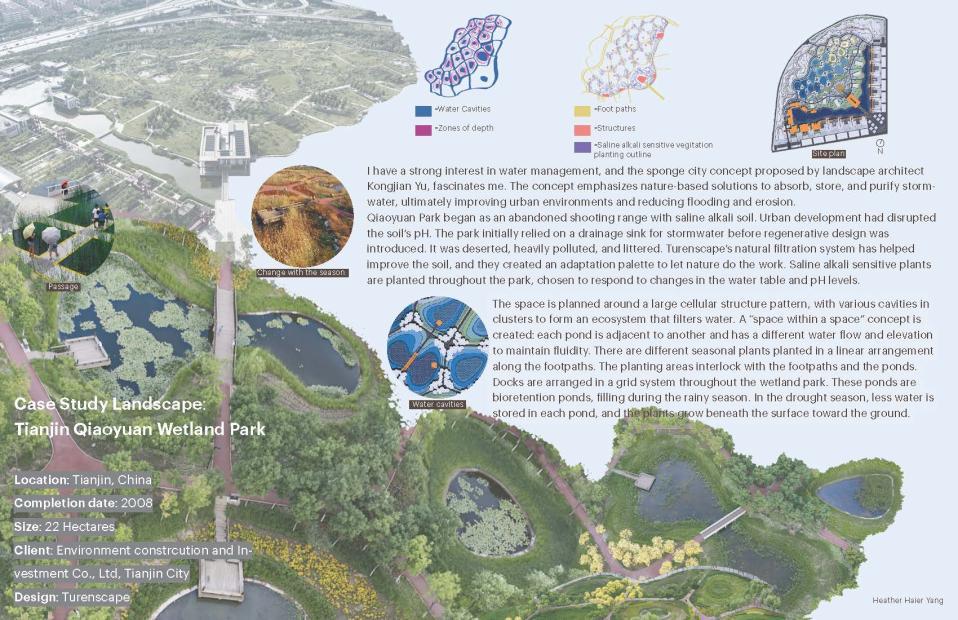
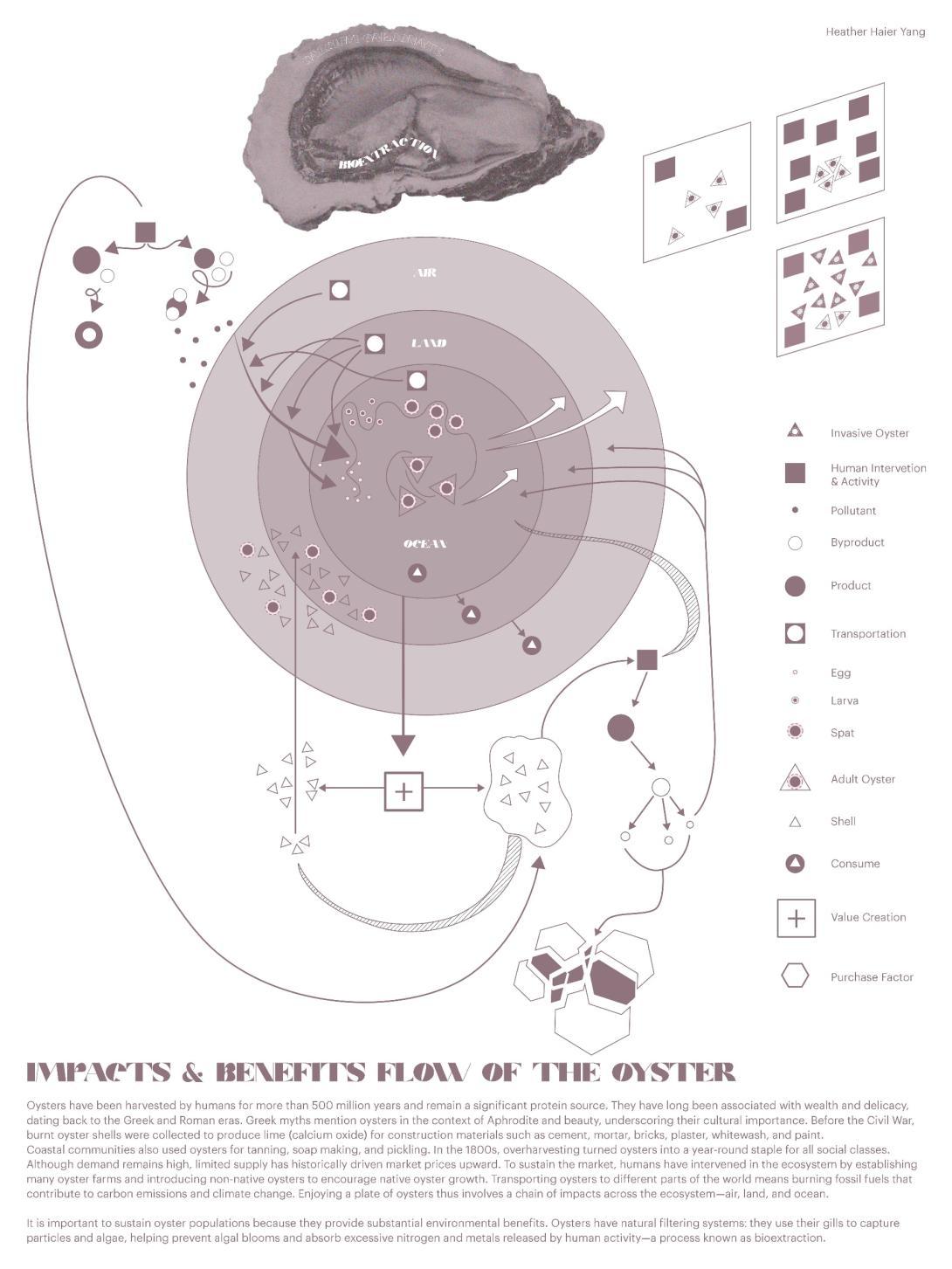
STUDY LANDSCAPE + PROCESS DIAGRAM
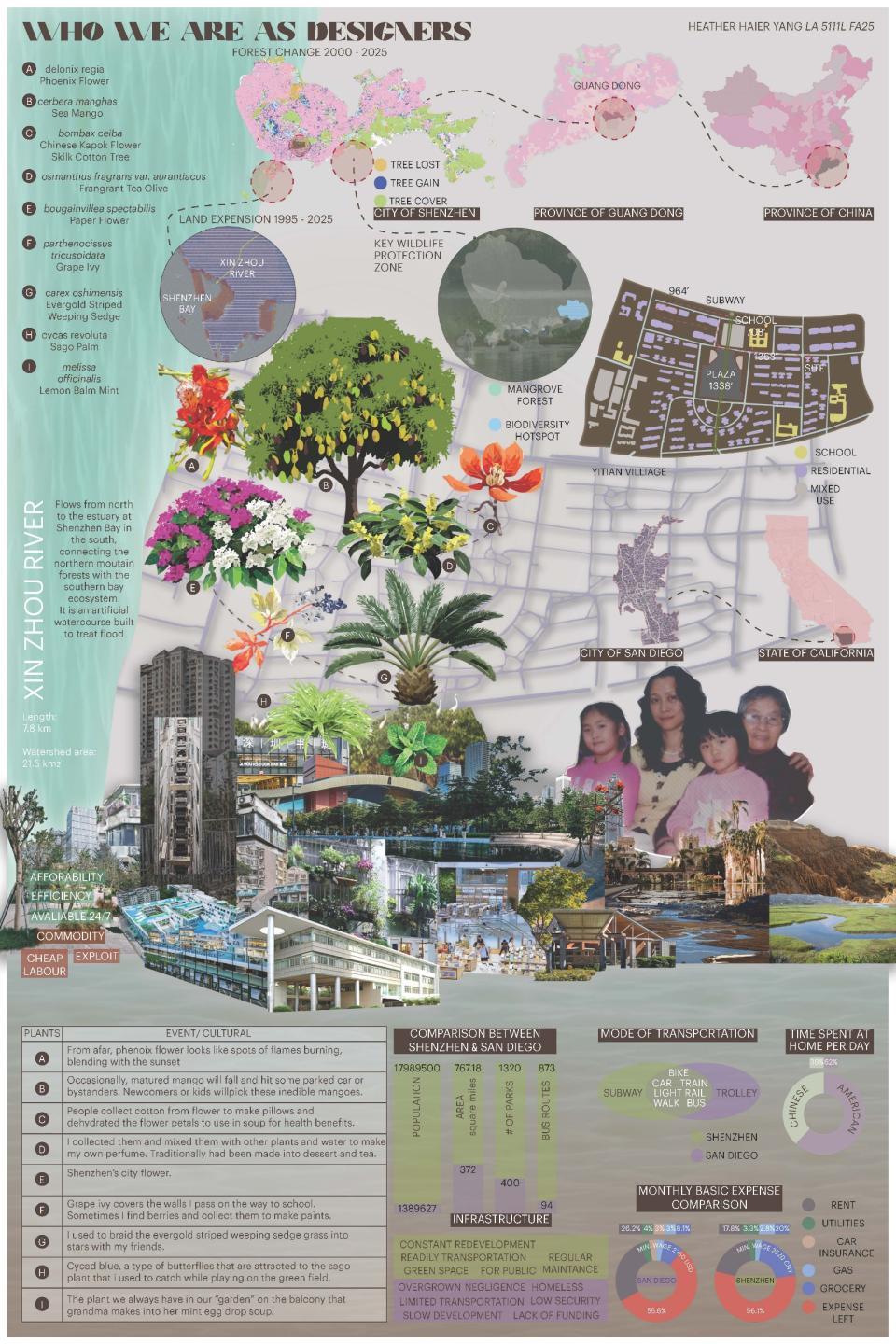
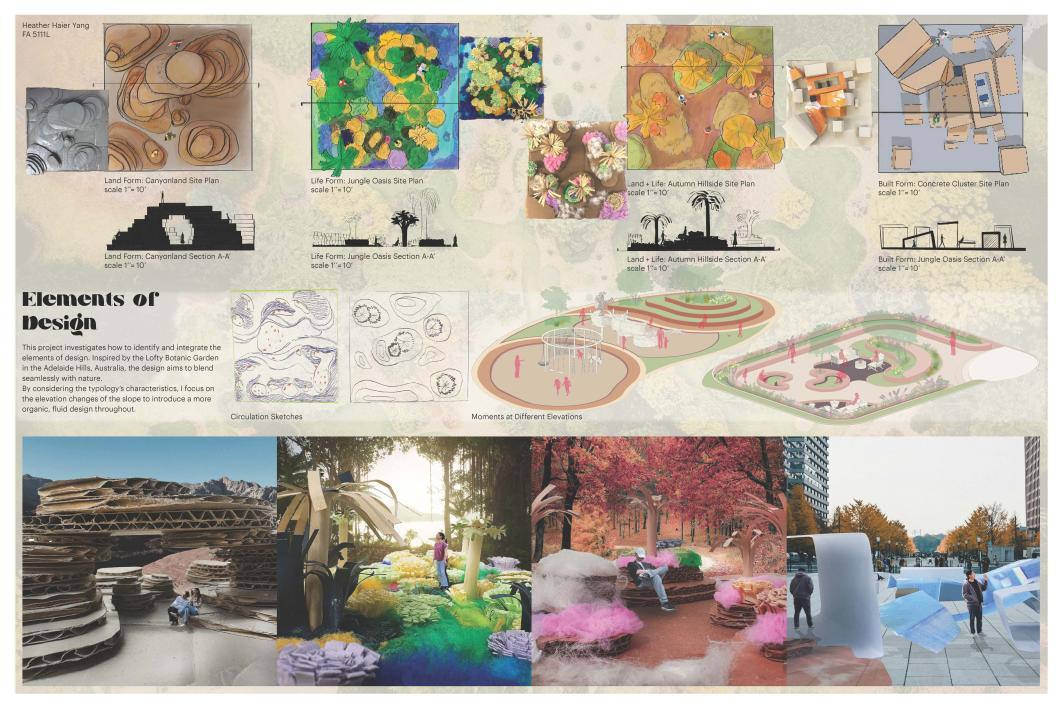
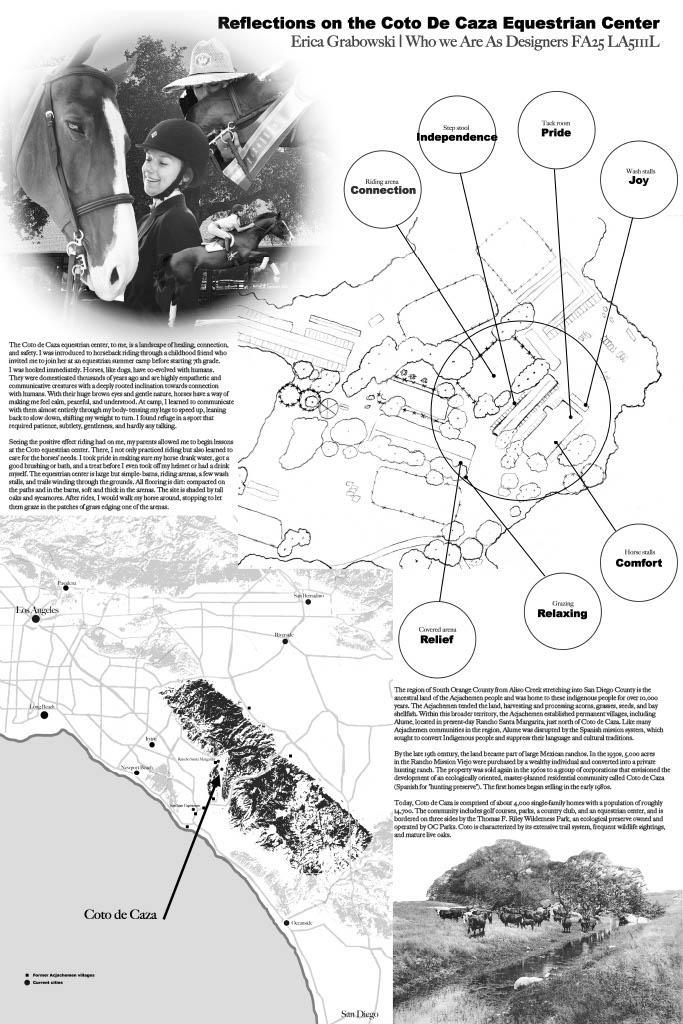
WHO ARE WE AS DESIGNERS? + ELEMENTS OF DESIGN
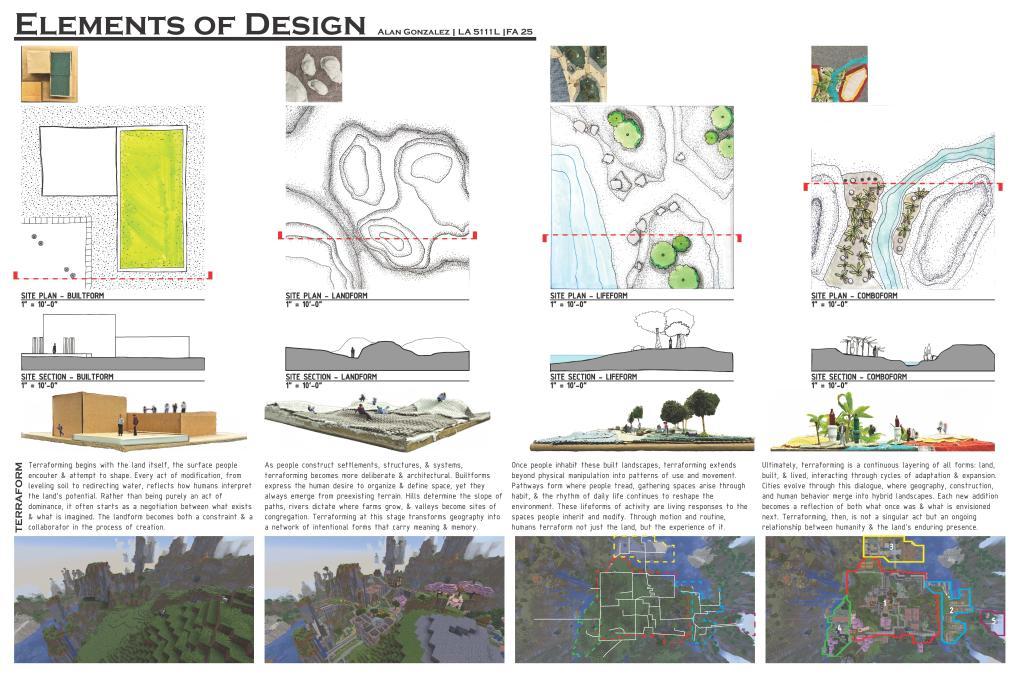
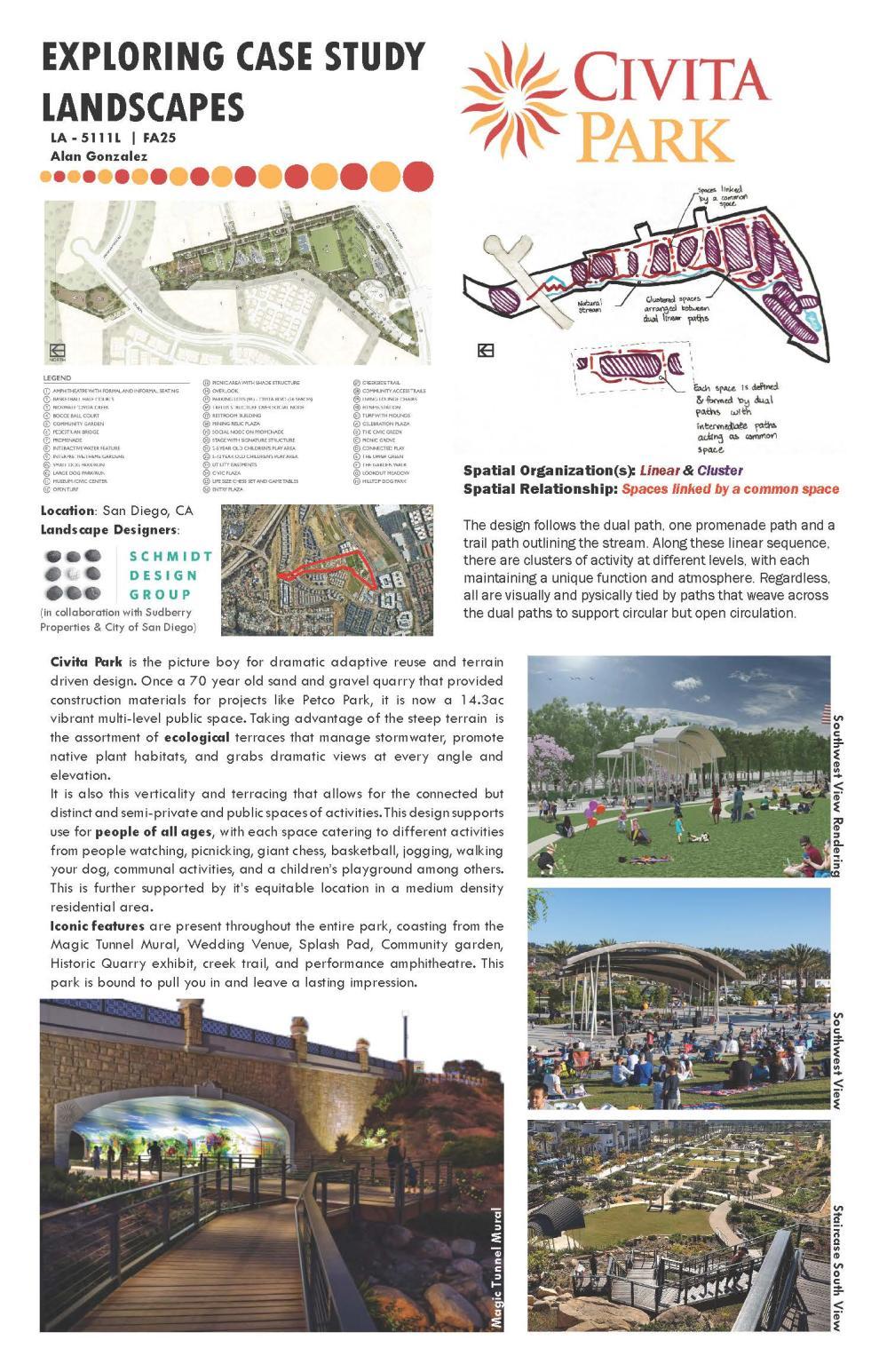
ELEMENTS OF DESIGN + CASE STUDY LANDSCAPE
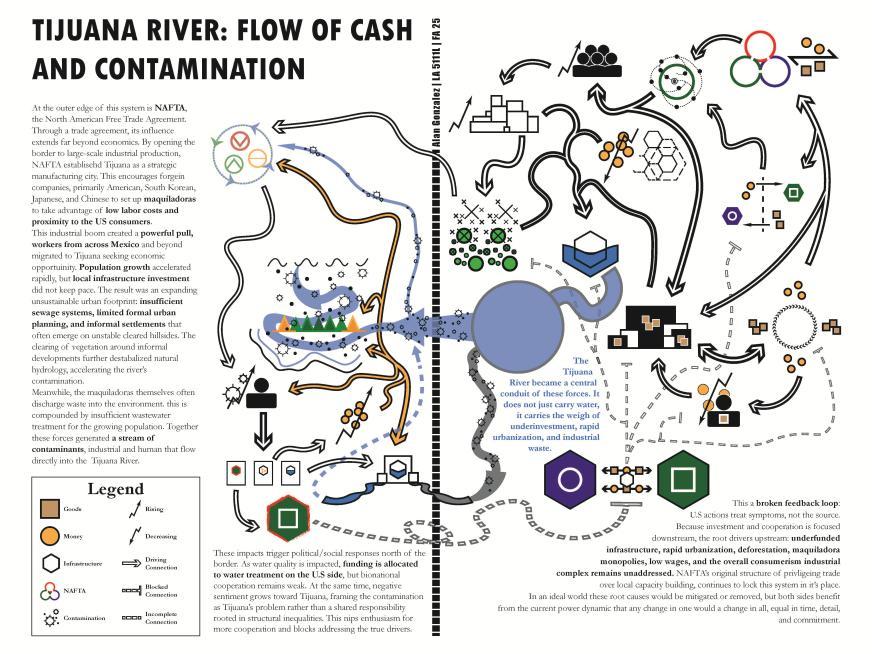
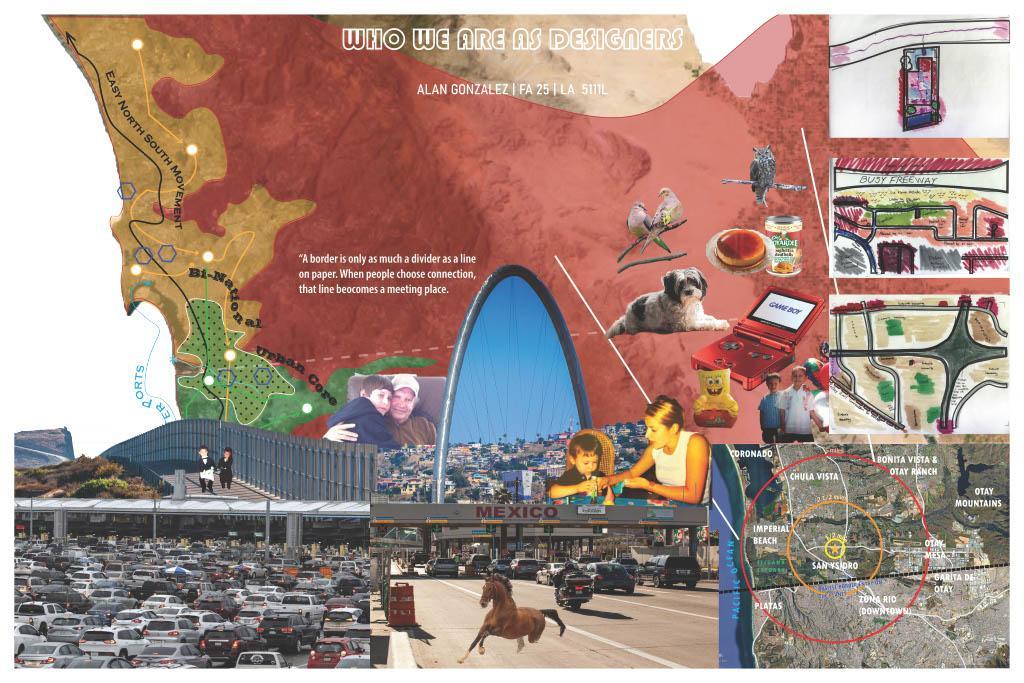
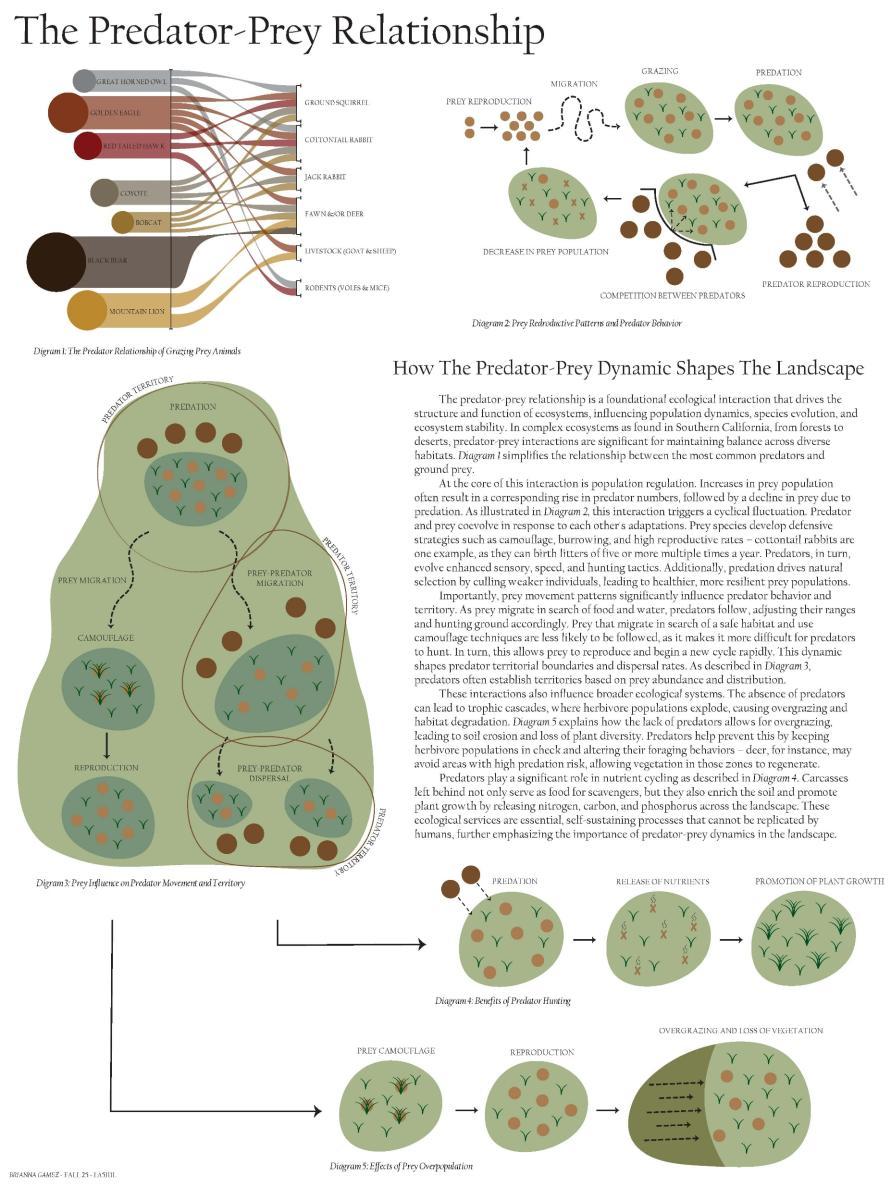
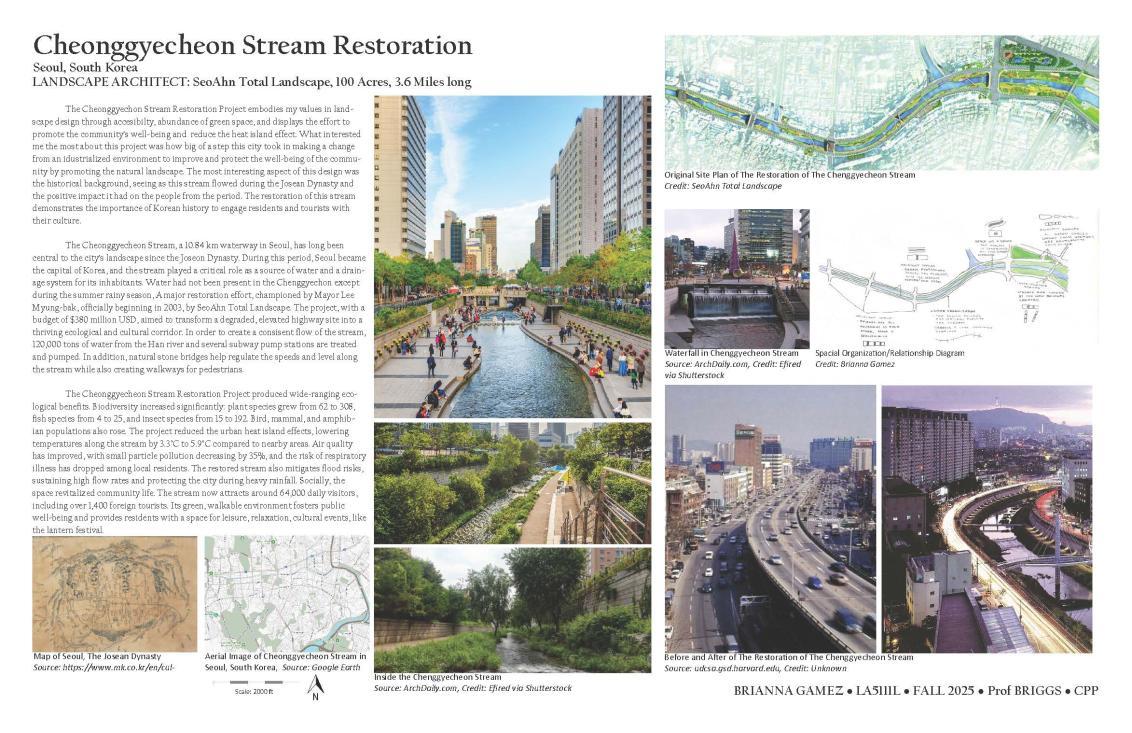
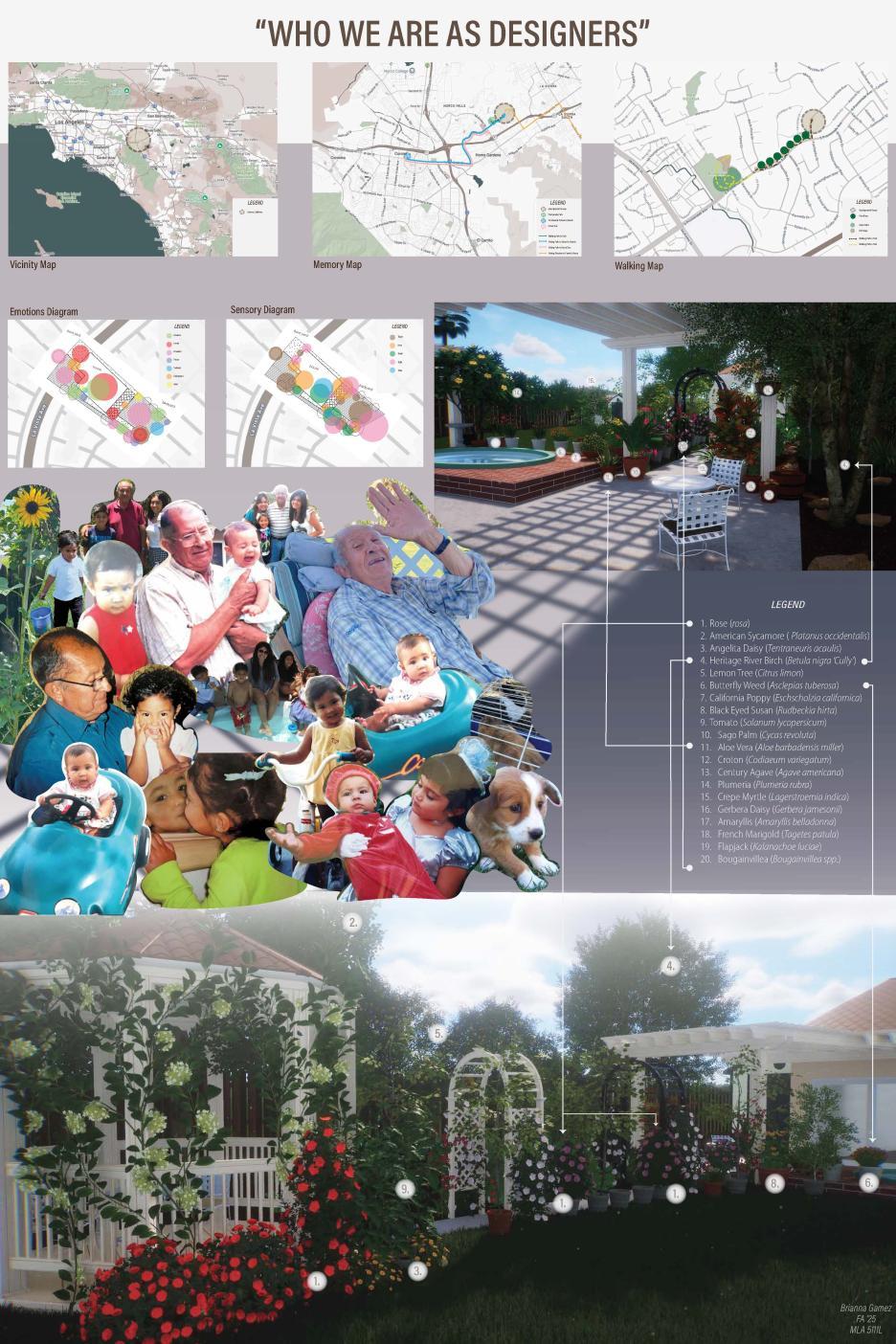
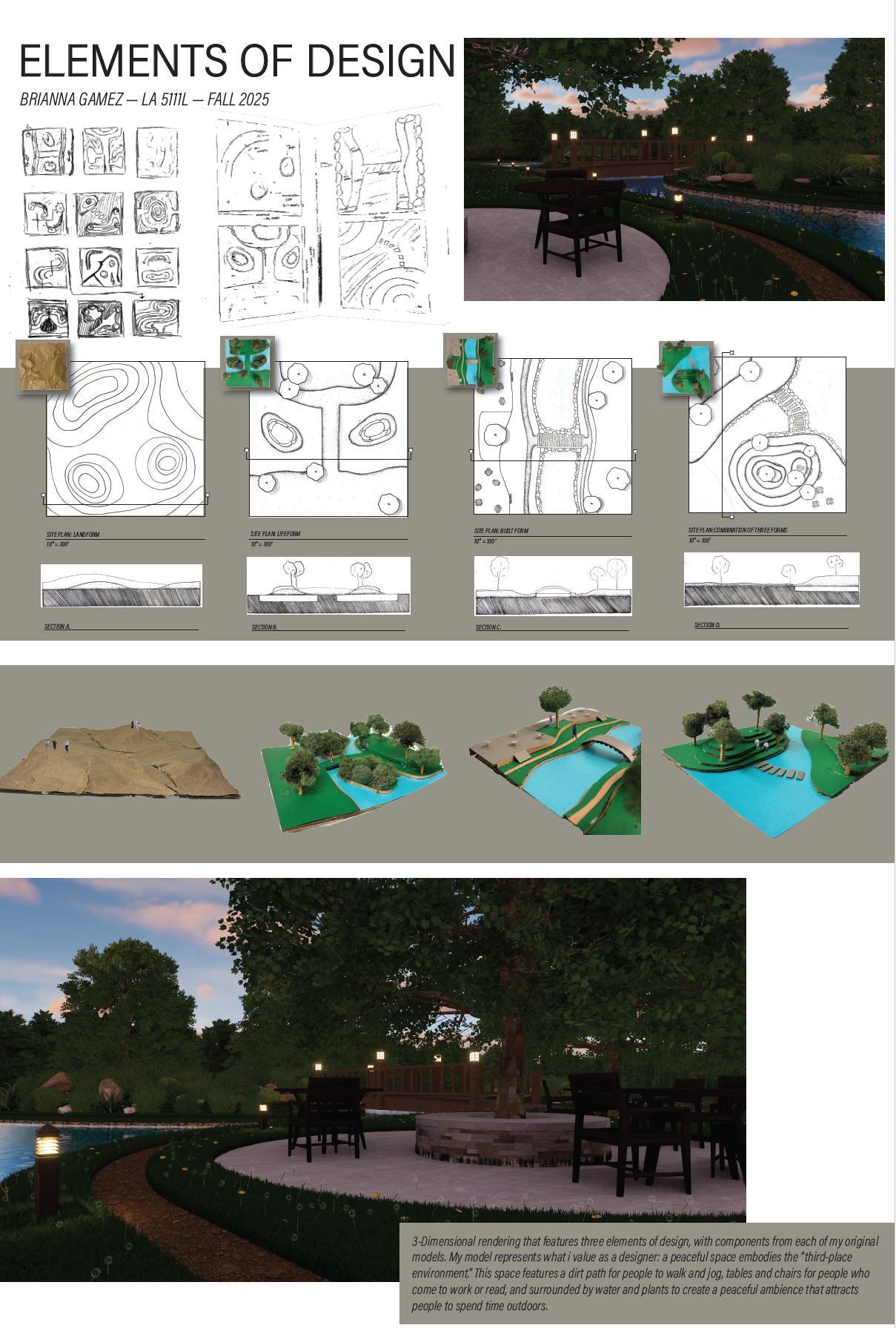
WHO ARE WE AS DESIGNERS? + ELEMENTS OF DESIGN
Many thanks to the FA25 LA 5111L DESIGN I Students: Heather Haier, Anthony Herrera, Ingrid Yu, Liz Lyons, Brianna Gamez, Leila Marshall, Alan Gonzalez, Erica Grabowski and Isabel Marenco.
Copyright 2025 Nina Briggs, California Polytechnic University, Pomona, College of Environmental Design, Department of Landscape Architecture. All rights reserved by individual paper of digital authors who are solely responsible for their content. No part of this work covered by the copyright may be reproduced or used in any form by any means graphic, electronic or mechanical, including recording, taping, or information storage and retrieval systems without prior permission of the copyright owner.