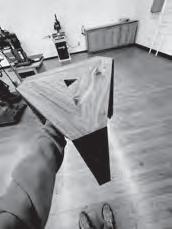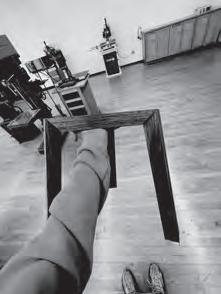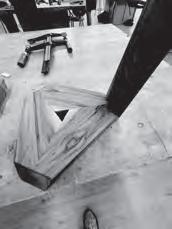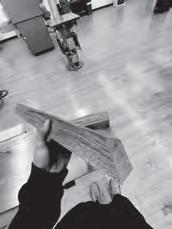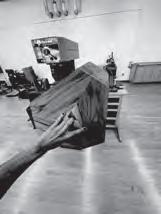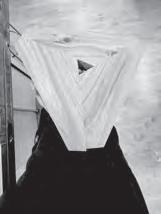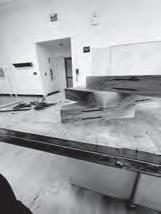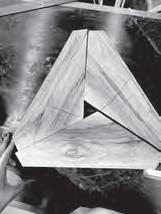
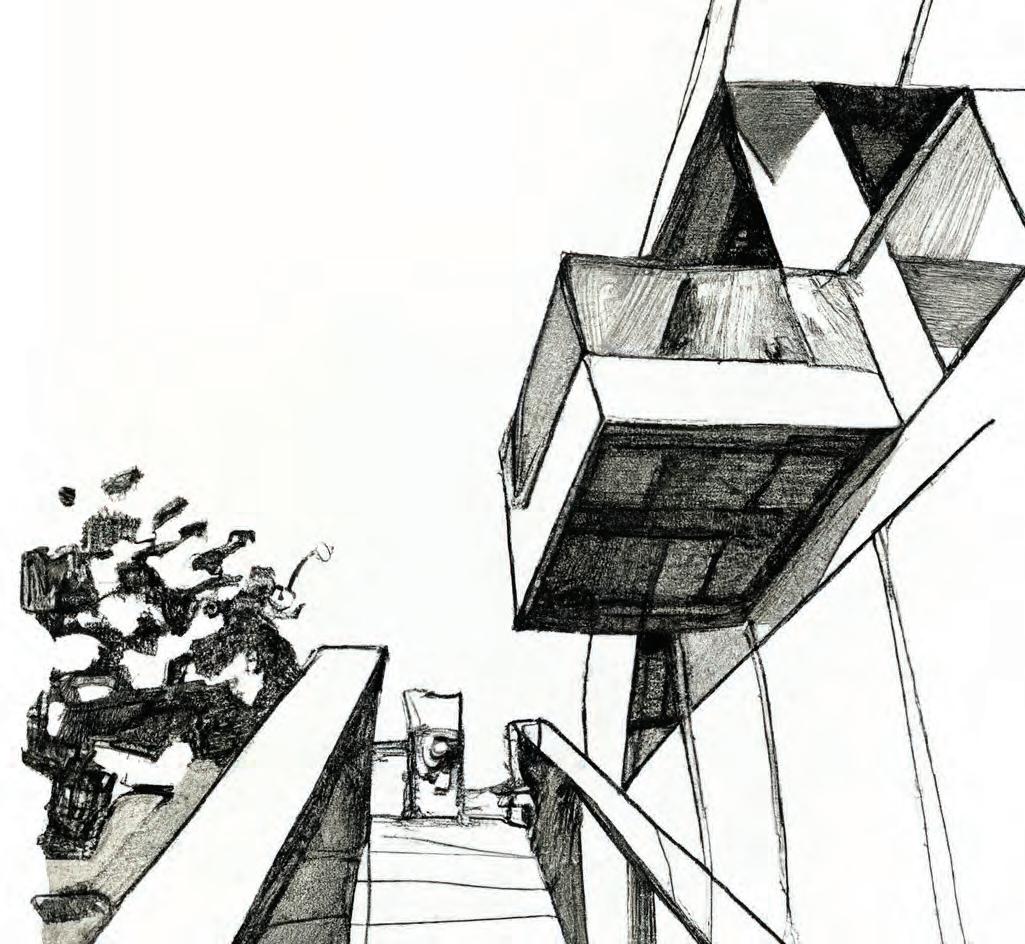
I draw my creativity from the belief that perspectives are the views we choose to carry with us, informed by our personal experiences and shaped by the world around us. My journey has taken me across multiple countries and cultures, inspiring me to approach design challenges from diverse perspectives and to embrace a broad range of frames of mind. I have learned that mastery in architecture requires not only technical proficiency, but also a willingness to seek out new perspectives, to move beyond the 'what' of design and into the 'how,' and to embrace divergence in frames of mind. By looking in every direction, we can gain a full picture of the challenges we face and develop innovative and sustainable solutions that meet the needs of diverse communities. I am committed to continuing this pursuit of higher mastery and to using my skills and knowledge to create a more inclusive, sustainable, and equitable built environment that reflects the needs and aspirations of people from all walks of life.

2022-2023
2022-2023
2020-2022
2016-2020
2014-2016
EXPERIENCE
EXPERIENCEDESIGNER
ARCHITECTUREINTERNSHIP
ROBOTOPERATORANDTRAINER
ANQI
FORMFOUNDFIRM
ALLUMINUMPERSICIONPRODUCTS DIRECTOROFEVENTS
TASTECATERING
2022-2022
2019-2021
2022-2023
2021-2021
SOFTWARE
SKETCHUP RHINO
EDUCATION
TELEFUNKEN 3DMODELINGAND DESIGNINTERNSHIP ASSOCIATES OFARCHITECTURE
APPLIEDDATASCIENCECERTIFICATION
COMPETATIONS
ORANGECOUNTYSUSTAINABILITYDECATHALON
OCC-UCITEAM
CAL.POLY.SLODESIGN VILLAGE OCCTEAM
LANGUAGES
ENGLISH
ILLUSTRATOR FARSI
PHOTOSHOP INDESIGN REVIT GRASSHOPPER
KURDISH TURKISH PYTHON
AUTOCAD
nimamnsr@gmail.com (203)506-6891
@nimayus
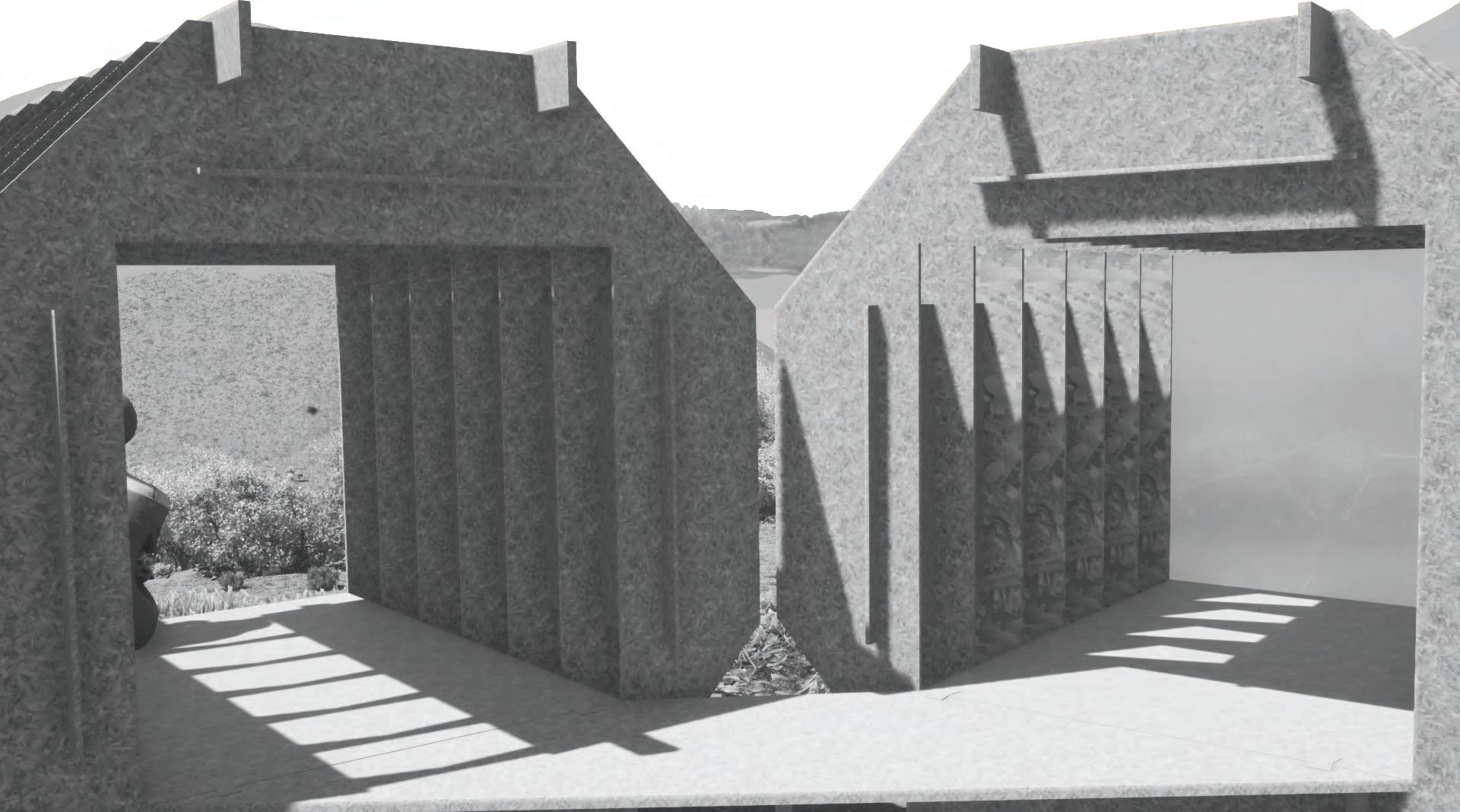
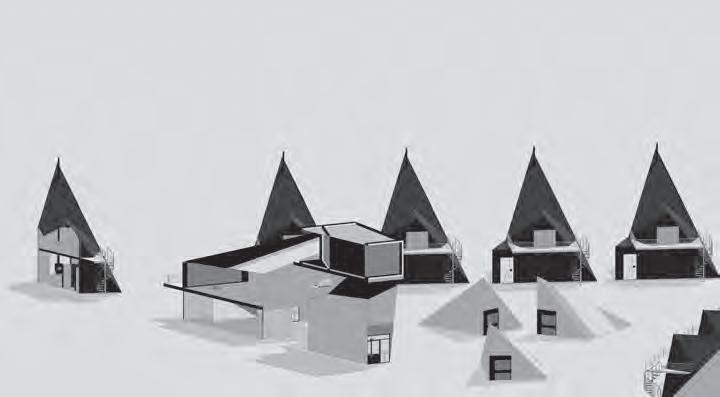
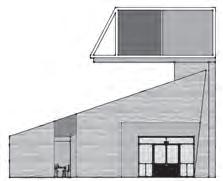
The Elk Island National Forest is a unique and challenging site for any architectural project. Surrounded by a forest of towering poplar trees and subject to heavy snowfall, designing a hostel that would provide both privacy and a sense of community required careful planning and innovative design.
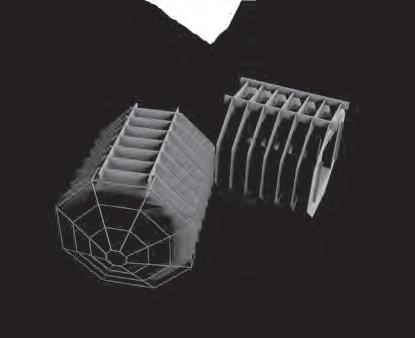
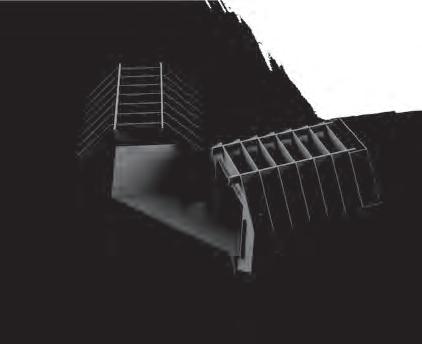
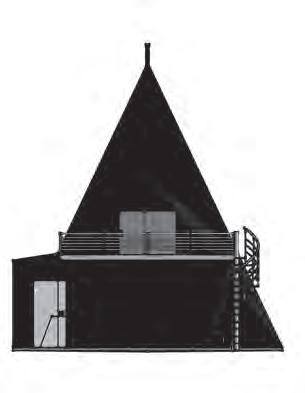
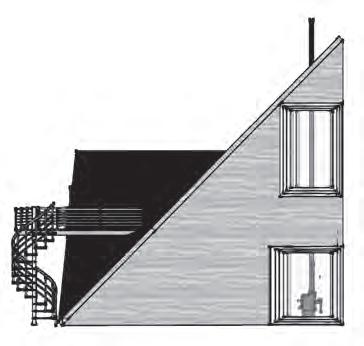
Inspired by the concept of a village, the project takes a modular approach, with a series of connected A-frame cabins forming a triangular shape. Each cabin is designed to sleep up to four guests, with a small loft space and private bathroom, providing both privacy and comfort. The cabin's triangular shape allows for private views into the forest, with a 180-degree view using the connected triangle faces at the corner. The flat back of the cabin provides a terrace that opens to the interior of the hostel, forming a courtyard-like space that brings guests together.
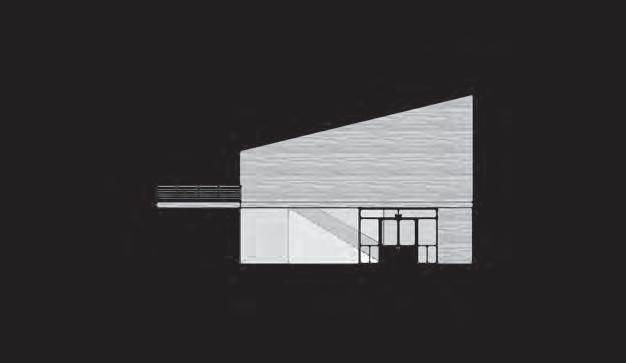
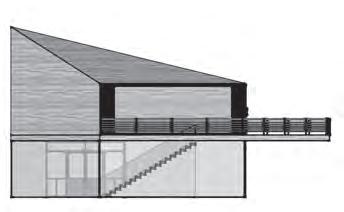
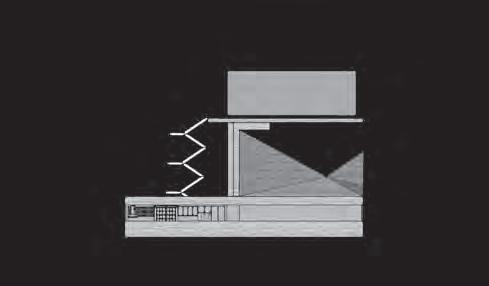
The communal spaces, including a laundry, office, gathering building with dining hall, and bird watching tower, are located in the triangular opening formed by the separate cabins. This central space provides a shared experience and connection between the guests. The gathering building, in particular, is designed with a central fireplace and large windows, allowing guests to enjoy the warmth and beauty of the forest while socializing with one another.
The use of the A-frame and triangular geometry of the cabins is also practical. The design is particularly suited to the harsh winters of the Elk Island National Forest, where heavy snowfall is common. The pitched roof allows snow to easily slide off, reducing the risk of structural damage, while the A-frame provides stability in high winds.
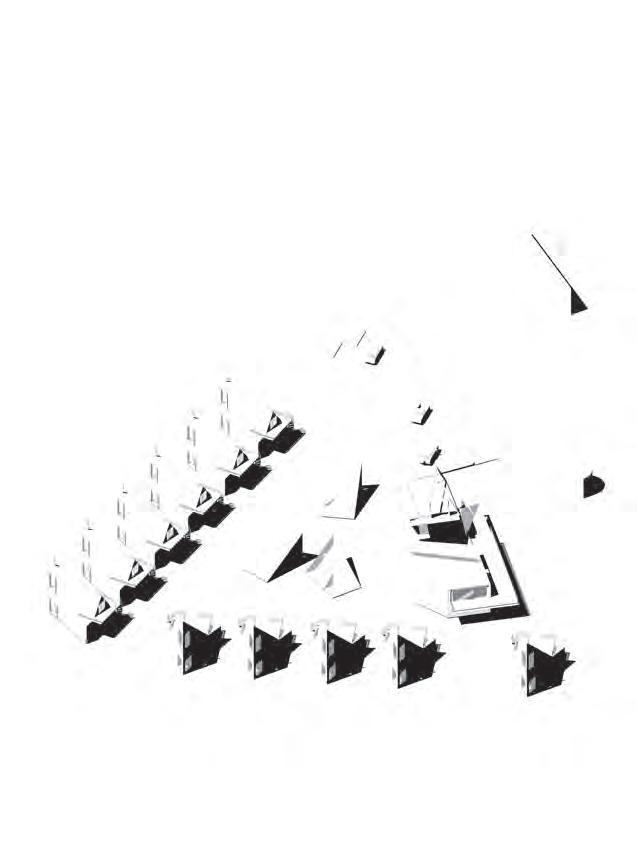
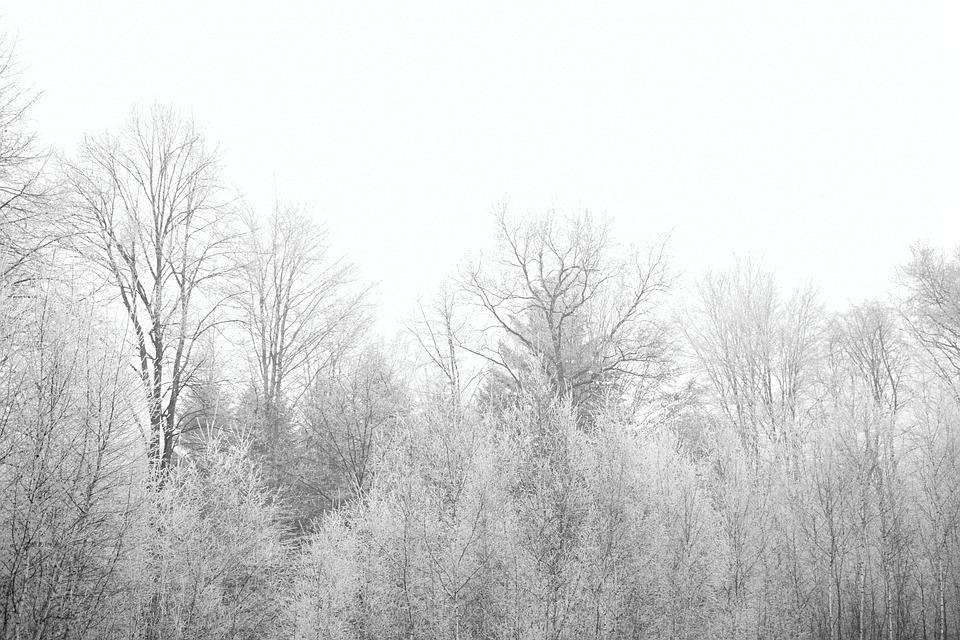
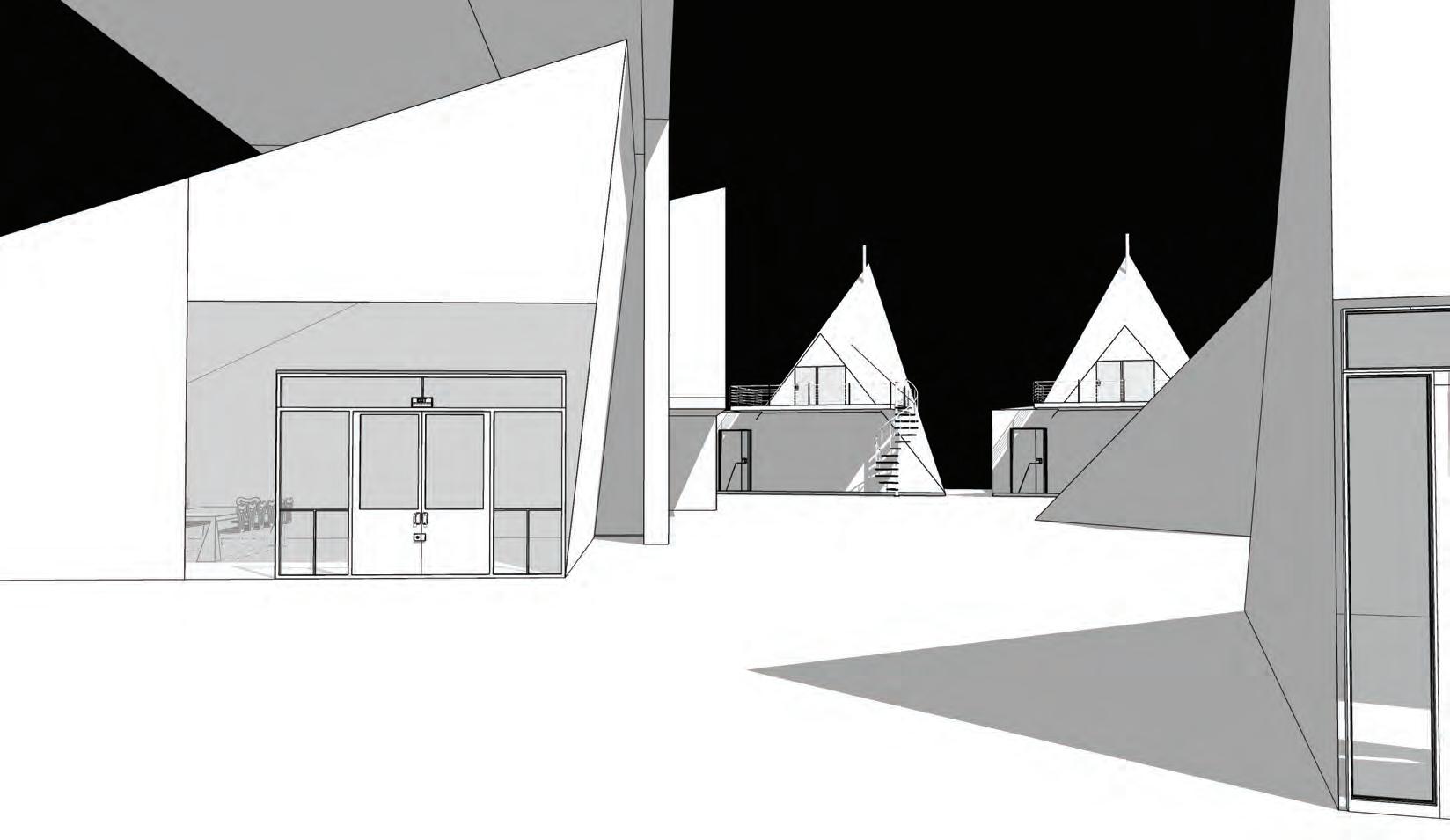
THE USE OF A TRIANGLE SHAPE IN THE DESIGN OF THE HOSTEL IS NOT ONLY A NOD TO THE NATURAL SURROUNDINGS OF THE POLAR TREES, BUT IT ALSO PROVIDES A PRACTICAL SOLUTION FOR THE SNOWY WEATHER CONDITIONS. THE TRIANGLE SHAPE IS IDEAL FOR SHEDDING SNOW AND CREATING A STRUCTURAL FORM THAT IS STABLE IN HIGH WINDS. IN ADDITION, THE GEOMETRY OF THE TRIANGLE ALLOWS FOR PRIVATE VIEWS INTO THE FOREST WHILE ALSO PROVIDING OPPORTUNITIES FOR COMMUNAL SPACES THAT CONNECT THE INDIVIDUAL CABINS.
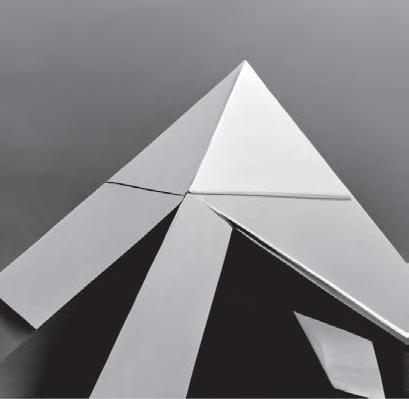
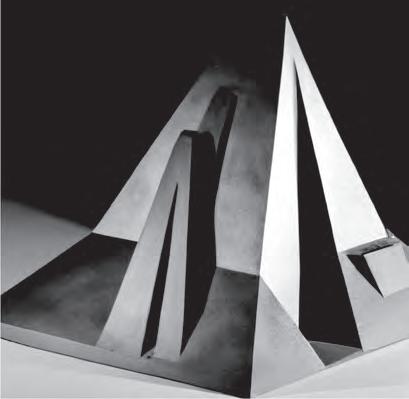
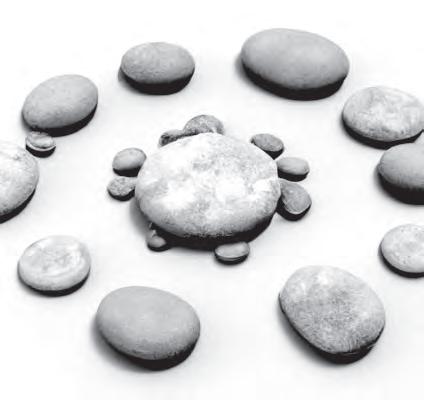
THE CONCEPT OF COMMUNITY IS ESSENTIAL TO THE DESIGN OF THE HOSTEL. THE USE OF SEPARATED TINY-CABINS AROUND A CENTRAL COMMUNAL SPACE IS REMINISCENT OF A TRADITIONAL VILLAGE, WHERE INDIVIDUAL SPACES ARE CLUSTERED AROUND SHARED GATHERING AREAS. THIS CREATES A SENSE OF CONNECTION AND BELONGING AMONG THE HOSTEL GUESTS, FOSTERING A FEELING OF COMMUNITY AND SHARED EXPERIENCE. THE COMMUNAL SPACES, INCLUDING THE BIRD WATCHING TOWER, GATHERING BUILDING, DINING HALL, AND LAUNDRY, PROVIDE OPPORTUNITIES FOR GUESTS TO INTERACT, LEARN, AND RELAX TOGETHER.
THE ORGANIC SHAPES IN THE DESIGN OF THE HOSTEL REFER TO THE USE OF NATURAL FORMS FOUND IN THE SURROUNDING ENVIRONMENT. THE TRIANGULAR GEOMETRY OF THE INDIVIDUAL CABINS ECHOES THE SHAPE OF THE POPLAR TREES, WHILE THE CURVED FORMS IN THE COMMUNAL SPACES REFLECT THE FLOWING LINES OF NATURE. THE USE OF ORGANIC SHAPES IN THE DESIGN CREATES A SENSE OF HARMONY AND INTEGRATION WITH THE NATURAL WORLD, ENHANCING THE GUESTS' EXPERIENCE OF BEING IMMERSED IN THE WILDERNESS.
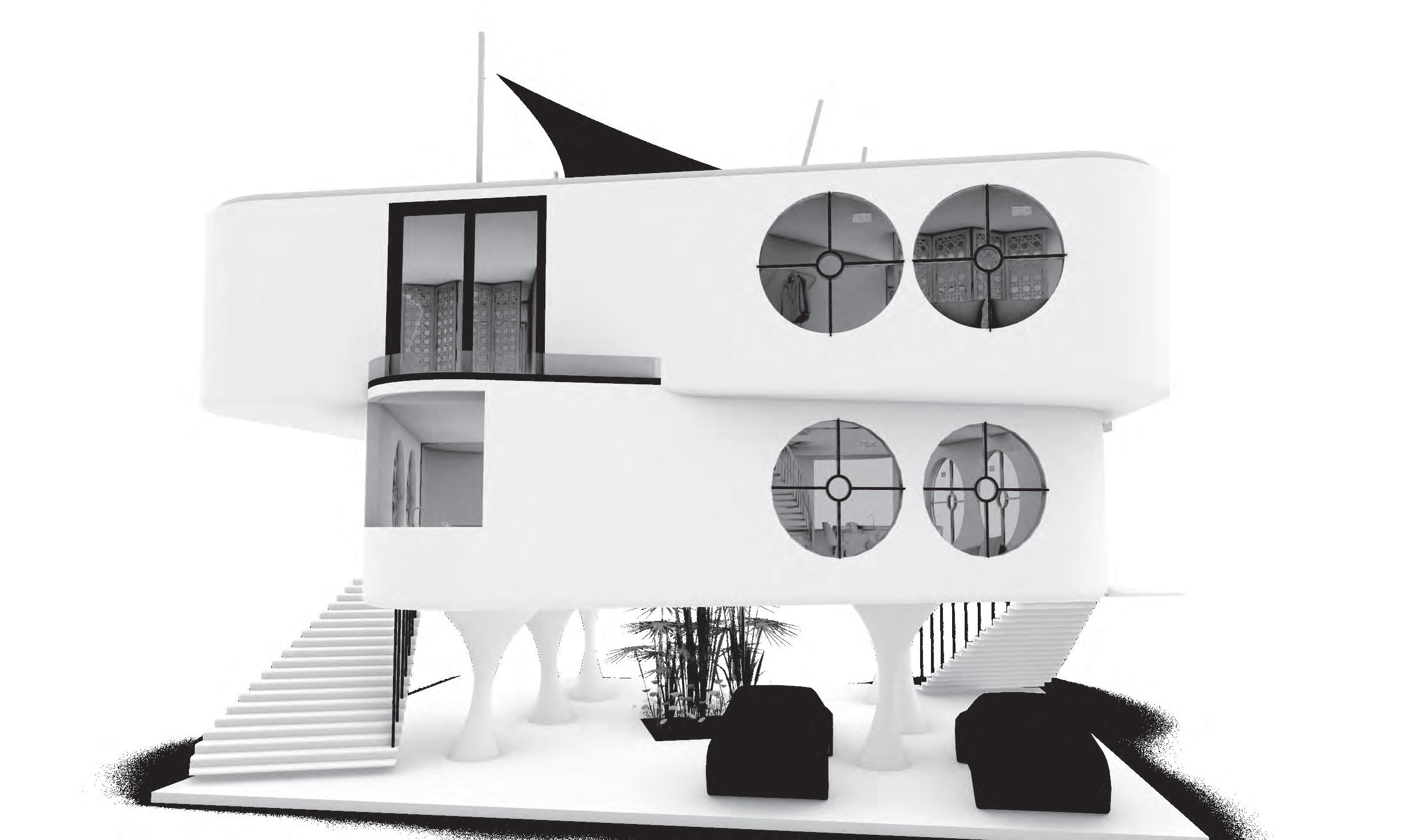
The concept for this project is centered around the idea of breaking free from the monotony and rigidity of suburban living, and creating a sense of openness and continuity within small spaces. To achieve this, the design incorporates the use of softness and fluidity in its forms and materials.
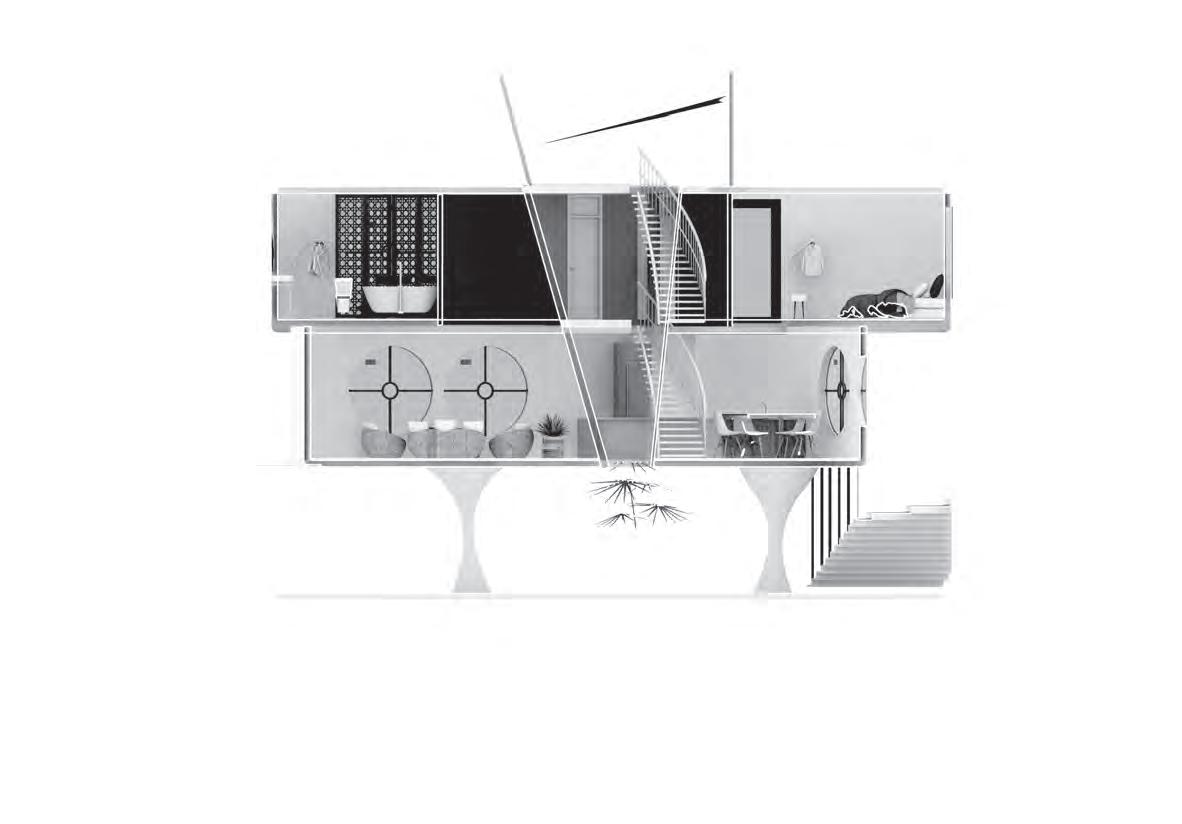
The building is lifted 10 feet off the ground to provide space for parking, which is a valuable commodity in Newport Beach, and also serves as a solution to the flooding danger that the city faces. This elevated design also creates a sense of privacy and openness, as well as unobstructed views of the surrounding area.
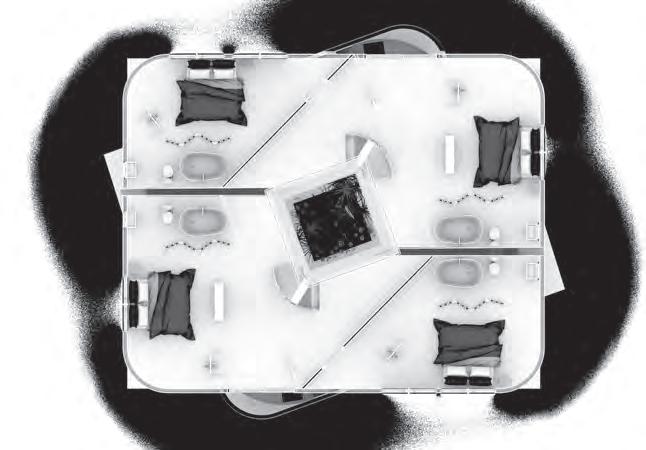
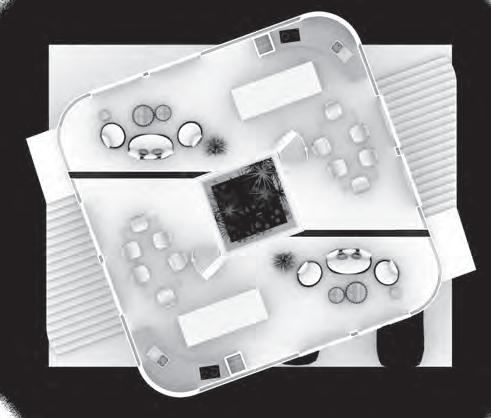
The central feature of the design is the courtyard, which acts as a space for soft light to filter through, creating a soothing and comfortable environment throughout the year. The courtyard is enclosed by one-way glass, which offers privacy to both units while creating an infinity effect with the botanicals and light.
To further enhance the softness and continuity of the design, materials such as curved glass, soft fabrics, and natural woods are utilized throughout the interior and exterior spaces. The curved glass allows for a smooth transition between indoor and outdoor spaces, while the soft fabrics provide comfort and a tactile quality to the space. Natural woods add warmth and a connection to nature within the otherwise urban setting.
Overall, this design aims to create a sense of fluidity and openness within the constraints of small spaces, while also breaking free from the repetitive and rigid nature of suburban living. The use of softness and natural materials helps to achieve this, while the elevated design and courtyard offer practical solutions to the challenges of the site.
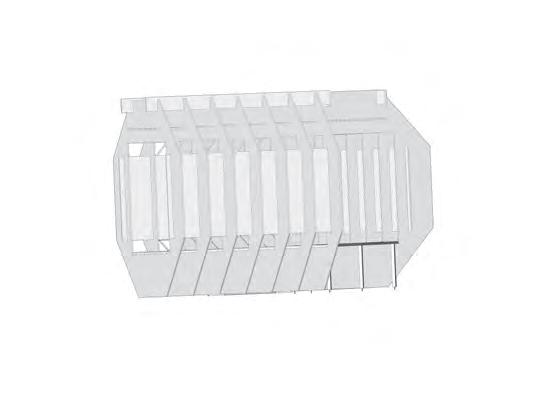
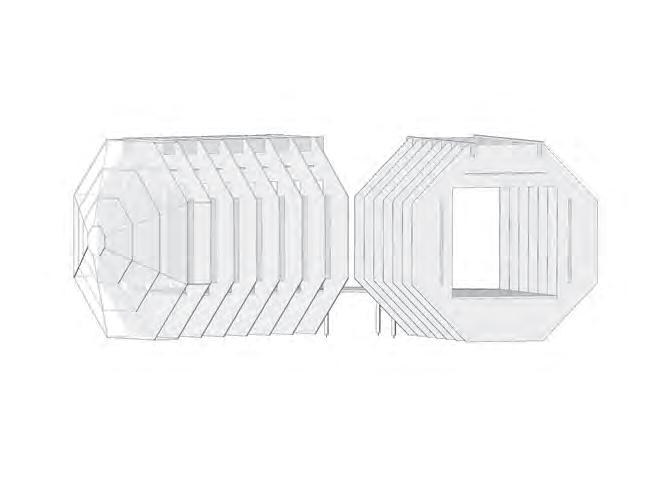
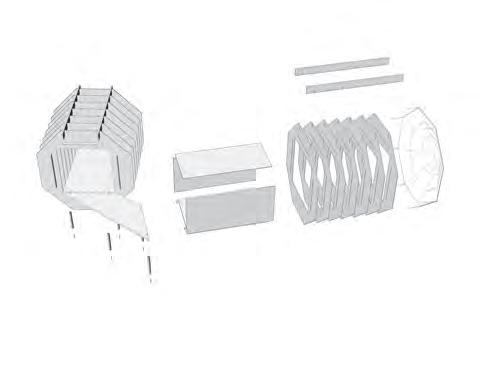
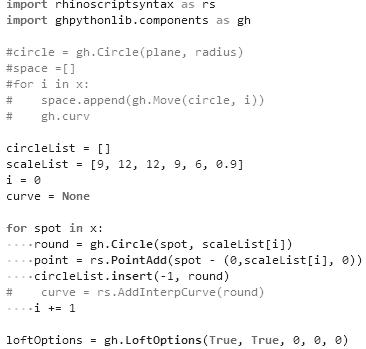
GRASSHOPPERPYTHONCODE-GENERATEDLOFT-NOSTRUCTURALVALUE
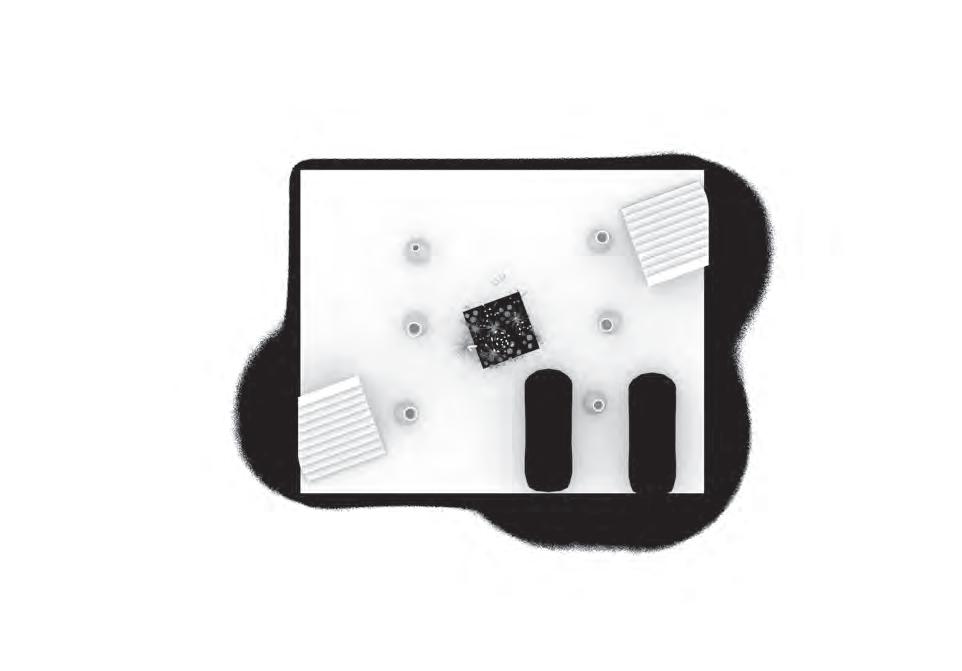
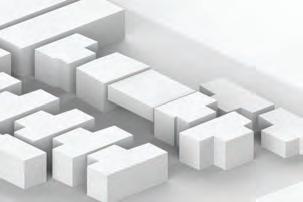
Existingsitelocatedat 7000WestCoastHwy,NewportBeach limitedspace,limitedoutdoorarea,and smallgapsbetweeenbuildings


Siteseatsona2000sq/ftarea anda4000cb/ftvolume Tobealocatedformulti-familyliving (DUPLEX),with2units
LIFTINGNEEDEDSPACE
Duetothelackofparking,outdoor spaces,andfloodrisk, buildingwillbelifted,leaving1st floorasavoid

PIERCINGWITHVOID
Topromoteahealthierlivingspace, thebuildingwillsurroundaceneteral garden connecting thebottomfloor androof-top

The central concept of the design for this Newport Beach condo is to create a sense of softness and continuity throughout the living spaces, even in the midst of the typically rigid and repetitive architecture of suburban neighborhoods. This is achieved in large part through the creation of a lush, green courtyard that allows soft, natural light to filter throughout the interior. The one-way glass that encloses the courtyard creates a sense of infinity, while still providing privacy for both units. This green oasis serves as a visual anchor for the design, creating a peaceful retreat within the bustling city.
To break free of the rigid geometry of suburban homes, the design of this condo incorporates soft edges and curves, rather than straight lines and hard angles. This softness is achieved through the use of organic forms and materials, such as the curving, smooth lines of the courtyard's raised planter beds. By creating spaces that are free from the sharp, angular edges that often define suburban architecture, this design aims to create a sense of fluidity and openness that is both calming and inviting.
The overarching concept behind this design is to challenge the monotony and uniformity of suburban living, and create a space that is both open and inviting. The use of soft edges and organic shapes serves to create a sense of flow and continuity throughout the space, while the courtyard provides a lush, green oasis in the midst of a busy city. By raising the entire building up 10 feet, space is created for much-needed parking, while also addressing the issue of flooding that often plagues the city of Newport Beach. By breaking free of the traditional constraints of suburban architecture, this design offers a fresh, modern take on condo living, one that prioritizes softness, flow, and connection with the natural world.