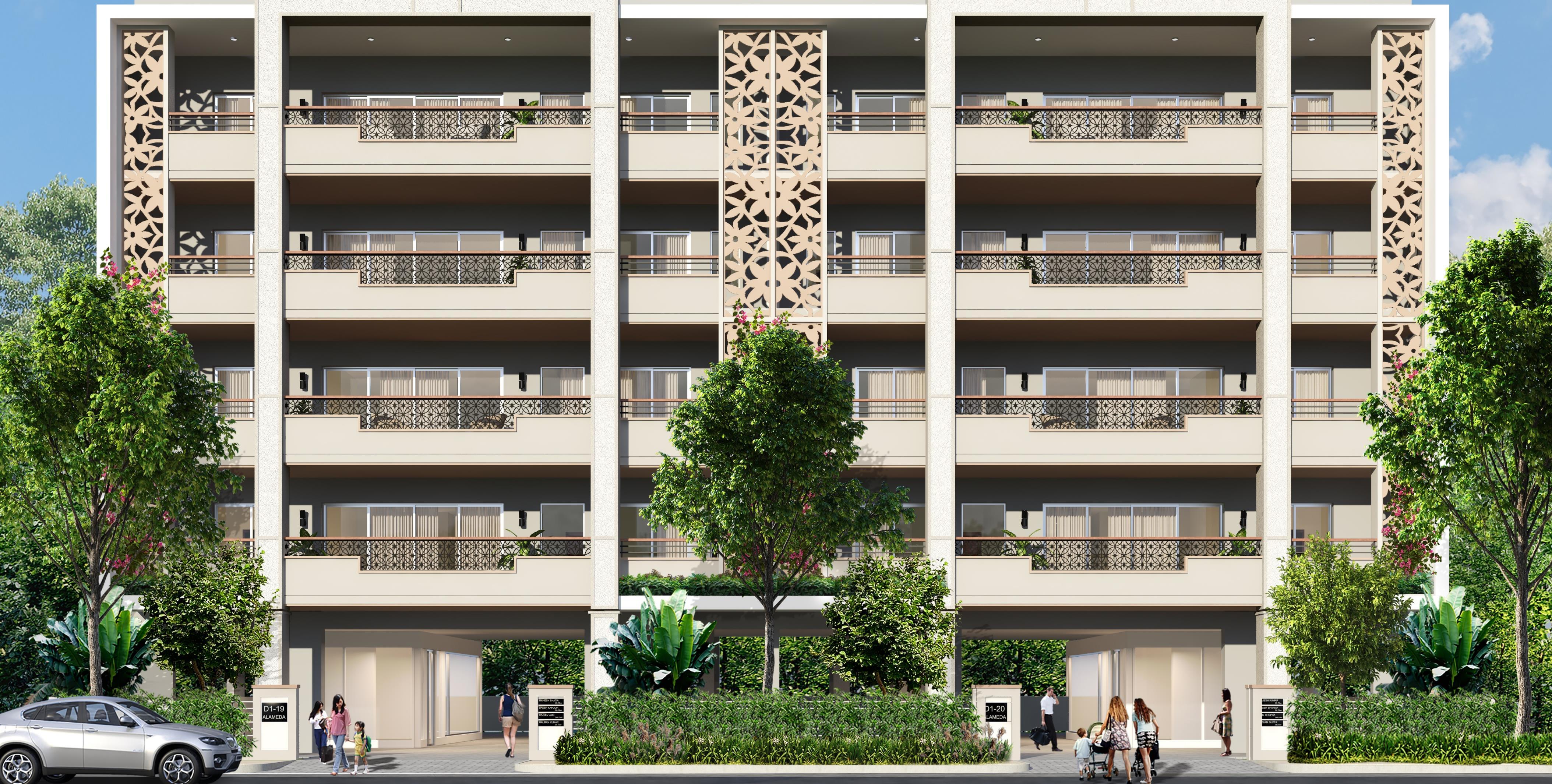
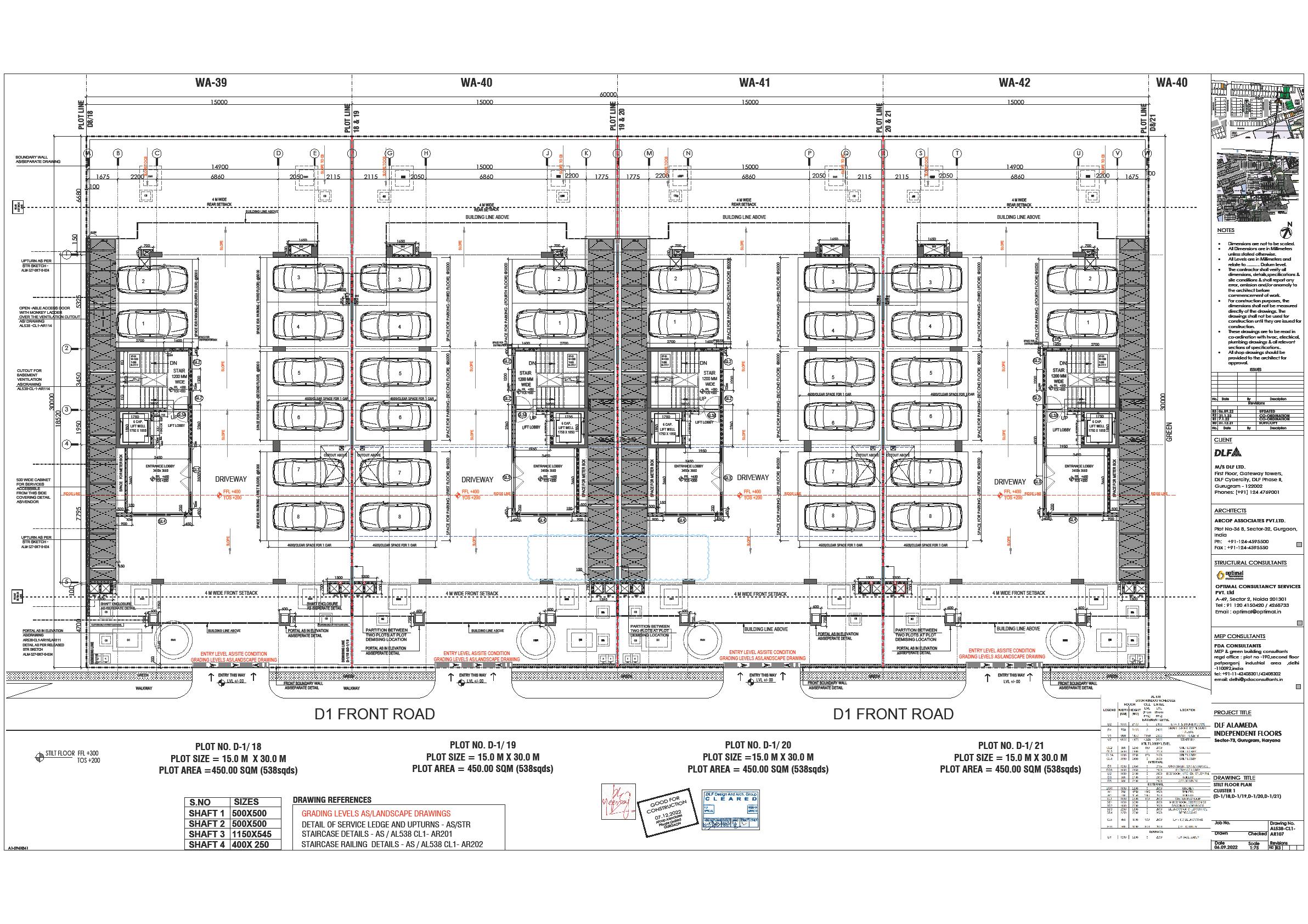
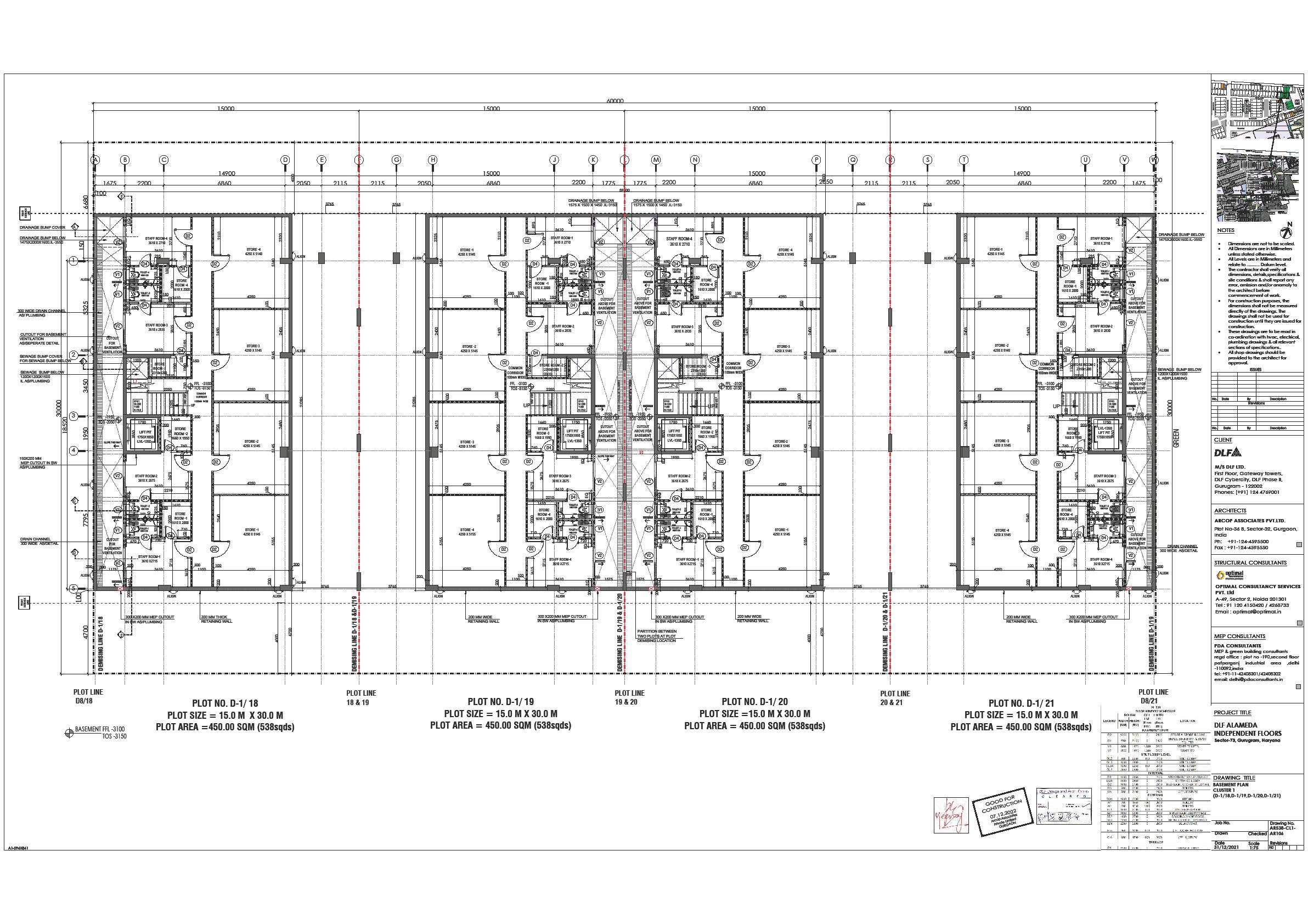
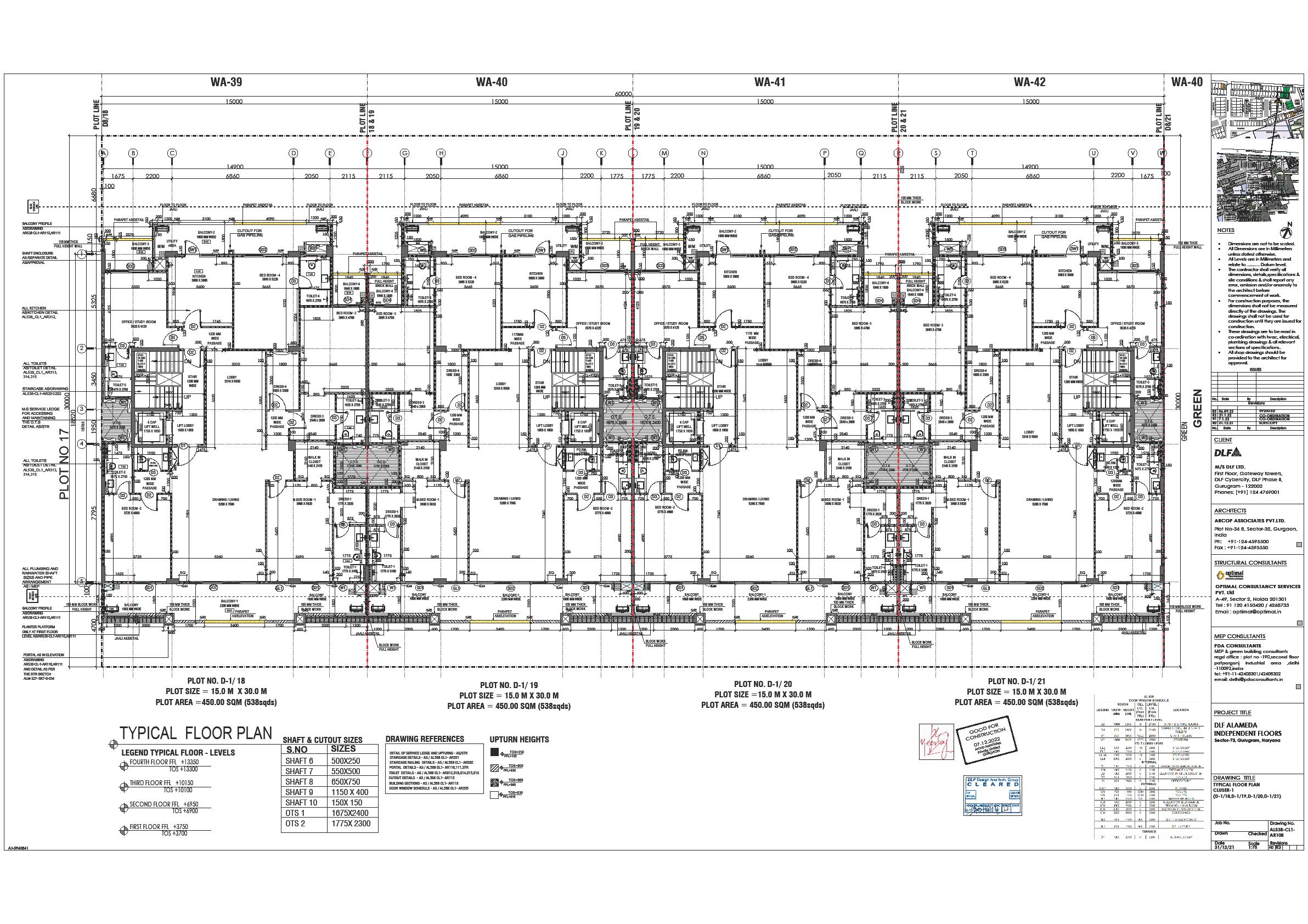
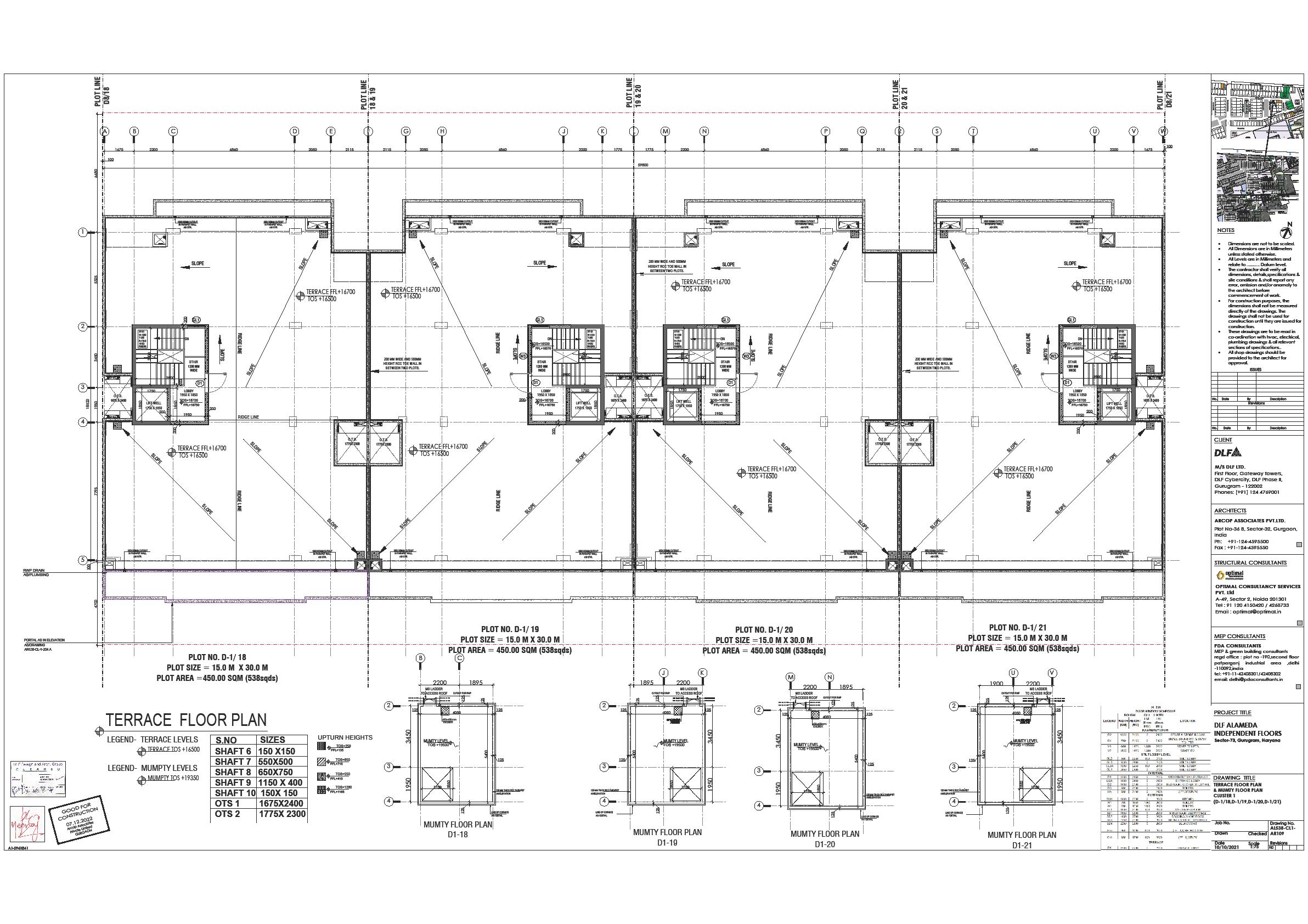
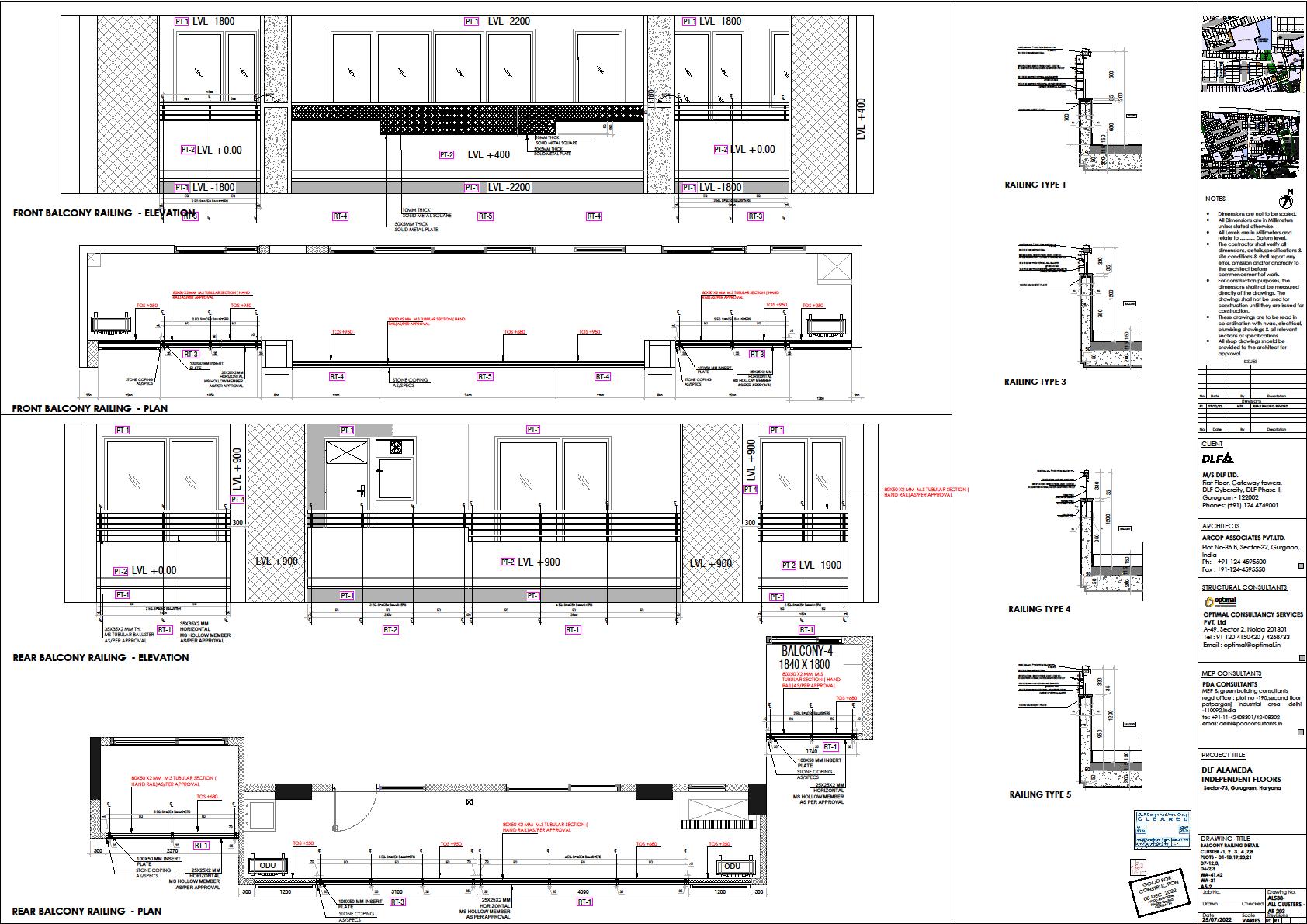
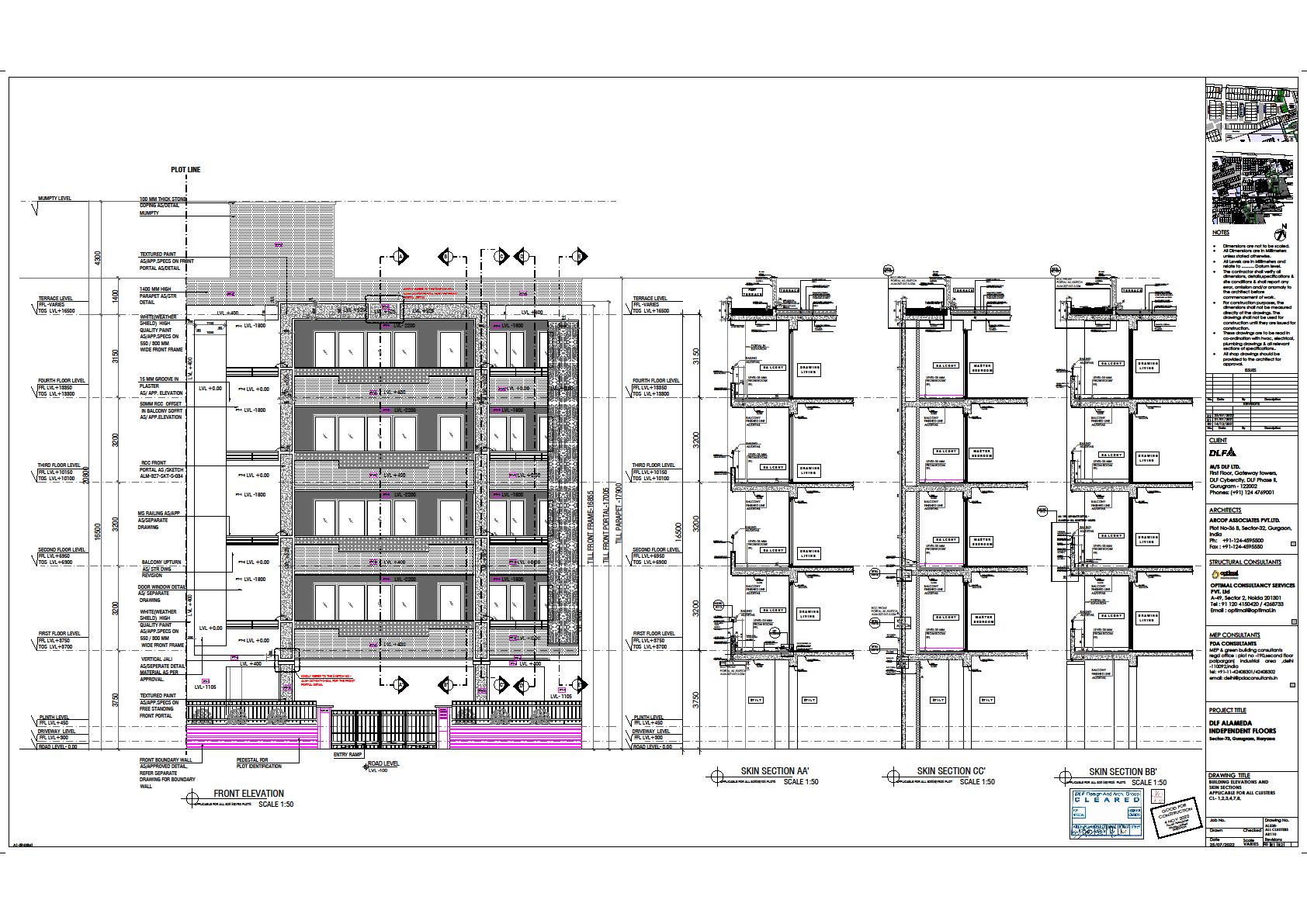
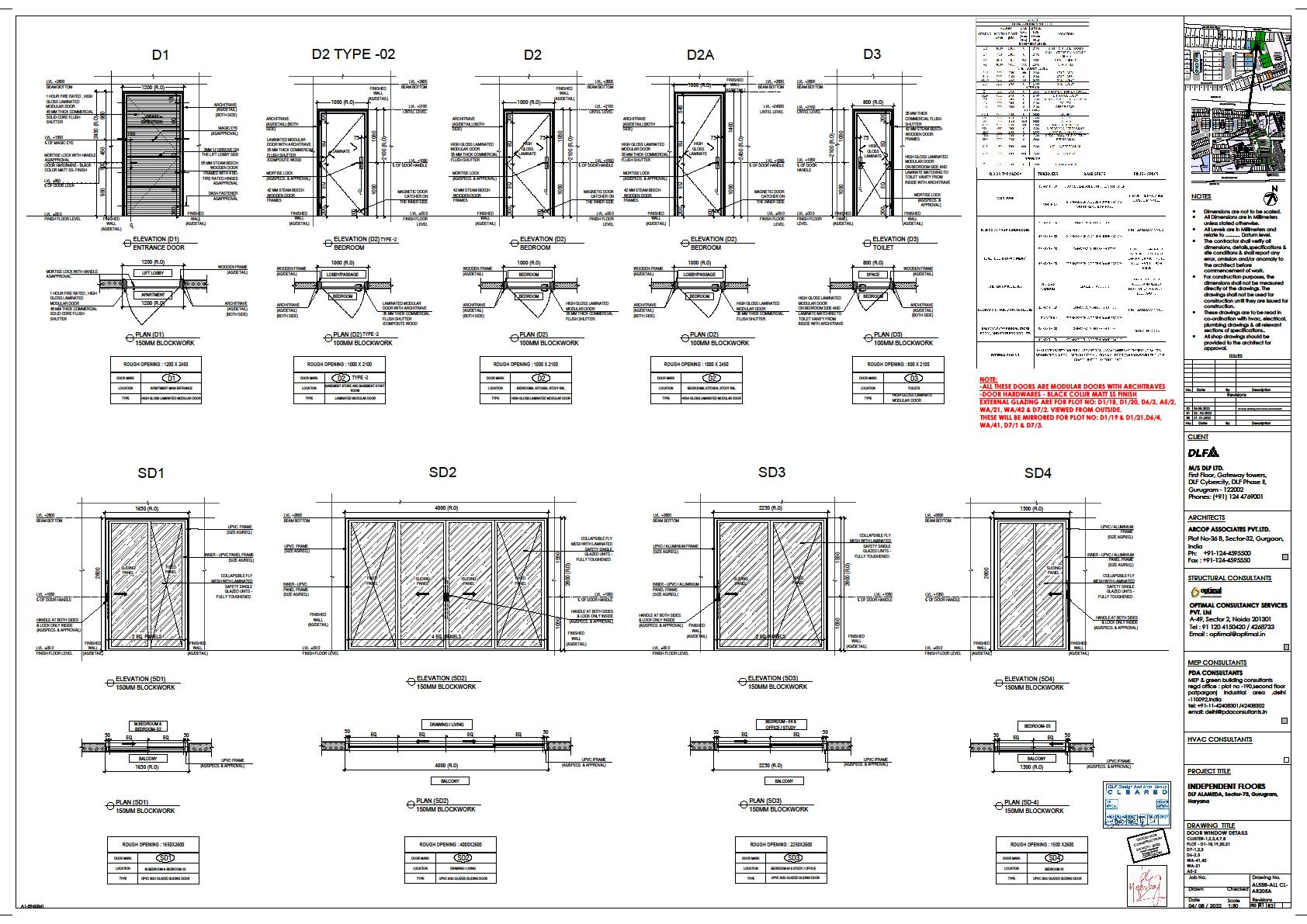
DLF ALAMEDA
July 2021 – Ongoing
ARCOP Associated Pvt. Ltd.,
Gurugram, India
Client: DLF
Location: Gurugram, India
Strategically located in Gurugram’s Sector 73 on Southern Peripheral Road. Alameda offers the perfect balance of seamless connectivity and peaceful surroundings. Within its tranquil ambience of lush tree-lined avenues filled with sculptural elements and water features a gated community creating a secure and peaceful world. It’s a home for those who want to step out of the fast lane, get away from the constant buzz of the city and still stay connected.

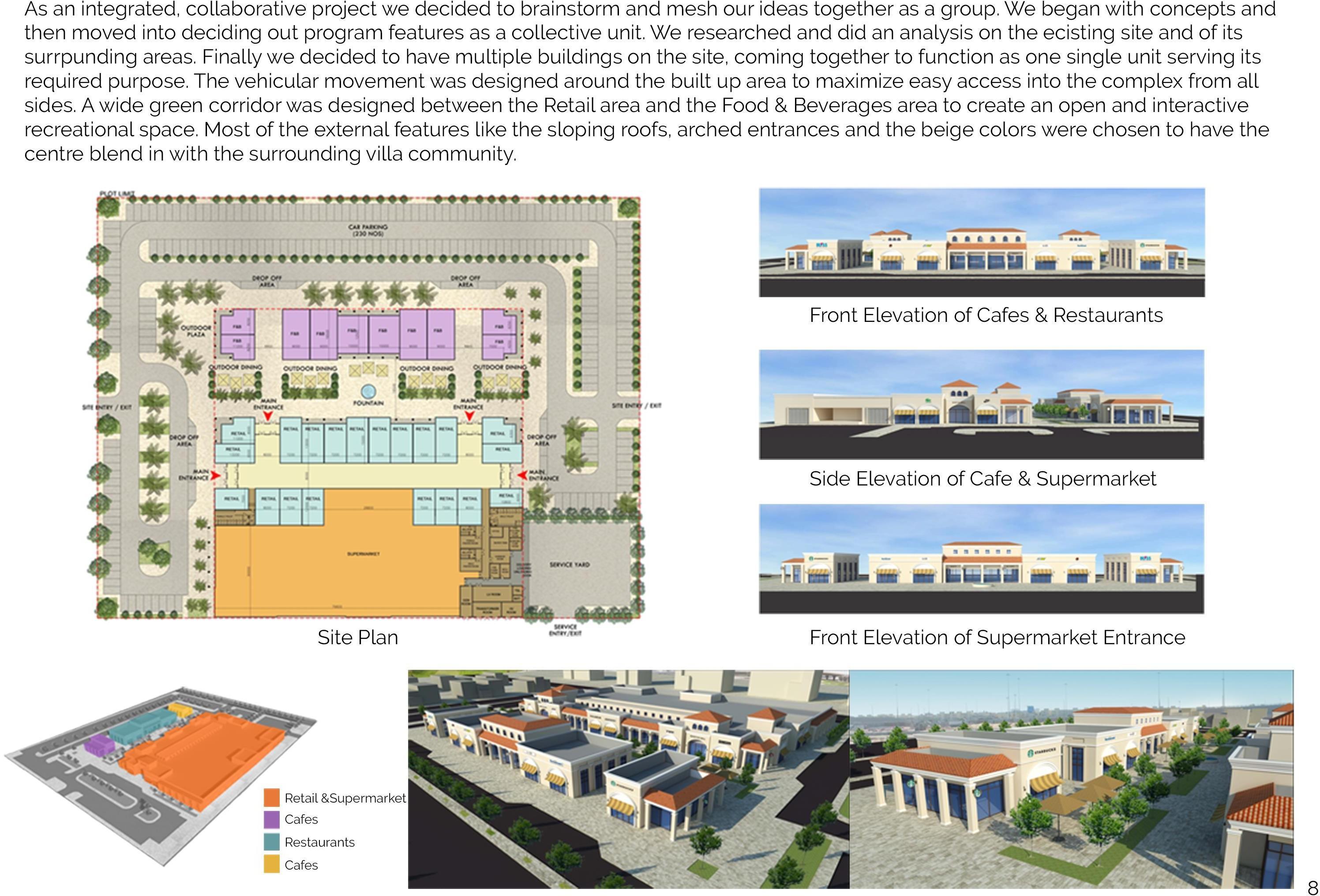
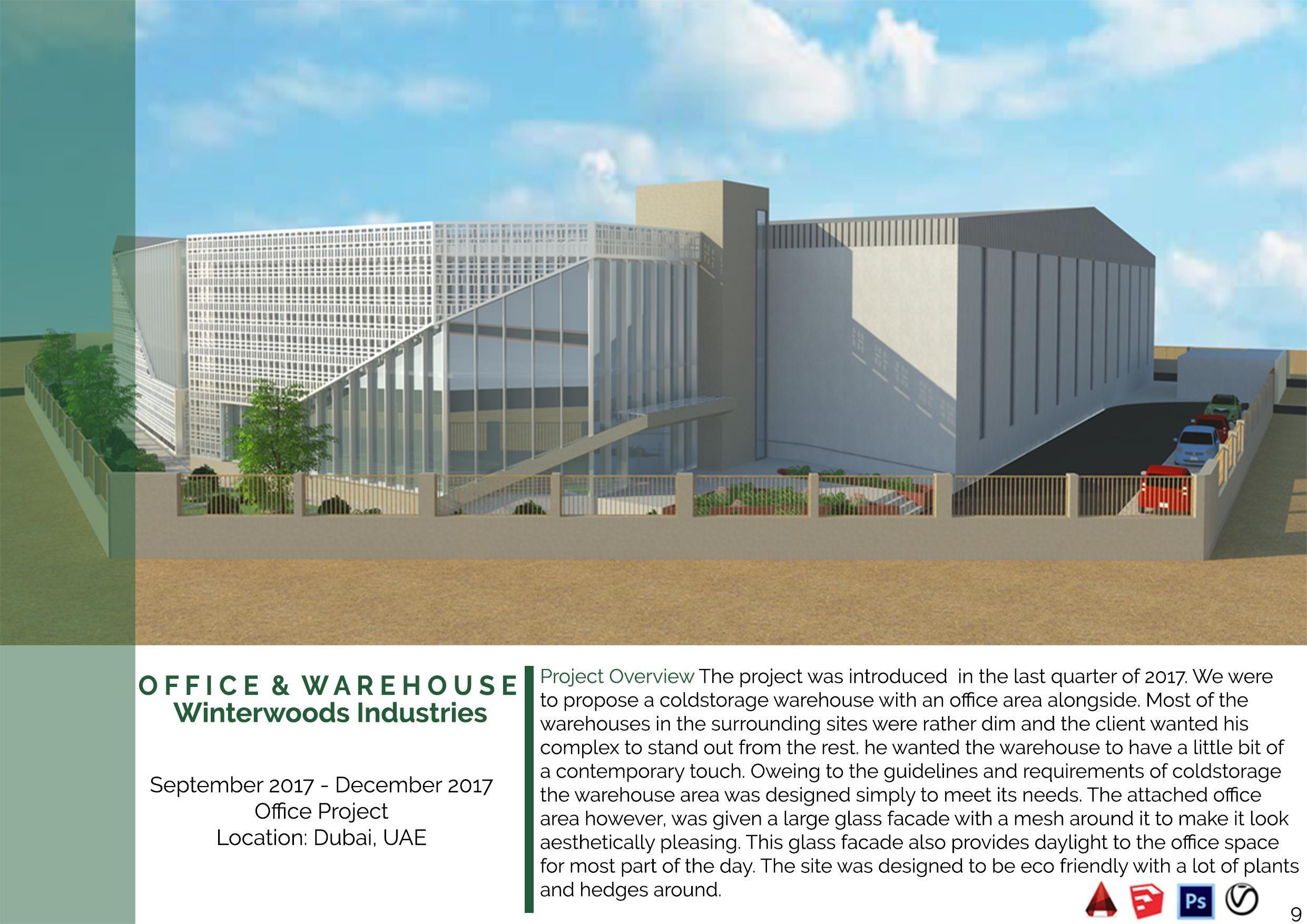
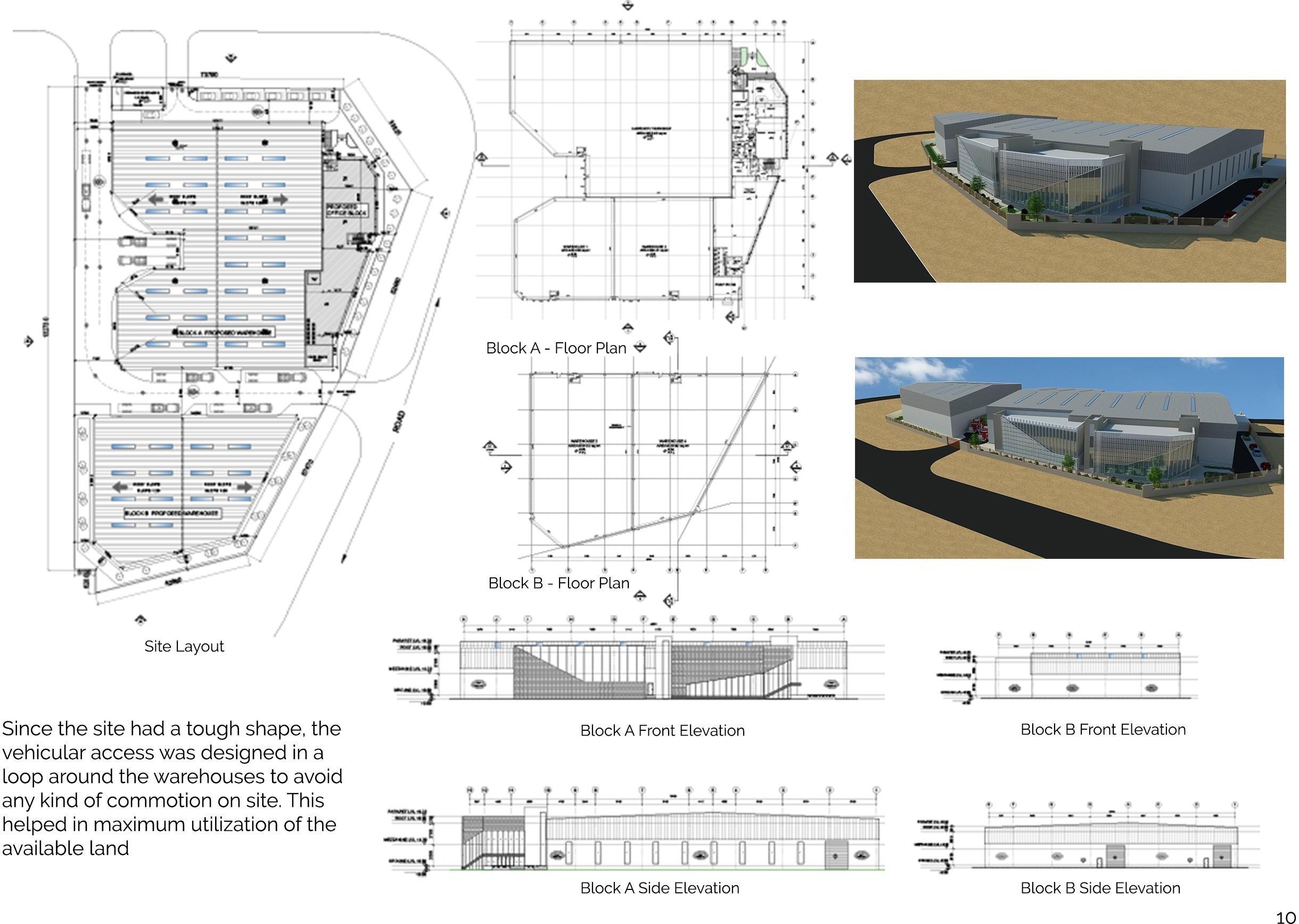
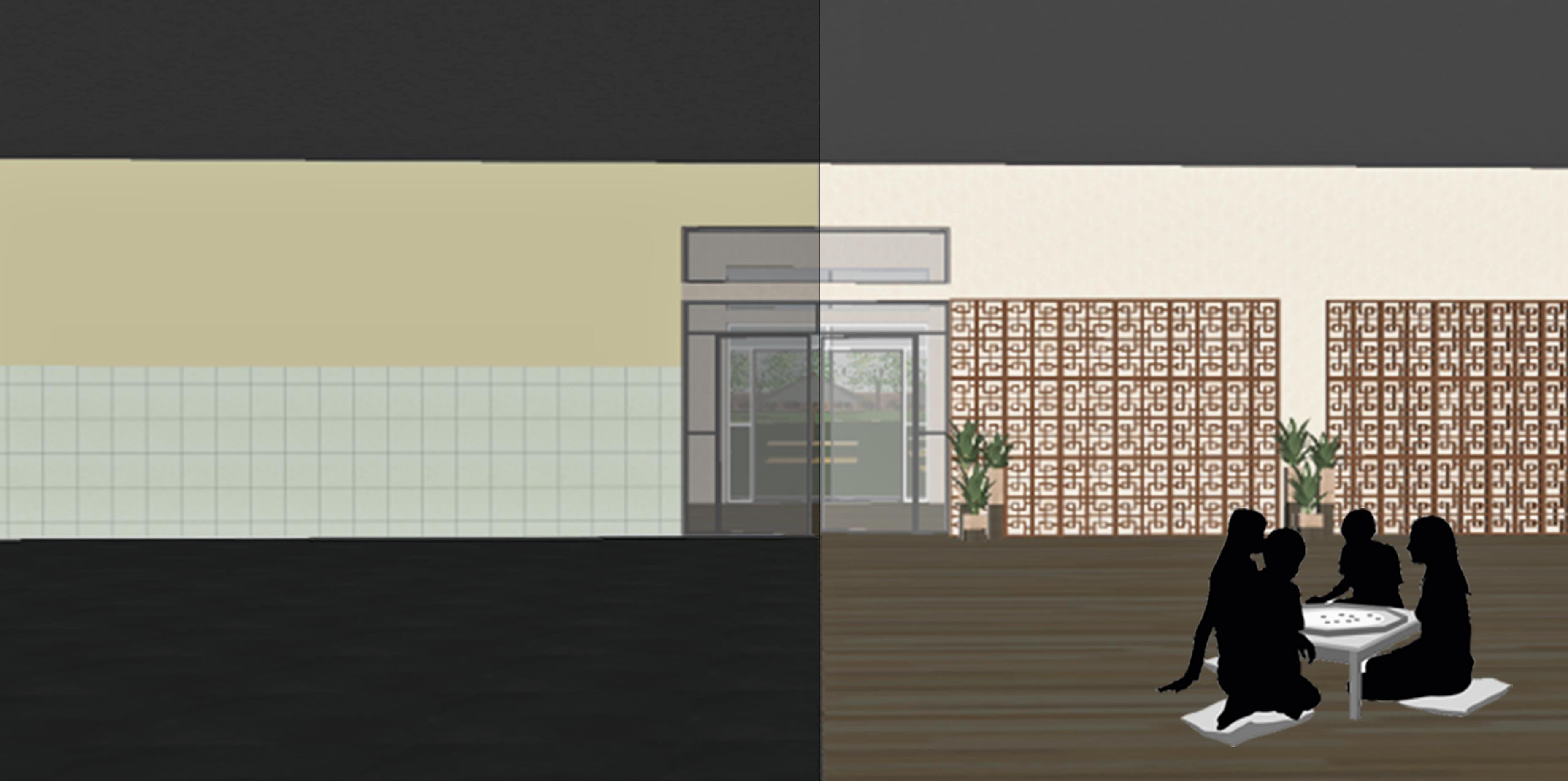
REINVIGORATING COMMUNITY ROOMS
Project Overview: Gurugram, a major satellite city of the capital of India has developed drastically in the past 25 years and become home to a wide variety of people from different backgrounds. Amidst all this development the element of social activities and community life has been lost impacting the Quality of Life of the residents of the city. The Aim of the thesis has been to understand how social activity impacts Quality of Life of the residents on an intimate level and to propose a prototype to reinvigorate a series of existing community centers in the city.
 Studio IV:Thesis; M.Arch (IA)
A unified body of individuals, such as, people with common necessities living in a particular area broadly. All these elements collectively impact the Quality of Life (QOL)
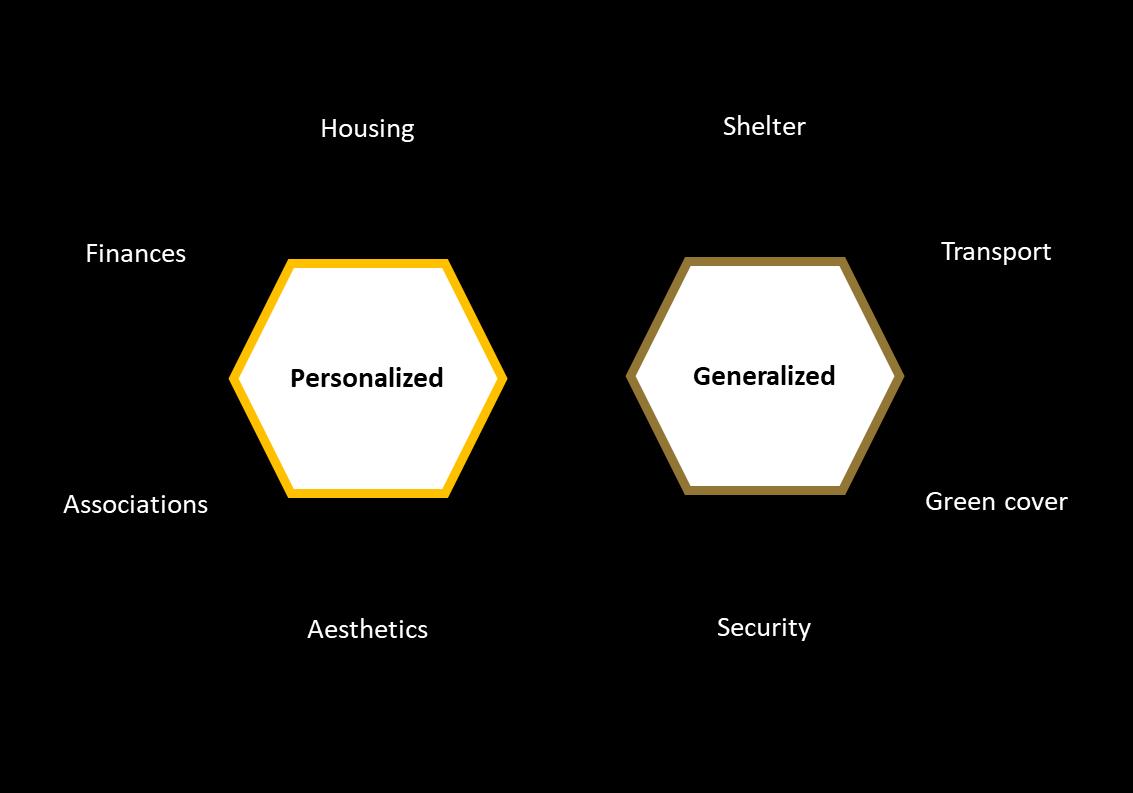
Categorization of elements of QOL
Physical Social Psychological
Region of Study: Gurugram, Haryana
User Group:

Upper Economic Group

Middle Economic Group

Lower Economic Group
HUDA Provisions for Community Activities & Social Interaction
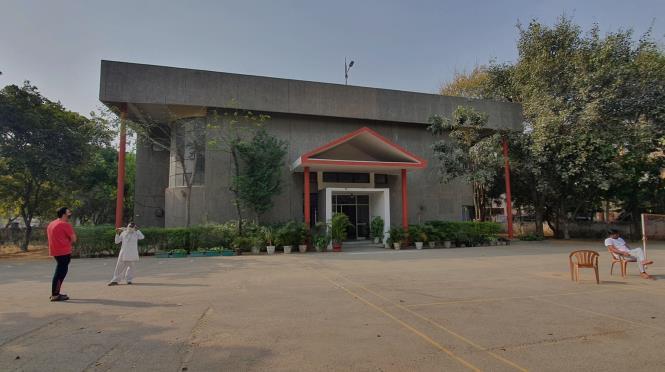
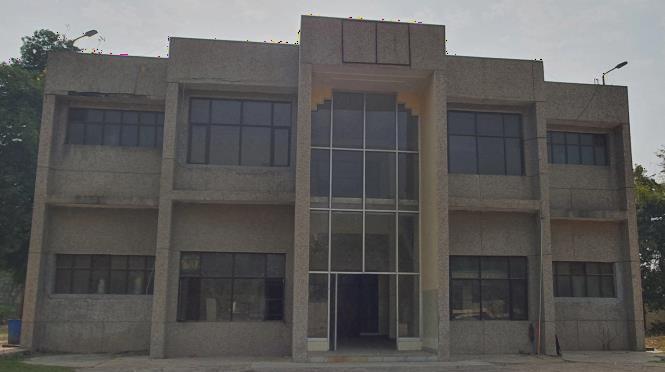
Spaces of interaction on a group/community level are important as the quality of social interaction of a human impacts their various relationships
Private Relationships

Public Relationships

Relationship with self Community Rooms: Spaces (centres or halls) that are at provided public locations where members of a community tend to gather for group activities, social support, public information & other purposes as social interaction is essential to every aspect of human health.

Renew a series of existing community spaces to improve the Quality of Life of the user in an urban context, thus creating a prototype for future developments of similar nature.

Possible product or end goal
Keeping in consideration elements of sustainability & healing architecture
Tool
VISION
Programmatic Ideologies
Ideology
User Group
Large Flexi Spaces (Site, Space Planning, Surface, Stuff)
Intimate interactive spaces (Space Planning, Surface, Stuff, Services)
• Formal/Informal events
• Exhibitions
• M edia Centre
• Children cluster
• Formal/Informal events
• Sales & Exhibitions
• Cultural events
• Children cluster
• Meetings
• Private support groups
Dojo Spaces (Surface, Stuff, Space Planning)
• Self defence training – RAKSHA
• Cultural activities
• Incubator space
• Private group activities
• Literature groups
• Formal/Informal events
• Creative groups
• Vocational groups
• NGO activities
• Child cluster
• Day care activities
• Private learning space
• Gender specific vocational & training activities
• Self defence training – RAKSHA
• Cultural activities (Dance/music, etc.)
Green Rooms
(Site,Skin,Surface, Stuff, Services)
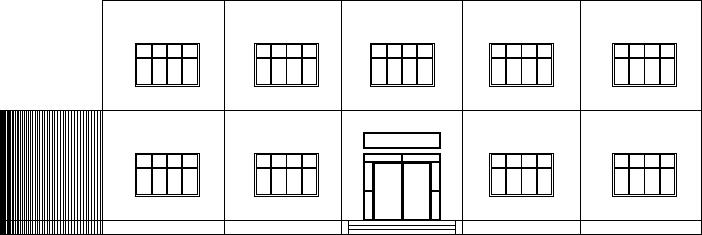
Existing Typical Elevation
Double Storey
• Amphitheatre
• W alking track
• Group gatherings
• Formal/Informal gatherings
• Community event space
• Private event space
• Children cluster
• Organic farming
• Indoor greens
• Self defence training – RAKSHA
• Cultural activities (dance/music,etc.)
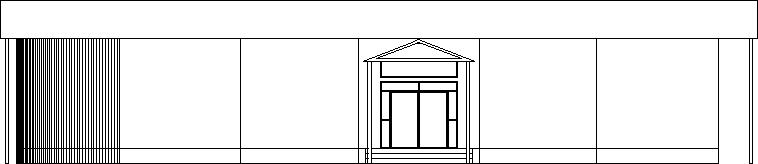
Existing Typical Elevation
Single Storey
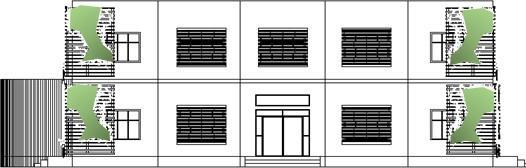
Proposed Typical Elevation
Double Storey
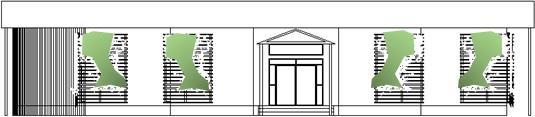
Proposed Typical Elevation
Single Storey
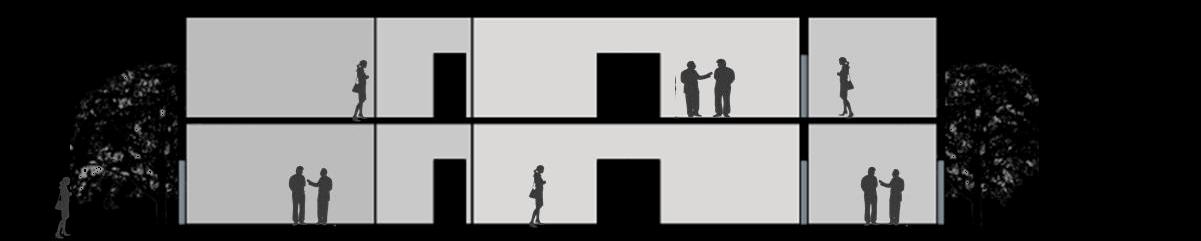

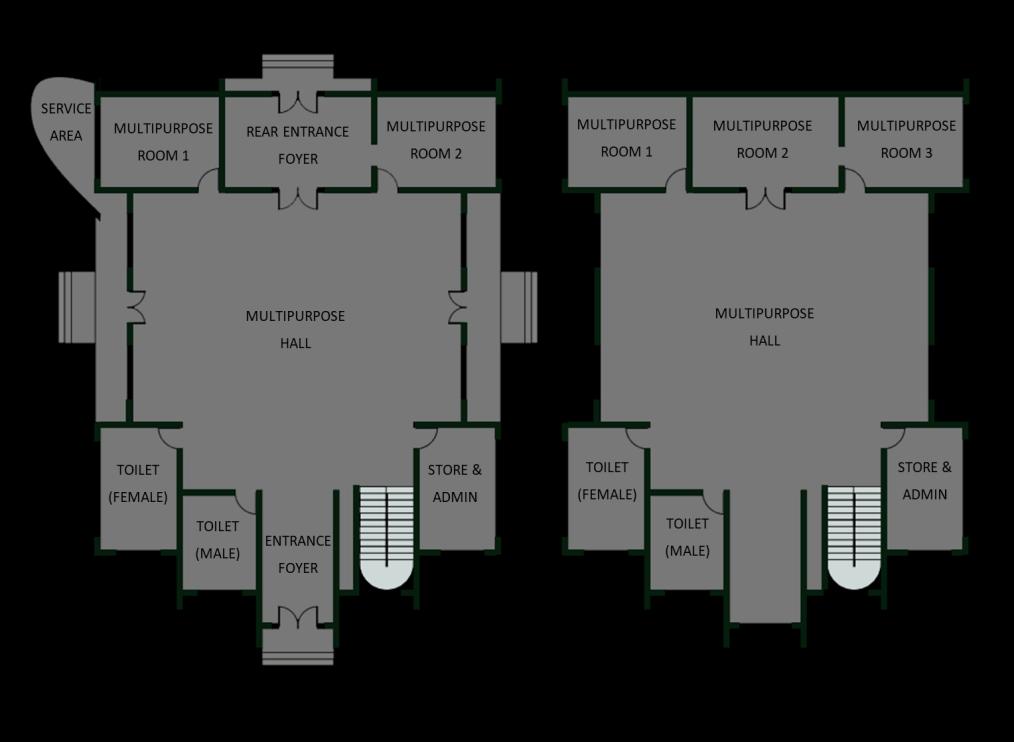
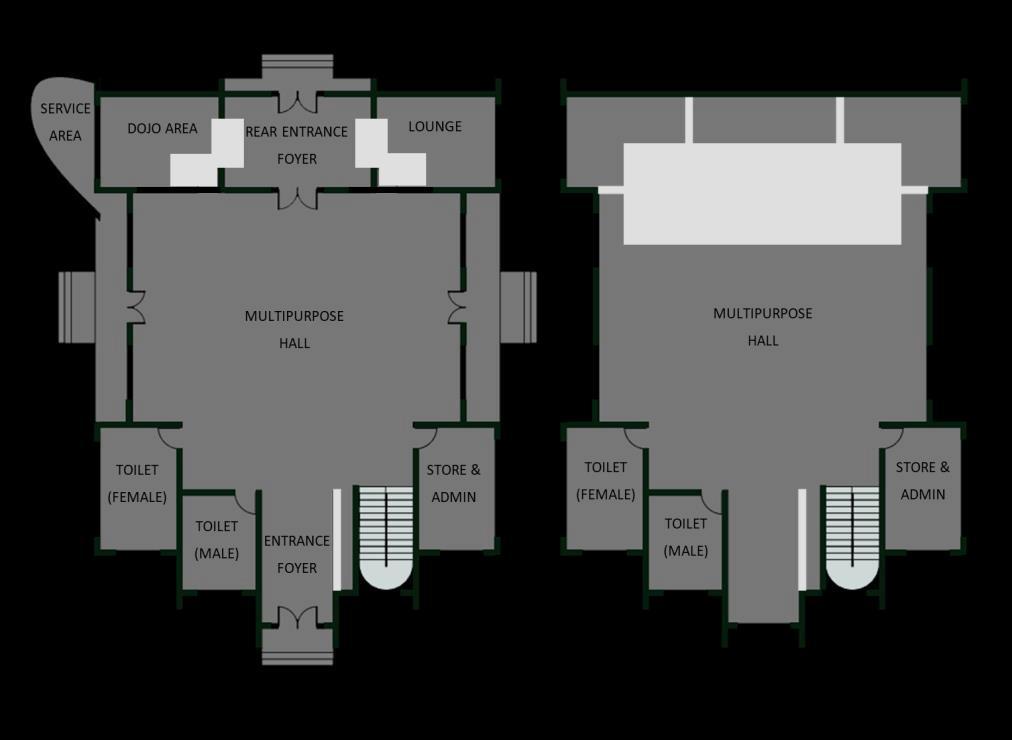
Proposed Typical Floor Plans GF FF FF GF Existing Typical Floor Plans
Section
Section
Horizontal
Vertical
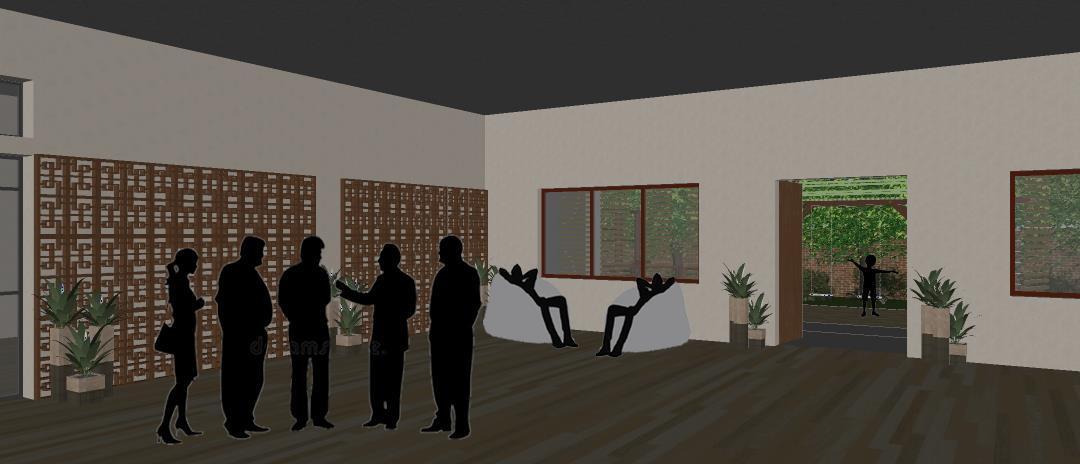
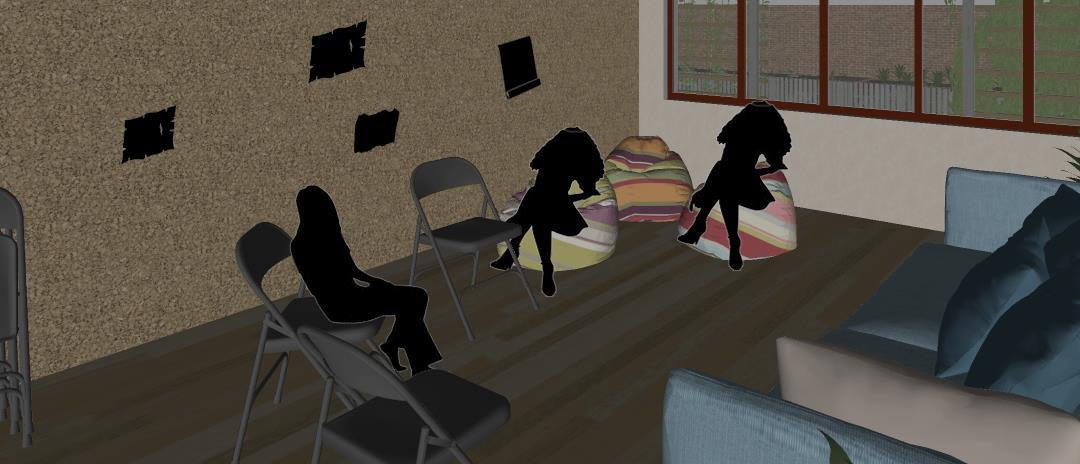
M ovable wooden partition being used as an aesthetical element
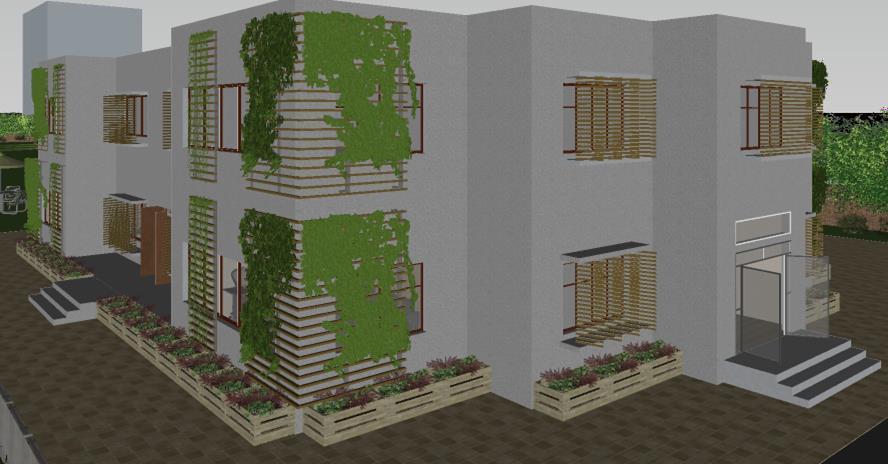
M ovable louvres & Vertical gardens
Cork wall as bulletin
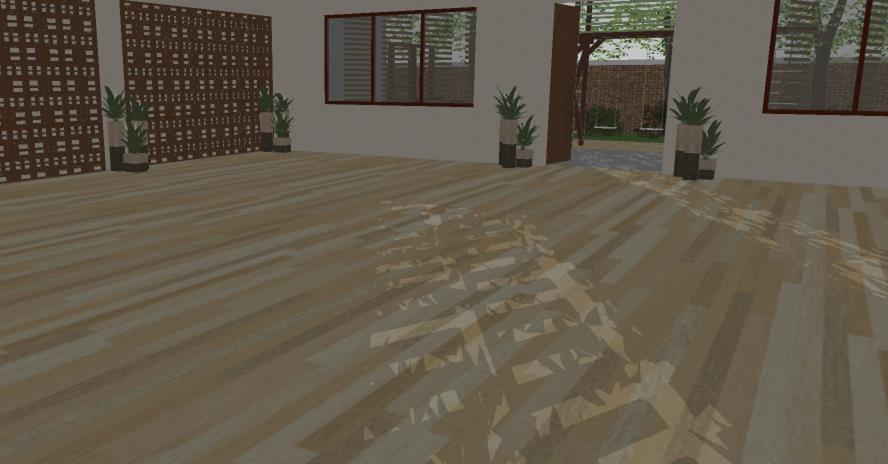
Play of light indoors because of louvres
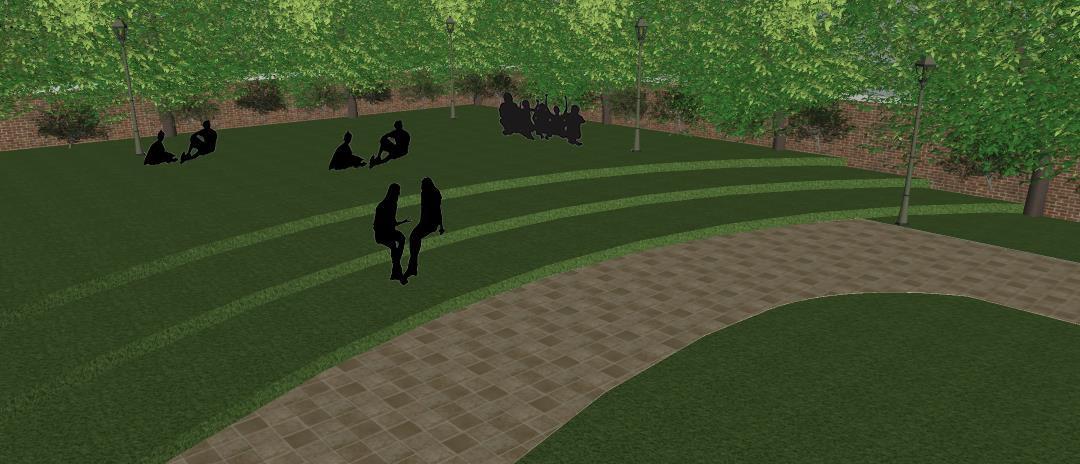
Landscape Interiority

Architectural Interiority

Luminous Interiority
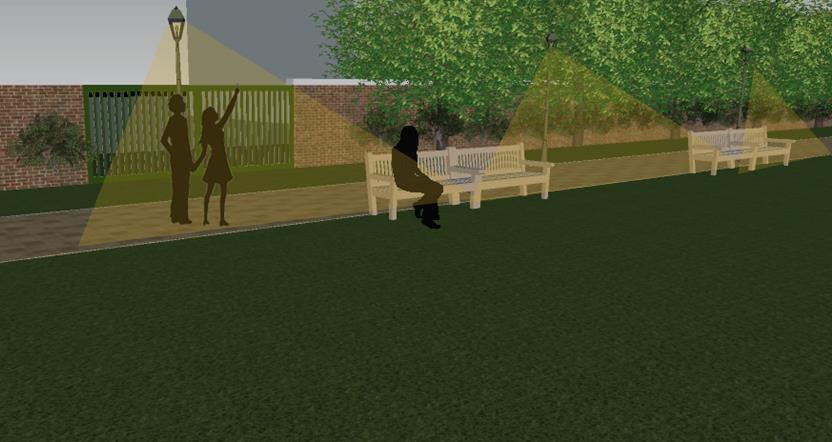
Interventions on the 7S’s, i.e. site, structure, skin, space planning, services, surface & stuff are proposed in order to create an aesthetically
pleasing as well as a functional, flexible space. This will help attract the users in to this currently dead space. The multiple levels of interiority created contribute to the users developing a deeper connection with the physical space and thus result in continued visits promoting social
interaction and community activities developing a sense of belongingness amongst the residents.
QUINTOPLE
Studio II;M.Arch (IA)
Metroworld Mall
HUDA MARKET, Sec 56, Gurugram Haryana

Project Overview: The project site was introduced as part of the second semester studio themed: Sustainability.
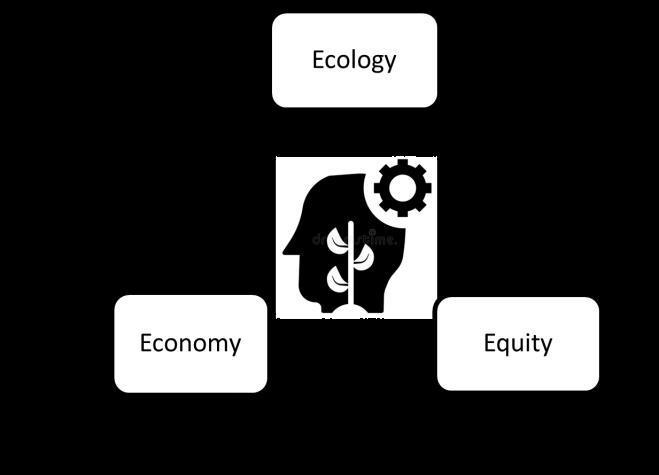
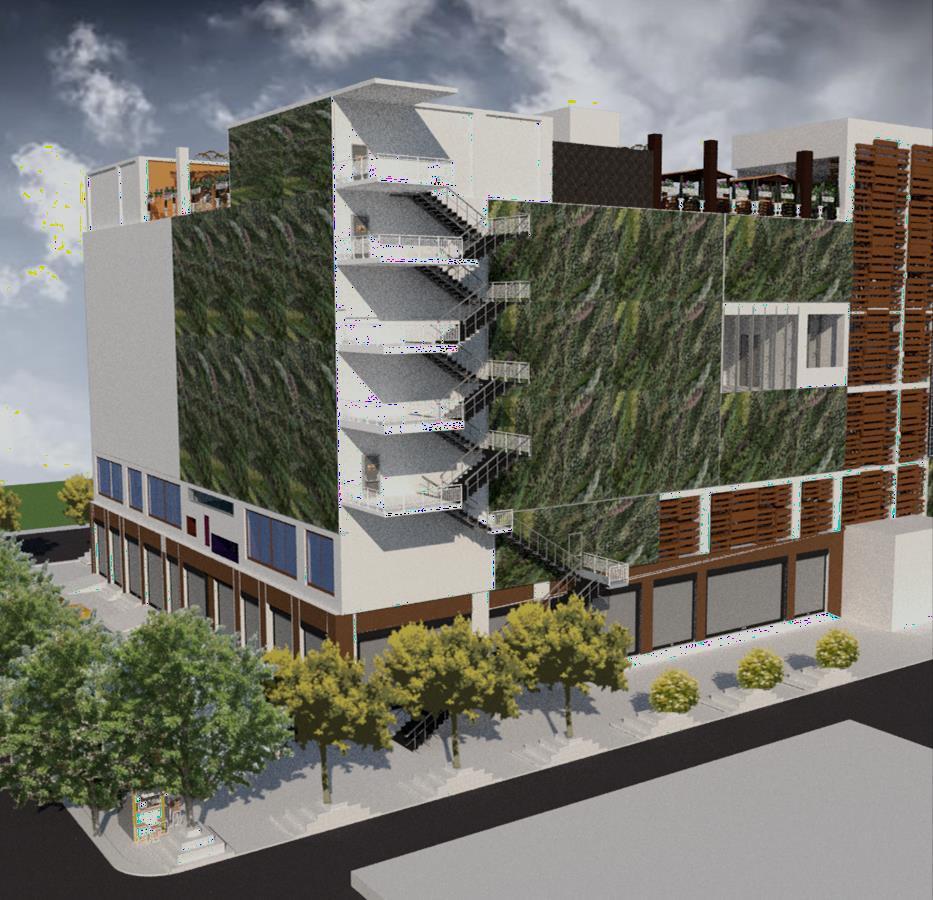
The deliverables were to understand the condition of the existing built, the needs of its targeted users and propose architectural interventions to cater to these requirements keeping in considerations the elements of ecology, economy & equity. The goal was to introduce numerous design interventions to inculcate varying levels of interiority in an already busy space using organic, environmentally friendly means to do the same.

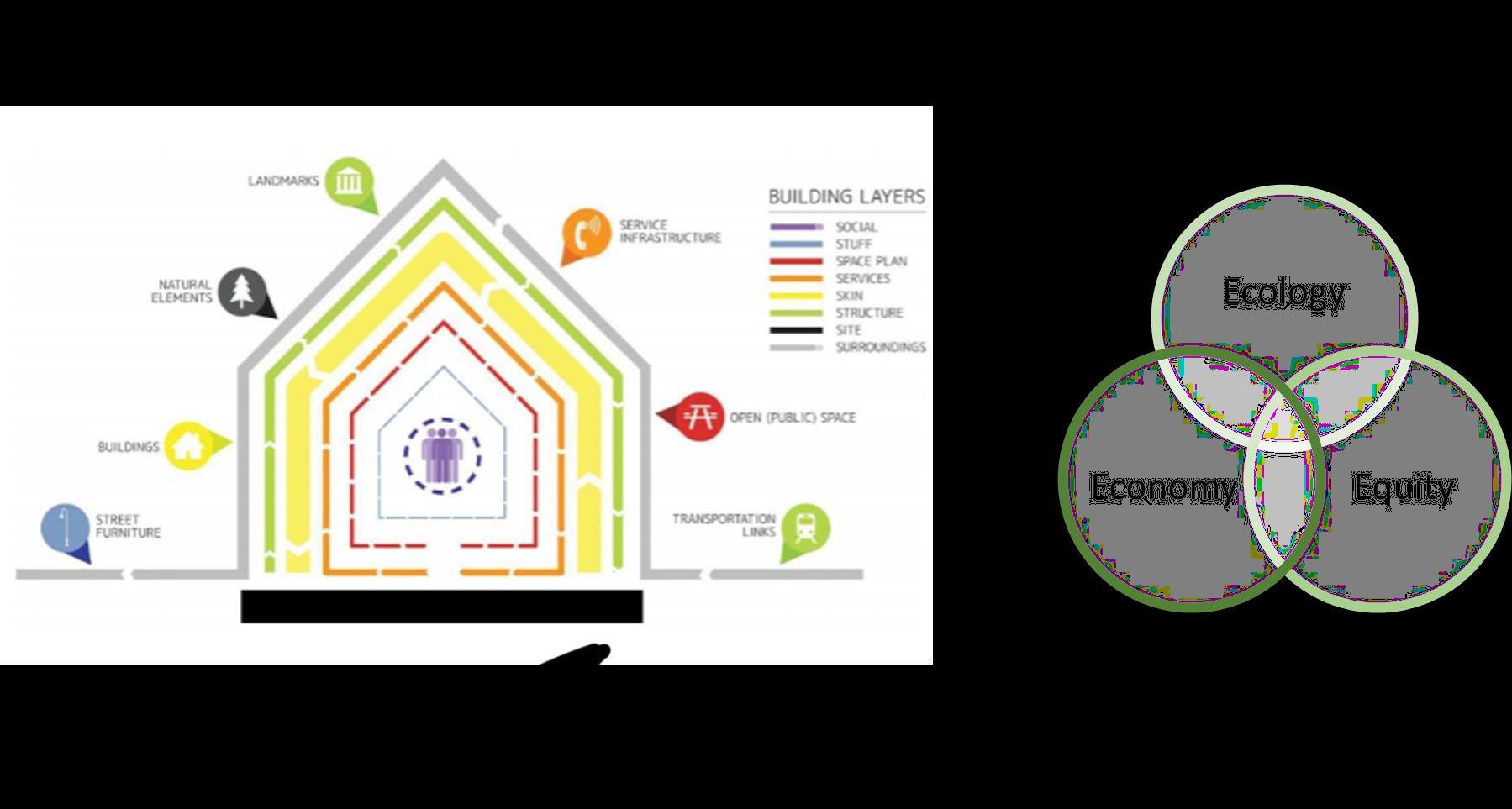
A continuous back and forth relationship between the building layers of the social surroundings, physical environment and the built conditions with the elements of sustainability was carried out leading to certain ideologies that contributed to the development of the final design proposal
Programmatic Ideologies
Stuff Services
Space Planning
Skin Structure
Site
Vocational Centre
Medical Centre
Sanitation Facility
Learning Centre
Guidance Centre
Rainwater
Harvesting
Grey Water Reuse
Solar Panels
Activity Halls
Co-Working Spaces
Multi-Purpose Halls
Community Spaces
Recreational Spaces
Retail Dine-Out
Organic Farming
Green Facade
Vocational Centres
Community Spaces
Guidance Centre
Retail
Home Away From Home
Flexi Spaces
Bio-Blanket
Interstellar Spaces
Optimum resource management, Flexibility
Utilizing available natural resources, Optimum combination of passive & active strategies
Optimum resource management of natural resources, Thermal comfort
Optimum resource management of natural resources, Thermal comfort
Minimum Disruption, Optimum Resource Management
Minimum Disruption
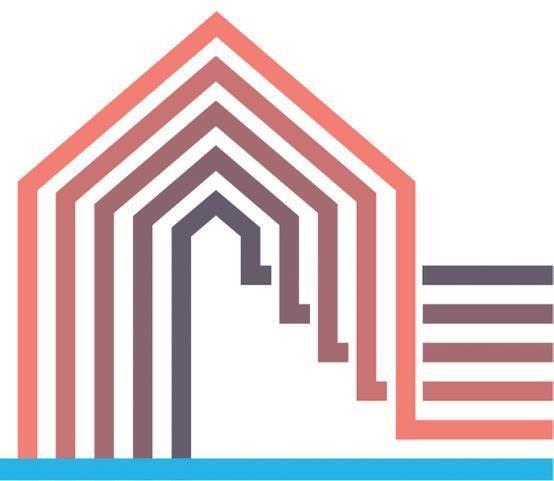
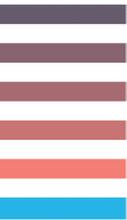
Ideologies for Building Layers
Site Plan
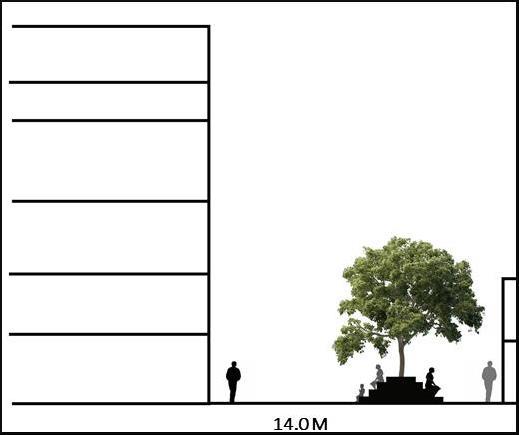
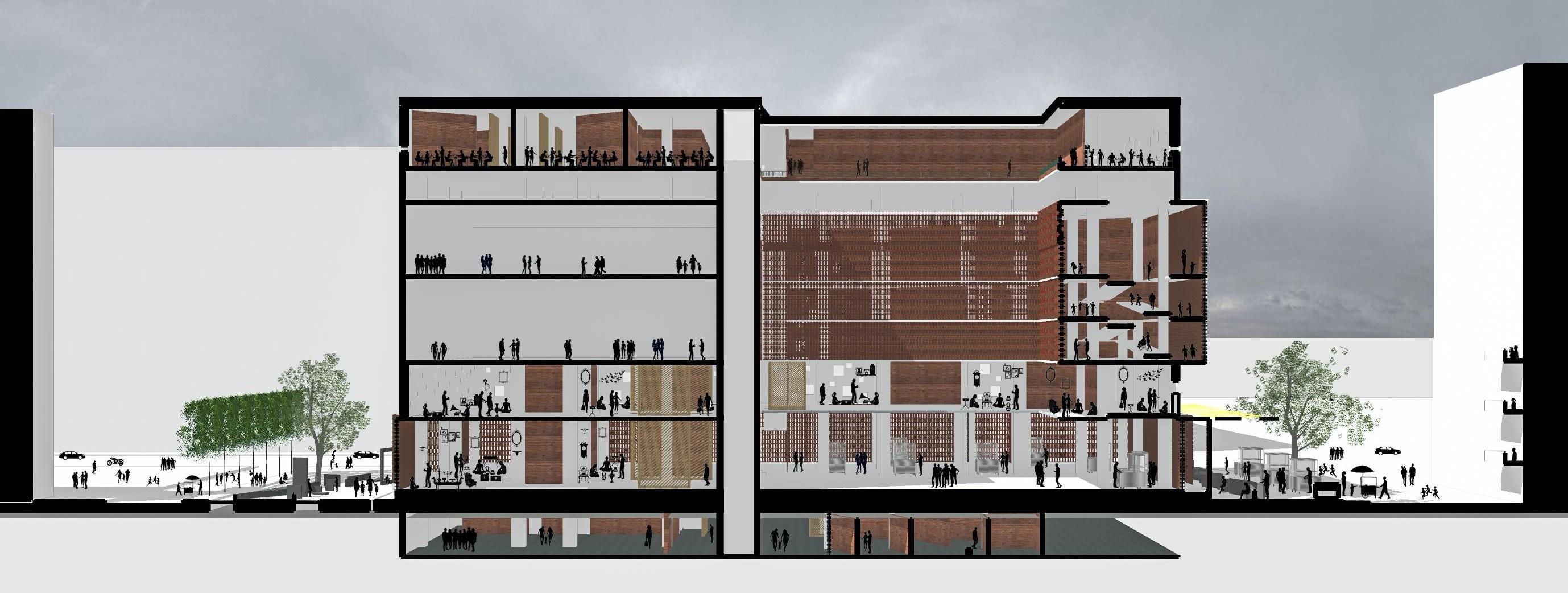
Relation of the existing built with the surrounding: Sectional View
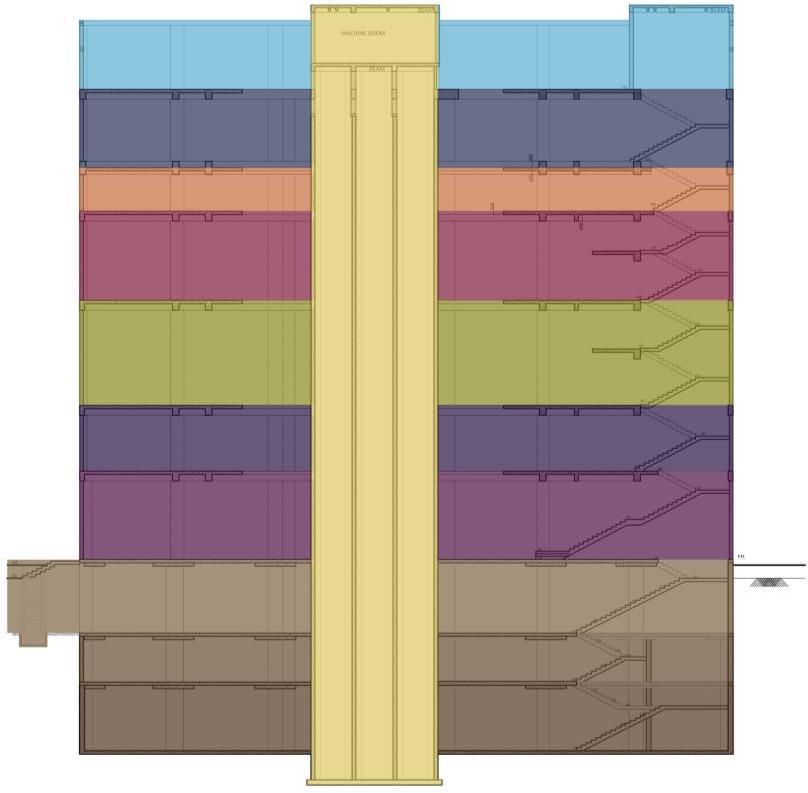
Terrace Floor
Fourth Floor Service Floor
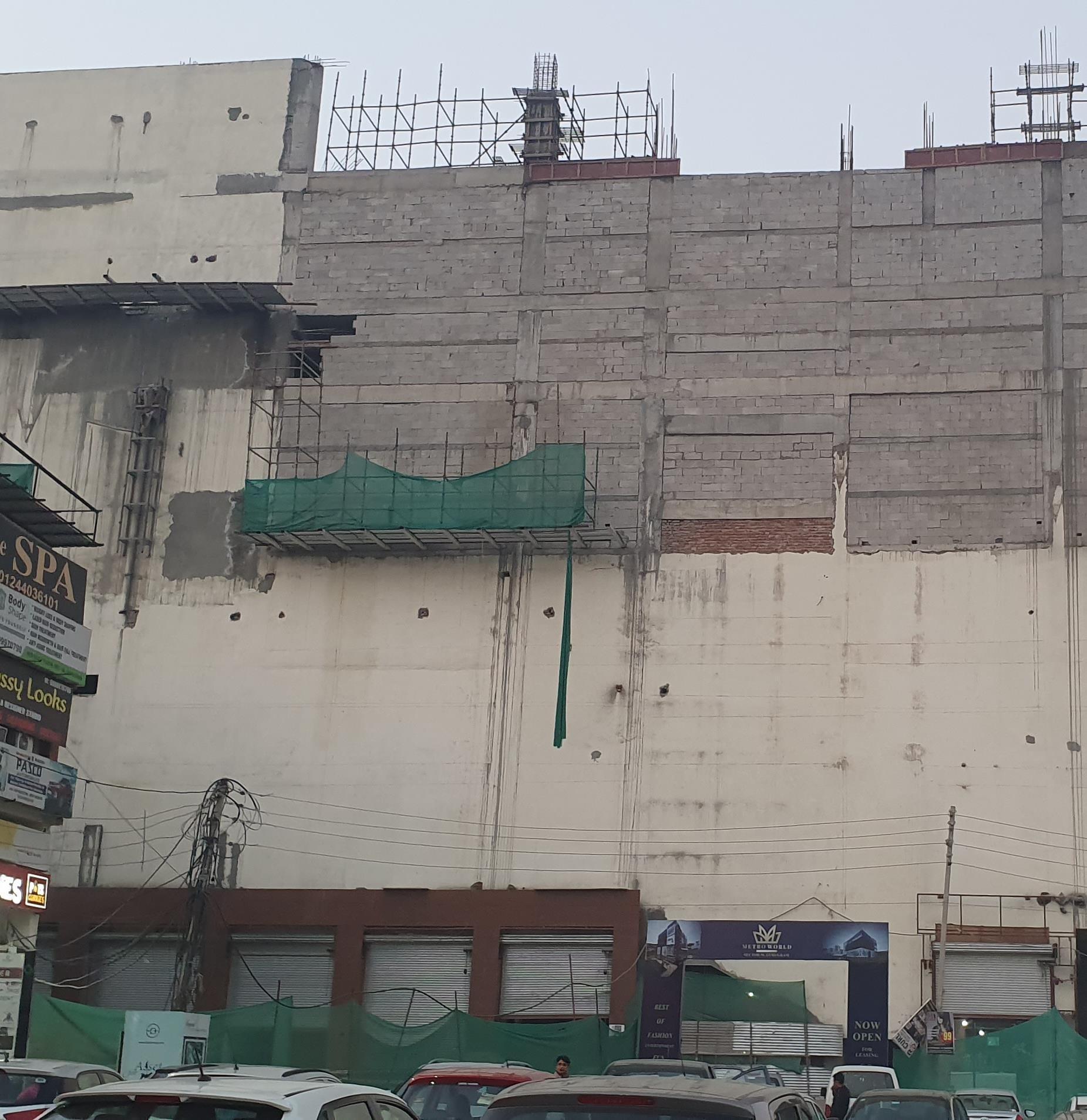
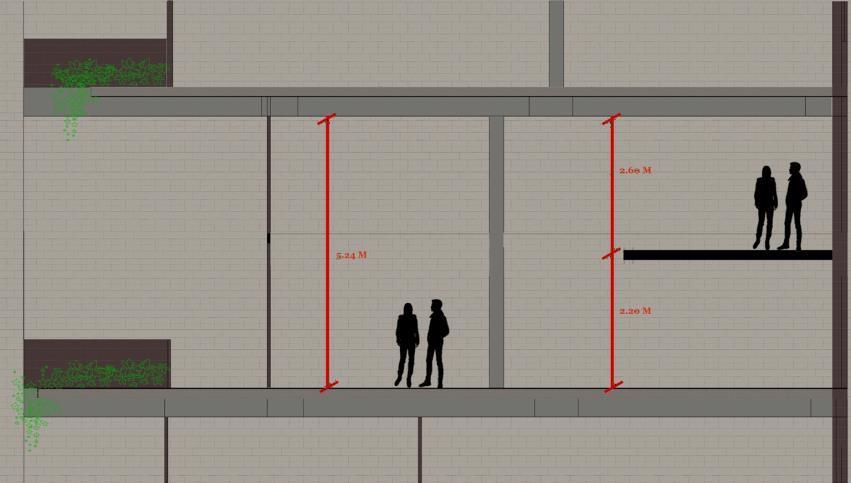
The existing built comprised of 3 basement floor above and four floors the all with usable ground, varying clear heights since they were originally proposed for varying purposes.
(2.47 M )
(5.24 M )
Third Floor (4.20 M ) (4.20 M )
Second Floor Structure
(6.23 M )
First Floor Ground Floor Basement 1 Basement 2 Basement 3 (3.82 M ) (5.20 M ) (4.30 M ) (2.75 M ) (4.00 M )
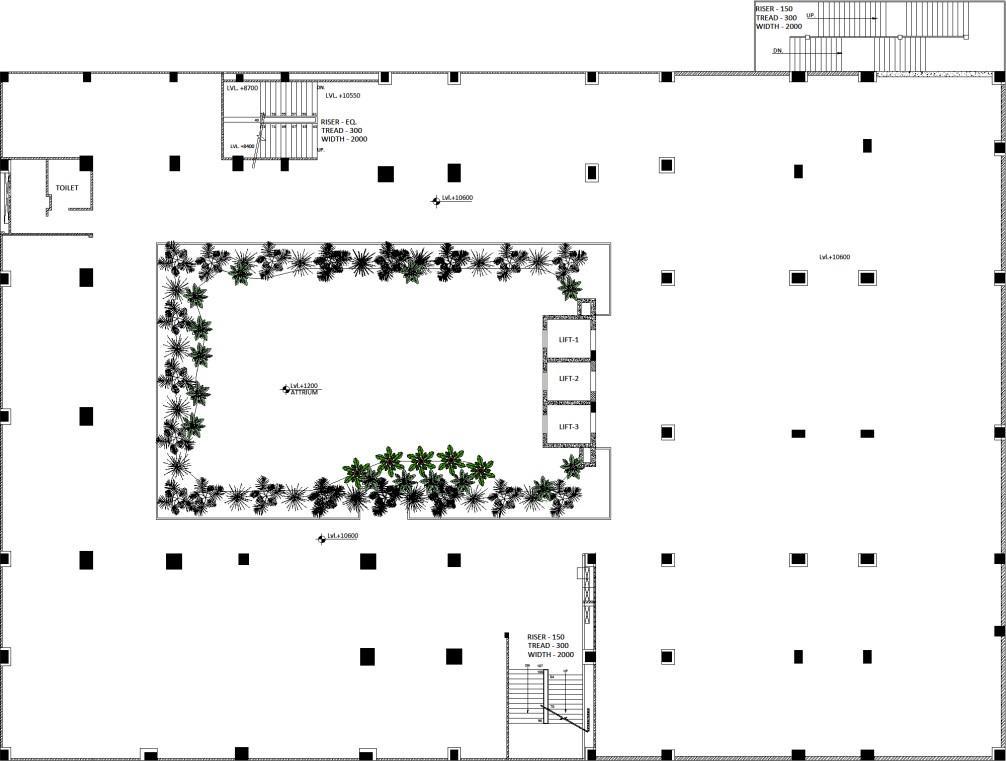
Space Planning: Typical Floor Plan Open plan,colonnaded
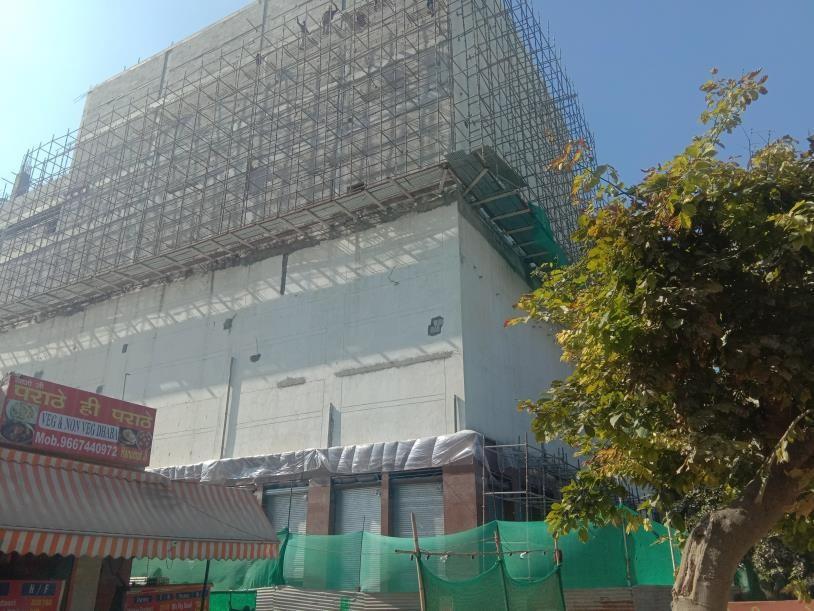
Autoclaved Aerated Concrete & High Pressure Laminate was used on the façade, which works well for the indoor environment but created an uncomfortable outdoor microclimate
Skin:Built Envelope
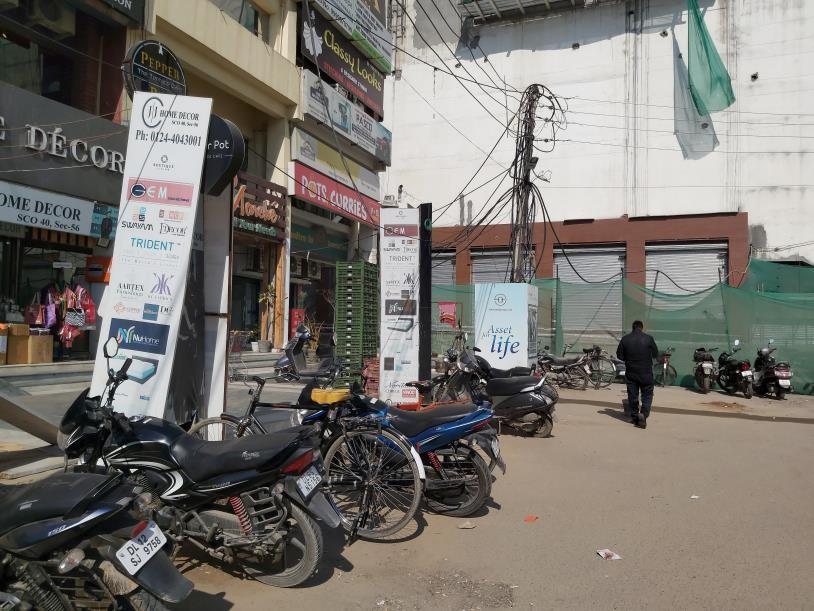
Rolling shutters on along the entire façade on the ground floors making the space accessible from all sides.
Existing Condition
Proposed Interventions
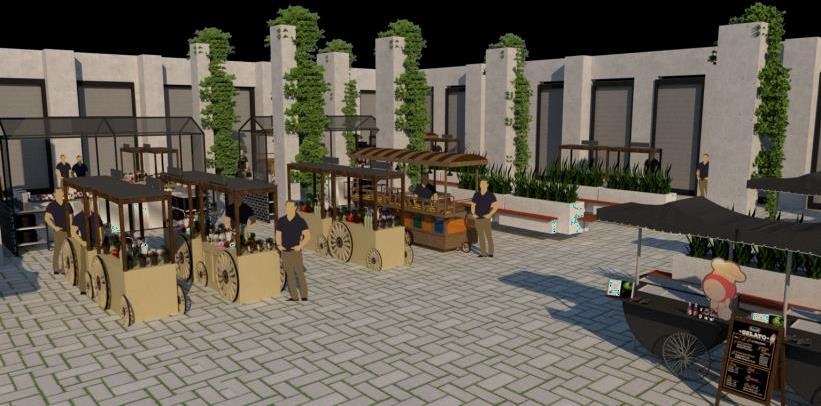
spaces were outdoor, Interactive proposed commercial social indoor as promote social interaction activities for & well as, to and the of the surrounding community residents areas
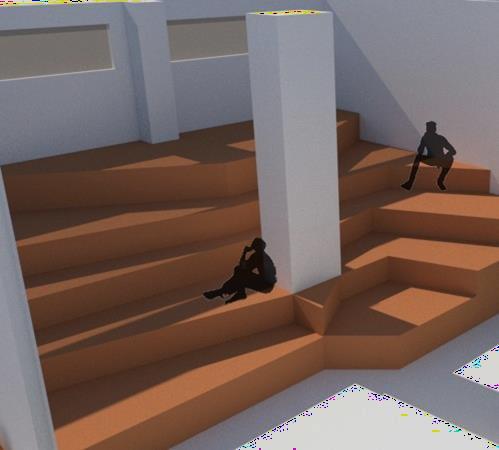
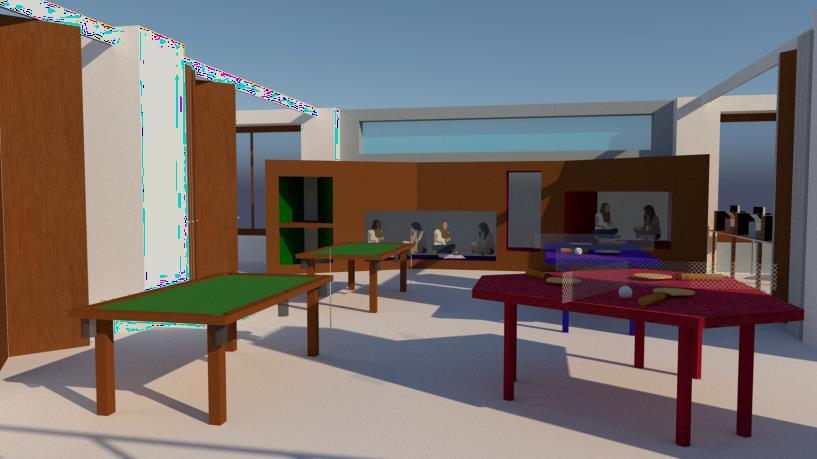
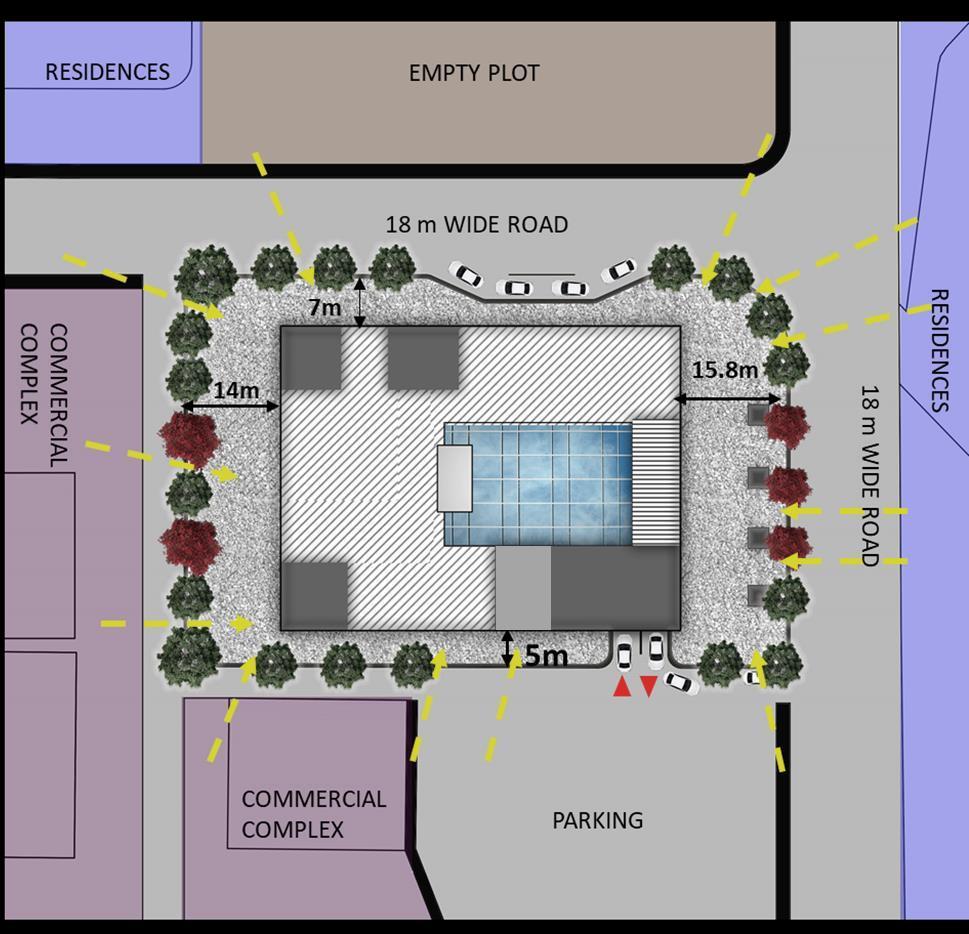
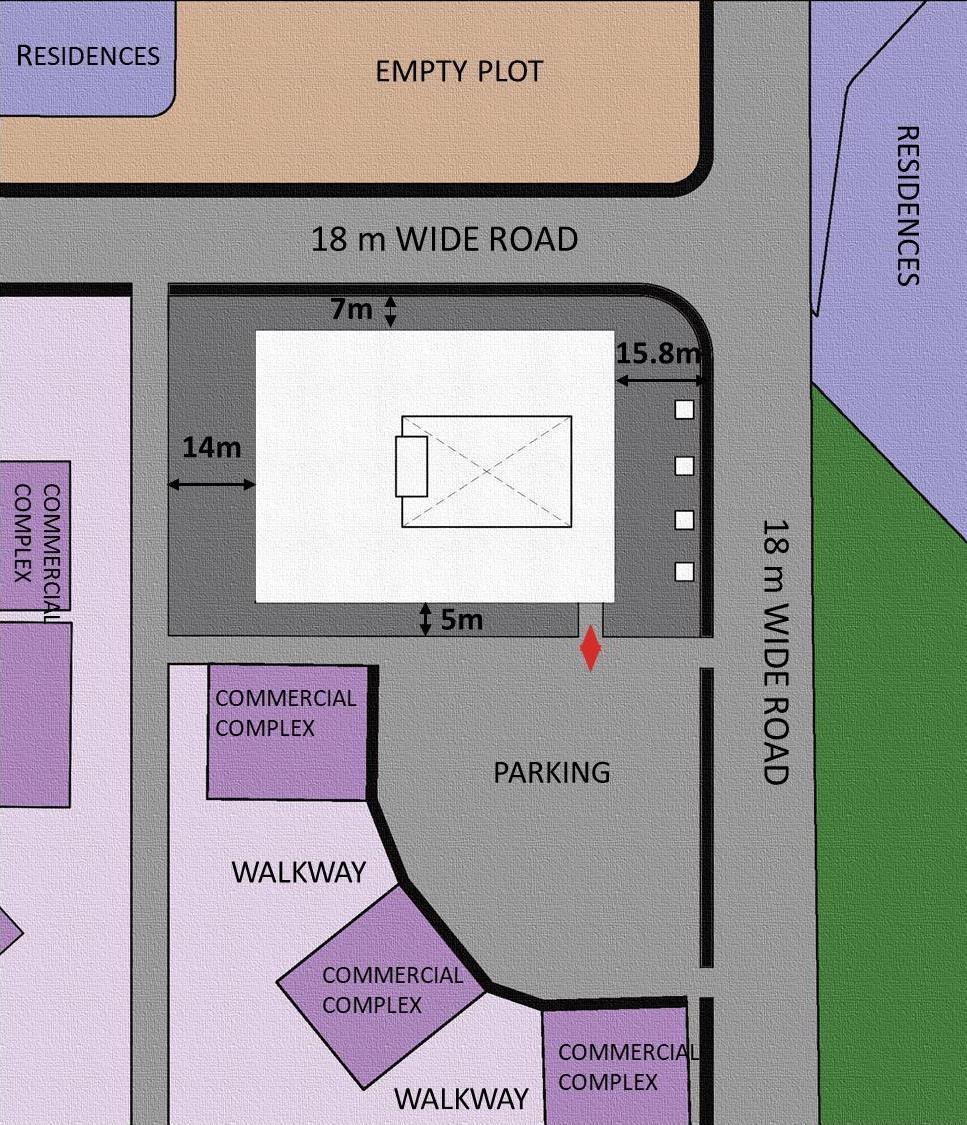
Site Plan: Additional access points and a penetrable periphery making the space accessible from all sides
The large the third accommodate mezzanine floor height of floor can a to inculcate an additional work space area or storage rooms.
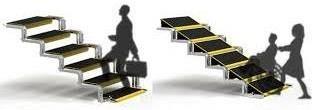
Transformable access into the structure
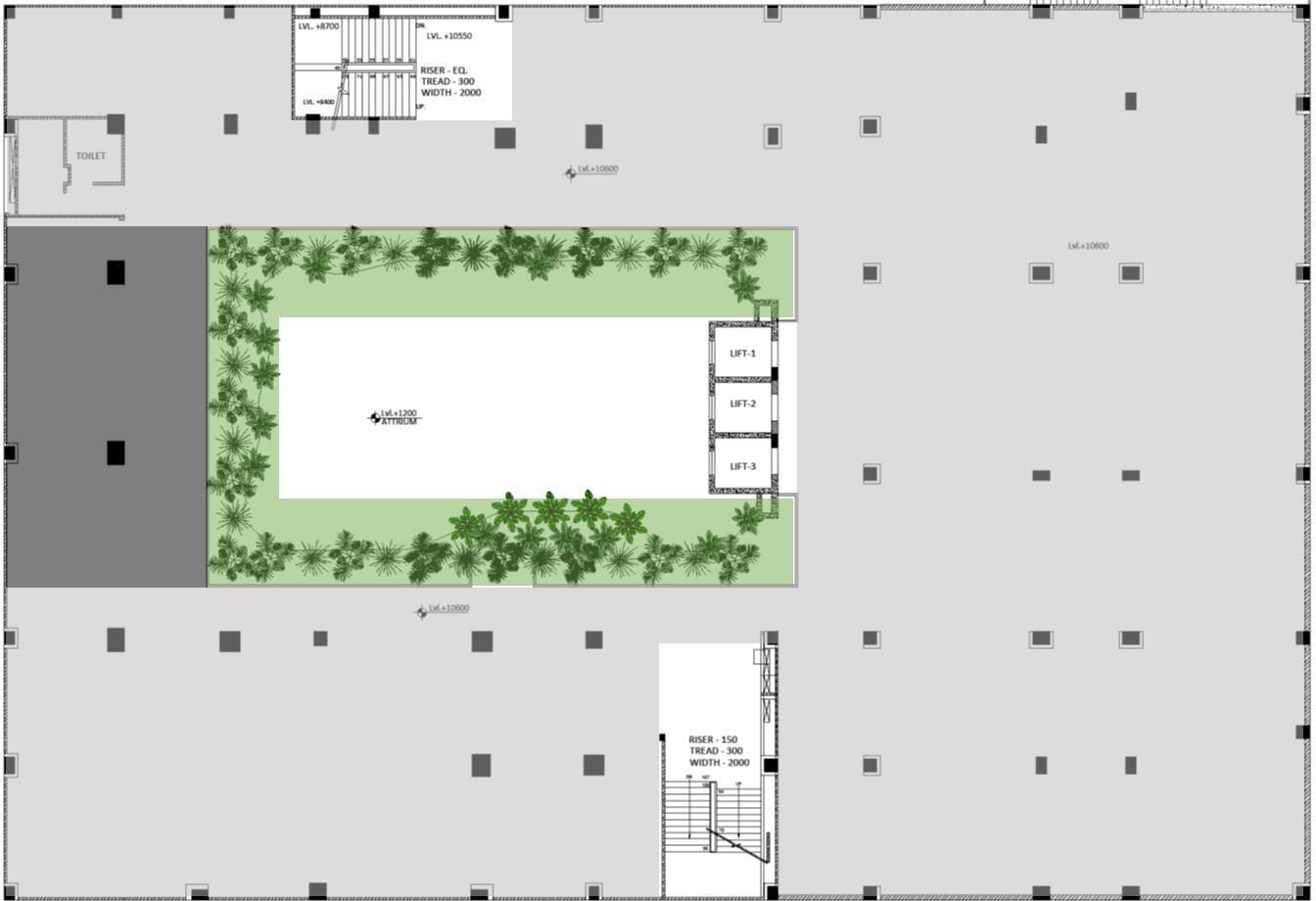
Closing the gap on the floors to make the space more accessible & usable.
ECOLOGY
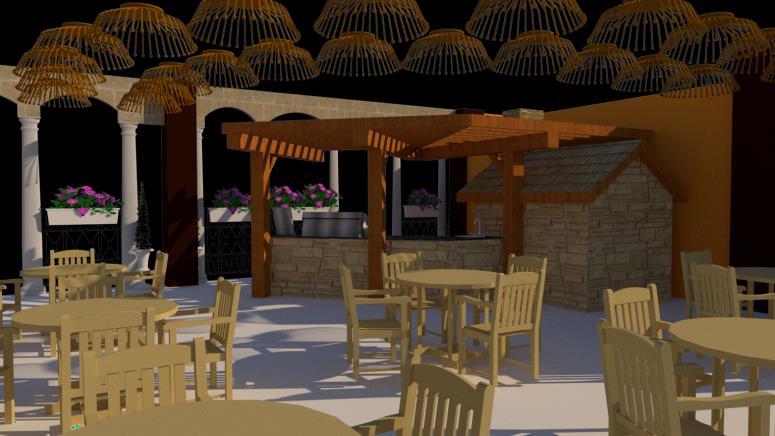
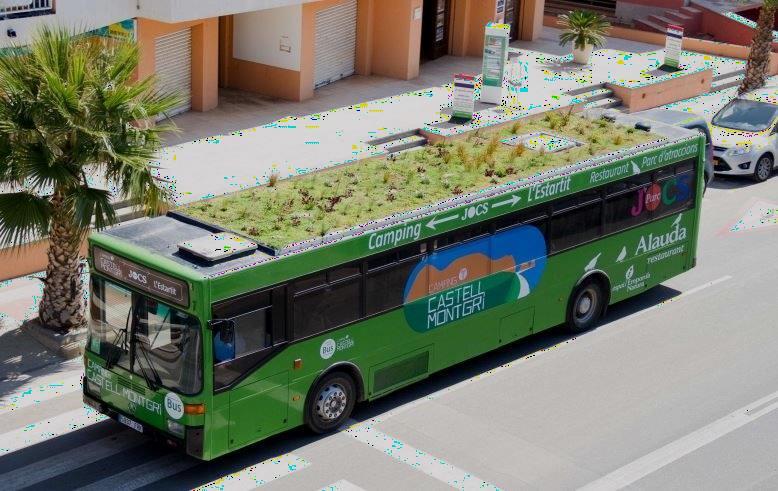
Addition of the green in the indoor and the outdoor ads to the microenvironment which is surrounded by concrete blocks
EQUITY
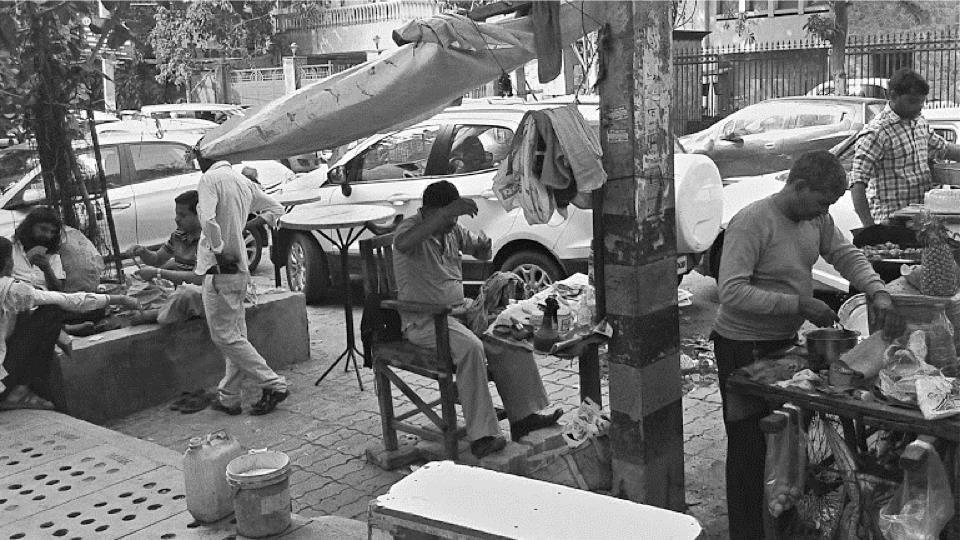
Proposing user friendly programs catering to their needs enhances community interaction and
ECONOMY
Sustainable strategies and materials contribute to significantly decreased cost of running the facility working in favour of all stakeholders. fills gaps in the elements for the residents in the region.
INTERIOR URBANISM
When discussing space, interiors and urbanity are often talked about as opposites in nature. However, architecture being the common ground for both terms one can place interiors and urbanism adjacent to each other and often even juxtaposition them. It articulates the micro changes in the interior of an urban space, which collectively create an impact on the urban environment, hence creating successful human experience and successful public spaces by blurring the boundaries between the indoors and the outdoors.
Studio IV; M.Arch (IA)
©Prof. Mark Warner
Degrees of Interiority
Elements of interiority
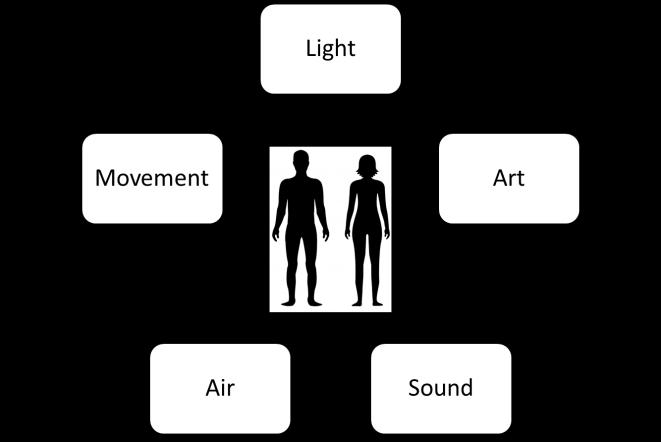
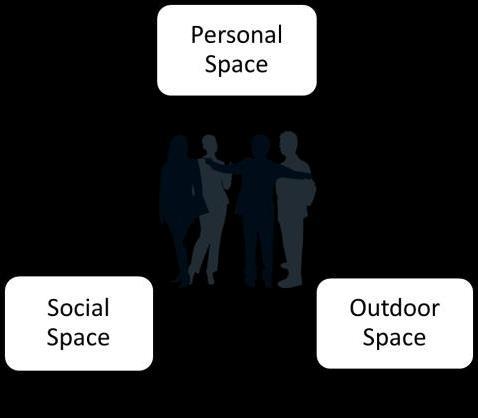
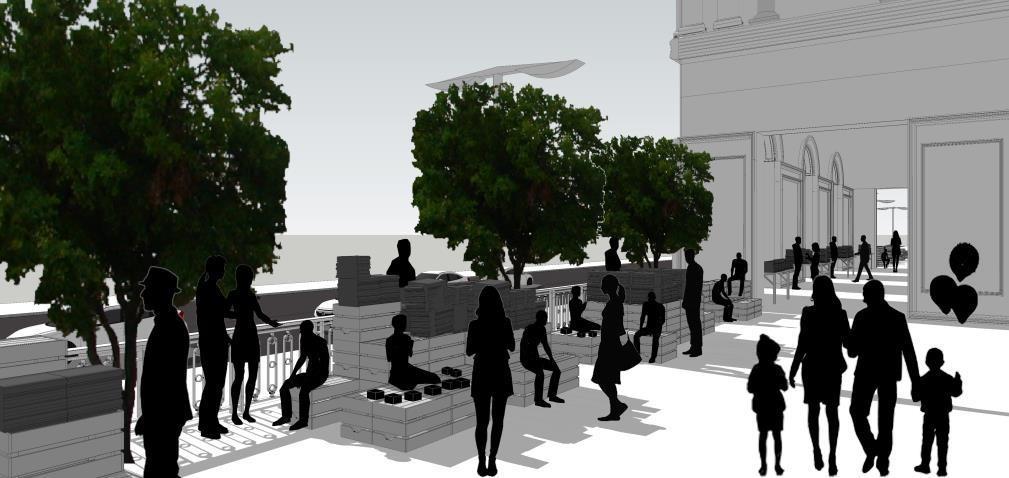
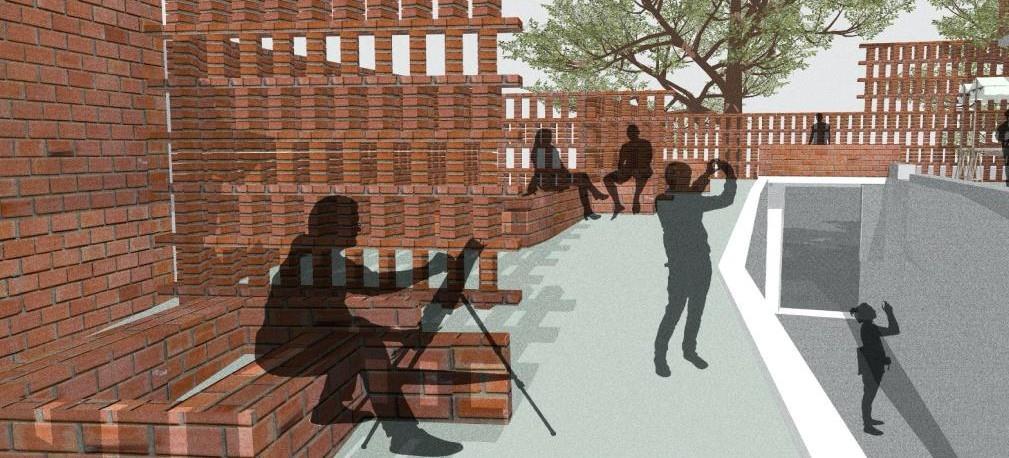
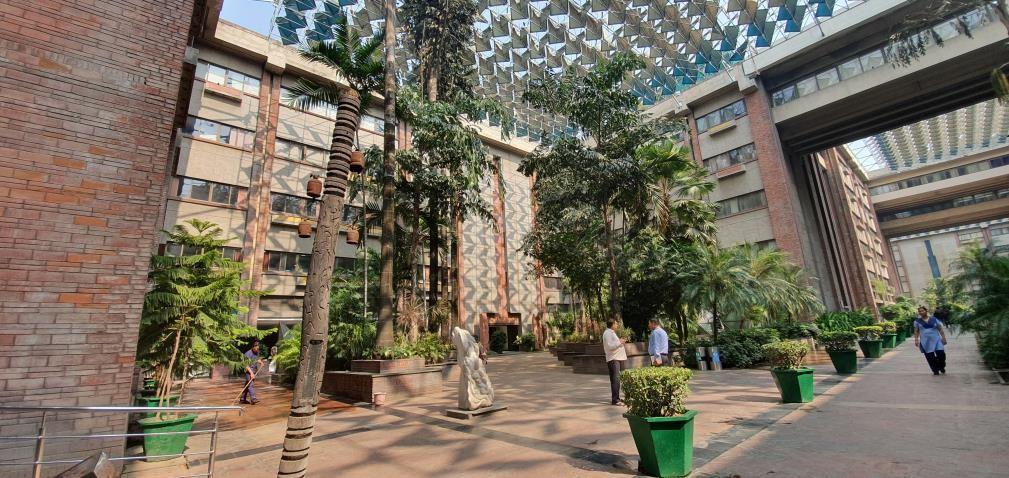
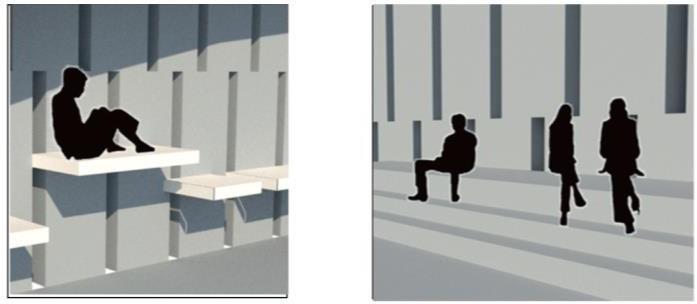
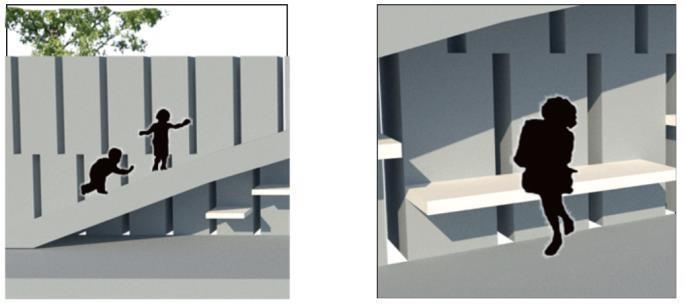
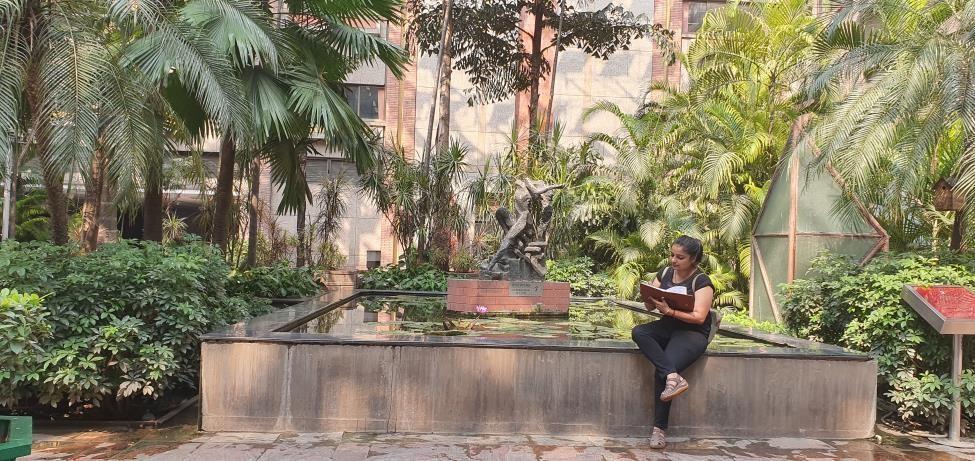
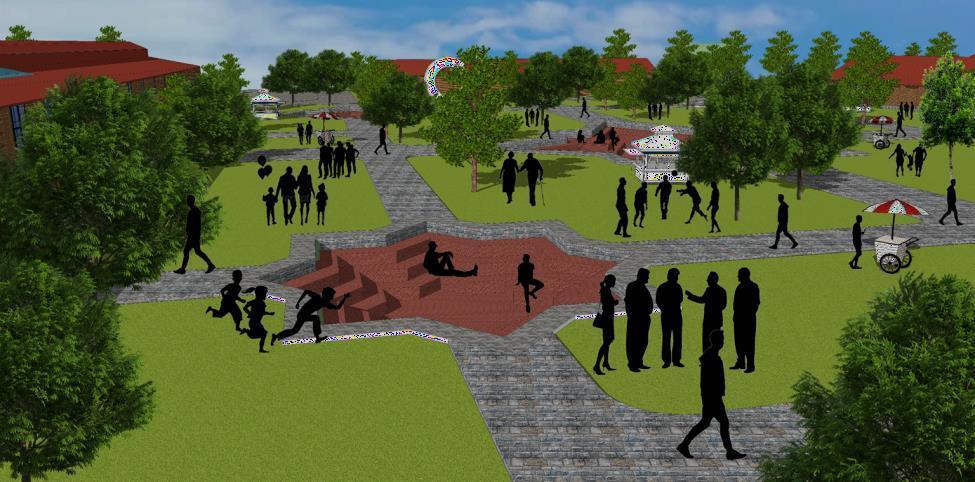
Different elements defining the physicality of a space come together to create varying levels of interiority helping users create a deeper relationship with the space they are in




Human/Space Relationship
Materiality
Axis Scale
Sensory Experience