
Table of Content
REINVENTINGTHEPADDOCKPg4
Placedel’HôteldeVilleSitePlanPg5
PlanandPerspectivesduringthedayPg6
PlanandPerspectivesduringthenightPg7
RoofPg8
AxonometricDiagramandModelPg9
SiteViewPg11
UrbanFramewworkPg12
SiteFramworkPg13
DoubleDeckerTransectandPerspectivePg14-15
Retail/CommunitySpaceTransectandPerspectivePg16-17
ResidentialBlockTransectandPerspectivePg18-19
FENWAYHOUSINGPg20
FenwayHousingSectionsPg21
PlansandAxonometricDiagramsPg22-23 Street,GroundFloor,andHallPerspectivesPg24-25
SACRAMENTORIVERRECREATIONPg26
PlanwithPerspectivesPg27
SectionandPerspectivesPg28-29
Reinventing The Paddock
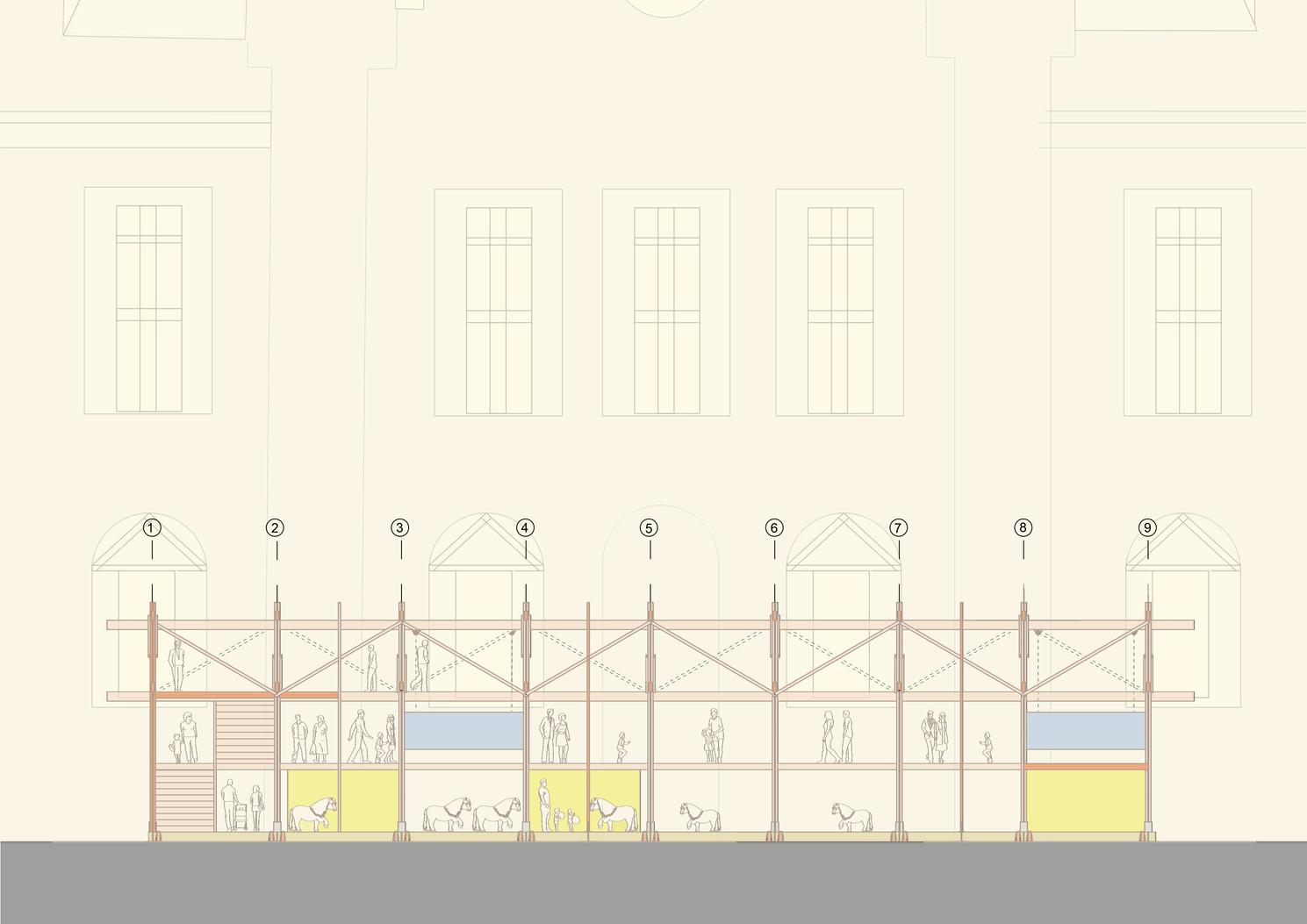
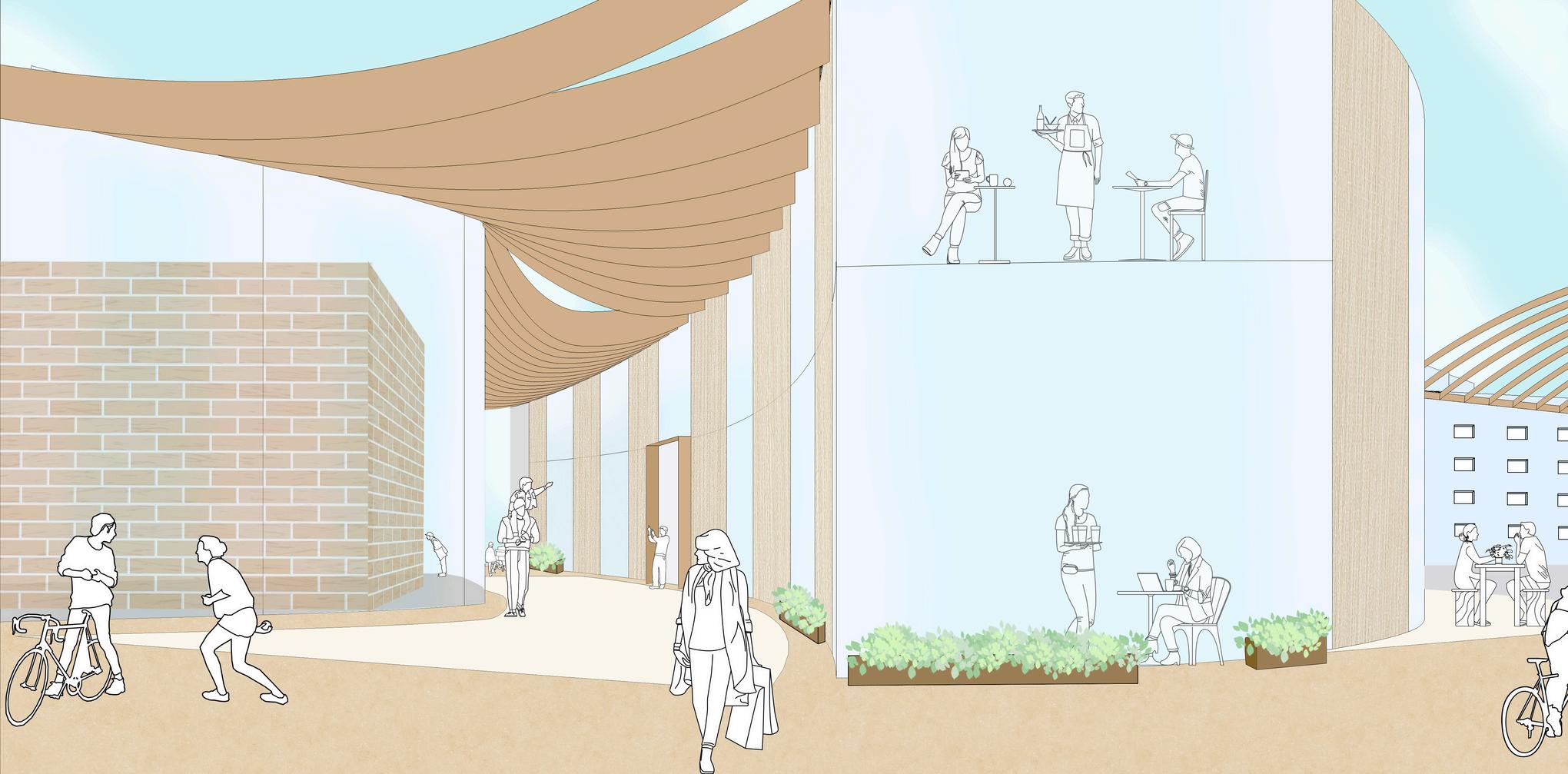
This project is a challenge from the renowned company Hermès, focused on designing a pony club in the plaza of Place de l’Hôtel de Ville. In collaboration with IE University students Martina Mamores, Nati Grigoras, and Loulwa Karaki, we created spaces for interaction between humans and ponies. While a paddock is traditionally an open area for horses or ponies, our design treats the entire structure and site as a paddock, withmovablewallsformingatheater-like setting all centered on our primary focus:thechildren.
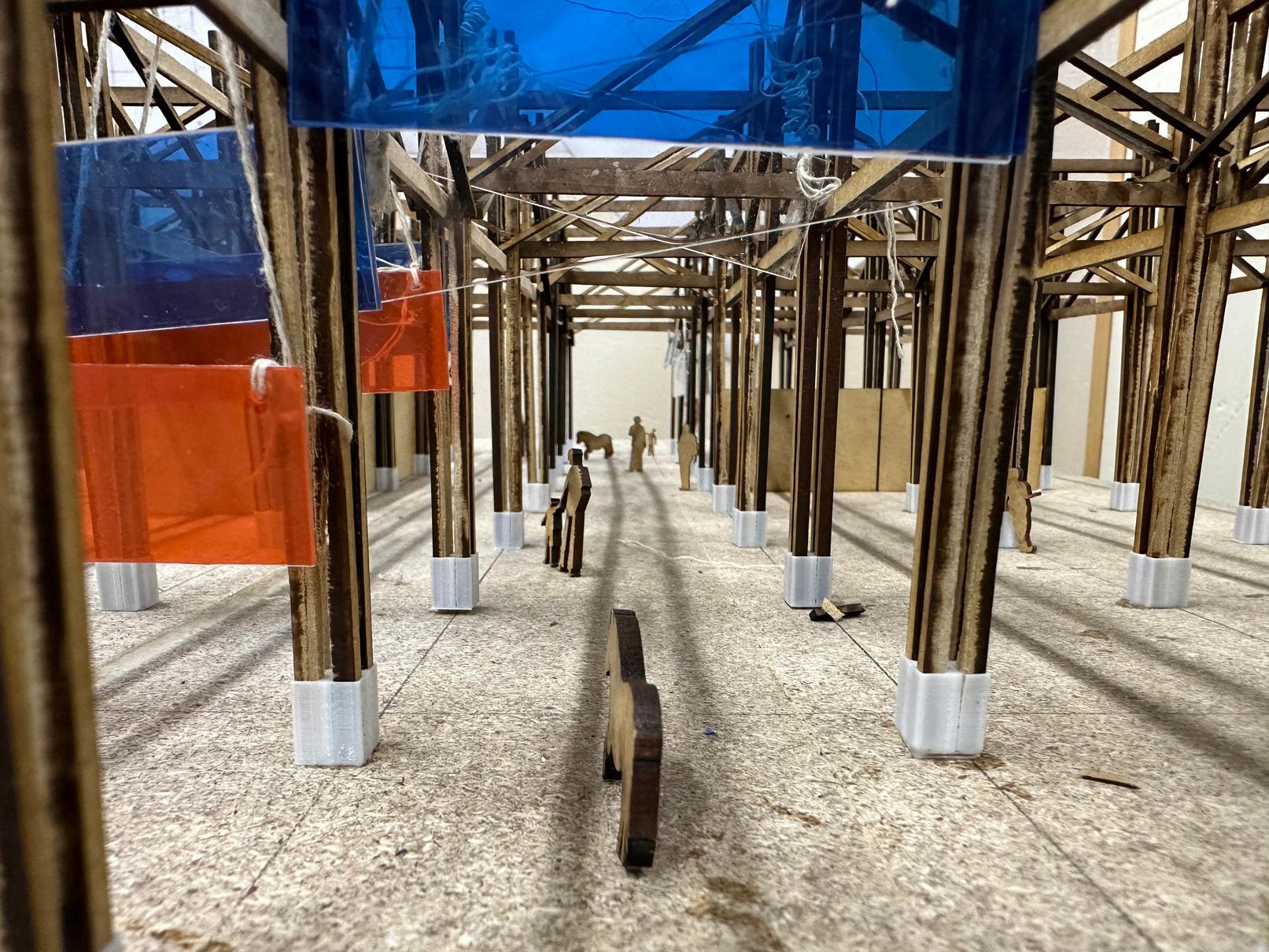
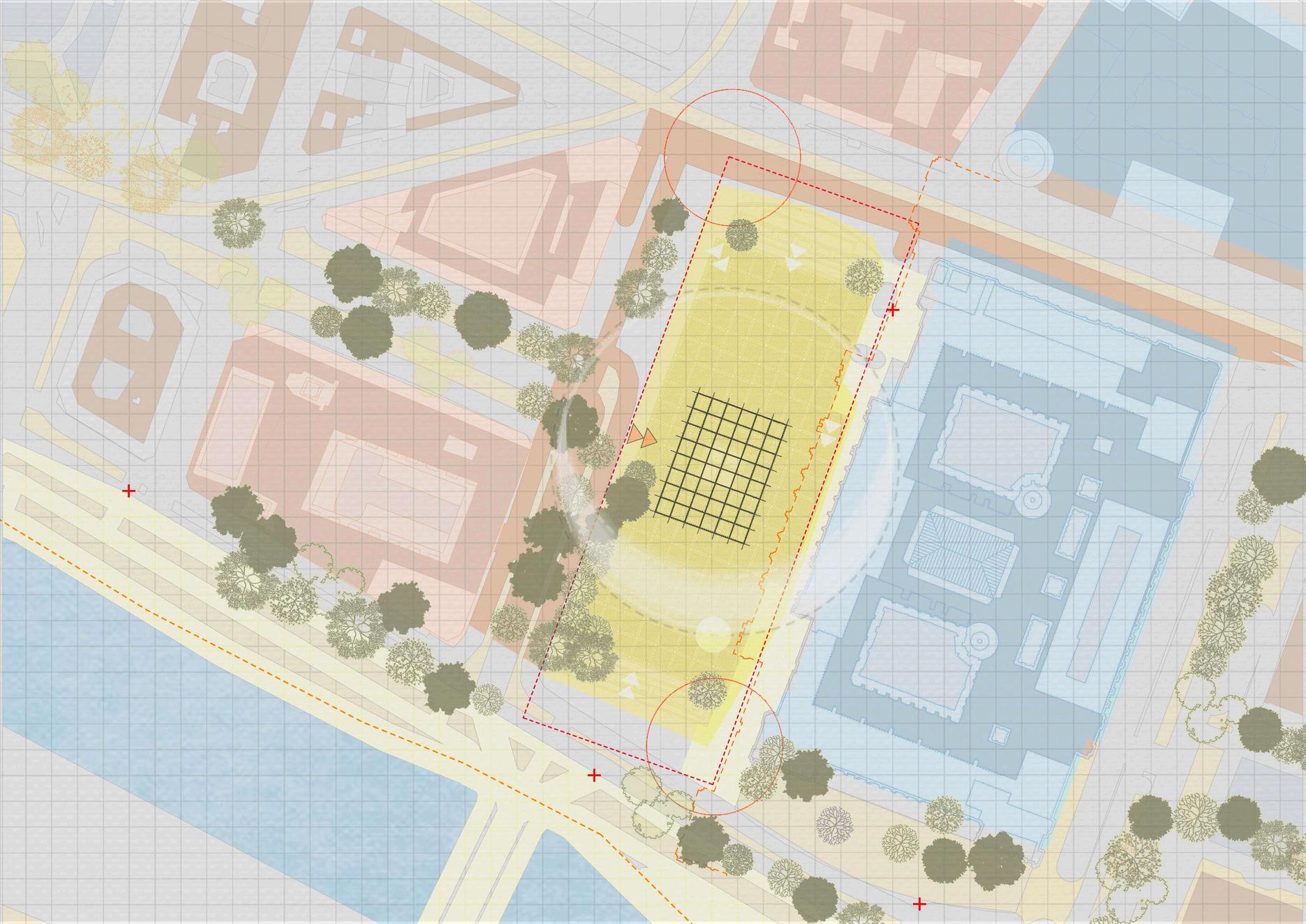
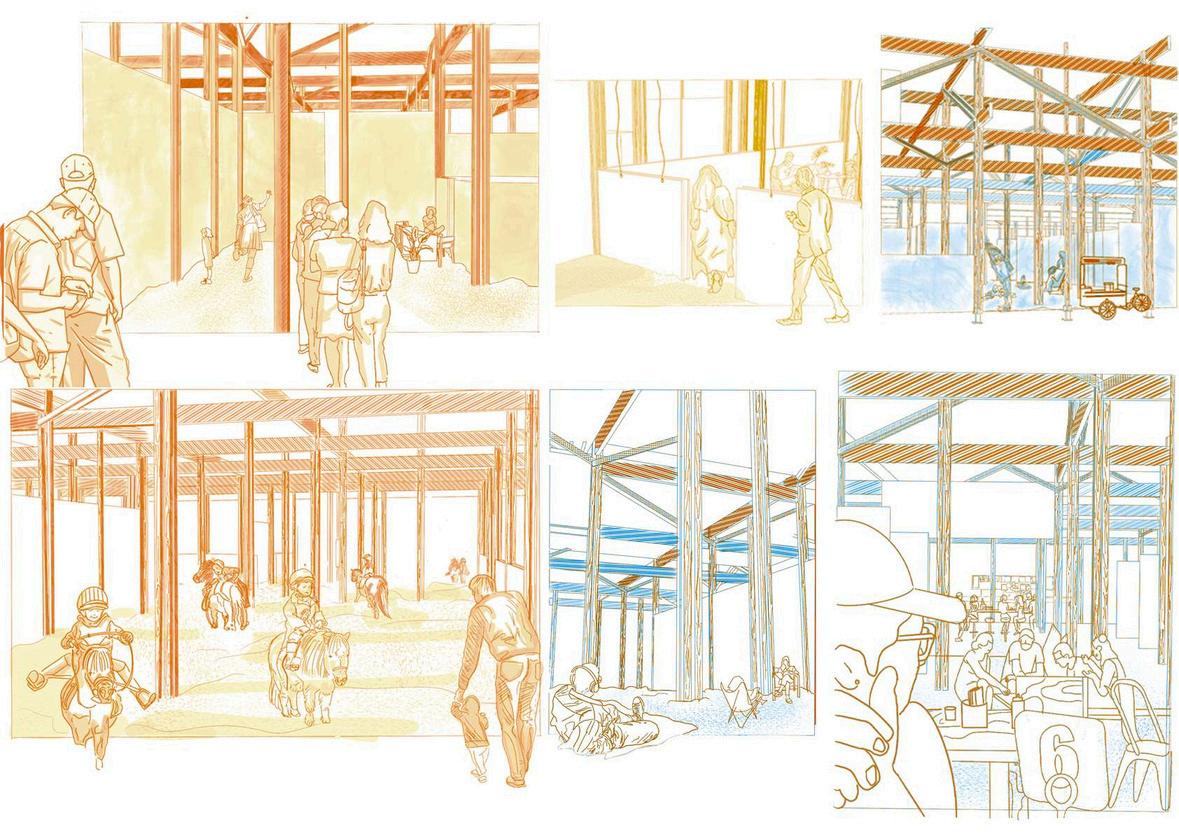
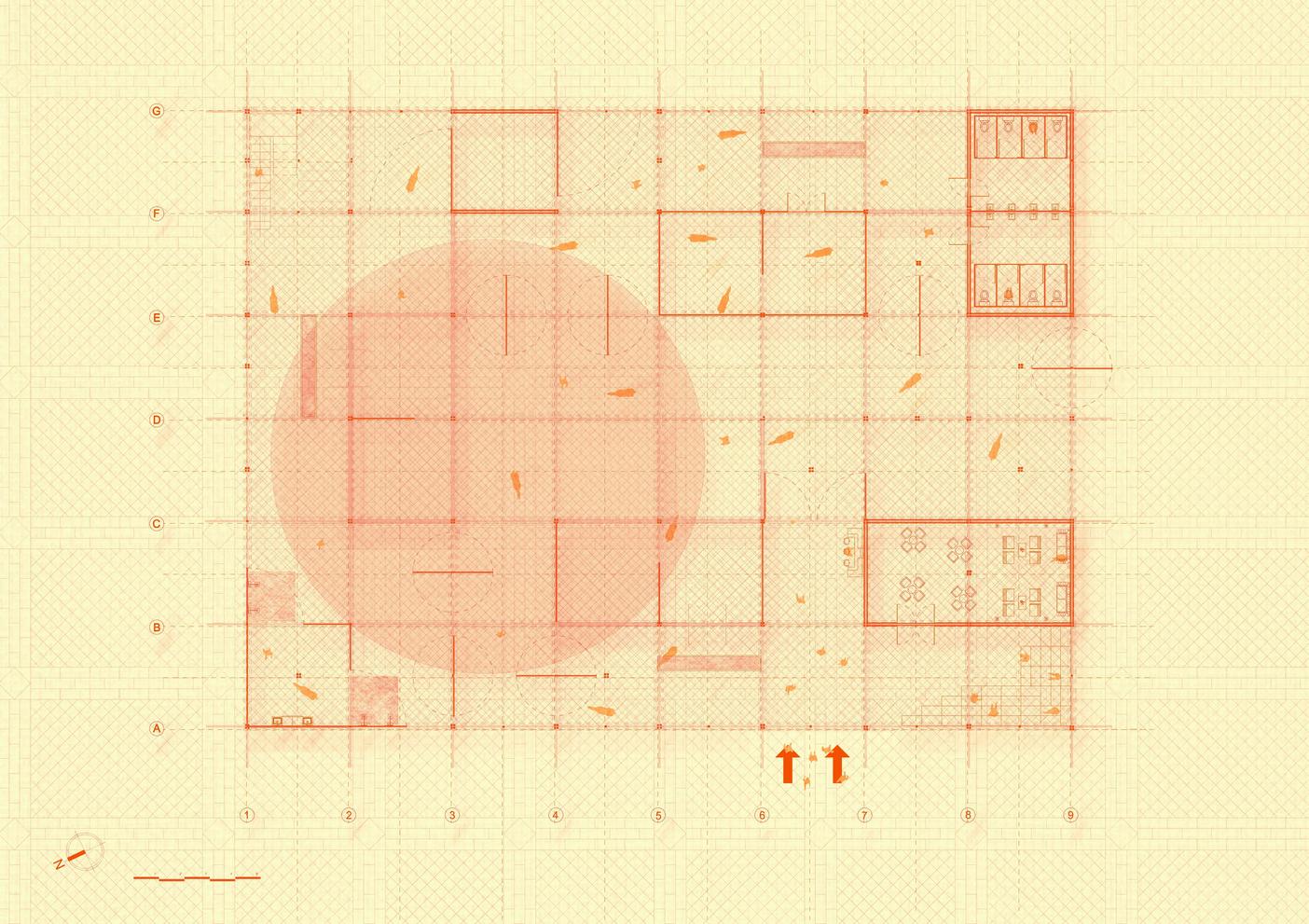
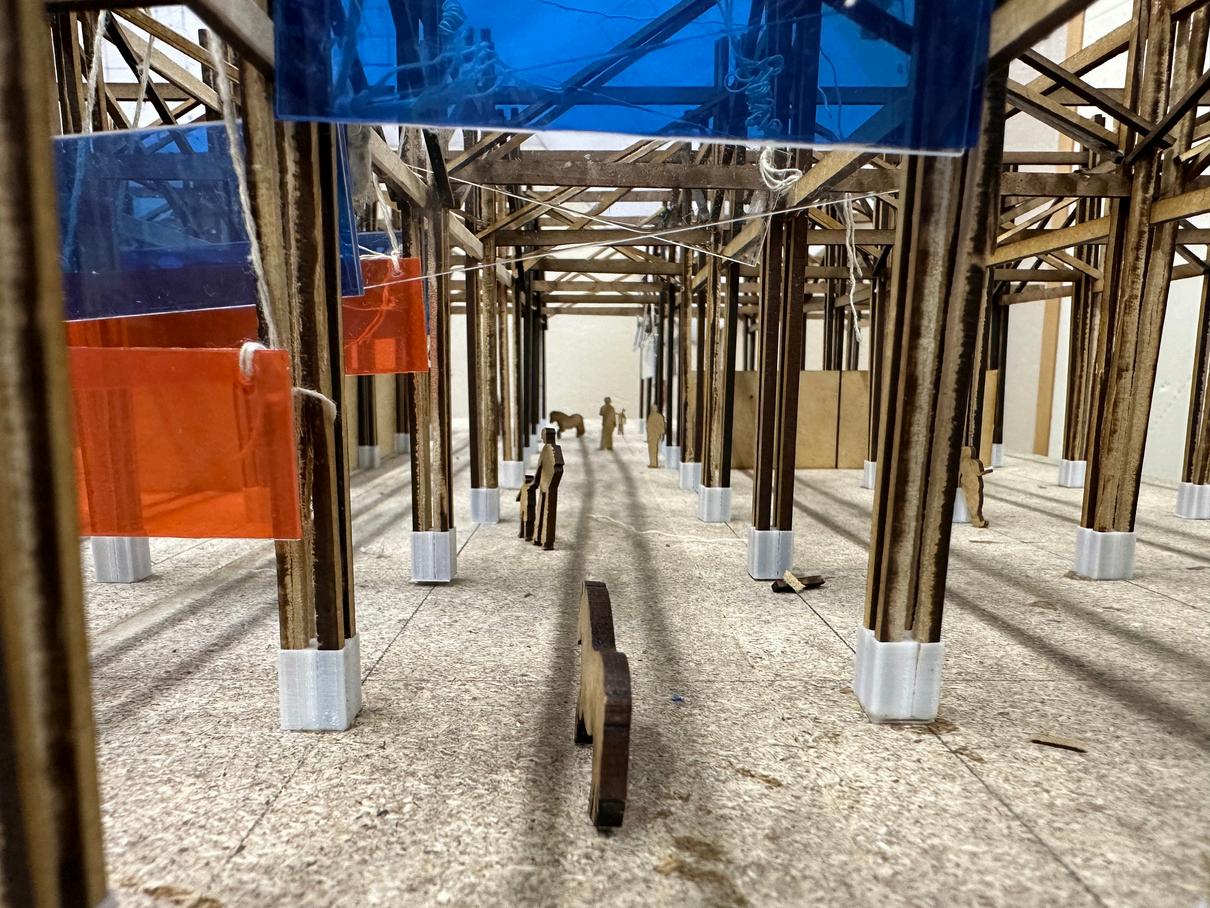
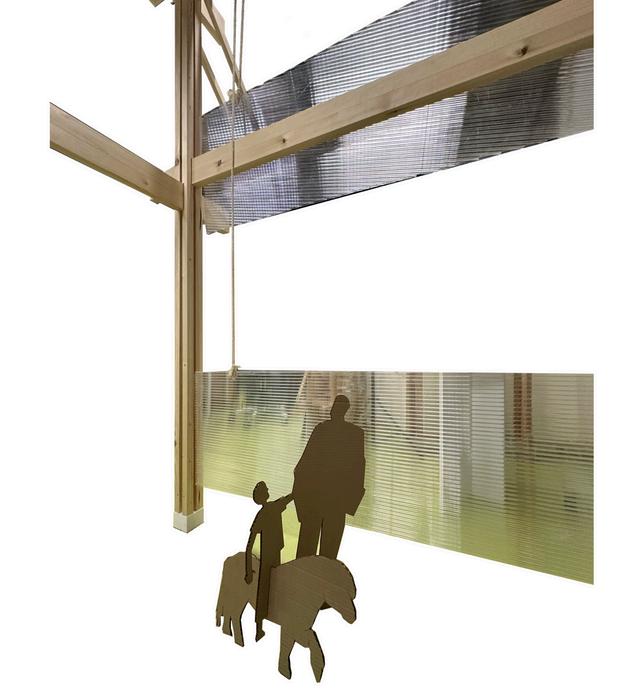
Our paddock offers different activities throughout the day. During daytime,visitorsenterfromthenorthside,whereponiesarereleased to interact with people and children. Movable walls of thin, transparentmaterial—withhintsofblueandyellow,thecolorsponies perceivebest—helptheentirespacefeellikeacontinuouspaddock.
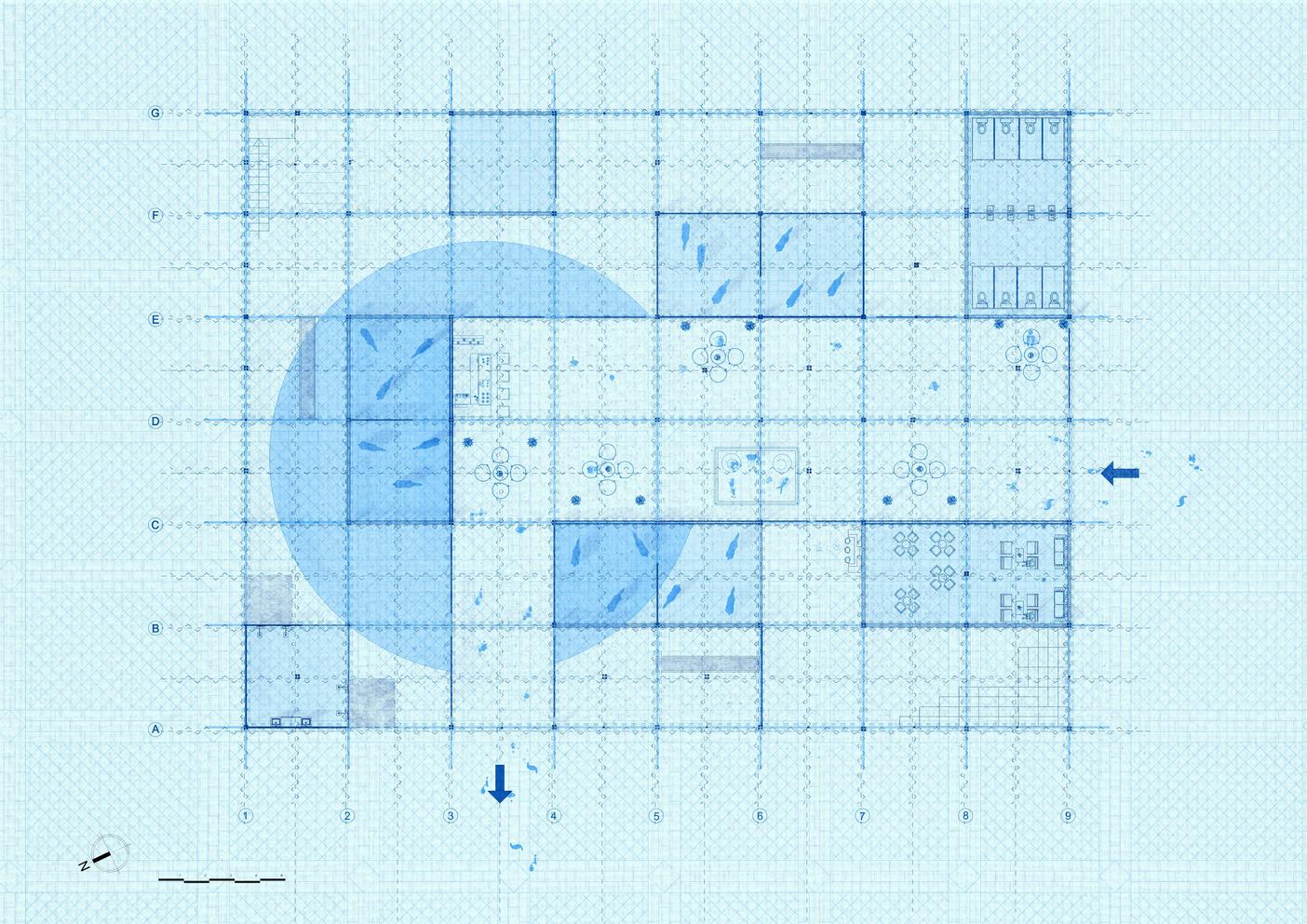
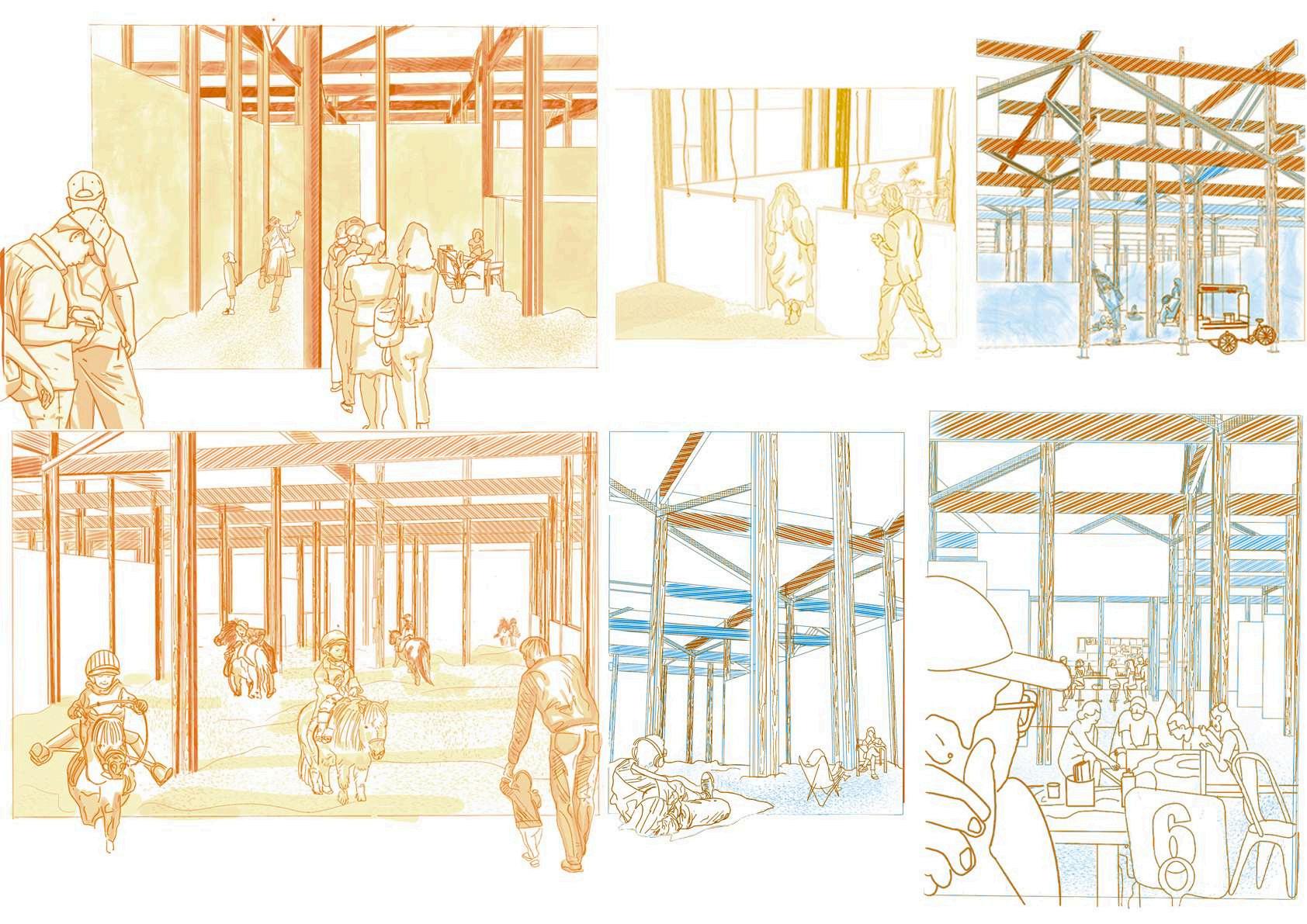
At night, the paddock is mostly closed as poniesreturntotheirstables.However,an alternative program brings out amenities for people to eat, drink, and stroll while observingtheponies.
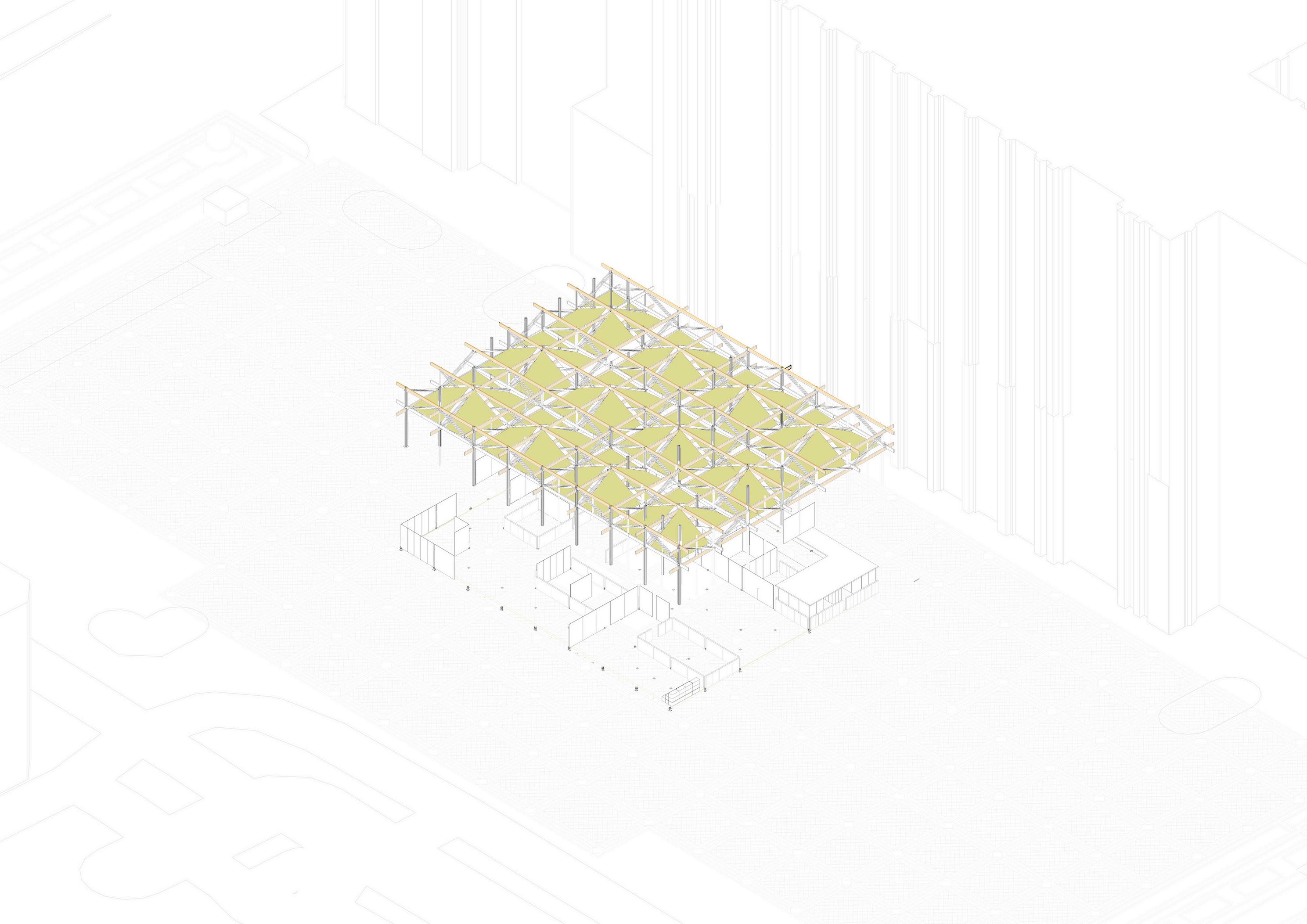
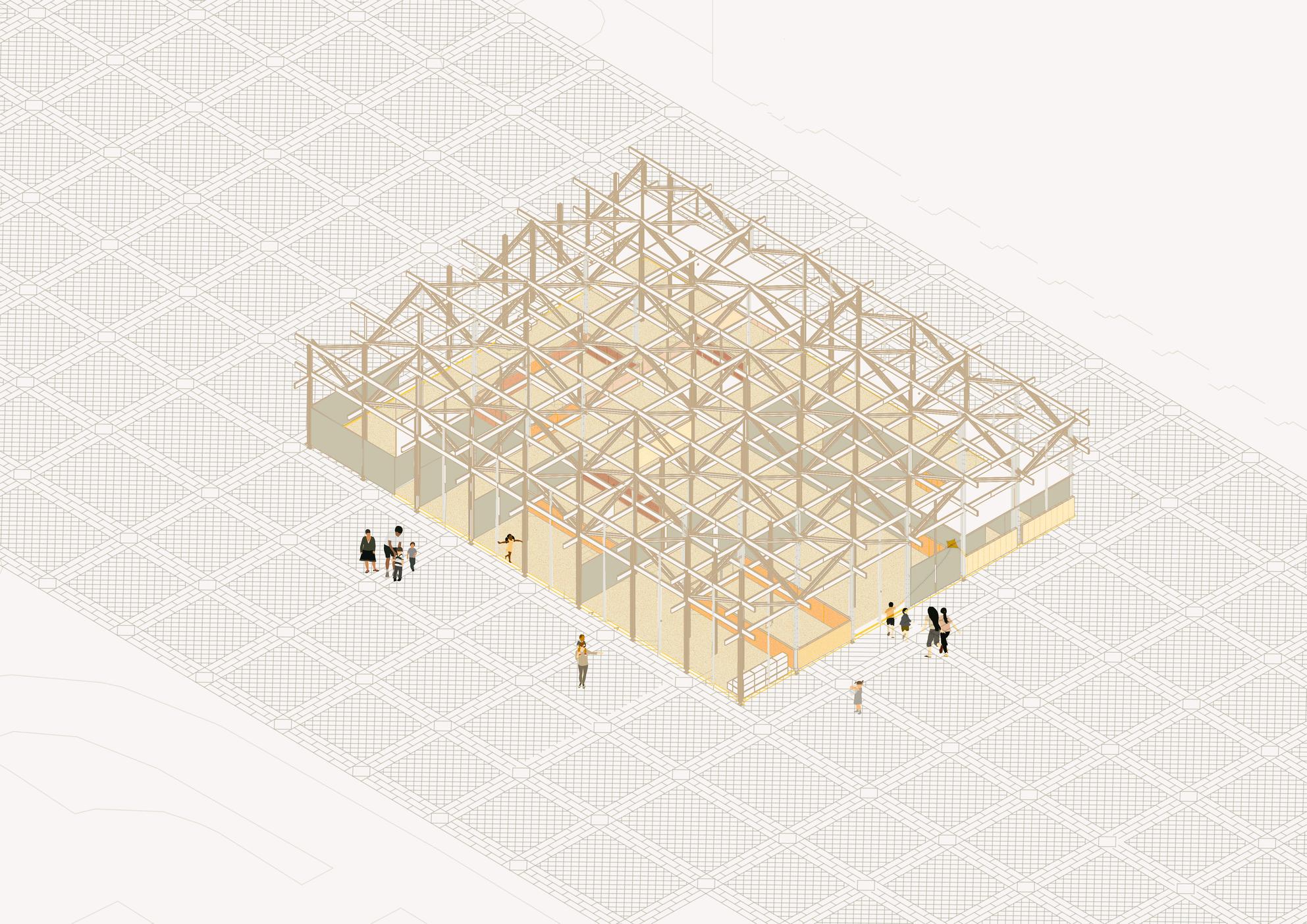
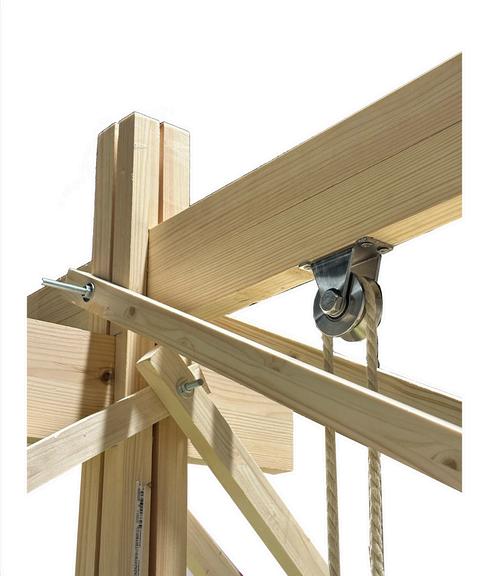
The walls are supported by trusses, and theroofhastwolevels,alsosupportedby trusses, with a fabric covering. One corner rises to the upper level while the other three remain at the lower level, naturallychannelingwaterdiagonallyoff the paddock. Pillars and beams are arrangedinagrid,allowingspacestobe organized for specific uses in a clear, mathematical way. The design draws inspiration from the Tea House Pavilion by GRAU Architects and the Ginga Pavilion by Giovanna Taques, Guilherme Schmitt, João Vitor Sarturi, and Victor Escorsin.
Double Decker Corridor
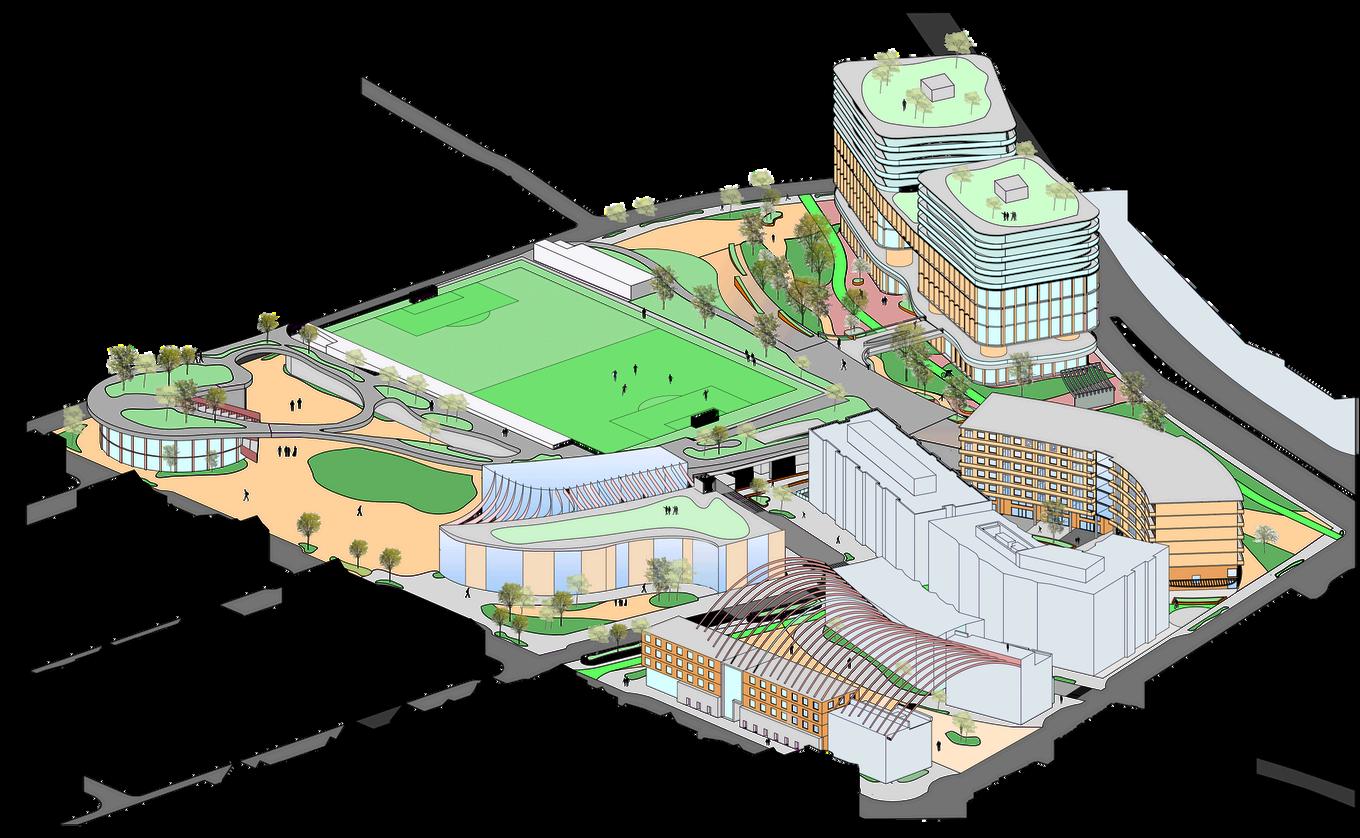
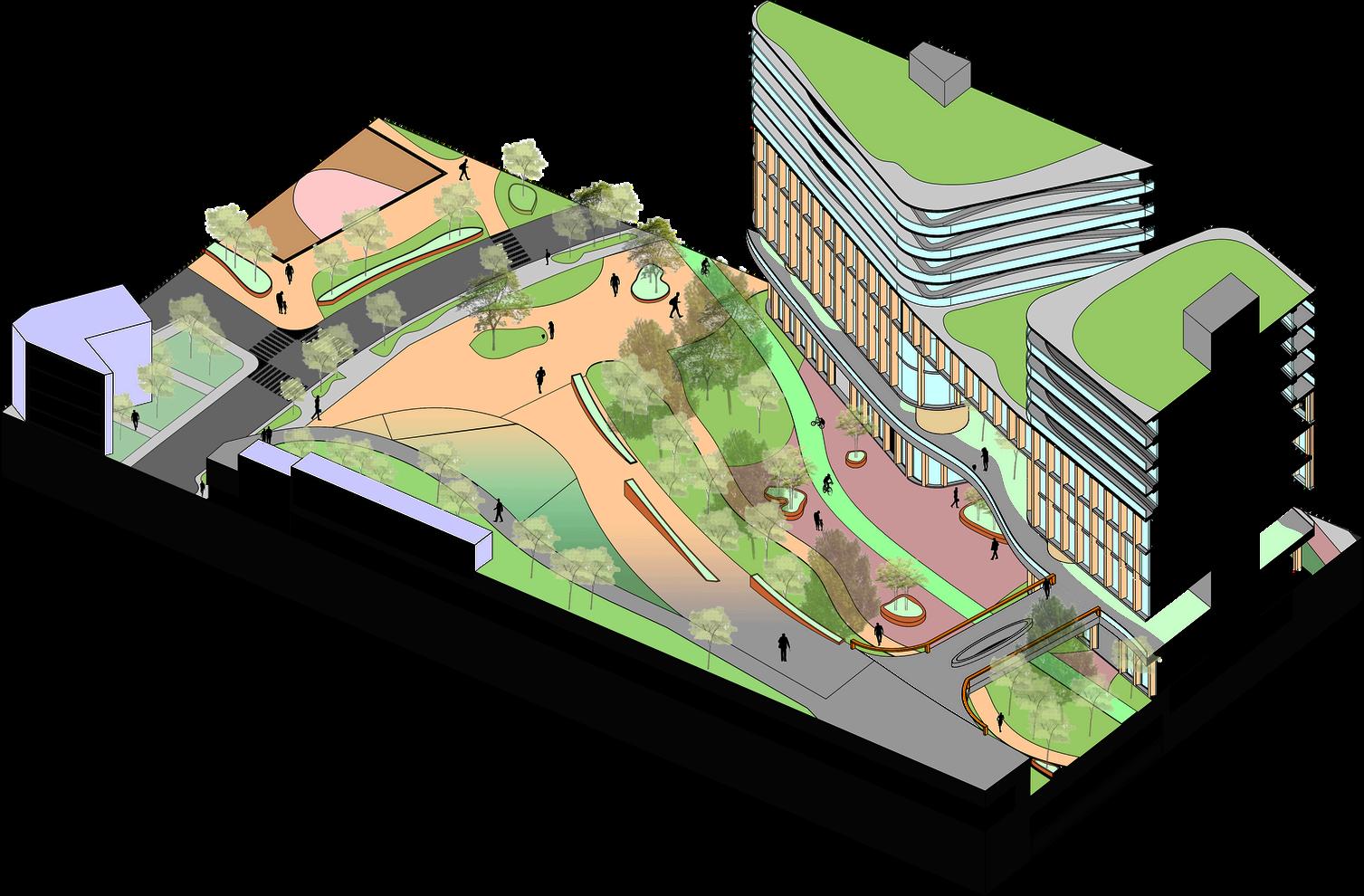
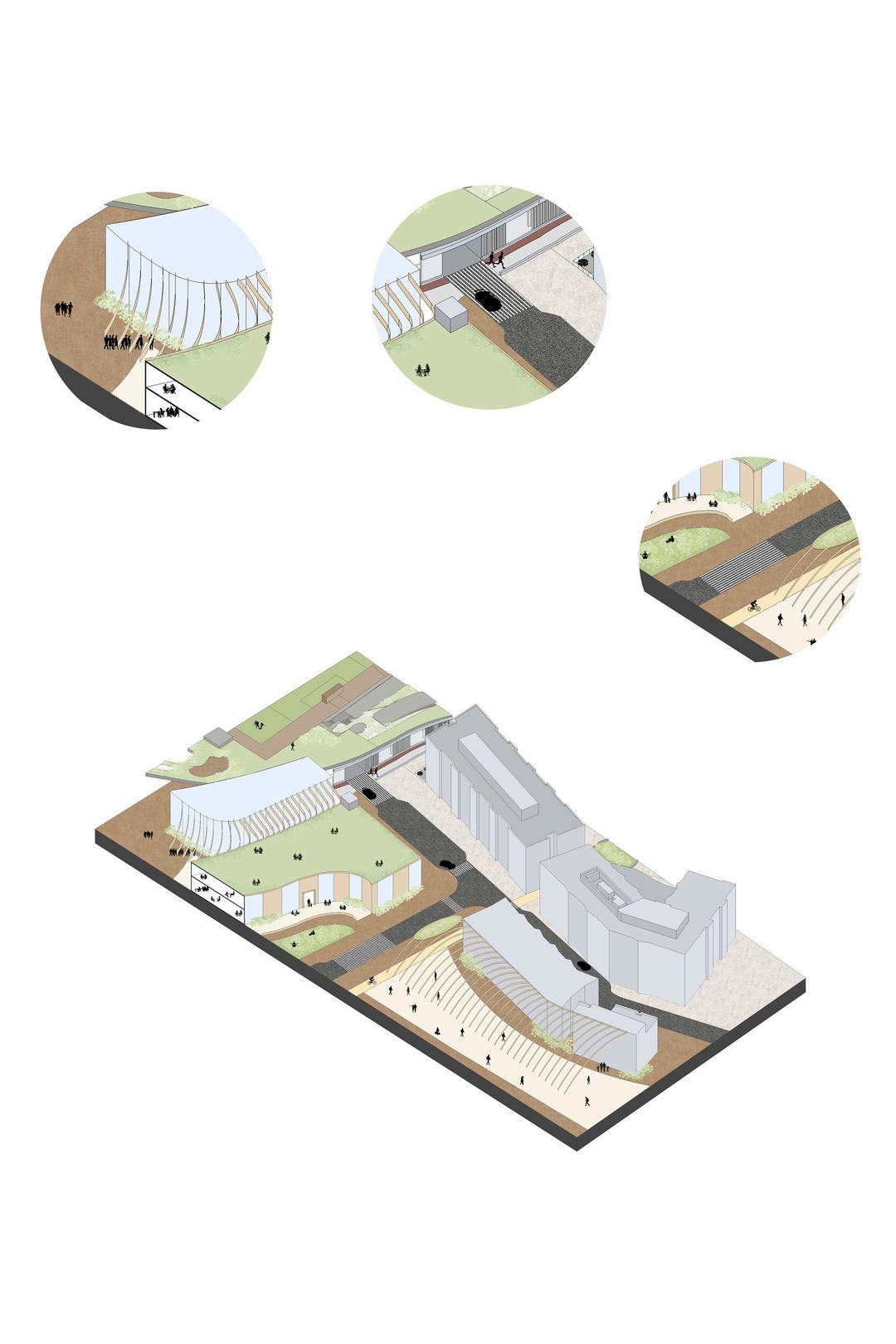
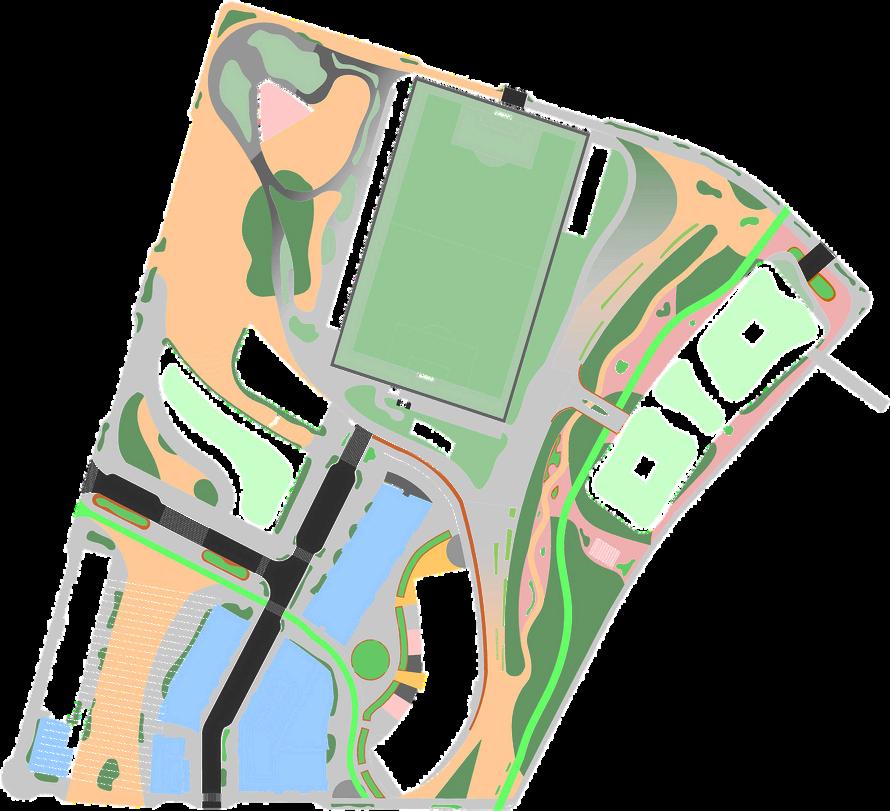
IncollaborationwithJackResnic andAriellaPhometsi,thisproject aims to extend the Southeast Corridor, develop a communityfocused urban plan, and prioritize pedestrian activities. The plan includes landscaping, green spaces, historical sites, mixed-use buildings, and safe walking paths, connecting Mission Hill and Roxbury with more opportunities for jobs, education, and housing. The southwestviewofthesiteshows the connection between the mixed-use residential area, the Food Hall, the Historical Building, Plaza,andtherecreationalarea.
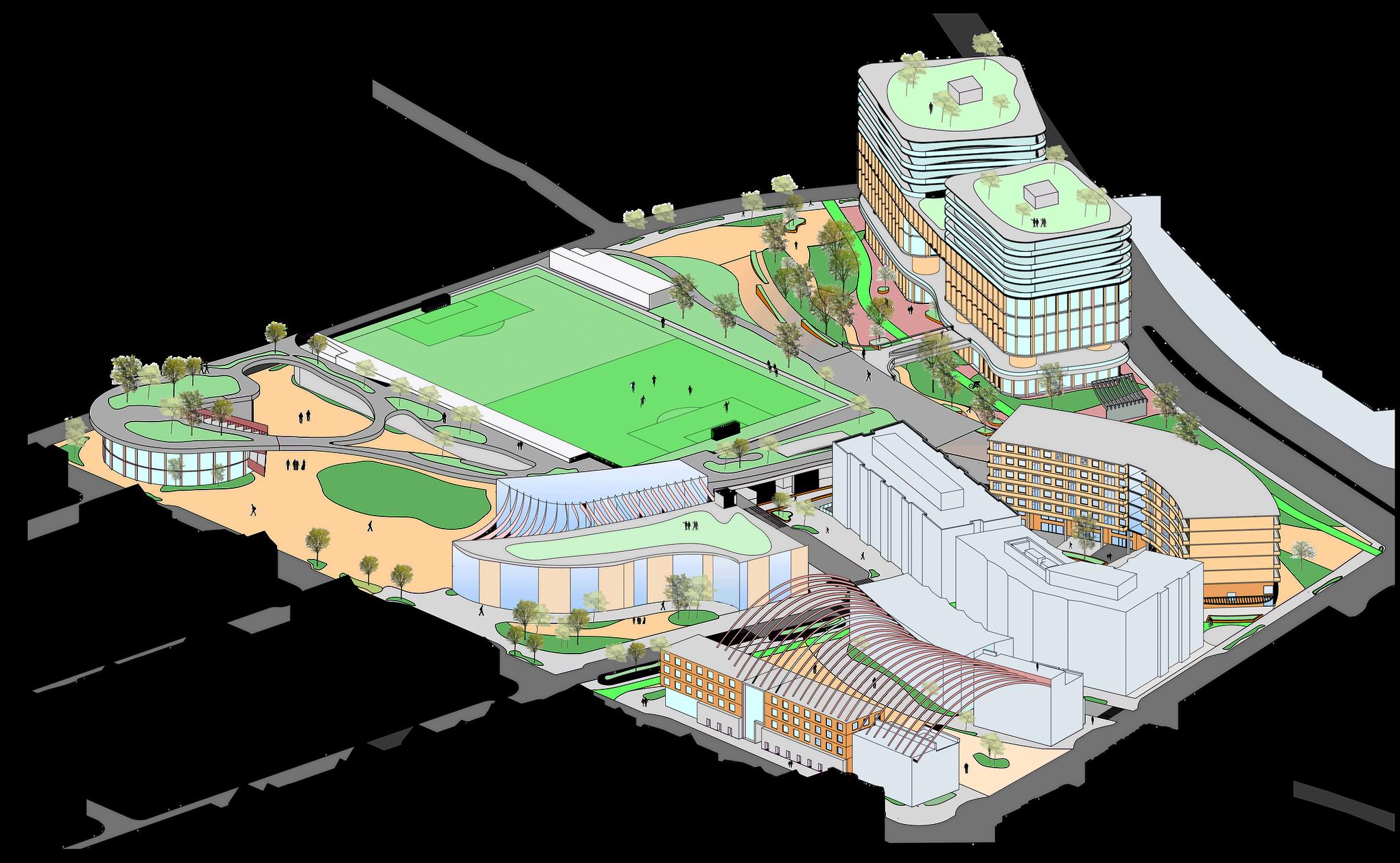
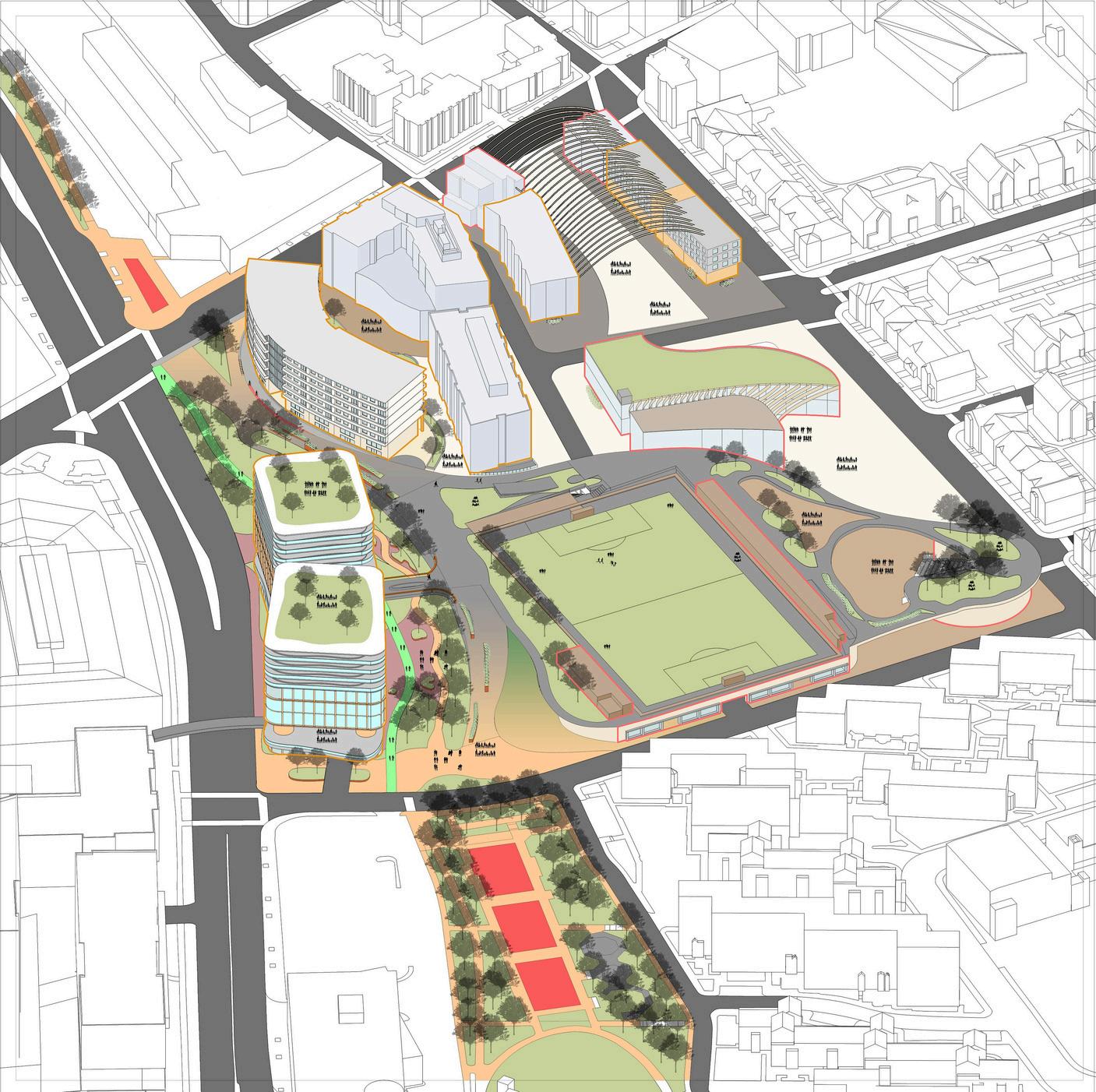
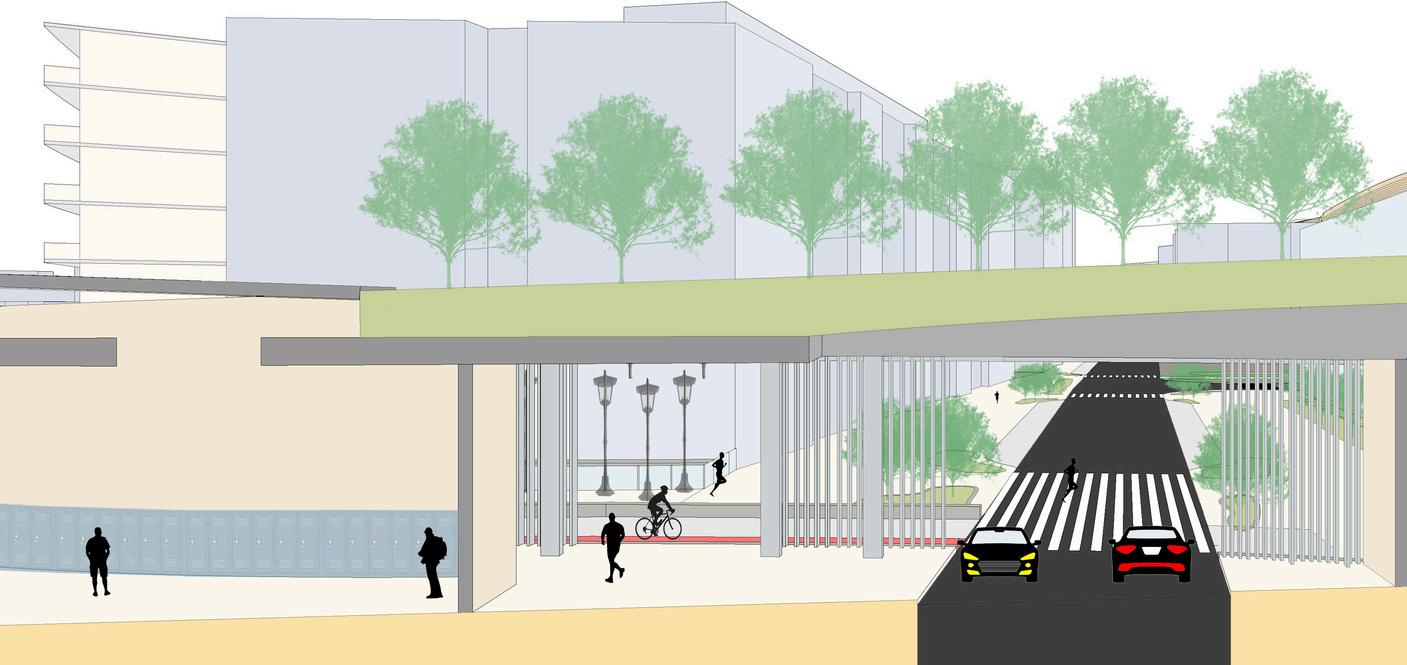
The north view shows how our site extends the landscaping and green space of the Southwest Corridor. It also highlights the elevation changes that create the double-decker corridor, with SweeneyFieldelevatedabovecommercialspaces and an entry for car access to ground-level parking.
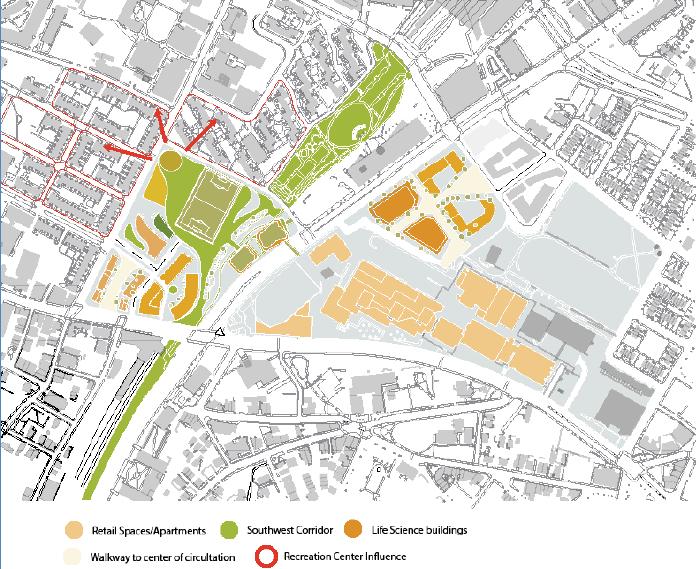
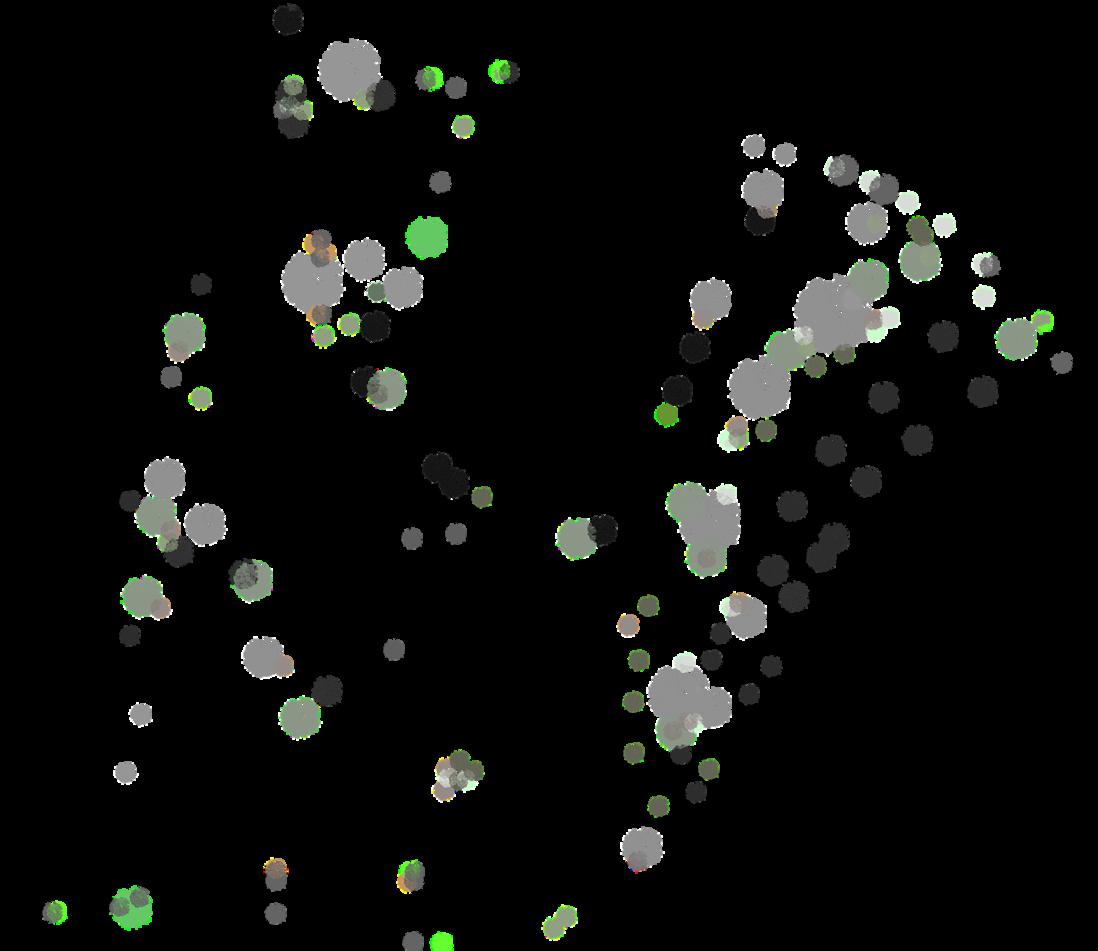
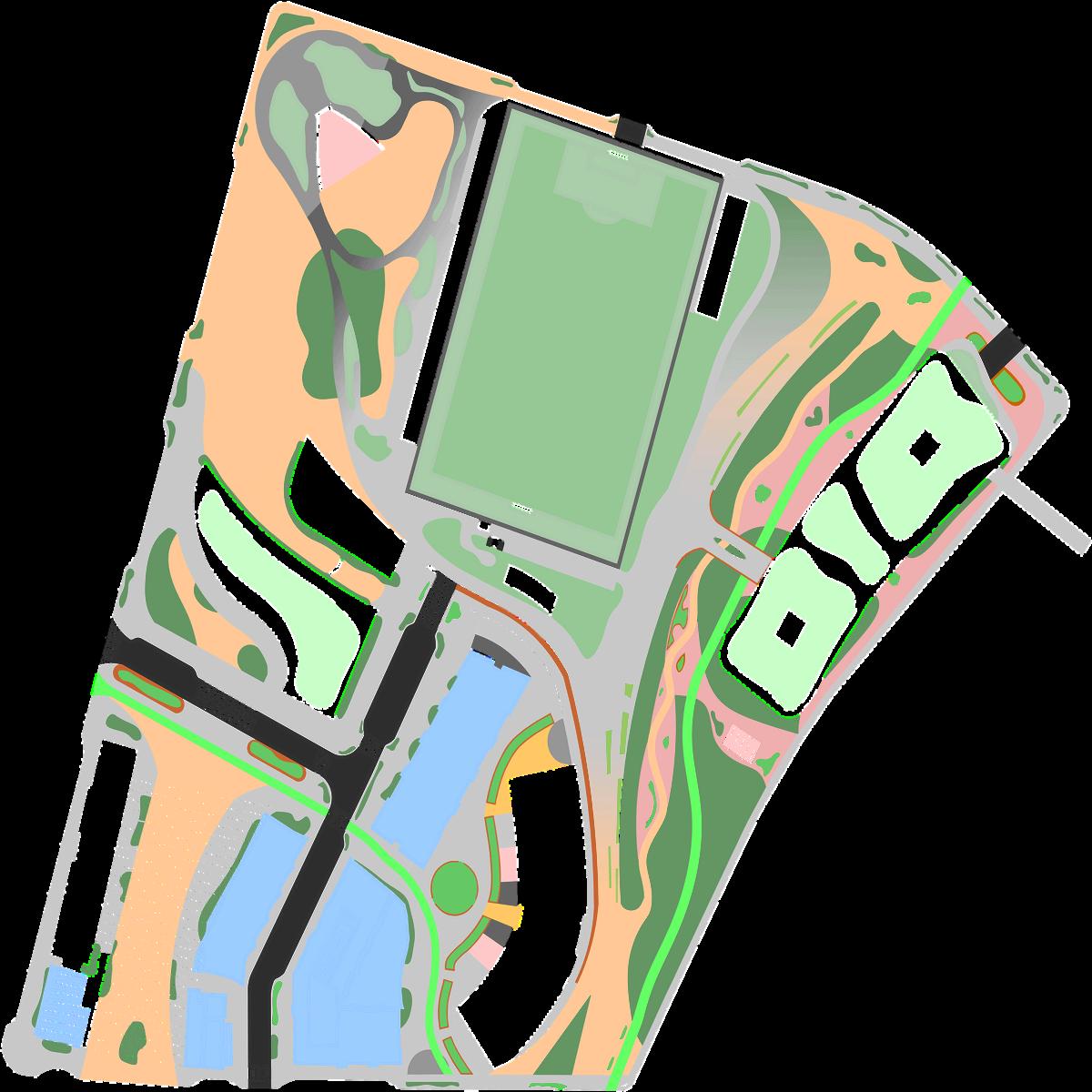
Our map’s framework emphasizes connections across Mission Hill. The life-science building links to nearby institutions and similar facilities, while the plaza offers a welcoming space for residents fromsurroundingblocks.
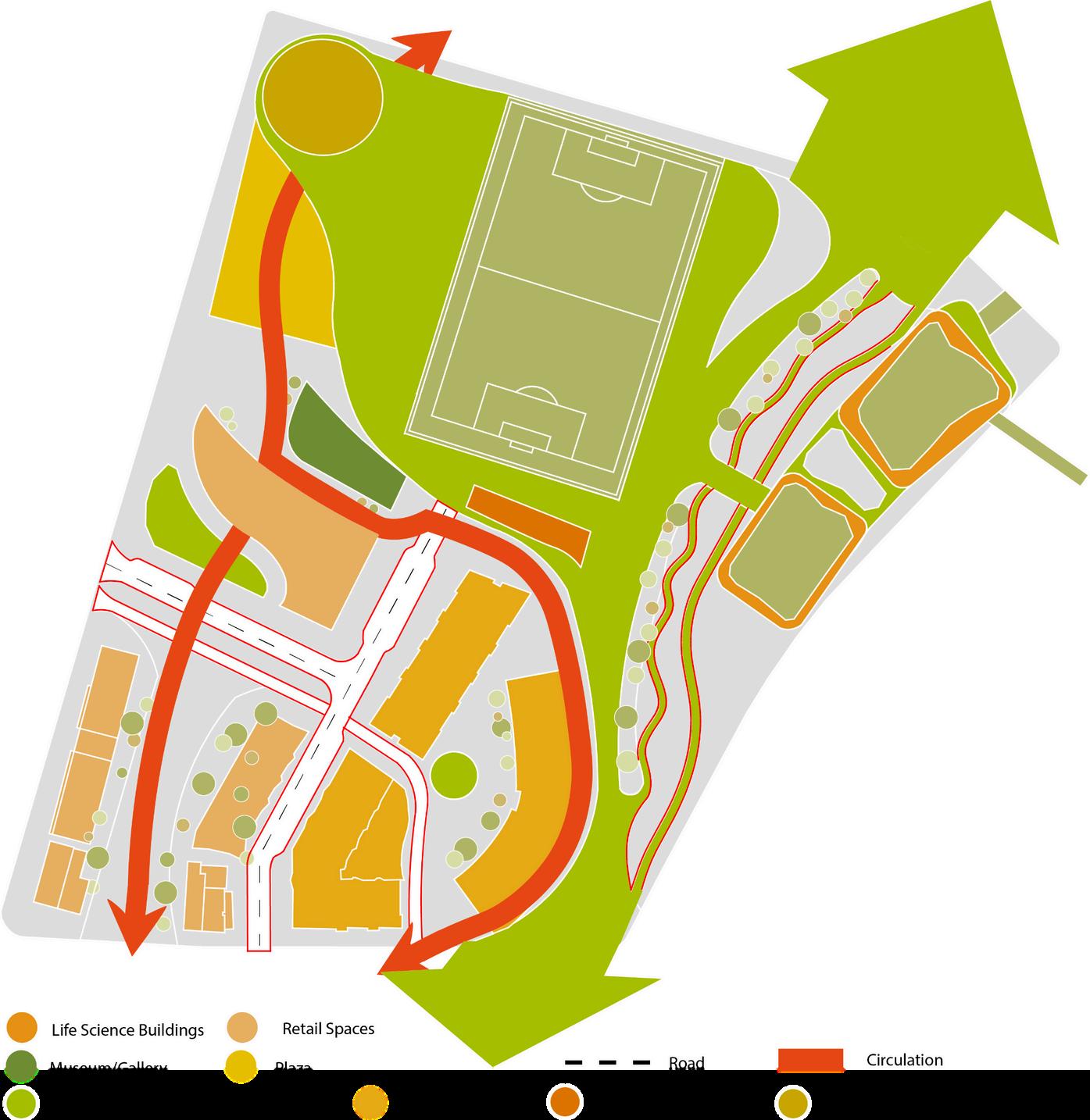
Thisclose-upofoursiteframeworkhighlightsthe circulation paths and the extension of the SouthwestCorridor’sgreenery.
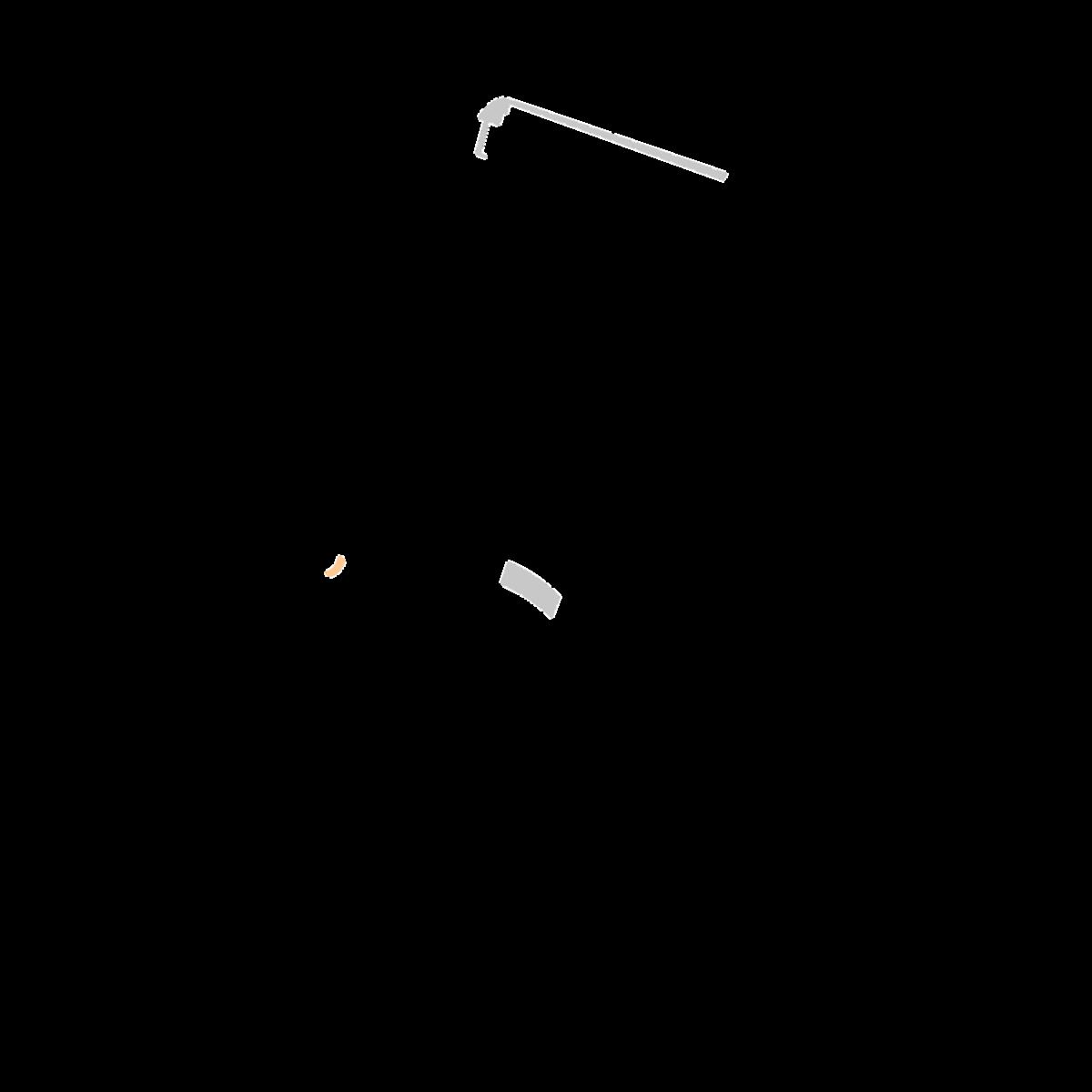
LifeScienceBuilding Museum/Gallery RetailSpaces Plaza
ReinterpretationofSouthwestcorridor ResidentialArea
Road Circulation Locker-room CommunityCenter

DoublingTheProgram
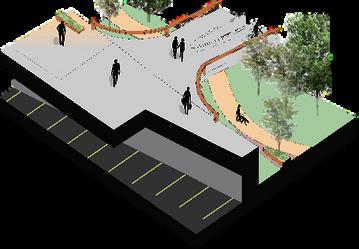
Following the Sweeney Field’s multi-level concept, we scaled it up to fit about nine parking spots beneath an upper-level park in thiscut-out.
MaximizingTheSouth-WestCorridor’sGreen
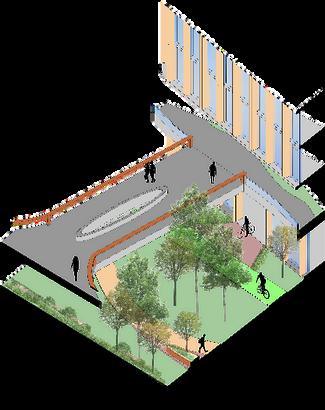
OnekeydesigngoalwasextendingtheSouthwest Corridoranditsgreenspacesthroughthesite Welimited thewalkingandbikingtrailstolessthanone-thirdofthe area,withthepathoccupying20ofthe80feetinthe Southwestquarter
PedestrianSafety
yCenterConnection emsfromcommunitycenterplaza walkwaybegins,passesthepublic eadstothefrontofthemuseum
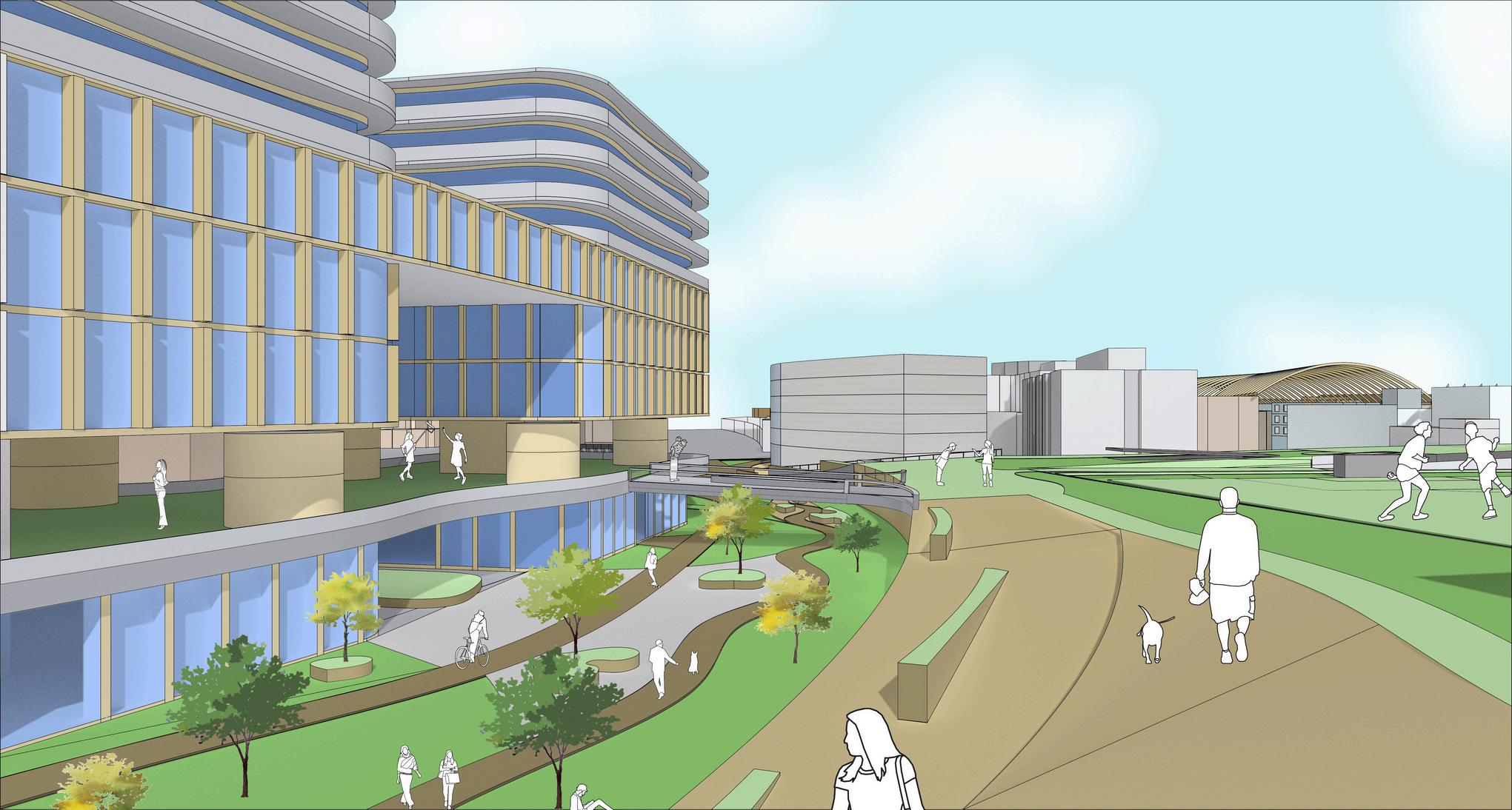
Oneofourdesigngoalsisa pedestrian-orientedblock, evenwithcaraccess.Six crosswalksalongGurneySt. ensuresafe enjoyable movementthroughoutthe site
ProcessionfromTremontSt.
Our design creates a procession from the busy Tremont Street shops to the community center and museum the heart of the site linedwithinvitingretailand commercialspaces

BlockConnection
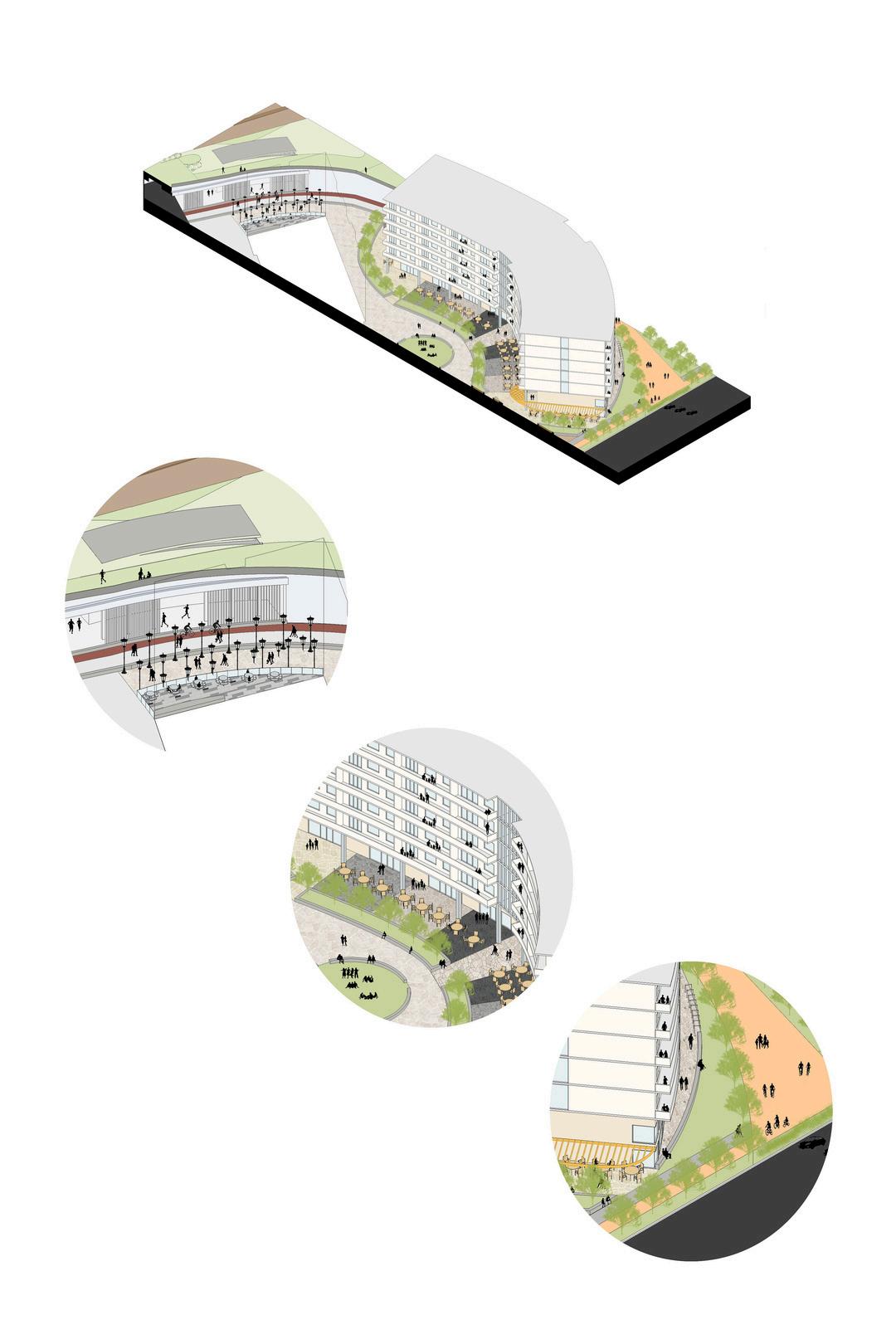
ThispathwaylinkstheFood Hall Plaza,andresidential block offeringspacefor cycling,seating,socializing andactivitieslikechess.
ResidentialBlock
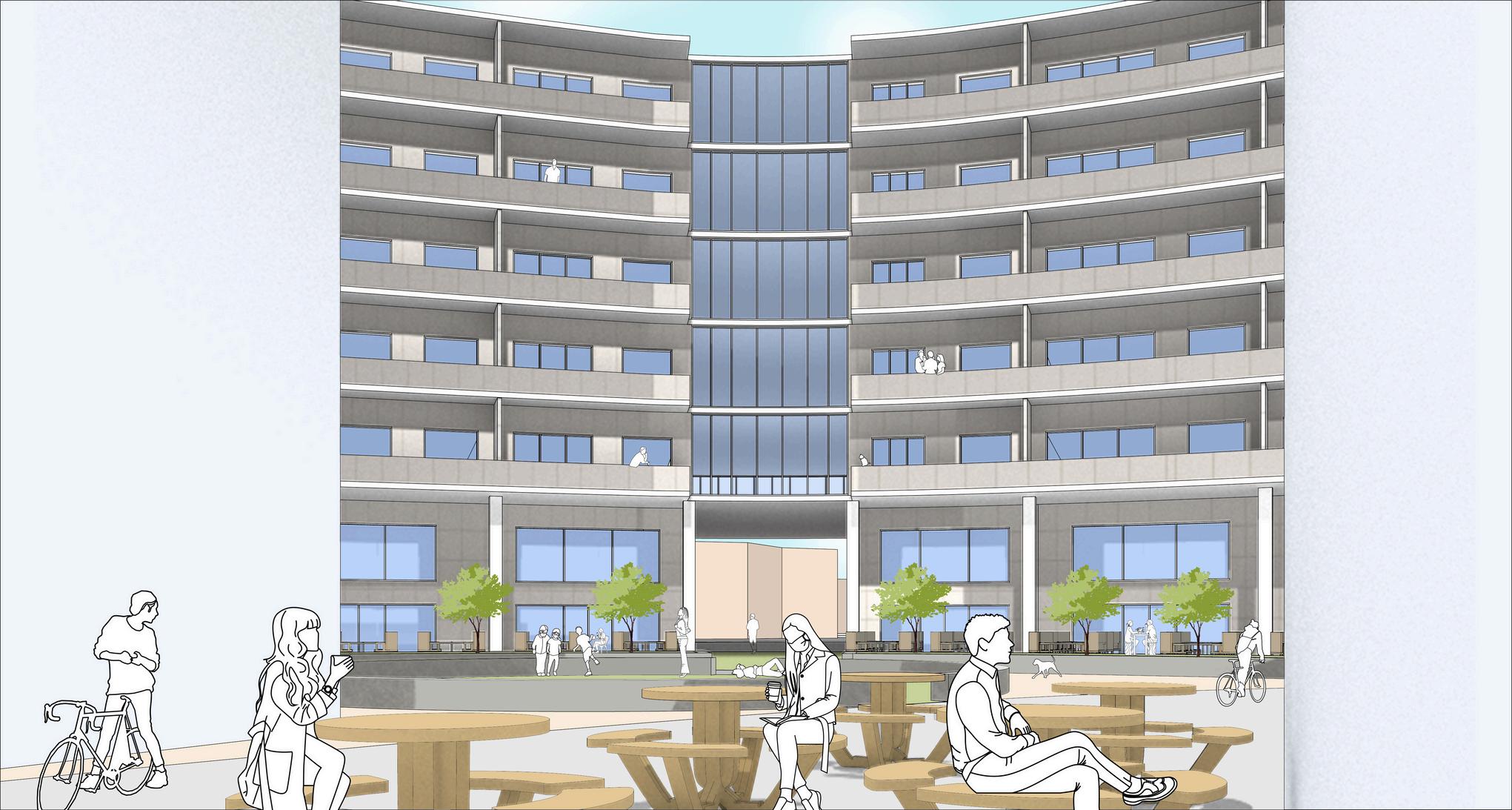
Thegroundfloorfeatures restaurantswithoutdoor seatingbyplantingbeds, setonpermeablestone pavementinvariedcolors foranaturallook
TremontStreet
Thesidewalkhas6'lanes:an outerplantedstripwithview gaps,amiddlebikelane, andaninnerpedestrian lane.Acurvedwooden cantileverleadstothe residences,while5 balconies projectabove.






Fenway Housing
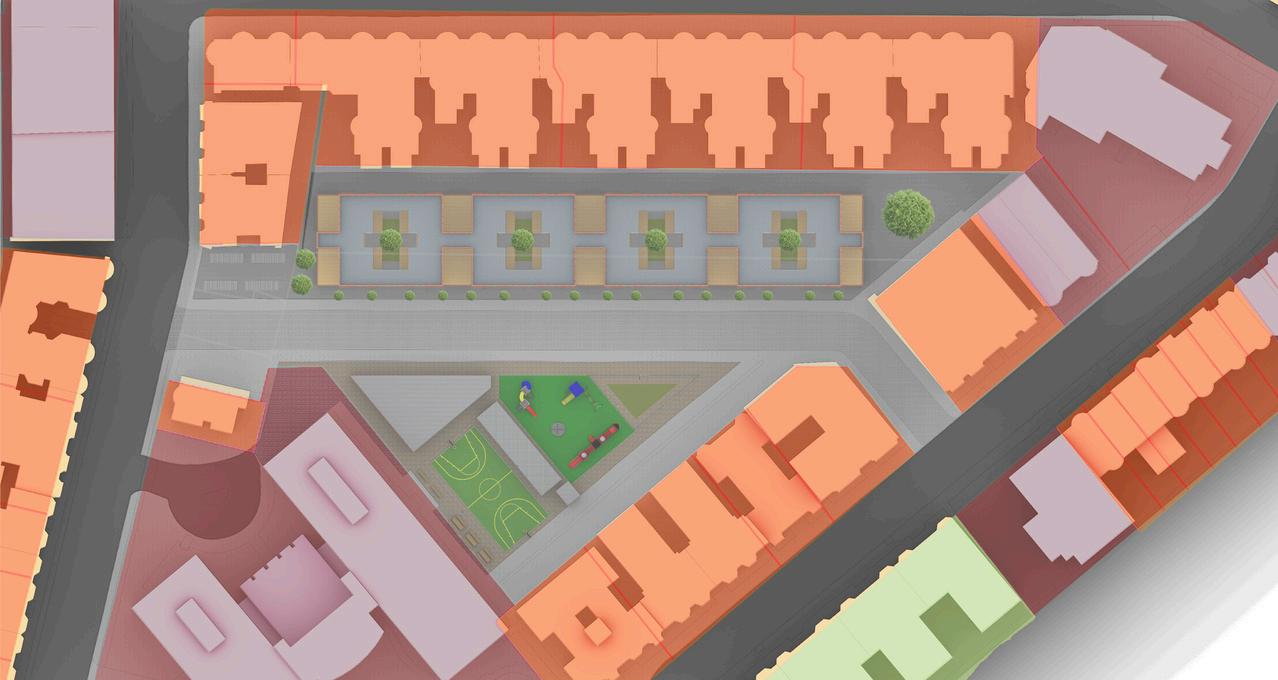
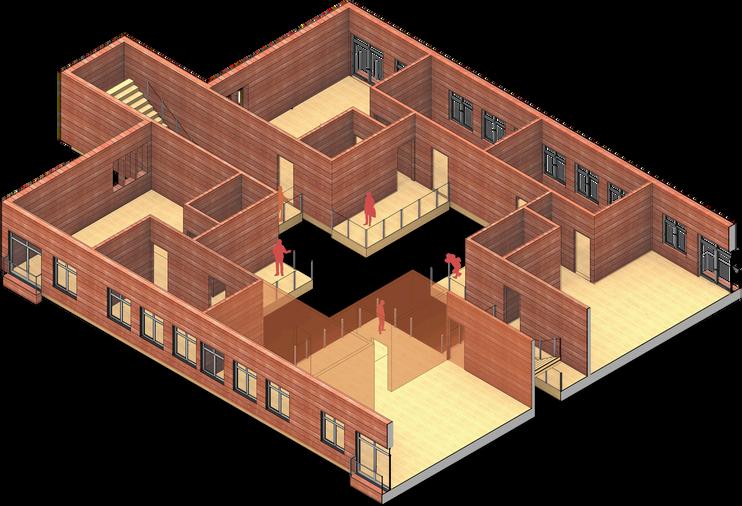
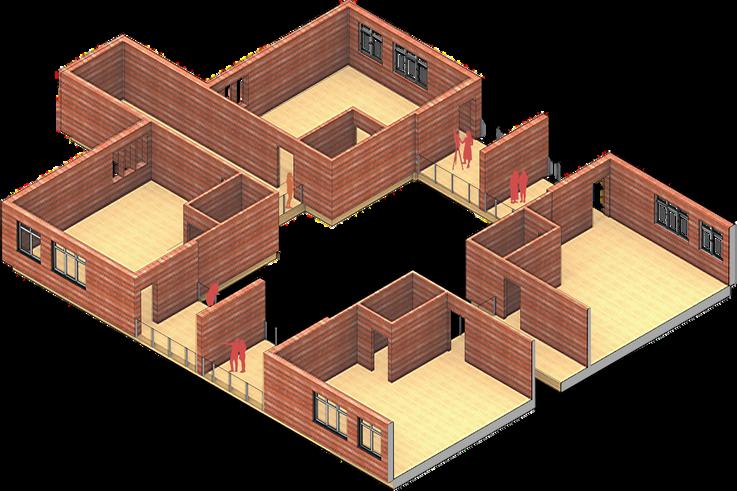
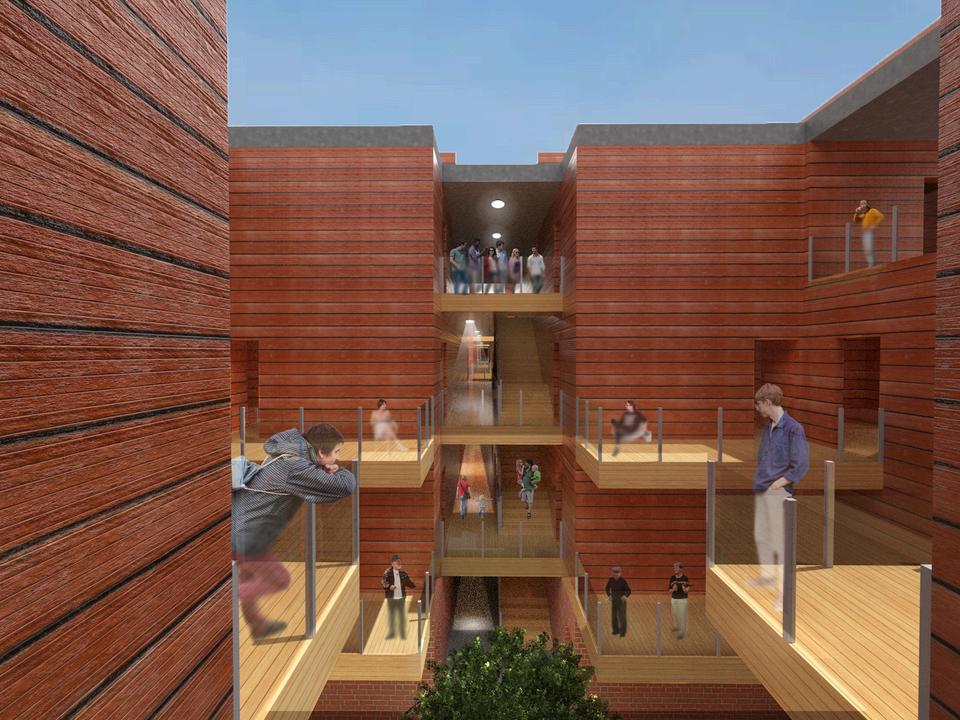
This project provides housing for the Fenwaycommunity,includingstudents, professors, staff, low-income families, and immigrants. The “cake” concept placeslargefamilyunitsontheground andfirstfloors,smallerfamilyorcouple units above, and studio spaces for studentsorprofessorsonthetoplevel.
BikeRack
ResidentialBuilding
JarvisPath
GameBuilding Garden
Playground
Pavilion
BasketballCourt
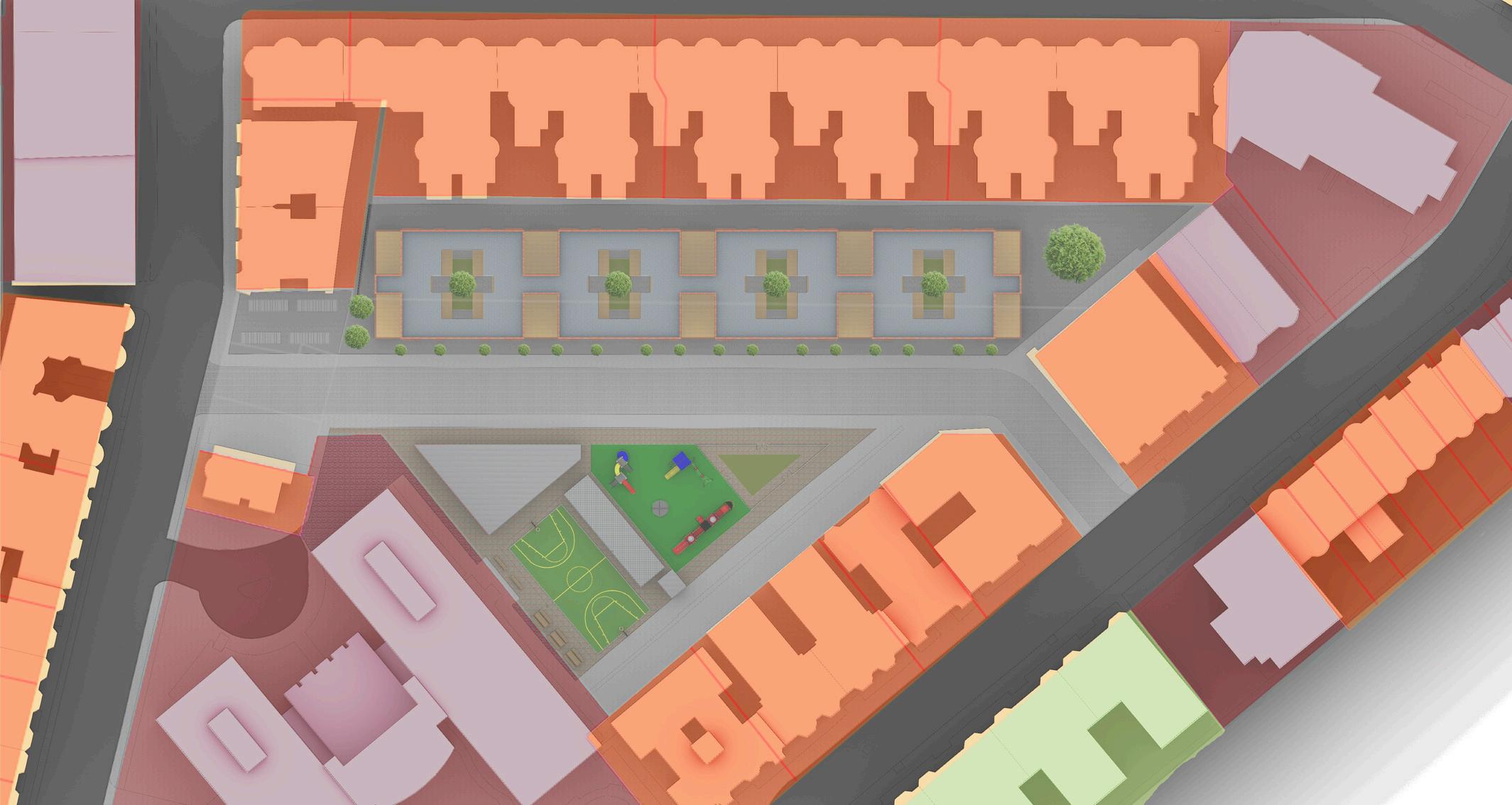
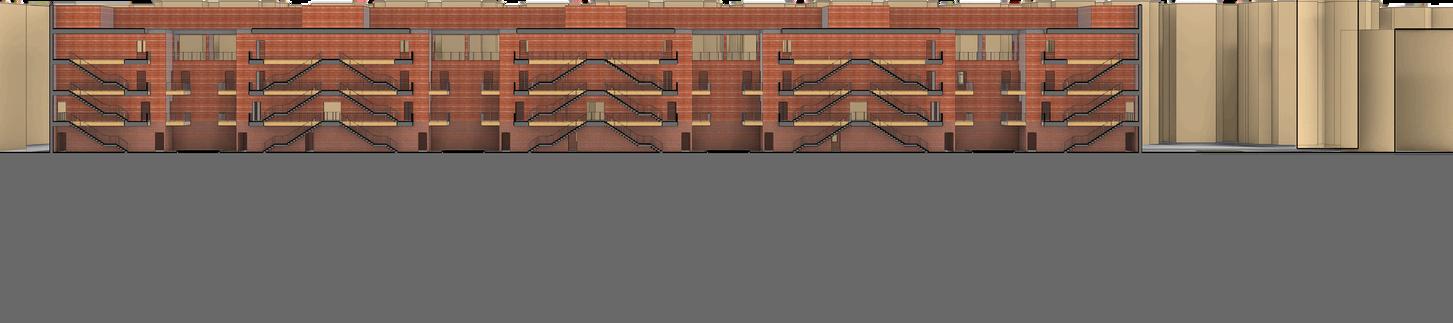
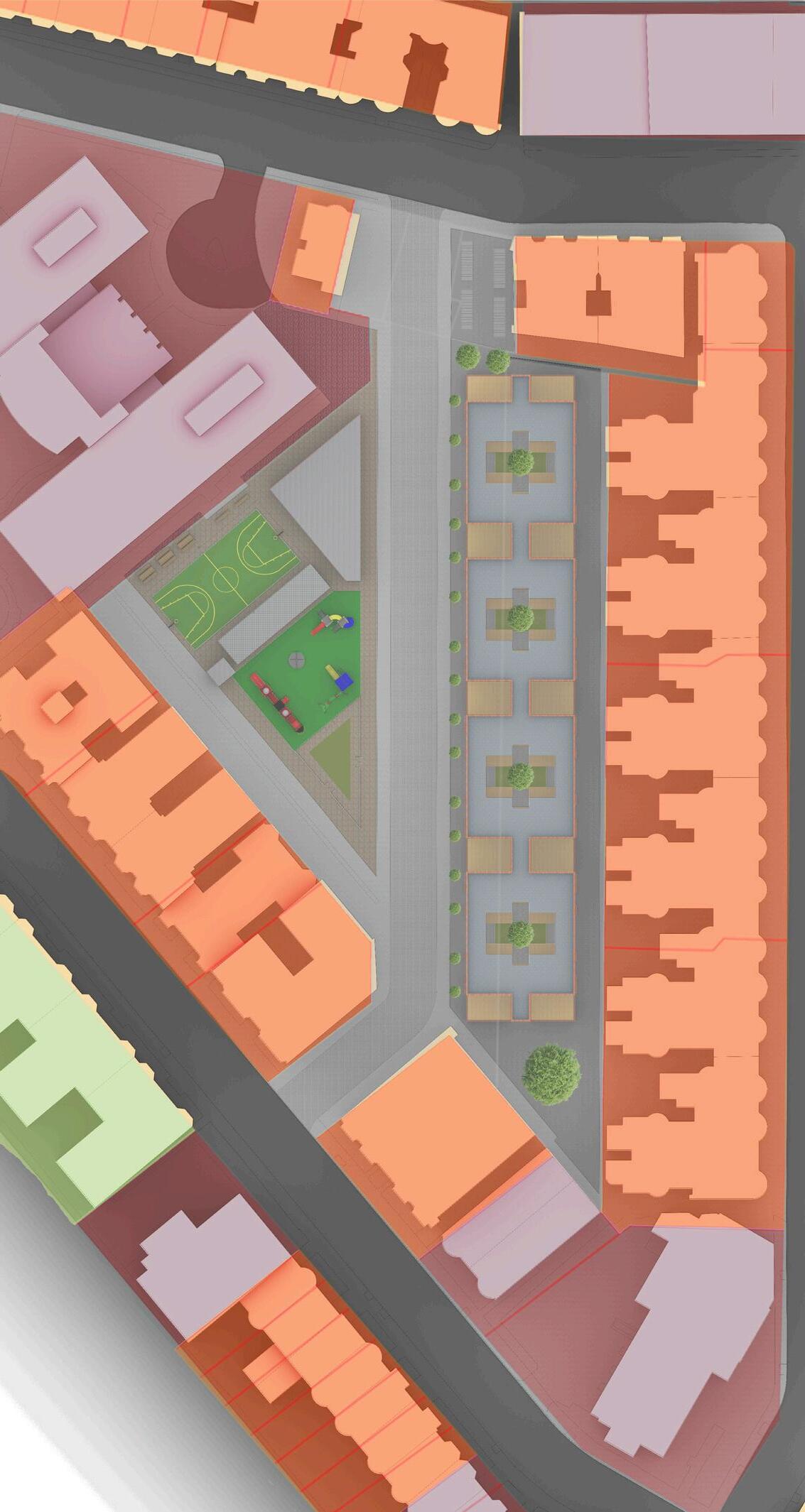
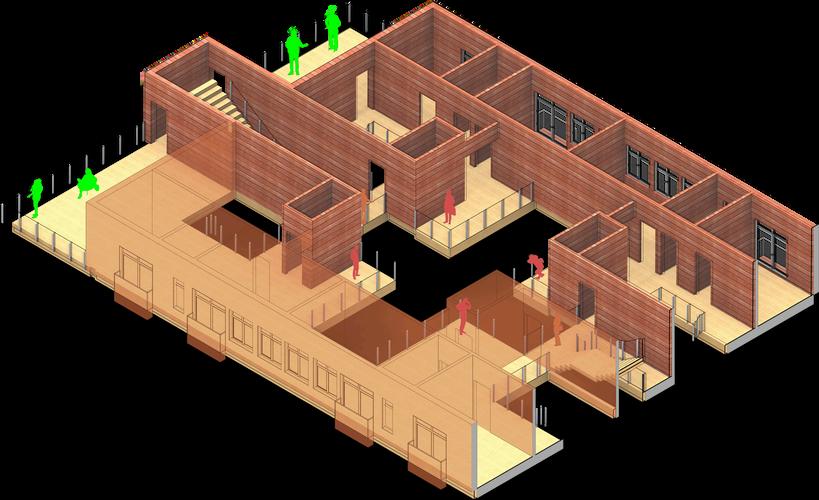
Sectionsrevealconnectedpathwaysandegressstairs,withagroundfloorextendingthroughallbuildingstoformlinkedhallways and courtyards for gatherings. Inspired by Le Corbusier’s Unité d’Habitation, these “streets” encourage commercial and social interactionwithinthebuilding.
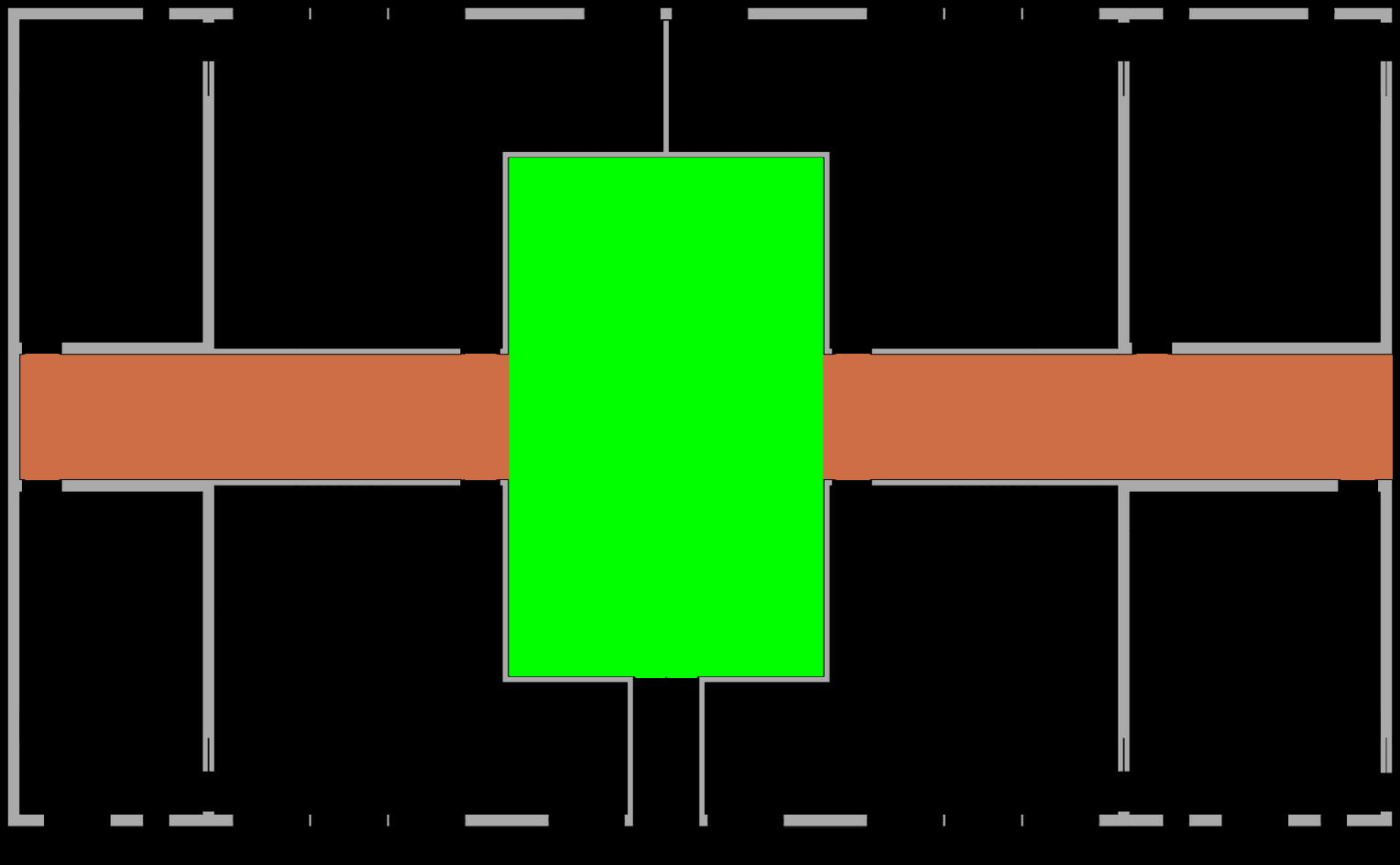
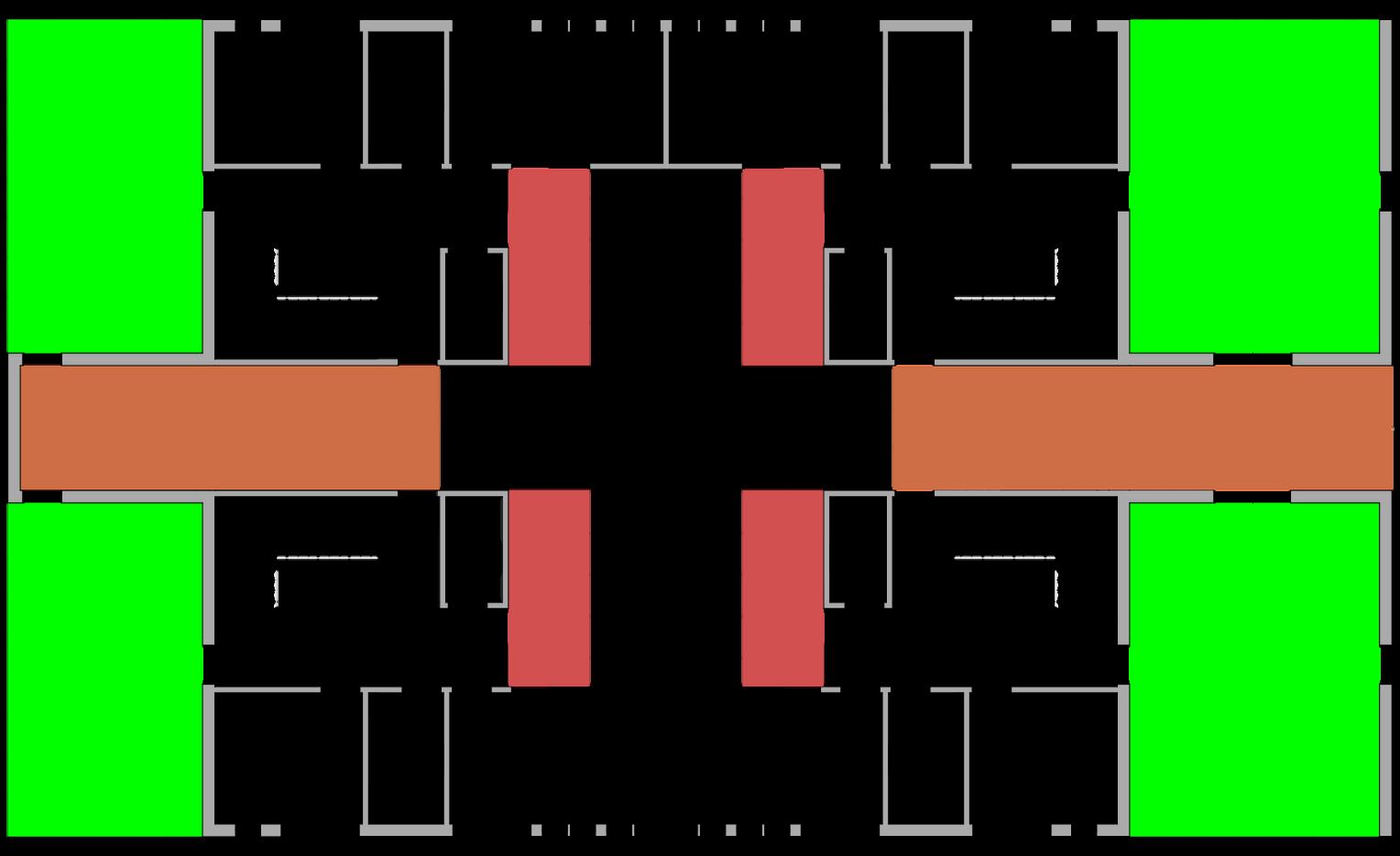
Green indicates public access, while red shows private access. The ground floor features a central courtyard, providing children space to play and fostering social interaction among residents. There are also utilityspacesforallresidents.
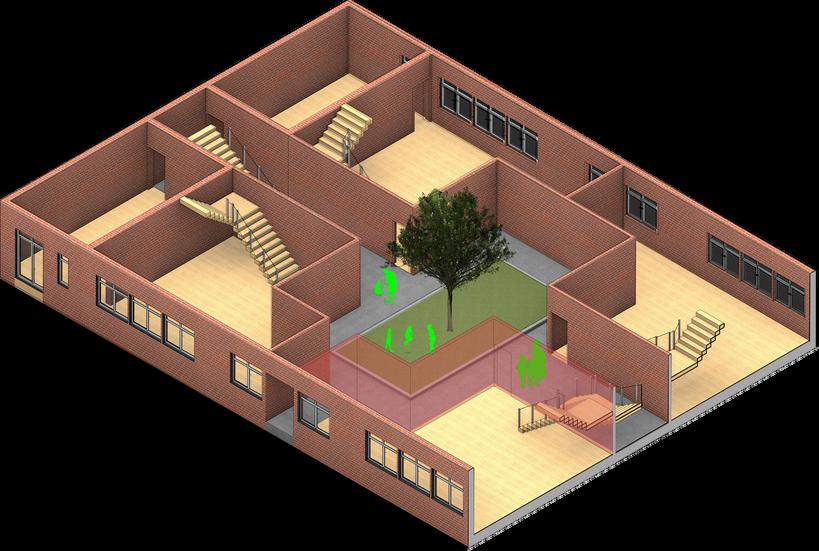
The first floor comprises two-bedroom units with private balconies overlooking the courtyard, providing views and opportunities for residents to socialize from theirownspace.Therearealsooutdoorroof terraces
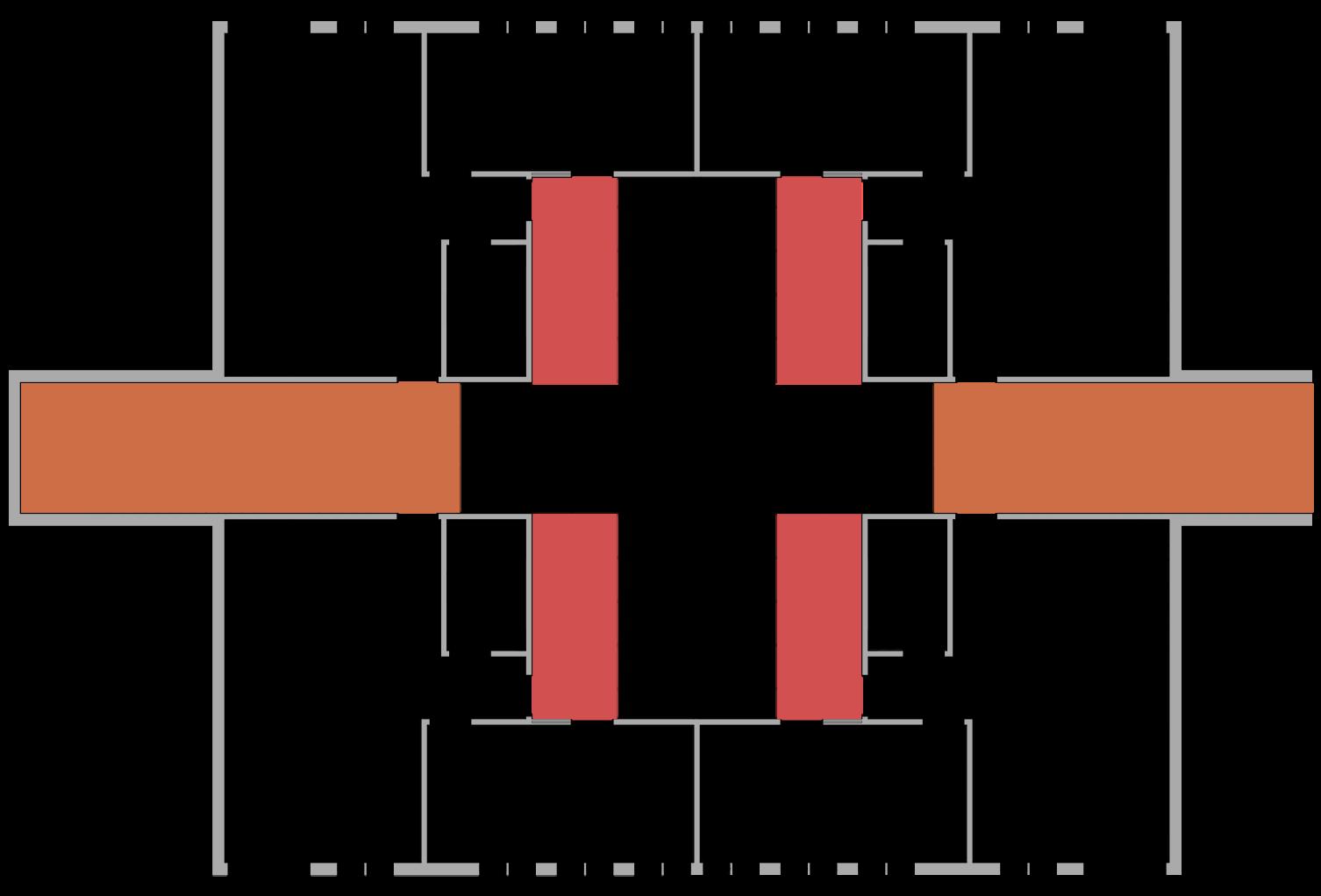
The second floor consists of one bedroom unitswithprivatebalconies.
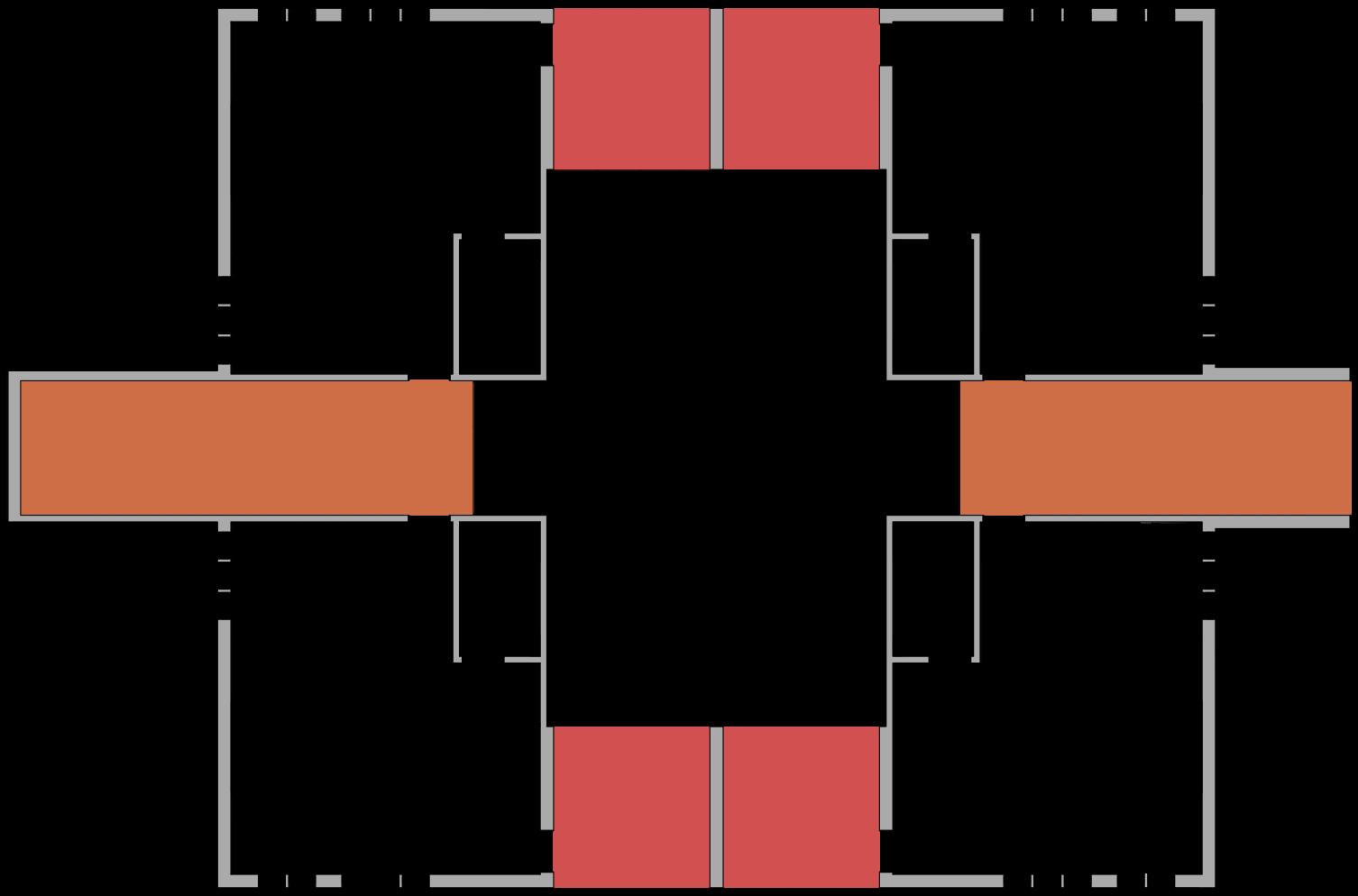
The third floor consist of studio units with private balconies with views overlooking outside.
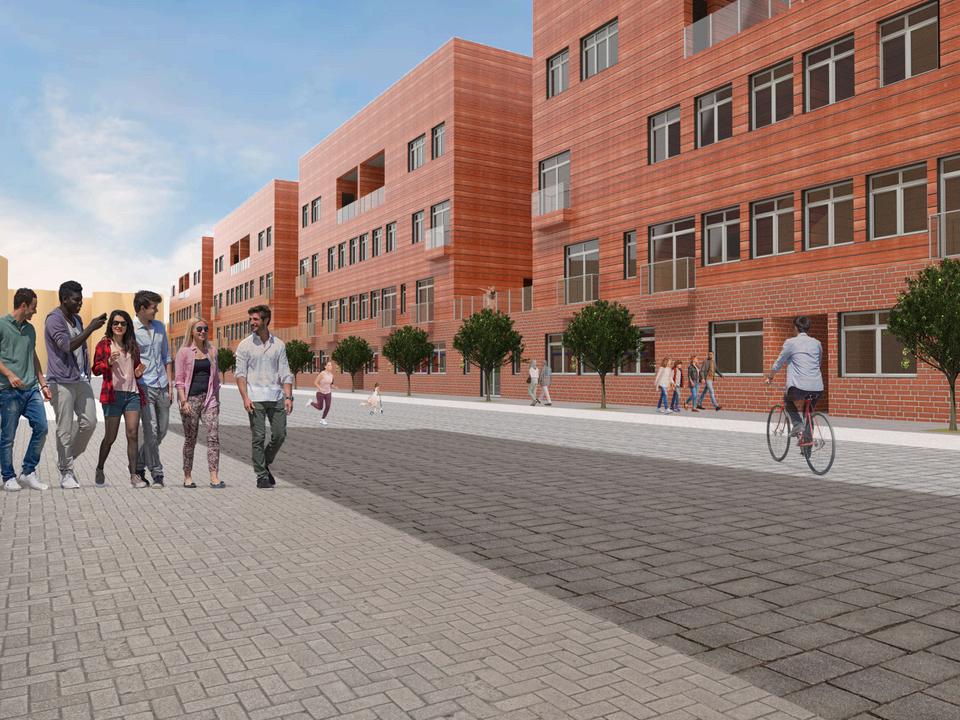
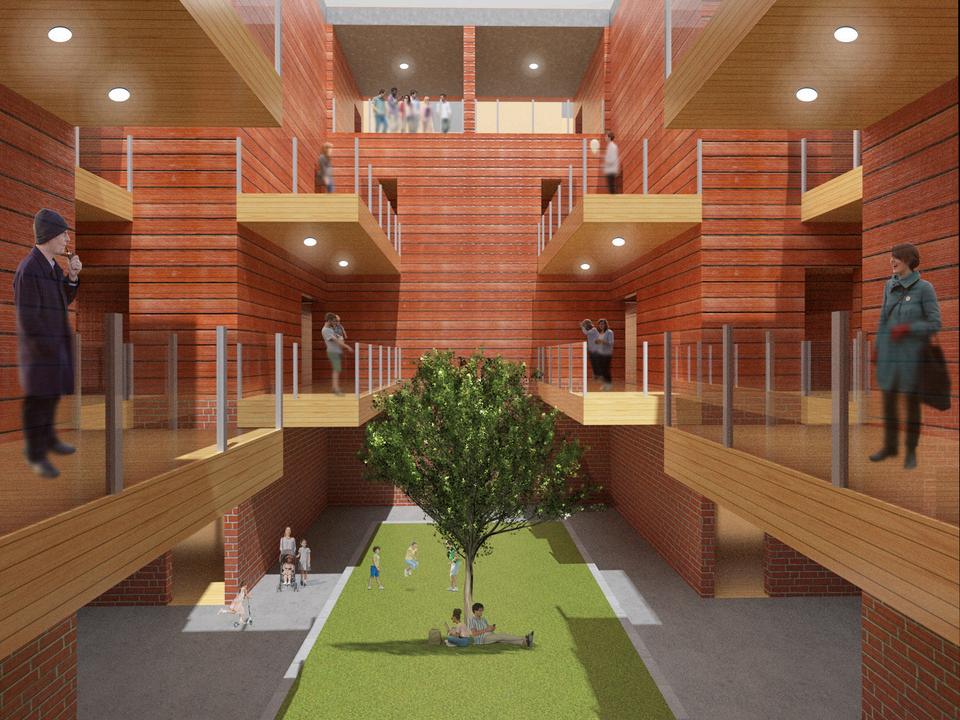
ThreeperspectiveshighlighttheJarvisPath,thecourtyard,and the hallway. The Jarvis Path is paved with permeable stone, supporting safe pedestrian and biking activities. This perspective also showcases the roof terraces and windows, where people can overlook the path and playground. The courtyard perspective emphasizes potential social activities, allowing interaction both in the courtyard and from residents’ balconies. It also functions as an atrium, with a large opening that lets in sunlight. The hallway perspective highlights connectivitybetweenunitsandoffersavisuallyengagingview throughthespace.
Sacramento Recreation
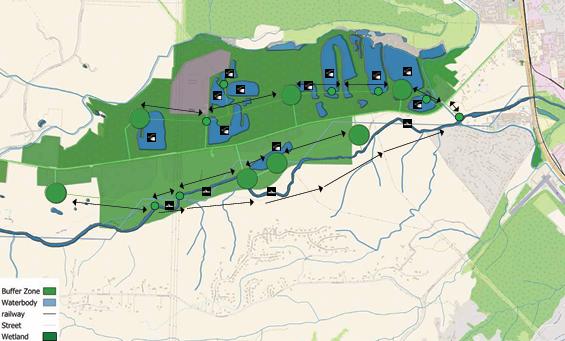
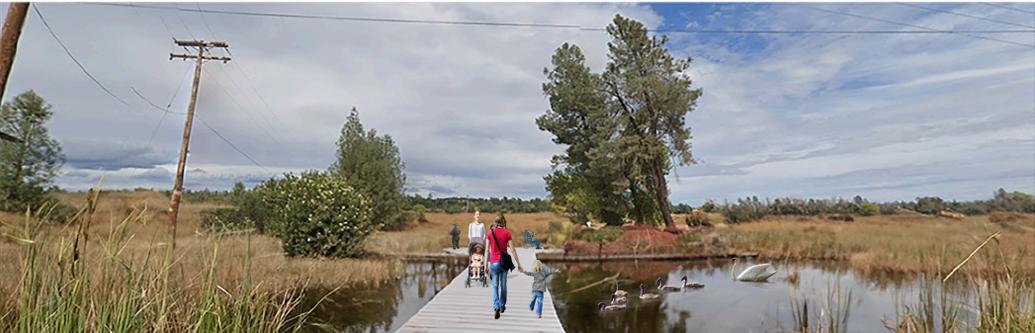
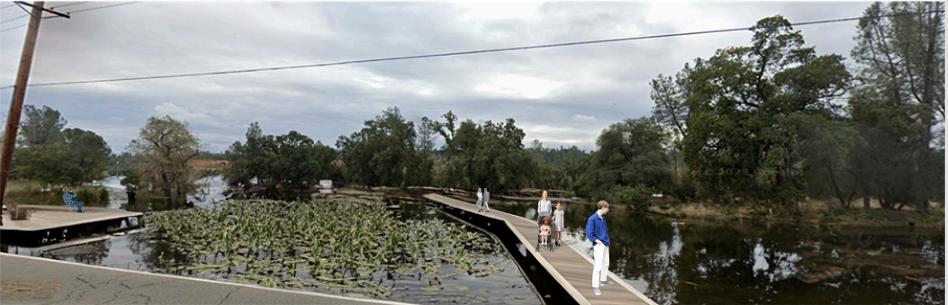
This project addresses pollution in the Sacramento River, mainly caused by mercury from abandoned mines. A solution involves creating buffer zones aroundtheminesandwetlandstofilter harmful chemicals. Wetlands not only help reduce pollution but also provide habitats for wildlife like fish and birds, while offering recreational spaces for walking, boating, fishing, and sightseeing
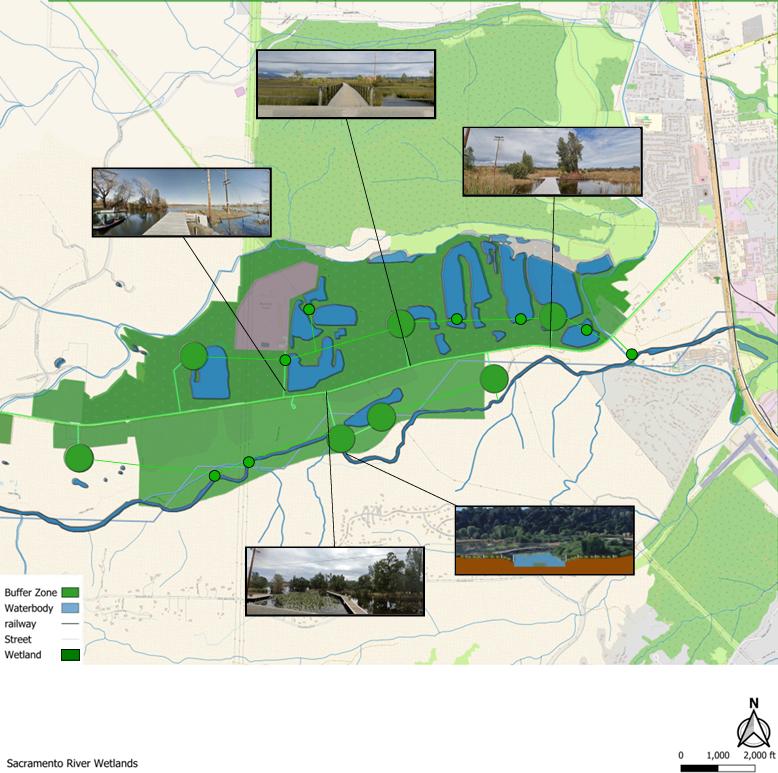
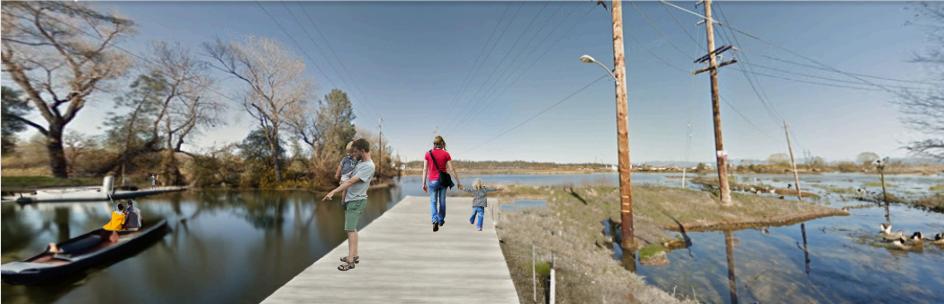
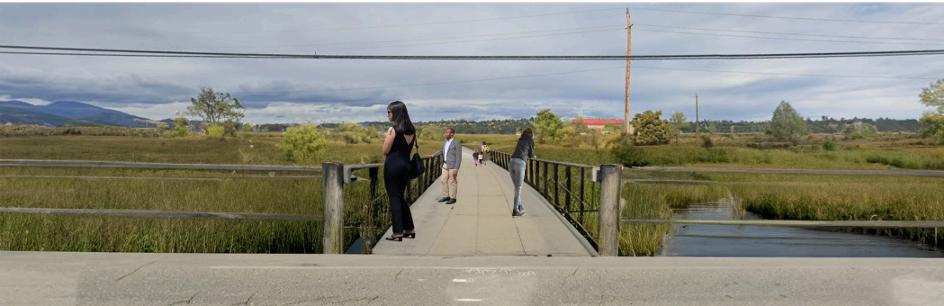
Eachperspectivehighlightstheactivitiespeople can enjoy in these recreational areas. Stormwater flowing into the river is filtered by plants, especially near the shore, where native grasses, sedges, and rushes help prevent surface runoff and erosion, filter water, absorb heavy metals, and stabilize wetland soils. Areas withdeeplevelofwaterwillhavefloatingplants that are effective in directly removing mercury fromthewaterthroughtheirroots
THANKYOU

My name is Minh Nguyen, and I am an undergraduate student at Northeastern University, pursuing a Bachelor of ScienceinArchitecture.Initially,Ichosethismajorbecause of my passion for art, math, and science, even before gaining any practical experience. However, over the past few semesters, I’ve realized that architecture goes beyond these subjects. It's about people. It's about designing spaces that attract and engage as many people as possible. It's about creating environments where people can feel comfortable, socialize, work, learn, live, and have fun. I’ve also learned that architecture begins to take form throughfunction.