CONTRIBUTORS Carl Soderlund, Craig Taberner, James Nicklen, Elliott Akintola, Rachel Wakefield, Nan Cleven
ADVERTISING NGIV T: (03) 9576 0599
ADDRESS Unit 3, 307 Wattletree Road, Malvern East VIC 3145.
MAILING ADDRESS
P.O. Box 2280, Wattletree Road LPO, Malvern East VIC 3145.
TELEPHONE (03) 9576 0599
FAX (03) 9576 0431
EMAIL ngiv@ngiv.com.au www.ngiv.com.au
FINISHED ART Vale Graphics
M: 0409 88 77 06
E: angie@valegraphics.com.au
PRINTING Norwood Industries
6 Wedgewood Road, Hallam VIC 3803.
CONTENTS
4 EXECUTIVE UPDATE
6 GREAT PINE NURSERY: STRONG AND STEADY AT 60 YEARS
9 GCP ROADSHOW 2025 CHARTS A RESILIENT, SUSTAINABLE FUTURE
13 MEET THE NOMINEES: NGIV PLANT OF THE YEAR 2026
16 BREEDING A WAXFLOWER TAKES NINE YEARS … PROTECTION MAKES IT WORTH IT
19 GROWING TOGETHER THIS SEASON – AND BEYOND
21 BRANCH OUT: EXPANDING HORTICULTURE EDUCATION FOR VICTORIAN STUDENTS
24 URBAN TREE GROWERS: BUDDING BUSINESS SUCCESS WITH LEVY-FUNDED LEAN LEADERS
26 NEW MEMBER: LICKITY SPLIT
28 TOMATO POTATO PSYLLID: WHAT VICTORIAN GROWERS NEED TO KNOW NOW
30 TRADE DAY REPORT
Our
60
instagram.com/ great_pine_nursery/
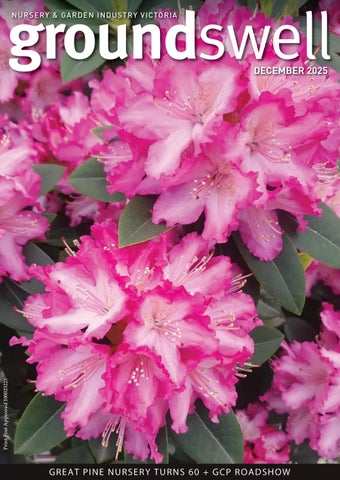
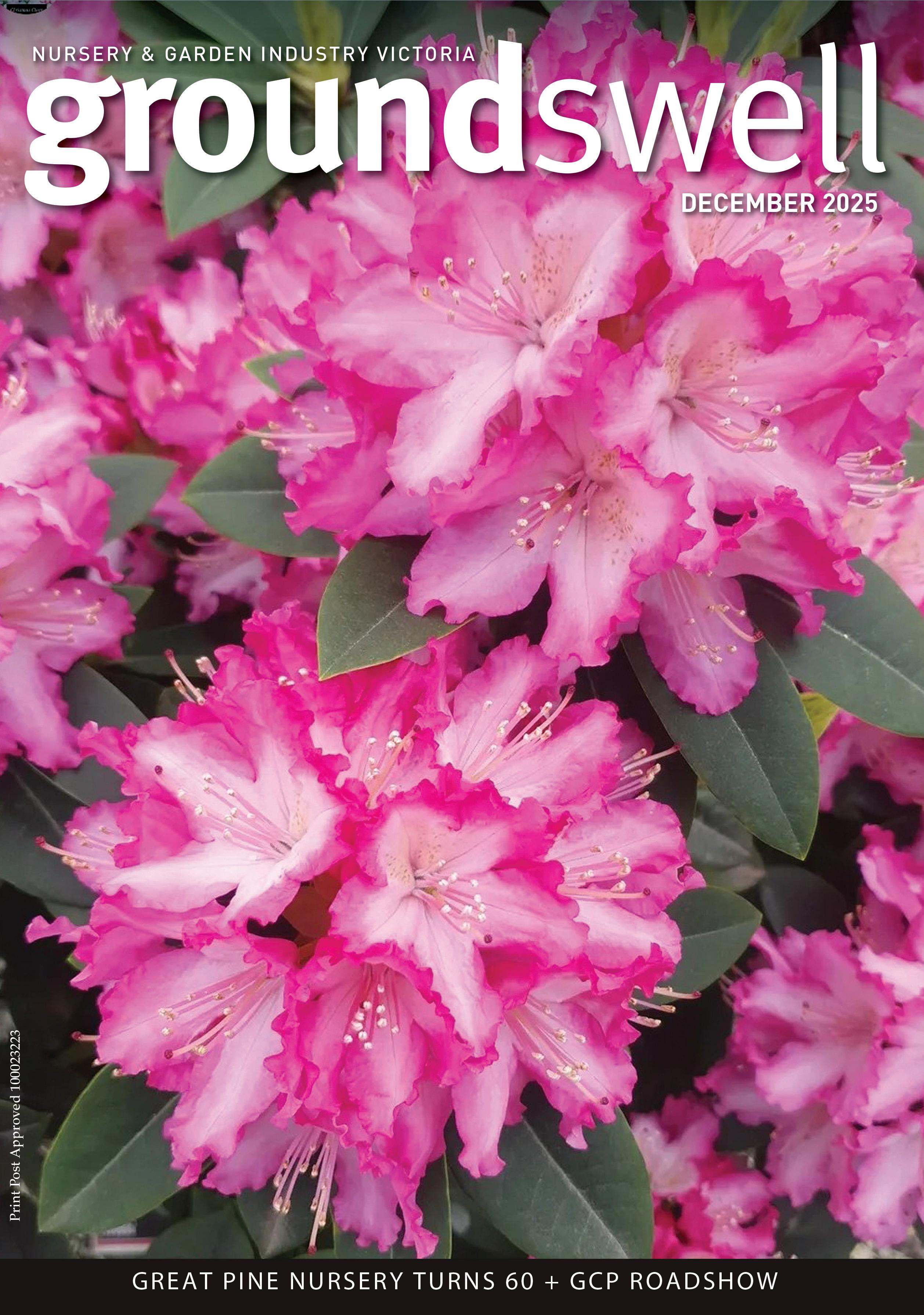
front cover: Rhododendron ‘Petronella’, named in honour of Petronella (Nelly) van Raay, who founded Great Pine Nursery with her husband Pieter
years ago.
Executive update
Carl Soderlund President, NGIV
Craig Taberner CEO, NGIV
As we arrive at the final edition of Groundswell for 2025, it’s a moment to pause and acknowledge the progress, challenges and collective effort that have shaped our industry throughout the year. From advocacy wins and major events to strategic planning and sector-wide collaboration, it’s been a year defined by resilience and momentum.
December heralds the return of Australian Horticultural Trials Week, proudly presented by The Garden Gurus. With new and returning exhibitors, Trials Week 2025 (2–5 December) once again highlights the best of plant breeding, product innovation and industry collaboration. Whether you attended in person or are catching up afterwards, this year’s program reinforces why Trials Week remains a cornerstone of the national horticultural calendar. We extend our thanks to the exhibitors and host sites whose contributions bring the event to life.
In October, Tomato Potato Psyllid (TPP) was detected outside the current Restricted Area in Victoria – a significant development for growers and supply-chain businesses. Since
the detection, NGIV has worked tirelessly to advocate for members and support continuity of trade. Our priority has been ensuring clarity, practical compliance pathways and minimal disruption. We will continue to communicate updates as they occur and represent member needs at every step.
This year also marked an important milestone for our association. As part of NGIV’s 2023–2025 Strategic Plan, the Board completed a review of our name and brand to ensure they reflect who we are today and where our industry is headed. Following extensive discussion – and alignment with a national initiative led by Greenlife Industry Australia – the Board has proposed adopting the name Greenlife Industry Victoria. Members will
vote on this proposal at the Annual General Meeting on Tuesday 18 November. If endorsed, the new name and visual identity will take effect from 1 July 2026, ushering in a new chapter for our association.
Judging for Plant of the Year 2026 has now concluded, with winners to be announced in early December. The program continues to grow in significance, celebrating the creativity, technical expertise and innovation that define Australian horticulture. From breeders and growers to wholesalers and retailers, Plant of the Year shines a light on varieties that capture attention and elevate standards across our sector.
After careful consideration, Greening Cities, originally scheduled for November 2025, has been postponed to next year. This decision allows us to deliver the event at the scale and standard it deserves – one that fully reflects the expertise and ambition of Victoria’s urban greening community. Planning is already underway for 2026, and we appreciate the continued support of members and partners as we finalise new dates.
Preparations are also well underway for the Melbourne International Flower & Garden Show, returning from 25–29 March 2026 and inviting visitors to ‘step into the kaleidoscope’ MIFGS remains one of the most important stages for showcasing the strength and creativity of Victoria’s greenlife sector, and we look forward to collaborating with members on another outstanding presence at next year’s show.
As we wrap up 2025, we extend our sincere thanks to every member who has contributed to the vitality of our industry this year. Whether through advocacy discussions, events, Trials Week activations, Trade Day participation, or the countless ways you advance horticulture in your own businesses, your passion continues to drive us forward. We wish you a safe, restful and joyful festive season, and look forward to reconnecting in the new year as we continue to grow, adapt and champion horticulture together.
Carl Soderlund President, NGIV Botanix Plant Supply
Craig Taberner CEO, NGIV
Great Pine Nursery: Strong and steady at 60 Years
By James Nicklen
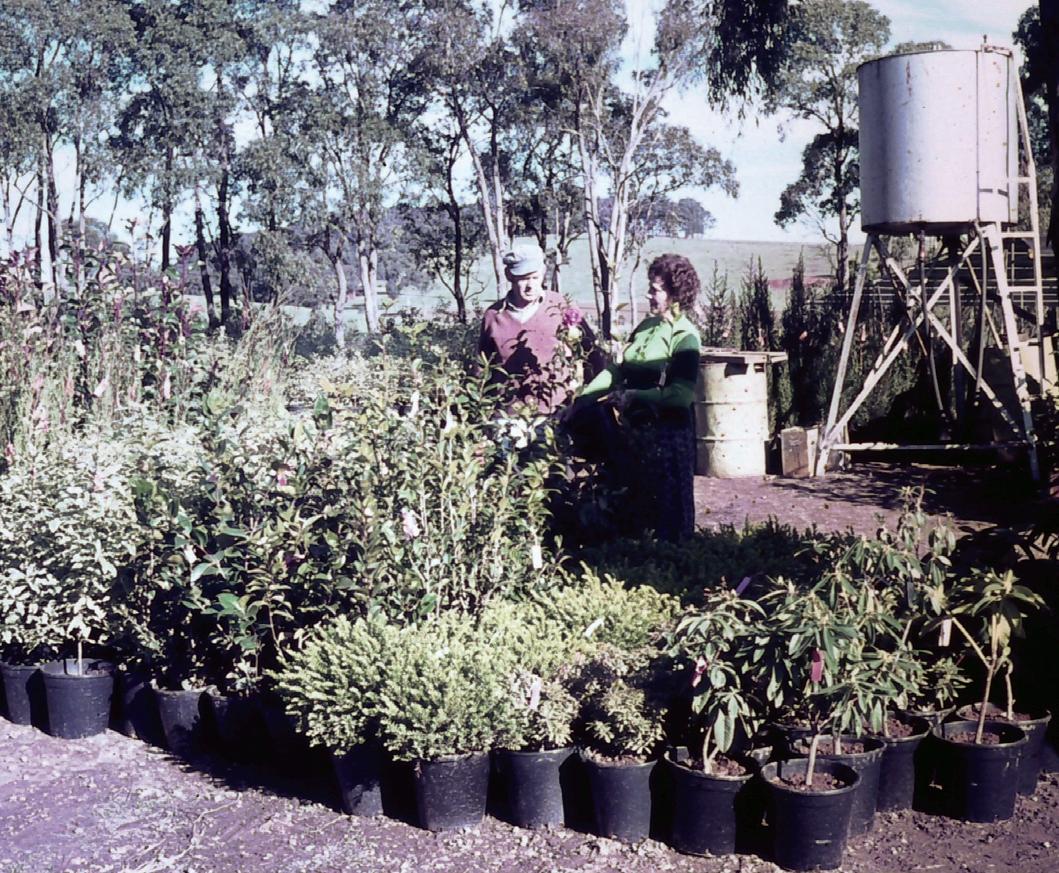
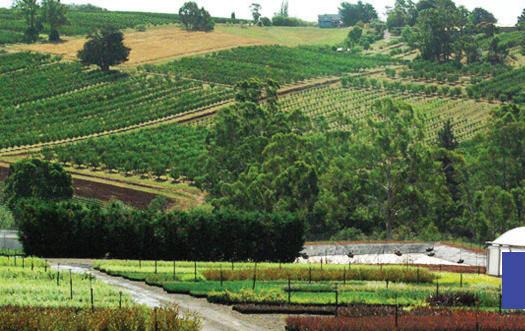
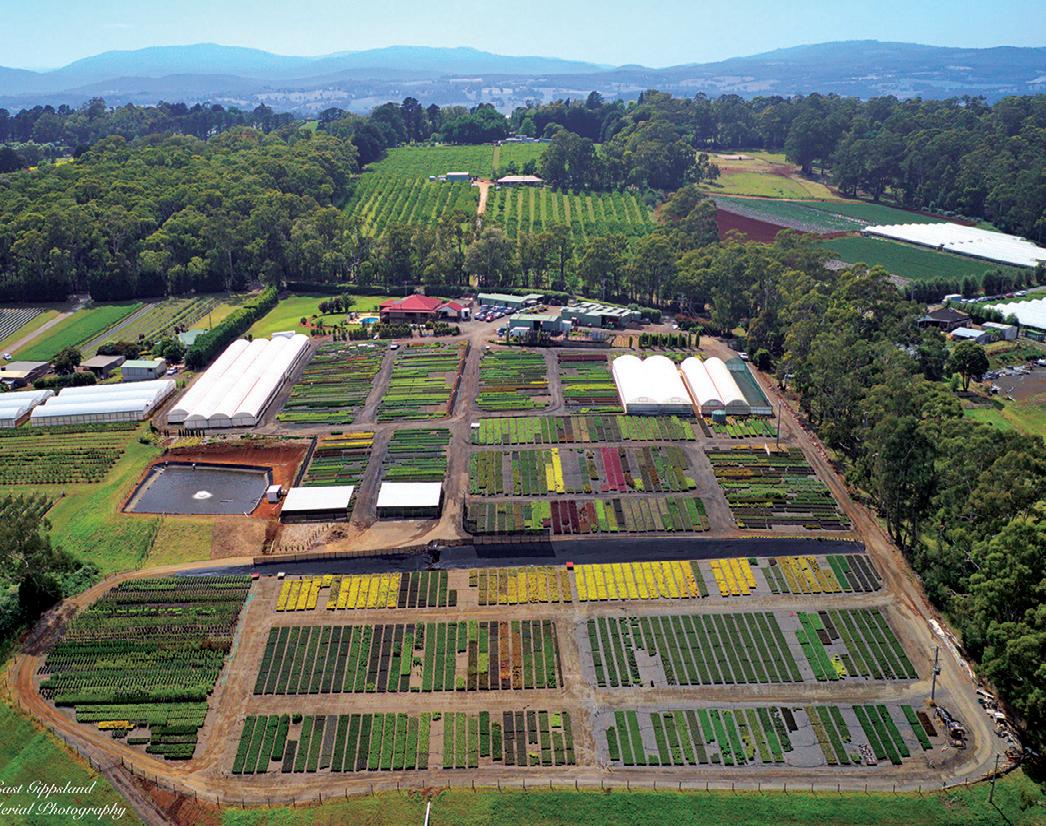
For 60 years, Great Pine Nursery has quietly gone about its business in the hills of Monbulk, building a reputation for quality, consistency and integrity. It’s a family operation in the truest sense – founded by Pieter and Nelly van Raay in 1965, nurtured by their son Rin and his wife Val, and today guided by grandson Paul van Raay, who runs the nursery with his wife, Jen.
At a time when so much in horticulture is changing, Great Pine remains a steady hand. Its growth has never been defined by expansion or ambition for ambition’s sake, but by careful evolution – one generation refining the work of the last.
A living legacy
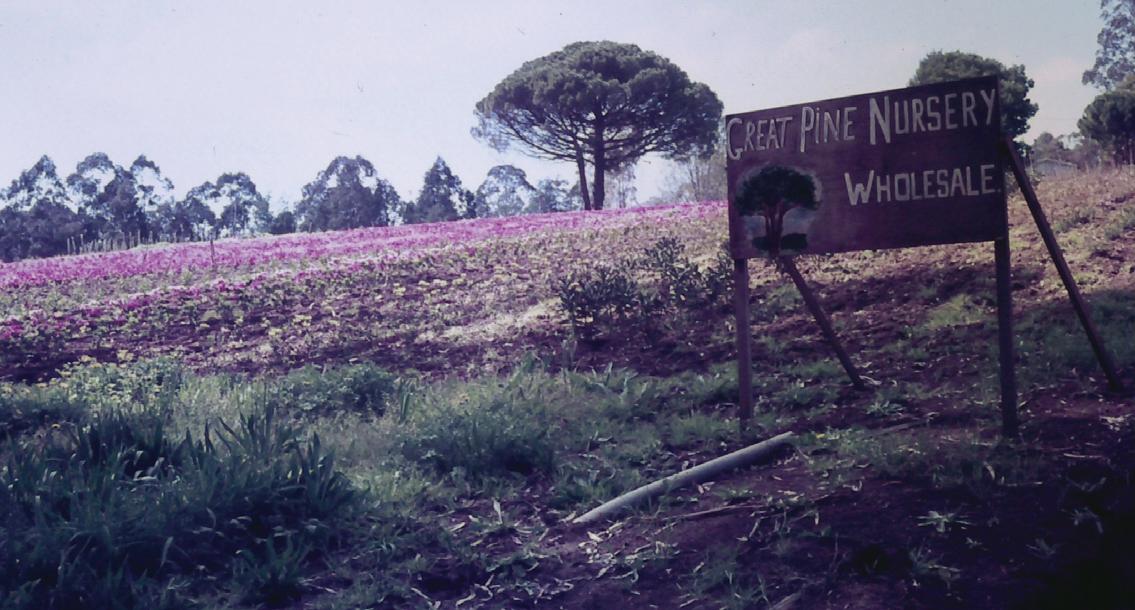
The name Great Pine comes from a towering stone pine that once stood on the property – a landmark of sorts, now replaced by a younger tree that continues the lineage. The symbolism feels fitting.
Rin still recalls the early days, when the nursery was an idea taking shape on the family’s Monbulk property. “Mum and Dad came here in 1960 planning to plant an orchard, but late frosts and a few other factors meant they changed course,” he says. “Dad started growing a few plants for people he gardened for, and it just took off from there.”
Over time, Great Pine became known for its camellias, rhododendrons and azaleas – lines that remain the backbone
of the business today. “We’ve tried a lot over the years –natives, proteas, all sorts – but those are the plants that have remained our core lines,” says Rin.
In 1972, after a short stint at nearby Rhodo Glen Nursery, Rin joined his father full-time. “It’s funny to think back on how we started,” he says. “We grew everything in the ground, wrapped in hessian, then in old ‘kerosene tins’ with holes banged in the bottom. When plastic pots came along, that changed everything.”
So did irrigation, potting mixes and controlled-release fertilisers “We’ve made major improvements over the years and embraced technology as much as we can,” says Rin.
Continual growth
Paul officially joined the nursery in 2008 after what he thought would be a short-term stint. “I came home from travelling overseas and said, ‘Dad, have you got any work until I figure out what I want to do?’” he laughs. “Seventeen years later, I’m still here.”
The original “Great Pine” tree.
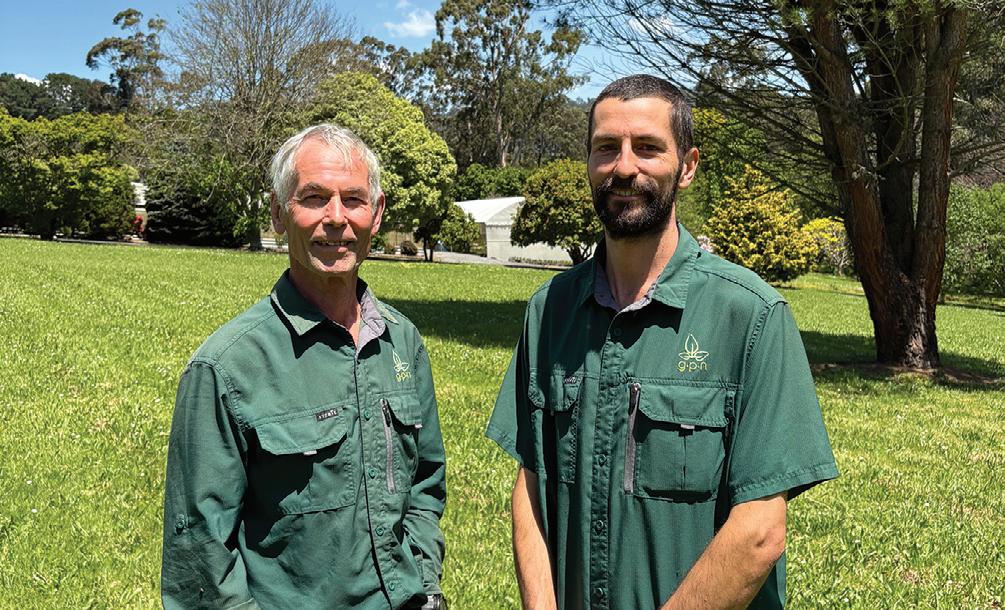
Rin and Paul with the successor to the original pine.
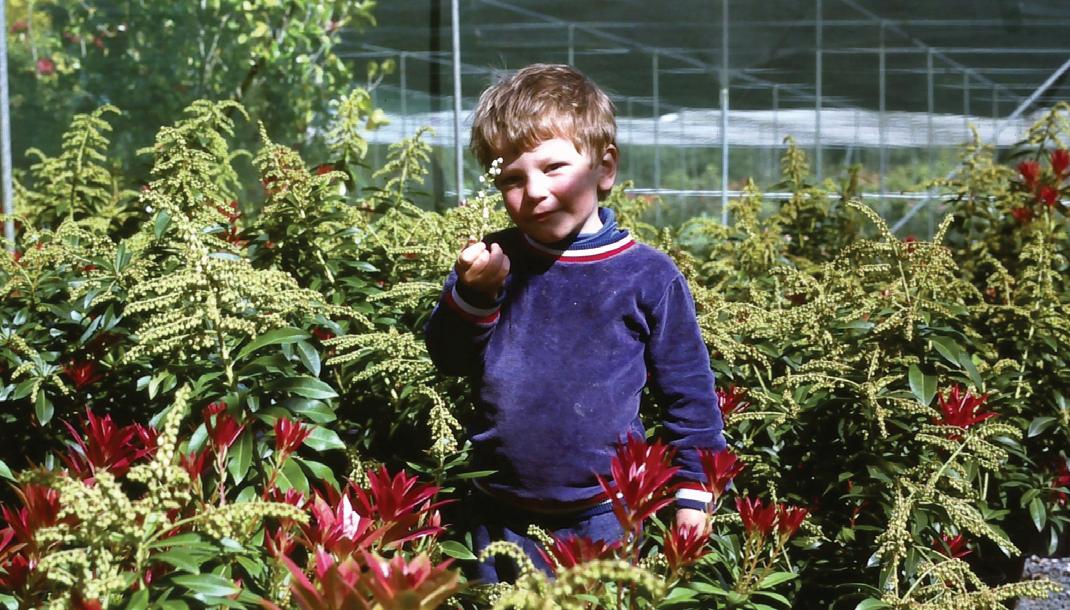
Paul as a boy among the Pieris.
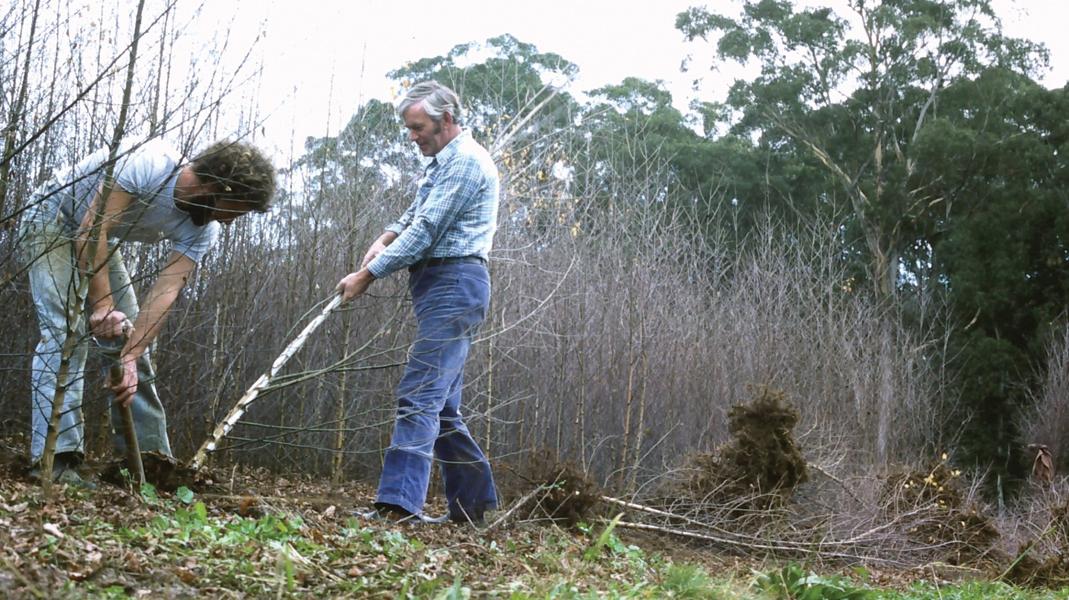
Rin and Pieter digging birch.
Paul and Jen took over ownership in 2017, with Rin staying on to lend a hand in propagation. “Dad loved the business and the property,” says Rin. “He was still helping us with cuttings well into his 80s, which was wonderful.” Rin has followed that example, keeping a gentle hand in the nursery even after stepping back from day-to-day operations.
Like many growers, Paul has navigated the challenges of staffing, rising costs and an unpredictable market. After a period spent travelling with his young family while managing the business remotely, he’s now back on-site full-time. “No one will ever look after it like you do yourself,” he says. “We’re rebuilding the team this year and are focusing on getting back to good systems – potting, pruning, propagation, all at the right time. It’s about growing the best plants we can and delivering good service.”
Great Pine’s output today is around 95% retail, supplying mostly independent garden centres and boutique outlets. “We try to grow a premium product for a premium price,” Paul says. “We’re not interested in bargain stock. Our customers value quality, and we value them.”
The nursery’s reputation is built on that balance of reliability and refinement. “We’ve always been quietly consistent,” says Rin. “We’ve never been about chasing the biggest turnover, just doing what we do well.”
Adapting to the times
Even a steady business needs to move with the times. Paul has been proactive in opening new channels and reconnecting with industry networks. “We’ve joined EvergreenConnect, returned to Trade Day, set up at Plantmark in all four locations, and reconnected with a wholesale plant market in Adelaide after a four-year break,” he says. “We’ve also reached out to a lot of new customers and asked existing customers what they’re missing in their nurseries – what they can’t source enough of.” He has also launched an Instagram account for the nursery, looking to give customers a clearer window into their plants, processes and seasonal highlights.
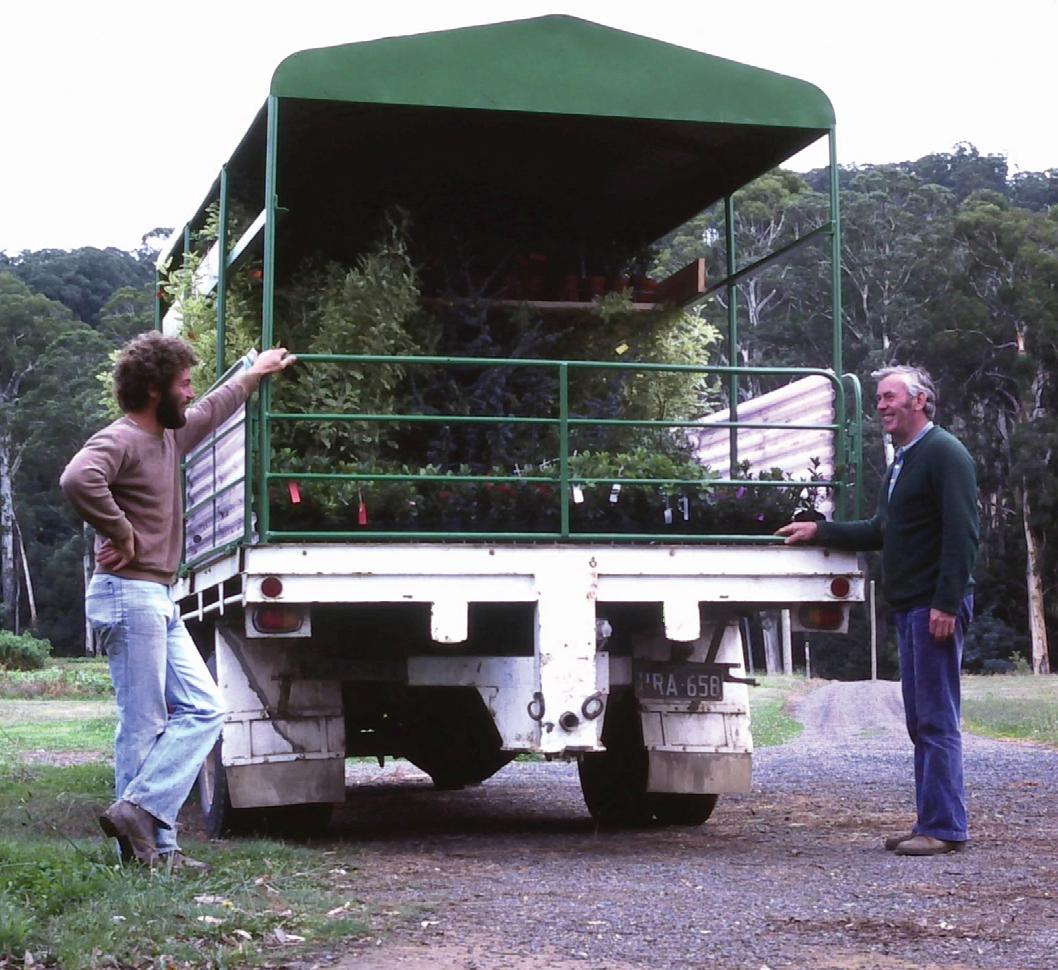
Rin (left) and Pieter, ready for a delivery.
While Camellias remain a hallmark of the business, with longstanding varieties that continue to draw loyal customers year after year, it’s Rhododendrons, once a niche line, that are booming now. “We can’t grow enough,” Paul says. “Every year we increase production and still sell out. They’ve really taken off again – the colours, the quality, the varieties – people love them.”
Among the rhododendrons is something especially meaningful to the family: Petronella – named after Paul’s grandmother and raised by Rin from seed (and pictured on this edition’s
front cover). “It’s a beautiful plant and a bit different,” Rin says with a smile.
Marking 60 years
This year marks Great Pine Nursery’s 60th anniversary, which has been a milestone that’s prompted both reflection and gratitude. “Everywhere I look around, I see reminders of Mum and Dad,” Rin says. “I’ve been very lucky. I’ve never regretted working in this industry – it’s given me everything I needed.”
Paul feels the same. “There are plants on the property that I remember playing under as a kid,” he says. “I grew up here, and now my kids are doing the same. I’m proud of what Opa and Dad built. We owe so much to them – not just the business, but the way we do things.”
There’s been no grand celebration – no banners or rebrands – just a quiet satisfaction in marking the moment. “It hasn’t been the year we imagined,” Paul admits, “but an article like this feels like the right way to recognise it.”
Strong and steady
As for what comes next, Paul’s focus is on stability and quality – “keeping things steady,” as he puts it. “It’s about maintaining what we’ve built, refining our systems, and keeping our customers happy.”
In an industry often driven by trends and turnover, Great Pine Nursery’s approach stands apart – patient, practical and deeply personal.
After 60 years, the van Raay family’s philosophy still holds true: grow good plants, treat people well, and let the rest take care of itself.
And while they’re proud to look back, their eyes are firmly on the road ahead. “We’re not going anywhere,” Paul says. “There are no plans to sell or retire – this nursery’s part of our family, and hopefully it’ll stay that way for generations to come. Our kids love all things plants and gardening, and they’re already growing their own fruit and veggies, so who knows? Maybe they’ll be the next to carry it forward. We’re looking forward to the next 60 years.”
Pieter and Nelly in the early days.
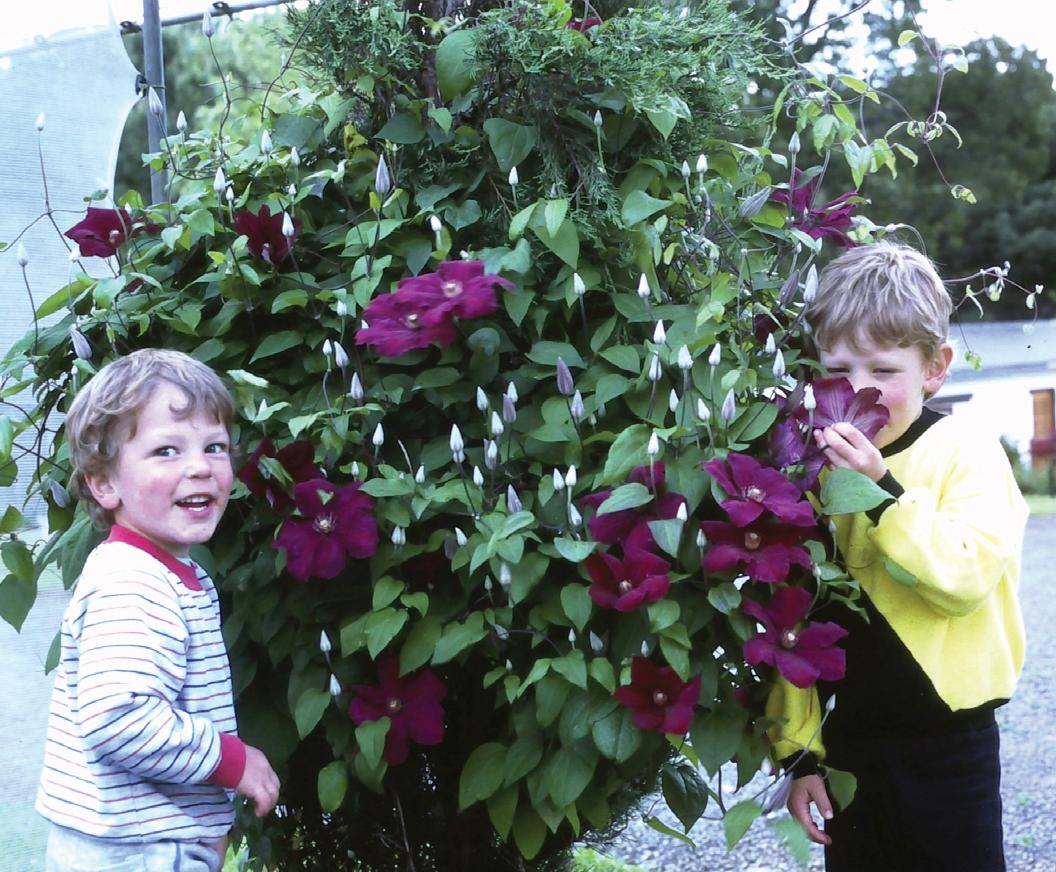
Paul (left) and his brother Chris beside the clematis, still standing today.
GCP Roadshow 2025 charts a resilient, sustainable future
By Elliott Akintola, Garden City Plastics’ agronomist
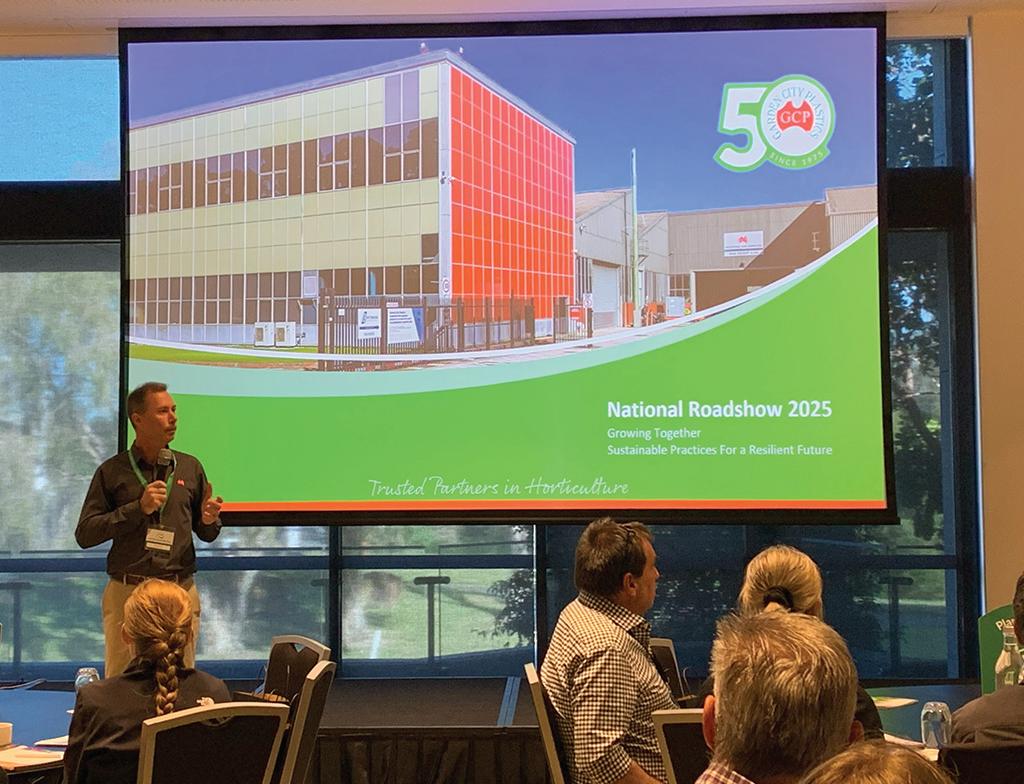
Garden City Plastics (GCP) has supported Australia’s horticulture sector since 1975, and its 2025 National Roadshow, which coincided with the business’s 50th anniversary in the industry, carried that legacy forward with a clear message: sustainability and resilience must guide the industry’s future. Under the theme “Growing Together: Sustainable Practices for a Resilient Future,” the event attracted growers, researchers, suppliers, and policymakers to address the pressing challenges of plant health, innovation, and sustainable production.
The roadshow was structured for purposeful engagement. Short on ceremony, and long on substance. The sessions were built around the pillars of sustainability, and the program offered growers practical pathways to lift efficiency, reduce waste, and strengthen commercial resilience.
Biosecurity challenges and futureproofing
One of the standout sessions at the roadshow focused on plant biosecurity, led by Dr Stephen Dibley, Acting Chief Plant Health Officer at Agriculture Victoria. He highlighted rising threats such as the Brown Marmorated Stink Bug (BMSB), Tomato Brown Rugose Fruit Virus (ToBRFV), and the Polyphagous Shot-Hole Borer. Each example underscored the difficulty of eradication once pests become established making prevention, early detection, and rapid response critical.
At its core, biosecurity is about preventing the entry, establishment, and spread of pests that can devastate crops, disrupt trade, and damage ecosystems. The Victorian system, led by Agriculture Victoria, is built on national collaboration, science-based regulation, and active industry engagement.
“Every pest incursion carries consequences for growers, markets, and the environment. Our job is to keep these threats
out, and when they slip through, to act fast and decisively,” said Dr Dibley.
Victoria’s biosecurity framework is underpinned by the Emergency Plant Pest Response Deed (EPPRD). This agreement guides how governments and industry share decision-making and costs during pest incursions. For growers, this means representation in national forums and reimbursement for losses during eradication or containment. The arrangement ensures swift responses, reduces individual burden, and sustains market confidence both domestically and internationally. As Dibley explained, “The EPPRD is about trust. Growers know that if they report a suspect pest, they won’t be left carrying the cost alone. That confidence is vital for rapid reporting.”
Regarding protecting market access, Dr Dibley noted that the regulation of interstate plant movement remains one of the most critical safeguards in plant biosecurity. States and territories can impose entry conditions or prohibitions to prevent the spread of pests, requiring nurseries to comply with certification systems such as Interstate Certification Assurance (ICA) or Biosecure HACCP. These frameworks not only protect plant health but also secure ongoing market access, ensuring trade can continue without compromising biosecurity standards.
u In concluding his session, Dr Dibley set out five priorities to strengthen industry preparedness. These include identifying biosecurity threats and addressing system gaps with effective mitigations, maintaining active engagement through the EPPRD, enhancing overall resilience and preparedness, adopting best-practice biosecurity measures on-farm, and fostering deeper collaboration between governments, industry, and other stakeholders. Together, these steps form the foundation for a stronger, more responsive system.
Practical and innovative strategies for pest and disease management
Mr Barry Naylor, Principal Extension Officer with Greenlife Industry Australia (GIA), presented on practical strategies growers can adopt immediately to strengthen pest and disease management. Speaking under the National Biosecurity and
Sustainable Plant Production Program, funded through the Nursery Levy, he emphasised the urgency of proactive approaches in an increasingly complex biosecurity environment. Barry highlighted several key drivers behind this growing complexity: the persistence of endemic pests, the arrival of 30–40 exotic plant pests each year, and the accelerating influence of global trade and climate change. Examples such as Red Imported Fire Ant, Myrtle Rust, Polyphagous Shot Hole Borer, and Tomato Brown Rugose Fruit Virus were discussed, with looming threats like Xylella and Brown Marmorated Stink Bug pointing out the need for constant vigilance.
Effective management, Naylor stressed, combines cultural practices, biological methods, and carefully targeted pesticide use, with monitoring and record keeping as essential components.
Cultural practices, underpinned by NIASA (Nursery Industry Accreditation Scheme Australia) hygiene principles, were presented as the foundation for clean production. Pathogenfree growing media and irrigation water, along with production systems such as gravel beds and benches, create conditions that minimise pathogen entry and spread. The Integrated Pest Management (IPM) approach was emphasised as a balanced framework for combining biological and chemical strategies. Correct identification of beneficial organisms, encouraging their natural presence, and making use of commercial introductions
were highlighted as critical. Timing, follow-up, and ensuring compatibility with pesticide programs were identified as keys to success.
Chemical controls remain a necessary part of IPM, but Naylor cautioned against blanket weekly insecticide applications. Instead, he recommended preventative fungicide use and targeted sprays aligned with pest pressure. He noted the value of new chemistries that are gentler on beneficials and the importance of mode of action (MOA) rotation to prevent resistance. Recent products, including Minecto Forte, Simodis, Efficon, Intervene, Kanemite, Miravis Prime, and Rapidol Turf, expand options for growers while supporting sustainable rotation programs. All of these are available through GCP.
Knowledge building and staff training were recurring themes. Naylor encouraged nurseries to invest in upskilling through tools such as the Pest ID Guide, APPS (Australasian Plant Pathology Society) resources, fact sheets, management plans, and e-learning platforms. Skilled staff, he stressed, are the cornerstone of effective pest and disease management.
Microscopic insights, macro benefits: How GrowHelp strengthens plant health across Australia’s nursery industry
Dr Andrew Manners of the Queensland Department of Agriculture and Fisheries spoke about the vital role of the Grow Help diagnostic service in safeguarding plant health across Australia’s nursery and horticultural industries. In his presentation, “Microscopic Insights, Macro Benefits,” he demonstrated how science-based diagnostics into fungal, bacterial, viral and abiotic disorders together with best management practice research, and water disinfestation trials, are giving growers the clarity they need to effectively reduce costs, strengthen biosecurity, and build long- term resilience. “We’re here to confirm what’s causing the problem, because effective management depends on knowing what you’re dealing with,” Dr Manners explained.
One of the strongest messages to emerge from his talk was the value of best management practices. In a recently conducted experiment, GrowHelp researchers purchased plants from both NIASA-accredited and non-accredited nurseries, carrying out hundreds of analyses across a diverse range of crops from herbs and potted colour to landscape plants and fruit trees. The findings were clear: plants from NIASAaccredited nurseries were consistently healthier and, in some cases, significantly better performing than those from nonaccredited producers. For growers, the results provided measurable proof that accreditation and adherence to best practice translate into tangible improvements in plant health. Water management was also highlighted as a critical factor. Collaborative projects with NSW DPI tested a wide range of disinfestation systems including chlorine dioxide, reverse osmosis, filtration, ultraviolet treatment, and ozone. Testing before and after treatment showed that while most systems reduced pathogen loads, detections still occurred, demonstrating
the importance of ongoing monitoring and adjustment. More recently trialed systems such as Huwa-San, a stabilised hydrogen peroxide, and Path-X, an ammonium chloride compound, delivered promising early results with limited phytotoxicity on sensitive seedlings. These findings point to new tools that may strengthen nursery water management in the future.
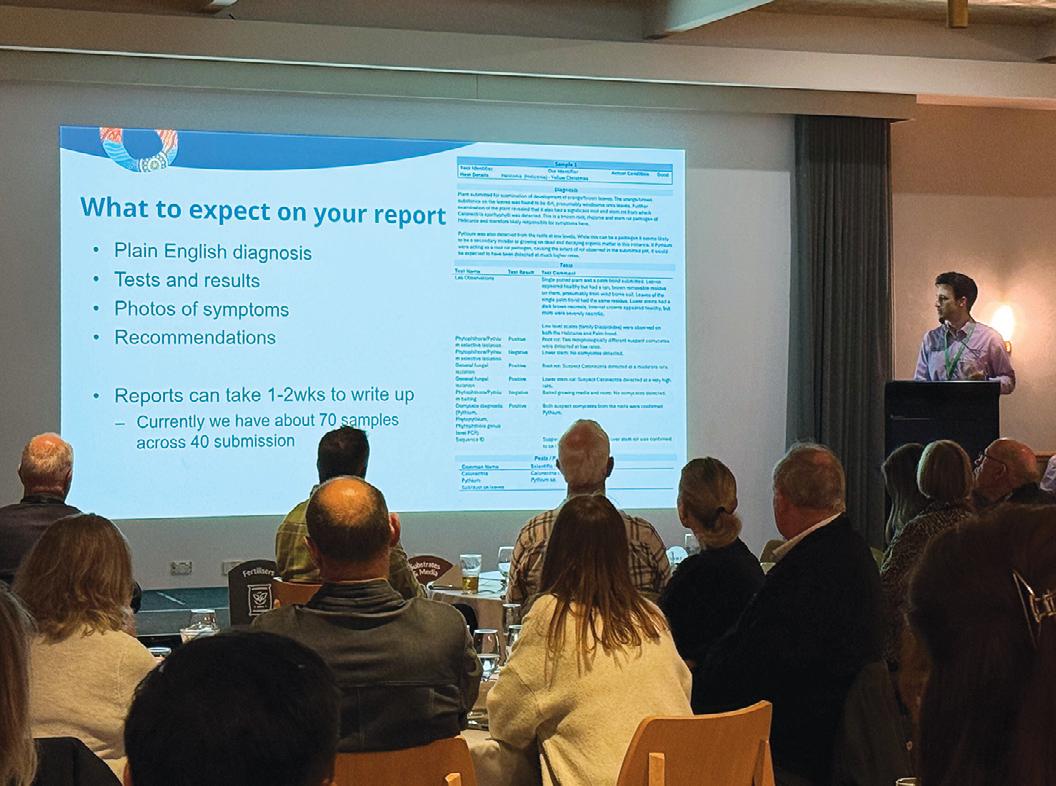
The scope of Grow Help’s diagnostic capability is extensive, covering fungal, bacterial, and viral pathogens; oomycetes such as Phytophthora and Pythium; plant-parasitic nematodes; and insect and mite pests, including resistance testing. Non-pathogenic disorders such as edema, phytotoxicity, and nutrient deficiencies can also be diagnosed. The diagnostic process begins with careful triage and assessment of the whole plant, followed by laboratory testing that can include selective media, baiting, PCR, and sequencing. Results are communicated in plain language with accompanying photographs and management recommendations, providing growers with clear guidance they can act on immediately.
For nurseries, the benefits are substantial. Regular testing and the adoption of best practice can reduce crop losses, lower pesticide use, and improve efficiency. Diagnostics have also helped nurseries identify issues in supplied plant material, allowing them to address quality problems at the source. Beyond individual businesses, Grow Help supports quality assurance programs and international market access by conducting virus testing and certification, giving growers confidence in the health of their plants and their ability to meet biosecurity requirements.
GCP supplier partner panel discussion insights: Sustainability and collaboration
The GCP Roadshow hosted its inaugural panel session, providing a lively forum for open dialogue on the future of the nursery and ornamental industry. Moderated by GCP Agronomist Elliott Akintola, the panel featured leading supply partners including ICL, ENVU, Yates Hort & Ag, and Syngenta. Sustainability framed the discussion, opening with the question: what does sustainability mean in practice? Panellists agreed it is no longer optional but both a responsibility and a competitive advantage. Each organisation outlined how they are embedding sustainable practices into product design, operations, and grower partnerships in balancing commercial viability with environmental stewardship. u
Biosecurity emerged as another pressing theme. Panellists noted that exotic incursions, shifting pest pressures, and resistance spread remain critical threats. Each company described its role in strengthening Australia’s preparedness, whether through R&D pipelines, integrated pest management tools, or close collaboration with regulators and growers. The urgency of protecting local production and export credibility was strongly emphasised.
On-farm innovation featured prominently, with panellists sharing collaborative projects that have translated research into practice from precision diagnostics and predictive modelling to biologicals and sustainable crop protection solutions. Digital tools were highlighted as powerful enablers, helping growers anticipate pest outbreaks, optimise inputs, and meet certification requirements with greater ease.
Company-specific insights provided further depth. ICL stressed its focus on labour efficiency, training, and resource optimisation, supported by Regional Sales Managers across the country and investments in educational tools such as the weed management handbook and herbicide application videos. ENVU underlined the importance of regulatory reform to accelerate sustainable innovation, drawing on more than a century of
proprietary research inherited from its Bayer Agrosciences divestment. Yates Hort & Ag spotlighted biotechnology’s role in boosting crop resilience and managing resistance, noting that the merger of Yates, Organic Crop Protectants and Seasol has expanded its offerings and investment in the industry. Syngenta showcased advances in digital platforms and products using novel active ingredients designed to tackle sustainability and biosecurity challenges simultaneously.
A shared commitment
The GCP Roadshow reinforced that resilience comes not only from technology but also from collaboration. Closing the event, a panelist captured the central message: “Resilience is built before the crisis, not during it. Our industry’s future depends on vigilance, collaboration, and courage.”
For growers and industry leaders, the 2025 Roadshow was more than talks it was a blueprint for the future. By bringing together the voices of government, research, and supply partners under one roof, GCP has created a platform where aspiration translates into action. With sustainability and resilience as guiding principles, and with collaboration at its core, the roadshow positions horticulture not only to weather challenges but to thrive in a changing world.
The 2026 GCP Roadshow will build on this year’s success with a hands-on nursery-based format supported by a national webinar series. Under the theme “Growing Smarter. Together.”, it will connect growers, suppliers, and industry partners through practical demonstrations and applied learning focused on Integrated Pest, Weed, Disease, and Nutrition Management –driving innovation and sustainability across Australian horticulture. Victoria’s event is scheduled for 21 July 2026.
Meet the nominees: NGIV Plant of the Year 2026
Thirteen outstanding plants have been nominated for NGIV Plant of the Year 2026, representing the very best in breeding, performance, innovation, and consumer appeal. This year’s cohort spans hardy natives, high-impact ornamentals, improved edible varieties, and plants delivering bold colour and reliable structure to Australian landscapes. Each nominee has been assessed on sensory appeal, growth and performance, and innovation and marketability, and each one brings something distinct to the table. Below is an introduction to the contenders, presented in alphabetical order by genus.
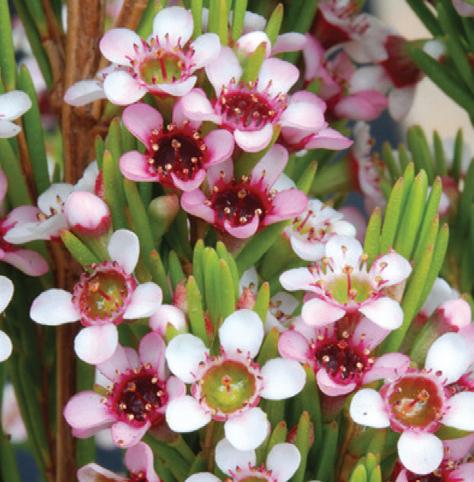
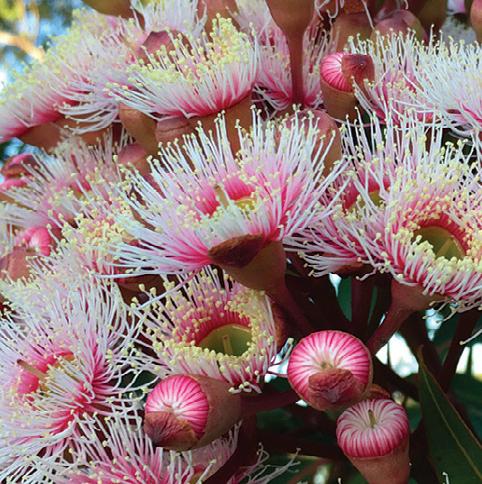
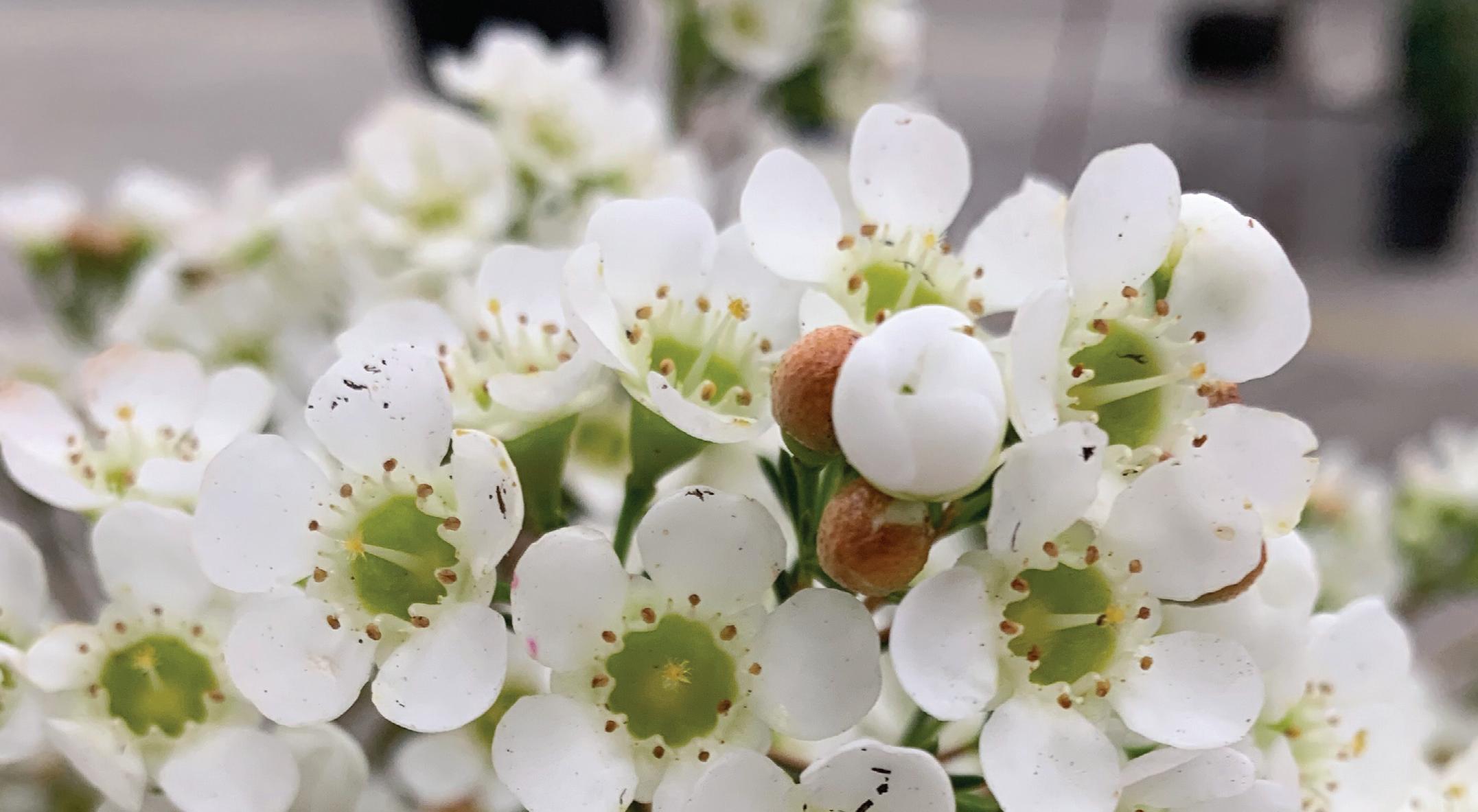
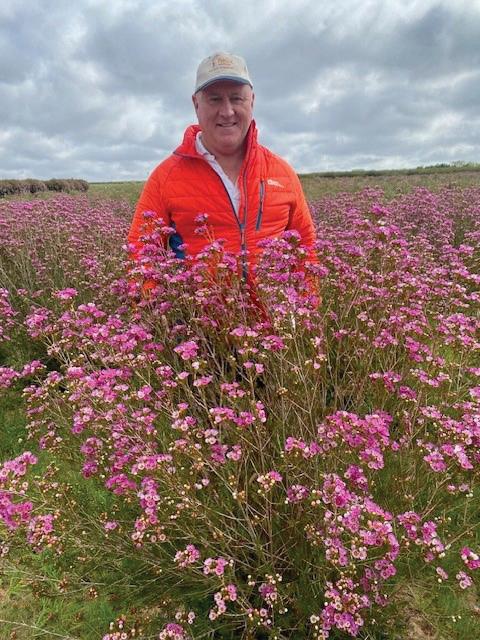
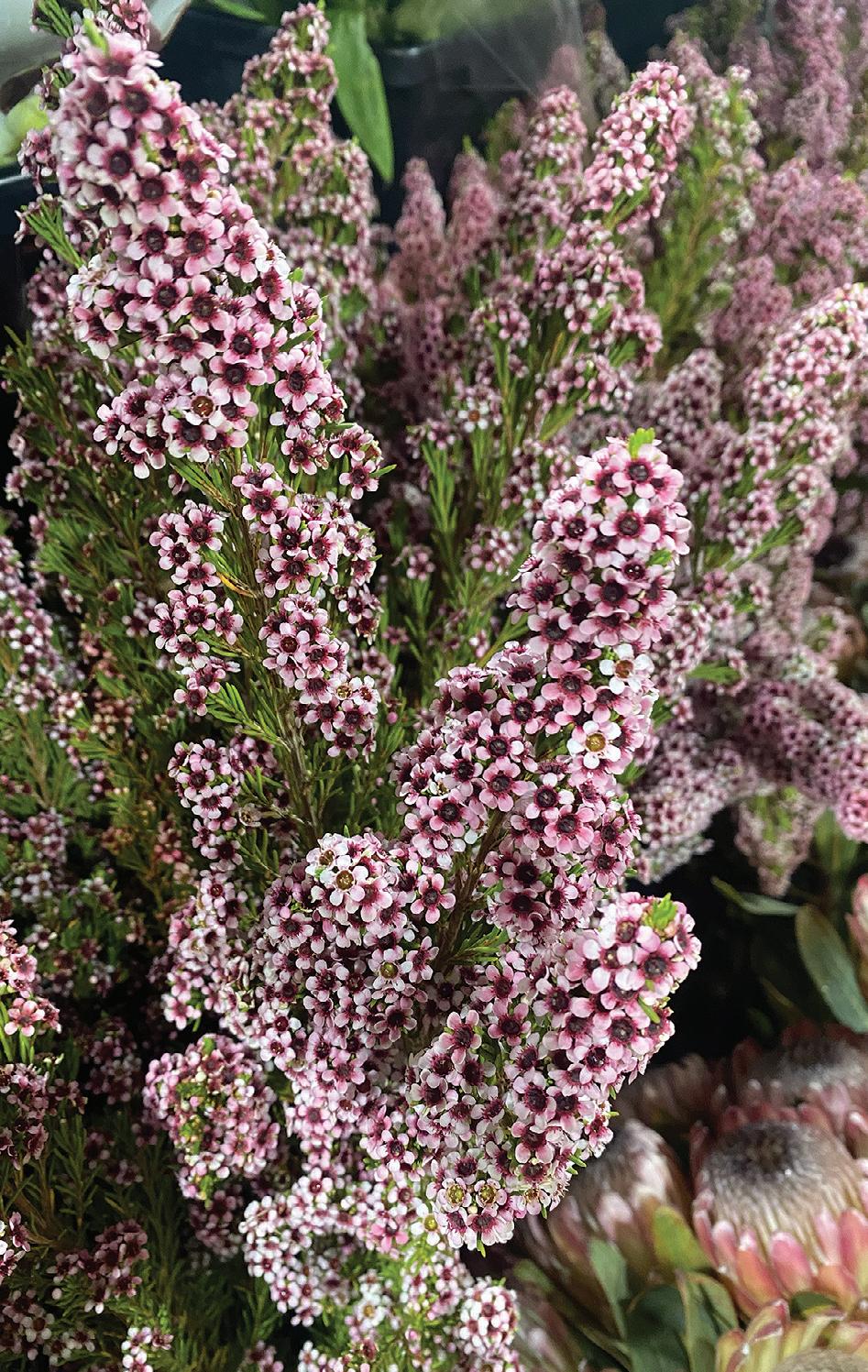
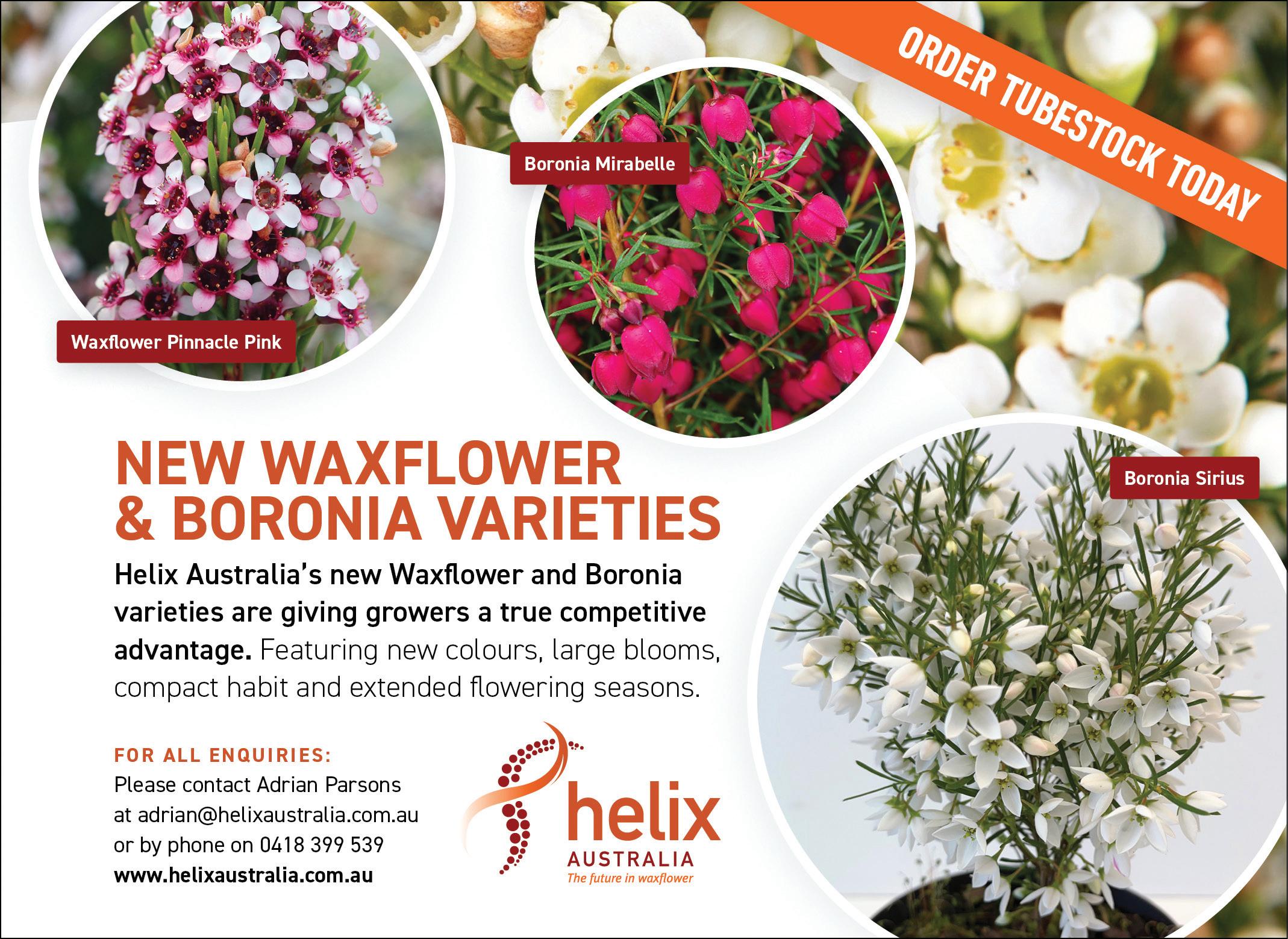
Waxflower ‘Pinnacle Pink’ is a striking Australian native shrub that grows to approximately two metres tall and 1.5 metres wide at maturity. In winter, it produces masses of vibrant white buds that open into tall, conical pink flower spikes by mid-spring. These waxy blooms last for 12 to 14 weeks and are beautifully framed by fine, fresh green foliage, creating a bold and long-lasting seasonal display. The sculptural, cone-shaped spikes add vertical drama and architectural interest to garden beds, containers, and landscape designs.
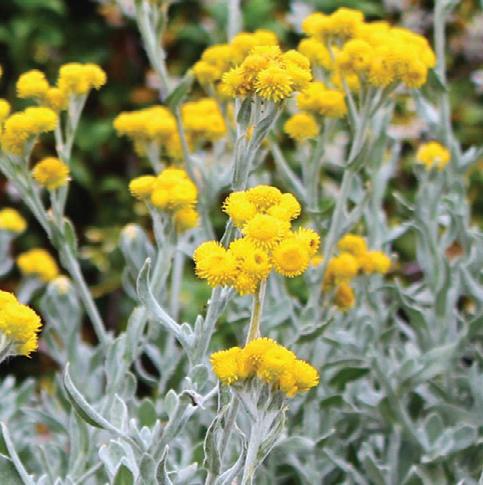
Aussie Reflection™ Chrysocephalum apiculatum ‘CAP07’ PBR Intended is a hardy Australian native wildflower groundcover with dense, grey-blue foliage and vibrant golden button flowers for much of the year. Spreading via stolons and rhizomes, it forms a resilient mat that bounces back after drought, frost, and flooding. It offers long-lasting colour, supports pollinators, sensory appeal, and thrives in full sun to part shade. Ideal for native gardens, retaining walls, coastal sites, pots, and mass/mixed plantings, Aussie Reflection™ Chrysocephalum combines ornamental beauty with exceptional toughness. Matures at 200mm high (foliage), 350mm high (flowers), and 500mm+ wide.
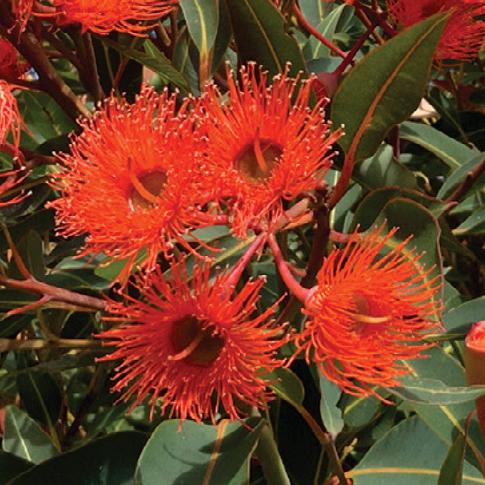
Corymbia ficifolia ‘Beeliar Orange’ (Tree)
A compact Australian native flowering gum (to 5 m × 2 m) with a tidy form and masses of vibrant vermilion blooms through spring and summer. Developed in partnership with the Austem Foundation and Kings Park breeding program, it is a standout choice for urban landscapes, streetscapes, and contemporary home gardens.
Corymbia ficifolia ‘Precious Pearl’ (Tree)
A medium-sized flowering gum (7 m × 4 m) forming a neat, balanced canopy and producing masses of soft pink-to-white summer blooms. Hardy, low-maintenance and perfectly suited to parks, streetscapes and modern gardens, it combines elegance with strong performance. Tissue-culture production ensures consistent growth, canopy shape and flower display.
Cyclamen persicum ‘Illusia’ (Shrub)
A compact, elegant variety celebrated for its luminous bi-coloured blooms and beautifully marbled foliage. Reaching approximately 20–25 cm in height and 25–30 cm in width at maturity, it forms a neat, rounded habit ideal for pots, indoor displays, and shaded garden settings. ‘Illusia’ produces an abundance of long-lasting flowers over an extended season, combining refined form with exceptional resilience. Its balanced growth, striking colour contrast, and reliable performance make it a standout choice for both home gardeners and professional growers seeking beauty, consistency, and easy care.
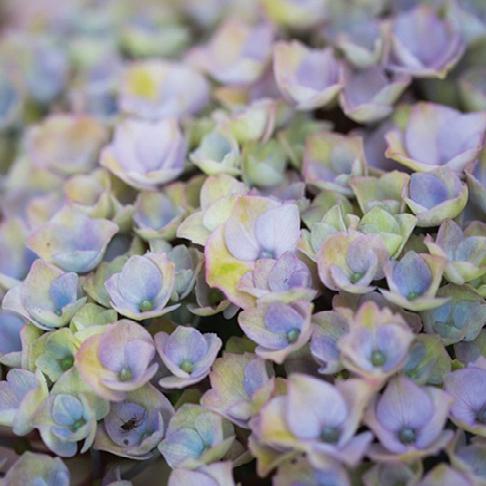
A Game Changer™ form that provides a wonder of colour transformations throughout the seasons. With its extremely compact habit (60–70 cm tall and wide), it offers remontant flowering for up to 150 days. Ideal for sun to part-shade, it thrives in containers, gardens and even indoor displays, delivering long-lasting ornamental value with minimal maintenance.
Lomandra longifolia ‘LM360’ PBR — Lady Tanika® (Specialist)
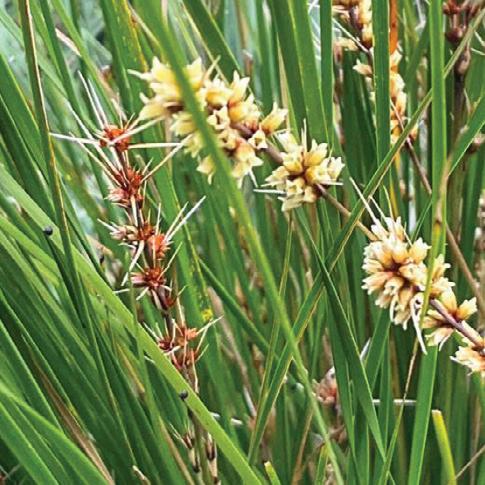
Lady Tanika® Lomandra longifolia ‘LM360’ PBR is a compact, clumping, evergreen Lomandra with fine, green, cascading leaves that stay clean and vibrant year-round. Maturing at 40–50cm high and 60–75cm wide, it forms a neat, symmetrical tussock that requires less maintenance than other Lomandras. Disease-resistant and pest-resistant, it thrives in full sun to moderate shade, tolerates drought, frost, and wet conditions, and adapts to most soil types. Ideal for mass/mixed planting, Australian gardens, rain gardens, feature pots, and defining boundaries in both residential and commercial landscapes.
Loropetalum chinensis ‘Plum Gorgeous’ (Shrub)
Loropetalum ‘Plum Gorgeous’ is a hardy Australian-bred shrub that produces prolific floral displays from spring and features stunning deep plum coloured foliage throughout the year. With exceptional garden performance to climatic tolerances, Loropetalum ‘Plum Gorgeous’ is a low-maintenance, easy-to-grow plant for any garden application. Growing to around 1.2 m × 1.2 m, it offers strong year-round ornamental appeal and is perfect for feature planting, low hedging and container displays.
Melia azedarach ‘Elite’ PBR (Tree)
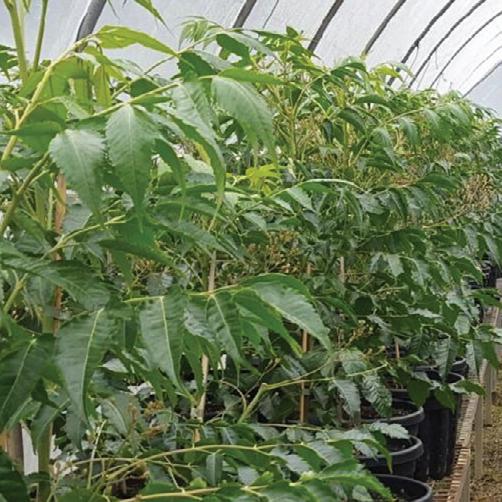
‘Elite’ is a refined, non-fruiting selection of white cedar, bred for its improved form and superior performance in streetscapes. With a symmetrical canopy and clean, bright green foliage, it reaches approximately 8–12 m and provides excellent shade. Its tidy, umbrageous habit make it suitable for urban environments where low maintenance and reliability are key.
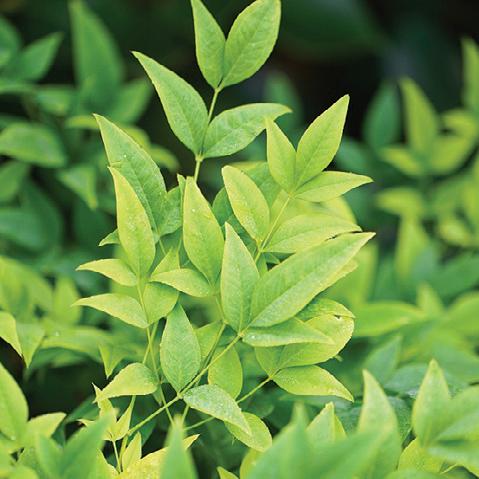
A hardy evergreen shrub presenting a clean, dense habit year-round without pruning. The vibrant lime-green foliage offers a fresh, bright display in any season. Growing 70–90 cm tall and wide, it is compact, frost and heat tolerant, and ideal for containers, borders, small gardens and accent plantings.
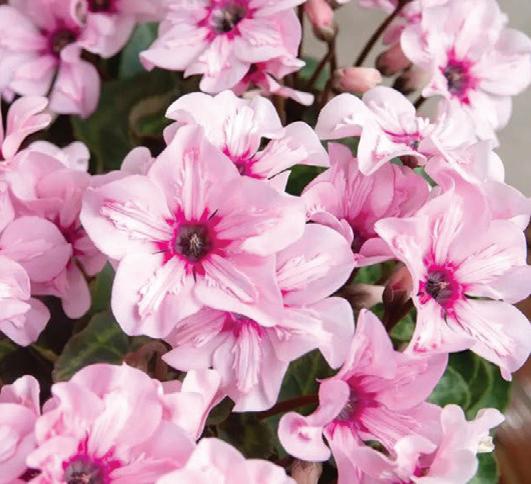
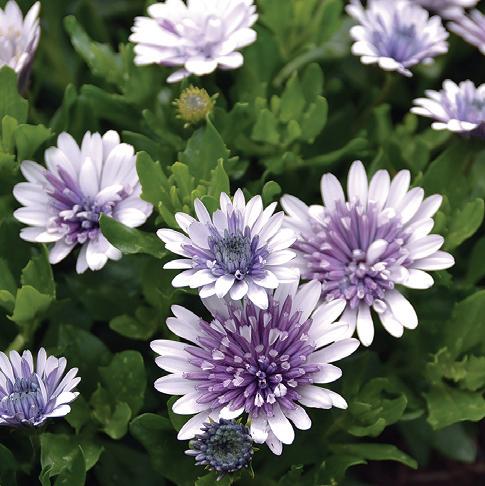
A unique double-flowered Osteospermum with striking steel-blue centred flowers surrounded by pale petals that remain open day and night. It forms a compact mound approximately 30–40 cm high and wide, flowering prolifically over a long season. Perfect for pots, garden beds and high-impact colour displays.
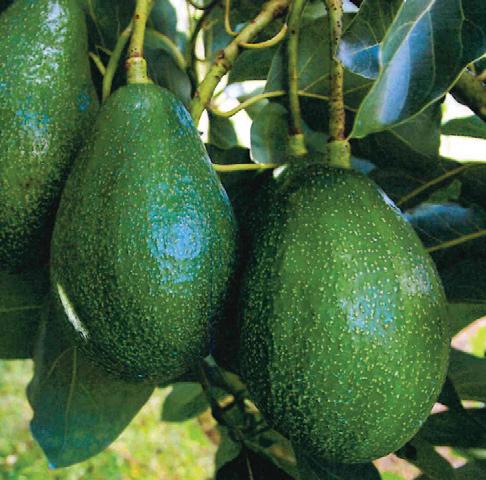
Persea americana ‘JA1A’ PBR — JALA™ Avocado (Specialist)
A new Australian variety, JALA™ is a unique avocado tree, producing high-quality, super-sized fruit that are easy to peel with non-browning characteristics. At maturity, the tree can reach a healthy 7m and is a consistently strong grower. At almost double the size of typical ‘Hass’ or ‘Bacon’ avocados, JALA™’s fruit sets a new benchmark.
Petunia × hybrida — Petunia Fun House Painted Love Purple (Herbaceous)
A vibrant petunia producing 25–35 cm mounding growth and 45–55 cm trailing spread. Ideal for hanging baskets and patio containers, it delivers abundant bi-colour blooms with striking purple tones, crisp white picotee edging and a dramatic dark centre. Early to flower and long blooming, it provides bold colour all season.
‘Breeding a waxflower takes nine years … protection makes it worth it’
By Rachel Wakefield
In the sun-hardened fields of Western Australia, a waxflower revolution began. Adrian Parsons turned patience and persistence into a model for protecting and promoting Australia’s native floriculture from field to florist. When FloraCulture International caught up with Parsons, his straight-talking warmth made the complex world of plant breeders’ rights sound refreshingly human
“Patience, patience, patience,” says Adrian Parsons with a wry laugh. “It’s a long game with no short-term outcomes.”
He’s talking about breeding Chamelaucium uncinatum –waxflower – a hardy Australian native that, in his hands, has become one of the world’s most sought-after filler flowers. But it’s also a metaphor for the patient capital, layered partnerships and intellectual property protection that underpin modern floriculture.
When Parsons and his business partner Craig Musson founded Helix Australia in 2008, they weren’t just starting another breeding company. They were attempting to create a sustainable, royalty-funded model in a sector where innovation is often undervalued and enforcement uneven. “Breeding takes nine years or more,” Parsons explains. “If you don’t protect it, you’re just pouring your money away.”
Adrian Parsons
The long game of breeding value
Helix Australia was born from a breeding portfolio acquired from Brian Jack of Western Flora, later expanded through a formal collaboration with Kings Park & Botanic Garden (KPBG) in Perth.
“KPBG gives us access to both wild and cultivated genetic pools,” says Parsons. “They use sophisticated, often
cellular-based hybridisation techniques that deliver exciting, commercially viable results.”
It’s a partnership where scientific precision meets marketing instinct – a balance that keeps innovation anchored to real-world demand. “Market feedback drives commercially successful breeding outcomes,” he adds. “Our background in the cut-and-thrust of flower import and export means we can read market signals, spot gaps and feed that data straight back to the breeders.”
Today, Helix Australia’s waxflower hybrids bloom across Australia, South Africa, Israel, the USA, Peru, Italy, Spain and Portugal. The company also collaborates with KPBG on Boronia hybrids for both cut-flower and pot-plant markets – demonstrating how science, trust and timing create global traction.
‘In the end, it’s communication and trust that make the PBR system work – not bureaucracy’
When royalties meet reality
Protecting that value has meant building a new model of partnership with growers.
“Our model is a little bit unique,” Parsons admits. “In many crops, royalties are charged only once – at the point of sale for the plant material. But for us, a royalty on a plant is inadequate. There’s no return on investment. We needed an ongoing royalty stream to make breeding viable and to give us revenue to continue.”
Helix’s model typically includes a royalty at planting and an end-point royalty per stem or a percentage of the farm-gate price
“It’s new, and growers aren’t doing cartwheels,” he says with a smile. “But it’s fair – it balances breeder, grower and market interests.”
“Everything we make goes straight back into breeding and PBRs. We pay our way, but we’re investing for the future.”
Guarding the gene(ius)
As Managing Director and Horticultural Sales & Marketing Strategist, Parsons has built enforcement and trust into Helix Australia’s day-today work across continents.
“South Africa and Australia, our two biggest markets, have very good collection processes and full transparency,” he says. “In South Africa, we get an annual report listing stems sold and average farm-gate price. In Australia, we do it monthly through Wafex. There’s no issue of traceability.”
He shares a story that captures the human side of enforcement:
“We recently had an infringement in America on a protected variety. It turned out to be an uneducated planting. We wrote to the grower, agreed on compensation for plant and harvest royalties, and he kept the plants under licence. Win-win – and a reminder that most breaches come from lack of awareness, not bad faith.”
Relationships matter, he says. “In California, that infringement was only caught because a trading partner called to tell us. Otherwise it would’ve slipped through.”
He recalls one analogy that stayed with him:
“A patent lawyer once told me, ‘We can put a sign on your fence that says Beware of Dog. People don’t know if it’s a Rottweiler or a French poodle – but the warning is what matters.’ That’s PBRs. They make people think twice.”
The cost of protection
“We have to do it [licensing] in every relevant country,” Parsons says. “We’re doubling, tripling, quadrupling costs. Every application – South Africa, Israel, Europe, Australia, Peru – adds up fast. Five to ten thousand dollars per variety, per country. It’s killing us.”
Securing PBRs means paying for national trials, licence administration and ongoing renewals across multiple jurisdictions.
“It’s the price of safeguarding nine years of breeding work. Without protection, there’s no guarantee of return.”
What frustrates him most is duplication:
“If Europe’s PBR inspection results could be used elsewhere, that would save years and tens of thousands. Why are we still repeating the same trials country by country?”
Collaboration, not competition
Parsons emphasises that enforcement relies less on bureaucracy and more on human networks.
He has similar connections across Europe: “Friends in the Netherlands will ring and say, ‘Adrian, someone is selling this at the auction.’ That’s what makes the system work –communication and trust.”
“We’re not out to scare people off. We just want respect for the work behind each variety. When growers understand that, everyone wins.”
Lessons in patience and partnership
Parsons’ advice to smaller breeders:
» Patience first.
» Understand the distribution chain – importer, wholesaler, retailer, bouquet makers.
» Know market timing.
“No good developing an orange flower with black stripes that peaks in December when the world only wants red and white.”
This grounded realism has carried Helix Australia through years of enforcement, adaptation and patient growth.
“Our model works because we’re focused. We have the right breeding partners, we understand our markets, and we protect our genetics. It’s not easy. But nothing worth doing ever is.”
This article originally appeared in FloraCulture International –November 2025
Growing together this season and beyond
As the year draws to a close, Connect Group would like to thank our clients and partners across Australia for another year of shared growth, trust, and collaboration.
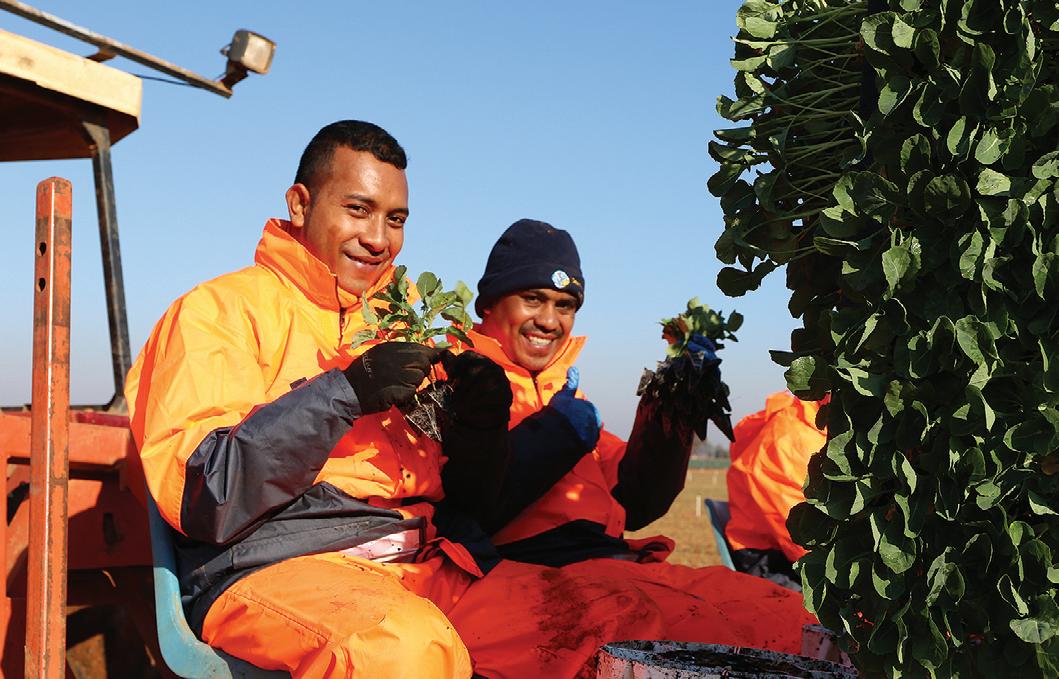
For over 15 years, we’ve proudly supported industries that feed, grow, and supply our nation – delivering ethical, reliable, and people-first workforce solutions that help businesses thrive all year round.
This festive season, we celebrate the partnerships that make it all possible. By connecting skilled, dependable workers with great employers – and managing the accommodation, transport, and compliance along the way – we help our clients focus on what matters most: running smooth operations and planning for the year ahead.
Why Businesses Choose Connect Group
» Reliable Labour Supply – Short-term and long-term workforce options tailored to your needs.
» Continuity & Retention – Returning workers who know your business and stay the course.
» Horticulture Specialists – Deep experience in nursery and growing operations.
» Compliance & Care – Ethical recruitment and complete peace of mind.
» End-to-End Support – PALM-approved accommodation and transport arranged for you.
From our team to yours, we wish you a safe, productive, and joyful festive season – and we look forward to helping your business grow in 2026.
Branch Out receives major funding boost – expanding horticulture education for Victorian students
By James Nicklen
NGIV’s Branch Out program is set to grow in 2026, thanks to an additional $100,000 in funding secured through the Victorian Government. This investment is a direct outcome of NGIV’s sustained advocacy and the strong relationships we’ve built with policymakers – a clear example of industry voice translating into real-world support.
Branch Out was created to introduce secondary students to the breadth of modern horticulture and the career pathways our industry offers. The program has already gained traction since its pilot year, but this new funding enables NGIV to scale its reach, enhance resources and deliver even richer learning experiences to more schools across the state.
Expanding curriculum-aligned learning
At the heart of Branch Out are high-quality, curriculum-aligned lesson plans that equip teachers with everything they need to deliver engaging horticulture learning. Schools currently have access to two core units – Botany Basics and The World of Photosynthesis – with two more topics, The Importance of Soil and Plant Reproduction, set to be added in Term 2 next year.
These units are designed for Years 7–10, with flexibility to adapt for senior students, and offer accessible, hands-on learning that demystifies plant science and shows students how it applies in real industry settings.
Teachers aren’t expected to become horticulture experts overnight. NGIV provides support throughout planning and delivery, ensuring the experience is smooth and enriching for both teachers and students.
Taking learning beyond the classroom
Two signature components make Branch Out particularly meaningful:
» A fully facilitated NGIV incursion, delivered by an industry expert who brings the subject matter to life.
» An excursion to a local horticultural business, giving students an authentic look at how modern horticulture operates.
These experiences help students connect STEM concepts to real workplaces while showcasing the innovation, scale and diversity of our industry. For members involved as host businesses, it’s a valuable opportunity to inspire the next generation and highlight the careers your business offers.
What the funding means for industry
The additional $100,000 enables NGIV to expand program delivery, develop new education resources and engage more schools across Victoria. As interest in horticulture careers grows – driven in part by the visibility and advocacy work NGIV has championed – Branch Out positions our industry to shape that curiosity into future talent.
Branch Out also strengthens NGIV’s presence within government and education circles. By demonstrating a clear, positive impact on student learning and workforce development, we continue to build credibility and influence at a time when skills shortages remain front of mind.
Get involved
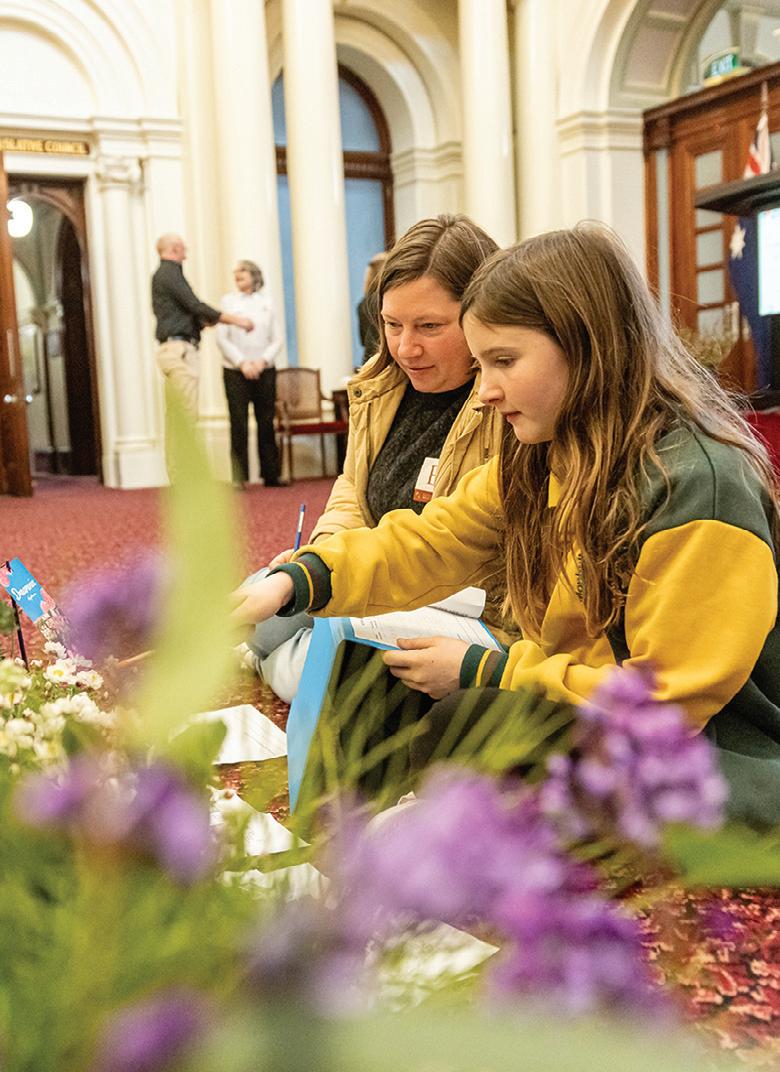
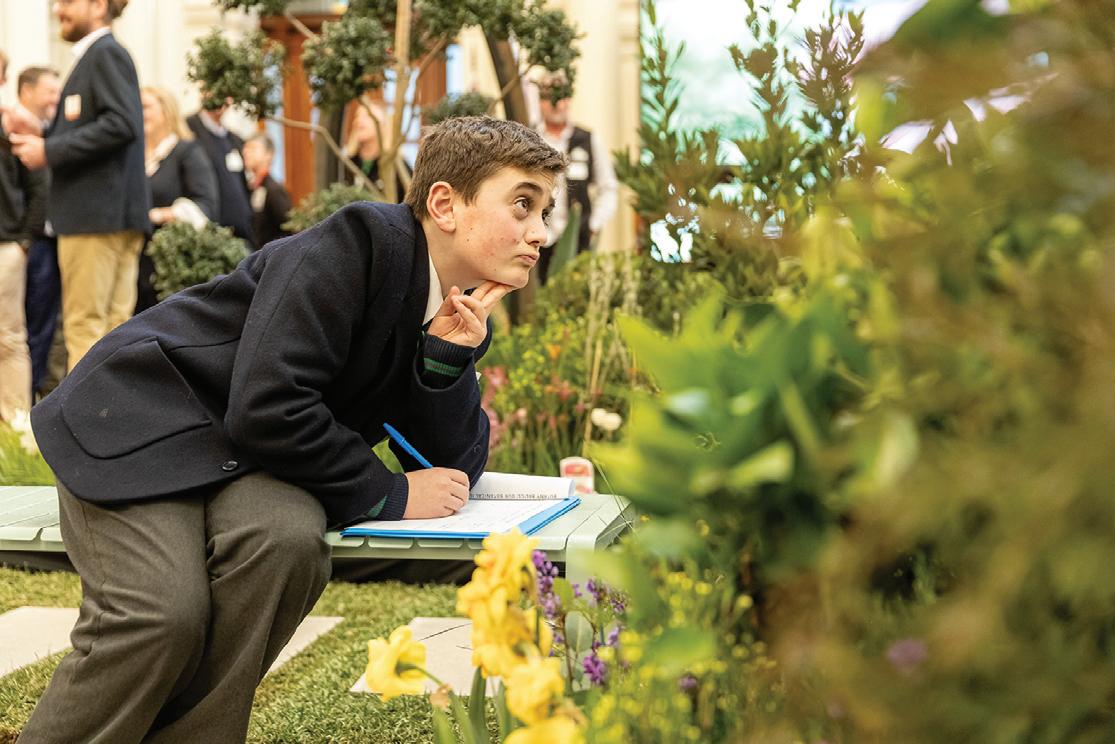
NGIV members are vital to the success of Branch Out. Hosting students, supporting incursions or simply helping spread the word among school contacts all contribute to growing the next generation of horticulture professionals.
If you know a school that may be interested in participating in Term 1 or Term 2 of 2026, encourage them to register their interest. Questions can be directed to tania@ngiv.com.au.
With stronger support and expanded delivery, Branch Out is set to make an even bigger impact next year – helping students discover horticulture and helping our industry secure its future workforce.
Urban Tree Growers: budding business success with levy funded Lean Leaders
By Greenlife Industry Australia
Driven by a philosophy of quality, community connection, and sustainability, Urban Tree Growers has stayed true to these values since its founding 25 years ago in Gippsland as a family-owned nursery.
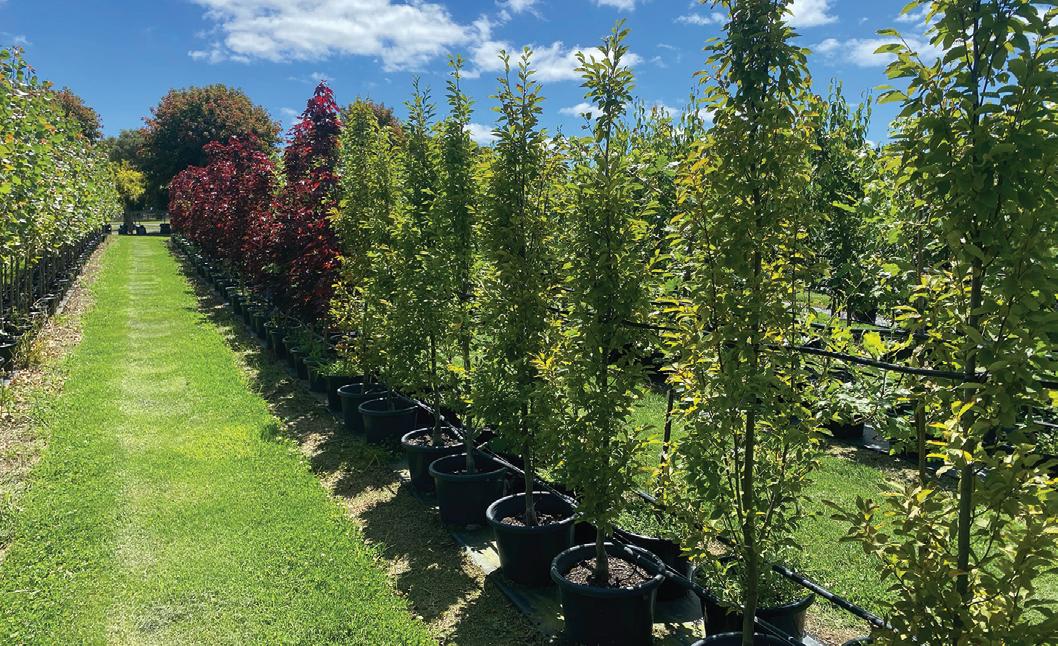
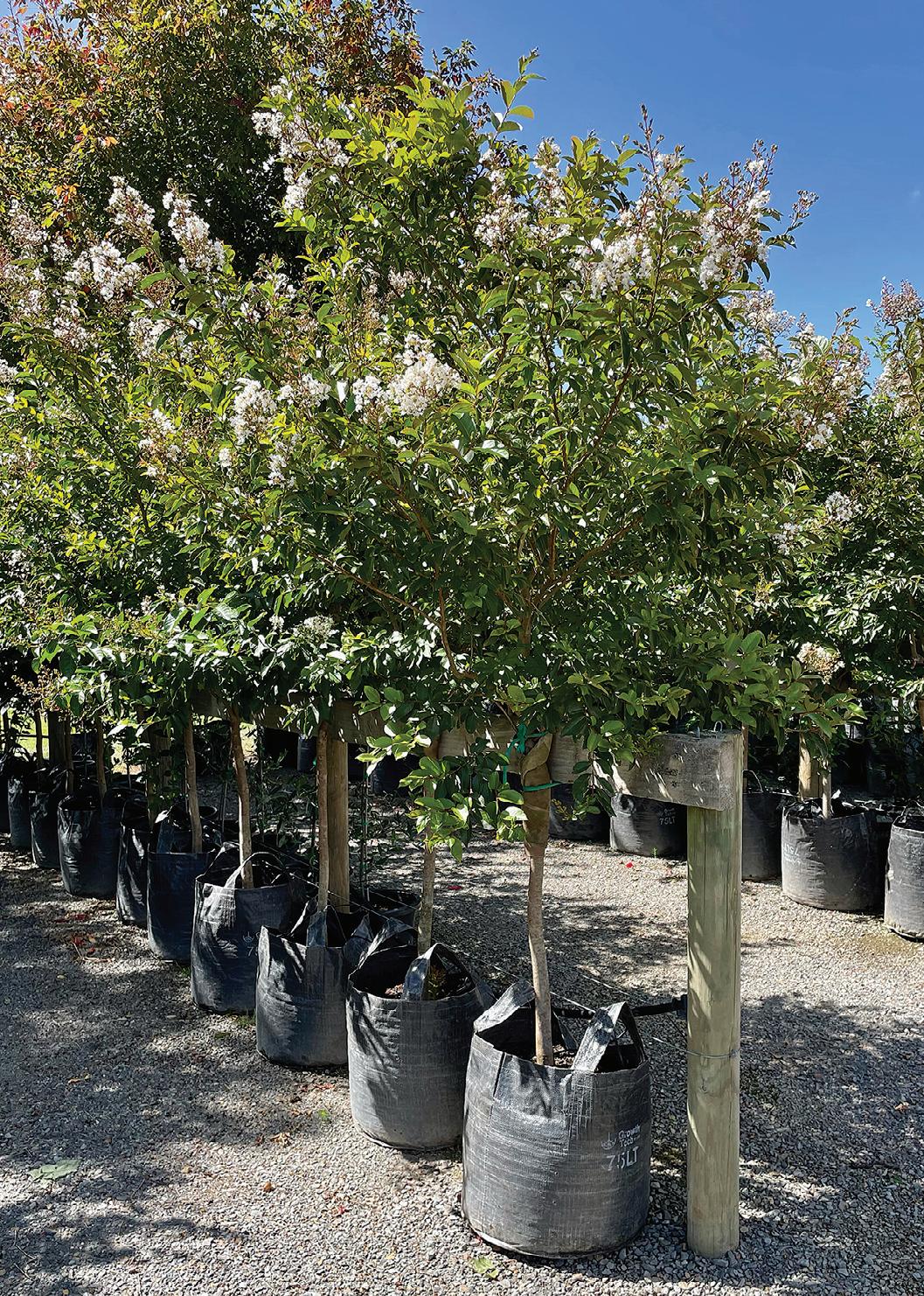
Specialising in deciduous trees ranging from 40 cm to 100 litre bags, the family-owned specialty nursery produces around 3,000 trees annually for private gardens, streetscapes, and public spaces. For the past five years, Beth and Chris Dunne have overseen the nursery’s operations and client relationships, supported by a small team of three.
“We’re passionate about what we do, and we want to share that with the community, ensuring our systems support our people and our customers. It’s about making sure the business grows as well as the plants we deliver,” Beth said.
Urban Tree Growers faced challenges typical for small, boutique nurseries: clarifying team roles, preparing for the retirement of a long-term team member, and streamlining operations to sustain growth. Having previously worked with Moshie, Beth recognised the potential of the levy-funded Moshie National Lean Leaders Program (MT22011) to help her team build leadership and operational skills while driving tangible business improvements.
“I was looking for a way to strengthen our systems and confidence in how we work, especially with Tony – one of our team – retiring after 20 years. We wanted practical tools to manage transitions, clarify roles, and improve our processes so we could continue delivering high-quality plants to our clients and maintain a happy, confident team,” Beth said.
Over 20 weeks, Beth participated in 10 interactive workshops delivered fortnightly in person. The program focused on practical application, helping the nursery tackle role clarity and succession
planning by developing position descriptions, streamline order processing and inventory management, and implement internal communication strategies to improve alignment and accountability
“The community Moshie created was invaluable. Seeing how others approached similar challenges, learning from their experiences, and having the guidance to apply it in our own business gave us the confidence to make meaningful changes on site. It wasn’t just about process; it was about understanding how to lead the team and improve our operations in a way that felt realistic for our small business.”
Results
The Moshie National Lean Leaders Program delivered tangible benefits for Urban Tree Growers:
» Operational improvements: streamlined order and inventory processes, giving a clearer overview of stock and planning needs.
» Business outcomes: on average, five additional sales per year, equating to approximately $30,000.
» Team development: strengthened confidence, role clarity, and engagement within the team, supporting smoother transitions and future growth.
» Strategic focus: clearer business priorities and a framework for maintaining momentum, including an action tracker to keep goals on track.
“Without the program, we wouldn’t have had the structure or confidence to tackle succession and process improvement so effectively. It’s given us clarity on where we’re headed as a business and how to support our team along the way.”
“It’s practical, straightforward, and provides tools you can use immediately. The biggest insight is hearing from others, you don’t know what you don’t know.
“Being open to learning, adapting, and applying those ideas will lead to real improvement.”
Looking ahead, Urban Tree Growers plans to maintain momentum by tracking actions, communicating progress to the team, and continuing to build relationships with the local community and developers. Beth is committed to growing
the business while staying true to their passion for horticulture and supporting a greener future.
“Having something we believe in and sharing that with the community is incredibly rewarding.
“The Lean Leaders Program has helped us make sure our systems back up that passion and give us confidence for the future,” Beth said.
What is the Lean Leaders Program?
The Moshie National Lean Leaders Program (MT22011) is a levy-funded initiative designed specifically for horticultural businesses, including turf producers. The program delivers 10 x four-hour workshops over 20 weeks, equipping participants with tools and leadership skills to lead continuous improvement in their workplace. Fully funded positions are offered annually to turf levy-paying businesses, providing practical, hands-on learning to strengthen operations, leadership, and business performance.
The ‘Horticulture National Lean Leaders Program’ (MT22011), funded by Hort Innovation, is a leadership initiative developed specifically for the horticultural industry. The program helps participants learn how to lead and sustain continuous improvement in their workplace.
New member profile: Lickity Split
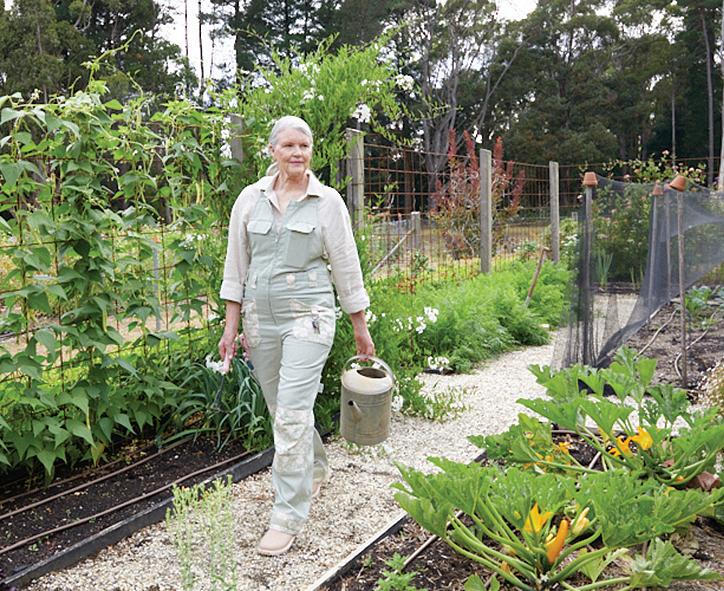
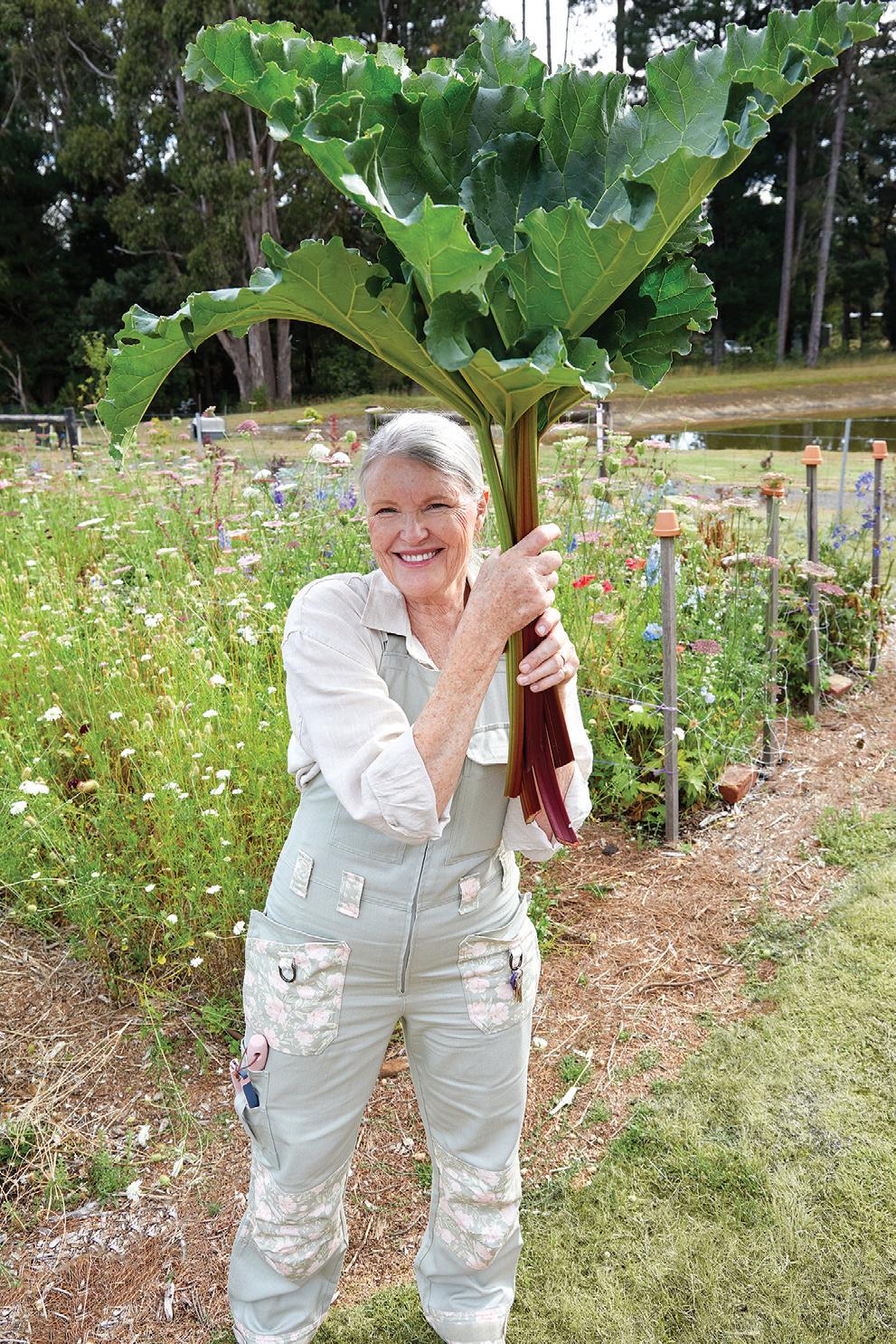
Lickity Split is more than just workwear. It’s a little bit of family, a lot of love, and a whole lot of fun. At the core of Lickity Split is a father-daughter duo, blending generations of garden wisdom with a touch of creativity (and a fair bit of laughter).
What makes your business unique?
Essentially, it’s the “vibe”. Our whimsical and playful style, beautiful floral patterns, on-trend colour palette, and focus on functionality and fit are key to our brand. They fit great, are super functional and look amazing. Lickity Split is unlike any workwear you’ve seen before, and consumers are falling in love with the brand.
Lickity Split is a lifestyle brand for women who love getting hands-on and enjoying their passions. Our clothing and accessories are designed to fit beautifully and work as hard as you do – functional, comfy, and ready for anything. Lickity Split looks fun on the outside and makes you feel amazing on the inside. Our products are designed to boost your mood and let you enjoy your passion. They’re just pretty fun.
What is your business’ stock range?
Lickity Split launched at MIFGS in 2025 with 100 SKUs consisting of dungarees, pants, hats, aprons, tool belts and garden tools. Consumer feedback has been super positive and given us the confidence to launch another 100 SKUs in 2026. Watch this space.
Who is a typical customer?
Our gear is designed for women with a passion. They’re gardeners, renovators, hobby farmers, florists, pink enthusiasts – and sometimes they’re shoppers at your local garden centre who just want to look and feel great.
Have you worked with any NGIV members before?
Yes. Shayne has worked with many NGIV members in the past He has spent almost 50 years working in the Australian garden sector for several well-known brands. Over the last 30 years Shayne has been the Southern Region Sales Manager for Yates (11 years), and more recently he was the MD of Fiskars Australia (19 years).
How do you market yourselves to your customers?
Social media is such an important marketing tool nowadays, so we like to keep our consumers up to date with regular posts across all the key socials. We support online influencers, and you’ll often see us waving the flag at various consumer garden shows and regional field days.
Do you have any long-term plans for your business?
Yes, we have many exciting long-term plans for the brand, but it’s always one step at a time. Our key focus is centred around garden centres. Some of our planned product development may not specifically be garden products, but they will find a home within garden centres. Garden centres are a very important component of our long-term growth strategy.
Tell us a little bit about your core team and skills. At our core, Lickity Split is a father-daughter duo (Shayne and Alyce). Together we blend generations of garden wisdom with a touch of creativity and a fair bit of laughter. Alyce started her career as a high school English teacher, but in her spare time
she has always been a passionate home dressmaker. Alyce’s interest in design and dressmaking is the driving force behind Lickity Split’s unique style. Alyce manages our product design and marketing, and Shayne is responsible for carrying the heavy boxes.
How can NGIV members learn more about your organisation and your products and services?
The best way to learn about Lickity Split is to visit our website (www.lickitysplit.com.au). Here you can drop us a line via our Contact Us page or email us directly at hello@lickitysplit.com.au. Alternatively, you can check out our posts on the social networks: Instagram (lovelickitysplit_), Facebook (Lickitysplit), and TikTok (Lickitysplit).
We’re a small business with just two people — and one of them is a single-finger typist — but we do respond to all online enquiries.
Why did you decide to become an NGIV member?
Garden centres are very important to our future growth. Our products have been designed specifically with garden centres in mind. It makes sense to support the peak industry body. We hope to build on our relationships within the industry and receive constructive feedback from members on how we can best support their business needs.
More information Lickity Split | lickitysplit.com.au
Tomato Potato Psyllid:
The biosecurity landscape for Victorian growers is shifting rapidly following the detection of Tomato Potato Psyllid (TPP) outside the state’s existing Restricted Area. In October 2025, TPP was found in a home garden in Melbourne’s northern suburbs, marking the first detection beyond the Bellarine Peninsula and signalling that the pest may be more widespread than previously understood. This development may have immediate implications for all Victorian growers who send plants interstate – not just those working with tomatoes and potatoes.
What is TPP?
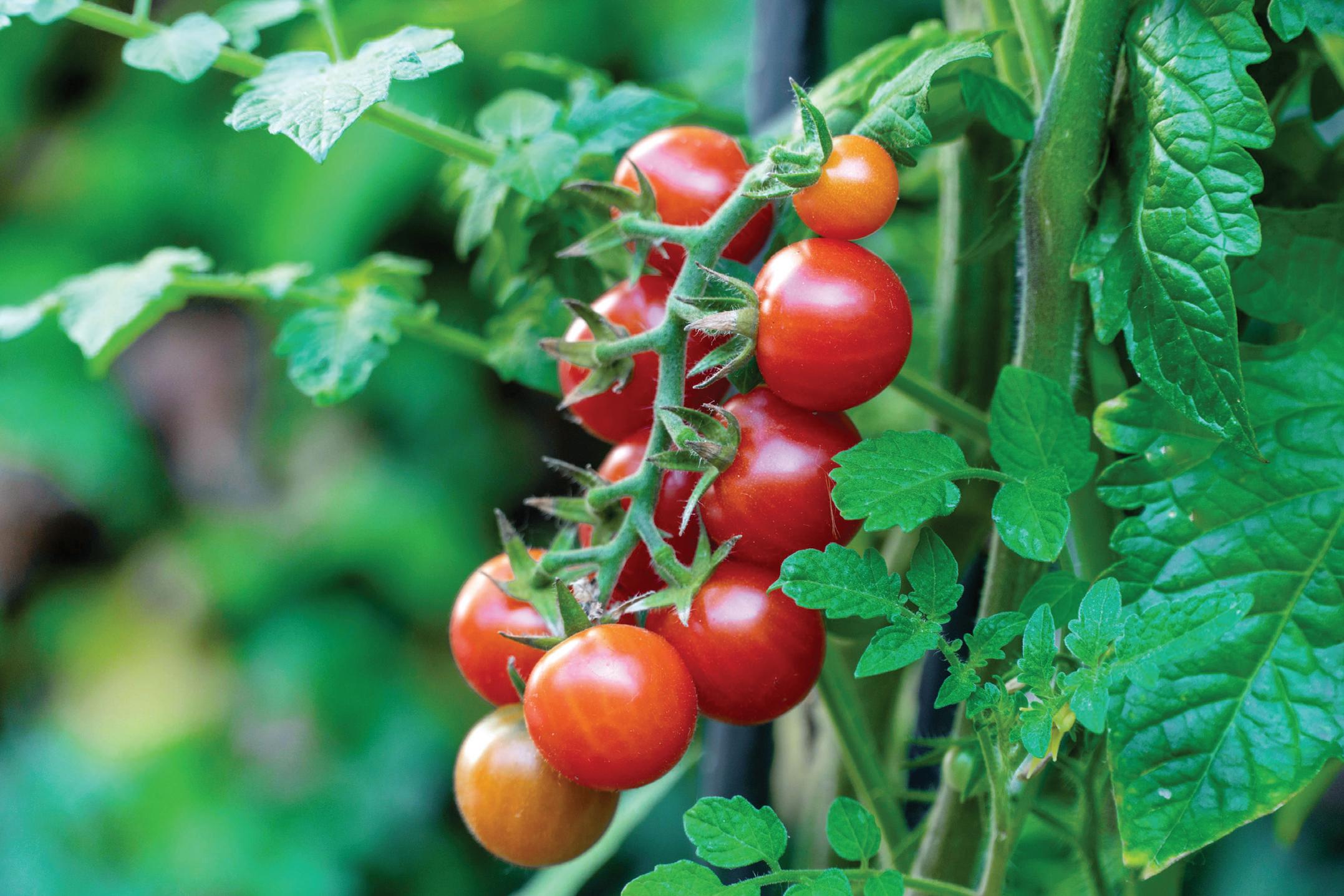
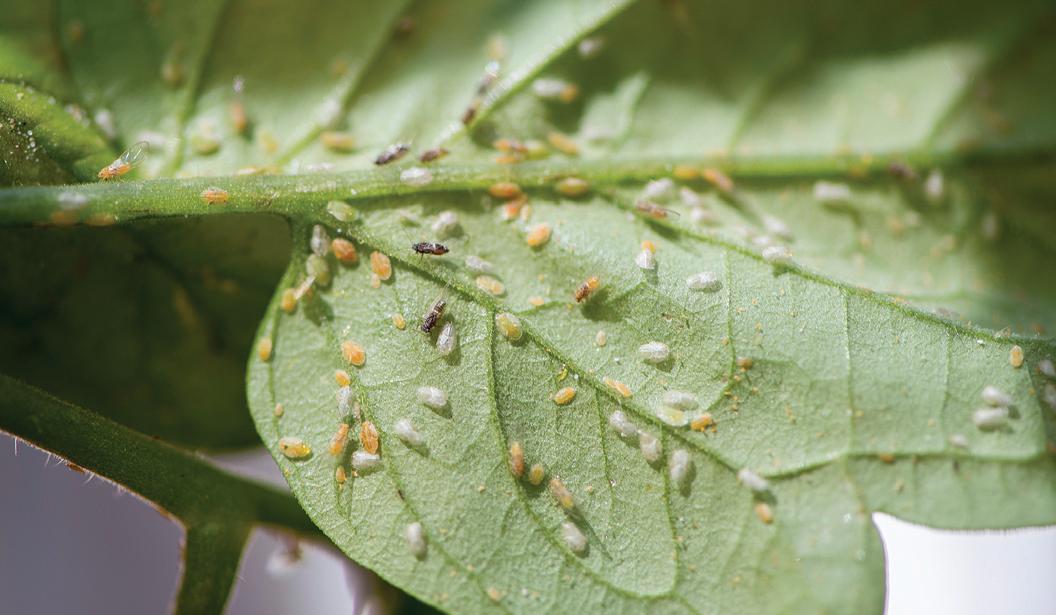
Tomato Potato Psyllid (Bactericera cockerelli) is a tiny sapsucking insect that targets plants in the Solanaceae and Convolvulaceae families, including tomatoes, potatoes, eggplant, capsicum, chilli and sweet potato. If left untreated, feeding damage causes yellowing, distortion and reduced plant vigour, and heavy infestations can lead to plant death. TPP also excretes sugars that promote sooty mould and attract ants, further reducing plant health and presentation quality.
Although TPP can be managed with chemical controls, it is a serious biosecurity risk because it is a known vector of Candidatus Liberibacter solanacearum (CLso), the bacterium that causes zebra chip disease. While CLso is not present in Australia, it is well-established internationally across North America, Central America, Europe, New Zealand and parts of Africa. Preventing the spread of TPP now reduces the future risk of CLso establishing if it ever enters the country.
What the new detection means for growers
Because TPP has now been detected outside the Restricted Area, interstate trading conditions are constantly under review. Jurisdictions may impose entry requirements on Victorian plants at any time, and in states that no longer hold nationally recognised area freedom for TPP, the movement of both host and carrier plants is already being regulated. Importantly, at the time of writing, “carriers” in some states include all plant families except the true hosts. This means advanced trees, ornamentals and general nursery lines may also be regulated – even if they have no connection to solanaceous crops.
Agriculture Victoria has fast-tracked a new accreditation pathway – Interstate Certification Assurance (ICA)-62 – to keep interstate trade moving once the national regulatory landscape changes to reflect the loss of area freedom. ICA-62 covers the treatment, inspection and certification of carrier nursery stock. This includes any plant material with green tissue attached, excluding seeds, tubers and bulbs, bare root stock, and in-pot dormant material.
What ICA-62 involves
ICA-62 accreditation enables a business to self-certify consignments through Plant Health Assurance Certificates (PHACs), rather than relying on a Plant Health Certificate issued by an authorised officer. Details on how to meet interstate requirements will continue to be updated within the ICA as jurisdictions adjust their entry conditions. Pathways for products to enter other states are still being reviewed at the time of writing.
Training is available through online e-learning modules once an application is submitted, and Agriculture Victoria has waived several biosecurity fees – including application processing and audits – until 30 June 2026.
Growers urged to apply now
With the revocation of Victoria’s area freedom expected, though not yet dated, the message from Agriculture Victoria is clear: businesses should apply for ICA-62 now to avoid market access disruptions. Accreditation can typically be completed within a week, and requirements may be altered suddenly as jurisdictions update their conditions.
Applying early ensures your business can continue trading without interruption – and supports a stronger, coordinated response to TPP across the state.
Growers can apply by submitting the Application for Accreditation and Authorised Signatory forms to: biosecurityservicescentre@agriculture.vic.gov.au
NGIV will continue working closely with Agriculture Victoria, interstate counterparts and industry partners to ensure market access arrangements remain practical, consistent and minimally disruptive for Victorian businesses. As protocols evolve, we’ll keep advocating for workable solutions, clear communication and the support members need to stay compliant and keep trading with confidence. Our priority is to make sure growers have the information, tools and representation required to navigate this transition smoothly and to maintain the strength and reliability of Victoria’s greenlife supply chain.
For more information on TPP, visit the NGIV and Agriculture Victoria websites.
Tomato Potato Psyllid (Bactericera cockerelli) targets plants in the Solanaceae and Convolvulaceae families.
Trade Day Report
By Nan Cleven
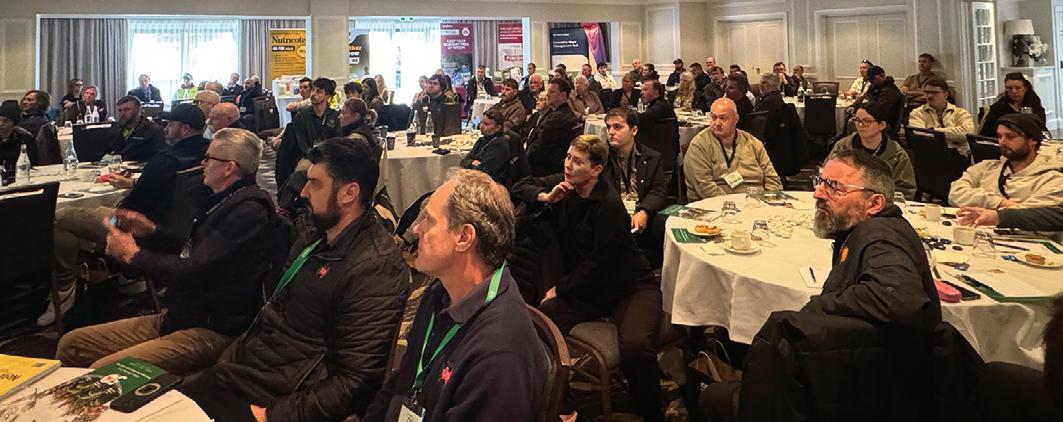
Spring was in full swing across our October and November Trade Days, with vibrant colours, bustling buyers, and plenty of excitement in the air. October kicked off with early morning energy and the usual daylight saving time adjustment, while the month’s second Trade Day kept the momentum going amid the Spring Carnival, Trials Week, and the festive season ahead. With standout sponsor support, new member welcomes, and plenty of light-hearted fun – it’s been a season to remember.
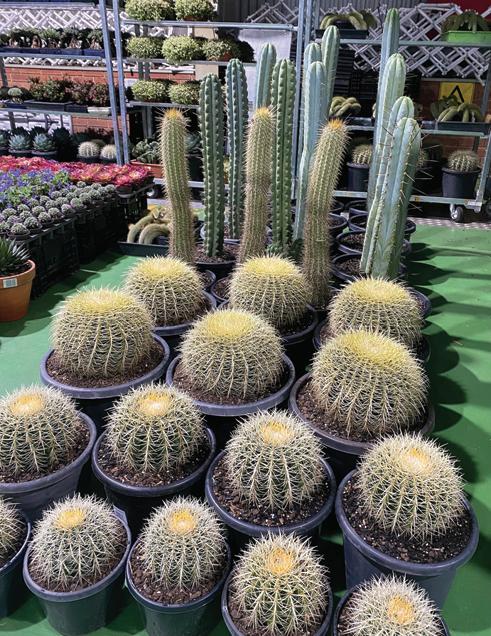
RSY Plants returned to Trade Day with a prickly offering – buyers chose carefully from a standout cactus and succulent selection.
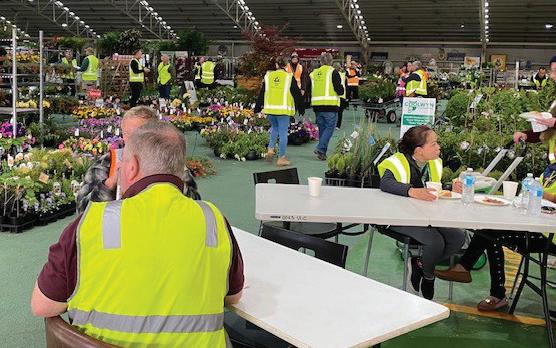
Always time for coffee and toast – plenty of stock and plenty of buyers made for a buzzing atmosphere.
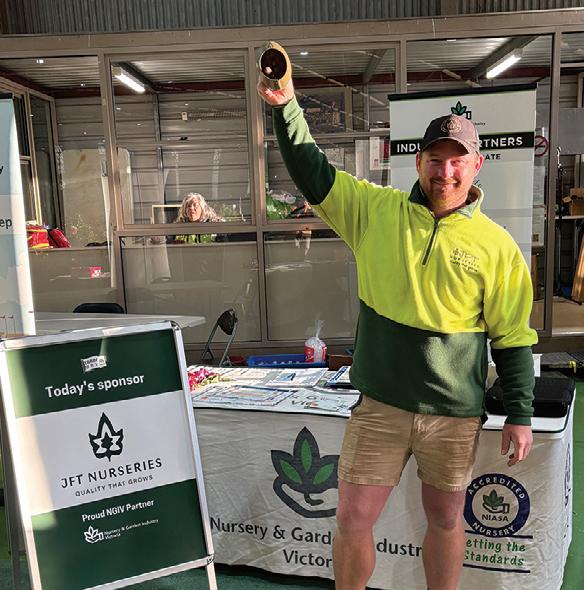
Billie Hicken from JFT Nurseries took on bell-ringing duties to launch the second October Trade Day –ready and racing as buyers lined up at the barrier. A special thanks to Norwood for setting up the NGIV Cup Sweep – complete with banner and charts to add some fun to Melbourne Cup season.
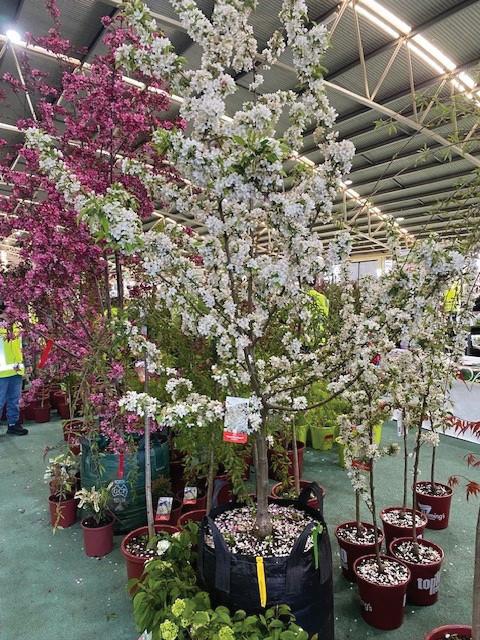
A spectacular show of spring blossoms brought the Fleming’s stand to life.
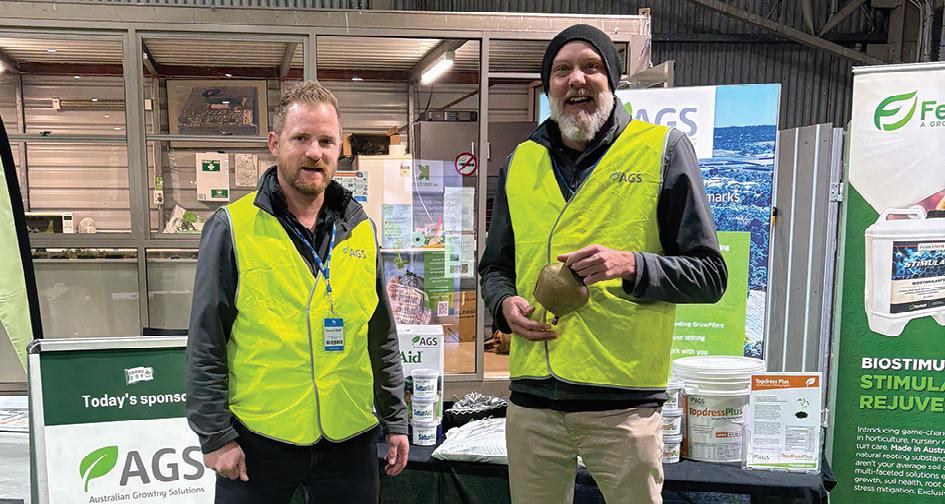
« Sam and Steve from AGS sounded the 7.00am bell to get October Trade Day underway – buyers quickly dashing for stock. Gallagher, another Gold Industry Partner, was also recognised as a sponsor on this especially colourful spring morning.
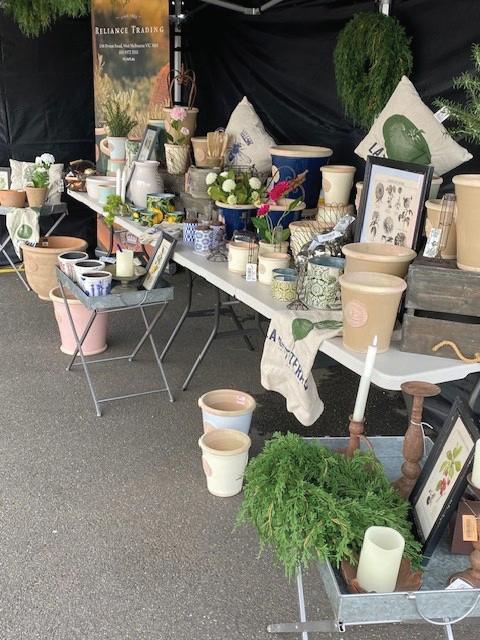
« Reliance Trading set up in the outdoor marquee, drawing attention with a vibrant display of allied trade products.
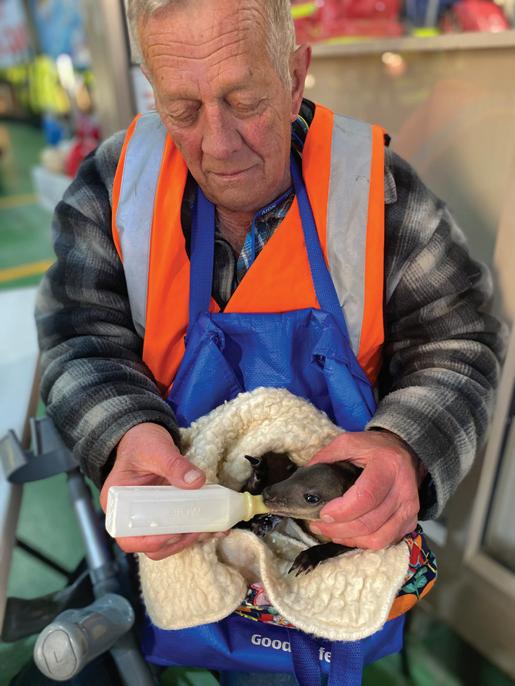
A surprise guest – Rex the animal carer – making sure an orphaned joey got its mid-morning milk top-up. Elliott very proud of his creation.
RETAIL STATE OF PLAY
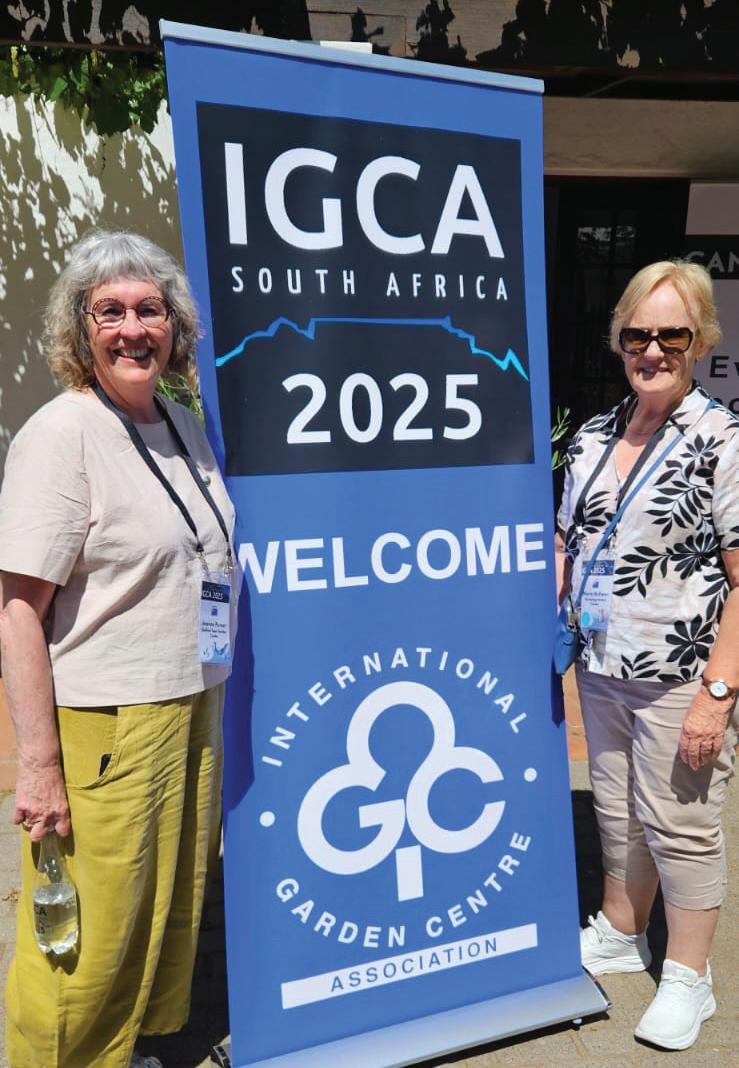
Recently Garden Centres of Australia (GCA) members attended this year’s International Garden Centre Association (IGCA) event in South Africa, which was an unforgettable experience, showcasing creativity, resilience and horticultural excellence.
GCA members who attended are now returning home inspired and full of ideas to enrich their own businesses and our wider industry.
The excitement continues with the 2026 Congress in Germany and 2027 in Japan, offering members the chance to explore diverse retail practices and customer engagement strategies from around the world.
Beyond travel, GCA provides members with ongoing access to exclusive international insights and webinars, helping them stay ahead of trends and connected to the global gardening community.
Contact Lisa McCann, GCA General Manager
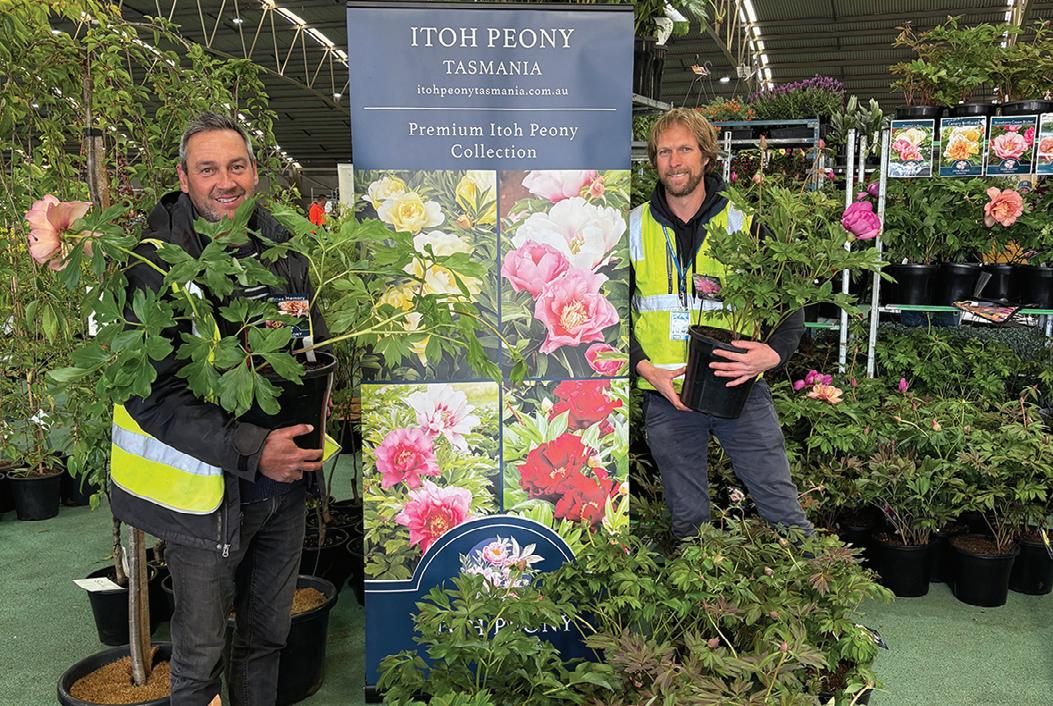
A warm welcome to new member Itoh Peony (Van Diemen Quality Bulbs) – Dave and Nick wowed attendees with their stunning display of potted peonies.