V O L . 2 N O . 2 S E P - N O V 2 0 2 3 V O L . 2 N O . 2 S E P - N O V 2 0 2 3 + N E X T C H A P T E R M E D I A + N E X T C H A P T E R M E D I A



































Next Chapter Media
Vol 2 No 2 Sep-Nov 2023
Editorial
Managing Editor
Kelly Yew Kai Yi
Editor-In-Chief
Joe White Lee
Sales Sales Consultant
Kelly Yew Kai Yi
Dear value readers,
In the ever-evolving landscape of global industry, staying at the forefront of knowledge and innovation is essential. That’s precisely what our magazine, focused on the palm oil industry, aims to deliver. With a profound passion for our craft and a mission to keep you in the vanguard, we introduce you to our vibrant world of international news, breaking frontiers, research revelations, innovative marvels, stirring commentary, exclusive dialogues, and the spotlight on premier industry events.
We, the storytellers and knowledge seekers, bridge the pages of this magazine with your eager minds and fervent souls. Connect with us to the palm oil world – a realm where knowledge thrives and passions ignite.
With enthusiasm and anticipation,
Managing Editor Palm Oil Tribune
Degree in Bioscience with Chemistry TARUMT
Research Project Treating BSR Disease in Palm Oil

Intern Project Study of Bioformulations and Biostimulants, Genting Plantation Berhad kelly@maps-globe.com
Corporate Managing Director
Emily Yu Lay Choo
Website www.mapsglobe.com
Palm Oil Tribune

Tel +603 – 9202 6851 +6012 – 937 7986
Publication © Next Chapter Media
A part of Maps-Globe
Maps & Globe Specialist (Singapore) Pte. Ltd.
1 Godhill Plaza #03-39 Podium Block, Singapore 308899.

16 Challenging misinformation and embracing a holistic perspective of palm oil
19 Joseph D’Cruz: Forging a more sustainable path for palm oil
INTERVIEW
21 Palm Oil: Africa Could Double Output With Good Governance Structure – Inyang
COMMENTARY
23 In Honduras, a democratic approach to palm oil defies the status quo
INNOVATIONS
25 Pertamina explores innovations to help Indonesia's energy transition
RESEARCH & INNOVATIONS
26 Research Collaboration Advances Climate Prediction for Thailand's Palm Oil Industry
RESEARCH & INNOVATIONS
27 MPOB producing high wateruse efficiency trees to protect future palm oil yield
KUALA LUMPUR, Aug 16 (Reuters)Malaysia's palm oil board and state oil rm Petronas (IPO-PETO.KL) have signed an agreement to study the use of used cooking oil and palm oil waste as sustainable aviation fuel.
The two organisations signed a memorandum of understanding (MoU) on Aug. 14 to explore the potential of palm-based products and wastes, such as used cooking oil and palm oil mill e uent, as the main raw materials for local bio - re neries to produce sustainable aviation fuel.
“The signing of the MoU is also in line with the National Energy Policy 2022 - 2040 to reduce carbon emissions and make the energy sector a catalyst for the nation's socioeconomic development," the Malaysian Palm Oil Board said in a statement on Wednesday.

TEMPO.CO, Jakarta - Indonesia has sought the Netherlands' support against the European Union's (EU's) anti- deforestation trade policy that could negatively impact Indonesian farmers.
"We ask for support from the Dutch government to minimize barriers for Indonesian products that have met sustainable standards to enter the EU, " Trade Minister Zulki i Hasan said on Saturday, August 26, 2023.

Trade between Indonesia and the EU has huge potential, but it could be hampered by the EU's anti-deforestation regulation (EUDR), he added.
According to him, EUDR has the potential to negatively impact the exports of Indonesia's agship products such as palm oil, co ee, rubber, and timber.
Indonesia and the Netherlands are also pushing for the completion of the Indonesia-European Union Comprehensive Economic Partnership Agreement (IEU-CEPA) negotiations in 2024.
"The negotiator team is looking forward to settling the negotiations. Indonesia also hopes that the Dutch government can support these e orts," Hasan said.
Meanwhile, the ministry's director general of international trade negotiations , Djatmiko Bris Witjaksono, said that the implementation of IEUCEPA is projected to increase the value of trade and investment between Indonesia and the EU.
"The Netherlands is Indonesia's largest export destination in Europe, so the implementation of this comprehensive trade agreement will be mutually bene cial for business players in both countries," he said.
The total trade between Indonesia and the Netherlands in January– June 2023 was recorded at US$2.35 billion.
During the period, Indonesian exports to the Netherlands totaled US$1.87 billion and Indonesia's imports from the Netherlands reached US$484.9 million.
In 2022, the total trade between the two countries reached US$6.23 billion, a 13.8- percent increase compared to US$5.48 billion the previous year.
Indonesia's main exports to the Netherlands include industrial monocarboxylic fatty acids, palm oil and its fractions, palm kernel and other solid residues, and copra.
Jakarta. China will likely purchase 8 million tons of Indonesian palm oil in 2024 after imports su ered a decline amid the Covid-19 pandemic, according to an association of the commodity’s producers.
Beijing has been the top buyer of Indonesian palm oil by country since 2019 with imports reaching 8.15 million tons that year. However, the pandemic caused China to import less palm oil from the Southeast Asian nation.
The Indonesian Palm Oil Association (Gapki) reported that China only bought 6.17 million tons of palm oil from Indonesia in the Covid-hit 2020. The gures then slightly picked up to 6.65 million tons in 2021 and shrank to 6.35 million tons a year later. Indonesia has exported 3.35 million tons of palm oil to China as of the rst half of 2023.
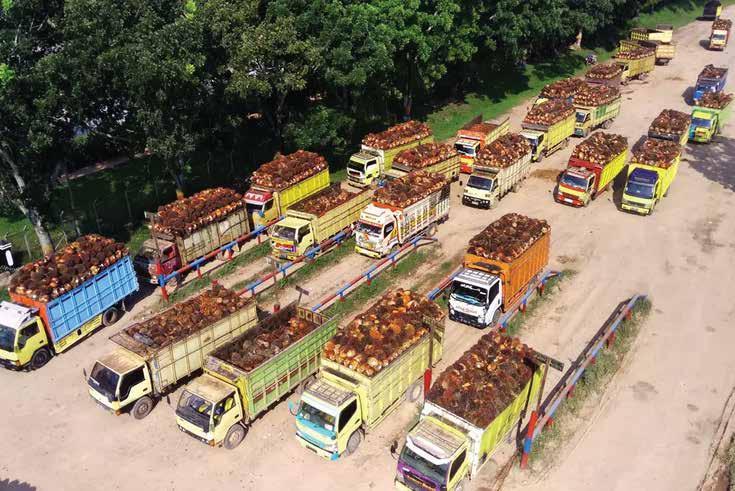
“Our palm oil exports to China are expected to slightly rise to 7 million in 2023, and at least 8 million tons next year,” Gapki chairman Eddy Martono told a recent forum.
“Even so, we should continue to work with the government to look for new non- traditional markets,” Eddy said.
Eddy attributed the rising Chinese imports to the post-pandemic economic recovery.
Gapki data shows that China used to fall behind India in terms of Indonesian palm oil imports.
In 2017, China only bought 4.6 million tons of palm oil from Indonesia, less that of India (7.79 million tons). The European Union (EU) at the time posted 5.54 million tons of Indonesian palm oil imports.
According to Gapki, Indonesia’s palm oil exports totaled 16.31 million tons in Jan- June 2023, marking a 35.49 percent increase from 12.04 million tons recorded in the same period last year. The growing demand from China and South Asian nations like India, Pakistan, and Bangladesh was what boosted the numbers.
From a value standpoint, Indonesia’s palm oil exports in the rst half of 2023 amounted to $14.6 billion. This is a 17.18 percent drop compared to $17.63 billion over the same period in 2022. Gapki attributed the declining exports to the falling prices of crude palm oil (CPO).
Indonesia produced 27.29 million tons of palm oil in Jan-June 2023, up by 16.15 percent from 23.5 million tons recorded in the rst half of 2022. The production in the rst semester of 2023 encompassed CPO (24.89 million tons) and palm kernel oil (2.39 million tons).
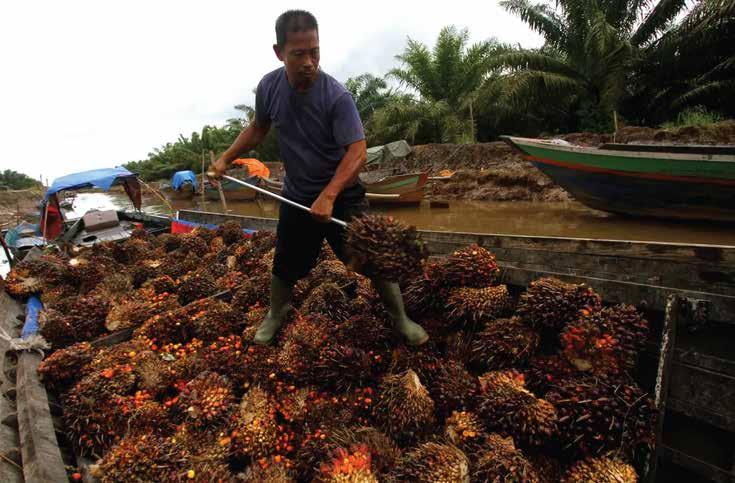
Jakarta. Indonesia on Wednesday persuaded Switzerland, a member of the European Free Trade Association or EFTA, to get the group into recognizing the country's sustainability certi cation scheme for palm oil called the ISPO.
The attempt was made when Foreign A airs Minister Retno Marsudi hosted a meeting with her Swiss counterpart Ignazio Cassis in Jakarta. The discussions emphasized strengthening economic cooperation, and Indonesia’s trade pact with the EFTA was no exception.
The EFTA is a trade bloc comprising Iceland, Liechtenstein, Norway, and Switzerland. Indonesia has a comprehensive economic partnership agreement (CEPA) with EFTA, which is set to open up market access. This trade deal entered into force in Nov. 2021.
According to government data, IndonesiaSwitzerland trade rose from almost $2 billion in 2021 to $2.8 billion the following year.
During a joint press conference with Cassis, Retno attributed the robust trade growth to the Indonesia- EFTA CEPA. But there is still room for growth,
particularly for Indonesia’s top commodity palm oil. Indonesia is hoping that EFTA would recognize the ISPO, which is short for Indonesia Sustainable Palm Oil.
“To sustain our trade growth, we identi ed several initiatives. And I asked Councilor Cassis that Indonesia would like to see the recognition of the ISPO certi cation to facilitate Indonesia’s palm oil to enter the EFTA market,” Retno told the press brie ng.
In March 2021, Switzerland held a popular vote to decide whether it would proceed with the Indonesia-EFTA CEPA. The CEPA saw opposition from Swiss anti- palm oil activists as the commodity could enjoy lower duties if the agreement came into e ect. About 51.6 percent of the Swiss voters gave their green light to the trade deal.
The Swiss State Secretariat for Economic A airs (SECO) previously conducted a study to select the certi cation schemes that qualify for the CEPA. SECO ended up choosing four certi cation schemes, including RSPO Identity Protected, RSPO Segregated, ISCC Plus Segregated, and POIG combined with RSPO Identity Protected or Segregated. A Swiss palm oil importer needs to meet any of these four schemes to enjoy the reduced tari , according to SwissInfo.
As Colombia's palm oil production hits record highs, maintaining and improving its good record for sustainability will require effort
Oil palm was rst planted in Colombia in the 1930s. Since commercial crop operations began to take o in the middle of that century, the country has grown into the world’s fourth largest producer and exporter of palm oil, and the largest in the Americas.
But much like in other leading palm oil nations, such as top producers Indonesia and Malaysia, growing production has often brought social and environmental costs. In Colombia, these impacts may compound existing problems of inadequate infrastructure, deforestation and land grabbing, as well as insecurity due to the presence of armed groups and crops of illicit drugs.
28% of palm oil produced in Colombia in 2020 complied with one form of international sustainability certi cation, according to Fedepalma
The paradox is that while Colombia faces its own endemic challenges, it has also managed to create a situation where much of its oil palm grows sustainably. This has allowed it to make strong inroads into markets with a high demand for sustainable palm oil, such as the European Union – the destination for over 61% of the country’s palm oil exports in 2020. It has been a seemingly unlikely success, but as production continues to grow, industry and authorities face a number of challenges that must be carefully managed to ensure sustainability.
Colombia has experienced more than 50 years of complex, violent con ict involving the state, right-wing paramilitary groups, criminal gangs and revolutionary guerrillas, such as the demobilised FARC – whose splinter groups still operate – and the National Liberation Army, the last recognised guerrilla group. Despite di culties in the Colombian countryside amid this con ict, palm oil production has expanded while o ering some answer to the global question of how to grow sustainably.
Around 28% of Colombia’s production complies with one type of certi cation standard (such as those of the Roundtable on Sustainable Palm Oil and the Rainforest Alliance) making it the leading exporter of sustainable palm oil in Latin America.
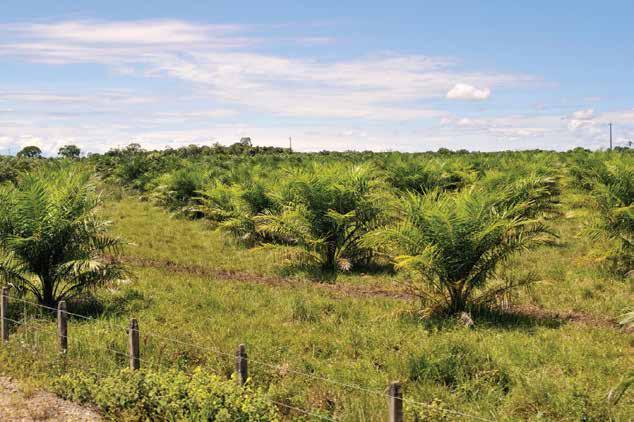
Something that works in Colombia’s favour is that much oil palm has been planted in areas that had been deforested for many years already, avoiding further land conversion –one of the key concerns around the environmental impact of the crop’s expansion.
“[Oil palm] replaced a lot of cattle pastures, so the impact it has had on ecosystems has been minimal. What was there before was not good for biodiversity anyway,” said Natalia Ocampo - Peñuela, a conservation ecologist and researcher at ETH Zurich, a Swiss public university.
0.4% of deforestation is linked to oil palm in Colombia, according to the Institute of Hydrology, Meteorology and Environmental Studies (IDEAM)
The availability of this land has been favourable to sustainable expansion of the industry. This cause has been helped by increased e orts in the past decade to monitor palm cultivation links with deforestation, such as the palm maps produced by the Institute of Hydrology, Meteorology and Environmental Studies (IDEAM), a government agency. The institute provides deforestation maps and an inventory of legal and illegal crops, with the help of the Agustín Codazzi Geographic Institute, the country’s o cial cartographer.
Another institution that monitors the crop’s cultivation in Colombia is Fedepalma: a federation of the majority of the country’s palm growers. A powerful union created in 1962, it o ers technical, technological and nancial support to growers,
28%
of palm oil produced in Colombia in 2020 had some certi cation in international quality standards, according to Fedepalma
While Fedepalma has been criticised for over -looking smaller farmers, for becoming involved in legal con icts over land and having a powerful lobbying capacity, it also facilitates the application and monitoring of public and trade union policies with a view to conservation agreements.
“Palm oil, like any other well-done crop, brings bene ts to the natural environment and to the communities,” says Andrés García Azuero, director of sectoral planning and sustainable development at Fedepalma. “Colombian palm farming respects the fauna and ora, which is integrated with the landscape, protecting the water courses, and that is what we promote and what di erentiates us from other countries that produce palm oil.”
As an example of broader sustainability, García Azuero points to the country’s eastern plains, where deer and pumas are seen in palm “agro-ecosystems”, that contain a higher level of biodiversity than monoculture crop landscapes. However, Ocampo- Peñuela says that the mere presence of predators such as the puma does not guarantee that the species is using this habitat; “… rather, [it means] that it is passing through, and of course there is prey for them. That doesn’t mean that a jaguar or a puma can survive in a palm plantation.”
In one of her studies, Ocampo-Peñuela found that in regions such as the foothills of the Orinoco basin in the country’s east, the palm growers leave forests around the rivers. “This is by law, but it has allowed species to survive,” she adds. These measures paint a di erent palm landscape to that of Asia, where other ecosystems are less often integrated, and crops appear as an in nite sea of green.
Of course, Colombia has not entirely escaped the negative ecological impacts frequently associated with oil palm expansion. These centre on the displacement of native tree species, and the increasing threat of pests.
As early as 1989, Rodrigo Bernal – perhaps the scientist and botanist who knows most about palms in Colombia –raised concern about the spread of the African oil palm (Elaeis guineensis). In his book Las palmas del andén del Pací co, he highlighted the fate of the native tagua palm (Phytelephas tumacana) “which was once very abundant and formed the basis of the local economy, [but] has been razed to the ground to establish oil palm plantations, and is on the verge of extinction,”
Three decades later, Bernal says there are at least three impacts that require serious studies and – if necessary – mitigation or compensation by the palm growers.
The rst is the chance hybridisation between the African palm and the American oil palm, which “in some areas, such as the Magdalena valley, grew wild in areas that were used for plantations and now grows as isolated individuals in the surrounding areas”.
The second is the potential of African oil palm to be an invasive species. “I have observed African palm growing spontaneously in forests in the Magdalena Medio valley and around
Leticia and Inírida,” Bernal says, highlighting three di erent corners of the country. “In Leticia [at the Amazonian border with Peru and Brazil], for example, it has invaded forests where, due to its large size, it probably displaces native species,” Bernal says.
Thirdly,there is the threat of the palm weevil, an insect originating in tropical Asia that may have arrived in western Colombia, “presumably as a result of the increase in African palm cultivation,” Bernal adds. This bug has already threatened crops such as the chontaduro, or peach palm, in Buenaventura on the Paci c coast, where they ended up eating a large part of the plantation.
Another sustainability challenge is the use of water. Oil palm is a notoriously thirsty crop grown in lowland and humid areas. In María la Baja, Bolívar department, for example, supply has become stressed in every dry season. “This can come into con ict with other crops and also with the water supply for people who live around these crops, ” warns OcampoPeñuela. She adds that pesticides applied to oil palm can also a ect the quality of water and irrigation for other crops in the area.
Any new palm cultivation planned in Colombia must be designed to have a positive impact on the environment and this is precisely the challenge that Ocampo-Peñuela is working on. She is currently studying which characteristics of forests with a high density of palm are best for biodiversity. There are a number of key questions she mentions: “If you are going to design a palm plantation and you want to restore the ecosystem as well, what would that restoration strategy be and how should you plant those trees in the palm landscape? How far can a bird or a mammal move within the palm [plantation] to reach its other habitat or its other patch of forest?”
Although question marks have been raised about high yields masking environmental impacts, other vegetable oil crops such as soy, canola and sun ower need up to nine times more area to produce equivalent amounts of oil, according to the International Union for the Conservation of Nature. This fact suits a Colombian palm agro-industry with huge potential areas for expansion – with as much as 44 million hectares of degraded land available, according to some claims.
However, this also entails a huge responsibility. Land conversion may not be necessary for the reasonable expansion of palm oil in Colombia, but the country and its producers must keep close tabs on other ecological challenges to safeguard its good record on sustainability. And while nearly 30% of its current production meets sustainable certi cation, e orts to raise this percentage must continue, amid vertiginous global demand and growing ambition from palm oil businesses.
As part of plans to boost the oil palm production in Nigeria, the Roundtable on Sustainable Palm Oil (RSPO) has agged o capacity building programme for four oil palm producing communities in the Ovia SouthWest Local Government Area in Edo State.
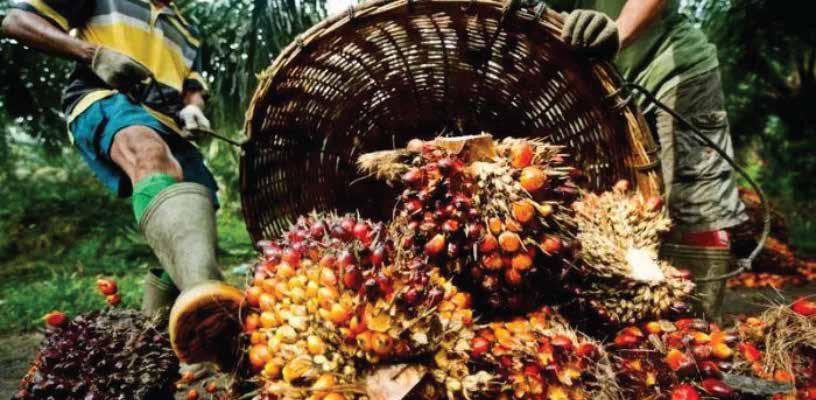
BusinessDay reports that Foremost Development Services Limited, Intermediary Organization (IMO) for the RSPO agged o the capacity building.
Fatai Afolabi, managing consultant and chief executive o cer of Foremost Development Services Limited said the Community Outreach and Engagement Programme (COEP) was to engage stakeholders at all levels of society within palm oil producing countries in Asia, Africa and Latin America.
Afolabi said that over 80 smallholder oil palm farmers, elders, youths, women and community- based organisations (CBO) were trained on the principles and criteria of RSPO.
He added that the programme, which was to ensure an equitable playing eld for all stakeholders in the palm oil industry, focuses on the three impact goals of Prosperity, People and Planet.
He said the participants were drawn from Madagbayo, Gbelebu, Udo and Maroghionba (AT&P) communities in the Ovia South-West local government area.
“With this training RSPO wishes to educate the communities and other stakeholders in the palm oil supply chain on the standards to adopt for sustainable palm oil production.
“It also wishes to raise the level of awareness of the people on the obligations of the communities and companies producing sustainable palm oil on matters relating to their rights, livelihoods, social and environmental management, protection of communities and employees.
“In all of these, the overall aim of RSPO is to make sustainable palm oil the norm”, he said.
He explained that the choice of Edo State for the COEP was as a result of its being the major producers of sustainable palm oil in Nigeria.
He added that the Edo State government has also subscribed to the production of sustainable palm oil through the application of the RSPO standards.
He said the state government has also mandated investors through the Edo State Oil Palm Programme (ESOPP) to do same in order to achieve a palm oil sector that is sustainable.
He further said the capacity building on the RSPO Community Outreach and Engagement Programme will run for 14 months and will involve stakeholders.
Fatai pointed out that the stakeholders include local communities, civil society organizations, smallholder farmers, government agencies, media and oil palm companies.
He also added that the Community Outreach and Engagement Programme will be organized in six oil palm producing local government areas in the state.
He listed the ve local government areas to include Ikpoba Okha, Ovia South- West, Ovia North-East, Ovia SouthWest, Uhunmwonde, Owan West and Orhionmwon.
He stated that between 90 and 120 farmers and other stakeholders will bene t from the capacity building in each of the local government.
He said RSPO is a global multi-stakeholder initiative on sustainable palm oil and not- for- pro t international membership organization that unites stakeholders from key sectors of the palm oil industry.
BusinessDay recall that the Roundtable on Sustainable Palm Oil (RSPO) had October 25, 2022 during the o cial launch of the Community Outreach and Engagement Programme in Edo State said it committed the sum of $300,000 into the promotion of sustainable palm oil production in Edo State.
Over 80 oil palm farmers, others benefit from RSPO capacity building
The World Bank’s private sector nancing arm, International Finance Corporation (IFC), has provided a credit package of $150 to Olam Palm Gabon, the subsidiary of Singaporebased Olam International, to boost the company’s production of palm oil in the central African country. The loan, Gabon Review reports, will be used in the construction of a biodiesel plant and a palm oil re nery at the port of Owendo.
In addition, the company plans to use a chunk of the nancing to build a fourth plant in Mouila, southern Gabon, as well as a crude palm oil processing plant in Lambaréné. Another part will be used to maintain Olam’s existing facilities in Gabon, including palm oil plantations covering 63,330 hectares, three palm oil mills, kernel crushing plants and a crude palm oil re nery (CPO), as well as all ancillary facilities such as the Awala biogas cogeneration plant.
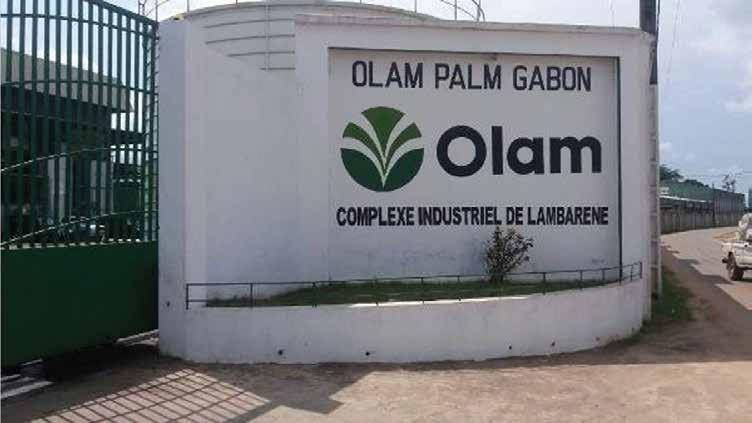
Olam Palm Gabon also argues that the credit also is accompanied by non- nancial support to promote the sustainable management of biodiversity and forestry in Gabon.
The company is a joint venture between Olam International (60 per cent) and the Gabonese government (40 per cent).
The loan heralds the return of IFC in the palm oil industry. IFC suspended investments in palm oil businesses in 2009, Devdiscours reports, after review of its practices in the sector following complaints by
small land - holder and indigenous groups in Indonesia about its investments in projects by major palm oil producer Wilmar International.
An independent assessment at the time found that IFC had lacked a strategy for dealing with widespread social, environmental and governance problems in Indonesia’s palm oil sector and had failed to properly evaluate the projects, the development organization says.
Western Kenya is poised to be Kenya’s source of palm oil which could spare the country the agony of spending Sh120 billion yearly on edible oil imports.
Bidco Africa, one of the leading consumer goods companies on the African continent, has embarked on a project to establish a processing factory in the region in a move that will see the country begin palm oil production.

The strategic initiative is set to not only transform the lives of local farmers but also have a notable impact on the cooking oil market in the country by scaling the company’s success in Uganda’s Kalangala regions. “We believe the lessons coming out of Uganda are applicable in Kenya,” said Bidco Managing Director for Africa, Baker Magunda. Already Homa Bay is one the first counties to welcome the project which is set to change the lives of farmers as well as impact on the prices of cooking oil in the country.
“What we are looking at is industrialisation, we are looking for jobs for our young people. Edible oils is a big value chain for the national government and for us as a county and for people of Homa Bay,” said Gladys Wanga, the county governor.
“We are looking at our poverty levels, the per capita income of Homa Bay is about Sh99,000 a year, we want to raise this to about Sh500,000 a year,” Wanga told Citizen TV. Homa Bay, Migori and other counties along Lake Victoria region are expected to bene t from the rollout of the project. For instance, farmers in Budalangi are among those who have been growing palm trees.
The move by Bidco comes a time when the edible oil industry players in Kenya have had a spat with the government over its decision to import re ned edible oil through the Kenya National Trading Corporation (KNTC). Trade Cabinet Secretary went into an all-out war with sections of the media over press revelations detailing how companies owned by people with links to the government were single-sourced to procure edible oils through the Corporation.
Palm Oil Plant is majorly grown for Palm oil which is an edible vegetable oil derived from the mesocarp (reddish pulp) of the fruit of the oil palms. Palm oil is naturally reddish in colour because of high beta-carotene content. Palm oil is used in the production of almost half of all products sold in supermarkets globally, according to WWF (World Wide Fund for Nature), the global environment campaign.
Homabay County, located in the western part of the nation, is among the rst devolved units to embrace the Bidco Africa palm oil project. The county’s leadership has shown strong support for the initiative, recognising the potential to create a positive ripple e ect on the local economy.
By partnering with Bidco Africa, local farmers will not only nd a reliable buyer for their palm oil produce but also gain access to advanced agricultural practices and technologies, thereby increasing their overall yields and income.
The introduction of a dedicated palm oil processing factory is expected to address several challenges that have long hindered the palm oil industry in the country.
Previously, local farmers faced di culties in nding suitable markets for their produce, leading to potential income losses and discouraging further cultivation e orts. Bidco Africa’s involvement promises a stable and lucrative market for these farmers, thereby incentivising increased production and contributing to the growth of the agricultural sector.
Furthermore, the project is anticipated to have a signi cant impact on the local cooking oil market. Currently, a signi cant portion of the country’s cooking oil demand is met through imports, which can lead to uctuations in prices due to international market dynamics.
By boosting domestic palm oil production, Bidco aims to mitigate the reliance on imports and stabilise the prices of cooking oil in the country. This move aligns with the broader goal of enhancing food security and reducing the nation’s trade de cit.
The Bidco Africa palm oil project underscores the company’s commitment to sustainable business practices and social responsibility. By investing in local agriculture and partnering with farmers, the company is not only securing a steady supply of raw materials but also contributing to the empowerment of rural communities.
nduring scepticism, palm oil stands strong and refutes hasty rejections. Embedded in Malaysia' s culinary traditions for generations, it's now part of a global conversation.
While many claims it harms health and the environment, there's more to discover. The truth is, the story of palm oil is fraught with misunderstandings and misconceptions.
A closer inspection is essential to reveal its true worth. With a signi cant role in nourishing nations, it's now under scrutiny in the court of public perception.
On the surface, palm oil is a symbol of national pride, a key economic contributor, and a nutritional marvel.
However, it's been in the spotlight recently, speci cally for a part of it known as palmitic acid. While some argue that palmitic acid may contribute to cancer growth, creating widespread fear among consumers, the truth, for the most part, still eludes us.
In 2021, a report published hinted at a connection between cancer growth and exposure to palm oil.
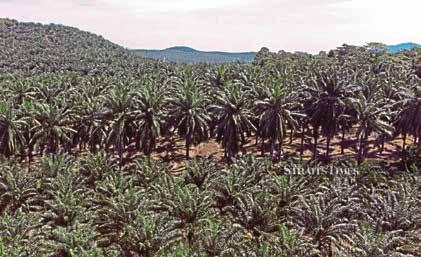
Criticism has since sprung up around the report, with experts pointing out that the study was overly simplistic and contained errors, even though it was published in a reputable science journal.
Despite its aws, the damage has been done, and the report's conclusions have exerted a negative impact on the palm oil industry without solid evidence to support them.
Still, the number of complexities associated with cancer risks in general remain controversial. Even with explanations about how palmitic acid works in the body, the research is incomplete, unveri ed, and lacks solid support from theory and clinical studies.
Recently, the Malaysian Palm Oil Council (MPOC) hosted the Palm International Nutra- Cosmeceutical Conference 2023 (PINC 2023).
At the conference, a paper titled 'Will palm oil be replaceable by synthetic palmitic acid?' was presented, explaining why certain research on palmitic acid was not supported by theoretical or real-life medical evidence.
In conclusion, no evidence has been found that associates palm oil consumption, per se, with an increased risk of cancer incidence or mortality in humans.
It's important to consider that palmitic acid represents 20-30 per cent of total fatty acids in the human body, equating to approximately 3.5kg for a 70kg person.
Additionally, palmitic acid is the dominant fatty acid in human milk (~20 per cent), and corresponds to nearly 50 per cent of the total body fat in new-born infants, accounting for roughly 11 per cent of total energy.
It is also innate to all vegetable oils, with varying percentages in oils such as canola, sun ower, palm kernel, peanut, coconut, soybean, corn, olive, and particularly high in palm oil at 44.0 per cent.
Considering that palmitic acid is even found in human breast milk, some studies have pointed out that failing to di erentiate between palmitic acid from our food and the palmitic acid our bodies produce naturally can lead to confusion.
This uncertainty blurs the concerns about palmitic acid, making the assertion that it's entirely harmful seem particularly shaky, if not incorrect.
Instead, beyond the boundaries of our biology, palm oil's unique characteristics, including its speci c fatty acid pro le and combination of saturated fats, carotenoids, tocotrienols, and squalene, make it technically challenging and costly to replace.
There is neither an economic nor an environmental case for large- scale substitution with vegetable oils or synthetic products. This debate, however, only adds another layer to this discussion, and the shift towards these substitutes could lead to environmentally unfriendly outcomes.
Therefore, recognising the complexity of palm oil's composition emphasizes its unique role in today's consumer products.
If we want to truly understand the relationships between edible substances and cancer, we need a more expansive framework. If we can capture the probabilities of cancer causes in statistics, a more objective approach becomes possible. Part of the insidious misinformation about palm oil however, stems from the fact that it is often subjective, unlike evidence-based case studies.
Sentiments about palm oil, or how people feel, rarely align rationally with the actual statistics. The widespread misinformation, represented by these statistics, is deeply concerning, and unfortunately, it has become an accepted part of the narrative.
The World Health Organization (WHO), along with several independent studies, aligns with the view that palm oil, when consumed in moderation and within a balanced diet, does not pose signi cant health risks, including cancer.
Evidently, WHO's decision not to categorise palm oil as a carcinogenic substance underscores this point. This nutritional perspective is not merely an isolated health argument; it resonates with the multifaceted contributions that palm oil makes to the world.
More than just a culinary staple, palm oil is an economic force supporting over 500,000 jobs and contributing 4.5 per cent to Malaysia's gross domestic product (GDP).
Palm oil is more e cient than other edible oils, as it produces more with less land. At the moment, the industry is worth around US$60 billion globally and employs 17 million people.
As the world grapples with health and economic crises, it's time to separate fact from ction and explore the bene ts of palm oil. The conversation around palm oil demands accuracy, clarity, and transparency, not fear. The misconception that palm oil causes cancer must be dispelled through education, understanding, and responsible leadership.
Evidently, the story of palm oil is not merely a matter of right or wrong. It's a complex subject, tied together with considerations of science, ethics, economics, and environmental interests.
Its role as a signi cant economic force, nutritional component, source of innovation, and symbol of sustainable growth that doesn't harm the environment is clear. By embracing this reality, we open the path to a future where palm oil stands as a testament to economic prosperity, social responsibility, and, most importantly, a healthy choice.








Established in 2004, in direct response to the deluge of criticism directed against the sector’s seemingly wilful environmental negligence, RSPO’s voluntary standards are now embraced by 5,595 accredited members, including many of its largest players.
Despite being a membership-led organisation, RSPO has tightened its monitoring and audit processes over the years, and has shown itself willing to eject members for noncompliance or to suspend their membership. The temporary suspension of Brazilian palm oil producer Agropalma earlier this year is a recent example.
Positive moves have also occurred at the legislative level. The most marked took place in 2015, when the Malaysian government introduced mandatory sustainability standards, drawing heavily on RSPO’s model. Thailand is set to follow suit shortly, says D’Cruz. Indonesia, in contrast, has preferred to push forward its own voluntary principles rather than adopt a legislative approach.
August 16 - Few industries have been more vili ed in the last two decades than palm oil. And not without reason. A core ingredient in everything from shampoo to ice cream, the ubiquitous vegetable oil is inseparably linked to the loss of tropical forests around the world.
Spearheading what feels like an unwinnable mission to turn that reputation around is Joseph D’Cruz, a former special advisor for strategic planning and innovation at the United Nations Development Programme who, since 2022, has headed up the business- backed Roundtable on Sustainable Palm Oil (RSPO).
Malaysian- born D’Cruz is adamant that RSPO is turning a corner, pointing to decreasing deforestation rates in Malaysia and Indonesia, which together produce around 85% of palm oil exports. According to new data from the specialist non-pro t Global Forest Watch, forest loss in these two southeast Asian states has reached “near record-low levels”.
In the case of Indonesia, a recent study by palm oil supply chain mapping service Trase showed that deforestation associated with palm oil production decreased by 82% between 2018 and 2020 compared with a decade beforehand.
The same is not true for rest of the world, particularly Africa and Latin America, where palm oil’s presence is growing ever - larger. However, D’Cruz argues that, compared to deforestation drivers such as forestry, livestock farming and soybean production, the oleaginous commodity remains a minnow.
Perhaps unsurprisingly, RSPO’s chief executive credits the sector’s improved record with growing uptake of his organisation’s framework certi cation standard. Roughly, 20% of palm oil production now carries RSPO’s sticker of approval.
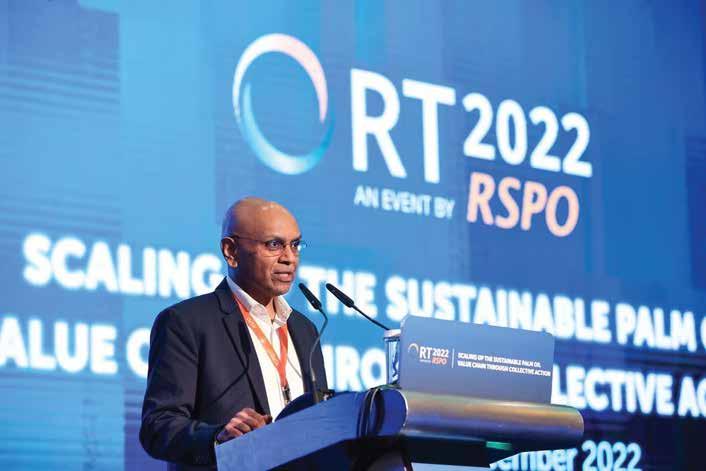
“In a slightly odd way, the focus on deforestation on the one hand plays into the strength of what the palm industry has accomplished over the last decade or so for being able to signi cantly reduce deforestation,” he states.
Law-making is a slow game, however, as the former UNDP policy expert knows only too well: “Indonesia is still in an early stage of development ( of national sustainability standards), and other markets are still very, very early on in terms of just getting o the blocks.”
The scene is di erent in the European Union. In April, the European Parliament approved an anti-deforestation law that will prevent palm producers from selling their products into the 27- member trade bloc unless they can prove they are deforestation-free.
The governments of Indonesia and Malaysia have called the regulation discriminatory since its requirements are too strict for producers, particularly smallholders, to follow.
D'Cruz is more diplomatic, pointing to some issues around “di erences of de nition”, but otherwise broadly welcomes the new ruling. In his view, the chief bone of contention centres on what the EU considers a “forest” – namely, as an area of half a hectare or more with trees measuring over ve metres and with a canopy cover of more than 10%. The RSPO is pushing for a de nition that takes into account a broader set of criteria, such as biodiversity value, carbon sequestration and community land use.
In principle, however, certi ed palm producers should have little di culty proving compliance with the new legislation, D’Cruz maintains. Cannily, he also has an eye on the impact of legislation on non-members. Even if the RSPO doubled its membership, half of the global supply would be left without any meaningful sustainability requirements.
The demand- side push for certi ed palm is also less in uential than it might be. European buyers of palm oil, in particular, have shown themselves willing to pay a premium for the RSPO stamp, with Europe accounting for 45% of global certi ed palm oil consumption. This is not matched in other big markets, such as China, India and Indonesia itself, which together account for only 11% of global certi ed palm oil supply.
Hence, D’Cruz’s conviction that support for e ective regulation, both in respect of sustainable palm production standards and import requirements, is “one of the most impactful spaces that RSPO can occupy”.
The organisation’s chief executive insists that the RSPO is now “much more focused” on a broader set of environmental issues, including building “carbon-positive supply chains” and species conservation.
A 2020 study published in the journal Science of the Total Environment found that certi ed palm plantations in Indonesia and Malaysia had fewer endangered animals than their non- certi ed peers compared with a baseline of 1984. This is largely down to large-scale habitat destruction in the past, the researchers nd.
While D’Cruz does not deny the huge destruction of nature wrought by palm oil production in past decades, his focus is on e orts to conserve what remains and, where possible, restore what was lost.
Here, his preference is to move away from the traditional “dichotomy” between separately designated areas for conservation and for palm production. Instead, he advocates for a more “ mixed approach ” that allows palm producers to “optimise the diversity of species within (their) production lancscape” through measures such as green corridors and improvements to soil health.
Similarly, he concedes that a raft of “sustainability questions in the social dimension” demand greater attention, from worker safety and fair pay to the protection of gender rights and upskilling.
An ongoing challenge for RSPO, as for all certi cation providers, is how to accommodate small-scale producers (in palm oil’s case, those owning less than 50 hectares), many of whom lack the knowhow or nancial resources to jump through the requisite hoops to get certi ed.
Challenging as it is, engaging smallholders is vital if RSPO’s goal of industry-wide sustainability stands any chance.
More than 7 million smallholders around the world make a living from palm oil, and in Malaysia and Indonesia, smallholdings represent 40% of total area for oil palm production.
However, less than 10% (445,510 hectares) of the total area currently certi ed under RSPO rules (4.84 million hectares) is owned and run by smallholders.
To date, the onus has been on large producers and buyers to support the certi cation of smallholders in their wider supply chains, very often through the conduit of cooperatives.
Scale is a problem with such an approach, D’ Cruz states : “The challenge in places like Indonesia is far more about the scale of rolling this out across millions of smallholders, and being able to put the systems in place to audit and verify these.”
His hope is for governments to step into the gap, be it through credit schemes, training programmes, or an expansion to existing extension services.
To this end, RSPO is helping promote landscape-based, cross-sector partnerships – commonly referred to as “ jurisdiction approaches” – that see regional and sub-regional governments coordinate with producers, buyers, non-pro t groups and other local actors to support smallholders in their journey towards certi cation.
For an industry battered by so much negative publicity over so many years, public scepticism runs deep. RSPO has sought to address its past wrongs directly, most notably through a compensation scheme for historic deforestation. As a requirement of membership, companies guilty of deforestation after 2005 must carry out on-site remediation, compensate aected parties and/or pay for conservation projects elsewhere.
Last November, 100 environmental groups put their name to a public statement condemning the certi cation scheme as a smokescreen for ongoing “environmental destruction, labour and human rights abuses and land grabbing”.
It is di cult to argue with the contention that the damage is already done in many cases. As the non-pro t Environmental Investigation Agency points out: “Compensation cannot replace the forests that were lost; the animals and plants that lived in that forest are gone, as are the people who might have depended on that forest for their homes and livelihoods.”
Yet the options for consumers looking for alternatives to palm oil are limited. While oil from other plant stocks can feasibly be used as a substitute, none is as productive per hectare as palm oil. Switching out of palm would therefore require more land being put under the plough, with potentially even worse environmental results.
Short of a technological breakthrough, our reliance on palm oil looks set to stay. That same salient truth has not changed since RSPO’s creation over 20 years ago. D’Cruz’s assertion that the palm-oil ecosystem is now moving in the same direction is certainly welcome. The key question, however, is how fast?
LAGOS – Given the fact that the importance of oil palm to Nigeria’s economy cannot be over emphasised as it ranges from production of food for human consumption and raw materials for industries, Alphonsus Inyang, President, National Palm Produce Association of Nigeria (NPPAN) draws reference from Malaysian Palm Oil Board as he asserted that the sub-sector can be regulated to incentivise the industry and attract investments towards Africa doubling its current output in the next ve years.
Palm Oil, which is also called Red Gold, is cultivated in other African countries, such as Côte d’Ivoire, Cameroun, Ghana, Congo DR, Sierra Leone, Republic of Benin and Angola.
Others are Burundi, Central African Republic, Equatorial Guinea, Ethiopia, Guinea - Bissau, Madagascar, Mozambique, Tanzania, The Gambia, Republic of Congo, Guinea, Liberia, Senegal, South Africa, Kenya, Uganda, Sao Tome and Principe, Gabon and Togo.
Inyang said that in mos t of the aforementioned African countries, the traditional system of harvesting of fruits from wild or semi-wild groves and their conversion into palm oil is still being done manually; a method that is not only time-consuming and energy sapping, but also exposes the workers who are mostly women and youths, to health hazards.
He lamented that in spite of the widely held belief that Oil Palm has its origins in the tropical rain forest region of West Africa, Africans have not been able to fully tap into the potentials of this tree crop which God has immensely blessed them with.

“The wealth in the palm tree has not been tapped up to 50 per cent in Africa. The limited capacity to fully harness the oil palm value chain also contributes to degradation of the environment,” he said.
Inyang stressed further that despite possessing a huge potential to become a global player, Africa’s oil palm industry has remained largely untapped due to the absence of governance structure, inadequate funding, very limited access to hybrid nuts and latest technology among others.
“I would like to say that Africa can no longer a ord to be a spectator in its own story; we have lagged behind for far too long but we are now ready to turn our potential to performance.
He said opportunities exist for investment in palm oil production across the overall value chain, including improving the processing technology, upgrading the varieties of existing palm plantations with newer higher oil content varieties, exportation, and marketing.
He noted that the export demand for palm oil is also very high; that China, India, and the European market- mainly Italy, Spain, Germany, the United Kingdom and the Netherlands, are high importers of palm oil for use in their food, cosmetic, biomass, and confectionery industries.
“Marketing and branding of quality palm oil products, in particular, is very lucrative for investors and has low customer attraction rates because of the proliferation of adulterated palm oil in the markets.
“New market demands by the feed industry for palm kernel cake; a by-product in the processing of palm oil, because of its high protein content (22%) is also an opportunity for investment and market growth.
He, thereby, called on Malaysia, Indonesia, Thailand and other leading countries in oil palm production to join forces with African countries via technology sharing, capacity building, investments and ideas exchange.
“We have only just begun to scratch the surface; the global demand for palm oil will keep increasing and we want a piece of that proverbial pie.
“We also call on development partners and the specialists in oil palm to share their success stories with us that we may learn from their experience,” he noted.
Inyang said that African countries should pay more attention to oil palm and treat it as an important part of the economy as it is being done in Indonesia, Malaysia, Thailand, and Colombia.

He also appealed to the Nigerian government to establish a National Oil Palm Development Council, a National Oil Palm Development Policy to regulate and guide the industry.
However in Nigeria, 27 out of the 36 states and the Federal Capital Territory have comparative advantage in oil palm production.
Some of the states include; Enugu, Imo, Ondo, Edo, Cross River, Delta, Akwa Ibom, Ekiti, Bayelsa, Rivers, Anambra, Oyo, Abia, Ogun, Osun, Kwara, Kaduna, Plateau, Nasarawa, Taraba, Benue, Adamawa, Kogi, Ebonyi states among others.
The palm oil cooperative Hondupalma stands as a beacon of hope against a backdrop of violence in Honduras, according to several people involved with the company. By bringing together over 600 small landowners, all of whom are partners in the company, Hondupalma de es the prevalent model of large family- owned palm oil companies, they explain, adding that it also empowers communities.
However, amid the country’s troubling landscape marked by targeted attacks on farmers, the cooperative faces its own set of trials. It has struggled to devise a comprehensive strategy to tackle pressing climate-related challenges. And it has no real plan for who will take over from its leaders. As they age, the possibility of Hondupalma losing the values that have sustained it becomes ever more real.
The Honduran government started promoting oil palm cultivation during the 1960s, as part of wider agrarian reforms aimed at addressing land inequality and rural poverty. But it was really in the late 1990s that production skyrocketed. Now, more than two decades later, the country has roughly 200,000 hectares of oil palm yielding close to 600,000 metric tonnes of oil a year, making it one of the top producers in Latin America.
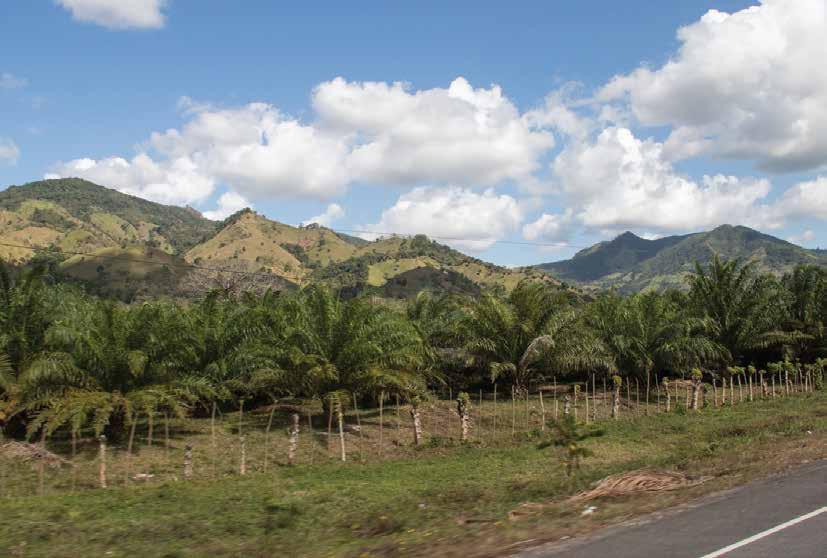
While the commodity has brought economic development and prosperity, it has not been free of environmental and social controversies. In particular, the industry has been plagued by land-ownership disputes. These disputes pit campesinos (peasant farmers) and small cooperatives against powerful landowners, and often lead to violence.
Of the total national production, 61% comes from just three companies – Corporación Dinant, Grupo Jaremar and Aceydesa – and their plantations are located where the highest levels of violence have been recorded. Hondupalma, for comparison, produced about 8% of national production in 2021, according to calculations based on its report to the RSPO (Roundtable on Sustainable Palm Oil).
For Elvin Hernández, sociologist and researcher at ERIC-SJ, a Honduran centre for research and communication, the socio-political crisis being experienced by the palm oil industry repeats the pattern of the banana elites of the last century: “Grab land, exploit it with monoculture and collude with the state.”
In one area of northern Honduras – the Bajo Aguán Valley in the department of Colón – 160 campesinos have been killed in the last decade. Con icts between landowners in the area and campesinos dispossessed of their lands have a long history – and it does not look like they will be resolved any time soon. More than a year ago, a new attempt was made at resolution. Agricultural workers and the administration of President
The palm oil industry repeats the pattern of the banana elites of the last century: ‘Grab land, exploit it with monoculture and collude with the state.’
- Elvin HernándezXiomara Castro signed an agreement to reduce violence in the area. The ambitious document sought to end the crisis in a comprehensive way with a focus on human rights, reparation for victims and access to justice through investigations of the crimes committed against them.
Since that date, however, ve more agricultural workers have been killed. What happened to the initiative of the Castro government? The situation is complex, but Jhony Rivas, spokesman for the Aguán Valley Agrarian Platform, is clear on one thing: “The landowners have a lot of power in the country.”
Hondupalma, one of the most recognised palm oil companies in the country, was founded in 1982 in Guaymas, a small town in the Sula Valley, northern Honduras, known by organisations and communities as the cradle of the campesino movements that fought for the agrarian reforms.
Ramón Cruz, or “Monchito”, one of its founders, tells us that Hondupalma is the fruit of the ideals that have motivated campesino struggles for land and dignity since the 1950s.

Over 75 years old, but with an exceptional memory, Monchito smiles and gives names, years, data and events surrounding the demand for land in the last four decades in Honduras.
Sitting on the bench in his large patio under the shade of a leafy mango tree, he explains that today, “Hondupalma is among the 50 largest companies in Honduras”. It has more than 10,644 hectares of oil palm across 30 plantations certi ed to leading standards set by the RSPO and by ISCC Plus (International Sustainability and Carbon Certi cation).
Annually, these plantations produce around 220,000 metric tonnes of palm fruit bunches, which they process themselves to manufacture edible oil, soap, detergent and other products under their three brands: Clavel, Jansur and El Portal. “We export to El Salvador, Nicaragua and Guatemala, even to Europe; we are in the Netherlands and Germany,” he says.
For Monchito, what sets Hondulpalma apart is the fact it has managed to achieve this commercial success without losing its identity as a socially responsible cooperative founded by campesino groups.
Its organisation is broadly democratic. The 603 partners, who were all granted land by the state as part of the agrarian reforms, are organised into 30 associative companies. They “select three representatives each to form the board of directors, a body that then selects the general manager and the key and trusted positions in the company, all partners or children of partners, ” explains Monchito. Pro ts are distributed among the partners, reinvested into the company or used to support projects that bene t the partners and their communities, such as technical training, a community hospital and a ordable nance: “This is a virtuous circle: if the communities and the land are good, production and bene ts are good too.”
Eduardo Hernández, president of the board of directors, says another element that makes Hondupalma di erent is that it has a su-bsidiary company (Energéticos Renovables Hondupalma) that generates renewable electricity exclusively for the parent company, using biogas produced from the oily wastewater leftover from the palm oil extraction process. The power plant has a production capacity of 2000 kilowatt hours, and supplies 45% of Hondupalma’s total electricity consumption.
Elvin Hernández recognises the importance of the Hondupalma cooperative model, not only as an alternative in regards to land tenure, but also to mitigate the environmental impacts of palm oil production – and the key lies in the company’s vision. “What is happening is not the same as in the Aguán Valley, where three families accumulate pro ts for themselves,” he says. “In contrast, Hondupalma is a company with a sense of community and respect for the land, created in order to improve the quality of life of the communities.”
For meeting demand, oil palm o ers a far greater yield than other vegetable oils. But the challenges that have plagued the industry in Southeast Asia, including deforestation, biodiversity loss and social con ict, are also present in Honduras. For example, in the case of the Punta Izopo and Jeanette Kawas national parks located on the eastern end of the bay of Tela in the north of Honduras, oil palm cultivation has taken over between 20% and 30% of the protected areas respectively. What does Hondupalma propose in the face of this reality? Due to its campesino and cooperative origin, it shows that an oil palm company that overcomes the historical con icts of land tenure is possible in Honduras. But is it possible to mitigate the environmental impact attributed to the palm oil industry?
Eduardo Hernández says that the company constantly re ects on the environmental impact of monoculture and assumes the responsibility of minimising the collateral e ects of oil palm cultivation. However, oil palm is the only crop that can withstand the constant ooding of the Sula Valley, he says.
In recent year, Honduras has increasingly been experiencing periods of drought followed by heavy rain. The drought is a problem for oil palms because they need a lot of water. Honduras lies within the “dry corridor”, a large stretch of land in C-
entral America that also covers Guatemala, El Salvador and Nicaragua. The region and its agriculture are particularly vulnerable to risks associated with climate change, and this in turn has had signi cant economic impact and threatened food security.
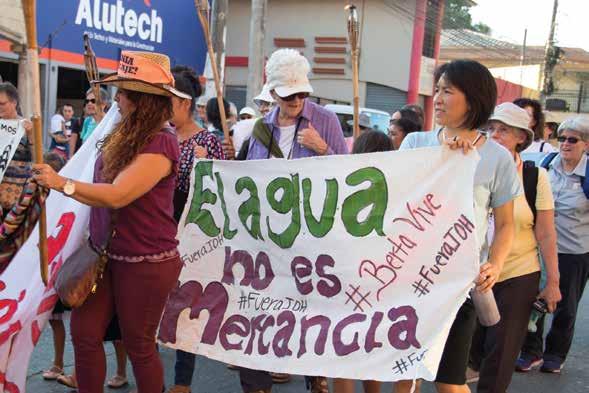
Although Honduras has an abundance of water sources, access to them, especially safe drinking water, is becoming increasingly scarce. The privatisation of wells and drinking water reserves, contamination by sewage or animal waste, plus consumption by extractive industries all serve to deplete, deteriorate and reduce water sources.
Honduran environmentalist Juan Mejía warns of the threat posed by the expansion of oil palm cultivation. “Each African palm, from the age of 12, consumes an average of 40 to 50 litres of water per day. That amount of water that is extracted from the palm cannot be replaced,” he said.
The drought and the lack of supply infrastructure have caused a true water crisis that a ects a large part of the Honduran population.
However, Hondupalma claims to submit to international certi cation standards such as those of the RSPO, which require compliance with social and environmental commitments, including ethical and transparent management, respect for human and labour rights, and ecosystem conservation. And this is the constitutive commitment of the company, says Eduardo Hernández, because “the company’s bet is the community; no one here works to become a millionaire or accumulate pro ts for a small group. The mission is to improve the lives of the partners of the company and this happens through the care of the land.”
When it comes to protected areas, Hondupalma rati es its commitment to respect and preserve them through visits to its plantations and the assignment of codes that guarantee that national reserves are not a ected. “Hondupalma teaches that a harmonious relationship between farmers, companies, palm production and the environment is possible,” Elvin Hernández concludes. “But for this it has to renounce land grabbing, money as an end and violence as a means.”
Environmentalist Juan Mejía is clear about some of the challenges with Hondupalma: “I can talk about the wonders of Hondupalma, and then the debts that it still carries.”
One of those debts – or problems – is the serious lack of turnover in leadership: “The partners who recovered land in the 70s and 80s and created the base of Hondupalma, today are advanced in age, and their children do not necessarily want to take over.” Mejía refers not only to a lack of young people joining as partners, but also a change in the values and principles of those that do. Another issue is environmental: it is true that the cooperative is respectful of international standards related to social and environmental responsibility, but it does not do more than is necessary.
In an enormously challenging political and business landscape, Hondupalma has seen great success in its rst few decades. As it looks forward, these challenges – notably, surviving in a competitive market with small margins, dominated by companies backed by powerful families – are likely to endure. Finding leadership that preserves the company’s collective principles, which have so far o ered a c ompelling alternative model, could be vital to ensuring its success into the future.
Jakarta (ANTARA) - State- owned oil and gas rm PT Pertamina (Persero) continues to explore technological innovations for operational decarbonization in an e ort to help Indonesia's energy transition.
Senior Vice President of Research and Technology Innovation for Pertamina Oki Muraza underscored this commitment at the B20 Sustainability Summit in New Delhi, India, on August 22-27, 2023.

According to Muraza, Pertamina's operational decarbonization e orts are concentrated on the advancement of Carbon Capture Utilization and Storage (CCUS/CCS) technology and biofuel.
"With the help of CO2 injection technology, which was initially used at the Jatibarang Field in West Java, Pertamina has taken the initiative to install CCS or CCUS. Through CO2-EOR, this technique might increase oil and natural gas output while dramatically lowering greenhouse gas emissions, " he elaborated.
"Pertamina is committed to developing biore neries or green re neries to produce more environmentally friendly fuels in addition to carbon capture and utilization technology to support the energy transition," he remarked.
"These green re neries process renewable raw materials, such as palm oil (RBDPO) and used cooking oil (UCO) ," he noted.
Muraza stated that Pertamina currently operates the Cilacap Bio- Re nery, Dumai Bio- Re nery, Plaju Bio- Re nery, and Cilacap Bio- Re nery, all of which produce Hydrotreated Vegetable Oil (HVO), Green Gasoline, Green Diesel, and Green AvturJ2 at the Cilacap Bio-Re nery.
He noted that various raw resources, including waste from the palm oil industry, such as empty palm oil fruit bunches, are utilized.
"We also aim to implement bioethanol," he noted.
Muraza pointed out that the COVID-19 pandemic and geopolitical unrest have substantially impacted the volatility of energy prices worldwide, supply constraints, security concerns, and economic uncertainty, thereby leading to a shift in the short- term priority of energy transition toward energy resilience.
He highlighted that while industrialized nations emphasize sustainability, developing nations prioritize energy security and a ordability since they serve as the engines for economic expansion.
As a pioneer in energy transition, Pertamina is dedicated to advancing initiatives that directly contribute to attaining the Sustainable Development Goals (SDGs) and the Net Zero Emission 2060 target.
All these initiatives are in accordance with Pertamina's implementation of Environmental, Social, and Governance (ESG) throughout all of its business lines and operations.
Media Contact
Fadjar Djoko SantosoVice President Corporate Communication
PT Pertamina (Persero)
M. : +62 813-2063-0765
E. : fadjar.santoso@pertamina.com
Senior Vice President of Research and Technology Innovation for Pertamina, Oki Muraza, at the B20 Sustainability Summit in New Delhi, India, from August 22 to 27, 2023. (Antara / HO-Pertamina)
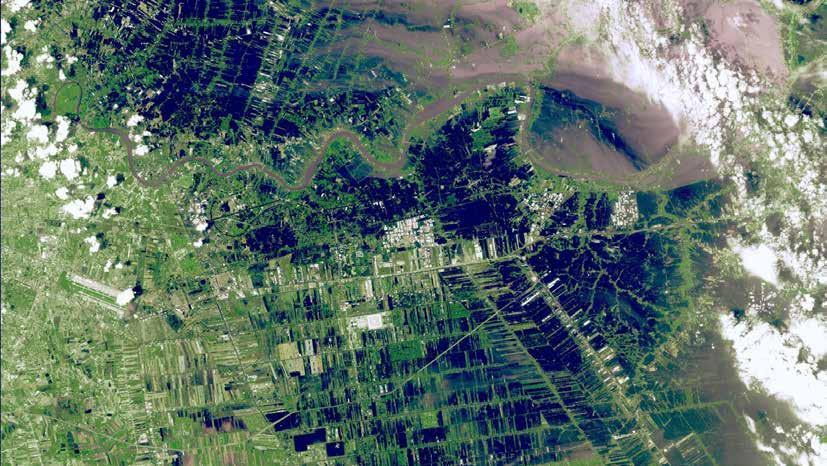
Kasetsart University in Bangkok, Thailand, has partnered with Utah State University in a study recently published in Environmental Research Letters that aims to advance climate prediction capabilities to support Thailand's thriving palm oil industry.
Led by Parichart Promchote from Kasetsart University's Department of Agronomy, the research sheds new light on the crucial role of climatic conditions in oil palm productivity, highlighting the need for reliable prediction methods.
Authors of the study point out that palm oil is an important global commodity and Thailand's palm oil industry is a major economic force in the country. The industry has experienced average annual growth of 5% in recent years, driving economic development, job creation and increased government revenue. However, the industry faces challenges due to the in uence of climatic factors, especially precipitation patterns. The research conducted by Promchote and her team aims to address these challenges and optimize palm oil yield through accurate seasonal predictions.
"Our investigation into the relationship between palm oil yield and climate underscores the potential of seasonal prediction as a valuable tool for securing the future of southern Thailand's palm oil industry,” Promchote said. “By using advanced models that integrate local meteorological factors with large- scale climate drivers, stakeholders can anticipate palm oil production more accurately, re ne management strategies, and contribute to the long-term success and sustainability of the industry."
USU climate scientist Professor Simon Wang co-authored the study and emphasizes the signi cance of the collaborative research.
"Despite progress in El Niño- Southern Oscillation (ENSO) prediction, there is still a persistent gap between our understanding of climatic in uences and reliable prediction methods,” he said. “Our study highlights the importance of bridging this gap and advocates for developing dynamic seasonal prediction models tailored for palm oil production. These models can enhance the industry's resilience and sustainability in the face of climate variability and change."
The study emphasizes the impact of El Niño events on palm oil productivity in Thailand, aligning with research in neighboring Malaysia. Wang added that ENSO events signi cantly in uence palm oil yield, and advancements in ENSO prediction o er opportunities to enhance palm oil production management.
“By developing dynamic models to predict ENSO and Thailand's climate, we can incorporate local and global climate variables to improve yield predictions," Wang said.
The study’s ndings underscore the need for further research and development of advanced models that can integrate comprehensive observational data, enhance the resolution and accuracy of predictions, and capture the complex interactions a ecting palm oil yield.
Thailand's commitment to sustainable palm oil production is also highlighted in the research. The government has set a target of achieving 100% sustainable palm oil production by 2030, aligning with global e orts to promote environmental stewardship. As the palm oil industry continues to grow and evolve, investments in research and the increasing demand for sustainable palm oil provide a positive outlook for the future of Thailand's palm oil sector.
The collaborative research conducted by Kasetsart University and Utah State University paves the way for a more resilient and sustainable palm oil industry in Thailand, Promchote said.
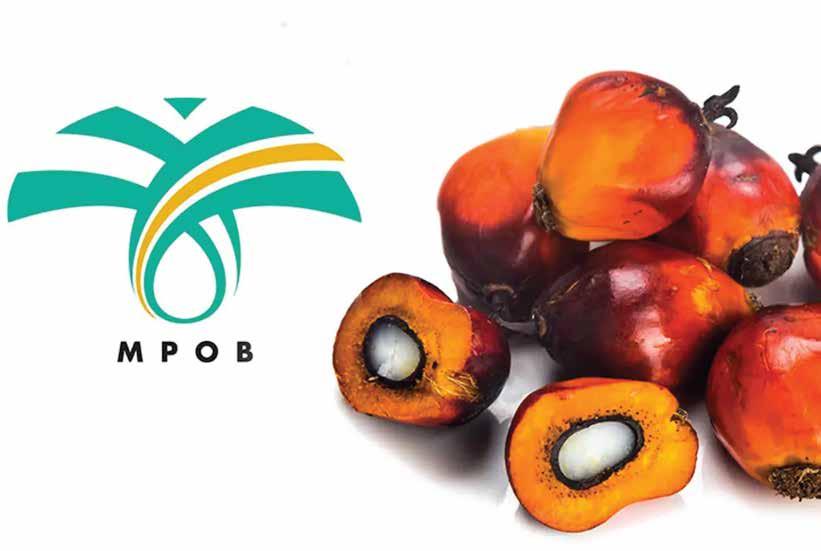
KUALA LUMPUR (May 25): The Malaysian Palm Oil Board (MPOB) is conducting research and development (R&D) to produce a variety of oil palm trees that are tolerant to low rainfall, said its director general Ahmad Parveez Ghulam Kadir.
He said MPOB is currently testing some of these trees in the northern part of Malaysia, in hope that the nation’s palm oil yield will not be a ected by El Nino weather patterns in the future.
However, Ahmad Parveez indicated that it is a longterm R&D with ongoing studies, which might take another 10to 15 years, though the lab has seen some clones of this variety of plants producing good yield with less water.
Ahmad Parveez said this at an MPOB media appreciation event at Pullman Bangsar on Thursday (May 25), after he told reporters that the El Nino will most likely a ect 2% to 3% of Malaysia’s palm oil production next year, speci cally production in Sabah and Sarawak.
He said the hot weather will not immediately a ect palm oil production, as the e ects of the weather will only be seen in about 15- to 18 months.
He also advised all parties involved to prepare for the worst case scenario of the El Nino e ect on palm oil production , which can go up to 20% if referencing what happened in 2016 , translating to about a drop of three million tonnes in production.
Ahmad Parveez has forecasted that Malaysia could produce around 19 million tonnes of palm oil in 2023, compared to 18.45 million tonnes in 2022, after seeing improved labour supply in the country’s oil palm plantations.
He said MPOB expects Malaysia’s benchmark crude palm oil price to rise to RM3,800 to RM4,000 from the El Nino e ect, with price to average at RM4,200 a tonne in 2023.

5500+ 00+
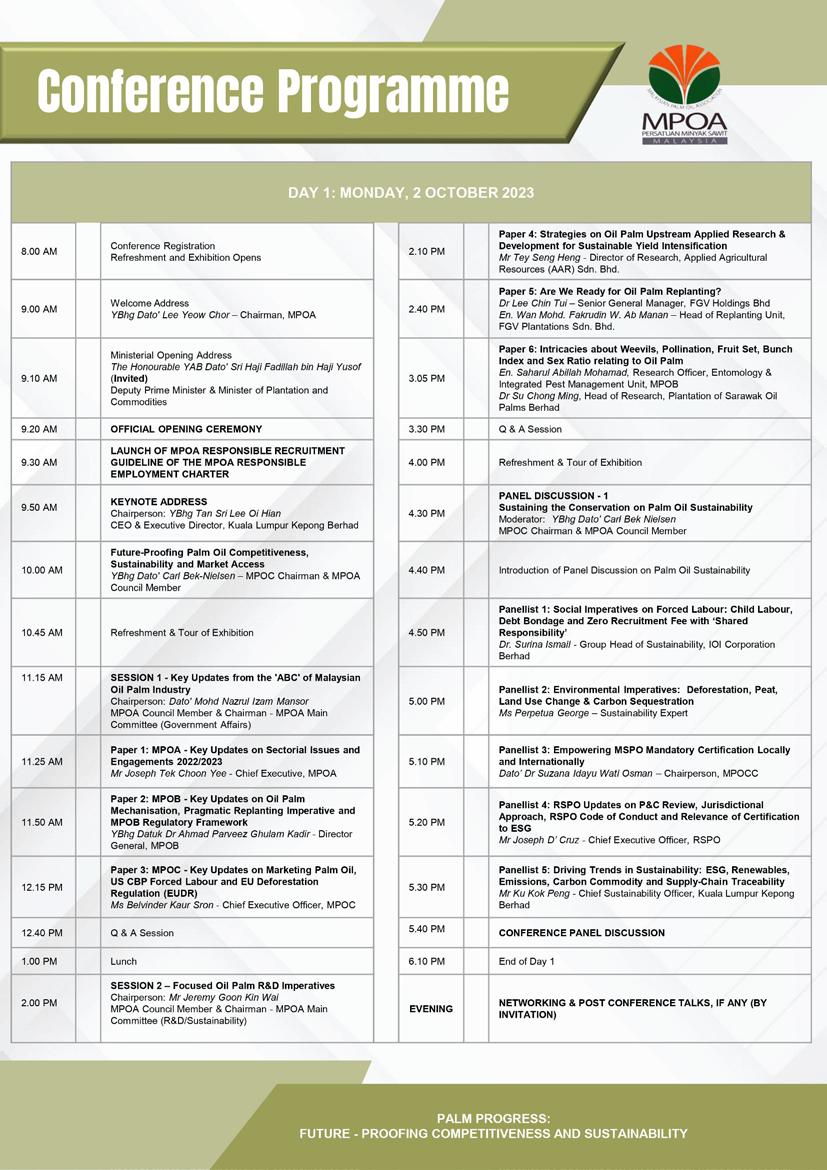
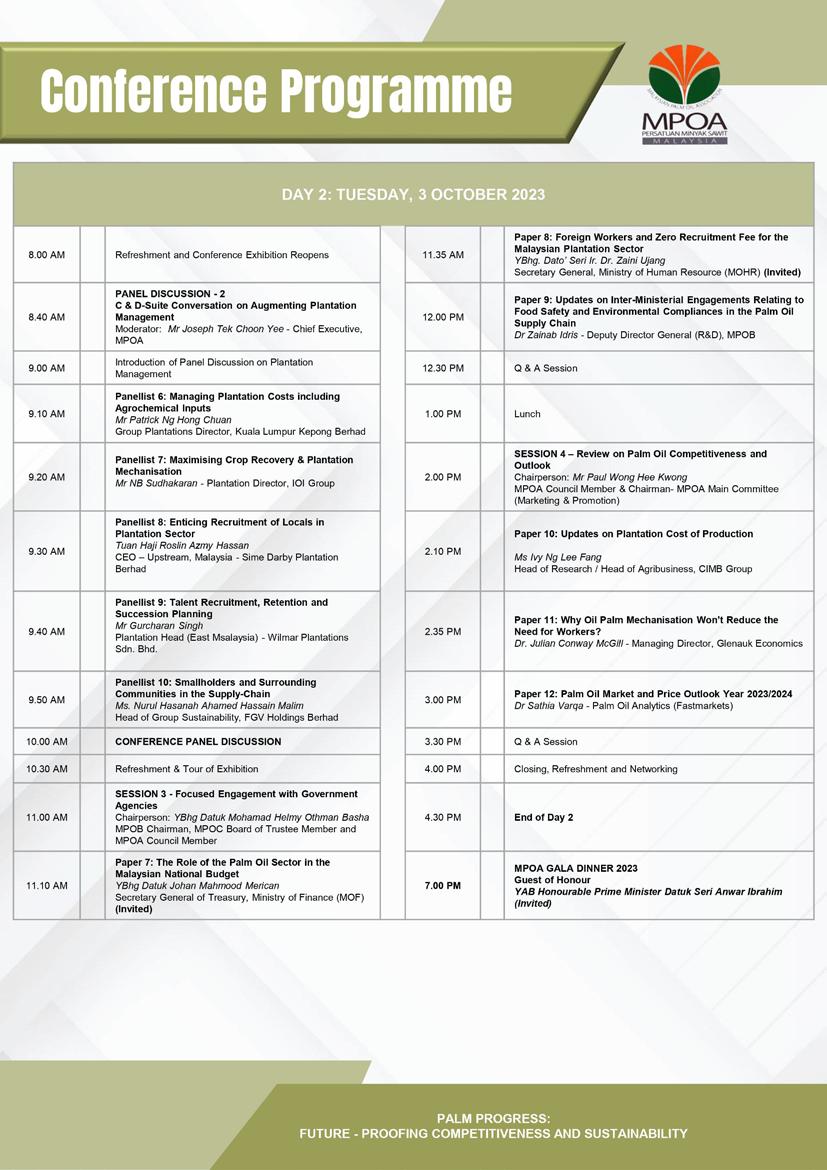
PALM PROGRESS: FUTURE-PROOFING PALM PROGRESS: FUTURE-PROOFING COMPETITIVENESS AND SUSTAINABILITY COMPETITIVENESS AND SUSTAINABILITY
KINDLY SCAN FOR FURTHER INFORMATION

Organised by Malaysian Palm Oil Association Tower 3, Level 8, Unit T3-08-09 & 10, UOA Business Park, No. 1, Jalan Pengaturcara U1/51A Seksyen U1, 40150 Shah Alam, Selangor.



2 0 2 32 0 2 4
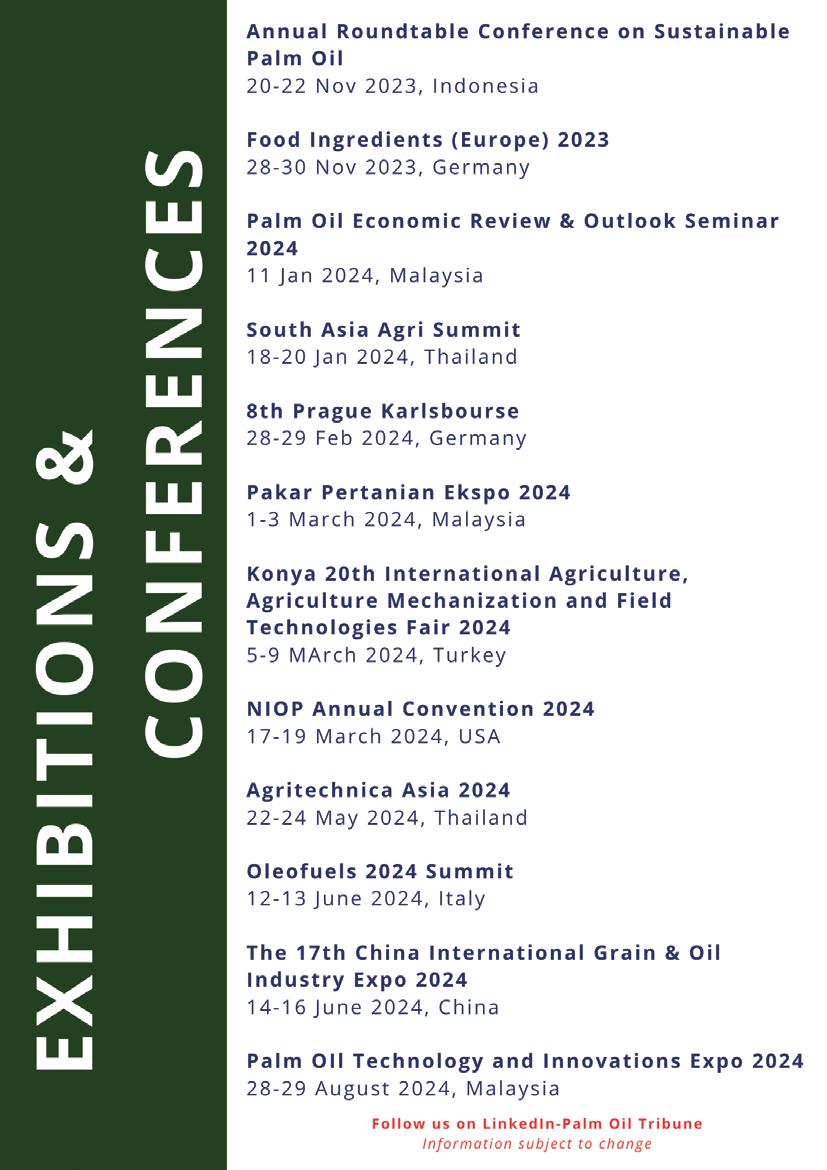
4 - 6 O c t 2 0 2 3 , I n d o n e s i a
N i g e r i a I n t e r n a t i o n a l A g r i c u l t u r e E x p o 2 0 2 3
1 0 - 1 2 O c t 2 0 2 3 , N i g e r i a
I V C P A L 2 0 2 3 P a l m C o n g r e s s
1 1 - 1 3 O c t 2 0 2 3 , G u a t e m a l a
B i o f u e l s C o n f e r e n c e 2 0 2 3
1 2 - 1 3 O c t 2 0 2 3 , U K
4 t h E d i t i o n o f t h e I n t e r n a t i o n a l A g r i c u l t u r e ,
L i v e s t o c k a n d H o r t i c u l t u r e F a i r 2 0 2 3
1 8 - 2 0 O c t 2 0 2 3 , A l b a n i a
S u p p l y S i d e W e s t a n d F o o d I n g r e d i e n t s N o r t h
A m e r i c a 2 0 2 3
2 3 - 2 7 O c t 2 0 2 3 , U S A
5 t h E u r o p e a n C o n f e r e n c e F u t u r e o f B i o f u e l s
2 4 - 2 5 O c t 2 0 2 3 , D e n m a r k
1 3 t h I C I S W o r l d O l e o c h e m i c a l s C o n f e r e n c e
2 4 - 2 5 O c t 2 0 2 3 , C z e c h R e p u b l i c
A g r i - F o o d T e c h E x p o A s i a 2 0 2 3
3 1 O c t - 2 N o v 2 0 2 3 , S i n g a p o r e
1 9 t h I n d o n e s i a n P a l m O i l C o n f e r e n c e a n d 2 0 2 4
P r i c e O u t l o o k
1 - 3 N o v 2 0 2 3 , i n d o n e s i a
M P O B I n t e r n a t i o n a l P a l m O i l C o n g r e s s a n d
E x h i b i t i o n 2 0 2 3
7 - 9 N o v 2 0 2 3 , M a l a y s i a
W o r l d E t h a n o l a n d B i o f u e l s
7 - 9 N o v 2 0 2 3 , B e l g i u m
F o l l o w u s o n L i n k e d I n - P a l m O i l T r i b u n e
I n f o r m a t i o n s u b j e c t t o c h a n g e