WINNERS!
TENNIS



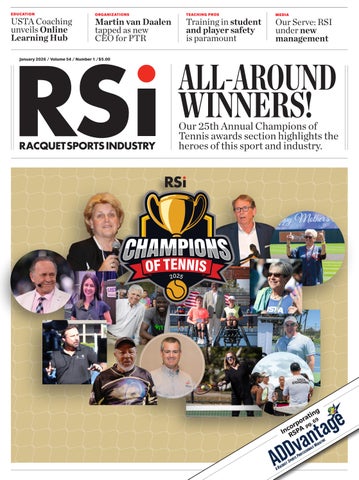
EDITOR'S NOTE
Our biggest annual awards issue ever honors the many heroes of this industry, and celebrates new beginnings.
This issue of Racquet Sports Industry is special in a number of ways.
Not only is it our “Champions of Tennis” awards issue, but it’s also the 25th year we’ve been honoring individuals, organizations and companies with our awards. When we started recognizing our Champions of Tennis back in 2001, the goal was to help shine a light on the unsung and behind-thescenes heroes of this industry. That first year, we named 10 award winners.
(In our July 2025 issue, we ran our Champions of Tennis “Honor Roll” listing our hundreds of winners from the past quarter-century. What’s truly inspiring is how many of our past winners continue to be dedicated to promoting this sport, at every level.)
Since 2001, our awards have grown every year. Now, in this issue, we are honoring 38 individuals and organizations in 33 categories! And the popularity of these awards continues to grow—we received more than twice the number of nominations this year than we did a year ago, so clearly, tennis organizations are looking for ways to honor volunteers, coaches, providers and more.
We also need to thank the nearly two dozen organizations supporting our Champions of Tennis with “congratulations” ads. We started offering this opportunity a few years ago, as a costeffective way for grassroots organizations to show appreciation on a national level for the people and organizations who help grow tennis locally, and this, too, has taken off. Of course, we’re extremely grateful for the support we have from the many longtime and new advertisers for RSI—all of which makes this issue our largest in years.
But there’s another reason why this issue is special. Racquet Sports Industry is now under the umbrella of New
South Publishing of Atlanta, which is co-owned by our longtime ad director, John Hanna. For the last eight years, RSI was owned by Tennis Channel/ Sinclair Broadcasting, and they’ve been terrific working with and supporting us. But as TC focuses more on their core businesses of broadcast and digital (they also own tennischannel.com, tennis.com and pickleballtv.com), they felt a predominantly print publication like RSI might be better served in a company specializing in this area.
Enter New South Publishing, which for over 30 years, under John and now with Managing Director Robyn Sobelson, has published Net News, the bimonthly membership magazine for the nearly 80,000 ALTA league tennis players in the Atlanta market.
Tennis Channel wanted to make sure RSI continued to thrive and to grow, so TC execs transitioned ownership of the publication and its website, tennisindustrymag.com, to John and New South Publishing, ensuring that RSI will now be with a company that will focus on moving the magazine, and importantly, this industry, forward.
For my part, I’ve had the pleasure of working with John for over 20 years, and, honestly, this is exactly where RSI needs to be. Our opportunities to continue to help this industry grow, and to work with all of you to help your businesses grow, are extensive.
RSI is entering a new chapter, but we will always be dedicated to serving, and honoring, the many Champions of this industry.•
Peter Francesconi Editor Peter@AcePublishingGroup.com

PRESIDENT/PUBLISHER
JOHN HANNA
MANAGING DIRECTOR ROBYN SOBELSON
EDITOR PETER FRANCESCONI
MANAGING EDITOR CORY SEKINE-PETTITE
ART DIRECTOR GARON HART
PRODUCTION MANAGER MEGAN WILLIS mwillis@nspmag.com
SPECIAL CONTRIBUTOR BOB PATTERSON
CONTRIBUTING EDITORS KIM BASTABLE, CYNTHIA CANTRELL, PEG CONNOR, JOE DINOFFER, JUDY LEAND, GREG MORAN, KENT OSWALD, CYNTHIA SHERMAN, MARY HELEN SPRECHER, JOE TEDINO
CONTRIBUTING PHOTOGRAPHER DAVID KENAS
CIRCULATION MANAGER AMY FINE afine@nspmag.com
RACQUET SPORTS INDUSTRY 9040 Roswell Rd., Suite 210 Atlanta, GA 30350
ADVERTISING DIRECTOR JOHN HANNA jhanna@nspmag.com/770-650-1102, x125
APPAREL ADVERTISING CYNTHIA SHERMAN cstennisindustry@gmail.com/203-558-5911
ADVERTISING EXECUTIVES SHERRY GASAWAY JENNIFER GONZALEZ
Racquet Sports Industry is published 10 times per year: monthly, January through August, with combined issues in September/October and November/December, by New South Publishing, Inc., 9040 Roswell Road, Suite 210, Atlanta, GA 30350. Periodicals postage paid in Atlanta, GA and additional mailing offices (USPS# 004-354). January 2026, Volume 54, Number 1, (C) copyright 2026 by New South Publishing, Inc.
All rights reserved. Racquet Sports Industry, RSI and the logo are trademarks of New South Publishing, Inc. Printed in the U.S.A. Yearly subscriptions $25 in the US, $50+ elsewhere. Postmaster: Send address changes to Racquet Sports Industry, 9040 Roswell Road, Suite 210, Atlanta, GA 30350. Racquet Sports Industry is the official magazine of the USRSA, RIRG and ASBA. Looking for back issues of Racquet Sports Industry? Visit the archives at our website at TennisIndustryMag. com for free digital versions.


frasurereps.com
frasurereps.com
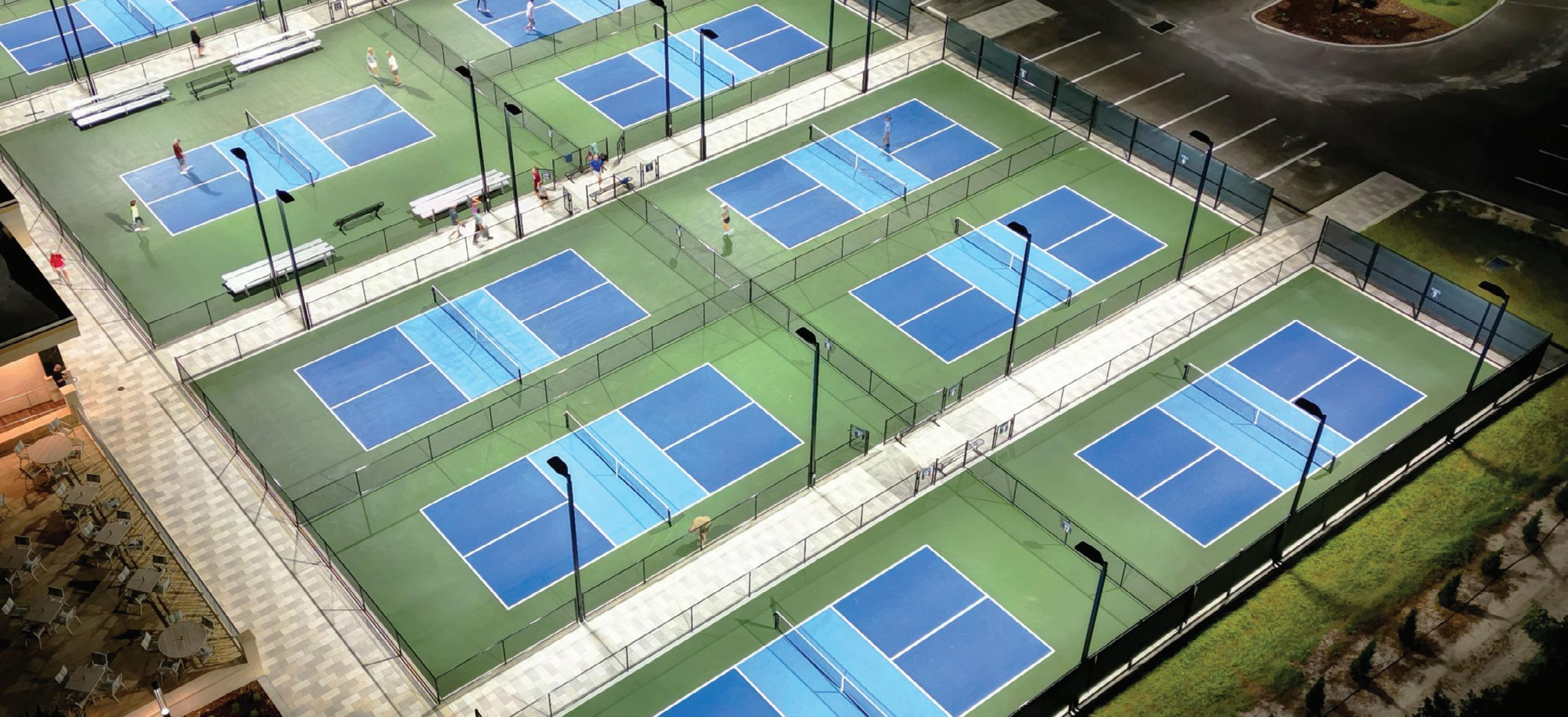
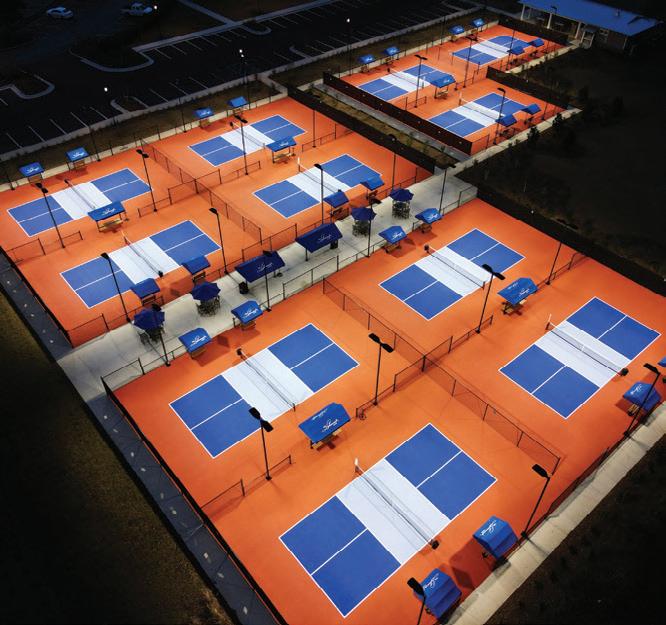
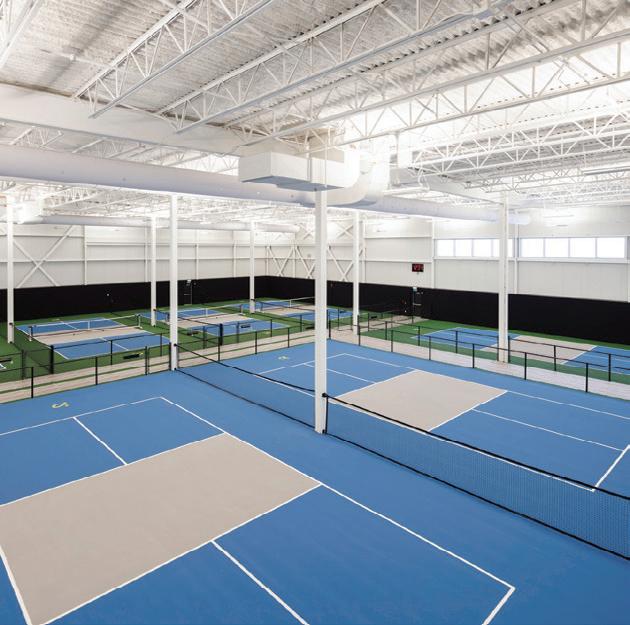
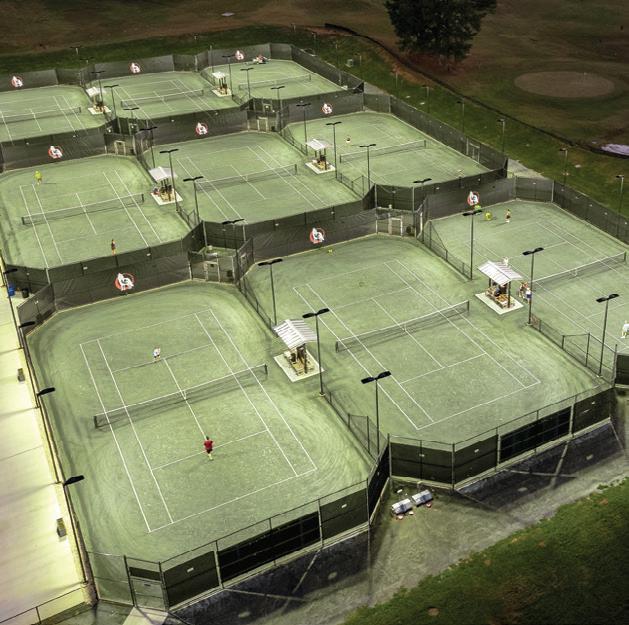
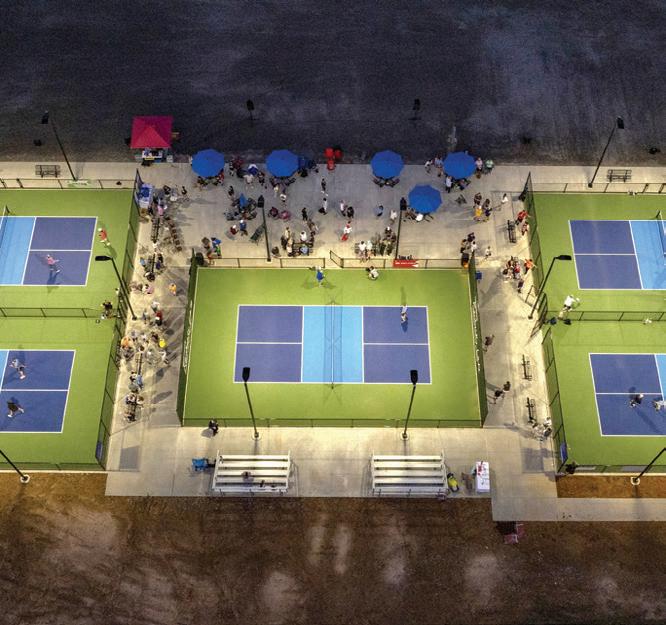
Designing, building, or upgrading your court facility? Frasure Reps delivers more than best-in-class LED solutions – we provide decades of know-how and a trusted partnership. Our team works alongside builders, engineers and owners to create custom lighting strategies
Designing, building, or upgrading your court facility? Frasure Reps delivers more than best-in-class LED solutions – we provide


In mid-November, USTA Coaching launched its Online Learning Hub, designed to “expand, professionalize and democratize the coaching pipeline nationwide.”
The new Online Learning Hub (at USTACoaching.com) makes coaching education accessible to all, whether experienced professionals or those new to the sport, including those who
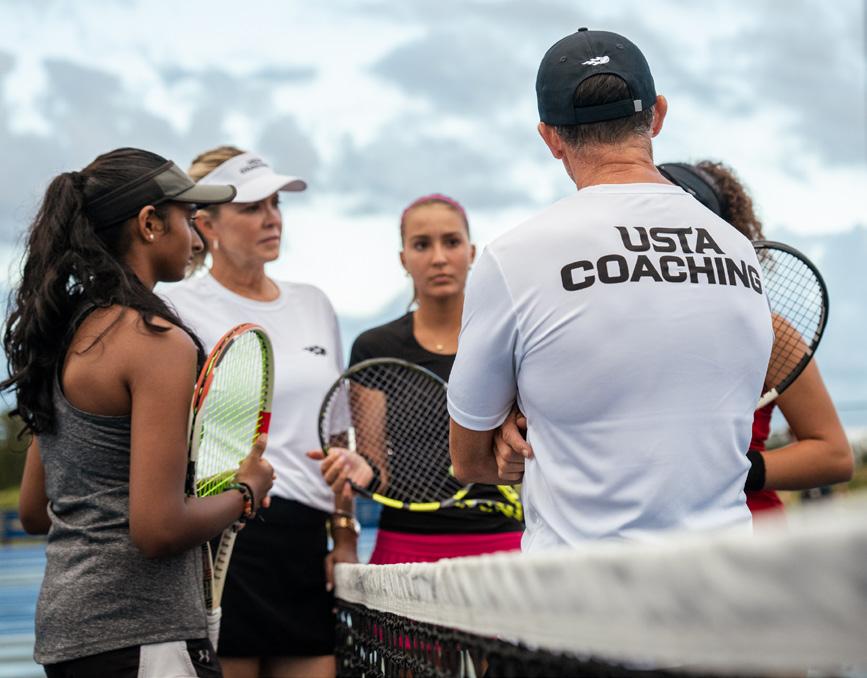
coach informally at home or in their local communities.
With more than 83 modules, 1,500plus hours of instructional content, AI role play scenarios, 15 badges, various USTA Coaching certifications, and recognition of multiple equivalency levels associated with PTR and RSPA certifications, the Online Learning Hub provides a scalable pathway for coaches at every level to grow their skills and credentials, says USTA Coaching.
Since USTA Coaching launched in mid-August, over 5,500 coaches have joined the platform. Current badges include intro to coaching, empowering girls, wheelchair, high school and
more, with more badges to be added.
“Education is at the heart of great coaching,” says Craig Morris, CEO of USTA Coaching. “This Online Learning Hub empowers every coach— whether they’re helping a child pick up a racquet for the first time or training elite athletes—to access the tools and training they need to make a real impact on and off the court.”
The Online Learning Hub, part of phase two of USTA Coaching’s national development initiative, represents a cornerstone in USTA Coaching’s multi-year strategy to elevate the tennis coaching profession. Future phases will introduce in-person educational workshops, mentorship opportunities, and a job board in 2026.
Developed around the principles established in the USTA American Development Model (ADM), the USTA Coaching platform offers flexible, real-time learning tailored to specific coaching audiences.
Membership levels are:
» Baseline (Free): Introductory education for parents, PE teachers and new coaches, featuring foundational modules and youth resources.
» Rally ($49/year): Full access to the learning hub, webinars and rolespecific education tracks for emerging coaches.
» Pro ($149/year): Advanced content, business tools and invitations to exclusive events for part- or fulltime coaches.
» Pro Plus ($249/year): Comprehensive access to the above tools and resources, together with insurance and premium experiences for full-time professionals.
Iconic tennis resort Saddlebrook, in Wesley Chapel, Fla., which is home base for the Professional Tennis Registry/Professional Pickleball Registry, unveiled a highly anticipated $92 million renovation in November.
The renovation includes new guest rooms, new dining venues and meeting spaces, new poolside experience and redesigned golf courses. The resort also includes 41 tennis courts with all four Grand Slam surfaces, eight pickleball courts, and a fitness center. Saddlebrook officials say a multi-court padel complex is also planned.
Originally opened in 1981, the resort is also home to the Hopman Tennis Program, Saddlebrook Golf Academy, and Saddlebrook Prep. In 2024, PTR/ PPR established global headquarters at the resort. The organization’s International Racquets Conference will take place there Feb. 13-16.
Twenty-time major champion Roger Federer has been elected to be inducted into the International Tennis Hall of Fame in the Player Category. Sportscaster and journalist Mary Carillo has also been elected in the Contributor Category, which recognizes individuals who have made a transcendent impact on the sport of tennis. Federer and Carillo will join an elite group of 270 inductees representing 28 countries.
The Class of 2026 will be officially inducted during a celebration in Newport, R.I., Aug. 27-29. Tickets for the Induction Ceremony and full ITHF Induction Celebration experiences will be available starting in February.
Eric Butorac, USTA Senior Director of Player Relations and Business Development, and a former Top-20 doubles pro and ATP Player Council President, has been named the next tournament director of the US Open, beginning in 2026. He succeeds
Stacey Allaster, who will continue serving as USTA Chief Executive, Professional Tennis, before transitioning to a strategic advisor role in May.
Butorac joined the USTA in 2016 after a 14-year career on tour and since then has led a comprehensive enhancement of player and tour relations with the USTA and US Open. Known for his strong relationships throughout tennis, Butorac has helped lead the improvement of the player experience at the US Open and has been instrumental in the growth of US Open Fan Week and its signature events.
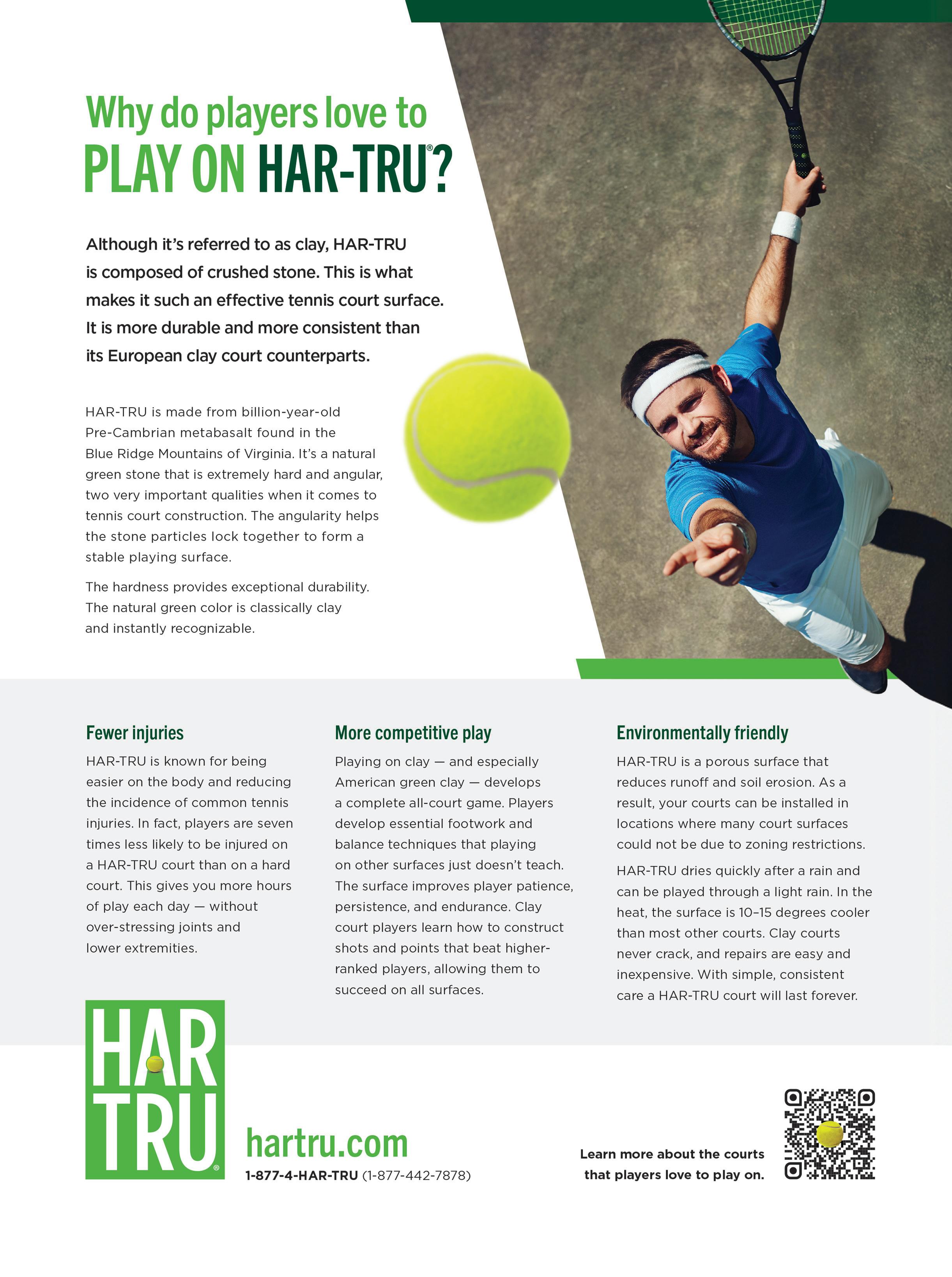
In 2026, Har-Tru will begin transitioning exclusively to Surftech Surface’s Proflex line of acrylic coatings, cushion systems and polyurethane solutions in the U.S. and Canada. Surftech, led by Duncan Wilson and his sons Craig and Liam, is a leading manufacturer in
the U.K. of premium sports coatings.
Surftech has expanded its own offerings in the UK and Europe, now distributing Har-Tru clay and court accessories to serve a new set of customers. This expanded collaboration has allowed both companies to add value in new markets and provide a more complete range of solutions to the industry, says Har-Tru.
Executive education and search firm McMahon Careers has recognized graduates of its sixth Certified Racquet Sports Executive (CRSE) program, bringing the total number of graduates nationwide to more than 200. The 10-month, multi-module program for off-court professional education is geared to equipping racquet sports leaders with advanced business, management and strategic development skills.
The CRSE program expanded for the first time to include a second in-person day on Wednesdays in addition to the original Tuesday session. The result, says the company, is the largest and most diverse graduating cohort to date.
This year’s class of 60 professionals represents a cross-section of racquet sports operations—from private country clubs and resorts to community centers and multisport facilities. Graduates are now serving in leadership roles across tennis, pickleball, and platform tennis, says the company. Visit mcmahoncareers.com/crse.
California Sports Surfaces has announced a new partnership with former Association of Tennis Professionals (ATP) player and current elite coach Michael Russell to help bring a strong, experienced professional perspective to CSS’s technological development of world-class sports surfaces.
Russell is currently the private coach of World No. 4 professional Taylor Fritz and was voted the 2024 ATP Coach of the Year. During his own playing career, Russell reached a career-high singles ranking of World No. 60. The company says he brings credibility and insight from the professional tennis circuit, enhancing CSS’s player-first approach to delivering high-performance tennis surfaces for professionals worldwide.
“For me, court surface quality is paramount—it’s the foundation for both player safety and peak performance,” says Russell. “I look forward to working closely with the CSS team as a brand ambassador to help drive their next generation of innovations.” For more information, visit www.CaliforniaSportsSurfaces.com.
Pat Van der Meer, who alongside her late husband Dennis Van der Meer, was a driving force for the Professional Tennis Registry and Van Der Meer Tennis, passed away in October.
Cape and Island Tennis & Track and Northeast Padel have named Brent Keyser as director of tennis operations and partner. With more than 25 years of experience managing large-scale construction projects across the U.S., Keyser brings a blend of technical expertise, leadership and passion for racquet sports.
The International Tennis Hall of Fame will welcome new members to its Board of Governors in 2026: Michael Barnellom, Marty Deitchman, Madeleine Durkin, Curtis Glovier, Tony Godsick, Anne Hamilton, Martin “Marty” Mann, Joseph Matarese, Rob Pohly, Pat Shields and Sandra Simpson.
Australian tennis player Max Purcell accepted an 18-month suspension under the Tennis Anti-Doping Program (TADP). The 27-year-old Purcell, who reached a career-high world doubles ranking of No. 8 in September 2024, admitted to a breach of TADP regulations by receiving intravenous infusions of more than 500ml in December 2023.
Elizabeth Mandlik and Patrick Kypson clinched main draw wild cards into the 2026 Australian Open by finishing first in the women’s and men’s Australian Open Wild Card Challenge in November.
The Italian Davis Cup team, without its top player, Jannik Sinner, swept the team from Spain, without its top player, Carlos Alcaraz, to win its third Davis Cup title in a row.

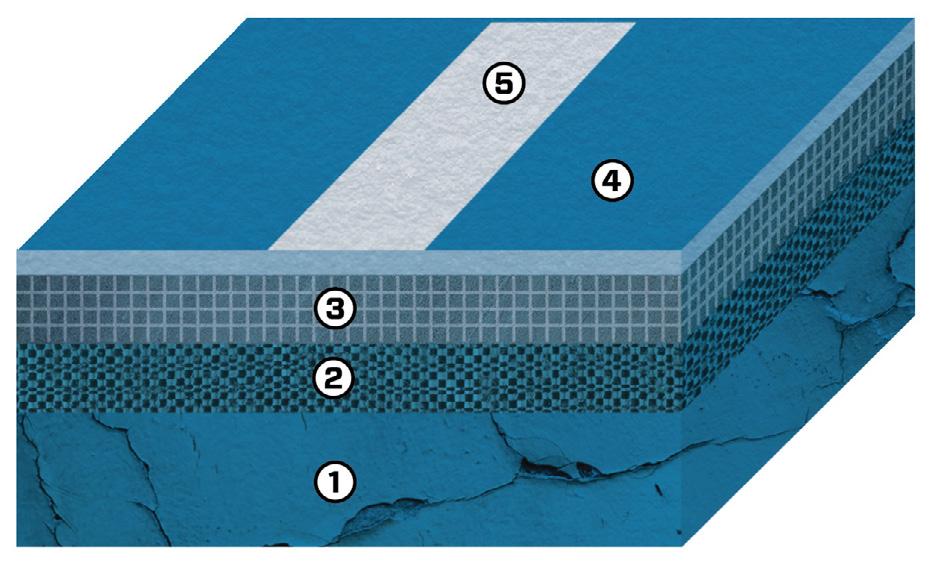
- Crushed basalt.
14-15 tons Together with the turf base is about 1 inch
- Caliclay Synthethic Turf O .4 inches The turf is for stability and moisture retention
-Asphalt, concrete or 95% compacted soil withseal

The Professional Tennis Registry Board of Directors has named Martin van Daalen as the organization’s new chief executive officer. He brings more than 35 years of experience developing players and guiding coaches at every level of the game.
Recently serving as the director of programming at the Miami Beach Tennis Academy, van Daalen’s career spans decades of high-performance coaching and leadership. He began as a national coach and director of women’s tennis in Holland before moving to the U.S., where he spent many years coaching elite juniors and professionals at Saddlebrook Resort in Wesley Chapel, Fla. His players have included leg-
Jim Courier, Jennifer Capriati, Mary Pierce and Jared Palmer. Van Daalen also served as a USTA national coach for over 11 years, where he developed numerous juniors who went on to the collegiate and professional levels.
As CEO, Van Daalen will continue

building on PTR’s mission to elevate coach education globally, strengthening programs, expanding international reach, and advancing opportunities for racquet sports coaches everywhere.
“Martin’s appointment marks a new and exciting chapter for PTR,” says Lynne Rolley, PTR board chair.
“He brings tremendous experience, integrity, and vision to this role.
Martin understands the challenges and opportunities facing the racquet sports landscape today, and his lifelong dedication to player and coach development makes him the perfect person to lead our organization forward.”

In related news, Milena Vidos has been promoted to PTR vice president, where she will lead the organization in driving growth, enhancing educational programs, and expanding membership value. In her new role, Milena will oversee key areas including educational program management, membership growth, and strategic partnerships.

USA Pickleball Serves, the charitable arm of USA Pickleball, announced the second round of recipients for its Grow the Game Grant Program, awarding grants to 54 community organizations, schools and recreation programs. Through this round, USA Pickleball will expand access to the sport in 28 states, impacting a projected 300,942 individuals.
The Grow the Game Grant Program provides equipment bundles to community organizations and schools that are beginning or maintaining programs. The first round of awardees impacted an estimated 192,286 individuals.
To learn more about grant programs, visit usapickleball.org/grants.
INTENNSE, which concluded its inaugural season in August by crowning Team Atlanta champions, will host the sport’s first-ever draft as part of its planned expansion from three to 10 teams for the 2026 season. The draft will take place in the spring, ahead of the league’s second season launch.
INTENNSE is a fast-paced, team-based tennis format with simplified scoring and nonstop action. The second season will feature 80 elite players on 10 teams, with hubs in Atlanta and a soon-to-be-announced site in Florida. The draft process is now open, with athlete applications due by Jan. 31. The 2026 campaign will run from June 1 through July 30-Aug. 2 (Championship Weekend). Visit www.intennse.com.
The Association of Pickleball Players (APP), the National Intramural and Recreational Sports Association (NIRSA), Selkirk Sport and USA Pickleball are joining forces to grow college pickleball through a variety of initiatives.
“I am so grateful for the incredible collaboration between the APP, NIRSA, Selkirk and USA Pickleball,” said Shannon Dan, EVP of Strategy and Growth at the APP. “Our collective mission is to grow the game of pickleball on college campuses, and each organization has stepped up to bring meaningful benefits to college programs and players. From funding and education to equipment and a national competition platform, this offering will be transformational for college pickleball.”
Dominic Catalano, a 20-year pickleball veteran, coach and lead broadcaster of the APP Tour, will spearhead APP’s leadership as Director of APP Collegiate Series.

The RacquetX conference will take place March 13-15 at the Broward County Convention Center in Fort Lauderdale, Fla. Organizers say the three-day event is expected to attract 5,000 attendees, 125 companies and hundreds of industry leaders in tennis, pickleball, padel, squash, badminton, table tennis, racquetball and more. Visit theracquetx.com.
The International Tennis Federation will change its name in 2026 to “World Tennis,” following an overwhelming majority vote from its member national tennis associations. Recommended by the ITF Board and Executive, the name change is designed to better reflect the organization’s role as the sport’s global governing body and guardian, as well as the essential role it plays
alongside its member nations to grow and develop tennis worldwide.
The U.S. successfully defended its titles at the Davis Cup Junior Finals and Billie Jean King Cup Junior Finals in Santiago, Chile, in November, becoming the first nation to win back-to-back titles in both events.
Agassi Sports Entertainment has signed a partnership with IBM to collaborate on a multi-faceted digital platform for racquet sports players. The yet-to-be-named platform, which has been in development for the past six months and is targeting a mid-2026 launch, will be both a mobile app and web product.
Kaplan Construction, a WBE (Women Business Enterprise) general contractor and construction management firm in Greater Boston, announced its work on Sportsmen’s Tennis & Enrichment Center in Dorchester, Mass., has
earned an Excellence in Construction honor from the Associated Builders and Contractors of Massachusetts. Kaplan received the Eagle Award, the highest honor, in the commercial category for projects over $5 million.
Pickleballtv (PBTV) is now available on YouTubeTV.
In a three-year deal, safety eyewear firm Kitchen Blockers is the new “Official Lensless Eyewear Partner” of USA Pickleball. As part of the agreement, Kitchen Blockers will serve as Presenting Partner of the Medal Stand at the USA Pickleball National Championships and all USA Pickleball Golden Ticket Tournaments.
Join USTA and tennis volunteers nationwide who are shaping the future of tennis. Share your time, skills and passion to make a difference in local communities. Create a volunteer profile at careers.usta.com/volunteers/.

“The Secret Code of Padel” is a new book by Marcos del Pilar that combines his memoir and personal journey with business and life lessons on growing the sport of padel. It’s available at amazon.com and other retailers.
The International Tennis Federation says Fage has become the official yogurt partner of the Davis Cup. The brand has been the official yogurt partner of the US Open since 2023, of Great Britain’s national tennis association, the LTA, since 2025 and of the ATP Finals since 2025.
USA Pickleball has released the schedule of Golden Ticket tournaments for the 2026 season. These premier events represent a direct pathway for amateur athletes to gain priority registration for the 2026 USA Pickleball National Championships, held annually in November. Visit usapickleball.org/goldentickets.
The Newport (R.I.) Public Education Foundation, an organization dedicated to empowering teachers, administrators and community partners to create enriching educational experiences, recently honored Newport NJTL TeamFAME with the 2025 Partner in Education Award.
The U.S., Turkey, Kenya and Croatia have each won 2025 ITF Advantage All Awards, which celebrate national associations leading the way in driving gender equality across tennis. Turkey won the Gold Award, Kenya the Silver, and both U.S. and Croatia were named Bronze Award winners.
Visits to U.S. commercial fitness facilities continued to climb in Q3 of 2025, with both high-volume low-price and mid-priced gyms reaching record visitation levels, according to the latest Fitness Industry Traffic (FIT) Tracker from the Health & Fitness Association.
A class-action lawsuit was filed in U.S. District Court in Oregon in October alleging that shoes by Swiss-based company On Holdings produce a “noisy and embarrassing squeak” not covered by the company’s warranty.
The lawsuit’s plaintiffs allege the sneakers are so noisy they are unwearable without “significant DIY modifications.”
“No reasonable customer would purchase shoes as highly priced as Defendant’s—or paid as much for them as they did—if they needed to make DIY alterations to make the products wearable,” the lawsuit claims. On says it does not comment on ongoing legal matters.
USRSA
Master Racquet Technician
Jon Crim, Clinton, Conn.
Certified Stringer
Lisa Strang, Chocowinity, N.C.
Professional Racquet Advisor
Tim Jenkins, Arvada, Colo.
Executive Management Education | Experiential & Active Learning For Racquet Sports Professionals




Applications for the SECOND CRSE Class of 2026 are Live!
Challenge Yourself - Inspire Others
Graduates of the CRSE Program do more than take an important step in a career progression—they experience and see what’s possible for themselves, and their racquets program. Make the decision now to invest your time, energy and resources into your career in 2026. Earn the respected CRSE Professional designation—recognized and valued by managers.

CourtReserve, a leading club management software platform used by more than 2,000 racquet clubs and paddle sports facilities and 5 million players, has secured a $54 million strategic growth investment from Mainsail Partners, a growth equity firm. The investment will help fuel accelerated product development, enhance customer service and support, deepen integrations and expand the company’s market reach to sports facilities across North America.
Since its founding in 2016, CourtReserve has powered court booking, membership management, event programming, payments, and mobile experiences for racquet and paddle sports clubs and their players. With support from Mainsail Partners, CourtReserve will invest heavily in scaling its platform architecture, enhancing AI-driven features, and cultivating new partnerships with recreation organizations, universities, and multi-club operators.
“Over the years, we built CourtReserve with a singular focus: Help clubs run better and scale smarter,” say CEO & Co-Founder Tim Owens. “Partnering with Mainsail Partners will help fuel us with the capital and operational resources we need to raise the bar even further, so our clubs can spend less time on admin and more time on growth and community.”
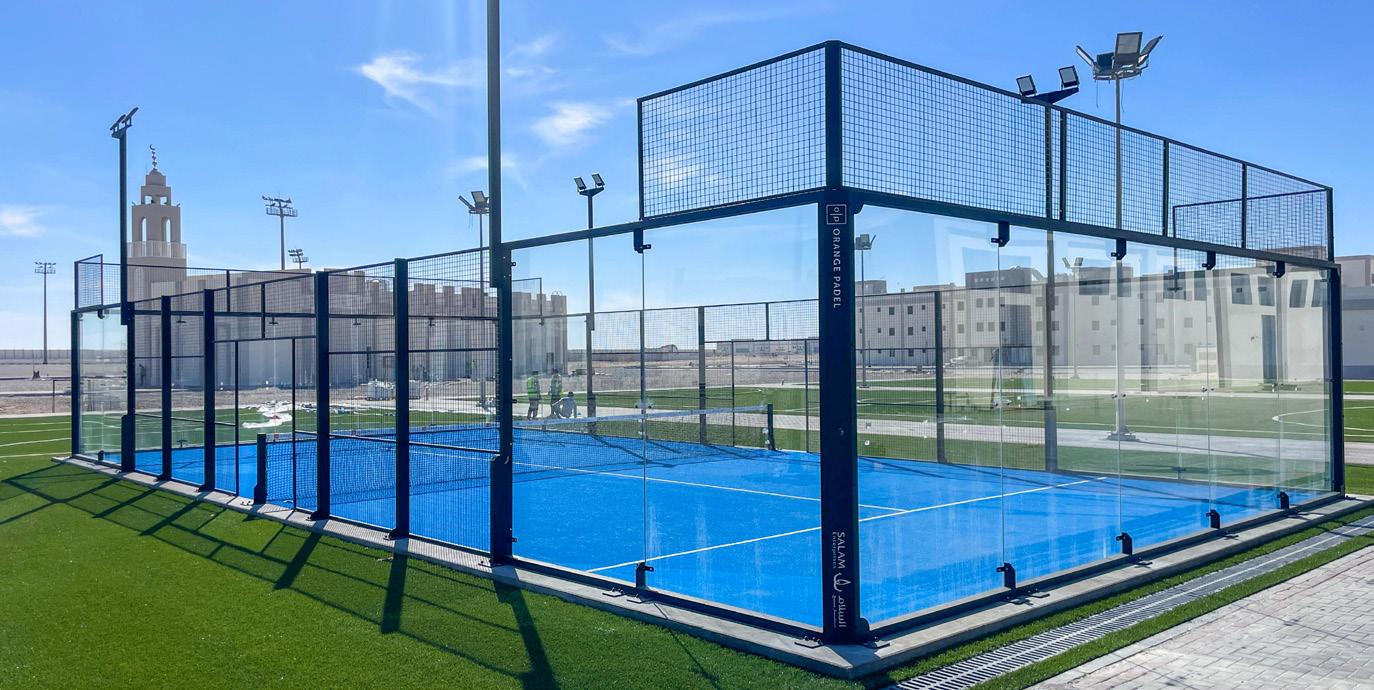
Har-Tru has partnered with Orange Padel International and is now the exclusive U.S. distributor of its premium padel courts. Orange Padel has been in the business for more than 25 years.
Har-Tru’s involvement with padel began in 2023 with its first U.S. installation at Greencroft Club in Charlottesville, Va. The company has since participated in multiple padel court installations. Team members have visited dozens of padel clubs
worldwide to learn what matters most to players and facilities, and company associates have become active in padel.
“Padel is growing rapidly in North America, and we want to ensure contractors and clubs have the same high-quality solutions and support they’ve come to expect from Har-Tru,” says Har-Tru President Pat Hanssen. “We don’t just supply padel courts—we understand them. We’ve played the game, studied the industry, and built the expertise to guide our partners every step of the way.” For more information, visit hartru.com.




The New Balance Foundation announced a $2 million multiyear investment in Sportsmen’s Tennis & Enrichment Center, the nation’s first nonprofit indoor tennis club built by and for the African-American community. The announcement came during the 2025 Sportsmen’s Tennis Ball in November, where over 750 supporters honored the Foundation with the Sportsmen’s Community Builder Award.

than 5,000 young people and adults through competitive and recreational tennis, after-school enrichment, leadership development and community wellness programs. The New Balance Foundation also provides support for The Learning Center at Sportsmen’s, an academic support program for elementary school students.
The Orange Bowl, the City of Fort Lauderdale and the USTA have completed a $9.5 million renovation of the legendary Jimmy Evert Tennis Center (JETC) at Holiday Park. The centerpiece of the project is a $1.5 million Legacy Gift from the Orange Bowl, which complements the city’s commitment of about $8 million.
The primary outcome of the partnership is the relocation of the prestigious Orange Bowl International Tennis Championships (Boys’ & Girls’ 16s and 18s), which began calling the new JETC home in December 2025.
Founded in 1961, Sportsmen’s
“Sportsmen’s is more than just tennis,” says Toni Wiley, CEO of Sportsmen’s Tennis & Enrichment Center. “It’s about opening doors,
The USTA, along with the City of Rock Island, USTA Missouri Valley and Madison Keys’ Kindness Wins Foundation, unveiled refurbished tennis courts in Keys’ hometown of Rock Island, Ill., in November. The effort to refurbish the three tennis courts at Rock Island’s Mel McKay Park was funded by the USTA in honor of Keys’ Grand Slam singles title at the 2025 Australian Open.


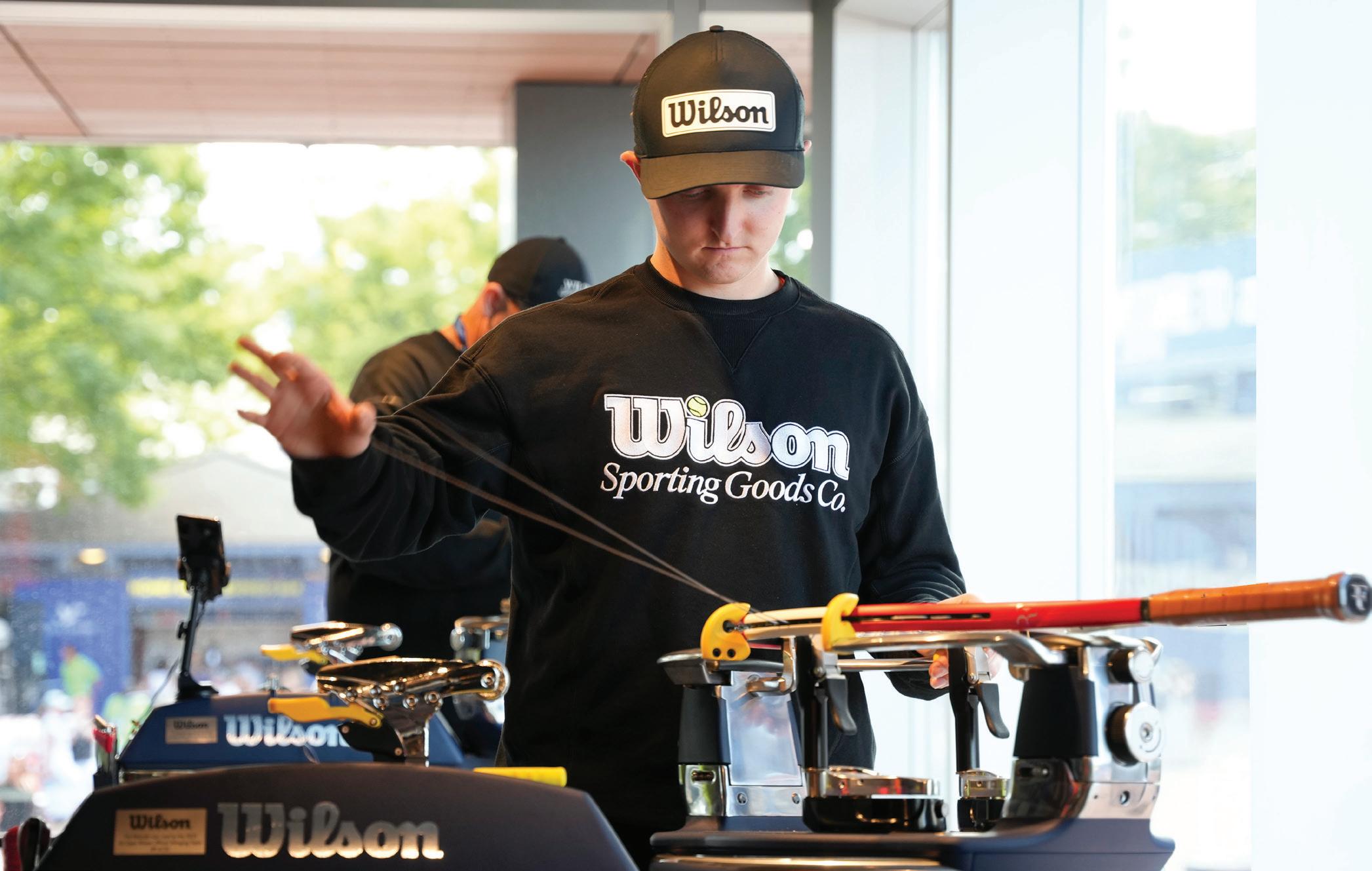
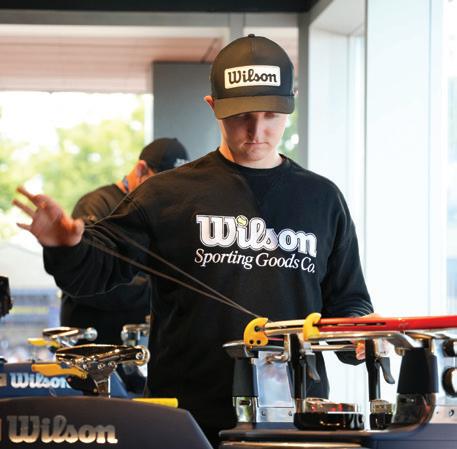
Is it time to consider stringing for tournaments? An expert in this field offers advice for shop stringers.
By Ron Rocchi, Wilson Sports Global Tour Manager
There you are, standing at your machine, like you do every day, stringing away. It is comfortable and familiar. You know the environment, the people and the routine.
Then the thought crosses your mind, “I should string at tournaments!”
Perhaps you are intrigued with the challenge of a new experience, or want the professional recognition, or maybe you just think it would be cool. Whatever your motivation, understand that these are two very different worlds, and the transition is not always easy.
Over the past two decades, I have helped many stringers make this transition successfully. But I’ve also witnessed some major disasters. Stringing at a tournament is more difficult than most people think. And there is no guarantee—most stringers will simply not make the cut, and there are a multitude of reasons.
But if you are interested in tournament stringing, here’s some advice:
Experience Matters, But
So Does Performance In a traditional way, build your
experience with local small events first, move up to some college or larger junior tournaments, and then try to enter ATP/WTA Challengers. The goal would be to reach a 250level tournament. This could take years to accomplish, but this experience matters.
Throughout the journey, the number of things you will see and learn will be impressive. But how you perform in this development stage matters more. Was every racquet strung the best it could be, or did you cut some corners? Did you arrive early each day, or simply on time? Did you meet every pickup time for the entire tournament, or were you late on a few? This performance matters most as it will define your reputation in the small community of tournament stringing.
Ego Spells Death
Some of the very best tournament stringers today find it difficult to get invited to a Grand Slam. Why? Ego is
the death of a tournament stringer. There is no place or time for ego in a professional tournament stringing room, period. Take it from me, those who organize, run and lead these teams truly despise this.
On the Wilson team, our stringers are acutely aware of this. Our team is diverse in background, skill and ability. But in the room, at the tournament, late night and early morning, we are all equally contributing to the goals. Leave your ego at home, please.
When you string in the shop, it’s usually just you or maybe a couple of other stringers. You can be selfgoverning, self-scheduling and self-stringing—pretty much alone on an island. In a tournament stringing room, however, you are part of a team, and that team is affected by every little thing you do.
If you take too long of a lunch break, are on your phone too much, or simply are stringing too slowly, it affects everyone on the team, including the desk workers who will have to explain to players why their racquets are not

ready. Being a good teammate also requires a mentality of doing whatever is necessary to help the team.
At the US Open last year, I witnessed a longtime veteran stringer on the team (15+ years) putting stencils on a group of racquets for a rookie stringer without even being asked. He did it to help a teammate who was struggling to keep pace. Those are the stringers I want.
In your shop, you are in complete control of your time. At a tournament, you are not in control.
Tournament stringing is about ultimate customer-service levels. It’s about what the player wants when they want it. Your needs really don’t matter in that equation. Best made time management plans will change constantly, and you will need to be flexible. It is not uncommon to successfully plan your entire day, string everything perfectly and on time, and start packing up to leave with the team at 11 p.m. Then a coach comes by and drops off four racquets for practice first thing tomorrow morning, which
he forgot to do earlier. Guess what? Unpack your tools, start stringing and don’t complain. This is the job.
Most stringing teams will have some standardizations in place for the tournament, and you will be asked to conform to those standards. Do it, and don’t push back. These are not open for debate.
The main goal of ultimate player service can be achieved many ways, but each stringer must “buy in” to the team process to make it happen. You may not prefer the type of knot that is being mandated, but at the tournament, do it anyway. You may not agree with 20 percent overpull on the last strings before tying off, but do it anyway. You may not like onepiece for all monofilaments, but do it anyway. And do it with a smile and a, “Sure, no problem.”
Bottom line, if you’re considering stringing at a tournament, there are some major differences between your “normal” life as a stringer. Knowing what to expect can help, but ultimately, it’s up to you to make it happen!


USTA Coaching offers a connected, inclusive community with the benefits, services, and education to help you stay at the top of your game, on and off the court. No matter your coachingrole today or in the future, you belong here.


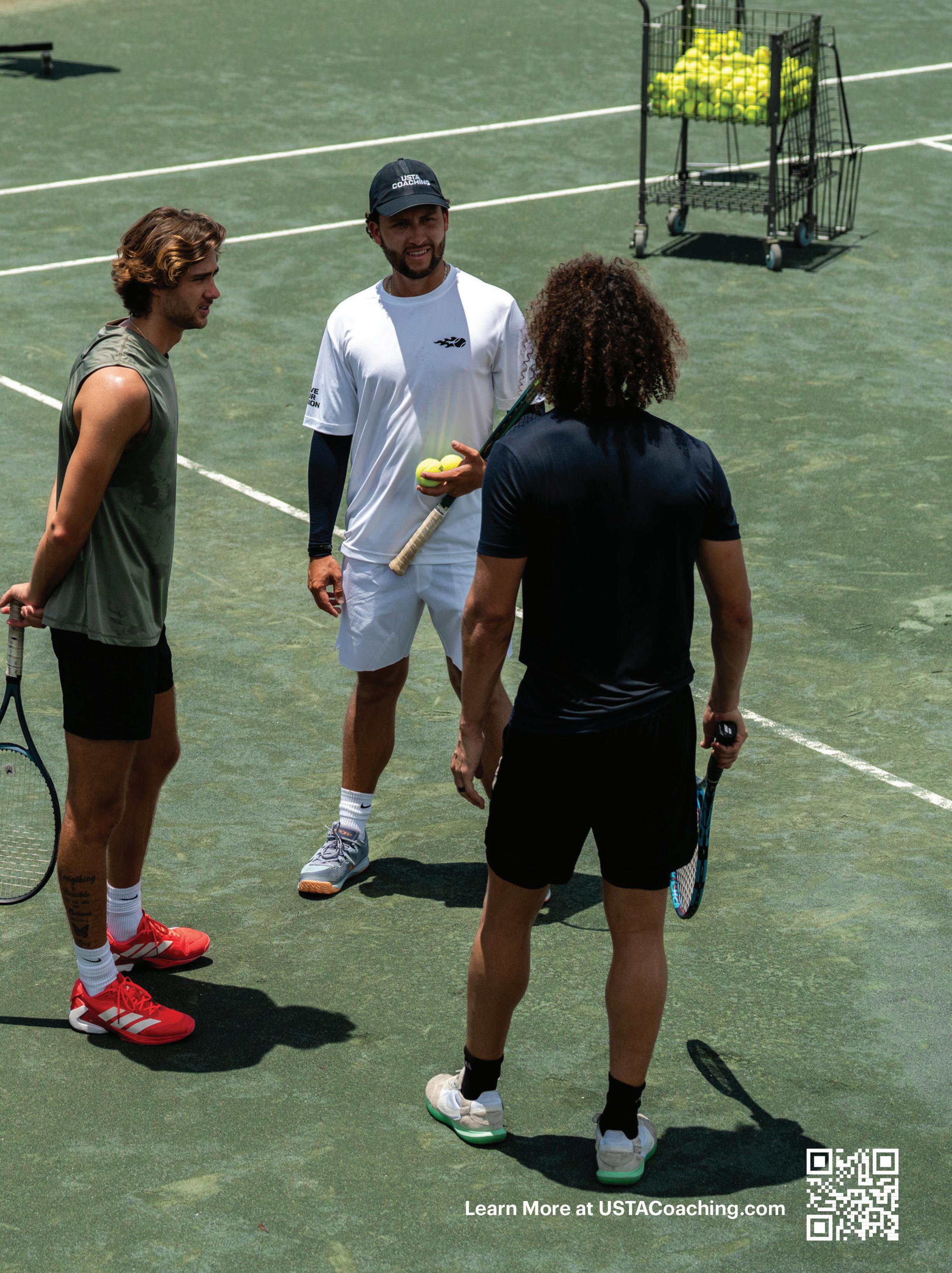
As teaching pros, your training in student and player safety is reassuring to parents and customers.
By Coach Pete Scales, Ph.D., RSPA
Ido not teach in the high school where I’ve been a tennis coach for the last 17 years. But as staff, I do have an ID badge on a lanyard. I don’t wear the badge outside on the tennis courts, but I do every time I enter the building. That badge identifies me as someone who belongs in the building, who has legitimate business being there, someone who is known to the building and District administrators.
It’s reassuring to students, parents, teachers and staff in the building. And it’s reassuring to me as a tennis coach. The other day, I needed to run into the building for something, and
I stopped suddenly when I realized I didn’t have my badge on, turned around and went back to my tennis bag and got it. I felt vulnerable without it and knew that without it, anyone who didn’t already know me might look at me with some suspicion—who is this guy and why is he in our building?
As a long-time USPTA/RSPA professional, I, like all professionals, have had to take numerous training courses in child abuse, sexual abuse prevention and promoting a secure environment for all players, such as the USTA’s Safe Play program. I also have to take those kinds of trainings every year as part of the extensive
education that my school district requires for anyone who works with students. As a regular part of our work as racquet sports professionals, we also undergo periodic criminal background checks.
Sometimes, I admit, it’s a pain. As a psychologist specializing in positive child and youth development for more than 50 years now, I know all the information being presented in these trainings, so it can get somewhat routine.
But as a psychologist, I also know that the most crucial information we want people to learn has to be repeated countless times in different ways to truly sink in, so it becomes a deep influence on our neural pathways in the brain, and consequently, on our behavior. Like getting better at a stroke or match strategy, only countless effective reps help it become automatic. So, even if the repetition is boring, it’s valuable and necessary. As former Alabama football coach Nick Saban said, champions get good at the boring. Learning never ends. So we all need that Safe Play training, even if it may be a repetition for a lot of us.
That leads to another aspect of our Safe Play training that’s crucial, too: Like my high school ID badge, it lets our customers know that we are legitimate, that we are in a system of oversight and accountability when it comes to the safety of our students. It says to them that we have the dedication, transparency and understanding that safety is our first priority. It says we are professionals who can be trusted.
I have to admit I have not made as big a deal of this part of my qualifications as maybe I could have. Yes, I proudly note my certification as a teaching professional by both RSPA and PTR (and now, the new USTA Coaching) when I introduce myself to a new season of students and families, or to a new individual student and their parents, and those certifications are displayed as part


of my email signature. But I have not really noted all the training in child abuse and sexual abuse prevention, and the criminal background checks, that come with regularly being Safe Play certified.
I’m going to start mentioning that more, because that is a huge customer benefit our students and families are getting, that they might not really be aware of.
It’s not just our knowledge of strength and conditioning, racquets and shoes, stroke production, the mental game, strategy and tactics, and all the other technical skills we have as certified professionals. Our certification—with Safe Play training—is an assurance to our students and families that we truly prioritize safety and have put in the time, training and openness to criminal background investigation to prove it.
People who are so-called “teachers” of racquet sports who don’t have
that certification—and there are thousands of them—might actually be pretty decent in their technical knowledge of the game, whether tennis, pickleball or another racquet/ paddle sport. While they may be effective teachers, without training in how to be a teaching pro or coach, odds are better that they’re not great teachers.
But however good they could possibly be, uncertified “teachers” don’t come with nearly the same level of trust that customers can have in certified pros in putting the physical and emotional safety of their students as job No. 1.
So, when your Safe Play renewal comes up, as mine recently did, it’s OK to think it’s boring if you’ve gone through it many, many times. But pay attention, as always, boring or not, because the repetition helps our understanding go deeper and our safety behaviors become more automatic.
And start communicating to your customers and potential customers that when they chose you as their pro or coach, they’re getting not just technical know-how, but a commitment to their child’s safety that is unmatched by uncertified racquet sports “teachers.”
They’re getting a true professional who puts safety first. And that can’t be beat.
Peter C. Scales, Ph.D., RSPA, PTR— “Coach Pete”—is an internationallyknown developmental psychologist specializing in positive youth development; a Senior Fellow at the research nonprofit Search Institute; RSPA and PTR teaching pro; high school tennis coach; and mental strength consultant to college tennis teams. In addition to his mental game columns for RSI and the National Alliance for Youth Sports, he’s the author of two awardwinning books, both available on Amazon.


Proudlyservingcountryclubs, independentretailers, teams, and facilitiesformorethan50years. Offeringthebestselectionof racquetsportsequipment,apparel andfootwearfromleading brands.



Person of the Year
Jodie Adams
USTA Intermountain
Lifetime Achievement Award
Ray Benton
USTA Mid-Atlantic
Lifetime Achievement Award
Marcia Bach
USTA Northern
Lifetime Achievement Award
Cliff Drysdale
USTA Florida
Tennis Industry Service Award
Randy Stephens
USTA Southern
Tennis Industry Service Award
Lisa Minihan
USTA Missouri Valley
Pro/Specialty Retailer of the Year
Ray’s Rackets
USTA Southwest
Private/Commercial Facility of the Year
Overland Park Racquet Club
USTA Missouri Valley
Municipal Facility of the Year
Cary Tennis Park
USTA Southern
Builder/Contractor of the Year
Randy Resley
USTA Intermountain
Sales Rep of the Year
Adrian Bolton
USTA So Cal
Grassroots Champion
Laura Weygandt
USTA Southern
Junior Tennis Champion
Nouri El-Hajjar
USTA Eastern


Wheelchair Tennis Champion
Evan Enquist
USTA Florida
Community Tennis Association
Abilities Tennis NC
USTA Southern
Stringer of the Year
Jay Palmieri
USTA Southern
Public Park of the Year
Truxtun Park
USTA Mid-Atlantic
High School Coach of the Year
William Graham
USTA Middle States
Tennis Advocate of the Year
Paul Pittman
USTA Southern
Park & Rec Agency of the Year
Chicago Park District
USTA Midwest
Adaptive Tennis Champion of the Year
Wendi Eusebio
USTA Texas
NJTL of the Year
Sportsmen’s Tennis & Enrichment Center
USTA New England
Adult Tennis Provider of the Year
PHX Black Tennis Club
USTA Southwest
Innovative Tennis Event/Initiative
INTENNSE
USTA Southern
Innovative Tennis Event/Initiative
US Open Mixed Doubles
USTA Eastern
School Facility of the Year
Ed Yarbrough Tennis Center
USTA Midwest

College Facility of the Year
Hurd Tennis Center at
Baylor University
USTA Texas
Public Tennis Facility of the Year
Vancouver Tennis Center
USTA Pacific Northwest
PTR Member of the Year
Gavin Glider
USTA New England
RSPA Member of the Year
Bunny Bruning
USTA Missouri Valley
USTA Section of the Year
USTA Florida
USTA Coaching Member of the Year
Nancy Abrams
USTA So Cal
Game Changer Award
USTA Coaching
USTA Florida
USTA Service to the Industry Award
Marilyn Sherman
USTA Florida
USTA Service to the Industry Award
Jenny Schnitzer
USTA Eastern
Commercial Executive of the Year
Scott McCulloch
USTA Florida
Youth Tennis Provider of the Year
Don Johnson
USTA Texas
Benefit Event of the Year
Stars Serving Up Love
USTA Southern
Twenty-five years ago, Racquet Sports Industry created our annual awards to honor the heroes of this sport and industry.
RSI first picked individuals and organizations to honor in our inaugural “Champions of Tennis” awards section in 2001. That first year, we named 10 honorees, and now, a quarter-century later, we’ve honored over 550 “Champions” with our annual awards. This year, we continue to break records—recognizing 38 providers and organizations in our largest-ever awards section. The individuals and organizations honored in our pages go above and beyond in helping to make a difference in this industry and in positively impacting the lives of millions throughout the U.S. We hope their stories and their service will serve as inspiration to the countless other dedicated “champions” across the country, who continue to move this sport forward every day.

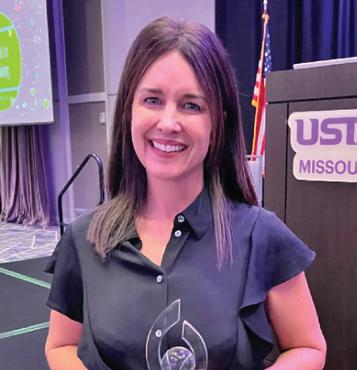
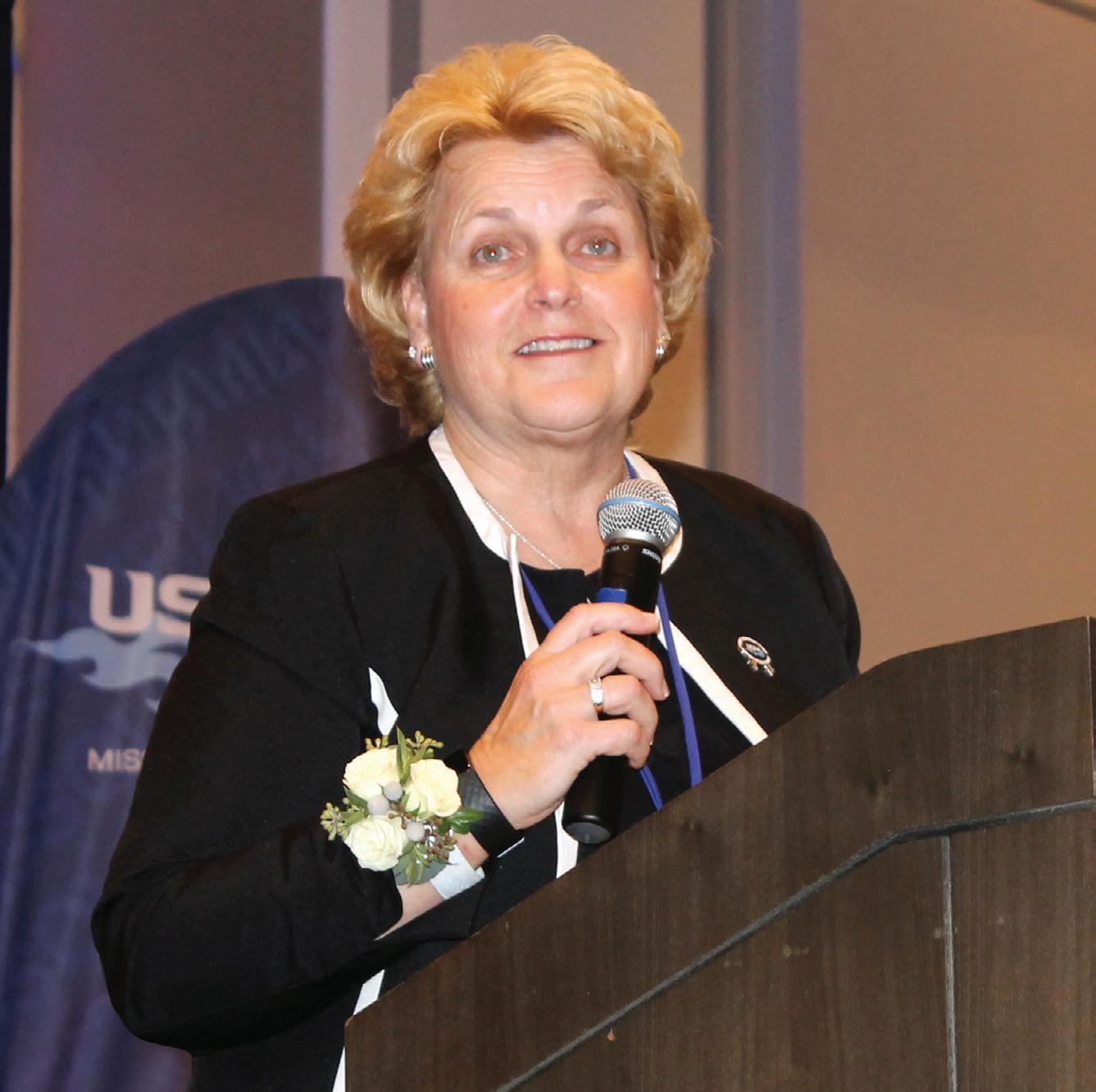
If there is a “walk of fame” for parks & recreation, Jodie Adams’s star would most likely shine the brightest.
She had a storied 37-year career as a parks and recreation director in her home state of Missouri, channeling her endless energy and organizational skills into a contagious passion for creating play opportunities for all of her constituents. In 2011, she shifted gears into running her own consulting firm, Brio2 Solutions, while humbly earning award after award in the tennis industry for her efforts to grow the sport and grow tennis infrastructure throughout the country.
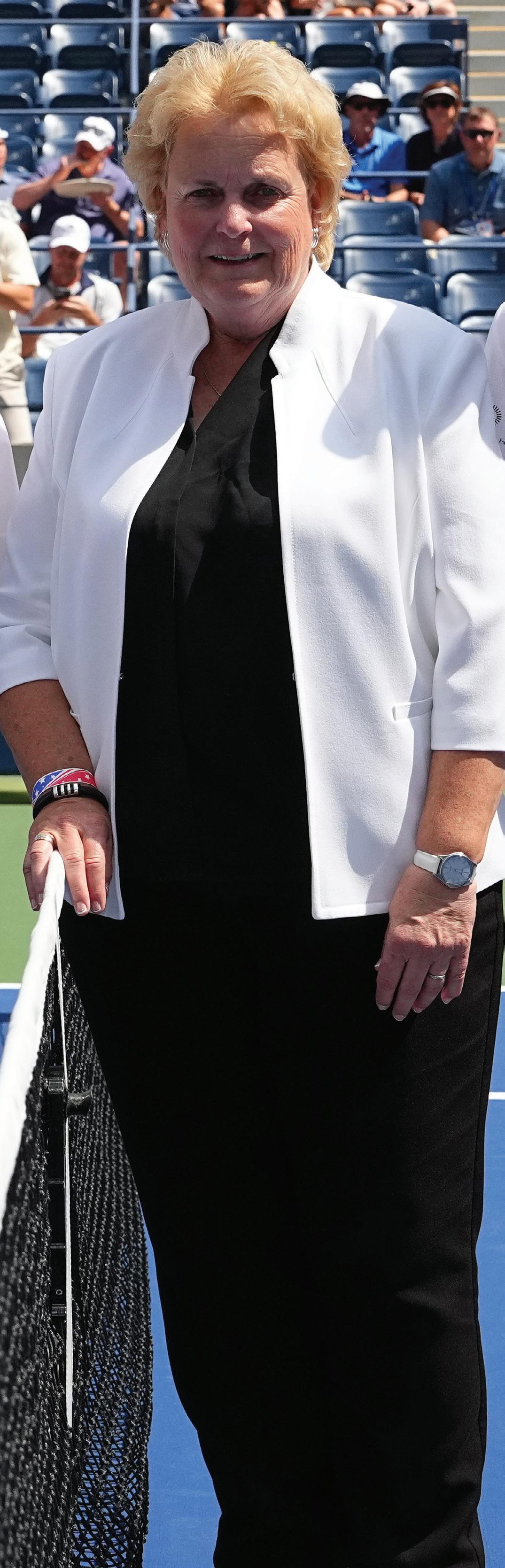
And for all her work in helping to improve this industry for all, Jodie Adams is RSI’s 2025 Person of the Year.
“Without Jodie and her commitment to grassroots tennis, countless girls and boys, men and women across her home state of Missouri and the Midwest would not have had access to world-class facilities and programs,” says tennis legend Billie Jean King, herself a product of public
TIP FOR SUCCESS
Every day is a great day for learning something new! Embrace it by taking the opportunity to help someone in some small way.
park tennis. “In Springfield, Jodie created an award-winning public park system. With 70 percent of tennis in this country played in public parks and facilities, access and opportunities to be part of those programs are the future of our sport.
“Jodie has also been a relentless champion for public parks at the national level and has inspired our nation’s leading sports organizations, like the USOC and the USTA,” King continues. “She has championed high school students and programs to make sure everyone has a chance to compete. Jodie’s life is one of leadership and commitment and that is a wonderful, strong combination to have.”
Currently living in Billings, Mont., Adams now spends much of her time working on projects with the USTA and
its Tennis Venue Services team. “The impact Jodie has made on improving the health and wellness of our communities through tennis in our public parks is generational,” says Todd Carlson, Senior Director of USTA Tennis Venue Services, Parks, & CTAs, who has worked extensively with Adams for years. “Her energy, positive attitude, experience and love for everyone she meets are truly contagious.”
Adds Ted Loehrke, USTA Managing Director of Section Partnerships, “We couldn’t be more appreciative of Jodie’s tireless work as a partner and advocate, helping to lead the way for the growth of tennis in public parks, both locally and nationally.”
Accolades for her work in promoting not just tennis, but all sports, in public spaces are numerous. Among her awards in tennis are the International Tennis Hall of Fame Samuel Hardy Award for outstanding service to tennis, the USTA’s President’s Award, and most recently, the Barbara Williams Service Award. In 2024, she was named the Billie Jean King USTA Public Parks Tennis Person of the Year.
And she was inducted into the Missouri Sports Hall of Fame, the Missouri State University Athletic Hall of Fame, and the USTA Missouri Valley Hall of Fame. Adams also has been a fellow member since 2007 and now president-elect of the American Academy of Parks and Recreation Administration, which includes top parks and recreation administrators and educators throughout the country.
“Jodie is a true force in our community,” says Kristine Stratton, National Recreation and Park Association (NRPA) President and CEO. “Her energy lifts everyone around her, and her leadership stands out because it comes straight from her heart. She leads with purpose, generosity, passion and the deep belief in tennis as a community builder. Her impact is felt nationwide, but especially in our parks, where so many pick up a racquet for the first time.”
For her part, Adams says that while the economic impacts of a tennis center in a community are huge, it’s important to promote sports for the sake of sports. It’s a mantra she learned
growing up competing at a high level and throughout her college tennis career.
“Staying involved in the game and supporting communities is all about ‘giving back’ for me,” Adams explains. “I’ve had so many people help me along the way during my playing days and professional work career that sharing my experience and resource connections with community leaders is the least I can do.”
“Jodie has been and continues to be involved with public parks and tennis at every level and gives unselfishly of her time to anyone or any organization that asks,” says Scott Laakso, USTA National Public Parks Committee member and former chair. “We are fortunate that she is so giving because she is probably the foremost expert on anything related to public parks in the nation. If that weren’t enough, Jodie is just a dynamite person as well.”
“Jodie has been a champion for the joy, accessibility and community spirit that define the game,” adds Stratton, “and truly countless lives are better because of her.” —WendyAnderson
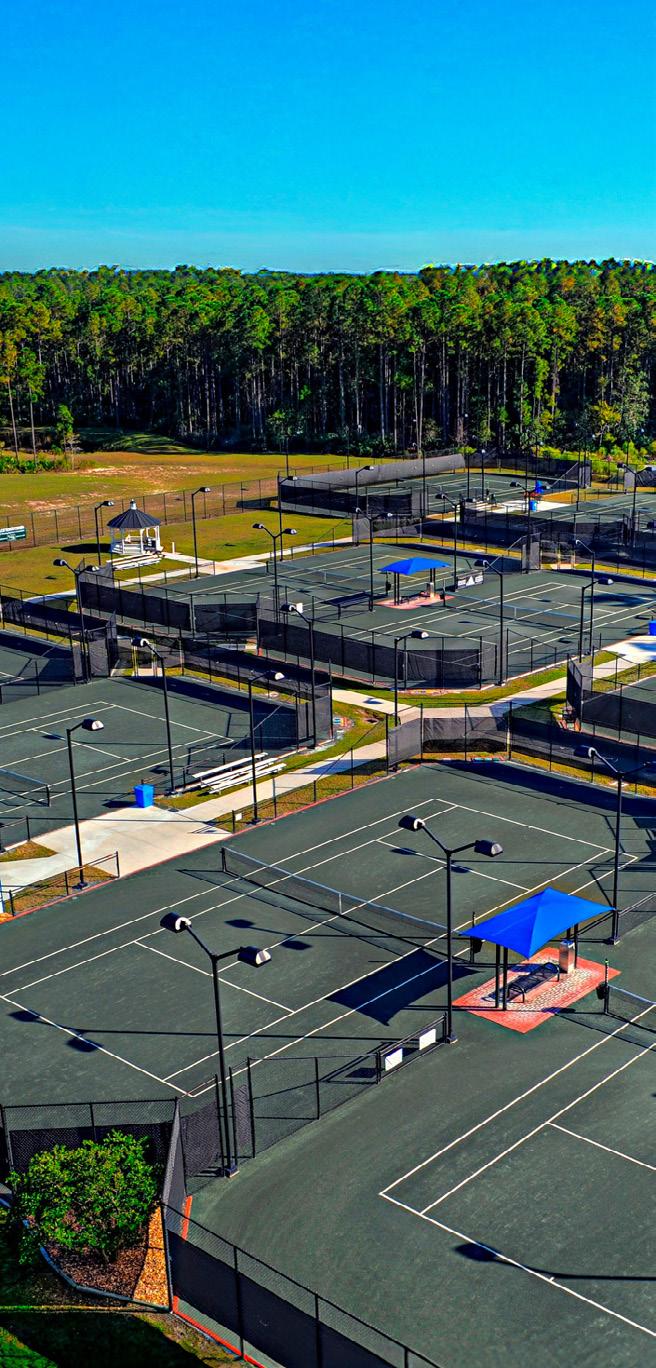
Few individuals have shaped the landscape of tennis as profoundly as Ray Benton. With a career spanning more than five decades, Benton has dedicated his life to expanding access to the sport, developing champions and inspiring the next generation.
As the first executive director of the National Junior Tennis League (NJTL) from 1971 to 1977, Ray led the organization’s growth from four to 50 chapters, creating today’s expansive network
TIP FOR SUCCESS
Lead with purpose, empower others, create pathways for every player to reach their potential.
of National Junior Tennis & Learning organizations that continue to introduce tennis to under-resourced youth. Under Benton’s leadership as Chief Executive Officer, the Junior Tennis Champions Center (JTCC) in College Park, Md., became one of the nation’s premier tennis training and education programs. At JTCC, he guided the organization to national recognition while developing ATP and WTA Tour players and helping more than 200
student-athletes earn $21 million in college scholarships.
Earlier in his career, Benton served as president of ProServ, one of the first global sports management firms representing world-class tennis players and major tournaments. His innovative leadership helped professionalize tennis and expand its reach worldwide.
“Ray’s vision and tireless dedication have elevated tennis across every level. He’s proof that passion and unwavering commitment creates lasting impact,” says Beth Twomey, Chief Operating Officer for the USTA MidAtlantic Foundation.
Benton’s legacy reflects a lifetime of transforming tennis into a platform for opportunity and excellence.
—MikiyaEllis-Glunt
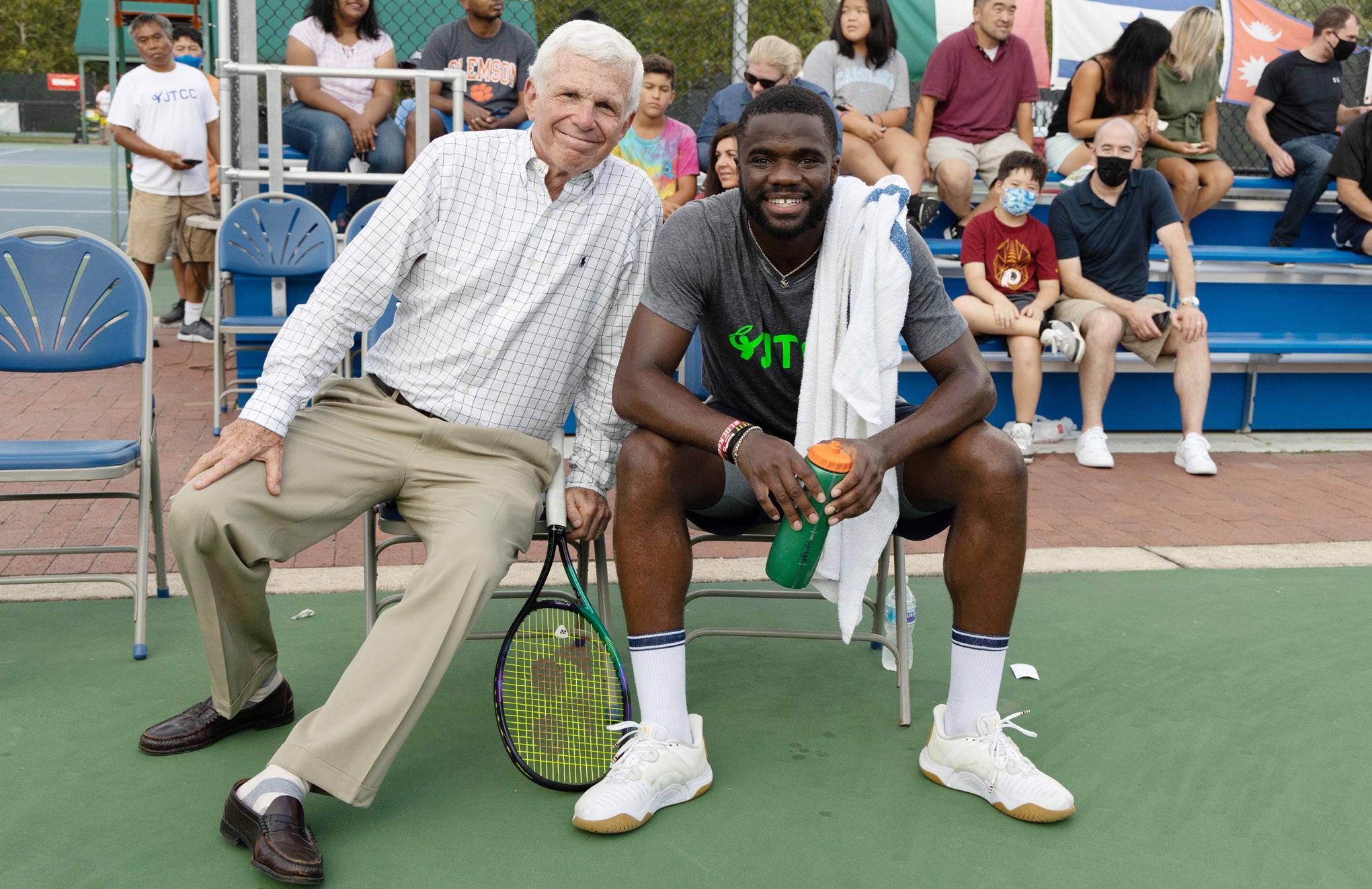

Enjoyyourvibrant Alltexturedsurfacesuse courtsurfaceforyears auniquelowabrasive tocomewith2xthe texturereducingwearon industrystandardfor shoes,ballsandmore colorretention. importantlyyourbody.
Byusingpremiumacrylic Authorizedinstallers binderswithhighsolids inall50statesand weareabletoaddmore over40countries pigment,textureand committedto filler,resultingingreater providingahigher U.V.resistance,film levelofqualityand thicknessanddurability. service.



The word “trailblazer” doesn’t seem to do justice to all that Marcia Bach has brought to this sport and industry.
For more than 50 years, Bach has combined her love for parks, recreation and tennis, enriching the lives and experiences of not just those in and around her Bloomington, Minn., community, but throughout the country.
“Marcia has dedicated her life to tennis in the parks, inspiring countless city leaders to add courts and
TIP FOR SUCCESS
Teaming up with volunteers who share your passion— especially in the public park and recreation space—will always help move the needle.
programming in public spaces,” says USTA Northern Executive Director Becky Cantellano. “She is a living legend in USTA Northern, leading the section for many years as our very first executive director and continuing to volunteer in retire ment. She knows everyone, serves as a trusted advisor, and is a cherished friend.”
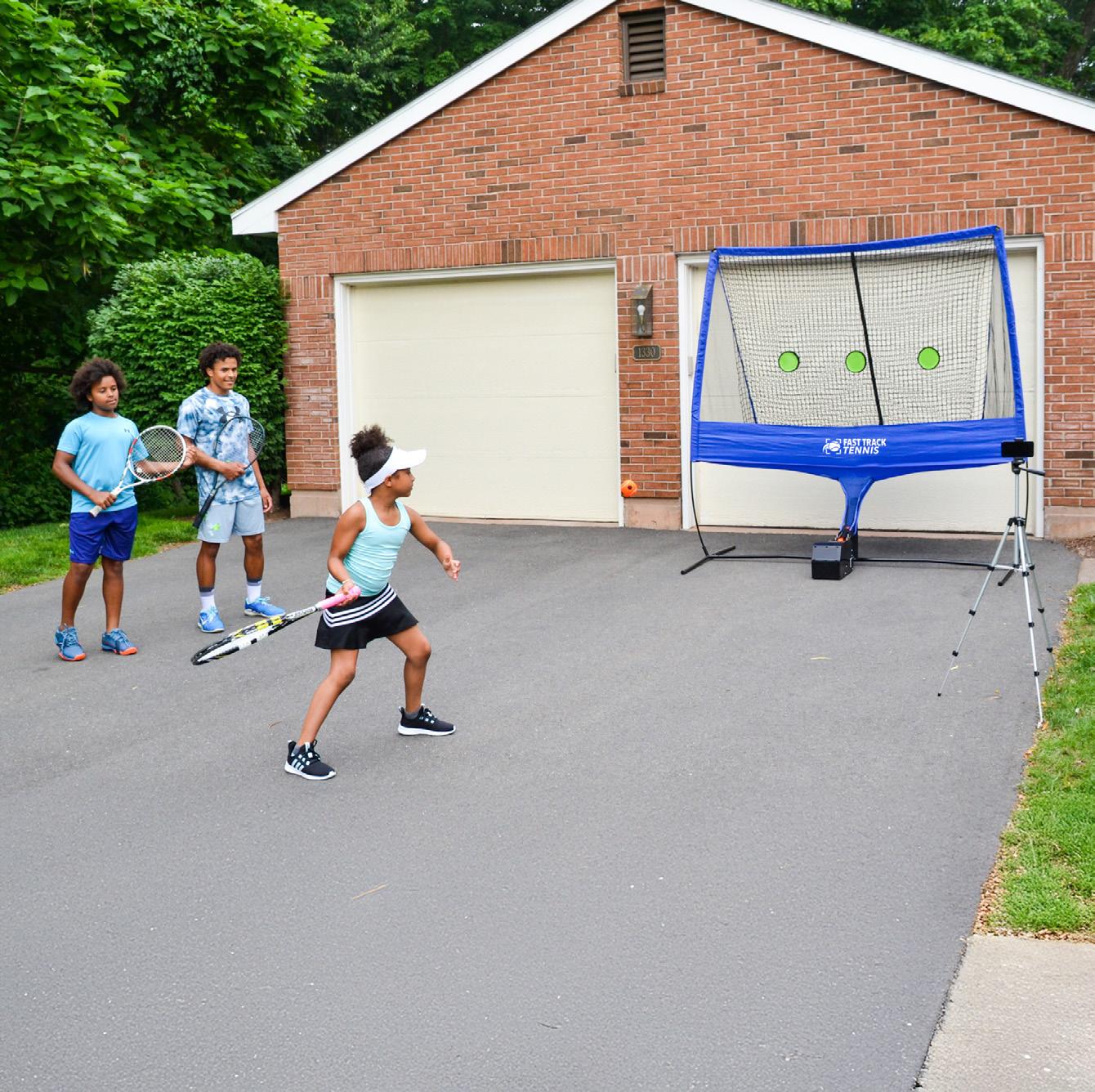

1,000+ feeds per hour. No wasted time picking up balls. Pair with FTT apps to learn, practice and play anytime anywhere.
Bach also has been a longtime national volunteer in tennis, with many years on the USTA National Public Parks Committee. And she was a groundbreaker for the National Public Parks Tennis Association when, back in 1977, she questioned the lack of women on the board—and was immediately elected. Since then, she has been the NPPTA’s heartbeat and voice for the tennis community.
Her work in the sport made her an easy selection for the Jean & Hollis Smith Lifetime Achievement Award, which was presented to her at the NPPTA’s 100th anniversary in 2024. Earlier this year, she was named the Billie Jean King Public Parks Tennis Person of the Year.
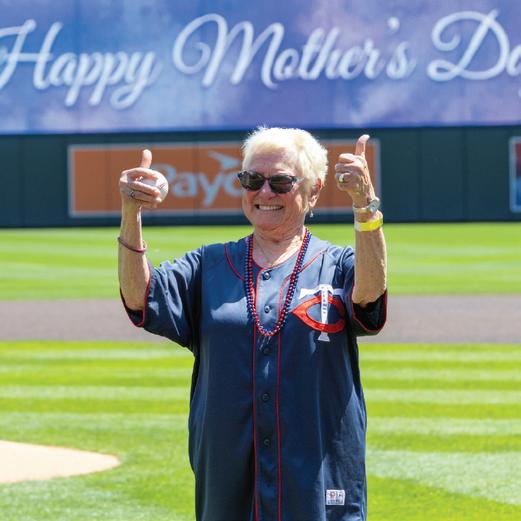
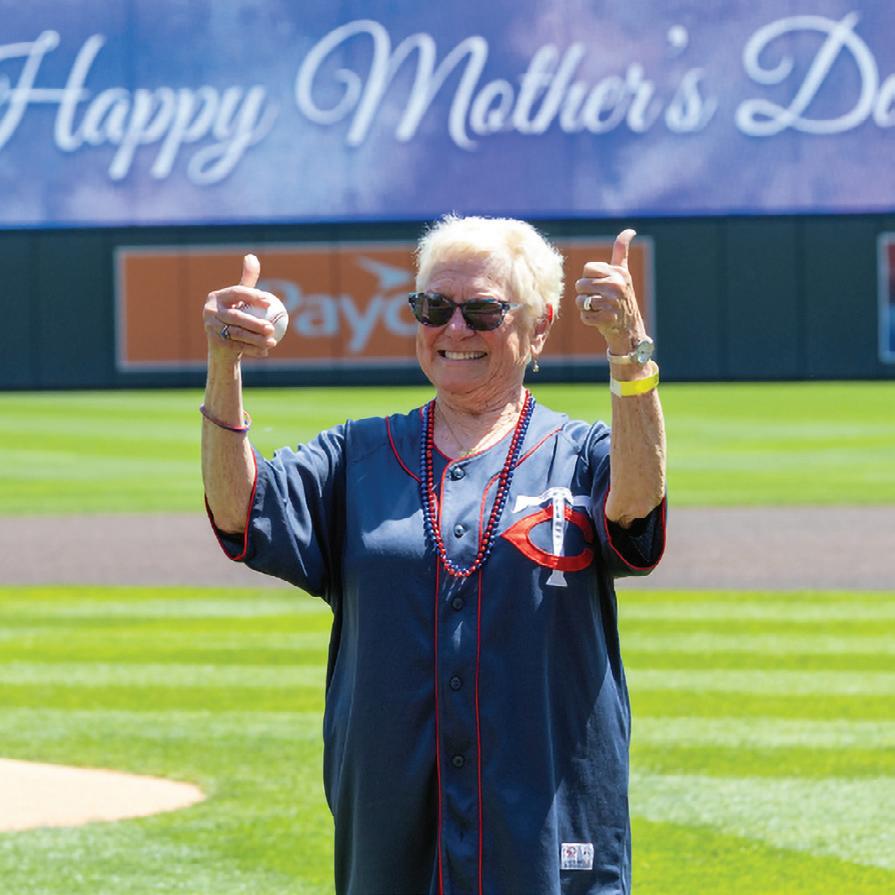
During National Tennis Month this past May, Bach was the natural choice to throw out the first pitch on Mother’s Day for her beloved Minnesota Twins. “This has been a life highlight for me for sure,” she said— just like the “life highlights” she’s created for thousands of tennis players of all ages.
—CynthiaSherman
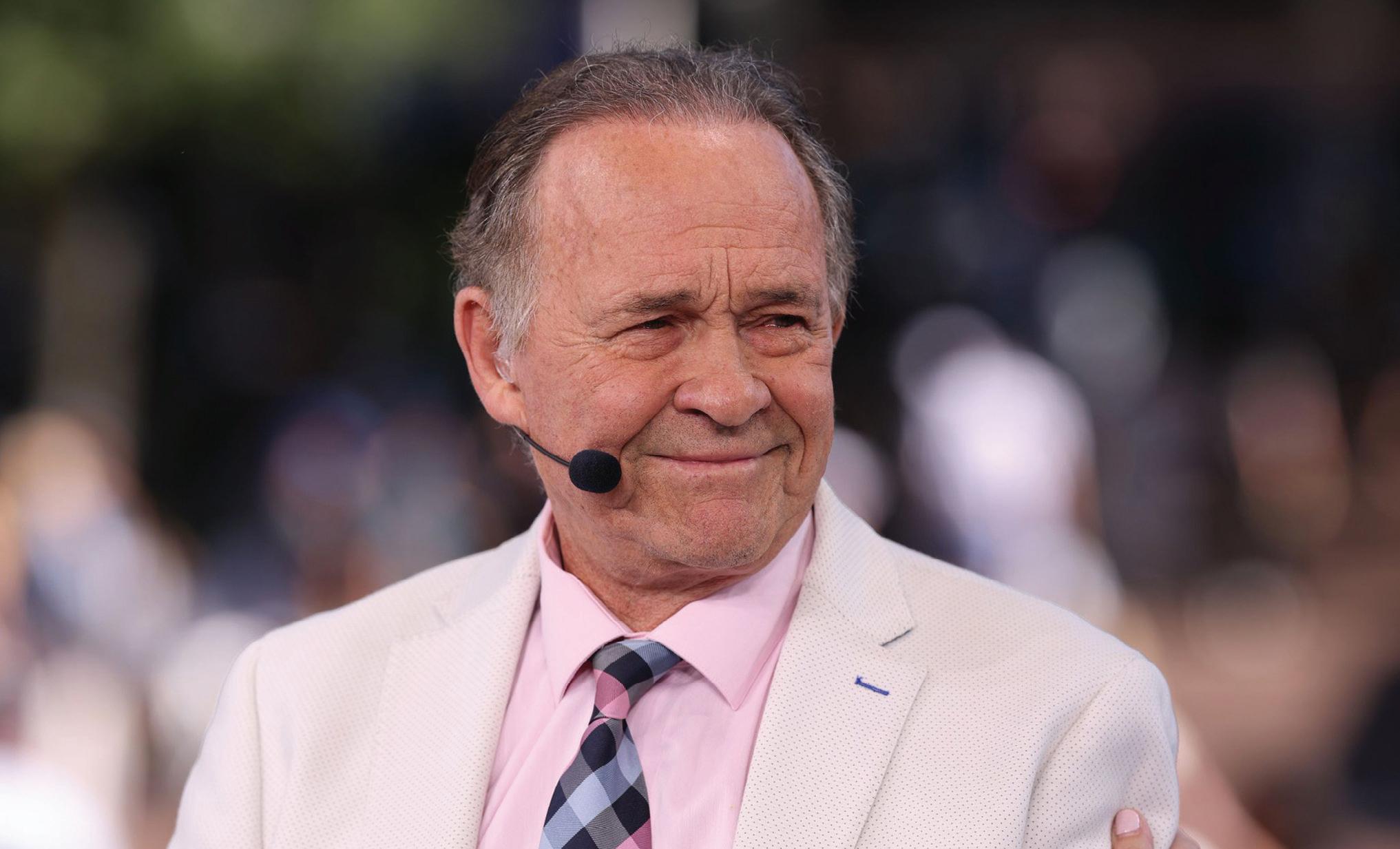
One of the most enduring and respected figures in tennis, Cliff Drysdale has earned RSI’s Lifetime Achievement Award for his extraordinary impact spanning six decades as a player, broadcaster, activist and business leader.
A former world No. 4 and winner of 35 singles and 24 doubles titles (including the 1972 US Open), the South African-born Drysdale was one of the “Handsome 8” topranked players who signed with the newly formed professional World
Drysdale’s lifelong commitment to tennis—both on and off the court— demonstrates that unwavering dedication to your field helps elevate not only your own career, but the entire industry.
Championship Tennis (WCT) group in 1968. He helped found the Association of Tennis Professionals (ATP) in 1972, serving as its first president and guiding the landmark 1973 Wimbledon boycott that established players’ rights in the sport. He was inducted into the International Tennis Hall of Fame in 2013.
Drysdale seamlessly transitioned from making shots to calling shots, joining ESPN for its first-ever tennis telecast in 1979. His instantly recognizable voice and keen insight defined
tennis coverage across all four majors, and he became ESPN’s longest-tenured broadcaster, calling his final match at the 2025 US Open before retiring.
In 2001, Drysdale and business partner Don Henderson founded Cliff Drysdale Tennis, a global, full-service racquet sports management company, which was acquired by Troon in 2018. Kris Strauss, Executive Vice President of global sales and marketing at Troon, noted that few have shaped racquet sports as profoundly as Drysdale.
“From his legendary play on the court to his unwavering dedication to growing the game off it, Cliff has truly elevated racquet sports globally,” Strauss says. “The world of Troon is proud and honored to celebrate his extraordinary journey.”
—CindyCantrell
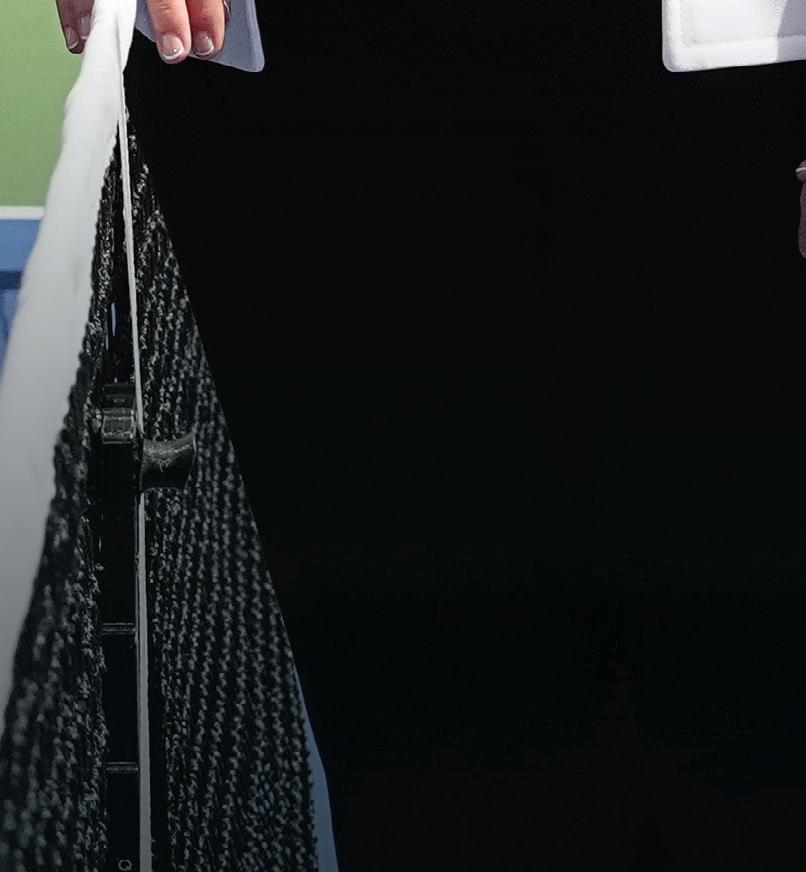
Since more than 70% of tennis is played at public facilities, we need to continue to grow and renovate those venues to ensure that future generations continue to have a healthy, public alternative for staying fit physically and mentally through tennis.
— Jodie Adams




Congratulations to Jodie Adams, Racquet Sports Industry 2025 Person of the Year, for her inspiring leadership and tireless dedication to growing the sport of tennis at every level. Well Played, Jodie!
Your friends and colleagues at the USTA.
TIP FOR SUCCESS
It’s about helping people to enjoy the sport in every way. Whether boosting their skills on the instruction court, creating social tennis situations, enhancing tournament experiences—always look to help others.
Randy Stephens’ impact on Georgia, Southern and national tennis is so vast it’s difficult to jam his accomplishments into just one story. Among other credentials, he’s served as president of USTA Southern, USTA Georgia, the Macon Tennis Association, the Georgia Professional Tennis Association and the Southern Professional Tennis Association.
In 2014, Stephens entered the USTA Southern Tennis Hall of Fame, the fourth hall of fame into which the Macon, Ga., resident has been inducted. And in 2020, he received one of the greatest honors: the South Bibb Recreational Center tennis facilities in Macon were renamed as the Randy Stephens Tennis Center.
“I’ve been fortunate to have received some nice tennis awards in my career, but this is so special to me and my family,” Stephens said at the tennis center dedication. “I believe the game of tennis has the potential to change lives and I hope many people learn and improve their tennis games at the Randy Stephens Tennis Center for years to come.”
“Randy has served our sport at every level—local, state, sectional and national—and he has never stopped giving his time, talent and heart to the tennis community,” says USTA Southern Executive Director Matt Olson. “His commitment to strengthening every corner of the tennis ecosystem is extraordinary, and his leadership continues to make a lasting impact.”
Stephens began volunteering for USTA Southern in 1989. In addition to years of service on the Southern Board of Directors, he chaired six
section committees. On the international stage, he was a member of the ITF Wheelchair Committee for four years. His list of awards is also bountiful, starting with the 1981 Georgia Tennis Professional of the Year. He was honored with the Georgia Tennis Association Ruth Lay
Lifetime Achievement Award in 2009. Stephens served as the Junior Davis Cup Coach for USTA Georgia on two occasions, and he was recognized as USPTA/Southern High School Coach of the Year. He has been ranked by USTA Georgia No. 1 in Men’s 35s, 45s, 50s and 55s Doubles, as well as No. 1 in 35s Mixed Doubles.
“Randy has had such a positive effect on Macon, Southern, national and international tennis,” says Macon tennis legend Jaime Kaplan, who won this same RSI award in 2024. “He is incredibly respected throughout the world.” —Ron Cioffi

Volunteering in tennis not only helps this sport and industry grow, but also helps you grow as a person.
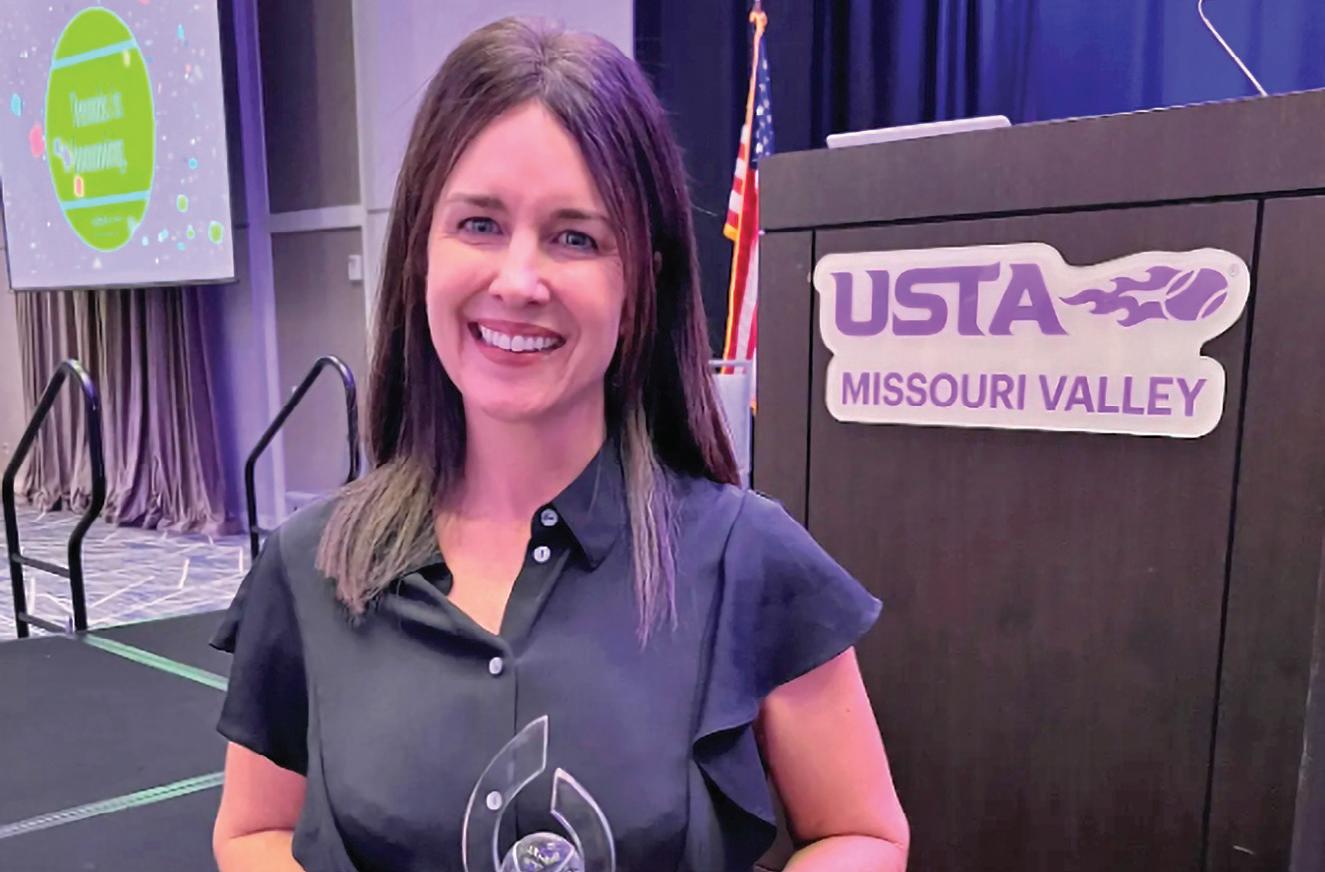
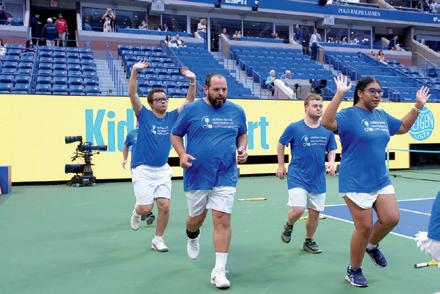
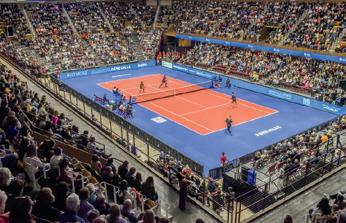
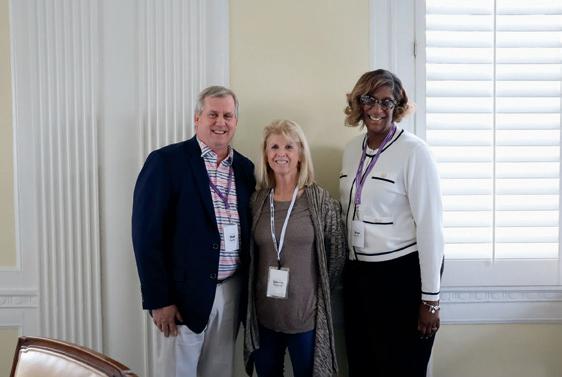
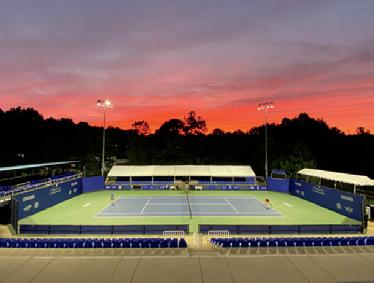
Even though a serve starts every point in tennis, serving sometimes gets overlooked in the effort to keep the sport going and growing. When you meet Lisa Minihan, you can’t help but notice she’s constantly serving aces.
Minihan, alongside her husband, David, is general manager of Edmond Center Court, a USTA Premier Facility in central Oklahoma, which in 2023 received a USTA Outstanding Facility Award. She and David co-founded the Play It Forward Tennis Foundation, an NJTL that reaches out to individuals with special needs and those who might not have the means to afford tennis instruction.
Minihan also is a nationally renowned tournament director, running USTA Level 1 to Level 7 events. Plus, she’s served as tournament director for the USTA Missouri Valley Rally in the Valley Championships, the section’s top closed junior event. As a volunteer, she is the current chair of the USTA National Nominating Committee. She’s also served as USTA Missouri Valley president and delegate. And the Minihan family was chosen for the Ralph W. Westcott USTA Family of the Year Award in 2020.
Volunteering, says Minihan, “truly expands your community, and I believe letting more people in our lives from different backgrounds and geographies helps us broaden our perspective, learn empathy and become better humans.”
—David Smale Grassroots
This year, RSI’s new Game-Changer Award recognizes USTA Coaching, which after a long buildup—and literally decades of speculation about whether the USTA should get into the tennis coaching and education space— officially launched in August.
The initiative is a comprehensive effort to touch all aspects of coaching and teaching tennis in the U.S.—from volunteers and parents right through to full-time teaching professionals.
USTA Coaching offers four membership levels: the free Baseline membership, featuring foundational modules and youth resources; the $49/year Rally membership, with access to the new Online Learning Hub, webinars and coach education tracks; the Pro level ($149), which adds advanced content and other tools; and Pro Plus ($249), which adds insurance and more for full-time pros.
Designed to be a living platform for learning, the Online Learning Hub debuted Nov. 12 with more than 83 modules, 250-plus on-demand videos, over 1,500 hours of instructional content, AI role-playing scenarios, 15 “badges” (with dozens more planned), various USTA Coaching certifications, recognition of equivalency levels associated with PTR and RSPA education, and more. The USTA Coaching ecosystem also includes in-person workshops, mentorship opportunities, discussion forums and networking tools. In its first three months, more than 5,500 coaches have joined USTA Coaching.
“As the national governing body of tennis in the U.S., it is paramount that the USTA invest in coaches, support
them, reward them and become their greatest partners in what they’re doing locally,” says Craig Morris, Chief Executive Officer for USTA Coaching.
“They should have everything at their fingertips to be able to deliver the greatest and best experiences for players.”
—Peter Francesconi
TIP FOR SUCCESS
No matter where you may see yourself in coaching, check out the resources available at USTACoaching.com.
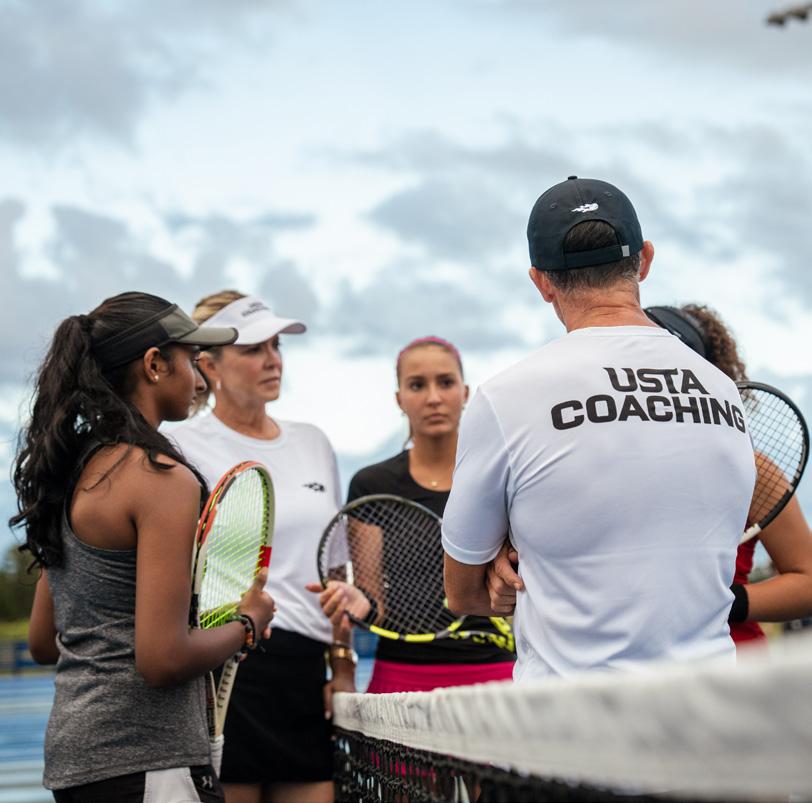

TIP FOR SUCCESS
Find something you love and share that joy with others—it can connect people in amazing ways.
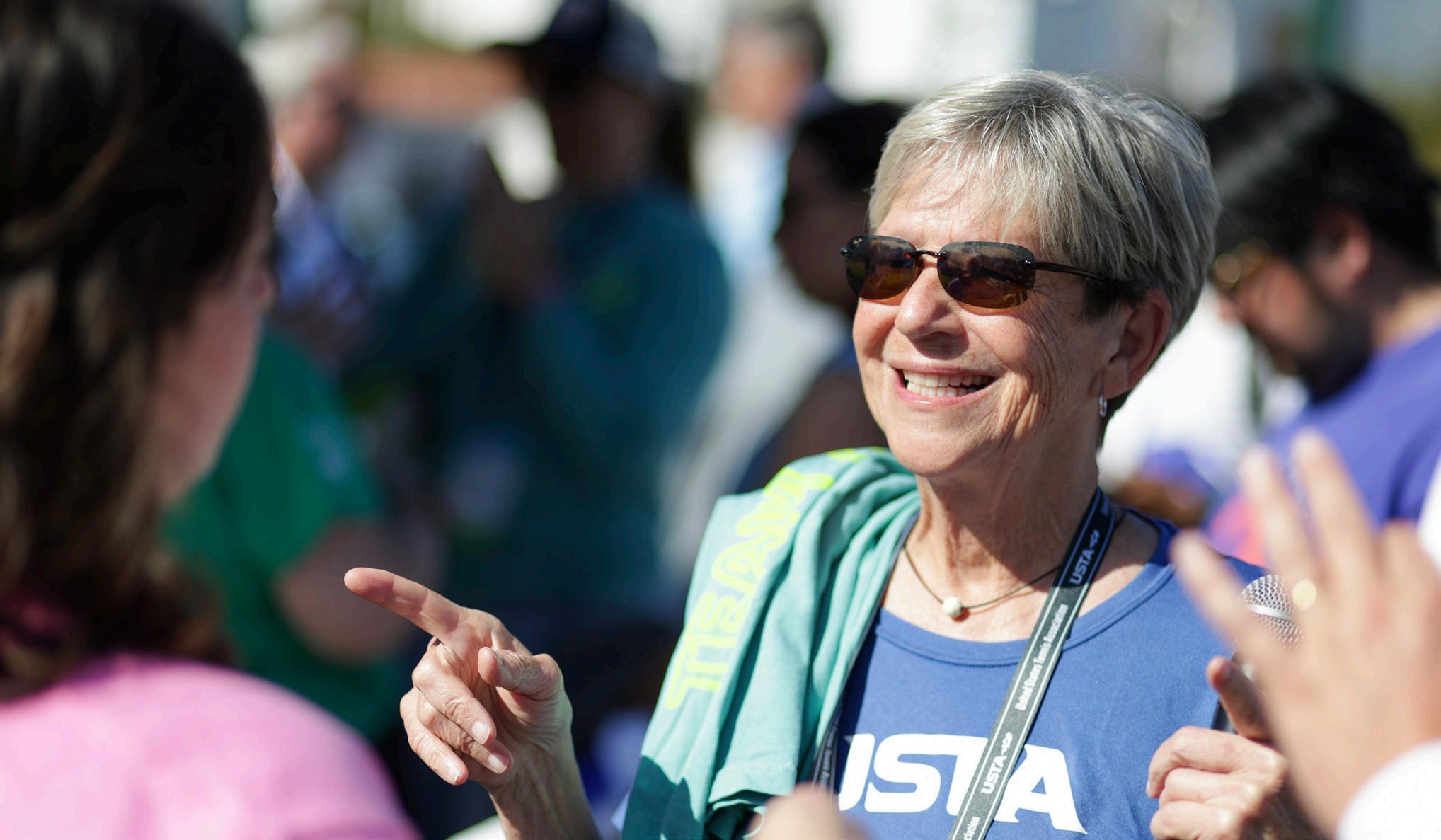
If you were to look up “advocate for grassroots tennis” in the dictionary, the first entry could easily be a photo of Marilyn Sherman.
Now the USTA National Manager of Adult Social Play, Sherman began her career in tennis at her local club, and later worked for over 20 years as a certified tennis professional at public and private facilities across the South. She was the director of adult tennis for USTA Southern for 15 years, before joining the USTA National staff, where she has worked for over 17 years, primarily running league play, serving up competition
and creating fun for players.
“I’ve not seen anyone more passionate about tennis who wants to share what it has done for her with other people,” says Todd Carlson, Director of Tennis Venue Services at the USTA. “Her ability to connect people, her passion for caring for others, I think is really what motivates her to say, ‘Hey, I have this great thing, and I want to encourage you to experience it as well.’”
When she moved to Dallas with her partner, the pair created a community tennis group for women in the
LGBTQ+ community that has grown exponentially. “We used tennis to get to know people,” Sherman says. “That really allowed me to blend my professional and personal life in a way that was so meaningful.”
Sherman’s energy is so infectious and her impact so great, USTA Southern named the Marilyn Sherman Spirit Award after her in 2010, “given annually to a staff member or volunteer who exemplifies extraordinary spirit in growing the game of tennis in the USTA Southern Section.”
—Haley Fuller


Growing
this sport is all about building relationships and building communities, which takes time, so be in it for the long haul.
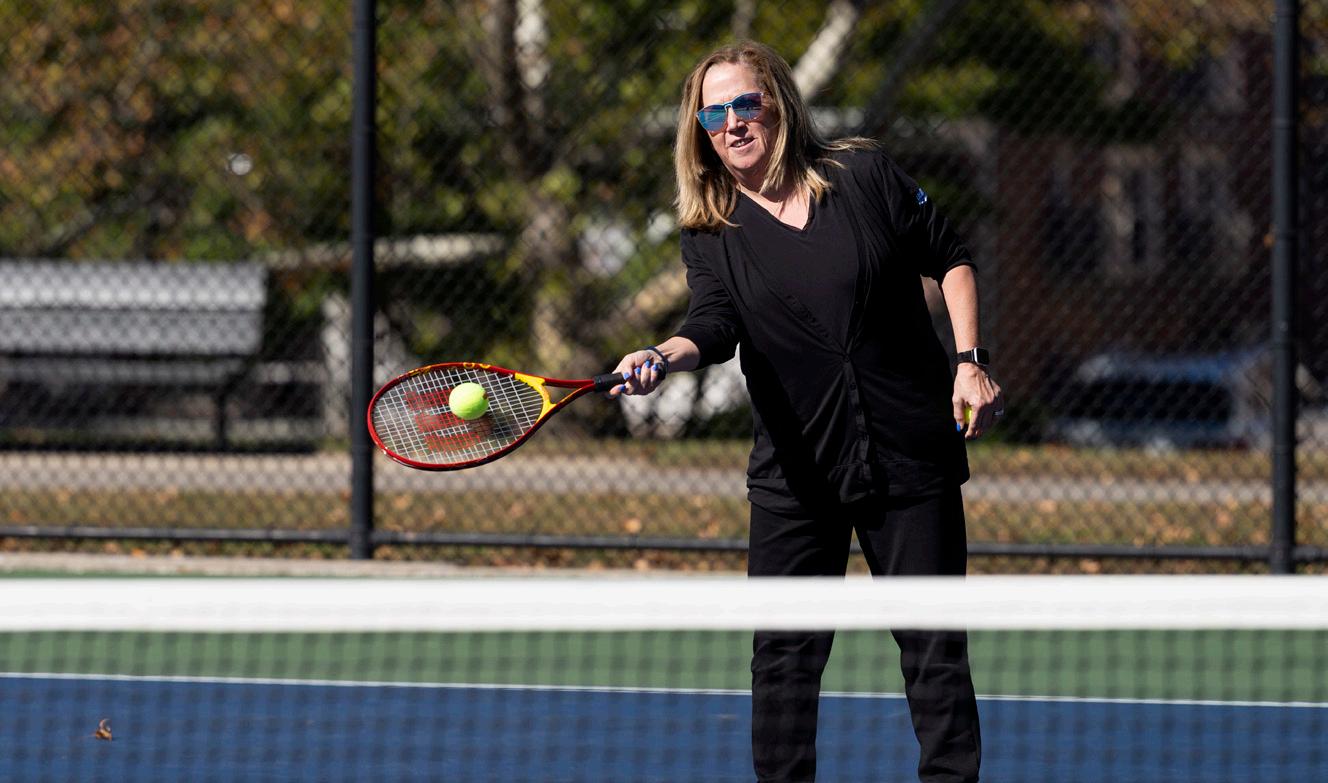
When outgoing USTA Eastern Executive Director Jenny Schnitzer joined the section staff in an entry-level position fresh out of college in 1992, she didn’t get much—or any—time to acclimate.
“My first week on the job, I had a volunteer call me,” she recalls. “And he just yelled at me for 20 minutes about how upset he was. I finally said, ‘Give me one thing I can do right now. Let’s work on one project together.’ From that conversation, we became best friends.”
Schnitzer headed down to the volunteer’s little town of White Meadow Lake, N.J., and together they grew a community park program from 20 to 100 participants.
“To watch somebody take a small program, reach out to the entire area and build it up like that ... I just saw the big picture,” she says. “We could do this across the section, and that really became the goal.”
Over the next three decades, Schnitzer’s job titles at the organization changed, but her philosophy and approach to growing this sport never wavered. Form connections. Roll up your sleeves and dive into the work. Exercise patience and expect things to take time to develop.
“When I became executive director of USTA Eastern [in 2015], I told the staff that we’re not chasing numbers,” she says. “We’re building relationships and building communities, and it’s going to take time.
"The truth is, we can’t do it alone from the section office. It’s those relationships we form locally that make a big difference. The local volunteers, the local club owner, the local park person. Without them, we couldn’t do what we do to grow tennis. It’s about their work. They are the boots on the ground. We’re here to support them … with training, with guidance, with grants. And friendship.” —Scott Sode
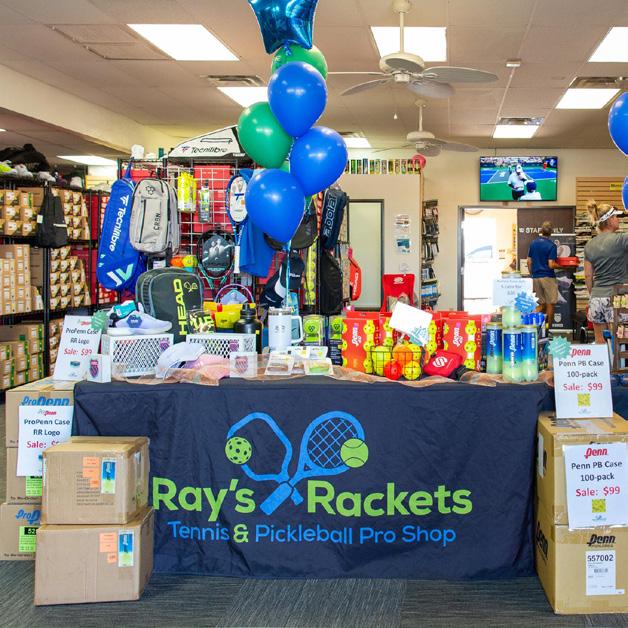
Passion and connection are the foundational pillars for Ray’s Rackets of Sun City, Ariz., this year’s Pro/Specialty Retailer of the Year. Owner Dave Wendeln credits “the passion at the grassroots level” as an integral part of the store’s success, supporting a move from a 1,500-square-foot space to a 4,000-squarefoot location. Customers and staff highlight knowledge and professionalism as connectors, as well as the store’s support for both a Phoenix NJTL and a local senior community tennis club.
This past fall, the store celebrated its fifth anniversary with a day-long party featuring raffles, prizes, Red Ball Tennis and pickleball play in the parking lot, and “beat the pro” tennis challenges with Wendeln and store manager David Gold. The day perfectly encapsulated a key to the business that doing more for customers provides an exceptional foundation for the business.
Wendeln explains that, “Attending and sponsoring local events like demo days, tournaments, and leagues allows us to see exactly what players are using and wearing, and helps us connect with players to find out exactly what they need from their equipment." He adds that when considering inventory, “We always solicit feedback and surveys on new products, designs and colors from our staff, local players and teaching pros.” —Kent Oswald
Reach out to customers; don’t wait for them to walk through the door before beginning to try and engage them.
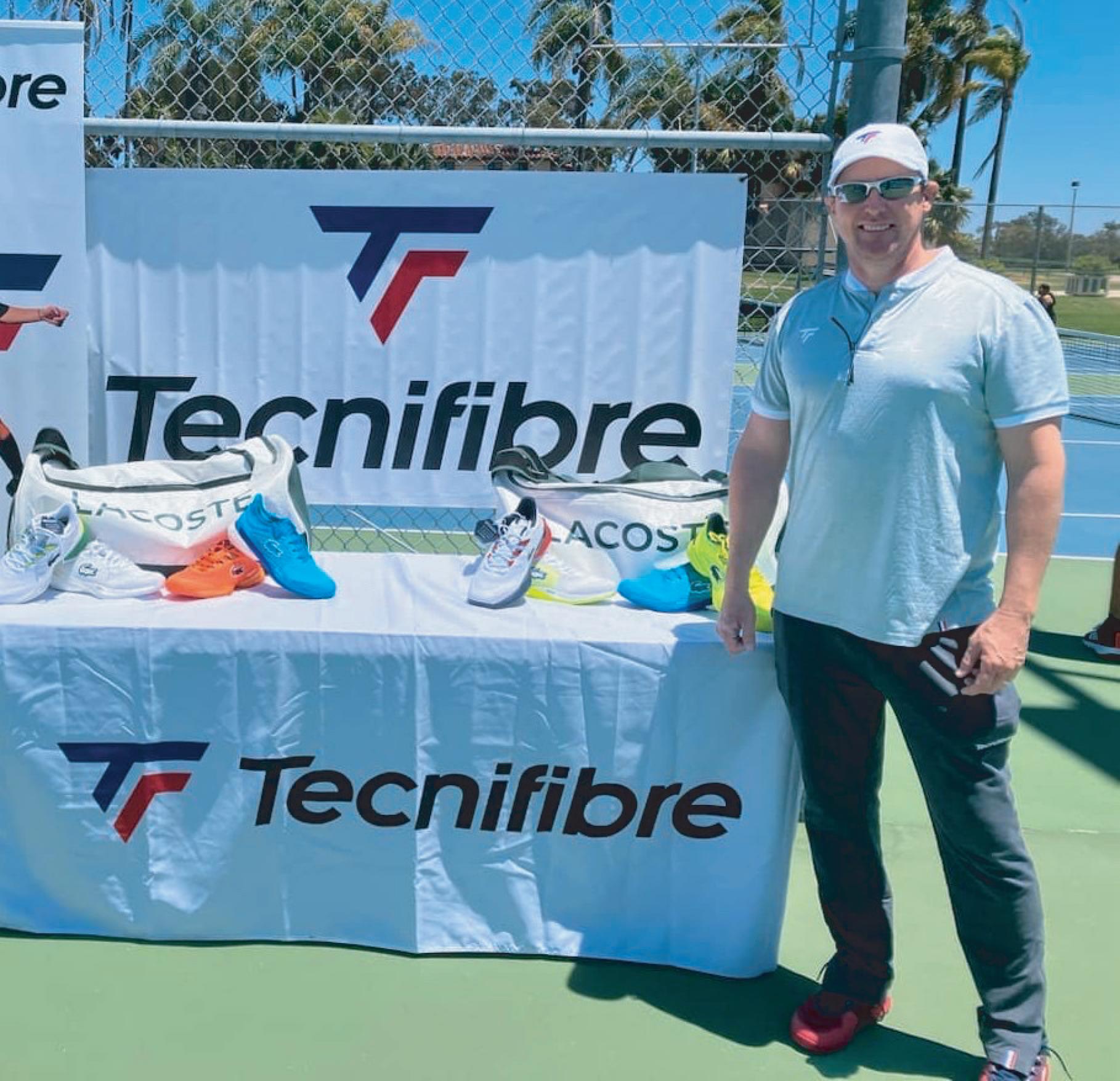
Sales Manager of the Year!
Congratulations, - Sales Manager of the Year!
A well-deserved recognition for your incredible drive and impact. Your dedication and leadership have been instrumental in fueling Tecni bre and Lacoste Sport’s remarkable growth over the past four years. Here’s to continued success and even bigger wins ahead!
There’s a fun expression in sports: Go big or go home.
While it’s catchy and a good way to talk about aggressively pursuing your goals, what if your very description is about being big? More must be done than simply having audacious goals. You have to achieve those marks with excellence.
Sometimes going big means adapting and not resting on your laurels. Overland Park Racquet Club in Overland Park, Kan., has evolved from a storied Kansas City-area tennis institution into a state-of-the-art racquet, fitness and health club.
Municipal Tennis Facility of the Year
With 25 outdoor courts, seven covered courts and four Red Ball Tennis/pickleball courts, Cary Tennis Park is one of the largest public facilities in the Southeast, creating a unique, park-like aesthetic, set apart by scenic bridges, foliage and landscaping.
“Cary Tennis Park offers a very natural environment that gives you a sense of place,” says USTA Southern President and CEO Ted Reese, who played a significant role in the park’s design. “It’s a spot where you can come to bring your picnic, play tennis with the kids, walk around and watch some matches, and then go play a very competitive match. “The park makes you feel like you’re not just in a concrete jungle. This facility gives you that mental relaxation, where you feel like you’re
An outstanding, clean facility, combined with topnotch programs and staff, are the best selling points for customers.
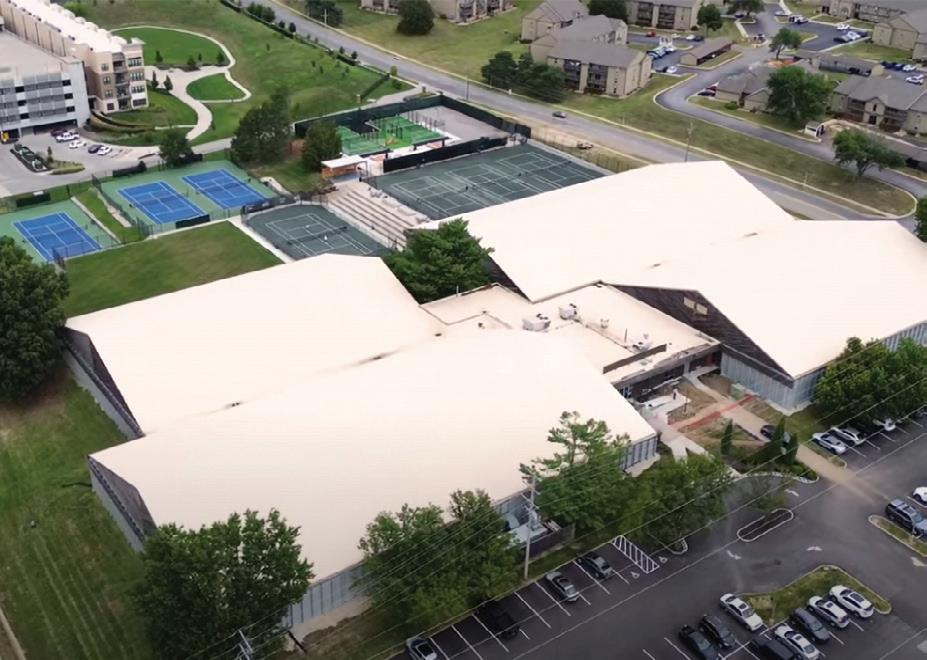
OPRC, a USTA Premier Facility, has 14 indoor tennis courts, four clay courts and four outdoor hard courts. It features a full-service pro shop, racquet repair shop and fitness center, among other amenities. The facility also offers a full suite of indoor and outdoor pickleball options as well as two new outdoor padel courts.
A mainstay in the area since 1974, the venue was selected for a 2025 USTA Outstanding Facility Award in the category of Large Private Facilities, which includes complexes with 12 or more tennis courts.
The facility’s RSPAcertified tennis coaches use on-court video analysis to work out the kinks in their players’ games. OPRC has hosted numerous USTA events in the past year, including the Level 1 USTA Husband and Wife National Championships as well as the USTA Missouri Valley 65 & Over Section Invitational.
“Such a great club,” says one member— one of dozens who give OPRC a five-star rating. “Friendly staff and pros who care about the members and want to help them improve.” —David Smale
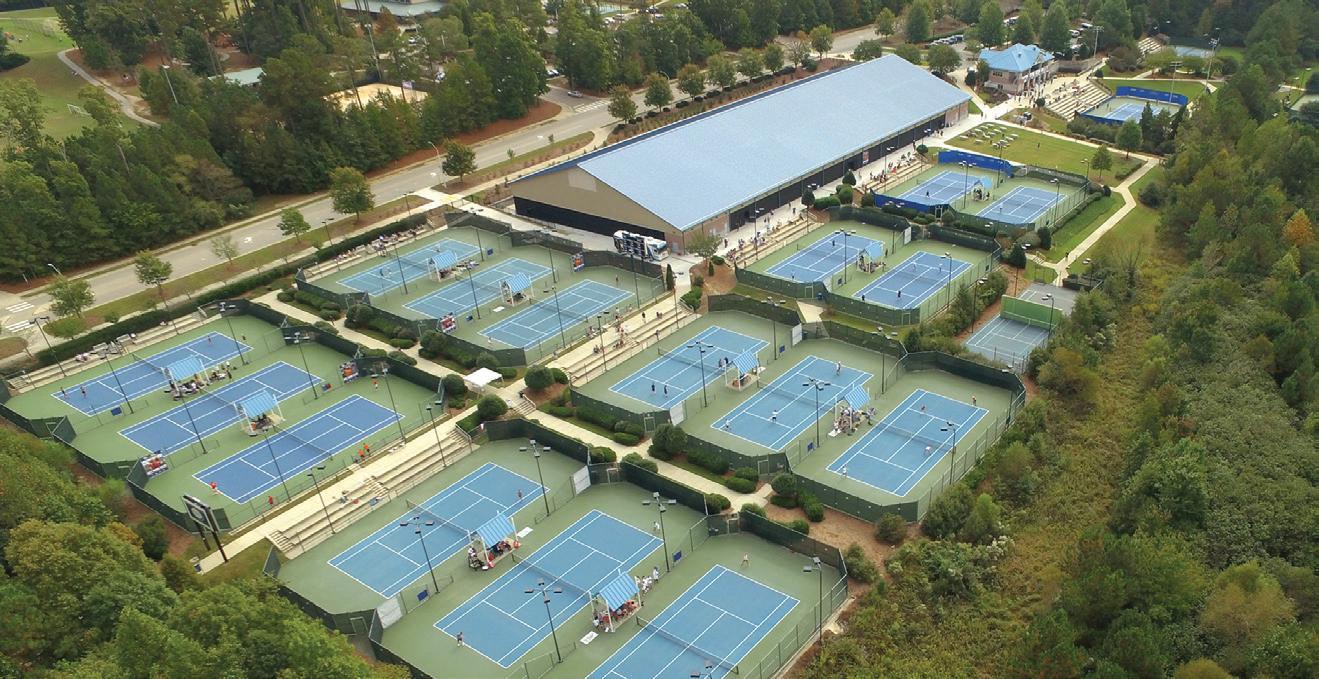
walking into a park with nature, versus just into a competitive environment.”
Along with a bevy of youth developmental programs, the facility offers year-round adult leagues for everyone, including singles and doubles. Programs also include adaptive tennis clinics, in partnership with Abilities Tennis of North Carolina (RSI’s 2025 CTA of the Year), as well as weekly wheelchair clinics.
“This public facility has given people of all economic backgrounds an opportunity to try
a lifetime sport at a very low cost. It’s also had great economic impact, bringing people into our area from all over the world to see this vibrant facility,” Reese says. “It really raises the bar, showing that anyone can participate in parks.” —MacyAlcido
Cary Tennis Park is more than a tennis facility; it’s a thriving public park community where all are welcome.

Since 1961, Sportsmen’s Tennis & Enrichment Center in Dorchester, Mass., has paved the way for equity in sports and education, serving as a model for youth development across New England. The first African-American tennis club in the U.S., it is now one of the region’s largest NJTL chapters, serving 5,000 youth and 1,000 adults annually across Boston’s inner city.
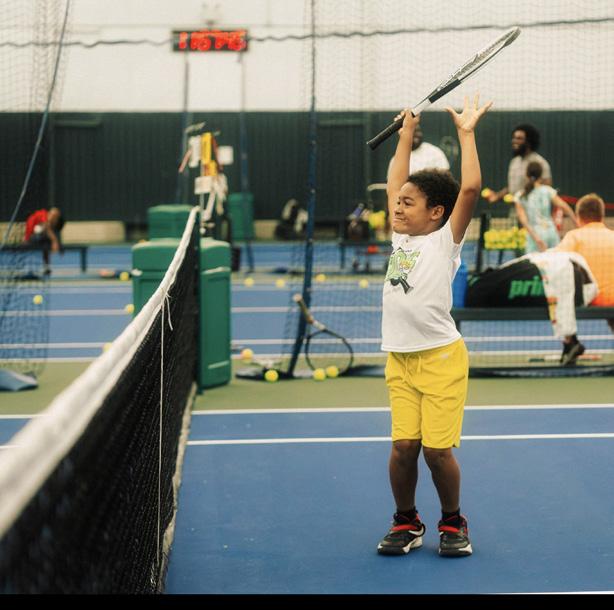
Through tennis, academic programs and community initiatives, Sportsmen’s helps young people develop confidence, resilience and essential life skills. Programs like Volley Against Violence bring students and Boston police officers together on the court, while summer learning academies and financial literacy workshops provide vital support off the court. Wellness programs, fitness classes and nutrition education further empower families in neighborhoods with limited access to these resources. (During the pandemic, for instance, Sportsmen’s distributed 40,000 pounds of fresh produce and conducted 1,600 wellness screenings in partnership with Brigham and Women’s Hospital.)
Thanks to an ongoing capital campaign, which raised $7 million in phase 1 and has a $19 million goal for phase 2, Sportsmen’s has expanded its facilities, adding indoor courts, upgraded outdoor courts and new classrooms. These improvements allow even more participants to benefit from the power of tennis and ensure Sportsmen’s can continue to provide a safe, welcoming space for youth to grow and succeed.
“Sportsmen’s has long been a model for what it means to use tennis as a force for opportunity and community,” says USTA New England Executive Director and CEO Lindsey Keeler. “Their approach to youth development, on and off the court, embodies the values we strive to champion across New England. They are an inspiration to our entire tennis community.” —JamesMaimonis
Use the power of tennis to bring about positive change throughout your community.
Be a people person first, a business person second.
What words best describe a Commercial Executive of the Year? Try the ones used to describe this year’s champion, Cliff Drysdale Tennis President and COO Scott McCulloch.
He was lauded from those inside the company as “an innovator,” “the hardest working person I know,” “a driving force in shaping the future of tennis,” and with “a leadership style that is fantastic.” Nominators from outside the company praised him as “a consummate professional and leader who possesses a true passion for the racquet sports industry,” and “someone who lives and breathes servant-centered leadership.”
In addition to his work on Cliff Drysdale Tennis, Peter Burwash International, and other Troon Management Company racquet sports facilities,
McCulloch is a frequent speaker on industry issues and works closely with the USTA at sectional and national levels as an advisor on a variety of projects from program delivery, strategic partnerships and pathways, tennis software technology, and tennis education.
The flood of praises arriving in support of McCulloch also included testimony to a “forward-looking vision, and steady leadership across decades.” Or, as two others wrote in describing what they believed makes for the model of a racquet sports Commercial Executive of the Year, “He is a joy to be around professionally and personally,” and “his ethics are spot on, his comments and dialogue engaging, and his financial acumen as good as it gets.”
—Kent Oswald
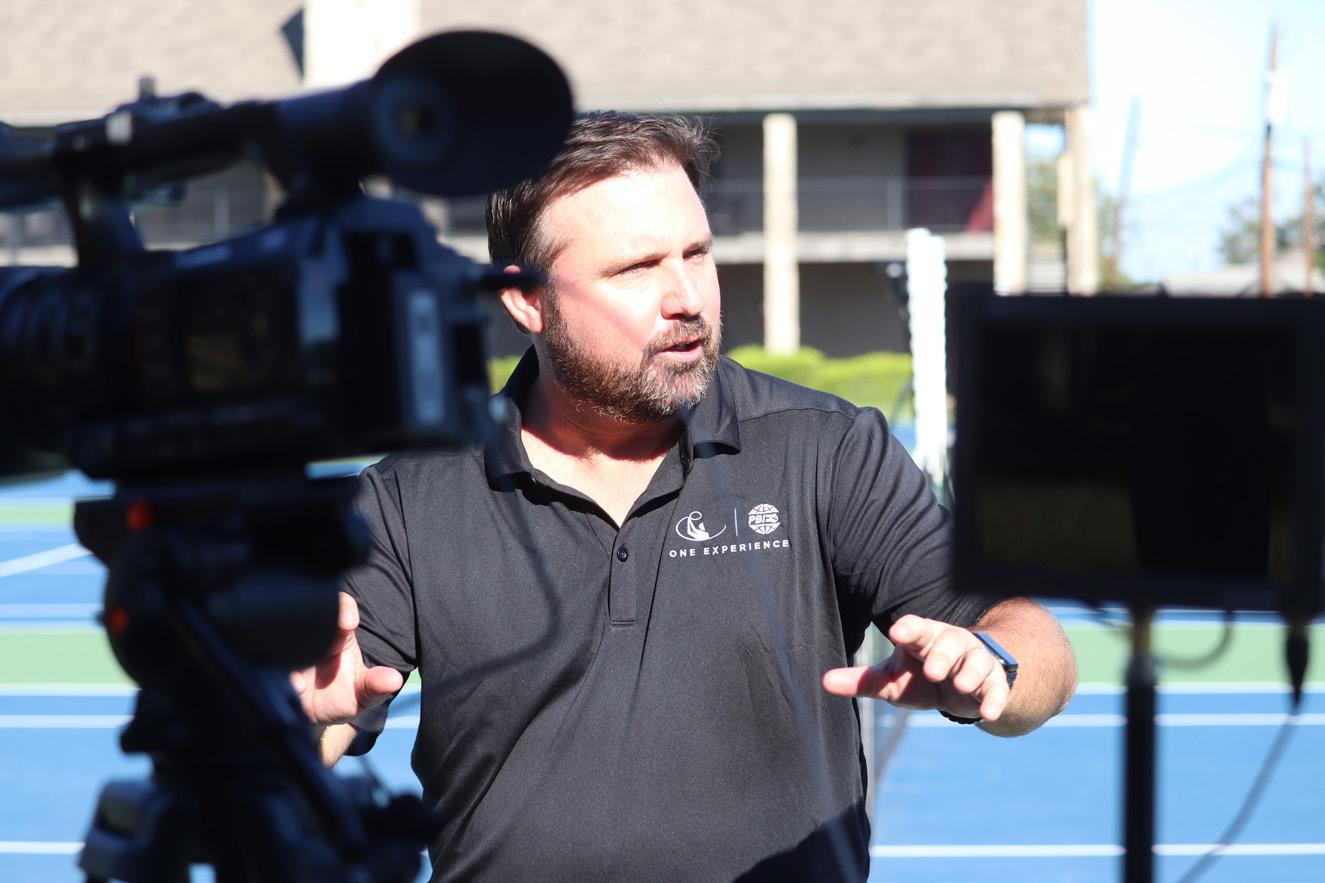
Hailing from Rochester, Minn., Evan Enquist has spent most of his life on or around a tennis court, playing varsity tennis in high school and going on to play NCAA Division I tennis at Drake University in Des Moines.
Now the National Manager of Wheelchair Tennis at the USTA, Enquist served on the USTA National Wheelchair Tennis Committee for seven years, and was the chair of the collegiate and junior pathway subcommittees. He was the head coach of the University of Alabama wheelchair tennis team from 2015 to 2023, leading the Crimson Tide to seven consecutive national championships.
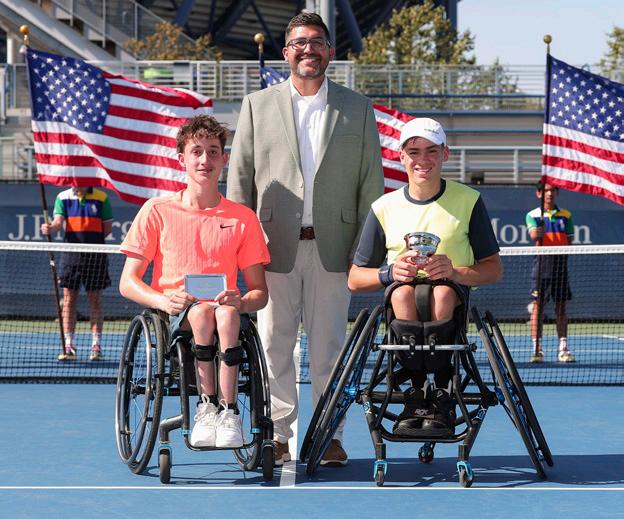
Whether serving as a co-tournament director for the 2025 US Open Junior Wheelchair Tennis Championships, leading a wheelchair coaching workshop or helping a grassroots organization build their program, Enquist approaches every task with diligence and enthusiasm. He is always looking for ways to grow the game, and he is eager to educate anyone about wheelchair tennis and how to get involved.
“Evan is more than deserving of this honor,” says Jason Harnett, Director of Wheelchair Tennis at the USTA. “Key ingredients to succeed are steadfastness and endurance. Evan holds both of those ingredients.”
—Haley Fuller
Approach tasks great and small with enthusiasm, and stay the course— small steps every day add up to leaps and bounds.
If your employees aren’t good, your product won’t do well. If your people are good, your product will flourish. Give employees the education they need to do the kind of job you want.
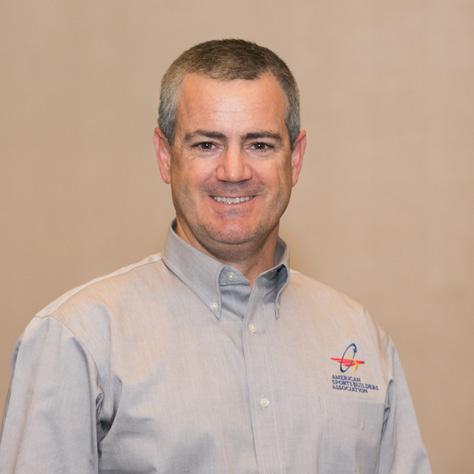
Since coming to Sport Court of the Rockies 13 years ago, Randy Resley has seen plenty of changes in the industry. Tennis has continued to grow, but pickleball has also taken off and padel is nipping at its heels as the new sport that both the commercial and residential markets want to install.
And Resley adds, “There’s still growth coming.” Sport Court of the Rockies, which serves Colorado, Wyoming and northern New Mexico, has also continued to diversify its offerings to keep pace with developments.
Resley, who concluded his term as Chairman of the American Sports Builders Association (ASBA) this past December, has seen a continued evolution in the association, including the inception of the Indoor Sports Surfaces Division.
“I love the fact that we’ve added
a new division,” Resley notes, “and that the ASBA’s educational offerings have increased dramatically. The Association created a vision and has used that vision to find ways to reach more people with the information they need. Our affiliations with other organizations and our sponsorship program have never been stronger.”
But this is the guy who started out playing tennis with a wooden racquet, and he has not lost sight of the importance of the building blocks of every company.
“Customers are more educated now than they’ve ever been,” he says. “If they are knowledgeable, you’re not going to be able to bowl them over easily. You need trained and educated employees and you need to offer a good quality product. When you do that, your customers notice.”
—Mary Helen Sprecher
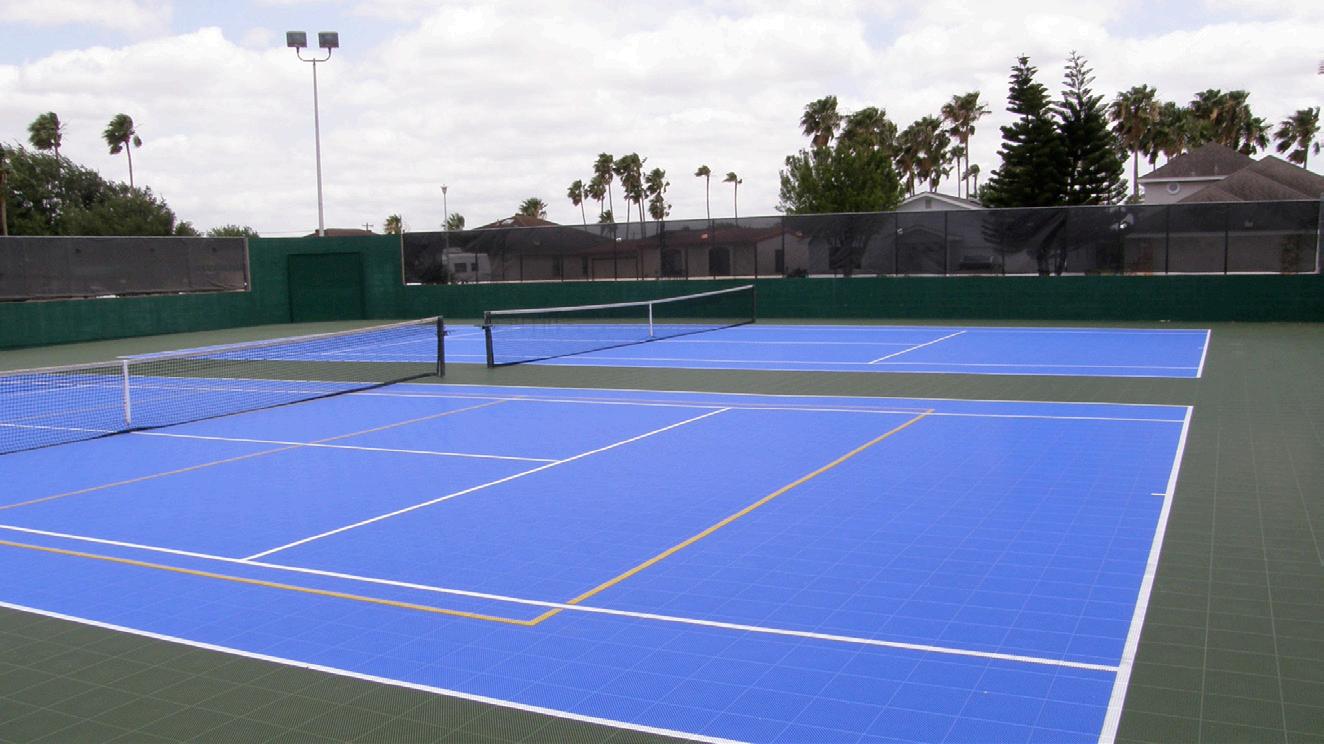
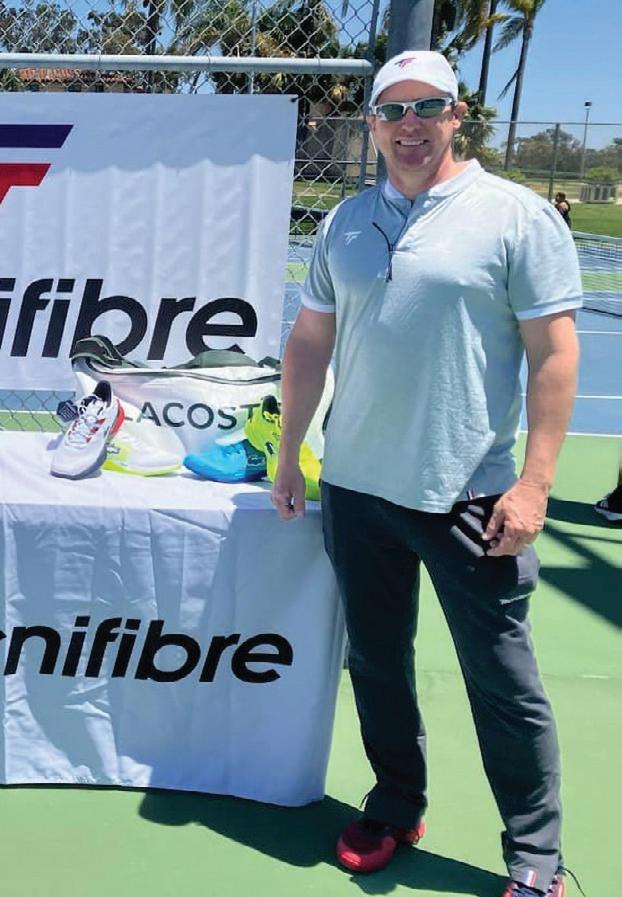
There are both micro and macro layers to selling. This year’s Sales Rep of the Year, Adrian Bolton, Tecnifibre/Lacoste Sport Sales Manager, West, incorporates both layers deep into the foundation of his success.
On the micro level, according to Marketing and Brand Director–North America Philippe Oudshoorn, Bolton’s contribution to the brand’s success is due to the “great enthusiasm” he brings to his sales game as he sells with “deep product knowledge, reliability and a passion for serving players.”
From a macro perspective, according to the USTA’s Managing Director, Industry & Sales, Mickey Maule, who was Bolton’s colleague at both Wilson and Babolat, he has “a unique ability to make every single account feel like they are his No. 1 priority.”
On sales calls, not only does Bolton service his clients’ needs to the highest standards, but he also treats each account like they are actually tied for first place. —Kent Oswald
A sales relationship is built on what you do for the client, not what they can do for you.
Surround yourself with people who love what they do and believe in the life-changing benefits of tennis. Their enthusiasm will help grow the game and create a thriving tennis community.
Laura Weygandt first picked up a tennis racquet at the age of 41 when a neighbor asked her to play. She immediately caught the tennis bug— as Weygandt tried to fall asleep that night, she saw bright yellow balls flying at her, and knew she had to get back out on the court.
She got involved with Western Wake Tennis Association in North Carolina after playing in a charity tournament, and became the CTA’s community coordinator in 2010 before starting as the executive director in 2016.
Weygandt is also the chair of the
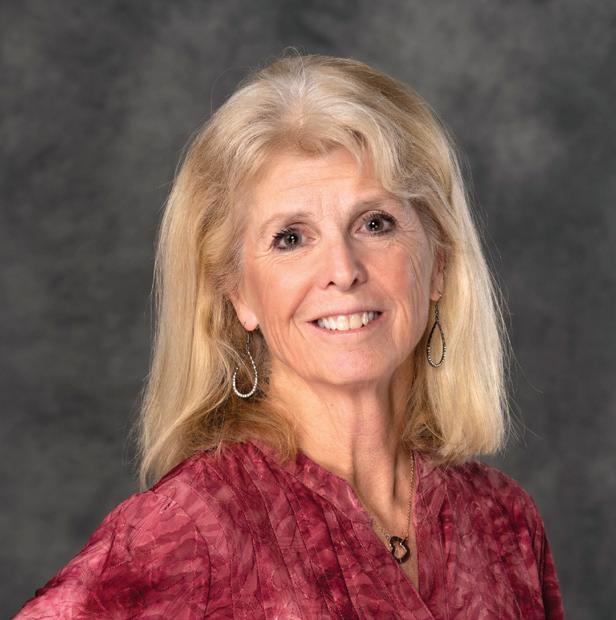
USTA Southern Parks Committee, and served as chair of the section’s awards committee for 10 years. She won the USTA Southern Marilyn Sherman Spirit Award and the World Team Tennis League Director of the Year–Delaine Mast Award in 2014.
A firm believer that tennis is for everyone, Weygandt was the first
president of Wheel Serve NC, and co-executive directors Helen Leonard and Kelly Flouhouse say her commitment “has made a positive impact on players of all abilities.”
“I love getting people out to play tennis, but [I also love] the community of it. That’s been my drive,” Weygandt notes. “I love being a part of something that’s building community, that’s doing something really good for the community.”
—Haley Fuller
Since its founding in 2007, Abilities Tennis Association of North Carolina (ATANC) has championed the growth of adaptive tennis across the state and created year-round programming for individuals with intellectual disabilities—free of charge. As of 2024, ATANC has reached over 3,000 individuals, including athletes, volunteers, coaches and families, and hosted more than 300 clinics, events and tournaments.
The organization’s impact on the community is palpable, especially considering its wide reach: ATANC offers clinics in approximately 30 locations throughout North Carolina and holds seven statewide tournaments. At the forefront of this growth is ATANC Executive Director Lou Welch, who peers credit with the organization’s many accolades and achievements. Just a couple of those awards include being named the 2019 Community Tennis Association (CTA)
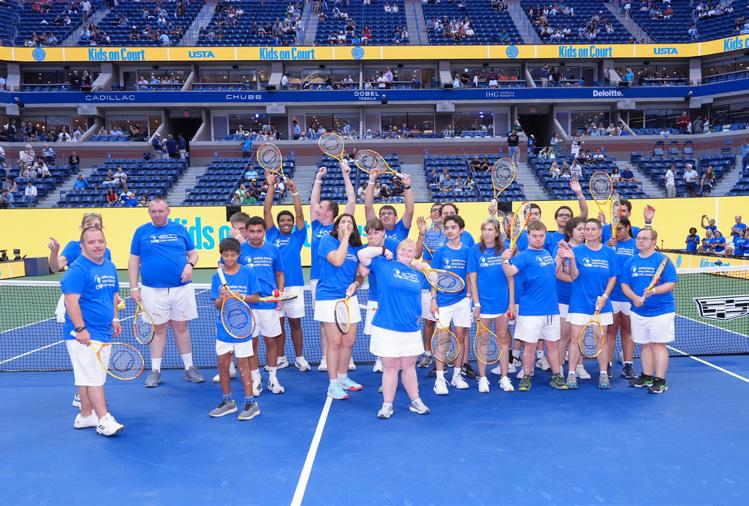
of the Year by North Carolina Tennis and the USTA Southern Section, and earning the 2018 National Adaptive Award.
“ATANC is a ‘different look’ for a CTA, as it covers a demographic of people instead of a geographic area,” explains Kelly Gaines, executive director of USTA North Carolina. “Lou
Welch and her board have continued to find ways to serve the intellectually challenged year-round and all around our state.”
This year, ATANC pushed its mission even further with the Abilities Tennis OnSite program, which removes transportation and scheduling hurdles by bringing the sport directly to spaces that serve individuals with intellectual disabilities, such as day programs, schools and residential facilities—yet another example of ATANC’s relentless efforts to give more people the opportunity to play the game. —MacyAlcido
Continue to find new and innovative ways to bring more people, of all abilities and skill levels, to tennis. Everyone is welcome to the court.
Always take the time to talk to and listen to customers to provide them with exactly what they need to enjoy the sport.
Often in this industry, small things can have a huge impact. Take Strings ‘N Things in New Hampshire, owned by Jay Palmieri. For his clients in southern New Hampshire and parts of northern Massachusetts, Palmieri’s dedicated customer-first service ensures this sport remains vital and accessible.
Palmieri’s tennis service journey began in the mid1990s at Nevada Bob’s Golf and Tennis, where he was the tennis manager. After the company was bought out, he transitioned into teaching middle school math but continued his passion for stringing. In 2020, he ramped up his business, posting signs at local courts, promoting his personalized approach, and taking time to “partner” with each client. His guarantee? If a client doesn’t like the string he recommends, he’ll restring the racquet with a different type at no extra charge.
to pick up racquets and deliver them back within a day. Plus, he donates each year to the schools’ tennis scholarships.
When he realized some clients travel over an hour for his services, he started offering “stringing while you wait” appointments to save them from making a second trip—customers
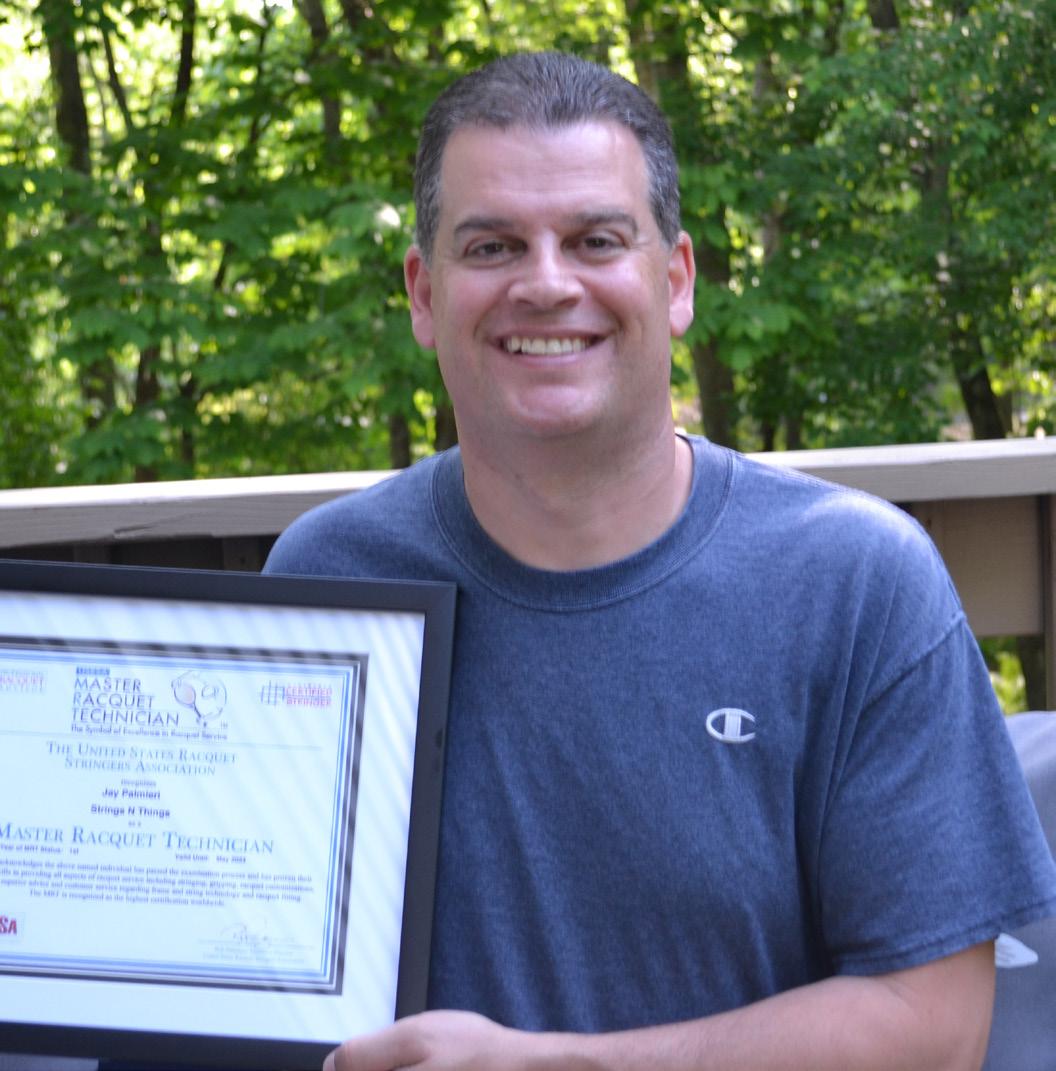
With his client base growing, Palmieri became a USRSA Master Racquet Technician in 2023. He visited over a dozen local high schools, offering discounted stringing to the boys’ and girls’ teams, driving to each school
coffee, and return 45 minutes later to a freshly strung frame. Says Palmieri about his customers: “They’re not our clients. They’re our friends.”
With unmatched customer service, solid experience and expanding expertise, Palmieri and Strings ‘N Things are making things happen in New Hampshire. —Bob Patterson
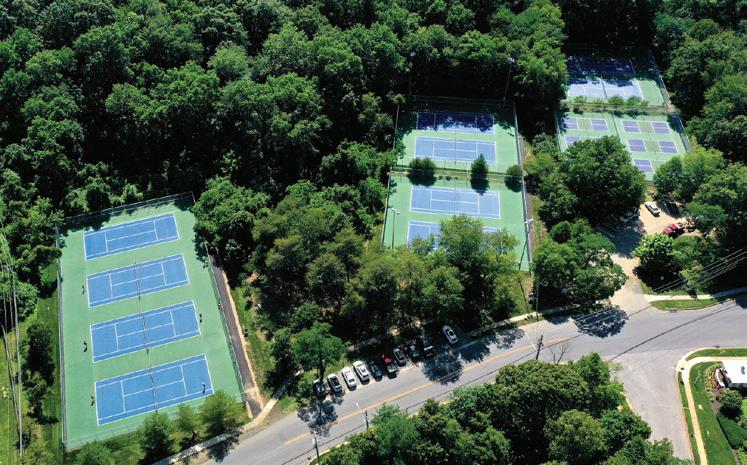
Truxtun Park sets the standard for how a city can grow tennis through access, planning and community connection. Operated by the City of Annapolis, Md., in partnership with local nonprofits, the facility features 10 well-maintained courts and programs that welcome players of all ages and abilities. Family tennis days, youth clinics and adaptive tennis for wheelchair users and individuals who are visually impaired make the park a place where everyone can play.
“Annapolis shows what’s possible when a city listens to its players, invests in its parks, and makes tennis a sport for everyone,” says Shell Wood, Senior Director of Programs and Services for the USTA Mid-Atlantic Foundation. “Truxtun Park shows high demand and frequent court use, validating tennis’s strong community presence. It is recognized as an important community asset with measurable impact on participation and engagement.”
The city continues to strengthen partnerships with schools and local organizations while prioritizing player safety, coaching quality and professionalism. Through thoughtful investment and collaboration, Truxtun Park demonstrates how public facilities can inspire growth, inclusion and pride in local tennis communities. —MikiyaEllis-Glunt
Leverage strong community demand and high facility utilization through data-informed decisions, accessible infrastructure and expanded partnerships.
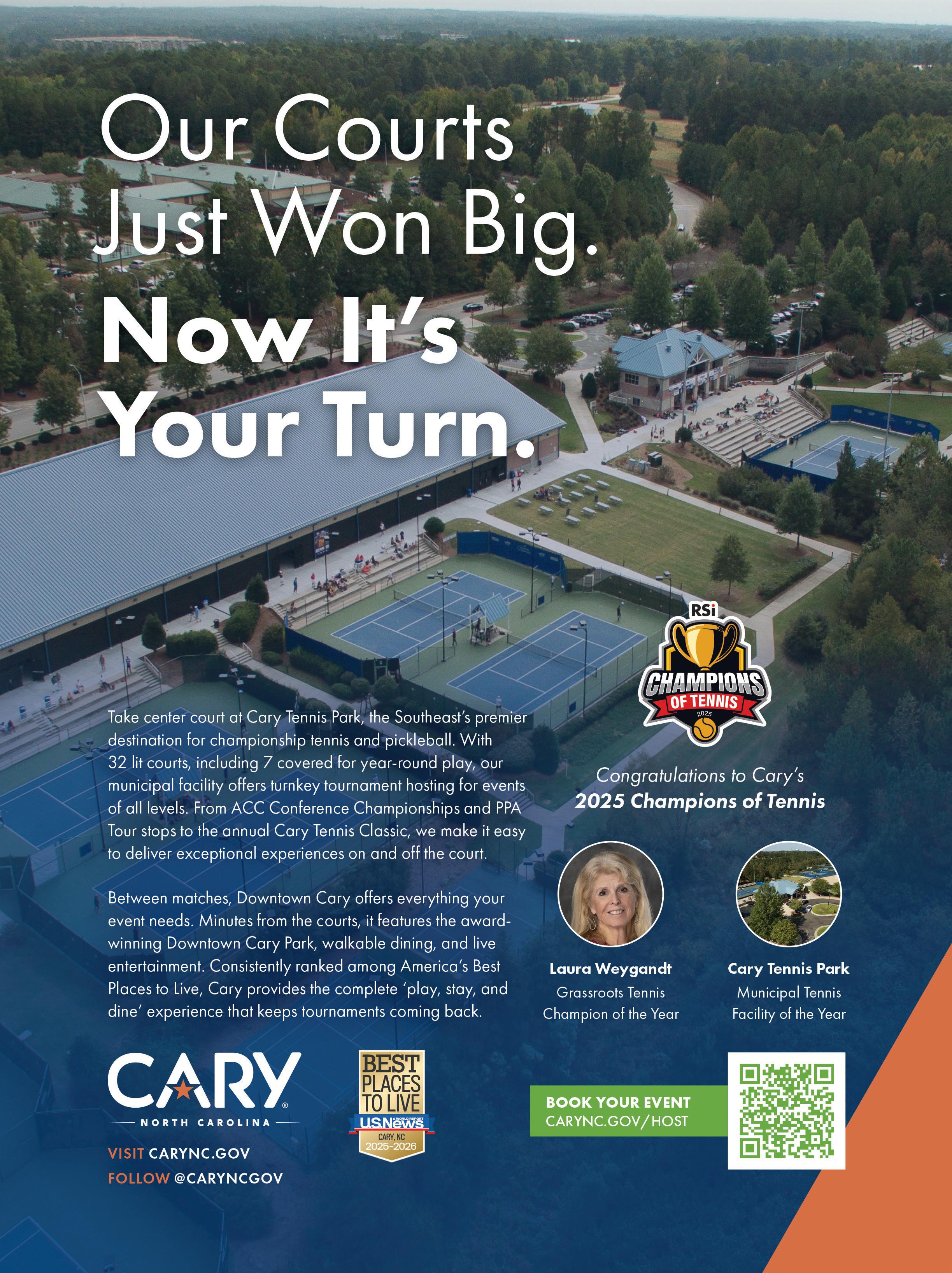
Get involved! Things won’t happen unless you dedicate yourself to working to grow this sport.
Paul Pittman has served as an advocate for tennis at every level of the USTA volunteer structure. His passion to grow tennis in his hometown of Florence, S.C., was the launching point for his work to grow tennis over three decades.
Pittman took up tennis in 1990, when he retired from the Army as a Lieutenant Colonel. He’s served as a
USTA League captain for dozens of teams, and he co-founded the Ron James Youth Tennis Program, an NJTL chapter that has introduced over 1,200 children to tennis in his hometown since 2021.
Along the way, Pittman has earned a reputation for taking on tough projects and getting things done. As chair of the USTA Southern Section’s Advocacy
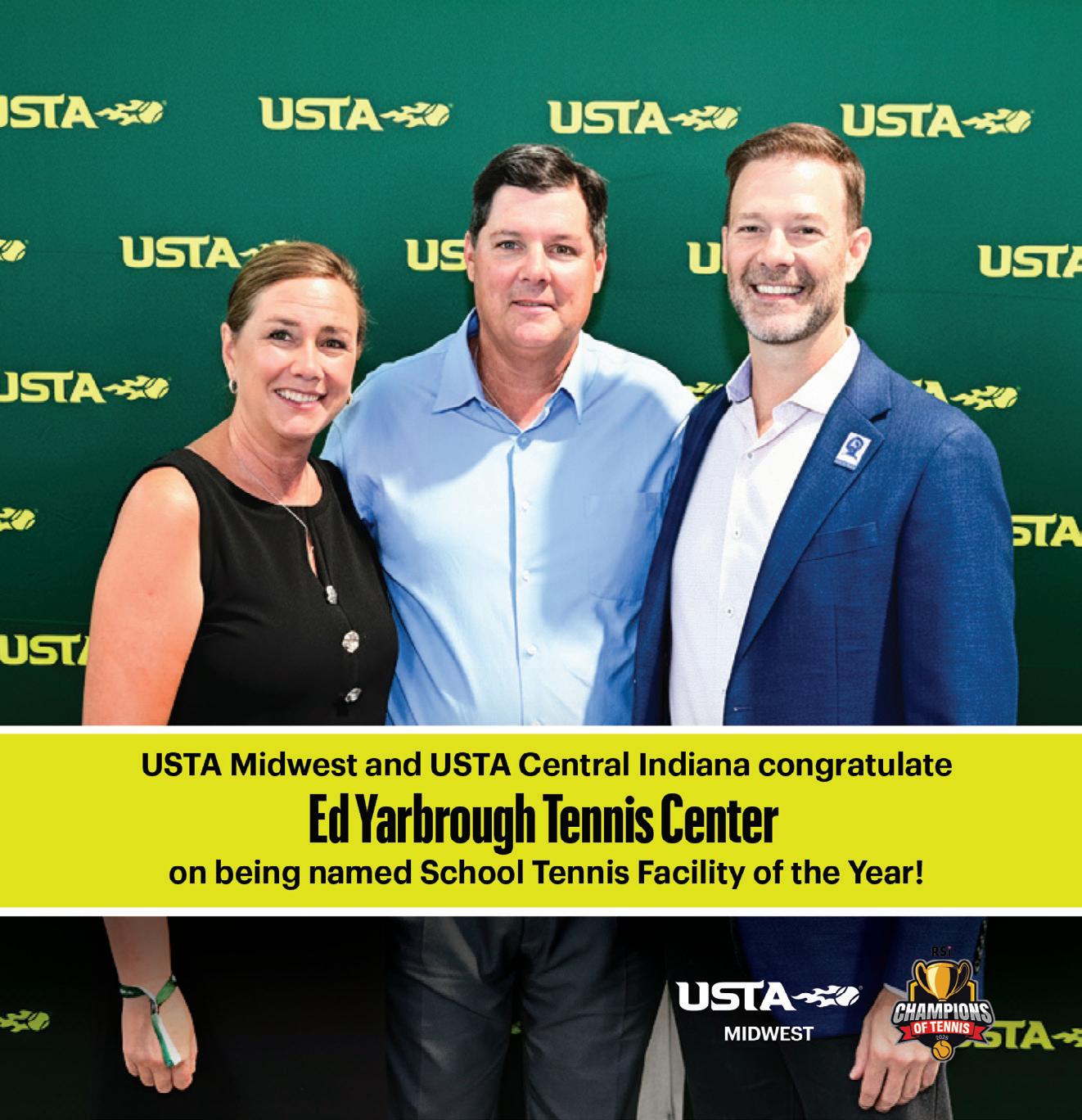
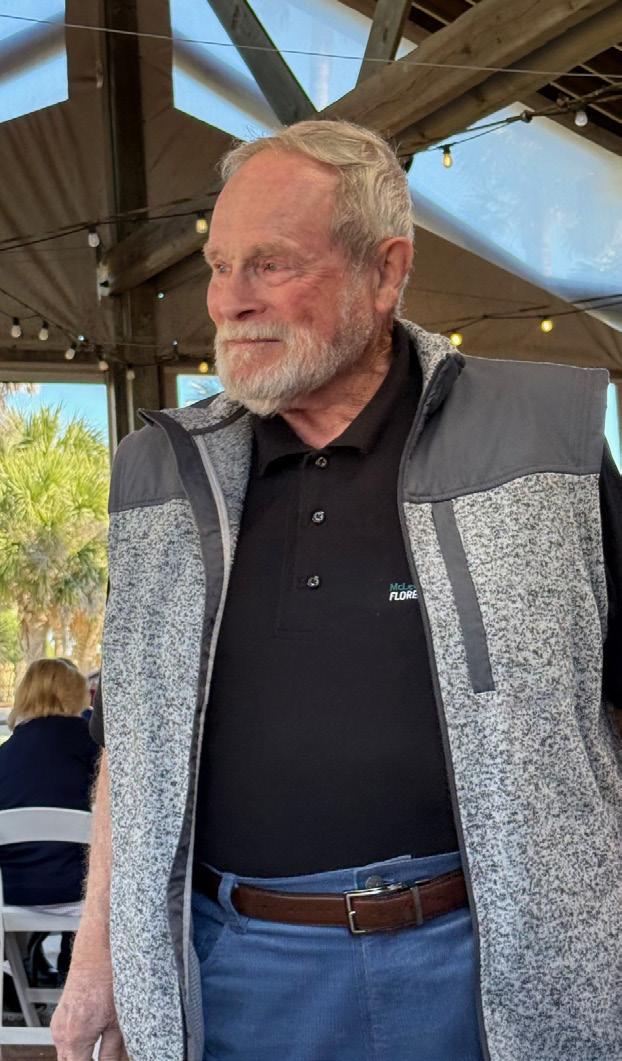
Task Force, he took on challenges to the sport that helped local organizations navigate through hard times, protect tennis infrastructure and grow the sport. Among key projects, he spearheaded the recording of a Southern advocacy video that is featured on the section’s advocacy web page.
His dedication has resulted in major USTA Southern awards, including the 2019 Jacobs Bowl, the 2016 Charlie B. Morris Volunteer Service Award and 2015 President’s Award. Earlier in 2025, he was inducted into the Southern Tennis Hall of Fame.
At the national level, Pittman has served on six committees and is currently a member of the USTA Training Advisory Group. He also chairs the section’s Schools & After School Committee.
“Paul’s dedication, generosity and belief in the power of community have lifted countless partners and strengthened tennis across the region,” says Southern ED Matt Olson. —Ron Cioffi
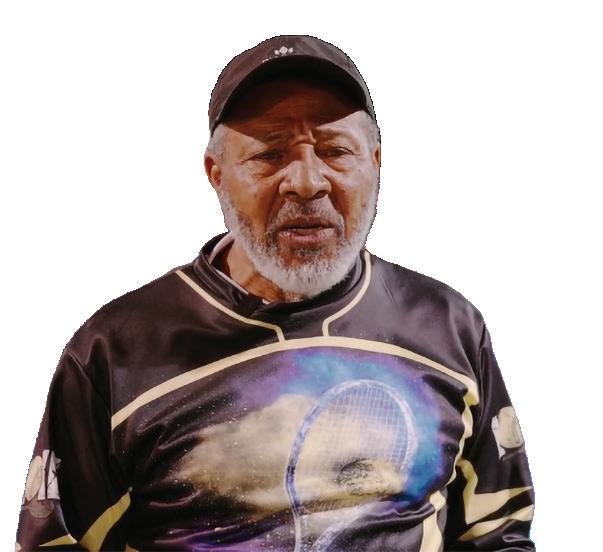
Don Johnson has been a certified tennis teaching professional for 30 years, but he has primarily been teaching the game to juniors for more than four decades. He co-founded Kids N’ Tennis, a community tennis organization based in the Portland and Vancouver metro area, with Andre St. James in 1987. In 2012, Johnson relocated to Houston, Texas, and currently works with the Houston Tennis Association. There, he created a sister program, Kids N’ Tennis-TEXAS, that works closely with the program in Portland.
“This kids’ tennis program has rallied tennis enthusiasts of all ages to promote tennis, mentor kids and help them achieve their educational and athletic goals while providing a safe and positive environment for them to build confidence and self-esteem,” Johnson explains.
“Don currently leads programming at Lee LeClear Tennis Center and oversees the Houston Tennis Association City Tournament Player Program. His work has drawn consistent praise from multiple sources,” notes Larry Newton, Vice Chair of the USTA National Local Play and Competition Committee. —Judy Leand
TIP FOR SUCCESS
Help enrich the lives of children and promote tennis by providing a safe and positive environment for them to build confidence and self-esteem.
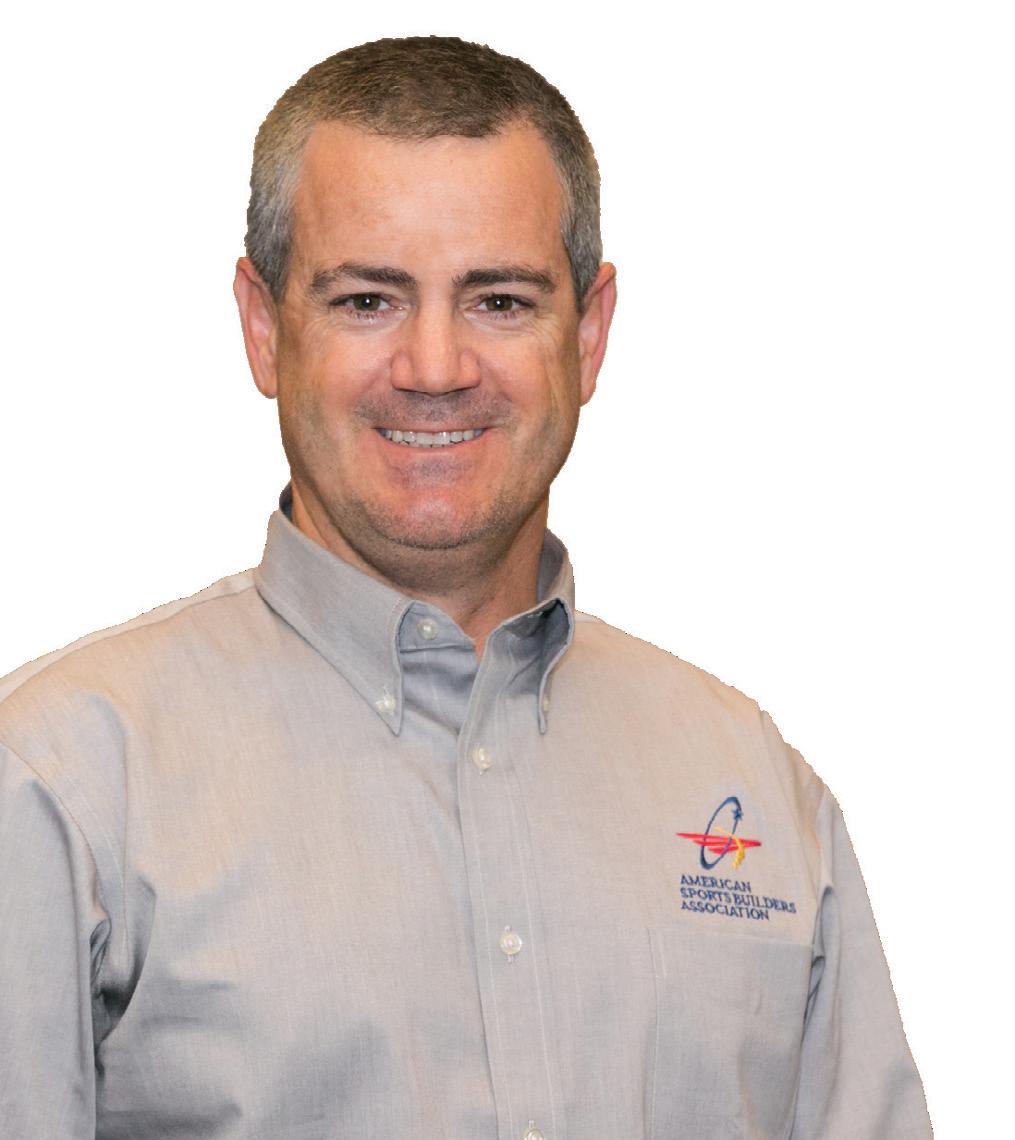
ASBA Member Randy Resley with Sport Court of the Rockies, LLC as the RSI 2025 Builder/ Contractor of the Year!
It’s not enough to just welcome all players on the team, you need to inspire them, engage them, and encourage sportsmanship, teamwork and unity.
As Bill Graham wraps up his 21st season as head coach of the Central High School girls’ varsity tennis team, he does so with a prestigious new honor: the Edwin J. Faulkner High School Coach Award from USTA Middle States, which recognizes a high school coach whose leadership, commitment and character leave a lasting mark on both players and the game. For Graham, the honor is especially fitting.
Leading a no-cut team nearly 40 players strong, Graham has built a program defined by achievement and unity. Central has reached 10 consecutive Philadelphia Public League championships and claimed five straight PIAA District 12 titles.
“Coach Graham creates a very open
and welcoming atmosphere within the team and at practices,” says former team captain Nina Thomas-Taggart. “He makes everyone feel comfortable and included, and that’s why everyone on the team has such a tight bond.”
In 2024, Graham and his players introduced Serena Williams at the Pennsylvania Chamber’s 40th Annual Dinner. This once-in-a-lifetime experience exemplified his dedication to creating opportunities for his athletes.
For two decades, Graham’s approach has emphasized kindness and sportsmanship. “Coach has inspired us to be good sports over everything,” says former player Emma Bream. “He taught us to always be kind to our opponents and respect the game of tennis.” —Katie Miness
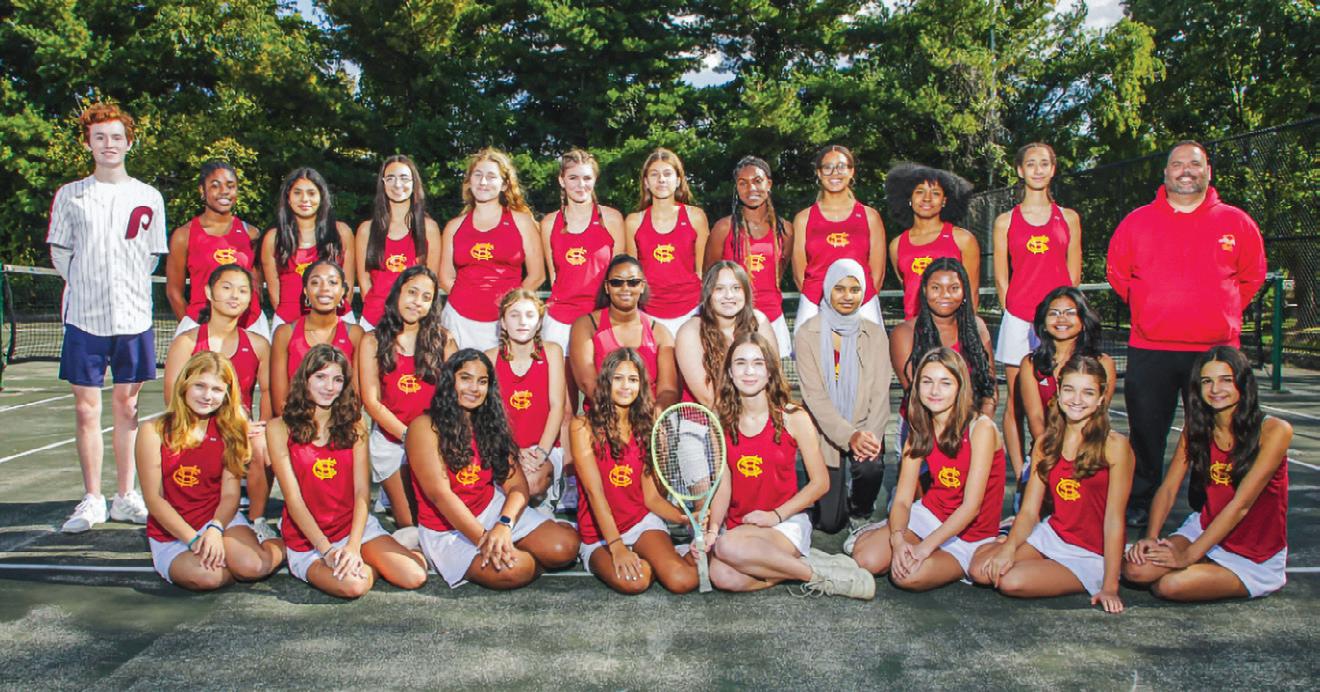

The Chicago Park District and USTA Chicago have continued their partnership to create more public recreation opportunities and inspire healthier communities in the Chicago area. At local parks, USTA Chicago’s programming has included summer day camps for kids—a continuation of a partnership between CPD and USTA that was launched in 2019—junior tennis 101 classes, and adult Cardio Tennis lessons. These and other initiatives, such as Special Olympics training, adaptive and wheelchair lessons and competitions, plus a variety of tennis leagues and tournaments for juniors and adults, expose new audiences to tennis and fill a need for neighborhood-based programming.
The Chicago District encompasses Cook, Lake and DuPage counties, and annually serves more than 5,300 junior and 3,000 adult players and nearly 10,000 members of all types, according to the USTA.
“From the team in the Athletics Department to the Partnership Office to dozens of Park Supervisors, the Chicago Park District has been a great partner in supporting the growth of tennis throughout the city,” says Catherine Thom, Director of Park Programming for USTA Chicago. “Communities across Chicago are showing up week after week to play. Day camp directors have welcomed us bringing tennis into their programming.” —JudyLeand
Community tennis initiatives and partnerships help grow the game and spread the joy of tennis to players of all ages and ability levels.
Collaborate across sectors for greater results. The partnership between Explore Asheville and local sports and nonprofit organizations shows how collaboration can enhance financial and social impact while strengthening community outcomes.
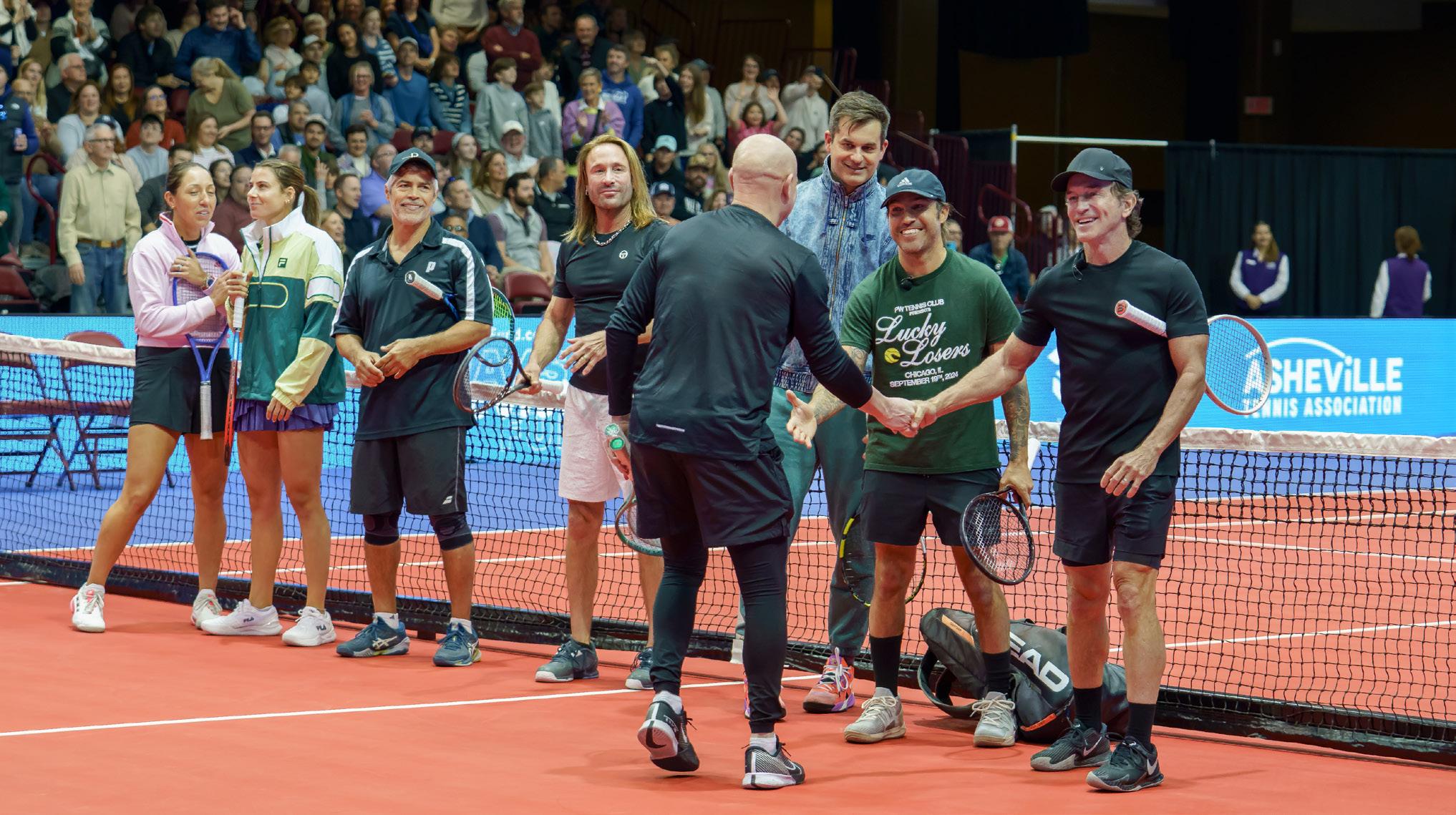
The lashing winds and historic flooding unleashed by Hurricane Helene across western North Carolina on Sept. 27, 2024, caused at least 108 fatalities while devastating infrastructure, residential areas and recreational facilities.
Inspired by the music industry’s Concert for Carolina, former US Open tournament director Jim Curley, who had moved to Asheville, N.C., in 2022, organized and directed Stars Servin’ Up Love Presented by Explore Asheville at Harrah’s Cherokee Center on Feb. 2, 2025. The celebrity tennis event raised more than $1 million for local nonprofits, including $102,364 allocated to
the Asheville Tennis Association.
Participants included tennis greats Andre Agassi, Andy Roddick, Jessica Pegula and Emma Navarro; celebrities Michael Kosta, Jeff Probst, Pete Wentz and Esai Morales; and Tennis Channel’s Chanda Rubin, Andrew Krasny and Russ Thaler.
The Asheville T.A. partnered with local community partners, the North Carolina Tennis Association and USTA Southern to identify and assist in the repair and restoration of impacted tennis facilities. Funds were recently distributed to Ashe County Parks and Recreation, Creekside Sports Club,
Aston Park Tennis Center, Asheville Racquet Club, Brevard Health & Racquet Club, Deer Valley Athletic Club, the town of Lake Lure and the town of Black Mountain.
Jeff Joyce, a past president of the Asheville Tennis Association, calls Stars Servin’ Up Love “the most important tennis event of my life.”
“The raising of over $1 million to help in the recovery efforts is more than gratifying,” he says. “It tells all about the tennis community in Asheville and western North Carolina. I could not be more proud!”
—Cindy Cantrell
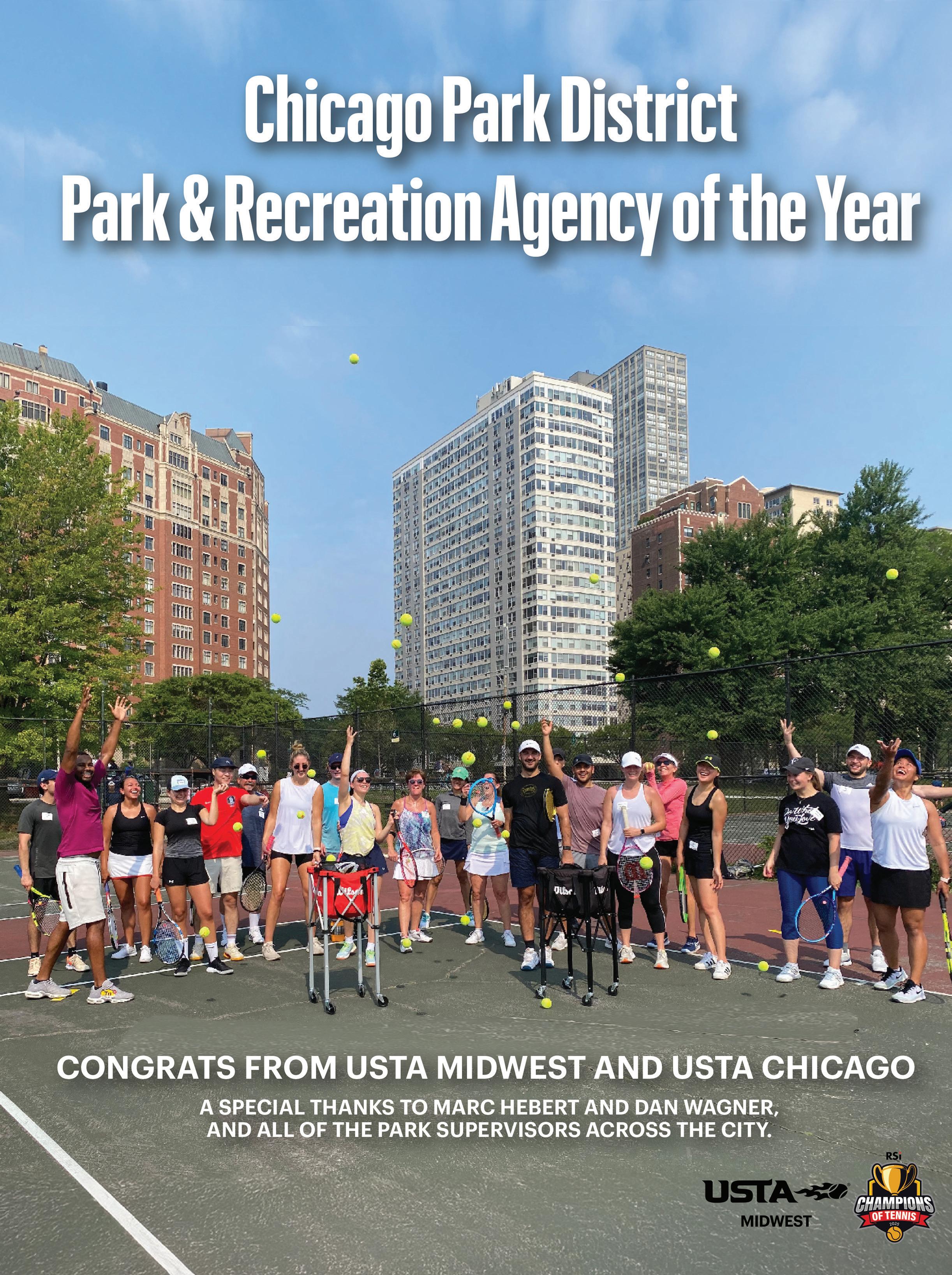

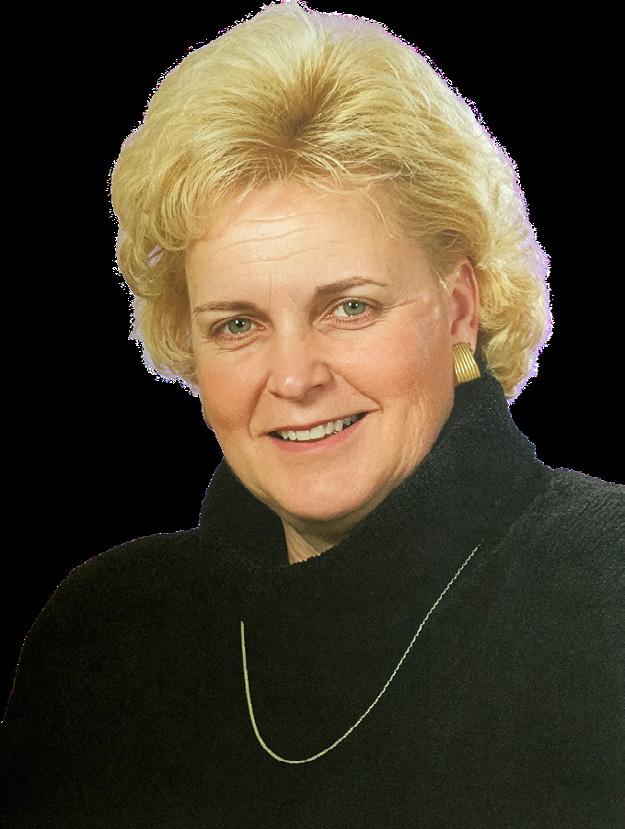
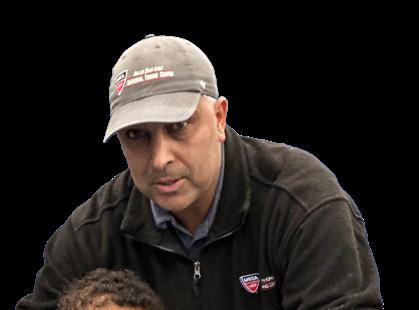
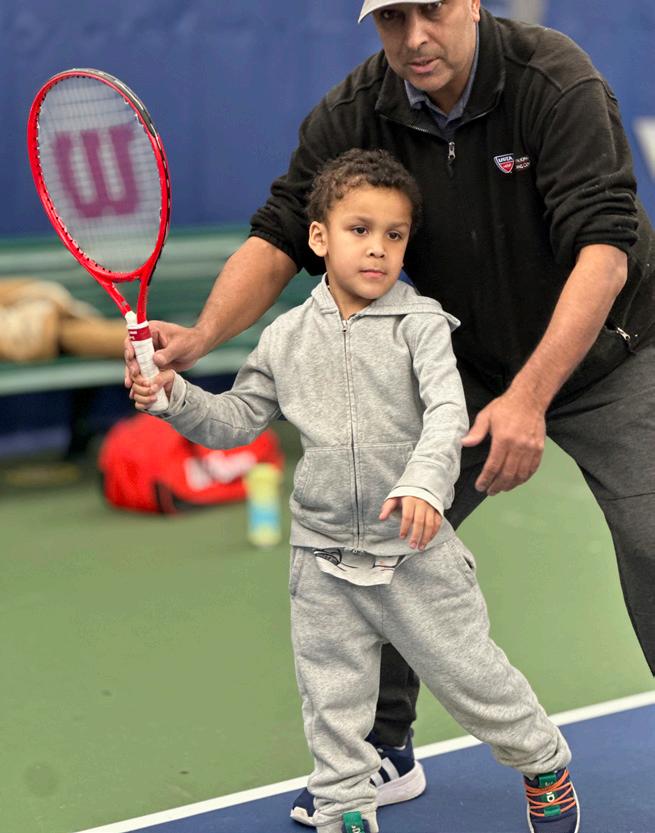
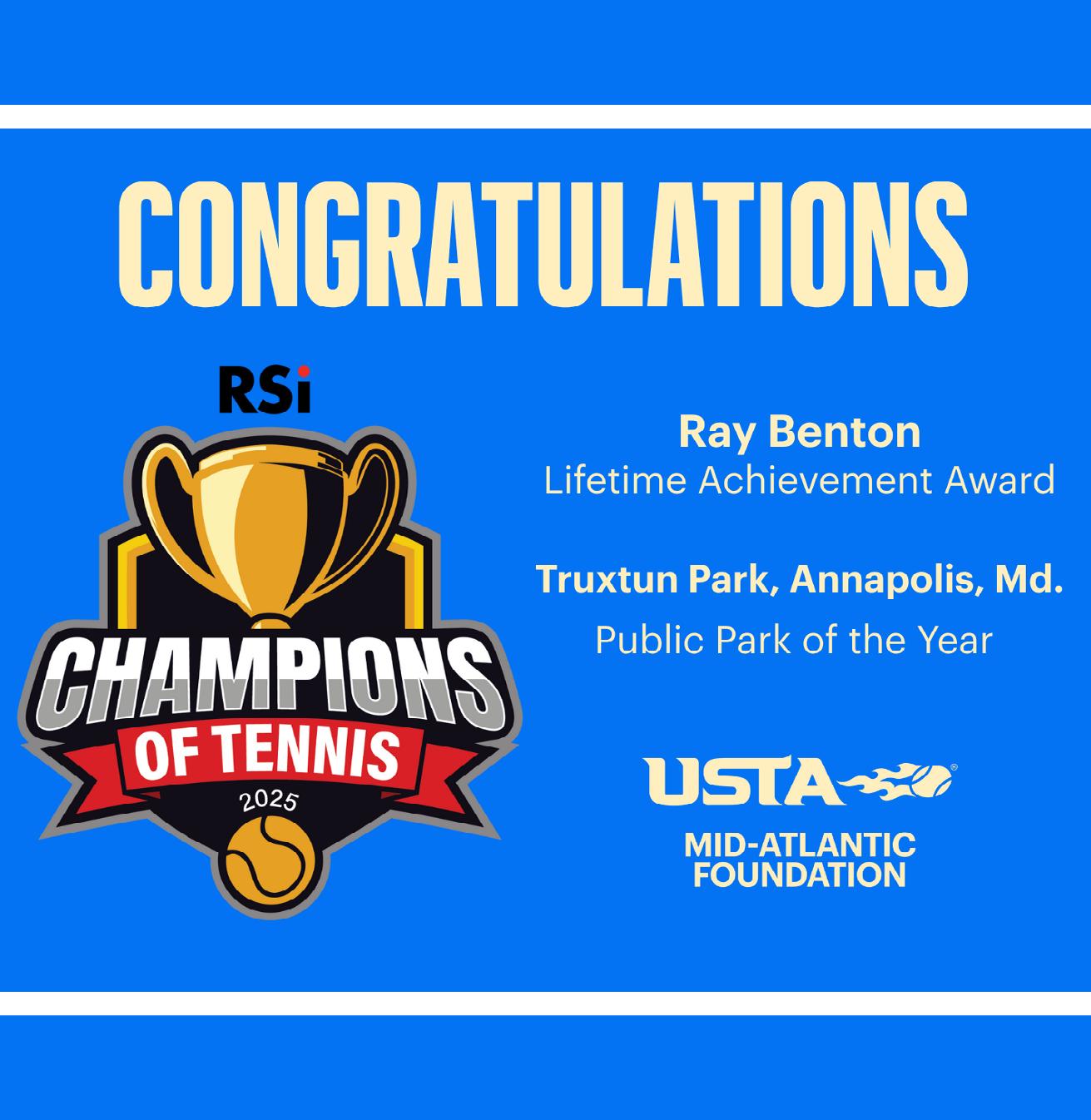
Since starting at the USTA Billie Jean King National Tennis Center (NTC) in 2006, Nouri El-Hajjar has become a pillar of the organization’s junior programs. A Red Ball Tennis specialist, El-Hajjar tailors drills to each student’s ability and fosters a welcoming environment for players of all ages and skill levels. His program was voted the Best Tennis Program in the World by Tennis Whizz in January 2014 and has also been highlighted in the New York Metro Parent Magazine.
“Nouri runs one of the best 10-and-under programs in the U.S.,” says Steve Keller, a USTA Coaching staff member. “He’s also a gem of an individual, goes the complete extra mile, and is absolutely a person you would want as a leader in the junior tennis scene.”
To help introduce players to the game earlier in life, El-Hajjar created Play Days, where children can try out tennis in a lowpressure environment at no cost. El-Hajjar says he is fueled by a true passion for tennis and watching how impactful tennis can be for young people.
“It’s just a blessing for me,” El-Hajjar notes. “I hear the kids cheering, waiting for you. You inspire them. And then later, to see them play in high school or college—that’s what motivates me. Keep moving down that pathway.”
“From humble beginnings in Morocco, Nouri embodies the core values of USTA,” says Dale Evans, Director of Tennis Operations at the NTC. “His welcoming nature is our foundation and his patience is a virtue that all of his NTC co-workers admire.” —MacyAlcido
It’s not just about teaching tennis, it’s about inspiring people.
Look for win-win situations, such as what Wendi has created with Serving Advantage students and their peer mentors, who gain leadership and coaching skills through their volunteer work.
Wendi Eusebio is the president of Serving Advantage, a nonprofit adaptive sports program that serves young students with developmental disabilities. In a unique mentorship model, Eusebio empowers 150 active middleand high-school tennis players to lead the organization as volunteer peer coaches, all of whom are trained to support the special needs community.
Each Serving Advantage student is paired with a peer coach, known as their “Doubles Partner,” who guides them through their tennis journey.
“Serving Advantage’s work is truly inspiring—creating opportunities for youth and adults on the autism spectrum, individuals with Down syndrome, and others with disabilities to experience the joy of tennis,” says Esther Hendershott, Director of Community and DEI at USTA Southern California.
“Wendi is the heart of the program, leading with compassion and purpose. Through her mentorship, she empowers young volunteers, connects them with professionals in the field, and fosters an inclusive environment where everyone can thrive. Seeing her surrounded by motivated, engaged youth is a true testament to her leadership and dedication.”
The idea for the organization came from Wendi’s son, Jacob, inspired by his challenges connecting with his younger brother, Evan, who is on the autism spectrum. What began in 2020 as a trial summer camp has now grown
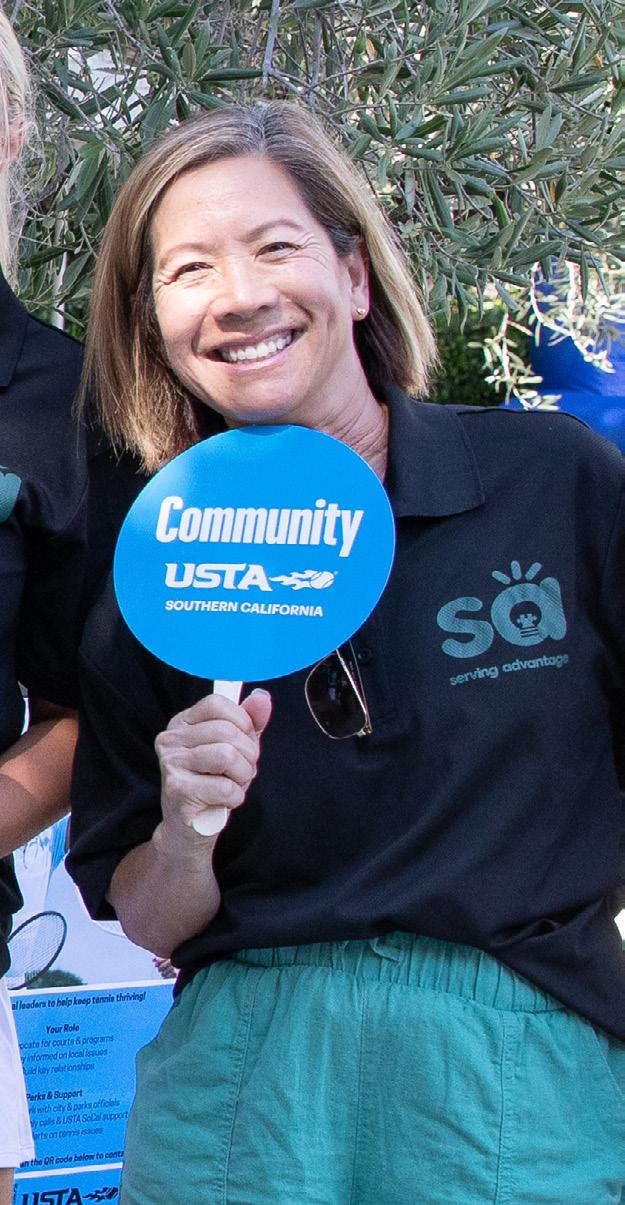
into a thriving program offering yearround clinics, in addition to summer and winter camps.
A success in the community and on the court, Serving Advantage recently sent two of their athletes and unified partners to the 2025 USTA National Adaptive Tournament. Among the youngest competitors in the field, both teams won qualifying events in SoCal to advance to the national stage.
—Arthur Kapetanakis
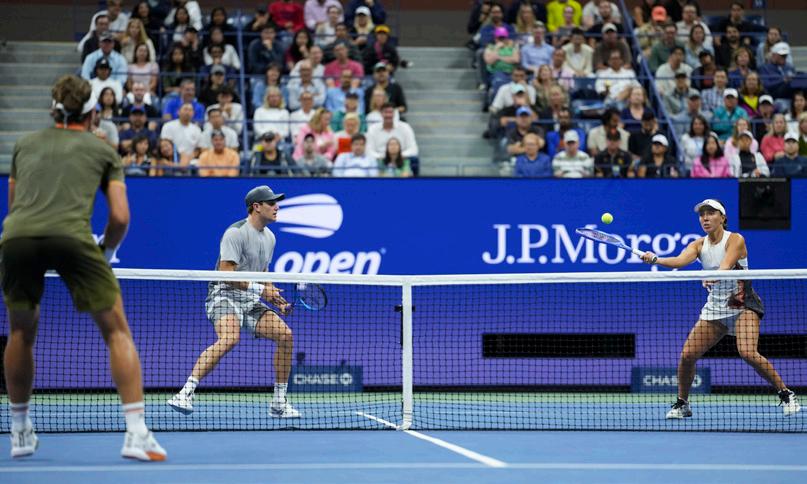
In 2025, the US Open Mixed Doubles Championship got a remix. Rather than taking place during the second week of the main draw, the event was played over the course of two days during Fan Week, the opening week of the tournament. And what an event it was.
Sellout crowds crammed into Arthur Ashe Stadium each day, plus an additional 20,000 fans watched mixed doubles for free in Louis Armstrong Stadium. And nearly 350,000 viewers tuned into ESPN for the event, which featured a new, shortened format and enhanced prize money. The two-day championship brought mixed-doubles competition to more fans than ever before, airing across 17 networks in over 170 countries and territories. Talk is of possibly expanding this event next year, while other tournaments are considering using the same format.
“We’ve always believed that mixed doubles is undervalued in our sport and has the potential to engage and captivate many more fans,” said former US Open Tournament Director Stacey Allaster. “This year, we made bold changes in scheduling, format and player field to showcase the uniqueness of the top men and women in the world competing on the largest tennis stage in the world, and fans and players loved it.”
—Judy Leand
TIP FOR SUCCESS
While making changes to a sport that is steeped in tradition can sometimes be controversial, it can also ratchet up fun, excitement and fan engagement.
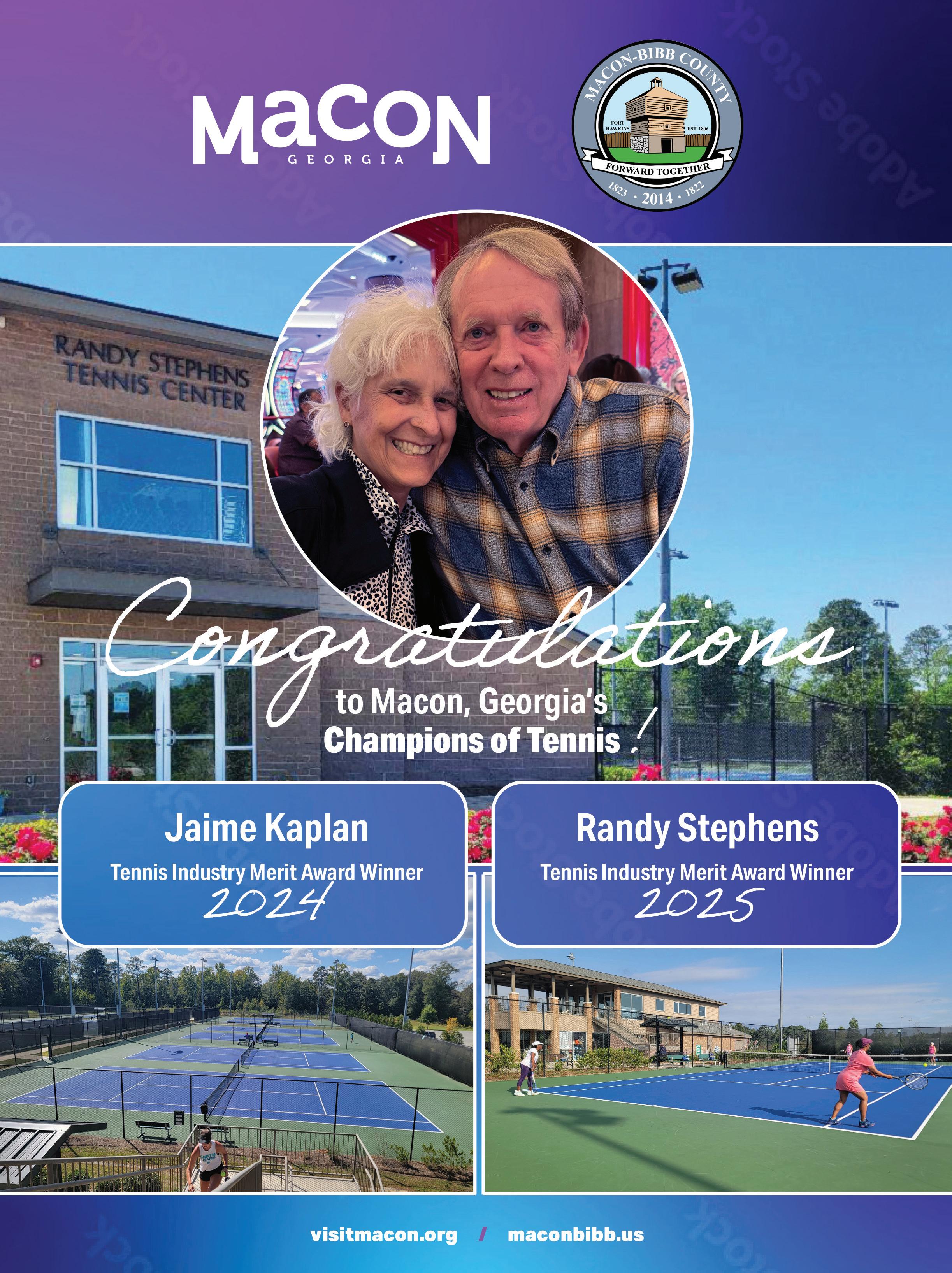
Tennis should soon, finally, shed its reputation as a stodgy, perhaps even stale, athletic endeavor. And the catalyst for achieving that tipping point could well be this year’s Innovative Tennis Event champion, INTENNSE, a one-year-old, fast-format pro league designed for the video age. Blood-pumping tunes play throughout the match, fans are encouraged to cheer as they wish, rather than wait for points to end, and to stand up, shout or even dance as the spirit moves them. According to Director of Player and Coach Relations J. Y. Aubone, “Many things made the first season successful, [most significantly] INTENNSE embraces the fan experience and makes them a part of the product.”
Three teams competed on a specially built court in a Decatur, Ga., broadcast facility, with players encouraged to interact with the fans throughout and after the 10-minute Dual (or match). Mixed-gender, action-oriented play included a 14-second time clock, no stoppage for play, all-electronic line-calling, and one toss and serve per point, scored one point for a standard point and two for a clean winner. Team Atlanta took home the first six-week season’s championship Bata Trophy.
The draft for season two will take place in February for what is expected to be a 10-team, even more engaging, interactive and INTENNSE professional tennis experience.
—Kent Oswald
TIP FOR SUCCESS
Encourage connections between fans and players, rather than having both groups only focus on play.
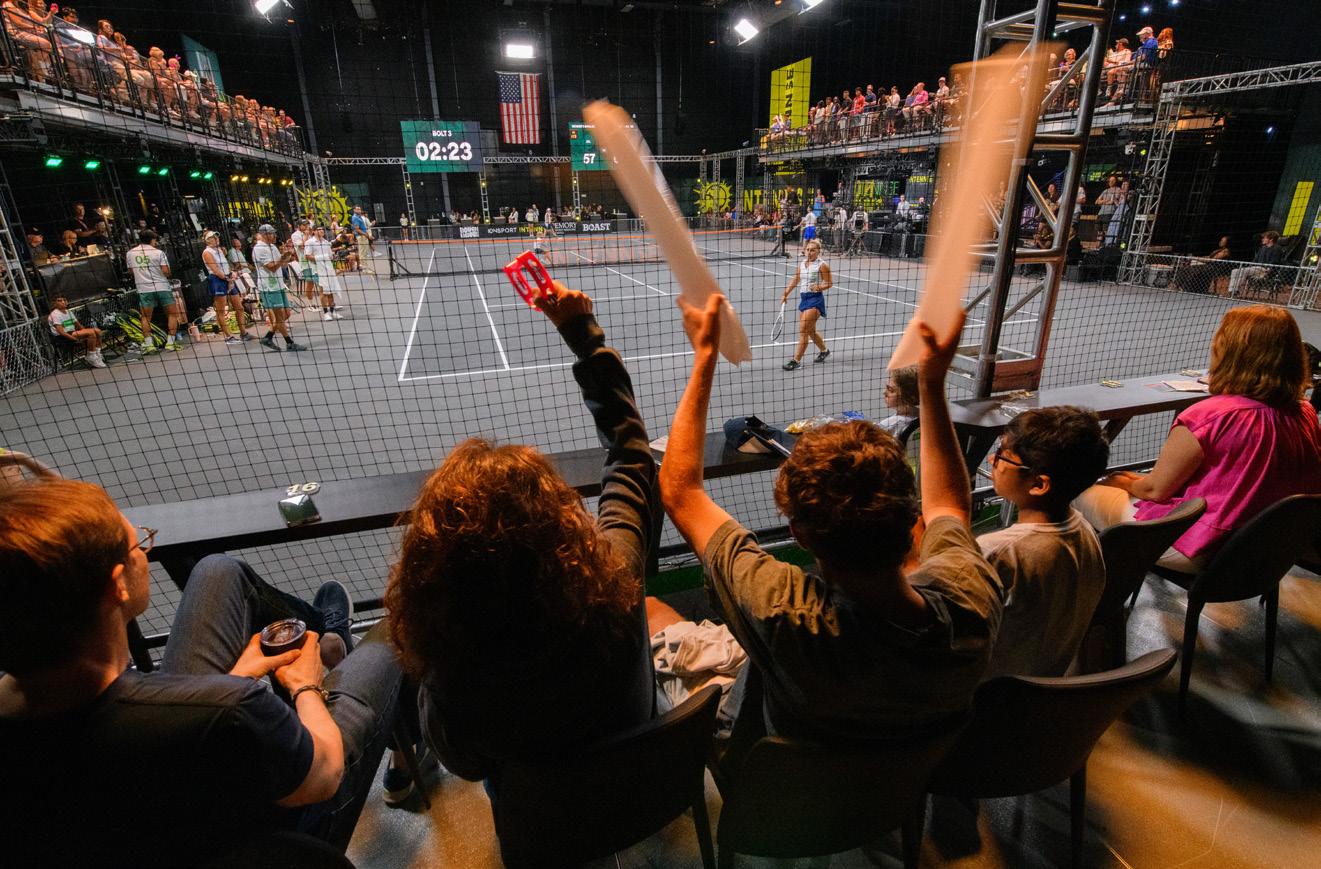
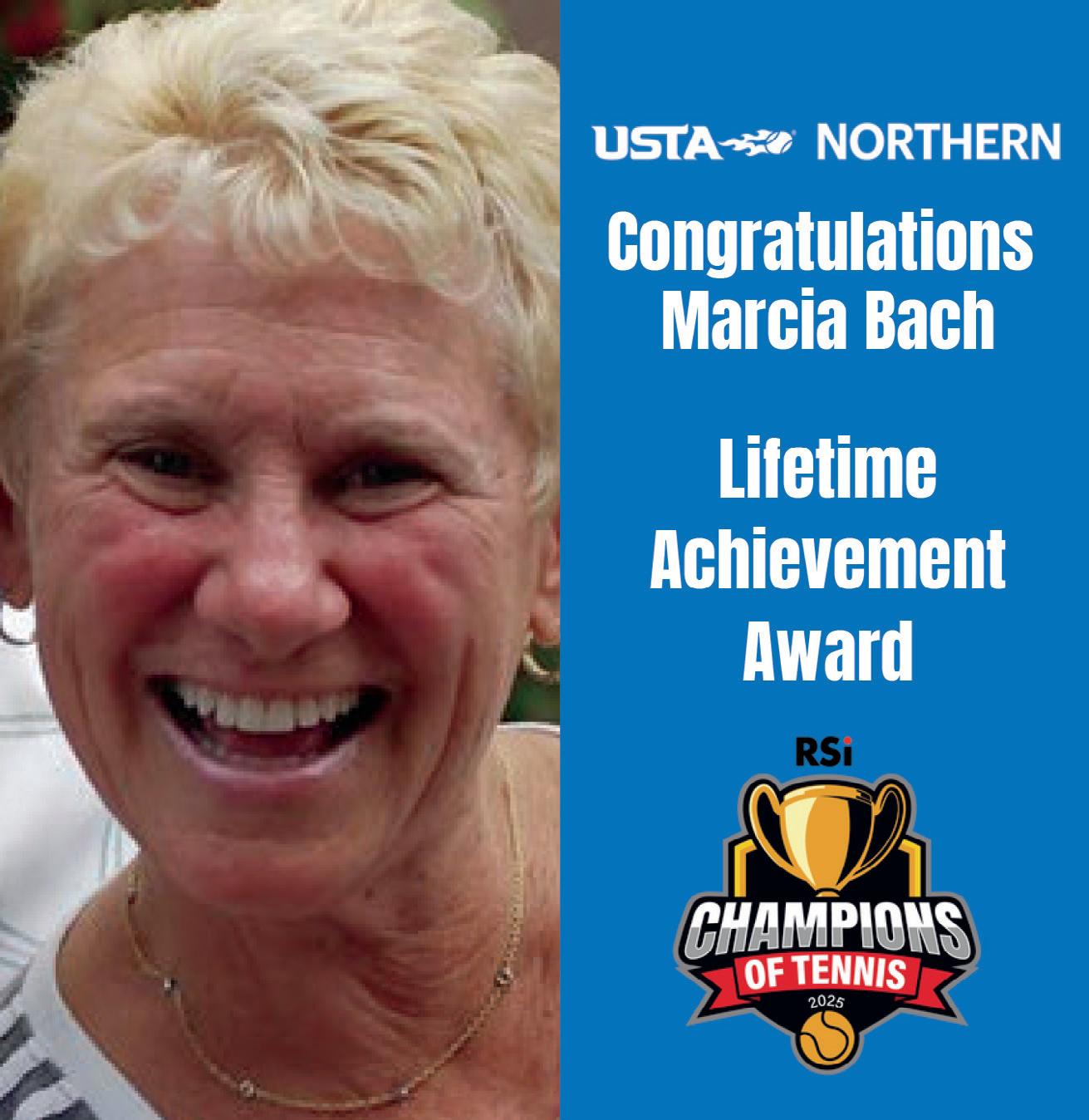
For Phoenix’s Alante Wright, the struggle to find and meet new tennis partners when he began playing became more than just reaching out with a proactive phone call or two. It became the genesis of an idea much bigger and way more social.
In the fall of 2024, Wright set about finding and welcoming other new black players. A few months later, after
TIP FOR SUCCESS
Form local partnerships with companies, organizations, influencers and others to advance your ideas and get the word out.
seeing social media posts of a social tennis club in Dallas pretty much doing what he wanted to create—a community of new black players learning and loving the game—the Phoenix Black Tennis Club was formed.
PBTC organized several meetups at tennis facilities all over the city that were massive hits, connecting current black players, but also introducing a
host of new players to the sport. Local partnerships with black influencers, vloggers and corporate brands like Lululemon and organizations like the USTA and Southwest Tennis Foundation helped with attention and financing, and Wright’s background in consulting helped him navigate and reach the community.
Meet-up events—nearly 30 in 2025—became more frequent as the year progressed, but also more in demand, so waiting lists became the norm. The group reached nearly 1,000 black players, many first-timers, with fun and themed events.
“We had a mission and purpose and a why behind it all, and we think this is sustainable and scalable,” says Wright, a former Arizona State football player. “We want our players to feel like they belong and have a space to be welcomed.” —Jeff Sikes
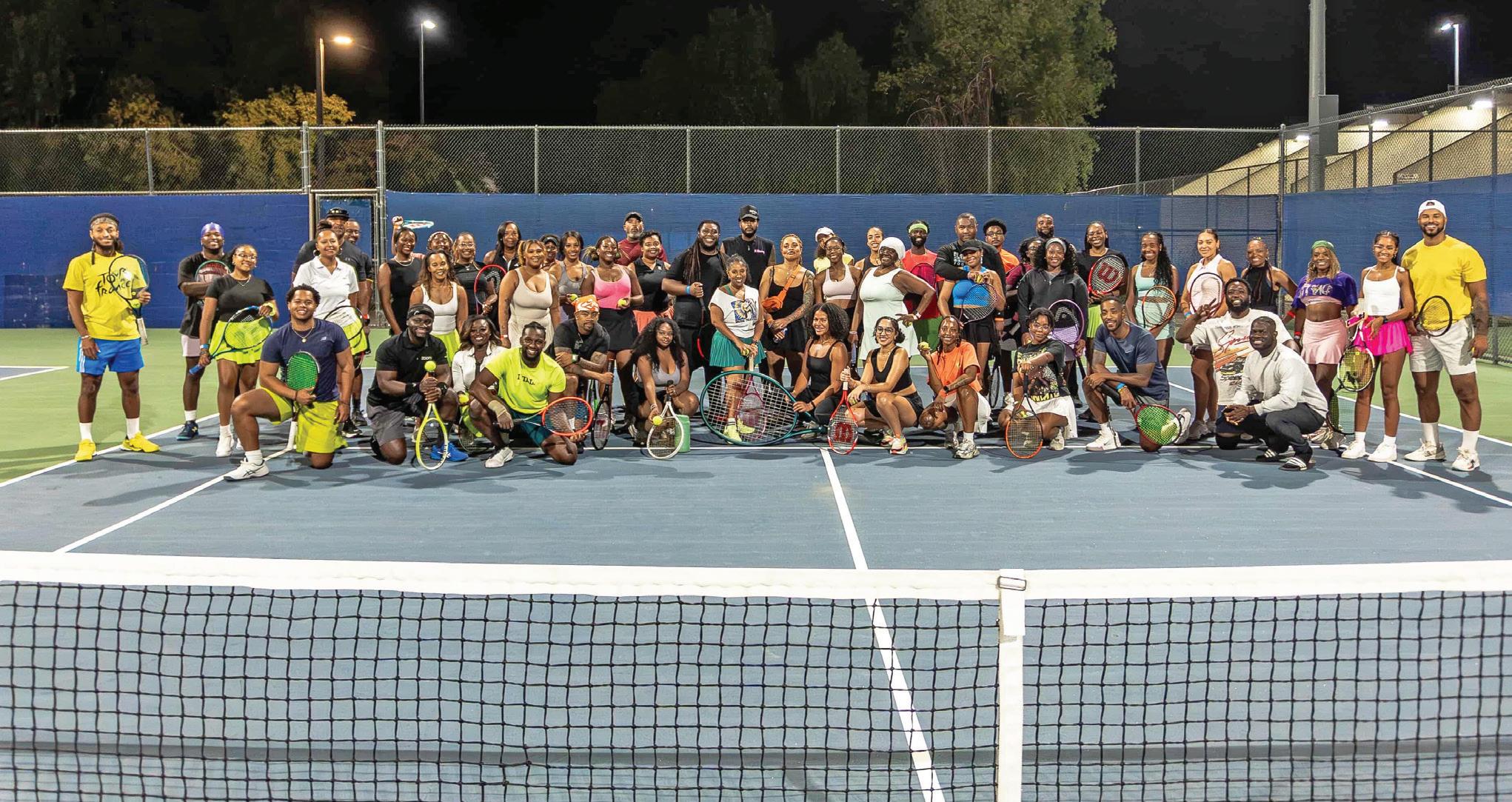

FEBRUARY 13-16, 2026
SADDLEBROOK RESORT I WESLEYCHAPEL, FL
Four fulldays ofworld-class education, networking, trade-show access, socialevents and celebration, we bring together the global racquets community all under one roof at the newly-renovated Saddlebrook Resort
FRIDAY,FEBRUARY13
Master classes and special events
SATURDAY,FEBRUARY14
Trade Show, flag parade, tennis and pickleball presentations, and opening party casino night
SUNDAY,FEBRUARYlS
Tennis and pickleball presentations, cocktail reception, gala
MONDAY,FEBRUARY16
Final day of tennis and pickleball presentations and a "Cheers tothe Next 50 Years" celebration


A demonstrated commitment to the growth and development of tennis facilities in local communities is great for the game as well as the players.
Built in memory of Ed Yarbrough, who coached for 40 years at Jasper (Ind.) High School, the Ed Yarbrough Tennis Complex has become one of the nation’s leading venues, and was presented with the 2025 Outstanding Facility Award by the USTA.
Altogether, the complex has 24 lighted tennis courts, including four
indoor courts—all open to the public. While the school itself provided the land, the community and Jasper Tennis patrons raised close to $1.3 million to build the facility.
The center runs three USTA junior tournaments during the year, as well as numerous Orange and Green Ball tournaments. The venue also is home
to the Jasper High tennis teams and has hosted state, sectional, regional and Semi-State rounds. A six-week summer tennis camp for kids ages 3-18 (which in 2025 attracted 350 campers), college matches, and a local women’s league utilize the courts as well.
“The tennis culture in Jasper is special. It’s a true community program established by Coach Ed Yarbrough more than 40 years ago and then passed on to his son, Scott, to take it to the next level,” says Chad Docktor, CEO, USTA Midwest. “The support they get from the town is incredible. Having four indoor tennis courts on a high school campus, along with a top-level outdoor tennis complex, is amazing. Jasper has a tennis model that I hope many cities would look to copy.” —Judy Leand
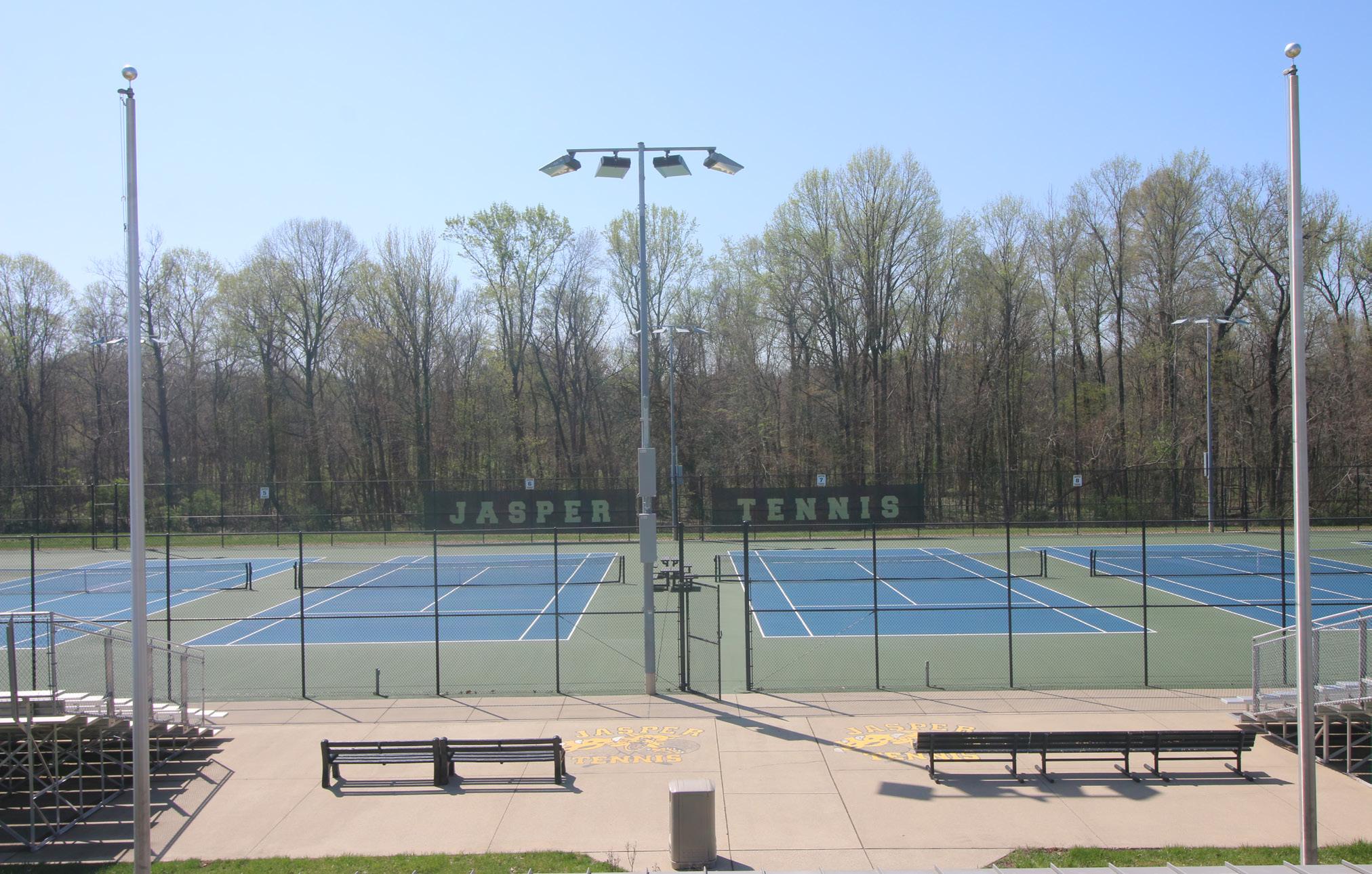
Since arriving in Maine in 2009, Gavin Glider has become one of the most dependable and trusted figures in the state’s tight-knit tennis community. As the head teaching pro at Apex Racket & Fitness in Portland, he works with both juniors and adults, guiding beginners taking their first swings to honing the skills of elite junior and college athletes.
What sets Glider apart is the ease with which he adapts to each athlete. Regardless of age or level, he communicates with clarity and patience, never rushes, and turns even the toughest corrections into constructive, confidence-building moments.
And his impact extends far beyond his own lessons. As a PTR Coach Developer, he trains and mentors new teaching professionals, shaping how the next generation of coaches approaches the sport.
“Gavin’s commitment to organization, leadership and professional growth has set a standard for our entire coaching team,” says Stephan Woods, owner of Apex Racket & Fitness. “He’s not only an exceptional coach but also a mentor to other professionals, continually raising the bar for tennis education in Maine.”
Beyond in-person coaching, Glider reaches an even wider audience on social media as a Wilson Tennis and Luxilon Global Social Ambassador. He regularly shares educational and entertaining tennis content with his 50,000 followers. —JamesMaimonis
Education is a key to not only your own professional growth, but in helping others enjoy—and stay with—tennis.
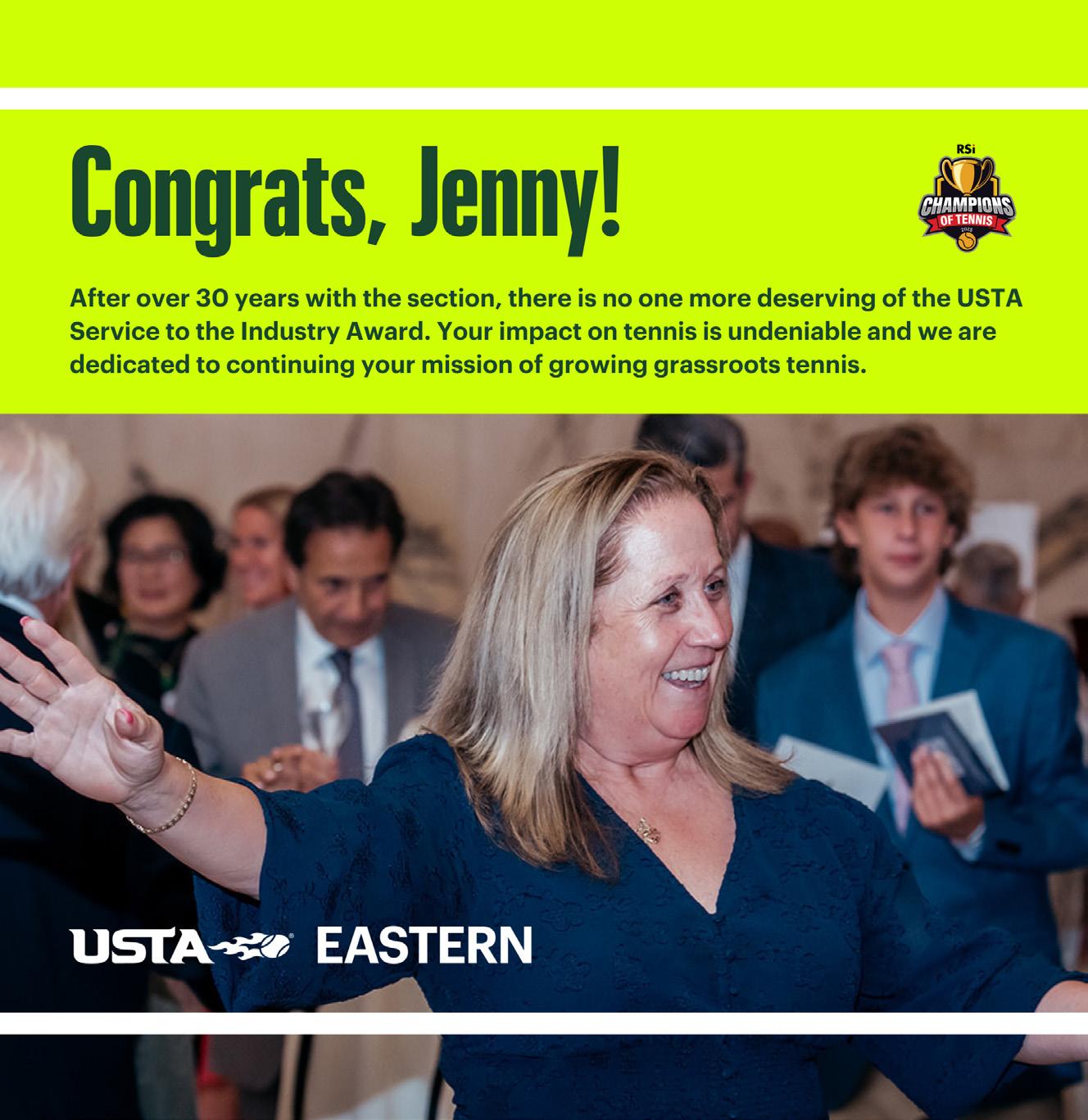
Do all you can to strengthen and grow public tennis in your area, and continue to gather data to recognize and take advantage of trends.
USTA Florida is making bold, strategic moves to strengthen public tennis across the state.
In 2024, the section launched a statewide Advocacy Program led by volunteers. In 2025, the program expanded significantly with a dedicated director and more than 25 active projects in partnership across 18 different counties with municipalities and facilities. These efforts are improving infrastructure, expanding programming and building stronger community connections. A park cohort is also being established to further support collaboration.
To support long-term sustainability, USTA Florida introduced the Public Tennis Park Fellowship Program, a paid, two-year initiative focused on developing future tennis directors. Fellows gain hands-on experience at USTA Florida-managed tennis sites and receive training in operations, programming and leadership. The goal is to place 20 new directors in
public tennis roles over five years.
In 2025, USTA Florida also conducted a statewide analysis of public tennis facilities, gathering new insights into court types, usage and access gaps. These findings will guide future advocacy efforts and help identify where new courts and programming are needed most.
Additionally, USTA Florida launched a new volunteer system and structure designed to recruit, develop and engage volunteers across all areas of the organization.
The section made major capital investments this year, including over $1 million in upgrades at the Racquet Club of Cocoa Beach. Additional projects are also under way across the state.
With expanded data capabilities, a growing team structure and a renewed focus on public tennis, USTA Florida is advancing its mission to grow the game and ensure high-quality, affordable tennis is available to everyone.
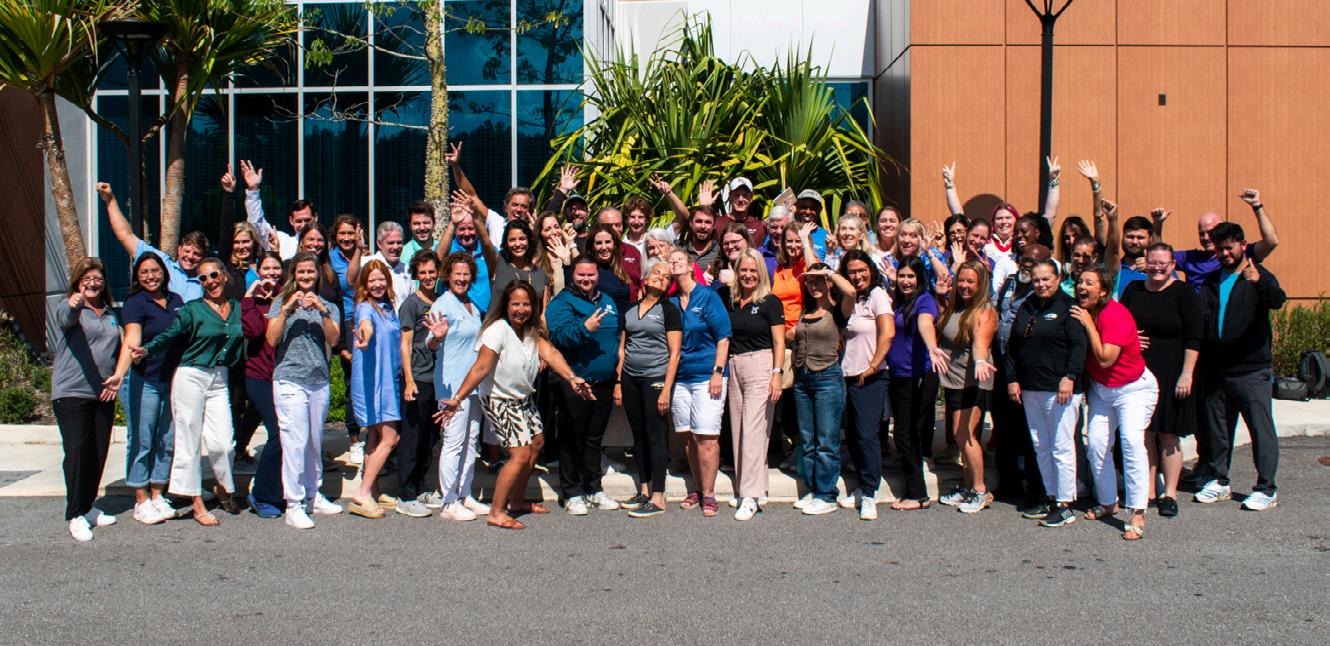
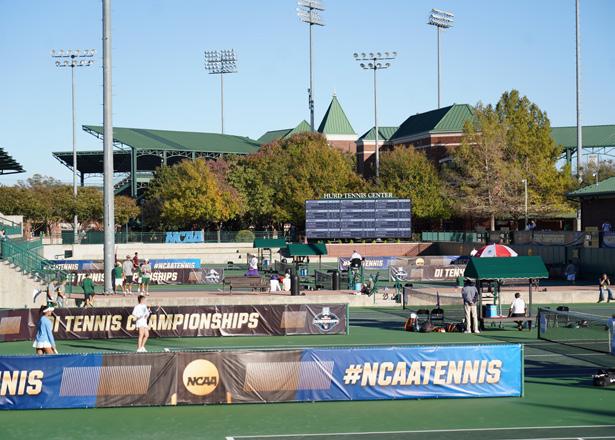
Home to the Baylor Bears, the Hurd Tennis Center provides a best-in-class setting that matches the level of play on its 12 outdoor courts. An active community hub in Waco, Texas, the facility also serves the public by hosting non-college events and tournaments at various levels.
After hosting the NCAA Division I Singles and Doubles Championships last year, the Hurd successfully staged the 2025 NCAA Team Championships last May. In addition, the tennis center was home to the Big 12 Conference Championships and provided a secondary site for the ITA Division I National Indoor Team Championships this year.
The facility also provides opportunities to bring smaller conference championships to Waco, like last season’s Southern Collegiate Athletic Conference (SCAC) tournament. Beyond the college game, the Hurd hosted Texas’ state high school championships this fall.
“The Hurd Tennis Center is a prime example of how to bring a tennis community together,” says Fred Viancos, Executive Director of USTA Texas. “Serving as a central hub for a top-rated collegiate program and the tennis community at large, it helps raise the profile of tennis in Waco and across Central Texas.”
With the Hurd rooted in campus life, Baylor’s Tennis on Campus club team also practices at the facility, with varsity players often joining in on the fun. —ArthurKapetanakis
No matter the level of tennis played on the courts, bringing the community along for the ride is a sure way to raise a facility’s game.

When many professional athletes take the field or court for the final time, they walk away from their sport for good. They’re not interested in coaching, and they’re comfortable basking in the glow of their just-completed careers.
And then there are those who believe their playing career is simply a launching point. Bunny Bruning—who competed in the main draw of all four Grand Slams—has stayed involved in the game of tennis far longer than her nine-year WTA Tour career lasted.
A Master Professional with the Racquet Sports Professionals Association (and fivetime RSPA Missouri Valley Professional of the Year), Bruning began working as a tennis coach at the Wakonda Club in Des Moines, Iowa, in 1983 and retired from Wakonda in October 2024. That same year, she was recognized as a USTA Champion of Equality and earned induction into the USTA Iowa Hall of Fame.
Bruning has held various leadership roles within the RSPA, including national vice president and president of the Women Coaching Racquet Sports division, and this past September she won the 2025 Alex Gordon Racquet Sports Professional of the Year Award from the RSPA, recognizing her influence through coaching, mentorship and community development.
“I’ve gotten a lot from tennis, and it’s always time to give back,” she says. “It makes me happy to see other people have joy through [this] sport. I can say that I’m living my best life right now. I’m not done yet; I’ve go stuff to do.” —David Smale
TIP FOR SUCCESS
Always look to learn something new and try something else.

To Phoenix-area community partners RAY’S RACKETS & PHX BLACK TENNIS CLUB on your RSI Champions of Tennis Awards


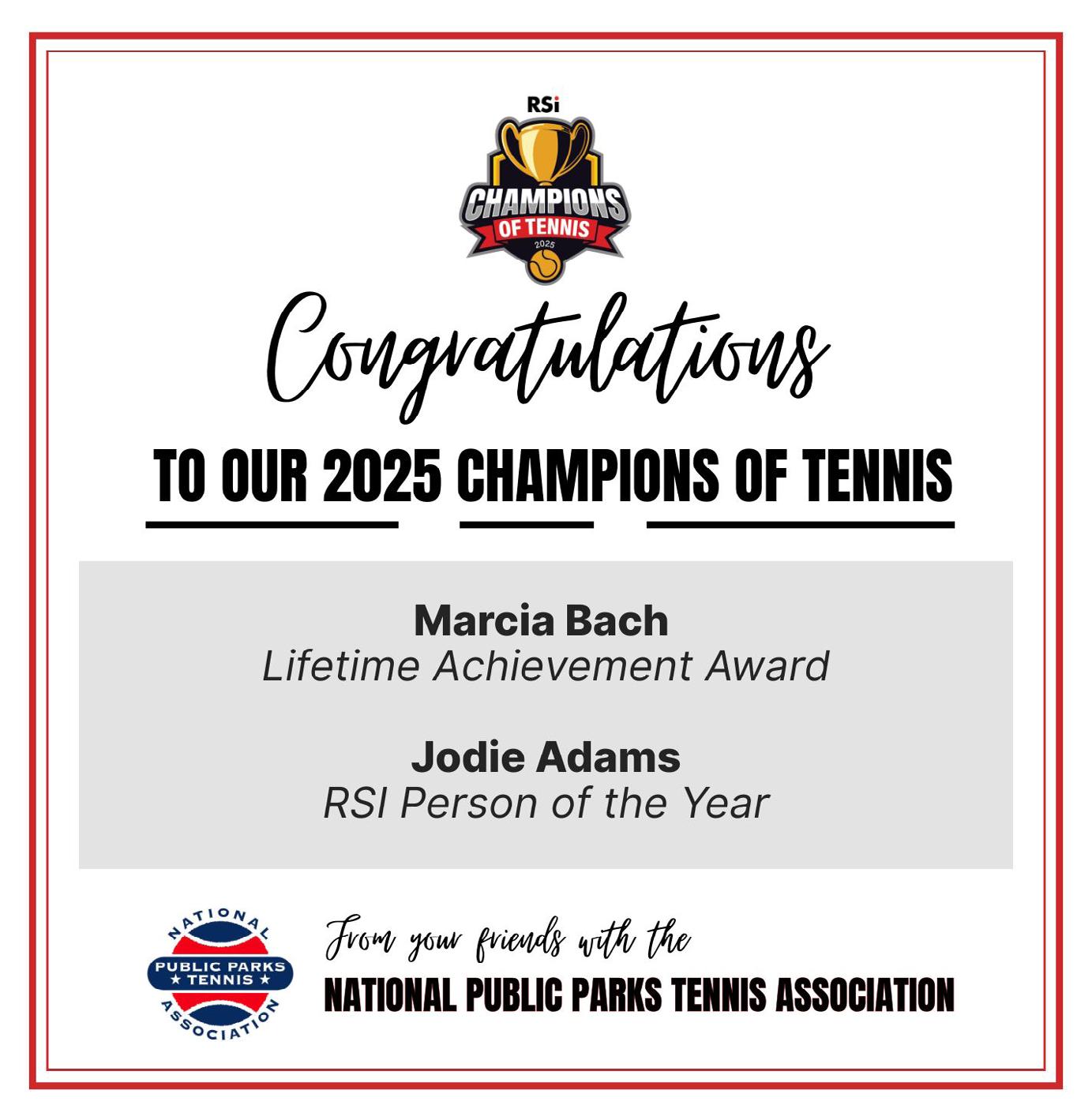
Collaboration between the city and tennis organizations can bring the benefits of this sport to everyone in the community.
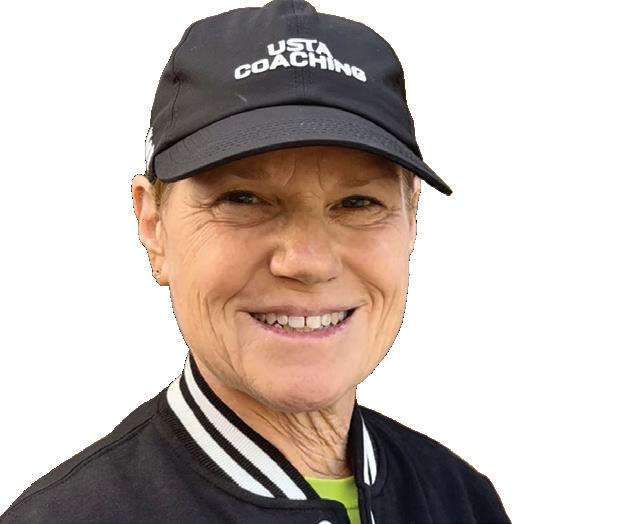
Recognized for its excellence in community tennis, the Vancouver Tennis Center in Washington is RSI’s Public Tennis Facility of the Year—an honor that truly belongs to the entire community. The City of Vancouver’s innovative public-private partnership with USTA Pacific Northwest has revitalized the center into a vibrant, year-round hub for play, connection and health.
Through this partnership, the Vancouver Tennis Center has become a model for how collaboration can strengthen local play opportunities. Together, the city and USTA PNW have expanded access to tennis for all—offering more than 100,000 annual play opportunities, hundreds of scholarships, and new programs that invite players of every age, background and ability to participate. The
transformation has included significant capital improvements and facility upgrades for Vancouver Tennis Center, including industry-best lighting, reflective liner and paint, ADA compliance and lobby upgrades.
“This award reflects the shared effort of city leaders, staff, coaches and players who have built an inclusive, welcoming community around the game,” says Matthew Warren, CEO and Executive Director for USTA Pacific Northwest. “From local schools and senior programs to adaptive tennis and community events, the Vancouver Tennis Center now serves as a space where everyone can play, learn and connect. More than a facility award, this recognition honors a city that believes in the power of partnership and the lasting impact of community through sport.”

While USTA Coaching just launched in August, Nancy Abrams has dedicated decades to developing a new generation of diverse and inspiring coaches who reflect the communities they serve.
Growing up in Southern California, she dreamed of following in the footsteps of her heroes—Billie Jean King, Chris Evert, Martina Navratilova—but quality coaching and female mentorship were often out of reach.
“When I first started my career with USTA SoCal more than 20 years ago, I got to see the good, the bad and the ugly of what was available in the player pathway space,” explains Abrams, who is now working as a consultant to USTA Coaching. “I said, ‘Is this all there is to support our most important assets—our instructors?’”
That experience shaped her mission: to ensure young coaches today, especially women, don’t face challenges alone.
“As a purpose-driven leader, Nancy views coaching not just as technical instruction but as life mentorship,” says Steve Keller, USTA Coaching Education Program Recognition. “Nancy inspires every coach and aspiring coach to ‘serve their passion’—to leverage their leadership, athletic experience, academic knowledge and personal story to bring the game to those who will benefit most.”
Whether it’s working with the “Women & Girls Who Ace” program in local markets, or with leaders of other national governing bodies of sports (including the NFL, MLB and Athletes Unlimited) at the US Open, Abrams brings her grit and determination to coaching cohorts across the country.
“Better coaches create better player experiences, and better player experiences are what’s going to help us grow our tennis communities,” Abrams adds. —Wendy Anderson
In today’s coaching environment, new and up-and-coming coaches don’t need to go it alone. There is a network of mentors, support and resources any provider can call on to grow their careers, and the sport.



PERSONAL REBRANDING LEADING WITH REFLECTION
RISE OF VALENTIN VACHERORT HITTING PARTNERS
MY FIRST-TIME EVER WRC!
PADEL INVESTMENT
LOBBIN’ WITH LINDA
We’re ringing in 2026 as the year of your personal rebrand, where you can channel your experiences into a clear, confident version of who you are and how you show up in our industry.
It isn’t just about resolutions; it’s about reinvention. It’s about embracing change, refining your message and positioning yourself for the oppor tunities ahead. When you grow, our association grows. Your success fuels our collective success. So, let’s make 2026 the year you: invest in your growth, amplify your voice and cement yourself as a leader.
Our industry is changing, with multiple racquet sports vying for attention. We are witnessing a transformation that stretches far beyond tennis. Padel, pickleball, platform tennis and squash are creating new pathways for participation, coaching and business development. Most of us grew up on the tennis court and are learning to adapt to new sports entering our world and vernacular. As consumer choice evolves and requires you to be the leading authority on “what’s new,” we must gently push you out of your comfort zone to help you identify who you want to be.
The Racquet Sports Professional Association has embraced this evolution head-on. Our rebrand from the USPTA was much more than a name change; it was a commitment to unity and progress. It was about recognizing that we are all part of a larger movement focused on professionalism, continuous personal development and community. With over 70 percent of facilities in the US having more than one racquet sport as an amenity, we felt our rebrand identified what our association wants to be for the next 100 years.
That same principle applies to each of us. Personal rebranding is about aligning who we are today with where we want to go. It’s an intentional process of growth that helps us stay present, purposeful and visible in a fast-changing world. When you rebrand yourself authentically — when your actions, values and presence match your aspirations — you create trust, attract opportunities and lead by example. Your rebrand is your living
resume, and your interactions with your clients, bosses and investors are opportunities to leave a positive, neutral or negative brand impression. Make sure you are very intentional with your brand. Throughout my career, I’ve been a tennis professional, bicycle racer, fashionista, fitness guru and more, and change has been essential. Each transition required me to redefine how I led, communicated, and served the organization and people around me. Those experiences reinforced a powerful truth: your personal rebrand is not your title; it’s your story in motion. For racquet sports professionals, your story is written every day in how you coach, how you collaborate, how you communicate your expertise and how you contribute to the industry.

At this year’s World Racquets Conference, we developed three learning tracks— L eadership, Coaching and Operations— to define a clear pathway for your professional development. As part of the Leadership Track, I led a workshop titled “Rebrand You: A New Wave Begins in Hawaii.” This theme carried its message through the entire conference, as everything we do is designed to help you craft your personal rebrand.
Rebrand You is a call to action. To lead our industry, you must ensure your purpose is aligned with where you are going and growing. This requires courage — to think differently, to challenge the rules and norms, to ask, “Why has it always been done this way?” It also requires humility — to keep learning, listening and engaging with your peers and network to build your rebrand team. Who is going to support your journey,
Brian Dillman, RSPA CEO
and whose journey will you support?
Start by updating your personal profile at www.rspa.net. With your correct demographic, contact and personal information, we can better serve you with the programs you need. Update (or create) your LinkedIn profile. Promote the racquet sports industry, update your headline to align it with your purpose and values and update a professional headshot (but please don’t have a fuzzy picture, one of your playing days or a picture of your family dog). LinkedIn is a professional space to connect and promote your personal brand. The first thing people do when they meet you is check out your LinkedIn profile. Ensure it represents who you are and what you want to convey about yourself. If you need help, please reach out to me directly.
The workshop walked through a Personal Action Plan, 13 questions that help create a professional growth roadmap. It helps you define your purpose, identify skill strengths and gaps, write your headline for two, five and ten years out and outline accountability steps to make progress measurable. This will be available in future webinars and divisional conferences.
Our industry is entering uncharted territory fueled by opportunities, innovation and a “Hire Standard” of professionalism. The RSPA’s rebrand reflects that, but your personal rebrand is where it truly begins. We are here to support your personal success.
By renewing your membership, refining your personal rebrand and committing to continual learning, you’re helping lead the next wave of racquet sports professionals. The opportunities are vast — one membership spanning five sports, cutting-edge professional development that drives excellence and a network that connects leaders who are shaping what’s next.
True leadership is helping make others successful. The new wave of leadership is already happening at the RSPA. Are you ready to ride it?
Brian Dillman RSPA CEO











Mark Faber | RSPA President & RSPA Elite Professional

It is hard to believe that another year has come and gone! I hope each of you enjoyed a meaningful holiday season and are energized for an incredible 2026 ahead.
I’m genuinely humbled and grateful for the opportunity to serve this association as president for the next two years. As the new year approached, I found myself reflecting on the journey that brought me here. What started out as a summer job, cleaning locker rooms and sweeping hartru courts, has turned into a 30-year career filled with unforgettable opportunities and the ability to raise my two amazing children.
As I start this next chapter with the RSPA, I truly believe we are in a great position. Yes, we are facing some challenges, but those challenges also bring opportunity. We are in a great place with so much to build on due to the previous board efforts. A special shoutout to Trish Faulkner, Jason Gilbert, Jenny Gray, Milos Vasovic, Kevin Theos and Rich Slivocka.
People have asked me about my goals as president. While yes, I am the person sitting in the chair, it is a team (staff and volunteer leadership) that will establish the goals. As we establish goals and navigate the waters, four guiding principles will guide our direction:
1. Is this good for our membership?
2. Will it help attract and retain members?
3. How does this affect us financially?
4. Does this help increase our thumbprint and impact in the racquet sports industry?
While the RSPA is certainly a strong association, collaboration will be essential to elevating our entire industry. Strength comes in numbers and working with our industry partners makes us all stronger. We will continue to build on our relationships with the CMAA, The Directors Club, PTR, USTA, RacquetX and others. Our door will
always be open because working together simply makes sense.
As a graduate of the Professional Tennis Management program at Methodist University, I hope to inspire others to see that the RSPA can provide them a lifetime career and a strong head start in the industry. PTM programs are truly a lifeline for our industry, and we plan to strengthen our support and engagement with them. You, our members, will be absolutely paramount in this happening.
Also, as a director of tennis at a commercial club, I hope to bring us back to our roots. All of us started somewhere: commercial clubs (myself being one), public parks or working summer camps at the local college. While many of my professional friends have advanced to be directors and general managers of highend clubs, a large number of our current and future members are working in a different space. One thing is common in ALL facilities; they are evolving as they offer multiple racquet sports now. The RSPA will be there to support their growth and provide a true career pathway.
With certification in multiple racquet sports through one membership, we offer a true one-stop shop for professionals who want to be the most educated and versatile leaders in the business. This empowers them to serve their members at the highest level and advance their careers in any direction they choose.
As our board moves forward, we will operate with consistency, transparency, and accountability. The only agenda we have is to provide our current and future members with the best possible information, education, networking, experience. I am excited to begin this next step with our team: Kevin Theos, Jenny Gray, Scott Burton, Molly Beckmann, Milos Vasovic, Mel McRee and Trish Faulkner. The National staff is top notch and fully commit-
ted to you, the member.
At the end of the day, I truly am honored to represent our membership. I am just a guy from Toledo, Ohio who works at a commercial club. Daily, I am reminded of why I got into this profession as I am on the court providing a product to our members, who want to have fun and learn this great game of tennis as well as other racquet sports. While I was a nationally ranked collegiate player, those days are far behind me, yet the passion for playing has simply been replaced by the passion to personally grow and provide the best racquet sports experience to our membership, just like all of you. All of us have truly taken our passion and made it our profession!
Please know that I want to hear from you. While we might not always agree, I promise your opinion will be heard, shared and respected. You can always reach me via email at mfaber@ twosathleticclub. com or call 419-241-2222.
I genuinely look forward to the conversations ahead.
Let us make 2026 the best year ever for our association and let’s do it together. Let’s “Win as One.”



PHOTO CREDIT: Fred Mullane, CameraWorksUSA
The way I look at it, there was much to celebrate in the world of professional tennis over this past season in both men’s and women’s games. First and foremost, Carlos Alcaraz and Jannik Sinner shared the four biggest prizes between them, just as they did in 2024. Sinner defended his Australian Open title and was victorious at Wimbledon for the first time. Alcaraz almost miraculously defended his French Open crown by rescuing himself from triple match point down in the fourth set, en route to a spectacular five-set triumph over Sinner in the final at Roland Garros, and he was victorious at the US Open for the second time. These two proud and potent warriors went down to the wire in Turin at the ATP Finals to fight valiantly for the honor of who would become the yearend world No. 1 ranked player. They also made history by colliding in three major finals over the course of the year. This had never happened before in the men’s game during the “Open Era” in 1968. Jimmy Connors and Ken Rosewall faced off in two 1974 major finals, and the same was true four years later with Connors and Bjorn Borg. Borg and John McEnroe clashed in the finals of Wimbledon and the US Open in 1980 and 1981—where the New Yorker took on Ivan Lendl in the 1984 French and US Open finals.
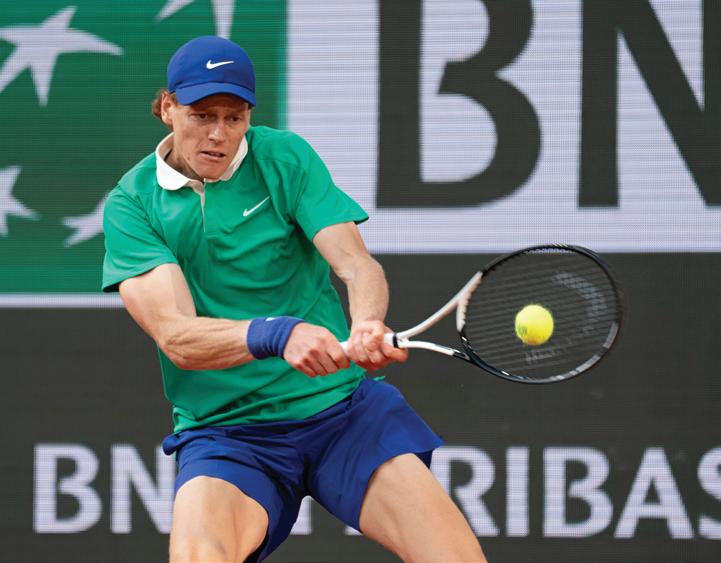
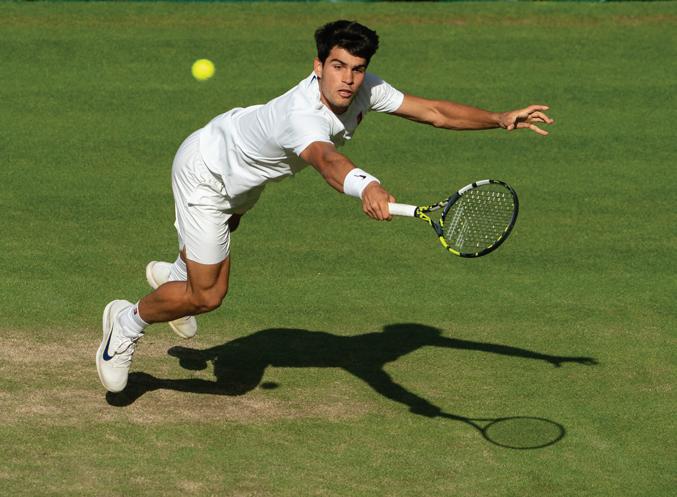
Wilander contested two-title round contests versus each other. Roger Federer and Rafael Nadal met in two major finals for three consecutive years at Roland Garros and Wimbledon from 2006-2008. Novak Djokovic squared off against Nadal in a pair of title round contests at the majors in 2011 and 2012, in fact, fighting out four consecutive Grand Slam tournament finals in that span. Later, Djokovic confronted Andy Murray in two of the four showcase events in both 2013 and 2016, collided with Federer in the 2015 Wimbledon and US Open finals, and faced Daniil Medvedev twice in 2021 on the premier stages of the finals.
Clearly, there are many instances in men’s tennis when a pair of estimable individuals squared off twice in the same season of “Open Era” Grand Slam final round appointments. But never did it happen thrice in one man’s season before 2025. Tip your hat to the Spaniard and the Italian. They are magnificent.
secured her first major by taking the Australian Open. Coco Gauff claimed her second career major with a French Open triumph. Iga Swiatek won Wimbledon for her sixth career Grand Slam championship and then Aryna Sabalenka was victorious at the US Open for the second straight year.
All of the players mentioned were outstanding! They were an integral part of tennis in the year 2025.
But, late in the season, after the headline performers had sparkled on the biggest occasions, it was left to a 26-yearold from Monaco to irrevocably alter his athletic life. Valentin Vacherot is his name and his surge down the stretch of 2025 was stupendous.
Prior to the Shanghai Masters 1000 tournament in October, Vacherot was stationed at No. 204 in the world. He wanted to enter the qualifying, but there was a long list of players positioned ahead of him as alternates hoping to make it into the qualifying.
Others in his situation might not have made the trip to China, but Vacherot believed in not letting a remote opportunity pass him by. Vacherot improbably got his chance to qualify and somehow overcame one tough adversary after another during a dreamlike run in China.
Three years later, Lendl and Mats
Among the women in 2025, there were four different champions at the Grand Slam tournaments, with American women claiming the first two honors. Madison Keys
Down a set in his first round qualifying contest against Nishesh Basavareddy, he rallied admirably to prevail 6-7 (7), 6-4, 6-2. Two points from losing in his next qualifying assignment against Liam Draxl, Vacherot survived 4-6, 7-6 (5), 6-4.
In the first round of the main draw, Vacherot won in straight sets. Then he produced another comeback victory over Alexander Bublik 3-6, 6-3, 6-4. He won his next match easily, but in both the round of 16 and quarterfinals, was on the brink of defeat before removing world No. 31 Tallon Griekspoor 4-6, 7-6 (1), 6-4 and No. 11 Holger Rune 2-6, 7-6 (4), 6-4. Having advanced to the semifinals, Vacherot took on none other than Novak Djokovic, but by then he was play ing almost unconsciously well. Disregarding the stature of his opponent, he put on a stellar display to strike down the Serbian 6-3, 6-4. Then Vacherot stepped into a final round confrontation against his cousin Arthur Rinderknech and was not found wanting, capturing the crown with a 4-6, 6-3, 6-3 triumph. In his nine matches in Shanghai, he was down a set on six occasions but met those propitious moments with astounding poise under pressure.
With that unimag inable run through the Shanghai field, Vacherot established himself as the lowest-ranked player ever to capture a Masters 1000 event. Taking that title
so improbably enabled him to move all the way up to No. 40 in the world, but he soon demonstrated emphatically that his rise was not accidental. He nearly defeated No. 4 seed Taylor Fritz in the first round of Basel before the American exploited his match playing acumen to win 4-6, 7-6 (5), 7-5. Undeterred by that setback, Vacherot moved on to the ATP Masters 1000 Paris event and went to the quarterfinals before the big-serving Felix Auger-Aliassime stopped him in straight sets.
That spectacular autumn surge took Vacherot into the world’s Top 30, which was no mean feat. Here is a fellow who played college tennis at Texas A&M from 2016 to 2020. Not until 2020 did he reach the Top 500 in the world, and
win. He seems entirely comfortable in his new surroundings, close to the upper regions of the game.
To be sure, the likes of Alcaraz, Sinner, Sabalenka and Gauff shaped the tennis universe in 2025. However, as I reflect upon the players who shone most brightly, it is impossible to leave out Valentin Vacherot. He was the right man in the right place at the right time in Shanghai and what happened there has sweepingly altered his inner view of the player he could become. The enterprising Vacherot must be rated high among the most compelling tennis figures of 2025.


Mike Pollard, RSPA Member
As teaching pros, we all have clients whose main goal is to learn the shots and tactics it takes to win that weekly match against a friend or compete in an upcoming USTA match. My client Larry is a 3.0 player who spends hours each week working on form, consistency and accuracy. He takes two lessons per week, during which he has hit thousands of balls with good form, pace and placement. We work on shot selection, shot production and, in my opinion, the most important aspect— point construction. Yet, even with all this practice and motivation, Larry just can’t seem to win that weekly match against his friend Mark. That leaves me, as his teaching pro, with one big question: why not?
At the beginning of each practice, we talk briefly about his recent matches and what our goal will be for the day’s session. In our lessons, Larry hits countless shots that I feed to him from different spots on the court. Each lesson, we focus on various spins, shot speeds, building points, and reading his oppo-
nent’s strategies. Every drill has a target, and Larry focuses on getting the ball into his perfect contact point so he can play offensively. Many 3.0 and 3.5 players focus solely on the shots they’re hitting, not the big picture of creating patterns of play. We talk a lot about creating more offensive opportunities by using those patterns. We also spend time on recovery after each shot, giving him the most time possible to read and react.
At the end of each session, Larry leaves confident and ready to play his big match. I always ask him to email me with his results. After all that work, I still got the same message: close match, but another loss.
I knew I needed to watch a match in person. So the next time Larry played, I found a discreet spot and took notes. I saw Larry trying to use the patterns and tactics we’d practiced, but he struggled during big points. He was often out of position or off balance. He changed direction at the wrong times or played too defensively. These were things I hadn’t seen during our lessons.
That’s when it hit me. My “dead ball”
feeding was holding Larry back. He needed real-time decision-making practice, and the best way to simulate that was to bring in a hitting partner.
At our club, we have two excellent Playmate ball machines, but ball machines lack the variability I needed. Larry needed to adjust to different speeds, spins, and depths in a single rally. He needed to read an opponent and recover quickly—in a live-ball scenario.
Finding the right hitting partner is tough. The ideal partner has a consistent style, good control, and can vary their spin, speed and depth. When I told Larry we were going to try something new, he was excited. I found a solid hitting partner—also named Mark—to join his lessons.
Within 10 minutes, I knew this was a fantastic idea. I was able to position myself behind and beside Larry to observe how he moved, set up, and recovered. When I was the one rallying, I couldn’t focus on him as much because I had to recover and hit my own shots. With a hitting partner in place, I could watch Larry 100 percent of the time. I could also
demonstrate positioning and mechanics more effectively. Most players are visual learners, and this method worked.
Here is the lesson structure I use for hitting partner sessions:
• Wipeout: First to 12 points, but if someone wins three in a row, their opponent resets to zero.
• Four-Box Tennis: Divide the court into four zones; players can’t hit to the same box twice in a row.
5–10 minutes, high intensity. Warm-up drills should relate directly to the theme of the lesson. Focus on footwork and contact point.
Warm Up 2. Technical Training:
Observe swing shape, contact point and recovery. Use short, clear cues— don’t over-coach. Include target-based drills such as:
• Two minutes hitting to Larry’s forehand
• Two minutes hitting to his backhand
• Two minutes alternating sides Then reverse: Larry hits exclusively to one side or alternates
Live ball point play with purpose. Ask questions like: “Where were you aiming?” “Why that shot?”
• Pressure Sets: Missed returns or double faults lose the game instantly.
• Double Up: Win the point from the service box and earn two points.
• Luck of the Draw: Players must follow a strategy based on the number or logo on the ball.
Lessons can be 60 or 90 minutes. If I’ve done my job, Larry leaves with improved footwork, swing mechanics, recovery habits, and tactical awareness. And as a bonus, the hitting partner often ends up booking lessons too—once they see the time and planning that goes into it.
Adding a hitting partner transformed Larry’s lessons, and it might just do the same for your students too. The improvement wasn’t just technical. It was mental, tactical, and even emotional. Larry began to trust his patterns, stay composed under pressure and
make smarter decisions in real time. The live ball experience gave him something feeding never could: adaptability. So, if your students’ strokes are there, but the match wins aren’t, maybe it’s time to move beyond feeding and give them a live ball challenge that makes all the difference.


The Racquet Sports Professionals Association (RSPA) World Racquets Conference 2025 (WRC25) was held in beautiful Hawaii at the Kona Outrigger Resort & Spa Hotel from Sept. 21 - 25.
This was my dream world class level meeting after I decided to enter my second career (coaching). However, this was also a big commitment for me in terms of finances and time. Fortunately, my dream became a truly great experience with support from the RSPA and the RSPA New England Division. I was one of only two recipients of the John Embree Scholarship. Thanks to the RSPA, the New England Division leadership and John Embree!
Under the leadership of Trish Faulker (Past President), Brian Dillman (CEO), Board members and Hawaii Division President Ikaika Jobe, RSPA designed many very rich educational workshops and courses both on the court and off the court, plus some fun activities and shows. So many world class coaches and industry leaders were invited to give presentations, including Mats Wilander, Dr. Dave Porter, Brenda Schultz-McCarthy, Mark Bey, Dr. Sophie Woorons, Andrei Daescu, Sarah

Stone, Craig O’Shannessy, Fernando Segal, Michael Mahoney, Andy Zodin, Cynthia Neiman, Bunny Bruning, etc. I tried to learn as much as I could.
The RSPA gave us many networking opportunities during the conference. I met some coaches from China, Coach Liyuan Wen and Coach Xin Wen (yes, we share exactly the same last name “ 文” in Chinese). I also met some coaches from Korea, Europe and Canada. This shows that the WRC is an international conference and the RSPA does expand globally! I even met famous YouTubers Scott and Nat.
Although this was my first time attending a WRC, my first time attending an RSPA meeting was at the RSPA New England Division Annual Meeting held this May. That two-day division meeting inspired me a lot! I even received the Michael Mercier Diversity & Inclusion Award during the awards banquet at that meeting. I am so grateful to the strong New England Division leadership (Lisa Wilcott, Milan Kubala, Kristen Gerety, Mike Kolendo, Pam Dodman, etc.). They have done a fabulous job for our division, that is why they won this year’s RSPA Small Division Award again (three times winning in four years)! Personally, I received direct mentoring from Pam Dodman and Mike Kolendo. In my opinion, the reasons why New England Division does


well are not only for the great annual meetings and professional newsletters they have (I contributed three articles during 2024-2025), but also for the dedicated leadership and supportive operation they provide to their members!
As the founder and president of Boston Chinese Tennis Association (BCTA), I am so lucky to become an RSPA member and can access a huge number of resources that the RSPA provides to its members. Plus, I can learn so much from others in the RSPA. I feel all the people who joined the WRC are so friendly and supportive. What a wonderful experience during the 2025 WRC!
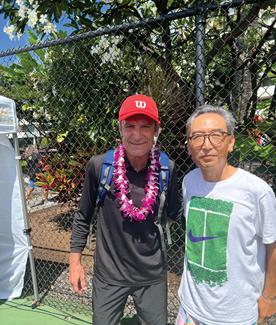
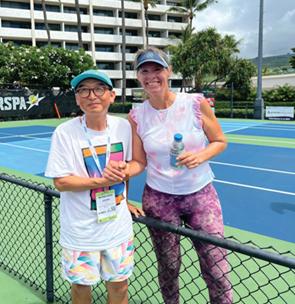

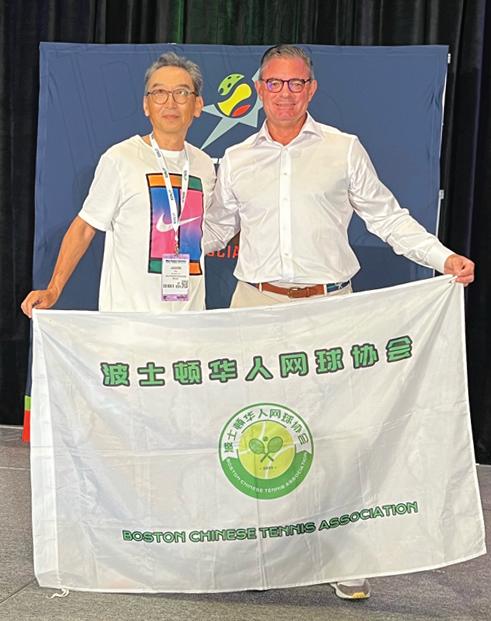

Marcos del Pilar, Head of Padel, RSPA
In the business of racquet sports, few opportunities in recent decades have shown the kind of momentum—and profitability potential—that padel represents today.
With more than 30 million players worldwide and thousands of courts under construction, padel has moved far beyond trend status. It’s now a global movement, reshaping the economics of clubs, attracting new demographics and redefining how facilities think about engagement, retention and community.

As someone who has dedicated more than 30 years to growing this sport around the world, I can say with confidence: padel is the most exciting business opportunity in racquet sports right now. But like any investment with high potential, success depends entirely on how you execute.
The fundamentals are compelling. Padel courts generate higher utilization rates per square foot than tennis or pickleball, support both member and pay-toplay models and encourage repeat play through social connection.
A typical padel court can host four players every 90 minutes, and with its smaller footprint—roughly a third the size of a tennis court—it allows facilities to maximize underused spaces or repurpose existing infrastructure. Add in strong secondary revenue streams from coaching, events and retail, and it’s easy to see why padel is being called the “ROI engine” of the modern club business.
But the real value goes deeper than numbers. Padel is inherently sticky. Players don’t just play, they build relationships. They stay after their matches. They bring friends. They talk about it. That sense of belonging is the heartbeat of every successful club and padel accelerates it like few other activities.
After years consulting for leading racquet sports facilities and investments groups worldwide, I’ve identified five key pillars that determine whether a club’s padel project becomes a long-term success—or a short-lived experiment.
1. Strategic Feasibility & Market Fit: Before breaking ground, start with a clear market assessment. Who are your local players? What’s the competitive landscape? What’s your unique value proposition? The most successful clubs understand their audience and design their pricing, programming and marketing around it.
2. Smart Design and Quality Construction: A great player experience begins with premium materials, lighting and infrastructure. Poorly built courts or cheap enclosures can damage reputation fast. Partner only with certified suppliers who meet international standards and deliver a professional finish that reflects your club’s brand.
3. Operational Systems that Scale: Once the courts open, operational efficiency becomes the real differentiator. Digital booking, transparent court allocation and flexible programming are essential. Consider dedicated padel memberships, dynamic pricing or partnerships with corporate groups to fill nonpeak hours.
4. Community and Programming: Padel’s magic lies in its social DNA. Build that energy through structured events: launch nights, mixers, leagues and corporate challenges. The more players interact, the stronger their loyalty—and the more they spend at your facility.
5. Certified Coaches and Staff Education: This is where I see the biggest gap—and the biggest opportunity—in the U.S. market today.
Many clubs underestimate the importance of properly trained coaches. They think any racquets pro can “just teach padel.” That mistake can cost thousands in lost retention and credibility.
Padel is its own discipline—with unique tactics, court positioning and team dynamics. The difference between a certified coach and an improvised instructor is the difference between short-term curiosity and long-term loyalty.
That’s why, as the Head of Padel for the Racquet Sports Professionals Association (RSPA), I’ve made it my mission to raise the standard for padel education in America and beyond.
The RSPA Padel Certification ensures that every coach is prepared not only to teach proper technique, but also to deliver an outstanding player experience—safely, professionally and consistently. Certified coaches know how to develop a program sustainably, manage group dynamics and represent your club with excellence.
When your padel staff carries RSPA credentials, you’re not only just adding value but also you’re protecting your investment. It’s the difference between building courts and building a business.
The Strategic Mindset Behind Padel Success
These business principles are at the heart of my new book, “The Secret of Padel: Business and Life Lessons on Achieving the American Dream with the Fastest-Growing Sport in the World.”
In the book, I share the strategies that have helped entrepreneurs, investors and clubs worldwide capitalize on this extraordinary sport—while creating environments that inspire people. Padel isn’t just a game; it’s a model for leadership, teamwork and innovation.
If you’re looking to understand the “why” behind the padel boom and how to translate that energy into your club’s success story, this book is your roadmap. Learn more at www.marcosdelpilar. com.
What truly makes padel transformative isn’t just its numbers—it’s its network effect. When players feel part of something bigger, they stay longer, spend more and become ambassadors for your brand.
That’s why the best padel operations don’t focus solely on filling courts. They focus on building culture. And that culture begins with coaches who care, programming that excites and leadership that sees padel not as a side project—but as a strategic pillar for growth.
In an industry driven by in novation and engagement, padel represents a once-in-a-generation opportunity for clubs willing to lead. But success won’t come from imitation. It will come from intention.
Start with a plan. In vest in quality. Educate your team.
And above all, remember that padel is more than a sport—it’s a business catalyst. With the right vision, structure and people, it can transform not only your facility’s bottom line but the very spirit of your com munity.
If you’re ready to unlock that potential, begin with education. Begin with certification.
Start with The Secret Code of Padel and the RSPA Padel Certification that brings its principles to life.
Because in the future of racquet sports, the clubs that win will be the ones that understand the code.
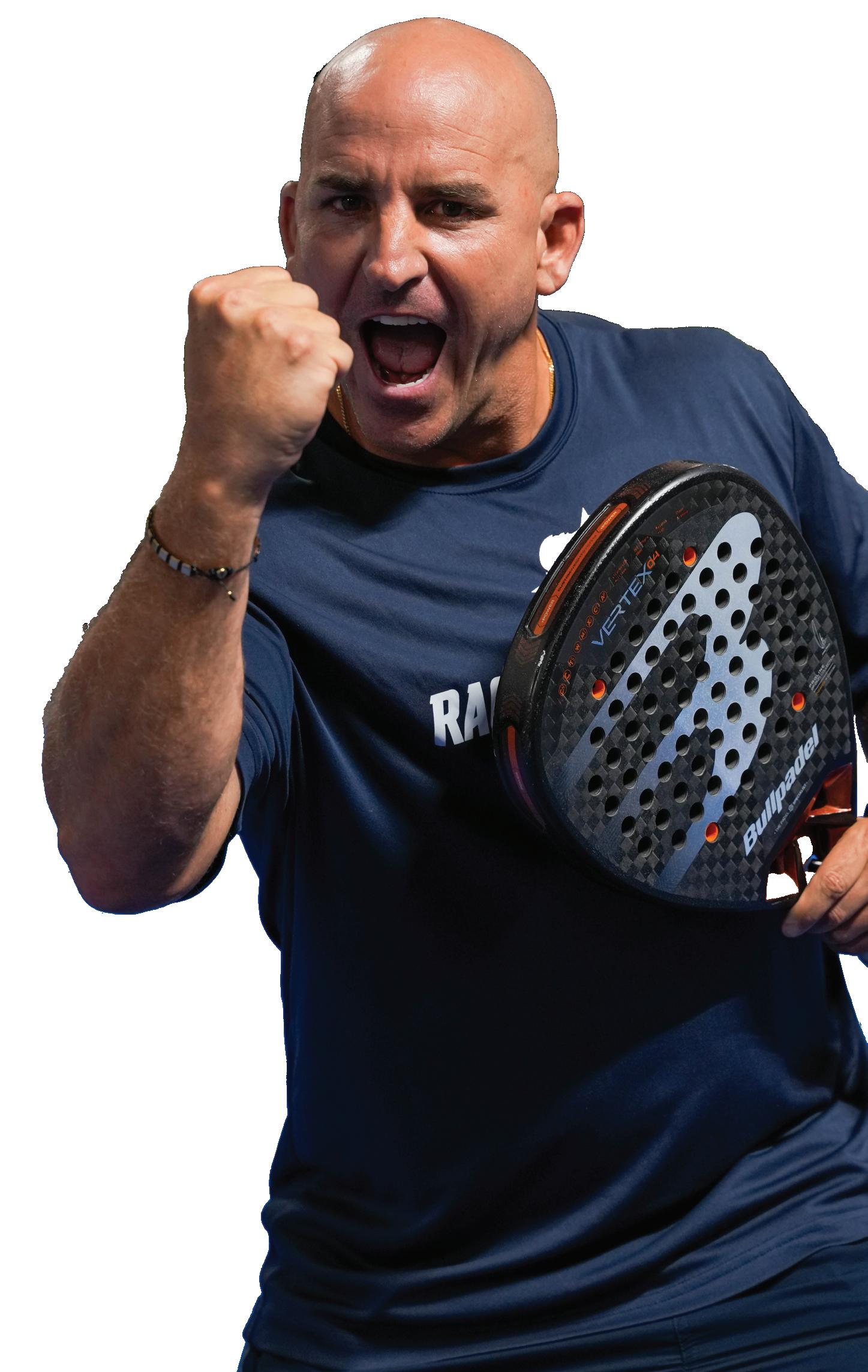

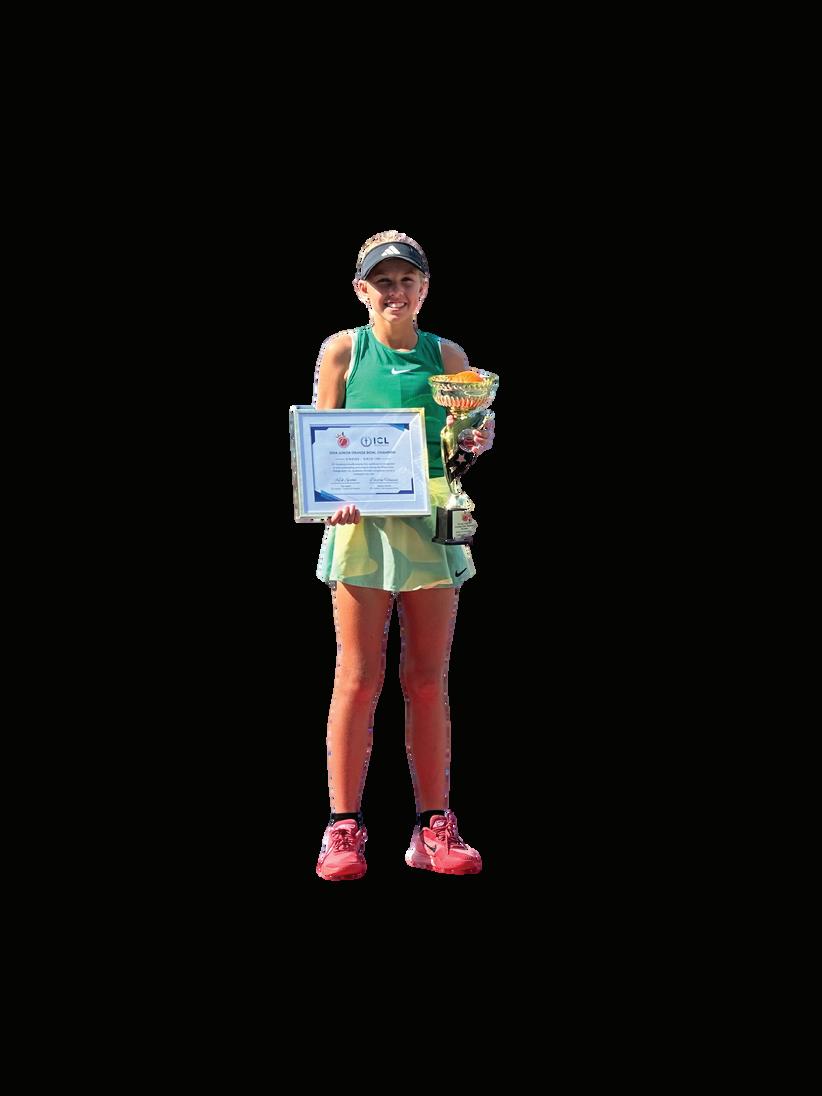



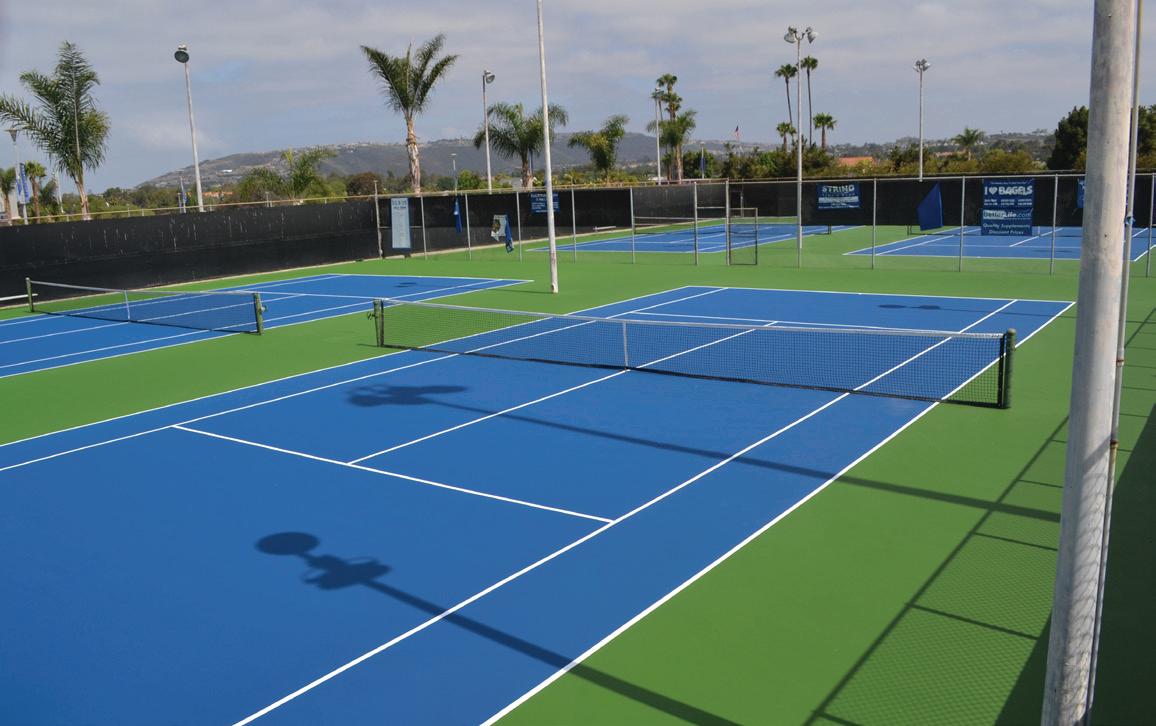

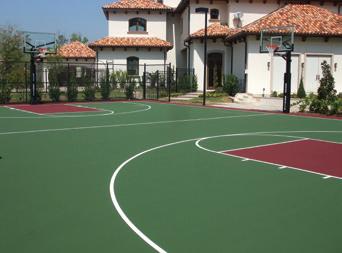
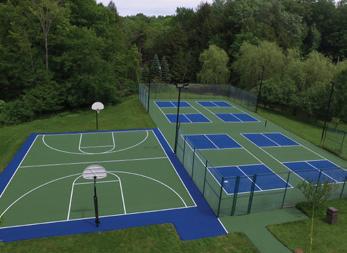
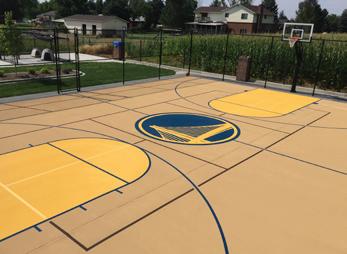
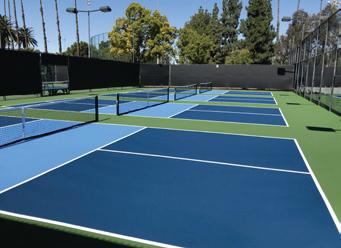
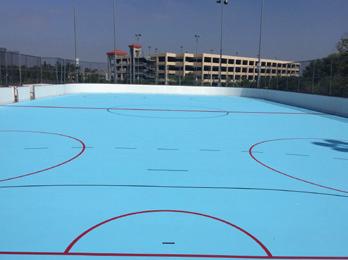
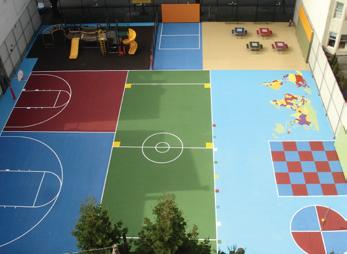


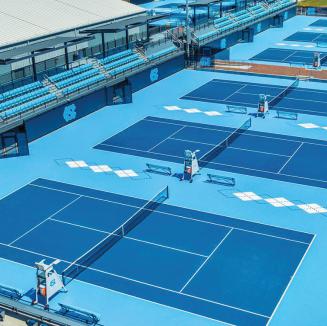
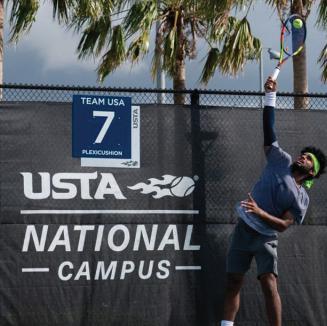
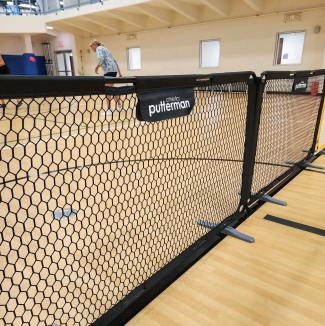
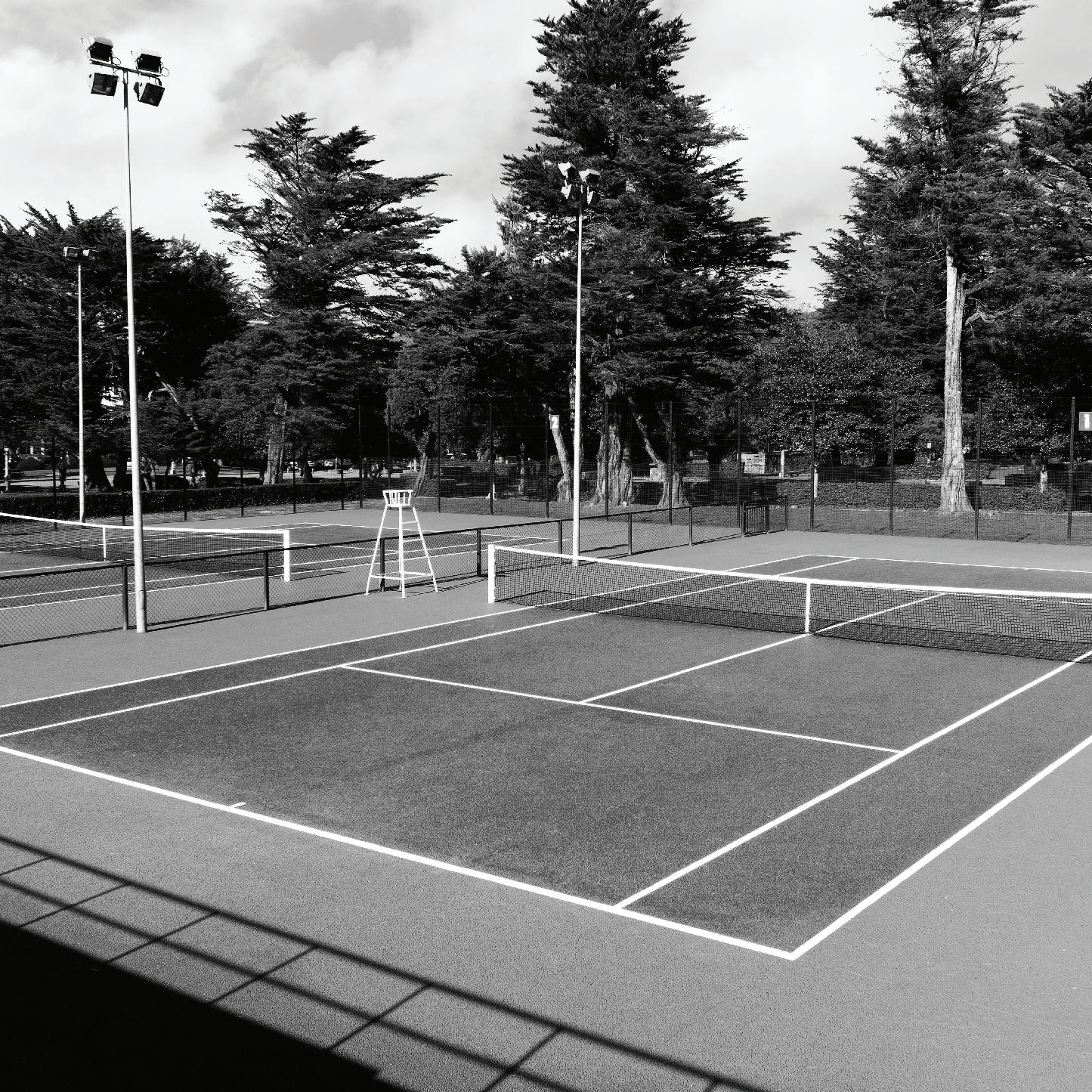
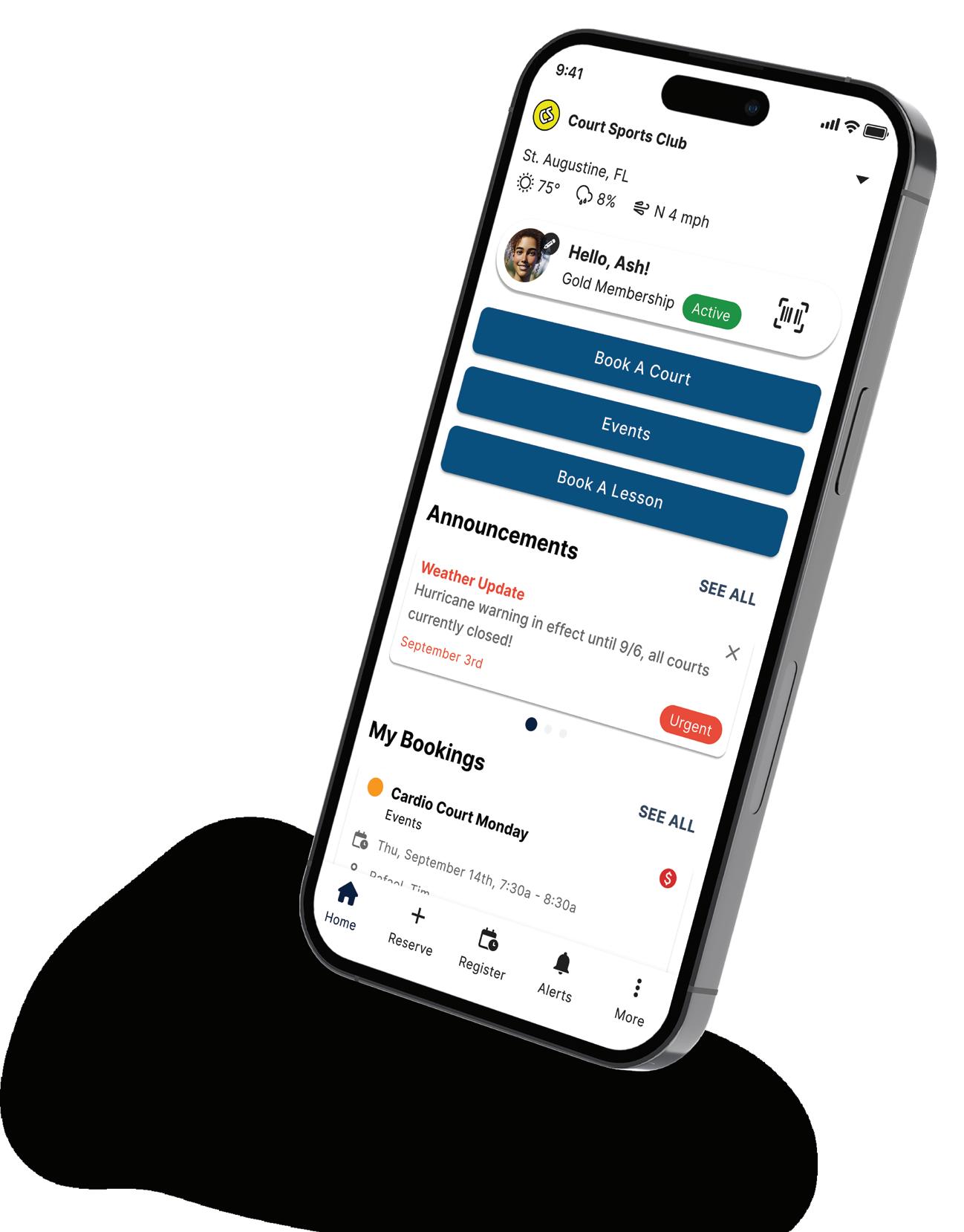



OFFICIAL BALL OF RSPA TENNIS COACHING




RECYCLABLE PAPER LID MADE FROM 30% RECYCLED PLASTIC



Linda Gordon, RSPA Director of Membership
Instructor (Level 1) workshop that we offer both in-per son or virtually! Coming out of this certification teaches a better understanding of coaching fundamen tals for beginners to intermediates players, fundamentals for player improvement/development and understanding how to develop and conduct group lessons with engaging drill and game-based learning!
As the world’s leading certifying body for professionals across five racquet sports, the RSPA has set the gold standards in racquet sports offering elite training, mentorship, and a lifelong career path for racquets sports professionals. Being the most trusted, rigorous and respected education programs in racquets sports, what we are not is a weekend workshop with a hat and a handshake, a generalist platform with vague requirements and no accountability or a one-size-fits-all certification that skis over actual standards.
Our tennis Instructor (Level 1) certification is great for entry level instructors, assistant coaches, high school coaches, college players or individuals who are just getting started in their tennis teaching career. The pathway includes safety courses con sisting of the USTA Safe Play compliance and CPR certification, along with online courses and a two-day
For those aspiring to have a full-time career in tennis, interested in head professional or director of racquet sports positions, wanting to work with advanced players, the tennis Professional (Level 2) pathway is the one for you. Building on the coursework and workshop from the Level 1 certification, a certified professional will also be able to apply coaching fundamentals for all ages and levels, teaching group and private lessons, develop and implement lesson plans, as well as diagnose and develop a plan for their student’s improvement!

strokes, develop and conduct group lessons and the business fundamentals in running a padel program. With the requirement of the Safe Play training, along with about 10 – 12 hours of online coursework, the in-person workshop is held over two days, including on-court evaluations—participants will come out feeling prepared to launch and direct padel programs and lead introductory padel workshops to a variety of skill levels.
The Padel Certification is ideal for new or current padel coaches, racquet sport coaches looking to add the sport to their programming or padel players formalizing their teaching credentials. You’re equipped with the skills needed to understand technical and tactical parameters for
Similar to the ideal group of potential padel applicants, our pickleball certification equips new or current pickleball coaches along with players of the sport or any other racquet sports, with the ability to run effective lesson progressions for all levels of players, understand strategic court positioning with tactical development and stroke technique fundamentals. On top of that, applicants will learn program development, business growth and technology integration in teaching! Safe Play, along with four-six hours of online learning modules, the one day in-person workshop that consists of hands-on teaching and on court playing, and coaching assess ments, ensures that the applicant comes out more than qualified to lead and run pickleball program ming – whether it be at the recreational level, public schools, private clubs or starting their own business!
Calling all coaches in the Northeast and Midwest or anywhere else where temperatures drop—don’t let
the winters limit you.
A certification in platform tennis is a great way to expand income and impact during the colder months of the year! Consisting of comprehensive online learning, practical on-court evaluations and hands-on teaching assess ments, our certification will teach applicants effective teaching pro gressions for all levels of players, court positions, movement patterns and strategies specific to paddle, along with program developments for clubs and community settings. Weather-proof your teaching career with a certification in platform tennis!
The Squash Certification is designed for collegiate coaches, club professionals and experienced squash players who are ready to expand their teaching credentials. Through selfpaced online modules and a practical in-person workshop, you will gain essential knowledge in techniques such as strategic court positioning, technical stroke correction methods and safety considerations unique to the sport itself. With the squash certification, you’ll finish your certification feeling fully prepared to master program
creation for diverse segments and learn vital business development strategies. None of these workshops would be possible without the incredible coach developers that we have on the ground floor facilitating these events, sharing their knowledge with those in attendance. The feedback speaks for itself! After attending a pickleball certification with our 2025 Pro of the Year, Bunny Burning, someone stated, “She helped us with a lot of practical advice. She didn’t deviate from the plan and ensured the checkpoints were covered. Her wealth of experience in coaching and playing the game at the highest level was evident. She had a great knack for finding out technical flaws. We were given a bunch of simulations in real-time to find flaws and suggest corrective actions. I am very delighted and proud to be part of the session.” As a result of a tennis certification workshop run by Amy Nestle, a member wrote, “Amy was fantastic! She created a welcoming learning environment, where we all felt safe to share and learn in a non-judgment zone. She would answer any questions we had in great depth and taught us so much. She also
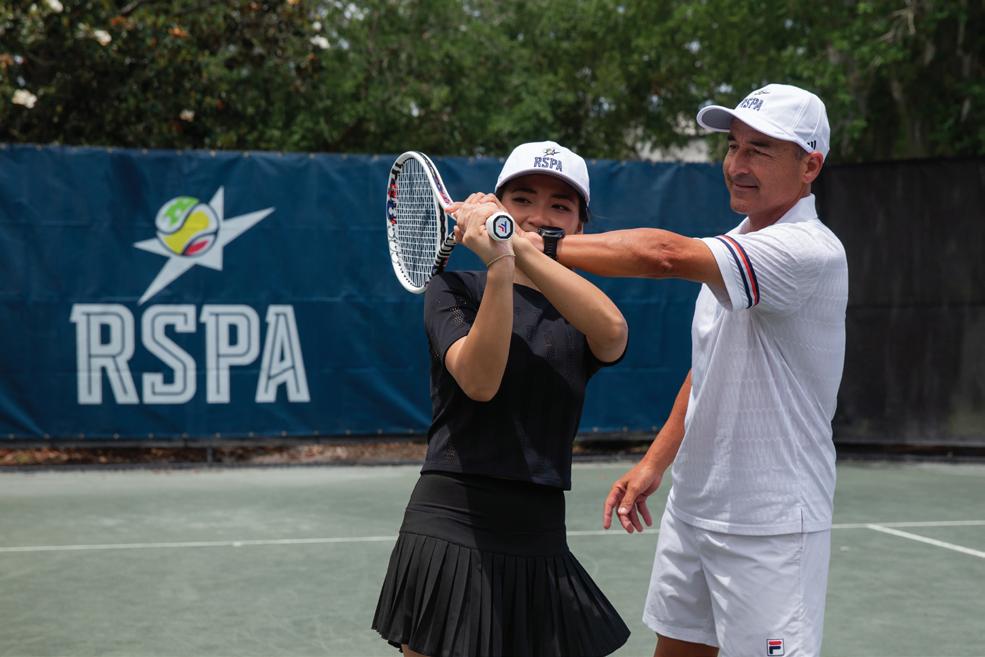
asked us to share about our current jobs, so we could share information regarding the industry. It was very easy to see why she loves coaching and teaching fellow tennis professionals. She is great at it!” “Marcos is the man, the myth, and the legend, he is an incredible instructor, mentor and friend to everyone.” “From the learning, to the experiential piece on court, to being at a new club and creating new relationships with new friends that hopefully will last for a long time.”
To start your certification journey or add a new racquet sport certification to your dossier, visit RSPA. net or call the membership team at 407-634-3050, option 2 today!