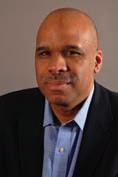
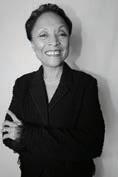
Page 17 photograph of Janet Dewart Bell by Jacob Holguin
Page 18 photograph of Bernice Yeung by Rachel de Leon/Reveal from the Center for Investigative Reporting
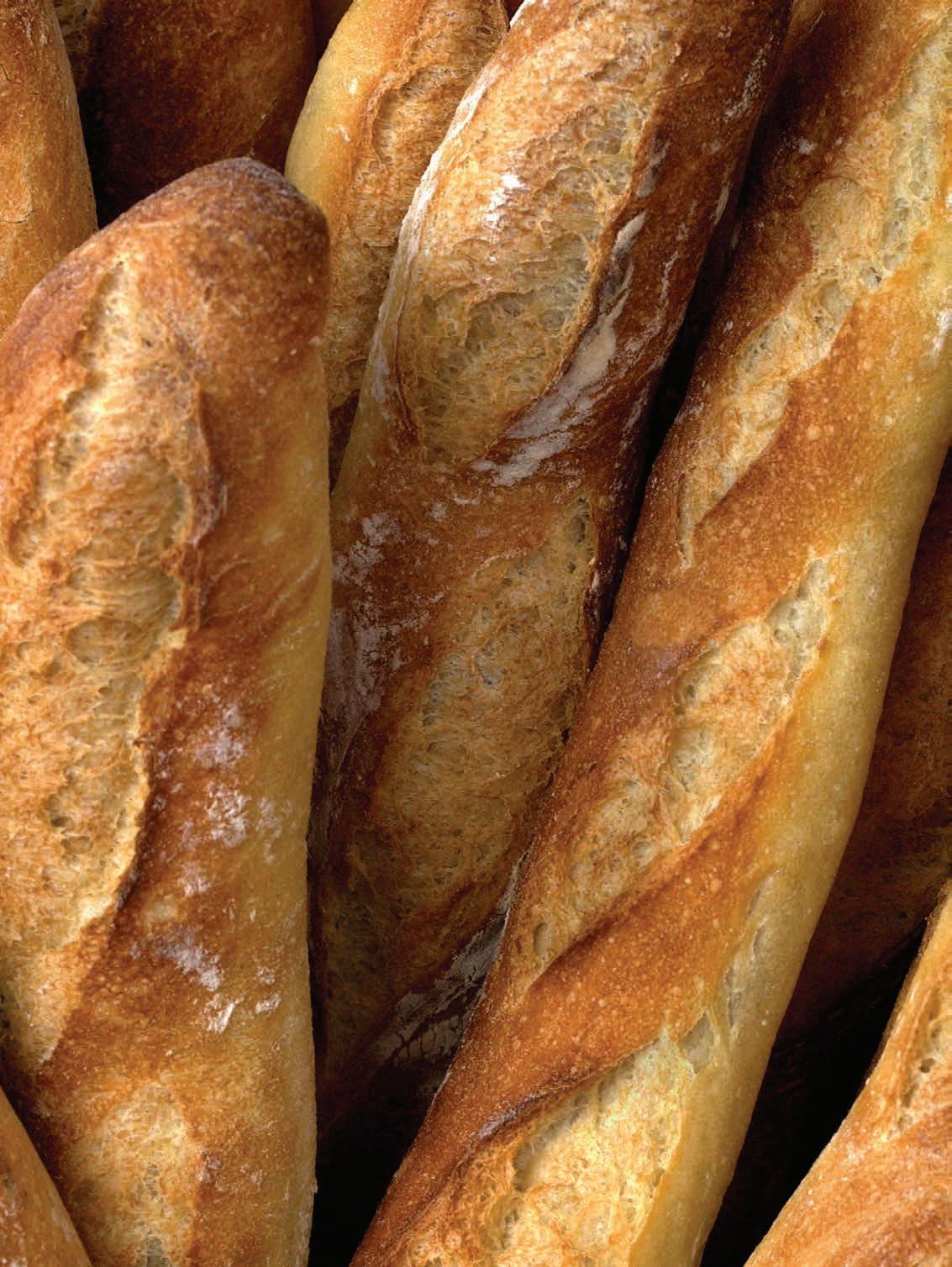
Page 24 photograph by France Bon Appétit used under a Creative Commons license (http://creativecommons.org/)
Page 26 photograph by Jorge Price used under a Creative Commons license (http:// creativecommons.org/)
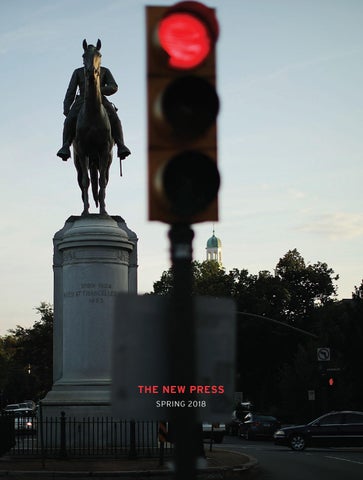
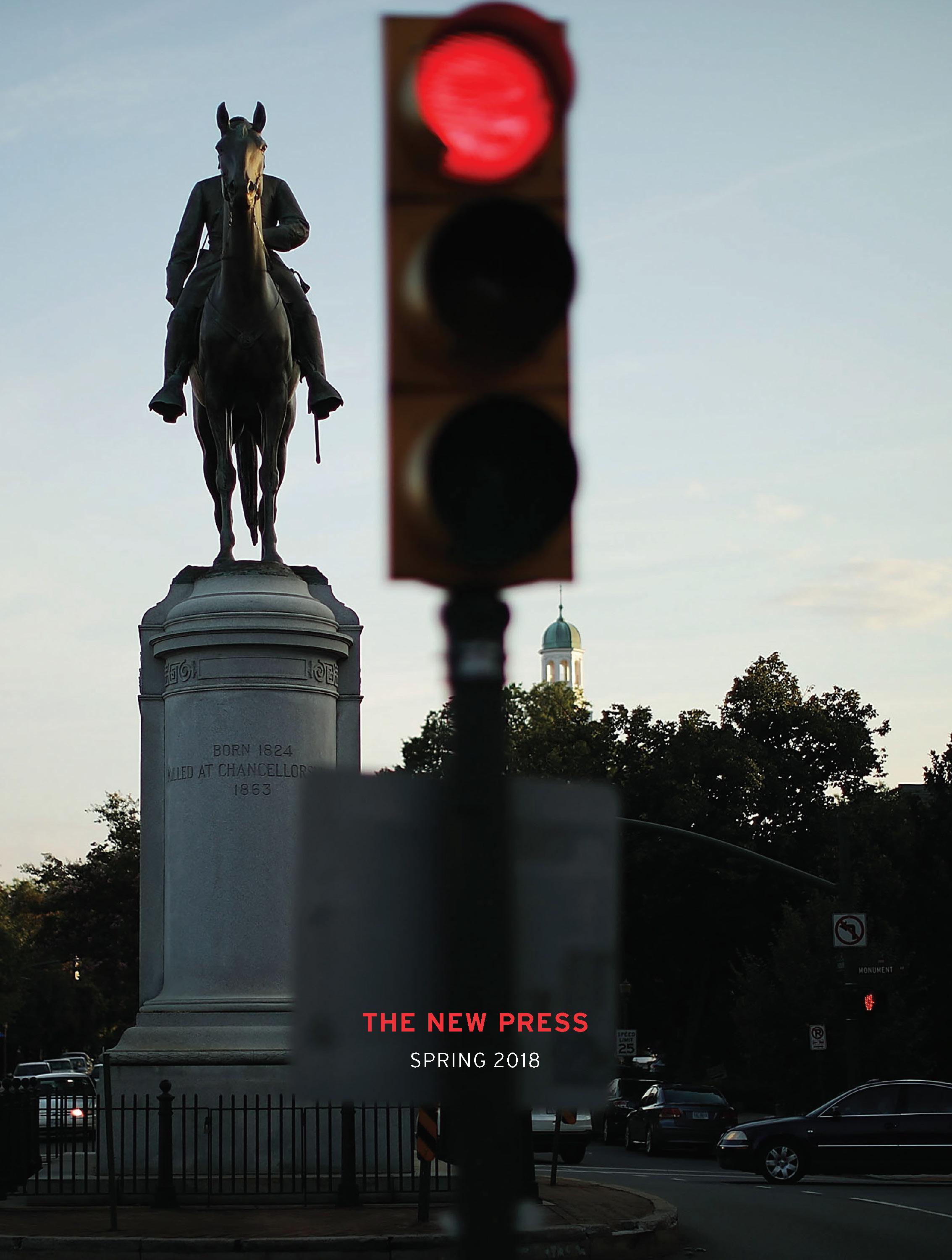
FRONT COVER IMAGE: A statue of Confederate general “Stonewall” Jackson, unveiled in 1919, in Richmond, Virginia. A local commission—composed of academics, historians, and community leaders— is conducting an examination of the removal or relocation of the city’s Confederate statues.
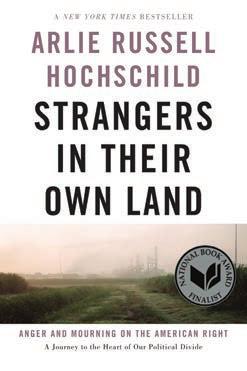
STRANGERS IN THEIR OWN LAND
“Masterly.”
—ATUL GAWANDE, THE NEW YORKER
“An astute study of America’s ‘culture war’ drawn from the perspective of the white conservatives who feel they are losing it . . . a Bildungsroman: one woman’s journey across the political divide, to an empathy with those on the other side.”
THE ECONOMIST
“Arlie Russell Hochschild’s Strangers in Their Own Land will certainly be among the most timely of books in this moment of seeming near apocalypse. . . . Remarkable.”
—SEAN M C CANN, THE LOS ANGELES REVIEW OF BOOKS
“Why do these smart and compassionate people— and many of the people Hochschild interviews are clearly both—fall for Trump? If that’s a question you’ve asked, Hochschild’s book is the perfect place to start. Without caricature or condescension, she has shared their world with us.”
—GABRIEL THOMPSON, NEWSDAY
“Exemplary. . . . It is the clearest narrative exposition yet of the social basis of the Trump backlash and of right-wing populism generally.”
THE AMERICAN PROSPECT
“Hochschild comes to know people—and her own nation— better than they know themselves.”
—HEATHER MALLICK, THE TORONTO STAR
Strangers in Their Own Land
Anger and Mourning on the American Right
ARLIE RUSSELL HOCHSCHILD
WITH A NEW AFTERWORD BY THE AUTHOR AND A NEW READERS’ GROUP GUIDE
NOW IN PAPERBACK THE NATIONAL BOOK AWARD FINALIST AND NEW YORK TIMES BESTSELLER
THAT BECAME A GUIDE AND BALM FOR A COUNTRY STRUGGLING TO UNDERSTAND THE ELECTION OF DONALD TRUMP
A generous but disconcerting look at the Tea Party. . . . This is a smart, respectful and compelling book.
—JASON DEPARLE, THE NEW YORK TIMES BOOK REVIEW
When Donald Trump won the 2016 presidential election, a bewildered nation turned to Strangers in Their Own Land to understand what Trump voters were thinking when they cast their ballots. Arlie Hochschild, one of the most influential sociologists of her generation, had spent the preceding five years immersed in the community around Lake Charles, Louisiana, a Tea Party stronghold. As Jedediah Purdy put it in the New Republic, “Hochschild is fascinated by how people make sense of their lives. . . . [Her] attentive, detailed portraits . . . reveal a gulf between Hochchild’s ‘strangers in their own land’ and a new elite.” Already a favorite common read book in communities and on campuses across the country and called “humble and important” by David Brooks and “masterly” by Atul Gawande, Hochschild’s book has been lauded by Noam Chomsky, New Orleans mayor Mitch Landrieu, and countless others.
The paperback edition will feature a new afterword by the author reflecting on the election of Donald Trump and the other events that have unfolded both in Louisiana and around the country since the hardcover edition was published, and will also include a readers’ group guide at the back of the book.
Arlie Russell Hochschild is the author of nine books, including The Second Shift, The Time Bind, The Managed Heart, and The Outsourced Self. Three of her books have been named as New York Times Notable Books of the Year and her work appears in sixteen languages. The winner of the Ulysses Medal as well as Guggenheim and Mellon grants, she lives in Berkeley, California.
Hochschild’s analysis is overdue at a time when questions of policy and legislation and even fact have all but vanished from the public discourse.
—NATHANIEL RICH, THE NEW YORK REVIEW OF BOOKS
Hochschild moves beyond the truism that less affluent voters who support small government and tax cuts are voting against their own economic interest.
O, THE OPRAH MAGAZINE
By far the best book by an outsider to the Tea Party I have ever encountered . . . a wonderful contribution to the national discourse.
5 1⁄2” x 8 1⁄4”, 368 pages Current Affairs & Politics (Hardcover edition: 978-1-62097-225-0)
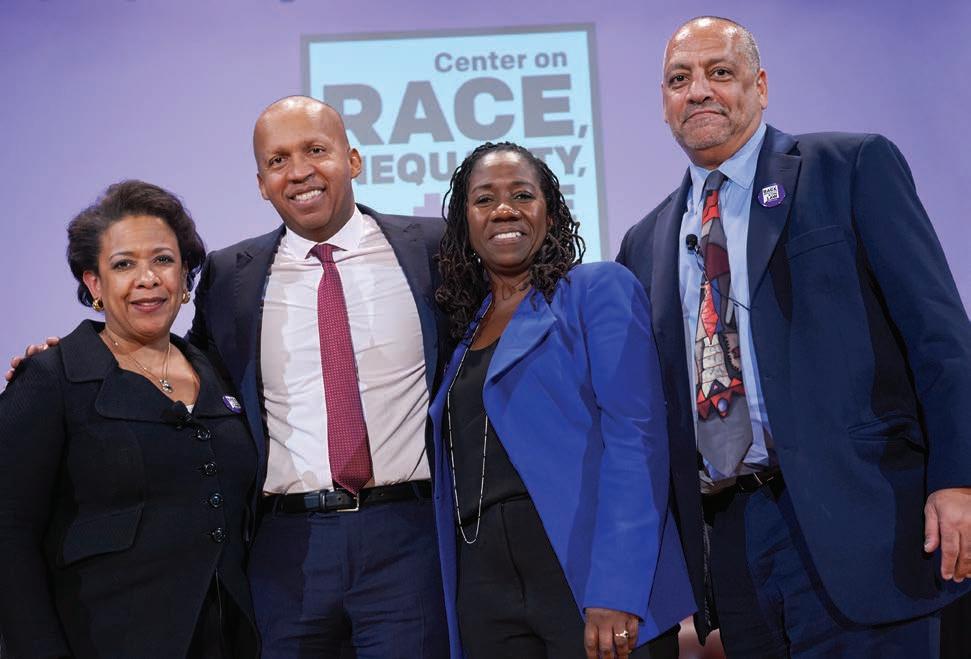
Loretta Lynch was the eighty-third attorney general of the United States and lives in Washington, D.C.
Bryan Stevenson is the author of Just Mercy and the executive director of the Equal Justice Initiative, based in Montgomery, Alabama.
Sherrilyn Ifill is the president of the NAACP Legal Defense Fund based in Washington, D.C.
Anthony C. Thompson is a professor of clinical law and the faculty director of the Center on Race, Inequality, and the Law at New York University School of Law.
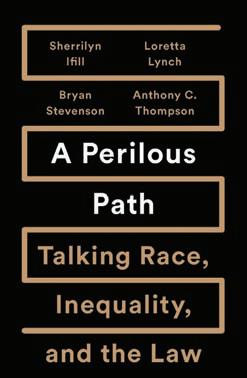
A Perilous Path
Talking Race, Inequality, and the Law
SHERRILYN IFILL, LORETTA LYNCH, BRYAN STEVENSON, AND
ANTHONY C. THOMPSON
A
NO-HOLDS-BARRED, RED-HOT DISCUSSION OF RACE IN AMERICA TODAY FROM SOME OF THE LEADING NAMES IN THE FIELD, INCLUDING THE BESTSELLING AUTHOR OF JUST MERCY
Bryan Stevenson is the Mandela of America.
—DESMOND TUTU
This blisteringly candid discussion of the American dilemma in the age of Trump brings together the head of the NAACP Legal Defense Fund, the former attorney general of the United States, a bestselling author and death penalty lawyer, and a star professor for an honest conversation the country desperately needs to hear.
Drawing on their collective decades of work on civil rights issues as well as personal histories of rising from poverty and oppression, A Perilous Path considers the importance of reclaiming the racial narrative and keeping our eyes on the horizon as we work for justice in a profoundly unjust time.
Covering topics as varied as “the commonality of pain,” “when lawyers are heroes,” and the concept of an “equality dividend” that is due to people of color for helping America brand itself internationally as a country of diversity and acceptance, Ifill, Lynch, Stevenson, and Thompson also explore topics such as “when did ‘public’ become a dirty word” (hint: it has something to do with serving people of color), “you know what Jeff Sessions is going to say,” and “what it means to be a civil rights lawyer in the age of Trump.”
Building on Stevenson’s hugely successful Just Mercy, Lynch’s national platform at the Justice Department, Ifill’s role as one of the leading defenders of civil rights in the country, and the occasion of Thompson’s launch of a new center on race, inequality, and the law at the NYU School of Law, A Perilous Path will speak loudly and eloquently to everyone concerned about America’s perpetual fault line.
From A Perilous Path:
We’re here to reorient a country that seems to have lost its way.
—ANTHONY C. THOMPSON
The velvet rope has been removed from what used to be the shame of being racist, of being misogynistic.
—SHERRILYN IFILL
What you’re really seeing is the peeling away of the role of government, away from protecting the disenfranchised.
—LORETTA LYNCH
You have to see hopelessness as a kind of toxin that will kill your ability to make a difference.
$19.99 / $29.99 CAN 4 1⁄2” x 7”, 128 pages Race Relations/Current Affairs
Start Here A Practical Guide to Reducing Incarceration
GREG BERMAN AND JULIAN ADLER
A BOLD AGENDA FOR CRIMINAL JUSTICE REFORM BASED ON EQUAL PARTS PRAGMATISM AND IDEALISM, FROM THE VISIONARY DIRECTOR OF THE CENTER FOR COURT INNOVATION, A LEADER OF THE REFORM MOVEMENT
Praise for Greg Berman’s Good Courts:
An excellent, up-to-date introduction to the possibilities of problem-solving justice.
COURT REVIEW
Good Courts put[s] forward fundamental reforms to restore accountability and legitimacy to our criminal justice system.
MOTHER JONES
Good Courts concludes by asserting that problem-solving courts offer a rare beacon of hope within the criminal justice system. This is a message that should be heeded by all who seek to improve the courts.
COMMONWEALTH
An accessible and provocative call for change.
PUBLISHERS WEEKLY
March
Hardcover, 978-1-62097-223-6
E-book, 978-1-62097-224-3
$24.99 / $37.50 CAN
5 1⁄2” x 7 1⁄2”, 224 pages
Legal
Berman writes like all the rest of us wish we did.
—CANDICE MCCOY, JOHN JAY COLLEGE
Everyone knows that the United States leads the world in incarceration, and that our political process is gridlocked. But what can be done right now to reduce the number of people sent to jail and prison? This essential book offers a concrete roadmap for both professionals and general readers who want to move from analysis to action. In this forward-looking, next-generation criminal justice reform book, Greg Berman and Julian Adler of the Center for Court Innovation highlight the key lessons from successful programs across the country—engaging the public in preventing crime, treating all defendants with dignity and respect, and linking people to effective community-based interventions rather than locking them up. Along the way, they tell a series of gripping stories, highlighting gang members who have gotten their lives back on track, judges who are transforming their courtrooms, and reformers around the country who are rethinking what justice looks like.
While Start Here offers no silver bullets, it does put forth a suite of proven reforms—from alternatives to bail to diversion programs for mentally ill defendants— that will improve the lives of thousands of people right now. Start Here is a must-read for everyone who wants to start dismantling mass incarceration without waiting for a revolution or permission. Proceeds from the book will support the Center for Court Innovation’s reform efforts.
Greg Berman is the director of the Center for Court Innovation, a New York–based think tank that works to improve the performance of state courts and criminal justice agencies, where Julian Adler is the director of Research-Practice Strategies. Berman is co-author of Good Courts (The New Press) and Trial & Error in Criminal Justice Reform. They live in New York.
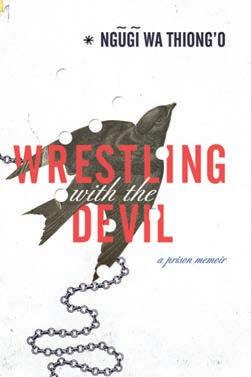
Wrestling with the Devil
A Prison Memoir
NGU ˜ GI ˜ WA THIONG’O
AN UNFORGETTABLE CHRONICLE OF THE YEAR THE BRILLIANT NOVELIST AND MEMOIRIST, LONG FAVORED FOR THE NOBEL PRIZE, SPENT IN A KENYAN JAIL WITHOUT CHARGE
One of the greatest writers of our time. —CHIMAMANDA NGOZI ADICHIE
Wrestling with the Devil, Ngu˜gı˜ wa Thiong’o’s powerful prison memoir, begins literally half an hour before his release on December 12, 1978. In one extended flashback he recalls the night, a year earlier, when armed police pulled him from his home and jailed him in Kenya’s Kamı˜tı˜ Maximum Security Prison, one of the largest in Africa. There, he lives in a prison block with eighteen other political prisoners, quarantined from the general prison population.
In a conscious effort to fight back the humiliation and the intended degradation of the spirit, Ngu˜gı˜—the world-renowned author of Weep Not, Child; Petals of Blood; and Wizard of the Crow—decides to write a novel on toilet paper, the only paper to which he has access, a book that will become his classic, Devil on the Cross
Written in the early 1980s and never before published in America, Wrestling with the Devil is Ngu˜gı˜’s account of the drama and the challenges of writing fiction under twenty-four-hour surveillance. He captures not only the excruciating pain that comes from being cut off from his wife and children, but also the spirit of defiance that defines hope. Ultimately, Wrestling with the Devil is a testimony to the power of imagination to help humans break free of confinement, which is truly the story of all art.
One of the leading writers and scholars at work today, Ngu˜gı˜ wa Thiong’o was born in Limuru, Kenya, in 1938. He is the author of A Grain of Wheat; Weep Not, Child; and Petals of Blood, as well as Birth of a Dream Weaver (The New Press). He has been nominated for, among other honors, the Man Booker International Prize and is currently a distinguished professor in the School of Humanities and the director of the International Center for Writing and Translation at the University of California, Irvine.
Praise for Ngu˜gı˜ wa Thiong’o’s Birth of a Dream Weaver:
One of O, The Oprah Magazine’s “10 Titles to Pick Up Now”
It’s hard to think of another living writer today who speaks so inspiringly and convincingly about the value of literature. No serious reader will want to miss this riveting story.
THE WASHINGTON POST
An eloquent, perceptive memoir. . . . Evocative, poignant, and thoughtful, Thiong’o’s courageous narrative will linger in readers’ minds.
PUBLISHERS WEEKLY (STARRED REVIEW)
An autobiographical masterpiece. . . . As essential as Achebe’s There Was a Country, this is a riveting read in African history and literature.
LIBRARY JOURNAL (STARRED REVIEW)
March
Hardcover, 978-1-62097-333-2
E-book, 978-1-62097-334-9
$25.99 / $38.99 CAN
5 1⁄2” x 8 1⁄4”, 272 pages with b&w images Memoir/Literature
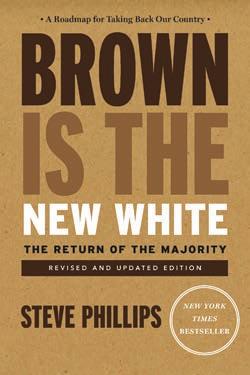
Brown Is the New White
The Return of the Majority
REVISED AND UPDATED
STEVE PHILLIPS
UPDATED AND WITH A NEW PREFACE AND AFTERWORD BY THE AUTHOR
NOW IN PAPERBACK THE NEW YORK TIMES AND WASHINGTON POST BESTSELLER THAT SPARKED A NATIONAL CONVERSATION ABOUT AMERICA’S NEW PROGRESSIVE, MULTIRACIAL MAJORITY, UPDATED TO INCLUDE CRUCIAL DATA FROM THE 2016 ELECTION
Both a fascinating exploration of today’s rapidly changing demographic landscape and an opportunity to see the future through the eyes of one of America’s most engaging public servants and progressive political minds.
—HENRY LOUIS GATES JR.
Hard-hitting . . . abundant use of solid statistics . . . brilliant commentary. A passionate discussion of race and politics sure to inspire heated debate and, hopefully, proactive solutions.
KIRKUS REVIEWS
A must-read for anyone seeking to make change happen, from small towns to the halls of Congress to the White House.
—JOHN PODESTA, FORMER CHIEF OF STAFF TO PRESIDENT BILL CLINTON AND FORMER COUNSELOR TO PRESIDENT BARACK OBAMA
$18.99 / $28.50 CAN 5 1⁄2” x 8 1⁄4”, 304 pages Political Science/Current Affairs (Hardcover edition: 978-1-62097-115-4)
A vital roadmap to a more hopeful, more inclusive America. —VAN JONES
When it first appeared in the lead-up to the 2016 election, Brown Is the New White helped spark a national discussion of race and electoral politics and the oftenmisdirected spending priorities of the Democratic Party. This “slim yet jam-packed call to action” (Booklist) contained a “detailed, data-driven illustration of the rapidly increasing number of racial minorities in America” (NBC News) and their significance in shaping our political future.
Completely revised and updated to address the reality and aftermath of the 2016 election, this first paperback edition of Brown Is the New White doubles down on its original insights. Attacking the “myth of the white swing voter” head-on, Steve Phillips, named one of “America’s Top 50 Influencers” by Campaigns & Elections, closely examines 2016 election results against a long backdrop of shifts in the electoral map over the past generation—arguing that, now more than ever, hope for a more progressive political future lies not with increased advertising to middle-of-the-road white voters, but with cultivating America’s growing, diverse majority.
Emerging as a respected and clear-headed commentator on American politics at a time of pessimism and confusion among Democrats, Phillips offers a stirring answer to anyone who thinks the immediate future holds nothing but Trump and Republican majorities.
Steve Phillips is a co-founder of PowerPAC.org, a social justice organization that conducted the largest independent voter mobilization efforts backing Barack Obama, Cory Booker, and Kamala Harris.
In 2014, he co-authored the first-ever audit of Democratic Party spending. He has appeared on multiple national radio and television networks. He lives in San Francisco.
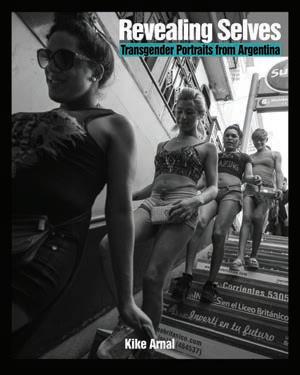
Revealing Selves
Transgender Portraits from Argentina
KIKE ARNAL
WITH AN INTRODUCTION BY
JOSEFINA FERNÁNDEZ
PAPERBACK ORIGINAL A BEAUTIFULLY PHOTOGRAPHED EXPLORATION OF WHAT IT MEANS TO BE TRANSGENDER IN ARGENTINA—PART OF A SERIES OF PHOTOBOOKS ON LGBTQ COMMUNITIES AROUND THE WORLD
We can be more than beauticians or sex workers. We don’t have to spend our lives standing on street corners in high heels and bright lipstick, in the rain and cold. Enough of that.
—SILVANA SOSA AFTER THE PASSING OF ARGENTINA’S GENDER IDENTITY LAW
Argentina was the first nation in Latin America to legalize same-sex marriage. It also passed legislation making it one of the most advanced countries worldwide in terms of transgender rights—the culmination of a long battle fought by LGBTQ support groups.
In the beautifully packaged and affordably priced Revealing Selves, awardwinning photographer Kike Arnal collaborates with individuals in Argentinian transgender communities, living side by side with them and documenting their day-to-day lives in a series of strikingly intimate color and black-and-white images. Among them are a former sex worker who is now a recognized leader of the Buenos Aires trans community, a single trans mother of three teenage girls whose partner had fallen victim to drug abuse, and the residents of the Hotel Gondolin, a small, derelict family hotel now inhabited by a few dozen trans women.
And yet despite the progress, the situation in Argentina is far from perfect. Trans people are still discriminated against and subject to verbal violence, physical assault, and police abuse. Of interest to LGBTQ activists and photography enthusiasts alike, Revealing Selves is both a celebration of the trans community in Argentina and a clear-eyed examination of what remains to be done in the struggle for trans rights.
Originally from Venezuela and now based in the San Francisco Bay Area, Kike Arnal has had photographs featured in the New York Times, Life, and Mother Jones, among other leading publications. Arnal’s photographs have been collected in Bordered Lives: Transgender Portraits from Mexico (The New Press) and In the Shadow of Power Josefina Fernández is a sociologist and trans activist based in Buenos Aires.
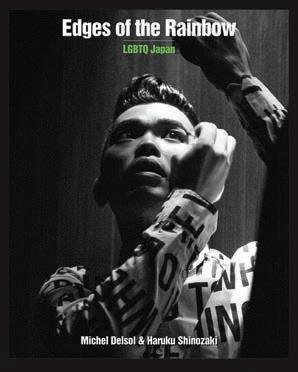
Edges of the Rainbow: LGBTQ Japan Michel Delsol and Haruku Shinozaki Paperback, $21.95, 978-1-62097-289-2
Denmark Vesey’s Garden
Slavery and Memory in the Cradle of the Confederacy
ETHAN J. KYTLE AND BLAIN ROBERTS
IN THE TRADITION OF JAMES LOEWEN’S LIES MY TEACHER TOLD ME , A DEEPLY RESEARCHED AND TIMELY BOOK THAT UNCOVERS COMPETING HISTORIES OF HOW SLAVERY IS REMEMBERED IN CHARLESTON, SOUTH CAROLINA—THE HEART OF DIXIE
Denmark Vesey’s Garden will have enormous implications for the entire country.
—DOUGLAS EGERTON, AUTHOR OF THUNDER AT THE GATES, THE WARS OF RECONSTRUCTION, YEAR OF METEORS, AND GABRIEL’S REBELLION
A book that strikes at the source of the recent flare-ups over Confederate symbols in Charlottesville, New Orleans, and elsewhere, Denmark Vesey’s Garden reveals the deep roots of these controversies and traces them to the capital of slavery in the United States: Charleston, South Carolina, where almost half of the U.S. slave population stepped onto our shores, where the first shot at Fort Sumter began the Civil War, and where Dylann Roof shot nine people at Emanuel A.M.E. Church, the congregation of Denmark Vesey, a black revolutionary who plotted a massive slave insurrection in 1822.
As early as 1865, former slaveholders and their descendants began working to preserve a romanticized memory of the antebellum South. In contrast, former slaves, their descendants, and some white allies have worked to preserve an honest, unvarnished account of slavery as the cruel system it was.
Examining public rituals, controversial monuments, and whitewashed historical tourism, Denmark Vesey’s Garden tracks these two rival memories from the Civil War all the way to contemporary times, where two segregated tourism industries still reflect these opposing impressions of the past, exposing a hidden dimension of America’s deep racial divide. Denmark Vesey’s Garden joins the small bookshelf of major, paradigm-shifting new interpretations of slavery’s enduring legacy in the United States.
Ethan J. Kytle is an associate professor of history at California State University, Fresno. The author of Romantic Reformers and the Antislavery Struggle in the Civil War Era, he lives in Fresno, California. Blain Roberts is an associate professor of history at California State University, Fresno. The author of Pageants, Parlors, and Pretty Women, she lives in Fresno, California.
Advance praise for Denmark Vesey’s Garden:
Readers are drawn into a community where the shadows of slavery are ever-present and white and black Charlestonians jockey for influence over whether and how those shadows are acknowledged.
—FITZHUGH BRUNDAGE, WILLIAM B. UMSTEAD DISTINGUISHED PROFESSOR, UNIVERSITY OF NORTH CAROLINA
Kytle and Roberts’s engaging style will remind readers of Edward Ball’s work, Slaves in the Family, providing a new window onto the Charleston past and delivering an important message for the present.
—CATHERINE CLINTON, DENMAN CHAIR OF AMERICAN HISTORY, UNIVERSITY OF TEXAS, SAN ANTONIO, AND PRESIDENT, SOUTHERN HISTORICAL ASSOCIATION
$28.99 / $43.50 CAN 6 1⁄8” x 9 1⁄4”, 464 pages with 58 b&w images History
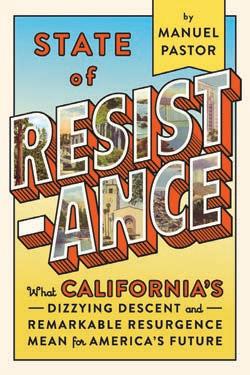
State of Resistance
What California’s Dizzying Descent and Remarkable Resurgence Mean for America’s Future
MANUEL PASTOR
THE LEADING SOCIOLOGIST’S BRILLIANT AND REVELATORY ARGUMENT THAT THE FUTURE OF POLITICS, WORK, IMMIGRATION, AND MORE MAY BE FOUND IN CALIFORNIA
Praise for the work of Manuel Pastor: Equity, Growth, and Community: Immensely wise and highly practical—a must-read.
—XAVIER DE SOUZA BRIGGS, AUTHOR OF DEMOCRACY AS PROBLEM SOLVING
This Could Be the Start of Something Big:
A vivid account . . . an important contribution to new thinking about progressive politics.
—PAUL OSTERMAN, NTU PROFESSOR OF HUMAN RESOURCES AND MANAGEMENT, MIT SLOAN SCHOOL
April
Hardcover, 978-1-62097-329-5
E-book, 978-1-62097-330-1
$24.99 / $37.50 CAN 5 1⁄2” x 8 1⁄4”, 224 pages Current Affairs & Politics
As California goes, so goes the nation.
—ANONYMOUS
Once upon a time, any mention of California triggered unpleasant reminders of Ronald Reagan and right-wing tax revolts, ballot propositions targeting undocumented immigrants, and racist policing that sparked two of the nation’s most devastating riots. In fact, California confronted many of the challenges the rest of the country faces now—decades before the rest of us.
Today, California is leading the way on addressing climate change, low-wage work, immigrant integration, overincarceration, and more. As white residents became a minority and job loss drove economic uncertainty, California had its own Trump moment twenty-five years ago, but has become increasingly blue over each of the last seven presidential elections. How did the Golden State manage to emerge from its unsavory past to become a bellwether for the rest of the country?
Thirty years after Mike Davis’s hellish, dystopian depiction of California in City of Quartz, the award-winning sociologist Manuel Pastor guides us through a remarkably new and improved California, with lessons that the rest of the nation should heed. Inspiring and expertly researched, State of Resistance makes the case for honestly engaging racial anxiety in order to address our true economic and generational challenges, a renewed commitment to public investments, the cultivation of social movements, and more.
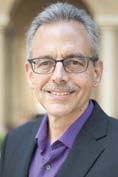
Dr. Manuel Pastor is a professor of sociology and American studies and ethnicity at the University of Southern California, where he also serves as director of the Program for Environmental and Regional Equity and as co-director of USC’s Center for the Study of Immigrant Integration. He has received Guggenheim and Fulbright fellowships and lives in Los Angeles.
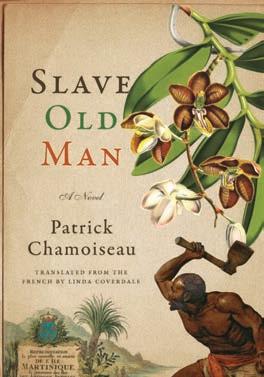
Slave Old Man
A Novel
PATRICK CHAMOISEAU
TRANSLATED
FROM THE FRENCH AND CREOLE BY LINDA COVERDALE
FROM A PRIX GONCOURT–WINNING WRITER HAILED BY MILAN KUNDERA AS THE “HEIR OF JOYCE AND KAFKA,” A GRIPPING STORY
OF AN ESCAPED SLAVE IN MARTINIQUE AND THE KILLER HOUND THAT PURSUES HIM
Chamoiseau’s characters are not only names but beings. Their conduct is drawn from the complexities of sensation rather than of action. We inhabit them naturally, their rages that roar like a rainstorm through a ravine, their sense of insult as sensitive as those weeds that close like shutters.
—DEREK WALCOTT
From one of the most innovative and subversive novelists writing in French, a “writer of exceptional and original gifts” (The New York Times), whose Texaco won the Prix Goncourt and has been translated into fourteen languages, Patrick Chamoiseau’s Slave Old Man is a gripping, profoundly unsettling story of an elderly slave’s daring escape into the wild from a plantation in Martinique, with his master and a fearsome hound on his heels.
We follow them into a lush rain forest where nature is beyond all human control: sinister, yet entrancing and even exhilarating, because the old man’s flight to freedom will transform them all in truly astonishing—even otherworldly—ways, as the overwhelming physical presence of the forest reshapes reality and time itself. Chamoiseau’s exquisitely rendered new novel is an adventure for all time, one that fearlessly portrays the demonic cruelties of the slave trade and its human costs in vivid, sometimes hallucinatory prose. Offering a loving and mischievous tribute to the Creole culture of early nineteenth-century Martinique and brilliantly translated by Linda Coverdale, this novel takes us on a unique and moving journey into the heart of Caribbean history.
Patrick Chamoiseau is the author of Texaco, which won the Prix Goncourt and was a New York Times Notable Book, as well as Creole Folktakes (The New Press), among other works. He lives in Martinique. Linda Coverdale has translated more than seventy books. A Chevalier de l’Ordre des Arts et des Lettres, she has won the 2004 Internatioal IMPAC Dublin Literary Award and the 2006 Scott Moncrieff Prize and received the French-American Foundation’s 2008 Translation Prize for Jean Echenoz’s Ravel (The New Press). She lives in Brooklyn, New York.
Praise for the French edition of Slave Old Man:
The reader is invited to blaze a trail through this forest of symbols. The last chapter will shed light on the profound meaning of the fable. But the point is less to capture than to be captivated— by the energy, the luxuriance, and the playful solemnity of writing that masterfully melds French, Creole, and yet other voices as well.
L’EXPRESS
Praise for Patrick Chamoiseau’s Texaco:
A great book has been written . . . one with a melodic voice and amplitude of heart.
$19.99 / $29.99 CAN 5 1⁄4” x 7 1⁄2”, 176 pages Fiction/Literature
Enemies in Love
A German POW, a Black Nurse, and an Unlikely Romance
ALEXIS CLARK
A TRUE AND DEEPLY MOVING NARRATIVE OF FORBIDDEN LOVE DURING WORLD WAR II AND A SHOCKING, HIDDEN HISTORY OF RACE ON THE HOME FRONT
Enemies in Love is nothing short of a revelation about the history we thought we knew. Alexis Clark cracks open a completely unknown chapter in the story of race in the United States—told through an almost unbelievable (but utterly real and unforgettable) love story.
——DARREN WALKER, PRESIDENT, FORD
FOUNDATION
This is a love story like no other: Elinor Powell was an African American nurse in the U.S. military during World War II; Frederick Albert was a soldier in Hitler’s army, captured by the Allies and shipped to a prisoner-of-war camp in the Arizona desert. Like most other black nurses, Eleanor pulled a second-class assignment, in a dusty, sun-baked—and segregated—Western town. The army figured that the risk of fraternization between black nurses and white German POWs was almost nil.
Brought together by unlikely circumstances in a racist world, Elinor and Frederick should have been bitter enemies; but instead, at the height of World War II, they fell in love. Their dramatic story was unearthed by journalist Alexis Clark, who through years of interviews and historical research has pieced together an astounding narrative of race and true love in the cauldron of war.
Based on a New York Times story by Clark that drew national attention, Enemies in Love paints a tableau of dreams deferred and of love struggling to survive, twenty-five years before the Supreme Court’s Loving decision legalizing mixed-race marriage—revealing the surprising possibilities for human connection in the midst of one of history’s most violent conflicts.
Previously an editor at Town and Country magazine, Alexis Clark, is a freelance journalist who has written for the New York Times, Yahoo, The Root, Condé Nast Traveler, Manhattan, Uptown, and the Daily Front Row. She lives in New York City.
• Over 400,000 German prisoners of war were held in camps in the United States during World War II.
• Despite the overwhelming need for nurses during World War II, the U.S. Army refused to admit black nurses in large numbers.
• Many black nurses, like Elinor Powell, were assigned to prisoner-of-war camps in the desert, where it was assumed they would not form relationships with the captured enemy soldiers.
5 1⁄2” x 8 1⁄4”, 272 pages with 24 b&w images History
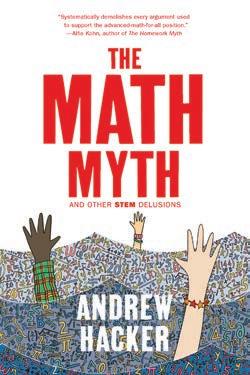
The Math Myth
And Other STEM Delusions
ANDREW HACKER
NOW IN PAPERBACK THE “LIVELY” ( KIRKUS REVIEWS ), PROVOCATIVE, MUCH-TALKED-ABOUT BOOK THAT CHALLENGES THE MANDATE FOR ALL STUDENTS TO MASTER A FULL MENU OF MATHEMATICS, FROM THE BESTSELLING AUTHOR
Not one to decelerate, at 86 [Hacker] is doing nothing less than taking on the mathosphere.
THE NEW YORK TIMES, EDUCATION LIFE
A clarion call to students, parents, and educators who decry the one-size-fits-all approach to schooling.
PUBLISHERS WEEKLY (STARRED REVIEW)
Exposes [an] inconvenient truth . . . Hacker shows convincingly that our current math curriculum has become too much of a good thing—an artificial barrier to the deeper learning at the heart of true vocations.
—ANTHONY CARNEVALE, GEORGETOWN UNIVERSITY CENTER ON EDUCATION AND THE WORKFORCE
$17.99 / $26.99 CAN 5 1⁄2” x 8 1⁄4”, 256 pages Education/Mathematics (Hardcover edition: 978-1-62097-068-3)
In a friendly and accessible style, Hacker . . . systematically demolishes every argument used to support the advancedmath-for-all position. His book is now my go-to resource on this topic.
—ALFIE KOHN, AUTHOR OF THE HOMEWORK MYTH
When Andrew Hacker published an op-ed in the New York Times questioning the requirement of advanced mathematics in schools, it instantly became one of the paper’s most widely circulated articles. Why, he wondered, do we inflict algebra, geometry, trigonometry, and even calculus on all young Americans, regardless of their interests and aptitudes? In response to the controversy sparked by his ideas, Hacker fleshed out his arguments in The Math Myth, which Diane Ravitch has hailed as an “important book” that “demolishes some totally unrealistic policies that will prevent many students from ever receiving a high school diploma and leading useful lives.”
In a book Howard Gardner calls “important and timely—and a great read,” Hacker offers a bold examination of widely held assumptions about the Common Core curriculum, the frenzied emphasis on STEM, and the type of knowledge that is—and will be—needed for most jobs. A mathematics professor himself, Hacker, in this “direct and clear” (Kirkus Reviews) “worthwhile read” (National Book Review), honors mathematics as a calling and extols its glories and its goals—yet shows how mandating it for everyone not only prevents other talents from being developed, but acts as an irrational barrier to graduation and fulfilling careers.
Andrew Hacker is an American political scientist and public intellectual. Currently Professor Emeritus in the Department of Political Science at Queens College in New York, he is the author of ten books, including the New York Times bestseller Two Nations: Black and White, Separate, Hostile, Unequal. He is a frequent contributor to the New York Review of Books and has written for the New York Times opinion page and the Chronicle of Higher Education. He lives in New York City.
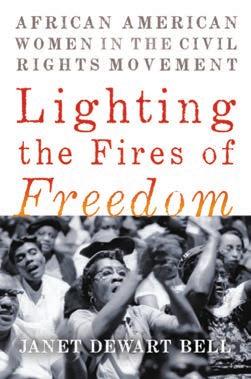
Lighting the Fires of Freedom
African American Women in the Civil Rights Movement
JANET DEWART BELL
Winner of the Ida and Studs Terkel Prize
A
GROUNDBREAKING COLLECTION BASED ON ORAL HISTORIES THAT PLUMBS THE LEADERSHIP OF AFRICAN AMERICAN WOMEN IN THE TWENTIETH-CENTURY FIGHT FOR CIVIL RIGHTS—MANY NEARLY LOST TO HISTORY—BY THE AWARD-WINNING RADIO AND TELEVISION PRODUCER
Women have such endurance. We see far beyond what an ordinary view of life would be and we never give up on positive change. And that’s part of the responsibility that all of us have.
—MYRLIE EVERS
During the Civil Rights Movement, African American women did not stand on ceremony; they simply did the work that needed to be done. Yet despite their significant contributions at all levels of the movement, they remain mostly invisible to the larger public. Beyond Rosa Parks and Coretta Scott King, most Americans would be hardpressed to name other leaders at the community, local, and national levels.
In Lighting the Fires of Freedom Janet Dewart Bell shines a light on women’s alltoo-often overlooked achievements in the Movement. Through wide-ranging conversations with nine women, several now in their nineties with decades of untold stories, we hear what ignited and fueled their activism, as Bell vividly captures their inspiring voices. Lighting the Fires of Freedom offers these deeply personal and intimate accounts of extraordinary struggles for justice that resulted in profound social change, stories that are vital and relevant today.
Published to coincide with the fiftieth anniversary of the Civil Rights Act of 1968, Lighting the Fires of Freedom is a vital document for understanding the Civil Rights Movement and an enduring testament to the vitality of women’s leadership during one of the most dramatic periods of American history.
Janet Dewart Bell is a social justice activist with a doctorate in leadership and change from Antioch University. She founded the Derrick Bell Lecture on Race in American Society series at the New York University School of Law. An award-winning television and radio producer, she lives in New York City.
$25.99 / $38.99 CAN 5 1⁄2” x 8 1⁄4”, 240 pages with 18 b&w images African American Studies
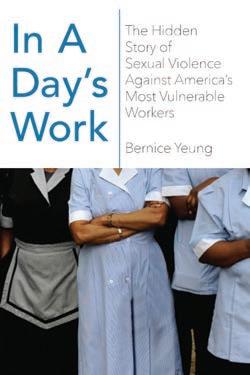
In a Day’s Work
The Hidden Story of Sexual Violence Against America’s Most Vulnerable Workers
BERNICE YEUNG
FROM TOMATO FIELDS TO SUBURBAN SHOPPING MALLS, AN ACCLAIMED JOURNALIST’S DEVASTATING EXPOSÉ ABOUT HOW SEXUAL ASSAULT AFFECTS OUR COUNTRY’S MOST INVISIBLE WORKERS
• Over 17,000 women are sexually assaulted at work each year.
• Almost two-thirds, 60 percent, of those raped or sexually assaulted at work don’t report the incident to the police.
• Undocumented immigrants are less likely to report a rape or sexual assault.
• Of 26,000 applications in 2015 for visas—a path to safety for undocumented victims of violent crimes—only 10,000 were approved.
May
Hardcover, 978-1-62097-315-8
E-book, 978-1-62097-316-5
$25.99 / $38.99 CAN
5 1⁄2” x 8 1⁄4”, 272 pages
Labor
When they know they can have some type of security, some kind of protection, then they’ll come forth. But it takes a lot.
—DOLORES HUERTA, UNITED FARM WORKERS CO–FOUNDER
Apple orchards in bucolic Washington state. Office parks in Southern California under cover of night. The home of an elderly man in Miami. These are some of the workplaces where female workers have suffered brutal sexual assault and shocking harassment at the hands of their employers, often with little or no official recourse. In this harrowing yet often inspiring tale, award-winning investigative journalist Bernice Yeung exposes the epidemic of sexual violence levied against women farmworkers, domestic workers, and janitorial workers and charts their quest for justice in the workplace.
Yeung takes readers on a journey across the country, introducing us to women who came to America to escape grinding poverty only to encounter sexual violence in the United States. In a Day’s Work exposes the underbelly of economies filled with employers who take advantage of immigrant women’s need to earn a basic living. When these women find the courage to speak up, Yeung reveals, they are too often met by apathetic bosses and underresourced government agencies. But In a Day’s Work also tells a story of resistance, introducing a group of courageous allies who challenge dangerous and discriminatory workplace conditions alongside aggrieved workers—and win. Moving and inspiring, this book will change our understanding of the lives of immigrant women.
Bernice Yeung is an award-winning journalist for the Center for Investigative Reporting. She was a 2015–2016 Knight-Wallace Fellow at the University of Michigan. Her work has appeared in the New York Times, Mother Jones, and The Guardian, as well as on KQED Public Radio and PBS Frontline. She lives in Berkeley, California.
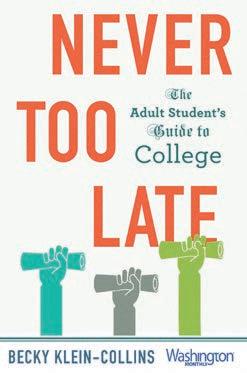
Never Too Late
The Adult Student’s Guide to College
BECKY KLEIN-COLLINS
PUBLISHED IN CONJUNCTION WITH THE WASHINGTON MONTHLY AND THE COUNCIL FOR ADULT AND EXPERIENTIAL LEARNING
PAPERBACK ORIGINAL A SMART, SNAPPY, AND COMPREHENSIVE GUIDE FOR THE MILLIONS OF ADULTS WHO ARE THINKING ABOUT GOING—OR ARE GOING BACK—TO COLLEGE AND WANT TO KNOW HOW TO DO IT RIGHT
Going back to college as an adult is not easy, but it doesn’t need to be impossible.
—FROM CHAPTER ONE OF NEVER TOO LATE
As anyone who has done it knows, going back to school is a major undertaking. For younger and older adults alike, starting or returning to school presents different challenges than those encountered by teens fresh out of high school and heading straight to college. Countless Americans take on this task while working, raising kids, caring for parents, volunteering, serving in the military—and in some cases all of the above. Although the “non-traditional” undergraduate student is in fact the new normal, the glut of college guides out there don’t include practical advice for the busy moms, frustrated employees, and ambitious adults who are applying to college or hoping to finish a degree.
As Klein-Collins points out, “People with college degrees tend to make more money, are more likely to stay employed—even when the economy tanks—and they are more likely to have healthy lifestyles and longer life expectancies.” And, she says, they are more likely to be happy. Never Too Late will help readers jump-start a new professional path or speed down the one they’re already on by guiding them through vital questions: What should I study? How can I afford the time and money required to get a college degree? How do I compare schools? With key chapters on flexibility (“It’s About Time!” and “Face-to-Face or Cyberspace?”) and rankings of the best colleges for grown-ups diving back into the books, Never Too Late is an essential reference for adults seeking a richer life—and a meaningful place in our rapidly changing economy and world.
Becky Klein-Collins is the associate vice president of research at the Council for Adult and Experiential Learning, a group that aims to enhance learning opportunities for adults around the world. She lives in Naperville, Illinois. The Washington Monthly is a leading voice in independent journalism.
The facts about college students today:
• 1 in 5 U.S. adults—over 43 million people—have some college credits but no degree.
• More than half of all college students are financially independent from their parents.
• At least one of the following is true for more than two-thirds of all students: attend school part-time, work full-time, have dependents other than a spouse, are a single parent, have delayed college enrollment beyond the first year after high school.
$19.99 / $29.99 CAN 6 1⁄8” x 9 1⁄4”, 288 pages Education
the world
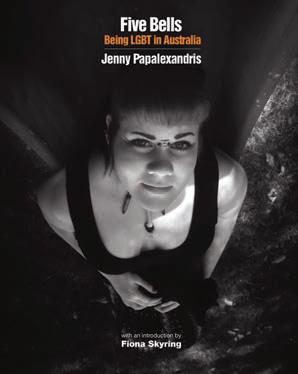
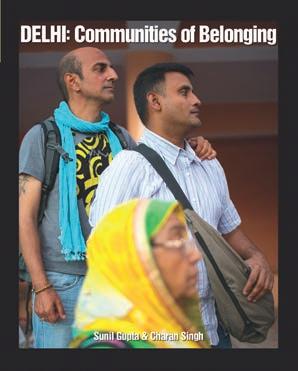
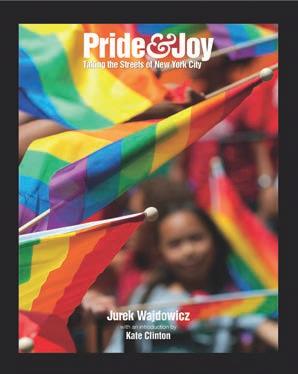
From internationally renowned documentary photographers, a series of photobooks that illuminate LGBTQ lives around
Bordered Lives: Transgender Portraits from Mexico
Delhi: Communities of Belonging
Edges of the Rainbow: LGBTQ Japan
The Kids: The Children of LGBTQ Parents in the USA
Five Bells: Being LGBT in Australia
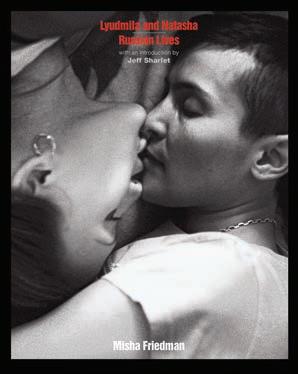
Lyudmila and Natasha: Russian LivesOUT: LGBTQ Poland
Pride & Joy: Taking the Streets of New York City
Lives in Transition
LGBTQ Serbia
SLOBODAN RANDJELOVIC ´
WITH AN INTRODUCTION BY ROBERT RIENT
PAPERBACK ORIGINAL PART OF THE ONGOING SERIES OF PHOTOBOOKS ABOUT QUEER COMMUNITIES AROUND THE WORLD, A STUNNING PORTRAIT OF A COMMUNITY BATTLING HOMOPHOBIA IN SERBIA
When I started organizing Gay Pride, I started getting death threats, threats of rape, beatings and killings over Facebook and my phone, and almost every day I was accosted in the streets and threatened.
—MAJDA PUACA, ONE OF THE ORGANIZERS BEHIND THE 2010 BELGRADE PRIDE PARADE
In June 2001, Serbia witnessed its first gay pride parade in history in Belgrade’s central square. It was a short-lived march, as an ultranationalist mob quickly descended on the participants, chanting homophobic slurs and injuring dozens. For years afterward, fear of violence prevented further marches, and when, in October 2010, the next pride march finally went ahead, it again devolved into violence as anti-gay rioters, firing shots and hurling petrol bombs, fought the police. It was only in 2014 that a pride march was held uninterrupted, albeit under heavy police protection.
In Lives in Transition, photographer Slobodan Randjelovic´ captures the struggles and successes of twenty LGBTQ people living throughout Serbia—a conservative, religious country where, despite semi-progressive LGBTQ protection laws, homophobia fueled by religious authorities and right-wing political parties remains deeply entrenched. In a country where lack of employment opportunity and hostile families frequently drive queer people into poverty and isolation, these individuals have struggled to build a community that will offer solace, protection, and even joy. Lives in Transition portrays remarkable and inspiring resilience in the human struggle against a repressive social environment and demonstrates how friendship and community can help people shape their own futures.
Slobodan Randjelovic´ is a Serbian-born architect and photographer currently working in New York City. He serves on the board of the ARCUS Foundation, the Gallmann Memorial Foundation, New York Live Arts, and the Design Committee of the Park Avenue Armory. Robert Rient is a Warsaw-based journalist and psychologist and the author of It Was About Love and Witness.
LGBTQ Stats: Lesbian, Gay, Bisexual, Transgender, and Queer People by the Numbers David Deschamps and Bennett Singer Paperback, $17.95, 978-1-62097-244-1
8” x 10”, 160 pages with color photos throughout Photography/Gay and Lesbian Studies
Marry in America
Edited by Kevin M. Cathcart and Leslie J. Gabel-Brett Hardcover, $27.95,
Deeper Learning
How Eight Innovative Public Schools Are Transforming Education in the Twenty-First Century
MONICA R. MARTINEZ AND DENNIS MCGRATH WITH A NEW FOREWORD BY RUSSLYNN ALI
NOW IN PAPERBACK THE ACCLAIMED EXPLORATION OF HOW PUBLIC EDUCATION CAN CULTIVATE INNOVATORS—WITH A NEW FOREWORD BY RUSSLYNN ALI, A LEADING ADVOCATE FOR REMAKING SCHOOLS
Features schools in California, Indiana, Maine, Minnesota, Ohio, and Pennsylvania
A quick and lively read, with well-told anecdotes. . . . The book delivers what it promises: inspiring stories that show you what is possible.
—GETTING SMART
Communities across the nation must use the principles outlined in this book to fundamentally transform schools.
—WARREN SIMMONS, EXECUTIVE DIRECTOR, ANNENBERG INSTITUTE FOR SCHOOL REFORM
A wonderful book that should be read by every educator, parent, and policy maker.
—TONY WAGNER, AUTHOR OF CREATING INNOVATORS AND THE GLOBAL ACHIEVEMENT GAP
Dime-a-dozen ideas for reforming education seem to be everywhere these days; few actually transform the everyday experience of the 50-million-plus students who are regularly subjected to traditional lecturing, note-taking, and rote learning—often with dismal results. Enter Deeper Learning, “a fast read [that] will interest educators who want to produce self-motivated, passionate learners” (Library Journal) by education strategist Monica R. Martinez and sociologist Dennis McGrath.
Offering “uplifting” (Kirkus Reviews) anecdotes in what Tom Carroll of the National Commission on Teaching and America’s Future calls a “compelling book [that] reveals how eight schools are navigating the transition from industrial-era teaching to twenty-first-century learning,” the authors provide a blueprint for creating flexible environments that put students at the helm of their own collaborative learning experience. This paperback edition features a foreword by renowned education advocate Russlynn Ali on why America needs a new way of learning and will empower and inspire educators everywhere to address the need for schools to be genuinely innovative.
Monica R. Martinez, PhD, is a former president of the New Tech Network and was previously vice president of KnowledgeWorks. In 2011 Martinez was appointed by President Obama to serve on the President’s Advisory Commission on Educational Excellence for Hispanics. She currently lives in the Bay Area. Dennis McGrath is a professor of sociology at the Community College of Philadelphia, where he won the Lindback Distinguished Teaching Award. He lives in Philadelphia. Russlynn Ali, a former assistant secretary for civil rights at the U.S. Department of Education, is the CEO of XQ, the Super School Project.
The Lost Education of Horace Tate
Uncovering the Hidden Heroes Who Fought for Justice in Schools
VANESSA SIDDLE WALKER
IN
THE EPIC TRADITION OF EYES ON THE PRIZE AND WITH THE CULTURAL SIGNIFICANCE OF JOHN LEWIS’S MARCH TRILOGY, AN AMBITIOUS AND HARROWING ACCOUNT OF THE DEVOTED BLACK EDUCATORS WHO BATTLED SOUTHERN SCHOOL SEGREGATION AND INEQUALITY
Negroes cannot and will not be free or integrated if all that they have is relinquished, emasculated, given up, or abandoned. —DR. HORACE E. TATE
For two years an aging Dr. Horace Tate—a former teacher, principal, and state senator—told Emory University professor Vanessa Siddle Walker about his clandestine travels on unpaved roads under the cover of night, meeting with other educators and with Dr. King, Georgia politicians, and even U.S. presidents. Sometimes he and Walker spoke by phone, sometimes in his office, sometimes in his home; always Tate shared fascinating stories of the times leading up to and following Brown v. Board of Education. Dramatically, on his deathbed, he asked Walker to return to his office in Atlanta, in a building that was once the headquarters of another kind of Southern strategy, one driven by integrity and equality.
Just days after Dr. Tate’s passing in 2002, Walker honored his wish. Up a dusty, rickety staircase, locked in a concealed attic, she found the collection: a massive archive documenting the underground actors and covert strategies behind the most significant era of the fight for educational justice. Thus began Walker’s sixteen-year project to uncover the network of educators behind countless battles—in courtrooms, schools, and communities—for the education of black children. Until now, the courageous story of how black Americans in the South won so much and subsequently fell so far has been incomplete. The Lost Education of Horace Tate is a monumental work that offers fresh insight into the Southern struggle for human rights, revealing littleknown accounts of leaders such as W.E.B. DuBois and James Weldon Johnson, as well as hidden provocateurs like Horace Tate.
Vanessa Siddle Walker, a professor at Emory University, has studied the segregated schooling of African American children for more than twenty years. She has won the prestigious Grawemeyer Award in education and lives near Atlanta.
Praise for Vanessa Siddle Walker’s work: Their Highest Potential: A compelling story.
JOURNAL OF AMERICAN HISTORY
Excellent.
MULTICULTURAL REVIEW
A first-rate book and a very moving story.
—JAMES D. ANDERSON, AUTHOR OF THE EDUCATION OF BLACKS IN THE SOUTH
A must-read.
—GLORIA LADSON-BILLINGS, UNIVERSITY OF WISCONSIN-MADISON
Race-ing Moral Formation:
Groundbreaking and riveting . . . an essential book.
6 1⁄8” x 9 1⁄4”, 320 pages with 24 b&w images History/Education
“We
in France, we have nothing, apart from bread, wine and joy.”
KING LOUIS VII, TWELFTH CENTURY
“Nothing is more insipid than early fruits and vegetables.”
JEAN-JACQUES ROUSSEAU, EMILE: OR ON EDUCATION, 1762
“The
discovery of a new dish does more for human happiness than the discovery of a new star.”
— ANTHELME BRILLAT-SAVARIN, 1825
“I am for wine, and against Absinthe, as I am for tradition, and against revolution.”
— LÉON DAUDET, FRENCH NATIONALIST WRITER, 1867–1942
“Against misery, fascism and war; for bread, peace and liberty.”
— CAMPAIGN SLOGAN OF THE LEFT-WING POPULAR FRONT COALITION GOVERNMENT, 1936
A Bite-Sized History of France
Delicious, Gastronomic Tales of Revolution, War, and Enlightenment
STEPHANE HENAUT AND JENI MITCHELL
A FRENCH CHEESEMONGER AND AN AMERICAN ACADEMIC AND EX-PAT JOIN FORCES TO SERVE UP A SUMPTUOUS HISTORY OF FRANCE AND ITS FOOD, IN THE DELICIOUS TRADITION OF ANTHONY BOURDAIN, PETER MAYLE, AND PAMELA DRUCKERMAN
How can anyone govern a nation that has 246 varieties of cheese?
—CHARLES DE GAULLE
Nearly 3 million Americans visit France every year, in addition to the more than 150,000 American expatriates who live there. Numerous bestselling books attest to American Francophilia, to say nothing of bestselling cookbooks, like those of Julia Child and Paula Wolfert. Now, husband-and-wife team Stephane Henaut and Jeni Mitchell give us the rich history behind the food—from Roquefort and absinthe to couscous and Calvados. The tales in A Bite-Sized History of France will delight and edify even the most seasoned lovers of food, history, and all things French.
From the crêpe that doomed Napoleon to the new foods borne of crusades and colonization to the rebellions sparked by bread and salt, the history of France—from the Roman era to modern times—is intimately entwined with its gastronomic pursuits. Traversing the cuisines of France’s most famous cities as well as its underexplored regions, this innovative culinary and social history includes travel tips; illustrations that explore the impact of war, imperialism, and global trade; the age-old tension between tradition and innovation; and the ways in which food has been used over the centuries to enforce social and political identities. A Bite-Sized History of France tells the compelling story of France through its food.
Stephane Henaut’s wide-ranging career in food includes working in the Harrods fromagerie, cooking for the Lord Mayor of London’s banquets, and selling obscure vegetables in a French fruitier. Jeni Mitchell has spent most of her adult life in Washington, D.C., working as a researcher and editor in foreign affairs. They live in Nantes, France.
• In the days before the introduction of coinage and credit, one of the oldest cheeses of Normandy, Pont l’Eveque, dating back to the thirteenth century, once served as a local currency.
• In the thirteenth century the Cathars, who were vegetarians, were condemned as heretics by the Roman Catholic Church and were subjected to the first crusade on Christian soil.
• Prior to the late nineteenth century, hot chocolate was considered a dubious, even dangerous, proposition in France, with Balzac attributing the decline of the Spanish Empire to their “abuse of chocolate.”
$25.99 / $38.99 CAN 5 1⁄2” x 8 1⁄4”, 256 pages History
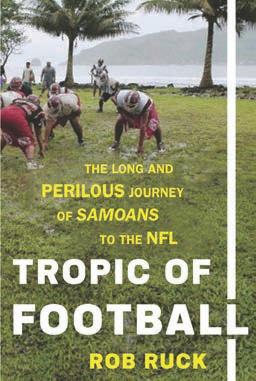
“By the late twentieth century, football and rugby had become the means by which Samoans told their story to the world. Images of a stoic Jesse Sapolu, a raging Junior Seau, a free-spirited Troy Polamalu, and Manu Samoa’s magnificent warriors striking a siva tau broadcast a Samoan presence well beyond the islands.”
— FROM TROPIC OF FOOTBALL
Tropic of Football
The Long and Perilous Journey of Samoans to the NFL
ROB RUCK
HOW
A TINY PACIFIC ARCHIPELAGO IS PRODUCING MORE PLAYERS—FROM TROY POLAMALU TO MARCUS MARIOTA—FOR THE NFL THAN ANYWHERE ELSE IN THE WORLD, BY AN AWARD-WINNING SPORTS HISTORIAN
Rob Ruck is arguably the most important sport historian of our time.
—MARCUS REDIKER, AUTHOR OF THE SLAVE SHIP
Football is at a crossroads, its future imperiled by the very physicality that drives its popularity. Its grass roots—high school and youth travel programs—are withering. But players from the small South Pacific American territory of Samoa are bucking that trend, quietly becoming the most disproportionately overrepresented culture in the sport.
Jesse Sapolu, Junior Seau, Troy Polamalu, and Marcus Mariota are among the star players to emerge from the Samoan islands, and more of their brethren suit up every season. The very thing that makes them so good at football—their extraordinary internalization of discipline and warrior self-image—makes them especially vulnerable to its pitfalls, including concussions and brain injuries.
Award-winning sports historian Rob Ruck travels to the South Seas to unravel American Samoa’s complex ties with the United States. He finds an island blighted by obesity, where boys train on fields blistered with volcanic pebbles wearing helmets that should have been discarded long ago, incurring far more neurological damage than their stateside counterparts and haunted by Junior Seau, who committed suicide after a vaunted twenty-year NFL career, unable to live with the demons that resulted from chronic traumatic encephalopathy. Tropic of Football is a gripping, bittersweet history of what may be football’s last frontier.
Rob Ruck is a professor of history at the University of Pittsburgh. He has written for the New York Times, the Washington Post, the Wall Street Journal, Salon, and other publications. He lives in Pittsburgh.
• A Samoan male is 56 times more likely to play NFL football than an American non-Samoan.
• Samoans suffer from some of the highest rates of type two diabetes and obesity in the world.
• Samoans have the highest per capita death rate in the U.S. military.
$26.99 / $40.50 CAN 5 1⁄2” x 8 1⁄4”, 320 pages with 20 b&w images Sports
Game Over: How Politics Has Turned the Sports World Upside Down Dave Zirin Paperback, $18.95,
When at Times the Mob Is Swayed
Defending the Constitution in the Age of Trump
BURT NEUBORNE
A VISIONARY LEGAL SCHOLAR’S CLEAR-EYED AND ULTIMATELY REASSURING DEFENSE OF THE CONSTITUTION’S POWER TO WITHSTAND AN AUTHORITARIAN PRESIDENT
Praise for Burt Neuborne’s Madison’s Music: Neuborne’s elegant book . . . provides an important guide, grounded in the First Amendment itself, for those working toward an electoral system more deserving of the label of democracy.
—DAVID COLE, THE NEW YORK REVIEW OF BOOKS
A detailed history of the transformation of First Amendment law.
—ADAM LIPTAK, THE NEW YORK TIMES
A bold new approach to interpreting the Constitution.
THE HUFFINGTON POST
An urgent message that deserves a wide readership.
KIRKUS REVIEWS
Elegantly examines James Madison’s intent when he initially drafted the First Amendment.
—ERWIN CHEMERINSKY, THE CHRONICLE OF HIGHER EDUCATION
August
Hardcover, 978-1-62097-358-5
E-book, 978-1-62097-359-2
$24.99 / $37.50 CAN
5 1⁄2” x 8 1⁄4”, 192 pages
Legal
In the dark art of lawyering, Neuborne has always been considered a white knight.
NEW YORK
Noted constitutional lawyer Burt Neuborne opens his new book with a chilling narrative of how closely Donald Trump’s communications strategy resembles the toxic mix of deliberate falsehoods, white racism, and the search for scapegoats used by Hitler in the 1930s to topple German democracy. Neuborne is relatively confident, though, that it won’t happen here.
The American president is bound by four unprecedented sets of constitutional protections, all endorsed by both major parties, that stand between us and an authoritarian regime fronted by Donald Trump’s tweets: separation of powers, federalism, and two Bills of Rights protecting individual freedom and equality. Several important constitutional rights—a women’s right to choose, the right of gay marriage, and the Establishment Clause, promising freedom from other people’s religion—do risk erosion under a Trump Supreme Court. But Neuborne draws on more than fifty years as one of the nation’s foremost constitutional scholar/litigators to explain why bipartisan support for the key values underlying our basic constitutional protections means that justices at both ends of the spectrum will unite to resist a wholesale dismantling of American democracy. Though the right and left may prioritize values differently, free speech, free press, freedom of religious practice, and the equality that are our hallmarks will endure.
Burt Neuborne is the Inez Milholland Professor of Civil Liberties, founding legal director of the Brennan Center for Justice, and former national legal director of the ACLU. He is the author of Madison’s Music (The New Press) and lives in New York.
Open Season
Survivors of Hate Speak Out
EDITED BY ARJUN SINGH SETHI
A MOVING AND TIMELY COLLECTION OF TESTIMONIALS FROM PEOPLE IMPACTED BY HATE SPEECH AND HATE CRIMES BEFORE AND AFTER THE 2016 PRESIDENTIAL ELECTION
Is this the country I want my kids to grow up in, where the hate is so visible? It’s easy to leave and just forget everything, but I think that deep down we need to stay here and fight it.
—MARWAN KREIDIE, AFTER A PIG’S HEAD WAS THROWN AT THE AL-AQSA ISLAMIC SOCIETY MOSQUE IN PHILADELPHIA
In Open Season, human rights lawyer Arjun Singh Sethi travels the country speaking to people who have been affected by hate. In a series of powerful, unfiltered testimonials, people of various races, ethnicities, faiths, and genders speak out about now having to live in fear of long-standing, deeply rooted hatred and citizen-on-citizen violence that the Trump administration has given license to flourish.
Singh speaks to the family of Khalid Jabara, who was murdered in Tulsa, Oklahoma, in August 2016 by a man who had been harassing and threatening them solely because they were Arab American. He speaks to Singh Khalsa, who was viciously attacked in Richmond, California, by two white men who knocked off his turban and cut off his hair. He speaks to many more—just a fraction of a growing number of incidents of hate spurred by a vitriolic political climate and emboldened by the rhetoric of a racist, misogynist, and xenophobic administration that continues to shamelessly disparage America’s diversity and fire up nativist aggression.
A powerful and necessary book for these times, Open Season explores this tragic moment in U.S. history by foregrounding the people whose voices right-wing populist movements have tried to silence.
Arjun Singh Sethi is a Sikh American civil human rights lawyer and adjunct professor of law at Georgetown University Law Center and Vanderbilt University Law School. He has written for CNN, Al Jazeera, the Christian Science Monitor, The Guardian, Los Angeles Times, Politico, and the Washington Post. He lives in Washington, D.C.
• The incidence of hate crime rose by more than 20 percent in nine major U.S. cities in 2016, reversing a trend toward fewer hate crimes.
• 867 bias-related incidents occurred in just the first ten days following the 2016 presidential election.
• CAIR, the largest Muslim civil rights organization in the United States, recorded a 44 percent increase in antiMuslim hate crime incidents to 260 cases in 2016.
We Too Sing America: South Asian, Arab, Muslim, and Sikh Immigrants Shape Our Multiracial Future Deepa Iyer Paperback, $17.95, 978-1-62097-273-1
How Do I Explain This to My Kids? Parenting in the Age of Trump
Edited by Sarah Swong and Diane Wachtell
Paperback, 978-1-62097-356-1, 192 pages
E-book, 978-1-62097-357-8
Family & Relationships
Impassioned accounts by writers and artists of having “The Trump Talk” with their own kids, followed by a leading child psychologist’s advice to parents of children of all ages and backgrounds
Rules for Resistance: Advice from Around the Globe for the Age of Trump
Edited by David Cole and Melanie Wachtell Stinnett
Paperback, 978-1-62097-354-7, 224 pages
E-book, 978-1-62097-355-4
Political Activism
An international cast of dissidents, journalists, and intellectuals tell Americans what to look out for and how to resist
Wolf Whistle Politics: The New Misogyny in America Today
Edited by Diane Wachtell
Paperback,978-1-62097-352-3, 192 pages
E-book, 978-1-62097-353-0
Political Activism
In the wake of the most abusive political season anyone can remember, leading feminists reflect on the state of affairs for women in the political arena, with an introduction by the bestselling author of The Beauty Myth
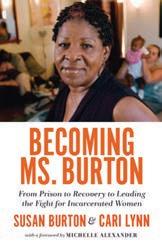
Becoming Ms. Burton: From Prison to Recovery to Leading the Fight for Incarcerated Women
Susan Burton and Cari Lynn Hardcover, 978-1-62097-212-0, 336 pages E-book, 978-1-62097-213-7
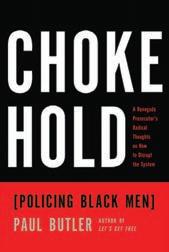
Chokehold: Policing Black Men
Paul Butler Hardcover, 978-1-59558-905-7, 320 pages E-book, 978-1-62097-034-8
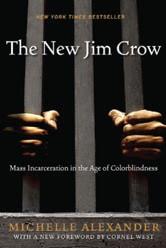
The New Jim Crow: Mass Incarceration in the Age of Colorblindness
Michelle Alexander Paperback, 978-1-59558-643-8, 336 pages E-book, 978-1-59558-819-7
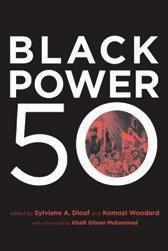
Black Power 50
Edited by Sylviane A. Diouf and Komozi Woodard Paperback, 978-1-62097-148-2, 160 pages
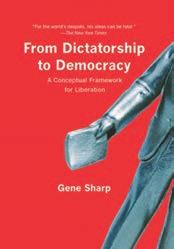
From Dictatorship to Democracy: A Conceptual Framework for Liberation
Captured: The Corporate Infiltration of American Democracy
Senator Sheldon Whitehouse and Melanie Wachtell Stinnett Hardcover, 978-1-62097-207-6, 288 pages E-book, 978-1-62097-208-3
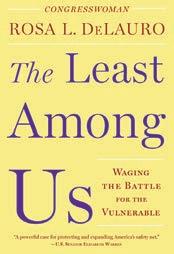
The Least Among Us: Waging the Battle for the Vulnerable Congresswoman Rosa L. DeLauro Hardcover, 978-1-62097-220-5, 288 pages E-book, 978-1-62097-221-2
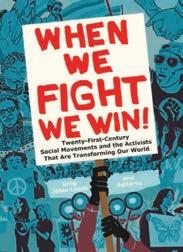
When We Fight We Win! Twenty-First-Century Social Movements and the Activists That Are Transforming Our World
Greg Jobin-Leeds and AgitArte Paperback, 978-1-62097-093-5, 208 pages E-book, 978-1-62097-140-6
Education
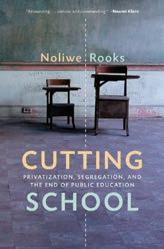
Cutting School: Privatization, Segregation, and the End of Public Education
Unless otherwise indicated, foreign rights are controlled by The New Press.
For all other inquiries, please contact rights@thenewpress.com.
The New Press extends heartfelt thanks to the following philanthropic institutions for their support over the past year:
Amazon Smile Foundation
The Annie E. Casey Foundation
Arcus Foundation
Bauman Foundation
Tom and Andi Bernstein Fund of the Jewish Communal Fund
Butler’s Hole Fund of the Boston Foundation
Butler’s Hole South Fund of the Boston Foundation
The California Wellness Foundation
CrossCurrents Foundation
The Eberstadt Kuffner Fund
Educational Foundation of America
Ford Foundation
French American Cultural Exchange
The French Ministry of Foreign Affairs and L’Institut Français
Furthermore: a program of the J.M. Kaplan Fund
Helenia Fund of the Jewish Communal Fund
Kahn Charitable Foundation
The W.K. Kellogg Foundation
Klein Family Advised Fund
The Kresge Foundation
The Frances Lear Foundation
The John D. and Catherine T. MacArthur Foundation
Meyer Family Fund of the Jewish Communal Fund
Ms. Foundation for Women
Overbrook Family Advised Fund of the New York Community Trust
The Overbrook Foundation
Perq Fund of the Tides Foundation
Public Welfare Foundation
Race, Gender, and Human Rights Fund of The Women’s Foundation of California
The Reed Foundation
The Richard H. Driehaus Foundation
The Rockefeller Brothers Fund
Rosenberg Foundation
The Schott Foundation for Public Education
Caroline and Sigmund Schott Fund
The Schumann Center for Media and Democracy
Still in Action at Jewish Communal Fund
Wallace Action Fund of Tides Foundation
The Wallace Fox Foundation
Wellspring Philanthropic Fund
PUBLISHING CIRCLE
The New Press is grateful to members of The New Press Publishing Circle, a group of individual donors and organizations who make contributions of $5,000 or more. The remarkable support of Publishing Circle members allows The New Press to give a voice to underrepresented viewpoints and publish works of educational, cultural, political, and community value.
Gifts of $10,000+
Emily Altschul-Miller and John Miller, Patricia Bauman, Sara Bershtel, Nonnie and Rick Burnes, Sarah Burnes and Sebastian Heath, Amy Glickman and Andrew Kuritzkes, Maria and Greg Jobin-Leeds, Priscilla Kauff, Debbie and Jonathan Klein, Ethel Klein and Edward Krugman, Ambassador Eleni Kounalakis, Elizabeth A. Sackler, Marcy Syms, Svetlana and Herbert Wachtell, Cynthia Young and George Eberstadt
Gifts of $5,000 to $9,999
Jennifer and Jonathan Allan Soros, Antonia and George Grumbach, Helena Huang and Robe Imbriano, Maggie Lear and Daniel Katz, Nancy Meyer and Marc Weiss, Frederica Perera and Frederick A.O. Schwarz Jr., Katrina vanden Heuvel, Shannon Wu and Joseph Kahn
FRONTLIST MEMBERS
The Frontlist is a group of individuals and organizations who support the important work of The New Press with gifts ranging from $1 to $4,999. The New Press thanks these members for their gifts to The New Press over the past year:
Gifts of $1,000 to $4,999
Lisa Adams and David Miller, Megan Bell and Bethany Haynes, Amy and Peter Bernstein, Andi and Tom Bernstein, Helen and Bob Bernstein, Deborah Bial and Bob Herbert, Leo Blackman and Kenneth Monteiro, Nadia Burgard and Cliff Fonstein, Margaret Chi, Lisa Delpit, Lydia Emil, Gail Furman, Judith Gallent and Scott Metzner, Anne Hess and Craig Kaplan, Jane Isay, Noorain Khan and Sabeel Rahman, Micheline Klagsbrun and Ken Grossinger, Susan and Martin Lipton, Kate Manning and Carey Dunne, Vincent McGee, Gregory Miller and Michael Wiener, David Moss, Lisa Mueller and Gara LaMarche, Silda Palerm and Richard Hall, Joyce and Peter Parcher, Lynda Richards, Beth and David Shaw, Claire Silberman, Susan Sommer and Stephen Warnke, Bonnie Stelzer and Jonathan Abady, Frederick Wertheim, David Wolf
Gifts of $250 to $999
Greg Berman, Faith Childs, Theodore and Haruko Taya Cook, Chris Creatura and Peter Moulton, Elyse Dayton and Glenn Wallach, Beth Dembitzer, Dana and Stephen DiPrima, Kate Doyle, Peter Edelman, Edith Everett, Melanie Fallon-Houska, Nicholas Fandos, Lynn Goldberg, Phyllis and Victor Grann, Brad Hebel, Clay Hiles, Abby Homowitz, Geraldine and Wilbert Johnson, Sheila Kinney and Christopher Marzec, Peter Kovler, Arthur Kroeber, Margaret Ladner and Aziz Huq, Ann and Dennis LaGory, Pamela Lichty, Emily Mandelstam, Robert Montoye, Paula Omansky, Hilary Reyl, Eve Rosahn, Phyllis Rosen, Anya Schiffrin and Joseph Stiglitz, Janny Scott, Adena Siegel, Peter Sills, Adele Simmons, Linda Steinman and Jennifer Gordon, Catharine Stimpson, Genevieve and Daniel Wachtell, Diane Wachtell, Christopher Walling, Tina Weiner, Alexander Wright
Gifts up to $249
Ellen and Moshe Adler, Kwaku Andoh, Pat and Hugh Armstrong, Meg Barnette, Julia Kagan Baumann, Rachel Burd, Jessie Chaffee, Mary Chancellor, Allison Charette, Mary Cleveland and Thomas Haines, Peter Cobb, Barbara Cohen, Teresa and Dr. Kenneth Dames, Don Davies, Phyllis and Peter Davies, Mark Eisner, Marye Elmlinger and Eric Lamm, Dan Falcone, Marc Favreau, Ansar Fayyazuddin, Leon Friedman, Tom Fontana, Stephen Gillers, Katherine Gulick, Veronica Hairston, Patricia Haynes, Anne Henderson, zakia henderson-brown, John Hodgkins, Audrey Holm-Hansen, Esi Hutchful, Debra Inwald, Barbara Jones, Nancy Kates, Brendan Kiely, Sarah and Victor Kovner, Marion Lee, David Lerner, Joseph Levine, Lucy Lippard, James Loewen, John Mackenzie, Jeffrey Madrick, Idelisse Malavé, David Marquis, Sabrina McCarthy, William Melton, Stephanie Mermin, Carlin Meyer, Cecily Morse, Deirdre Mullane, Michel Paradis, Emily Paul, Gloria Phares and Richard Dannay, Patricia Politzer, Eric Rayman, Ellen Reeves, David Remes, Heidi Sachner, Dorothy Samuels, Maria Elena Schiffrin, Edward Schneider, Penny Schoner, Deborah Schwartz, Elizabeth Seidlin-Bernstein, Geoff Shandler, Nancy Shapiro, Randy Shapiro, Janet and Benjamin Shute Jr., Donald Spivey, Lisa Steglich, William Thompson,
Beverly Benz Treuille, Juliet Wachtell, Laura Walker and Bert Wells, Audrey Waysse and William Hartung, Hortense Whelan, Lynne Zeavin
The New Press Author Royalty Giveback Program
The New Press thanks the following New Press authors who made a financial contribution to The Studs and Ida Terkel Fund through the Author Royalty Giveback Program over the past year:
Ervand Abrahamian, Moshe Adler, Pat and Hugh Armstrong, Don Davies, Estate of Studs Terkel, Anne Henderson, Lois Horton, Deepa Iyer, Lucy Lippard, James Loewen, Michael Ratner, William Serrin
Special Thanks
The New Press thanks the following people and organizations for devoting time and talent to The New Press over the past year:
Jill Abramson, Abyssinian Baptist Church, Akin Gump Strauss Hauer & Feld LLP, Alliance for Girls, Aperture Foundation, Anthony Arnove, August Wilson Center for African American Culture, Angela Baggetta, Meg Barnette, Victoria Bassetti, Bedford Stuyvesant Restoration Corporation, Gina Belafonte, Emma Belcher, Janet Bell, Peter Bernstein, Donnie Bochum, Brooklyn Academy of Music, Brooklyn Historical Society, Brooklyn Museum, Karen Brooks Hopkins, Bureau of General Services—Queer Division, Tony Butler, Reverend Calvin Butts, Colin Campbell, Nic Cavell, Partha Chatterjee, Chelsea Piers, Joe Cirincione, Kate Clinton, Michelle Coffey, Jessica Cogen, Tanya Coke, David Cole, Mary Colman St. John, Alex Colston, Rio Cortez, Brenda Coughlin, Adam Culbreath, Representative Rosa DeLauro and Stan Greenberg, Sarah Dohl, John Duff, Meredith Duncan, Elizabeth A. Sackler Foundation, Marcia Ely, Lydia Emil, Eskolta School Research and Design, Indira Etwaroo, Film Forum, Bill Foo, Melanie Forman, Mike German, Getty Images, Lynn Goldberg, Goldberg-McDuffie Communications, Heather Goodchild, Bruce Gottlieb, Patti Greaney and Bob Giraldi, Leah Greenberg, James Grimmelmann, Lev Grossman, Jennie Gruber, Laura Handman, Christie Hefner, Anne Hess, Susan Holmes and Matt Heller, Carrie Hsieh, Charlayne Hunter-Gault, Indivisible, International Center of Photography, Dave Isay, Deepa Iyer, Maria and Greg Jobin-Leeds, Rick Joyce, Terence Keegan, David Kramer, Jan Krukowski, Cindy Lawrence, Jan Legnito, Susan Lehman, Joseph Lelyveld, Emily Lever, Ezra Levin, Kirsten Levingston, Tony Macaluso, Rick MacArthur, James Marcus, The Math Museum, Marc Mauer, Jane Mayer, Douglass Maynard, Anuja Mendiratta, Keith Mestrich, Carlin Meyer, Nancy Meyer, Greg Miller, Miller Korzenik Sommers LLP, Rhett Millsaps III, Bill Moses, Bill Moyers, Greg Newton, Howard and Jan Oringer, Silda Palerm, Peter Parcher, Morgan Parker, Steve Phillips, Frances Fox Piven, Bert Pogrebin, Katherine Porter, Michael Posner, Jennifer Raab, Eric Rayman, Dorothy Reagan, Ellen Reeves, Calvin Reid, Amy Rhodes, Marla Romash, Laine Romero-Alston, Rossana Rosado, the late Jack Rosenthal, Michael Rothman, Anne Rumberger, Elizabeth Sackler, Natalia Schiffrin, The Sentencing Project, Randy Shapiro, Micah Sifry, Adele Simmons, Bryan Simmons, Unmi Song, Alvin Starks, Julia Stasch, Lisa Steglich, Liane Stegmaier, Linda Steinman, Melanie Wachtell Stinnett, Sam Stoloff, StoryCorps, Jon Stryker, Lev Sviridov, Marcy Syms, Rebekah Tafel, Tony Thompson, Jimmy Tickey, Tonight Show Starring Jimmy Fallon, Calvin Trillin, Elizabeth Varet, Darren Walker, Ione Wang, Eric Ward, Alice Warner-Mehlhorn, Vince Warren, WFMT (Chicago), Senator Sheldon Whitehouse, Doug Wood
The New Press Interns:
The New Press’s Diversity in Publishing Internship Program is very grateful to the following individuals who successfully completed the program over the past year:
Thank you again to all who have given generously to support publishing in the public interest.
These lists reflect gifts as of August 31, 2017. Every effort has been made to ensure the accuracy of these lists. If you believe you have been omitted, we extend our heartfelt apologies and ask you to bring the error to our attention by calling Chelsea Miller at (212) 629-8551 or e-mailing development@thenewpress.com.
BOARD OF DIRECTORS
GARA LAMARCHE (CHAIR) President, Democracy Alliance
THEODORE M. SHAW (VICE CHAIR)
Julius L. Chambers Distinguished Professor of Law and Director, Center for Civil Rights, University of North Carolina School of Law at Chapel Hill