Thanks to the tireless efforts of inventive mycologists, once elusive culinary mushrooms are now easy to find right here at New Morning Market!
Our mushroom wall is a treasure trove of unique cultivated and foraged fungi, ready to elevate your savory dishes with their extraordinary flavors.
To assist in your delicious discovery, we’ve put together this guide, packed with tips, taste adventures, and the stories behind these fascinating fungi. Let us take you down the path of the wild and flavorful journey these mushrooms have taken to get to our market and then to your table.
With Love and In(spore)ation,
When purchasing unique mushrooms, keep in mind that you only need a small amount to elevate your culinary dishes. Here are some tips to help you make the most of these gourmet ingredients:
1. Understand the Value: These mushrooms are cultivated with great care and precision, resulting in exceptional quality and flavor. New Morning Market celebrates and supports the hard work and dedication of local and sustainable farmers.
2. Start Small: A little goes a long way with these gourmet mushrooms. You don’t need to buy a whole pound — a small quantity can add a distinctive touch to your dishes.
3. Plan Your Use: Think about how you’ll incorporate these mushrooms into your meals. Their intense flavor means you can use them sparingly, making a small purchase stretch further than you might expect.
4. Explore Varieties: Experiment with different types of unique mushrooms, like chanterelles or morels, to find what best compliments your cooking. Each variety offers a unique flavor profile, so you might want to try a few.
5. Check for Freshness: Look for mushrooms that are firm and have a clean, fresh aroma.
6. Store Properly: Keep these delicate mushrooms in a cool, dry place, or in the refrigerator if necessary. Use them within a few days of purchase to enjoy their peak flavor and texture.
7. Support Local Farmers: By buying these specialty mushrooms, you’re not just investing in high-quality ingredients but also supporting the hard work of local and sustainable farmers dedicated to their craft.
Exploring the Delicious World of Culinary Varieties
While our store may carry a wide selection of unique and specialty mushrooms, it’s important to note that not all varieties are always in stock. Our inventory can vary based on availability and seasonal factors. If you’re looking for a specific type of mushroom, we recommend calling ahead to check if it’s currently available. Alternatively, our knowledgeable staff is here to help—feel free to ask them for suggestions or recommendations on similar varieties that are in stock. This way, you can ensure you find the perfect mushroom for your culinary needs.
Golden Oyster Mushroom
(Pleurotus Citrinopileatus)
Golden oyster mushrooms are like nature’s bouquets—vibrant clusters that look like cheerful yellow flowers bursting from trees. These fungi are a fragrant treat, sprouting on deciduous trees such as oak and birch from spring through fall. Although golden oyster mushrooms are not originally from North America, they have made quite a name for themselves on gourmet menus throughout the continent. Hailing from Russia, Northern China, and Japan, they were easy to cultivate and soon became a hit in the U.S. thanks to their appealing taste and texture. The spores of these mushrooms hitchhiked on the wind, spreading across North American forests and charming wild mushroom hunters and chefs alike.
Their buttery texture and nutty flavor have turned them into culinary stars, adding a special touch to any dish. So next time you spot a cluster of these golden gems in the wild, know that you’re looking at a once hard to find fungi that has found a new home far from its roots!
Cooking with golden oyster mushrooms can be a delightful experience, thanks to their rich, nutty flavor and buttery texture. Here are some tips to help you make the most of these fungi:
1. Clean Gently: Use a soft brush or a damp cloth to clean the mushrooms. Avoid soaking them in water, as they can become soggy and lose their delicate texture.
2. Sauté for Best Flavor: Golden oyster mushrooms are fantastic when sautéed. Heat a bit of oil or butter in a pan over medium-high heat, add the mushrooms, and cook until they’re golden and crispy on the edges. This helps concentrate their flavor and adds a pleasant crunch.
3. Pair with Bold Ingredients: Their mild flavor can be complemented by bold ingredients. Try them with garlic, shallots, or fresh herbs like thyme or rosemary. A splash of soy sauce or a sprinkle of Parmesan cheese can also enhance their taste.
4. Add to Soups & Stews: Their texture holds up well in soups and stews. Add them towards the end of cooking to preserve their flavor and texture.
5. Use in Stir-Fries: They work wonderfully in stir-fries. Cut them into bite-sized pieces and add them to your favorite vegetable and protein mix for a tasty, umami-packed dish.
6. Roast or Grill: For a different texture, try roasting or grilling them. Toss the mushrooms with a bit of oil and seasoning, then roast at 375°F (190°C) until they’re crispy, or grill them until they’re nicely charred.
7. Incorporate into Pasta or Risotto: Golden oyster mushrooms can elevate pasta or risotto dishes. Sauté them separately and then mix them in with your pasta or risotto to add a depth of flavor.
8. Avoid Overcrowding: When cooking, make sure not to over crowd the pan. If there are too many mushrooms in the pan, they might steam instead of sauté, leading to less desirable results.
9. Taste Before Salting: Golden oyster mushrooms have a natural umami flavor, so taste before adding too much salt. You might find you need less seasoning than usual.
Pink Oyster Mushroom (Pleurotus djamor)
Pink oyster mushrooms are like axolotls of the mushroom world, cute as can be! Their soft, fan-shaped caps and rosy pink gills make them stand out from the oyster mushroom crowd. But here’s a little secret: their vibrant hue fades away when cooked. Don’t worry, though—these pink delights still bring a punch of flavor to your plate. When cooked until crispy, they develop a savory, meaty taste reminiscent of ham or bacon, especially when seasoned with a bit of smoked paprika.
These mushrooms originally hail from Mexico and Indonesia, where they grow on hardwood trees. While they might not thrive in the wilds of Connecticut, local growers have had great success cultivating these cheerful fungi. Thanks to their quick growth and fruiting, pink oyster mushrooms have become a beloved choice for chefs and home cooks alike.
From gourmet kitchens to farmers’ markets, pink oyster mushrooms are celebrated for their rich flavor and versatile texture. So next time you spot them, grab a bunch and let their unique taste elevate your culinary creations!
Cooking with pink oyster mushrooms is a fun adventure thanks to their unique flavor and texture. Here are some tips to help you get the best results:
1. Preserve the Texture: Pink oyster mushrooms have a delicate texture, so handle them gently. Avoid soaking them in water. Instead, clean them with a soft brush or a damp cloth.
2. Get Crispy: For a bacon-like crispiness, sauté the mushrooms until they’re golden and crunchy. Heat a pan with a bit of oil over medium-high heat, add the mushrooms, and cook them until they’re crispy. They’re especially tasty with a sprinkle of smoked paprika.
3. Season Wisely: These mushrooms have a rich flavor that pairs well with bold seasonings. Try seasoning them with smoked paprika, garlic, or a touch of soy sauce to enhance their meaty taste.
4. Add to Stir-Fries: Pink oyster mushrooms are great in stir-fries. Their texture holds up well, and they absorb flavors beautifully. Toss them in with your favorite veggies and protein for a quick, delicious meal.
5. Perfect for Tacos & Sandwiches: Use them as a meat substitute in tacos, sandwiches, or wraps. Their savory flavor and chewy texture make them an excellent stand-in for traditional meat fillings.
6. Incorporate into Soups & Stews: Add them to soups and stews towards the end of cooking to preserve their flavor and texture. They’ll add a rich, umami punch to your dish.
7. Roast for Extra Flavor: Try roasting them for an extra layer of flavor. Toss with a little oil and seasoning, then roast at 375°F (190°C) until they’re crispy and caramelized.
8. Don’t Overcrowd the Pan: When cooking, make sure not to overcrowd the pan. Give the mushrooms enough space to cook evenly and get crispy, rather than steaming.
9. Taste Before Salting: Since pink oyster mushrooms have a strong, savory flavor, taste them before adding too much salt. They might need less seasoning than you think.
King Oyster Mushroom
(Pleurotus eryngii)
King oyster mushrooms are the Giant Sequoias of the oyster mushroom world! With their impressive size and meaty white stems, they’re perfect for swapping in as vegan stand-ins for scallops, skewered chicken, or even pulled pork (yes, you read that right—more on that later!). Both their tan caps and flavorsome stems are edible, packing a punch of umami flavor - forever crowning them the King of Savory Goodness.
Originally hailing from the French Mediterranean, the Middle East, and Africa, King oyster mushrooms have made quite a name for themselves in the culinary world. Thanks to some clever mycologists who’ve figured out how to cultivate them in warehouse settings, we’re lucky enough to have these culinary gems at our fingertips. 6
So go ahead and get creative! Whether you’re dreaming up a mushroom -based feast or experimenting with new recipes, King oyster mushrooms are ready to shine in any dish you can imagine.
Turning King oyster mushrooms into a pulled pork-style dish is a delicious and creative way to enjoy these meaty fungi. Here are some tips to help you achieve that perfect pulled mushroom “pork”:
1. Prepare the Mushrooms: Start by slicing your King oyster mushrooms into thin strips or shredding them with your hands. The texture should resemble pulled pork once cooked.
2. Pre-Cook for Texture: For a more authentic texture, pre-cook the mushrooms by sautéing them in a pan with a bit of oil. Cook over medium-high heat until they’re browned and slightly crispy. This helps achieve that “pulled” texture and adds depth of flavor.
3. Season Generously: For that classic pulled pork flavor, season the mushrooms with a blend of spices. Think paprika, garlic powder, onion powder, cumin, and a touch of brown sugar. Don’t be shy—this is where you build the flavor profile.
4. Add Sauce: Once the mushrooms are nicely browned and seasoned, toss them in your favorite barbecue sauce. You can use a store-bought sauce or make your own. Let the mushrooms simmer in the sauce for a few minutes to absorb all those smoky, tangy flavors.
5. Simmer for Flavor: After adding the barbecue sauce, let the mushrooms simmer gently for 10-15 minutes. This allows the flavors to meld and gives the mushrooms a chance to soak up the sauce.
6. Serve with Classic Sides: For an authentic pulled pork experience, serve your mushroom “pork” on a bun with coleslaw or pickles. You can also pair it with classic sides like cornbread or baked beans.
7. Keep the Heat: If you want a bit of a kick, add a dash of hot sauce or a pinch of cayenne pepper to your seasoning blend or barbecue sauce.
8. Garnish: Top your pulled mushroom creation with fresh herbs or extra barbecue sauce for a finishing touch. Cilantro or parsley can add a nice burst of freshness.
9. Enjoy Fresh: Pulled pork-style King oyster mushrooms are best enjoyed fresh. However, they can be stored in an airtight container in the refrigerator for a few days, and they reheat well in the microwave or on the stovetop.
With these tips, you’ll transform King oyster mushrooms into a flavorful, pulled pork-style treat that’s sure to impress!
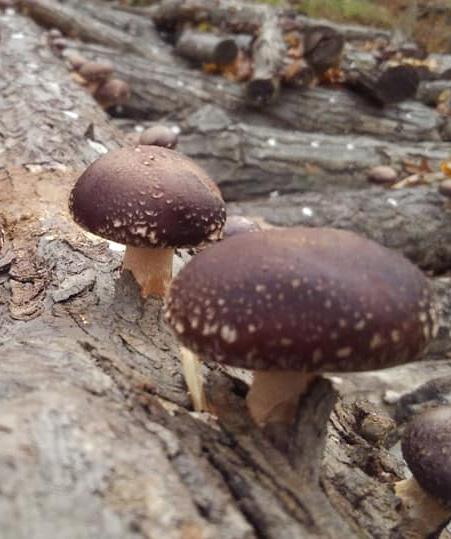
Shiitake Mushroom (Lentinula edodes)
Shiitake are full of flavor, flair, and a touch of umami magic! Originally hailing from East Asia, these meaty, savory mushrooms have delighted taste buds for centuries with their rich, earthy taste and impressive health benefits. Whether you’re sautéing them up for a stir-fry, adding them to soups for a depth of flavor, or using them to add a gourmet twist to your dishes, shiitakes are sure to please mushroom lovers of all levels. Packed with vitamins, minerals, and antioxidants, they’re not just a treat for your taste buds but also a boost for your wellness. Plus, their unique texture is perfect for satisfying your cravings without any of the meat—talk about a fungi with benefits!
Cooking shiitake mushrooms can elevate your dishes with their rich, umami-packed flavor and meaty texture. Here are some tips to get the best results:
1. Clean Properly: Shiitake mushrooms should be cleaned gently. Use a damp cloth or a soft brush to remove any dirt. Avoid soaking them in water, as they can become soggy and lose their flavor.
2. Remove the Stems: The stems of shiitake mushrooms are edible but can be tough and fibrous. For most dishes, it’s best to remove the stems and use them in stocks or soups for added flavor.
3. Sauté for Maximum Flavor: Shiitake mushrooms are perfect for sautéing. Heat a bit of oil or butter in a pan over medium-high heat, add the mushrooms, and cook until they’re golden and crispy. This method brings out their rich, savory taste.
4. Use High Heat: When sautéing, use high heat to get a good sear on the mushrooms. This helps concentrate their flavor and gives them a deliciously caramelized exterior.
5. Season Generously: Shiitake mushrooms have a robust flavor that can be enhanced with seasoning. Salt, garlic, soy sauce, and fresh herbs like thyme or rosemary all complement their taste beautifully.
6. Add to Soups & Stews: Shiitake mushrooms add depth to soups and stews. Slice or chop them and add them early in the cooking process to let their flavor infuse the broth.
7. Roast for Extra Flavor: For a different texture and added depth, try roasting shiitake mushrooms. Toss them with oil and your favorite seasonings, then roast at 375°F (190°C) until they’re crispy and caramelized.
8. Add to Stir-Fries: Shiitake mushrooms are great in stir-fries. Slice them thinly and add them to your vegetable and protein mix for a savory boost.
9. Try in Sauces & Gravies: Shiitake mushrooms can add a rich, umami flavor to sauces and gravies. Sauté them first, then incorporate them into your sauce or gravy base.
10. Don’t Overcrowd the Pan: When cooking, avoid overcrowding the pan. Give the mushrooms enough space to cook evenly and develop a nice sear.
11. Experiment with Drying: Dried shiitake mushrooms can be a great pantry staple. Rehydrate them in hot water, then use them in dishes for a concentrated mushroom flavor.
With these tips, you’ll be able to make the most of shiitake mushrooms, whether you’re sautéing, roasting, or incorporating them into various dishes!
Chanterelle Mushroom
(Cantharellus cibarius)
Chanterelle mushrooms are elegant, flavorful, and just a bit magical! These fungi are easily recognizable with their vibrant golden-yellow color and wavy, trumpet-shaped caps that look like they were crafted by nature’s finest artists.
Native to forests across Europe, North America, and parts of Asia,chanterelles are treasured by chefs and home cooks alike for their delicate, fruity aroma and rich, and slightly peppery flavor. They have a natural ability to elevate any dish, turning an ordinary meal into a gourmet experience.
Here’s why you should be excited to cook with chanterelles:
1. Flavor Explosion: Chanterelles are known for their subtle yet complex flavor profile. Think of a blend of apricot and pepper with a touch of earthiness. They’re perfect for adding a touch of sophistication to any dish.
2. Cooking Magic: These mushrooms shine when sautéed. Cook them in a bit of butter or olive oil over medium heat until they’re golden and tender. The result is a beautiful, caramelized treat with a delightful texture.
3. Pairing Perfection: Chanterelles love to mingle with other ingredients. Pair them with creamy dishes like risotto or pasta, or toss them into a savory stew. They also make a fantastic topping for meats or a star ingredient in a mushroom pâté.
4. Seasoning Simplicity: Their flavor is so nuanced that they don’t need heavy seasoning. A simple sprinkle of salt, a dash of pepper, and perhaps a hint of garlic or fresh herbs will enhance their natural taste without overwhelming it.
5. Delicate Handling: Handle chanterelles with care. Their delicate texture can be easily damaged, so clean them gently with a soft brush or cloth. Avoid soaking them in water to preserve their flavor and texture.
6. Preservation Tips: Fresh chanterelles are wonderful, but if you have a surplus, consider drying them. Dried chanterelles are a great way to keep their rich flavor for use in soups, sauces, or stews long after the season has passed.
With their stunning appearance and exquisite taste, chanterelle mushrooms are a culinary treasure worth exploring. So next time you spot these golden gems, don’t hesitate to bring them into your kitchen and let their magic enhance your meals!
Lion’s Mane Mushroom
(Hericium erinaceus)
Lion’s mane mushrooms are G.O.A.T.s of the fungi world. With their striking, white, shaggy appearance resembling a lion’s mane (hence the name), these mushrooms not only look like a showstopper but also pack a punch of flavor and health benefits.
Native to North America, Europe, and Asia, lion’s mane mushrooms are celebrated for their delicious taste and their support of boost brain and nerve wellness. Here’s why you’ll want to give these furry fungi a spot in your kitchen:
1. Flavor Profile: Lion’s mane mushrooms have a taste that’s a cross between seafood and meaty goodness. Imagine a delicate blend of crab and lobster with a hint of earthiness. They’re perfect for adding a touch of gourmet flair to your dishes.
2. Cooking Magic: These mushrooms are incredibly versatile. Sauté them in butter or olive oil until they’re golden and crispy. They’re also fantastic when grilled or roasted. Their texture is delightfully tender and meaty, making them an excellent addition to a variety of recipes.
3. Brain Power: Not only are lion’s mane mushrooms delicious, but they’re packed with compounds that are believed to support brain wellness and cognitive function. So, while you’re enjoying your meal, you might also be giving your brain a boost.
4. Texture Excellence: The unique, shaggy texture of lion’s mane mushrooms makes them a great meat substitute in vegan and vegetarian dishes. They can be used to create “crab cakes,” “pulled pork” sandwiches, or even just as a hearty, satisfying side dish.
5. Simple Seasoning: Let their natural flavor shine by keeping seasoning simple. A bit of salt, pepper, and perhaps some garlic or fresh herbs is usually all you need to bring out the best in these mushrooms.
6. Handling with Care: Lion’s mane mushrooms are delicate, so handle them gently. Clean them with a soft brush or a damp cloth to avoid damaging their unique texture.
7. Creative Recipes: Try them in soups, stews, or even stir-fries. They add a wonderful depth of flavor and a unique texture that can elevate any dish. They’re also great in dishes where you want to add a bit of elegance without overpowering other ingredients.
8. Preservation Tips: Fresh lion’s mane mushrooms are best enjoyed within a week. If you have leftovers, consider drying them or turning them into a powder for use in soups, sauces, or as a seasoning.
With their distinctive look and rich, meaty flavor, lion’s mane mushrooms are sure to turn any meal into a memorable experience. So go ahead and embrace the lion’s mane—your taste buds and your brain will thank you!
Portabella Mushroom
(Agaricus bisporus)
Portabella mushrooms are known for their large size, meaty texture, and rich flavor. They’re like the big, bold cousin of the more delicate button mushrooms, making them a favorite for those looking to add some hearty substance to their dishes. Here’s a deep dive into what makes portabella mushrooms so special:
What Are Portabella Mushrooms?
Size and Shape: Portabella mushrooms are essentially mature crimini mushrooms. They’re large, with wide, flat caps that can grow up to 6 inches (15 cm) in diameter. Their caps are smooth and dark brown, and they have a meaty, dense texture that makes them a great substitute for meat in many dishes.
Flavor: Known for their deep, umami-rich flavor, portabella mushrooms have a savory taste that’s often compared to steak. Their robust flavor profile makes them a star ingredient in a variety of recipes, from burgers to stir-fries.
Cooking with Portabella Mushrooms
Grilling & Roasting: Portabella mushrooms are fantastic on the grill or in the oven. Their large size makes them ideal for grilling whole or sliced. Brush them with olive oil, season with your favorite spices, and cook until they’re tender and slightly charred. Roasting them at 375°F (190°C) is also a great way to intensify their flavor.
Stuffing: The broad caps of portabella mushrooms are perfect for stuffing. Fill them with a mixture of breadcrumbs, cheese, and herbs, then bake until the filling is golden and the mushrooms are tender.
Sautéing: Slice portobello mushrooms and sauté them in a bit of butter or olive oil. They add a hearty, meaty texture to stir-fries, pasta dishes, and even as a topping for pizzas.
Substituting for Meat: Due to their substantial texture, portabella mushrooms are a great substitute for meat in various dishes. Use them as burger patties, or in place of meat in tacos, fajitas, or even as a main course.
Marinating: Marinate portabella mushrooms to infuse them with additional flavors. A mixture of balsamic vinegar, garlic, and herbs works wonders. Let them marinate for at least an hour before cooking to allow the flavors to soak in.
Nutritional Benefits
Portabella mushrooms are not just tasty; they’re also nutritious. They’re a good source of vitamins B and D, antioxidants, and dietary fiber. They’re low in calories and fat, making them a healthy addition to your diet.
Storage Tips
Freshness: Store fresh portabella mushrooms in the refrigerator in a paper bag or a container with ventilation. They should be used within a week for the best flavor and texture.
Cleaning: Clean them gently with a damp cloth or soft brush to remove any dirt. Avoid washing them under water, as they can absorb moisture and become soggy.
Fun Fact
Portabella mushrooms get their name from the Italian word “portobello,” which means “beautiful gate.” Their large, open cap indeed makes them a striking and impressive ingredient in any dish.
So, whether you’re grilling, roasting, or stuffing them, portabella mushrooms offer a hearty and flavorful addition to your meals. Enjoy their rich taste and versatile nature in your next culinary creation!
Morel Mushroom (Morchella esculenta)
Morel mushrooms are highly coveted, a bit elusive, and always ready to impress. These little fungi are adored throughout the culinary scene, known for their unique appearance and out-of-this-world flavor.
What Are Morel Mushrooms?
Appearance: Morels are easily recognizable with their honeycomb-like caps and distinctive, spongy texture. They look like a natural sponge or even a tiny pine cone with their ridges and pits. Their color ranges from pale tan to deep brown, and they have a bit of a “bumpy” look that makes them quite the eye-catcher.
Flavor: Morels have a deep, earthy flavor that’s rich and complex. Think of a combination of nuts, herbs, and a touch of smokiness. They are a flavor-packed treasure that can elevate any dish to gourmet status.
Cooking with Morels
Sautéing: Morels are fabulous when sautéed. Heat some butter or oil in a pan and cook them gently until they’re tender and golden. They’re perfect for adding to pasta, risotto, or simply served on toast with a sprinkle of sea salt.
Stuffing: Use morels as a stuffing for meats or vegetables. Their unique texture and flavor make them an excellent choice for filling chicken breasts, pork chops, or even as a savory stuffing for mushrooms themselves.
In Sauces & Soups: Morels make a rich and flavorful addition to sauces and soups. They’re fantastic in a creamy mushroom sauce for steak or blended into a luxurious mushroom soup.
Pairing: These mushrooms play well with ingredients like garlic, shallots, and herbs. They also pair beautifully with creamy ingredients such as cheese or cream. Experiment with adding them to dishes like omelets, quiches, or even gourmet pizzas.
Handling: Morels are delicate, so handle them with care. Clean them gently with a soft brush or a damp cloth to remove any dirt. Because of their porous nature, avoid soaking them in water, which can make them mushy.
Nutritional Benefits
Morels are not just a treat for your taste buds—they’re also a nutritious choice. They’re low in calories and rich in vitamins, minerals, and antioxidants.
Storage Tips
Freshness: Store fresh morels in a paper bag or a container with ventilation in the fridge. They should be used within a few days for the best flavor and texture.
Drying: If you find yourself with more morels than you can use right away, drying them is a great option. Dried morels are perfect for rehydrating and adding to dishes throughout the year.
Fun Fact
Morel mushrooms are often considered a gourmet delicacy and have a short growing season. Their elusive nature and exceptional taste have made them a sought-after ingredient in fine dining and upscale cuisine.
So, next time you get your hands on some morel mushrooms, embrace their gourmet charm and let them transform your dishes into something truly special. Whether you’re sautéing, stuffing, or adding them to your favorite recipes, morels are sure to take your culinary creations to the next level!
Maitake Mushroom
(Grifola frondosa)
Imagine wandering through a forest and stumbling upon a cluster of mushrooms that looks like it’s straight out of a fairytale. That’s maitake mushrooms for you—nature’s very own edible artwork! Also known as “hen of the woods” due to their feathery, layered appearance resembling a chicken’s plumage, these fungi are not only visually stunning but also culinary treasures.
Native to the woodlands of North America, Europe, and Asia, maitake mushrooms have been cherished for centuries, both for their delightful taste and their impressive health benefits. In Japanese, “maitake” means “dancing mushroom,” a name that reflects the excitement and joy that these mushrooms inspired among foragers who believed their appearance signaled good fortune.
Maitakes grow in dense clusters at the base of trees, typically oak, and their unique, fan-like clusters can range in color from pale beige to rich brown. They’re packed with a complex, earthy flavor that’s both savory and subtly sweet. This rich taste makes them a favorite for adding depth to a wide variety of dishes, from soups and stews to stir-fries and roasts.
In the kitchen, maitake mushrooms are incredibly versatile. Sauté them with a bit of garlic and olive oil for a simple yet delectable side dish, or use them as a hearty topping for pizzas and salads. Their texture holds up beautifully in soups and stews, adding a delightful chewiness that contrasts wonderfully with other ingredients.
But maitake mushrooms aren’t just about taste—they’re also packed with nutrients. Rich in vitamins, minerals, and antioxidants, they’ve been linked to various health benefits, including immune support and anti-inflammatory properties. Plus, they’re low in calories and high in fiber, making them a healthy addition to any meal.
So, next time you encounter maitake mushrooms, whether at the market or in the wild, consider it a delicious opportunity to bring a touch of forest magic to your table. These enchanting fungi not only elevate your dishes but also connect you to a rich tradition of foraging and culinary delight.
Wine Cap Mushroom (Stropharia rugosoannulata)
The wine cap mushroom, also known as the Stropharia rugosoannulata or King Stropharia, is a delightful variety of mushroom that’s gaining popularity among foragers and gardeners alike. Here’s the scoop on this intriguing fungus:
What Are Wine Cap Mushrooms?
Appearance: Wine cap mushrooms are easily recognizable by their large, reddish-brown caps that can reach up to 6 inches (15 cm) in diameter. Their caps start off convex and flatten out as they mature, often displaying a rich, wine-like color which gives them their name. The stems are sturdy and typically have a white or pale color with a distinctive ring or annulus, giving them a unique and attractive appearance.
Flavor: These mushrooms are known for their meaty texture and mild, pleasant flavor. They offer a subtle earthiness with a slight sweetness, making them a versatile ingredient that pairs well with a variety of dishes.
Growing
Cultivation: Wine cap mushrooms are popular among mushroom enthusiasts for their ease of cultivation. They’re often grown in garden beds, particularly in wood chip or straw mulch, where they can thrive and produce abundant yields. They’re a great choice for backyard mushroom farms and are often used in permaculture and sustainable gardening practices.
Cooking with Wine Cap Mushrooms
Sautéing: The meaty texture of wine cap mushrooms makes them perfect for sautéing. Cook them in a bit of butter or olive oil until they’re tender and golden. They’re great as a side dish, in omelets, or as a topping for steaks and burgers.
Grilling: Due to their robust texture, wine cap mushrooms hold up well on the grill. Brush them with oil and season them to taste before grilling until they’re nicely charred and flavorful.
In Soups & Stews: Wine caps add a hearty element to soups and stews. They absorb flavors well and add a rich, earthy depth to your dishes.
Pairing: Their mild flavor makes wine cap mushrooms versatile. They pair well with garlic, herbs like thyme and rosemary, and a splash of white wine or balsamic vinegar for extra flavor.
Nutritional Benefits
Wine cap mushrooms are not just tasty; they’re also nutritious. They’re low in calories and provide a good source of essential vitamins and minerals, including B vitamins, potassium, and antioxidants.
Fun Fact
Wine cap mushrooms are sometimes referred to as “King Stropharia” because of their impressive size and regal appearance. They’re a favorite among mushroom cultivators due to their productivity and the ease with which they can be grown.
So, whether you’re growing them in your garden or spotting them on a foraging adventure, wine cap mushrooms are a fantastic addition to any culinary repertoire, offering both taste and texture that can elevate a wide range of dishes.
ADAPTOGEN Adaptogens are natural mood support that come from plants and herbs. They work behind the scenes, helping your body adapt to stress & restore balance.
APPLIED MYCOLOGIST An applied mycologist is a scientist who studies fungi to solve practical problems and apply fungal knowledge in real-world scenarios. They use their expertise to address issues in fields like agriculture, medicine, and environmental management, often focusing on how fungi can be used beneficially or managed effectively.
CULTIVATED In terms of cultivating mushrooms, “cultivated” refers to the controlled process of growing mushrooms under specific conditions to optimize their development and yield. This involves providing the right environment, such as temperature, humidity, and light, along with using suitable growing mediums like compost or sawdust. Cultivating mushrooms in this manner allows growers to produce a consistent and high-quality crop in a managed setting, as opposed to relying on wild foraging.
FUNGI (SINGULAR FUNGUS)
Fungi are a diverse group of organisms that include yeasts, molds, and mushrooms. They are distinct from plants, animals, and bacteria, and they play crucial roles in nature as decomposers, breaking down organic matter and recycling nutrients. Fungi can be single-celled, like yeast, or multi-celled, like mushrooms. They absorb nutrients from their surroundings through external digestion and often reproduce by releasing spores. Essentially, fungi are nature’s recyclers and can be found in almost every environment on Earth.
FUNGICULTURE
Fungiculture is the practice of cultivating fungi, including mushrooms, in controlled environments for various purposes. This involves growing fungi under managed conditions, such as specific temperatures, humidity levels, and light, to optimize their development and yield. Fungiculture is used for producing edible mushrooms for food, medicinal fungi for health benefits, and even for industrial applications like bioremediation or fungal-based materials. Essentially, fungiculture is like farming, but for fungi!
INSPORATION (noun) The magical moment when your creativity gets a delightful boost from the world of mushrooms. It’s when the sight of a charming chanterelle, the allure of a majestic morel, or the earthy aroma of a portabella mushroom sparks an explosion of artistic ideas, culinary creations, or innovative projects. Whether you’re designing mushroom-themed art, experimenting with fungi in your kitchen, or simply daydreaming about mycelium, insporation is all about letting the wondrous world of mushrooms fuel your imagination and creativity.
MYCOLOGIST A mycologist is a scientist who specializes in the study of fungi. This includes researching various types of fungi such as mushrooms, yeasts, molds, and their interactions with the environment, other organisms, and humans. Mycologists explore fungi’s roles in ecosystems, their uses in medicine and industry, and their impacts on health and agriculture. Essentially, a mycologist is a fungal expert who delves into the fascinating and diverse world of mushrooms and their kin.
MYCOCULTURE (noun) The practice of cultivating and managing fungi, especially for research, commercial, or medicinal purposes. This involves creating and maintaining optimal conditions for fungi to grow, such as providing the right substrate, temperature, humidity, and light. Mycoculture is used to produce edible mushrooms, develop fungal-based products, and study fungi for various applications, from bioremediation to pharmaceuticals. Essentially, it’s like farming, but specifically for growing and managing fungi.
MYCELIUM A web of filaments that functions like a root system for mushrooms. Mycelium spreads through soil, breaking down organic matter, and absorbing nutrients.
SPORE A spore in terms of a mushroom’s spore is a tiny, reproductive unit released by the mushroom that acts like a seed. It’s designed to spread and germinate under favorable conditions to grow into a new fungal organism. Mushroom spores are usually microscopic and are dispersed into the environment through the air, water, or by other means. When they land in a suitable location, they can develop into mycelium, the vegetative part of the fungus, which eventually produces more mushrooms. Essentially, spores are the mushroom’s way of propagating and continuing its life cycle.
UMAMI (noun) Often referred to as the fifth taste, umami is a savory flavor that is distinct from sweet, sour, bitter, and salty. The term comes from Japanese, meaning “pleasant savory taste.” It’s commonly found in foods rich in glutamates, such as aged cheeses, soy sauce, tomatoes, mushrooms, and broths. Umami is known for adding depth and a satisfying, mouth-watering quality to dishes, making it a key component in enhancing flavors and creating a well-rounded taste experience.
G.O.A.T “G.O.A.T.” means “Greatest of All Time.” It’s used to describe someone who is the very best at something, better than anyone else ever.
FORAGING Mushroom foraging is the act of searching for and collecting wild mushrooms from forests, fields, or other natural environments. People do this for various reasons, including culinary use, medicinal purposes, or as a hobby. It involves identifying different mushroom species, some of which can be edible while others may be toxic. Proper knowledge and caution are crucial, as some wild mushrooms can be dangerous if misidentified.
Wild mushroom foraging can be a thrilling adventure, but it’s important to remember that not all mushrooms are safe to eat. Many wild mushrooms look similar but can be toxic or even deadly. If you’re not a seasoned mycologist or an experienced forager, it’s best to leave mushroom identification to the professionals. Always seek expert advice or consult reliable resources before consuming any wild mushrooms. Eating unidentified or misidentified mushrooms can pose serious health risks. For your safety, prioritize professional guidance to ensure your wild foraging experience is both exciting and safe.
Cleaning culinary mushrooms properly ensures they’re free of dirt and debris without damaging their texture. Here are some tips:
Brush Off Dirt: Use a soft brush or a dry paper towel to gently remove dirt and debris from the surface of the mushrooms. This method is best for delicate mushrooms like chanterelles or morels.
Rinse Quickly: For mushrooms that are dirtier or have more surface grime, you can briefly rinse them under cold running water. However, avoid soaking them as mushrooms absorb water quickly, which can affect their texture and flavor.
Dry Thoroughly: After rinsing, pat the mushrooms dry with a clean paper towel or a cloth. Make sure they’re thoroughly dry before cooking to avoid excess moisture in your dish.
Trim Stems: If the mushroom stems are tough or dirty, trim them as needed. For some varieties, like portobellos, you might also want to scrape out the gills if they’re too dark or slimy.
Use a Damp Cloth: For more delicate mushrooms or those with a lot of nooks and crannies, use a damp cloth to gently wipe them clean.
Avoid Submerging: Don’t soak mushrooms in water, as they can become waterlogged, affecting their taste and texture. If you need to clean a lot of mushrooms at once, do it in batches.
Preheat the Pan: Heat your pan over medium-high heat before adding oil. A hot pan ensures that the mushrooms start cooking right away and develop a nice sear.
Use the Right Oil: Choose an oil with a high smoke point, like olive oil or vegetable oil. Butter can add great flavor but might burn if the pan is too hot, so you can combine it with oil for a better result.
Don’t Overcrowd: Give mushrooms enough space in the pan. Overcrowding causes them to steam rather than brown. Cook in batches if necessary.
Add Salt Later: Salt can draw out moisture from mushrooms, so add it after they’ve started to brown. This helps them achieve a better sear.
Stir Occasionally: Toss or stir the mushrooms every few minutes to ensure even cooking and browning.
Finish with Flavor: Add garlic, herbs, or a splash of wine or vinegar towards the end of cooking to enhance the flavor.
Preheat the Oven: Set your oven to 400°F (200°C). A hot oven ensures that the mushrooms roast evenly and develop a crispy exterior.
Use a Baking Sheet: Spread mushrooms in a single layer on a baking sheet. This helps them roast evenly. Line the sheet with parchment paper for easy cleanup.
Toss with Oil & Seasonings: Drizzle mushrooms with oil and toss to coat evenly. Season with salt, pepper, and any other desired herbs or spices. Garlic, thyme, rosemary, and paprika work well.
Avoid Overcrowding: Similar to sautéing, don’t overcrowd the baking sheet. Give each mushroom enough space to roast properly and develop a nice caramelized exterior.
Roast in Batches: If you have a lot of mushrooms, roast them in batches to avoid overcrowding the pan.
Check for Doneness: Roast mushrooms for 20-25 minutes, stirring halfway through. They should be golden brown and crispy on the edges when done.
PARMALEE HOLLOW
Newtown, CT
15
miles away
Parmalee Hollow Farm is a cherished family-owned mushroom farm nestled in Newtown, Connecticut. Renowned for its commitment to mushroom cultivation using organic practices, Parmalee Hollow Farm specializes in growing a diverse array of mushrooms on hardwood logs. With a deep respect for nature and sustainable farming practices, their family produces unique and flavorful mushrooms that carry with them traditions of goodness.
ORACLE MUSHROOM CO.
New Milford, CT
17 miles away
Oracle Mushroom Co. is a gourmet mushroom farm located in New Milford, Connecticut, dedicated to bringing the ancient benefits of fungi into modern life. Specializing in mushrooms bred and cultivated to the highest standards, Oracle Mushroom Co. offers a range of mushrooms known for their medicinal, culinary, and holistic benefits. Under the leadership of founder Spencer Lord, the farm’s mission is to provide top-tier mushrooms while promoting sustainability and ethical farming practices.
CELEBRATING 50+ YEARS OF GOODNESS
New Morning Market has been committed to the good food lifestyle since opening our doors in 1971. With a team of over 100 employees working with countless local producers as well as partnering with dozens of local nonprofit organizations throughout the year, we ensure that the environment and the community continues to be at the forefront of our vision.
VOTED BEST HEALTH FOOD STORE IN CONNECTICUT
New Morning Market is always working to bring new, exciting, and healthful foods & products to our customers. We believe good food is key to a good life, that a good life is one shared among good people, that good people are good to the earth and that goodness is all around. The Goodness is In @NewMorningMarket.