

A publication of the Eastern Nebraska Office on Aging
A publication of the Eastern Nebraska Office on Aging
By Leo Adam Biga
Nebraska public figures
Mark Hoeger and Jane Erdenberger have engaged in community affairs for decades yet few know they’re a married couple. Operating in separate spheres – most recently him on the Learning Community of Douglas and Sarpy County and her on the Omaha Schools Board of Education – they’re rarely in the same place at the same time. Thus, their domestic union, while not a secret, often comes as a surprise.
“Wait, you two are married?” is a frequent reaction the couple get, they say, when spotted together. Quality, equitable education is something they care deeply enough about to make “good trouble” in its pursuit. Hoeger, a former improv actor, is a filmmaker and educator (he teaches a University of Nebraska at Omaha film studies class and taught film one summer at Oxford, England). He was a Nebraska Arts Council artist in the schools, led Omaha World-Herald Foundation projects, and headed a nonprofit theater. He worked for Omaha Together One Community (OTOC) on the One City-One School District initiative, championing the Learning Community.
“I was really taken with the concept and the brilliance of it as public policy,” Hoeger said. “And its mission I thought was really critical,

The Omaha Beef made it to its fifth championship in a row in 2025, but came up short. The Beef will have one of the most talented rosters they will ever have in 2026. Learn more about the Omaha Beef as they get ready for the 2026 season on Page 16.
too. I ended up doing the political organizing for building support for the Learning Community,” eventually running for election to that
body’s coordinating council. He won and is now vice chair of Subdistrict 3 Achievement Council.
Attorney turned teacher Erdenberger taught 16 years at Omaha North High School and two at Omaha Home for Boys. She’s served on OPS committees and authored district-wide curriculum for high school social studies classes. She represented teachers as an Omaha Education Association board member and served on the Nebraska Education Finance Authority. Today she’s president of the school board, Besides a shared passion for strengthening community and education, the couple are both active in Nebraska Democratic Party politics.
“That’s been a thing in common,” Hoeger said of their politico identities.
She even served as state national committee woman.
Student politics first brought them together when they were active in student government at the University of Nebraska-Lincoln. But for much of their lives they pursued different paths. An Omaha native, Erdenberger grew up in an affluent family. Her father was the
--Couple continued on page 9.
By Ron Petersen
Finding purpose as you age involves redefining your life goals, staying socially connected and engaging in meaningful activities that offer a sense of accomplishment.
As people come to discover a repurposed life, they discover fewer rules, more choices and a shifting sense of purpose, which is something Louis Pol writes about in his book.
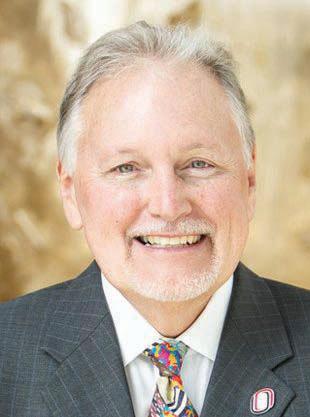
“People want to be repurposed — they want to have a purpose as they get older. There are going to be physical challenges that come our way, but we still have a purpose,” Pol said. “Retirement is a pour label — I struggled with the word, so I came up with
repurposed. It’s a common word and it really describes who we are and what we do when we get older.”
The Former dean of College of Business Administration at the University of Nebraska at Omaha, looked into his past when publishing his book, “Repurposed: Aging Well through Humor, Resilience, Reflection, and Curiosity.”
Pol had an amazing relationship with his grandmother when he grew up and had the chance to see her grow old. Pol realized that even as his grandmother aged, she never lost a beat and lived life to the fullest, which is something he wants to do for his own grandkids.
“I was the first grandchild, so my grandmother was relatively young,” Pol said. “She was young and energetic, which was a good impact on me.”
You’re invited to visit the Camelot Friendship Center, 9270 Cady Ave., for regular activities, which include Chair Yoga, card games, Tai Chi, Pinochle, 10 Point Pitch, and bingo. This month’s events include:
• March 10: Omaha City Planning presentation “Home Modifications for Seniors” @ 11:45 a.m.
• March 12: Tanner with NALA Presentation @ 11:45 a.m.
• March 18: Craft Day - “How to Make a Colorful Sun Catcher” @ 12:30 p.m.
• March 19: Jackpot Bingo @ 12:15 p.m.
• March 24: Entertainment with Billy Troy, compliments of Merrymakers/Dreamweavers @11:45 a.m.
• March 25: Team Trivia Challenge @ 12 p.m.
Grab N Go meals are available.
For more information, contact Barb at 402-444-3091 or barbara.white@cityofomaha.org.
The Omaha Fire Department’s Public Education and Affairs Department will install free smoke and/or carbon monoxide detectors inside the residences of area homeowners.
For more information, please call 402-444-3560.


By Jody Green Contributing Writer
Reports of bed bugs have increased across the United States, both nationally and here in our community. As an Extension educator based in Omaha, I have seen a sharp rise in phone calls, emails, walk-in visits, and requests for bed bug identification and information. In 2026 alone, four out of five bed bug cases in Douglas–Sarpy Counties involved adults age 65 or older.
Bed bugs are a widespread public health issue that affects people of all backgrounds, housing types, and income levels. For older adults, bed bugs can be especially challenging. Seniors living independently, in apartments, lowincome housing, assisted living, or with caregivers may face physical, financial, and social barriers that make prevention, early detection, and treatment more difficult. Stigma adds another layer, allowing infestations to grow quietly before help is sought. The goal is not to alarm, but to inform. Understanding bed bugs and knowing what to do can reduce fear, protect dignity, and lead to better outcomes.
Bed bugs are small, flat, wingless insects that feed exclusively on blood, most often human blood. Bed bugs are attracted to people because people provide reliable blood meals. They do not live on the human body. They come out of hiding to feed, usually at night, feed briefly (unnoticed), and then return to their hiding places.
A typical feeding lasts about 5–15 minutes and occurs every three to five days. When not feeding, bed bugs spend most of their time hiding in cracks and crevices close to where people rest or sleep for extended periods. Despite the name, “bed bug,” these insects can be found in countless objects, including mattress seams, box springs, bed frames, headboards, nightstands, upholstered furniture, recliners, and even behind baseboards or picture frames.
Contrary to widespread belief, bed bugs do not fly or jump. When hungry, bed bugs crawl around, sensing carbon dioxide, body heat, and human scent. They hitchhike unnoticed on
belongings such as luggage, purses, backpacks, clothing, wheelchairs, walkers, furniture, and bedding.
In the absence of a host, bed bugs can survive months without a blood meal.
Adult bed bugs are about the size of an apple seed, reddish-brown, and flattened from top to bottom. After feeding, they may appear enlarged and a deeper, darker red color.
Immature bed bugs, called nymphs, are smaller and lighter in color, making them harder to see. All bed bug stages are visible to the naked eye.
Because bed bugs hide so well, people often do not see the insects themselves. Instead, they may notice other signs. These may include:
• Dark spots or stains in seams or cracks
• Shed skins from growing bed bugs.
• Eggs or eggshells in hidden areas
Bed bugs tend to group together in protected places. As their numbers increase, they spread farther from sleeping areas.
At this time, bed bugs have not been shown to transmit diseases to humans, however, their bites can look vastly different from person to person. Many individuals, especially those over the age of 65, have no visible skin reaction. Some individuals may develop itchy, painful welts or rashes, redness or swelling of skin, and this may lead to secondary infections from scratching.
Beyond the physical effects, bed bugs can significantly impact sleep, mental health, and overall wellbeing. People dealing with bed bugs often report insomnia, anxiety, embarrassment, and social withdrawal.
The stigma surrounding bed bugs can be as damaging as the bites themselves, leading individuals to hide infestations rather than seeking help.
Research shows that common age-related, housing, and financial factors can delay bed bug detection
and response among older adults.
Seniors may be less likely to notice bites or early signs due to changes in immune response, vision, skin sensitivity, or mobility. Physical limitations can make it harder to inspect living spaces, vacuum thoroughly, or prepare a home for treatment. Housing factors also matter. Living on a fixed income, downsizing into smaller or multi-unit housing, or managing clutter during transitions can complicate prevention and treatment.
Relying on caregivers, family members, or services increases the number of people and belongings moving in and out of the home, creating more opportunities for bed bugs to hitchhike. As a result, infestations may last longer and treatments may be harder to complete safely and effectively.
Stigma is one of the biggest barriers to addressing bed bugs. They are often wrongly associated with neglect or poor hygiene. Research shows that even when infestations are common, awareness remains low.
Bed bugs are a community issue. Effective prevention and control depend on cooperation among residents, caregivers, pest management professionals, healthcare providers, housing staff, and social service agencies. Education and integrated pest management approaches protect both human health and dignity.
Education is one of the most effective tools for prevention. Information is available at: https://go.unl. edu/stopbedbugs.
If you think you found a bed bug, stay calm, carefully collect the bug, and have it identified before performing any treatment actions. There is no accurate diagnosis based on a bite because different people have different responses.
It is also important to understand that there are limited financial safety nets for bed bug infestations. In most cases, there are no dedicated bed bug funds to pay for insecticide treatments,
--Bed Bugs continued on page 3.
By Ron Petersen
The Camelot Friendship Center located at 9270 Cady Ave is this month’s Senior Center of the Month.
The Camelot Friendship Center manager, Barb White who has been at the center for seven years, said the people that come through the doors brings her inspiration.

“I love to see everyone coming in and learn a lot from them,” White said.
The Camelot Friendship Center has plenty of activities each month including cards, bingo, chair volleyball, Tai Chi and more.
replace discarded belongings, or cover medical costs, and bed bugs are typically not covered by insurance. Legal options can be complex and uncertain.
My role as an educator is to identify insects, and provide unbiased, science-based education to help people prevent infestations, recognize problems early, and make informed decisions, not to provide financial assistance.
Anyone can encounter bed bugs, regard-
Repurposed continued from page 2.
When Pol put this book together, he used 20 short stories to describe different ways of repurposing.
“I think the first thing is that for most of us we’re not really retired, we’re just repurposed,” Pol said. “Maybe we were forced to retired or maybe they had to move on. When we get repurposed, we start doing other things and maybe they’re things that we wanted to do all along or plan to do later in life and now we have the opportunity to do them.”
Another way of being repurposed is to let people know that they are not alone and they have someone to relate with, Pol said.
“My stories have some unique facts, but virtually everyone who looks at this book is going to relate to similar situations,” he said. “In that case it’s reassuring — we all had these stories and so I think there’s a commonality.”
Two other reasons to be repurposed is to know that people are not alone and that everything matters.
“Aging is not intended to be an individual activity. We do best when we view it as a team sport,” Pol said. “People do the things that matter and those things make us feel better and they make us feel connected to the community. Researchers
While they have plenty of opportunities for activities, they are always looking for more participation. For more information about the center, please reach out to White at 402444-3091. The Camelot Friendship Center is open Monday through Friday from 10 a.m. to 3 p.m.
less of cleanliness, income, or lifestyle. Early awareness and action matter. Reporting concerns early helps protect you and others, especially in shared housing.
Asking for help is not a failure, it is a responsible step. With the right information and support, bed bugs can be managed and eliminated.
Jody Green, Ph.D., BCE, is a local Nebraska Extension educator and urban entomologist committed to helping community members protect their health through practical, stigma-free pest education.

are looking at what people enjoy in their lives. We all have a list of things that we do that make us matter.”
These days you can find Pol on the bike, travelling the world or publishing books.
“It’s about understanding

New Horizons is the official publication of the Eastern Nebraska Office on Aging. The paper is distributed free to people over age 60 in Douglas, Sarpy, Dodge, Washington, and Cass counties. Those living outside the five-county region may subscribe for $5 annually. Address all correspondence to: Ron Petersen, Editor, 4780 S. 131st Street, Omaha, NE 68137-1822. Phone 402-444-6654. FAX 402-444-3076.
E-mail: ron.petersen@enoa.org
Advertisements appearing in New Horizons do not imply endorsement of the advertiser by the Eastern Nebraska Office on Aging. However, complaints about advertisers will be reviewed and, if warranted, their advertising discontinued. Display and insert advertising rates available on request. Open rates are commissionable, with discounts for extended runs. Circulation is 9,000 through direct mail .
Editor................................Ron Petersen, 402-444-6654 Ad Mgr................Mitch Laudenback, 402-444-4148
Contributing Writers.........Leo Biga & Andy Bradley
that there are other people out there that they can relate to,” he said. “Repurposed invites people to pause, relax and recognize the later chapters of life.”
Pol’s book can be found on Parnassus Books website.
ENOA Board of Governors: Mary Ann Borgeson, Douglas County, chairperson; Don Kelly, Sarpy County, vice-chairperson; Lisa Kramer, Washington County, secretary; Pat Tawney, Dodge County, & Taylor Boyle, Cass County.
The New Horizons and the Eastern Nebraska Office on Aging (ENOA) complies with applicable federal civil rights laws and does not exclude, deny services to, or otherwise discriminate against any person on the basis of race, color, national origin, disability, age, sex, marital status, veteran status, or religion.
Celebrate America 250 will feature the Largest Ameri
can Flag in the world, a drone show, free food and worldrenowned Irish Tenor Ronan Tynan.
Celebrate America 250 will be held at Memorial Park in Omaha on May 22. Featured is veteran actor Ron Chvala as Benjamin Franklin who will regale the audience with stories from The War for Liberty.
Bill Williams, Co-Founder of Patriotic Productions said,
“The celebration is for everyone: Families, Vets, all ages welcome. It will be an amazing time.”
By Andy Bradley Contributing Writer
You probably know about Make-A-Wish – the charity that grants wishes to seriously ill children. But you may not know about the local organization that does the same thing – but for seriously ill and low-income seniors.
The Dreamweaver Foundation, a local nonprofit established in 2012 by the founder of Carson Wealth, serves those over 55 with limited means and life-limiting illnesses. Participants turn their bucket list dreams into customized memorable activities that add joy, connection, and meaning to their later years.
COURTESY PHOTO



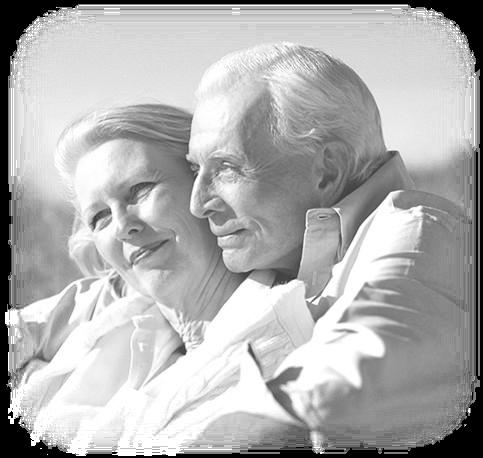


Dreams facilitated by staff and volunteers have included, among many others, getting that first tattoo (at age 86); fishing (using a handicapped accessible boat) at Lake Wanahoo in Wahoo; family reunions (including contacting longlost relatives and arranging their travel to Omaha); attendance at Husker games (retired firefighters provide mobility support); even skydiving and scuba diving expeditions.
According to testimonials provided by Dreamweaver, Marla (last name withheld) was treated to the Manheim Steamroller concert at the Orpheum. “She told us that she was made to feel like Cinderella. We got her new clothing, new shoes and a hairdo. Marla told us that she had never had a chance to go to a show like this.”
A staff of five professionals and scores of volunteers bring these dreams to fruition for persons living within a 50-mile radius of Omaha. Last year, 127 individually-curated dreams were funded with no eligible senior turned away, according to Director of Operations, Erinn Drouin.
Since its founding 13 years ago by Omani Carson and his wife, Jeanie, 830 creative dreams have been approved, facilitated and funded.
Dream fulfillment isn’t the only activity sponsored by the foundation. Organizers also manage Merrymakers, which provides musical entertainment at 156 retirement communities each month, and Making Spirits Bright, an annual Christmas card-writing campaign.
More than 1,500 volunteers, most of them young people, create and distribute handwritten messages of holiday cheer to more than 7,000 seniors a year. More than 30,000 greeting cards have been delivered to retirement homes (each one proofed by staff) since the program’s inception.
Merrymakers was a separate 40-year-old organization that merged with Dreamweaver in 2024.
Eighteen professional musicians (the oldest one is 90) provide one-hour concerts, reaching nearly 48,000 seniors a year, and well over one million since its founding.
Combined, Dreamweaver’s three programs of Realizing Dreams, Merrymakers and Making Spirits Bright cost more than $1.75 million a year to operate.
Eighty percent of those expenses are met through the annual Boots and Buckets fundraiser.
Some more unusual and individually customized dreams facilitated by the Dreamweaver Realizing Dreams program cover the gamut from simple and inexpensive to complex and costly.
They have included helping a family member in Venezuela to attend a family reunion in Omaha; organizing the writing and delivery of 100 heartfelt letters to someone celebrating their 100th birthday;
attendance at the motorcycle rally in Sturgis, South Dakota; a shopping spree to Mall of America; and a life-time subscription to the Omaha World-Herald, along with the complete library of World-Herald-published books, and a plush new reading chair to read them in.
Most of the dreams forwarded to Dreamweaver come from the staff of partnering retirement communities and hospice care organizations, several dozen in all. Other dreams come from family members, friends, and self-nominations from senior dreamers. About two-thirds of the inquiries have specific requests, while others require Dreamweaver staff assistance to flush out the details. “Staff are great at making the dream specific and digging deeper” into what the applicant wants, said Executive Director Julie Glover.
For example, one dreamer wanted to ride in a motorcycle rally. But that dream wasn’t possible due to his poor health. Not to be stopped, creative staff contacted a local riding club, and nearly 50 riders were recruited to parade past the dreamer’s retirement facility. They were then invited inside to enjoy refreshments and comradery with the recipient.
Still, another couple asked
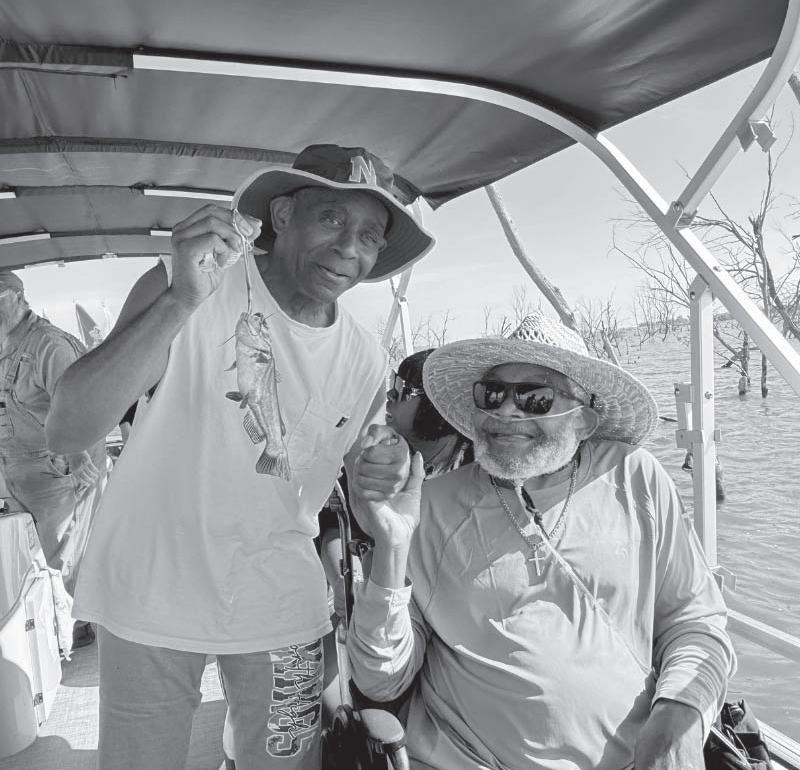
Fishing expeditions at Lake Wanahoo in Wahoo are one of the more popular dreams fulfilled by the Dreamweaver Foundation. The organization frequently partners with Live Well Go Fish, which helps seniors, veterans, hospice patients and people with disabilities enjoy the therapeutic benefits of boating and fishing, using a custom wheelchair-accessible pontoon boat. --Dreamweaver continued on page 5.
Cybercriminals are using a clever trick that makes their phishing emails seem more real than ever. You receive an email from a real PayPal email address. The email contains an invoice for a large purchase you did not make, and a phone number for you to call if you want to dispute the charge. Even though the email comes from a real PayPal email address, this is actually a scam.
Cybercriminals create a PayPal account and use it to send you a fake payment invoice. The email you receive is real, but the invoice is not, and if you call the phone number in the email, you will not be connected to PayPal’s support team. Instead, your call will be answered by a cybercriminal who will pretend to work for PayPal support.
They will try to trick you into giving them your credit card information for a “refund,” or trick you into paying a fee to fix your account!
Follow these tips to avoid falling for this phishing scam:
• If you receive an unexpected PayPal invoice, log in to your account on the official website or app to verify if it is legitimate.
• Remember to be wary of unusual emails, even if they come from what appears to be a genuine email address. Be
Dreamweaver continued from page 4.
for a simple ceremony to renew their wedding vows. Instead, they were surprised with a full-blown wedding and festive reception, features they couldn’t afford the first time around.
Finally, Drouin shared the stirring story of a former colleague from a past employer. Suzie, age 61, had moved to Arizona. She had just received a terminal cancer diagnosis. After alternative therapies failed, Suzie made her final wish: to come home to Nebraska to die surrounded by her family.
The story, as recounted in Dreamweaver promotional materials, picks up from there. The family didn’t have the resources to bring her home, but they knew that Dreamweaver could make it possible. The Dreamweaver team quickly went to work, organizing flights and a nurse to accompany Suzie from Arizona to Nebraska. When Suzie arrived at the airport, more than 40 family members awaited, each one holding a yellow rose, her favorite flower. One by one, they stepped forward, handed her a rose, told her they loved her and reminded her of the many special reasons why.
So while Dreamweaver may not be sending kids off to Disney or to meet sports heroes, they are nevertheless, in the words of Dreamweaver, “creating moments
suspicious of any unexpected bill or urgent request for money.
• Don’t call the phone number listed in a suspicious email. If you have any questions or concerns, always use the official customer support number on the organization’s real website.
• Never donate money to an online fund unless you can verify it has been set up by an official source.
• If you’re experiencing a major loss, set your social media websites to private before posting details about the deceased person. This will make it more difficult for cybercriminals to steal personal photos and information.
• Always use caution when entering financial information online. Make sure that the website you’re visiting is legitimate.
• Remember that cybercriminals often try to trick you into acting impulsively by creating a sense of urgency. Always be cautious if you receive a text message that instructs you to act quickly.
• If you receive a suspicious text message, you can report it to your phone’s service provider. This report will help them block similar messages for everyone. For more information, visit KnowBe4. com.
of joy in the lives of older adults by bringing bucketlist wishes to life.”
For those interested in nominating a loved one – or themselves – for a dream experience, the process starts online by answering seven baseline questions. Staff then follow up to ensure eligibility and to drive the application forward. Nearly one in three older Nebraskans meet the income eligibility criteria.
Most dreams do have a degree of complexity to both arrange and execute. Therefore, a cadre of volunteers is needed to help support each one. Retired nurses, teachers, and adult children of the dreamers help out, said Drouin. Most volunteers are asked to help set up on the day of an event, and to provide onsite logistical support throughout the activity.
Dreamweaver is truly a one-of-a-kind organization – no other community in the country boasts a similar nonprofit, according to Executive Director Julie Glover. And while its services are currently restricted to a handful of counties in eastern Nebraska and western Iowa, the organization hopes to expand soon. “We want to grow, but we want to do it right,” cautioned Glover. “We want to do it very thoughtfully.”
To learn more about any of the Dreamweaver Foundation programs, including how to create a joyful and lasting memory for your-
ou’re invited to visit the La Vista Senior Center, located at 8116 Park View Blvd. The facility provides activity programs and meals Monday through Friday from 8 a.m. to 5 p.m. Please call 402-331-3455 for general Community Center hours.
Meals are served weekdays at 11:30 a.m. Reservations are due by noon the business day prior to the date the participant wishes to attend and can be made by calling 402-331-3455.
A $5 contribution is suggested for the meal if you are age 60 and older. If you are under age 60, then the meal cost is $9.50.
In addition to meals being served daily, the La Vista Senior Center offers a variety of activities such as: Bingo, outings, cooking classes, movies with popcorn, arts and crafts, a variety of card games, quilting, Tai Chi, exercise classes, musical entertainment and various parties. Please visit our website at cityoflavista.org/seniors for updated information or call 402-331-3455.
self or a loved one, go to dreamweaver.org. Information about volunteering and donating is also provided.

I would like to become a partner with the Eastern Nebraska Office on Aging, and help fulfill your mission with older adults.
Traditional funding sources are making it more difficult for ENOA to fulfill its mission. Partnership opportunities are available to businesses and individuals wanting to help us. These opportunities include volunteering, memorials, honorariums, gift annuities, and other contributions These gifts are tax exempt.
$25 = One month of Personal Emergency Response.
$50 = Provides one week of Meals on Wheels for one older adult.
$75 = Provides one week of meals and activities at a senior center.
$125 = Full month of bathing assistance.
$175 = Helps provide respite care for an older adult.
$250 = Provides urgent relief and essential support to individuals during unexpected emergencies.
Other amount (please designate)__________________________
Please contact me. I would like to learn more about how to include the Eastern Nebraska Office on Aging in my estate planning.

Please see the ad on page 3
$25
Cindy Wagner
Ray and Dee Christensen
$15
Sharon Peterson
Bob Haverman
$10
Gordon and Dallas Wellensiek
$5
Tony and Jeanne Maida
The University of Nebraska Omaha is conducting a research study.
Volunteers are needed to participate in the research study titled, “Impact of Nrf2 activation on macrovascular function, microvascular function, leg function, and walking capacity in patients with peripheral artery disease.” The Vascular Research Lab at the University of Nebraska at Omaha will be assessing the effectiveness of Vumerity on vascular function and exercise capacity in healthy older adults and those with peripheral artery disease.
This study will require four lab visits (i.e., a consenting visit, two experimental visits, and one follow-up visit) in the Vascular Research Lab located in the H&K building on UNO’s Dodge St. campus and at the University of Nebraska Medical Center.
You may qualify if you are 50-75 years old, currently have or do not have a diagnosis of peripheral artery disease, if you are not currently pregnant or breastfeeding, if you are not diagnosed with kidney disease, liver disease, multiple sclerosis,psoriasis, lymphopenia or gastrointestinal disorders that would prevent you from safely taking the study drug or if you are not allergic to diroximel fumarate or dimethyl fumarate.
If you are interested, please call the UNO Vascular Research Lab at 402-554-3779 or email or unovrl@unomaha. edu.

By Lois Jordan
March has a way of quietly reminding us that change doesn’t have to be dramatic to be meaningful. The days stretch a little longer, the sun feels warmer on our faces, and signs of spring begin to peek through—sometimes slowly, sometimes all at once.
For many of us, March is a month of renewal. It’s a time to open the curtains a bit wider, enjoy a walk when the weather allows, or simply sit by a window and notice the world waking up again. Even small changes—switching out a winter sweater for a lighter jacket or enjoying a cup of coffee in the morning sunlight—can lift the spirit.
This month also offers a gentle invitation to check in with ourselves. Winter can be long, especially when routines feel repetitive or days feel quieter. March encourages us to reconnect—with
nature, with neighbors, and with the simple pleasures that often bring the most comfort. A phone call to a friend, sharing a story over lunch, or reminiscing about past springs can be just as renewing as the season itself.
As we move toward warmer months, it’s also a good time to think about balance: staying active in ways that feel good, resting when needed, and giving ourselves grace as our bodies and lives change. Renewal doesn’t mean rushing—it means honoring where we are and welcoming what comes next.
May this March bring moments of light, comfort, and quiet joy. Spring is on its way, and with it, new reasons to smile.
Lois Jordan, CEO for Midwest Geriatrics Inc. Management company for Florence Home Healthcare Center, Royale Oaks, and House of Hope Assisted Living and Memory Care
Your heart is a muscle, and it needs exercise to keep the beat strong! That doesn’t mean you have to be a super athlete or perform like you did at 20 – there are plenty of everyday ways to get the blood pumping for better heart health. But first, let’s take a look under the hood and see what this powerhouse organ does for you.
Ever wonder how big your heart is (anatomically speaking)? It’s about the size of a fist, and it’s made up of muscle and tissue. There are four chambers, or sections, that hold your blood before it moves throughout your body. The heart takes orders from your brain and your nervous system to do this important work. Besides delivering blood that’s rich with oxygen and nutrients to your cells (and sending carbon dioxide and waste away), your heart also keeps your blood pressure and heart rate in check.
Whether you love to exercise or not, the bottom line is to move, move, move so your blood can keep moving. An active body is a healthy body, and even if you can’t move as
fast or as flexibly as you did in high school, the key is to stay moving.
Circulation is everything, and your cardiac health depends on it. That being said, it’s important to start slow, doing about five to 10 minutes of light aerobics to warm up your heart and raise your heart rate. Then, about 20-30 minutes of moderately intense activity before taking a few minutes to slow your heart rate with a cool down rather than a hard stop.
Experts recommend doing this type of fitness routine five times a week for, ideally, up to an hour each time (but that may be a long-term goal and likely not your starting point).
Here are some simple research-backed ways to keep this small but mighty muscle in tiptop shape:
1. Brisk Walking: A brisk walk doesn’t require a gym membership. Find a place and time to walk that’s safe (smooth sidewalks, minimal road traffic and distractions, good lighting) and select appropriate footwear for joint support.
2. Yoga or Tai Chi: Believe it or not, gentle stretching is good for your heart health. It doesn’t get the blood pumping, but it does keep your body
flexible and your joints in shape for those vital aerobic routines. Not a fan of yoga? Tai chi offers similar benefits.
3. Running, Jogging or Hiking: If you’re up for a faster pace (and your joints are too), running and jogging are great for your heart. Don’t want to do it alone? Move at a higher intensity with partnered exercises like tennis or pickleball, or go hiking together. Can’t go outside right now? Jumping rope on an even surface gets the blood pumping.
4. Cycling : Whether indoors or outdoors, turning those wheels boost blood flow and circulation.
5. Dancing: From Zumba classes to line dancing at your favorite local spot, keeping the beat with music and movement is one of the best ways to make your heart happy.
6. Swimming: If your joints just can’t handle the impact of dancing, hiking, or biking, no worries – swimming offers a safer way to move without punishing your hips or knees.
A Word from ArchWell Health: Wherever you are on the memory loss journey, you are not alone. The compassionate team at ArchWell Health is always ready to assist caregivers and older adults with their primary care needs.
You’re invited to visit the Fremont Friendship Center, 1730 W. 16th St. (Christensen Field). The facility is open Monday through Thursday from 9 a.m. to 3 p.m. and Friday from 9 a.m. to 12:30 p.m.
A meal is served weekdays @ 11:30 a.m. Reservations, which are due by noon the business day prior to the meal the participant wishes to enjoy, can be made by calling 402727-2815. A $5 contribution is suggested for the meal. This month’s activities will include:
• March 4: Music with Ben Tomesello @ 10:30 a.m.
• March 5: Nye Presentation @ 10 a.m.
• March 5: Dancing Grannies @ 12 p.m.
• March 5: Pitch Tournament Begins @ 1 p.m.
• March 11: Music with Billy Troy @ 10 a.m.
• March 12: Mobile Library @ 9:30 a.m.
• March 12: Presentation-Archwell Health @ 10 a.m.
• March 12: Popcorn Bar with Pathfinder @ 2:30 p.m.
• March 17: Wear Green for St. Patrick’s Day
• March 18: Music with The Links @ 10 a.m.
• March 19: Home Exemption Presentation: What is it and how do you qualify? @ 10 a.m.
• March 25: Music with Tim Javorsky @ 10:30 a.m.
• March 26: A1-C testing by Dunklau @ 9:30 a.m.
• March 27: Penny Auction with Valley Lakes Assisted Living @ 10:30 a.m.
Sip and Chat every day @ 9 a.m. Craft class on Tuesday afternoons @ 1:30 p.m.
Tai Chi offered every Tuesday and Friday from 9:15-10 a.m.
Wednesday Refreshments @ 9:15 a.m. Bridge every Wednesday @ 12:30 p.m. Morning Walk Club every Thursday @ 9:30 a.m.
If you can’t stay for lunch with our friends and you currently participate in any activity at the center, you may now order a Grab-n-Go meal to take home for your lunch. Grabn-Go meals must be reserved the day before by noon and the person ordering the lunch must come in to the center to pick it up at 11 a.m. The number of Grab-n-Go lunches are limited to a first come first serve basis. Suggested donation is $5.
For meal reservations and more information, please call Laurie at 402-727-2815.
You’re invited to visit the Intercultural Senior Center (ISC), 5545 Center St.
The Intercultural Senior Center facility – offers programs and activities from 8 a.m. to 4 p.m. Monday to Friday.
In March, visit ISC for free foot care.
At ISC, we celebrate cultures, friendships, and healthy living every day.
What makes the ISC unique?
• Cultural Connections: ESL, Spanish, and Chinese classes, citizenship preparation, and global celebrations.
• Fitness & Fun: Tai Chi, Zumba, Salsa, Yoga, Pickleball, Chair Volleyball, and more to keep you active and energized.
• Creative & Social Activities: Jewelry making, crafts, karaoke, dance classes, music clubs, and exciting field trips.
• Health & Wellness Services:
• Footcare and dental care
• New blood pressure hub for heart health
• Nutrition consultations with our nutrition coach
• Health fairs and educational presentations
• Medical Care Services: Scheduling and accompanying medical appointments, refilling and picking up medications
• Low-Cost Medical Clinic: Available once a month
• Community Support: Free monthly food pantry, social services & interpretation services
• Transportation Services: Helping you get where you need to go
• Technology & Learning: Computer classes, tech support, and workshops to keep you connected.
• Meals & Community: Enjoy regular or vegetarian lunches, morning snacks, and coffee chats every Friday. For more information, please call 402-444-6529 or visit the ISC website at interculturalseniorcenter.org.
Intercultural Senior Center – Where cultures connect and friendships grow.

•
•
By: Ron Petersen
Looking to get fitter without stressing out about it? Try learning to go with the flow.
Tai Chi, a mind-body exercise rooted in multiple Asian traditions including martial arts, traditional Chinese medicine and philosophy, has become widely recognized as a gentle form of fitness that packs a serious health-promoting punch. With benefits that include better balance, enhanced immunity and improved cognition, it’s also popular thanks to its accessibility and effectiveness.
Tai Chi is an ideal mindbody practice combined with basic athletic training. The physical part is derived from a series of slow martial
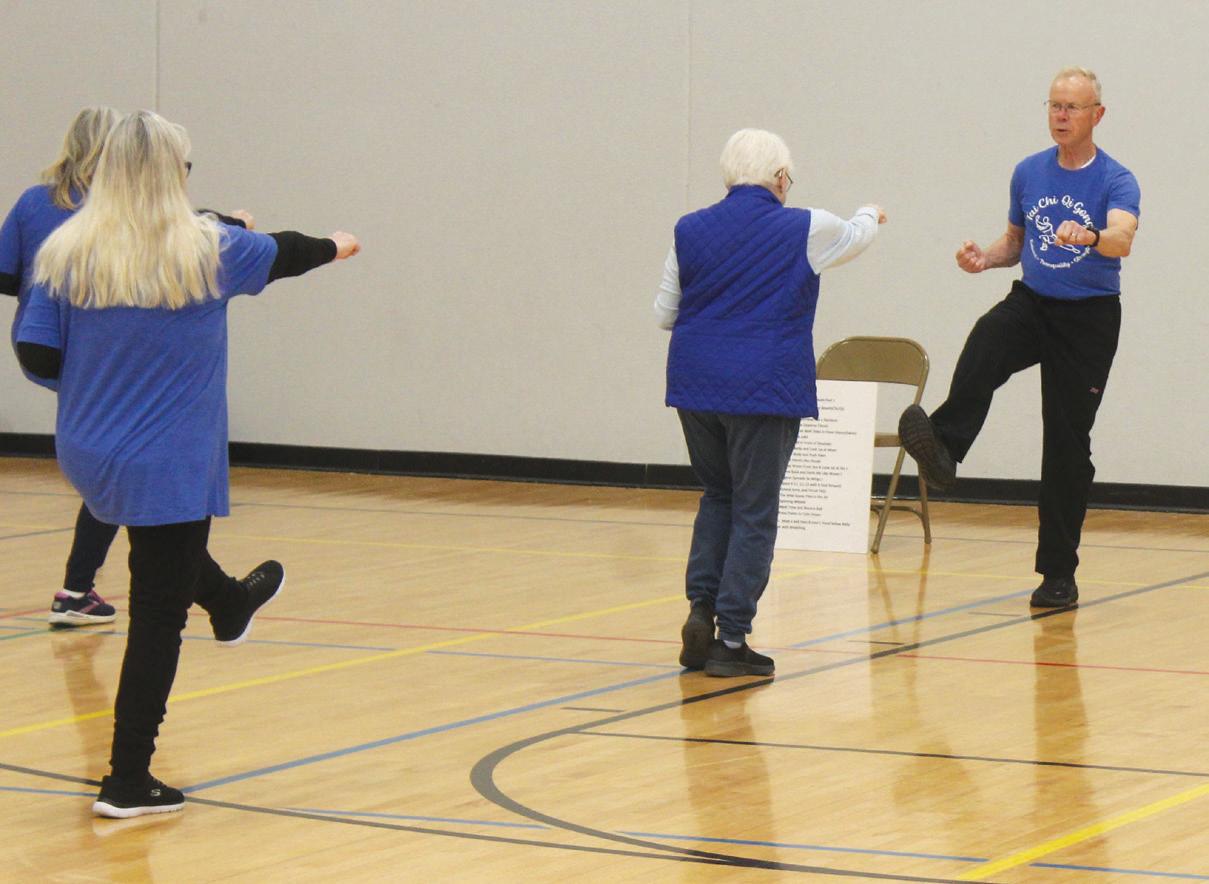
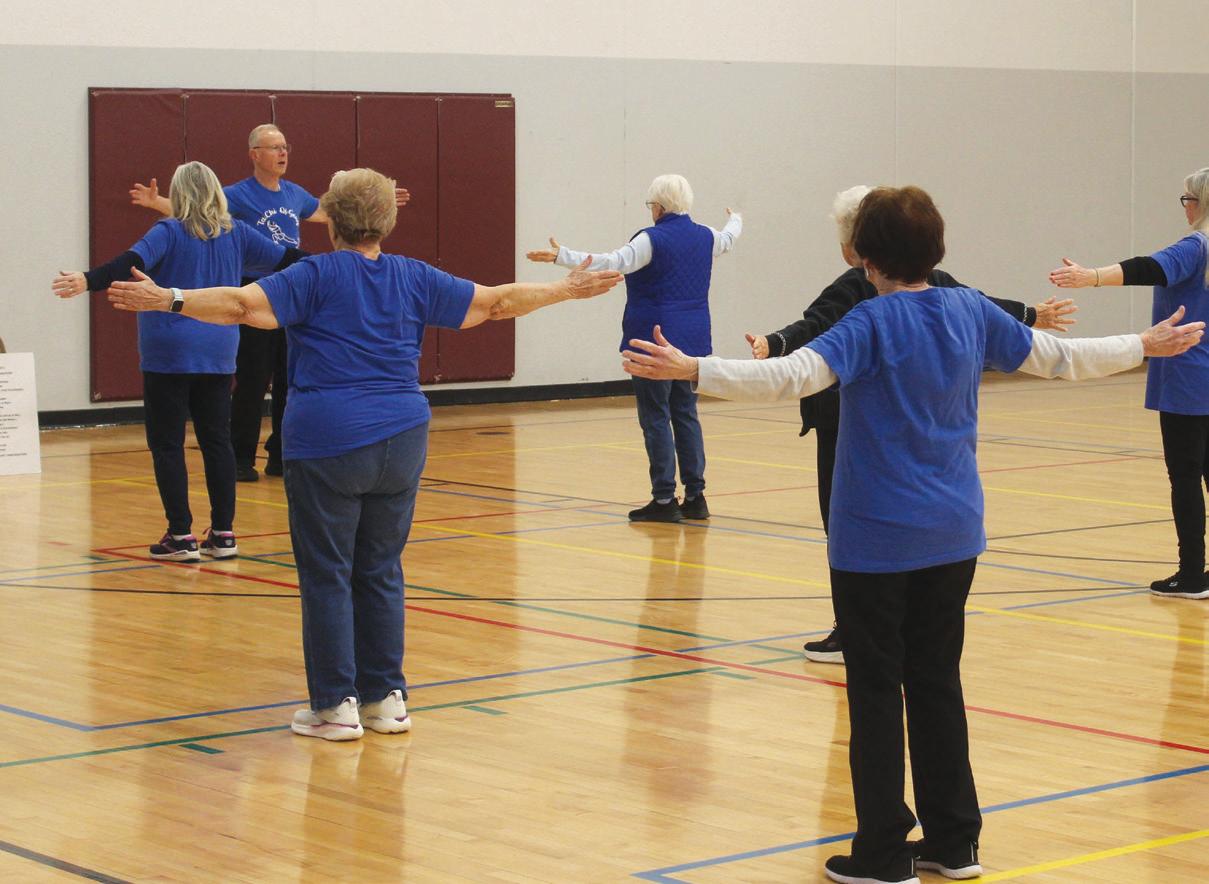
Tai Chi is a slow and gentle exercise that is suitable for older adults. It offers the benefits of flexibility, muscle strengthening, and endurance training. Tai Chi can improve the health of older adults without worsening existing impairments.
arts movements while the mindful aspect aligns with the go-with-the-flow aspects of Taoism. Together, you have a
series of focused exercises that can be done in repetition or linked together in what is known as a Tai Chi form.
Like yoga, there are many styles of Tai Chi. Some are more vigorous, and some are more serene, but the principles are universal.

Compassionate
Several elements of Tai Chi make it particularly appealing to older adults. Most of the exercises are done on your feet, but while it does involve movement, Tai Chi also includes meditation. Plus, having the chance to slow down, relax and focus on breathing can help clear the mind.
Another reason is Tai Chi is a great choice for older adults is that it seems to enhance one’s ability to navigate real-life activities like carrying groceries or climbing stairs.
The research backing up the benefits of practicing Tai Chi is extensive, which is encouraging for older adults.
Tai Chi is also clinically proven to be effective as rehabilitation for people with cardiopulmonary conditions and chronic obstructive pulmonary disease (COPD). It can significantly reduce chronic pain for conditions like fibromyalgia and can improve neurological function for people with Parkinson’s disease.
Tai Chi is an activity older adults can ease in to and can try it on the fly.
For more information about Tai Chi, visit your local senior center about dates and times.






First United Methodist Church has some excellent adult curriculums available. They are free for any Christian group which would like to study prayer, discipleship and beliefs.
Call First United Methodist Church at 402-556-6262 if you wish to receive more information about the list of the studies available.
lead actuary at Mutual of Omaha. Her mother was a busy Omaha Community Playhouse volunteer. Jane helped backstage during productions.
Born in California, Hoeger comes from a long line of progressive Lutheran pastors. He moved with his family to Hastings, Nebraska. His paternal grandfather was among prairie pastors who organized the social welfare system of the recently settled Great Plains by starting hospitals, orphanages and shelters.
Among his family’s public servants and social welfare stewards, he said “earning money was almost considered sacrilege – wealth was not the definition of what made you successful.” When Erdenberger married into the clan she was still a high-priced lawyer and she said “the fact that I made a lot of money alway made them a little suspicious.”
Hoeger eschewed going into “the family business” but has been an active member of Augustana Lutheran Church, where he leads adult forums on social justice topics. He considers his work there, with OTOC, The Rose, and in education a kind of ministry.
His Learning Community role, he said, “tied in with my interest in education and politics and with the idea of let’s do something big.” With all the fundraising he did, he said, “I got to know people that were facilitating making really amazing things happen and completely in the background. I got really excited about that kind of behind the scenes work.”
When the couple met they were reformed hippies formed by the counterculture, civil rights and antiwar movements. He was a former disc jockey performing improv in city parks and at state fairs and acting in dinner theater productions while she practiced finance law at Kutak Rock, where she became a partner.
After completing graduate film studies, Hoeger did contract producing for Northwestern Bell. Along the way he met Emmy Gifford Children’s Theater executive director Nancy Duncan. Using Bell facilities he directed a video of the theater’s The Little Match Girl starring Monica McSwain, who went onto perform with the Alvin Ailey dance company and
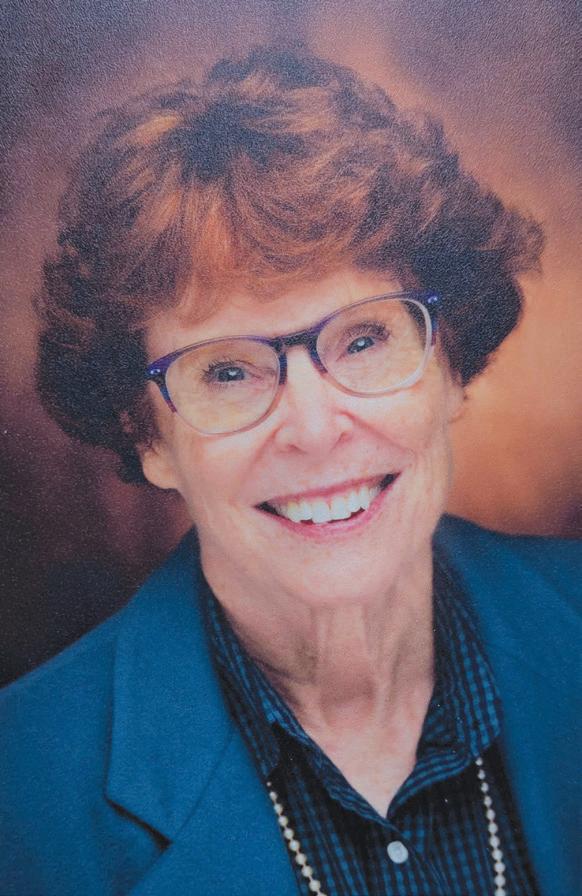
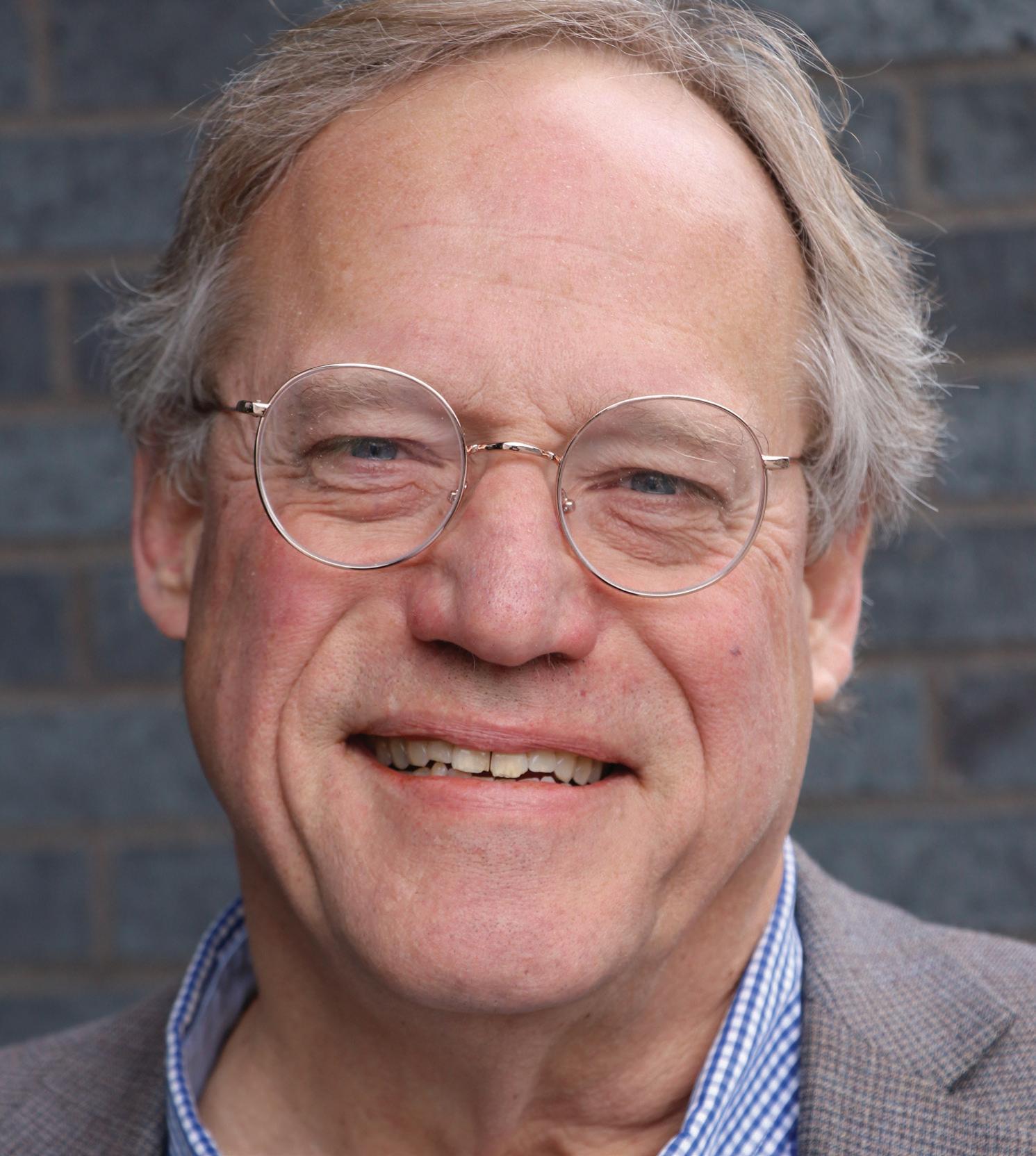
Jane Erdenberger is a member of the Omaha Public Schools Board of Education in Nebraska, representing Subdistrict 7.
to carve out a still active theater-film-television acting career.
Later, Hoeger directed a feature-length coming of age screen drama, Full Ride (2002), that he and his Oberon Entertainment partner, cinematographer Andy Anderson, shot in and around Omaha.
In 2004 Hoeger and his Oberon partners became the final investors in an acclaimed stage drama, Frozen, that went from offBroadway to Broadway. The opportunity came when star Swoosie Kurtz, an Omaha native, asked her cousin Tom Rogers, an Oberon partner, if he knew of anyone who could finance the show’s leap to Broadway. Rogers approached Hoeger and a deal was struck. When the play got nominated for a Tony it meant Hoeger and company were nominated, too. Oberon’s backing gave them first right of refusal on a screen adaptation. Hoeger and Anderson leveraged the opportunity by writing-selling a script. It has a major director, Nadine Labaki, as well as an elite actor, Mark Rylance, attached to the project. It is now in preproduction.
Mark’s and Jane’s worlds intersected when he served as executive director of the children’s theater.
Roberta Wilhelm rose through the ranks to be managing director and along the way, she said she saw Hoeger “in every role possible at the theater – stage actor, director, grant writer, snow shoveler, cheerleader, parent of theater kids, and – oh, yeah - executive director,” adding, “He never asked me to do anything he wouldn’t do himself.”
THINK BIG
Hoeger undertook the gargantuan task of raising funds to restore the Astro
Theater as its new home. The building was then owned by Nebraska Furniture Mart founder Rose Blumkin, It stood in the way of planned redevelopment, with preservationists opposing any attempts to demolish it. Previous owners, the Dubinsky brothers and Creighton University, had no interest in operating it anymore as a performance venue. That’s when Mrs. B, the Russian Jewish emigre entrepreneur, took it off their hands and blocked city efforts to tear it down. She had a sentimental feel for the theater because her daughter Frances won an amateur night talent contest there as a child. “Mrs. B said when everybody applauded her daughter it was the first time she felt like Omaha was her home,” Hoeger said.
When he expressed interest in it as the new home for the children’s theater she gifted it. But after sitting empty for years major cleanup and repairs were needed. When she initially only offered to carpet it for free he and others prevailed on her to also kick in serious dollars. It was renamed in her honor.
“I decided I was going to make it the biggest, most beautiful children’s theater in the United States, I got people to listen to me,” he said.
Wilhelm sums up what he did to make it happen.
“Mark was instrumental in making the case for the theater’s need and rallying donors, volunteers, media, and the staff team around the magnificent vision of ‘what could be.’ What Mark helped create with his sweat equity, creativity, and vision is still thriving today as a legacy gift to future generations.”
Having her help open doors, he said, “was a nice way of supporting each other.” That “symbiosis,” as she calls it, switched up when she ran for the school board. “Mark knew people willing to write checks. I had a great story to tell in terms of why I was qualified but I had never spent any time asking anybody for money. Mark helped steer me to donors.”
The couple has two adult daughters and one of them, Eleanor Hoeger, offered insight into how her parents complement each other.
“When my mother finds a problem, she wants to get to the heart of it and solve the issue as quickly
and efficiently as possible. At any given moment she is constructing 15 different solutions for any of the variables. Dad thinks much more holistically. My father has an uncanny ability to take seemingly disparate concepts and bring them together. This helps him bring communities and projects together.”
Of all the things her folks have done in life, they regard teaching their highest calling.
“It by far has been the most rewarding and exciting,” said Mark. “There’s something about being part of that excitement and energy of a young mind coming of age and being able to shepherd that. I get the biggest hugs and thank yous from meeting old students who took my film class. That happens all the time to Jane with students who took her social studies classes.”
Jane never considered teaching until unfulfilled in her law career. When she made the switch, it gave her her most enriching years. “I was feeling farther and farther away from being able to have social impact by being a lawyer and Mark suggested I be a teacher. I really only had to pick up about eight classes to become certified.” She student-taught at largely African American North High and fell in love with a population she didn’t know before.
“My life had been a very white one. I graduated from Westside High School. My memory is there were no African Americans in my life at all other than people that were in some service industry or another. I had never seen an African American with a briefcase until I went to law school in Washington DC.”
Her immersion in the Black community, she said, “was life changing,” adding, “I got involved with my students and their families and issues that I didn’t know from my own experience. It was like putting on a different set of eyeballs or something. I gained so much.” She told students how little she knew about their culture and how much she needed them to teach her. They appreciated her transparency and interest.
“I run into so many kids I taught and it surprises me when they say, ‘You were the first white person I met that talked about needing to learn from us.’ I have lasting, wonderful relationships with former students. I love seeing how some are now doing important things and
making a difference. I can’t take personal credit but I’d like to think that some of my enthusiasm for the big picture translated into them.”
Once retired from the classroom she decided her love for public education and unique background made her a strong school board candidate. “When campaigning I said I’m sort of a freak of nature – the combination of someone who was a lawyer in finance matters who then taught in North Omaha. I learned so much about OPS and the stories our students have to tell and the successes they have. I know what’s going on and I try to be an advocate for our students and families. I said to voters, ‘You’re never going to find another board member like me who can spend all day everyday doing whatever I need to do for the job.’”
The couple’s marriage has endured in part, Mark said, “because we have both respected and supported each other’s public lives.” Added Hoeger, “Personality-wise we’re very different but we both enjoy laughing and having a good sense of humor is essential.” Where self-described “Type A “Jane is “completely a perfectionist, organized,” he said, as a cradle creative he’s not. “On the other hand,” he said, “I think I’m good at making her feel you don’t have to be perfect. In my Lutheran tradition we believe we sin and fall short of the glory of God but that we’re still loved anyway.” Jane, who’s not religious, isn’t so sure.
Jane feels the way she and Mark conduct themselves showed their children “how one can have an impact and lead lives that can make a difference.” Added Jane, “They grew up with the perspective we did – that you don’t just sit around, you actually do things, you have an idea and you make it happen.”
“Having two parents so engaged with politics and their communities could be a little intimidating,” said Eleanor Hoeger. “As I’ve gotten older, I’ve learned to appreciate their involvement much more. I love that my parents are still so active. I knew retirement wasn’t going to suit them. They both have so many ideas inspiring them all the time that I knew they were going to be out there helping any way they could.”
By Kelly C. Bourne
Almost everyone has heard of cryptocurrency, aka crypto, but for most people it’s a mysterious concept. This article won’t make you a crypto expert, but for the
average person the most important points include the following:
• Cryptocurrency doesn’t have a physical form like paper money and coins.
• Cryptocurrencies have no intrinsic value. They’re only worth what a buyer is willing to pay for them.
This helps explain why their prices are so volatile.
• Cryptocurrency is decentralized. No single entity, e.g., a government or bank, owns or controls it.
• Bitcoin is the first and best known cryptocurrency. It was created by Satoshi Nakamoto on January 3, 2009. Nakamoto is an alias and no one knows his real identity.
• Thousands of different cryptocurrencies exist. Besides Bitcoin, other important cryptocurrencies are Ethereum, Monero, XRP, Tether, BNB, Solana and USD Coin.
• Crypto transactions are recorded on a ledger referred to as a blockchain.
The blockchain is stored on multiple computers to ensure that it isn’t lost or improperly manipulated by anyone.
Every crypto transaction that takes place is recorded on the blockchain. Once a transaction is recorded on the blockchain it can’t be
modified or deleted. Each cryptocurrency has its own blockchain.
• “Crypto” is a reference to cryptography which is a method of encoding data. Cryptography is used to protect the blockchains that cryptocurrency ownership is recorded on.
• Cryptocurrency exchanges are online platforms that allow individuals to buy, sell or trade crypto. Think of them as stockbrokers for cryptocurrency.
A person’s cryptocurrency assets are recorded in a digital wallet.
What’s stored in the wallet is the private key, i.e., a code needed to access your crypto.
The key looks like a very long, random string of letters and numbers. If you lose your private key, you won’t be able to access your cryptocurrency.
If someone else learns your private key, they can steal your cryptocurrency.
Crypto wallets come in two forms: Hot and cold. A hot wallet is connected to the internet.
This is more convenient but less secure. A cold wallet isn’t connected to the internet. It can be a storage device like a USB drive or it can be a piece of paper with the private key written on it.
Cold wallets are considered more secure, but less convenient.
Another option regarding where to store your cryptocurrency is to have a crypto exchange store it for you.
The upside to this is that it’s convenient if you do a lot of trading.
The downside is that you no longer have control. There have been incidents of crypto exchanges being hacked and going out of business.
If this happens to the exchange where your crypto is stored, you could lose those assets.
Ways to acquire a cryptocurrency are to buy it, trade for it or mine it.
• Buying Bitcoin or any cryptocurrency is relatively straightforward. If I want to purchase a Bitcoin or a fraction of one, I deposit enough money in my crypto exchange account to pay for the purchase and submit a request to conduct the transaction.
The blockchain will be updated to reflect the coin or fraction of a coin that I purchased. The updated
blockchain will also show that the seller no longer owns the Bitcoin(s) he sold to me.
• Another way to purchase cryptocurrency is from a crypto ATM (automated teller machine). These devices look very similar to a bank ATM.
There are approximately 30,000 crypto ATMs in the U.S. Consumers can buy, sell and trade various cryptocurrencies from these machines.
Fees associated with these machines can be high so before using one you should understand the cost.
• If I have some Bitcoins and my friend Jim has a different cryptocurrency, e.g., Ethereum, we can agree to swap them.
As of February 2, one Bitcoin is worth just over $78,000 and an Ethereum coin is worth just over $2,300. I would initiate the transaction on my crypto exchange.
The trade is made and both blockchains are updated to reflect our new holdings.
The Bitcoin blockchain will be modified to show that I have one fewer Bitcoin and Jim now owns it. Similarly, the Ethereum blockchain is updated to show that Jim has 33.37 fewer Ethereum coins and I now own them.
• When a Bitcoin is bought, sold or traded that transaction, along with several thousand other transactions taking place at around the same time, is added to the blockchain so it becomes a public record.
Crypto mining is the process of making the calculations required to update the blockchain and record new transactions.
Creating new blockchain entries requires an enormous amount of computational power.
Many crypto miners, i.e. computers, work on the calculations needed to update the blockchain. The first crypto miner that correctly completes the calculations is rewarded with 3.125 new Bitcoins.
People acquire cryptocurrencies for many reasons. Among them are:
• To diversify their holdings.
• Speculation, i.e., some investors believe the value of crypto will increase.
• They have lost faith in
--Crypto continued on page 11.
By Andy Bradley Contributing Writer
Persons of Irish ancestry comprise the second largest ethnic heritage in Omaha, second only to Germans.
The Irish began arriving in Omaha in large numbers in the 1850s and 60s. Thousands arrived after 1864 to work on the construction of Union Pacific’s transcontinental railroad. Many chose to settle in Omaha afterwards.
The establishment of the Omaha stockyards in 1887, started in large measure by Irish businessmen, also fostered a wave of Irish settlers to the city.
But the Irish were not always welcomed with open arms.
In the 1890s, the American Protective Association targeted Omaha’s Irish population in a virulent anti-immigrant, anti-Catholic campaign. While starting in Omaha, the secret society grew to become the largest anti-Catholic movement in the late 19th century, ultimately disbanding in 1911, according to numerous sources.
The fate and reputation of local Irish citizens was bolstered by the rise of several prominent businessmen and philanthropists, most notably Mary and Edward Creighton, John and Sarah Creighton and Fr. Edward Flanagan.
The two Creighton brothers and their wives are considered the founders of what was then known as Creighton College, according to archival information from Creighton University. Specifically, Ed’s wife, Mary, donated the land upon which Creighton University was founded. The school, dedicated to her husband’s memory, opened in 1878.
Fr. Flanagan arrived in Omaha in 1912, after serving as pastor in O’Neill. He founded what was later to be called Boys Town, located first in downtown Omaha before moving to the outskirts of the city. His philosophy was “there is no such thing as a bad boy.”
Boys Town would become a worldrenowned institution serving disadvantaged youth, as well as the subject of the 1938 Oscar award-winning movie, “Boys Town,” starring Spencer Tracy and Mickey Rooney.
Flanagan is currently a candidate for
Crypto continued from page 10.
government and the way government currencies are managed.
• To avoid governmental overview of their financial activities.
• Cryptocurrency transaction costs can be lower than those charged by traditional banks.
Crypto is popular with criminals for many reasons including:
• It’s difficult for authorities to track crypto, so assets can be hidden.
• Crypto has no national boundaries. It can be accessed from anywhere in the world.
• It can be transferred

sainthood in the Roman Catholic Church. Conversely, some shady Irish figures became prominent in local politics and civic affairs over the years.
Most notably, Tom Dennison, an Irish political boss, was known for his nefarious activity, which included, among others, controlling liquor markets before prohibition, racketeering, bootlegging during prohibition, and his alliances with Al Capone in Chicago.
The preservation of local Irish history, including colorful anecdotes of Irish rogues, rascals and saints, is the mission of the Omaha Irish Cultural Center.
Founded in 2013 by Douglas County Commissioner Jim Cavanaugh, the center perpetuates Irish culture through, according to its website, “Irish educational, cultural, artistic, athletic and social activities.”
Several of these activities are upcoming, including a three-day Irish film festival at the Benson Theater, March 6-8. In addition, their annual awards brunch is scheduled March 14 at the Field Club of Omaha. This year’s honorees include Omaha Archbishop Michael McGovern, as well as former Irish Cultural Center President Ed Fogarty and his wife, Joni.
The featured speaker and honoree will be Kathleen Kennedy Townsend, the first woman to serve as lieutenant governor of Maryland (1995 to 2003). She is the daughter of Robert F. and Ethel Kennedy.
At age 74, she is the oldest living member of the prominent political Kennedy family and is the oldest grandchild of Joseph P. and Rose Kennedy.
More information and tickets for these events can be accessed at omahairishculturalcenter.org.
The organization is housed temporarily in the Keeline building, 319 S. 17th St. The center’s president, Lynn Espeland, said leaders hope to eventually move to a permanent facility.
without criminals having to physically meet their victims or trading partners.
• One form of crypto can be easily converted to another, e.g., Bitcoin to Ethereum.
• It’s used to make purchases of items, sometimes illegal items, on the Dark Web.
Criminals frequently force victims of scams and cybersecurity attacks to make payments in cryptocurrency. Examples of these situations include:
• Ransomware payments
• Scareware payments
• Grandparent scams
• Tech Support scams
• Investment scams
• Imposter scams
• Romance scams
This explanation of cryptocurrency won’t make you an expert but provides the basics of this new form of currency.
The average person will probably never acquire Bitcoin or other crypto, but everyone needs to understand that if you’re pressured to pay someone in a cryptocurrency or send crypto to them there’s a good chance you’re being victimized.
Kelly’s newest book, “Ransomware, Viruses, Social Engineering and Other Threats: Protecting Your Digital Assets” is available on Amazon and at The Bookworm.
The School of Pharmacy and Health Professions at Creighton University is conducting a research study and are looking for older adults with sarcopenia.
The goal of this research study is to provide evidence for the use of internal and external cues to optimize resistance training within rehabilitation.
You may qualify if you are 60-95 years of age, are physically independent and if you have reduced muscle mass. You should not be in this study if you have known neurological, circulatory, or edema pathology. If you are interested, please call Rashelle Hoffman at 402-280-5691 or email movecoglab@creighton.edu.


If you feel like your phone rings more with unwanted calls than with family and friends, you’re not imagining it.
Telemarketing calls, robocalls, and scams have exploded in recent years, and seniors are often the primary targets.
The good news is that there are effective ways to reduce these calls—and protect yourself from costly scams.
FIRST: THE GOLDEN RULES THAT STOP MOST SCAMS
Before we get into phone settings and carrier tools, these rules matter most:
• Don’t Answer Unknown Numbers
If you don’t recognize the number, let it go to voicemail.
Scam callers track which numbers are answered and mark them as “live.”
• Never Say “Yes”
Scammers may record your voice and reuse it to authorize charges or services.
• Do Not Press Buttons
If a call says “Press 1 to be removed,” do not press anything. That confirms your number is active.
• Do Not Call Back
Calling back—even to yell—tells scammers your number is valuable.
IMPORTANT WARNING ABOUT TV AND FACEBOOK ADS
Many scam calls start because of something you clicked or called.
1. TV Ads
Be very cautious with:
2. Medicare, insurance, or “government benefit” ads
3. “Free medical equip-

ment” offers
4. Ads that say “Call now before it’s too late”
If you call the number, your phone number may be sold to multiple call centers, leading to months—or years—of calls.
• Facebook Ads
On Facebook, be especially careful of:
1. “Too good to be true” offers
2. Health products promising miracle results
3. Medicare, Social Security, or cash benefit claims
Rule of thumb: If you didn’t seek them out, don’t give them your phone number.
REGISTER YOUR NUMBER ON THE DO NOT CALL REGISTRY
This won’t stop scammers, but it does reduce legitimate telemarketers.
• Call 1-888-382-1222 from the phone you want registered
• Or register online at donotcall.gov
If a legitimate company keeps calling after 31 days, they can be reported.
HOW TO BLOCK CALLS ON CELL PHONES
• iPhone (Apple)
1. Go to Settings
2. Tap Phone
3. Tap Silence Unknown Callers
4. Turn it ON
Unknown numbers go straight to voicemail.
To block a specific number:
1. Open Phone
2. Tap Recents
3. Select Block this Caller
4. Android Phones (Samsung, Google, Motorola)
Steps may vary slightly, but generally:
1. Open the Phone app
2. Tap the three dots (menu)
3. Select Settings
4. Tap Spam and Call Screen
5. Turn on Call Screening and Block Spam Calls
You can also block numbers directly from your call history.
CARRIER TOOLS FOR OMAHA-AREA CELL PHONE USERS
Verizon (very common in Omaha)
• Free tool: Verizon Call Filter
• Available through the My Verizon app
• Blocks spam and alerts you to suspicious calls
• Free tool: AT&T ActiveArmor
• Available in the AT&T app
• Blocks spam and fraud calls automatically
• Free tool: Scam Shield
• Enabled through the TMobile app
• Strong spam call protection included
If you’re not sure which carrier you have, look at your phone bill or ask a family member to help check.
LANDLINES (HOME PHONES) IN OMAHA
Many seniors still use landlines, especially
--Scam Phone Calls continued on page 13.
Right now, during Medicare Open Enrollment Period, is a great time to move to ArchWell Health. Our doctors take the time to get to know you — not just your symptoms. With centers right in your neighborhood and same-day sick appointments for members, we help you make better healthcare a part of your daily routine. Plus, our pharmacy team is always just a call away to ensure your medications are current and delivered right to your door. Take charge of your health today — make the move to ArchWell Health.
Visit ArchWellHealth.com or call (531) 895-9805 and become a member today.
It is all so draining! I look at the news and see horror stories of how poorly some governments treat their own people and wage war on others. I see stories of mass shootings of children and adults, occurrences happening time after time. I see mass incarceration of people who are not criminals but simply parents trying to care for their own children. The list goes on.
Some people I know have quit watching the news because it is all so disturbing. However, I cannot put my head in the sand, refusing to look at reality. This is the world we live in.
The question for me is:
“How do I cope without succumbing to all the negativity?” I actively look for ways to channel my energy toward that which renews me and my hope. By seeking out ways to benefit, rather than harm, others’ I renew my own hope. By sharing some of my strategies, I hope you can identify your own, in case you are struggling as I am.
First of all, I manage my time, limiting consumption of news so I know what is happening but am not hearing it over and over. It is critical that I set aside time each day for spiritual practice. I do this through inspirational reading or podcasts,
through:
• CenturyLink (now Lumen)
• Cox Communications Options for Landlines
1. Call Blocking Devices
By Nancy Hemesath
meditation or prayer. This practice grounds me when negative head winds are strong. This time sets me up for actions that benefit those around me and society in general. For example, I use some of my limited financial resources to contribute to food drives, to causes I support, and to non-profits that are working for a just society. It is never enough but it is something.
Another action is volunteer work. Through the Green Team at my church, I help coordinate work in our community garden. All food is grown in an environmentally friendly way and given to those who are hungry. Small actions like recycling and composting reduce my carbon footprint. Creating habits of reducing, recycling and reusing is an action that continues to challenge me. And I find it satisfying. Because democracy is a precious gift that I do not want to fritter away, I take the responsibilities of citizenship seriously. I raise my voice through calls or letters or emails to our legislators, expressing my opinions. Of course, I also vote!
• Devices like CPR Call Blocker plug into your phone
• You can block entire area codes or specific numbers
• One-time cost, no monthly fee
2. Carrier Call Blocking
• Some providers offer call screening services
• Call customer service and ask specifically about robocall blocking
3. Answering Machine Screening
• Let unknown callers leave a message
• Most scammers hang up without leaving one
EXTRA PROTECTION TIPS
• Ask family members to help set up phone protections
• Keep your phone’s software updated
• Use a separate email and phone number for online forms when possible
• Never trust caller ID alone—it can be faked
FINAL THOUGHTS
All of this activity can drain energy as well. Therefore, I find it necessary to renew my mental and spiritual being through enjoyment. For me, that may mean a drive into the country on a beautiful day, attending the symphony, watching my favorite basketball team (That might backfire!) or watching a good PBS drama. Jigsaw puzzles and reading fiction also provide breaks from the demands of this world.
Finally, a way to keep me in balance is to spend time in the company of good people. I feel fortunate to be part of several loving cohorts such as my church, my book clubs, volunteer committees, and my circle of friends. Surrounded by people whose values we trust and who want to be a positive force in the world is a source of encouragement and courage. Whatever our personal strategies may be, it is paramount that we find a way to push back on all the negative influences in our world. Together we can, and do, make a difference.
Telemarketing and scam calls are frustrating, invasive, and sometimes frightening— but they are not unstoppable. By refusing to engage, using built-in phone tools, and being cautious with ads on TV and Facebook, you can dramatically reduce unwanted calls. Most importantly, remember this: Legitimate companies and government agencies do not pressure you, threaten you, or demand immediate action by phone. When in doubt, hang up. A real call can wait.
Mary Hiatt is a Retirement & Insurance Advisor and President of Mary the Medicare Lady (A non-government entity.) She is Certified in Long Term Care Programs, Policies, & Partnerships and Annuities. She offers Educational Workshops on Medicare, Long Term Care and more at no charge. She helps retirees convert their 401Ks and IRA’s into guaranteed income streams as well as helping clients get Medicaid with eligible spend-down plans and Funeral Expense Trusts. Not connected with or endorsed by the U.S. government or the federal Medicare program. Medicare Supplement insurance plans are not connected with or endorsed by the U.S. government or the federal Medicare program. See www.hiattagency.com or contact licensed independent agent mary@hiattagency.com or call or text 402-672-9449 for more information.
Students from the University of Nebraska College of Law will help area adults aged 60 and older prepare their wills, powers of attorney, health care powers of attorney and living wills.
This is a free service co-sponsored by the Eastern Nebraska Office on Aging (ENOA) and the Department of Health & Human Services, State Unit on Aging. Documents will be prepared in advance by student attorneys following phone consultation(s) and then finalized during your scheduled appointment in the Omaha area on Friday, April 12.
Pre-registration is required, limited spots are available.. To register for an appointment, contact the University of Nebraska College of Law Clinical Program at 402472-3271. Callers should press “0” when you hear the recording.
Registration deadline is March 5.
You’re invited to visit the Millard Senior Center at Montclair, 2304 S. 135th Ave., this month for the following:
• March 4: Board Meeting @ 9:30 a.m.
• March 5: Gina from Hillcrest speaking @ 10:30 a.m.
• March 9: Bunco @ 12:15 p.m.
• March 11: Sewing Club meet to make sun dresses and shorts @ 9:30 a.m.
• March 11: P.A.W.S (Puzzles & Words with Seniors) @ 9:45 a.m.
• March 17: St. Patrick’s Day. Bring a green snack item to share in the morning.
• March 18: Deadline to sign up for the Spring wreath making class
Tai Chi on Mondays and Fridays @ 9:30 a.m.
Bingo every Tuesday and Friday @ 12 p.m. Bingo callers in need
Sportswear Fridays. Wear your favorite team attire every Friday.
Hand-N-Foot Wednesdays @ 8:30 a.m.
MahJongg Wednesdays @ 1 p.m.
Chair Volleyball Thursdays @ 9:30 a.m.
Dominoes Thursdays @ 12:30 p.m.
For more information, please call 402-546-1270.
Life can bring on stress for many of us. Finding ways to relieve stress is important to our overall health and well-being. Caregivers are not immune to this stress.
Please contact Respite Across the Lifespan at edbennett@unmc.edu or 402-559-5732 to find out more about respite services and to locate resources in your area.
Personalized moving solutions designed specifically for seniors and their families.

• We Organize pre-move
• Move our Clients
• Mediate Family Issues
• Prepare assets for online auction
• Real Estate Broker
• Licensed Federal Firearm Dealer
• Auto Auction Dealer
• Coin Collections
• Asset Appraisal
• We love to Move Seniors
25 Years of Moving, Liquidation and Valuing
By Melinda Myers
Boost the beauty and pollinator appeal of your gardens and containers with flowering bulbs. A combination of spring- and fallplanted bulbs can provide season-long color and nectar for bees, butterflies, hummingbirds and other pollinators.
Include a few dahlias known for their excellent pollinator appeal. The award-winning Collarette Pooh grows 24 to 30” tall and features cherry red and yellow daisylike flowers. Light up your gardens with Kelsey Sunshine collarette dahlias. The pale-yellow outer petals make a nice backdrop for the frilly white inner petals. Add even more color with the HS Date single dahlia with burgundy leaves and melon-colored flowers. Grow these and other dahlias in a sunny location with moist well-drained soil.
Add vertical interest and color to flowerbeds and containers with gladiolas. Start planting batches of the corms in spring and continue every week through early summer. You and the hummingbirds will enjoy the longer bloom time. Select from a wide range of colors, including white, pink, orange, yellow, red, bicolors and more. Once flowering begins you may need to provide some support. Just slide a bamboo stake next to the plants and secure the stems with twine to keep top-heavy plants upright.
Enjoy the bold foliage, showy flowers and visiting hummingbirds and other pollinators by including cannas in the full to part sun areas of your landscape. Select dwarf varieties for containers and grow cannas where you can easily view the visiting birds.
Grow a few containers of some of the lesser-known bulbs. Hymenocallis, also known as Peruvian daffodil or spider lily, has large, lightly fragrant white flowers. The blooms attract butterflies, moths, and other pollinators while deer and rabbits tend to leave them be. Pineapple lily (Eucomis) has spikes of blooms topped with a small cluster of leaves. The flowers attract bees, butterflies and other pollinators.
Provide some late-season nectar for a variety of butterflies by growing blazing star (Liatris spicata). This North American native plant produces spires of fuzzy purple flowers and combines nicely with rudbeckias, asters, dahlias and other late-season bloomers.

North American native Blazing Star (Liatris spicata) provides nectar for a variety of butterflies.
Plant pre-chilled lily bulbs in spring or fall with other spring-flowering bulbs that need a winter chill to bloom. Either way, you’ll enjoy their color throughout the summer by planting various early-, mid- and late-season lilies. See Longfield Gardens’ Bloom Times for Lilies article at longfieldgardens.com for help with your selection. Ensure success by planting them in full sun and well-drained soil and protecting them from rabbits and deer.
Support early visiting pollinators with fall-planted spring-blooming bulbs. Look for opportunities to add these to your landscape. Make a list and note in your calendar so you are sure to get them planted in fall. Plan for months of spring color starting with early-blooming crocus, snowdrops (Galanthus), glory of the snow (Chionodoxa) and grape hyacinths (Muscari). Include early-, mid- and late-spring blooming tulips, daffodils and hyacinths. Add a few uniquely flowered fritillarias, bearded iris in a rainbow of colors and a few showy alliums.
Melinda Myers has written over 20 gardening books, including Midwest Gardener’s Handbook, 2nd Edition and Small Space Gardening. She hosts The Great Courses “How to Grow Anything” instant video and DVD series and the nationally syndicated Melinda’s Garden Moment radio program. Myers is a columnist and contributing editor for Birds & Blooms magazine and was commissioned by Tree World Plant Care for her expertise in writing this article. Her website is www.MelindaMyers. com.
Join Flaherty Senior Consulting for a series of Solutions Group gatherings that will address the questions and challenges caregivers face.
Solutions Groups provide opportunities for caregivers to learn how to deal with various issues, obtain skills and knowledge, engage in discussions, and interact with others in similar circumstances.
Upcoming meeting dates and locations are:
• March 10, May 12, July 14, Sept. 8, Nov. 10
St. Vincent de Paul Church 14330 Eagle Run Dr.
• March 28, May 16, July 25, Sept. 26, Nov. 28
Faith Westwood United Methodist Church 4814 Oaks Ln.
• April 2, June 4, Aug. 6, Oct. 1, Dec. 3 The Servite Center of Compassion 72nd St. and Ames Cr.
• April 15, June 17, Aug. 19, Oct. 21, Dec. 16
St. Timothy Lutheran Church 93rd and Dodge streets
The Solutions Groups are facilitated by Nancy Flaherty, MS, CDP, president of Flaherty Senior Consulting. She has extensive experience working with family caregivers and caregiver groups.
For more information, email Nancy at flahertyconsulting@cox.net or call/text her at 402-312-9324.
You’re invited to visit the Florence Senior Center, 2920 Bondesson St.
At the Florence Senior Center, lunch is served at 11:30 am. A select menu is offered Monday thru Friday. Meal reservations must be made one day in advance. Please call by noon the day before for a meal reservation.
There will be a painting workshop with Kim Darling at 9 a.m. every Wednesday in December.
The center hosts activites such as Tai Chi, annual picnics/ special events, bingo, cards, gym & game room access, special guest speakers and socials.
Arts and crafts will be held on the third Wednesday of each month. They also provide health and nutrition programs.
For more information, please call Colleen Metz @ 402444-6333.
Legal Aid of Nebraska operates a free telephone access line for Nebraskans ages 60 and older.
Information is offered to help the state’s older men and women with questions on topics like bankruptcy, Homestead Exemptions, powers of attorney, Medicare, Medicaid, and Section 8 housing.
The number for the Elder Access Line is 402-827-5656 in Omaha and 1-800-527-7249 statewide.
This service is available to Nebraskans ages 60 and older regardless of income, race, or ethnicity.
The Legal Aid of Nebraska hours of operation are 9 a.m. to noon and 1 to 3 p.m. Monday through Thursday, and 9 a.m. to noon on Friday.
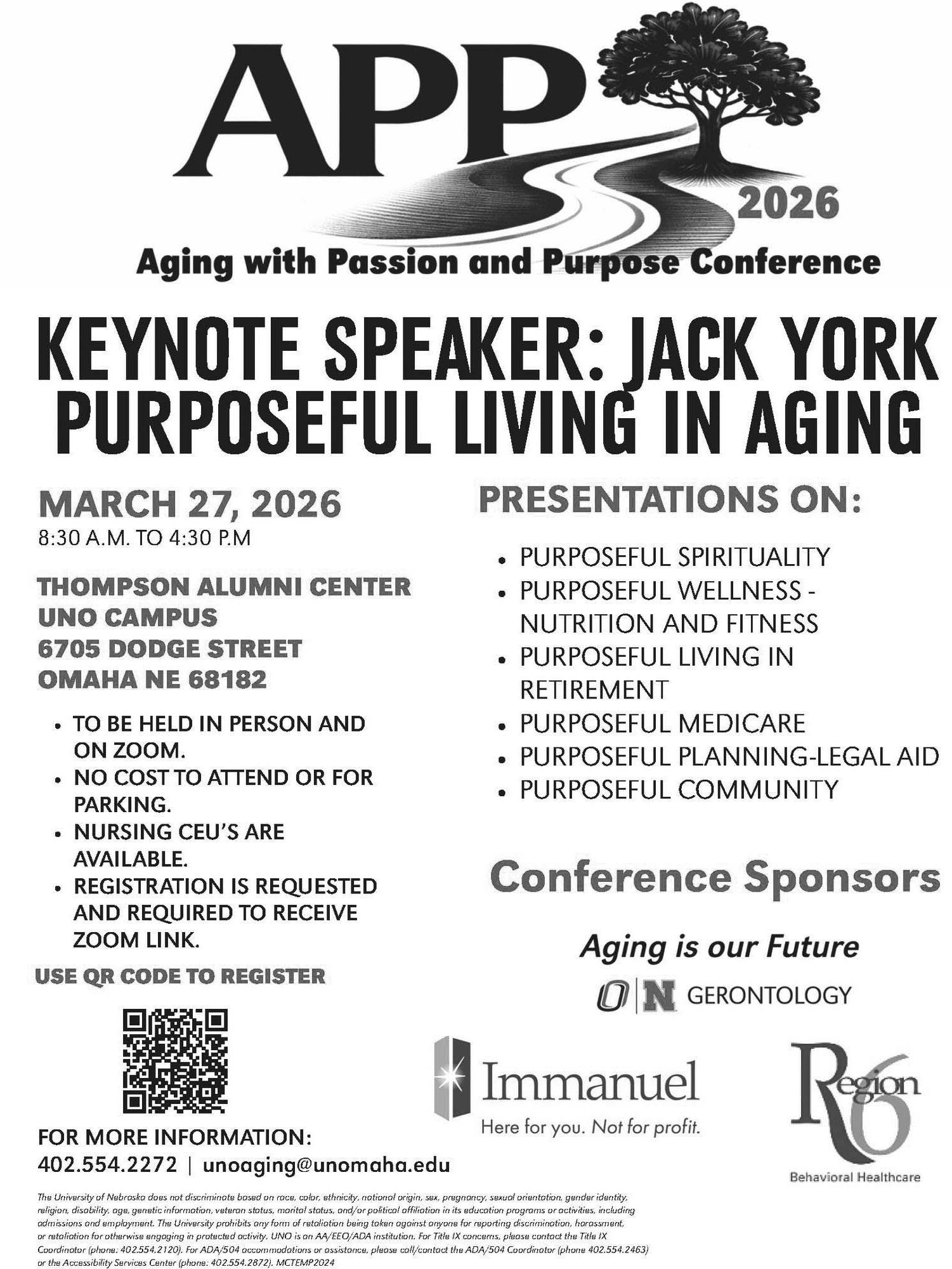


This
This Month’s Crossword Answers


By Ron Petersen
Experience,
familiarity and success would have to be one of the few words that come to mind when you look at what the Omaha Beef team brings to the table.
New faces, along with plenty of familiar faces to return, these are some reasons as to why head coach Brandon Negron has optimism in 2026.
“This roster is legit – this is going to be one of the best rosters I’ll ever coach,” Brandon Negron said.
In 2025, Negron took over as head coach of the Beef on April 5, which was before their fifth game of the season.
After having been the head coach, team president and general manager for four years for the Carolina Cobras, Negron felt like it was the right time to leave, when he got the call to coach in Omaha.
“I came to a decision that it was time to go in a different direction,” Negron said. “It was a no brainer decision to go to Omaha.”
In 2025, the Beef lost their first game under Negron, but rattled off six wins in a row along with winning

their semifinal playoff game against the Colorado Spartans.
In the 71-54 win over the Spartans, former Nebraska quarterback Tommy Armstrong led the Beef with six passing touchdowns as he went 20-45 with 251 yards
in the air.
“We played great and things started to click,” Negron said. “Tommy played one of the greatest games I have ever seen.”
The Omaha Beef made it to its fifth straight championship game in 2025 but
and we got too far behind in that game. One championship game is not the end of our story.”
As the calendar turns to 2026, the Beef return about one-third of their roster including 12 starters from a year ago.
With the entire defensive backfield returning, along with a handful of players on the offensive side coming back and a mix of the newcomers, there are some high expectations for the Beef.
“The things we did well is what we will bring back from last year’s team. Our receiving group was underrated last year but they will be even better this year. Offensively we are where we needed to be from last year,” Negron said. “We are heading in the right direction – our expectation is to get back to the championship game.”
came up just short. They lost 37-29 to the Beaumont Renegades in the National Arena League (NAL) Championship.
“It’s hard to win a championship five years in a row,” Negron said. “It was tough playing in Beaumont,
The Beef will open the season on March 7 at 6:30 p.m. at Liberty First Credit Union Arena in Omaha.
“Get your popcorn ready, it’s going to be a lot of fun,” Negron said. “Our fanbase is ridiculous and we feed off of the energy. If you are a new fan you are going to see a party on a football field.”
The upcoming Parkinson’s Foundation free educational program, “Living with Parkinson’s: From Research to Care,” will be held on Monday, April 13, at The Relevant Center in Elkhorn.
This program is open to people with Parkinson’s, their families, friends, medical providers/practitioners, and the community.
This program provides an overview of current Parkinson’s research and its impact on treatment and care. Participants will learn the difference between studies targeting symptoms and those aiming to slow disease progression, as well as explore recent advancements and how ongoing research may shape future therapies and personal care.
For more information, visit parkinson.org/Omaha.
The University of Nebraska Omaha is conducting a research study, is looking for older adults for a study evaluating strategies to improve recovery from long-COVID.
The purpose of this 12 week research study is to find out whether warming your lower body (heat therapy) or walking more often can help people who had COVID-19 and now feel constantly tired or less able to move.
You may qualify if you are 50-90 years old or if you are experiencing lasting symptoms from COVID 19.
If you are interested, please call Gwenael Layec at 402554-3779 or email or unovrl@unomaha.edu.