Making Grade the

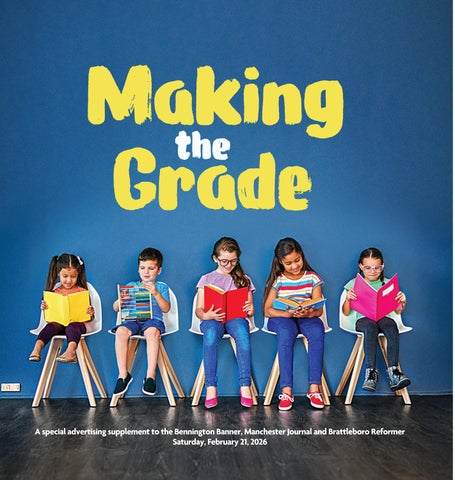
A special advertising supplement to the Bennington Banner, Manchester Journal and Brattleboro Reformer Saturday, February 21, 2026
A special advertising supplement to the Bennington Banner, Manchester Journal and Brattleboro Reformer Saturday, February 21, 2026




Accounting & Finance
AutomotiveTechnologies
BuildingTrades
BusinessManagement
Cosmetology
CulinaryArts
Forestry & HeavyEquipment
Graphi c Arts
Huma n Services
LawEnforcemen t
ManufacturingTechnology
MedicalProfession s

AdultEducation
LicensedNurseAssistan
IntroductiontoWelding DentalAssisting
Onlin
ButcheringFundamentals
TractorOperation
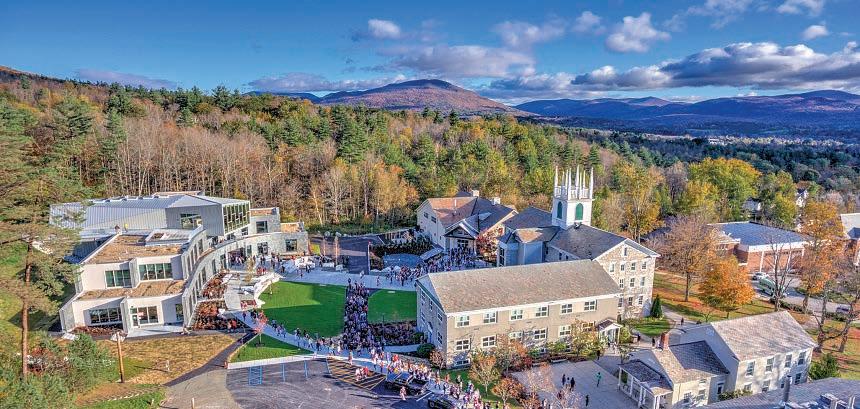
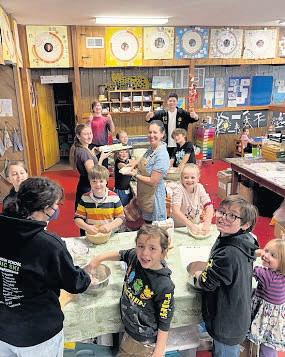
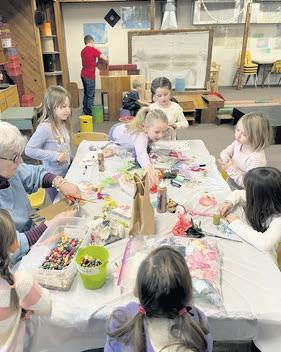
At Green Mountain Academy for Lifelong Learning, we embrace the idea that learning is a lifelong adventure. As we celebrate our 30th year of enriching the community with educational programs for adults, we invite learners to explore our diverse offerings and join us on a journey of discovery.
Founded in 1996, Green Mountain Academy is a nonprofit cultural organization dedicated to lifelong learning through lectures, moderated discussions, workshops, films, and other immersive learning experiences. Our dynamic in-person and online programs span a wide range of topics that
are scholarly and practical, local and global, historical and contemporary, academic and hands-on— reflecting the varied interests and curiosity of adult learners.
Connection lies at the heart of everything we do. Whether participants gather in a classroom or lecture hall, walk together on a trail, or meet on a pickleball court, our programs foster shared inquiry and meaningful social engagement. Our online offerings further extend this sense of community, allowing us to reach learners well beyond our local region.
Looking ahead, we are ener-
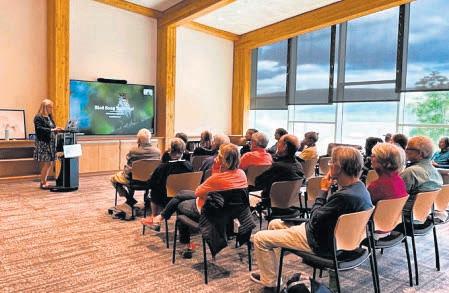
gized by the year to come and are actively developing programs that respond to current issues, reflect on history, and spark thoughtful discussion and engagement. Along the way, we aim not only to educate, but also to entertain—encouraging participants to learn something new while having fun. This spring’s programming offers a glimpse into the breadth of our curriculum. On March 24, author Jack Kelly will join us for a moderated conversation about his new book, Tom Paine’s War: The Words That Rallied a Nation and the Founder for Our Time. On March 26, Michele Pagan will
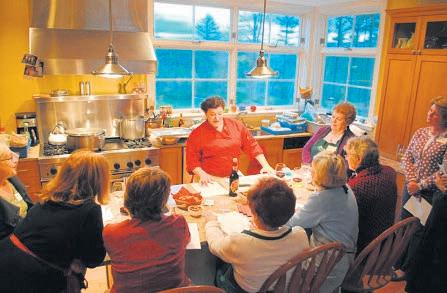
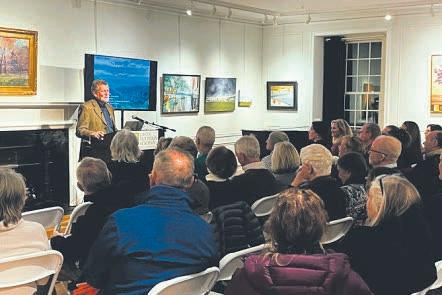
explore Revolutionary War ancestors through the embroidered samplers stitched by 19th-century schoolgirls. On March 30, we’ll learn about bicycle readiness and repair. And economist Peter Radford will present a timely talk on Democracy and Economics on April 2.
We invite readers to visit www. greenmtnacademy.org to learn more about these and other programs and to explore our yearround calendar. At Green Mountain Academy, there truly is something for everyone. We look forward to welcoming you.
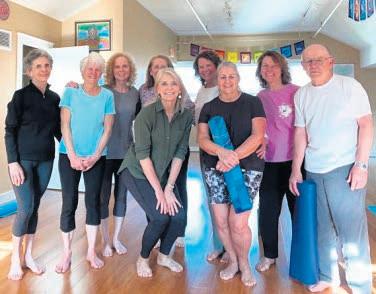
AtGreenMountainAcademy,webelievethatlearningisalifelongadventure. Fromthought-provokinglecturesonvariedtopicstohands-oncreativeworkshops,recreational opportunitiesthatbringpeopletogether,and lmeventsthattouchouremotions, GreenMountainAcademytrulyofferssomethingforeveryone.Whether you’reseekingtoexpandyourknowledge,discoveranew passion,orsimplyconnectwithothers,you’ll nd awelcomingplacetolearnandgrowwithus.

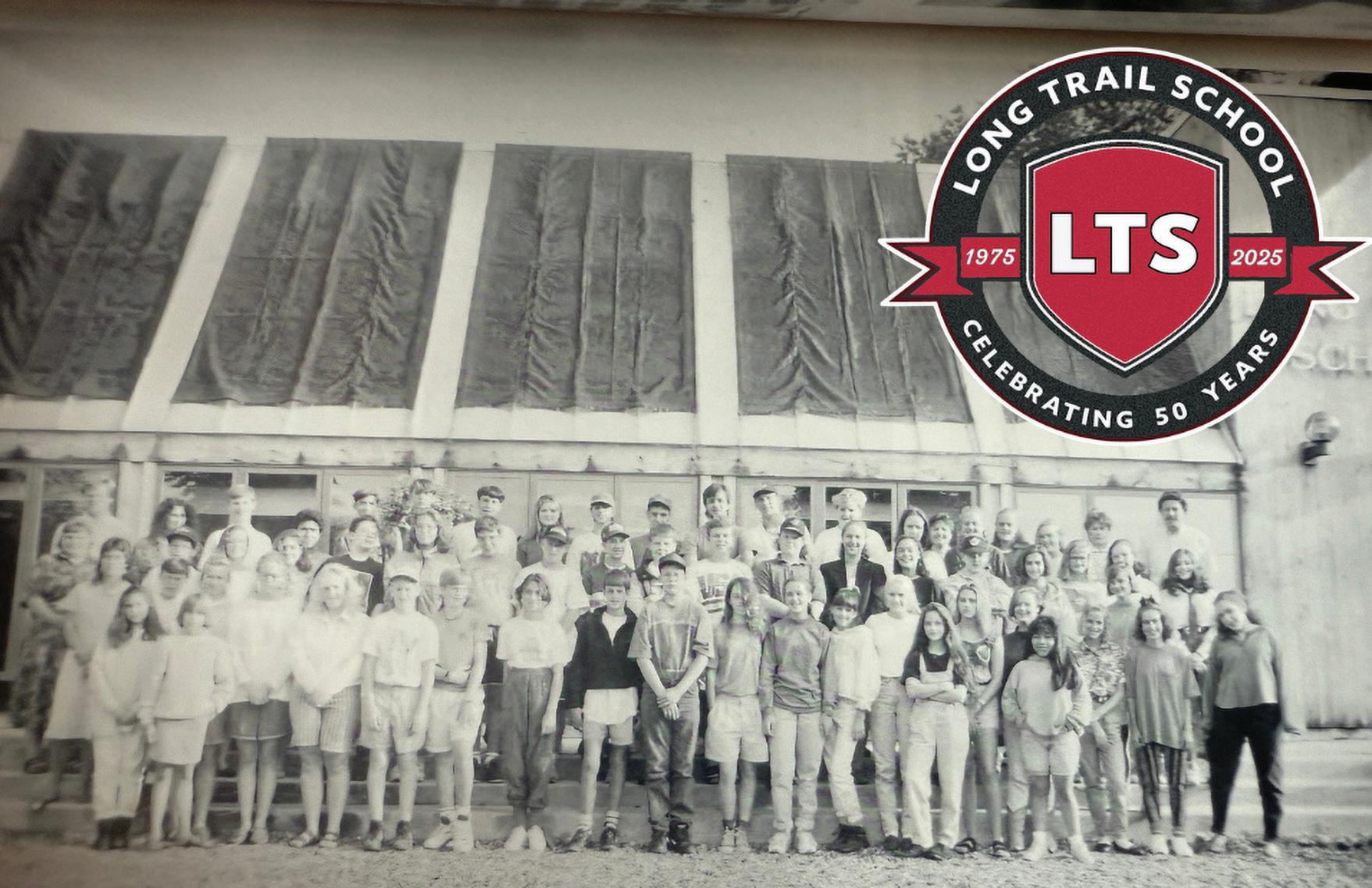
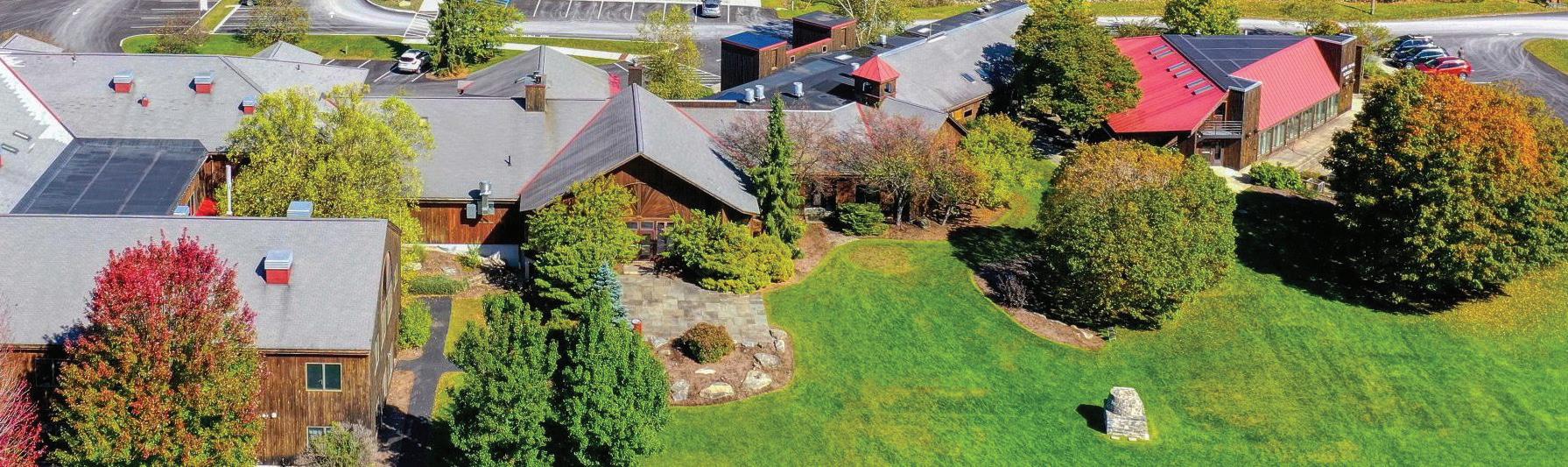
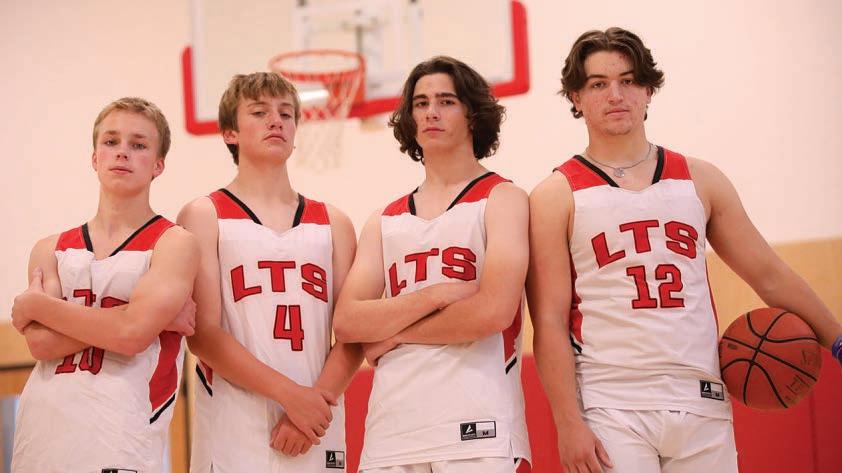
Long Trail School is celebrating a monumental milestone this year: its 50th anniversary. Founded in 1975 by Dave and Rene Wilson with a cohort of just seven students, the school began as a small, visionary learning community. Five decades later, it has evolved into a robust, independent institution serving more than 250 students in grades 6–12.
While the campus has grown, the mission remains clear and distinct: Long Trail School is renowned for teaching students how to think, not what to think
A LEGACY BUILT ON VALUES
For half a century, families have found that Long Trail School provides meaningful opportunities for growth through engagement, reflection, and collaboration. Guided by its core values — Integrity, Service, Kindness, Openness, and Responsibility — the school fosters lifelong learners who strive to reach their individual potential.
These values have long served as the foundation for the school’s strategic vision as the school evolved through the late 20th and early 21st centuries. By combining a high-interest curriculum with strong academic skill-building, LTS cultivates compassionate, principled citizens prepared to make a positive impact on the wider world.
THE 50TH ANNIVERSARY BASH
The anniversary festivities began earlier this year with a kickoff event
welcoming Greater Dorset residents, alumni, and friends. Now, the yearlong celebration is set to culminate in a grand finale.
JOIN THE CELEBRATION:
• What: Long Trail School’s 50th Bash
• When: May 9, 2026
• Where: Long Trail School Fieldhouse-1045 Kirby Hollow Rd., Dorset, VT
• Tickets and Info: www.longtrailschool.org/50bash
The evening will include dinner, an auction, dancing, and a shared sense of pride in the school’s journey. In the spirit of its founding, the celebration will feature 1975-inspired music, décor, and attire—bringing the school’s story full circle as it honors its past and looks ahead with excitement toward the next fifty years.




WrittenbyPeterOrlowski,DeanofCurriculum
Classicaleducationisgainingincreasingattentioninthenationalconversation.Whileprivateclassicalschoolshavebeenemergingacrossthecountryfor40years,inthe pasttwodecadespublicandmission-drivencharterschoolshavebeendevelopingclassicalprogramsasacompellingalternativetothestandardpubliccurriculum.The resultsarecomingintofocus.AnACCSstudyreportsthatstudentseducatedintheclassicaltraditionsignificantlyoutperformtheirpeersinbothpublicandindependent schoolsonSATscoresandcollegeacceptancerates.AsTheWallStreetJournalobservedonFebruary5,2026(“TeachtheGreatBooks”),theinfluenceofclassical educationisnotconfinedtothehumanities;measurablebenefitsarealsobecomingevidentwithinSTEMfields.
Whatisthisthingcalled“ClassicalEducation”thatisquietlysweepingthenationandhasthismovementreachedVermont?Howwelldoesitservethemodernstudent? Howcanmychildbenefitfromit?
Withintheeducationalcontext,thetermclassicaldenotesanexemplarystandard,somethingofthehighestclass,provenbylongsuccessandtherefore,traditionalandlong establishedinbothformandmethod.Historically,classicalpedagogyshapedmanyofthemostinfluentialthinkersinWesterncivilization:scientistslikeGalileo,Newton, andEinstein;poetslikeDante,Shakespeare,andWilde;leaderslikeFranklin,Jefferson,andLincoln.Forcenturies,however,accesstothisformofeducationwaslargely confinedtosocialandeconomicelites.Nomore:inmodernegalitariansocieties,classicaleducationisnowmadeavailableacrossallsocialandeconomicclasses.This expansionreflectsafoundationaldemocraticimperative:afreesocietydependsuponcitizenswhocanlistenattentively,discerntruthfromfalsehood,andeitherwisely selectpublicrepresentativesorcompetentlyassumetheresponsibilitiesofleadershipthemselves:fromjuries,tolocalgovernment,tonationaloffices..
ThistraditionoffirstclasseducationisnowavailableinVermontatSt.MichaelSchoolinBrattleboro.Studentsofanyculture,race,class,orreligionarefreetopursuethe truthinconversationwithoneanother,studyingthebestsubjectsfollowingtheguidanceofthebestauthors,learningtodigestthetextthemselvesandwithoneanother underthesupervisionofanexperiencedtutor.Studentstaketheireducationastheirownpersonalresponsibilityinasafeenvironmentwhereallopinionsaresubjectedto logicalanalysis,debate,andcriticalevaluationinasupportivecommunityofadultsandpeers.Butitisnotjustthereasoningfacultythatisformed,butthewholesoul. Studentsengageinathleticsandartinaspiritofcreativity.Theystudyhistory,music,literature,andlanguagetoprovidecontextforthecreativespirit.Theyexplore mathematicsandscienceinaspiritofwonderinthepursuitoftruth.Theyexplorequestionsofethicsandreligiontoprovidemeaningandpurposetotheirstudies.They practicecommunityservice,prayer,andquietmeditation,buildingupthemselvesandotherstolivealifeofexcellence.
Fromprimaryschoolthroughhighschool,St.MichaelSchoolteachestheliberalarts,preparingstudentsforcollege,careers,andleadership–tobepreparedtodirect oneselfinwhateverlifemaybring.Astheschoolmottoprofesses:“TheSoulofEducationistheEducationoftheSoul.”Everyonedeservestobefree,tohaveaneducation whichempowersthemtothink,todiscuss,tocommunicate,tojudgewhatistrue,good,andbeautiful,todirecttheirownlifetowardthepursuitofhappiness.Ifyoudesire thistypeofeducationalexperienceforyourstudent,orifyouwouldsimplyliketoseethistime-testededucationinaction,visit www.saint-michaelschoolvt.org orcall (802)254-6320 toscheduleatour.




Families will learn how to see past the sticker price, avoid costly myths, and use admissions strategies in this online event.
Hosted by Elevated Admissions in support of the Stratton Community Foundation, this interactive session will be held virtually via Zoom on Tuesday, February 24, 2026, from 7:00–8:00 PM ET.
The “Financing College: Truths, Myths, and Its Impact on Admissions” virtual event helps families align college dreams with real-world budgets while supporting local students in need.
College is one of the largest investments a family will ever make, yet misinformation about financial aid, merit scholarships, and “strategic” admissions decisions often leaves parents feeling anxious and in the dark. To bring clarity—and relief—to this process, Elevated Admissions is hosting “Financing College: Truths, Myths, and Its Impact on Admissions,” a live virtual workshop on Tuesday, February 24, 2026, from 7:00–8:00 PM ET, with all proceeds benefiting the Stratton Community Foundation and local Vermont students.
• What: “Financing College: Truths, Myths, and Its Impact on Admissions” – a virtual, one-hour workshop for parents and students.
• When: Tuesday, February 24, 2026, 7:00–8:00 PM ET.
• Where: Live on Zoom (link provided upon registration).
• Hosts: Jessie Peck Martin, MEd, founder of Elevated Admissions, and Rhonda Lathrop, CFP, Wealth Management Advisor at Merrill Lynch.
• Benefiting: Stratton Community Foundation
• Suggested donation: $50, with optional coupon codes for different donation levels: SF100 ($100), SF75 ($75), and SF25 ($25).
In an era of confusing headlines about tuition hikes, test-optional policies, and shrinking acceptance
rates, many families overestimate the cost of certain colleges and underestimate the power of a thoughtful admissions and financial strategy. At the same time, myths—such as “private colleges are always unaffordable” or “applying for aid will hurt your chances”—can lead families to rule out great-fit schools or leave substantial aid on the table. This event is designed to replace fear and guesswork with clear, usable frameworks, so families can confidently build a college list that fits both their student’s goals and their budget.
In this practical and jargon-free hour, families will:
• Separate truths from myths about how colleges price degrees, award aid, and read applications.
• Understand when Early Decision may offer an admissions or financial advantage—and when it can limit the ability to compare offers and negotiate.
• Learn where students are most likely to receive meaningful merit scholarships and how academic profile, college type, and priorities drive these awards.
• See how need-based formulas work at a high level and what does— and does not—change a college’s aid offer.
• Get a framework for building a “smart” college list that balances reach, match, and financial-safety schools so there are multiple affordable options on the table.
• Explore tax-advantaged and practical strategies for using 529 plans, savings, and investments to pay for college over four years in-

stead of four frantic months.
There will also be time for Q&A, allowing parents and students to ask specific questions about their situation and get actionable next steps.
Jessie Peck Martin, MEd, is the founder of Elevated Admissions, an educational consulting firm that helps students and families navigate college admissions with a focus on fit, affordability, and long-term success. She brings more than two decades of experience guiding families through complex admissions and financial decisions.
Rhonda Lathrop, CFP, is a financial advisor with Merrill Lynch who specializes in helping families plan strategically for education costs within a broader financial plan.
The Stratton Community Foundation is a community-based nonprofit dedicated to supporting the health, well-being, and educational opportunities of children and families in southern Vermont, including
multi-year college scholarships that help local teens access and persist in higher education. In 2023 alone, Stratton-affiliated donor families committed hundreds of thousands of dollars in four-year scholarships to area graduates.
Space is limited to keep the workshop interactive. Families are encouraged to reserve their spot as soon as possible by registering online (https://www.elevatedadmissions.com/page/686360) and selecting their preferred donation level using coupon codes SF100, SF75, or SF25.
For media inquiries or additional information, please contact: Jessie Peck Martin Founder, Elevated Admissions jessie@elevatedadmissions.com 973-670-3188
Rhonda P. Lathrop, CFP, Wealth Management Advisor, Merrill Lynch rhondaplathrop@ml.com 802-362-0985
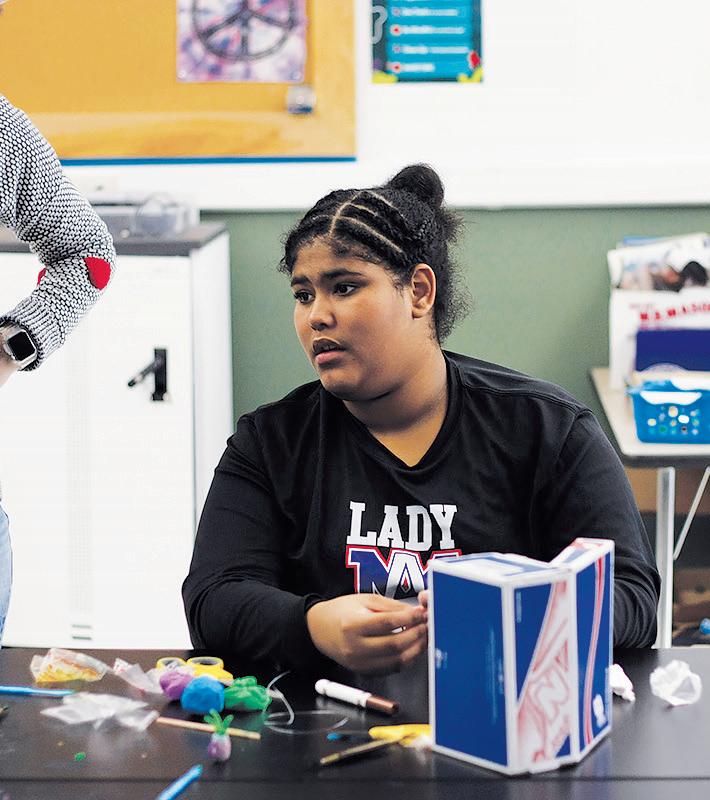
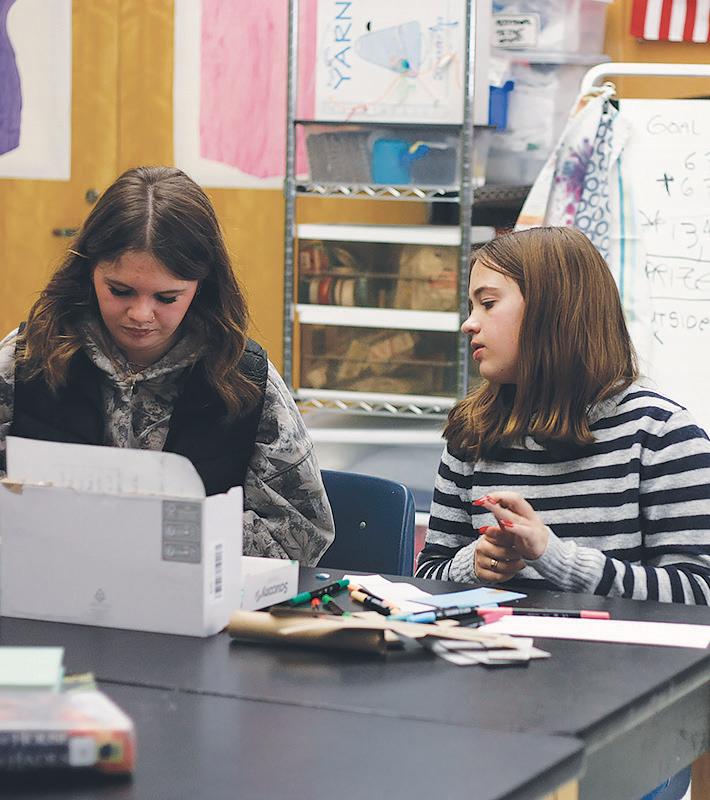
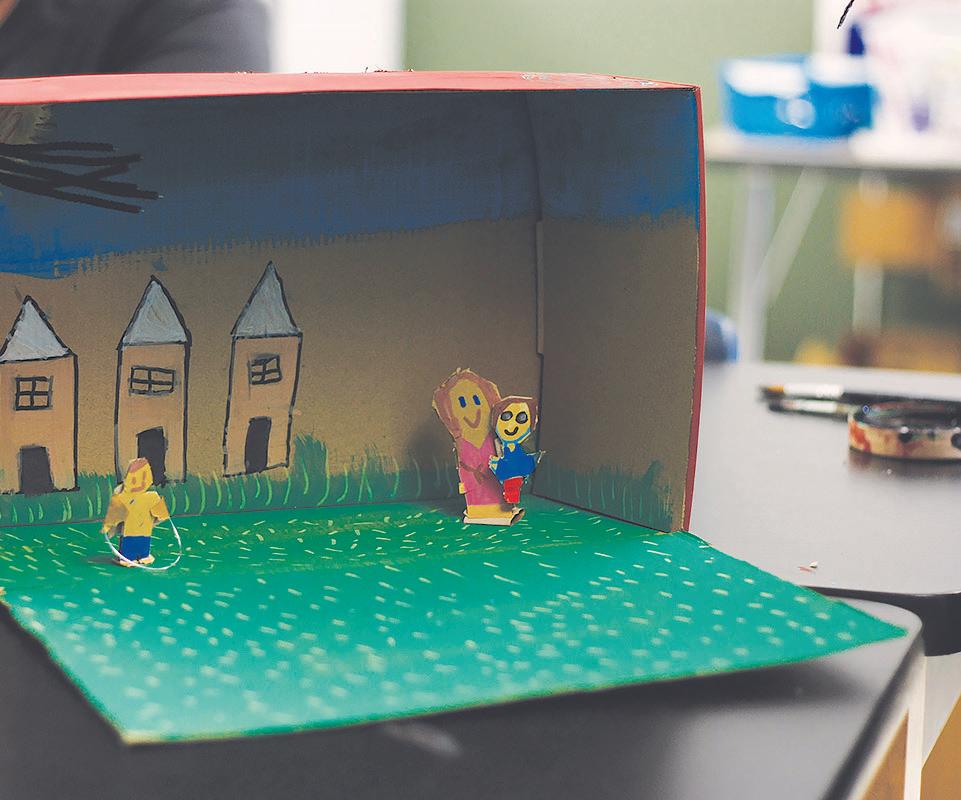
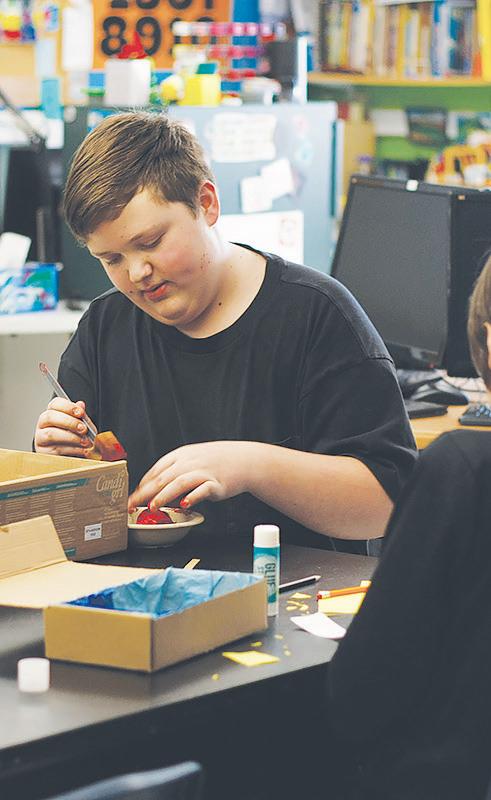
A group of 8th Grade students at Mt. Anthony Union Middle School recently finished a science fiction unit in English class. After reading A Wrinkle in Time by Madeleine L’Engle, the classes headed over to the Makers Space to make shoebox dioramas of their favorite scenes from the book.

Southwest Vermont Supervisory Union 184 North Street, Suite 1, Bennington, VT 05201 Tel: (802) 447-7501
As the new superintendent of the SVSU, I am proud of the work that is being done in every school and classroom within our SU. This work is supported by dedicated teachers, staff and administrators. As I meet with community members and colleagues from around the state I continue to share our many successes, especially given the challenges we continue to face in our local communities and across Vermont.
I also appreciate the ongoing support our communities provide to our schools. This has been especially clear as we work through my first budget season as superintendent. Thank you to those who have stayed engaged, attended meetings, and taken the time to better understand the budget process at both the local and state level.
More than anything else, I want to thank our students. They are at the center of everything they do, and it is a privilege to support their growth and success, in and out of the traditional classroom.
Finally, I encourage everyone to vote on or before March 3. Voting is one of the most important ways we can participate in our communities and make our voices heard.
Respectfully,
Tim Payne SVSU Superintendent

The SVSU includes 10 public schools and an early education program serving students in the Vermont towns of Bennington, Pownal, Shaftsbury, Woodford Hollow, Arlington, and North Bennington.
The SVSU offers:
Competitive pay and benefits
Professional learning opportunities
Meaningful work that makes a difference in students’ lives
As one of the largest employers in Bennington County, the SVSU hires new employees on a rolling basis, with current openings including teachers, paraprofessionals, intensive special needs specialists, substitutes, and more.
For more information, please go to the Employment Opportunities page of SVSU org, under About Us

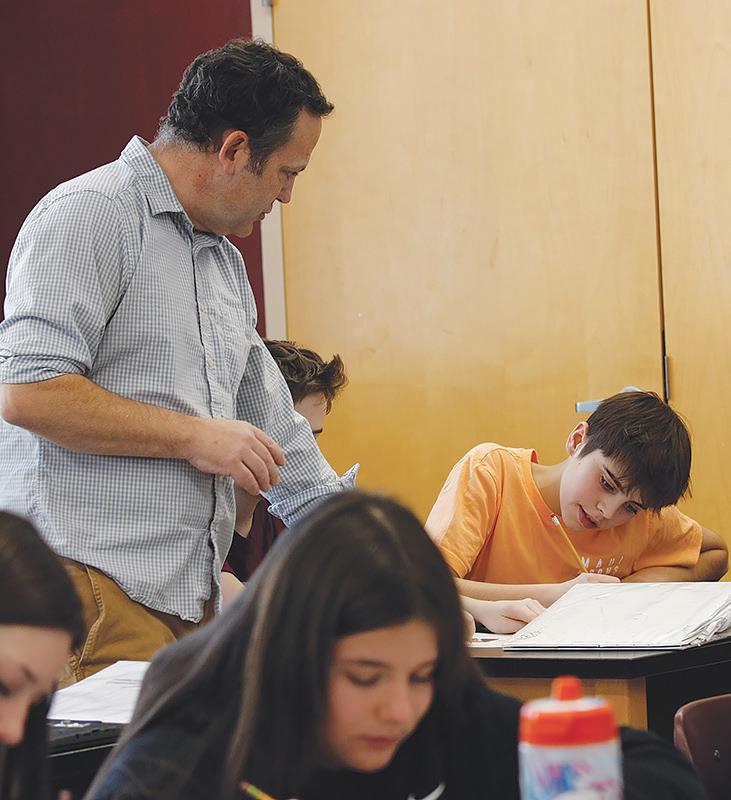
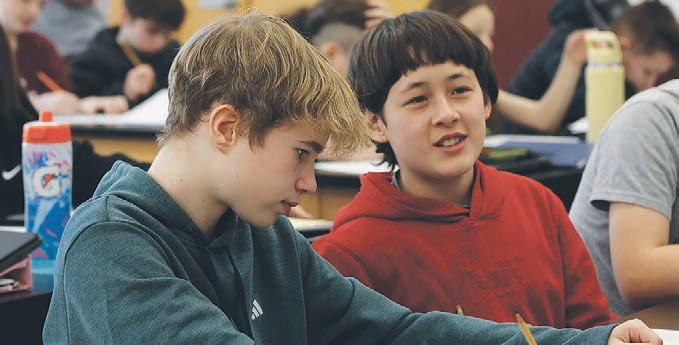

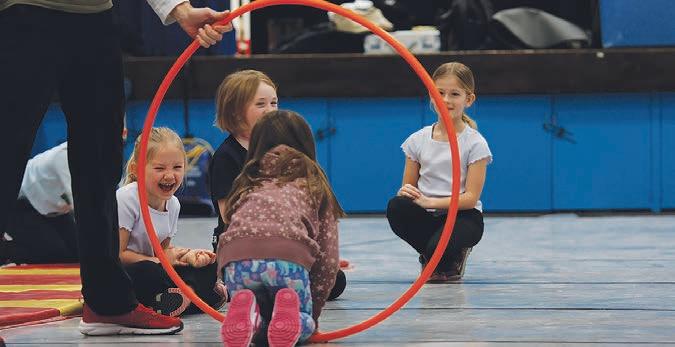
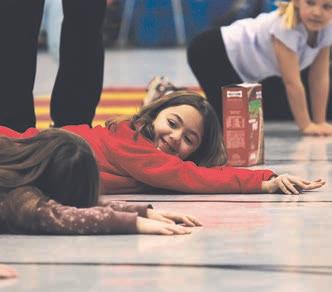
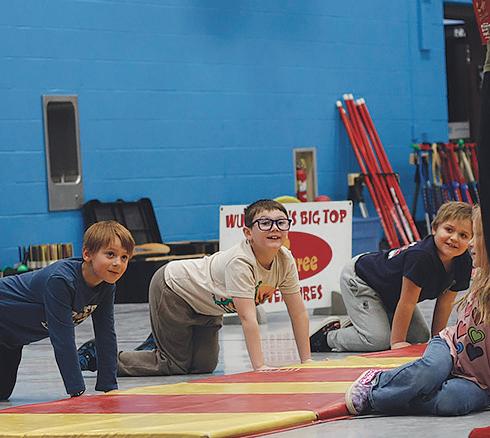
Shaftsbury Elementary School is excited to host Wunderle’s Big Top Adventures circus during the week of February 9. The experience will help students build their creativity, explore new interests, and work collaboratively with their classmates. SES, in partnership with their parent/teacher group, often supports week-long experiences. A popular past o ering includes No Strings Marionette, where students build and operate their very own puppets.


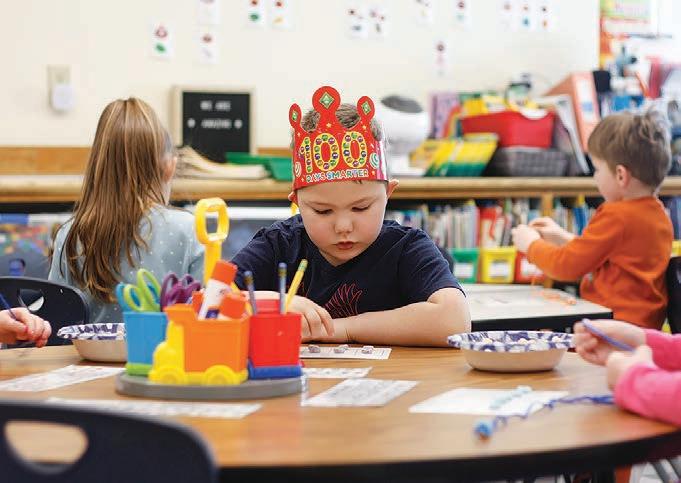
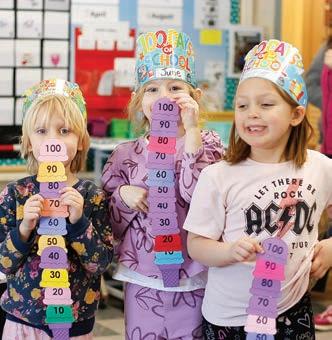
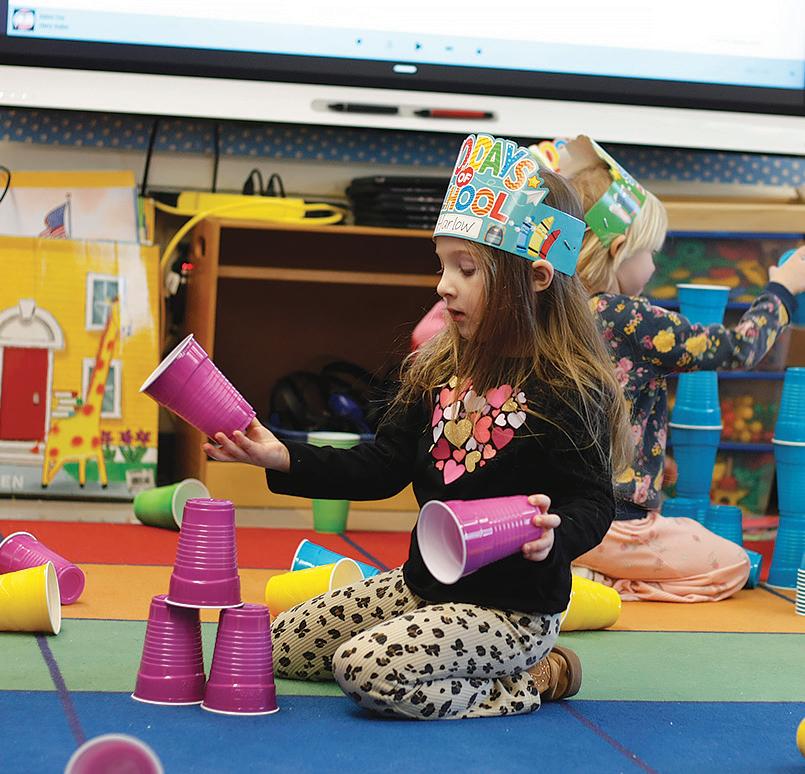
Schools in the Arlington School District celebrated their 100th Day of School on February 9. All other schools in the SVSU celebrated their 100th Day on February 10! This is a significant milestone, particularly for learners in the younger grades. Fisher Elementary School Kindergarteners celebrated in style with crowns, 100 Fruit Loop necklaces, and activities all day long!
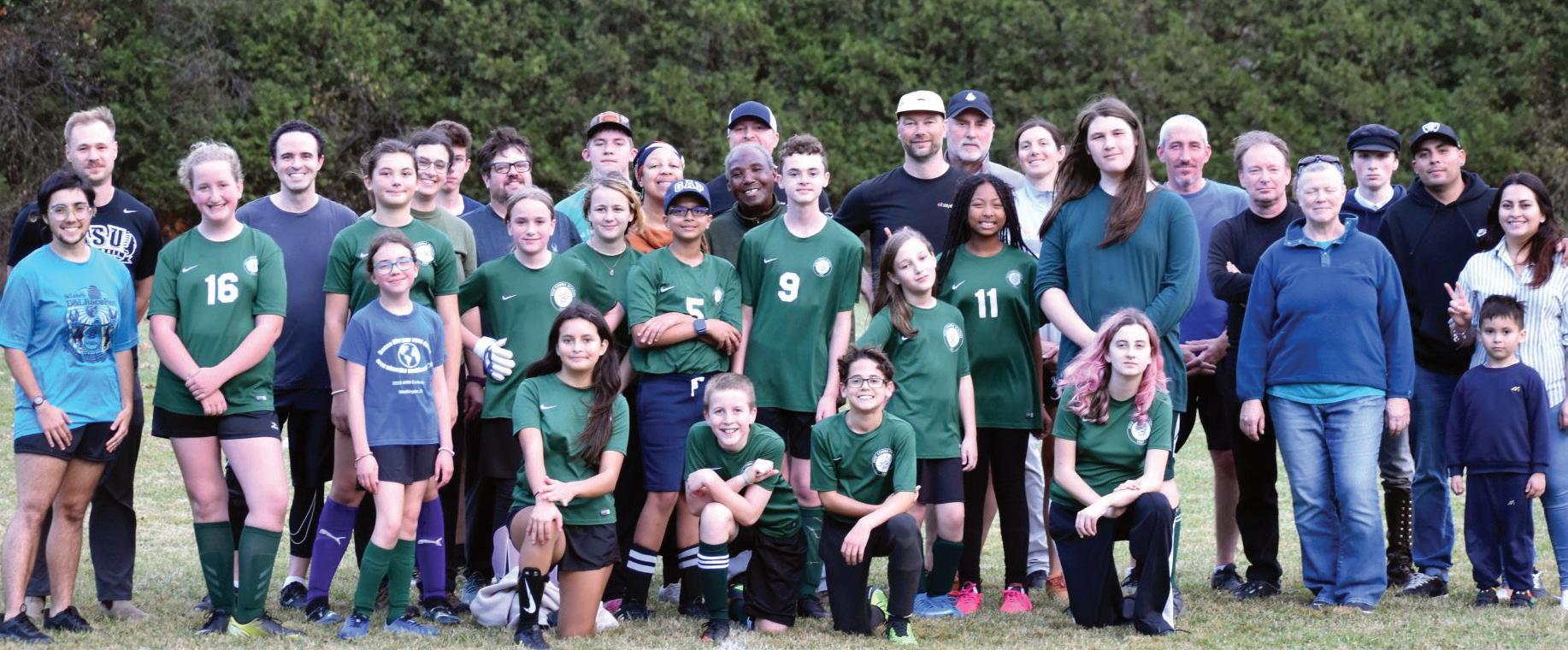
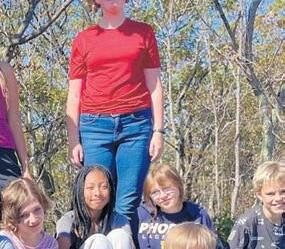
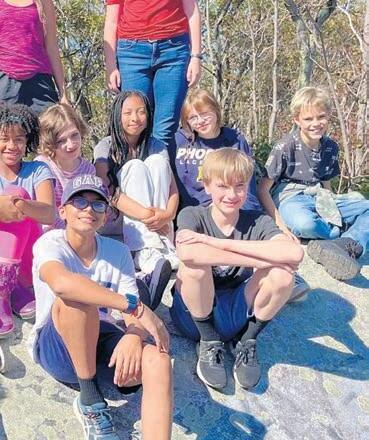
Located on 18 acres in the Berkshires of western Massachusetts, Pine Cobble School has been rooted in experiential, child-centric education for almost 90 years. The hands-on curriculum develops critical thinking and problem-solving, from the almost-three-year-old Beginner getting their hands dirty in the school’s garden to the Grade 8 student testing a hypothesis in science class.
It’s the basis for “the Pine Cobble Promise”: A good beginning never ends. It’s also what drew Head of School Dr. Jill Romans, who joined Pine Cobble in 2025, to the school.
A lifelong educator in independent schools with a clinical and academic background in pediatric neuropsychology, Dr. Romans has already seen how that promise defines the Pine Cobble experience.
“Our students understand from
the very beginning that they are part of a community that cares deeply for them,” she says. “Our 4:1 student-faculty ratio allows our teachers to get to know each child individually, foster an environment of curiosity and kindness, and model how to resolve conflict when it occurs. To me, that’s the Pine Cobble difference,” she says, “and it’s the reason I’m so proud to be leading this extraordinary community.”
Long-time teacher Linda Bernard agrees. “Teachers at Pine Cobble intentionally nurture the traits that are inherent to childhood: joy, wonder, curiosity, and a deep capacity for compassion, connection, and caring,” says Bernard, who has taught at the school since 1988 and is the parent of two Pine Cobble graduates. She notes that learning at Pine Cobble doesn’t only happen in the classroom: “In addition to academics, we also cultivate a very strong sense of place here, since our campus and extensive grounds function as extended classrooms.”
Pine Cobble’s academic program is a thoughtful blend of core subjects and meaningful co-curricular experiences. The focus on independent exploration starts with Beginners tracking the seasons and continues through Middle School capstone projects in which students present their original work to family and peers. A highlight of the robust language arts curriculum is the statewide writing contest “Letters for Literature,” in which students craft letters to their favorite authors; and a dynamic mathematics program emphasizes real-world problem solving. All students take
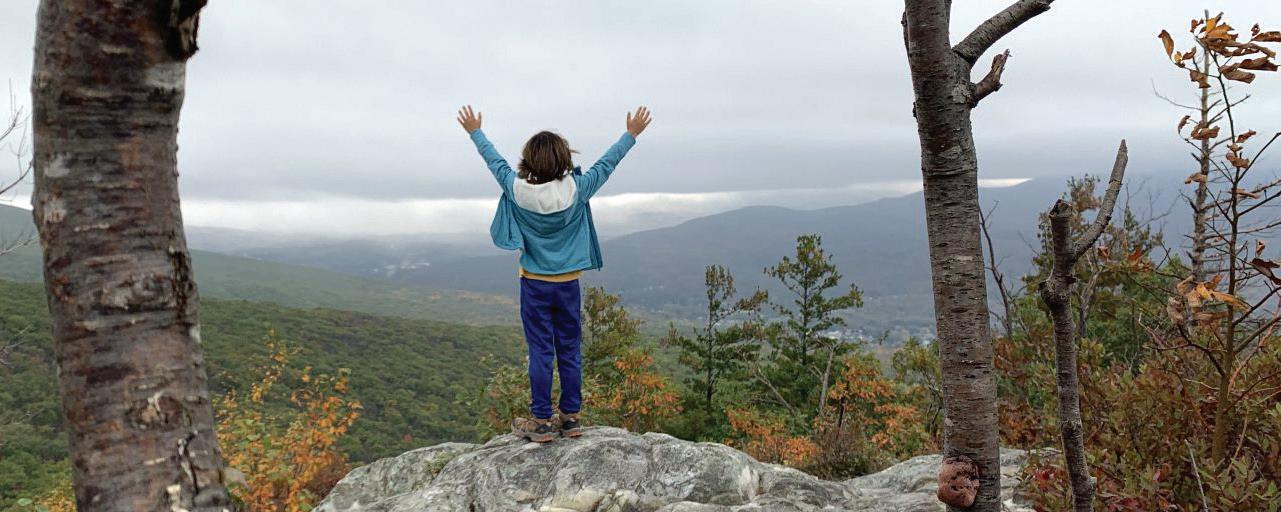
Spanish, music, and art. Theater classes are incorporated into grades 4-8; every student becomes comfortable sharing their voice on stage. Hiking is built into weekly rotations as students explore and create in the school’s fields and woods. Integrated community service and a school-wide Winter Sports program are also student favorites.
That blend of strong academics and individual exploration is what brought Scott and Jen Burg, and their daughters Alana and Josie, to Pine Cobble six years ago. “We wanted to find a school that would provide a dynamic, rigorous, and creative curriculum, along with a focus on nurturing each individual according to their interests, abilities and needs,” Scott says, “and Pine Cobble has surpassed all those expectations. Choosing the school was one of the best decisions we’ve made as parents.”
Vermonters Scott and Jen also point to Pine Cobble’s transportation options as a huge bonus: the Green Mountain Express bus, with stops in Bennington and Pownal, brings Vermont students right to the school’s front door and back at
the end of the day. “Our girls and their friends have been riding the bus since Kindergarten, and just like on campus, the older kids look out for the younger ones,” Scott says. “It’s made our lives as parents much easier!” Daughter Alana, now in Grade 5, names the winter sports program as her favorite school activity, while her sister Josie, also in Grade 5, loves the yearly musical and play, her violin class, and Monday “community time,” when the whole school gathers for special events. “It’s like we’re one big family,” Josie says.
Her parents agree. “Ultimately, we love that our daughters love going to school, and view each day as a new adventure,” says Scott Burg.
Pine Cobble invites all students and families to explore our curriculum and community at an Admission Open House on Saturday, April 11, 2026, from 9:30-11:00 AM. Please join us to learn about our programming for students two years and nine months up to Grade 8. Visit our website at pinecobble.org, call 413-4584680, or visit us on Instagram at @ pine_cobble_school.











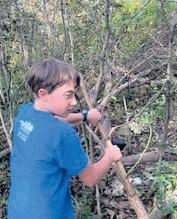

BENNINGTON — At a time when debates about education often focus on national standards and standardized testing, Vermont offers a quieter counterexample. For decades, the state has maintained an education system shaped less by uniform mandates than by local decision-making, small schools, and community-scale solutions. For more than a century—and continuing today—the state has allowed multiple educational models to coexist within a publicly supported framework, an arrangement that remains rare in the United States. This flexibility has allowed public and independent schools to develop distinct approaches shaped by local communities.
One important moment in the state’s educational history dates back to the late 1960s. In 1968, the Vermont Department of Education published the Vermont Design for Education, a statewide framework developed with educators and community members across the state. The document emphasized learning over teaching, intrinsic motivation over compliance, and discovery, exploration, and real-world experience as central to how children learn—particularly in elementary education. Rather than prescribing a single model, the Design encouraged local communities to shape schools around their students, teachers, and circumstances.

This history helps explain some of the educational choices available in Vermont today, many of which have been influenced by progressive education methodology. Progressive education in Vermont refers less to politics than to pedagogy. In educational terms, it focuses on how children learn best: through engagement, meaningful work, sustained relationships with teachers, and close attention to individual development. Progressive classrooms often emphasize integrated curriculum, discussion and writing, and careful observation of students’ growth, allowing teachers the flexibility to respond thoughtfully and creatively in the classroom.
These ideas are not theoretical. They continue to shape schools across the state, inform classroom practice, and appear in teacher-education programs that emphasize child development, observation, and reflective practice.
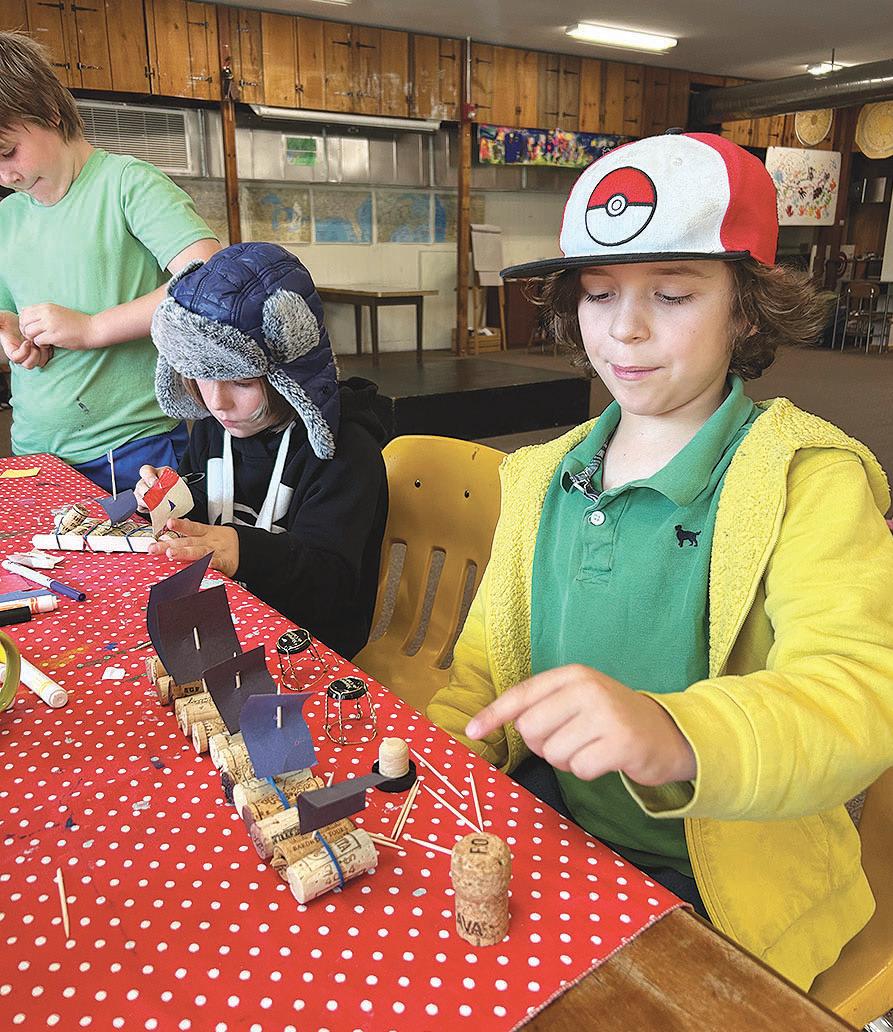
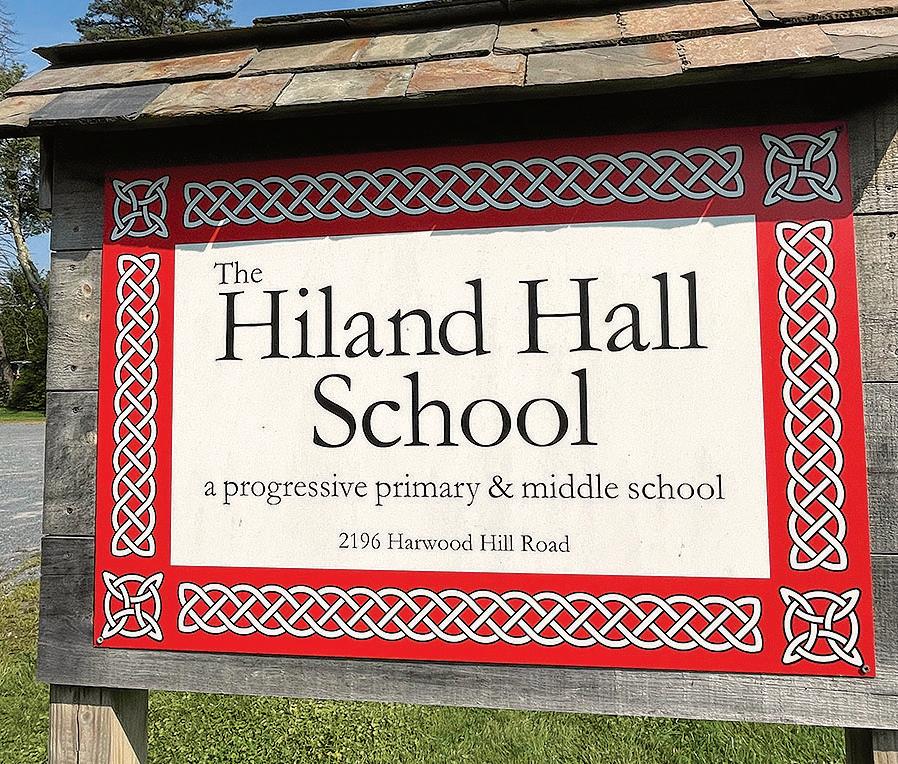
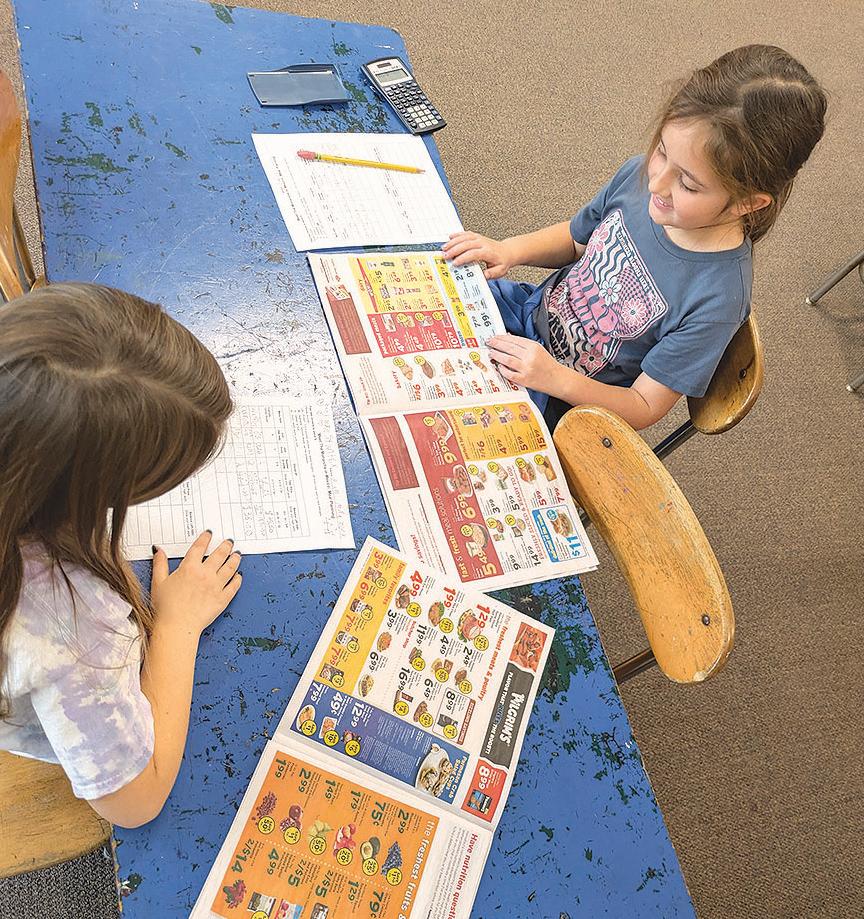
In Bennington, The Hiland Hall School is a small, ungraded, independent K–8 school that reflects this tradition in practice. Teaching is grounded in careful observation of students, ongoing reflection by teachers—both individually and as a team—and close relationships that allow curriculum to respond thoughtfully to children’s interests, strengths, and developmental readiness. Academic skills develop through purposeful work that evolves over time, rather than through a fixed sequence of projects.
As education systems nationwide grapple with questions of scale, accountability, and student engagement, Vermont’s experience suggests that alternative models need not be experimental or ideological. In this small, rural state, a commitment to local control and attention to how children learn has shaped public education for generations—and continues to influence how schools are designed today.
The Tutorial Center’s services include:
• Free Adult Diploma Program for Vermont residents aged 16 and older
• Literacy education in reading, writing, math, digital literacy, and financial literacy
• English language instruction and U.S. citizenship preparation
• Career and college readiness support
• Individualized, contentspecific tutoring
• GED preparation and testing center
• Workforce preparedness and soft skills development
• Specialized training programs for career exploration
• Connections to local service and workforce development partners
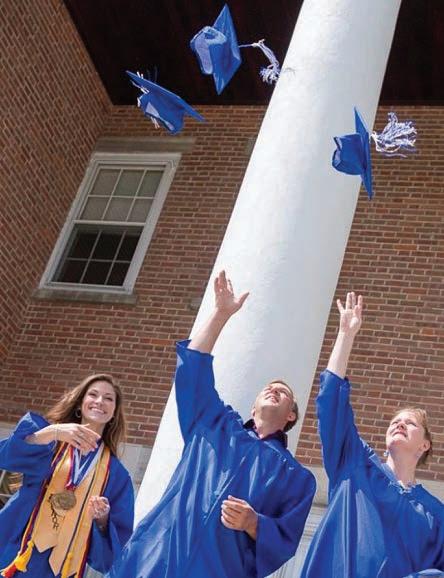
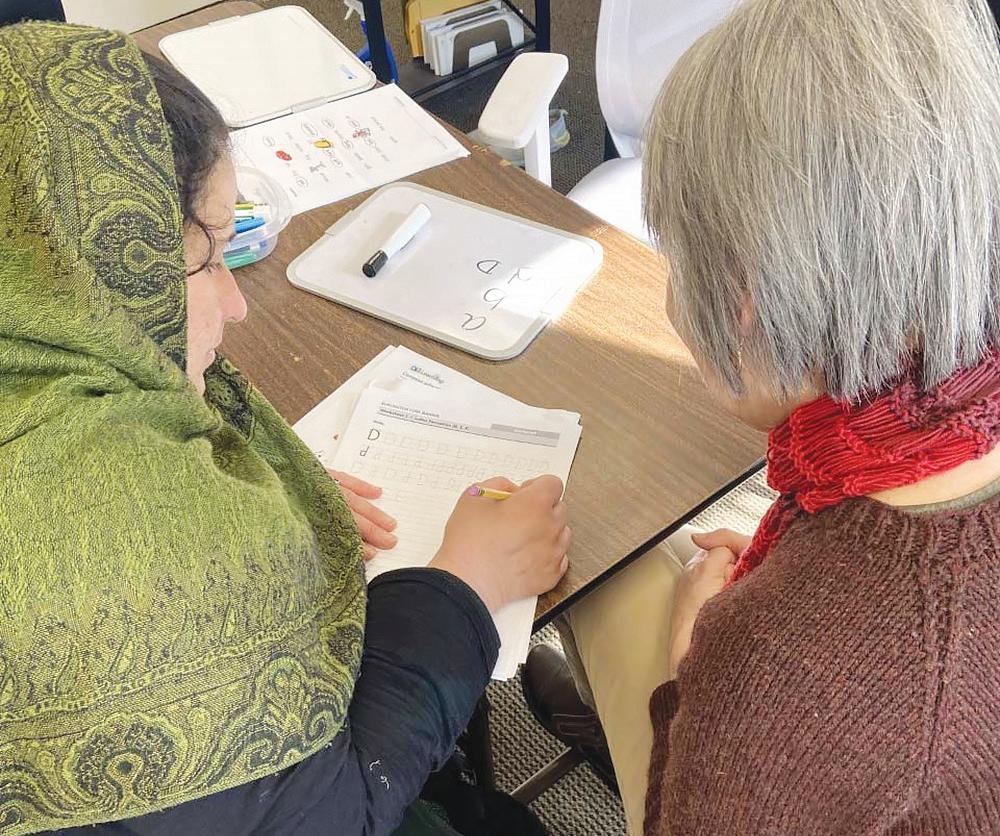
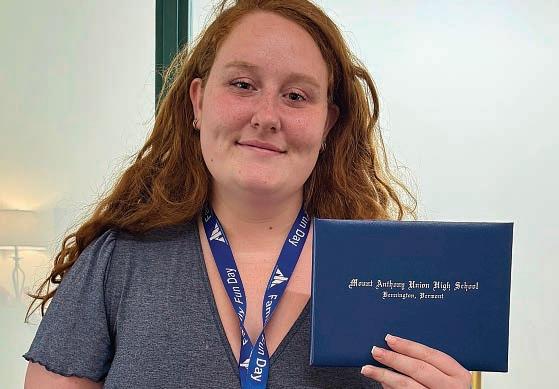
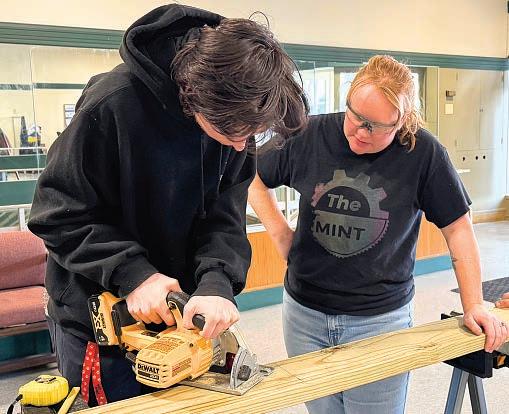
The Tutorial Center (TTC) is Southern Vermont’s Adult Education and Literacy provider and one of four nonprofit organizations statewide that offer free adult education services to Vermonters. We support individuals who are working to earn their high school diploma, prepare for the GED, or simply strengthen skills for school, college admission, or the workplace.
As part of a statewide network, The Tutorial Center has placed students at the heart of our work for more than 50 years. Our professional, caring staff provide a broad range of services tailored to each student’s unique needs—changing lives and expanding opportunities to pursue further education or careers aligned with individual passions and goals.
Local schools and employers rely on TTC as a trusted partner in supporting students and employees
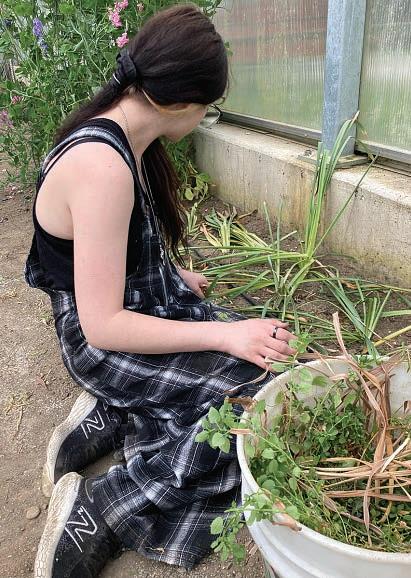
through credit recovery, innovative educational pathways, and the development of job-readiness and career-advancement skills. TTC also plays an important role in welcoming and supporting new Americans in Bennington County, helping individuals and families build skills, stability, confidence, and opportunity within their new community.
Vermont Adult Education and Literacy sites are the official, statedesignated providers of the Adult Diploma Program (ADP) and the GED. These free services are available to any Vermonter aged 16 and older and offer flexible pathways that allow learners of all ages and backgrounds to earn a high school credential at a pace that works best for them.
To better serve students who work during the day, TTC will begin offering new evening Adult Diploma and GED preparation classes on Tuesdays and Thursdays from 5:30–8:00 p.m., starting March 3. Intermediate English reading and writing instruction for English language learners is also now available as an afternoon option. Those interested are encouraged to call 802-447-0111
for more information or to register for orientation and classes.
Watching our students grow in skills and achieve success—supported by TTC’s dedicated staff, compassionate approach, and welcoming environment—is our greatest reward. We remain deeply committed to this work by providing services that not only help students reach their full potential, but also strengthen and enrich our community as a whole.
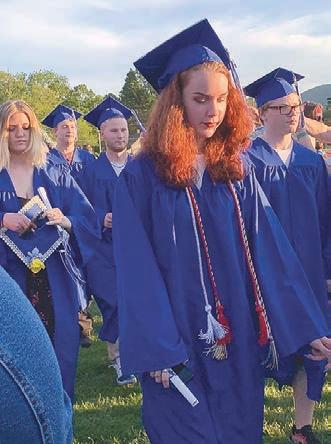




•Ages6weeksto5years
• Now acceptingapplicationsfor allincomelevels forsummer andfall2026
•Developmentallyappropriate,highquality earlyeducation
•Fami ly supportand engagementopportunities
•Health,mentalhealth,anddisabilityservices
Ourprogramsofferservicesdesignedtomeeteach child’sandfamily’sspeci cneedsinasafesetting.
Expandedhoursatmanylocations!
LocationsinBennington,NorthBennington,andPownal. NewManchesterlocationopeninginSeptember.

HeadStart®isaregisteredtrademarkofHHS.








Students typically attend multiple schools over the course of their academic careers. Preschool, elementary school, middle school, and high school are all normal pitstops on students’ academic journeys.
meet up with some of their potential peers. Some schools host meetand-greet events where incoming students can hang out with others in a friendly environment. Seeing one or two familiar faces the first day of school can help students who are apprehensive.






Moving to a new school can pose a challenge for students. Whether they are beginning a new school at the start of a school year, or switching schools mid-year, the transition may be marked by a variety of emotions. The following tips can help students adjust to a new school.
• Discuss stress and uncertainty with kids. Parents can be honest with children and note that not every scenario is simple. Uncertainty is a part of life, and feelings that arise because of it can be acknowledged. Parents can demonstrate that it’s alright to feel stressed about the uncertainty of a new school and unsettled about changes that are coming. But ultimately everyone will work together as a family to help ease the transition.
• Familiarize oneself with the new school. Learning about and touring a new school can assuage a lot of the fears a student may have. School campus tours and opportunities to shadow students can help them feel more comfortable on the first day.
• Connect with other students. If possible, students should try to
• Focus on what can be controlled. One of the best ways that adults can help students feel more positive about a new school is by focusing their attention on what they can control, says Pearson. Gathering familiar supplies, setting up a schedule or enrolling in a favorite subject or extracurricular activity are some ways students can exert control to boost their confidence.
• Work with the teacher. Parents can meet with a student’s teacher or teachers about what they can do to foster a smooth transition, particularly if their child is coming into the school in the middle of the school year.
• Show an interest in the school. Parents should be active participants in their children’s educations. That means attending school functions that celebrate students and joining parent-teacher organizations. Asking about new courses or extracurricular activities also can help students who may begin to mirror the enthusiasm their parents are showing.






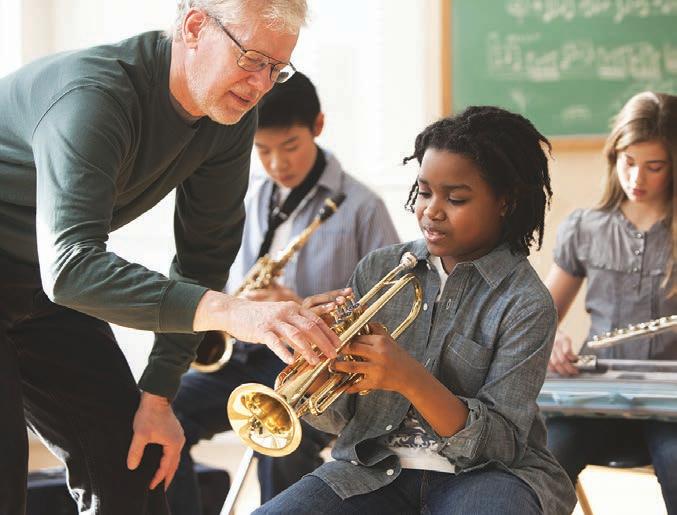
A classroom can be a formative space for children. In a healthy classroom environment, children can discover passions for a wide range of interests, including music.
Music education is a vital component of a well-rounded academic experience. Unfortunately, music education programs in public schools are often among the first cuts to be made when funding issues arise. For example, a 2018 report from the American Federation of Teachers indicated that 42 percent of schools in Georgia eliminated art and music programs in the aftermath of the recession that struck in 2008-09. Budgetary constraints pose significant problems for educators and administrators. However, an examination of the many benefits of music education may compel more parents, teachers and education professionals to advocate for the continued inclusion of music education in school curricula.
• Music can contribute to improved academic performance in other subjects. Some may feel that music education takes time away from other subjects that students will need to master to fulfill their academic potential. However, a 2019 study published in the Journal of Educational Psychology found
that high school students who take music courses score significantly higher on exams in certain subjects, including math and science, than their peers whose curriculum does not include music education.
• Music education can facilitate language development. A recent study from researchers in Beijing found that piano lessons improved kindergartners’ ability to distinguish different pitches, which in turn led to improvement in the youngsters’ ability to discriminate between spoken words. That’s perhaps not too surprising to researchers, as Play Matters Australia reports that music and language share various structural similarities, including rhythm, pitch and tone. Children who engage in music play and education strengthen the same neural connections necessary to process language.
• Music education provides a workout for the brain. Dr. Eric Rasmussen, who chairs the Early Childhood Music Department at Johns Hopkins University, notes that children who engage in music and music education have larger growth of neural activity than those who do not participate in music training. That’s because playing music requires musicians to use
more of their brain than they otherwise might. That workout pays notable dividends, and one study led by researchers at Boston College found that children who underwent 15 weeks of music instruction and practice experienced improved sound discrimination and fine motor tasks.
Music education programs are often first on the chopping block when school budget decisions are being made. However, the multifaceted benefits of music education suggest children have much to gain from the continued inclusion of music programs in school curricula.