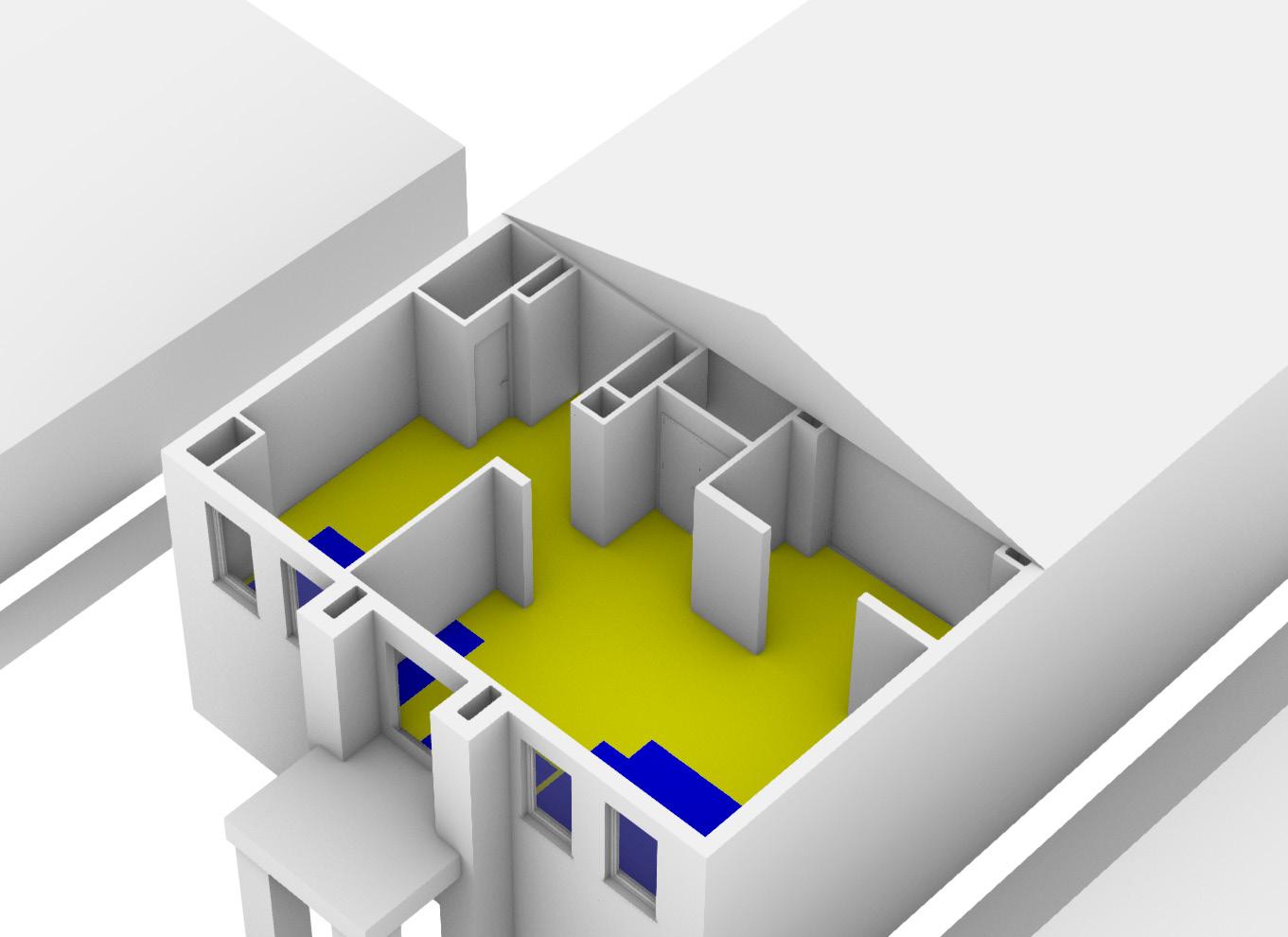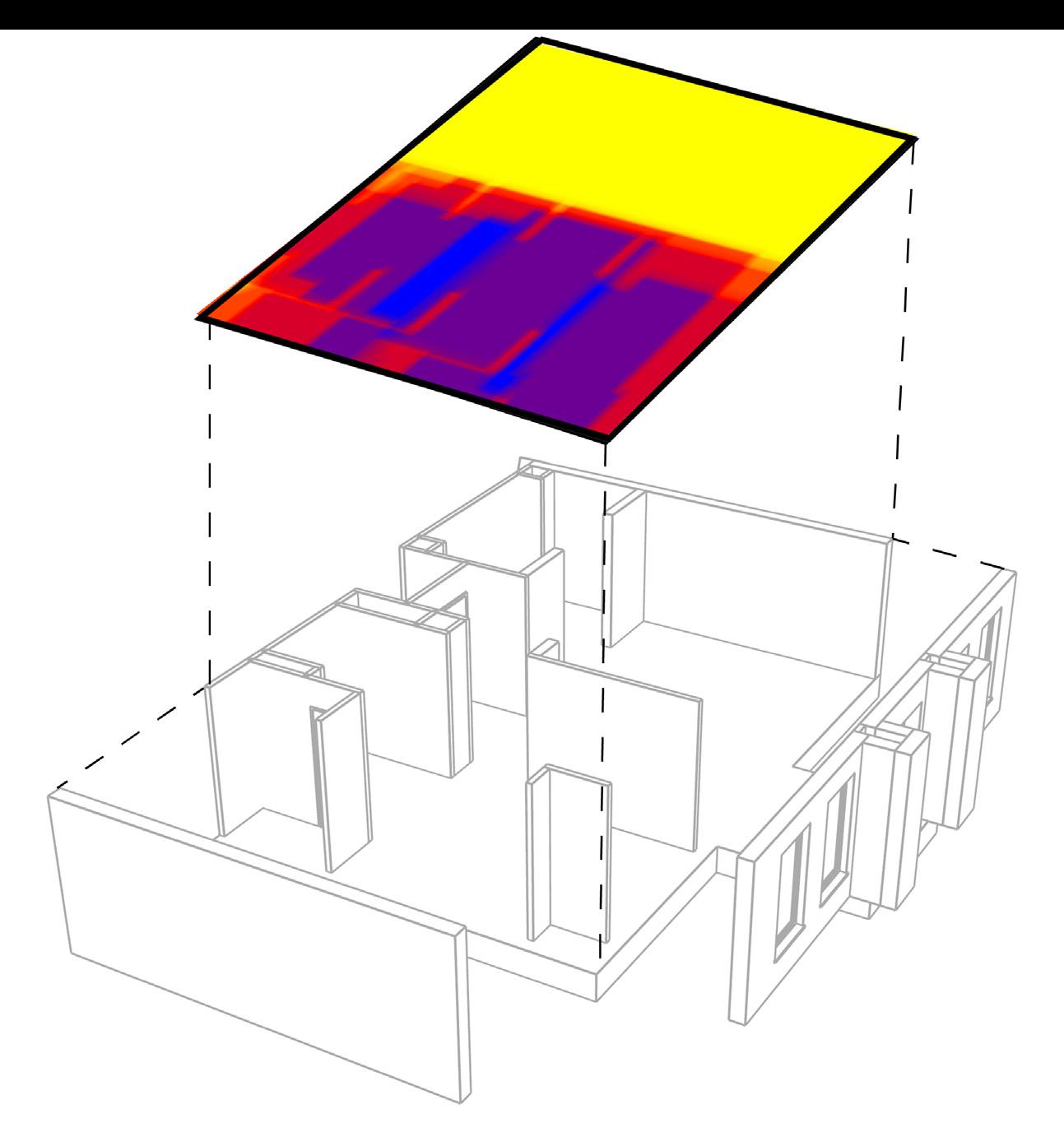
WEEK 47
Background Information
Designer: R128 was designed by Werner Sobek, a German architect and engineer known for his experimental prototypes of sustainable houses.
Location: Stuttgart, Germany.
Size: Four-storey single-family residence (approx. 154 m² living space).
Year: 1999.
Cost: While a precise figure is unavailable, it was a developed research prototype, thus, not a typical commercial build which accounts for higher costs relative to housing of similar size.
Comfort and Environmental Performance Stimuli
Daylighting: The building makes effective use of natural light through its all glass facade and reduces reliance on artificial light.
Ventilation: Glass cross ventilation eases the use of mechanical cooling due to the panel opening.
Thermal Comfort: Different combinations of triple glazing and smart climate control systems work to maintain a consistent temperature in the space.
Water Management: Incorporating water systems and minimal resource research by Sobek.
Water Management: Incorporating water systems and minimal resource research by Sobek.
Material Use Approaches
Recyclability: The building has the capacity to be completely demountable, and each element can be separately disassembled avoiding demolition waste.
Non-toxic Materials: Materials were designed to be sustainable, and for the elimination of adhesives, sealants, and other VOC containing finishes.
Lightweight prefabricicated components: Construction waste is minimized and accuracy is increased with prefabricated steel frames and glass panels.
The zero-energy concept: R128 has a self-sufficient closed loop system and operates without emitting any CO2.
Renewable energy: Power for the house is generated using solar panels incorporated within the design.
Prototype Influence: R128 has inspired subsequent research projects and eco-housing models globally, like Sobek’s Triple Zero principle: zero energy, zero emissions, and zero waste.
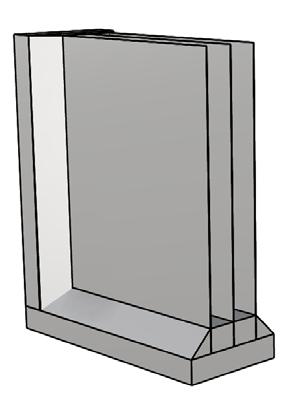
Ventilation: Natural cross-ventilation through operable windows, combined with mechanical systems for efficiency.

Circularity: The house can be fully dismantled, returning all parts to industrial cycles, embodying cradle-to-cradle thinking. No adhesives; components are bolted or clipped, allowing full disassembly.
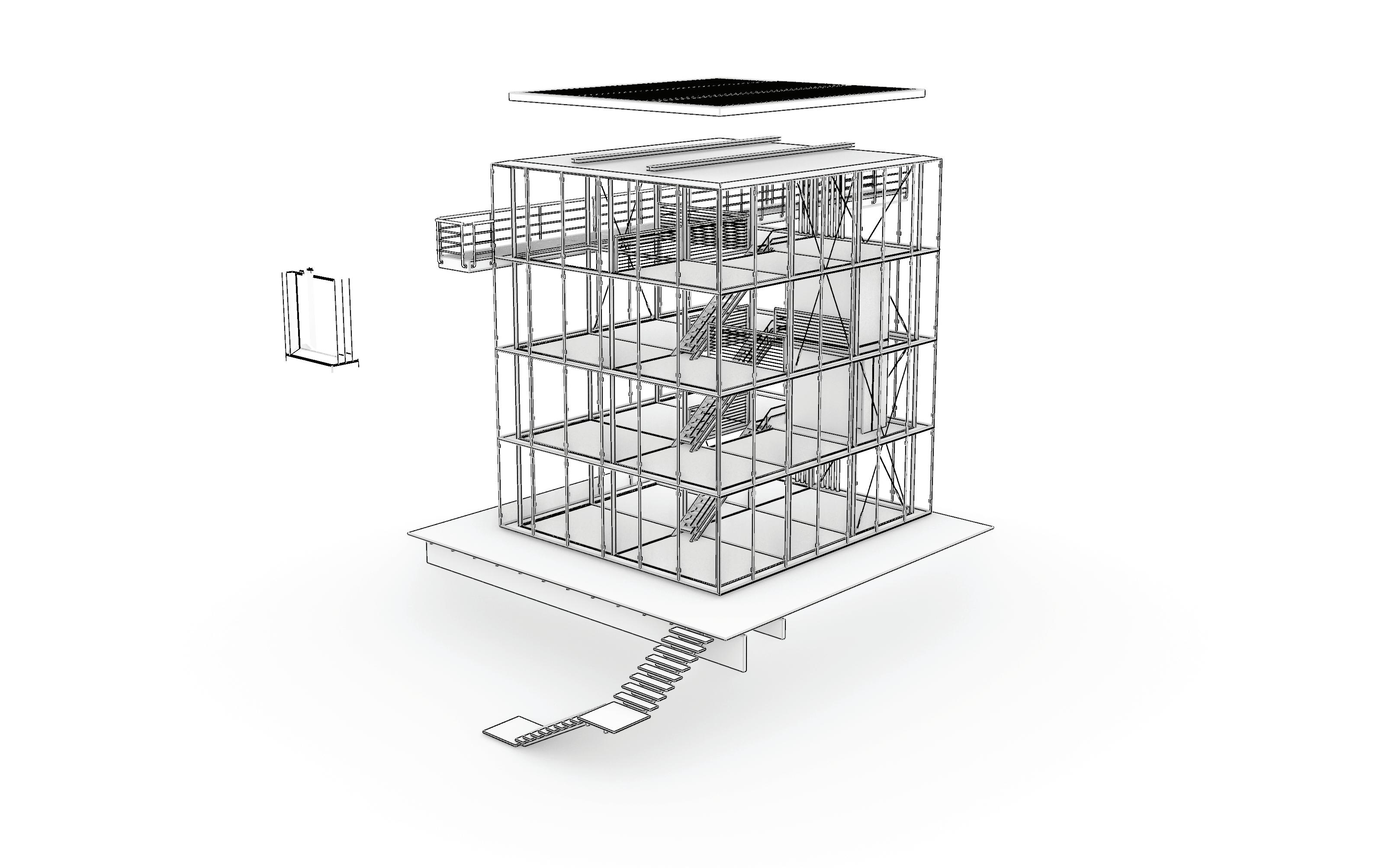
Designed entirely with recyclable materials: steel, glass, and minimal composites.
Ground Horizontal Collector
Ground source heat pump
Heating/Cooling: Uses ground-source heat pumps and radiant floor heating.
Rain-water collection greywater recycling
Views of nature from glass facade, enhancing wellbeing through daylight, openness, and reduced stress.
Triple-glazed windows panels maintain thermal comfort
Recyclability:
Solar Power: PV panels drive all household systems: heating, cooling, lighting and a battery storage system.


01|
THERMAL CONDITIONS
MeLBOURNE, AUSTRALIA
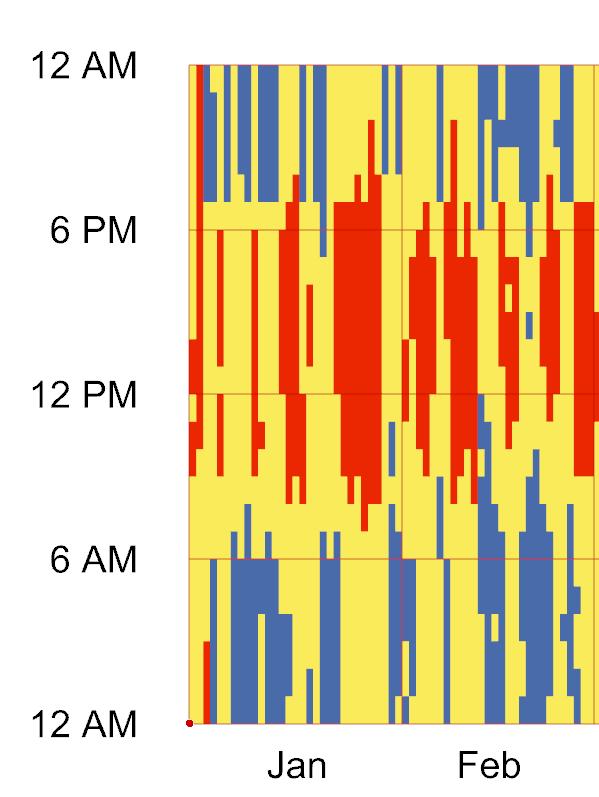
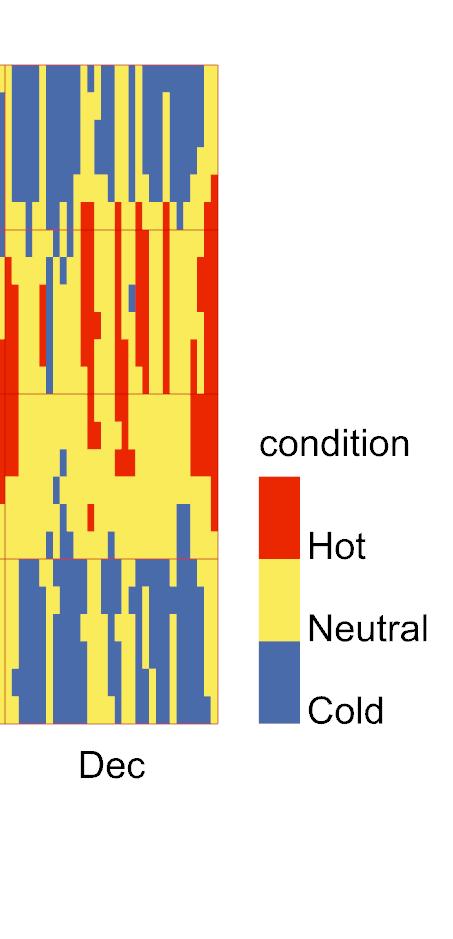
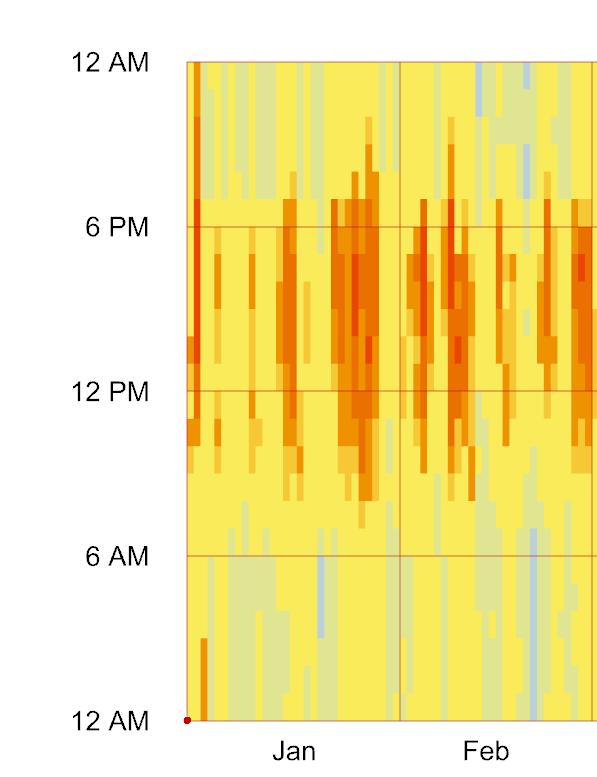
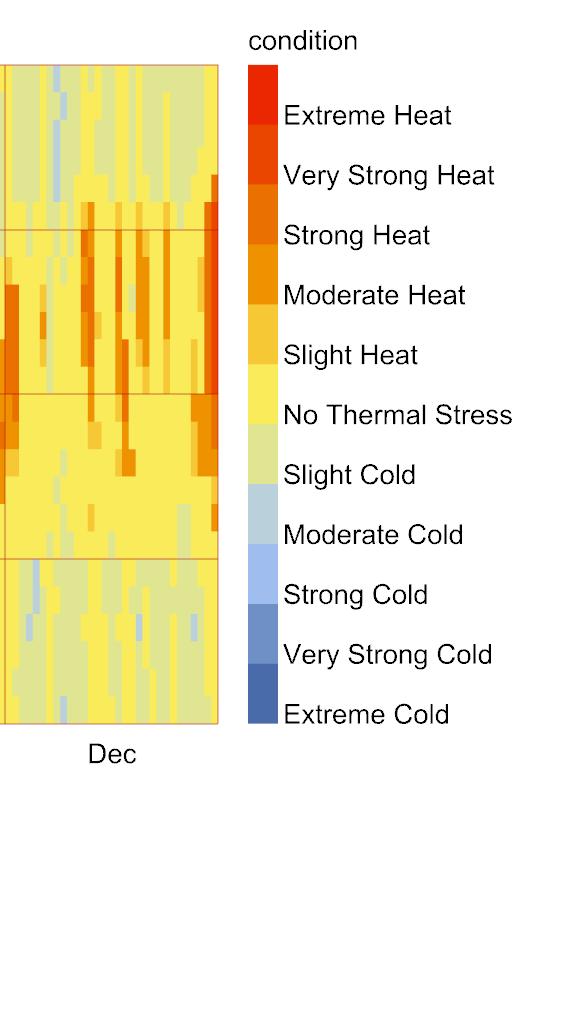
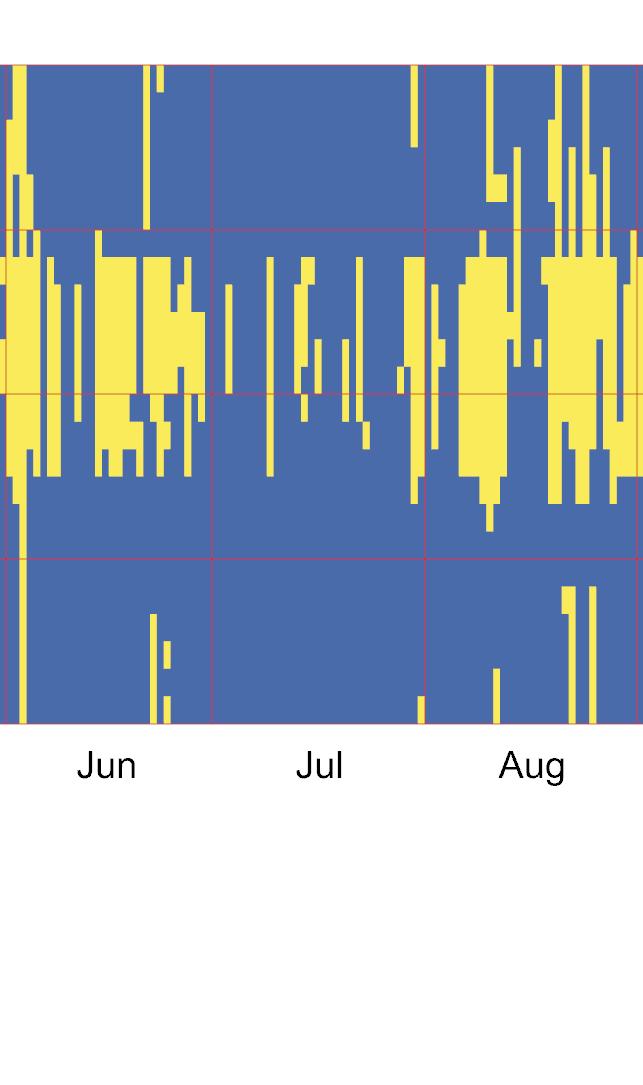
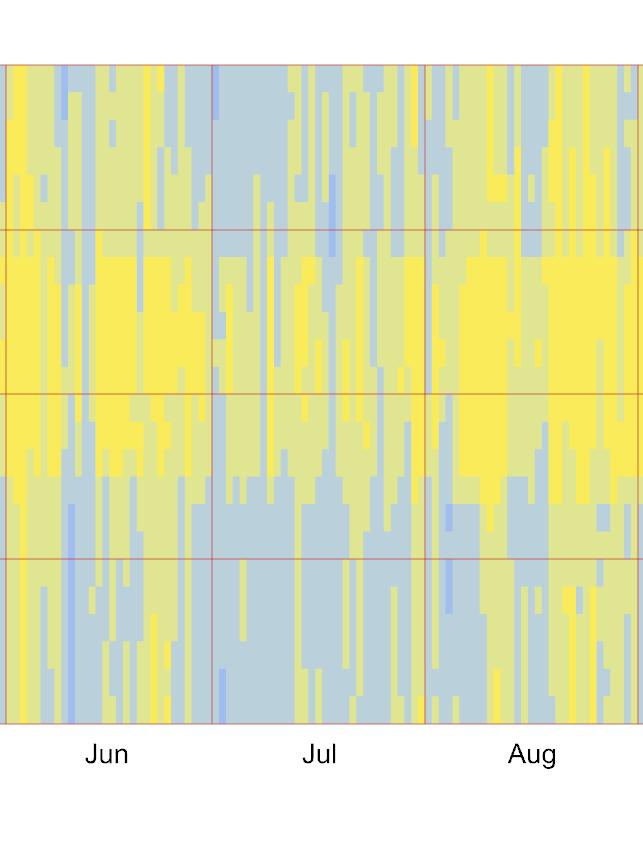
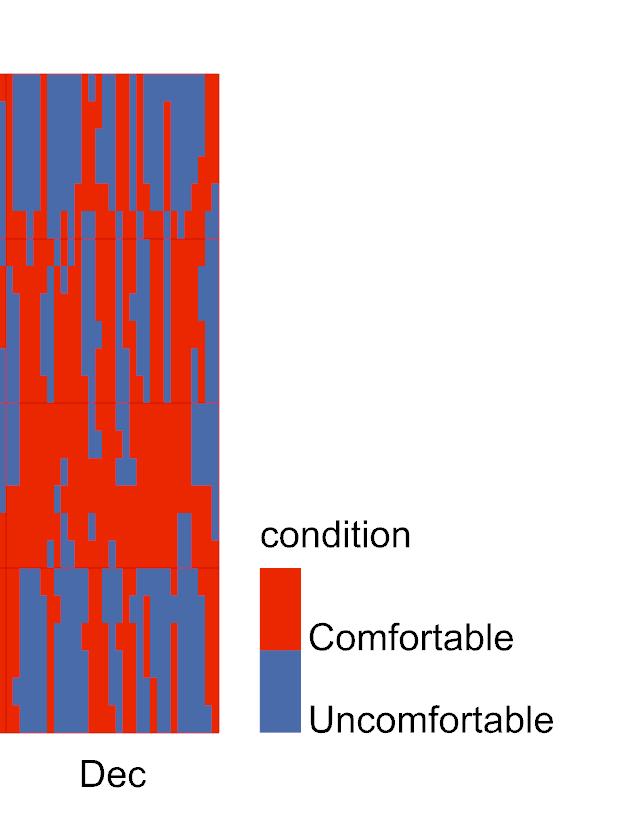
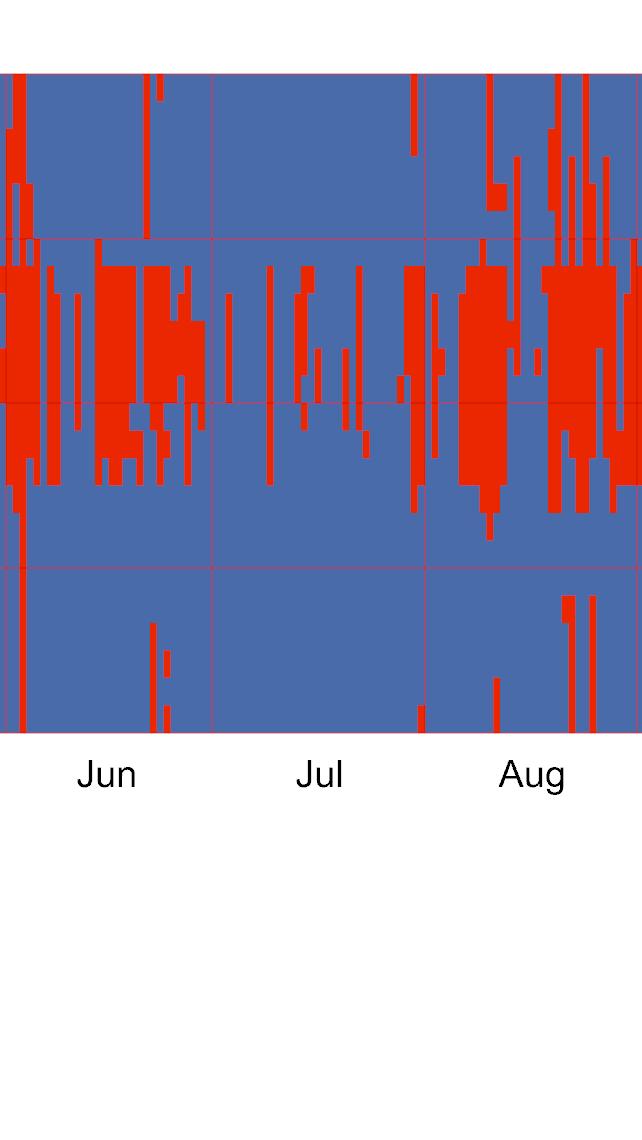
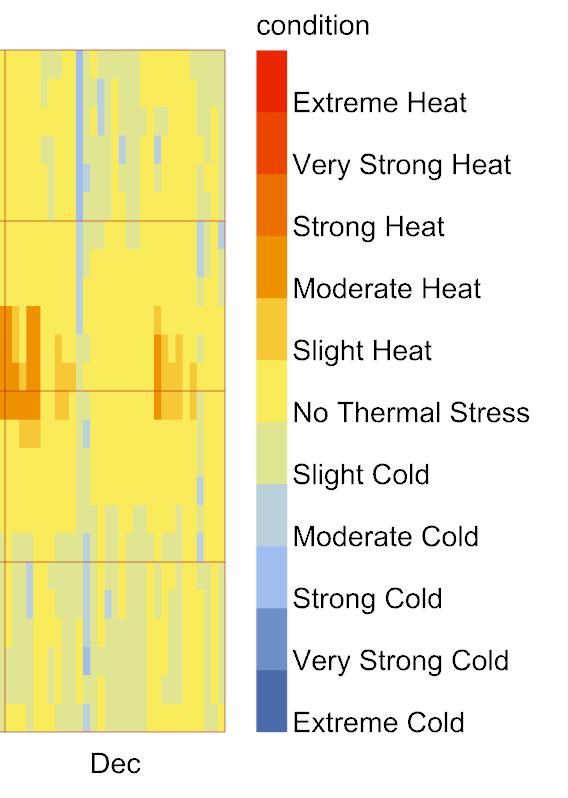
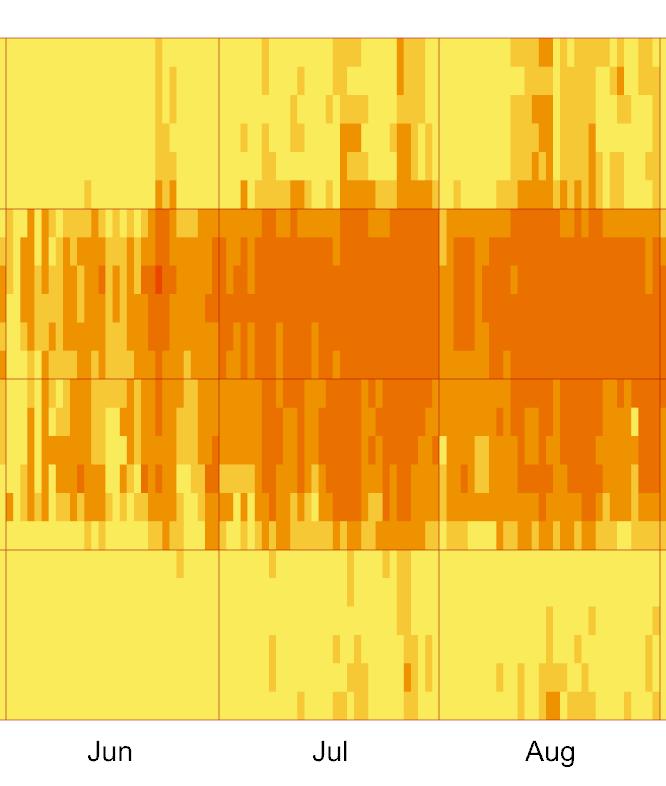
UTCI Seasonal Comfort Maps - Melbourne vs Beirut
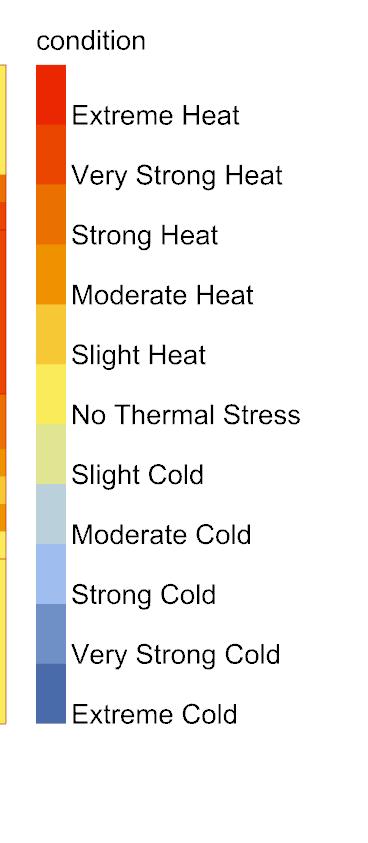
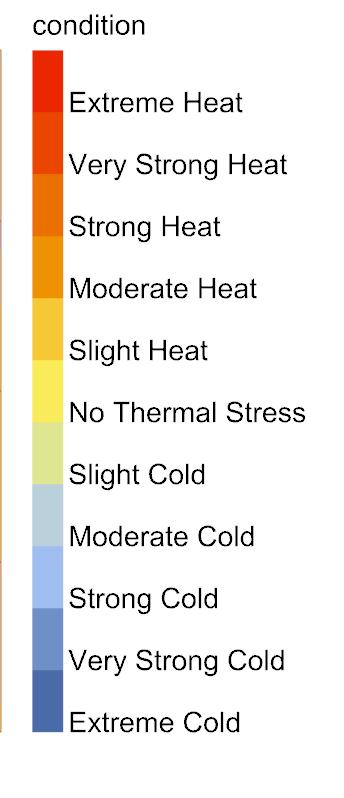
What it shows: Thermal stress categories from very strong cold - very strong heat for each city/season.
Data:
Melbourne: wide seasonal swing; winter sits in cold-stress bands, summer enters heat-stress at peaks.
Solutions:
Melbourne needs seasonal adaptability (summer heat mitigation + winter heat gain).
COMFORT


THERMAL COMFOT

01|
THERMAL CONDITIONS BEIRUIT, LEBANON
UTCI Seasonal Comfort Maps - Melbourne vs Beirut
What it shows: Thermal stress categories from very strong cold - very strong heat for each city/season.
Data:
Beirut: long durations in strong → very strong heat stress in summer; winters rarely approach strong cold stress.
Solutions:
SUMMER WINTER
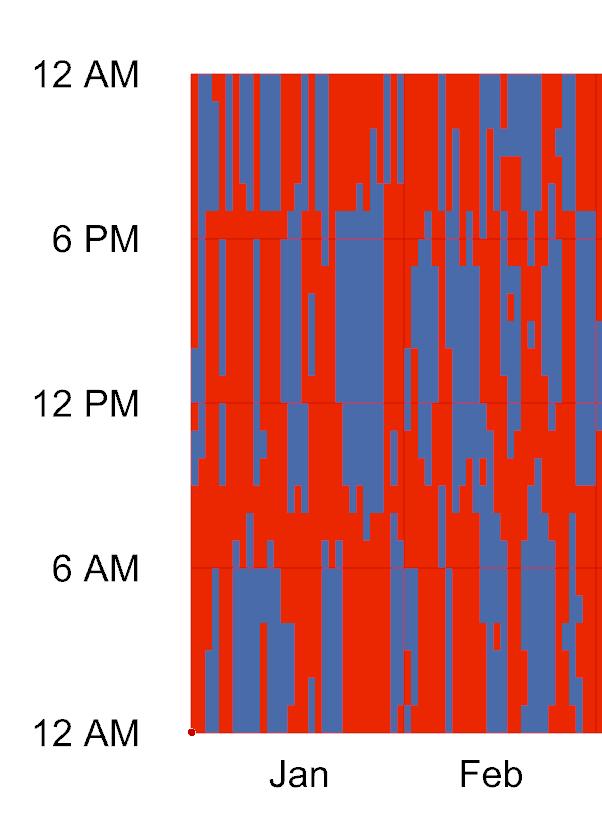
Beirut is cooling-dominant; design must prioritise solar/radiant control and heat rejection. THERMAL COMFORT THERMAL COMFORT THERMAL COMFORT THERMAL COMFORT


MELBOURNE, AUSTRALIA
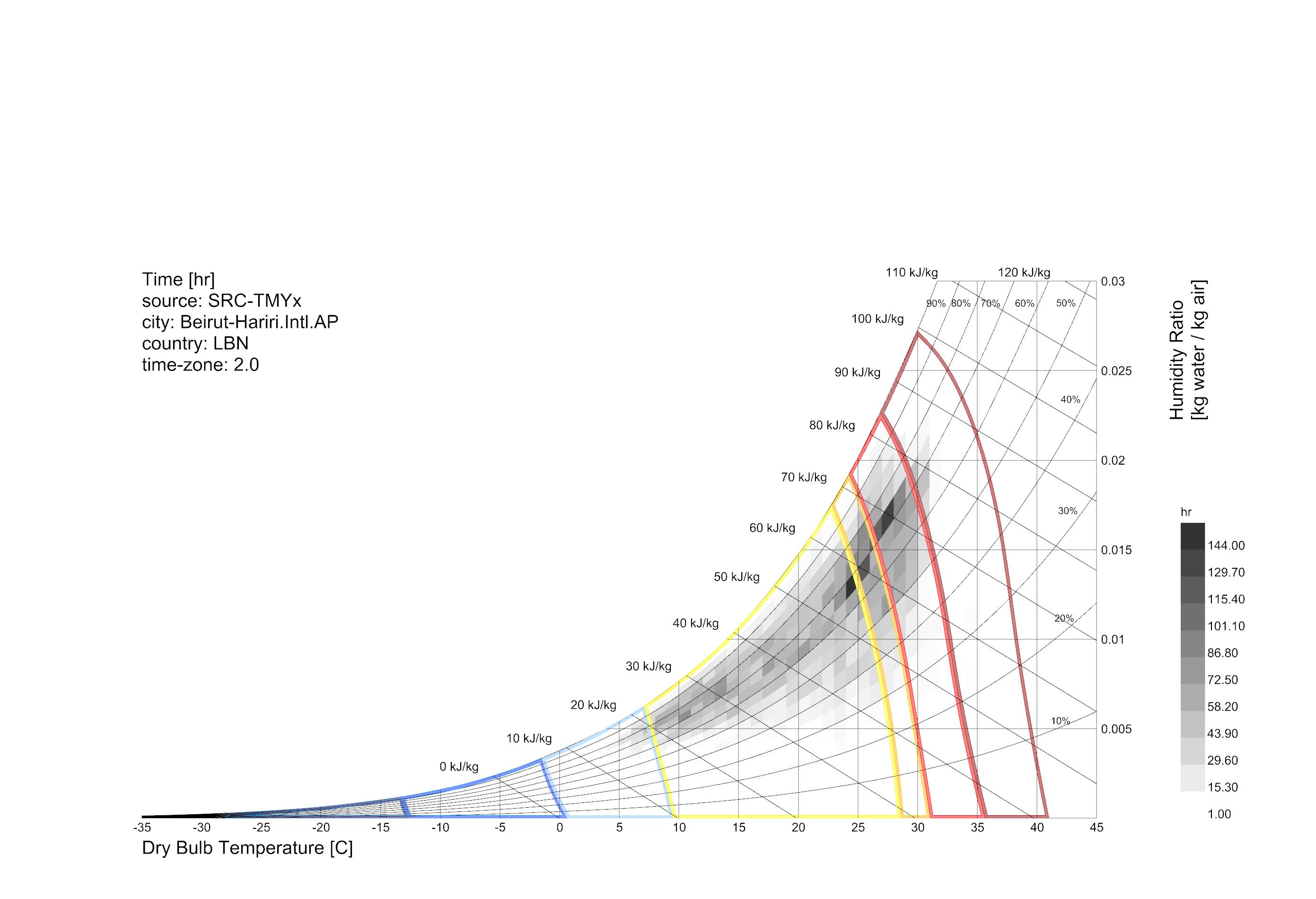
BEIRUT, LEBANON
The Psychological Dimensions of Thermal Stress
Heat stress (UTCI > 32°C) - irritability, fatigue, and loss of focus. Performance of various tasks is reduced, and people may evade certain spaces or activities, viewing them as hostile.
Cold stress (UTCI < 9°C) - leads to discomfort, distraction, loss of social engagement, and particularly stress behaviours (hunching and avoiding outdoor areas).
Comfort band (UTCI ~18–26°C) - offers a sense of well-being and positive emotions inclusive of social engagement and increased productivity.
Standards vs. perception
Even with spaces configuring to the technical thermal law and regulations, if the UTCI indicates stress conditions for a prolonged stretch of time, the occupants will to a certain extent psychologically perceive discomfort.
Take the example of Beirut: for an extended period, there was very strong heat stress (TESI diagrams) leading to constantly oppressive heat and consequently, the behavioural avoidance of activity (staying indoors and reducing activity).
Design Solutions:
Shaping open spaces that track UTCI can provide a sense of physiological safety and psychological attraction.
Creating spaces with shading, ventilation, and radiant control is not only about the heat flow, they provide a sense of place where people want to stay and interact.
Designers can implement UTCI mapping (as demonstrated in your TESI diagrams) to forecast users’ perception rather than just adaptation.
Melbourne
UTCI Data: There is strong cold stress during winters, while summers have moderate to strong heat stress. There is wide variability seasonally.
Psychological Effect:
Winter: Cold stress can make outdoor activities more difficult and promote feelings of isolation and a low mood due to a lack of daylight.
Summer: Afternoon heat and glare can cause rage and fatigue, leading people to avoid hotter areas.
Transition seasons: Overall more time spent in the UTCI comfort band enhances the social use of outdoor spaces and positively impacts well-being.
Summary: There are clear seasonally affecting psychological impacts due to the variability. Extreme winters are a psychological relief, while strong midday sunlight is to be avoided.
Beirut
UTCI Data: Weeks of strong cooling, followed by strong to very strong heat stress during summers, often continuous day and night. Winters remain mild, rarely entering cold stress.
Psychological Effect:
Summer: Continuous overheating during the day and night promotes a sense of stress, lethargy, and oppression. Warm nights can cause low quality sleep which in turn impacts mood and productivity.
Winter: Mild and comfortable conditions promote more outdoor activity, which positively impacts psychological states.
Summary: The psychological impacts of the climate during summer are stress and oppression due to heat, which are only alleviated to a comfortable state during the winter.
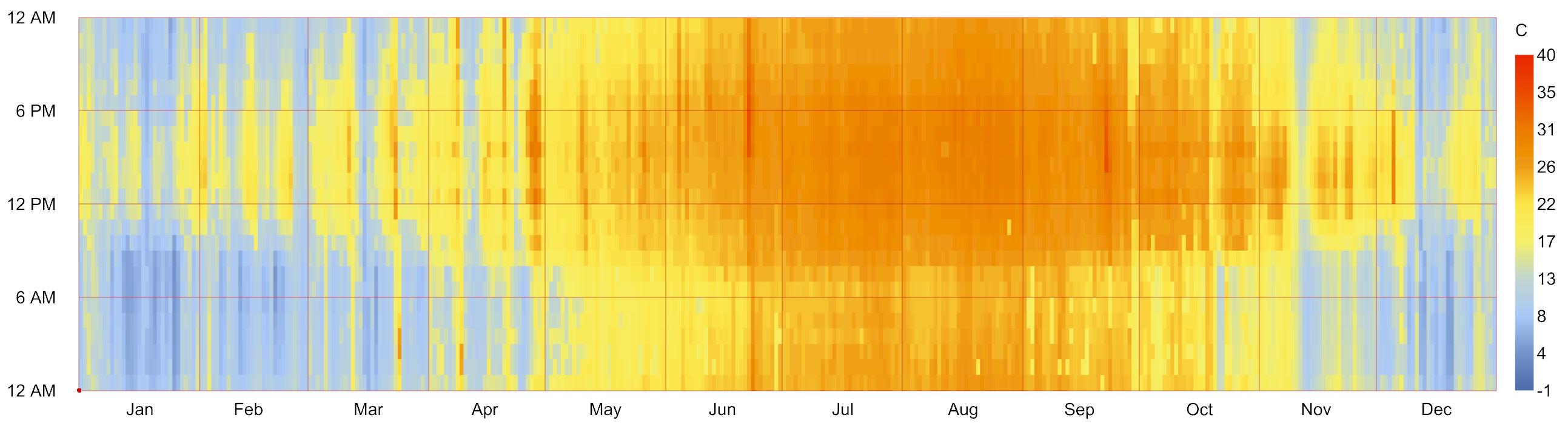
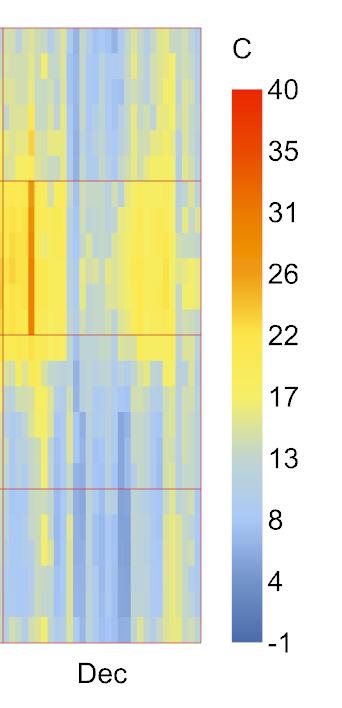
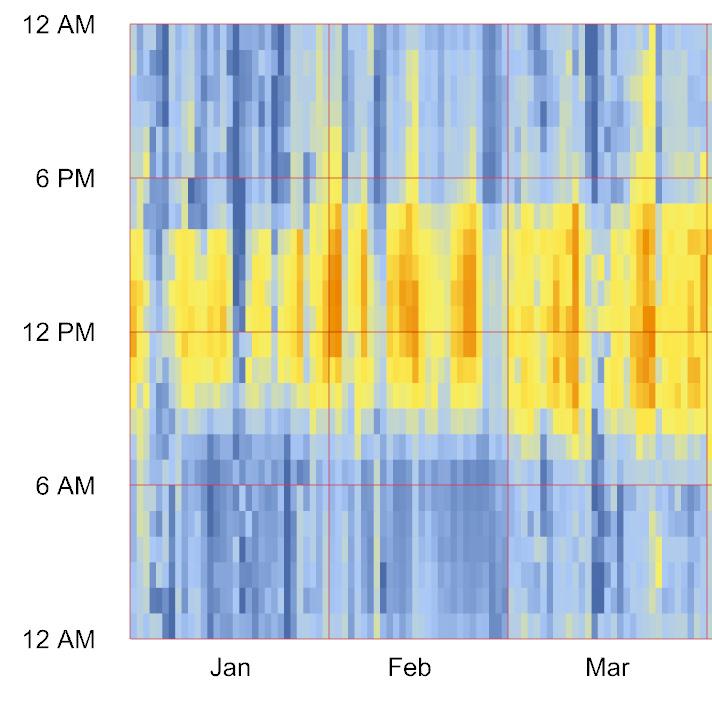
DRY BULB TEMPERATURE MELBOURNE, AUSTRALIA
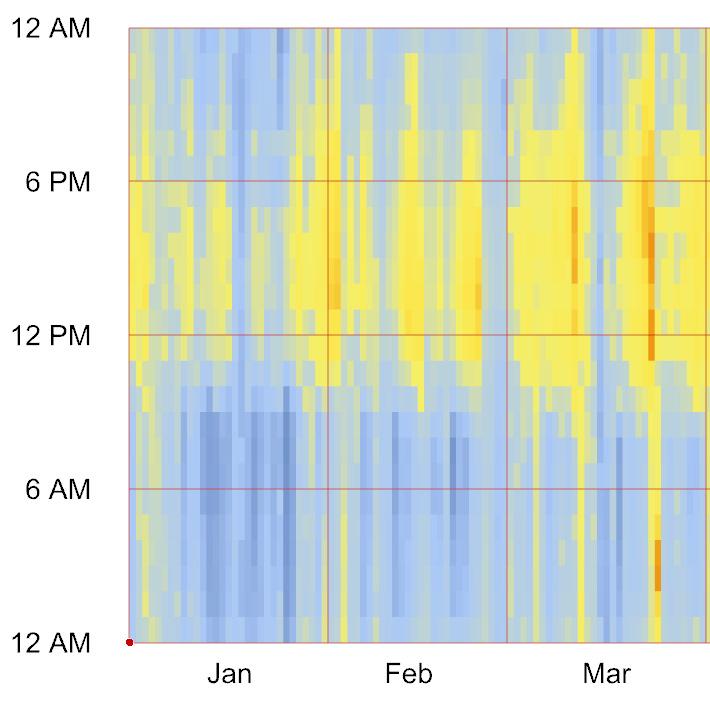
Annual Dry Bulb Temperature - Melbourne
Annual outdoor air temperature profile.
The data indicates distinctly hot-season highs and cool-season lows; significant annual amplitude.
Regarding envelope/space systems, dual mode must be dealt with: managing the summer overheating and winter underheating risk.
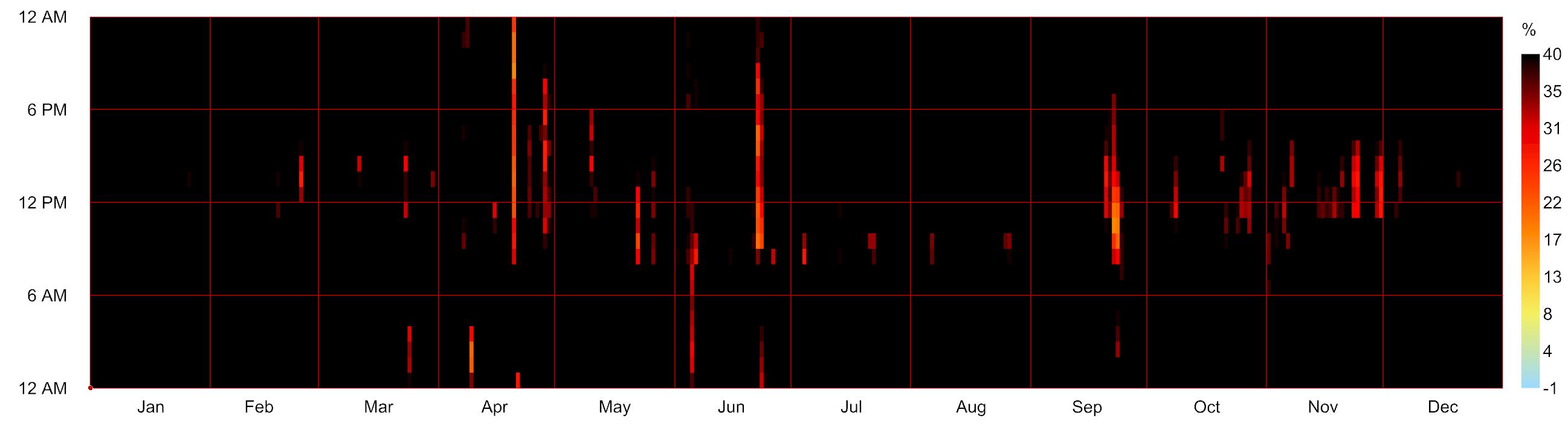
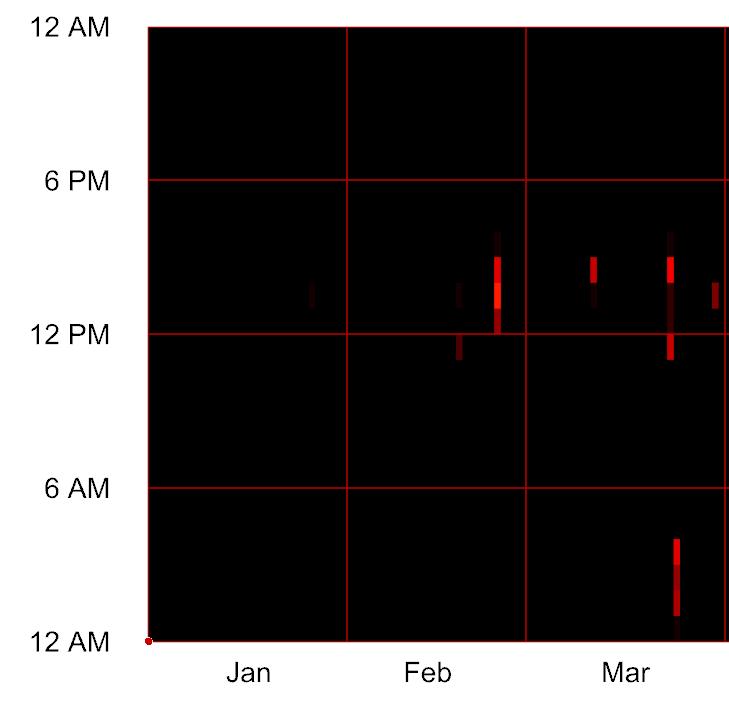
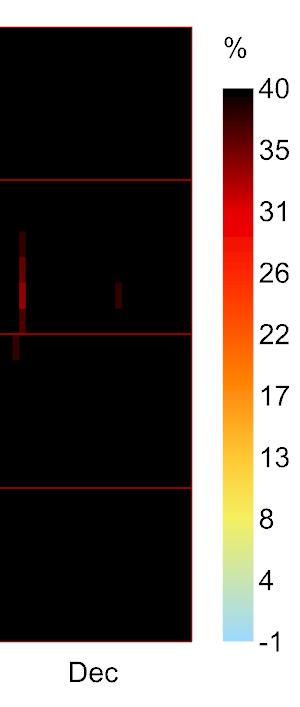
RELATIVE HUMIDITY MELBOURNE, AUSTRALIA
Yearly Relative Humidity - Melbourne
What it shows: Annual RH variation.
Data: RH tends to be higher in cooler months, lower during hot spells.
05|
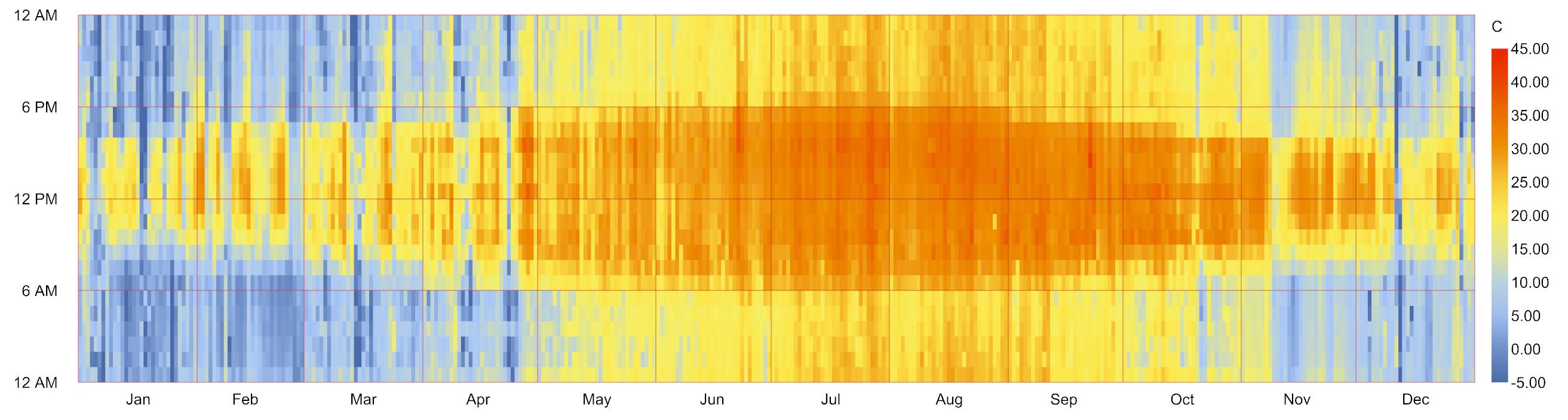
UNIVERSAL THERMAL COMFORT MELBOURNE, AUSTRALIA
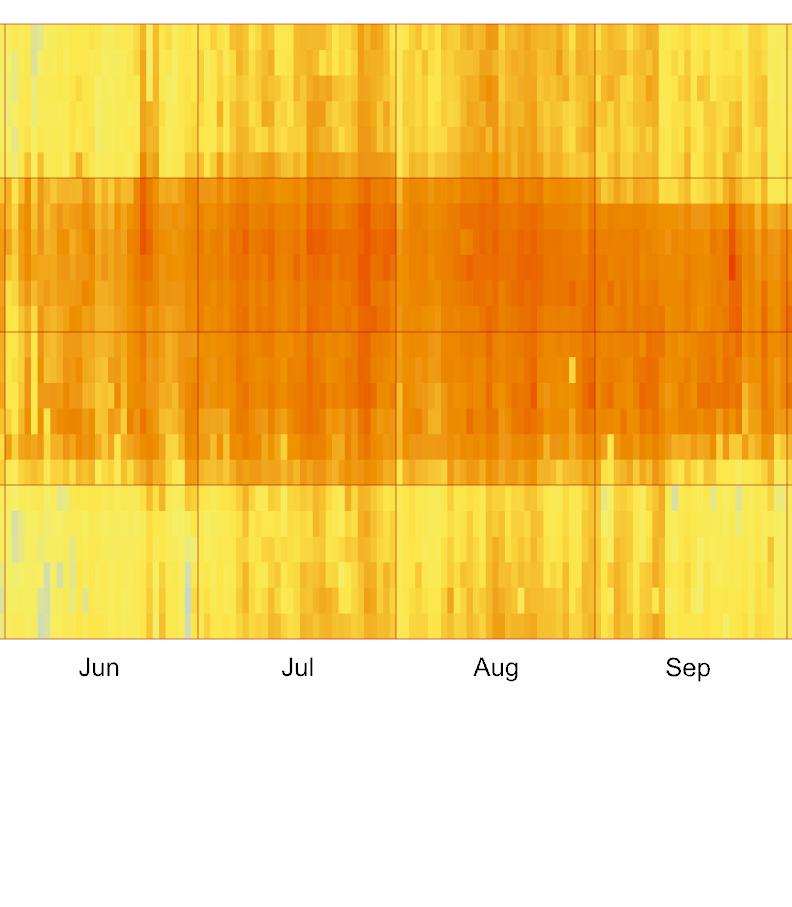
Yearly UTCI - Melbourne
What it shows: Combined effect of temperature, wind, radiation, humidity on comfort.
Data: Confirms periods of heat stress in summer and cold stress in winter; shoulder seasons mixed.
Solutions: Comfort control should be operable/adaptive (shade control, wind buffering, targeted solar admission).
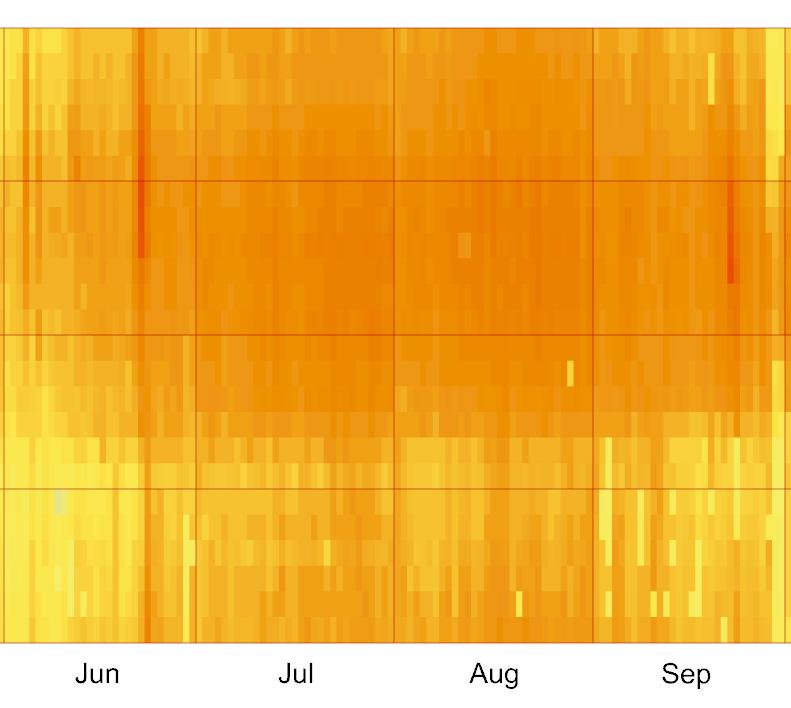
DRY BULB TEMPERATURE (C)
DRY BULB TEMPERATURE MELBOURNE, AUSTRALIA
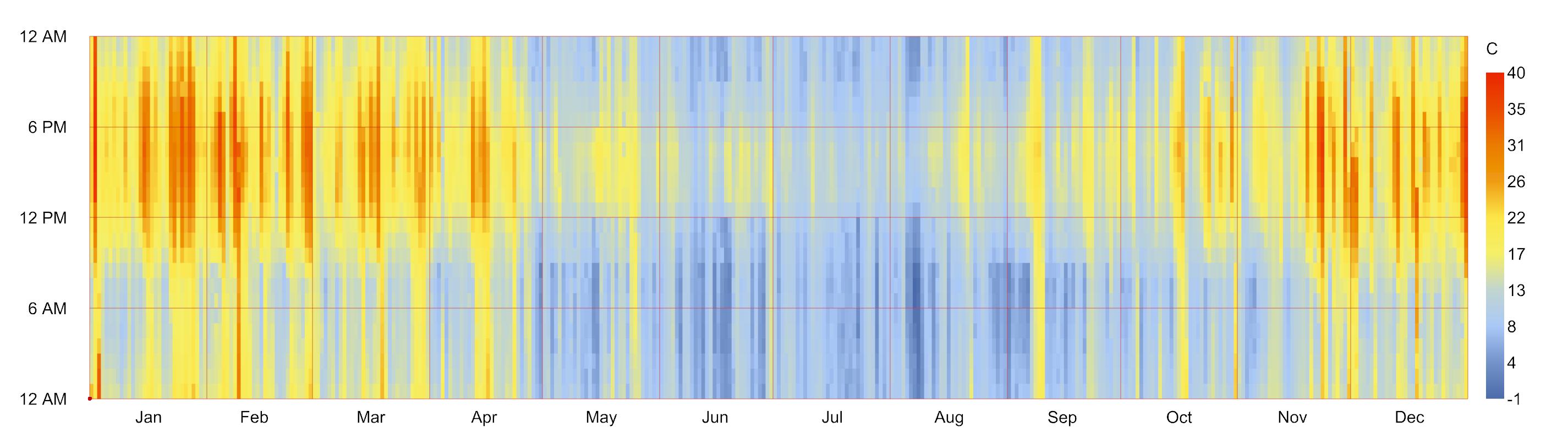
Yearly Dry Bulb Temperature - Beirut
What it shows: Annual outdoor air temperature variation across the year.
To begin, I note the degree of heat discomfort. Beirut has long hot summers in the extreme heat stress zone. While the seasonal temperature range is relatively small, it is still evident in contrast with Melbourne, with the added note that the winters in Beirut will never trigger extreme cold stress.
There is probably little doubt in the implication of the above. There is a strong requirement in the built environment of Beirut for continuous heat protection, and significantly less need for heating provisions. This will include the use of shading, reflective materials, and active cooling measures.
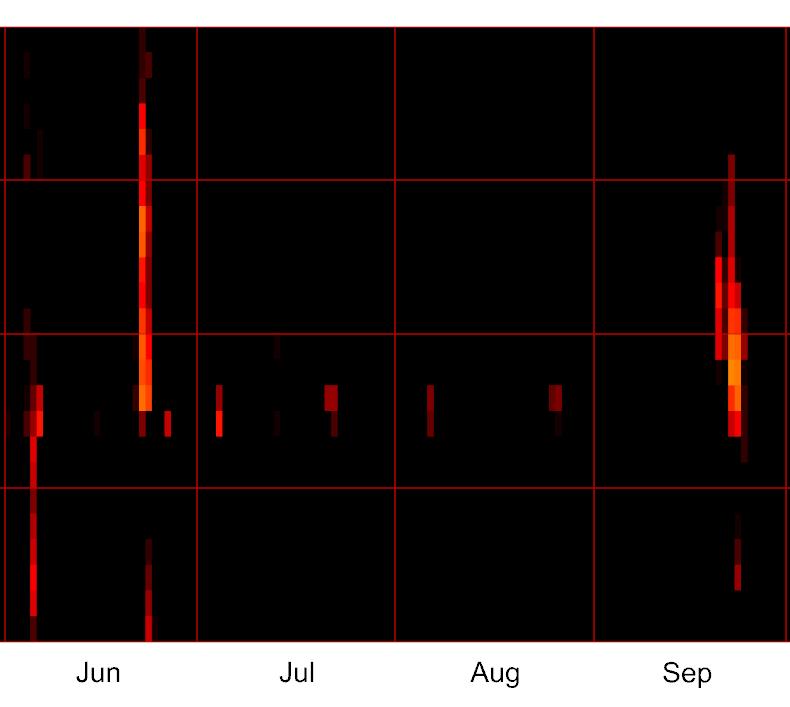
RELATIVE HUMIDITY MELBOURNE, AUSTRALIA
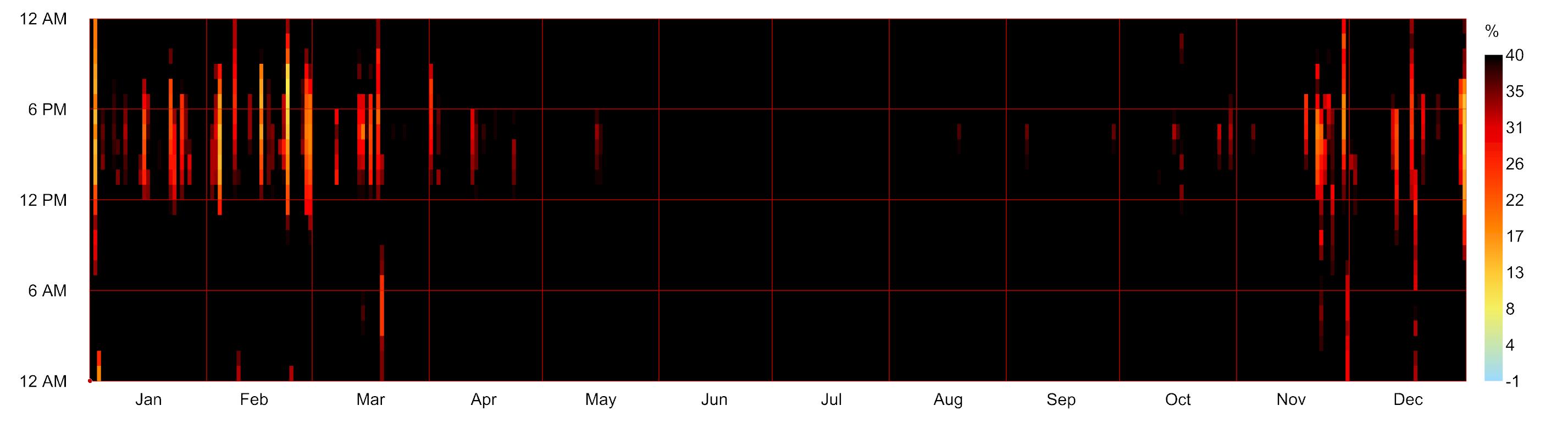
Annual Changes in Relative Humidity - Beirut
What it shows: Humidity Over the Year
Analysis:
Year round, humidity is moderate to high most of the time and during the summer, the humidity gets even higher, making the discomfort even worse, and raising the temperature even more due to the heat index.
Solutions:
Cooling methods must consider heat and humidity together as simple moving air, or no moving air at all, will not provide relief. Cross-ventilation alone will not suffice as passive methods; designs must minimize radiant heat gain and promote evaporative cooling.
UNIVERSAL
THERMAL COMFORT MELBOURNE, AUSTRALIA
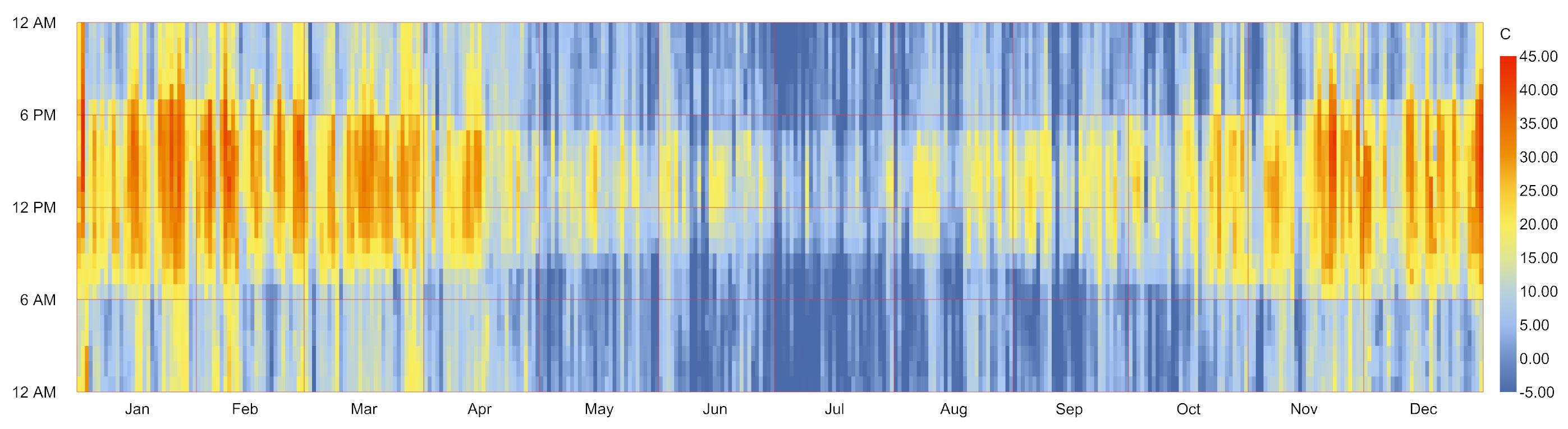
Yearly UTCI - Beirut
What it shows: Universal Thermal Climate Index – combines temperature, humidity, and indicators of radiation and wind.
Analysis shows that Beirut spends longer time periods in the strong to very strong heat stress zones, particularly in summertime.
During winter, the city stays primarily within the comfortable or only slightly cold zones.
Solutions:
Across the year, Beirut’s predominant heat-dominant climate suggests that comfort relies on managing overheating.
Deep shade, lower exposure of thermal mass, high-albedo surfaces, and hybrid or mechanical cooling ventilation as backup are the most important winter underground interventions.
Cross ventilation and other passive designs are limited; strategies will need to minimize radiant gain and promote evaporative cooling as the primary methods of summer underground cooling.
DRY BULB TEMPERATURE (C)
DRY BULB TEMPERATURE
(C)
LOWEST TEMPERATURE: -1 °C
HIGHEST TEMPERATURE: 40°C
COMFORT: 23°C


LOWEST TEMPERATURE: -5 °C
HIGHEST TEMPERATURE: 45°C
COMFORT: 23°C
DRY BULB TEMPERATURE (C) UNIVERSAL THERMAL CLIMATE INDEX (C)
LOWEST TEMPERATURE: -1 °C
HIGHEST TEMPERATURE: 40°C
COMFORT: 23°C

LOWEST HUMIDITY: -1 %
HIGHEST TEMPERATURE: 40 %
COMFORT: 30 %
THERMAL CLIMATE INDEX (C) RELATIVE HUMIDITY (%)
LOWEST TEMPERATURE: 45 °C
HIGHEST TEMPERATURE: -5 °C
COMFORT: 23°C

HUMIDITY (%)
LOWEST HUMIDITY: -1 %
HIGHEST TEMPERATURE: 40 %
COMFORT: 30 %
BULB TEMPERATURE (C)
LOWEST TEMPERATURE: -1 °C
HIGHEST TEMPERATURE: 22 °C
COMFORT: 23°C
LOWEST TEMPERATURE: -5 °C
HIGHEST TEMPERATURE: 23 °C
COMFORT: 23°C
LOWEST HUMIDITY: -1 %
HIGHEST TEMPERATURE: 40 %
COMFORT: 30 %
DRY BULB TEMPERATURE (C) UNIVERSAL THERMAL CLIMATE INDEX (C) UNIVERSAL THERMAL CLIMATE INDEX (C) RELATIVE HUMIDITY (%) RELATIVE HUMIDITY (%)
LOWEST TEMPERATURE: -1 °C
HIGHEST TEMPERATURE: 35 °C
COMFORT: 23°C
LOWEST TEMPERATURE: -5 °C
HIGHEST TEMPERATURE: 35 °C
COMFORT: 23°C

LOWEST HUMIDITY: -1 %
HIGHEST TEMPERATURE: 40 %
COMFORT: 30 %
DRY
06|
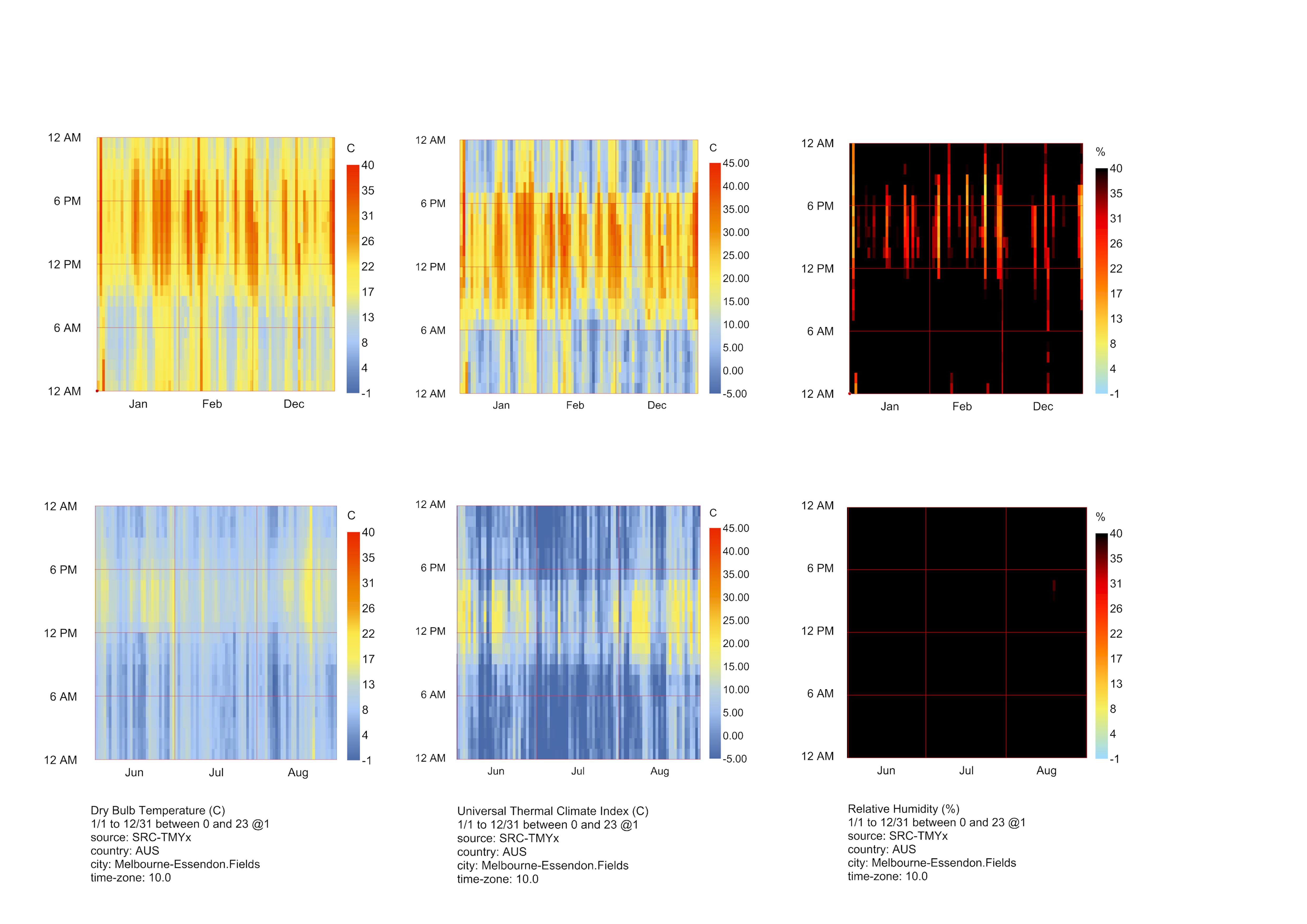
SUMMER COMPARISON
MELBOURNE, AUSTRALIA - BEIRUIT, LEBANON
Beirut
Beirut experiences times of extreme heat stress, both day and night.
The pressure of heat is continuous since nights offer no cooling relief.
The combined effect of high solar exposure and humidity is overheating stress.
Melbourne
Melbourne experiences heat in summer, but it is intermittent and less extreme.
Days may rise into levels of high heat stress, but mornings and evenings often return to moderate or comfortable ranges.
This larger variation in diurnal temperature range offers some recovery and passive comfort windows.
Solutions:
Beirut
Beirut requires continuous temperature protection. This can be achieved with deep, fixed shading, low-thermal-mass materials, and high solar reflective finishes.
Due to heat sustained over night, evaporative cooling and hybrid mechanical cross ventilation may be needed.
Design must prioritize lowering radiant exposure and avoiding heat stagnation.
Melbourne
Comfort strategies must be time-targeted and specific.
Afternoon protection (3-5 pm) is essential, especially against the western sun.
Morning and evening conditions can be used harnessed: admitting breezes and daylight improves comfort.
Shading must be dynamic, seasonally adjustable, and time adaptable, unlike Beirut, where it is fully closed.
07| SUMMER COMPARISON
Beirut:
MELBOURNE, AUSTRALIA - BEIRUIT, LEBANON
The winters are less harsh than those in Melbourne.
The UTCI would imply the temperatures are in the comfortable range most of the time, and in the moderate cold stress range.
Very few days are recorded in the severe cold stress category.
Heating demand is less in winter because the daytime sun and the temperatures are fairly consistent.
Melbourne:
The winter months are characterized by an extended and strong cold stress period, especially in the mornings and evenings.
The low dry bulb temperature and strong winds push the UTCI further into the cold stress category.
The lower sun angles, shorter days, and cold weather negatively affect the capacity to gain heat passively.
There are clearer diurnal cycles characterized by very cold mornings, slightly warmer days which do not reach the comfortable temperatures.
Solutions:
Beirut:
Most design challenges in winter are of minimal concern as most are focused on overheating.
Light design strategies in passive heating are usually sufficient.
The cooling oriented building design can still be effective in winter
Melbourne:
There is an increase in the need of building design strategies to allow the admission and retention of warmth.
Wind breaks designed to reduce winter winds coming from the south are effective to decrease cold stress of the UTCI.
The absorption and retention of warmth in the building is mainly influenced by insulation, the quality of glass used, and the movement of air.

CALM WINDS
08|
WIND ROSE MELBOURNE, AUSTRALIA
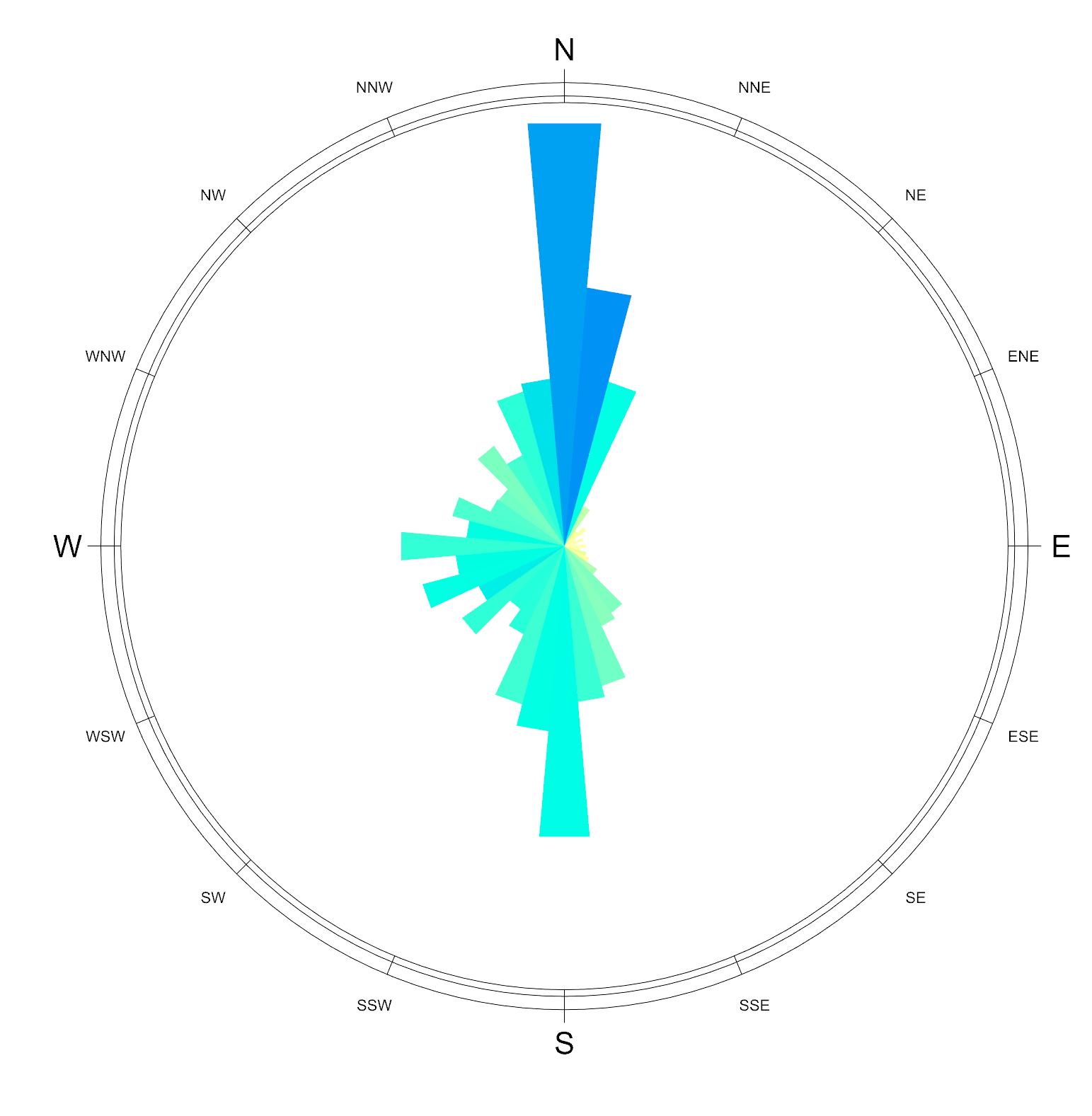
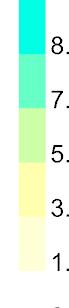
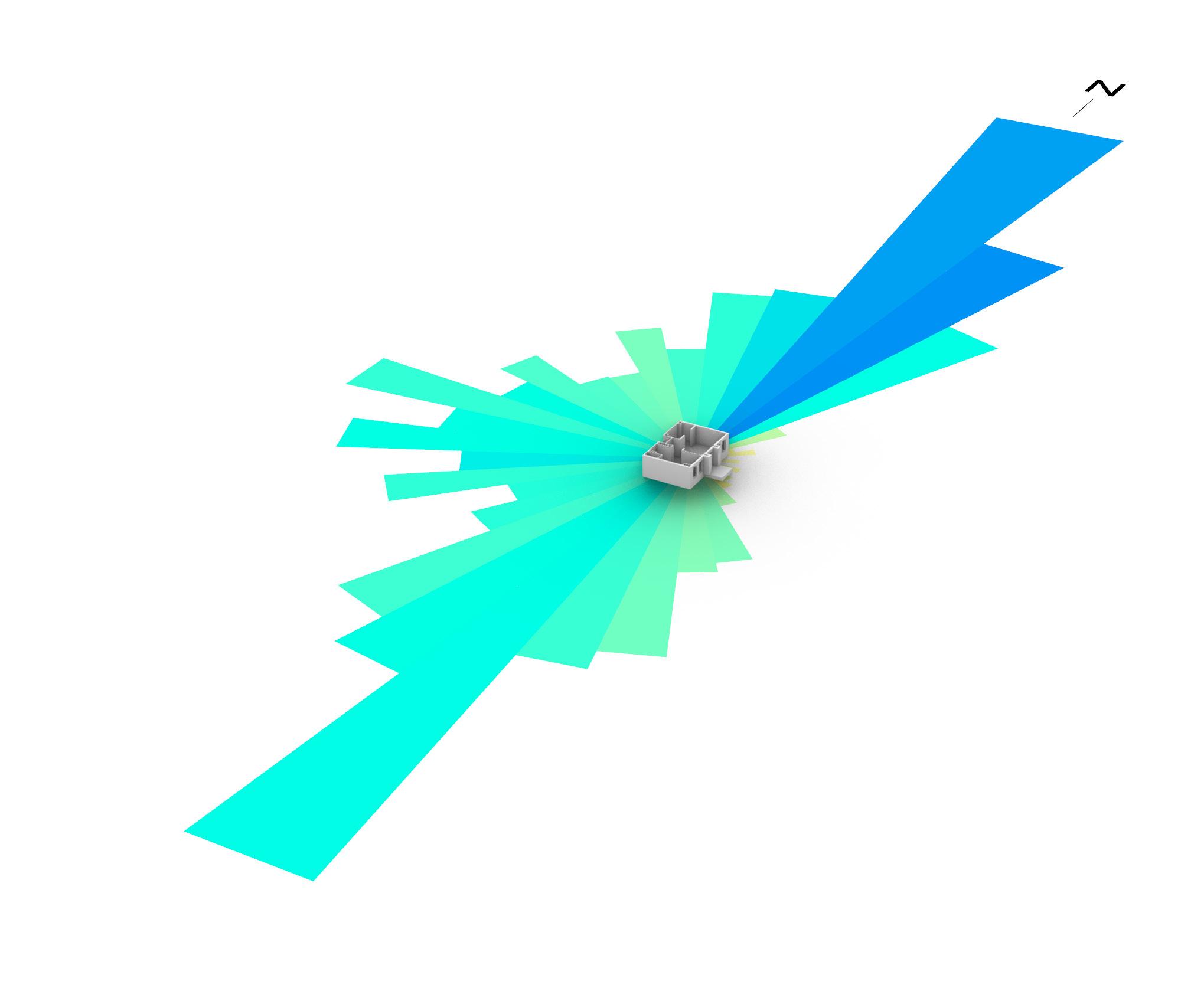
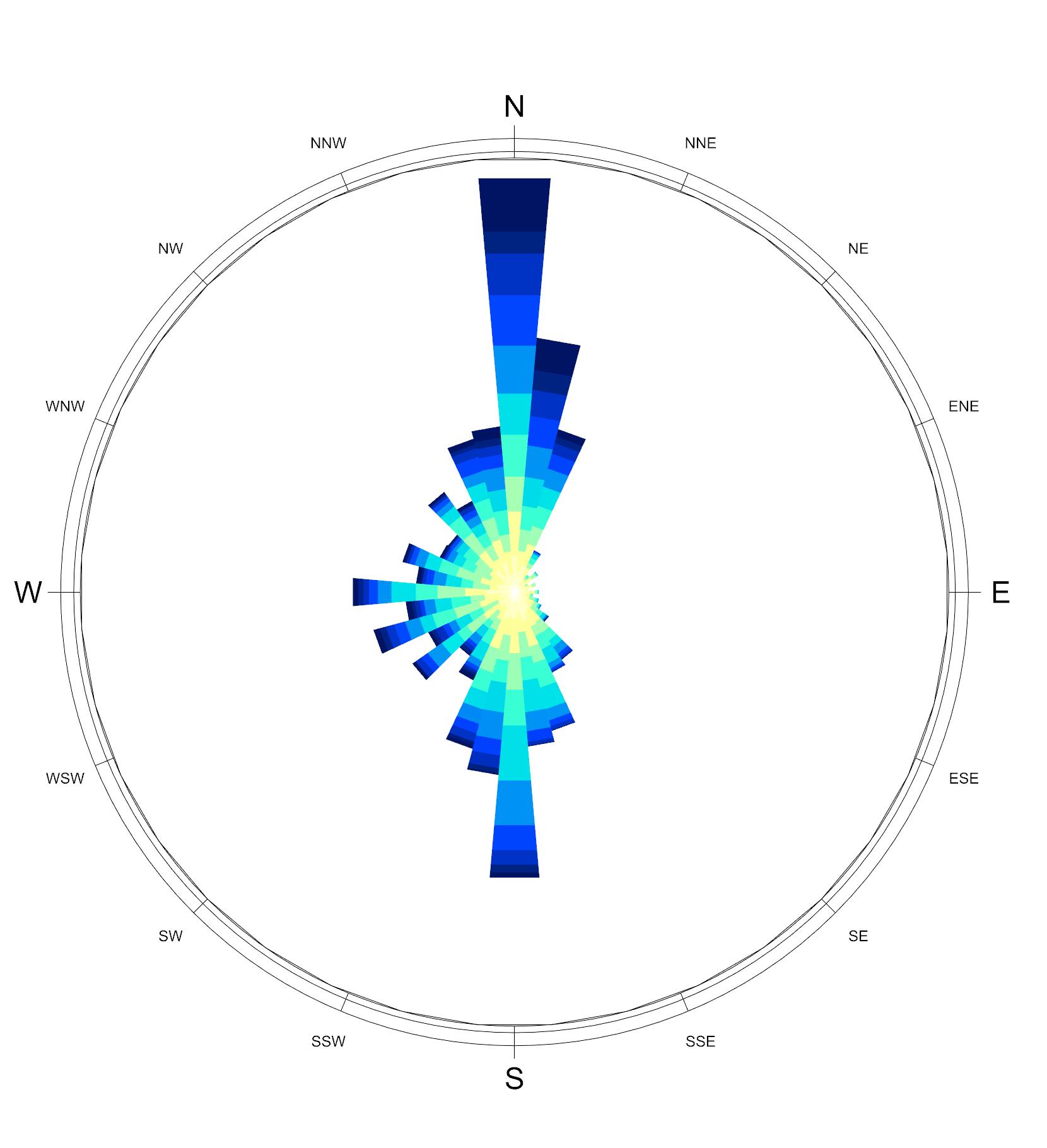
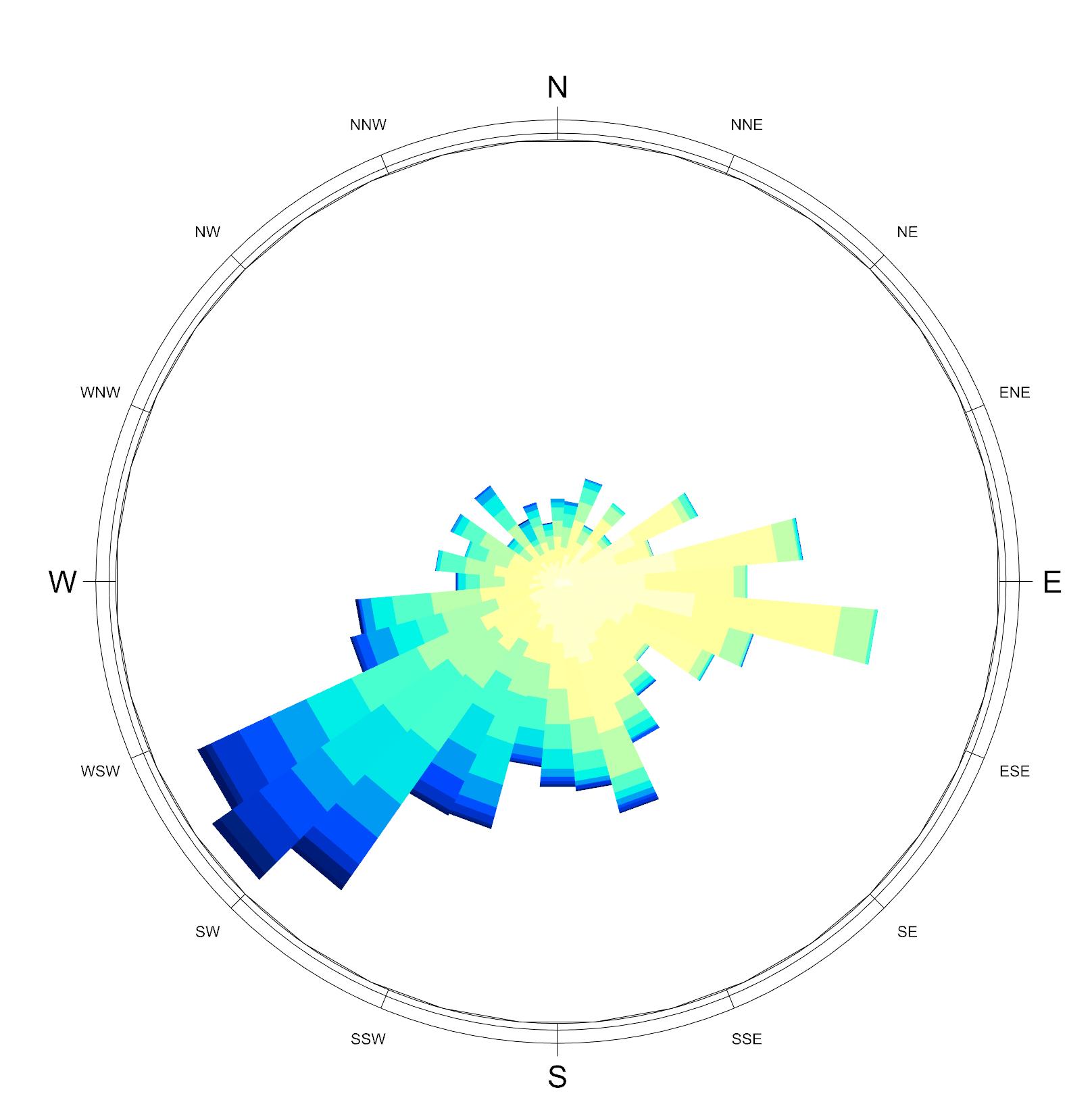
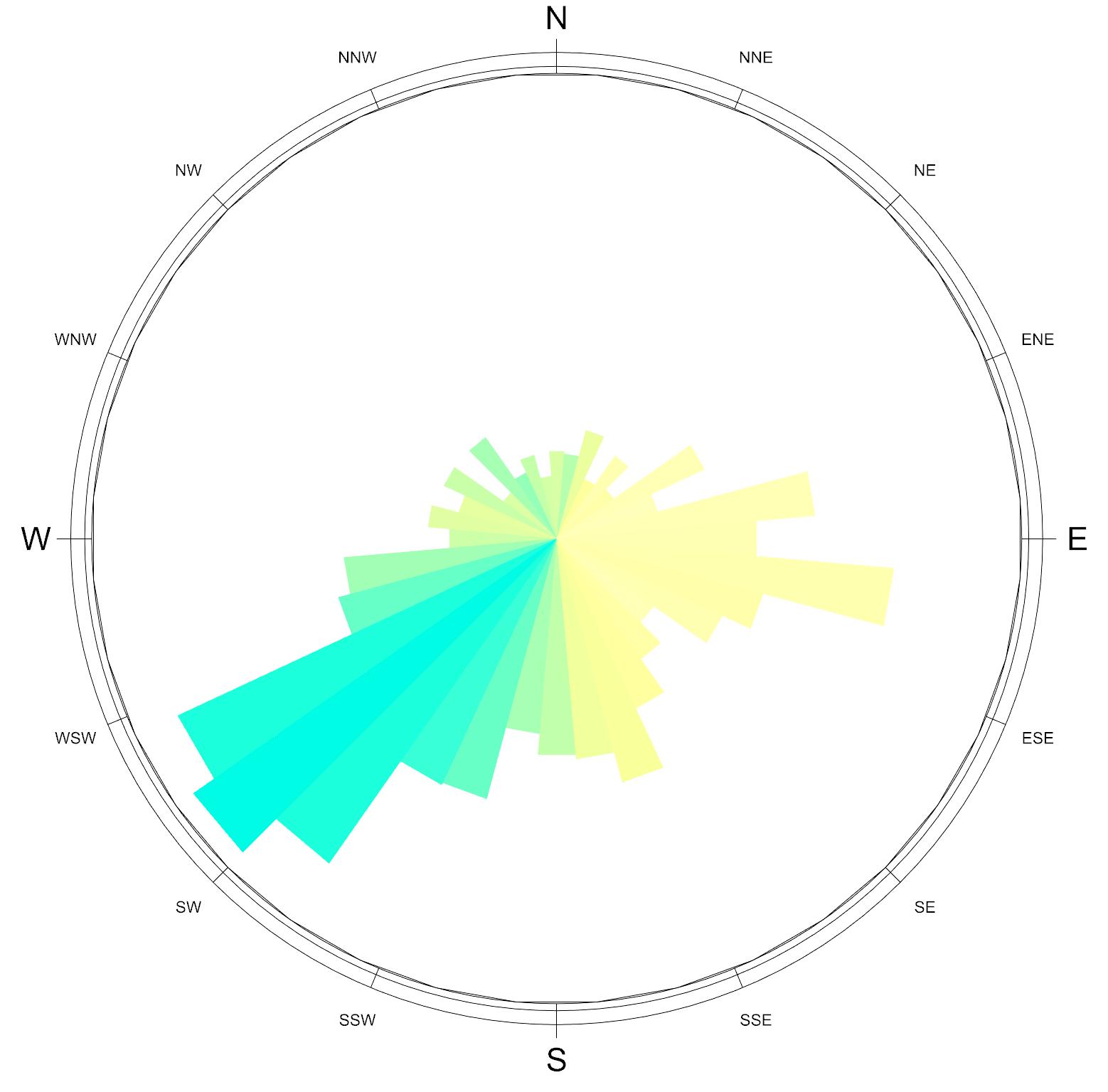
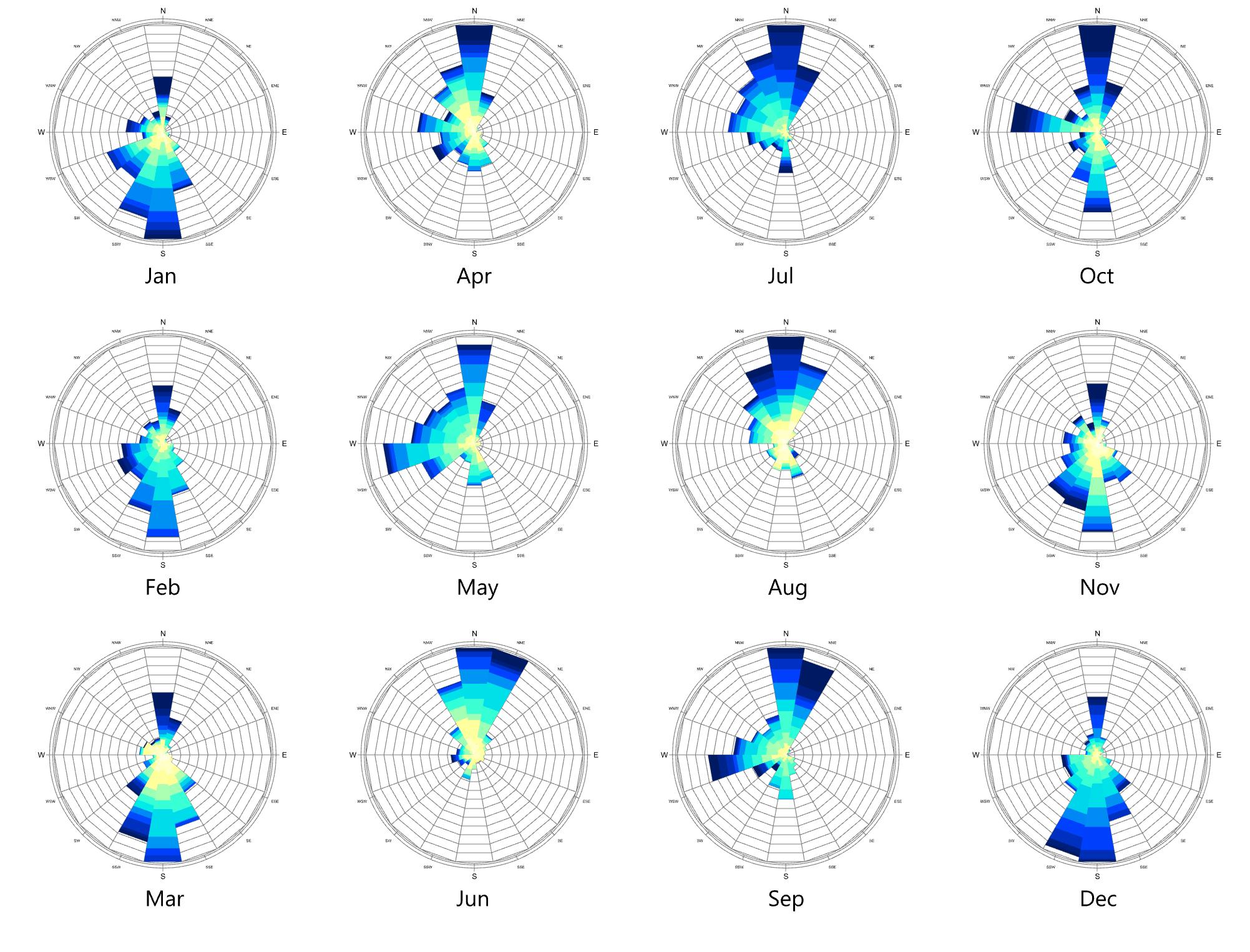
The Wind Rose diagrams depict periods of calm wind in comparison with mean annual wind speed and directional data.
Prevailing directions: Melbourne’s longest and strongest winds come from the north and southwest quadrants with considerable seasonal changes.
Calm vs mean: Wind conditions remain usable throughout the year despite calm periods.
Comfort role:
Summer northerlies ease the burden of passive cooling and promote air changes.
Winter southerlies entail cold stress, and with southerlies being cold and moisture-laden, they exacerbate the problem.
Design Stress: Wind offers both sides - an asset (natural ventilation in warmer periods) and a liability (heat loss in winter).
Solutions:
Harness: For summer cross-ventilation, orient breezeways and operable openings towards northerlies and easterlies.
Block: In winter, rely on chilled massing, windbreaks, and vegetation cover to protect from the wind chill of southerlies and westerlies.
Adaptive envelopes: Melbourne’s seasonal designs benefit from adjustable envelopes, i.e., summer venting, winter airtightness.
WIND SPEED (M.S)
AVERAGE WINDS
WIND SPEED (M.S)

CALM WINDS AVERAGE WINDS

09| WIND ROSE BEIRUIT, LEBANON
Rose diagrams for Beirut show calm versus average wind frequencies.
Data analysis:
Wind frequency: Beirut has a wider range of weaker wind conditions, frequently arriving from Mediterranean-facing quadrants.
Calm vs average: There are more calm periods compared to Melbourne; thus, lower dependency on wind for comfort.
Cooling function:
Some summer breezes are certainly cooler, but are far from strong enough to diminish severe heat stress shown in UTCI diagrams.
Winters: Discomfort from lack of wind during mild winters is less than in Melbourne.
Less ventilation: Slower, less consistent natural wind means distant targets cannot solely provide comfort.
Radiant/solar control first: Use of ventilation should be secondary to shading, thermal buffering, and blocking of the sun’s rays.
Targeted airflow: Potential zones of wind use stack-effect, atria, pressure-driven vents, and stratified design to pull air.
Microclimate enhancements: Shaded court yards, evaporative features, and planting can enhance modest breezes to provide psych-relief.
WIND SPEED (M.S)
WIND SPEED (M.S)
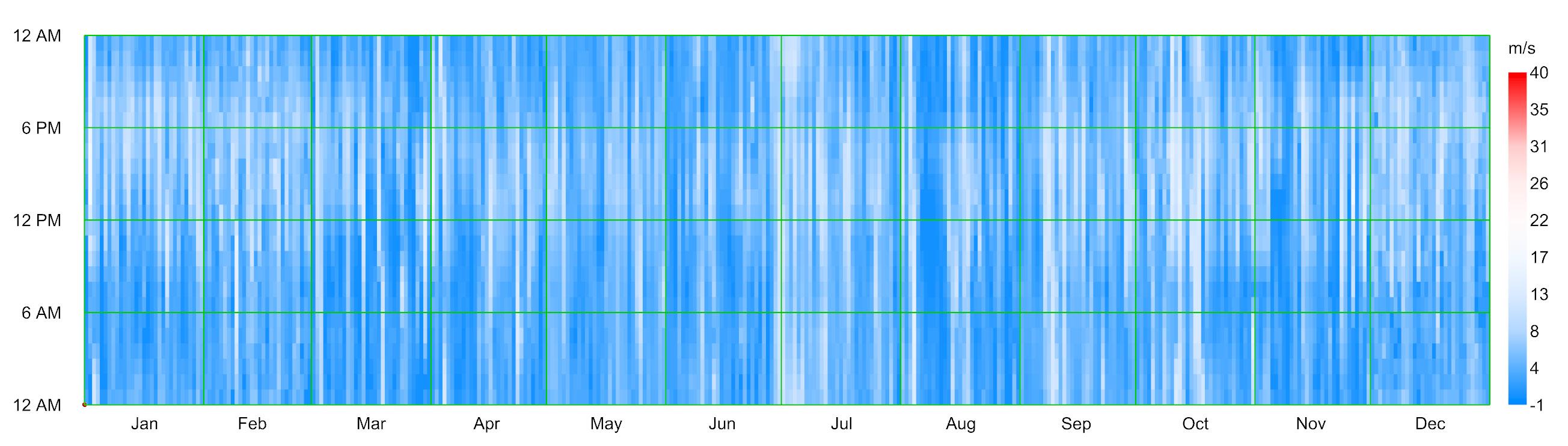
WIND SPEED MELBOURNE
MELBOURNE, AUSTRALIA
WIND SPEED BEIRUIT
BEIRUT, LEBANON
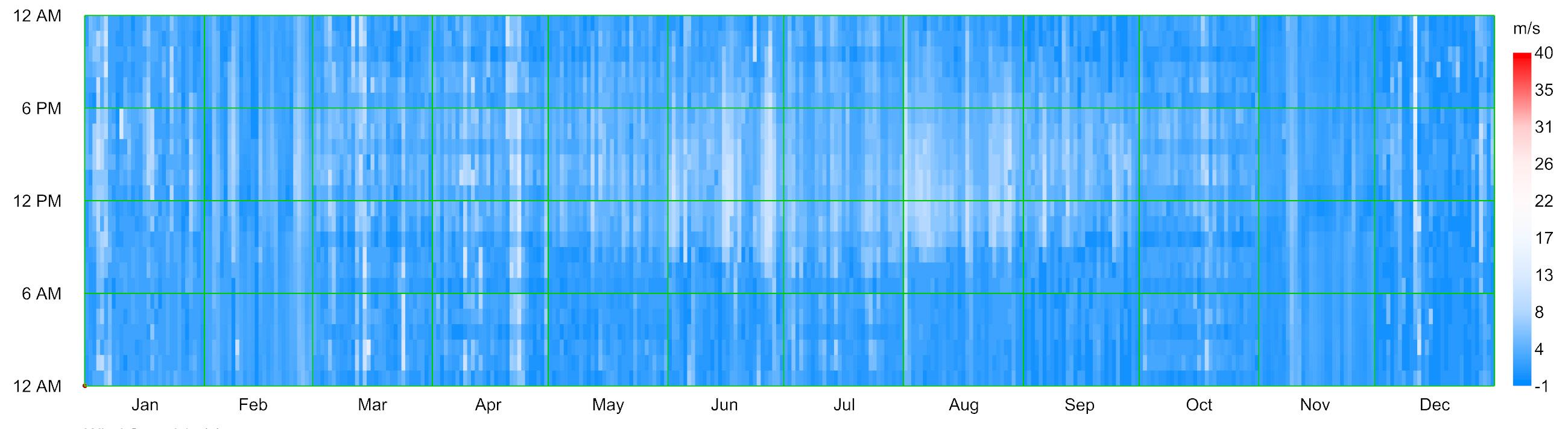
12|

MONTHLY WIND ROSE MELBOURNE, AUSTRALIA
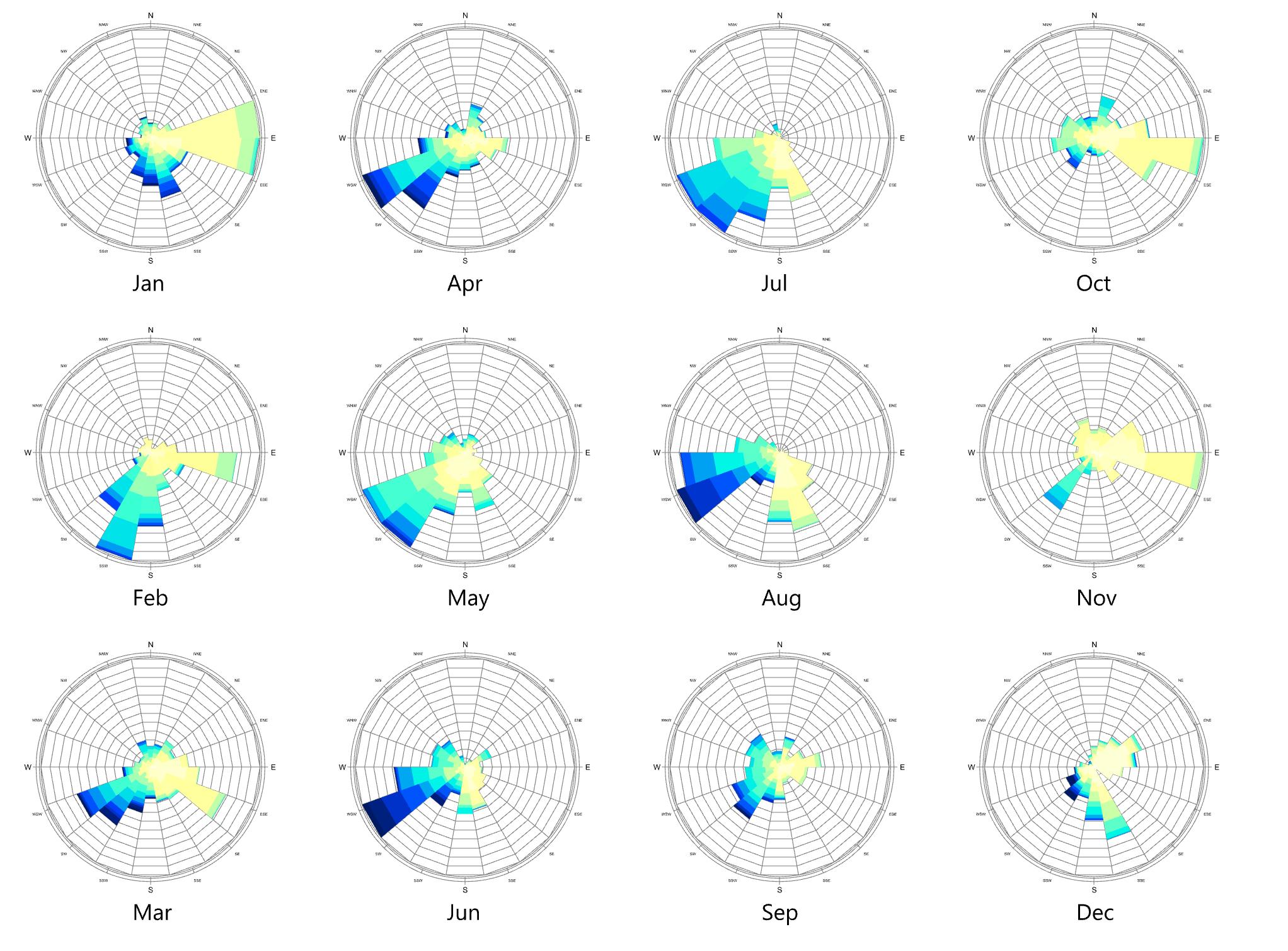
13| MONTHLY WIND ROSE BEIRUIT,
LEBANON
MELBOURNE, AUSTRALIA
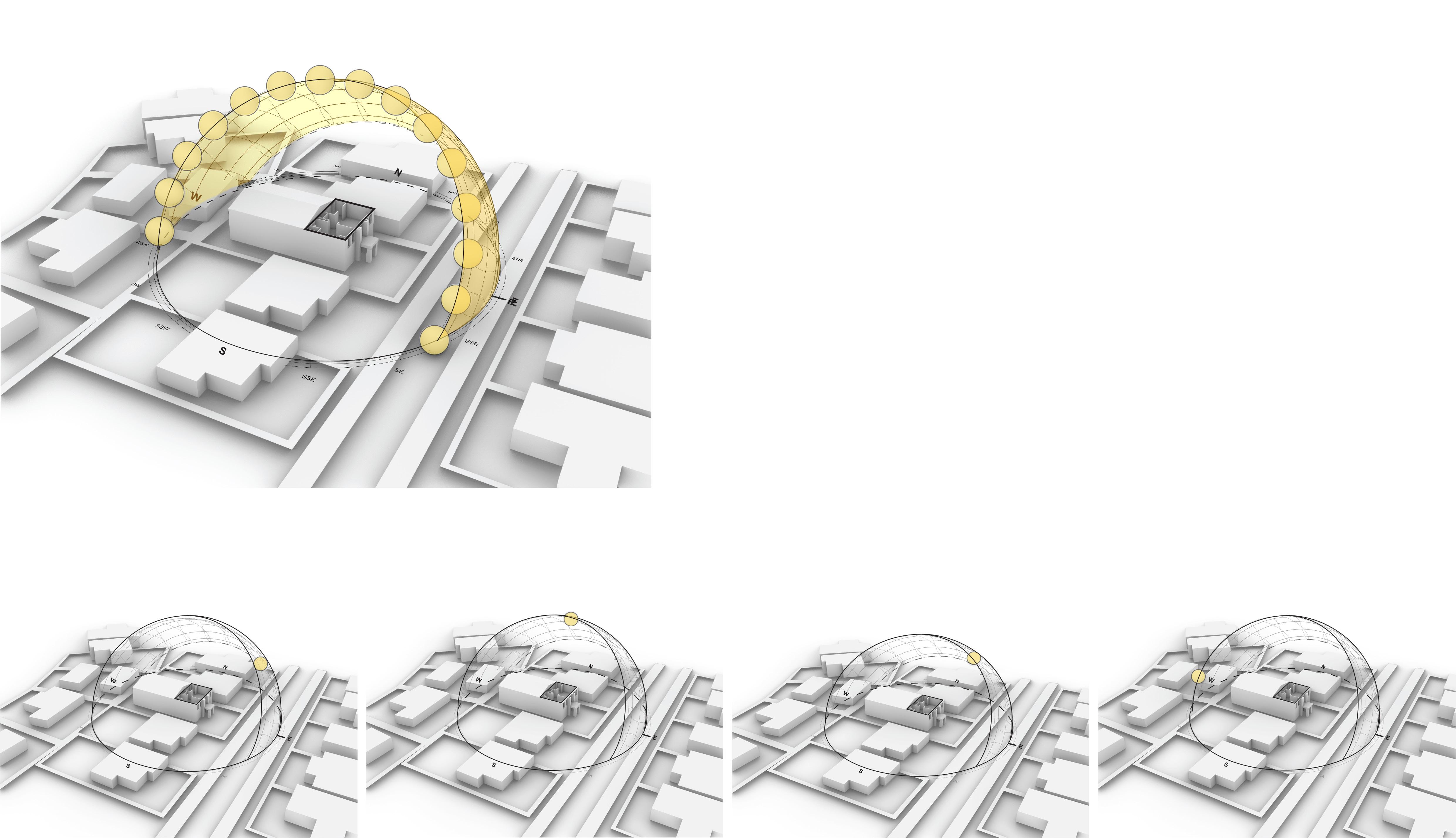
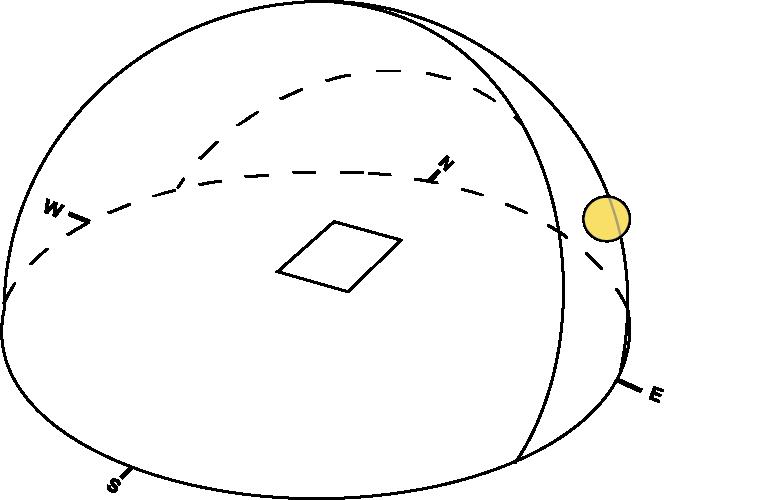
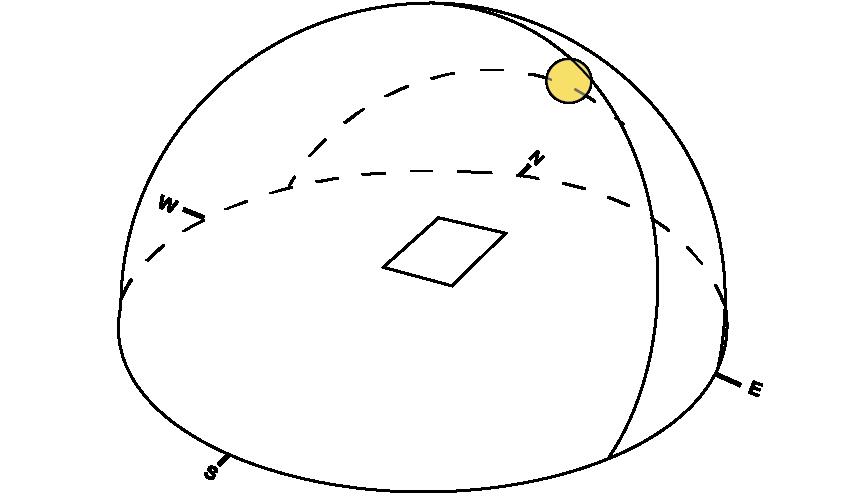
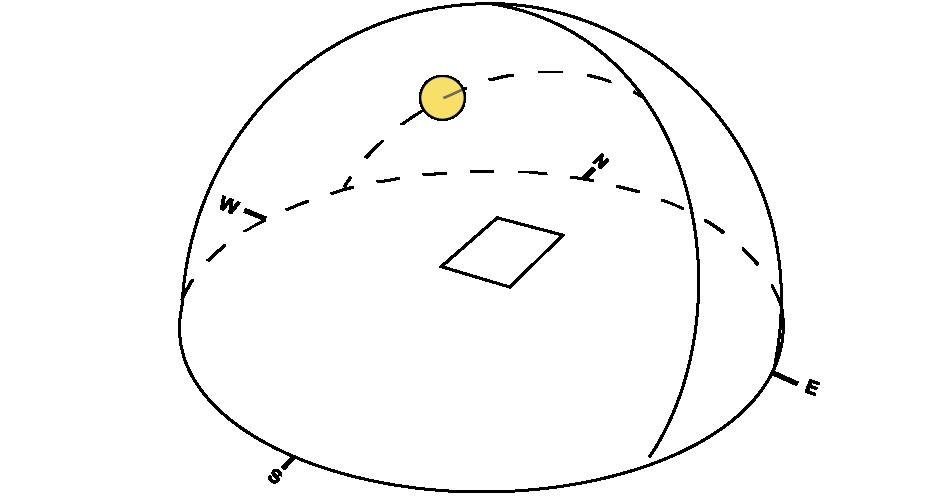
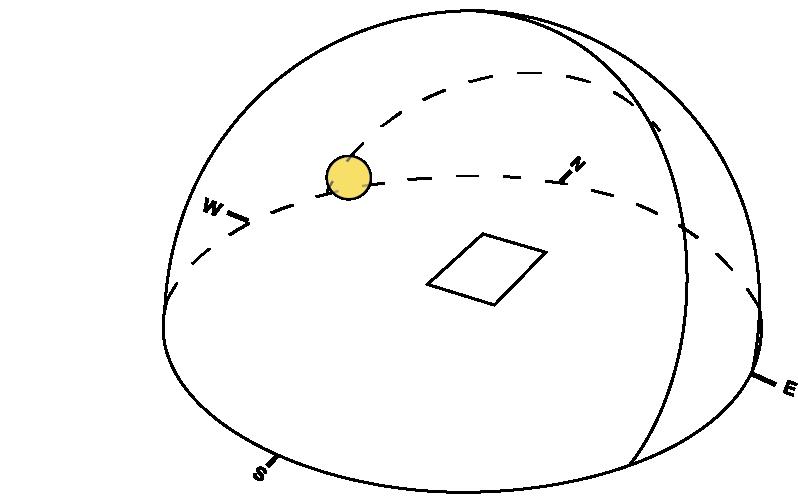
SUMMER SOLCTICE - 22 DECEMBER
14| SUN PATH
MELBOURNE, AUSTRALIA
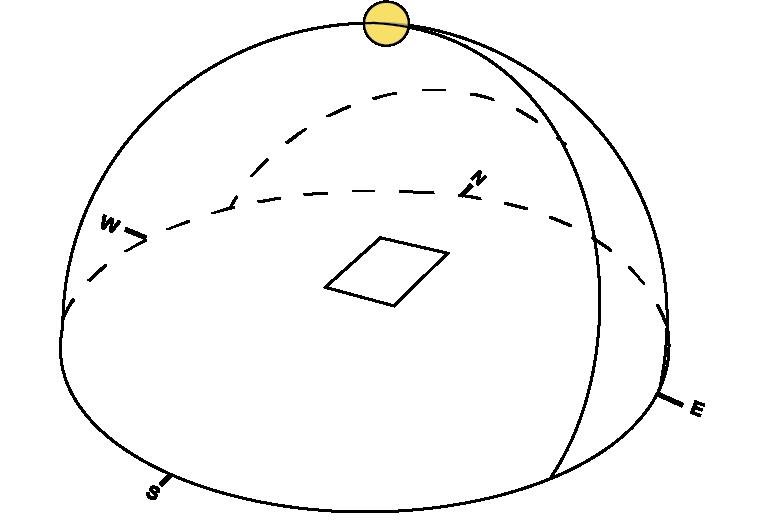
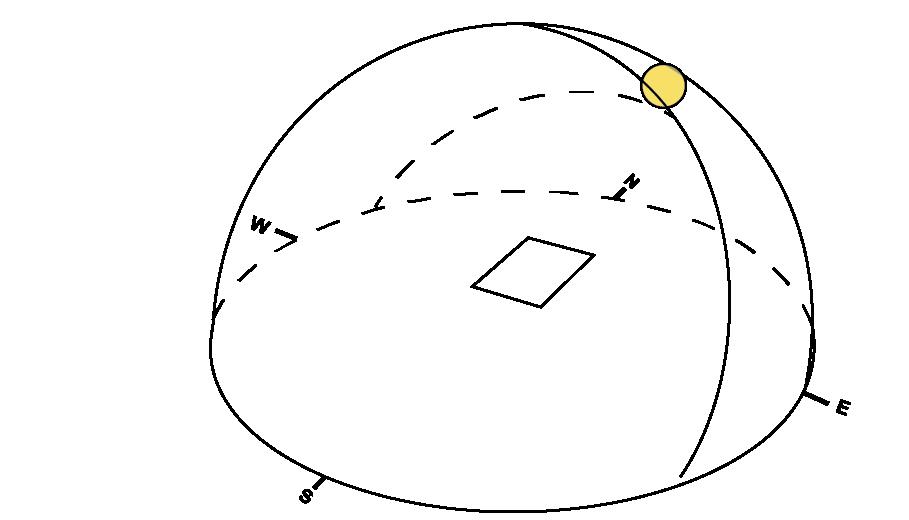
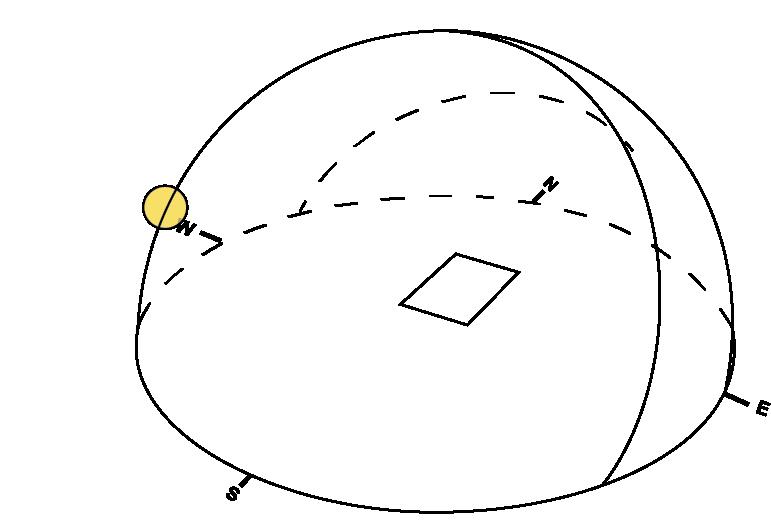
The sun path altitudes across a single summer day, from morning (9 AM) to late afternoon (5 PM).
9:00: The sun is high in the sky now at an east-northeast angle. The light is strong but still manageable.
12:00: The sun is at zenith position (70-78° altitude) and extremely overhead, concentrating heat load directly to the horizontal planes, which is less problematic than to the vertical façades.
15:00: The sun is dropping towards the north-west. As the altitude of the sun drops, it starts to introduce low angle glare.
17:00: The sun is low and highly oblique from the west/ south-west. This means it is creating extreme thermal and glare conditions.
9AM 12PM 3PM 5PM

15|
SUN PATH MELBOURNE, AUSTRALIA
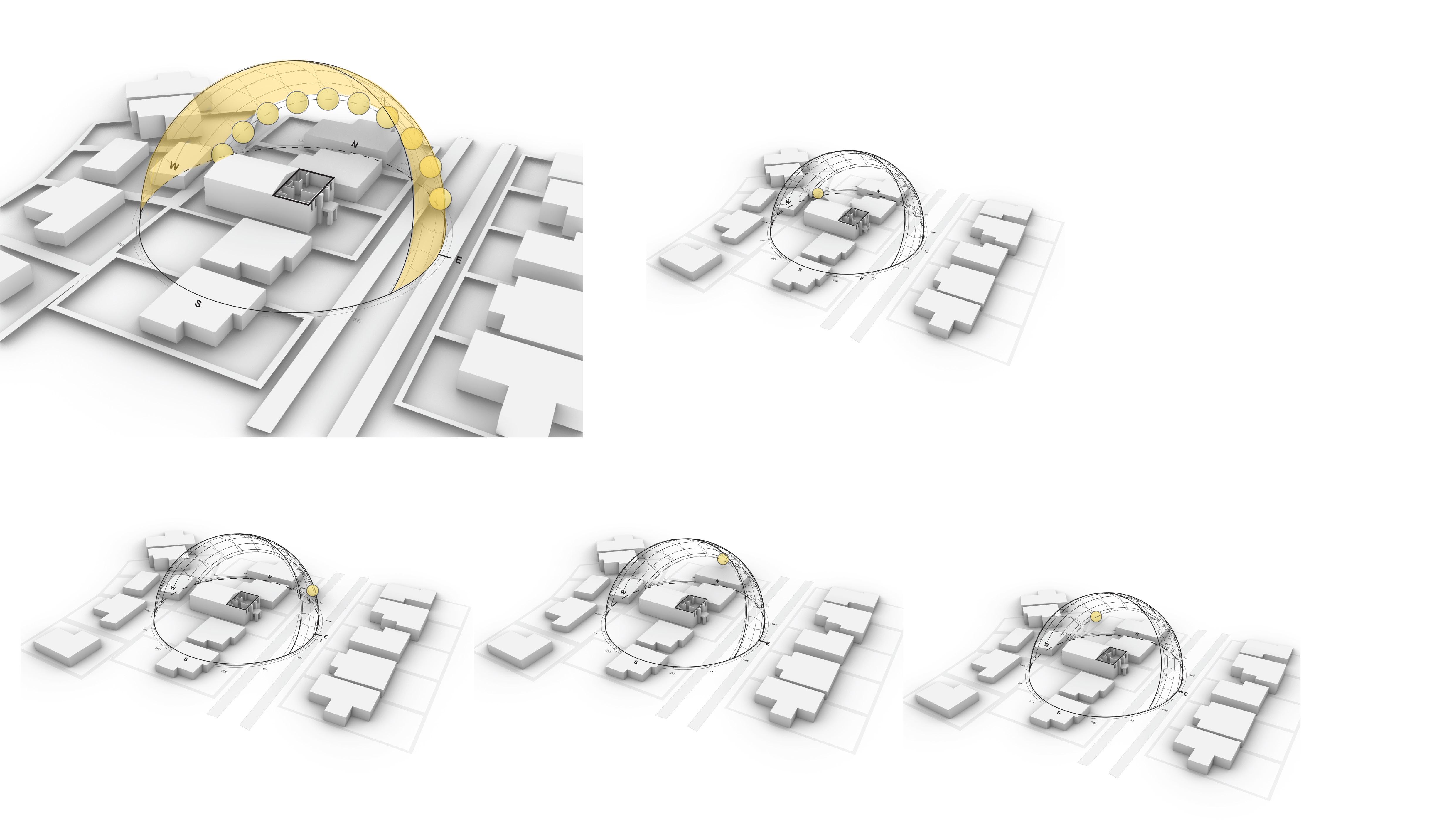
Solar Study - Melbourne, Winter Solstice (21 Jun) at 9:00 / 12:00 / 15:00 / 17:00
This shows us the sun movement across a winter day. Compared to summer, the sun is at much lower altitudes and the day is shorter.
9:00: Very low altitude and shallow east-north-east light means it is producing long shadows and minimal heating effect.
12:00: Sun is still at a low altitude (30-32°), but it is the time of day when potential solar radiation is the highest.
15:00: The Sun is low in the sky; the light is very weak and diffuse, but still adds to the mean radiant warmth of the space.
17:00: The Sun is very low in the sky or has already set; there is very little daylight left and it is strong cooling influence.
16|
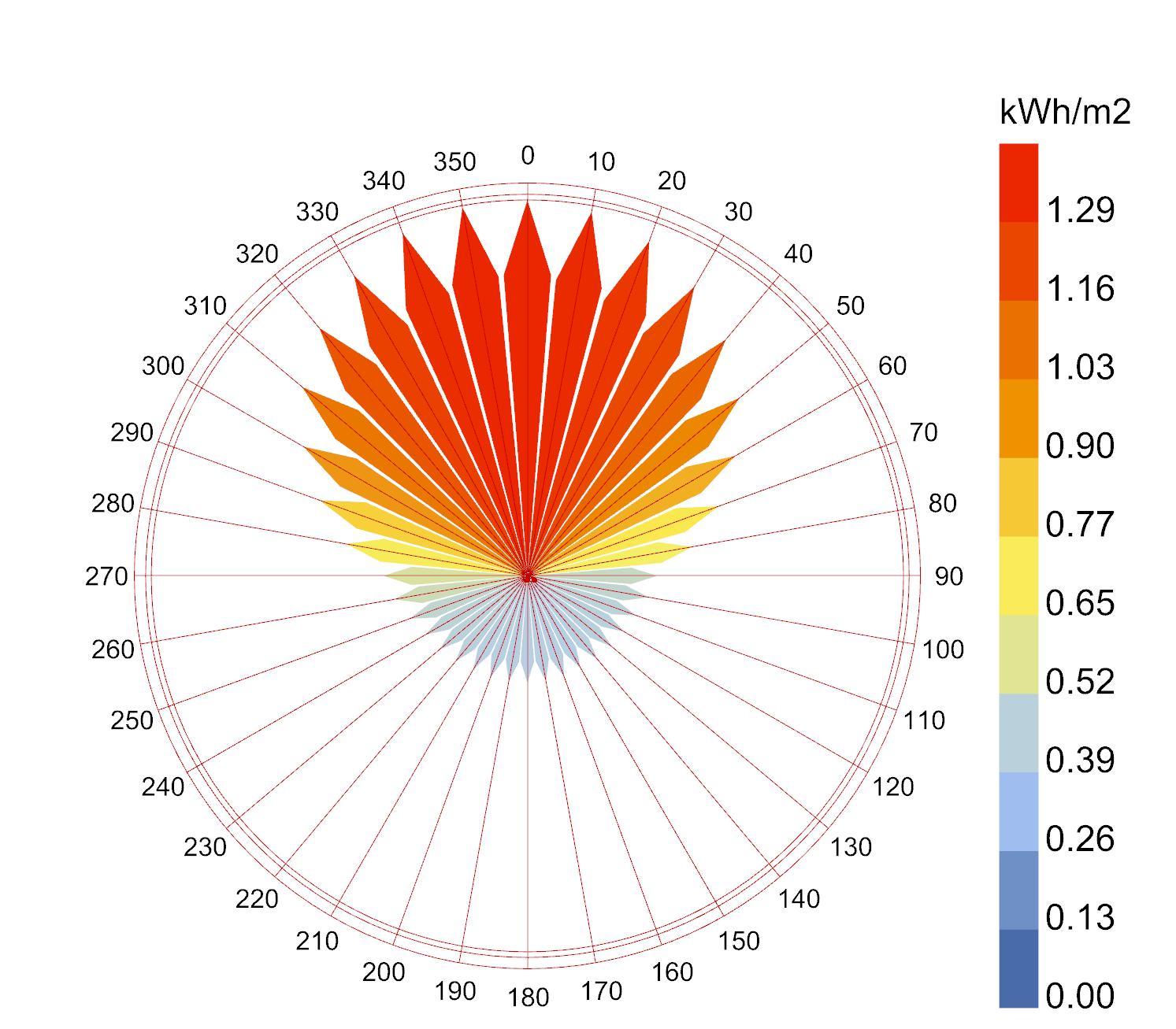
RADIATION ROSE MELBOURNE, AUSTRALIA
Peak Values: Up to 1.29 kWh/m² (lower than winter values).
Directionality: Radiation is highest from the north to northwest (0°–330°), which makes sense as the sun is high in the sky and arcs across the north.
Distribution: Broader spread, but less intense compared to winter.
Solutions:
North-facing façades receive significant radiation but at a steeper solar angle, meaning shading devices (overhangs, louvers) can be effective.
East and west façades receive moderate loads, suggesting some vertical shading may be required.
17|
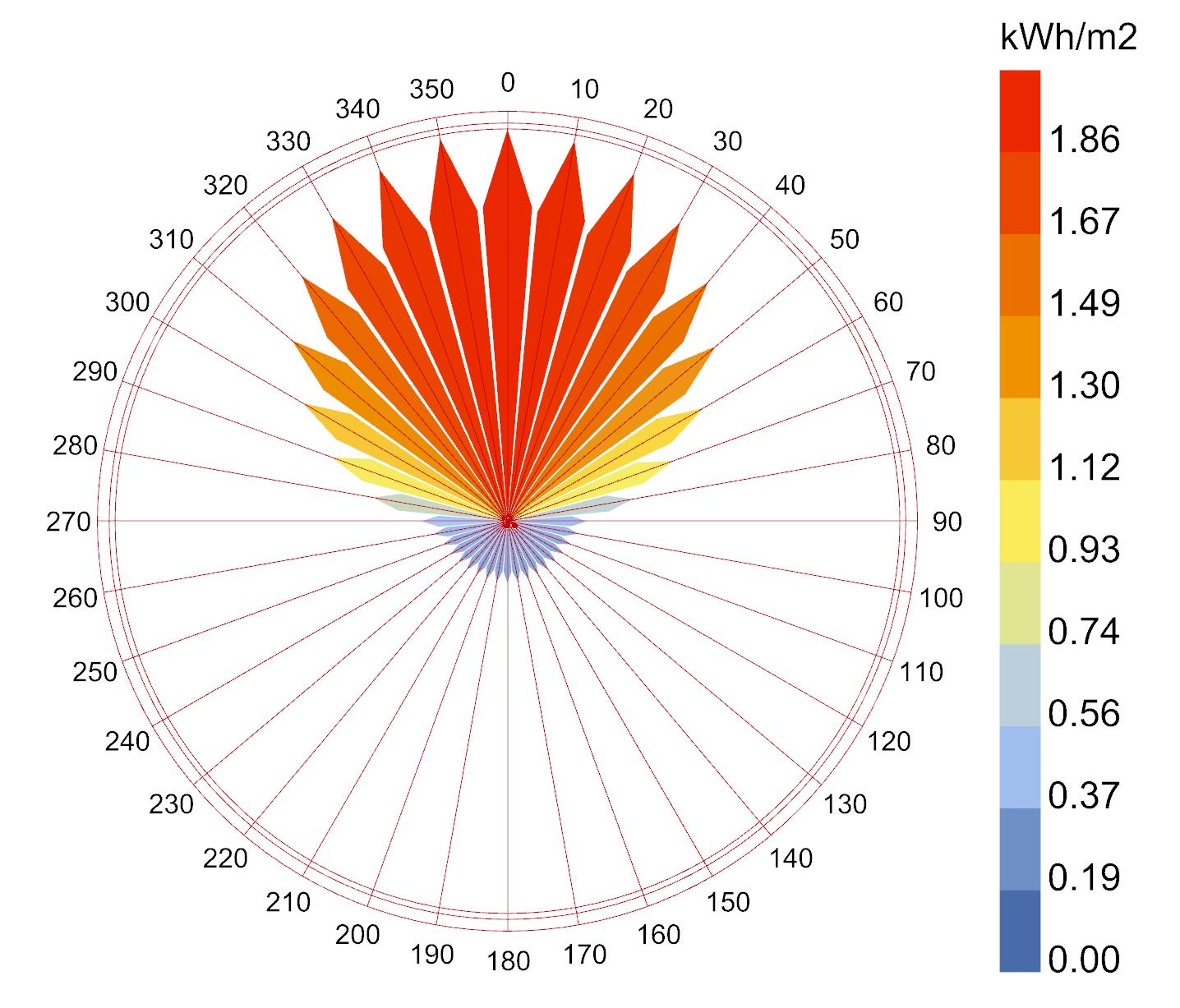
RADIATION ROSE MELBOURNE, AUSTRALIA
Peak Values: Reaching up to 1.86 kWh/m², this is significantly more than during the summer.
Directionality: Almost completely focused to true north (350°–20°).
Distribution: More narrow, this is due to the lower sun angle causing the radiation to be more directional.
Solutions:
Passive heating strategies will be best served by the winter solar gain found on north-facing facades.
The east, west, and south façades will have little solar radiation, therefore they will be heat loss zones.
JUNE - 28 AUGUST

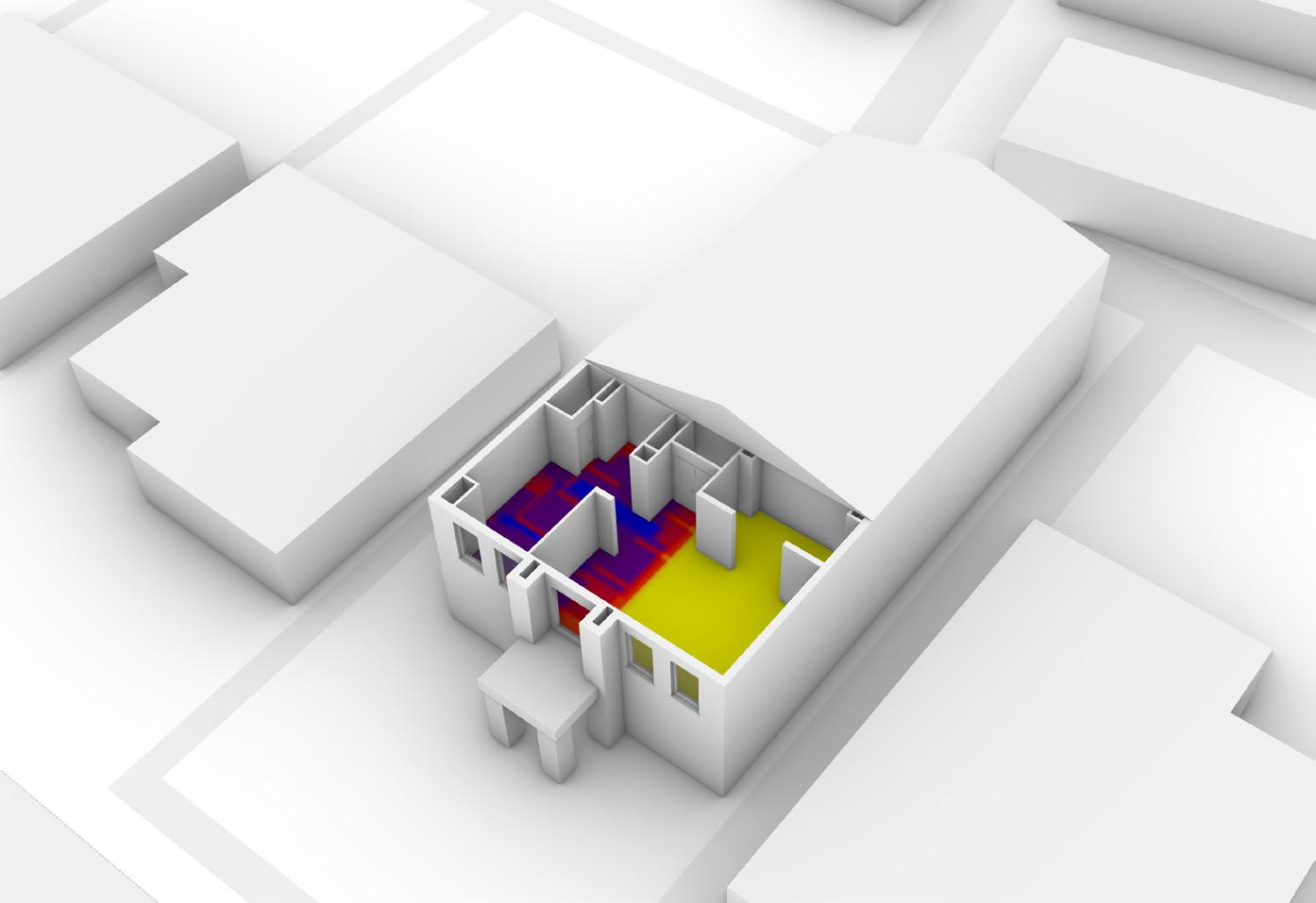
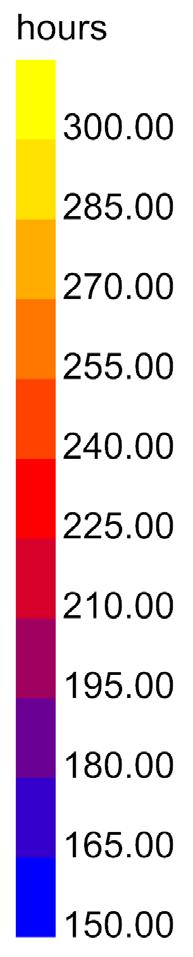
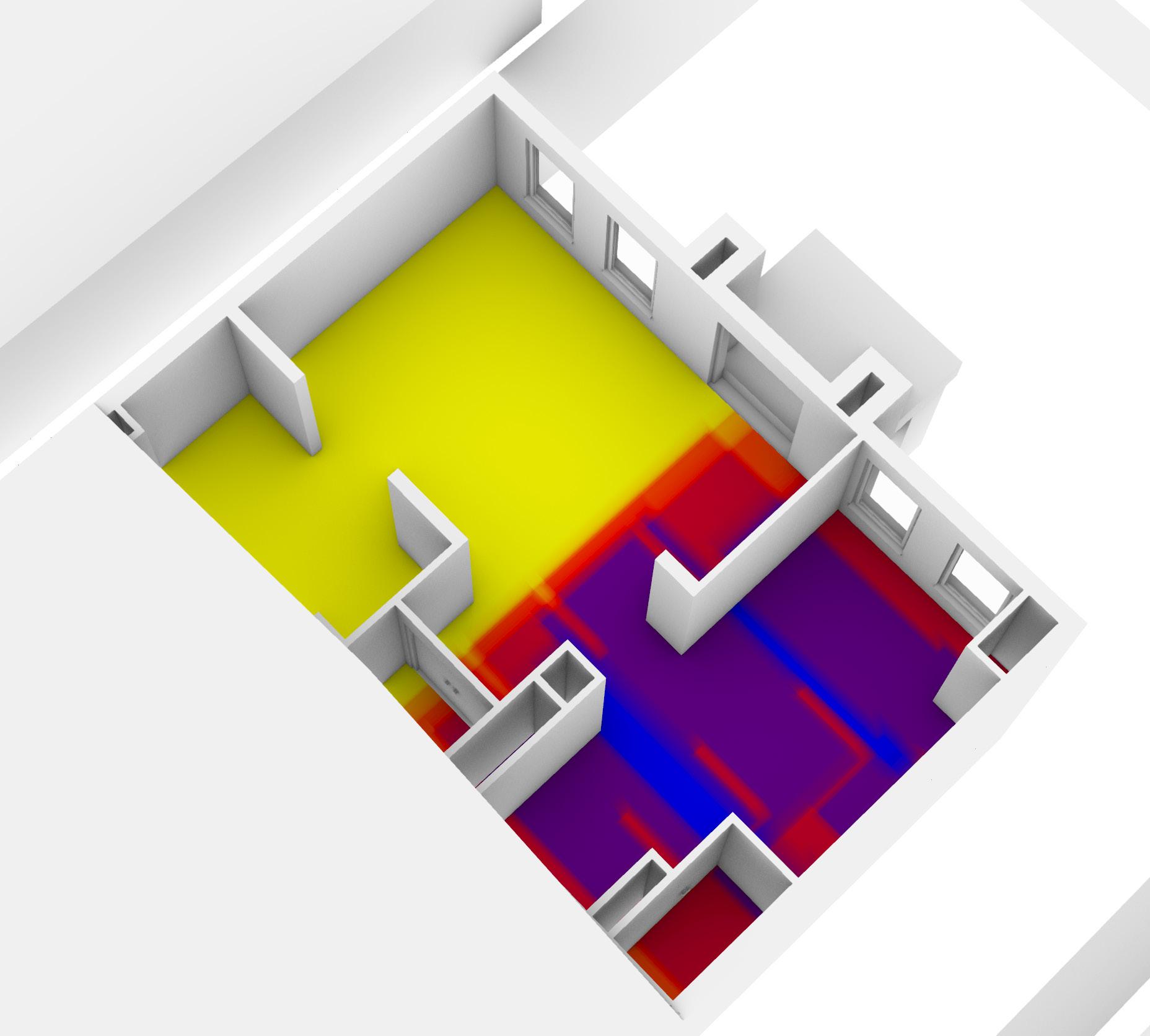

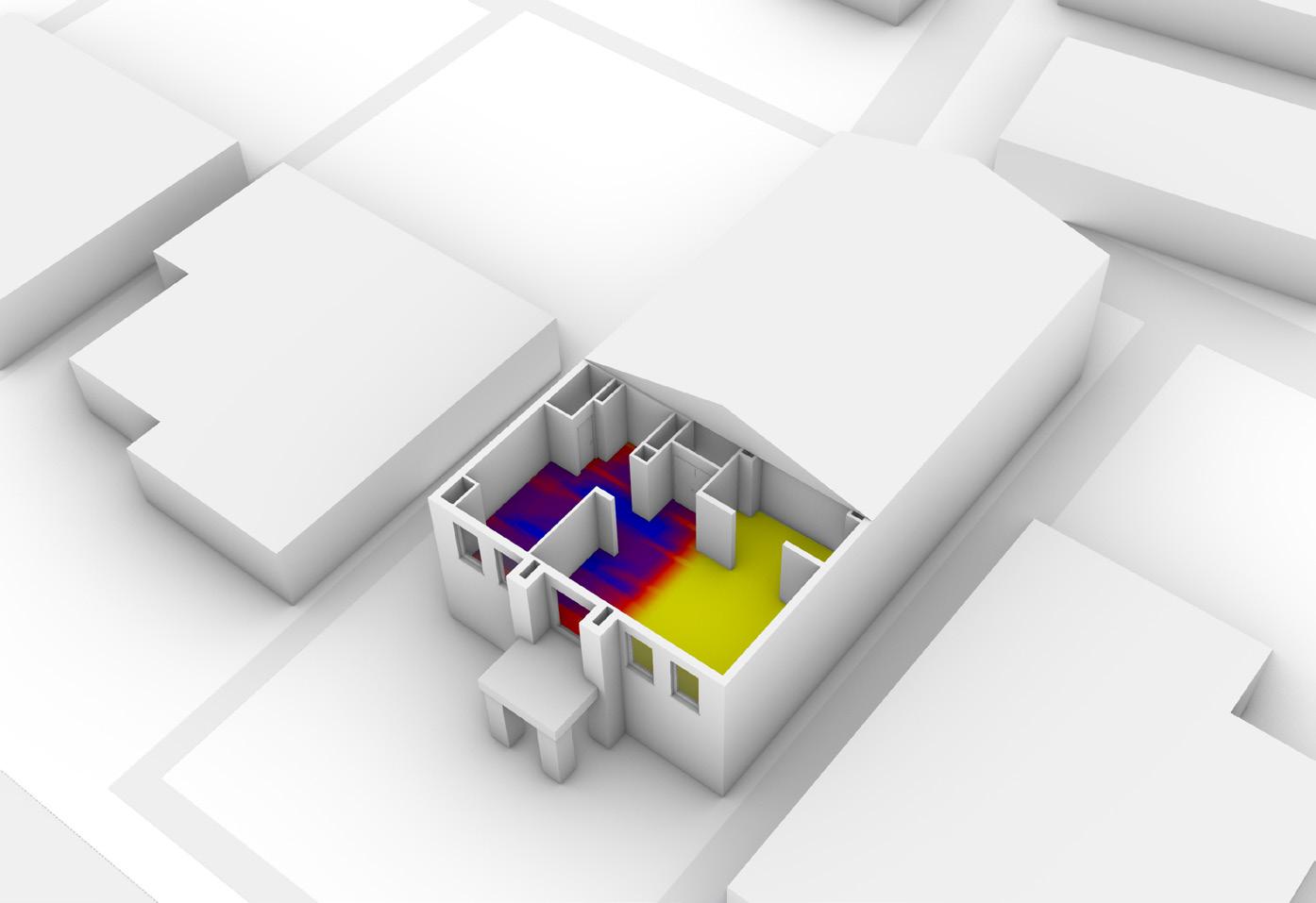
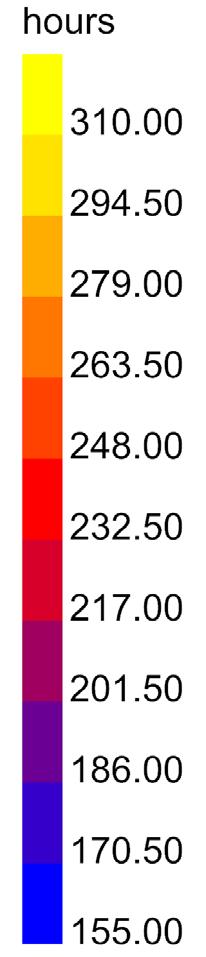
DIRECT SUN HOURS MELBOURNE, AUSTRALIA
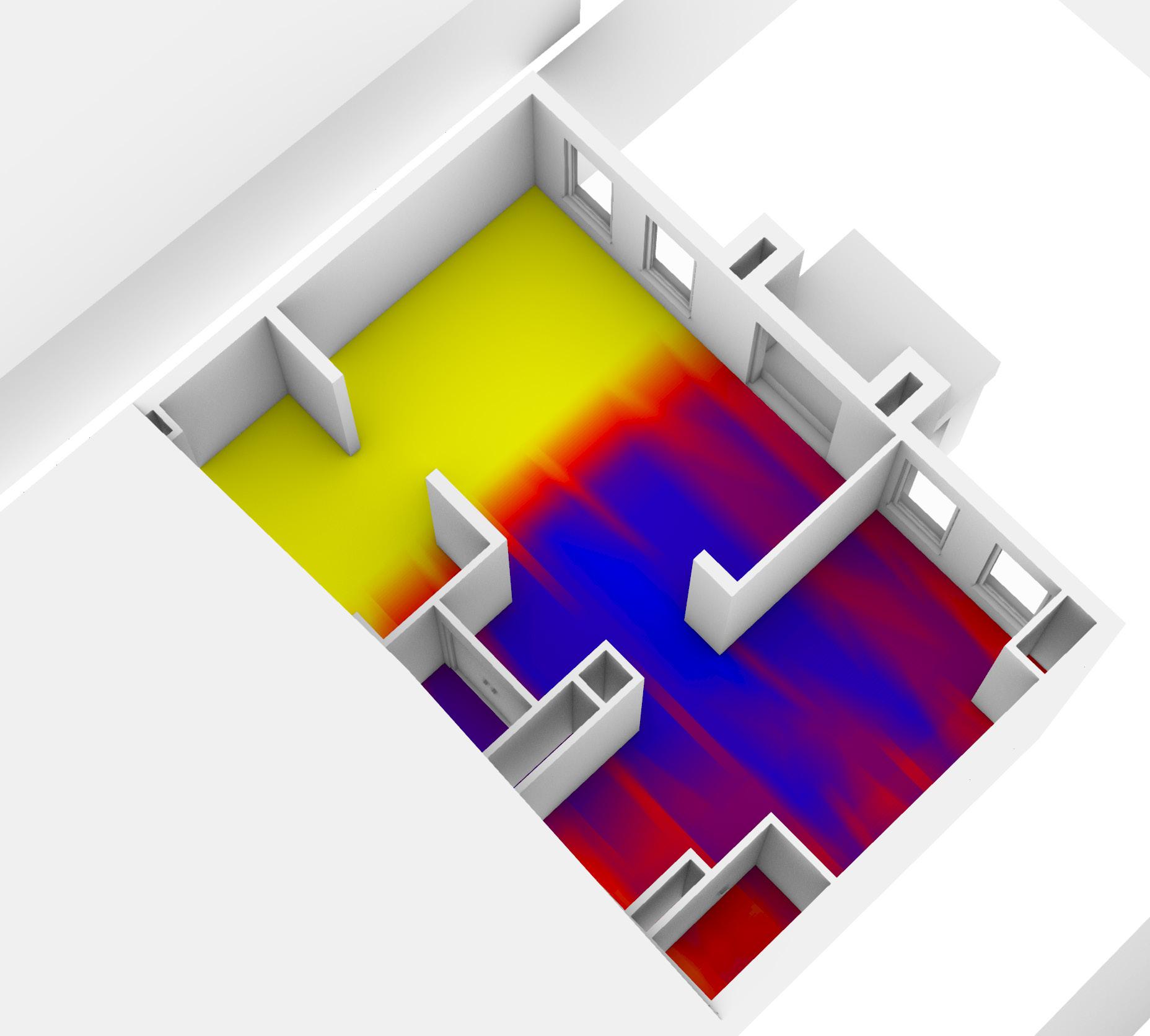
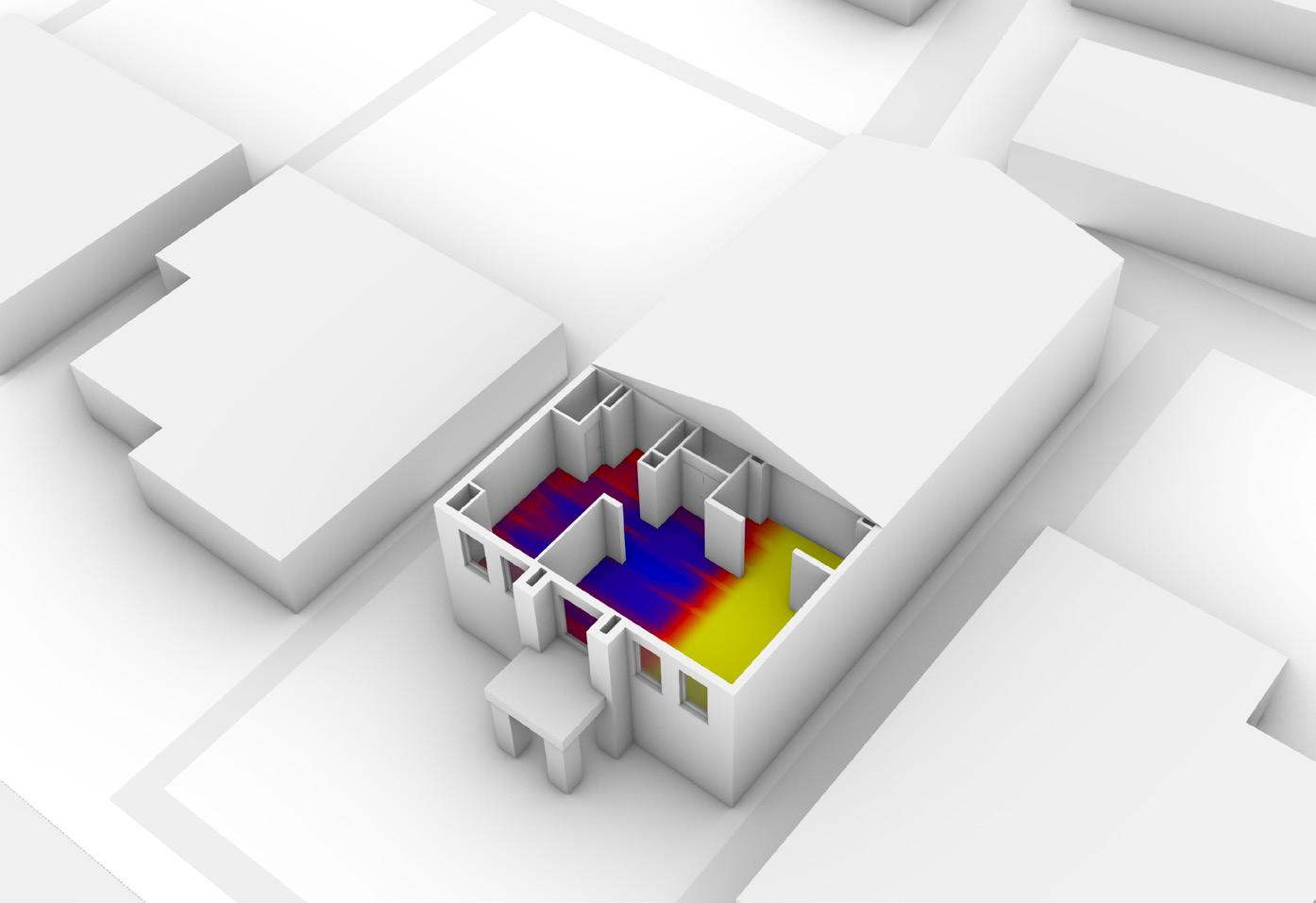

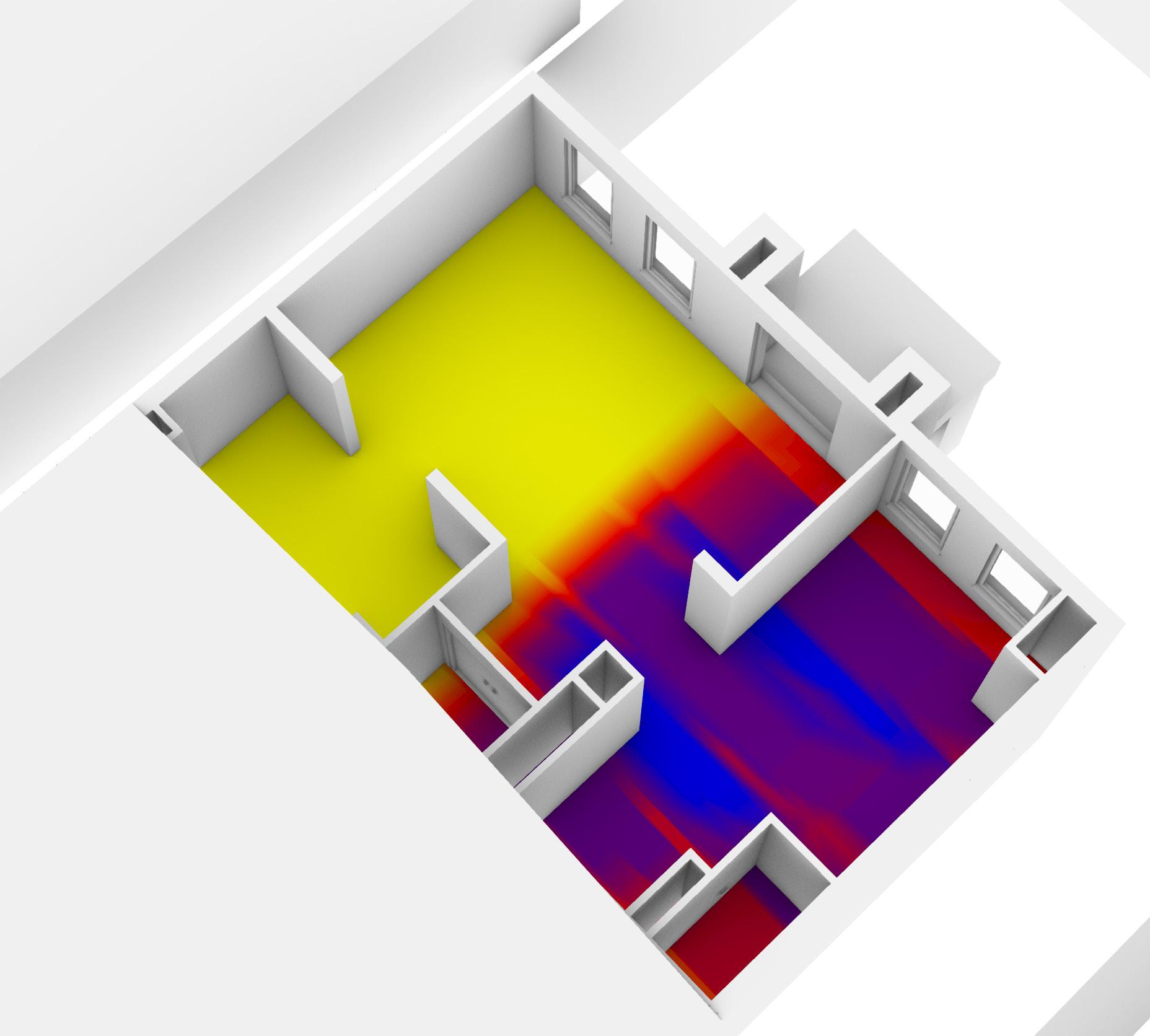
DECEMBER JANUARY FEBRUARY
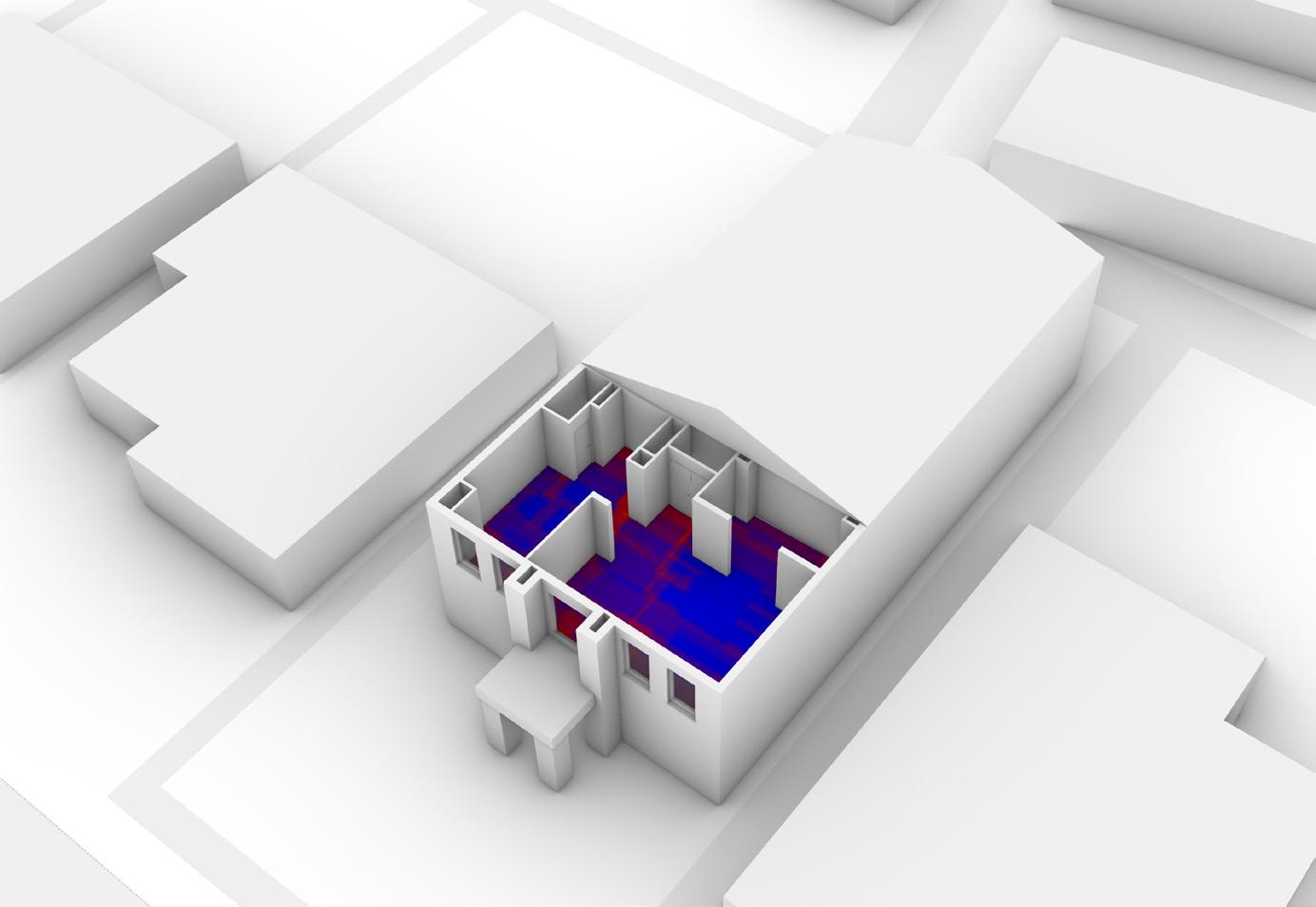
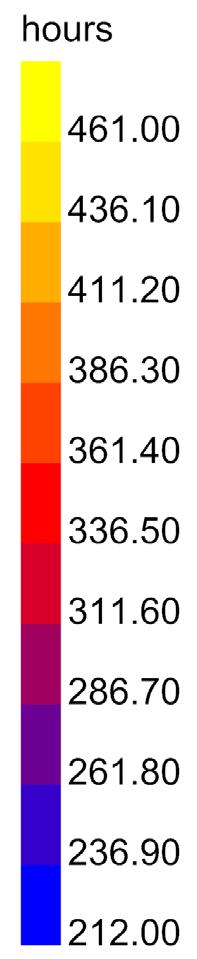
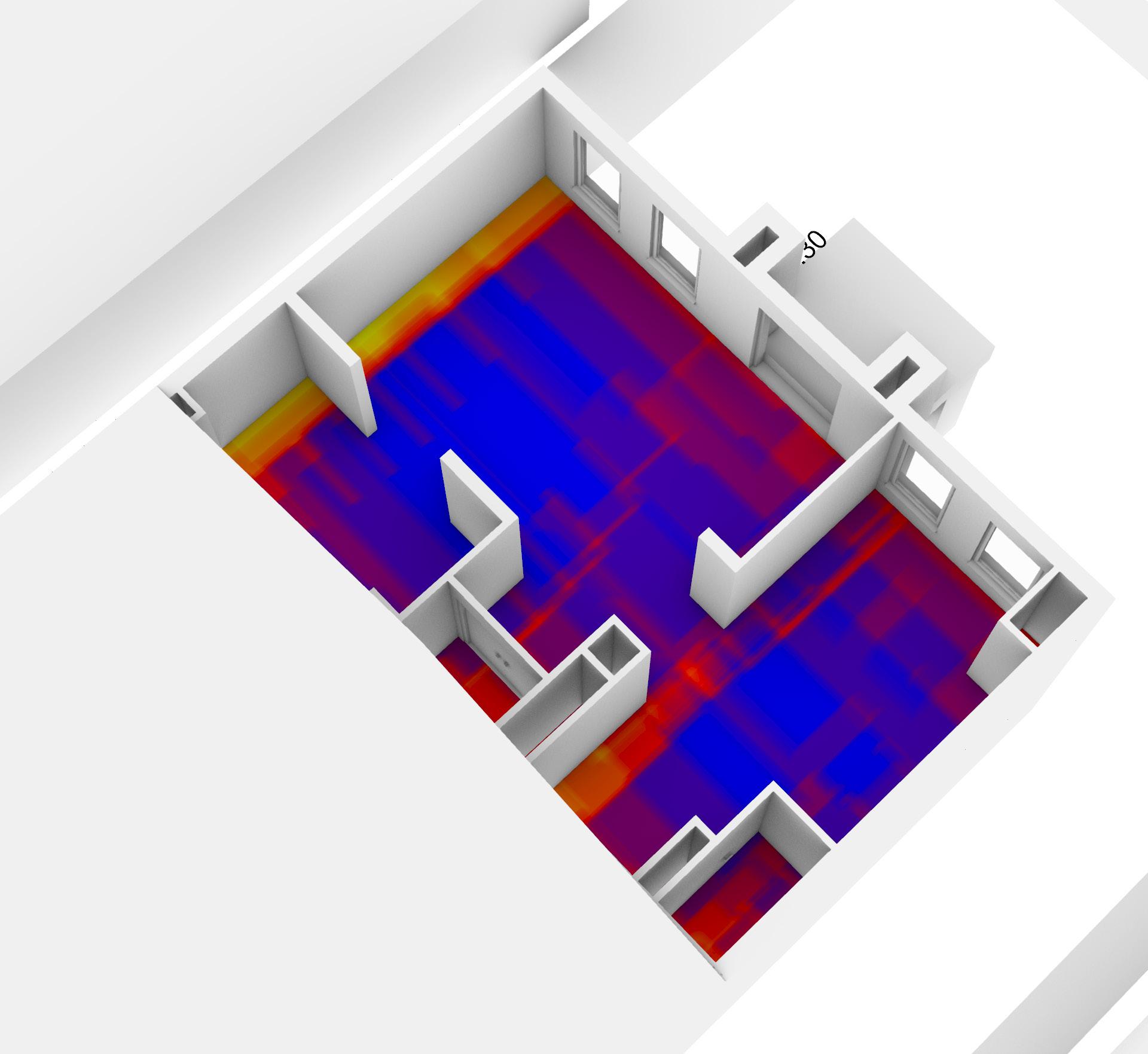
DIRECT SUN HOURS
MELBOURNE, AUSTRALIA
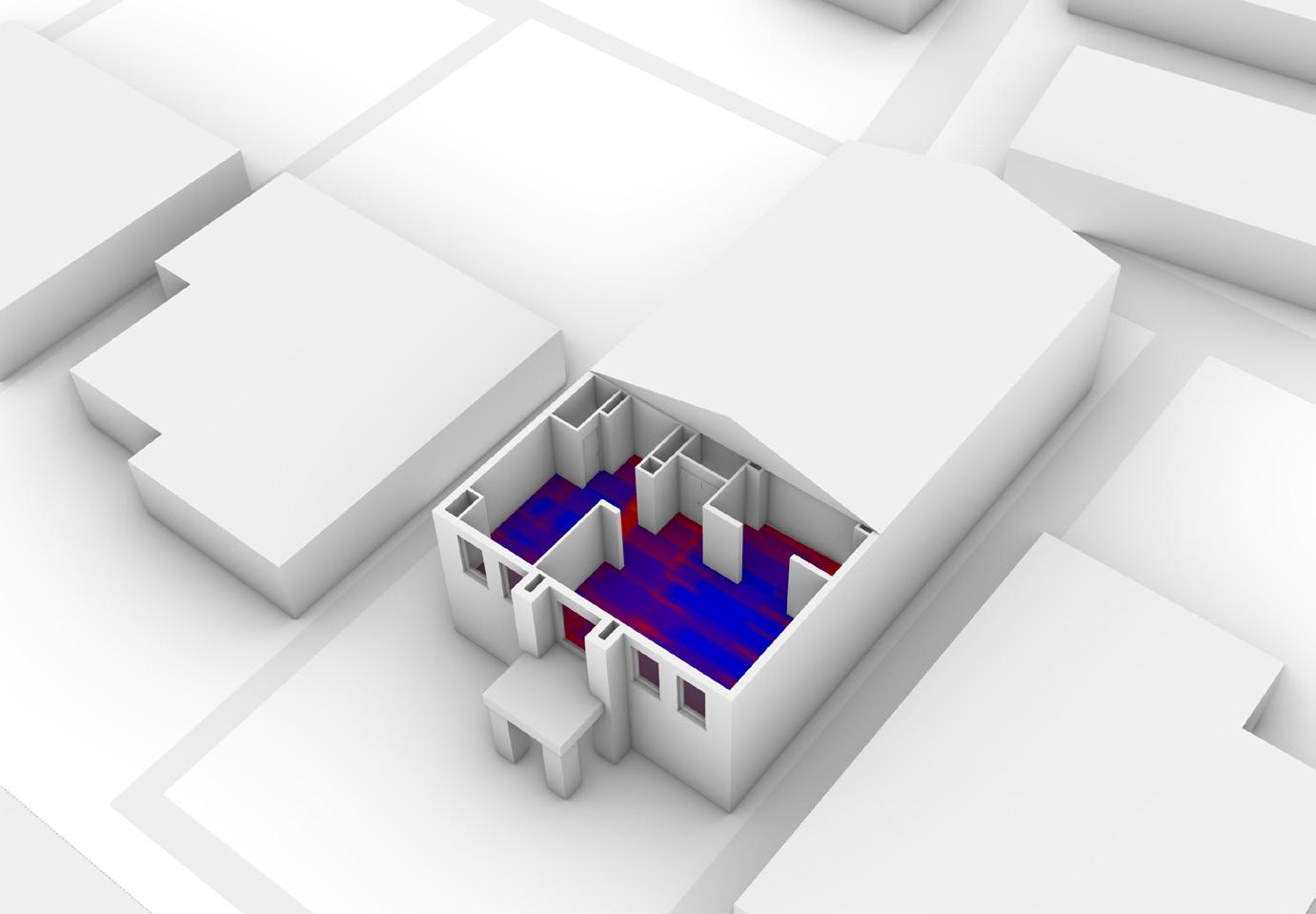
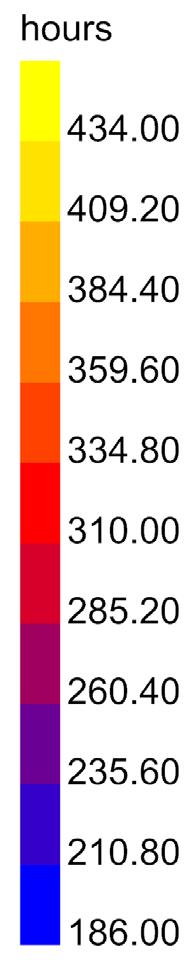
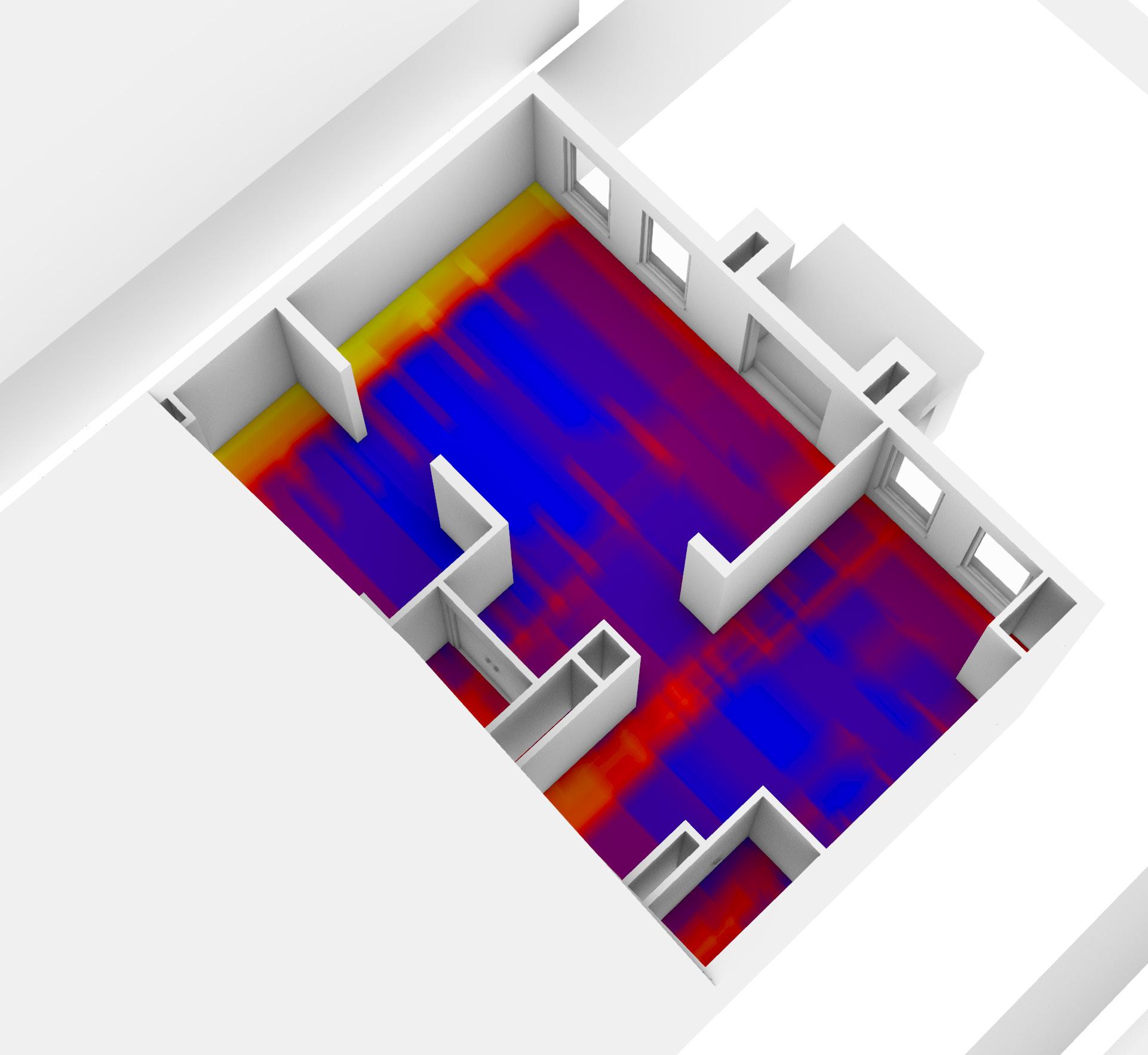


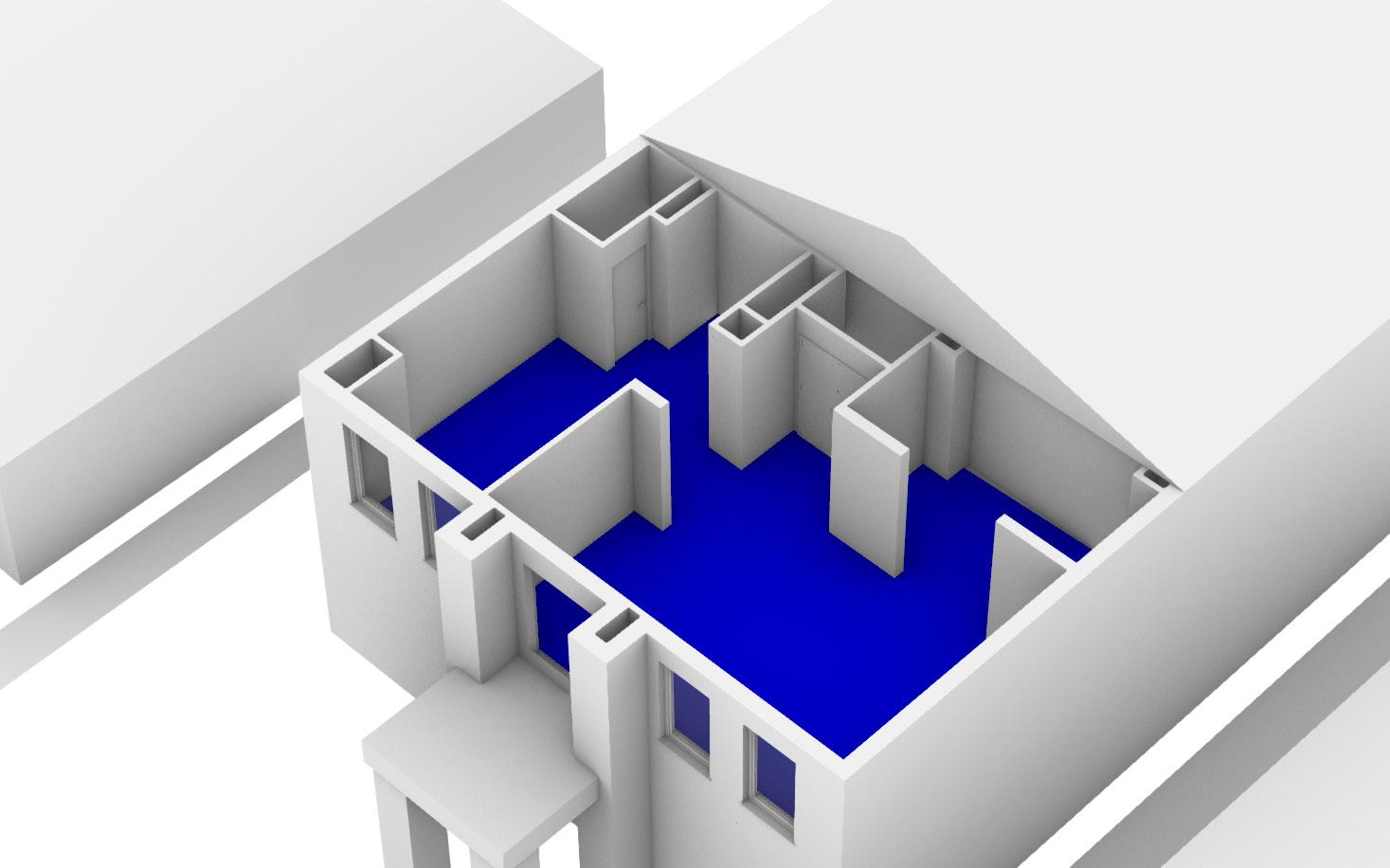
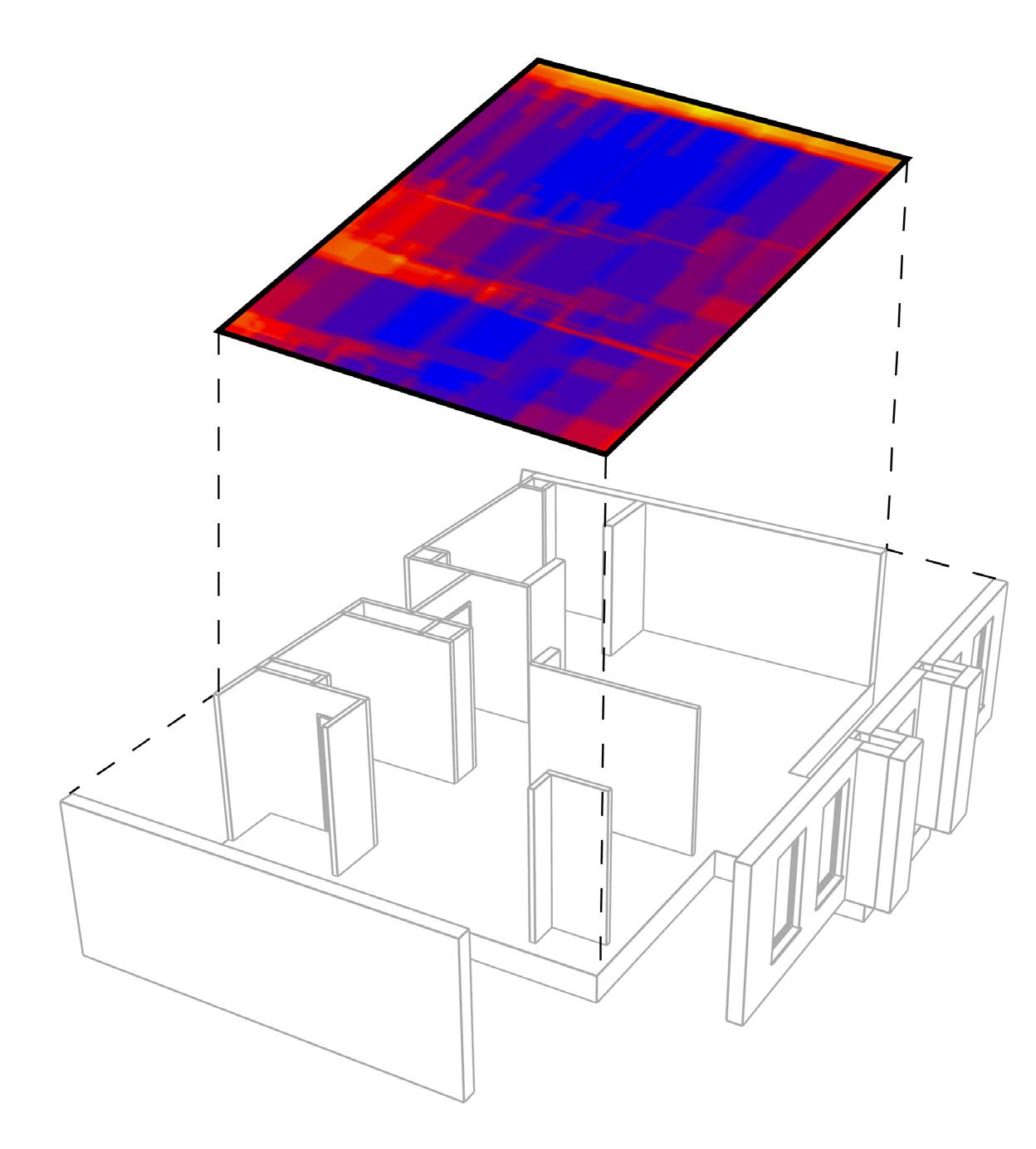
20| WINTER MONTHS MELBOURNE, AUSTRALIA
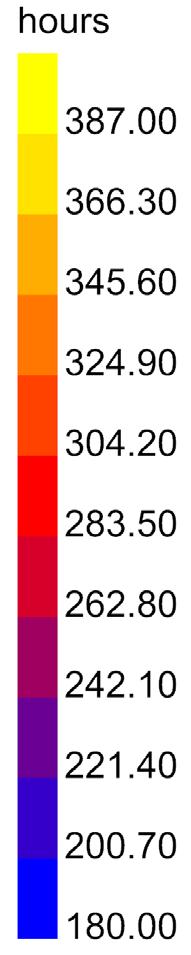
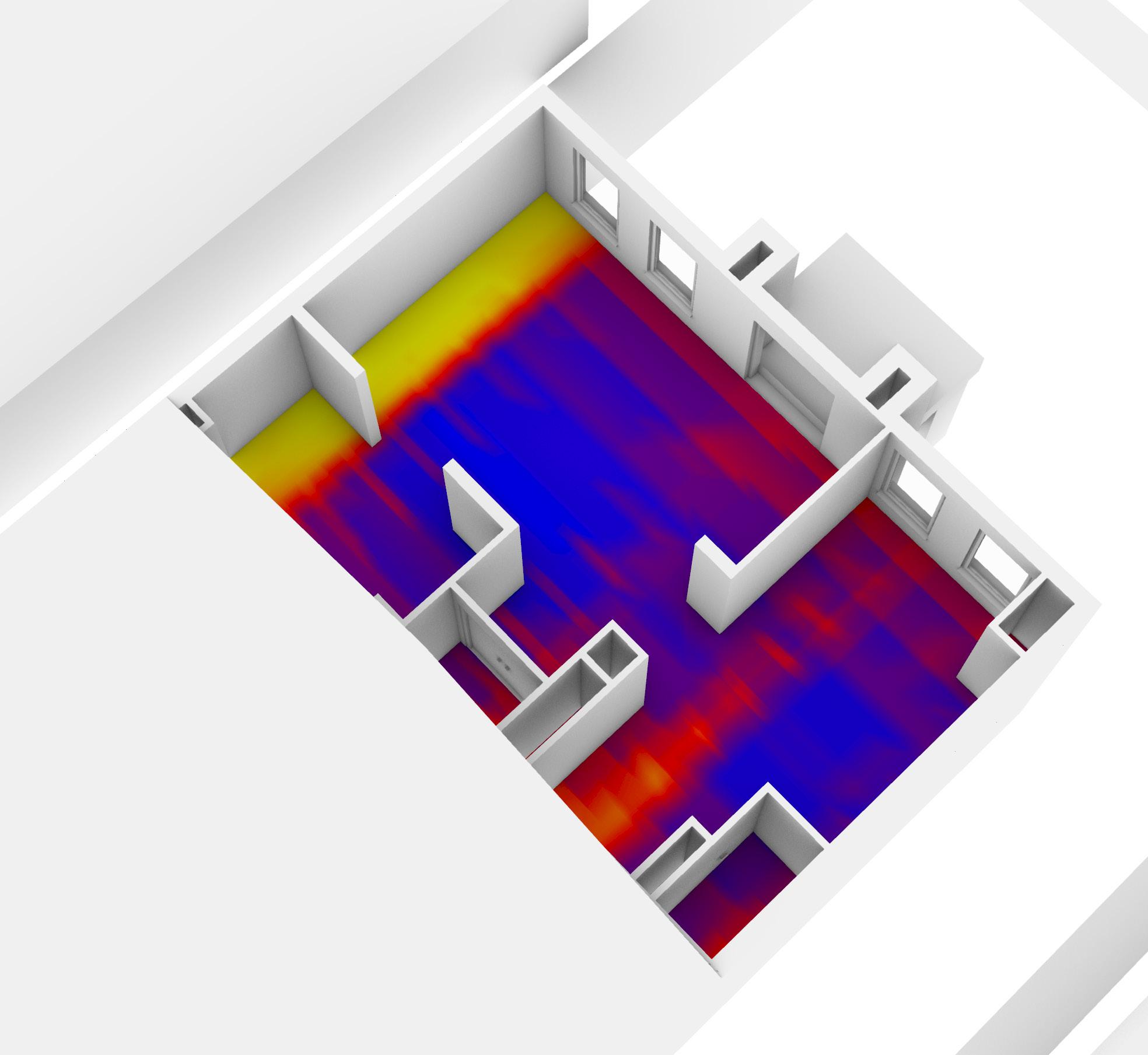
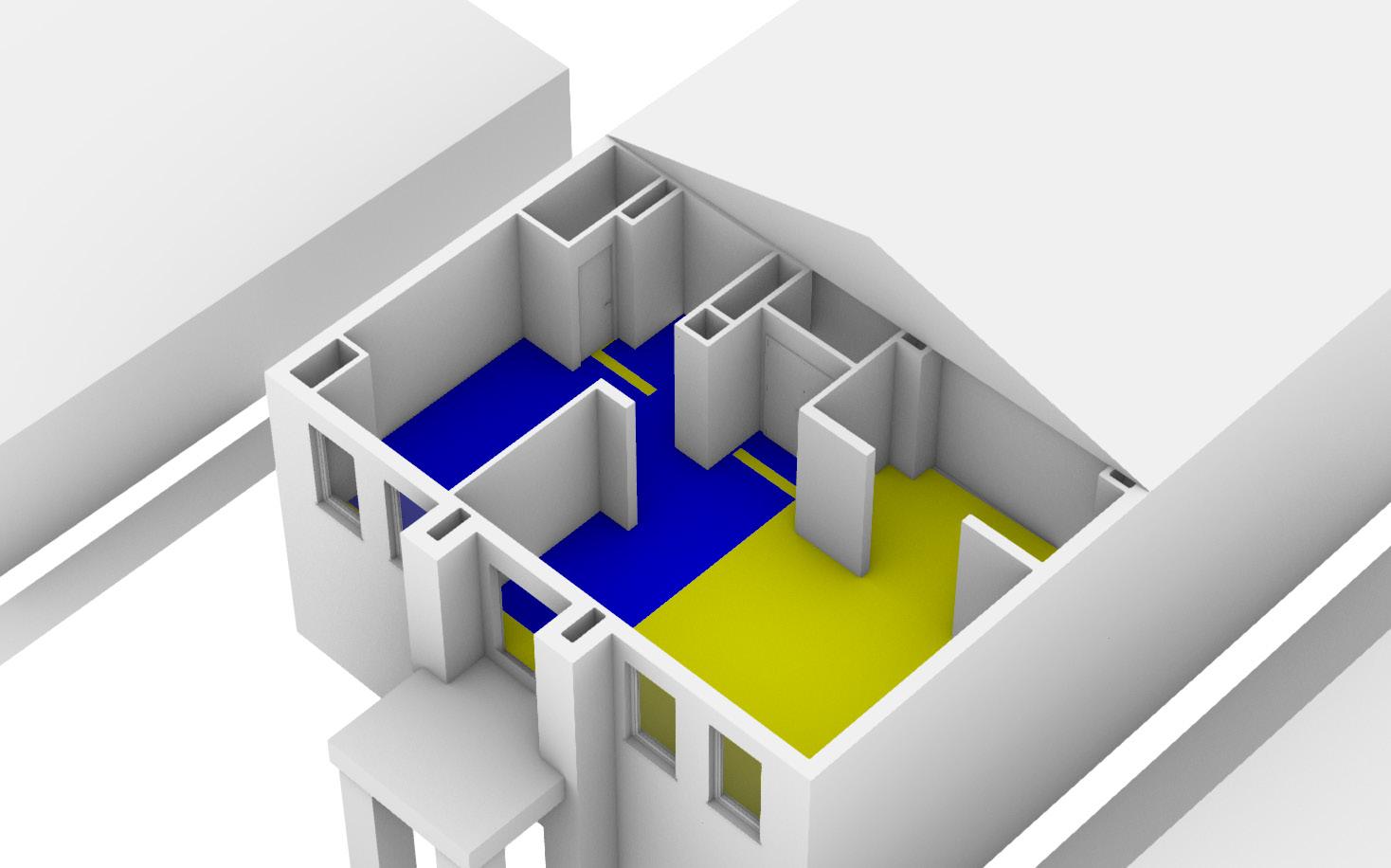
Monthly / Direct Sun Hours — Winter Months (June–July–August)
Cumulative distribution and duration of direct sunlight during the coldest season.
Highlights the short photoperiod and low solar altitude throughout the day.
Winter days have much shorter daylight windows; most radiation occurs around midday.
Sun altitudes remain low (never climbing above ~32°).
This means even at peak hours, incoming radiation is weak but still valuable for both daylighting and passive heating.
Over-shading during this period risks plunging spaces into cold, dark conditions.
JUNE

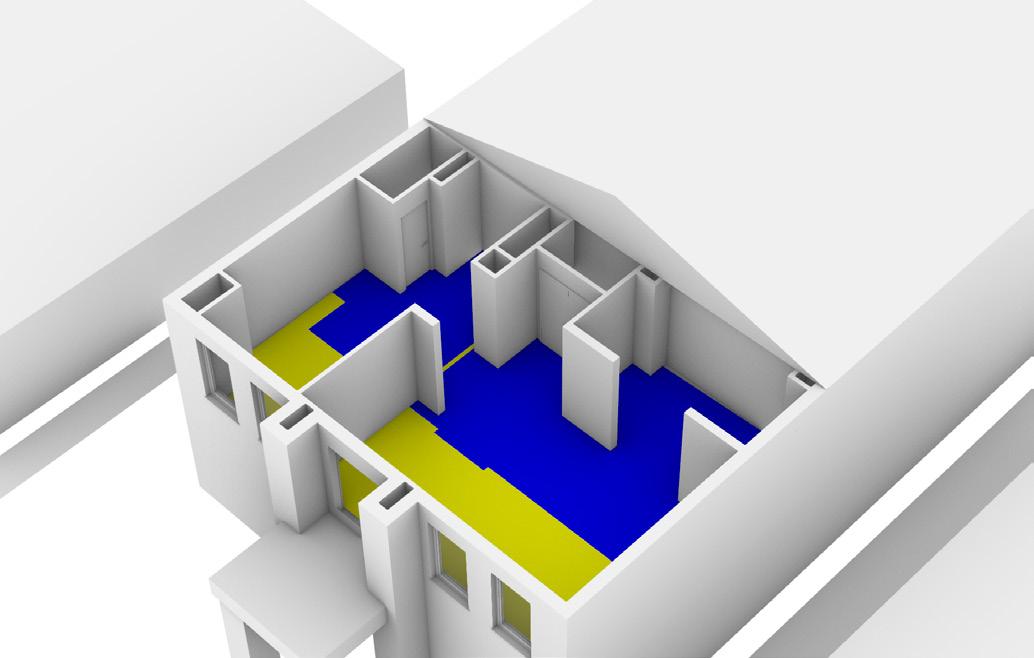
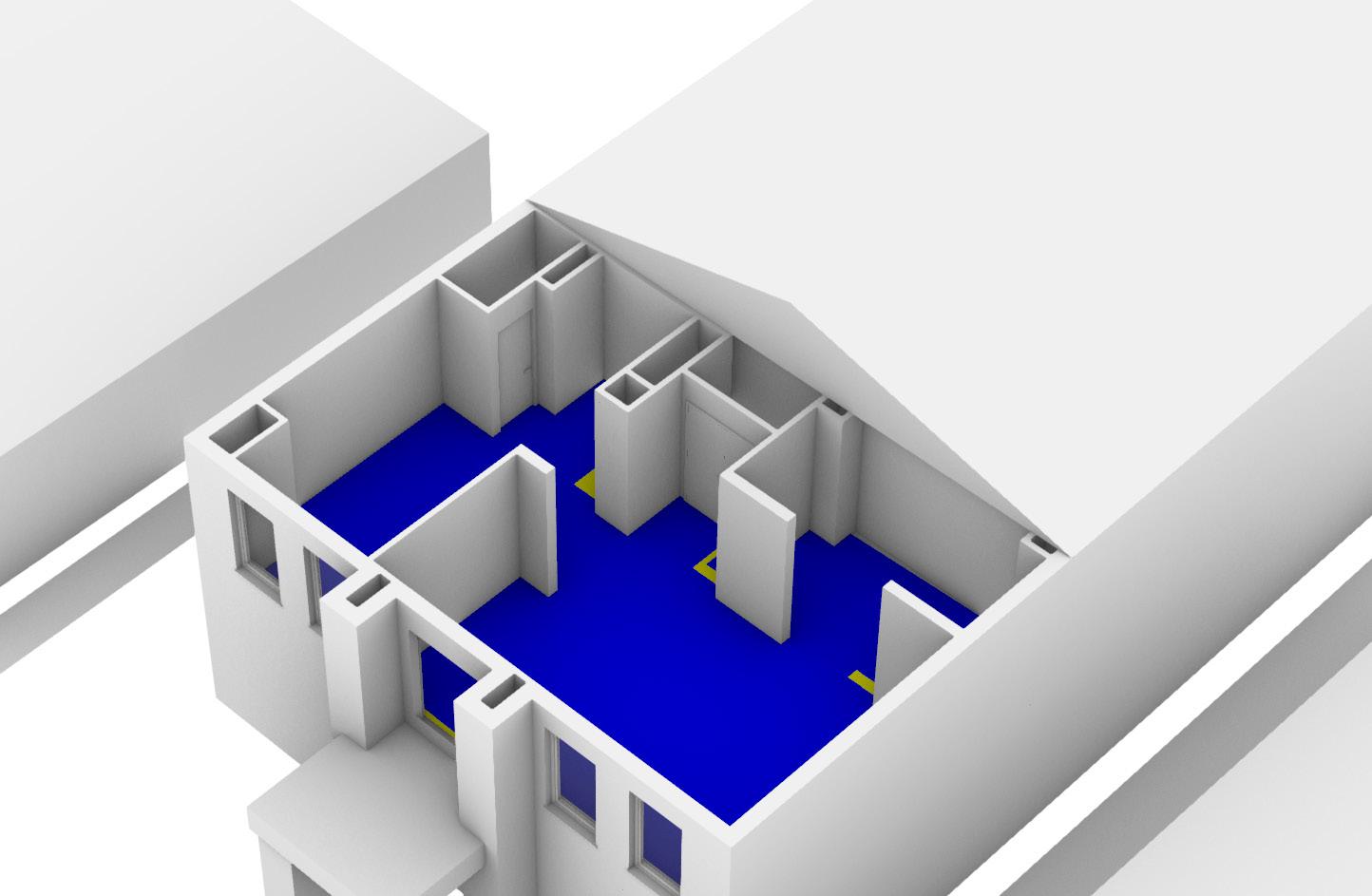
21| SUMMER MELBOURNE, AUSTRALIA
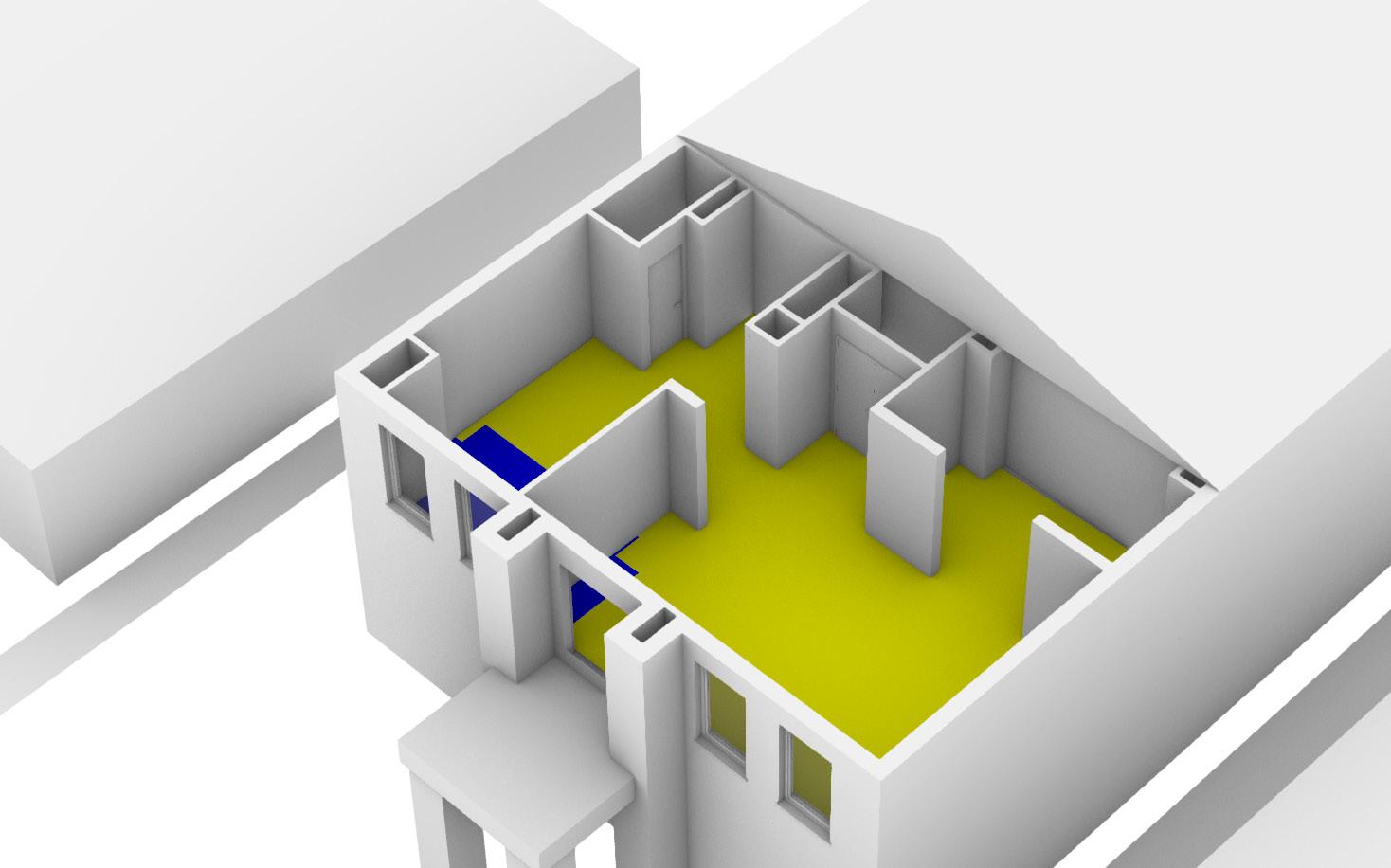
Monthly / Direct Sun Hours — Summer Months (December–January–February)
Seasonal pattern of extended direct solar exposure during the hottest months.
Shows how long daylight lasts and when critical thermal loads occur.
In summer, seasaons, there are long stretches of daylight, with sunshine available all the way until the evening.
The late afternoon period, between 15:00 and 17:00, is the hardest part of the day as the sun is low in the western and north western horizons.
This period of the day is likely to coincide with peak outdoor temps, and it produces intense glare, radiant discomfort, deep sunlight penetration, and high glare and it is often the peak outdoor temperature.
DECEMBER