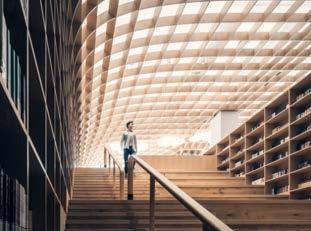
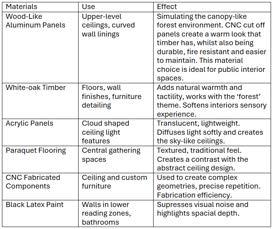
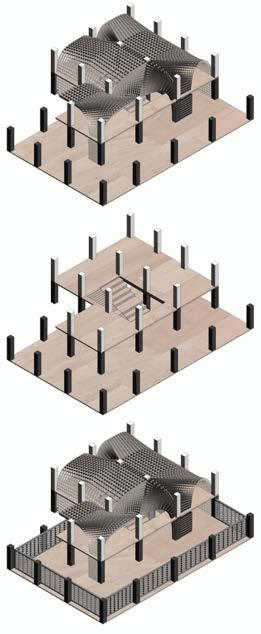
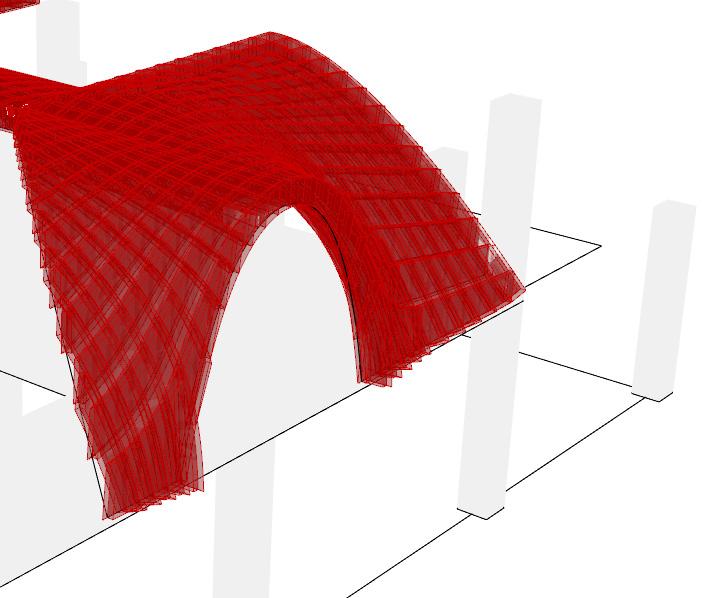
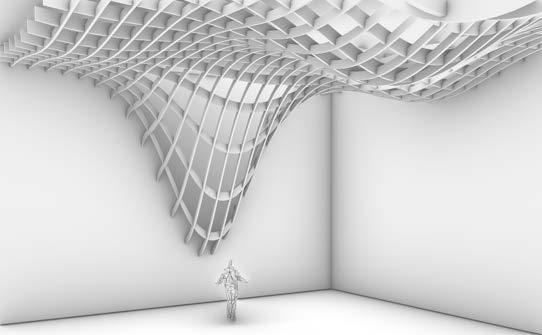
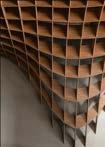
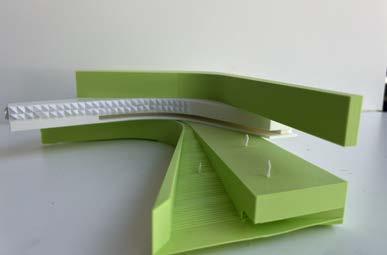
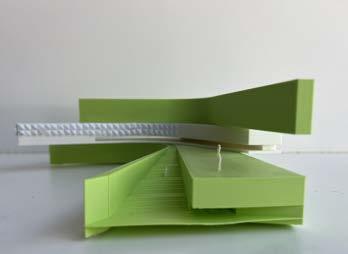
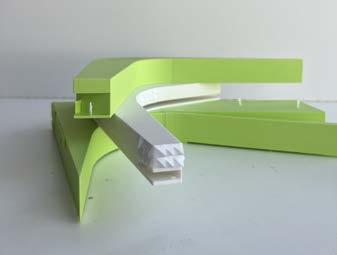
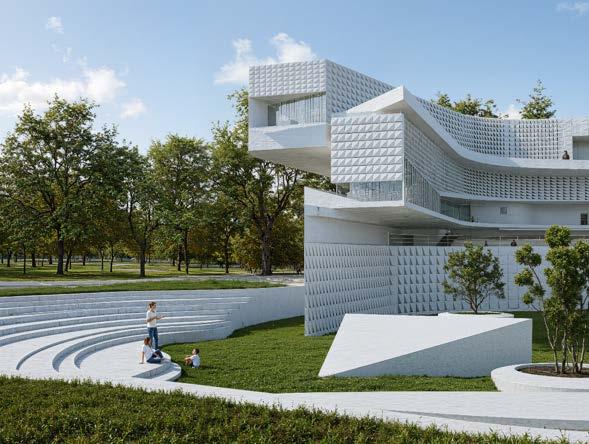
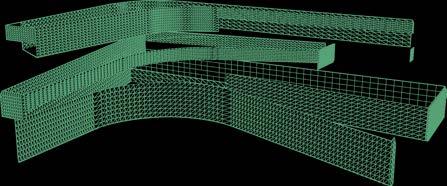
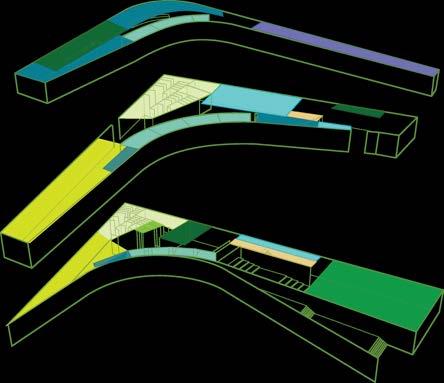
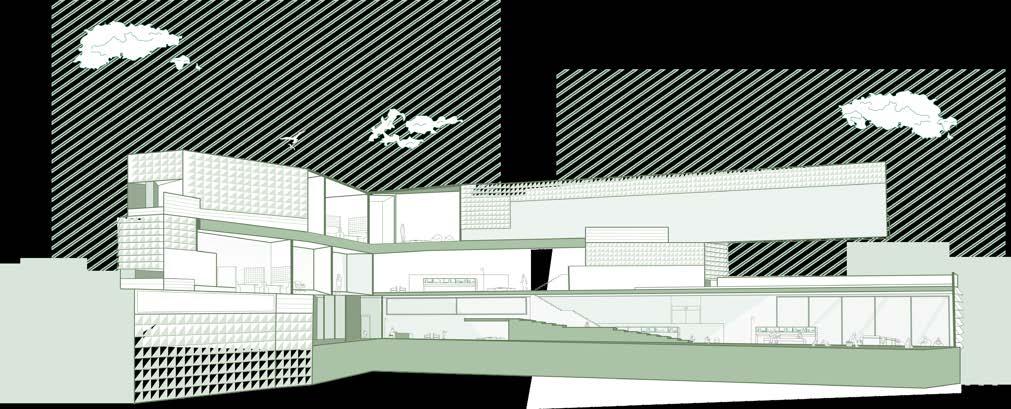
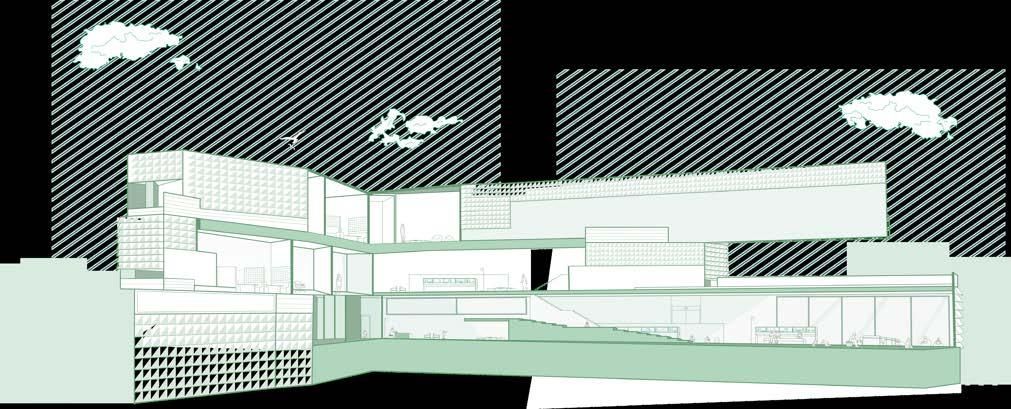
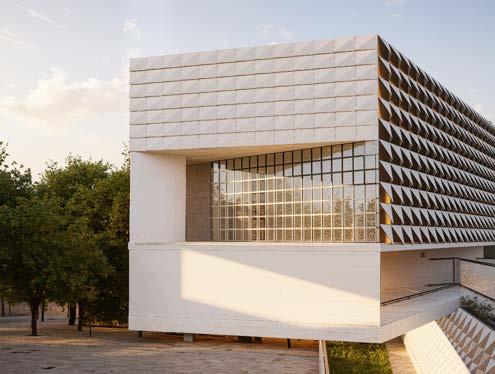
Nestled in the high-end residential district of Onepark Gubei in Shanghai, this two-storey, 1,000 m² neighborhood center was designed to complement existing amenities such as a fitness zone, café, and children’s playground.
Purpose & Atmosphere
The project transforms what would typically be a formal clubhouse into a warm, inviting space where neighbors can naturally connect—fostering community engagement and mental refuge amidst urban luxury.
Design Expression
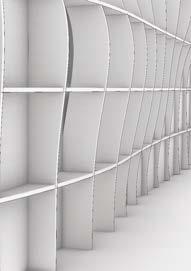
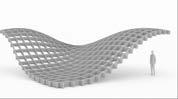
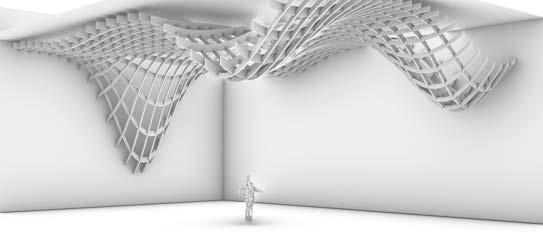
The interior is wrapped entirely in undulating wood-like aluminium panels, echoing a forest canopy. This canopy softens the environment, encouraging relaxation and unhurried conversation.
Layout & Spatial Flow
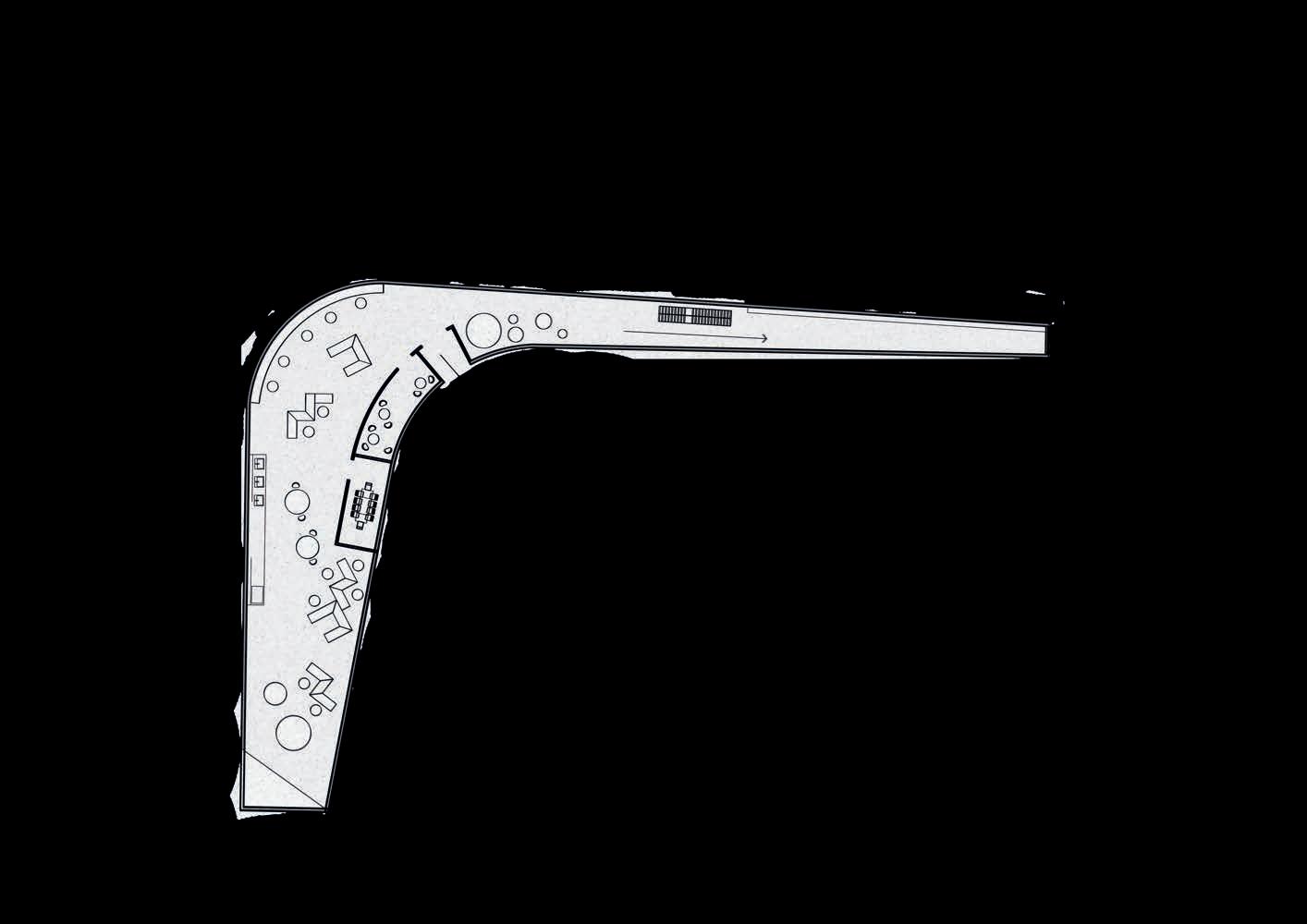
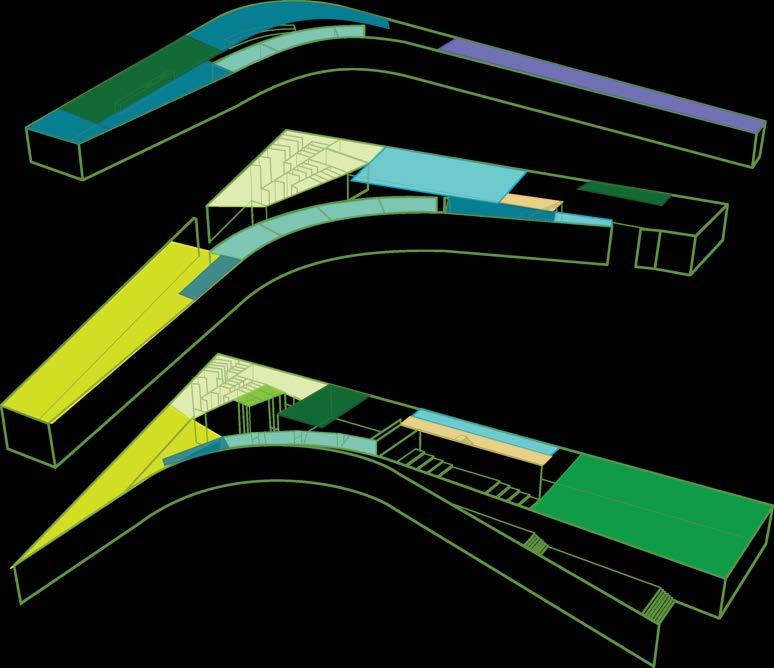
Upper Floor: Features rising and falling curved panels, cloud-like chandeliers, and an open “grand stair” that doubles as seating and gathering space. Sunlight filters through, connecting both levels.
Lower Floor: Designed for quiet focus—perfect for reading or enjoying art. Dark tonal treatments and subdued lighting enhance its intimate and meditative qualities.
02 LEARNING GRASSHOPPER
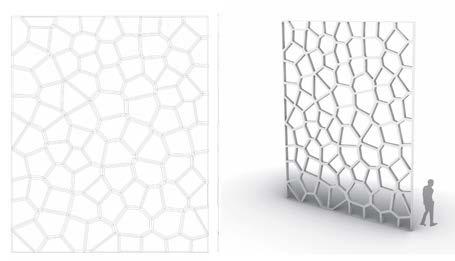
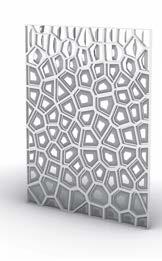
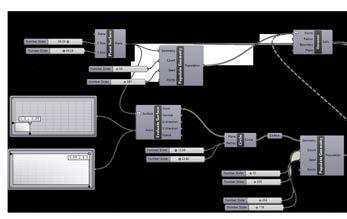
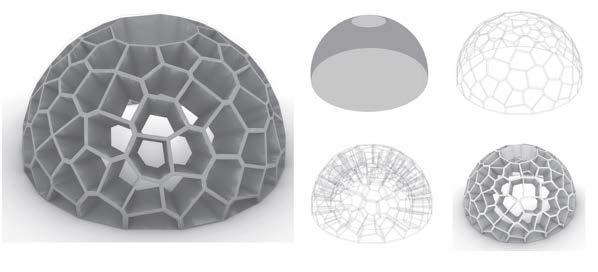
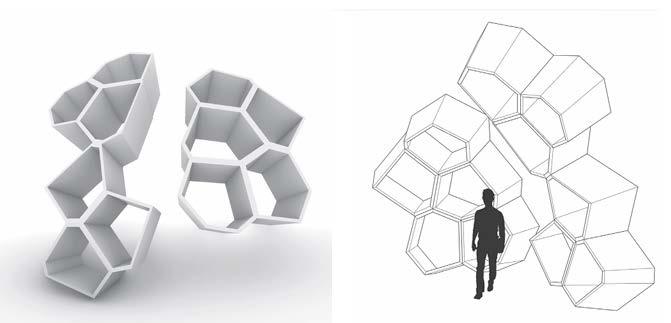
VORONOI PATTERNS | ATTRACTORS\ POINTS
The Grasshopper exercises show how confident I have become with computational design. I have learned Voronoi attractors, pipe grids, and interlocking joints and saw how design can go beyond fixed shapes because of parametric logic. Every tutorial has been an insight into how digital tools can serve as laboratories for discovery. Through this process, I have come to appreciate geometry as a system and not as merely a visual form.
VORONOI PATTERNS | ATTRACTORS\ POINTS
Engaging with Voronoi patterns prompted me to consider how logic can be spatially organized. While exploring attractor points, I learned how even minor changes in parameters can shift density, form, and flow. This exercise made me realize that in computational design, the goal is not only to create intricate patterns, but also to grasp control and responsiveness within a system. It felt somewhat experimental—establishing a particular set of rules and watching the outcomes unfold, which is how systems in nature develop. It helped me view architecture as not a static object, but something that can develop and evolve through rules, relationships, and generative logic.
ATTRACTOR POINTS
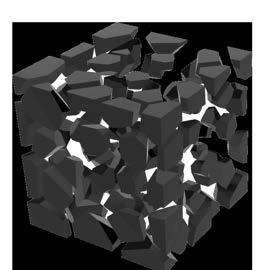
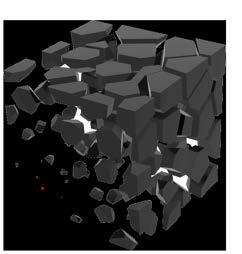
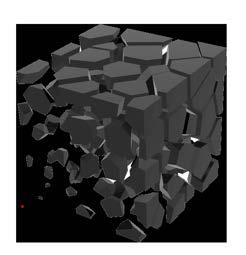
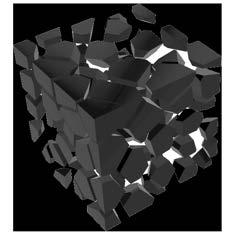
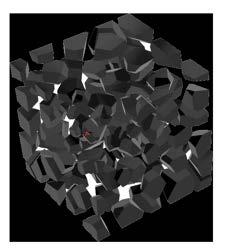
3D VORONOI
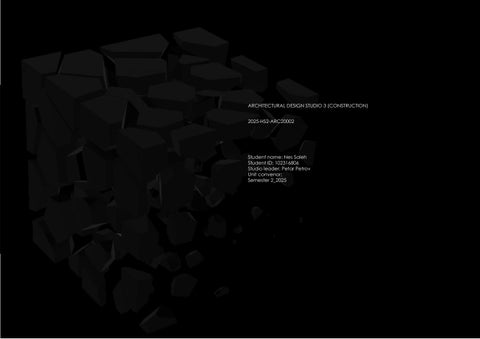
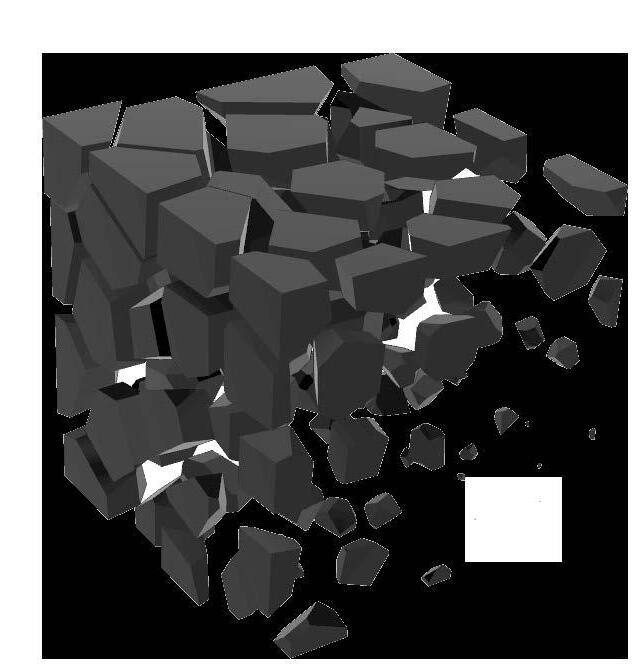
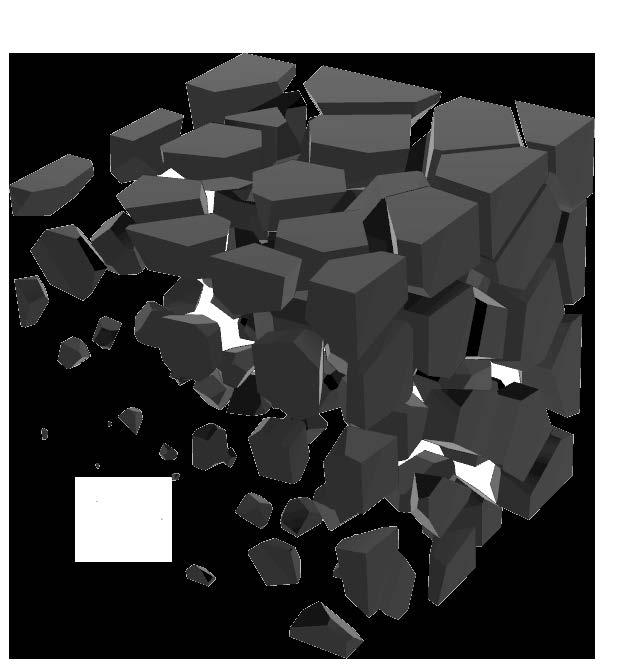
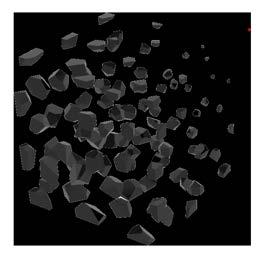
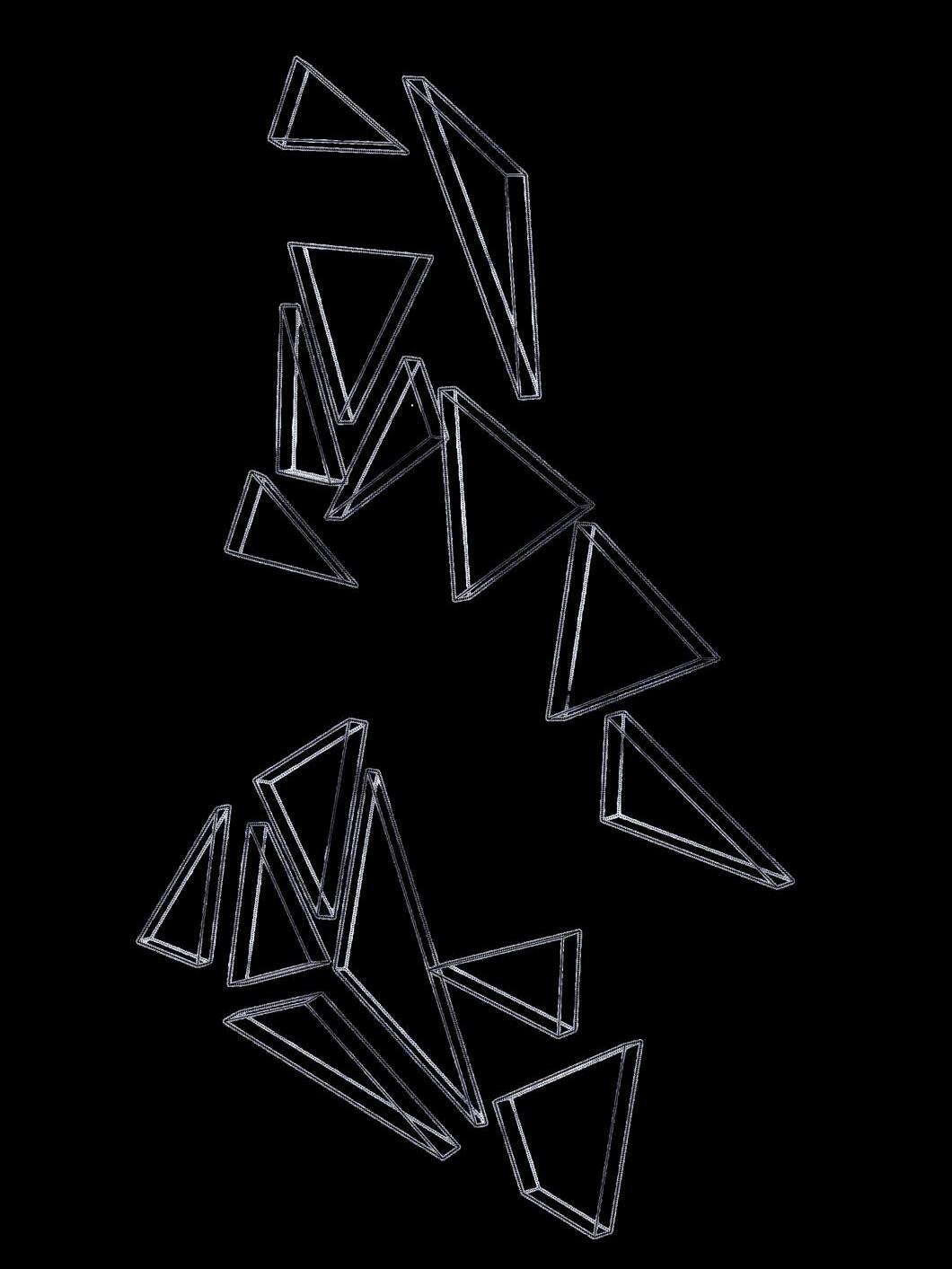
3D Voronoi subdivision inside a cube, and then culled/scaled the cells to get that fractured “rock cluster” look.
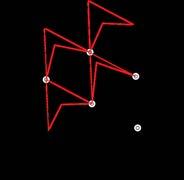
The red point you see is the attractor point. It drives how the Voronoi cells are scaled/distributed.
This is a parametric Voronoi fracture driven by an attractor point and a scaling domain. It’s a way to simulate exploded rock, crystal growth, or fragmented concrete.
CURVE NURBS TWISTED, WOVEN EFFECT
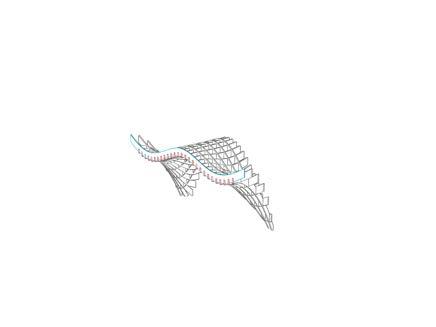
Smooth NURBS surface is transformed into a structural lattice pavilion using parametric surface subdivision + diagonal rib logic.
Use NURBS curves as flexible parametric guides in Grasshopper, build them, divide/evaluate them, then turn them into structures (lofts, sweeps, ribs, or lattices).
PIPE GRID/ MESH SURF
Surface Subdivision
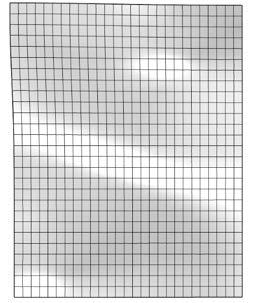
Grid cells are formed on the surface of the object according to the U-V parameters.
This approach maintains the quality of the object by maintaining the density of lines on the geometry.
Pipe Generation
Each grid line gets transformed into a pipe which is defined as a cylinder of varying radius.
The thickness of the pipe decides the constructional weight and the visual impact.
Structural Mesh
The cylinders create a three dimensional mesh which conforms to the surface.
The mesh is both structural (load bearing) and expressive (a skeletal architectural language).
This includes pavilion structures, canopies, shading devices.
This includes prototype experiments in parametric design and digital fabrication.
This can serve as a structural framework to claddings, membranes, or panels.
PARAMETRIC FORM GENERATION
INTERLOCKING JOINTS
The interlocking joints exercise allowed me to reflect on the intersection between digital design and real-world construction. Unlike pure patterning or form-finding, this tutorial focused on how components physically connect, which shifted my thinking from abstract geometry to practical assembly. Designing joints highlighted the importance of precision, tolerance, and adaptability—qualities that are essential when moving from screen to fabrication. I realised that parametric design is not only about producing complex forms but also about embedding constructability within the logic of the model. This reflection emphasised that successful architecture requires both creativity and technical rigour, where digital experimentation must align with material reality.
WAFFLE INTERLOCKING JOINTS
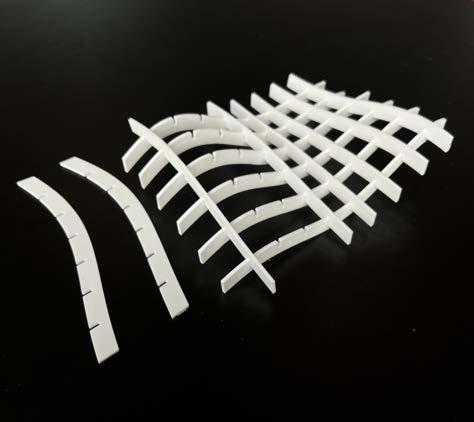
Precision Cutting
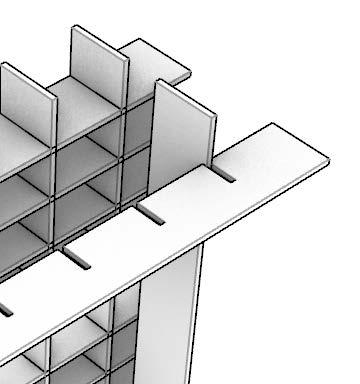
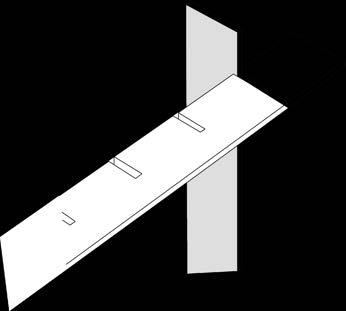
Typically, slots are created using CNC milling or laser cutting techniques.
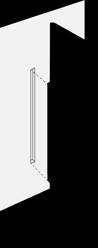
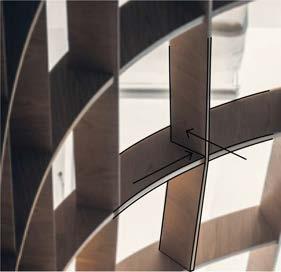
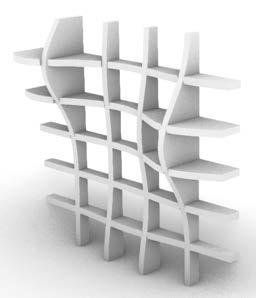
To ensure that two parts can be flush mounted, each slot cut is half the plate thickness.
Structural Stability
The interlocking system offers even distribution of structural loads.
Locks ribs at all intersections, which retains the structural components from moving.
Fabrication Logic
Flat sheet materials such as plywood, MDF, acrylic, etc. are cut.
The digital models (Rhino/Grasshopper → fabrication software) complete the slotting system design. All components are tagged and can be put together as a kit of parts.
Applications
Models in architecture (form-finding and prototyping).
Installation of furniture and interiors. Pavilions or large sculptural shells.
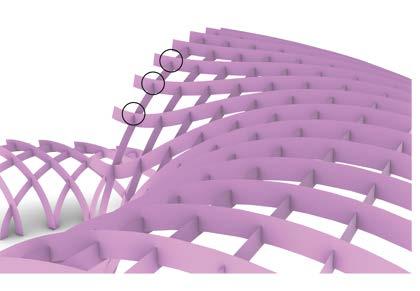
INTERLOCKING WAFFLE RIBS GRID SHELL
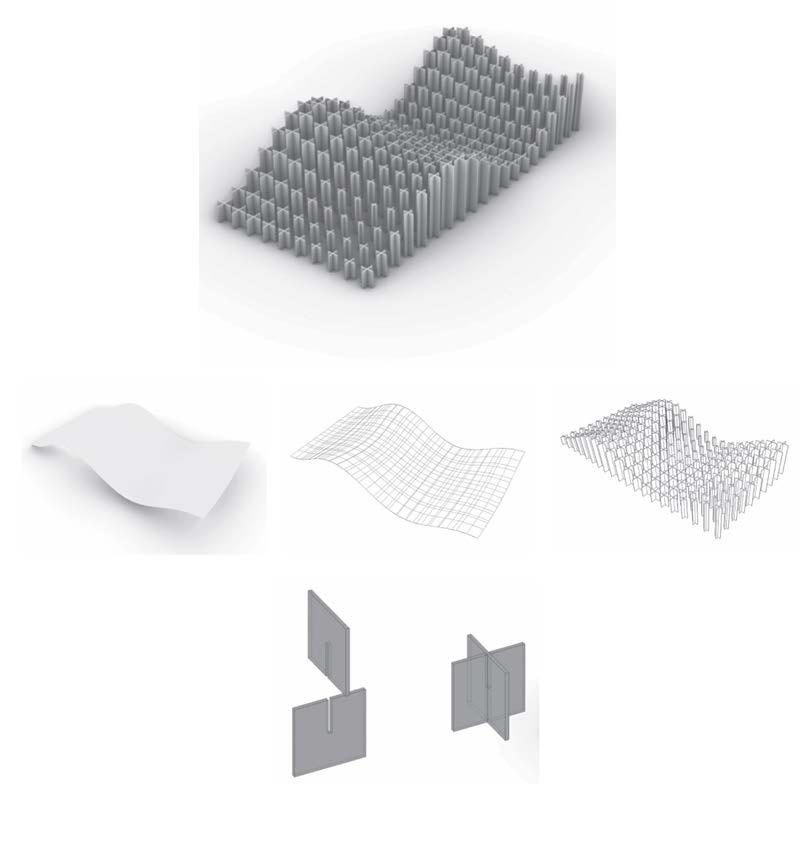
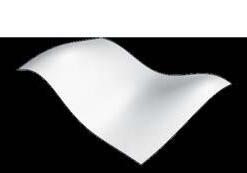
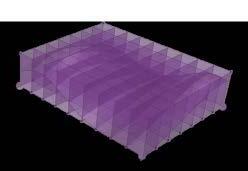
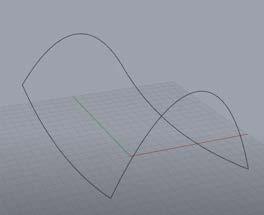
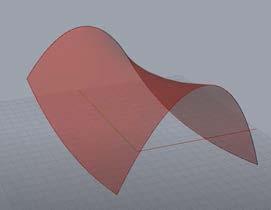
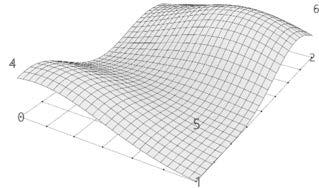
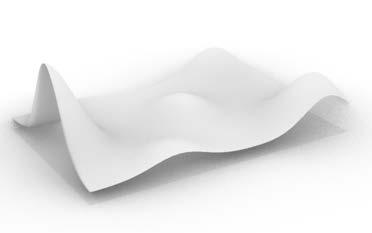
Base Surface
Generating the surface before adding points in
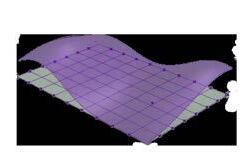
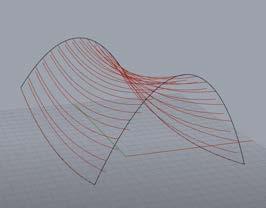
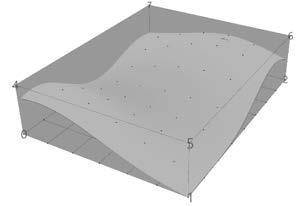
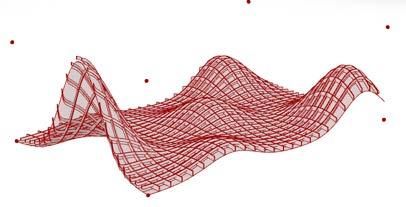
Surface Division
The predefined surface is segmented into a specified number of points/lines (shown as purple grid lines). This segmentation provides boundaries for the waffle slice frameworks. The parameters create the distance between the points defining the lines can be varied, in turn controlling the waffle slice density, the structural strength, and the overall spatial aesthetics.
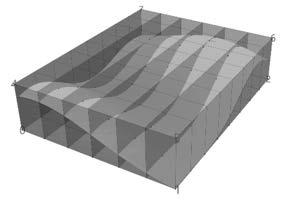
Extruded Grid Planes
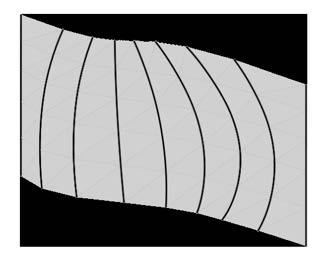
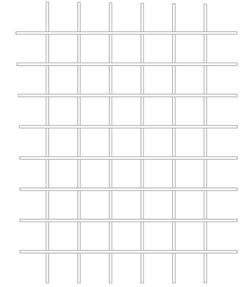
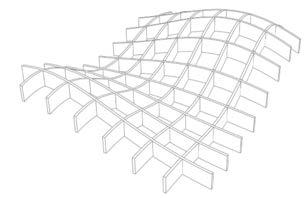
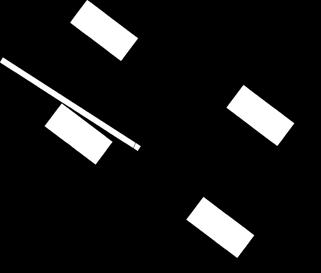
Each division is marked with a horizontal and vertical cut, and a horizontal and vertical plane is generated at each division. These planes stretch through the surface and act as slice planes that will cut through the volume of the base surface
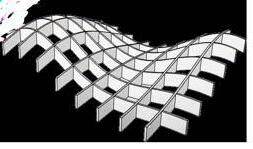
Intersected Ribs
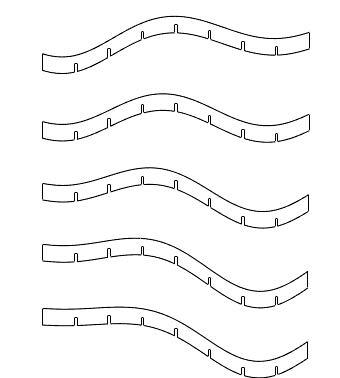
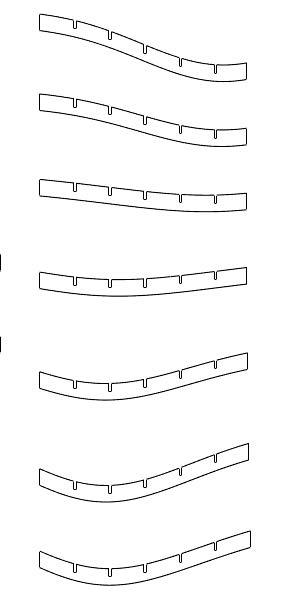
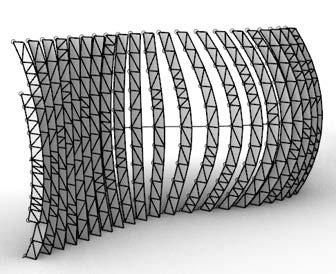
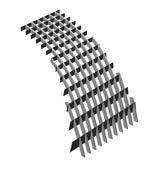
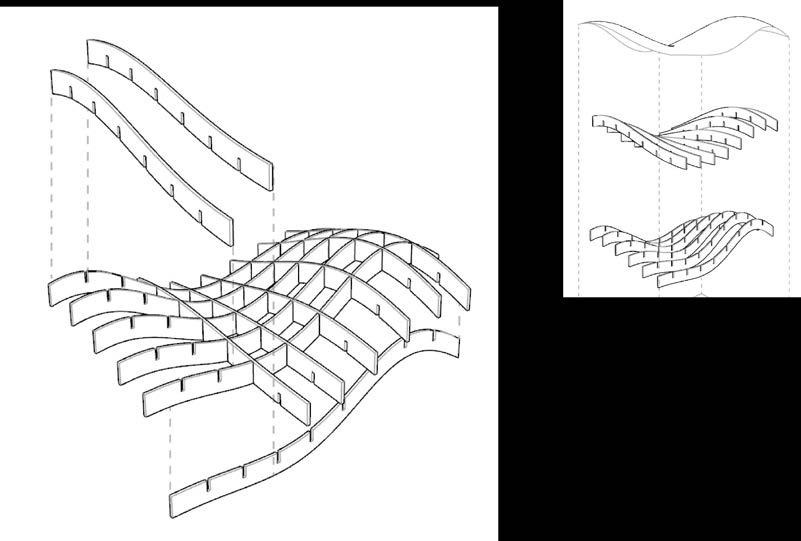
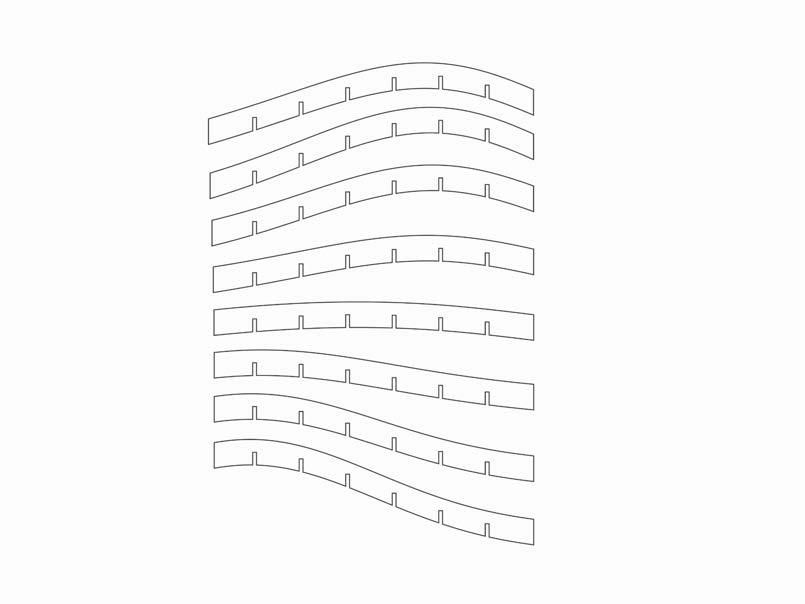
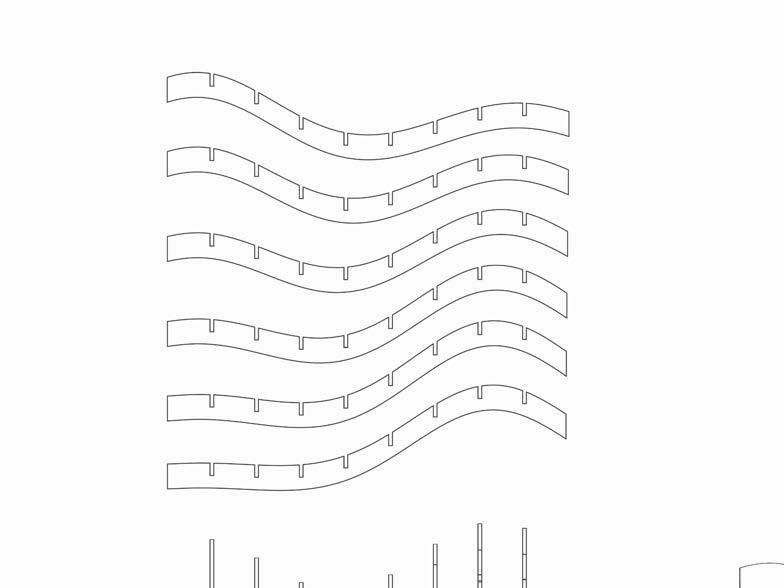
Rib profiles are generated at the points of intersection of the surface and planes. These ribs are curvature flow based and thus form the core of the waffle structure. Each rib is designed to have a slot to interlock with other ribs.
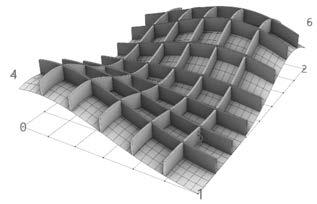
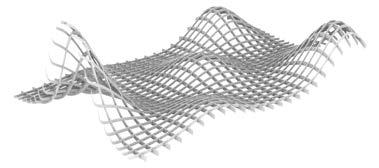
Assembled Waffle Structure
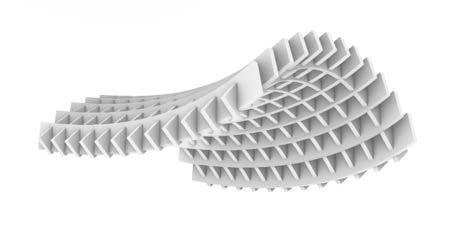
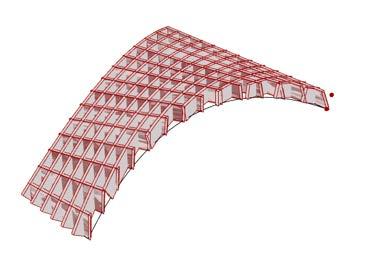
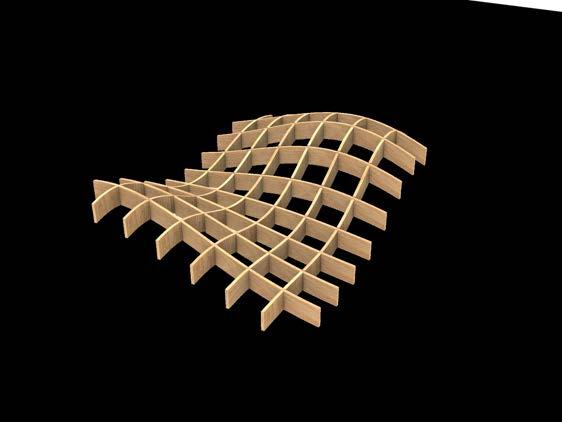
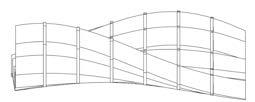
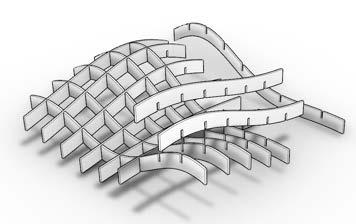
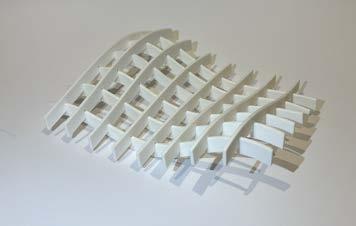
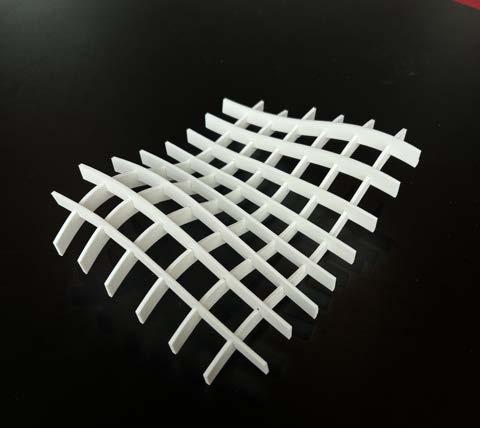
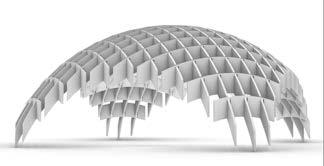
Lastly, the assembled grid shell waffle structure is displayed. The ribs are arranged to interlock in an orthogonal fashion, thus maintaining the overall lightweight construction while providing a strong structure that supports the curved surface
09|
SURFACE PATTERNING
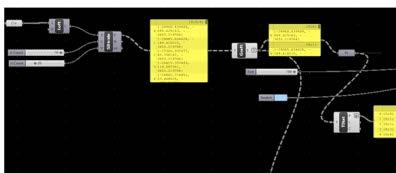
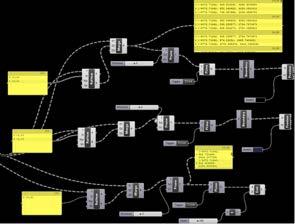
Understanding how data tree works is a key step in learning grasshopper. Without a clear understanding of the tree data structure, you can find it extremely hard to perform even the simplest operation in grasshopper.
SURFACE PATTERNING DIGITAL 10|
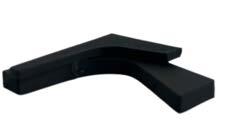
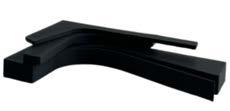
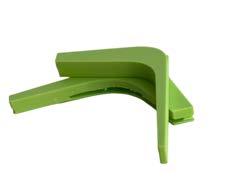
Creating tabs on the triangulated mesh surface in order to laser cut and use the tabs to attach segments together.
TO PHSYICAL
Folding tabs
03
APPLY TO PRECEDENT
INPUT:
- Base curves (Crv inputs)
- Material thickness (Value slider)
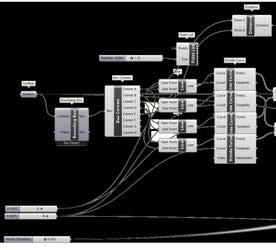
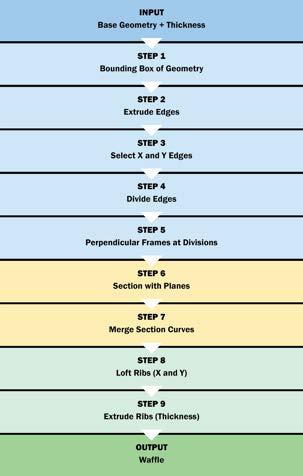
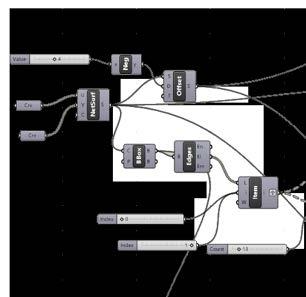
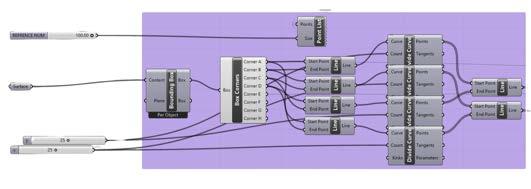
1. Create a bounding box around the geometry Box = BoundingBox(Geometry)
2. Extract bounding edges of the box Edges = ExtractEdges(Box)
3. Select edges in X and Y directions EdgeX = ListItem(Edges, IndexX) EdgeY = ListItem(Edges, IndexY)
4. Divide edges to set up cutting planes DivX = DivideCurve(EdgeX, Count) DivY = DivideCurve(EdgeY, Count)
5. At each division point, construct perpendicular planes PlanesX = PerpFrame(EdgeX, DivX) PlanesY = PerpFrame(EdgeY, DivY)
8. Loft between section curves to create rib surfaces LoftX = Loft(CurvesX_M) LoftY = Loft(CurvesY_M)
9. Extrude lofted ribs to material thickness RibX = Extrude(LoftX, ThicknessVector) RibY = Extrude(LoftY, ThicknessVector)
OUTPUT:
- Set of interlocking ribs in X and Y directions
- Can be exported for fabrication (laser cut profiles)
PSEUDO CODE WAFFLE STRUCTURE
WAFFLE STRUCTURE INTERLOCKING JOINTS
Developing the waffle structure with interlocking ribs was a critical reflection point. Writing pseudo code to document the design logic made me aware of the translation between algorithmic thinking and material outcomes. It taught me to value precision and workflow clarity, not just for my own use, but for collaboration and potential fabrication. The exercise highlighted how design thinking and construction logic must integrate seamlessly.
WAFFLE STRUCTURE PRECEDENT STUDY
Developing the waffle structure with interlocking ribs was a critical reflection point. Writing pseudo code to document the design logic made me aware of the translation between algorithmic thinking and material outcomes. It taught me to value precision and workflow clarity, not just for my own use, but for collaboration and potential fabrication. The exercise highlighted how design thinking and construction logic must integrate seamlessly.
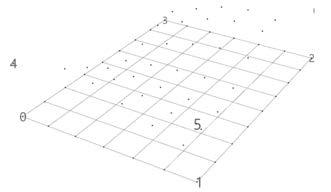
Using XY axis to add points. A-A = Y and B-B= Z
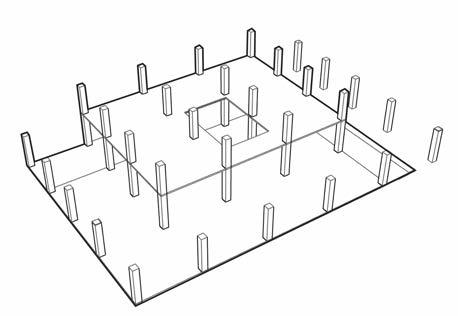
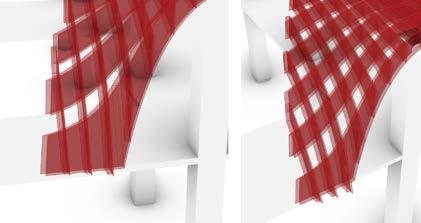
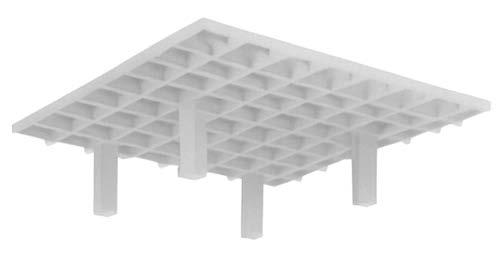
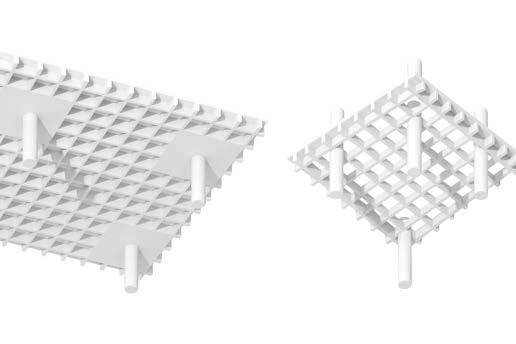
MODELLING THE EXISTING COLUMNS IN THE UNDERGROUND FOREST
WAFFLE STRUCTURE PRECEDENT STUDY
04 APPLY GRASSHOPPER TO OTHER PRECEDENTS
GENE POOL
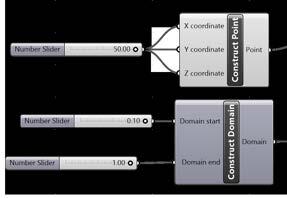
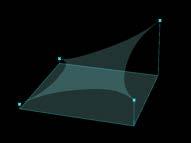
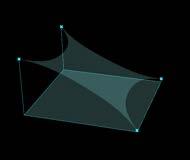
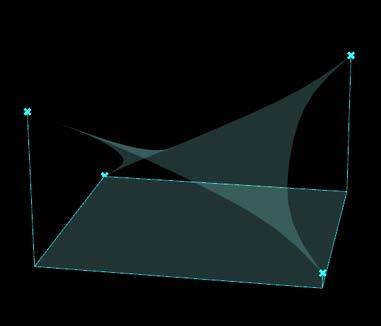
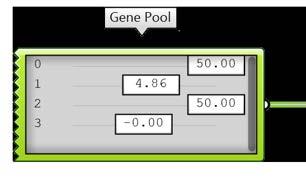
Gene pool is a combination of number sliders together.
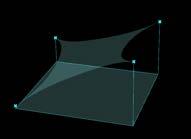
They can move the points as an anchor to a new target.
TENSILE STRUCTURE ANCHOR POINTS 01|
The adaptability of parametric systems became apparent as I explored tensile forms alongside anchor points and gene pools.
Adjusting sliders provided instantaneous visual feedback on spatial changes.
This realization prompted me to consider responsiveness and flexibility in architecture rather than it being static. These digital explorations will shape my approach to forthcoming studio projects where adaptability and performance matter most.
TWEEN CURVES PARAMETRIC CURVES
Tweening = generating intermediate curves between two or more reference curves. It creates a smooth transition or interpolation between shapes.
The result can be used for: -Lofting surfaces, -Creating gradient morphologies, -Structural ribs, -Pattern generation.
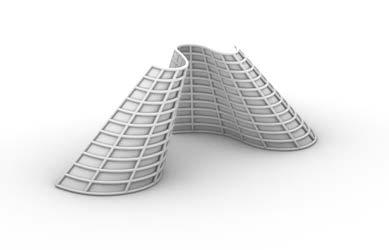
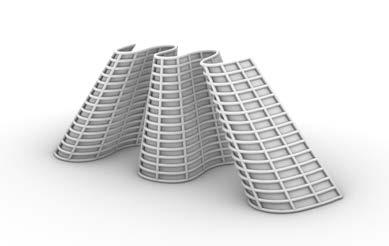
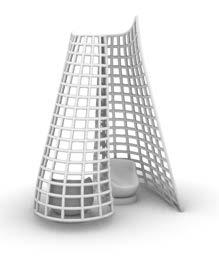
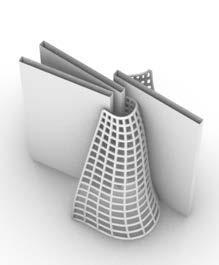
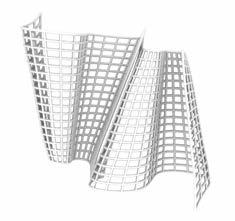
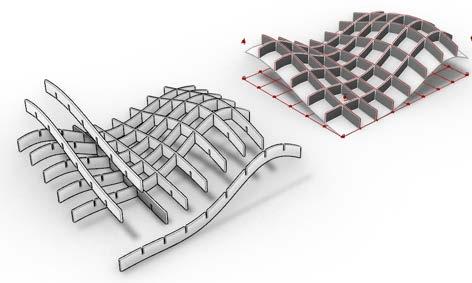
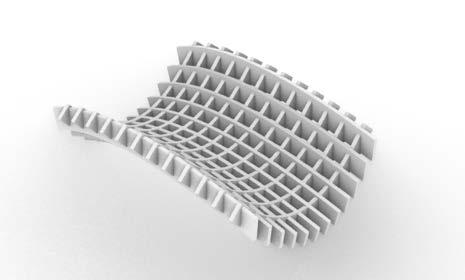
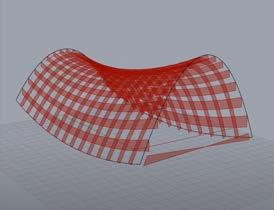
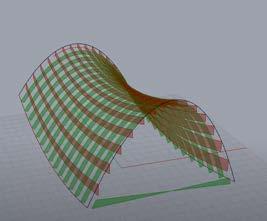
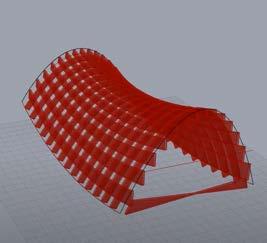
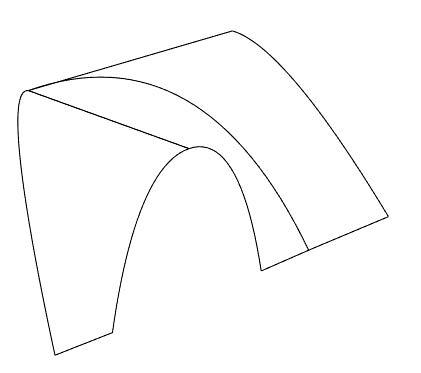
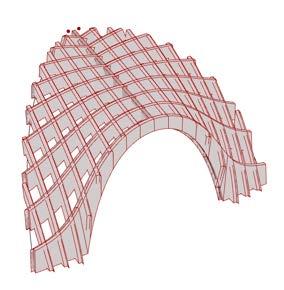
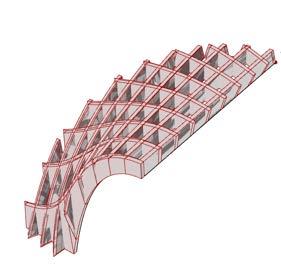
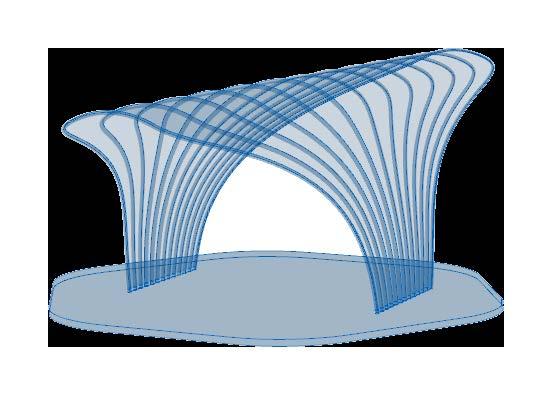
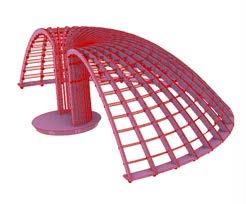
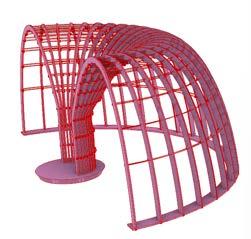
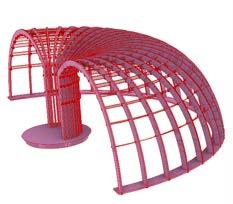
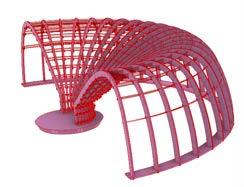
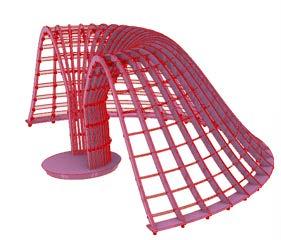
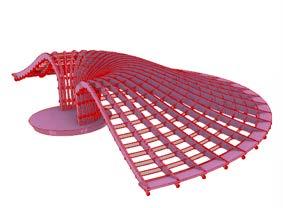
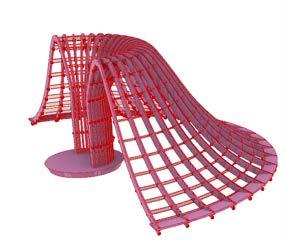
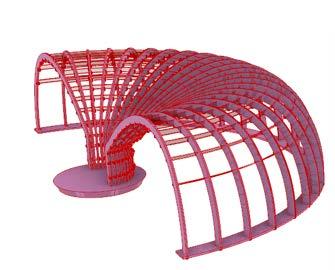
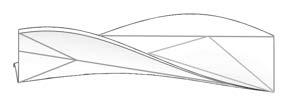
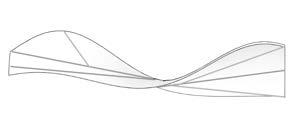
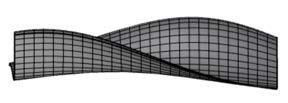
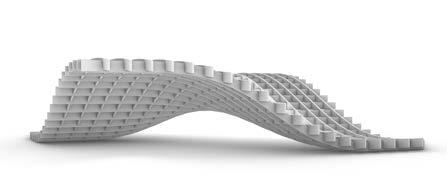
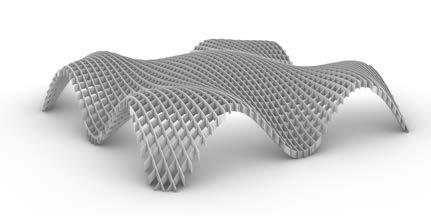
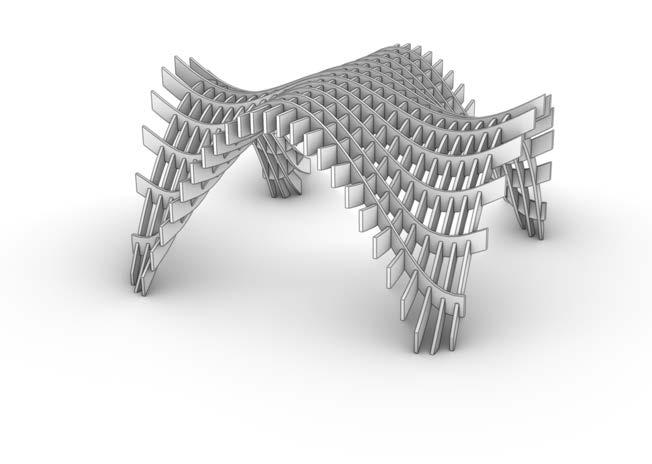
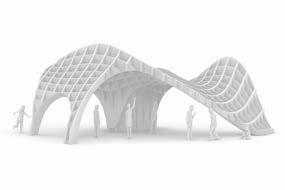
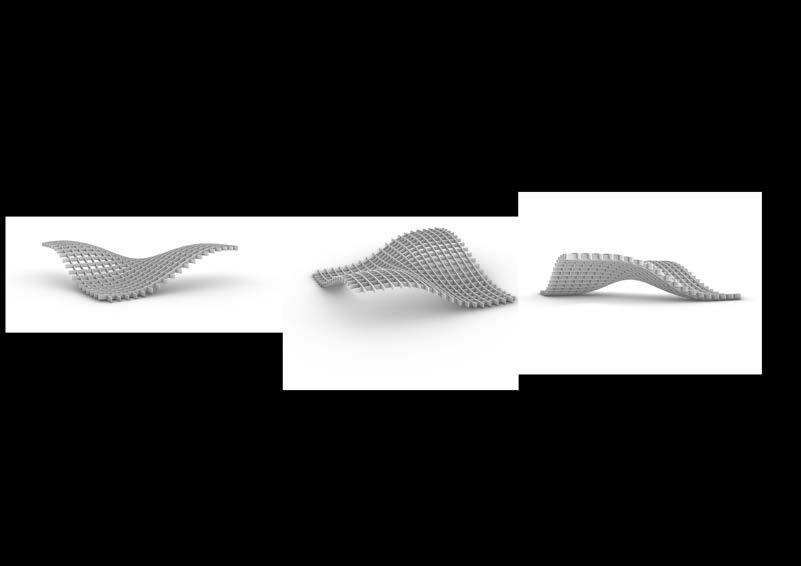
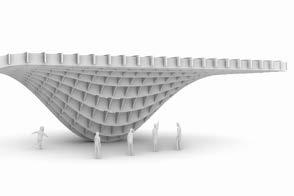
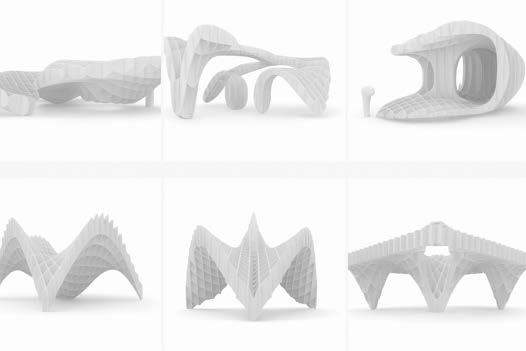
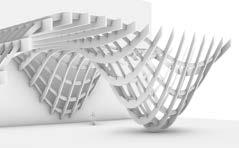
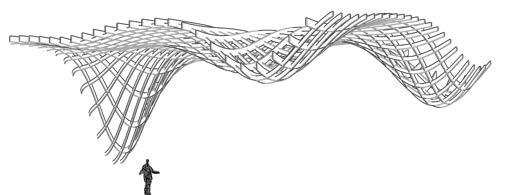
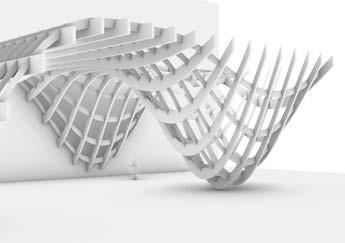
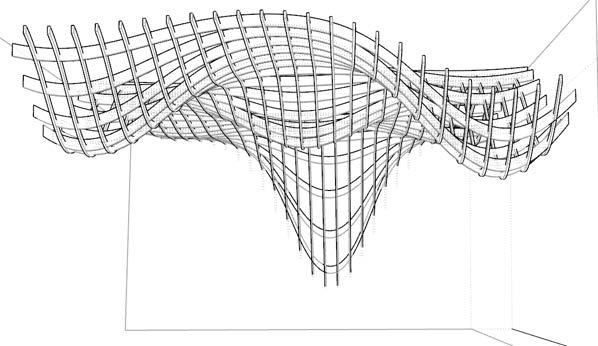
The model utilizes a parametric ribbed shell structure made in Grasshopper.
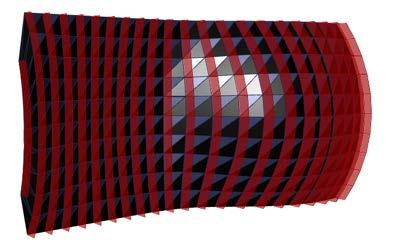
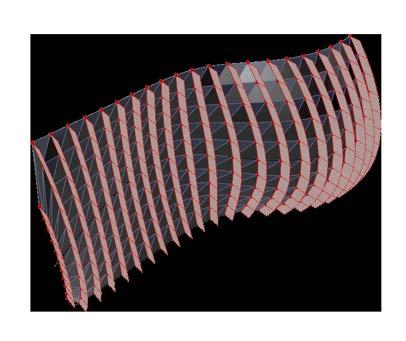
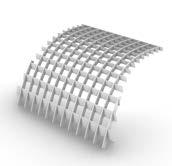
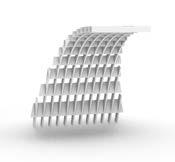
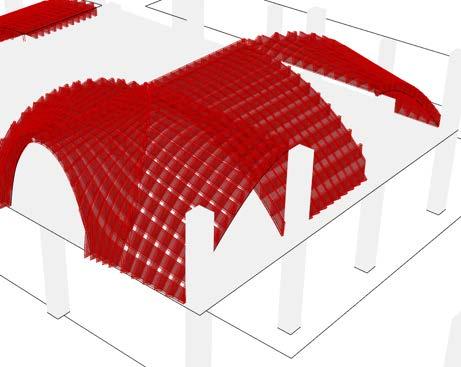
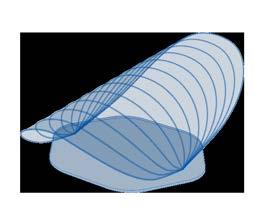
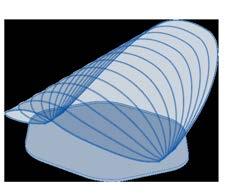
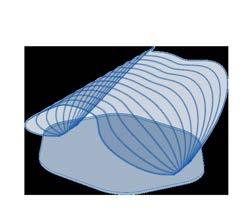
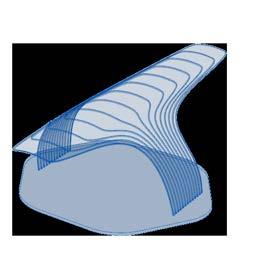
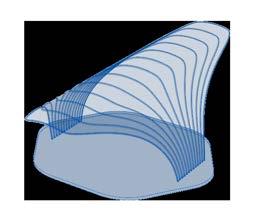
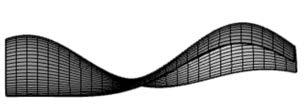
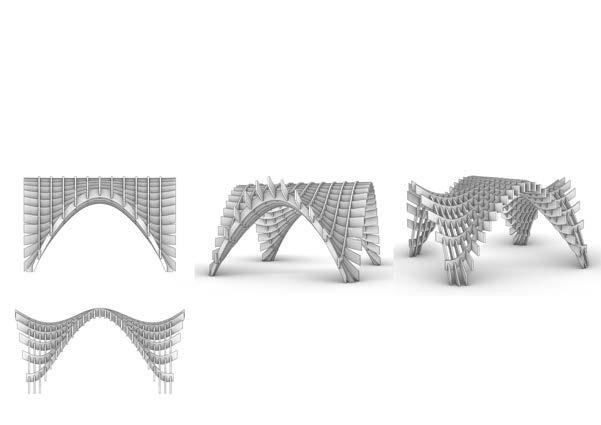
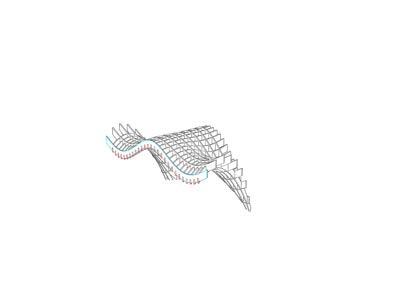
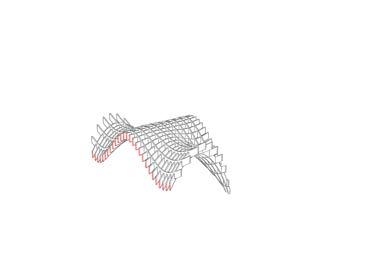
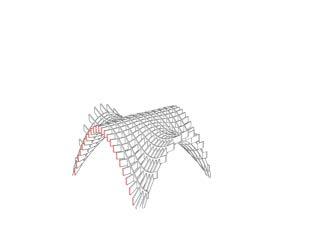
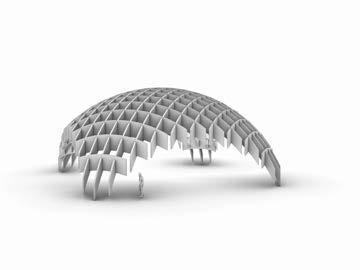
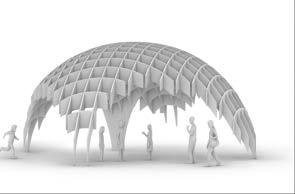
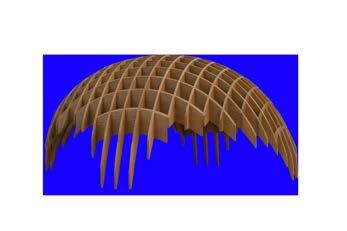
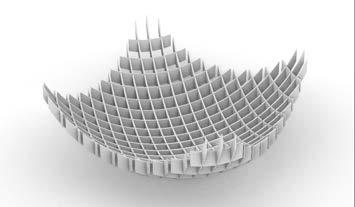
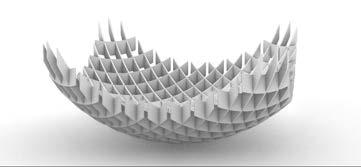
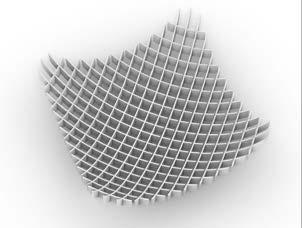
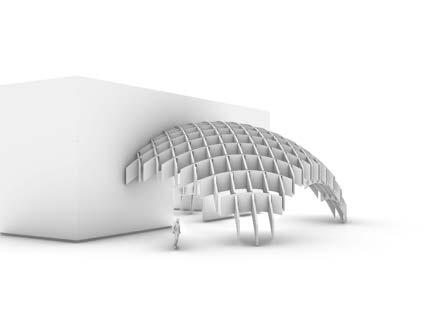
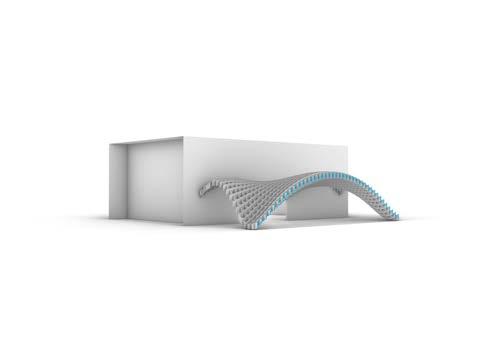
The base is composed of curved surface geometries like swept arcs and relaxed forms. From these surfaces, waffle ribs are obtained by slicing the surfaces in two directions: longitudinal and transverse.
The ribs are denser, spaced further apart, and take on a more pronounced rounded shape in the fluid, wave-like canopies. Different versions illustrate the effects of modifying surface curvature on rib density, curvature, and spacing.
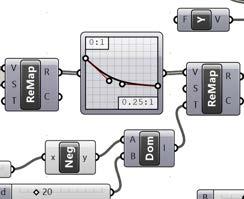
GRAPH MAPPER
Used to adjust the overall structure and shape
05 CORRECTING ERRORS
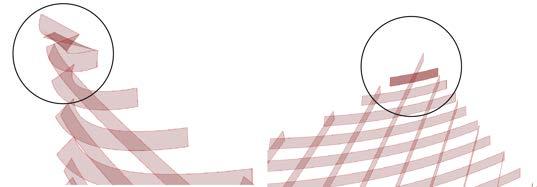
INCONSISTENCY ON CURVED CORNERS/ FAILED GEOMETRY
Setting proper intersections of the two beam directions and the corresponding intersection lines was my hardest task. With my current solution, those intersections work, but it has introduced a curl at the highest vertex geometry. For the moment, I have chosen to ignore it and I plan to fix it before printing. This may mean that the problem is with the way my beams are distributed. All components come together seamlessly without any steps but I have still not achieved a proper overall distribution.
Keeping the beams centered while adding thickness meant moving the surface halfway first, then extruding it the opposite way. Laying the beams out flat, nesting required ‘DeBrep’ to get planar faces for ‘Orient’ and ‘Rotate’.
INCONSISTENCY IN NOTCHES
I am having trouble with the offset contours. My intention is to make notches at every intersection for easier assembly of the model. After offsetting the curves, shifting one of the rows up slightly and then lofting them, I noticed that at some intersections, some of the upper elements of the row pass below the other row instead of lining up cleanly.
Solution: extending the notch lines past the ribs, piping them with a diameter equal to the material thickness, then using Trim Solid to cut the surfaces.
WAFFLE TRIAL AND ERROR
Although from afar the waffle structure looks consistent, upon closer inspection, this script tends to fail, warp and screw. I have documented some of the instances where this took place.
WARPED RIBES ON OVER EXTENDED CURVED SURFACES
The waffle ribs seem consistent on more basic curved surfaces, however, when the curve over-extends on the corners, the ribs warp and thicken in width. this means that I will have to create another section for the part that overextends, rather than trying to create the structure in one system.
06 CREATING THE WAFFLE
Slotting Ribs - Notching
NOTCH/ SLOT WAFFLE CONSTRUCTION LOGIC 01|
CONSTRUCTION LOGIC
The Boolean intersection surface illustrates how geometry was carved and manipulated into an organized, sculpted shape. From this, the slotted ribs and notching system was developed to ensure that every rib can physically connect at precise intersections, thus making the design fabrication and assembly friendly.
I also emphasizes the need for the ribs to be aligned to the X and Y grids. This geometry not only organizes the ribs but also provides an unambiguous construction system in which structural order coincides with design intention. By regulating the grid spacing, the structure’s spacing and rhythm can be modified to achieve structural and aesthetic support.
The focus on material and surface indicates that this process is not only digital, but also aims to address practical realities. The notching approach illustrates how the model can be cut, slotted, and then assembled, which brings digital modeling closer to physical prototyping. In this way, the construction logic shifts the focus on buildability, while maintaining an expressive and systematic design.
STRUCTURE NOTCHING/ SLOTTING WAFFLE
PSEODO CODE 2 INTERLOCKING WAFFLE
This is the second waffle method I approached.This method is curve-driven: it begins with defining curves, builds a surface, and offsets across it so the ribs follow the actual form. This gives you a waffle that adapts to freeform or double-curved shapes, allowing for more expressive designs, though it’s trickier to fabricate.
EXTRUDE X, Y SURFACE BREP
SLOTTING/ NOTCH SYSTEM
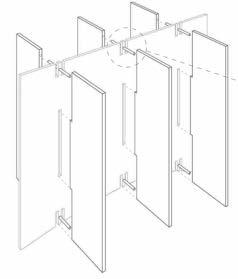
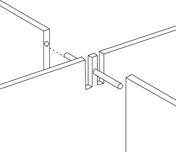
INTERLOCKING SYSTEM PLUG IN/ TAB SLOT SYSTEM
CONNECTION/ JOINERY METHODS WAFFLE JOINERY
CONNECTION/ JOINERY METHODS
X - Axis Y - Axis
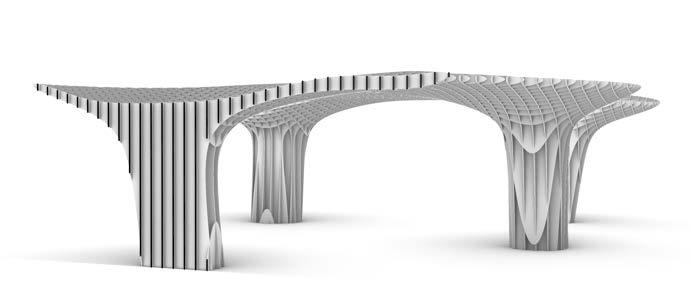
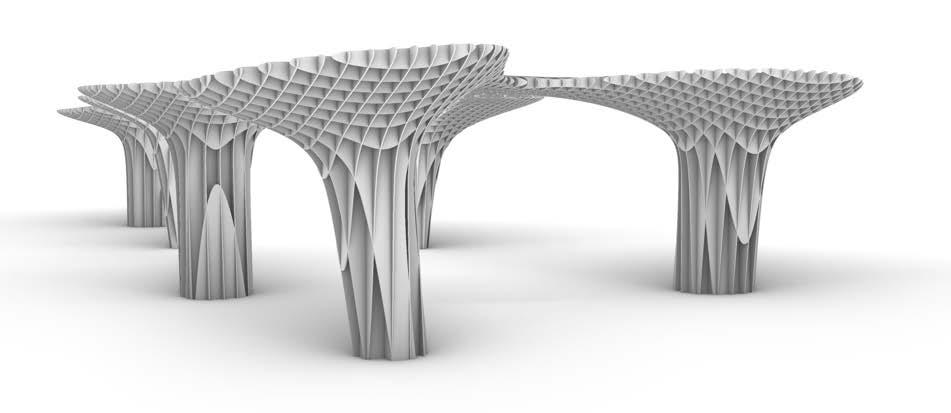
“Underground Forest” - Wutopia Lab
PREPARING DIGITAL FILE FOR PHYSICAL MODEL
CONSTRUCTION LOGIC
CONSTRUCTION LOGIC PREPARING DIGITAL FILE FOR PHYSICAL MODEL 05|
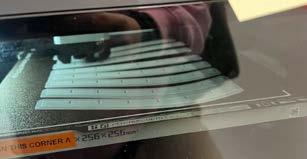
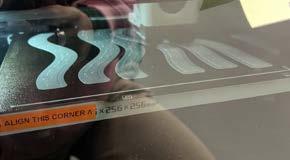
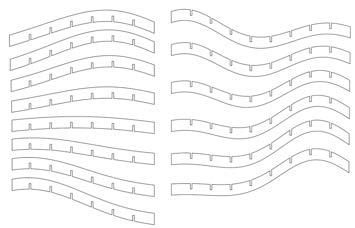
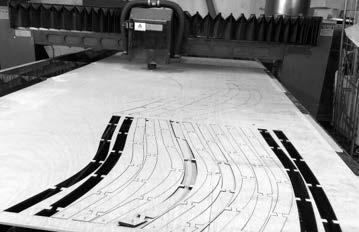
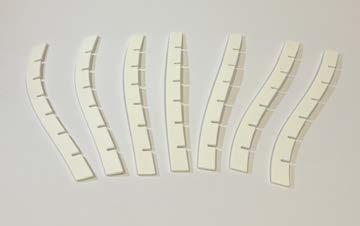
Typically, the digital file for the fabrication of ribs for waffle structures or interlocking parametric structures are CNCCut. This is the most accurate and time efficient way to produce these pieces. In our case however, we 3D printed the ribs which meant that the thickness of the ribs depended on the 3D file, rather than the thickness of the material.
CNC Ribs Notch DIAGRAM BY
DIGITAL MODELLING & DESIGN
PREPARATION OF CUTTING FILES
MATERIAL CUTTING/ PRINTING
LABELLING & SORTING
ASSEMBLY
MATERIAL FINISHING
FABRICATION PROCESS SLOTTING/ NOTCH SYSTEM
07| PHYSICAL MODEL WAFFLE JOINERY
07
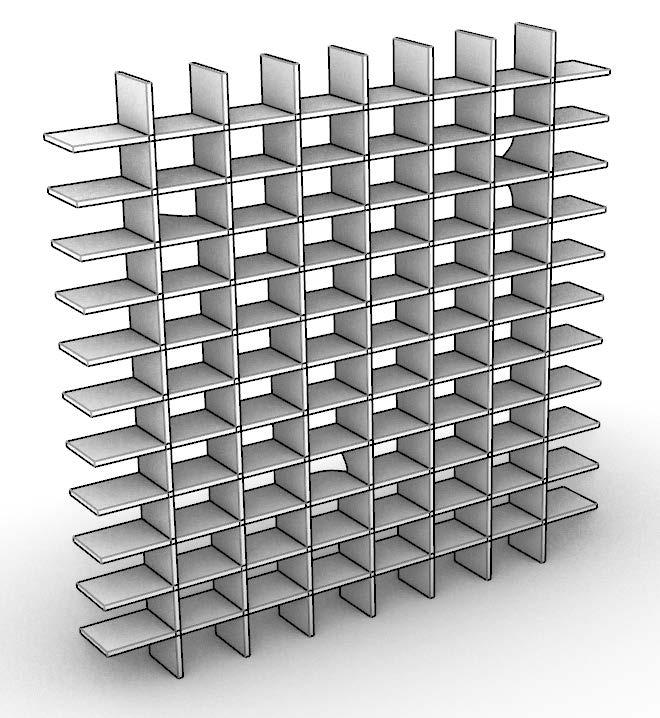
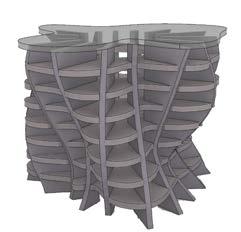
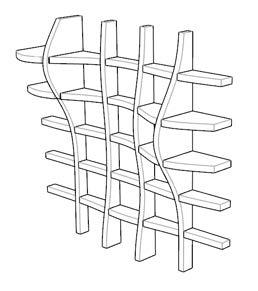
APPLYING THE WAFFLE
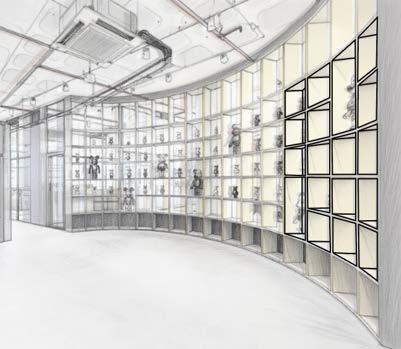
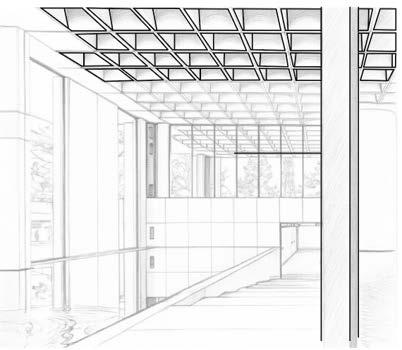
01| ORTHOGONAL GRID WAFFLE GRASSHOPPER MODEL
- CONCRETE SLAB - SHELVING
02| CURVED/ FREEFORM WAFFLE GRASSHOPPER MODEL
- CANOPY
- COMPLEX ROOF SYSTEMS
- PRODUCT DESIGN
- INTERIOR DESIGN ELEMENTS
- FACADE
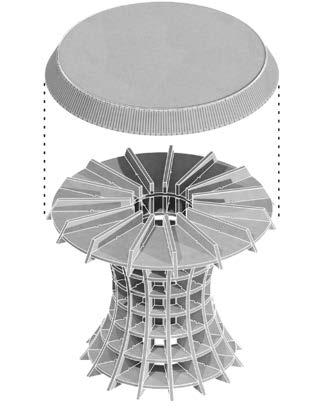
03| RADIAL WAFFLE GRASSHOPPER MODEL
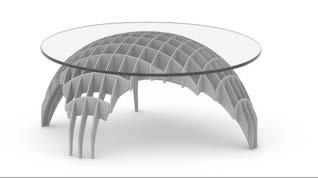
- FURNITURE DESIGN
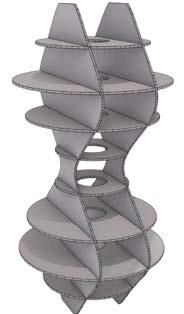
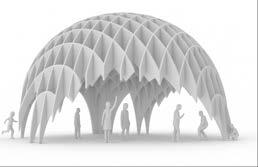
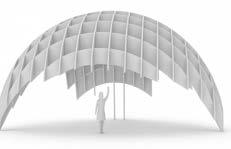
- DOMES & ROOF SYSTEMS - PAVILIONS & INSTALLATIONS
SECTIONAL PERSPECTIVE
04| MULTI-LENGTH WAFFLE GRASSHOPPER MODEL
- CANOPIES - COLUMNS
- PAVILIONS & INSTALLATIONS
METROPOL PARASOL METHOD
REVERSED GRIDSHELL CANOPY
05| GRID SHELL
SELF SUPPORTING STRUCTURE
GRID SHELL / SELF SUPPORTING STRUCTURE
Finding out about grid shells and self bearing frames, we discovered that contrary to traditional frameworks that employ heavy beams and columns, these frameworks utilize geometry for support. The primary structure of a grid shell can support enormous weight without columns and beams, enormous spans, and incredible light weight, because of its curved shape. This allows for the construction of large, unobstructed, and adaptable areas.
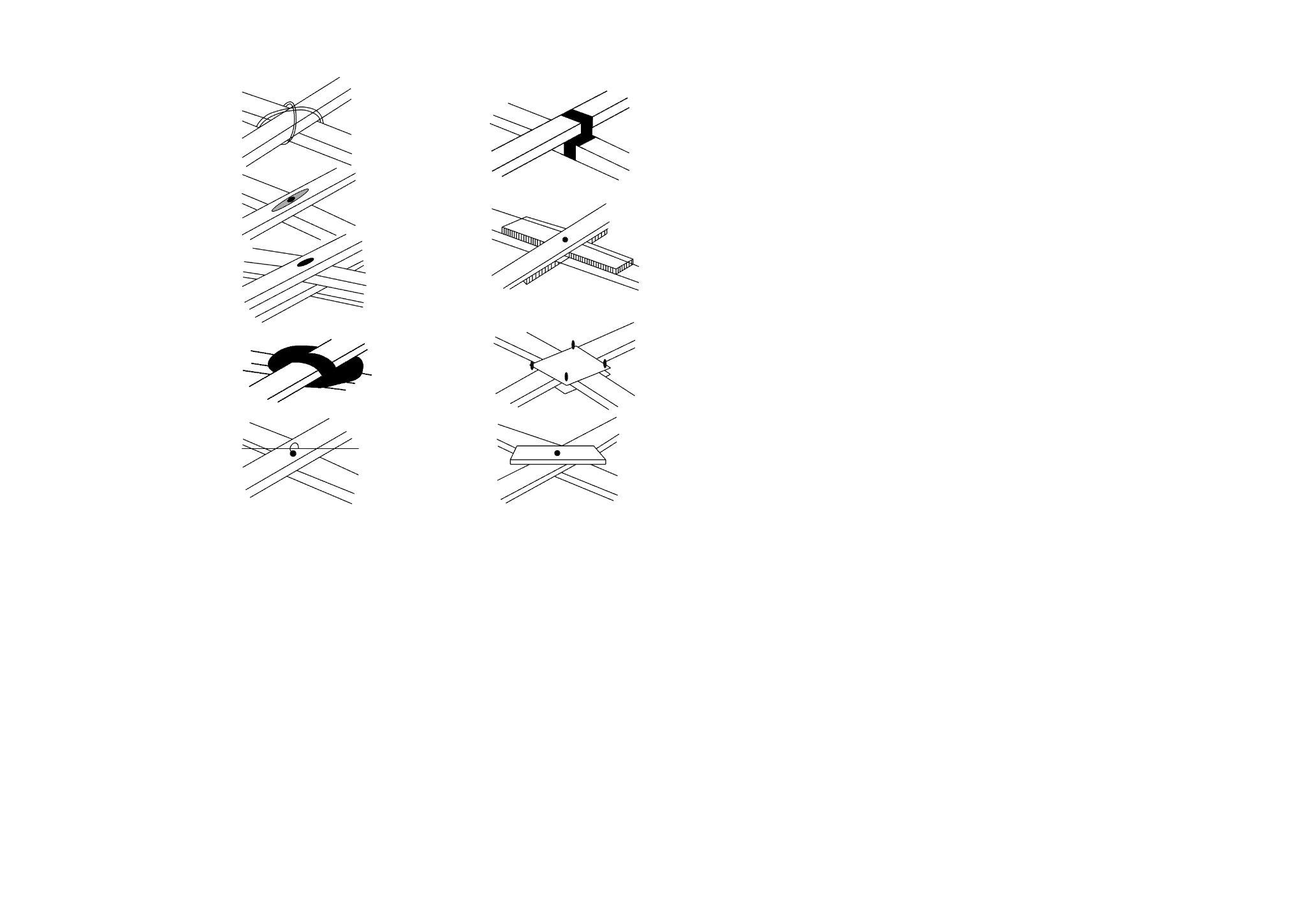
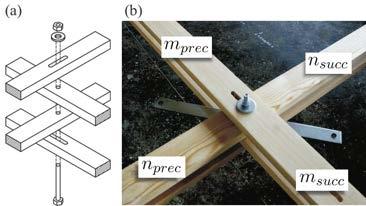
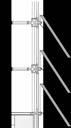
Standard swivel scaffold connectors
Single bolted connection with slotted hole
Single bolted connection with double layer
Circular plate for beam alignment
Single bolted connection with manual frame of labels with wooden elements
Connection with square plates
Bolted with screw hook to grab the locking screw cable
Single bolted connection with a piece of wood at the top to the locking structure at the end
06| CONNECTION SYSTEMS SELF-SUPPORTING STRUCTURES
CONNECTION SYSTEMS
SELF SUPPORTING STRUCTURE
The interlocking slotting system is the main method, but we found examples of single bolted connections, circular plates for alignment, and scaffold connectors. The key idea is that these structures are often self-supporting, relying on geometry and interlocking pieces rather than heavy frameworks
SURFACE WAFFLE
07| SURFACE ITERATIONS WAFFLE SYSTEM
SURFACE ITERATIONS
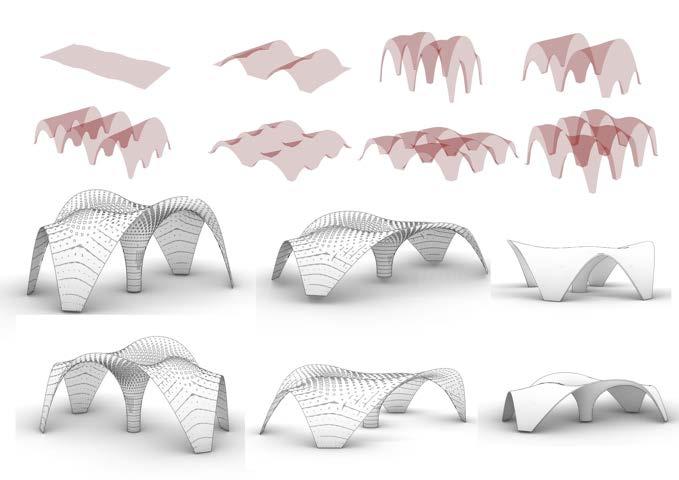
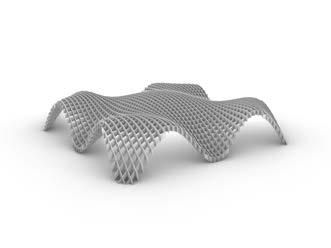
This step considers how to transform the surface study into a waffle system. These surface iterations focus on the experimentation of form and the rationalization of disparate curvatures and geometries into a constructable form; each iteration attempts to balance fluid design intent and feasible structure.
The waffle system is a way of realizing the chosen surface. The design achieves structural clarity by sectioning the geometry along the X and Y axes. The interlaced ribs not only fix the form but also impart rhythm and depth, shifting the representation from a virtual construct to an assemblable mesh system.
The form of the waffle system is articulated to demonstrate the disparity between ‘surface design’ and ‘construction logic’. The surface breakdown to waffle structures shows the form in relation to constructability. The result shows the form-finding directly relates to how the surface system could be built, reinforcing the notion that the design is both a structural and spatial paradigm.
MEDIUM SCALE
SPACIAL APPLICATION
08| SPACIAL APPLICATION
MEDIUM SCALE
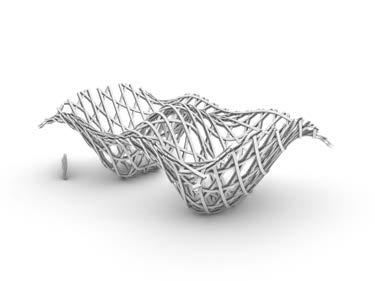
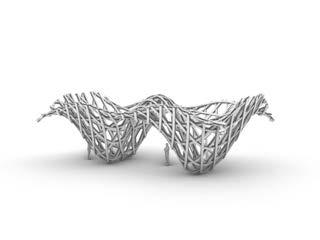
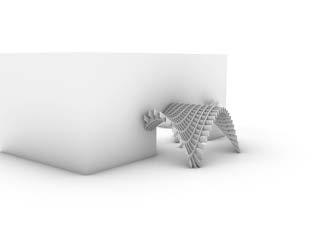
Waffle systems can be scaled from small product design elements to medium-scale canopies and facades. They can even be part of large civic spaces, creating both structure and atmosphere.
Here I adapted numerous surface outcomes to the waffle script.
SPACIAL
SPACIAL
SMALL SCALE
10| SPACIAL APPLICATION LARGE SCALE
GRIDSHELL
11| SPACIAL APPLICATION MOVING FORWARD
The goal is to implement the waffle system to rethink the entrance of a library. Like in the case of the Underground Forest, the system is designed not merely to support itself, but to also channel people inwards, sculpting their initial impressions of the space. It fulfills the function of a practical entrance, while also serving as a metaphorical threshold to the realms of wisdom, exploration, and togetherness.
DIAGRAM / SKETCHES BY NES SALEH
GLASS WITHIN FRAME
WAFFLE FACADE
12| SELECTED WAFFLE METHOD GRASSHOPPER
HERE I LEARNT A BETTER WAY TO APPLY THE WAFFLE SCRIPT. CREATING A SURFACE, PULLING VARIOUS POINTS TO CREATE CURVES, AND APPLYING THE WAFFLE SCRIPT TO THE CURVED SURFACE.
THIS ALLOWS FOR MORE COMPLEX SURFACES WITHOUT EXTREME WARPING.
13| SPACIAL APPLICATION CEILING DESIGN
HERE I USED THE SURFACE METHOD TO CREATE A CEILING DESIGN INSPIRED BY ‘RESTAURANT COFFEE’ BY CASACOR IN SAO PAULO - 2024
13| SPACIAL APPLICATIION
LARGE SCALE
MAJOR PROJECT: COBURG LIBRARY
33-49 Waterfield St Coburg WEEK 7-12
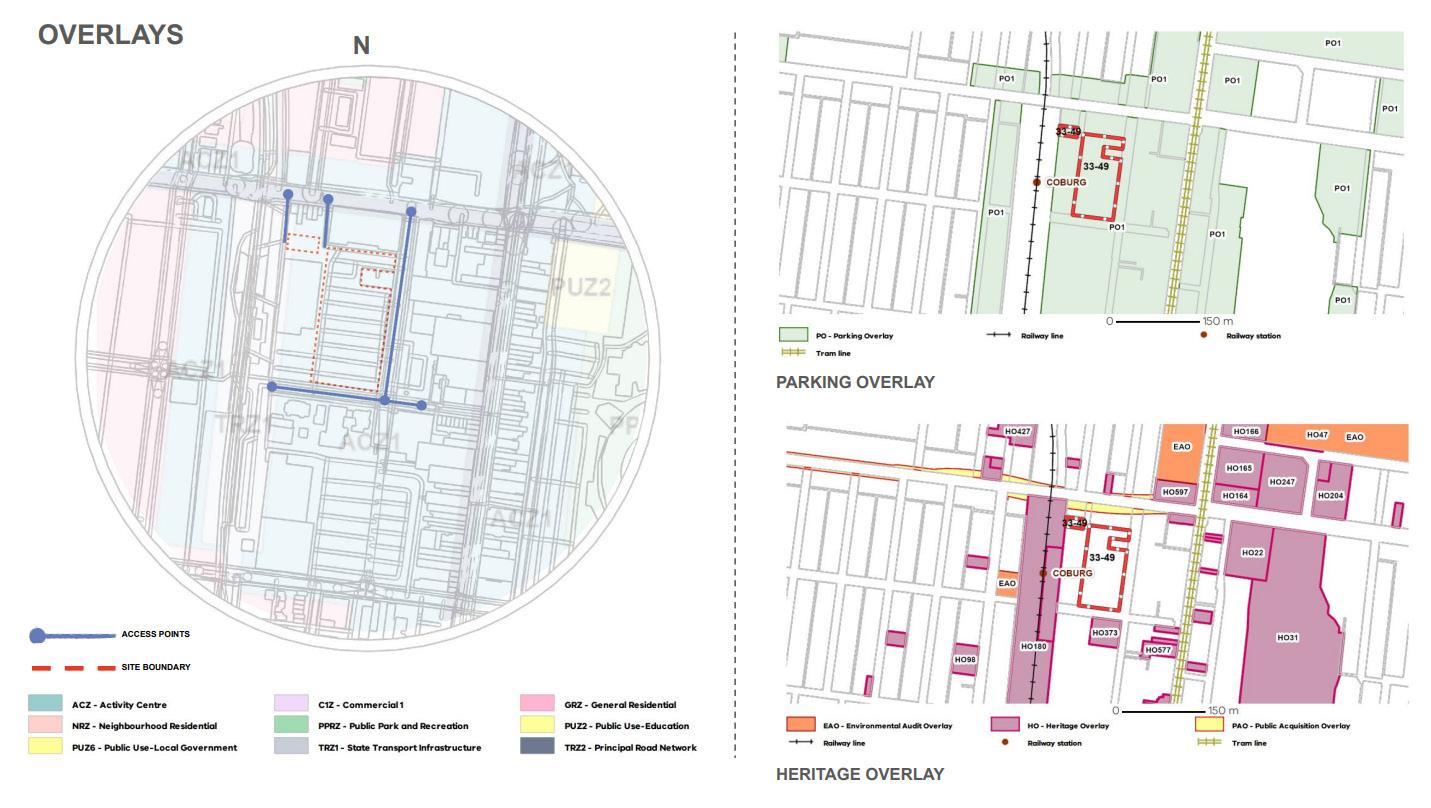
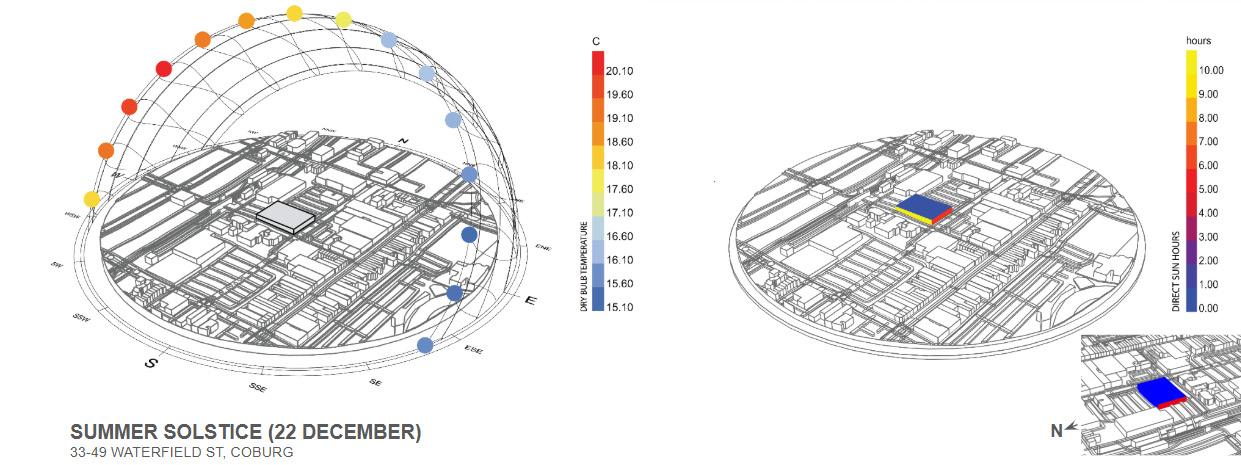
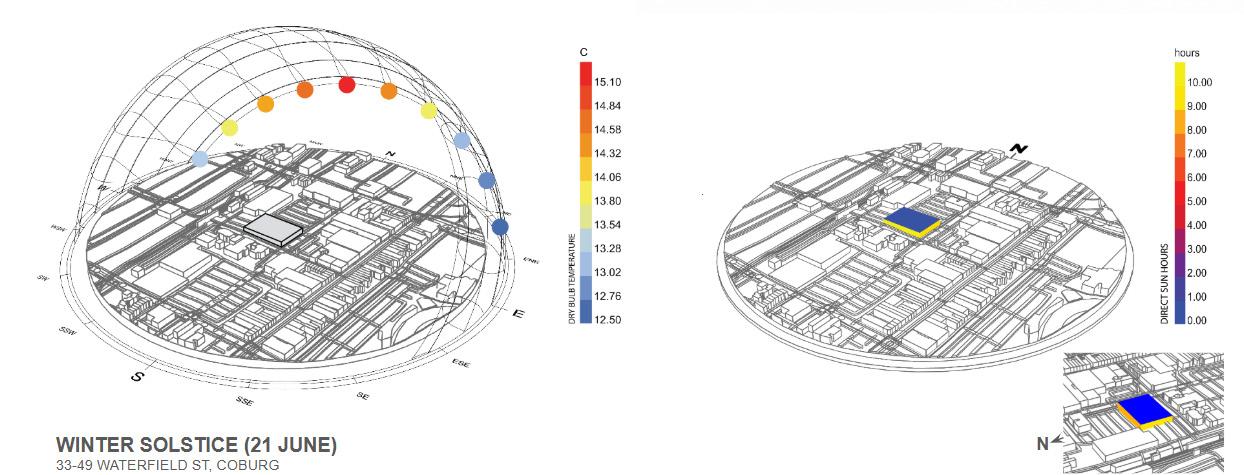
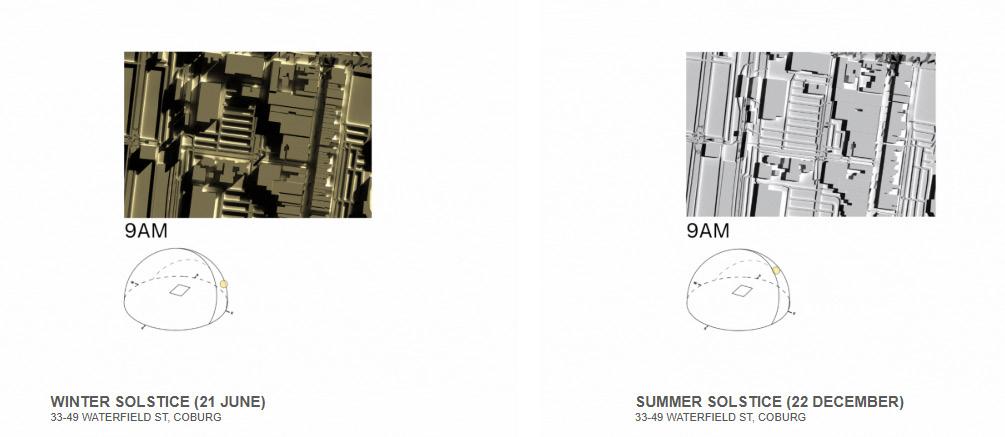
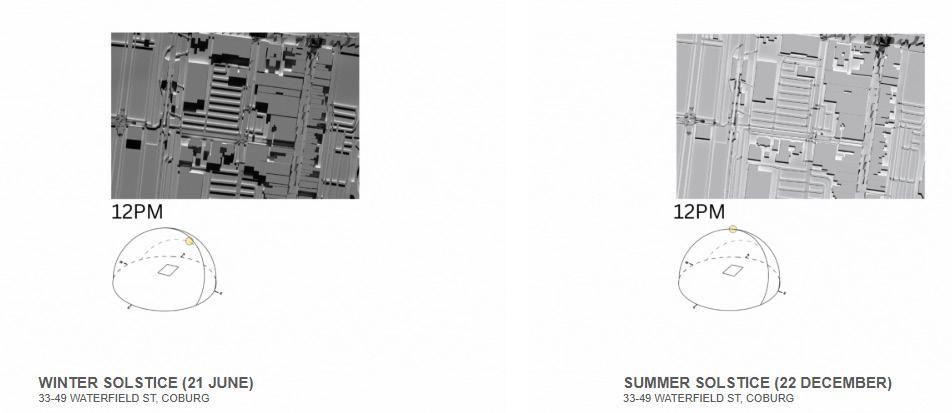
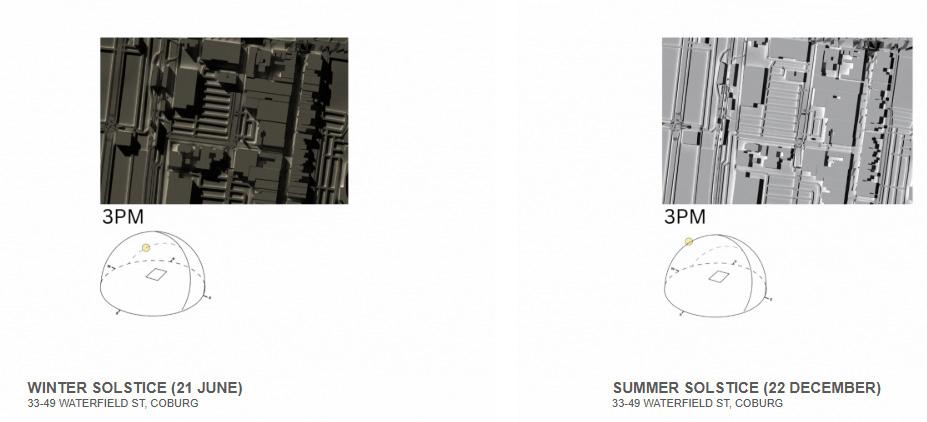
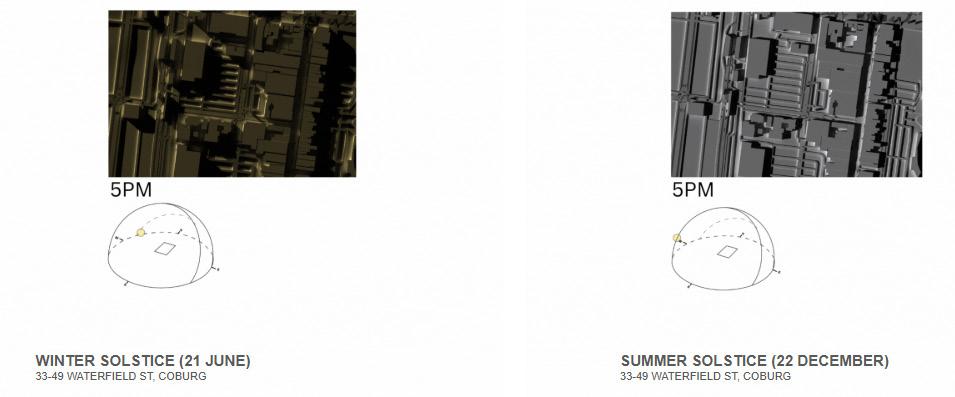
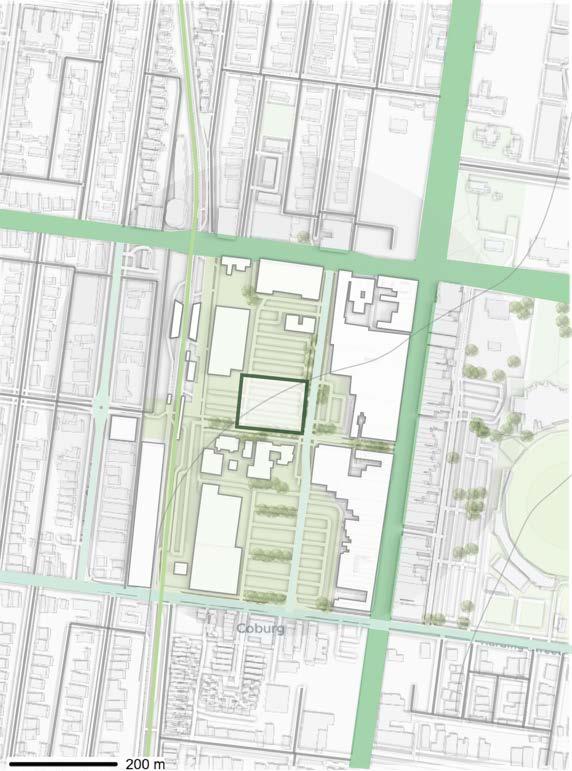
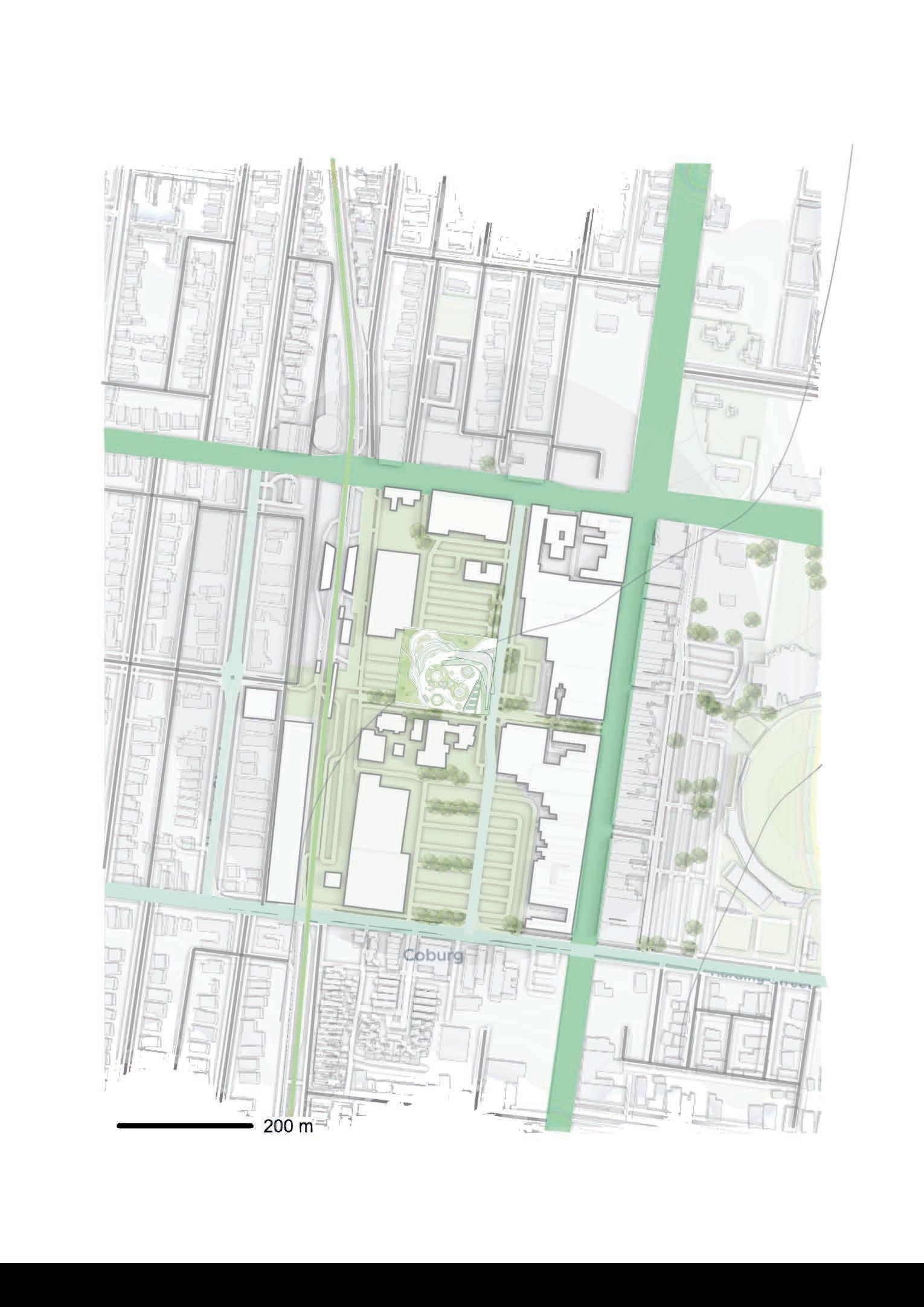
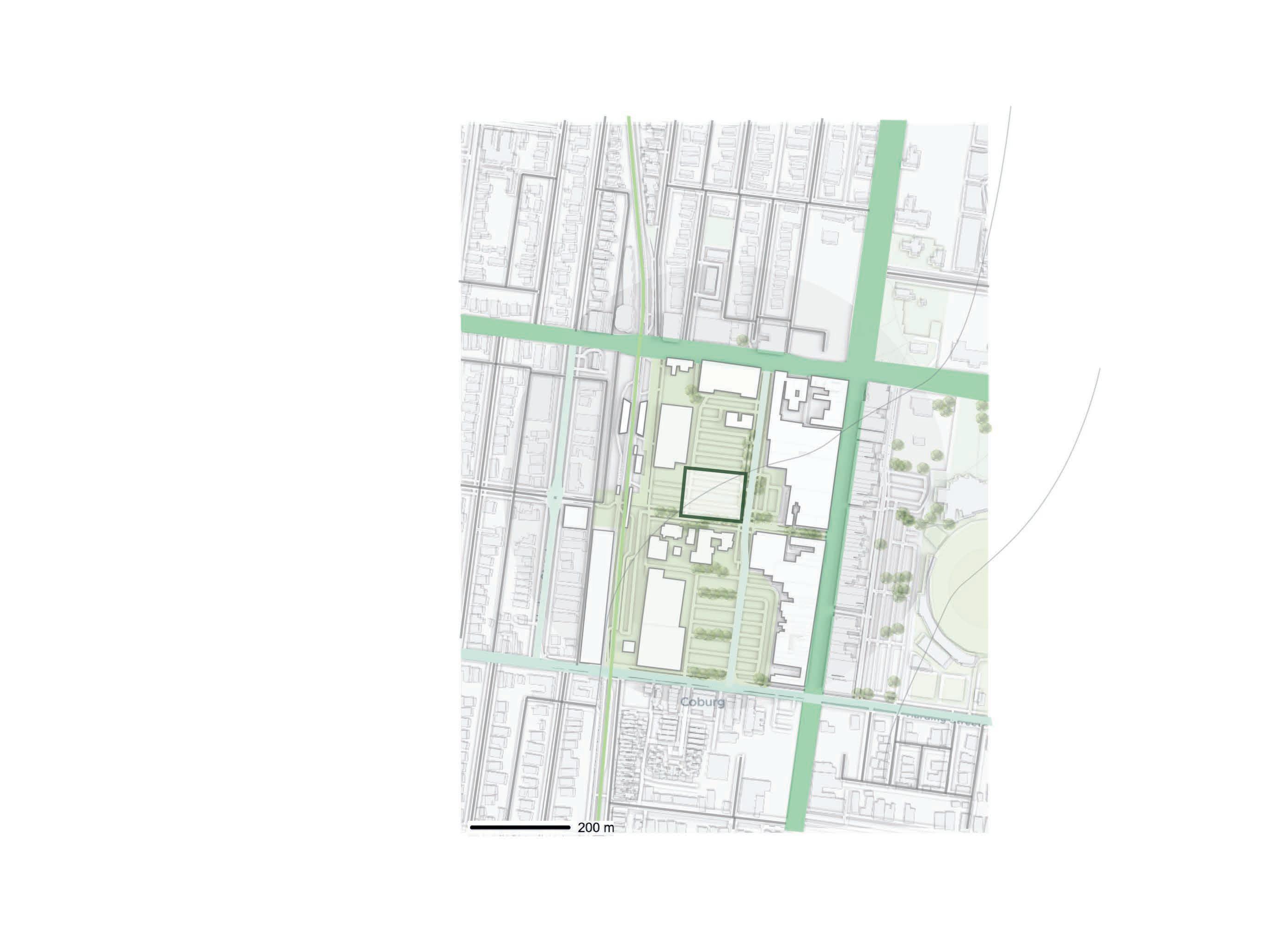
08 SITE ANALYSIS
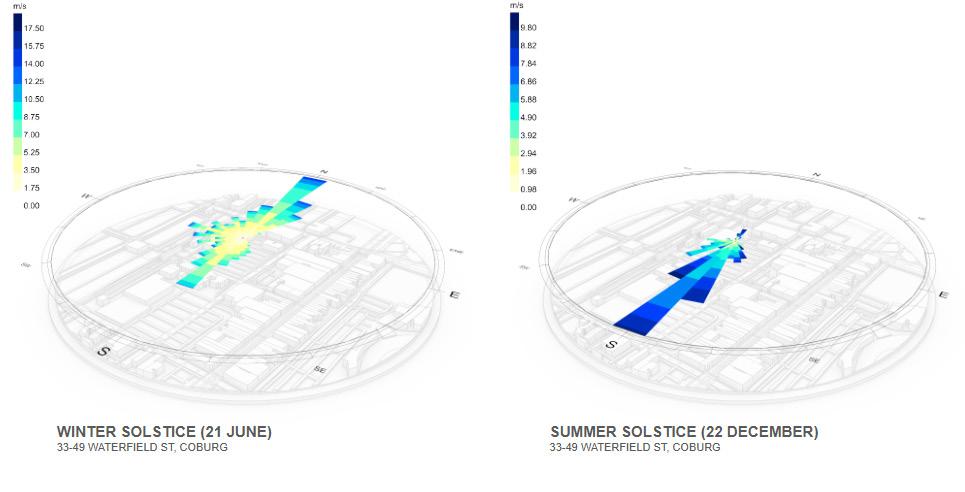
WIND ROSE COBURG
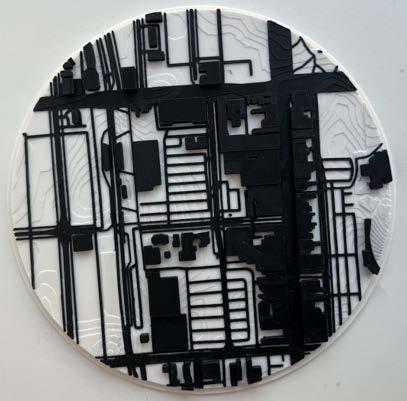
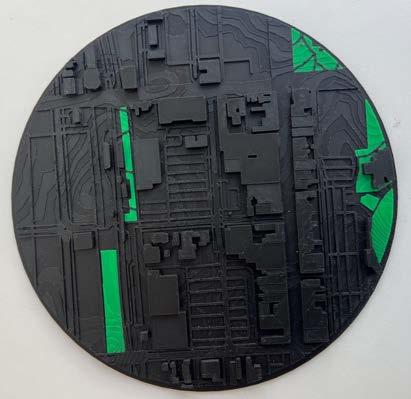
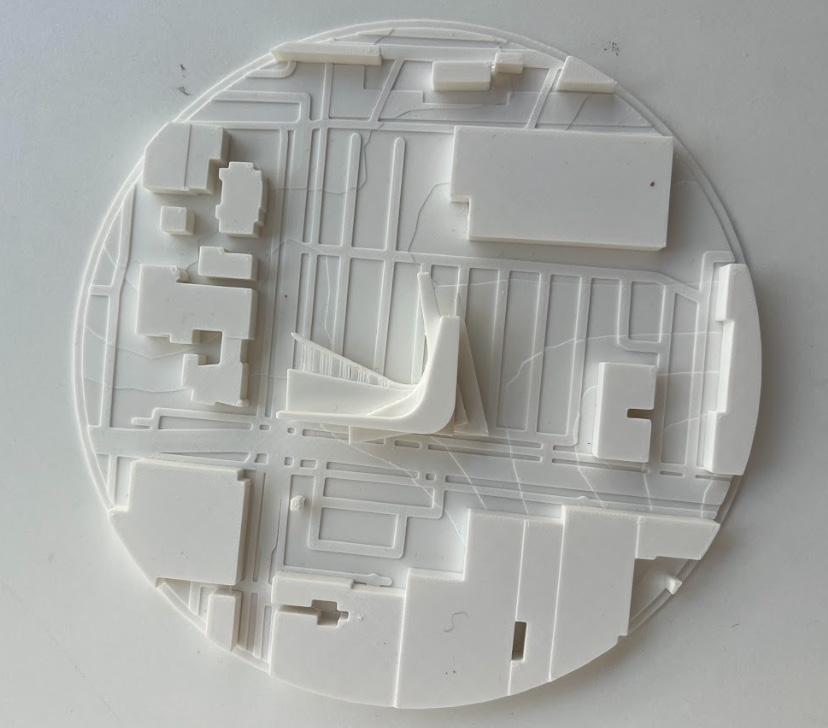
3D printed physical site models depicting existing streets, buildings, terrain and ground.
07| WIND ROSE COBURG LIBRARY
FIGURE GROUND
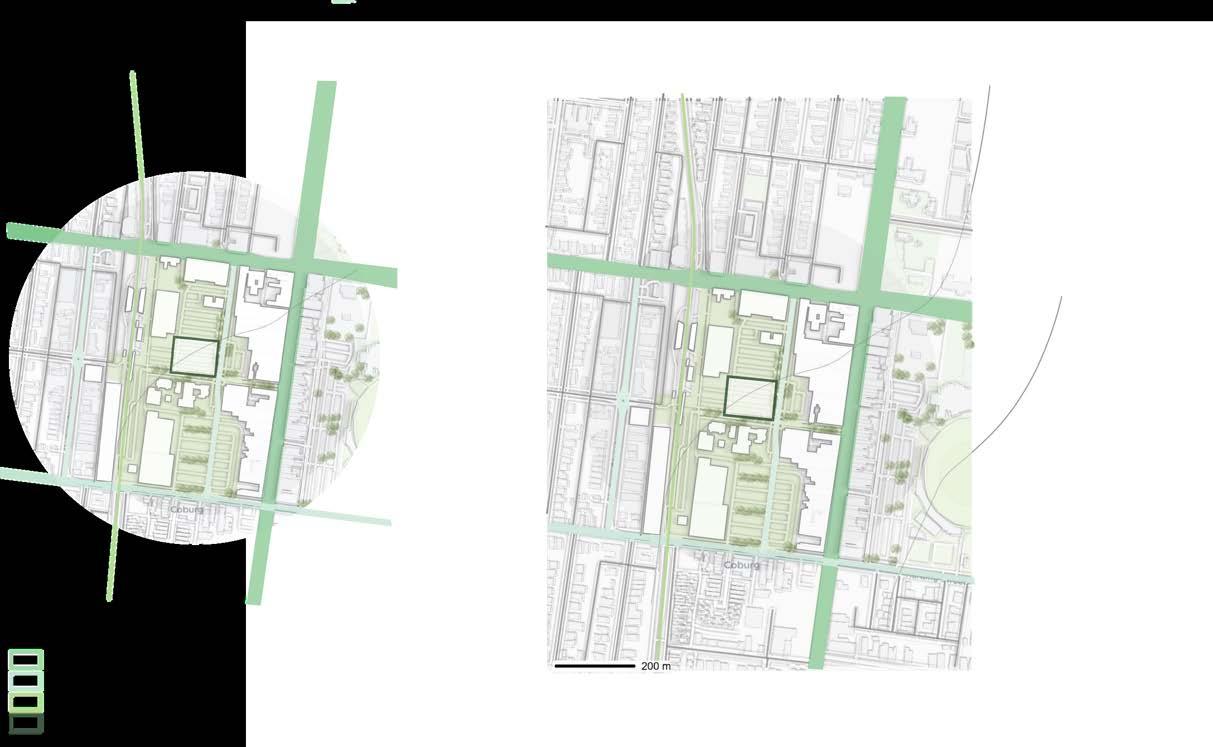
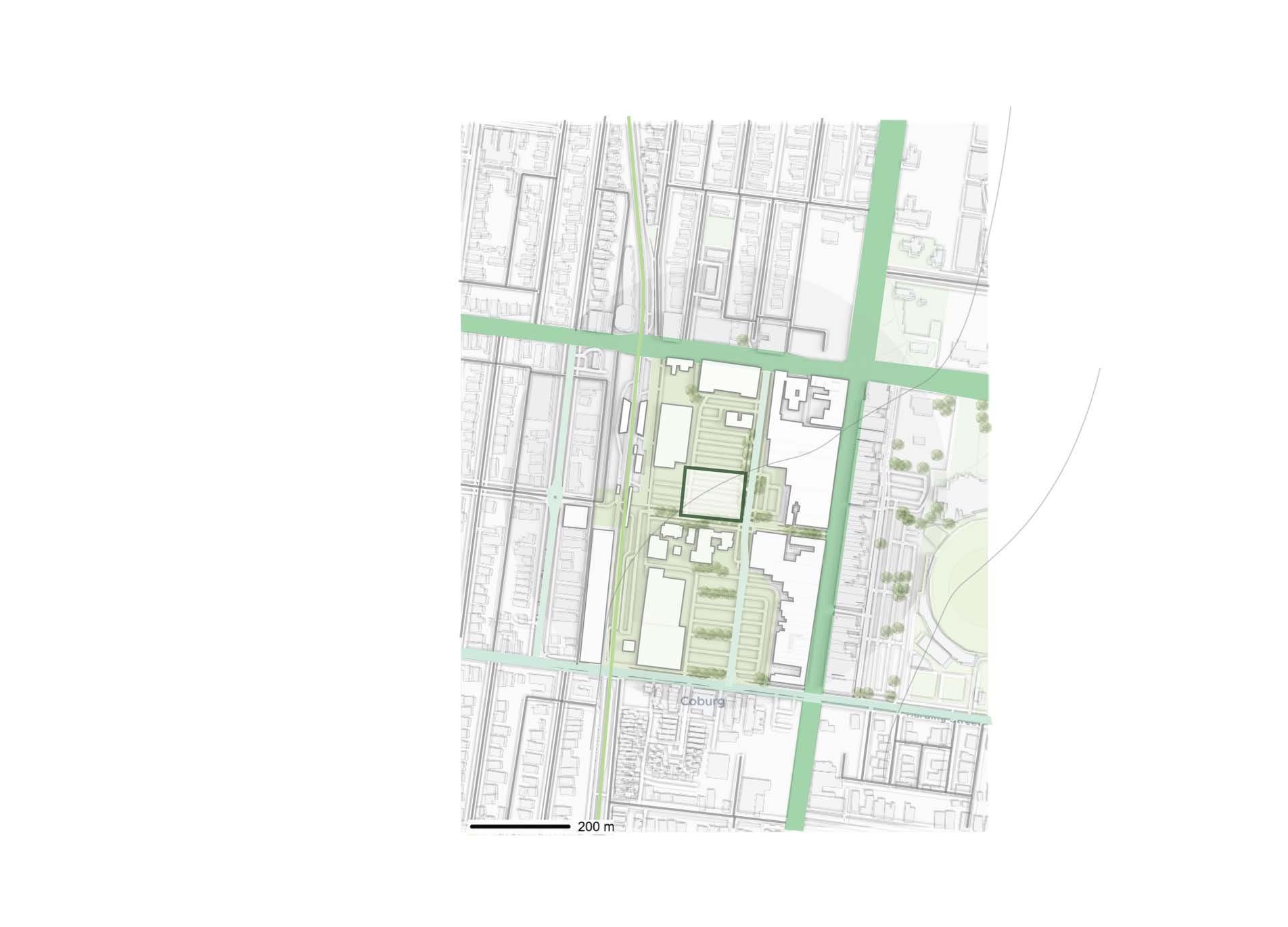
GREEN SPACE
CONNECTIONS
PRIMARY ROADS
SECONDARY ROADS
RAILWAY
PROPOSED SITE
SITE CIRCULATION
SITE ACCESS POINT S
DIAGRAM
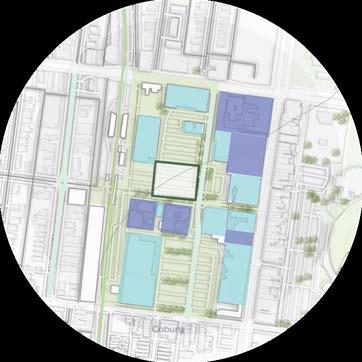
NEIGHBOURING BUILDING HEIGHTS
TWO STOREY ONE STOREY PROPOSED SITE
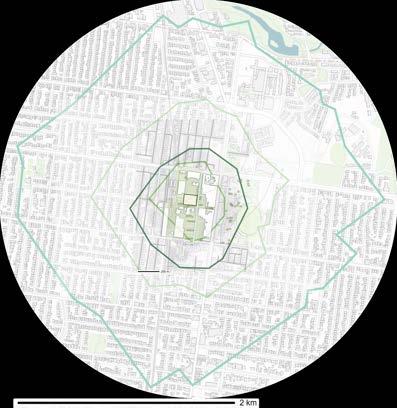
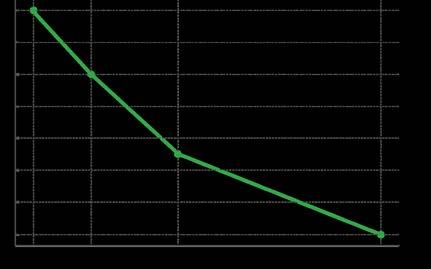
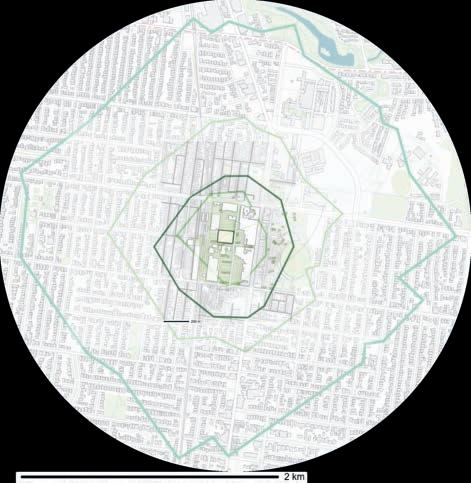
Walking 15 minutes is uncomfortable and demanding while also feeling like a long time to move. Most people feel comfortable with a 5 minute walk or less. Whenever a walk is longer than 8 minutes people feel a walking trip is effort. People walk longer distances less often and for practical errands like going to a library. People do not walk for practical errands like going to a library. A walk with weather/ climate/ sunlight/ poor perceptual/ unsafe design is not appealing. Walking for long distances is also not appealing. Environment high effort, comfort, and unsafe conditions make walking for longer than 15 minutes feel inefficient and unappealing. People feel less willing to walk the longer the trip, going from around 90% comfort with a 3 minute walk to 20% for a 15 minute walk, making the average walking time feel inefficient.
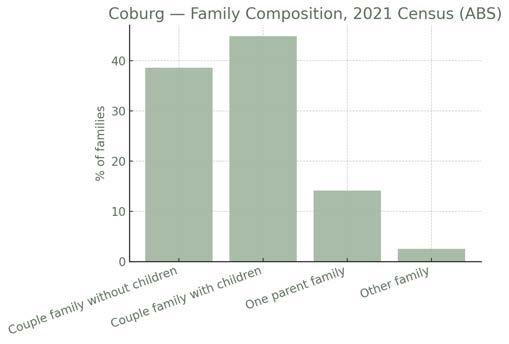
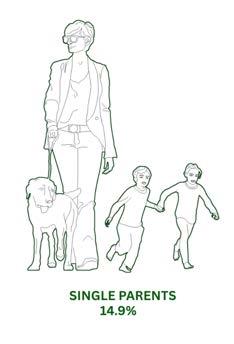
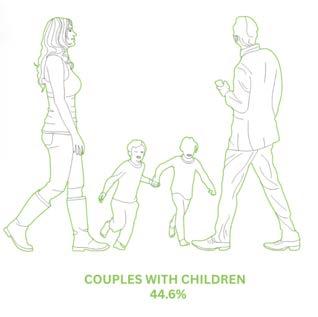
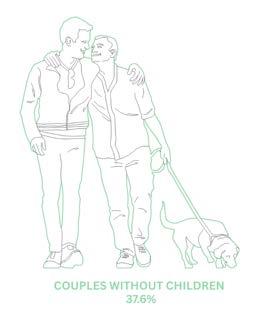
COBURG HOUSEHOLD COMPOSITION (ABS 2021 CENSUS)
07| DEMOGRAPHIC COBURG
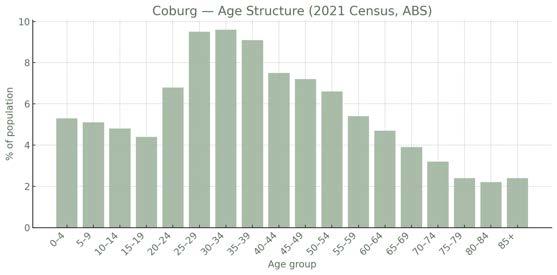
COBURG AGE STRUCTURE (2021 CENSUS, ABS)
COUPLES WITHOUT CHILDREN
COUPLES WITH CHILDREN
SINGLE PARENTS OTHER % OF FAMILIES % OF POPULATION
AGE GROUP
DIAGRAM BY NICOLA PEGORARO
DIAGRAM BY NES SALEH
Green Spaces
GREEN SPACES
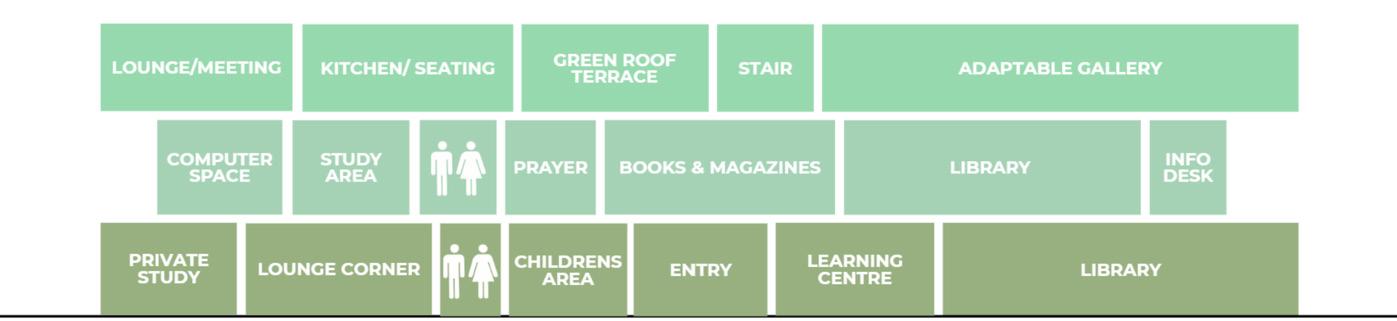
SPACIAL PLANNING SYSTEM DIAGRAM 01
SPATIAL PLANNING
YOUTH AREA GREEN ROOF TERRACE
CHILDRENS AREA
COMMUNAL SPACE/ GALLERY
PRIVATE STUDY
12|
SPACIAL PLANNING SYSTEM DIAGRAM 02
DIAGRAM BY NICOLA PEGORARO
DESIGN CONCEPT
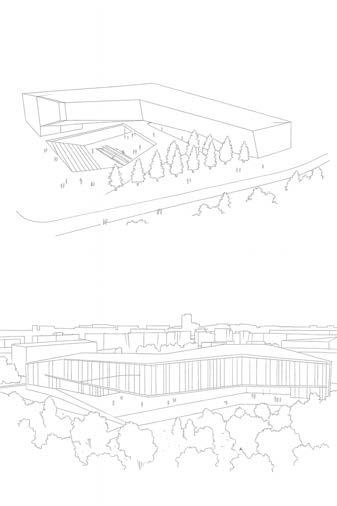
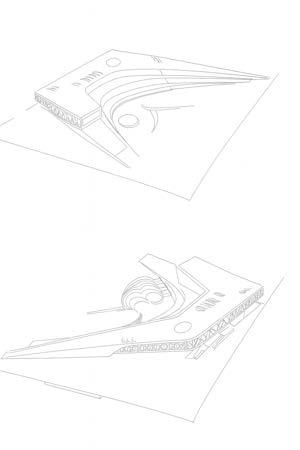
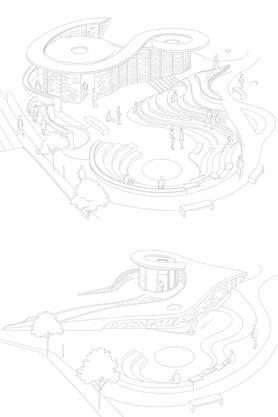
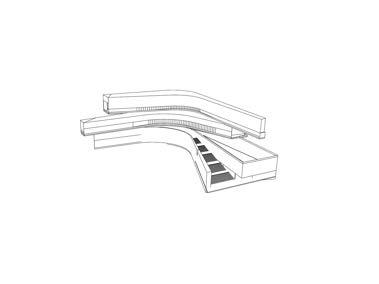
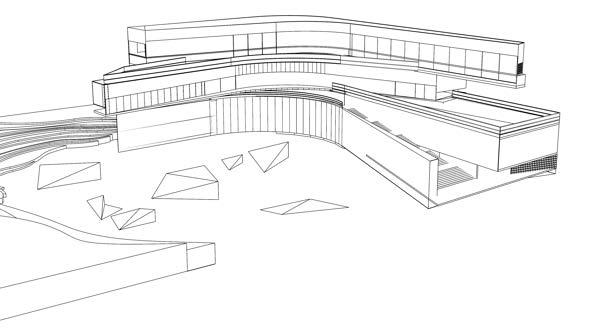
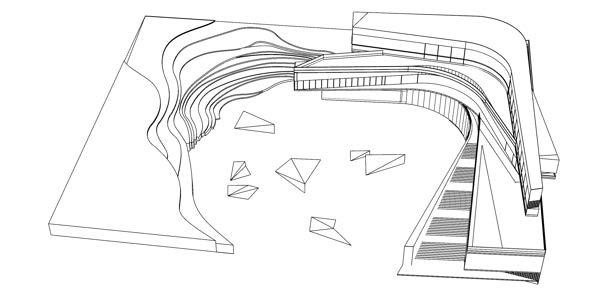
STRUCTURE WRAPPING AROUND PIAZZA
FOLLOWING EXISTING TERRAIN
MUSEUM OF TOLERANCE JERUSALEM, BY CHYUTIN ARCHITECTS PA / PAPAIOANNOU ARCHITECTS THE HOUSE OF HUNGARIAN MUSIC, BUDAPEST, HUNGARY COMPETITION 2014
CELEBRATING BOLD VISIONS FOR HISTORIC SITES — PEJA COMPETITION WINNERS BY BUILDNER
Sketching out precedents that feature potential structural elements we would like to include in our library.
SUNKEN SQUARE?
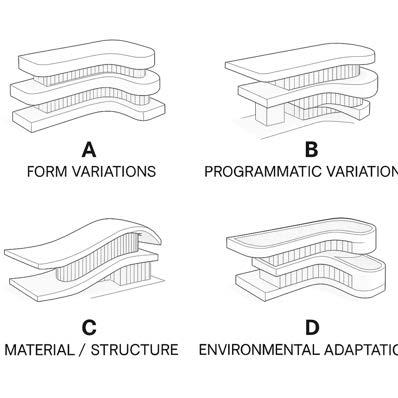
GEOMETRY COBURG LIBRARY
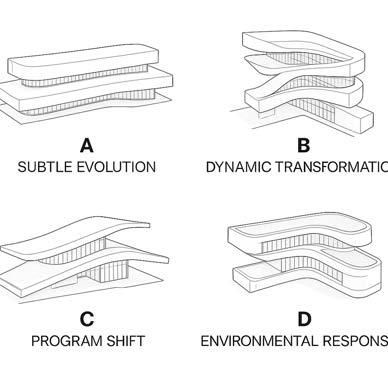
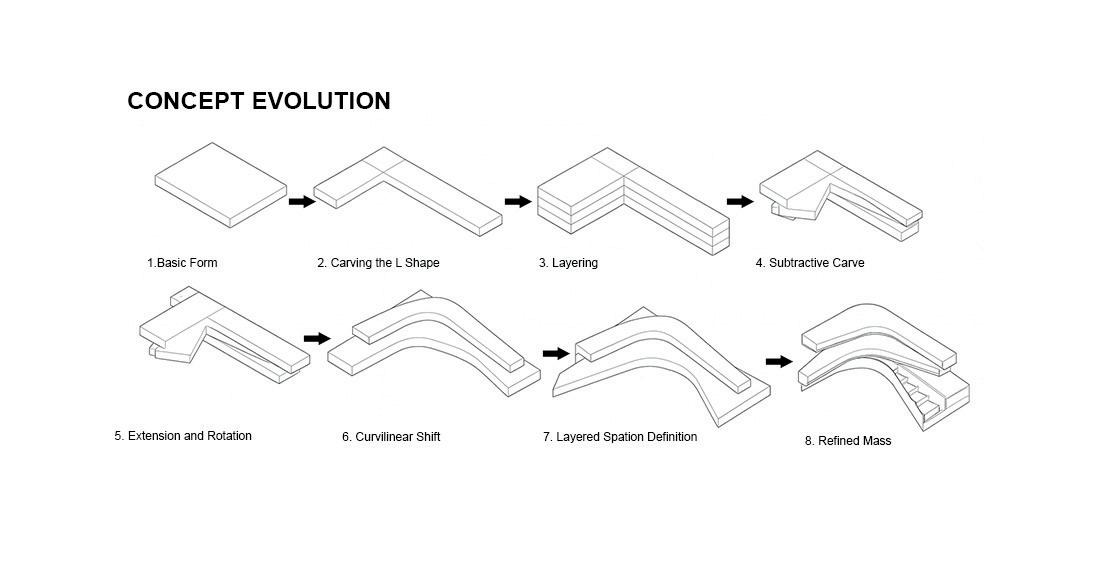
SMALL FORM AND HEIGHT VARIATIONS
PROGRAM SHIFT ENVIRONMENTAL RESPONSE –SHADING, GREEN ROOF, OPEN VOIDS
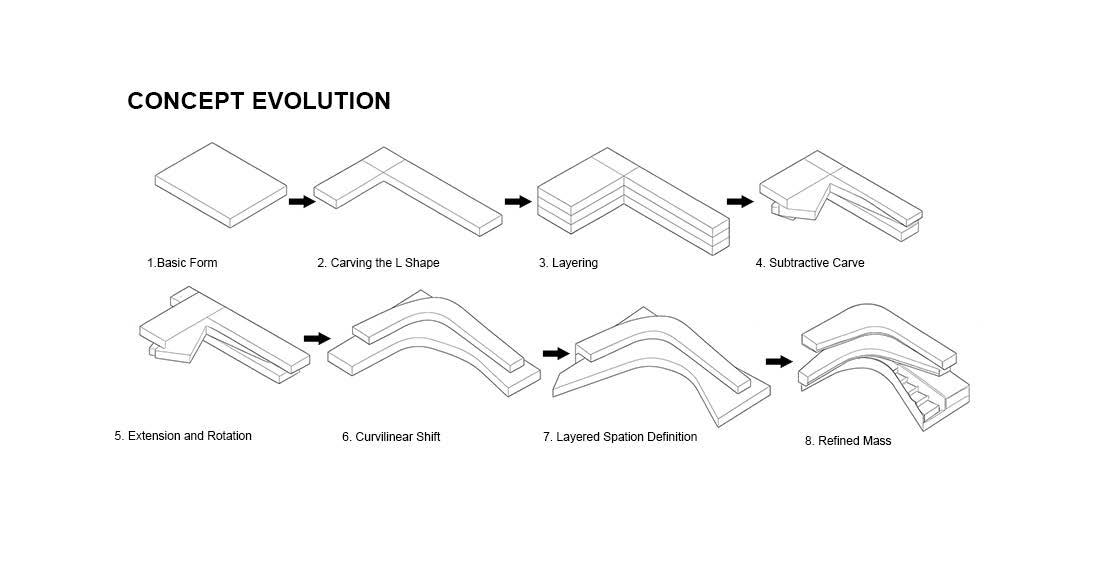
EVOLUTION COBURG LIBRARY
15|FACADE GEOMETRY COBURG LIBRARY
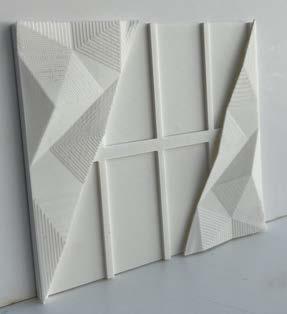
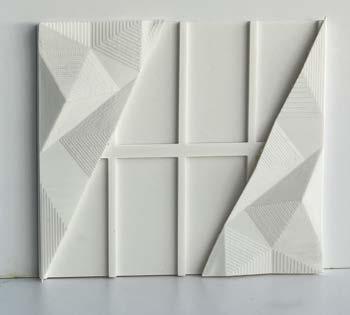
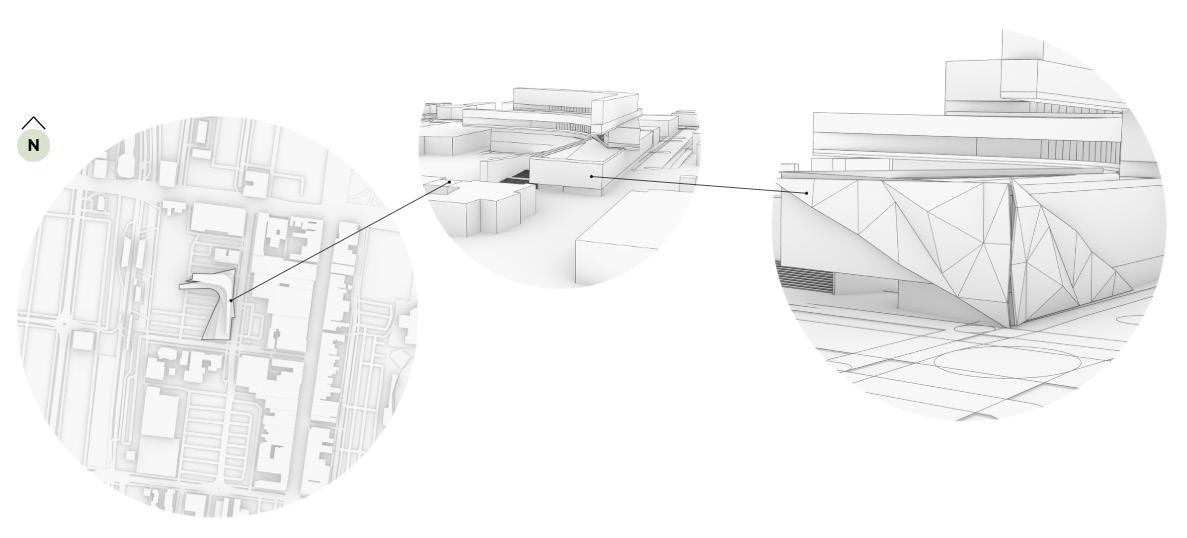
Creating a potential facade design inspired by Federation Square’s geometry logic and pattern.
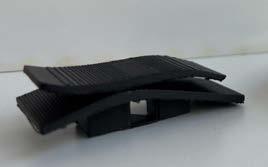
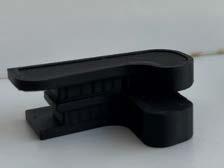
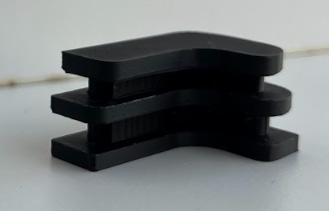
I 3D printed the design to see the facets of the geometries in various lighting conditions.
GEOMETRY COBURG LIBRARY
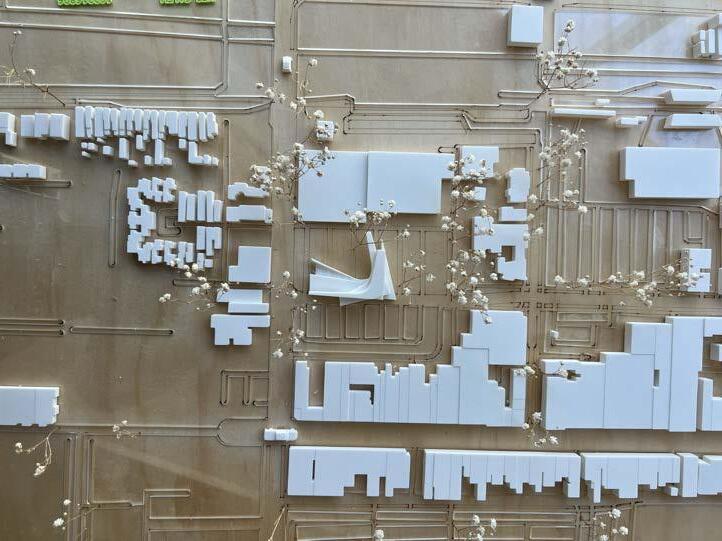
18| SITE MODEL 01 COBURG LIBRARY
3D printed physical site models depicting existing streets, buildings, terrain and ground and the library on site.
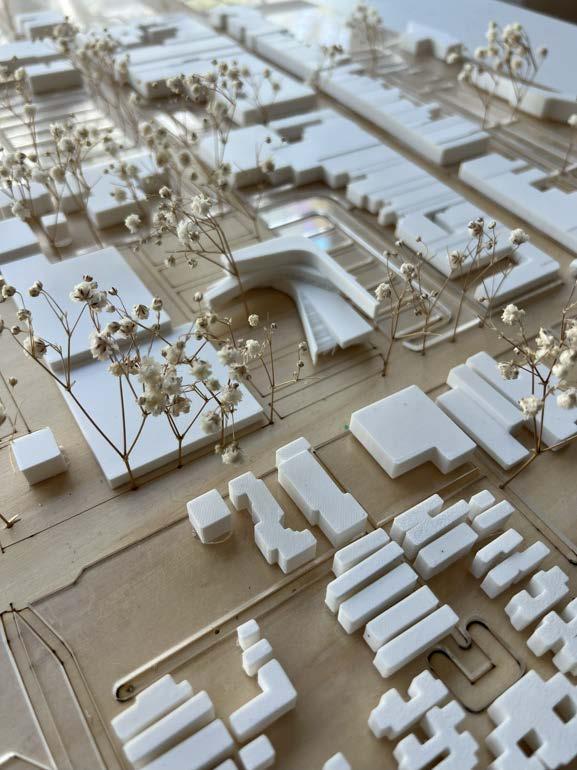
19| SITE MODEL 02 COBURG LIBRARY
1200mm X 600mm 1:500; 3D printed buildings on a laser cut base. Physical site models depicting existing streets, buildings, terrain, vegetation, ground and the library on site.
SITE MODEL BY NES SALEH AND NICOLA PEGORARO
09 TECTONIC FACADE
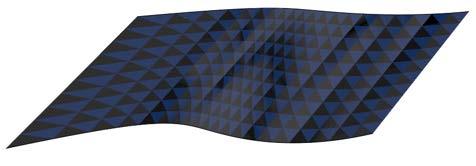
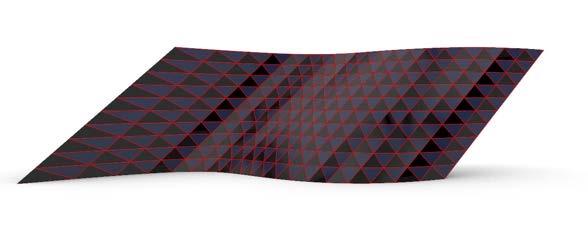
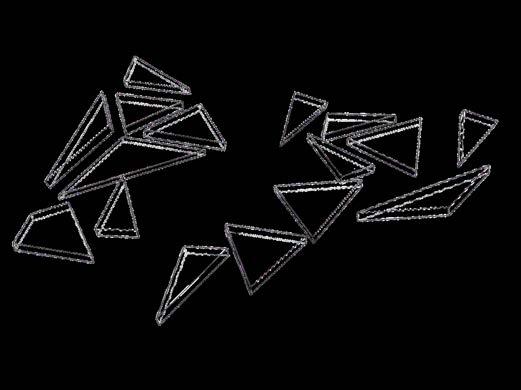
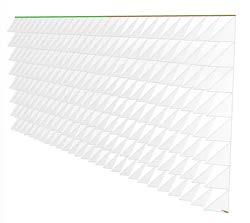
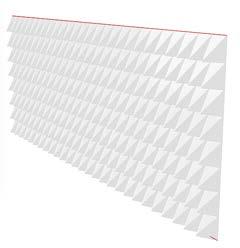
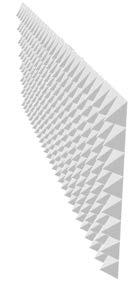
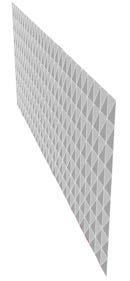
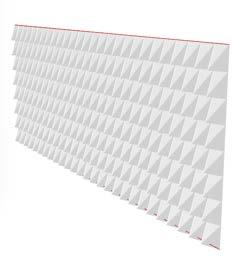
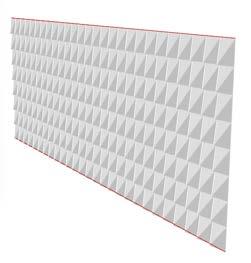
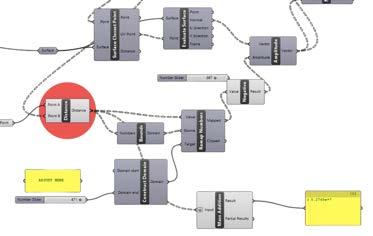
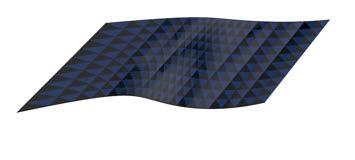
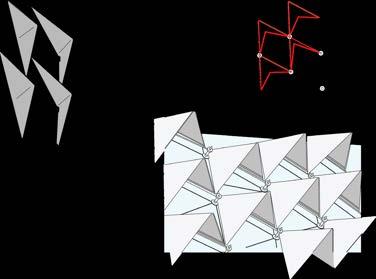
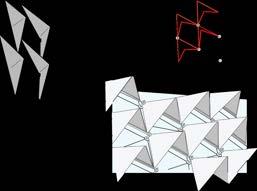
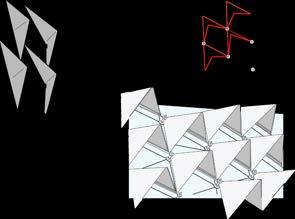
Using the surface patterning Grasshopper script, we developed a facade of triangulated scales that lift and retract according to the sun’s location/ set point.
01|TECTONIC FACADE GRASSHOPPER
DIGITAL MODEL
02|3D MODEL FACADE DESIGN
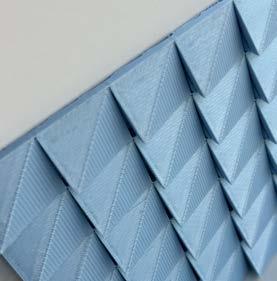
3D printed facade design using PLA Silk to mimic a metalic surface.
I 3D printed the design to see the facets of the geometries in various lighting conditions.
3D MODEL
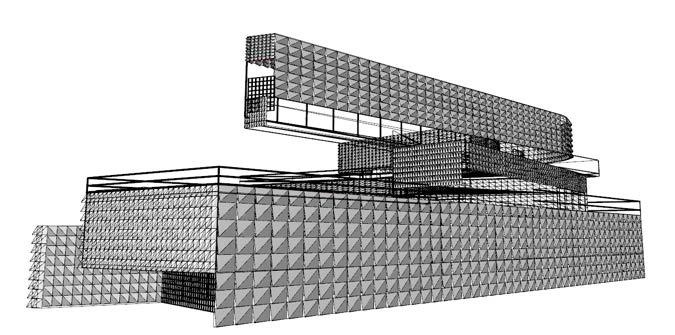
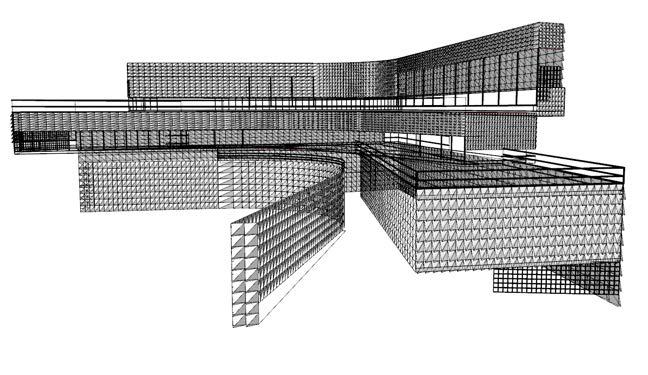
03|TECTONIC FACADE APPLY TO STRUCTURE
Using the surface patterning Grasshopper script, we developed a facade of triangulated scales that lift and retract according to the sun’s location/ set point.
10
‘WORKING FROM HOME 2.0’ COBURG LIBRARY
2.0’
Initially, we focused on developing a library that benefits individuals and families, as well as providing a relaxing and secure environment with easy access to greenspaces on every floor of the building. We aimed to build a library that does not resemble an official civic building, but instead feels like a community building that allows children the freedom to move, explore, and learn in the indoor and outdoor spaces.
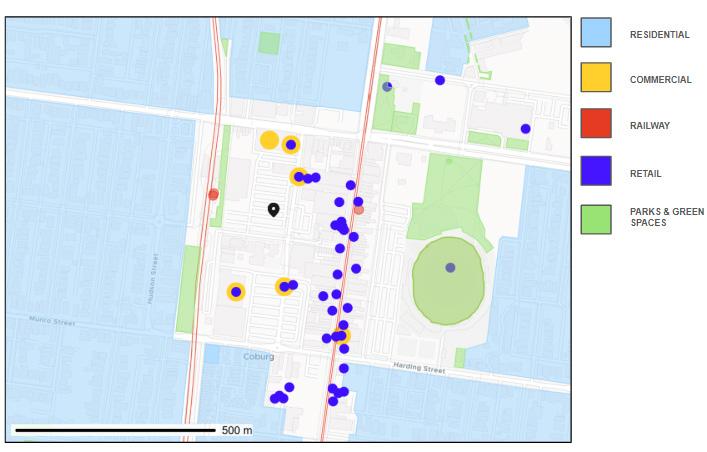
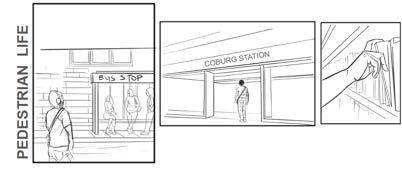
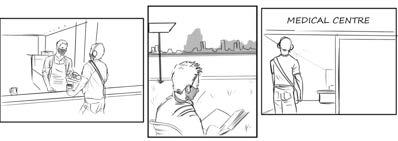
Initially, we undertook detailed site analysis of 33-39 Waterfield Street. The site is located in between the active and busy corridor on Sydney Road and the quieter residential streets at the back. As a result, it serves a a buffer zone for both activities. This gave us the primary source for the library’s purpose. The library should defend children from the busy road and sounds but also be in the center. When we plotted out walkability and bike paths, we also analyzed movement patterns and quickly realized that many families live within a small radius, confirming this library would be a daily hub for children and caregivers.
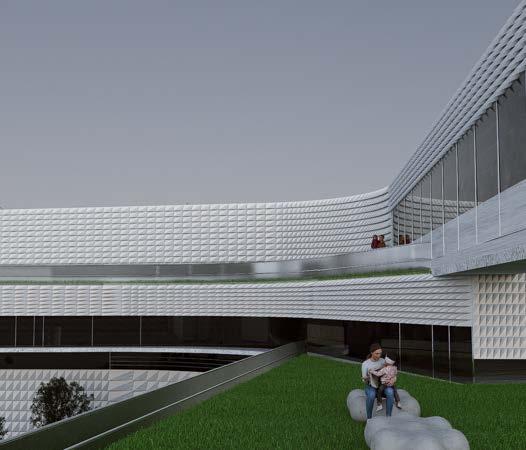
Greenspace and recreation were integral to our design. Coburg is famous for its lovely parks. However, there are no small, safe, and enjoyable green areas for children to play and relax in near public buildings. We redesigned the library to provide children with safe and enjoyable green spaces to relax and read, and for all library patrons to engage with the library greenery and plantings. We didn’t want to restrict all the nature to the ground plane, rather, we wanted the greenery to be integrated vertically throughout the structure. Children can read outside, and they can slip in and out of small terraces and shaded garden edges. For this reason, the design was dominated by the idea of vertical greenery.
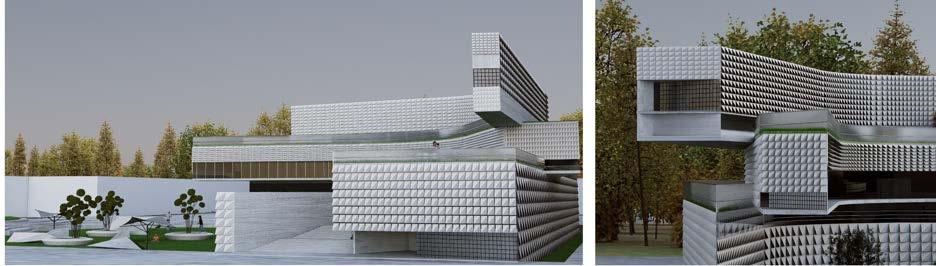
We calculated pedestrian movement and circulation in the area to dictate the curve of the building. From the mapped desire lines and key approached pathways, we determined the shape and softened the building by providing stacked curves to remove rigidity and integrate more child-friendly design. The building’s shape was also key to integrating terraces and planting in the design, thus achieving our goals of providing greenspace and child-friendly areas for outside play without compromising aesthetic.
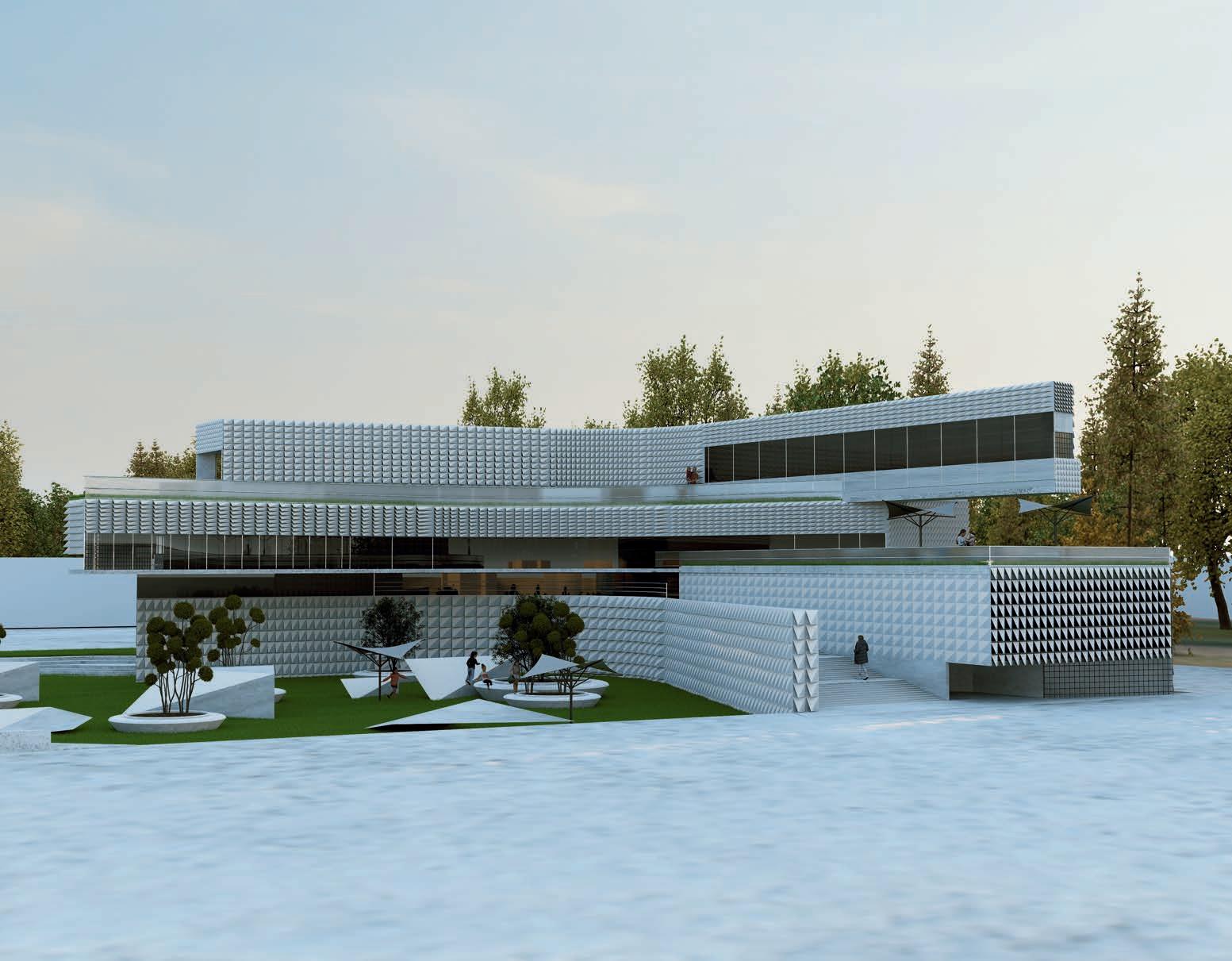
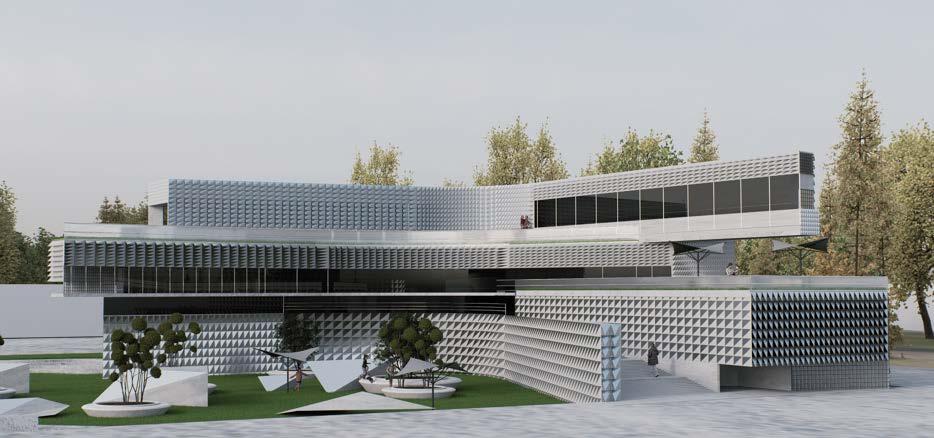
Views and access from the train station heavily influenced the orientation of our design. Creating an edge against the busy road on the south, and inviting open arms of the structure from the north. This will also attract people passing in and out of the station, and even travelling through, so we ensured that the striking yet subtle facade wrapped around the building
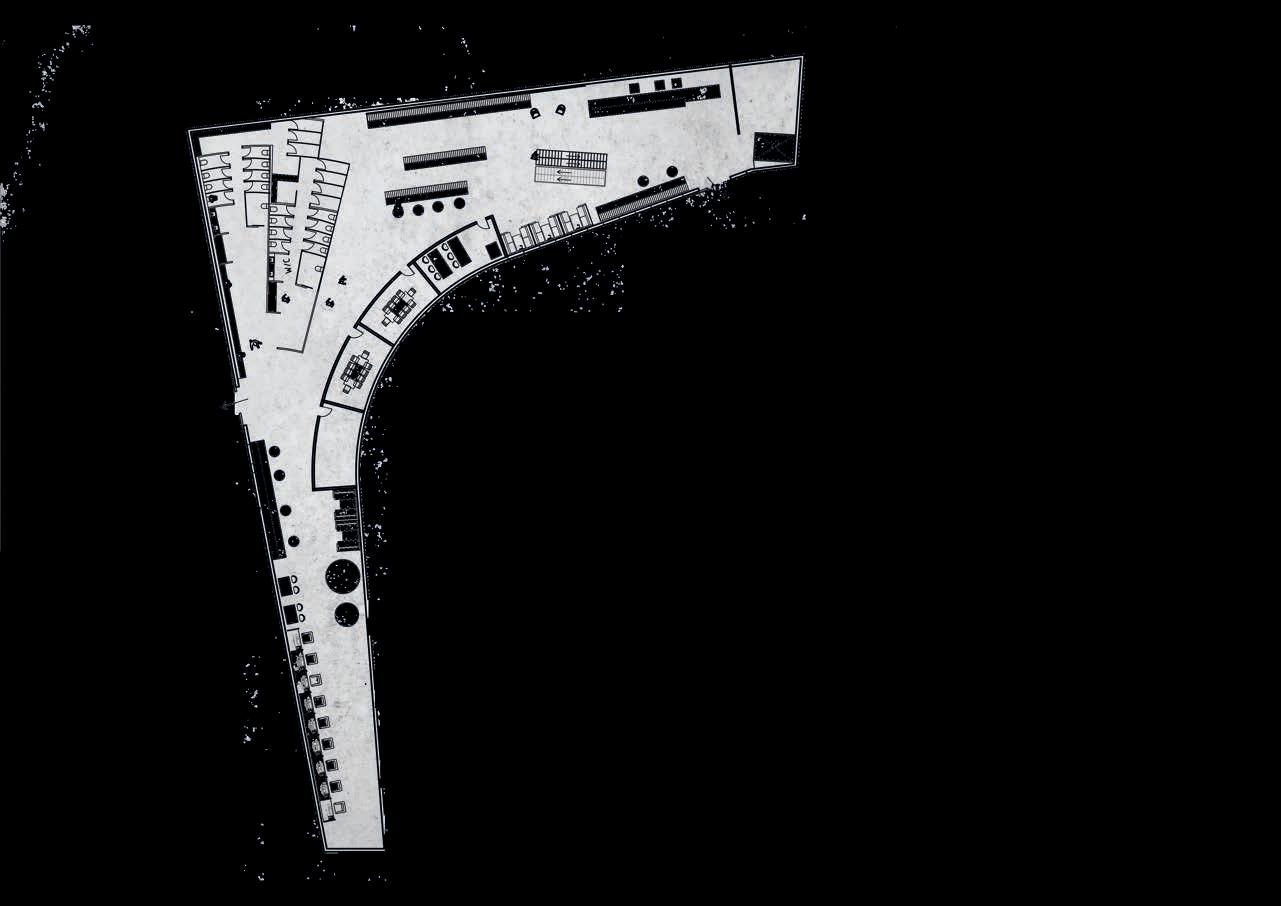
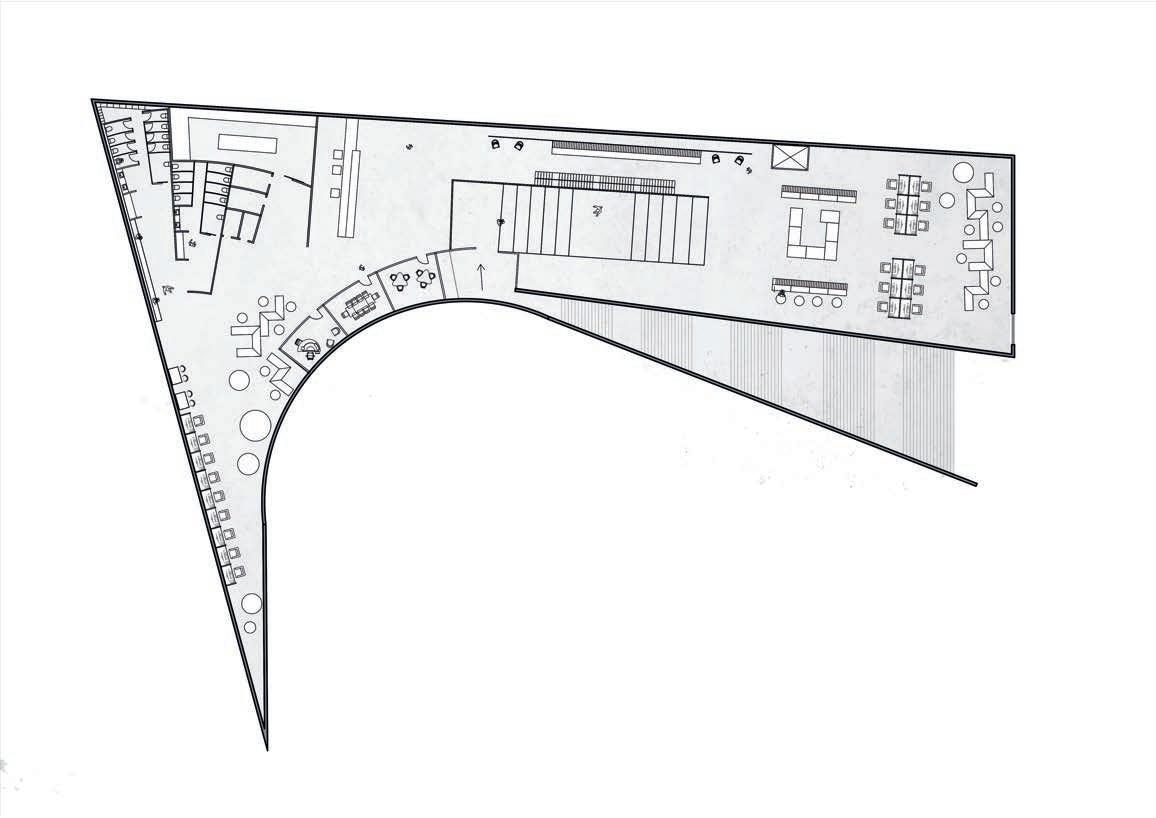
We arranged the building around the children first, with the ground floor having the most active and social functions, including the children’s zone, the play based learning area, and flexible family and group meeting rooms. The upper floors transition to quieter study areas, but still being able to see and engage with the activity below. We did this so parents and staff could easily sight across the building and the entire space felt safer and more open. \
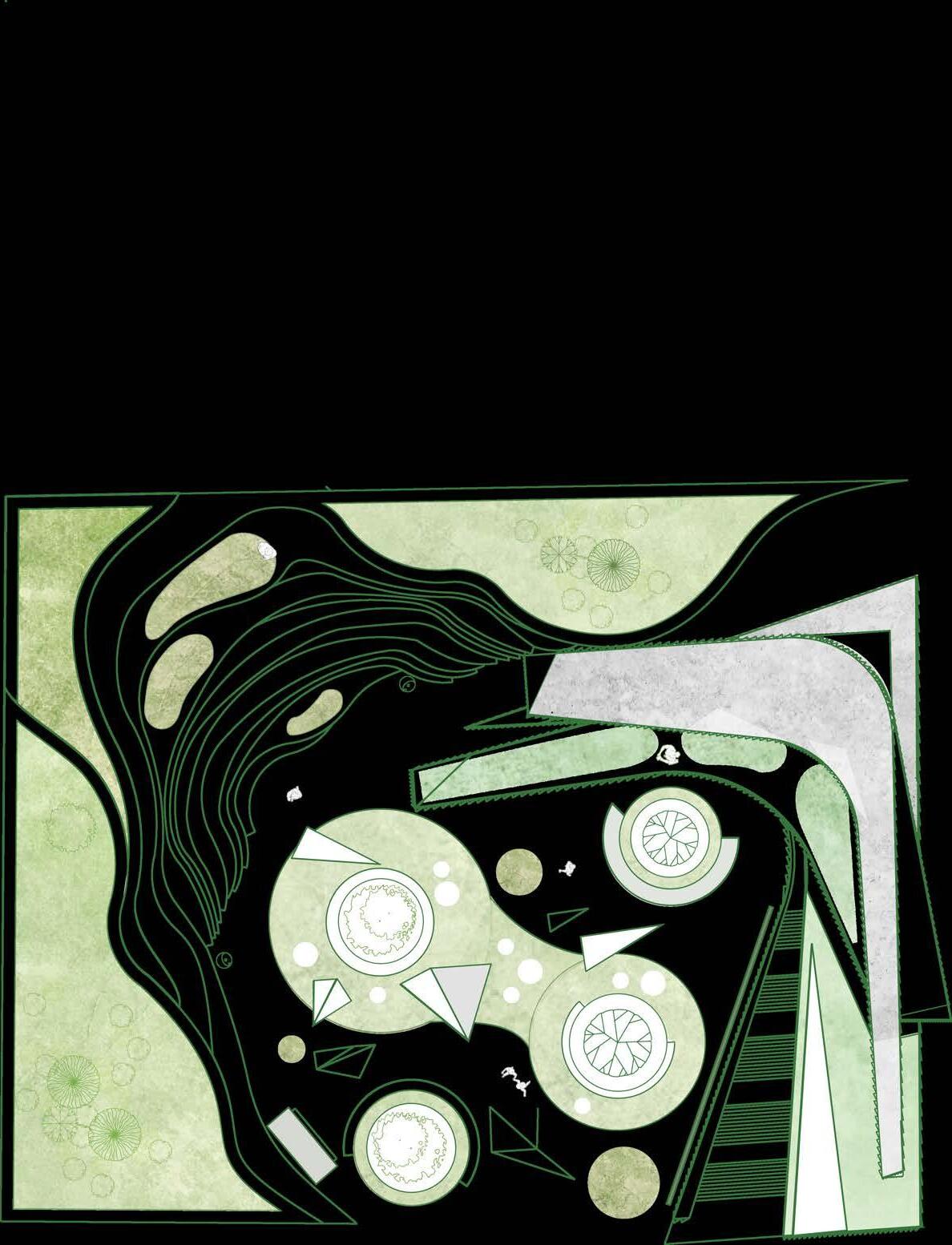
We envisioned the sunken square first as an extension to the children’s zone. Rather than having the typical flat form, we designed a protected lower level outdoor space that mitigates street noise and serves as a natural courtyard. The outdoor space is easily seen from the building, allowing children to play freely while parents supervise without being overly present. The pathways, seating, and vegetation are designed to match the building, contributing to the overall calm feel of the site. The circular landscape nods to yarning circles, traditional places of gathering, fostering respectful and calm community engagement with first nations meeting traditions.
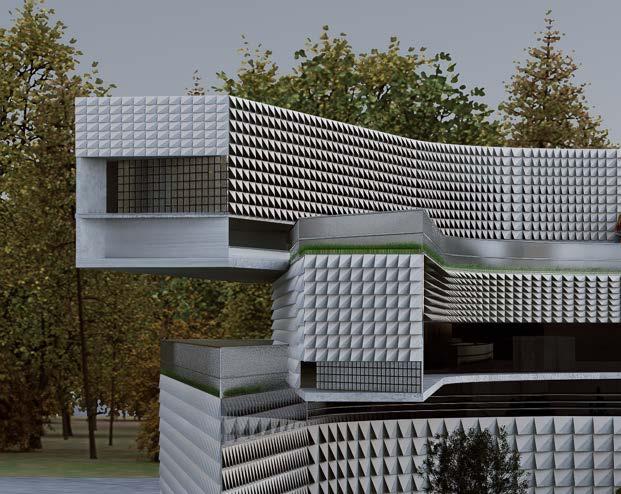
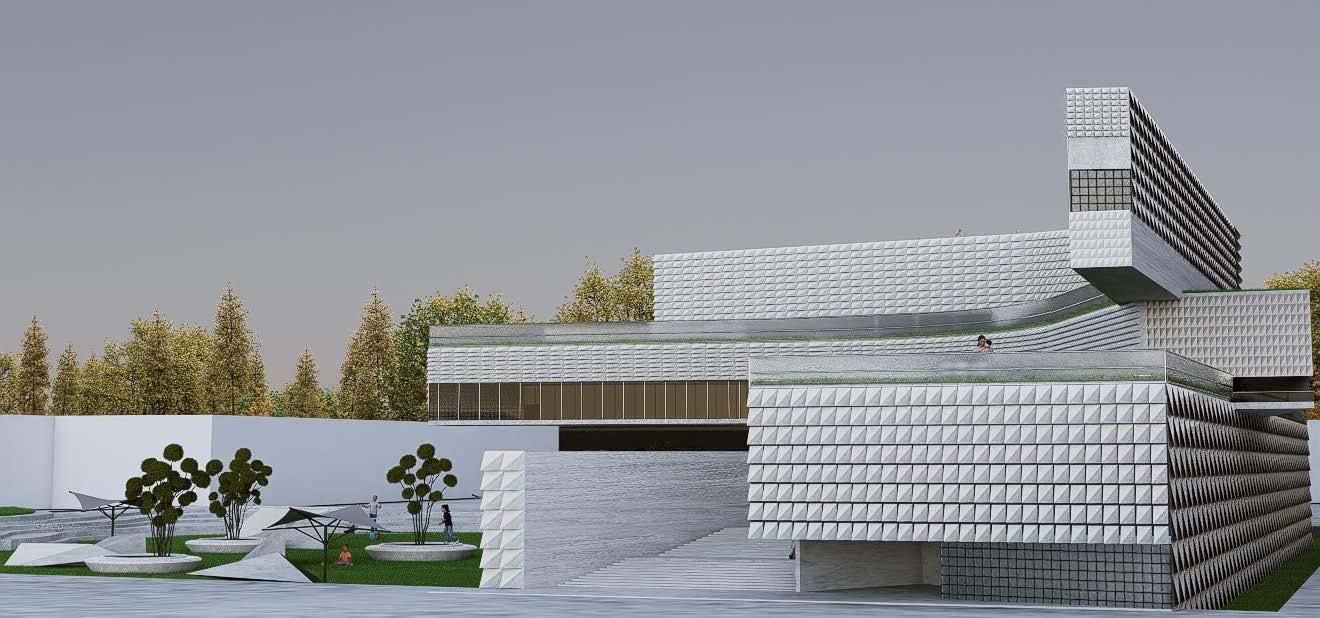
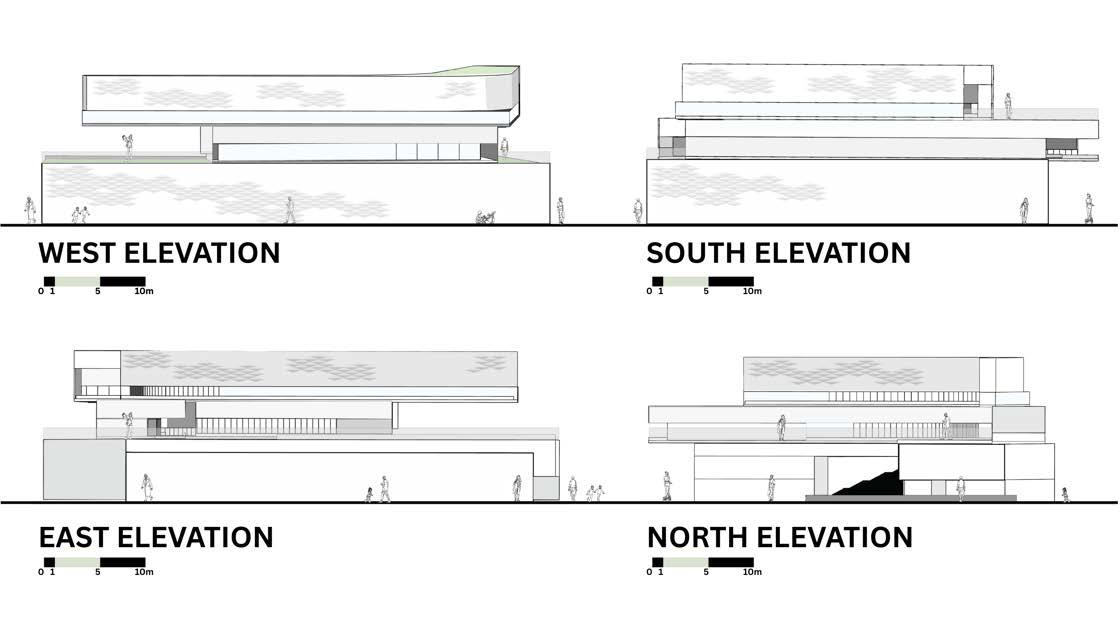
The envelope employs a triangular tectonic panel system, creating a lightweight texture and shading effect. Cream colored panels soften sunlight and reduce glare, making the space safer and more comfortable for children. The panels also help reduce heat gain, and improve the stability of the space, which is essential when children will be present all day.
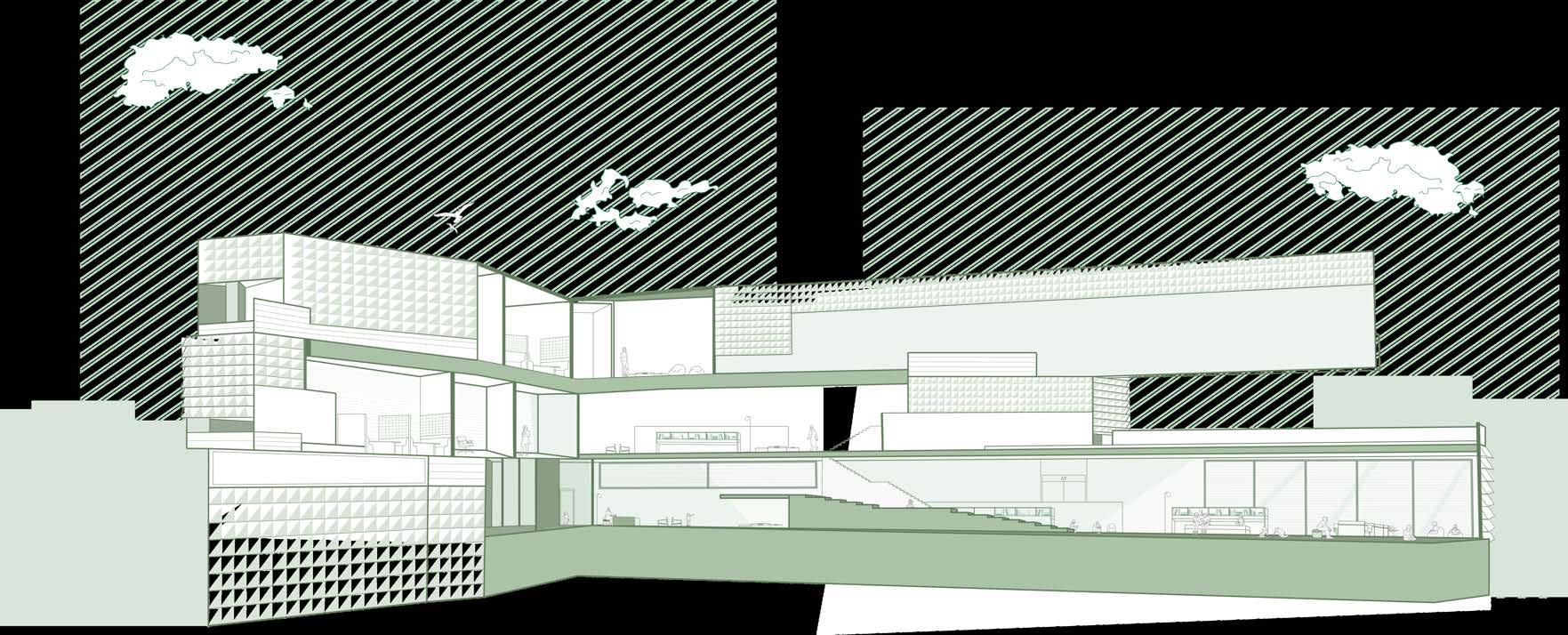
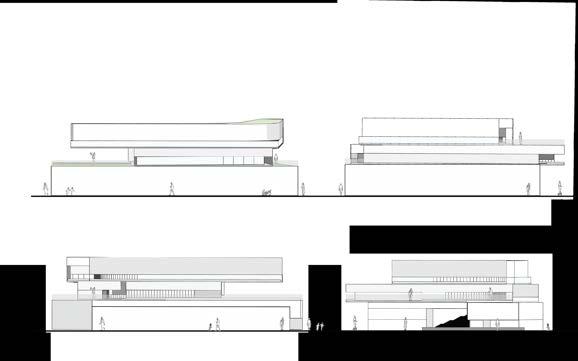
In the axos, it is visible how the floor plates shift and how every level is connected to nature through terraces and planted edges. Daylight is provided from multiple sources, and the tiered arrangement means the upper floors are not isolated. This arrangement also meets both safety and comfort requirements. We also implemented passive design strategies, including overhangs, to provide shades, cross ventilation, and sun control for overall thermal comfort without the use of mechanical system.
The story we are telling focuses on designing a library that provides a safe, comforting space for children as well as improves site access to greenspace. “Working From Home 2.0” integrates learning, play, landscape, and community interaction. We wanted to design a space that integrates greenspace at every strata level and is organized in a way that movement, sightlines, and thermal comfort are prioritized to support families, children, and a public space to grow, learn, and be in nature.
SYSTEM DIAGRAM
SINGLE PARENTS
COUPLES WITH CHILDREN
COUPLES WITHOUT CHILDREN
BOOK
CHILDREN’S LOUNGE
BOOKS & MAGAZINES
COMPUTER LEARNING
INFANTS CORNER
BOOKS / LEARNING
COMPUTERS
LOUNGE CORNER
MEN’S BATHROOMS
WOMENS BATHROOMS
PARENT’S & CHILD RESTROOM
STORE
PRINTING & COPYING FILING
INFO/ FRONT DESK
LEARNING/ MEETING ROOM
SUNKEN SQUARE
13|RENDERS D5 RENDERS
13|DESIGN FEATURE GLASS BLOCKS
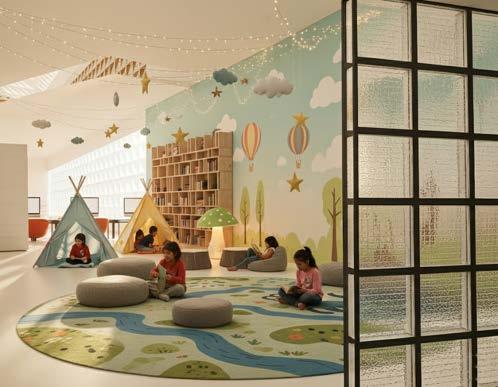
Glass blocks were used at the opening points of the ends of each layer of the building to beautifully diffuse light, maintain privacy while also creating a nostaligic element.
The solid mass allows great thermal and acoustic insulation, and are even more secure than clear glazing, as sieved light can get vaulted. A modular grid invites texture and rhythm into the building, providing sleek minimalism and makes a great virtue even to modern architectural pieces. They also look great and improve the feel of the space with soft reflections and light play, giving depth and sophistication to the design.
11 REFERENCES
Premium – The Different Design. (2025). Thedifferentdesign.com. https://thedifferentdesign.com/account/
Pottmann, H., Asperl, A., Hofer, M. & Kilian, A. (2007). Architectural Geometry. Birkhäuser. canonical for NURBS, panelization, Voronoi/medial axes.
Aurenhammer, F. (1991). “Voronoi Diagrams A Survey.” ACM Computing Surveys, 23(3), 345–405. fundamentals of Voronoi.
Okabe, A., Boots, B., Sugihara, K. & Chiu, S. (2000). Spatial Tessellations: Concepts and Applications of Voronoi Diagrams (2nd ed.). Wiley. definitive reference on Voronoi in 2D/3D.
GRASSHOPPER / PARAMETRIC METHODS
ModeLab (T. Payne & W. Cabral). The Grasshopper Primer v3 (esp. “Attractors”, “Data Trees”). clear, studio-friendly workflows.
Rutten, D. (2007). Grasshopper Docs & Forum posts on Data Trees and graft/flatten logic ,the authoritative notes from GH’s author.
McNeel (2018+). Rhino Level 2 Training Guide. concise NURBS + subdivision operations used in your “Curve/NURBS → lattice” steps.
TENSILE / KANGAROO PHYSICS
Piker, D. (2013–2024). Kangaroo Physics documentation & examples. anchor points, goals, relaxation; directly supports your tensile/gene-pool section.
Otto, F. & Rasch, B. (1996). Finding Form: Towards an Architecture of the Minimal. Edition Axel Menges. classic form-finding background.
Otto, F. (1967–73). Tensile Structures (2 vols.). MIT Press. foundational precedents for membrane/cable logic.
DIGITAL FABRICATION / WAFFLE & INTERLOCKING JOINTS
Gramazio, F. & Kohler, M. (2008). Digital Materiality in Architecture. Lars Müller. material/system thinking behind interlocking assemblies.
2021 Coburg, Census All persons QuickStats | Australian Bureau of Statistics. (n.d.). Www.abs. gov.au. https://www.abs.gov.au/census/find-census-data/quickstats/2021/SAL20596
Menges, A. & Ahlquist, S. (2011). Computational Design Thinking. Wiley. parametric reasoning from concept to build logic.
FABRICATE proceedings (2011/2014/2017). UCL Press. case studies on ribbed shells, slotting strategies, kit-of-parts assembly.
PANELIZATION
/ SURFACE PATTERNING
Eigensatz, M. et al. (2010). “Paneling Architectural Freeform Surfaces.” ACM TOG (SIGGRAPH). strategies for rationalizing freeform skins.
Schindler, C. (2013). Parametric Wood. Birkhäuser. practical joints and tolerances for sheet-based fabrication.
Gallery of Celebrating Bold Visions for Historic Sites — Peja Competition Winners by Buildner - 19. (2025). ArchDaily. https://www.archdaily.com/1029363/ celebrating-bold-visions-for-historic-sites-peja-competition-wi nners-by-buildner/68079a839713bf01888be815-celebrating-bold-visions-for-historic-sites-peja-competition-winners-by-buildner-image
Gallery of Celebrating Bold Visions for Historic Sites — Peja Competition Winners by Buildner - 19. (2025). ArchDaily. https://www.archdaily.com/1029363/ celebrating-bold-visions-for-historic-sites-peja-competition-wi nners-by-buildner/68079a839713bf01888be815-celebrating-bold-visions-for-historic-sites-peja-competition-winners-by-buildner-image
Abril, E. (2024). Um guia para conhecer os bares e restaurantes da CASACOR SP 2024. Abril.com.br. https://casacor.abril.com.br/pt-BR/noticias/noticias/bares-restaurantes-casacor-sp-2024